Wine Advisor



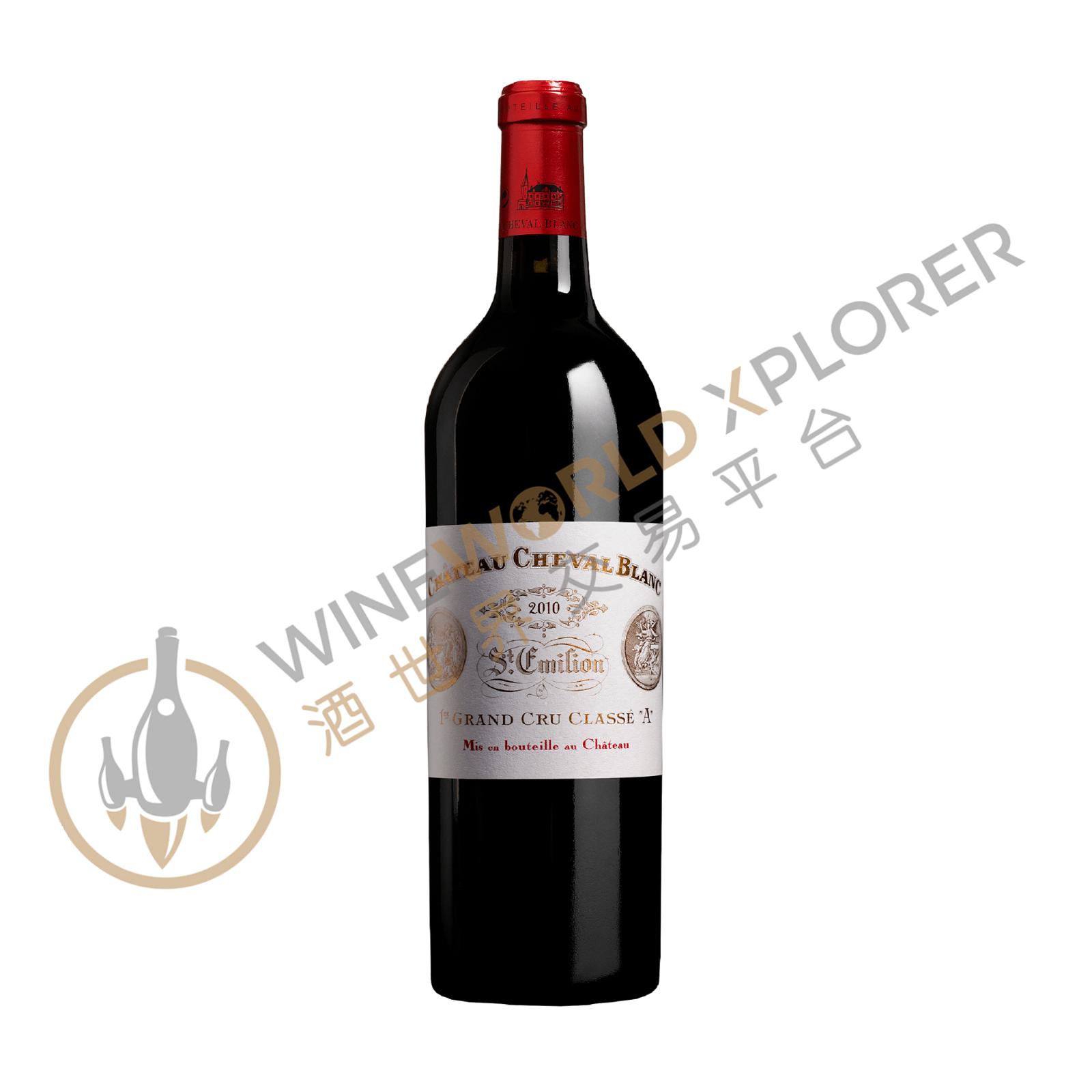
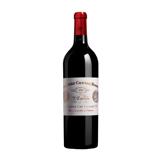
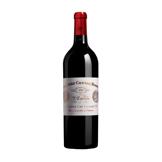
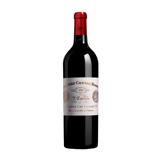
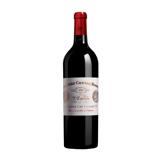
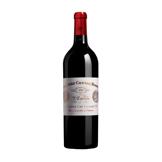
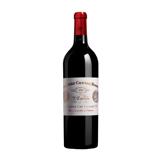
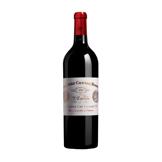
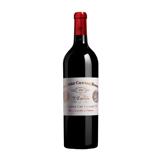
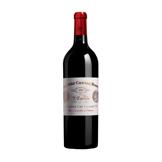
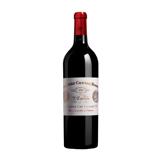
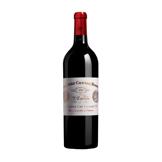
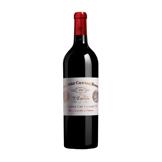
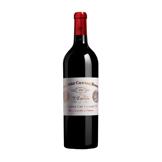
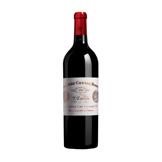
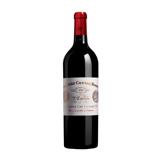
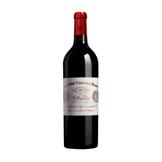
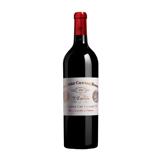
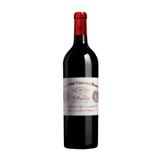
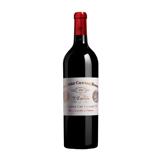
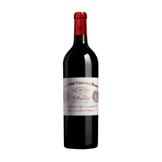
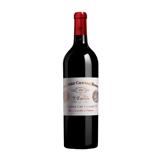
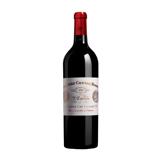
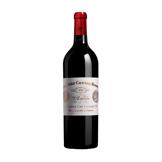
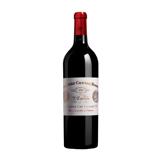
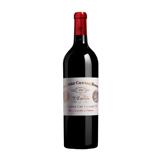
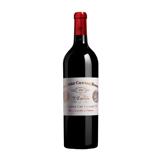
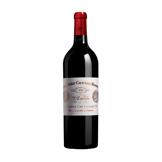
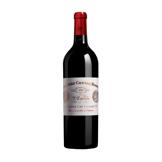
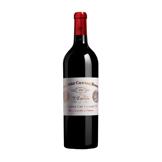
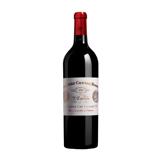
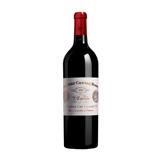
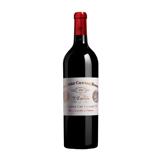
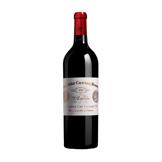
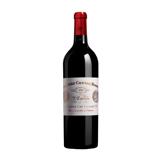
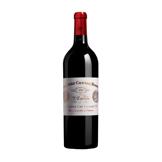
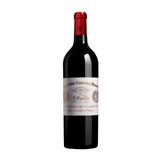
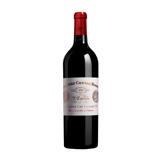
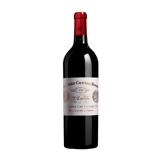
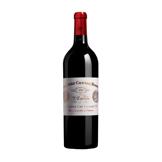
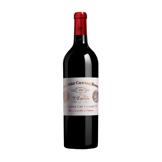
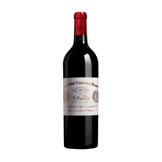
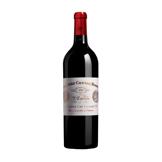
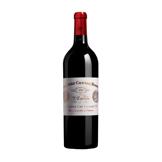
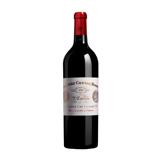
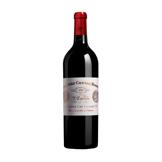
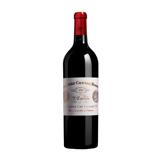
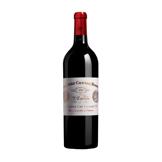
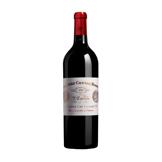
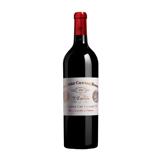
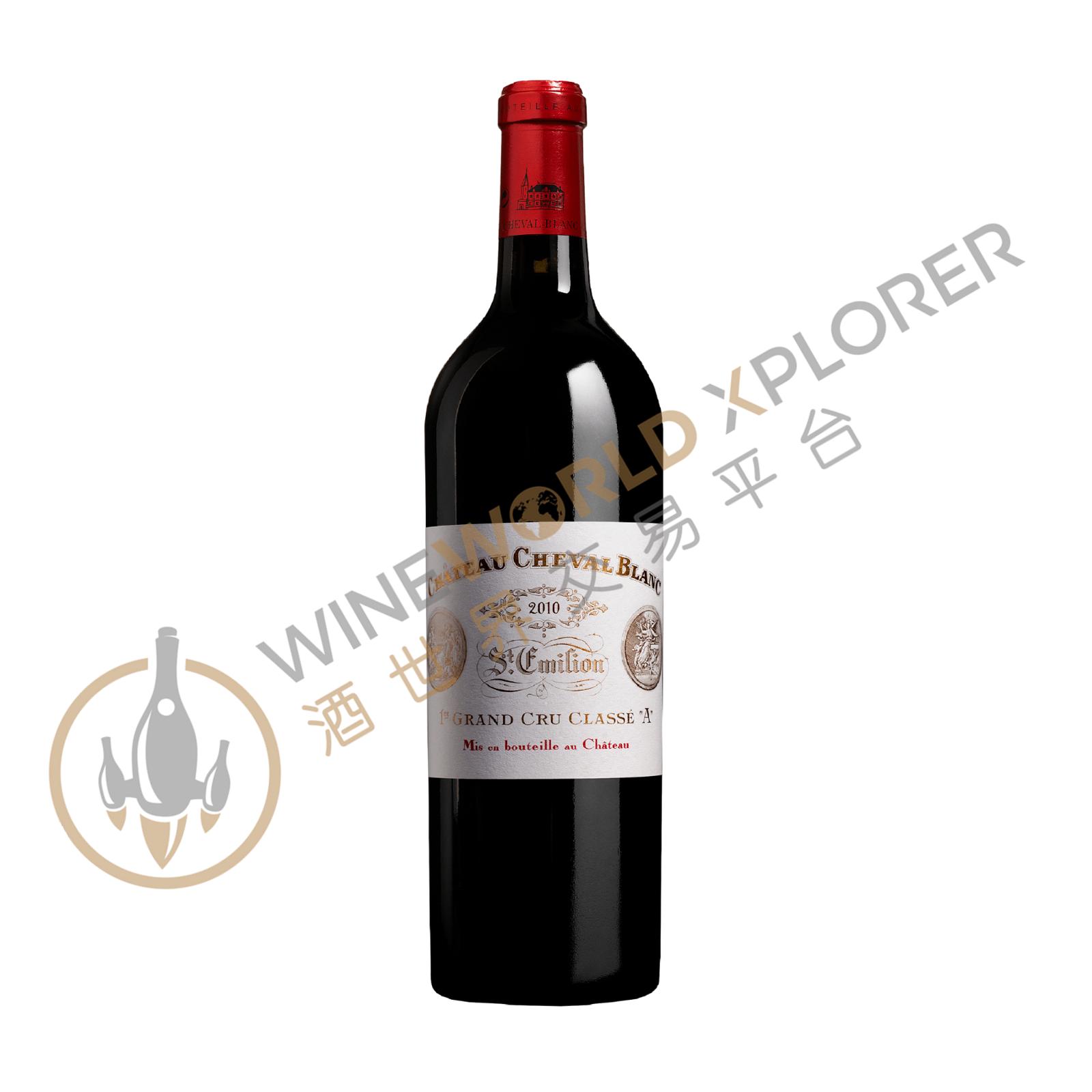
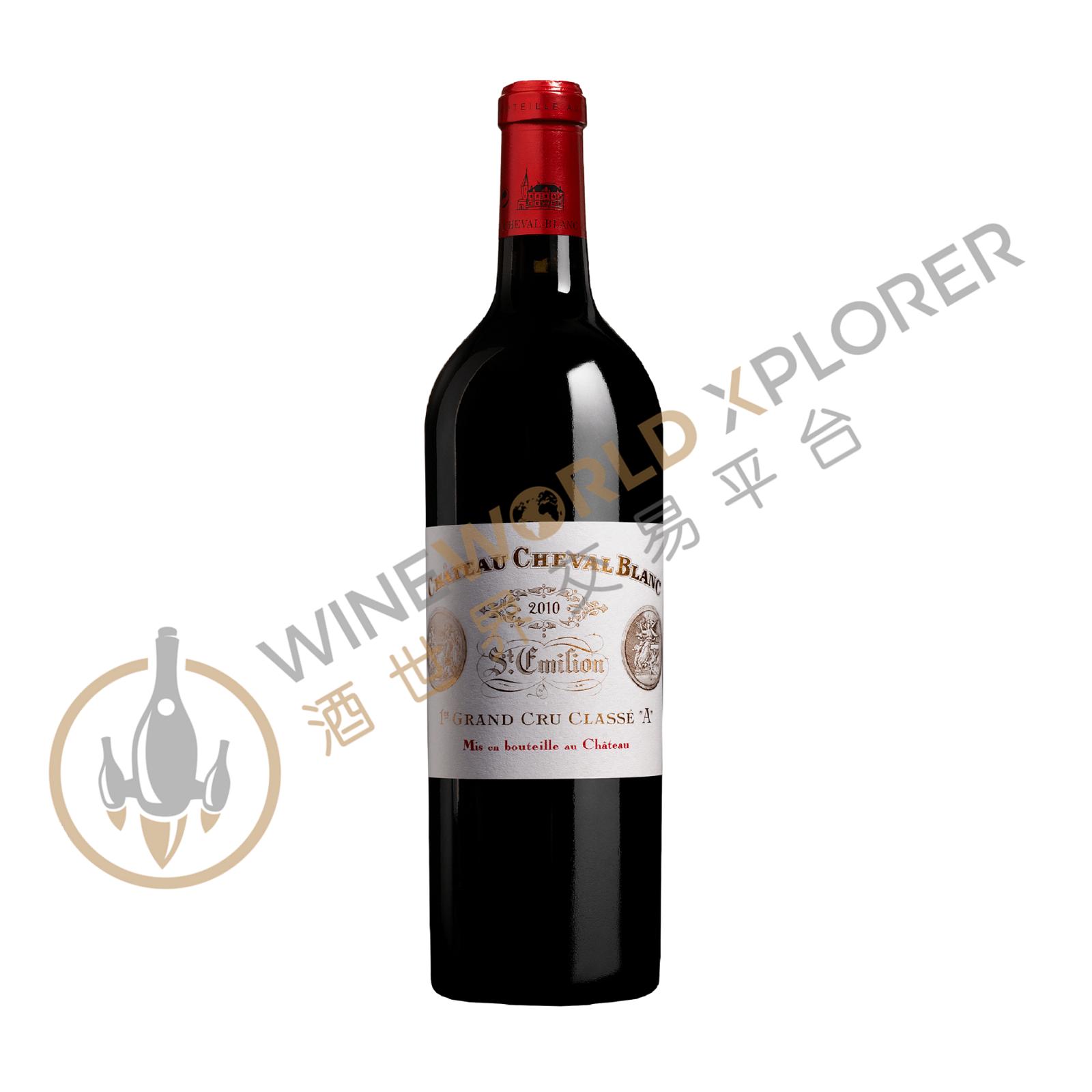
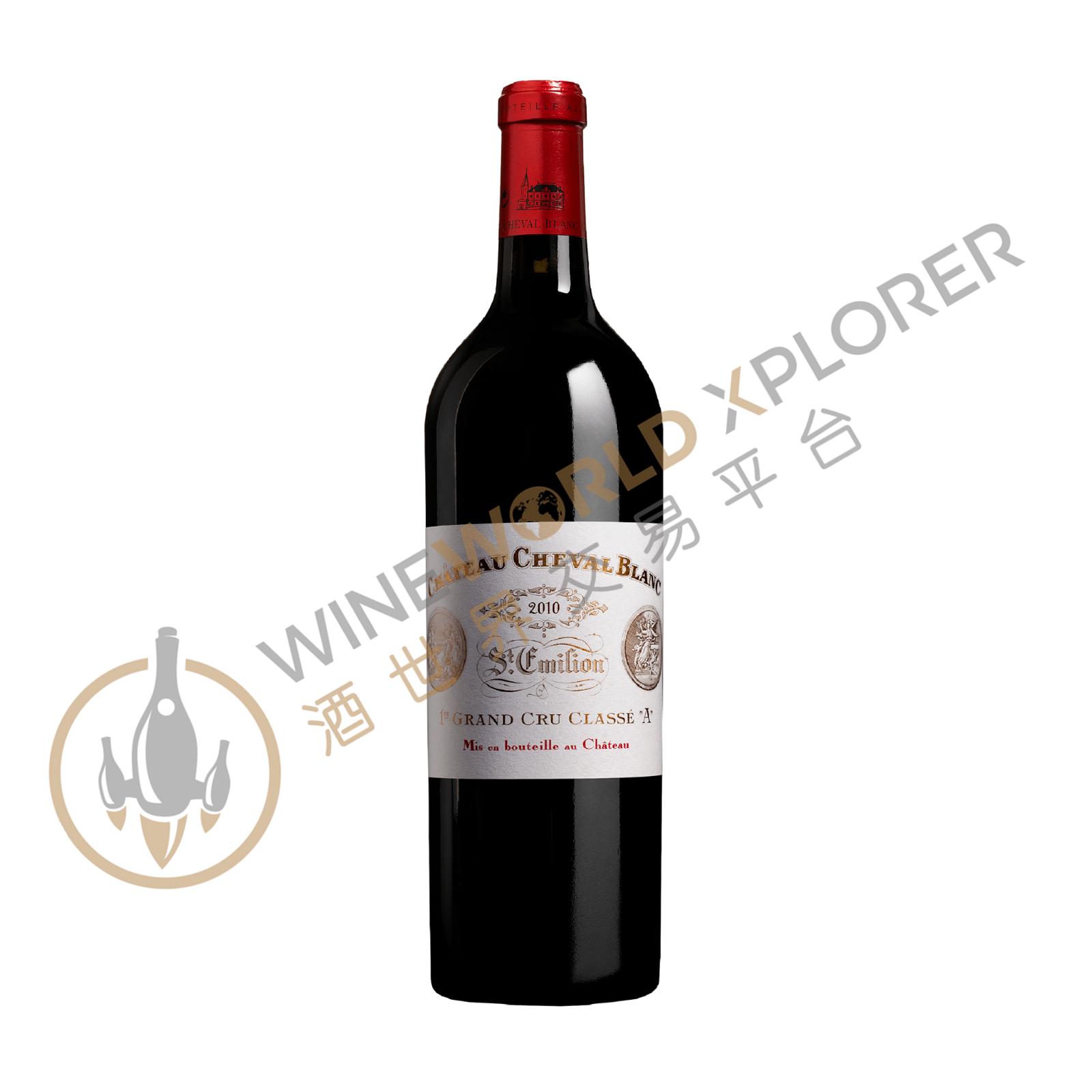
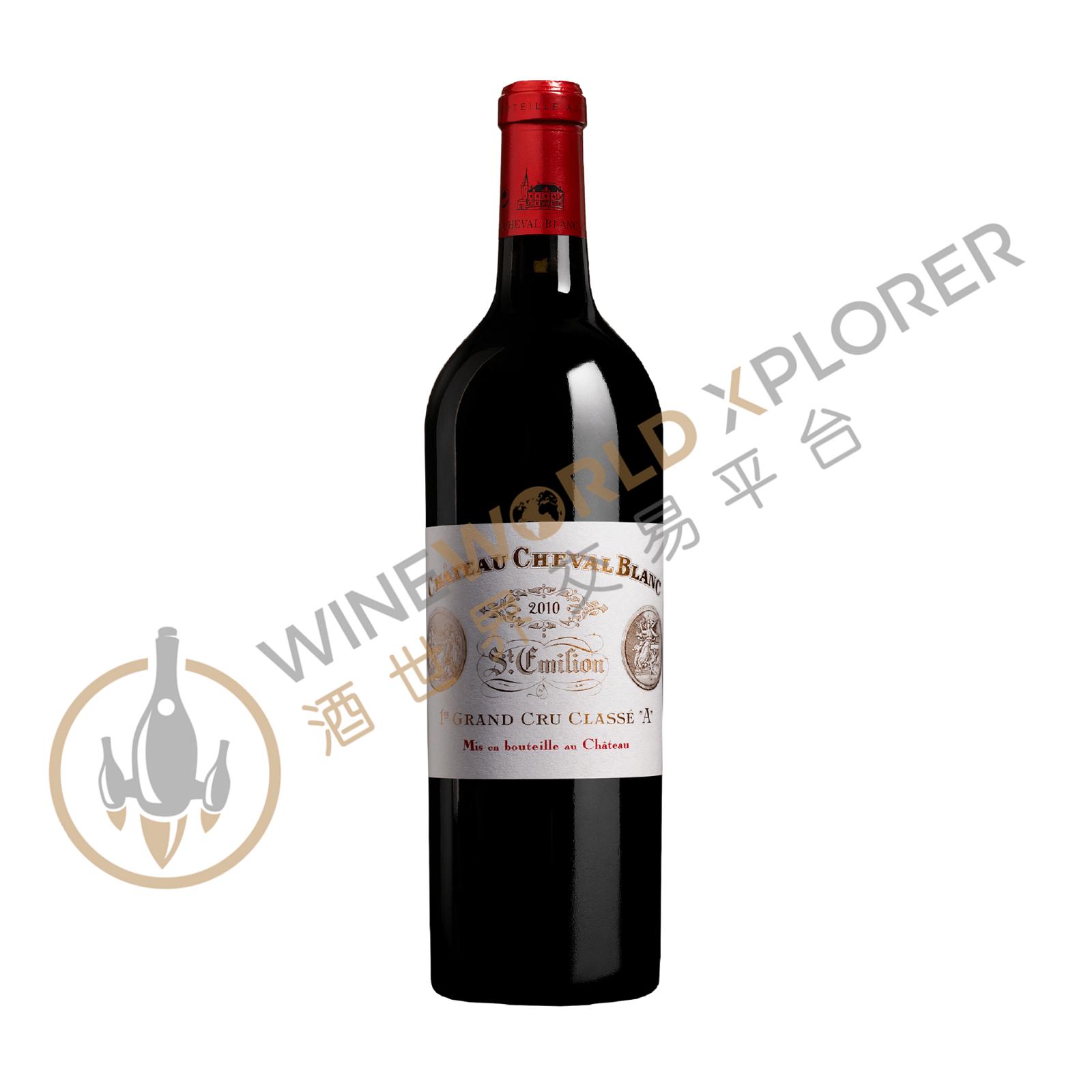
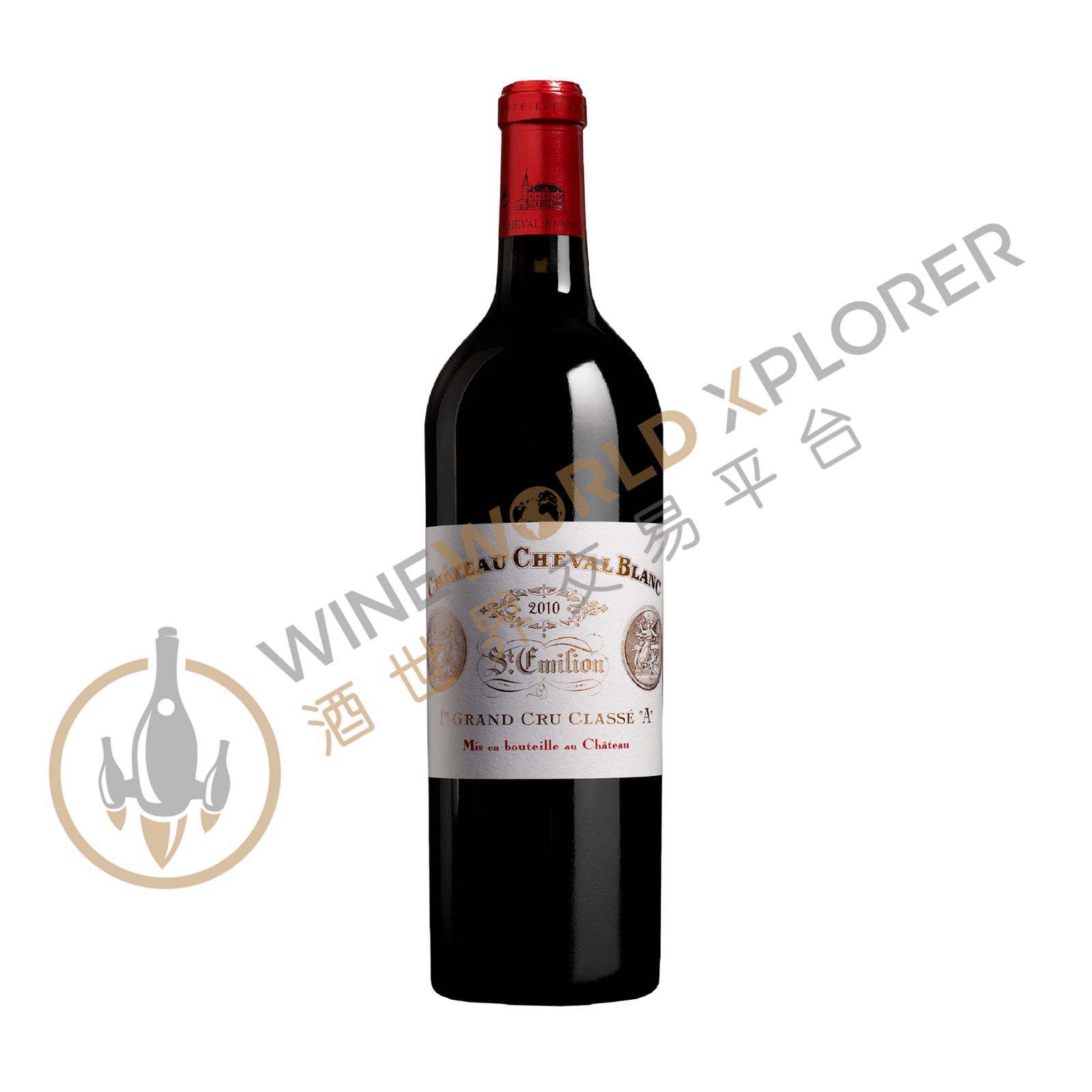
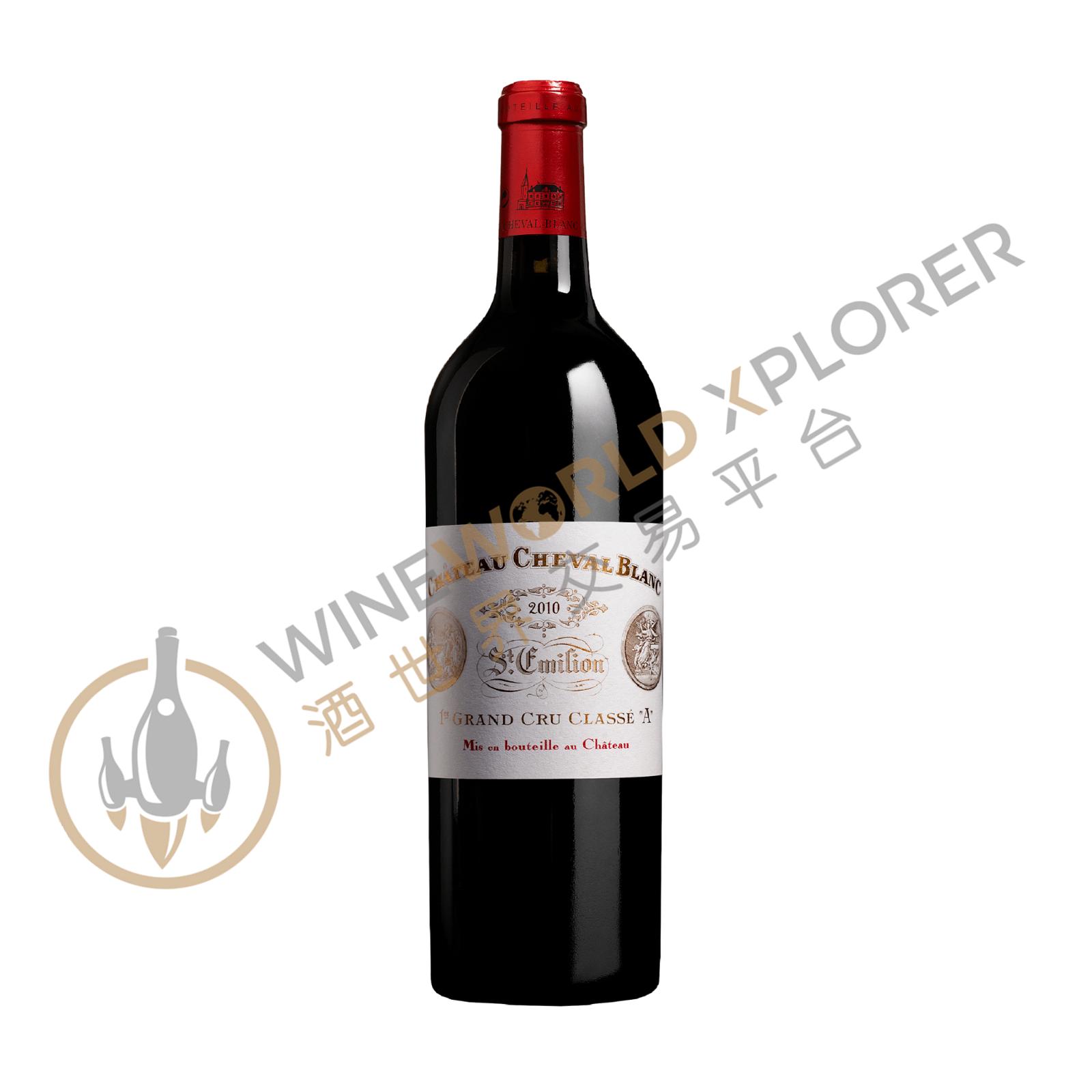
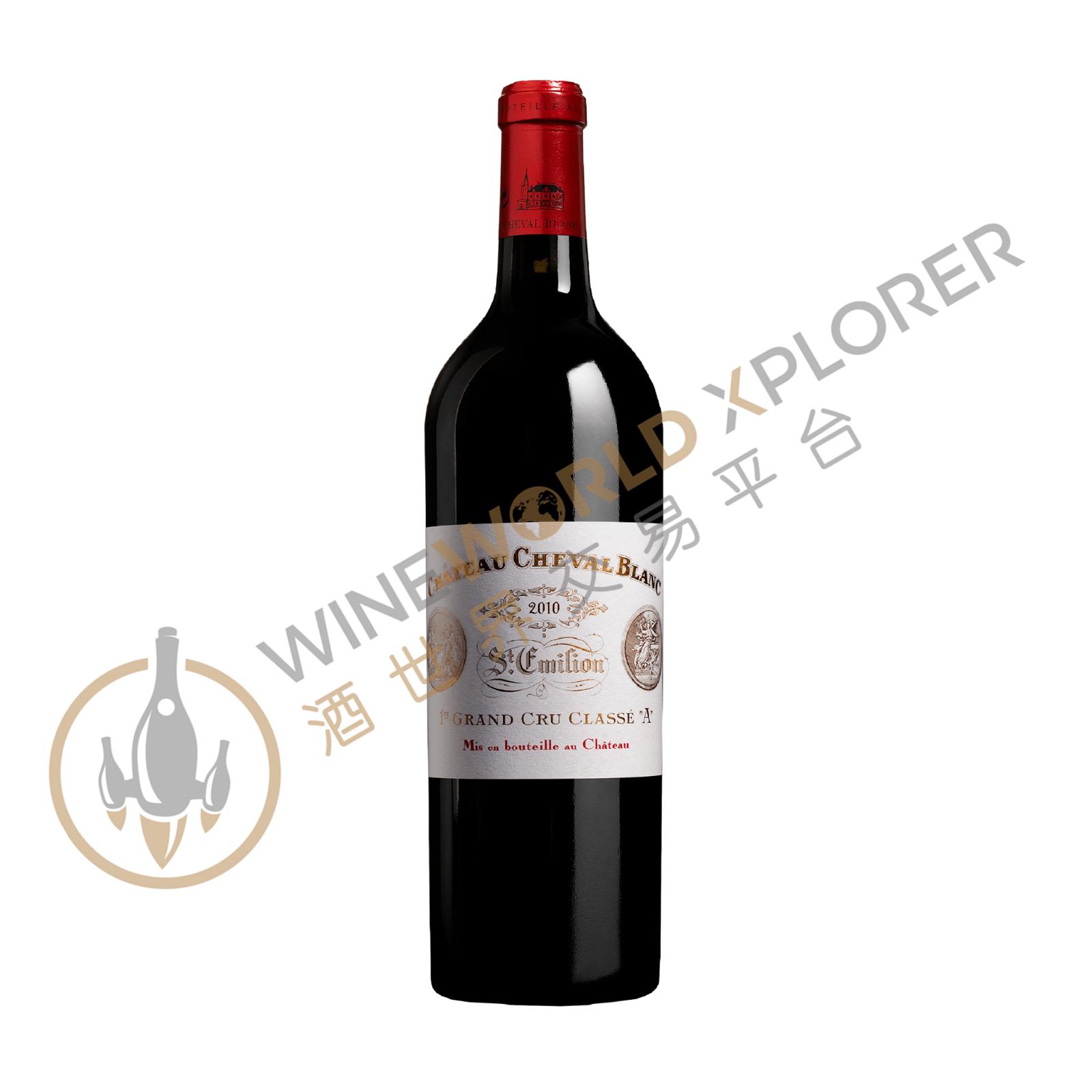
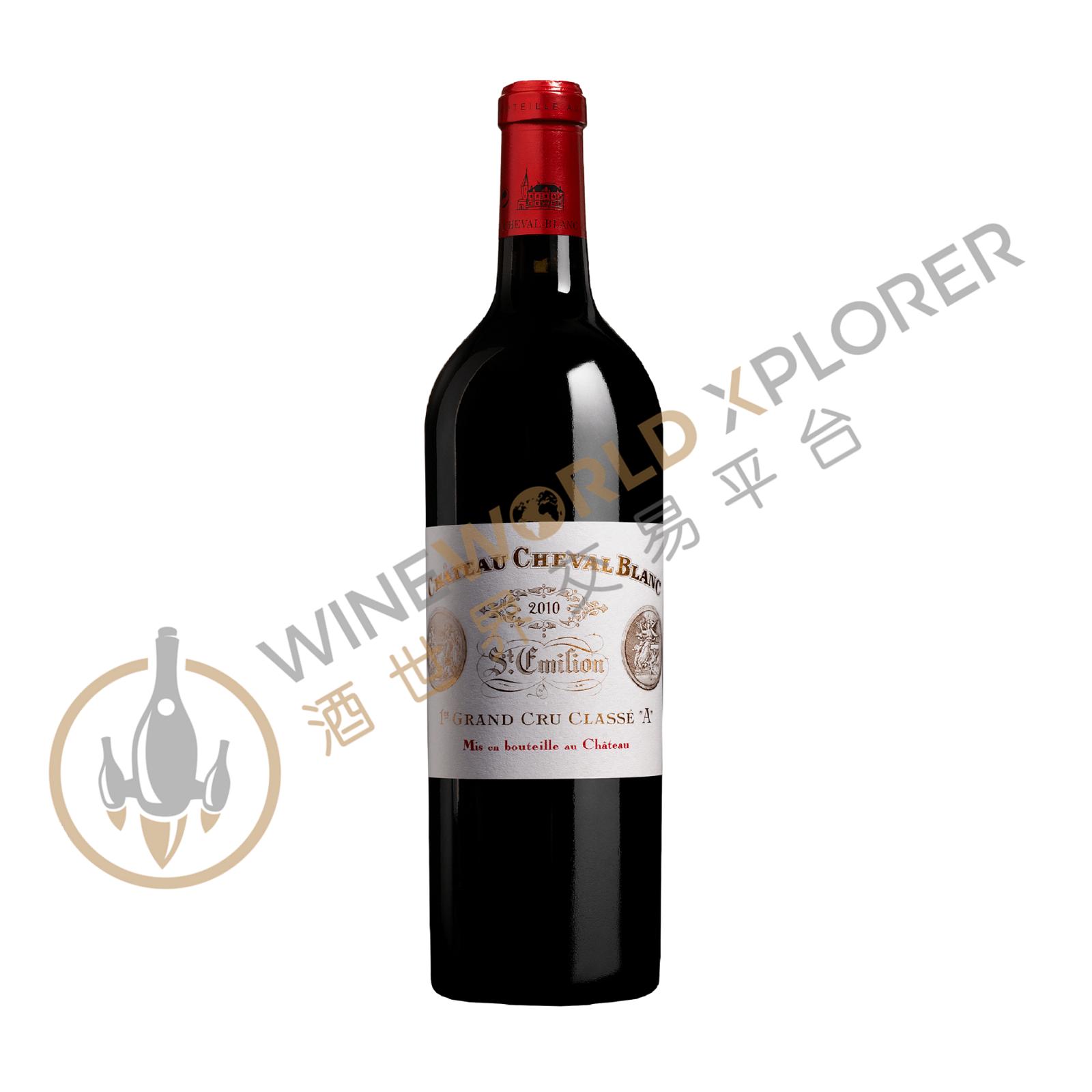
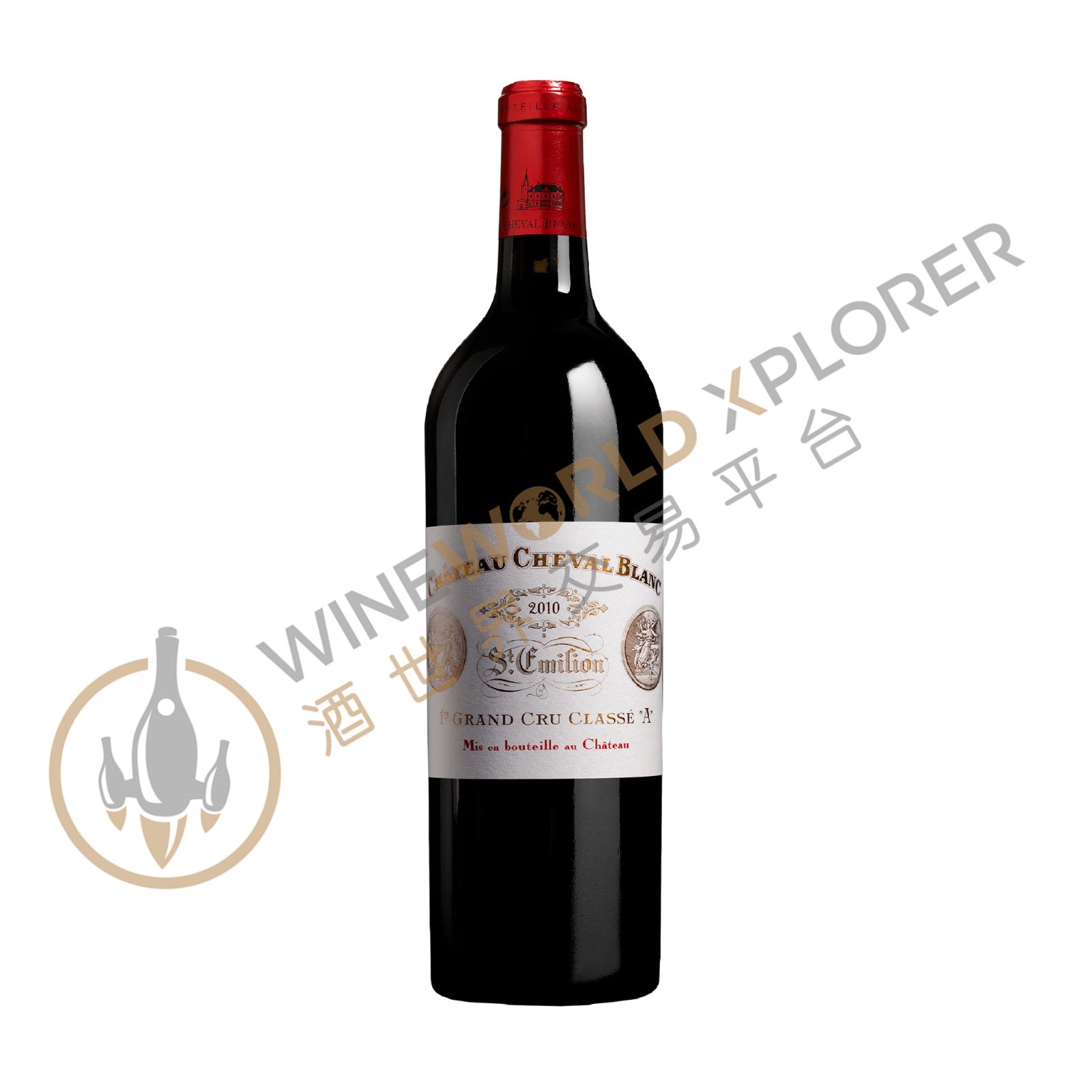
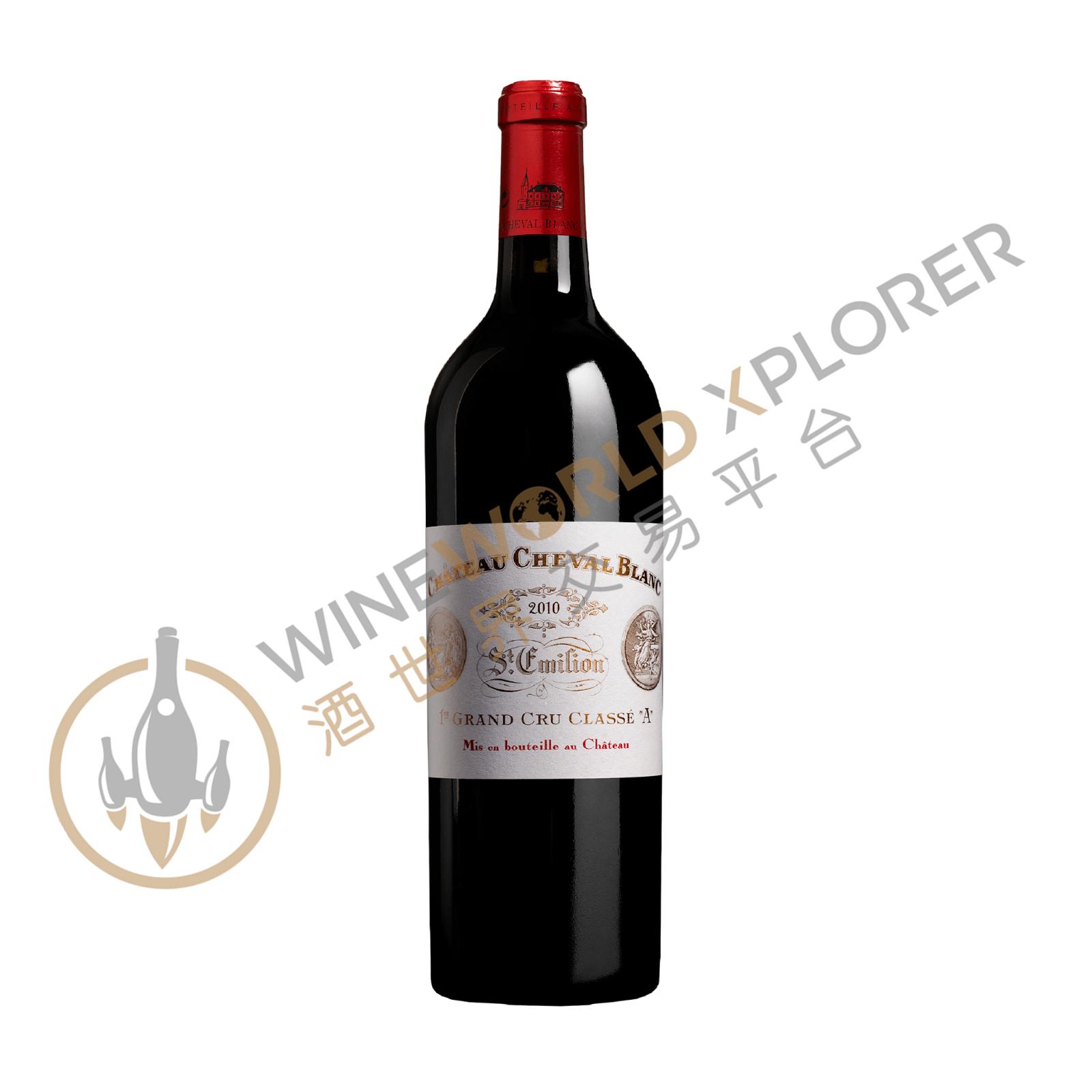
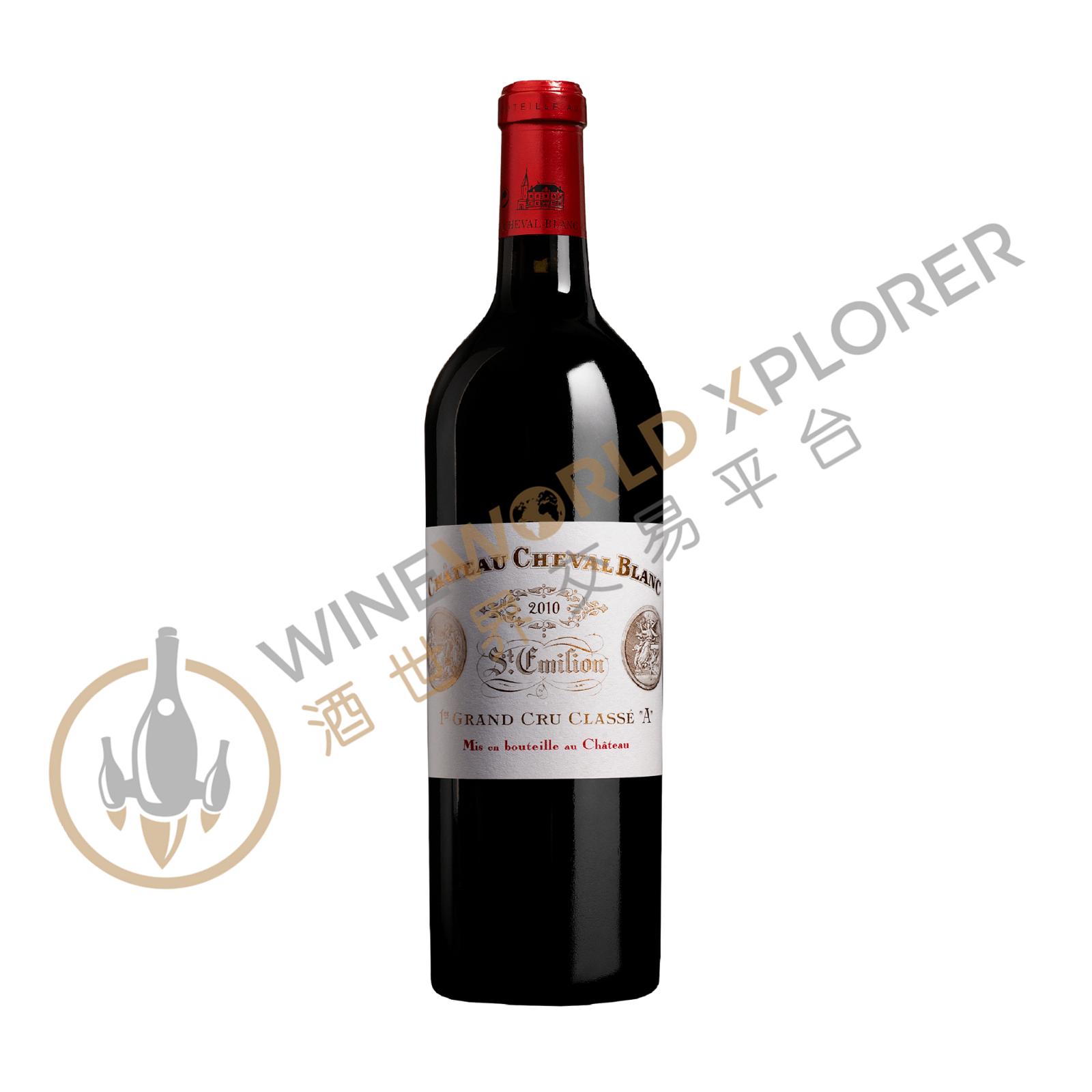
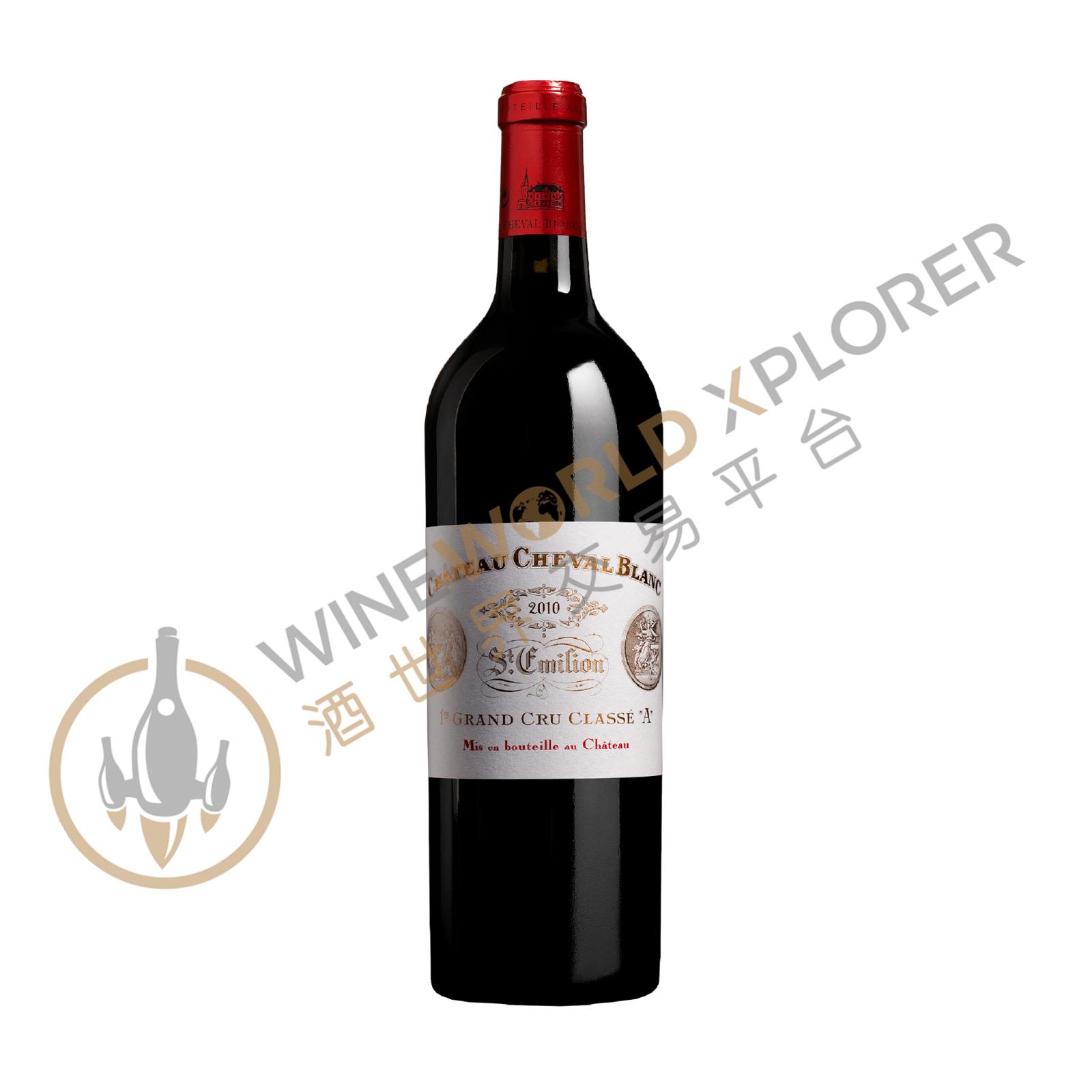
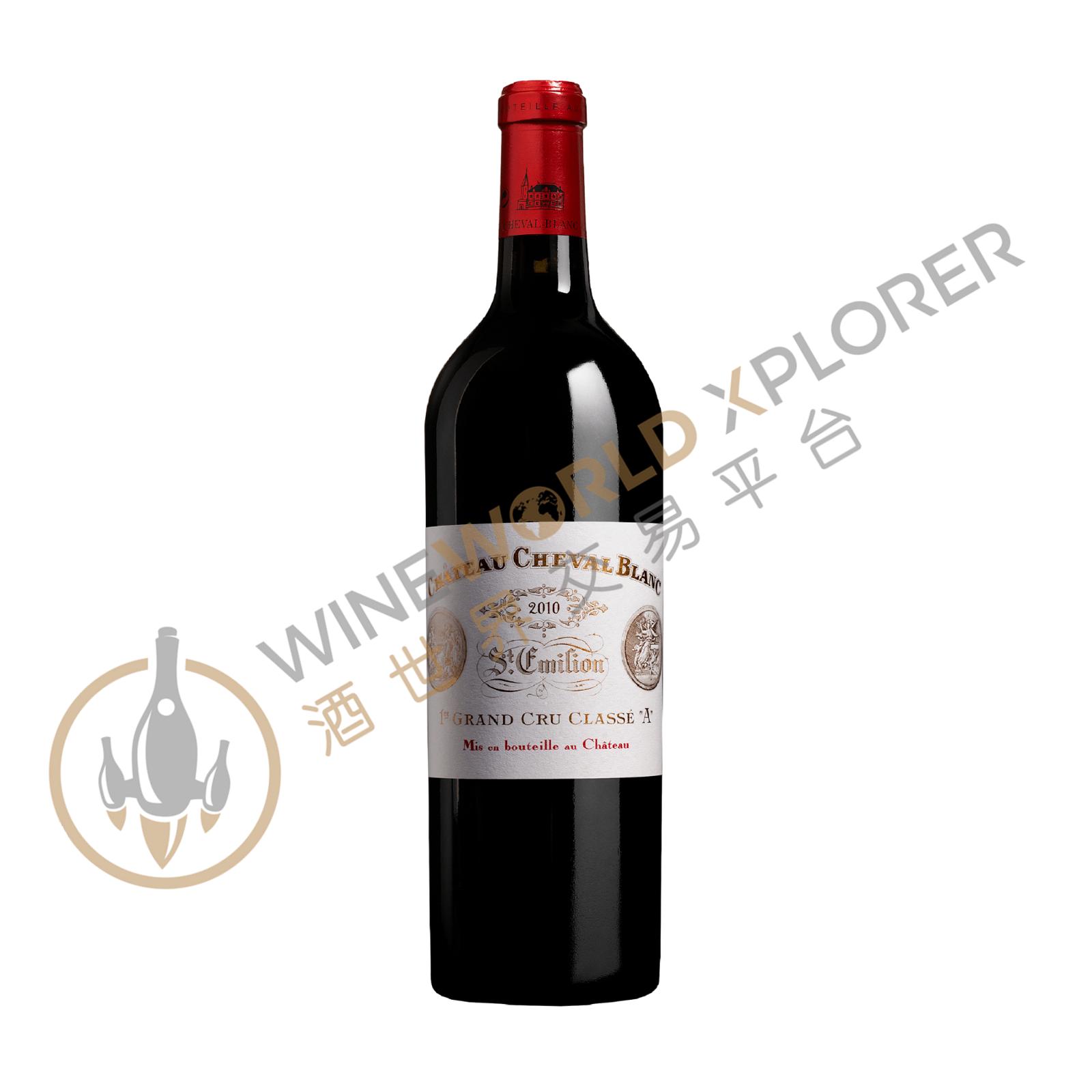
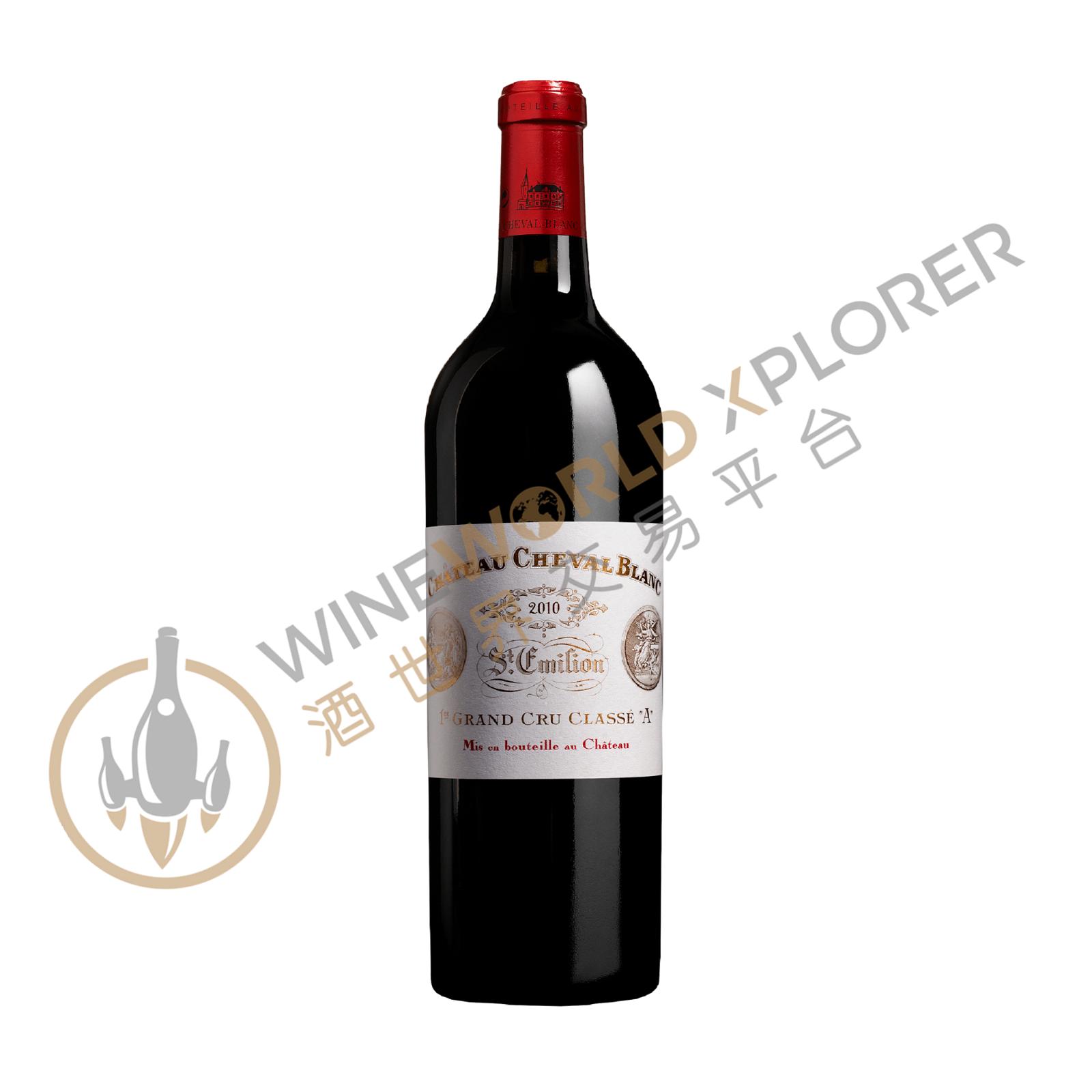
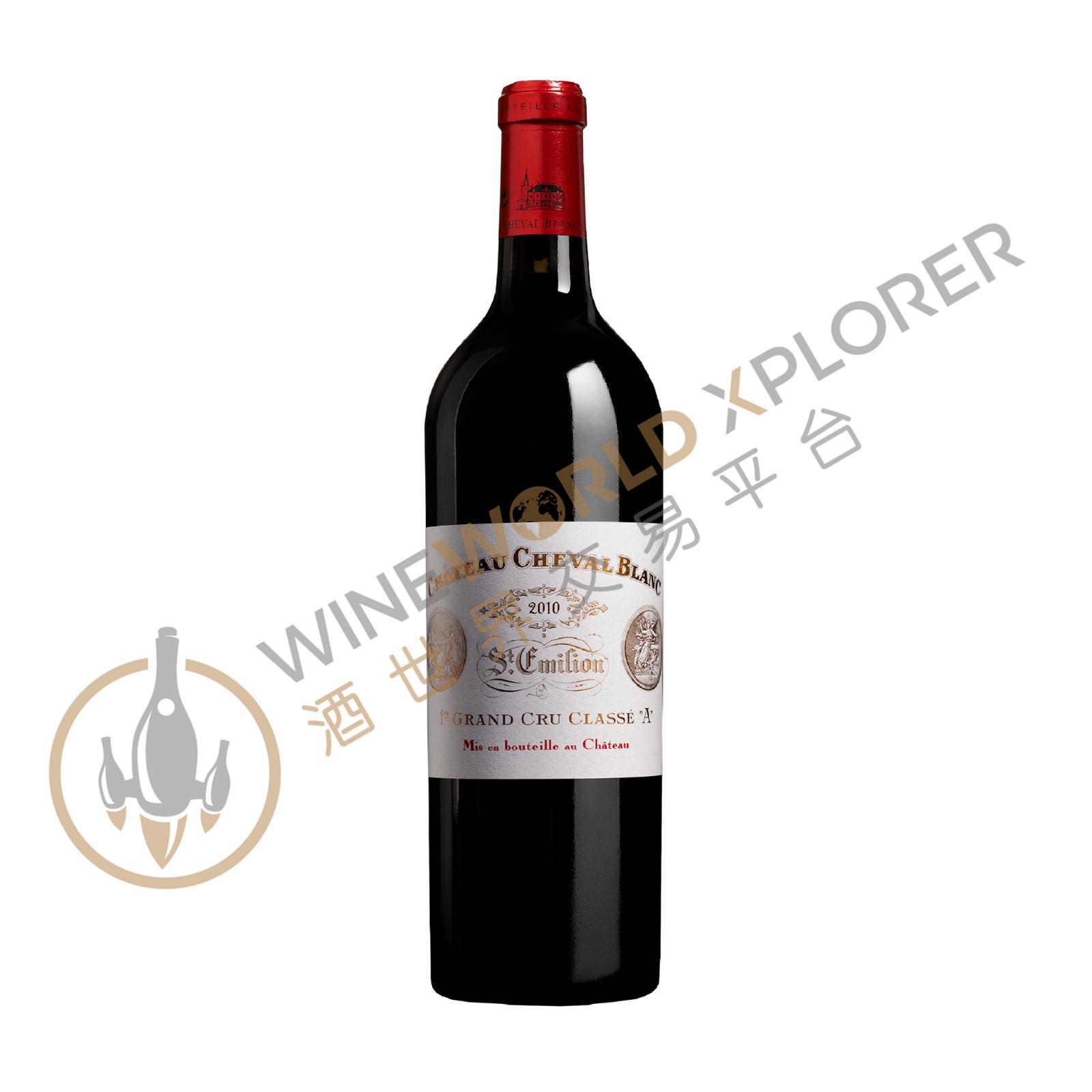
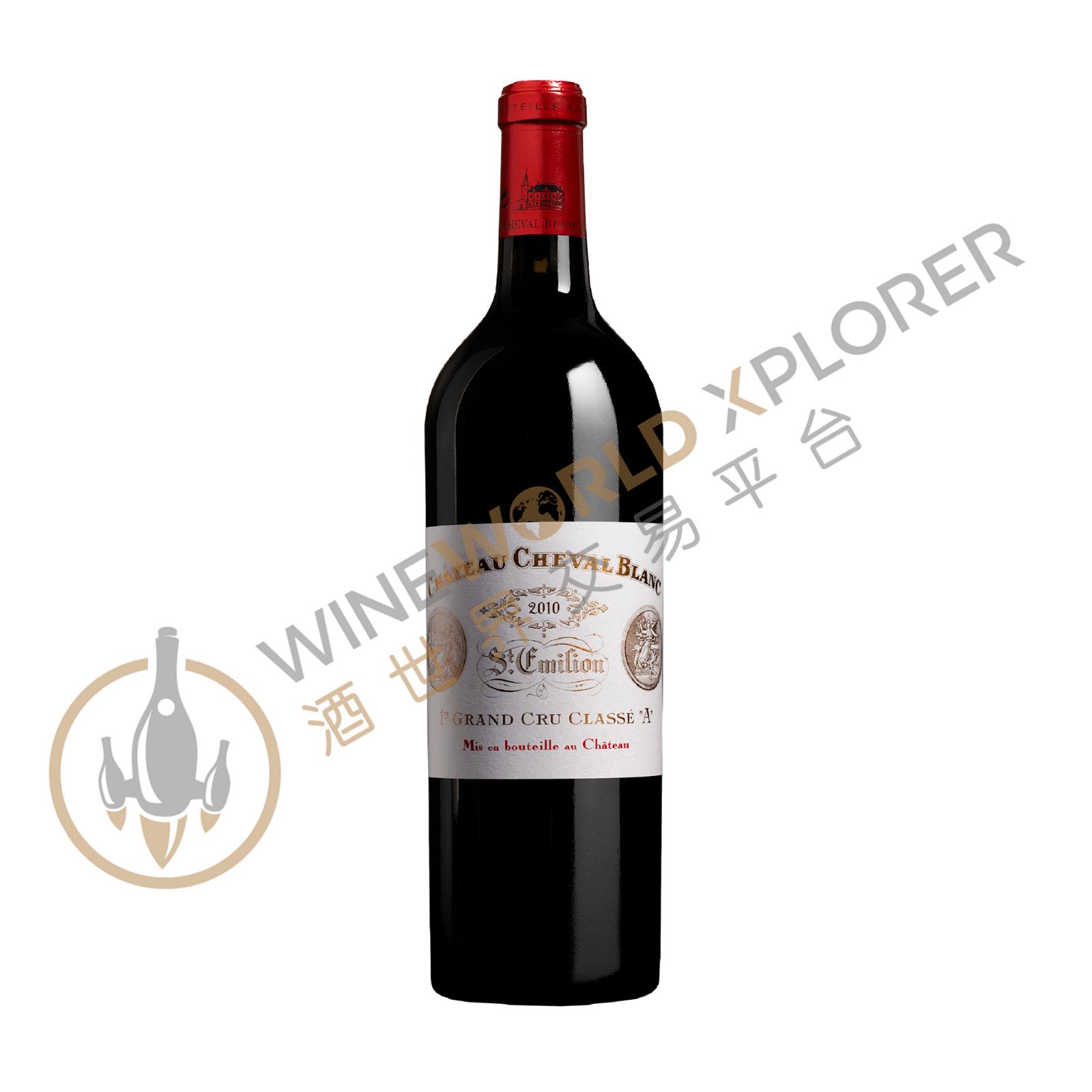
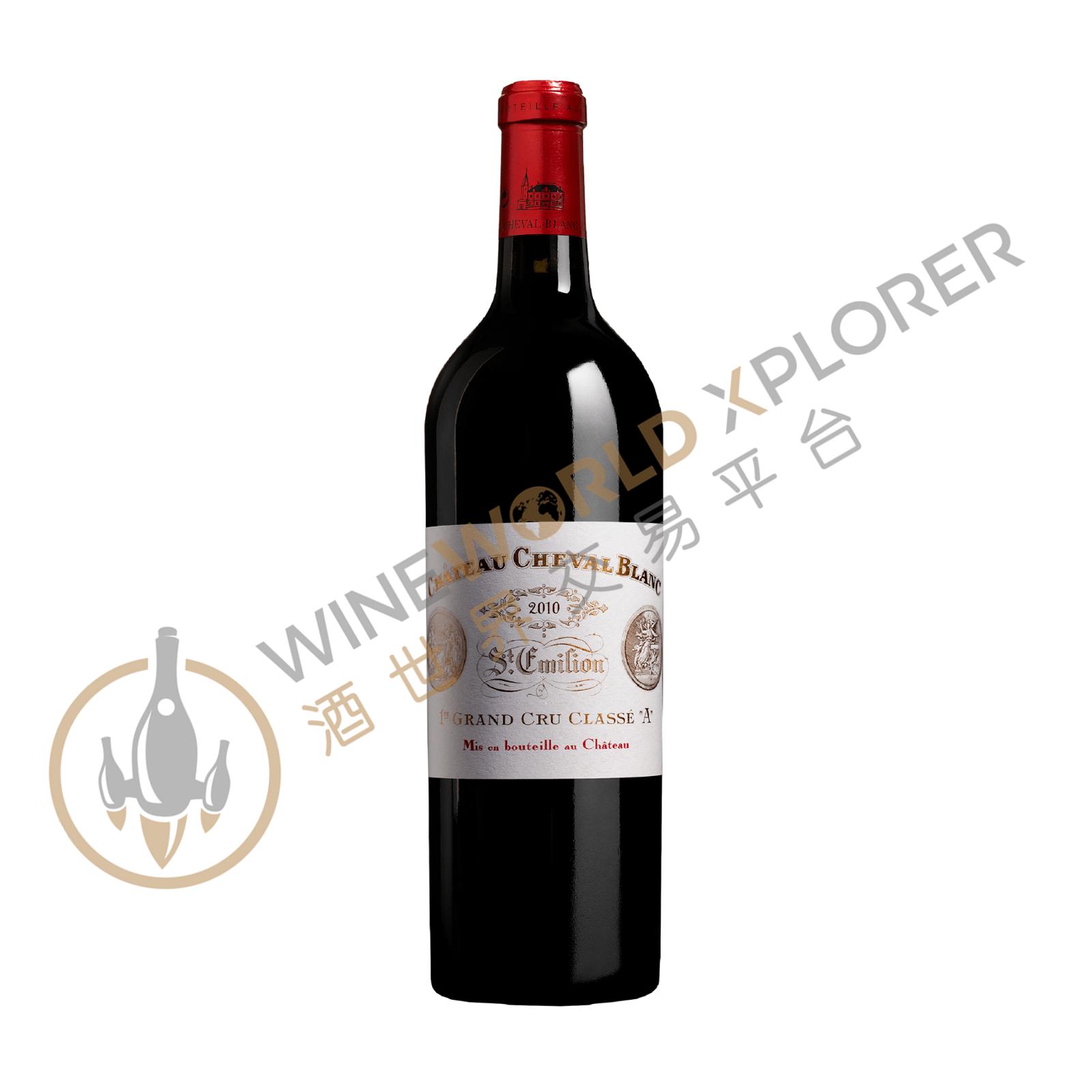
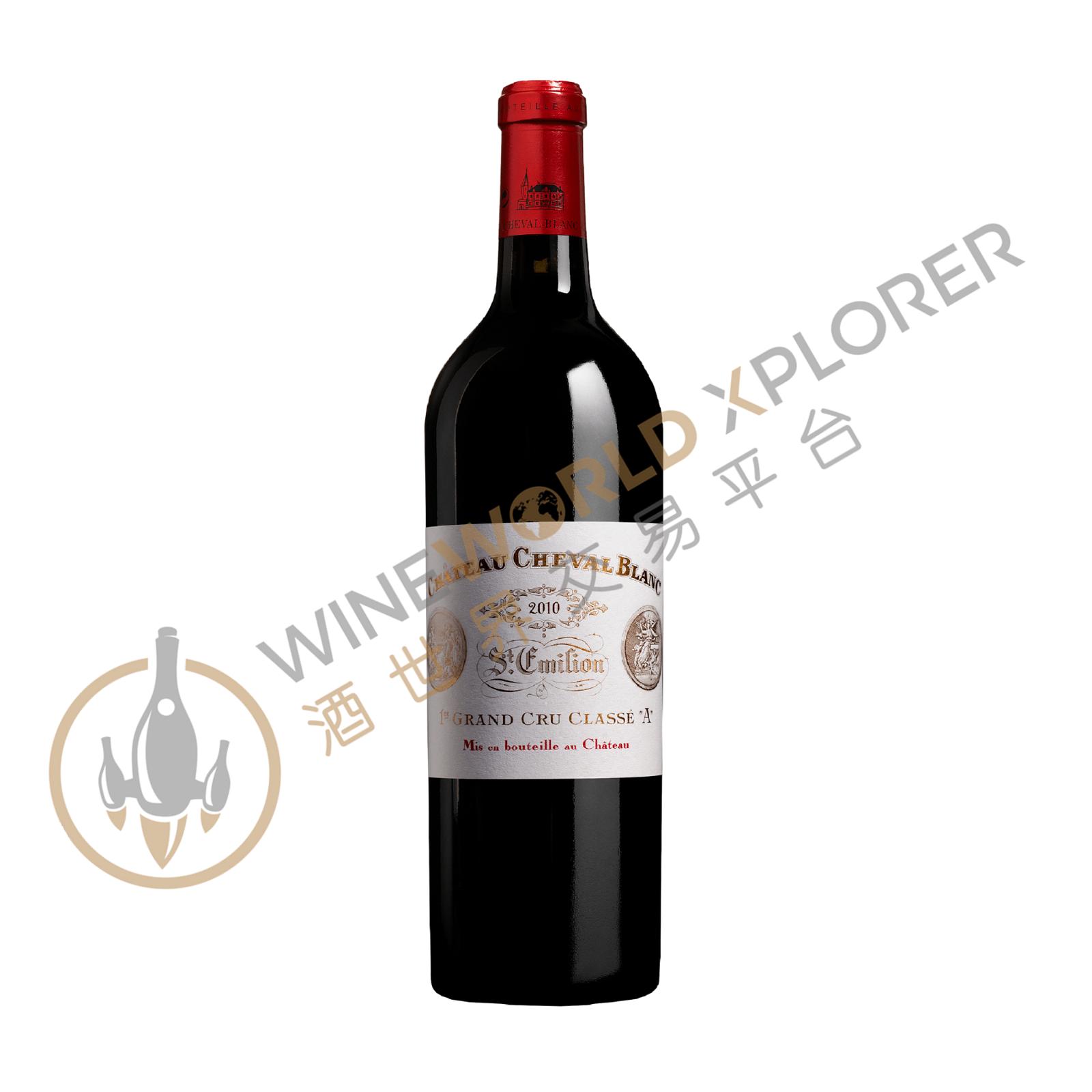
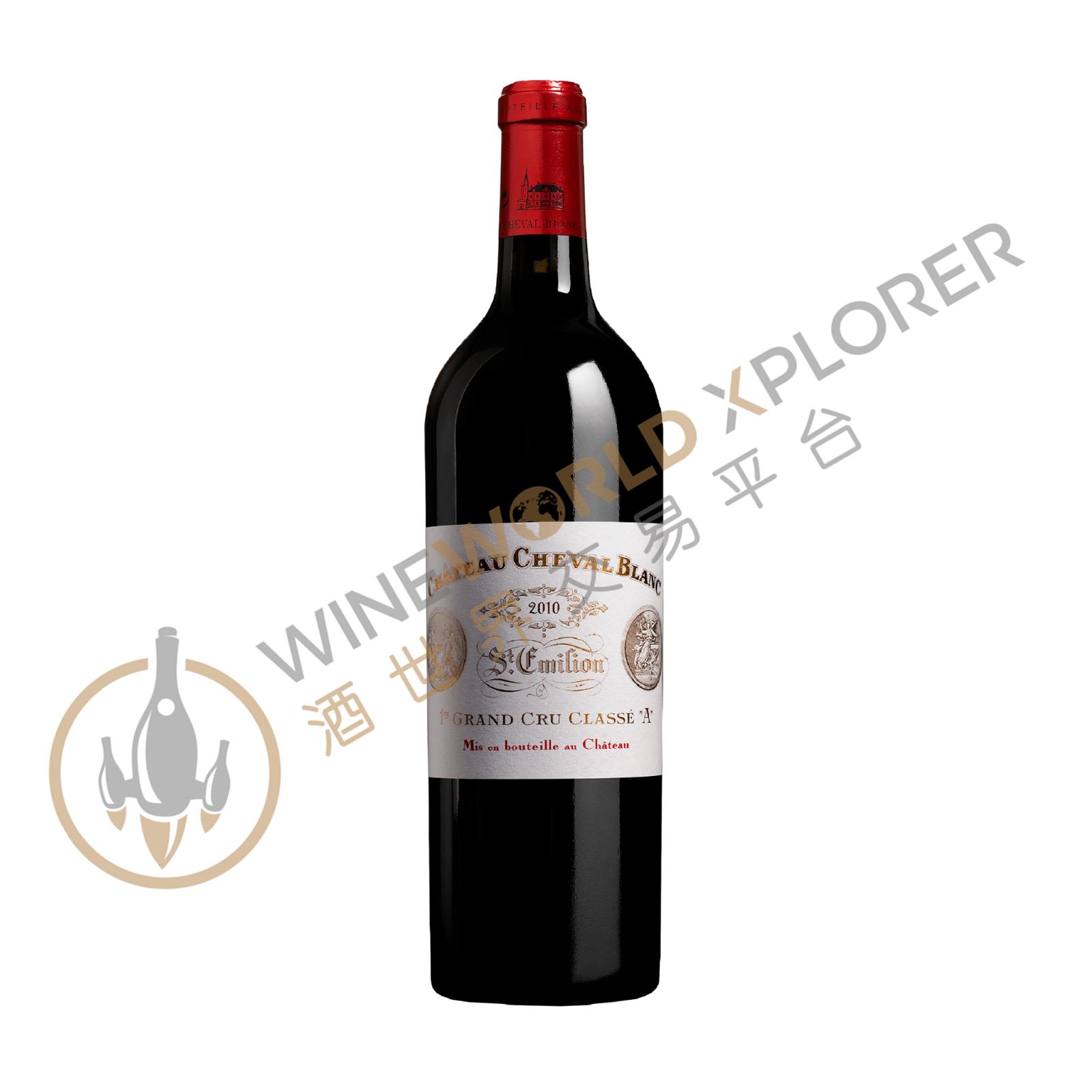
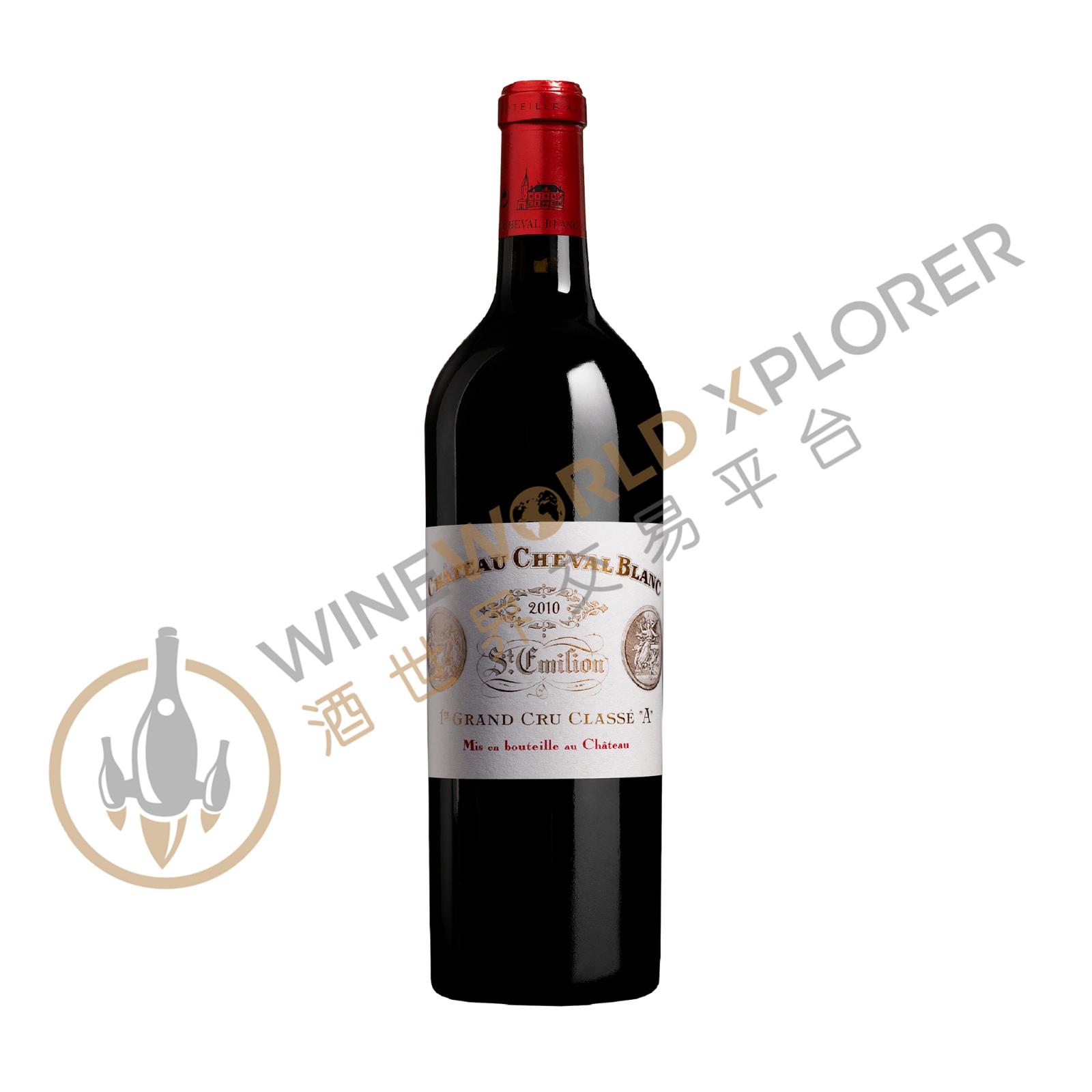
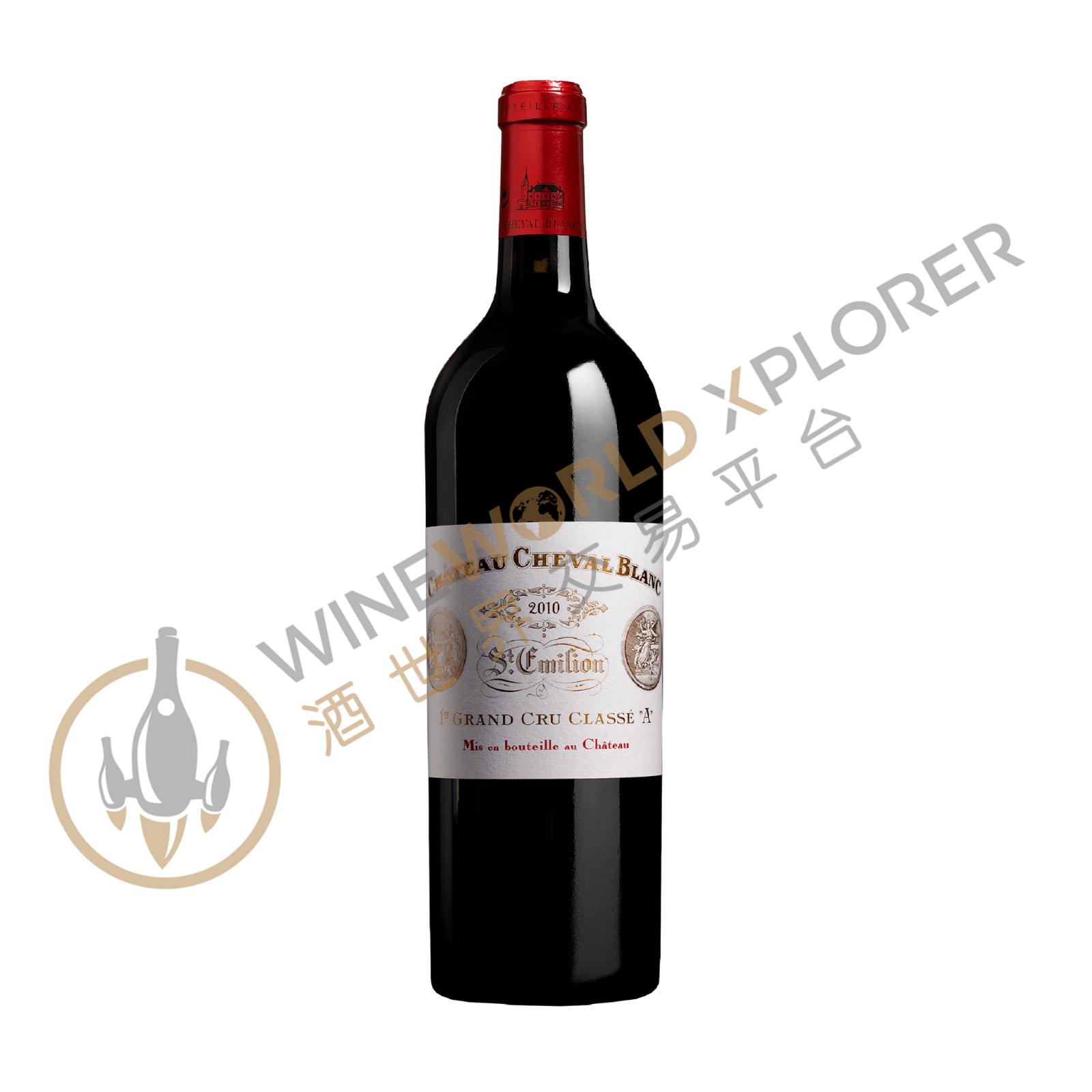
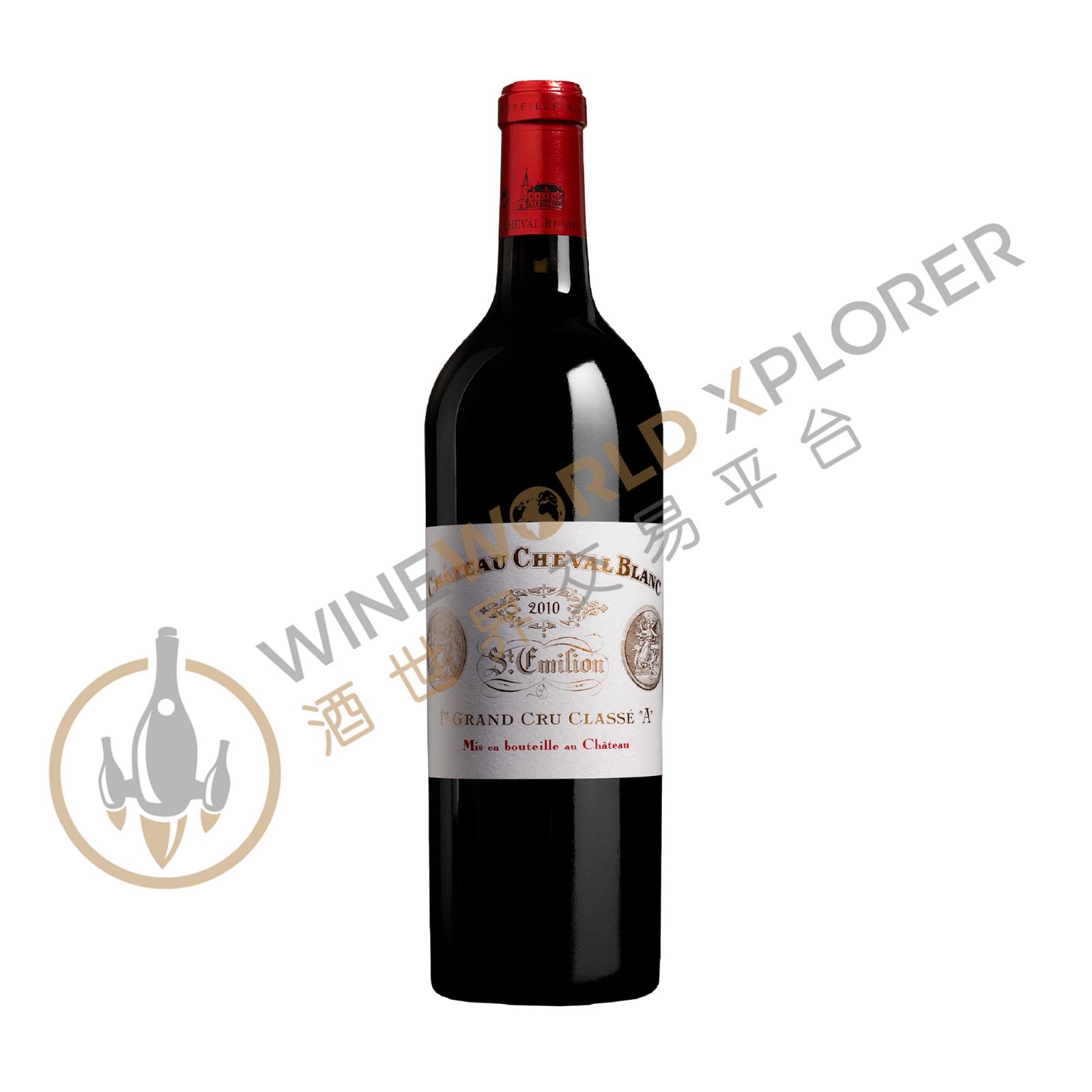
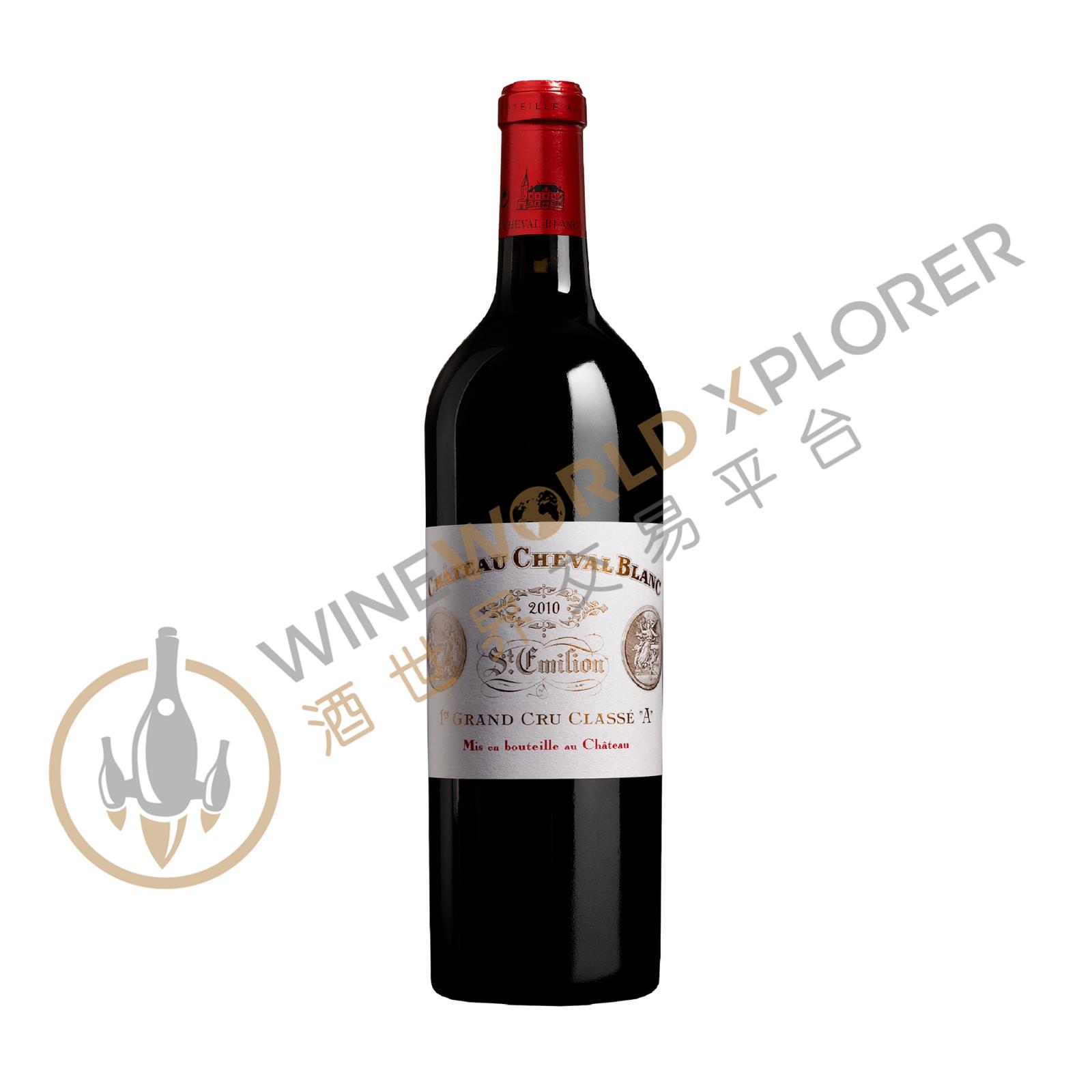
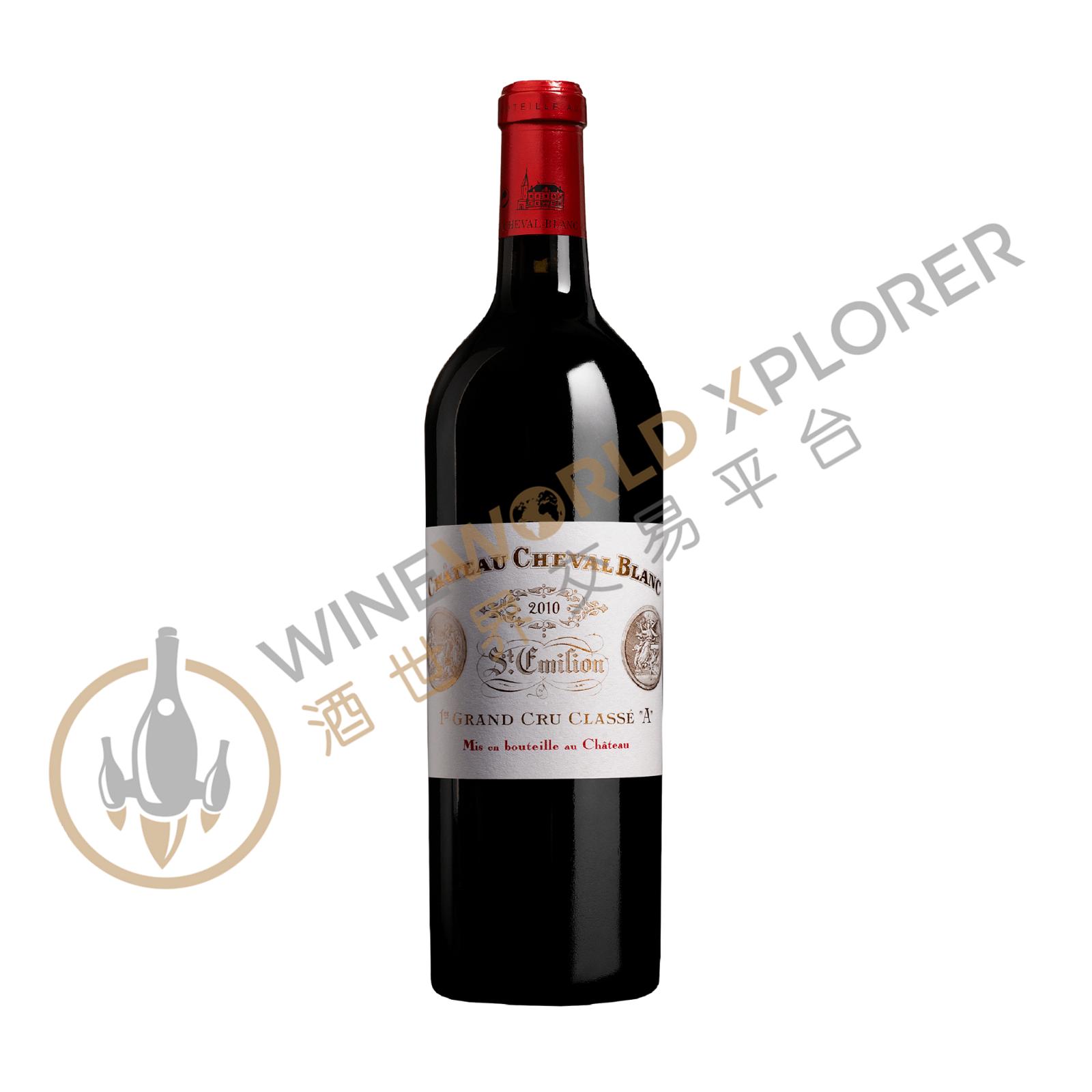
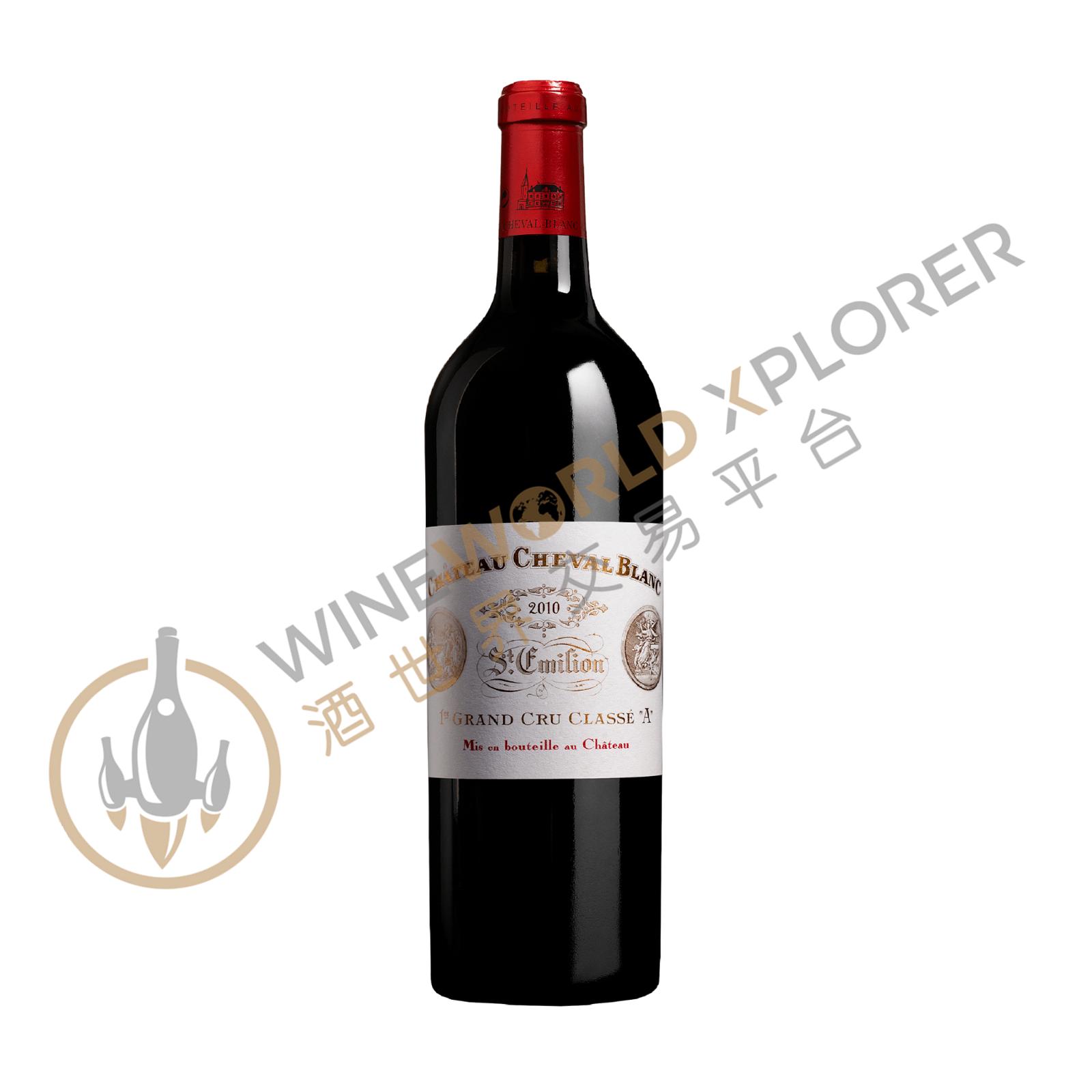
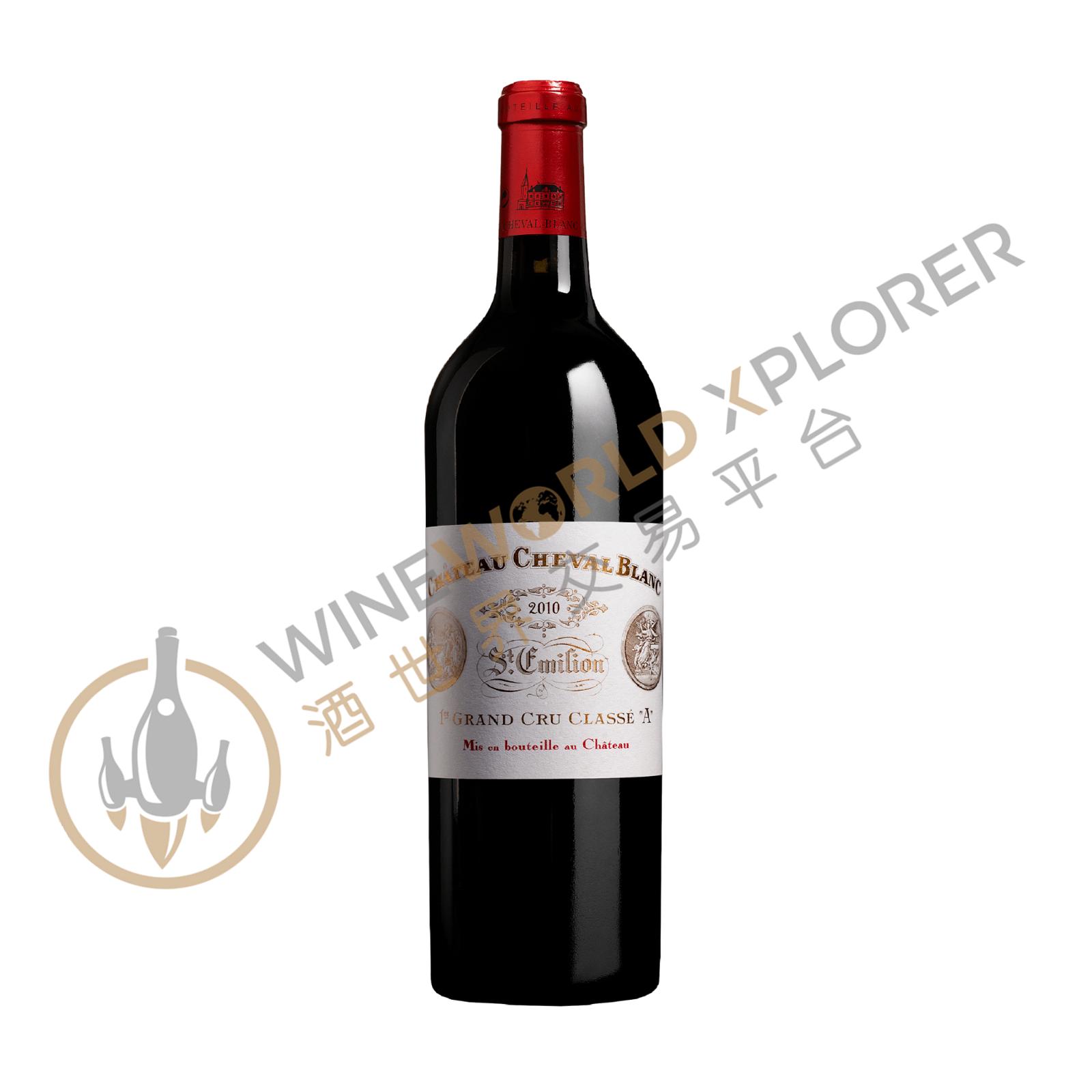
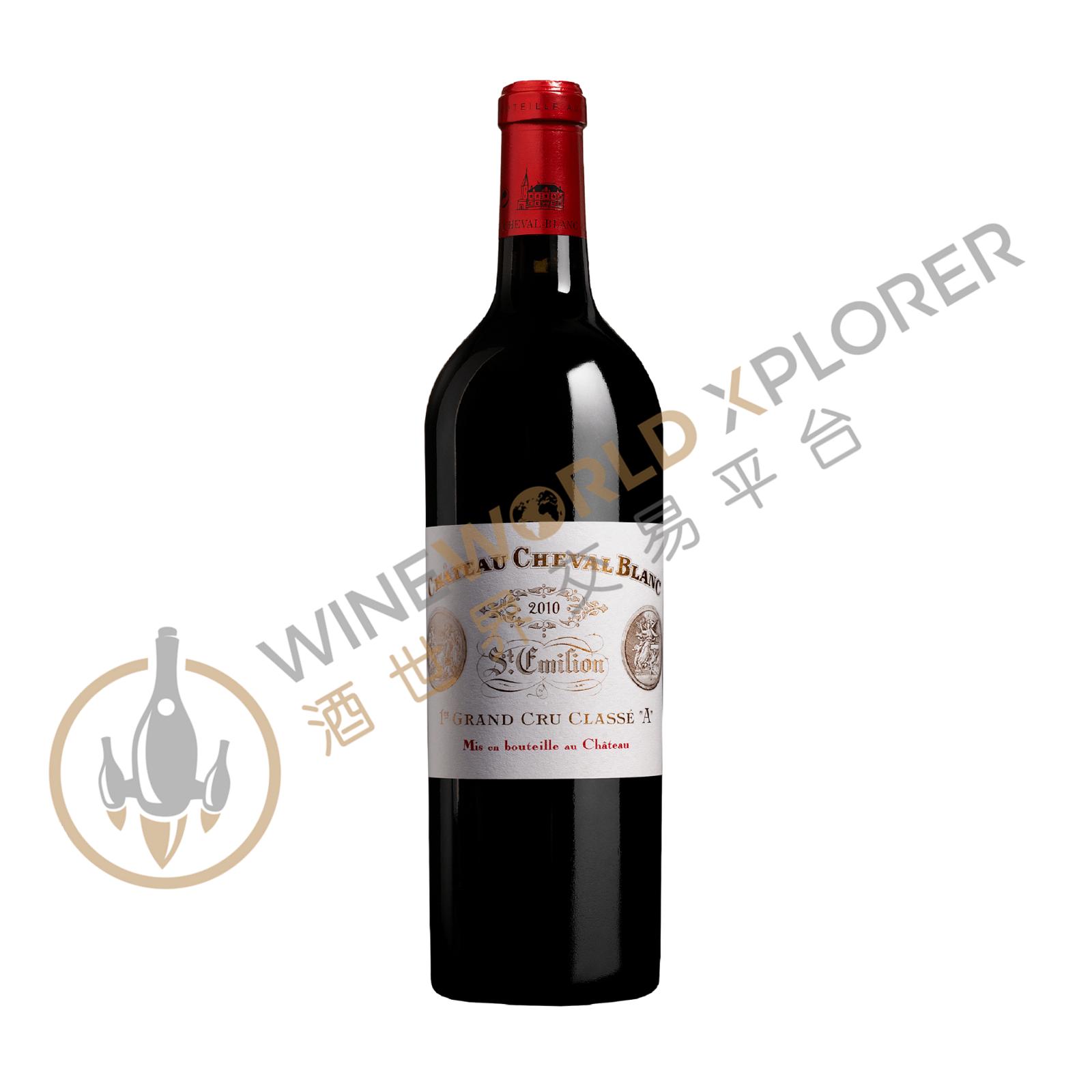
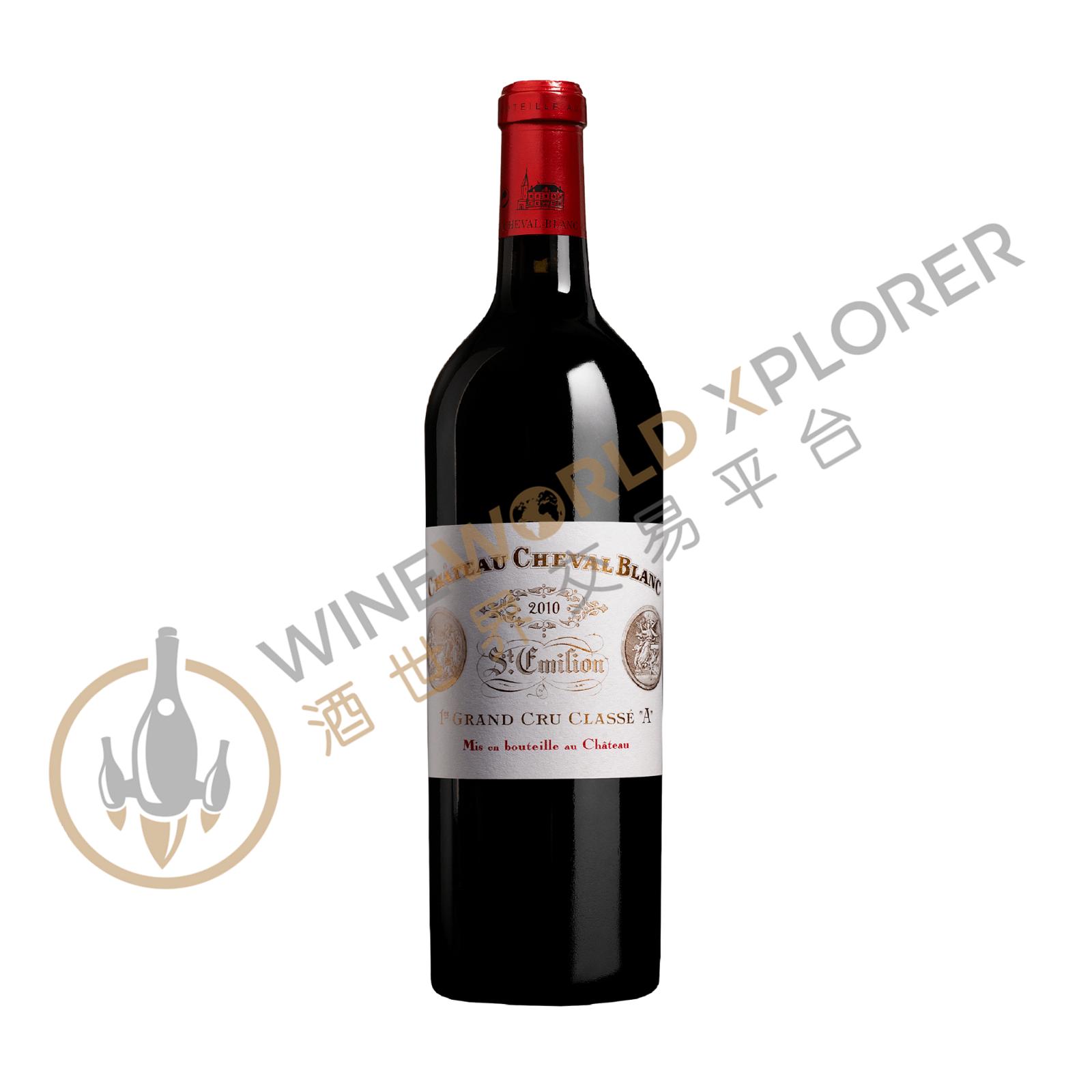
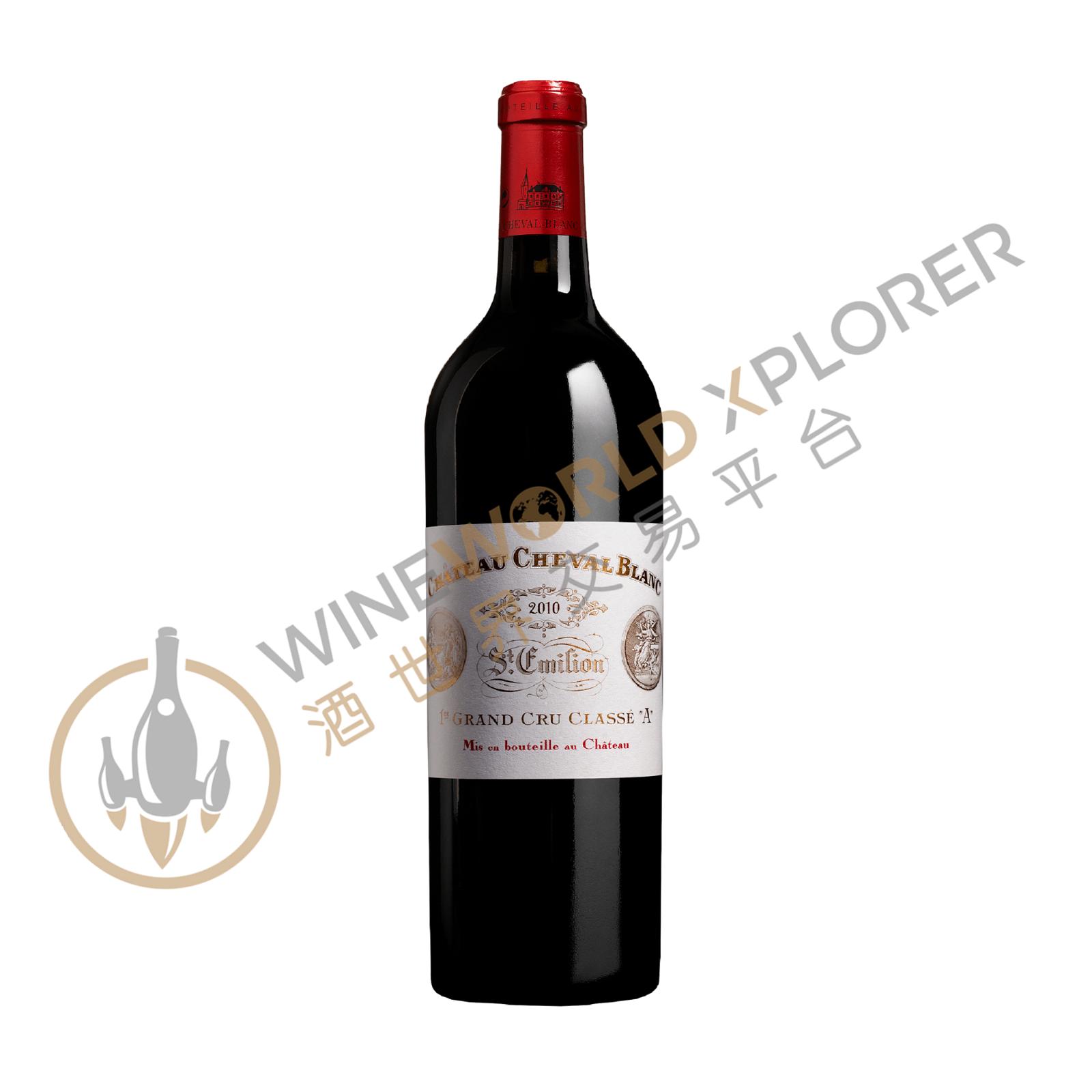
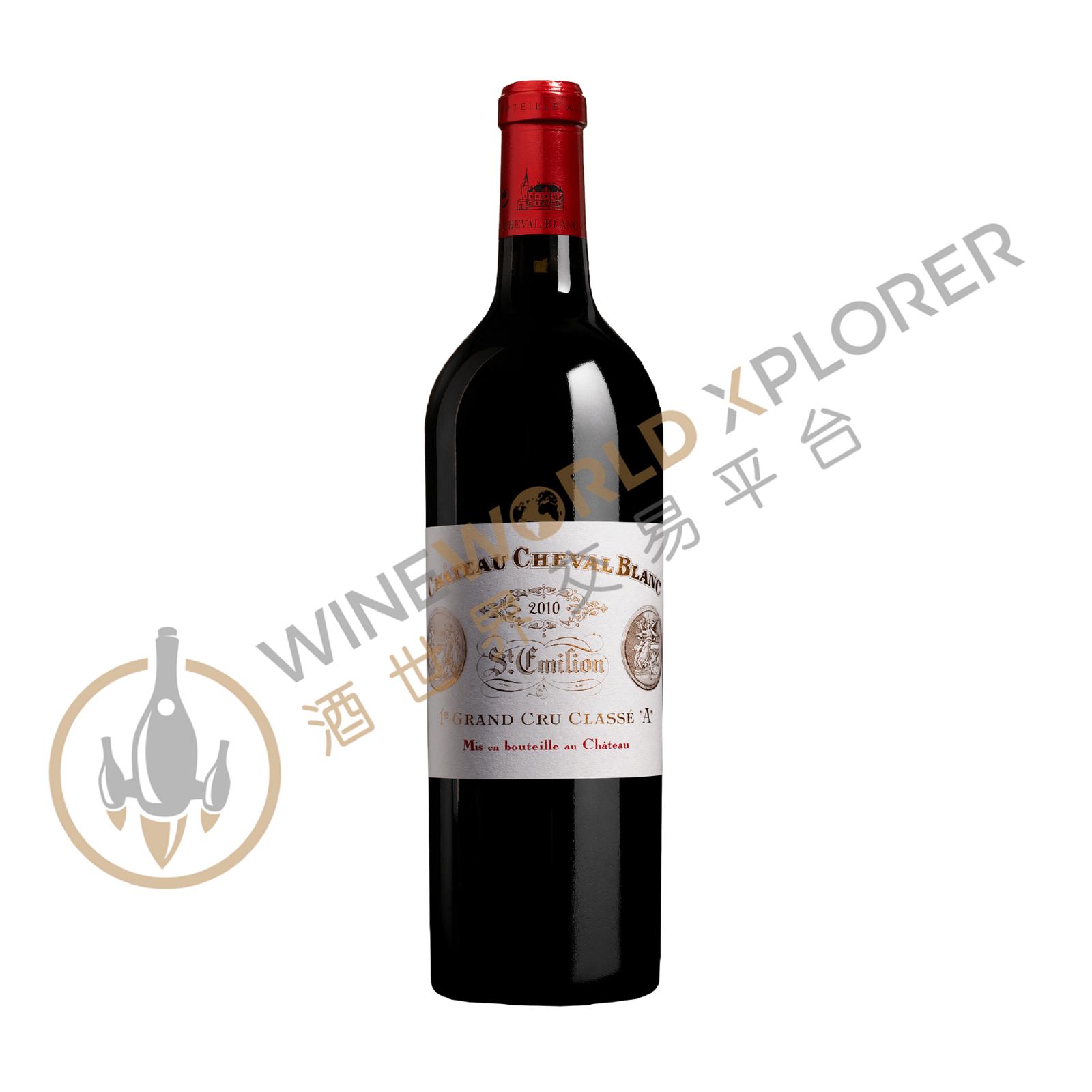
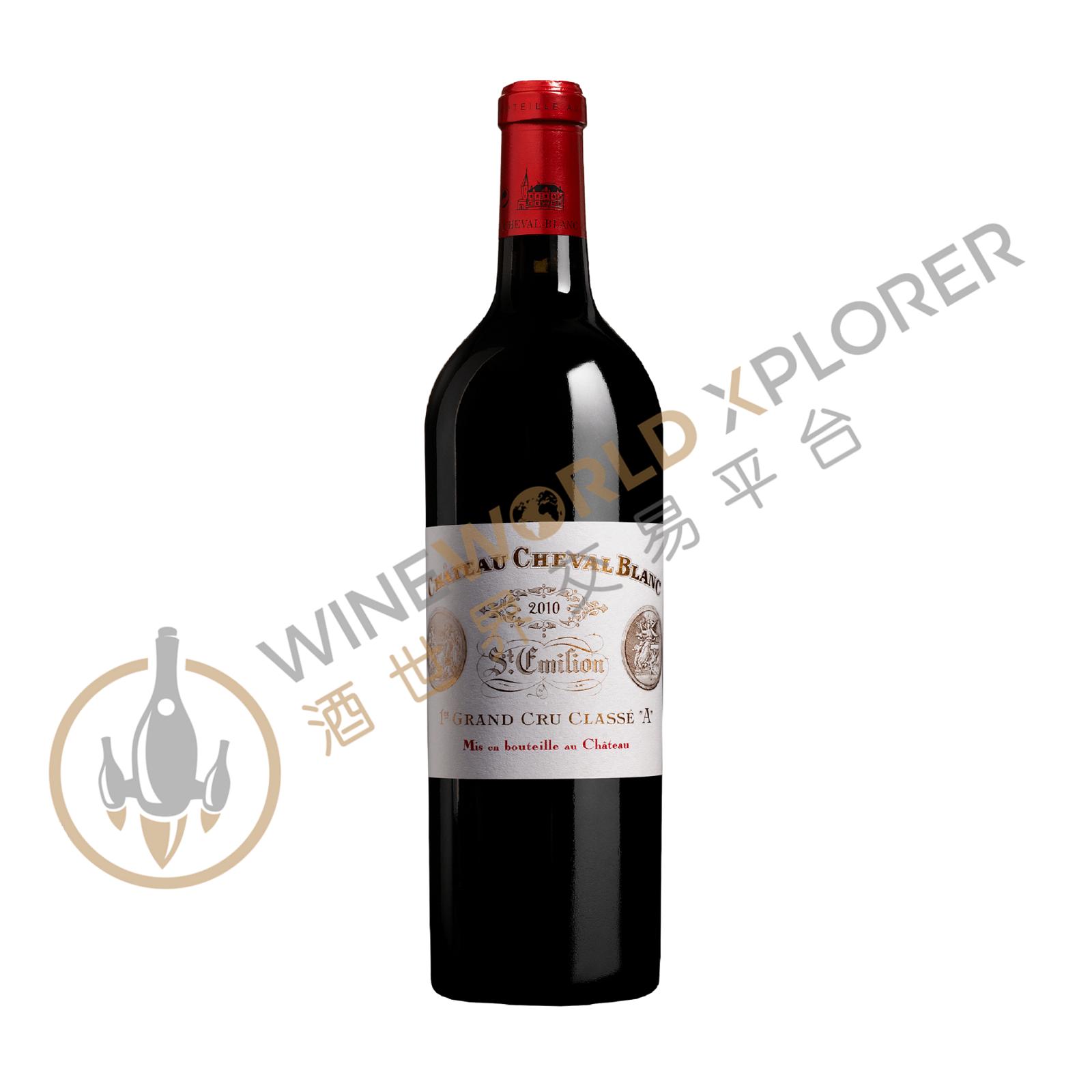
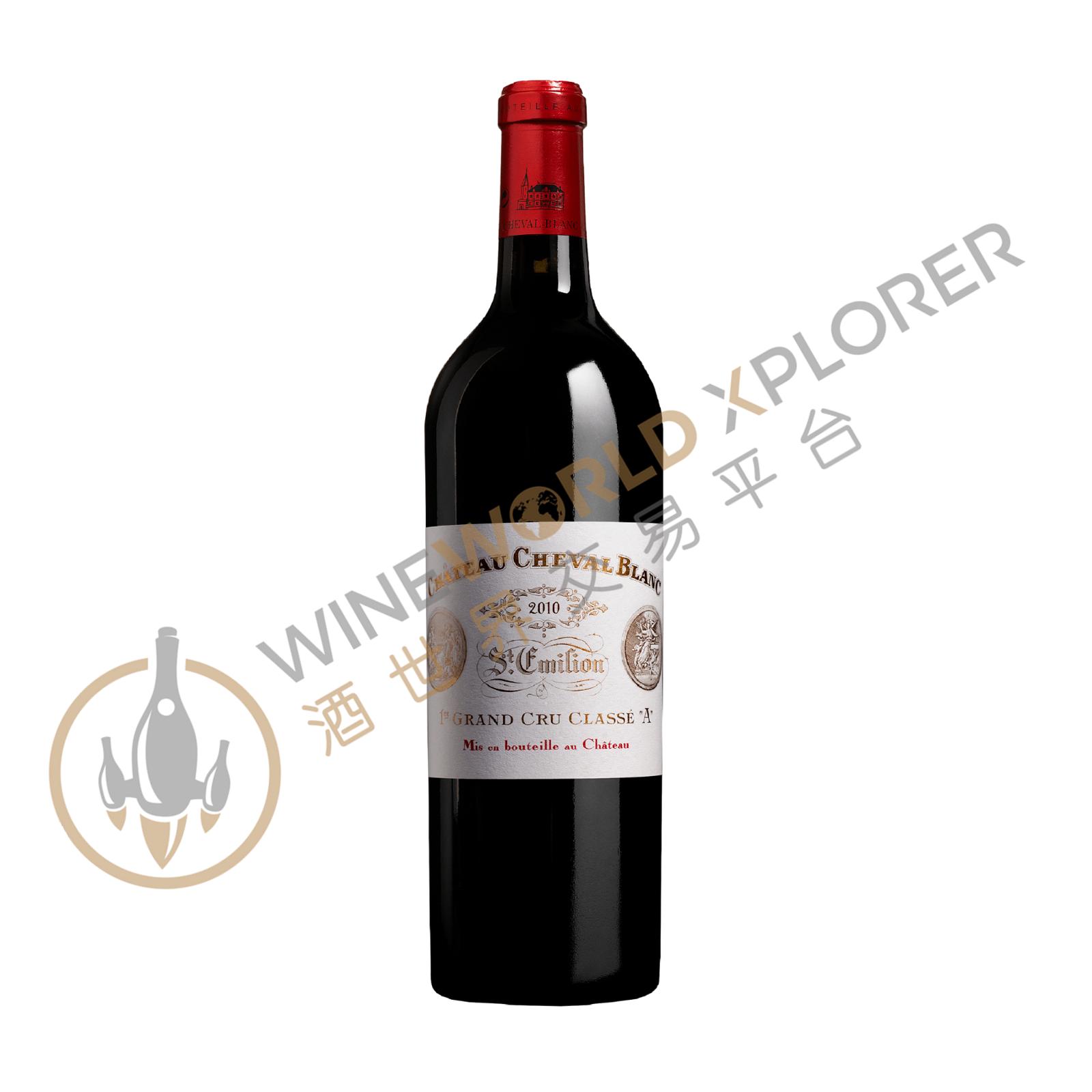
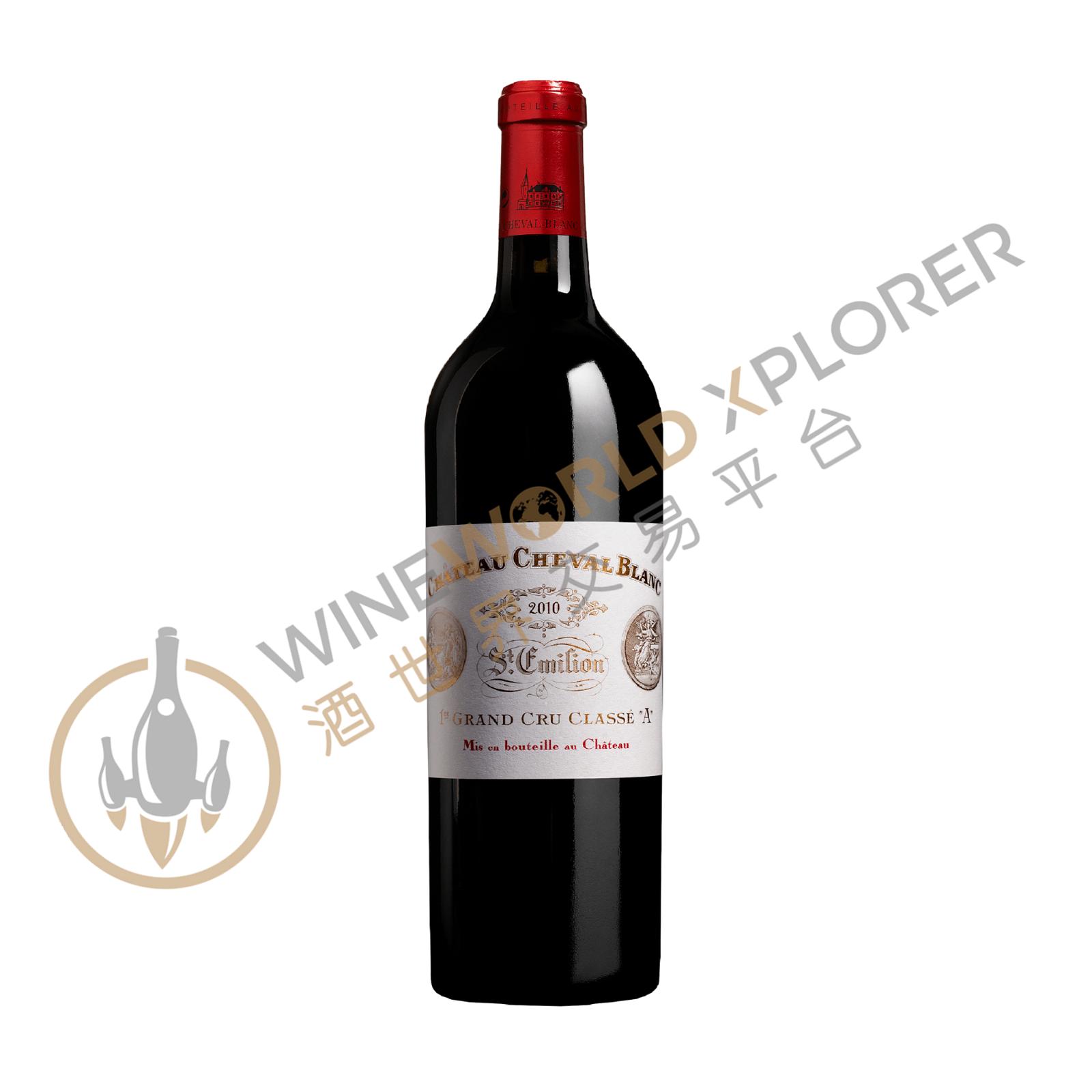
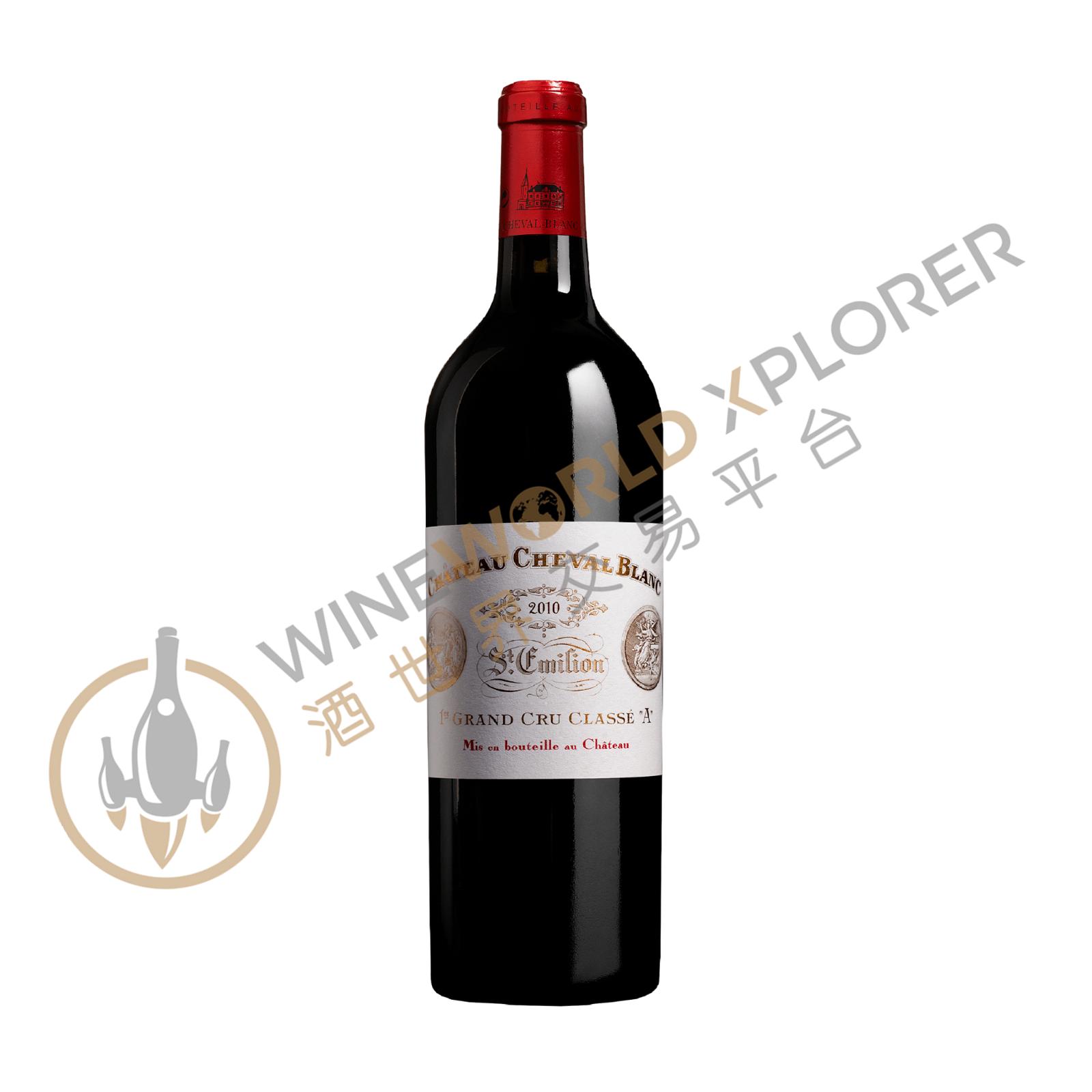
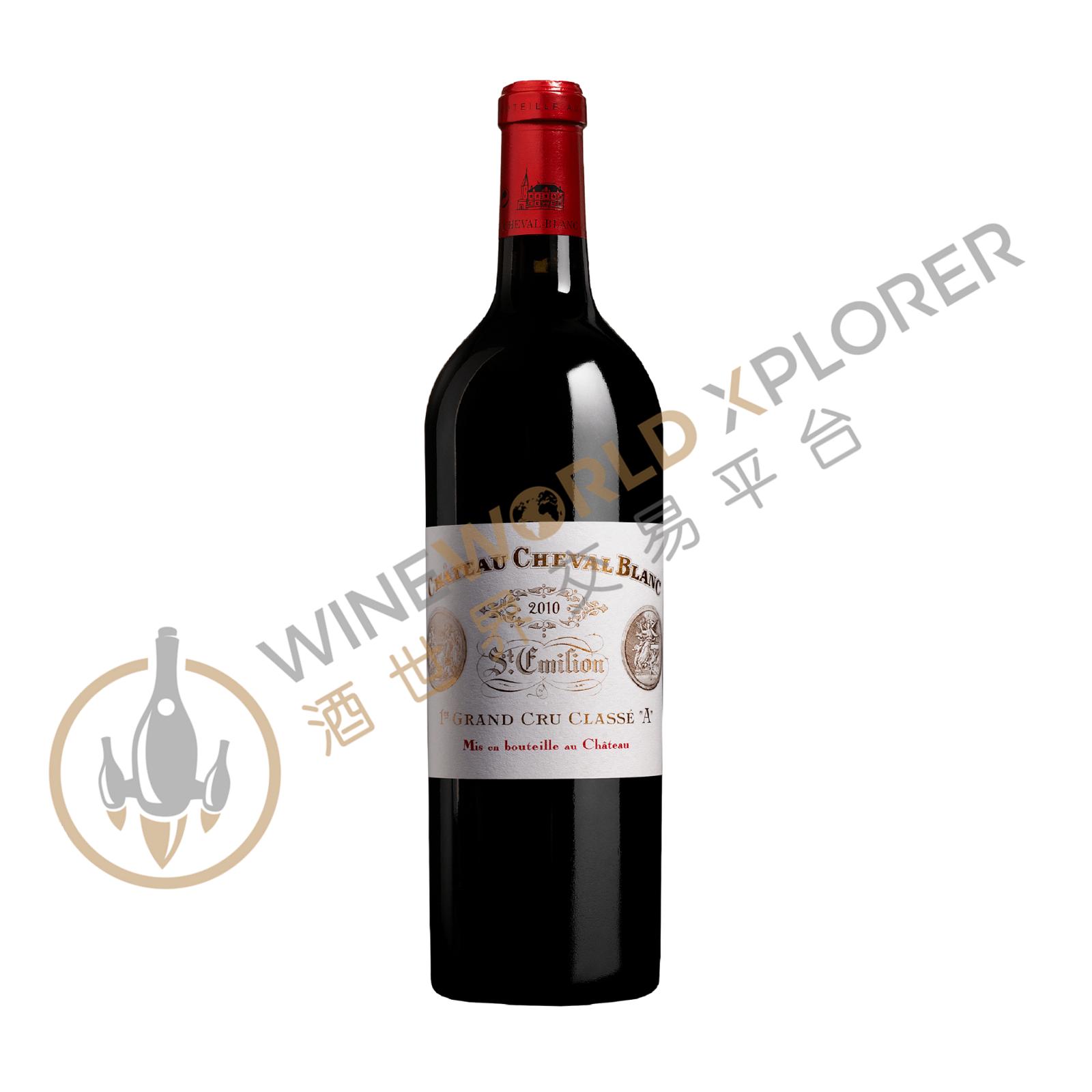
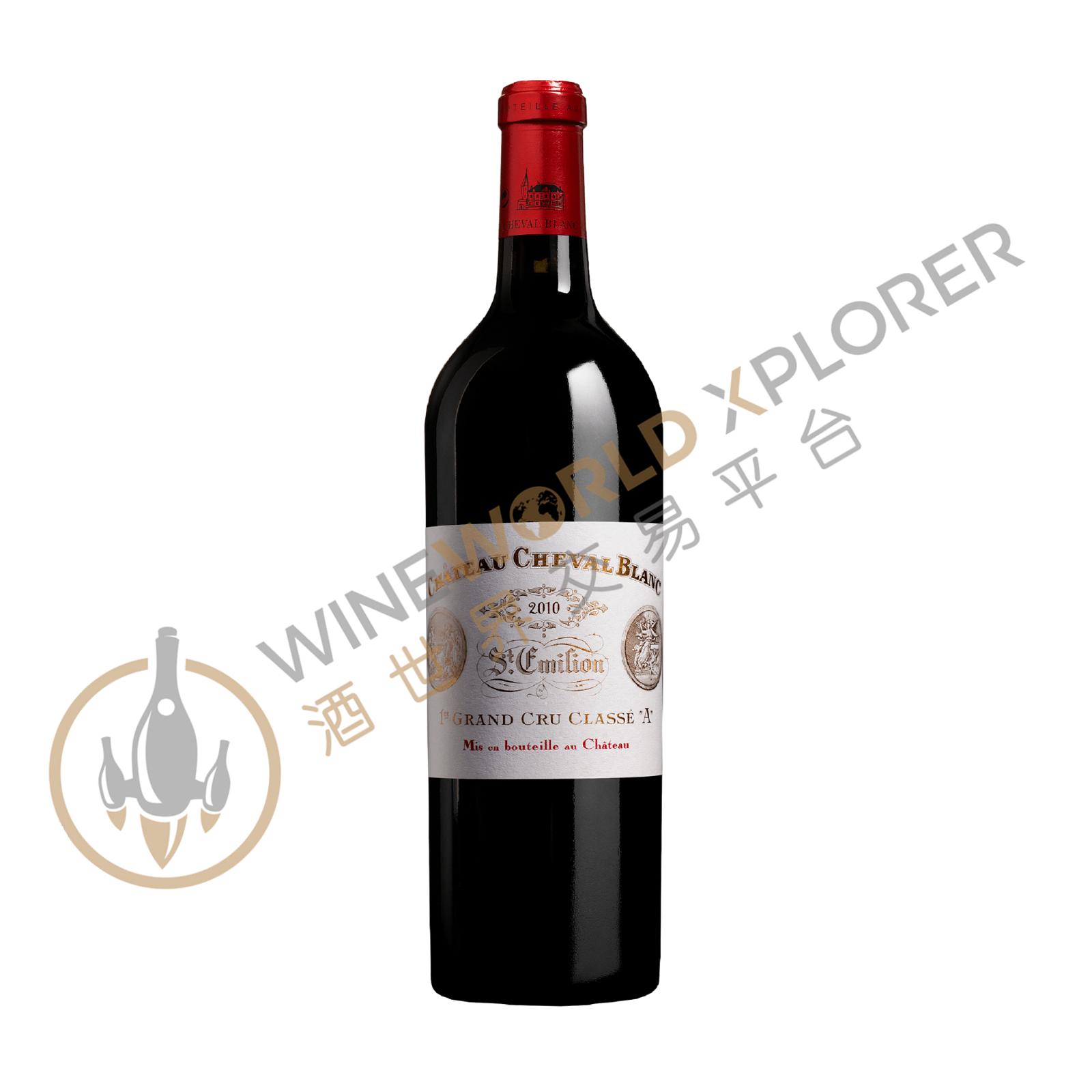
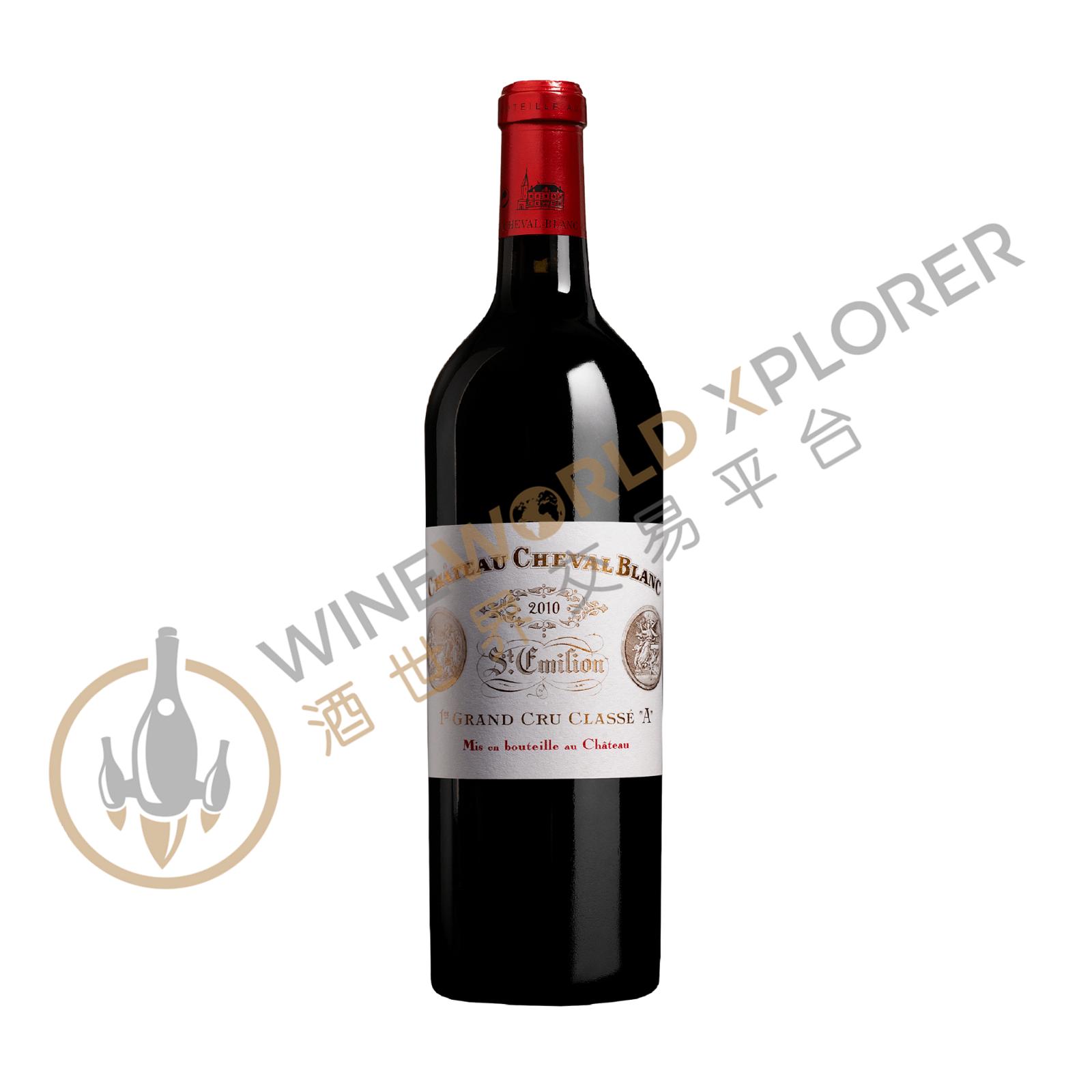
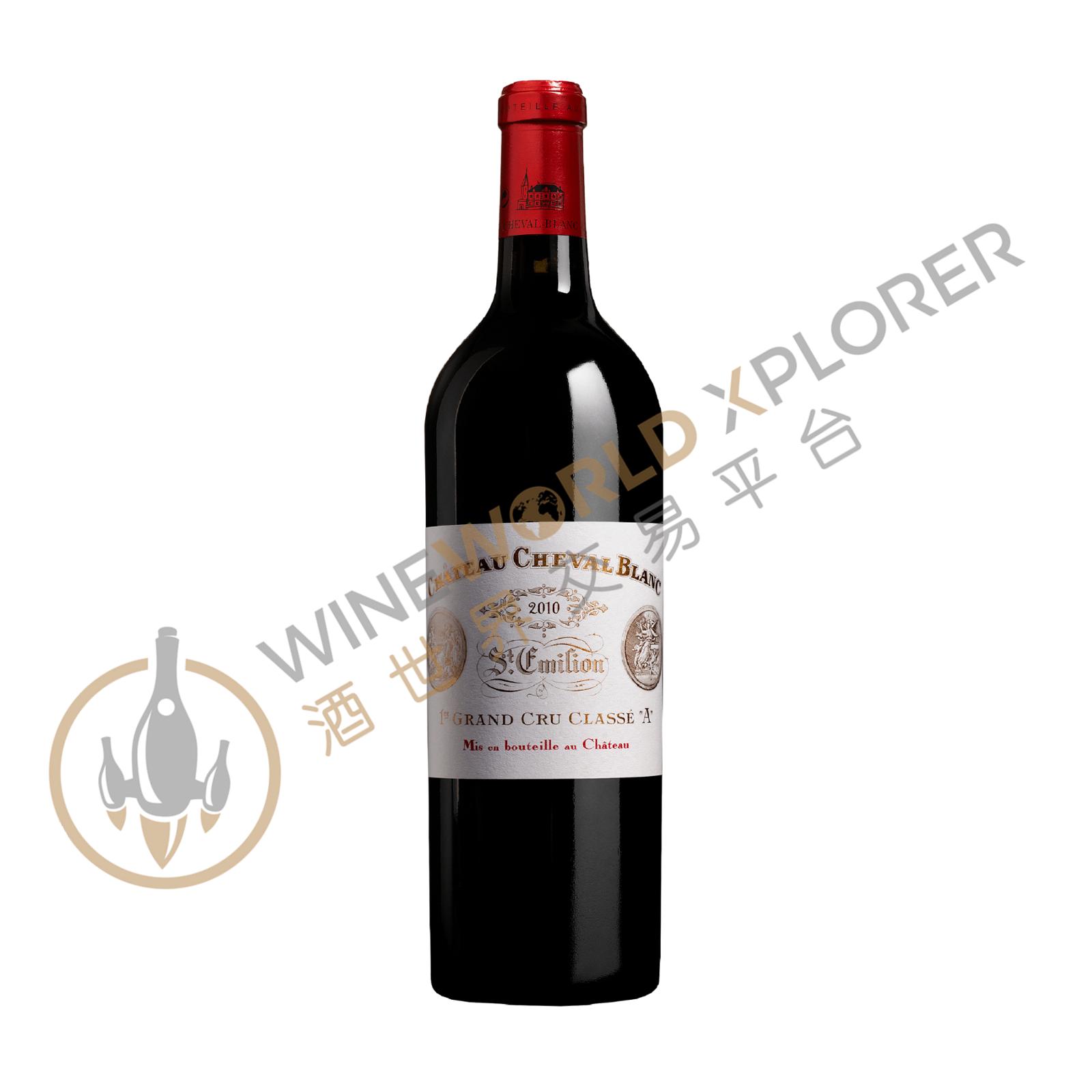
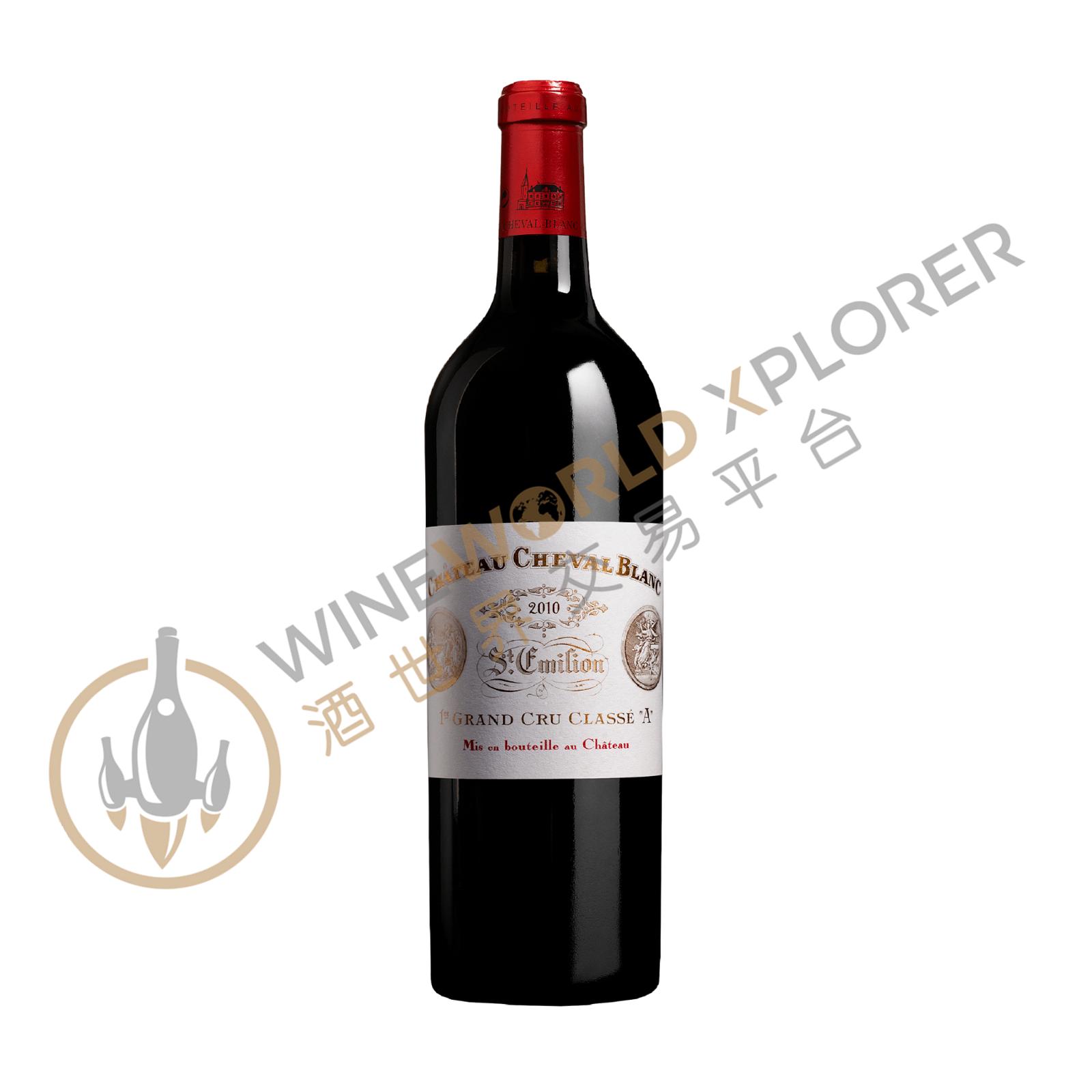
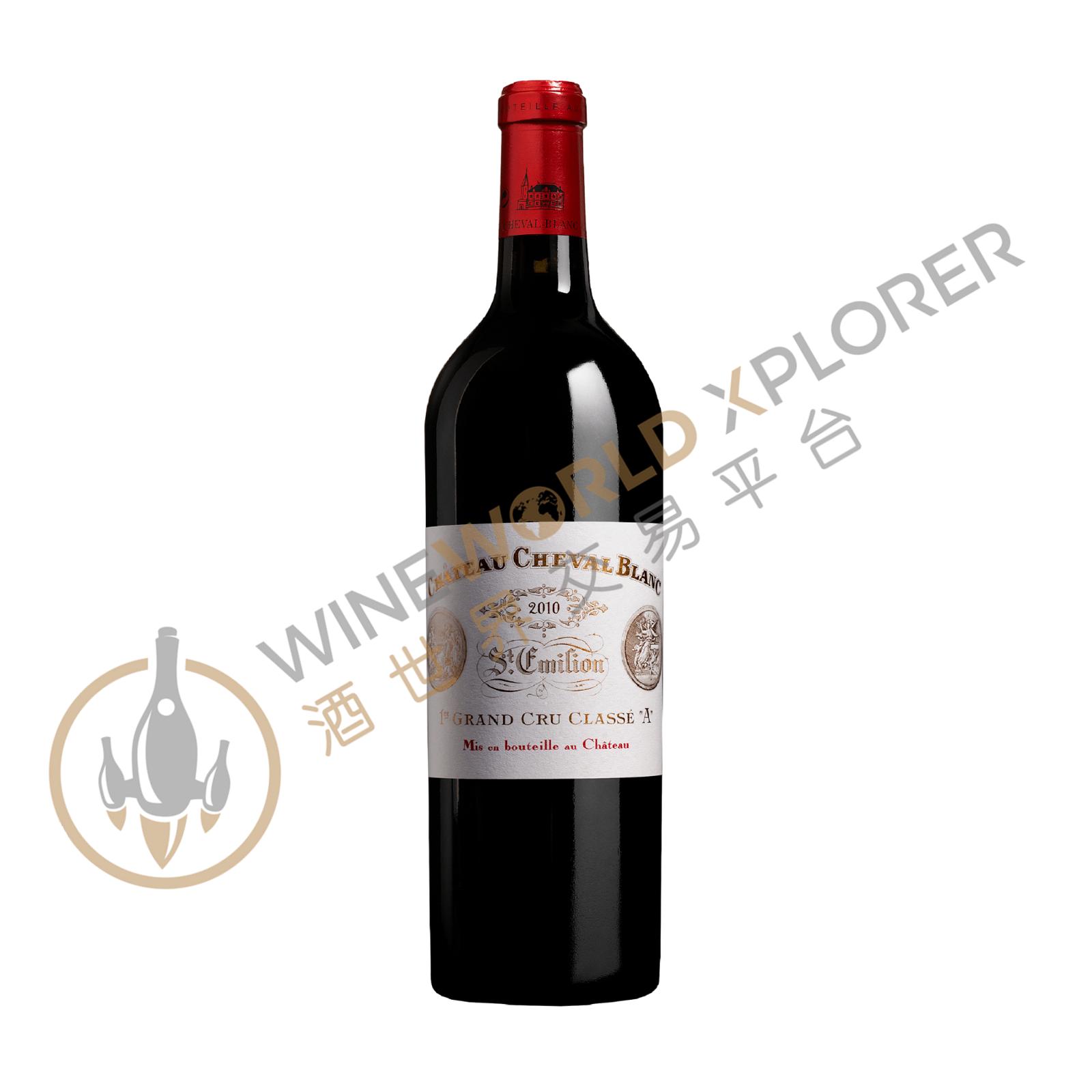
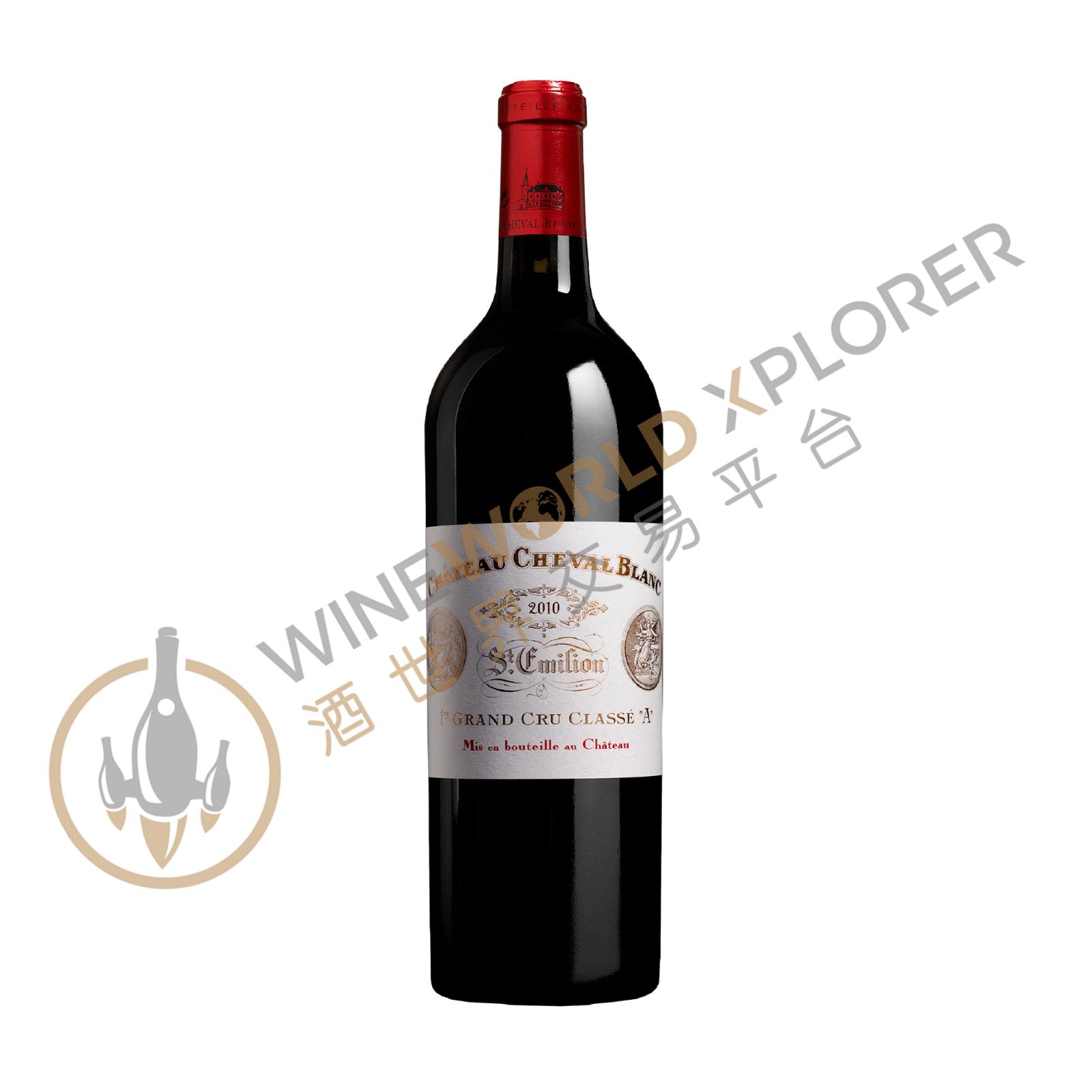
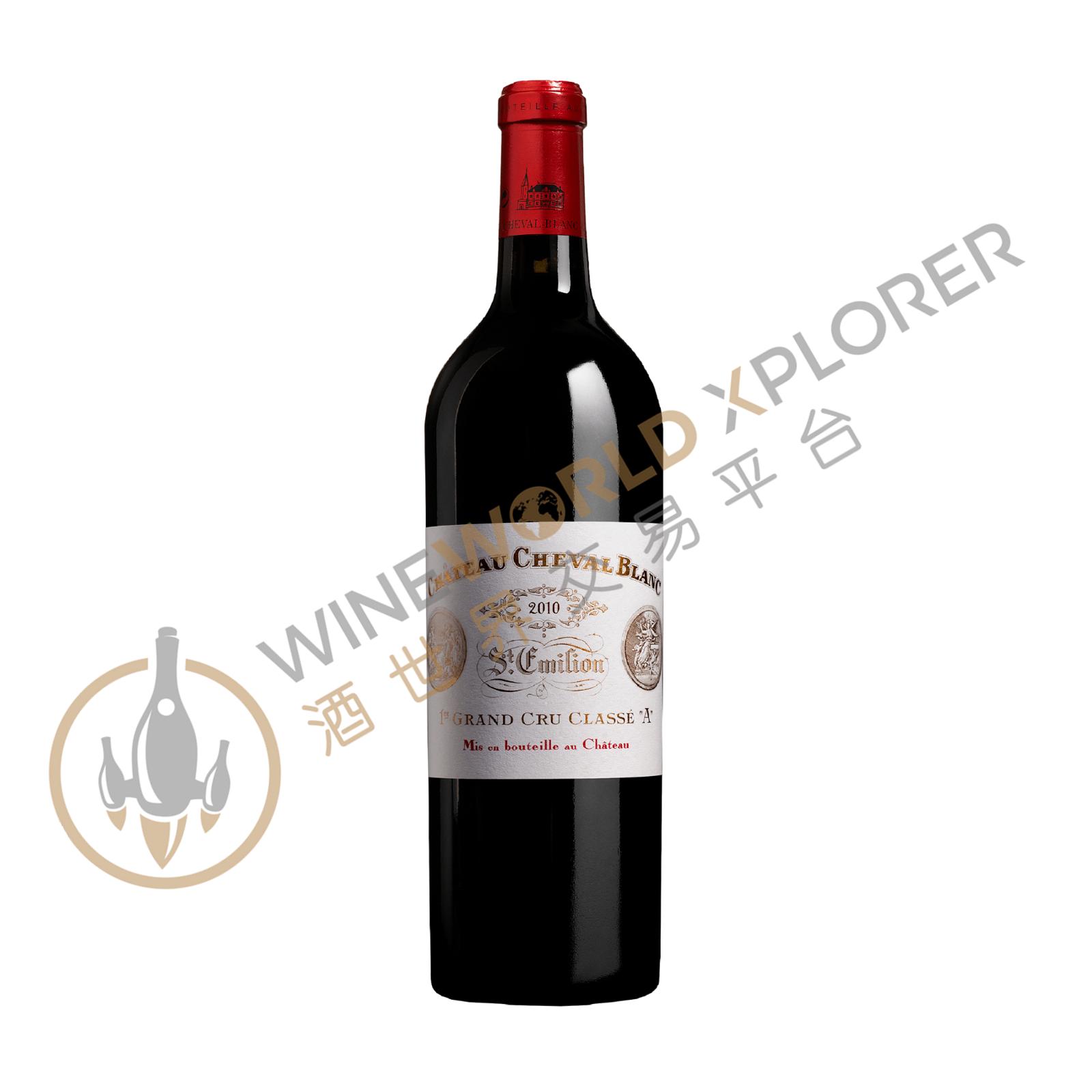
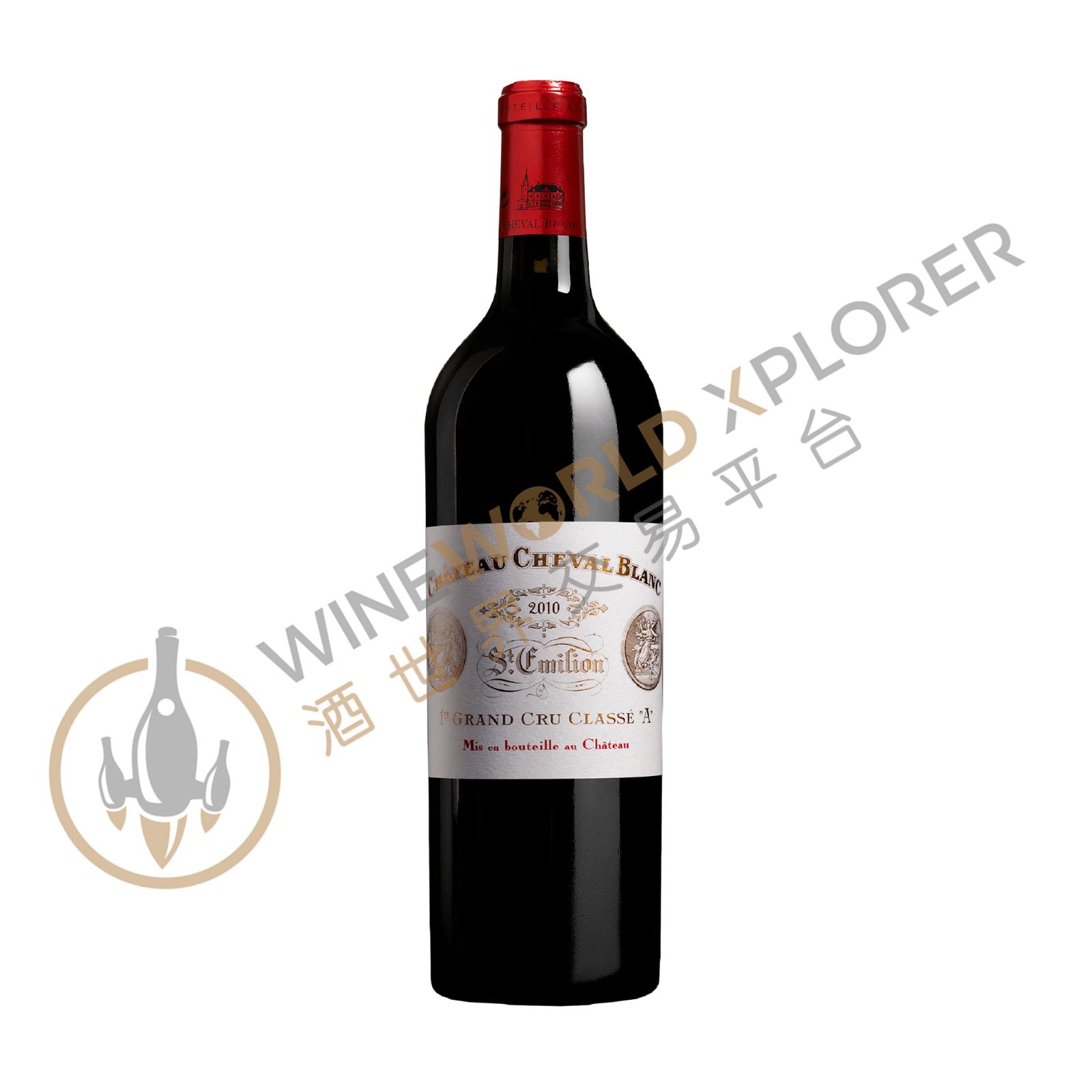
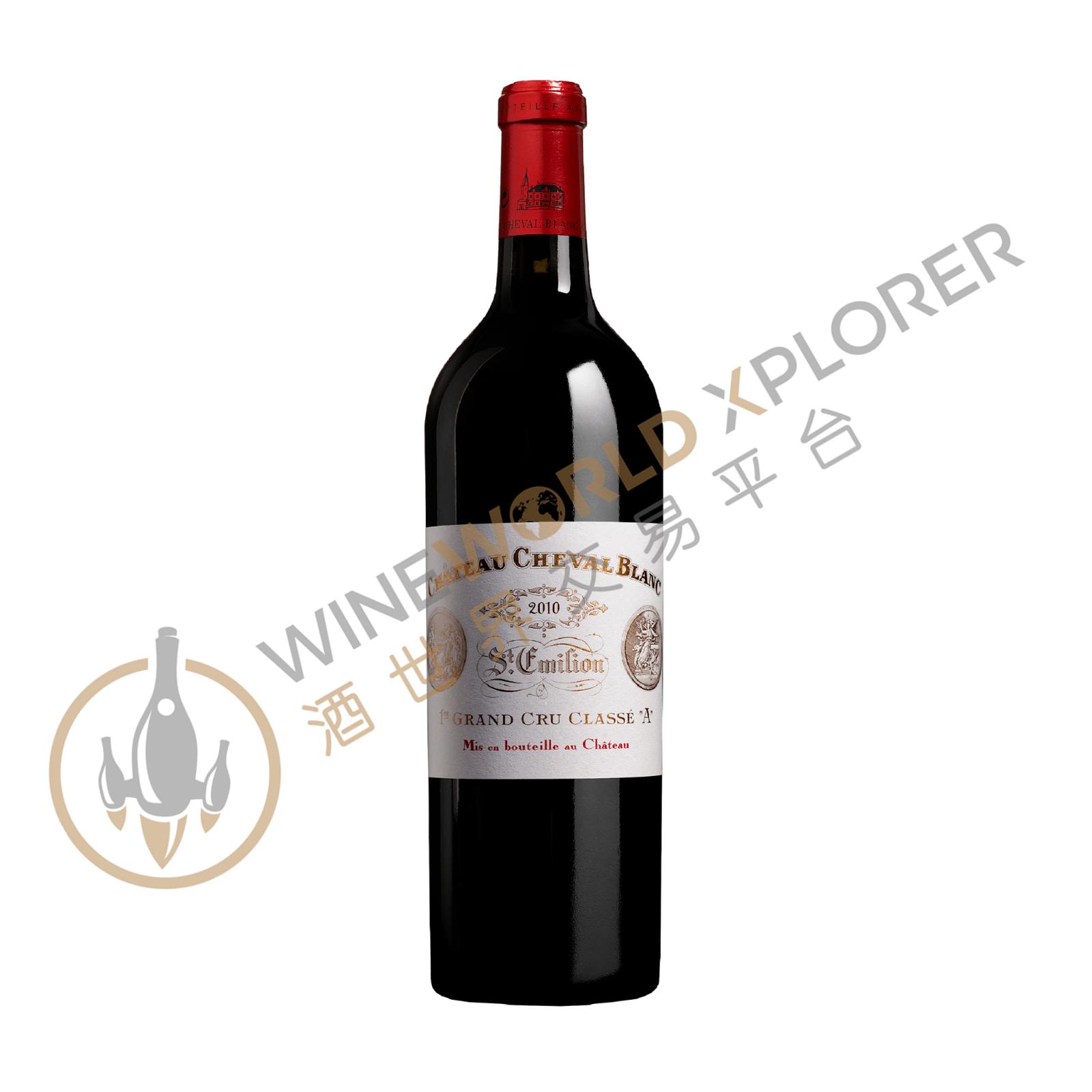
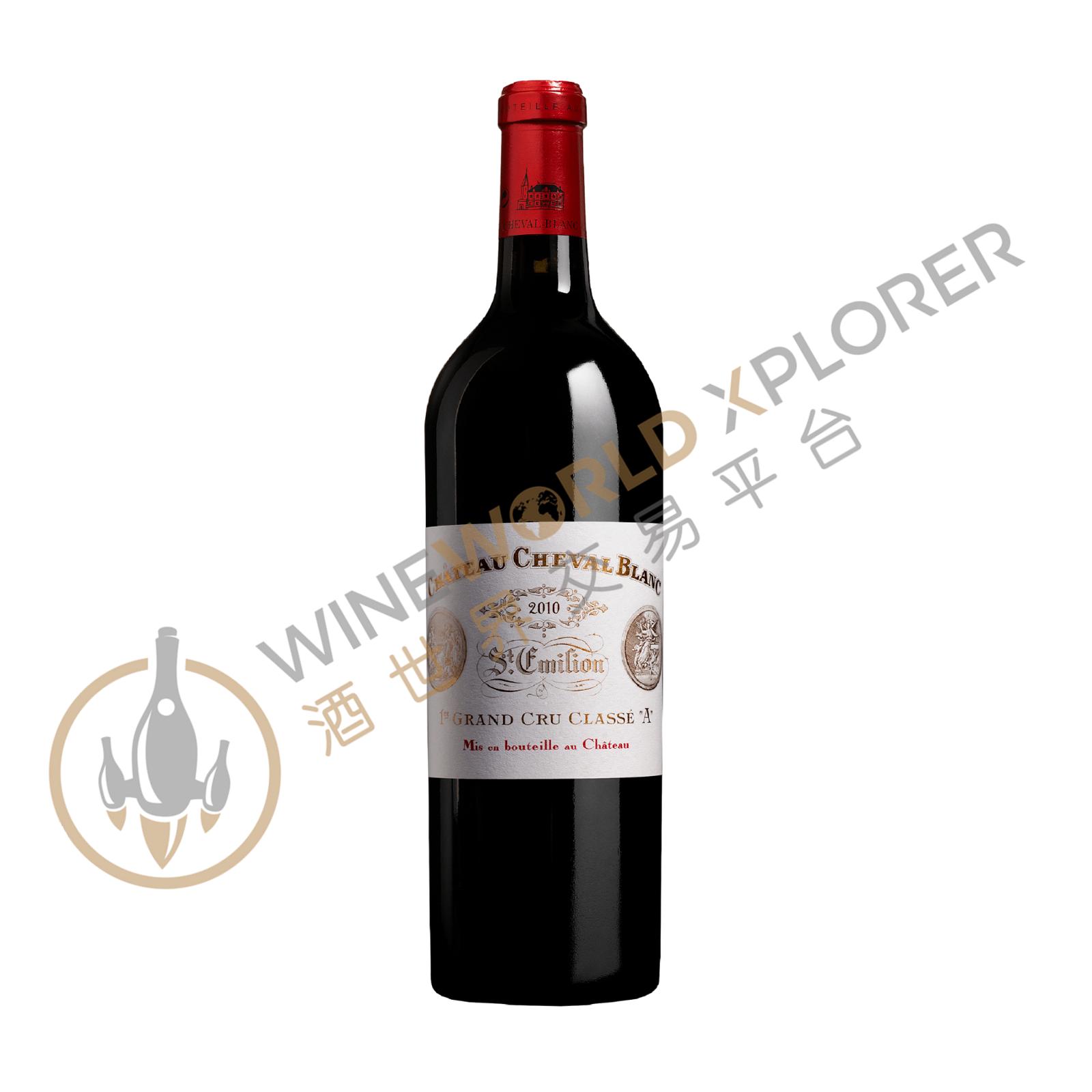
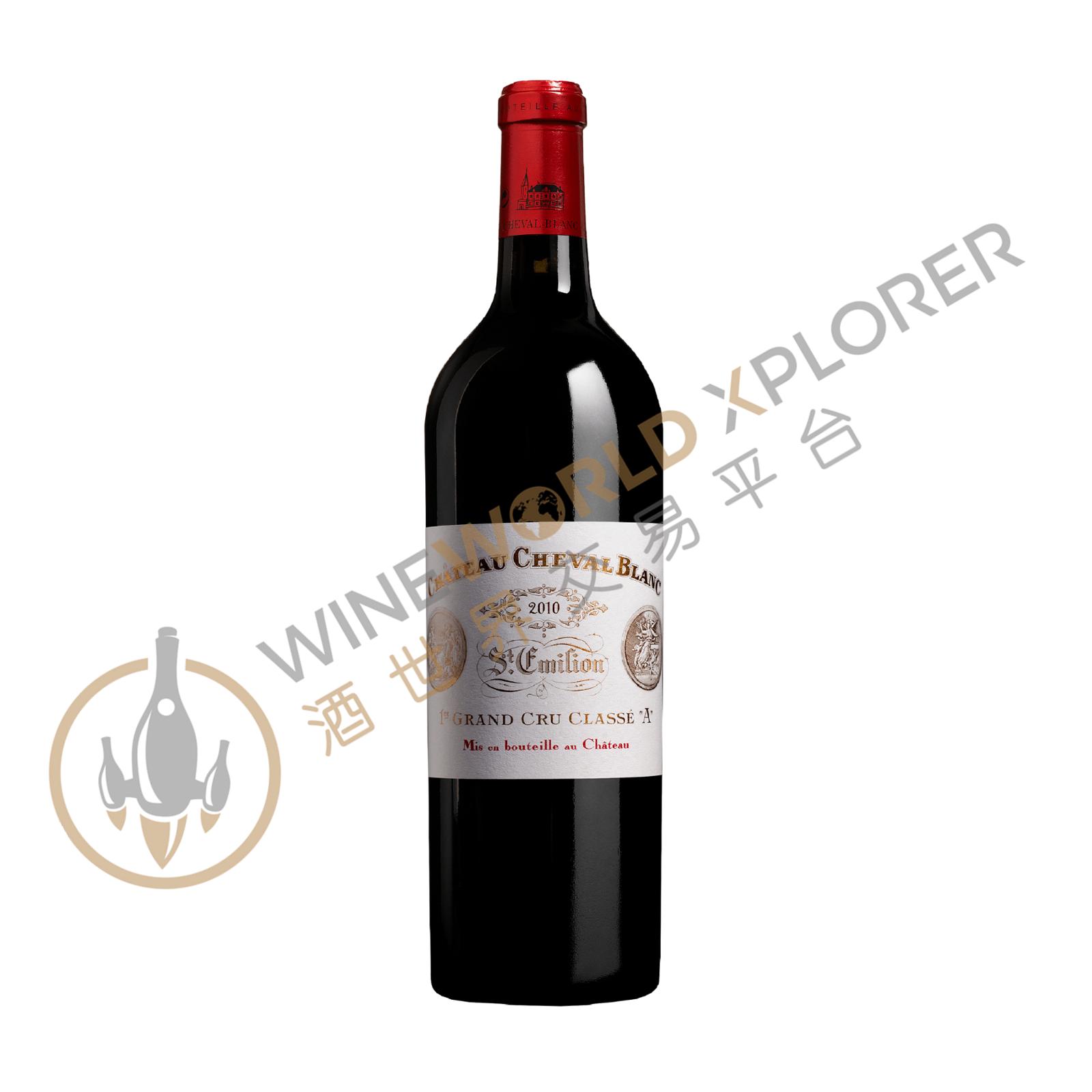
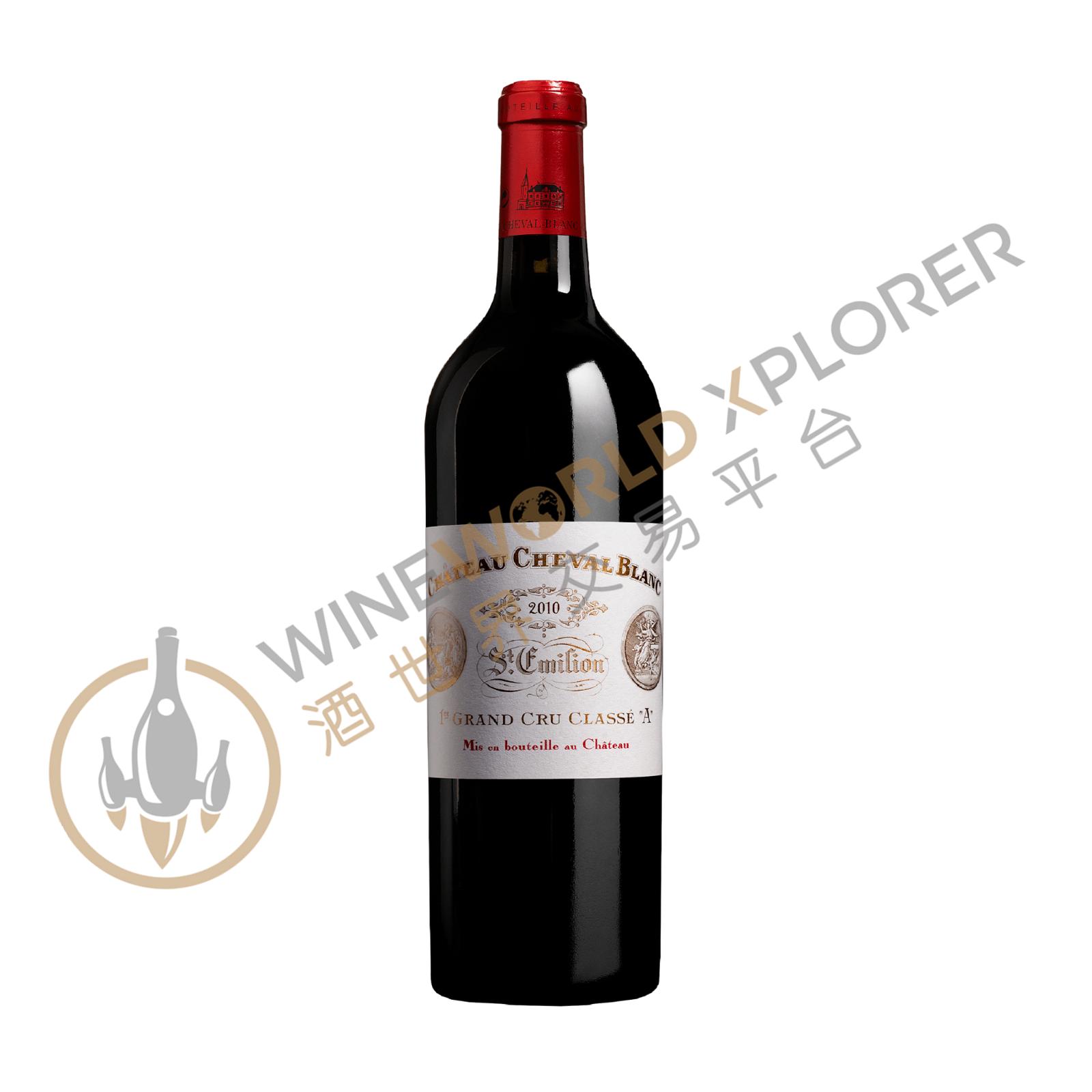
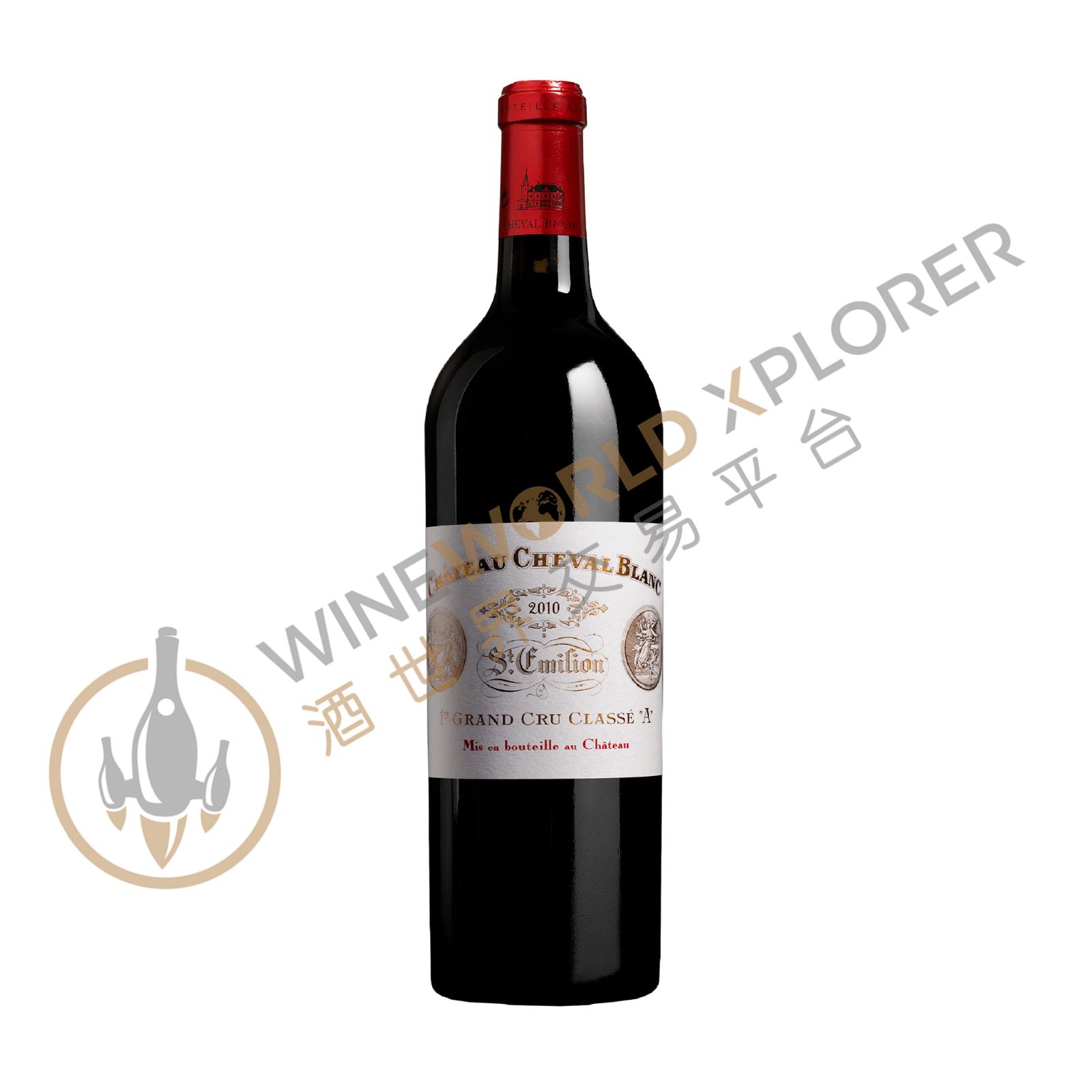
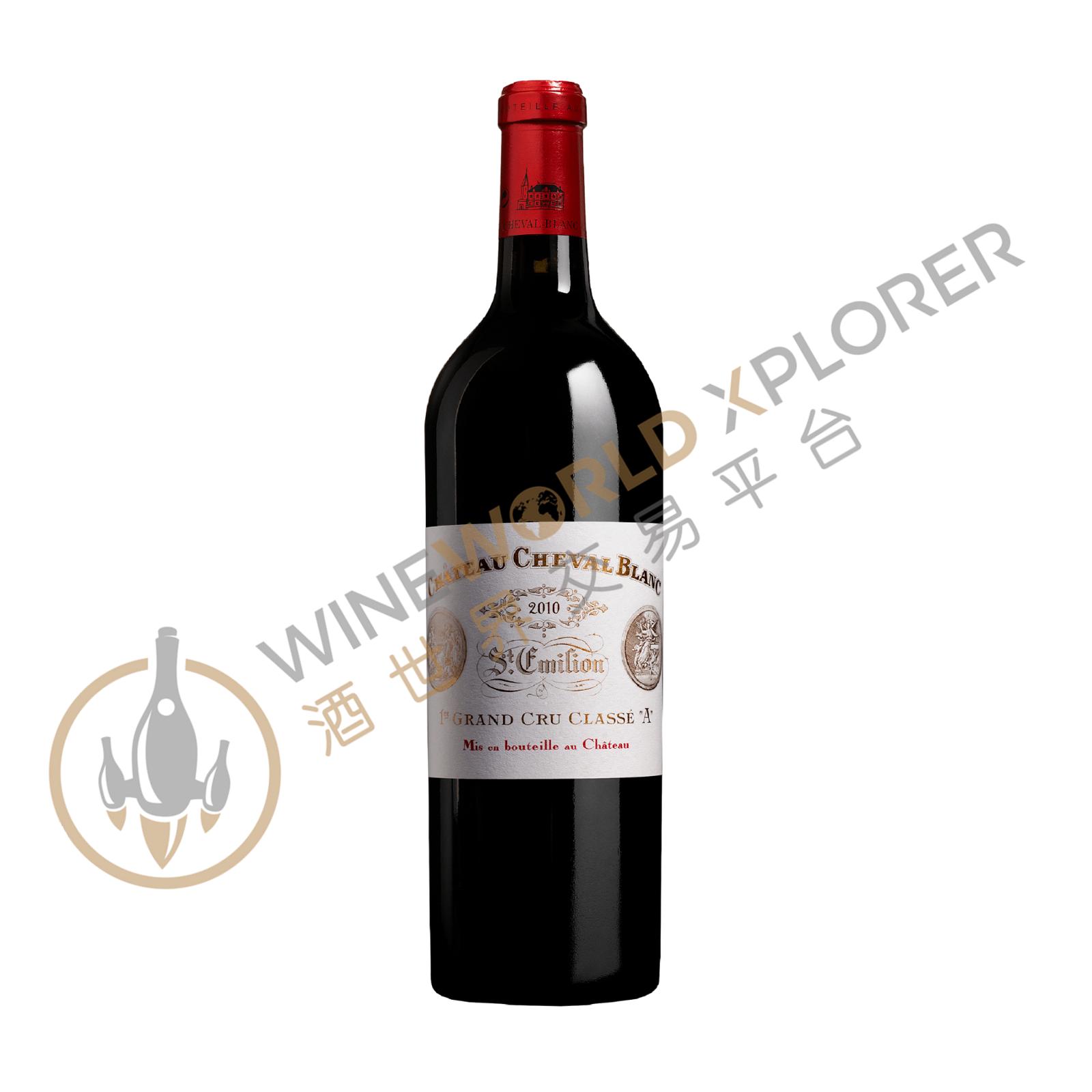
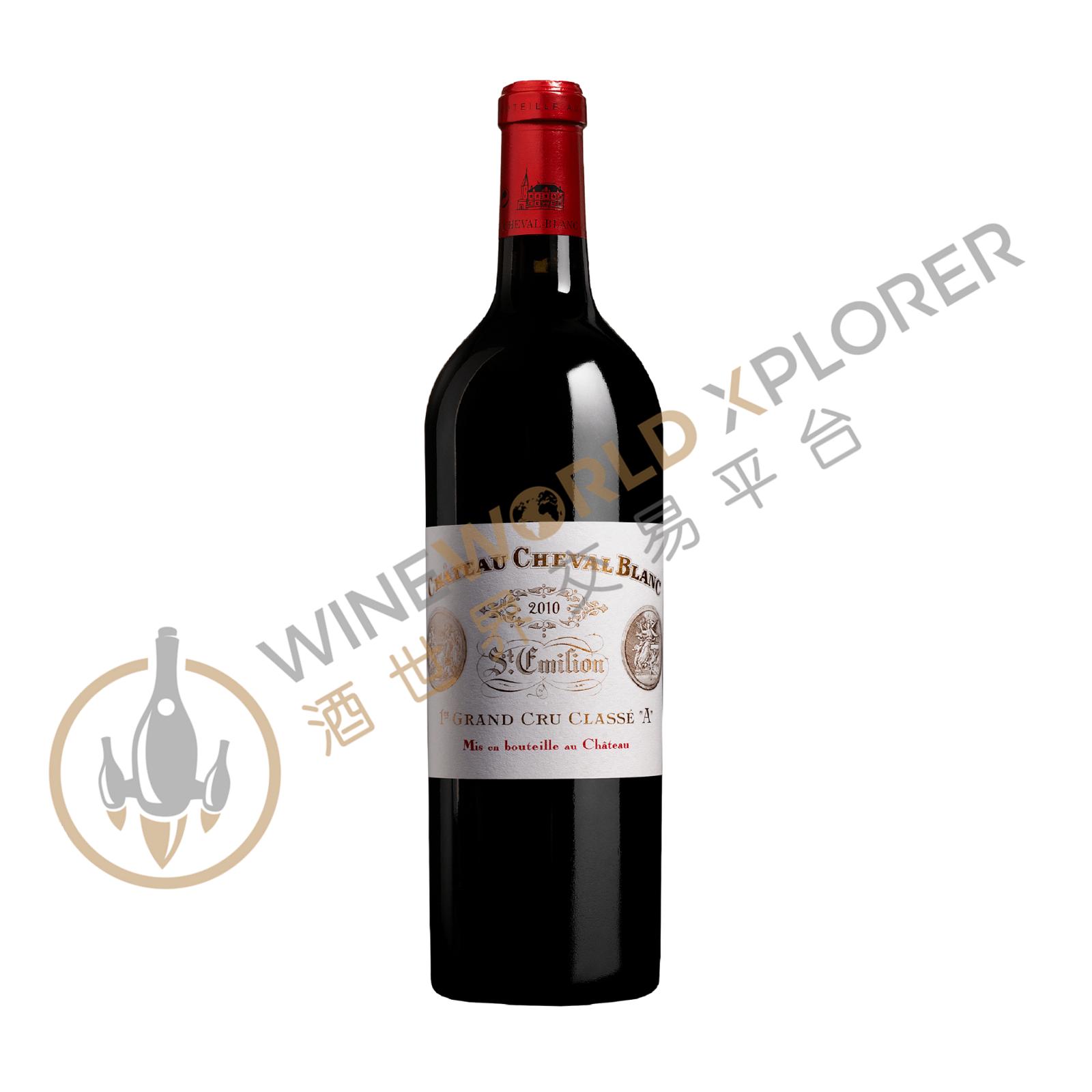
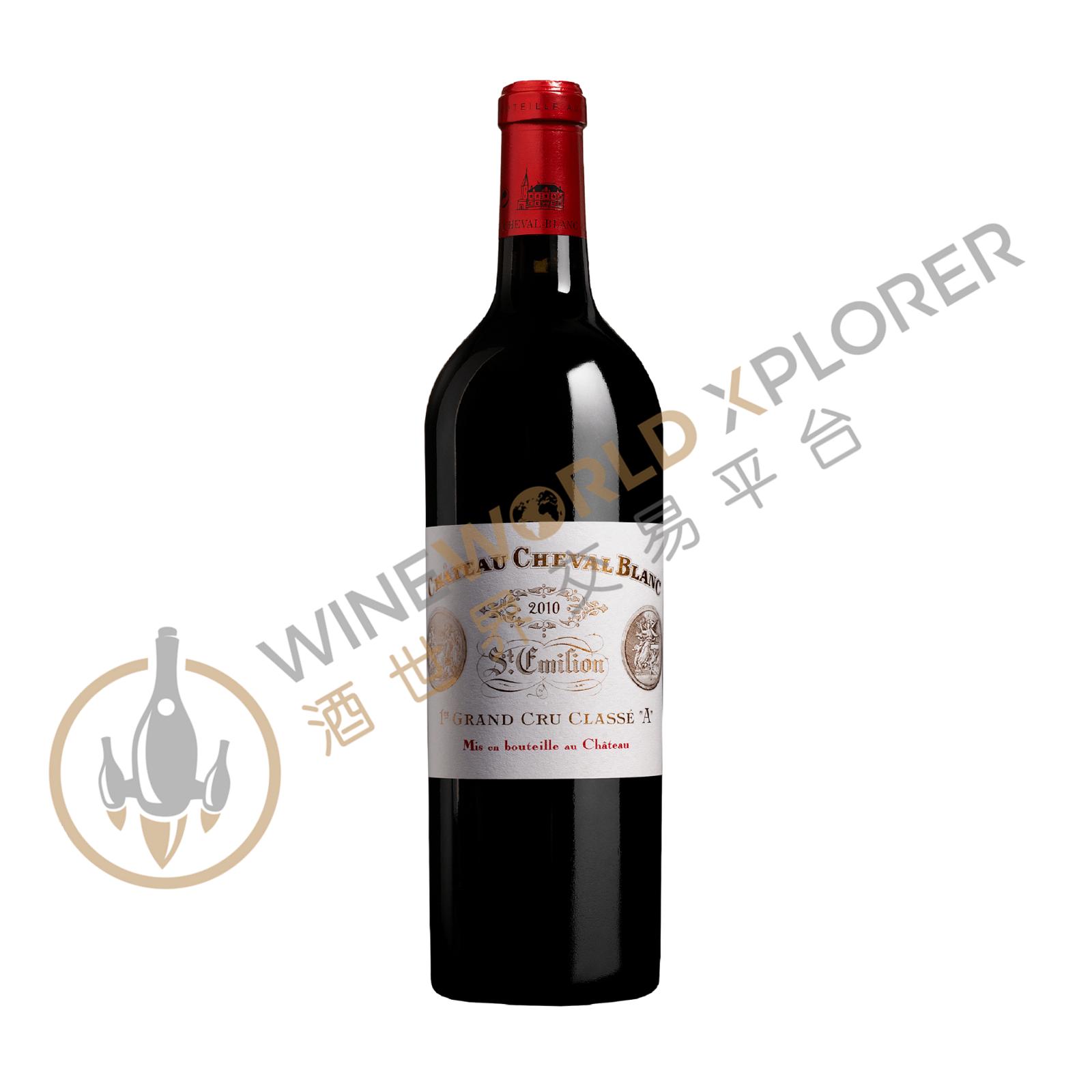
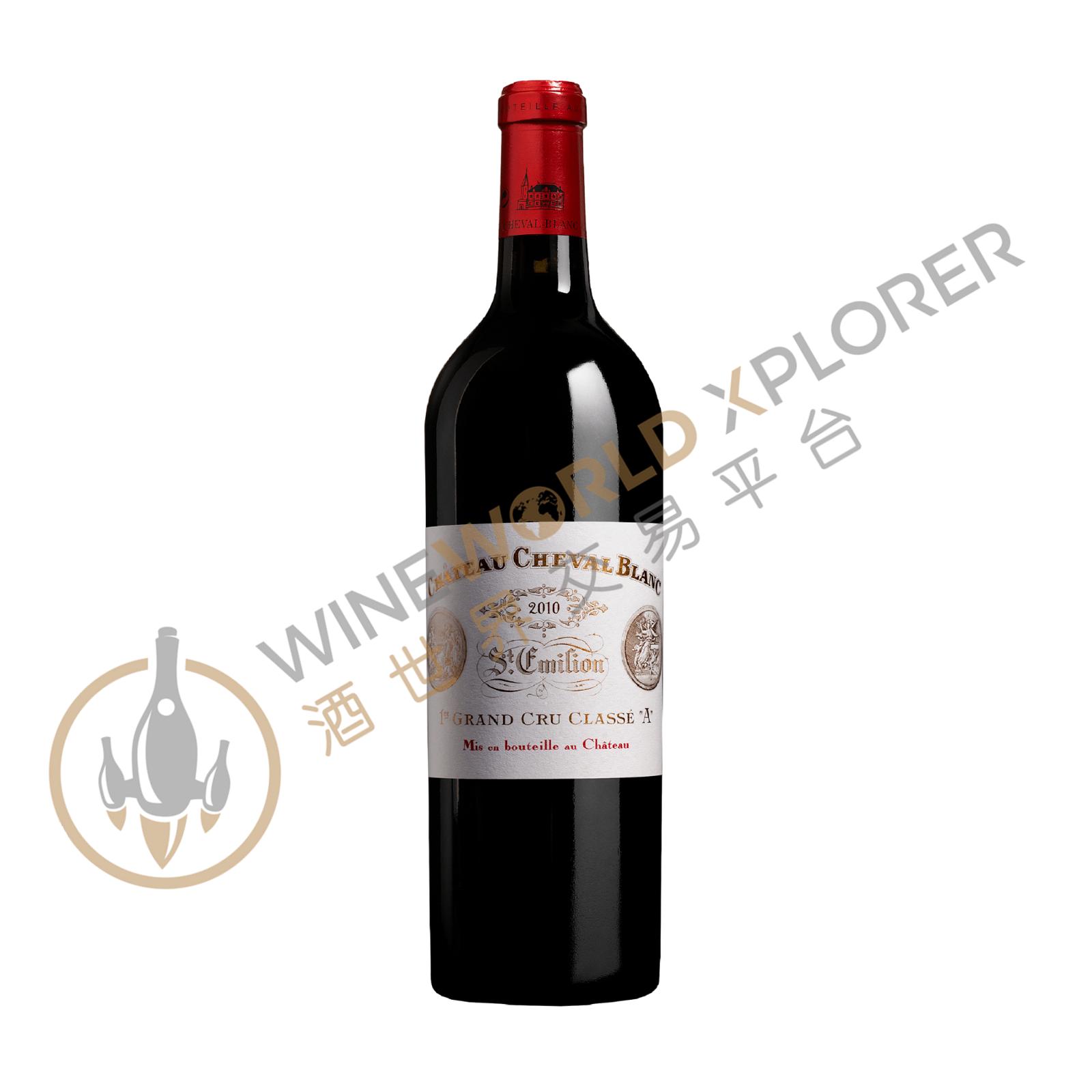
Cheval Blanc 1986
 View analysis


Description
Château Cheval Blanc, a 1er Grand Cru Classé (A) is unquestionably the leading estate in St. Emilion. It is located in the north-west of the St. Emilion appellation, bordering Pomerol. Cheval Blanc obtained its first medal at the 1862 Universal Exhibition in London. In fact, a representation of this bronze medal is found on the château’s present-day label. Cheval Blanc won their first gold medal at the 1878 Universal Exhibition in Paris, and this new distinction also appeared on the label. In 1886, Cheval Blanc won a second gold medal at the Universal Exhibition in Antwerp. Reflecting this series of successes and a wine well on the way to achieving international recognition, a château was built on the estate.
Tasting notes

Reviewed by: Neal Martin
Tasted at the château, the 1986 Cheval Blanc has a far superior bouquet to the 1996 Cheval Blanc when I tasted them side by side. The aromatics here are far more cohesive and complex, very delineated with expressive Cabernet Franc, hints of cooked meat, cranberry, juniper berries and wilted rose petals - just gorgeous. The palate is beautifully balanced with slightly furry tannin that is offset by a superb seam of acidity. It is nicely structured but not overbearing, leather and truffle filtering through the black fruit and while there is a little austerity on the finish, it is purely complementary. Though 1986 is not known as a Right Bank vintage, the 1986 Cheval Blanc pulled victory out of the bag and at 30 years, it continues to give immense pleasure. Tasted July 2016.
Reviewed by: Neal Martin
Tasted at Cheval Blanc dinner at The Ledbury. The nose on the 1986 seems to have unravelled a little in recent years with soft red-berried fruit, tobacco, a touch of blueberry and a hint of soy. The palate is medium-bodied with firm, dry tannins, quite masculine and rather dry towards the finish but it pulls its socks up in the glass, gaining more cohesion and depth. This is a competent Cheval Blanc but one bereft of joie-de-vivre. Drink now. Tasted November 2010.
Reviewed by: Robert M. Parker, Jr.
The 1986's bouquet jumps from the glass, with a combination of exotic, herbaceous, curranty scents intermingled with sweet, vanilla-scented new oak. The wine is splendidly rich, lush, forward, and evolved for a 1986. I enjoy it already and suspect it will put on more weight and reveal even more structure as it evolves. Anticipated maturity: Now-2008. Last tasted, 6/93.
Reviewed by: Neal Martin
This is certainly the best bottle of Cheval '86 that I have encountered in recent years. It has a very respectable bouquet that does not possess the opulence of the 1990, but much more reserved with touches of leather, sandalwood and pine. The palate is very well balanced though not as complex as the 1985. Typical for the vintage, there is a foursquare note to this Saint Emilion, yet here there is a gorgeous black olive, almost Graves-like finish, the kind you would take home to meet your parents. Good show. Tasted February 2014.
Reviewed by: Neal Martin
Deep garnet core with brick rim. Compared to Ausone 1986 the nose has more intensity with notes of sweet cherry, lemongrass and vine tomatoes. The medium-bodied palate has good acidity, quite decadent in style with super-ripe raspberry and morello cherry fruits. It has the vigor to last 10+ years with an almost Rhone-like finish. The Cheval Blanc 1985 is more sophisticated but an ultimately pleasurable wine. Tasted March 2002.
Reviewed by: Neal Martin
Deep garnet hue with deep brick rim. The nose has more vigor than the bottle served the previous night, with black cherry, soy and dry raisin. Lacks a little delineation. The palate is medium-bodied, moderate concentration, lacking a little depth and persistency but harmonious. Blackberry leaf, touch of leather, bitter chocolate. Cabernet Franc is very prominent. Good length. Better than I anticipated, quite masculine but charming in a slightly conservative way. Tasted December 2006. Drinking 2010-2018
Reviewed by: Robert M. Parker, Jr.
Another wine that seems to have some youthful characteristics, a high level of tannin and a lack of succulence and substance may ultimately prove to produce a wine somewhat out of balance. The wine shows plum, fig, cherry, earthy, mineral notes and medium body, but the elevated tannins in the finish are distracting. Nevertheless, the wine has a youthfulness and vigor that make it far less evolved than its more seductive older siblings, the 1983 and 1985. Last tasted, 12/02.
Reviewed by: Robert M. Parker, Jr.
At one time I thought the 1986 was better than the 1985, but the open-knit charm and currant exotic personality fo the 1985 makes a more persuasive case for it than for the more reserved, tannic, and backward 1986. The 1986 still has a youthful dark ruby saturated color with no amber at the edge. The wine possesses a developing bouquet that offers up weedy tobacco, juxtaposed with sweet black berry, raspberry, and cherry fruit. The new oak that was so obvious in the wine's youth has moved to the background, offering more of a cedary character than raw wood. Medium to full-bodied, and moderately tannic, this is a delineated Cheval Blanc with more of a Medoc personality than typical St.-Emilion opulence. The wine is rich, intense, and well-made, but still requiring a few more years of bottle age. Anticipated maturity: 1999-2012 Last tasted 12/97
Reviewed by: Neal Martin
The 1986 Château Cheval Blanc has put in some impressive showings in recent years. Now at almost 30 years old, it has maintained satisfying fruit intensity on the nose with black dusky fruit, Chinese spice, leather and wild mushroom scents. There is something almost feral about the nose. The palate is medium-bodied, structured but refined, although it does not quite possess the nuance of the aromatics. The acidity is well judged and it slots neatly into that distinctive, almost Graves-like finish that shows good sustain. Drink this now and over the next 15 to 20 years. Tasted March 2015.
Reviewed by: Neal Martin
Finally, the 1986 Cheval Blanc, a vintage that I had not tasted for several years. This was not a renowned growing season for the Right Bank, but this Saint-Émilion bucks the trends to produce one of its most attractive wines. It has a gorgeous bouquet that you could lose yourself in with red berry fruit, quite tertiary at first, and scents of meat juices, fennel, juniper and wilted flowers. This is complex but also has the warmth I normally associate with the 1985s. The palate is medium-bodied with melted tannins, exquisite balance, light sous-bois and black truffle notes that infuse the dark berry fruit towards the persistent finish. It’s like a less extravagant version of the 1985. It’s probably at its peak now, though this bottle suggests it will drink well for many years.
About the Producer
Château Cheval Blanc is a highly lauded wine estate in the Saint-Émilion region of northeast Bordeaux. Classified with the top ranking of Premier Grand Cru Classé A, it is regarded by many as one of the greatest wines of the appellation – if not, the greatest. It is certainly the most famous Cabernet Franc-based wine in the world, albeit often alongside very similar levels of Merlot. Typically, the "grand vin" (the estate's eponymous wine) is lush and full bodied with great weight of fruit. It tends to require ten years of bottle age and the best vintages can last half a century or more. The second wine of the estate is Le Petit Cheval. The vineyard is located in the northwest of the region, bordering Pomerol (La Conseillante is a neighbor) and consists of 39 hectares (96 acres) divided into 45 plots. There is an unusually large amount of Cabernet Franc planted – about 49 percent – with 47 percent Merlot and four percent Cabernet Sauvignon. The unusual planting proportions reflect the terroir; most vineyards in the region are either clay or gravel-based over impermeable sedimentary rock, but Cheval Blanc is unique in having a patchwork of soils with the two types in roughly equal proportions. The clay soils provide base wines with velvety tannins, while those from gravel soils are more aromatic and elegant. Vines have been grown since the 14th Century at this spot but the vineyard as it is known today took shape in the 19th Century when the core plots were added to by purchases from the nearby Figeac estate. Subsequent replantings established the atypical half-Merlot, half-Cabernet Franc proportions. Cheval Blanc gained its first medal at the 1862 Universal Exhibition in London – the first of a series of successes building its reputation and achieving price levels comparable to the Médoc first growths, which paved the way for a château to be built on the estate. In the first classification of Saint-Émilion wines in 1955, Cheval Blanc was awarded the highest possible rating and remains a Premier Grand Cru Classé A. In 1998, after 166 years of continuous family ownership, Bernard Arnault, the head of luxury goods firm LVMH, and the late Baron Albert Frère (a Belgian billionaire investor) jointly purchased the estate. The spectacular new cellar opened in 2011, with 52 concrete vats (replacing stainless steel) of differing sizes corresponding to different vineyard plots. The grand vin spends 16 to 18 months in new oak barrels from a variety of cooperages.
1949(1)1953(1)1955(4)1958(1)1962(1)1966(1)1967(2)1970(2)1973(1)1974(2)1975(3)1976(1)1977(1)1978(1)1979(2)1980(1)1981(2)1982(5)1983(1)1984(1)1985(1)
Package Size