Wine Advisor



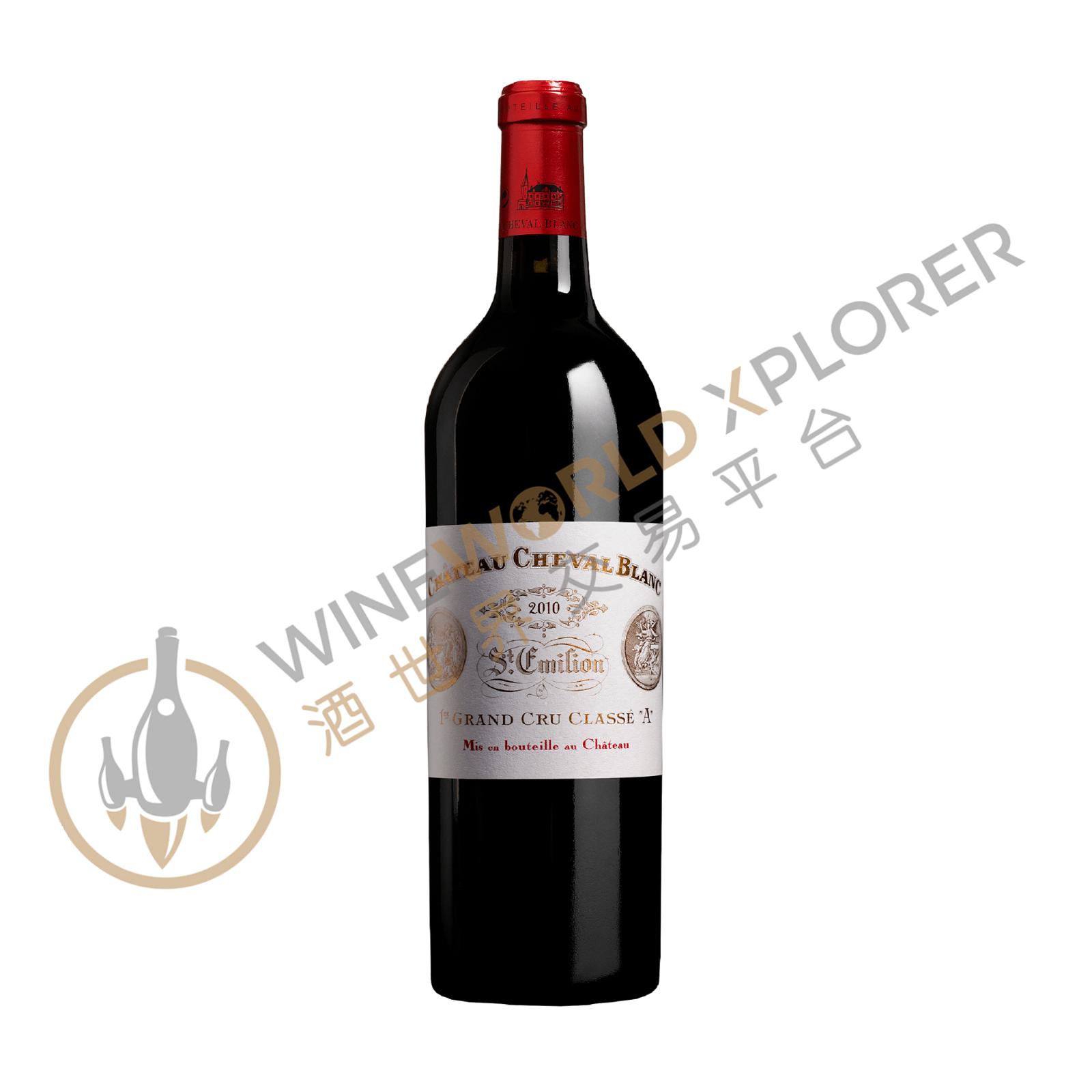
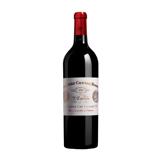
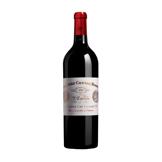
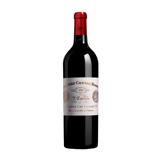
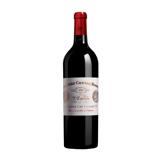
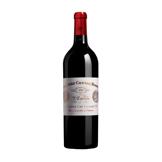
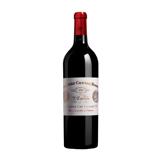
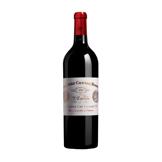
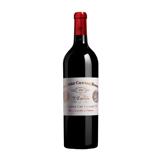
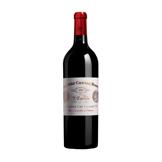
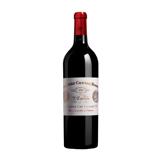
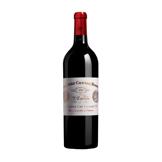
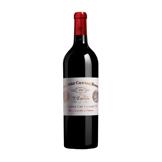
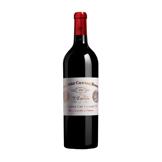
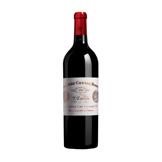
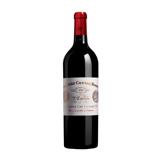
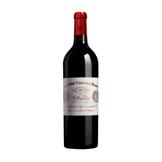
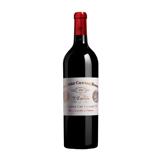
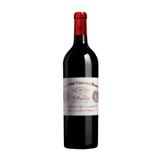
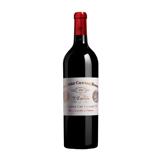
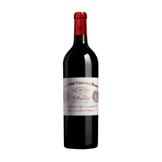
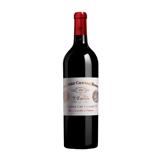
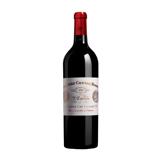
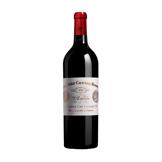
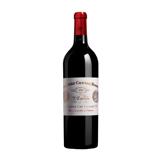
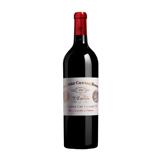
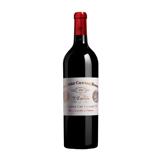
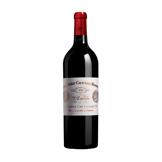
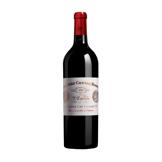
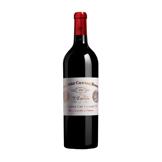
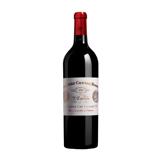
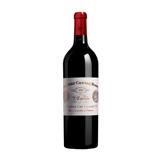
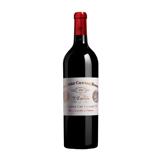
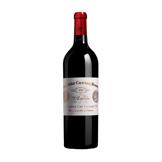
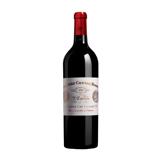
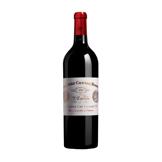
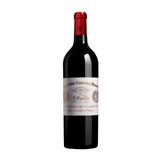
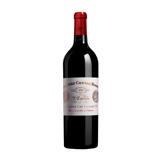
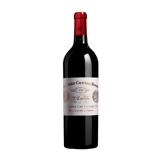
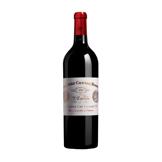
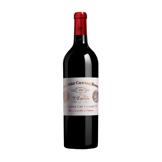
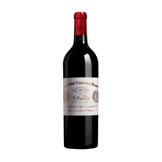
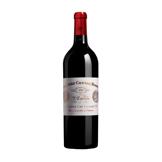
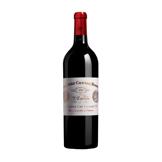
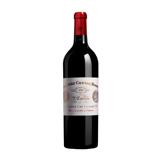
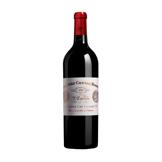
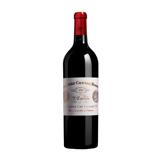
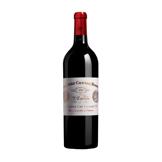
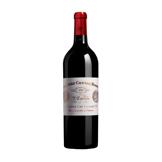
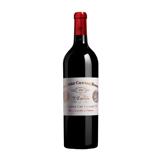
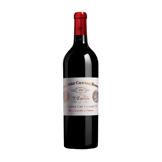
Cheval Blanc 1997
 View analysis


Description
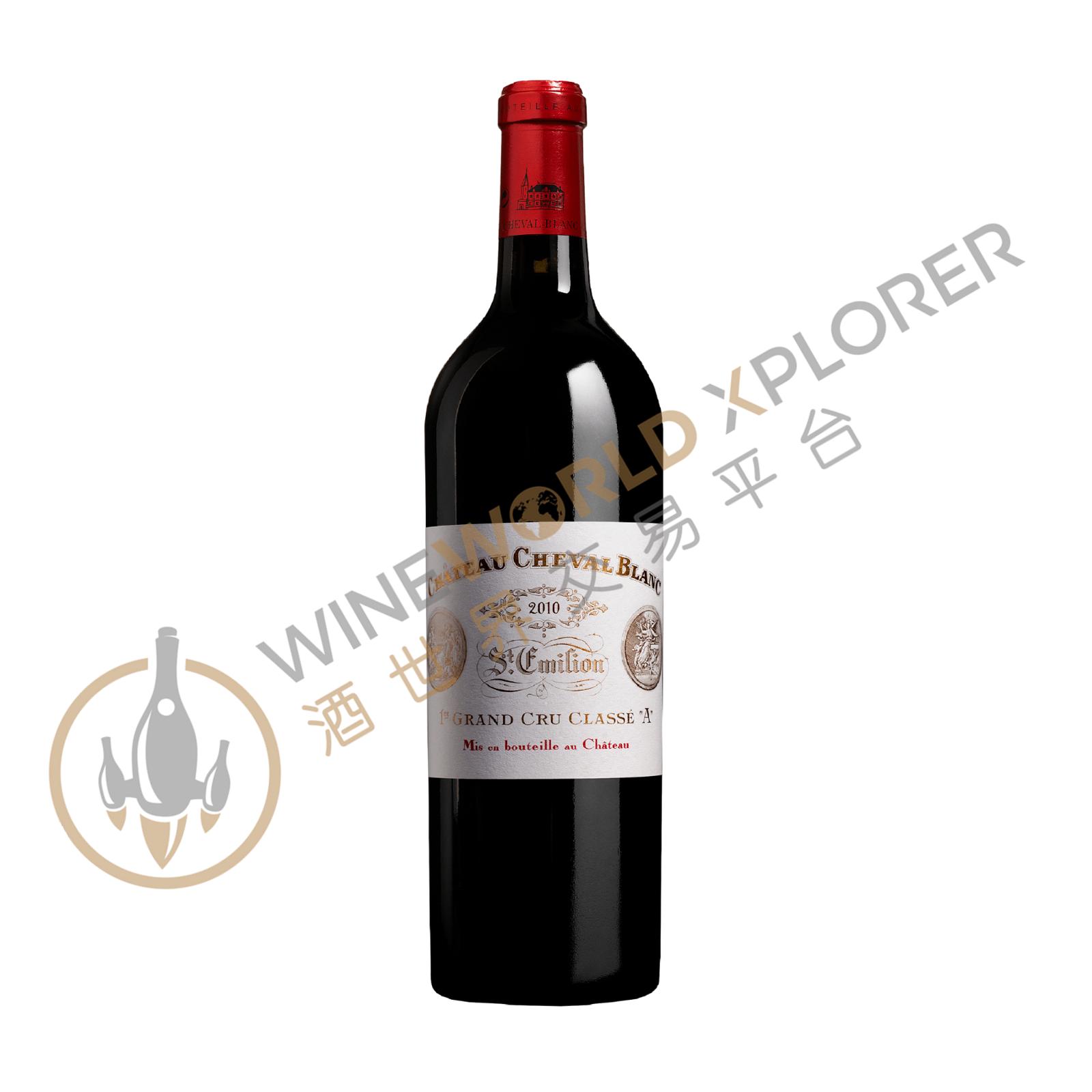
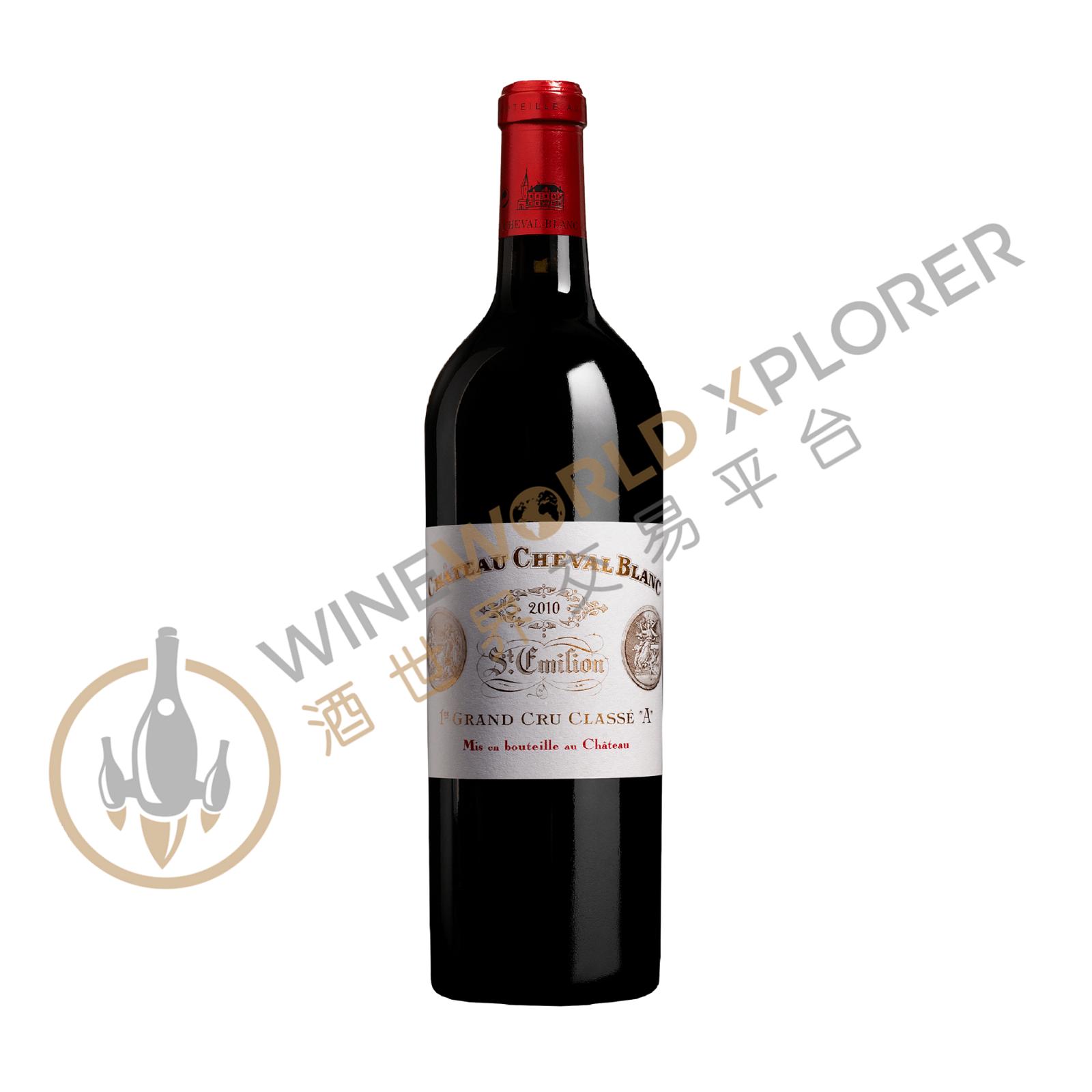
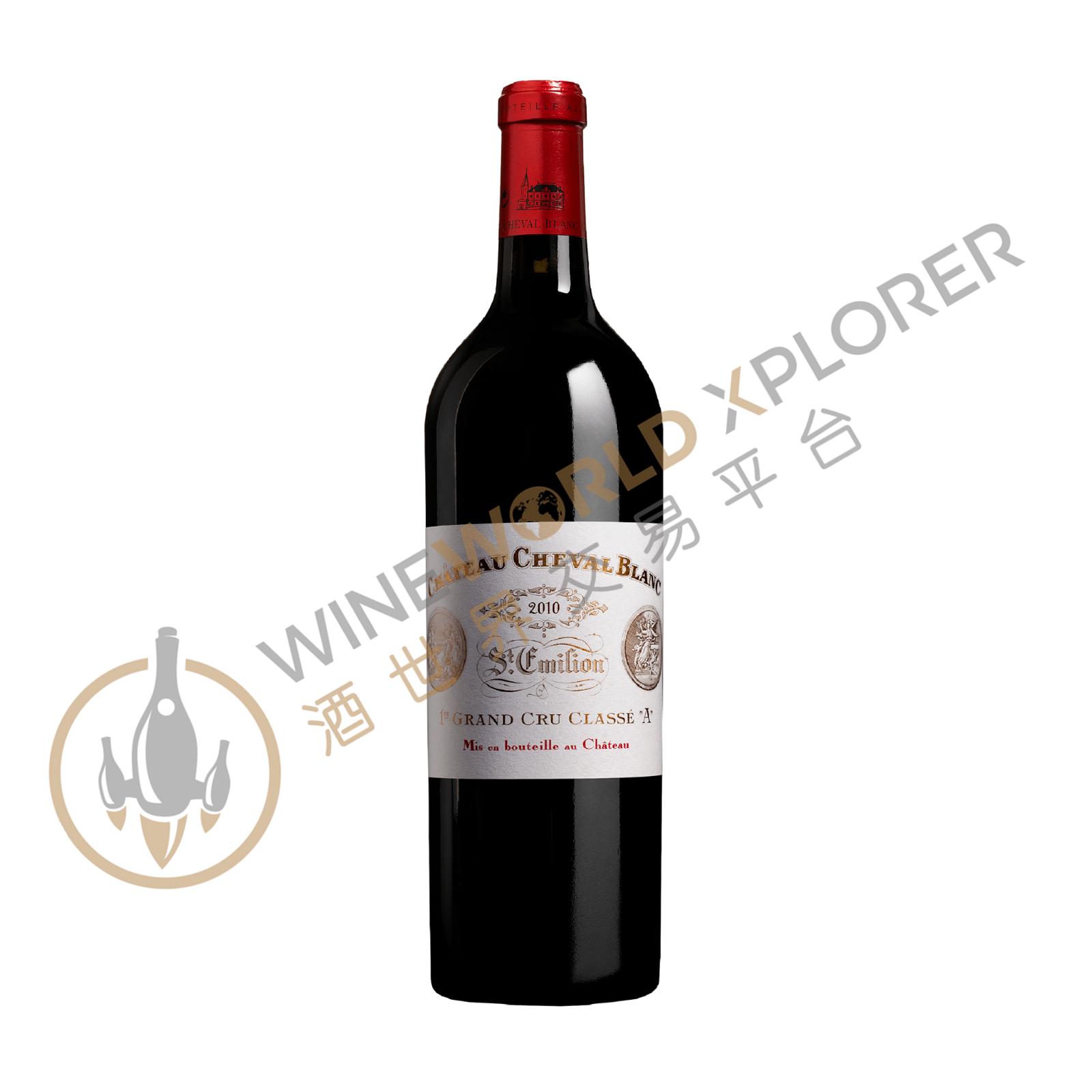
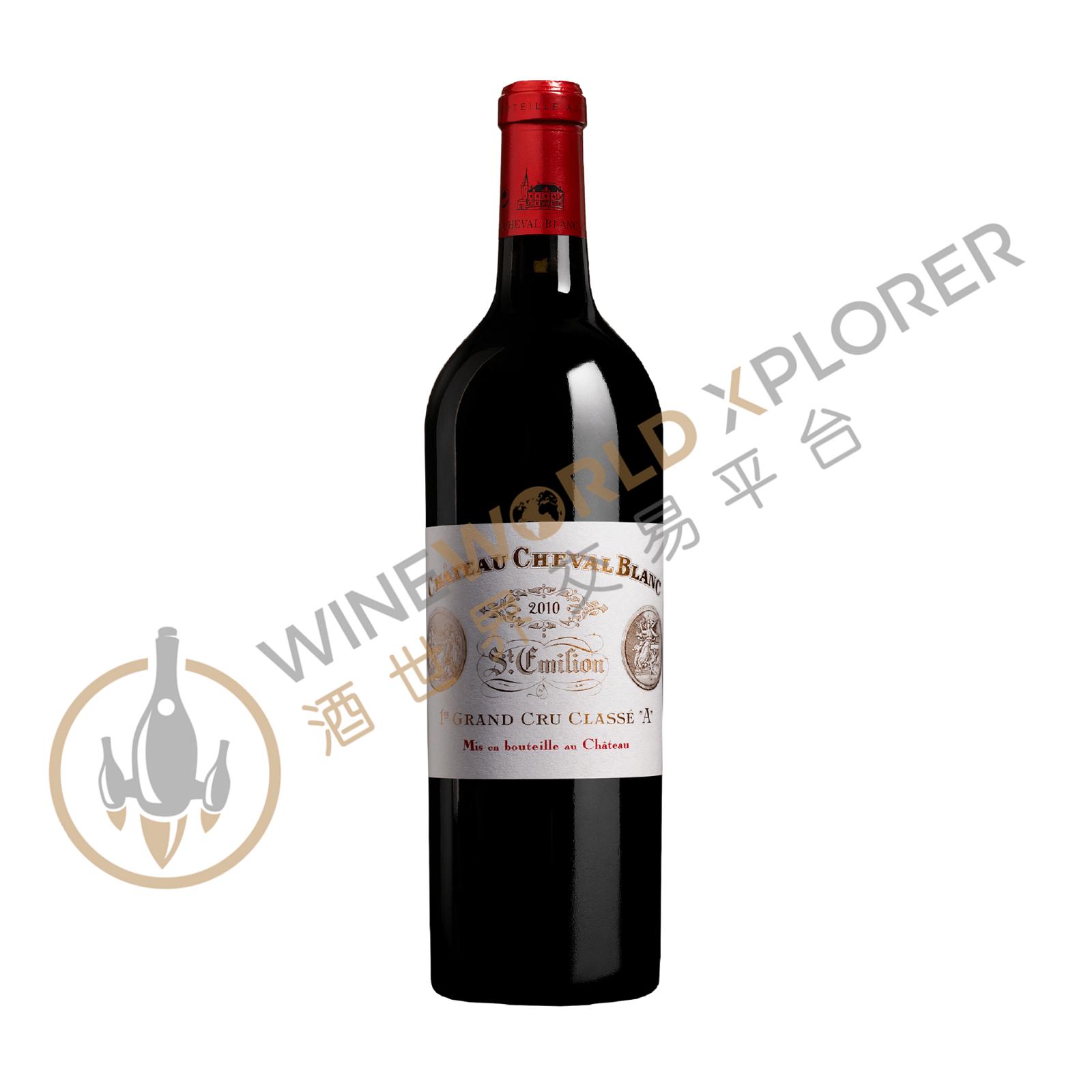
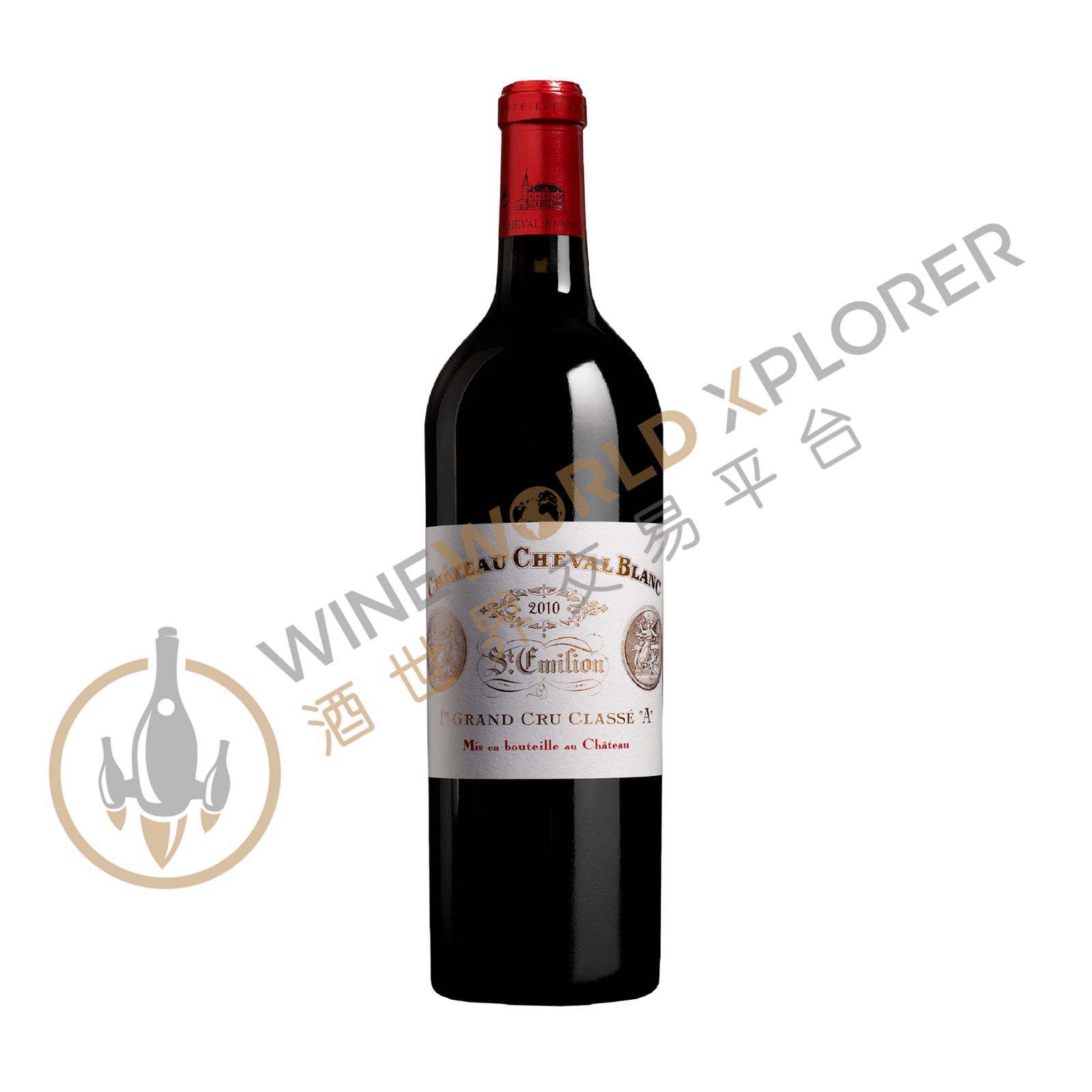
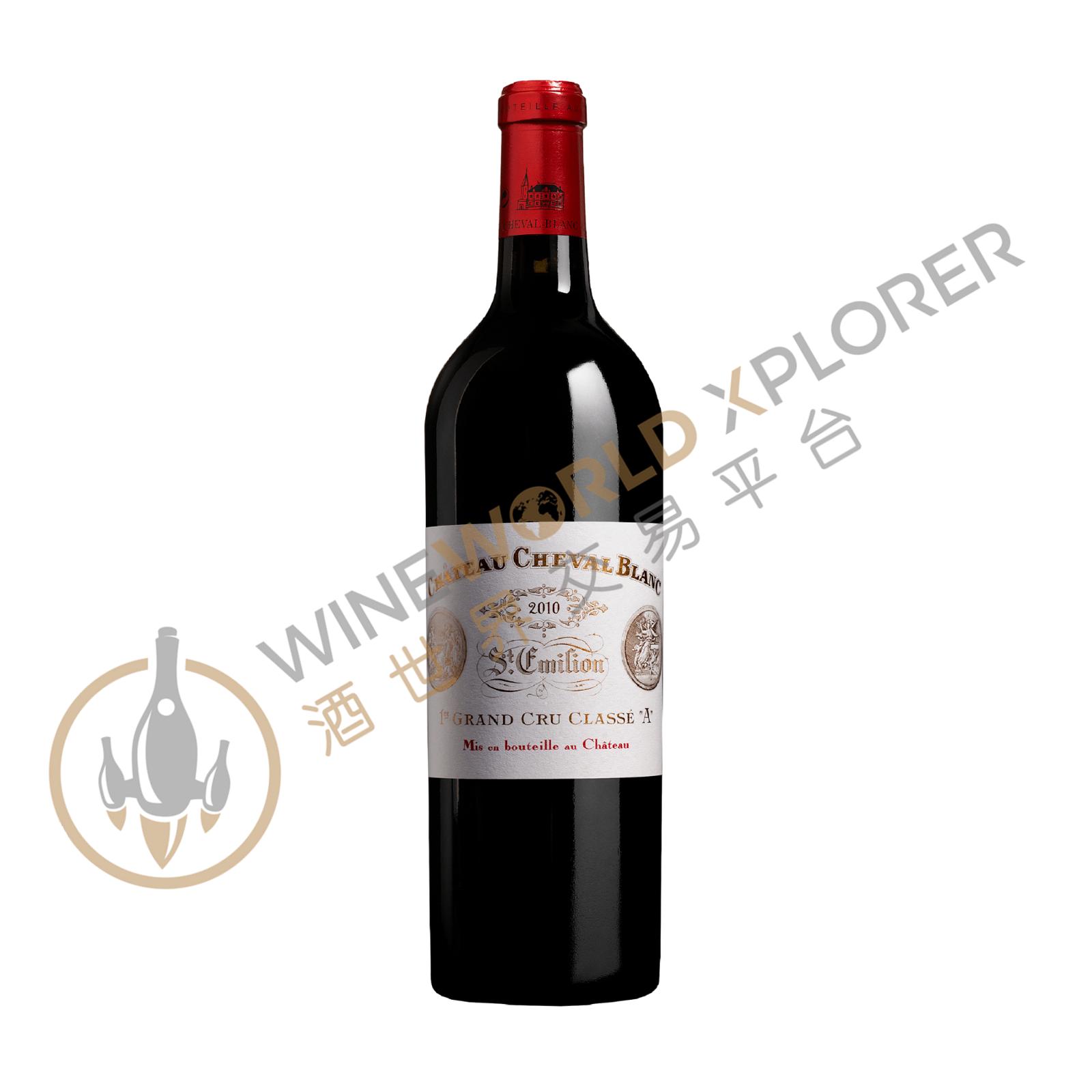
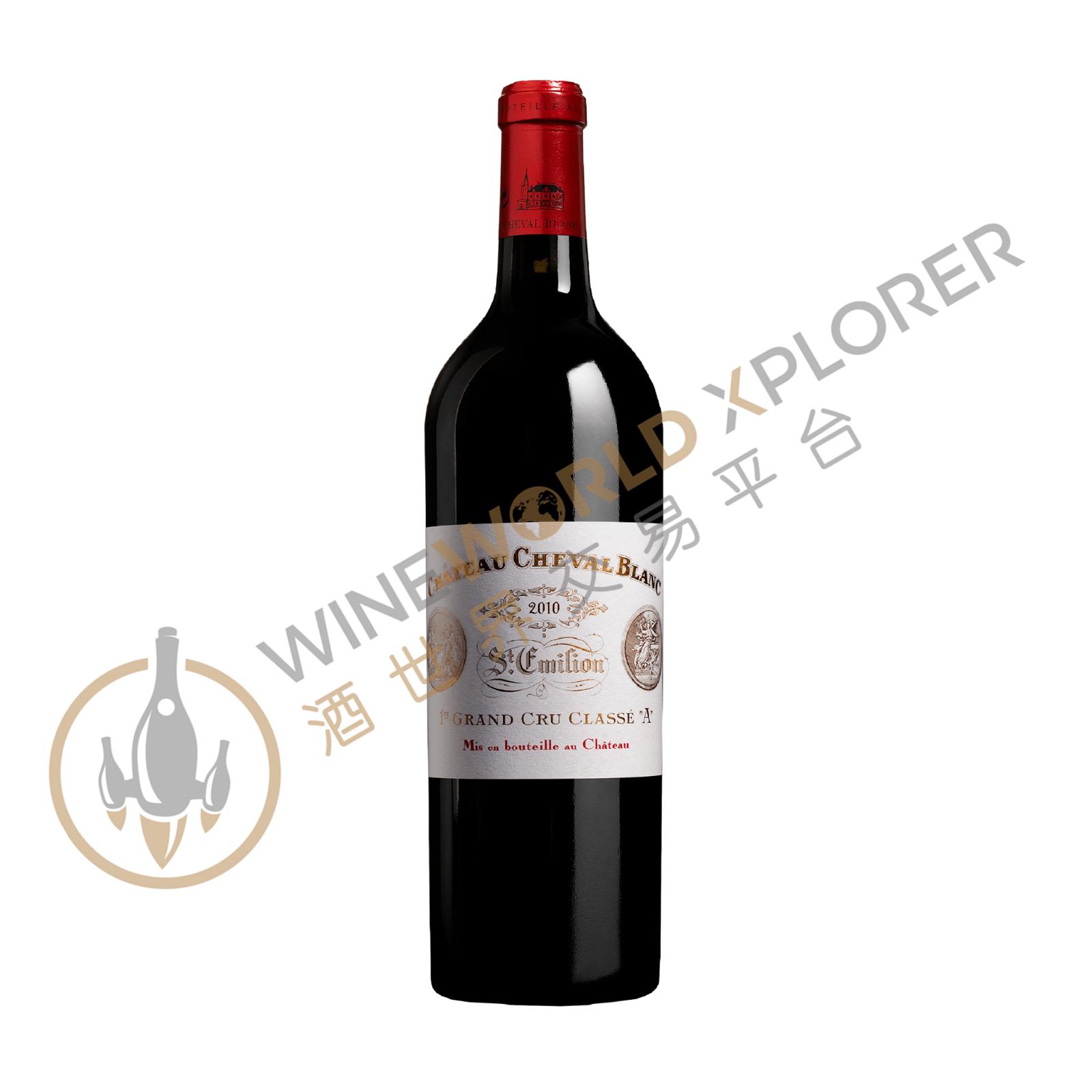
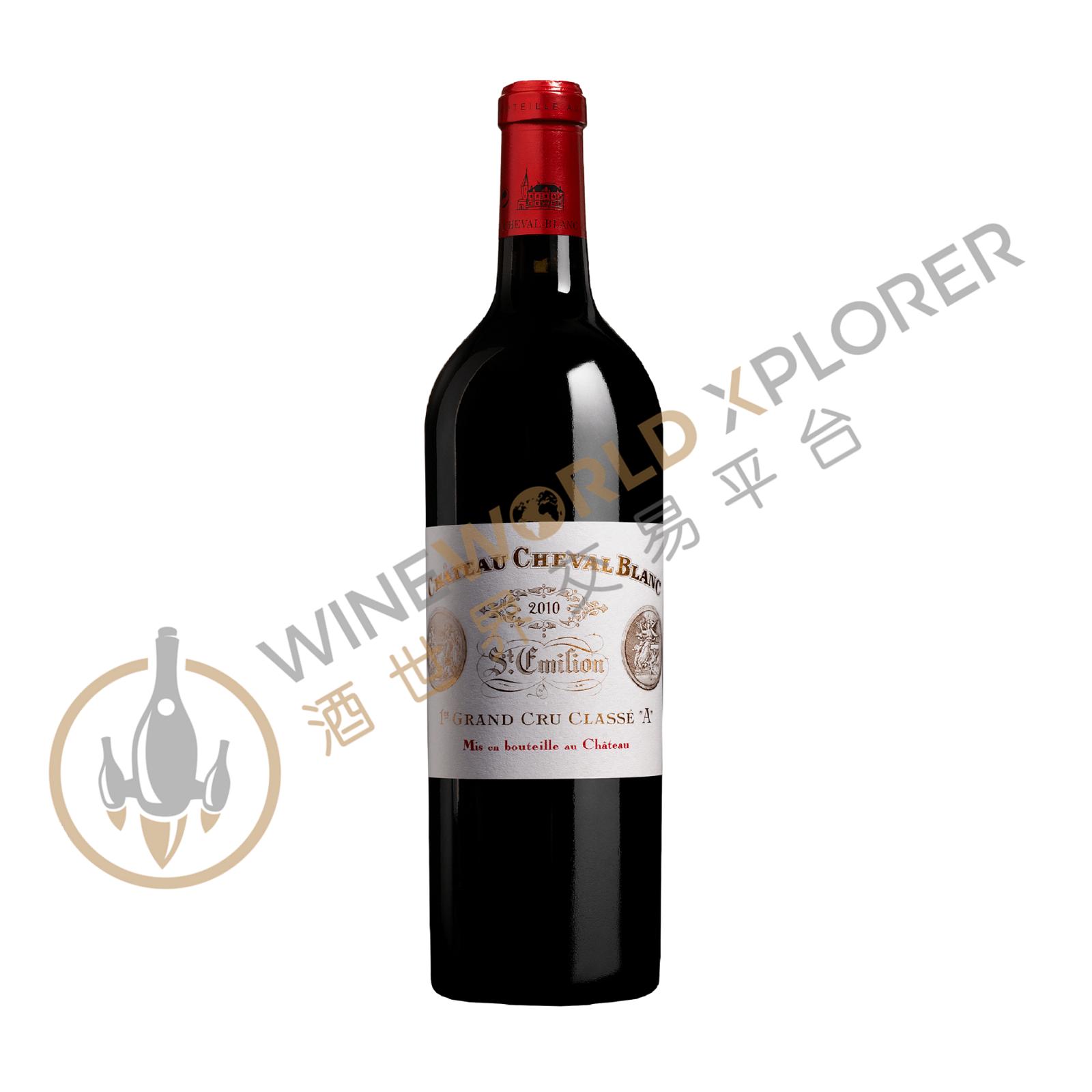
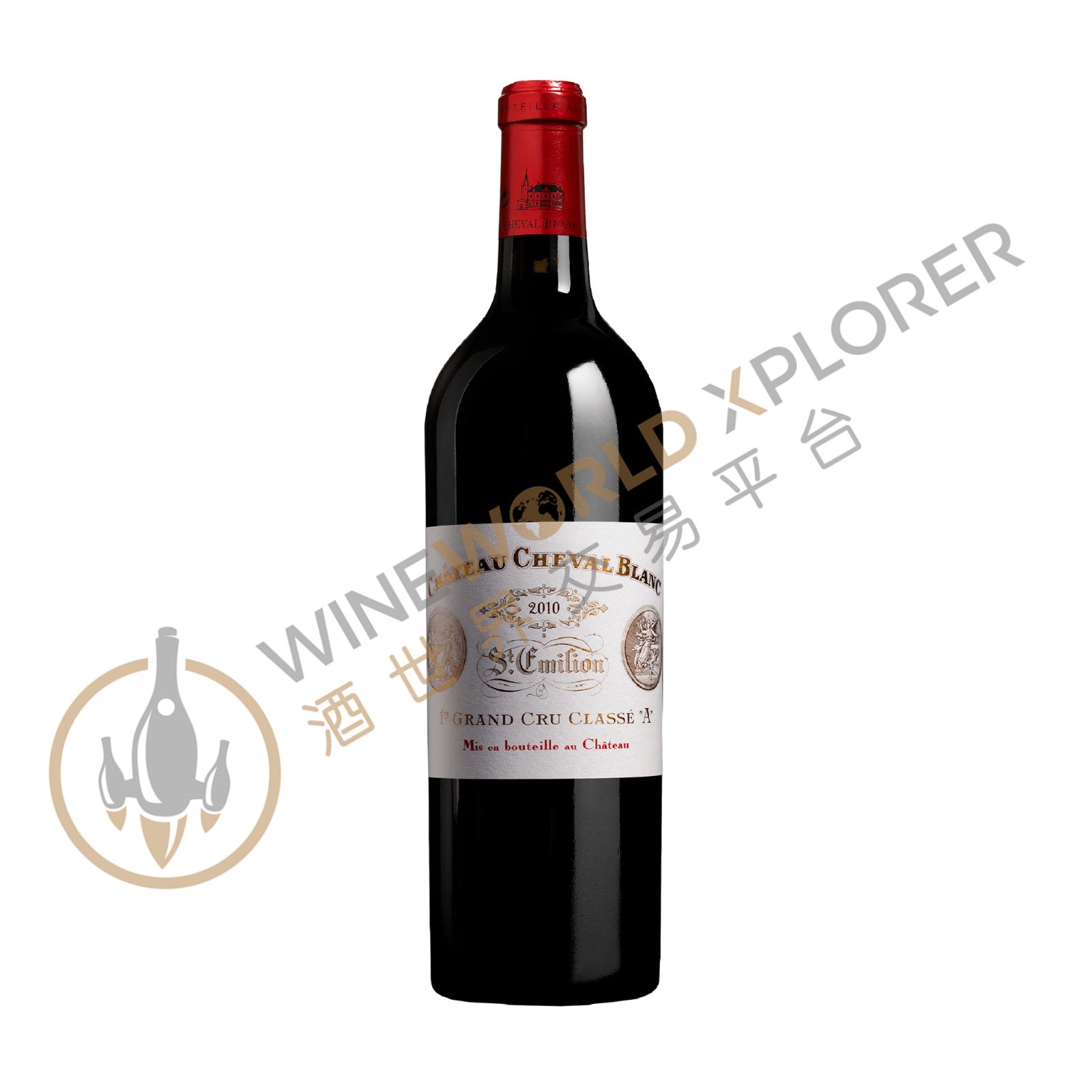
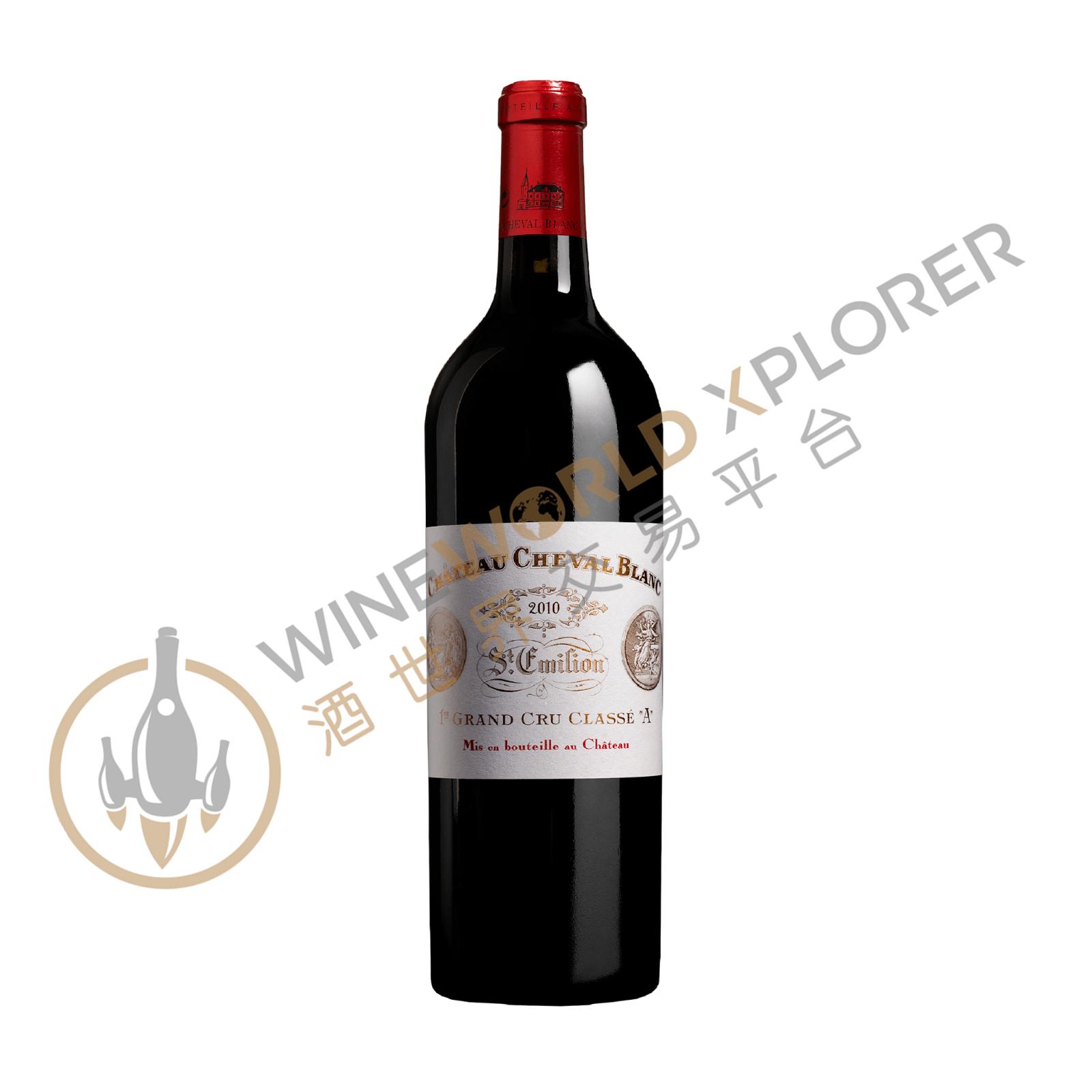
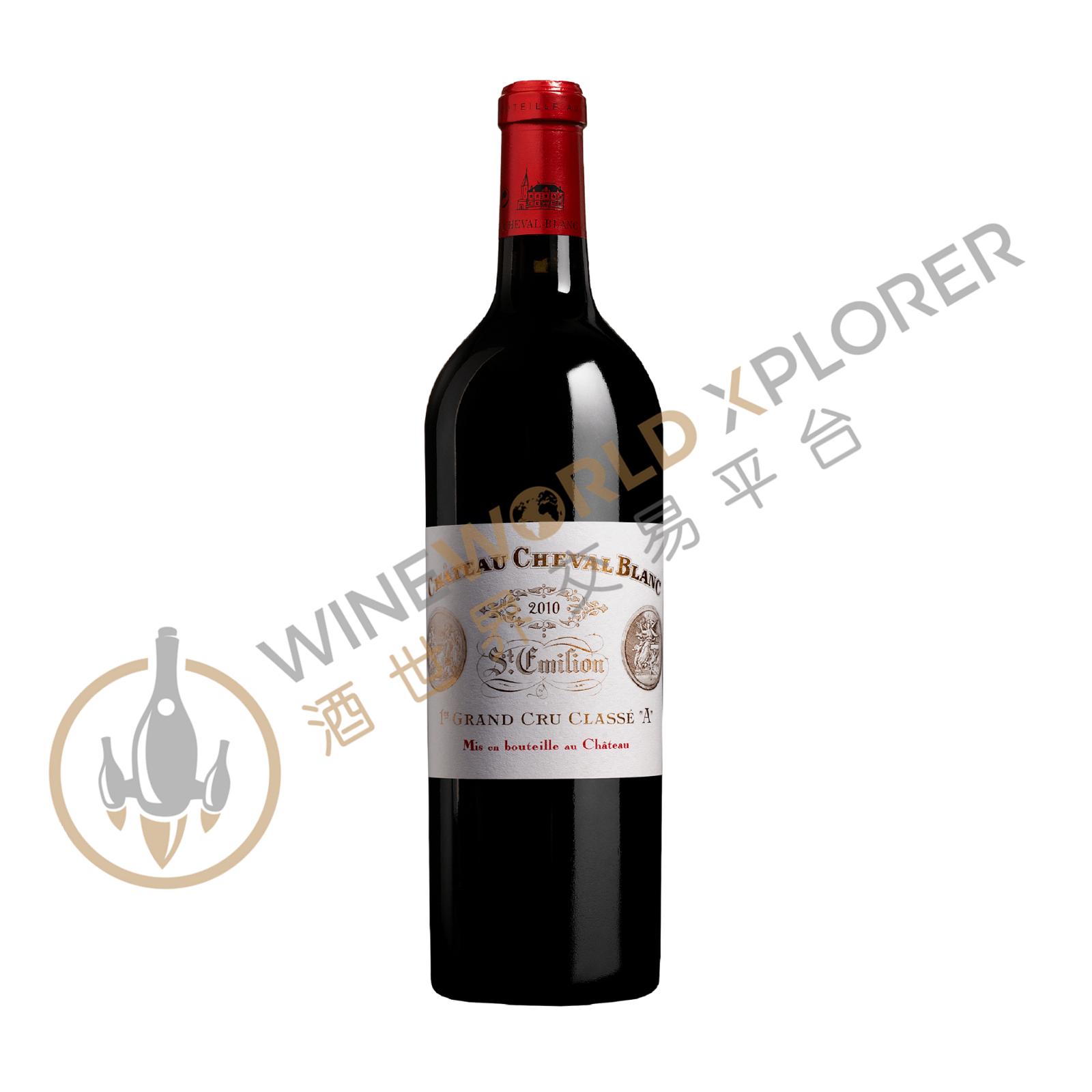
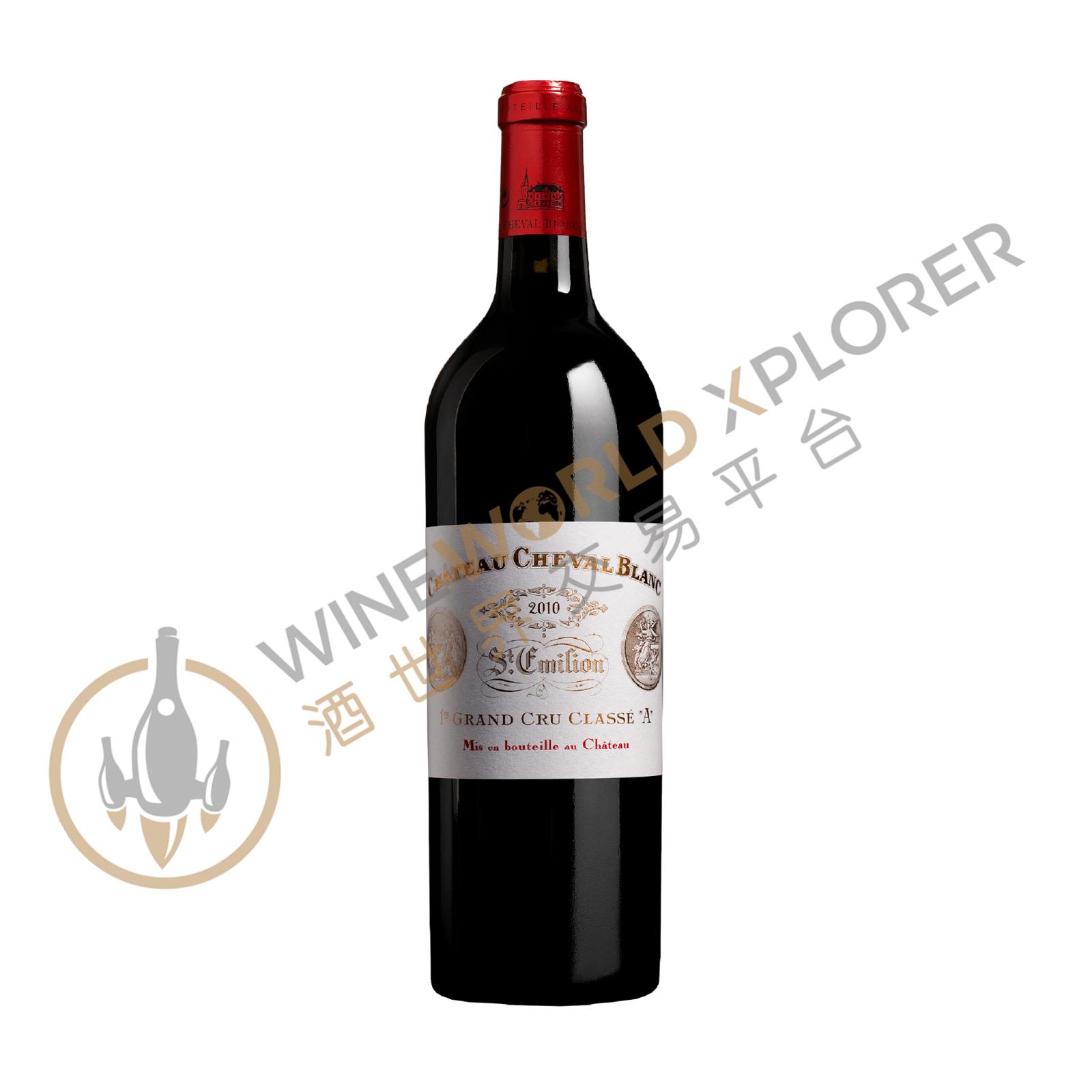
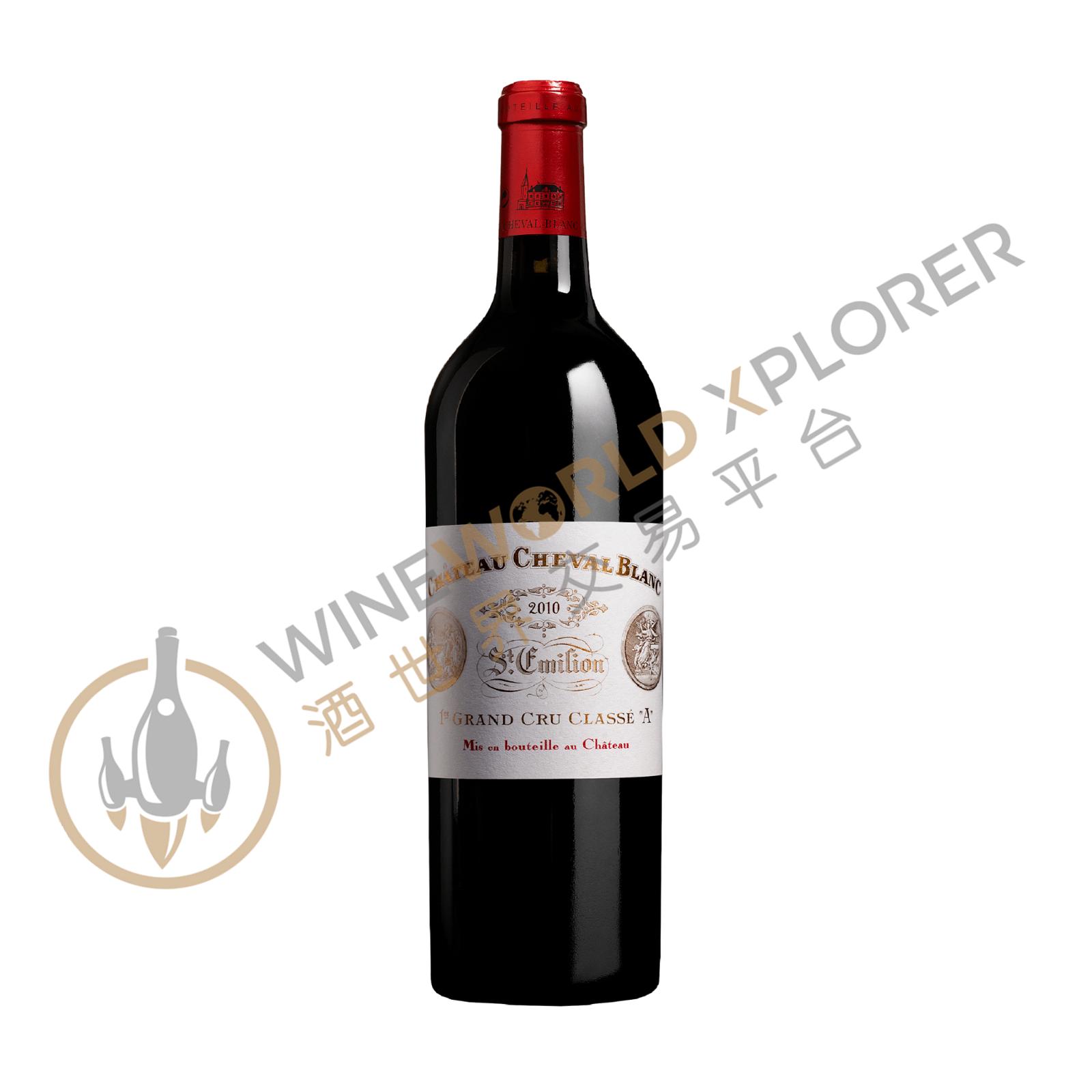
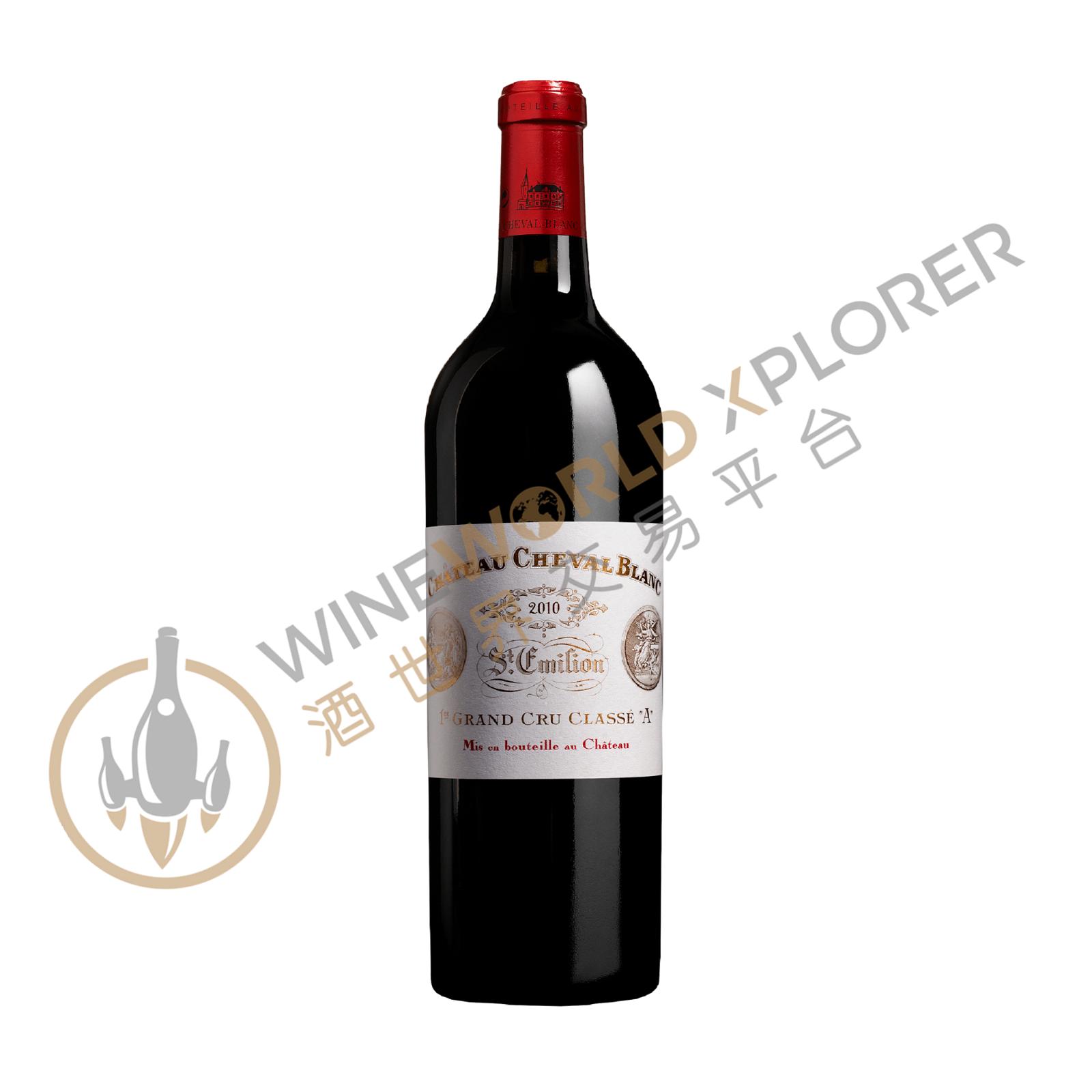
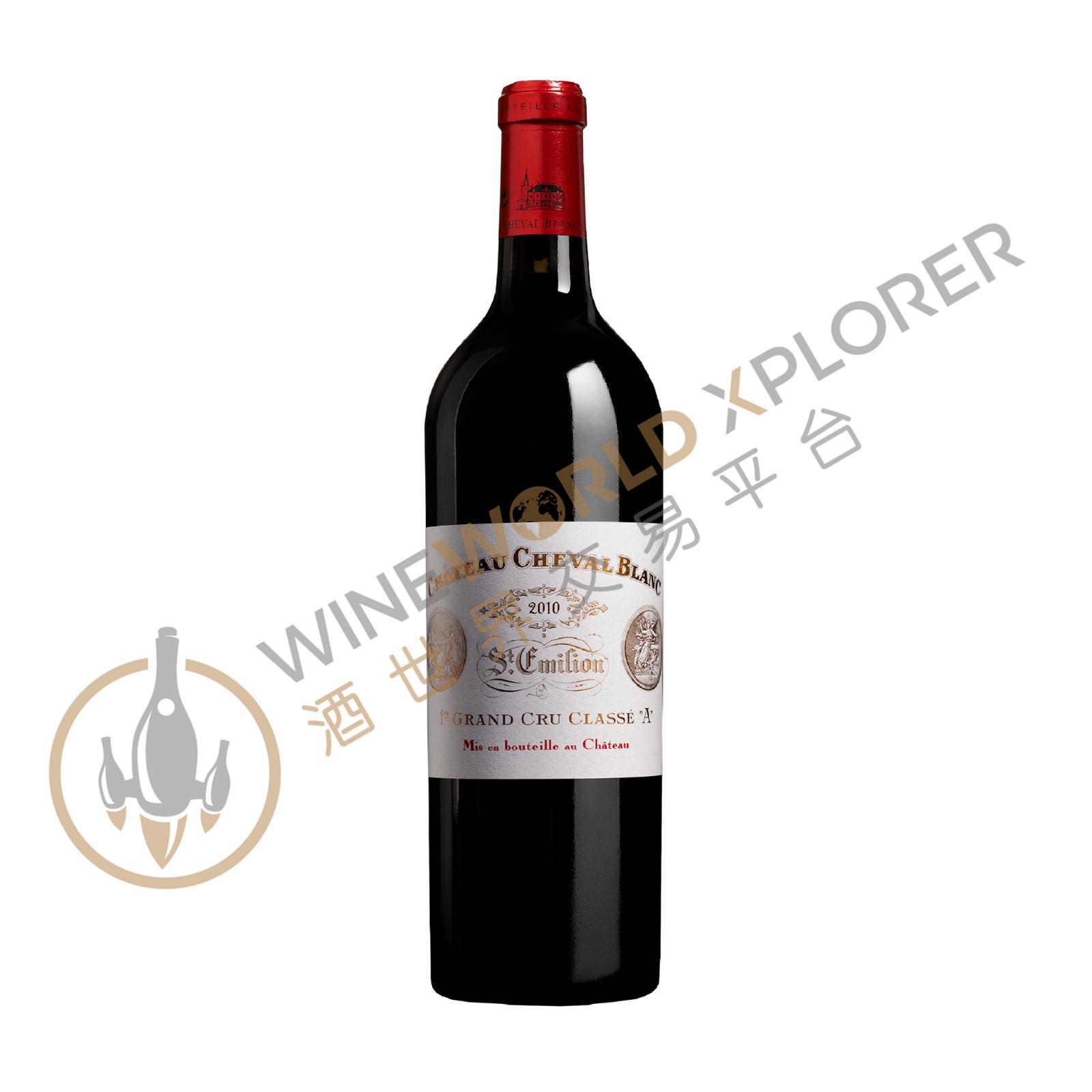
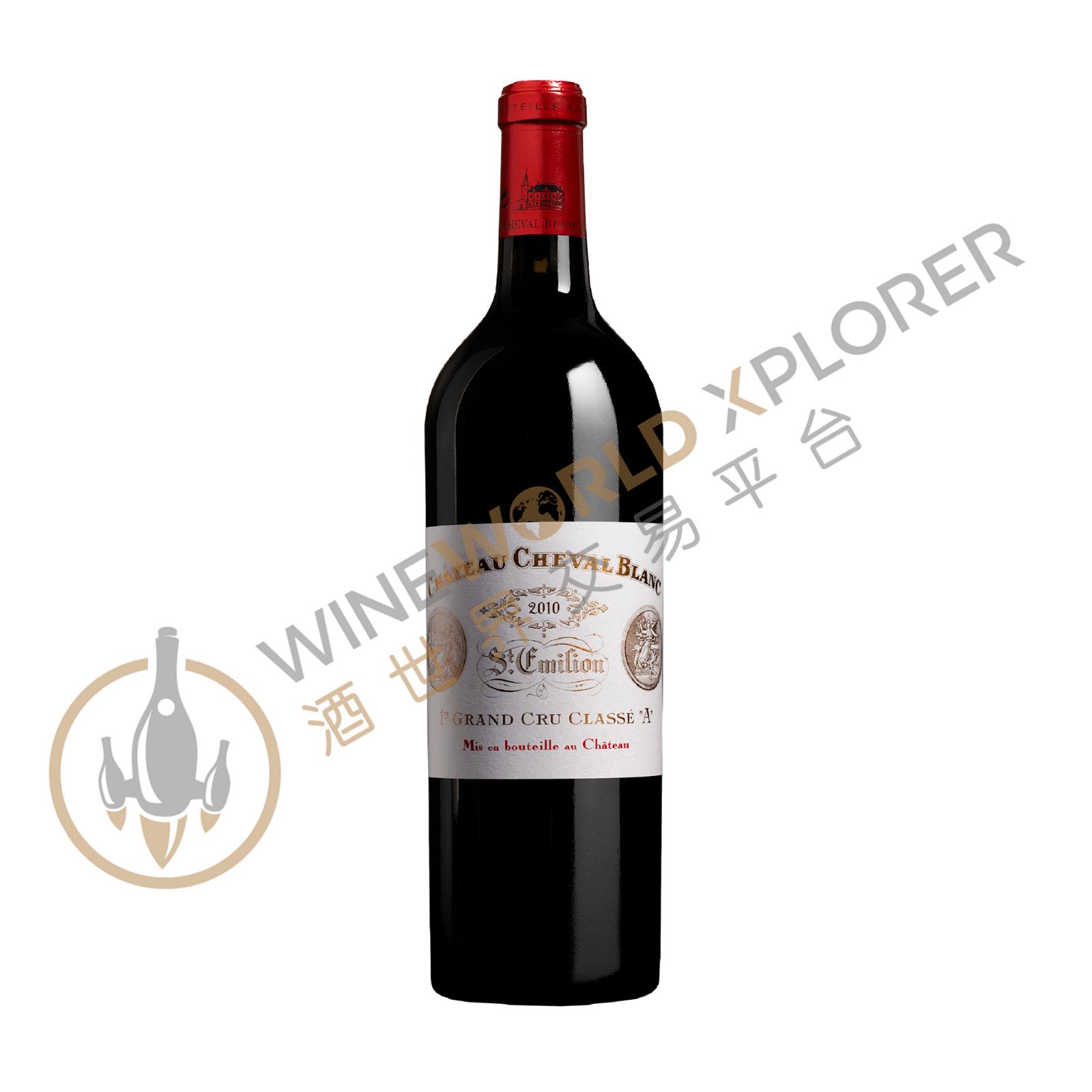
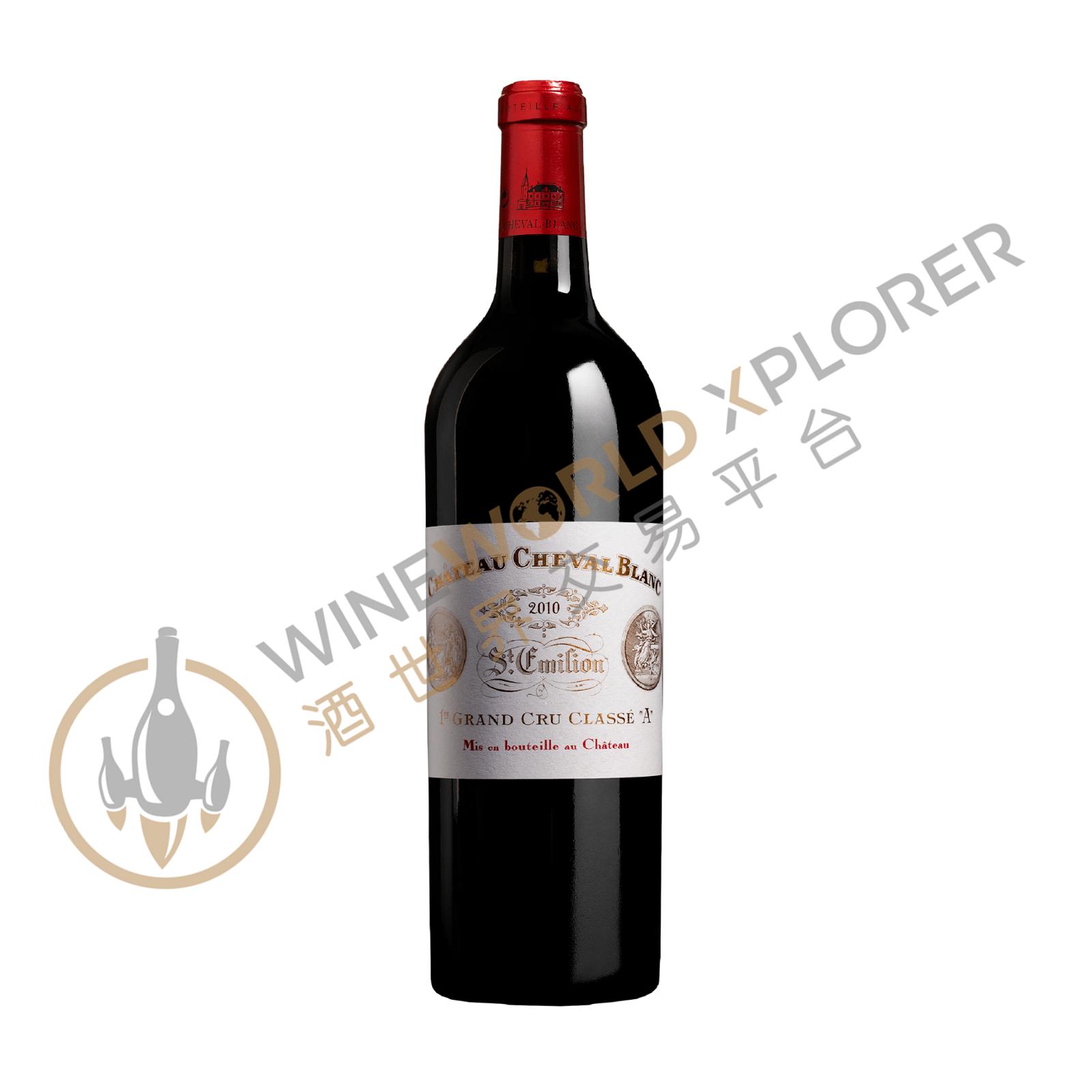
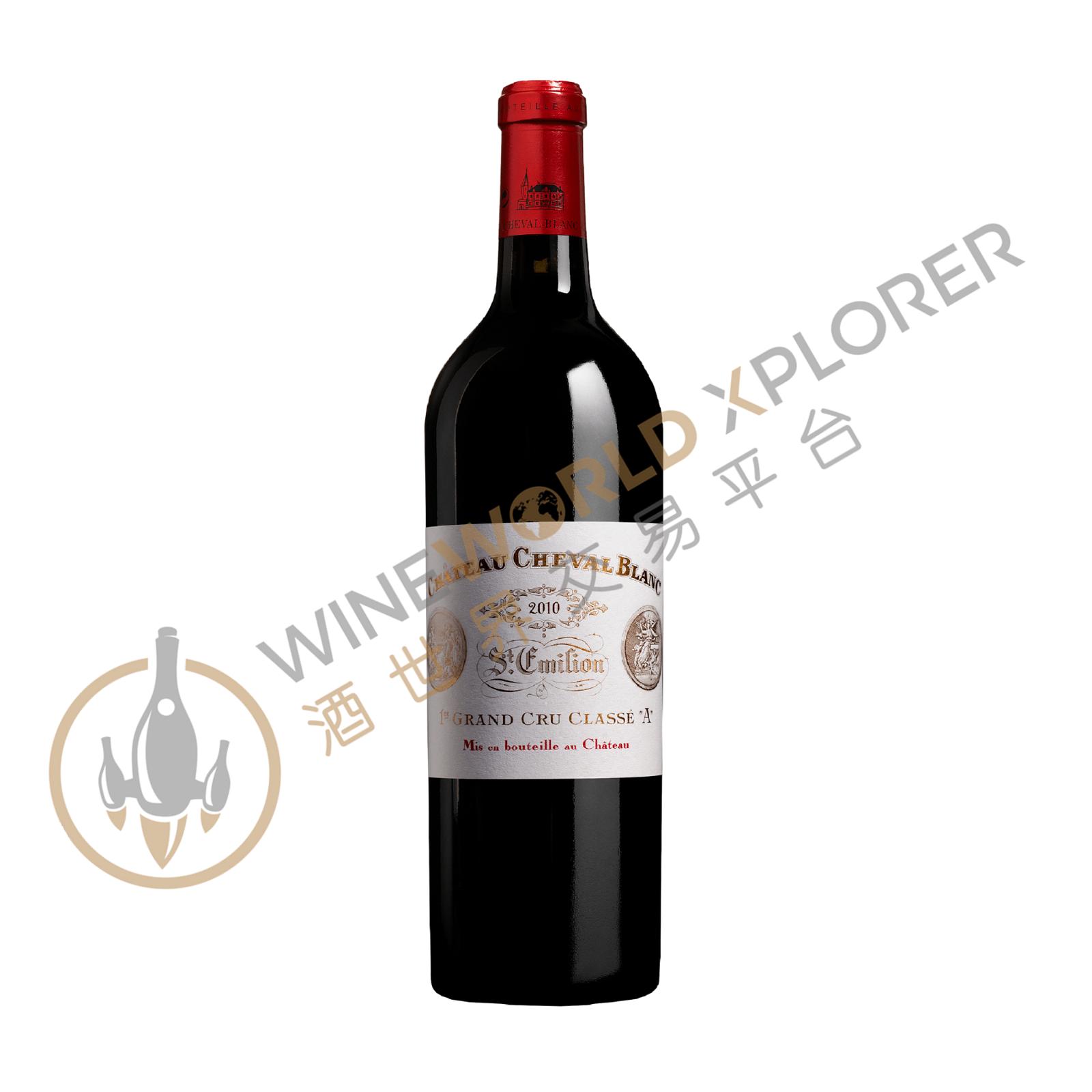
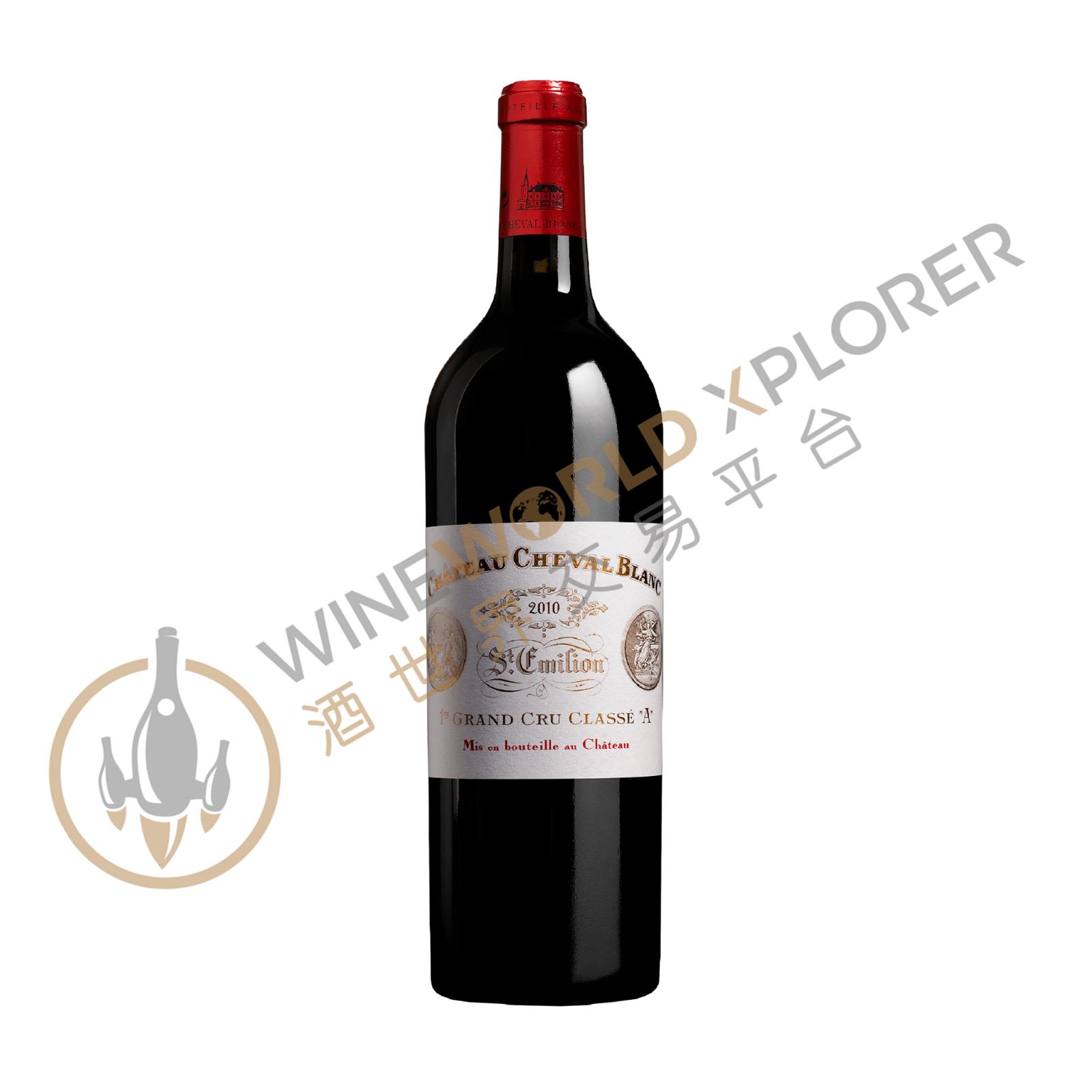
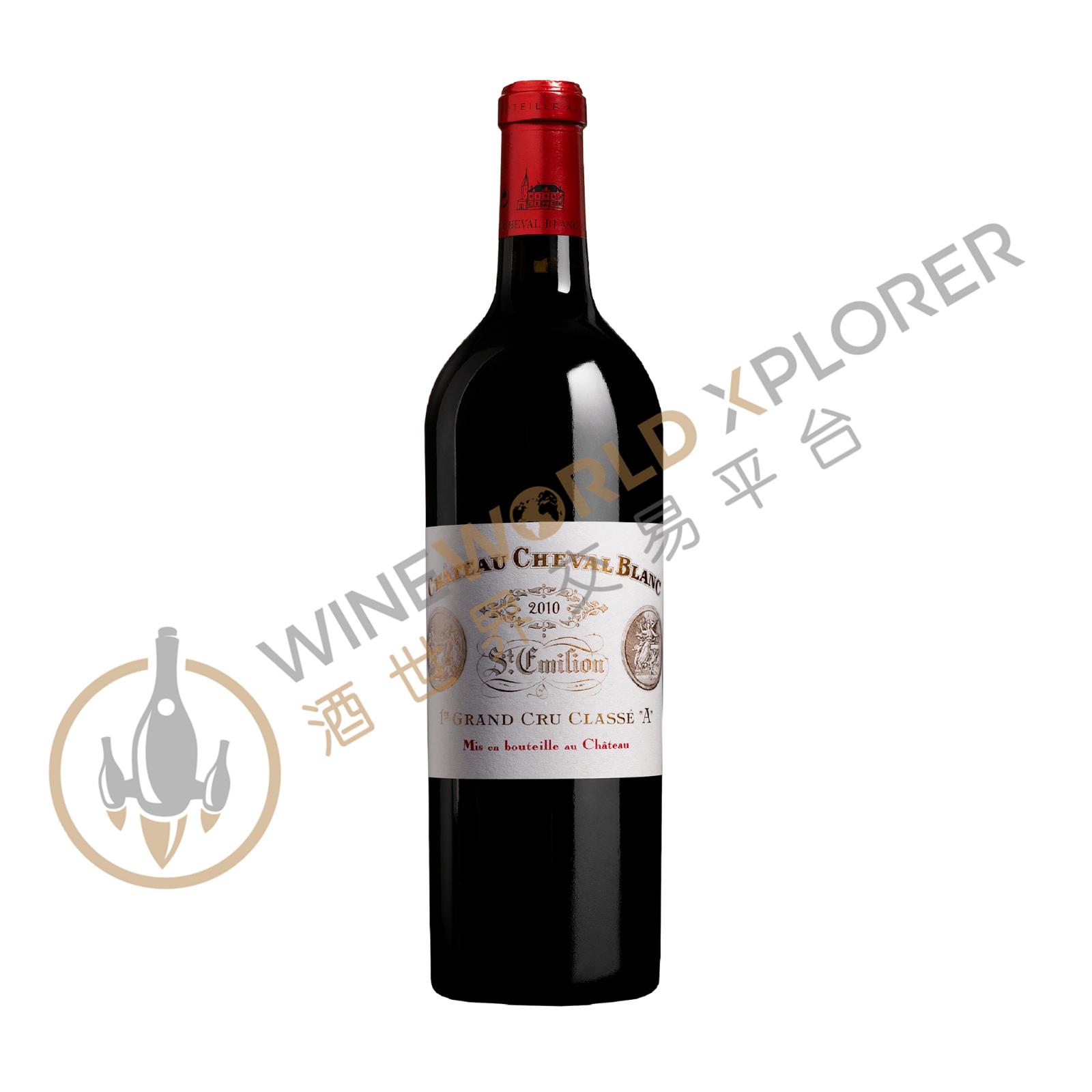
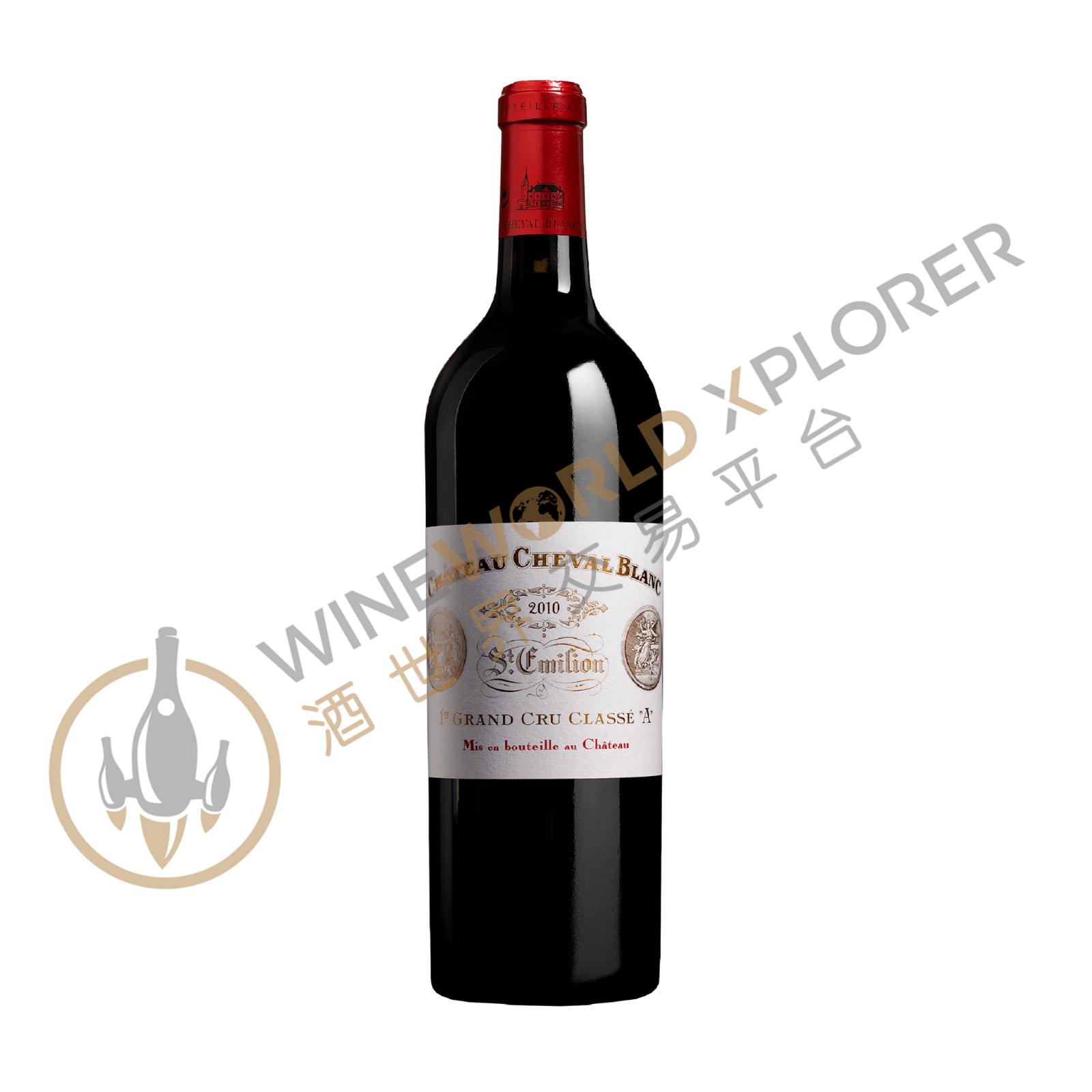
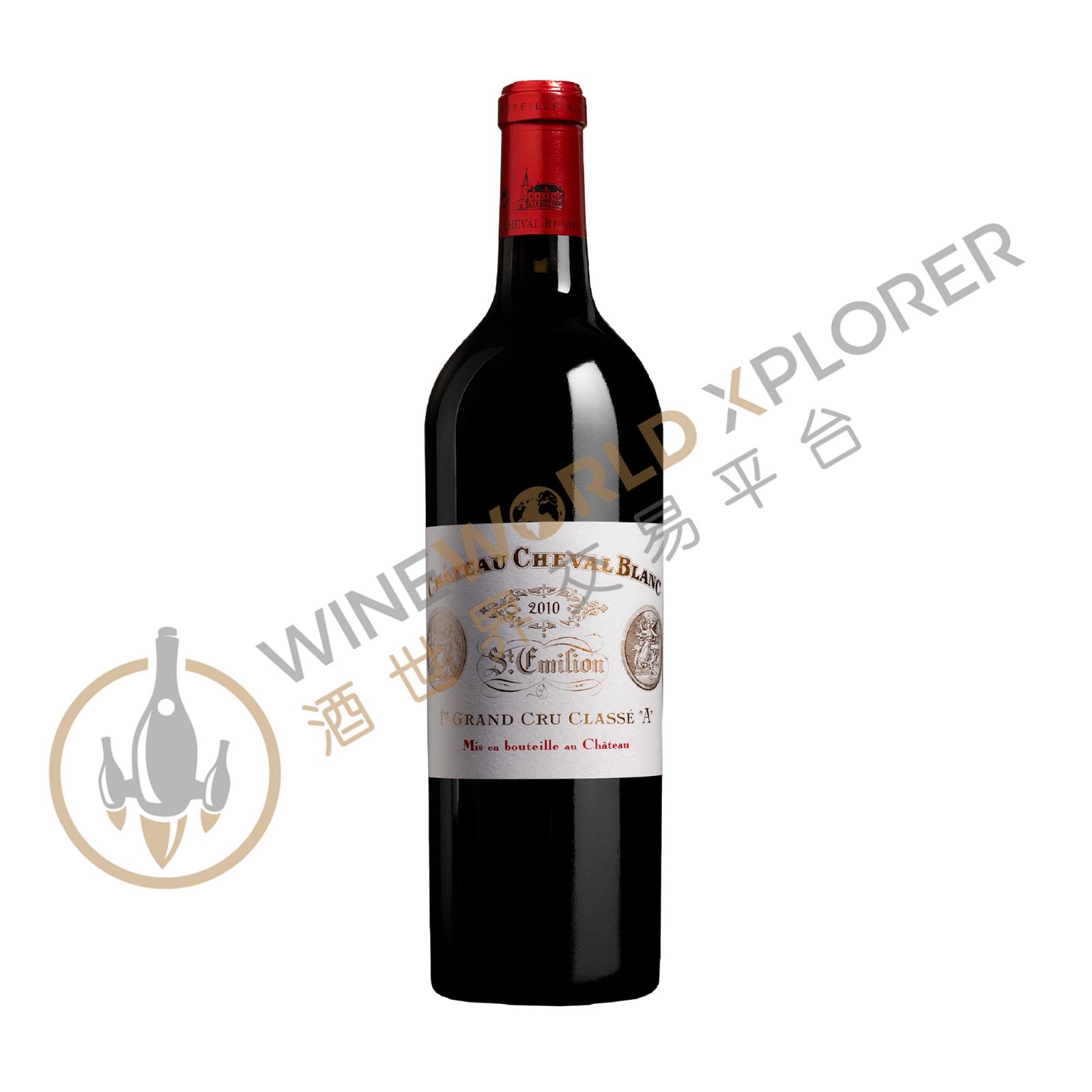
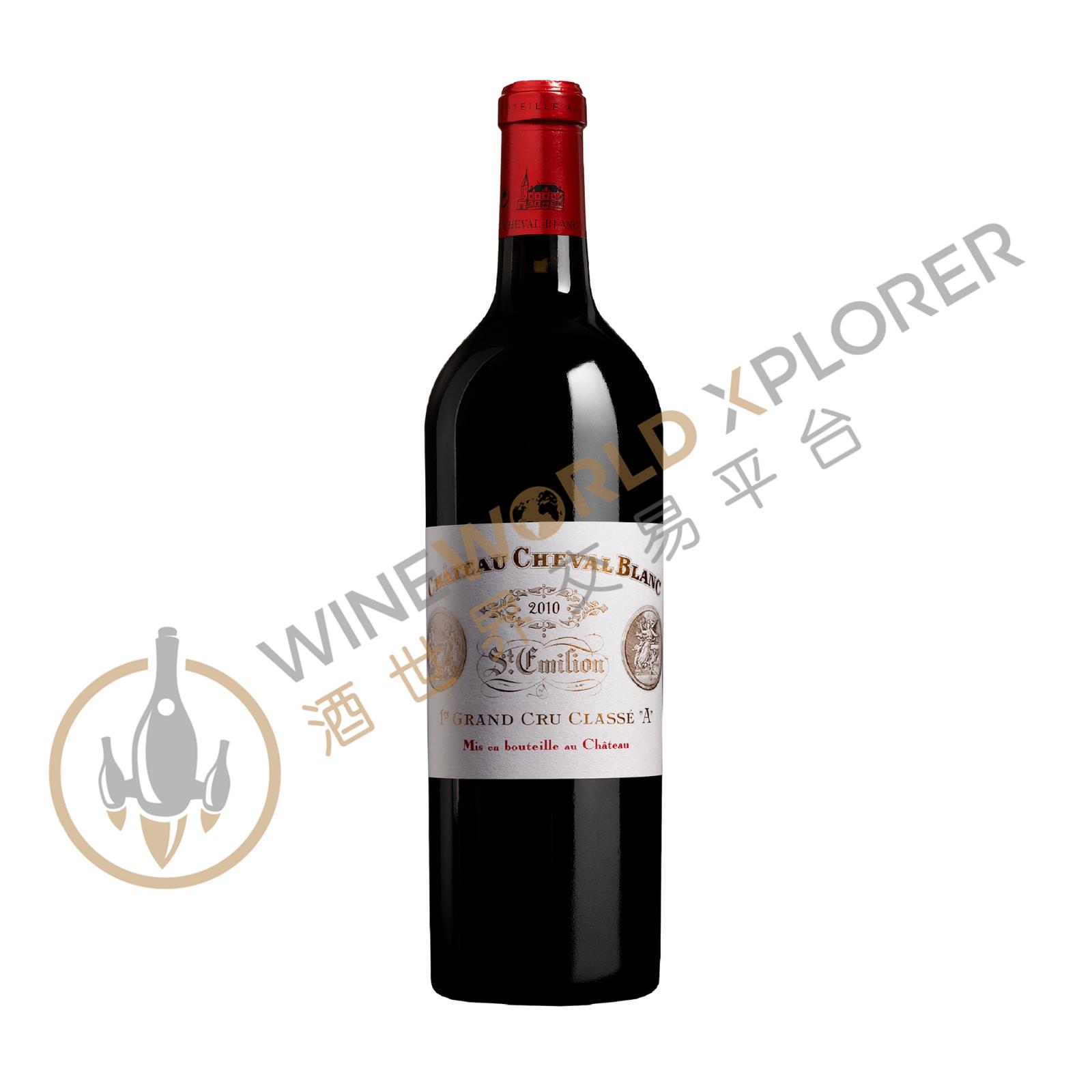
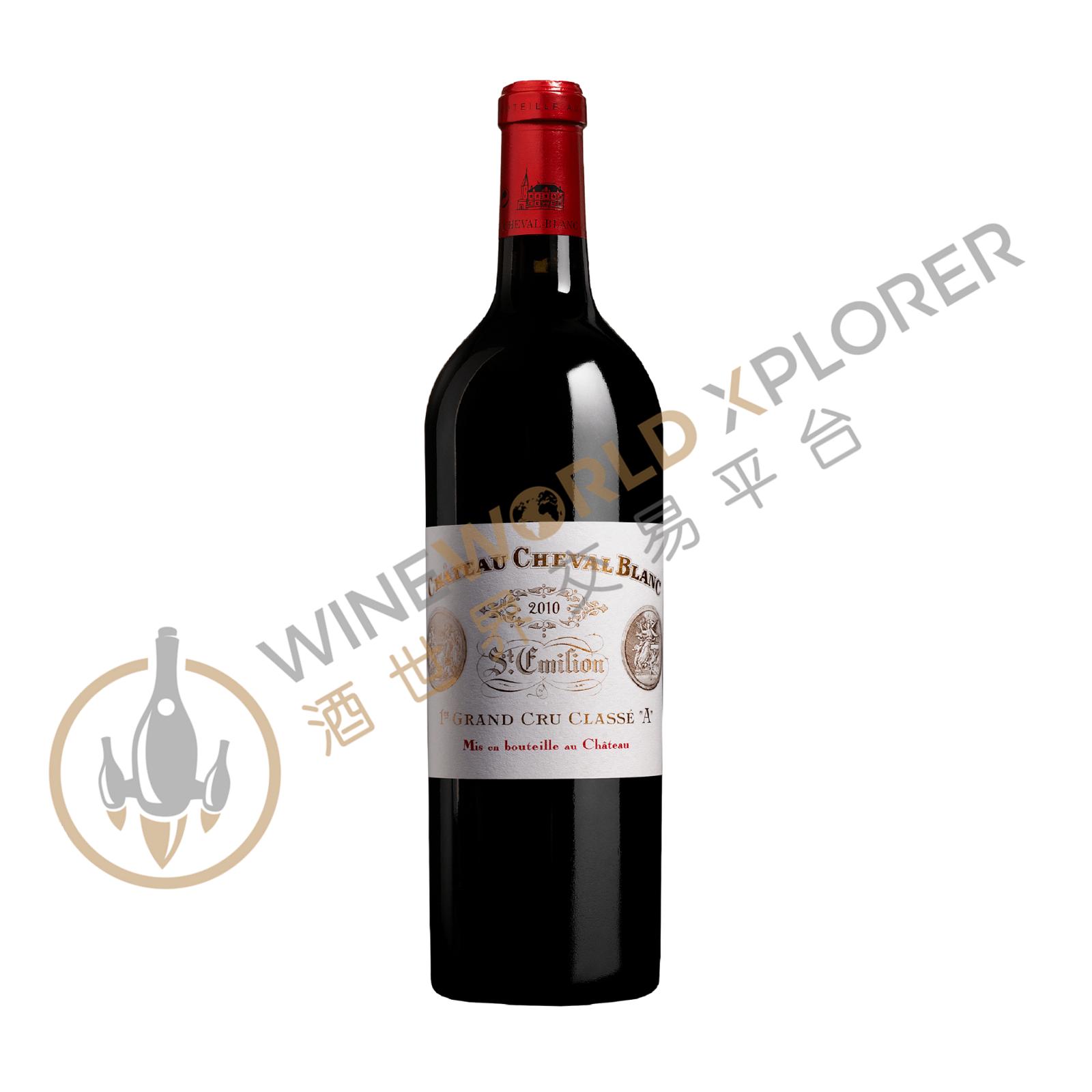
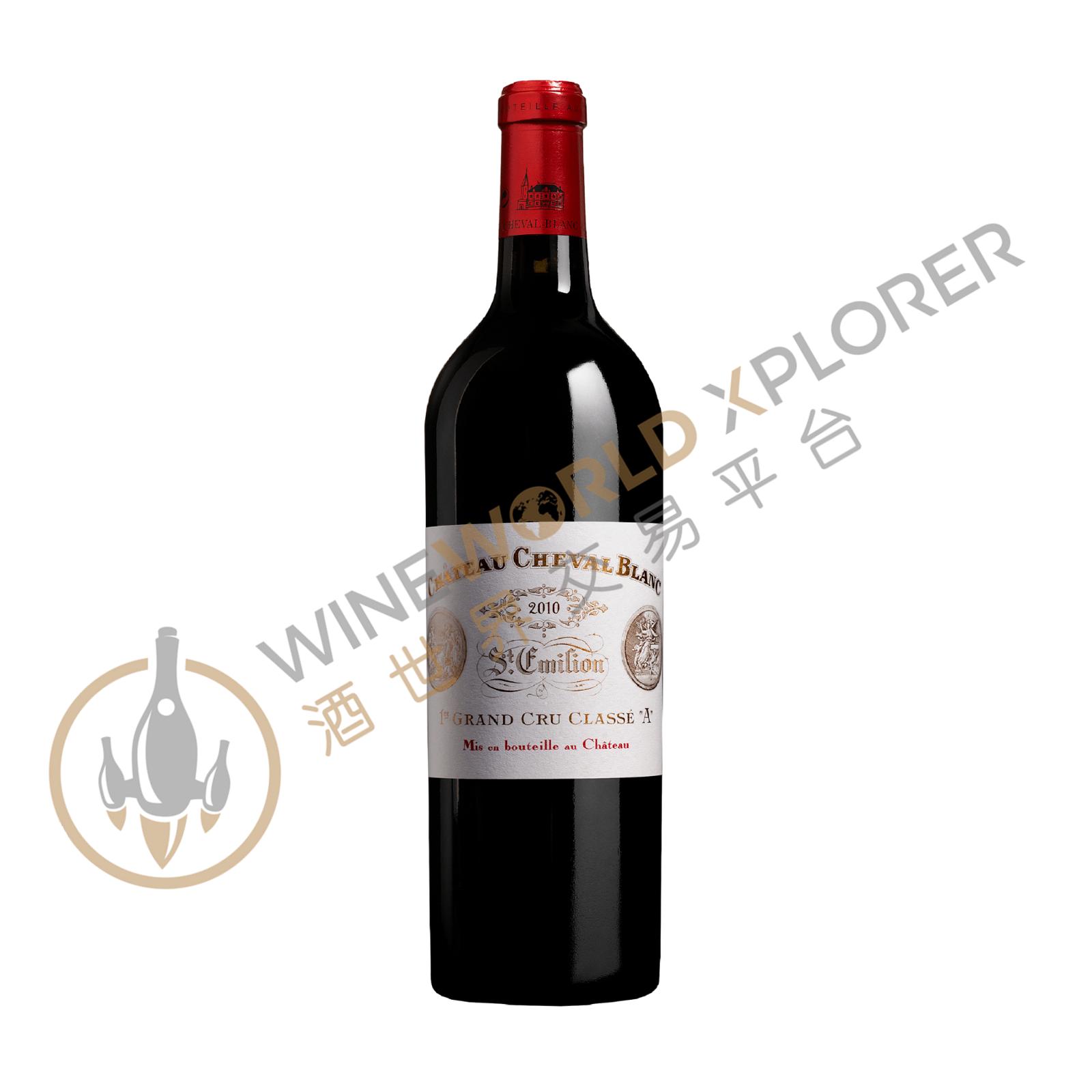
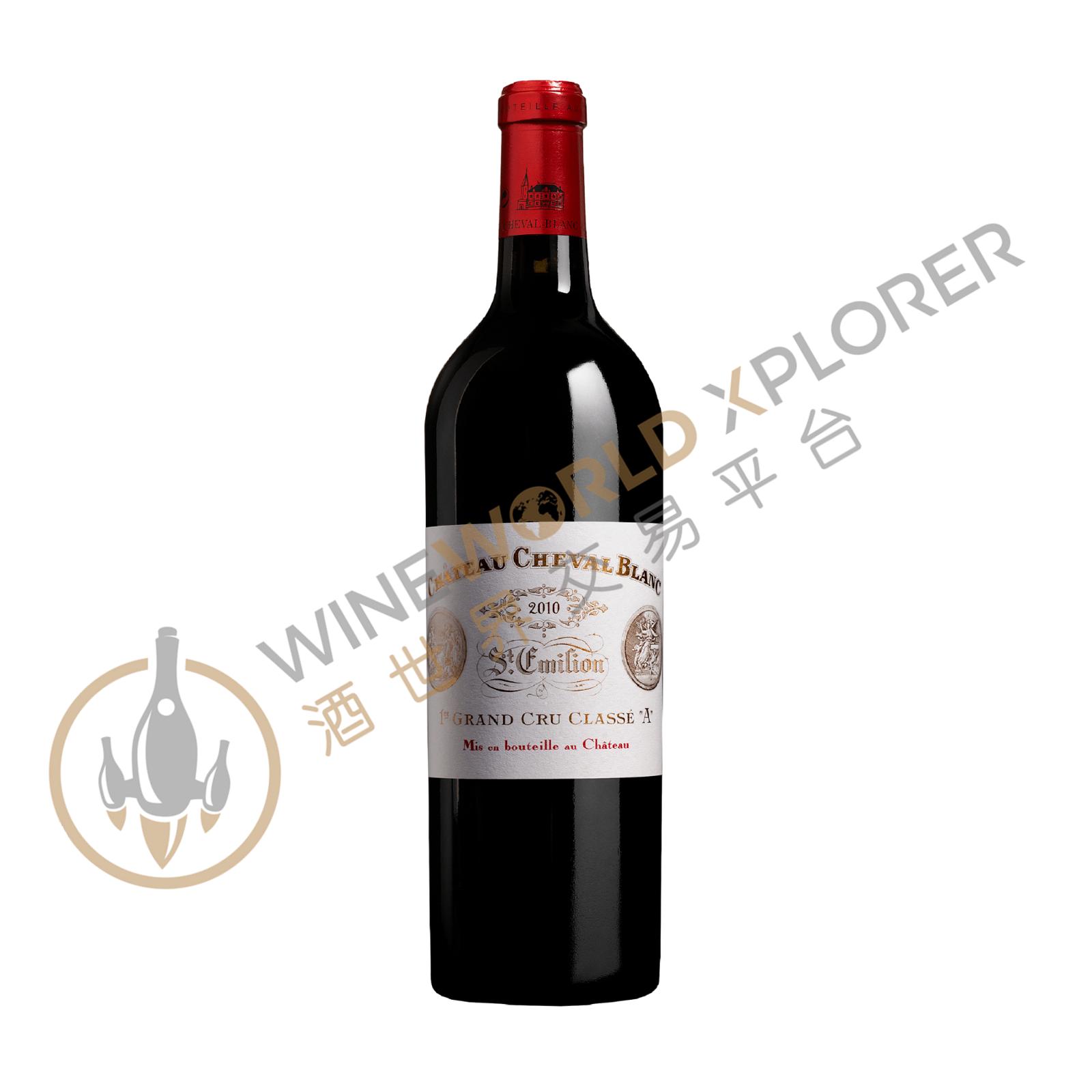
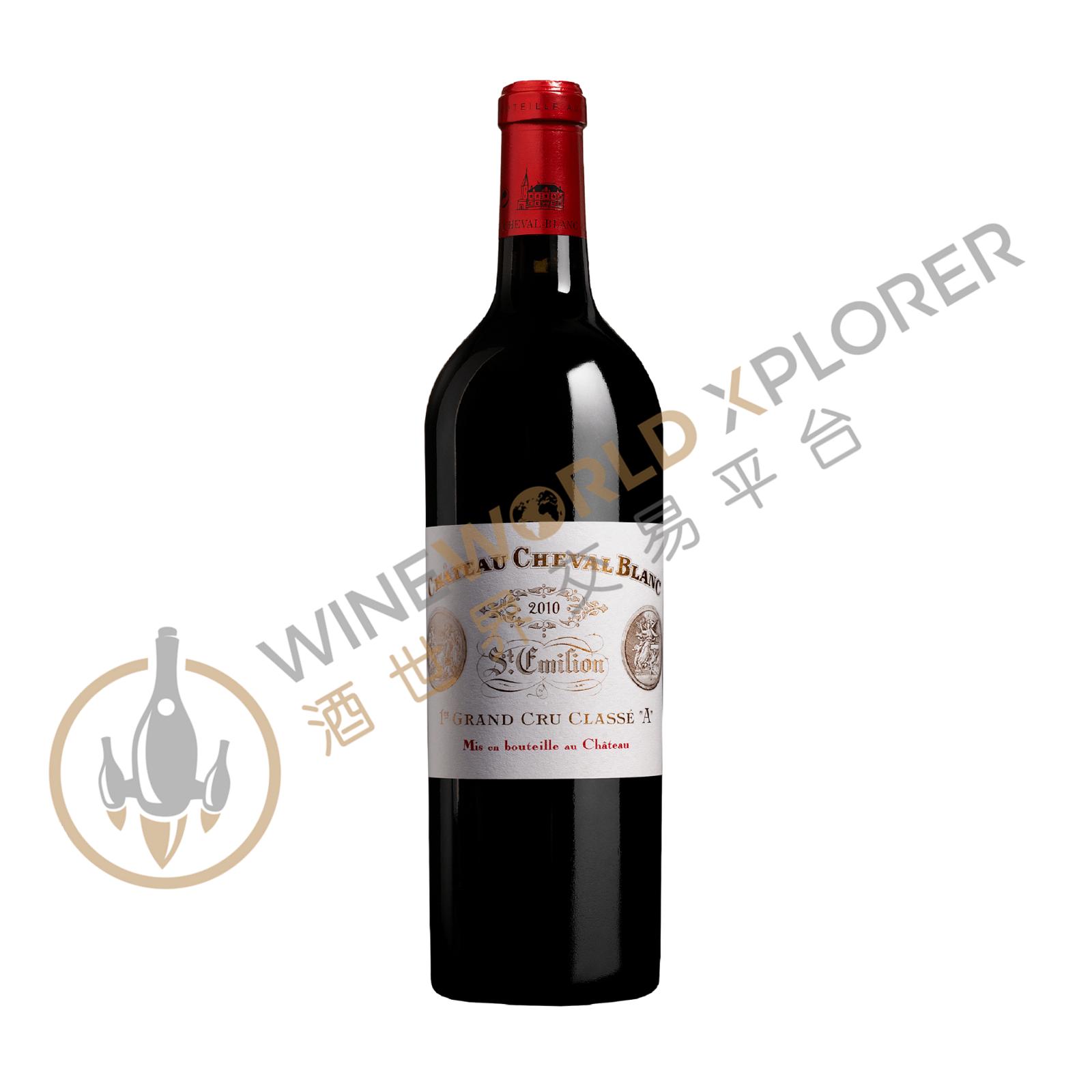
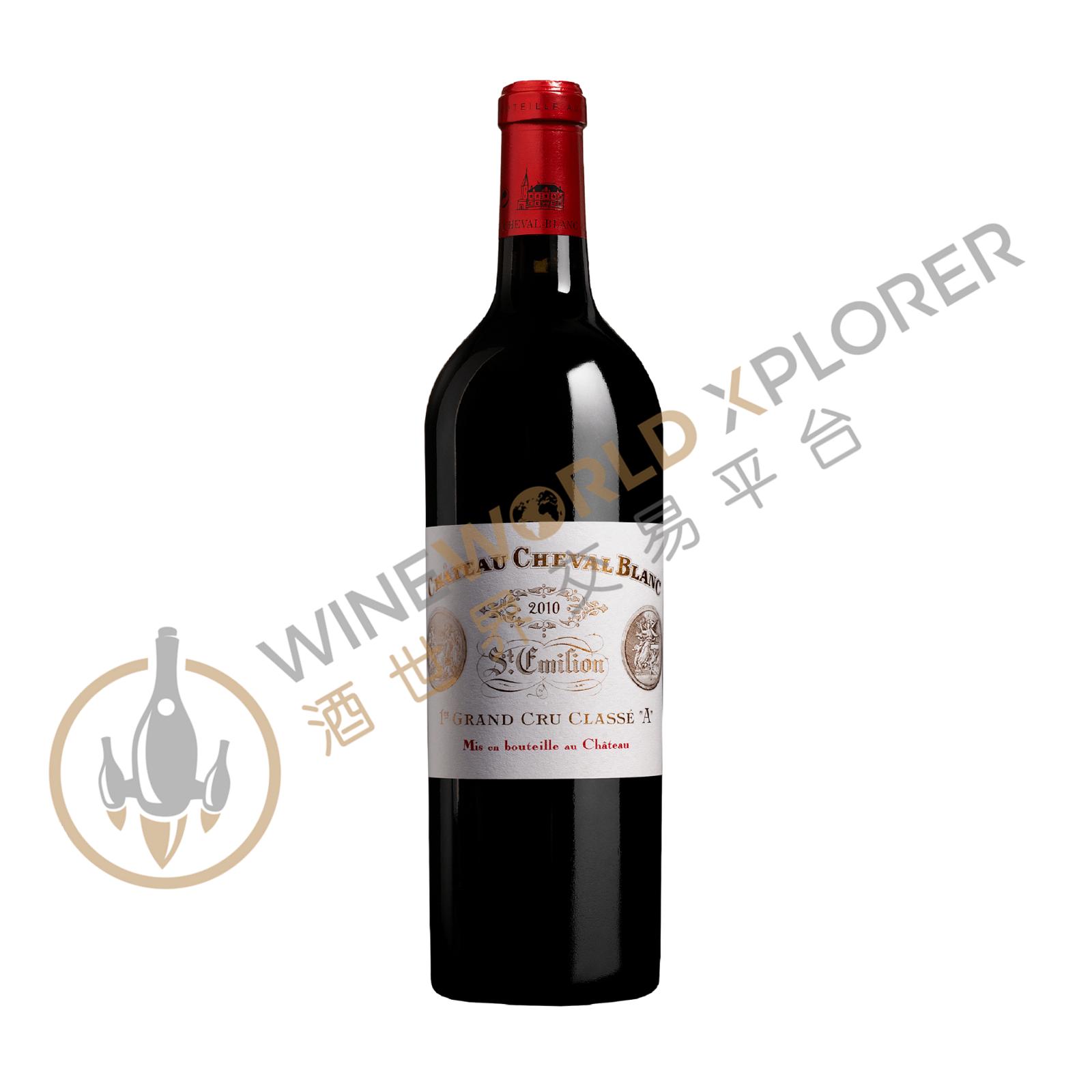
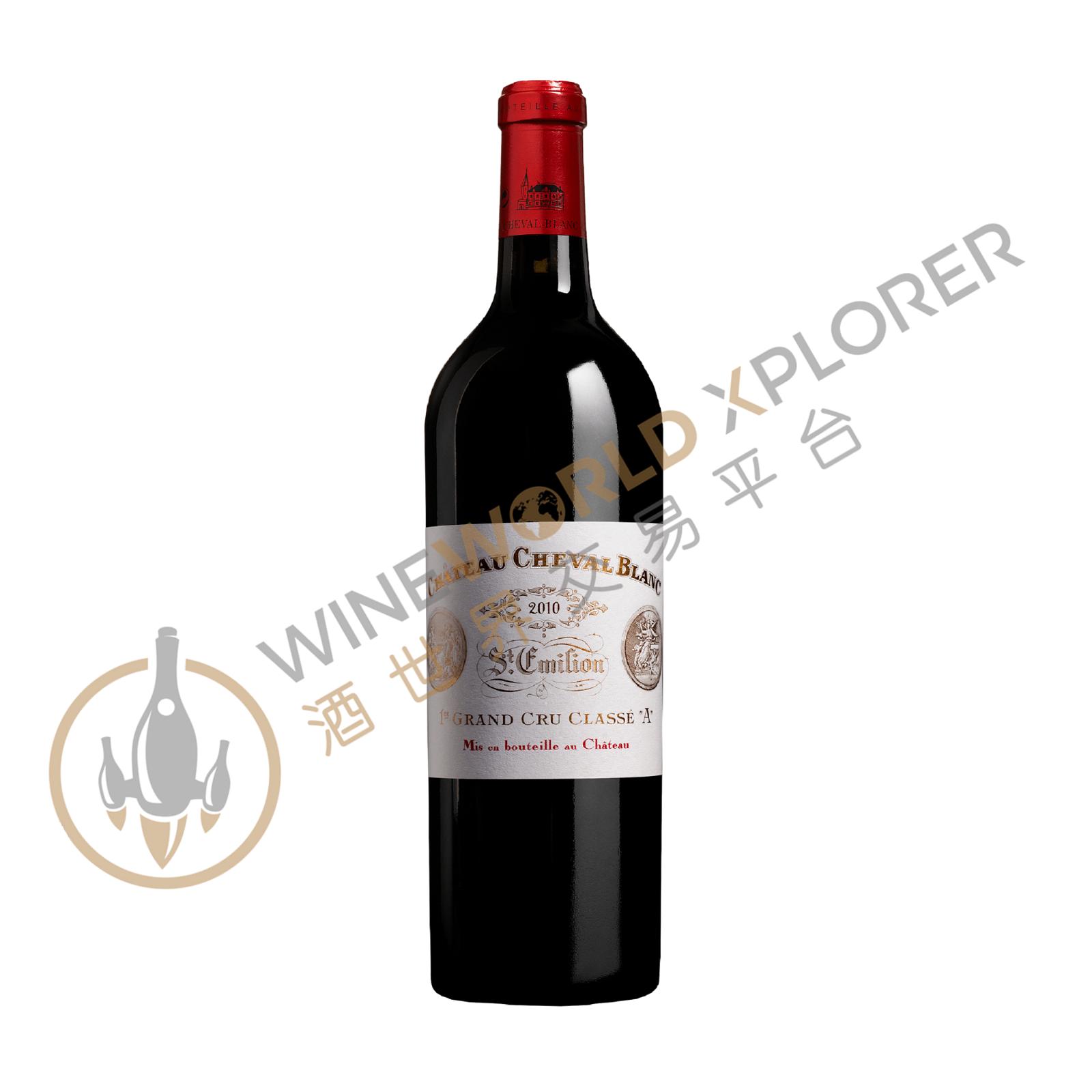
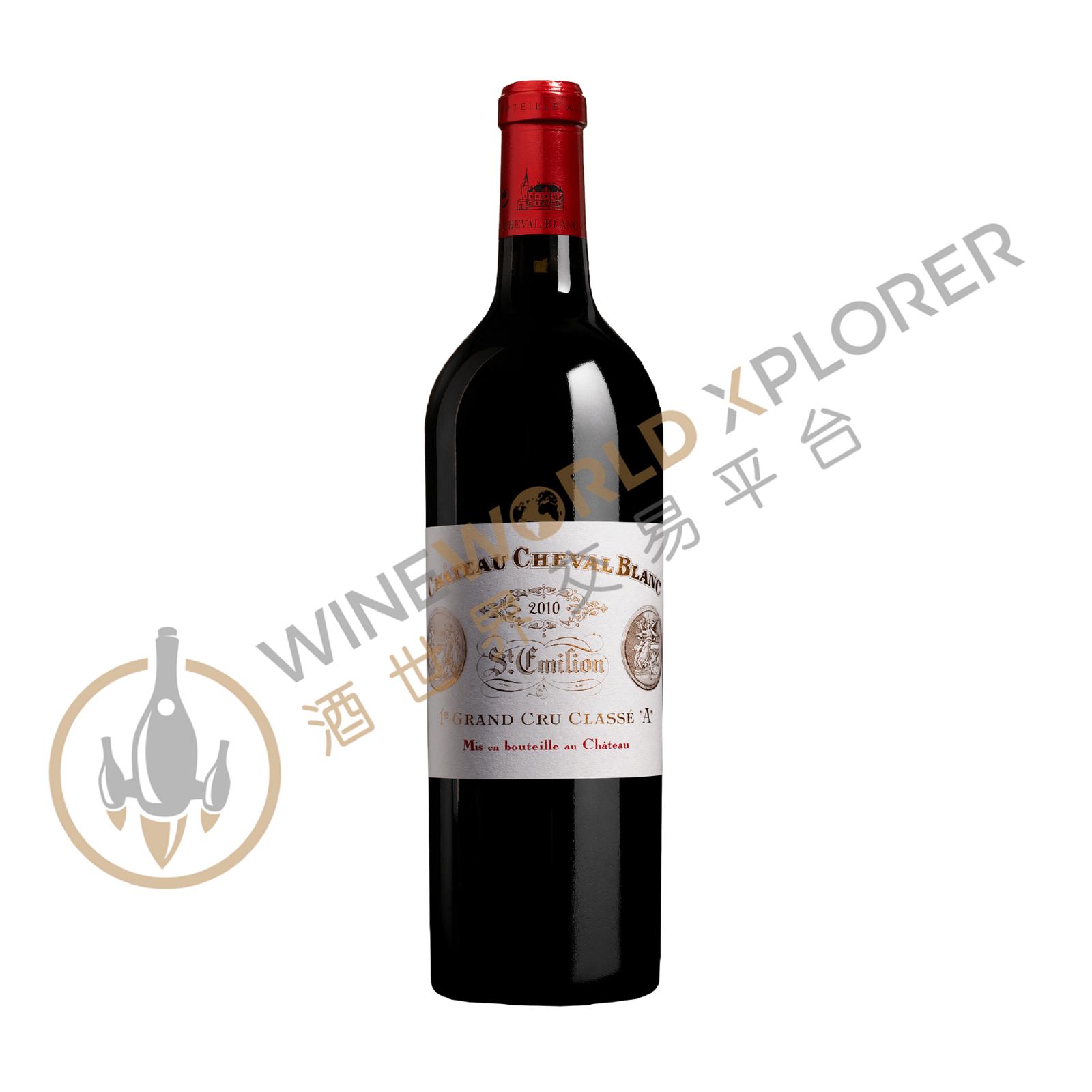
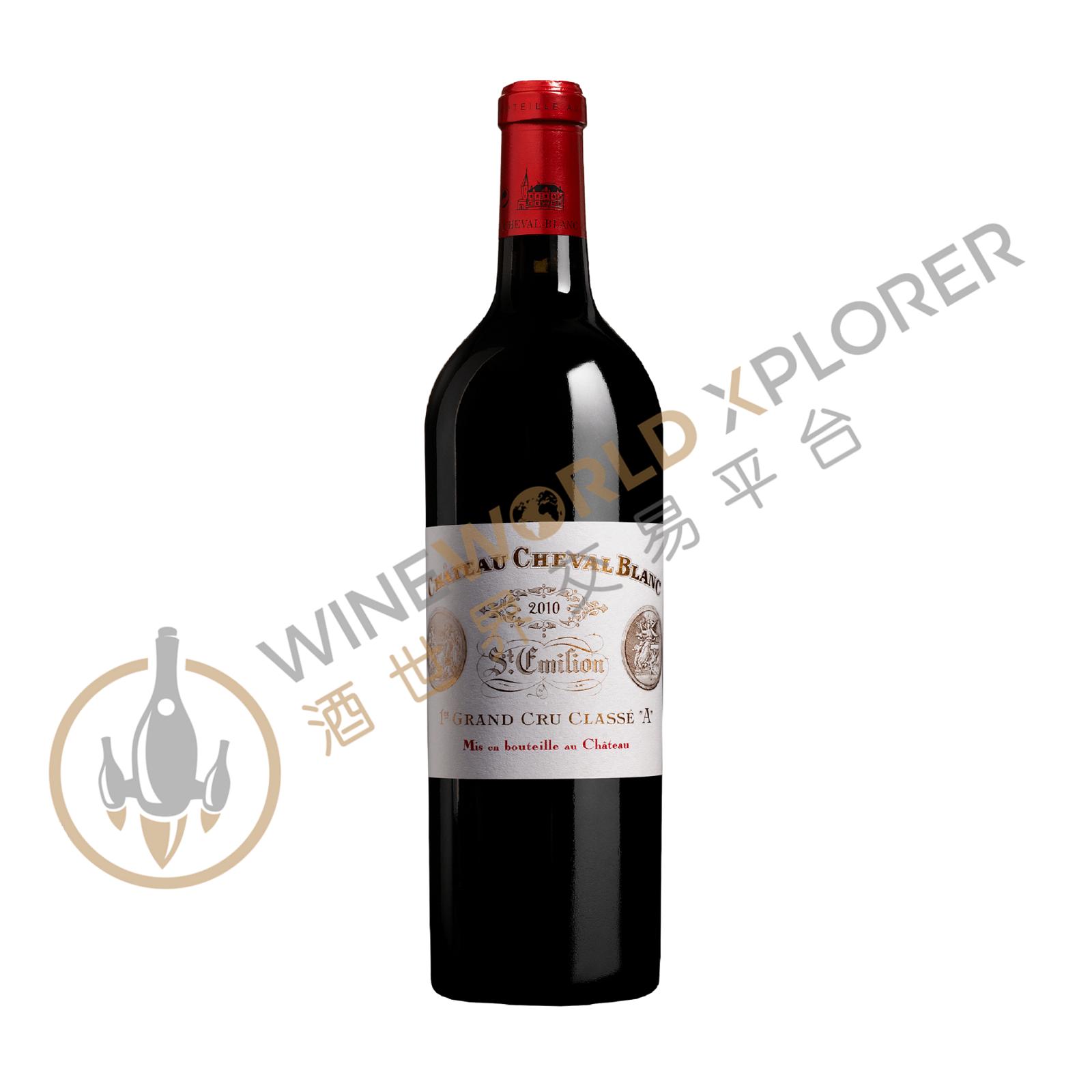
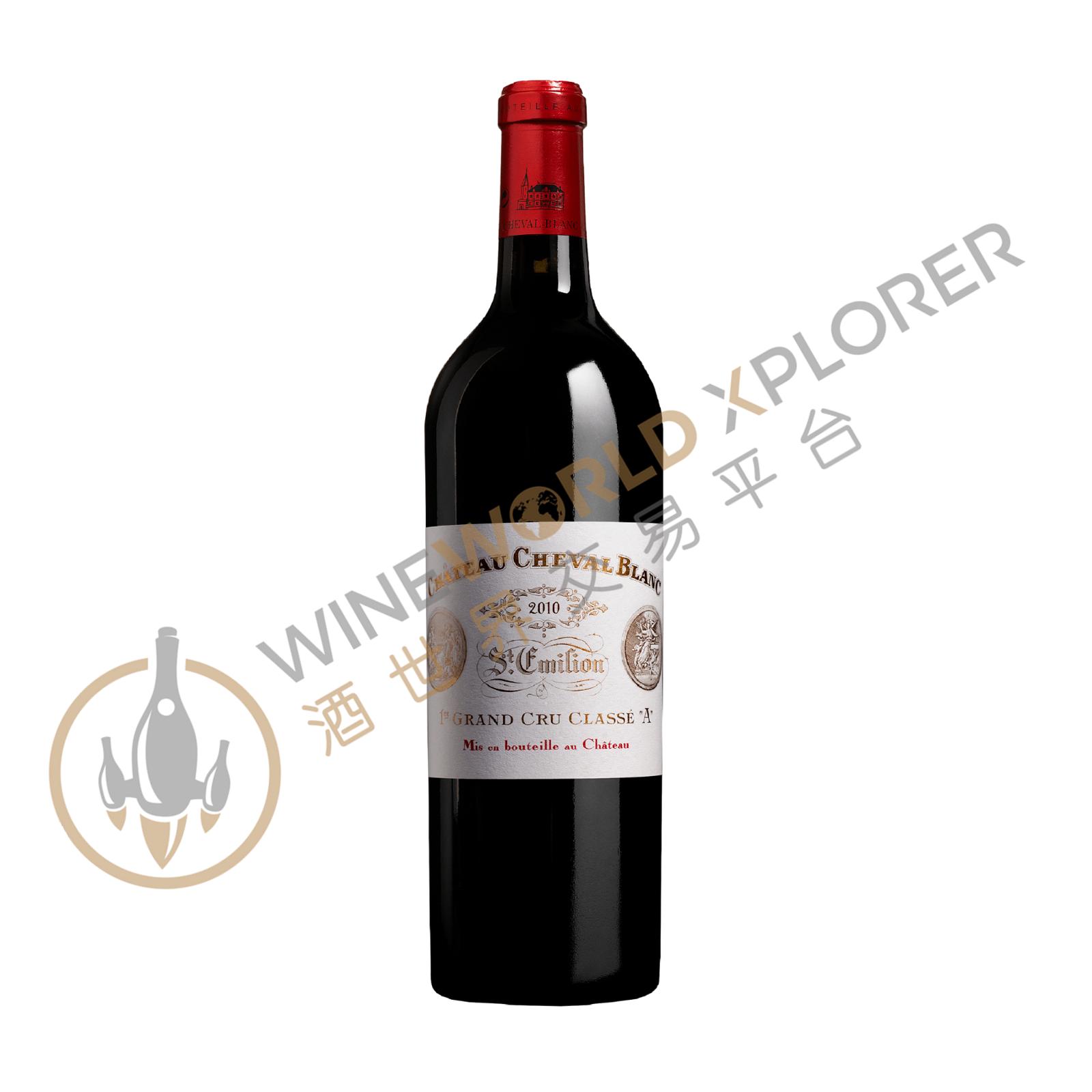
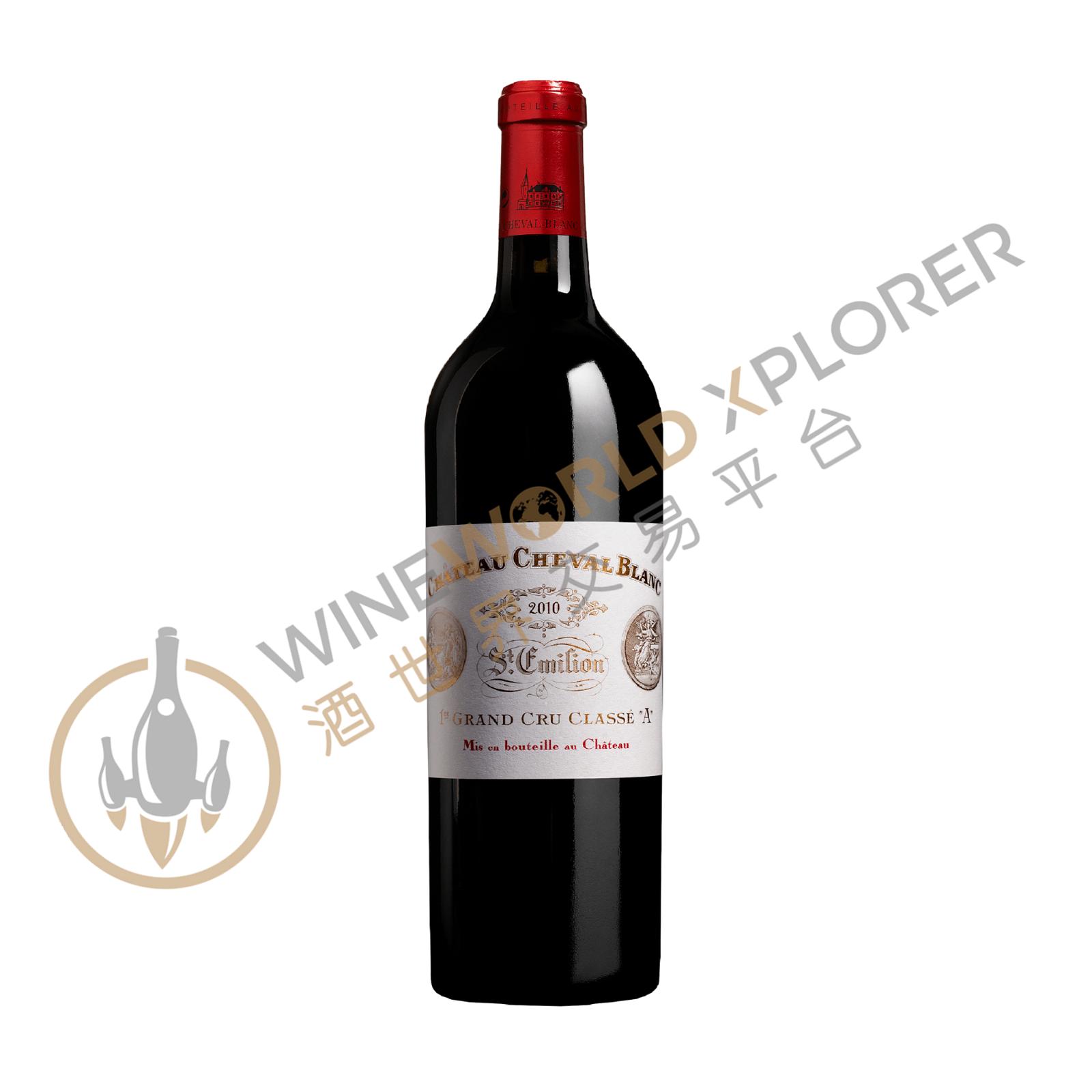
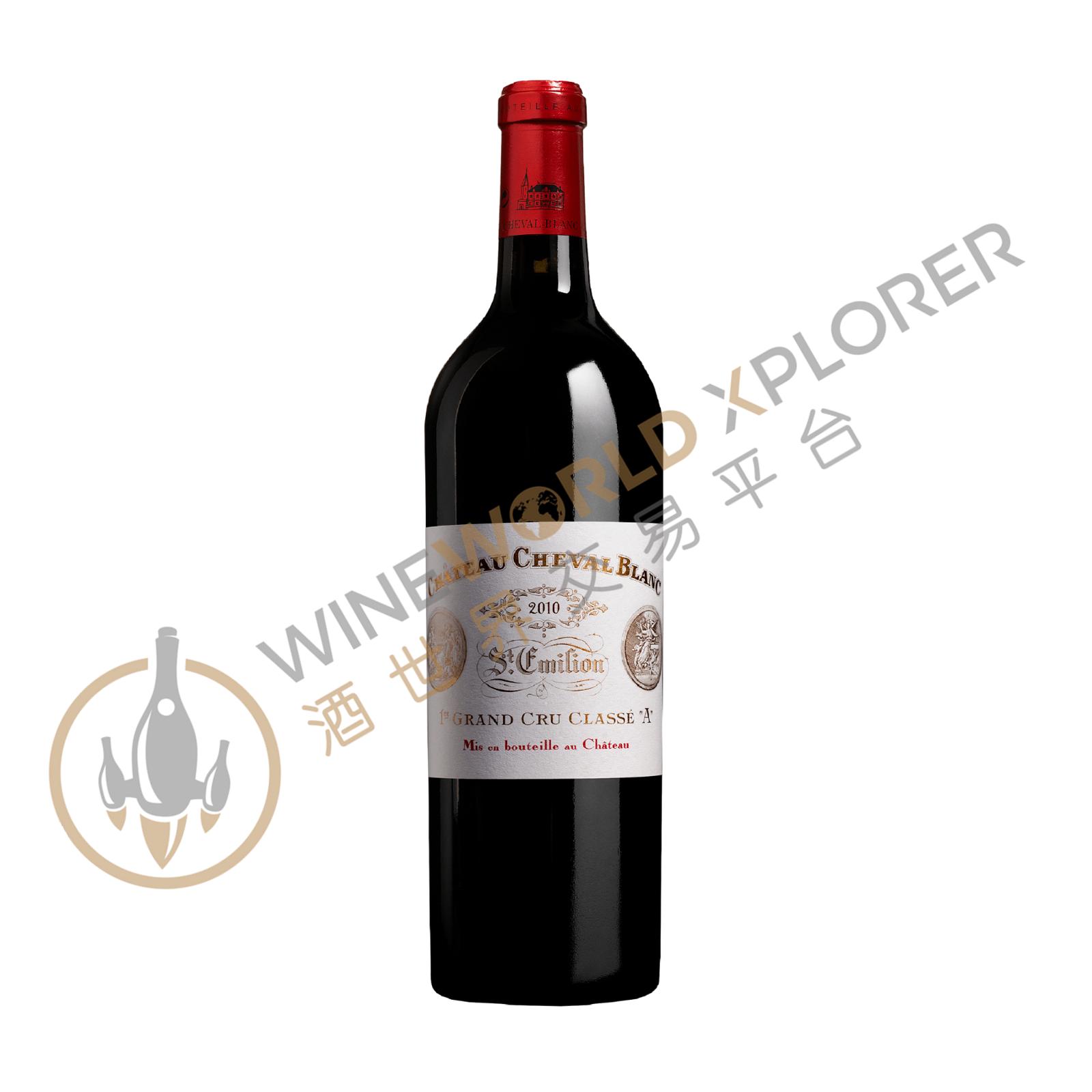
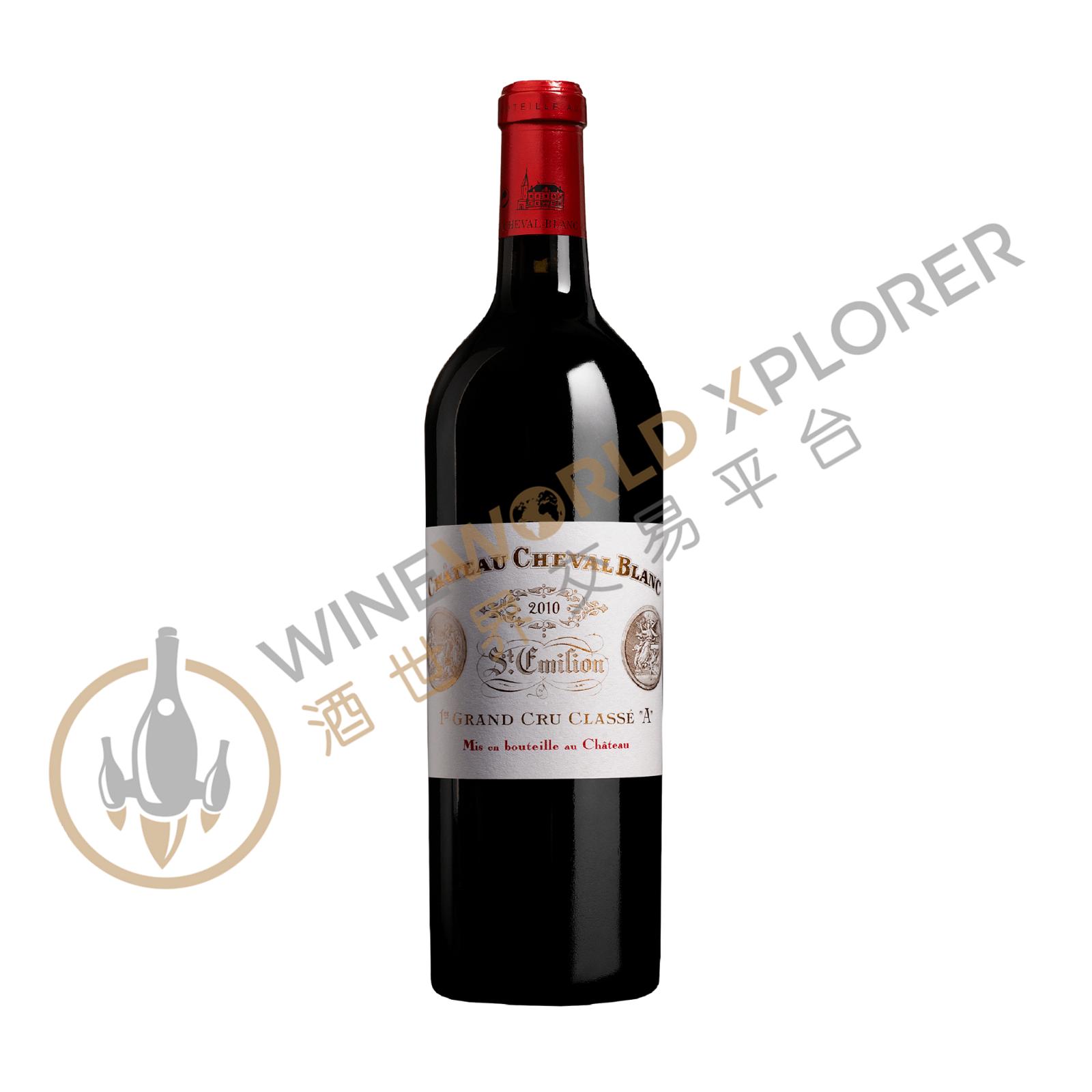
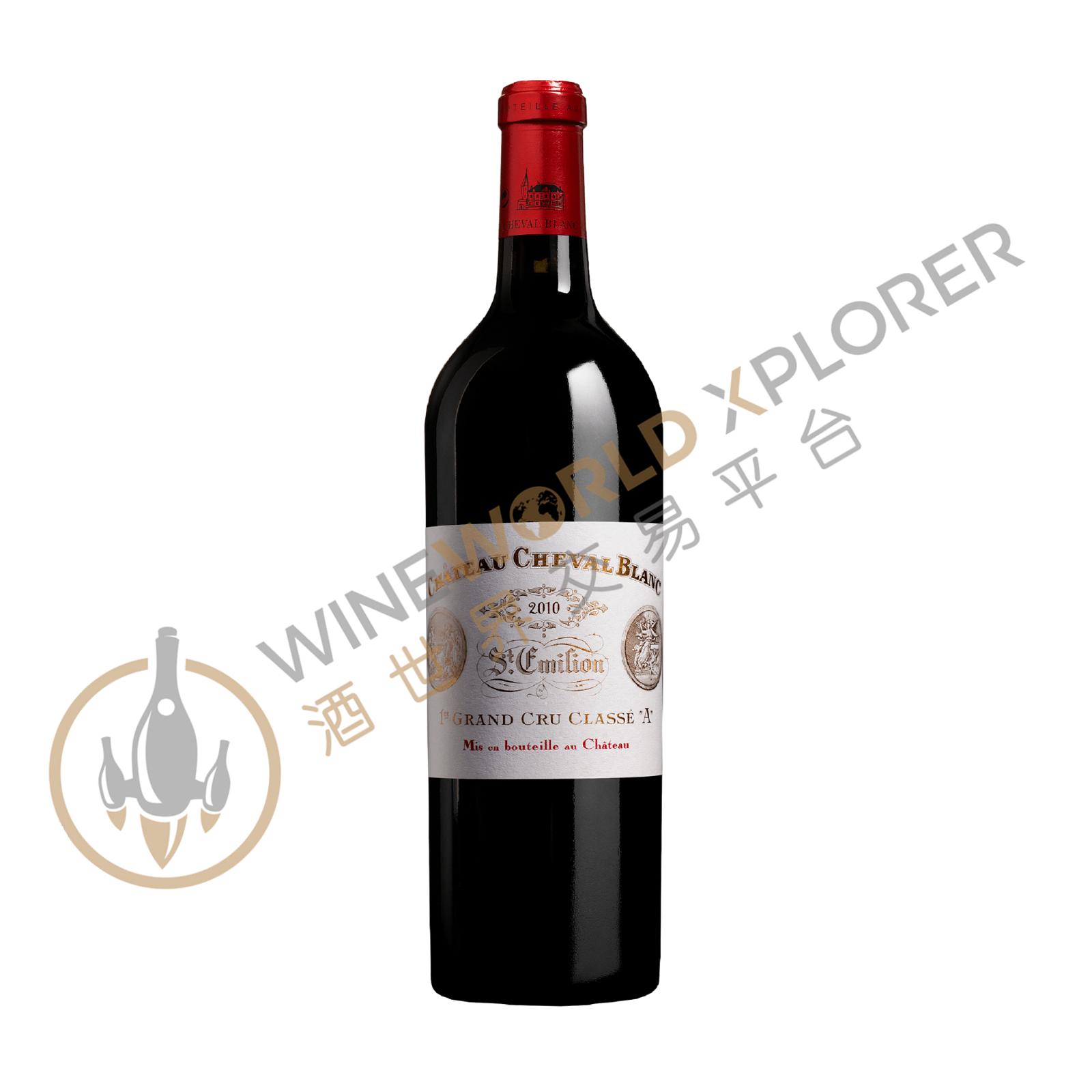
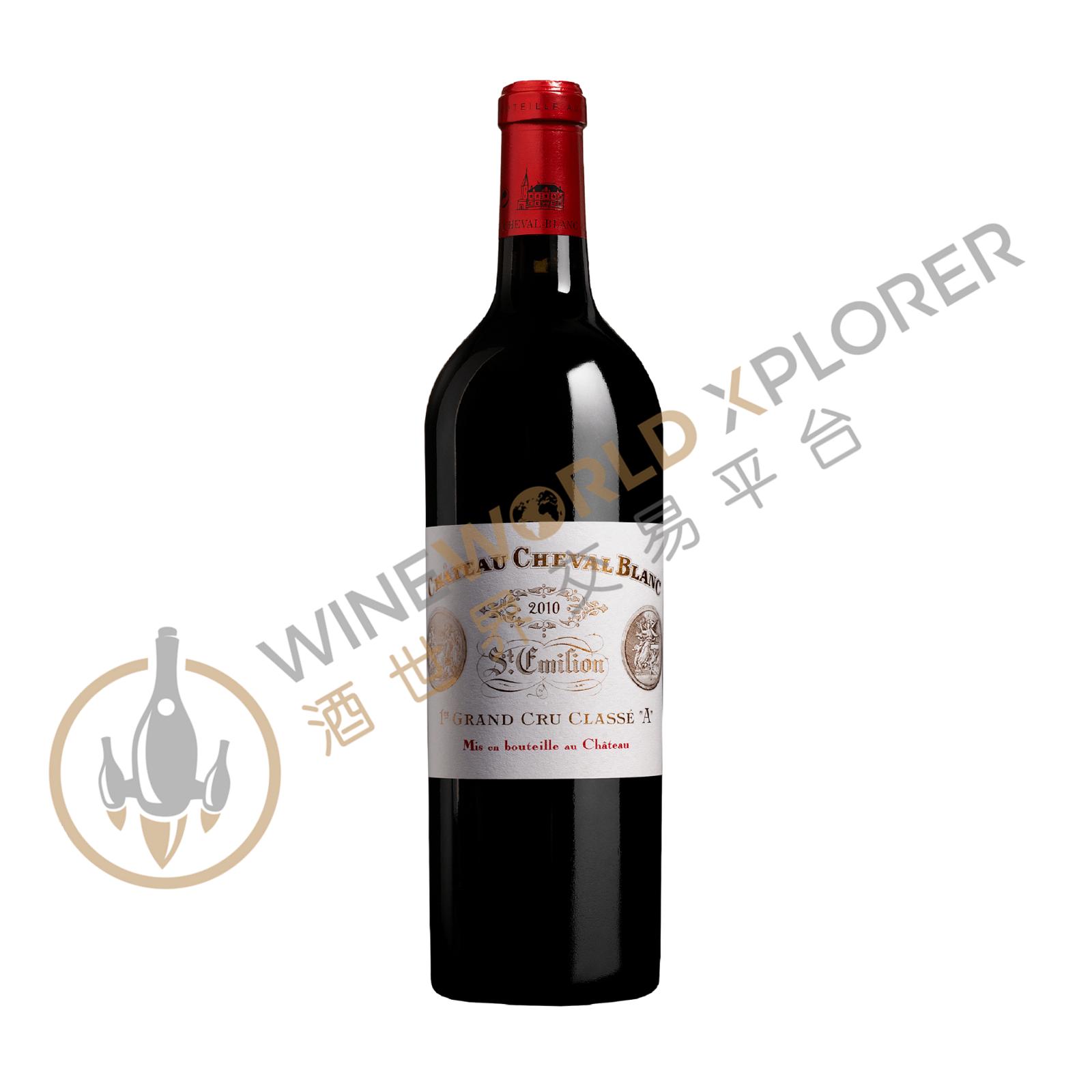
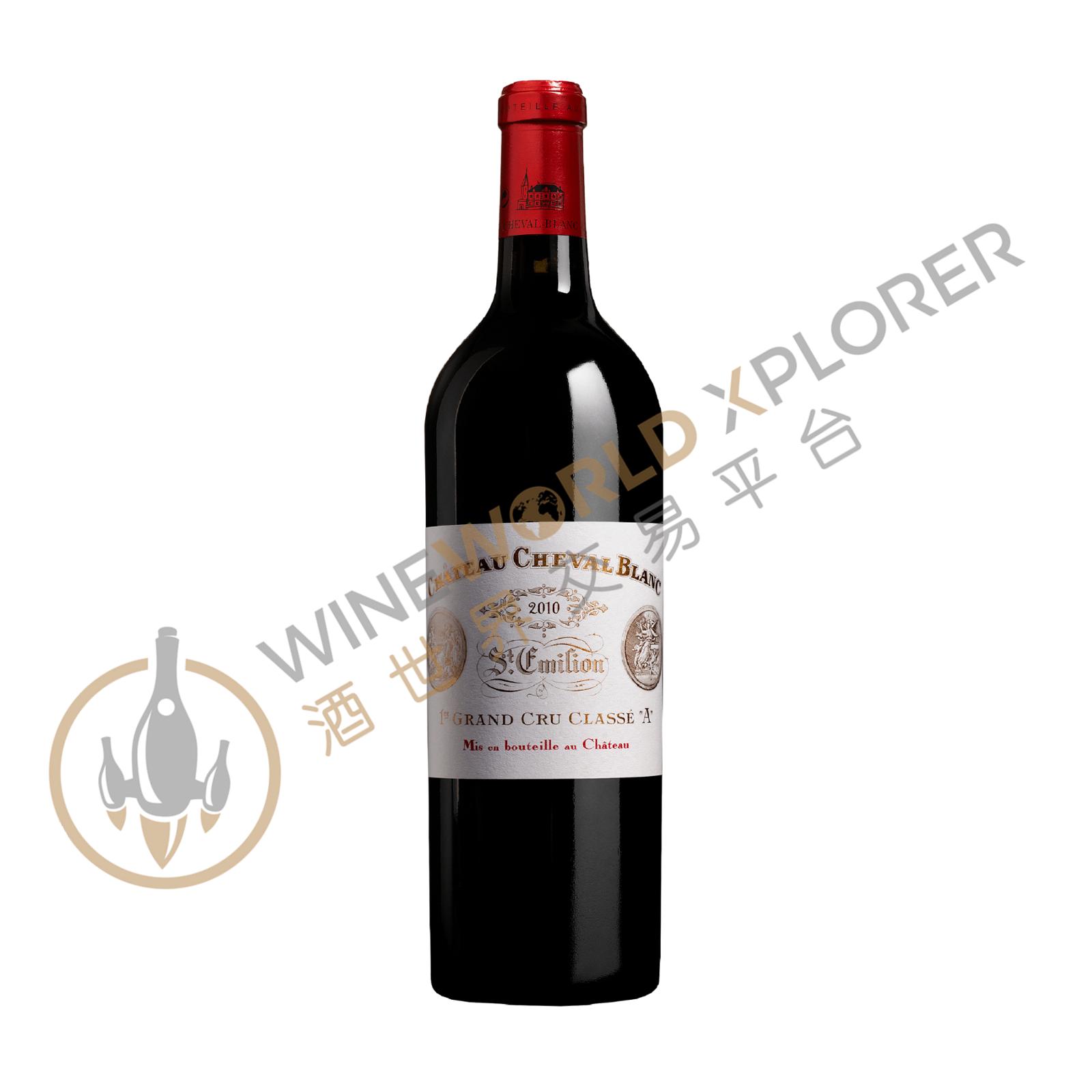
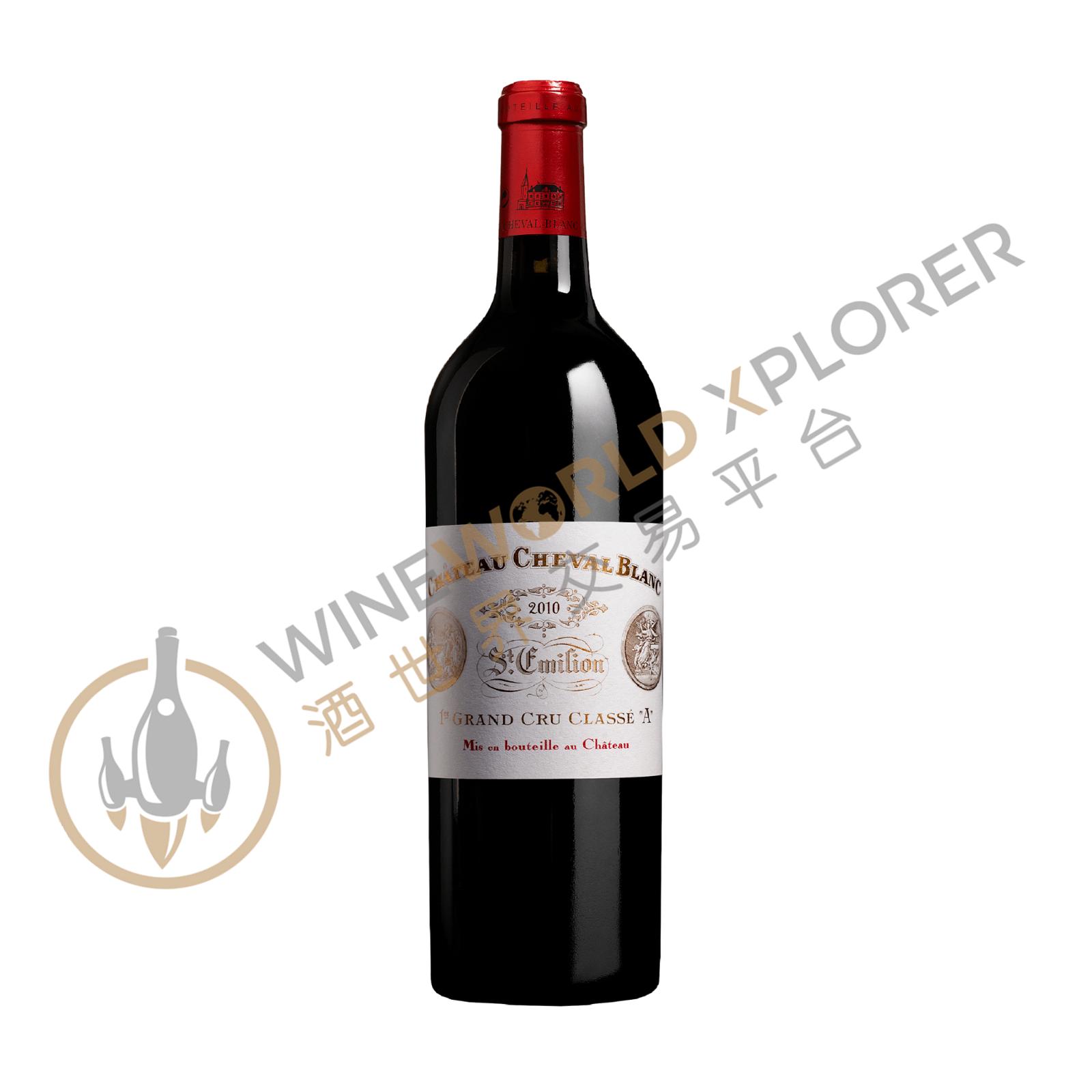
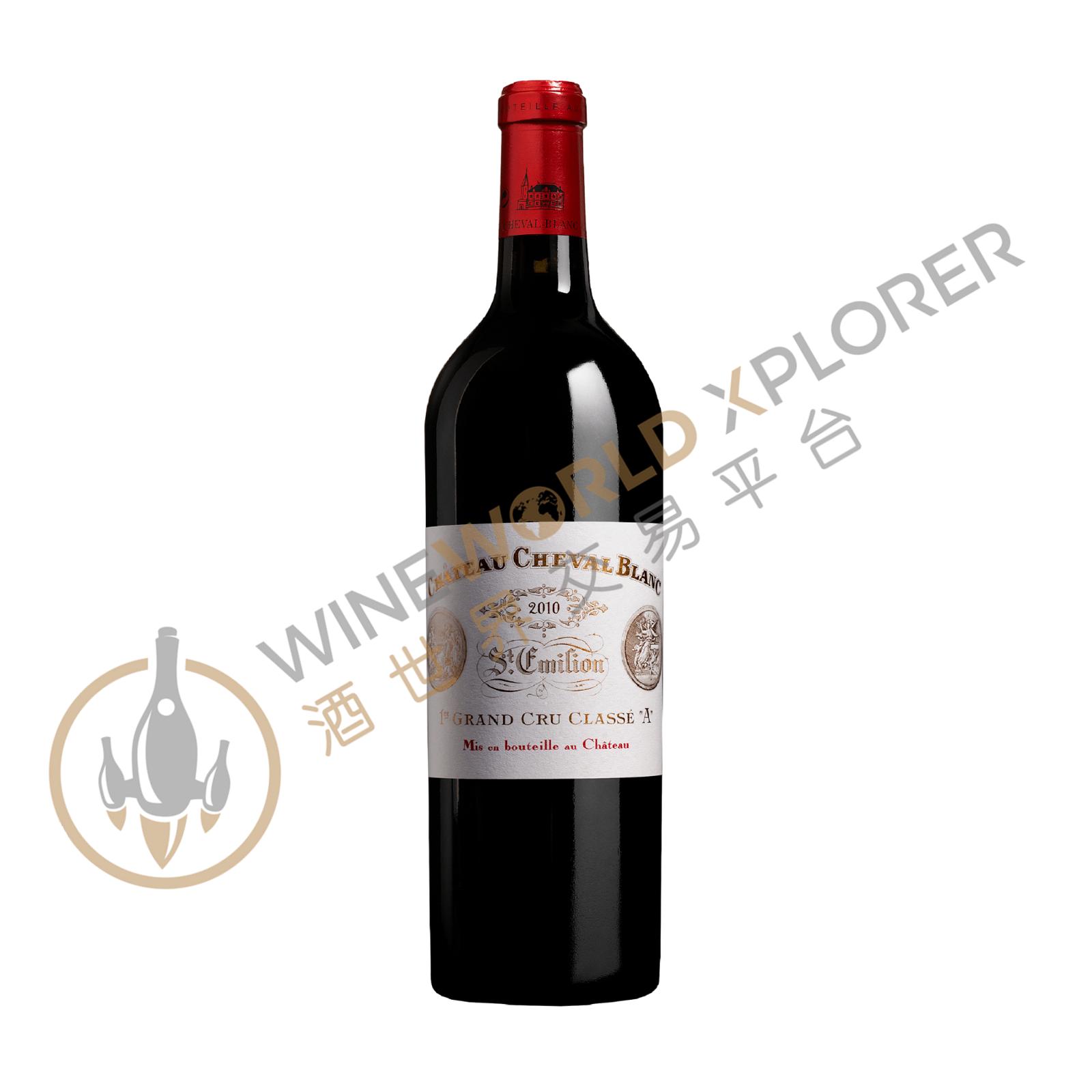
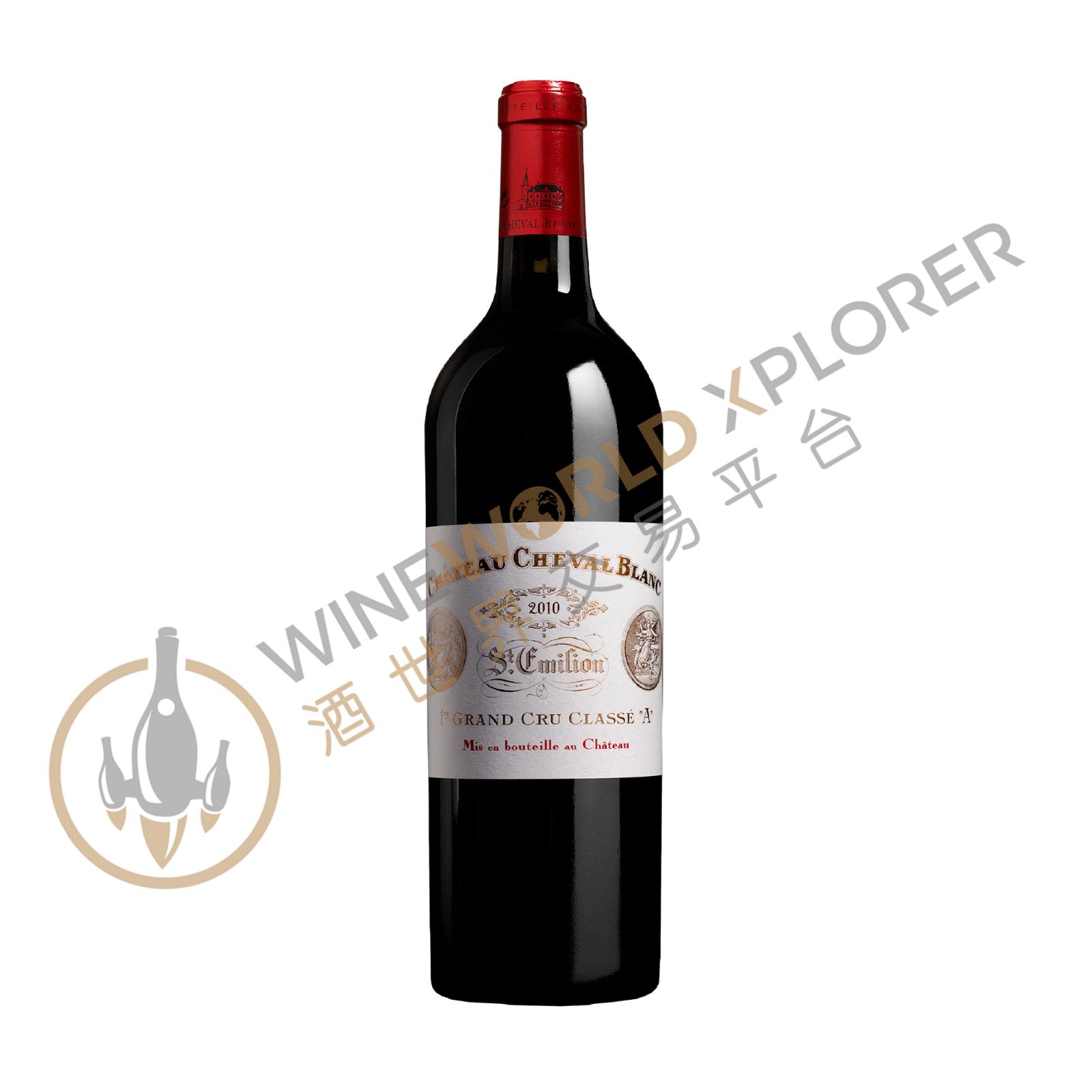
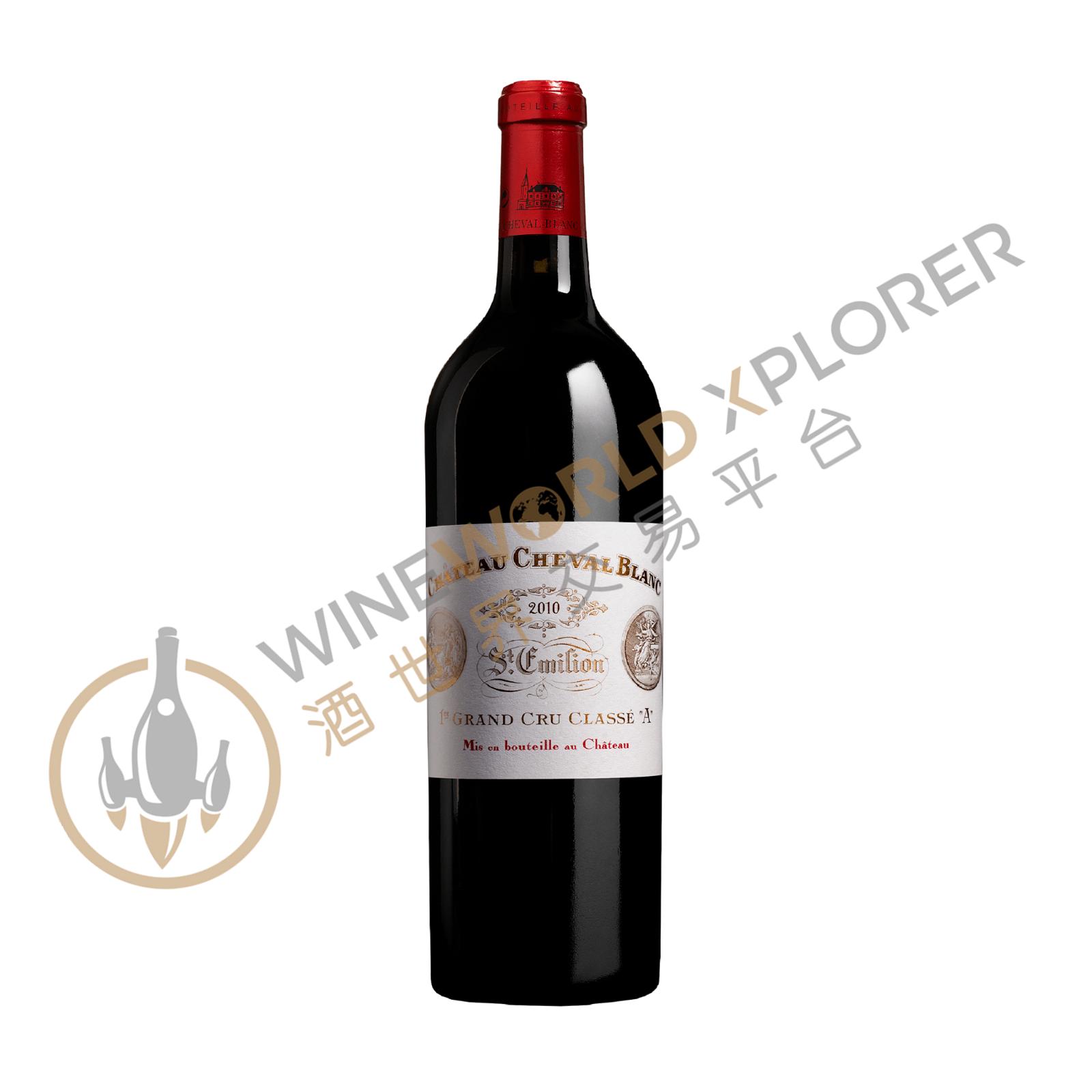
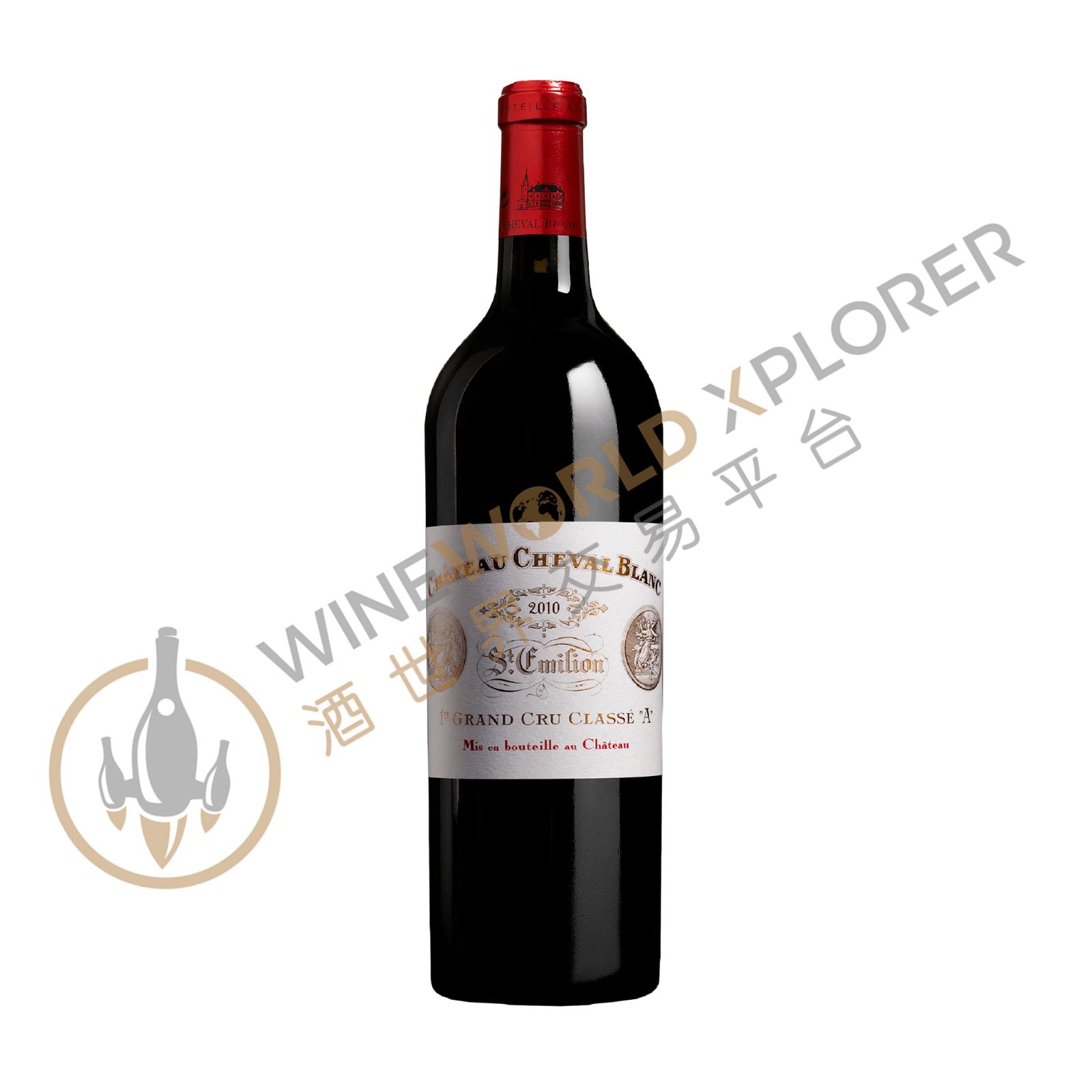
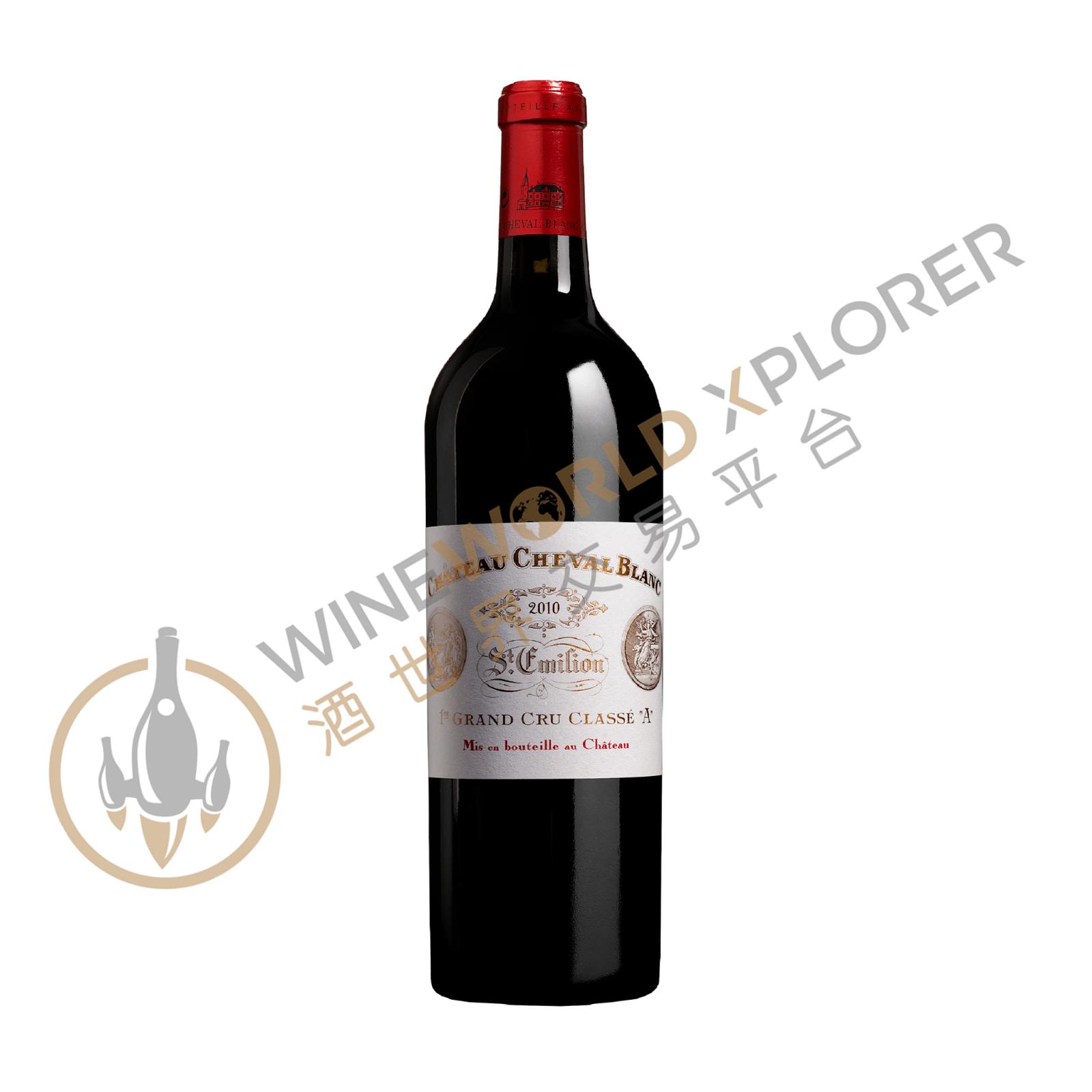
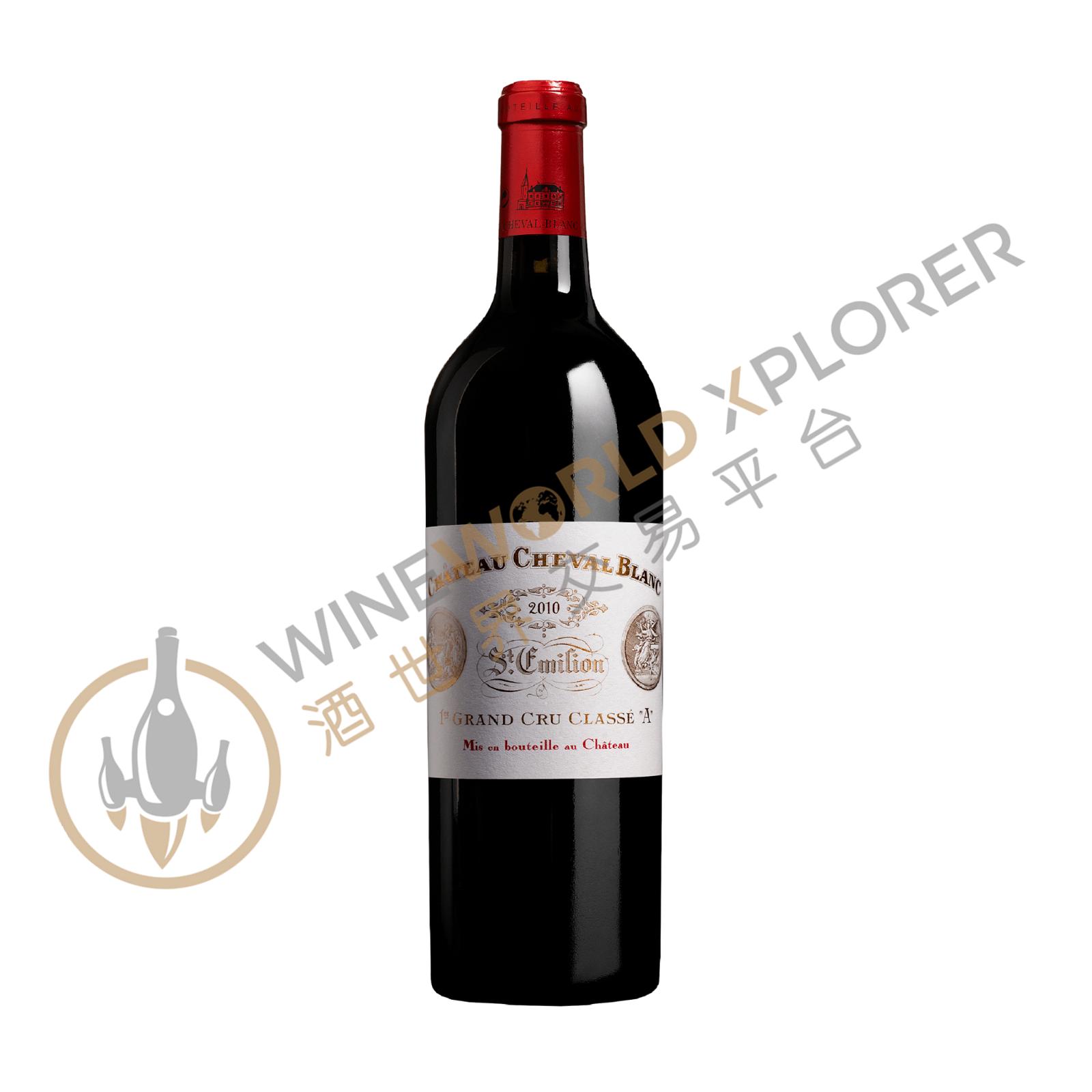
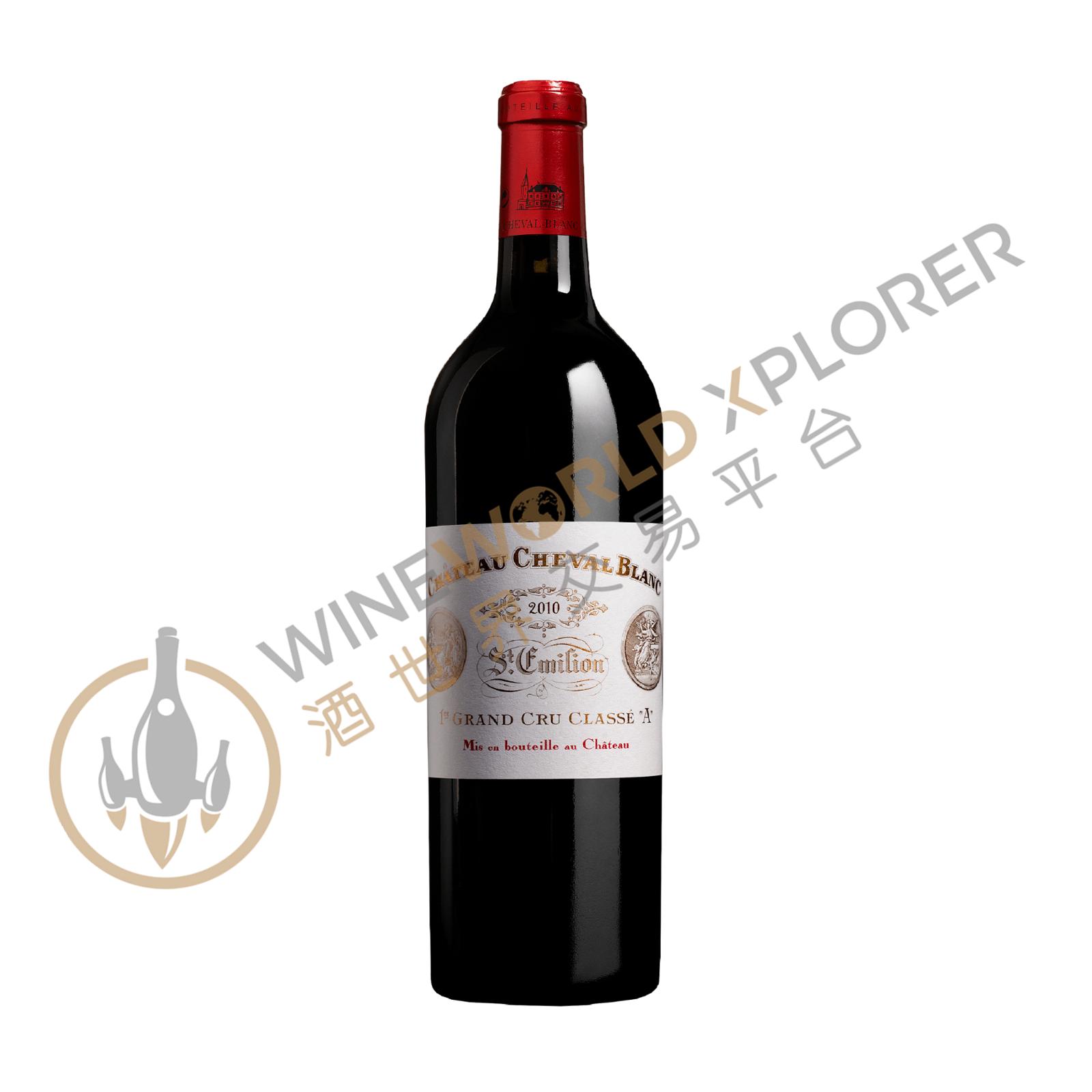
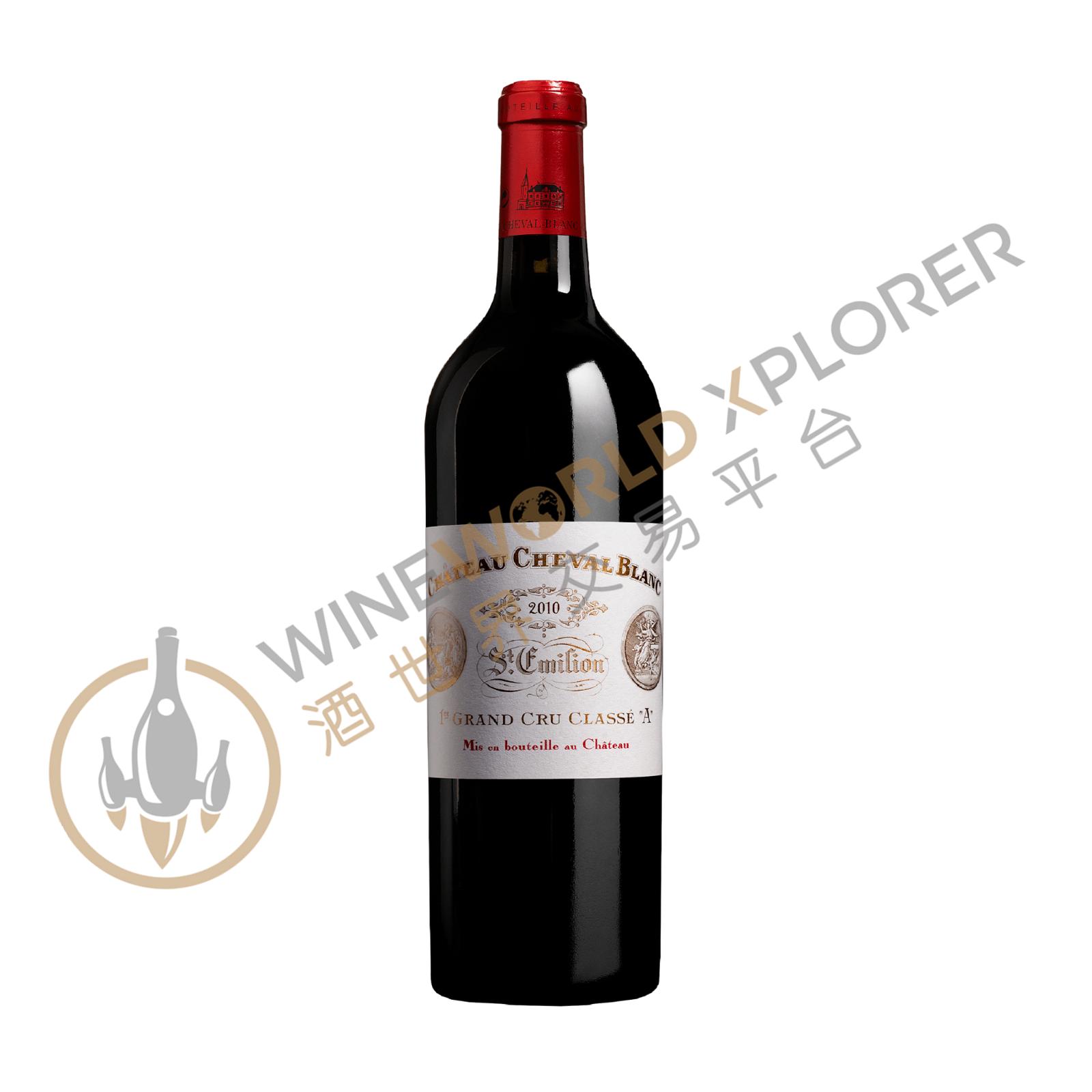
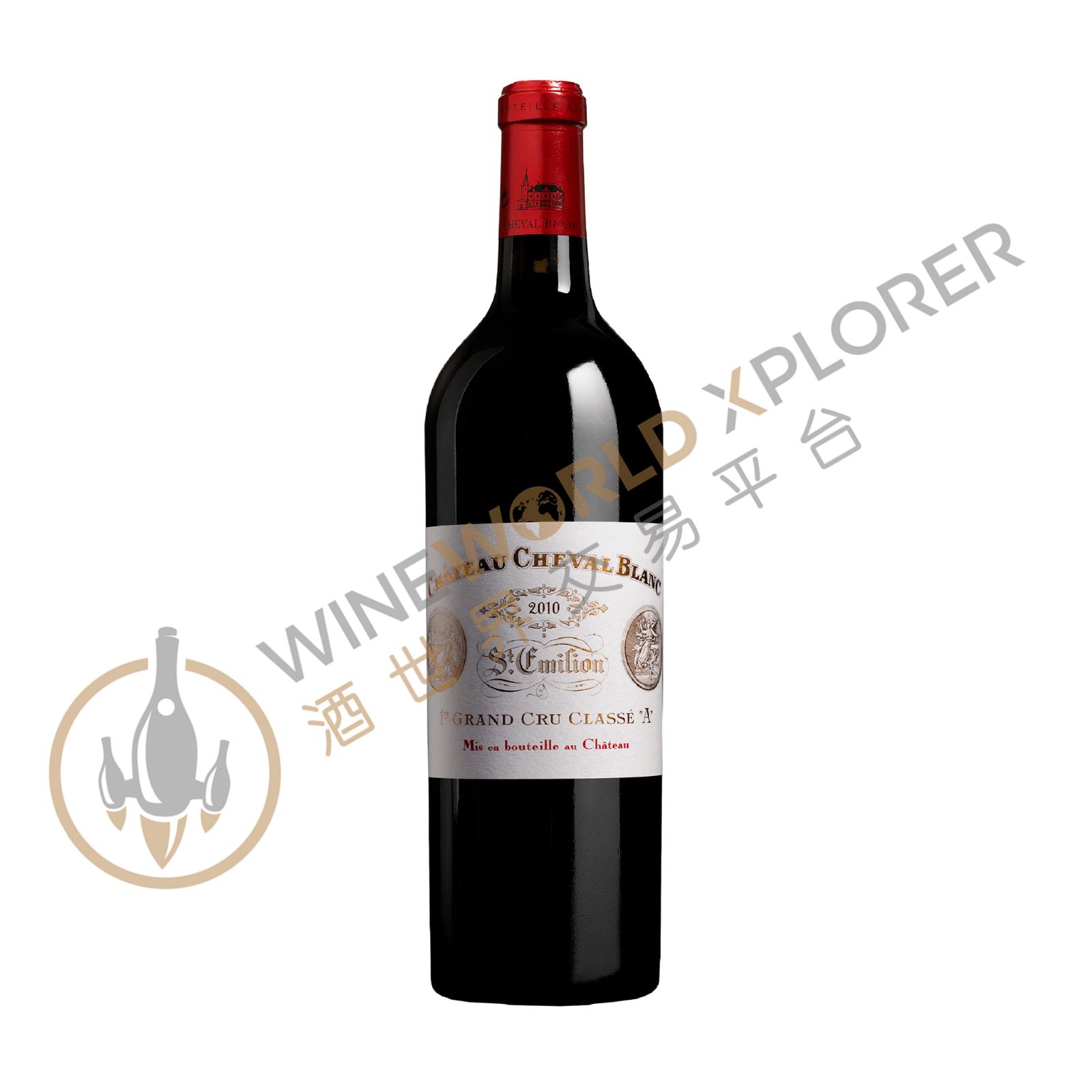
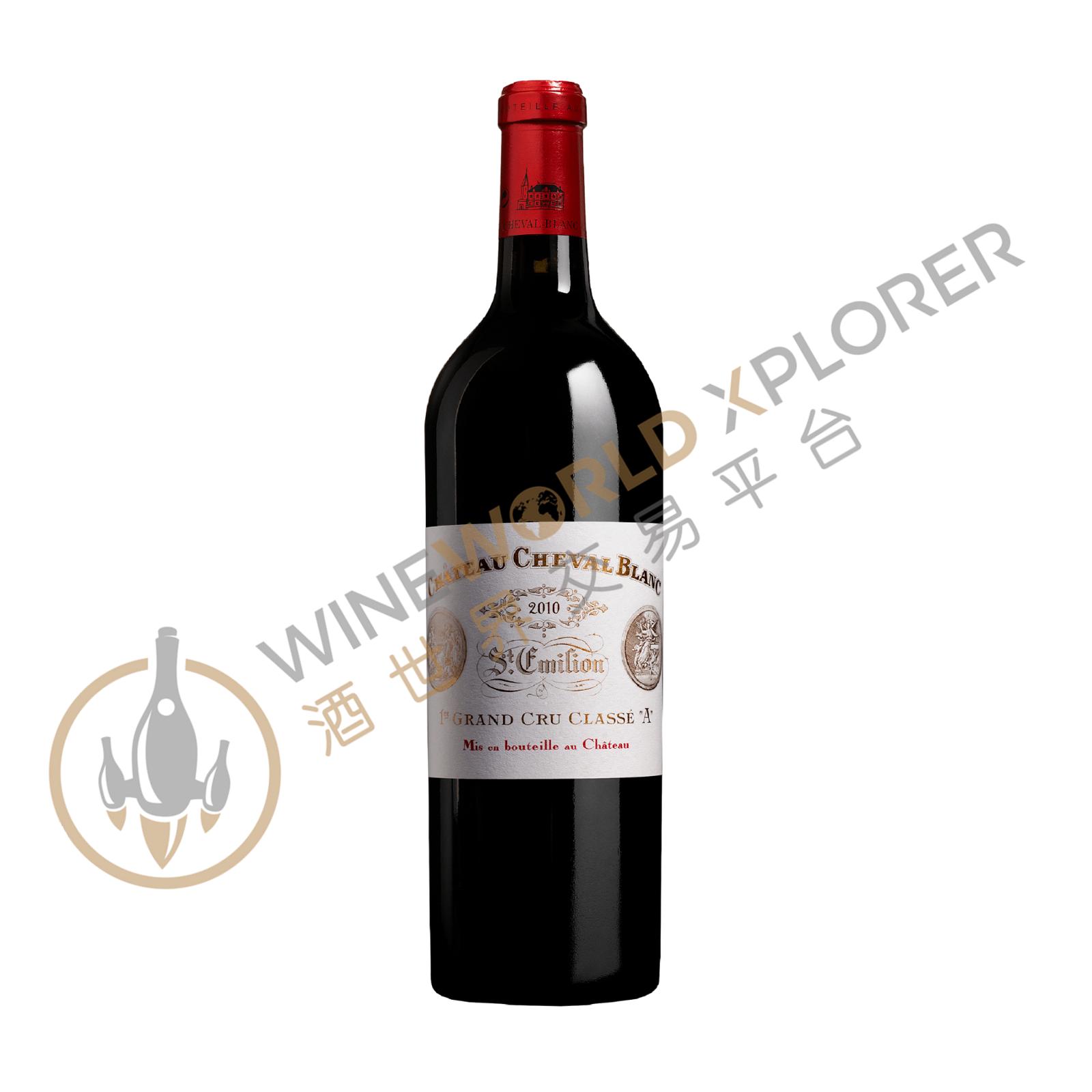
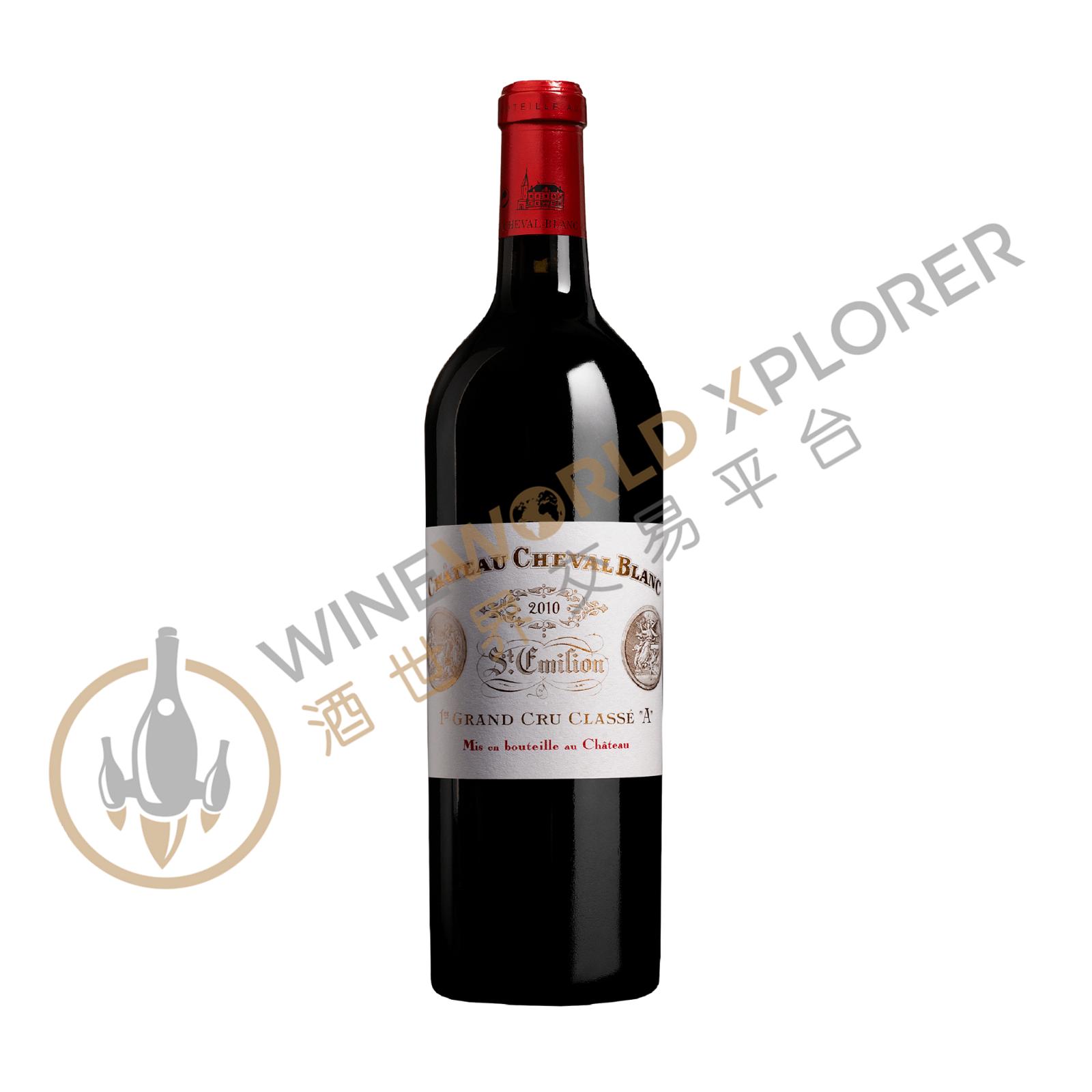
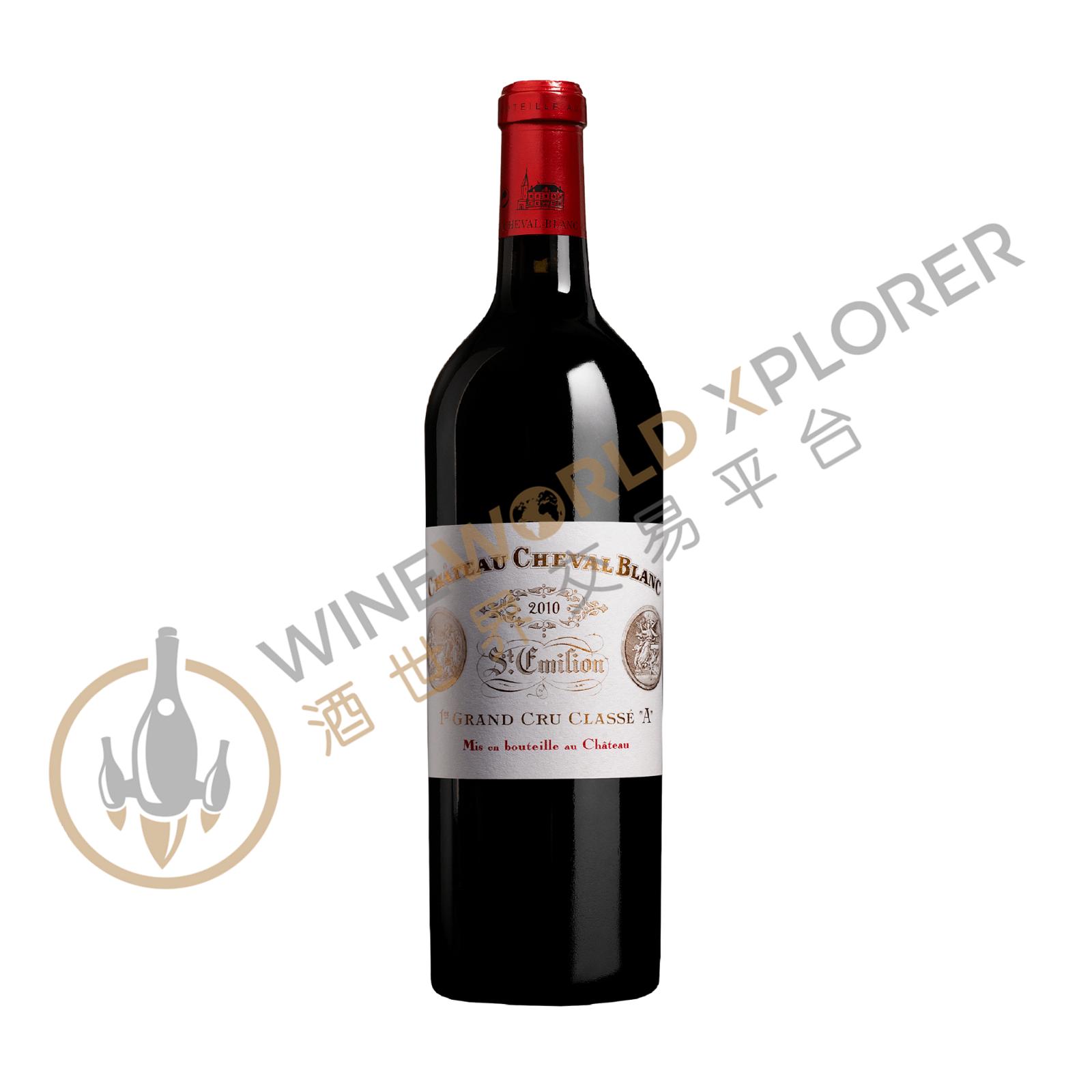
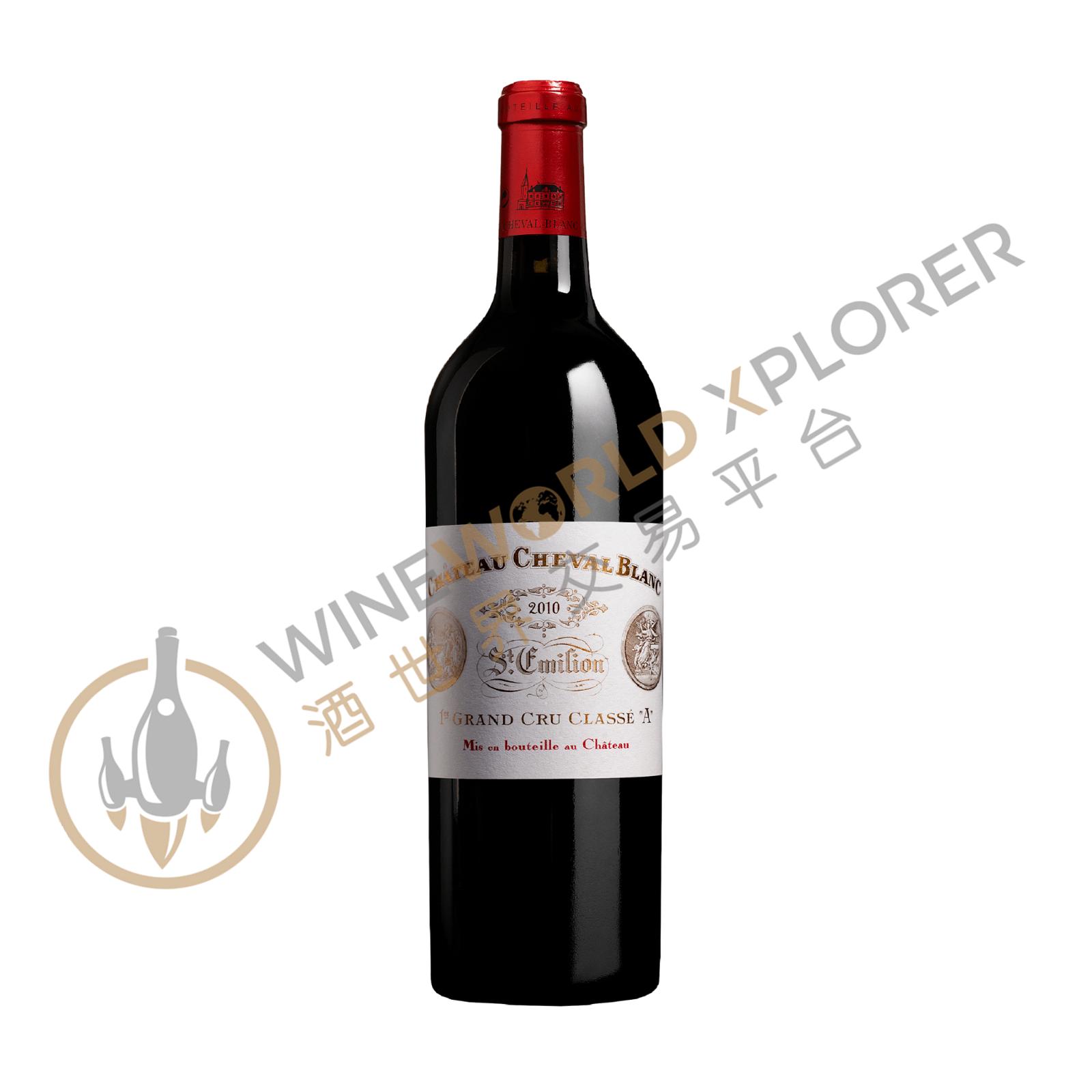
Château Cheval Blanc, a 1er Grand Cru Classé (A) is unquestionably the leading estate in St. Emilion. It is located in the north-west of the St. Emilion appellation, bordering Pomerol. Cheval Blanc obtained its first medal at the 1862 Universal Exhibition in London. In fact, a representation of this bronze medal is found on the château’s present-day label. Cheval Blanc won their first gold medal at the 1878 Universal Exhibition in Paris, and this new distinction also appeared on the label. In 1886, Cheval Blanc won a second gold medal at the Universal Exhibition in Antwerp. Reflecting this series of successes and a wine well on the way to achieving international recognition, a château was built on the estate.
Tasting notes

Reviewed by: Neal Martin
This is more expressive on the nose than Ausone ’97 with sweet red-berried fruit: wild strawberry, orange peel and just a faint hint of brown sugar. Full-bodied n the palate with firm structure, very Merlot-driven and lacking the Cabernet Franc to lend it an additional dimension. Attractive, but a pale imitation of a great Cheval Blanc. Would be dwarfed by the ensuing vintage! Drink now-2018. Tasted September 2006.
Reviewed by: Robert M. Parker, Jr.
The 1997 (70% Merlot and 30% Cabernet Franc) exhibits sweet cherry jam intermixed with Asian spices and this estate's tell-tale coconut note. Ripe and medium-bodied, with low acidity, this charming wine possesses good length for the vintage, but is destined to be drunk during its first decade of life because of its undeniable seductiveness. Anticipated maturity: now-2012.
Reviewed by: Robert M. Parker, Jr.
Cheval Blanc's 1997 performed well. It is neither as super-extracted nor phenomenally rich as the 1990 or 1982, but it is exotic, seductive, and opulently-textured. Yields were extremely low at this estate in 1997 (35 hectoliters per hectare), and the harvest, which began on September 8, did not finish until September 25. Because of their difficulties with the Cabernet Franc, this example of Cheval Blanc contains an atypically high proportion of Merlot. The final blend, which represents 35% of the estate's total production, consists of 70% Merlot and 30% Cabernet Franc (contrast that with the more classic blend of 66% Cabernet Franc and 34% Merlot). The deep ruby/purple-colored 1997 offers a flamboyant, exotic nose of coconuts, coffee, jammy black cherries and currants, and high quality pain grille scents. This round, elegant, medium-bodied wine possesses gorgeously sweet fruit, and absolutely no aggressiveness to any of its components. The acidity is low, the tannin soft and ripe, and the finish impressive. This will be an undeniably juicy, captivating Cheval Blanc to drink when it is released. It should keep for 12 or more years.
Reviewed by: Neal Martin
This Cheval Blanc has an entrancing nose of morello cherry and blueberry that is pure and engaging. The palate is soft and supple - obviously due to the higher Merlot content. The lack of Cabernet Franc is to the detriment of complexity, losing that slight savory/meaty edge. A very elegant wine but quite simple and straightforward for Cheval. Tasted again in July 2004. An attractive nose of redcurrant, cranberry and blueberry. Has a nice purity about it but not complex. The palate is relatively simple, good acidity, balanced but lacks persistence and complexity. I did not get that meatiness or savory quality. Good but not life-affirming. Tasted July 2004.
Reviewed by: Robert M. Parker, Jr.
A seductive, fragrant style of Cheval Blanc, with moderate density and weight, this immediately appealing 1997 exhibits an exotic nose of coconut, plums, cherry liqueur, and sweet, toasty oak. The wine's alluring personality is accompanied by fine suppleness, low acidity, medium body, and current drinkability. Consume it over the next 7-9 years.
About the Producer
Château Cheval Blanc is a highly lauded wine estate in the Saint-Émilion region of northeast Bordeaux. Classified with the top ranking of Premier Grand Cru Classé A, it is regarded by many as one of the greatest wines of the appellation – if not, the greatest. It is certainly the most famous Cabernet Franc-based wine in the world, albeit often alongside very similar levels of Merlot. Typically, the "grand vin" (the estate's eponymous wine) is lush and full bodied with great weight of fruit. It tends to require ten years of bottle age and the best vintages can last half a century or more. The second wine of the estate is Le Petit Cheval. The vineyard is located in the northwest of the region, bordering Pomerol (La Conseillante is a neighbor) and consists of 39 hectares (96 acres) divided into 45 plots. There is an unusually large amount of Cabernet Franc planted – about 49 percent – with 47 percent Merlot and four percent Cabernet Sauvignon. The unusual planting proportions reflect the terroir; most vineyards in the region are either clay or gravel-based over impermeable sedimentary rock, but Cheval Blanc is unique in having a patchwork of soils with the two types in roughly equal proportions. The clay soils provide base wines with velvety tannins, while those from gravel soils are more aromatic and elegant. Vines have been grown since the 14th Century at this spot but the vineyard as it is known today took shape in the 19th Century when the core plots were added to by purchases from the nearby Figeac estate. Subsequent replantings established the atypical half-Merlot, half-Cabernet Franc proportions. Cheval Blanc gained its first medal at the 1862 Universal Exhibition in London – the first of a series of successes building its reputation and achieving price levels comparable to the Médoc first growths, which paved the way for a château to be built on the estate. In the first classification of Saint-Émilion wines in 1955, Cheval Blanc was awarded the highest possible rating and remains a Premier Grand Cru Classé A. In 1998, after 166 years of continuous family ownership, Bernard Arnault, the head of luxury goods firm LVMH, and the late Baron Albert Frère (a Belgian billionaire investor) jointly purchased the estate. The spectacular new cellar opened in 2011, with 52 concrete vats (replacing stainless steel) of differing sizes corresponding to different vineyard plots. The grand vin spends 16 to 18 months in new oak barrels from a variety of cooperages.
1949(1)1953(1)1955(4)1958(1)1962(1)1966(1)1967(2)1970(2)1973(1)1974(2)1975(3)1976(1)1977(1)1978(1)1979(2)1980(1)1981(2)1982(5)1983(1)1984(1)1985(1)1986(5)1988(4)1989(4)1990(13)1992(3)1993(1)1994(4)1995(7)1996(9)
Package Size