Wine Advisor



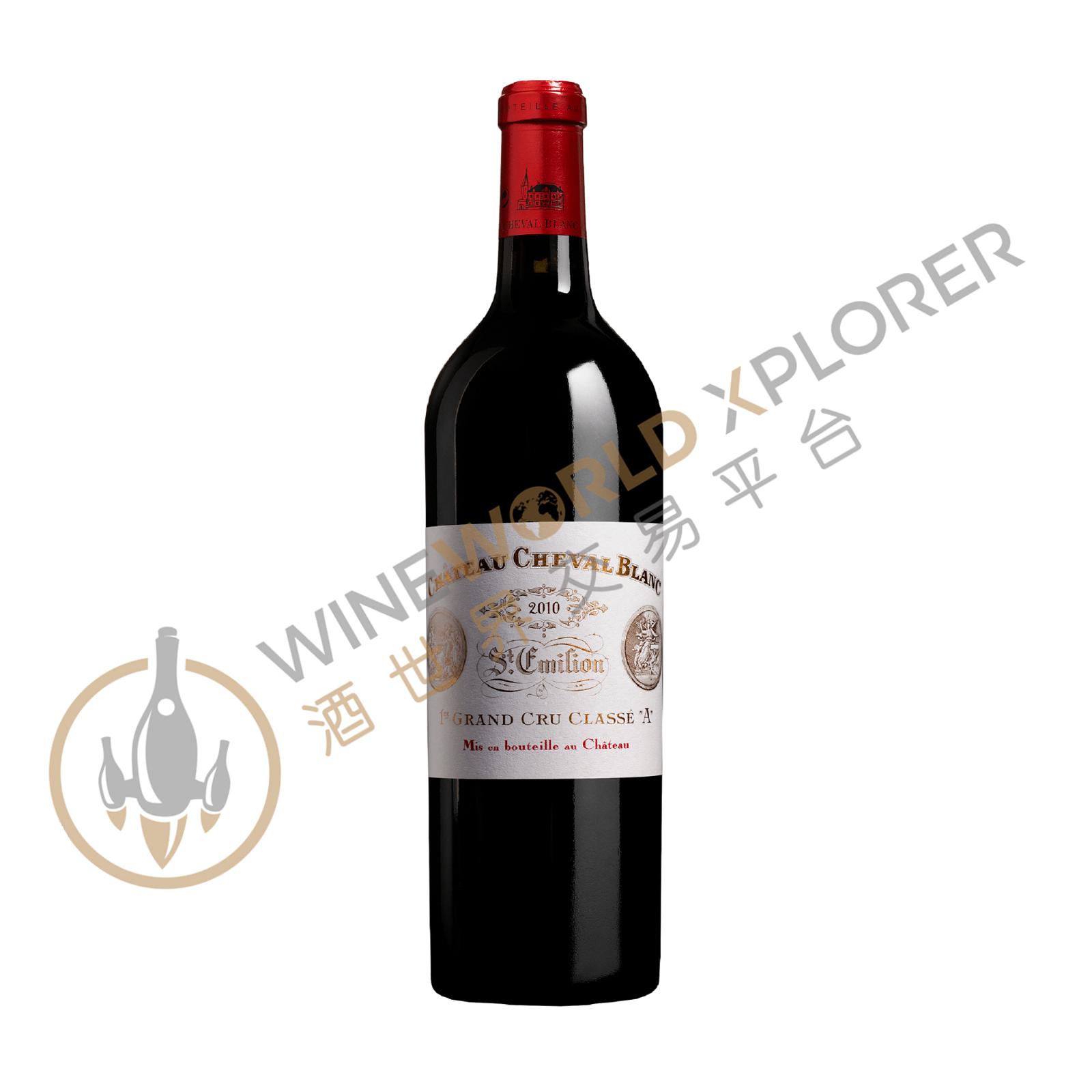
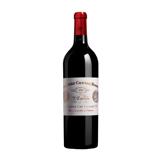
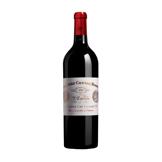
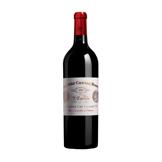
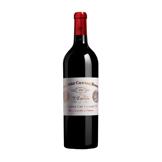
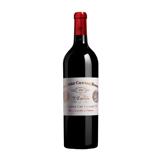
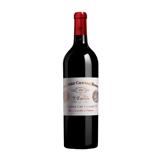
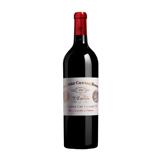
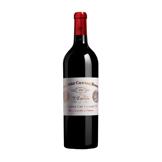
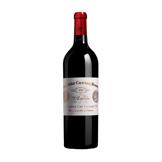
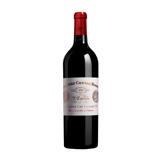
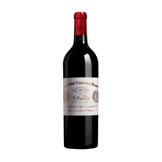
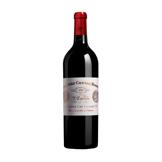
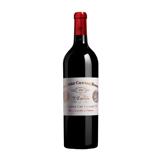
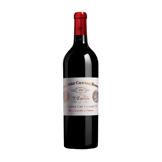
Cheval Blanc 2006
 View analysis


Description
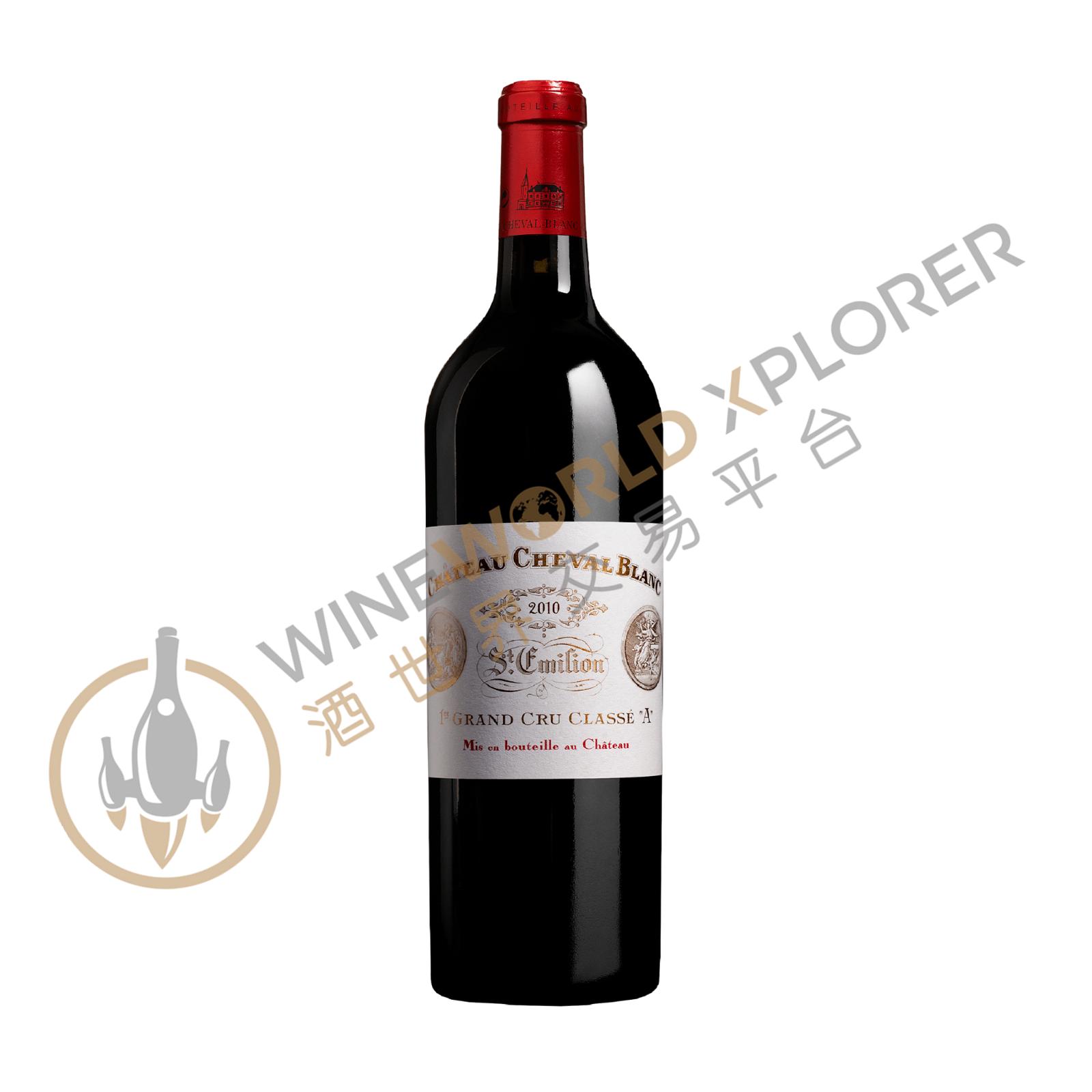
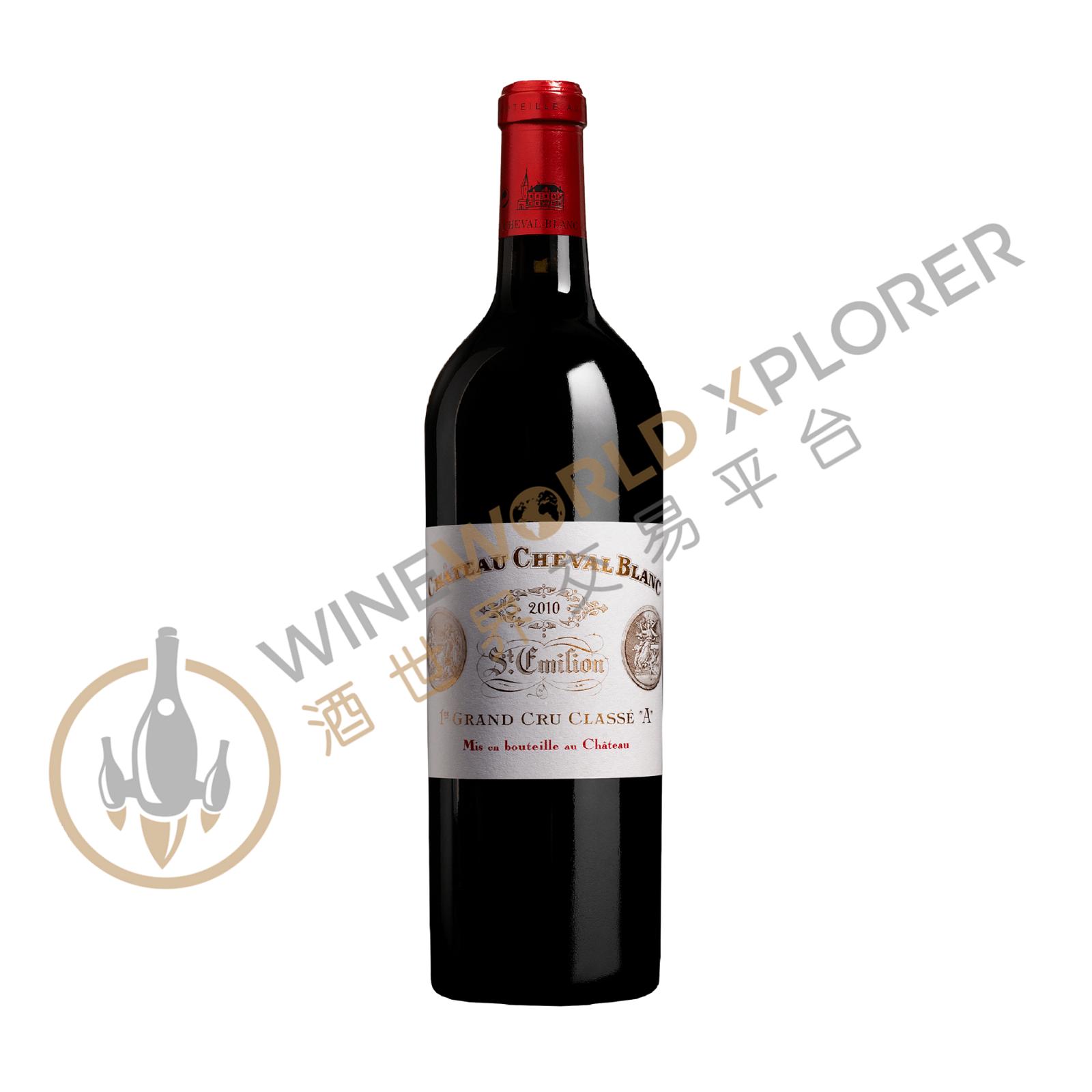
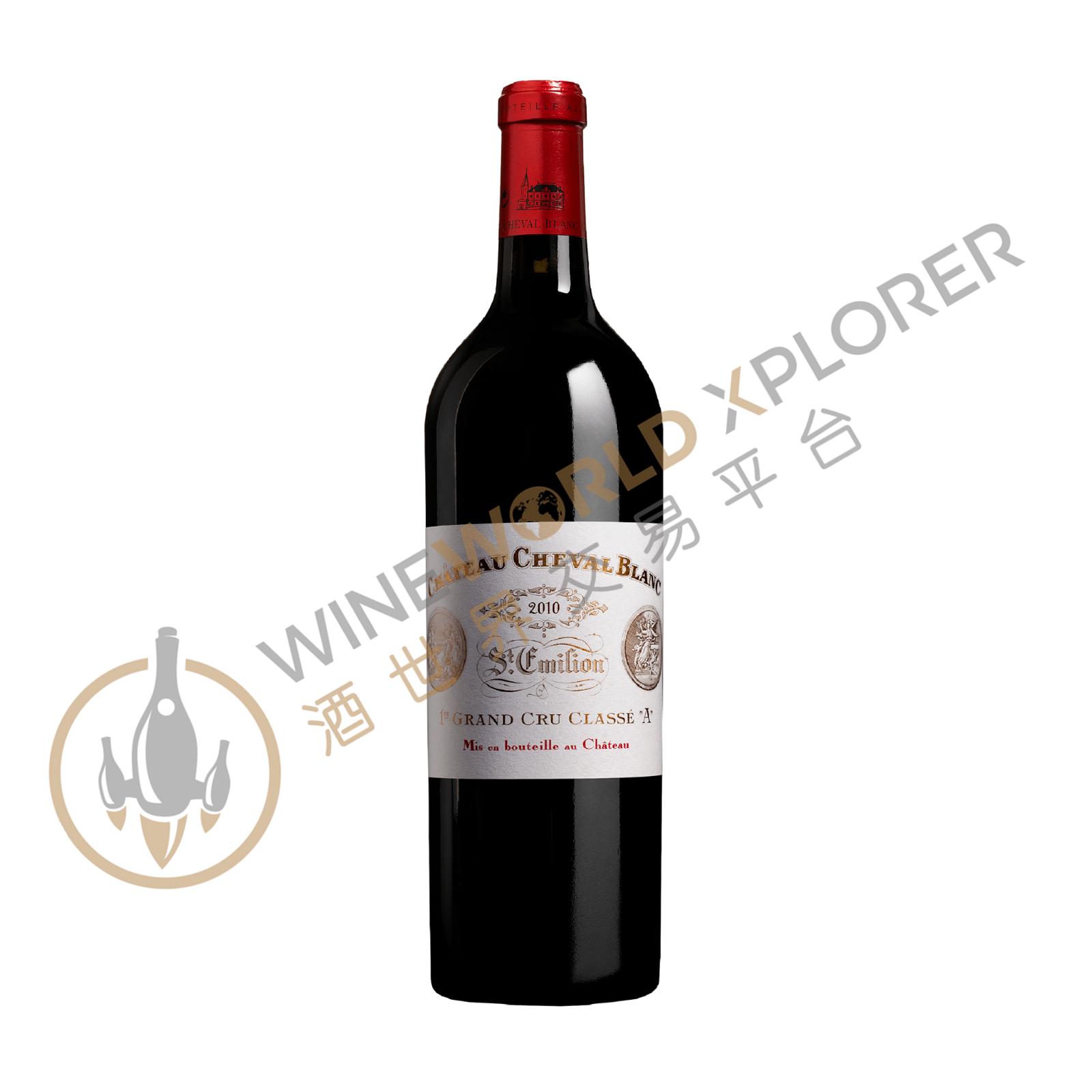
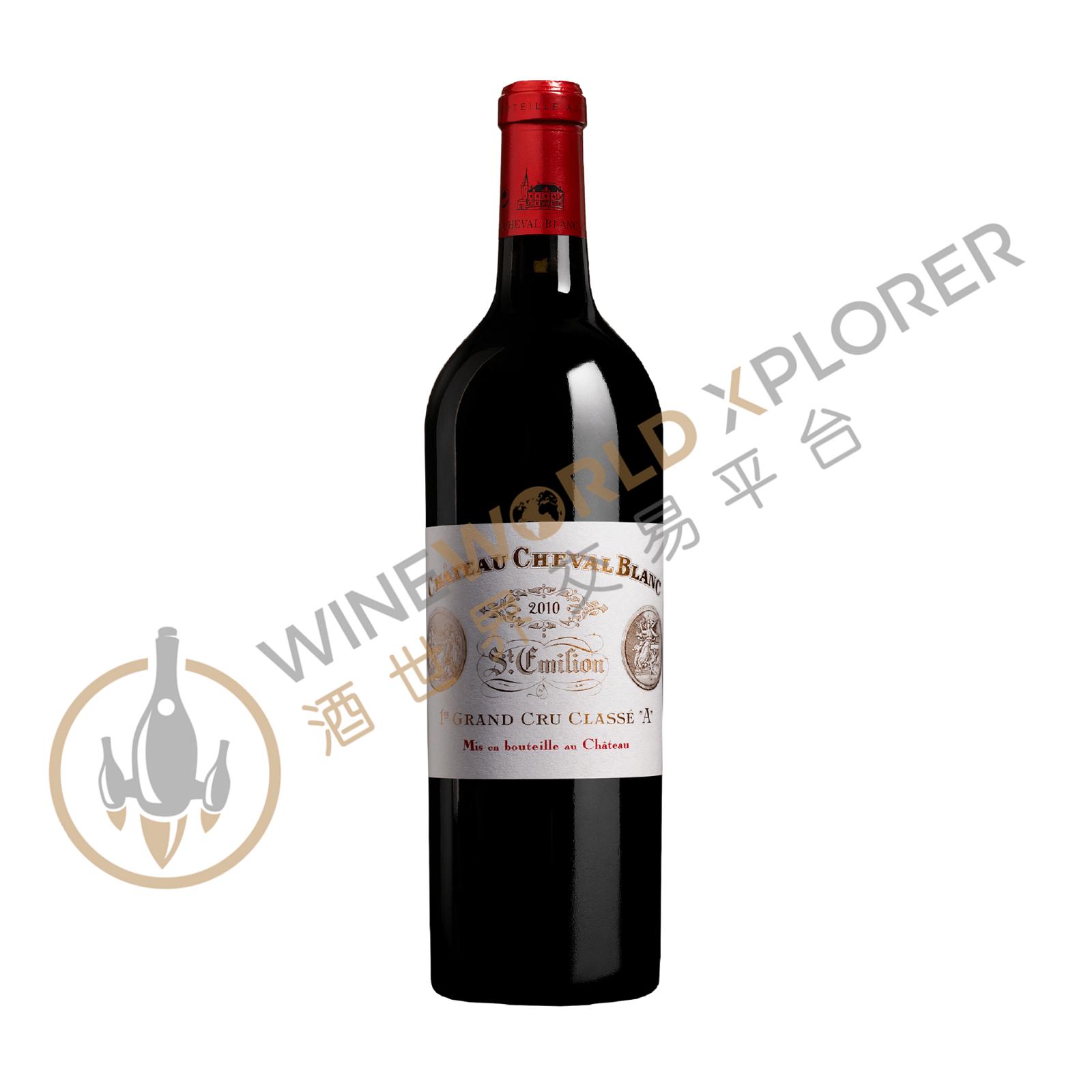
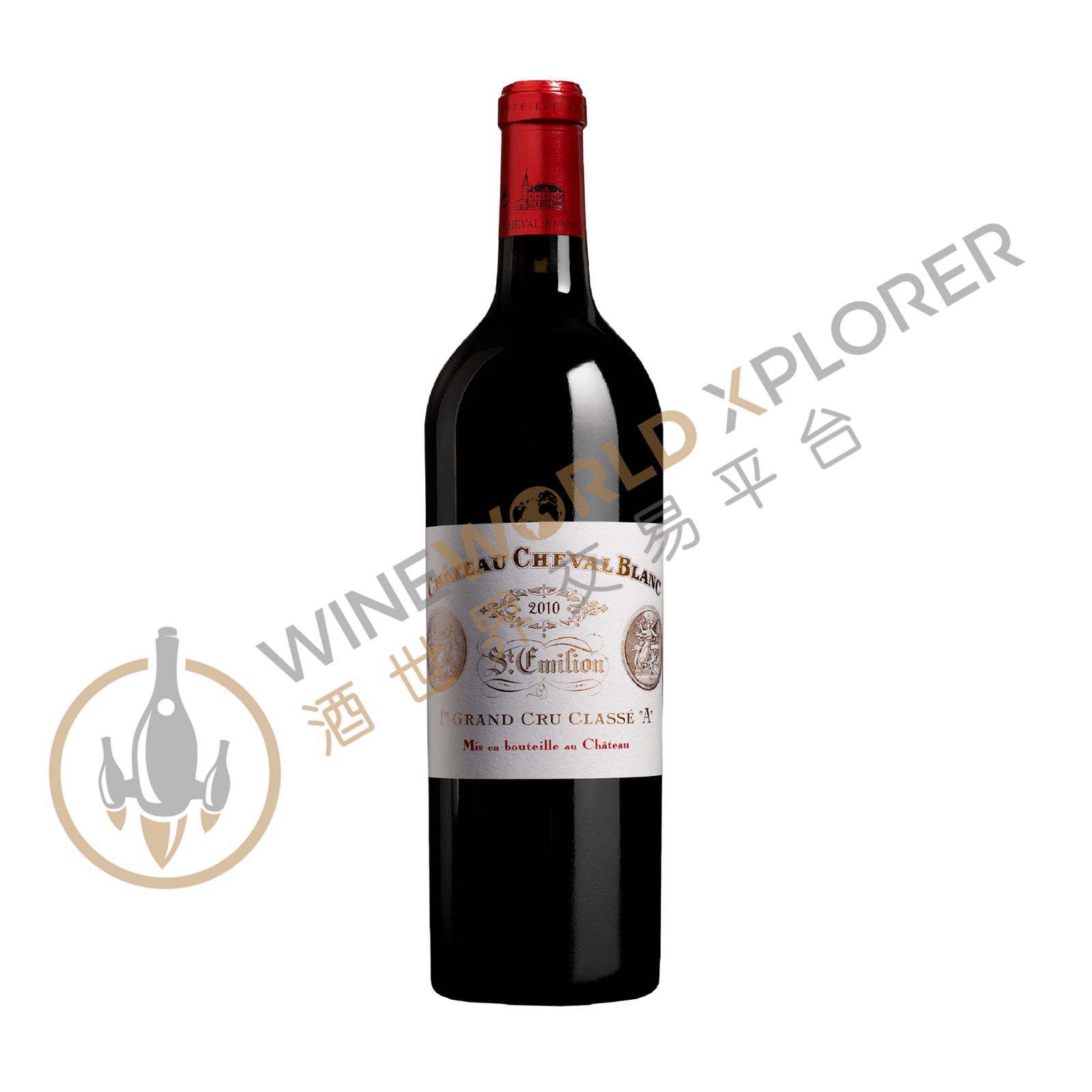
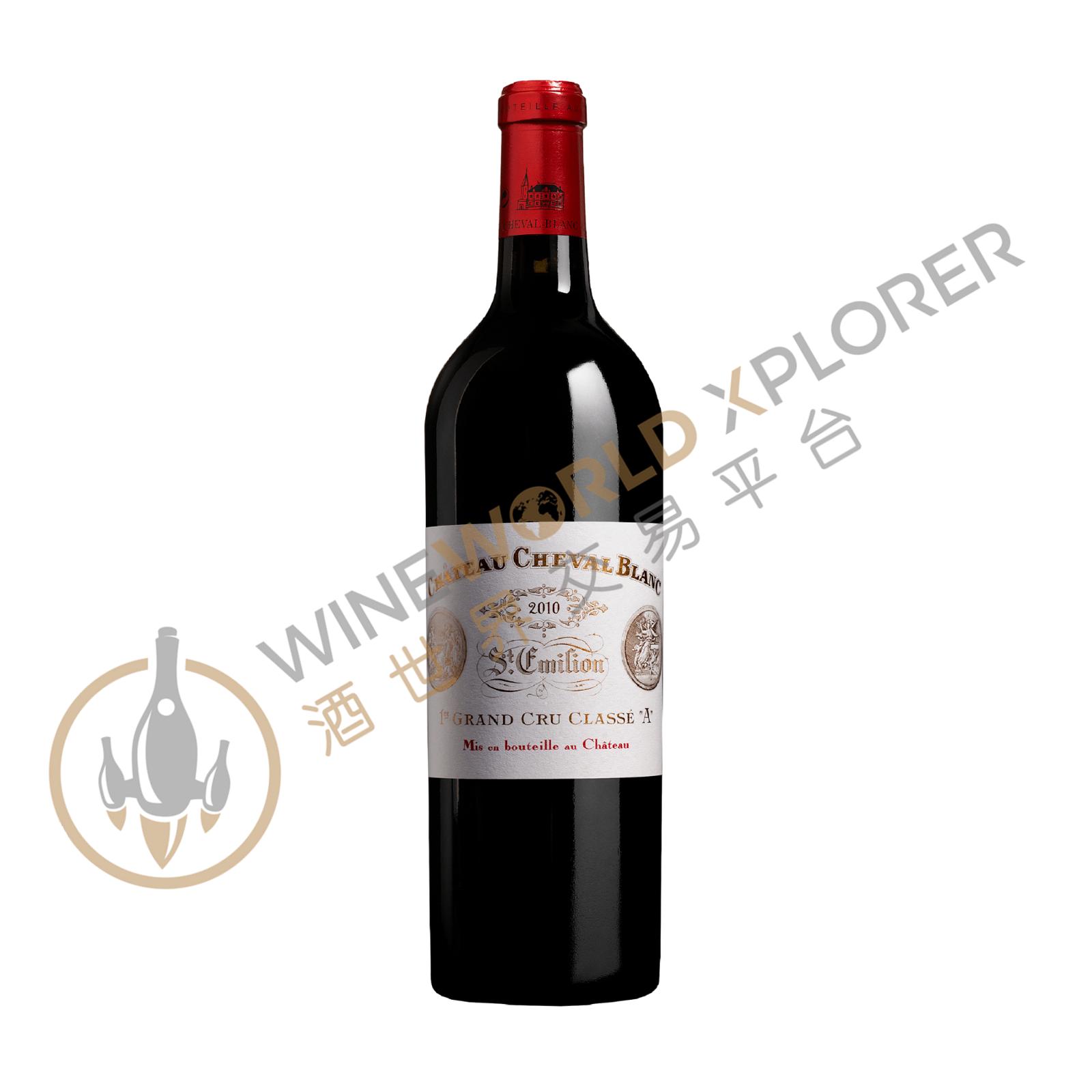
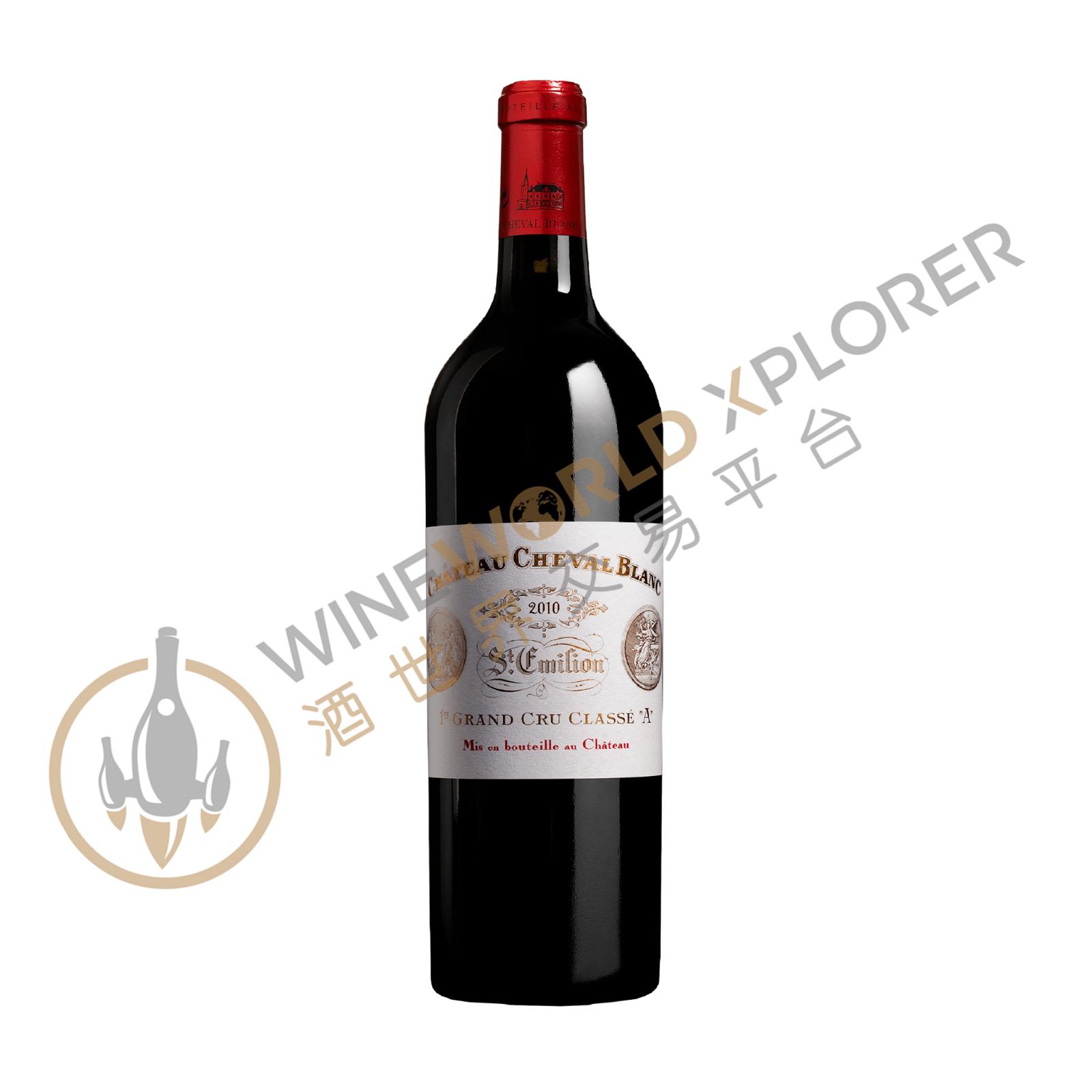
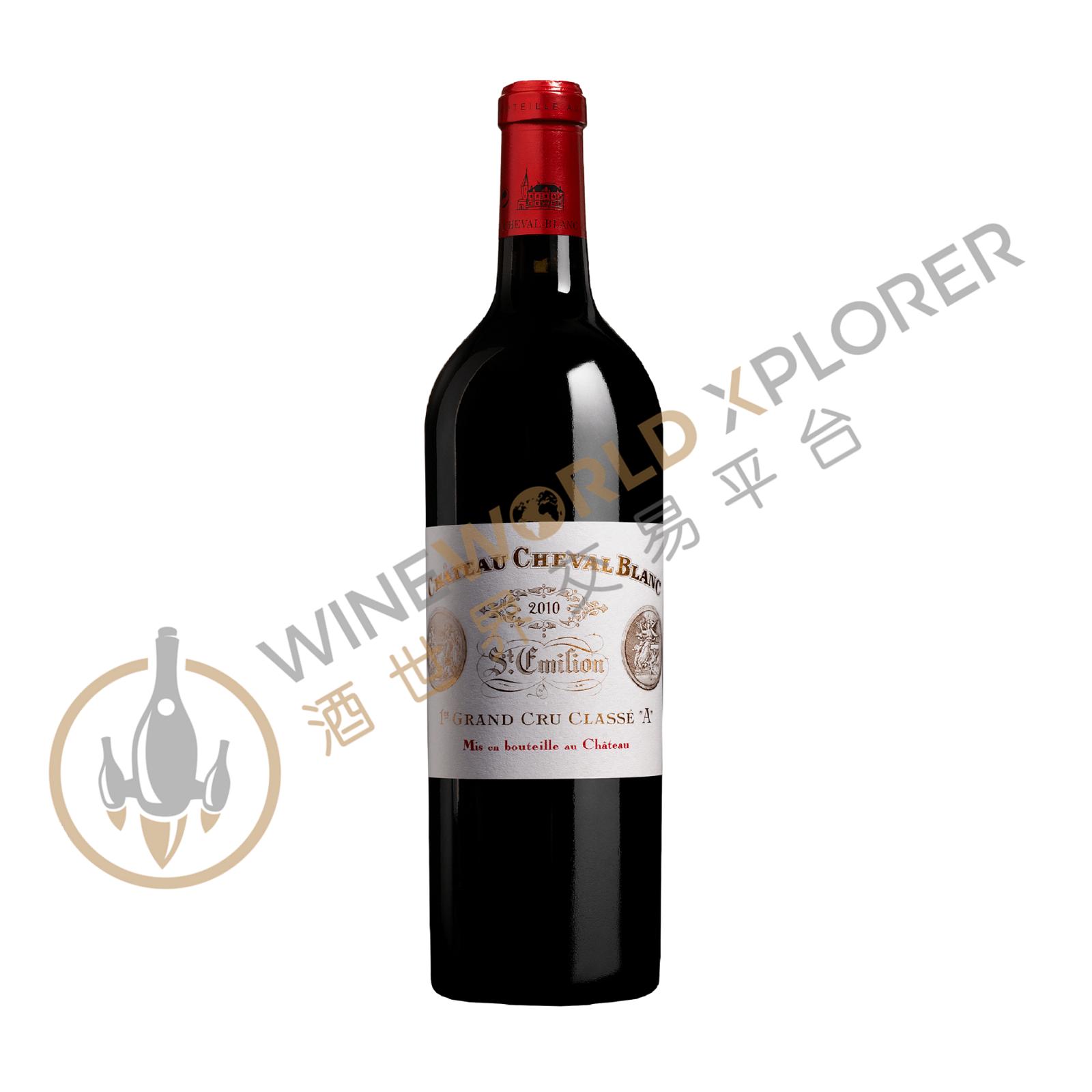
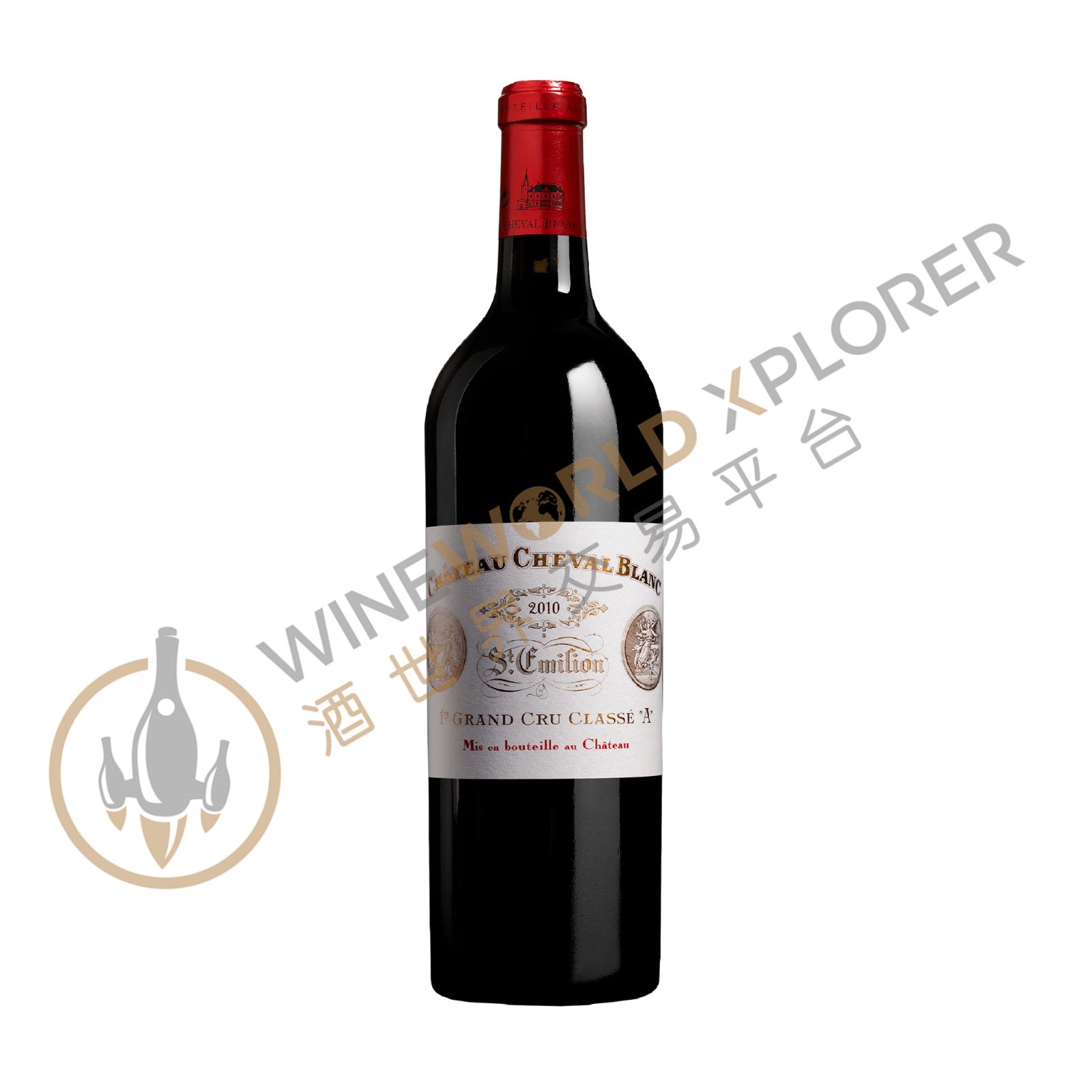
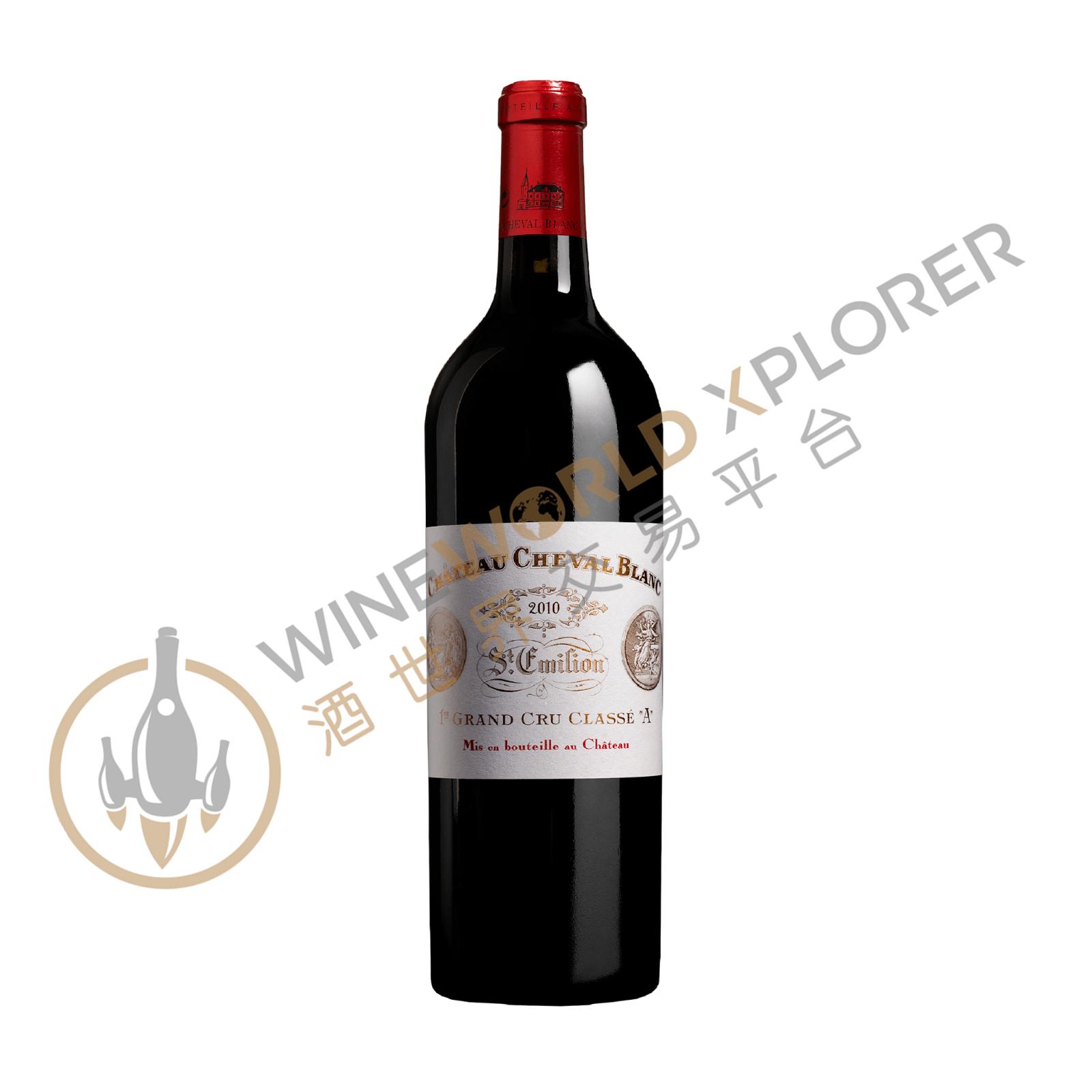
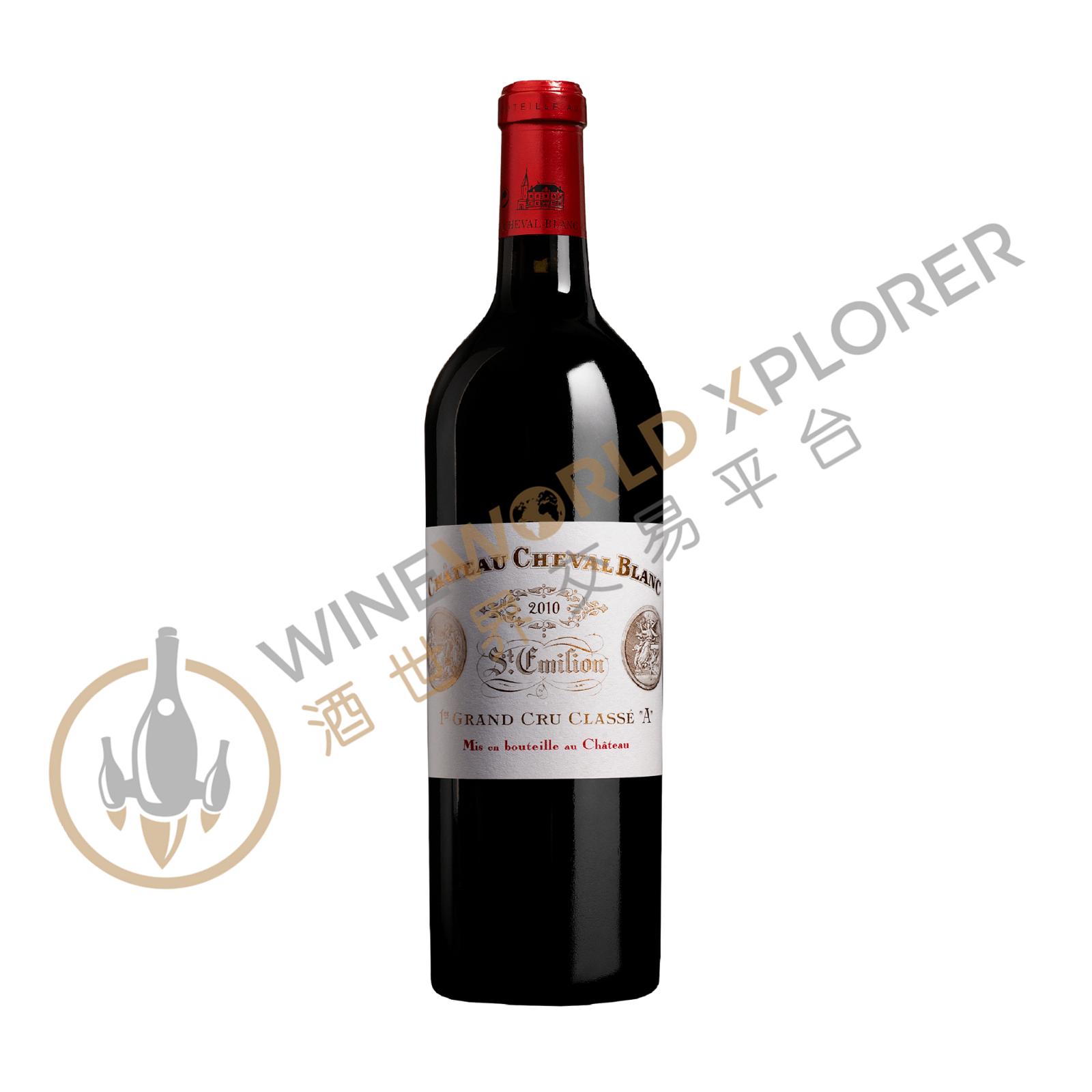
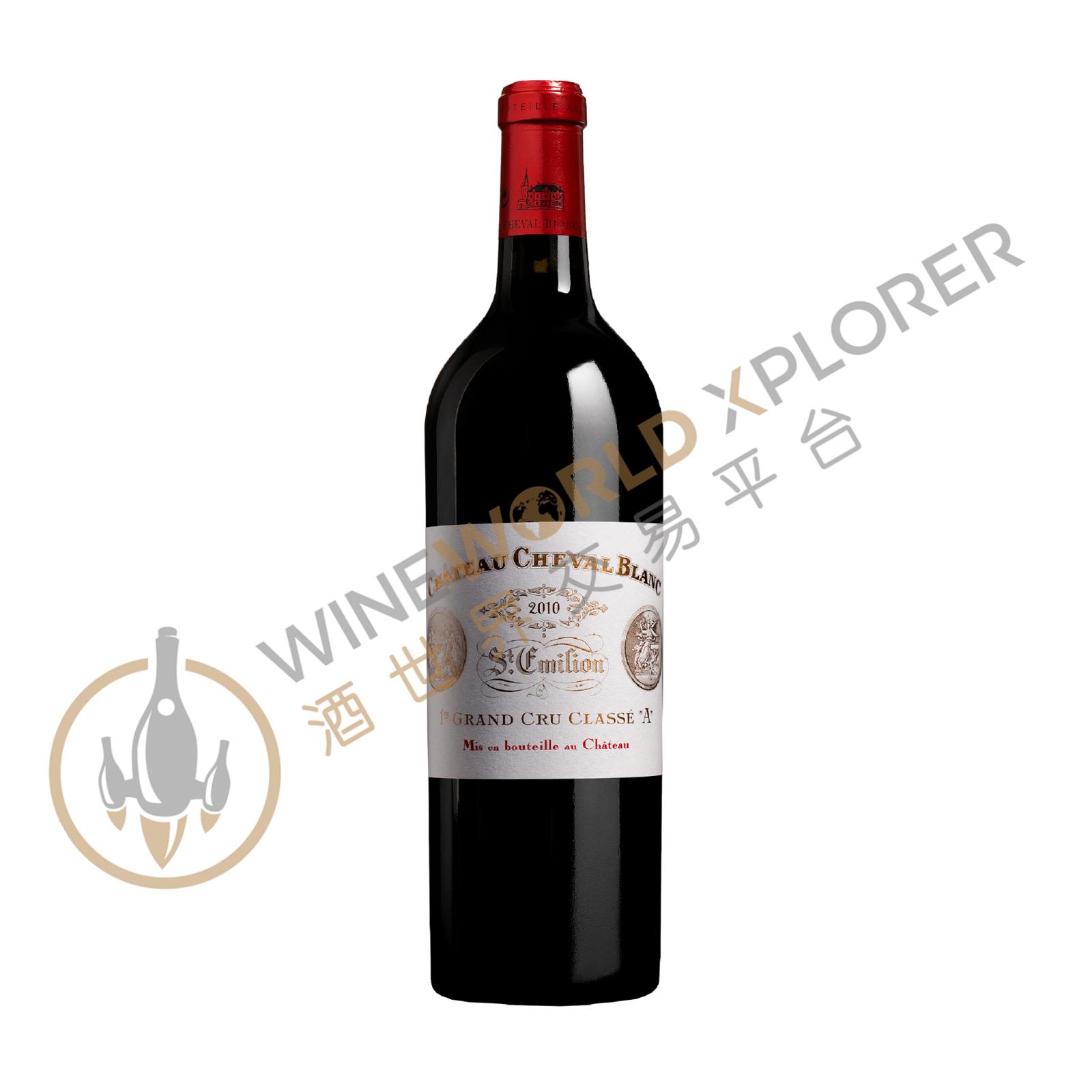
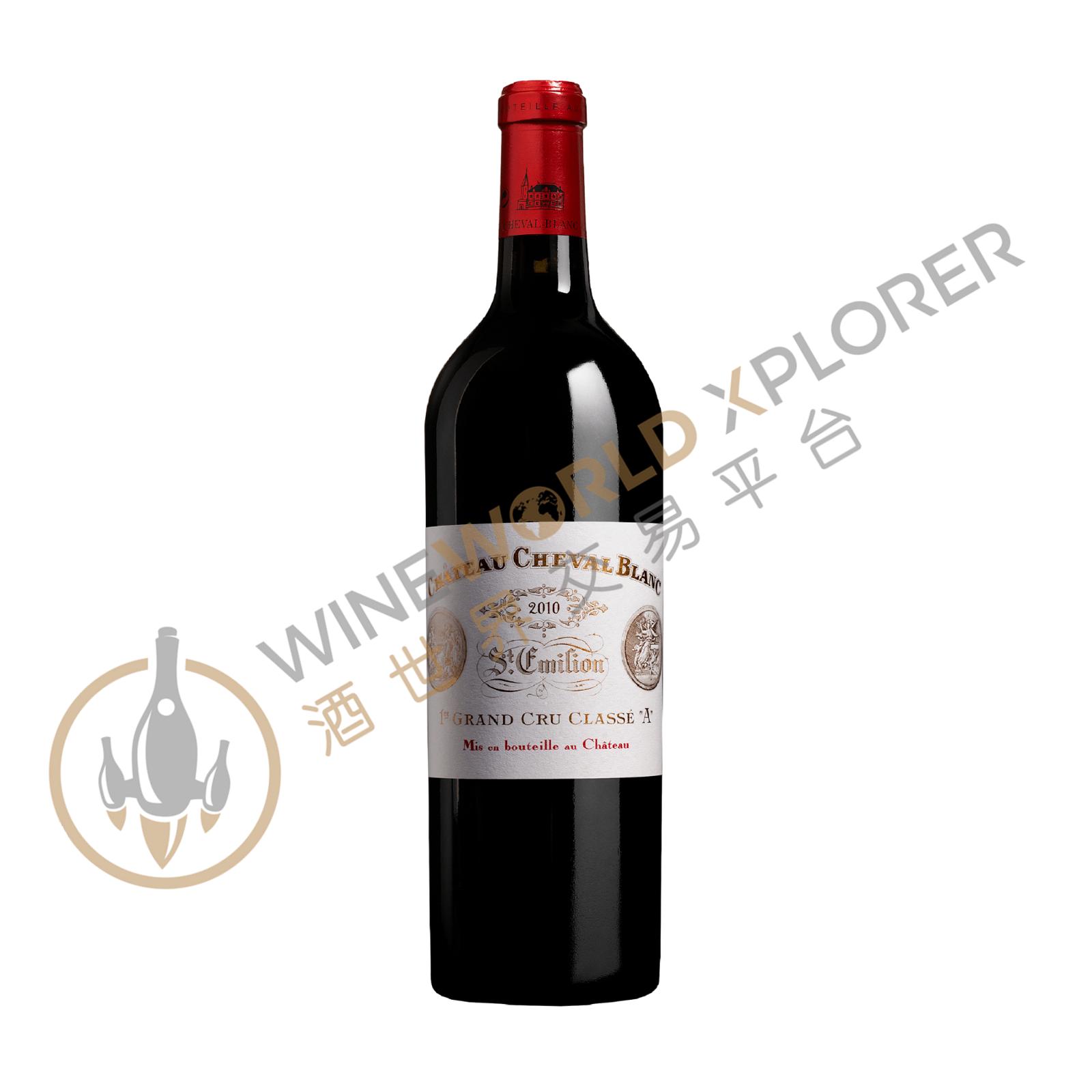
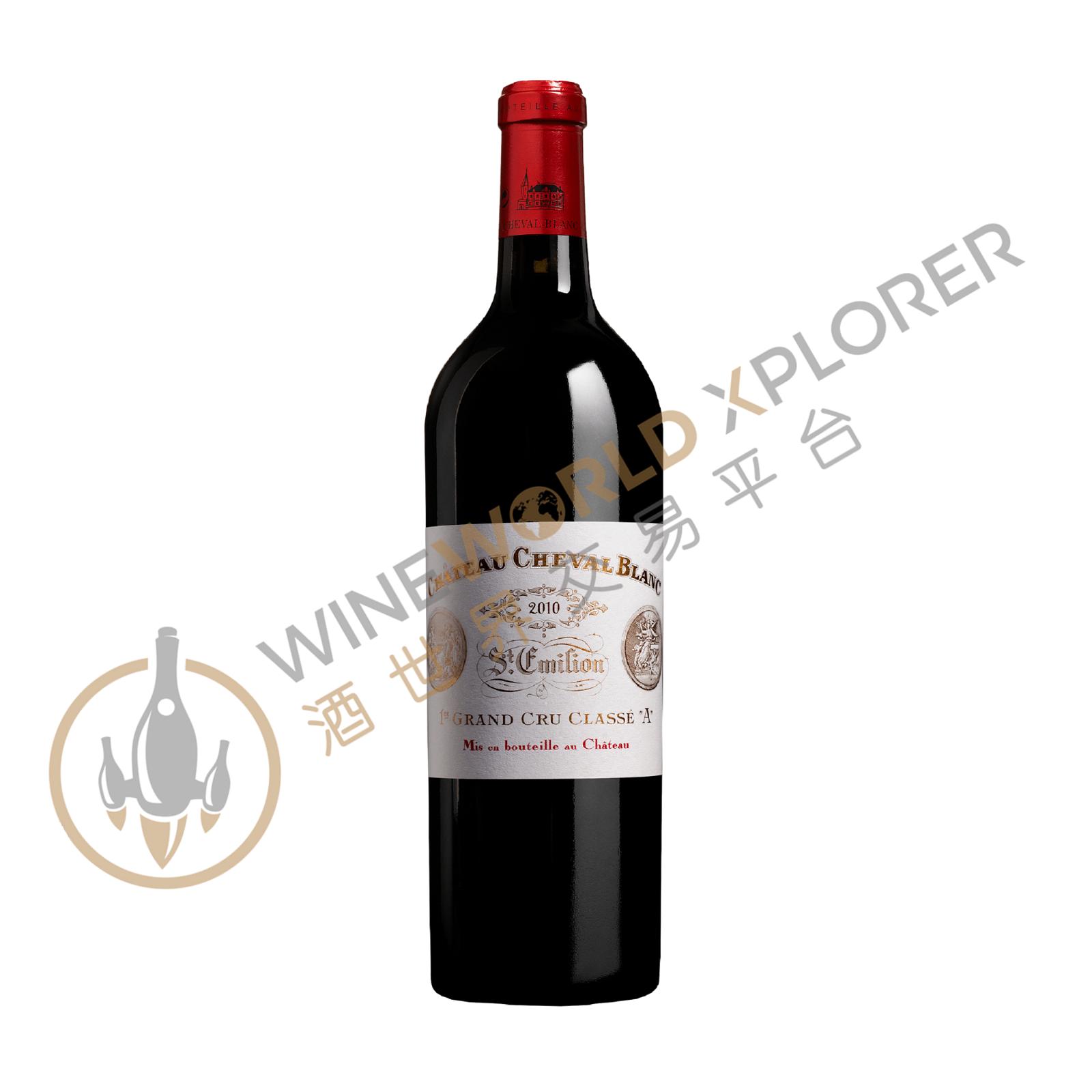
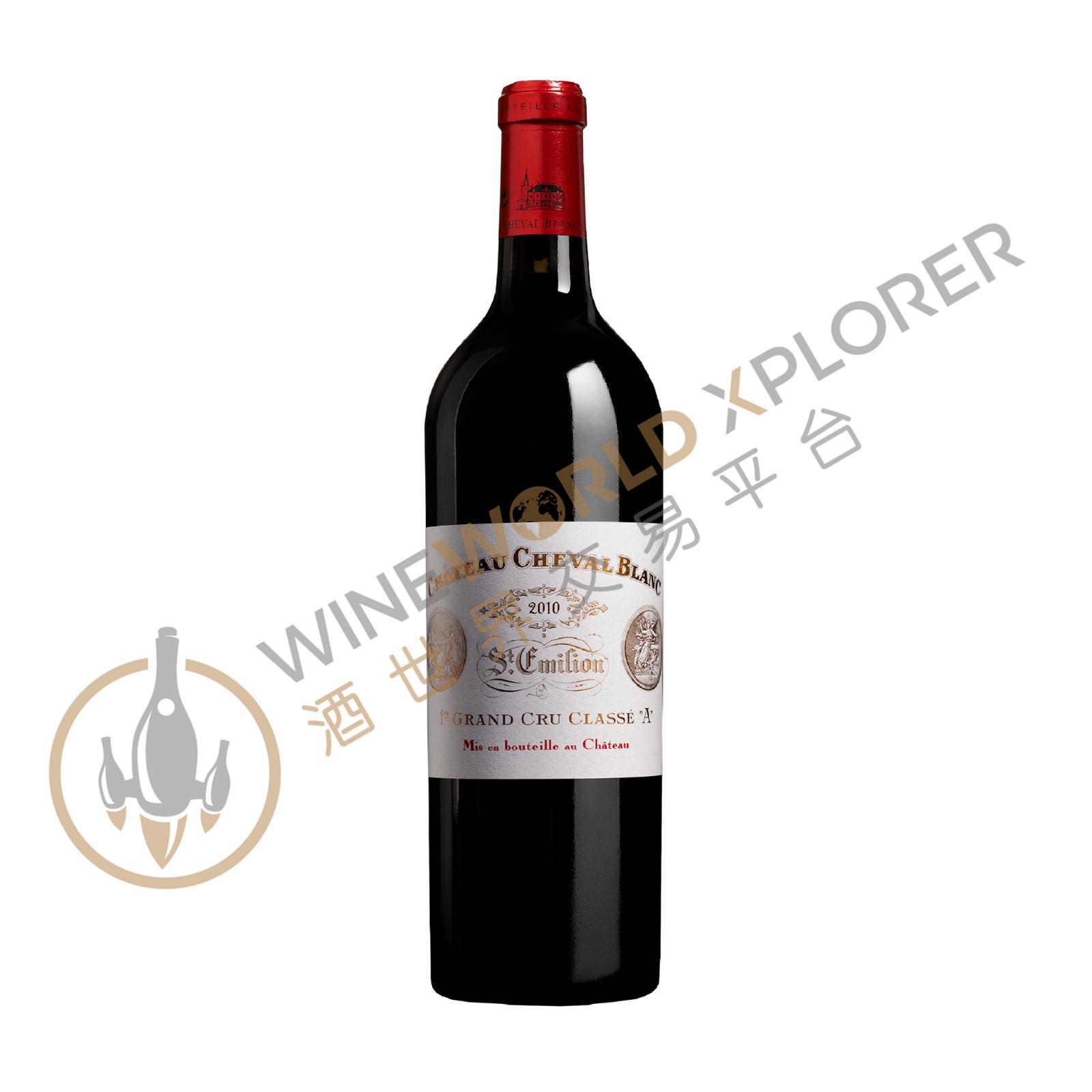
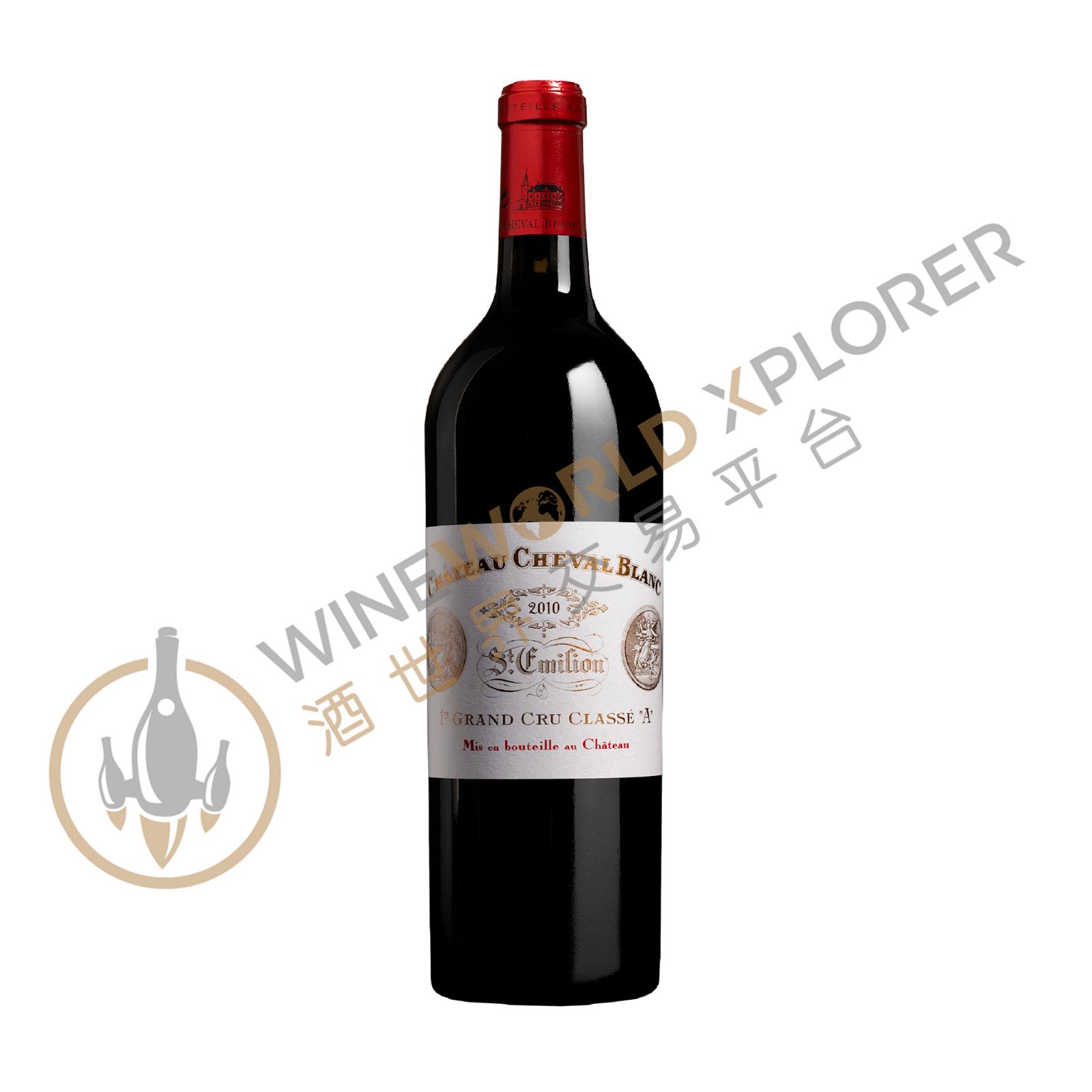
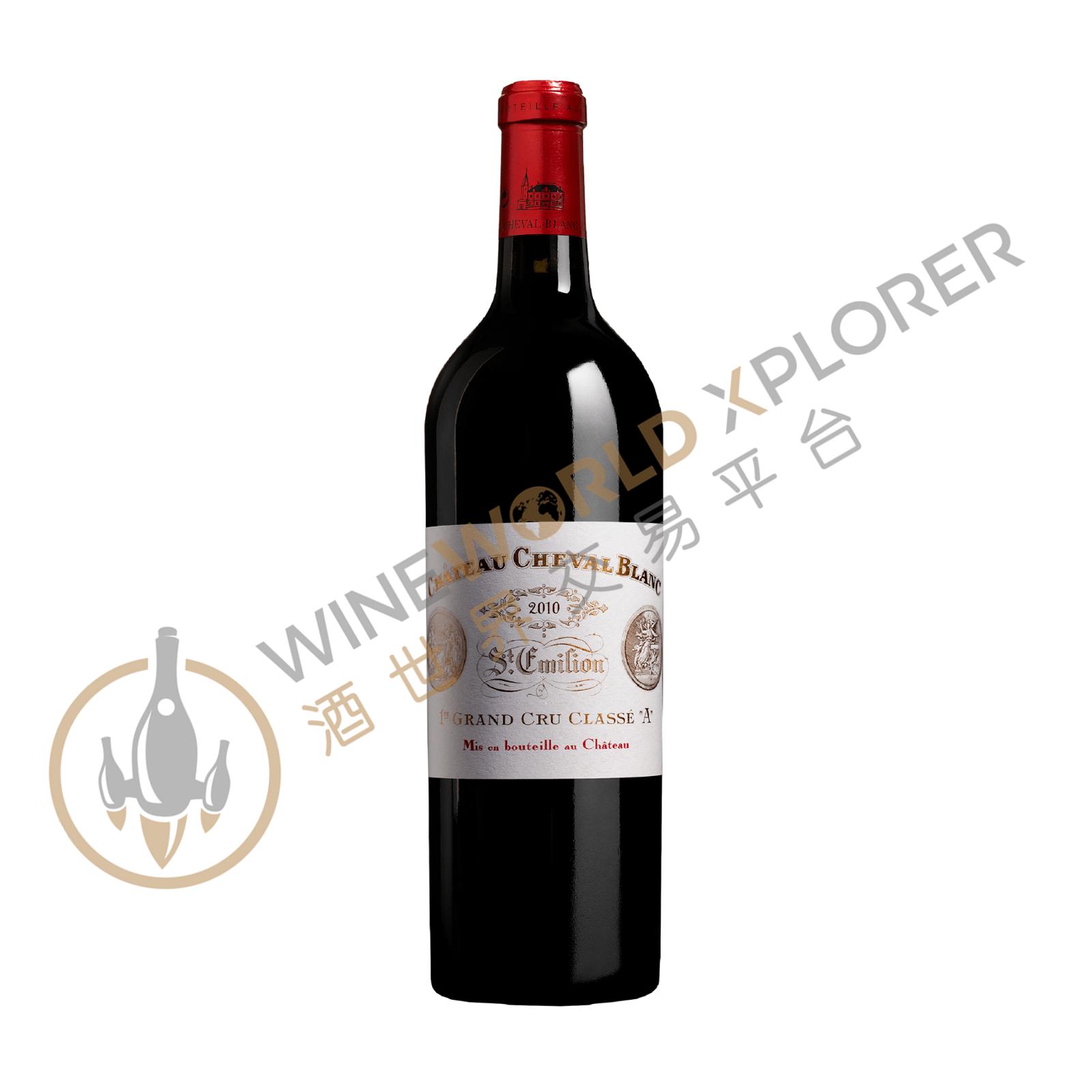
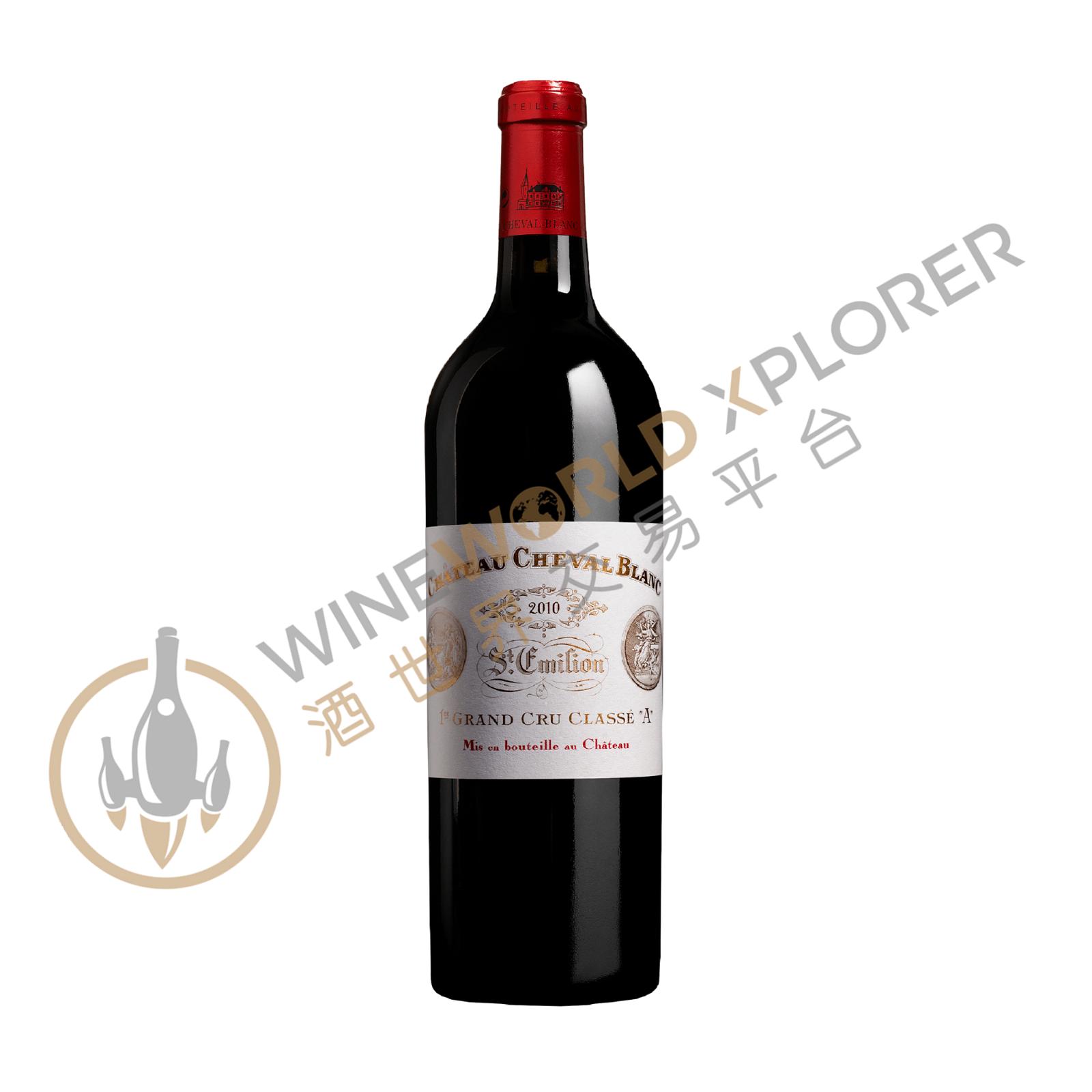
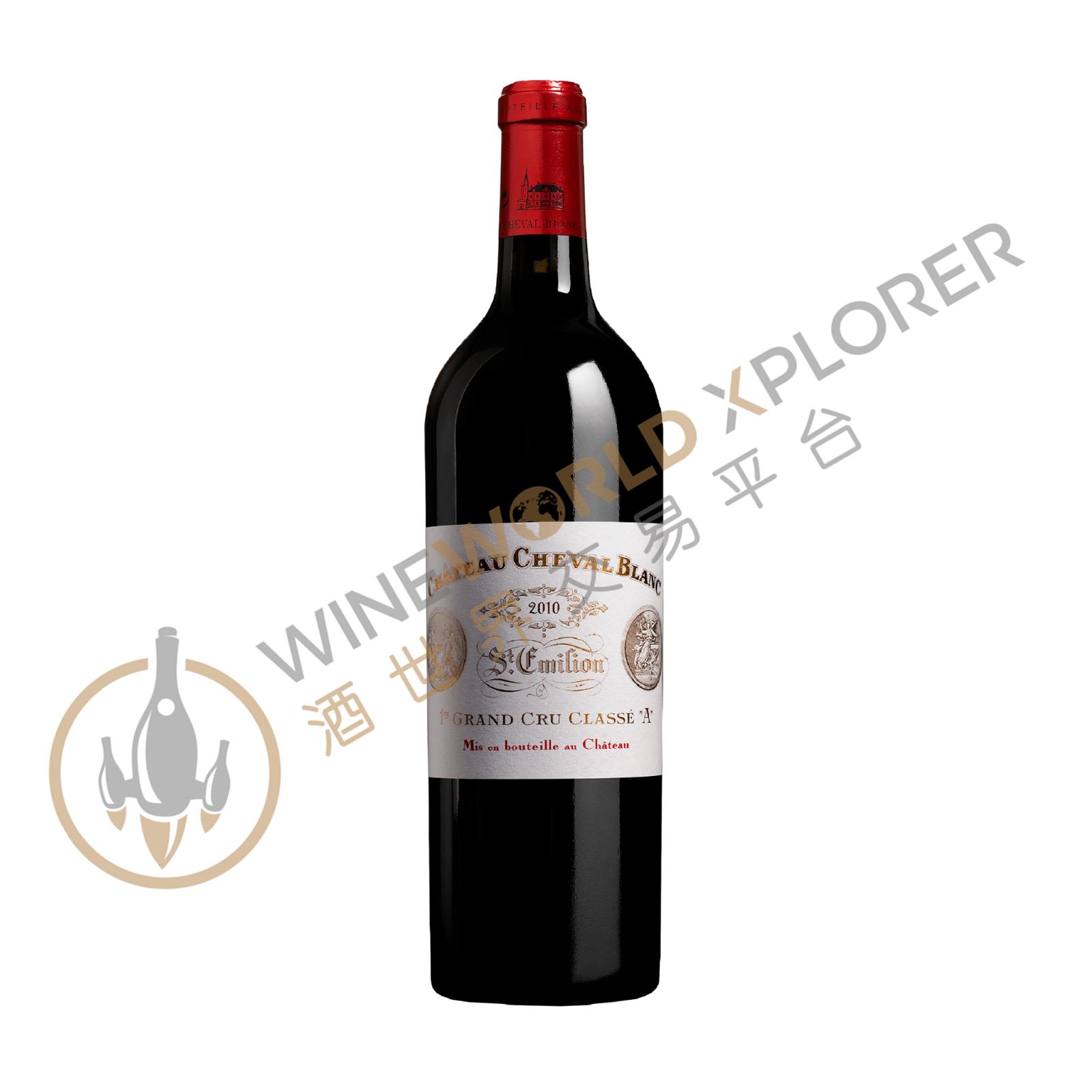
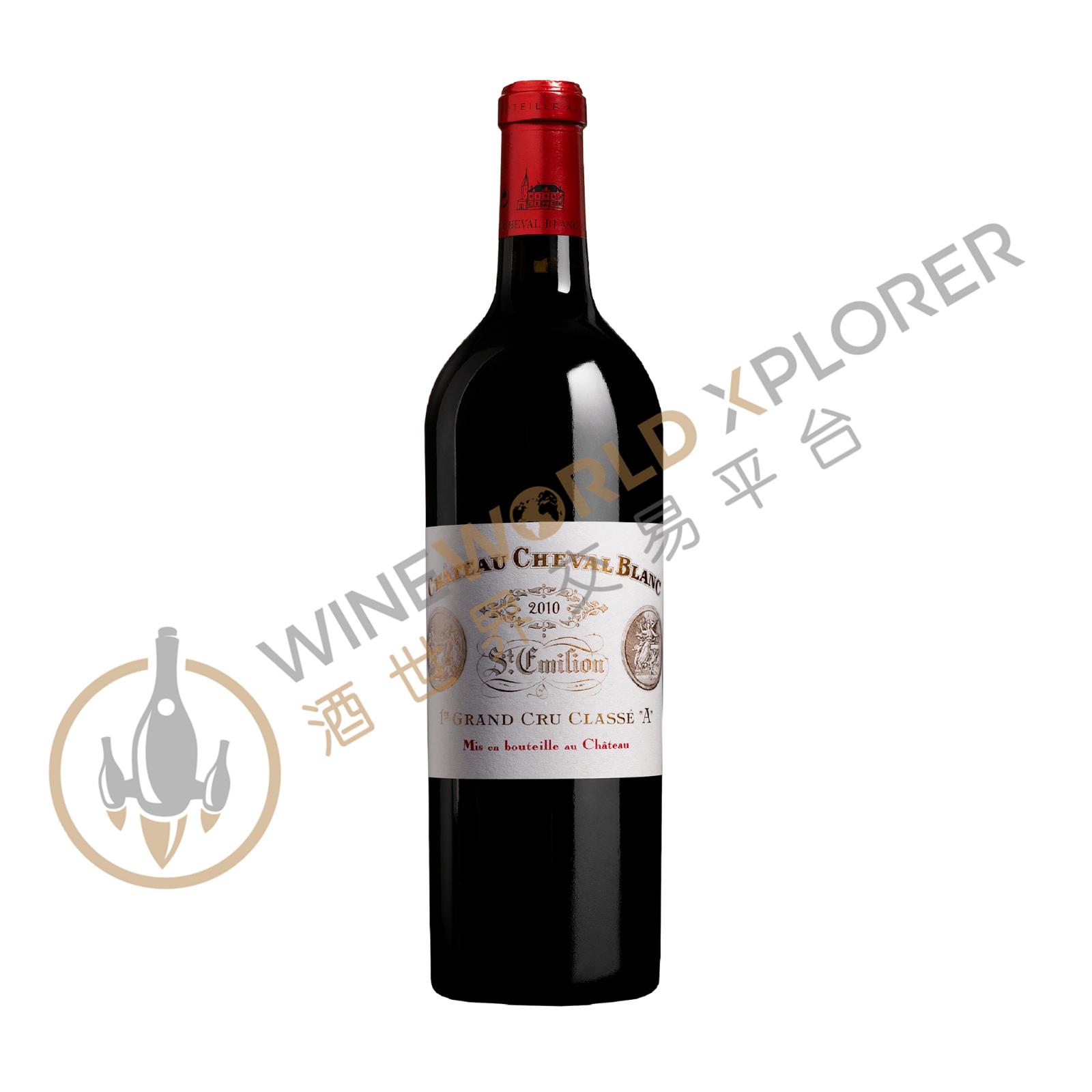
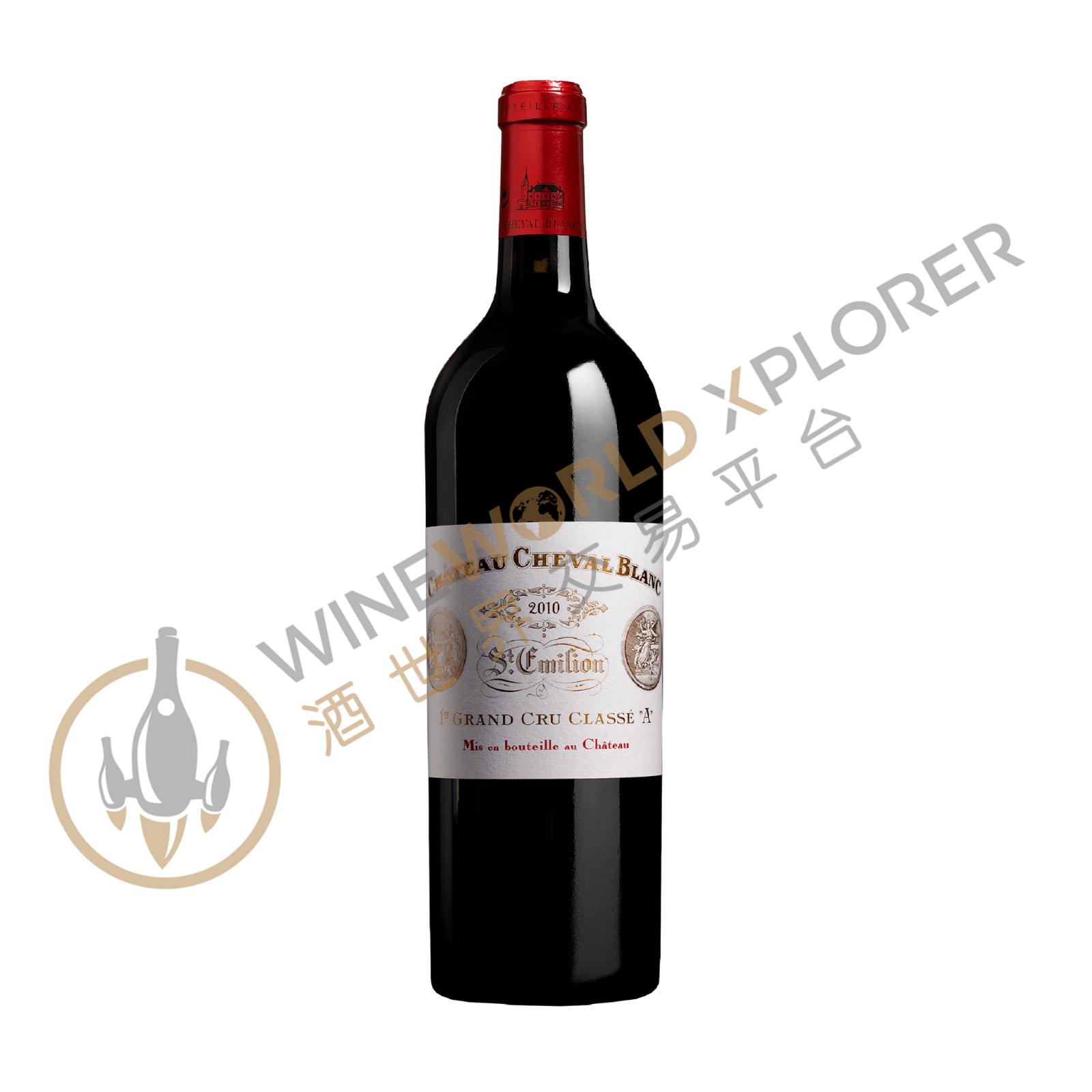
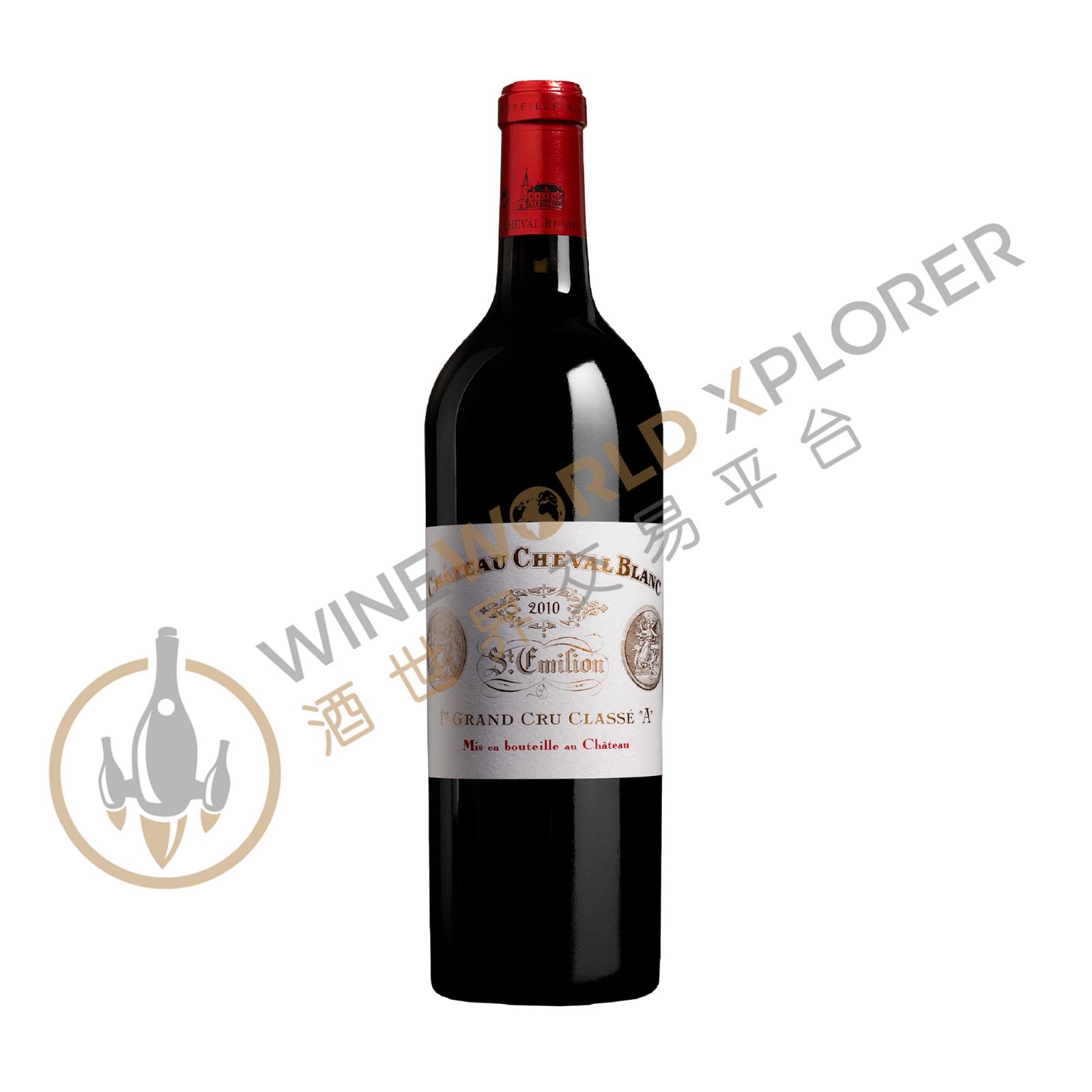
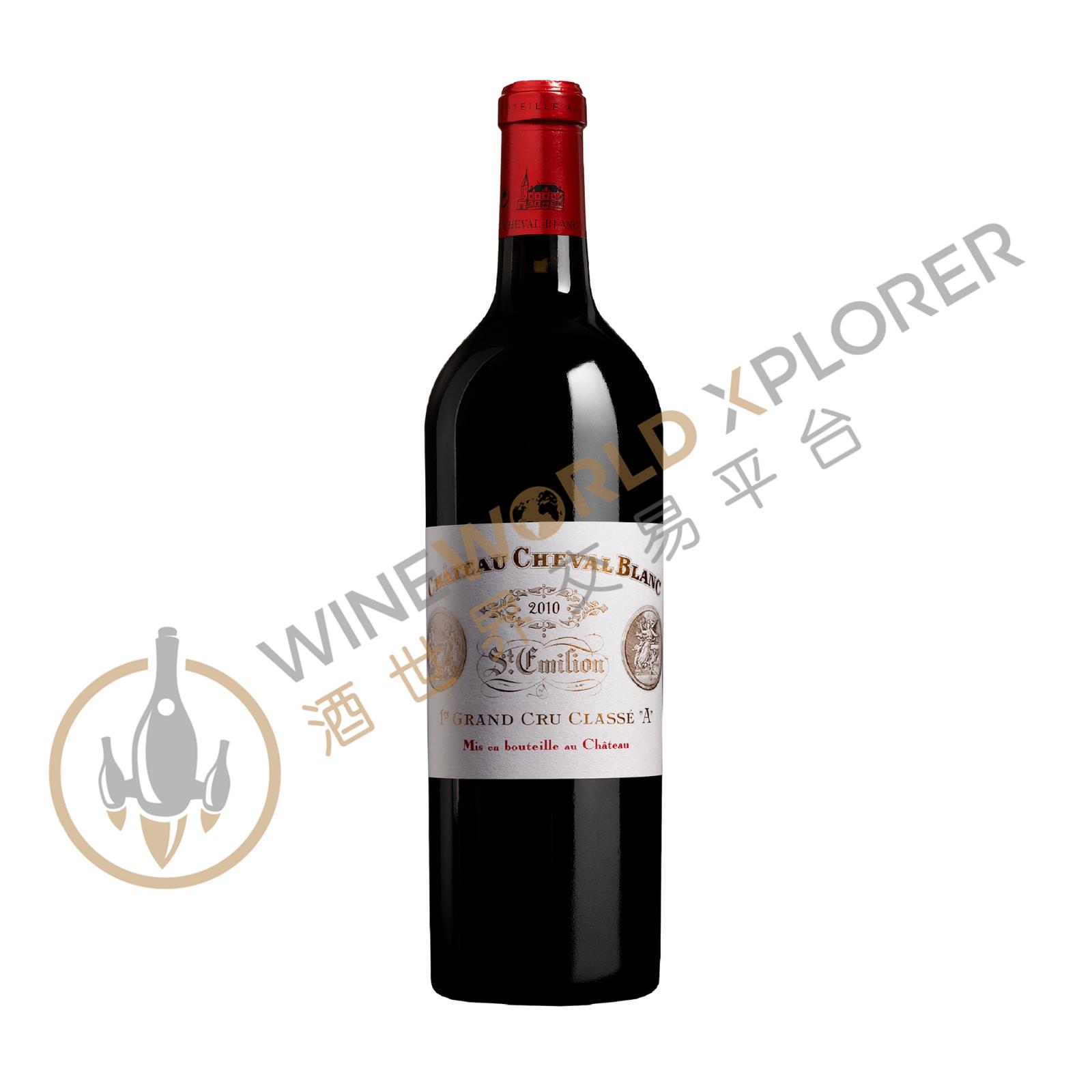
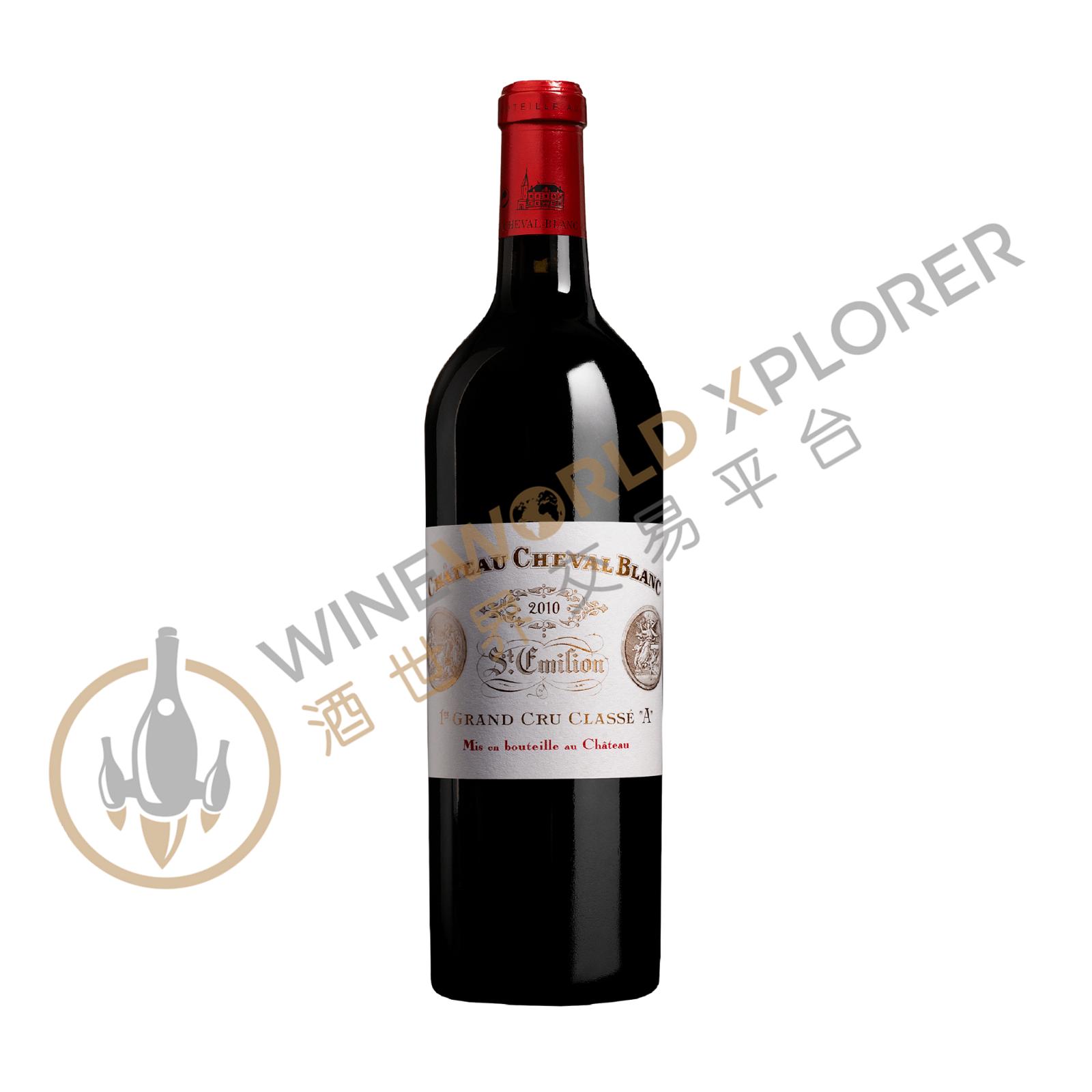
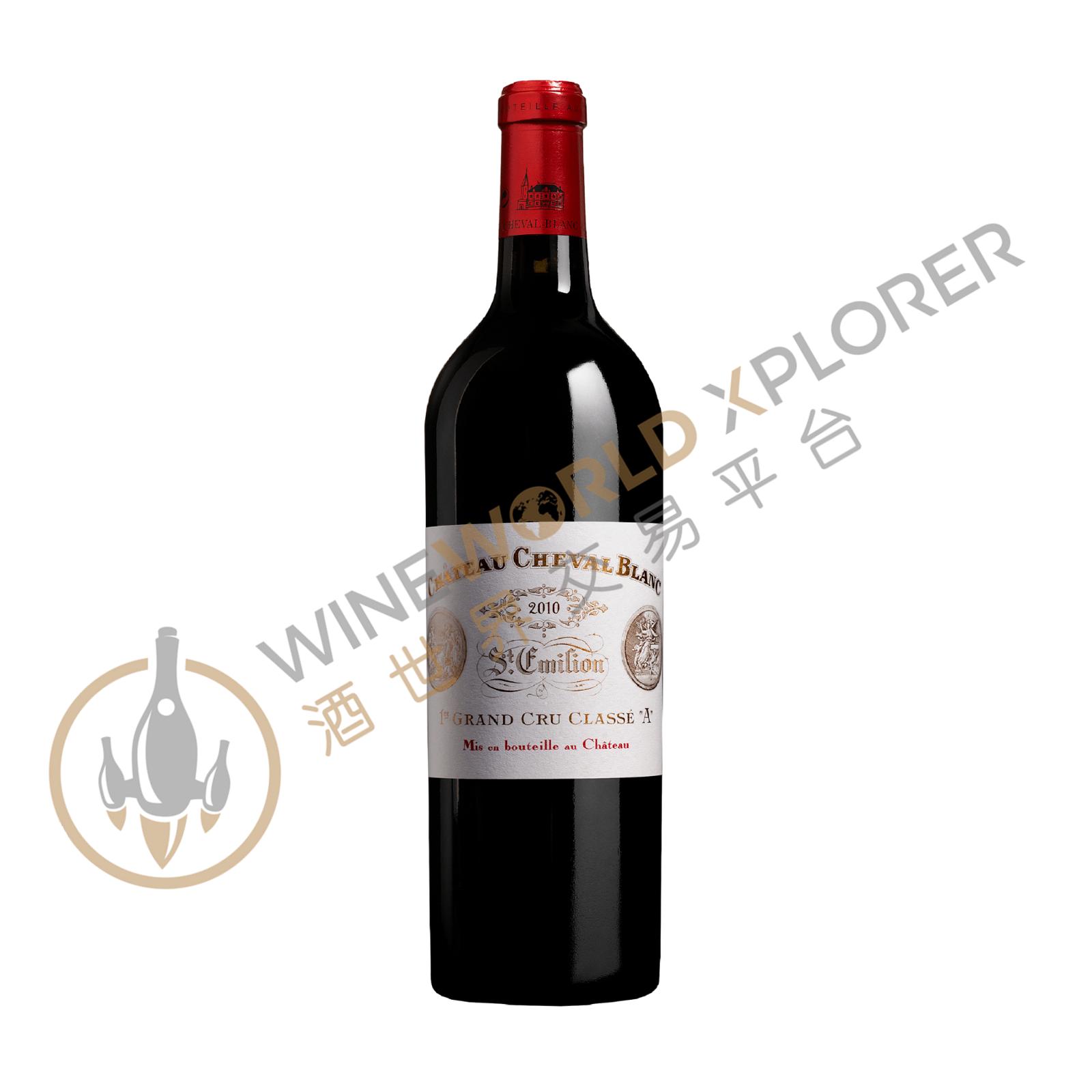
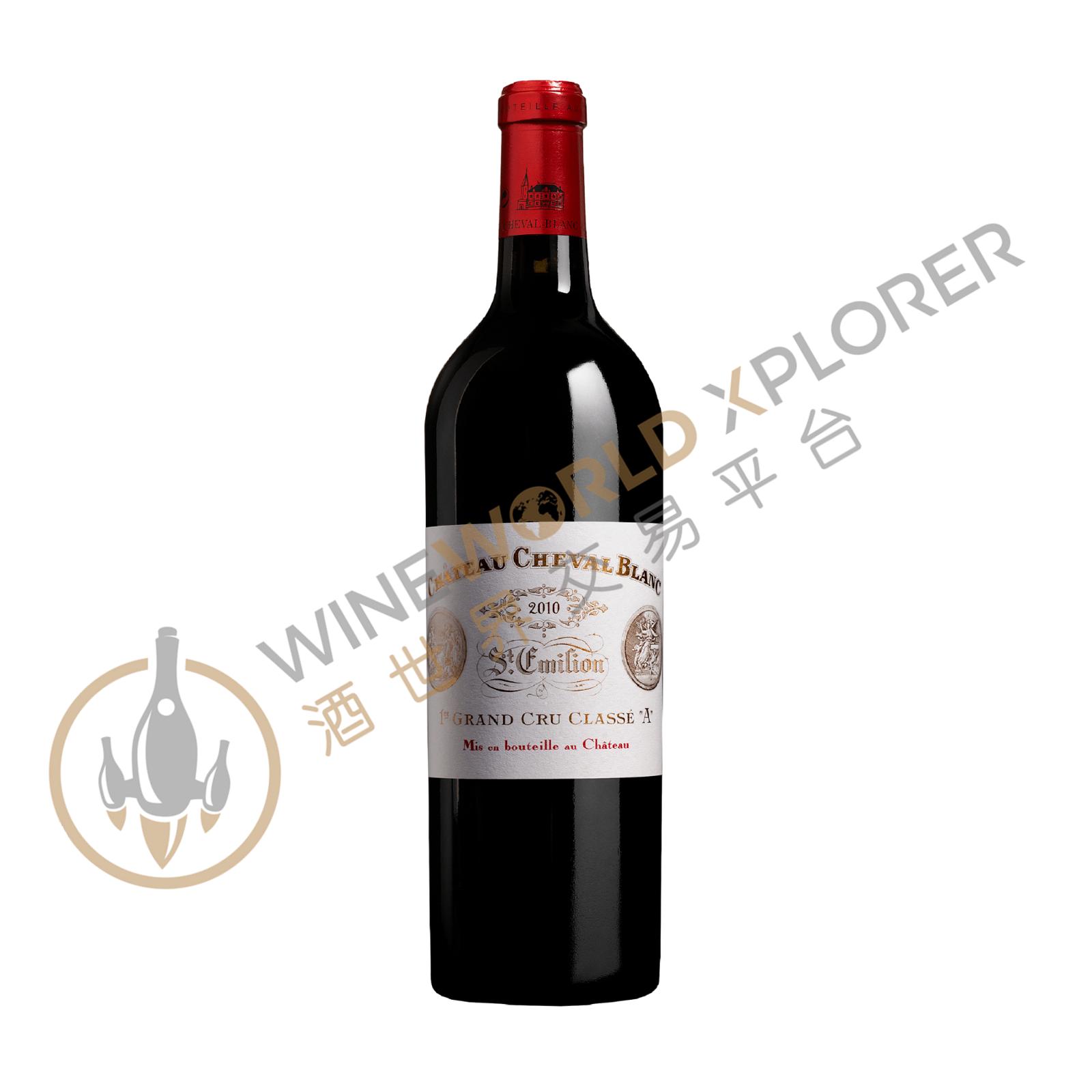
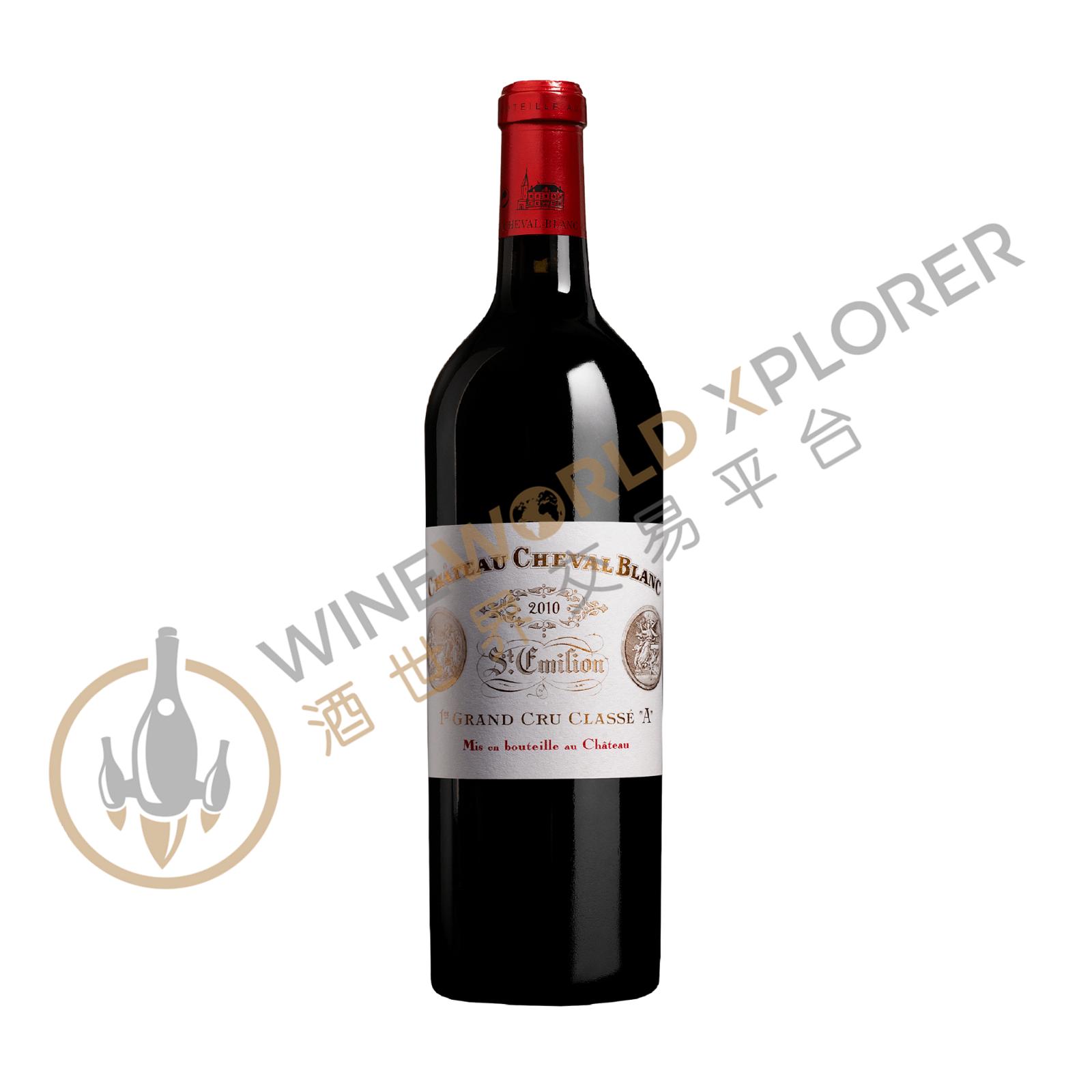
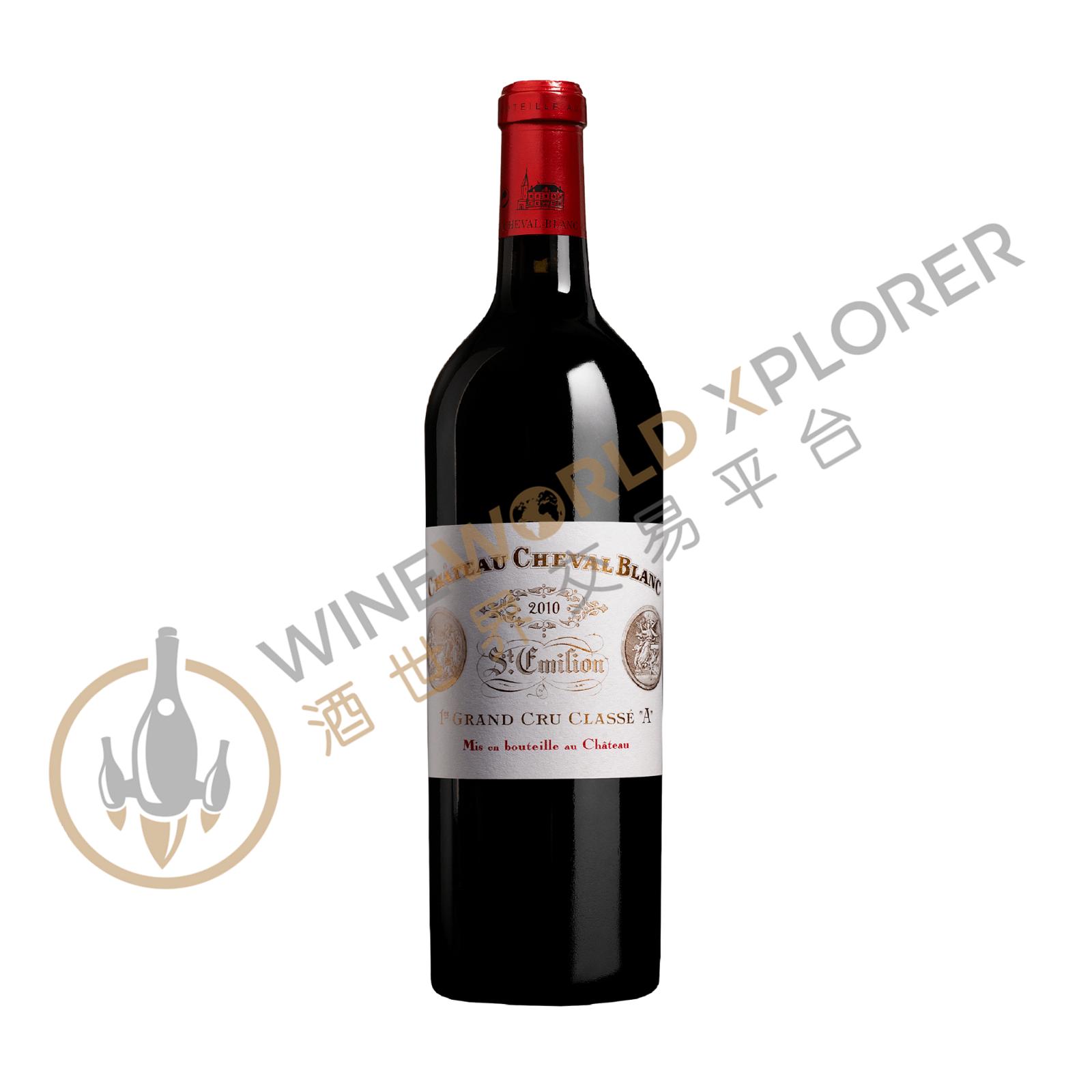
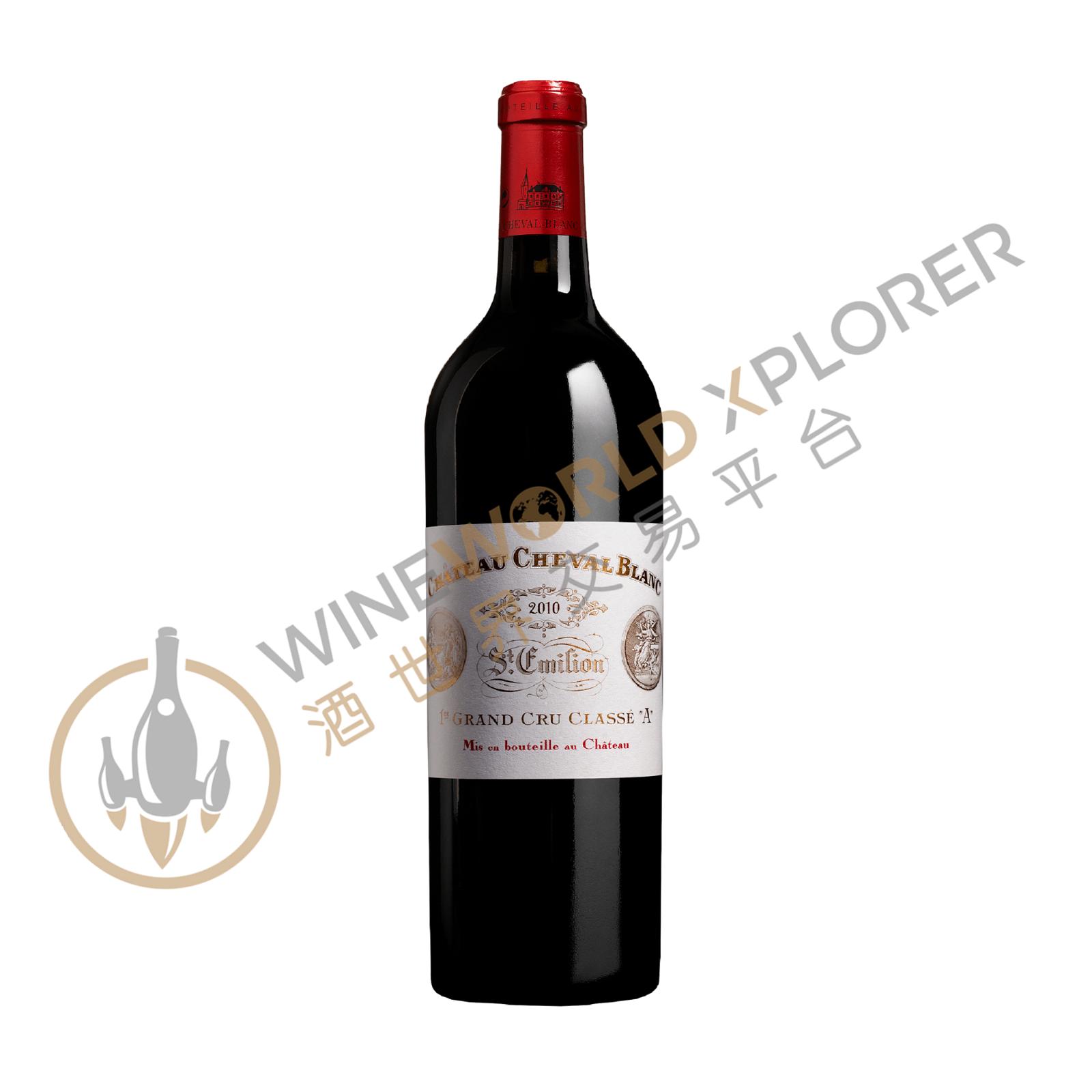
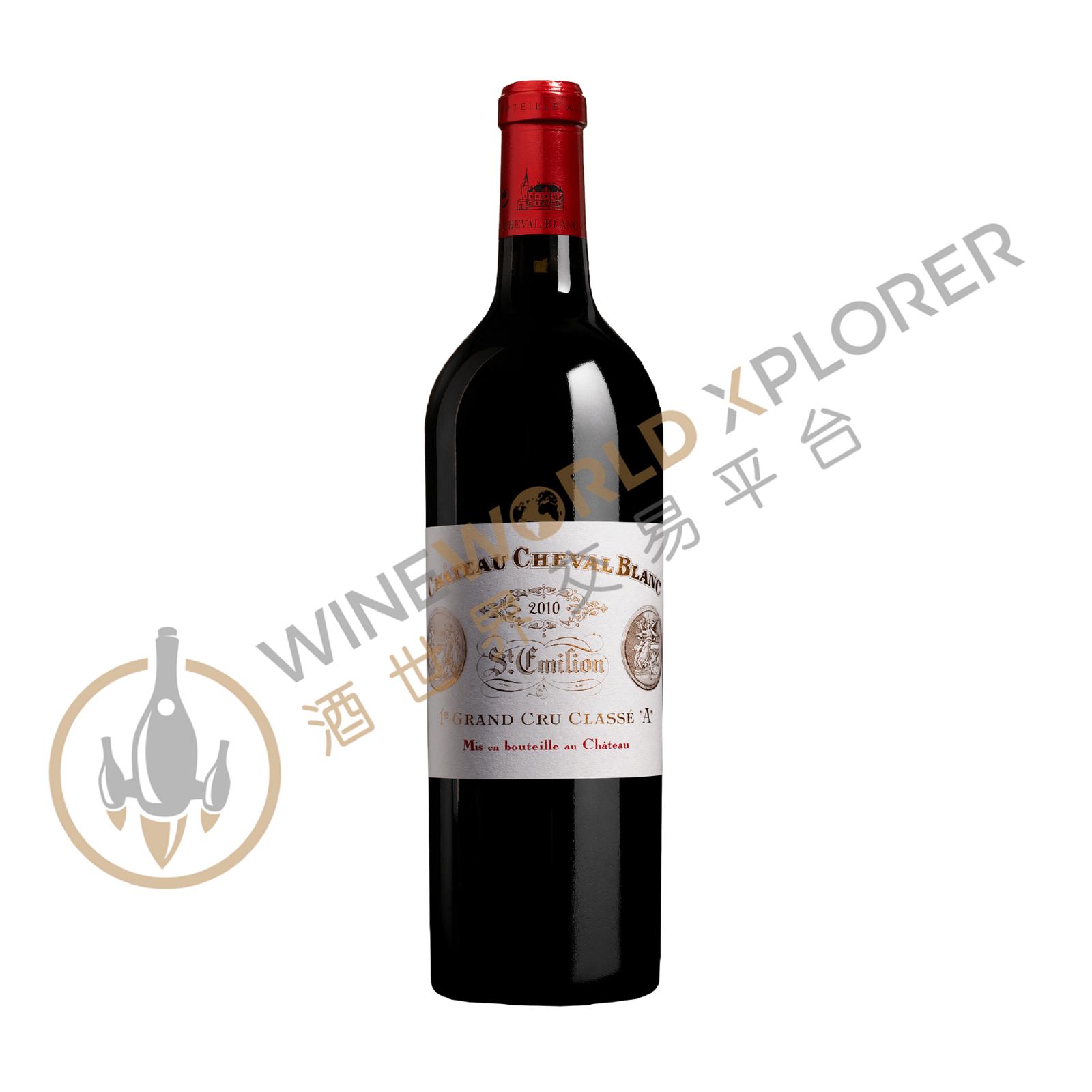
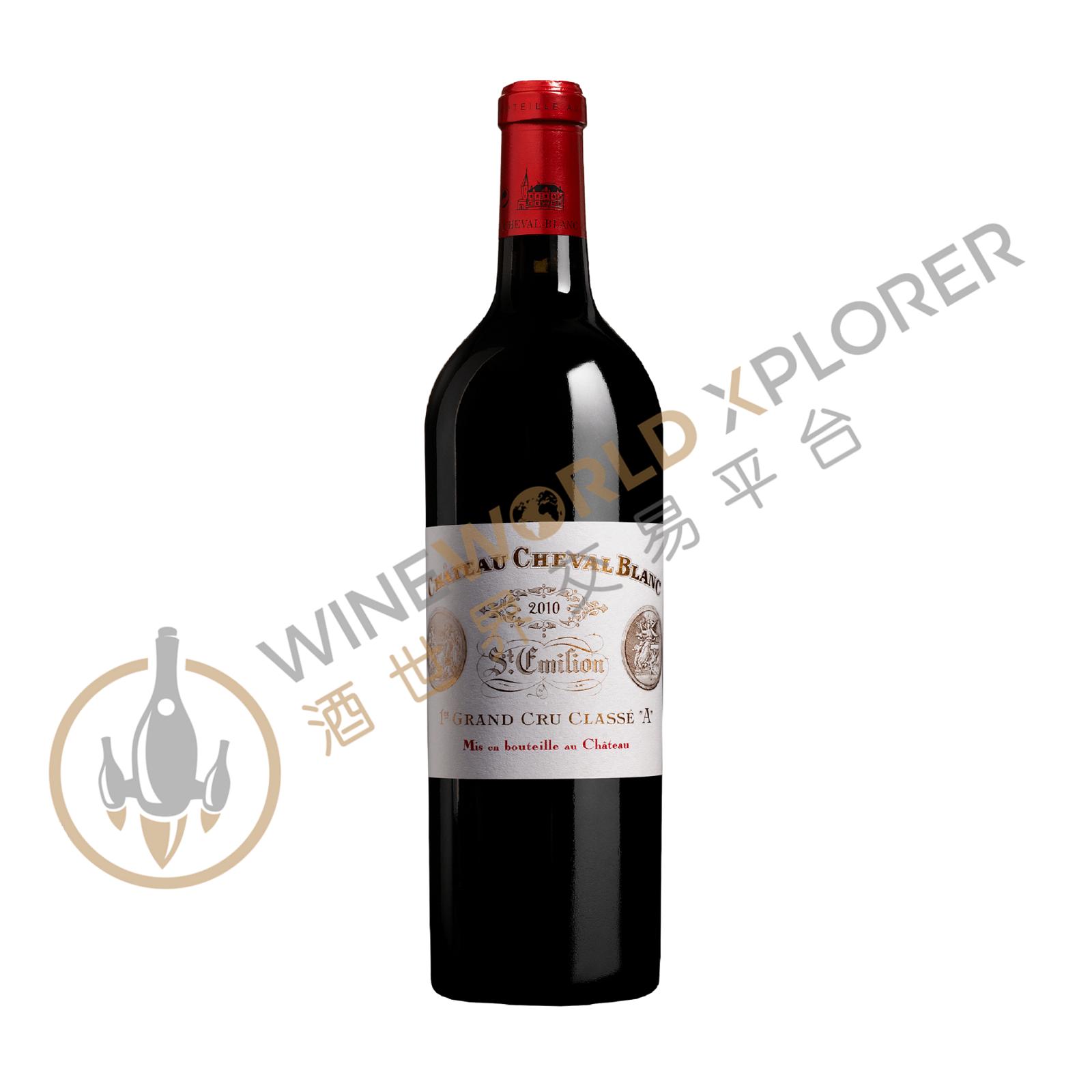
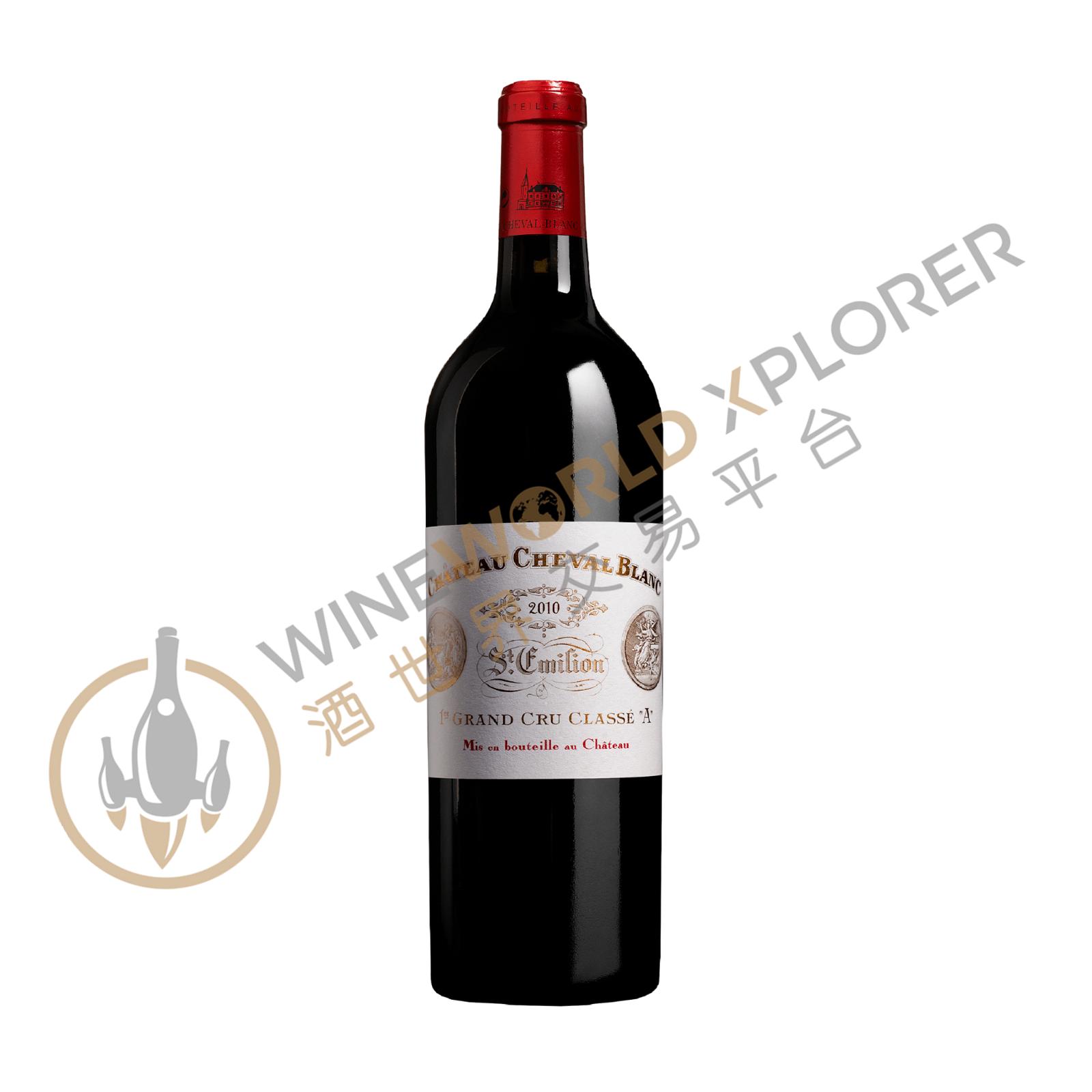
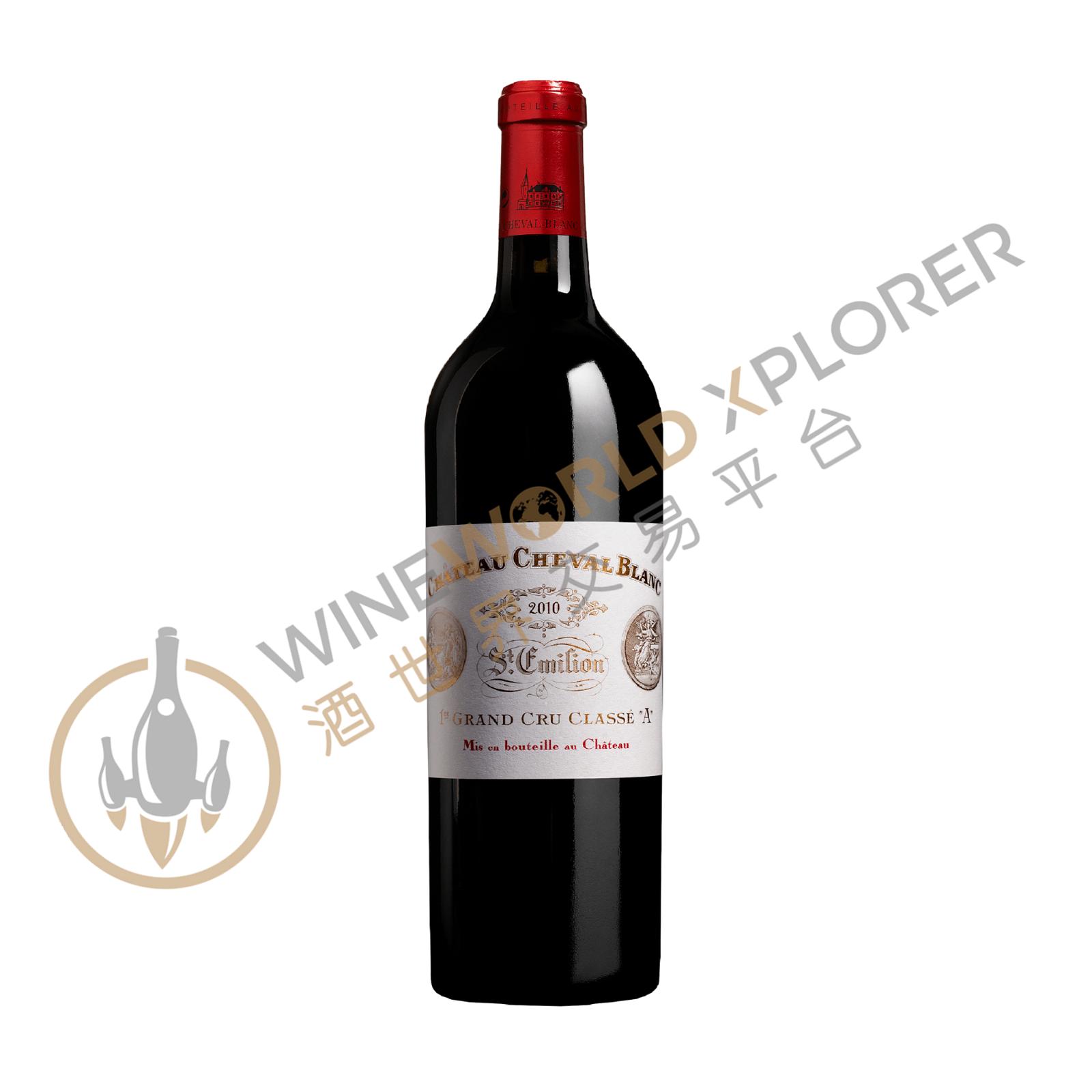
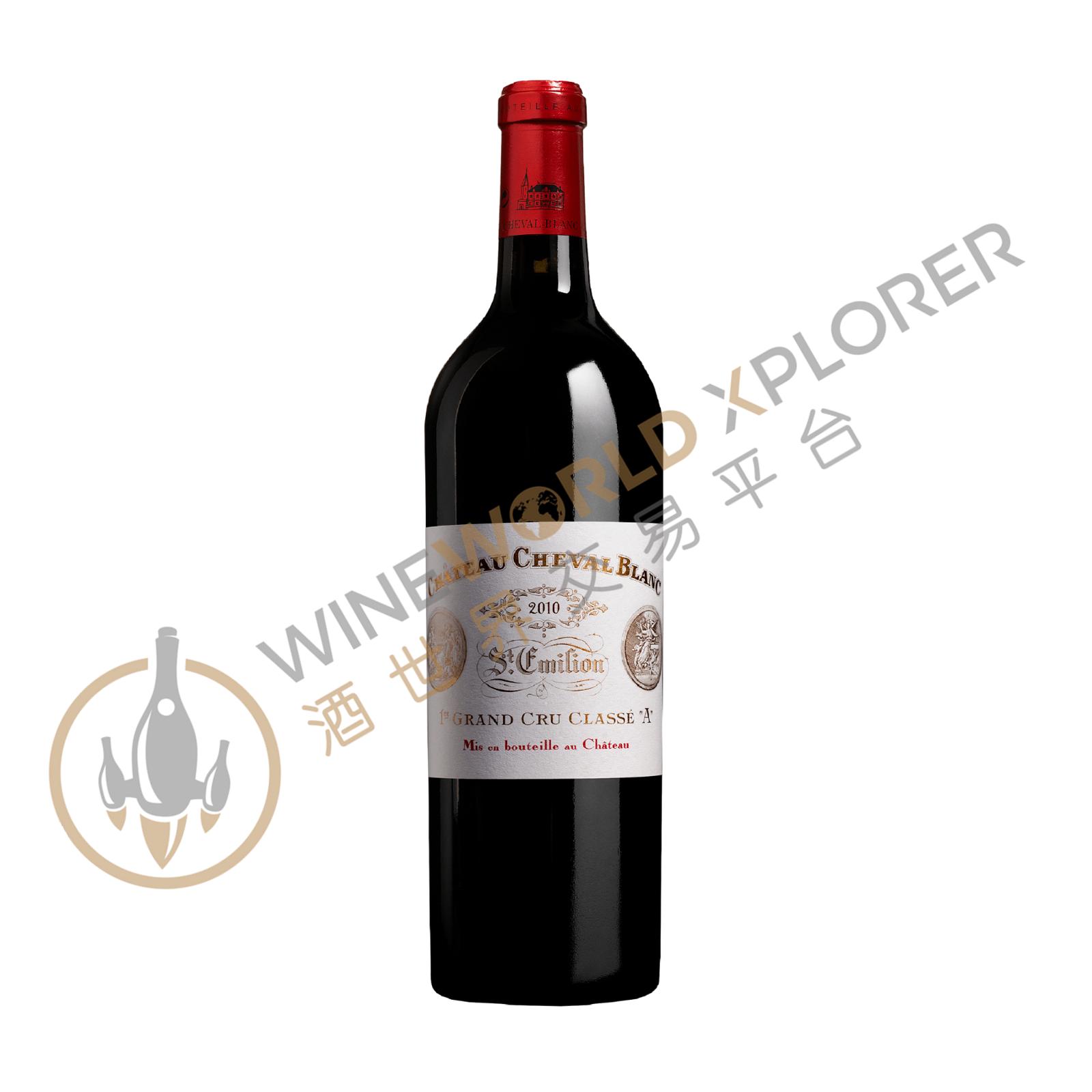
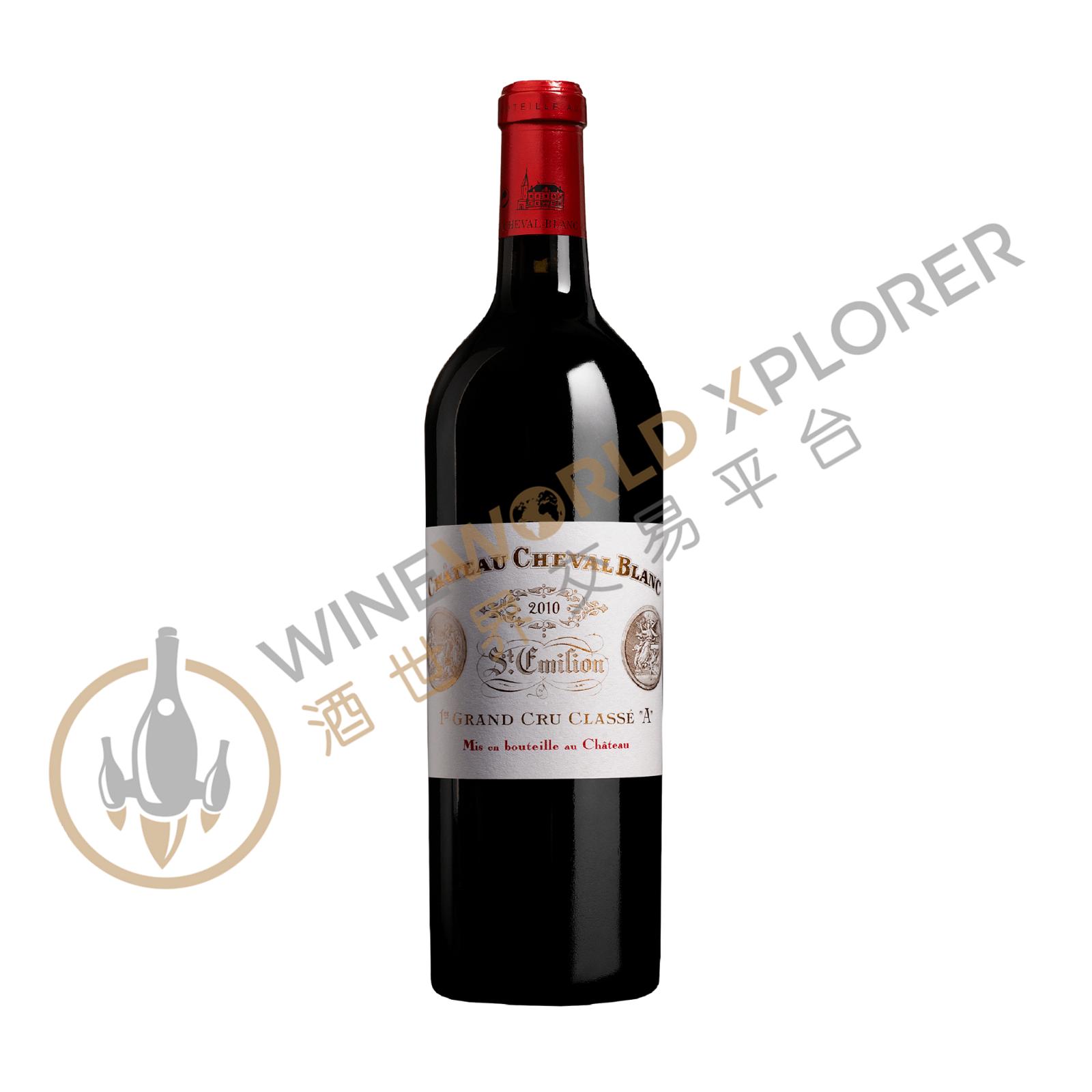
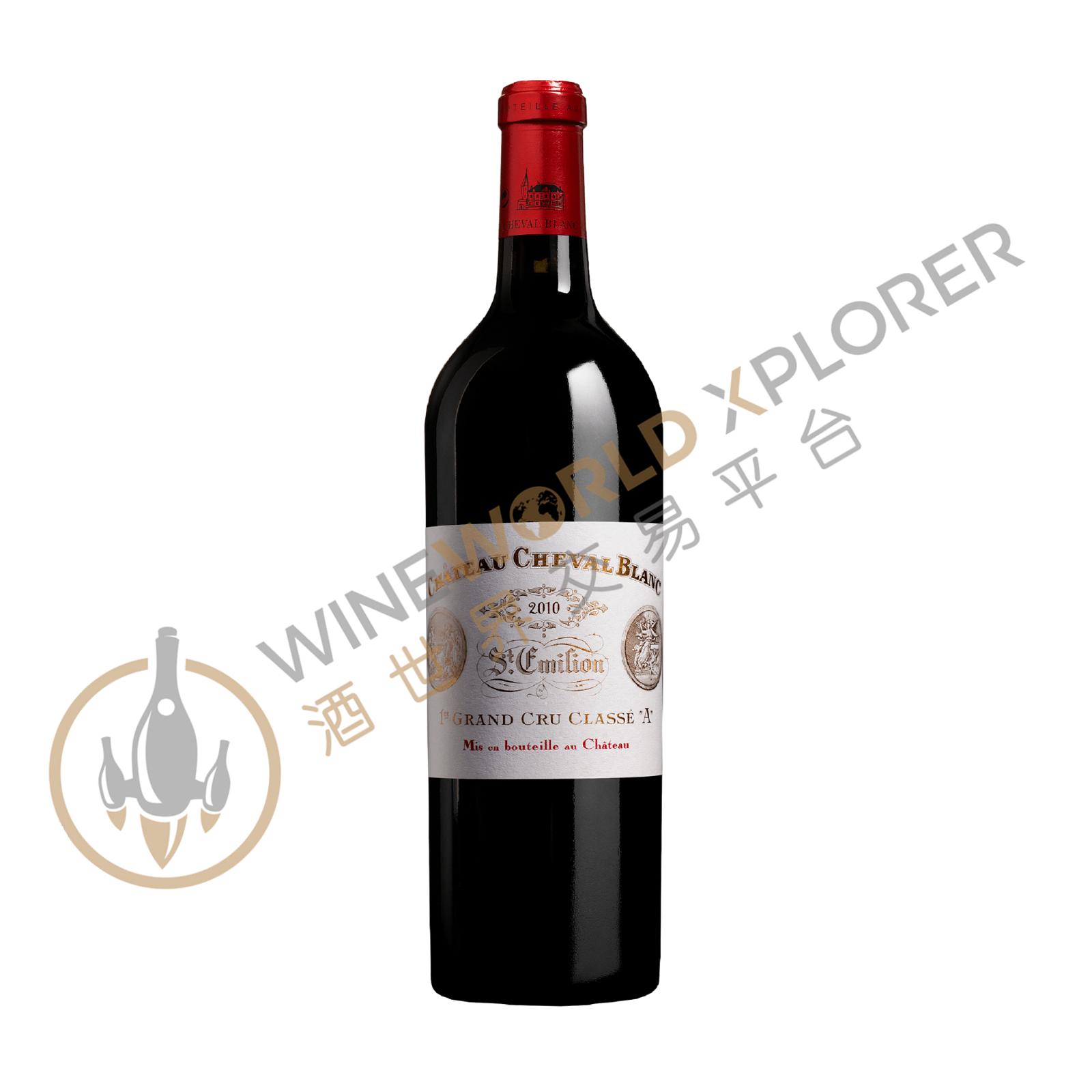
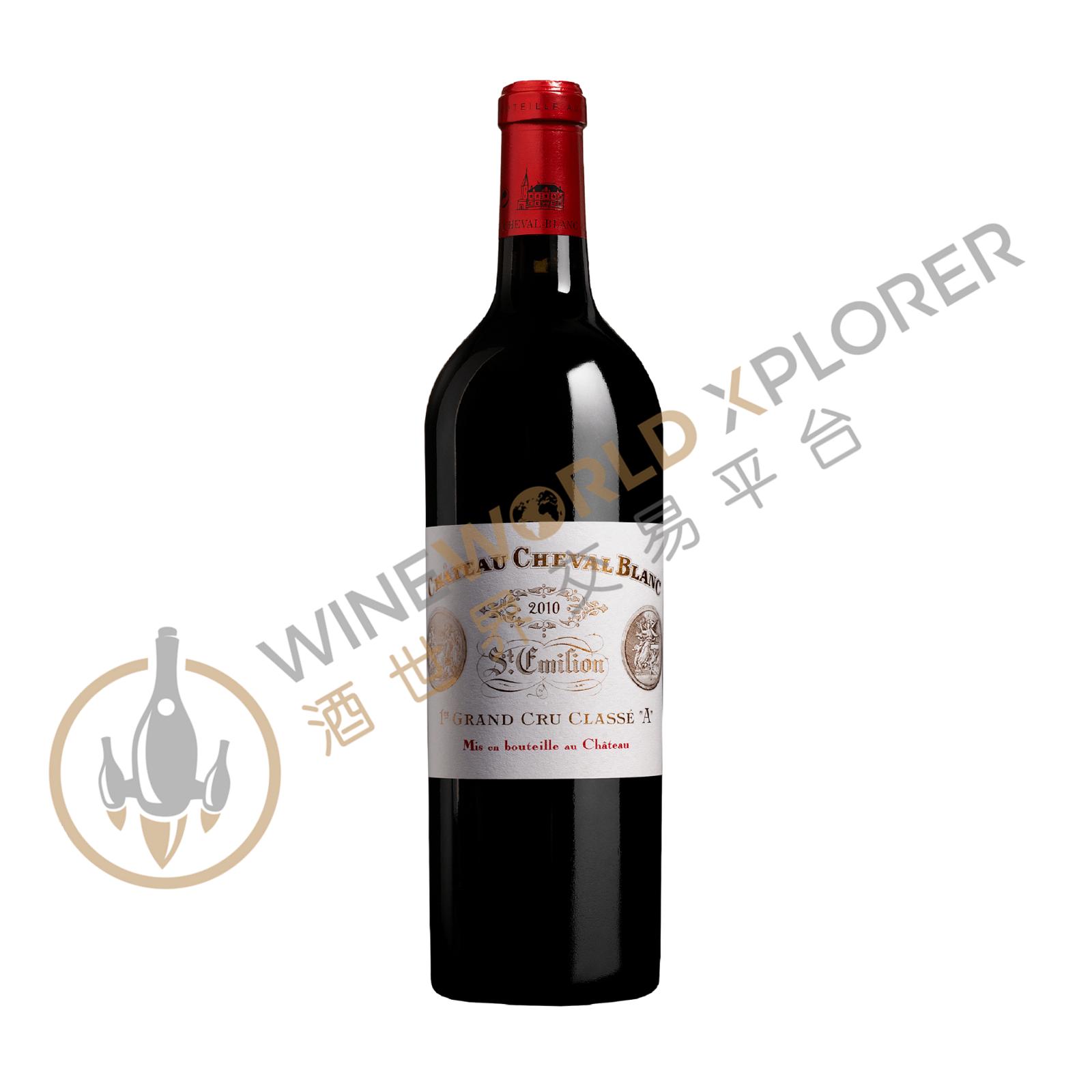
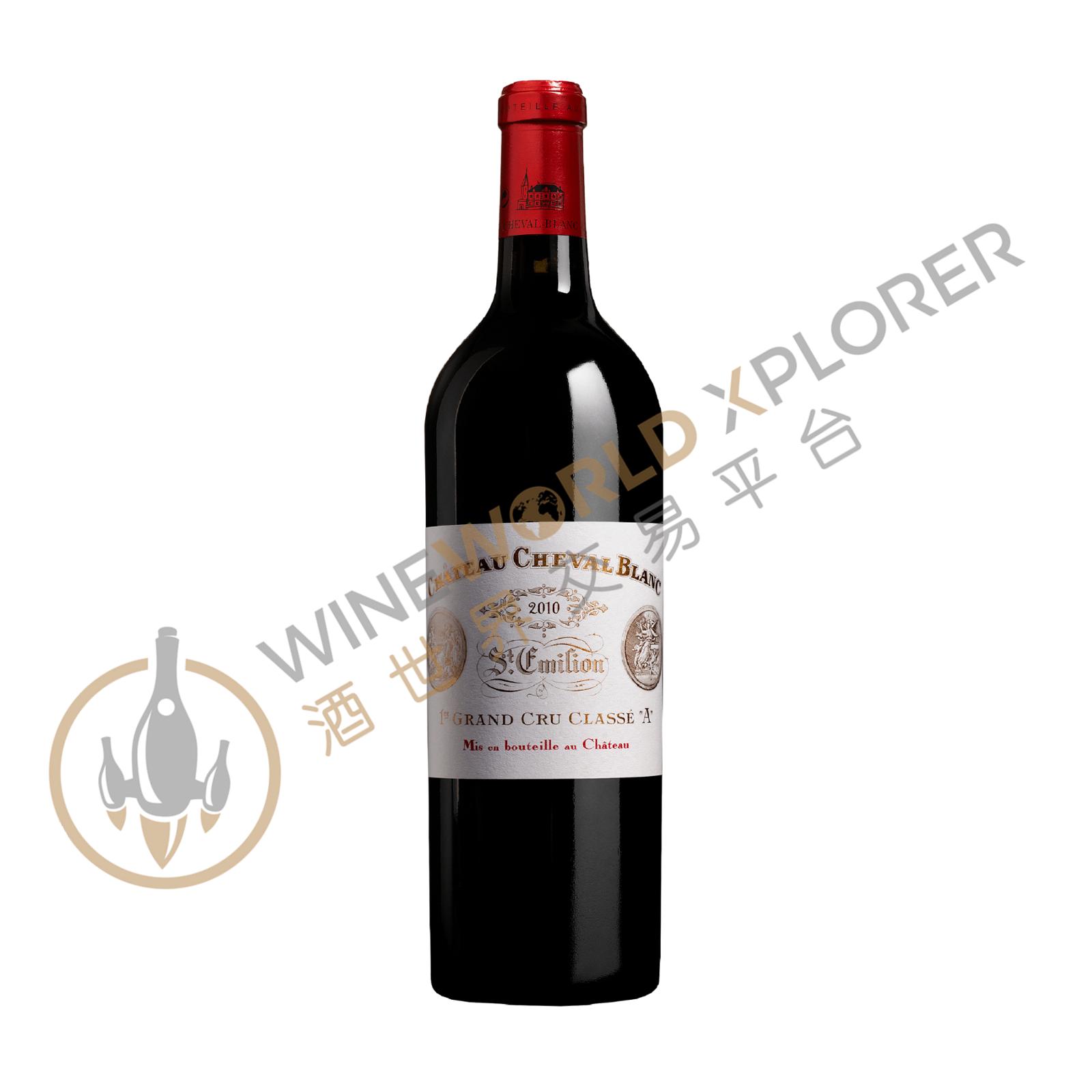
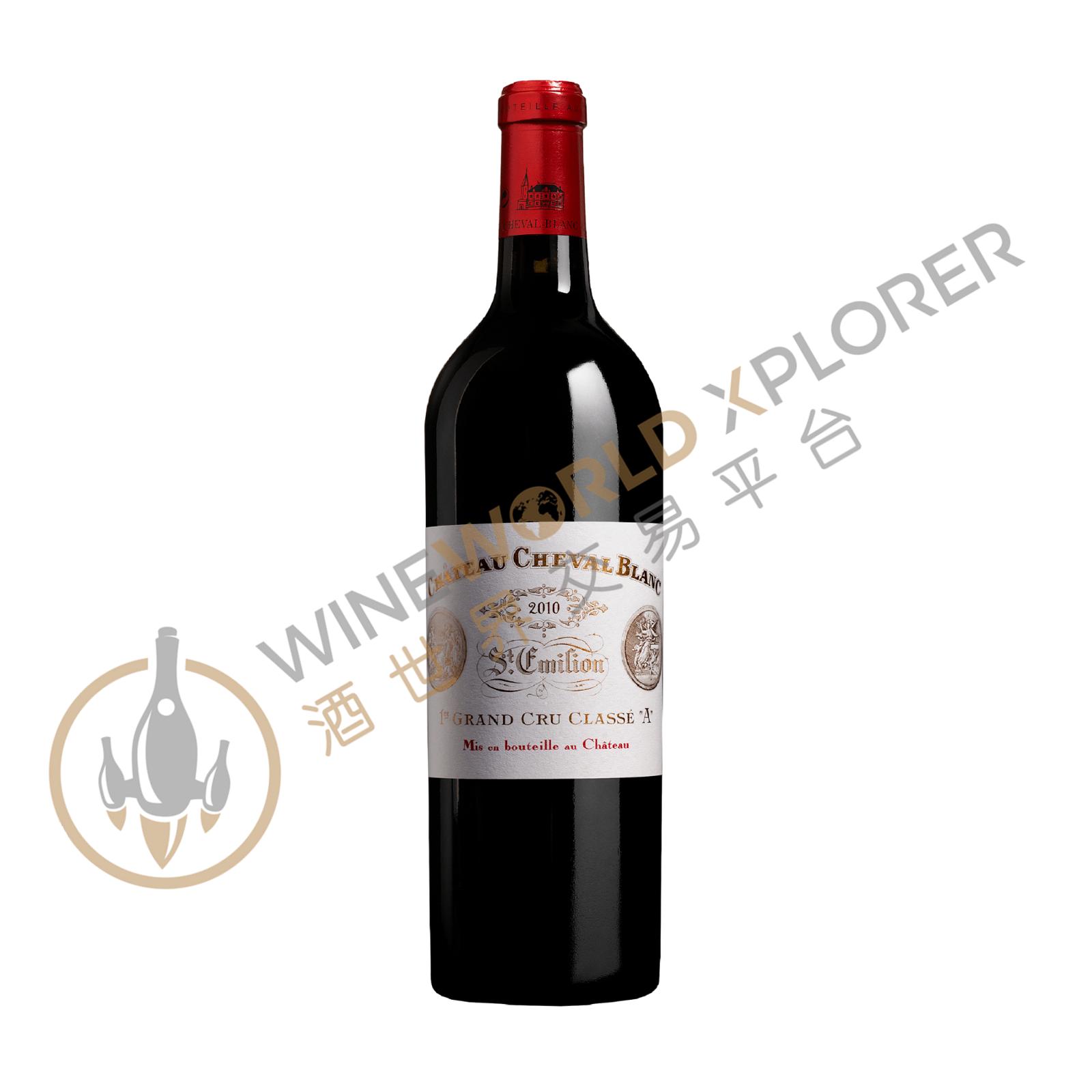
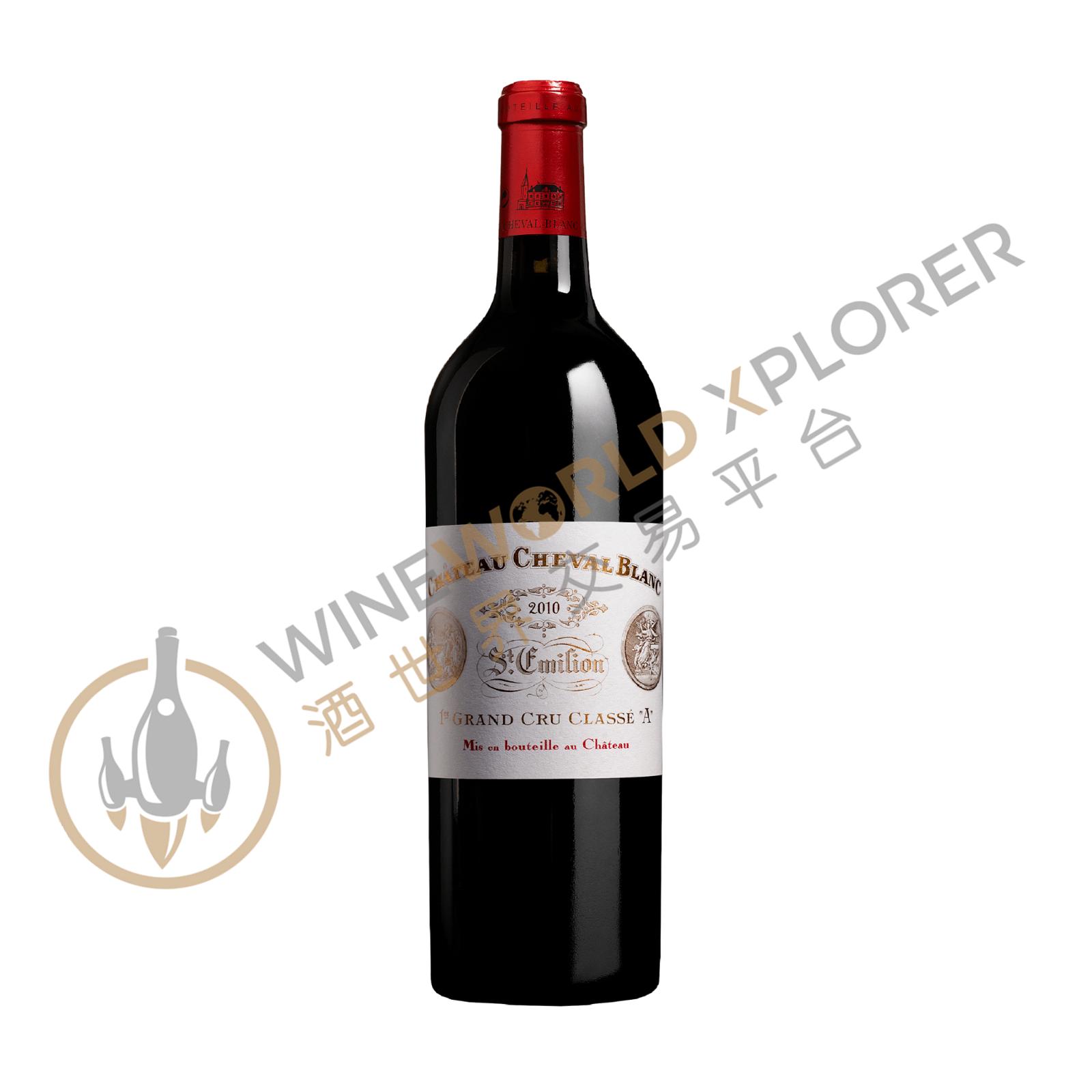
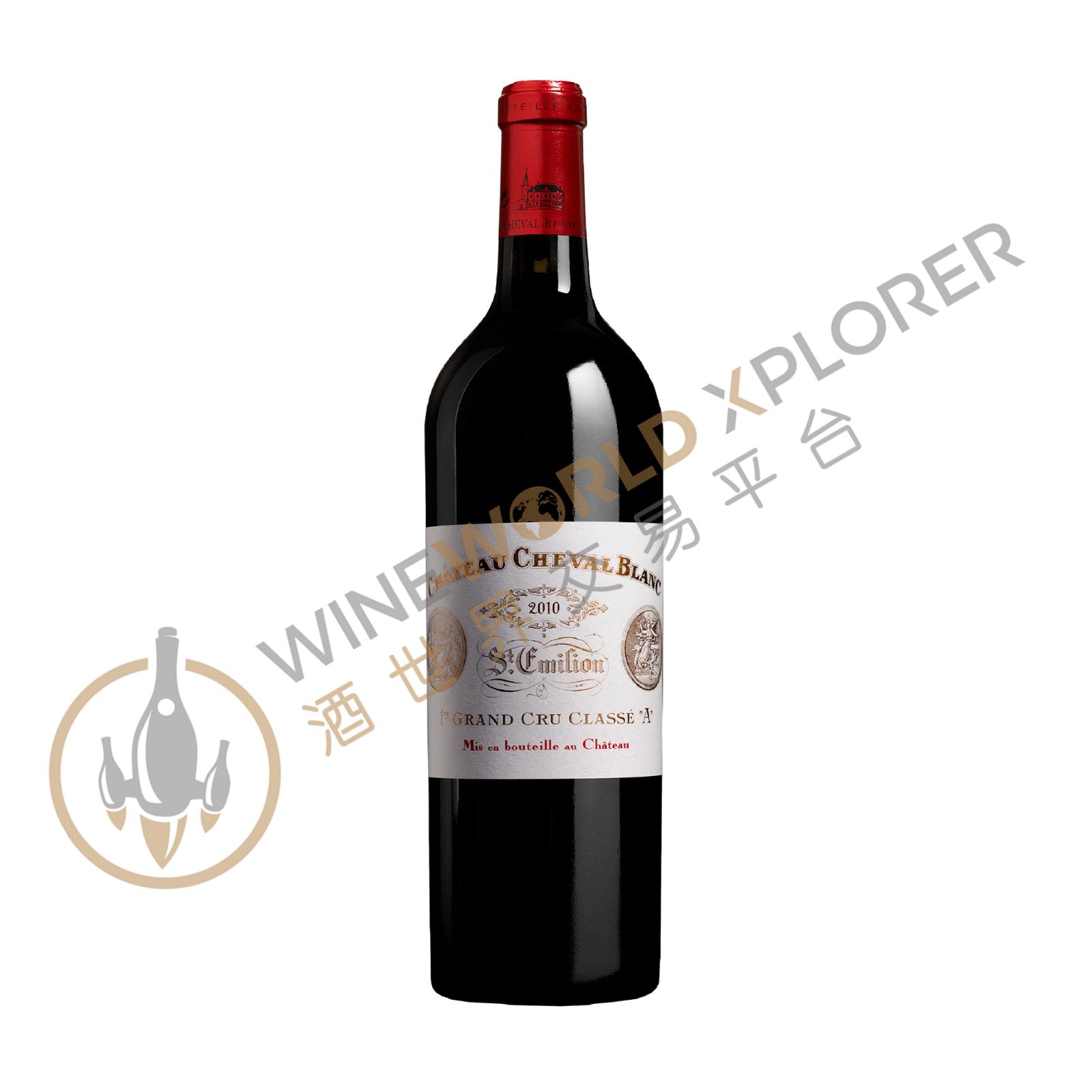
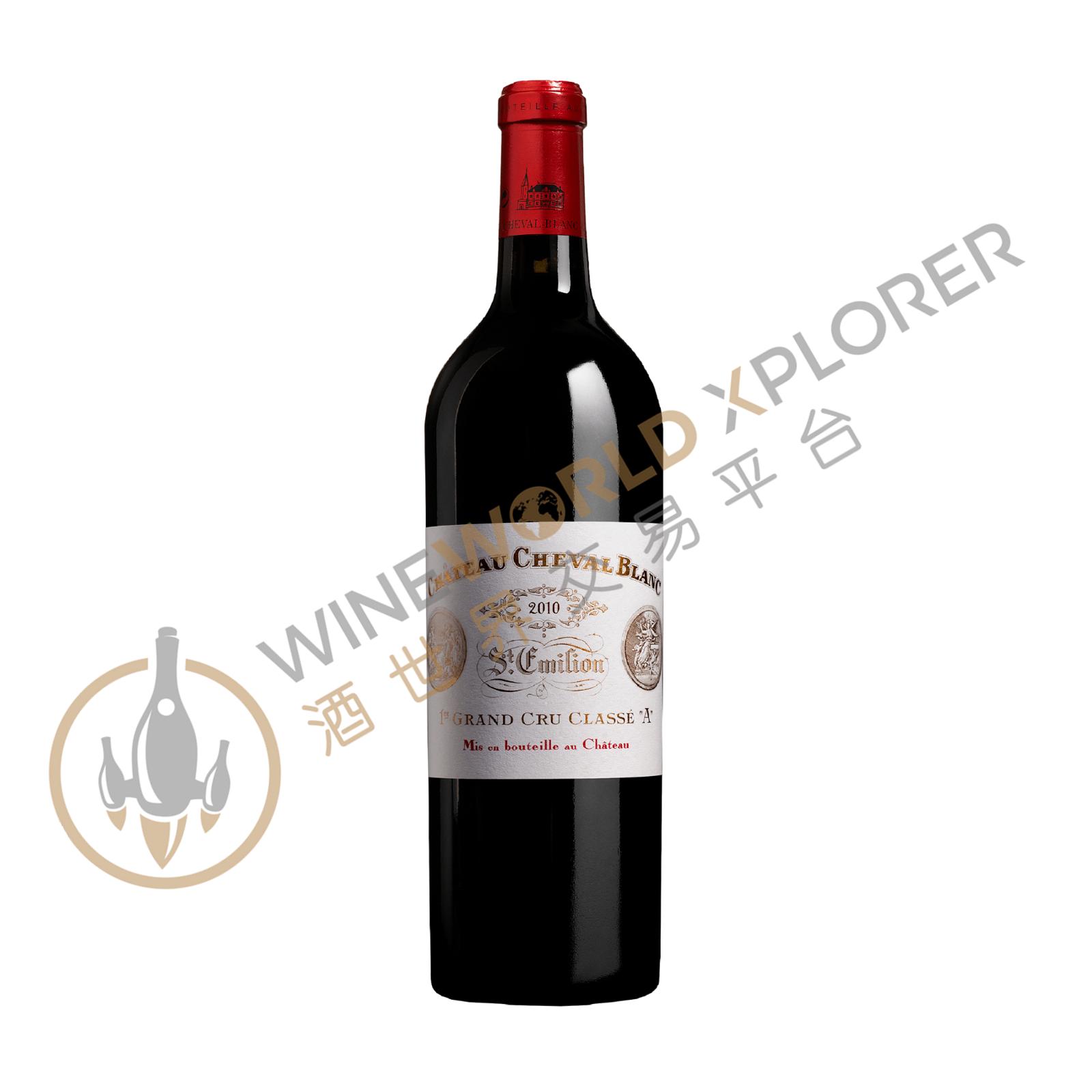
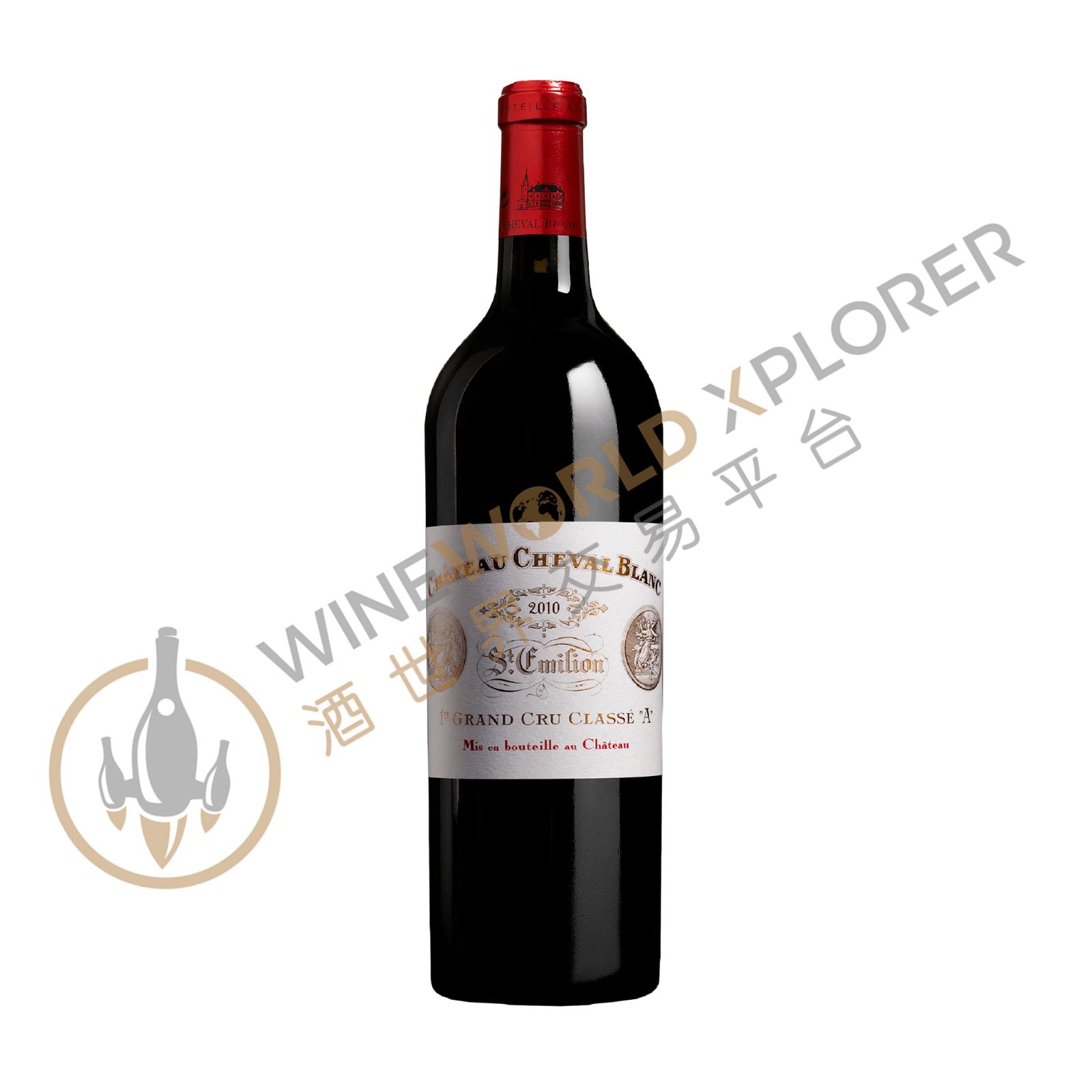
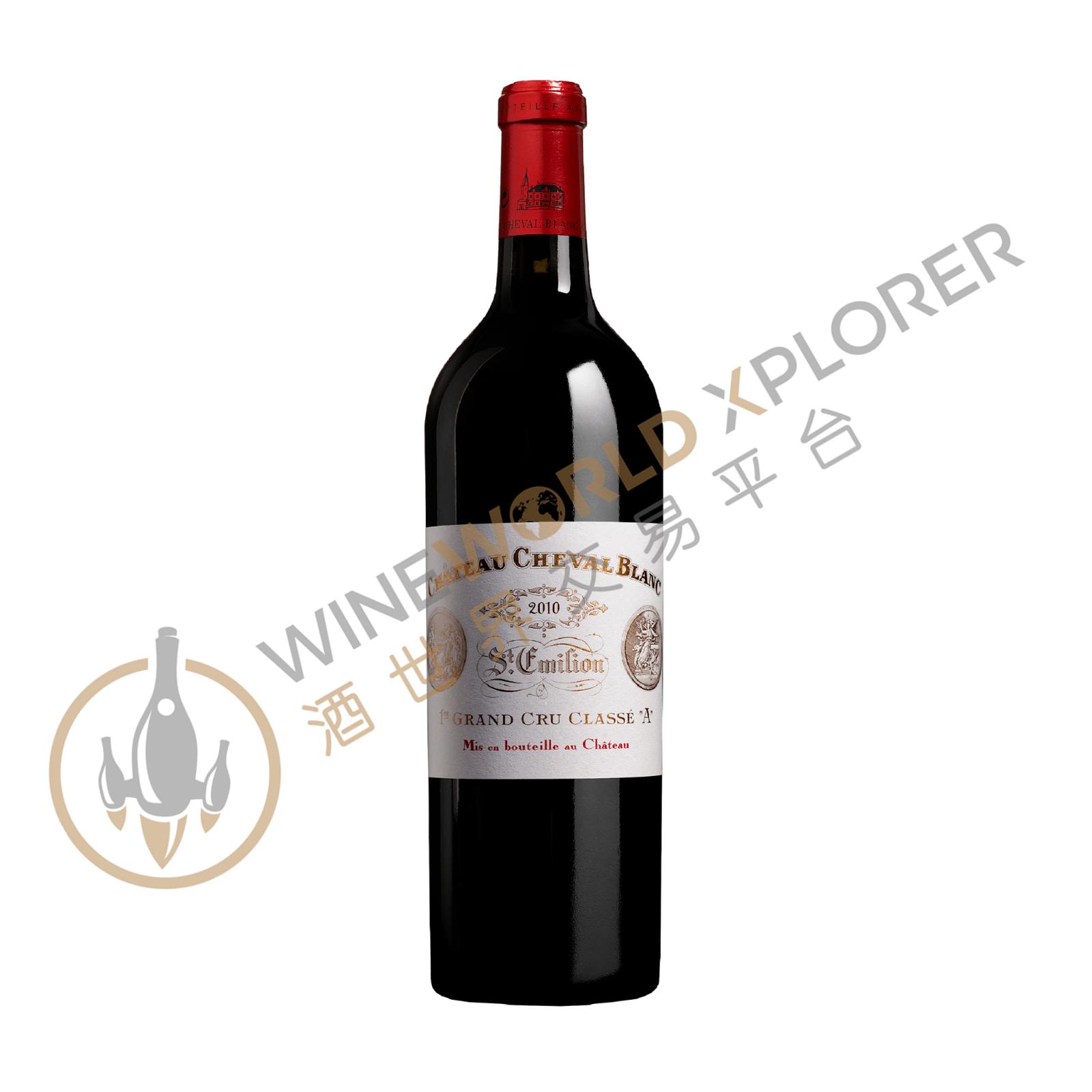
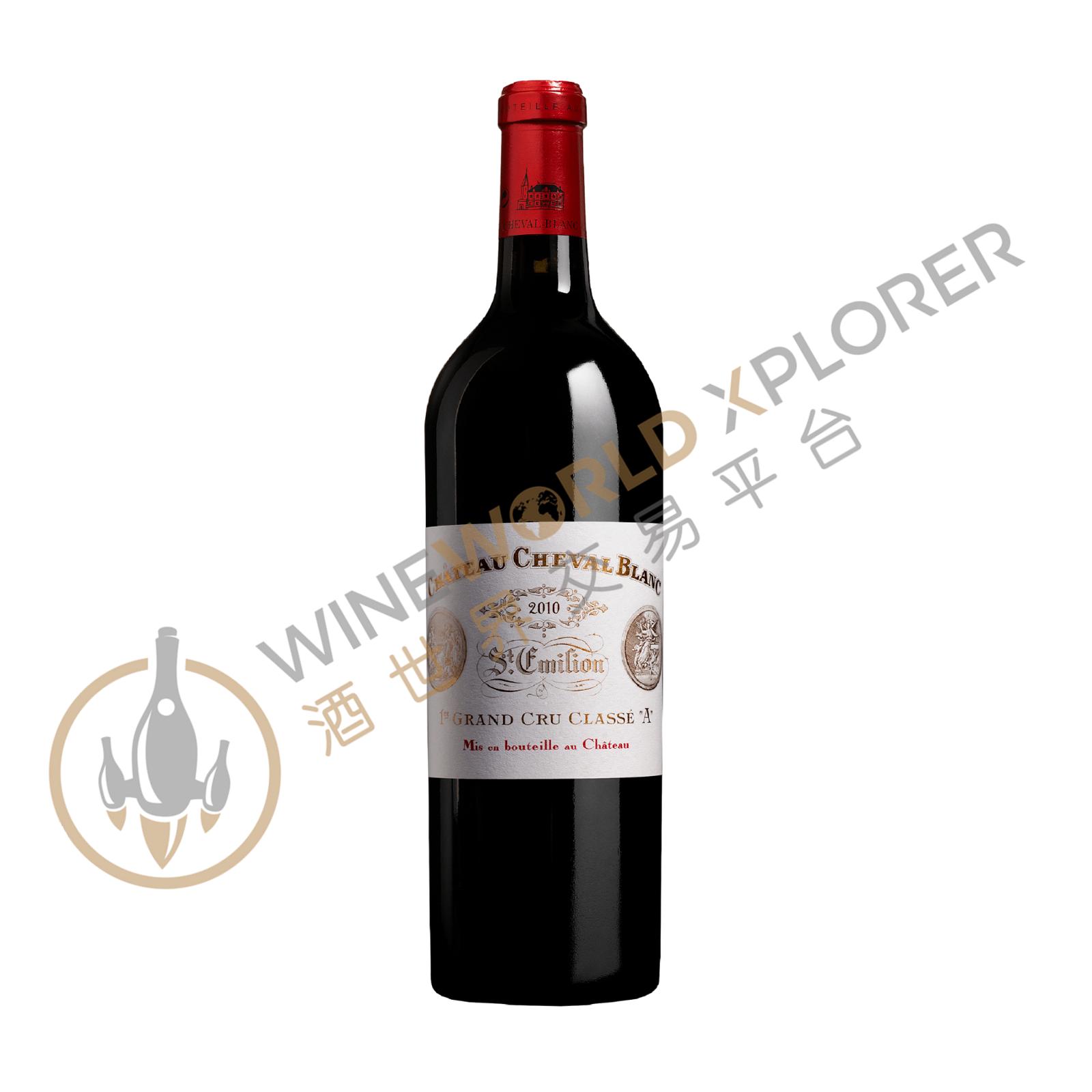
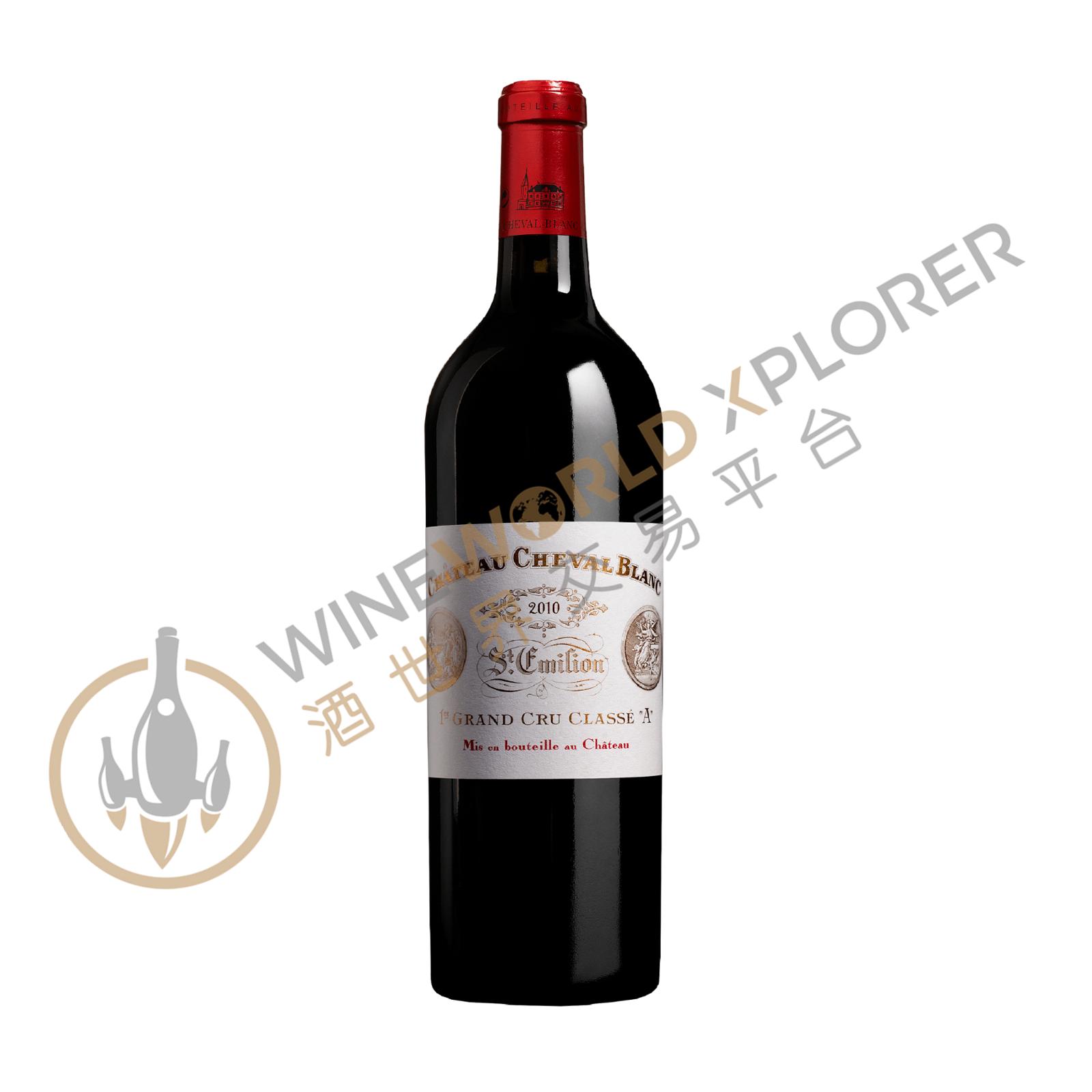
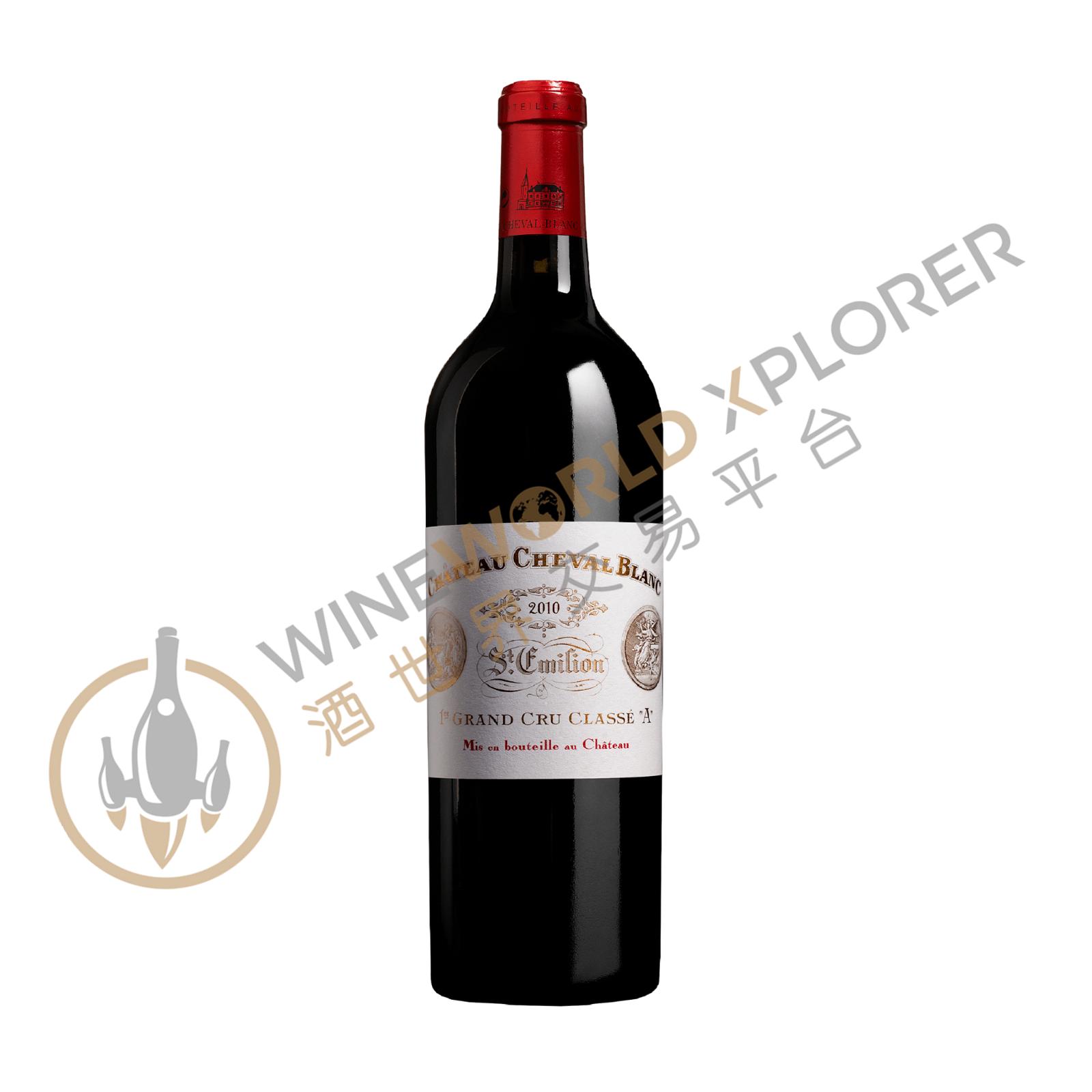
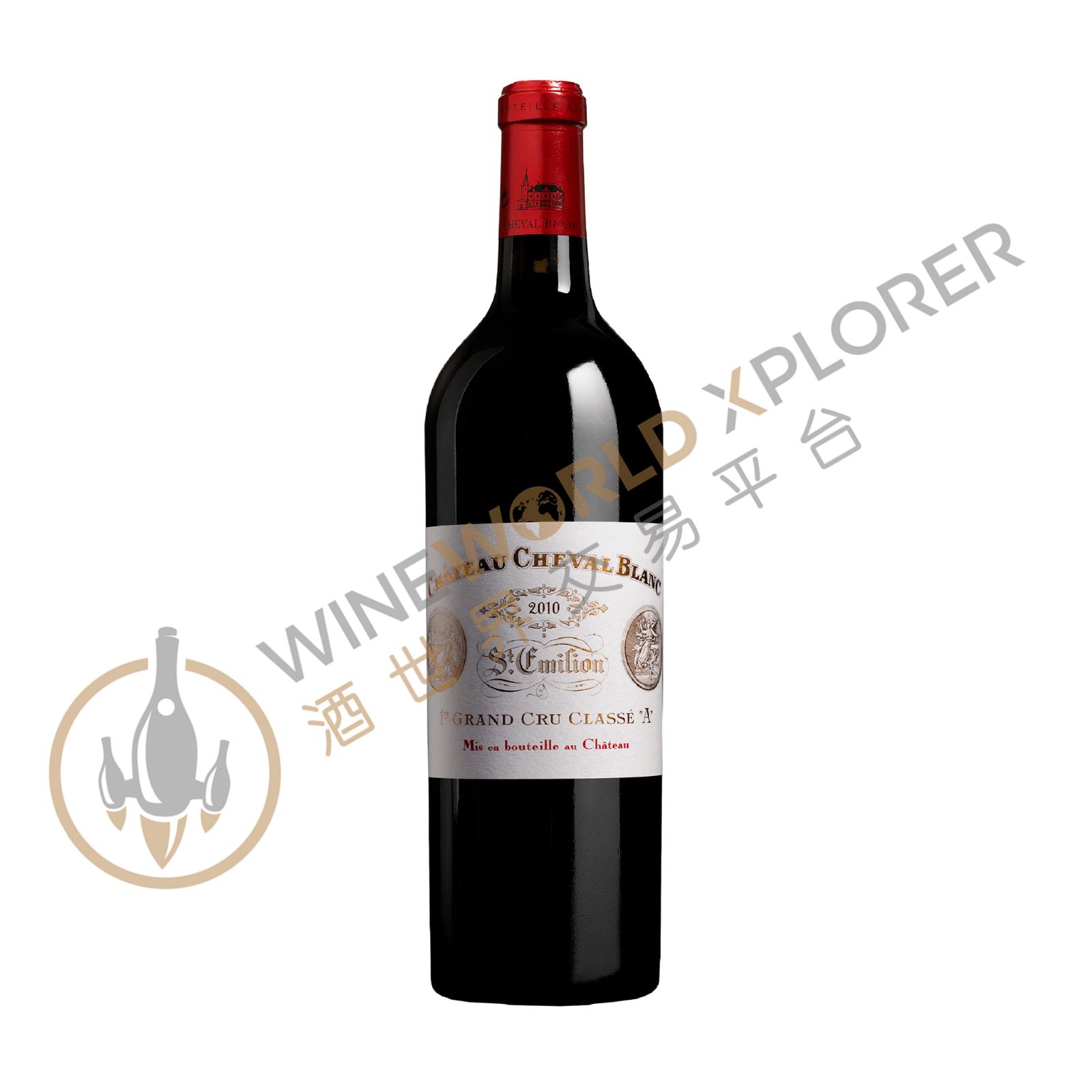
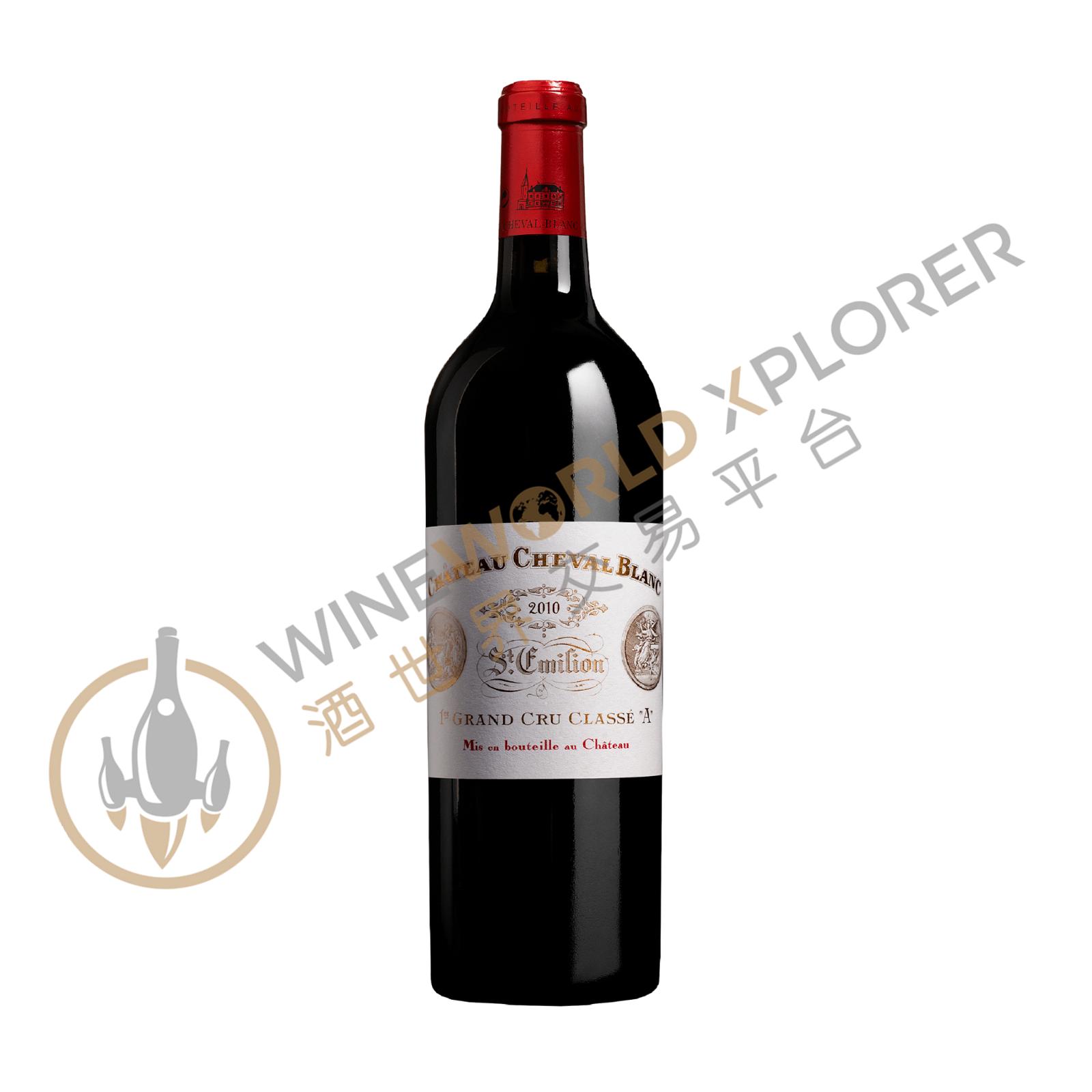
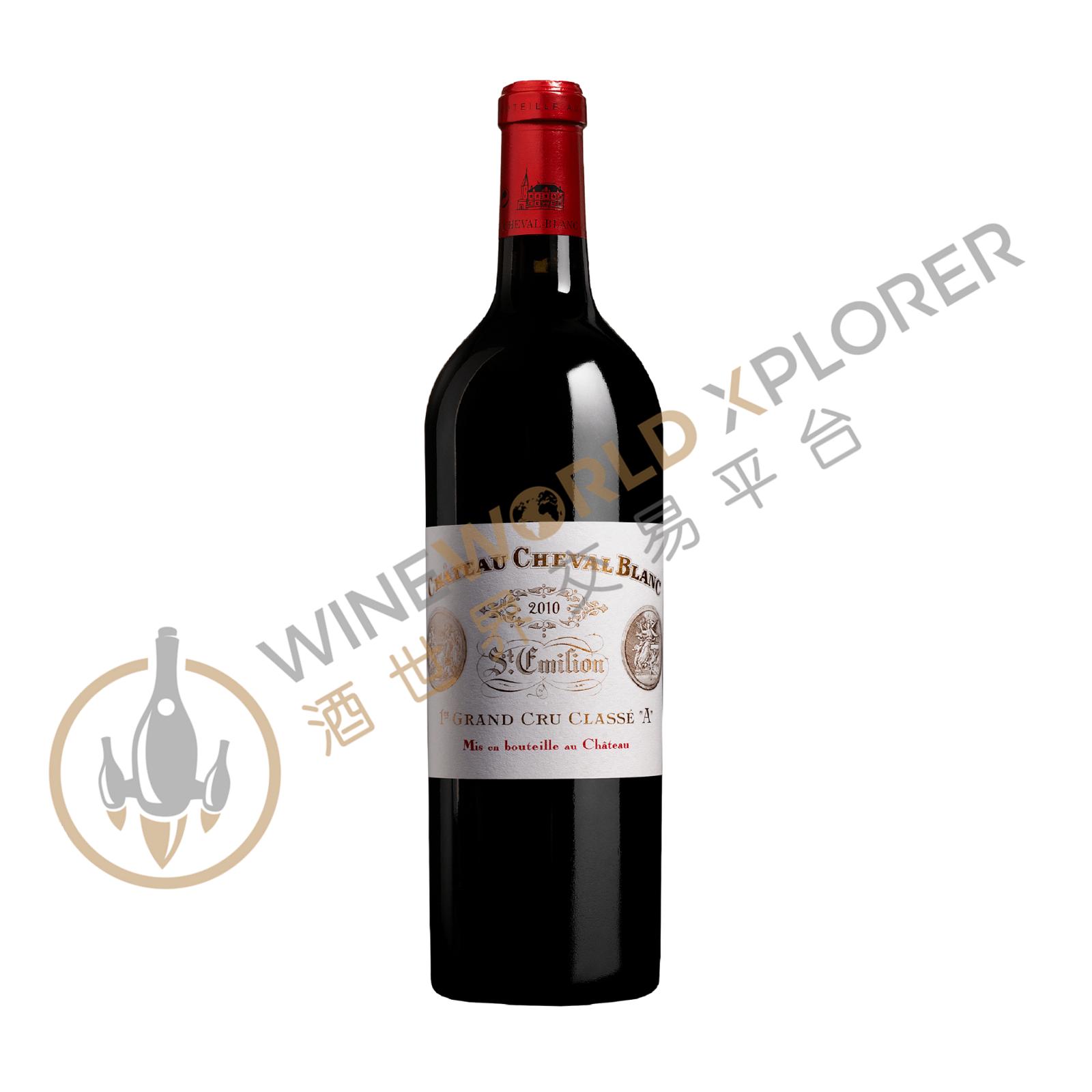
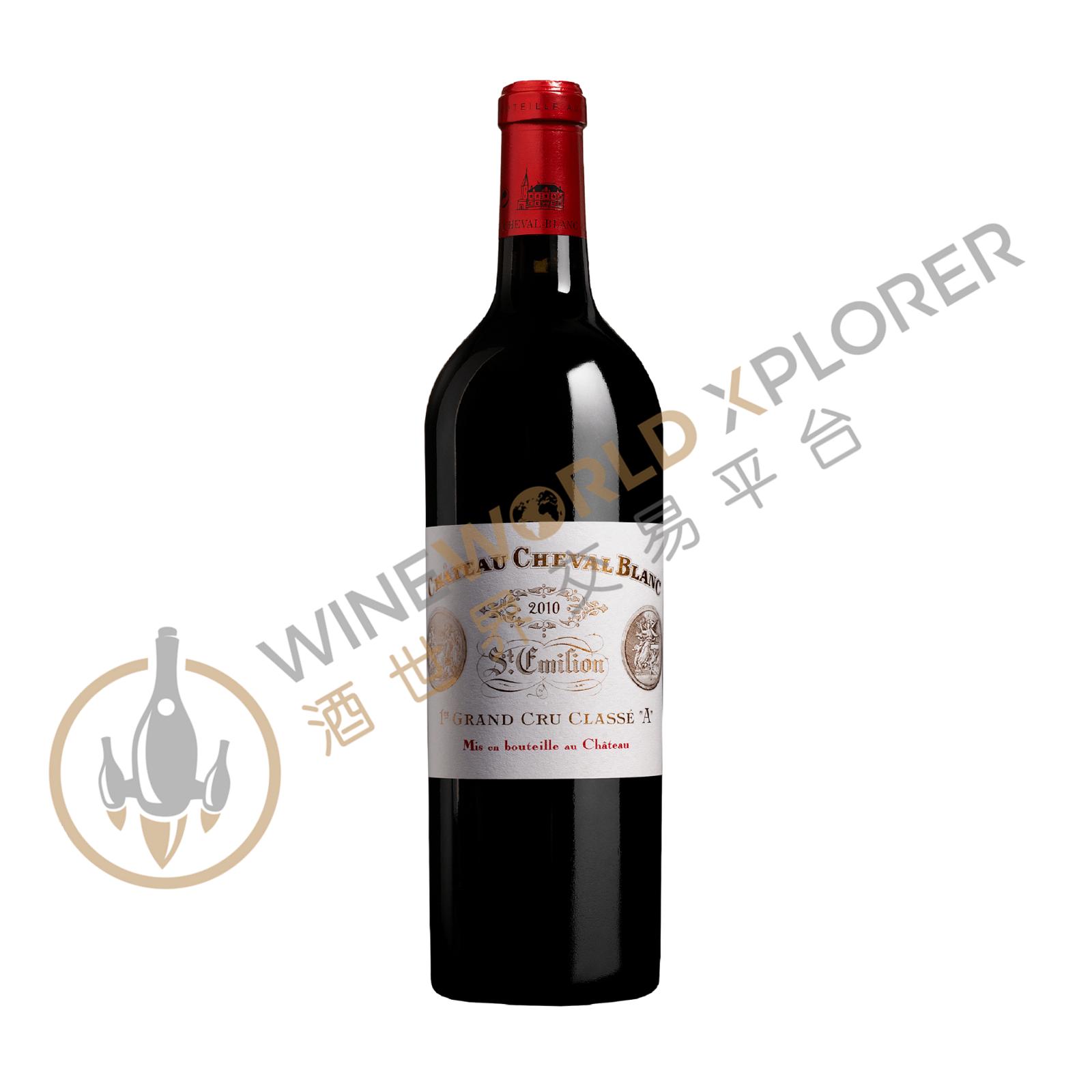
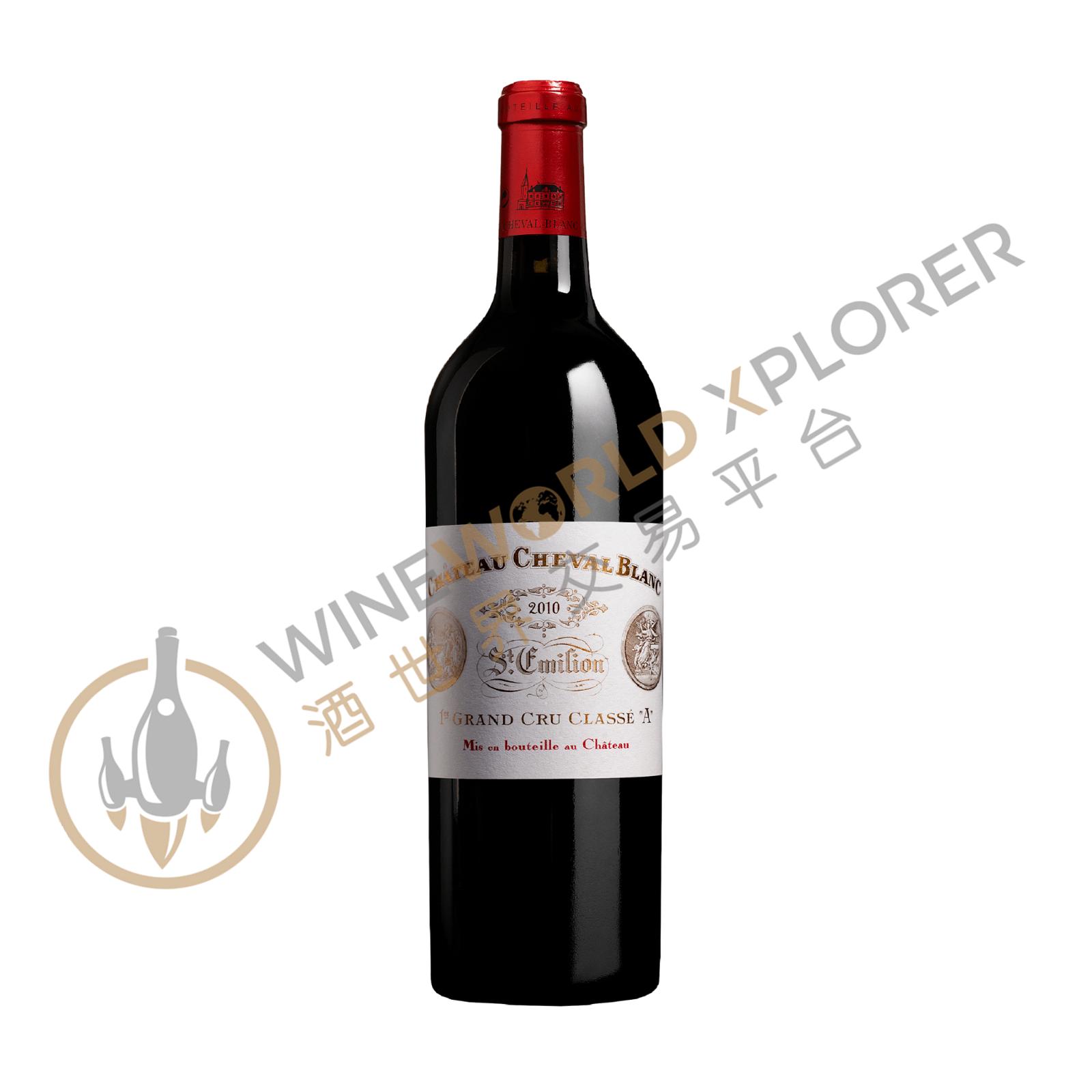
Château Cheval Blanc, a 1er Grand Cru Classé (A) is unquestionably the leading estate in St. Emilion. It is located in the north-west of the St. Emilion appellation, bordering Pomerol. Cheval Blanc obtained its first medal at the 1862 Universal Exhibition in London. In fact, a representation of this bronze medal is found on the château’s present-day label. Cheval Blanc won their first gold medal at the 1878 Universal Exhibition in Paris, and this new distinction also appeared on the label. In 1886, Cheval Blanc won a second gold medal at the Universal Exhibition in Antwerp. Reflecting this series of successes and a wine well on the way to achieving international recognition, a château was built on the estate.
Tasting notes

Reviewed by: Robert M. Parker, Jr.
Only 60% of the harvest was utilized in this marvelous blend of 55% Merlot and 45% Cabernet Franc. As always, the 2006 Cheval Blanc is made in a lighter, more elegant style based on finesse, purity, and beautiful nuances. A deep ruby/purple color is accompanied by scents of crushed rocks, menthol, raspberries, cherries, and assorted blue as well as black fruits. An impeccable integration of new oak, medium body, terrific palate penetration and purity, and light tannins suggest it will be drinkable in 2-3 years, but it should put on considerable weight because of its large Cabernet Franc component. While the 2006 may not eclipse the 2005, 2000, or 1998, it is not far off in terms of quality and longevity. Anticipated maturity: 2012-2028.
Reviewed by: Neal Martin
Tasted blind at Southwold ’06 Bordeaux tasting. The Cheval is a blend of 54% Merlot, 45% Cabernet Franc and 1% Cabernet Sauvignon. This has a very subtle nose, fine definition, soft red-berried fruit, fruitcake and a touch of truffle/damp earth although at the moment it remains a little introverted. The palate has sharp acidity on the entry, a bit of piquancy here, earthy black fruits, allspice, a touch of cloves, rather sharp and pointed at first but mellowing with time in the glass. Quite linear and to be honest, trumped by other Right Bank superstars, but still a lovely Cheval, if not one firing on all cylinders. Tasted January 2010.
Reviewed by: Neal Martin
Tasted at Cheval Blanc. A blend of 55% Merlot and 45% Cabernet Franc, this is an intellectual Cheval Blanc that does not go out of its way to charm, but nonetheless has its virtues. A fine mineral-driven nose with blackberry leaf, wet stones and a touch of dark chocolate – precise and taut. The palate is full-bodied, less fleshy that other vintages I have tasted at this stage, masculine, tannic with ripe red-berried fruits and a touch of pain grille. Very good length, this has all the components to be a great, rather than iconic Cheval Blanc, but it will need some time in the cellar. Tasted April 2007.
Reviewed by: Robert M. Parker, Jr.
The brilliant 2006 Cheval Blanc performed better from bottle than from barrel. A blend of equal parts Cabernet Franc and Merlot grown in a superb vineyard site facing La Conseillante and l’Evangile at the very edge of the sandy, gravelly soils of St.-Emilion, it boasts a dense ruby/purple color as well as a sweet perfume of menthol, charcoal, boysenberries, black currants, and hints of cocoa and caramel. Lush, textured, and opulent with superb purity, medium to full body, savory flavors, and sweet, sexy tannins, this stunning Cheval Blanc may be even better than the 2005. Anticipated maturity: 2012-2030.
Reviewed by: Stephen Tanzer
Good deep ruby-red. Captivating nose combines blackberry, menthol, licorice, bitter chocolate, violet and a flinty, iron-like element. Densely packed and very fresh, with superb energy and definition to the complex flavors of cassis, blackberry, licorice, menthol and minerals. A floral element contributes to the impression of vibrancy. This is more impressive than it was at any stage of its elevage, offering surprising chewy richness and sweetness for a brand-new Cheval. Finishes with broad, toothdusting tannins that mount slowly and saturate the palate. This wonderfully smooth wine gained in precision and floral perfume with 24 hours in the recorked bottle and should be at its best roughly between 2015 and 2035.
Reviewed by: Stephen Tanzer
Good full red-ruby. Complex nose melds redcurrant, tobacco, iron, smoke and a floral element. Suave and bright, at once fatter and finer-grained than the 2007, but with perfectly integrated acidity to buffer its voluptuous texture. The broad, mouthcoating finish features very fine tannins and excellent length. This was to have been bottled in April. Estate Manager Pierre Lurton noted that Cheval Blanc typically gets no more than 15 months of elevage
Reviewed by: Stephen Tanzer
(a 55/45 blend of merlot and cabernet franc) Good deep ruby-red. Subtle nose combines red fruits, licorice, flinty minerality and smoke. Sweet but restrained, with captivating freshness and finesse; no signs of surmaturite or rusticity here but does it have the depth to be truly outstanding? Very aromatic in the mouth, and subtle and long on the aftertaste, with substantial but suave tannins.
Reviewed by: Neal Martin
Tasted at Bordeaux Index's annual 10-Year On tasting in London.The 2006 Château Cheval Blanc is a blend of 55% Merlot and 45% Cabernet Franc. It has the most floral bouquet of the four Serié A Grand Cru Classé: an explosion of crushed violets and potpourri, hints of leather and cigar box, the Cabernet Franc clearly lending this complexity and character. The palate is medium-bodied with fine tannin. It feels wonderfully structured and comes with an insistent grip that coats the mouth. This is backward and almost surly, but you have to stand back and admire the precision and arching structure on the mineral-rich finish. Top-dog Saint Emilion? That's for sure. Tasted January 2016.
About the Producer
Château Cheval Blanc is a highly lauded wine estate in the Saint-Émilion region of northeast Bordeaux. Classified with the top ranking of Premier Grand Cru Classé A, it is regarded by many as one of the greatest wines of the appellation – if not, the greatest. It is certainly the most famous Cabernet Franc-based wine in the world, albeit often alongside very similar levels of Merlot. Typically, the "grand vin" (the estate's eponymous wine) is lush and full bodied with great weight of fruit. It tends to require ten years of bottle age and the best vintages can last half a century or more. The second wine of the estate is Le Petit Cheval. The vineyard is located in the northwest of the region, bordering Pomerol (La Conseillante is a neighbor) and consists of 39 hectares (96 acres) divided into 45 plots. There is an unusually large amount of Cabernet Franc planted – about 49 percent – with 47 percent Merlot and four percent Cabernet Sauvignon. The unusual planting proportions reflect the terroir; most vineyards in the region are either clay or gravel-based over impermeable sedimentary rock, but Cheval Blanc is unique in having a patchwork of soils with the two types in roughly equal proportions. The clay soils provide base wines with velvety tannins, while those from gravel soils are more aromatic and elegant. Vines have been grown since the 14th Century at this spot but the vineyard as it is known today took shape in the 19th Century when the core plots were added to by purchases from the nearby Figeac estate. Subsequent replantings established the atypical half-Merlot, half-Cabernet Franc proportions. Cheval Blanc gained its first medal at the 1862 Universal Exhibition in London – the first of a series of successes building its reputation and achieving price levels comparable to the Médoc first growths, which paved the way for a château to be built on the estate. In the first classification of Saint-Émilion wines in 1955, Cheval Blanc was awarded the highest possible rating and remains a Premier Grand Cru Classé A. In 1998, after 166 years of continuous family ownership, Bernard Arnault, the head of luxury goods firm LVMH, and the late Baron Albert Frère (a Belgian billionaire investor) jointly purchased the estate. The spectacular new cellar opened in 2011, with 52 concrete vats (replacing stainless steel) of differing sizes corresponding to different vineyard plots. The grand vin spends 16 to 18 months in new oak barrels from a variety of cooperages.
1949(1)1953(1)1955(4)1958(1)1962(1)1966(1)1967(2)1970(2)1973(1)1974(2)1975(3)1976(1)1977(1)1978(1)1979(2)1980(1)1981(2)1982(5)1983(1)1984(1)1985(1)1986(5)1988(4)1989(4)1990(13)1992(3)1993(1)1994(4)1995(7)1996(9)1997(2)1998(11)1999(5)2000(13)2001(4)2002(1)2003(1)2004(15)2005(11)
Package Size