Wine Advisor



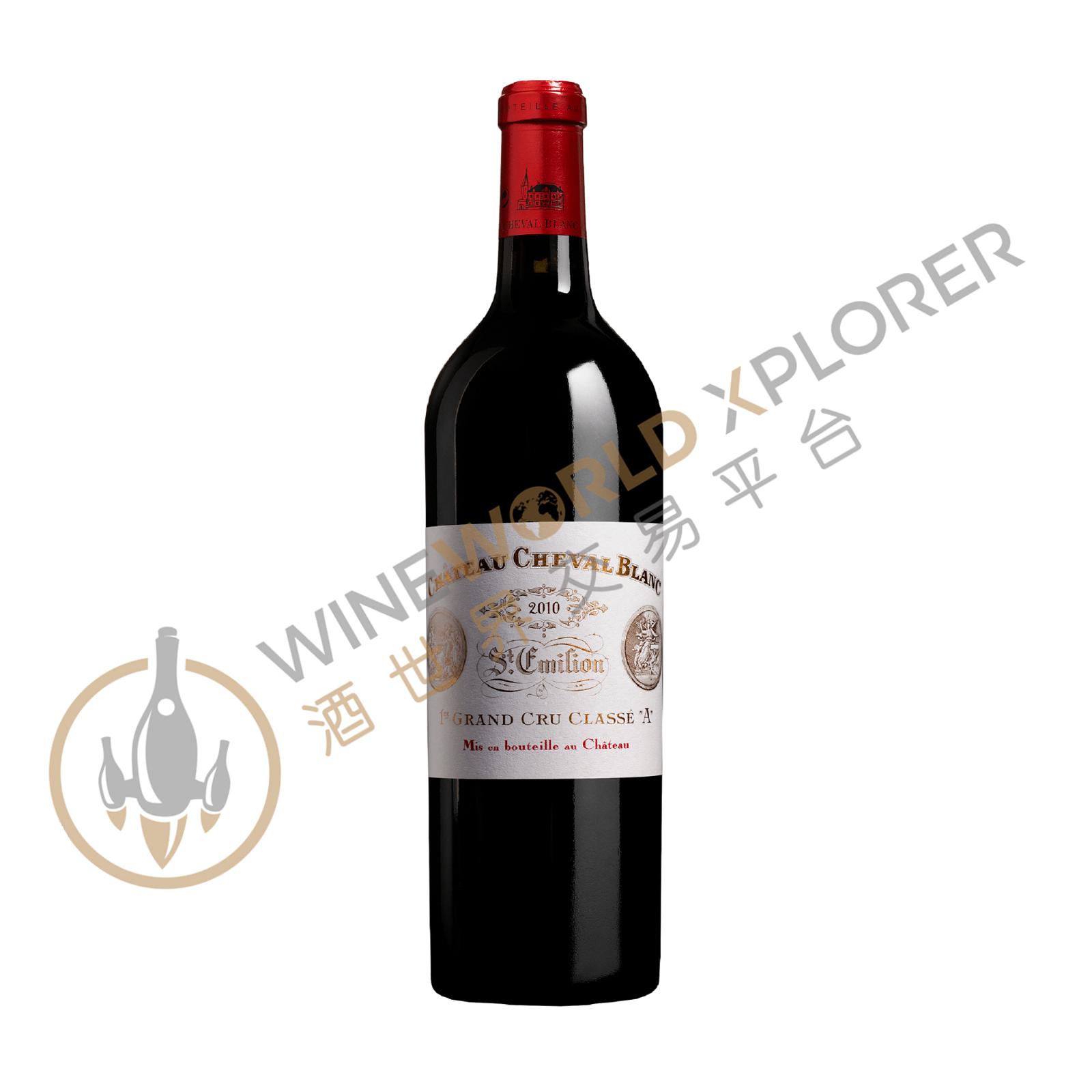
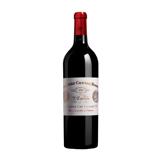
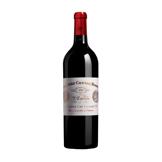
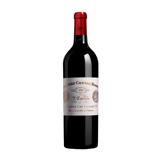
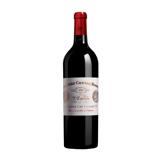
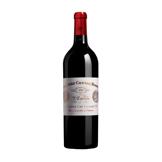
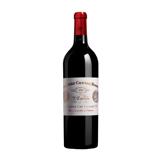
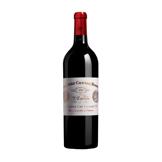
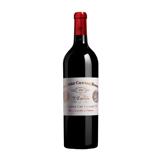
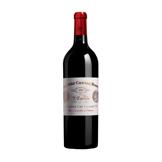
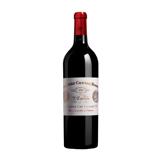
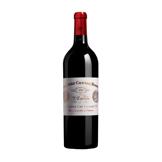
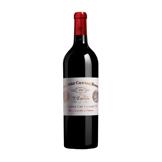
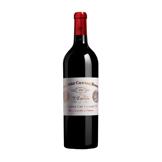
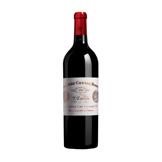
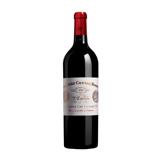
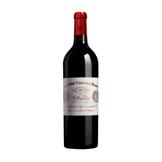
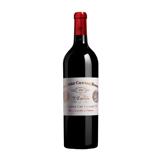
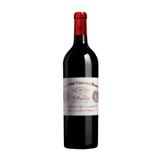
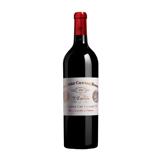
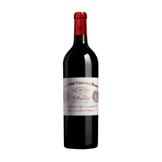
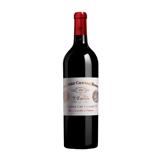
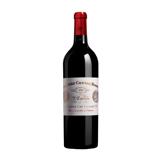
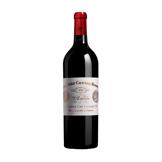
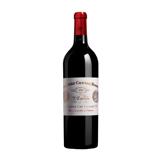
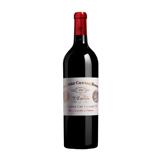
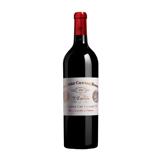
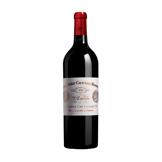
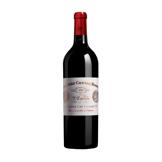
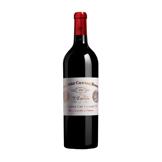
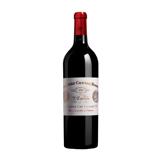
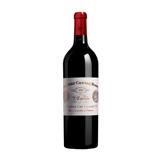
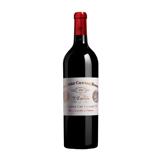
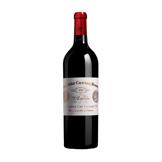
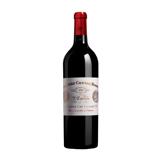
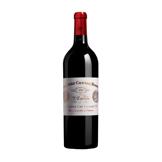
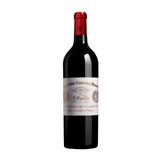
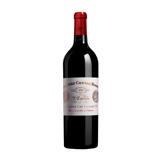
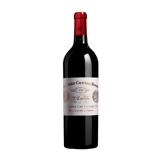
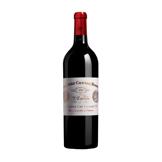
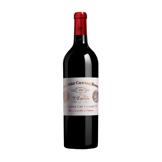
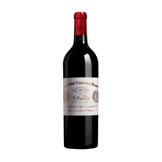
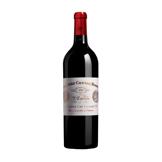
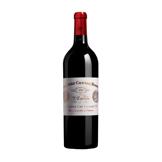
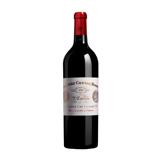
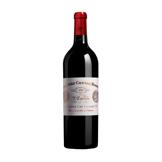
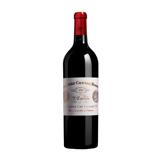
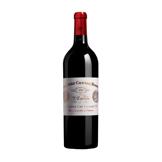
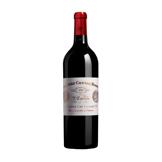
Cheval Blanc 1981
 View analysis


Description
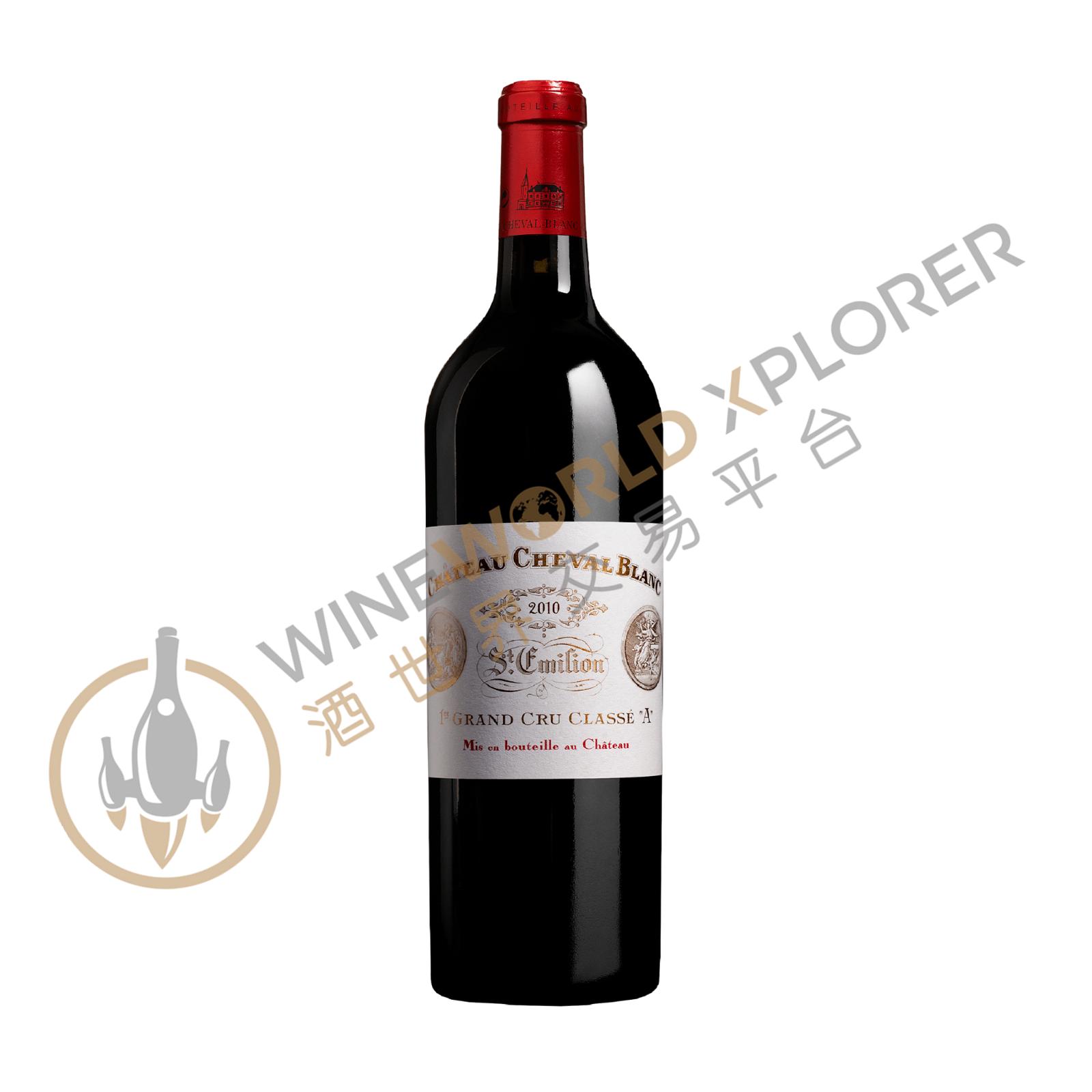
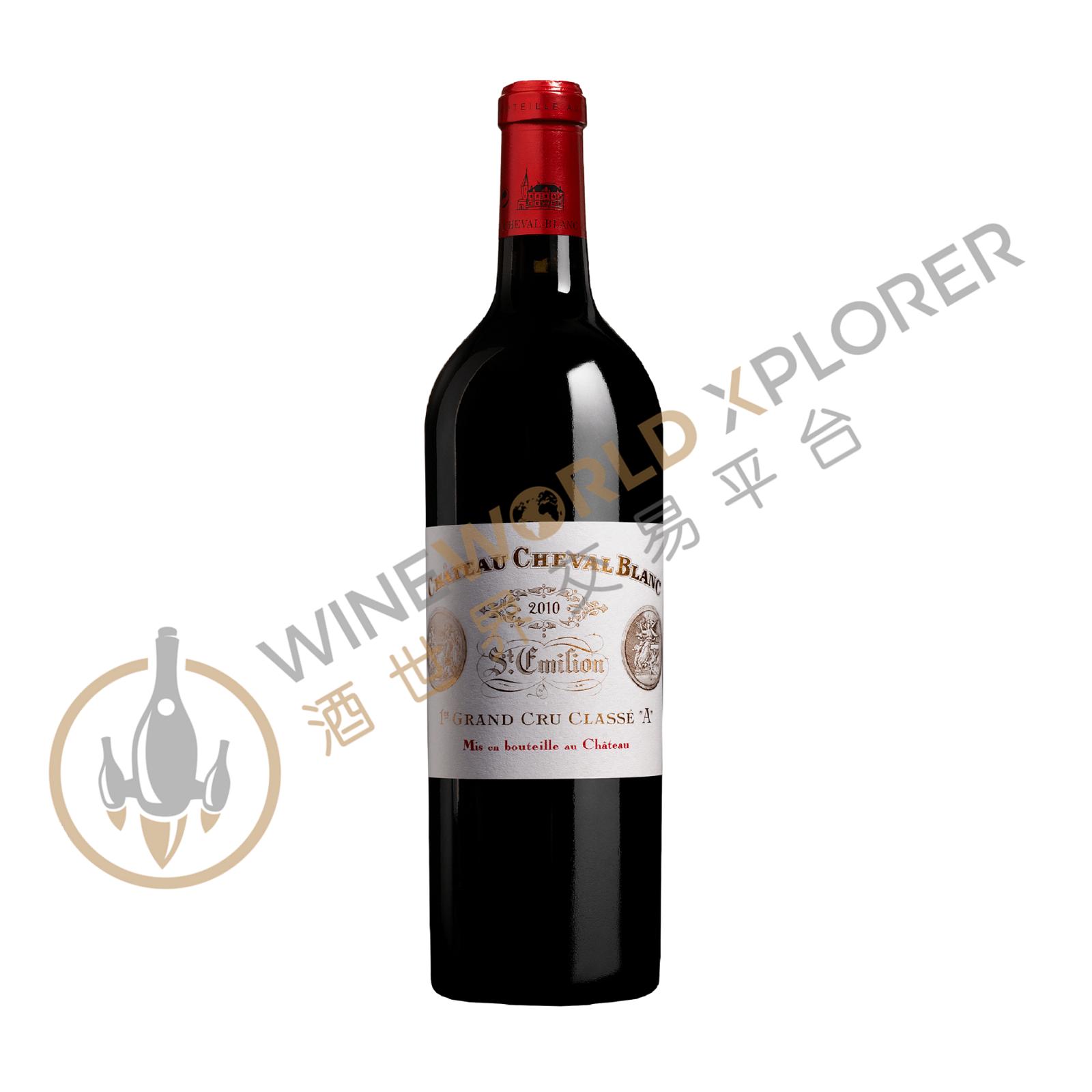
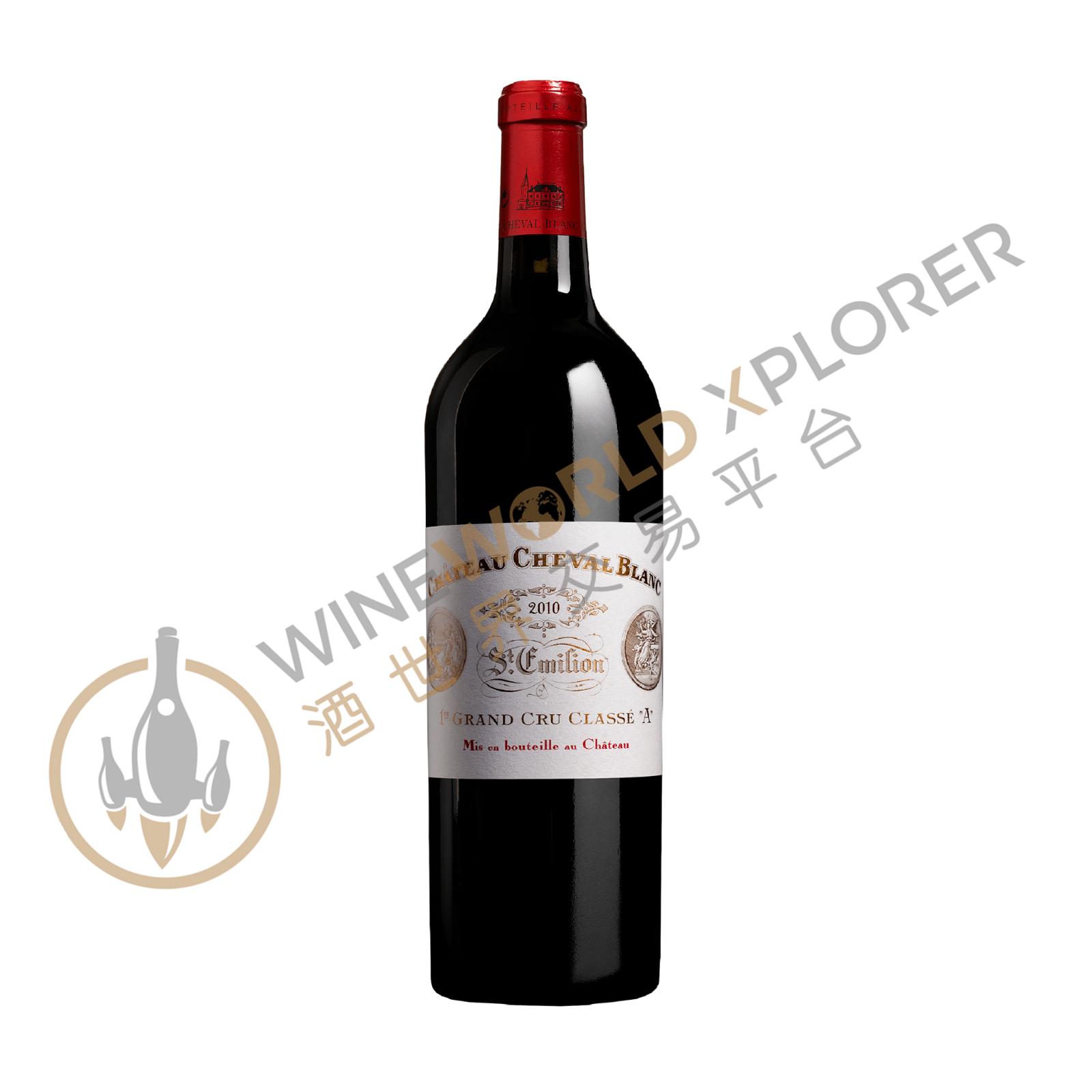
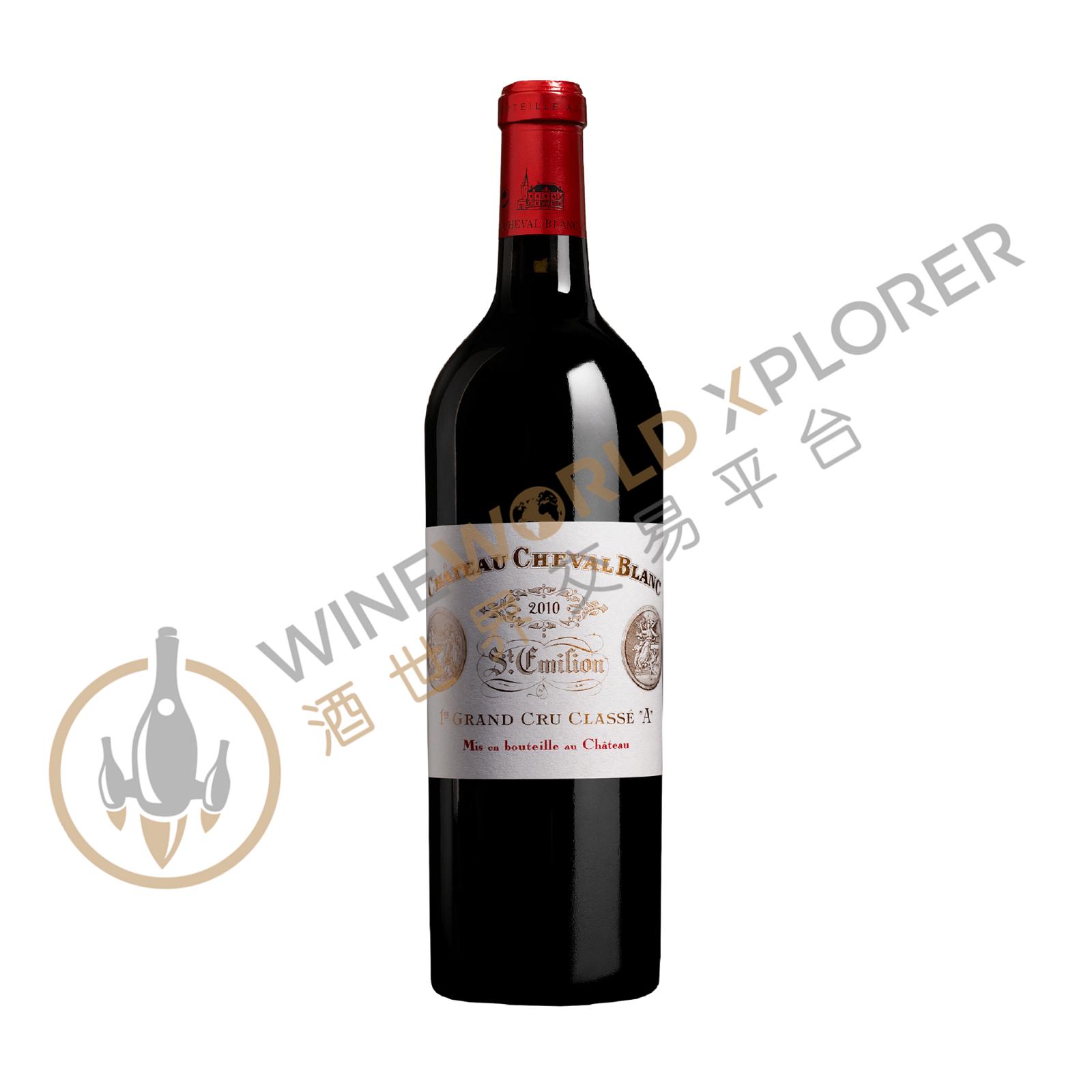
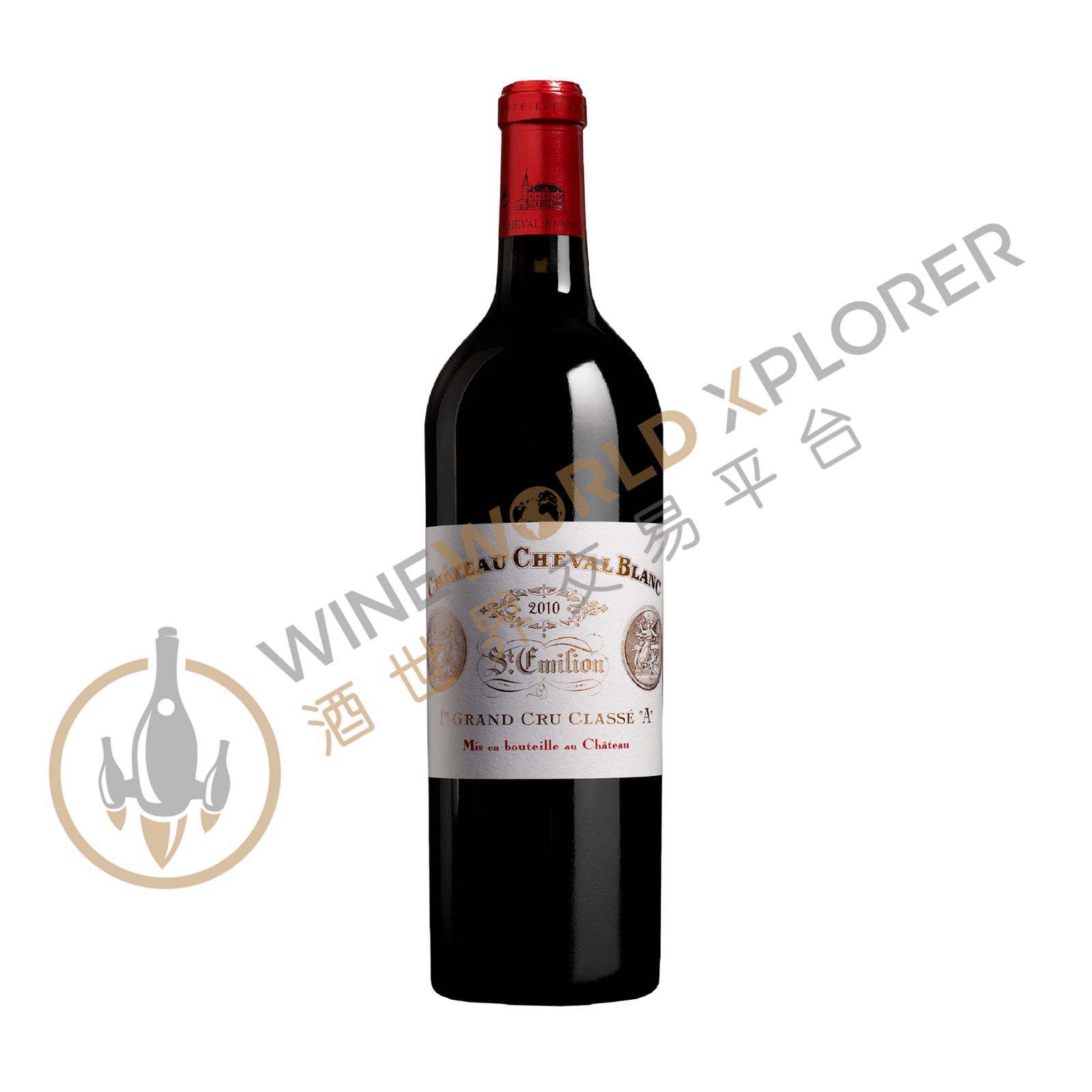
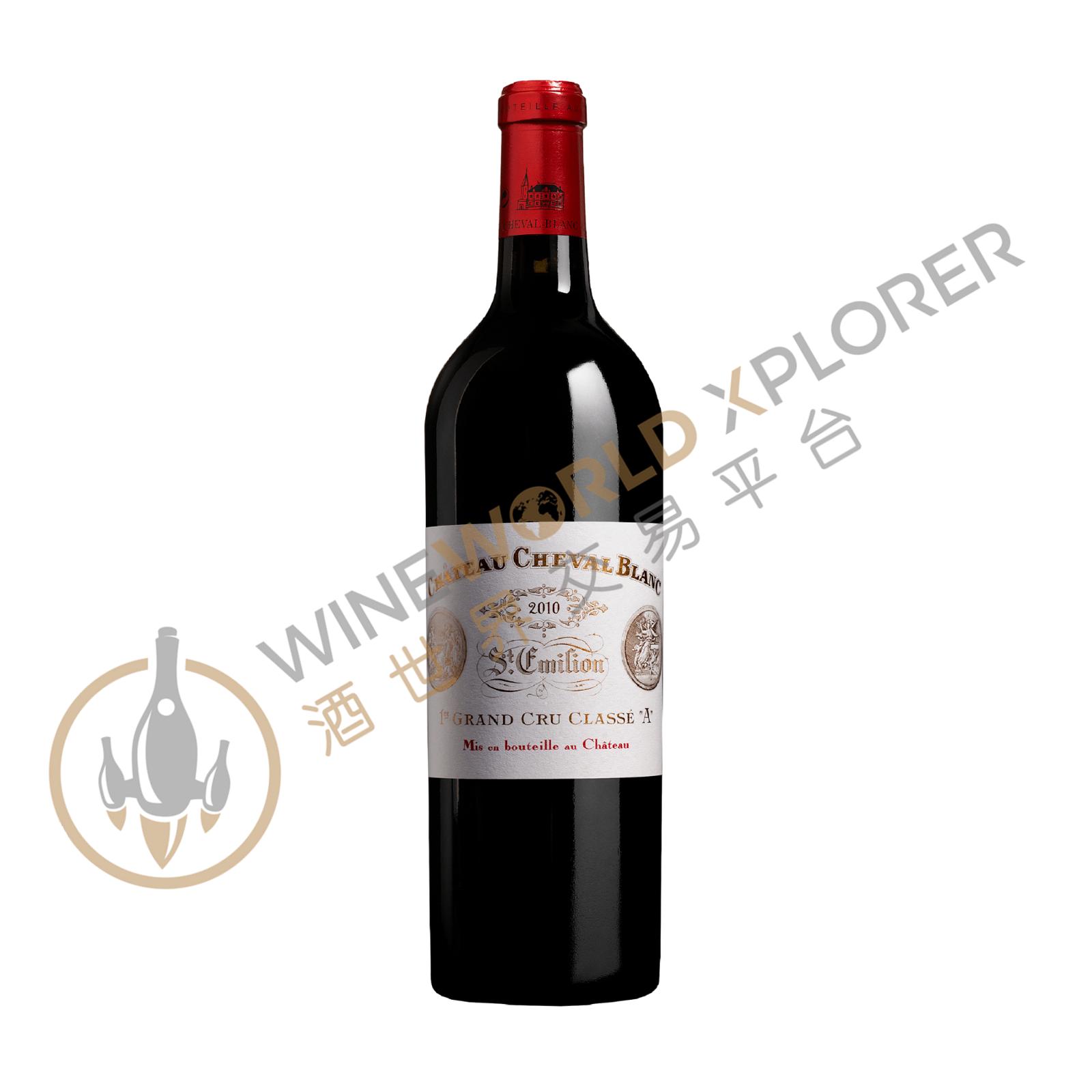
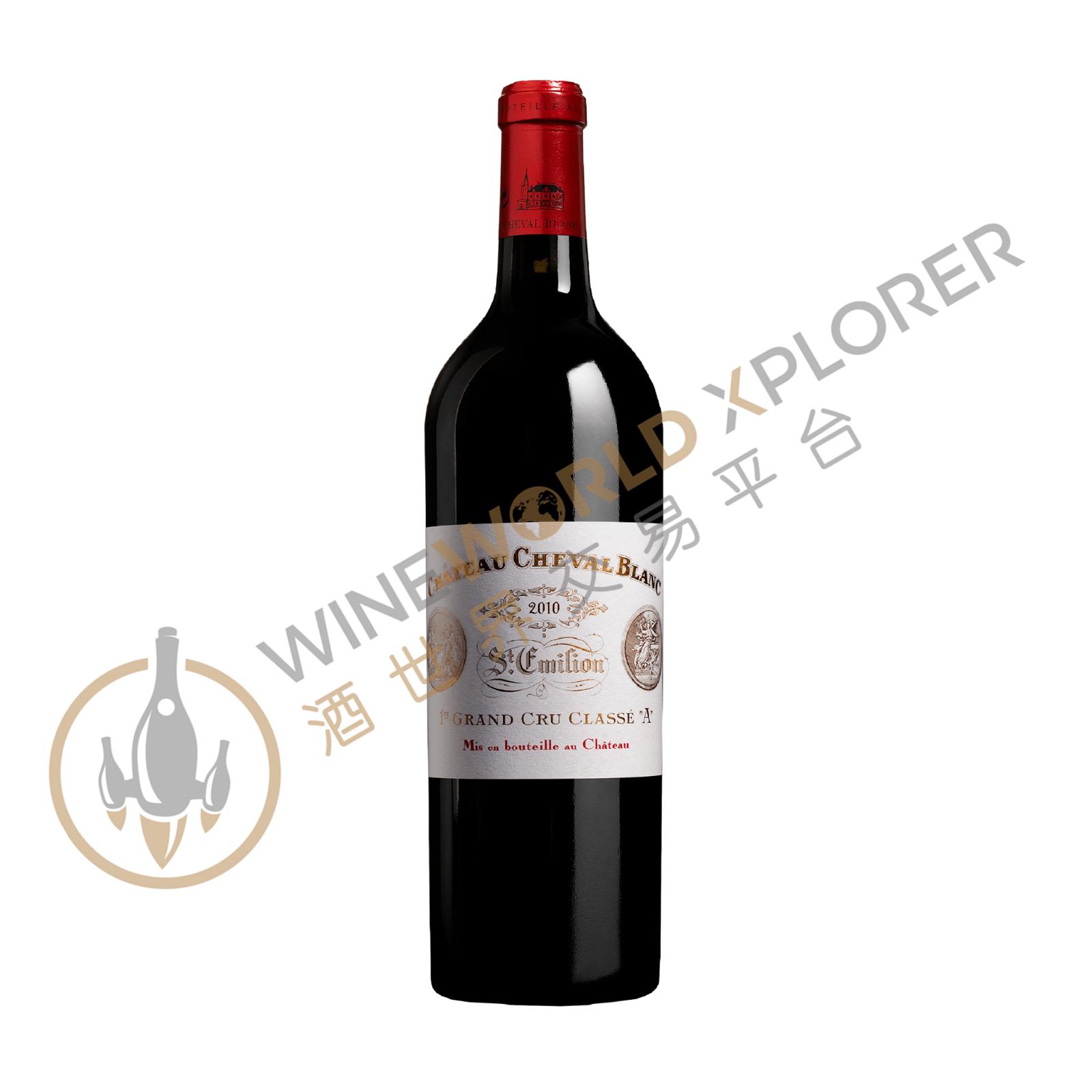
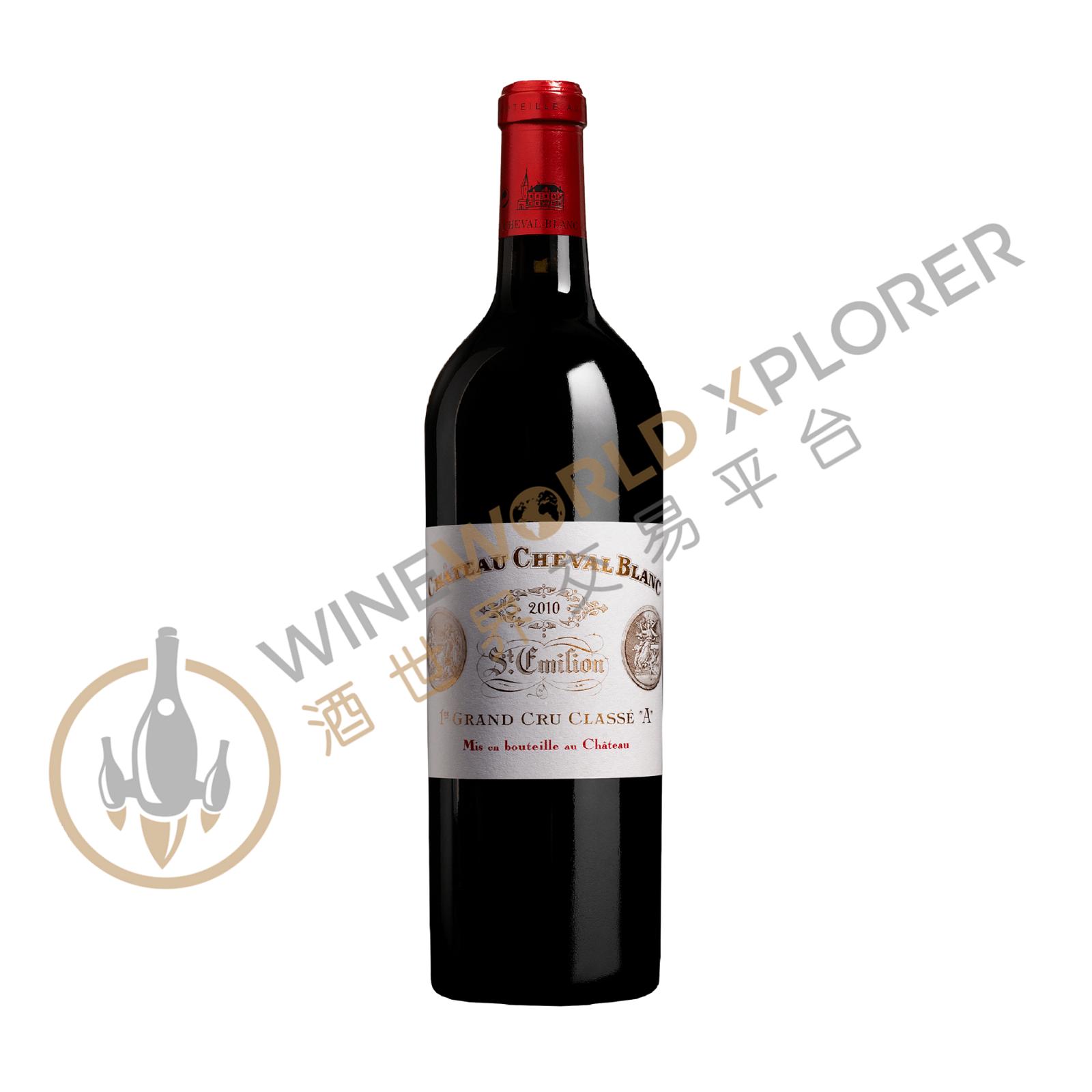
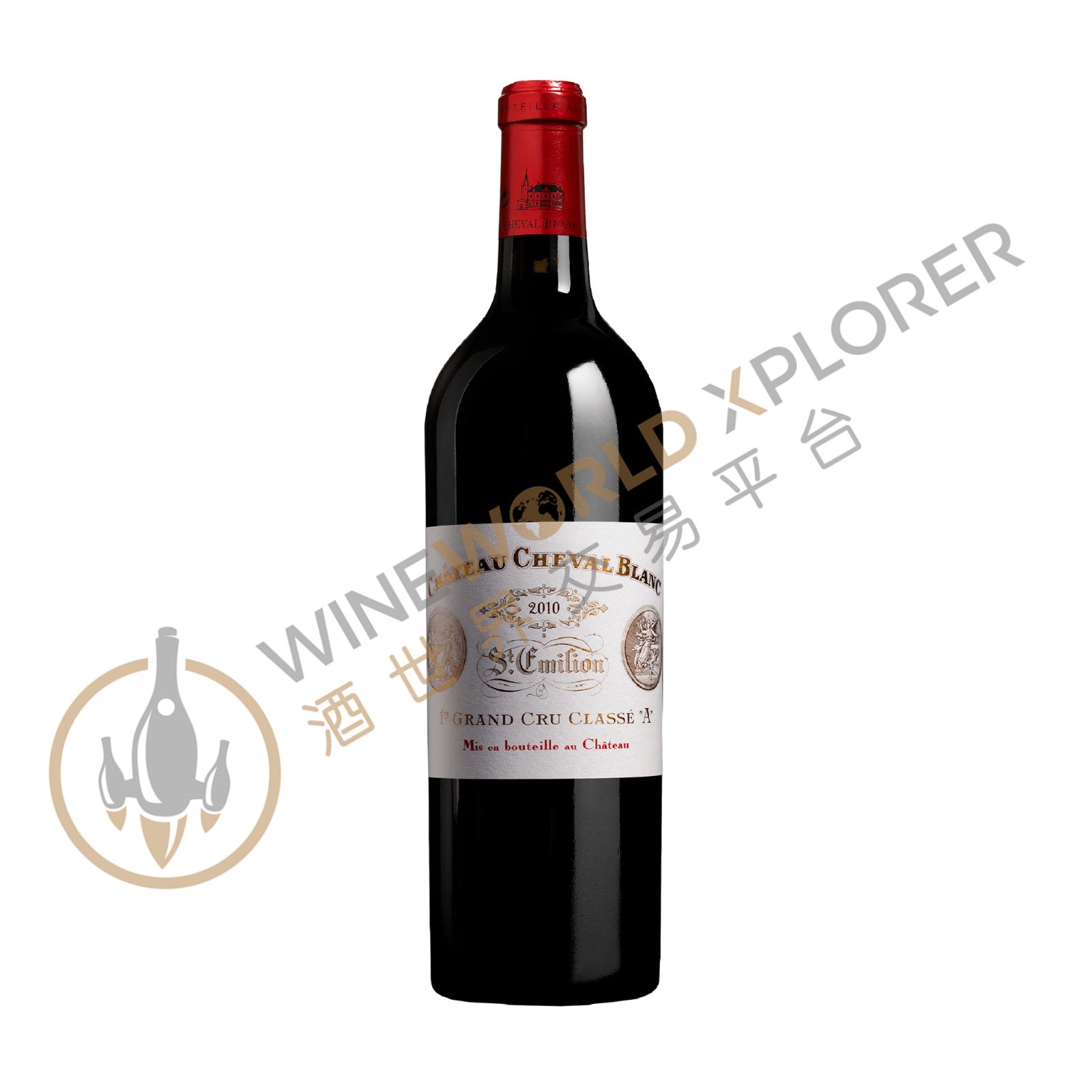
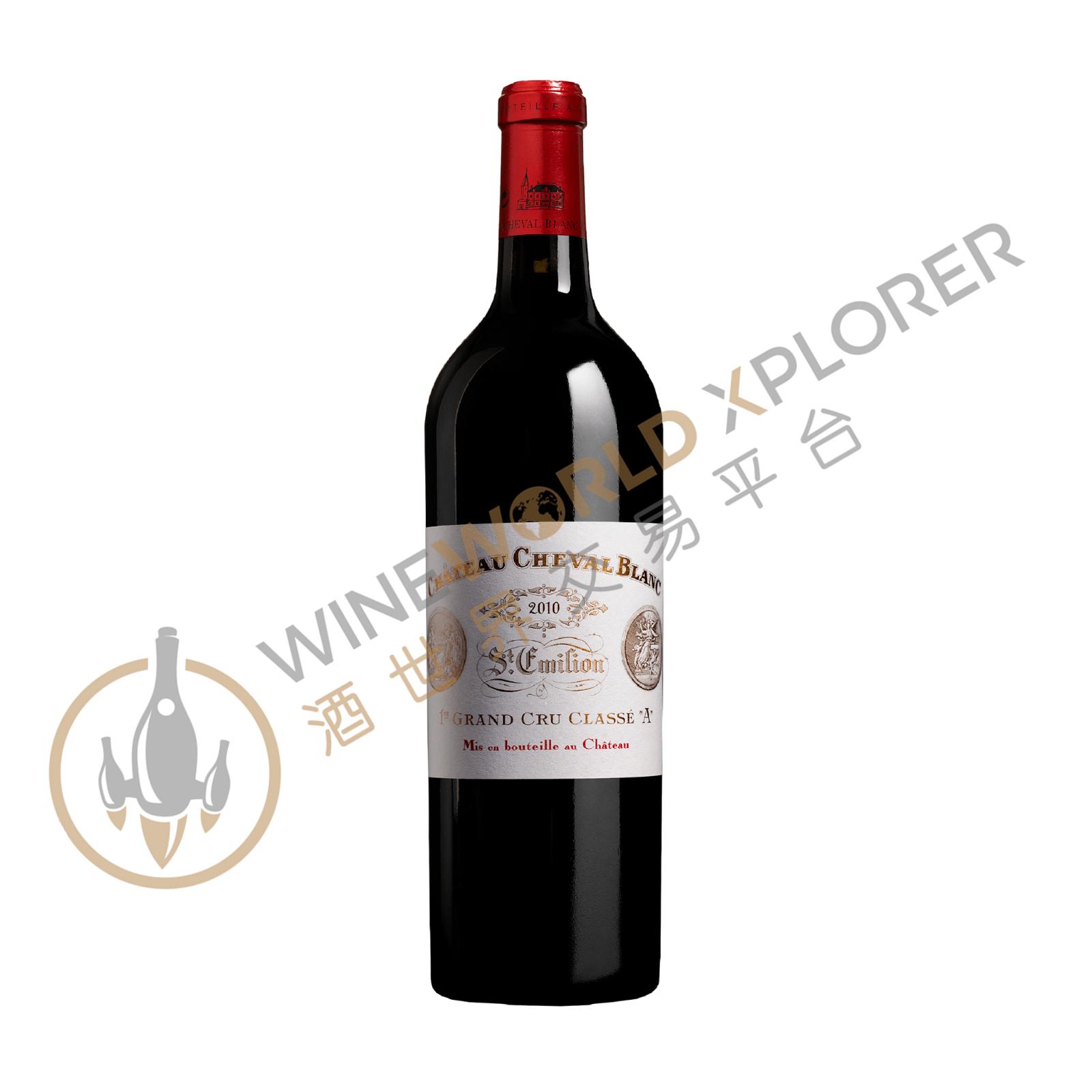
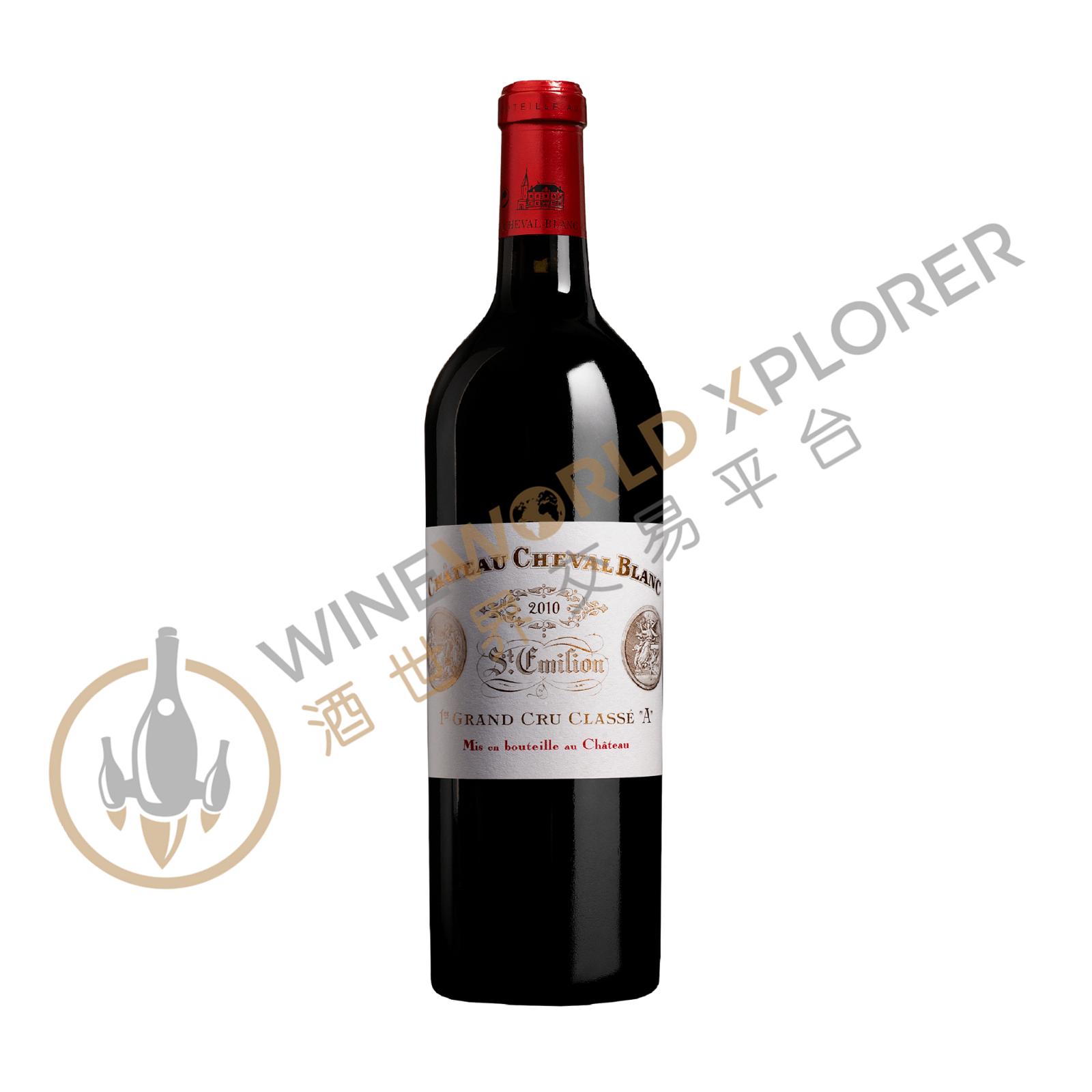
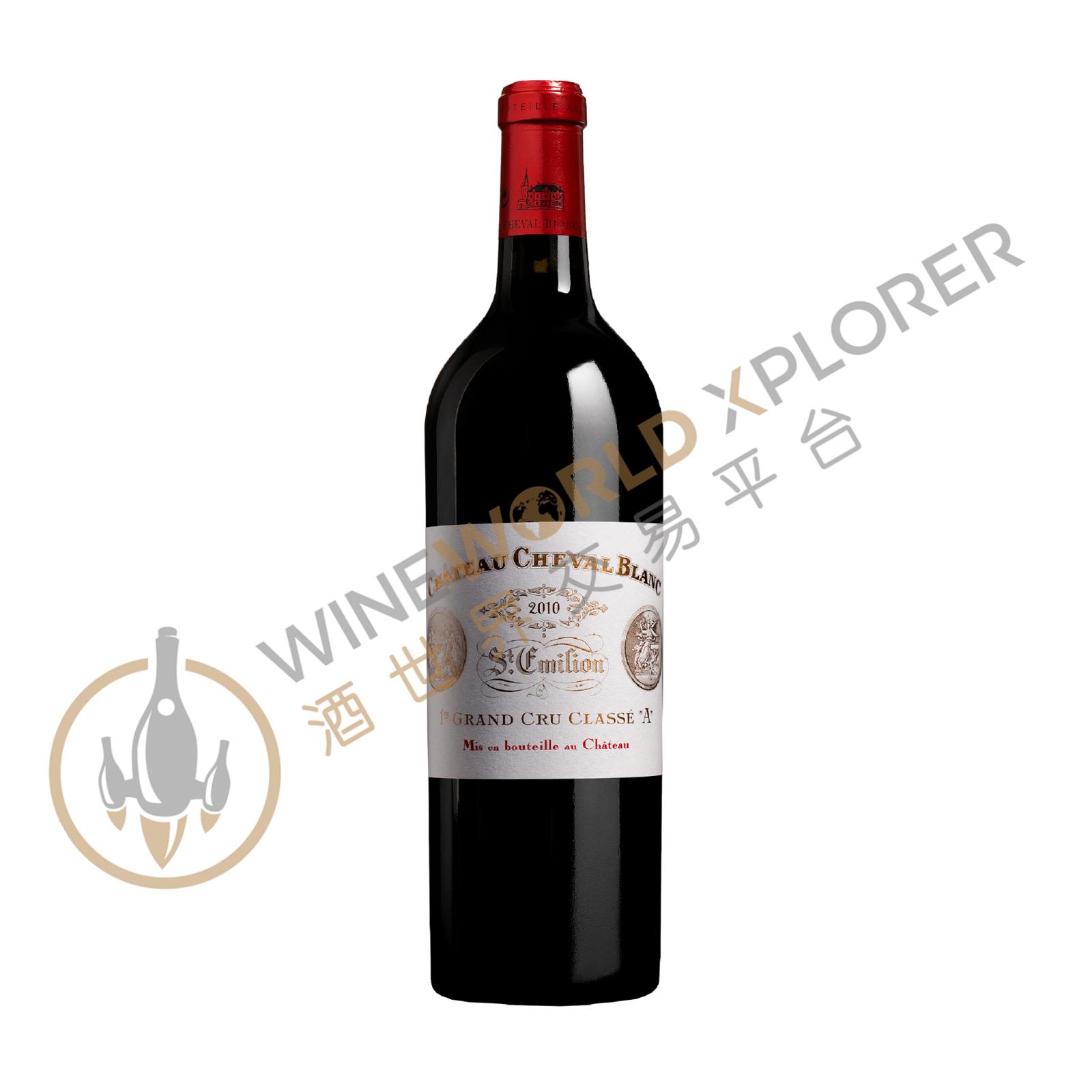
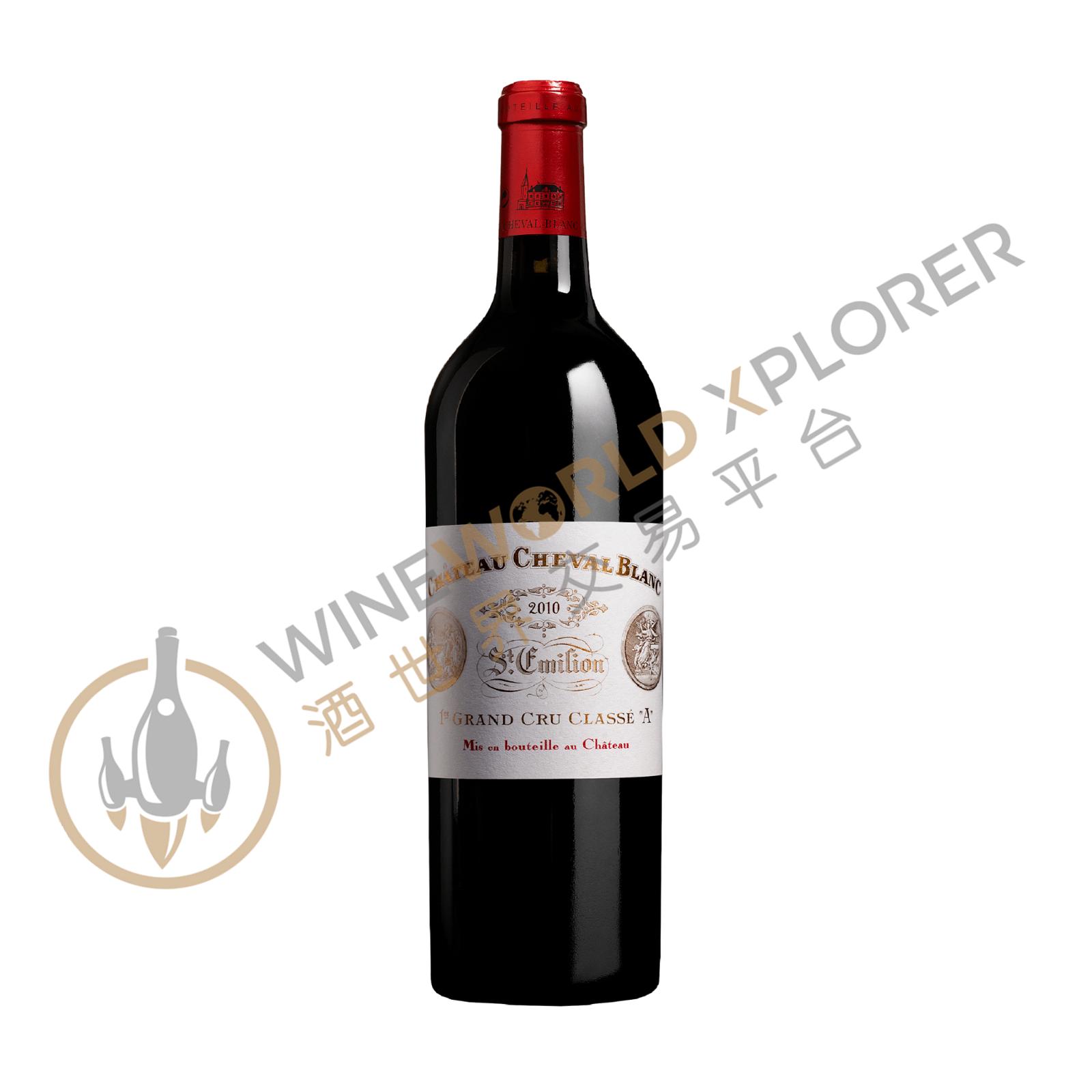
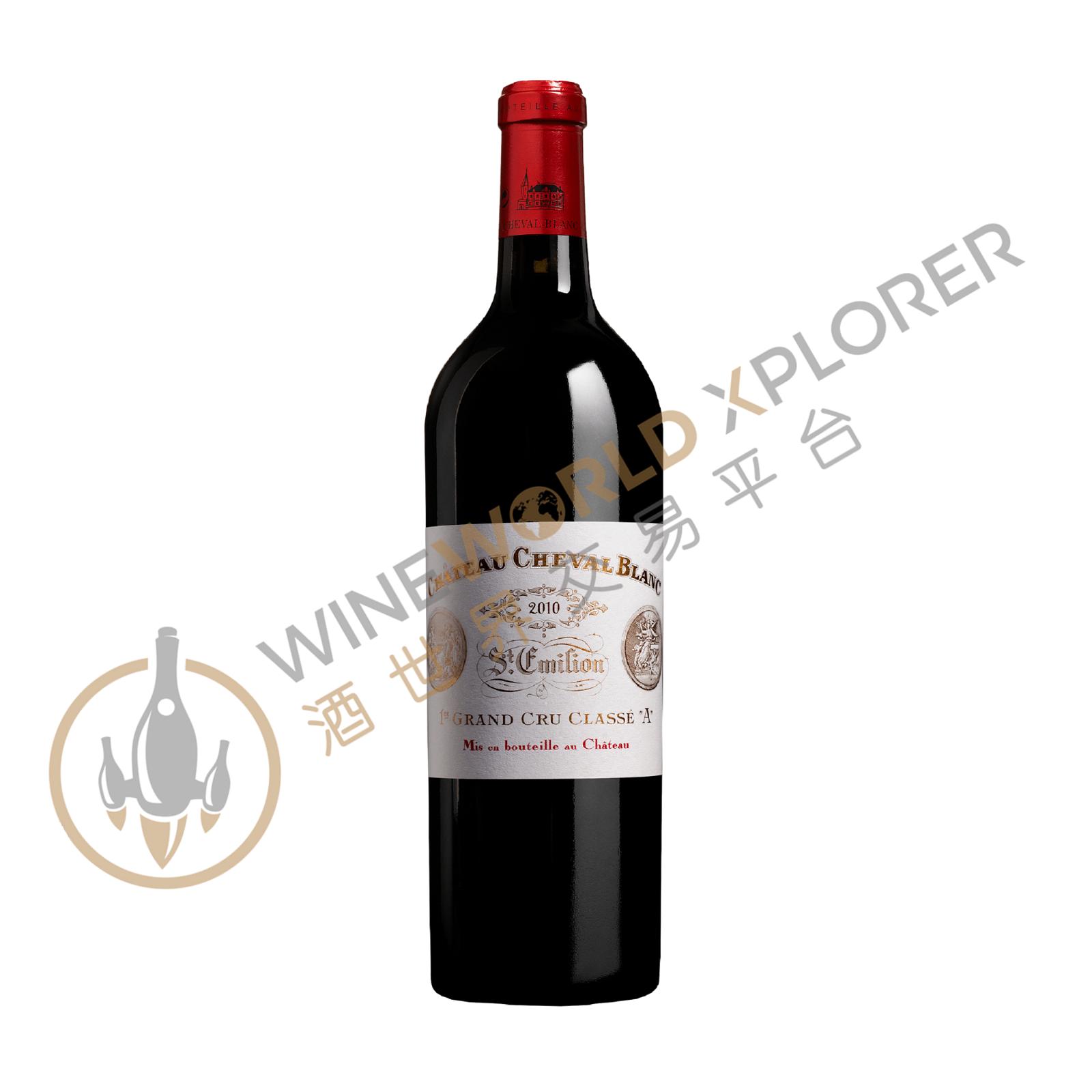
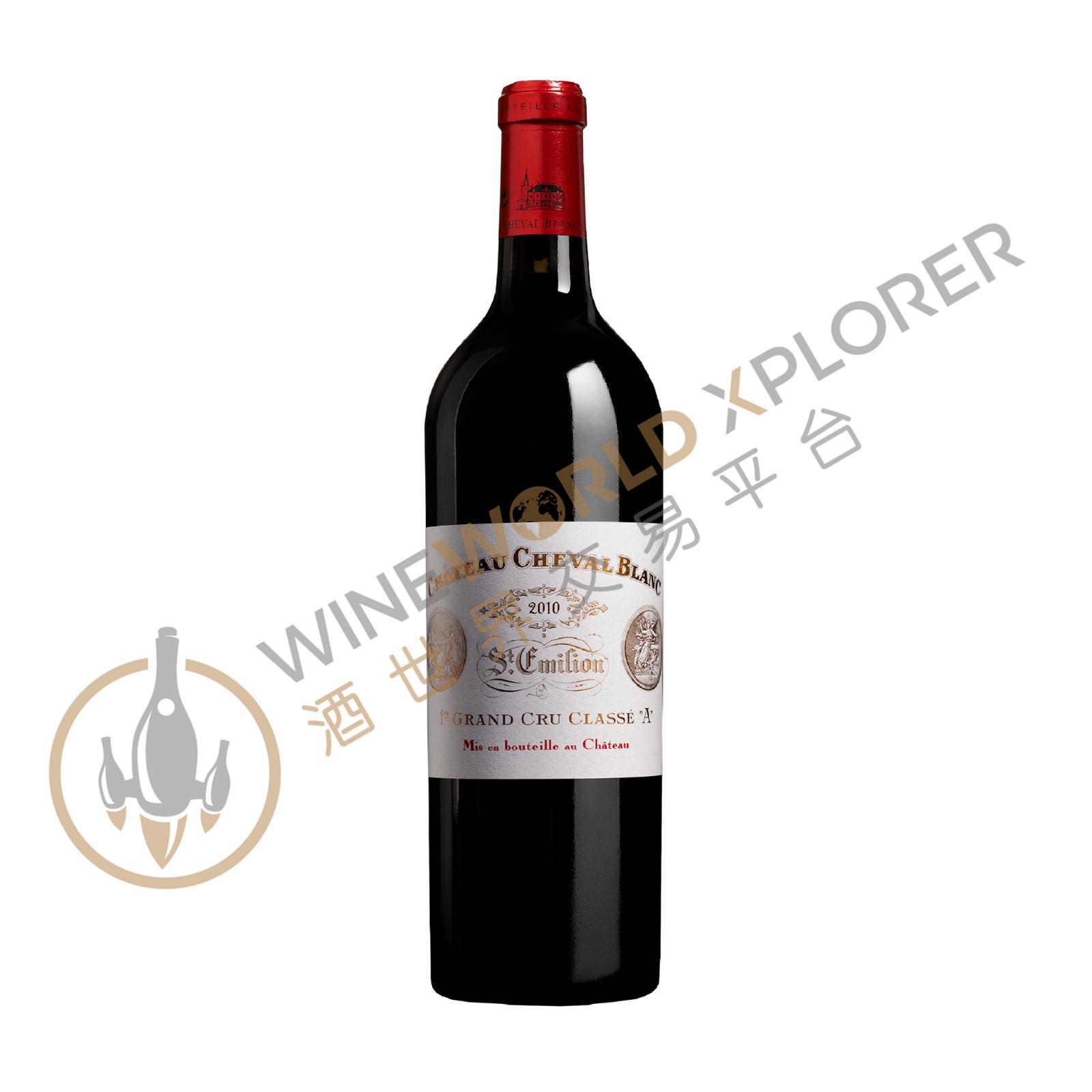
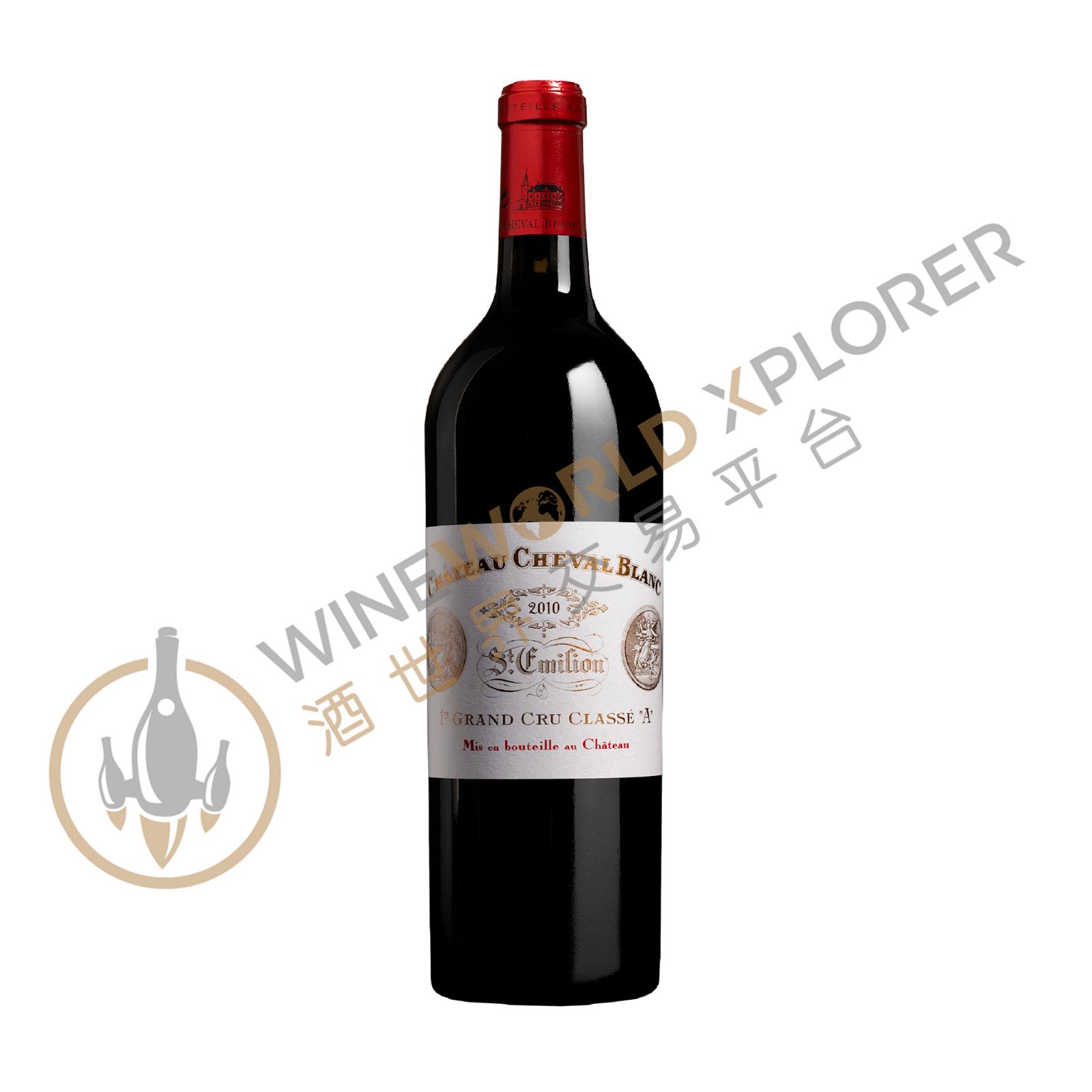
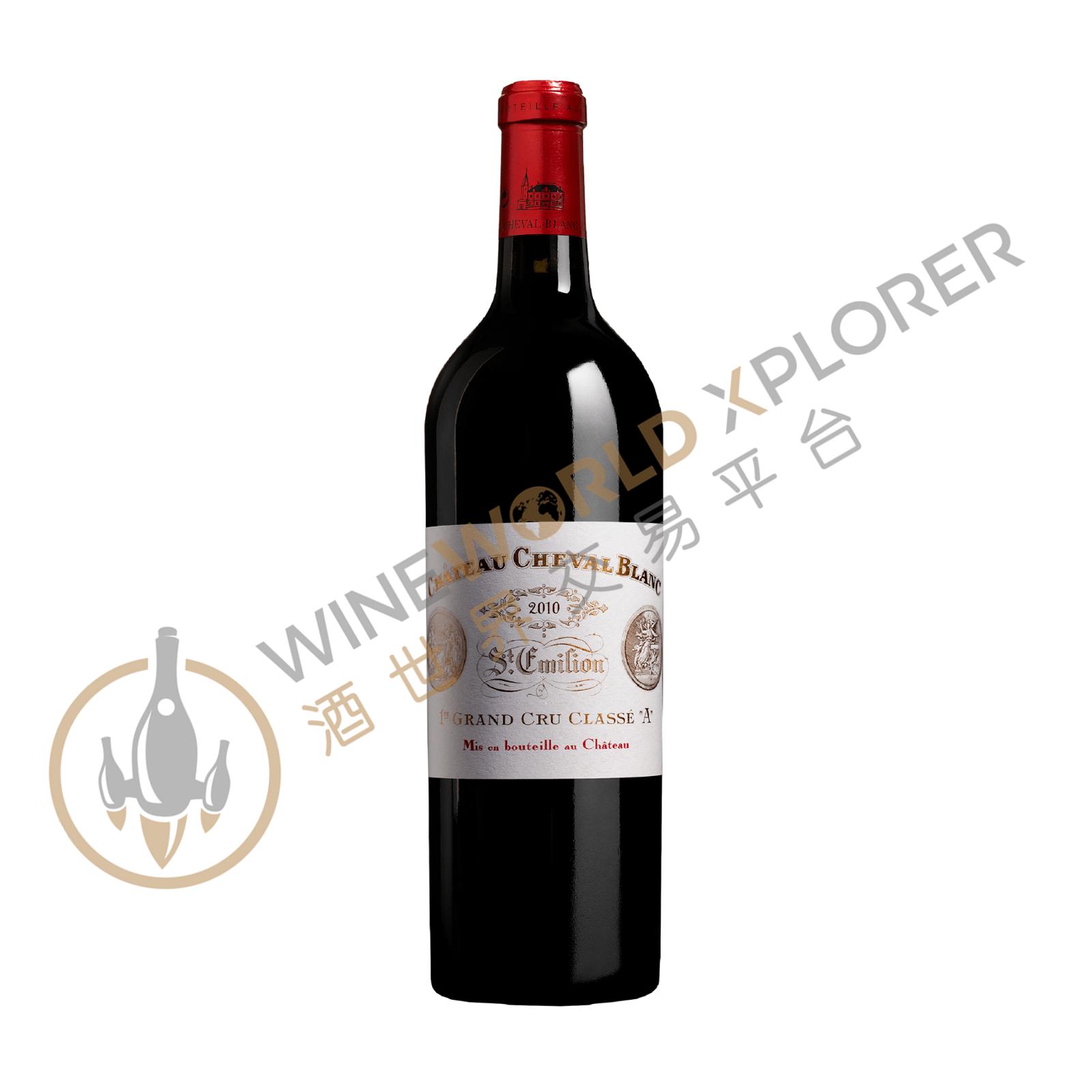
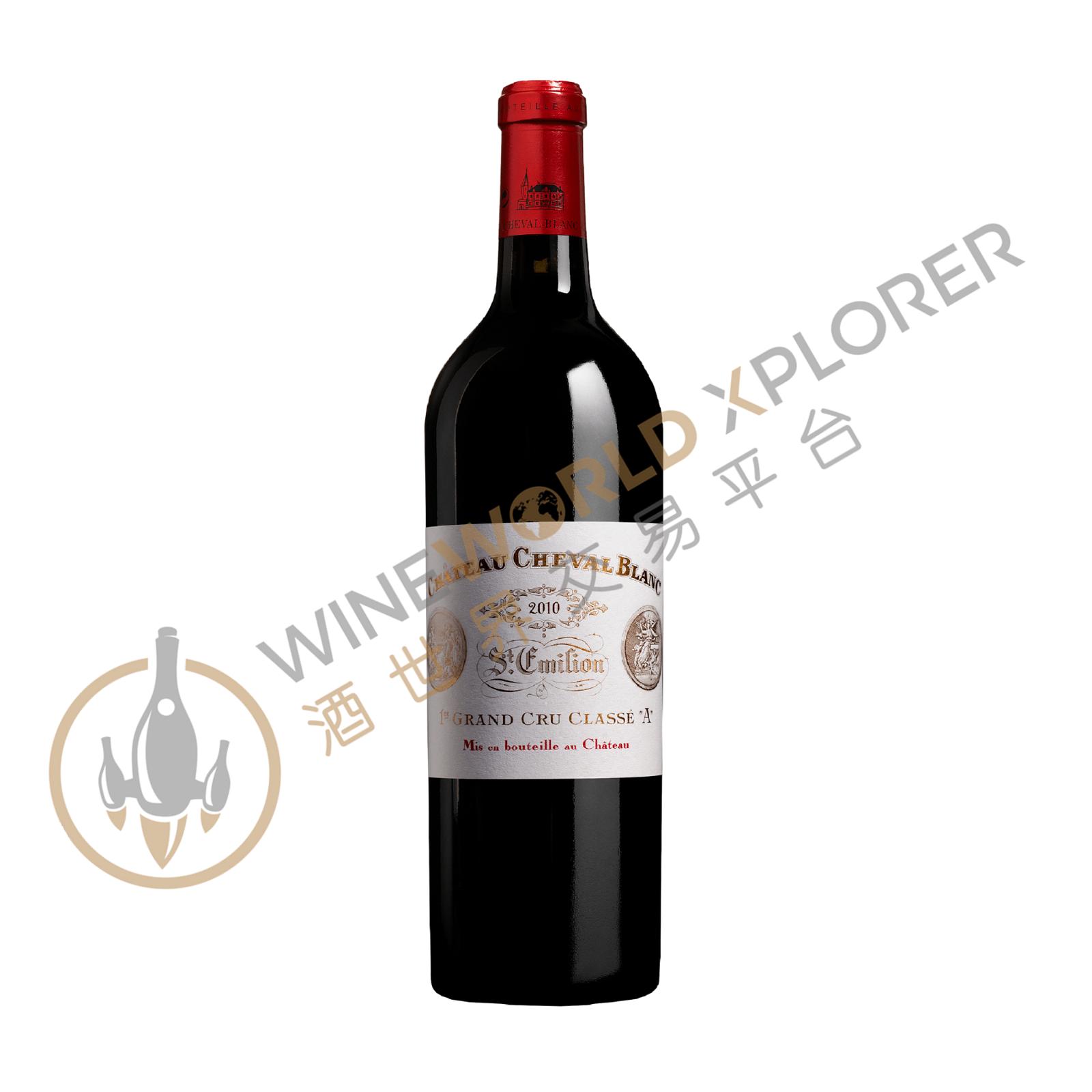
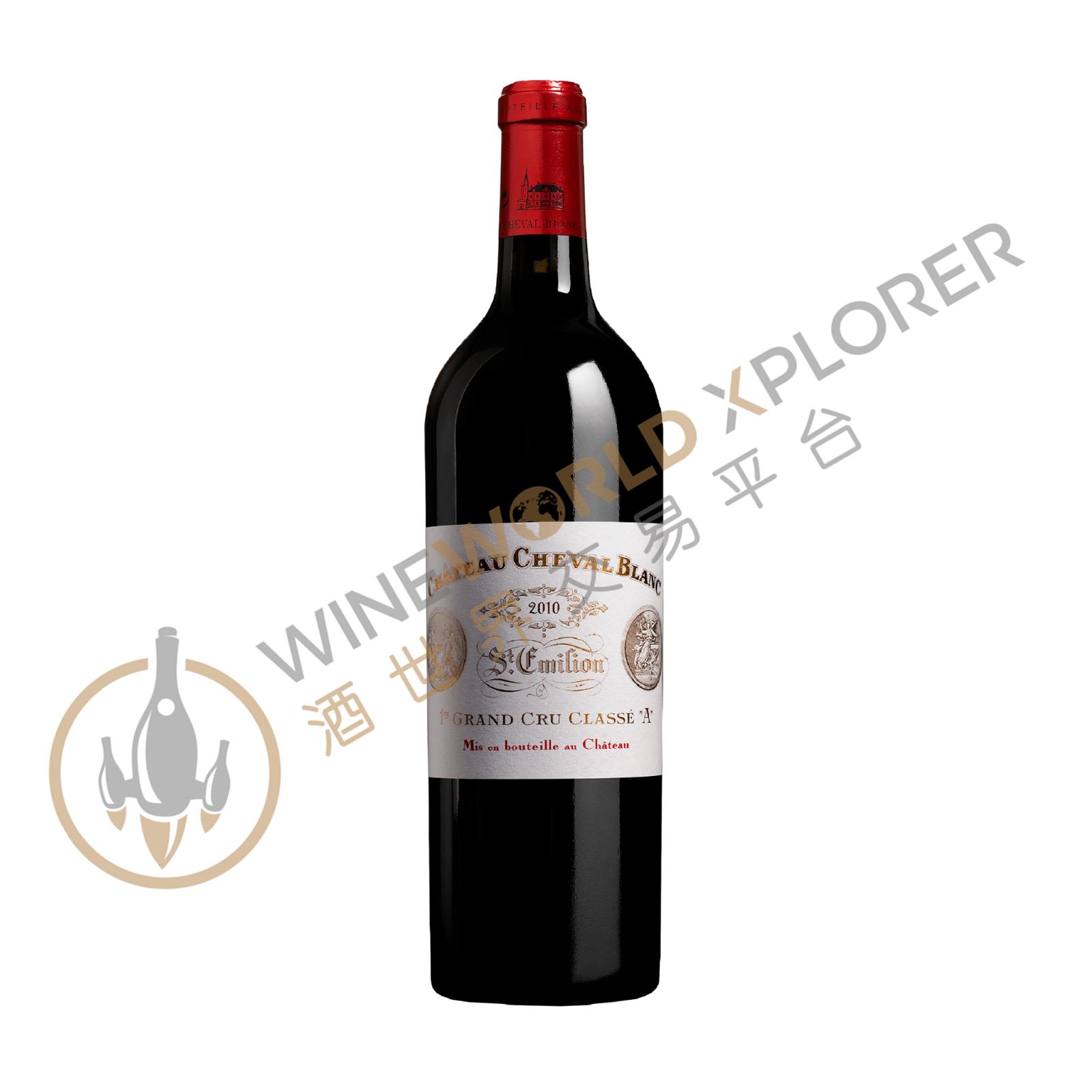
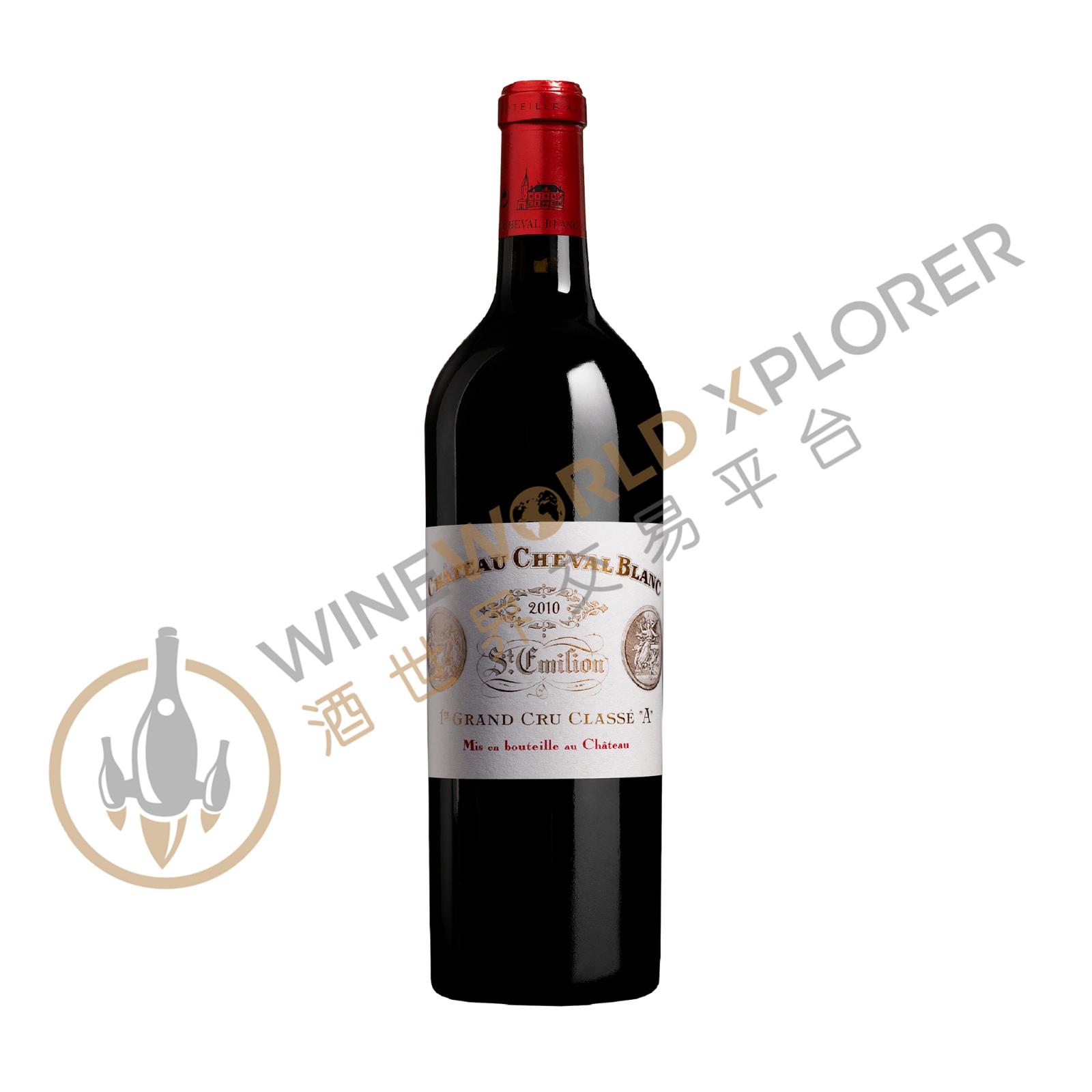
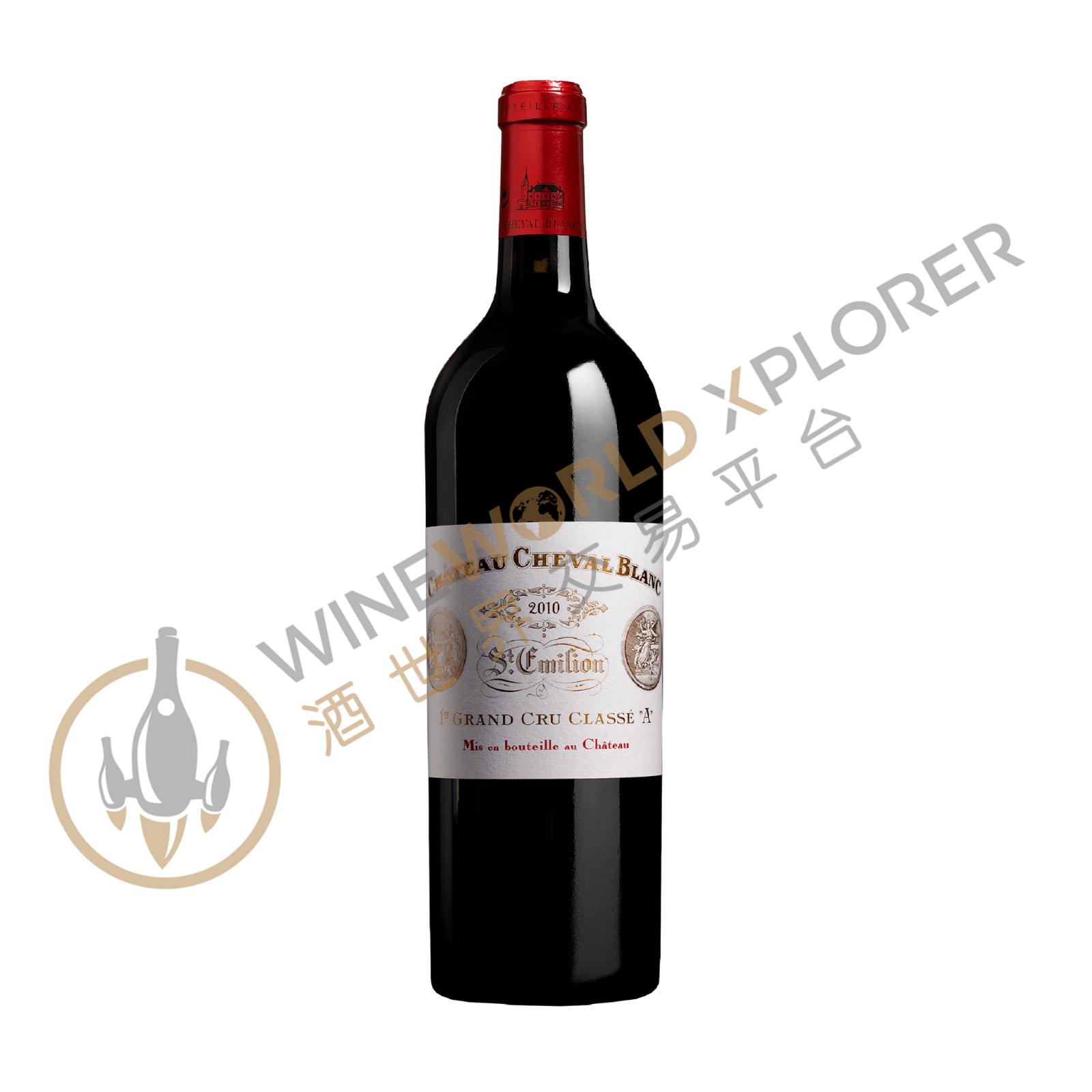
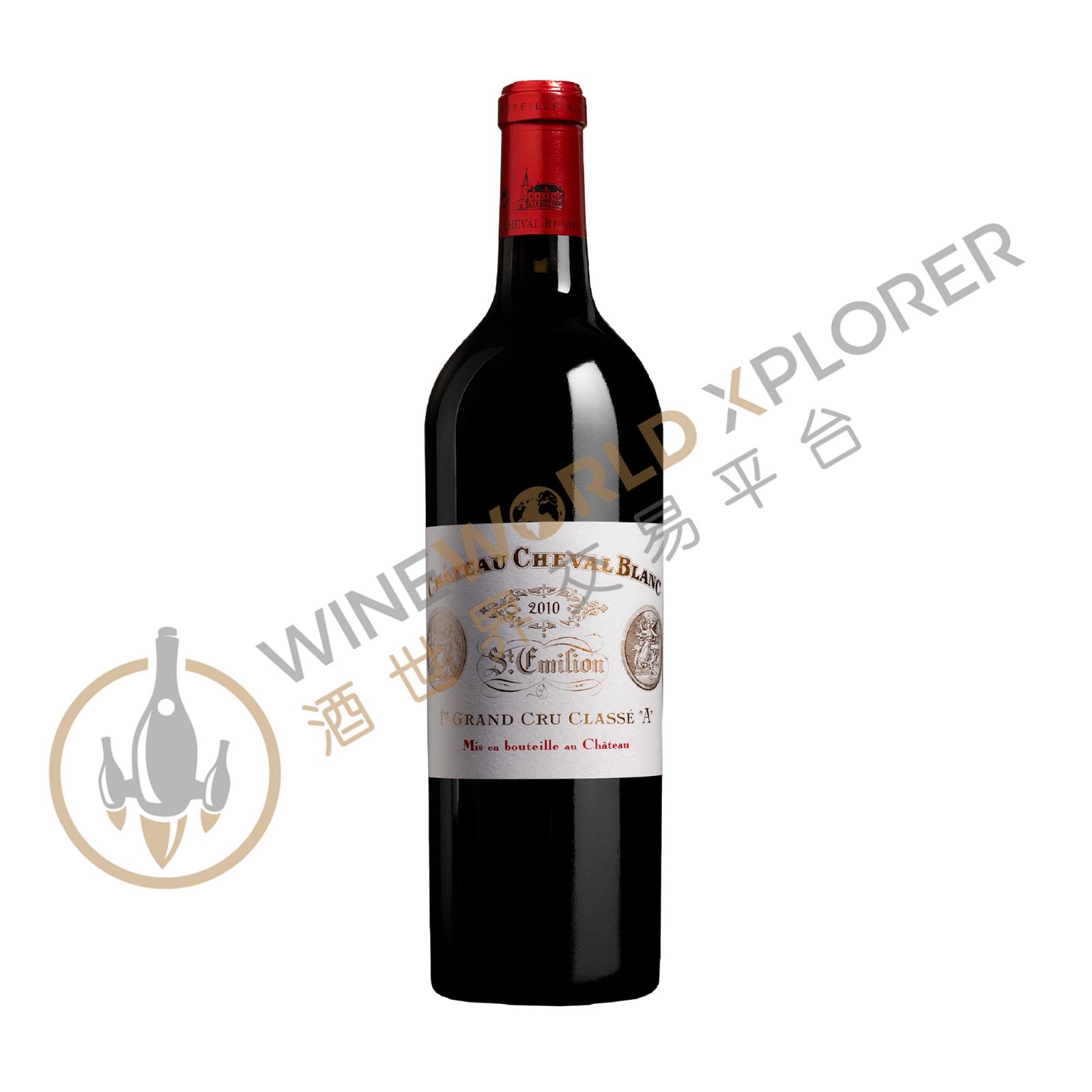
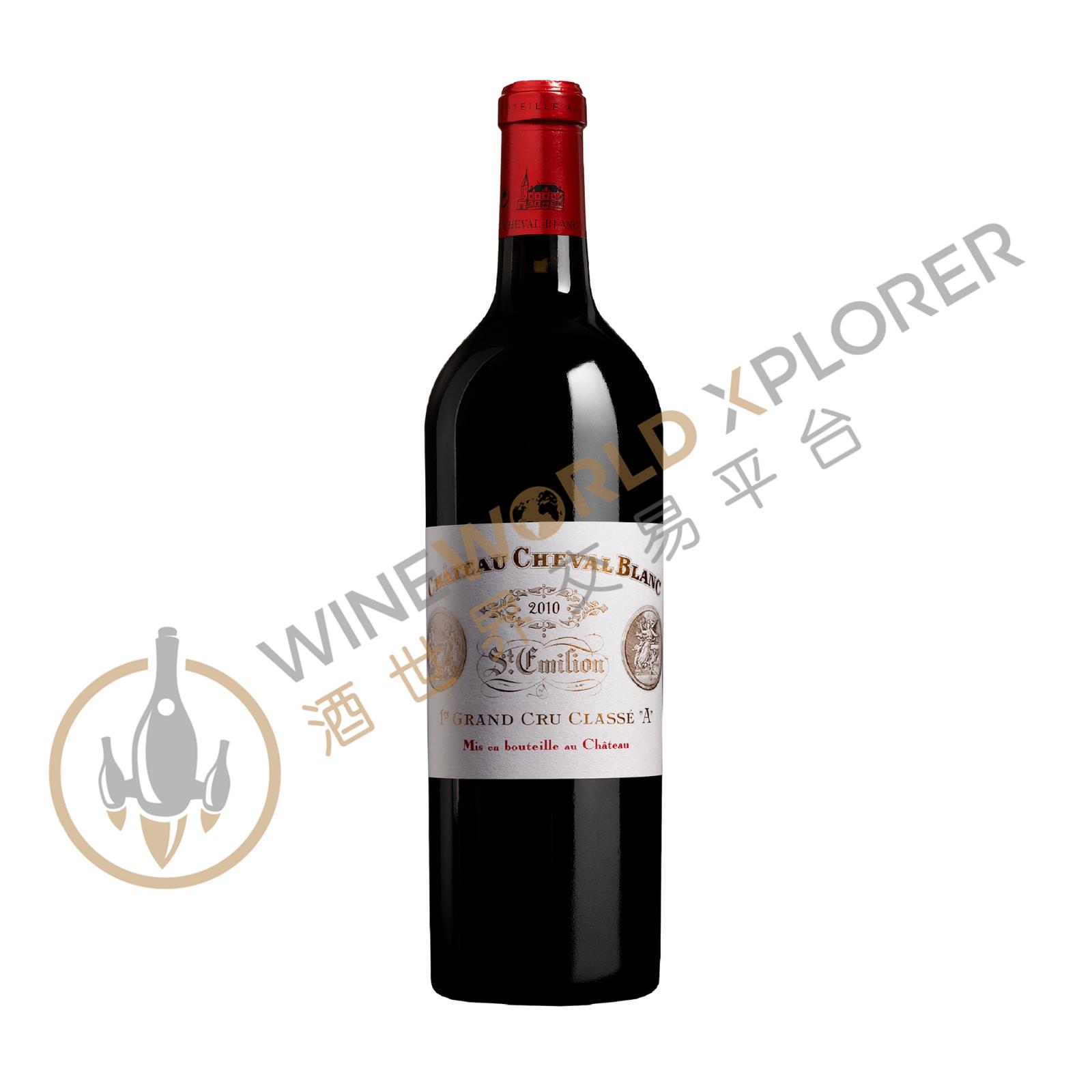
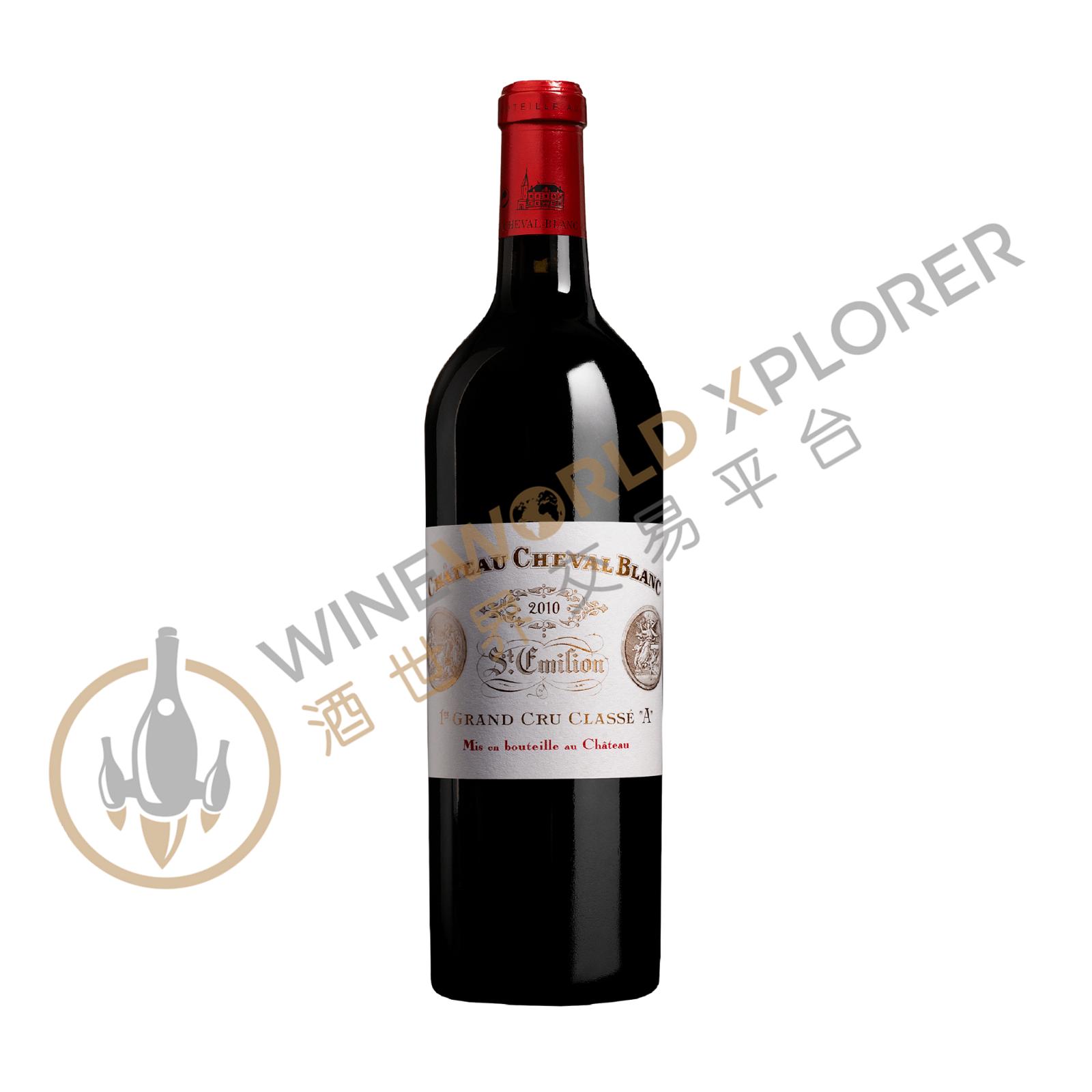
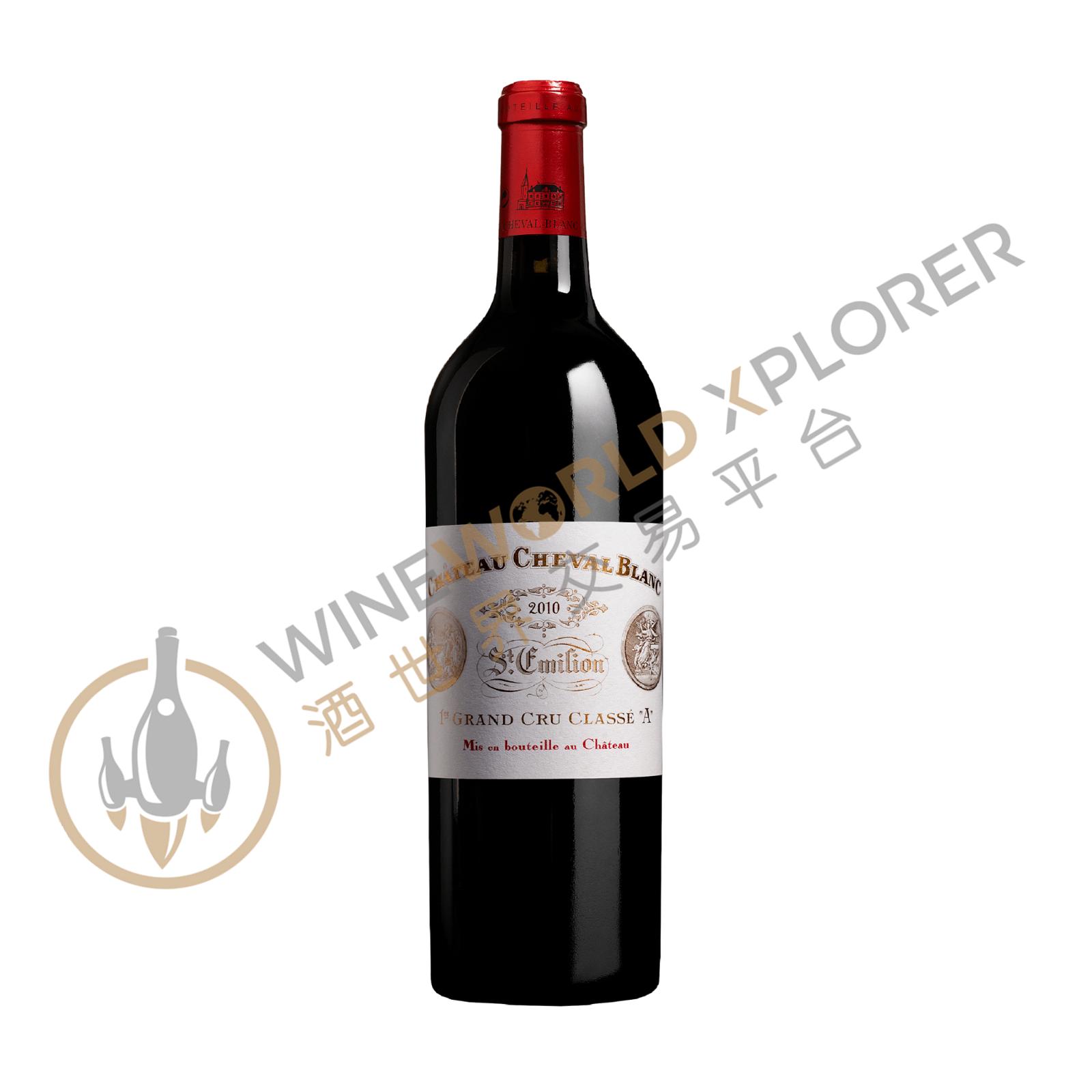
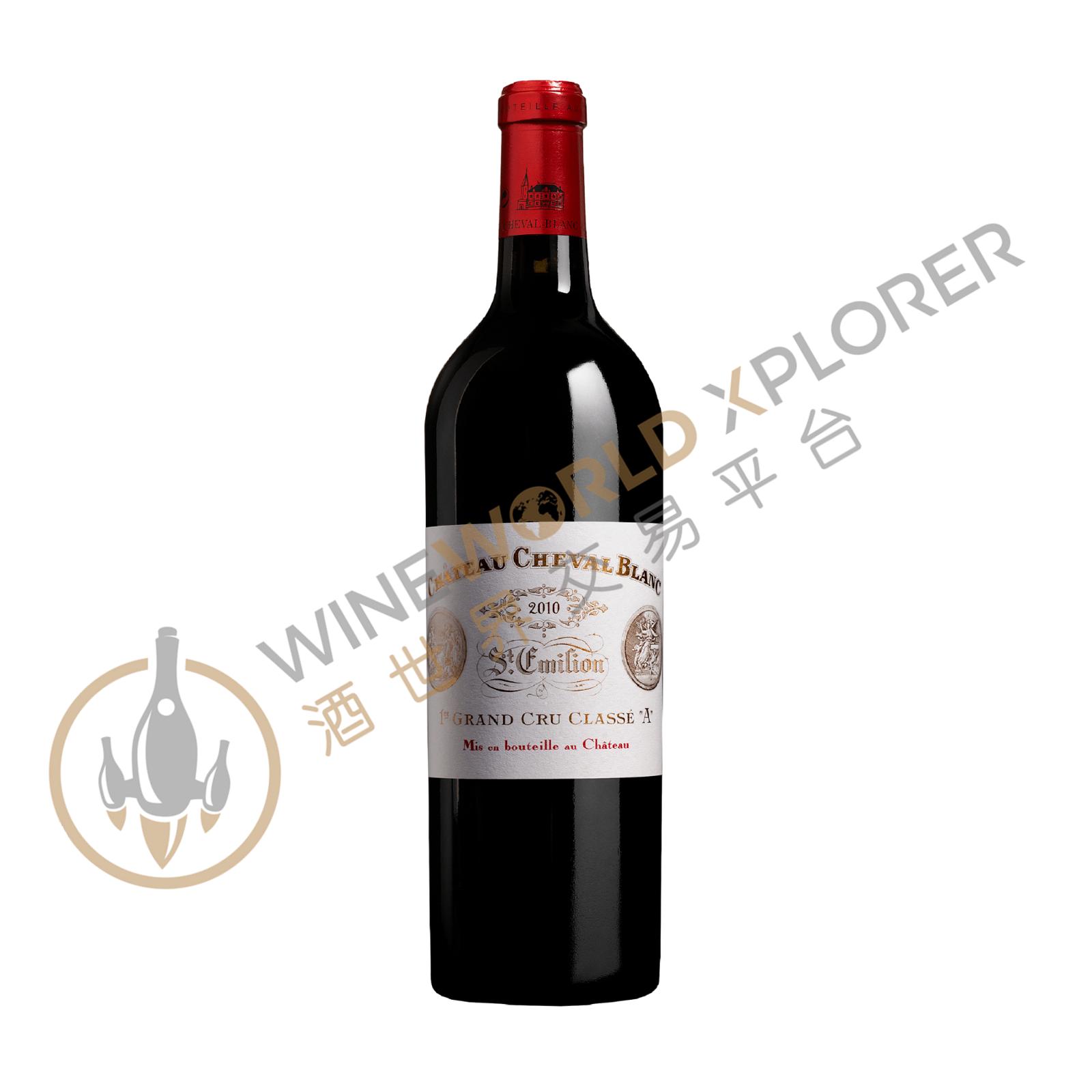
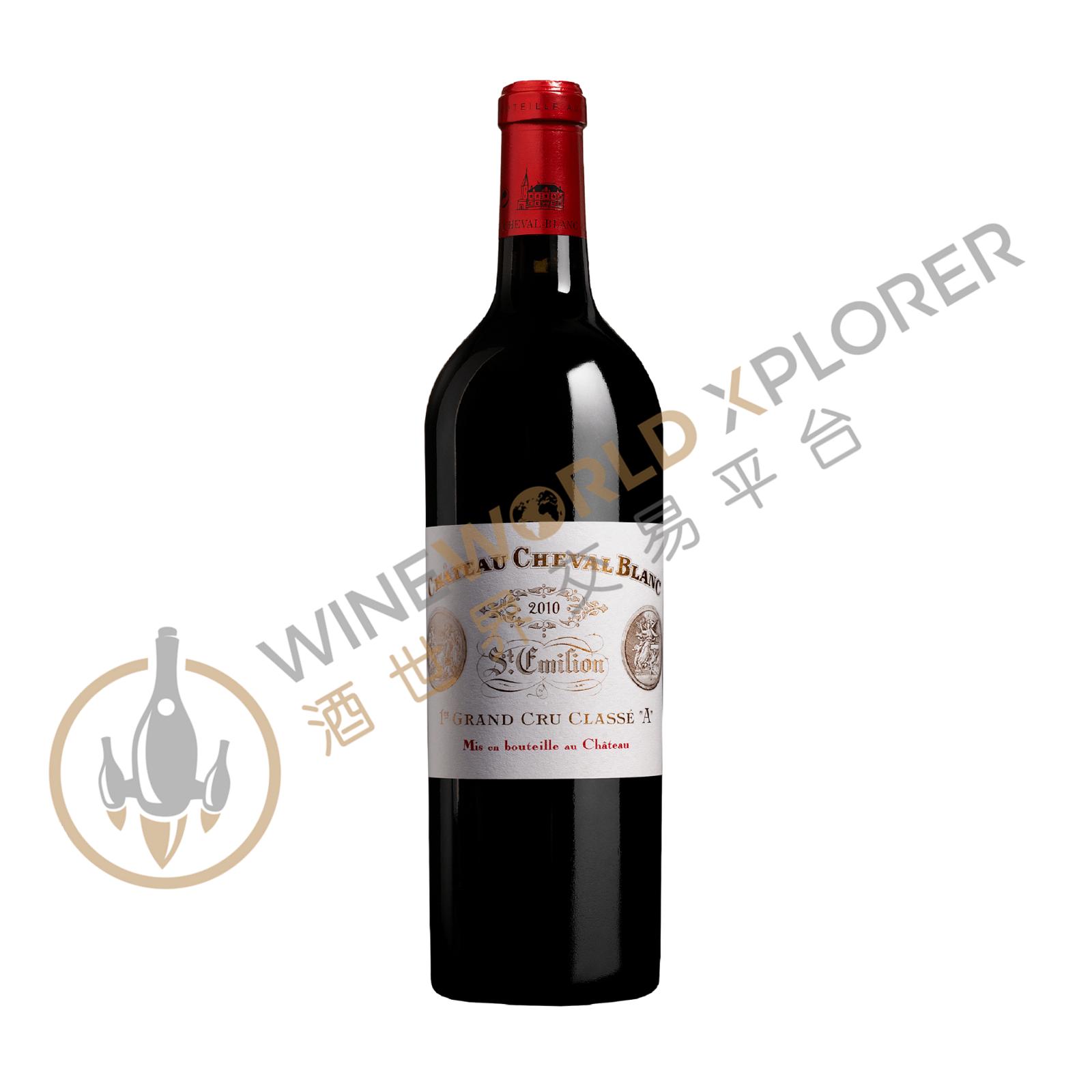
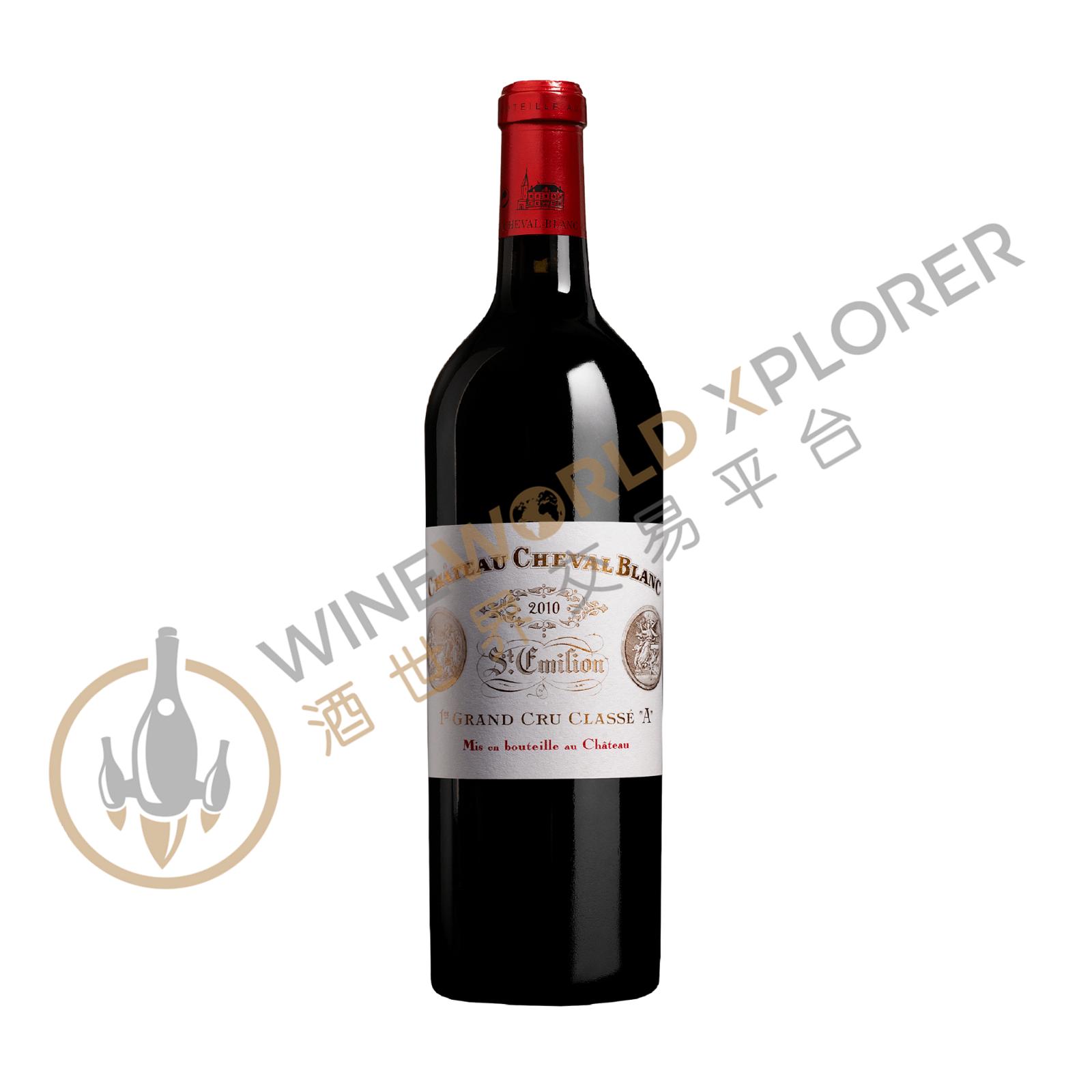
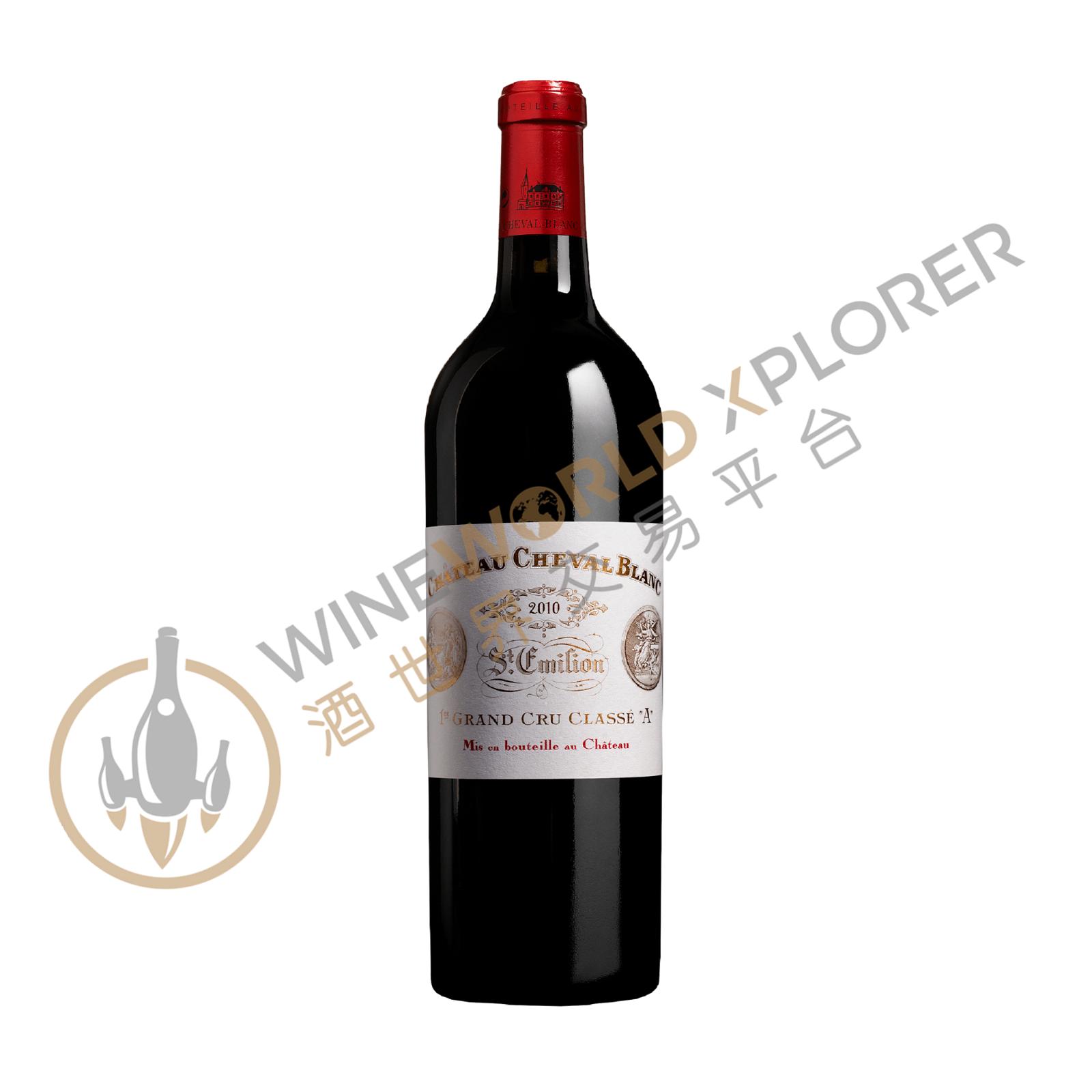
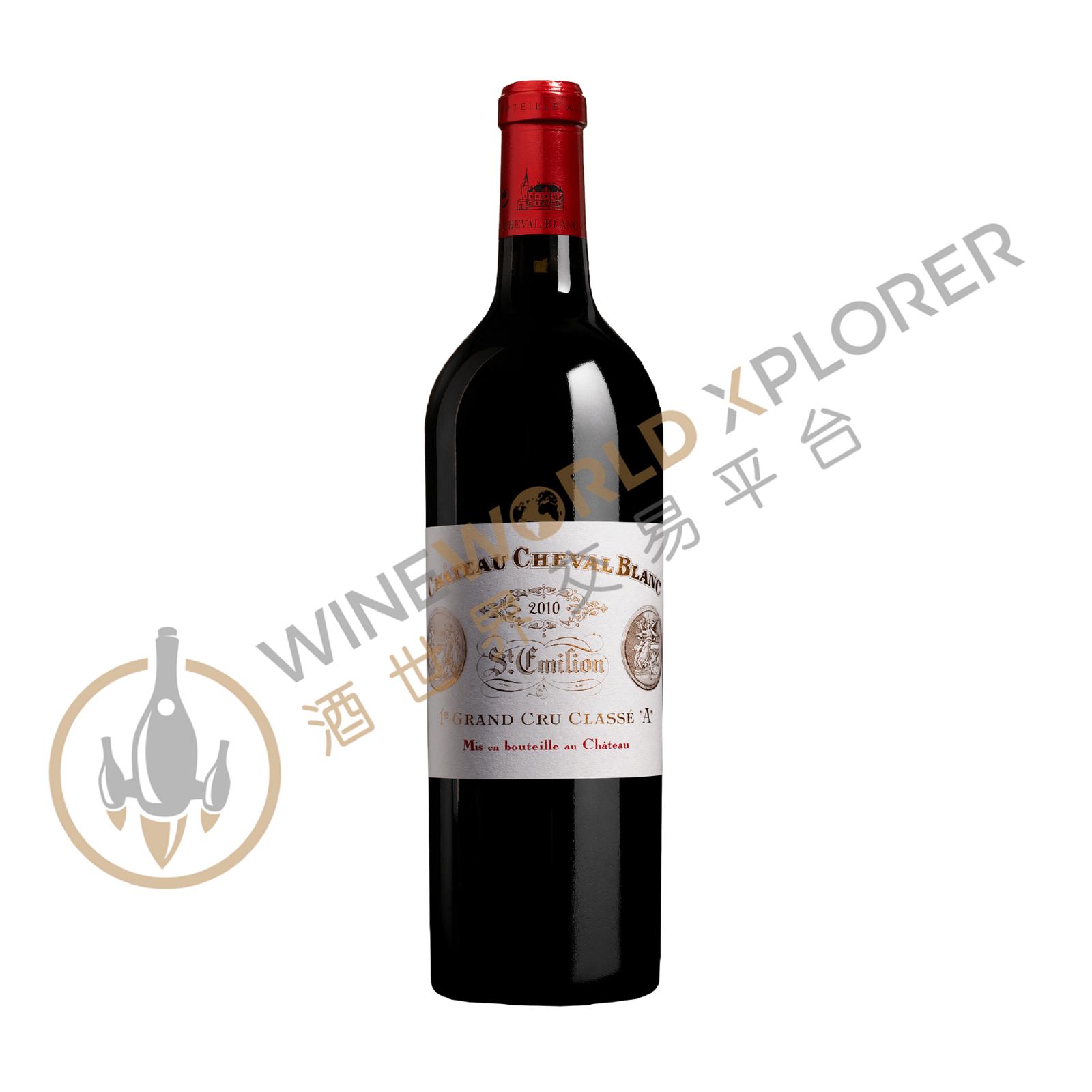
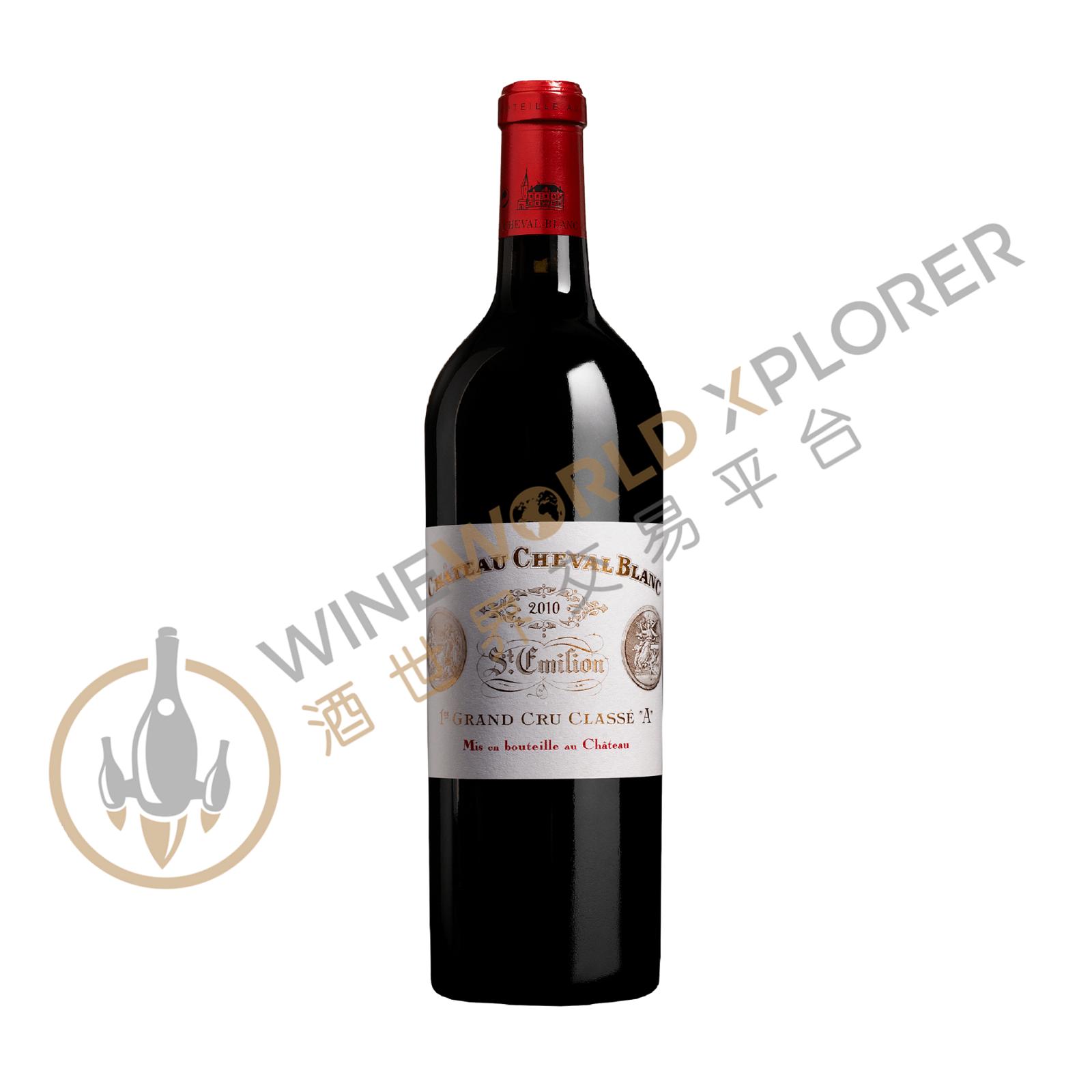
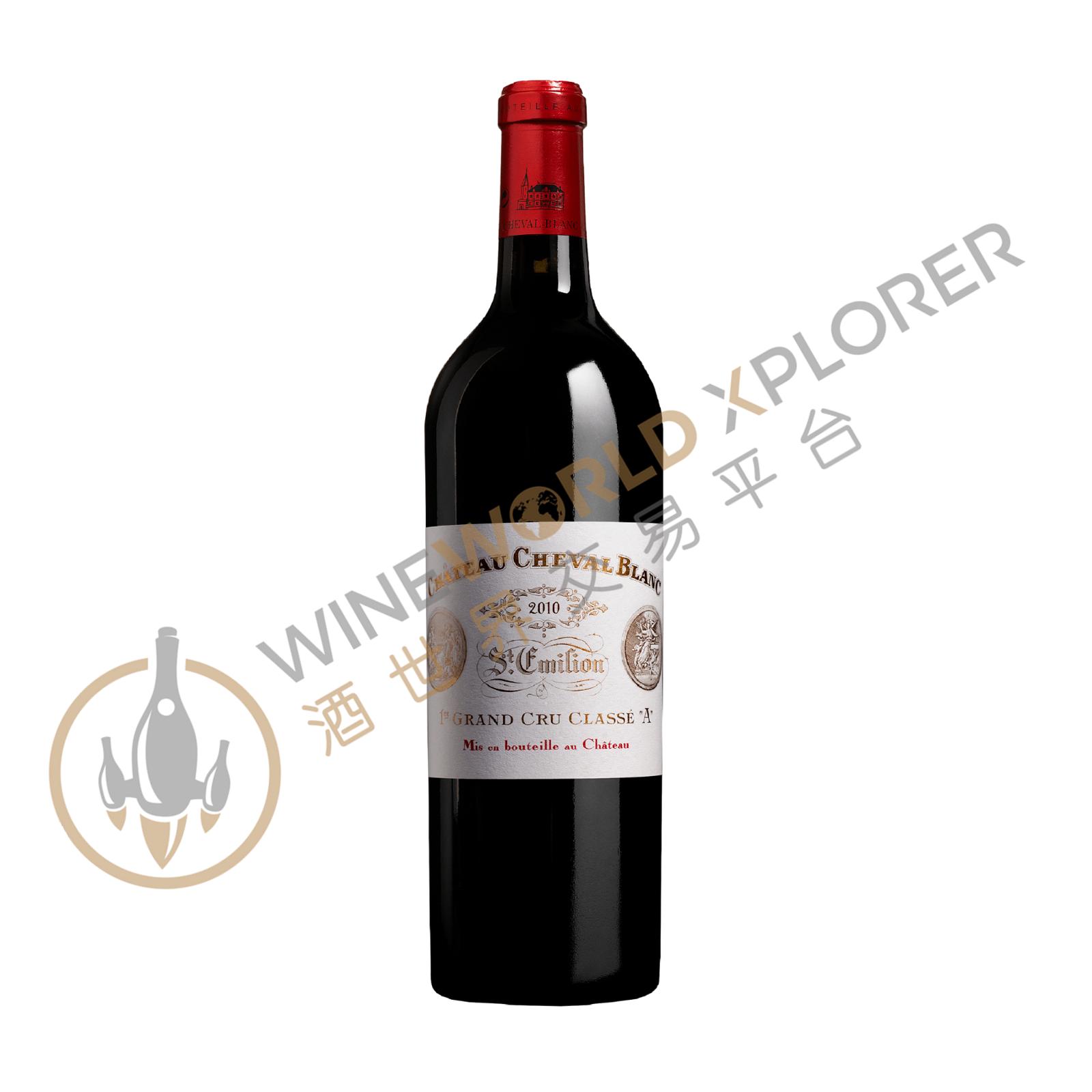
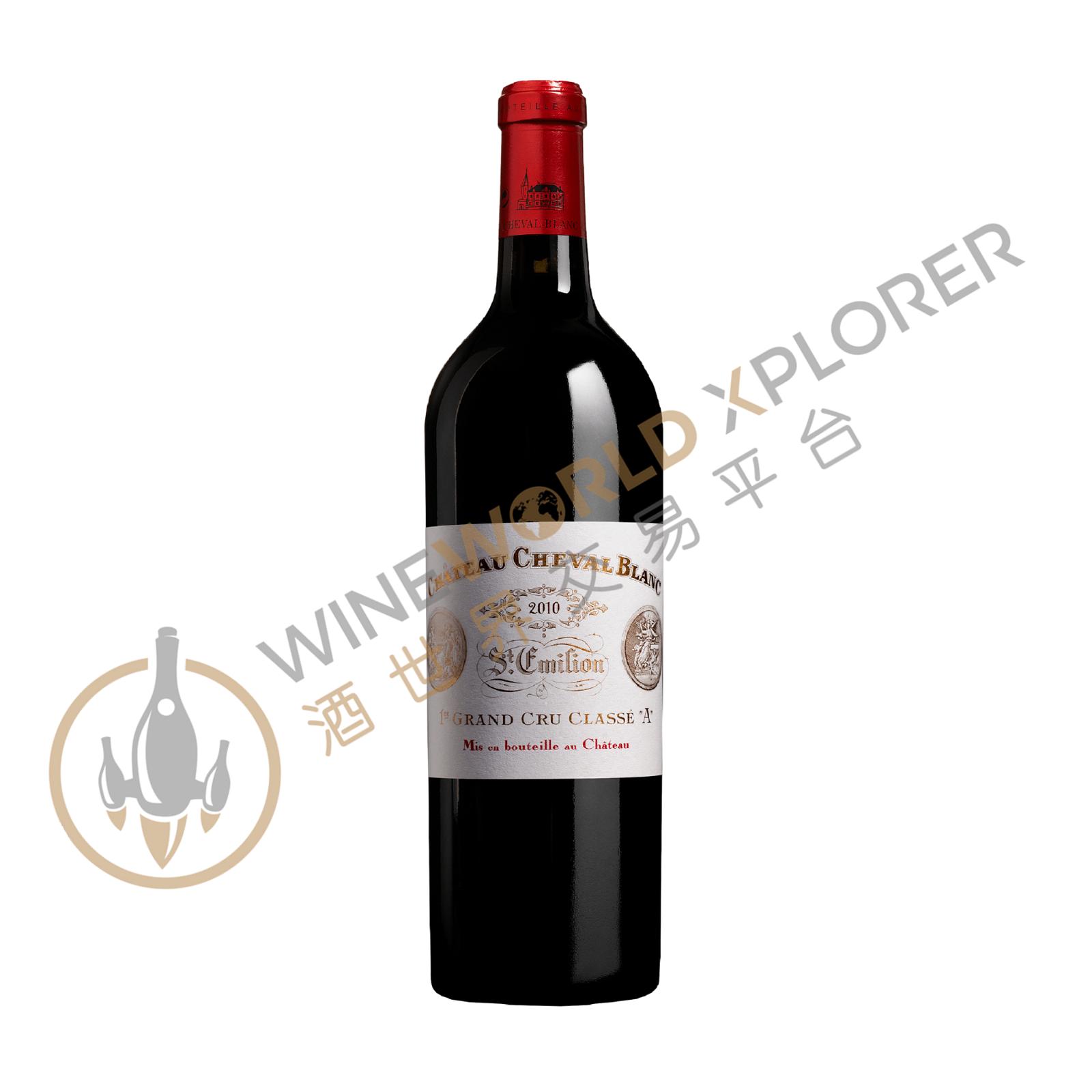
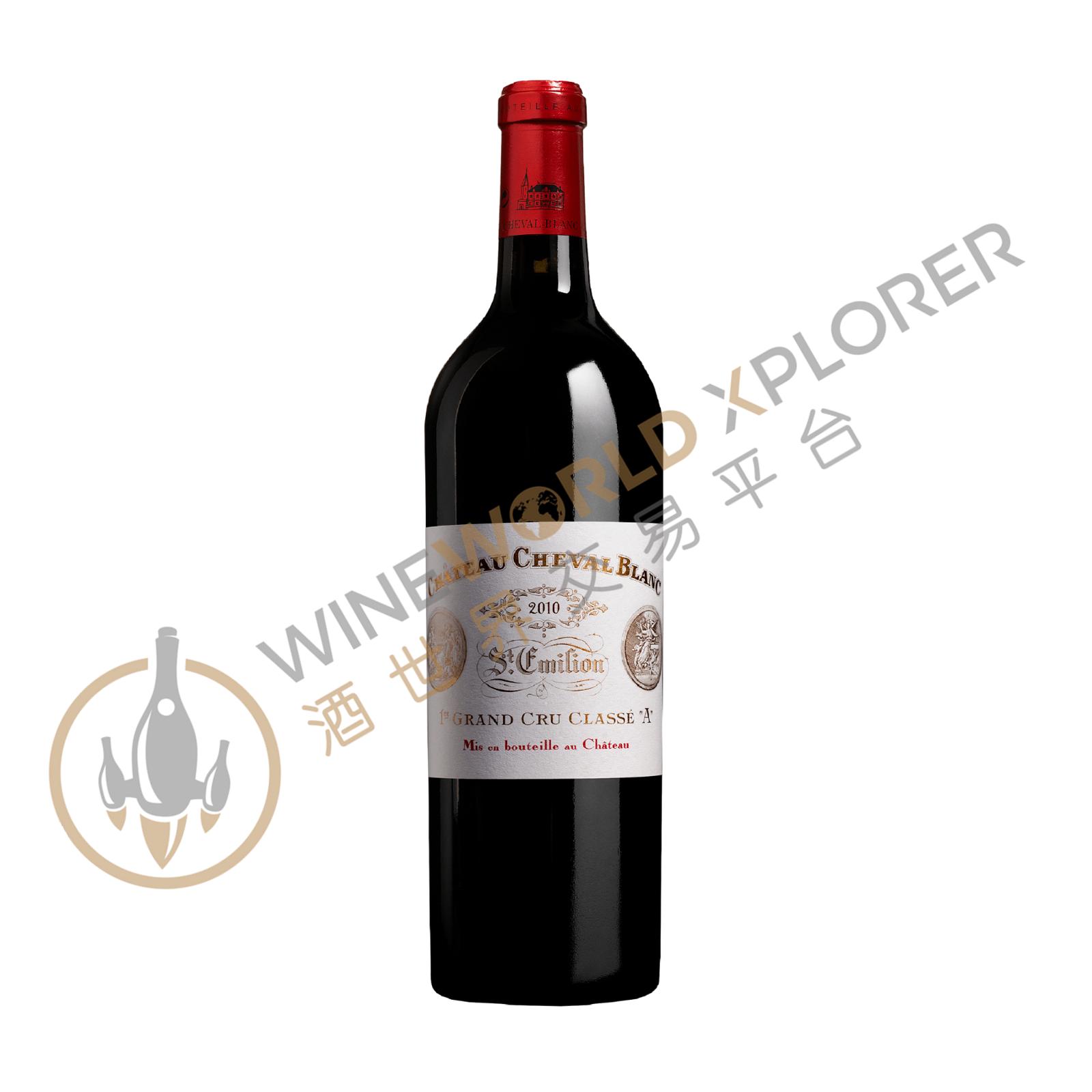
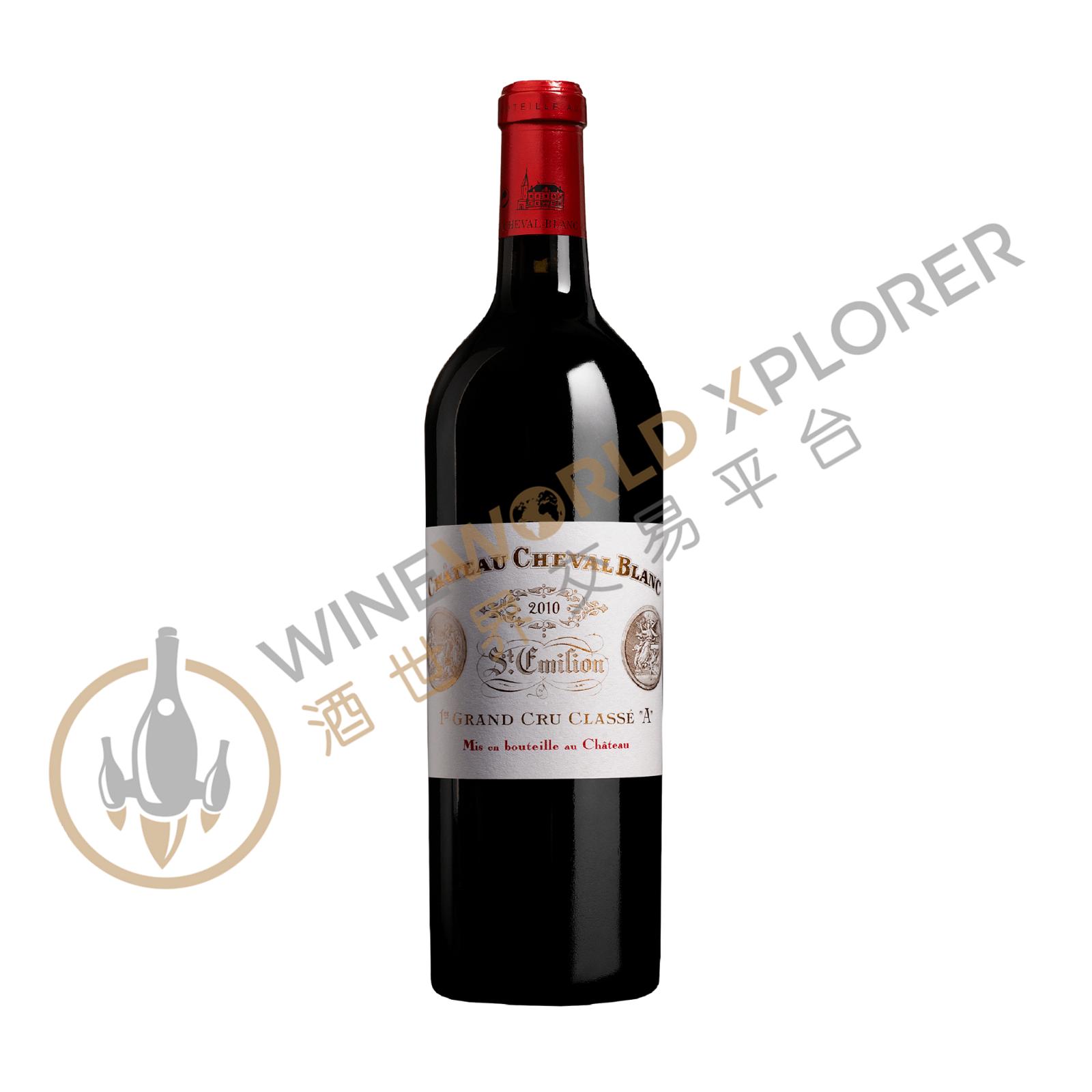
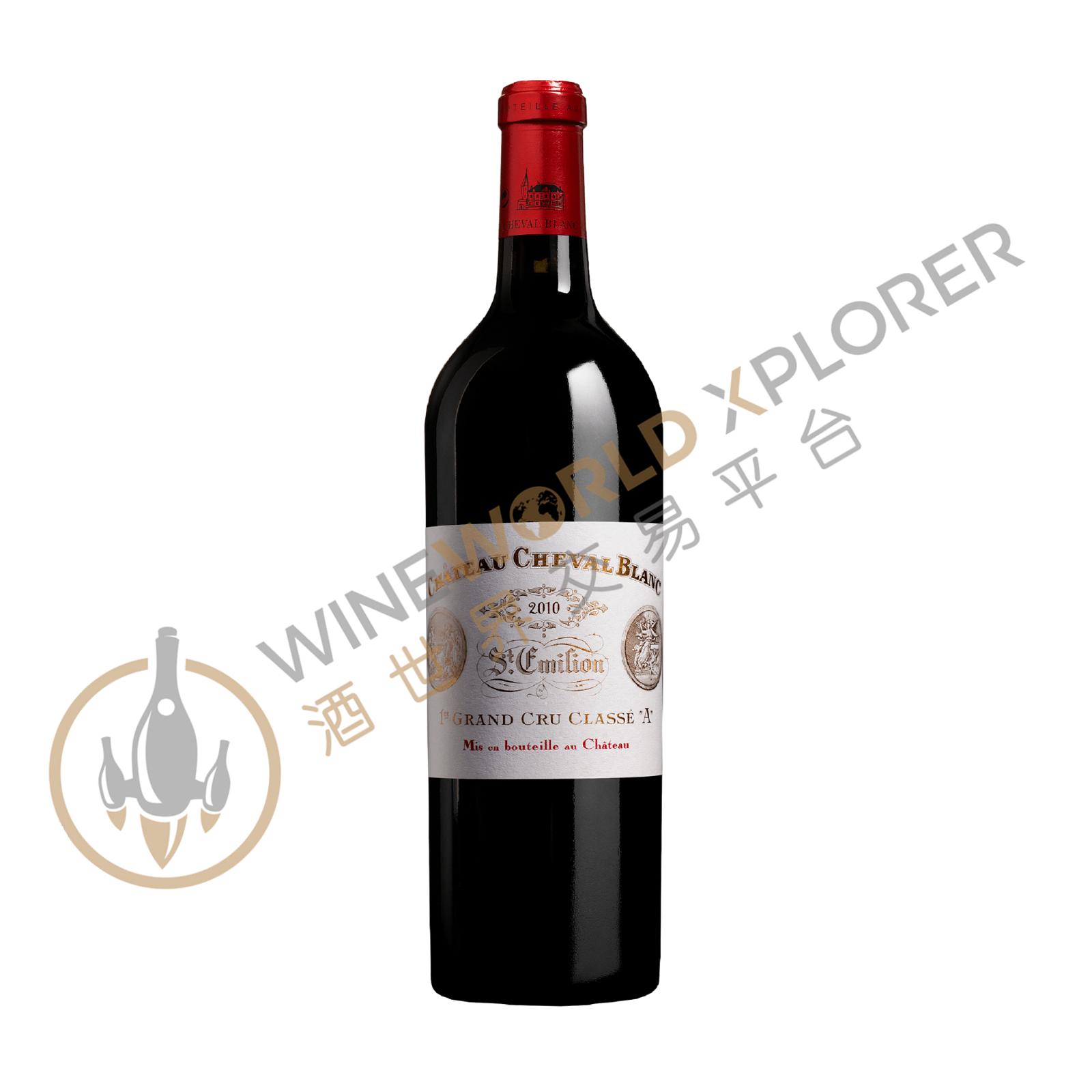
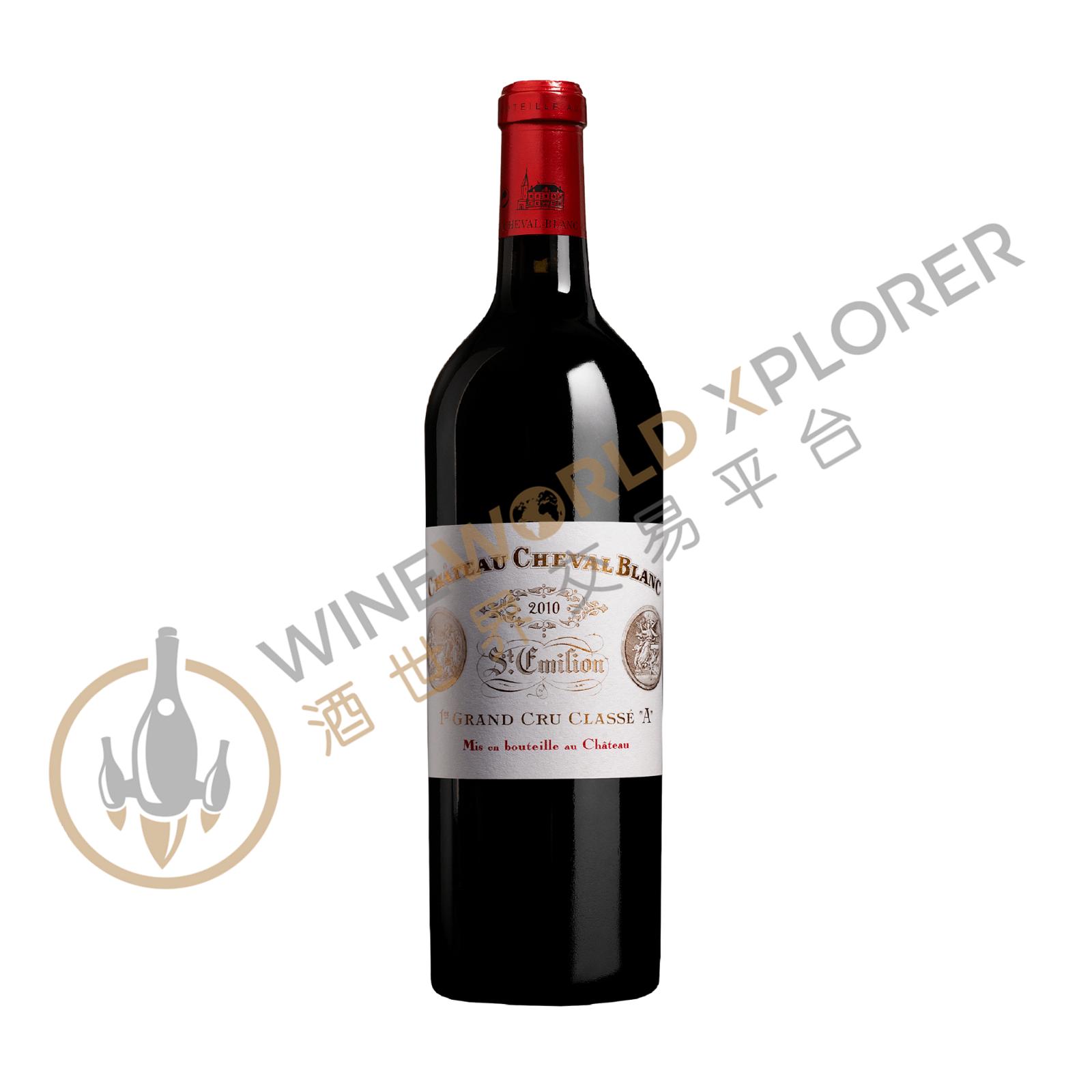
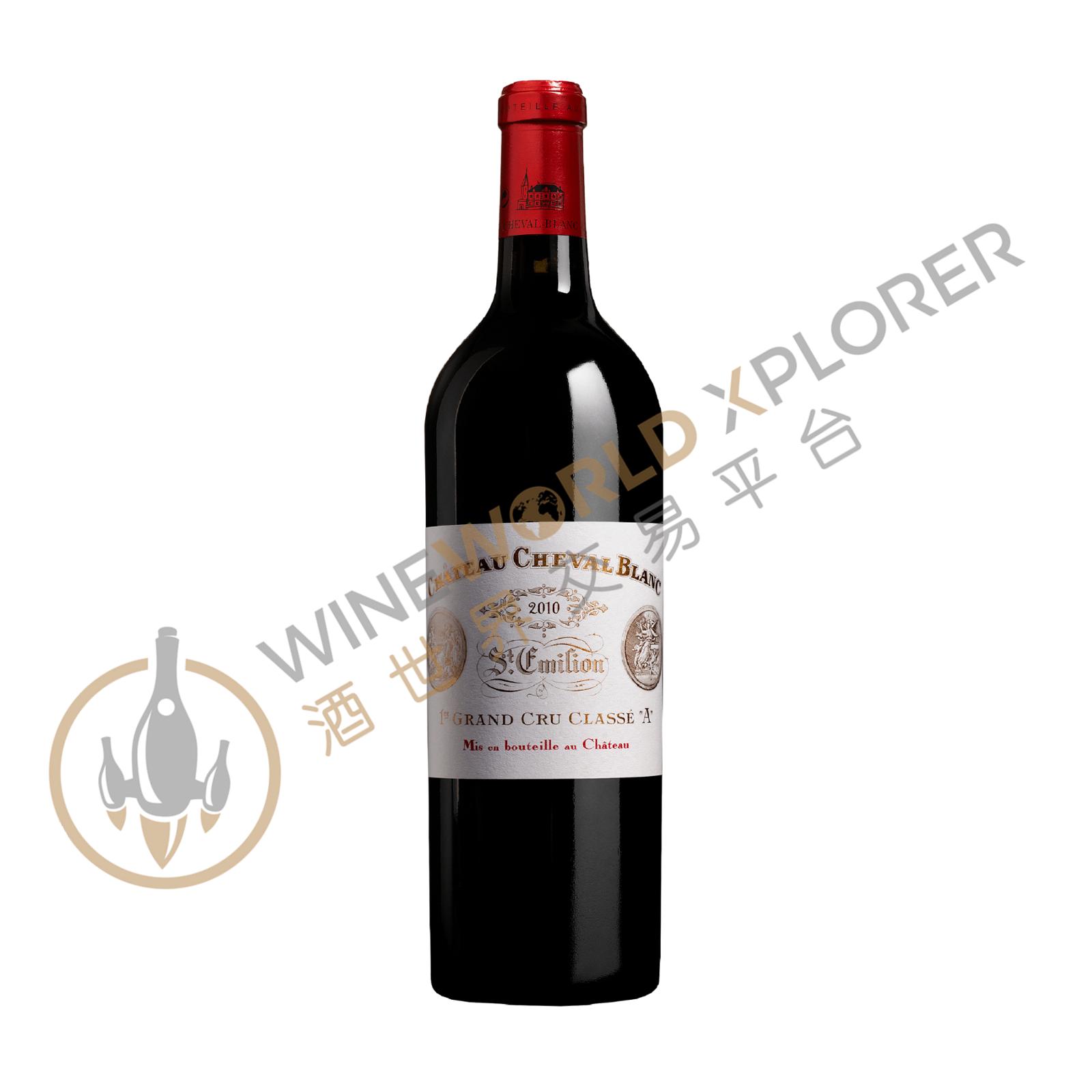
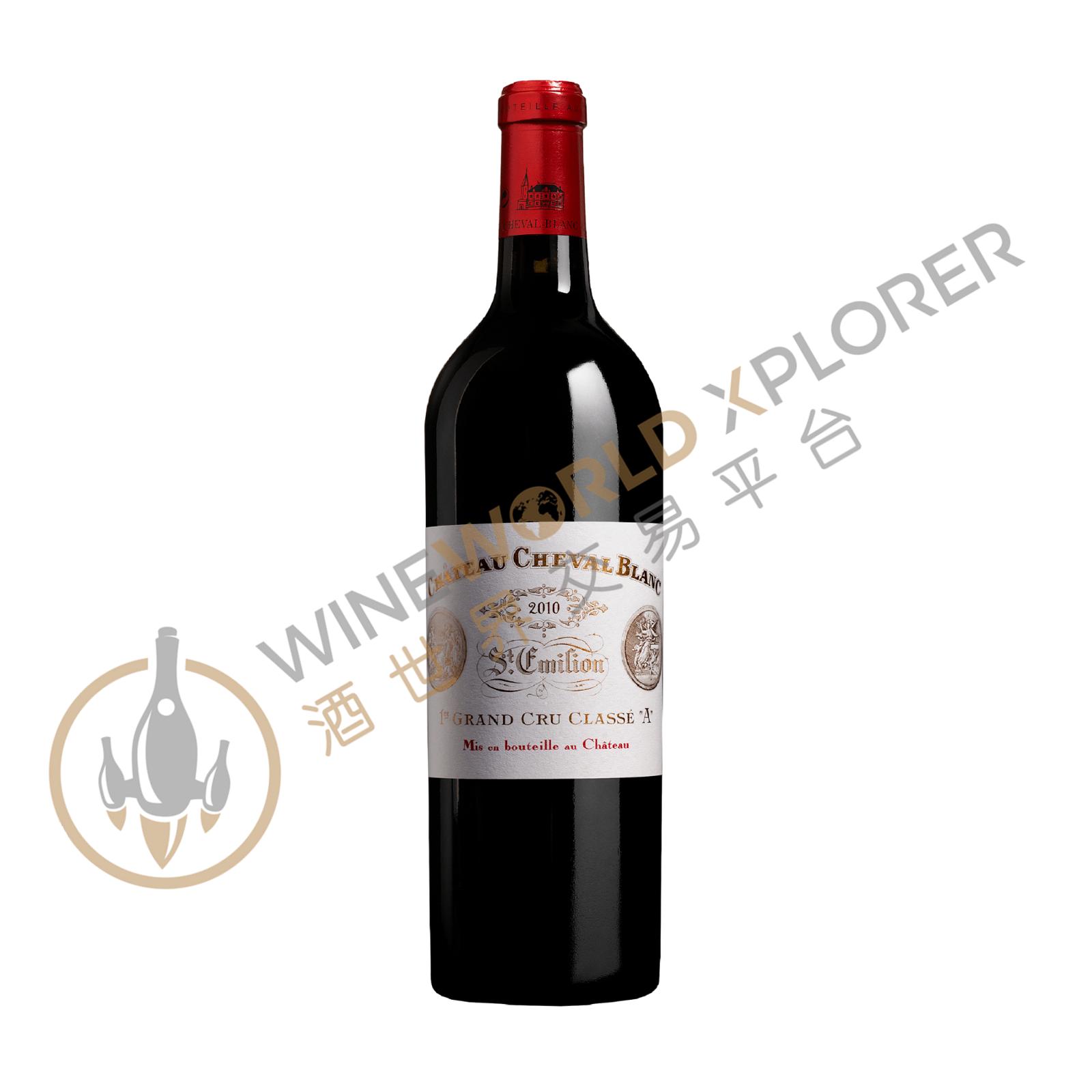
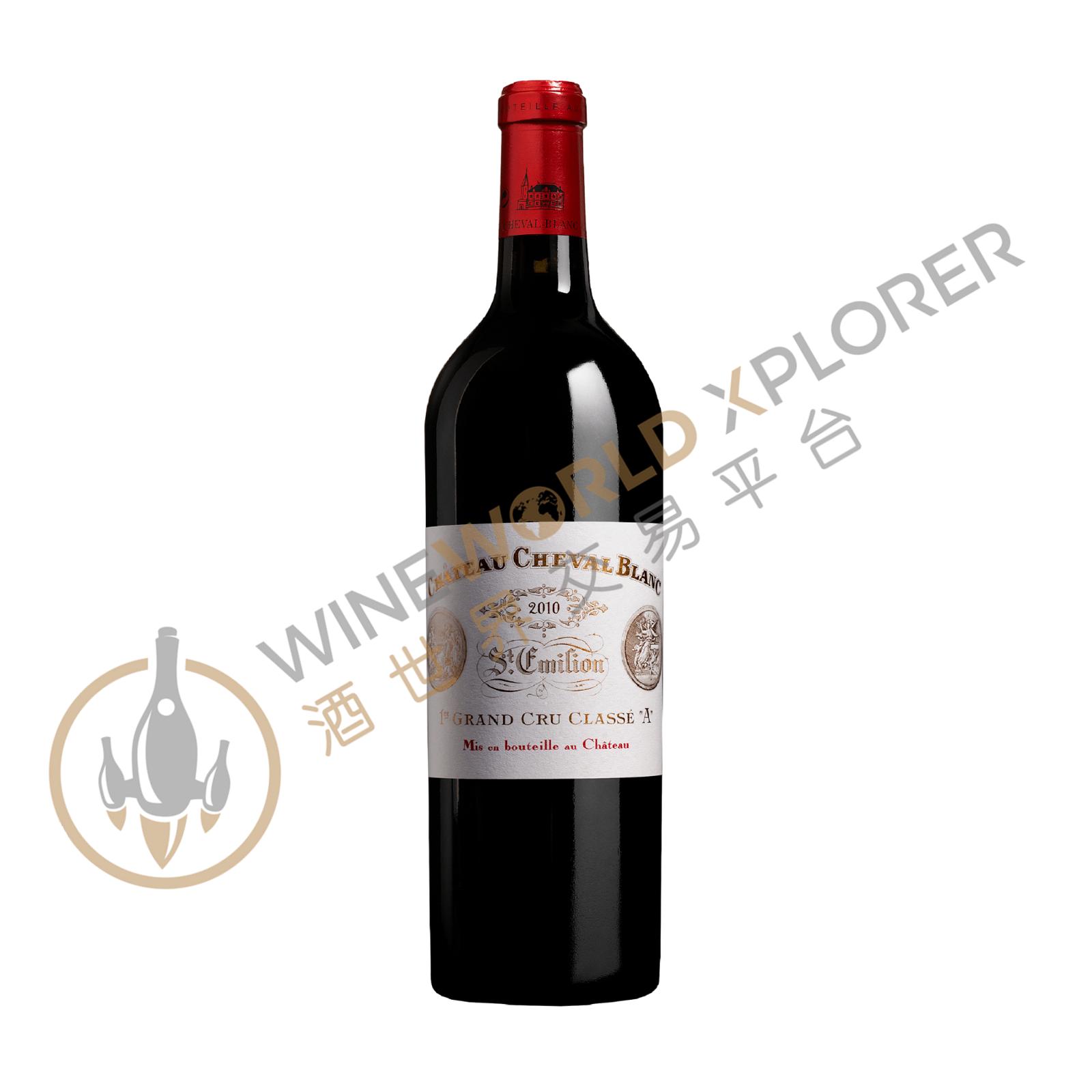
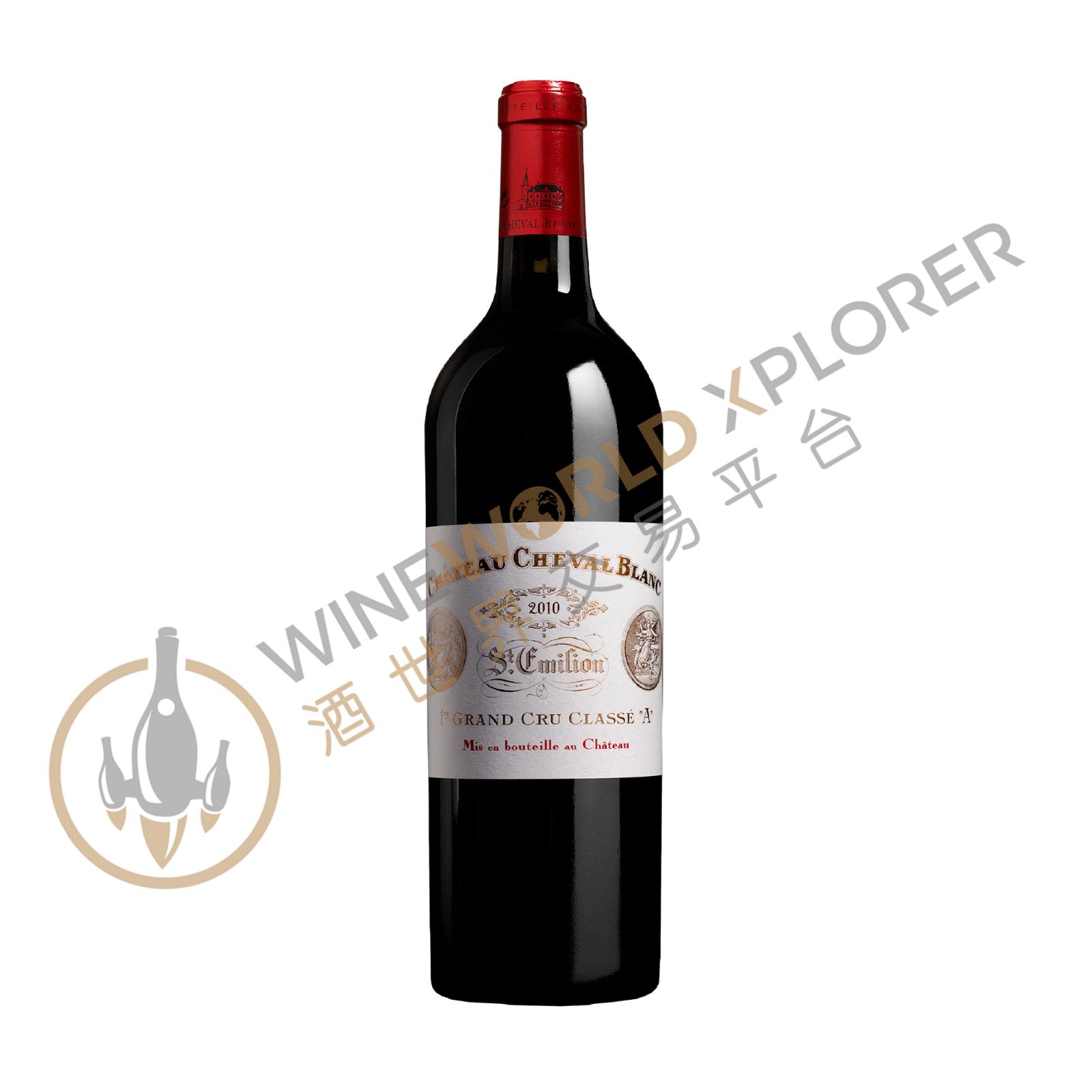
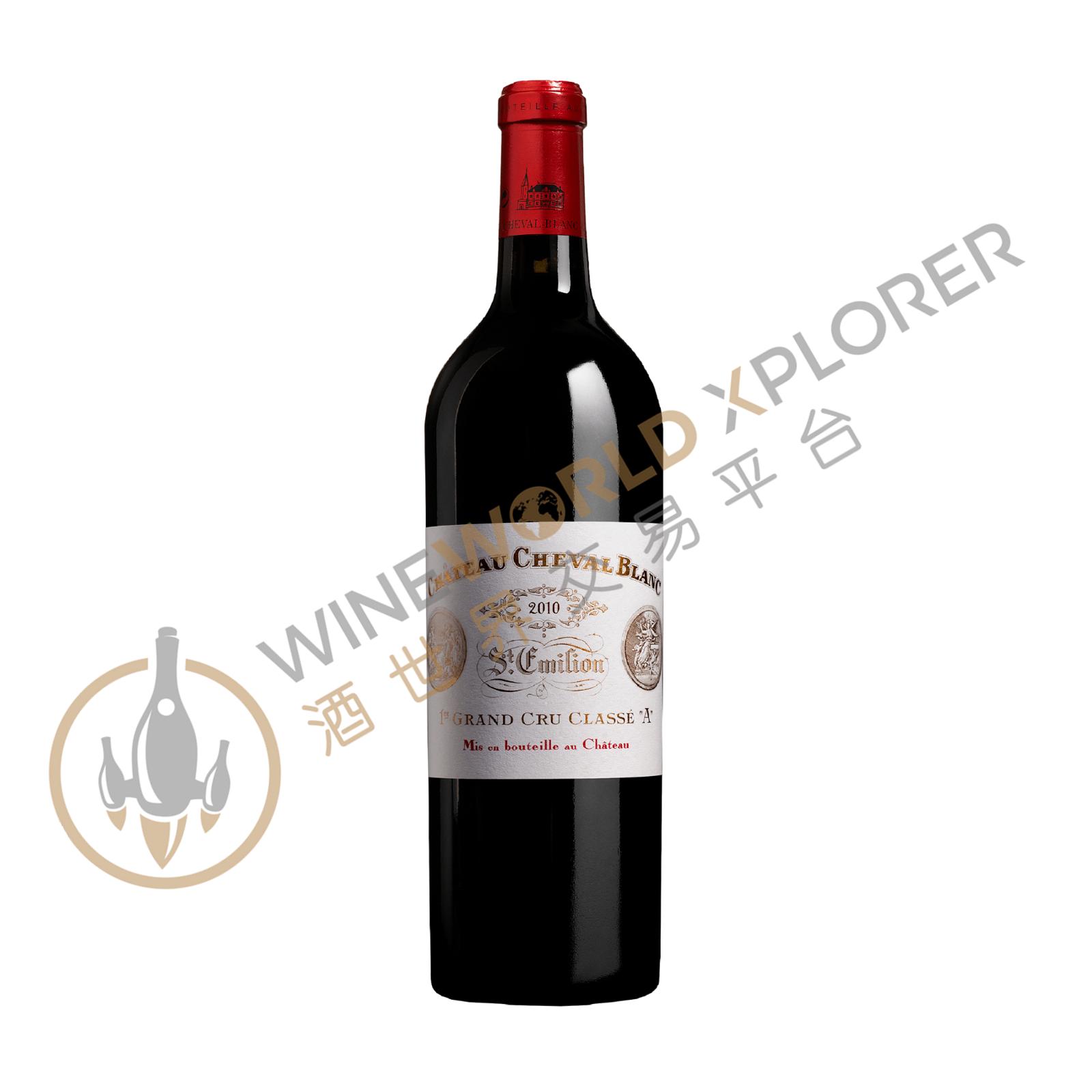
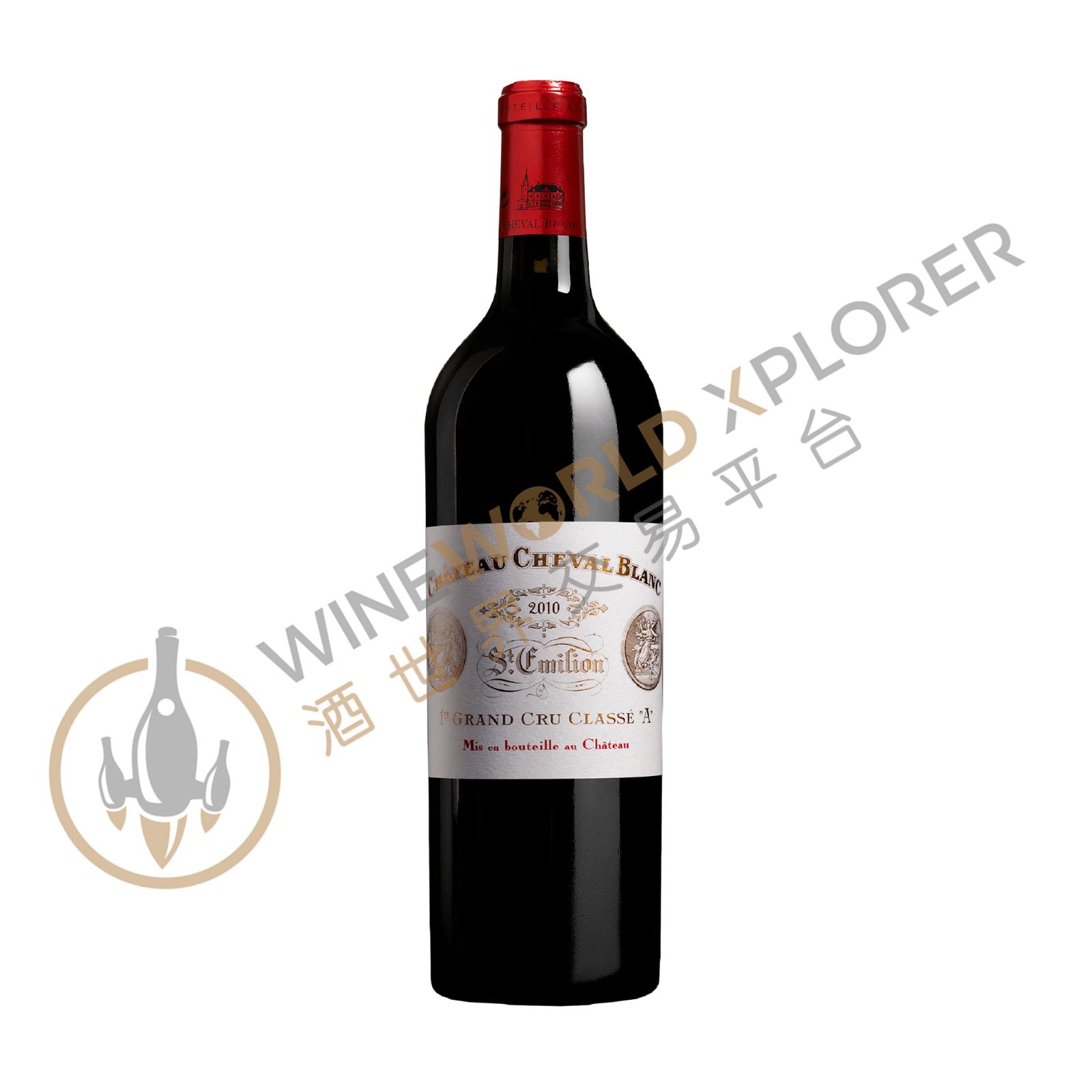
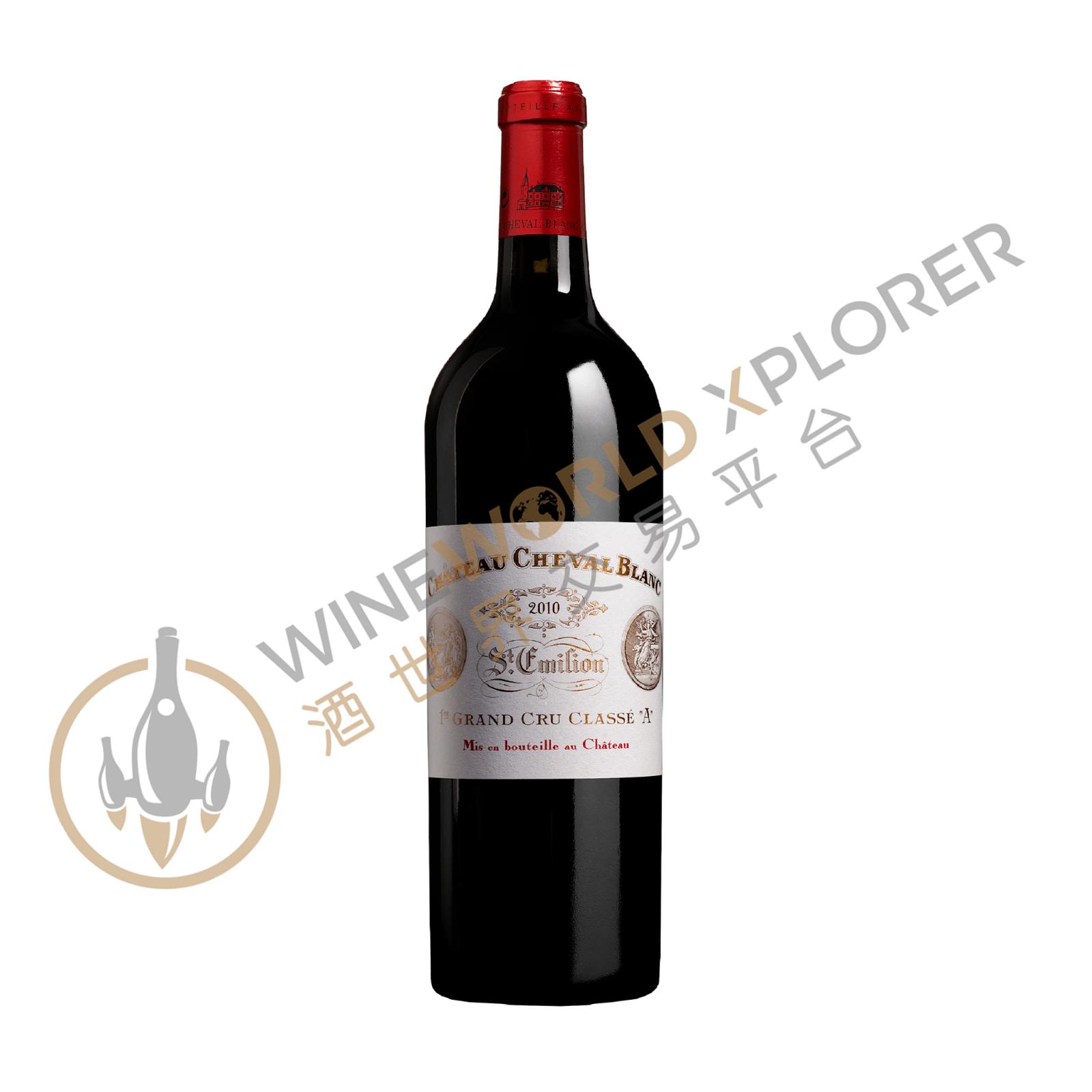
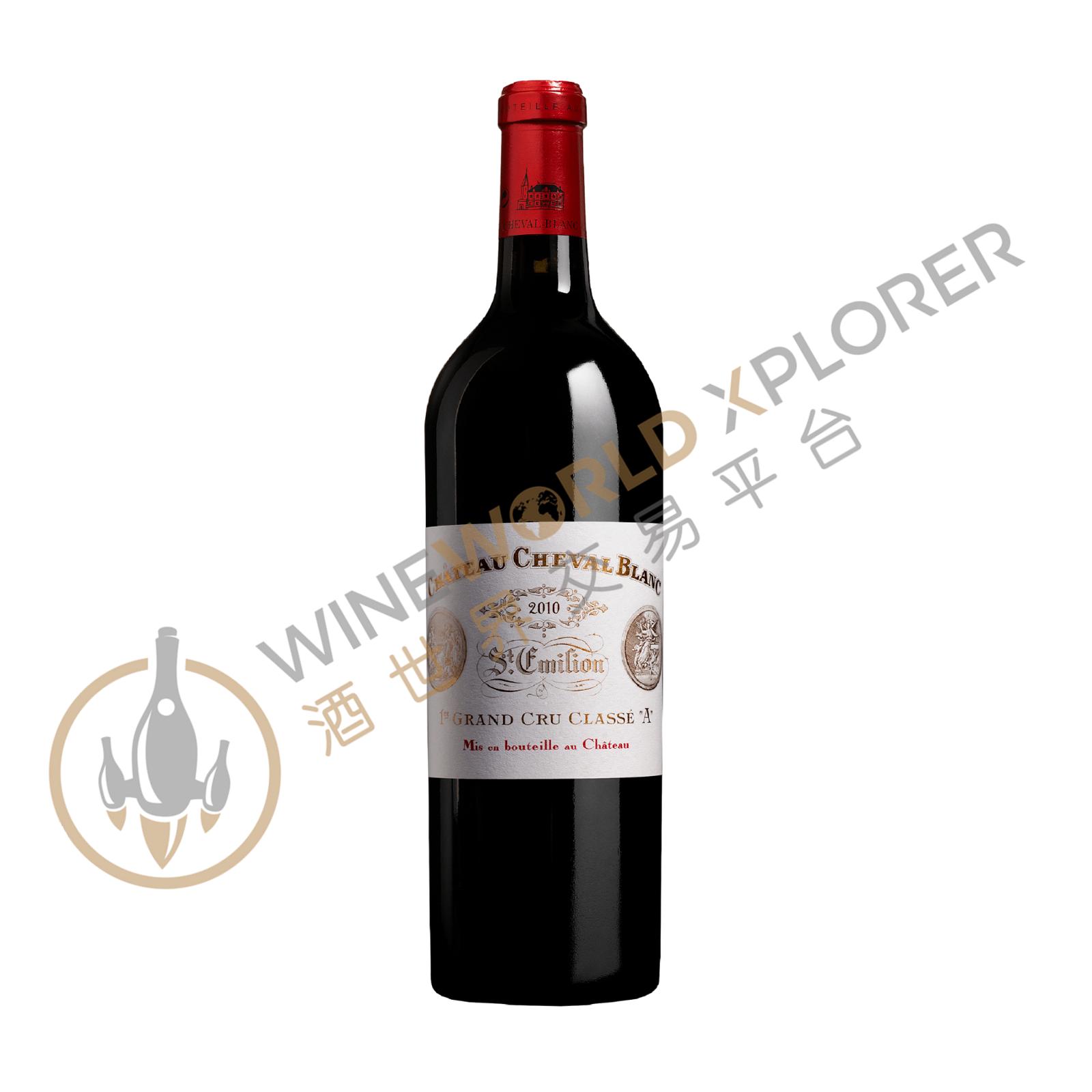
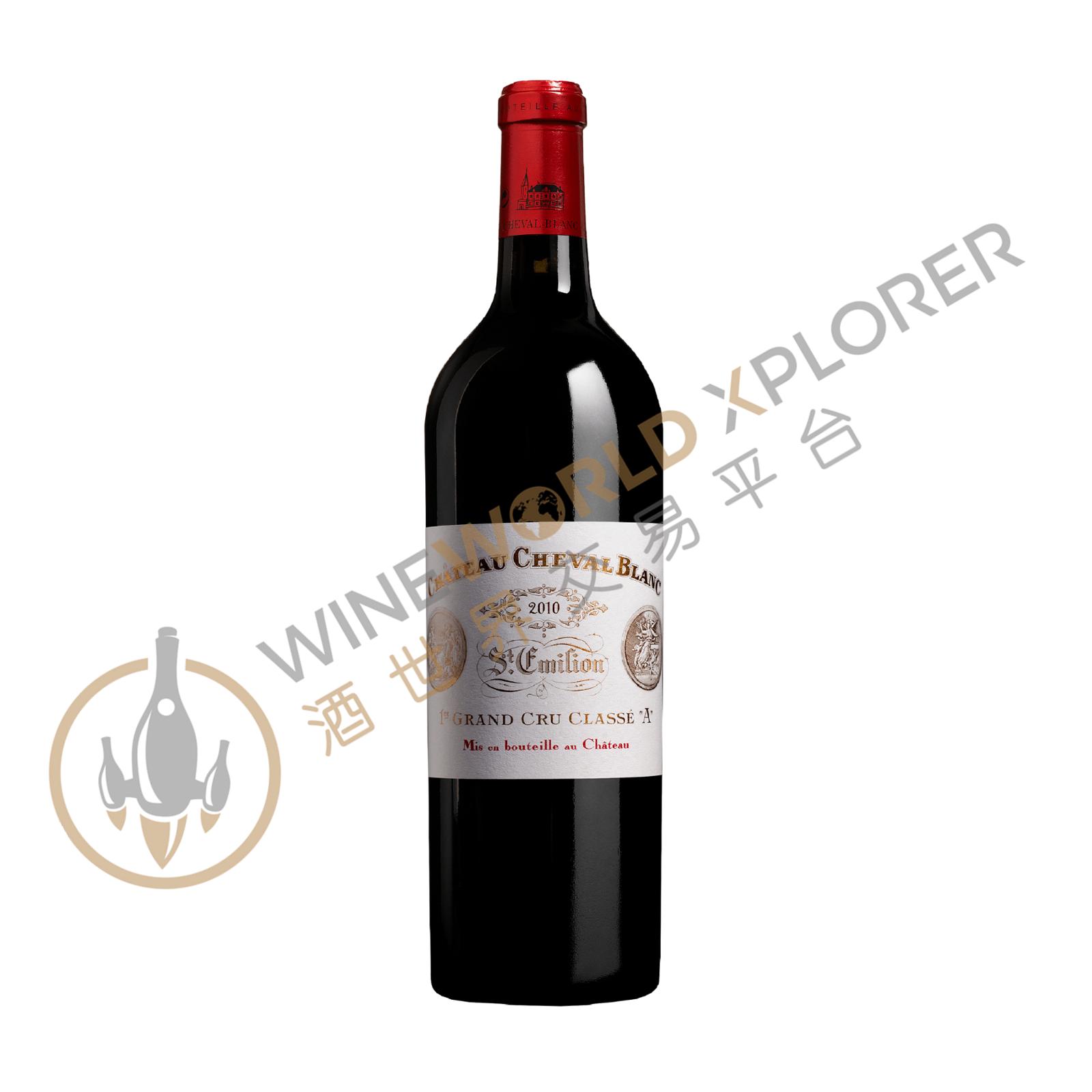
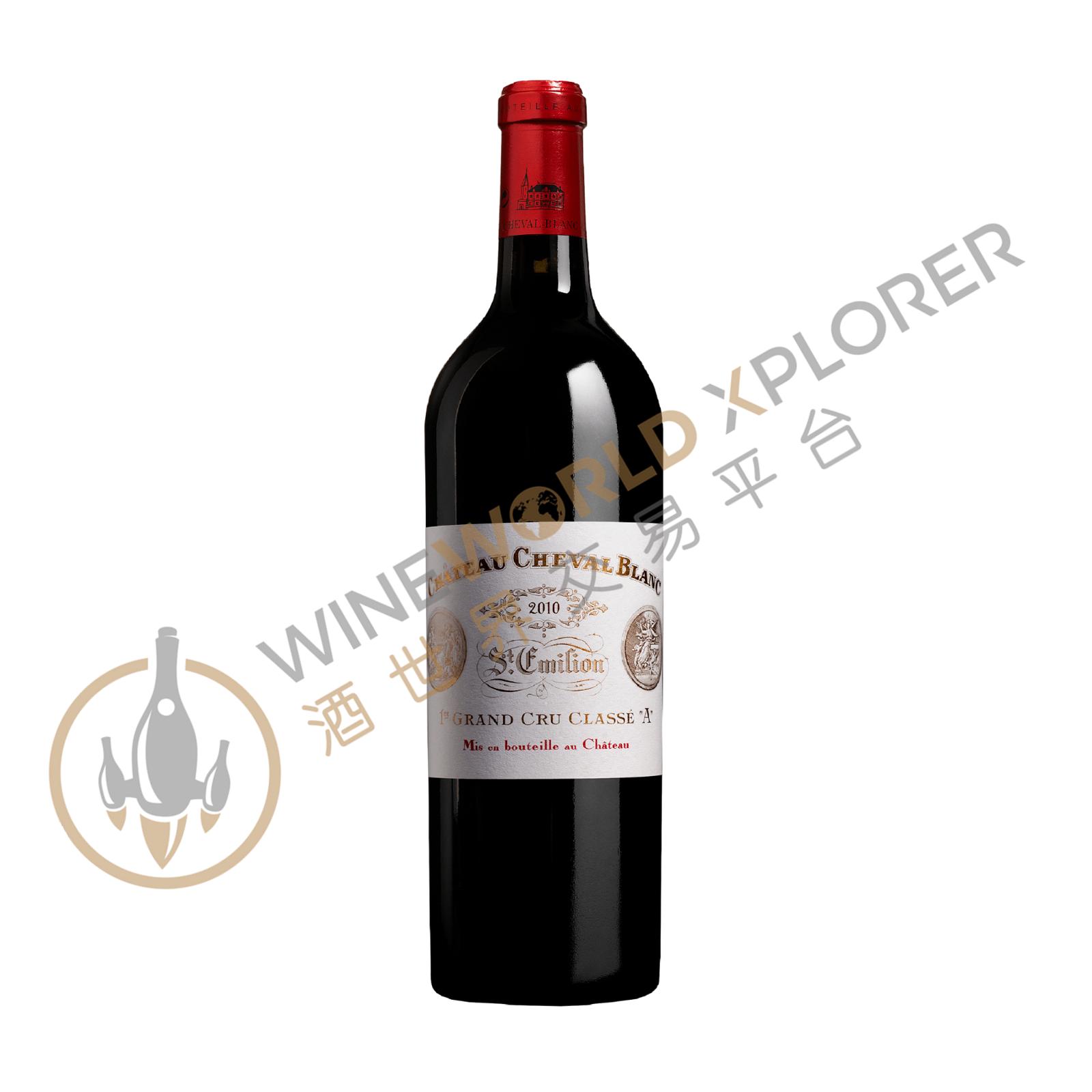
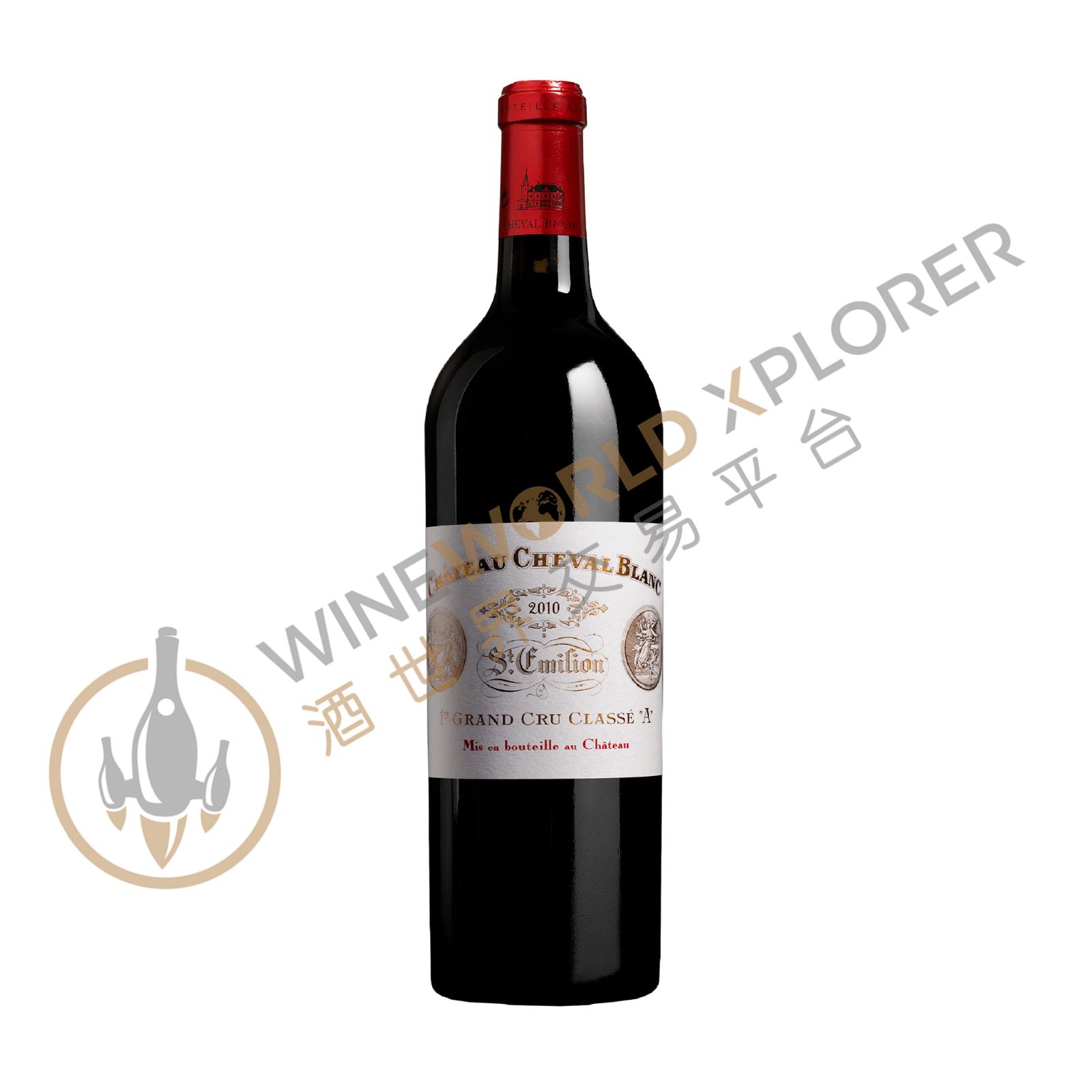
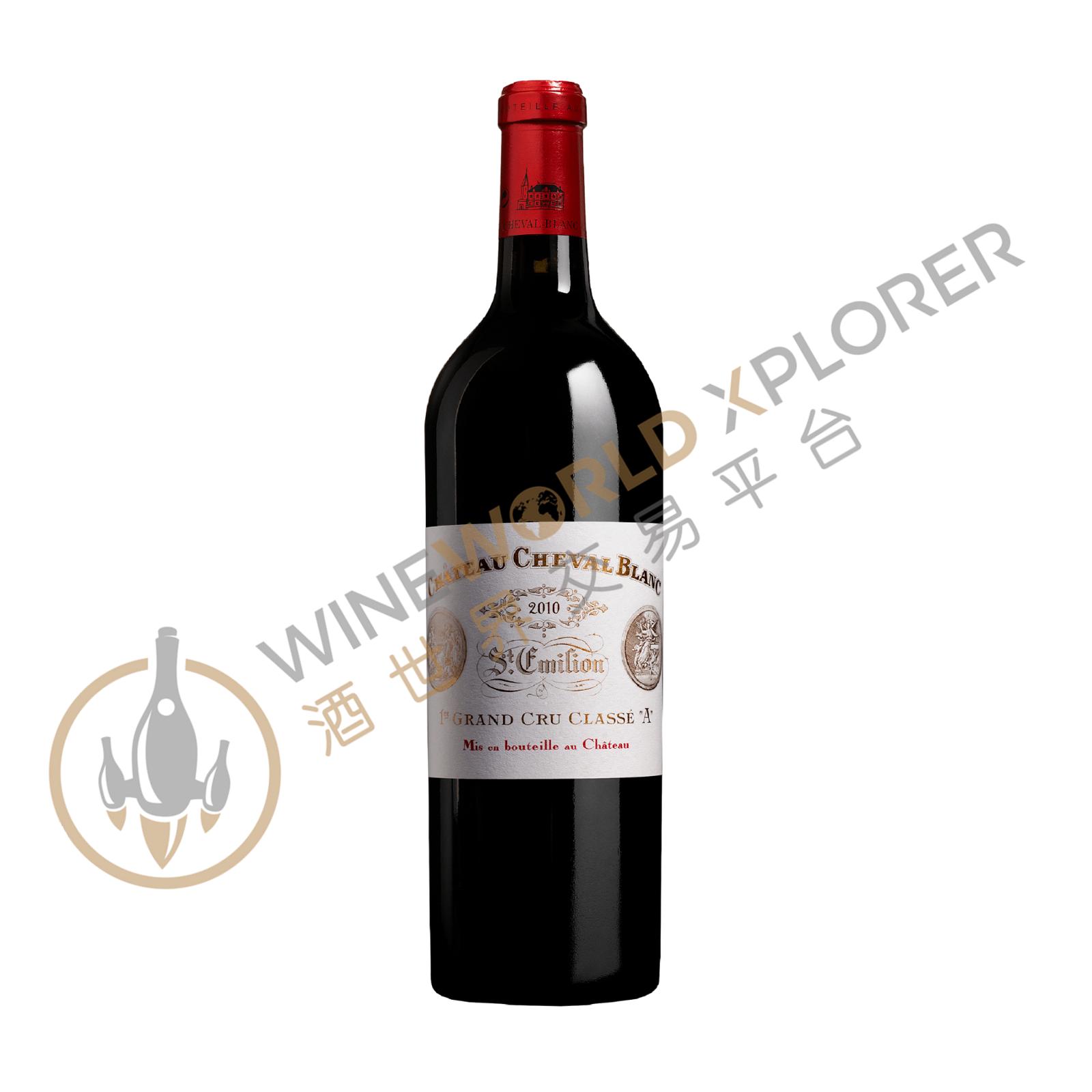
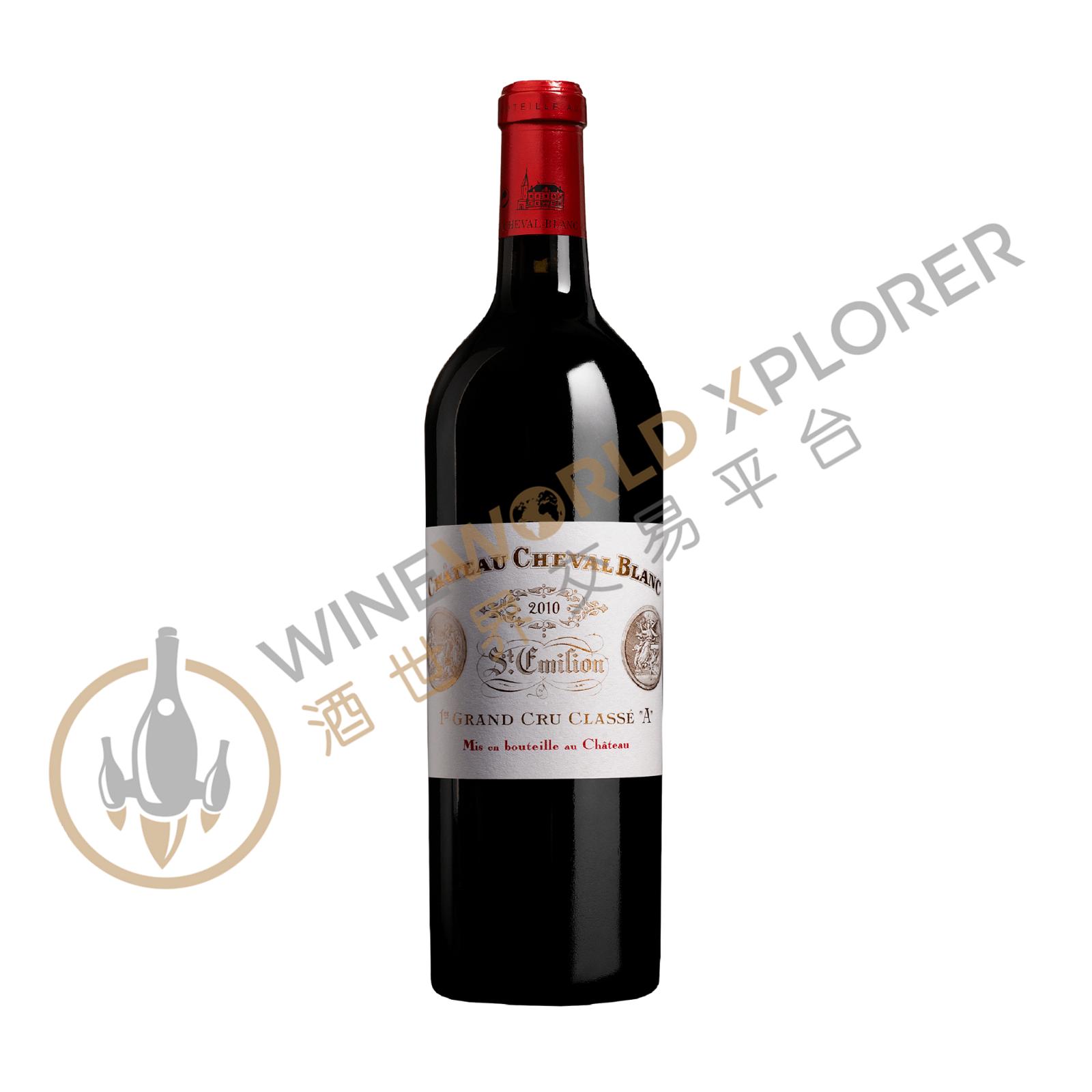
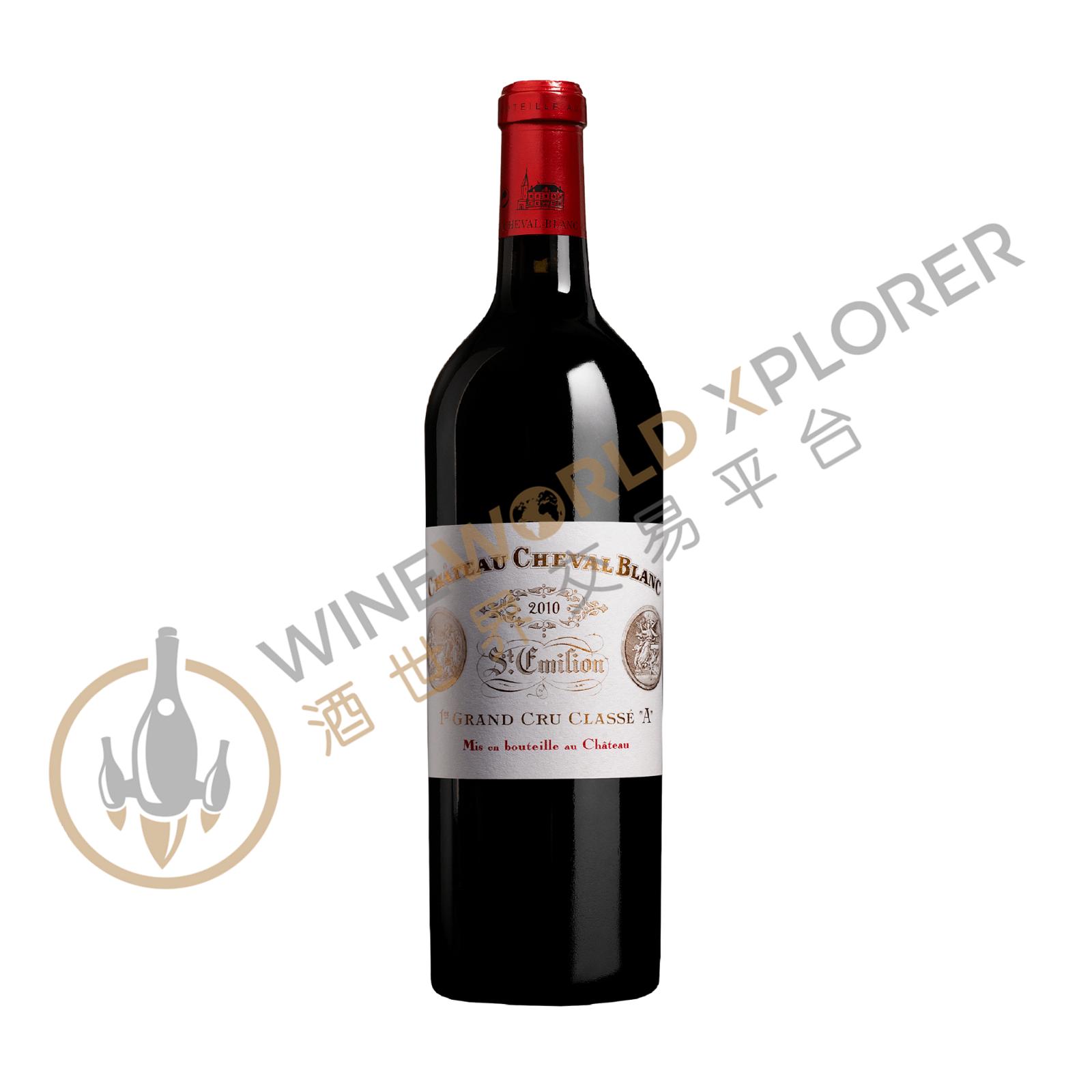
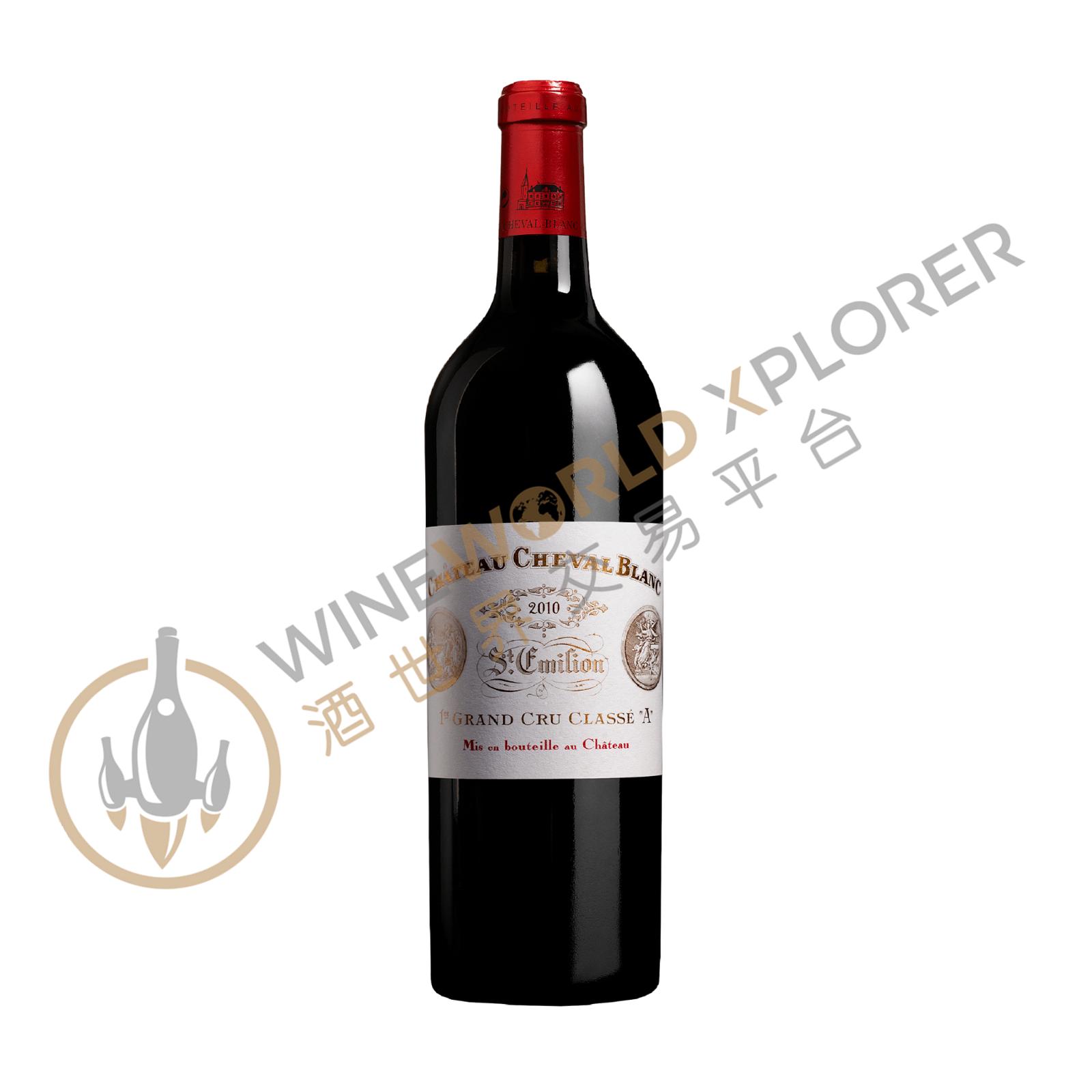
Château Cheval Blanc, a 1er Grand Cru Classé (A) is unquestionably the leading estate in St. Emilion. It is located in the north-west of the St. Emilion appellation, bordering Pomerol. Cheval Blanc obtained its first medal at the 1862 Universal Exhibition in London. In fact, a representation of this bronze medal is found on the château’s present-day label. Cheval Blanc won their first gold medal at the 1878 Universal Exhibition in Paris, and this new distinction also appeared on the label. In 1886, Cheval Blanc won a second gold medal at the Universal Exhibition in Antwerp. Reflecting this series of successes and a wine well on the way to achieving international recognition, a château was built on the estate.
Tasting notes

Reviewed by: Neal Martin
Tasted at Cheval Blanc dinner at The Ledbury. The Cheval Blanc 1981 is a beautiful wine, far more charming than the 1982 served at the same dinner. It has a very pure, nonchalant nose where the Cabernet Franc determines its peppery aroma, married with singed leather and hot roof tiles. There is something joyful and carefree about the palate with tensile tannins, crisp acidity and a lovely wild strawberry finish. It is an “airy” Cheval Blanc, so light on its feet. Delicious! Drink now-2018+ Tasted November 2010.
Reviewed by: Neal Martin
This is a fine 1981, probably more enjoyable than the First Growths though in decline. A deep garnet colour with deep brick rim. A fresh, Left-Bank style nose without fruit aromas, more dried blood and earth. A simple medium-bodied palate with good acidity. Quite foursquare with that dried blood note lingering on the finish. I think this peaked 5-6 years ago, but still commendable for the vintage. Tasted November 2005.
Reviewed by: Robert M. Parker, Jr.
I had this wine several times from the barrel, and also twice in comparative tastings prior to bottling. I never gave it more than average marks. Tasted numerous times after bottling, it is a different wine, relatively rich, spicy, plummy, with soft, silky, layered flavors, good concentration, and moderate tannin. It continues to drink well, yet it has the potential to last for 5-7 more years. Not a blockbuster in the mold of the 1982 and 1983, it is delicious and fully mature. Anticipated maturity: Now-2000. Last tasted, 10/90.
Reviewed by: Robert M. Parker, Jr.
This somewhat charming, lightweight Cheval Blanc is fully mature but elegant, with sweet red and black currant fruit intermixed with mineral, licorice, and a hint of herbs. Spicy, medium-bodied, and very pleasant, this wine’s harmony gives it considerable appeal. Drink up. Last tasted, 11/02.
Reviewed by: Neal Martin
The 1981 Cheval Blanc has long been one of the over-achieving wines of a patchy vintage, though I had not seen a bottle for some time. This has a refined bouquet with black fruit, briary and light forest floor scents. The Merlot is more expressive than the Cabernets. The palate has a sweet entry, gentle at first so that you almost fail to notice the grip and structure behind this Cheval Blanc. This suggests that perhaps it has faded a little in recent years, forgivable given its age. Still, it remains a delicious, lighter-styled Saint-Émilion undeservedly overshadowed by the following vintage. Tasted at 67 Pall Mall at Chelsea Vintners' The Complete Bordeaux Vintage Guide dinner.
About the Producer
Château Cheval Blanc is a highly lauded wine estate in the Saint-Émilion region of northeast Bordeaux. Classified with the top ranking of Premier Grand Cru Classé A, it is regarded by many as one of the greatest wines of the appellation – if not, the greatest. It is certainly the most famous Cabernet Franc-based wine in the world, albeit often alongside very similar levels of Merlot. Typically, the "grand vin" (the estate's eponymous wine) is lush and full bodied with great weight of fruit. It tends to require ten years of bottle age and the best vintages can last half a century or more. The second wine of the estate is Le Petit Cheval. The vineyard is located in the northwest of the region, bordering Pomerol (La Conseillante is a neighbor) and consists of 39 hectares (96 acres) divided into 45 plots. There is an unusually large amount of Cabernet Franc planted – about 49 percent – with 47 percent Merlot and four percent Cabernet Sauvignon. The unusual planting proportions reflect the terroir; most vineyards in the region are either clay or gravel-based over impermeable sedimentary rock, but Cheval Blanc is unique in having a patchwork of soils with the two types in roughly equal proportions. The clay soils provide base wines with velvety tannins, while those from gravel soils are more aromatic and elegant. Vines have been grown since the 14th Century at this spot but the vineyard as it is known today took shape in the 19th Century when the core plots were added to by purchases from the nearby Figeac estate. Subsequent replantings established the atypical half-Merlot, half-Cabernet Franc proportions. Cheval Blanc gained its first medal at the 1862 Universal Exhibition in London – the first of a series of successes building its reputation and achieving price levels comparable to the Médoc first growths, which paved the way for a château to be built on the estate. In the first classification of Saint-Émilion wines in 1955, Cheval Blanc was awarded the highest possible rating and remains a Premier Grand Cru Classé A. In 1998, after 166 years of continuous family ownership, Bernard Arnault, the head of luxury goods firm LVMH, and the late Baron Albert Frère (a Belgian billionaire investor) jointly purchased the estate. The spectacular new cellar opened in 2011, with 52 concrete vats (replacing stainless steel) of differing sizes corresponding to different vineyard plots. The grand vin spends 16 to 18 months in new oak barrels from a variety of cooperages.
1949(1)1953(1)1955(4)1958(1)1962(1)1966(1)1967(2)1970(2)1973(1)1974(2)1975(3)1976(1)1977(1)1978(1)1979(2)1980(1)
Package Size