Wine Advisor



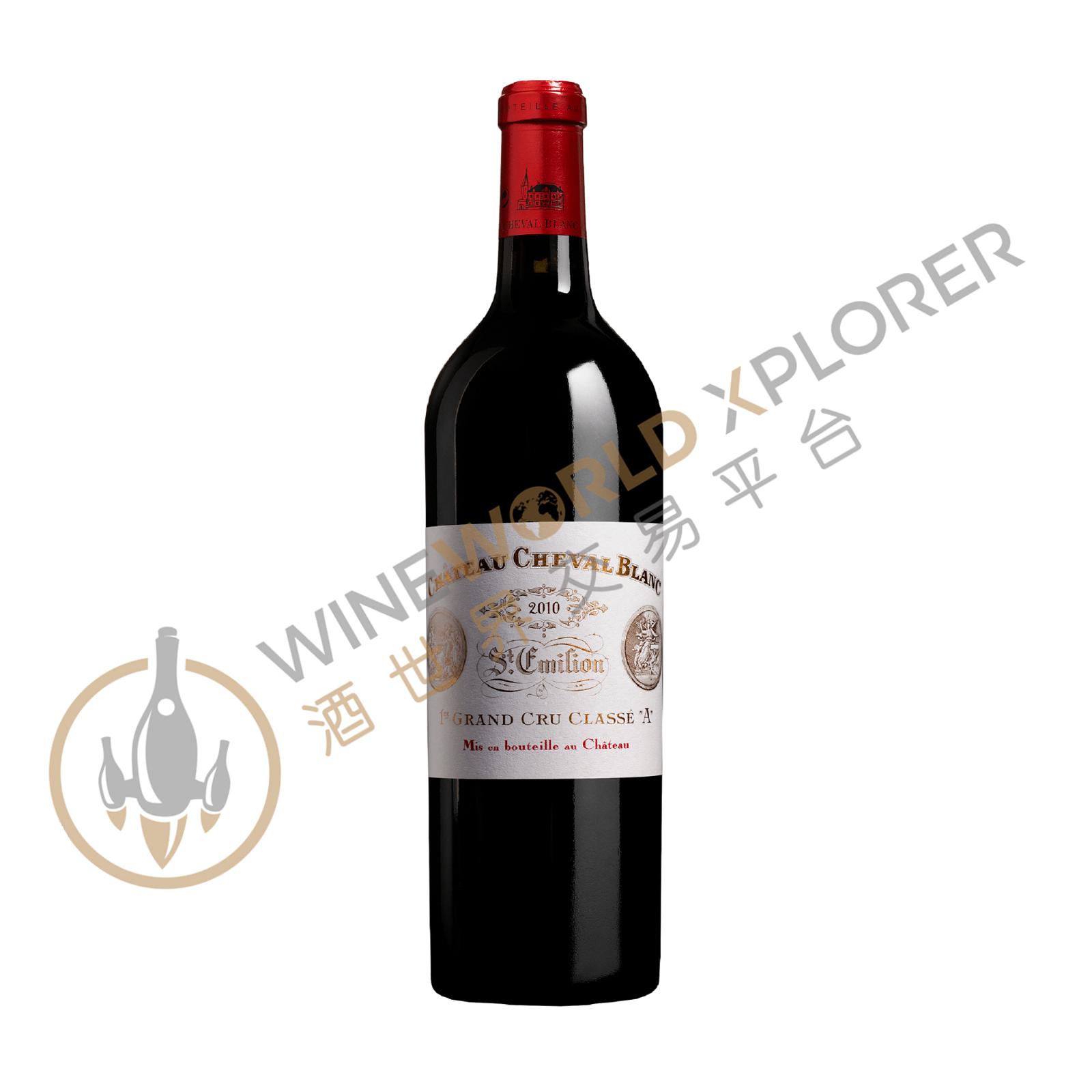
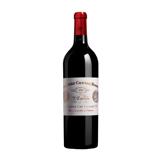
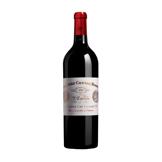
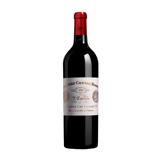
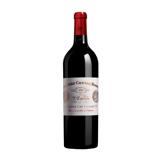
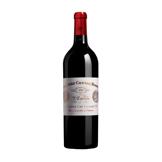
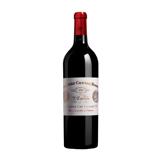
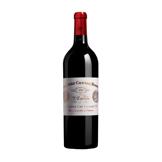
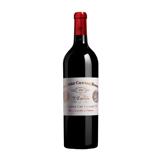
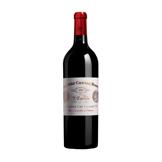
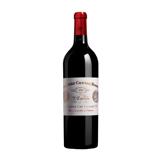
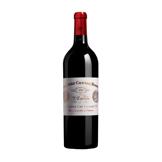
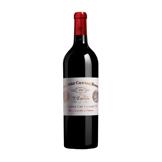
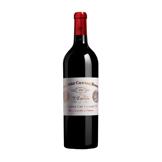
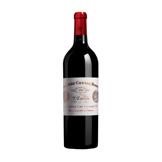
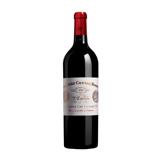
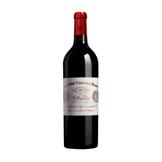
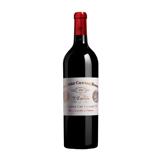
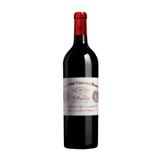
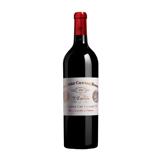
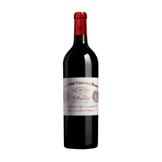
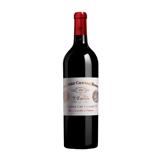
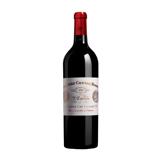
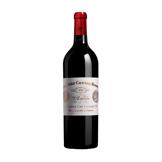
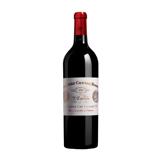
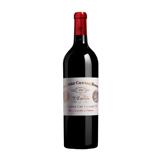
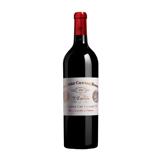
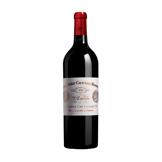
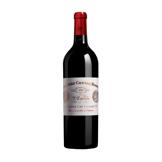
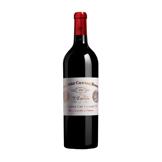
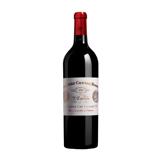
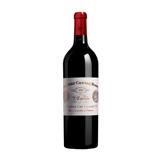
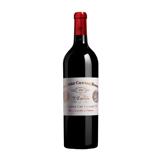
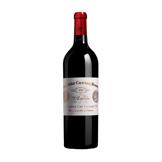
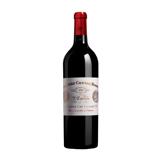
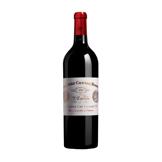
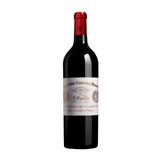
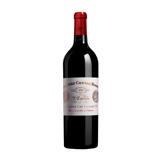
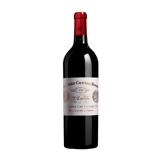
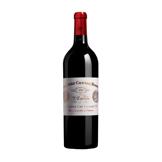
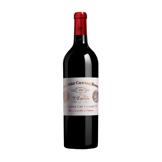
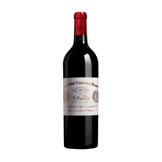
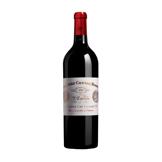
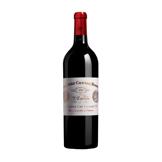
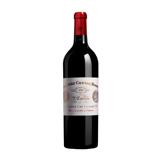
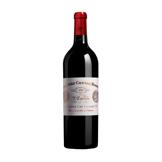
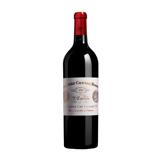
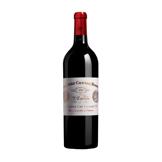
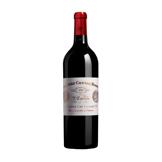
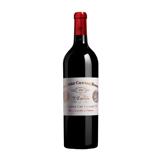
Cheval Blanc 1983
 View analysis


Description
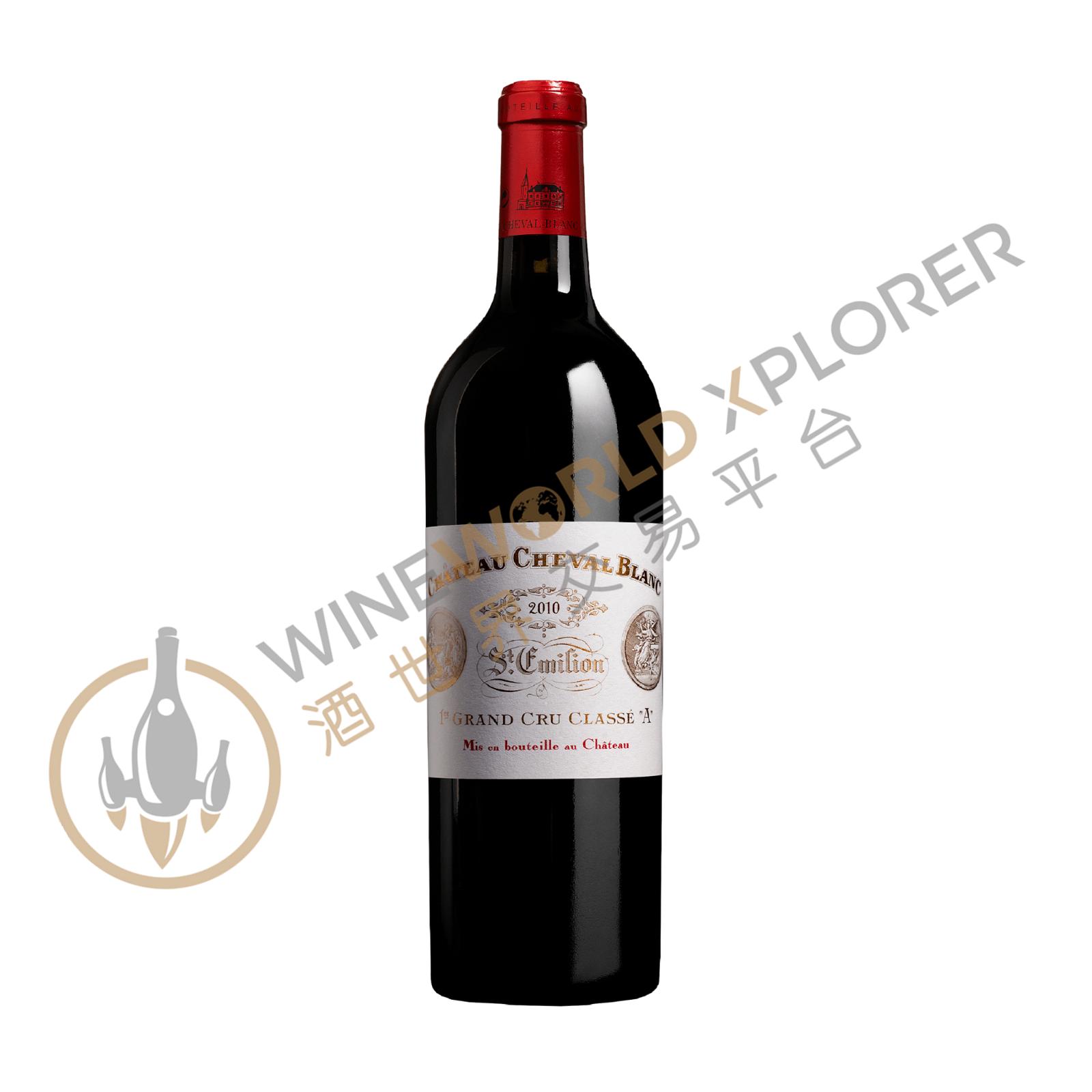
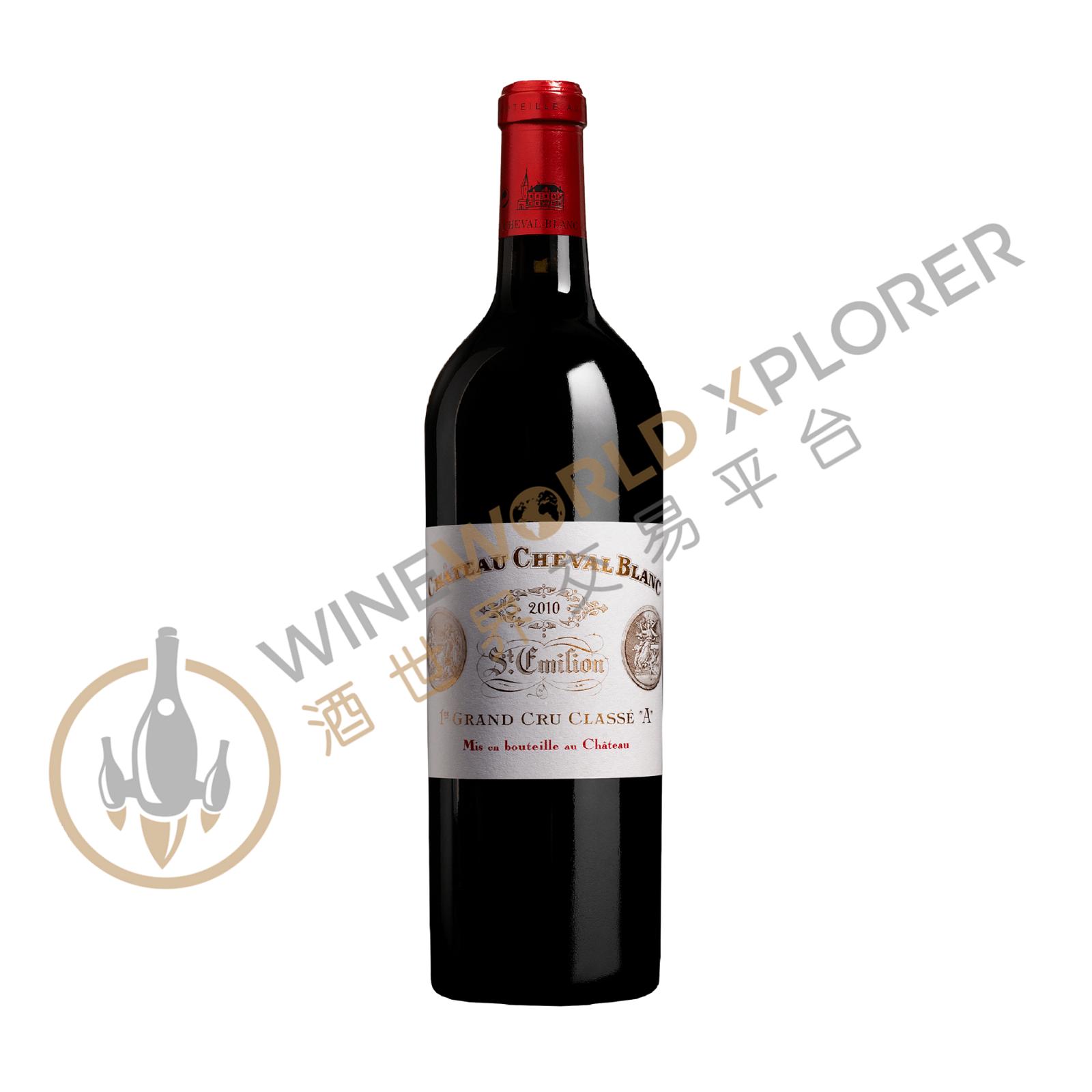
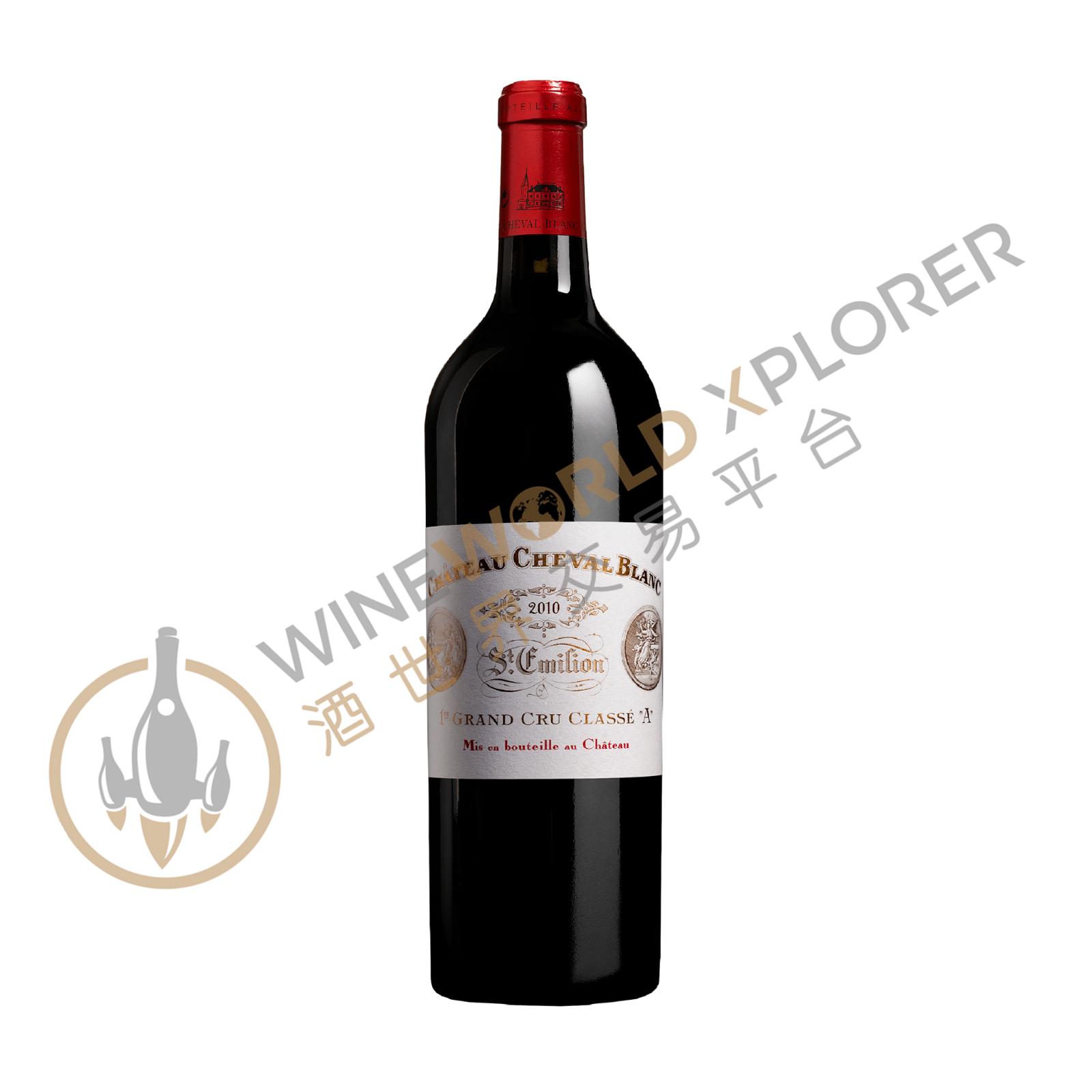
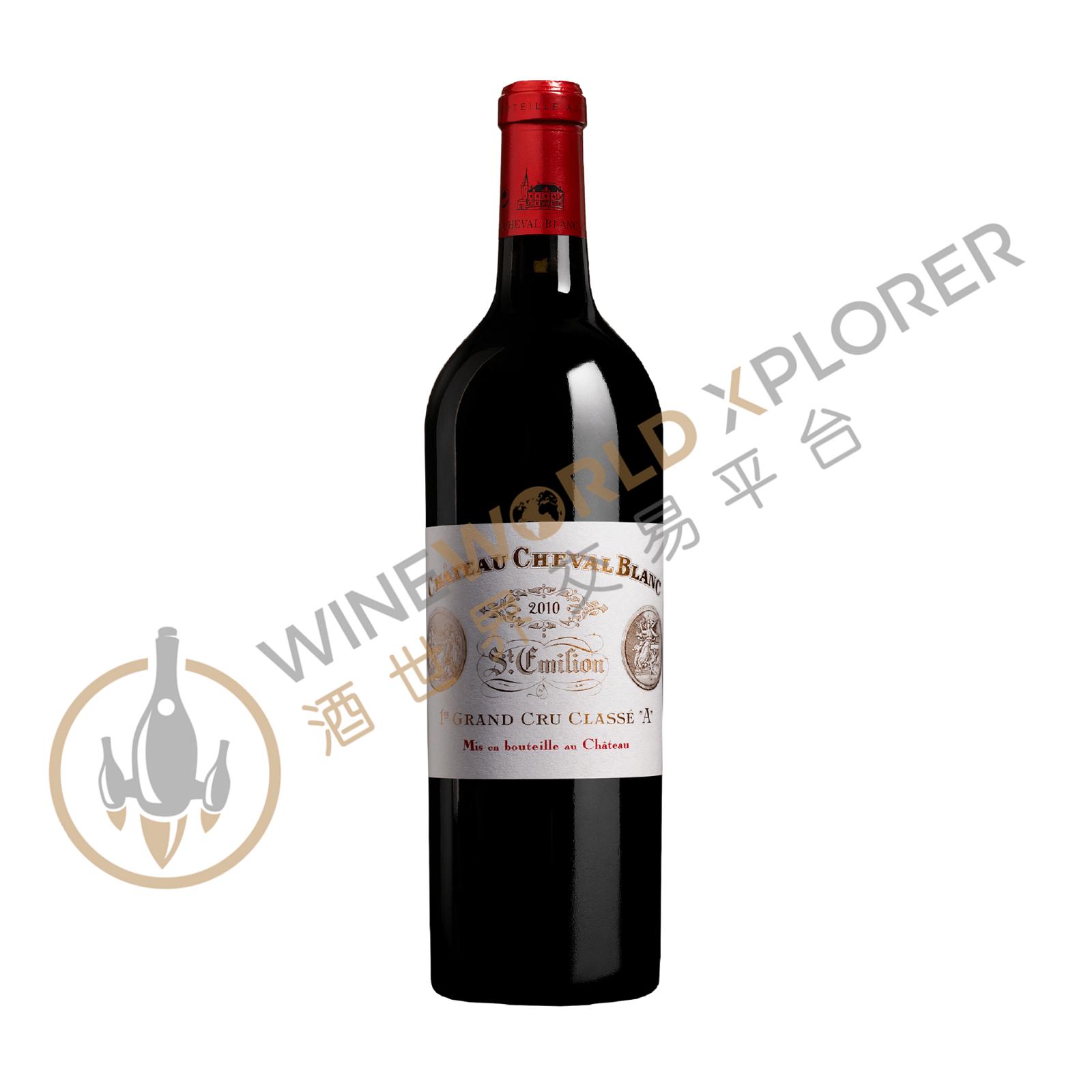
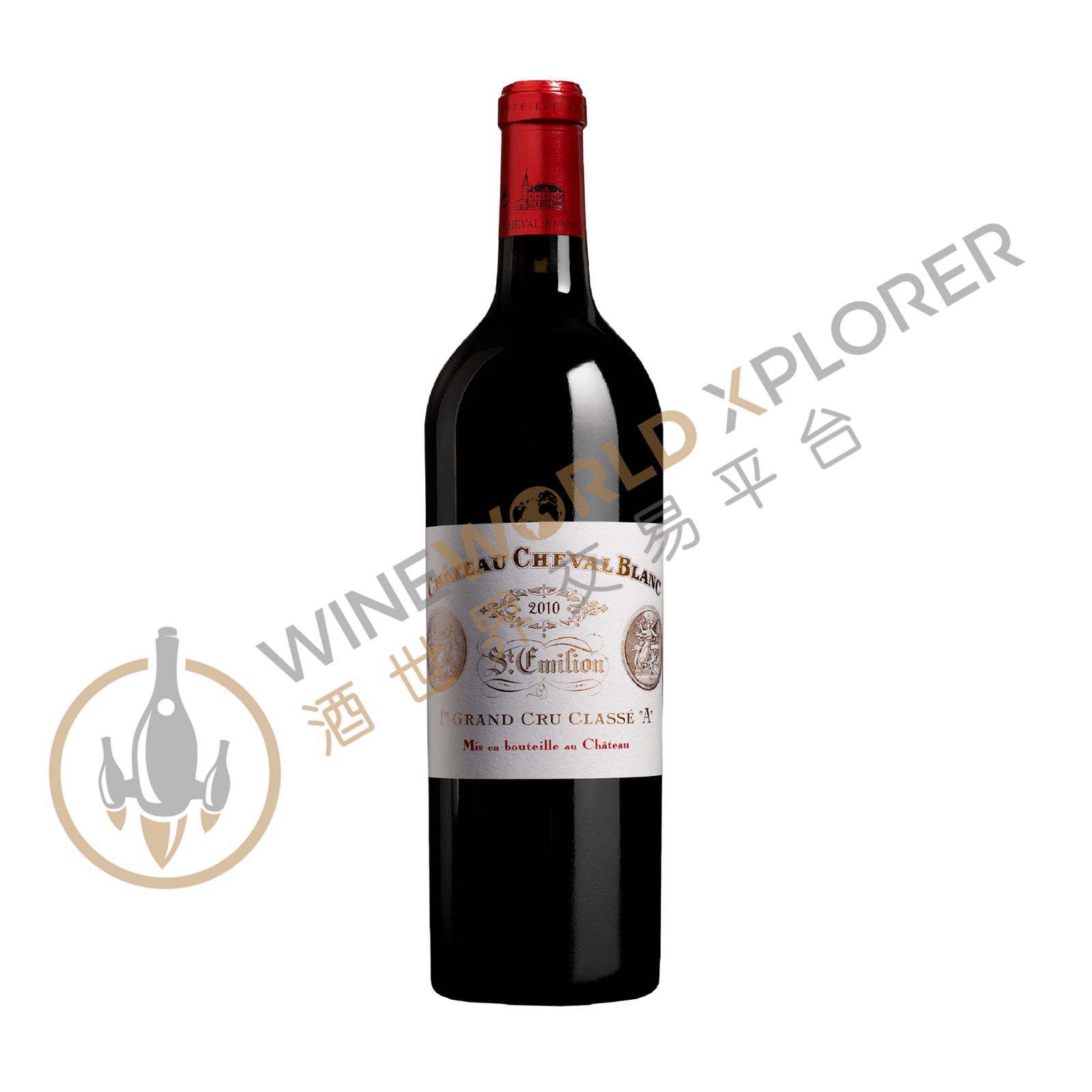
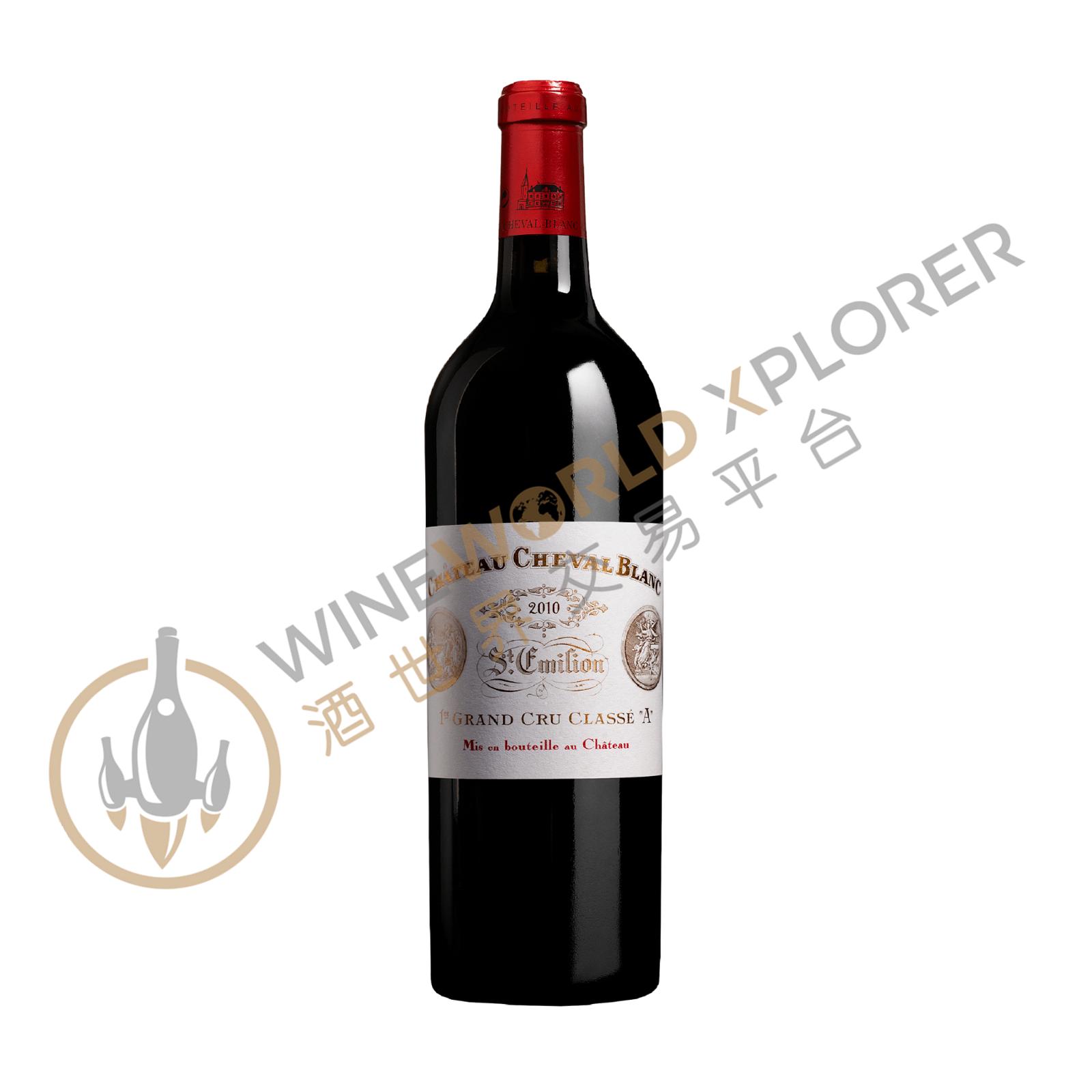
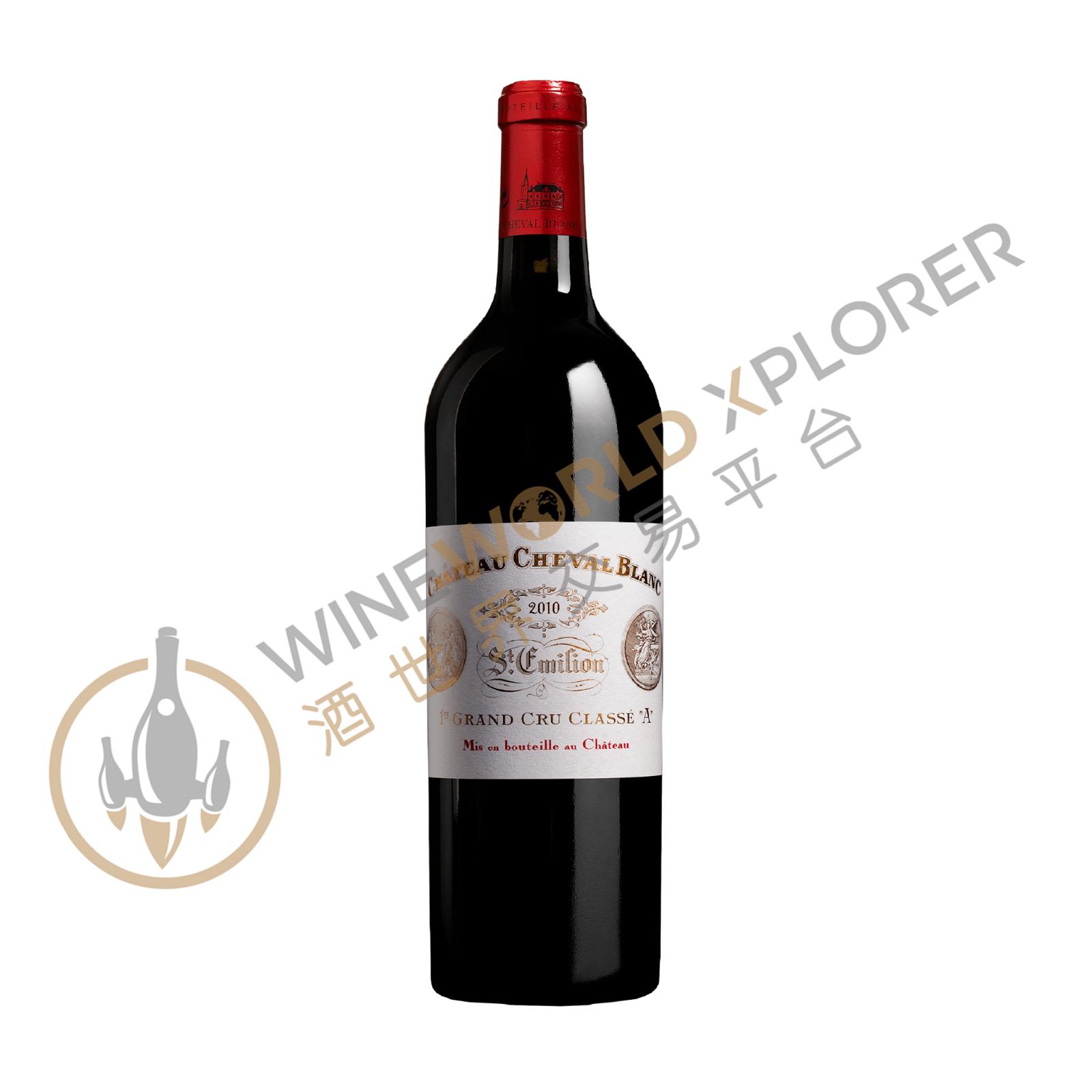
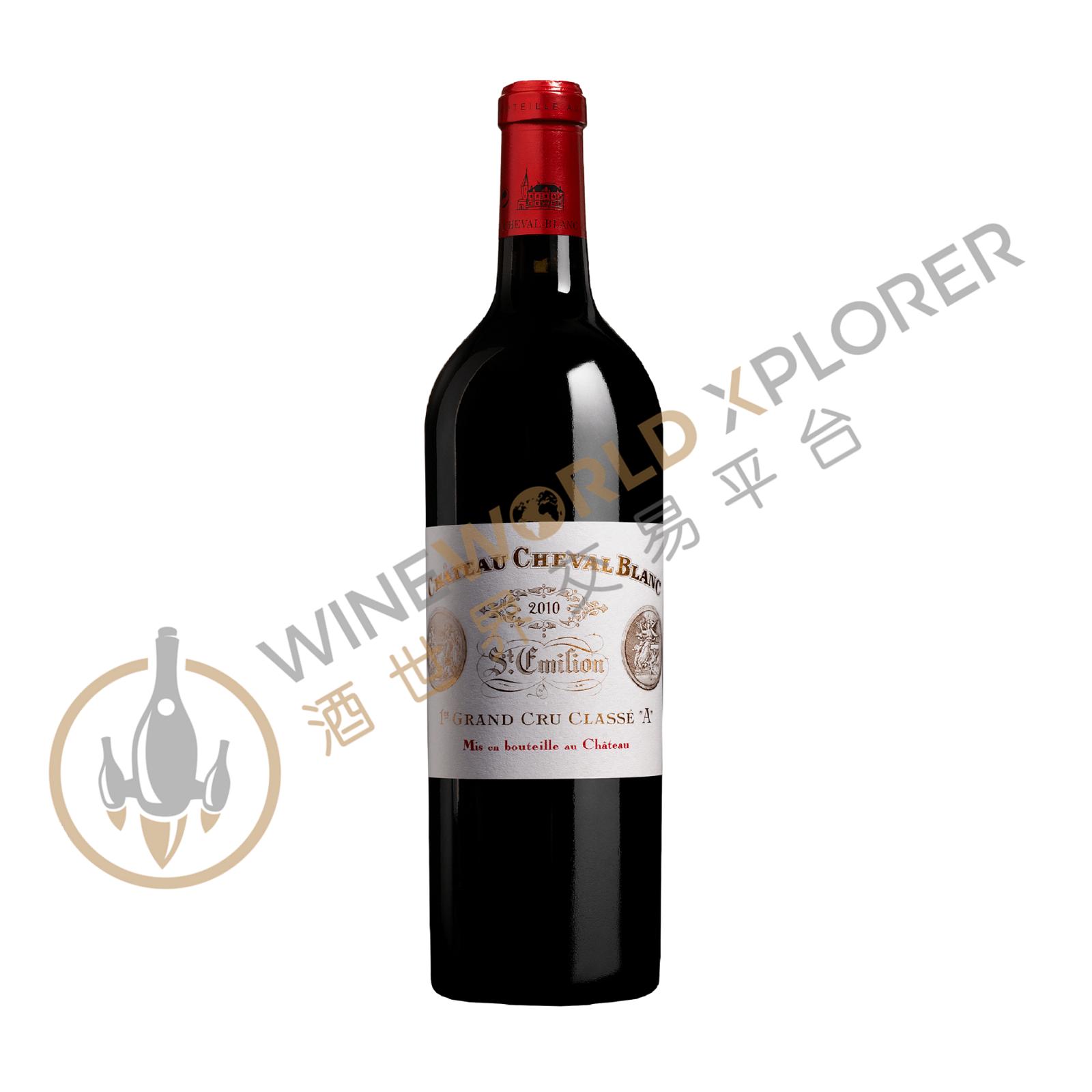
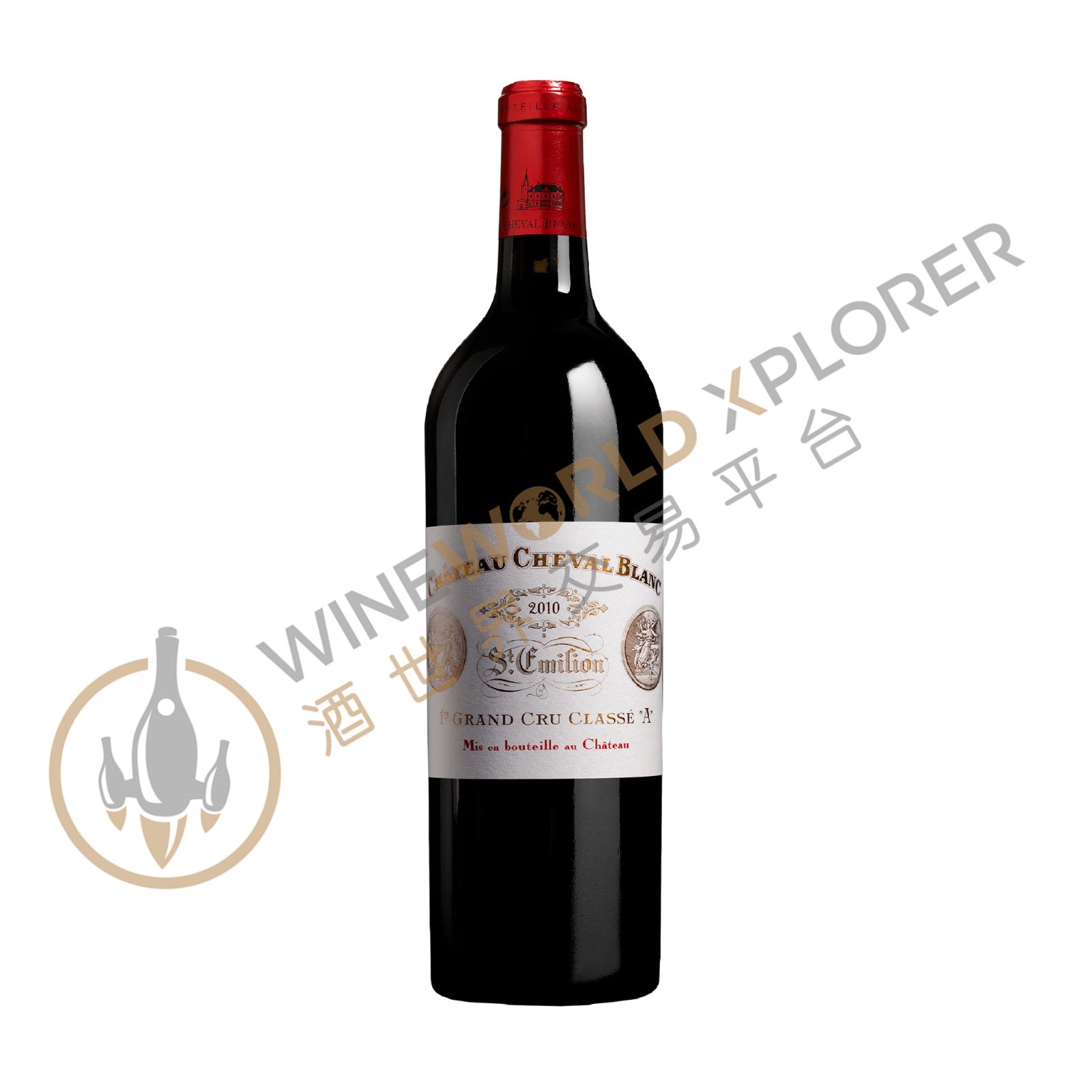
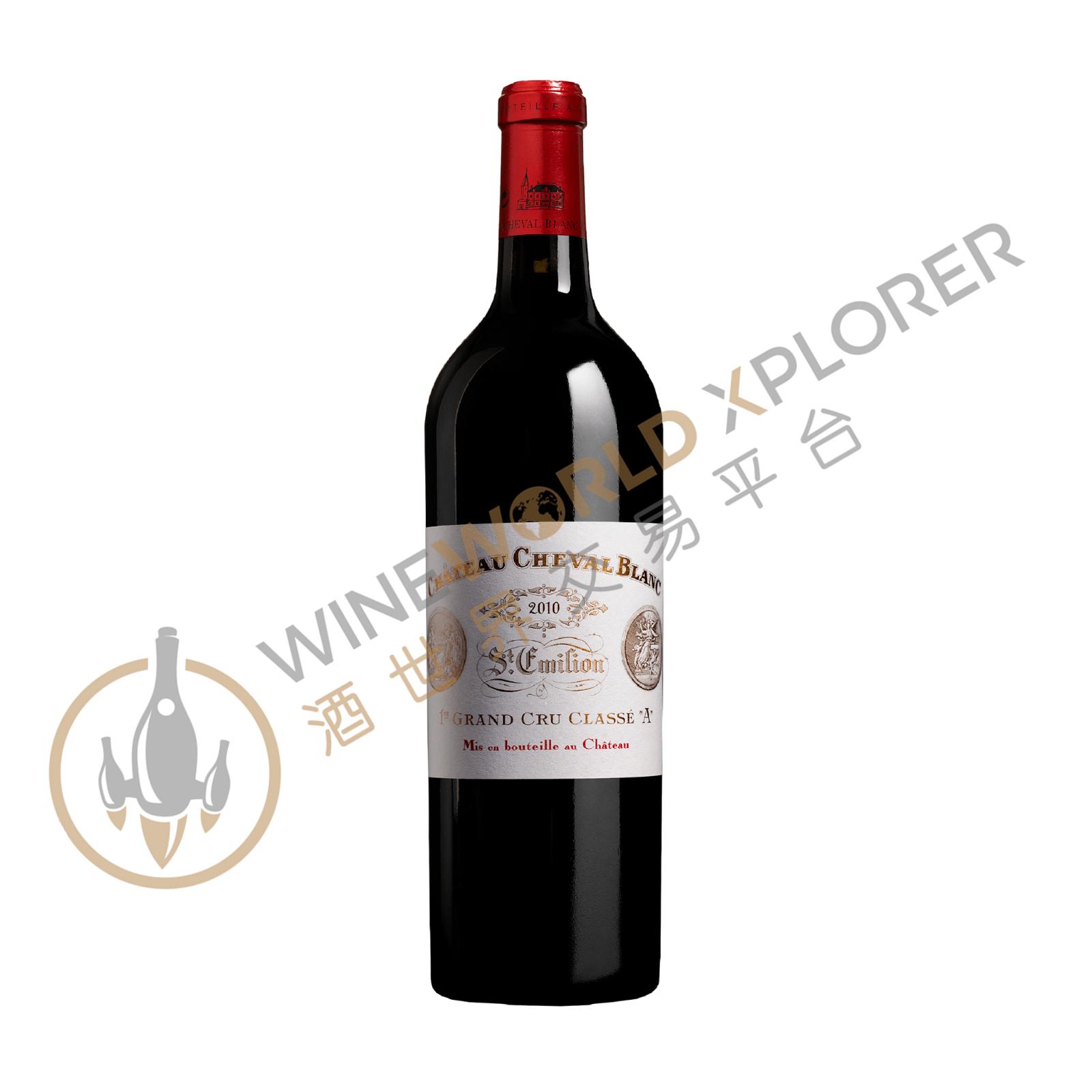
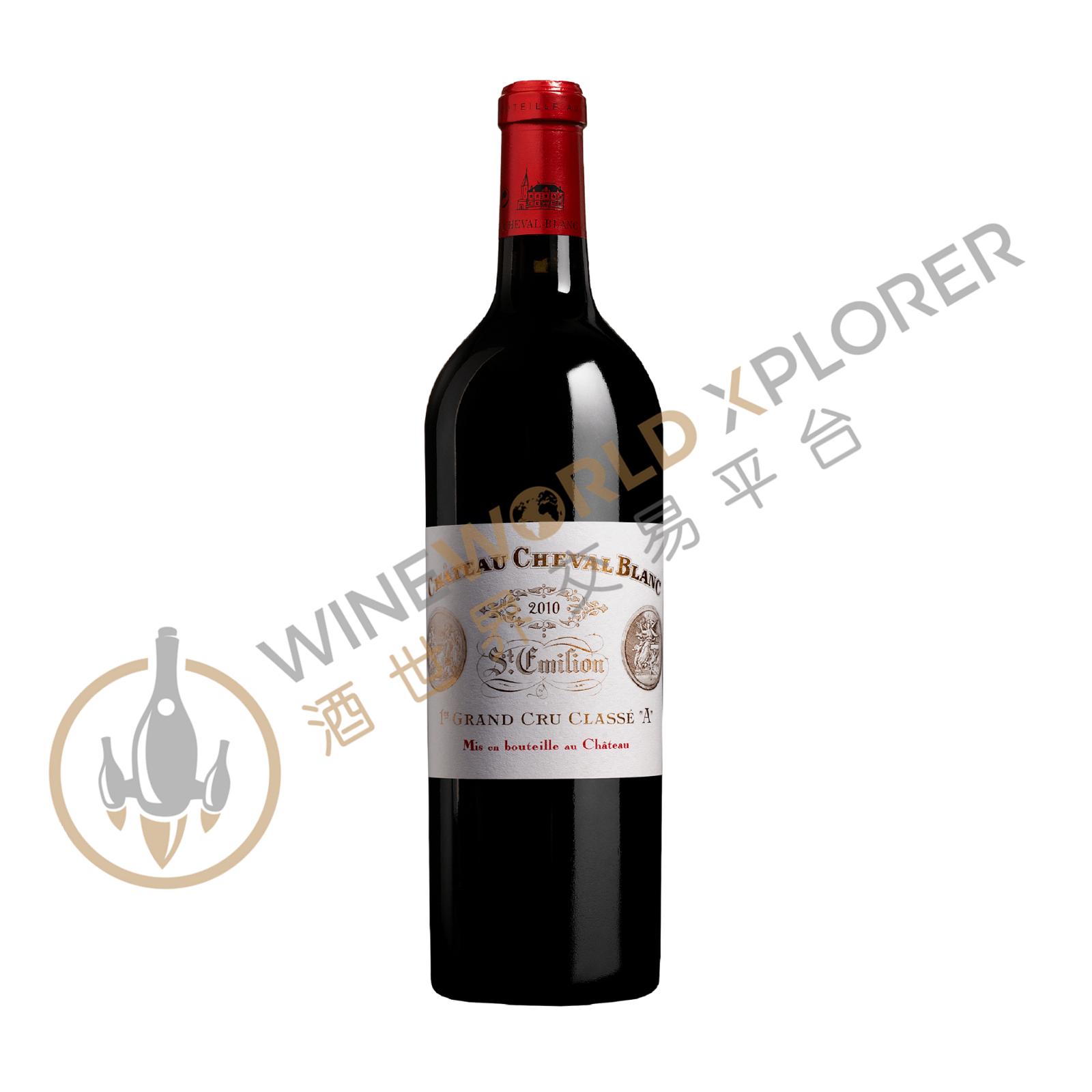
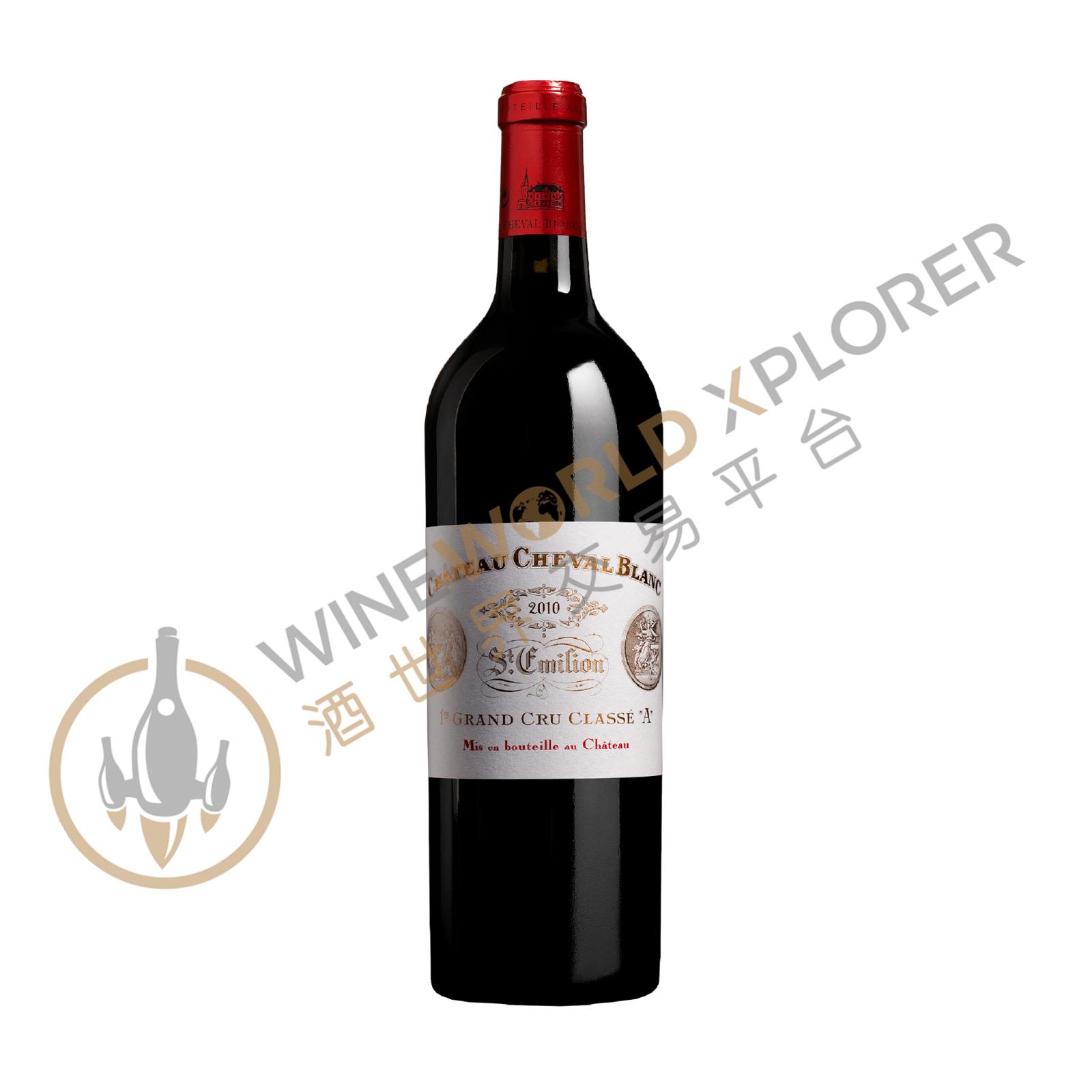
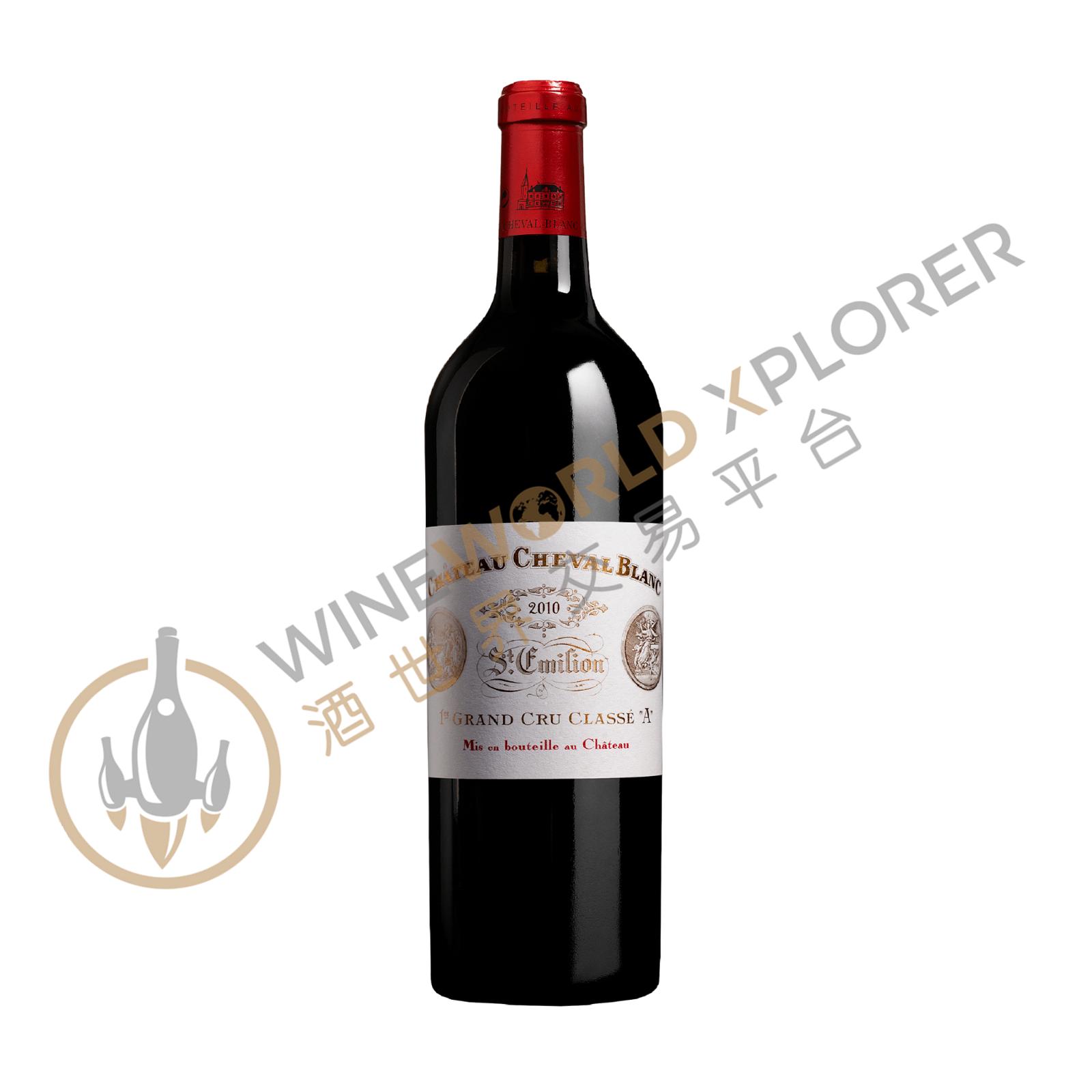
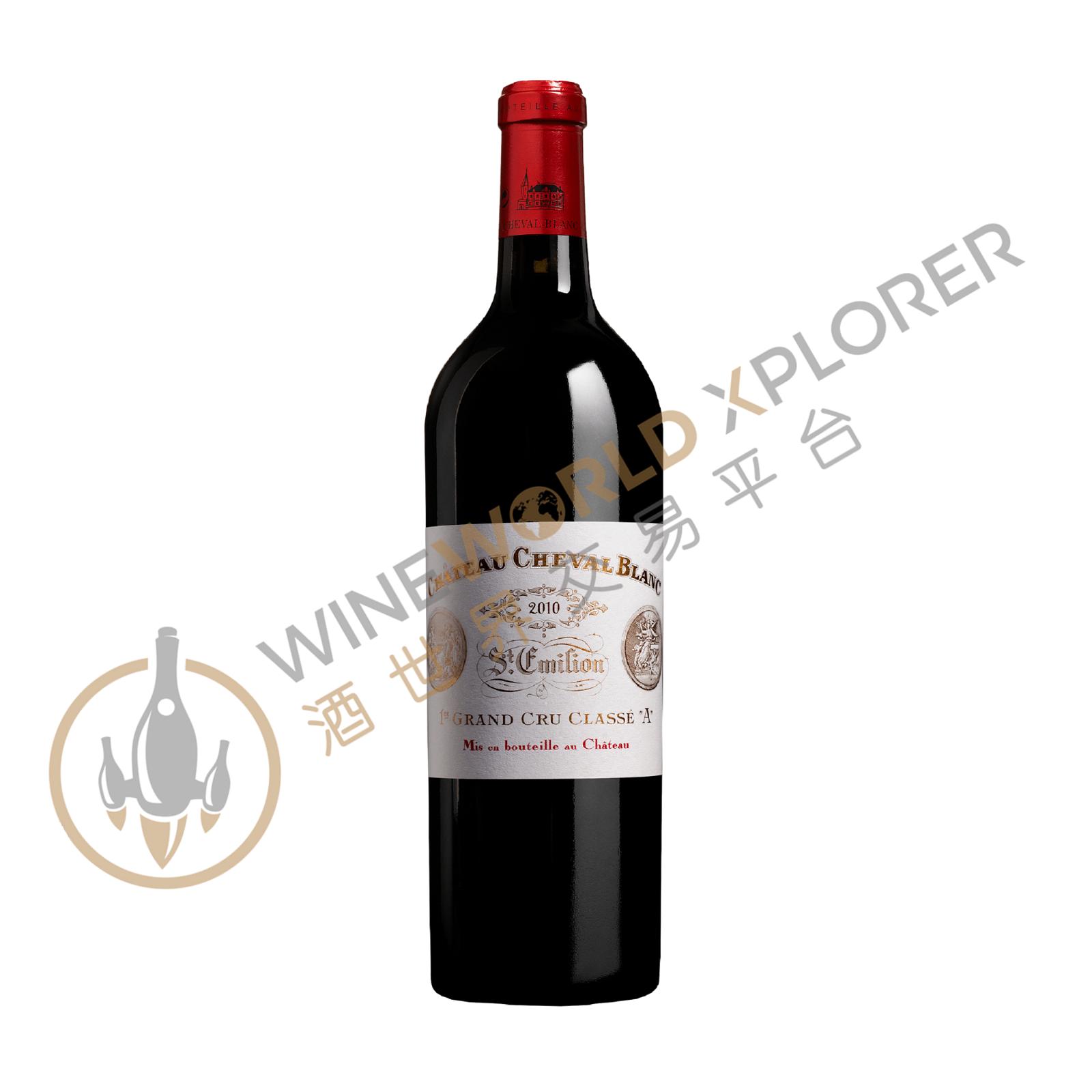
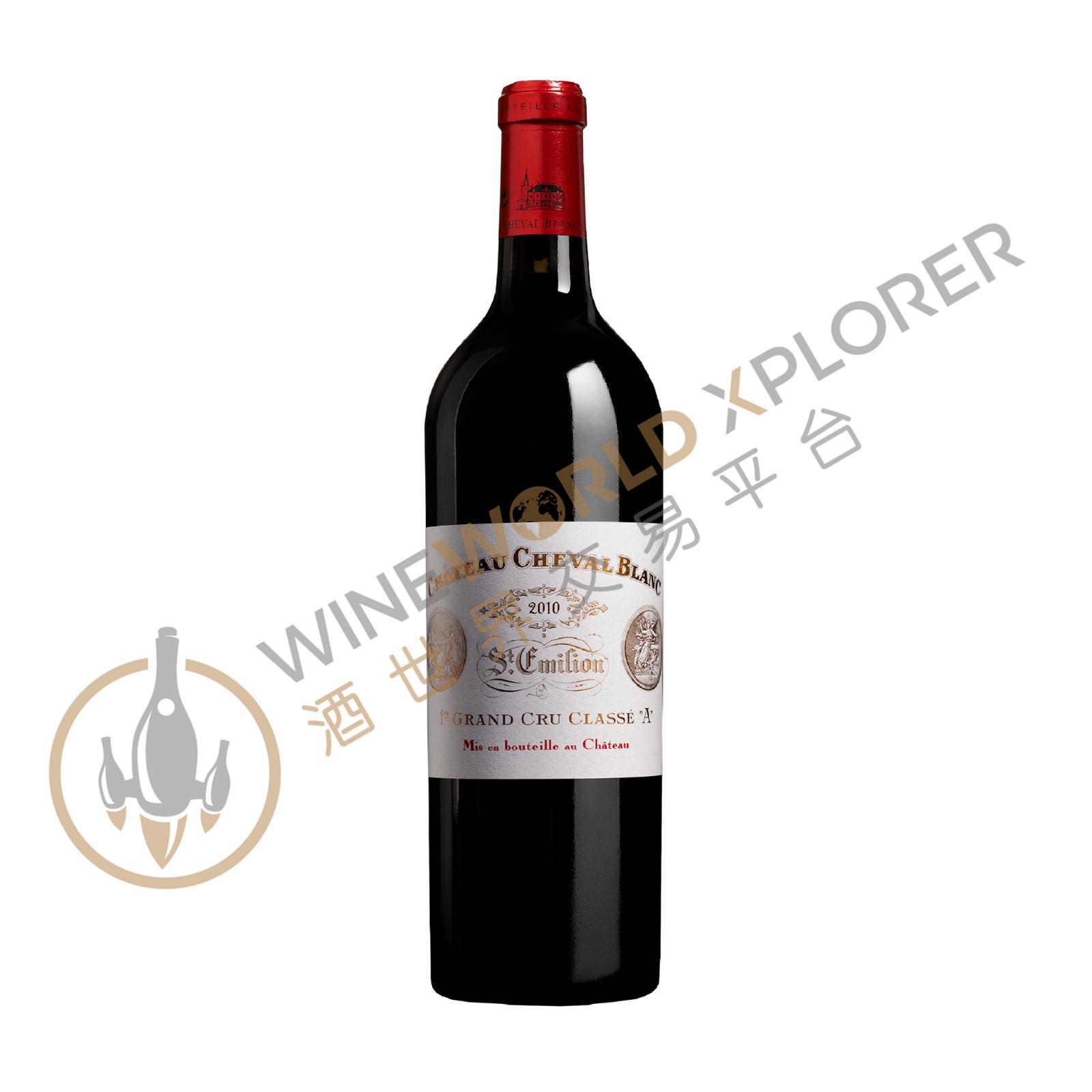
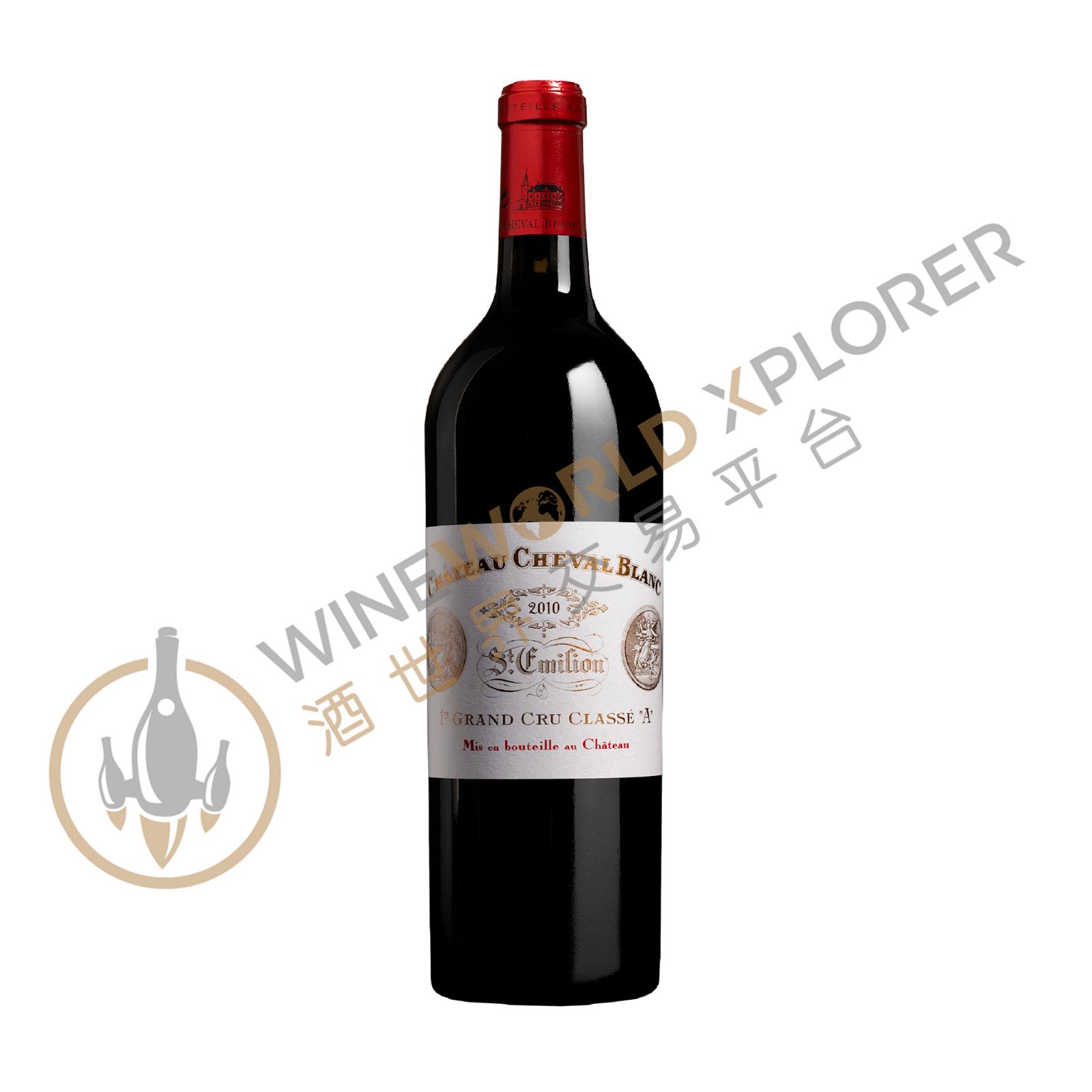
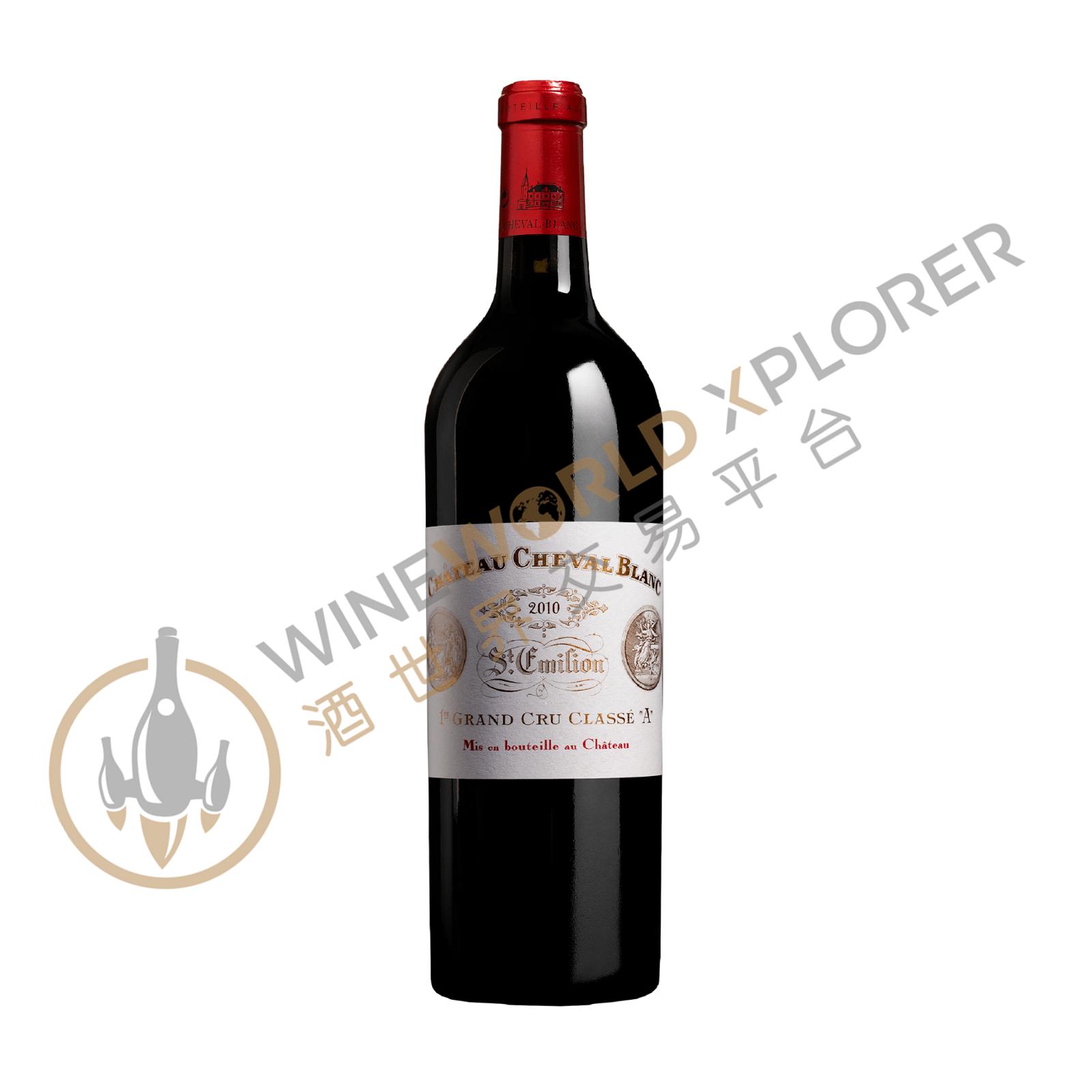
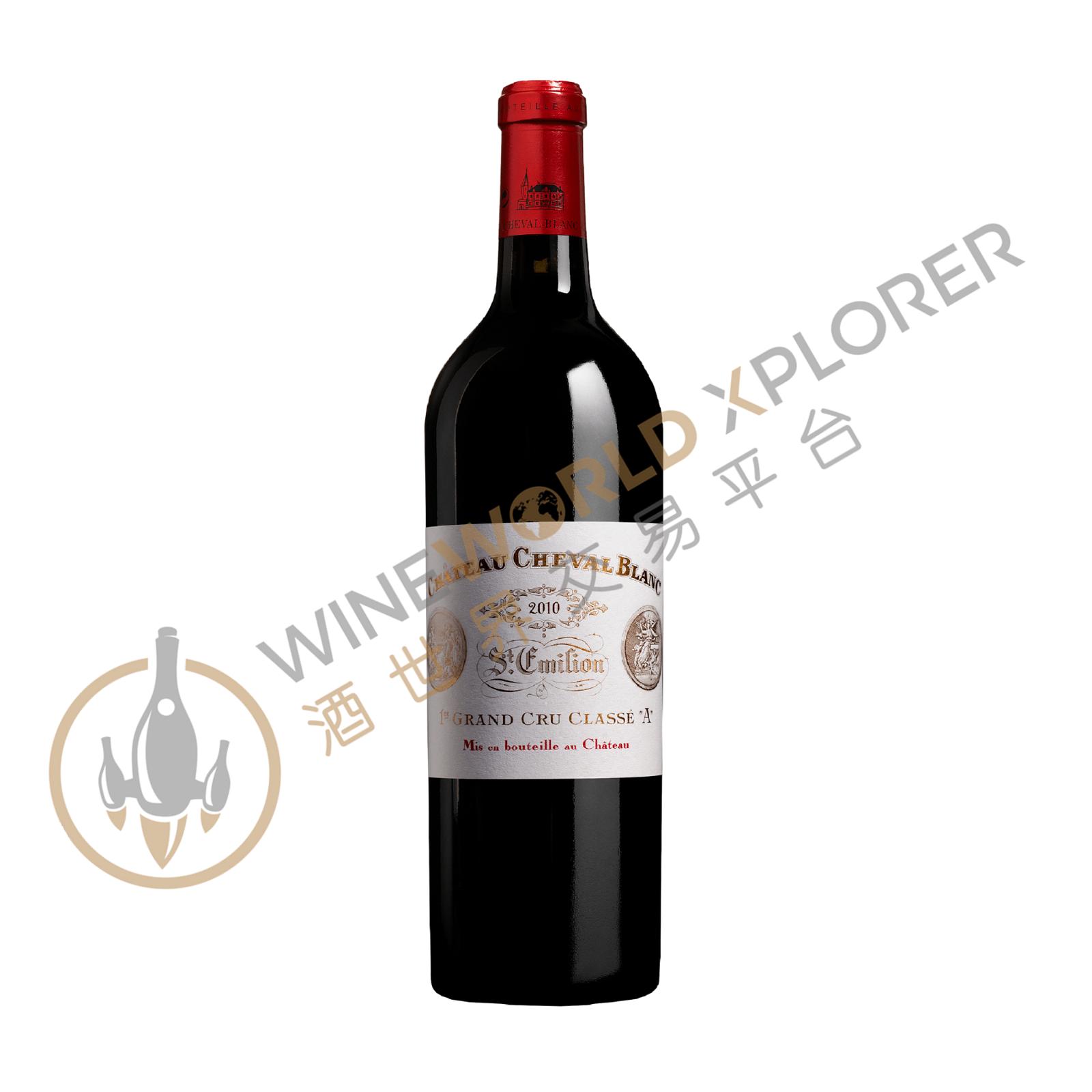
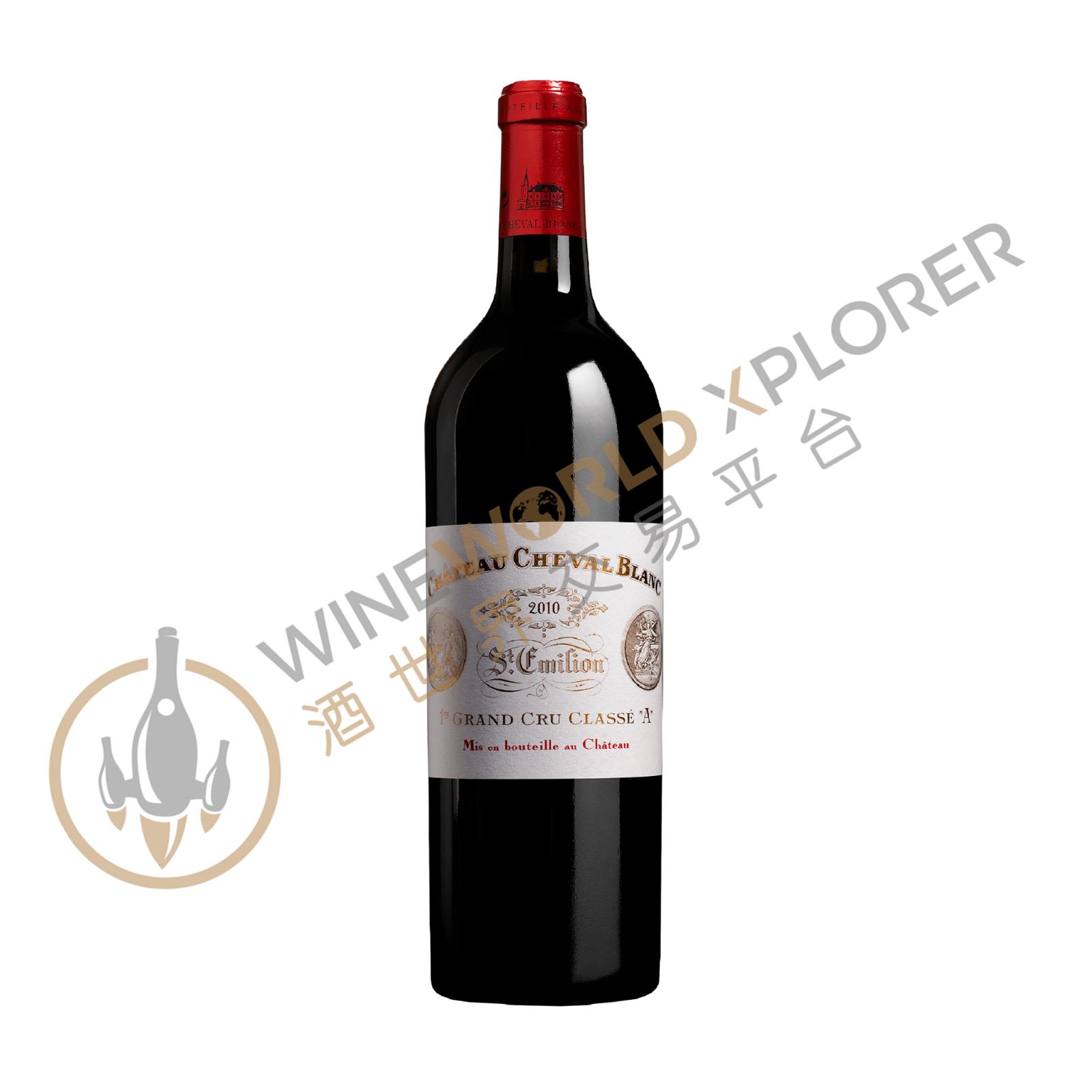
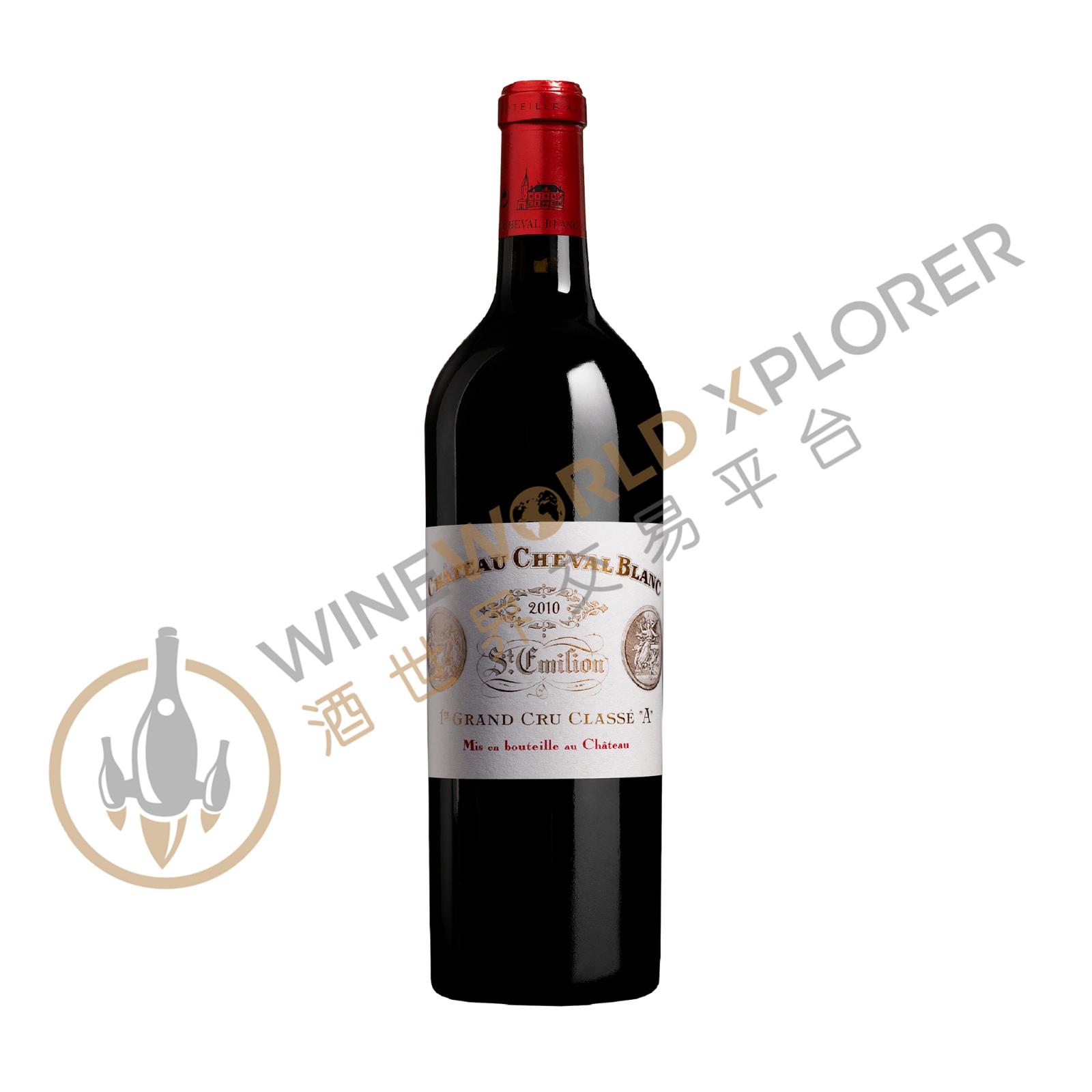
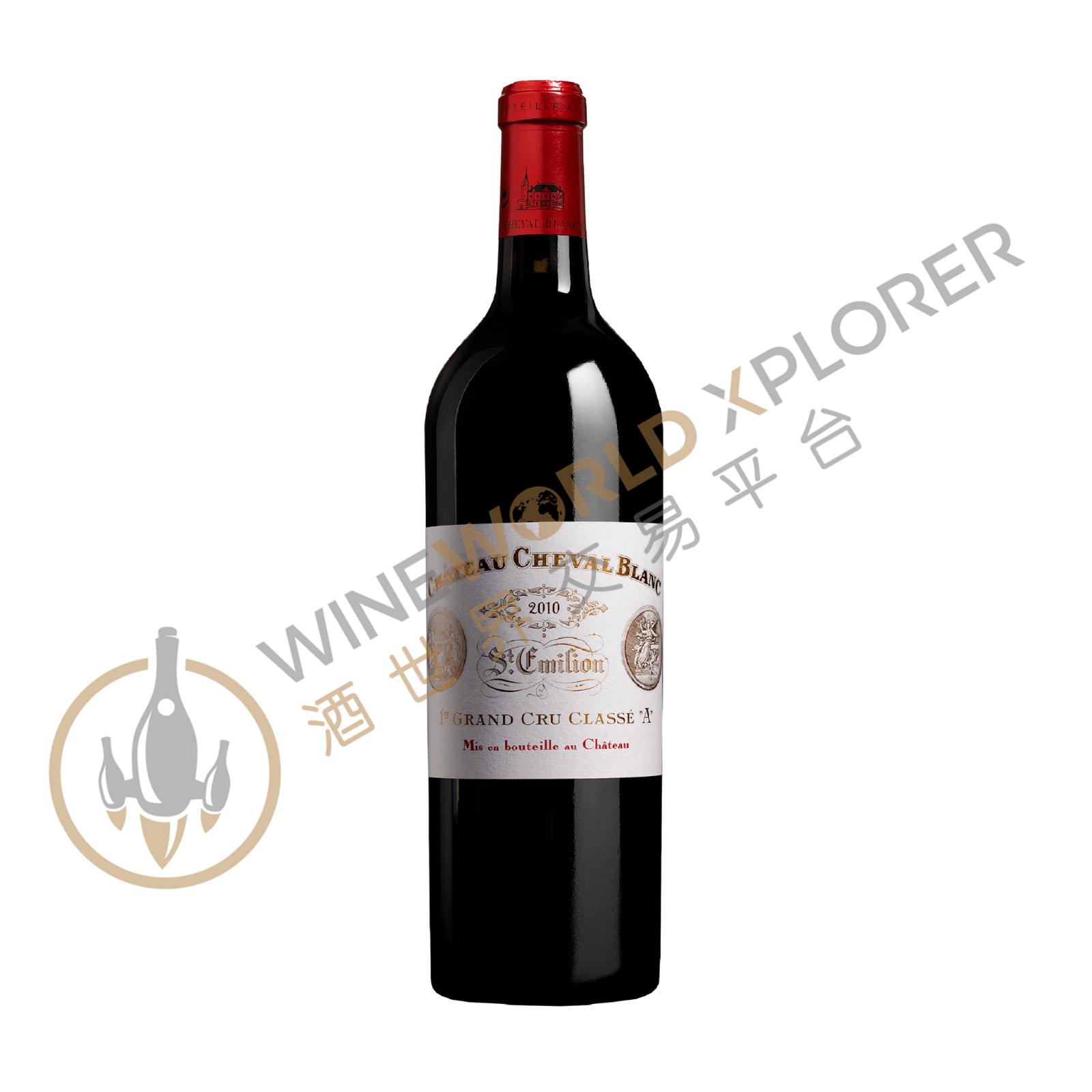
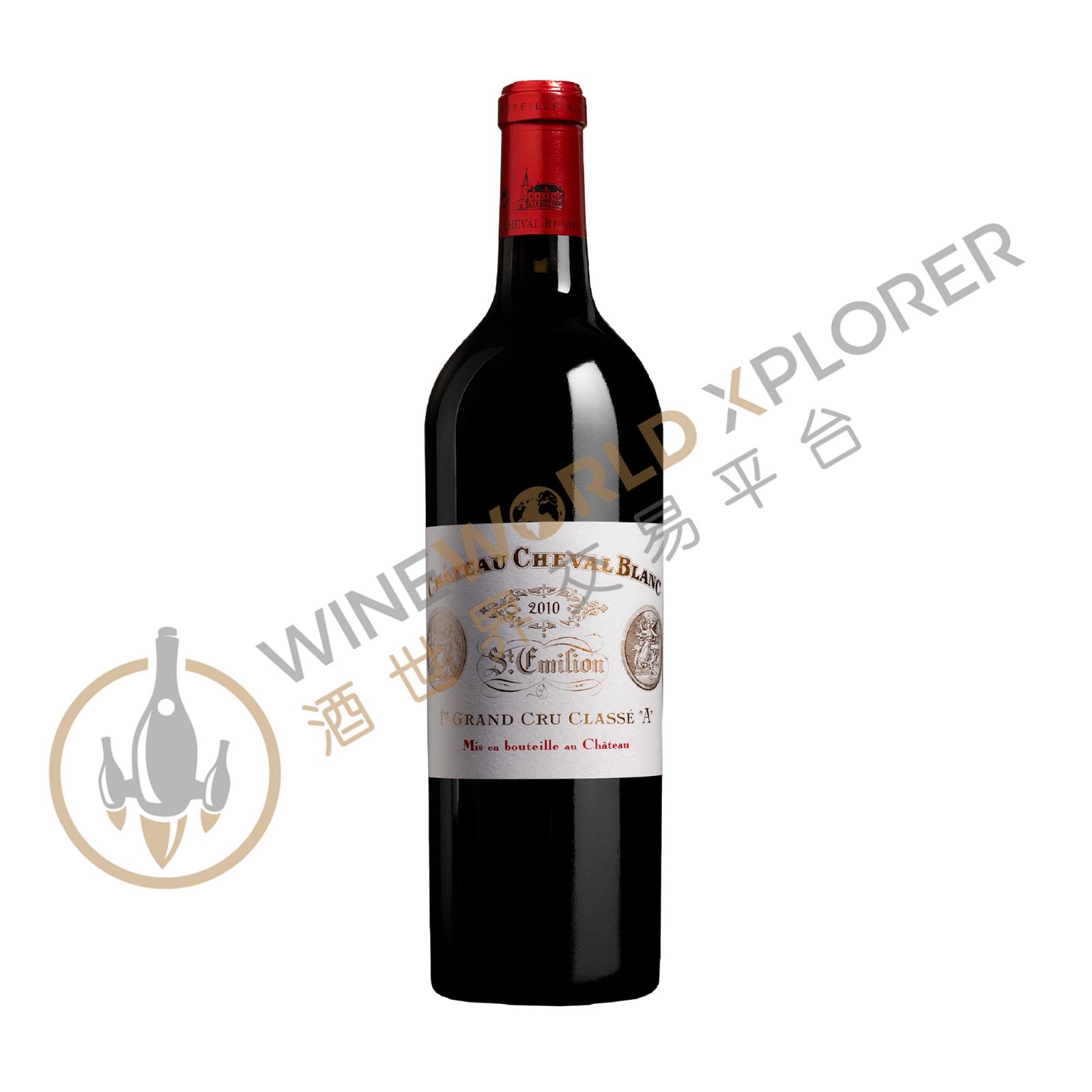
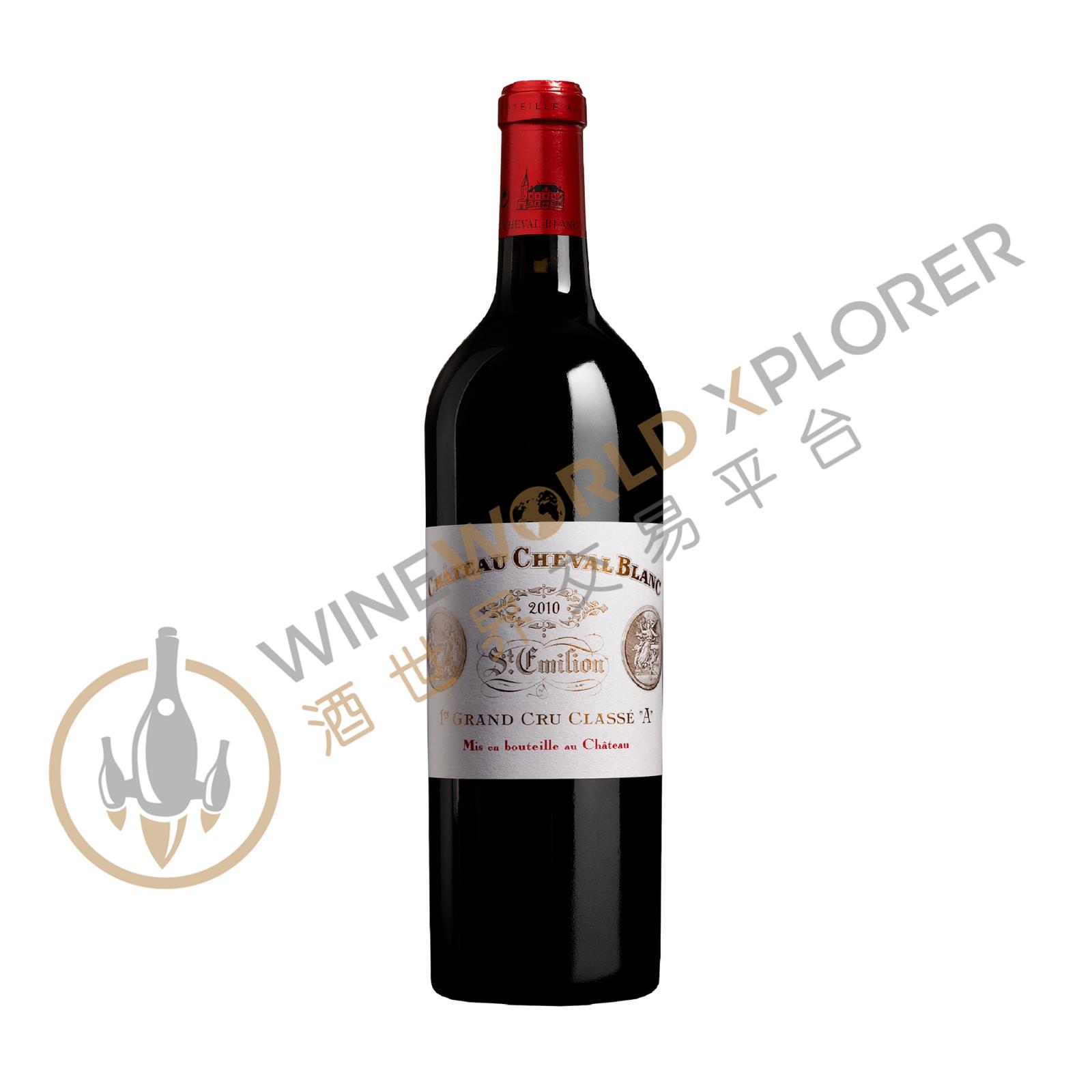
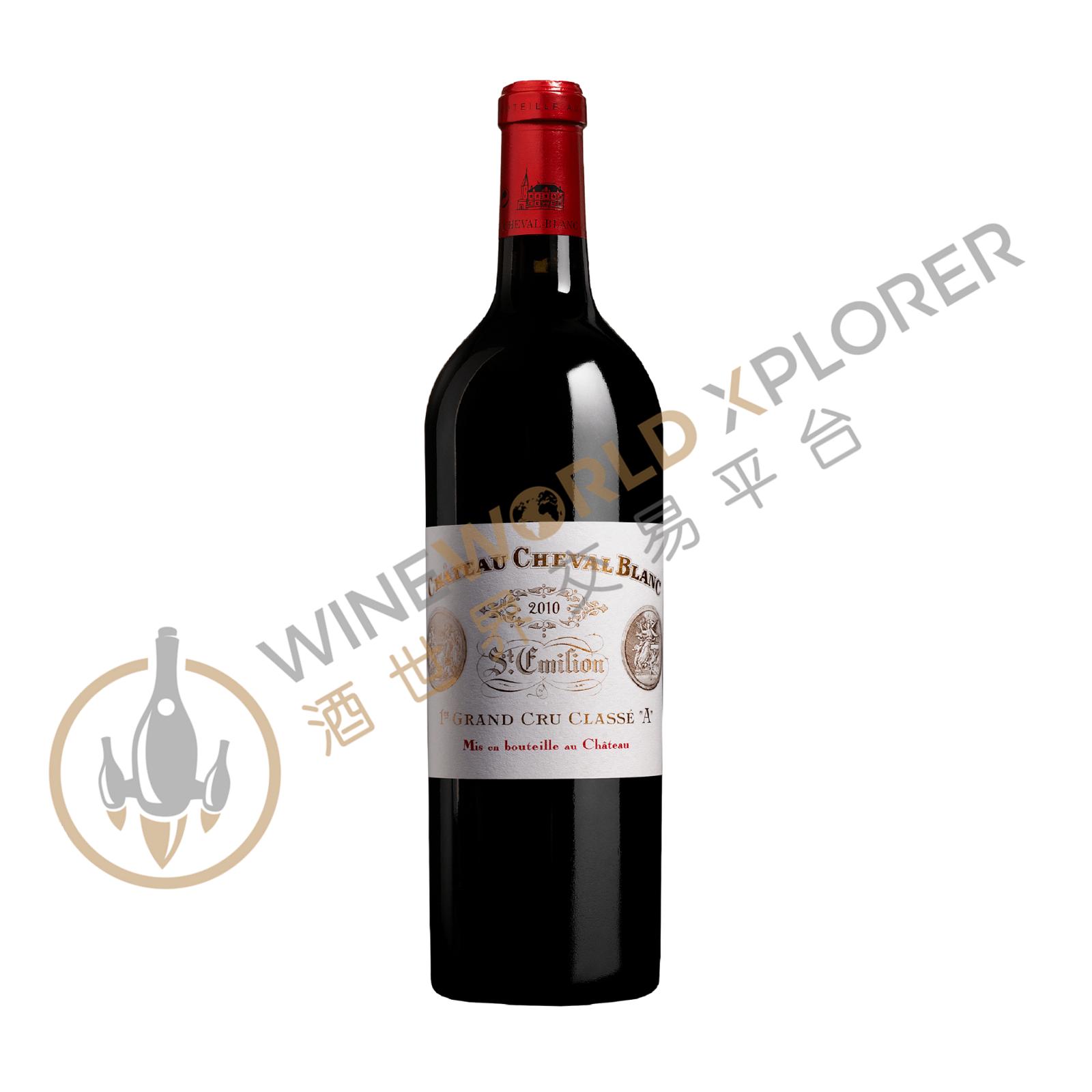
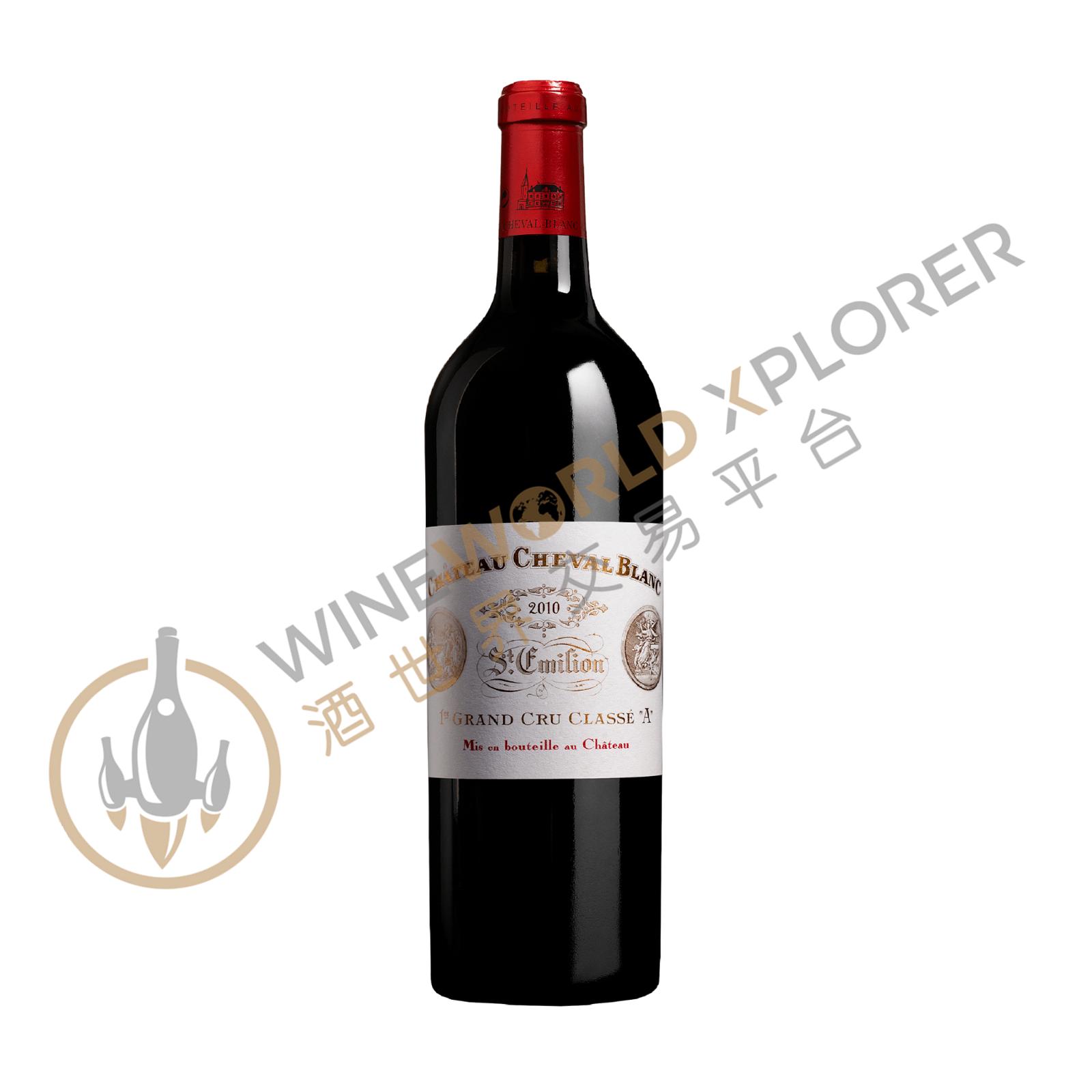
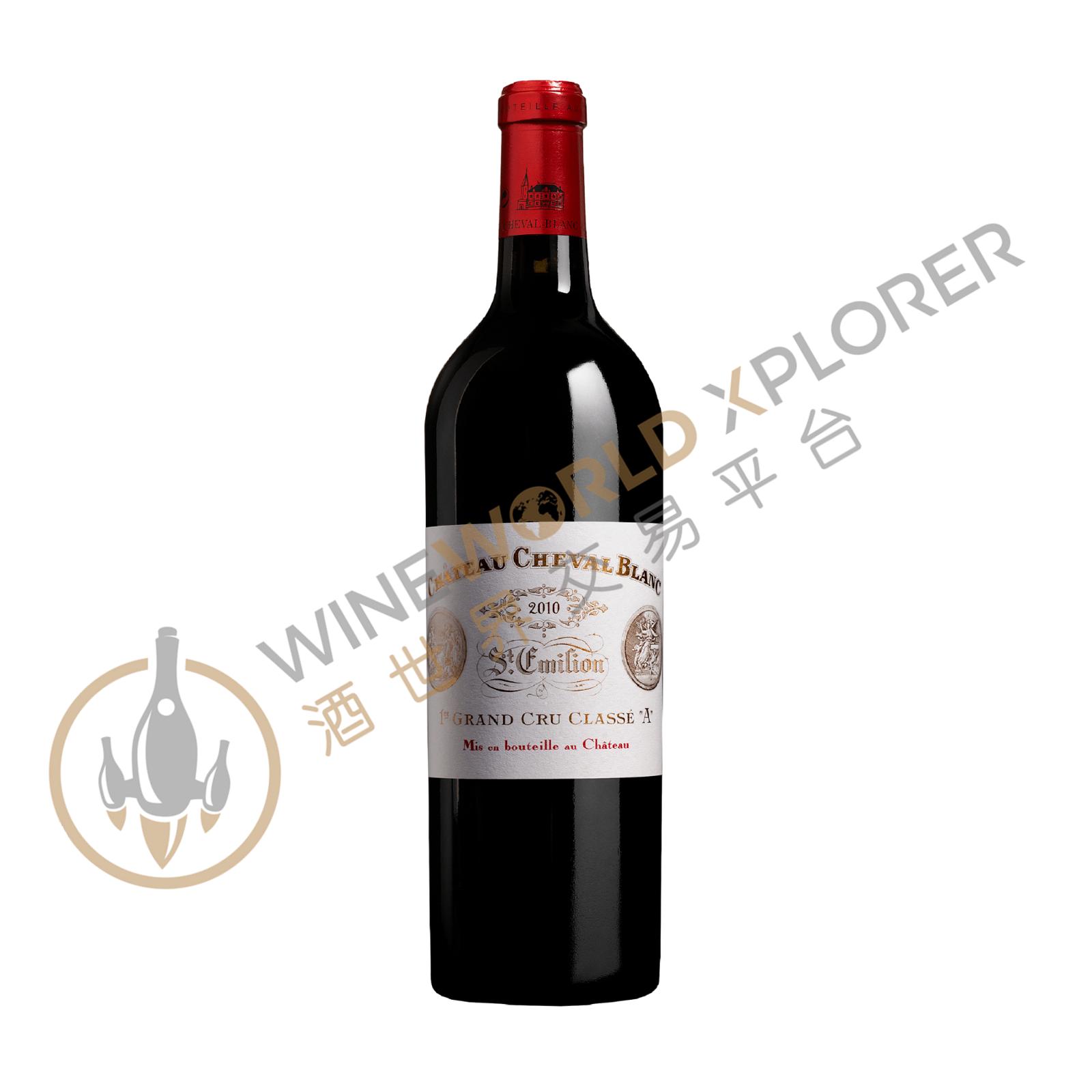
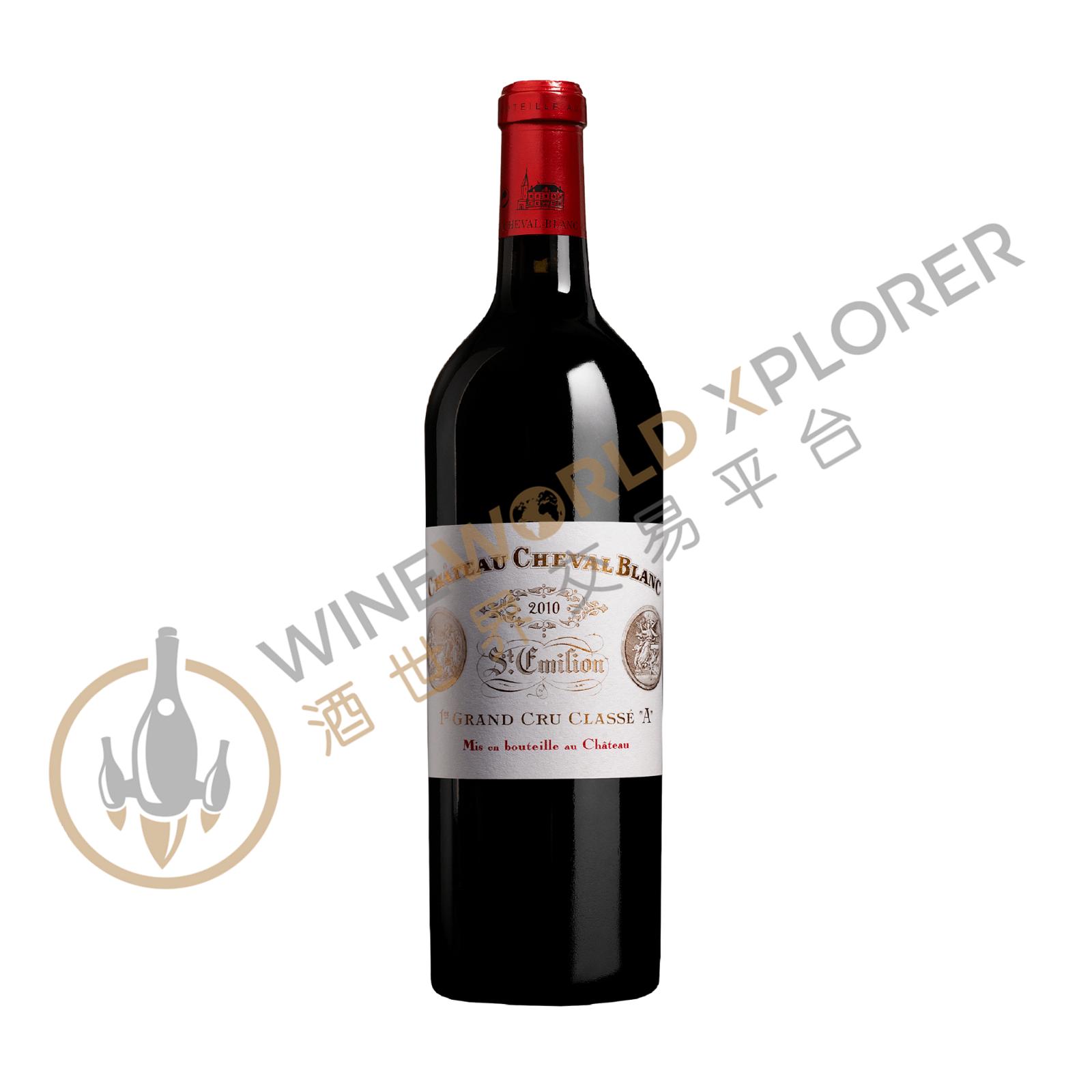
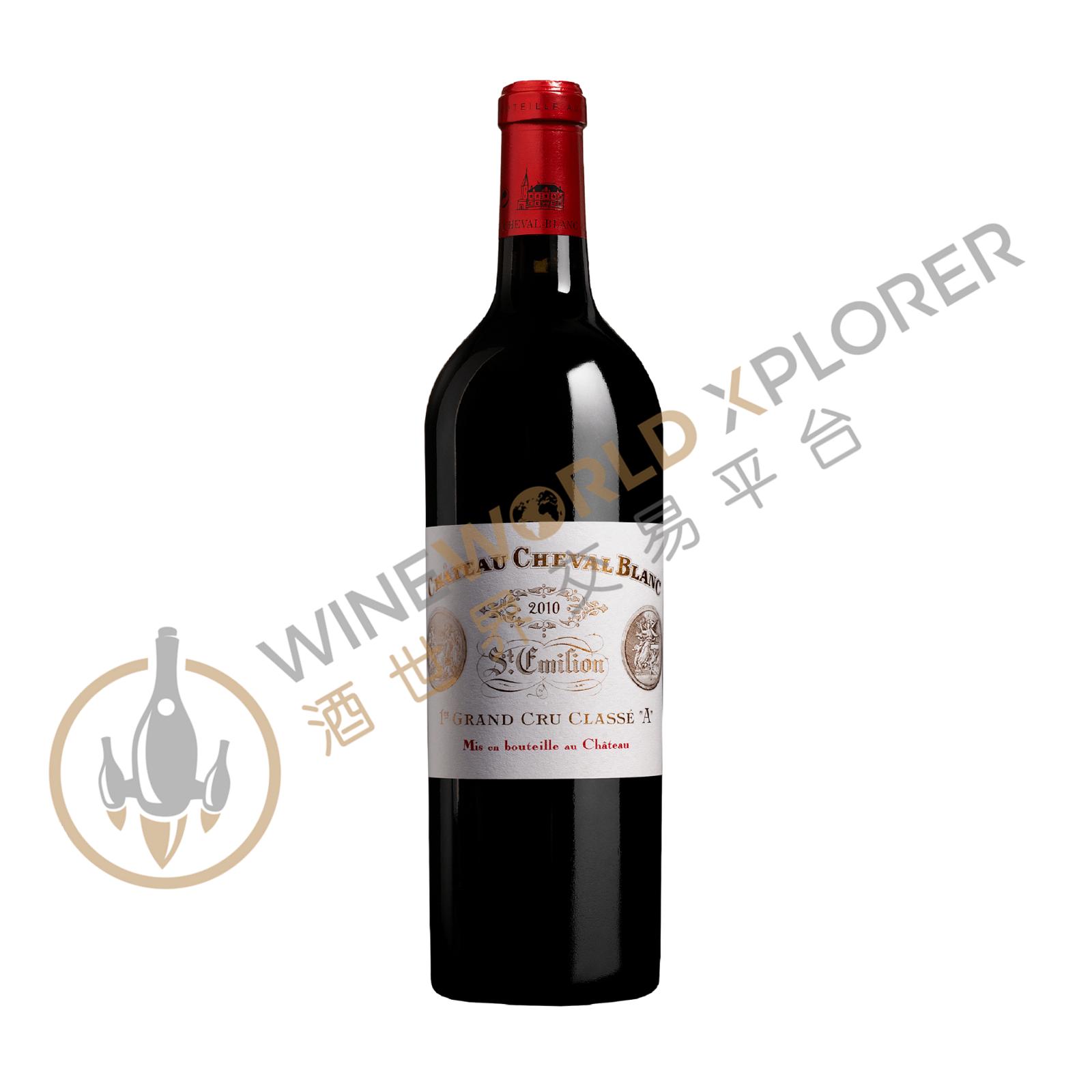
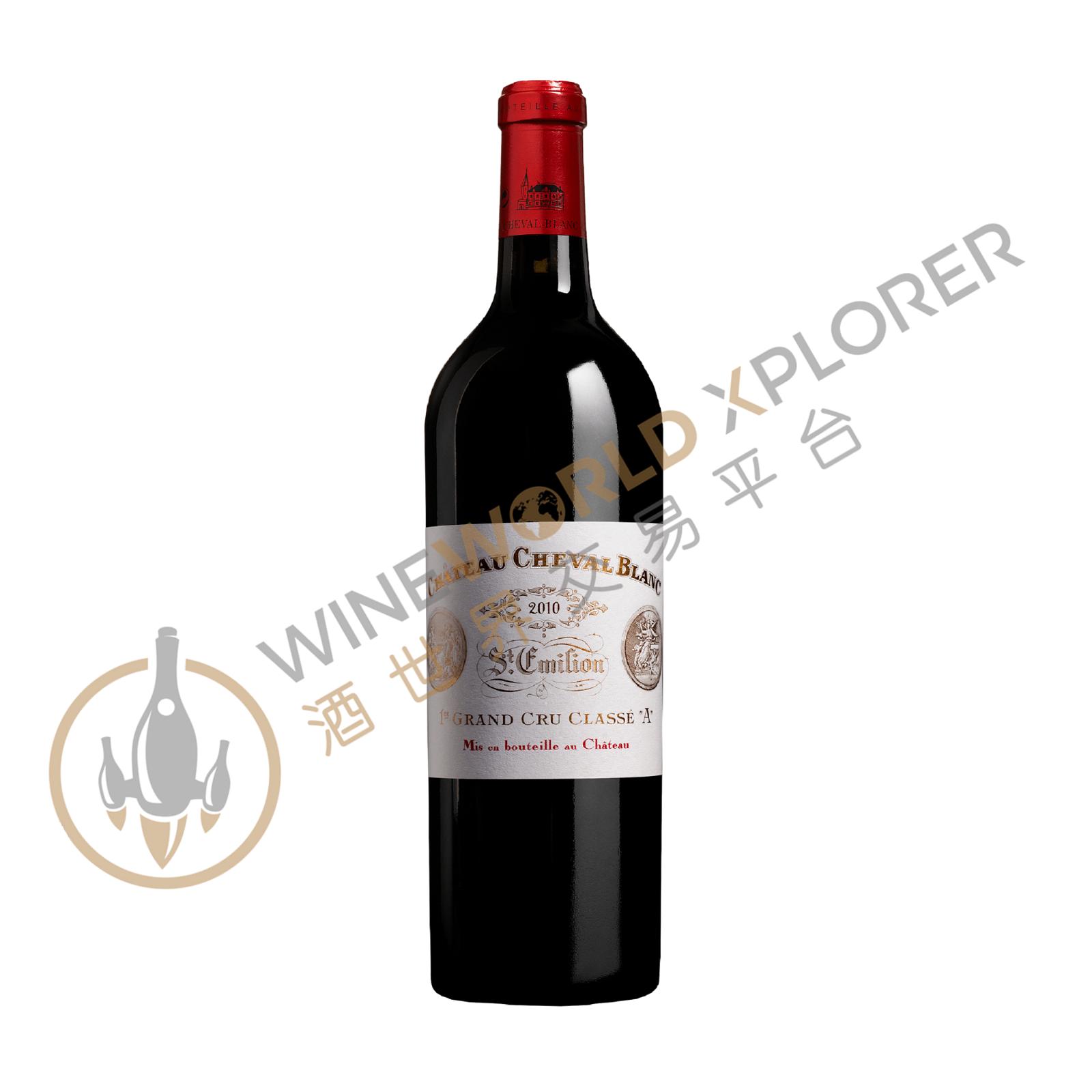
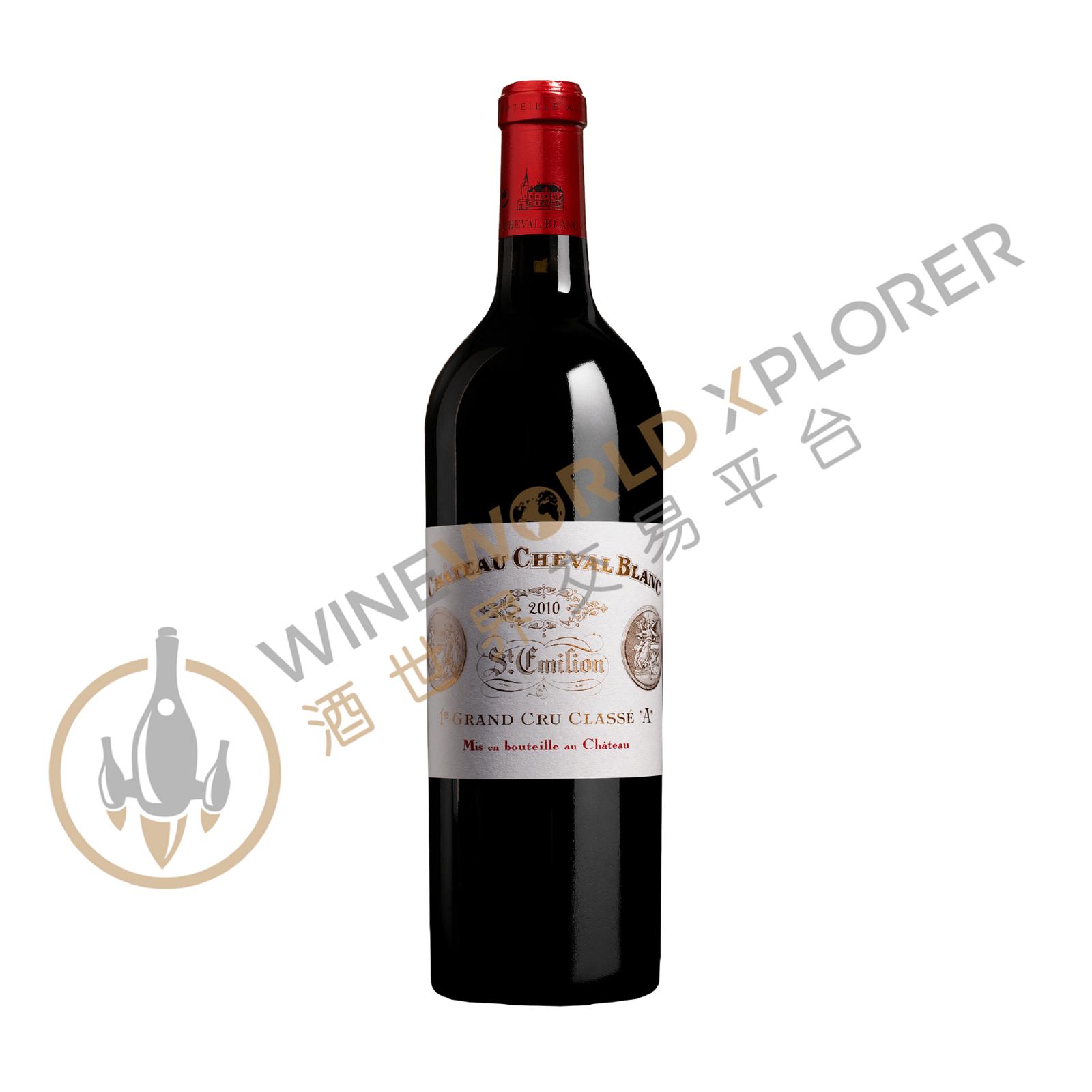
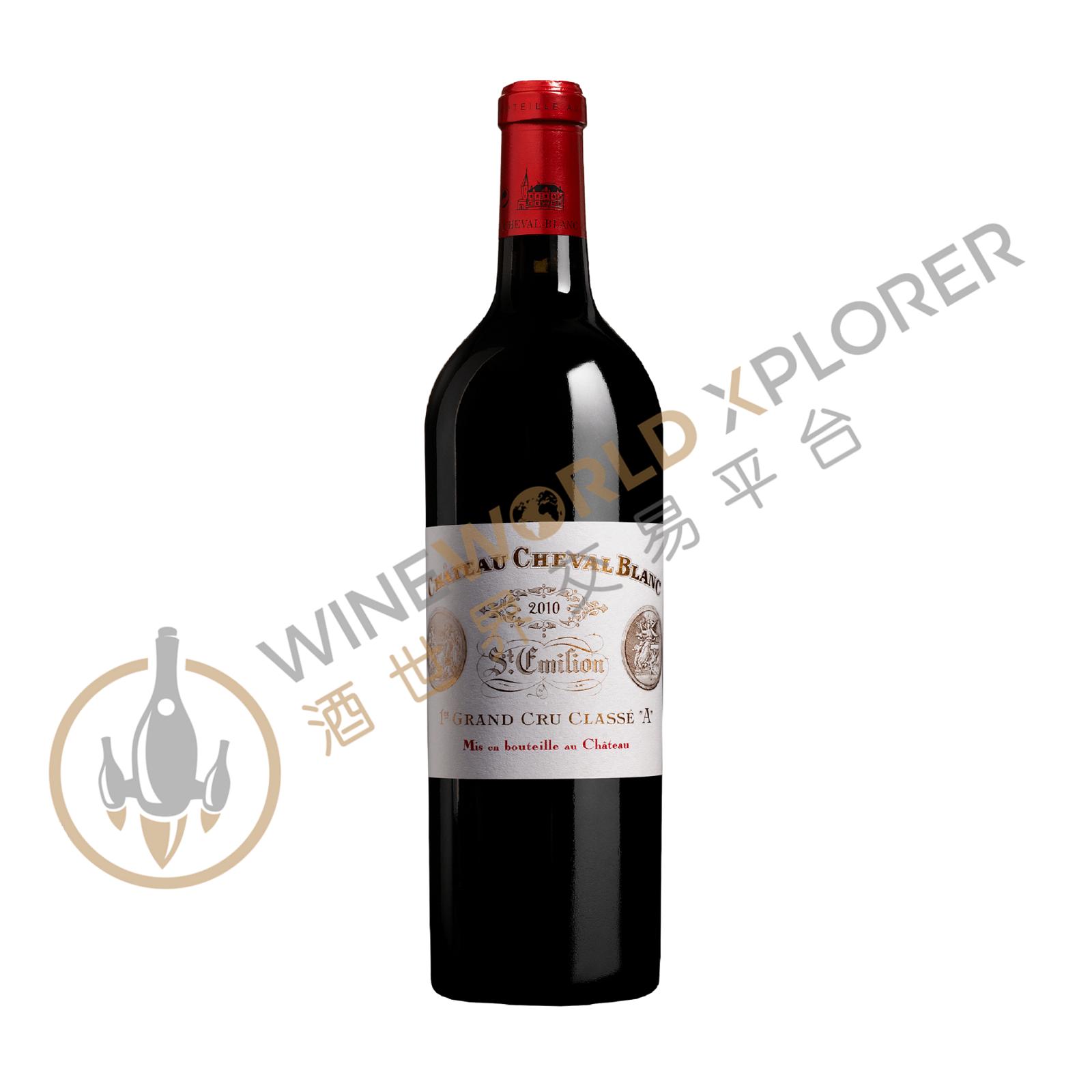
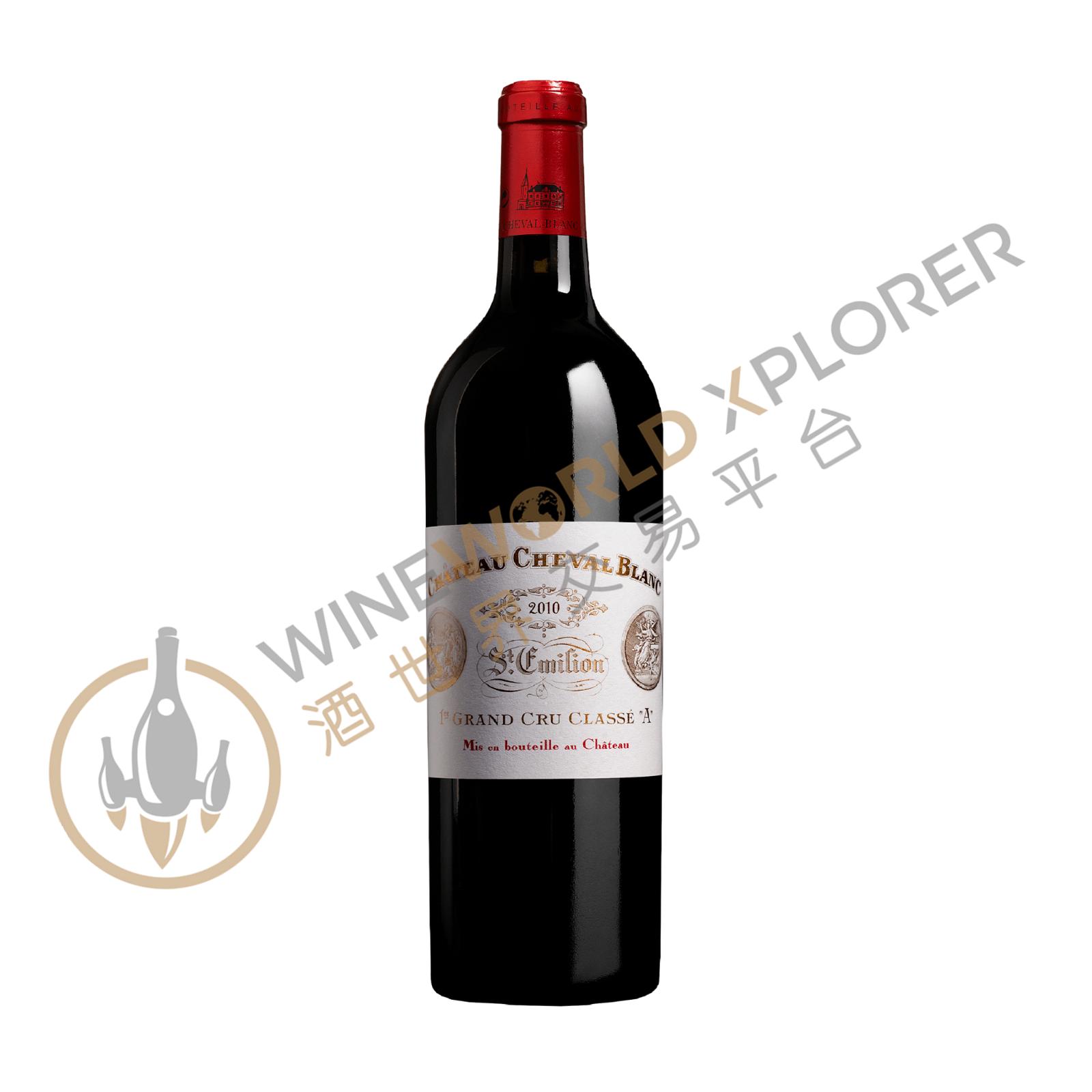
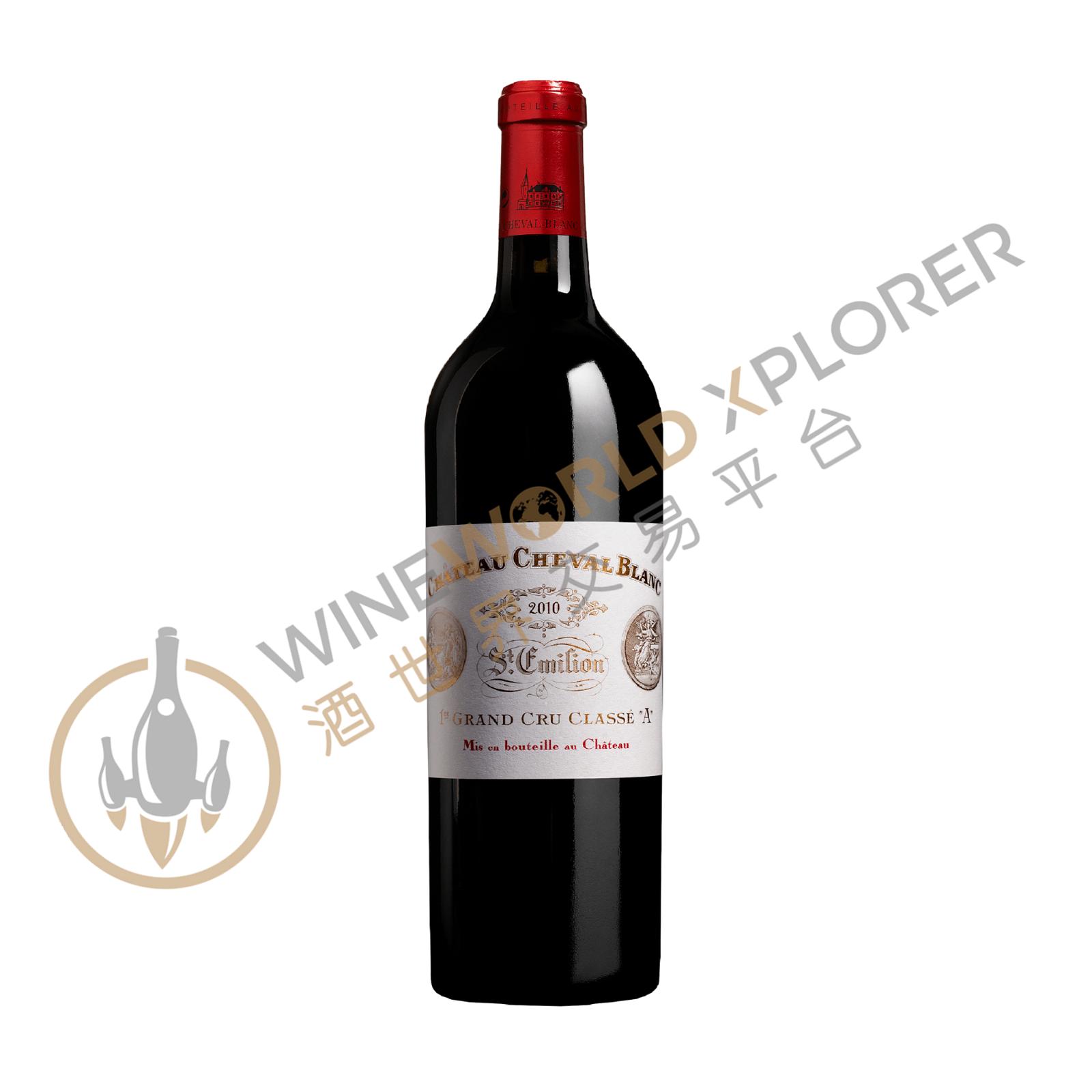
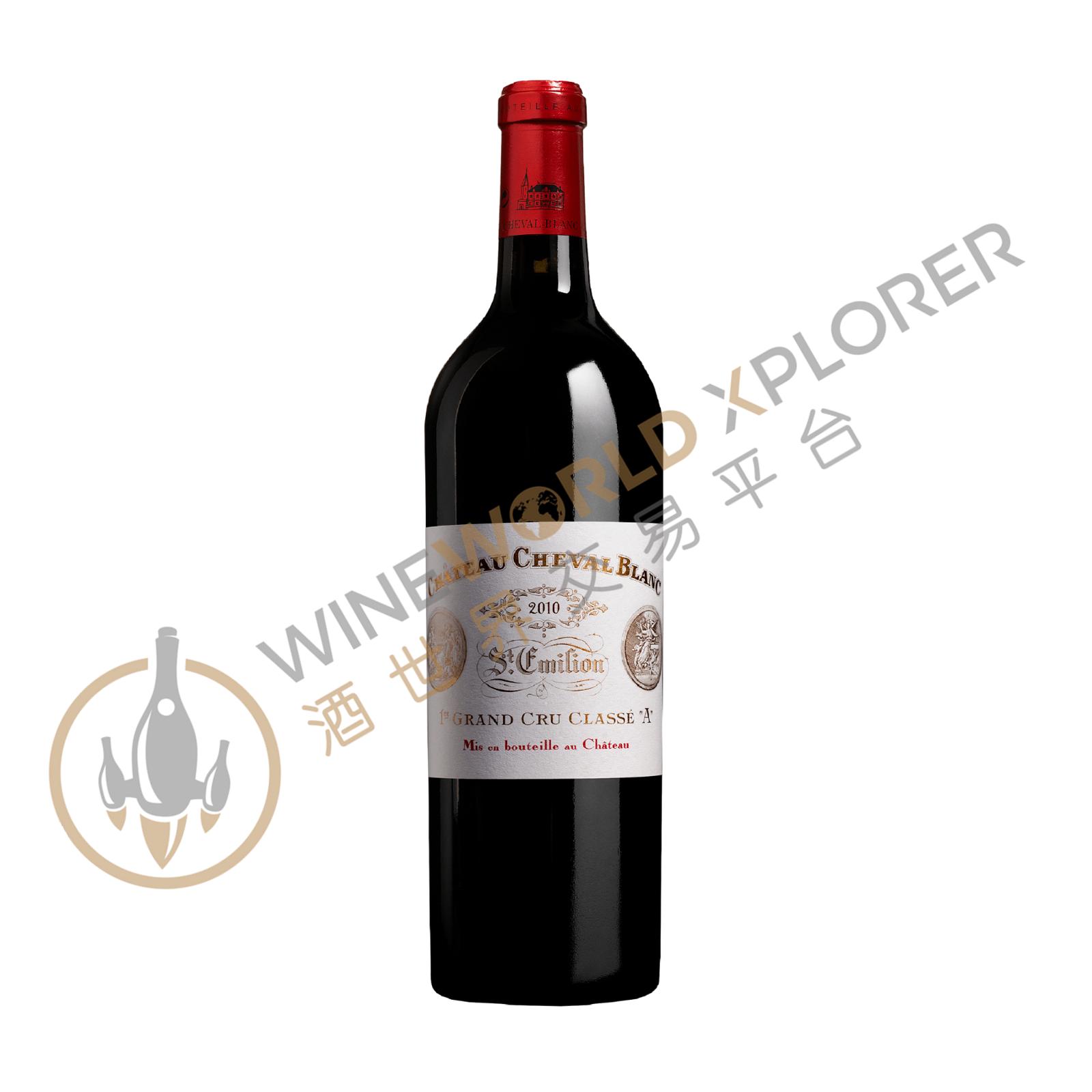
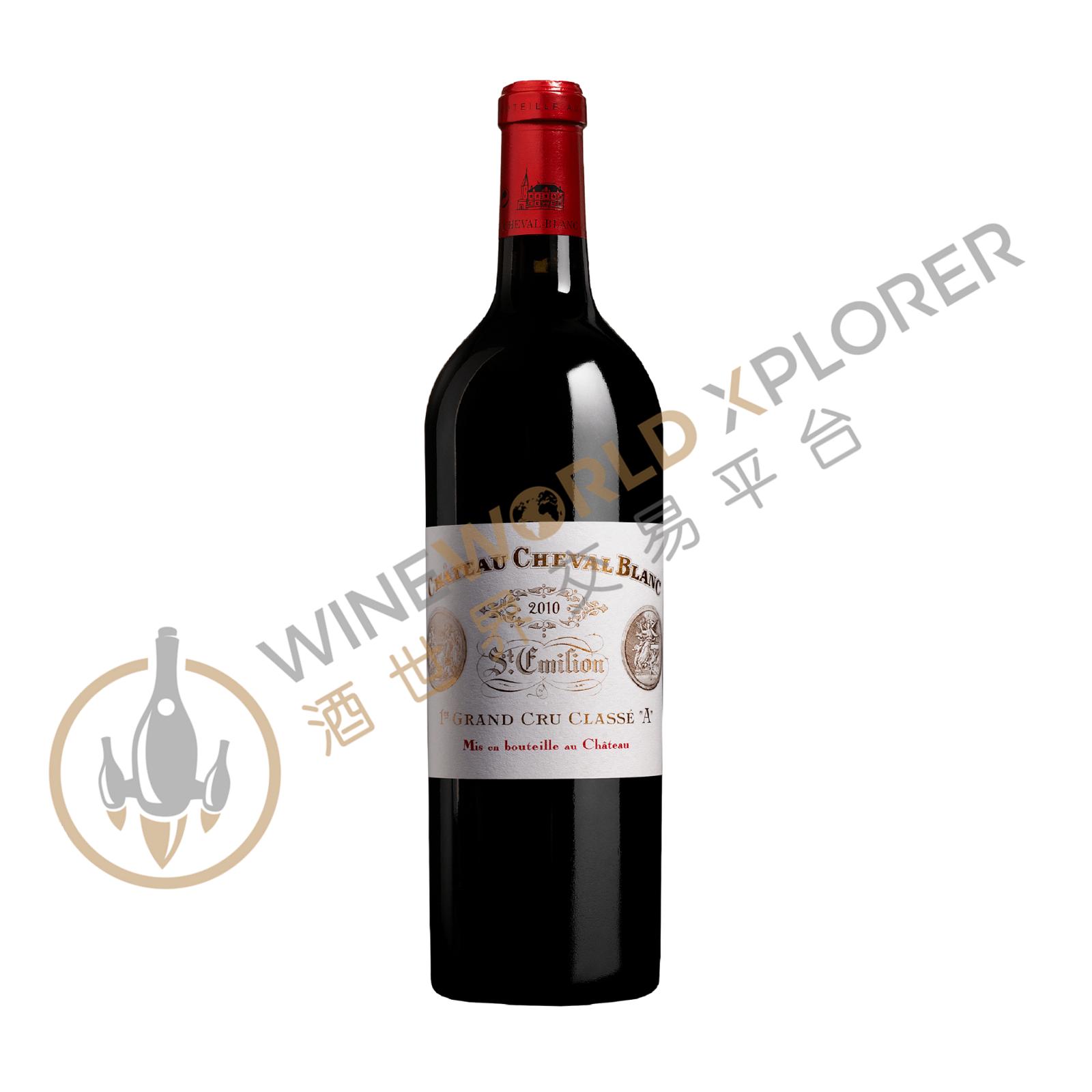
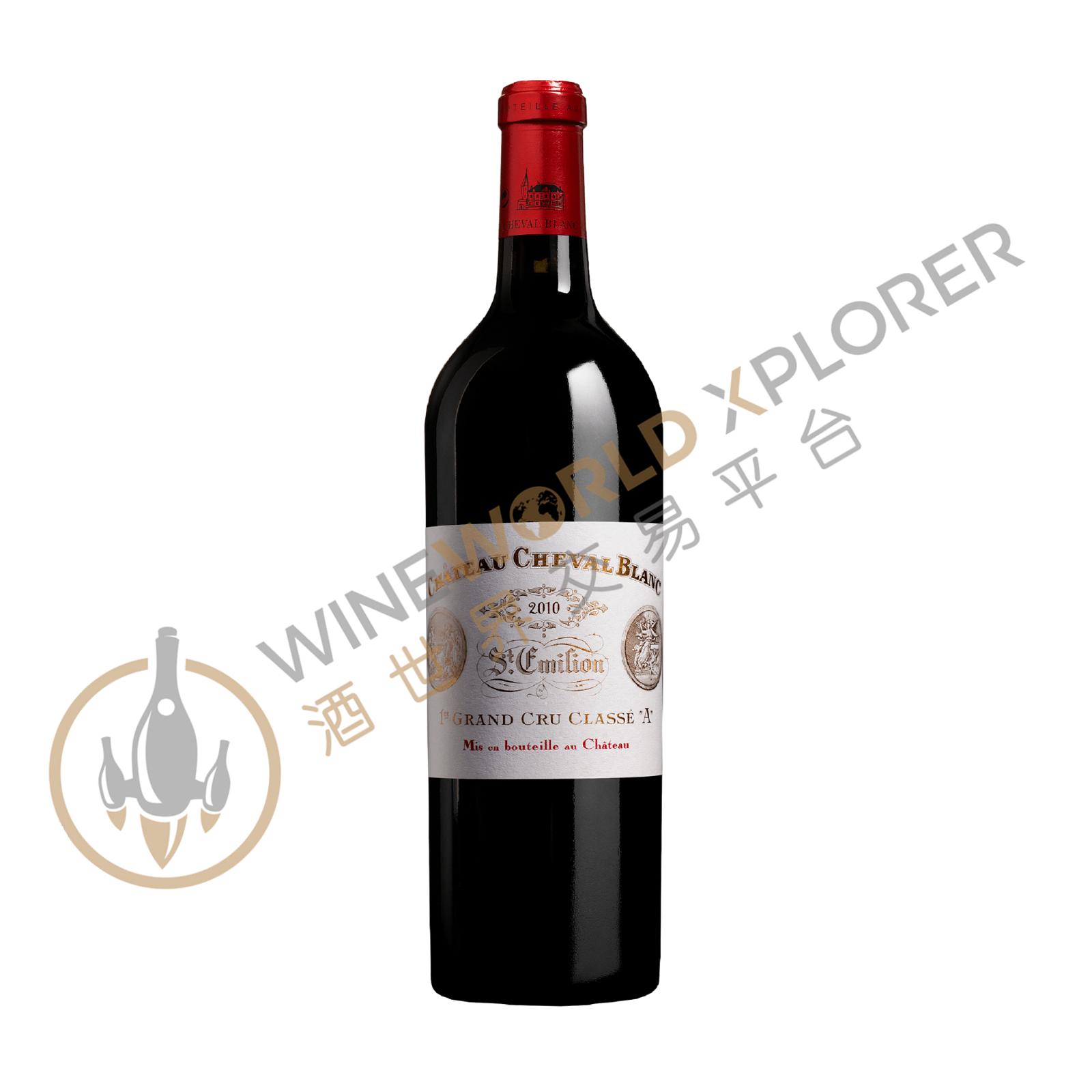
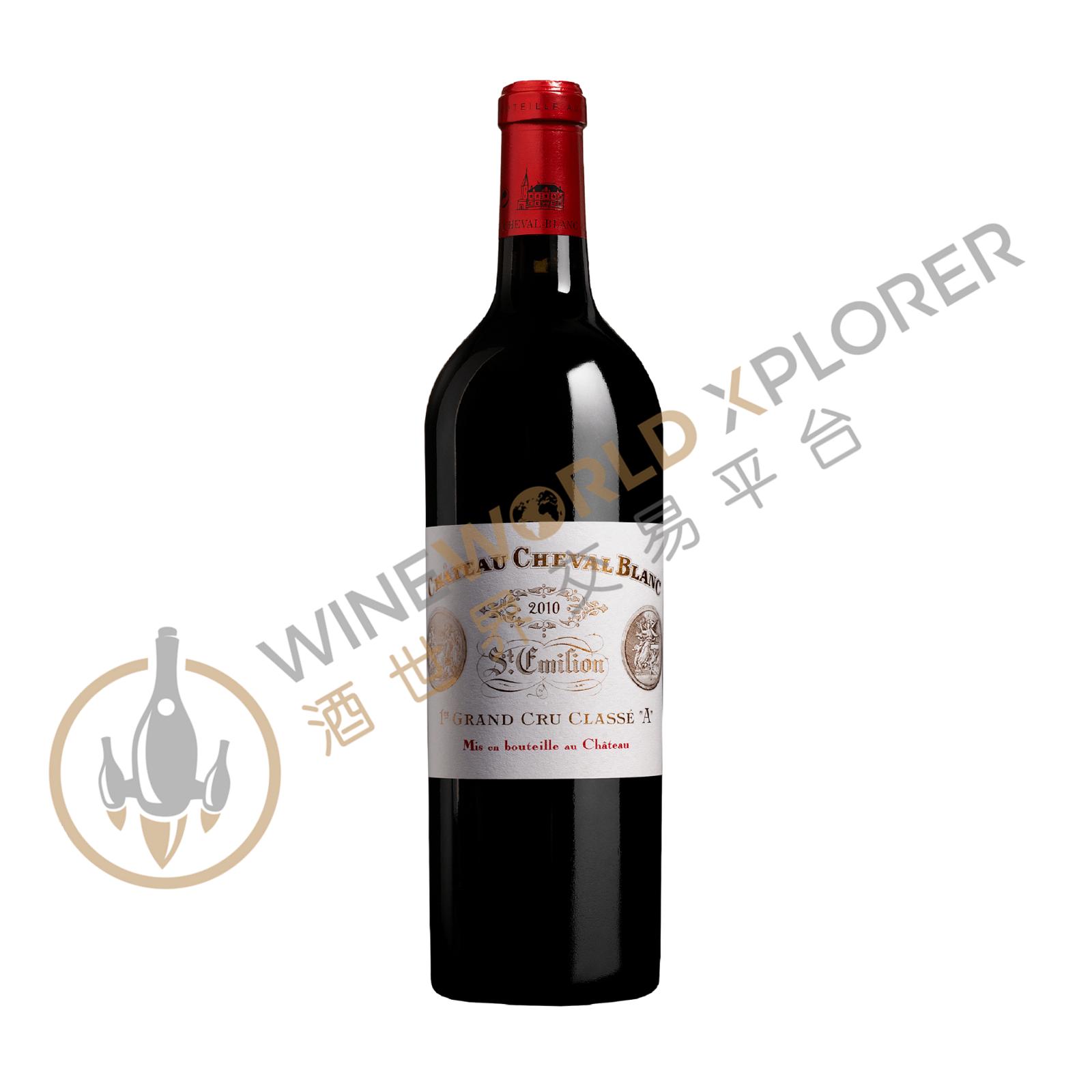
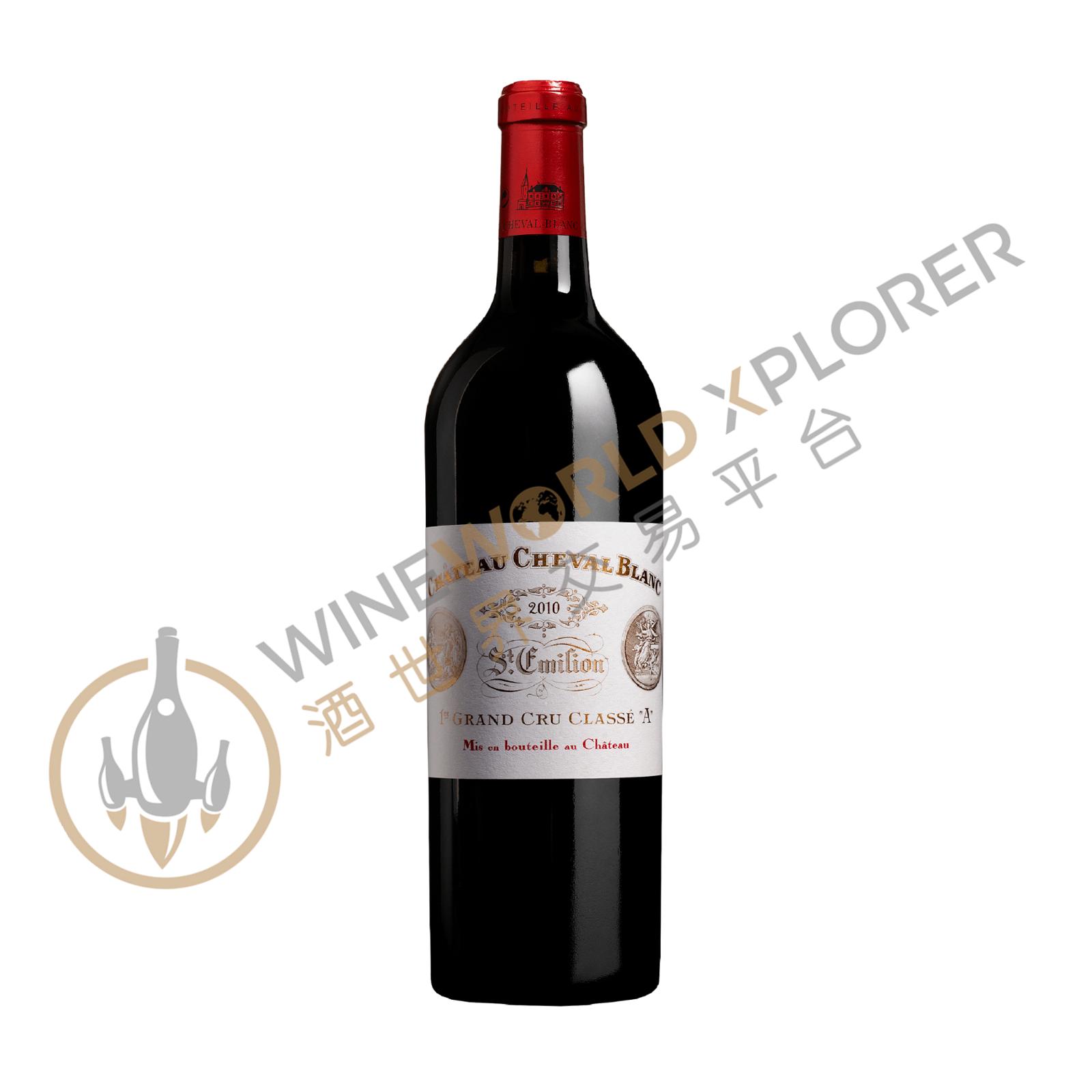
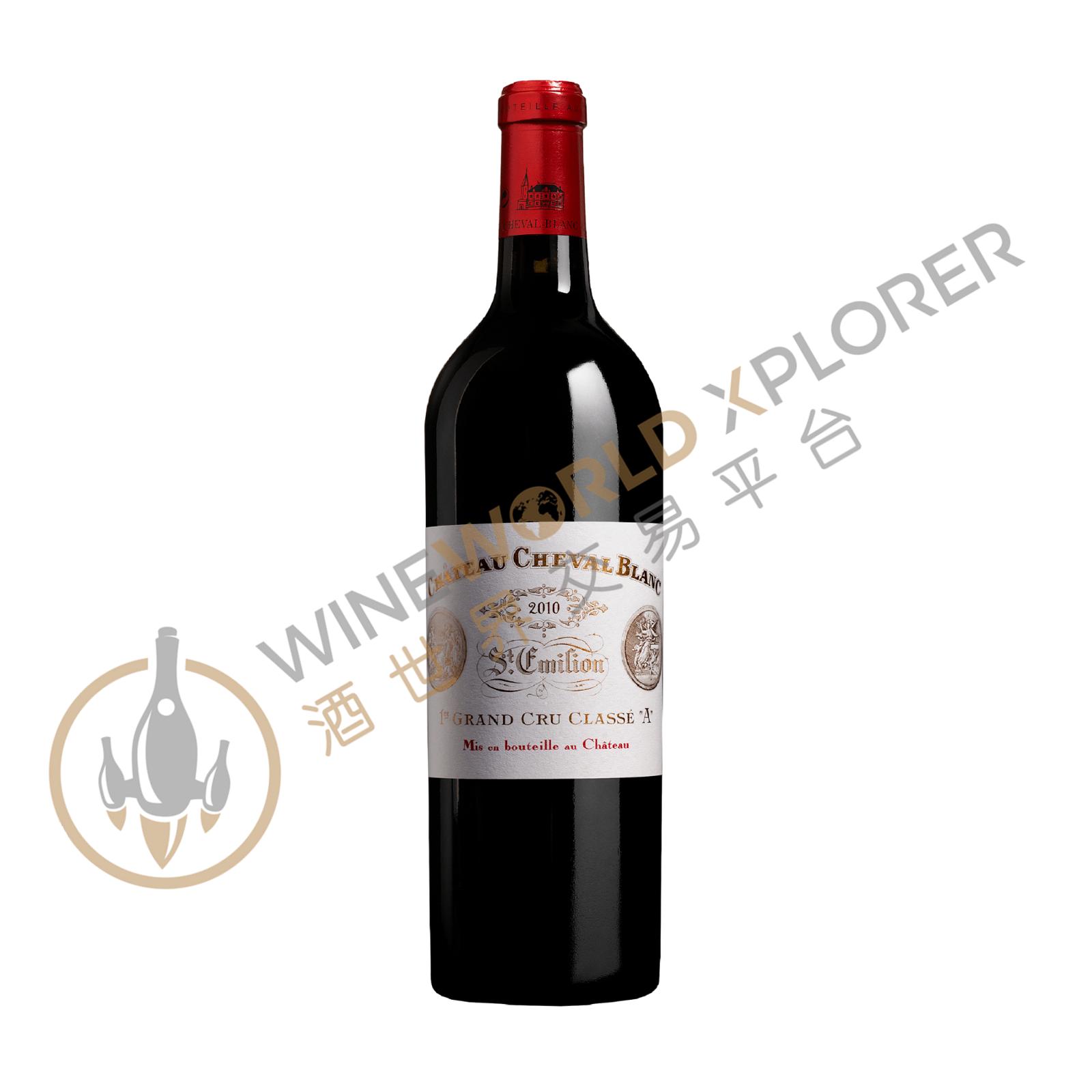
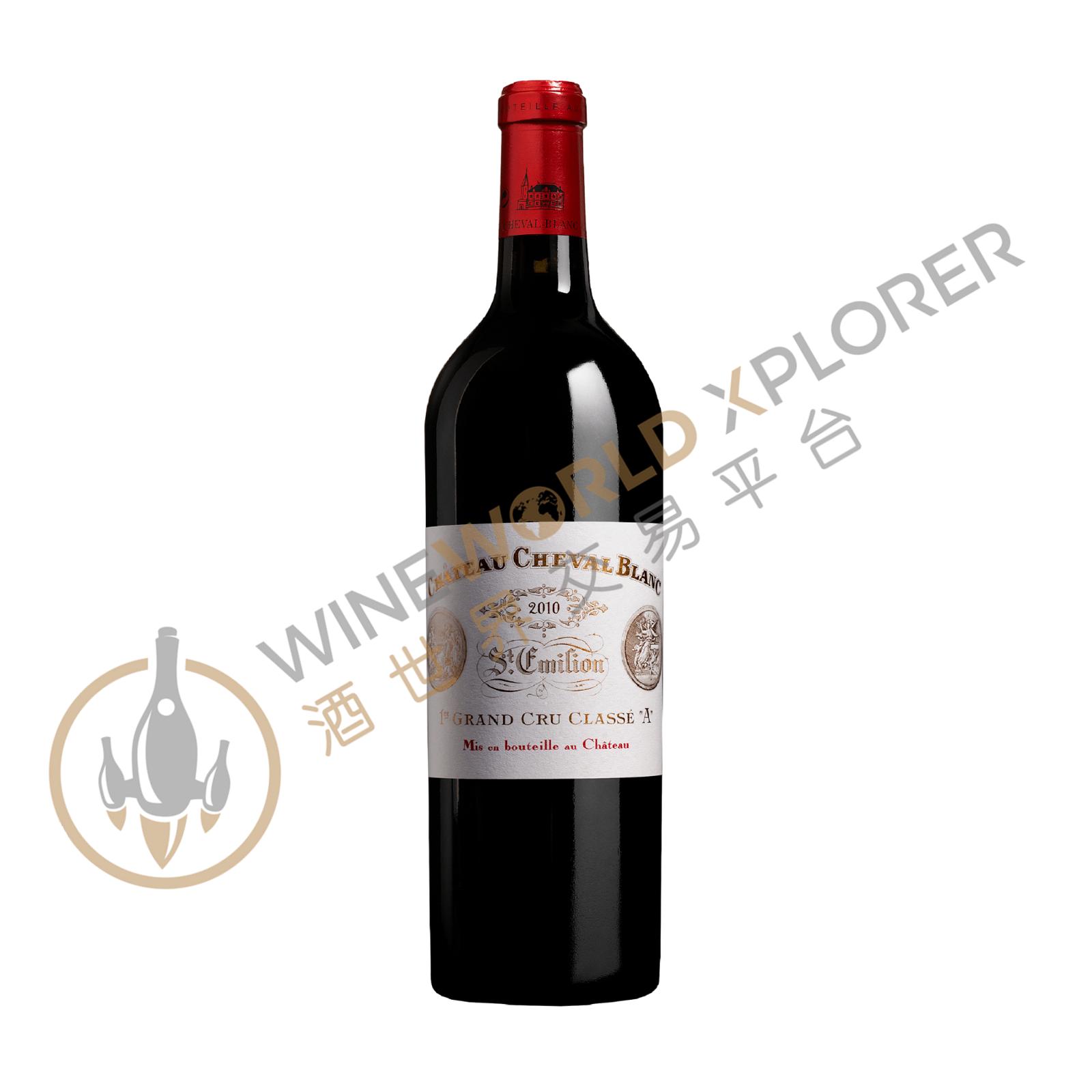
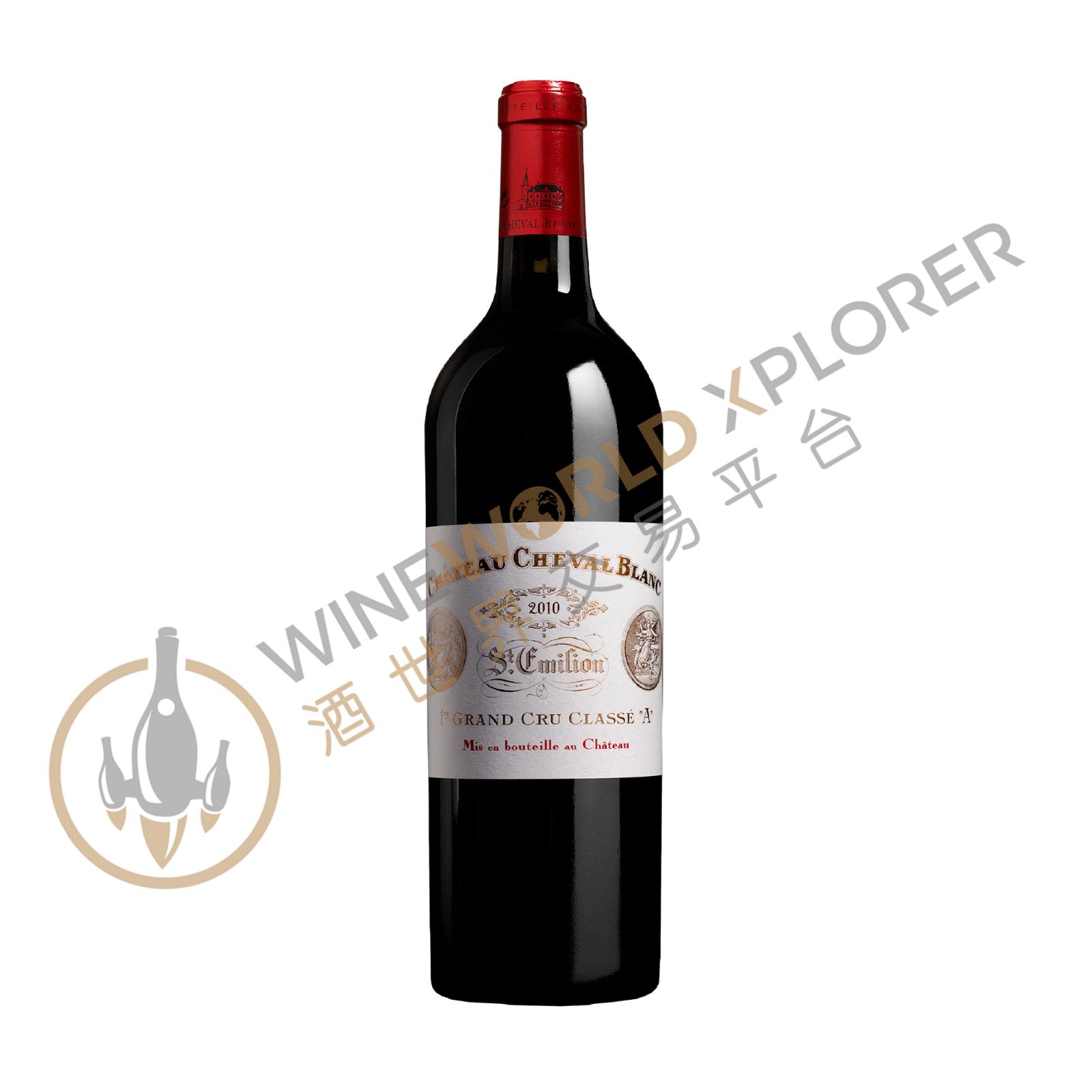
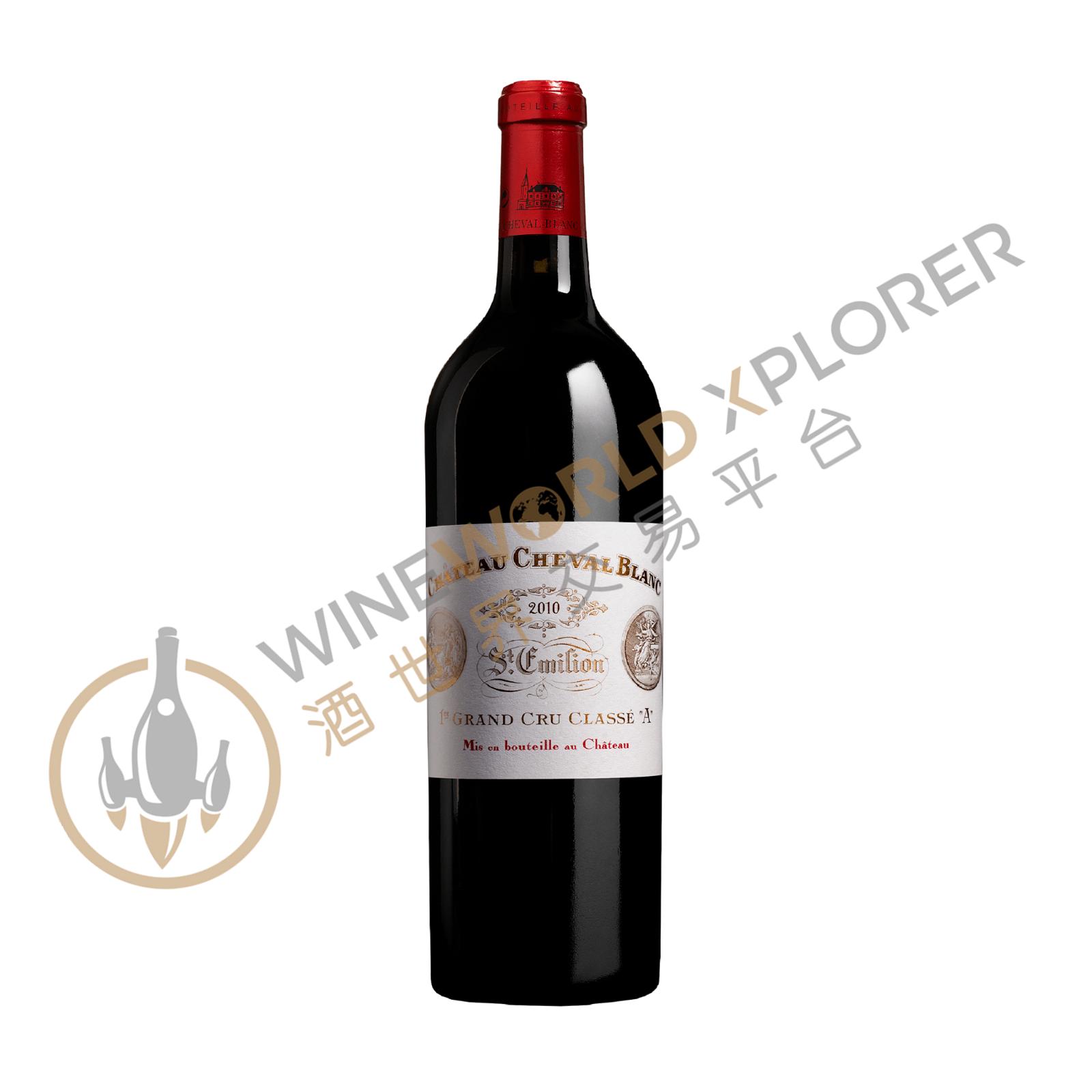
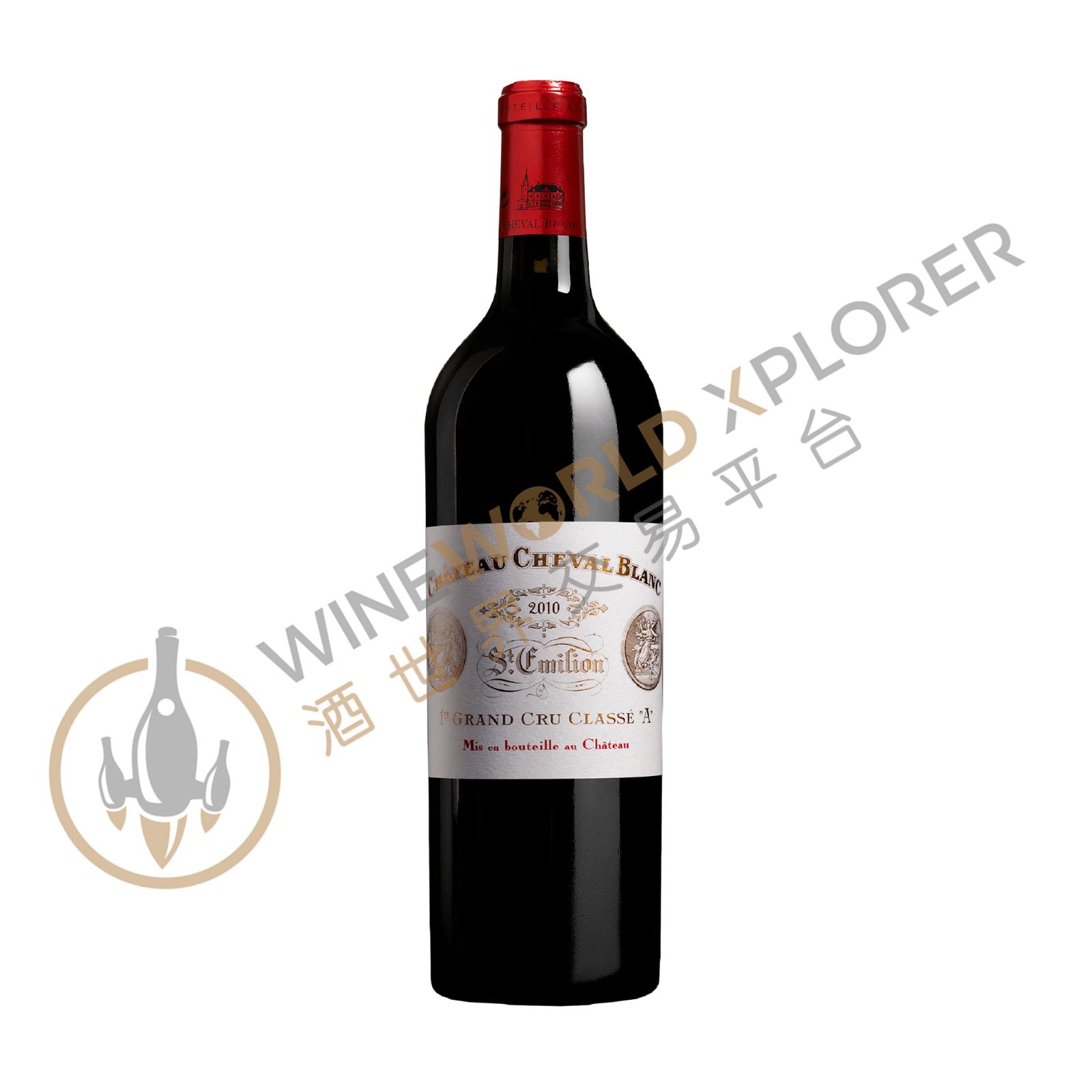
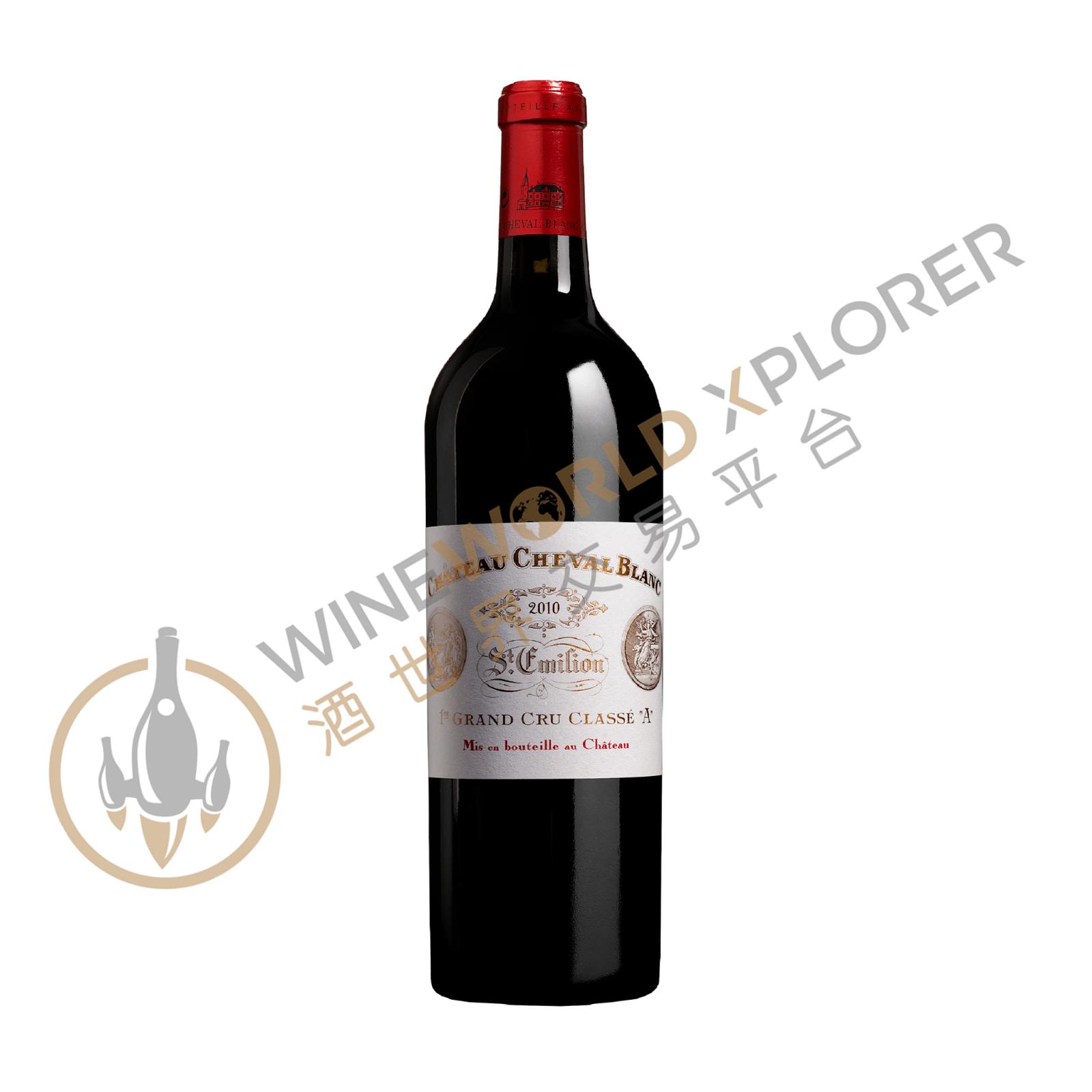
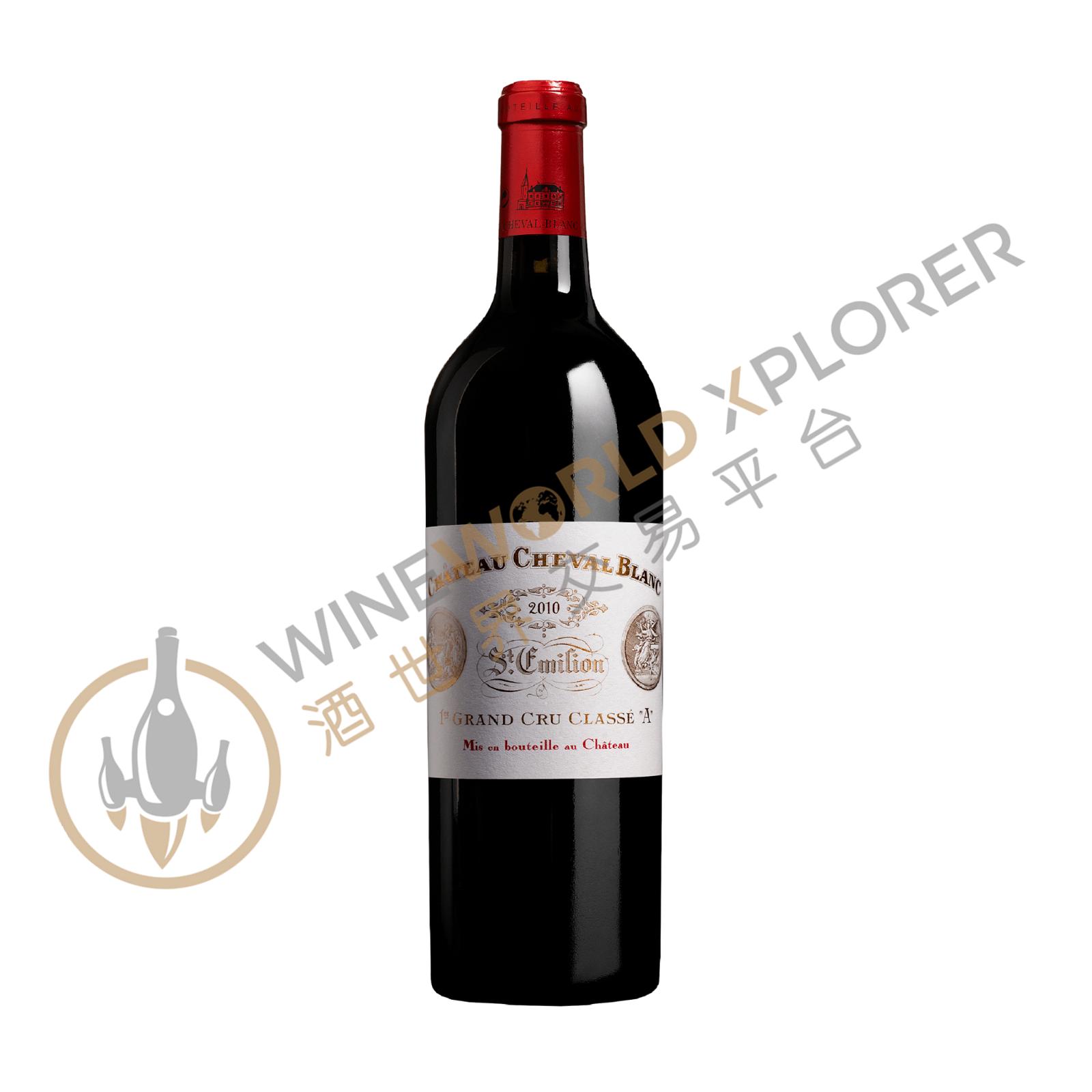
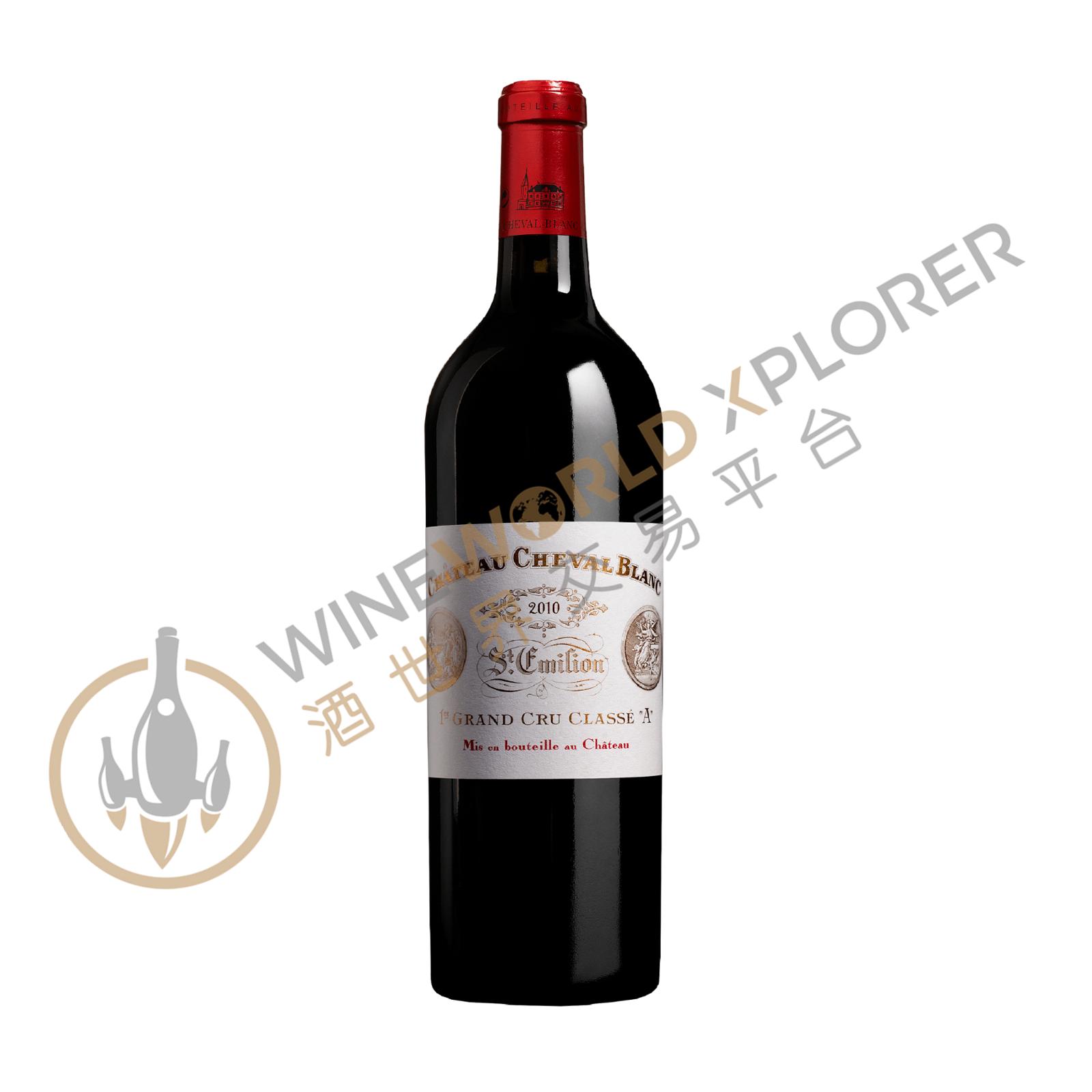
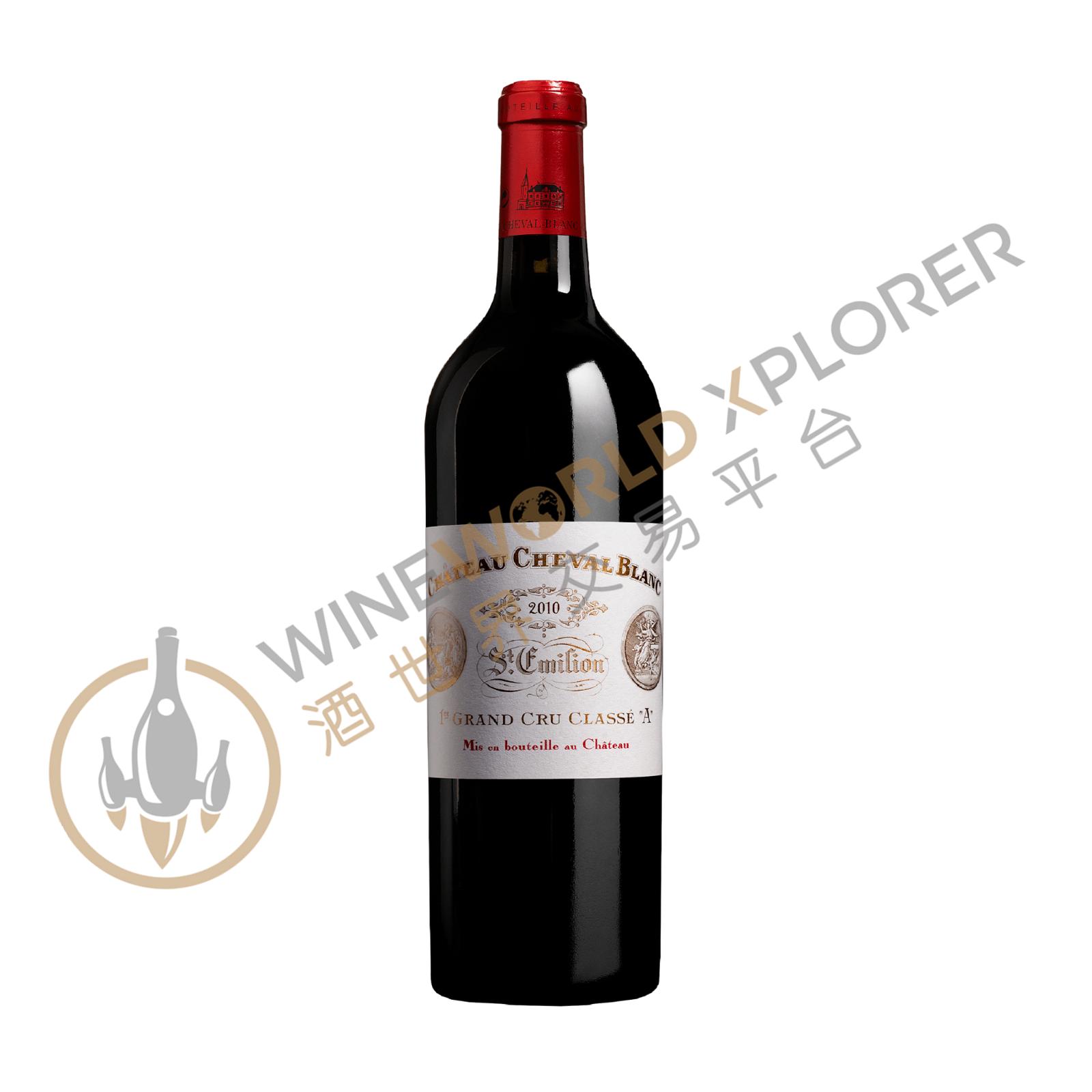
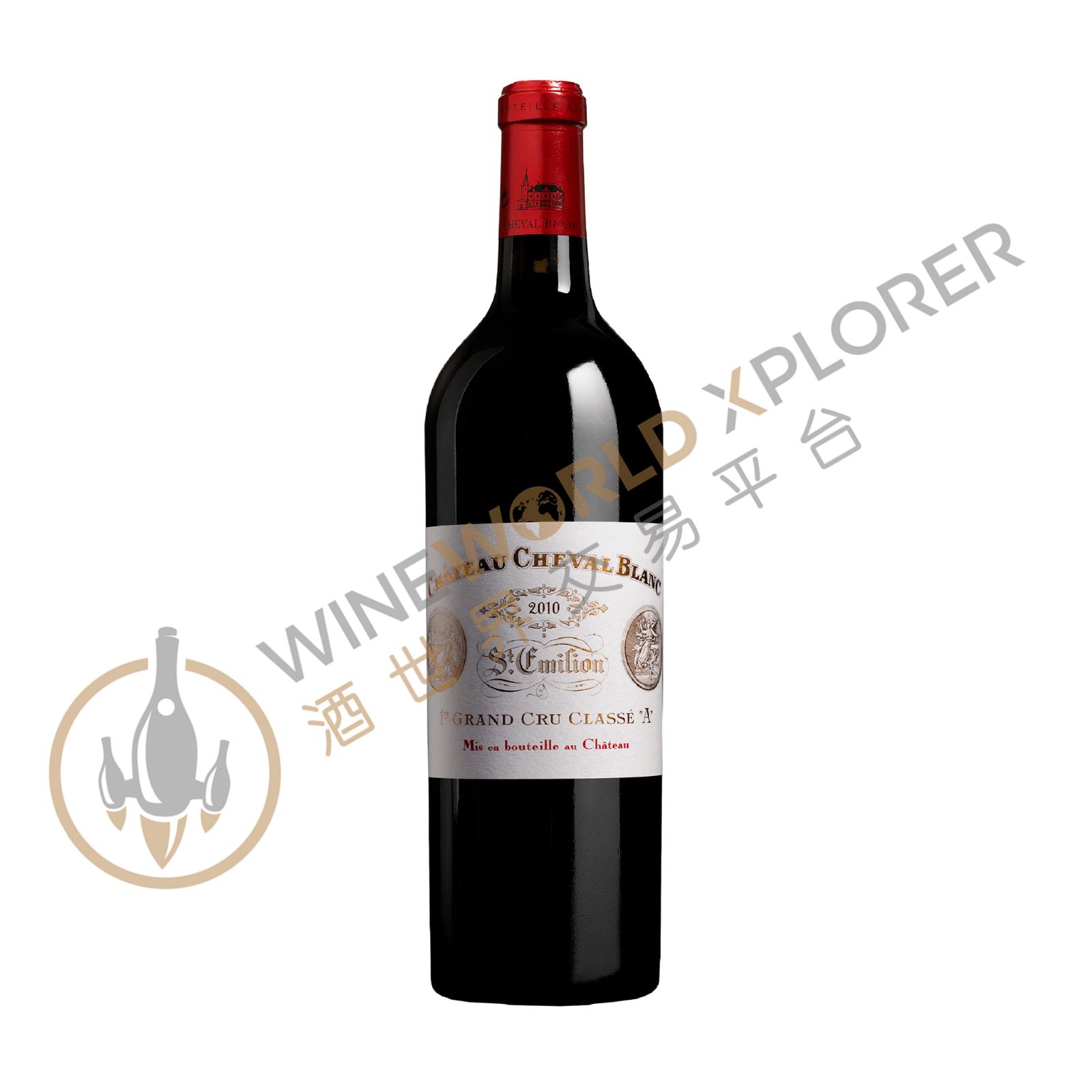
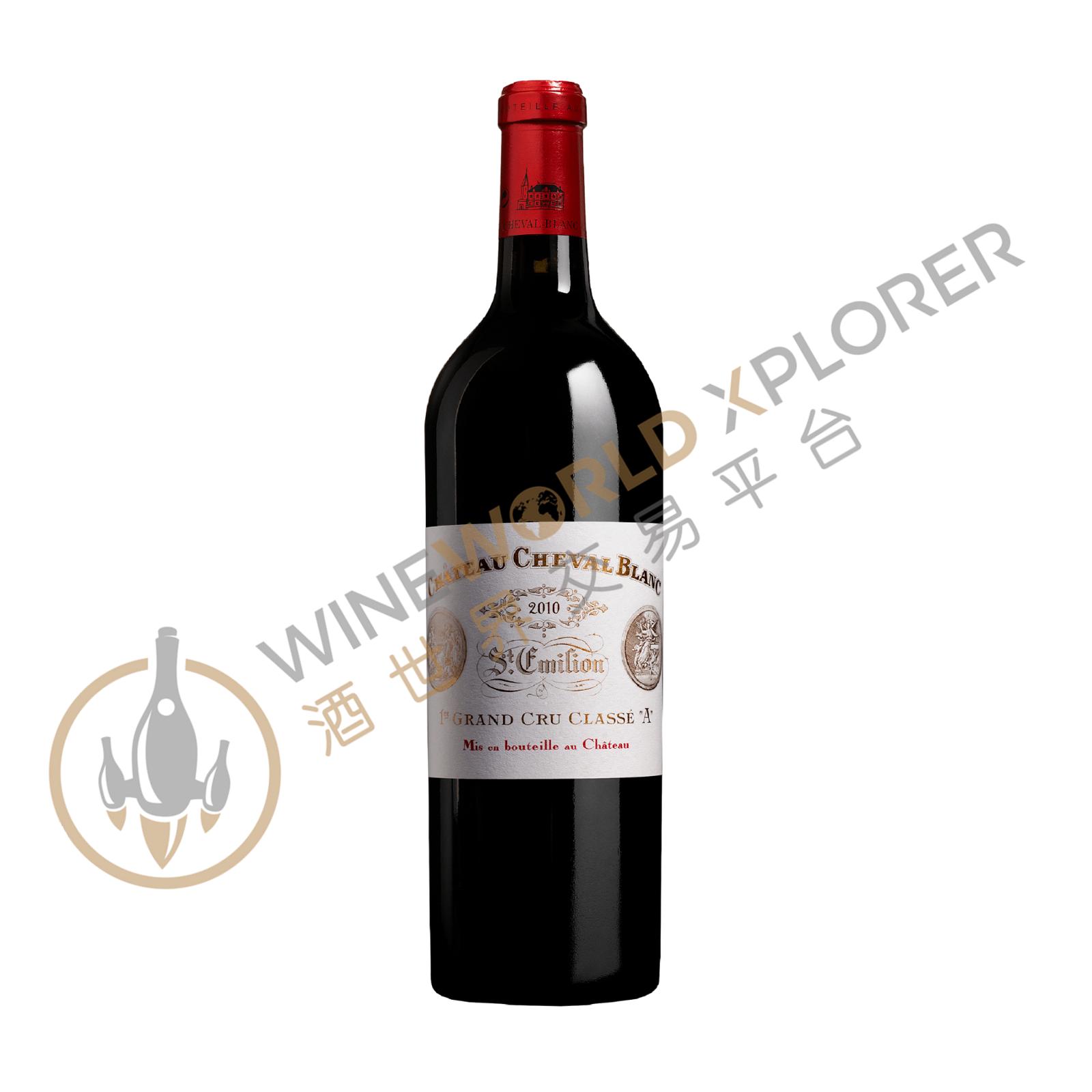
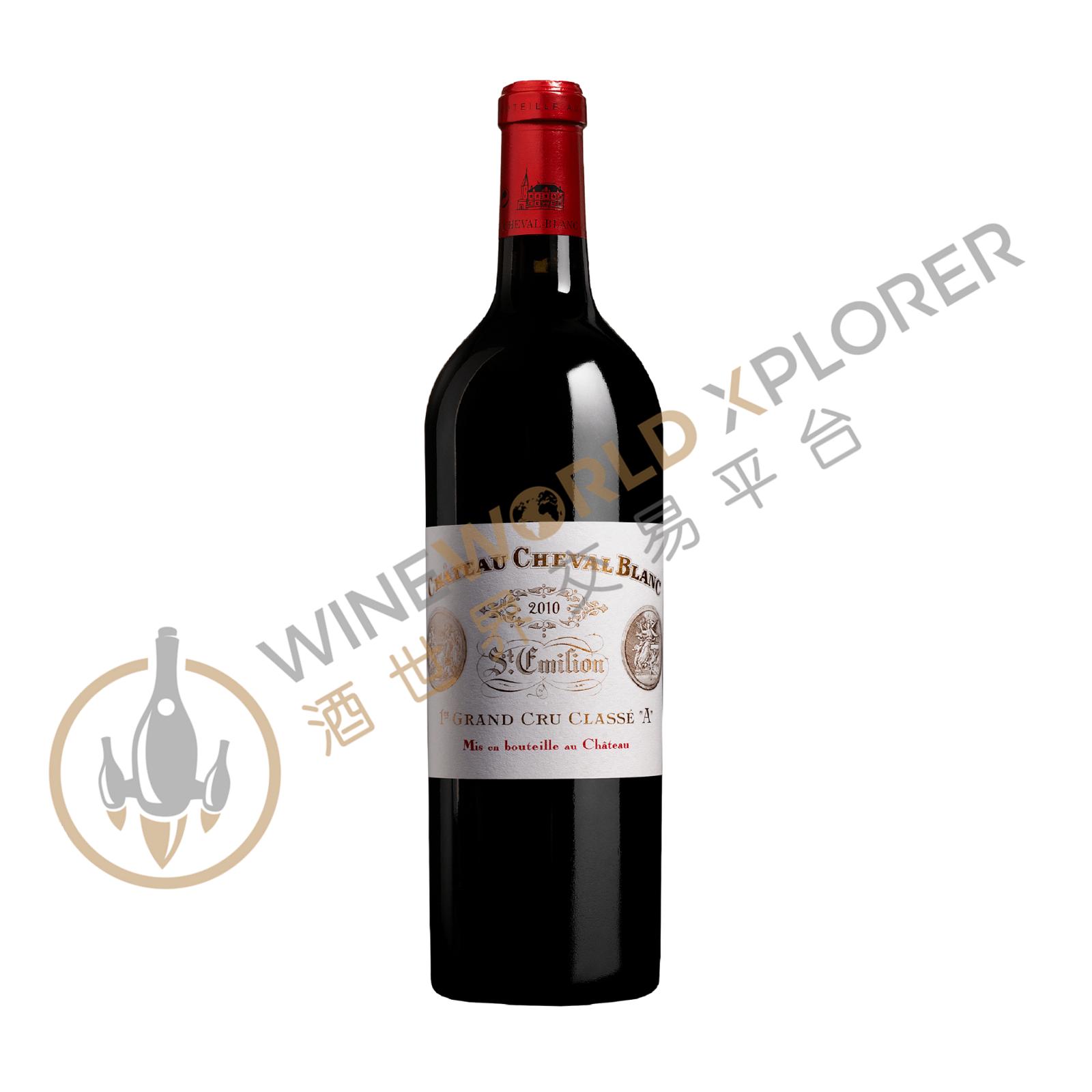
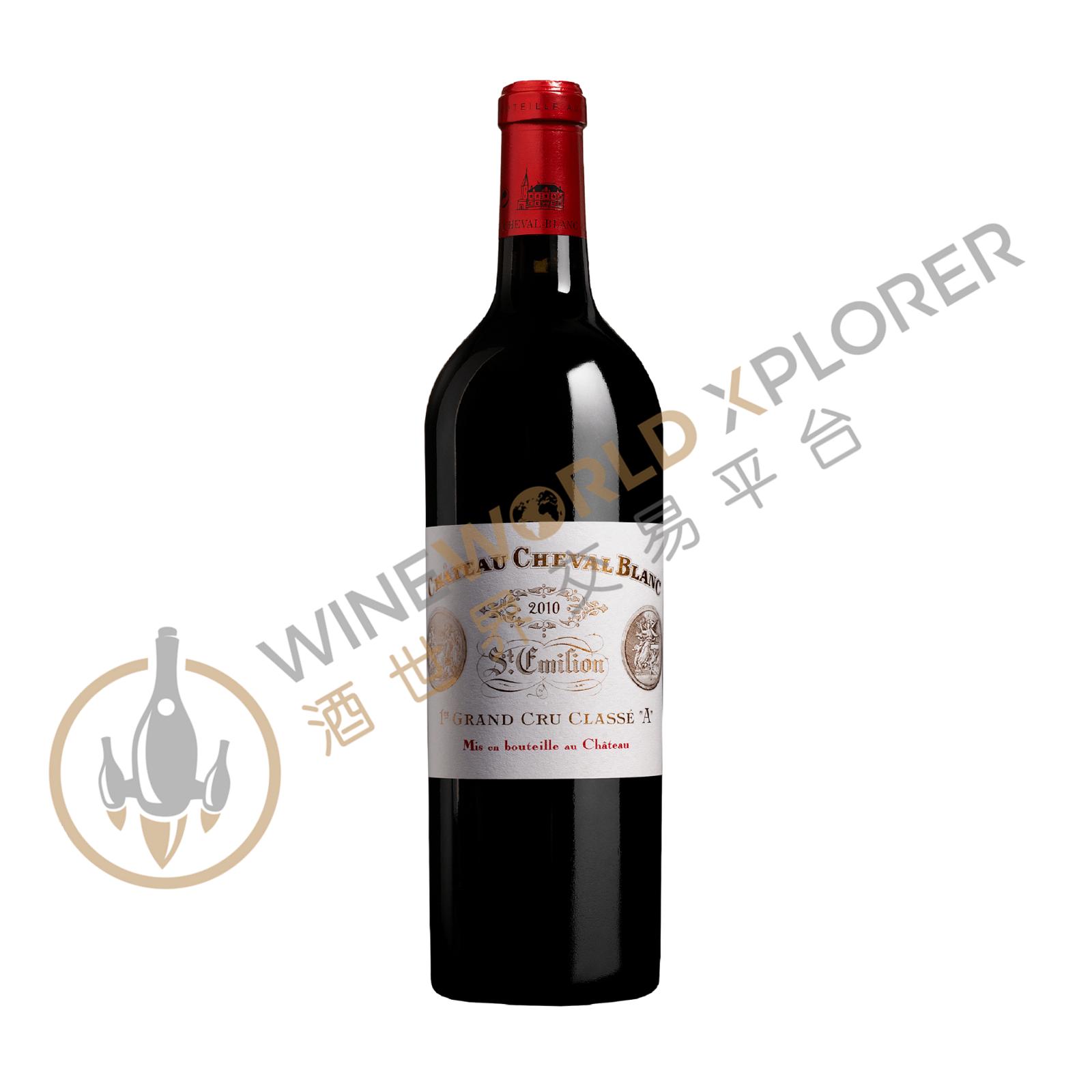
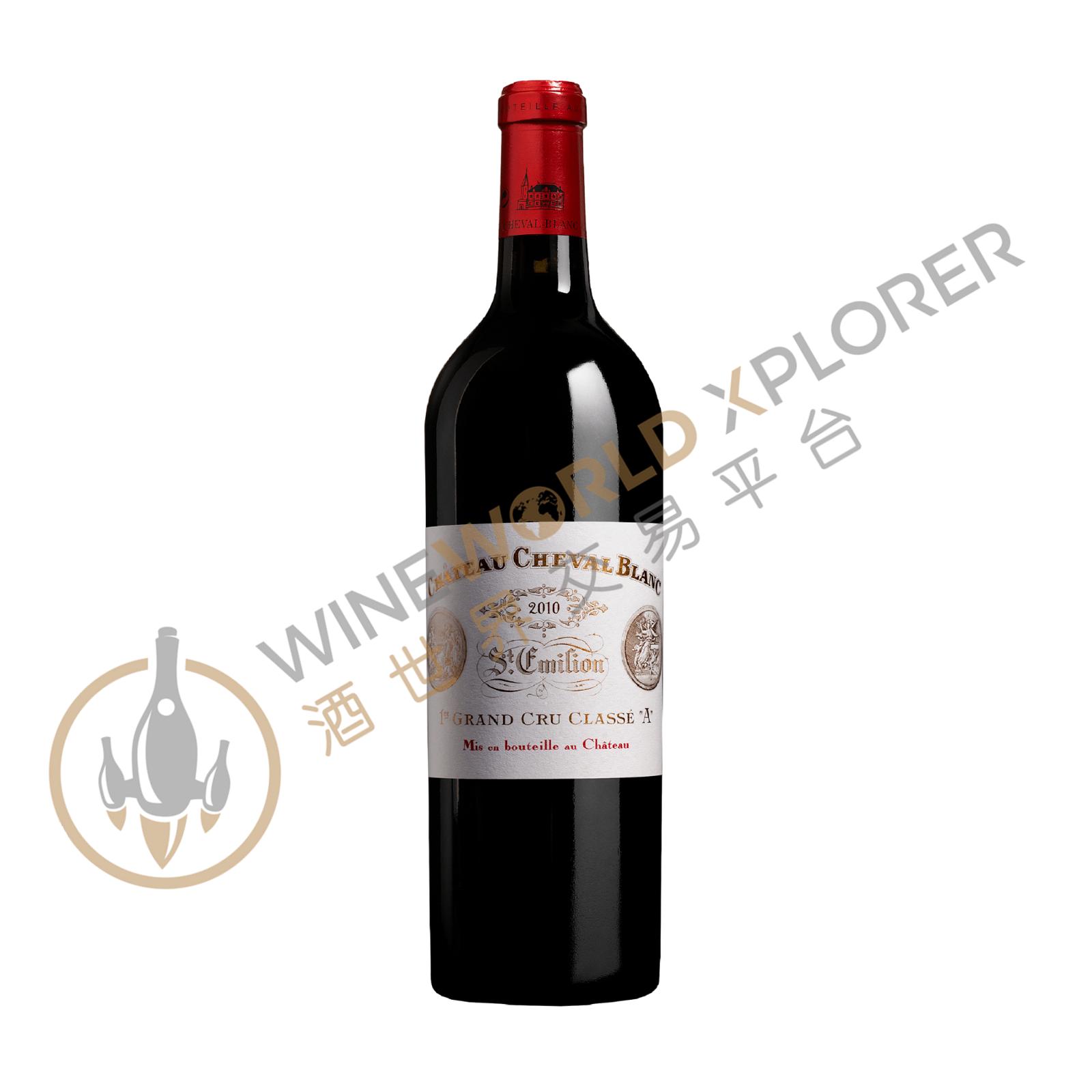
Château Cheval Blanc, a 1er Grand Cru Classé (A) is unquestionably the leading estate in St. Emilion. It is located in the north-west of the St. Emilion appellation, bordering Pomerol. Cheval Blanc obtained its first medal at the 1862 Universal Exhibition in London. In fact, a representation of this bronze medal is found on the château’s present-day label. Cheval Blanc won their first gold medal at the 1878 Universal Exhibition in Paris, and this new distinction also appeared on the label. In 1886, Cheval Blanc won a second gold medal at the Universal Exhibition in Antwerp. Reflecting this series of successes and a wine well on the way to achieving international recognition, a château was built on the estate.
Tasting notes

Reviewed by: Neal Martin
Tasted at Cheval Blanc dinner at The Ledbury. This has long been one of my favourite vintages of Cheval Blanc, though recent bottles have not quite attained the ethereal heights of six or seven years ago. It has retained that complex nose with savoury fruit, fig, roasted chestnuts on a winter hearth and with time, there is a hint of iodine. The palate is medium-bodied, with raspberry, pomegranate, autumn leaves and a touch of Chinese tea. Very cohesive and impressive weight on a finish that I can only describe as ‘charismatic’. Drink now-2025. Tasted November 2010.
Reviewed by: Robert M. Parker, Jr.
A classic example of Cheval Blanc's style, this wine continues to put on weight and develop favorably in the bottle. A saturated dark ruby color with some faint lightening at the edges exhibits less age than most right bank 1983s. The huge nose of mint, jammy black fruits, chocolate, and coffee is sensational, as well as surprisingly well-developed. The wine offers lusty, rich, unctuous fruit presented in a medium to full-bodied, low acid, concentrated, rather hedonistic style. There are no hard edges to be found, but there is plenty of tannin in the lush finish. Gorgeous for drinking now, this is a great Cheval Blanc that should continue to drink well, possibly improve for another 20 years. The 1983 is far superior to anything Cheval Blanc has subsequently produced. It remains somewhat undervalued for its quality. Last tasted, 5/93.
Reviewed by: Neal Martin
This is a strong performance from the Cheval 1983, almost reaching the heights of the 1982. It retains that engaging, savory bouquet, the Cabernet Franc so expressive with mulberry, cloves and warm leather. Compared to the previous vintage it feels rustic, but it possesses the same degree of charm. The palate is medium-bodied with melted tannins. It feels very harmonious in the mouth, what you might describe as an "old school" Saint Emilion with a tobacco and game-inspired finish. Just a wonderful Cheval Blanc that is still drinking extremely well. Tasted February 2014.
Reviewed by: Neal Martin
First tasted at Chez Nico with "BK Vik" in December 2001: lucid amber rim. Rich, roasted chestnuts and herbs on nose. Forward with mature expressive tannins. Very open and expressive. Less depth and structure than the 1982 but more sophisticated. Moderate acidity with a bitter cherry/leathery finish. Drink now. Certainly a lovely wine. Even better in May 2004 - a show stopping nose of herbs, chestnuts and leather. Very intense aromas which just builds in the glass. The palate is pure cabernet franc: quite meaty, savory with a touch of fig. Very harmonious and smooth. Probably approaching its peak. Irresistible wine. In December 2004: a rich, fleshy, sumptuous nose. Meaty with roasted chestnuts. Dominated by the Cabernet Franc. Very complex. Becoming more herbal with hints of espresso coffee. Very harmonious on the palate. Smooth texture. Lovely balance. Suave, quite ostentatious, fleshy and meaty. Very savory with mocha, leather and a touch of soy. Fabulous Cheval drinking perfectly now. July 2005 A deep garnet core with ruby rim. The nose is wonderful: very intense, very Cabernet Franc with roasted herbs and undergrowth. The palate is full-bodied and beautifully balanced, as warm an inviting as a log-fire on a winters night. Open-knit, slightly grainy in texture with notes of mocha, dried herbs and cooked meats. Faded a little in the glass. Probably at its peak, this is still one of my favourite Cheval Blancs of the 1980's. Tasted July 2005.
Reviewed by: Robert M. Parker, Jr.
Tasted 14 Times Since Bottling With Consistent Notes A classic example of Cheval Blanc's style, the 1983 continues to put on weight and develop favorably in the bottle. A saturated dark ruby color with some faint lightening at the edges exhibits less age than most right bank 1983s. The huge nose of mint, jammy black fruits, chocolate, and coffee is sensational, as well as surprisingly well-developed. The wine offers lusty, rich, unctuous fruit presented in a medium to full-bodied, low acid, concentrated, rather hedonistic style. There are no hard edges to be found, but there is plenty of tannin in the lush finish. Gorgeous for drinking now, this is a great Cheval Blanc that should continue to drink well, possibly improve for another 20 years. The 1983 is far superior to anything Cheval Blanc has subsequently produced. It remains somewhat undervalued for its quality.
Reviewed by: Robert M. Parker, Jr.
A glorious wine, and one of the candidates for the wine of the vintage, Cheval Blanc’s 1983 shows far more evolved color than its older sibling, the 1982. With explosive aromatic notes of sweet jammy plum, black currant, smoke, coffee, and Asian spice, opulent, medium to full-bodied and lush, this is a gorgeous, very sexy, seductive style of Cheval Blanc that has been consistently delicious from the time it was bottled. It shows no signs of decline despite some increasing amber in the color. The tannins are still sweet, the fruit very present, and the wine totally intact. Anticipated maturity: Now-2010. Last tasted, 1/03.
Reviewed by: Robert M. Parker, Jr.
A classic example of Cheval Blanc's style, the 1983 continues to put on weight and develop favorably in the bottle. A saturated dark ruby color with some faint lightening at the edges exhibits less age than most right bank 1983s. The huge nose of mint, jammy black fruits, chocolate, and coffee is sensational, as well as surprisingly well-developed. The wine offers lusty, rich, unctuous fruit presented in a medium to full-bodied, low acid, concentrated, rather hedonistic style. There are no hard edges to be found, but there is plenty of tannin in the lush finish. Gorgeous for drinking now, this is a great Cheval Blanc that should continue to drink well, and possibly improve for another 20 years. The 1983 is far superior to anything Cheval Blanc has subsequently produced. It remains somewhat undervalued for its quality. Last tasted 12/97
Reviewed by: Neal Martin
Tasted single blind at the Fine Wine Experience horizontal in London. A deep garnet core. A very well defined, herbaceous nose, with tobacco, chestnut, savoury fruit and a touch of dates. Quite complex and with very good vigour, the Cabernet Franc right in the (slightly bretty?) saddle. After thirty minutes, a lovely menthol character coming through. The palate is medium-bodied, very well balanced with fine tannins and superb acidity. Very well poised with great tension. Pure blackberry, raspberry, Chinese tea, tobacco and dried leaves. Lovely, elegant, very focused finish. Superb Cheval, multi-faceted if not as sophisticated as the ‘85. Tasted October 2008.
Reviewed by: Neal Martin
The 1983 Cheval Blanc, which incidentally was served from magnum, has consistently been one of the standout wines of the vintage. Here is one of the finest examples that I have encountered. Sure, its age can no longer be disguised thanks to its tawny-rimmed hue, but the aromatics burst full of red fruit, cigar box, beef stock and tobacco scents that immediately capture your senses. The palate is medium-bodied and very well balanced, underpinned by a keen line of acidity. There is so much freshness here after 30 years and yet it does not begrudge or disguise its age. Even from magnum, you feel that it is approaching the end of its drinking plateau, however there is still so much pleasure to be gained. Maintaining its savory core of fruit and meatiness, this remains a wonderful Cheval Blanc. Tasted March 2015.
Reviewed by: James Suckling
A red that I have always appreciated. Beautiful aromas of licorice, spice, flowers and dried fruits such as prunes. Full-bodied with soft and fine tannins and ripe fruit. The rich, dried fruit character was fabulous with minced Peking Duck in lettuce leaf.
Reviewed by: James Suckling
The 1983 Cheval is a red that I have always appreciated. In fact, I may have scored it higher in the 1980s when I first tasted the two vintages, but that was a long time ago! The bottle at Island Tang showed beautiful aromas of licorice, spice, flowers and dried fruits such as prunes. It was still full-bodied with soft and fine tannins and ripe fruit.
About the Producer
Château Cheval Blanc is a highly lauded wine estate in the Saint-Émilion region of northeast Bordeaux. Classified with the top ranking of Premier Grand Cru Classé A, it is regarded by many as one of the greatest wines of the appellation – if not, the greatest. It is certainly the most famous Cabernet Franc-based wine in the world, albeit often alongside very similar levels of Merlot. Typically, the "grand vin" (the estate's eponymous wine) is lush and full bodied with great weight of fruit. It tends to require ten years of bottle age and the best vintages can last half a century or more. The second wine of the estate is Le Petit Cheval. The vineyard is located in the northwest of the region, bordering Pomerol (La Conseillante is a neighbor) and consists of 39 hectares (96 acres) divided into 45 plots. There is an unusually large amount of Cabernet Franc planted – about 49 percent – with 47 percent Merlot and four percent Cabernet Sauvignon. The unusual planting proportions reflect the terroir; most vineyards in the region are either clay or gravel-based over impermeable sedimentary rock, but Cheval Blanc is unique in having a patchwork of soils with the two types in roughly equal proportions. The clay soils provide base wines with velvety tannins, while those from gravel soils are more aromatic and elegant. Vines have been grown since the 14th Century at this spot but the vineyard as it is known today took shape in the 19th Century when the core plots were added to by purchases from the nearby Figeac estate. Subsequent replantings established the atypical half-Merlot, half-Cabernet Franc proportions. Cheval Blanc gained its first medal at the 1862 Universal Exhibition in London – the first of a series of successes building its reputation and achieving price levels comparable to the Médoc first growths, which paved the way for a château to be built on the estate. In the first classification of Saint-Émilion wines in 1955, Cheval Blanc was awarded the highest possible rating and remains a Premier Grand Cru Classé A. In 1998, after 166 years of continuous family ownership, Bernard Arnault, the head of luxury goods firm LVMH, and the late Baron Albert Frère (a Belgian billionaire investor) jointly purchased the estate. The spectacular new cellar opened in 2011, with 52 concrete vats (replacing stainless steel) of differing sizes corresponding to different vineyard plots. The grand vin spends 16 to 18 months in new oak barrels from a variety of cooperages.
1949(1)1953(1)1955(4)1958(1)1962(1)1966(1)1967(2)1970(2)1973(1)1974(2)1975(3)1976(1)1977(1)1978(1)1979(2)1980(1)1981(2)1982(5)
Package Size