Wine Advisor



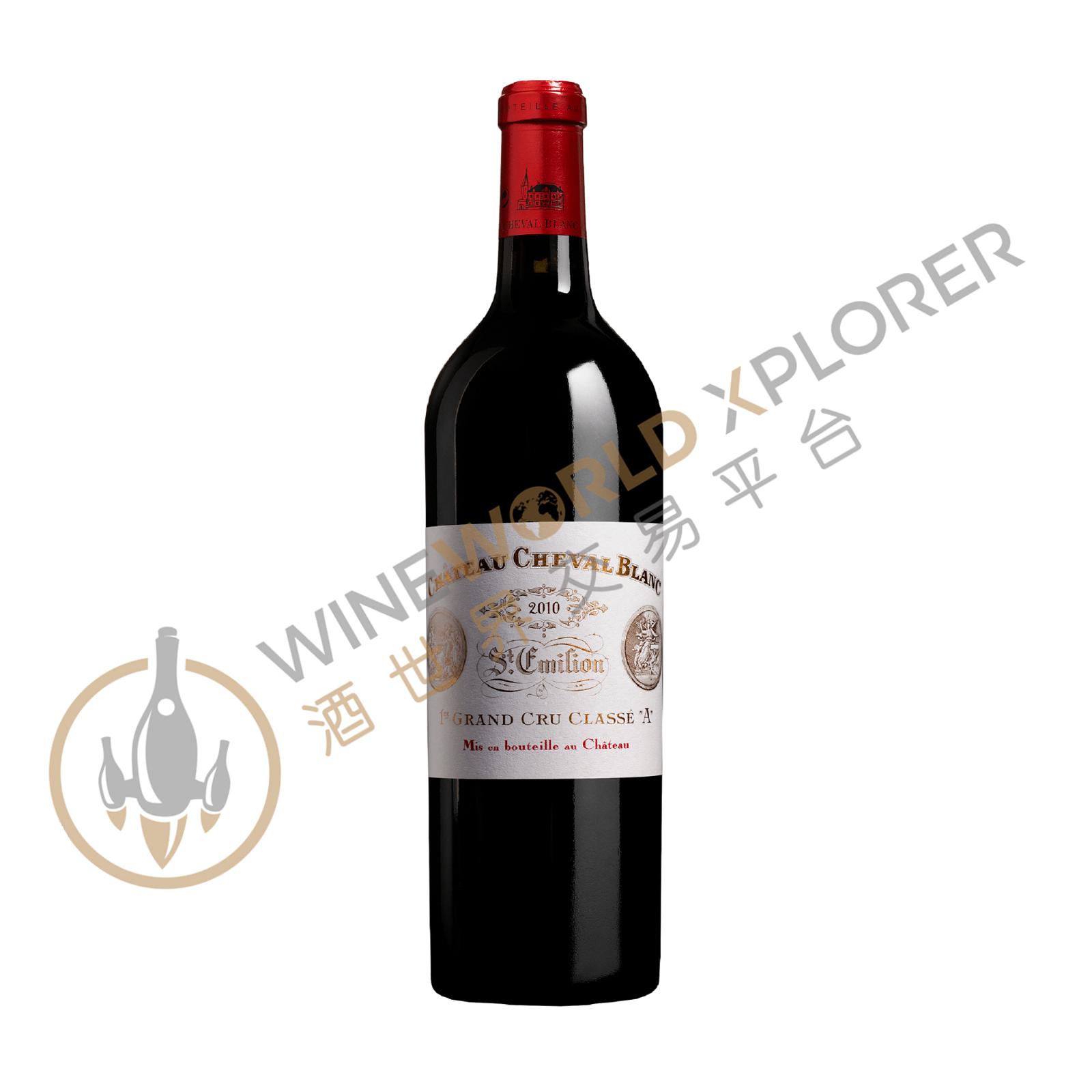
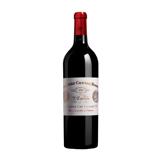
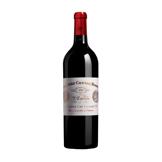
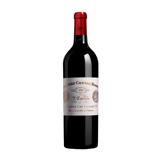
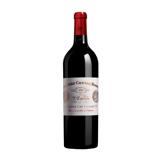
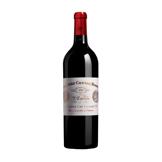
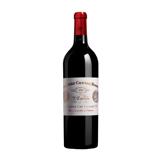
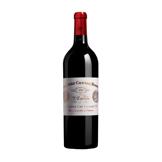
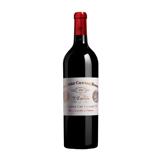
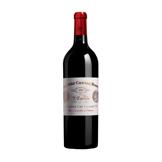
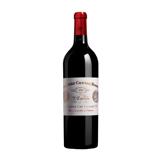
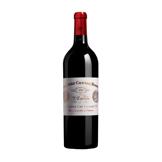
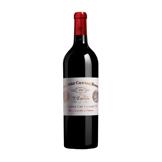
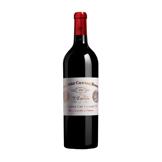
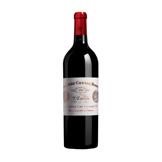
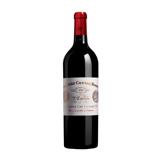
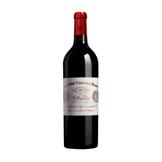
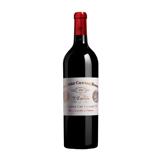
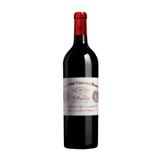
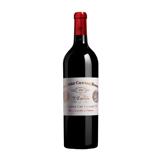
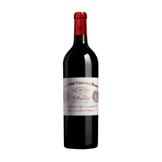
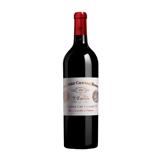
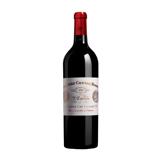
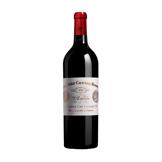
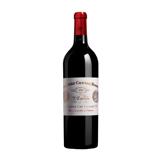
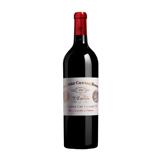
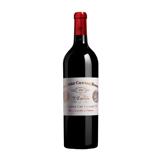
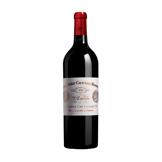
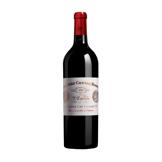
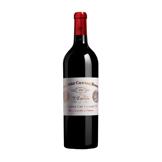
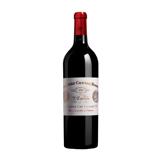
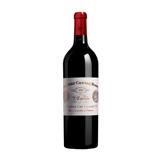
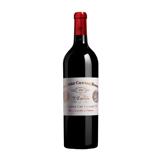
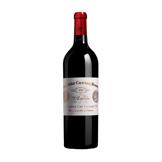
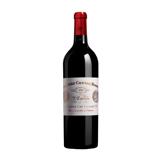
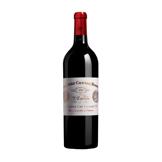
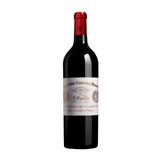
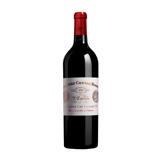
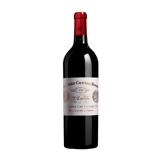
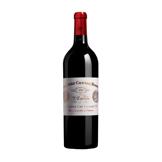
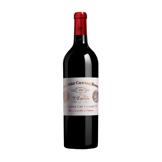
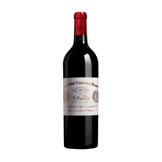
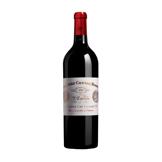
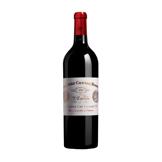
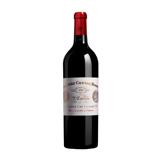
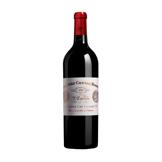
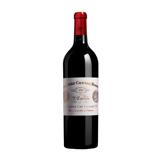
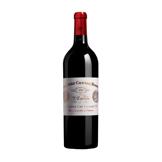
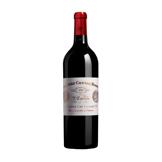
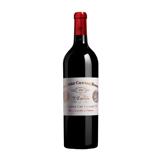
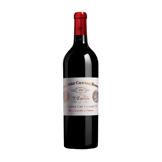
Cheval Blanc 2012
 View analysis


Description
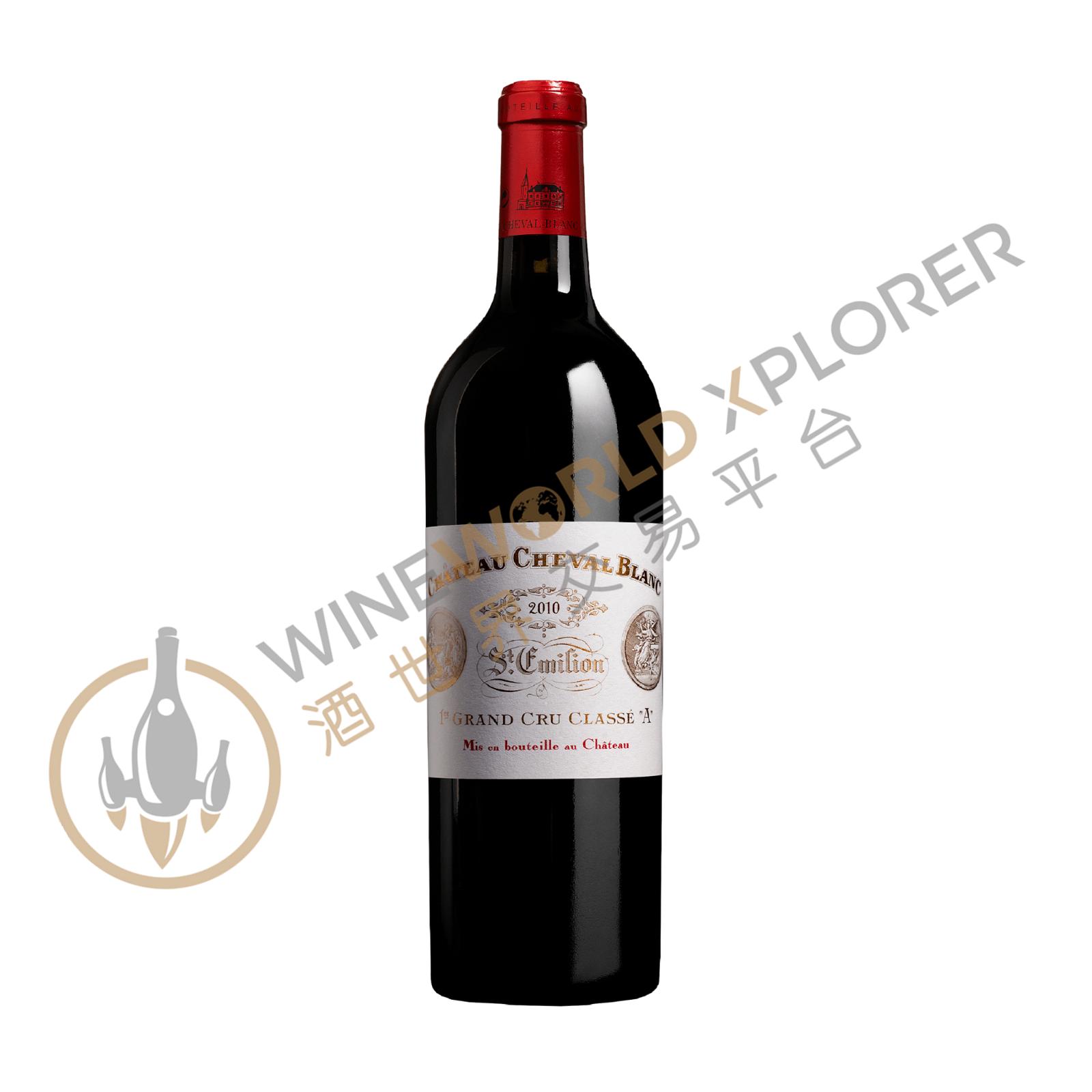
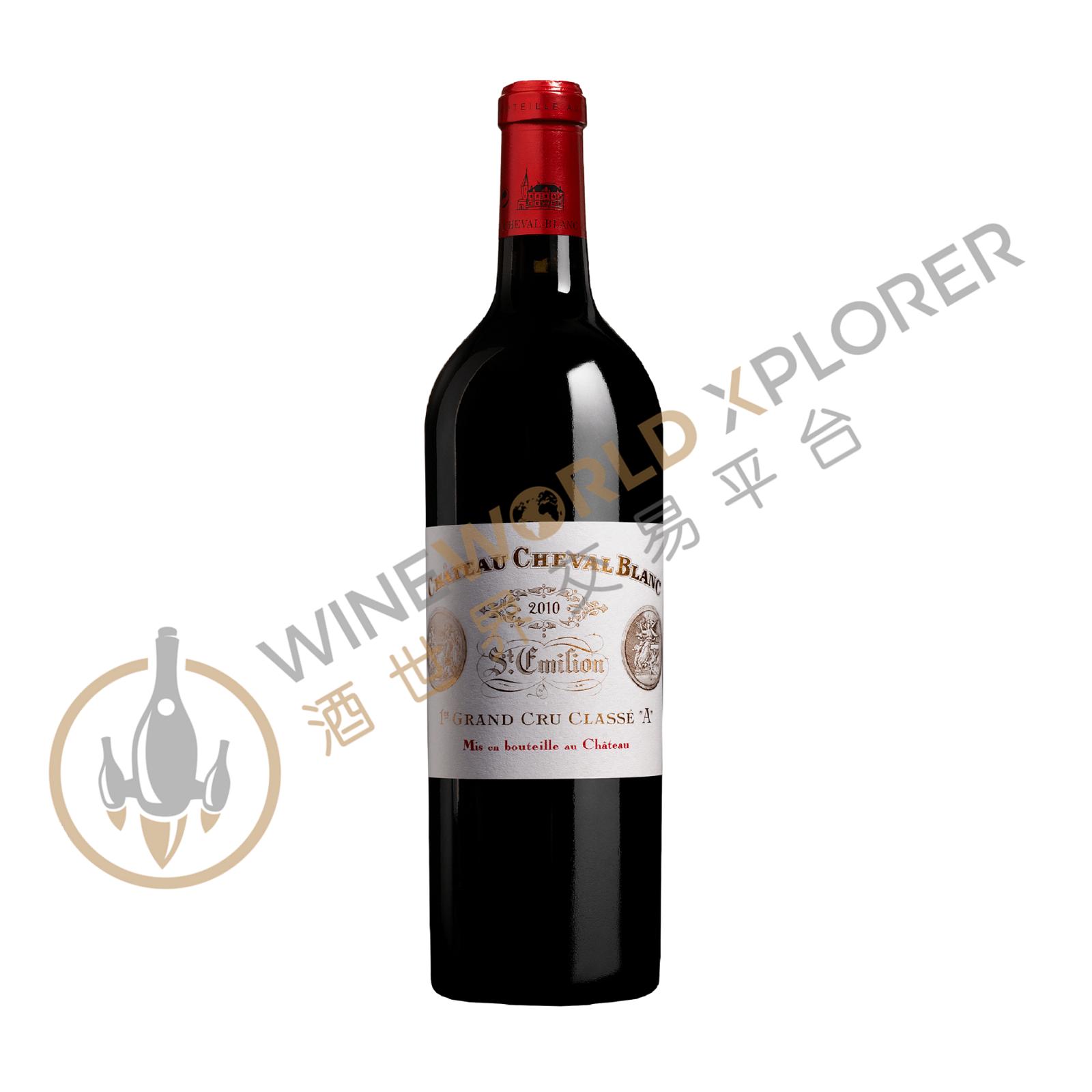
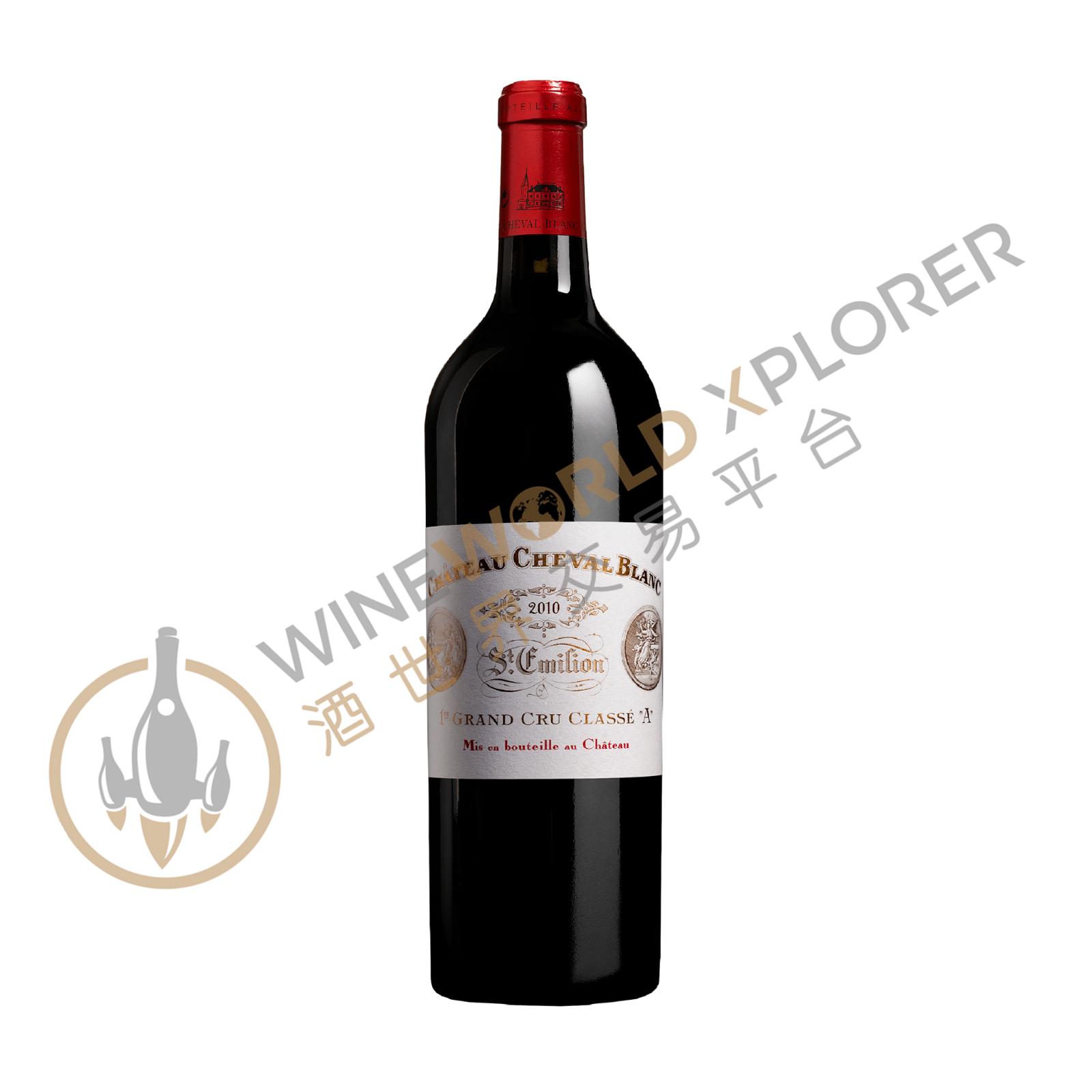
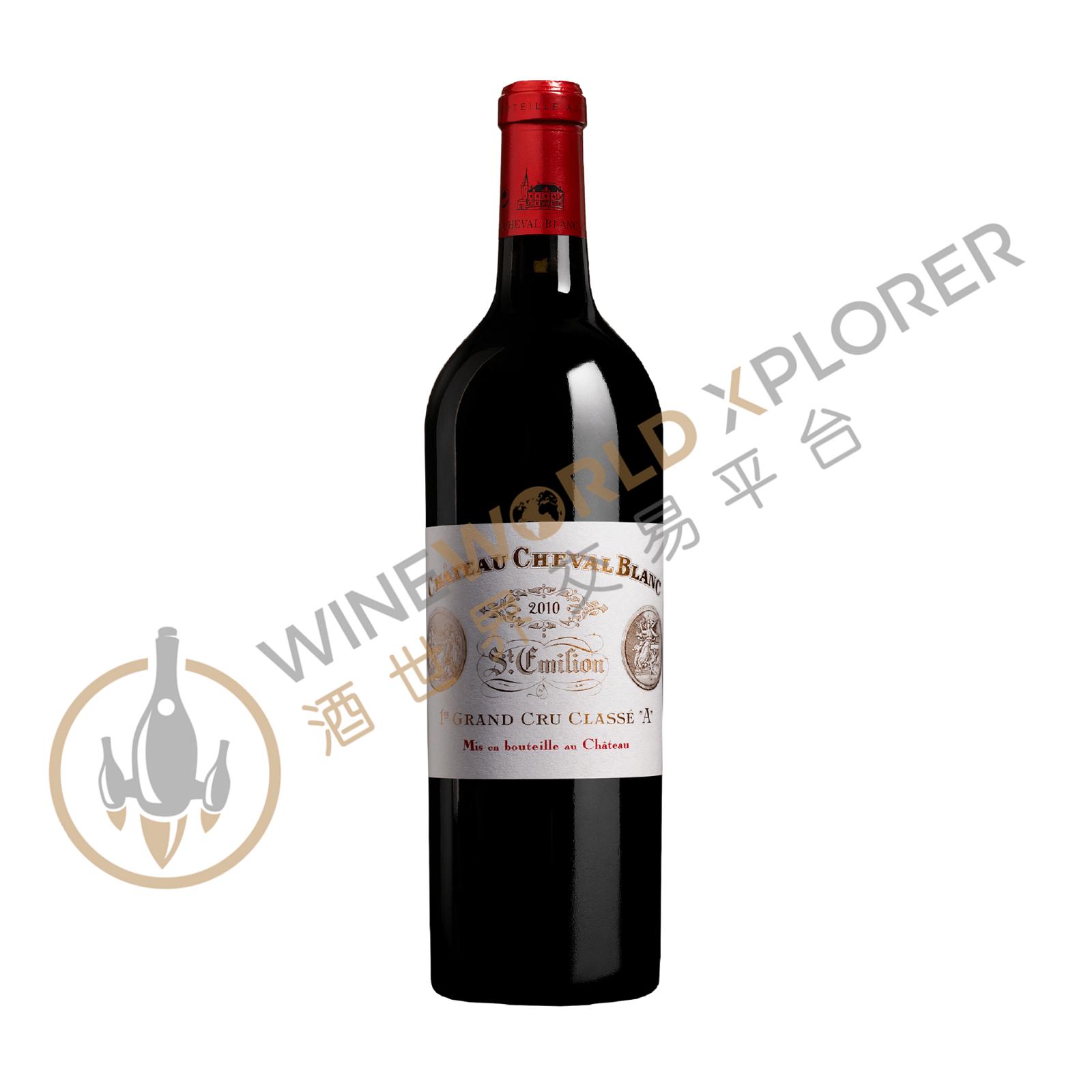
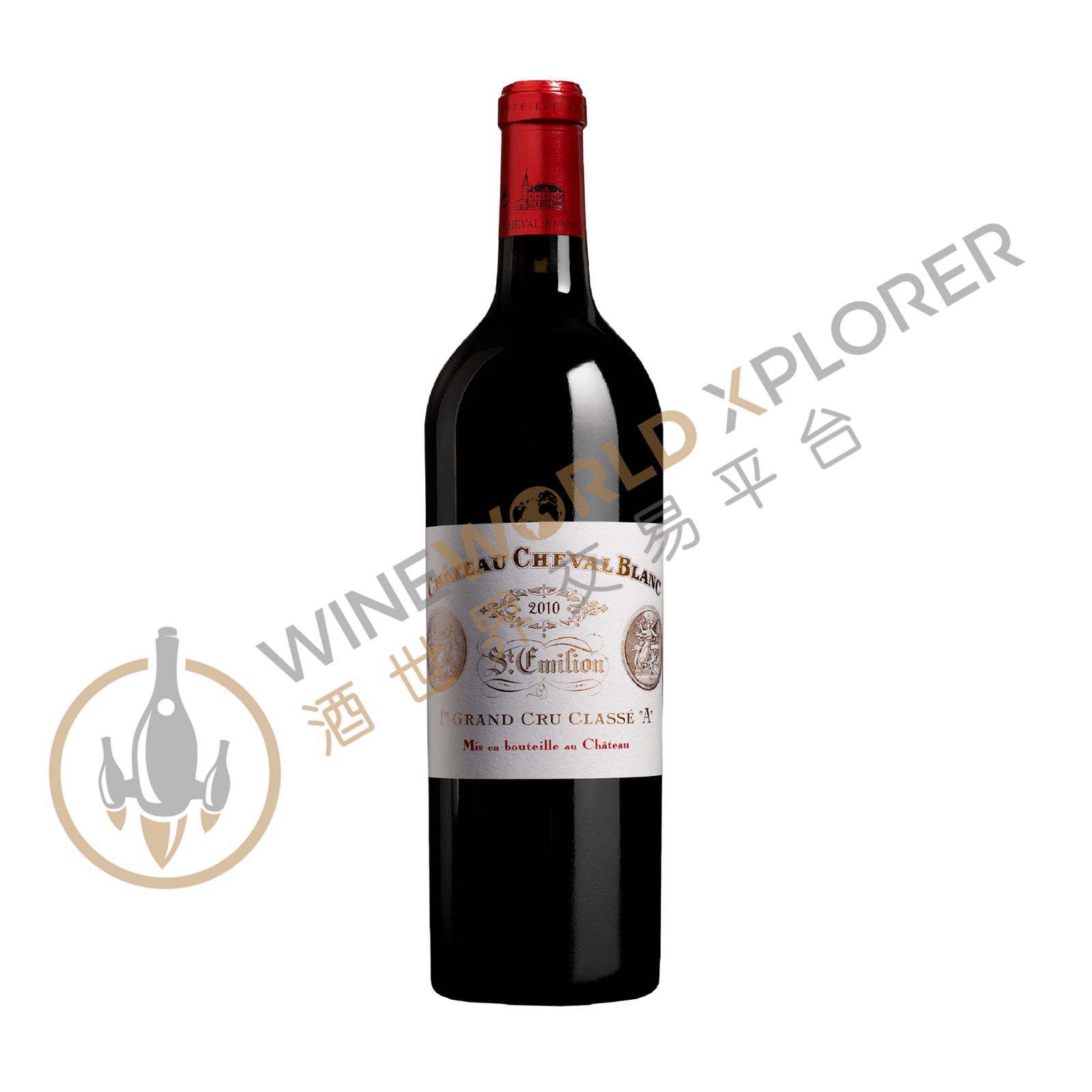
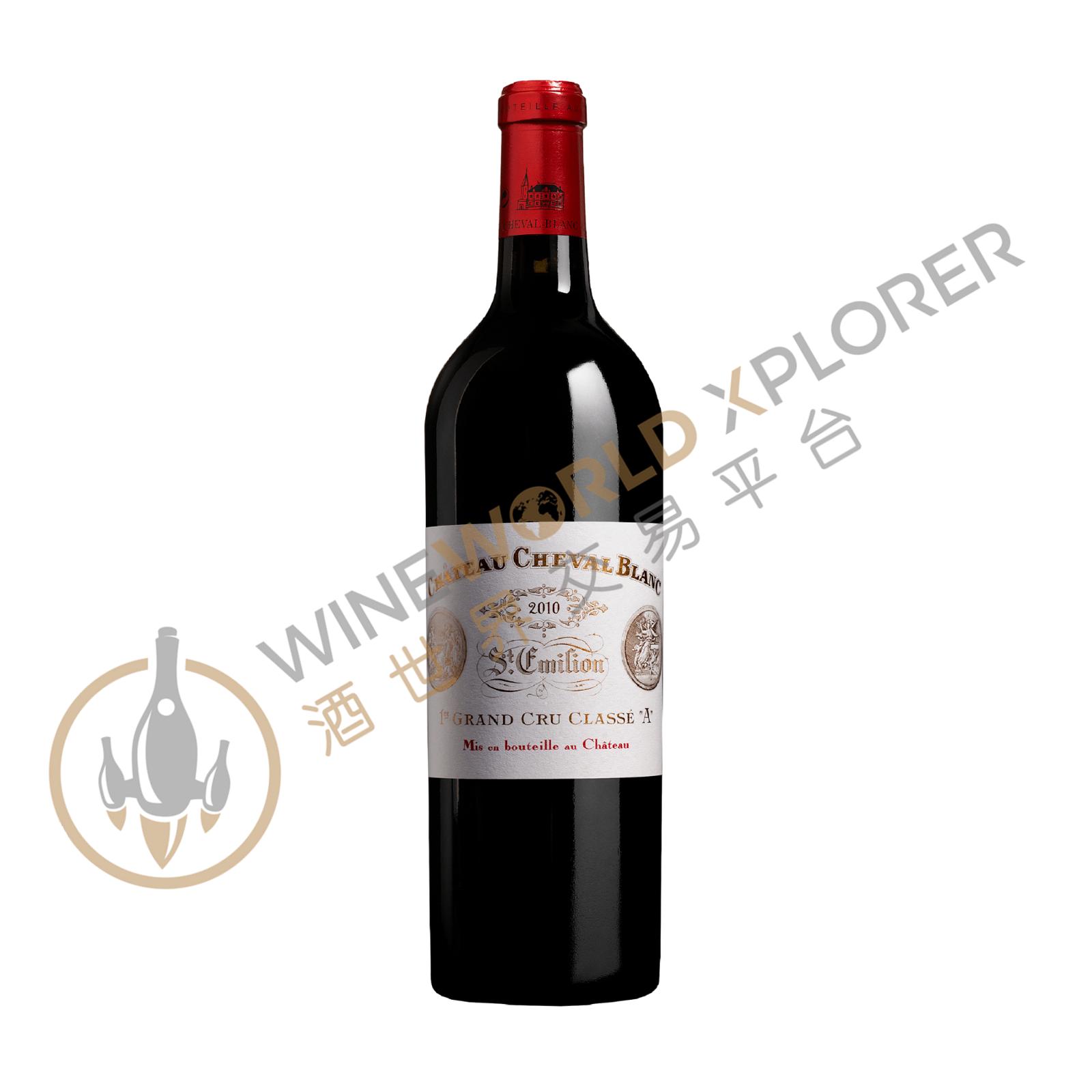
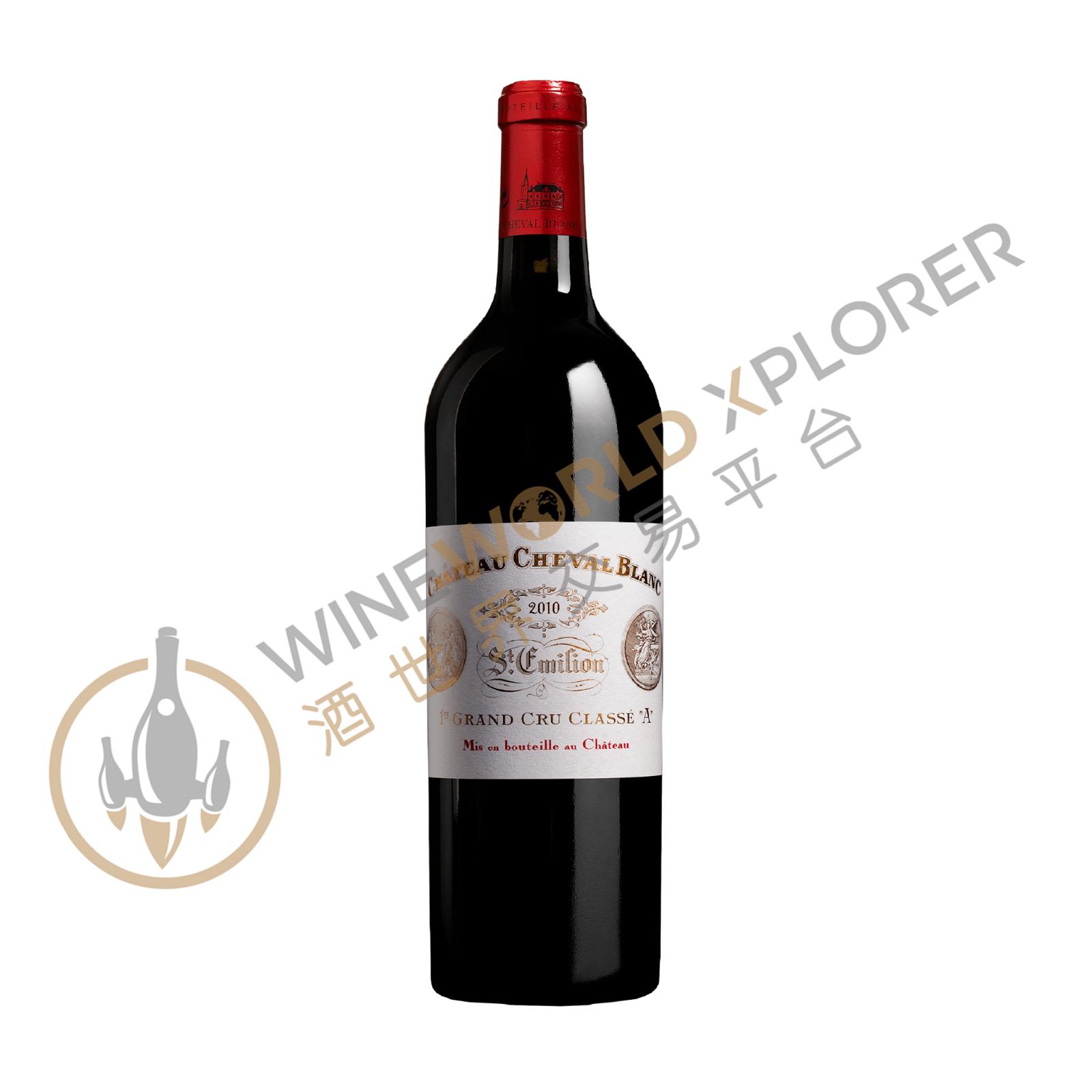
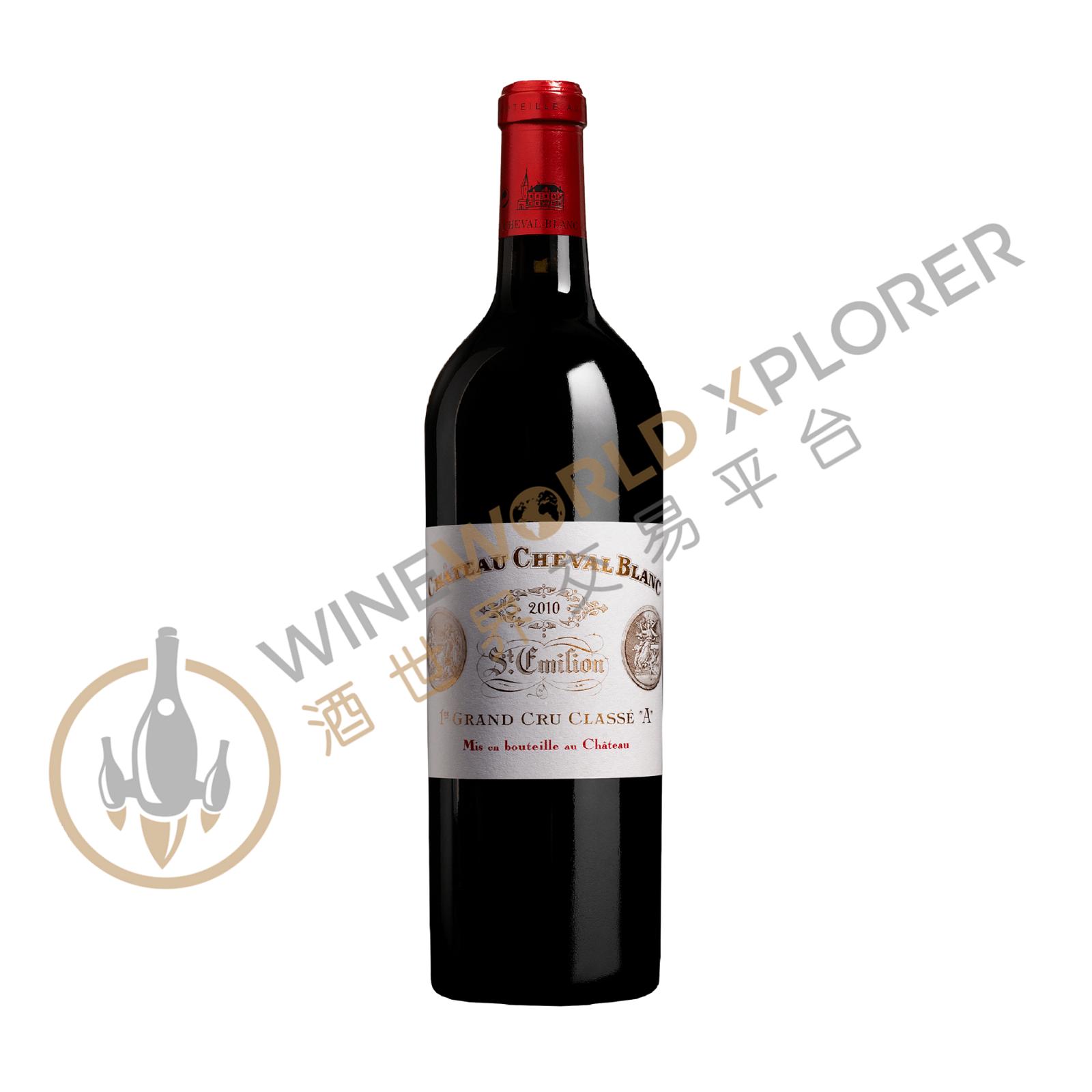
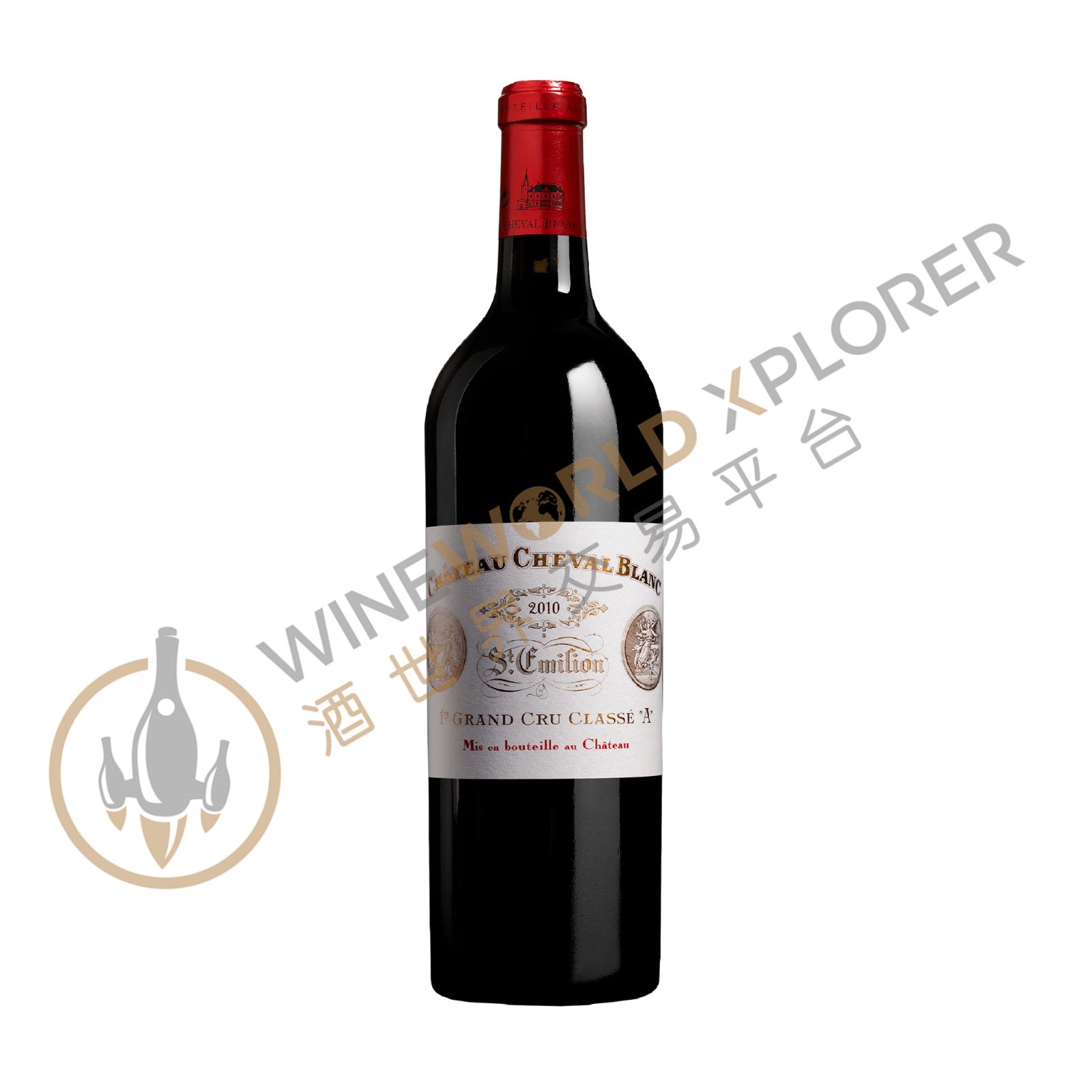
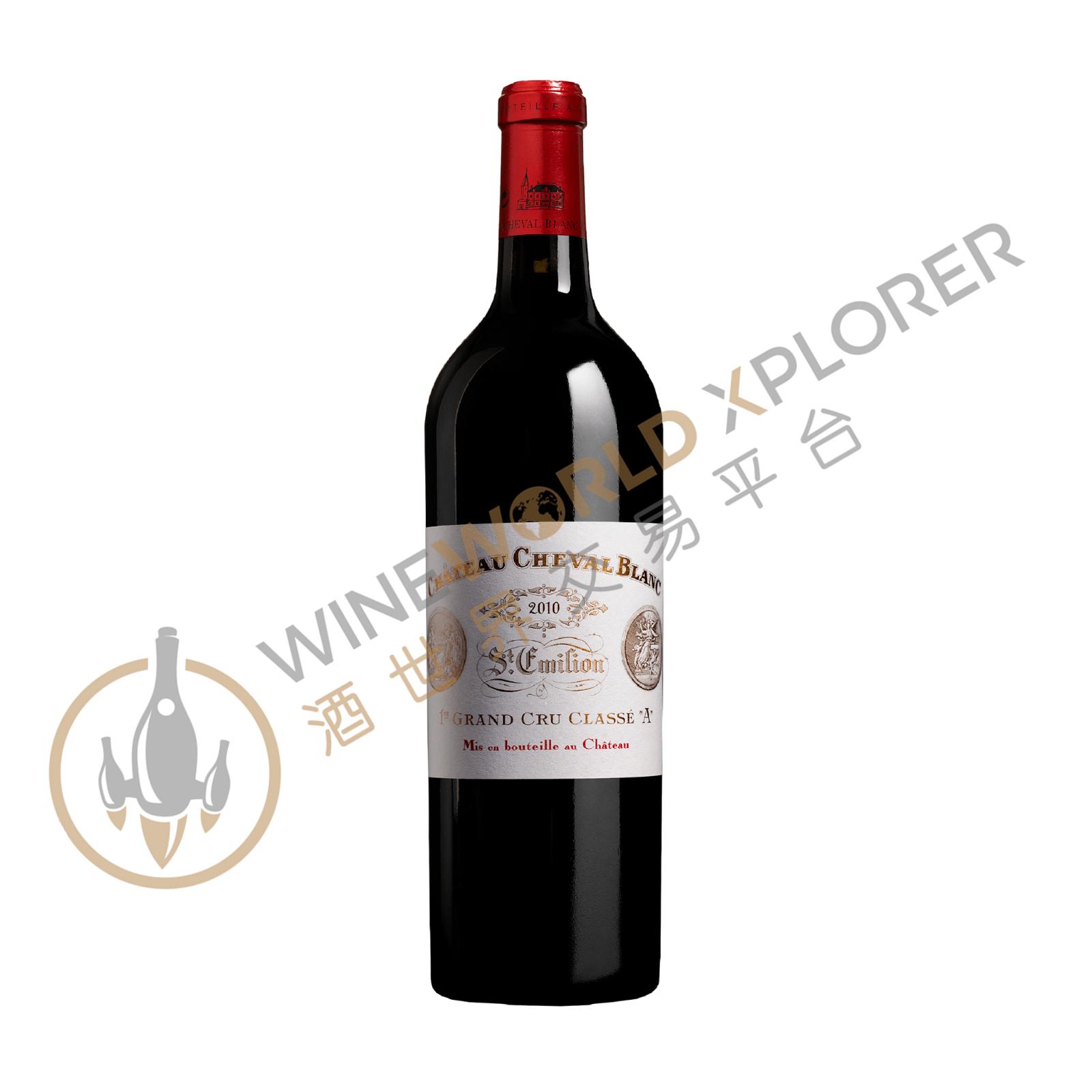
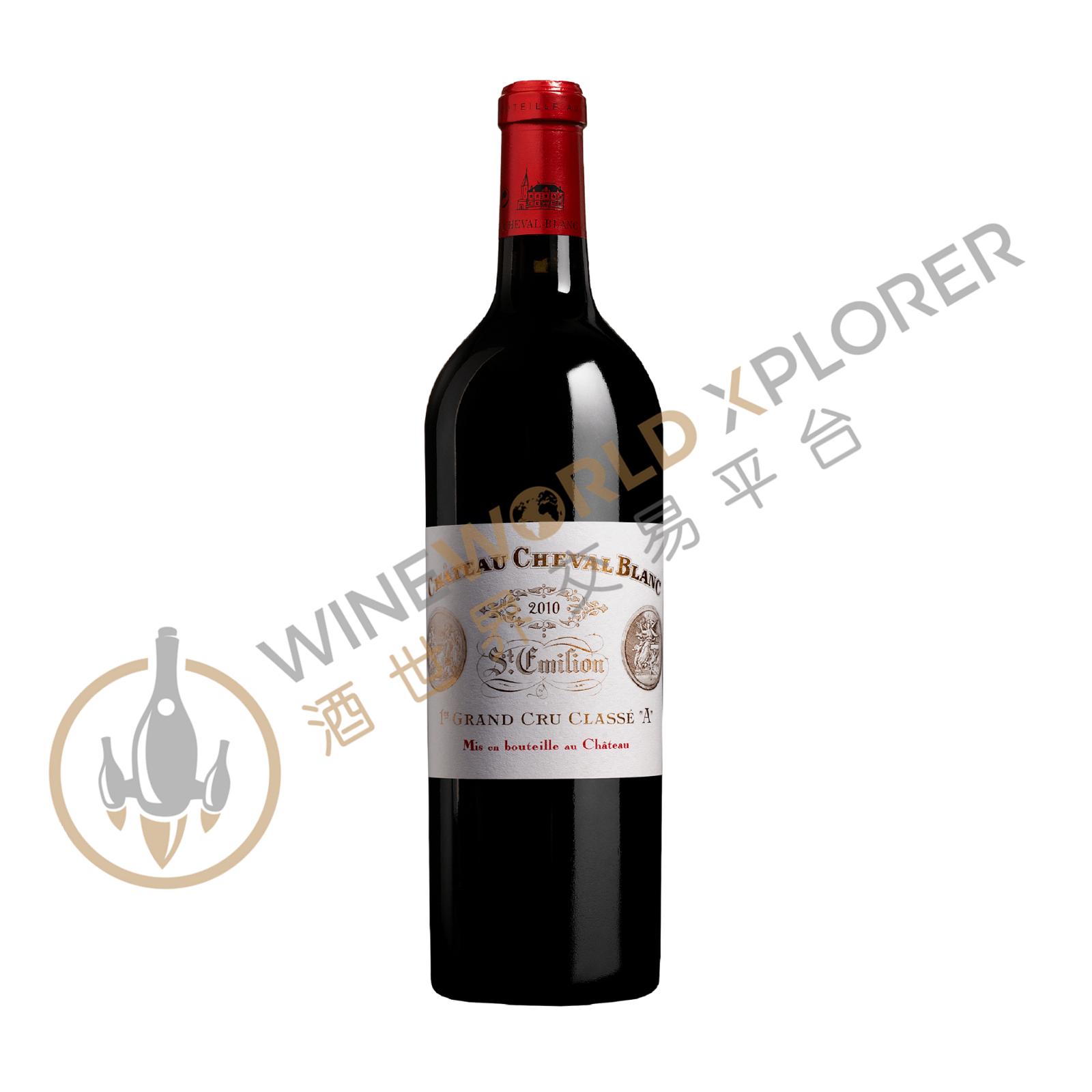
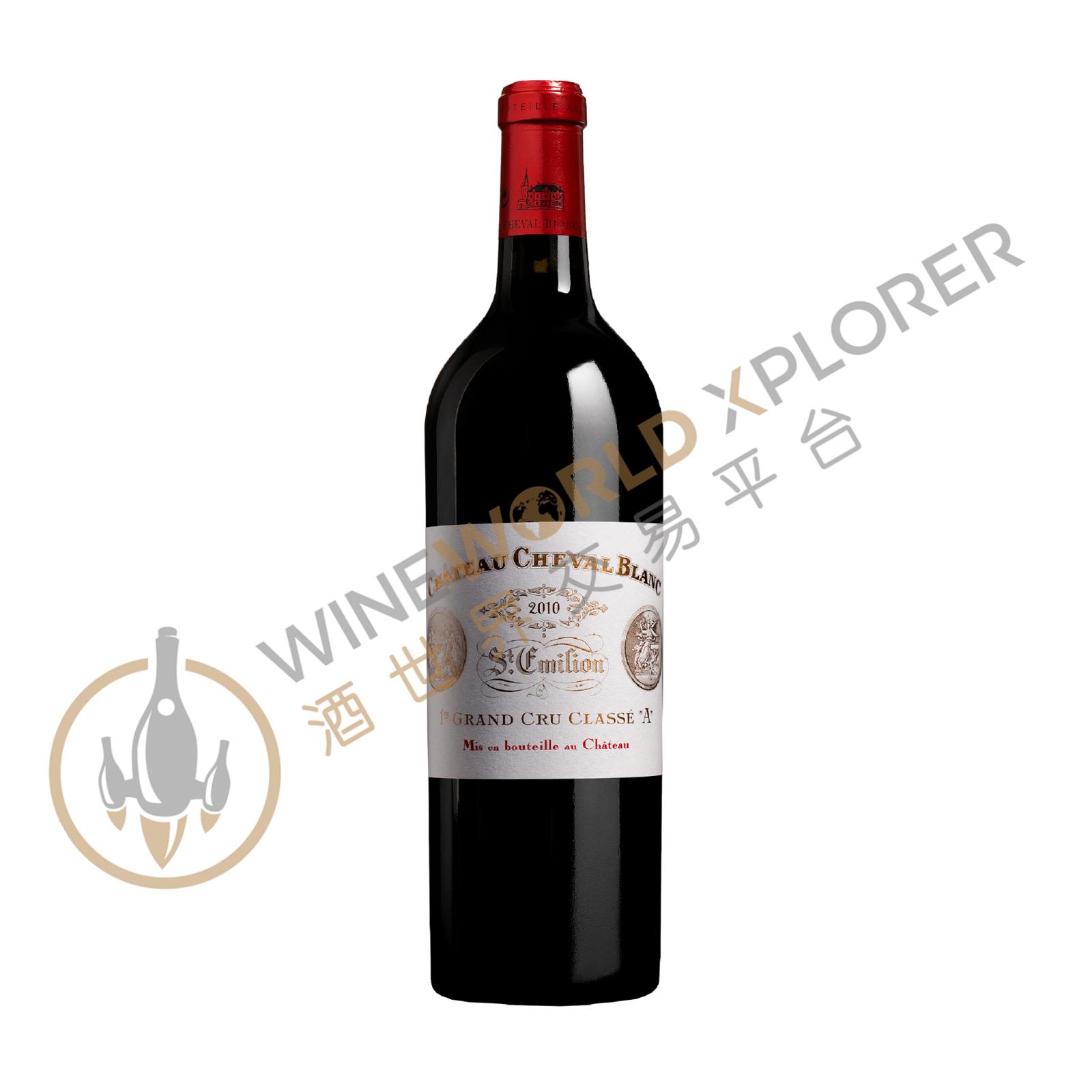
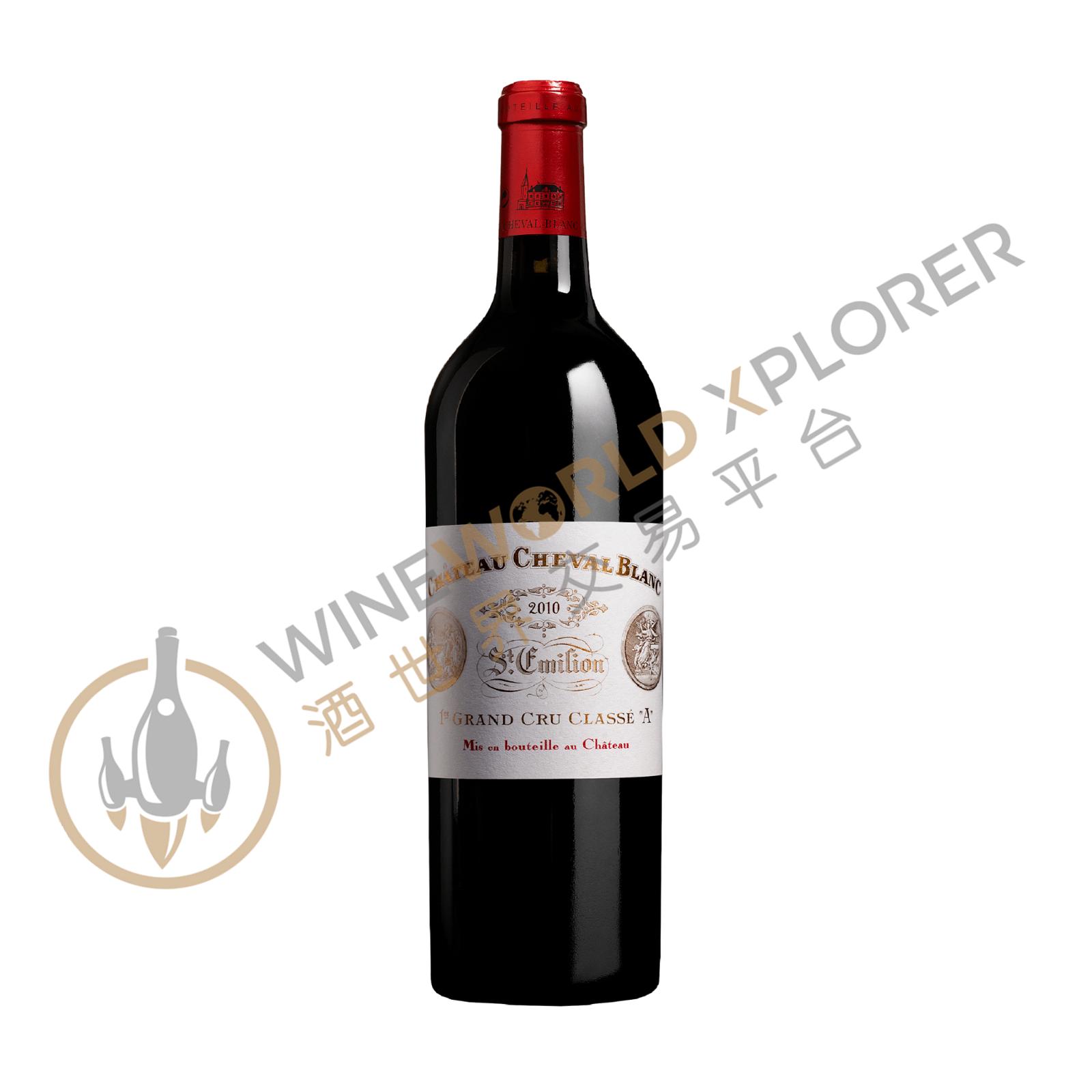
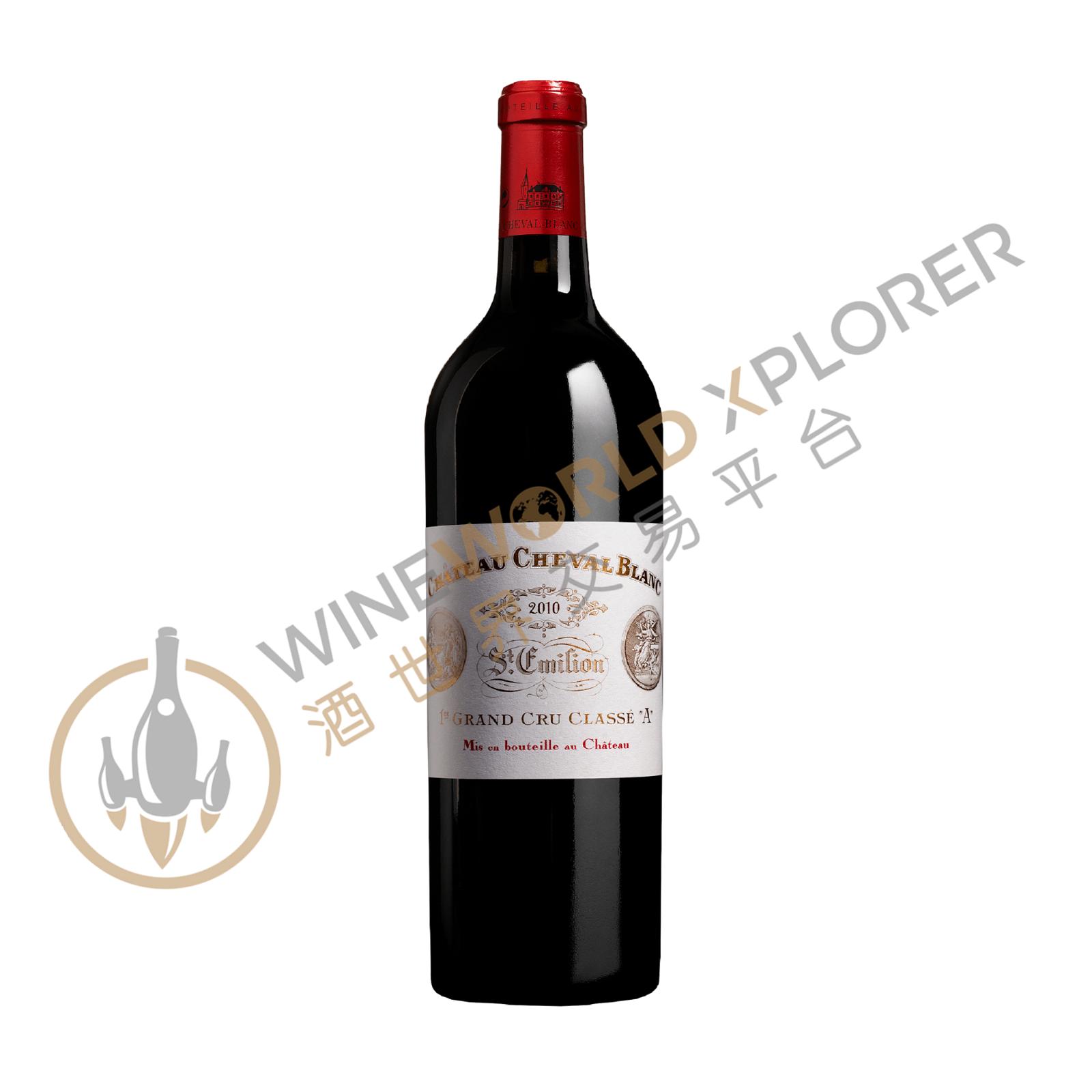
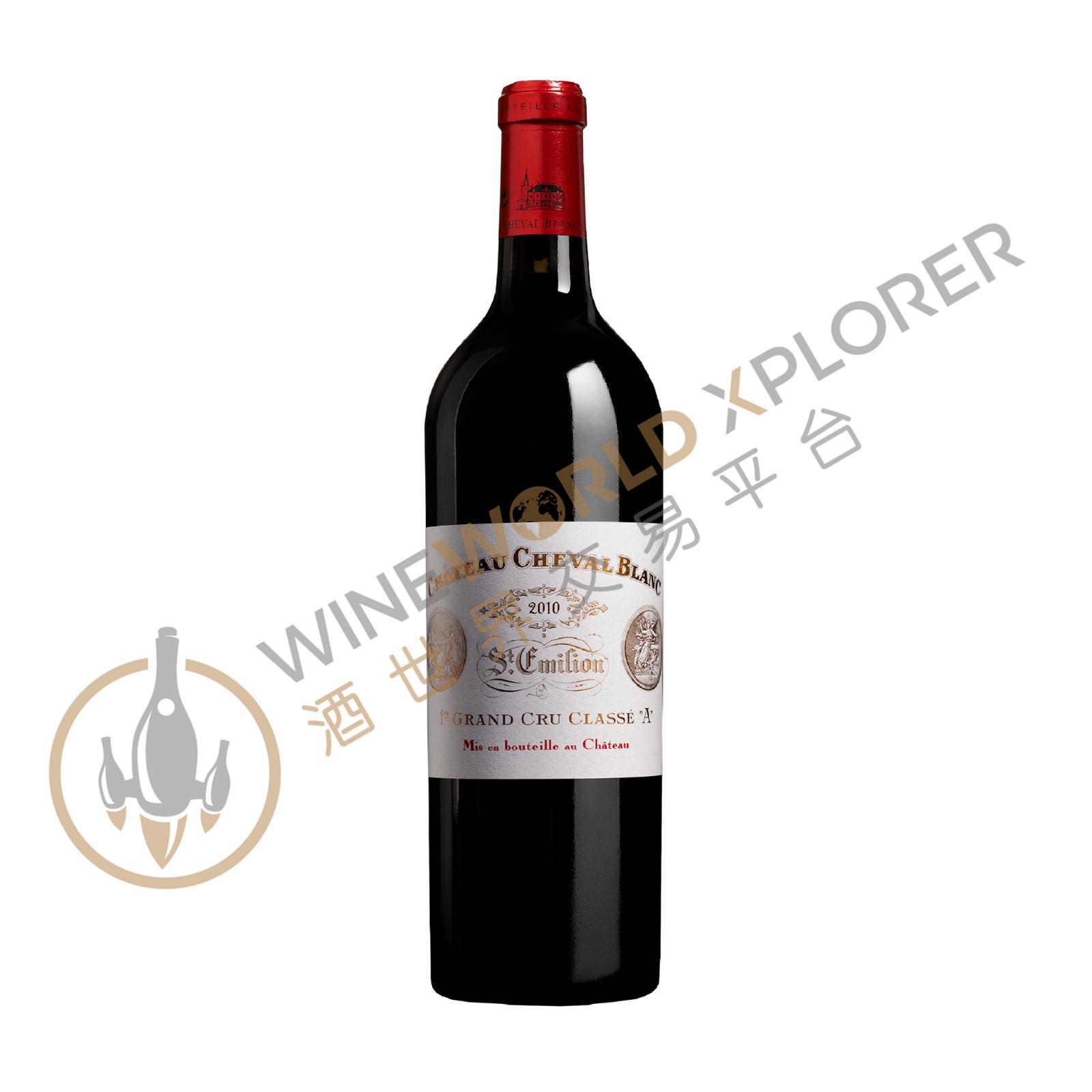
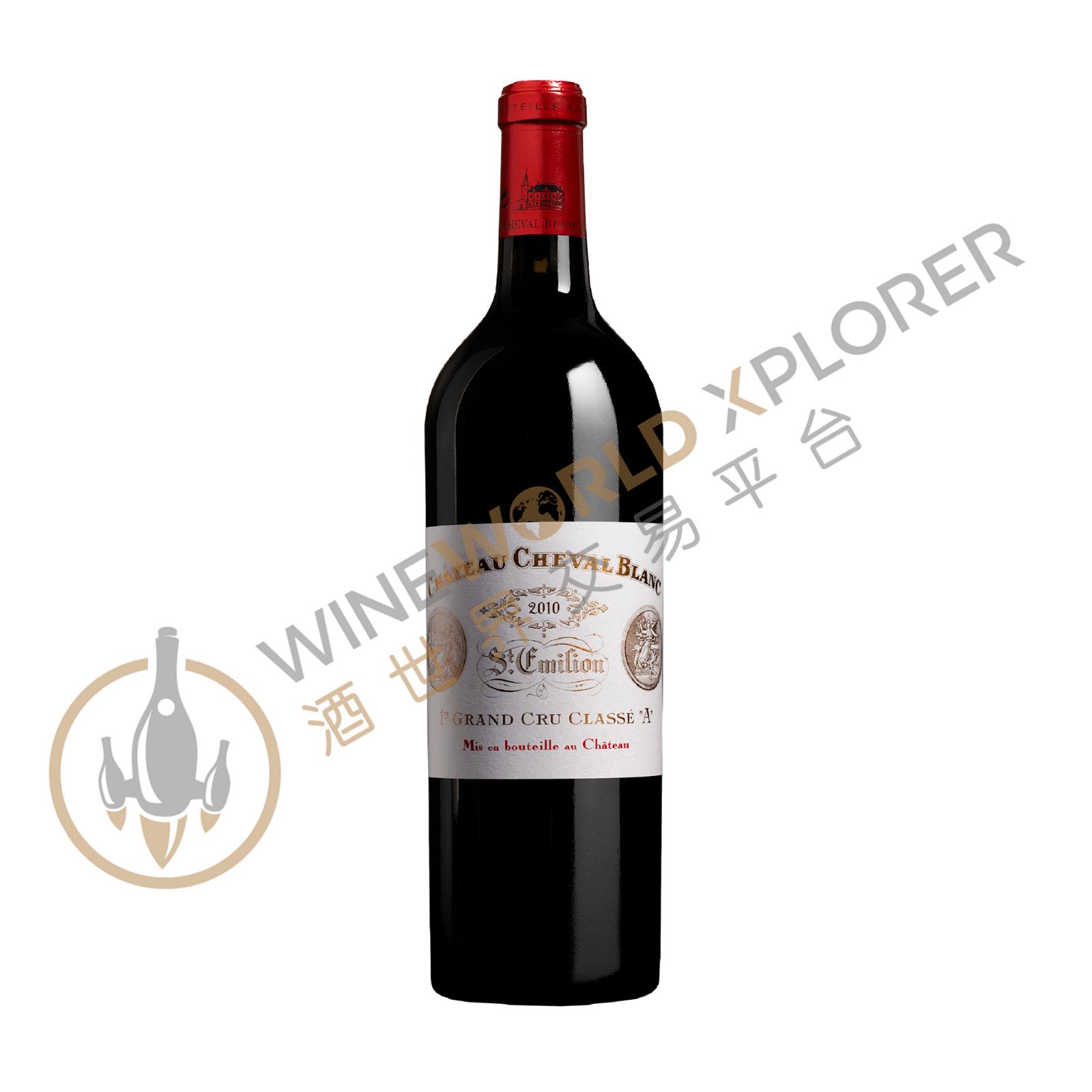
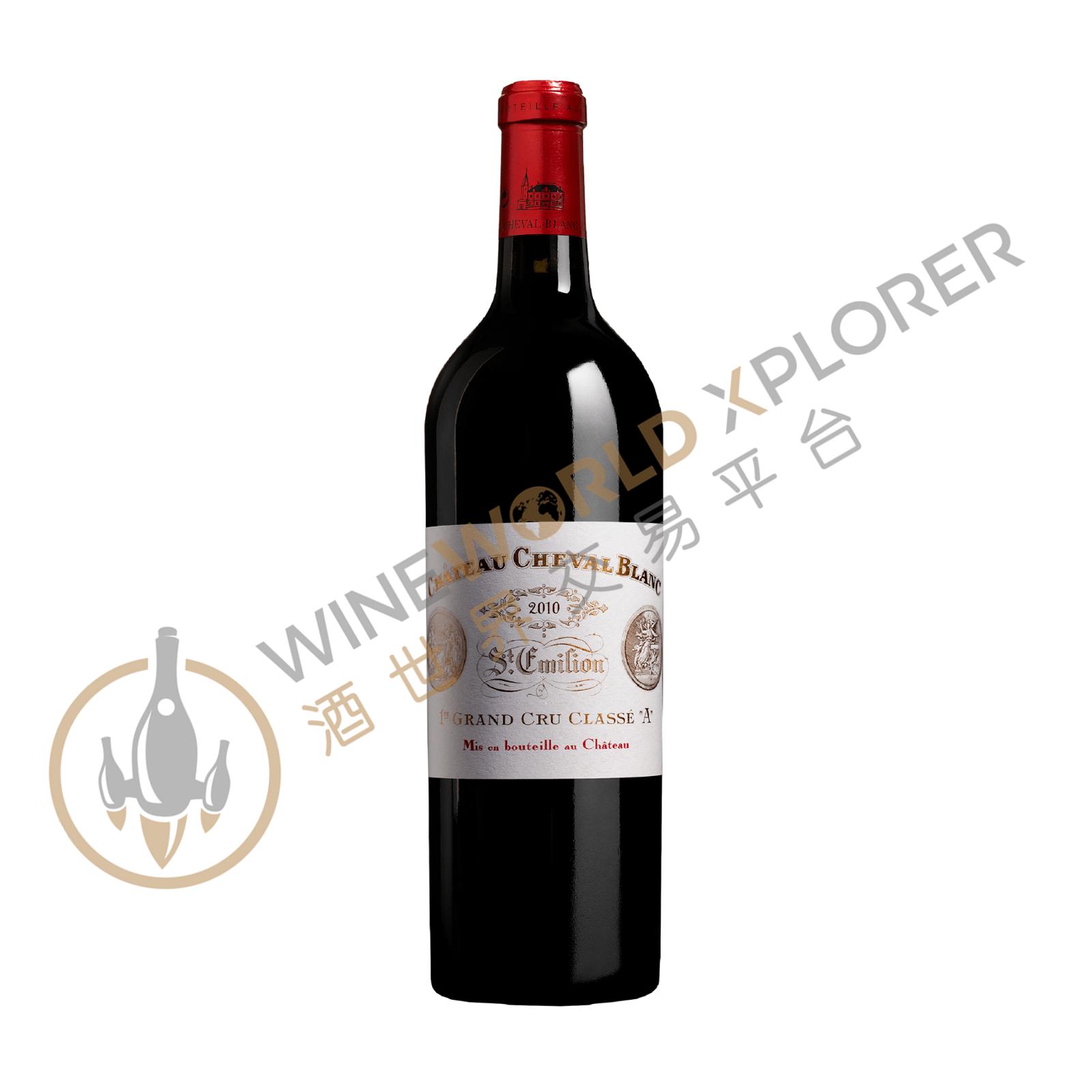
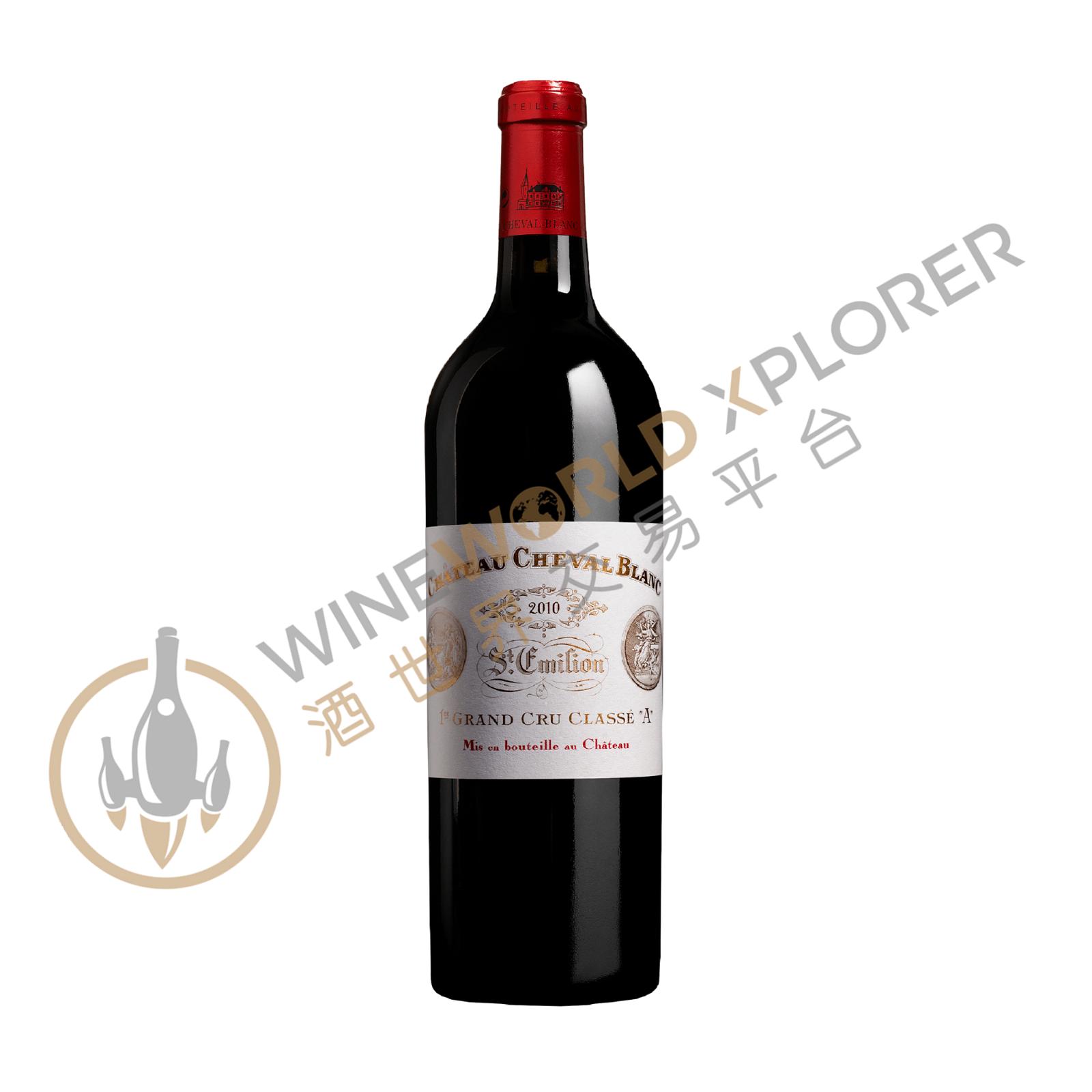
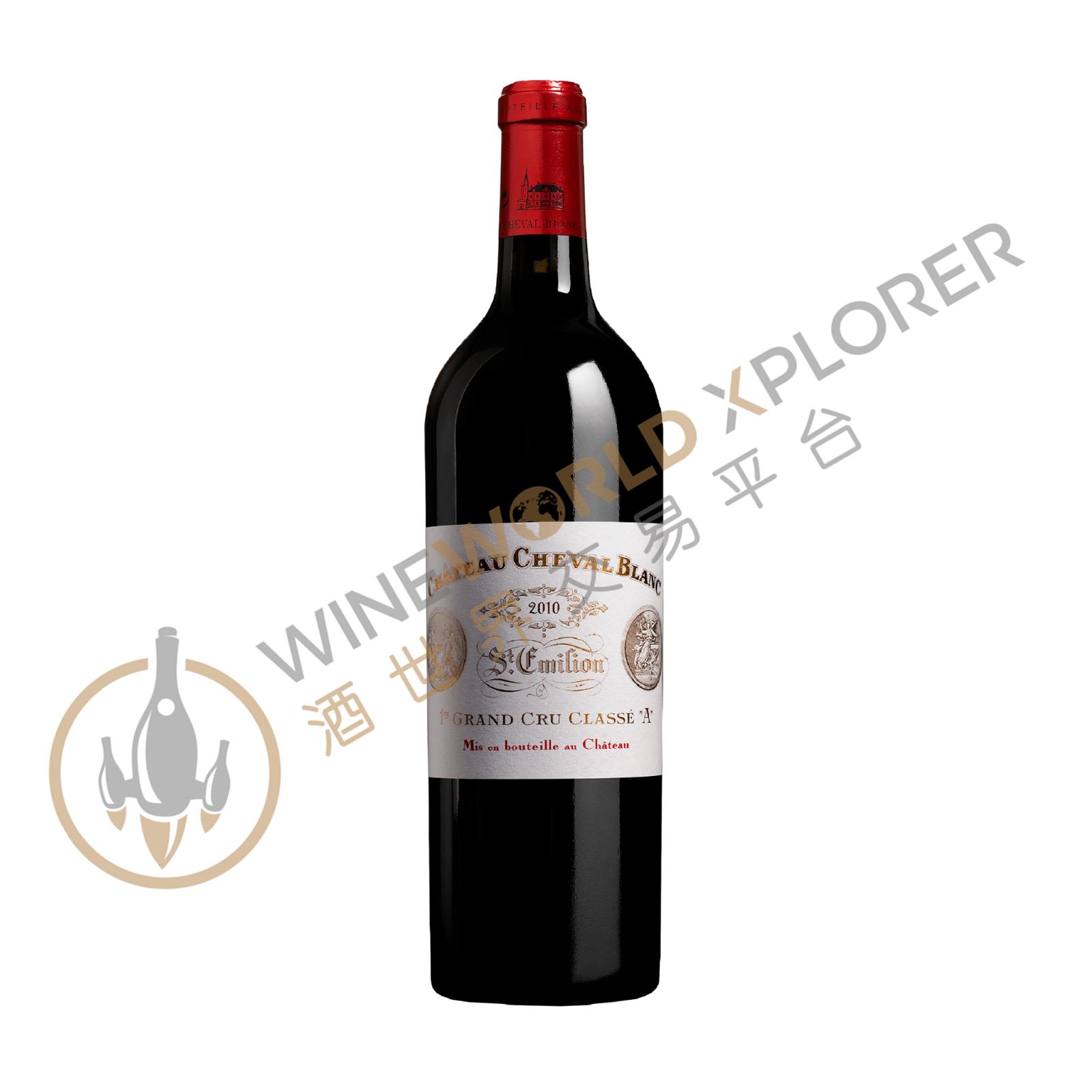
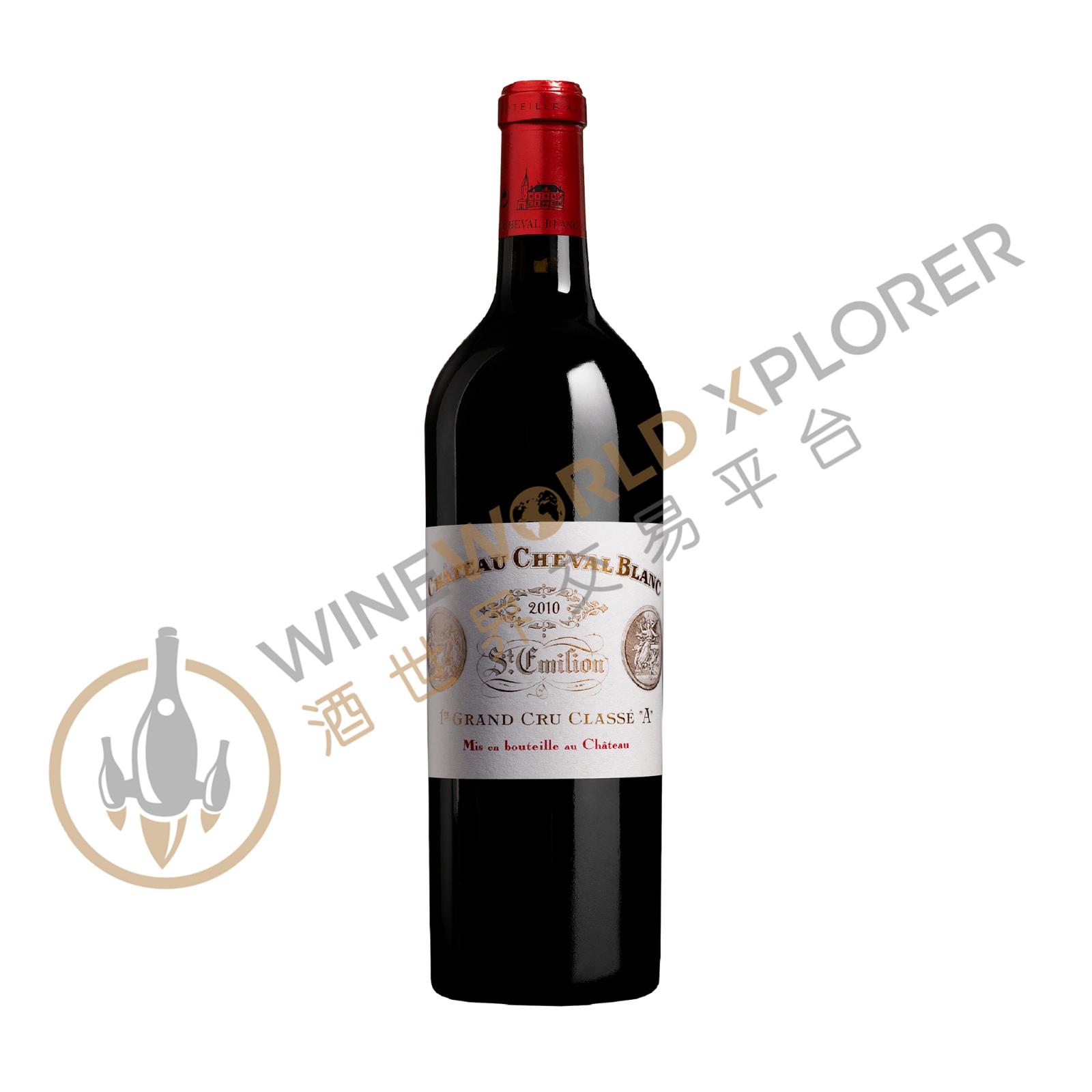
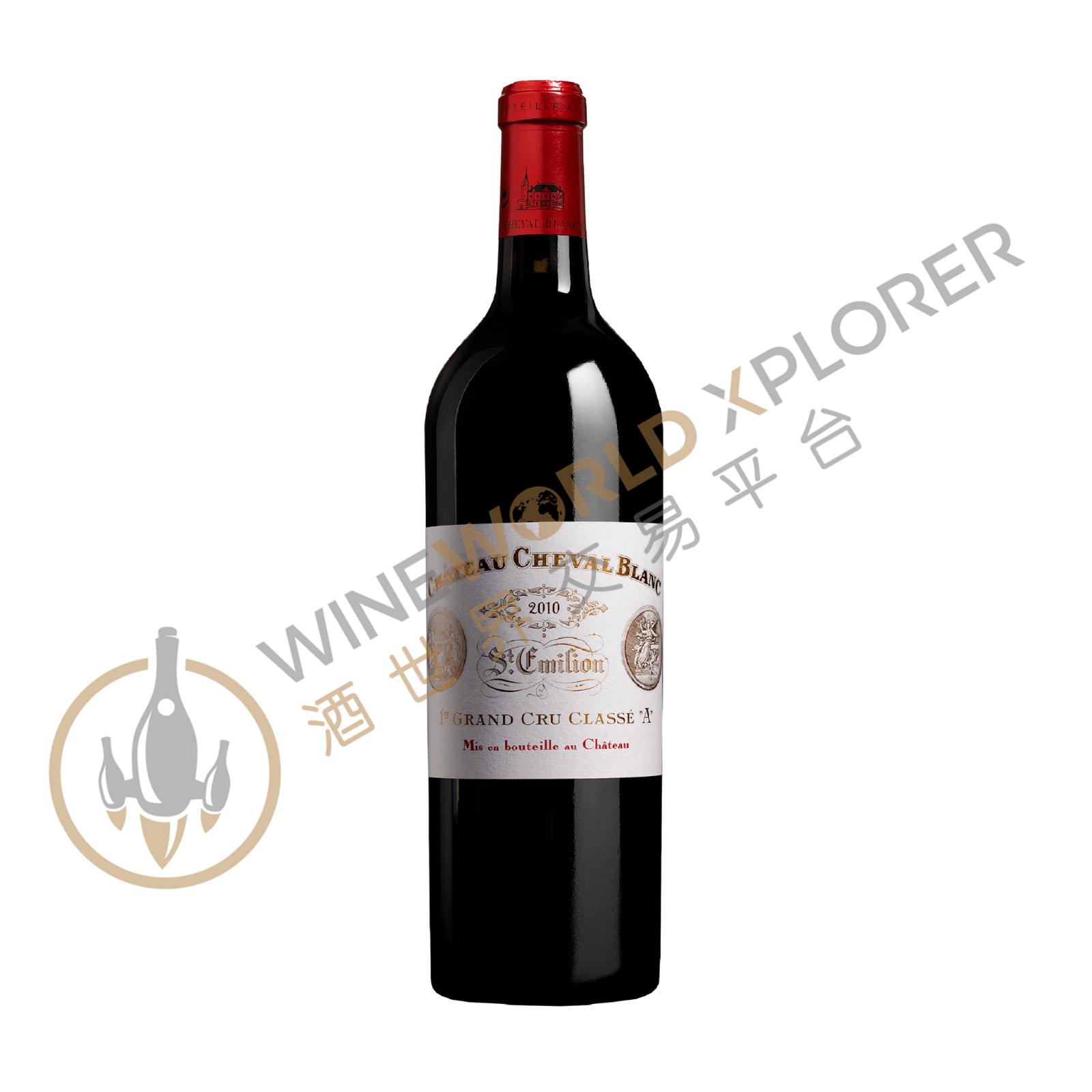
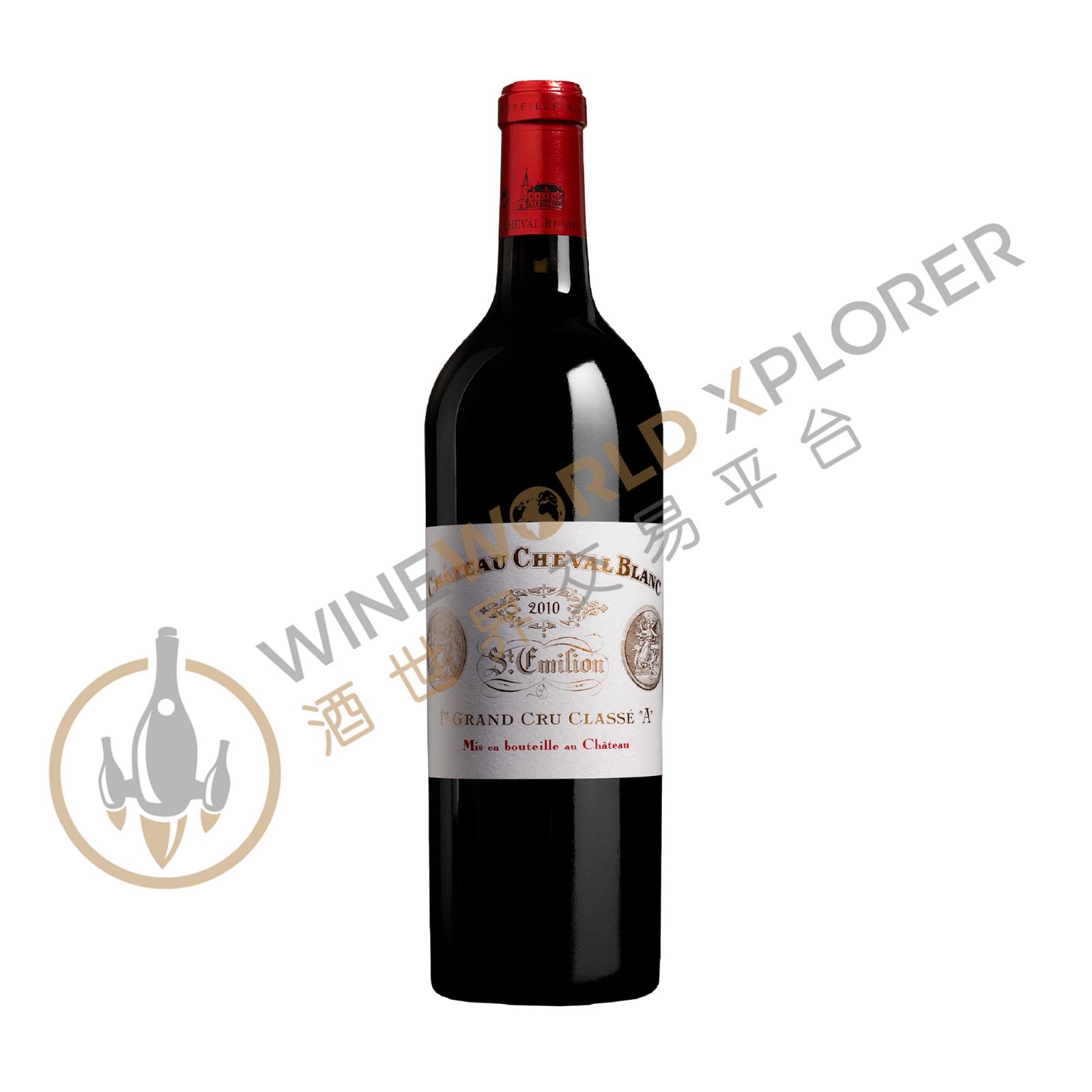
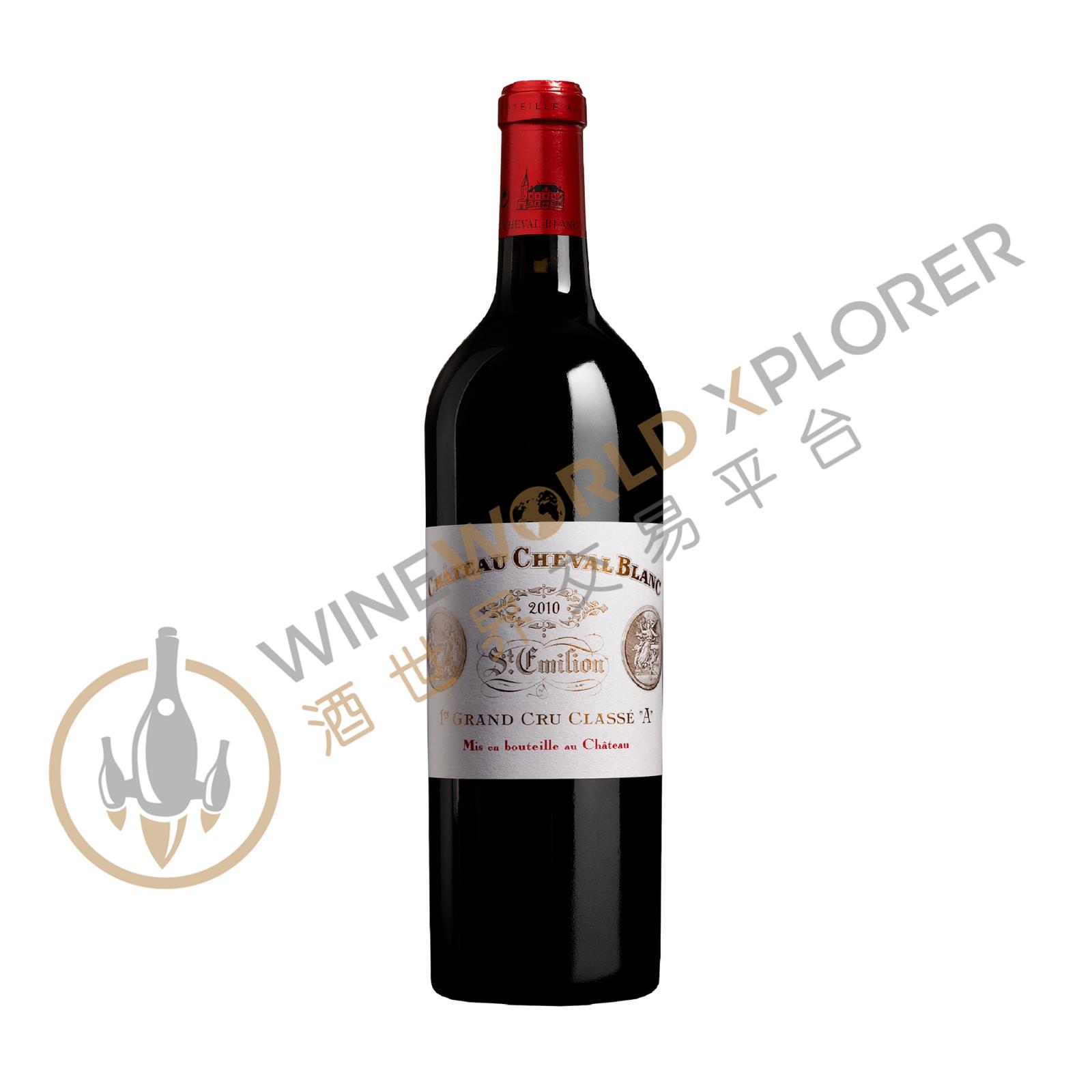
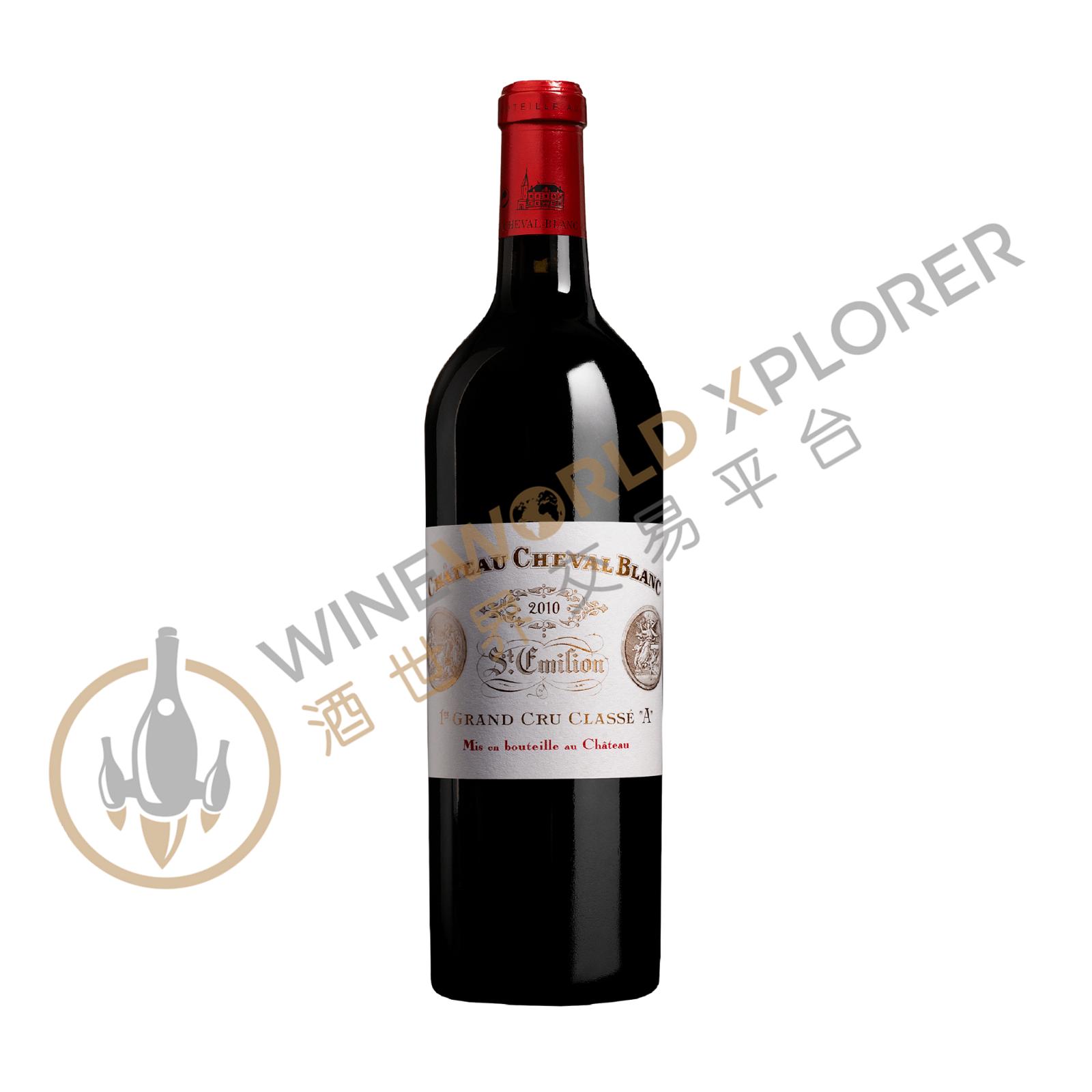
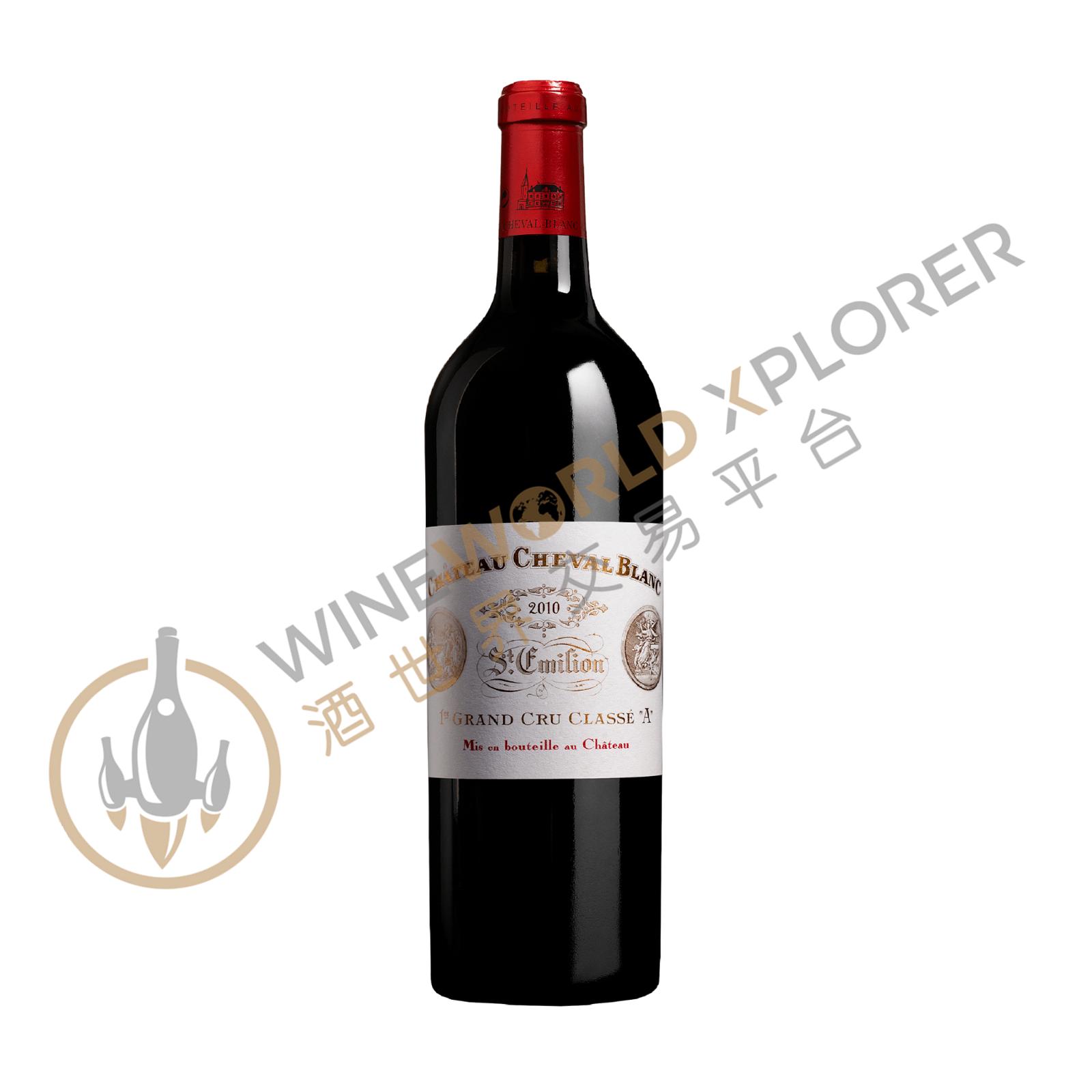
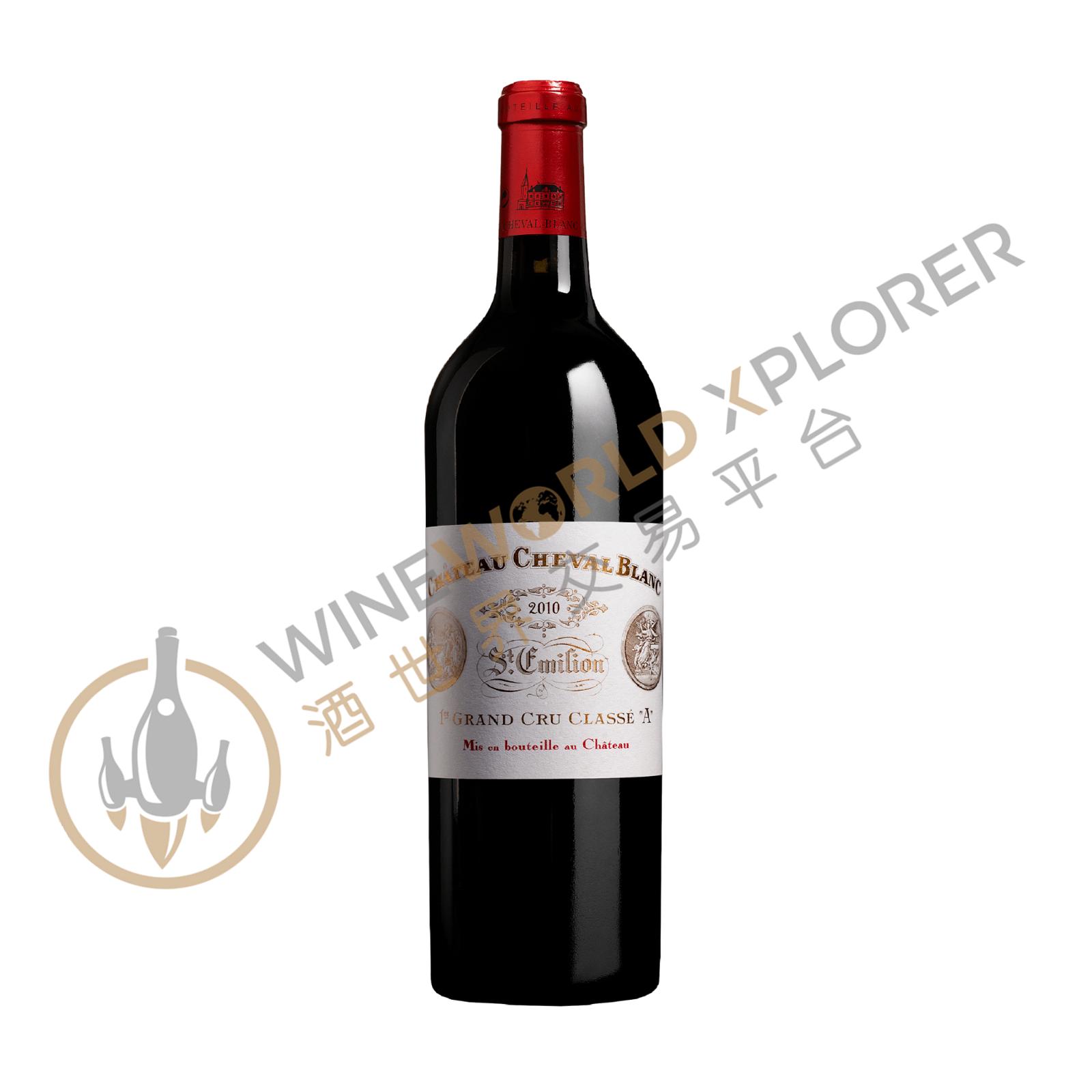
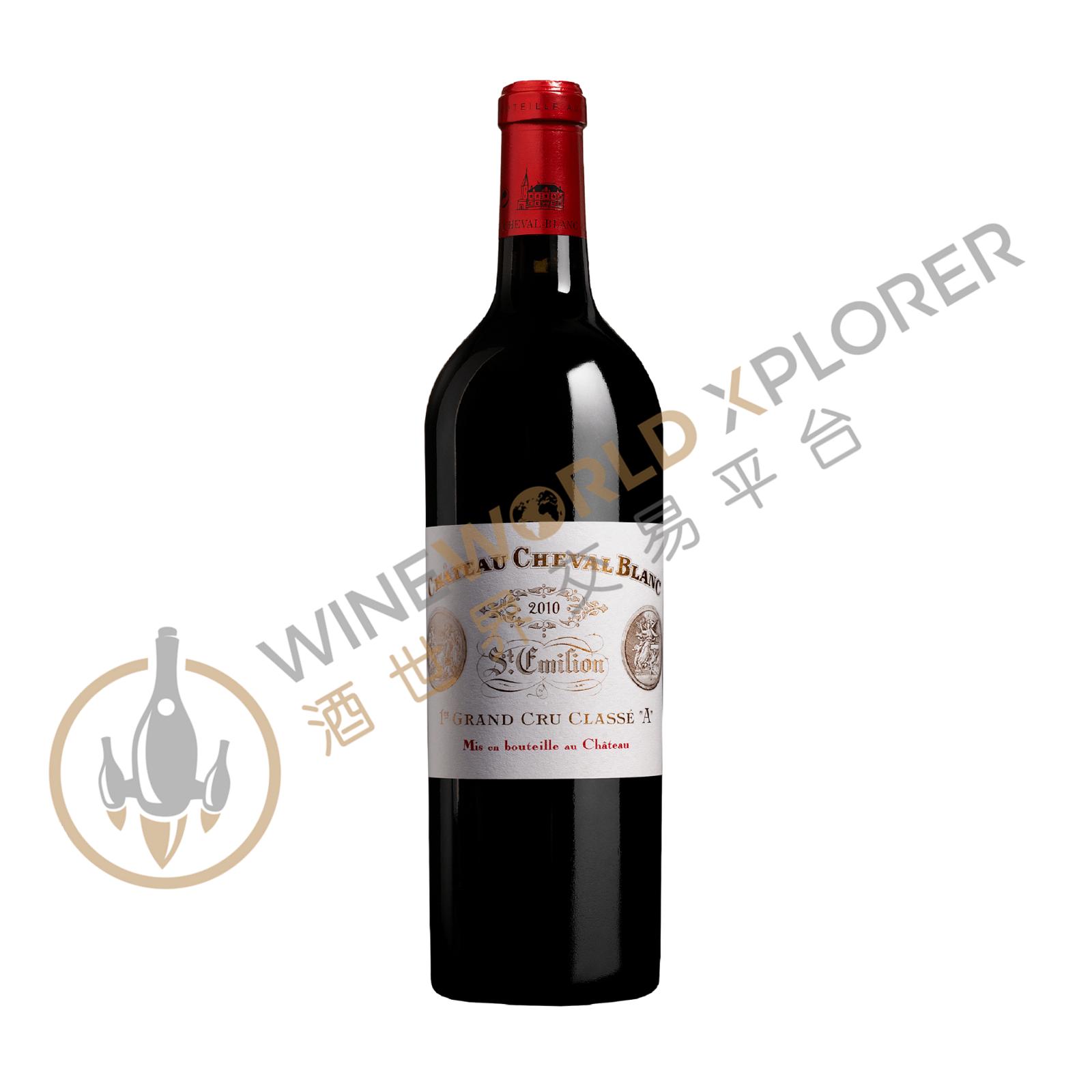
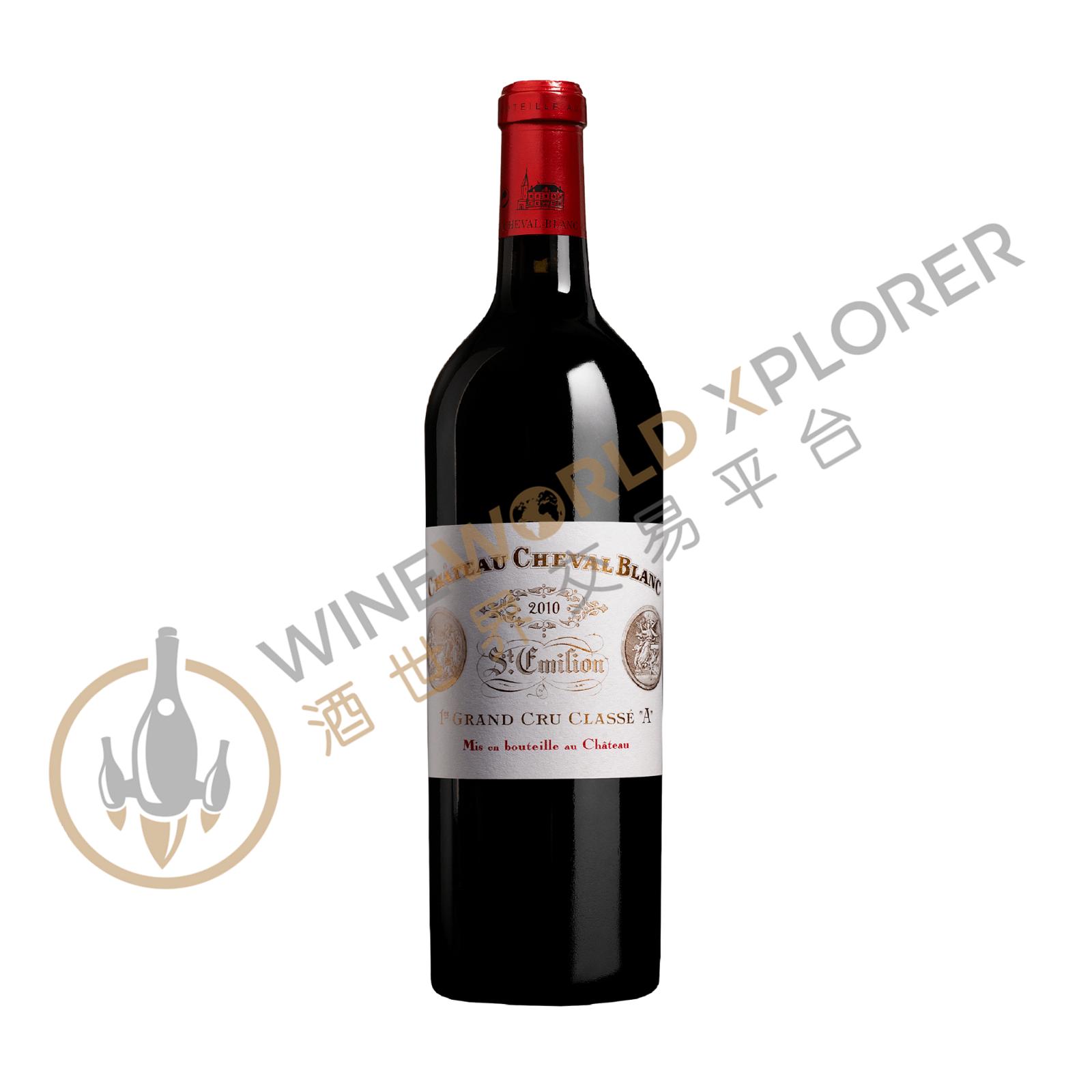
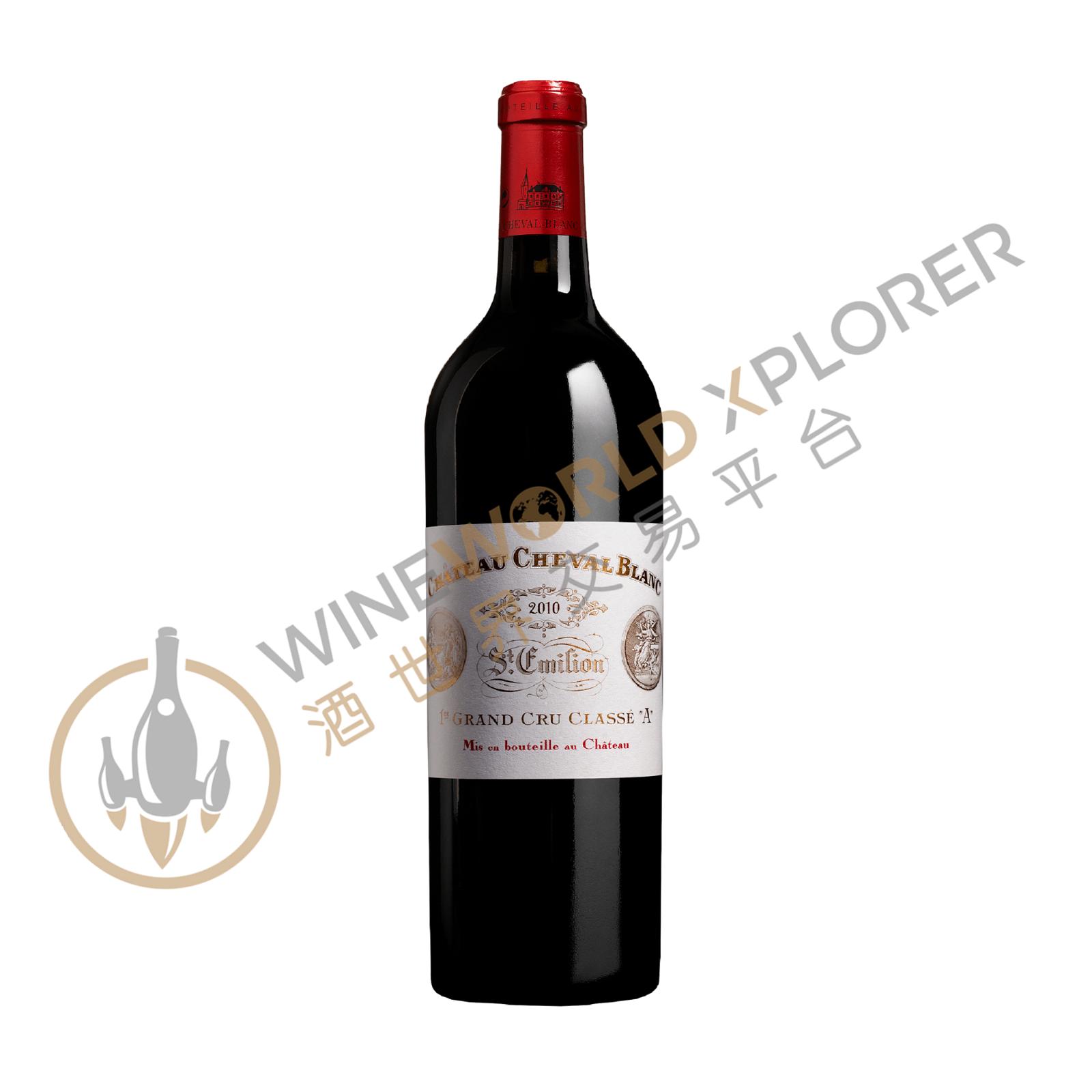
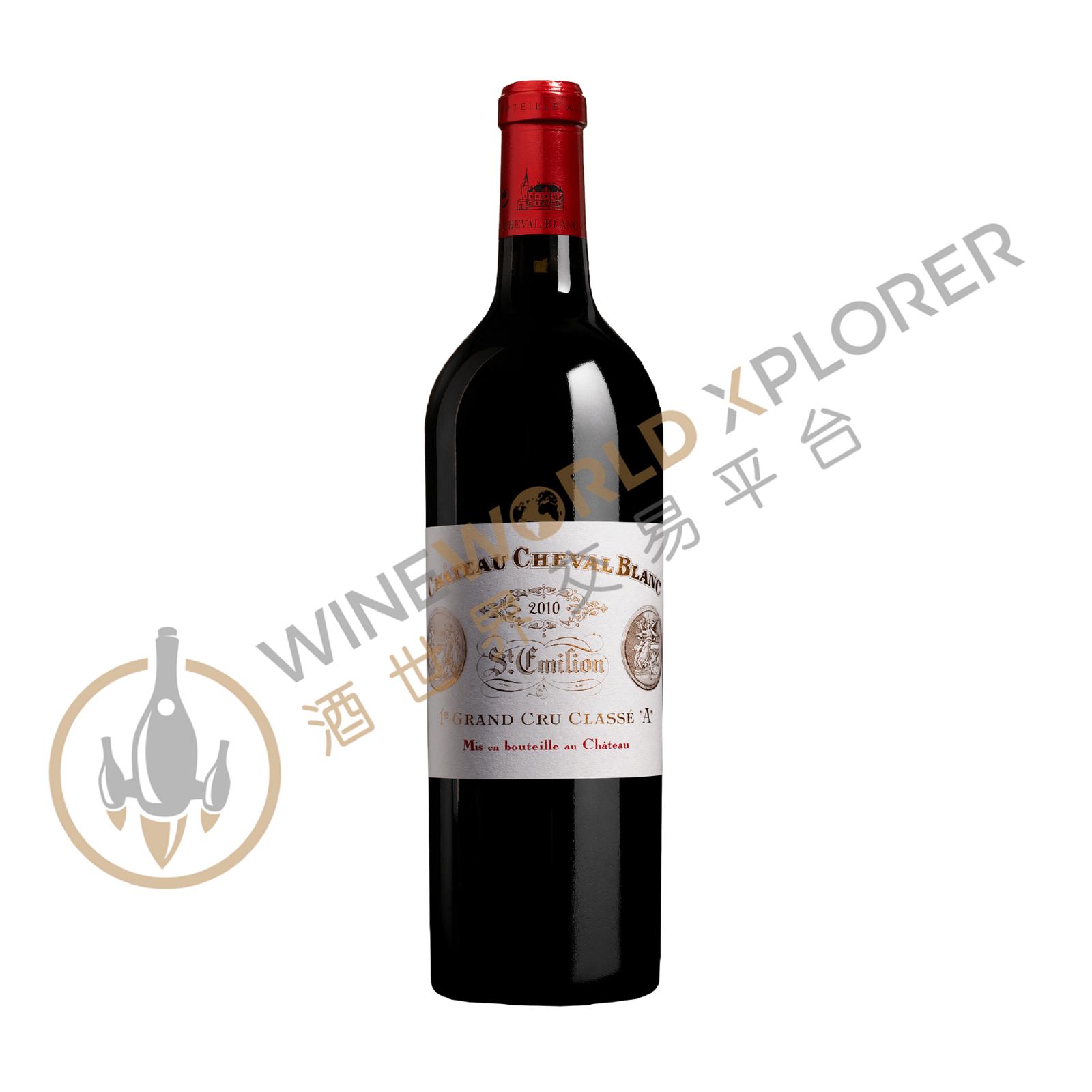
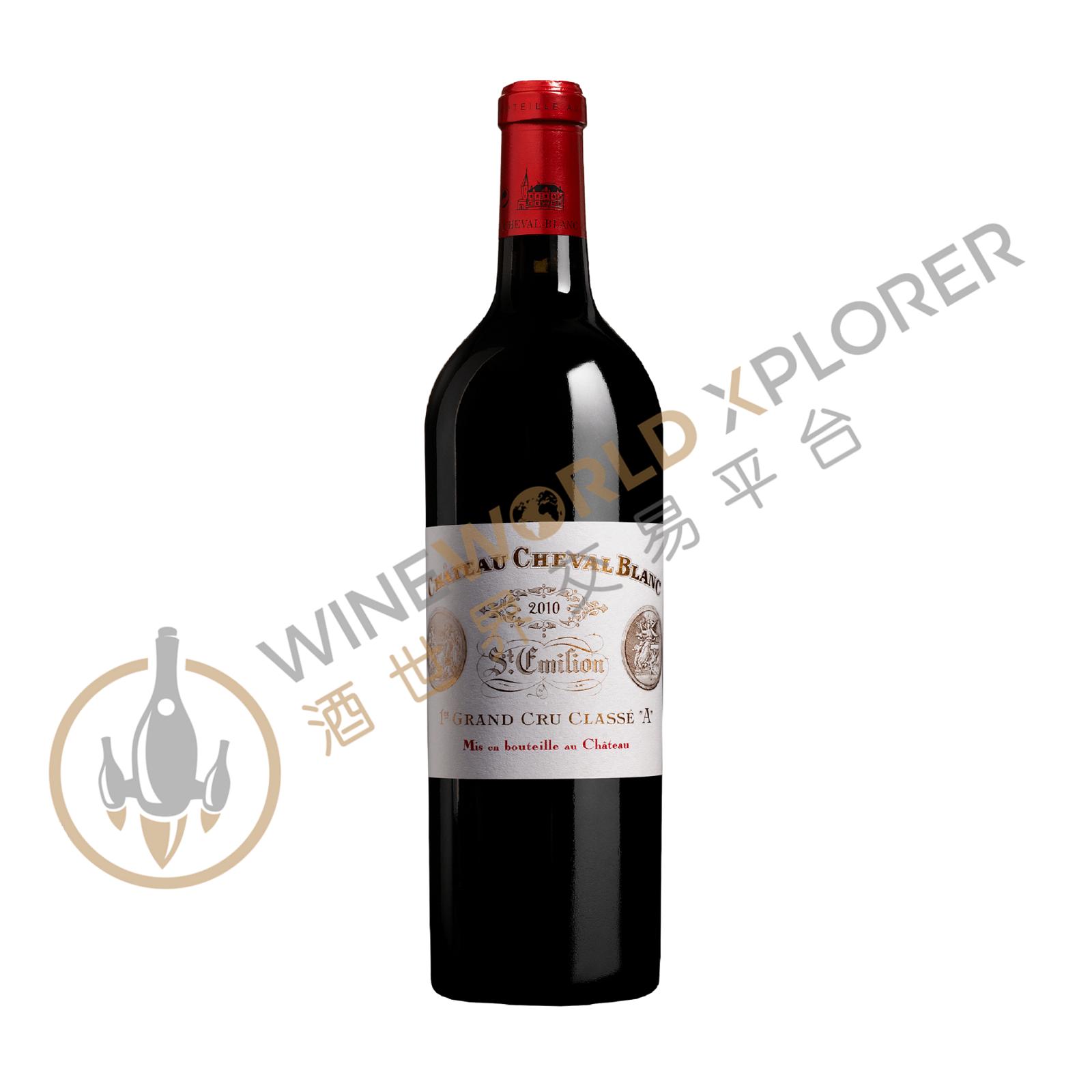
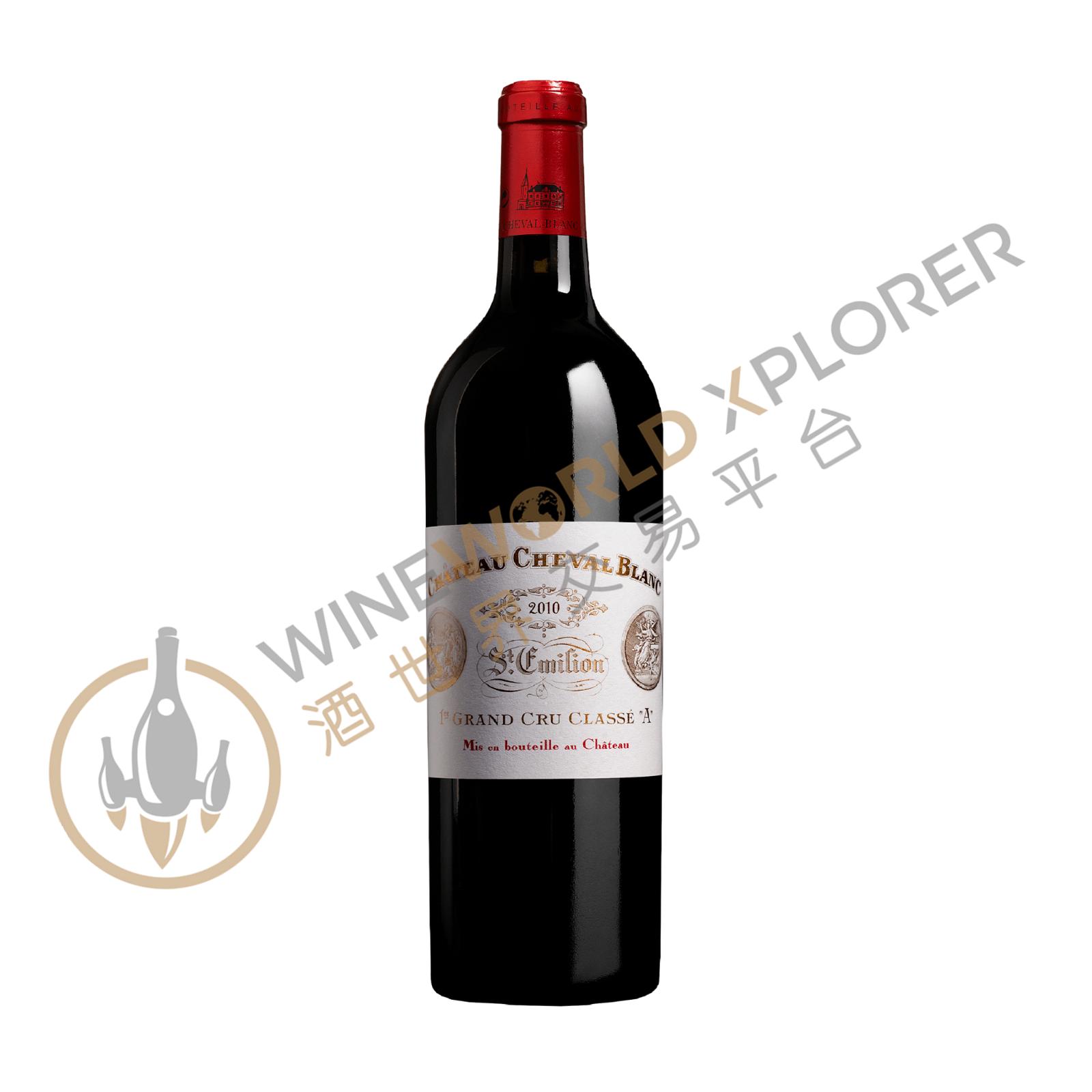
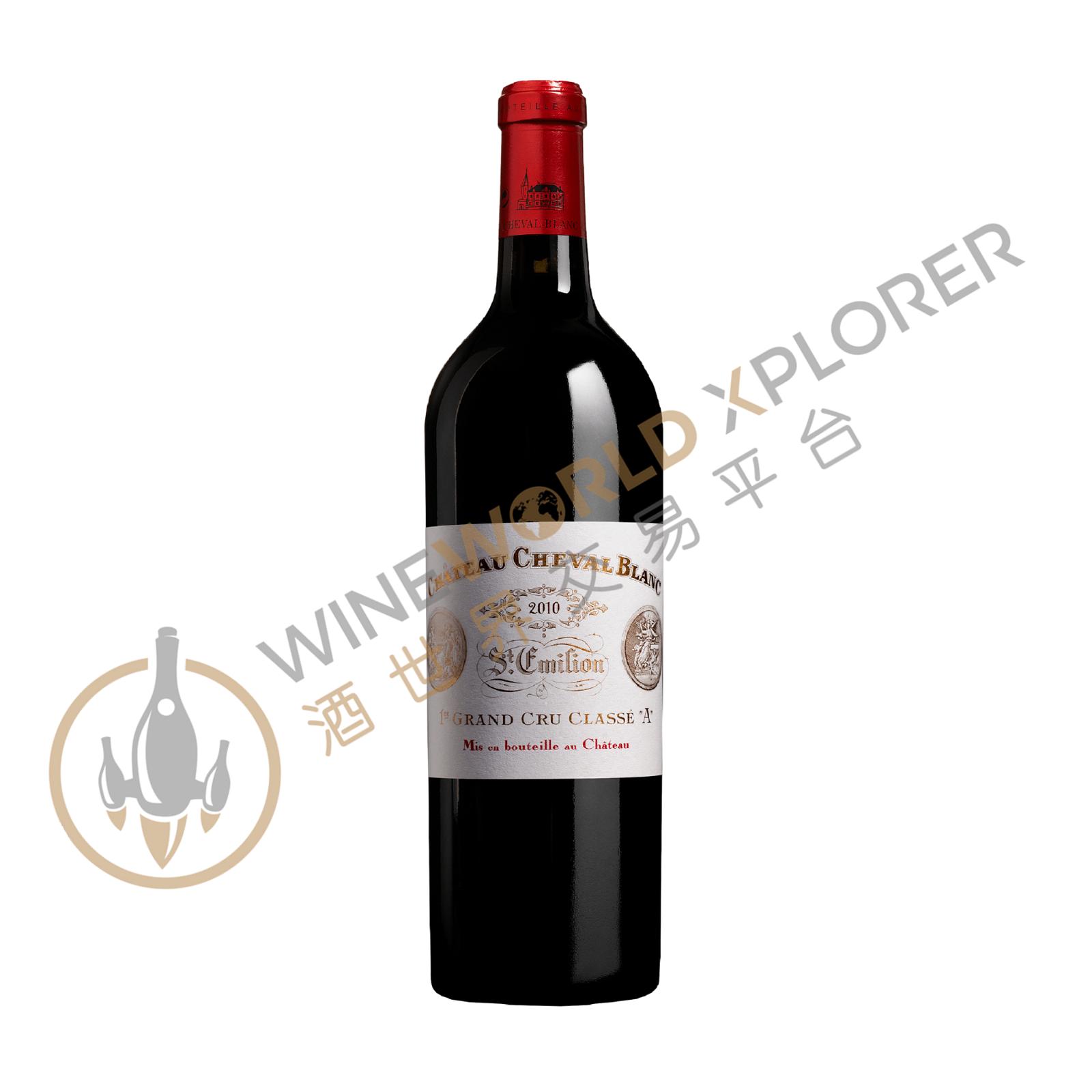
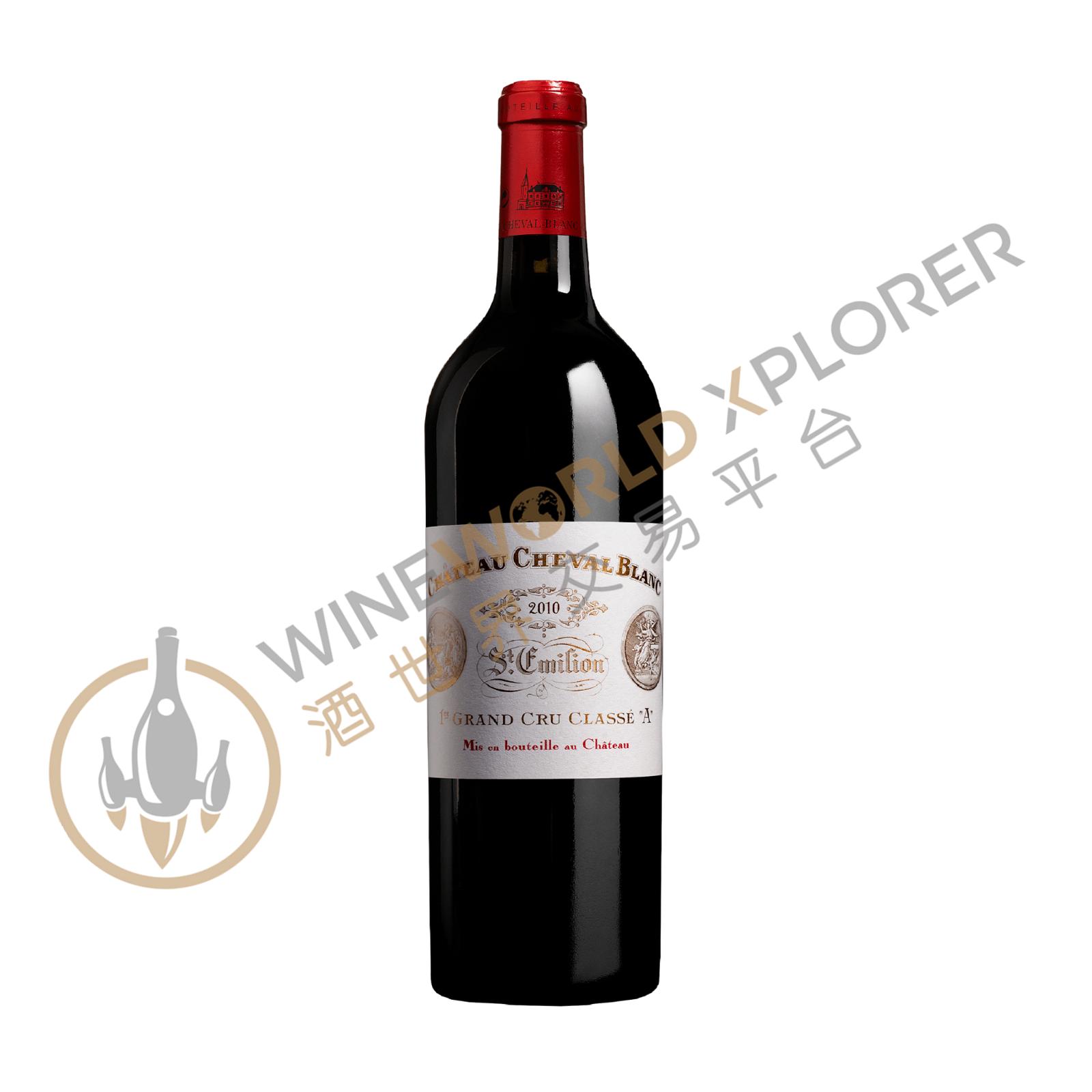
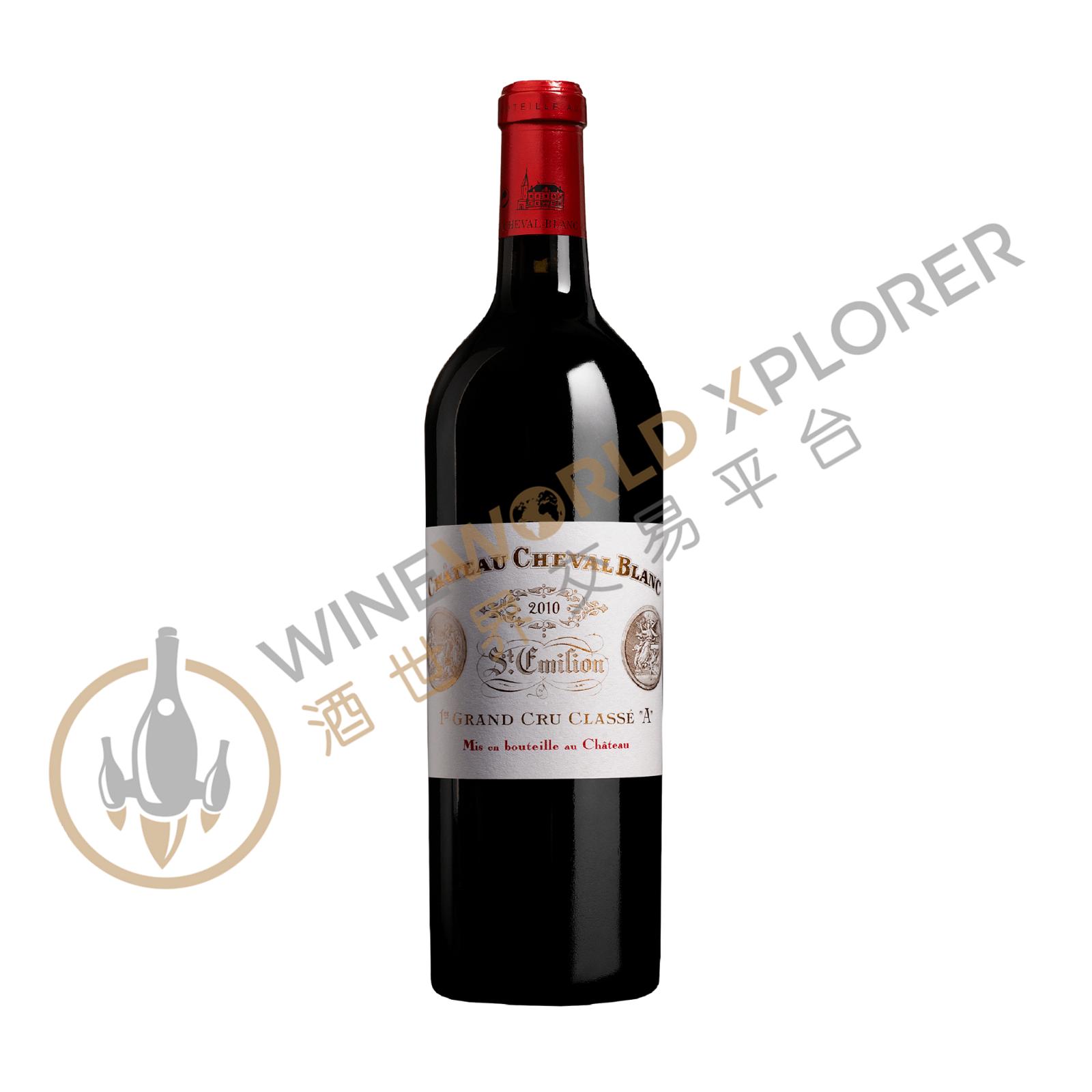
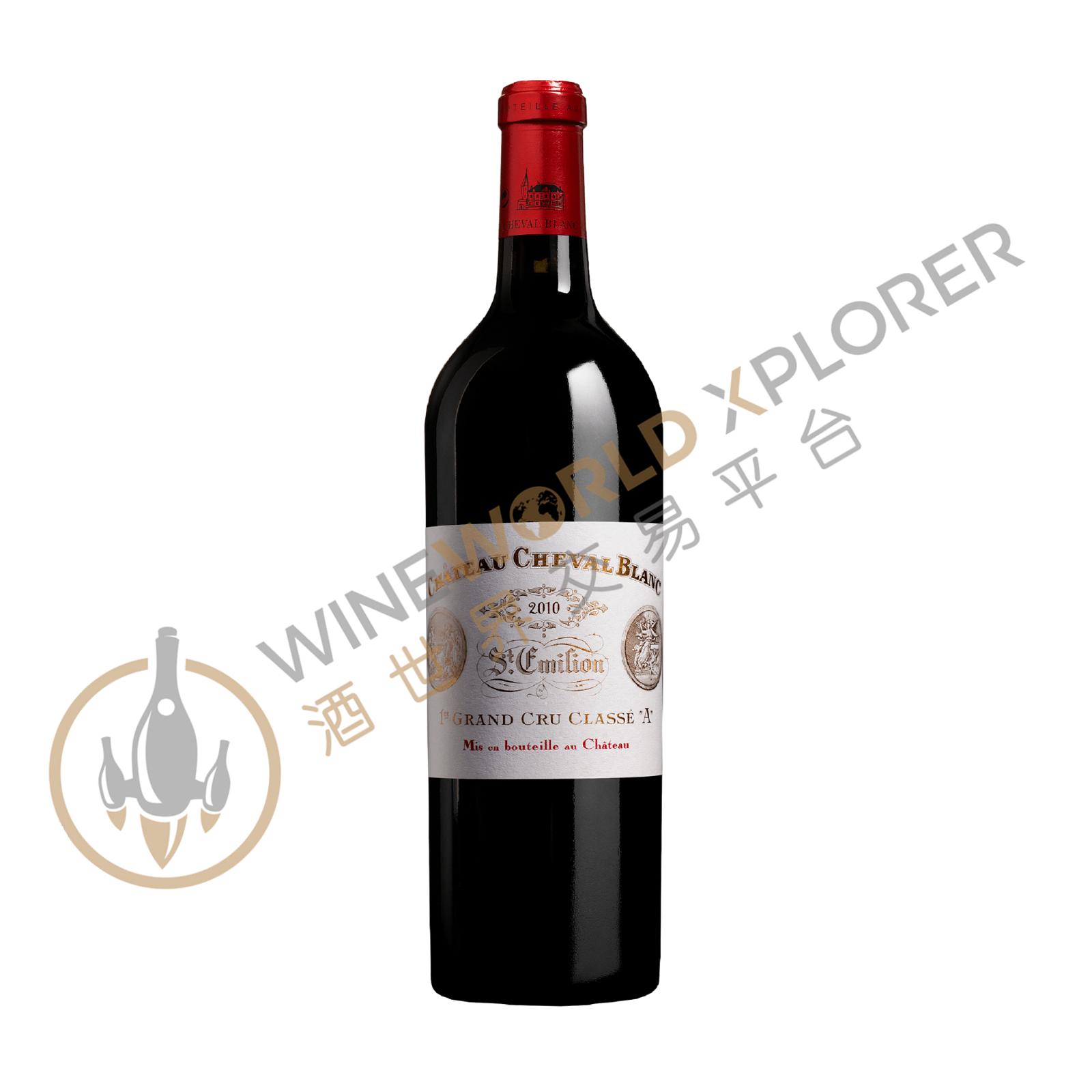
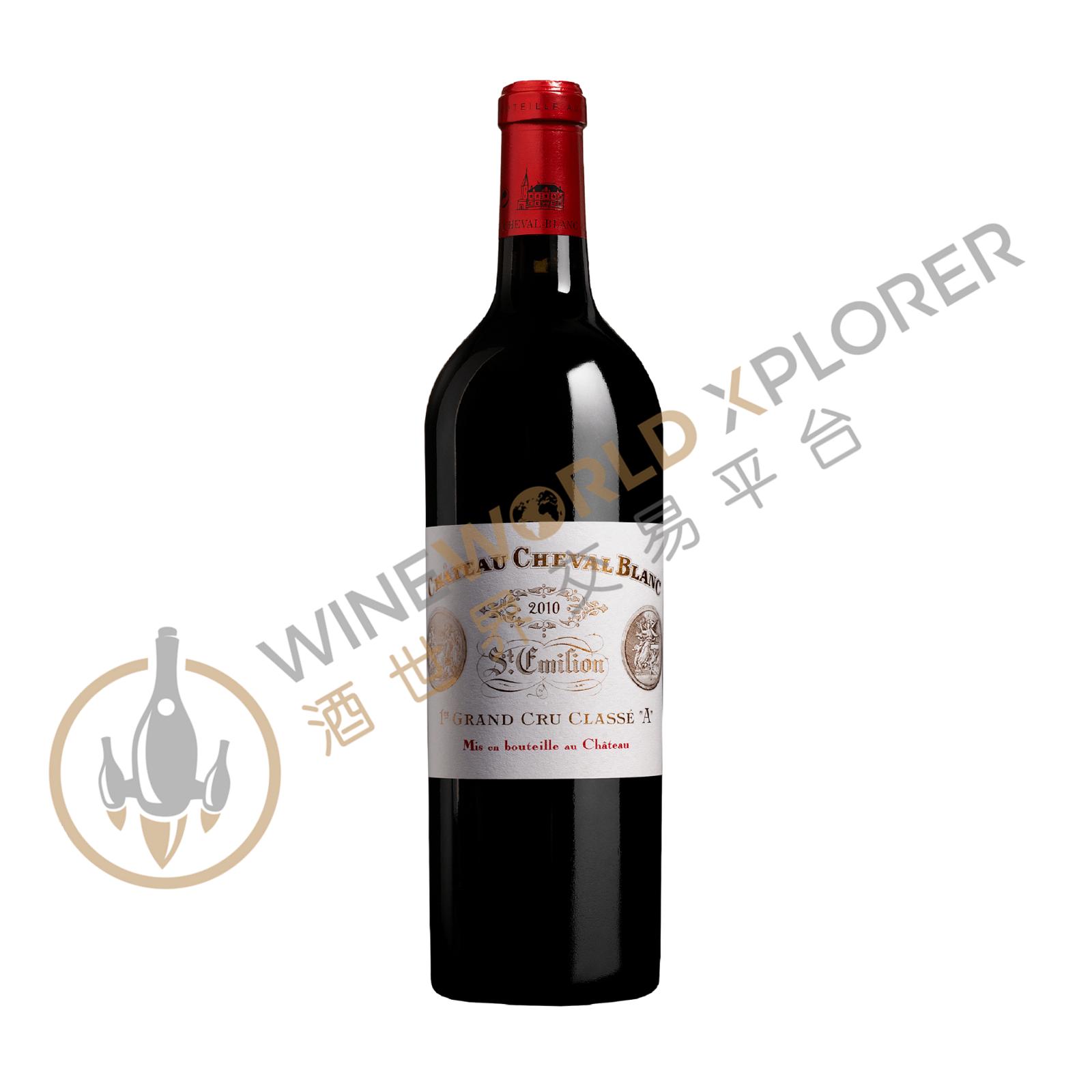
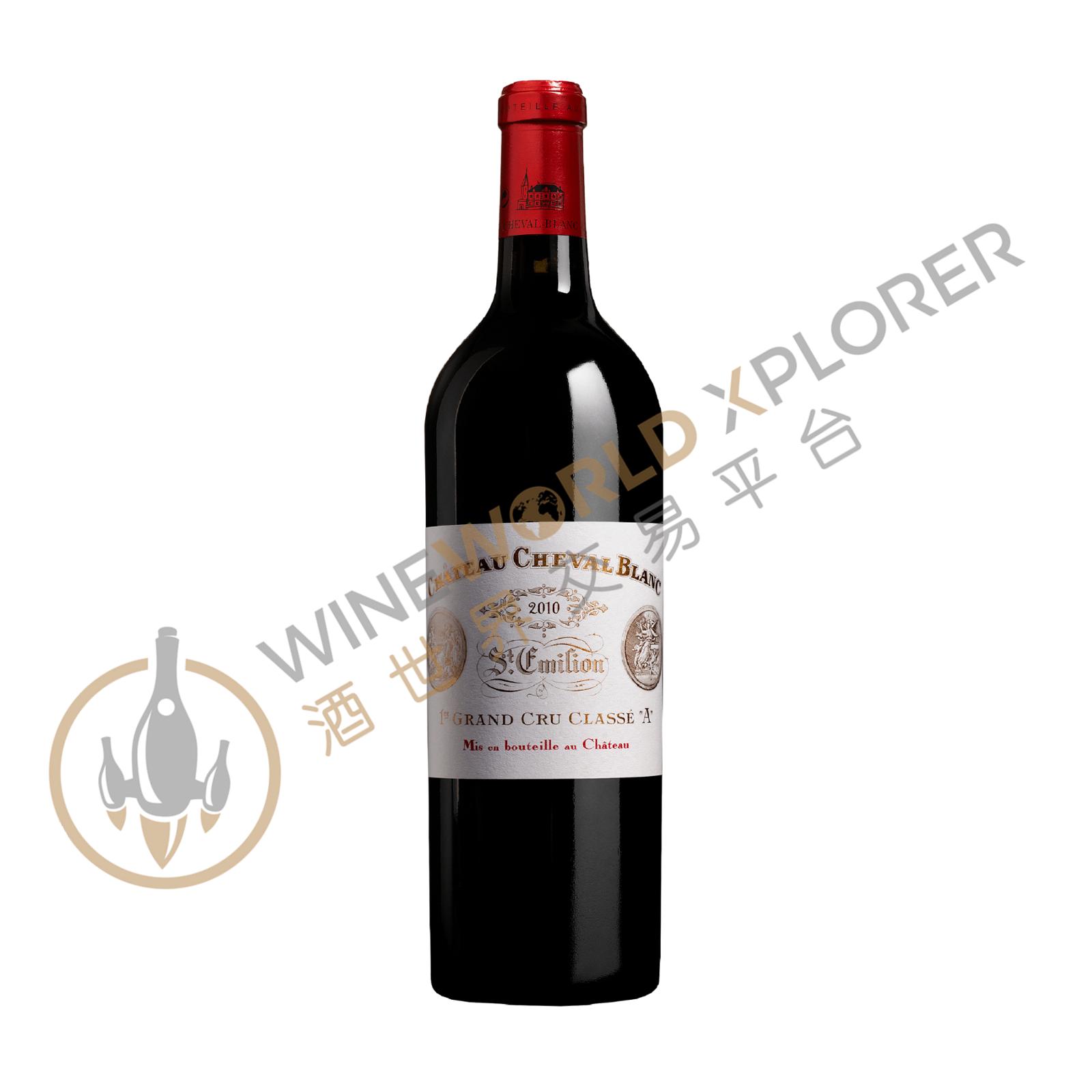
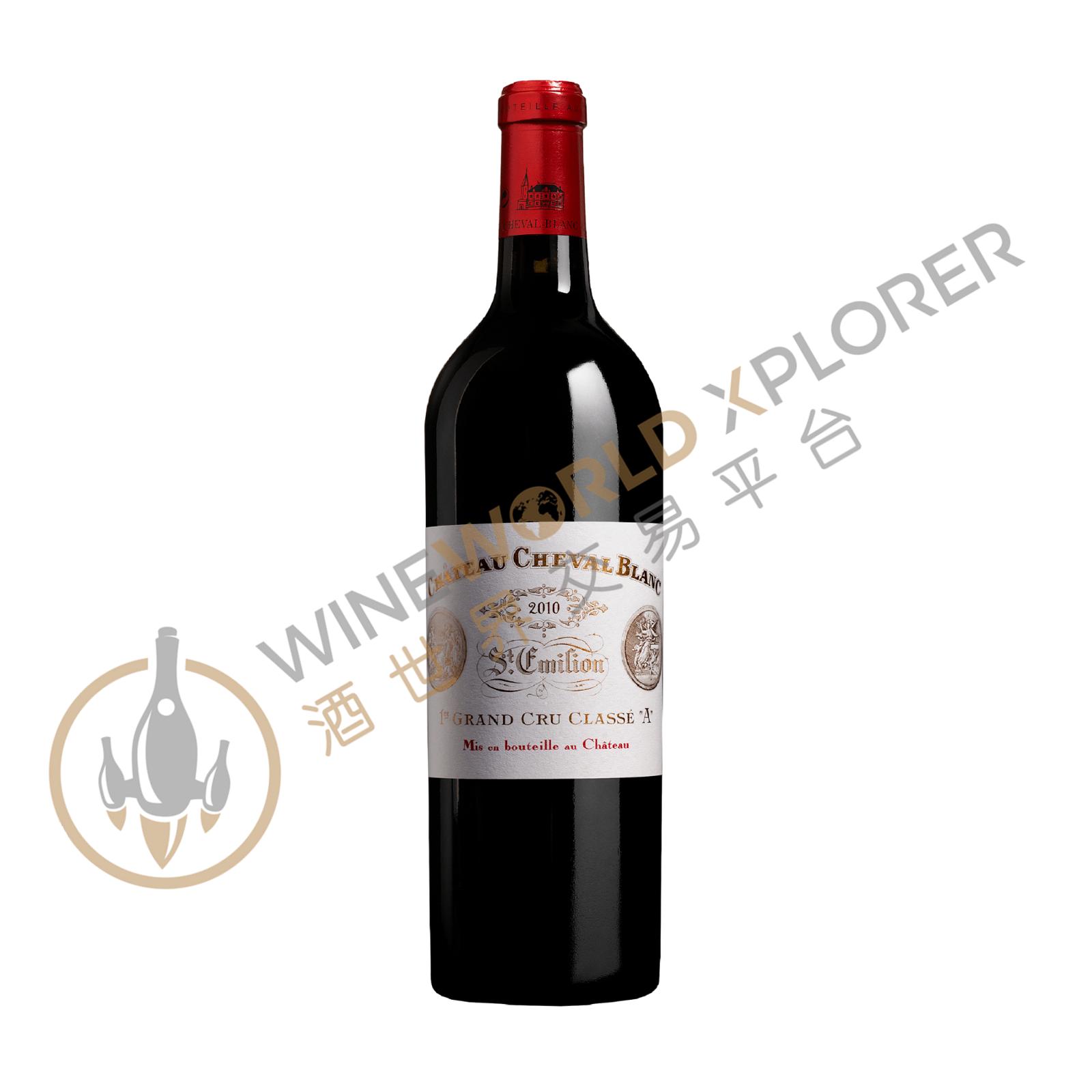
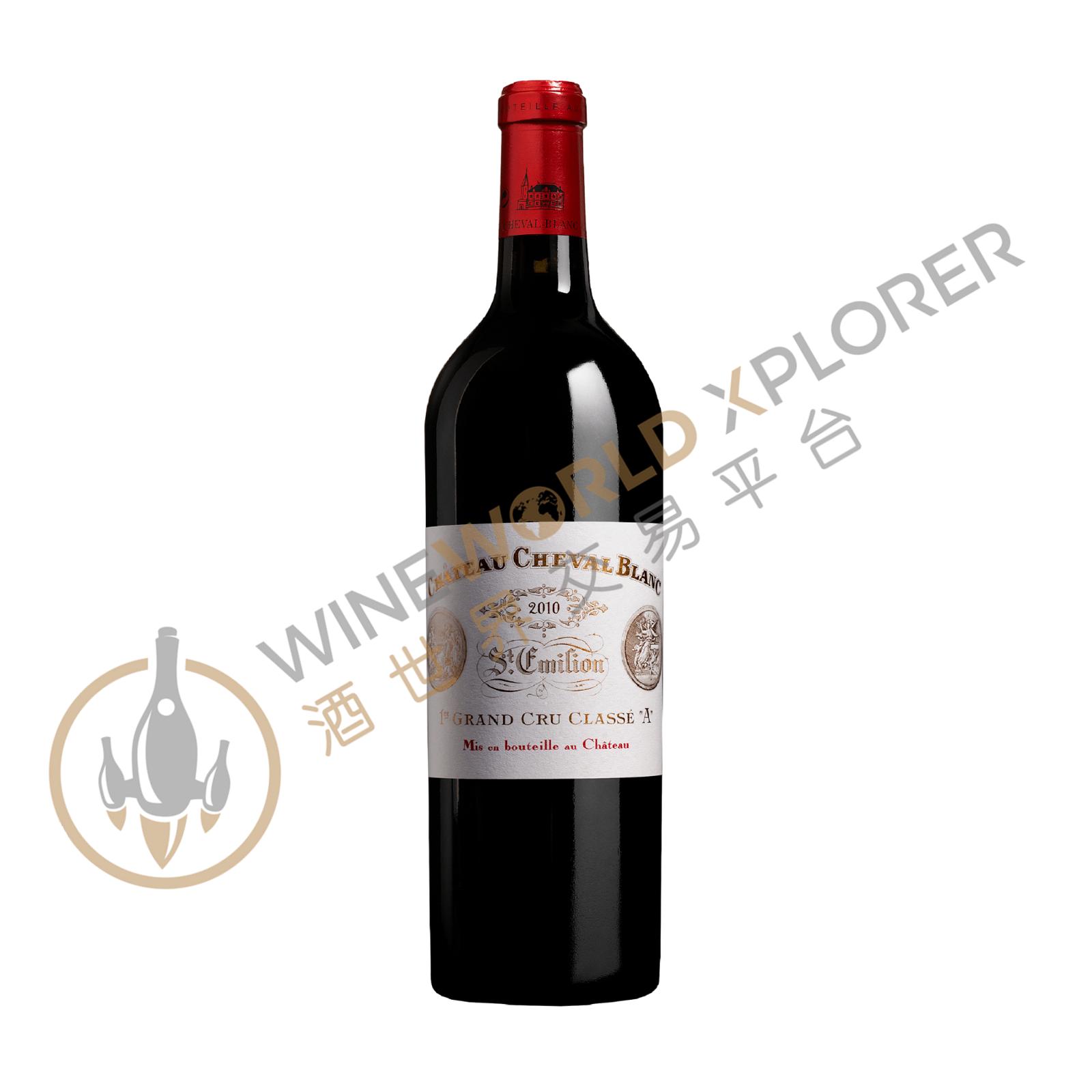
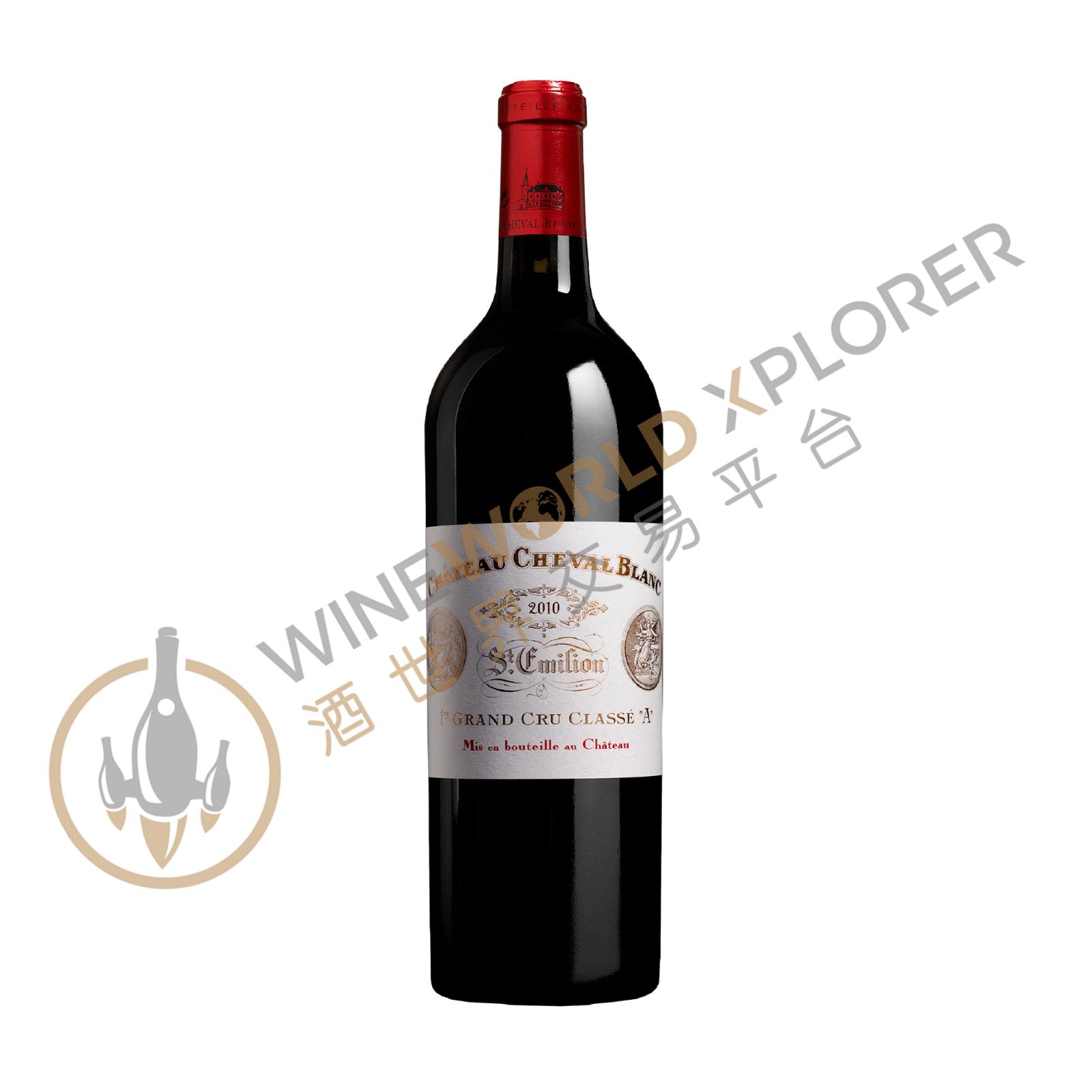
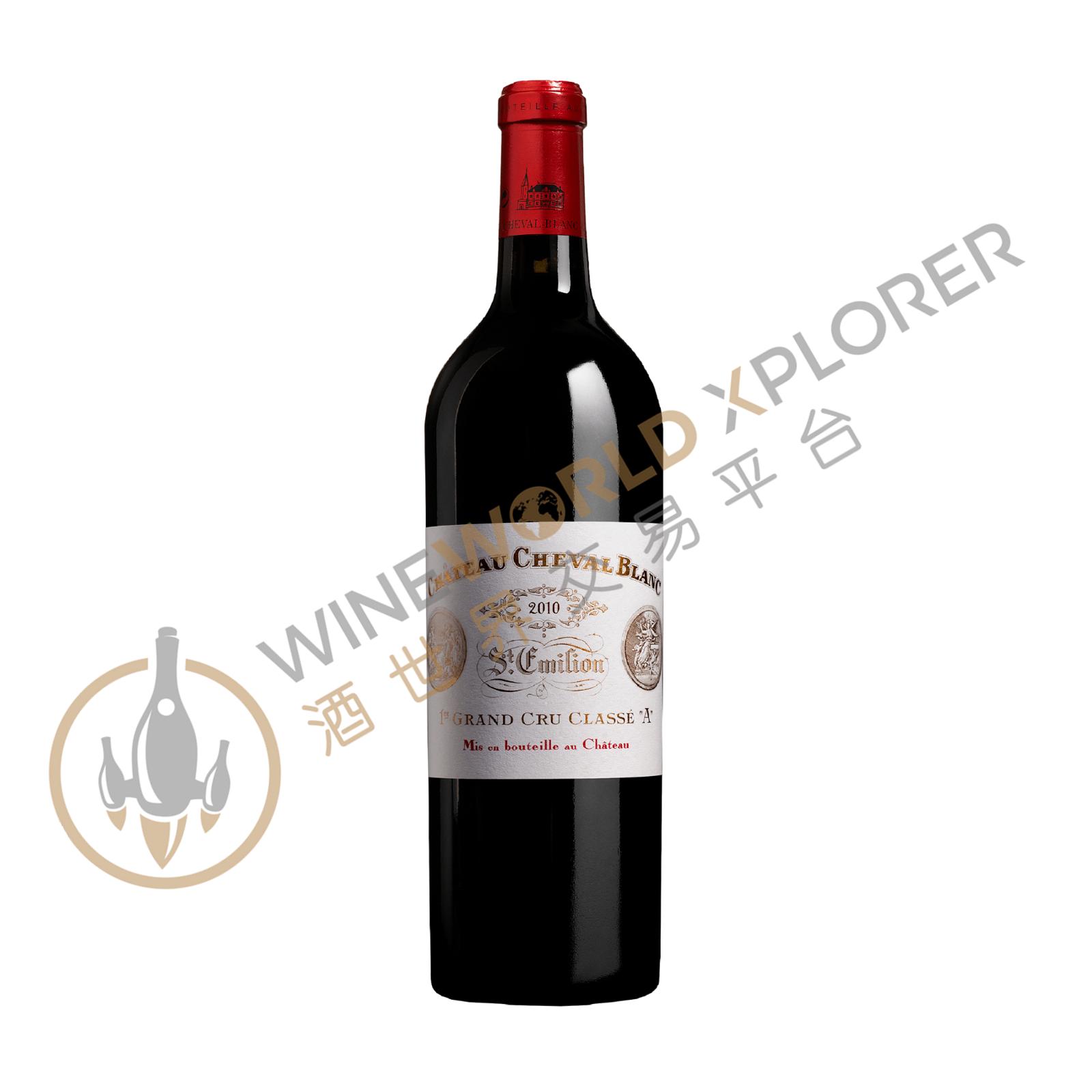
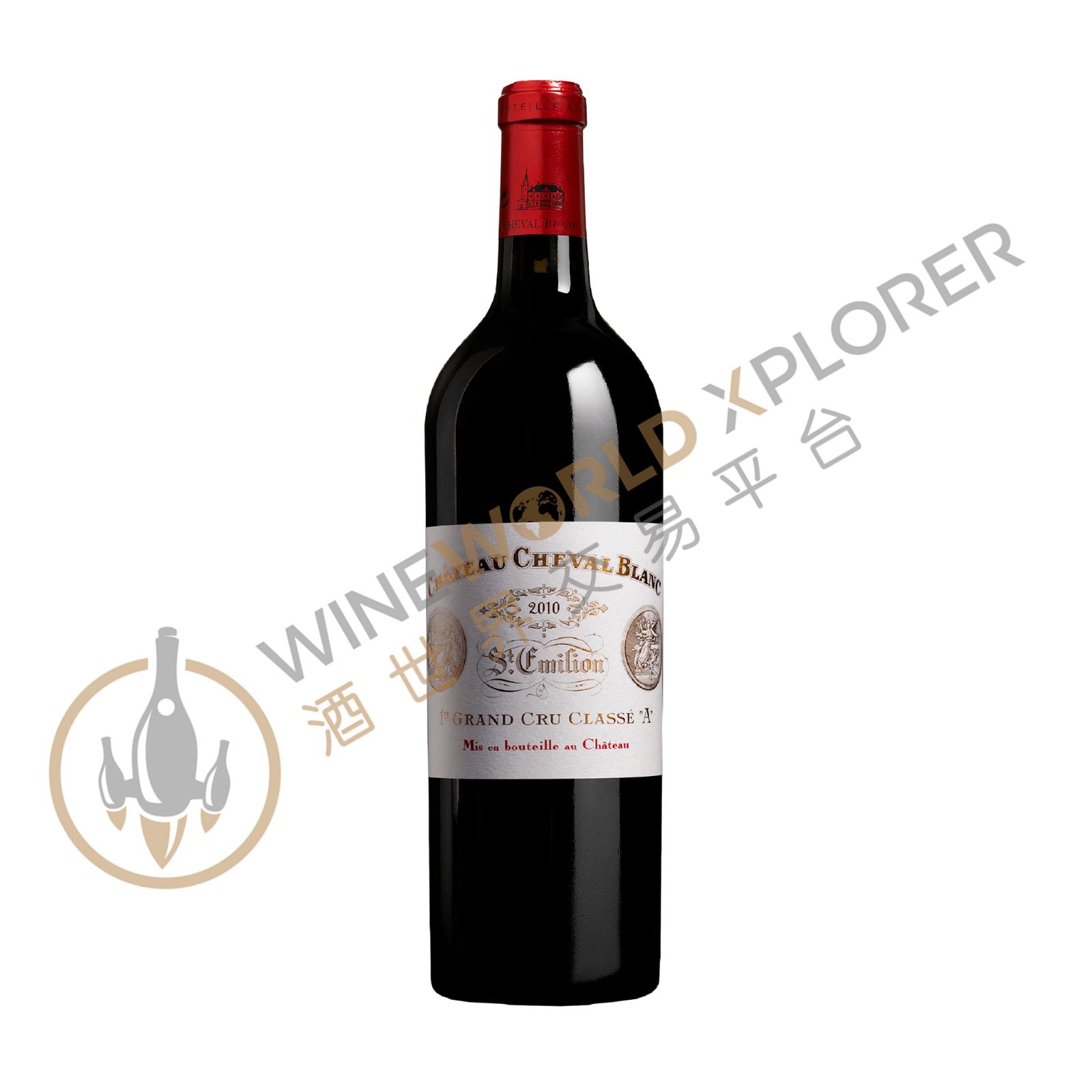
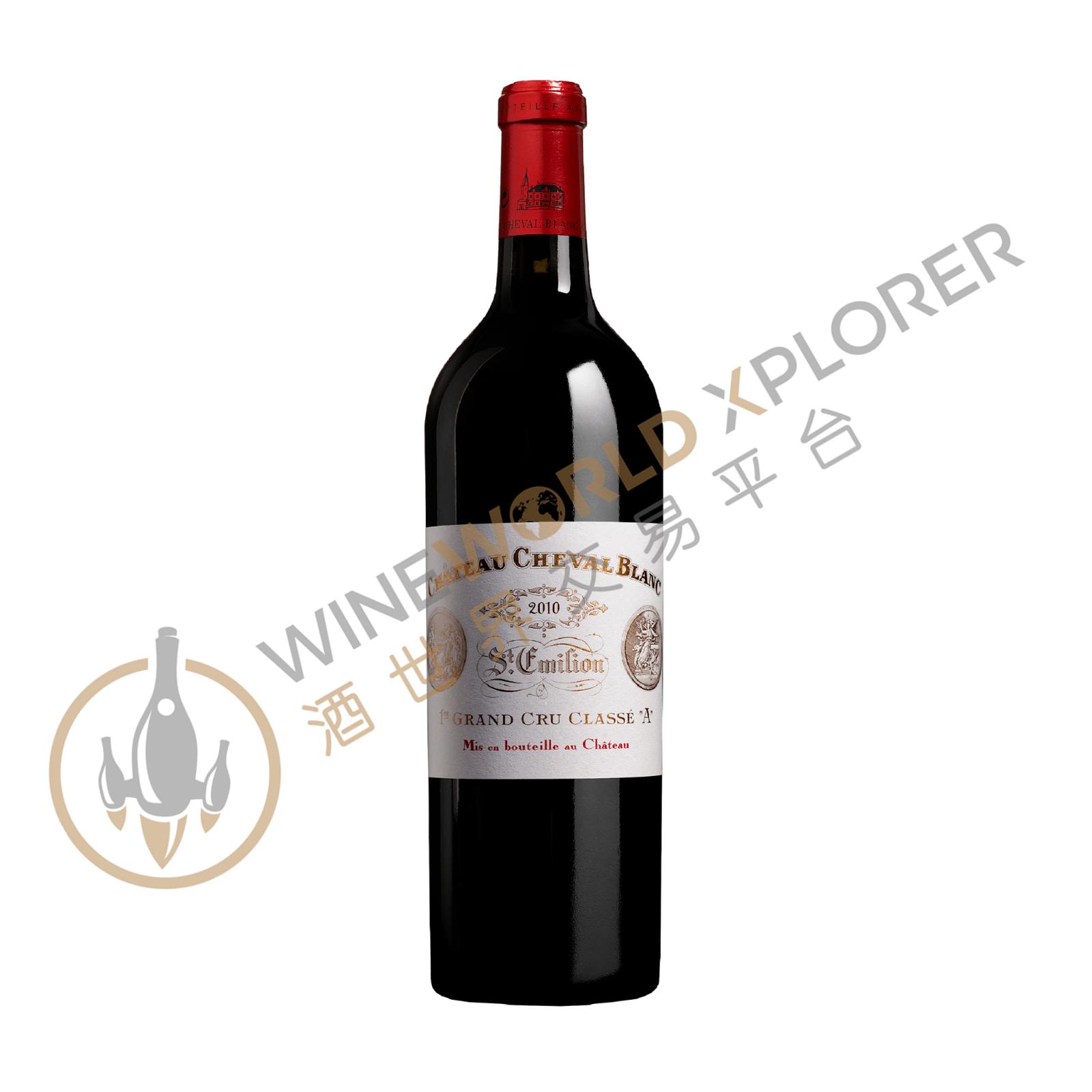
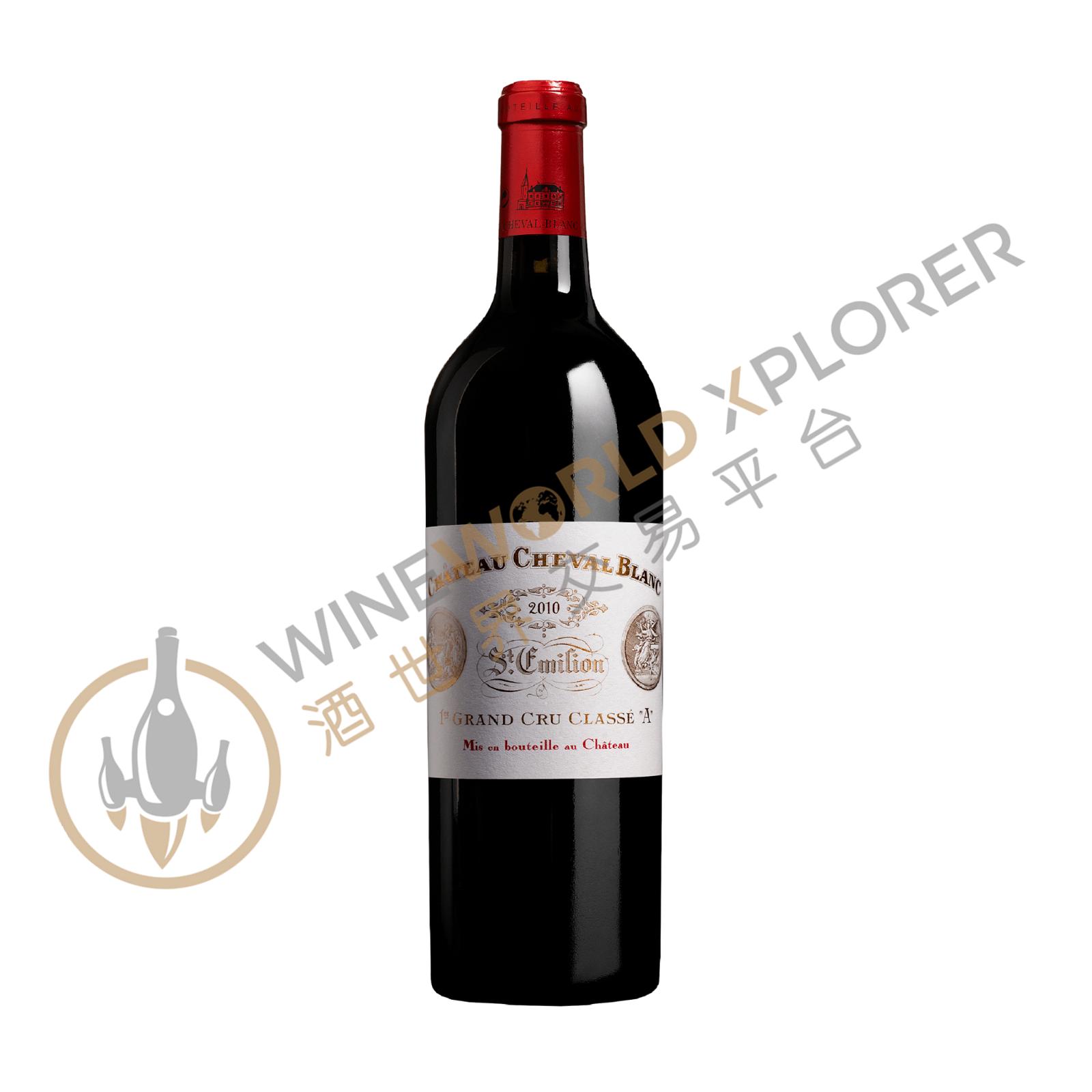
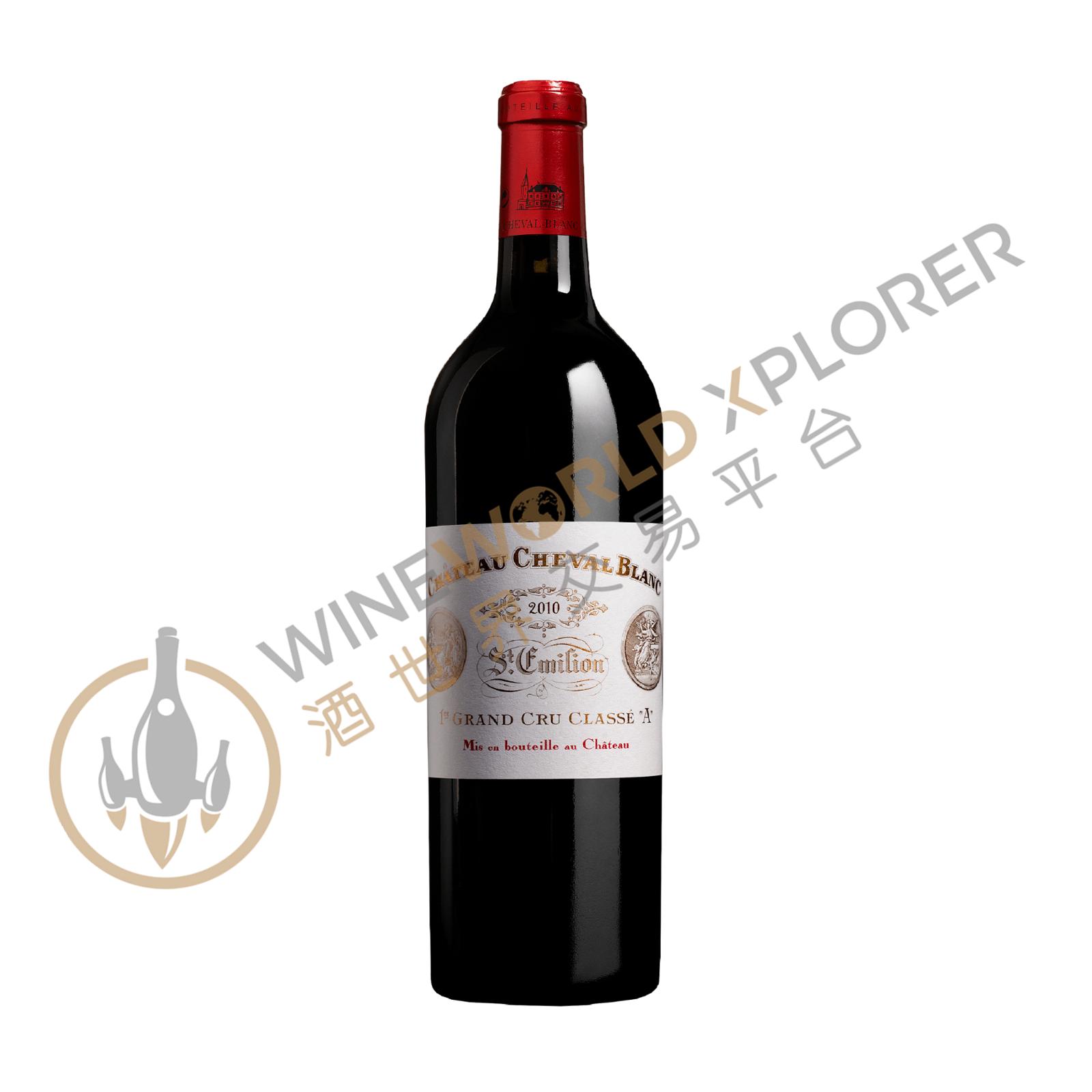
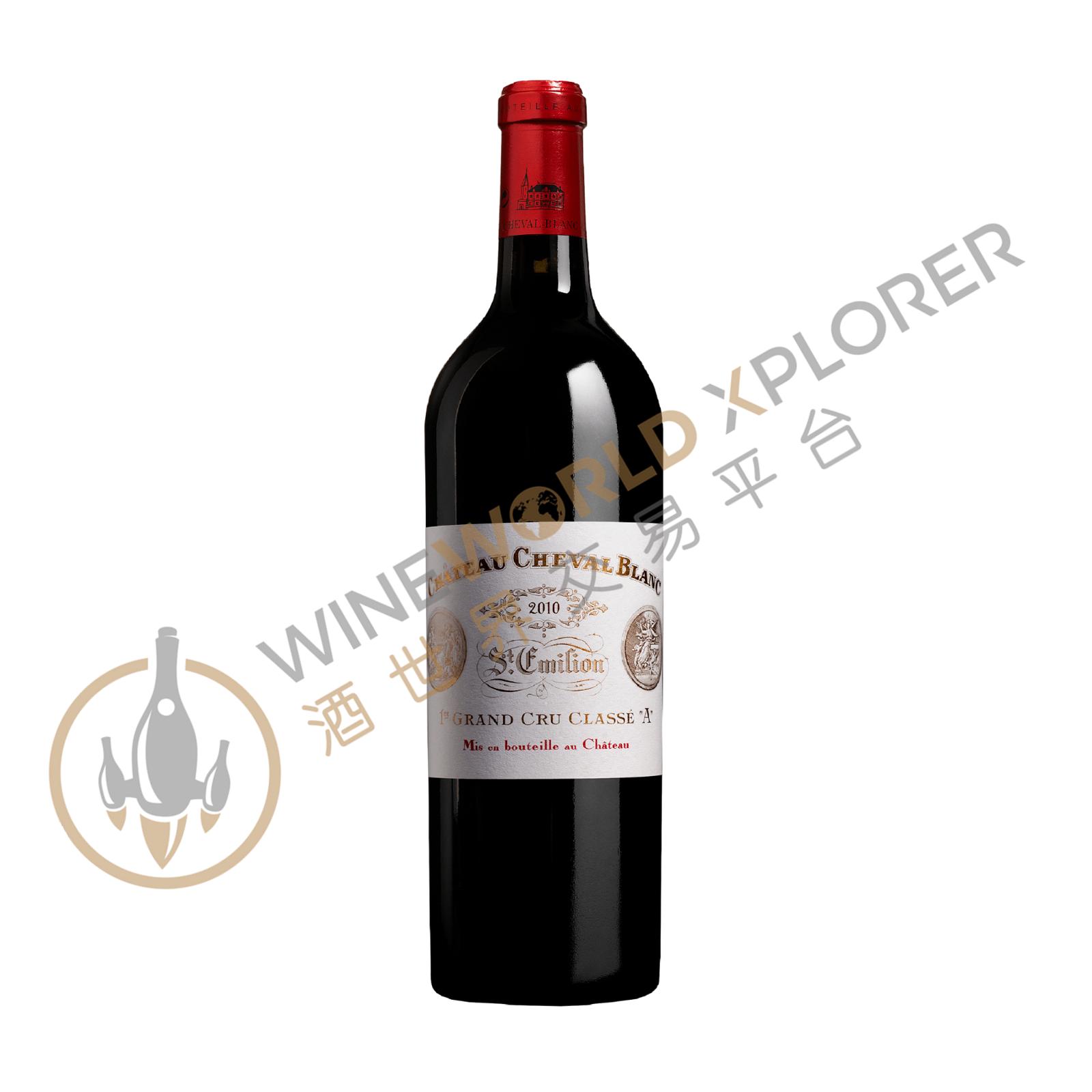
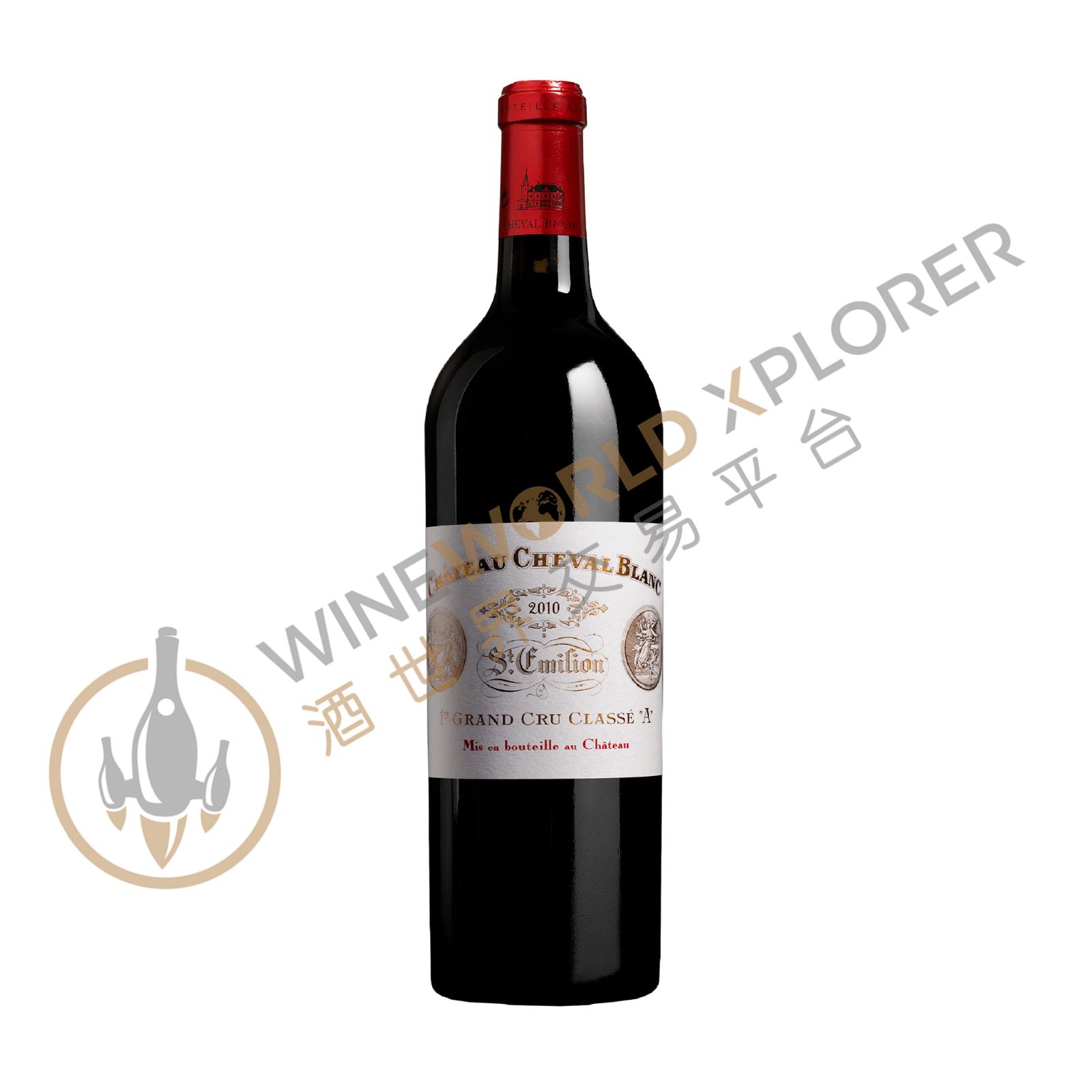
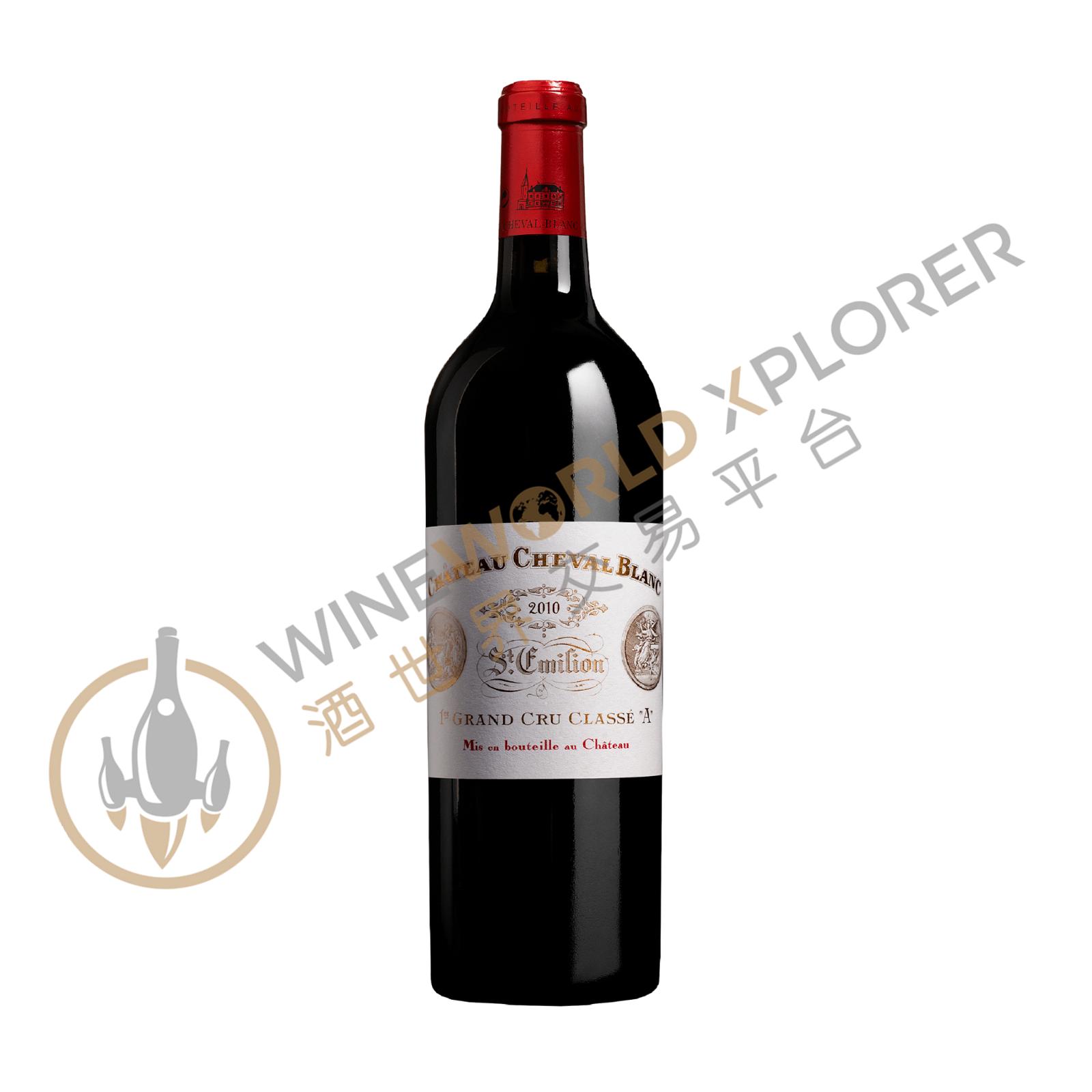
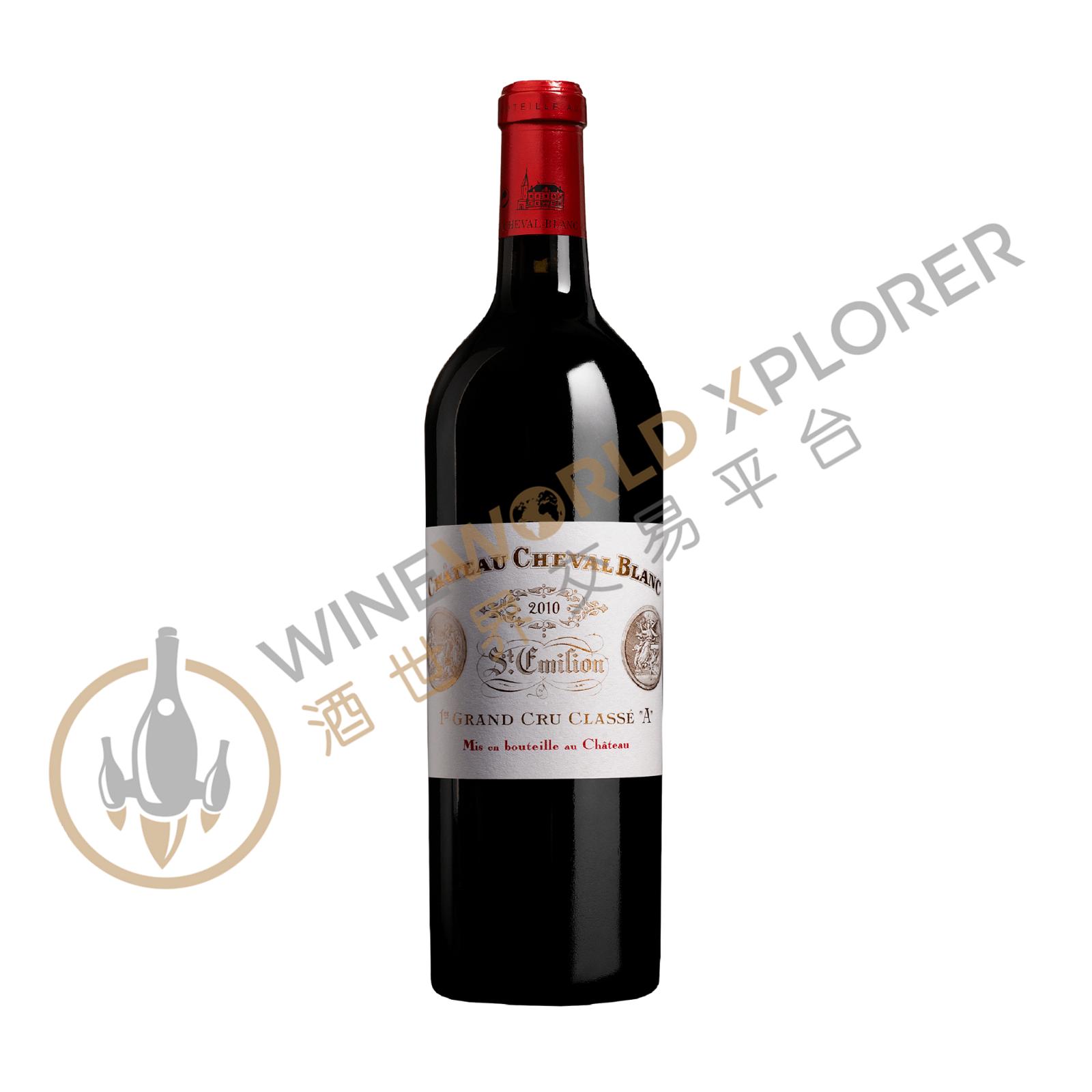
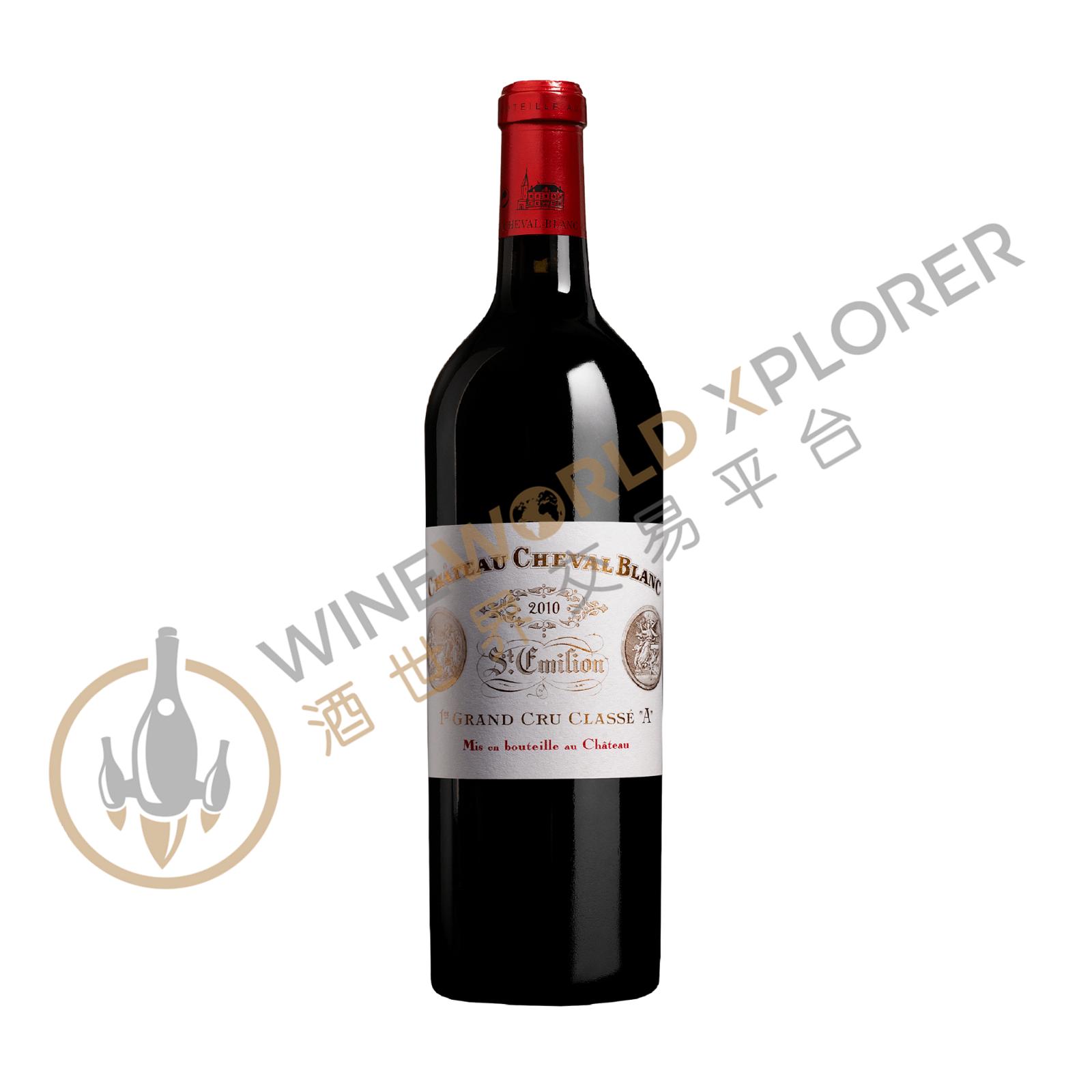
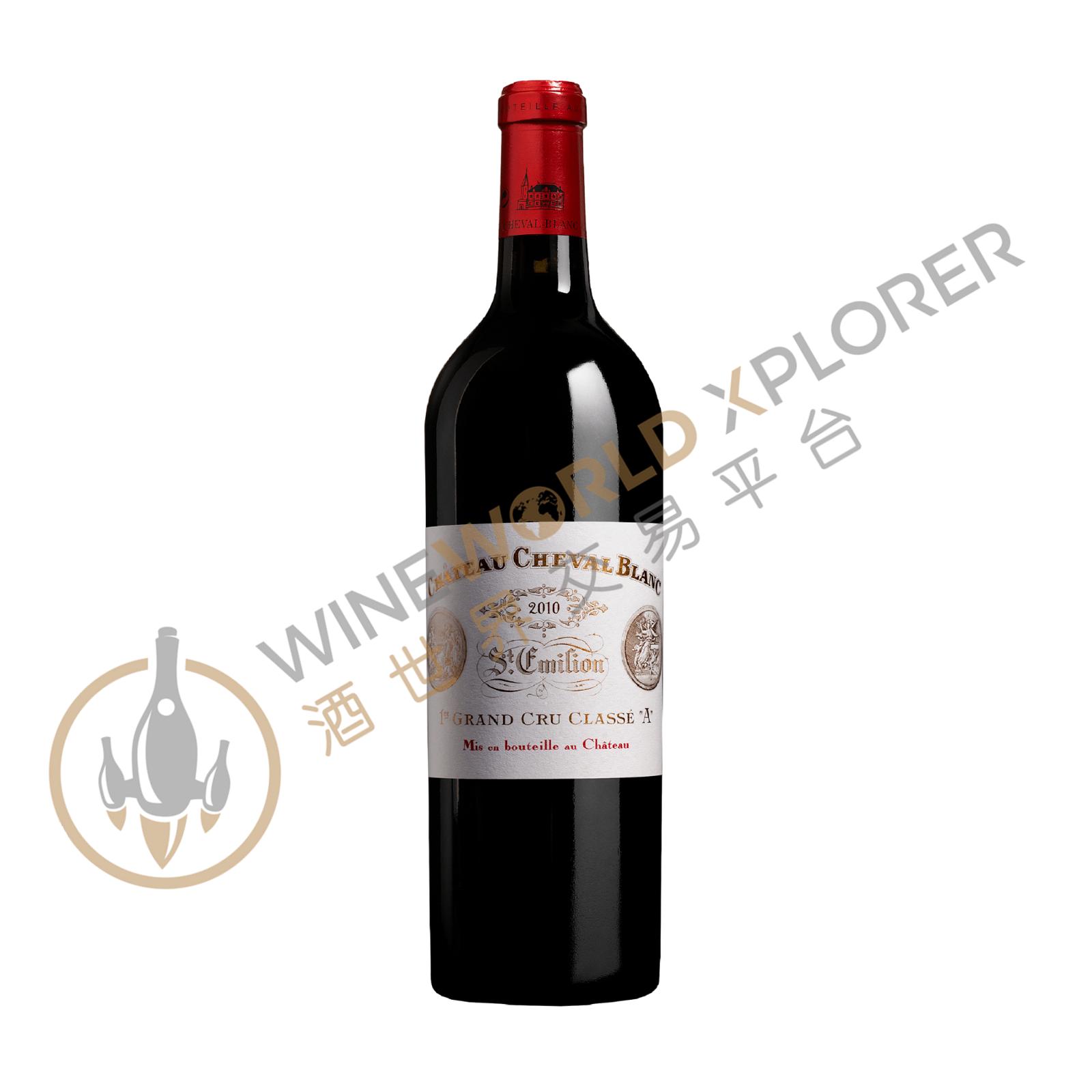
Château Cheval Blanc, a 1er Grand Cru Classé (A) is unquestionably the leading estate in St. Emilion. It is located in the north-west of the St. Emilion appellation, bordering Pomerol. Cheval Blanc obtained its first medal at the 1862 Universal Exhibition in London. In fact, a representation of this bronze medal is found on the château’s present-day label. Cheval Blanc won their first gold medal at the 1878 Universal Exhibition in Paris, and this new distinction also appeared on the label. In 1886, Cheval Blanc won a second gold medal at the Universal Exhibition in Antwerp. Reflecting this series of successes and a wine well on the way to achieving international recognition, a château was built on the estate.
Tasting notes

Reviewed by: Neal Martin
Tasted blind at the 2012 Southwold tasting, the 2012 Cheval Blanc has a perfumed, outgoing, almost "glossy" bouquet that wants to be noticed, lavished with damson, wild strawberry, fig jam and crème de cassis scents that are totally seductive. The palate is medium-bodied with ripe, succulent, sensual red cherries and wild strawberry fruit, though perhaps the finish showed some superfluous hubris that just erased some of the potential delineation and focus. On this occasion it was pipped to the post by Ausone, but let us see how it matures, because the white horse always repays those that are patient. Tasted January 2016.
Reviewed by: Lisa Perrotti-Brown
Medium to deep garnet colored, the 2012 Cheval Blanc reveals lovely cassis, warm black cherries and redcurrant jelly notions with underlying hints of cedar chest, garrigue, Indian spices and damp soil. Medium to full-bodied, it possesses wonderful energy and freshness on the palate with a beautifully poised ethereal nature and long mineral-tinged finish. This elegantly crafted beauty should enter its drinking window in a couple of years and cellar gracefully for another 20+ years.
Reviewed by: Robert M. Parker, Jr.
The final blend for the 2012 Cheval Blanc was 54% Merlot and 46% Cabernet Franc. Despite the use of 100% new oak, there is not a hint of vanillin, toast or espresso notes in the aromatic bouquet, which is filled with scents of black currants, sweet cherries, lavender, forest floor and a hint of underbrush. Concentrated with a surprisingly lofty alcohol level of 13.9% as well as a tannin level that equals their 2010 (a wine bestowed a three-digit score), this full-bodied, opulent 2012 has a pH of 3.8, which accounts for its suppleness, velvety texture and heady richness. It is a great success in this vintage. It will be approachable early given its silky structural aspects, and should last for two decades.
Reviewed by: Neal Martin
The Grand Vin is a blend of 54% Merlot and 46% Cabernet Franc, 26th September until the 13th October that comes from 35 different parcels. The picking is done in the vineyard for the first sorting by the pickers and then sorted by hand as they are sure delicate than using optical sorting machine. It has a dense, broody nose that has the looming presence of the Quinault L’Enclos. It veers towards a red fruit profile, with “rocky” aromas, perhaps a touch of marmalade and quince. The palate is medium-bodied but displays very good concentration for the vintages. It feels very harmonious – silky but with a citric acid edge that lends the finish the tension it needs to maintain the freshness. This will probably become a masculine Cheval Blanc that will need a decade in bottle. Tasted April 2013.
Reviewed by: Robert M. Parker, Jr.
A beautiful wine that always seems to drink well, the 2012 Cheval Blanc has a sweet, fragrant nose of black and red currants, floral nuances and spice. Supple, round and juicy, this wine can be drunk now or cellared for another 15 or more years.
Reviewed by: Antonio Galloni
The 2012 Cheval Blanc boasts stunning power and a vertical, imposing sense of structure that is quite rare in this vintage. Dark and almost brooding in style, the Cheval is a rare 2012 that absolutely demands cellaring. Smoke, tobacco, incense and dark spices open up with time, but the 2012 is a reticent, tannic wine that is only showing the barest hints of its ultimate potential. This is a magnificent showing and one of the clear highlights of the year.
Reviewed by: Ian d'Agata
(54% merlot and 46% cabernet franc): Good full ruby-red. Expressive, nuanced nose offers red cherry, strawberry, minerals and a hint of violet. Sweet and round on entry, then increasingly austere toward the back, with peppery and minty elements lifting the dark cherry and cassis flavors. I noticed some bottle variation with my samples on the day I visited this chateau, so I am describing the best of the four samples I tried. My gut feeling is that there is plenty of stuffing and pretty cabernet franc refinement here but that the wine needs to smooth out and harmonize with further elevage.
Reviewed by: Neal Martin
The 2012 Cheval Blanc has a lovely bouquet with raspberry coulis, hints of marmalade and just a touch of espresso, nicely detailed though not intense. The palate is medium-bodied with a strict entry. This is quite backward and tight, lightly spiced with a touch of sour cherry and cracked black pepper on the finish. This is a delicious, well-crafted Cheval Blanc. A second bottle demonstrates just a little more backbone and persistence. Tasted twice at Bordeaux Index's Ten Year-On tasting and blind at the Southwold Ten-Year On tasting.
Reviewed by: Antonio Galloni
The 2012 Cheval Blanc boasts stunning power and a vertical, imposing sense of structure that is quite rare in this vintage. Dark and almost brooding in style, the Cheval is a rare 2012 that absolutely demands cellaring. Smoke, tobacco, incense and dark spices open up with time, but the 2012 is a reticent, tannic wine that is only showing the barest hints of its ultimate potential. This is a magnificent showing and one of the clear highlights of the year.
Reviewed by: James Suckling
A ripe and fleshy St.-Emilion with an excellent interplay of forest berry fruit, bitter chocolate and a whiff of cinnamon and allspice. Lovely, creamy richness on the mid-palate, but also a hint of warmth from alcohol. The supple tannins make for a very smooth finish, but it’s not so complex there. Drink or hold. Château Quintus vertical tasting. SP.
About the Producer
Château Cheval Blanc is a highly lauded wine estate in the Saint-Émilion region of northeast Bordeaux. Classified with the top ranking of Premier Grand Cru Classé A, it is regarded by many as one of the greatest wines of the appellation – if not, the greatest. It is certainly the most famous Cabernet Franc-based wine in the world, albeit often alongside very similar levels of Merlot. Typically, the "grand vin" (the estate's eponymous wine) is lush and full bodied with great weight of fruit. It tends to require ten years of bottle age and the best vintages can last half a century or more. The second wine of the estate is Le Petit Cheval. The vineyard is located in the northwest of the region, bordering Pomerol (La Conseillante is a neighbor) and consists of 39 hectares (96 acres) divided into 45 plots. There is an unusually large amount of Cabernet Franc planted – about 49 percent – with 47 percent Merlot and four percent Cabernet Sauvignon. The unusual planting proportions reflect the terroir; most vineyards in the region are either clay or gravel-based over impermeable sedimentary rock, but Cheval Blanc is unique in having a patchwork of soils with the two types in roughly equal proportions. The clay soils provide base wines with velvety tannins, while those from gravel soils are more aromatic and elegant. Vines have been grown since the 14th Century at this spot but the vineyard as it is known today took shape in the 19th Century when the core plots were added to by purchases from the nearby Figeac estate. Subsequent replantings established the atypical half-Merlot, half-Cabernet Franc proportions. Cheval Blanc gained its first medal at the 1862 Universal Exhibition in London – the first of a series of successes building its reputation and achieving price levels comparable to the Médoc first growths, which paved the way for a château to be built on the estate. In the first classification of Saint-Émilion wines in 1955, Cheval Blanc was awarded the highest possible rating and remains a Premier Grand Cru Classé A. In 1998, after 166 years of continuous family ownership, Bernard Arnault, the head of luxury goods firm LVMH, and the late Baron Albert Frère (a Belgian billionaire investor) jointly purchased the estate. The spectacular new cellar opened in 2011, with 52 concrete vats (replacing stainless steel) of differing sizes corresponding to different vineyard plots. The grand vin spends 16 to 18 months in new oak barrels from a variety of cooperages.
1949(1)1953(1)1955(4)1958(1)1962(1)1966(1)1967(2)1970(2)1973(1)1974(2)1975(3)1976(1)1977(1)1978(1)1979(2)1980(1)1981(2)1982(5)1983(1)1984(1)1985(1)1986(5)1988(4)1989(4)1990(13)1992(3)1993(1)1994(4)1995(7)1996(9)1997(2)1998(11)1999(5)2000(13)2001(4)2002(1)2003(1)2004(15)2005(11)2006(11)2007(11)2008(10)2009(10)2010(12)2011(8)
Package Size
1 x 6L1 x 75cl