Wine Advisor



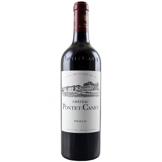
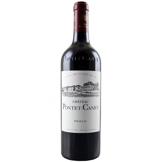
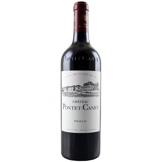
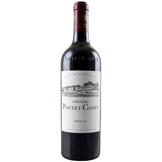
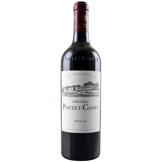
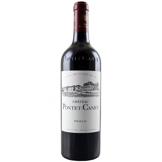
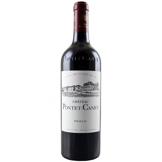
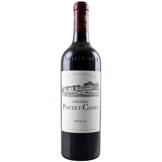
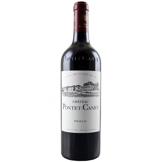
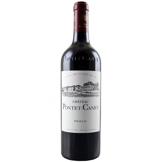
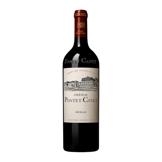
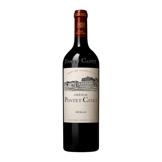
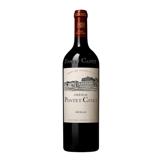
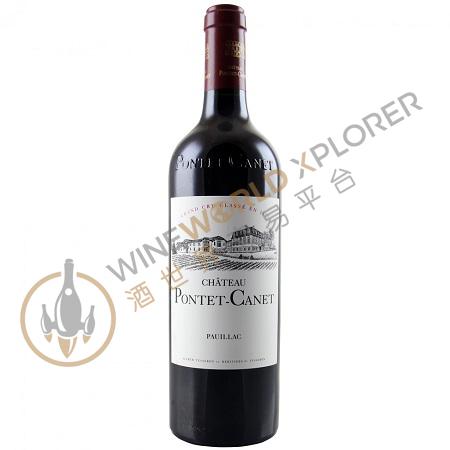
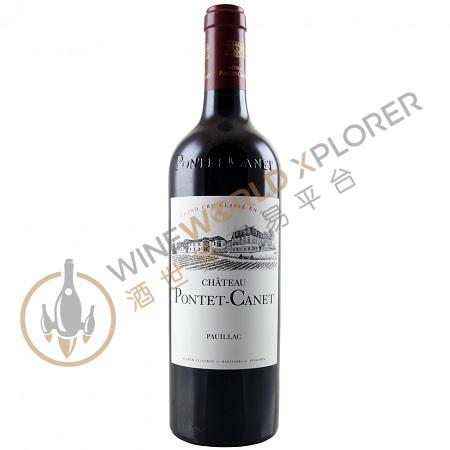
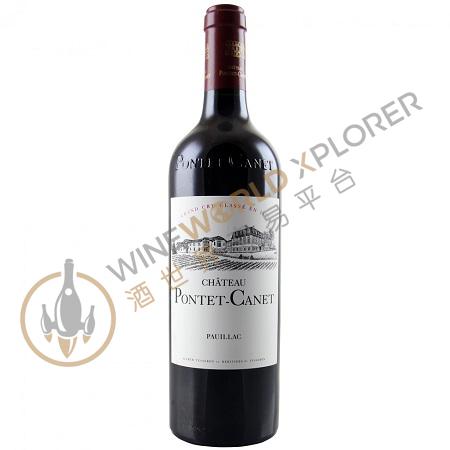
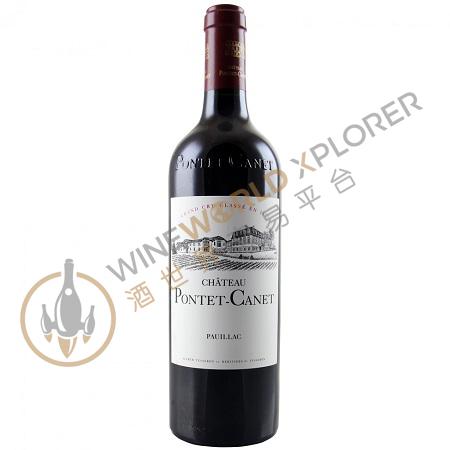
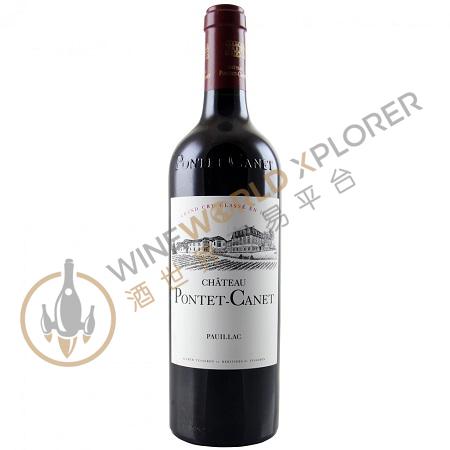
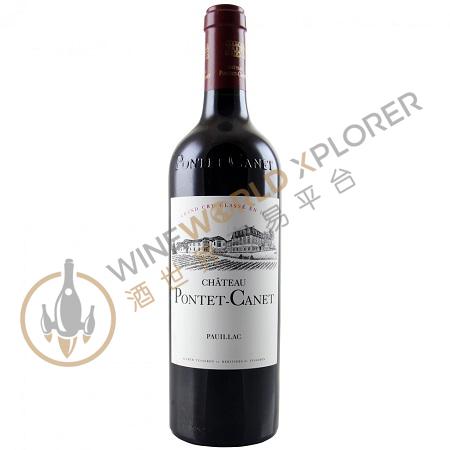
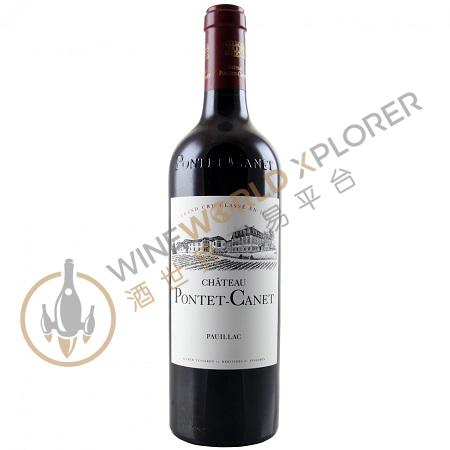
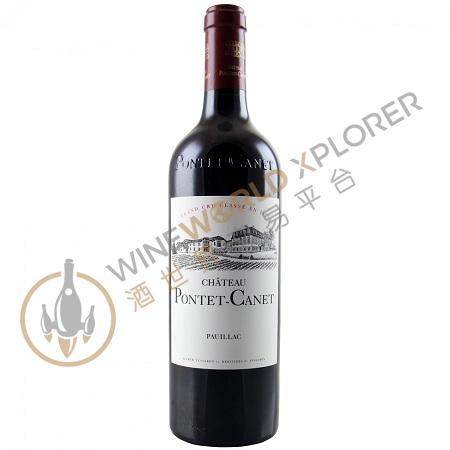
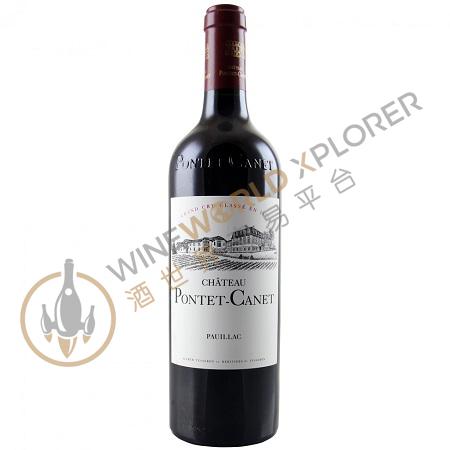
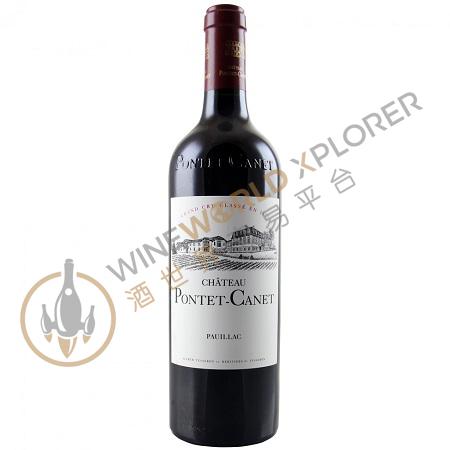
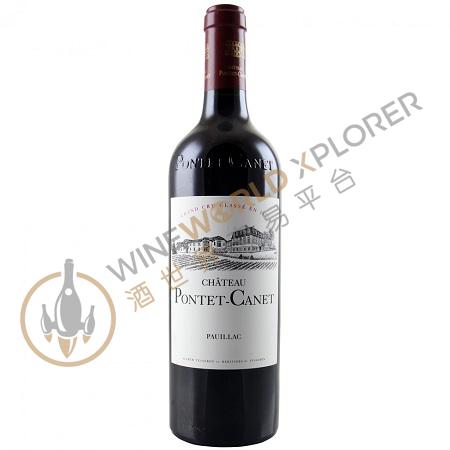
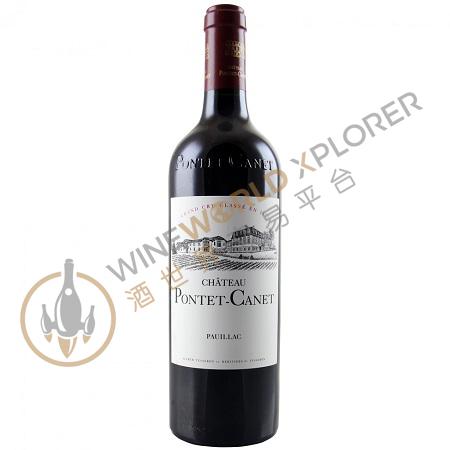
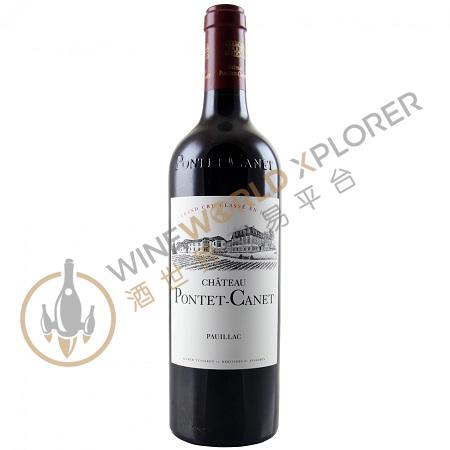
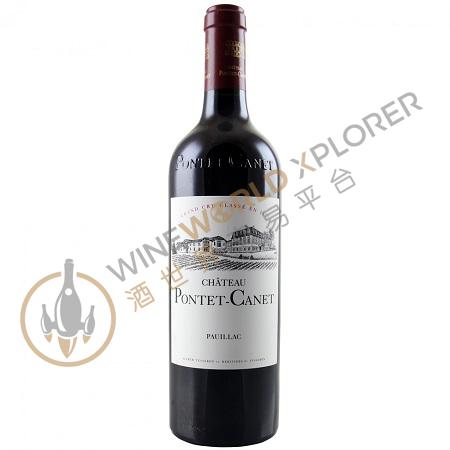
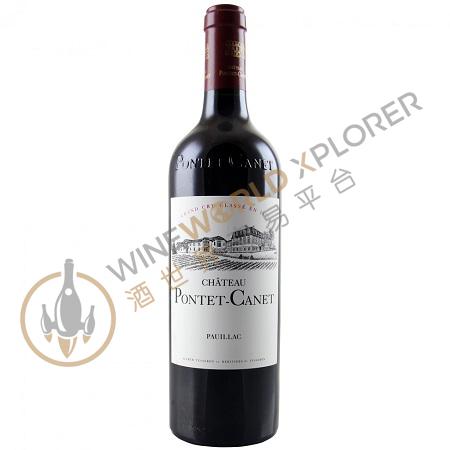
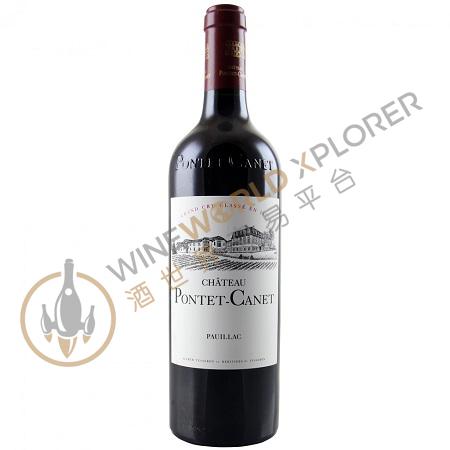
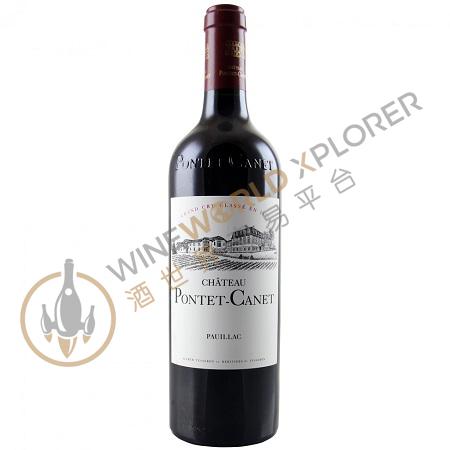
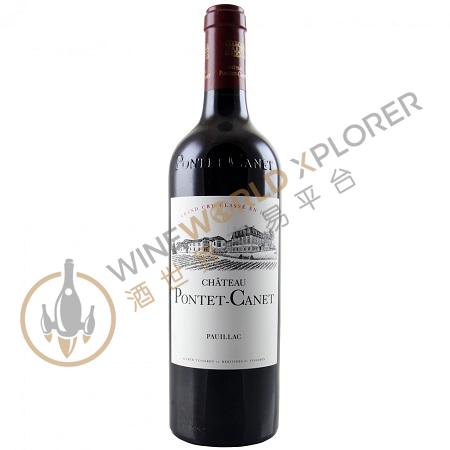
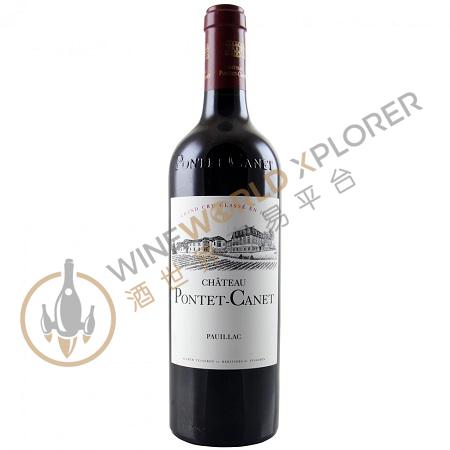
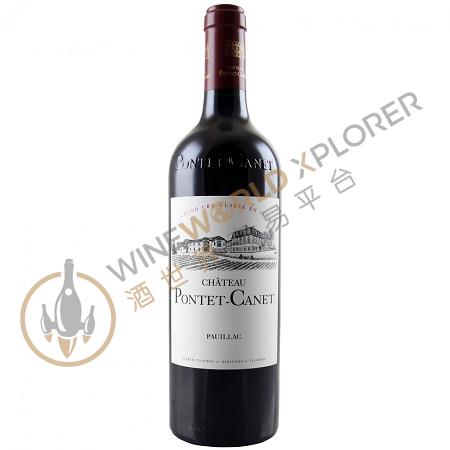
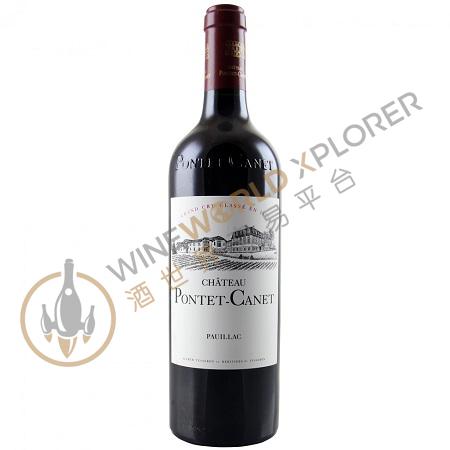
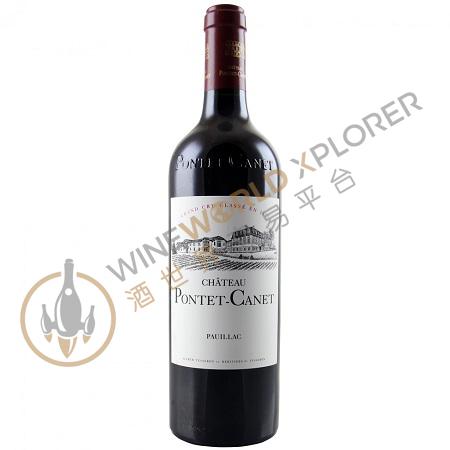
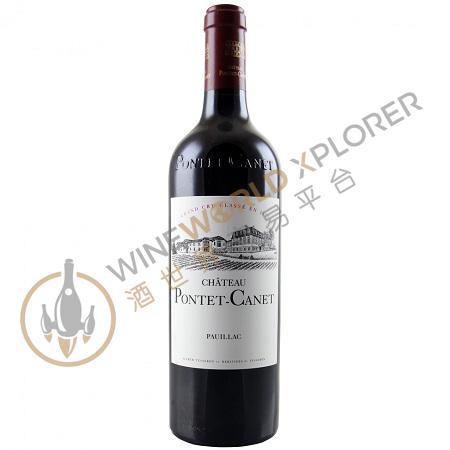
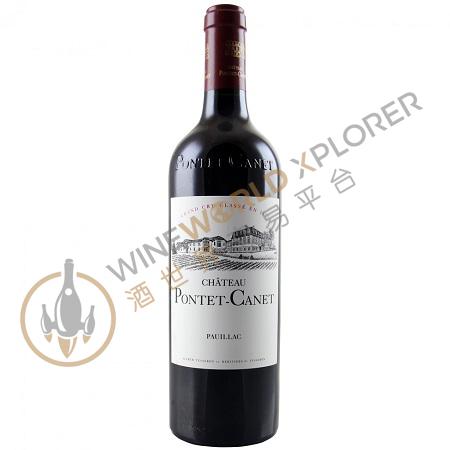
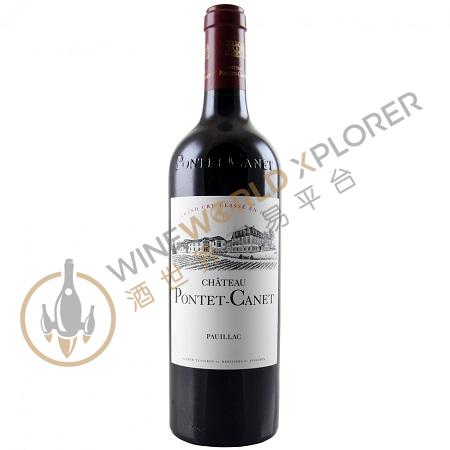
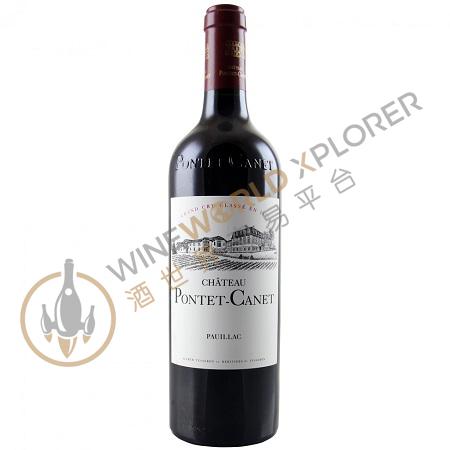
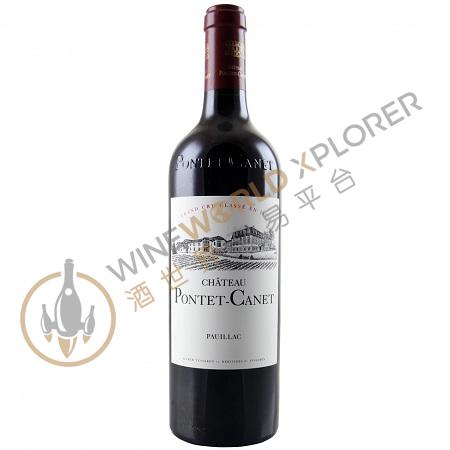
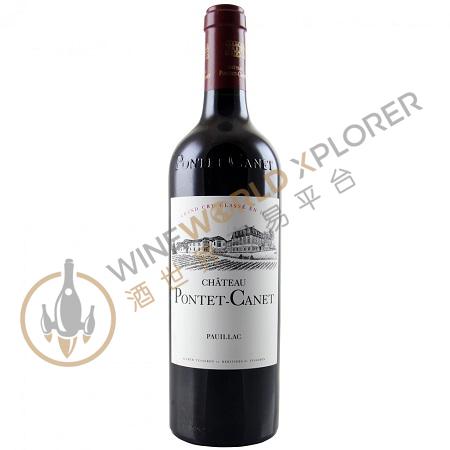
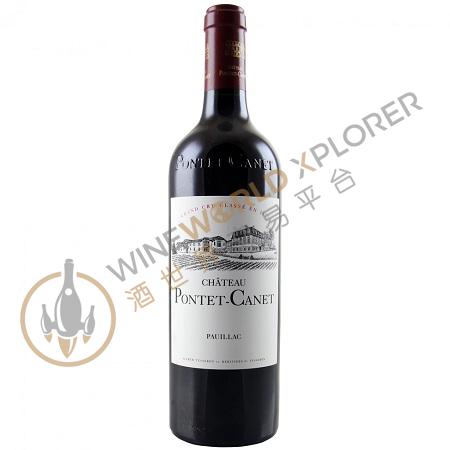
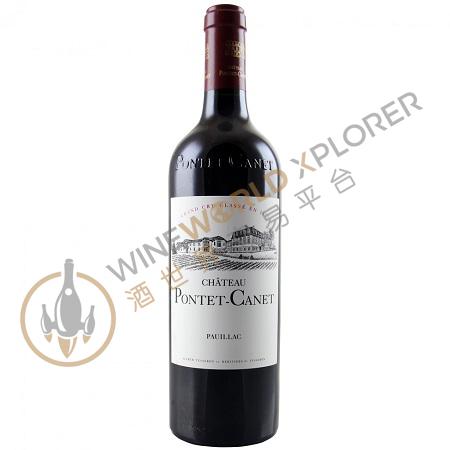
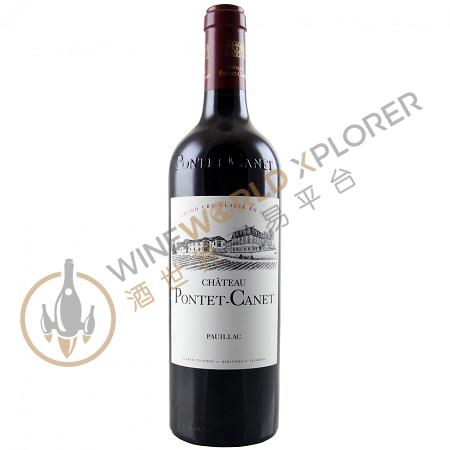
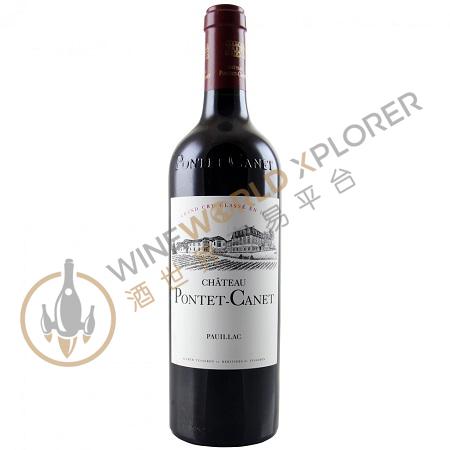
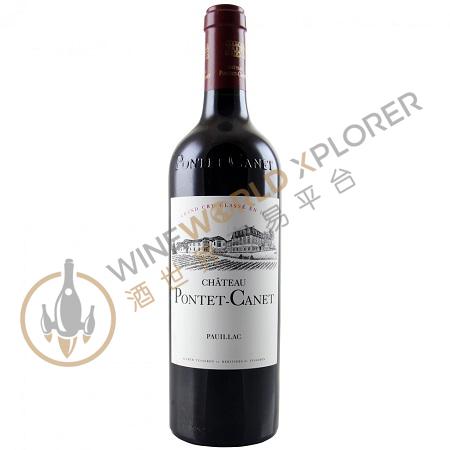
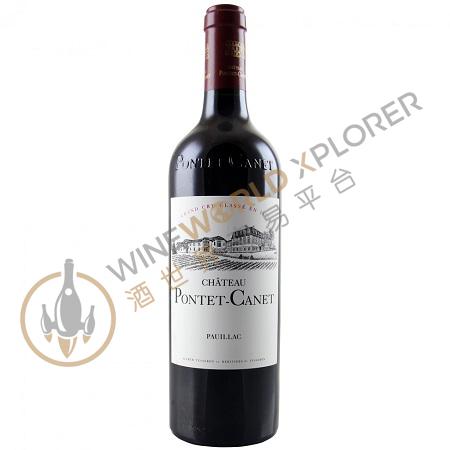
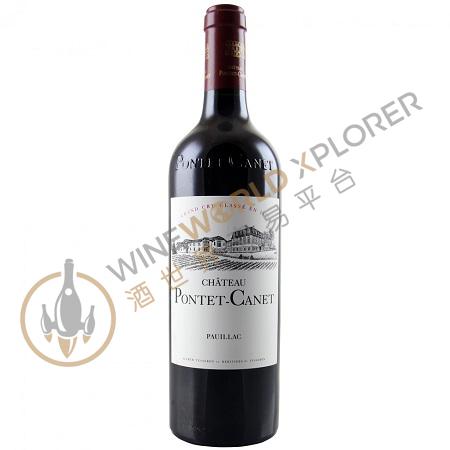
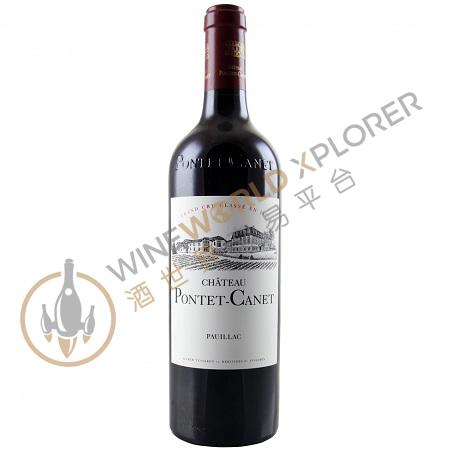
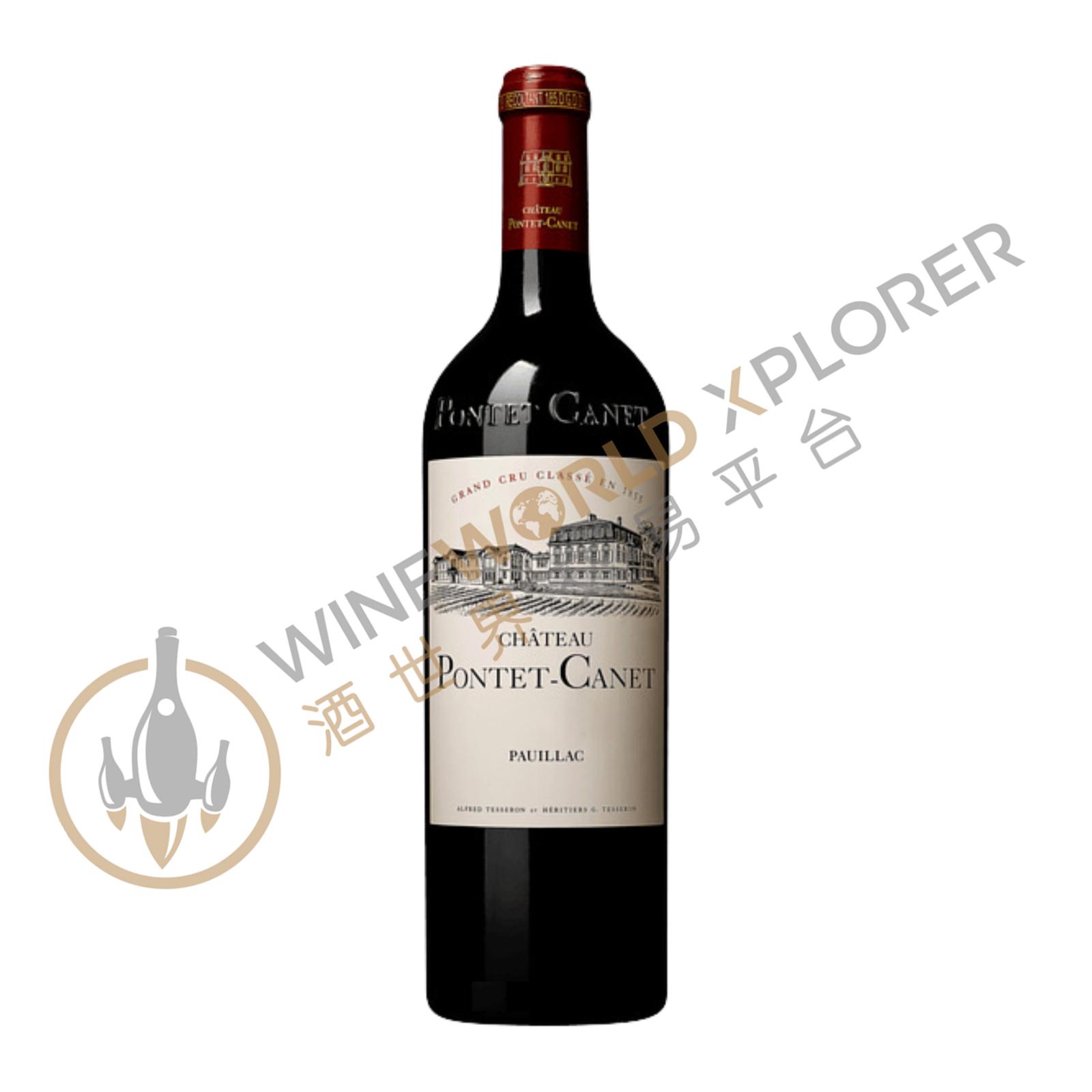
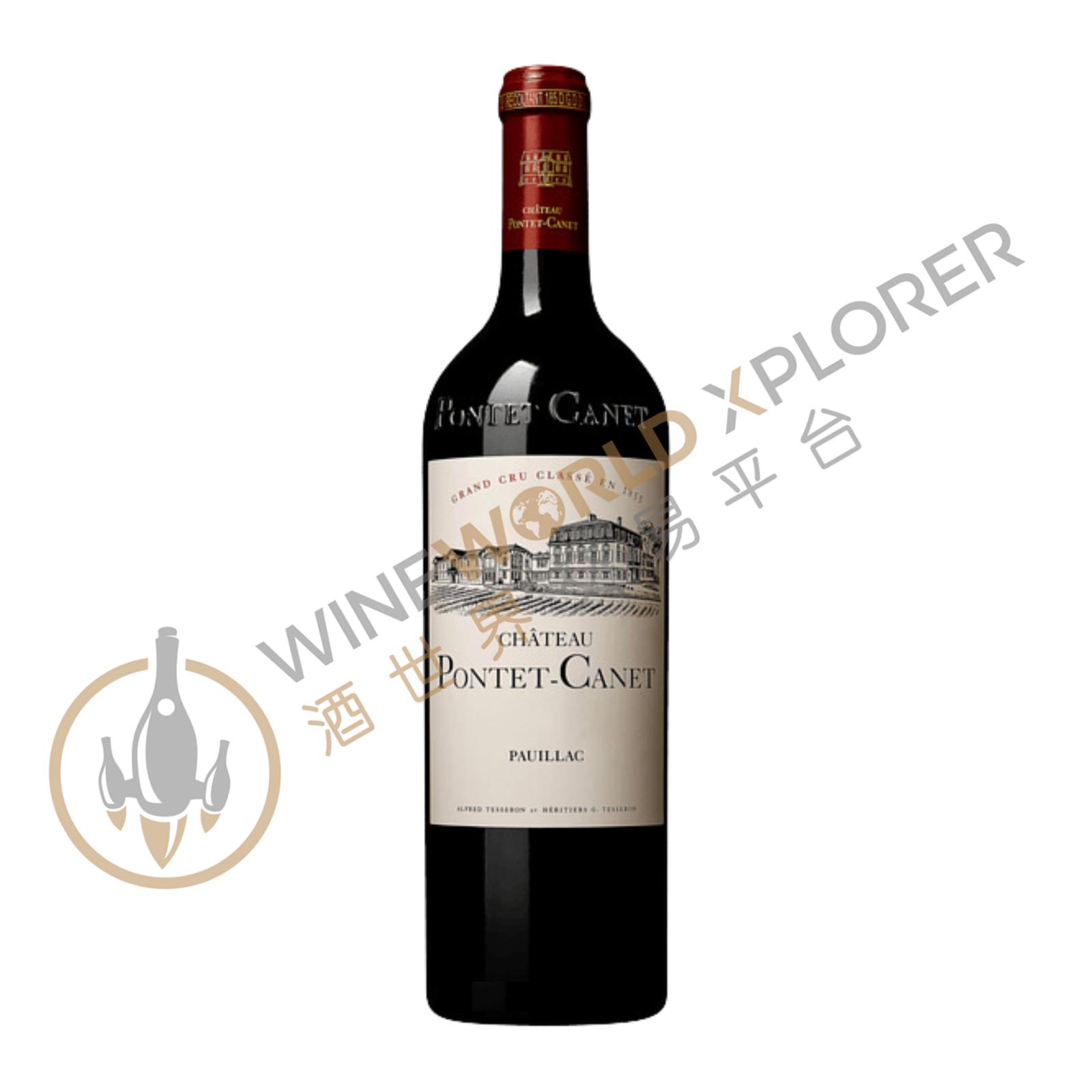
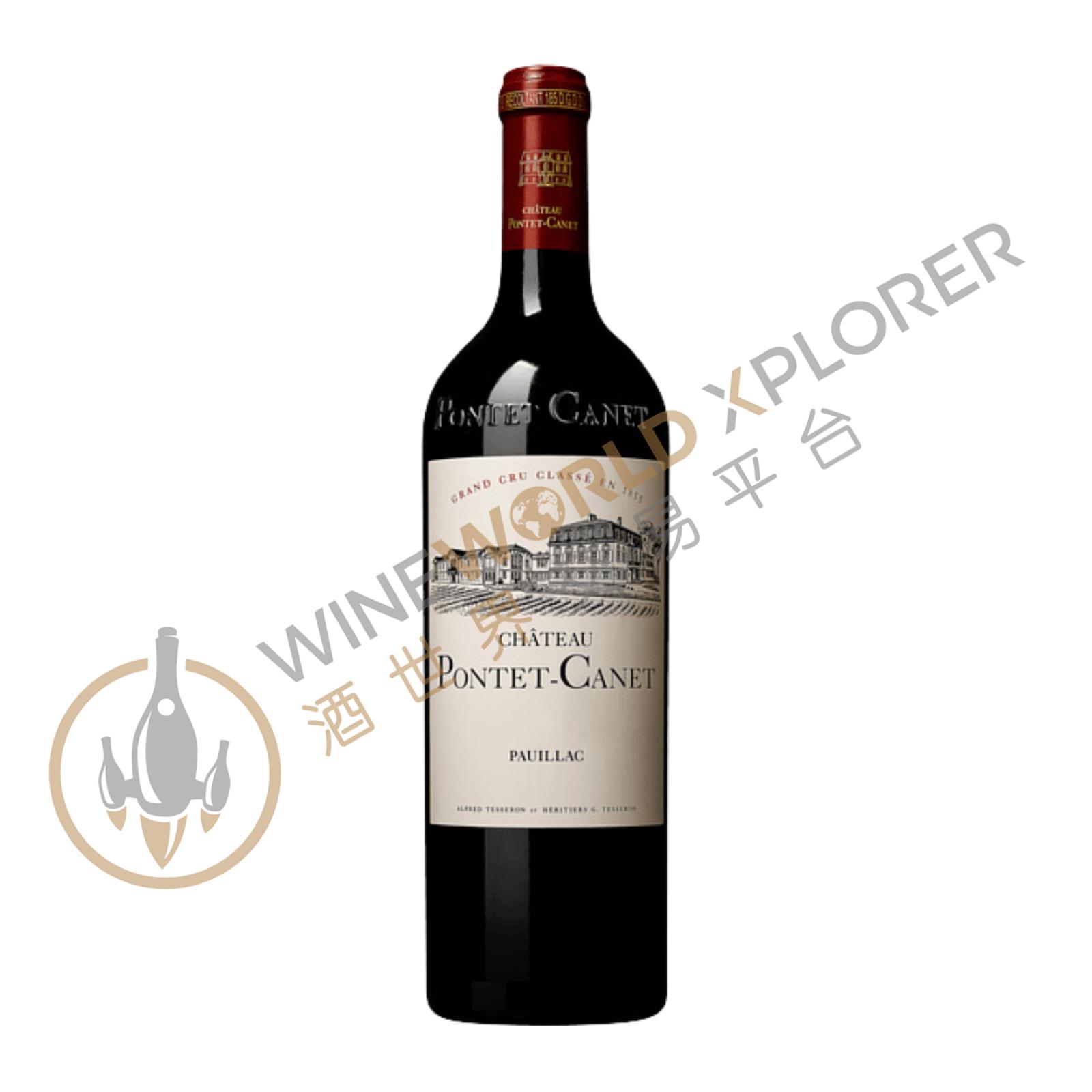
Pontet Canet 2015
 View analysis


Description
Tasting notes

Reviewed by: Lisa Perrotti-Brown
A blend of 65% Cabernet Sauvignon, 30% Merlot, 4% Cabernet Franc and 1% Petit Verdot, 50% of the 2015 Pontet-Canet was aged in new French oak, while 15% was matured in second fill barrels and 35% in cement amphorae. Deep garnet-purple in color, the nose opens with exuberant black currants, red currants and black raspberries scents plus an evocative undercurrent of cedar chest, dusty earth, cloves, chocolate box and Provence herbs with a fragrant waft of lavender. Medium to full-bodied and built like a brick house with very firm, wonderfully grainy tannins and black and red fruits charged with the most singular energy, it finishes with incredible persistence and depth.
Reviewed by: Lisa Perrotti-Brown
Deep garnet-purple in color, the 2015 Pontet-Canet comes charging out of the glass with fantastically expressive notes of black cherry preserves, black raspberries and blackcurrant pastilles plus touches of kirsch, wilted roses, tobacco, camphor and cinnamon stick with a waft of fragrant soil. Full bodied, the palate is laden with black and red fruit layers, supported by very firm, very finely grained tannins and provocative freshness, finishing with incredible length and stunningly perfumed.
Reviewed by: Neal Martin
The 2015 Pontet Canet was tasted on two occasions around two weeks apart and I noticed a superior showing the second time around. This year is a blend of 65% Cabernet Sauvignon, 30% Merlot, 3% Cabernet Franc and 2% Petit Verdot that was picked from 18 September apropos the Merlot and from 28 September for the Cabernet, finishing on 3 October. It is matured in 50% new oak, 35% concrete and 15% one-year-old barrels. It has a pure and perfumed bouquet with small dark cherries, red plum and subtle violet scents, perhaps a little Margaux-like in style, the second showing demonstrating a little more red fruit character. The palate is medium-bodied with a slightly grainy texture on the entry. There is nicely judged acidity here, moderate depth, very supple tannin that lend this a silky texture. There is modest weight towards the second half, perhaps spicier than some of its Pauillac peers with an edgy, lightly peppered finish. It is an intriguing and complex, almost mercurial Pontet-Canet, a wine that I suspect will gain more weight during its élevage. Afford this 5-8 years in bottle and you should have a delicious, intellectual Pontet-Canet on your hands.
Reviewed by: Neal Martin
The 2015 Pontet-Canet has an intense, crushed violet-scented bouquet that as I remarked upon out of barrel, imparts a Margaux-like personality. It is quite high-toned and exuberant at this early juncture and will clearly require several years to calm down. The palate is medium-bodied with succulent black fruit on the entry, quite spicy with notes of black pepper and sage, perhaps just a little fiery in personality. However, counterbalancing this is a sense of harmony and focus. It is just a bit boisterous at this early stage, then the finish is tightly wound albeit well defined, leaving that spiciness as its calling card on the aftertaste.
Reviewed by: Antonio Galloni
Proprietor Alfred Tesseron and winemaker Jean-Michel Comme produced an absolutely stellar Pontet-Canet in 2015. Sumptuous, racy and totally inviting, the 2015 is all class. Super-ripe dark cherry, plum, spice and exotic floral notes build as the 2015 shows off its alluring personality. Even with all of its raciness, the 2015 speaks with authority and power. Fine tannins extend the persistent, highly nuanced finish. The 2015 is 65% Cabernet Sauvignon, 30% Merlot, 3% Cabernet Franc and 2% Petit Verdot aged 50% new oak, 4% in terra cotta and 15% in neutral oak. Tasted three times.
Reviewed by: Antonio Galloni
One of the wines of the vintage, the 2015 Pontet-Canet oozes class, finesse and pure pedigree. A hypothetical combination of the 2010 (for its dark fruit and tannic structure) and the 2009 (for its voluptuous fruit), the 2015 offers remarkable intensity, power and grace. A host of exotic floral and spice notes wrap around the dark, racy finish. In a word: magnificent! The 2015 is 65% Cabernet Sauvignon, 30% Merlot and 5% Petit Verdot, aged 50% in new oak, 35% in terra cotta amphora and 15% in one year-old barrels.
Reviewed by: Neal Martin
The 2015 Pontet Canet is endowed with impressive lift and delineation on the nose of blackberry, graphite and tobacco – classic Pauillac all the way through. The palate is medium-bodied with fine-grained tannin and slightly herbal in style. The graphite-infused finish is missing a little depth and grip (like some other 2015 Pauillacs), though it seems to develop with aeration. I suspect that the 2016 will be superior. Tasted blind at the Southwold 2015 Bordeaux tasting.
About the Producer
The history of Château Pontet-Canet dates back to the early 18th century when Jean-François de Pontet, grand equerry of the king became governor of the Medoc, brings together several parcels of land located in Pauillac. Subsequently, his descendants add the vineyards adjoining the locality Canet: Château Pontet-Canet was born. One hundred years later, the famous classification of 1855 included Château Pontet-Canet among the elite of the Médoc viticulture. This rise did not escape one of the first Bordeaux merchants of the time, Herman Cruse, who bought the property in 1865. He built new cellars, modernized the facilities and made this wine known throughout the world. The Cruse family managedthe property for 110 years, until another merchant, but from Cognac, Guy Tesseron, bought it in 1975. Thus, in more than two hundred years, Château Pontet-Canet knew only three different owners. Today, it is the son of Guy Tesseron, Alfred Tesseron who is at the head of the field. The Château Pontet-Canet terroir consists of 62% Cabernet Sauvignon, 32% Merlot, 4% Cabernet Franc and 2% Petit Verdot. The property is 120 hectares of which 80 hectares are dedicated to the breeding of the vine. Led by Jean Michel Comme, Château Pontet-Canet’s viticulture has gone from conventional cultivation to organic farming and biodynamic farming. Thus, the terroirs, worked daily by Breton horses, have found their originality.
1981(1)1982(2)1983(2)1988(1)1990(1)1995(1)1996(1)2000(8)2001(4)2002(7)2003(10)2004(5)2005(3)2006(10)2007(11)2008(12)2009(13)2010(19)2011(15)2012(16)2013(19)2014(11)
Package Size