Wine Advisor



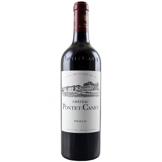
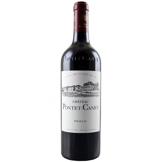
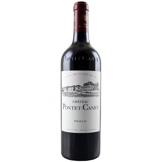
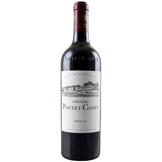
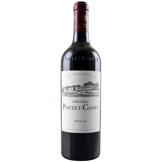
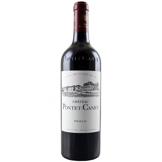
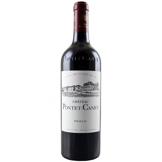
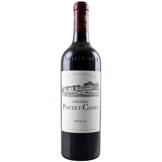
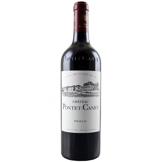
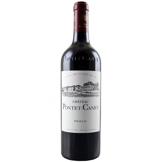
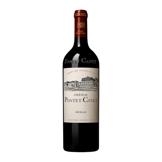
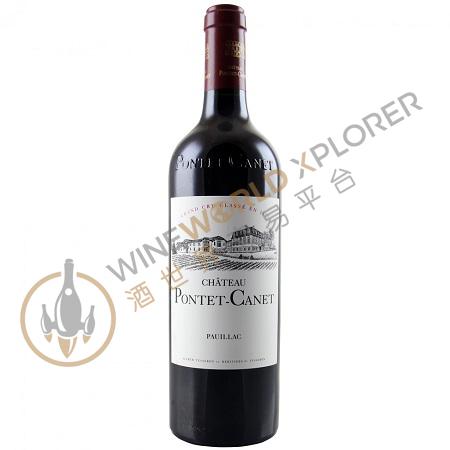
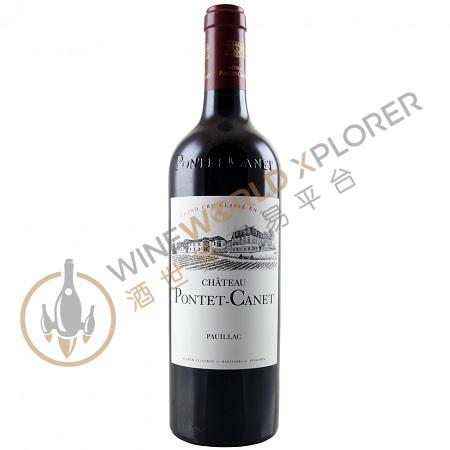
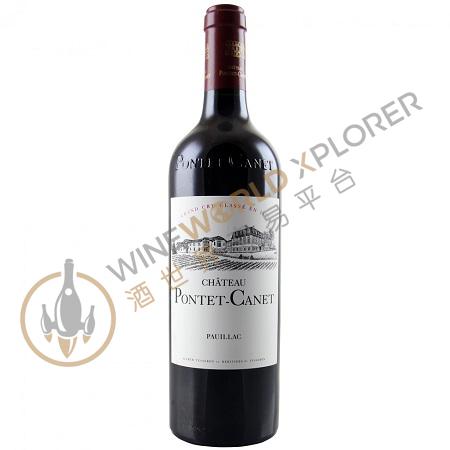
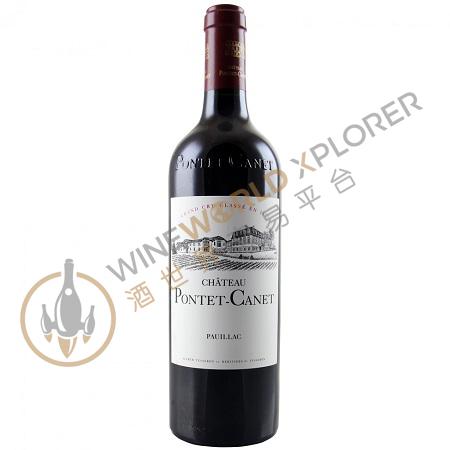
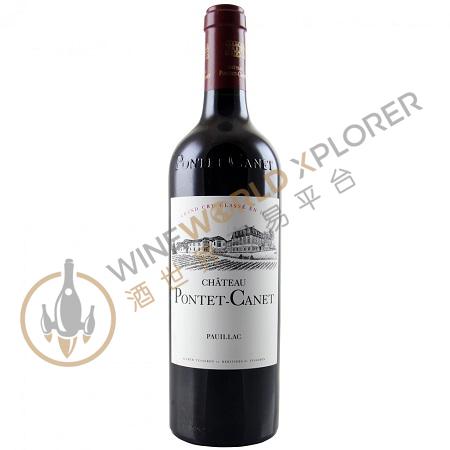
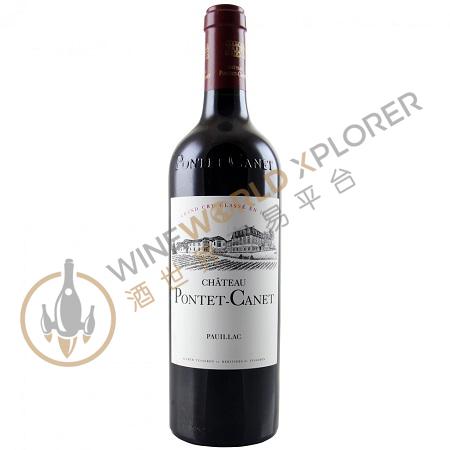
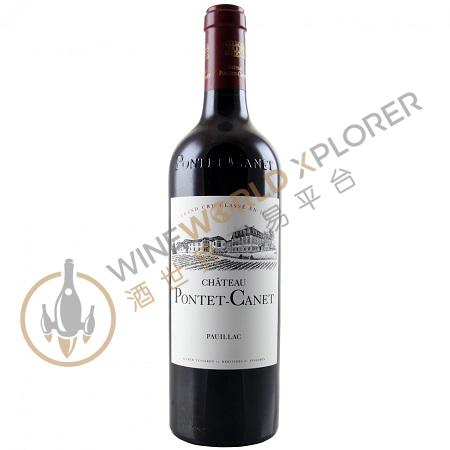
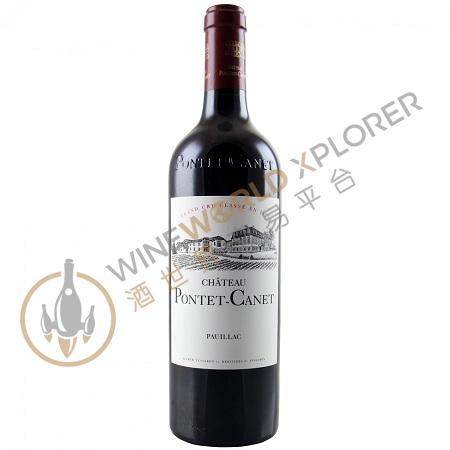
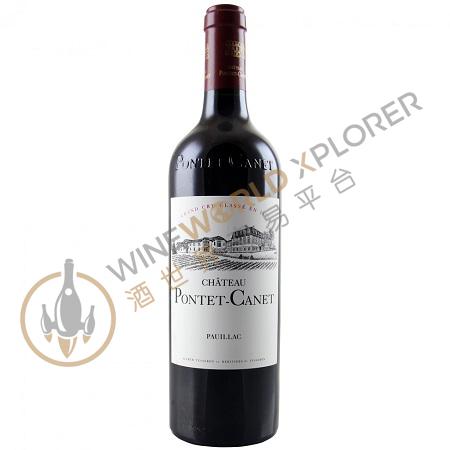
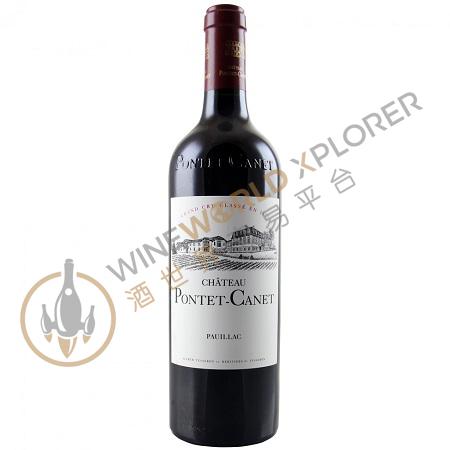
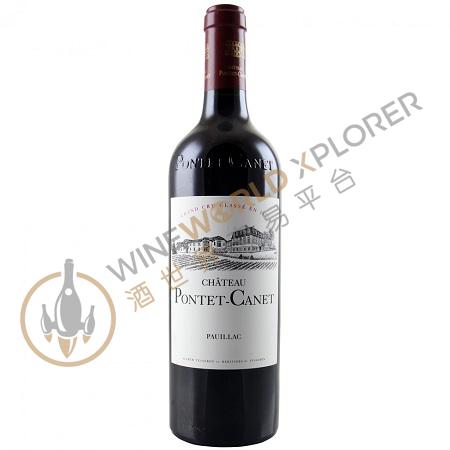
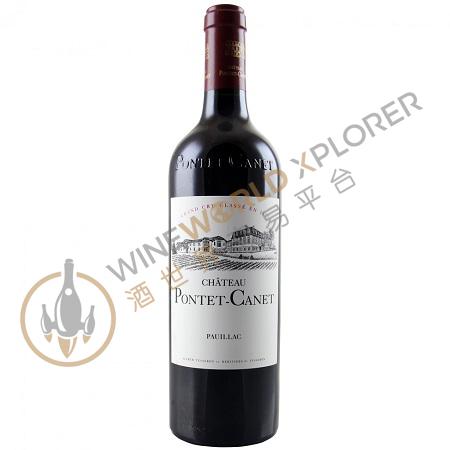
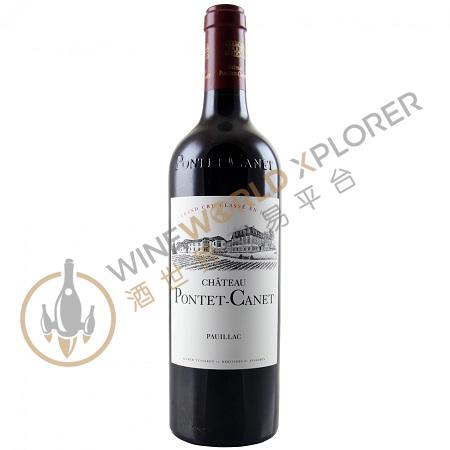
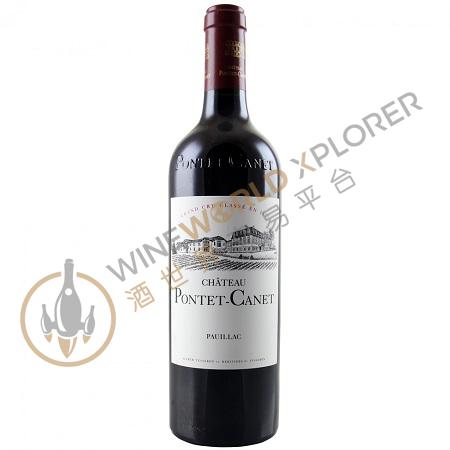
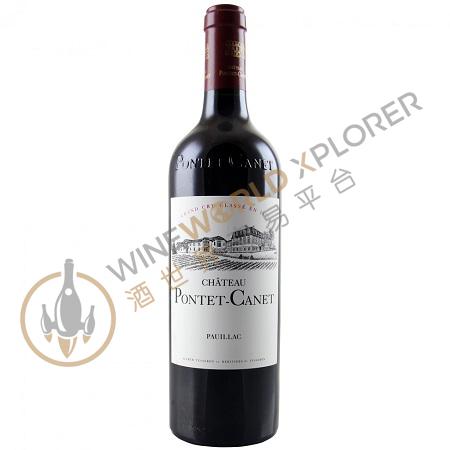
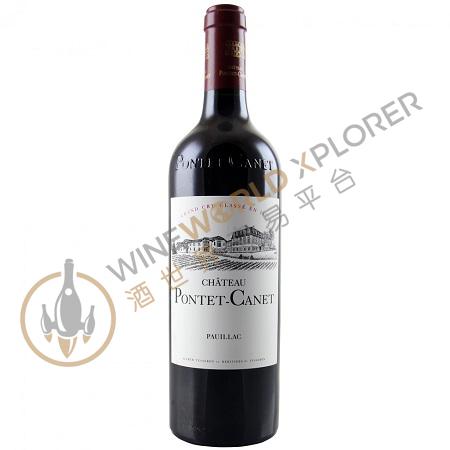
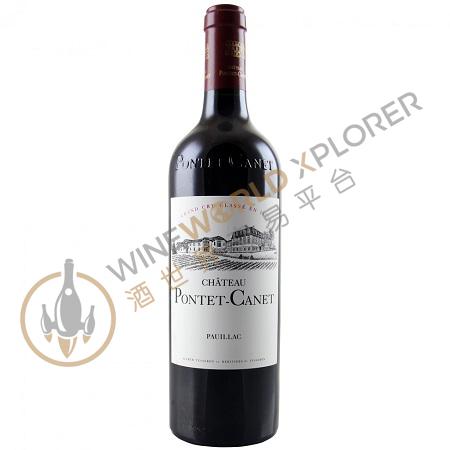
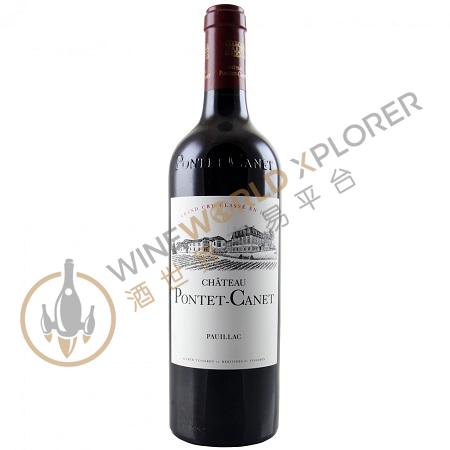
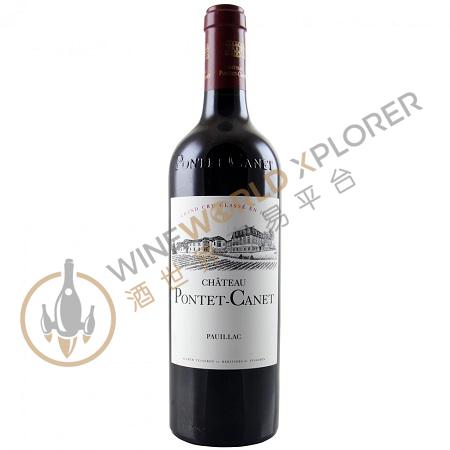
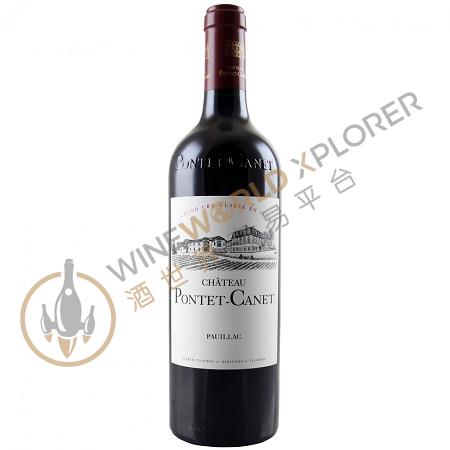
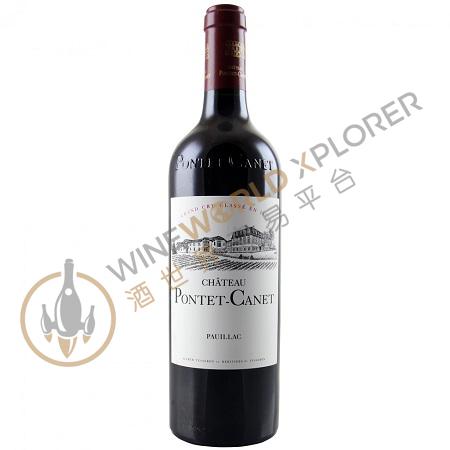
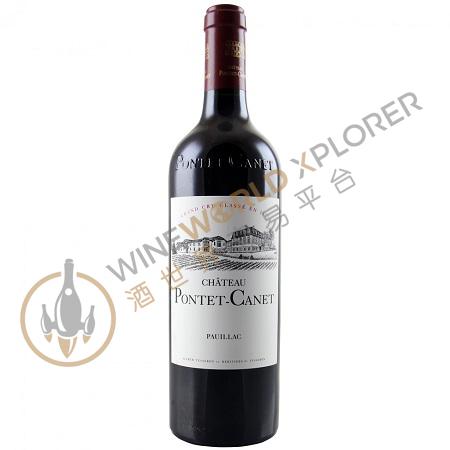
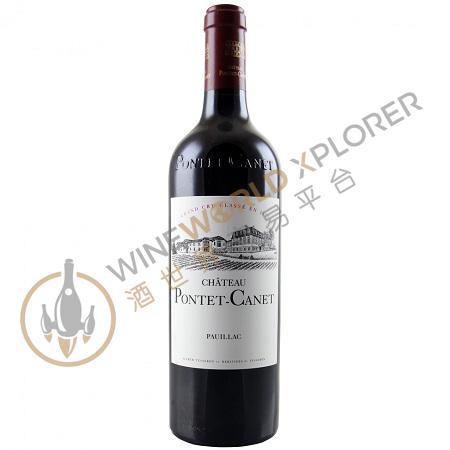
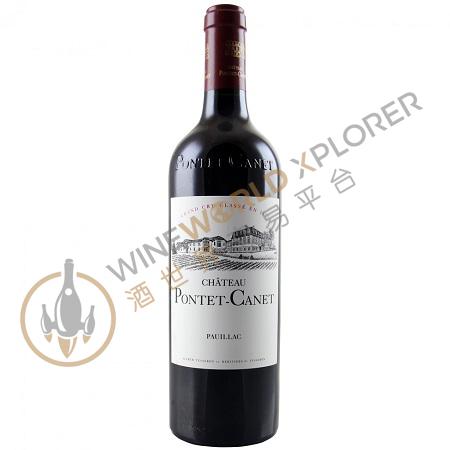
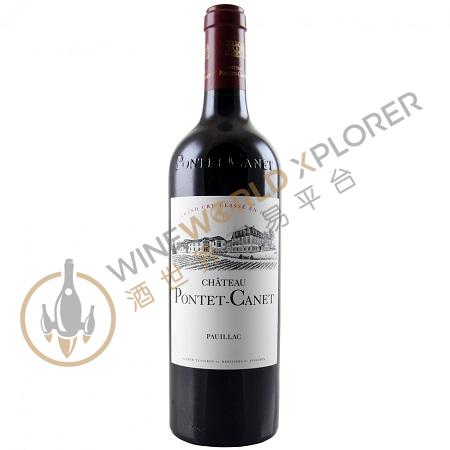
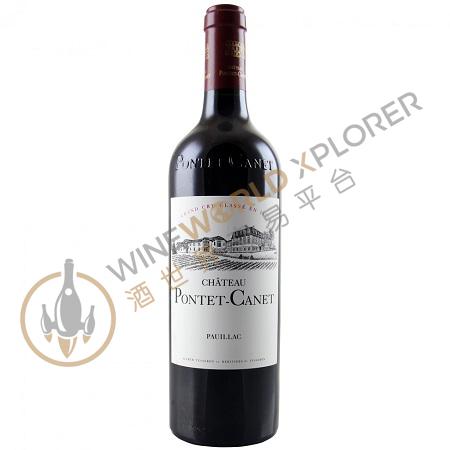
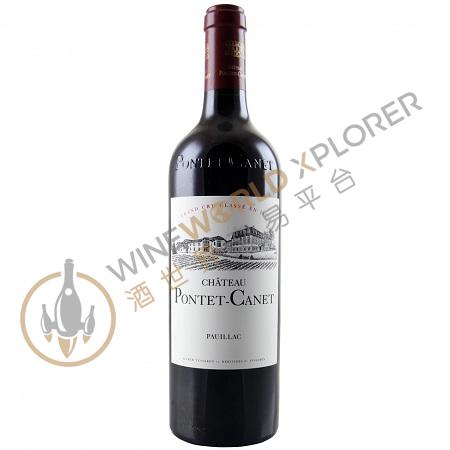
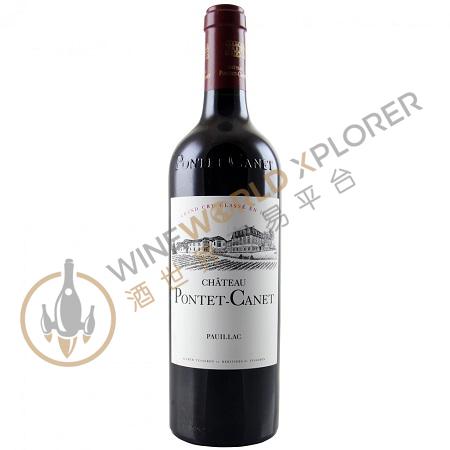
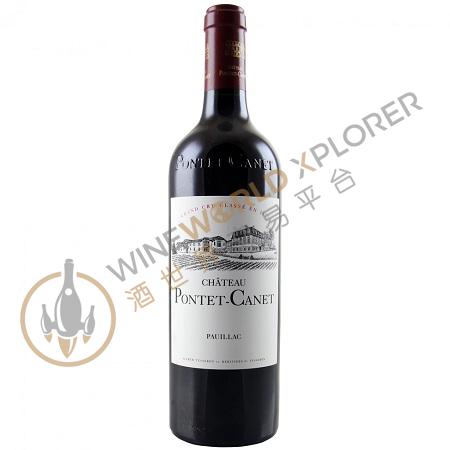
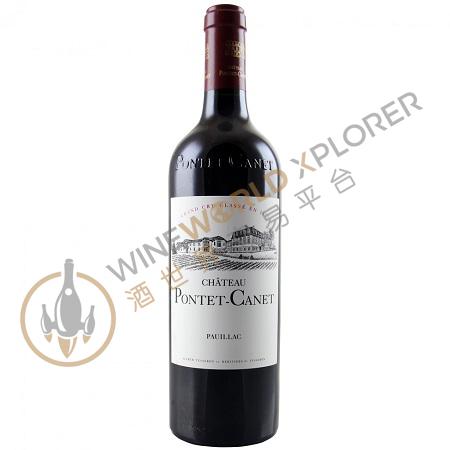
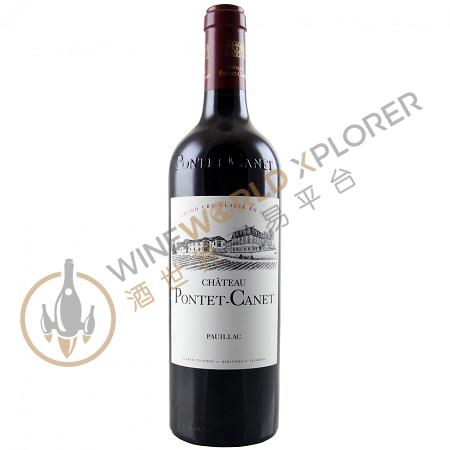
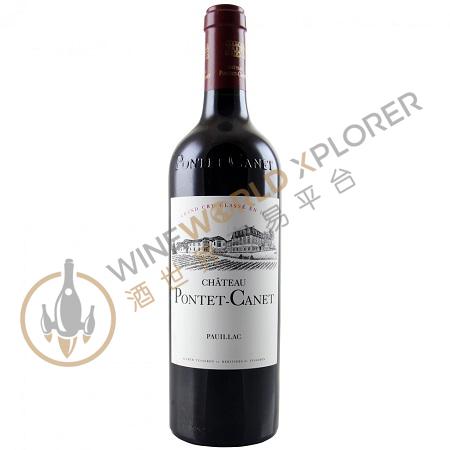
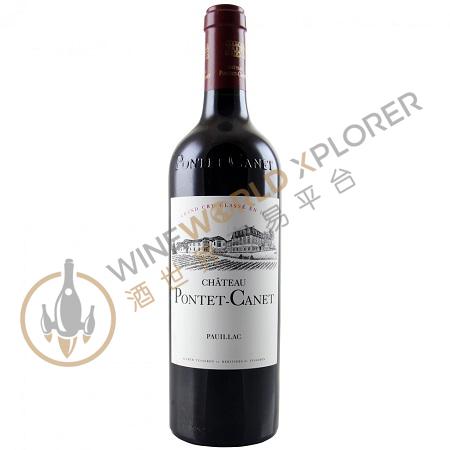
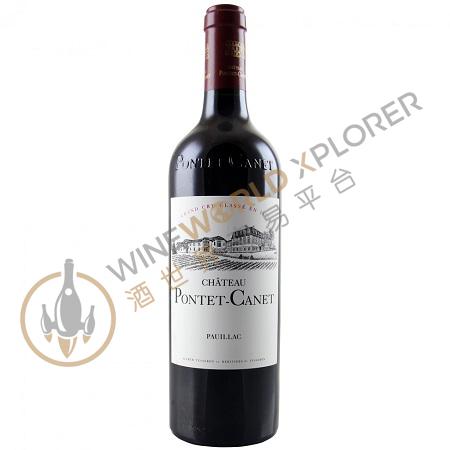
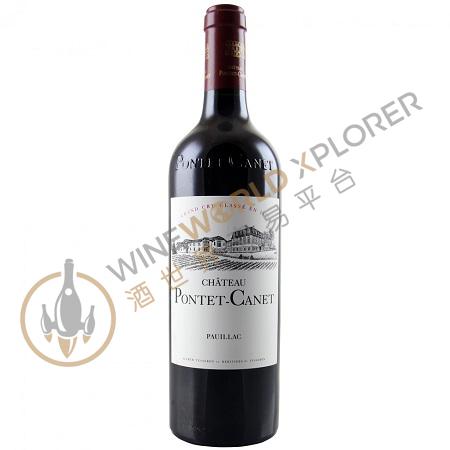
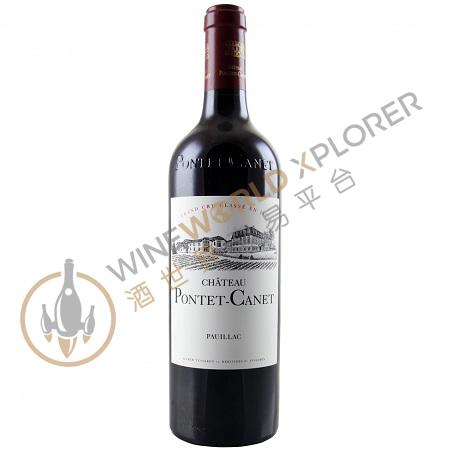
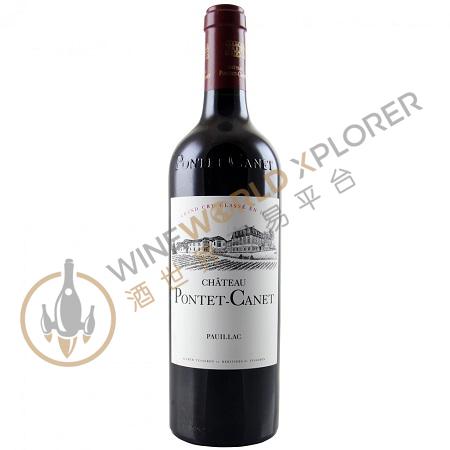
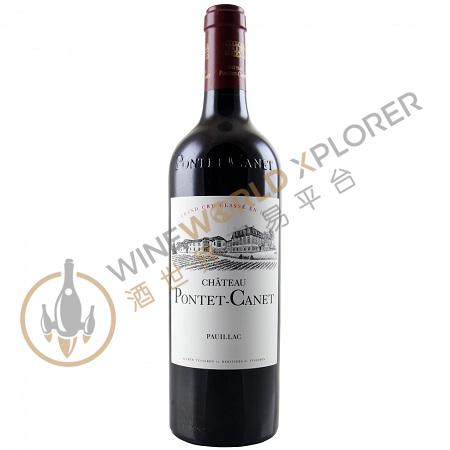
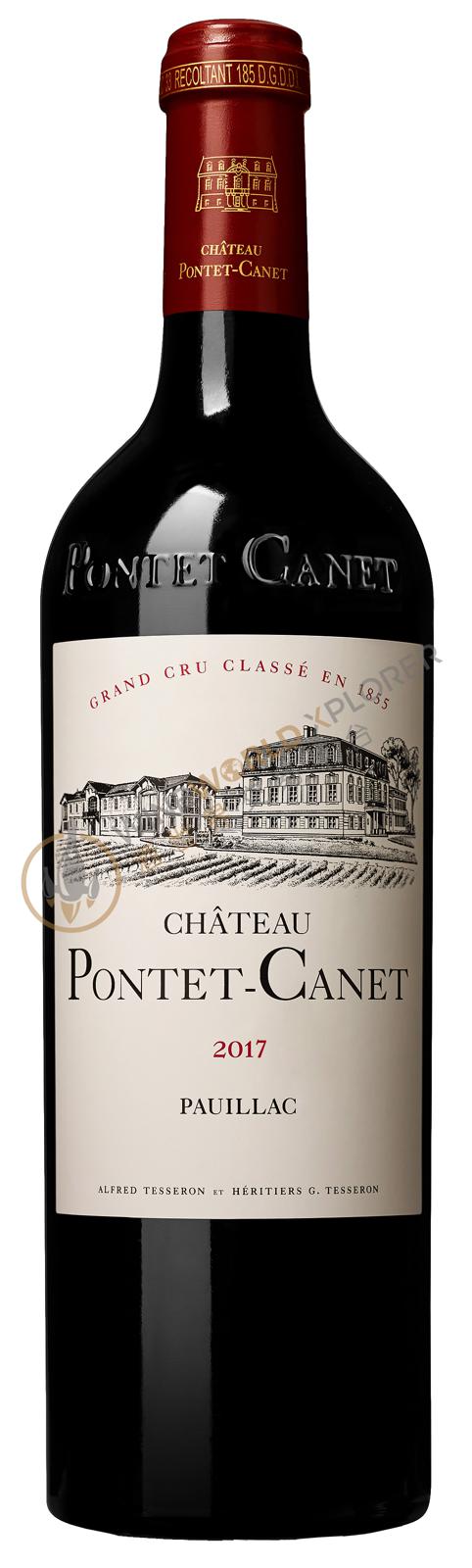
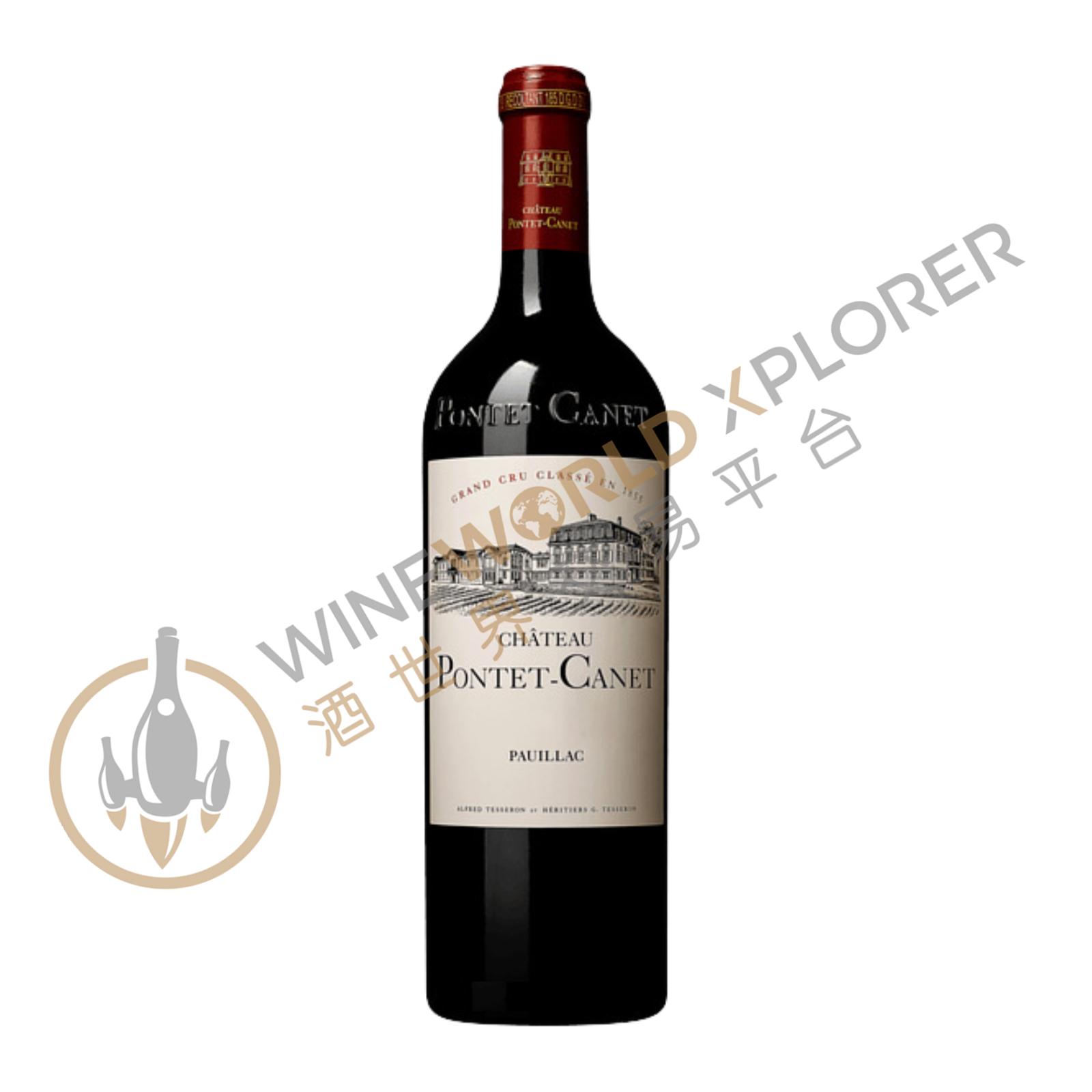
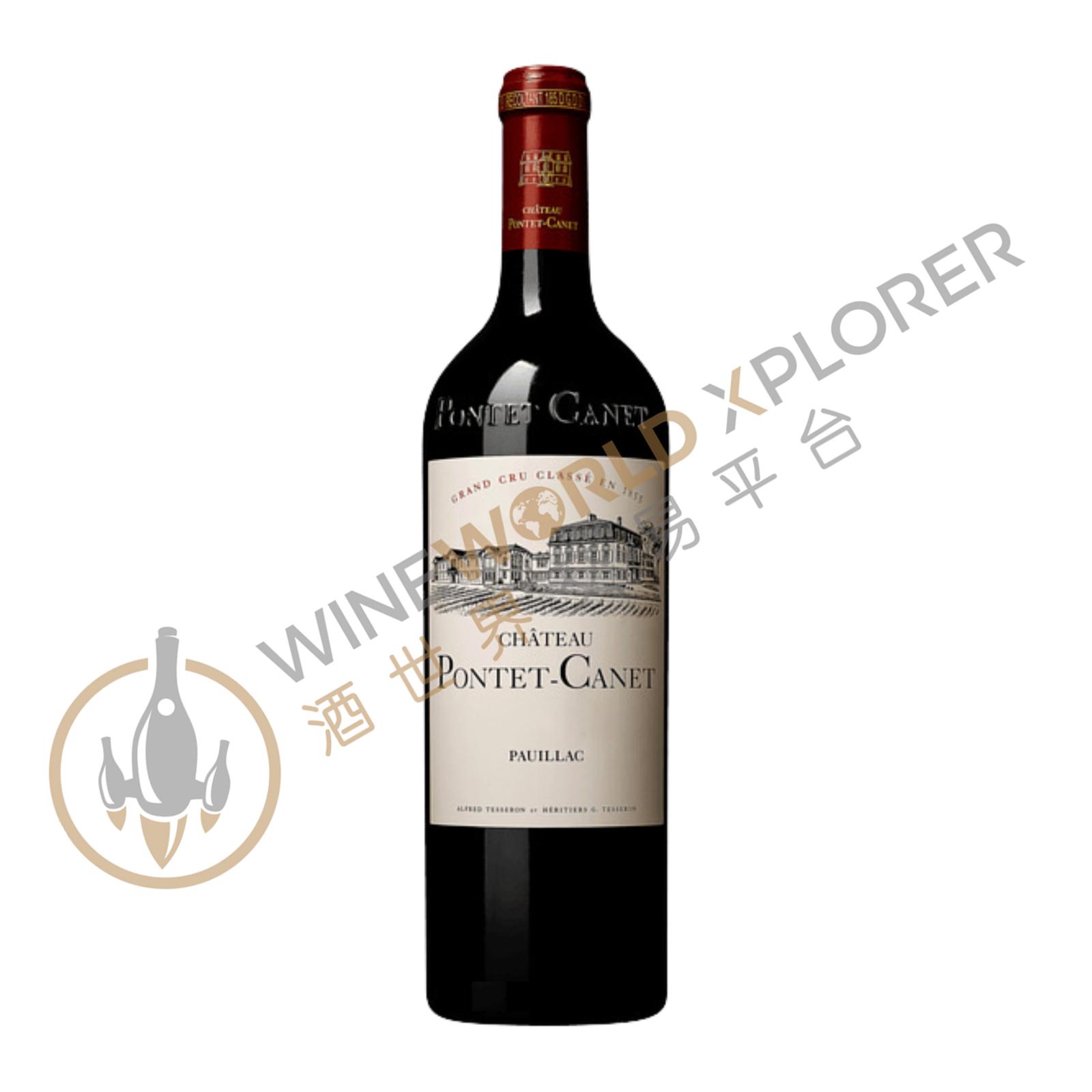
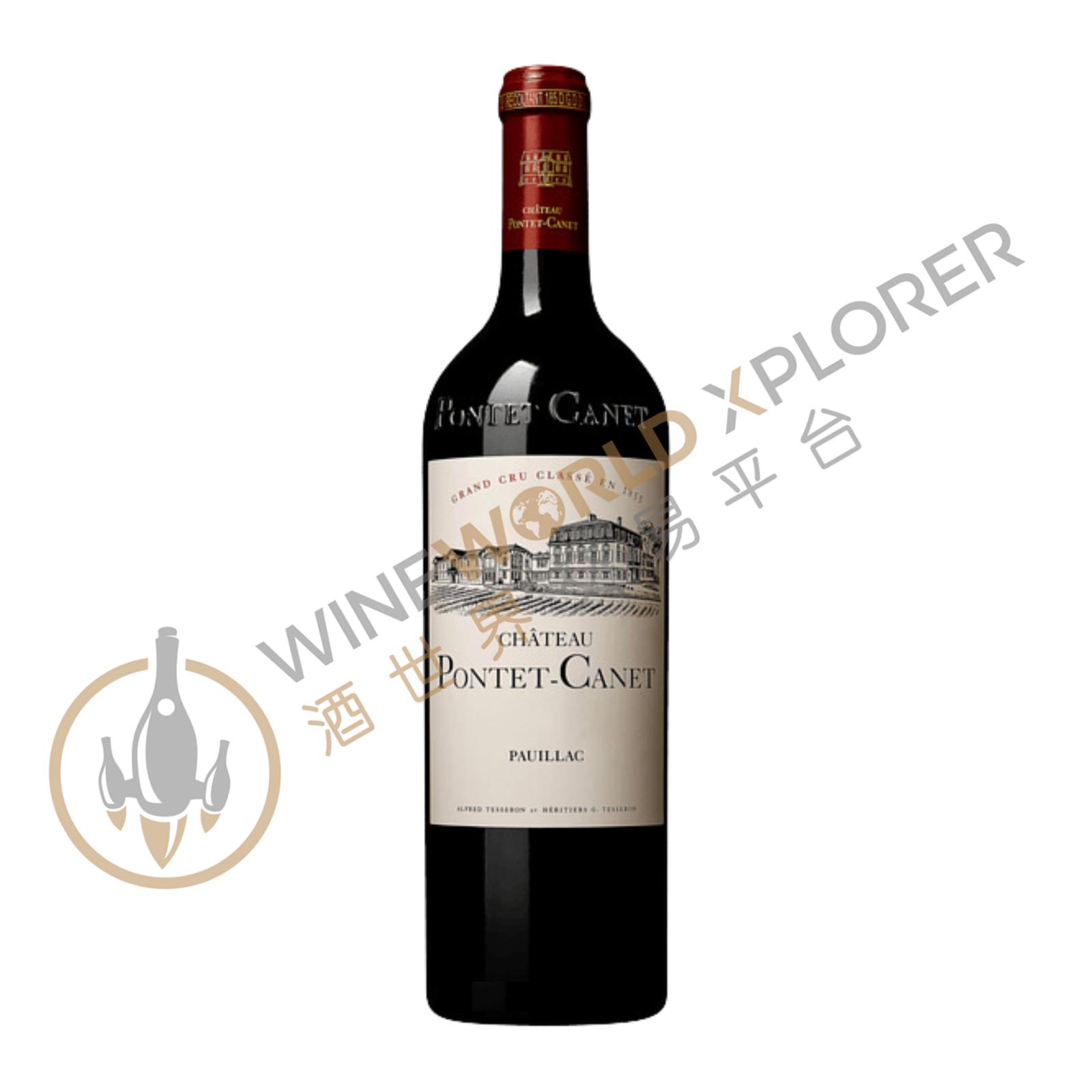
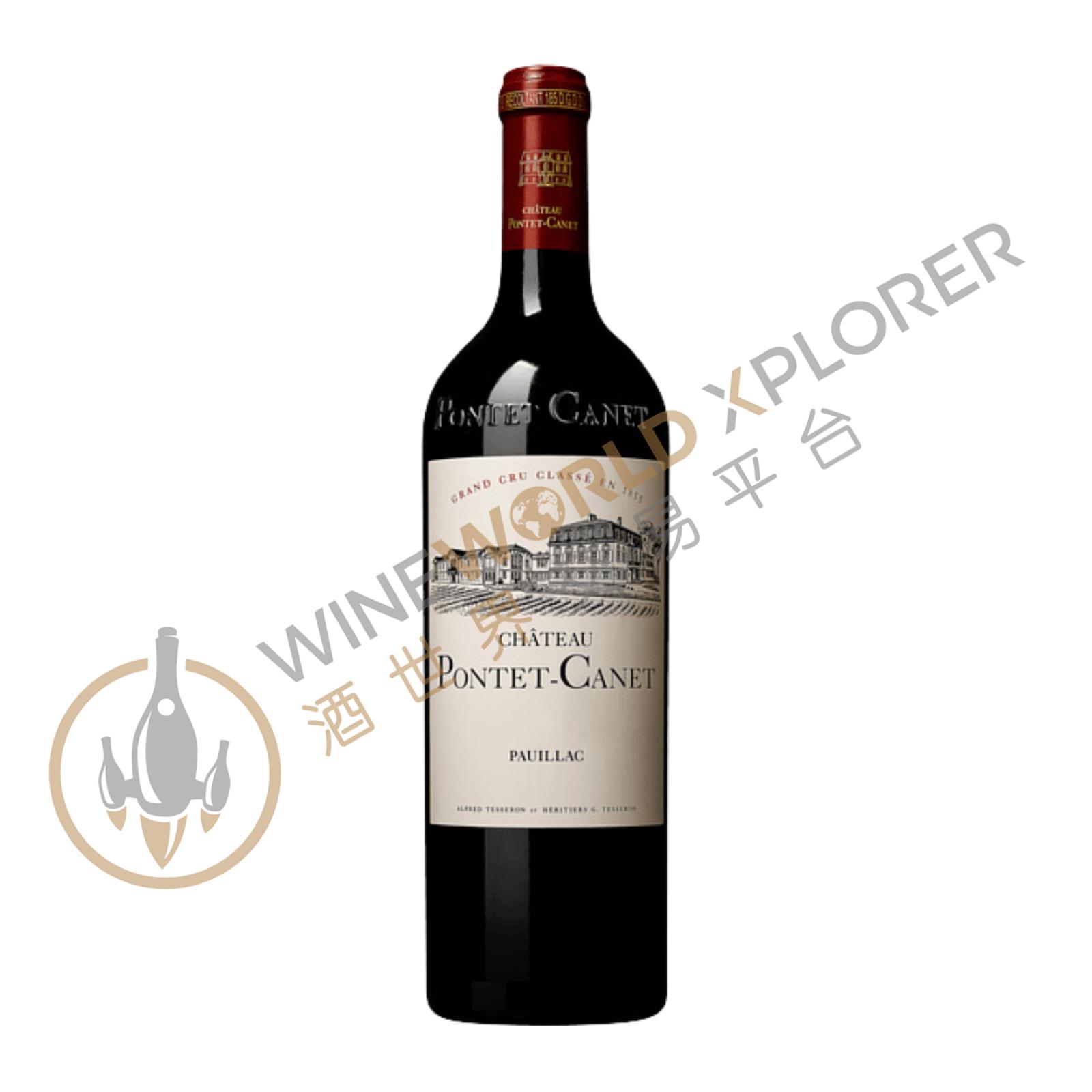
Pontet Canet 2010
 View analysis


Description
Tasting notes

Reviewed by: Neal Martin
Tasted blind at the Southwold Bordeaux 2010 tasting. The Chateau Pontet-Canet is a very interesting wine to taste blind. For a start, the untrammelled ripeness and precocity is clearly evident on the nose, so much so that I wrote down "New World" before its identity was revealed. A second bottle is more contained but still "glossy" in style. The palate is medium-bodied with saturated ripe tannins on the entry. The acidity is nicely judged and it is very dense, though it needs more tension and terroir expression. It improves in the glass all the time, mustering more composure and finesse, yet here under blind condition, there was no denying that it is out-classed by some of its peers. That said it remains a great wine from Alfred Tesseron. Tasted January 2014.
Reviewed by: Robert M. Parker, Jr.
Pontet-Canet’s 2010 harvest took place between September 29 and October 17 (this vineyard is one of the few in Bordeaux that is fully certified as biodynamic) and the final blend was 65% Cabernet Sauvignon, 30% Merlot and the rest Cabernet Franc and Petit Verdot that achieved nearly 15% natural alcohol. A remarkable, full-bodied effort (as was the estate’s 2009 and 2008), like so many recent vintages from proprietor Alfred Tesseron, it is of first-growth quality (some may even argue that it eclipses several first-growths). Dense purple to the rim, it offers classic notes of creme de cassis, graphite, subtle smoke and spring flowers. Multidimensional with massive concentration as well as vivid purity, precision and freshness, this is another astonishing effort from an obsessive/compulsive proprietor who is doing everything right. On the downside, this 2010 will require a decade of cellaring and should evolve for 50+ years. It will be fascinating to drink it side by side with the 2009 and 2008.
Reviewed by: Lisa Perrotti-Brown
The 2010 Pontet-Canet offers a very deep garnet color. Whoa—the nose explodes with a vast array of black fruit preserves and savory nuances: plum preserves, blackcurrant cordial, black cherry coulis and licorice with wafts of dried lavender, melted chocolate, charcuterie, black olives, truffles and camphor plus a hint of sandalwood. The full-bodied palate is completely filled with black fruits, exotic spices and earthy nuances with a firm foundation of ripe, grainy tannins and bold freshness, finishing with epic length and depth. So much more expressive and seductive than a lot of 2010s at this stage, and yet it is still incredibly youthful!
Reviewed by: Neal Martin
The Pontet Canet has a very pure bouquet that you could almost compare to a Burgundy. Blackberry, dark cherries, a touch of mint and graphite, exceptionally well defined, flowering with 3-4 minutes in the glass. The palate is full-bodied with very fine but firm, tensile tannins, perhaps even more purity than the 2009, not a million miles away (both geographically and stylistically) from Mouton-Rothschild. The finish is very smooth with a sorbet-like freshness, firm grip, long in the mouth towards the finish with some creme de cassis and blueberry towards the finish. The Merlot content lends this a little more opulence than some of the other Pauillac 2010s. There is a lot of volume to this wine, really fills the mouth with a sweet, sensual finish, but keep find myself yearning for more Cabernet Sauvignon . Drink 2020-2050. Tasted March 2011.
Reviewed by: Neal Martin
Bottled in late July, the Pontet Canet has a very fragrant nose, with a touch more fruit intensity that its peers: raspberry, wild strawberry, a touch of cedar and pencil lead. It is very well defined, less flamboyant than the 2009, more a bouquet of precision and etiquette. The palate is medium-bodied with a tightly coiled, peppery entry. There is real density to this Pontet Canet: powerful, a little introverted, but very focused towards the structured finish. This will certainly be a long-term wine, the finish very long and so elegant. I actually prefer this stylistically to the 2009...but whatever rocks your boat. Gorgeous and classy. Tasted November 2012.
Reviewed by: Robert M. Parker, Jr.
An absolutely amazing wine, from grapes harvested between the end of September and October 17, this blend of 65% Cabernet Sauvignon, 30% Merlot and the rest Cabernet Franc and Petit Verdot has close to 15% natural alcohol. It comes from one of the few biodynamic vineyards in Bordeaux, but you are likely to see many more, given the success that Tesseron seems to be having at all levels, both in his vineyards and in his fermentation/winemaking. An astounding, compelling wine with the classic Pauillac nose more often associated with its cross-street neighbor, Mouton-Rothschild, creme de cassis, there are also some violets and other assorted floral notes. The wine has off-the-charts massiveness and intensity but never comes across as heavy, overbearing or astringent. The freshness, laser-like precision, and full-bodied, massive richness and extract are simply remarkable to behold and experience. It is very easy, to become jaded tasting such great wines from a great vintage, but it is really a privilege to taste something as amazing as this. Unfortunately, it needs a good decade of cellaring, and that’s assuming it doesn’t close down over the next few years. This is a 50- to 75-year wine from one of the half-dozen or so most compulsive and obsessive proprietors in all of Bordeaux. Is there anything that proprietor Alfred Tesseron is not doing right? Talk about an estate that is on top of its game! Pontet-Canet’s 2010 is a more structured, tannic and restrained version of their most recent perfect wine, the 2009. Kudos to Pontet-Canet!
Reviewed by: Lisa Perrotti-Brown
Deep garnet in color, the 2010 Pontet-Canet is a little tired on the nose, giving up notes of balsamic, roasted nuts and fallen leaves over a core of raisin cake, spice box and unsmoked cigars. Medium to full-bodied, the palate is a little flat and chewy with a racy backbone and a stewed tea finish. I’m not sure this was the best bottle of this wine, so I will give it the benefit of a doubt with a question mark.
Reviewed by: Ian d'Agata
(65% cabernet sauvignon, 30% merlot, 4% cabernet franc and 1% petit verdot) Bright ruby. Knockout nose of cassis, black pepper, minerals and cedar just screams Pauillac. Enters the mouth sweet, creamy and pure, displaying very rich, dense flavors of black fruit, minerals and dried herbs, with lively, integrated acidity keeping the wine from coming across as top-heavy. Finishes extremely long, with silky tannins and an intriguing floral note. Twenty-four hectares are now farmed by horse (up from seven last year) at what has become the first officially certified biodynamic grand cru classe property of Bordeaux. This wine has one of the most impressive and memorable noses of all in 2010 and is much better than the very good but generally overrated 2009. Though it's a little more accessible now than some other great wines of 2010 such as Latour and Calon-Segur, this still needs another 10 to 12 years in the cellar to start showing its best and will keep another 40 years after that without problem.
Reviewed by: Neal Martin
The 2010 Pontet-Canet is noticeably deep in colour compared to its peers. This is unusually ripe and sweet on the nose, more red than black fruit, maybe a little jammy and confit-like. I would never guess this was a 2010 Left Bank. The palate is medium-bodied with a fleshy mouthfeel, plenty of graphite tinged red fruit. Approachable in style and sensually fulfilling, it just lacks a bit of grip and backbone on the finish. I have fonder memories of previous bottles but I could not identify any specific fault. Tasted blind at Farr Vintners 10-Year On Bordeaux horizontal.
Reviewed by: Stephen Tanzer
Bright ruby-red. Superripe, soil-driven aromas of currant, plum, cherry pie, mocha and minerals; almost liqueur-like in its ripeness, in a 1947 way. Then huge, sweet and plush, with great volume and depth to its flavors of cassis, flowers, minerals, game and olive. Finishes with big, ripe, horizontal tannins and great mounting length. This remarkably thick wine is actually a bit youthfully stunted today and should really be cellared for ten years. It should go on for three or four decades in a cool cellar.
About the Producer
The history of Château Pontet-Canet dates back to the early 18th century when Jean-François de Pontet, grand equerry of the king became governor of the Medoc, brings together several parcels of land located in Pauillac. Subsequently, his descendants add the vineyards adjoining the locality Canet: Château Pontet-Canet was born. One hundred years later, the famous classification of 1855 included Château Pontet-Canet among the elite of the Médoc viticulture. This rise did not escape one of the first Bordeaux merchants of the time, Herman Cruse, who bought the property in 1865. He built new cellars, modernized the facilities and made this wine known throughout the world. The Cruse family managedthe property for 110 years, until another merchant, but from Cognac, Guy Tesseron, bought it in 1975. Thus, in more than two hundred years, Château Pontet-Canet knew only three different owners. Today, it is the son of Guy Tesseron, Alfred Tesseron who is at the head of the field. The Château Pontet-Canet terroir consists of 62% Cabernet Sauvignon, 32% Merlot, 4% Cabernet Franc and 2% Petit Verdot. The property is 120 hectares of which 80 hectares are dedicated to the breeding of the vine. Led by Jean Michel Comme, Château Pontet-Canet’s viticulture has gone from conventional cultivation to organic farming and biodynamic farming. Thus, the terroirs, worked daily by Breton horses, have found their originality.
1981(1)1982(2)1983(2)1988(1)1990(1)1995(1)1996(1)2000(8)2001(4)2002(7)2003(10)2004(5)2005(3)2006(10)2007(11)2008(12)2009(13)
Package Size