Wine Advisor



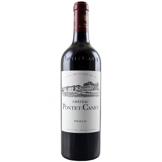
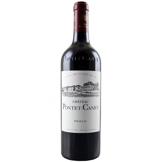
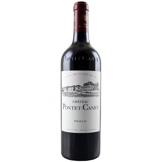
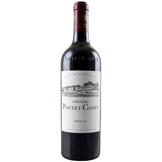
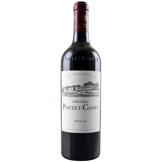
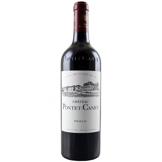
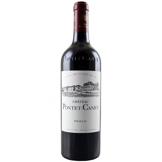
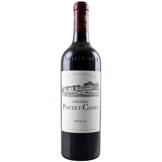
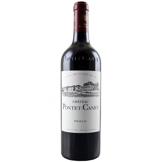
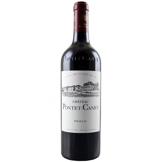
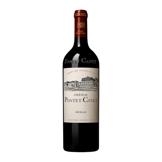
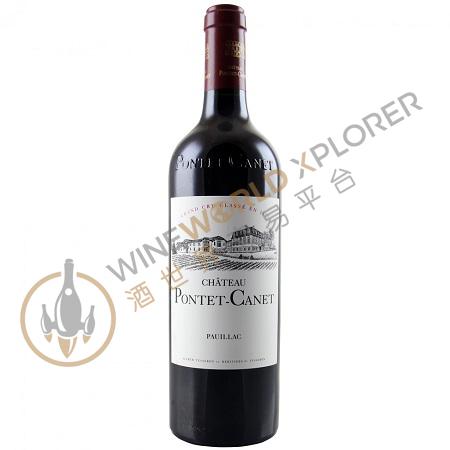
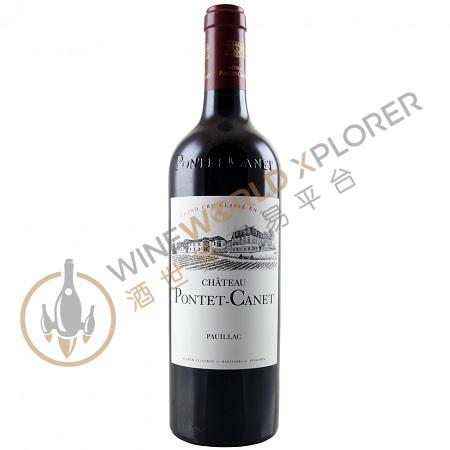
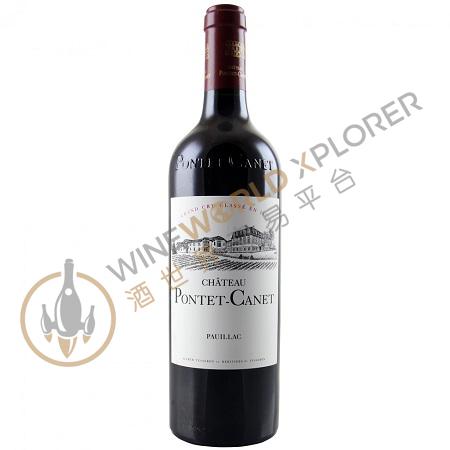
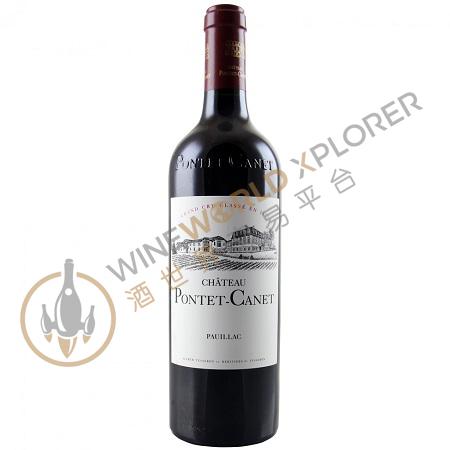
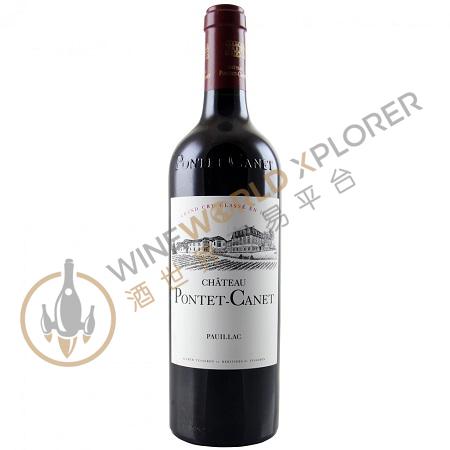
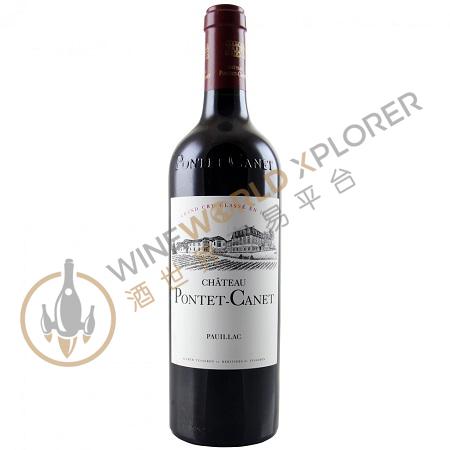
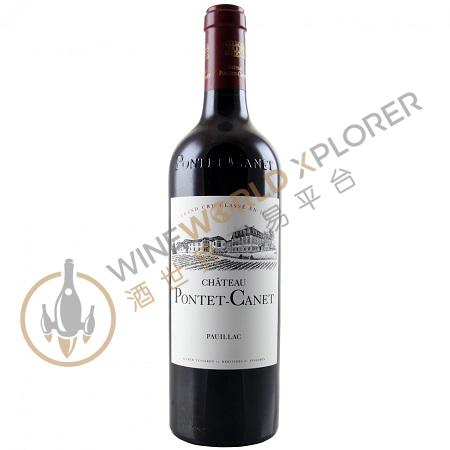
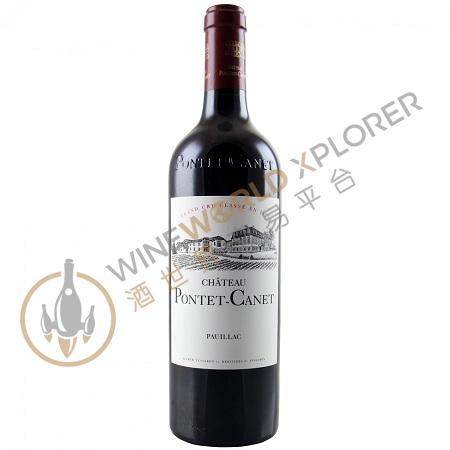
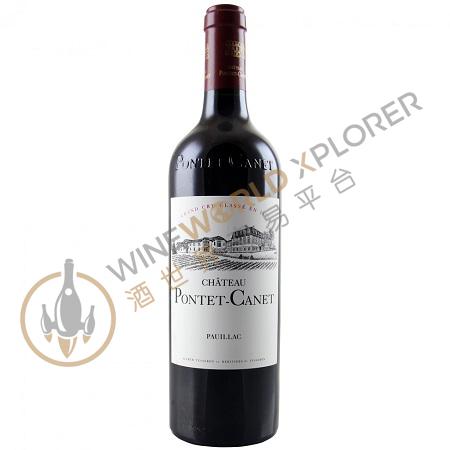
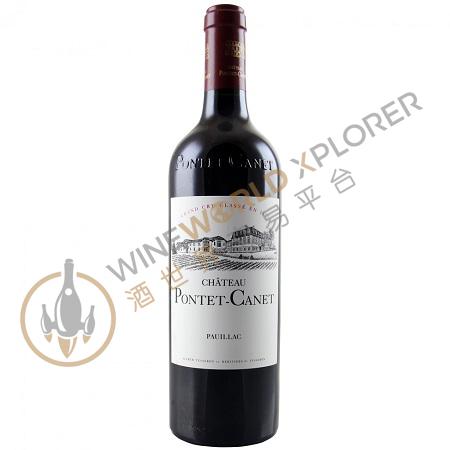
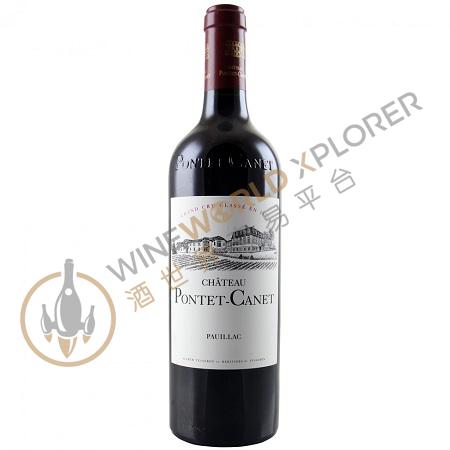
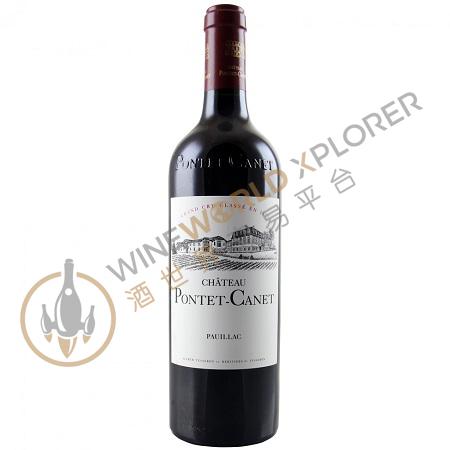
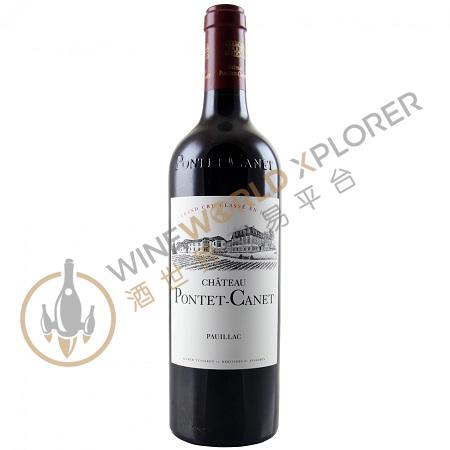
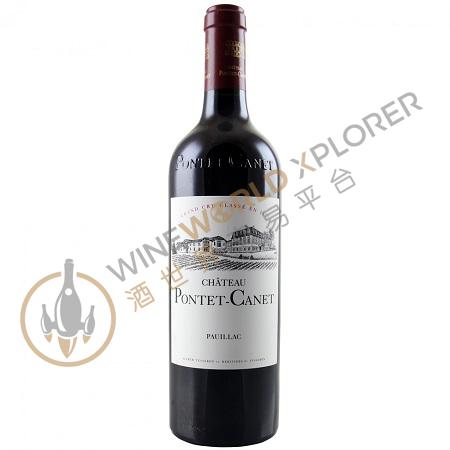
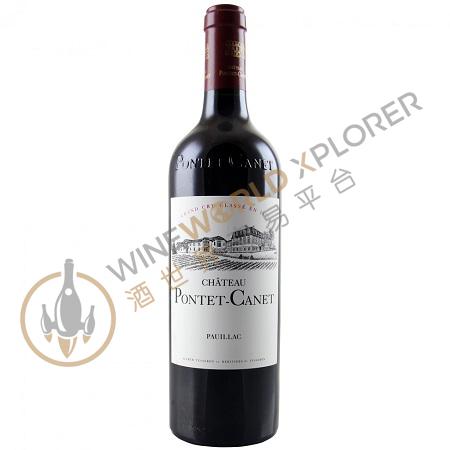
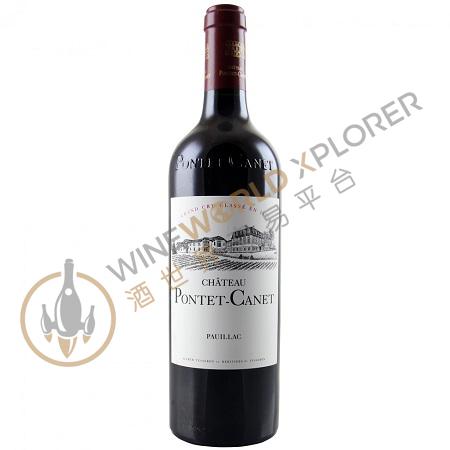
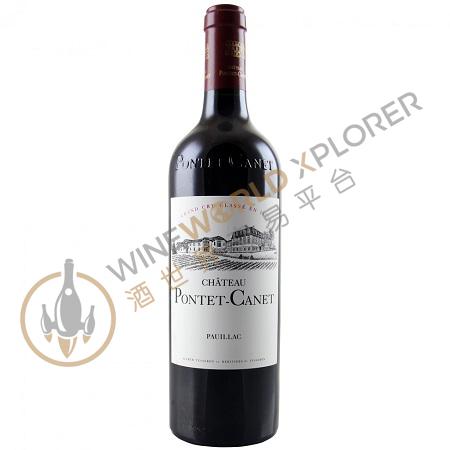
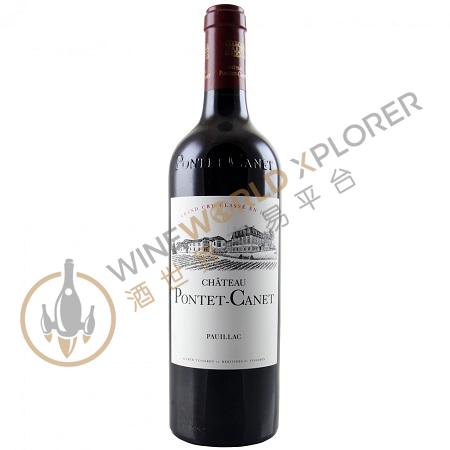
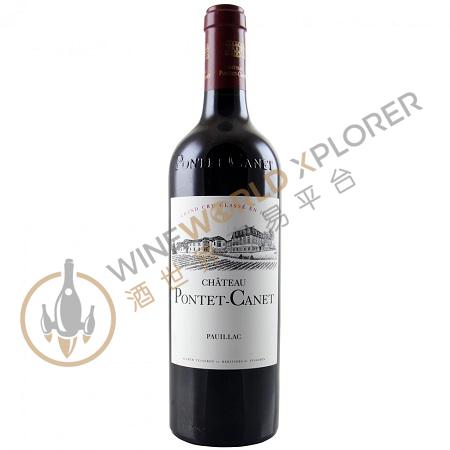
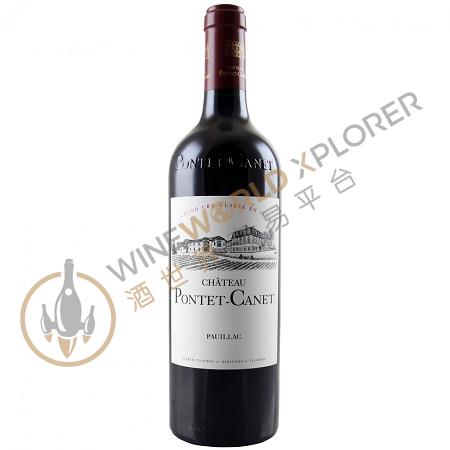
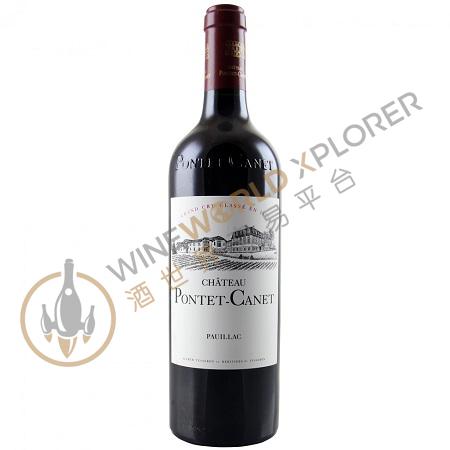
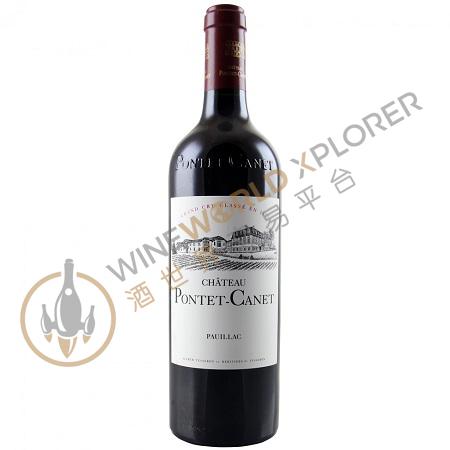
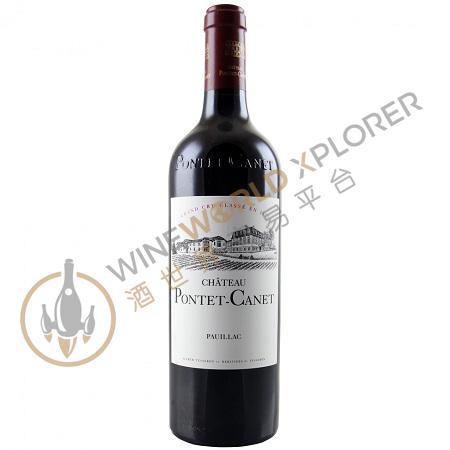
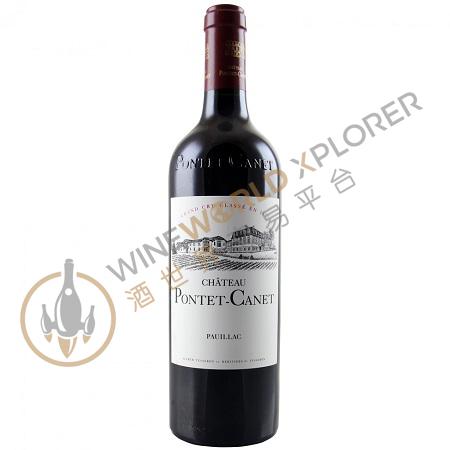
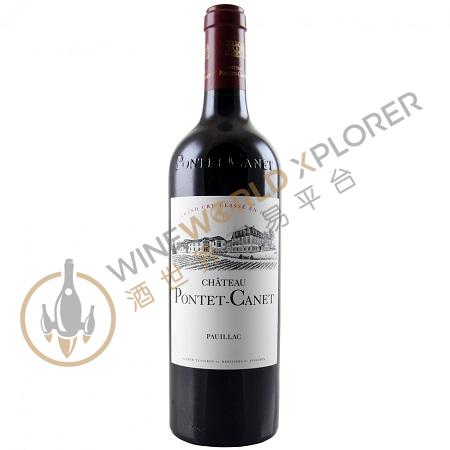
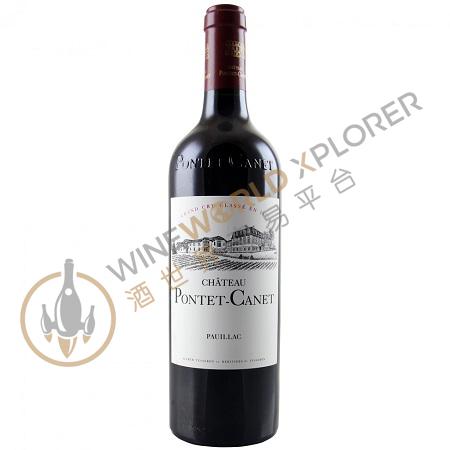
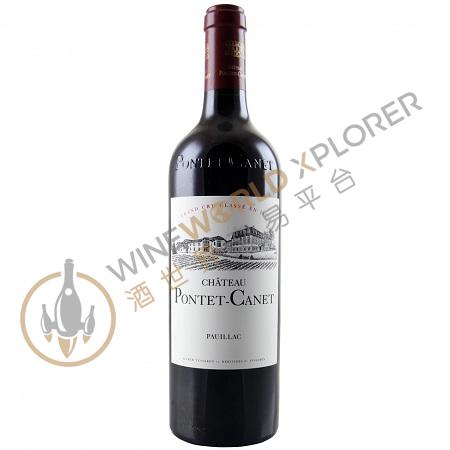
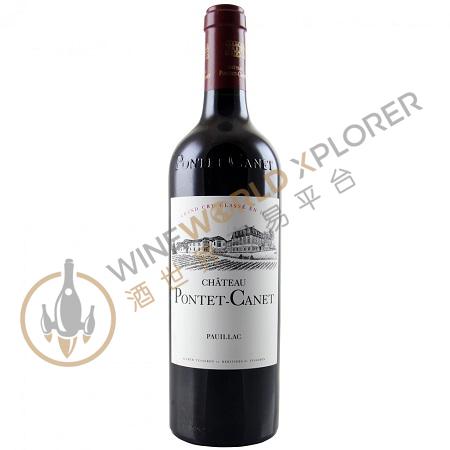
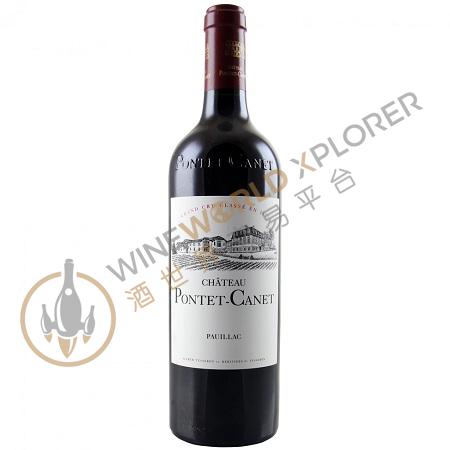
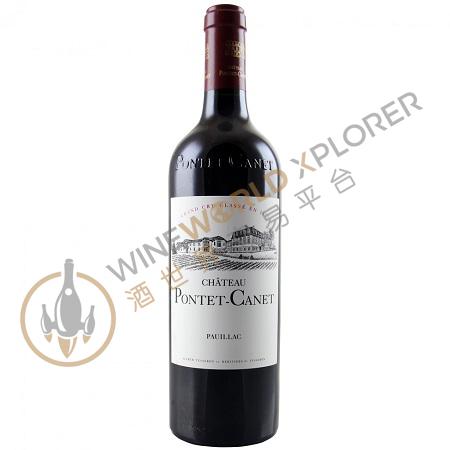
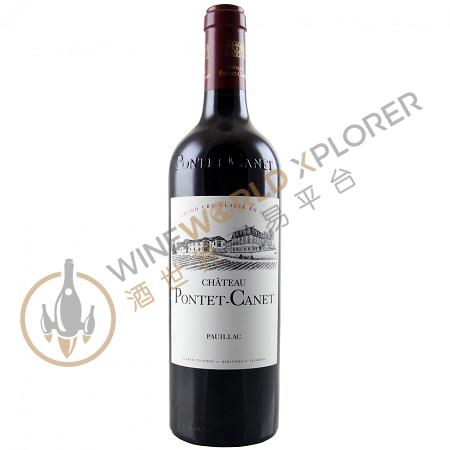
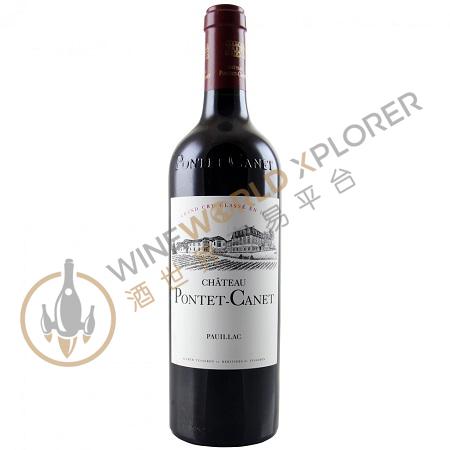
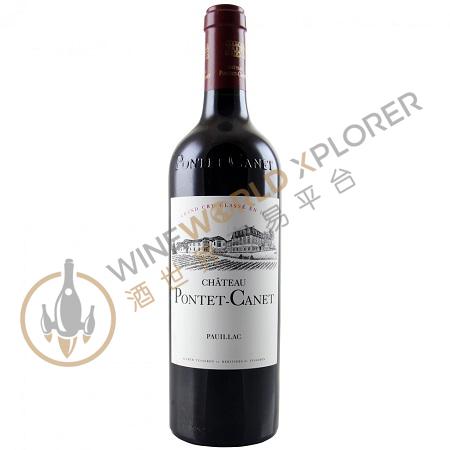
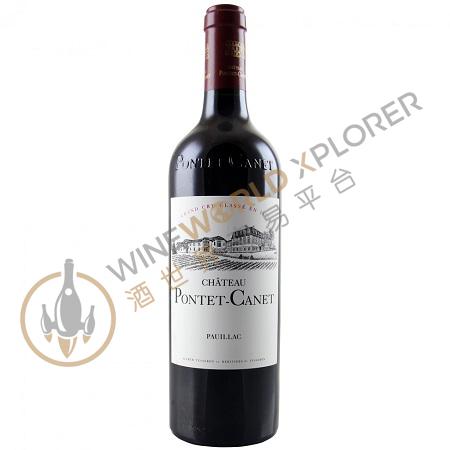
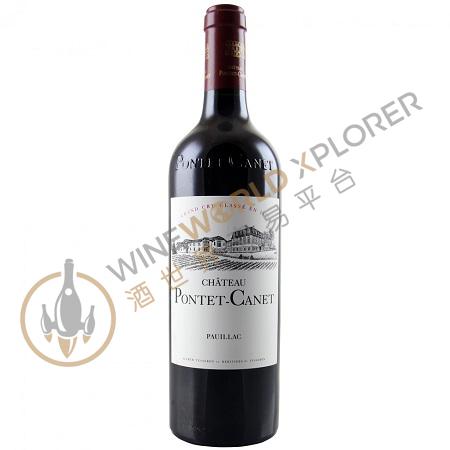
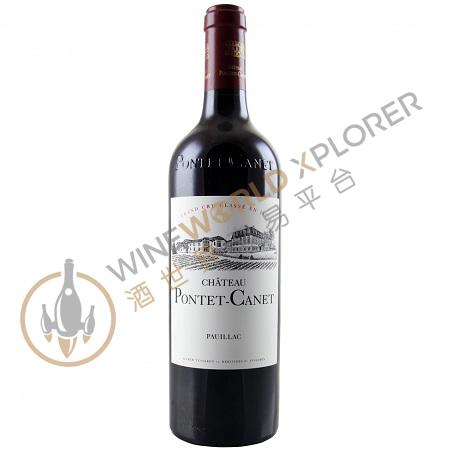
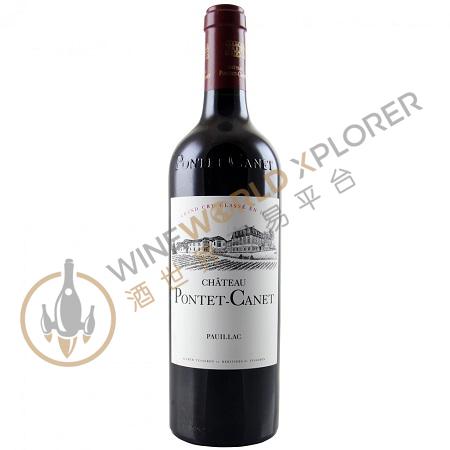
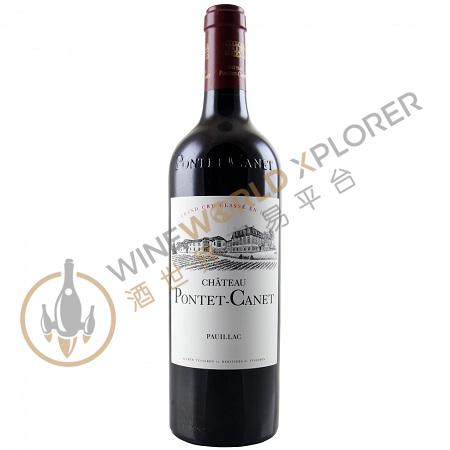
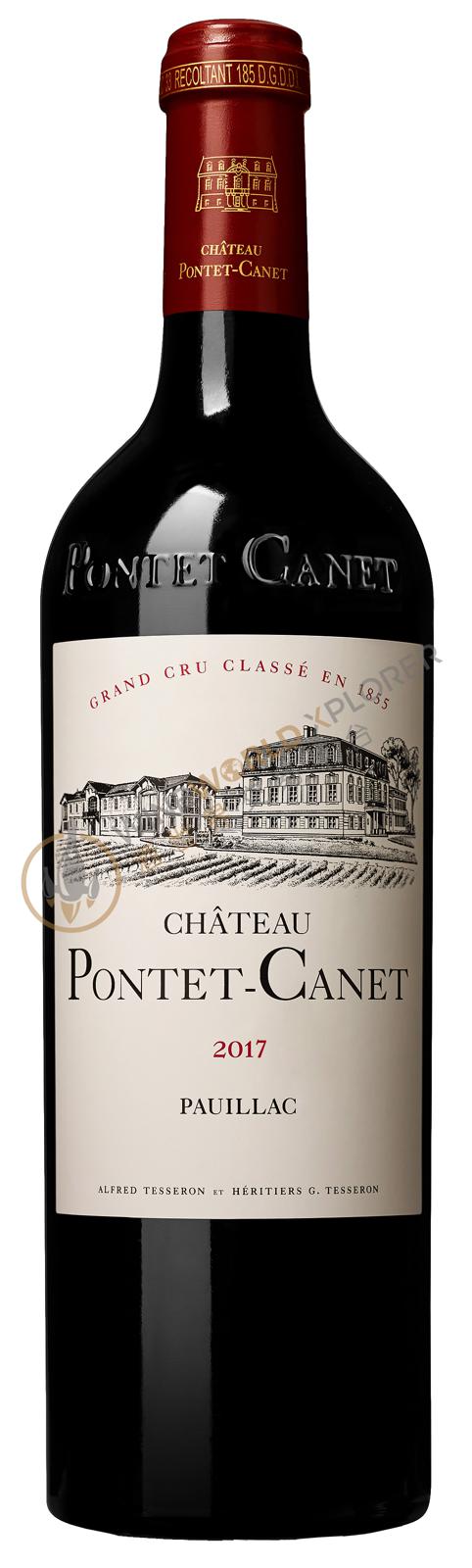
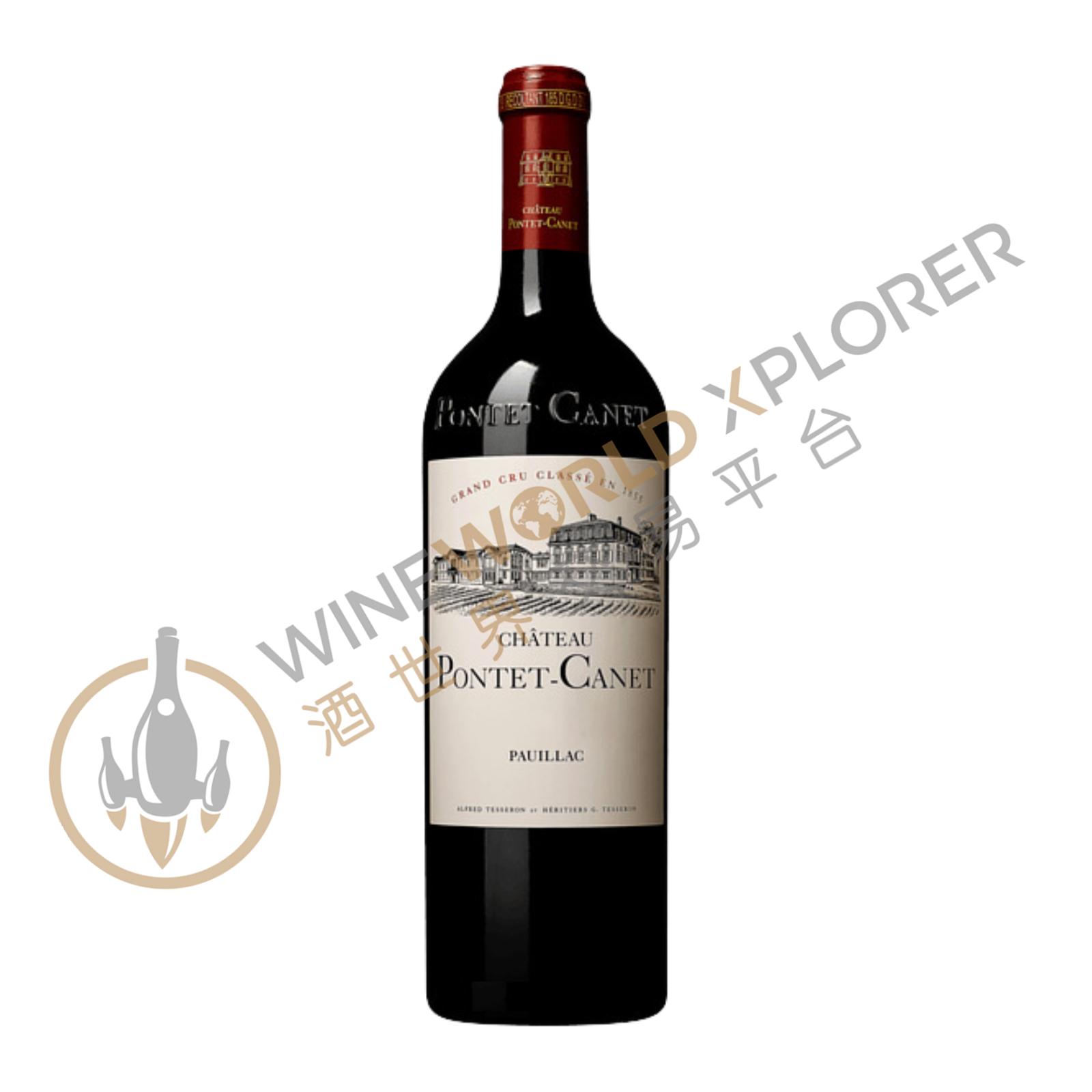
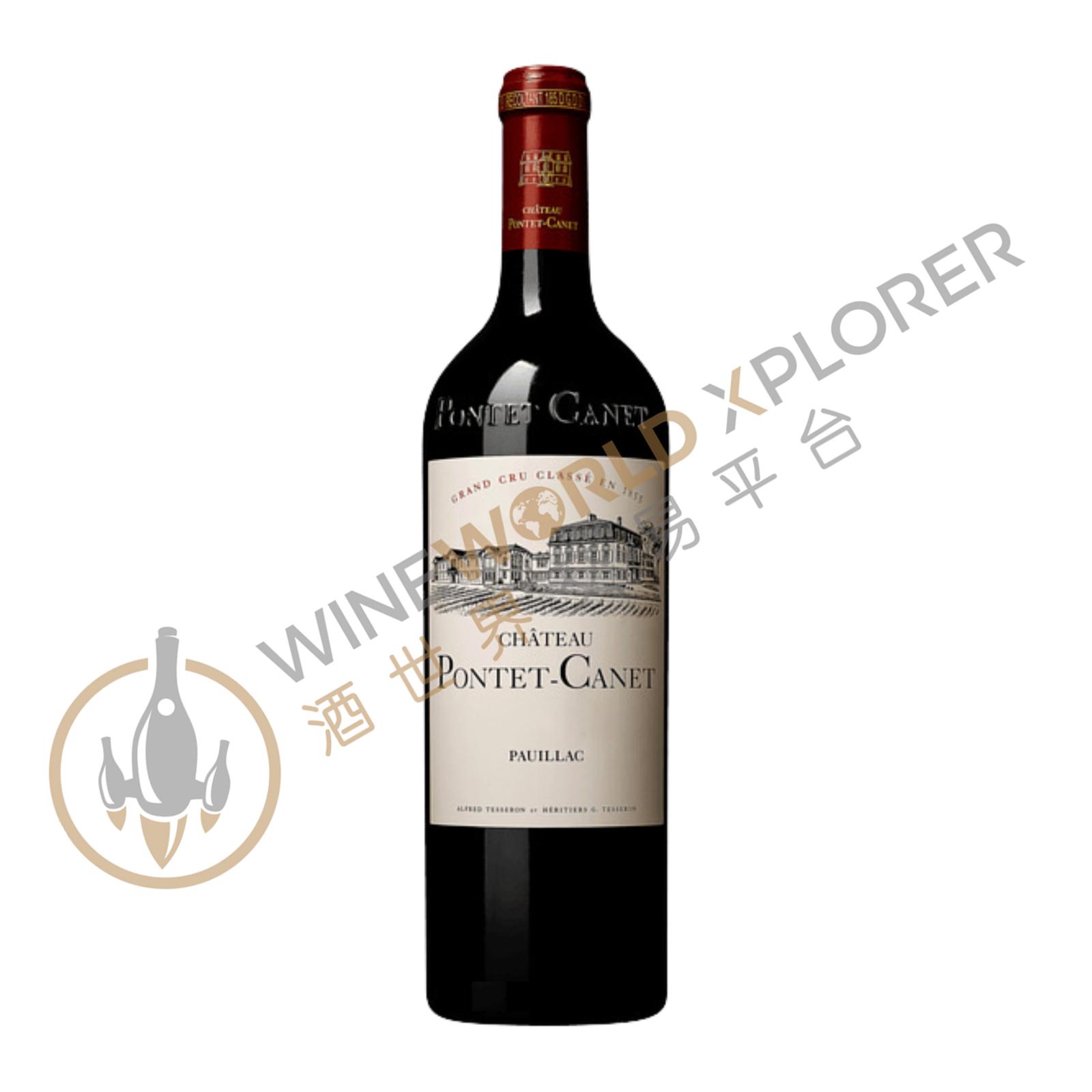
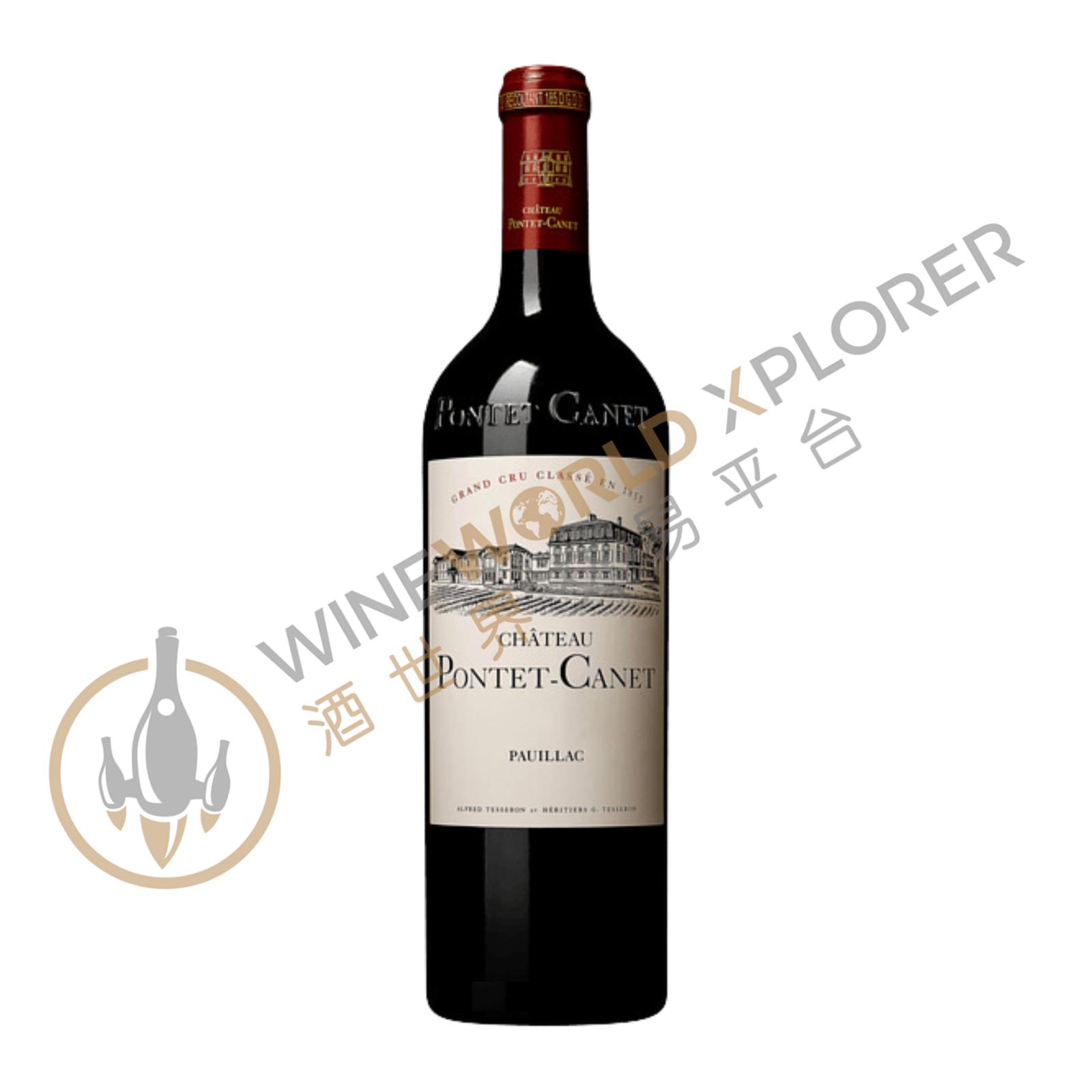
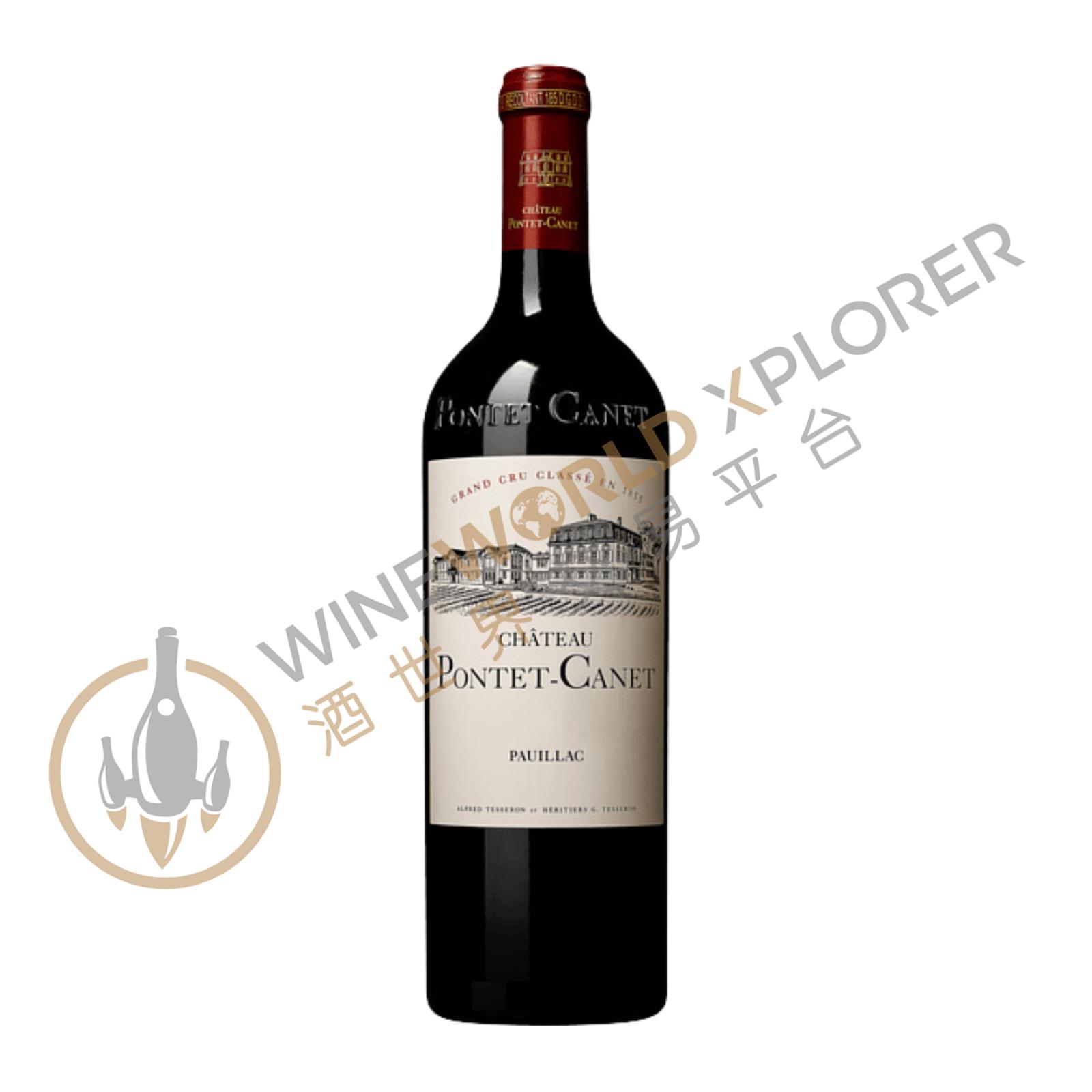
Pontet Canet 2002
 View analysis


Description
Tasting notes

Reviewed by: Neal Martin
Tasted at Bordeaux Index’s Pontet-Canet dinner at The Ledbury. Compared to more recent vintages, the 2002 certainly has a lighter, perhaps more straightforward nose with blackberry, bay leaf and just a hint of liquorice. The palate is medium-bodied with firm tannins, well knit but not quite as deep as the 2003 or 2004. Powdery in texture towards the finish with that tincture of leafiness coming through so typical of the vintage. Tasted February 2011.
Reviewed by: Robert M. Parker, Jr.
A thick, unctuous texture immediately suggests something rather special. Substantial tannins emerge in the finish, suggesting this is another Pauillac that will require plenty of cellaring. Approximately two-thirds of the production made it into this 2002. A dense purple color accompanies aromas of pure, rich creme de cassis. With medium to full body, and a long, concentrated finish, it should be at its finest between 2010-2025. This is a very classic wine.
Reviewed by: Neal Martin
Approaching the levels of Lynch Bages and Pichon Baron at en primeur and building on its initial promise after bottling in October 2004. A fine cedar, blackberry nose with great purity and verve. The palate is quite rich, decadent even though without the sophistication of Pichon Baron. Sweet black cherry, black tea. Well knit though the oak still dominates this wine. But great potential. Last tasted in May 2005. This has closed down a lot since I lasted tasted it. Still dominated by new oak on the nose but there is great structure on the palate. Super-ripe tannins, overtly modern in style. Bright, extravagant and showy (in fact not similar to Mouton-Rothschild.) A supremely confident wine that needs a few years cellaring.
Reviewed by: Neal Martin
Tasted at Berry Bros. vertical in London. A dark garnet core. The nose demands some coaxing, blackberry, a touch of bay leaf and wild hedgerow. Very fine definition. After a few minutes in the glass, it develops a subtle liquorice element. The palate is medium-bodied, full of freshness and vigour. The tannins are not quite as fine as a great vintages, this is a brisk, brusque Pontet-Canet that actually does remind me of Mouton-Rothschild in many ways. Then, a little herbaceous towards the dry finish, linear and moderate length. Very good for the vintage. Tasted October 2009.
Reviewed by: Robert M. Parker, Jr.
This wine has seemingly gone to sleep and is in a dormant, ungracious stage, exhibiting notes of green tea leaves intermixed with red and black currants in its dusty nose. A medium-bodied wine with moderately high tannin and a certain austerity, it seems to be a much less impressive effort than I thought from barrel or is it just impossibly closed? There is still substantial size and tannic clout to the wine, but the fruit seems to have gone into hiding. Anticipated maturity: 2011-2020+. As most well-informed insiders in Bordeaux know, proprietor Alfred Tesseron has been doing everything right since 1994 in order to fully develop the enormous potential of this vineyard adjacent to Mouton-Rothschild. Some serious work is done in the vineyard including de-budding, de-leafing, and crop-thinning. The harvest usually takes place in several attempts trying to maximize ripeness and there are two separate sorting tables. Yields have dropped dramatically, and of course there is a severe selection.
Reviewed by: Neal Martin
The 2002 Pontet Canet precedes the conversion to organic viticulture, though Alfred Tesseron had already eschewed the use of pesticides and herbicides. It has a slightly rustic nose, a touch of menthol and soot infusing the black fruit, still quite youthful. The palate is bold, firm and surprisingly sweet with black plum, liquorice and cedar. Not a million miles away from its next-door neighbour actually (Mouton-Rothschild). Just a little shortness on the finish, but otherwise this Pontet Canet is maturing well given the growing season. Tasted at the château.
Reviewed by: Stephen Tanzer
Red-ruby. Cool aromas of blackcurrant, espresso and menthol. Then sweet and pliant in the mouth, with concentrated, very pure currant, chocolate and mint flavors. Wonderfully smooth for the vintage. Broadens out impressively on the back end, finishing with firm, ripe tannins. St. Julien
Reviewed by: Stephen Tanzer
Bright medium ruby. Very ripe but reticent aromas of blackcurrant, black raspberry, dark chocolate, flowers and minerals. Denser, sweeter and more chocolatey than the 2001 but also more closed today. Offers a subtle musky quality and excellent flavor definition. Finishes with firm tannins and a continuing flavor of dark chocolate. This has gained considerably in sweetness during its time in barrel.
Reviewed by: Stephen Tanzer
(65% cabernet sauvignon, 32% merlot, 2% cab franc and 1% petit verdot) Good medium ruby. Black fruits, licorice, bitter chocolate, and a leafy cabernet note on the nose. Dense, sweet and very fresh, with sharply delineated flavors of cassis, licorice, flowers and herbs. Broad, chewy tannins are firm but not hard. Not as sweet today as the 2001 but long on the finish and structured to age. A graceful, unforced wine with well-judged extraction.
About the Producer
The history of Château Pontet-Canet dates back to the early 18th century when Jean-François de Pontet, grand equerry of the king became governor of the Medoc, brings together several parcels of land located in Pauillac. Subsequently, his descendants add the vineyards adjoining the locality Canet: Château Pontet-Canet was born. One hundred years later, the famous classification of 1855 included Château Pontet-Canet among the elite of the Médoc viticulture. This rise did not escape one of the first Bordeaux merchants of the time, Herman Cruse, who bought the property in 1865. He built new cellars, modernized the facilities and made this wine known throughout the world. The Cruse family managedthe property for 110 years, until another merchant, but from Cognac, Guy Tesseron, bought it in 1975. Thus, in more than two hundred years, Château Pontet-Canet knew only three different owners. Today, it is the son of Guy Tesseron, Alfred Tesseron who is at the head of the field. The Château Pontet-Canet terroir consists of 62% Cabernet Sauvignon, 32% Merlot, 4% Cabernet Franc and 2% Petit Verdot. The property is 120 hectares of which 80 hectares are dedicated to the breeding of the vine. Led by Jean Michel Comme, Château Pontet-Canet’s viticulture has gone from conventional cultivation to organic farming and biodynamic farming. Thus, the terroirs, worked daily by Breton horses, have found their originality.
1981(1)1982(2)1983(2)1988(1)1990(1)1995(1)1996(1)2000(8)2001(4)
Package Size