Wine Advisor



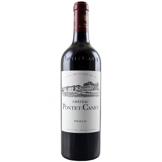
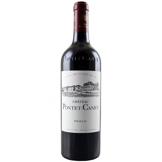
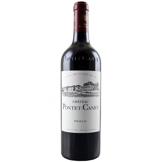
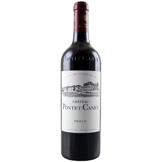
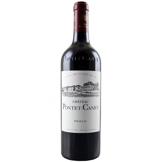
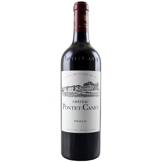
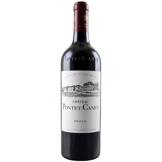
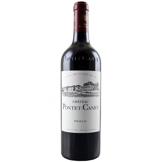
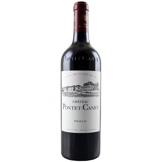
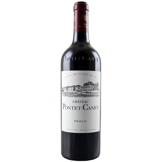
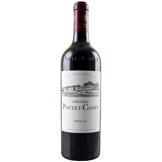
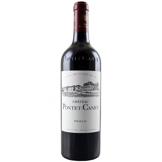
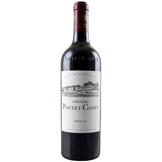
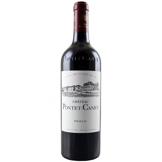
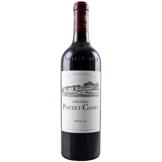
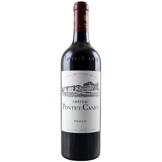
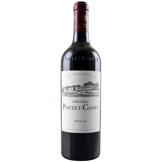
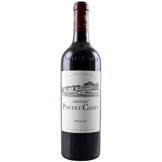
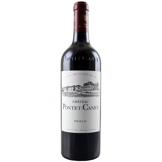
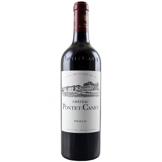
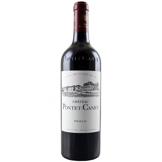
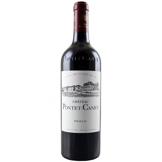
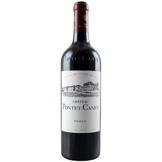
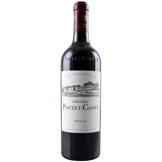
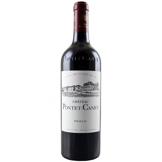
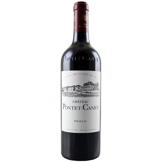
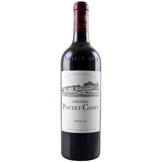
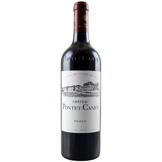
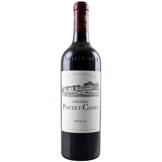
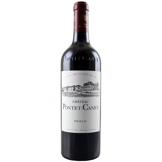
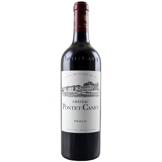
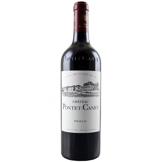
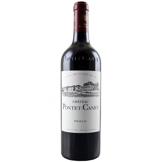
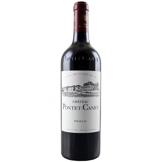
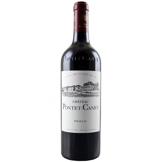
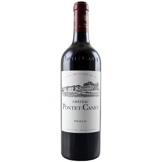
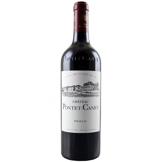
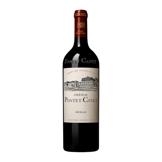
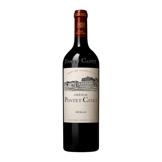
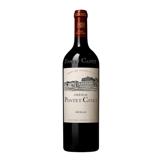
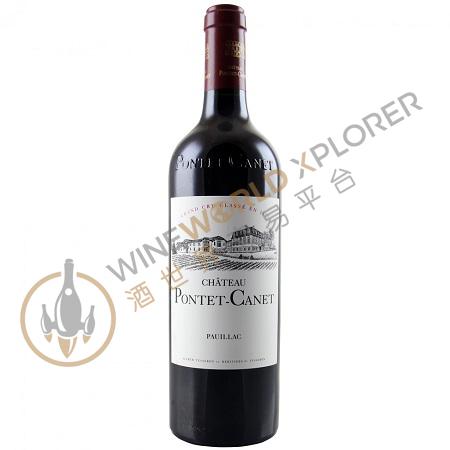
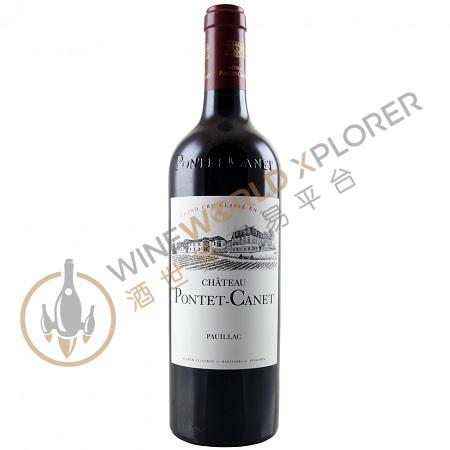
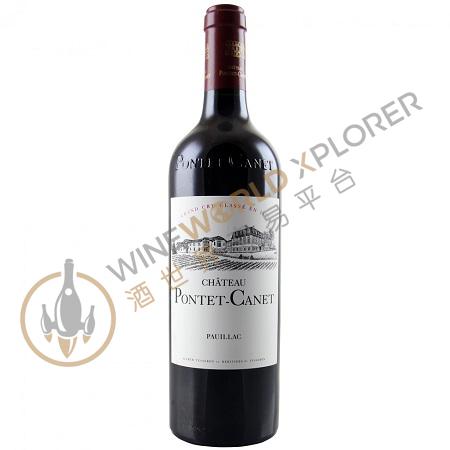
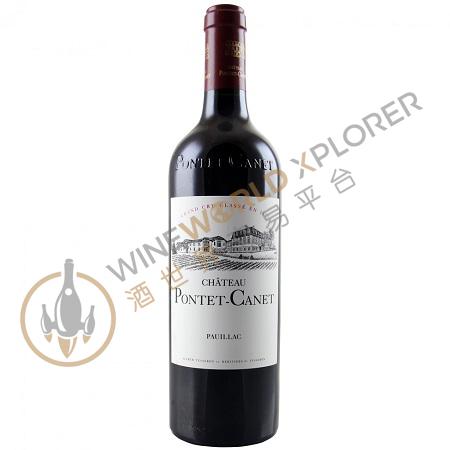
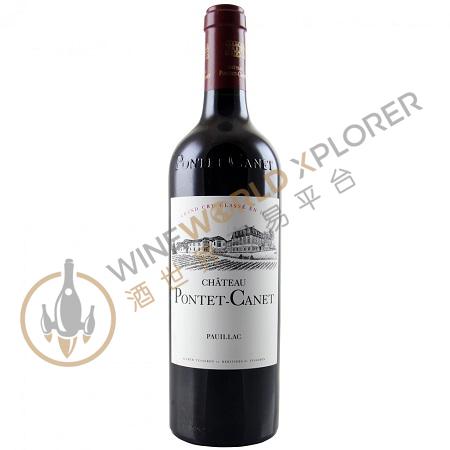
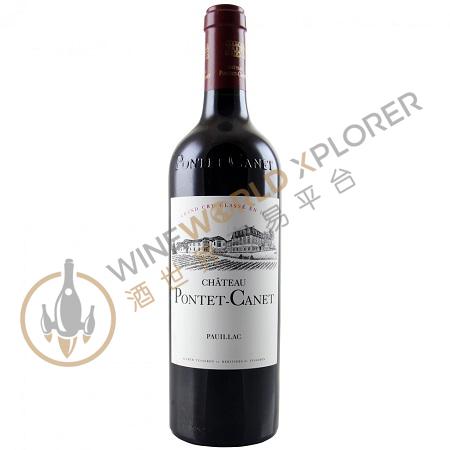
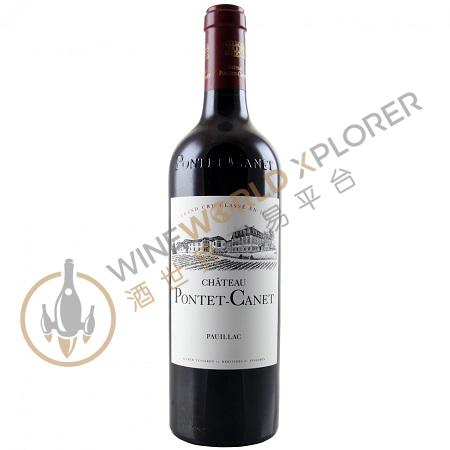
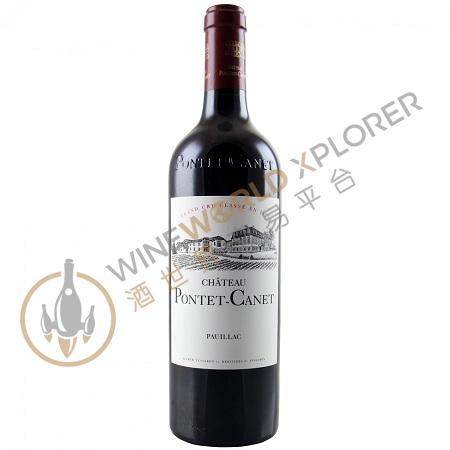
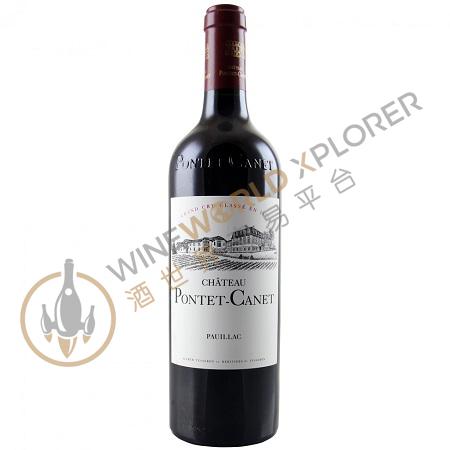
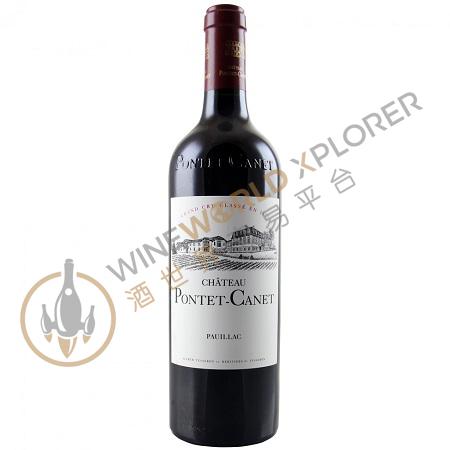
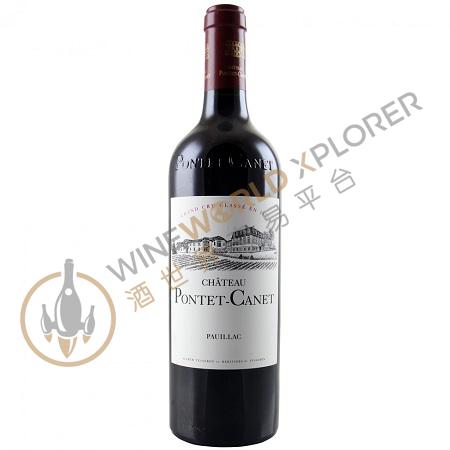
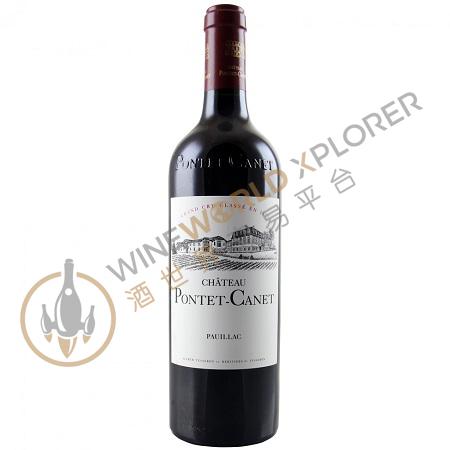
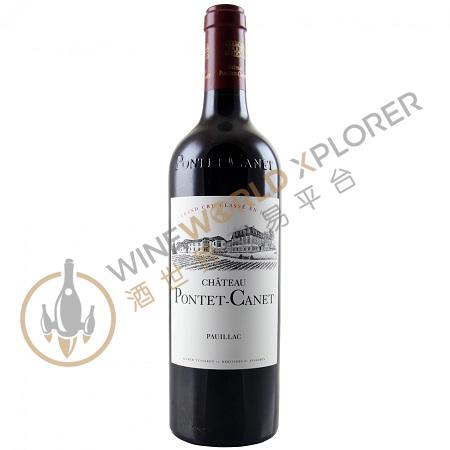
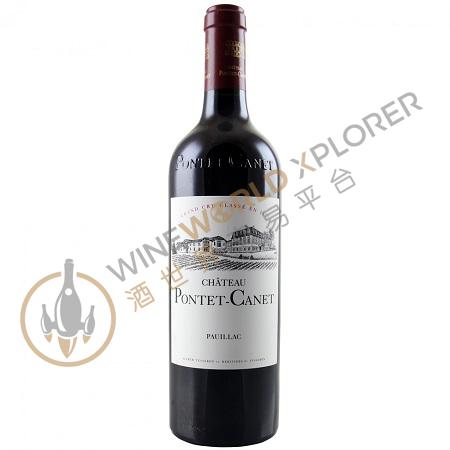
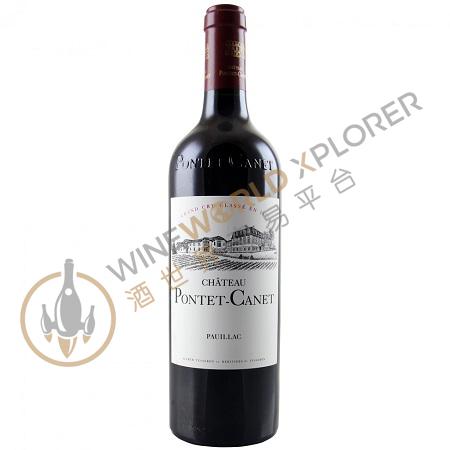
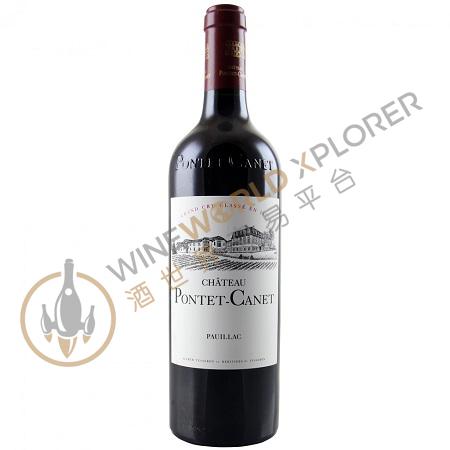
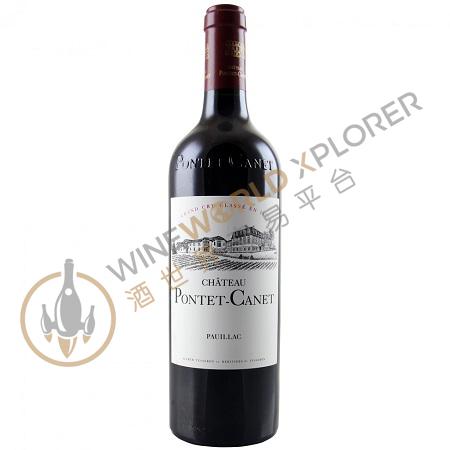
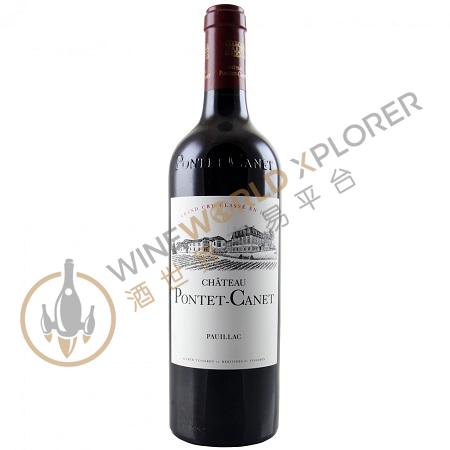
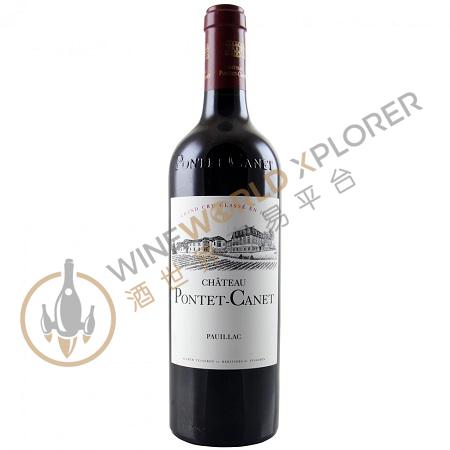
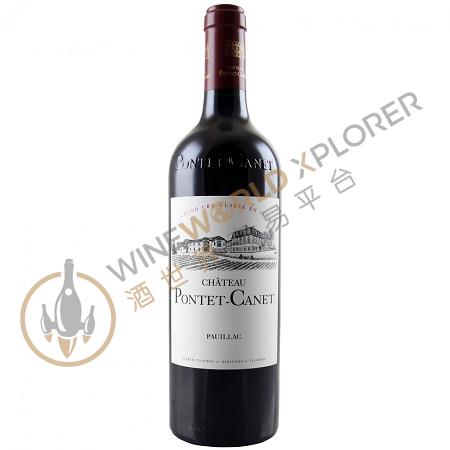
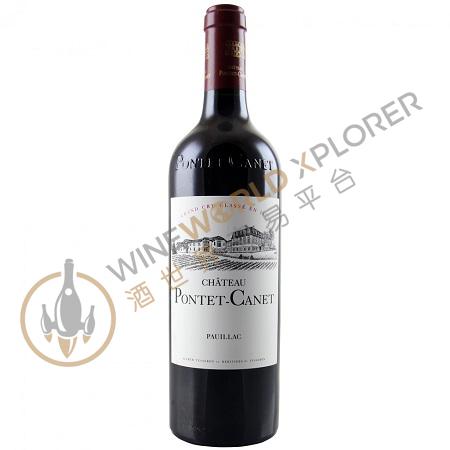
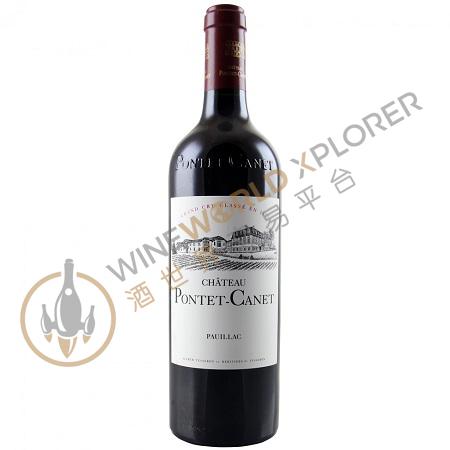
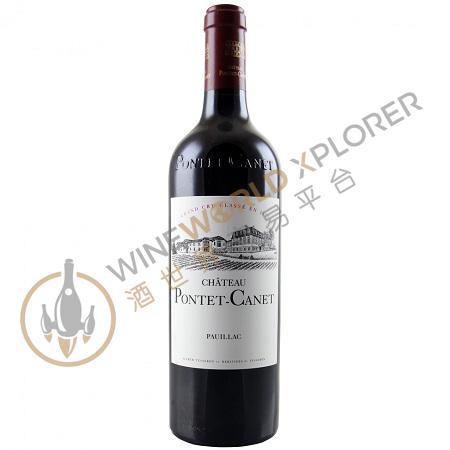
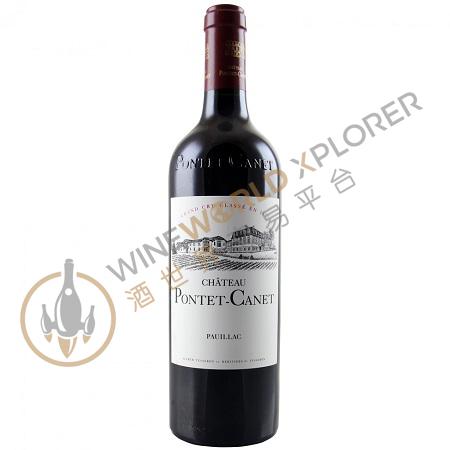
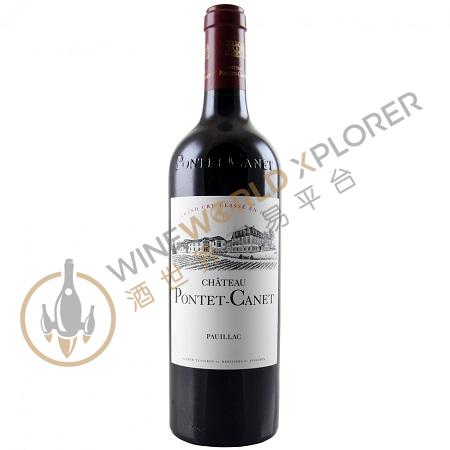
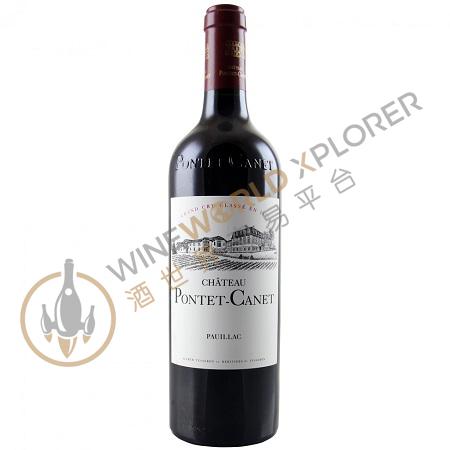
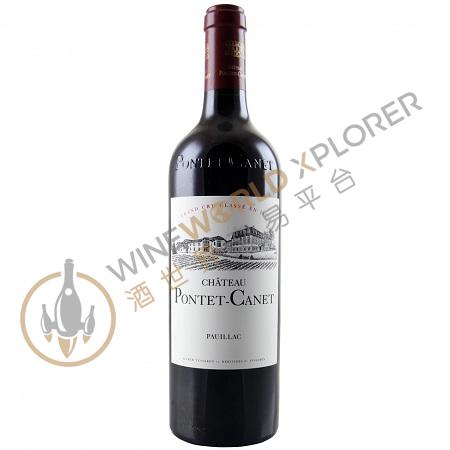
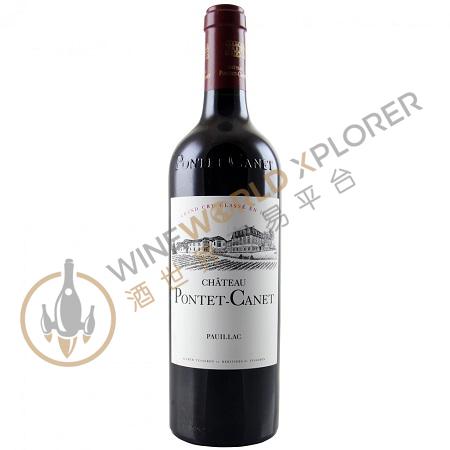
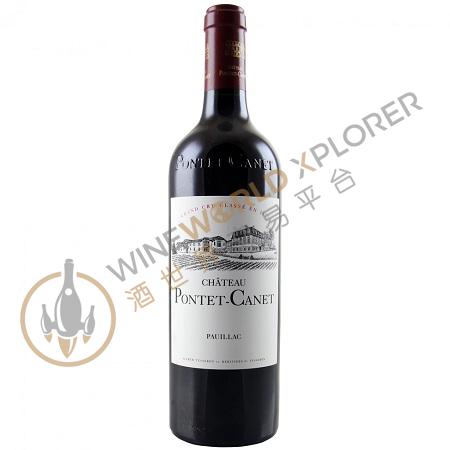
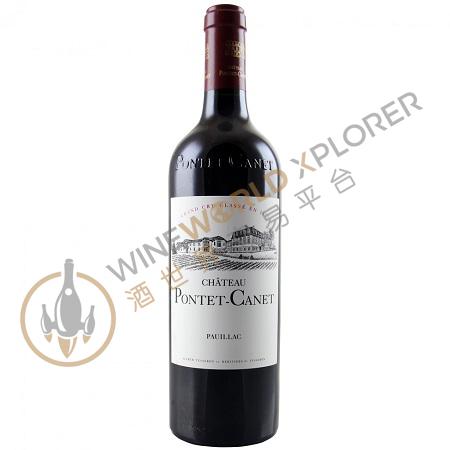
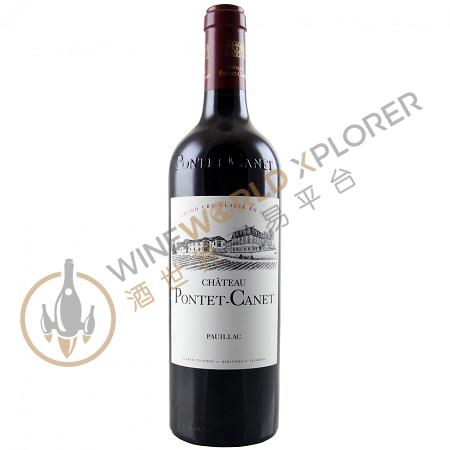
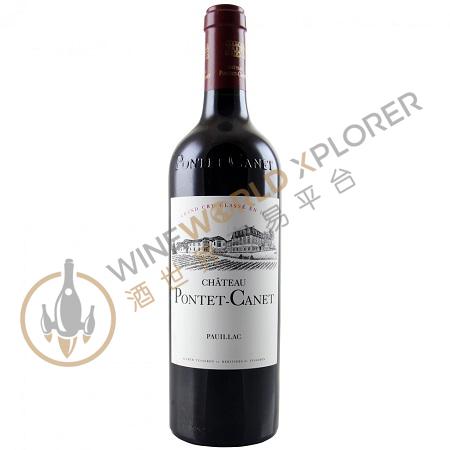
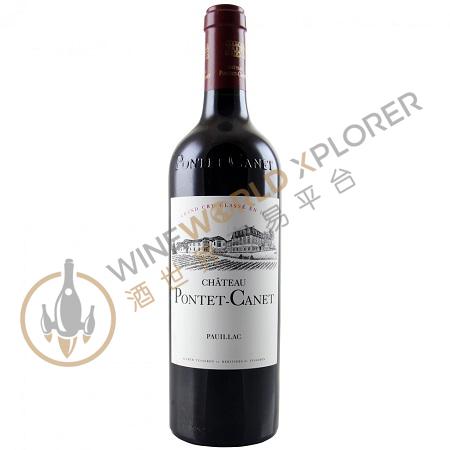
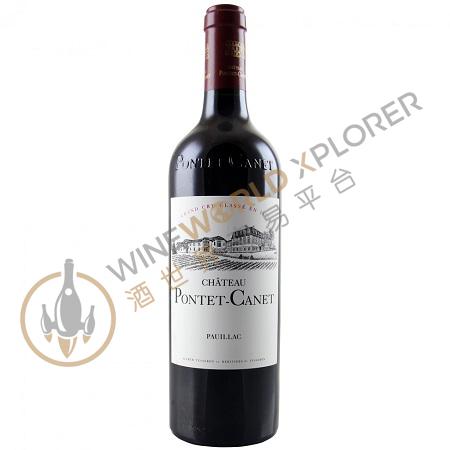
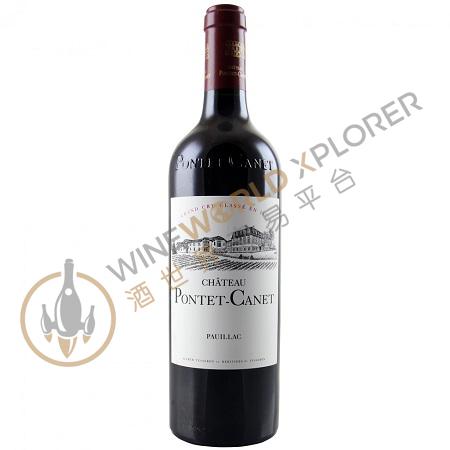
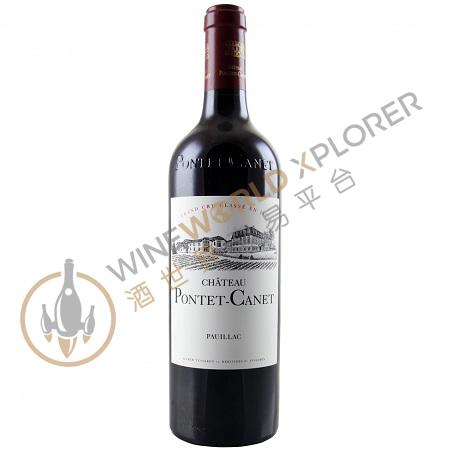
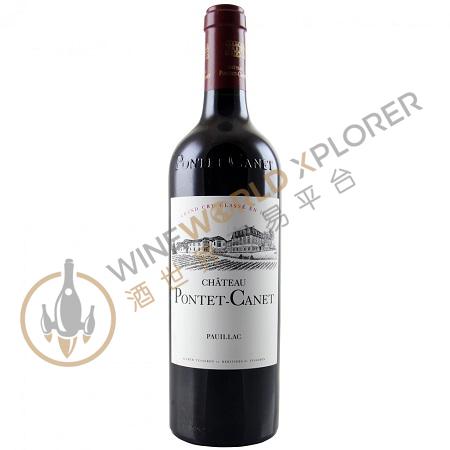
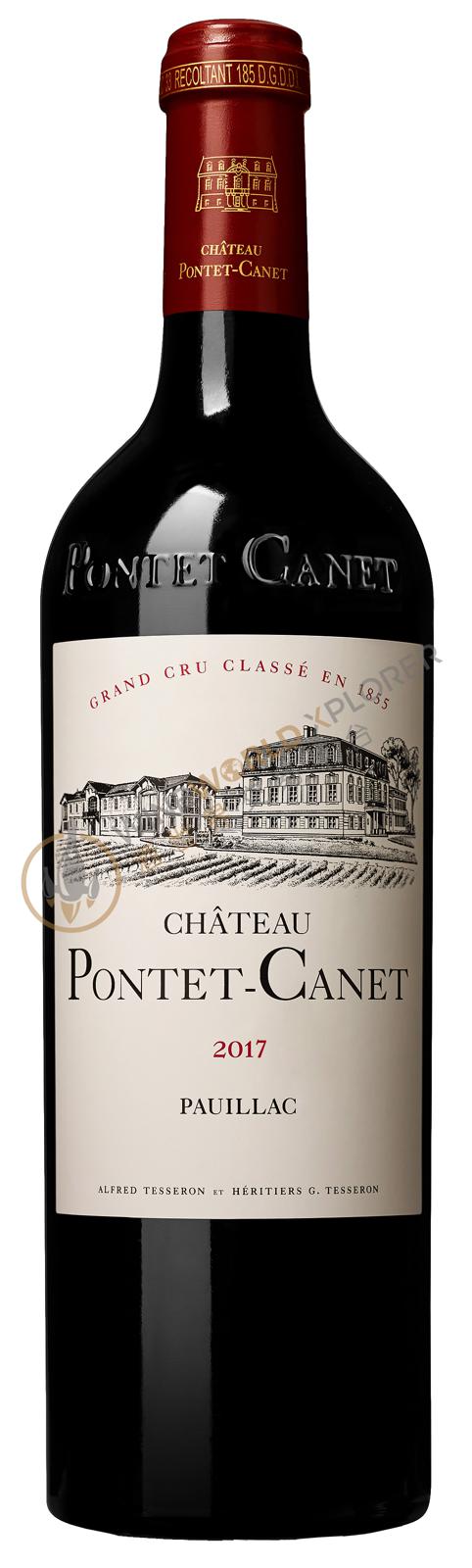
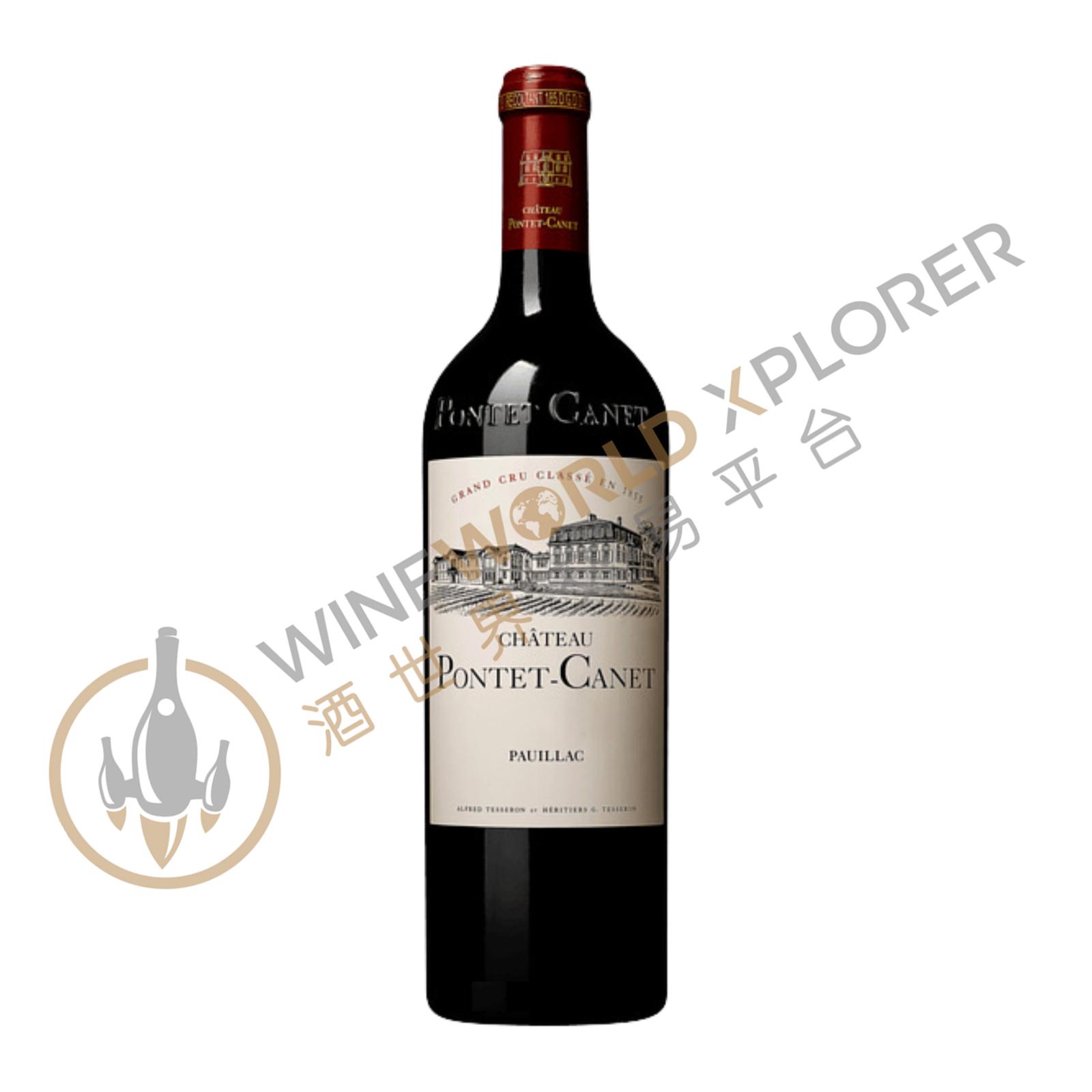
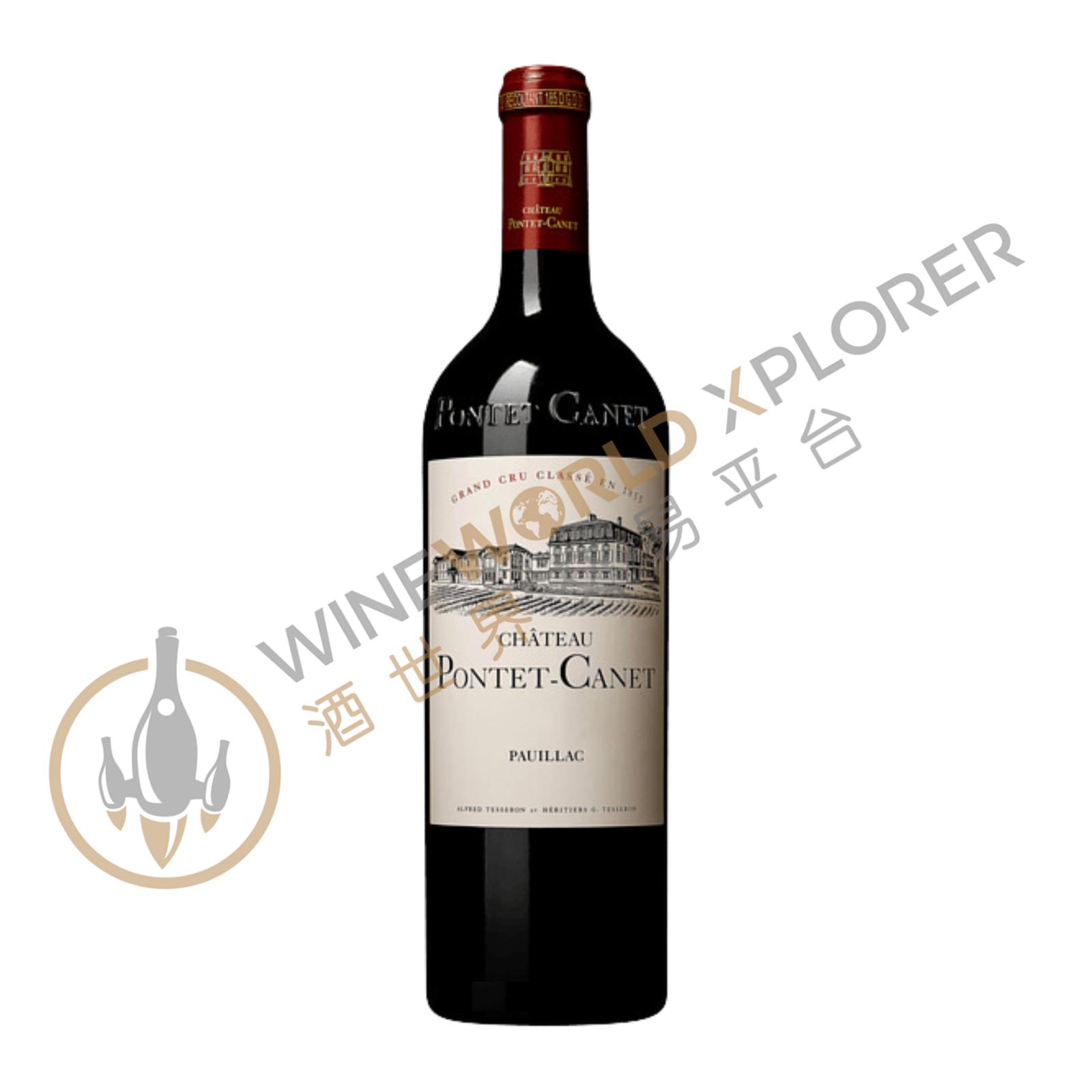
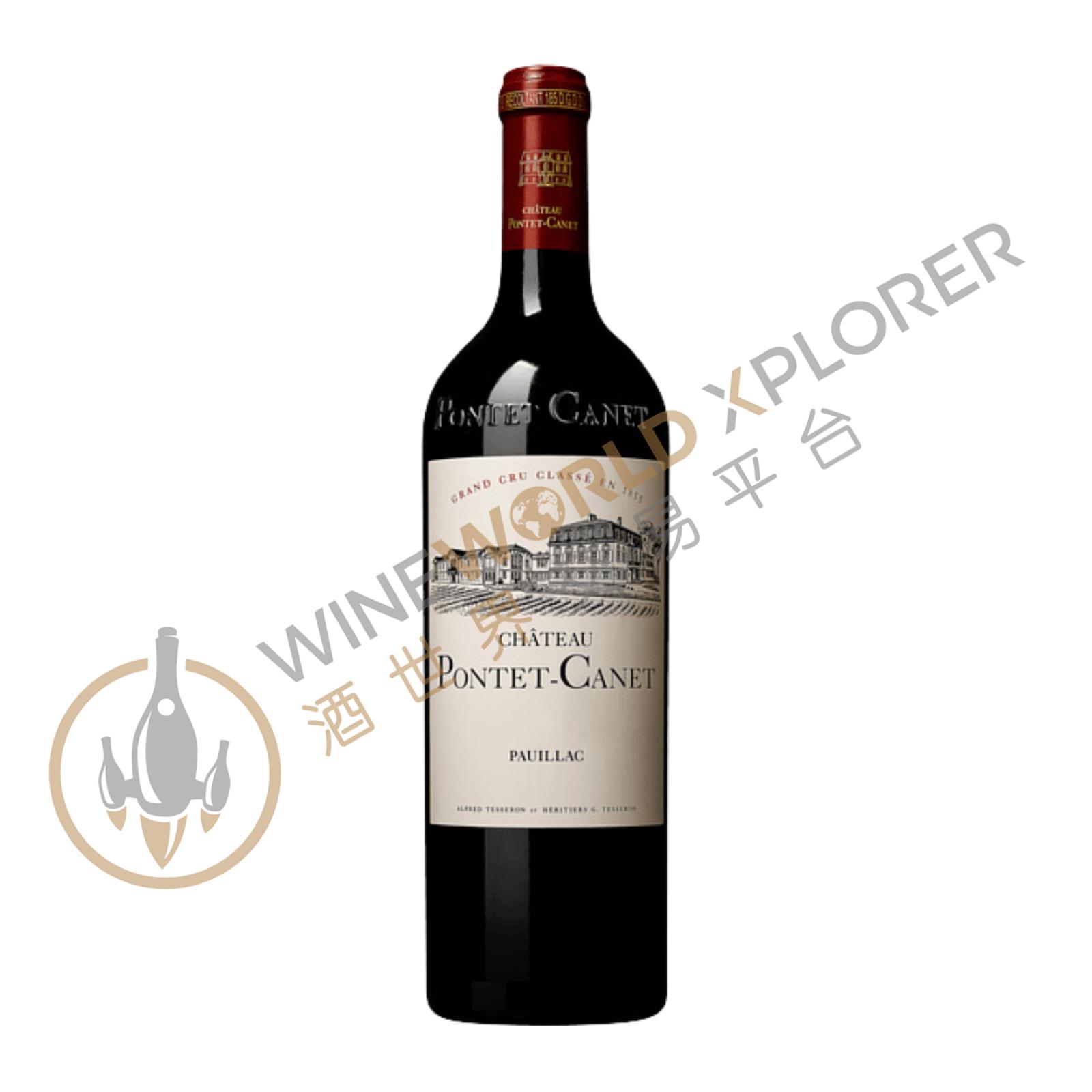
Pontet Canet 2000
 View analysis


Description
Tasting notes

Reviewed by: Neal Martin
Tasted blind at Bordeaux Index’s 2000 tasting in London. This has an alluring, open-knit nose, very well defined with ebullient redcurrant and wild strawberry on the nose, sandalwood, leather, cigar box and a touch of pine. The palate is medium-bodied with firm but fine tannin, very good weight, quite sinewy and taut with tart red berried fruit towards the long finish. Lively and animated – real energy in this wine, smooth and lactic on the finish. Drink now-2025. Tasted March 2010.
Reviewed by: Neal Martin
Tasted at Bordeaux Index’s Pontet-Canet dinner at The Ledbury. The millennial Pontet-Canet continues to offer that generous nose with black cherries, cassis, leather and sandalwood. Smooth on the entry, like the nose it is gently moving into its secondary phase. Quite linear and style, broad-shouldered with grippy tannins towards the finish, this deserves a few more years in bottle. Tasted February 2011.
Reviewed by: Robert M. Parker, Jr.
Like its neighbor, Mouton Rothschild, this wine seems to have closed down considerably after bottling. The impressively saturated opaque purple color offers up some promising aromas of black currants, vanilla, truffle, smoke, and mineral. In the mouth, it is full-bodied, powerful, layered, and enticingly textured, but oh, so backward and firm. The finish is long, but this broodingly backward, large-scaled Pontet-Canet will require considerable patience. Does it rival the brilliant 1995 or 1996? I am not sure. Anticipated maturity: 2011-2030.
Reviewed by: Robert M. Parker, Jr.
A stunning offering is the 2000. An opaque purple color is accompanied by an impressive aromatic display of pure creme de cassis, high quality oak, sweet earth, and smoke. It is a steely, extremely long classic with noticeable tannin as well as fine concentration and power, and a 45-second finish. This broodingly backward, hulking Pontet-Canet will require patience. Anticipated maturity: 2010-2030+.
Reviewed by: Neal Martin
A really beautiful cassis and mineral-rich nose. Not a huge, full-bodied palate - quite spicy and sweet. Lacks some body but a lovely crunchy cranberry finish. Very fine, but has been superseded by ensuing vintages. Tasted April 2001.
Reviewed by: Neal Martin
Tasted at Berry Bros. vertical in London. Compared to the 2001, the millennial Pontet-Canet is more expressive on the nose with blackberry, cedar, graphite, tobacco and a slight leafy quality that merely lends it freshness and vitality. The palate is medium-bodied, very pure and refined, lovely balance and yet somehow missing the intensity and vigour of ensuing vintages, a four-gear Pontet-Canet rather than five-gear despite the vintage but it would be churlish to ignore the supple, slightly lactic, chocolaty finish. Delicious! Drink 2010-2020.
Reviewed by: Robert M. Parker, Jr.
Upgraded in score over my original rating, which was several points lower, Alfred Tesseron has done a remarkable job since 1994 with Pontet-Canet, which has been hitting first-growth levels since 2003. But the 2000 also shows exceptionally well. In need of another decade of cellaring, this dense purple wine has a classic nose of incense, charcoal, creme de cassis, and subtle new oak. Full-bodied, powerful, still very tannic, and shockingly backward, this is a big, rich wine that has put on weight and seems to need more time than I originally predicted. Anticipated maturity: 2015-2035+.
Reviewed by: Robert M. Parker, Jr.
A spectacular effort from Pontet Canet. The opaque ruby/purple-colored 2000 offers a gorgeously pure, intense bouquet of blackberry liqueur, cassis, smoke, and Asian spices. The Pontet Canet displays a firm, classic feel in the mouth, high tannin, medium to full body, exceptional concentration as well as purity, and a long finish. Bravo! Anticipated maturity: 2007-2030.
Reviewed by: Neal Martin
Tasted at the Pontet-Canet vertical, the 2000 Château Pontet-Canet is perhaps where things start getting interesting, as Alfred Tesseron's top-to-toe reconfiguration of the vineyard and vinification began to impact and ameliorate the wine. It has a lovely bouquet of blackberry and briary fruit, hints of black truffle developing, later damp earth. There is an intensity here, if not the complexity of the best millennial Pauillacs. The palate is medium-bodied with a mixture of red and black fruit, cedar and sous-bois percolating up through and rendering it a "serious" Pontet-Canet in keeping with the vintage. There is a subtle and yet insistent grip on the finish. It has always been a tannic wine, but these are now softening, albeit at a slower pace than some might like. Therefore, I might be inclined to hold on to bottles for another 3-4 years. Tasted February 2016.
About the Producer
The history of Château Pontet-Canet dates back to the early 18th century when Jean-François de Pontet, grand equerry of the king became governor of the Medoc, brings together several parcels of land located in Pauillac. Subsequently, his descendants add the vineyards adjoining the locality Canet: Château Pontet-Canet was born. One hundred years later, the famous classification of 1855 included Château Pontet-Canet among the elite of the Médoc viticulture. This rise did not escape one of the first Bordeaux merchants of the time, Herman Cruse, who bought the property in 1865. He built new cellars, modernized the facilities and made this wine known throughout the world. The Cruse family managedthe property for 110 years, until another merchant, but from Cognac, Guy Tesseron, bought it in 1975. Thus, in more than two hundred years, Château Pontet-Canet knew only three different owners. Today, it is the son of Guy Tesseron, Alfred Tesseron who is at the head of the field. The Château Pontet-Canet terroir consists of 62% Cabernet Sauvignon, 32% Merlot, 4% Cabernet Franc and 2% Petit Verdot. The property is 120 hectares of which 80 hectares are dedicated to the breeding of the vine. Led by Jean Michel Comme, Château Pontet-Canet’s viticulture has gone from conventional cultivation to organic farming and biodynamic farming. Thus, the terroirs, worked daily by Breton horses, have found their originality.
1981(1)1982(2)1983(2)1988(1)1990(1)1995(1)1996(1)
Package Size