Wine Advisor



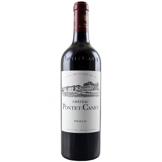
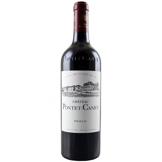
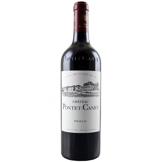
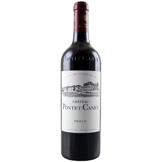
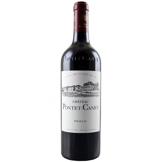
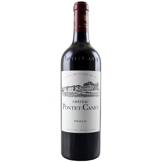
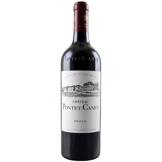
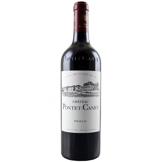
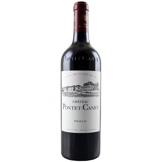
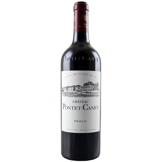
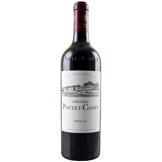
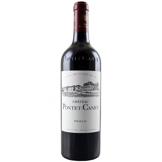
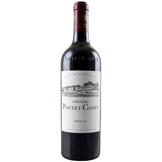
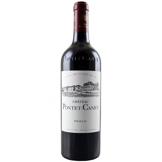
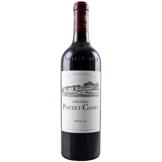
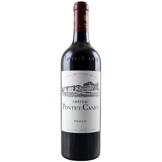
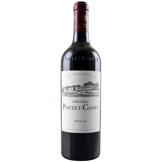
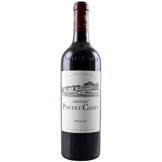
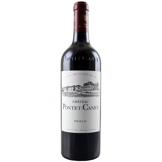
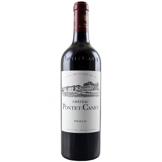
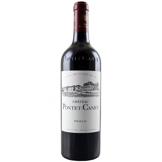
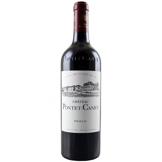
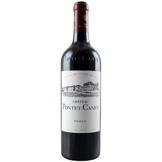
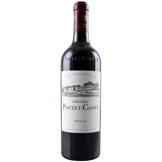
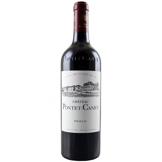
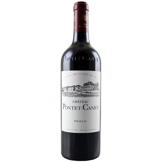
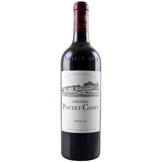
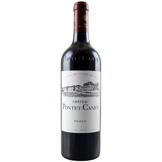
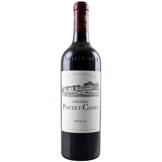
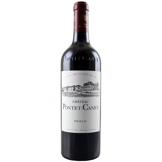
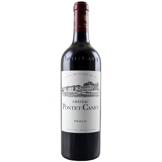
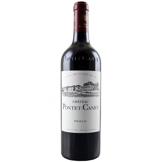
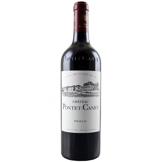
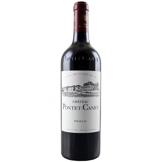
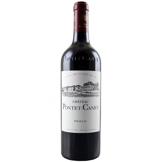
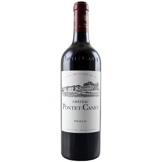
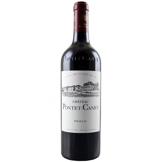
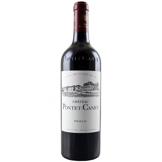
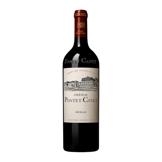
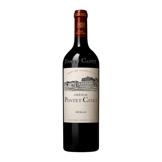
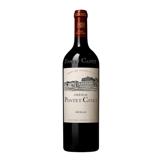
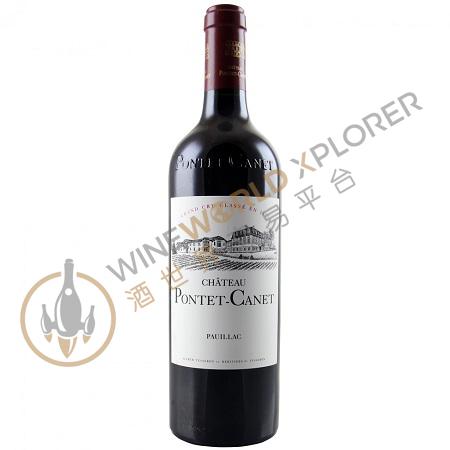
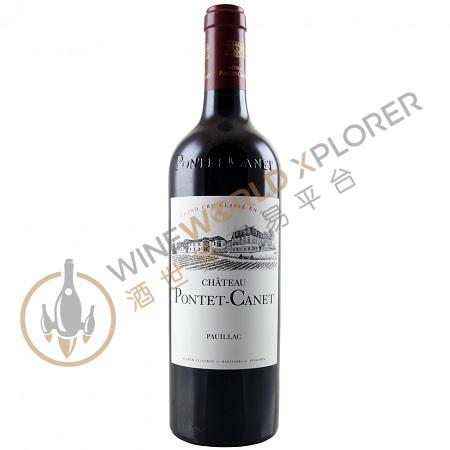
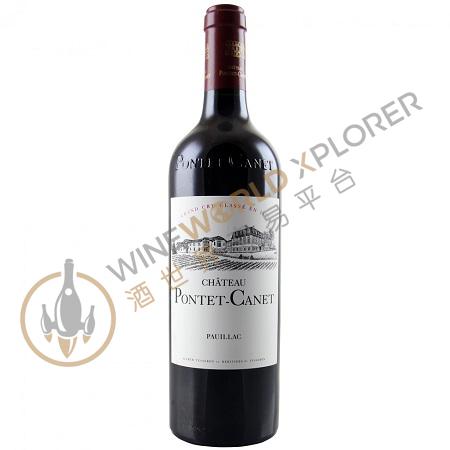
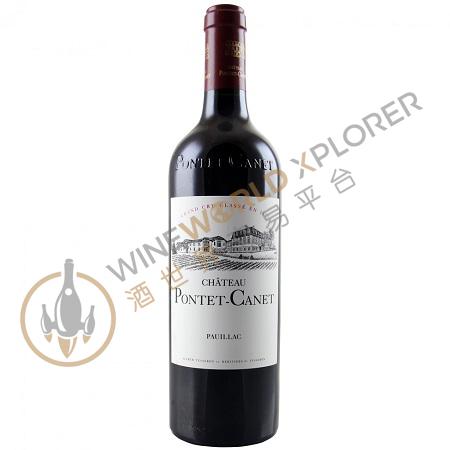
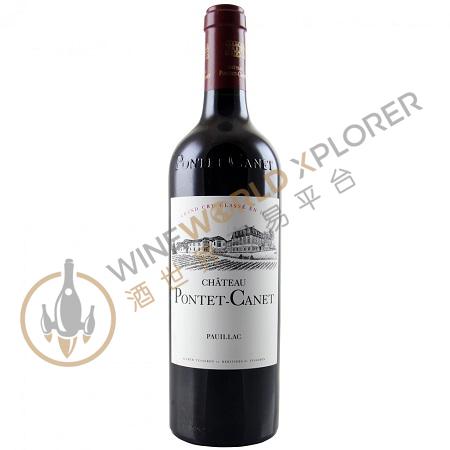
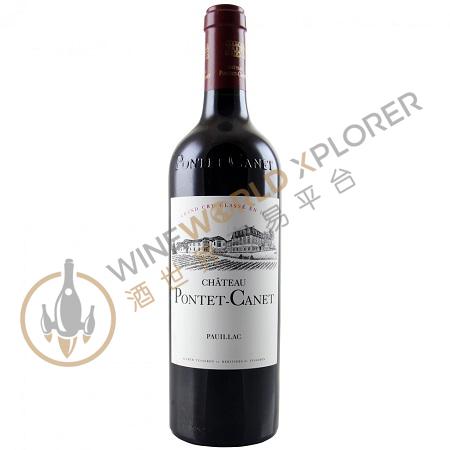
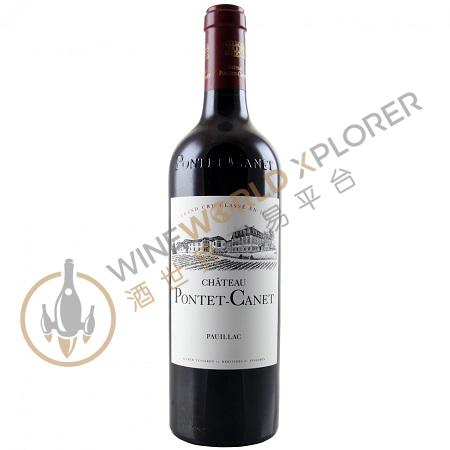
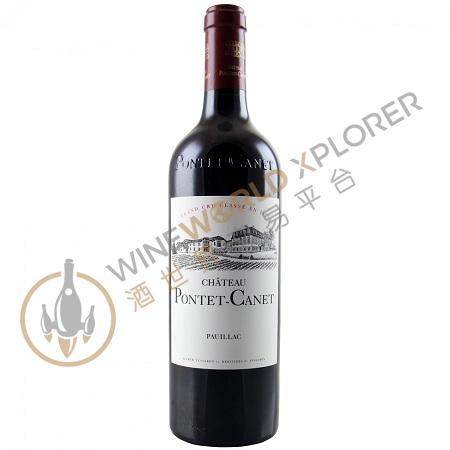
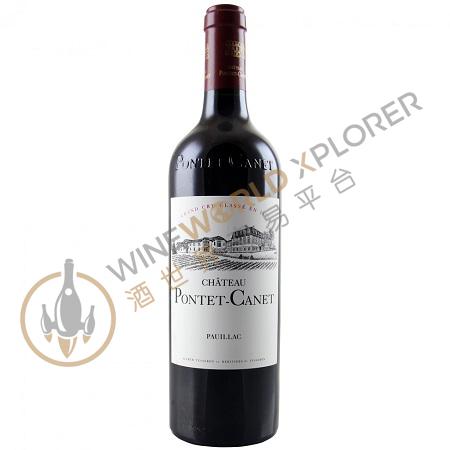
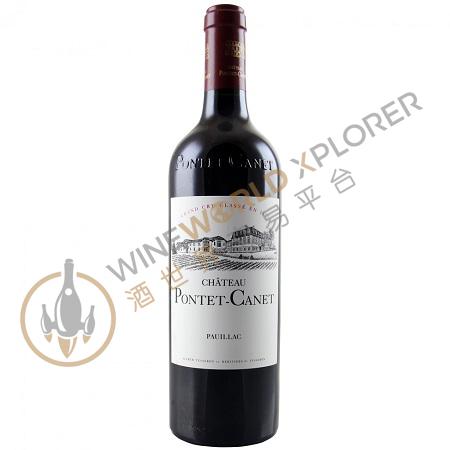
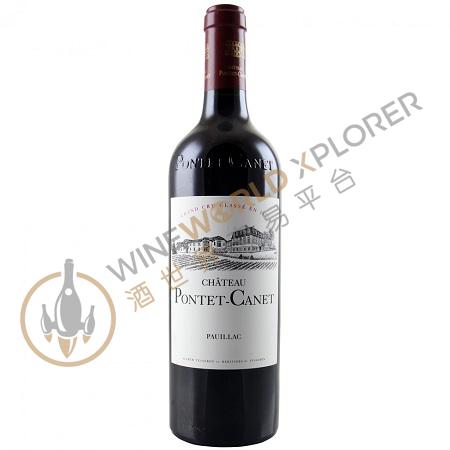
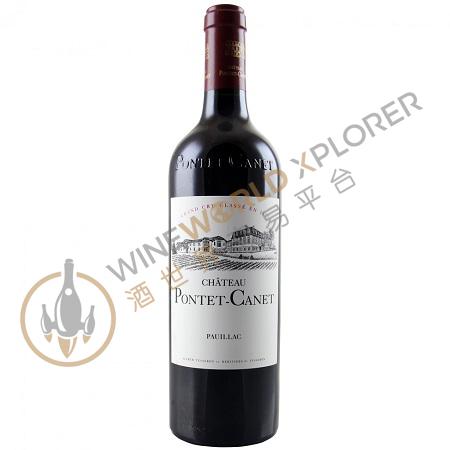
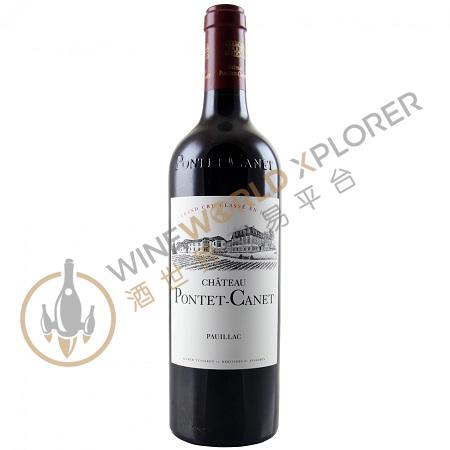
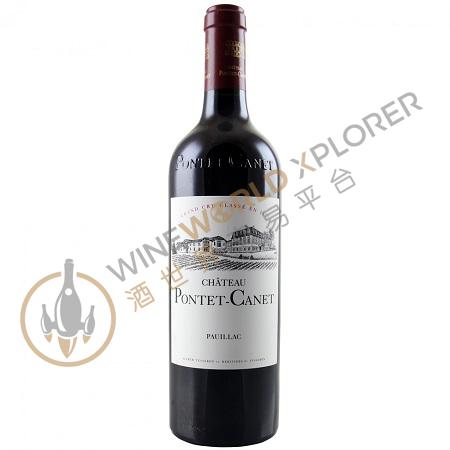
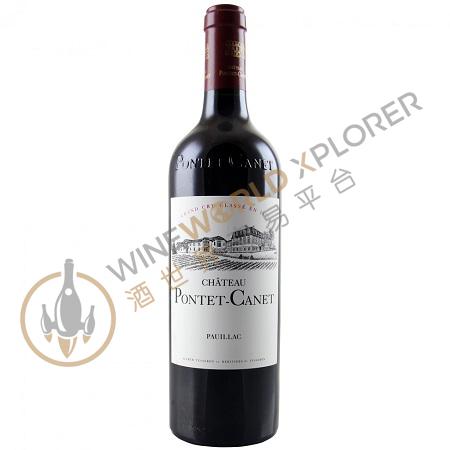
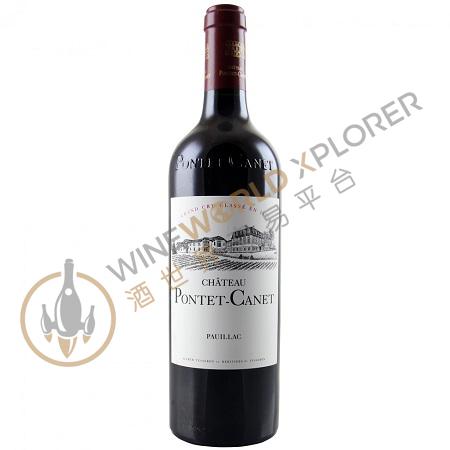
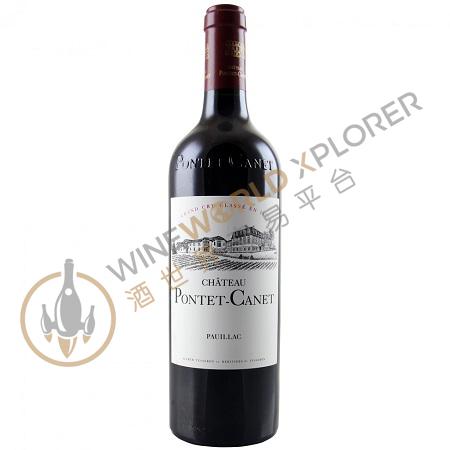
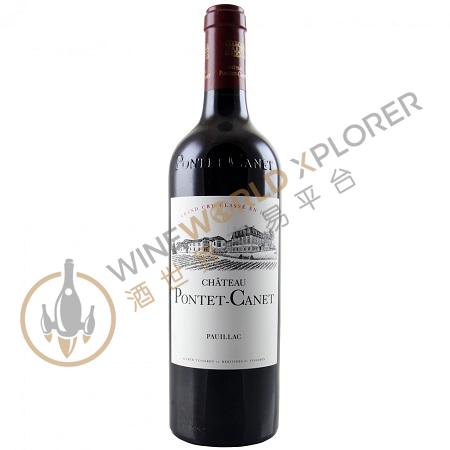
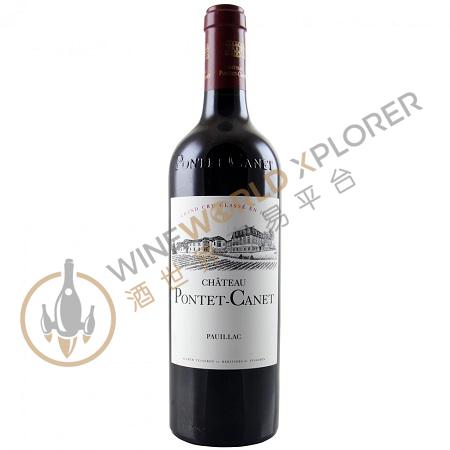
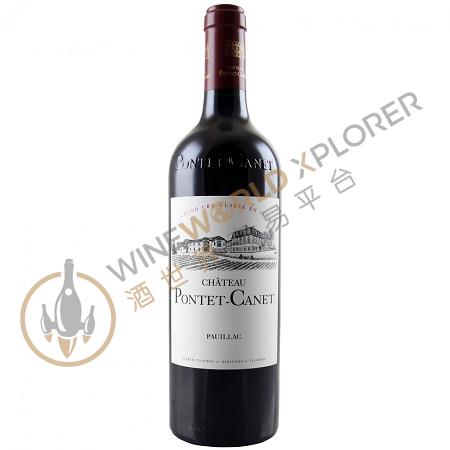
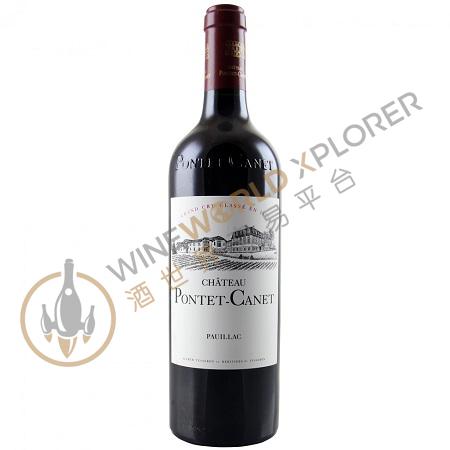
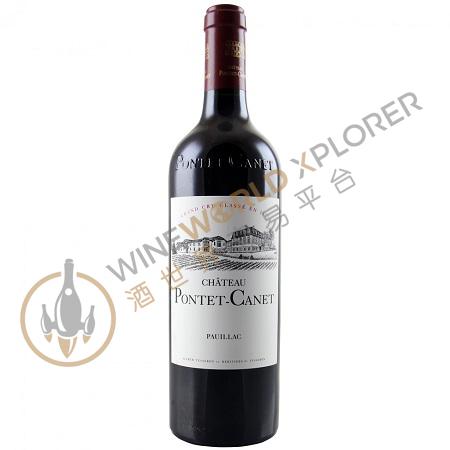
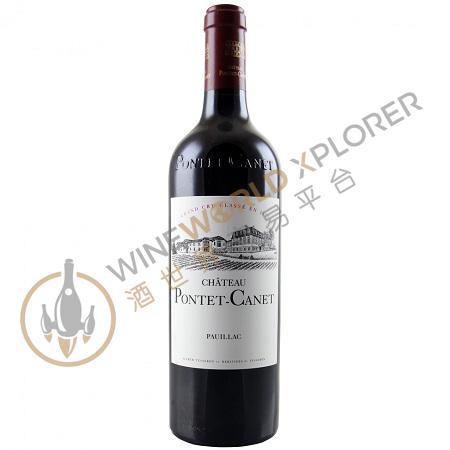
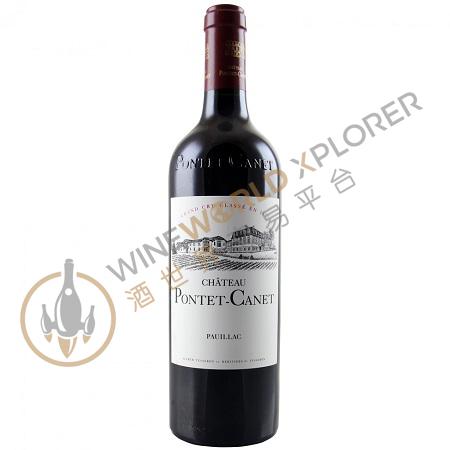
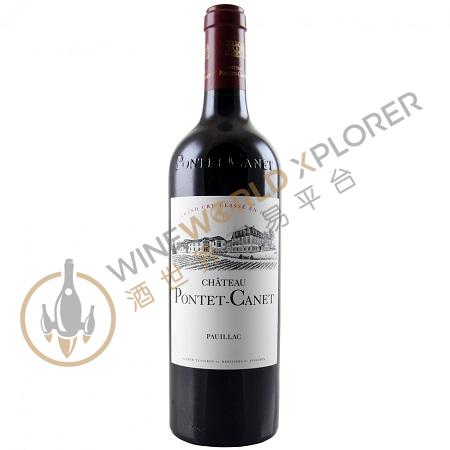
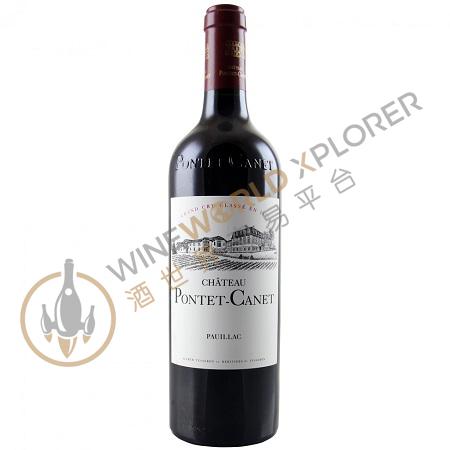
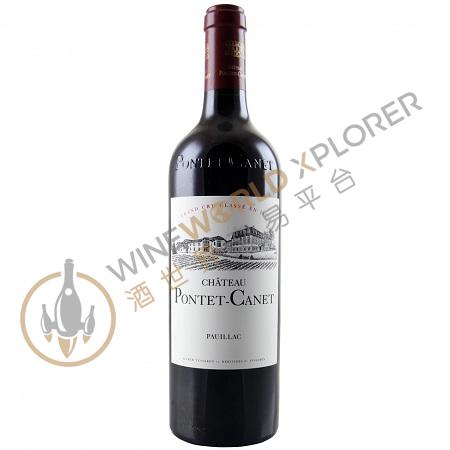
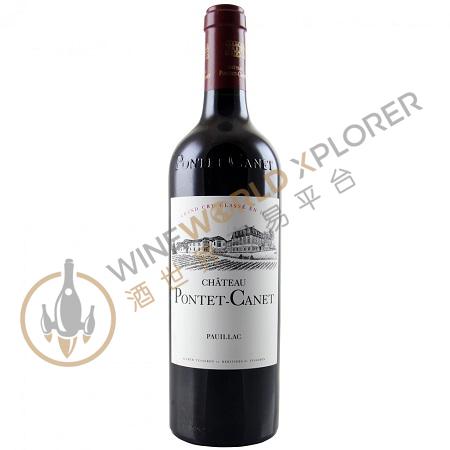
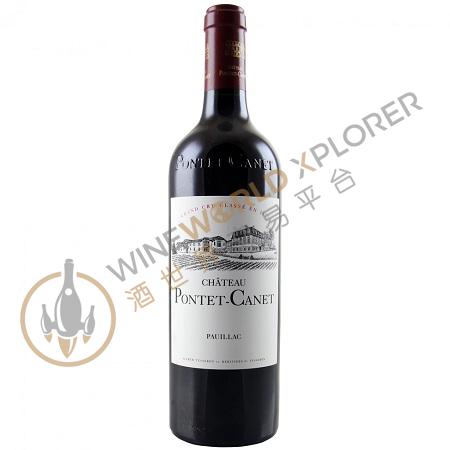
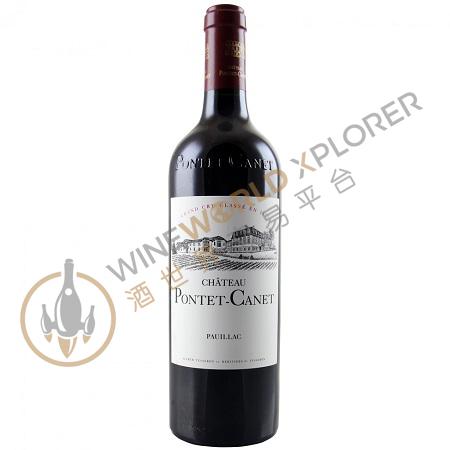
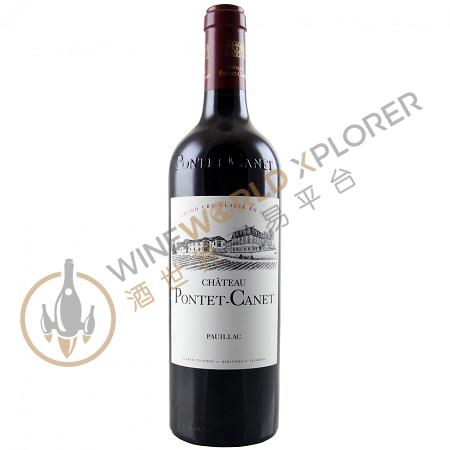
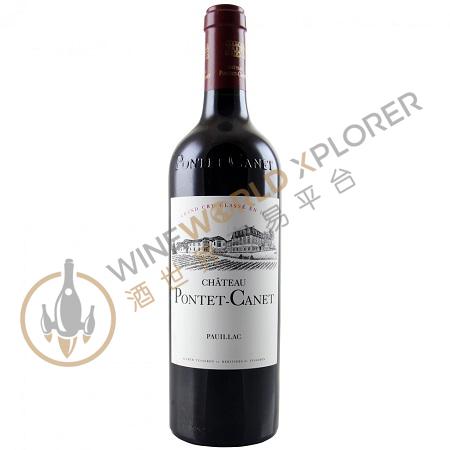
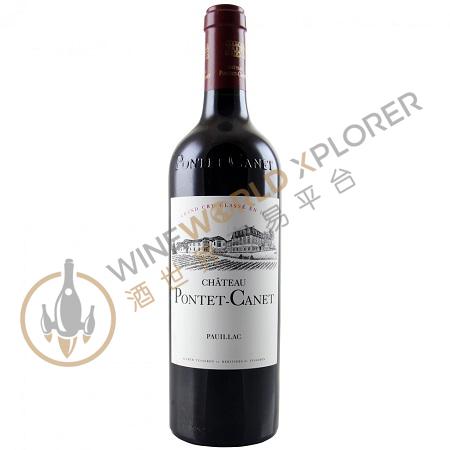
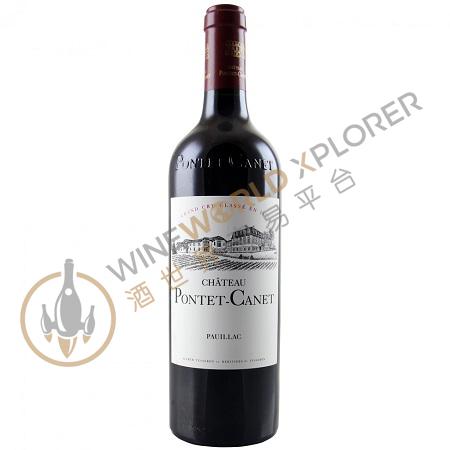
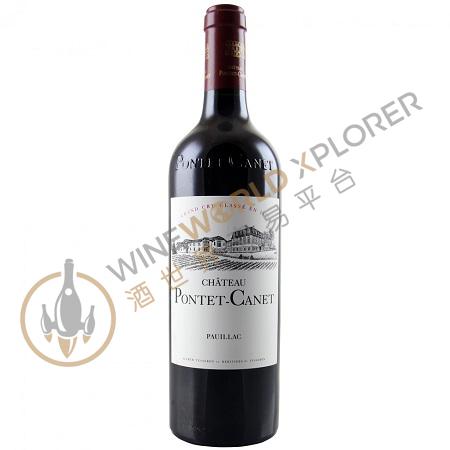
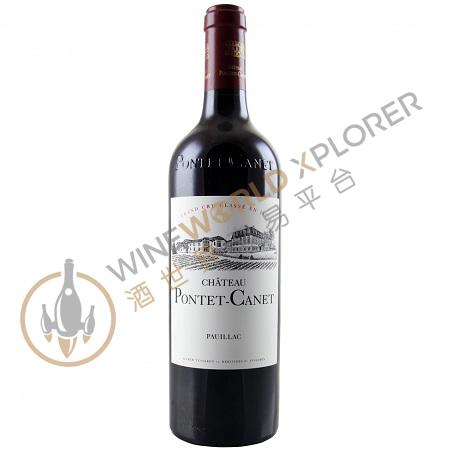
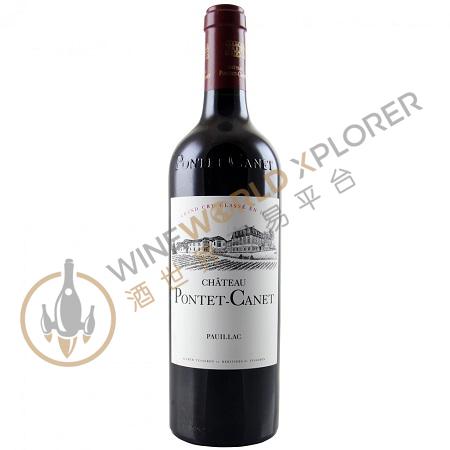
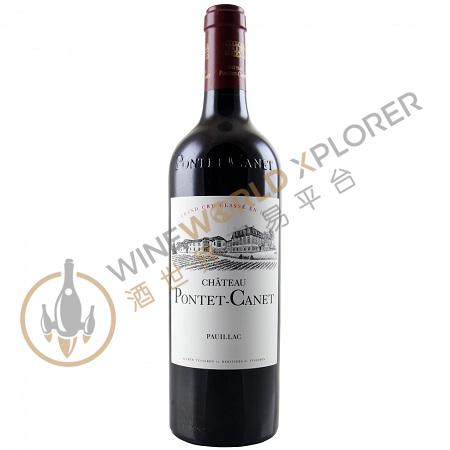
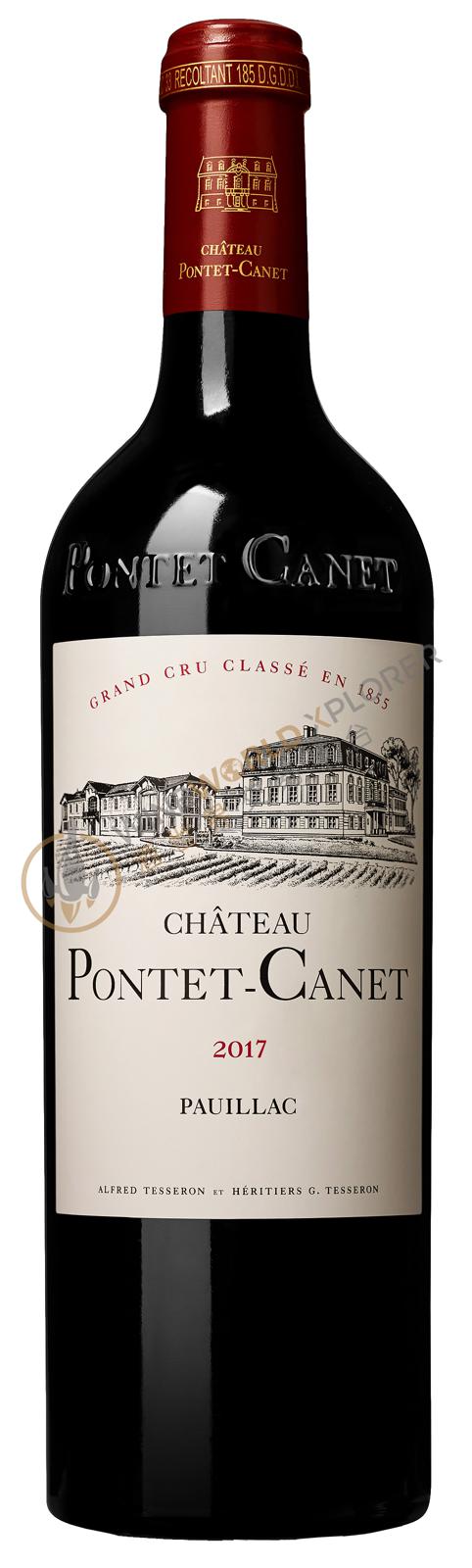
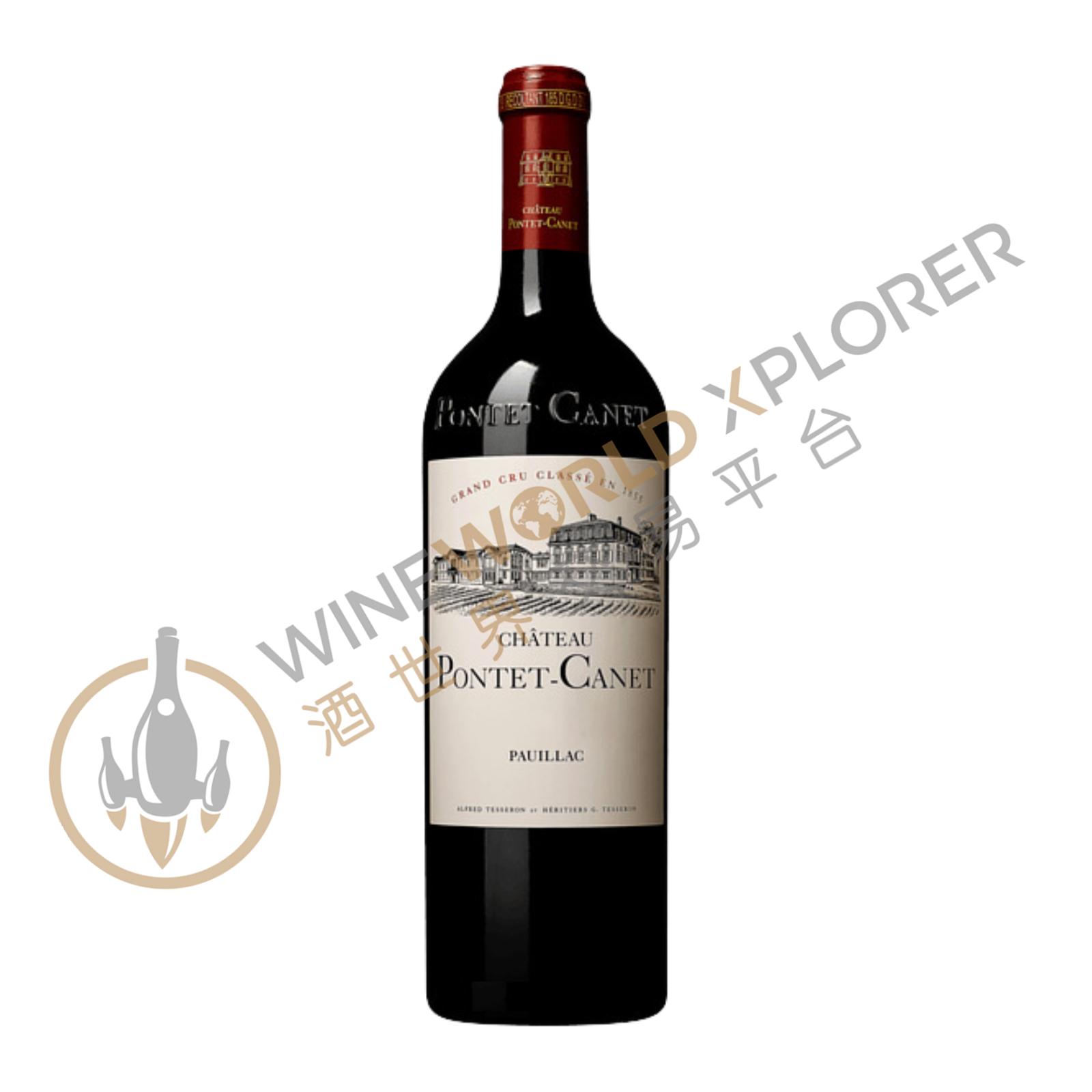
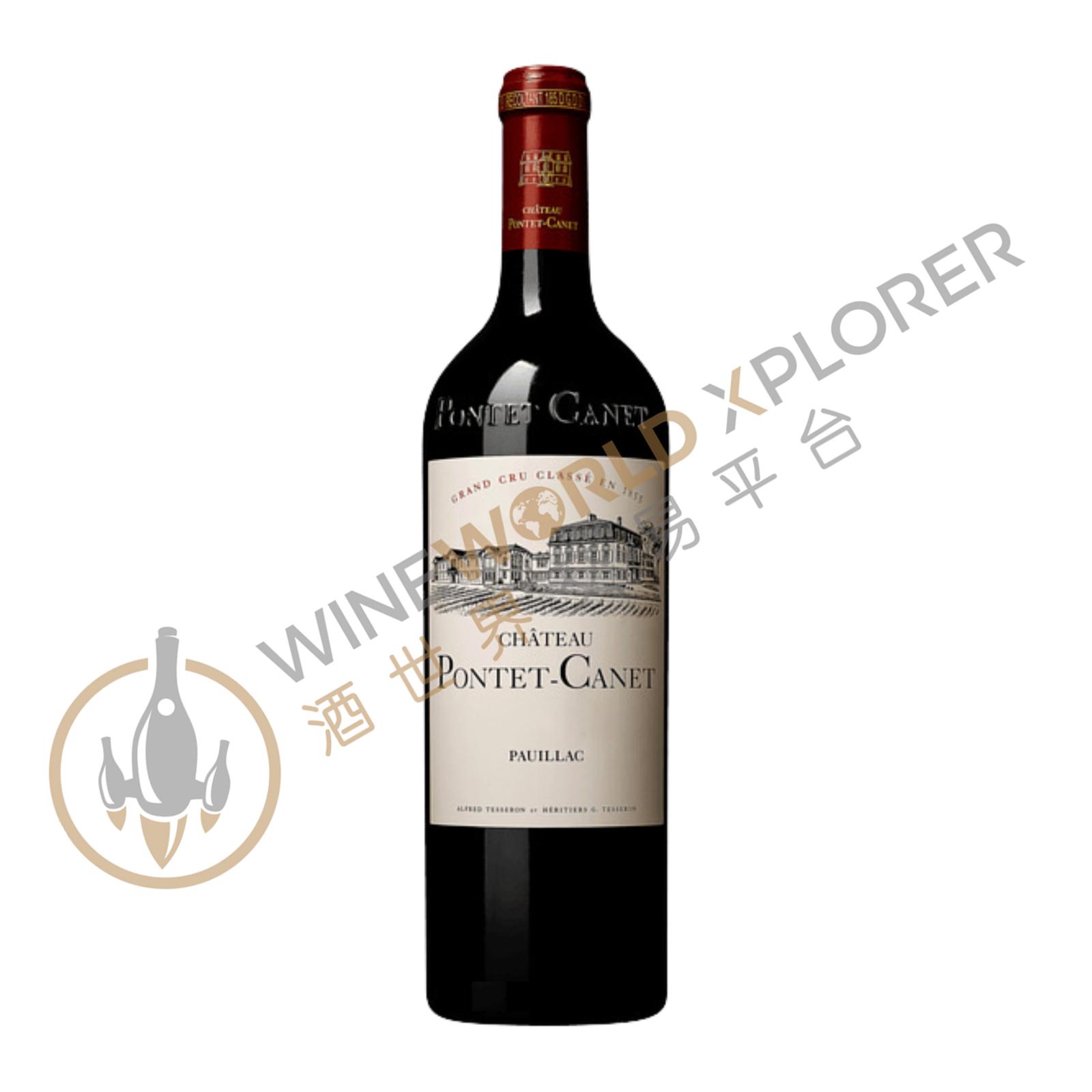
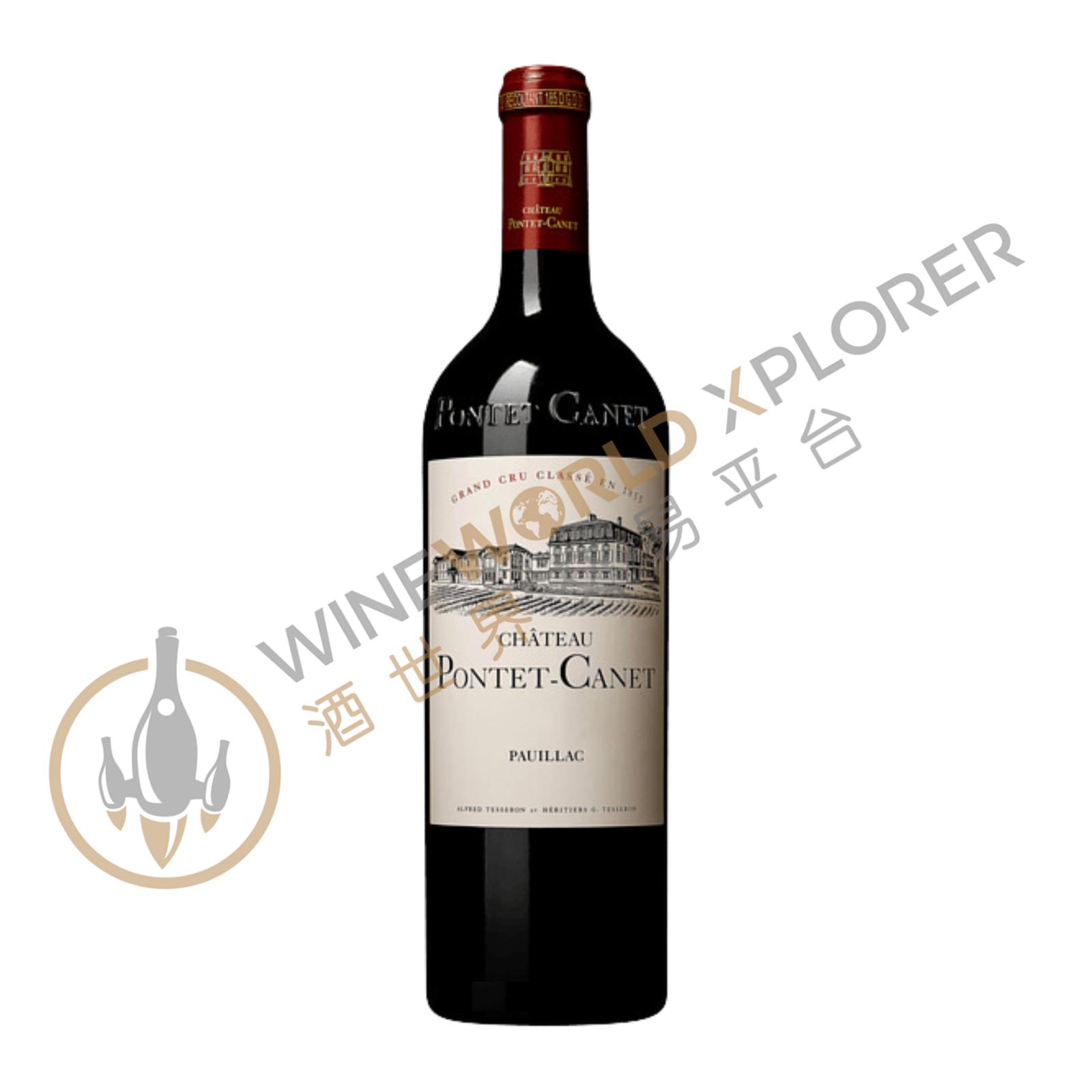
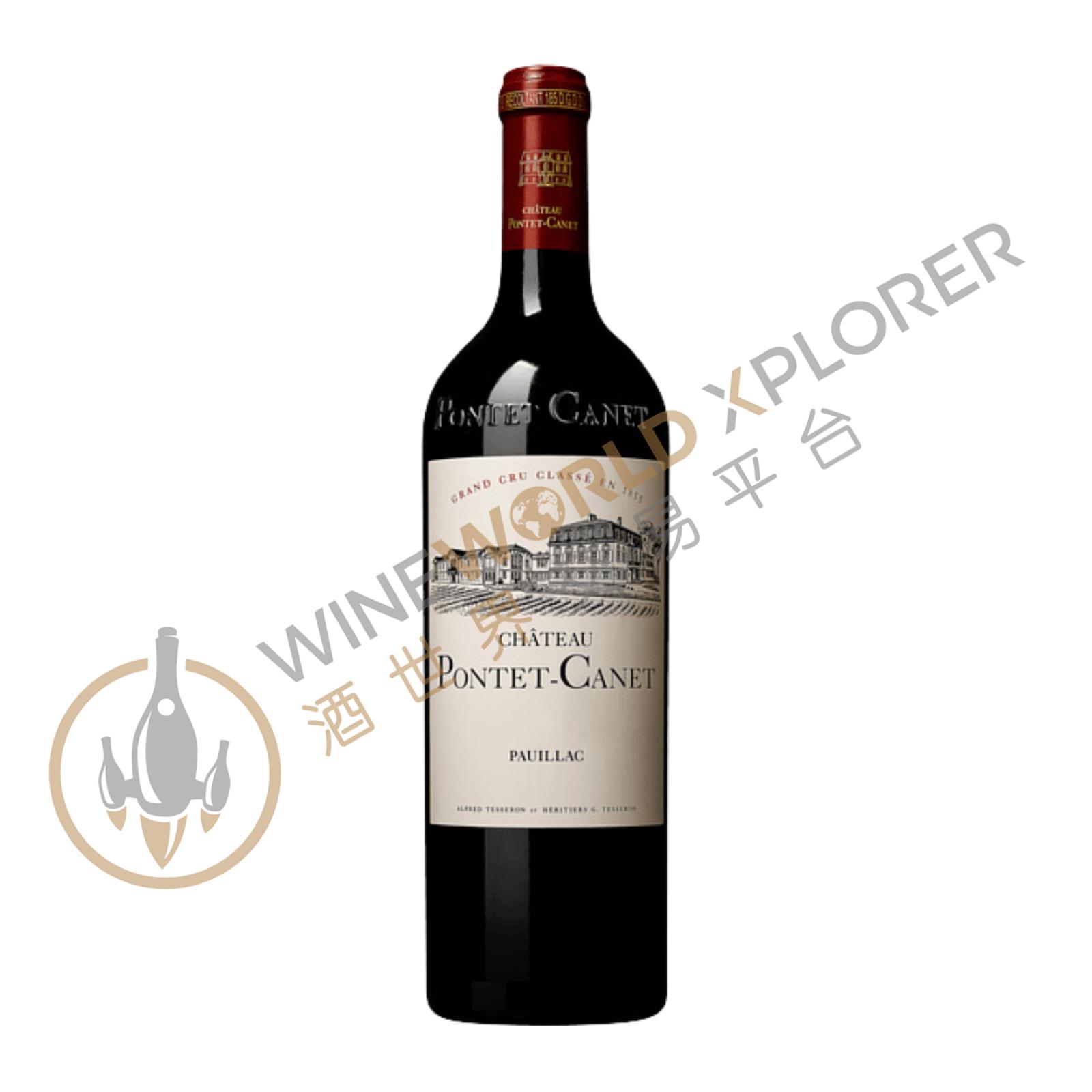
Pontet Canet 1995
 View analysis


Description
Tasting notes

Reviewed by: Neal Martin
Tasted blind for Wine International's horizontal. An intense toasty nose of cassis, blackberry and wet sand. A firm, well-structured palate with well-integrated tannins. Savory mid-palate, saturated with a lot of glycerin. Very harmonious with good grip on the finish. Classy, sophisticated wine. Again at the chateau in Apr-06, but the bottle is much more backward. A deep garnet hue. An attractive nose that reminds me more of a 1996 than 1995: austere, tobacco and cedar with a touch of ginger. Well-balanced on the medium-bodied palate, though not as ambitious or as decadent as today's Pontet-Canet. Quite earthy and Grave-like on the finish. Still not quite at its plateau of maturity. Tasted April 2006.
Reviewed by: Robert M. Parker, Jr.
Readers should take note that the Tesseron family is making major efforts to rebuild the image of Pontet-Canet and establish it as one of the finest wines of the northern Medoc. Quality has soared since the 1994 vintage, but prices have not yet caught up with the "new" Pontet-Canet. However, this is not a forward, luscious, rich, sweet, fruity style of Pauillac (such as the charming Pichon-Lalande and Haut-Batailley), but rather, a dense, masculine, massively-styled wine meant for long-term cellaring. The 1995 Pontet-Canet has shed some of its astringency and now appears to be the qualitative equivalent to the terrific, classic 1994. The fruit is sweeter and jammier, and the new oak more prominent in the 1995. This opaque purple-colored wine is medium to full-bodied, concentrated, layered, and long in the finish. I would not be surprised to see the 1995 edge out the brilliant 1994 in 15-20 years. Anticipated maturity: 2004-2025.
Reviewed by: Neal Martin
Tasted at the Pontet-Canet vertical in London. This is displaying more secondary aromas on the nose, slightly riper than the 1996, more red fruits than black with raspberry and strawberry with hints of vanilla. The palate is medium-bodied, very smooth and rounded, moderate complexity, a nice citrus edge. But it takes its foot off the accelerator in the middle which compared to more recent vintages is relatively linear and one-dimensional, finished with a rather sullen, tertiary finish, as if the wine has gone off in a sulk for no apparent reason. Not a bad wine by any means, but it will not etch itself on your memory as a classic 1995. Drink now-2015. Tasted May 2009.
Reviewed by: Robert M. Parker, Jr.
The 1995 Pontet-Canet has shed some of its astringency and now appears to be the qualitative equivalent to the terrific, classic 1994. The fruit is sweeter and jammier, and the new oak more prominent in the 1995. This opaque purple-colored wine is medium to full-bodied, concentrated, layered, and long in the finish. I would not be surprised to see the 1995 edge out the brilliant 1994 in 15-20 years. Anticipated maturity: 2004-2025. Last tasted 1/97
Reviewed by: Robert M. Parker, Jr.
The 1995 is another large-scaled, dense, concentrated, full-bodied wine. With less Merlot in the blend than the 1994, the wine is more backward and tannic. The purple color, sweet, jammy aromatics, and muscular feel of this powerhouse suggest 8-10 years of cellaring will be required. It is a 25-30-year wine. Stylistically, this is a 1995 with a 1986-ish richness and tannic ferocity. The 1994 and 1995 Pontet-Canets are the two finest back to back efforts this chateau has made. All of the wines in this segment were tasted between March 19 and March 28 in Bordeaux. Most of the important wines from both the 1994 and 1995 vintages were tasted three separate times during my ten-day stay in Bordeaux.
Reviewed by: Robert M. Parker, Jr.
An old style Pauillac, yet made with far more purity and richness than the estate's ancient vintages, this broad-shouldered, muscular, classic wine exhibits a saturated purple color, and sensationally dense, rich, concentrated, cassis flavors that roll over the palate with impressive purity and depth. The wine is tannic and closed, but powerful and rich. It appears to possess length and intensity similar to the 1996. This is a great young Pauillac. Anticipated maturity: 2005-2025. The extraordinary effort that Alfred Tesseron is making at this property is reconfirmed with each new tasting note I write on Pontet-Canet. Having recently had the exceptionally impressive 1994 in several tastings, it is a pleasure to see this historic estate turning out wines that behave like super seconds rather than fifth-growths.
Reviewed by: Stephen Tanzer
Dark ruby-red. Black- and redcurrants and smoke on the nose; less oak-spicy today than the '96. Silky and harmonious but currently rather withdrawn. Not quite as sweet as the '96. Here the substantial toothcoating tannins come across as somewhat tougher, but there enough sheer extract for balance. Interestingly, this backward, rather powerful wine suggests the structure and grip of cabernet, while the silkier mouth feel of the '96 suggests a high percentage of merlot.
Reviewed by: Stephen Tanzer
Saturated ruby color. Spicy, sappy blackcurrant and bitter cherry aromas, with an almost medicinal note of austerity. Denser, softer and suaver than the '94; full, sweet and spicy in the mouth. Has a serious structure for aging. This is really extremely backward, and showing a lot of oak today on the back end.
About the Producer
The history of Château Pontet-Canet dates back to the early 18th century when Jean-François de Pontet, grand equerry of the king became governor of the Medoc, brings together several parcels of land located in Pauillac. Subsequently, his descendants add the vineyards adjoining the locality Canet: Château Pontet-Canet was born. One hundred years later, the famous classification of 1855 included Château Pontet-Canet among the elite of the Médoc viticulture. This rise did not escape one of the first Bordeaux merchants of the time, Herman Cruse, who bought the property in 1865. He built new cellars, modernized the facilities and made this wine known throughout the world. The Cruse family managedthe property for 110 years, until another merchant, but from Cognac, Guy Tesseron, bought it in 1975. Thus, in more than two hundred years, Château Pontet-Canet knew only three different owners. Today, it is the son of Guy Tesseron, Alfred Tesseron who is at the head of the field. The Château Pontet-Canet terroir consists of 62% Cabernet Sauvignon, 32% Merlot, 4% Cabernet Franc and 2% Petit Verdot. The property is 120 hectares of which 80 hectares are dedicated to the breeding of the vine. Led by Jean Michel Comme, Château Pontet-Canet’s viticulture has gone from conventional cultivation to organic farming and biodynamic farming. Thus, the terroirs, worked daily by Breton horses, have found their originality.
1981(1)1982(2)1983(2)1988(1)1990(1)
Package Size