Wine Advisor



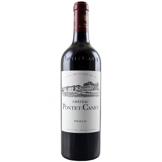
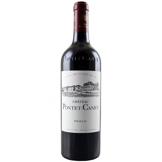
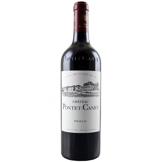
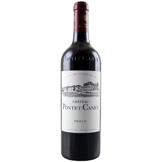
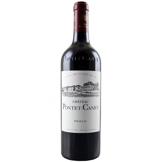
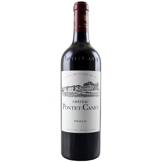
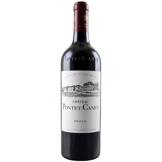
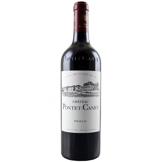
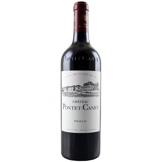
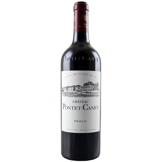
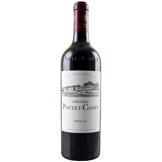
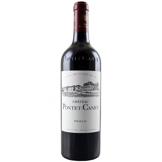
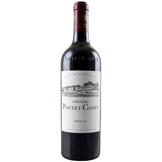
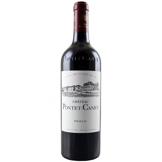
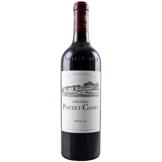
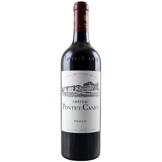
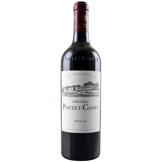
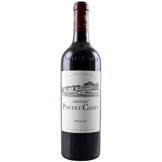
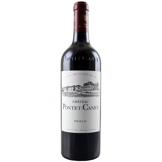
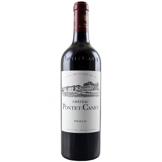
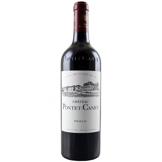
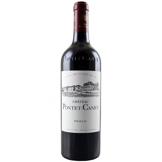
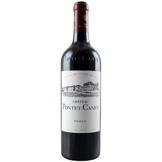
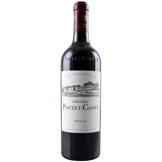
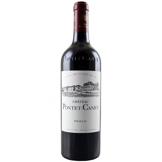
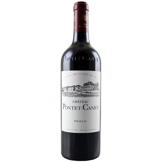
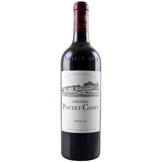
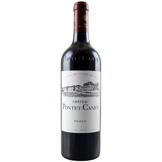
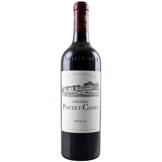
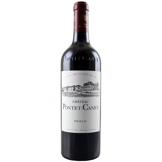
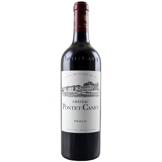
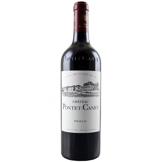
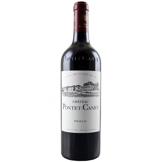
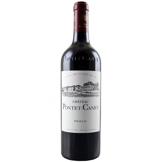
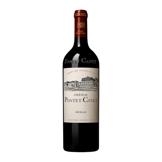
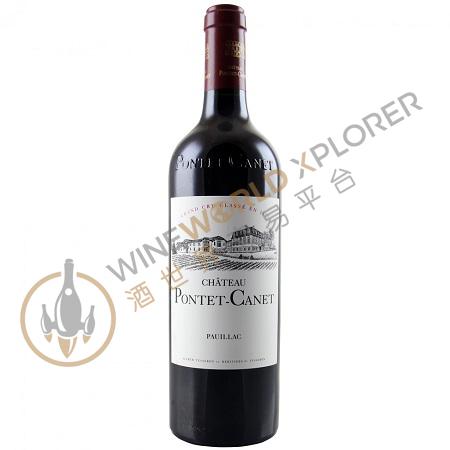
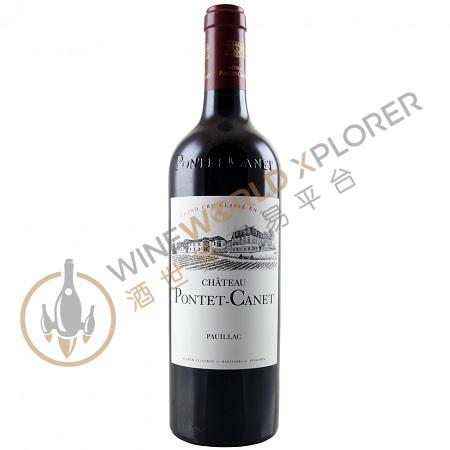
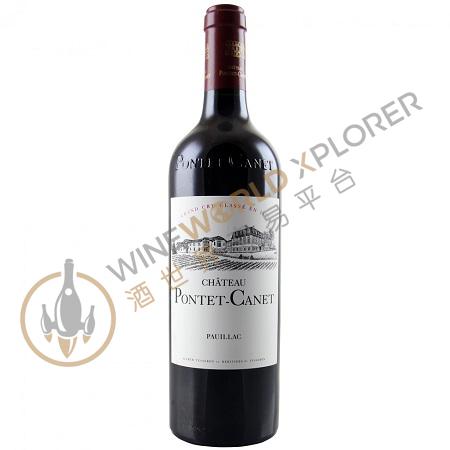
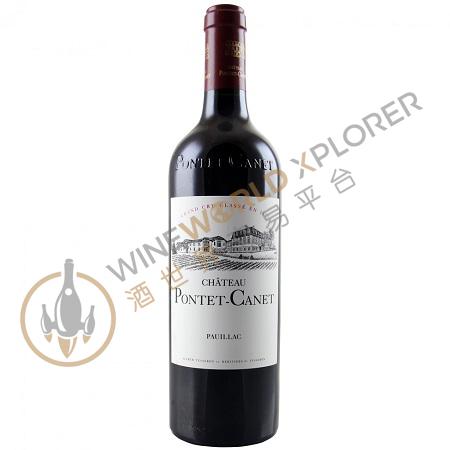
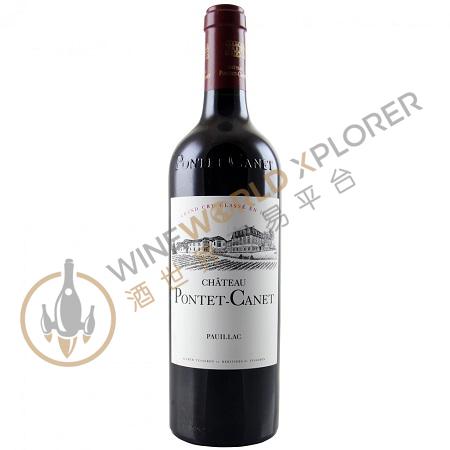
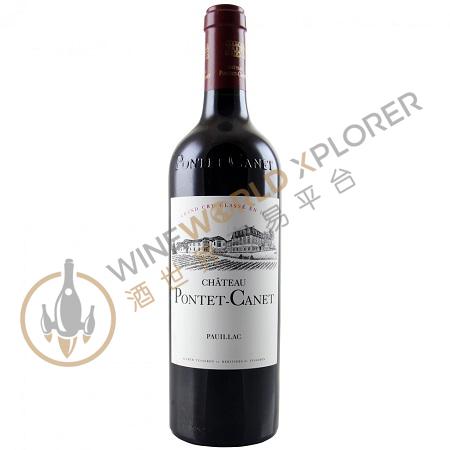
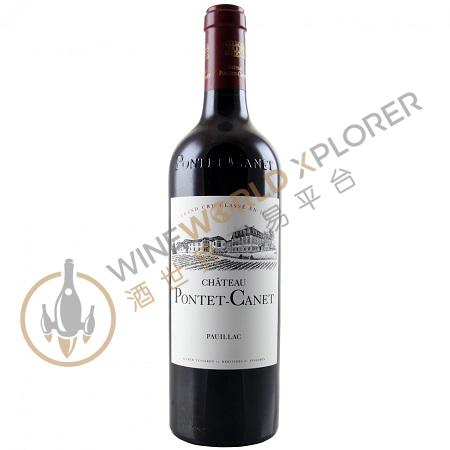
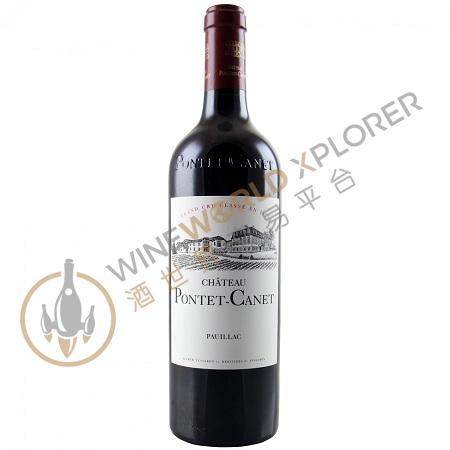
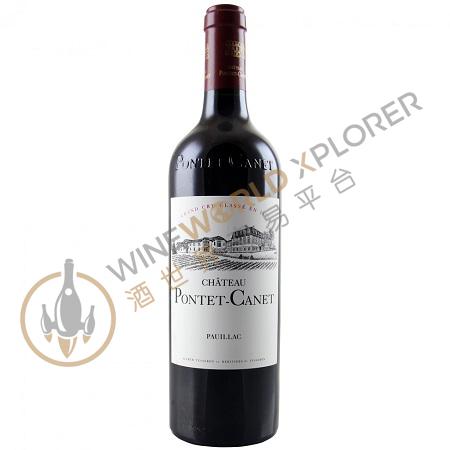
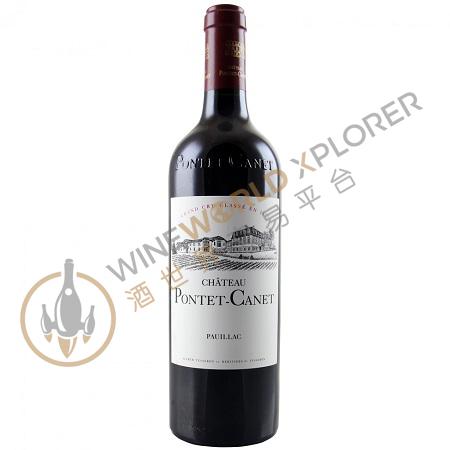
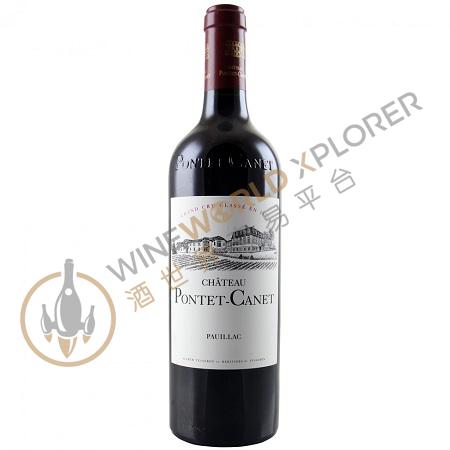
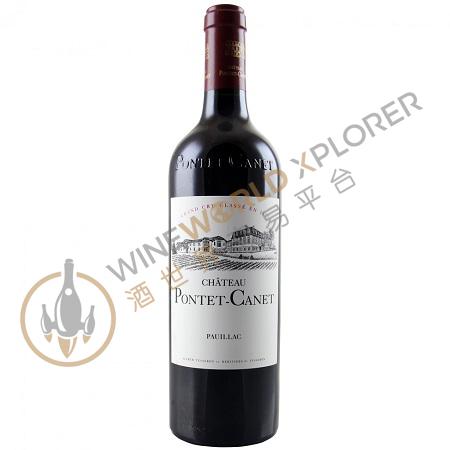
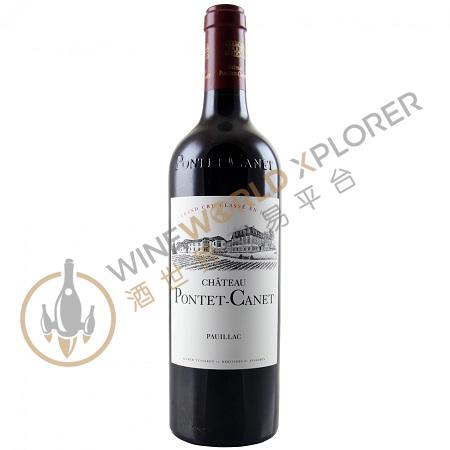
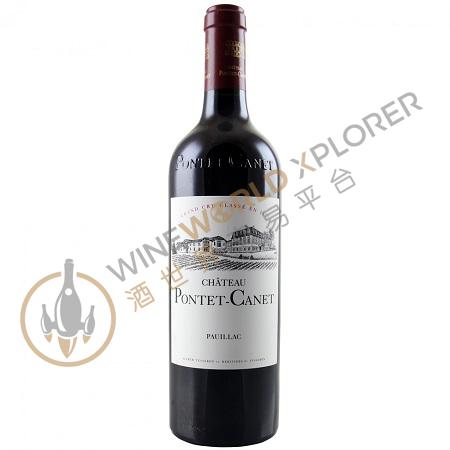
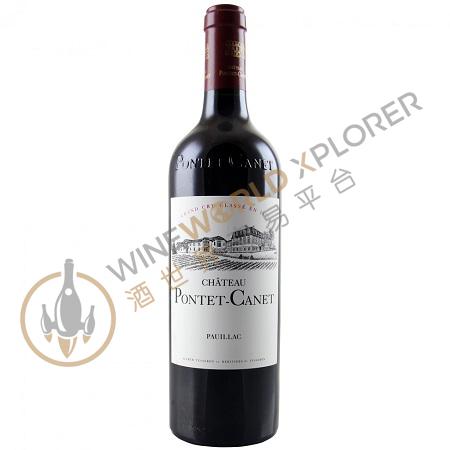
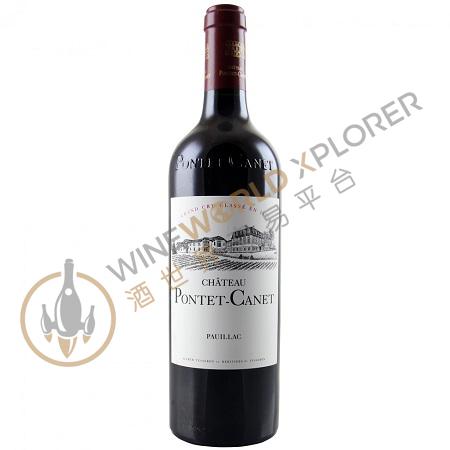
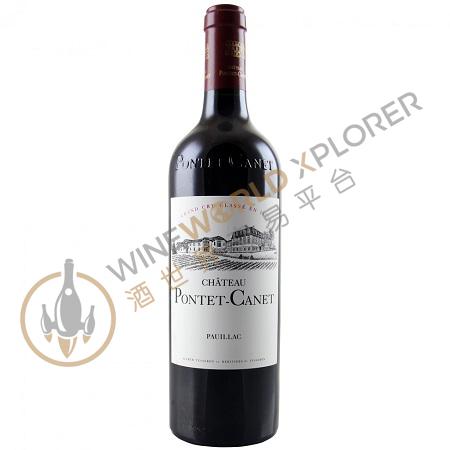
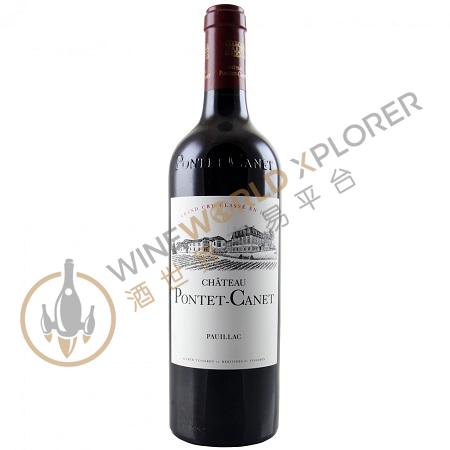
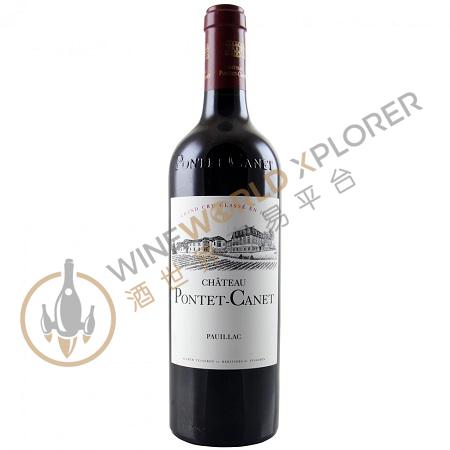
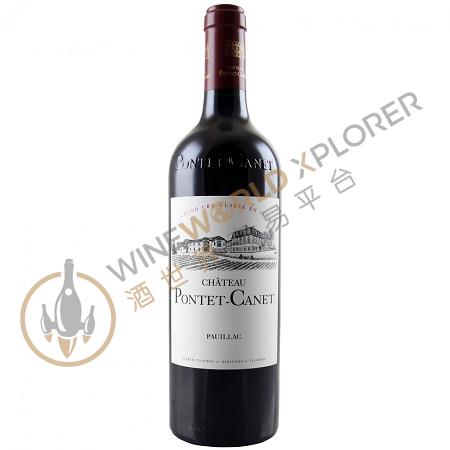
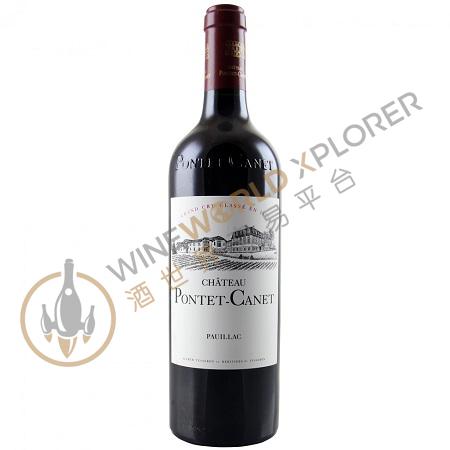
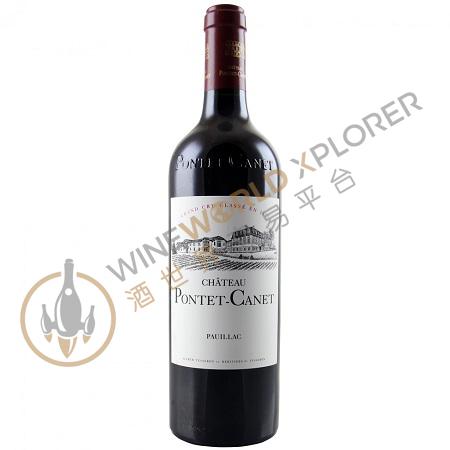
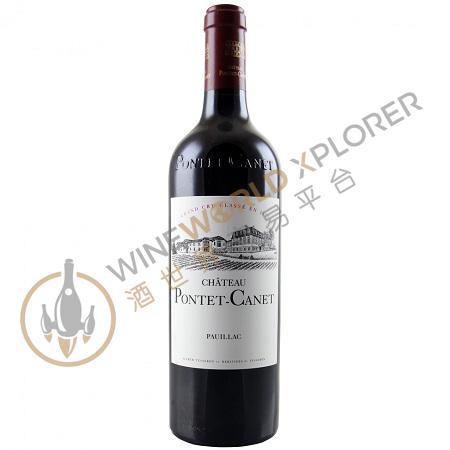
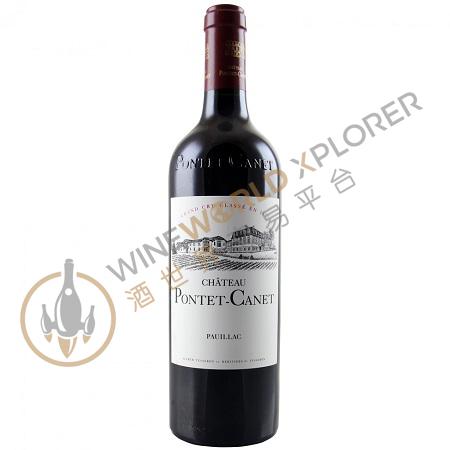
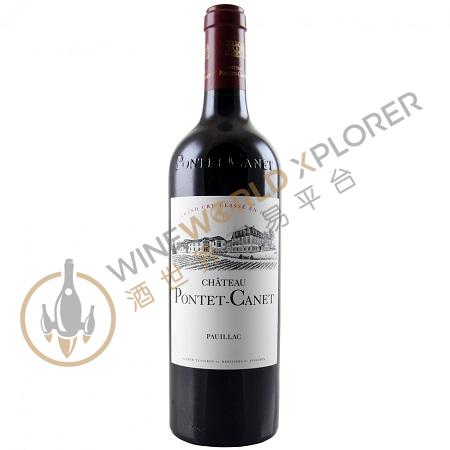
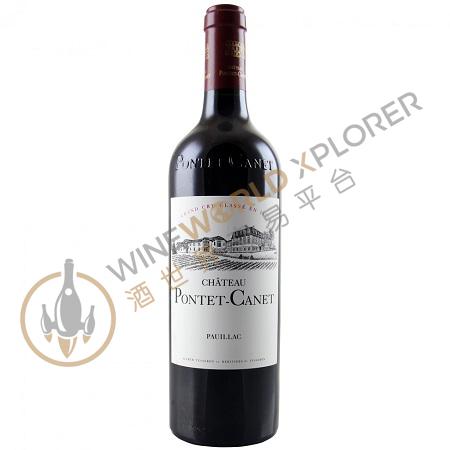
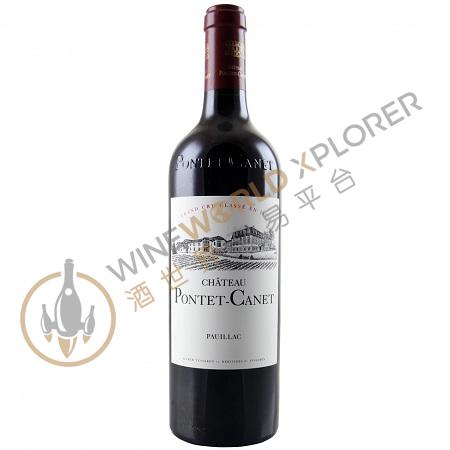
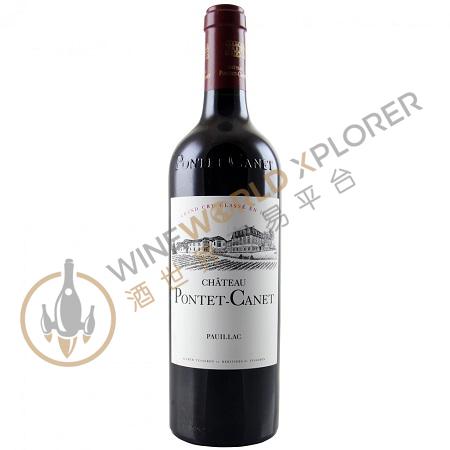
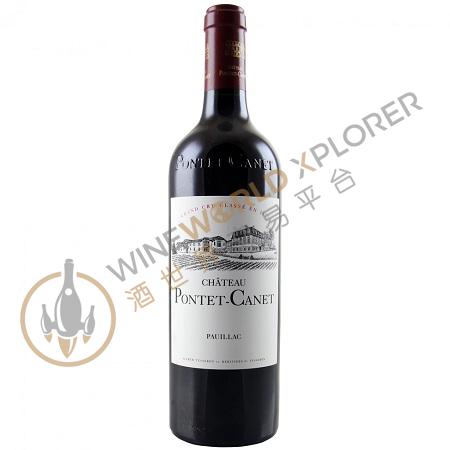
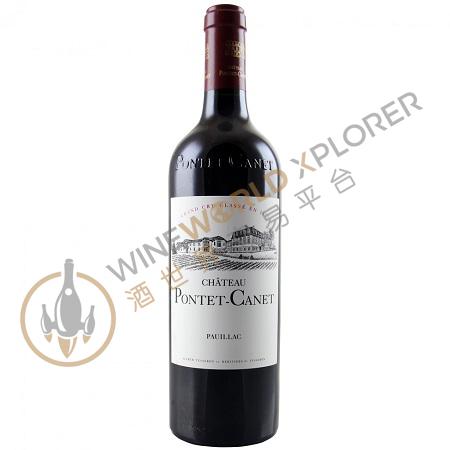
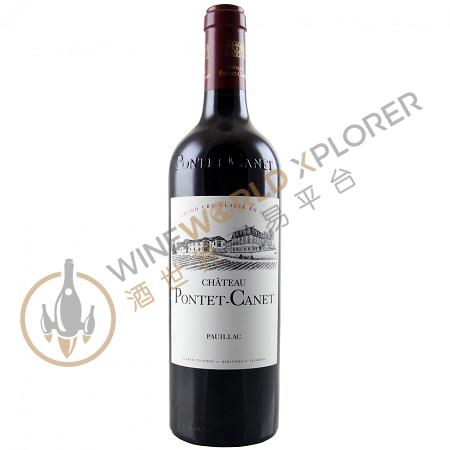
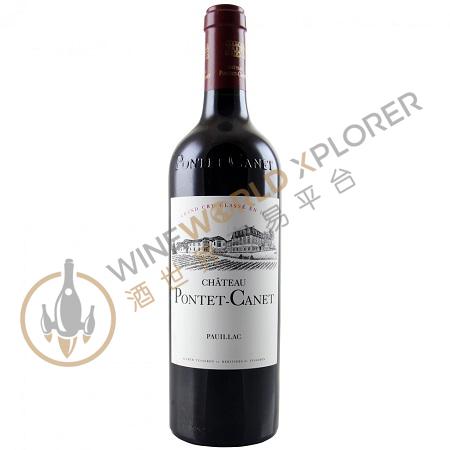
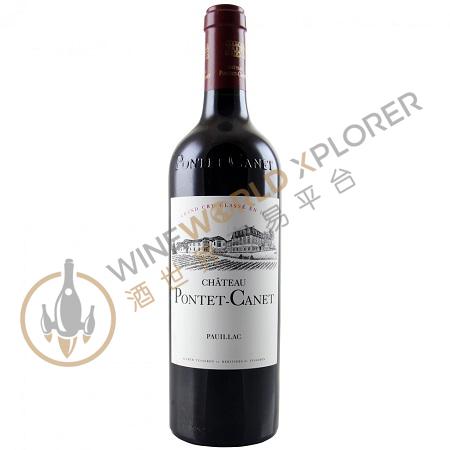
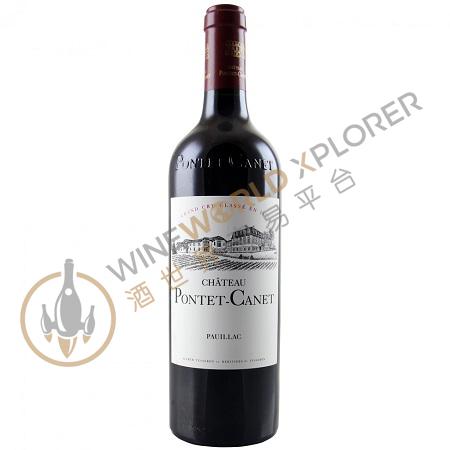
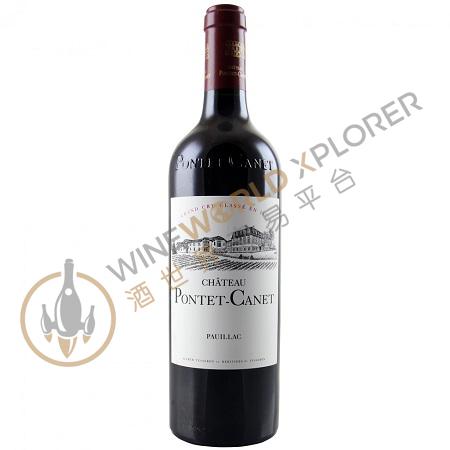
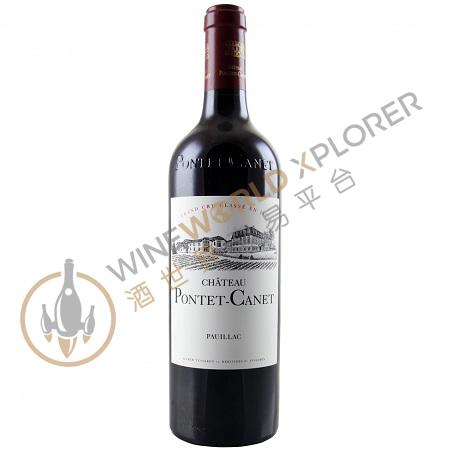
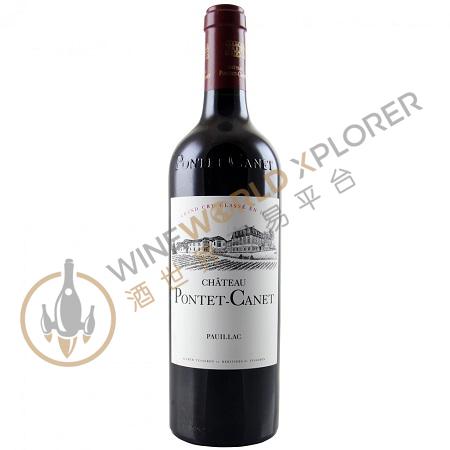
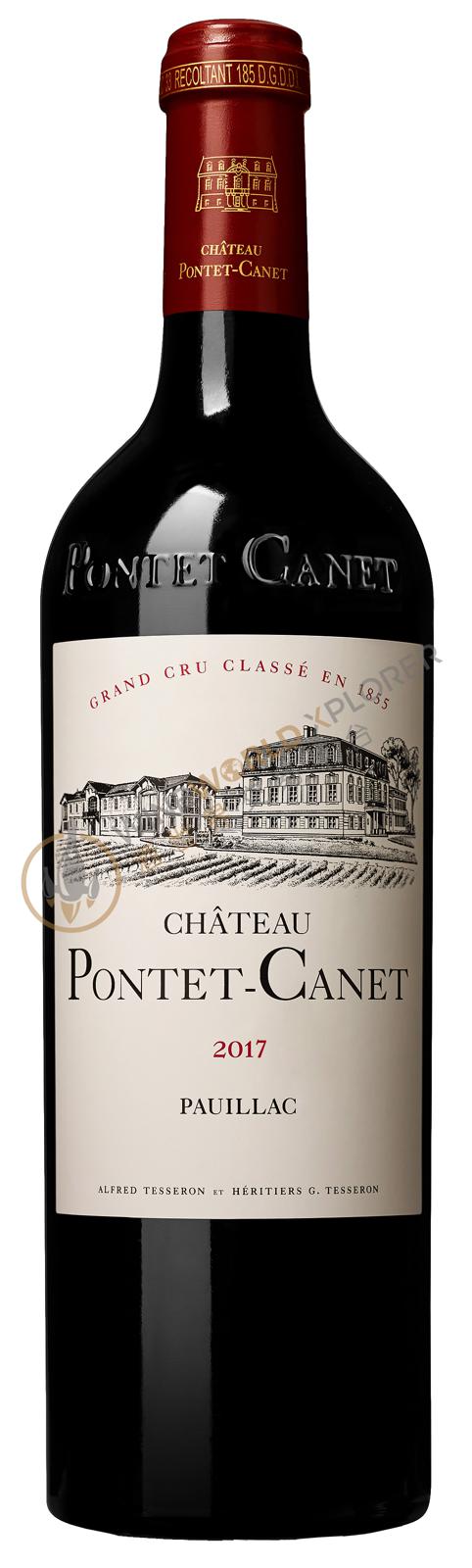
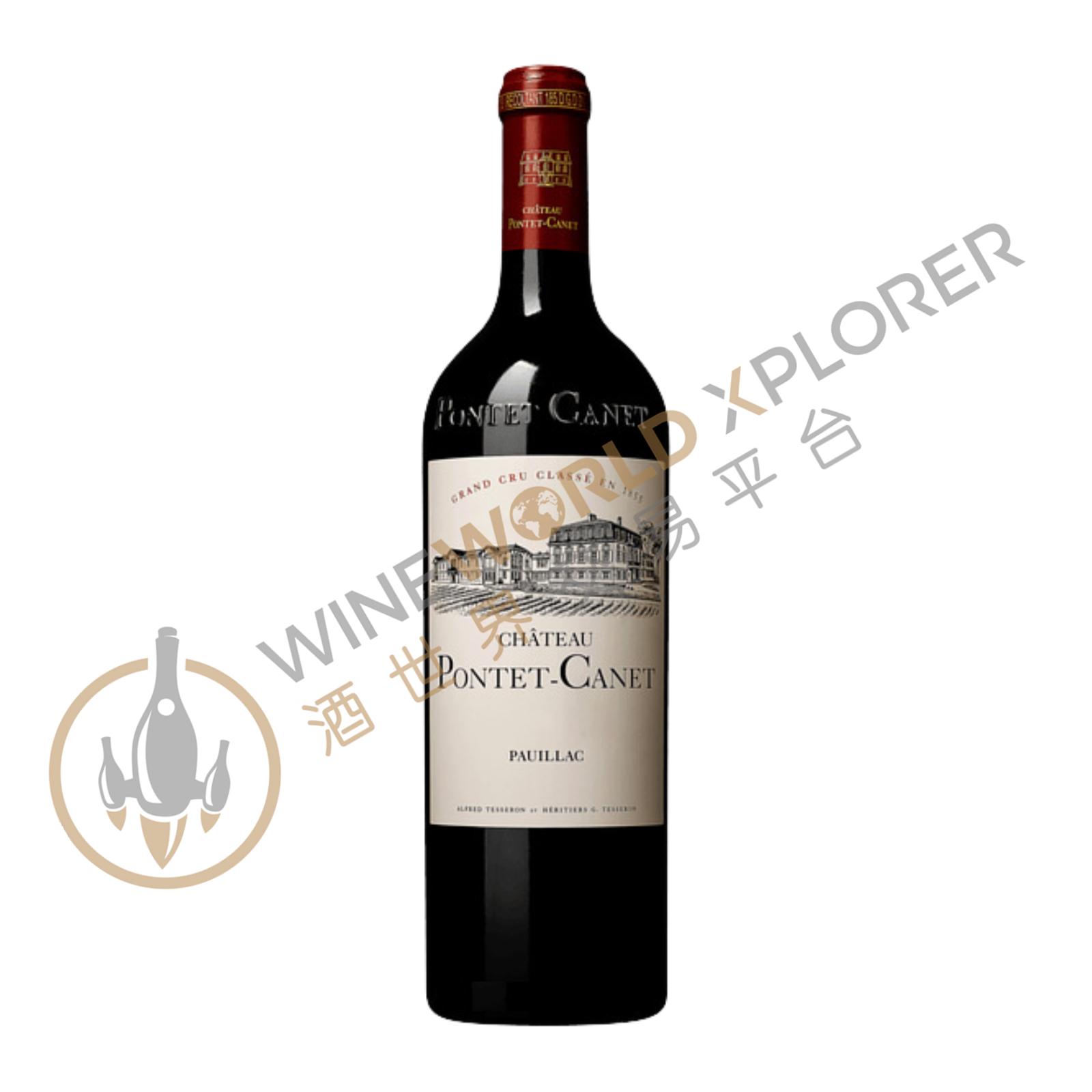
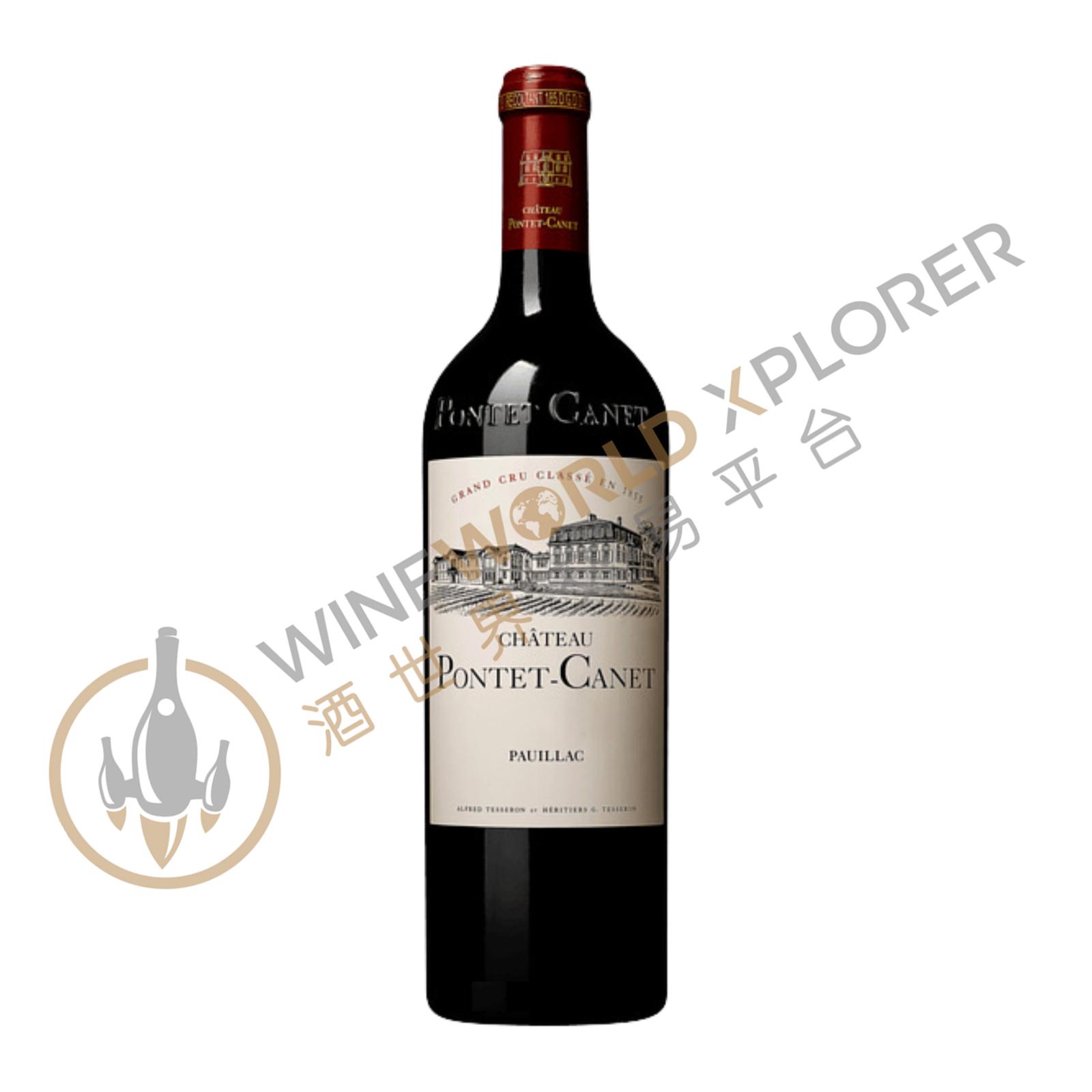
Pontet Canet 1983
 View analysis


Description
Tasting notes

Reviewed by: Neal Martin
Moderate ruby colour. The nose is falling apart and volatile - turning to sherry. The palate has screaming acidity and is totally astringent. Completely past its best although I detected some damage through storage when comparing to older bottle consumed in Bordeaux. Past it. Tasted November 2003.
Reviewed by: Robert M. Parker, Jr.
A good vintage for Pontet-Canet, the 1983 is moderately dark ruby in color, with a sweet, ripe black currant fruitiness, and briery, concentrated flavors that linger on the palate. The tannins have melted away faster than I would have thought. Anticipated maturity: Now-2003. Last tasted, 4/90.
About the Producer
The history of Château Pontet-Canet dates back to the early 18th century when Jean-François de Pontet, grand equerry of the king became governor of the Medoc, brings together several parcels of land located in Pauillac. Subsequently, his descendants add the vineyards adjoining the locality Canet: Château Pontet-Canet was born. One hundred years later, the famous classification of 1855 included Château Pontet-Canet among the elite of the Médoc viticulture. This rise did not escape one of the first Bordeaux merchants of the time, Herman Cruse, who bought the property in 1865. He built new cellars, modernized the facilities and made this wine known throughout the world. The Cruse family managedthe property for 110 years, until another merchant, but from Cognac, Guy Tesseron, bought it in 1975. Thus, in more than two hundred years, Château Pontet-Canet knew only three different owners. Today, it is the son of Guy Tesseron, Alfred Tesseron who is at the head of the field. The Château Pontet-Canet terroir consists of 62% Cabernet Sauvignon, 32% Merlot, 4% Cabernet Franc and 2% Petit Verdot. The property is 120 hectares of which 80 hectares are dedicated to the breeding of the vine. Led by Jean Michel Comme, Château Pontet-Canet’s viticulture has gone from conventional cultivation to organic farming and biodynamic farming. Thus, the terroirs, worked daily by Breton horses, have found their originality.
1981(1)1982(2)
Package Size