Wine Advisor



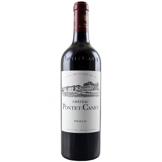
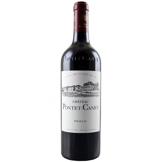
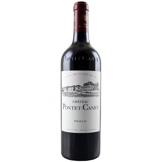
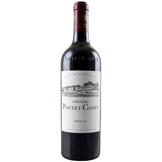
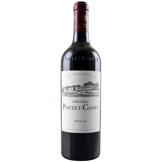
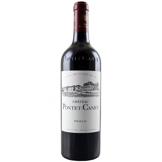
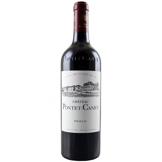
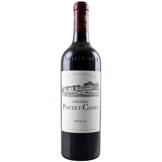
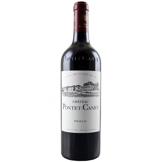
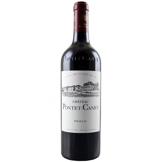
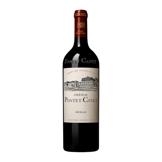
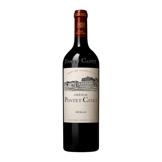
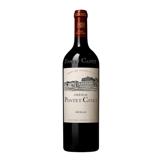
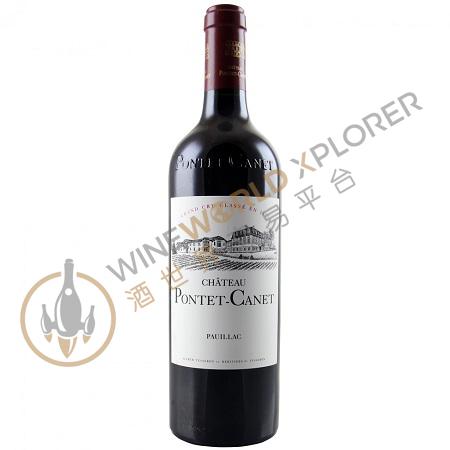
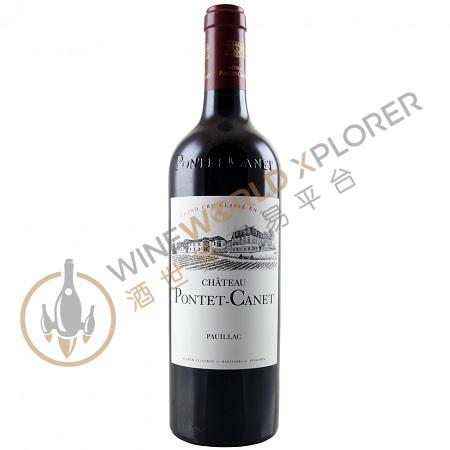
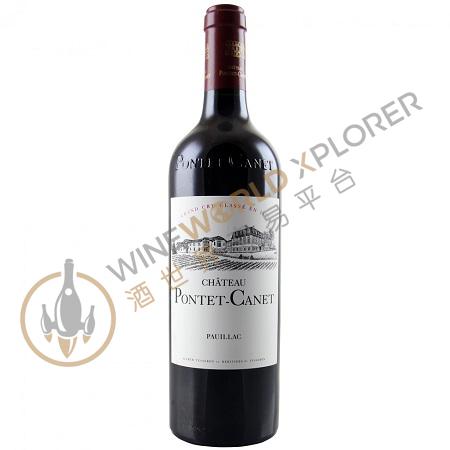
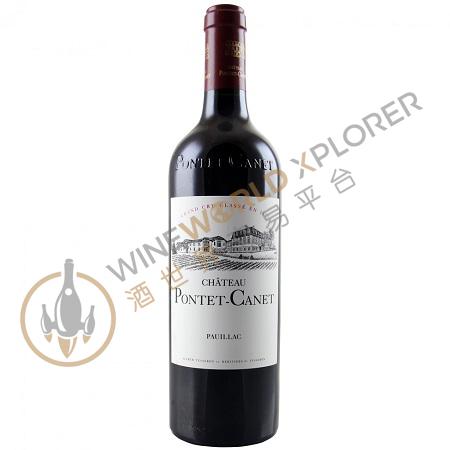
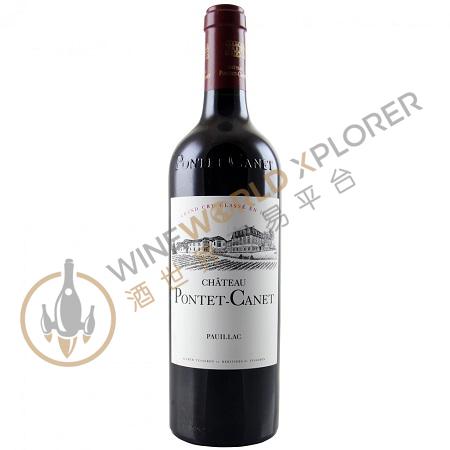
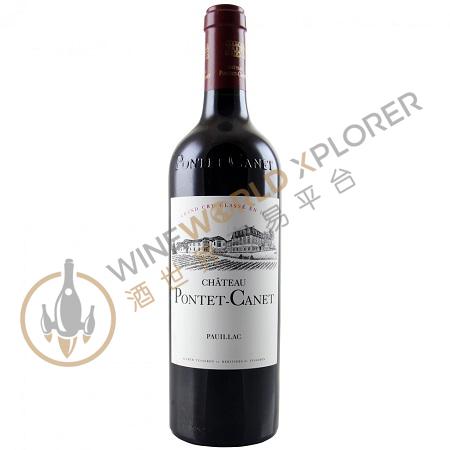
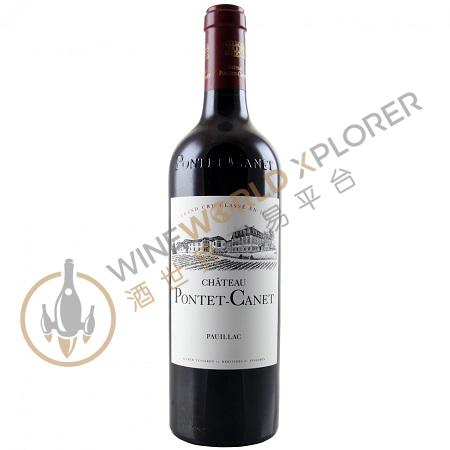
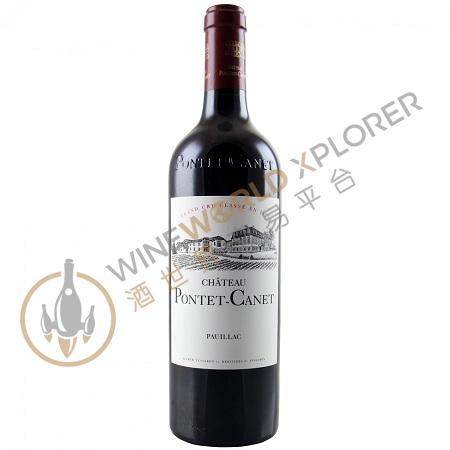
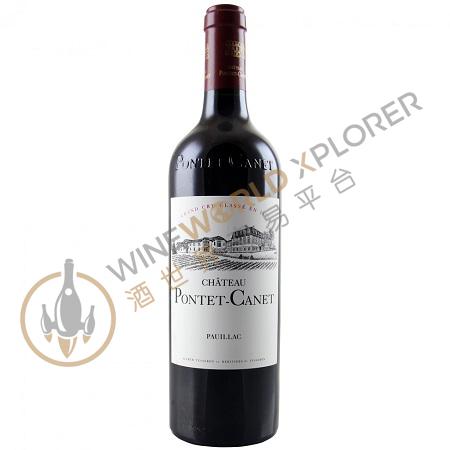
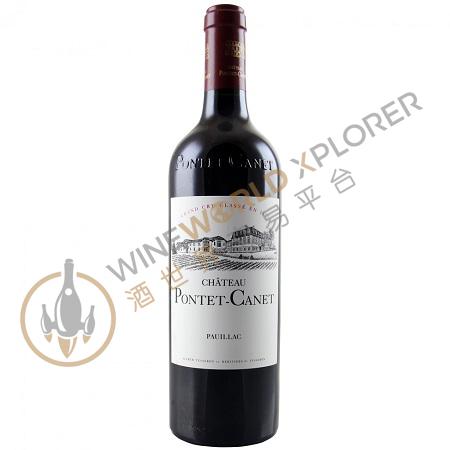
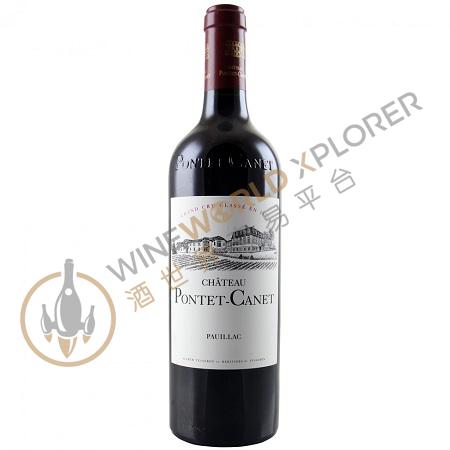
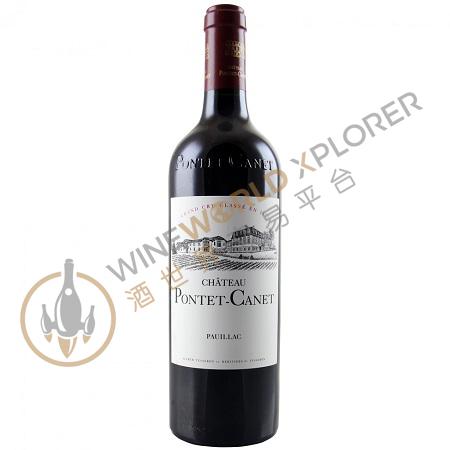
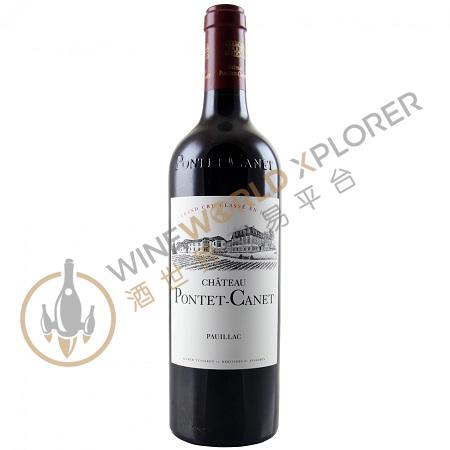
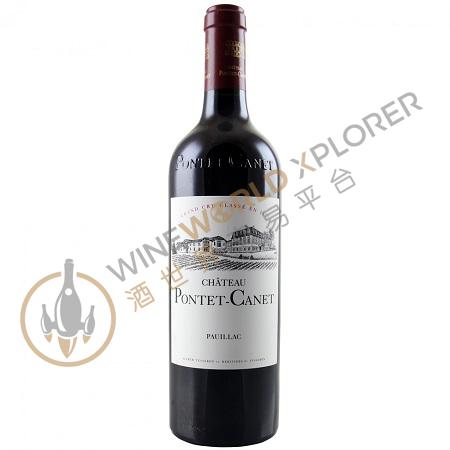
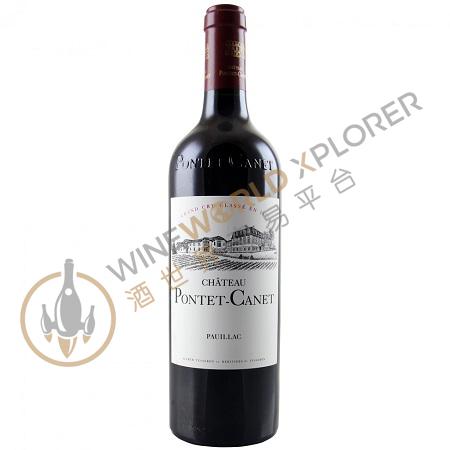
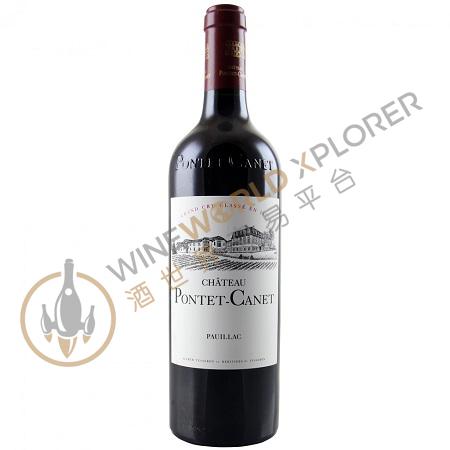
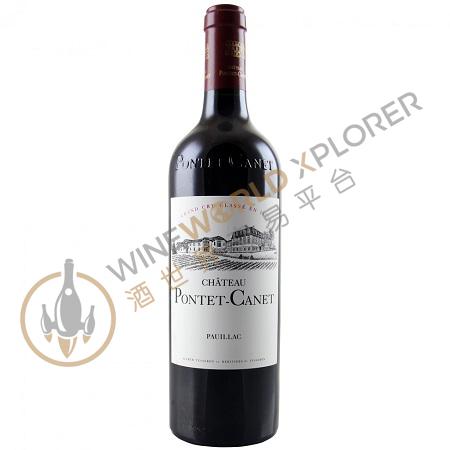
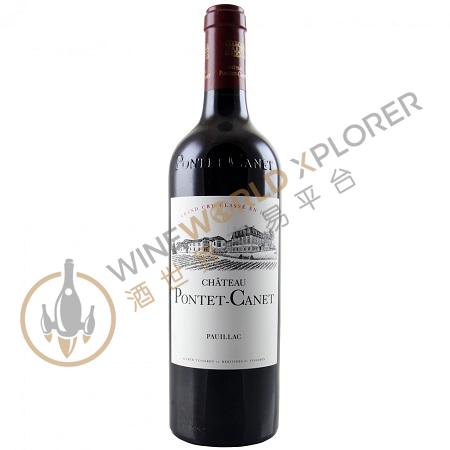
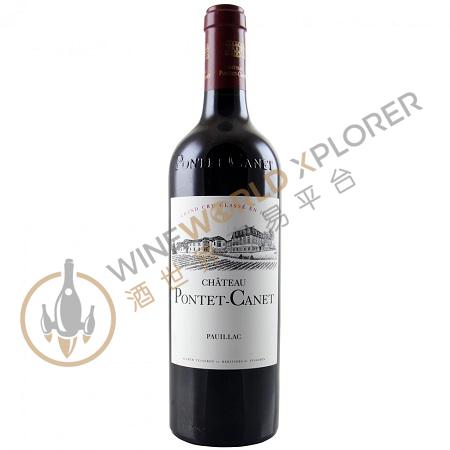
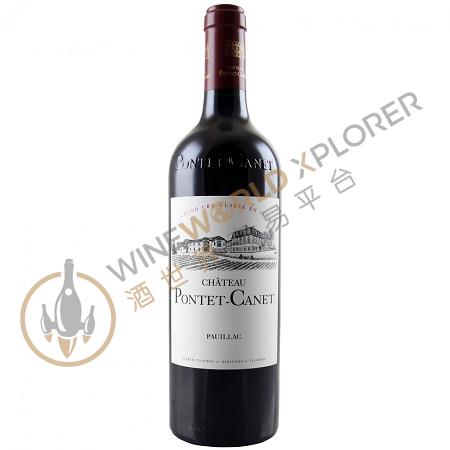
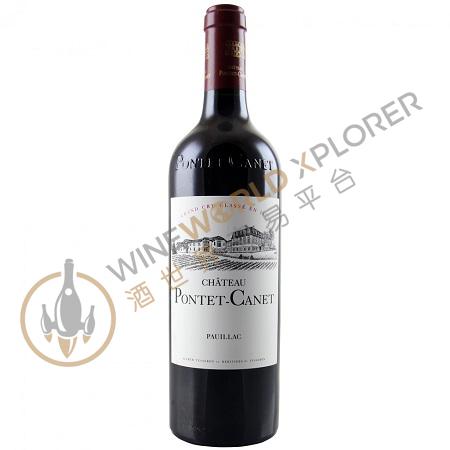
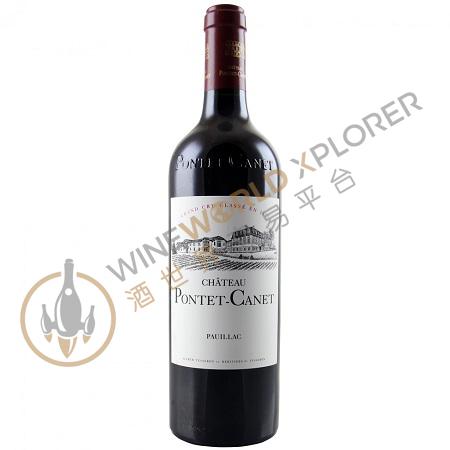
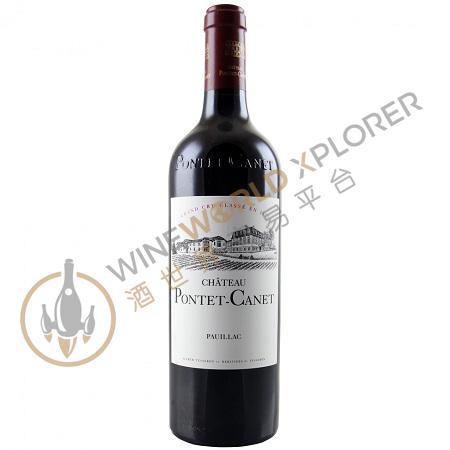
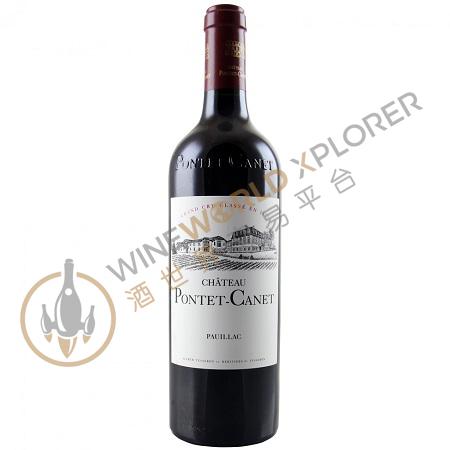
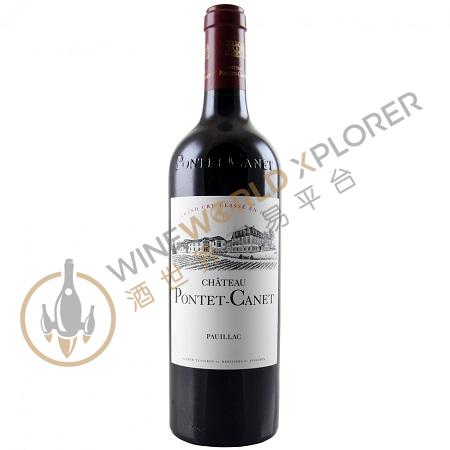
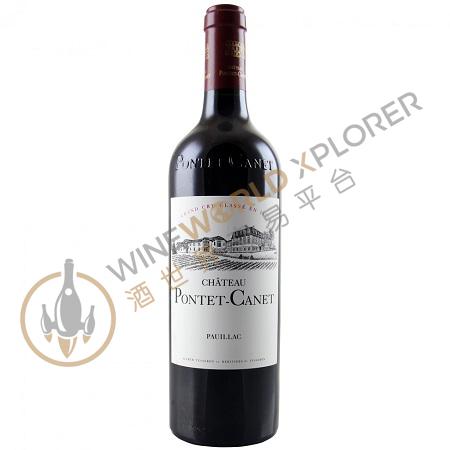
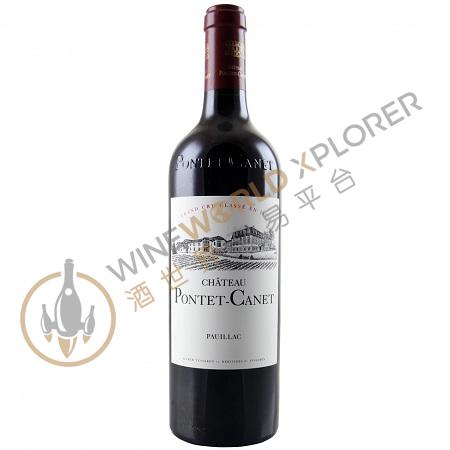
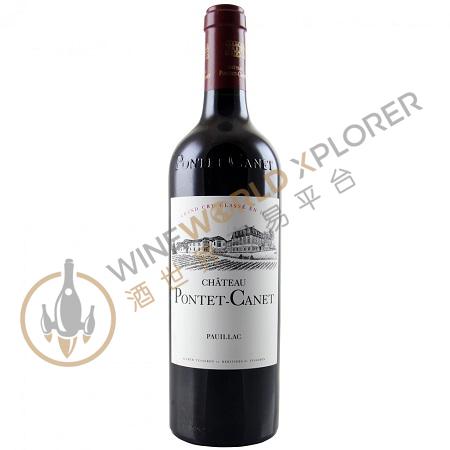
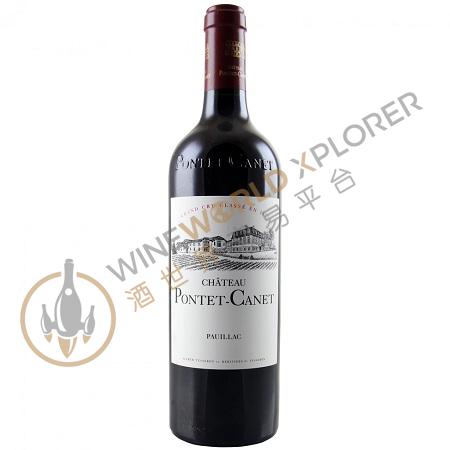
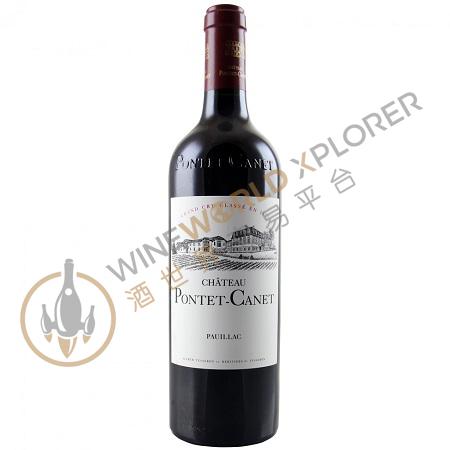
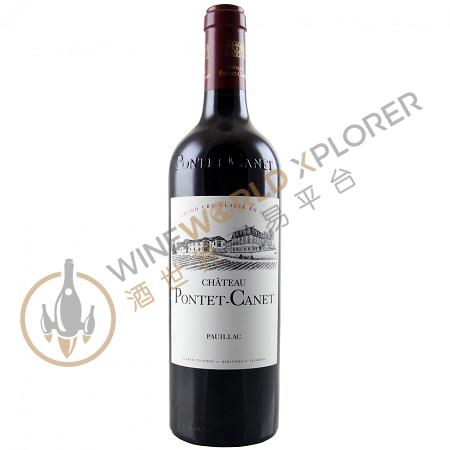
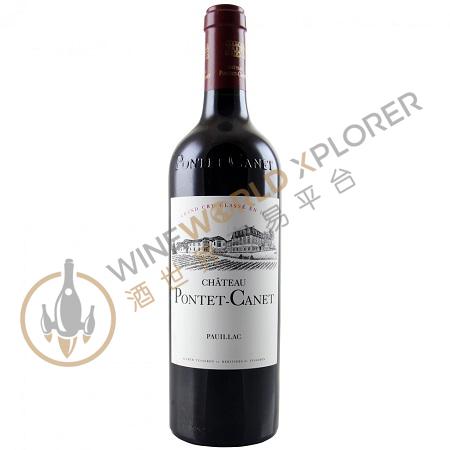
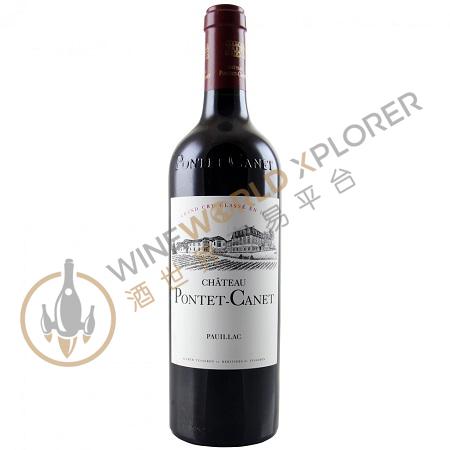
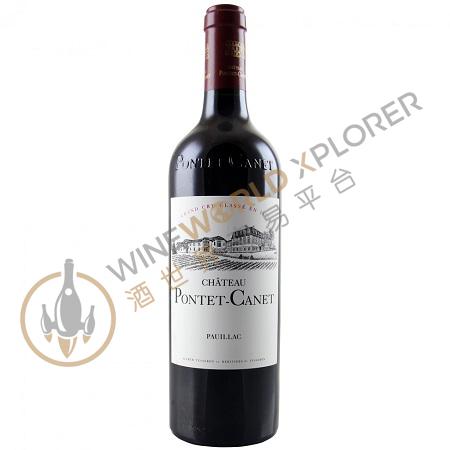
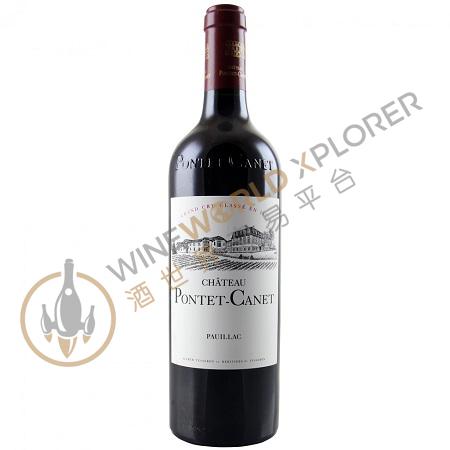
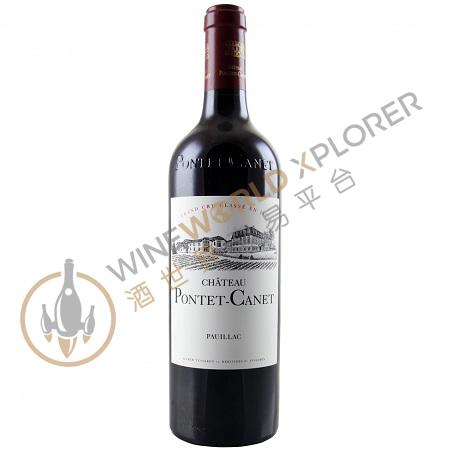
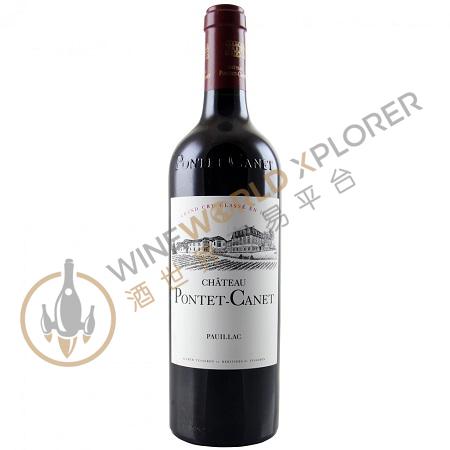
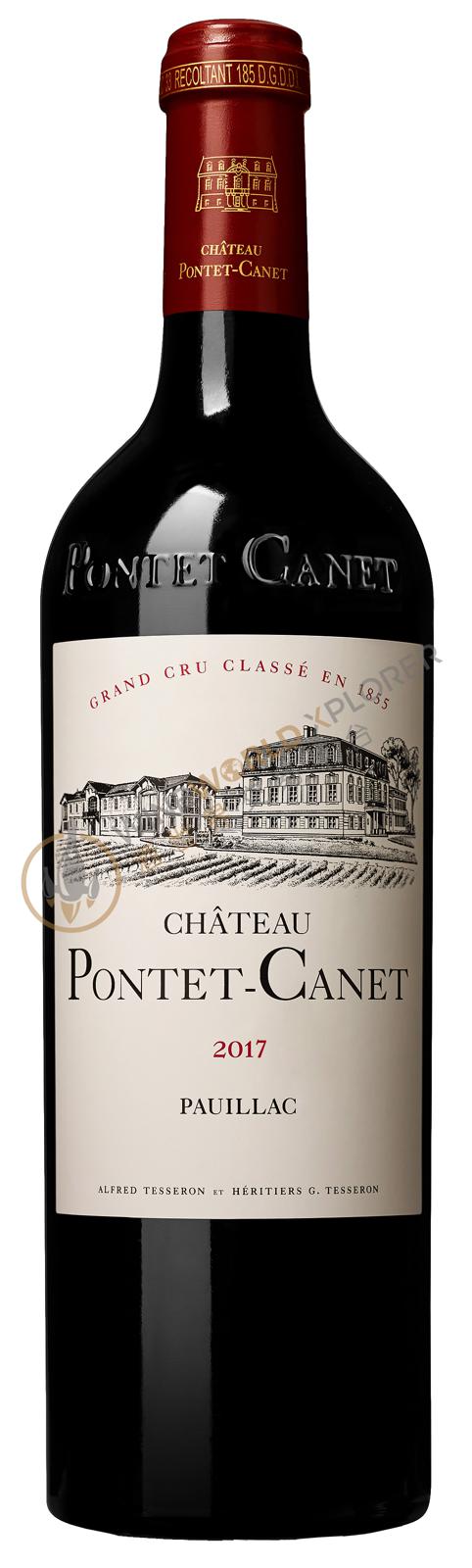
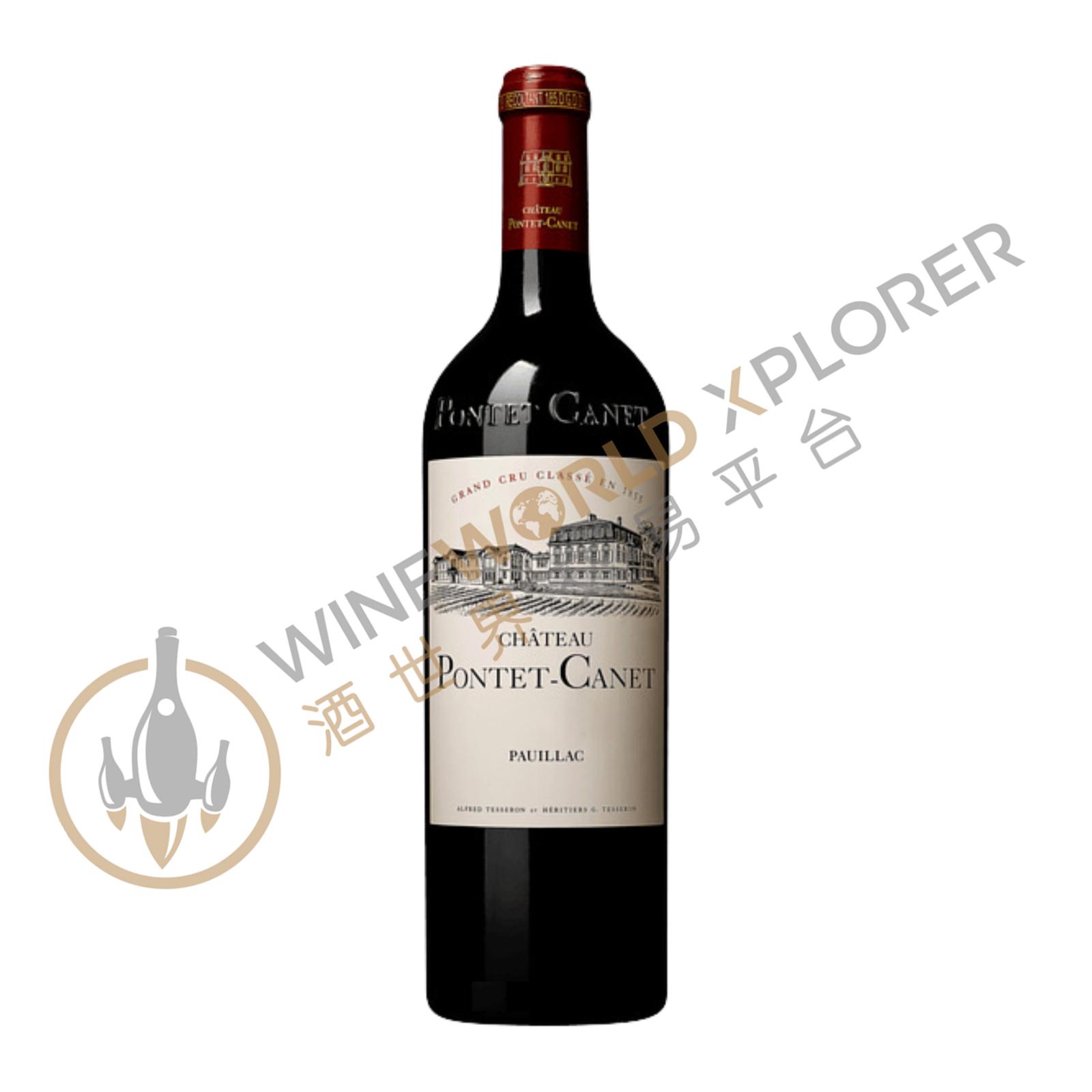
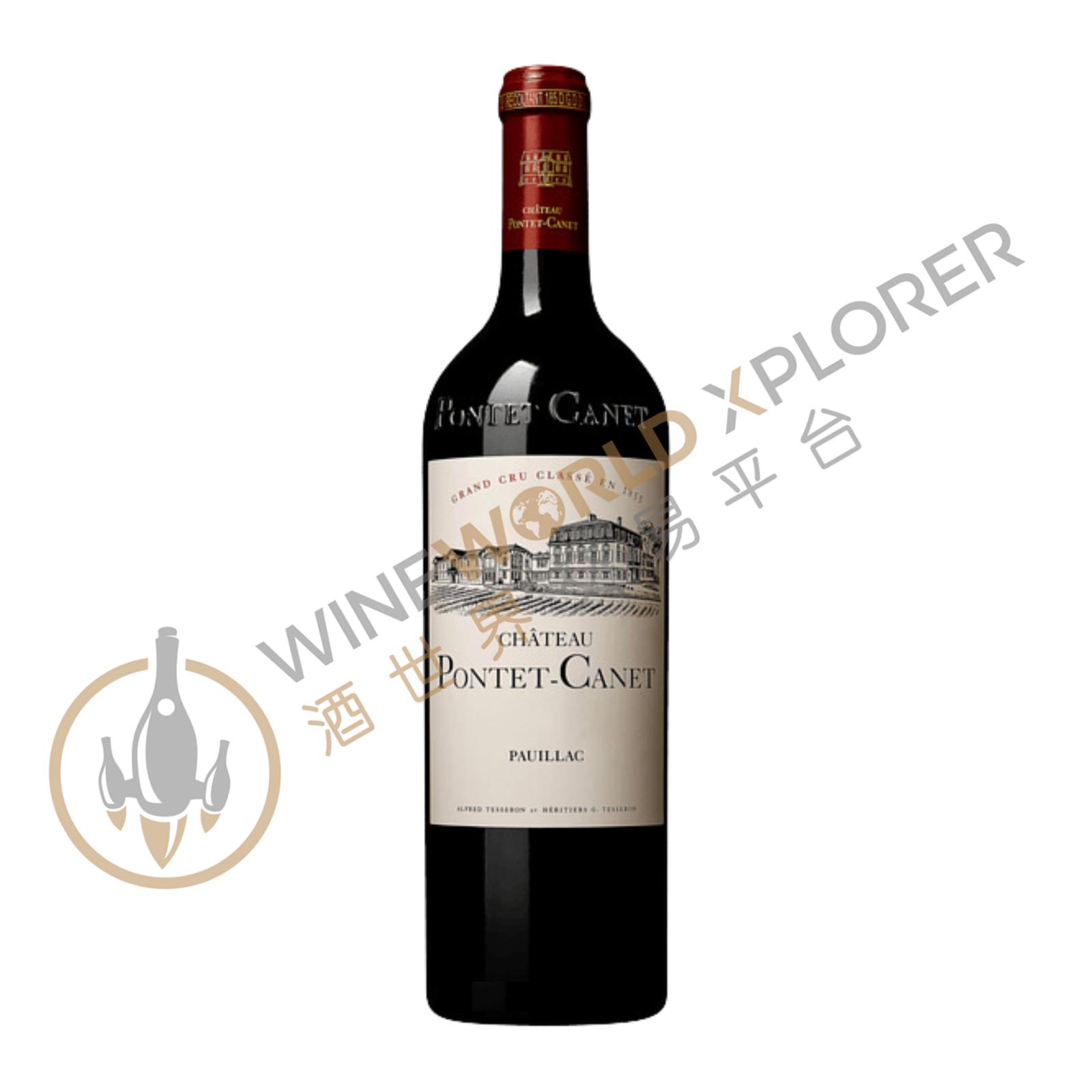
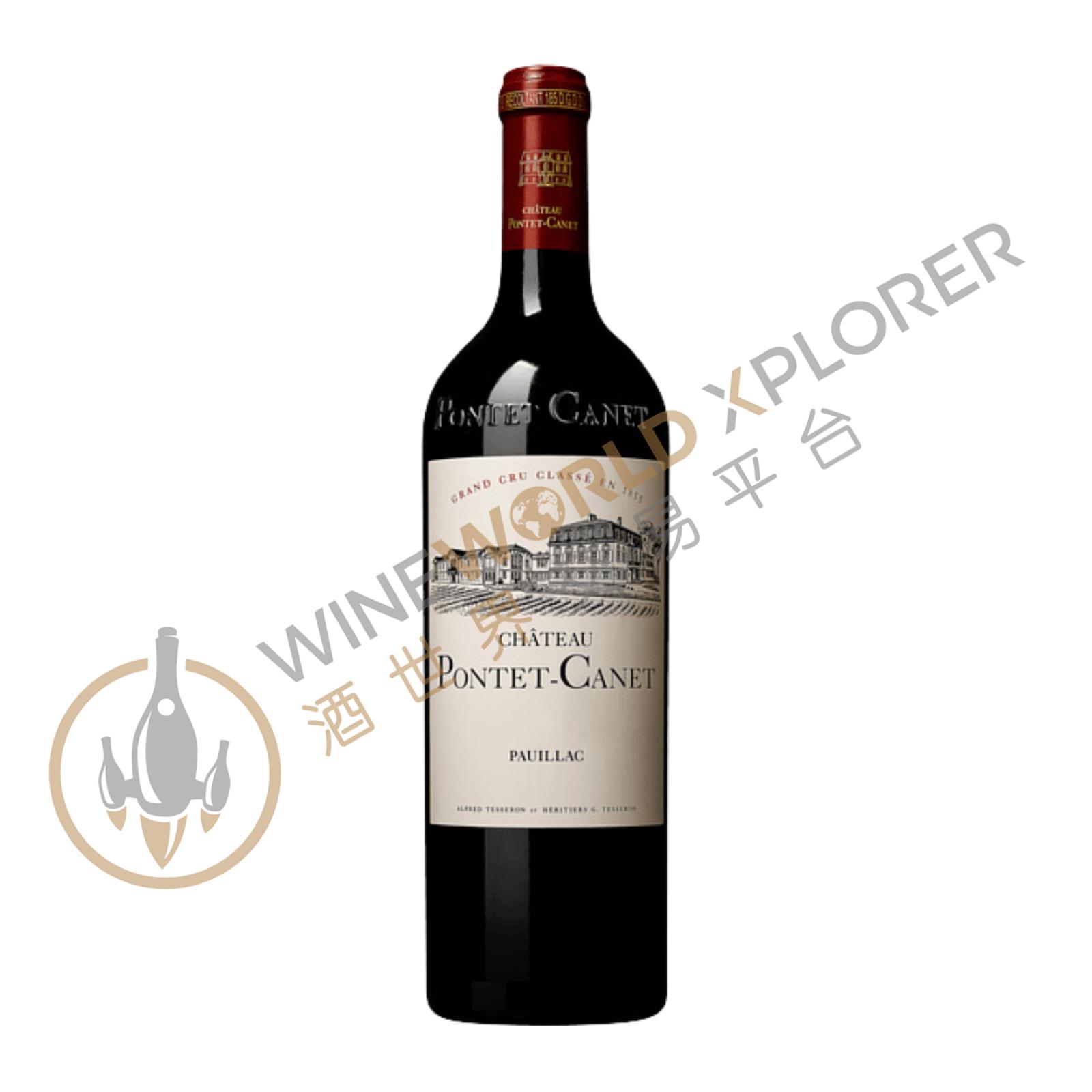
Pontet Canet 2014
 View analysis


Description
Tasting notes

Reviewed by: Lisa Perrotti-Brown
Deep garnet with a hint of purple to the color, the 2014 Pontet-Canet gives a very serious, classic Pauillac nose of blackcurrant preserves, baked blackberries and warm black plums with suggestions of menthol, pencil lead, woodsmoke, cassia and cast-iron pan plus a hint of baking spices. Medium to full-bodied, it fills the mouth with black and blue fruit preserves with a rock-solid frame of grainy tannins and bold freshness, giving lift to the long, exotic spice-laced finish. It is approachable now, but really should start to make jaws drop in another 4-5 years.
Reviewed by: Neal Martin
The 2014 Pontet-Canet, now in bottle, was tasted twice during my trip to Bordeaux. It has an attractive bouquet: graphite tinged black fruit, incense and violets, perhaps a little more hedonistic than I envisaged when I tasted it from barrel. The palate is medium-bodied with tensile tannin thanks to the keen line of acidity. I like the precision of this Pontet-Canet. It feels linear and correct, pencil lead notes developing towards the second half, more quintessentially Pauillac than previous vintages, with what you might describe as a classic Pauillac finish that retains the focus that I remarked upon from barrel. Tasted February 2017.
Reviewed by: Neal Martin
The Château Pontet-Canet 2014 was picked between 29 September and 10 October, the 10th biodynamically. It is initially quite reticent, a little broody in the glass. However, it unfolds with each swirl revealing a very pure and I feel, a more contained and classic bouquet compared to the 2013: blackberry, graphite, minerals and a touch of incense. The palate is medium-bodied with fine, quite tensile tannin. The acidity is very well judged – crescendo of flavors that lead to a precise, lightly spiced, quite vivacious finish. What I like here is that it is very Pauillac, in the sense that I feel that recent vintages were flirting with deviating too far away from what a typical Pauillac ought to be. This is unmistakable in terms of where it comes from, but there it retains that sense of focus and mineralité that ensures this is a total success for the vintage. I find this more appealing than the 2013 last year and this 2014 should be a vintage that puts a smile on Jean-Michel Comme's face.
Reviewed by: Antonio Galloni
The 2014 Pontet-Canet seems to have put on quite a bit of weight and volume since I first tasted it from barrel. Ripe, juicy tannins wrap around a core of intense dark cherry, plum, spice, lavender and tobacco. Today, it is the wine's sheer intensity and vertical structure that stands out. I wouldn't dream of touching a bottle until at least age ten, and even that is almost certainly not going to be enough time for the 2014 to show the full breadth of its potential. The transformation the 2014 has undergone from a delicate, nuanced Pauillac to a wine of depth is quite remarkable. Tasted three times. The blend is 65% Cabernet Sauvignon, 30% Merlot, 5% Petit Verdot, vinified in equal parts cement and oak and aged in a combination of 50% new oak, 35% amphora and 15% once used barrels. This is a gorgeous wine from the Tesseron family and the team led by Technical Director Jean-Michel Comme.
Reviewed by: Antonio Galloni
Deep and translucent to the core, the 2014 Pontet-Canet is one of the sexiest wines of the vintage. A host of violets, lavender, mint, spices, new leather and plums grace the palate in an utterly exquisite wine endowed with magnificent yet understated depth and crystalline purity. This is without question one of the highlights of the vintage. The 2014 isn't a big wine; rather it is a Pauillac built on a total sense of finesse. The 2014 was vinified in equal parts cement and oak, and is aging in a combination of 50% new oak, 35% amphora and 15% once used barrels. The blend is 65% Cabernet Sauvignon, 30% Merlot and 5% Petit Verdot. Personally, I can't wait to taste the 2014 from bottle.
Reviewed by: Neal Martin
The 2014 Pontet Canet is a controversial showing, dividing the participants who unanimously nailed its identity. It has an opulent but well defined bouquet with black cherries, red plum, raspberry coulis and cedar aromas. Perhaps this is a little exotic for a Pauillac? The palate is medium-bodied with fine tannin, plenty of dark berry fruit laced with cedar and black tea, leading to a lightly spiced finish that is just missing some finesse and precision. This is undoubtedly an enjoyable Bordeaux but I have to be parsimonious with my score because although I hope that this wine would steer itself towards the stylistic traits of Pauillac, this blind showing suggests that it is veering somewhere else. Tasted blind at the annual Southwold tasting.
About the Producer
The history of Château Pontet-Canet dates back to the early 18th century when Jean-François de Pontet, grand equerry of the king became governor of the Medoc, brings together several parcels of land located in Pauillac. Subsequently, his descendants add the vineyards adjoining the locality Canet: Château Pontet-Canet was born. One hundred years later, the famous classification of 1855 included Château Pontet-Canet among the elite of the Médoc viticulture. This rise did not escape one of the first Bordeaux merchants of the time, Herman Cruse, who bought the property in 1865. He built new cellars, modernized the facilities and made this wine known throughout the world. The Cruse family managedthe property for 110 years, until another merchant, but from Cognac, Guy Tesseron, bought it in 1975. Thus, in more than two hundred years, Château Pontet-Canet knew only three different owners. Today, it is the son of Guy Tesseron, Alfred Tesseron who is at the head of the field. The Château Pontet-Canet terroir consists of 62% Cabernet Sauvignon, 32% Merlot, 4% Cabernet Franc and 2% Petit Verdot. The property is 120 hectares of which 80 hectares are dedicated to the breeding of the vine. Led by Jean Michel Comme, Château Pontet-Canet’s viticulture has gone from conventional cultivation to organic farming and biodynamic farming. Thus, the terroirs, worked daily by Breton horses, have found their originality.
1981(1)1982(2)1983(2)1988(1)1990(1)1995(1)1996(1)2000(8)2001(4)2002(7)2003(10)2004(5)2005(3)2006(10)2007(11)2008(12)2009(13)2010(19)2011(15)2012(16)2013(19)
Package Size