Wine Advisor



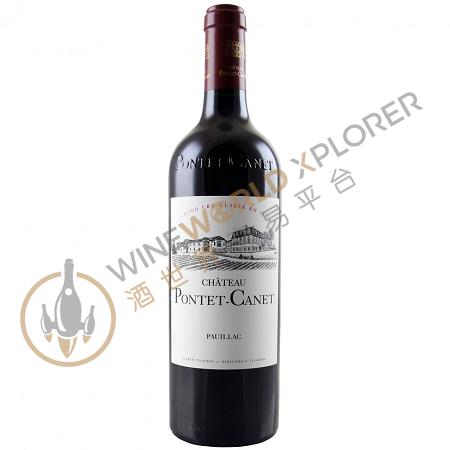
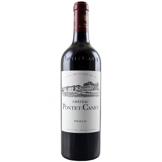
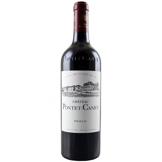
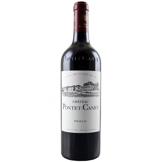
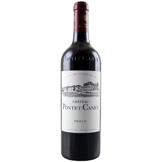
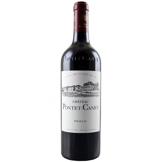
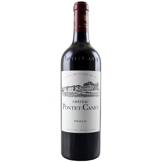
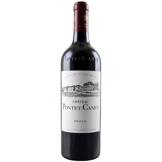
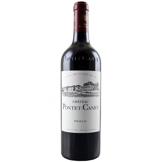
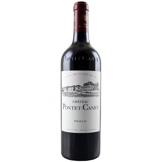
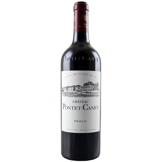
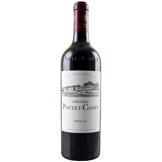
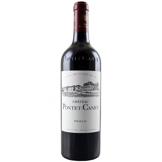
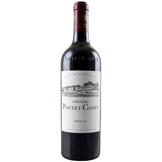
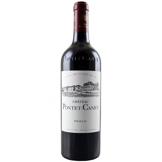
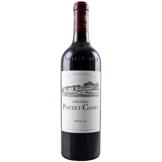
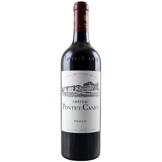
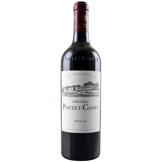
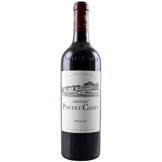
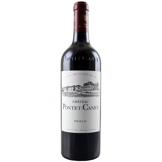
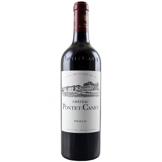
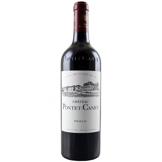
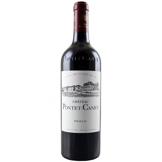
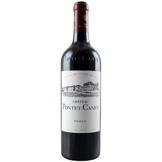
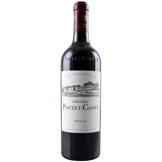
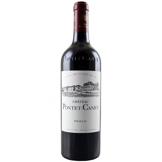
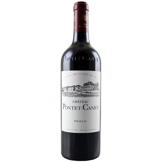
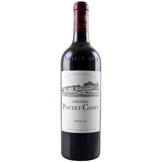
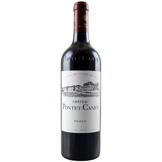
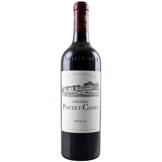
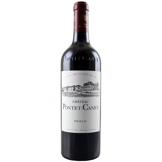
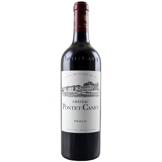
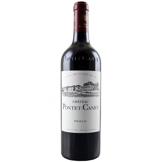
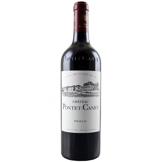
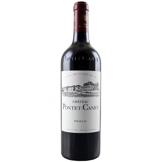
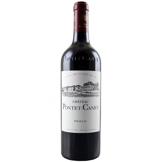
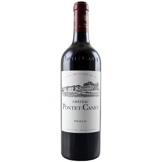
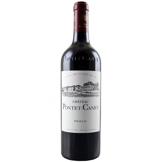
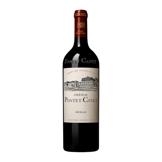
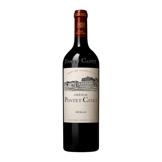
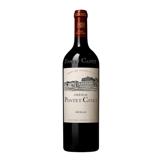
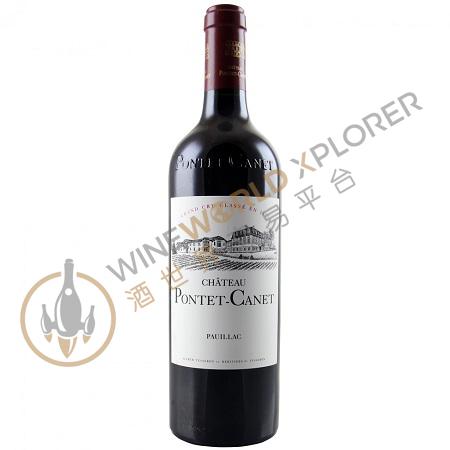
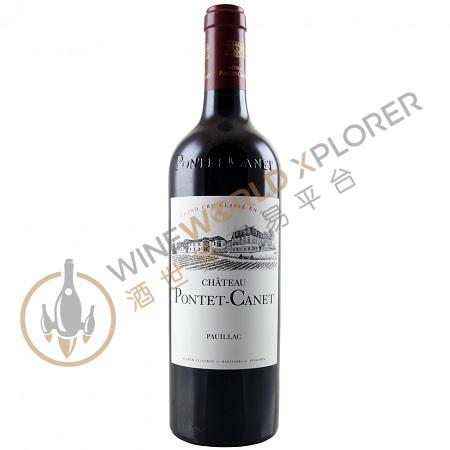
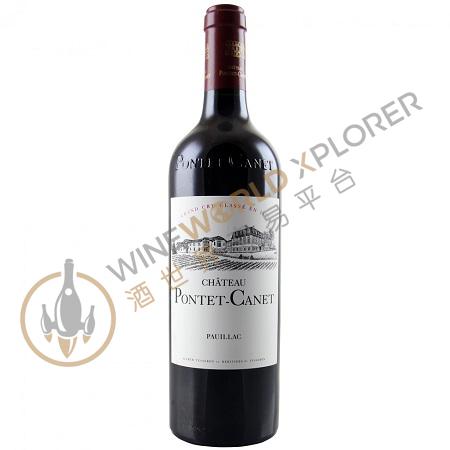
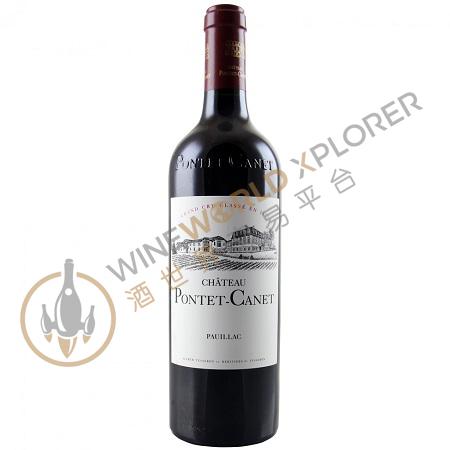
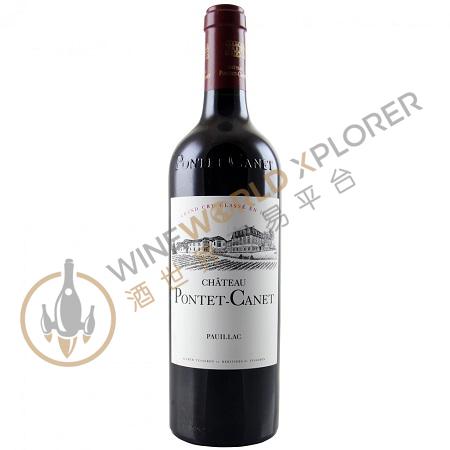
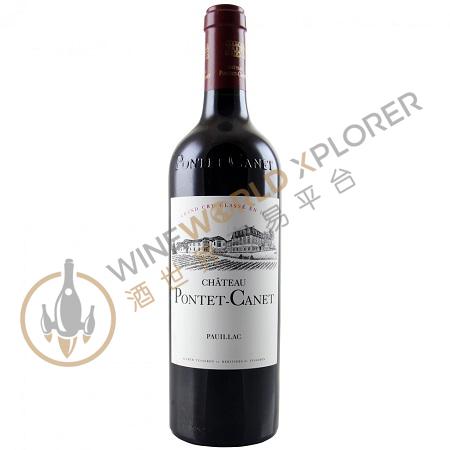
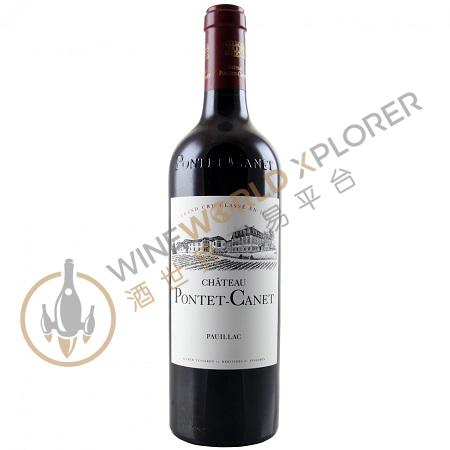
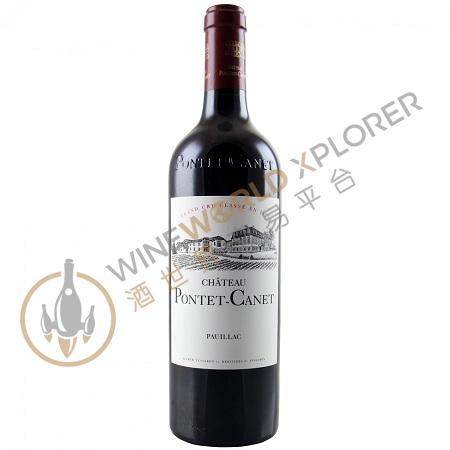
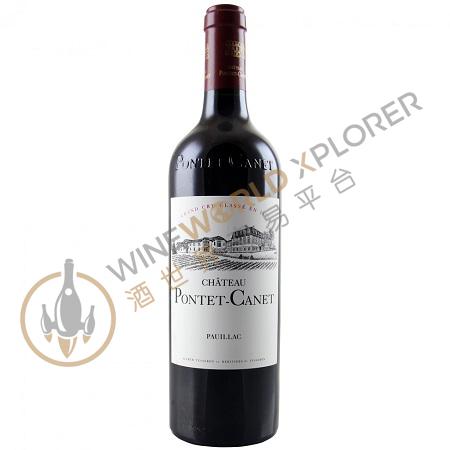
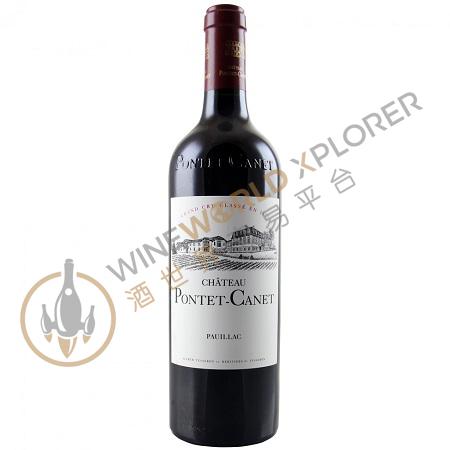
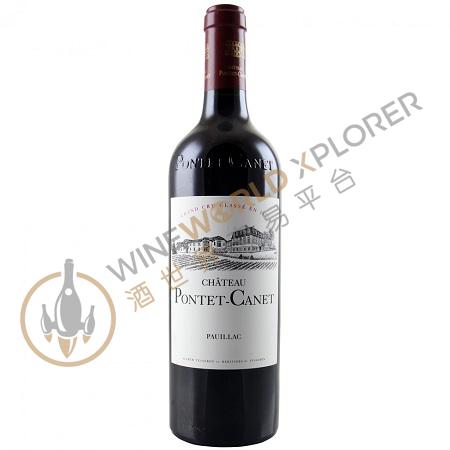
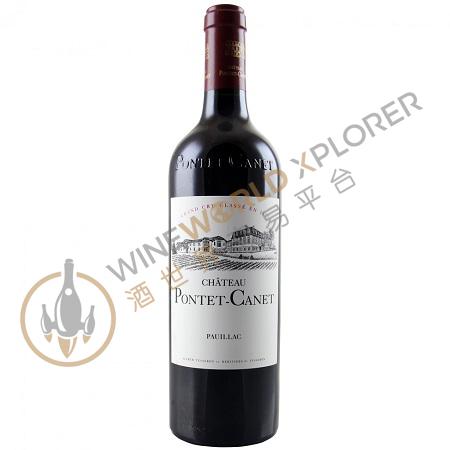
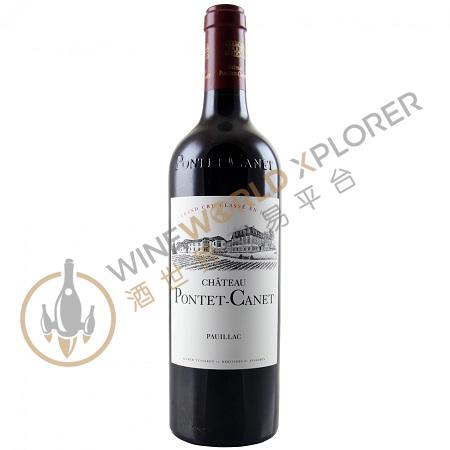
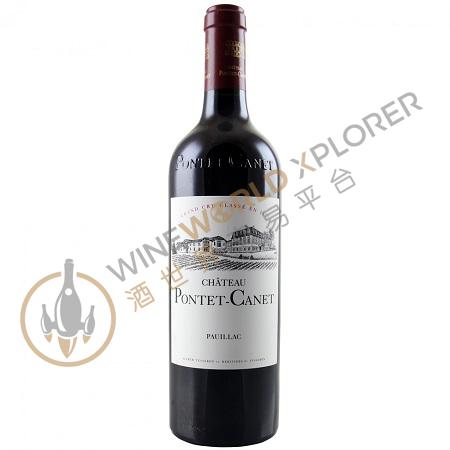
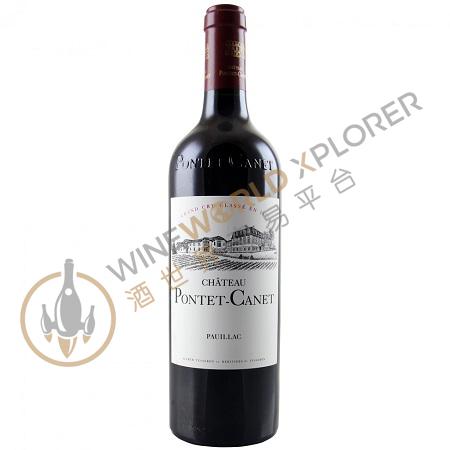
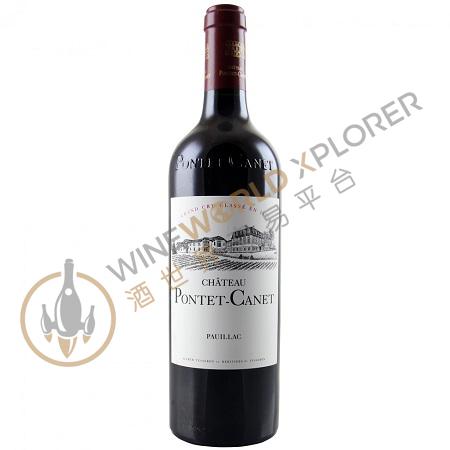
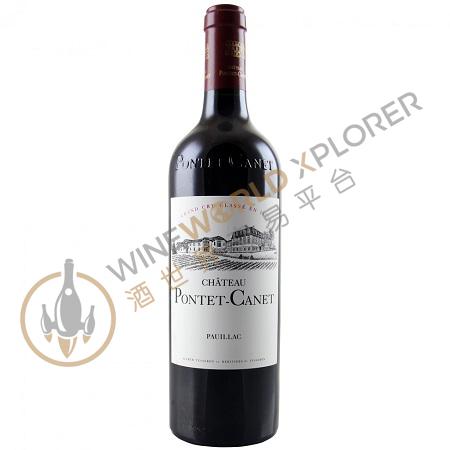
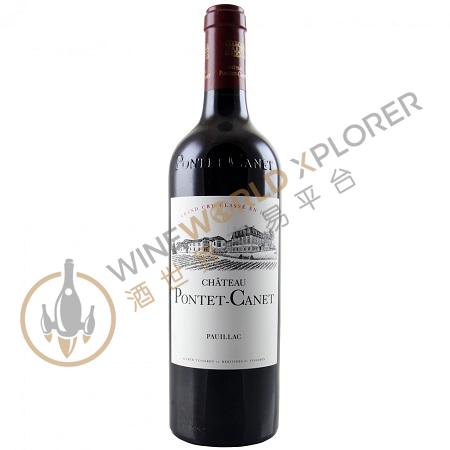
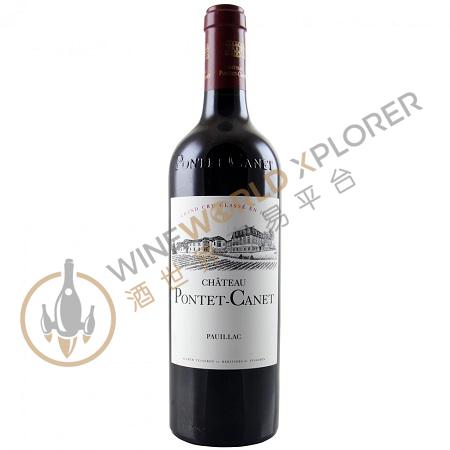
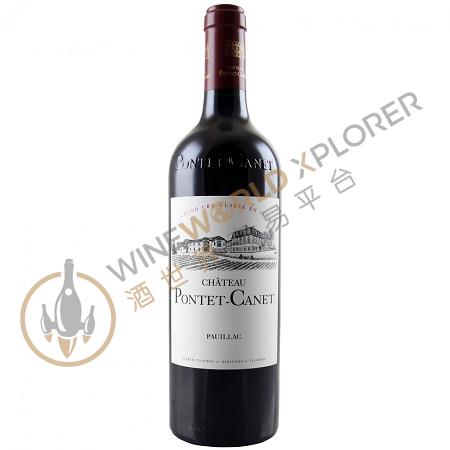
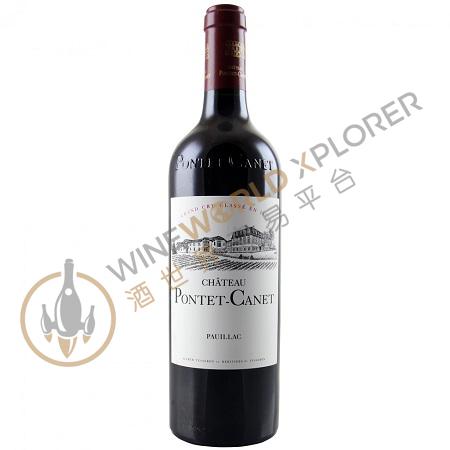
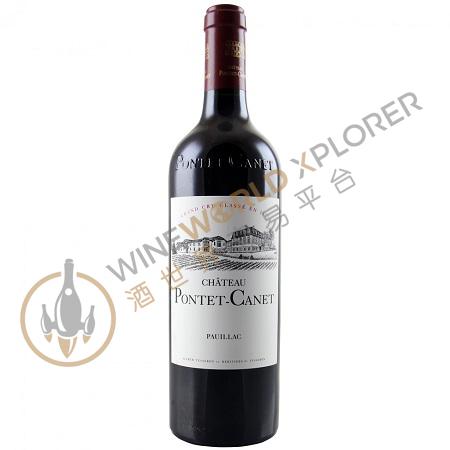
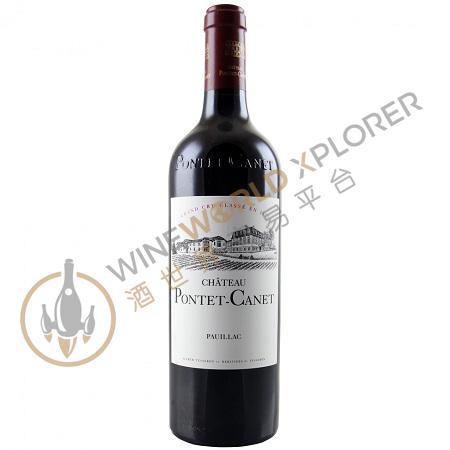
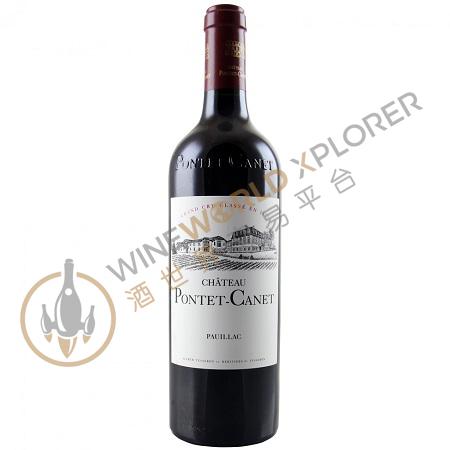
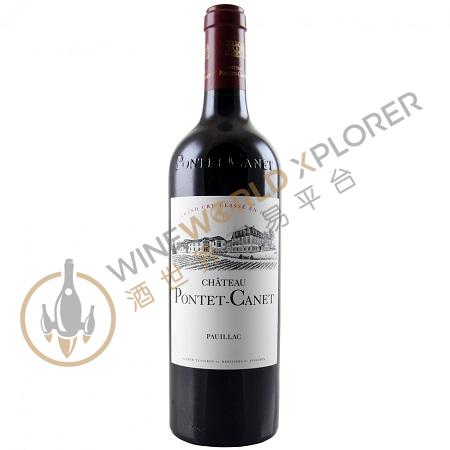
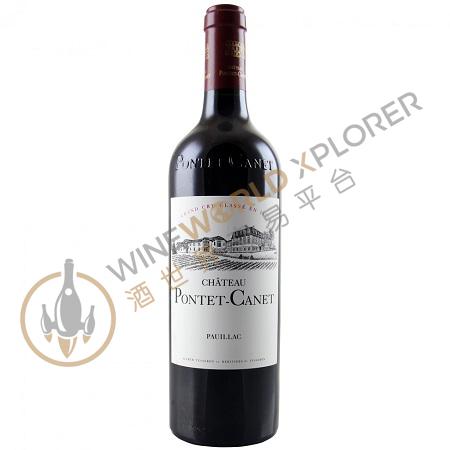
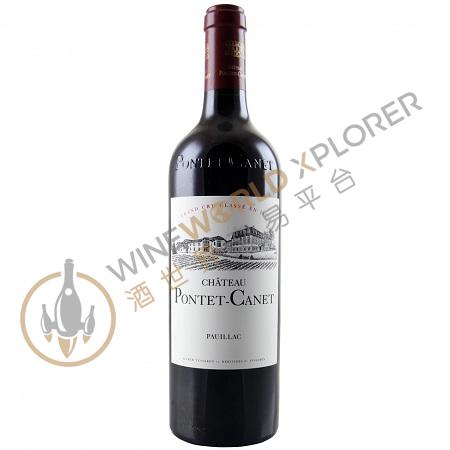
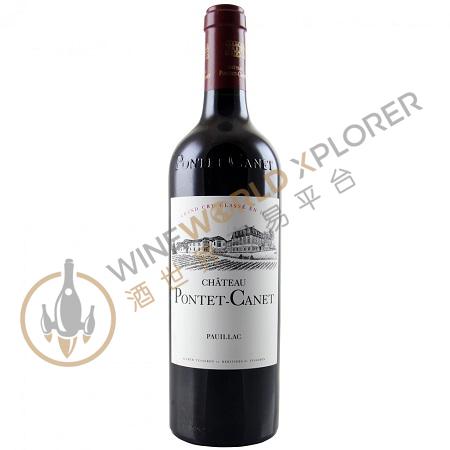
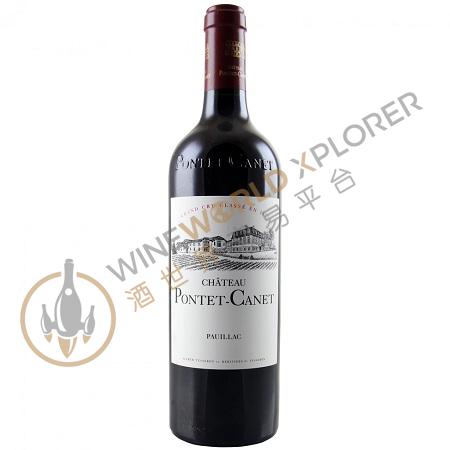
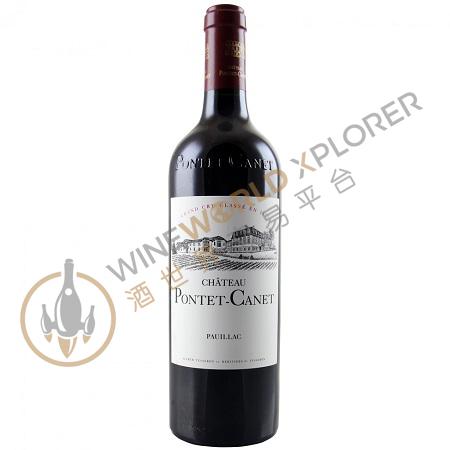
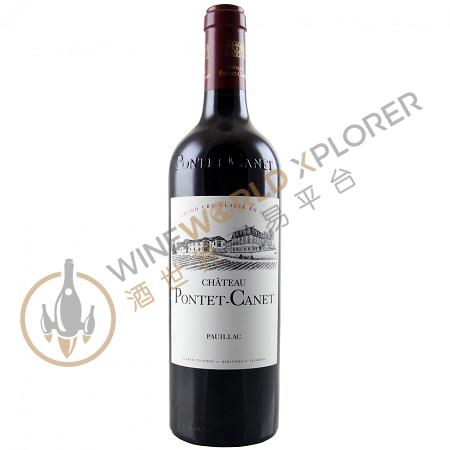
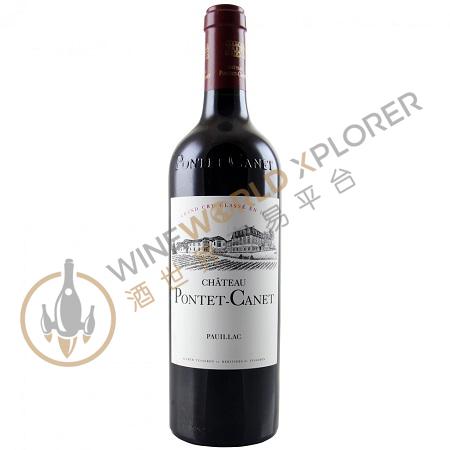
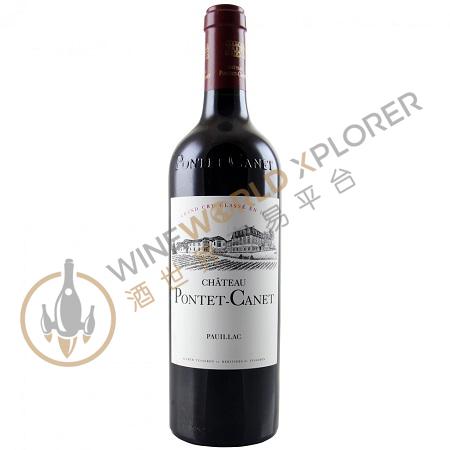
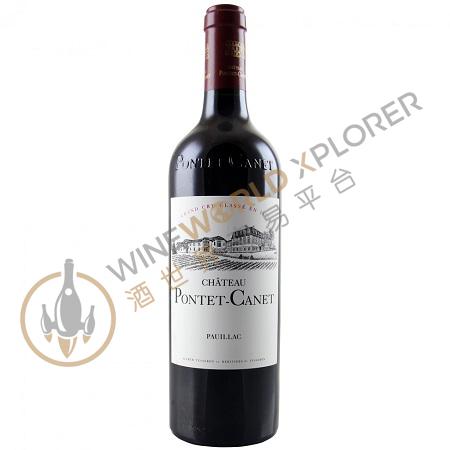
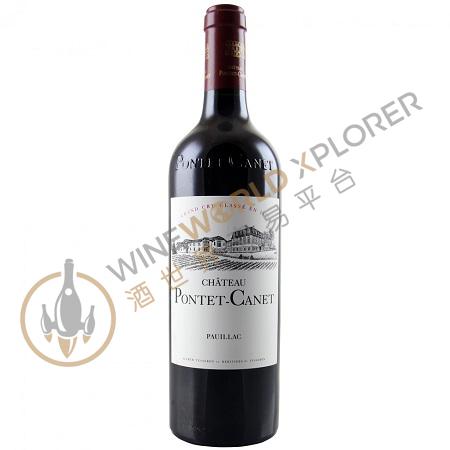
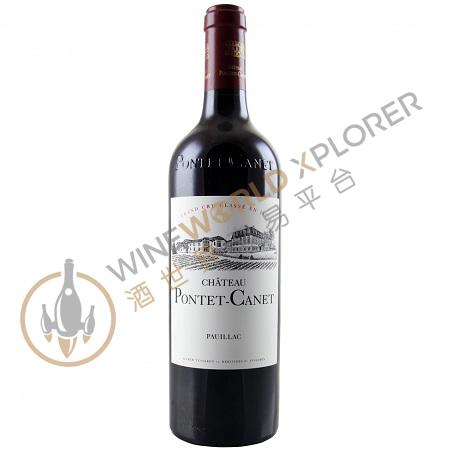
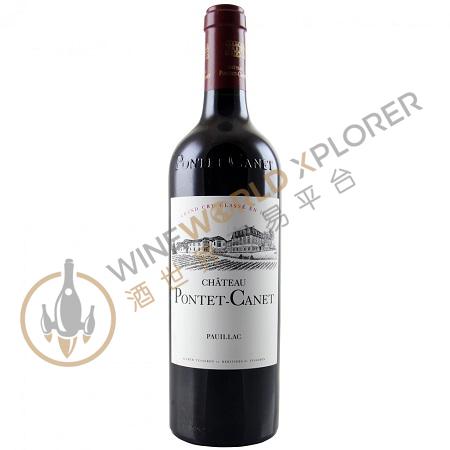
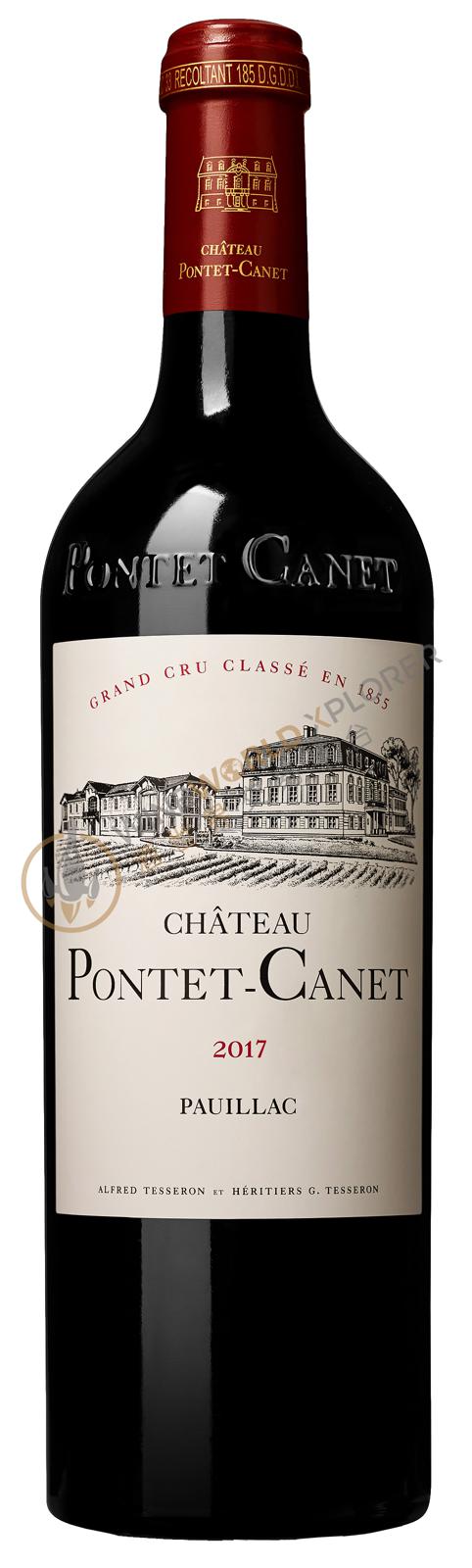
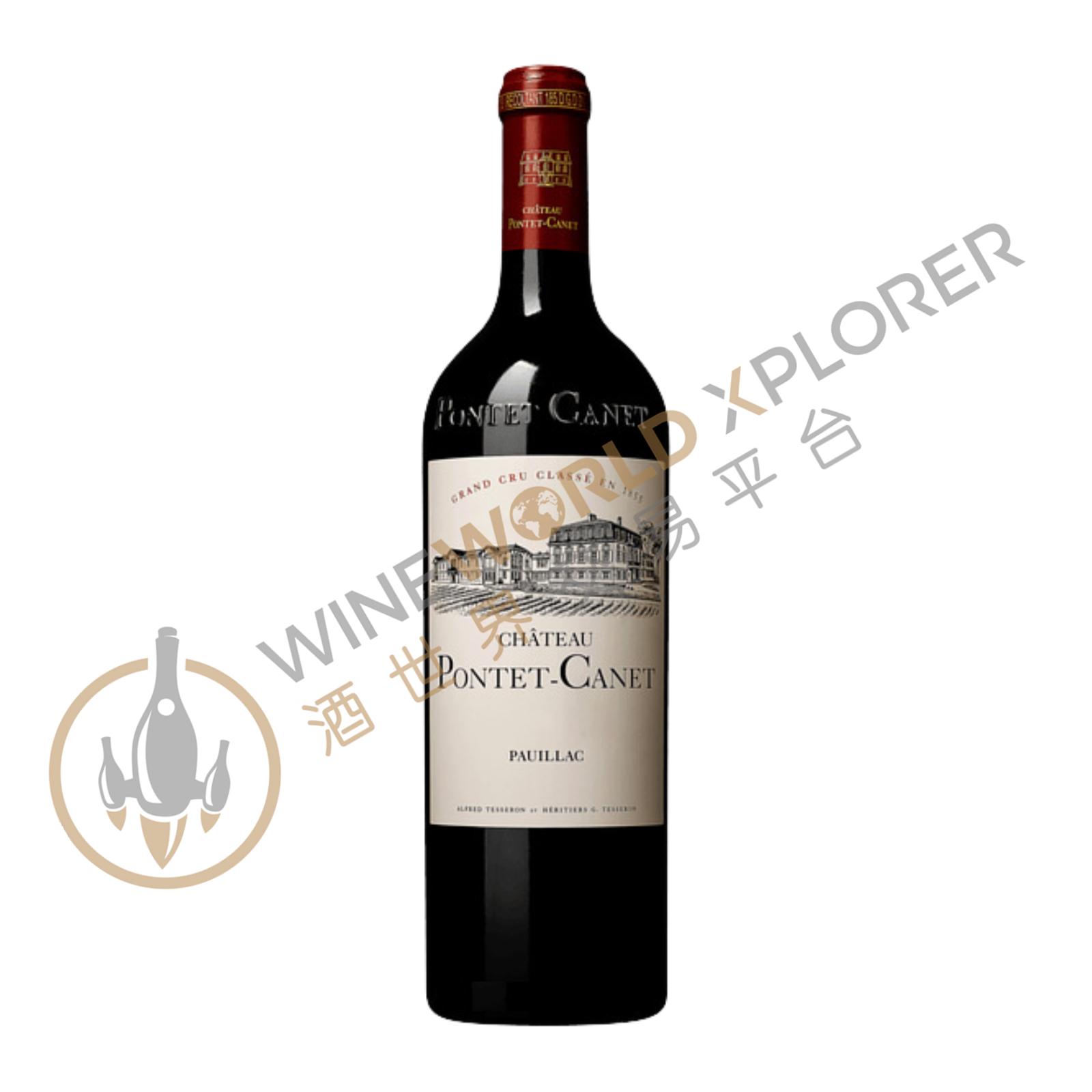
Pontet Canet 2013
 View analysis


Description
Tasting notes

Reviewed by: Neal Martin
In 2013, the Pontet Canet is a blend of around 65% Cabernet Sauvignon, 30% Merlot, 4% Cabernet Franc and 1% Petit Verdot. There is about 50% new oak, 35% amphora and 15% in one-year old wood. The nose is quite light for Pontet Canet, the Merlot actually more expressive than the Cabernet Sauvignon at the moment. There is something almost northern Italian about the aromatics, warmth not European but something further south. The palate is medium-bodied with a slightly meaty entry. The tannins are a little coarse at the moment but they will soften with time. There is an attractive spicy tincture here, although there is not a great deal of depth on the finish, which is typically quite linear for the vintage. Again, the clay amphora, do lend this wine something tertiary or at least "of the ground". I do not think this is a long term Chateau Pontet Canet, but it should drink well over the next 8 to 10 years. Tasted April 2014.
Reviewed by: Robert M. Parker, Jr.
A blend of 65% Cabernet Sauvignon, 30% Merlot and the rest Cabernet Franc and Petit Verdot, this biodynamically farmed vineyard (a rarity, but increasing in the Bordeaux viticulture), had tiny yields of 15 hectoliters per hectare. This doesn’t translate into super concentration, but this is certainly an outstanding effort in an extremely difficult vintage. The wine has a dense purple color, and classic creme de cassis, licorice and mocha and espresso roast notes that Pontet-Canet has displayed recently. The wine is medium-bodied, possesses excellent purity, equilibrium and sweet, but noticeable tannin. This is by no means at the level of the great vintages that have been so common of late from this incredible property on the Plateau of Pauillac across from Mouton Rothschild, but it’s certainly one of the vintage’s more noteworthy efforts. Give it 2-3 years of bottle age and drink it over the following 15 or so years.
Reviewed by: Lisa Perrotti-Brown
Medium to deep garnet colored, the 2013 Pontet-Canet is evolving into tobacco, new leather and dried mulberries scents with a core of kirsch, baked plums and cigar box plus a waft of Indian spices. Medium-bodied, elegantly styled and wonderfully refreshing in the mouth, it has a solid line of grainy tannins and loads of mineral sparks on the finish.
Reviewed by: Antonio Galloni
A soft, utterly exquisite wine, the 2013 Pontet-Canet graces the palate with small red berries, a kiss of spice, mint and French oak. The 2013 is a wine of detail and nuance. I am curious to see how the 2013 ages. Today, the mid-weight structured suggests the 2013 is a wine to drink in the near and medium term. It's all polish here. The 2013 is a very pretty wine, with good balance, but also slight elements of dilution. I also had a chance to taste the 2009 and 2010 on this trip. While it is unfair to compare the 2013 to those two epic vintages, the gap is significant. The 2013 was aged in 50% new oak, 35% concrete and 15% one year-old oak. The blend is 65% Cabernet Sauvignon, 30% Merlot, 4% Cabernet Franc and 1% Petit Verdot.
Reviewed by: Ian d'Agata
(65% cabernet sauvignon, 30% merlot, 4% cabernet franc and 1% petit verdot): Deep ruby. Very aromatic nose of dark plum, blackcurrant jelly and violet. Sweet and supple in the mouth, with lively floral flavors of dark fruits and allspice. Finishes persistent and pure, with smooth tannins, but just a little too diffuse for a higher score. Not an especially concentrated Pontet-Canet but has plenty of fruity charm. Production was 50% lower than usual at Pontet-Canet in 2013, and no second wine was made. Alfred Tesseron doesn't believe a second wine is necessary if an estate works well during the course of the year, all the wine it makes should reflect this, so our goal ideally is not to have a second wine.
About the Producer
The history of Château Pontet-Canet dates back to the early 18th century when Jean-François de Pontet, grand equerry of the king became governor of the Medoc, brings together several parcels of land located in Pauillac. Subsequently, his descendants add the vineyards adjoining the locality Canet: Château Pontet-Canet was born. One hundred years later, the famous classification of 1855 included Château Pontet-Canet among the elite of the Médoc viticulture. This rise did not escape one of the first Bordeaux merchants of the time, Herman Cruse, who bought the property in 1865. He built new cellars, modernized the facilities and made this wine known throughout the world. The Cruse family managedthe property for 110 years, until another merchant, but from Cognac, Guy Tesseron, bought it in 1975. Thus, in more than two hundred years, Château Pontet-Canet knew only three different owners. Today, it is the son of Guy Tesseron, Alfred Tesseron who is at the head of the field. The Château Pontet-Canet terroir consists of 62% Cabernet Sauvignon, 32% Merlot, 4% Cabernet Franc and 2% Petit Verdot. The property is 120 hectares of which 80 hectares are dedicated to the breeding of the vine. Led by Jean Michel Comme, Château Pontet-Canet’s viticulture has gone from conventional cultivation to organic farming and biodynamic farming. Thus, the terroirs, worked daily by Breton horses, have found their originality.
1981(1)1982(2)1983(2)1988(1)1990(1)1995(1)1996(1)2000(8)2001(4)2002(7)2003(10)2004(5)2005(3)2006(10)2007(11)2008(12)2009(13)2010(19)2011(15)2012(16)
Package Size