Wine Advisor



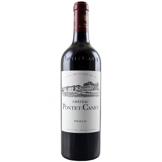
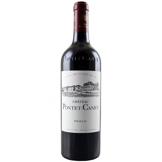
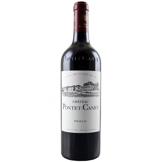
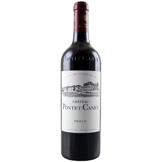
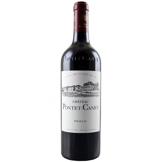
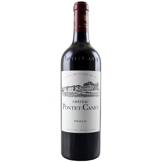
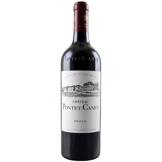
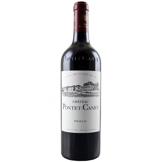
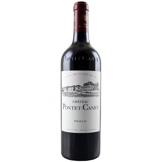
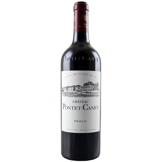
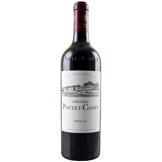
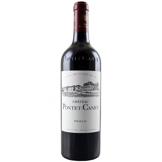
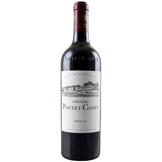
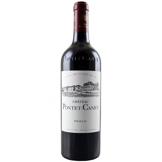
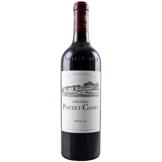
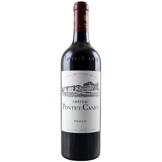
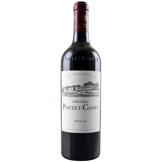
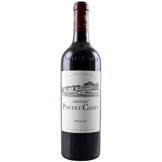
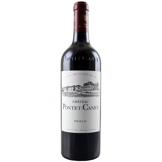
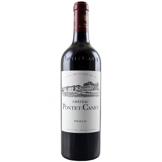
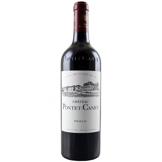
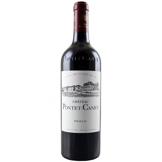
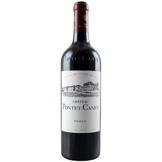
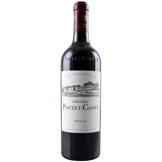
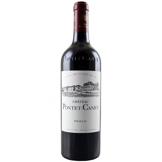
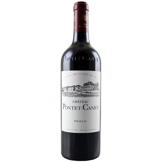
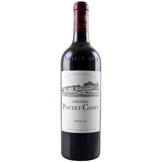
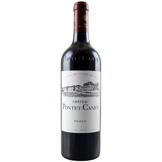
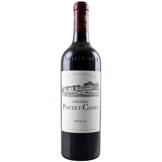
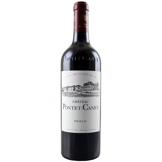
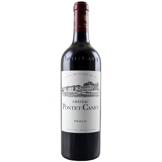
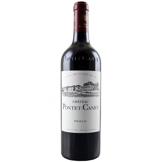
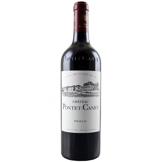
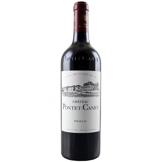
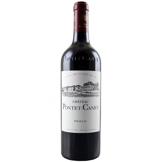
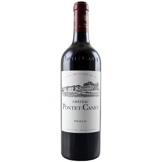
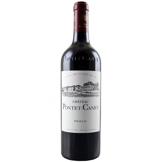
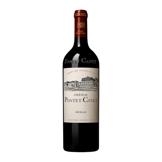
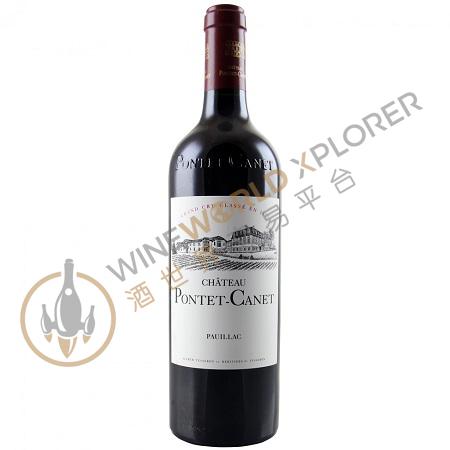
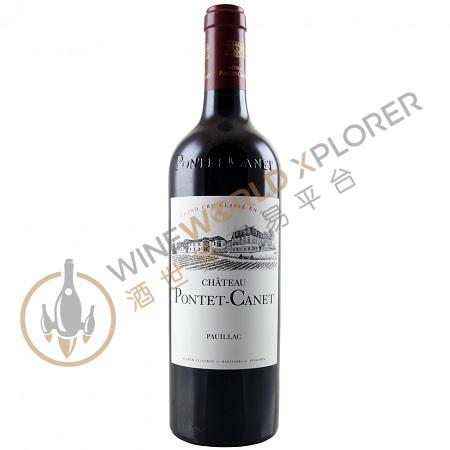
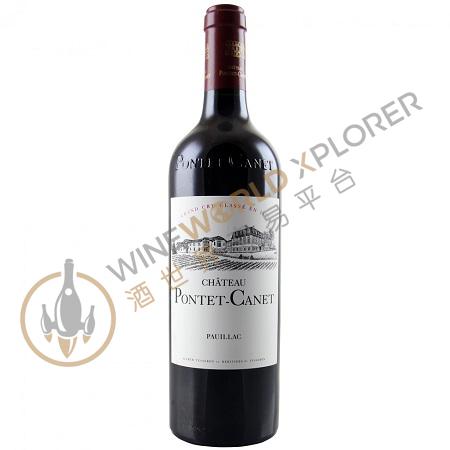
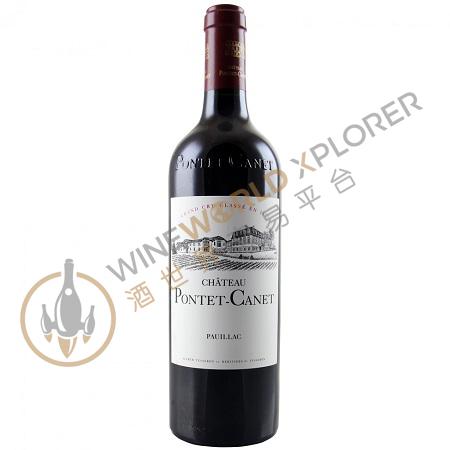
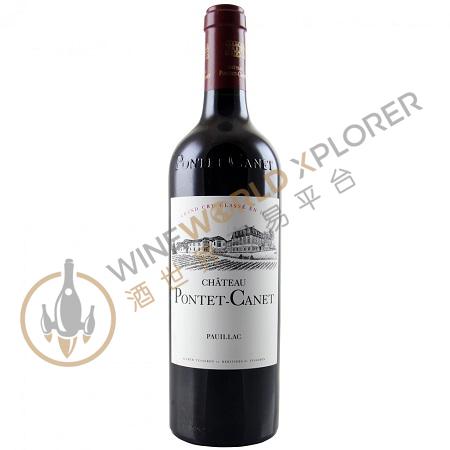
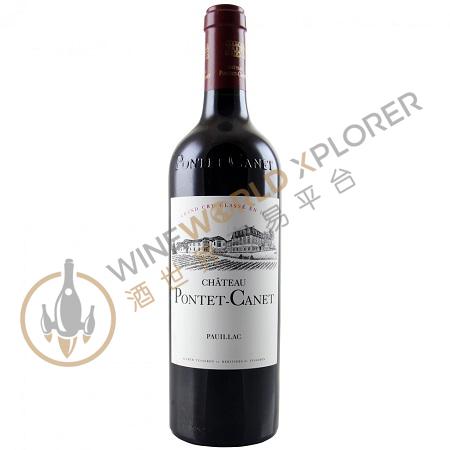
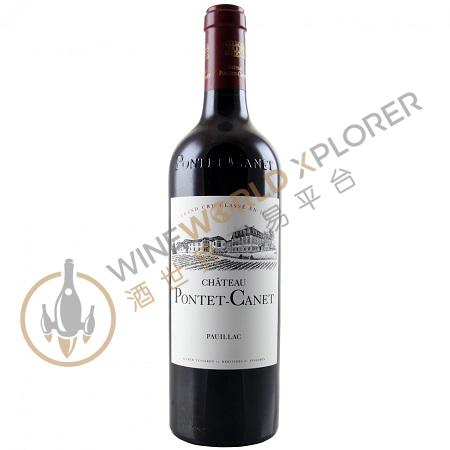
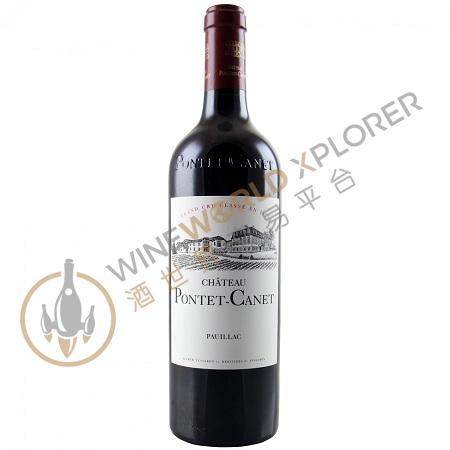
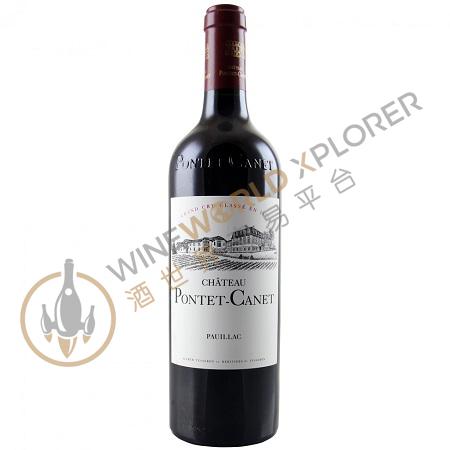
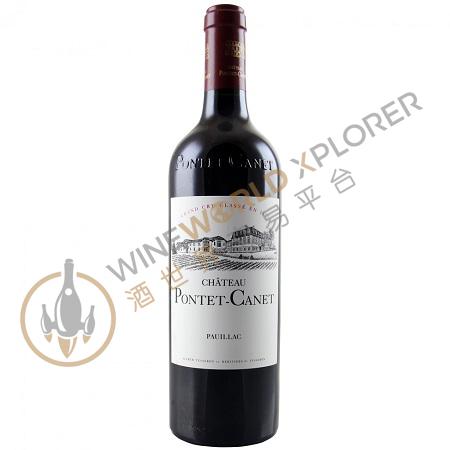
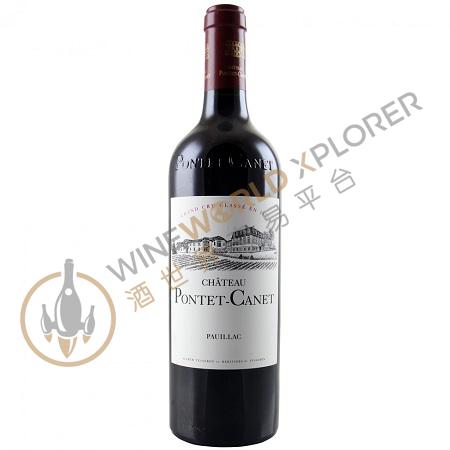
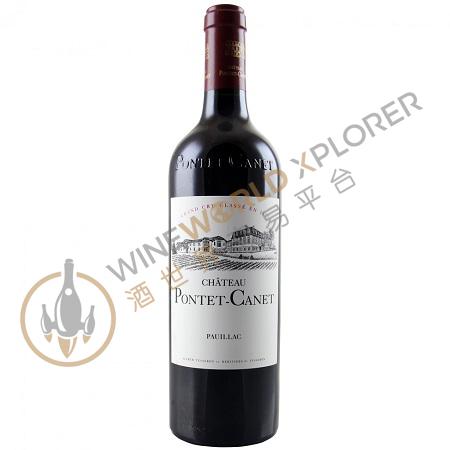
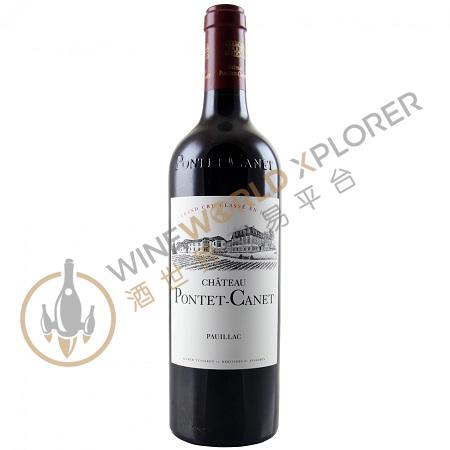
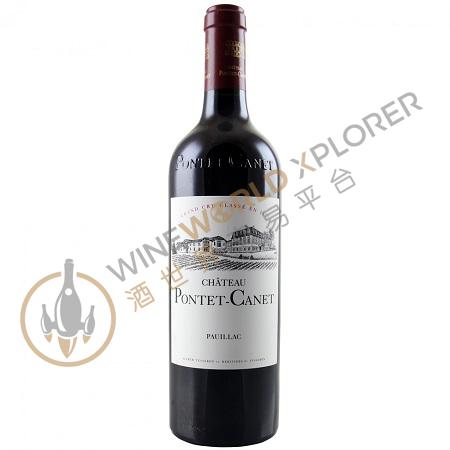
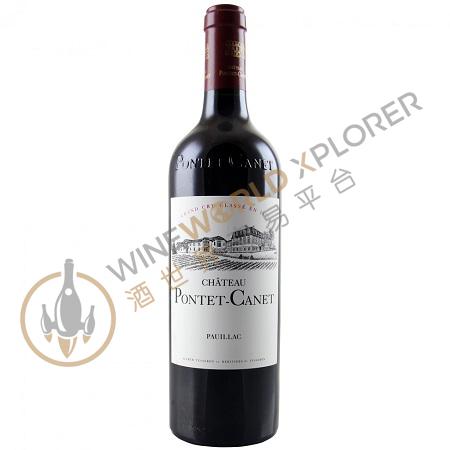
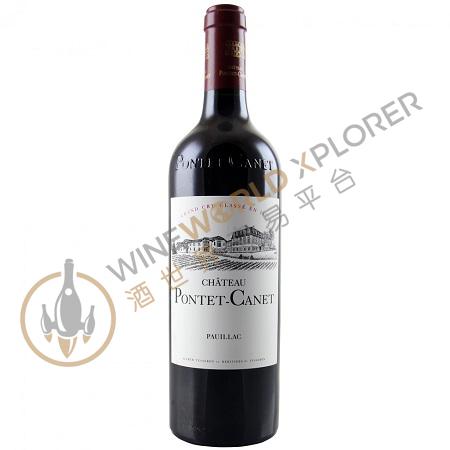
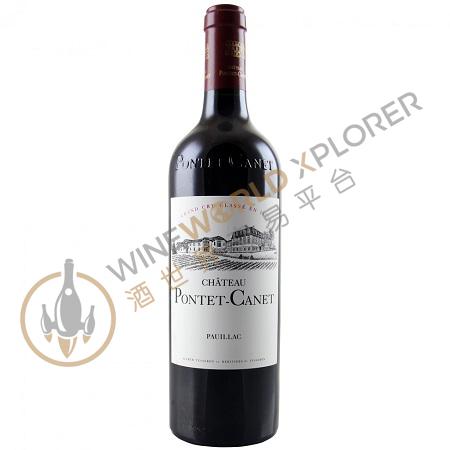
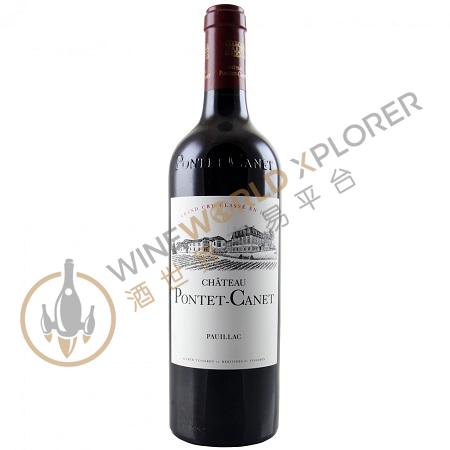
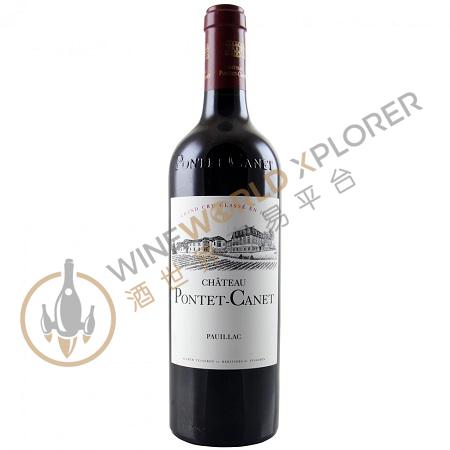
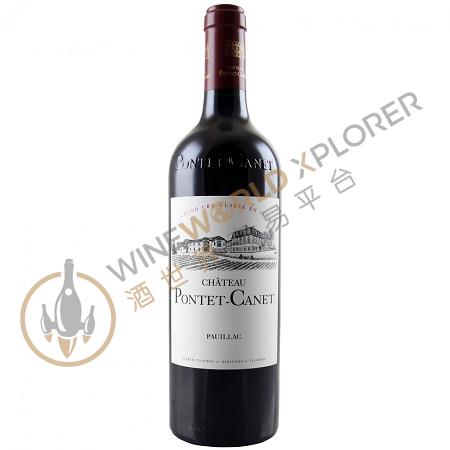
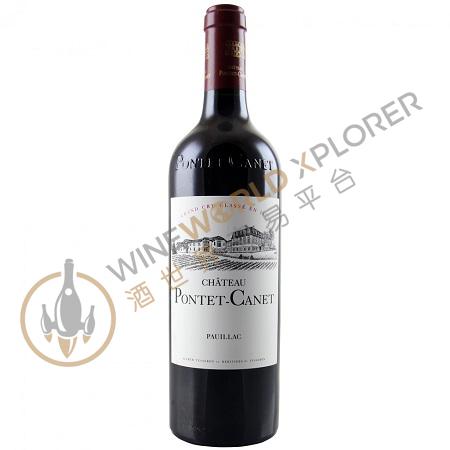
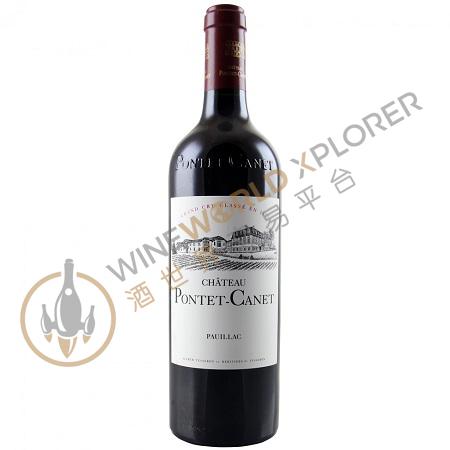
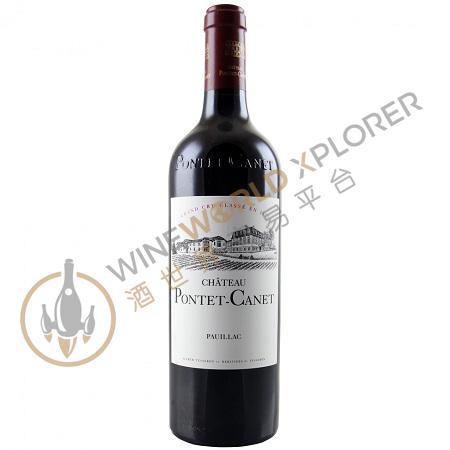
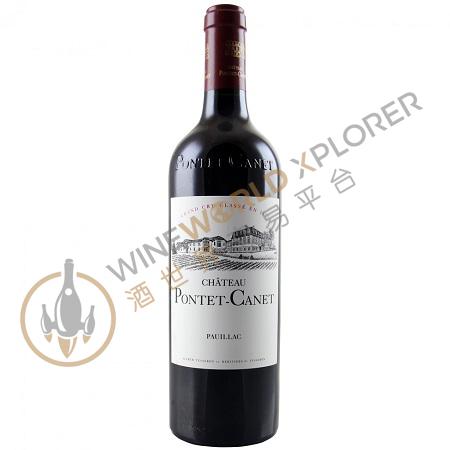
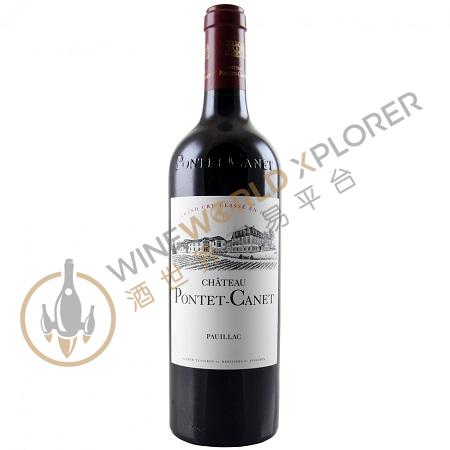
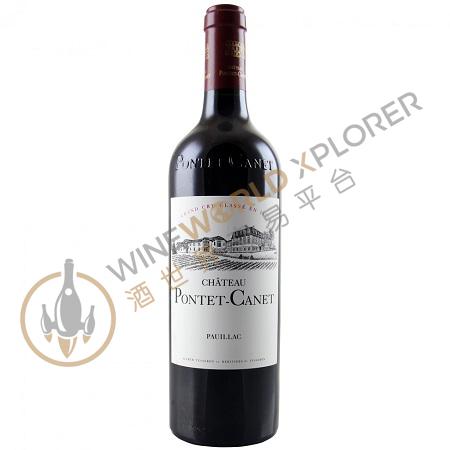
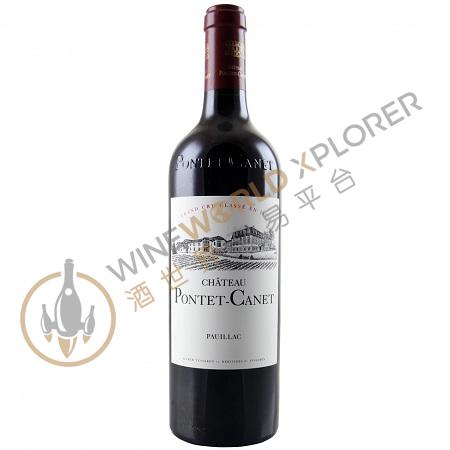
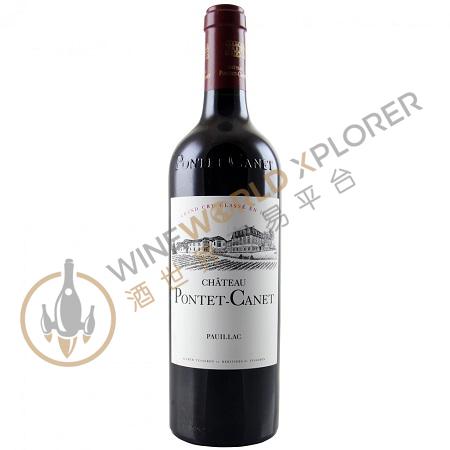
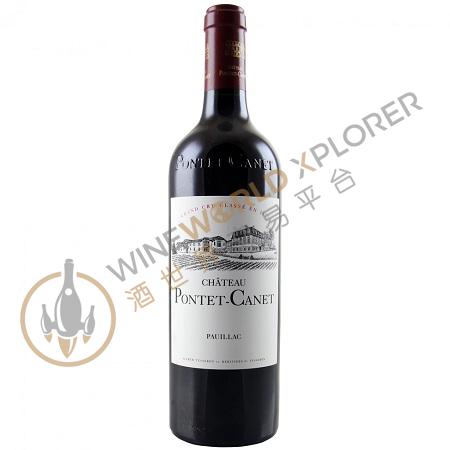
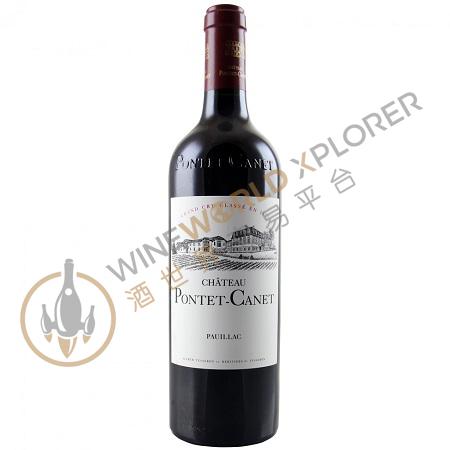
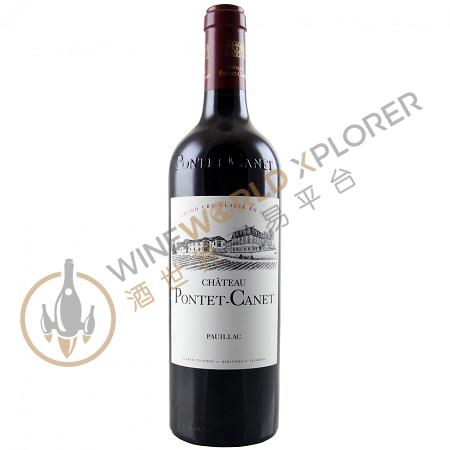
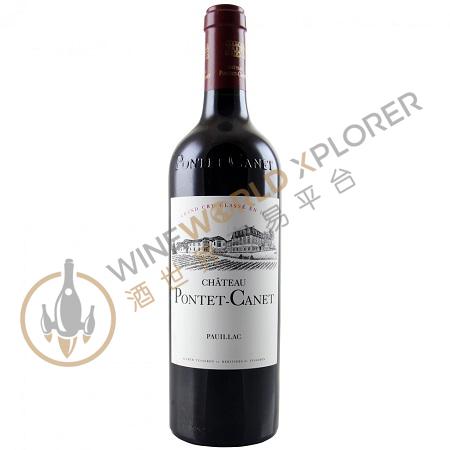
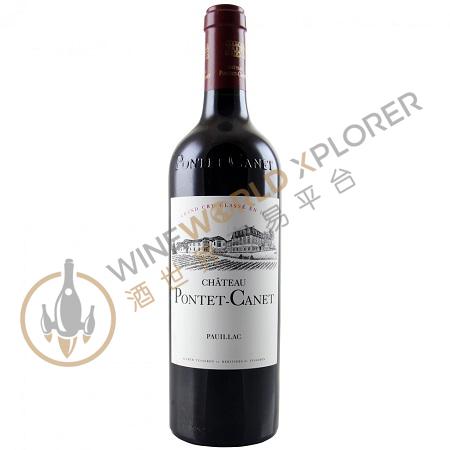
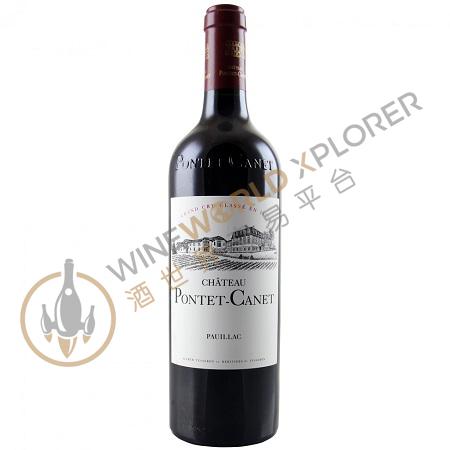
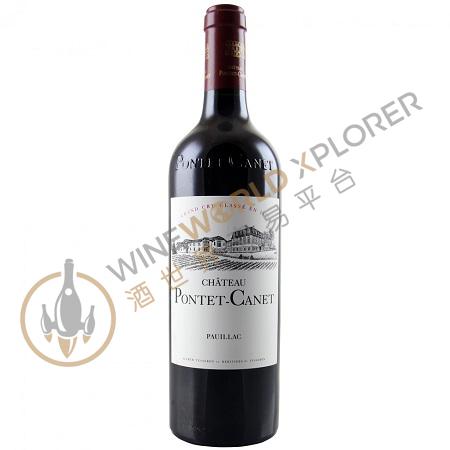
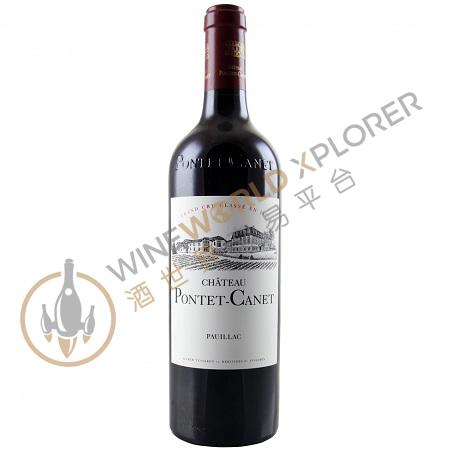
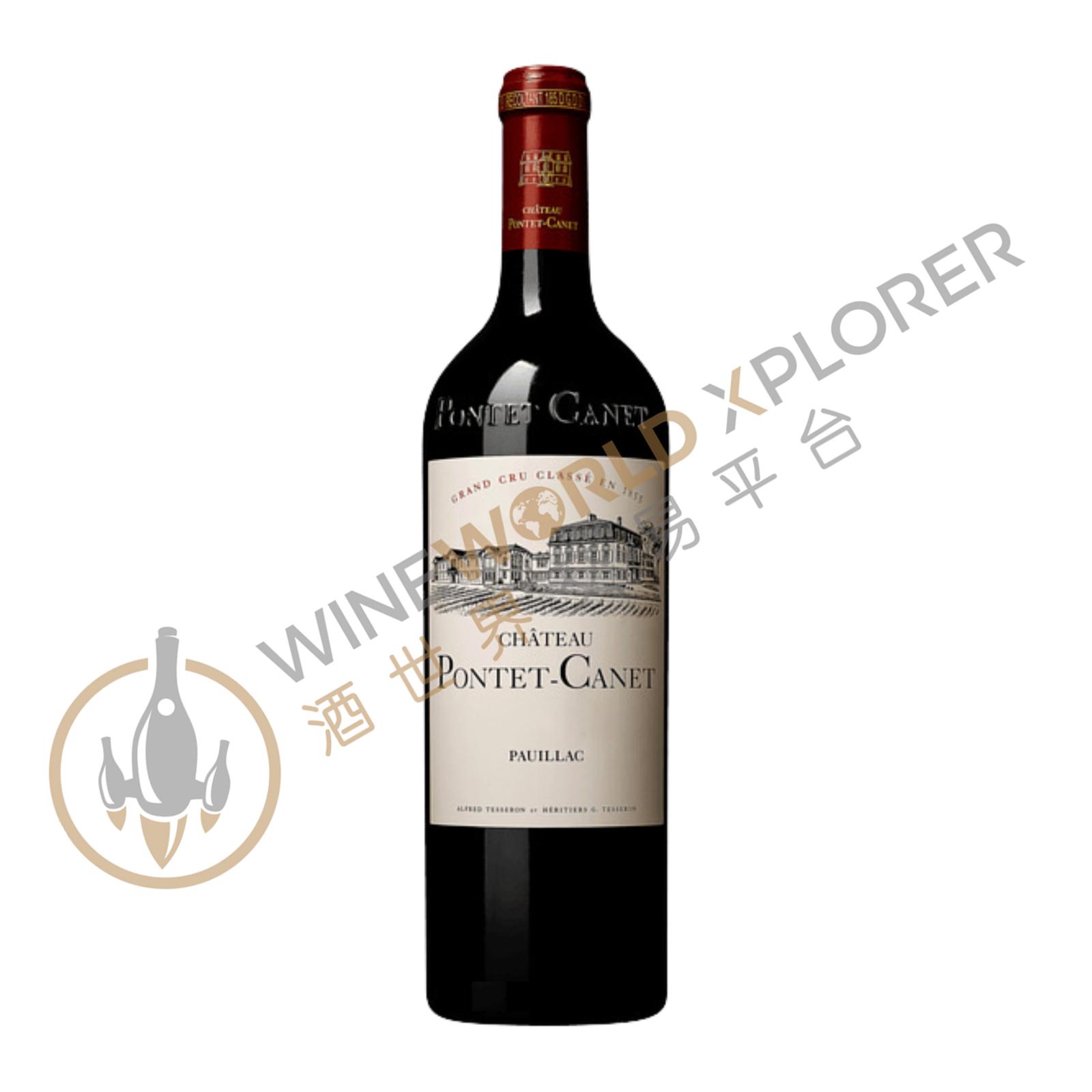
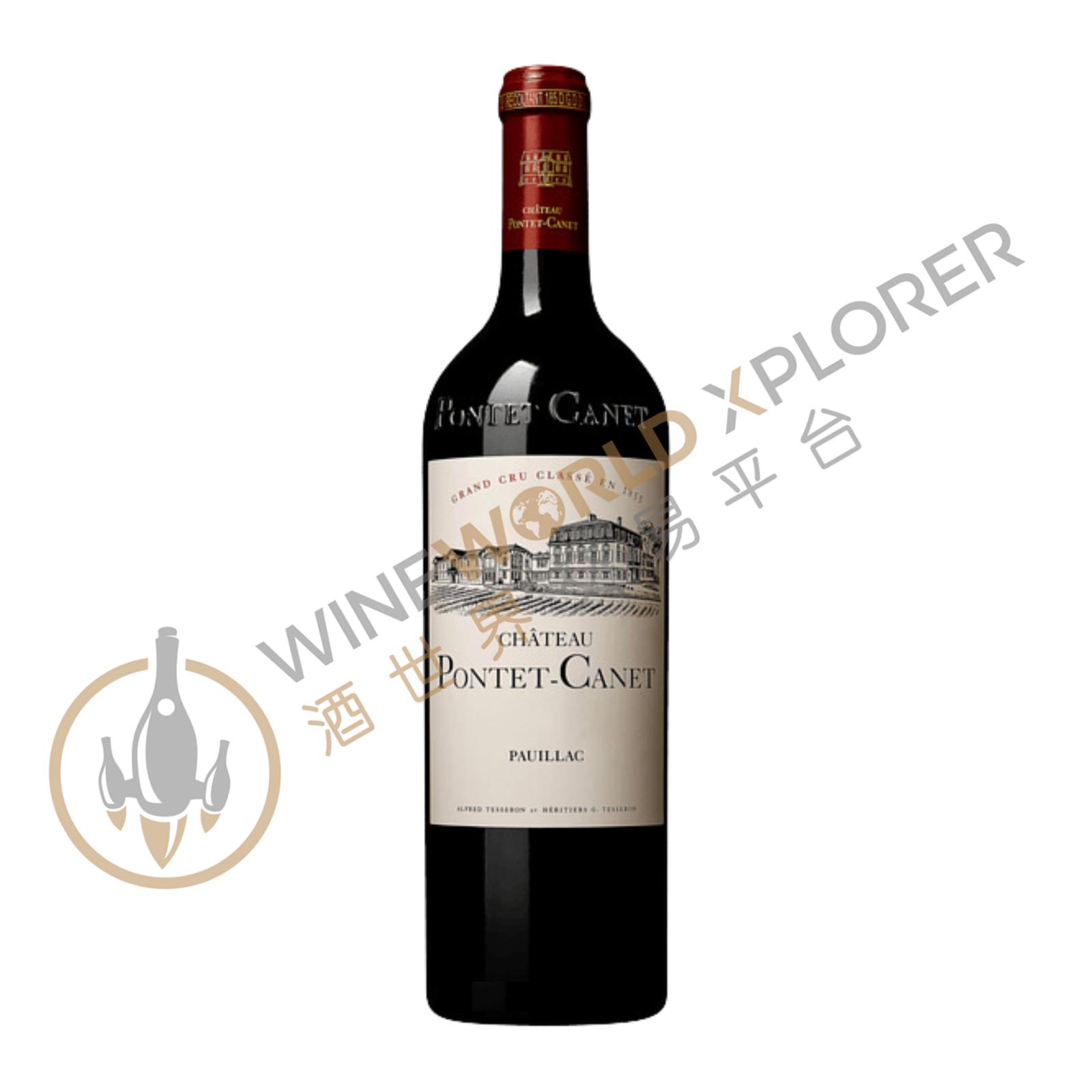
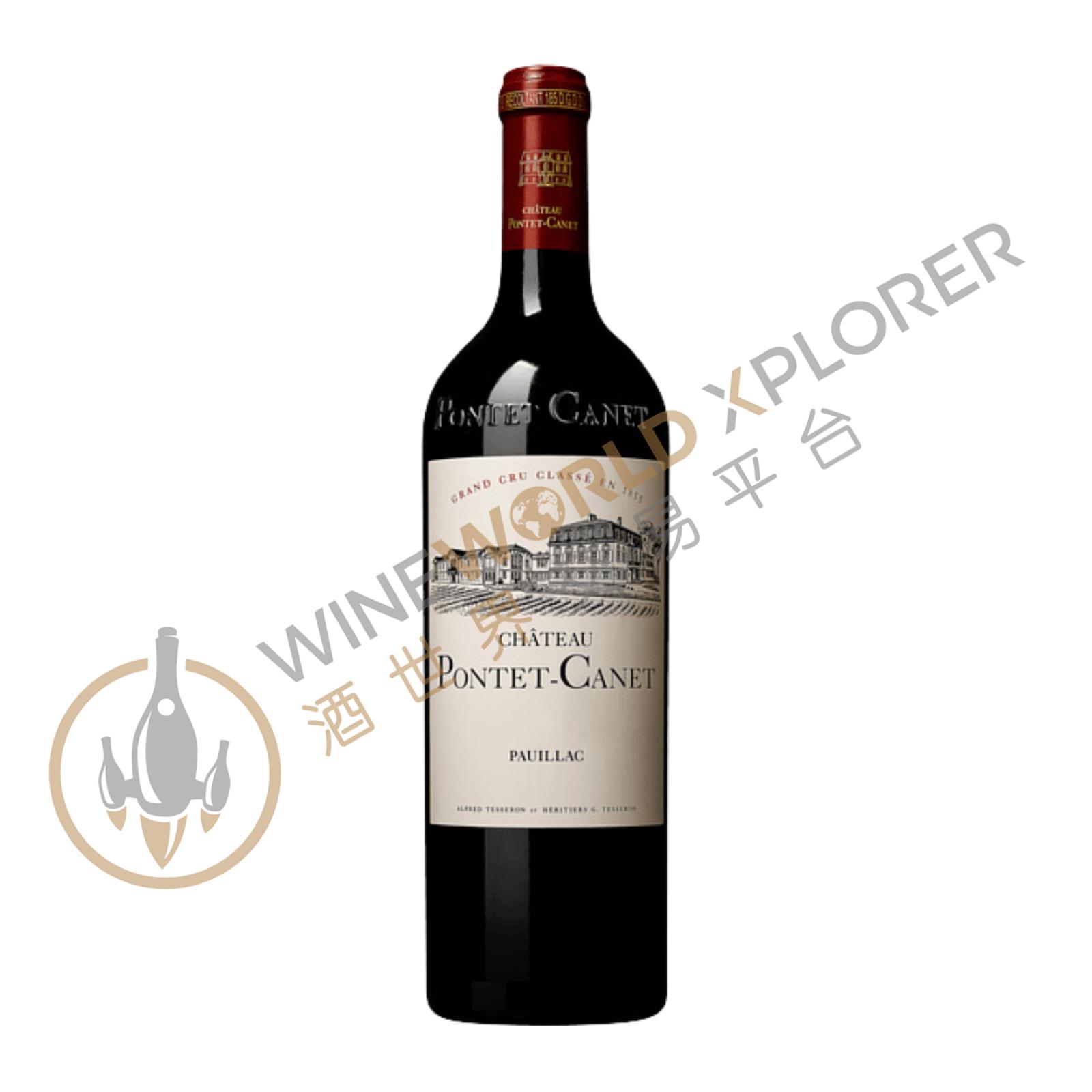
Pontet Canet 1982
 View analysis


Description
Tasting notes

Reviewed by: Robert M. Parker, Jr.
A solidly made effort, the 1982 Pontet Canet reveals some pink at the edge, but it remains a medium-bodied wine offering hints of menthol and red as well as black currants. Although it lacks concentration, the sensuality and suppleness provided by the vintage character are still appealing. It is best consumed over the next 3-4 years. Release price: ($120.00/case)
Reviewed by: Robert M. Parker, Jr.
This is a chunky, husky style of wine with an astringent side to its tannin. It is robust, with plenty of depth, as well as an annoying coarseness. There is some lightening of the color, but the wine is still a young, spicy, monolithic style of Pauillac that may emerge and reveal greater complexity and class, or remain foursquare and compact. Give it another 2-4 years of cellaring. Tasted 5 times since bottling with consistent notes.
Reviewed by: Neal Martin
Served at Pontet Canet during Vinexpo. Paradigmatic of their wines at this time, quite charmless although a little more ripeness from the vintage. Autumn leaves and cedar on the nose. Quite acidic with a slightly disjointed palate. Not in the top class for a 1982. Tasted June 2001.
Reviewed by: Neal Martin
Tasted at the Pontet-Canet vertical in London. The nose is quite simple for a 1982, cedar, graphite, a touch of sandalwood and antique bureau. The problem is that is lacks vigour compared to the 1990. The palate is medium-bodied, quite sharp acidity on the entry, relatively simple and lacking some backbone towards the finish. This actually tastes over-cropped, touches of dates towards the finish. Drink now-2013. Tasted May 2009.
Reviewed by: Robert M. Parker, Jr.
Always a husky, robust style of wine that has never quite escaped its characterization as a monolithic Pauillac, this wine still has a deep ruby/purple color and notes of earth, spice, smoke, sweet cherries, and black currants. The wine shows medium to full body, relatively high tannins, and a slightly rustic finish. The wine is capable of lasting at least another 10-15 years, but I am not sure it will ameliorate. Anticipated maturity: Now-2015. Last tasted, 9/02.
Reviewed by: Neal Martin
Tasted at the Pontet-Canet vertical in London—to be frank, I have never been a fan of the 1982 Château Pontet-Canet—this wine is a testament to how far the estate has traveled under Alfred Tesseron and Jean-Michel Comme. It is a long way behind its peers. Now it has a dry, rather skeletal bouquet with a disagreeable dustiness. You can hear the slam of the door...that's the last of the fruit exiting. The palate is now dominated by dry tannins. There is a hole where the 1982 fruit ought to be (and it was there a decade ago), although there is a modicum of redeeming freshness towards the finish. Your safest bet is to drink any bottles remaining, and load up on a more recent and superior vintage. Tasted February 2016.
About the Producer
The history of Château Pontet-Canet dates back to the early 18th century when Jean-François de Pontet, grand equerry of the king became governor of the Medoc, brings together several parcels of land located in Pauillac. Subsequently, his descendants add the vineyards adjoining the locality Canet: Château Pontet-Canet was born. One hundred years later, the famous classification of 1855 included Château Pontet-Canet among the elite of the Médoc viticulture. This rise did not escape one of the first Bordeaux merchants of the time, Herman Cruse, who bought the property in 1865. He built new cellars, modernized the facilities and made this wine known throughout the world. The Cruse family managedthe property for 110 years, until another merchant, but from Cognac, Guy Tesseron, bought it in 1975. Thus, in more than two hundred years, Château Pontet-Canet knew only three different owners. Today, it is the son of Guy Tesseron, Alfred Tesseron who is at the head of the field. The Château Pontet-Canet terroir consists of 62% Cabernet Sauvignon, 32% Merlot, 4% Cabernet Franc and 2% Petit Verdot. The property is 120 hectares of which 80 hectares are dedicated to the breeding of the vine. Led by Jean Michel Comme, Château Pontet-Canet’s viticulture has gone from conventional cultivation to organic farming and biodynamic farming. Thus, the terroirs, worked daily by Breton horses, have found their originality.
1981(1)
Package Size