Wine Advisor



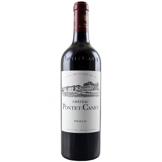
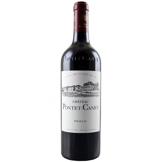
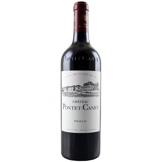
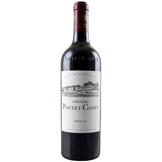
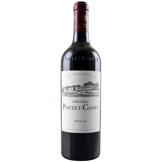
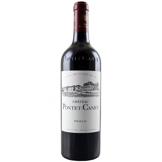
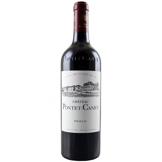
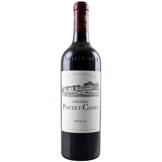
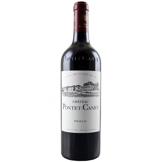
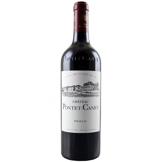
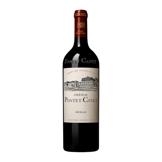
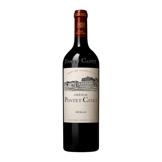
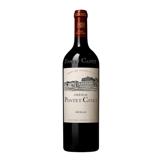
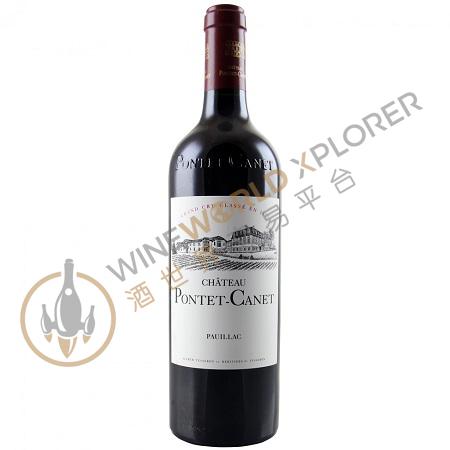
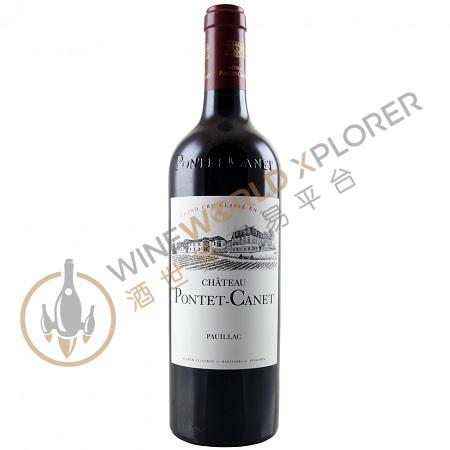
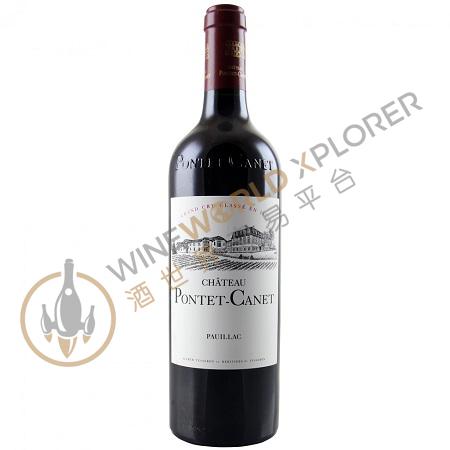
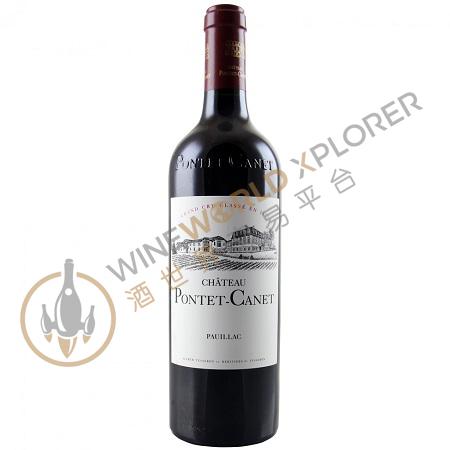
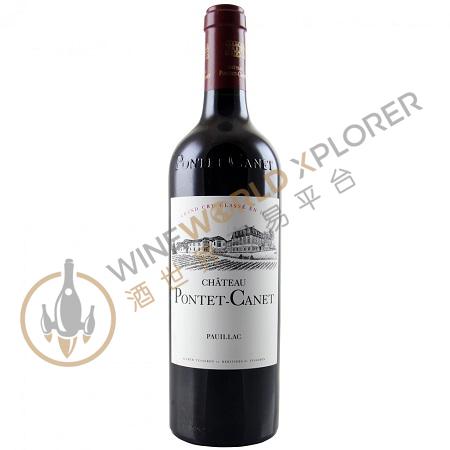
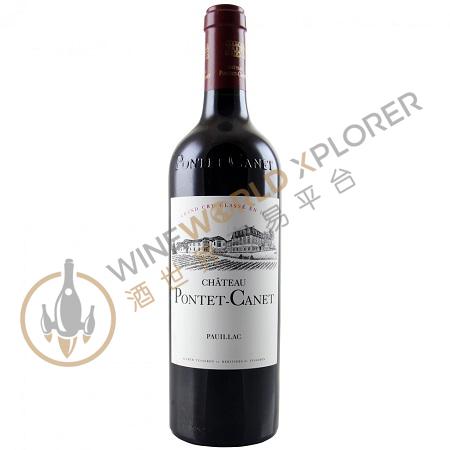
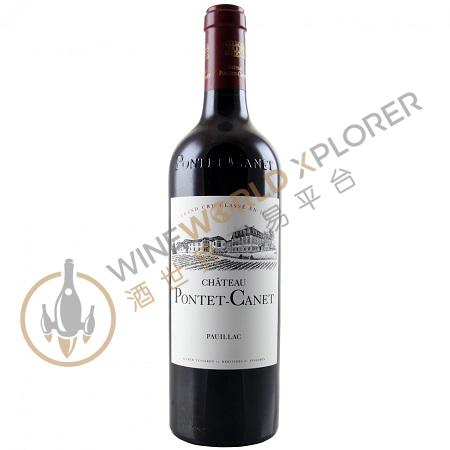
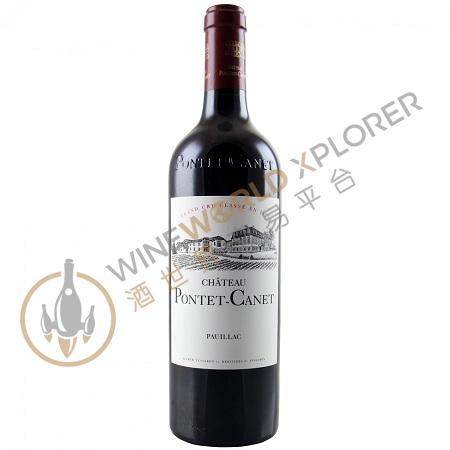
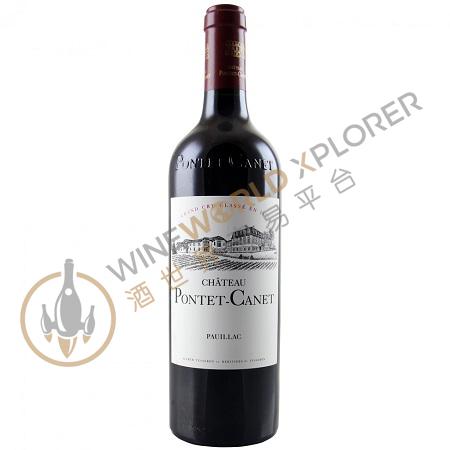
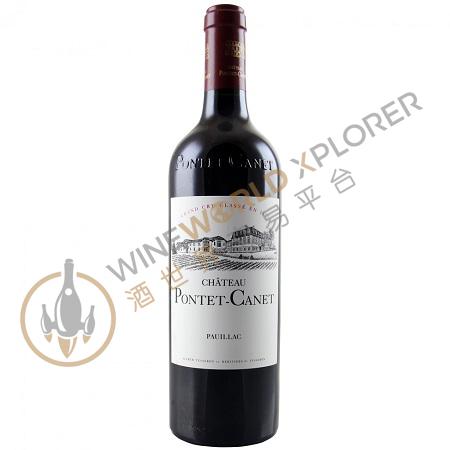
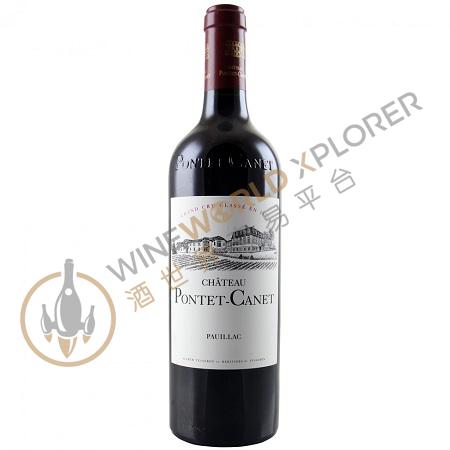
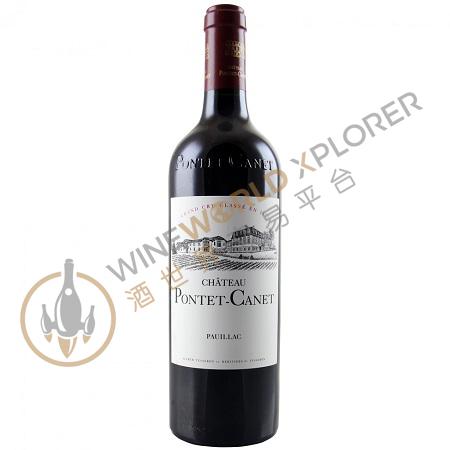
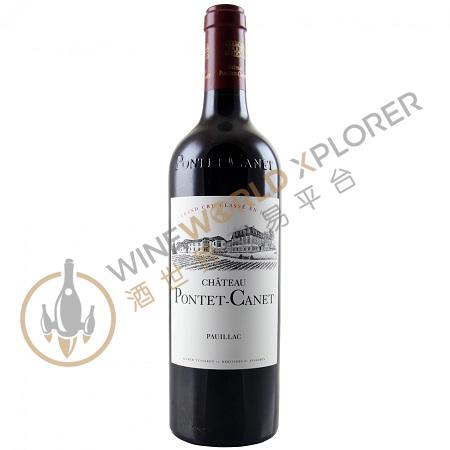
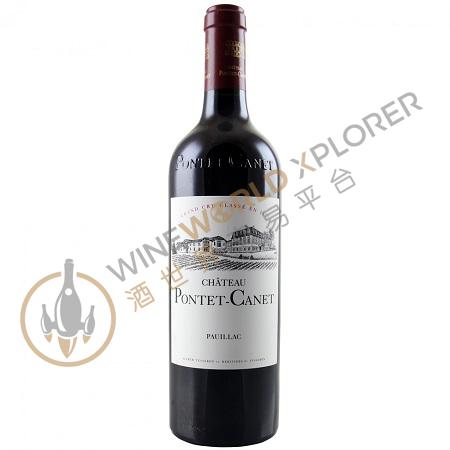
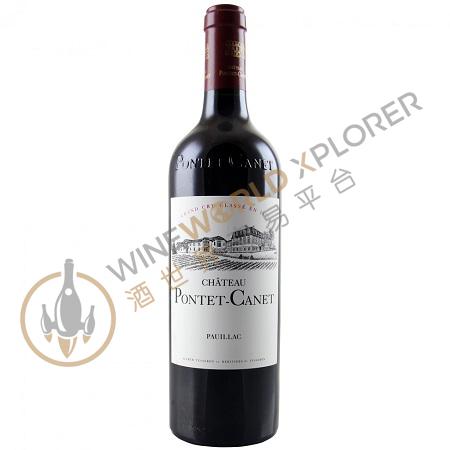
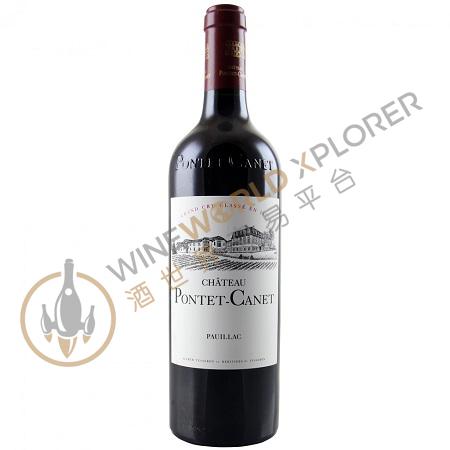
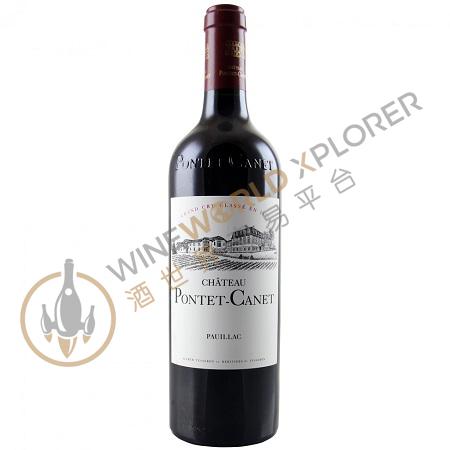
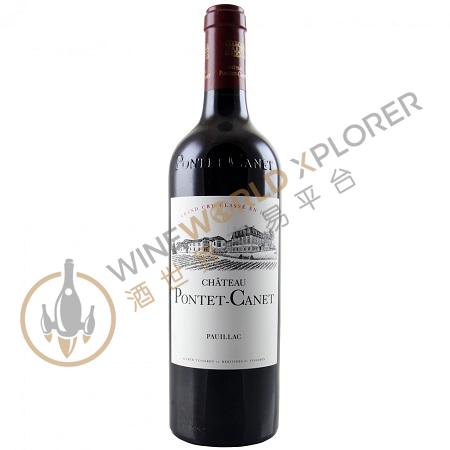
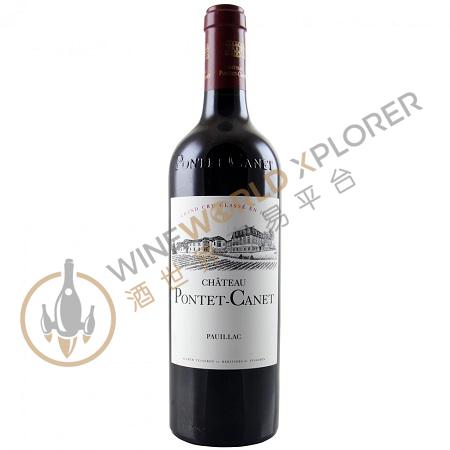
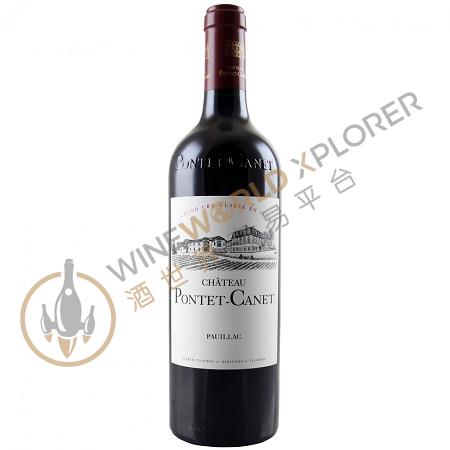
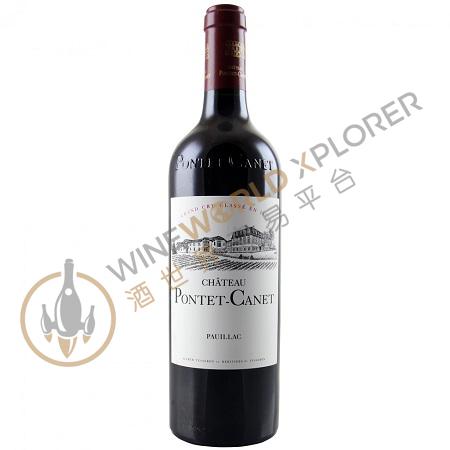
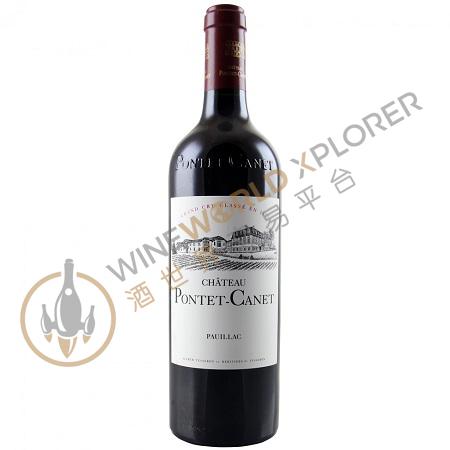
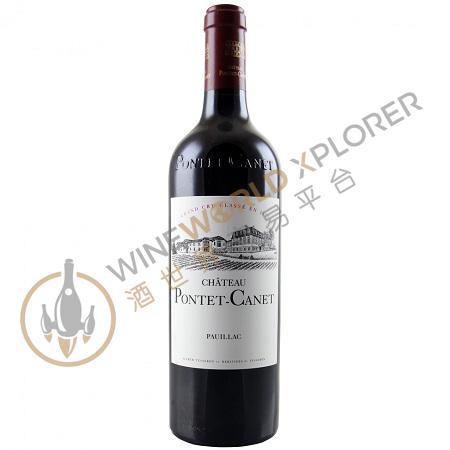
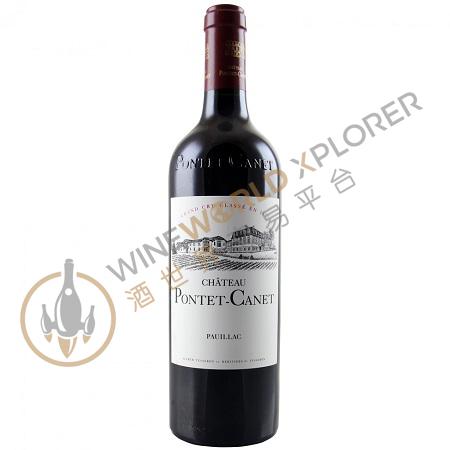
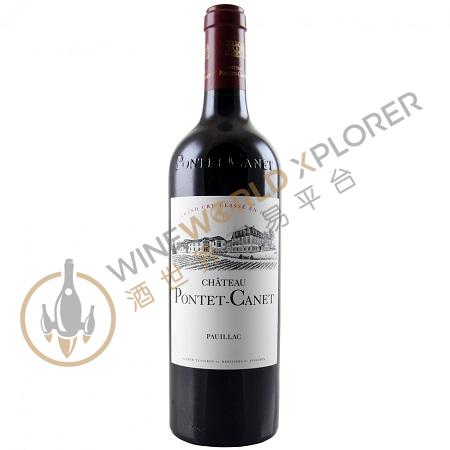
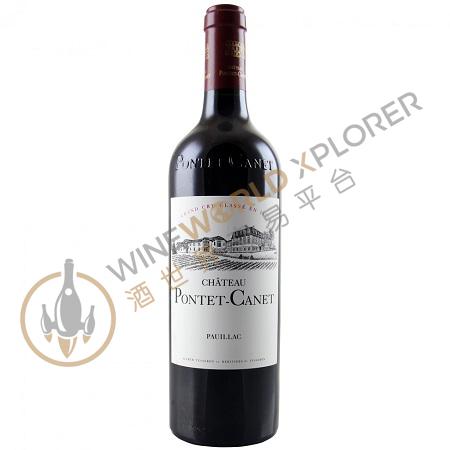
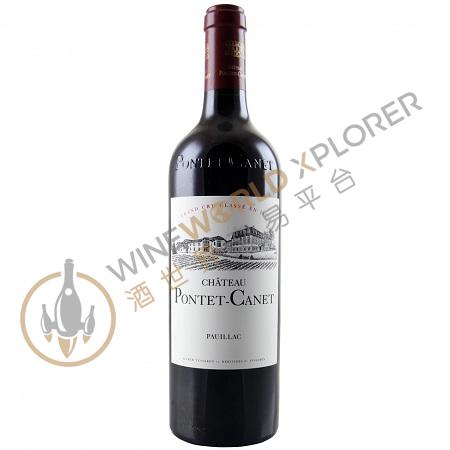
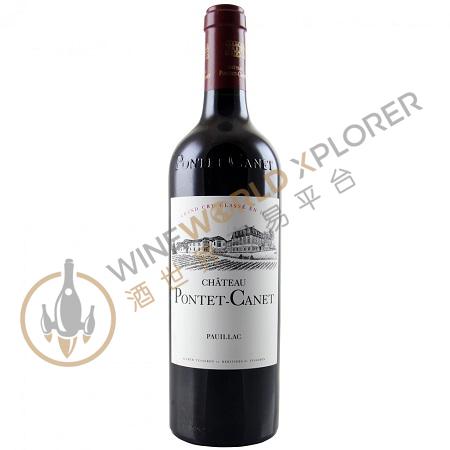
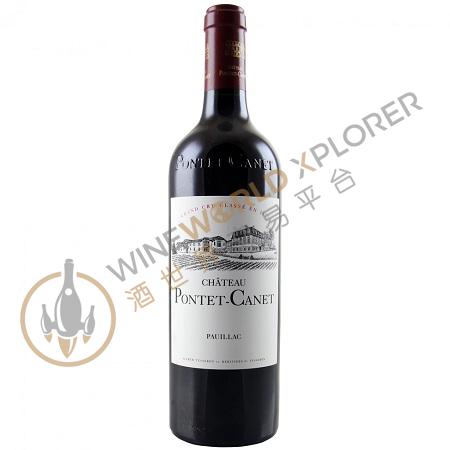
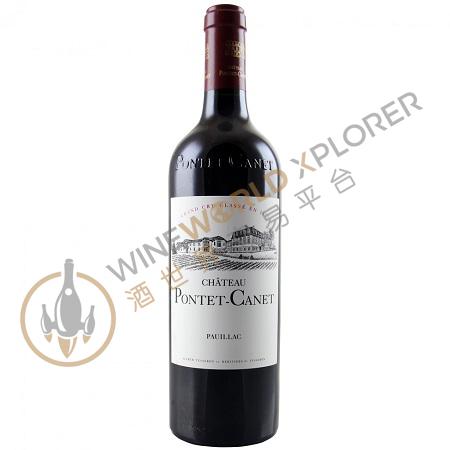
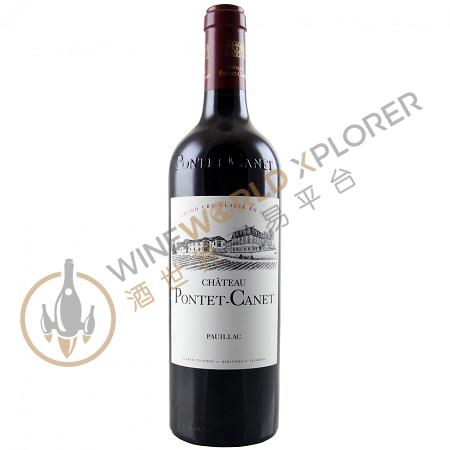
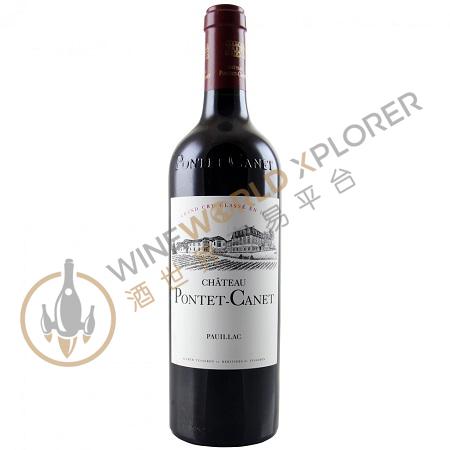
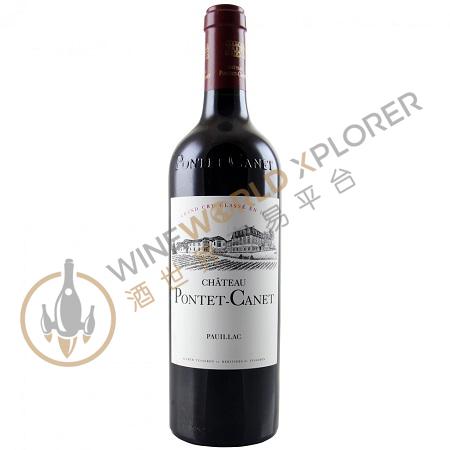
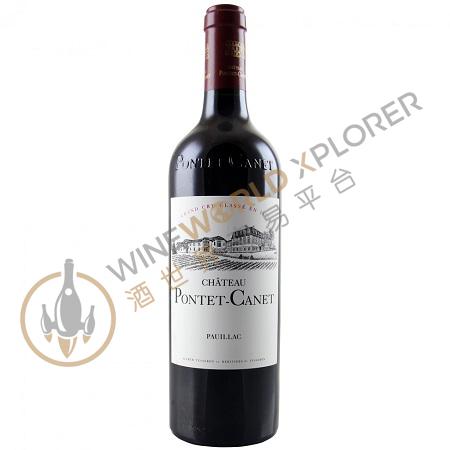
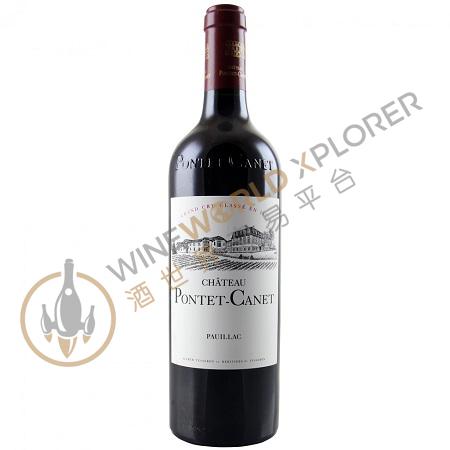
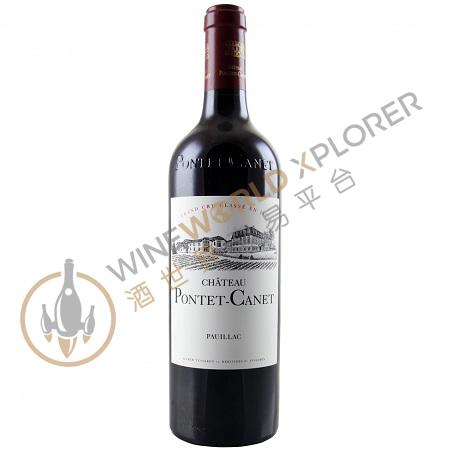
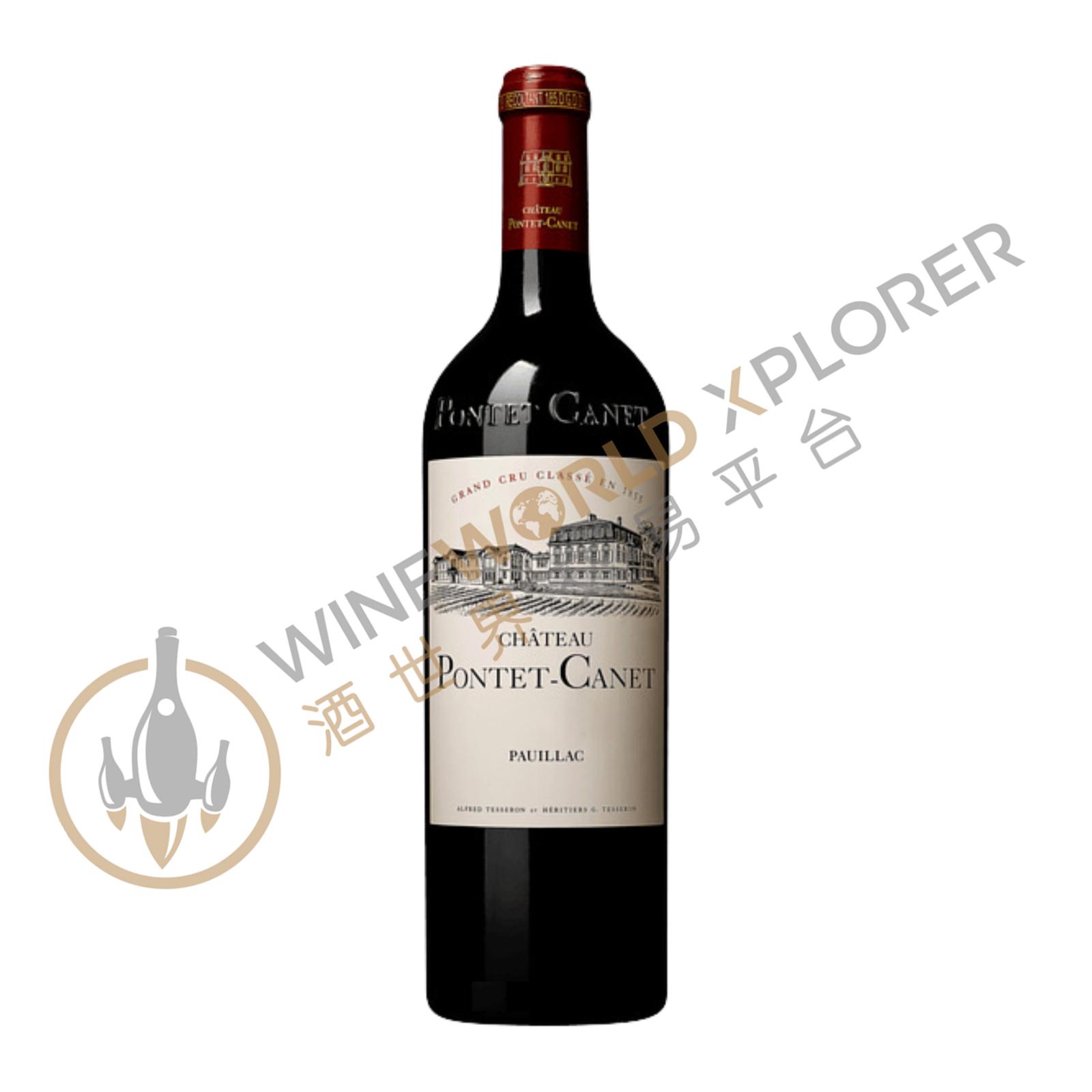
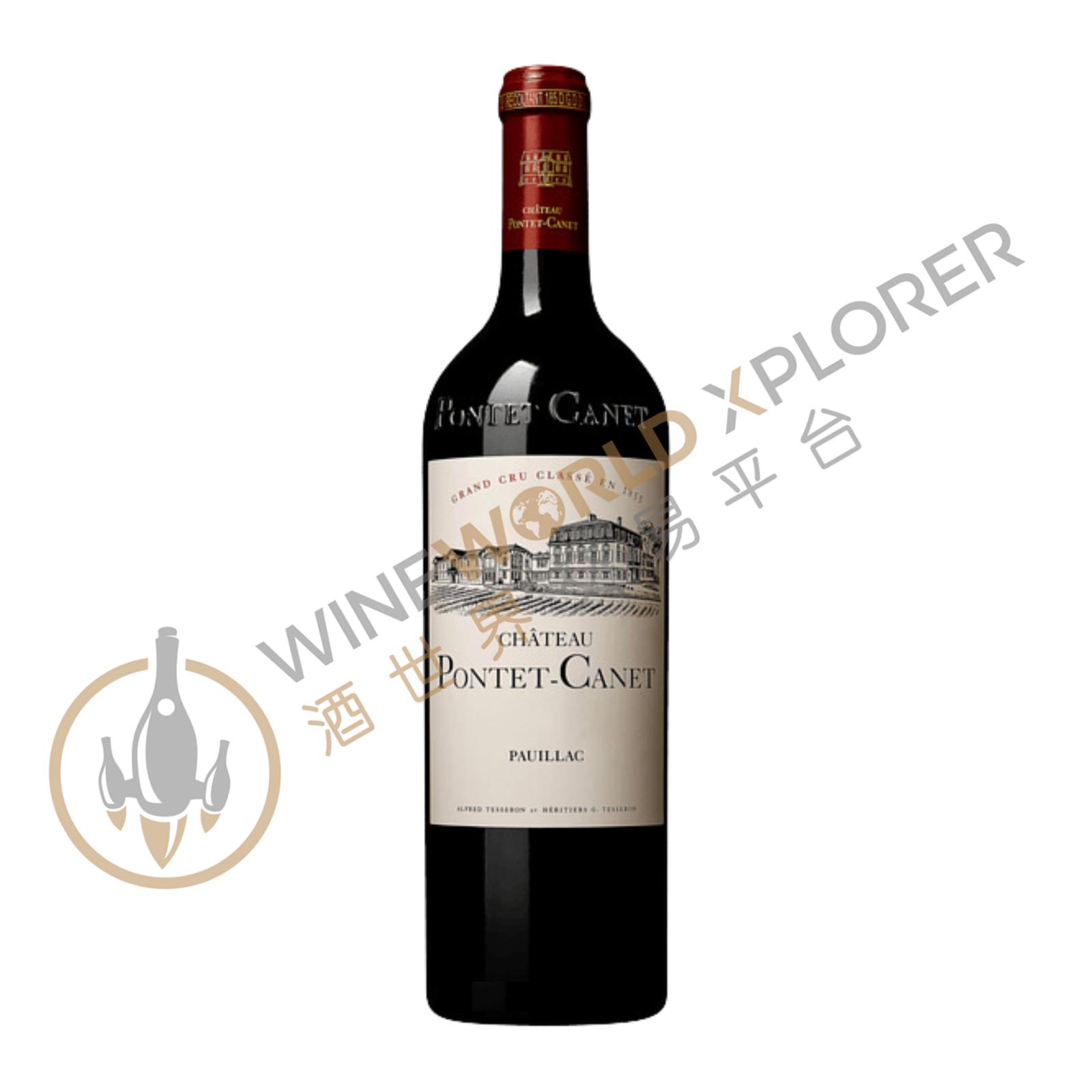
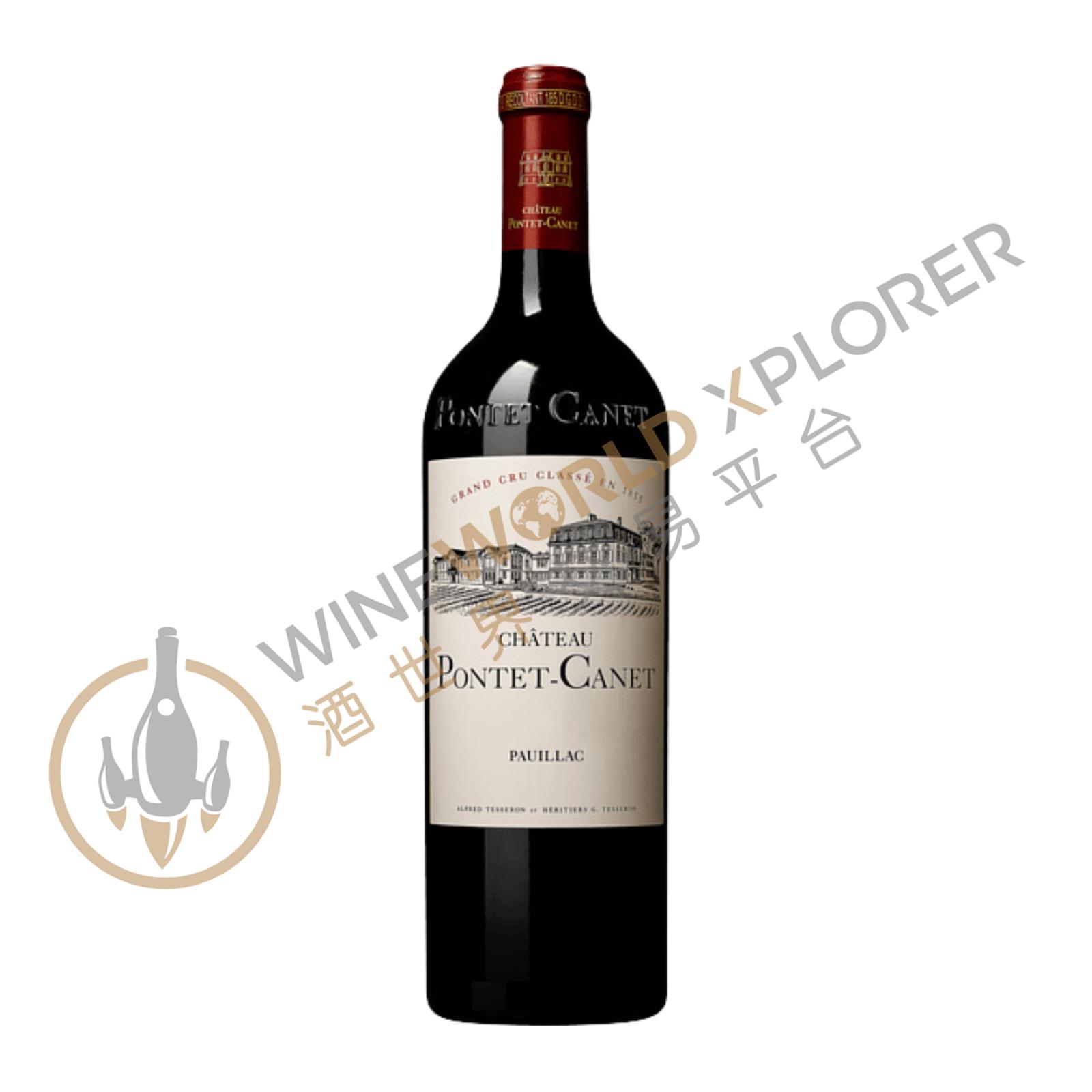
Pontet Canet 1996
 View analysis


Description
Tasting notes

Reviewed by: Neal Martin
Tasted at Bordeaux Index’s Pontet-Canet dinner at The Ledbury. The 1996 has that classic Pauillac nose of cedar and graphite, here showing signs of chestnut, savouriness that I have not noticed before. The palate is well balanced but certainly not as cohesive or as ambitious as ensuing vintages. Just a touch of truffle now coming through on the savoury finish. Drink now-2015. Tasted February 2011.
Reviewed by: Robert M. Parker, Jr.
I was shocked by how backward the 1996 Pontet-Canet was on the three occasions I tasted it in January. This wine possesses superb potential, but it appears a decade's worth of patience will be necessary. The color is a saturated dark purple. With coaxing, the wine offers aromas of black currant jam intertwined with minerals, sweet oak, and spice. A full-bodied wine, it possesses layered, concentrated, sweet fruit, with an elevated level of ripe tannin. Anticipated maturity: 2010-2035.
Reviewed by: Neal Martin
Tasted at the Pontet-Canet vertical in London, the 1996 Château Pontet-Canet was tasted from three different bottles. Two of them didn't pass muster and seemed a little bretty on the nose. A third was much better with mulberry, blackberry and cedar on the nose that still lacks the panache of more recent vintages. I noticed how meaty it became in the glass, slightly ferrous. The palate is medium-bodied and at 20 years fully mature. Cedar and dried herbs dominate the opening but unlike the 1982 Pontet-Canet there is decent substance here and a slightly medicinal finish. Hopefully your bottle will mirror the best of the three that I tasted. Good luck. Tasted February 2016.
Reviewed by: Neal Martin
First tasted en primeur with positive notes during 2000 and 2003. Tasted again at the chateau in October 2003 with consistent notes. Then at Farr's blind horizontal. A deep broody, blackberry and cedar nose. Touch of bacon fat. Good definition. Quite opulent but not garish. The palate is tannic, powerful, high extraction and concentration. Muscular. A lot of new oak with a huge grip on the finish. perhaps lacking subtlety and seems quite a bit of alcohol on the meaty finish. But well-crafted and will need some time.
Reviewed by: Robert M. Parker, Jr.
A classic Pauillac, the 1996 continues to flesh out, revealing an opaque purple color, and a magnificent creme de cassis nose reminiscent of the superb vintages of Mouton-Rothschild (Pontet-Canet's neighbor). The wine is full-bodied, as well as extraordinarily rich, ripe, and powerful, with layers of sweet black fruits intertwined with earth, minerals, and spicy oak. Massive on the palate, with lofty tannin, but equally high extract, this is a profound Pontet-Canet that may turn out to be even more classic and longer-lived than the 1995 and 1994. Terrific stuff! Anticipated maturity: 2006-2035. The extraordinary effort that Alfred Tesseron is making at this property is reconfirmed with each new tasting note I write on Pontet-Canet. Having recently had the exceptionally impressive 1994 in several tastings, it is a pleasure to see this historic estate turning out wines that behave like super seconds rather than fifth-growths.
Reviewed by: Robert M. Parker, Jr.
Proprietor Alfred Tesseron should be commended for taking what was a good, robust, fifth-growth Pauillac, and in three years, 1994, 1995, and 1996, producing a wine that is one of the finest of the vintage. If there is such a thing as the frugal person's Chateau Latour, it may be Pontet-Canet. Despite the fact that this estate's vineyards are adjacent to Mouton-Rothschild, the 1994, 1995, and 1996 wines have had more in common with Latour than any other Pauillac. The 1996 looks to be another classic for Pontet-Canet. An opaque purple color, and a backward but huge, promising nose of sweet black fruits, fruitcake, earth, and spice are followed by an old style Pauillac that appears to have been made with no compromises. This is a mammoth, super-powerful, awesomely concentrated wine that may need 10-15 years to shed some of its tannin. However, there is no doubting that there is more than enough fruit, extract, and glycerin to withstand the aging process. It will be fun to compare the 1994, 1995, and 1996 Pontet-Canets over the next 30-35 years to see which will ultimately come out on top. Anticipated maturity: 2007-2035. P.S. Patience is a must for readers considering buying this wine.
Reviewed by: Neal Martin
Tasted at the Pontet-Canet vertical in London. There is stark contrast between the nose on the 1996 and post-millennial vintages. This is a much more old-school Pauillac nose, less brightness of fruit, more secondary aromas such as pencil box, autumn leaves, sous-bois and a hint of sandalwood. The palate is medium-bodied, the tannins a little brusque compared to the 2000, but fresh and lively. Certainly very masculine with moderate length. A little dry towards the finish. Drinking perfectly now, although lacking the same level of breeding compared to other vintages. Drink now-2015. Tasted May 2009.
About the Producer
The history of Château Pontet-Canet dates back to the early 18th century when Jean-François de Pontet, grand equerry of the king became governor of the Medoc, brings together several parcels of land located in Pauillac. Subsequently, his descendants add the vineyards adjoining the locality Canet: Château Pontet-Canet was born. One hundred years later, the famous classification of 1855 included Château Pontet-Canet among the elite of the Médoc viticulture. This rise did not escape one of the first Bordeaux merchants of the time, Herman Cruse, who bought the property in 1865. He built new cellars, modernized the facilities and made this wine known throughout the world. The Cruse family managedthe property for 110 years, until another merchant, but from Cognac, Guy Tesseron, bought it in 1975. Thus, in more than two hundred years, Château Pontet-Canet knew only three different owners. Today, it is the son of Guy Tesseron, Alfred Tesseron who is at the head of the field. The Château Pontet-Canet terroir consists of 62% Cabernet Sauvignon, 32% Merlot, 4% Cabernet Franc and 2% Petit Verdot. The property is 120 hectares of which 80 hectares are dedicated to the breeding of the vine. Led by Jean Michel Comme, Château Pontet-Canet’s viticulture has gone from conventional cultivation to organic farming and biodynamic farming. Thus, the terroirs, worked daily by Breton horses, have found their originality.
1981(1)1982(2)1983(2)1988(1)1990(1)1995(1)
Package Size