Wine Advisor



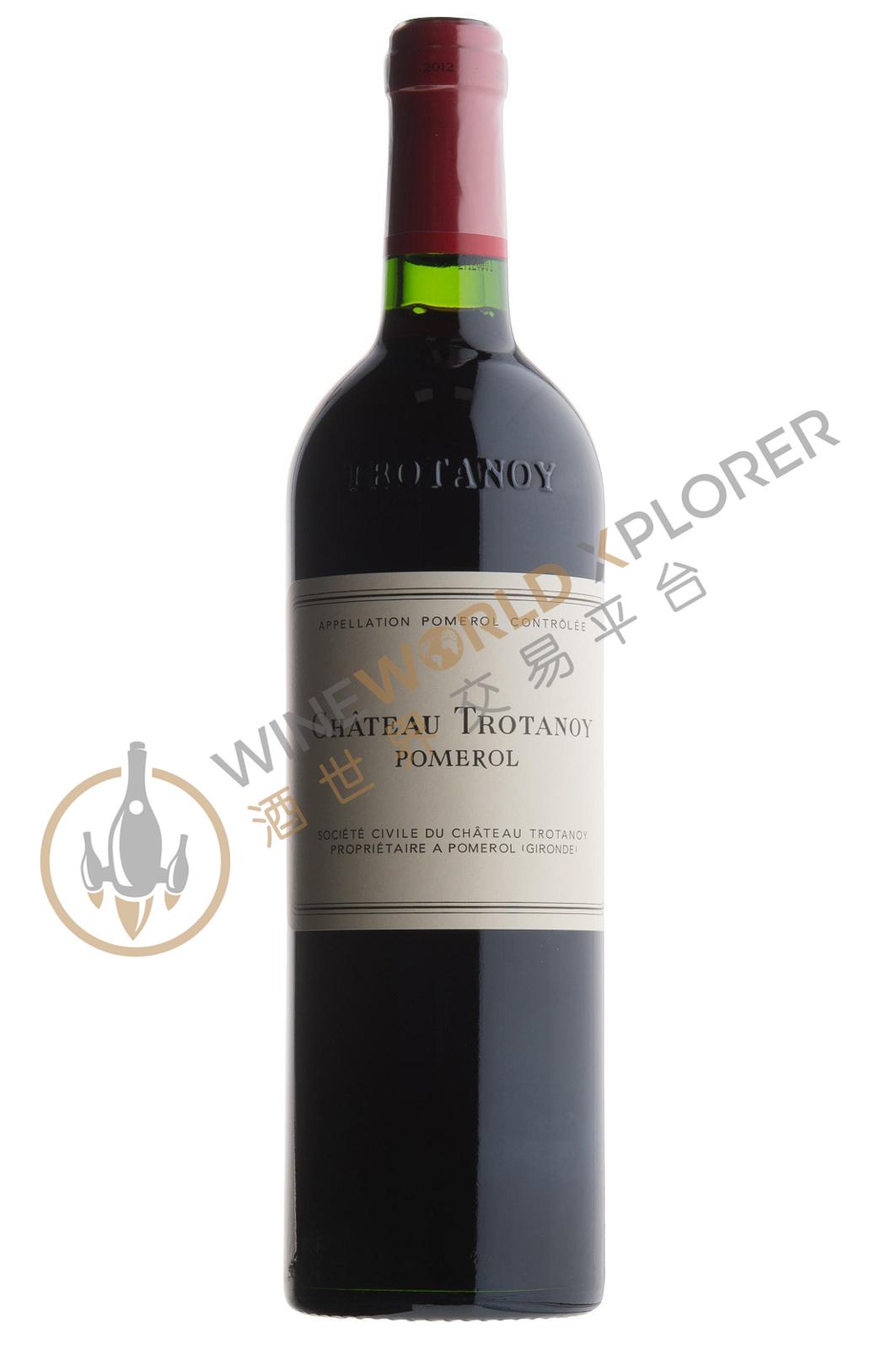
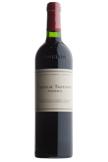
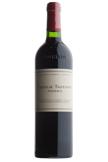
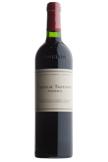
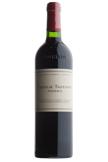
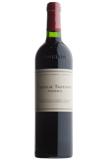
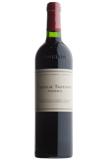
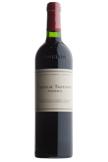
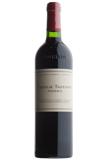
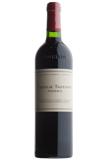
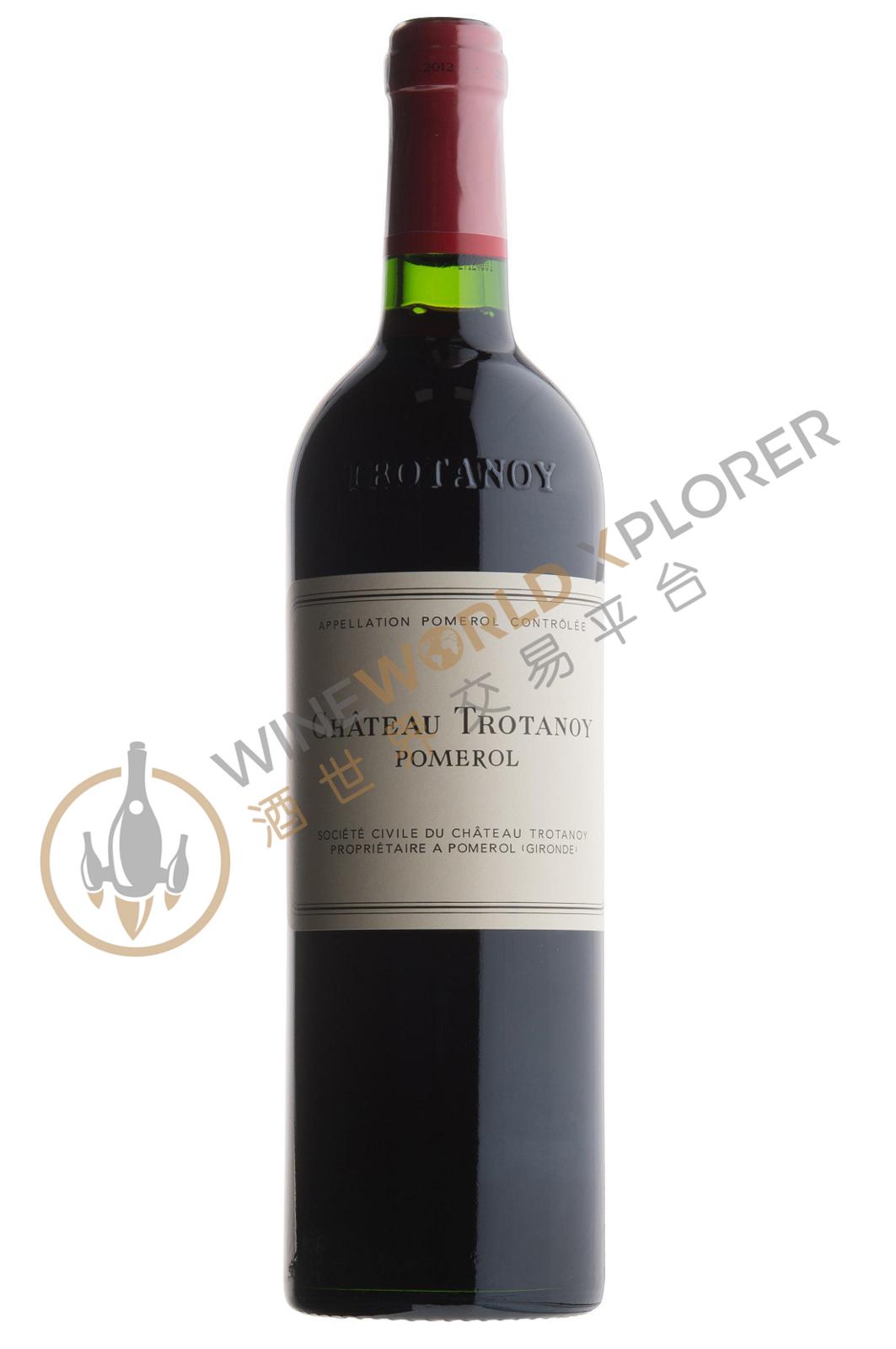
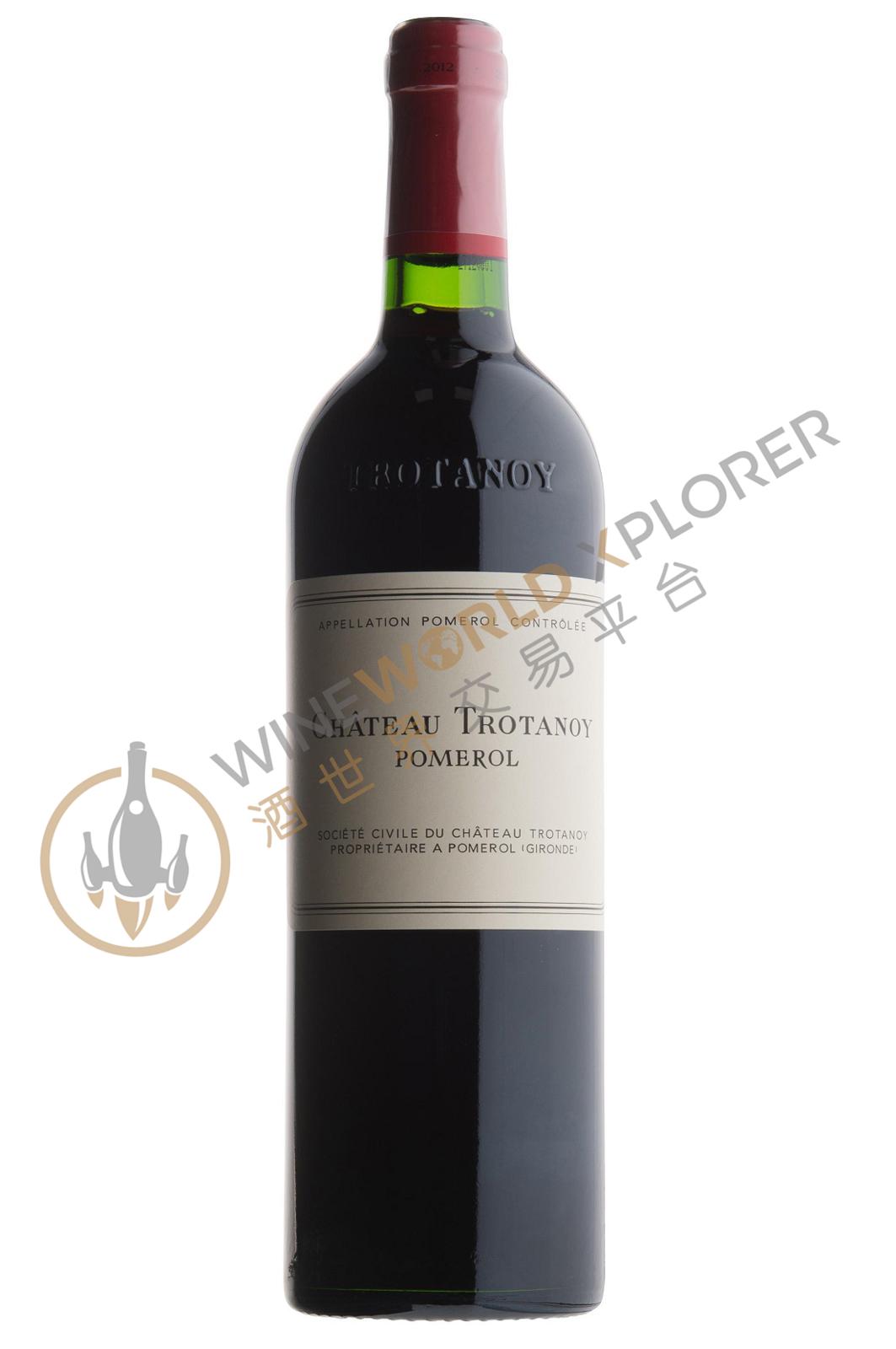
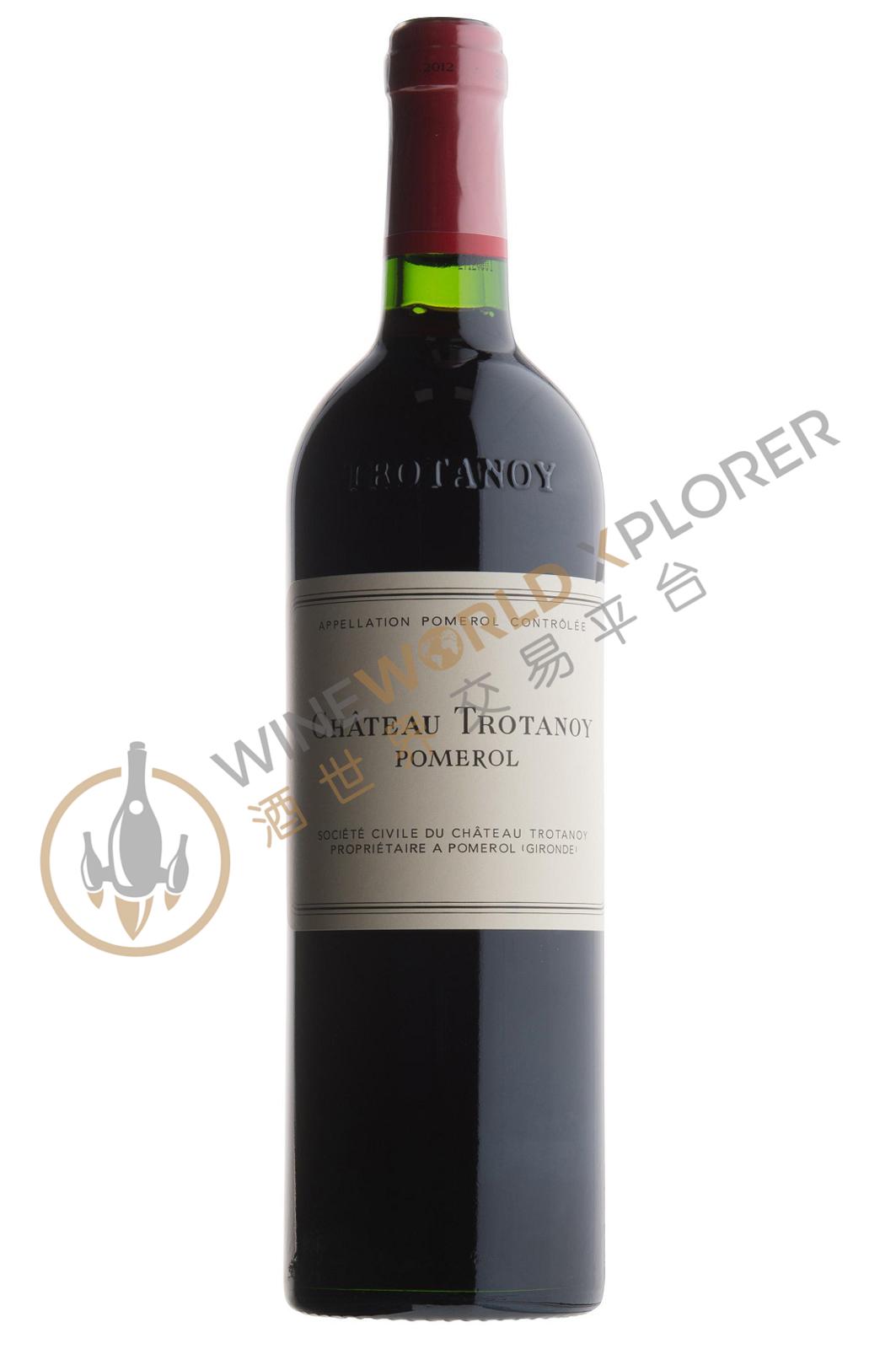
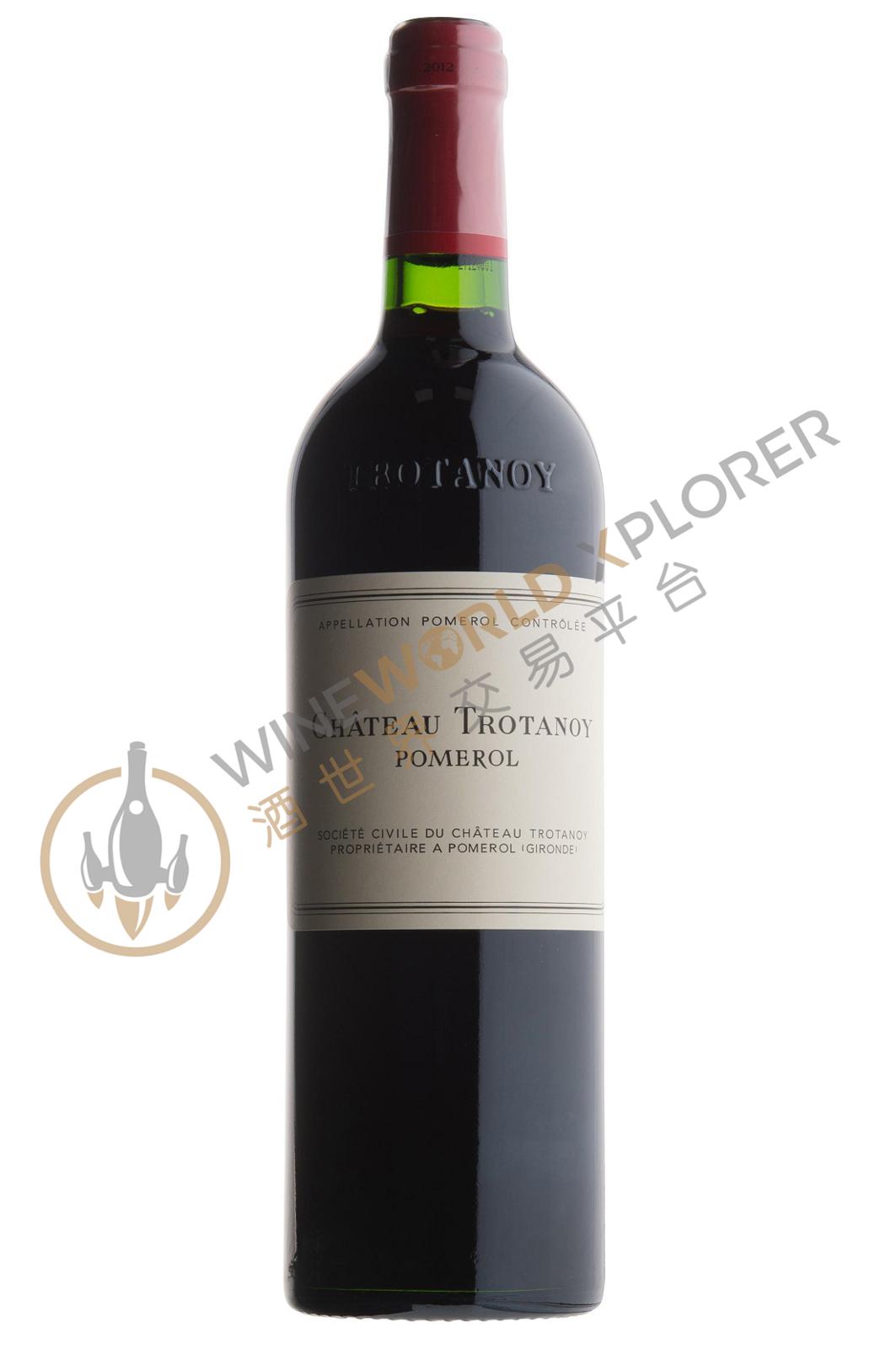
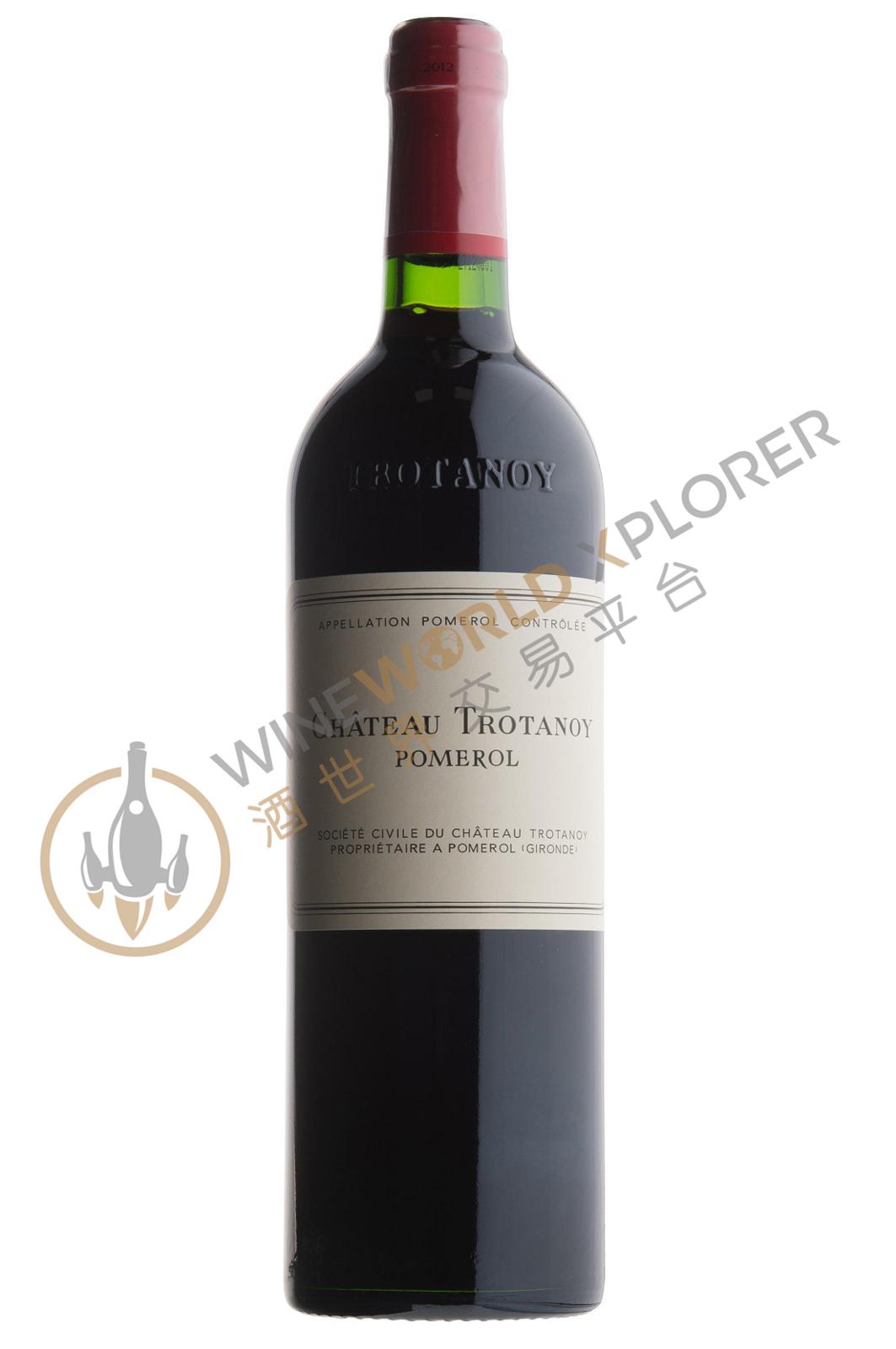
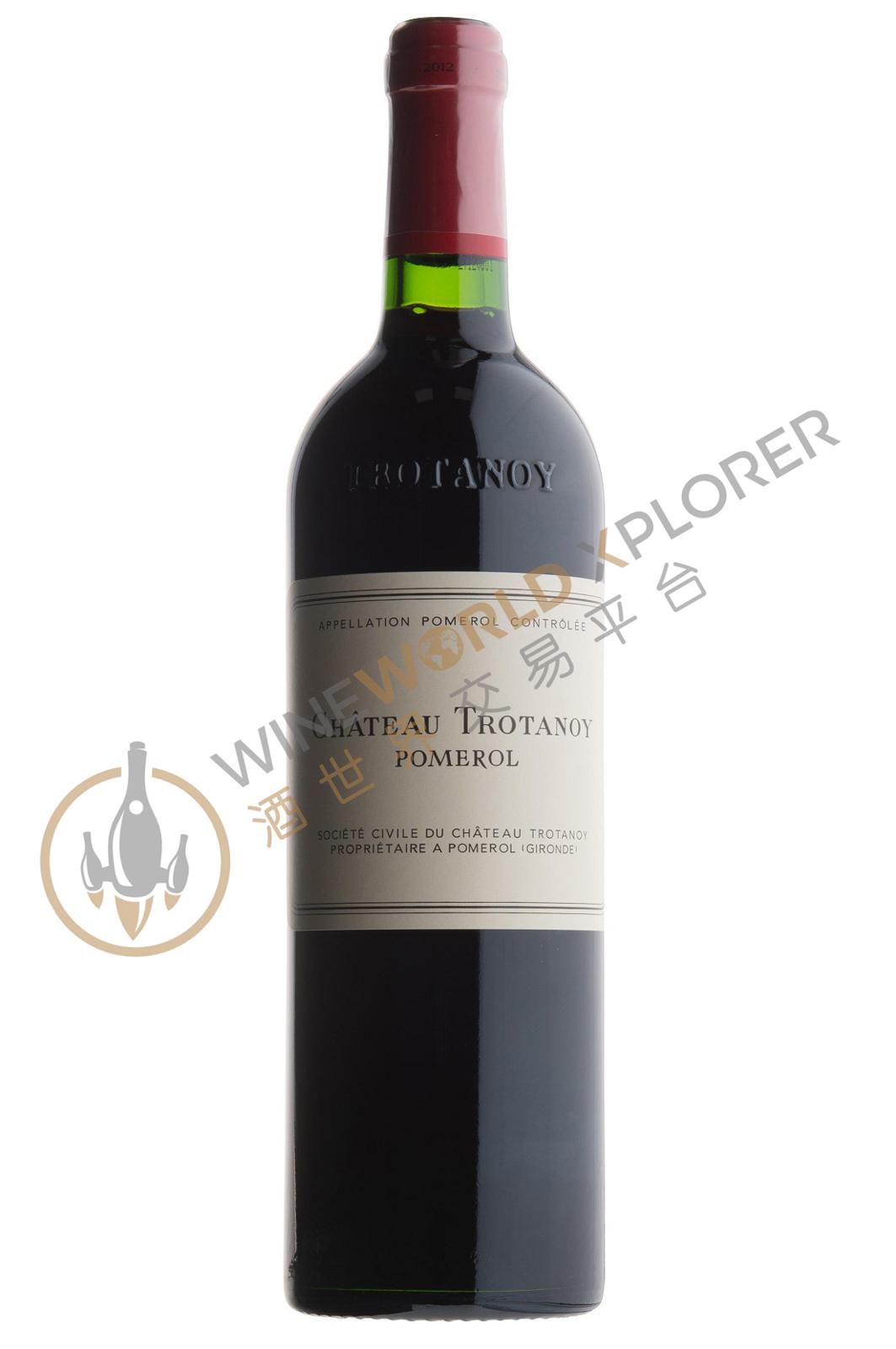
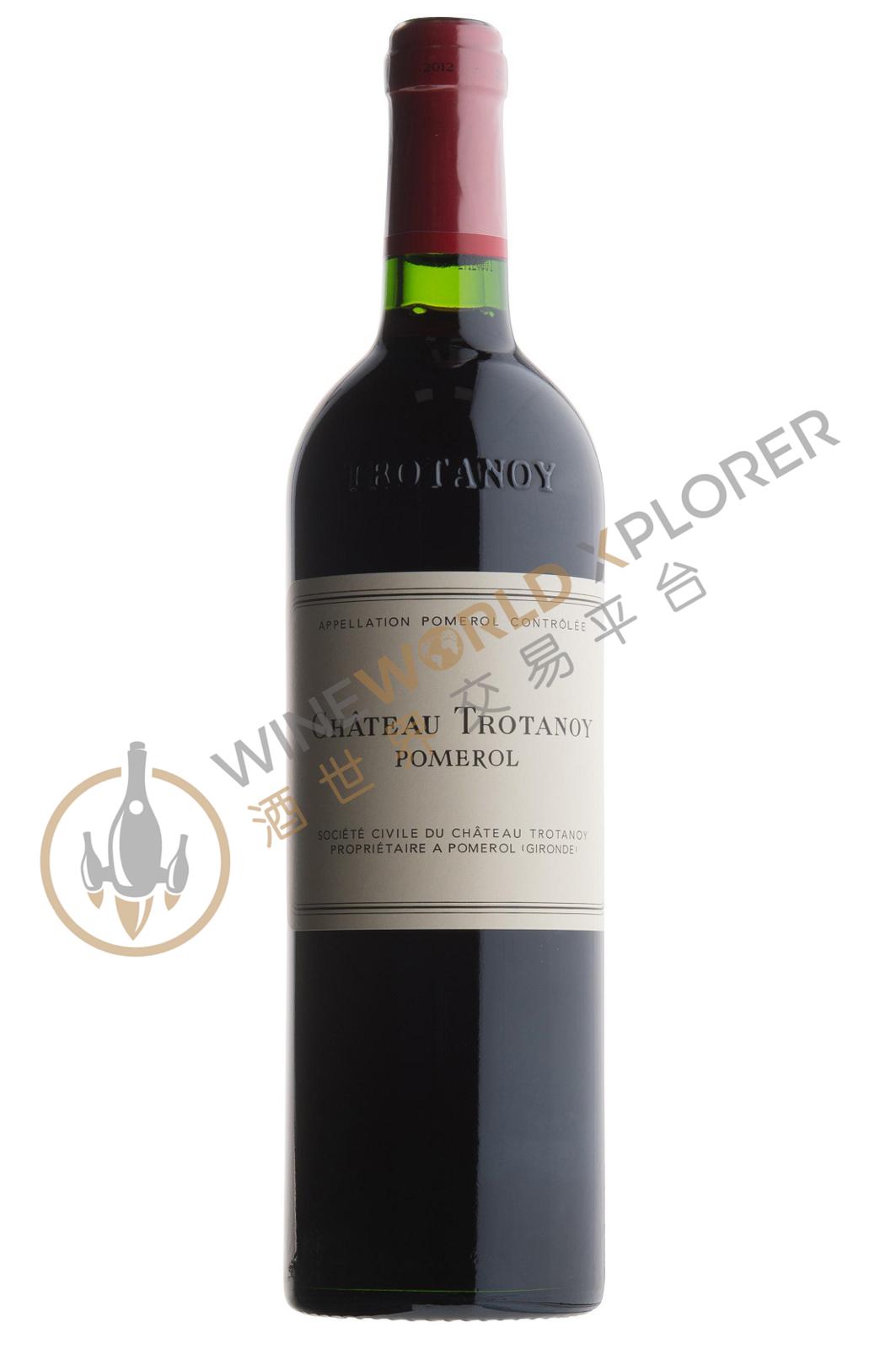
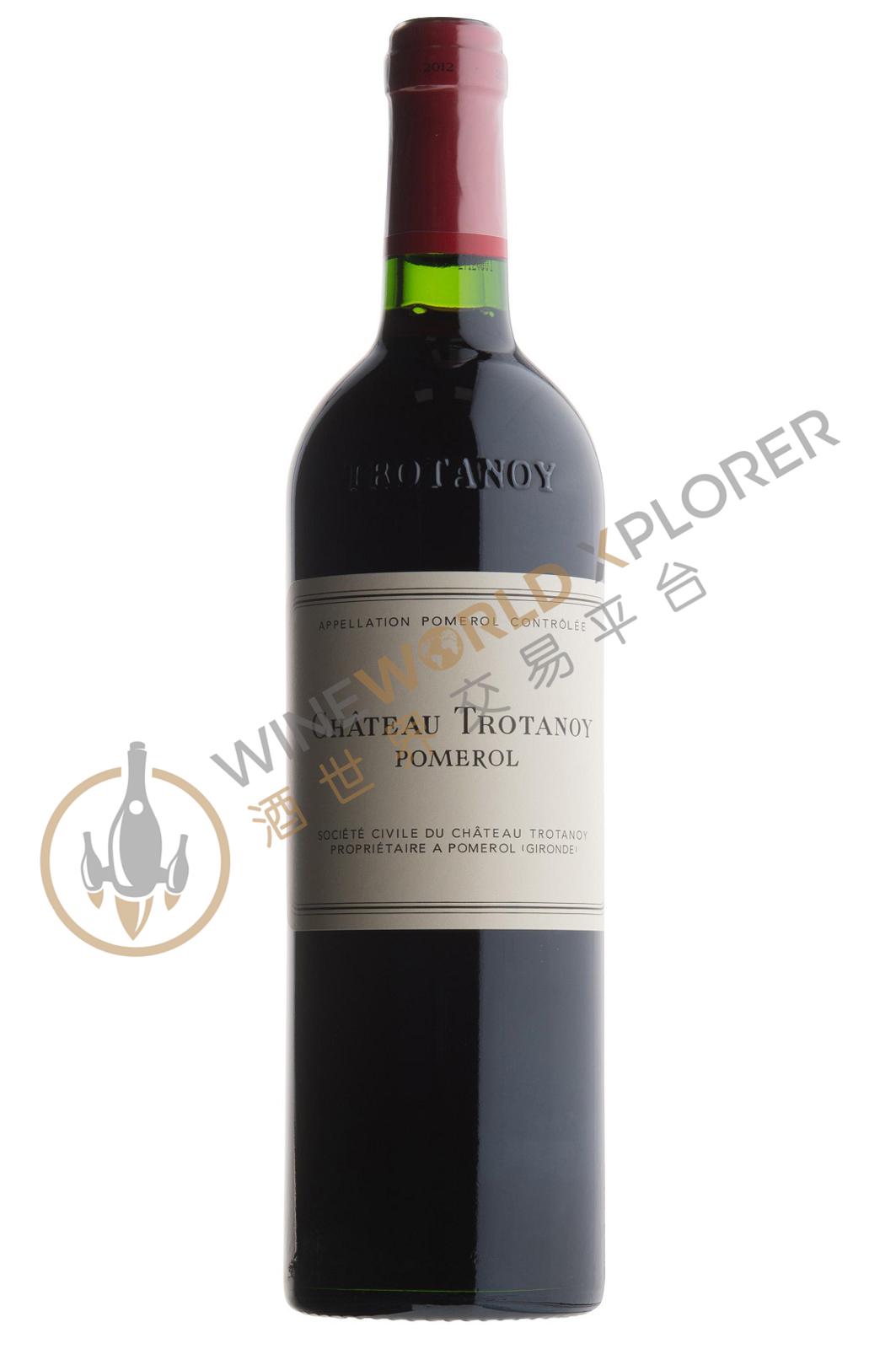
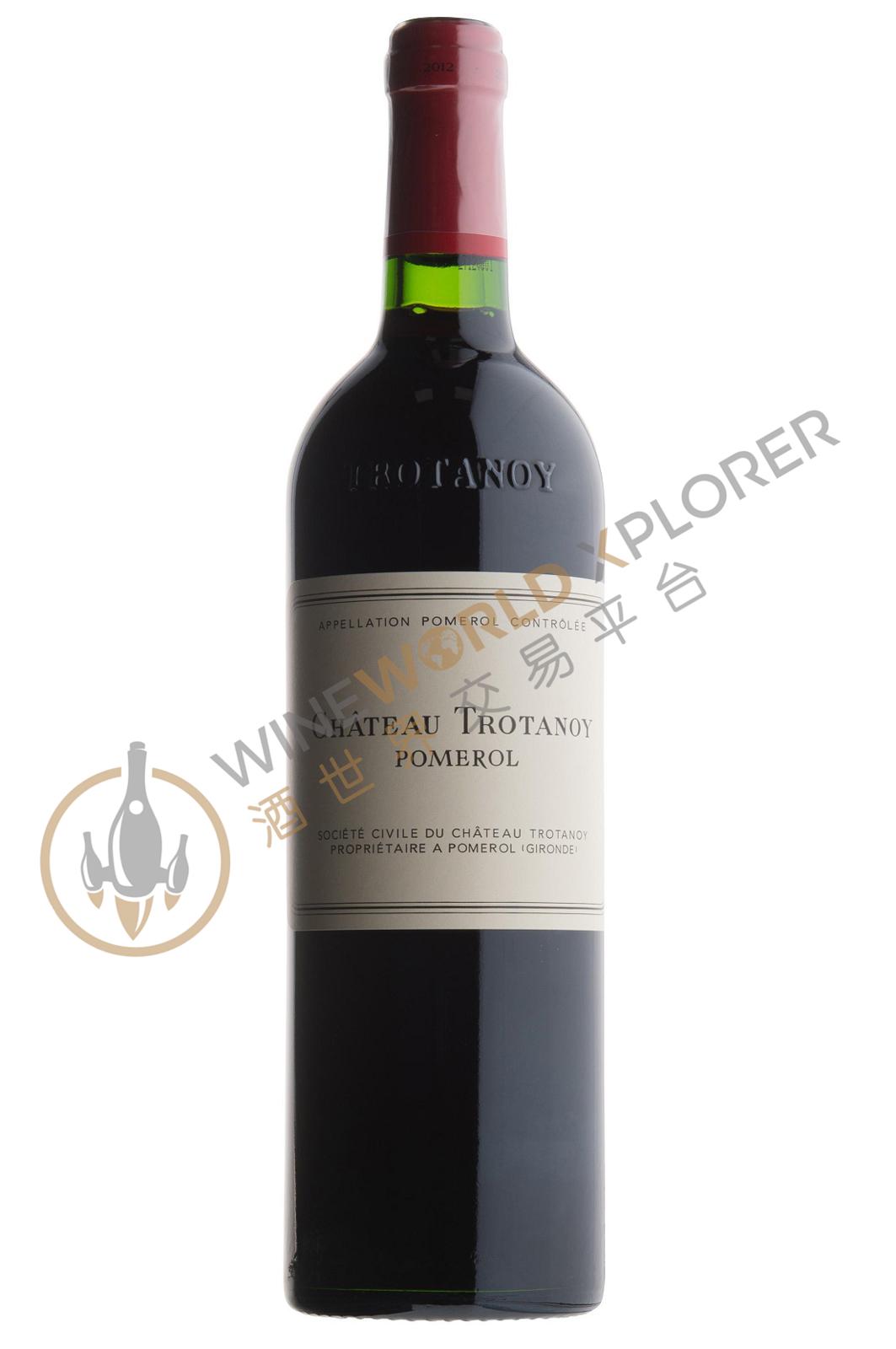
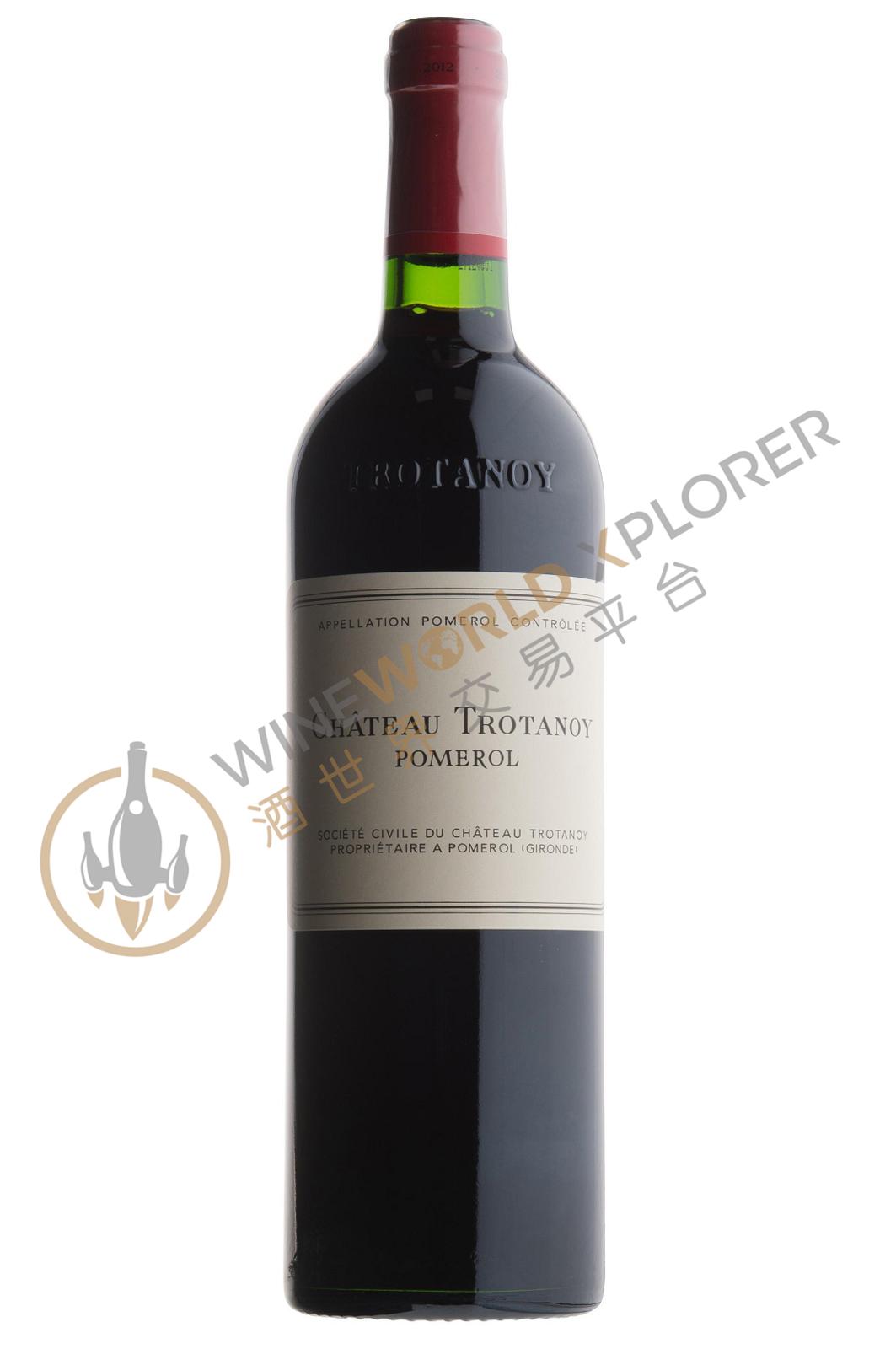
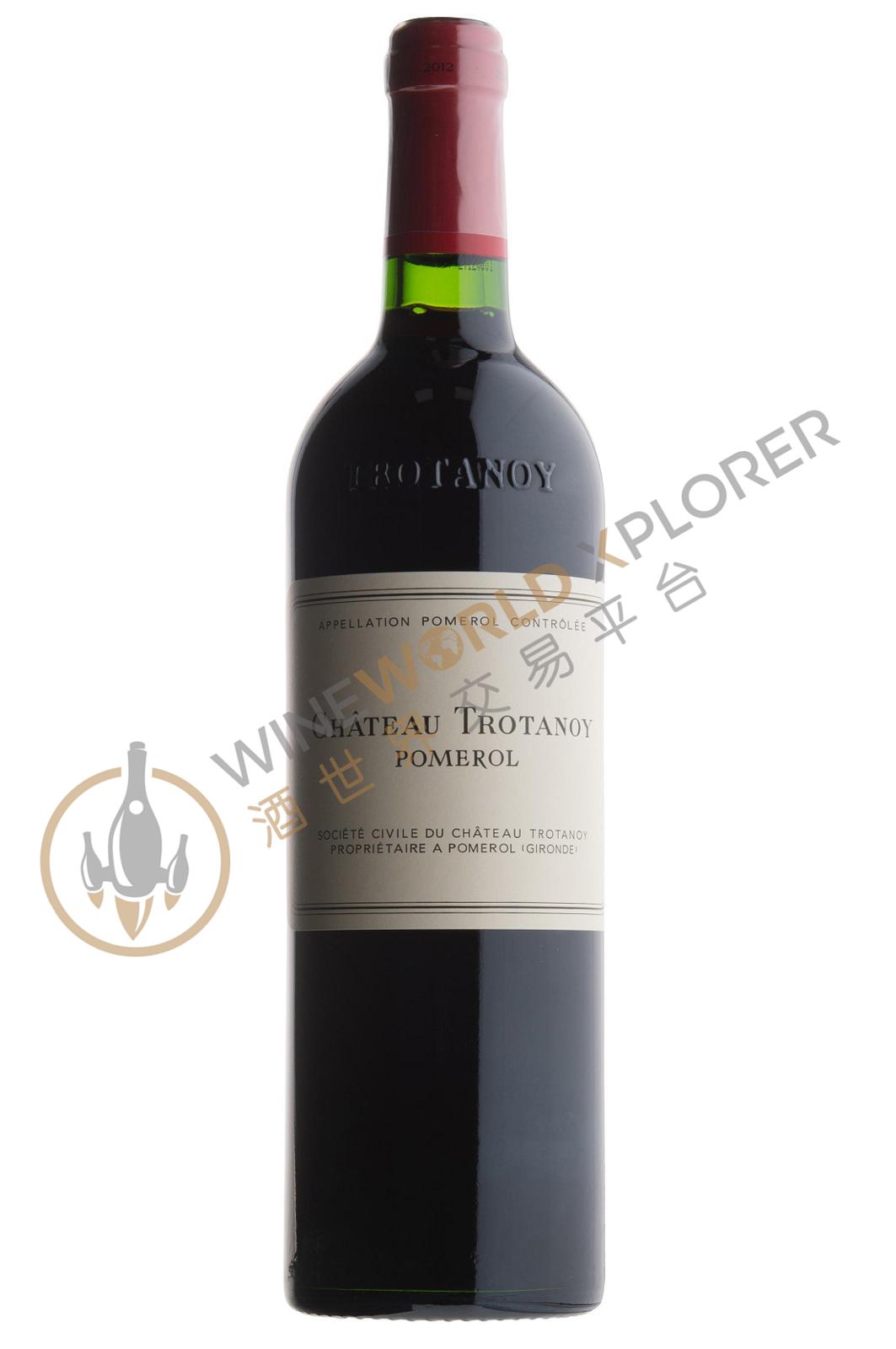
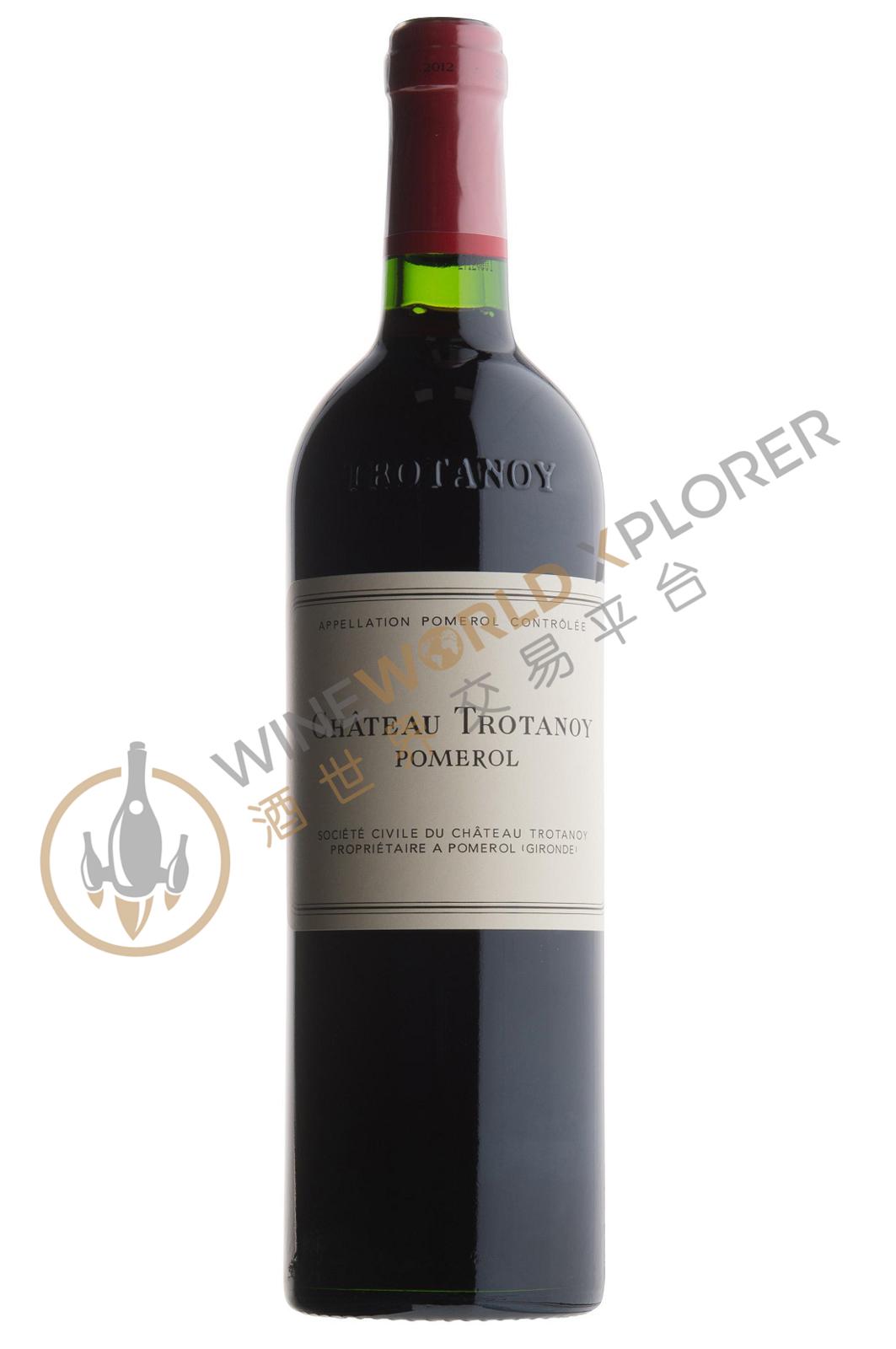
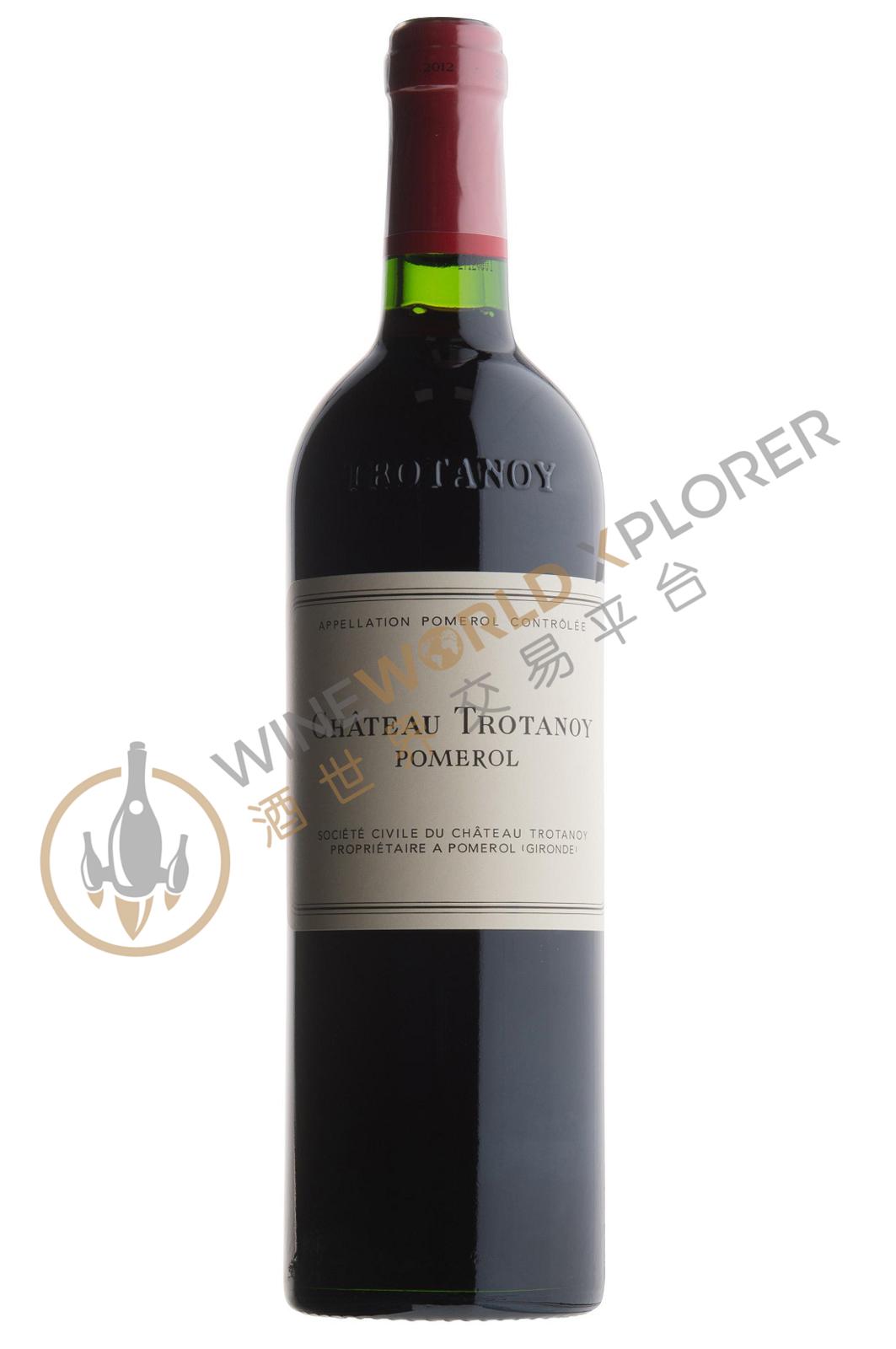
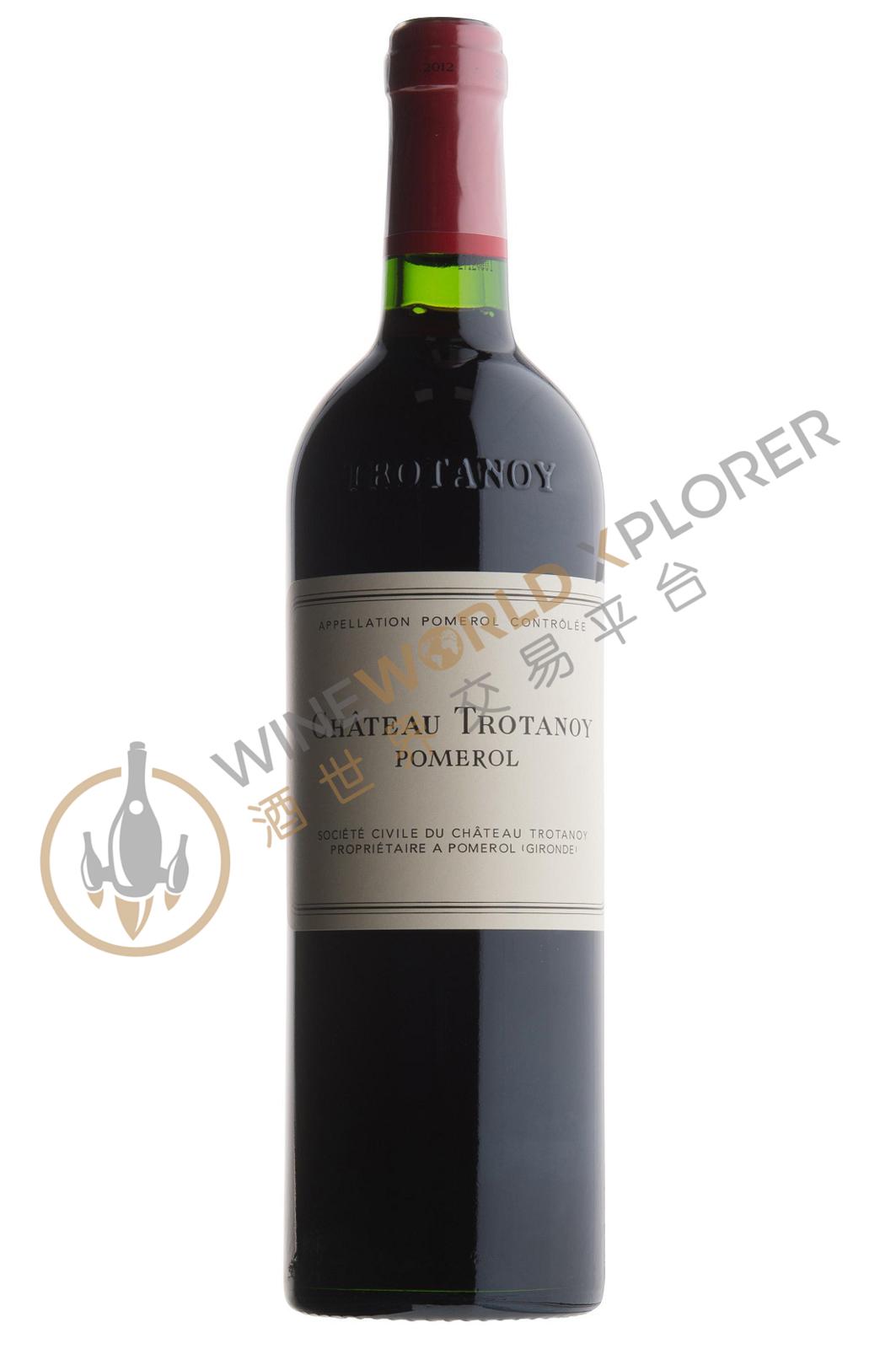
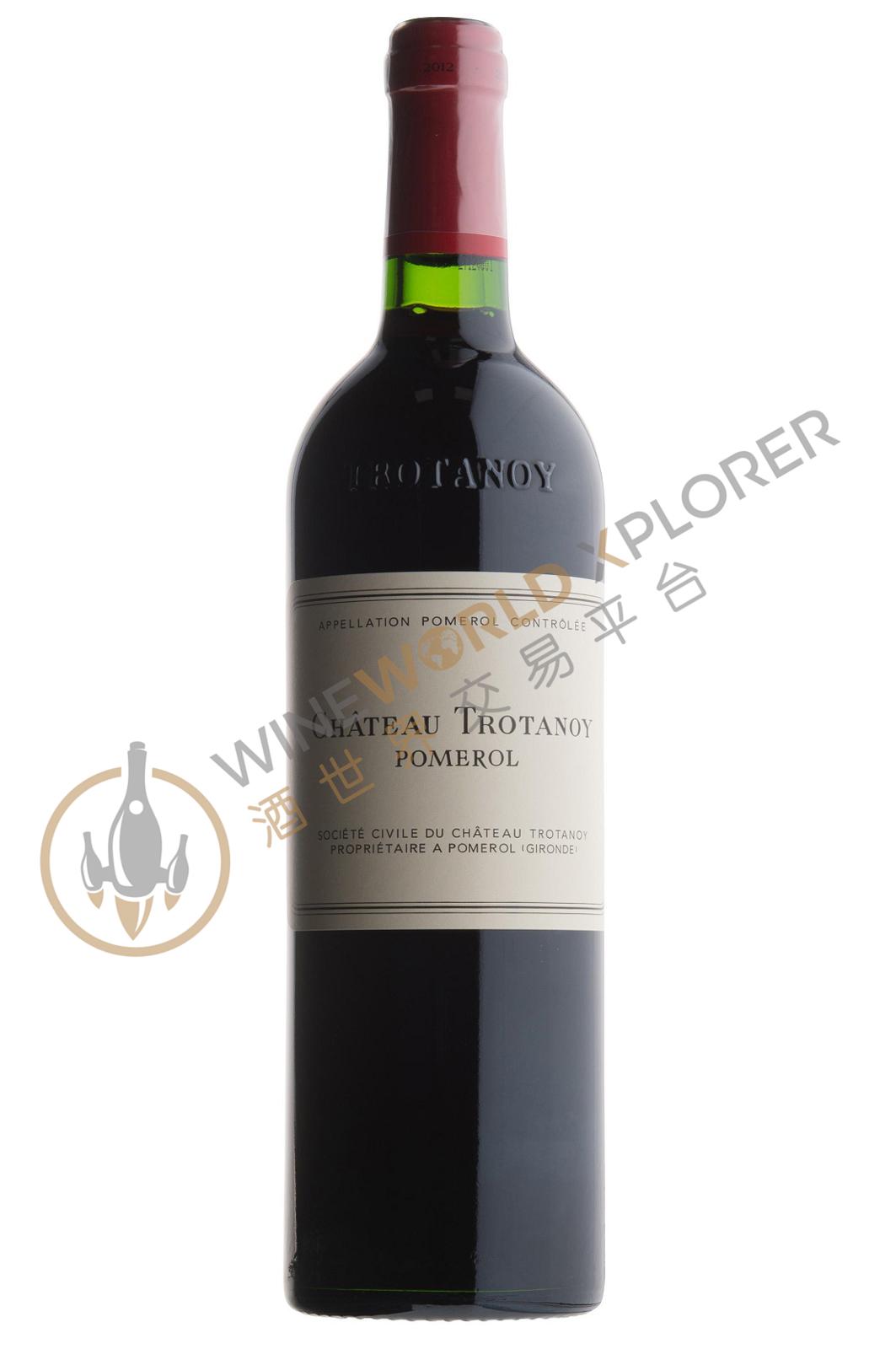
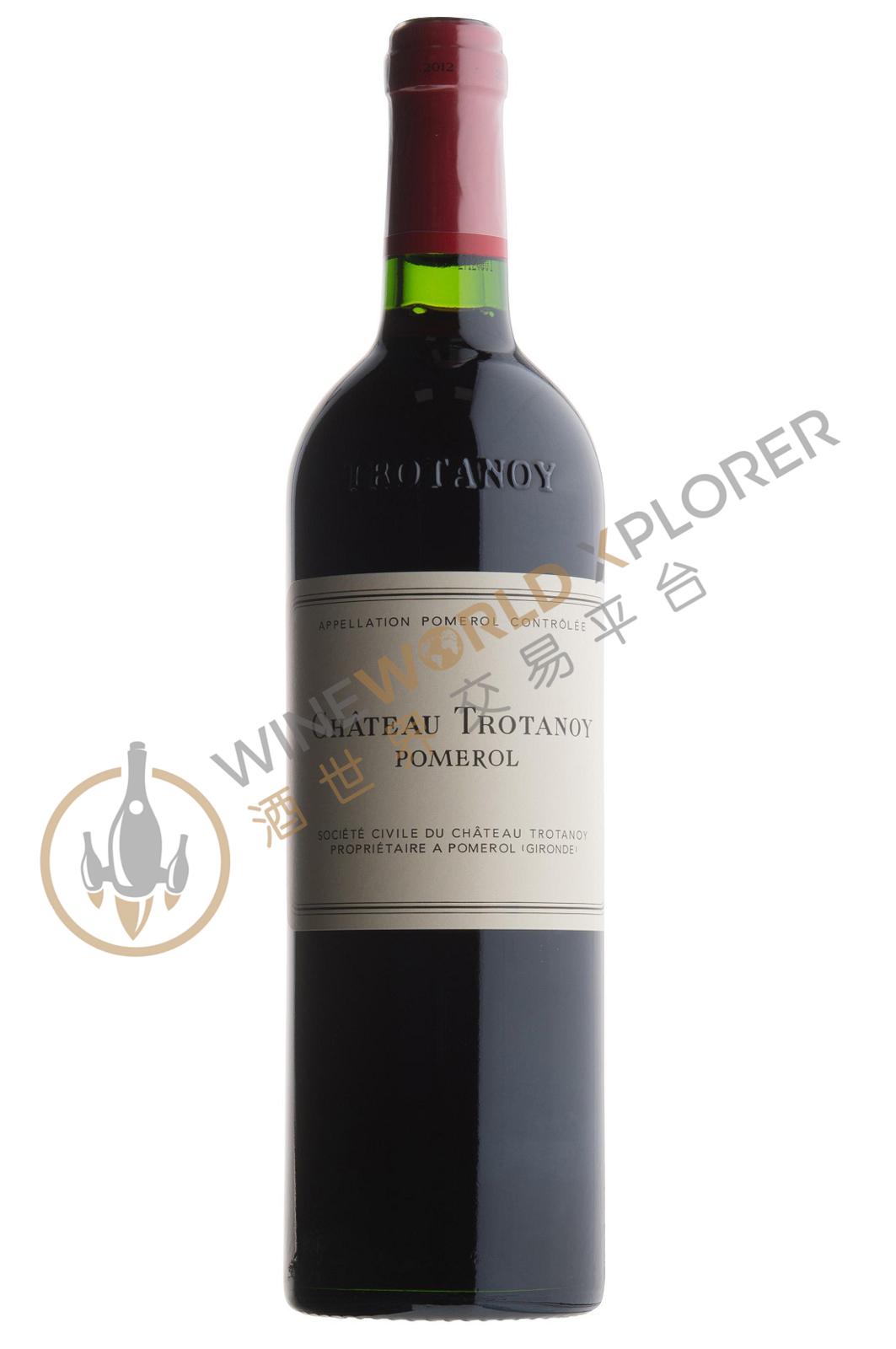
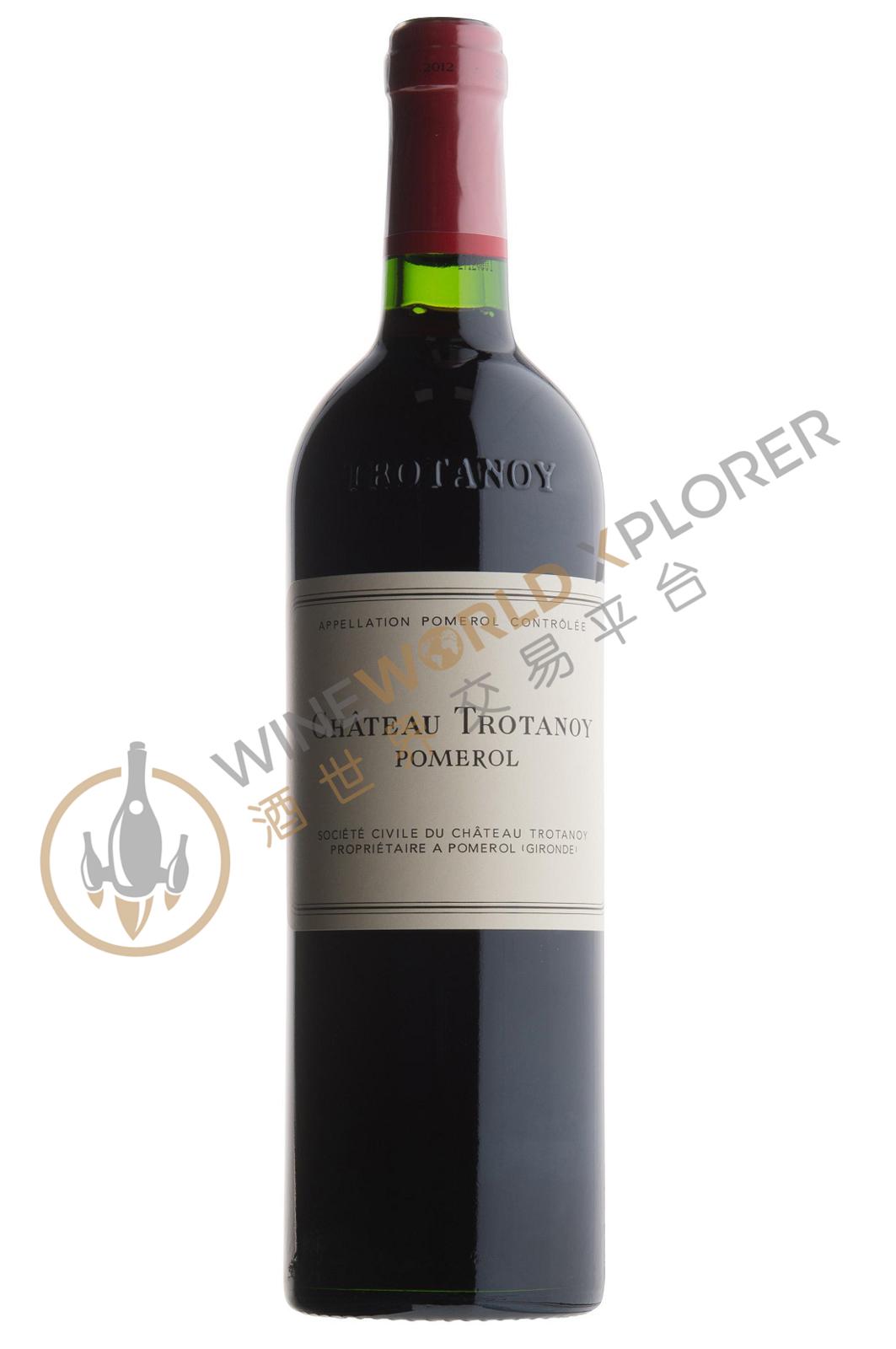
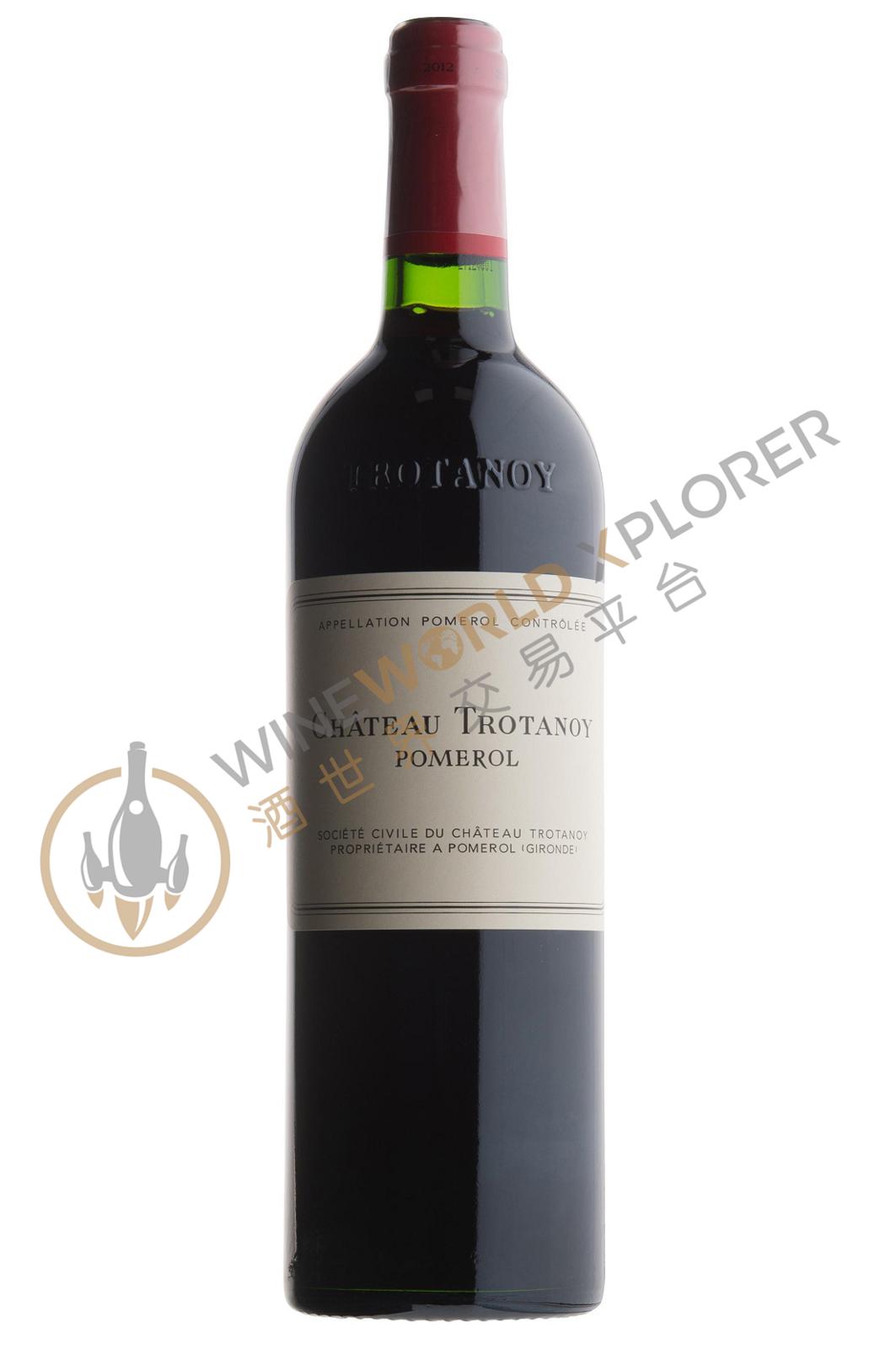
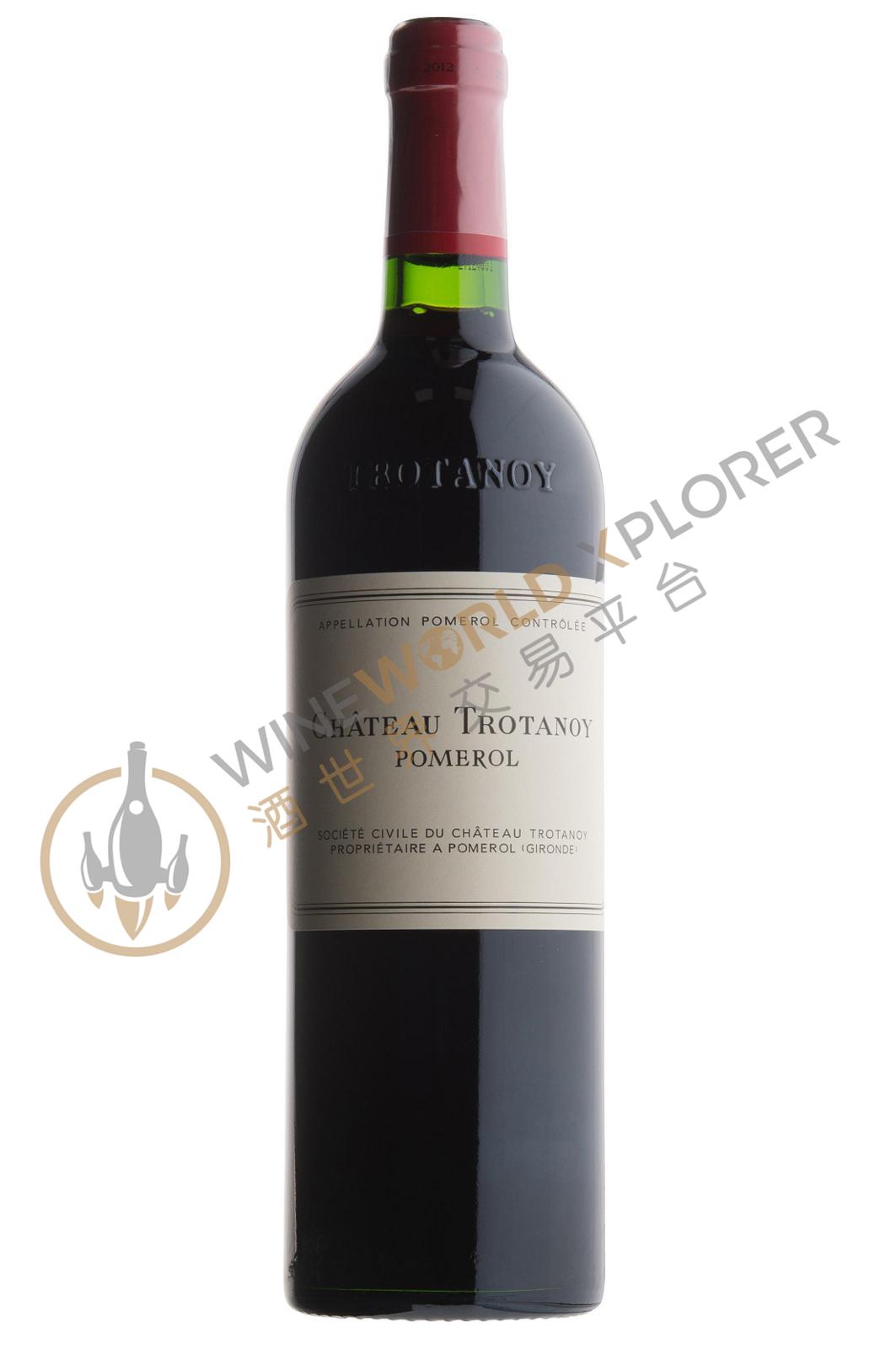
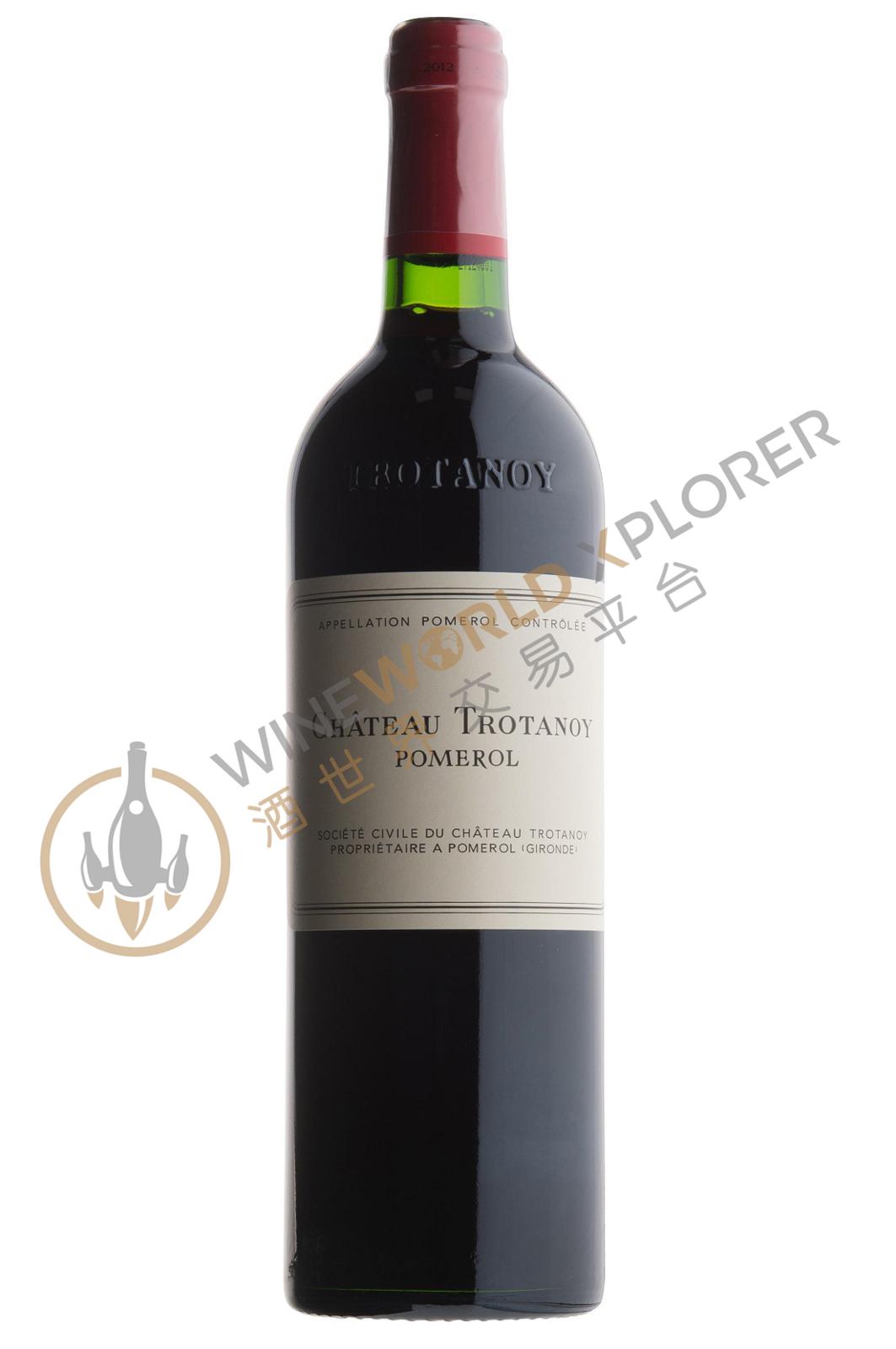
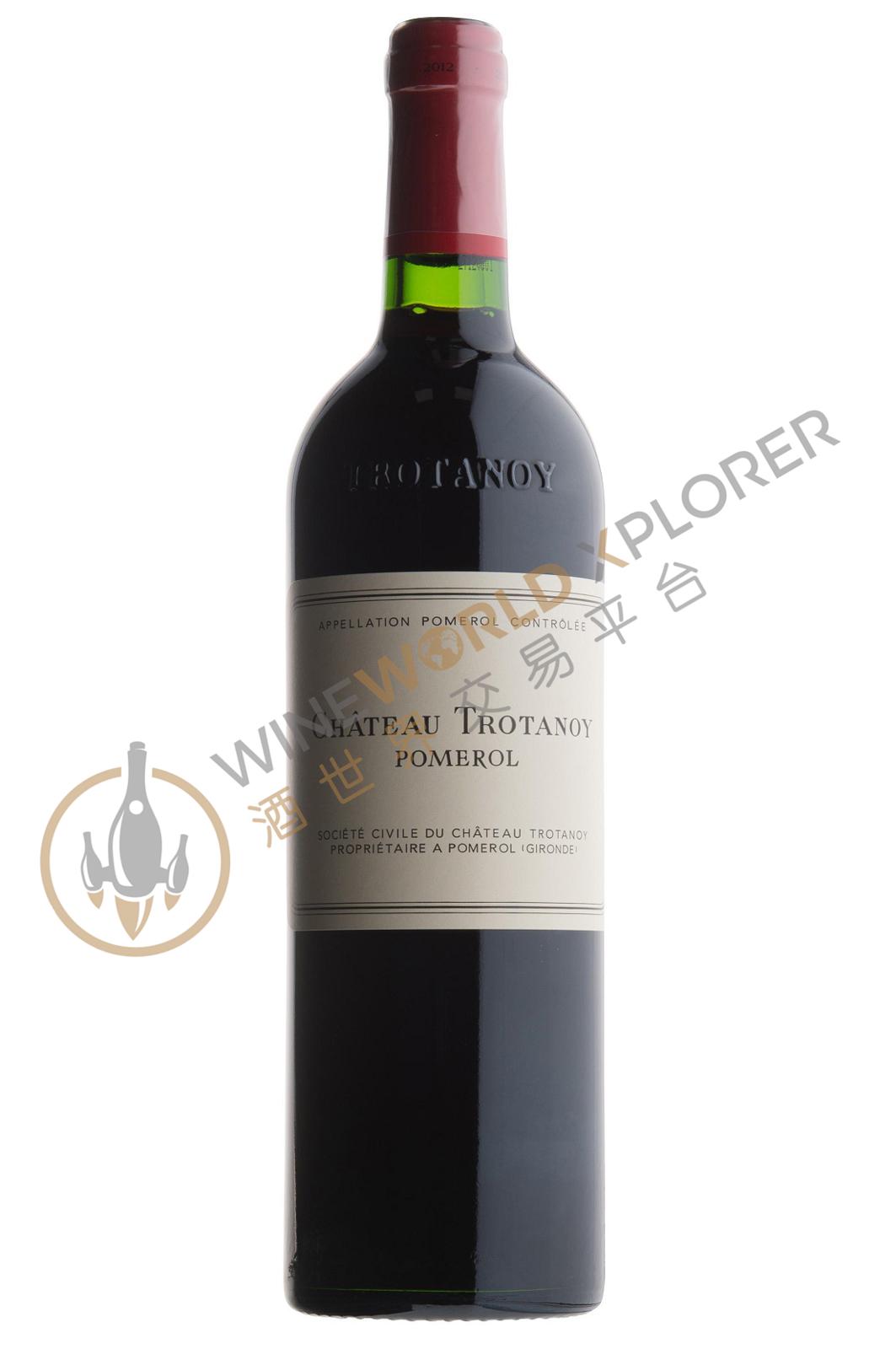
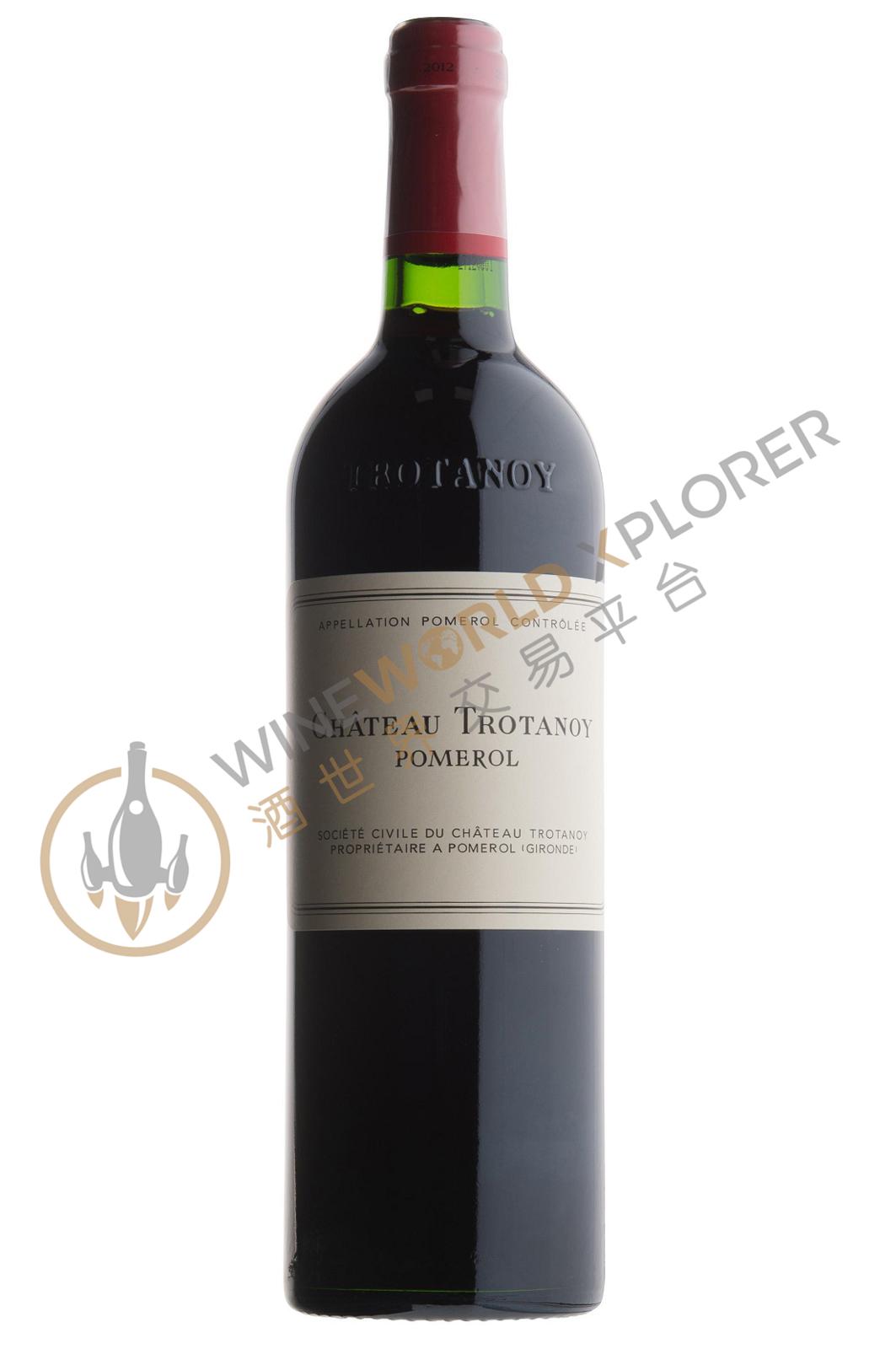
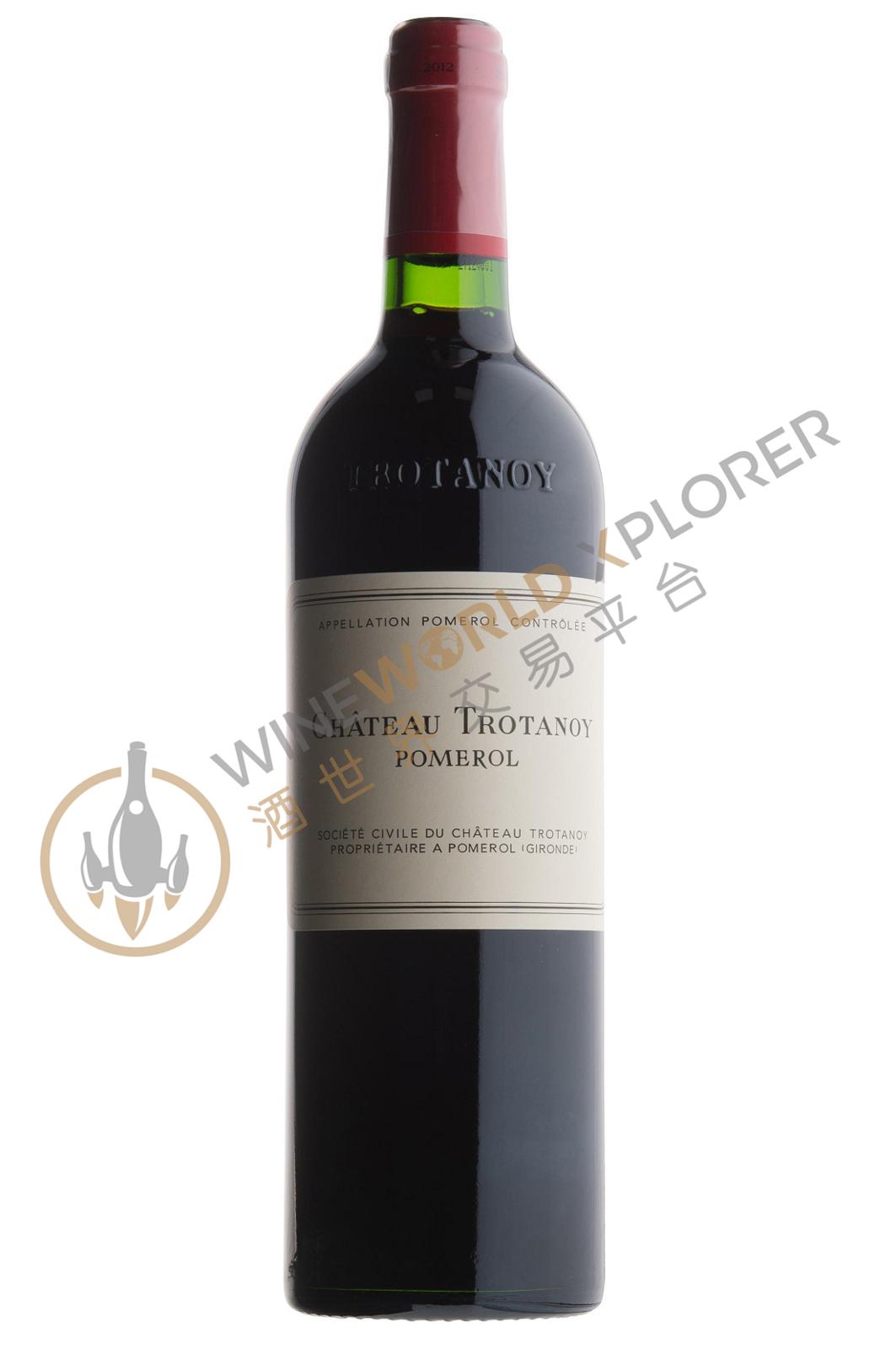
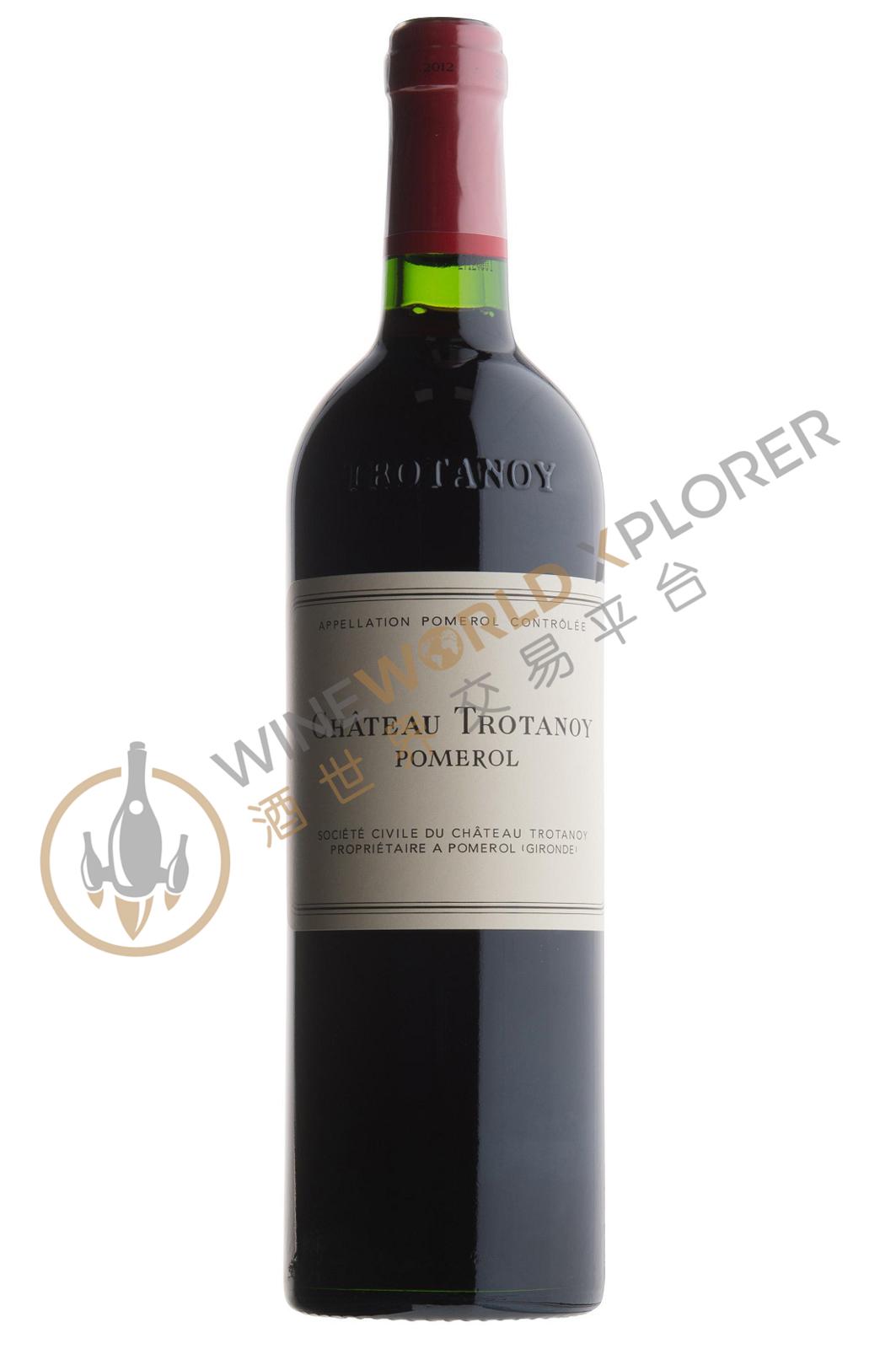
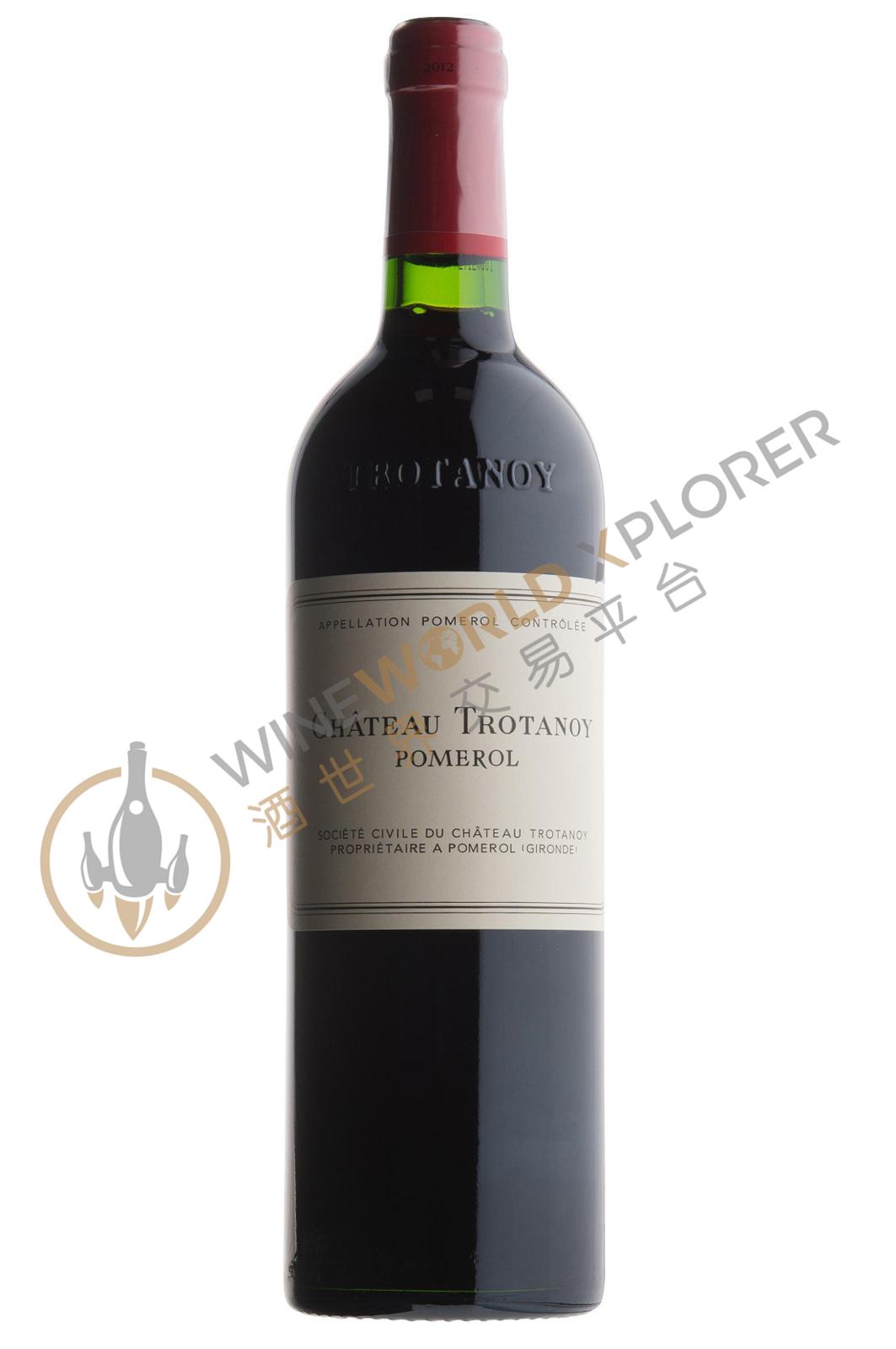
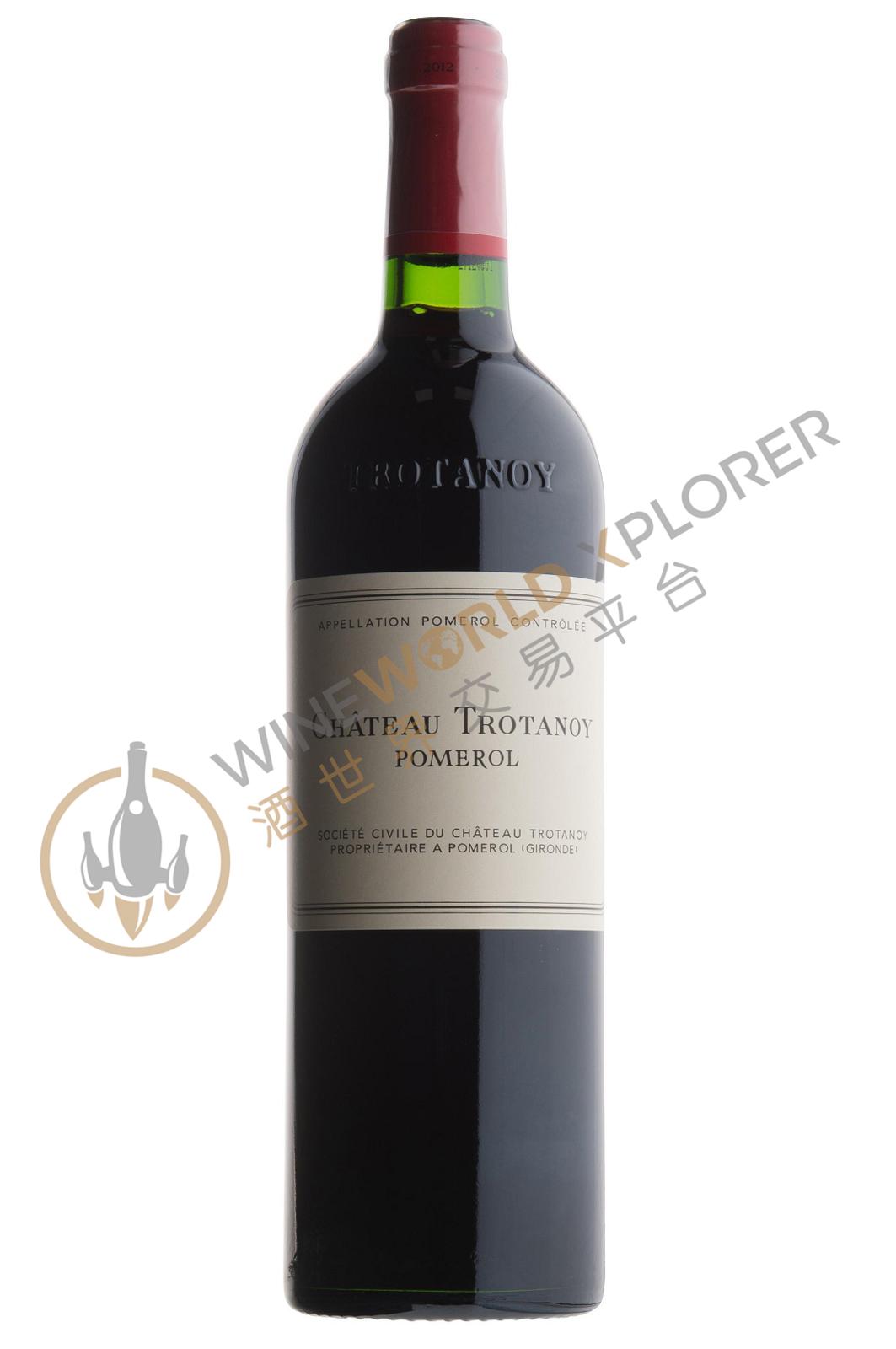
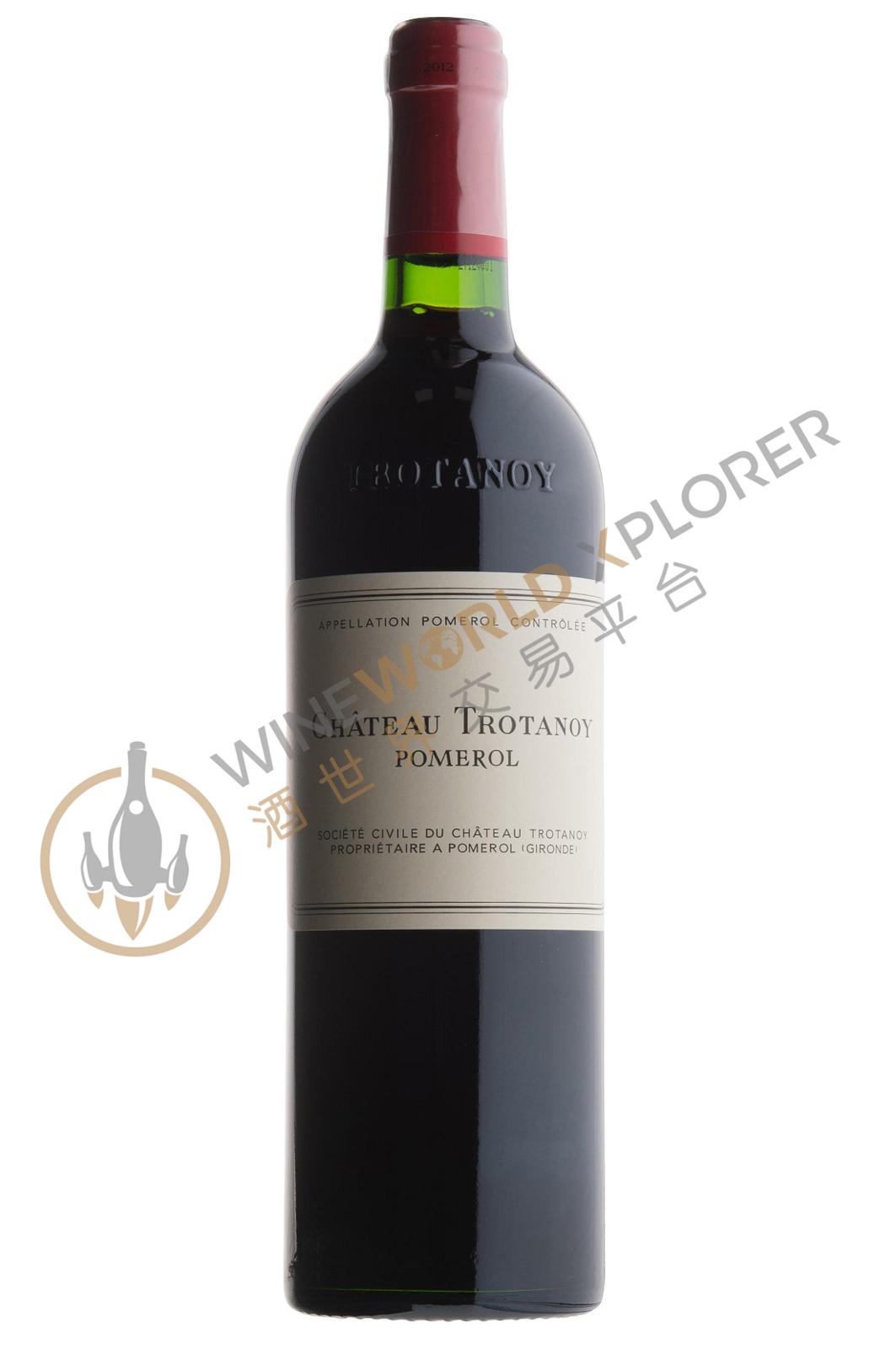
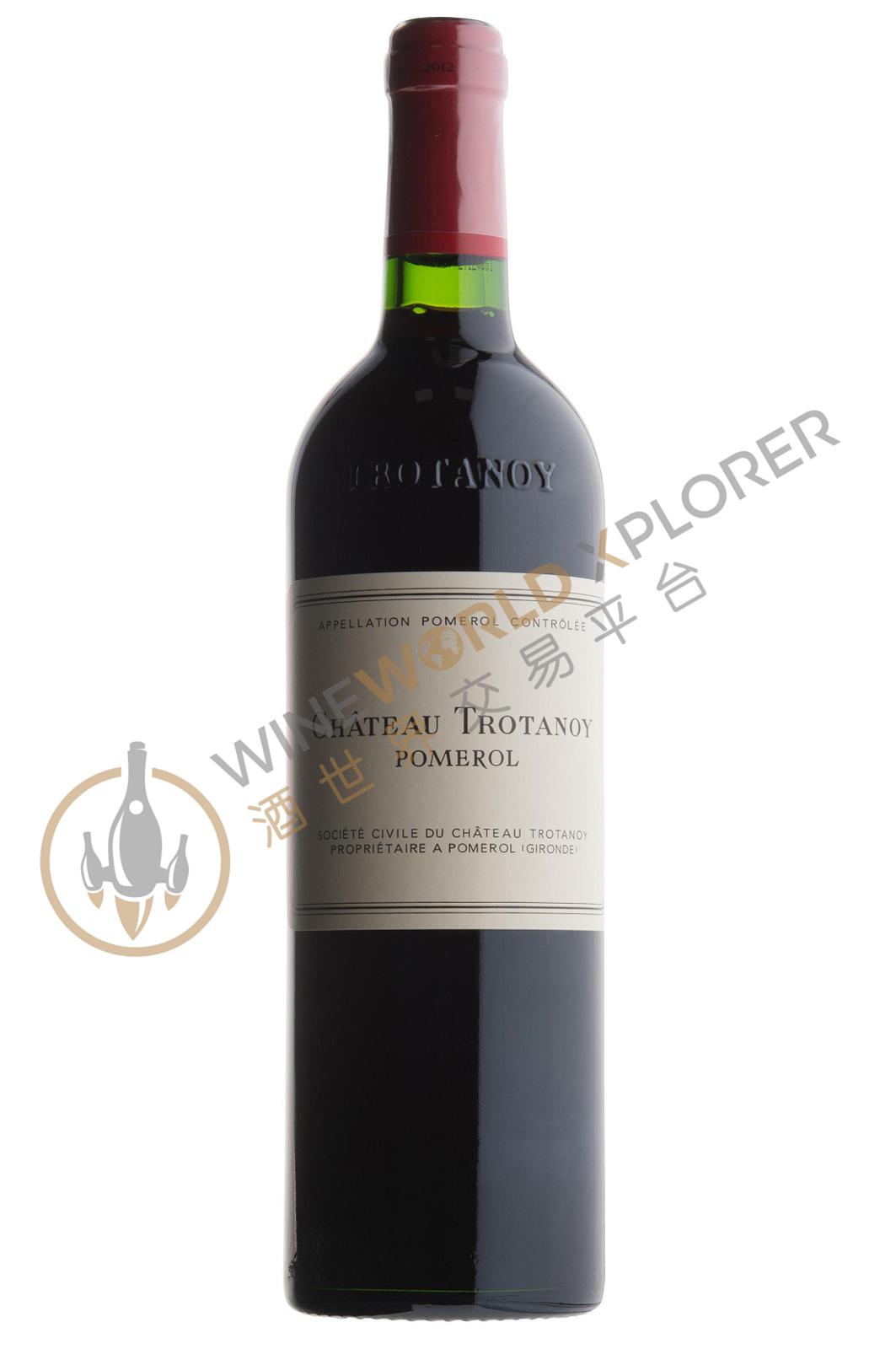
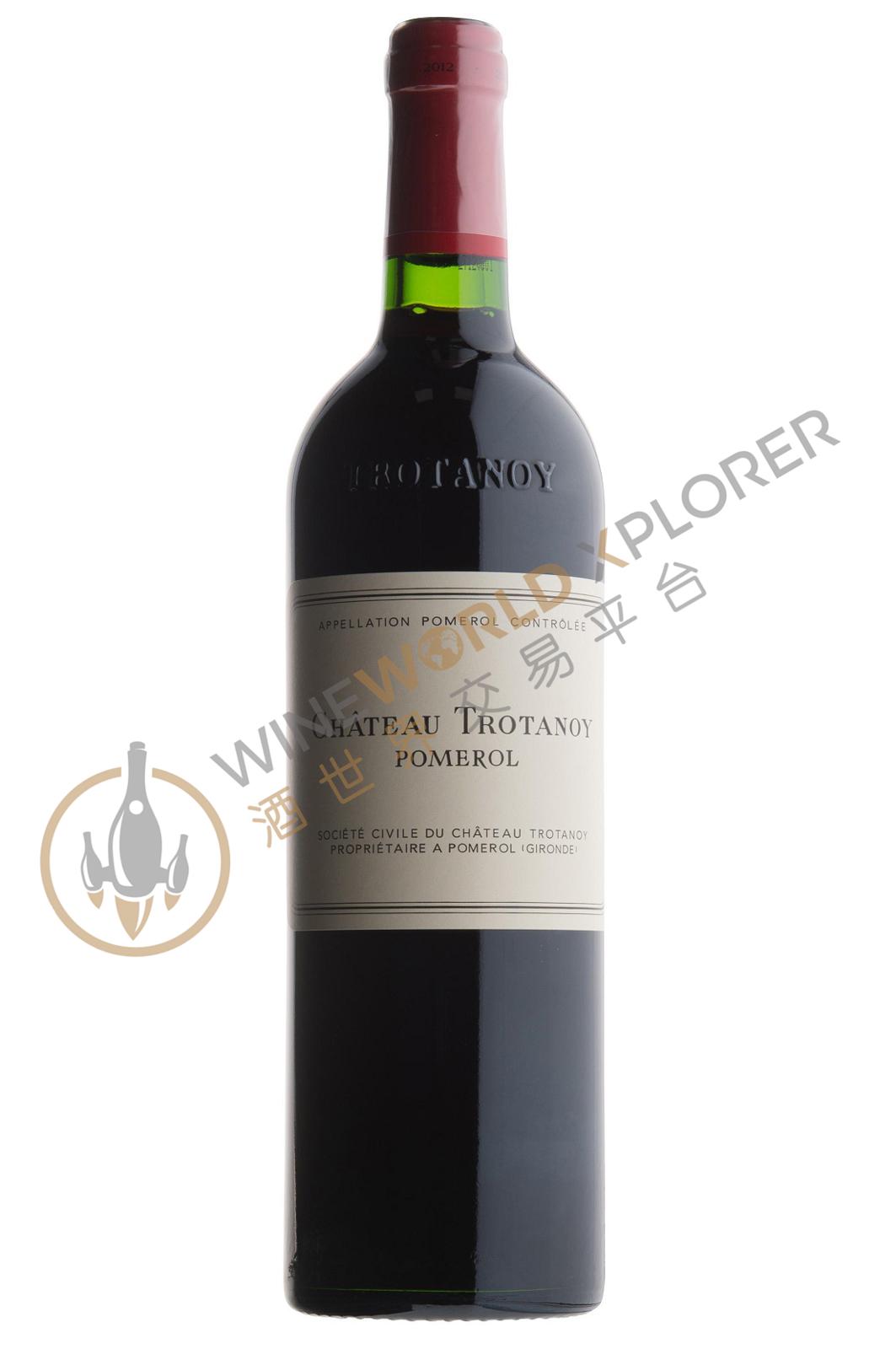
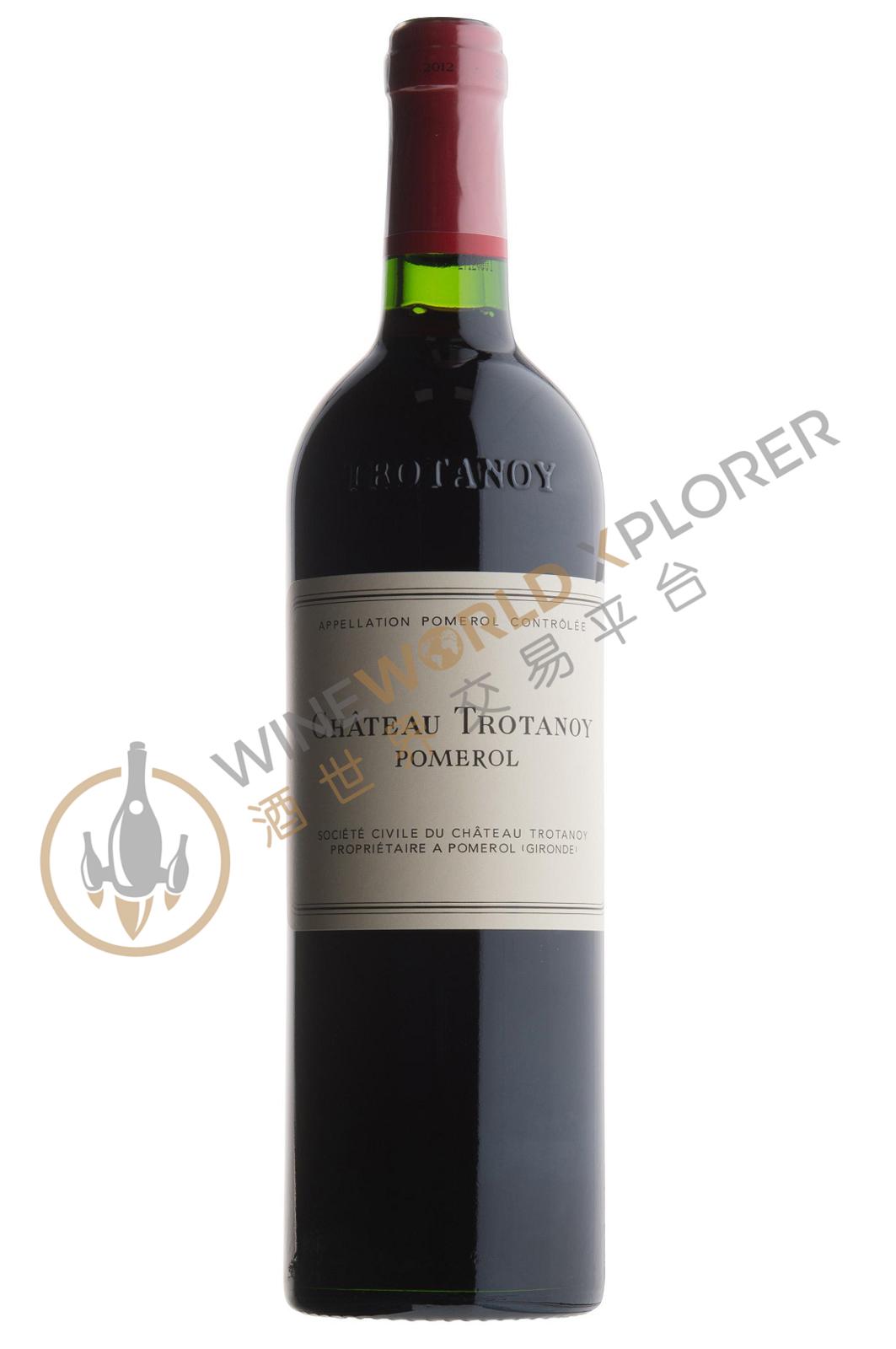
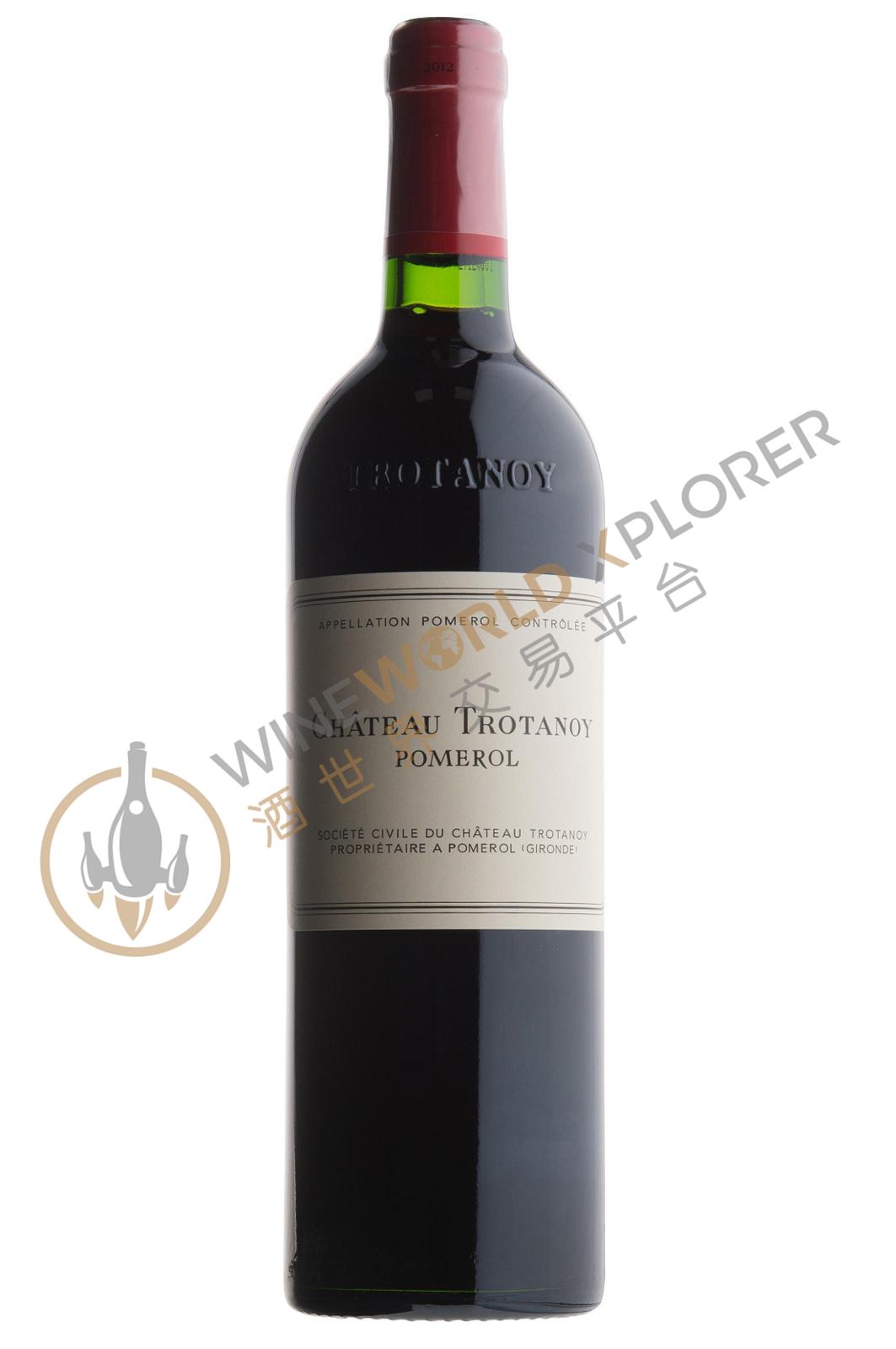
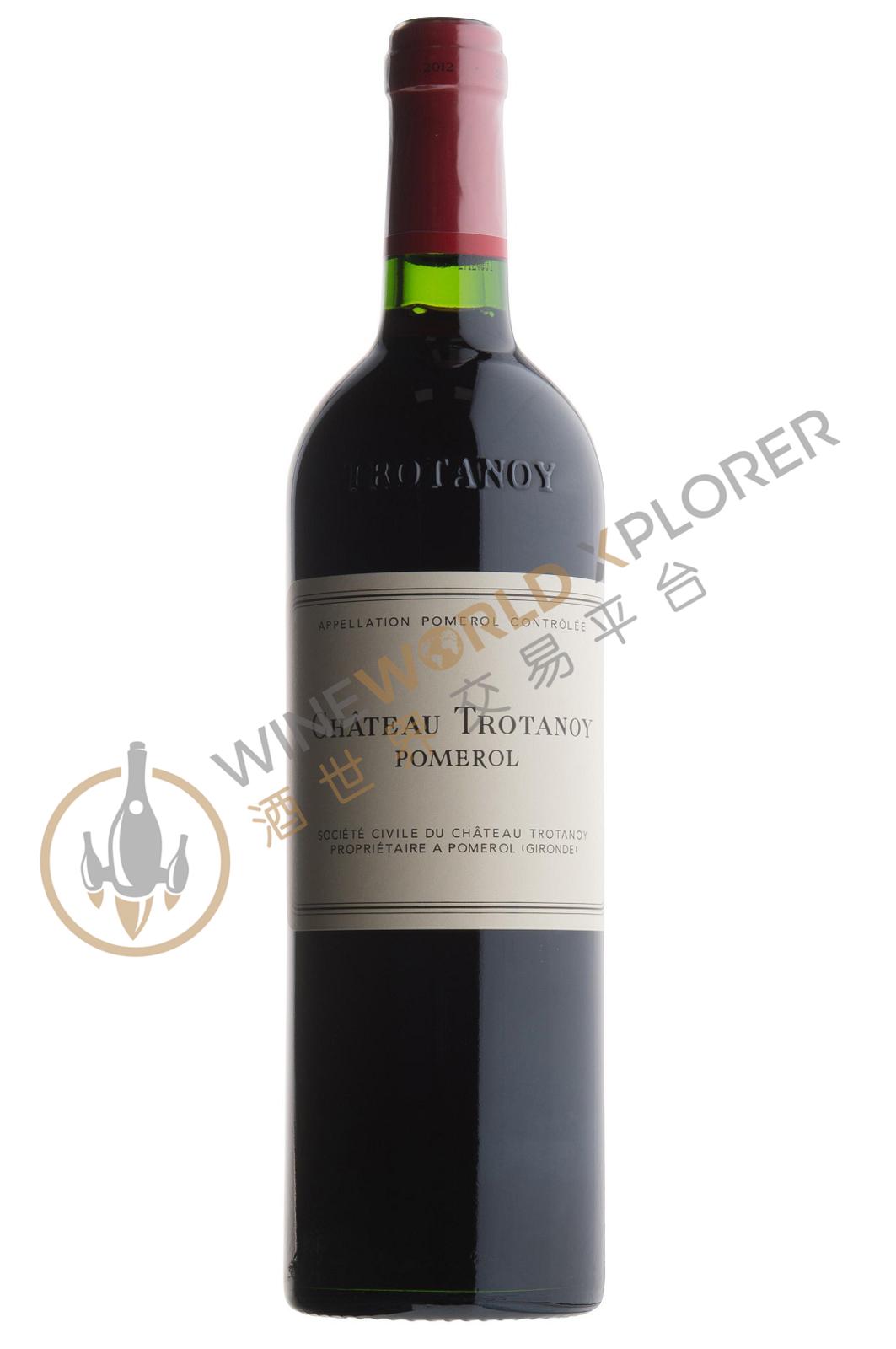
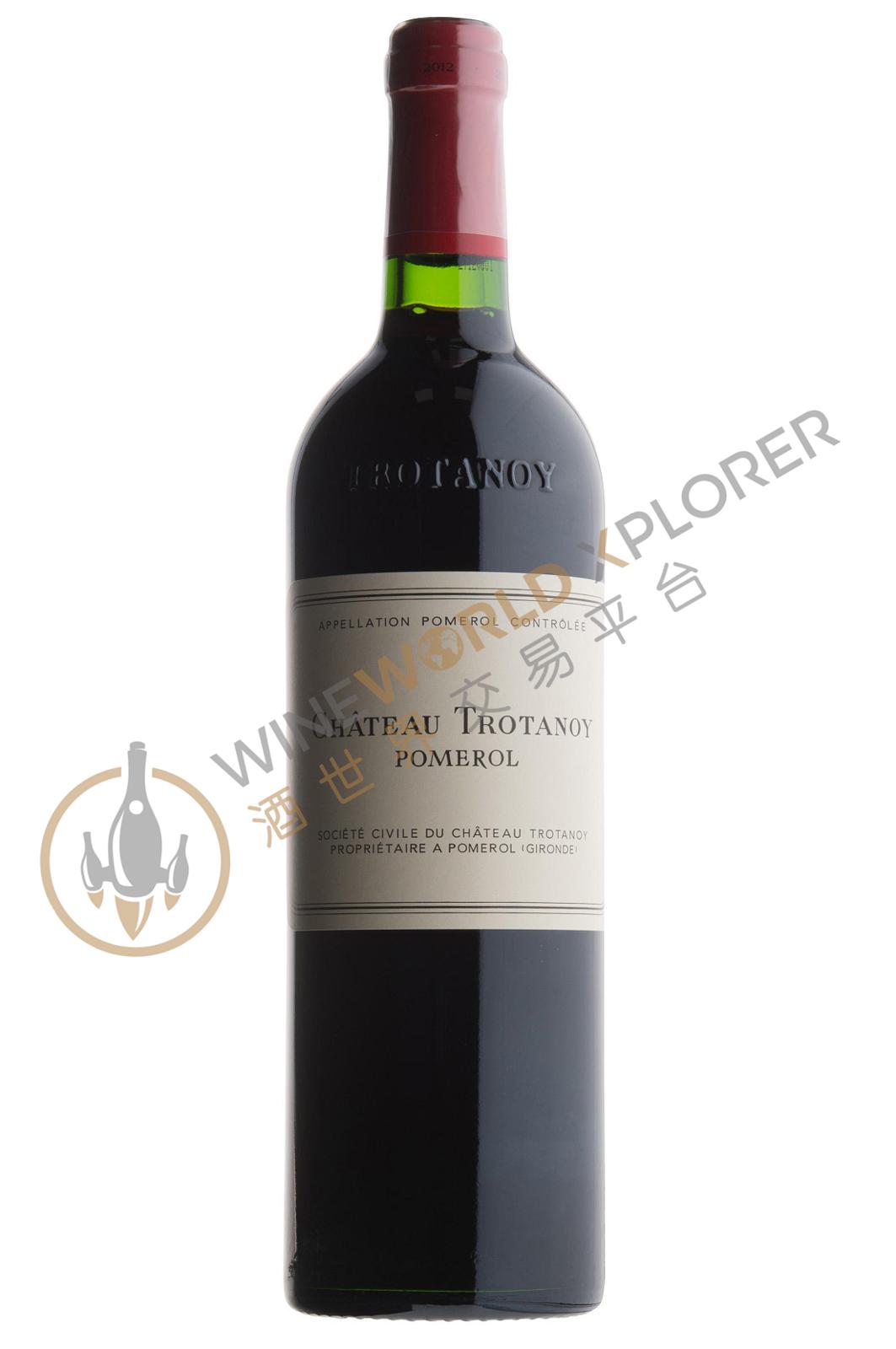
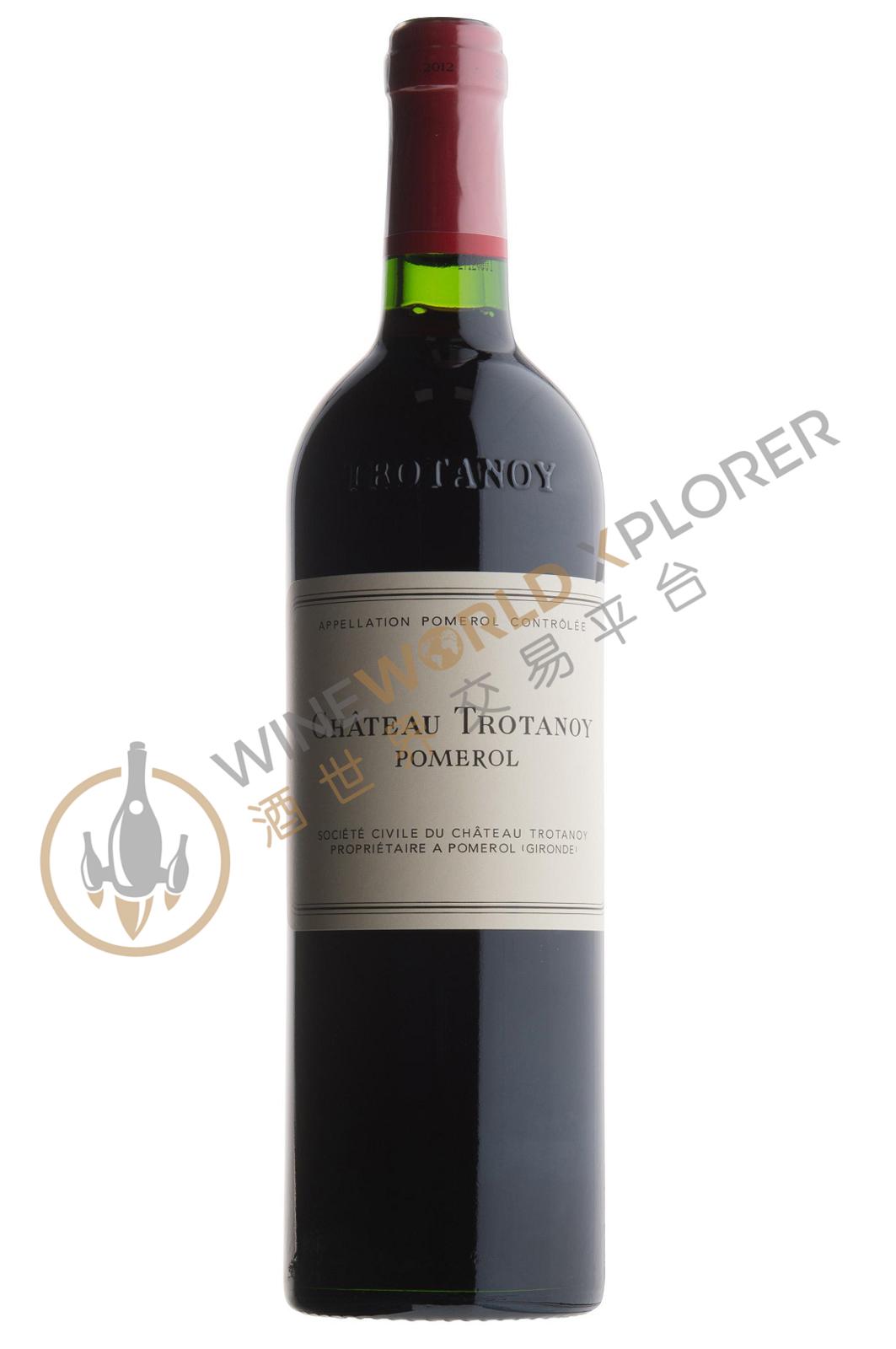
Trotanoy 2007
 View analysis


Description
Tasting notes

Reviewed by: Neal Martin
Tasted at Corney & Barrow’s Pomerol dinner. The 2007 is of course, very closed on the nose with broody dark blackberry, cedar, sous-bois and a touch of graphite. Just hint of fireside hearth in the background. The palate is medium-bodied with a grainy texture on the entry, good acidity with an almost citric edge, masculine and structured towards the finish. Good potential here, but it needs 5-8 years to lose its infant temper. Tasted April 2011.
Reviewed by: Neal Martin
Tasted blind at the 2007 Bordeaux horizontal in Southwold. The green notes that marred barrel samples of this wine seem to have disappeared by the time of bottling. Here, the Trotanoy 2007 has a compelling nose, broody at first but then offering touches of smoke and green bell pepper. Good definition and vigour. The palate is very plush on the entry with rounded mouth-feel, lovely caressing texture lending this Pomerol 2007s great sensuality. Not a powerful finish, but it is certainly very refined. Tasted January 2011.
Reviewed by: Neal Martin
This cannot hide its greenness on the palate. Good definition, obviously some very nice blackberry and wild hedgerow notes, but certainly some under-ripeness here. Lovely silky tannins, good acidity, balanced but that greenness reappears towards the finish. Certan-de-May is better this year. Again, I was expecting more. Tasted April 2008.
Reviewed by: Robert M. Parker, Jr.
Revealing surprising density for a 2007, this elegant, dark plum/ruby-colored Pomerol exhibits sweet notes of iron, black currants, cherries, truffles, and herbs. Drink this deep, full-bodied, muscular offering over the next 12-15 years. I would not be surprised to see it put on weight and merit an outstanding score with a few more years in the bottle.
Reviewed by: Robert M. Parker, Jr.
Rated - No tasting note given.
About the Producer
Purchased by Jean-Pierre Moueix in 1953, Château Trotanoy has been considered one of the premier crus of Pomerol since the end of the eighteenth century. The soil of Château Trotanoy is a very dense mixture of clay and gravel which tends to solidify as it dries out after rain to an almost concrete-like hardness, hence the name “Trotanoy,” or, in other words, “too wearisome” to cultivate. The Trotanoy vineyard slopes gently to the west. The soil at the highest point of exposure contains a good proportion of gravel, becoming progressively more dominated by clay as the elevation declines. Under this clay is a subsoil of red gravel and an impermeable layer of hard, iron-rich soil known as “crasse de fer.” This fascinating soil diversity brings power, depth and complexity to the wine. Trotanoy is vinified in small concrete vats, while aging takes place in oak barrels. Trotanoy is a naturally profound, complex, richly-concentrated wine with outstanding aging potential. The wine possesses a deep color and a dense, powerful nose, repeated on the palate with the addition of creamy, dark chocolate notes, and a singular concentration of flavor owed to its very old vines.
1966(1)1976(1)1979(1)1981(1)1983(1)1989(2)1990(2)1993(1)1995(1)1996(5)1997(1)1998(1)1999(1)2000(13)2001(3)2002(2)2003(4)2004(5)2005(4)2006(6)
Package Size