Wine Advisor



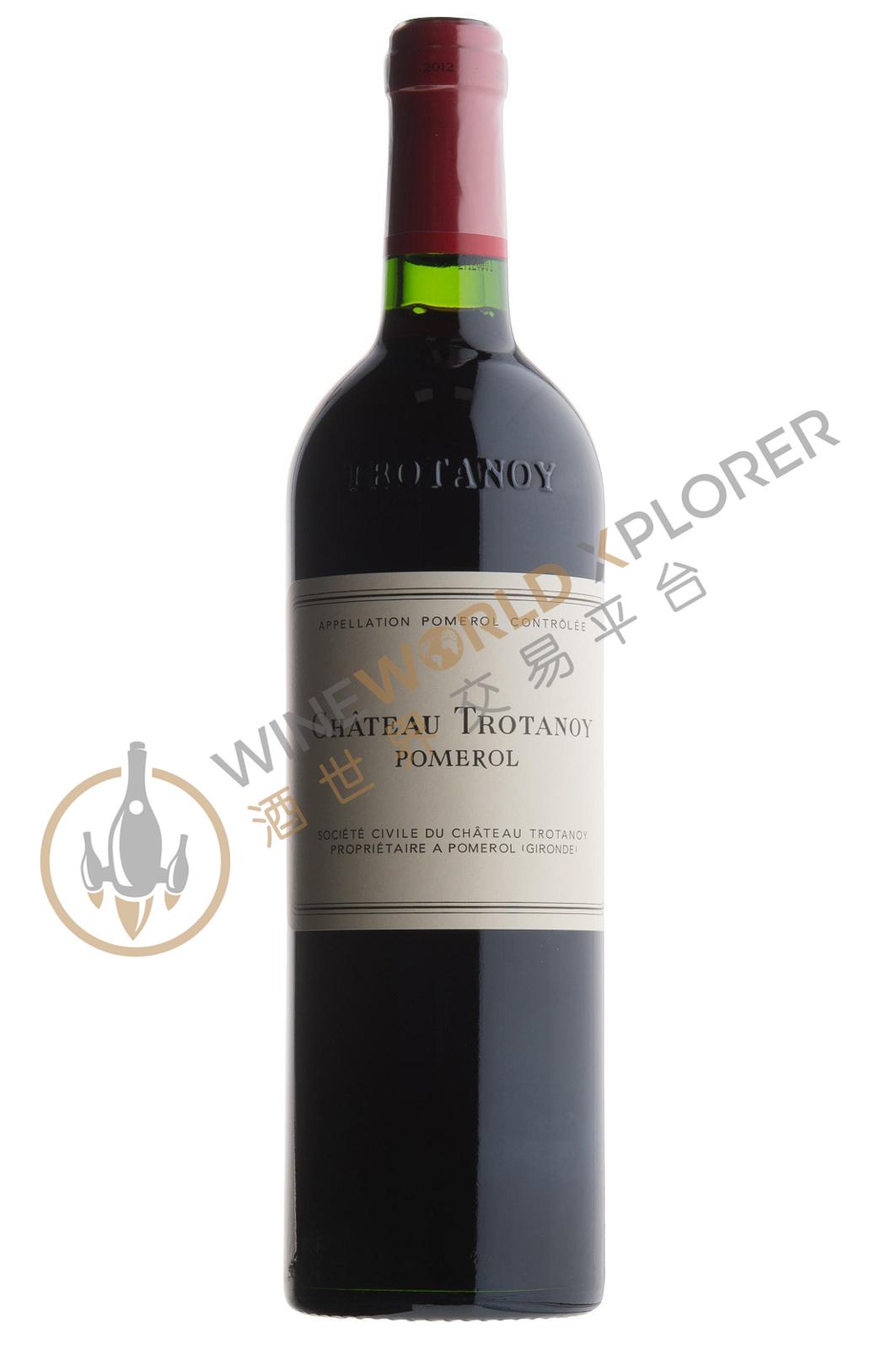
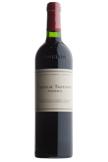
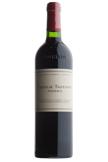
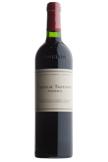
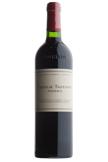
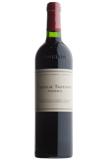
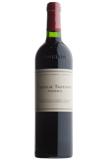
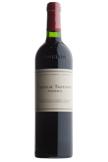
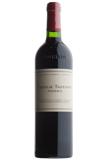
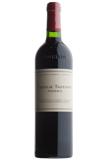
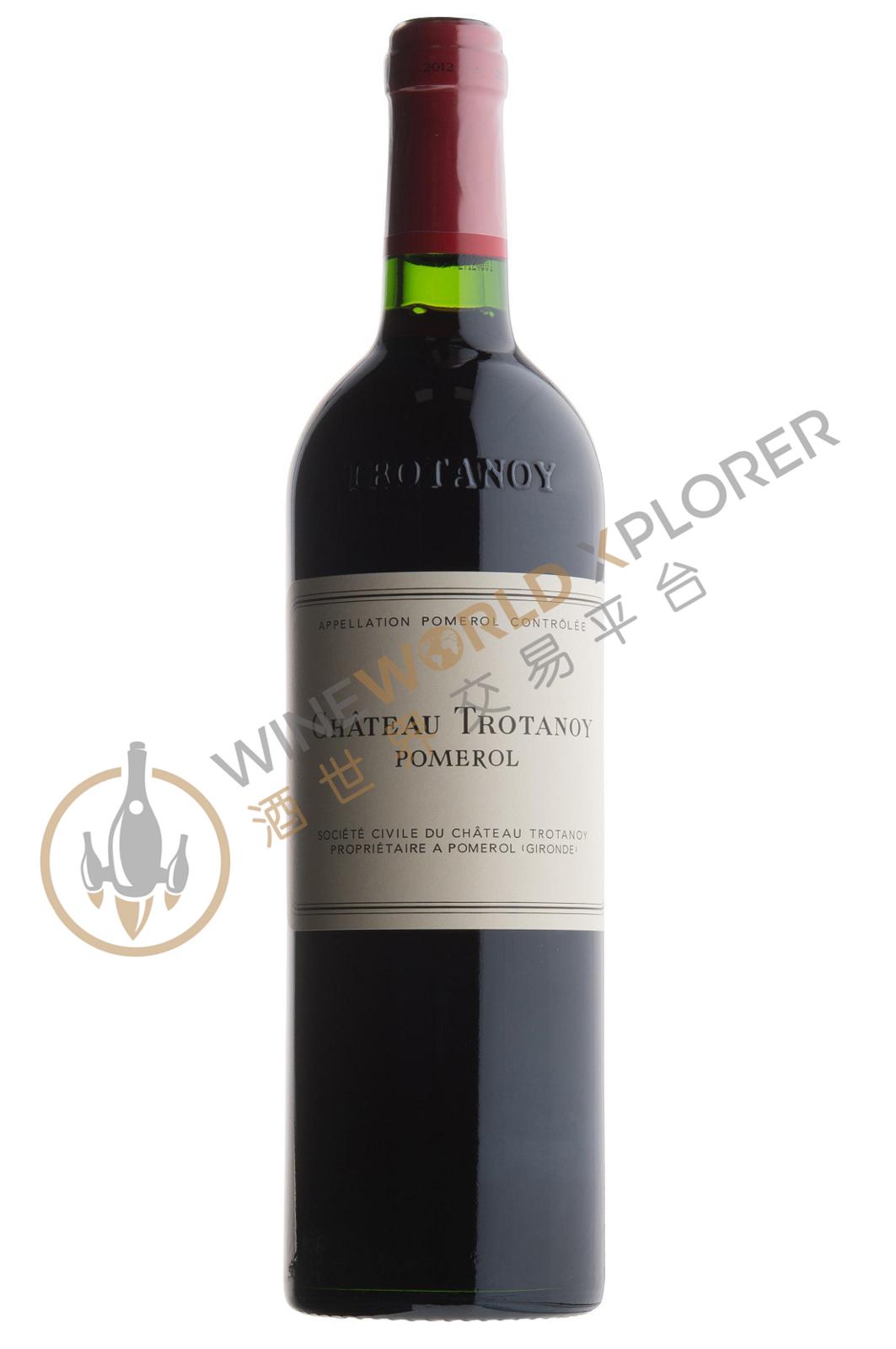
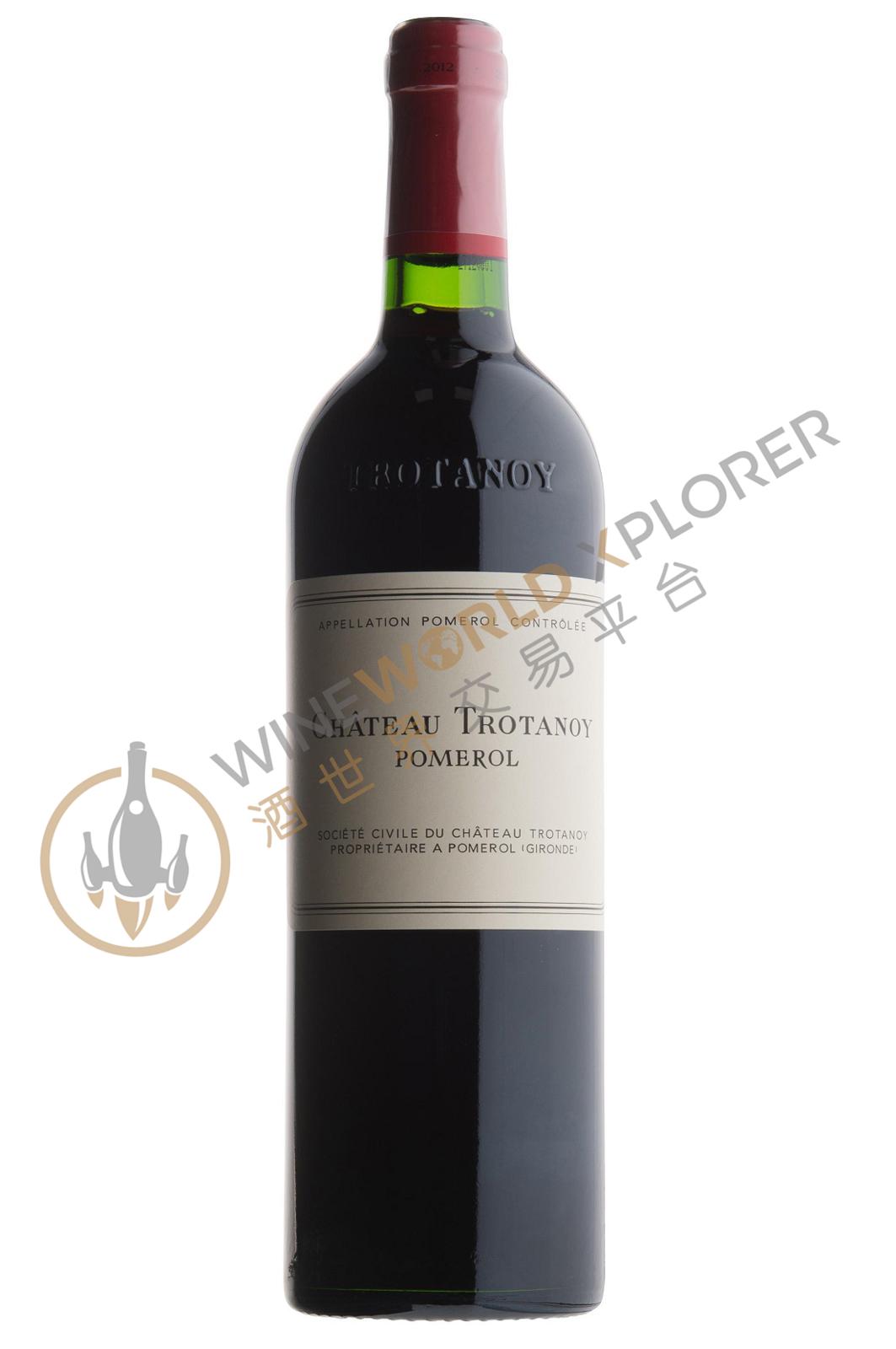
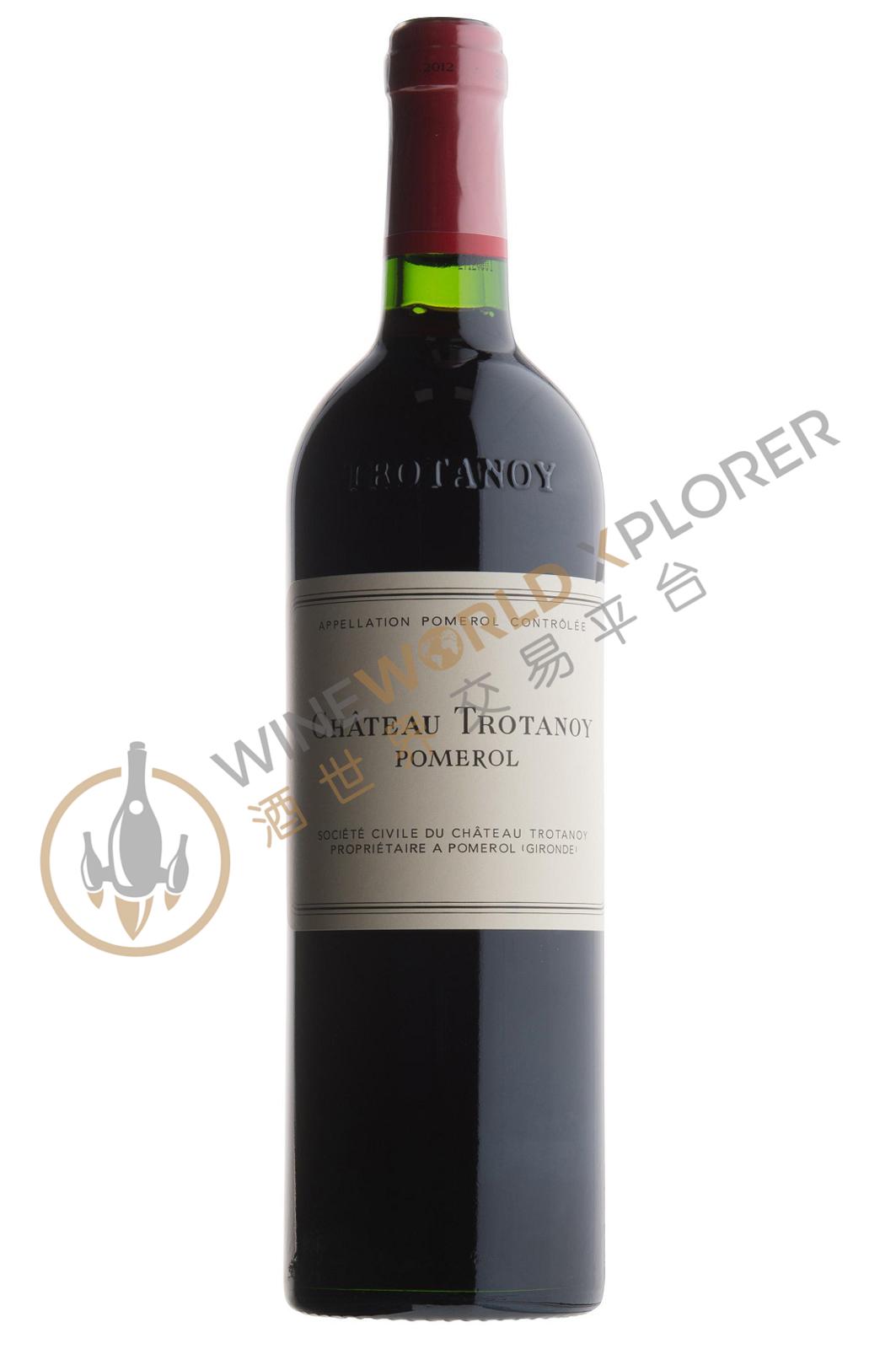
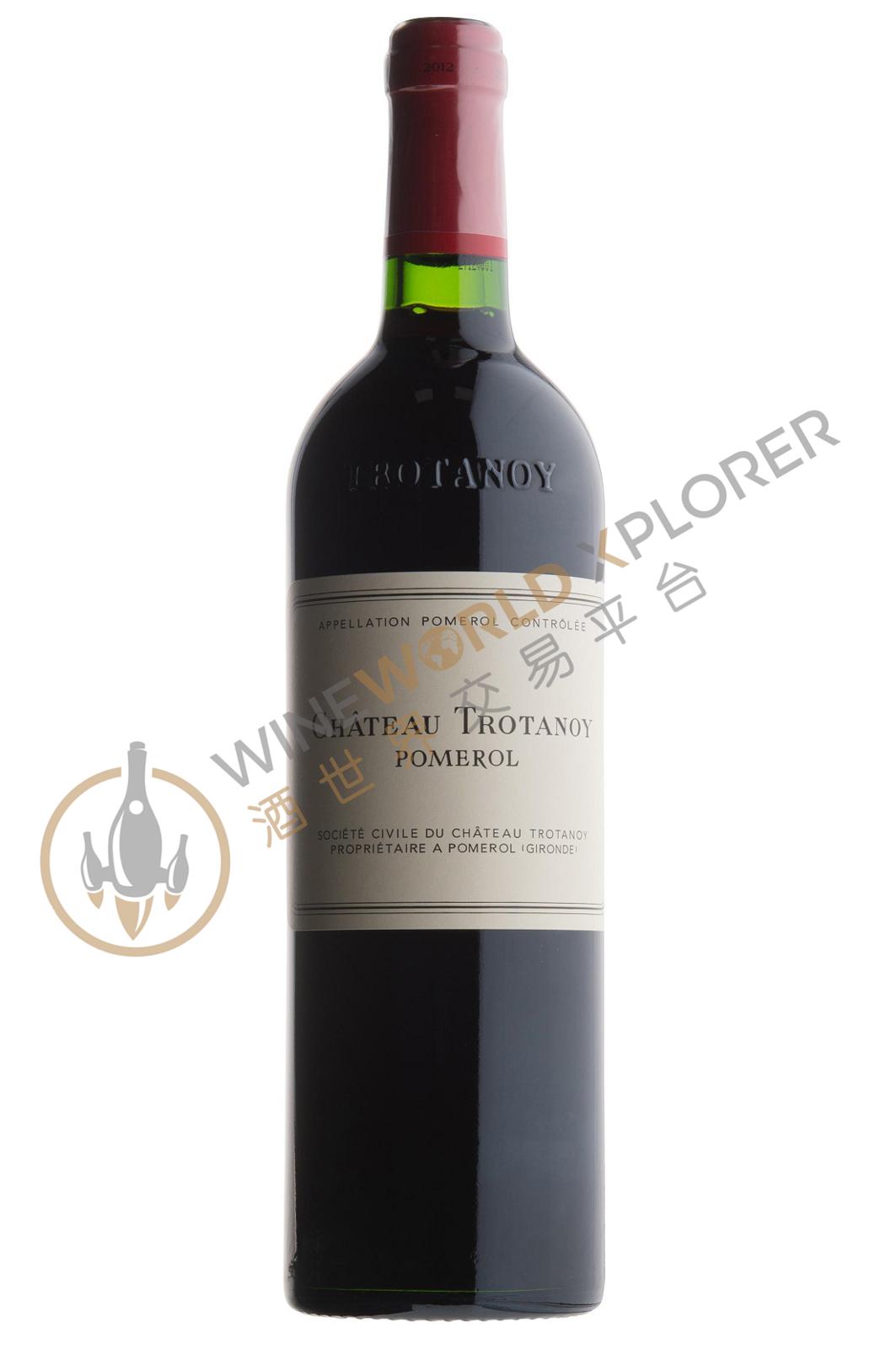
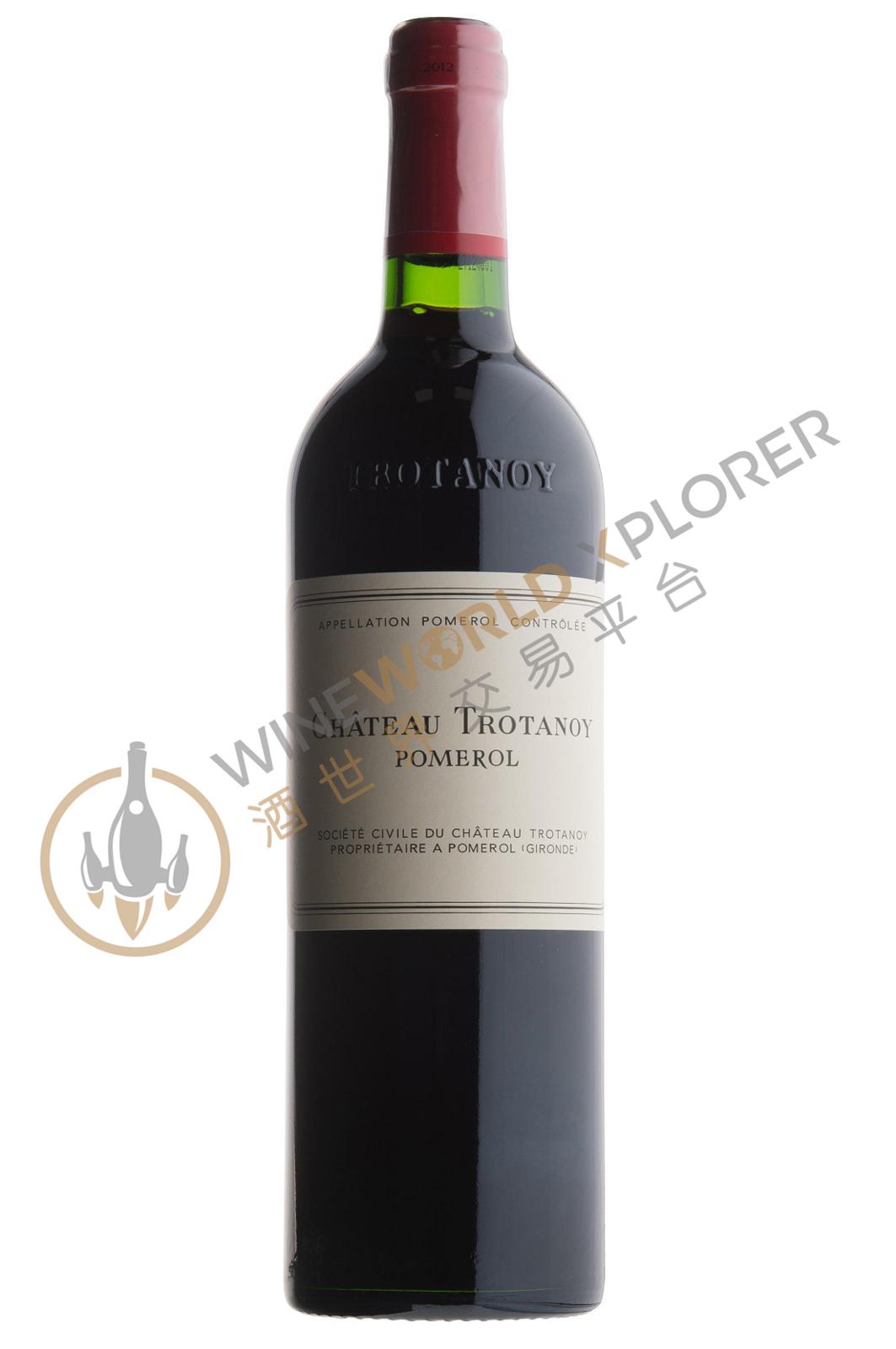
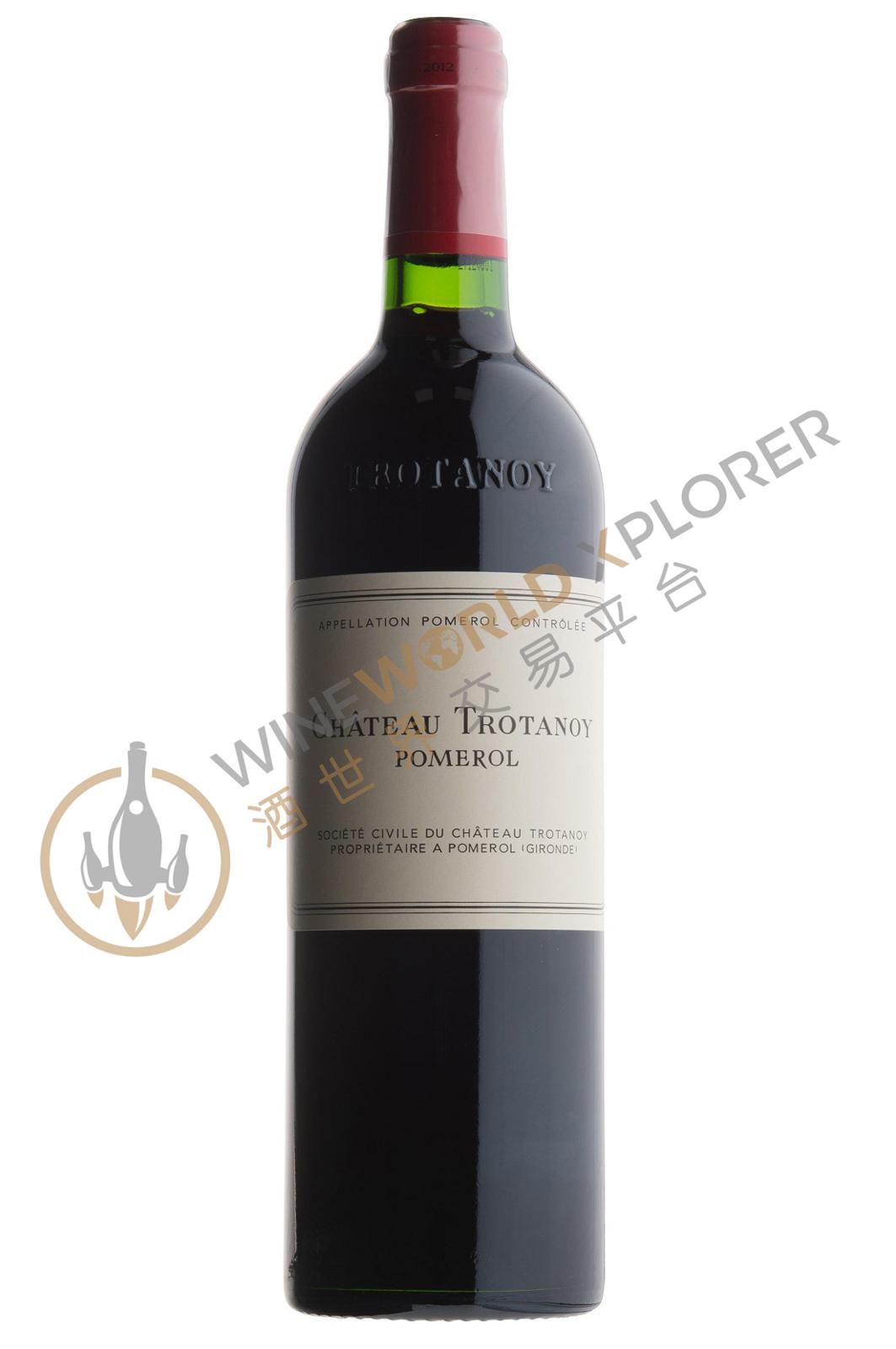
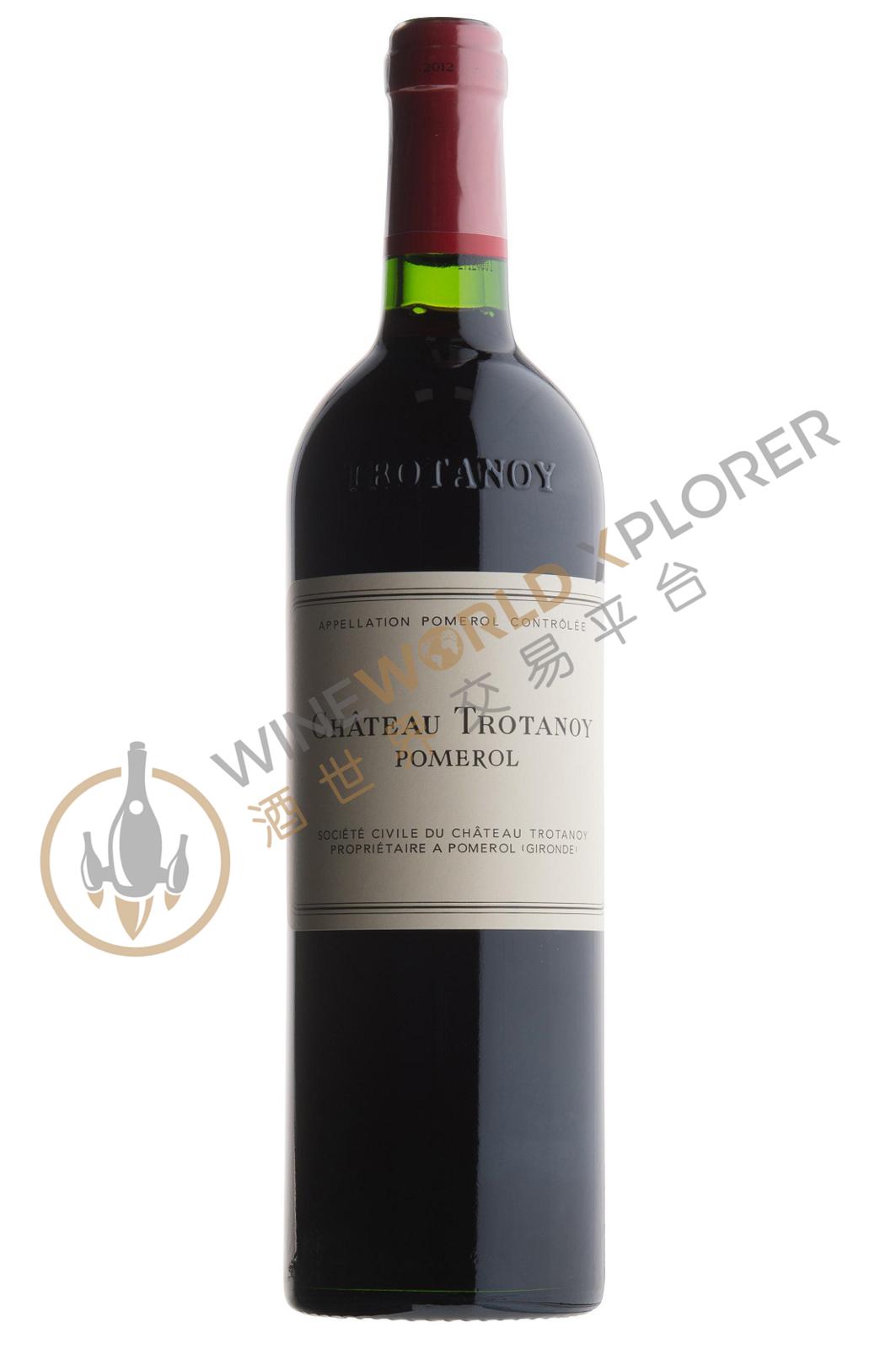
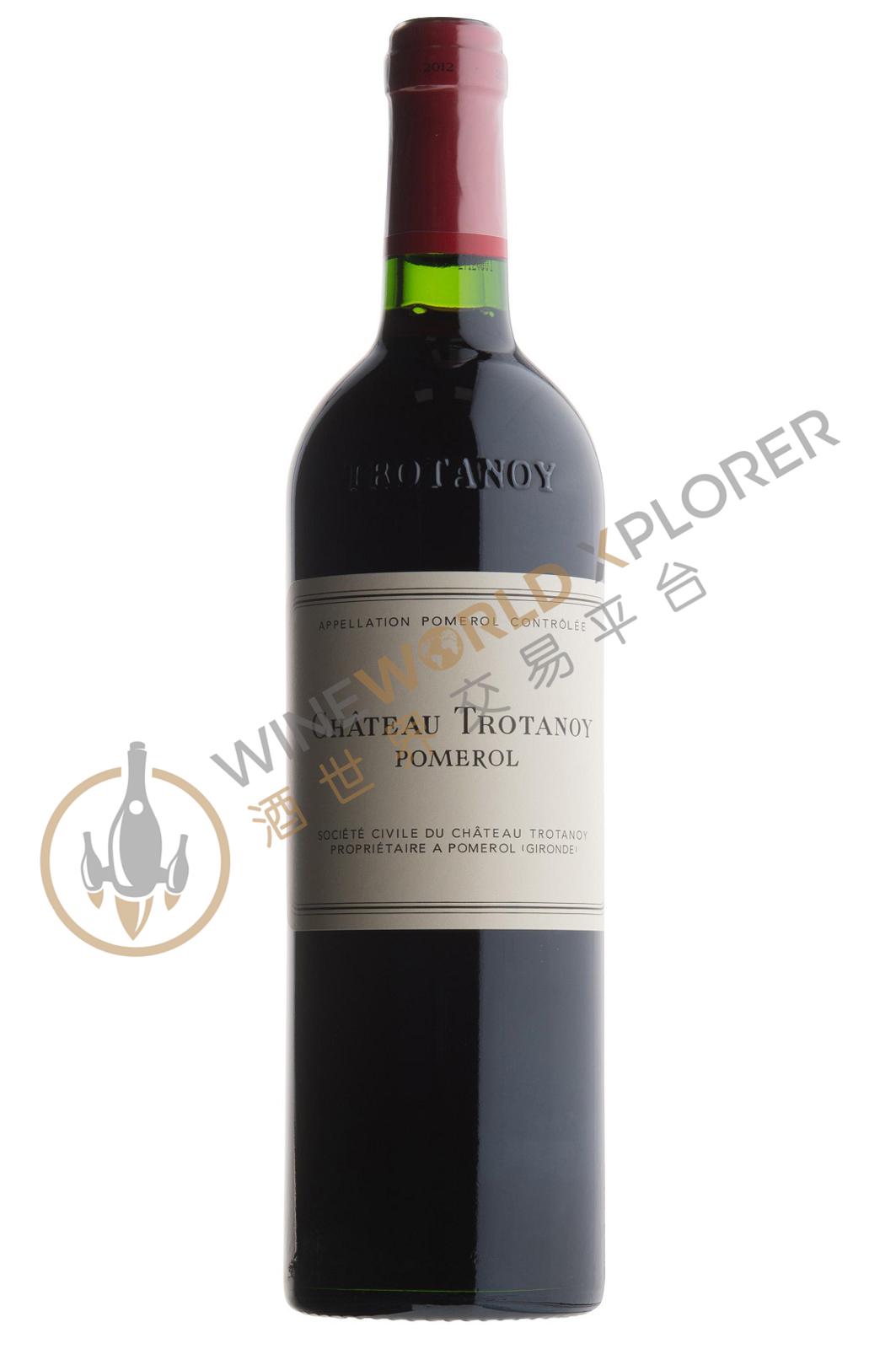
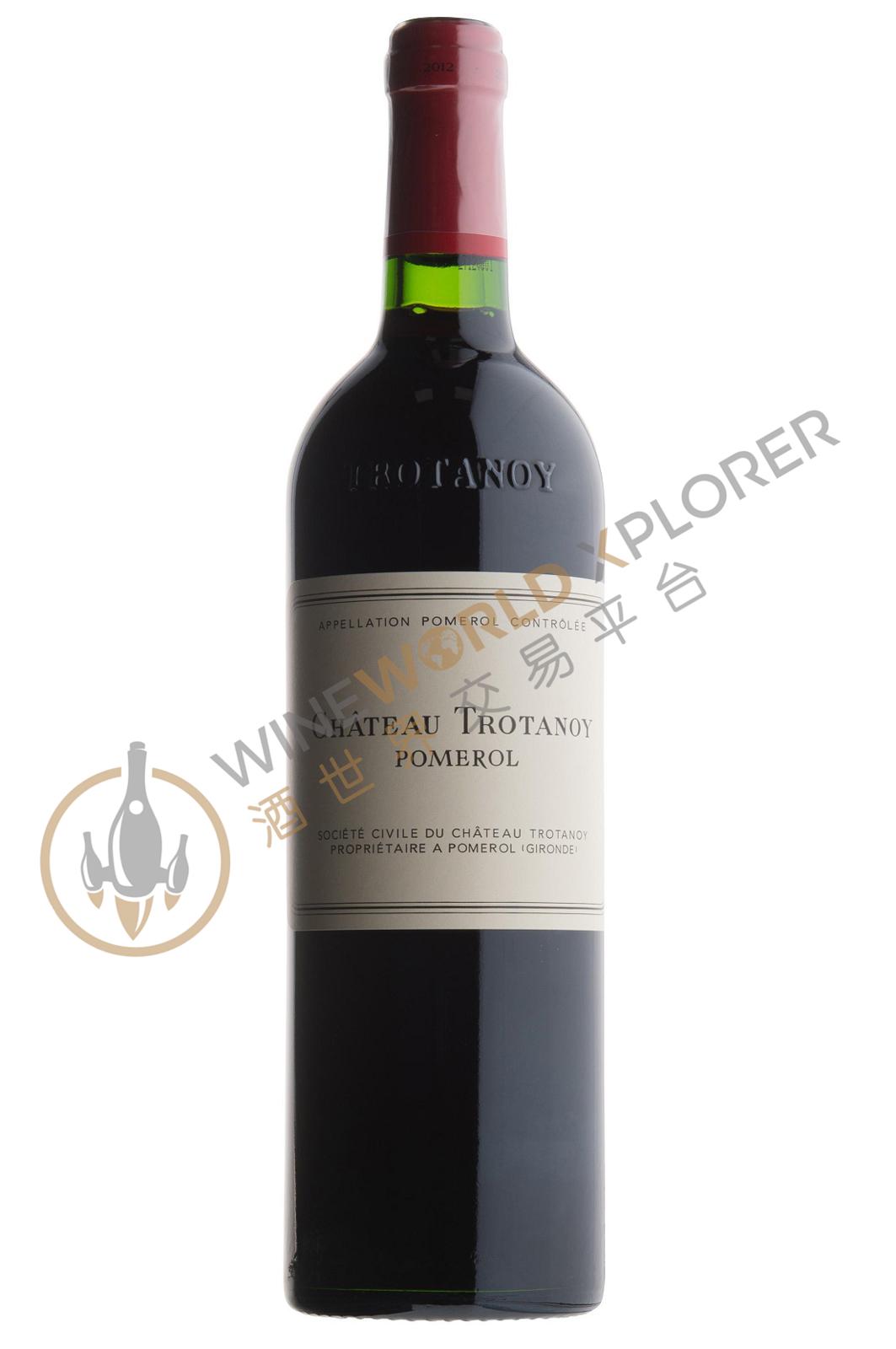
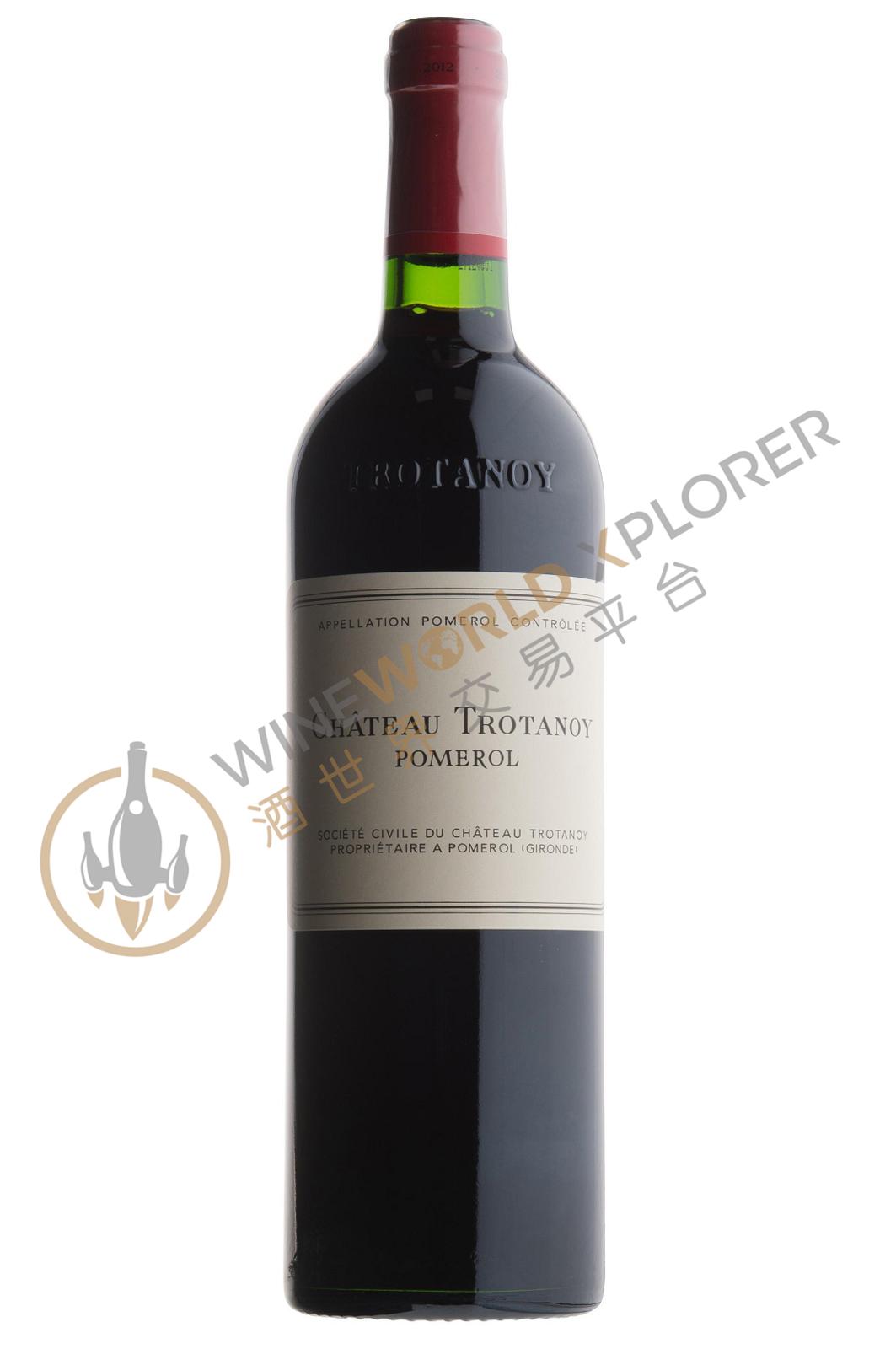
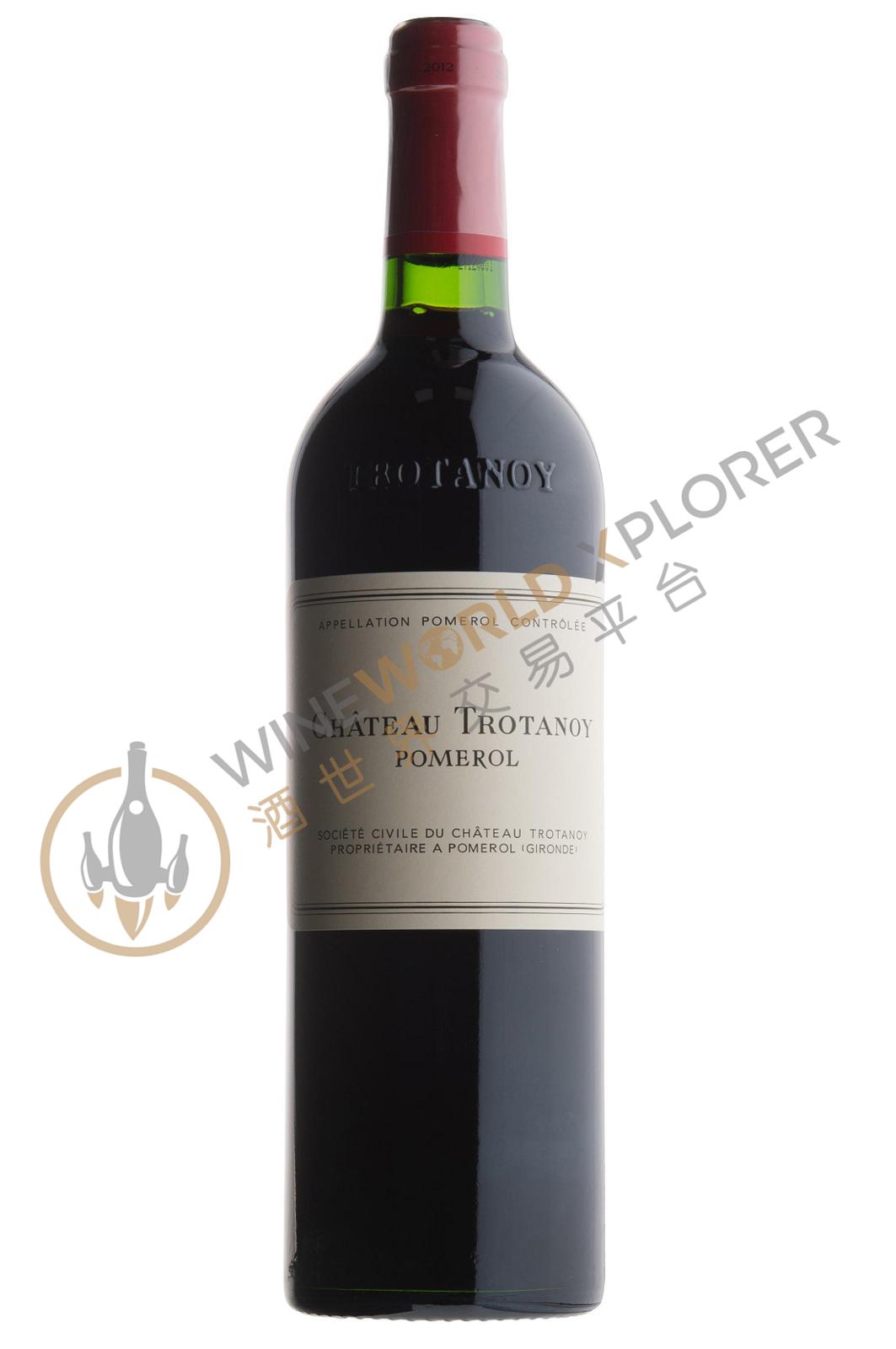
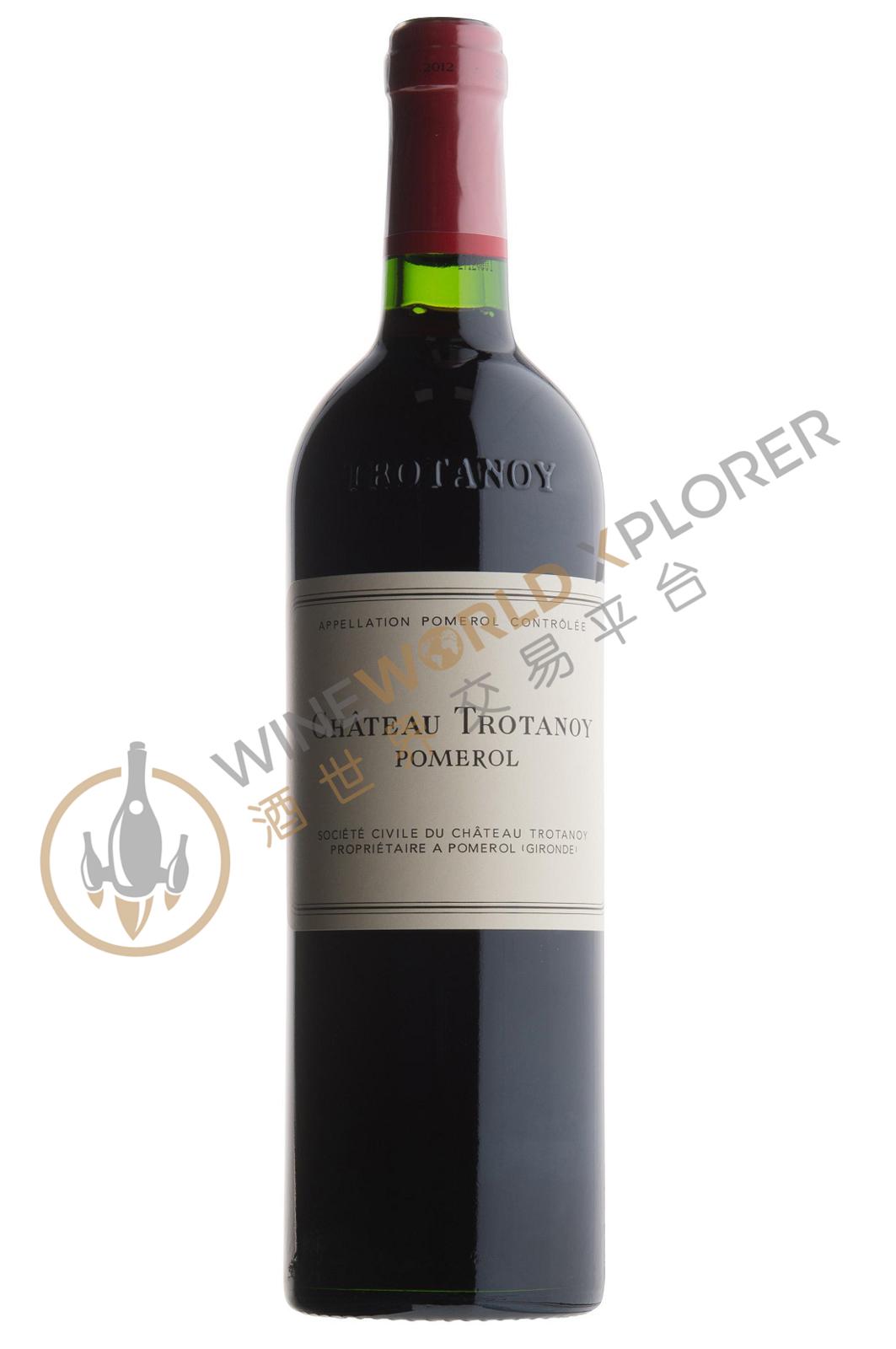
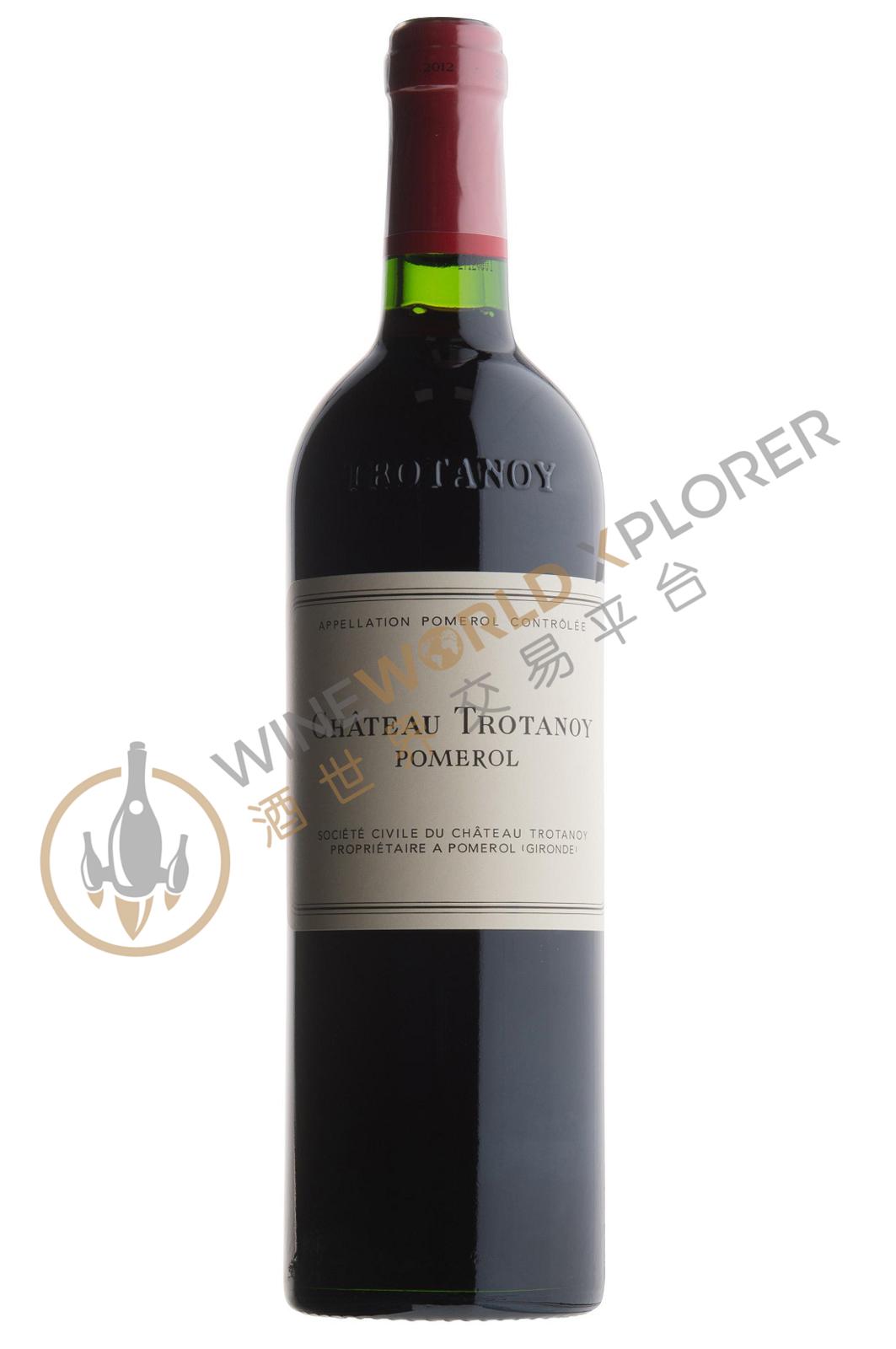
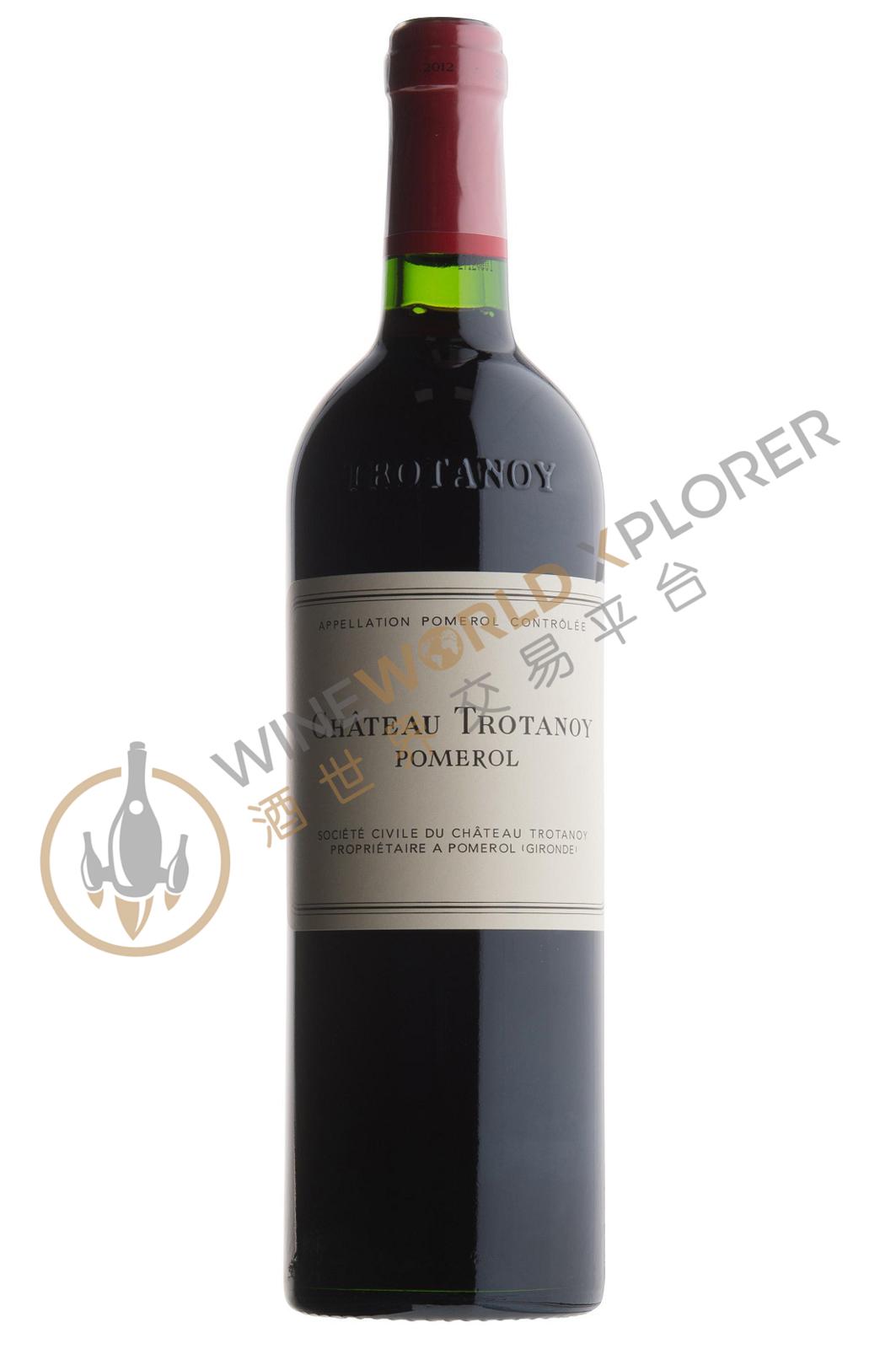
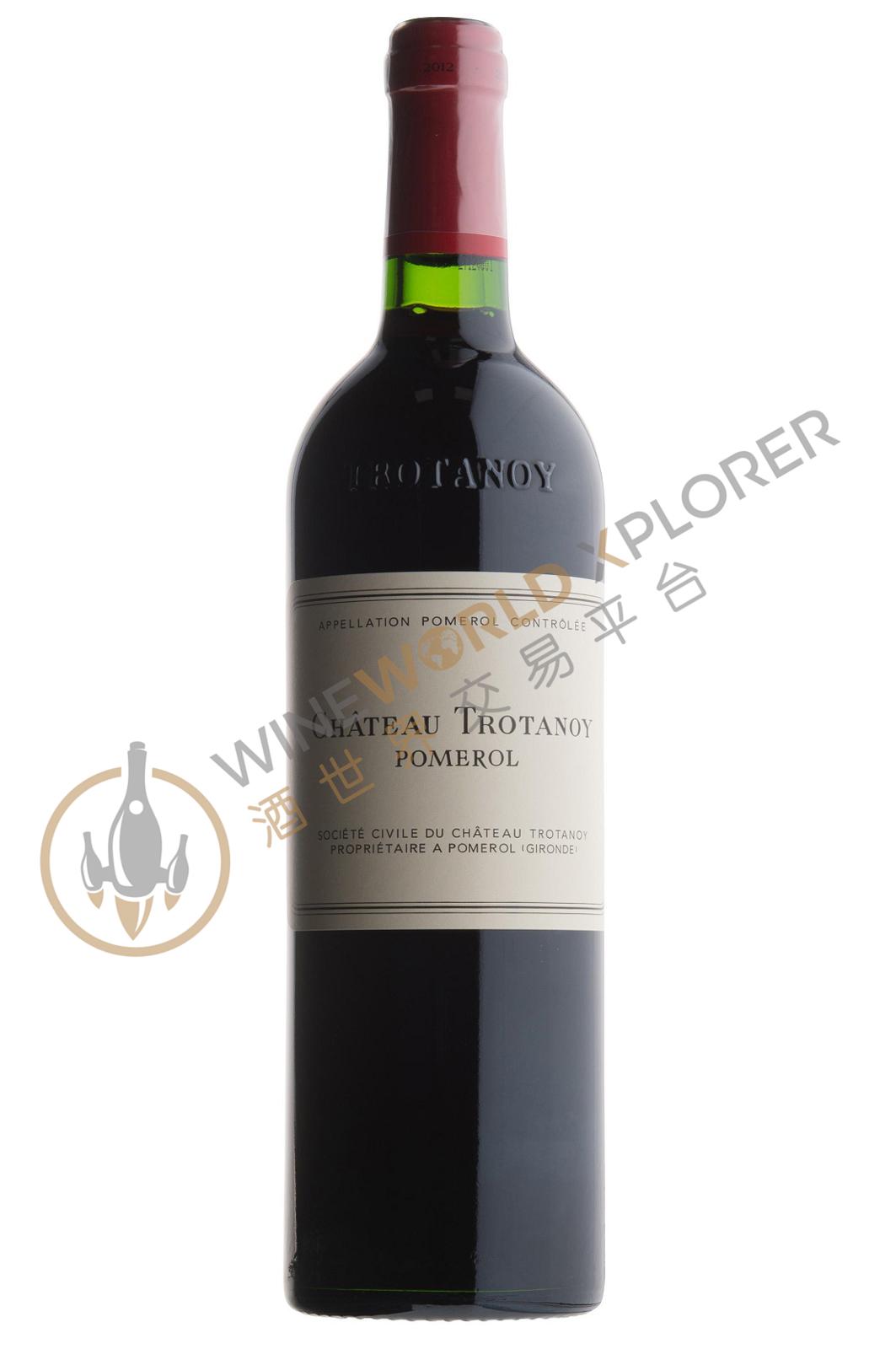
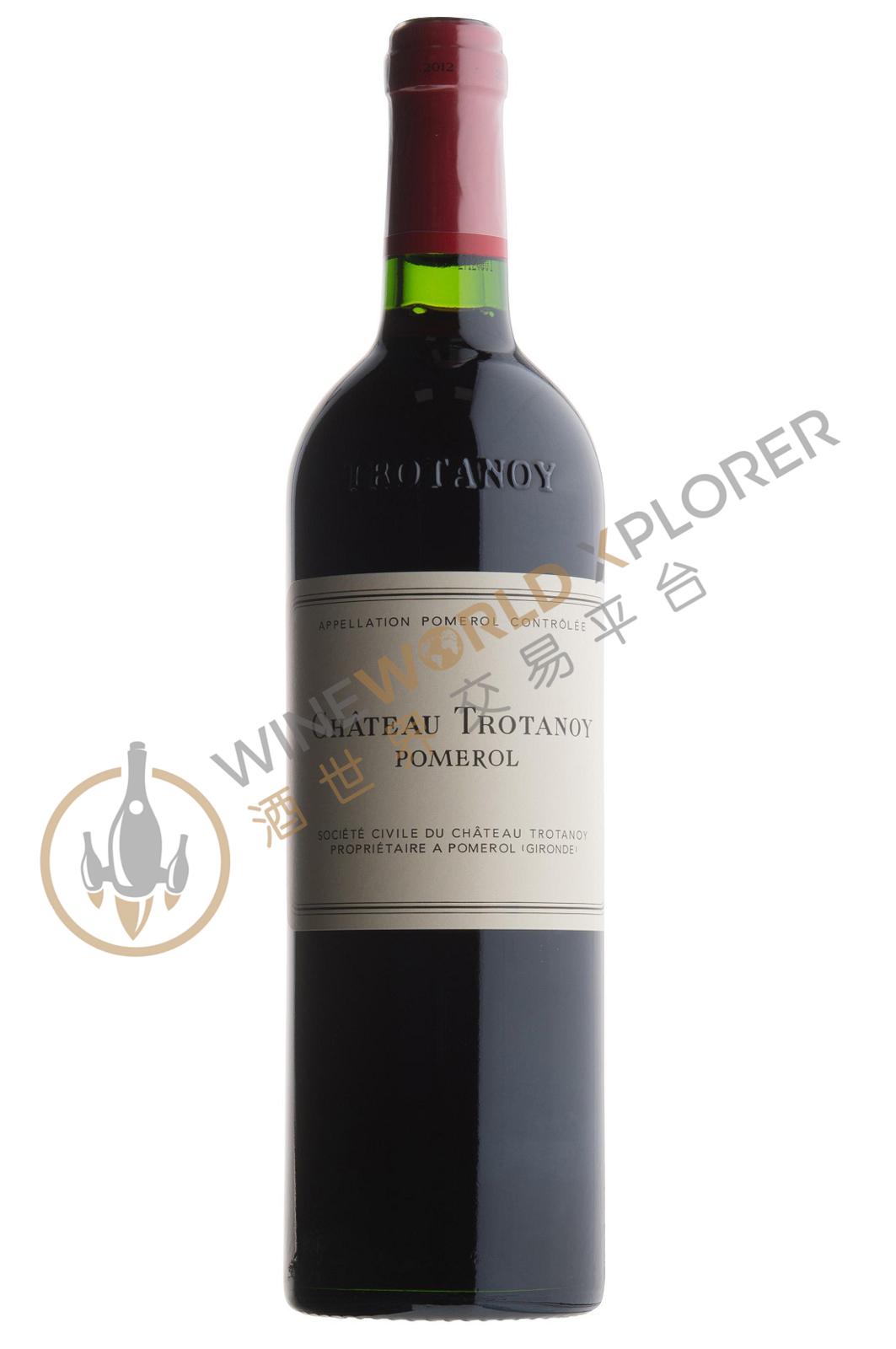
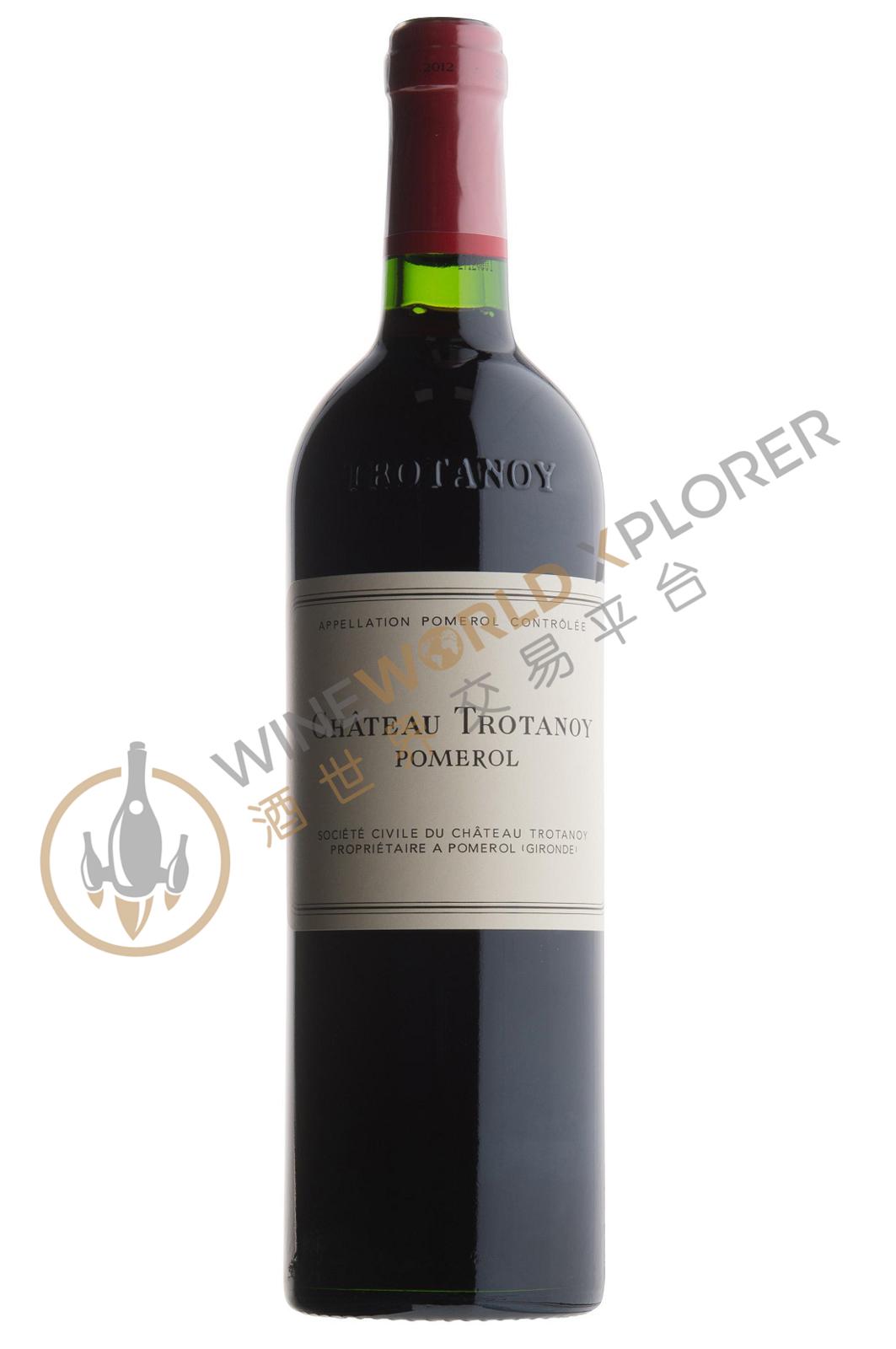
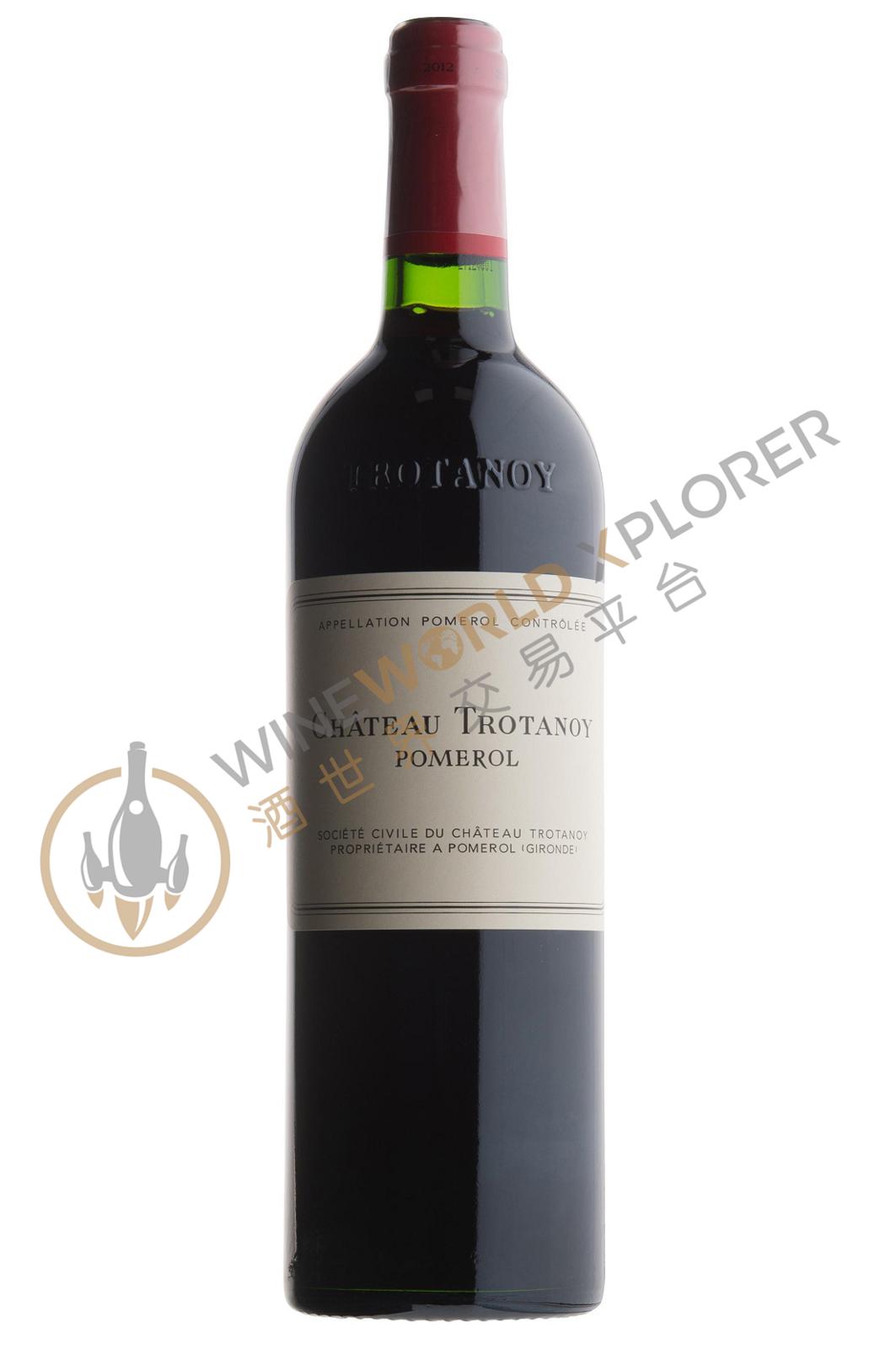
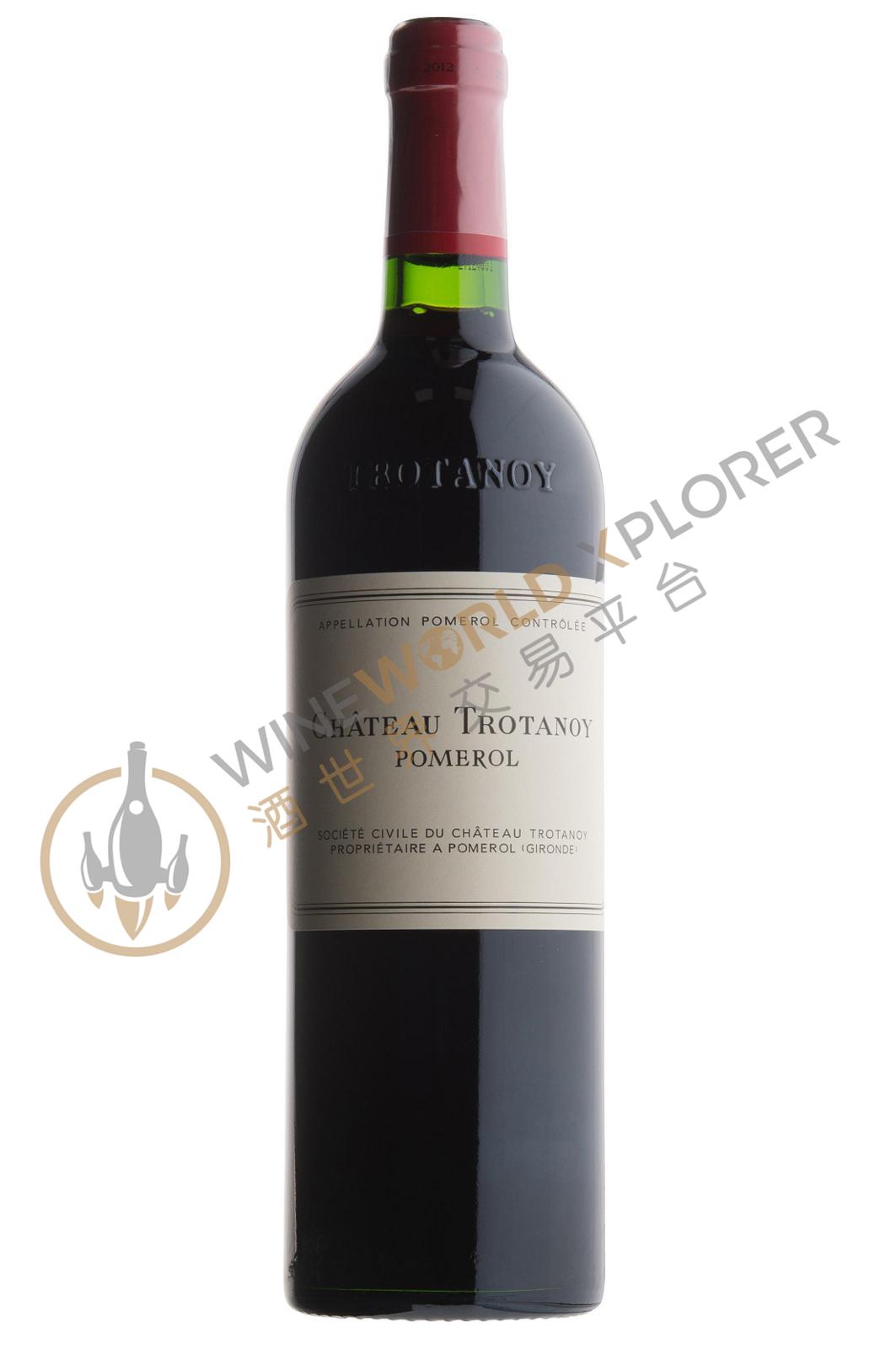
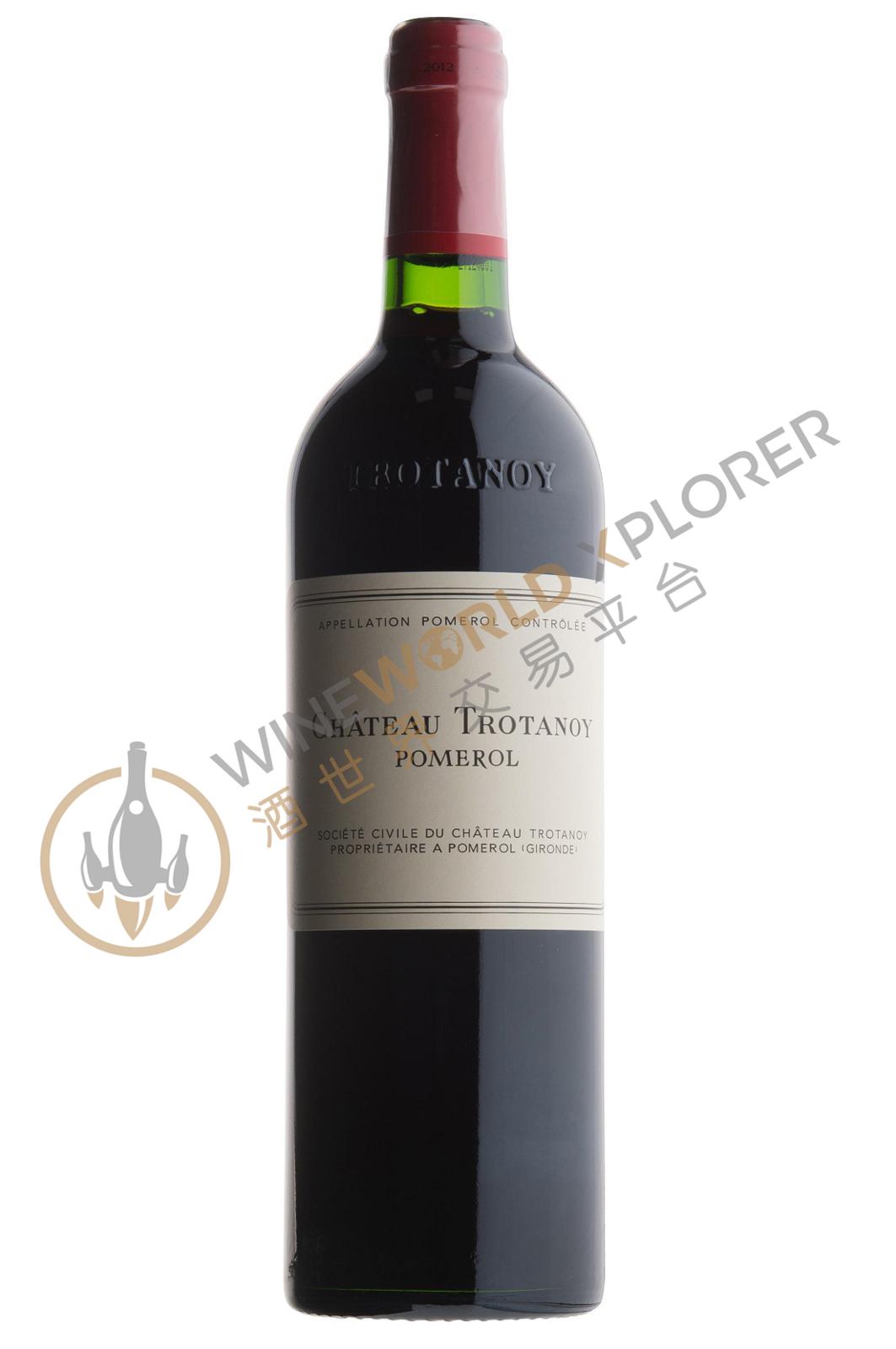
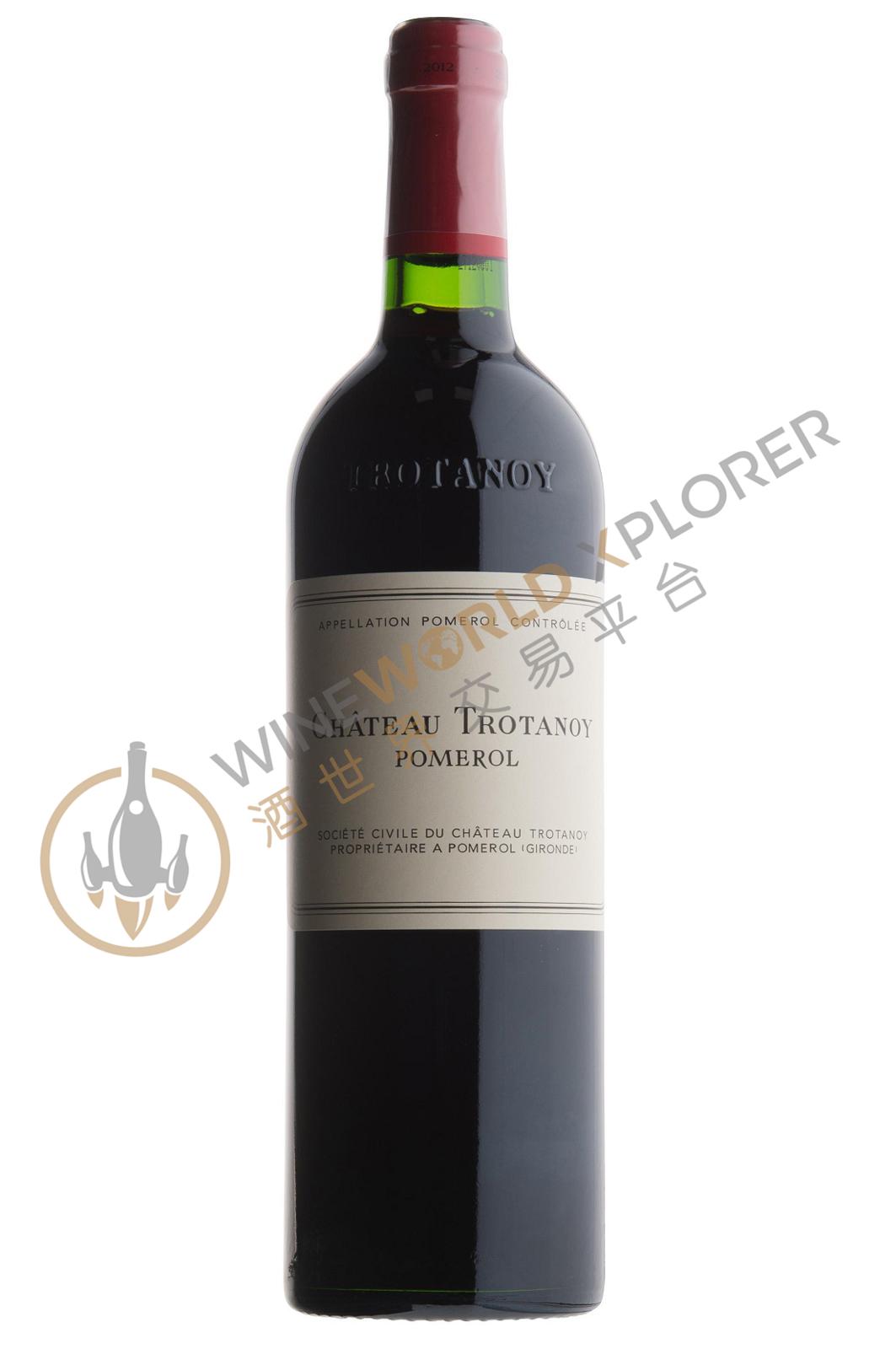
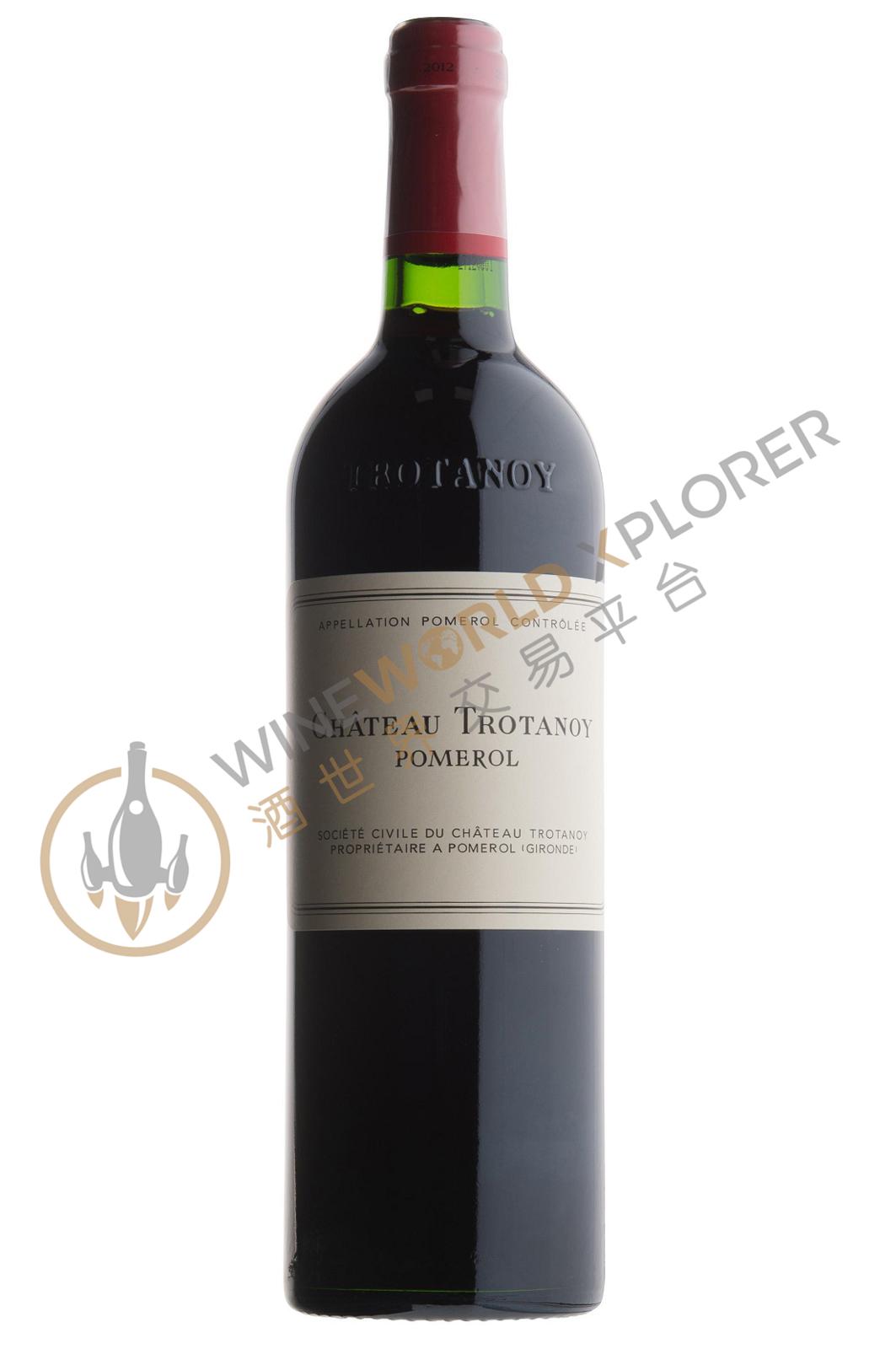
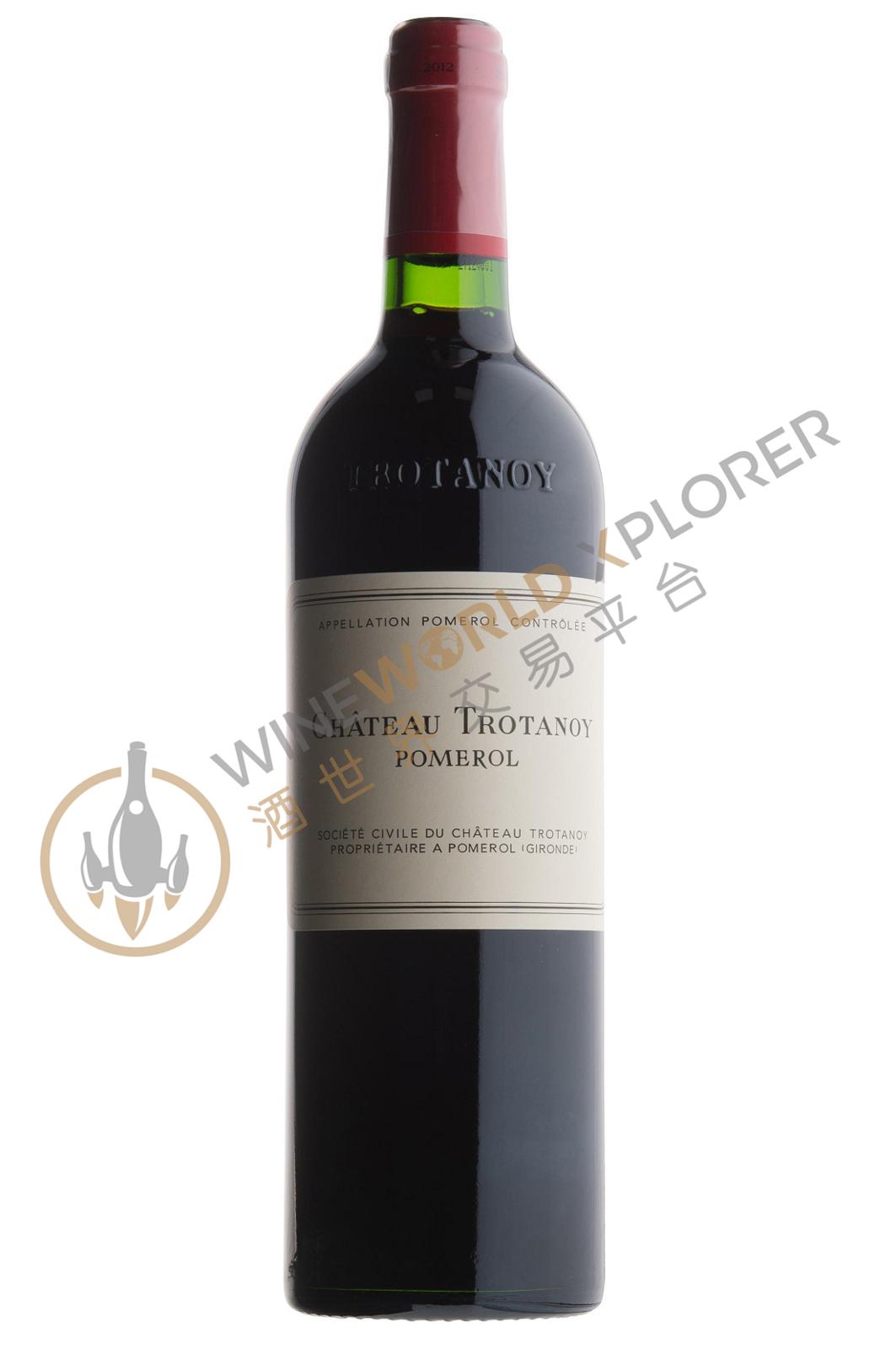
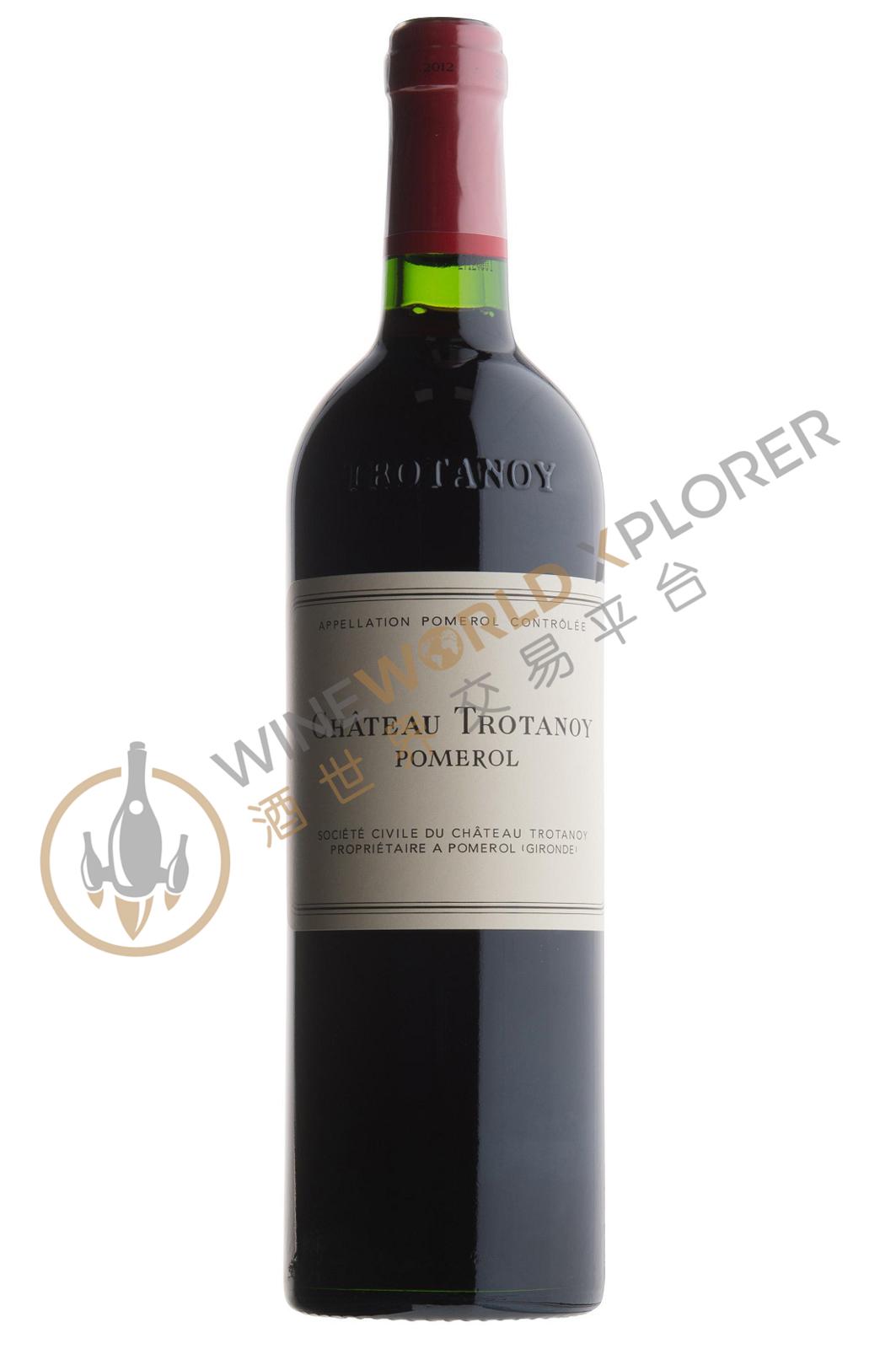
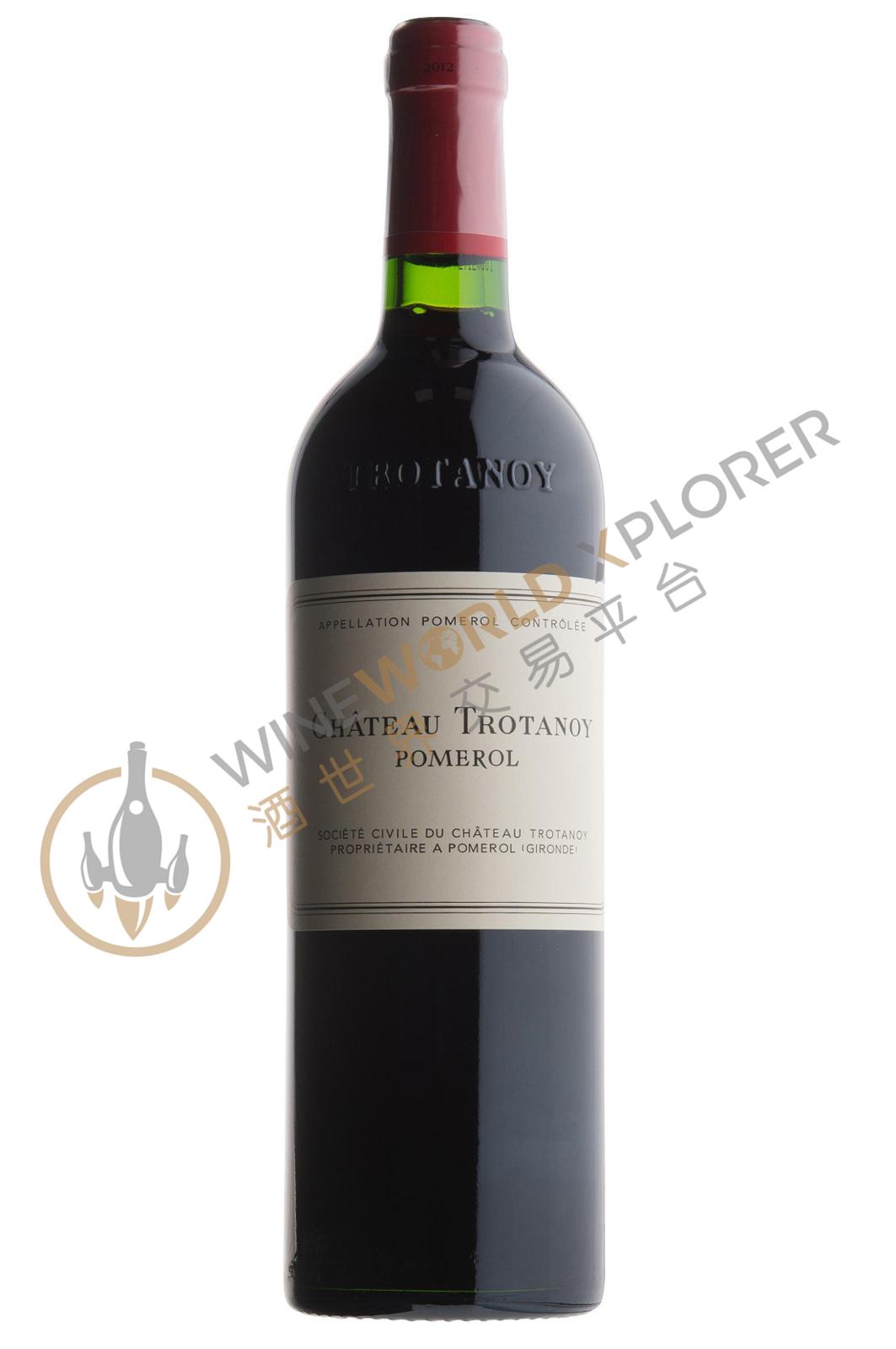
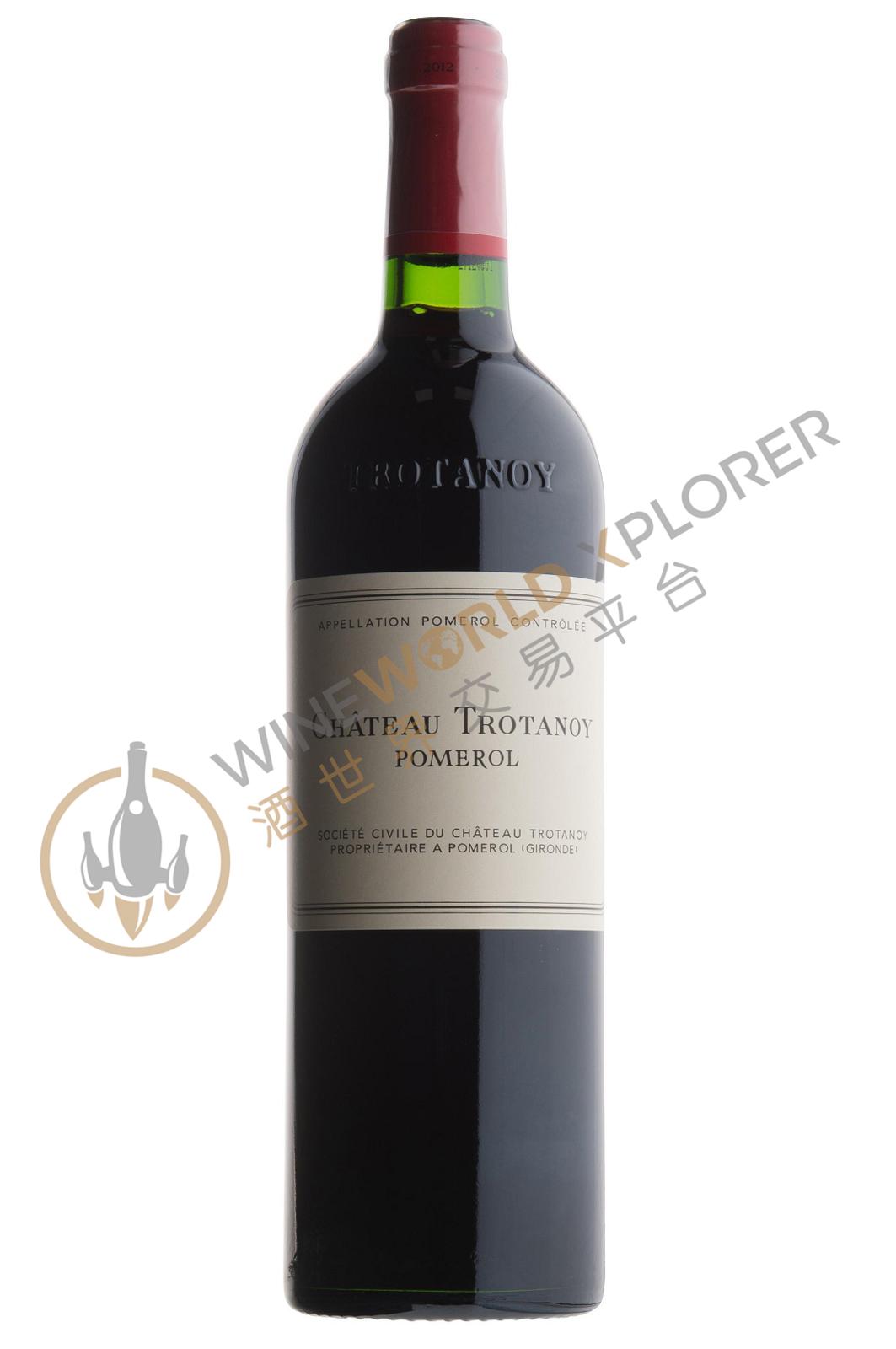
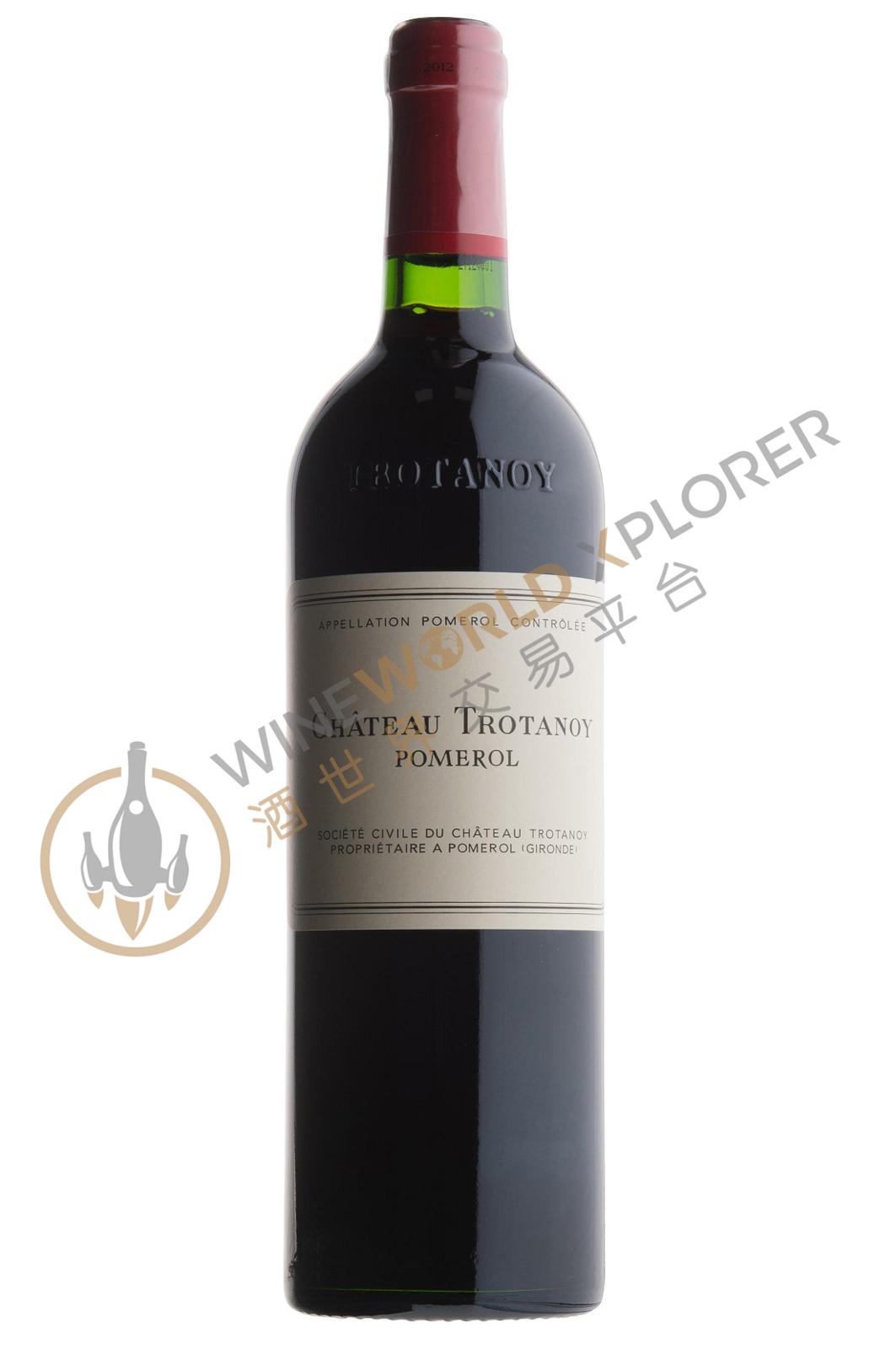
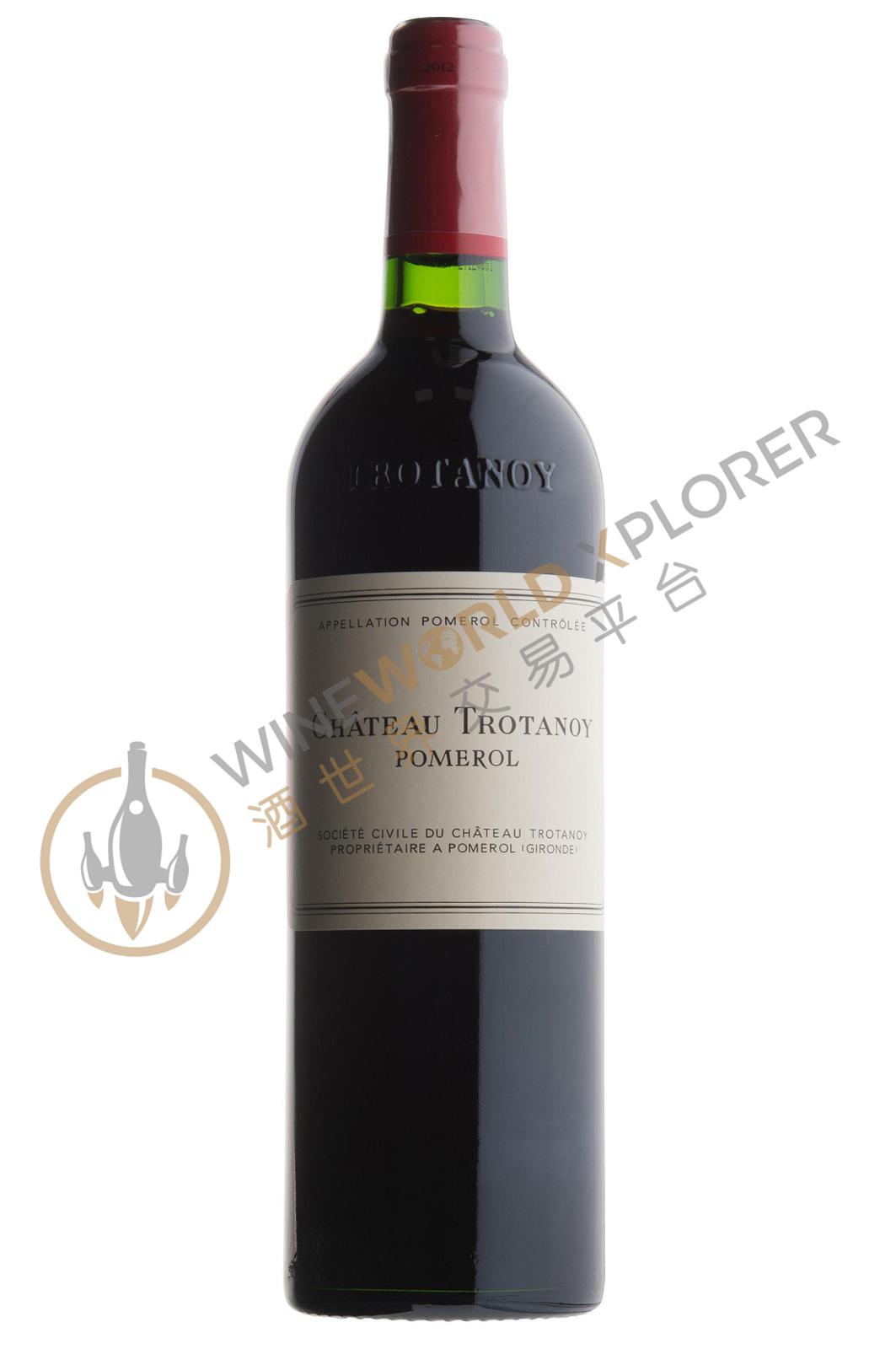
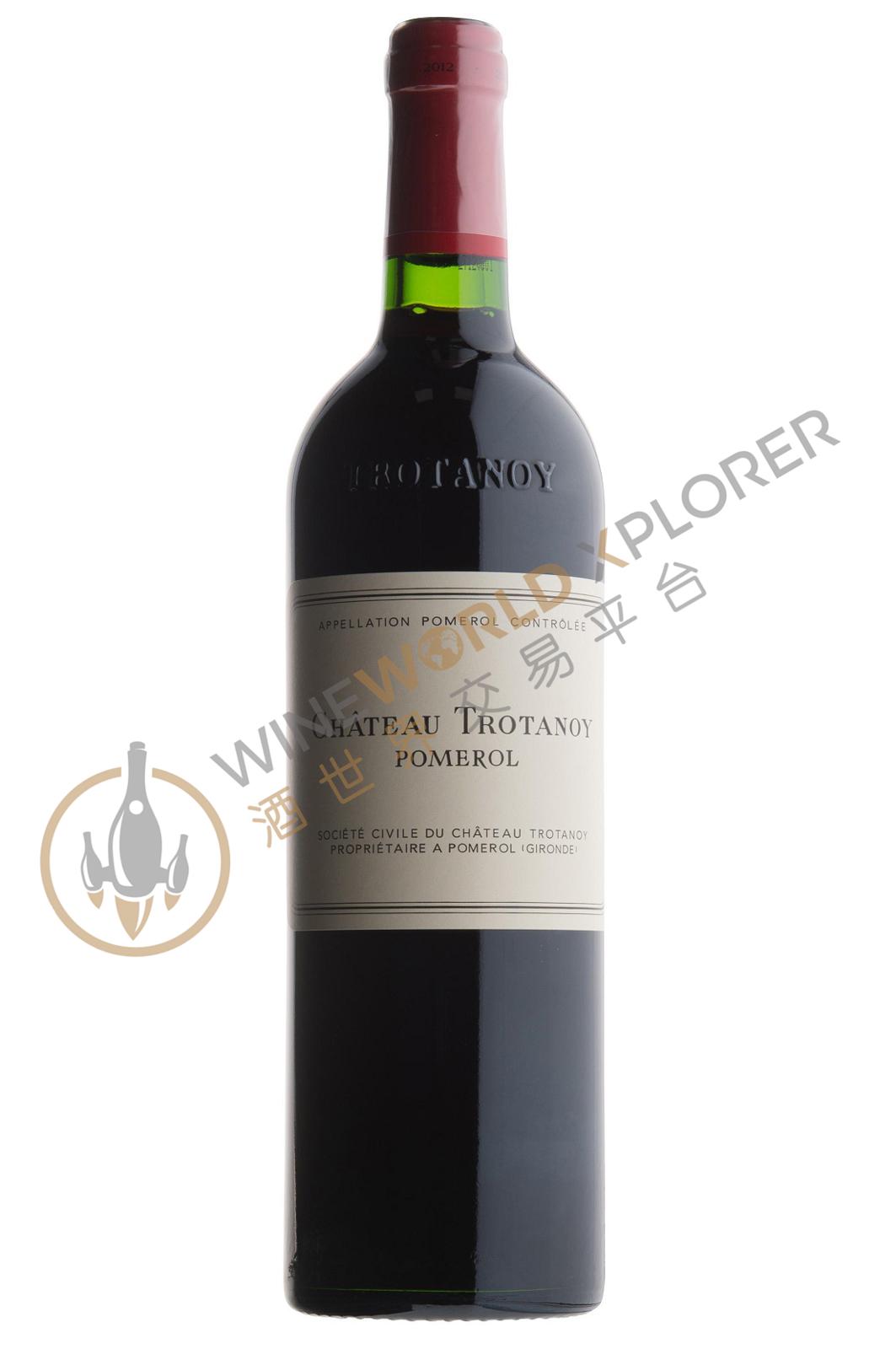
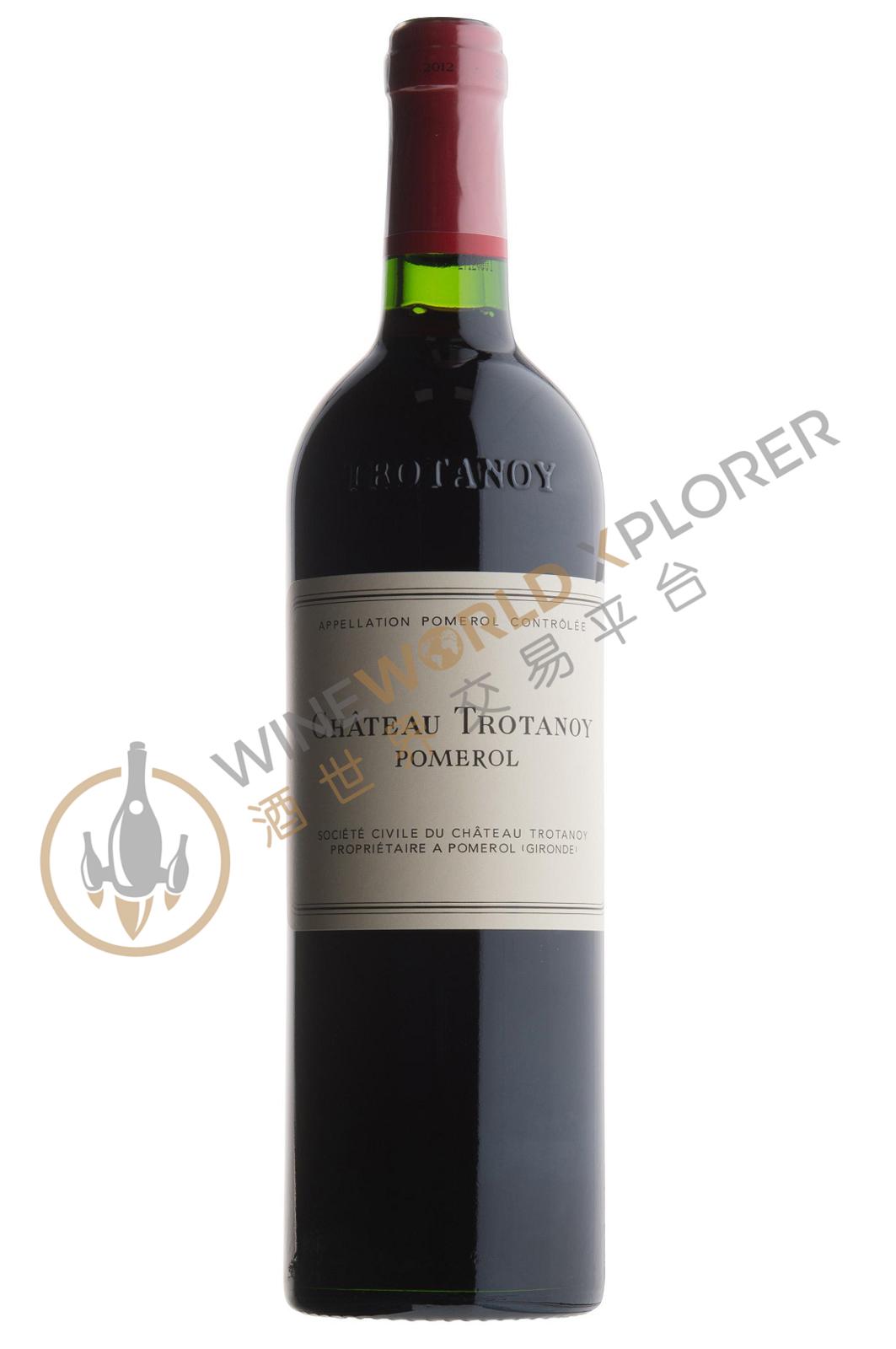
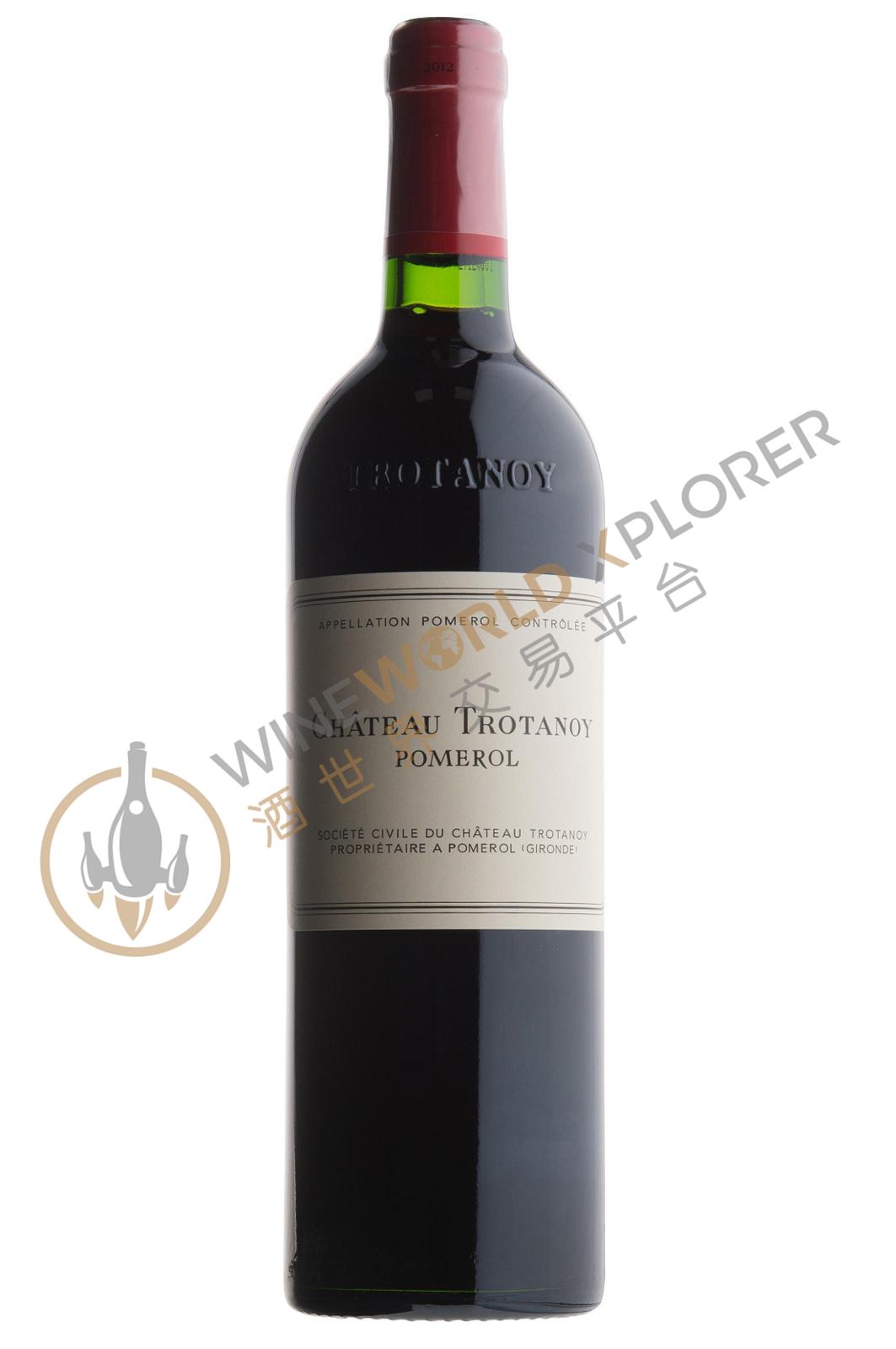
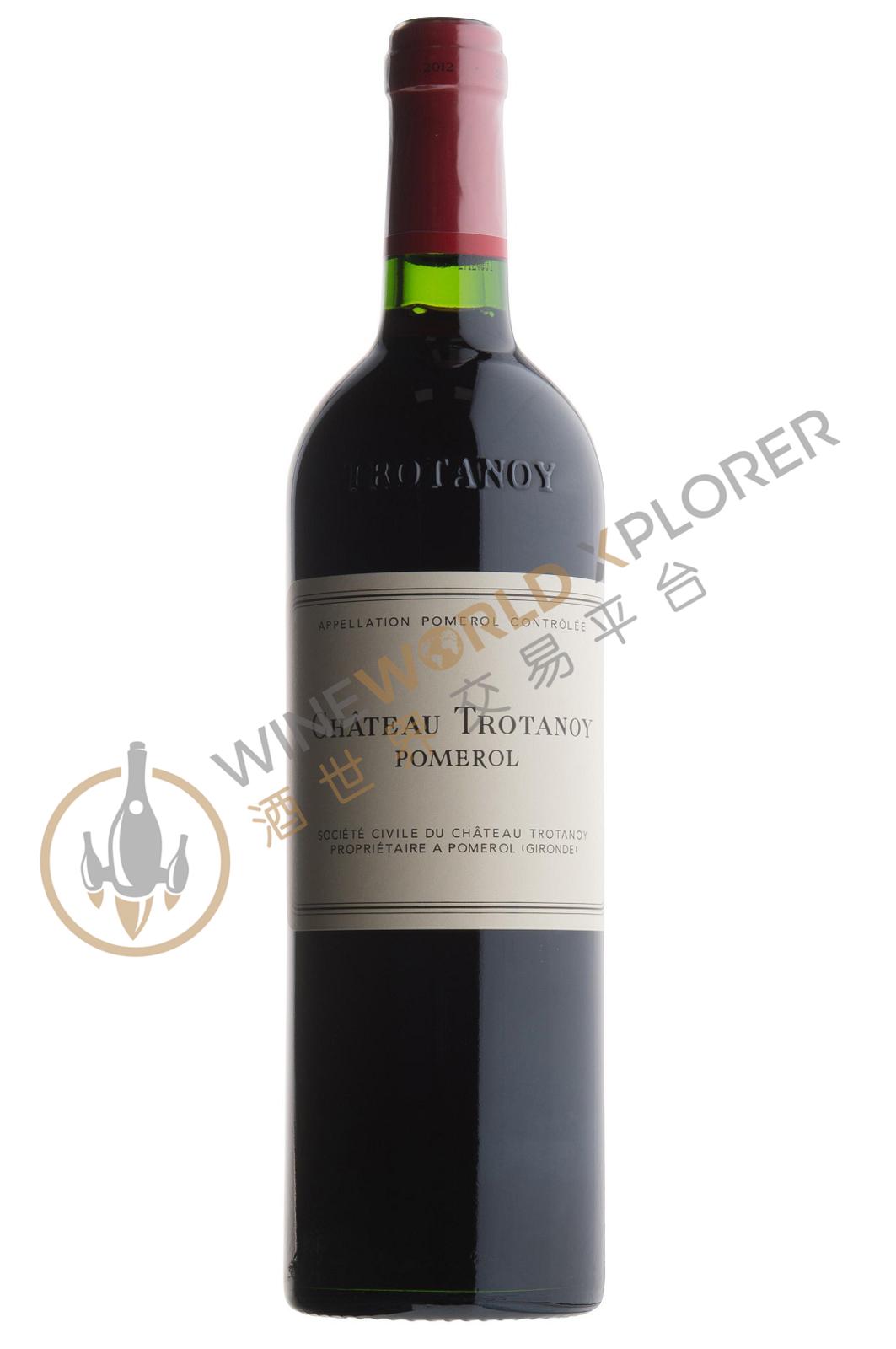
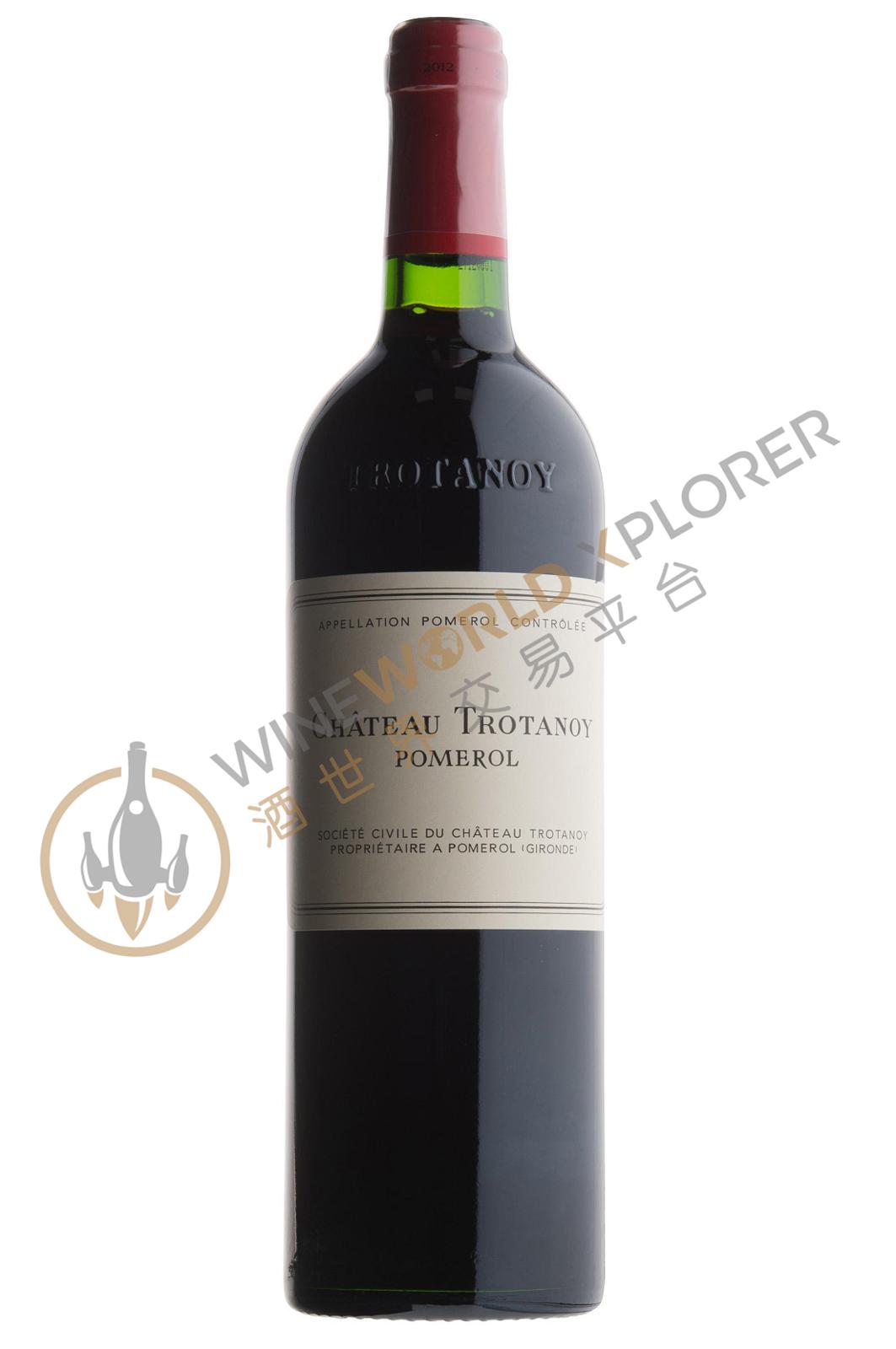
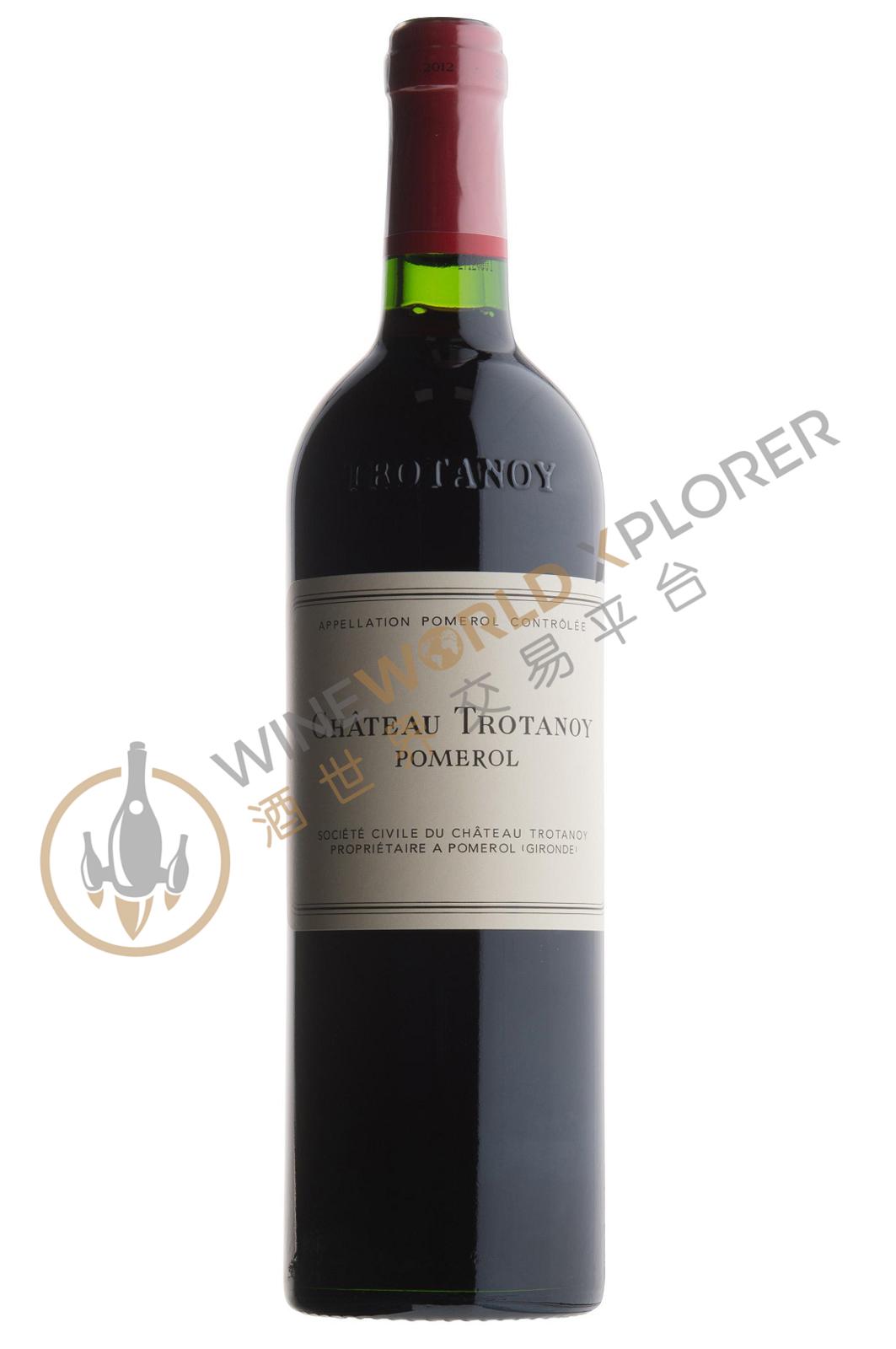
Trotanoy 2002
 View analysis


Description
Tasting notes

Reviewed by: Neal Martin
This Trotanoy is a little subdued on the nose, lacking the cohesion of the L’Eglise-Clinet with damp earth and blackberry leaf starting to dominate in the glass. The palate is full-bodied, very natural, tertiary and slightly smoky with black tea toward the elegant finish. Needs more length, but an appealing, more feminine “Trot” for medium-term drinking. Drink now-2015. Tasted November 2006.
Reviewed by: Robert M. Parker, Jr.
Deep ruby/plum/purple-colored, Trotanoy’s 2002 offers aromas of new saddle leather intertwined with cola, black cherries, black tea, and oak. Medium-bodied, with a firm, tannic, slightly astringent finish, it should turn out to be excellent, possibly outstanding if it gains weight and reveals additional texture as well as succulence. Anticipated maturity: 2008-2016
Reviewed by: Neal Martin
The 2002 Trotanoy has definitely improved since our last encounter four years ago. Here it has a deep colour. The nose is well defined if conservative with graphite infused black fruit and cedar. The medium-bodied palate is structured, the tannins remaining firm in the mouth and has developed an attractive ferrous, slightly attenuated finish. Perhaps this is a little hard going, but it is drinking well now. Tasted March 2013.
Reviewed by: Neal Martin
Tasted blind at Farr’s 2002 Bordeaux tasting. Toasty but vying on bland bouquet with dusty black fruits, touches of cedar-wood and bales of hay. The palate is medium-bodied tannic and with drying, smoky fruit at its heart. A stoic Pomerol and although there is good definition towards the finish, overall it lacks a sense of purpose. Tasted October 2009.
Reviewed by: Robert M. Parker, Jr.
Deep plum/ruby with a nose of new saddle leather, damp earth, truffles, black cherries, and minerals, this formidably endowed, powerful, virile wine possesses loads of muscle and tannin, but I question if the requisite depth of fruit/extract is there to balance out the wine’s structure. In any event, it is a ruggedly constructed wine that should be at its best between 2008 and 2016.
About the Producer
Purchased by Jean-Pierre Moueix in 1953, Château Trotanoy has been considered one of the premier crus of Pomerol since the end of the eighteenth century. The soil of Château Trotanoy is a very dense mixture of clay and gravel which tends to solidify as it dries out after rain to an almost concrete-like hardness, hence the name “Trotanoy,” or, in other words, “too wearisome” to cultivate. The Trotanoy vineyard slopes gently to the west. The soil at the highest point of exposure contains a good proportion of gravel, becoming progressively more dominated by clay as the elevation declines. Under this clay is a subsoil of red gravel and an impermeable layer of hard, iron-rich soil known as “crasse de fer.” This fascinating soil diversity brings power, depth and complexity to the wine. Trotanoy is vinified in small concrete vats, while aging takes place in oak barrels. Trotanoy is a naturally profound, complex, richly-concentrated wine with outstanding aging potential. The wine possesses a deep color and a dense, powerful nose, repeated on the palate with the addition of creamy, dark chocolate notes, and a singular concentration of flavor owed to its very old vines.
1966(1)1976(1)1979(1)1981(1)1983(1)1989(2)1990(2)1993(1)1995(1)1996(5)1997(1)1998(1)1999(1)2000(13)2001(3)
Package Size