Wine Advisor



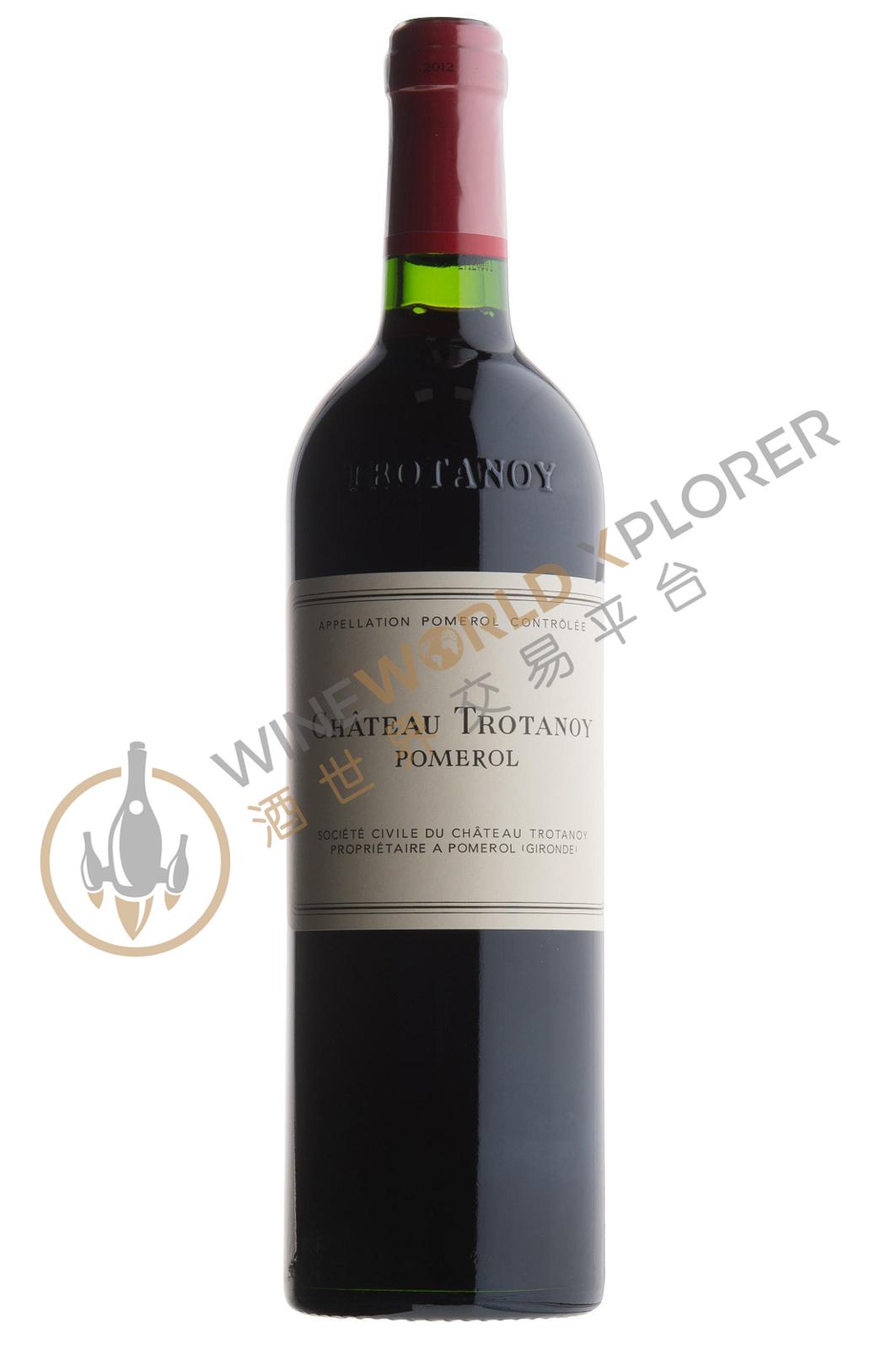
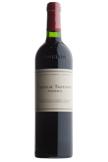
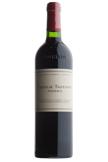
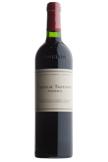
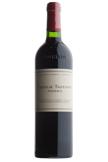
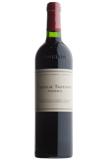
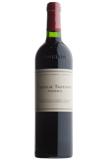
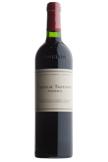
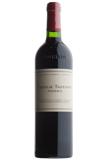
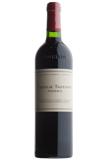
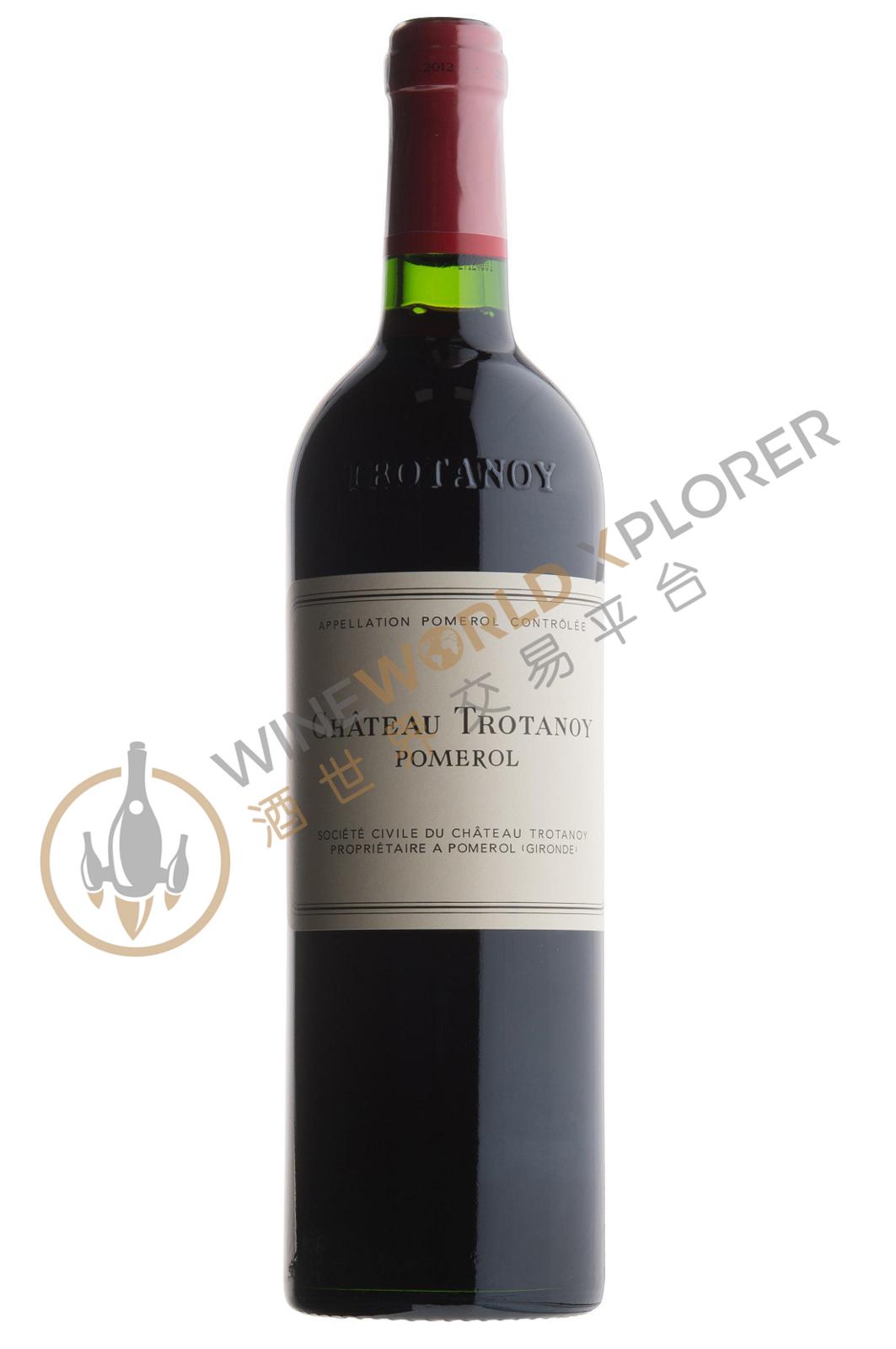
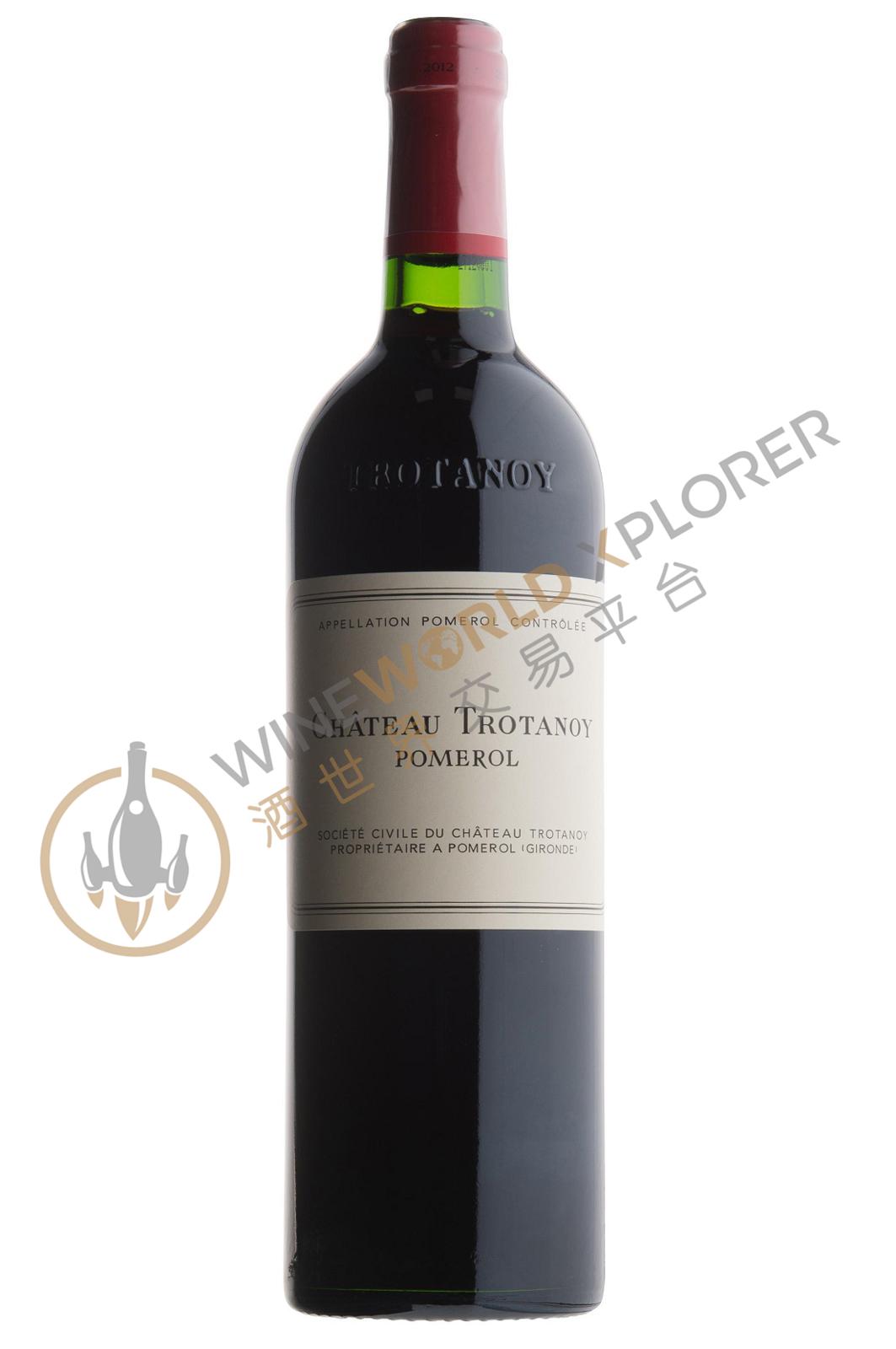
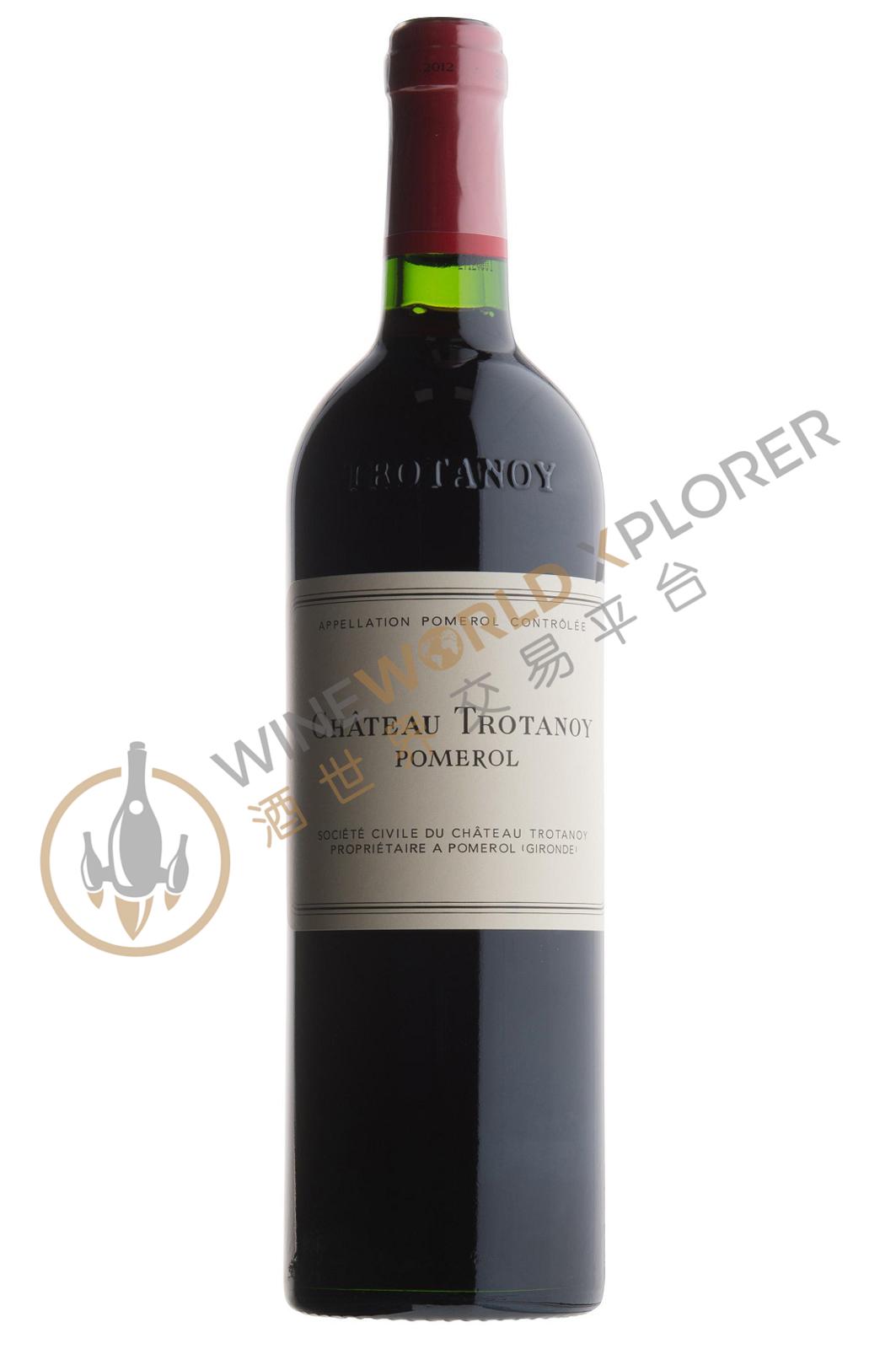
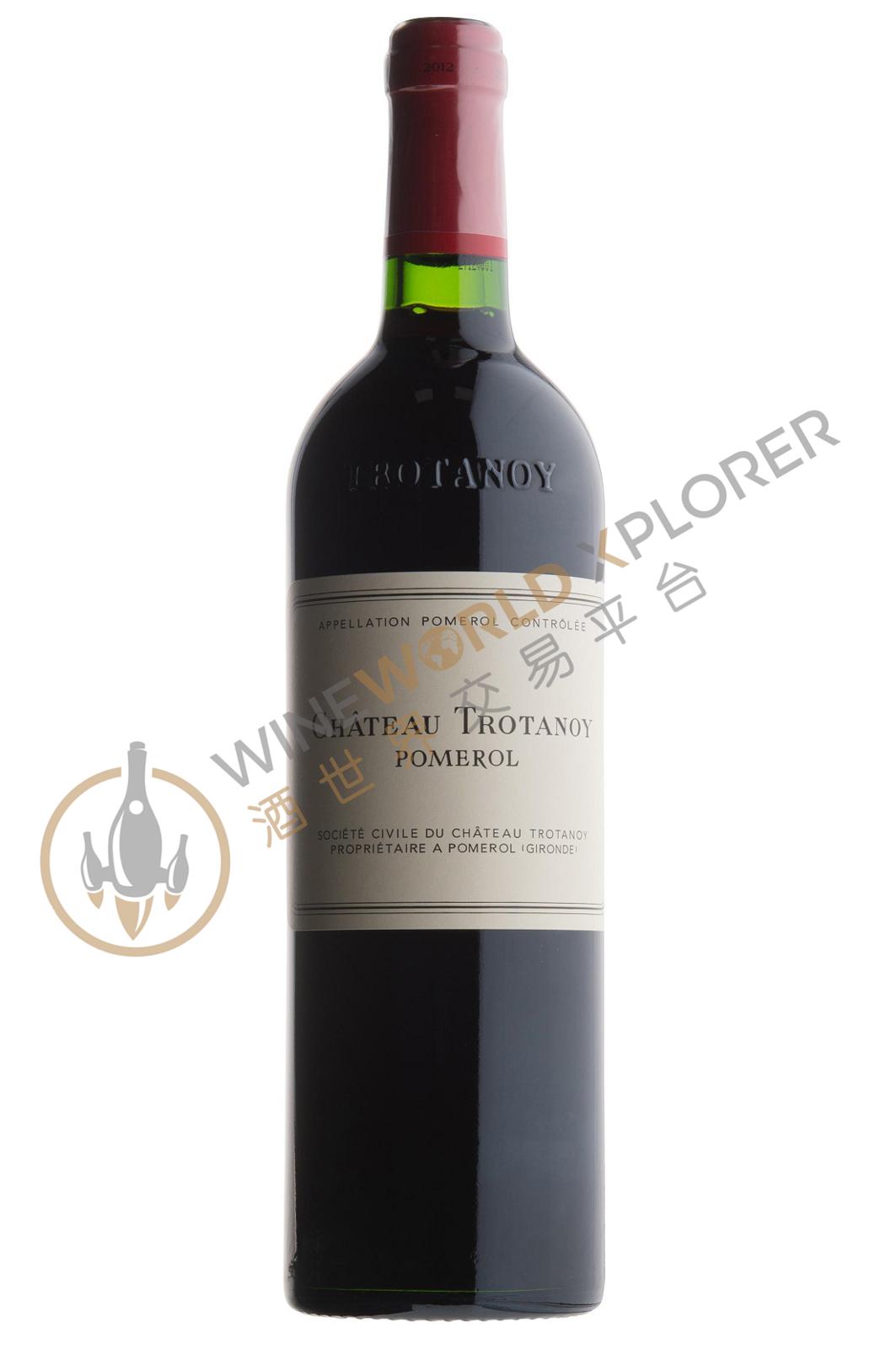
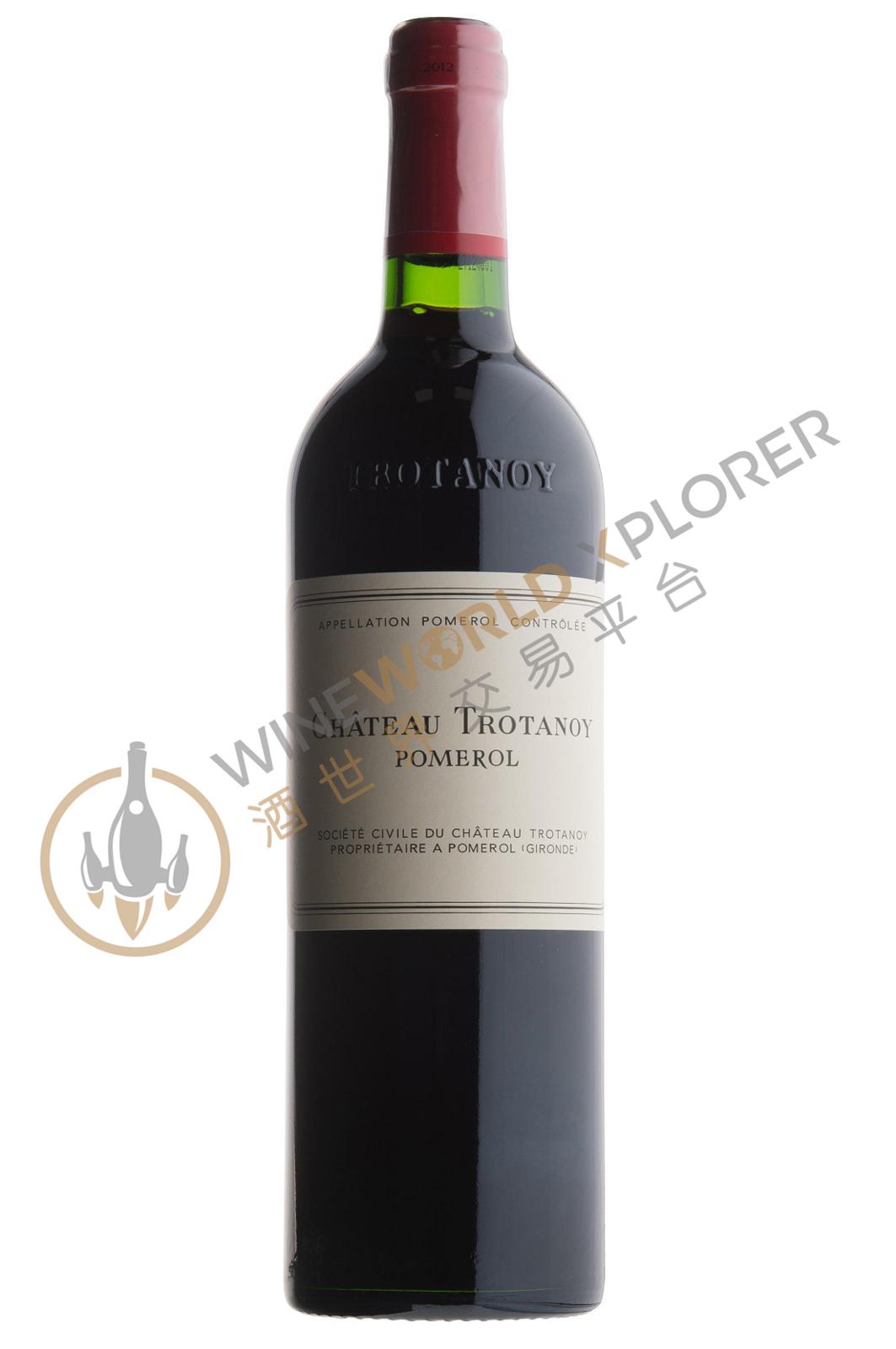
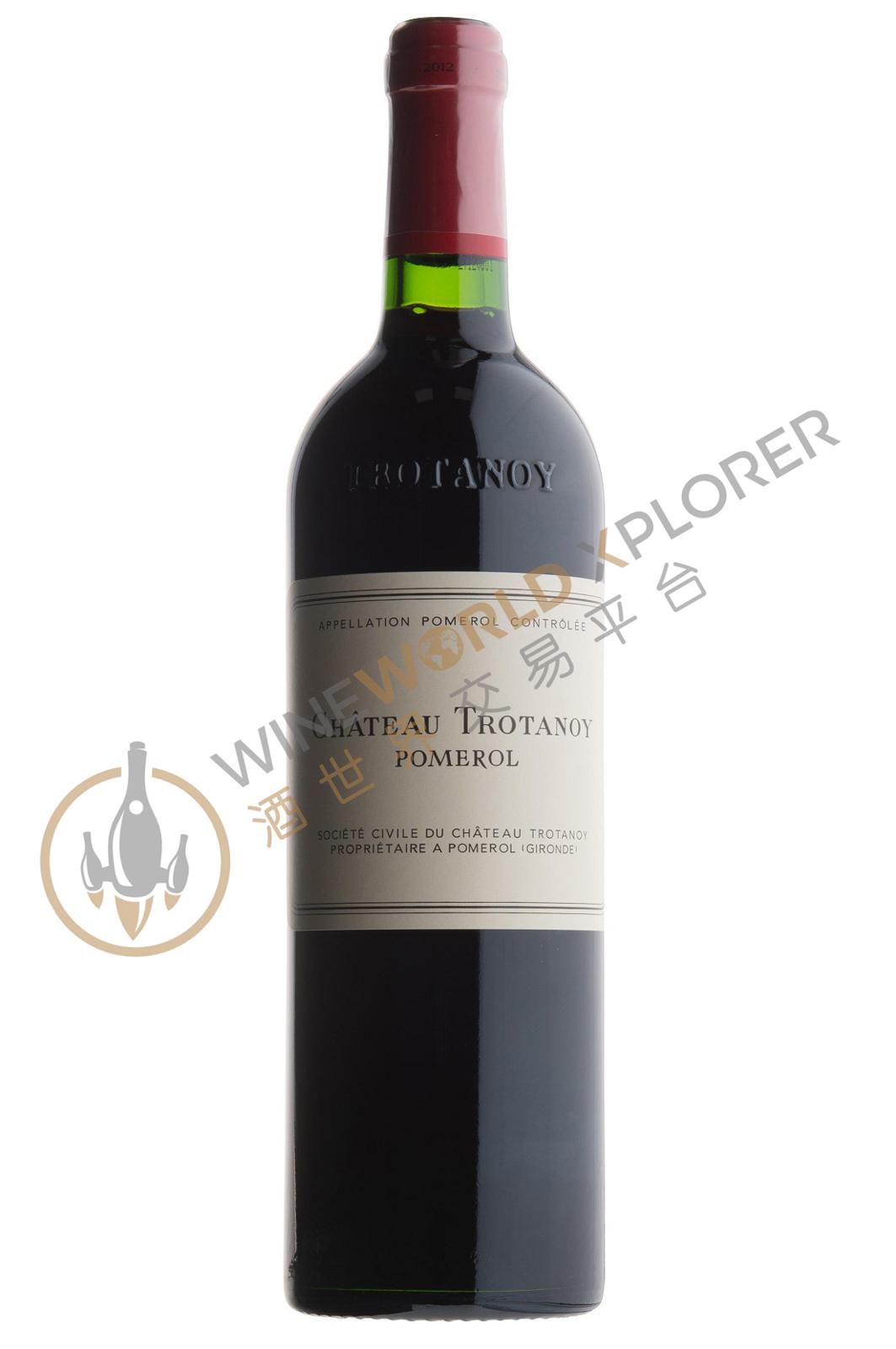
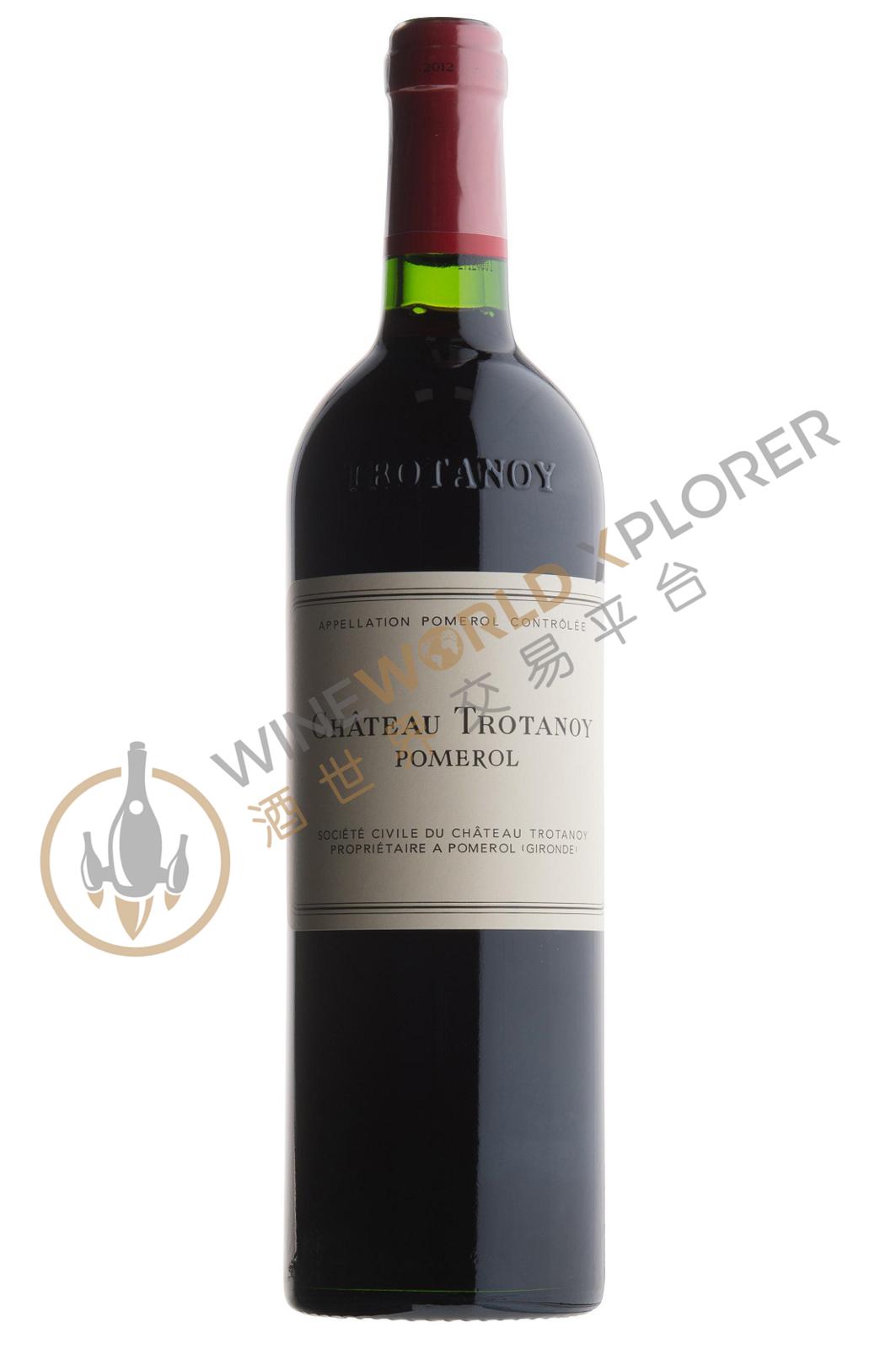
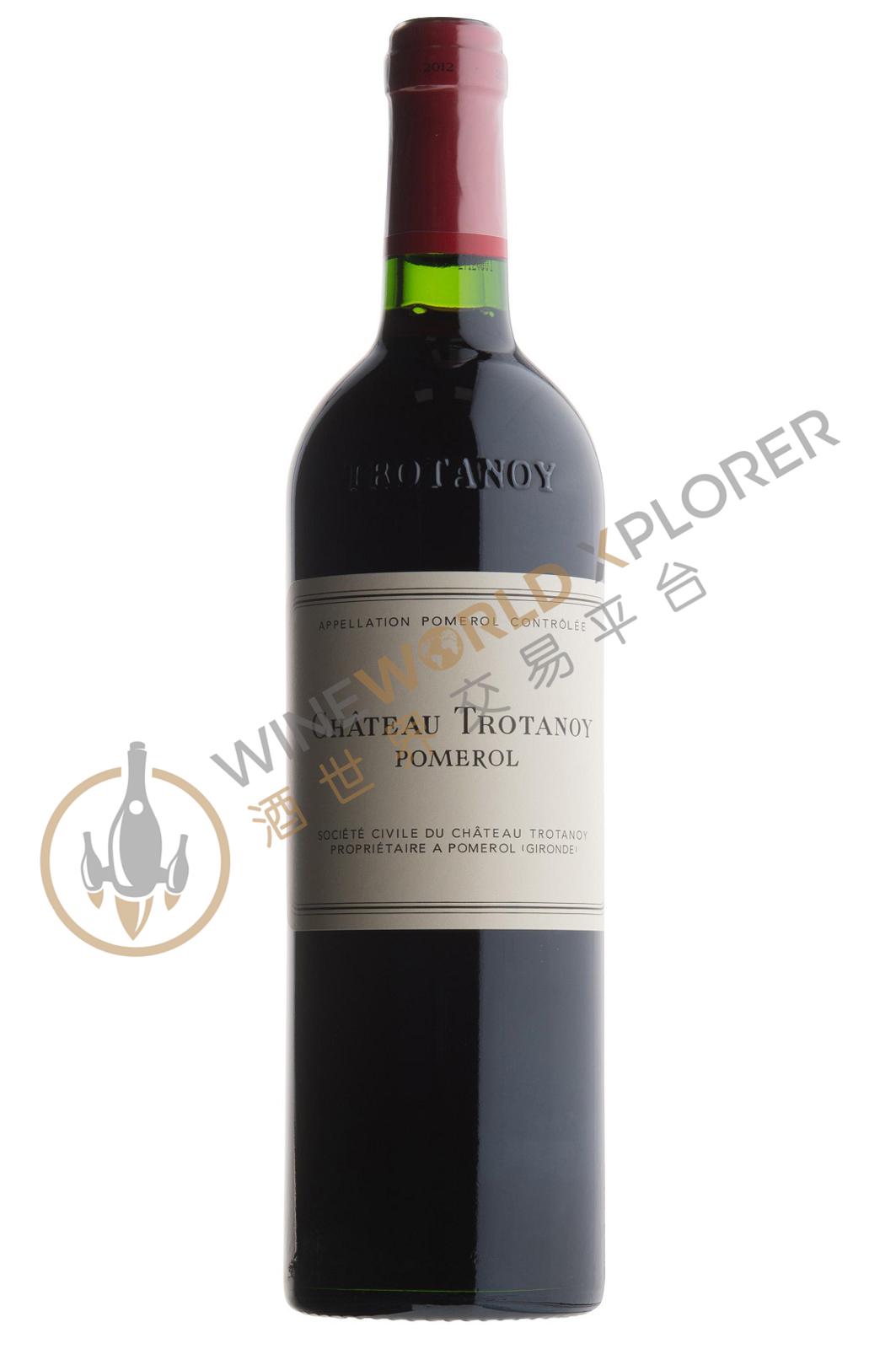
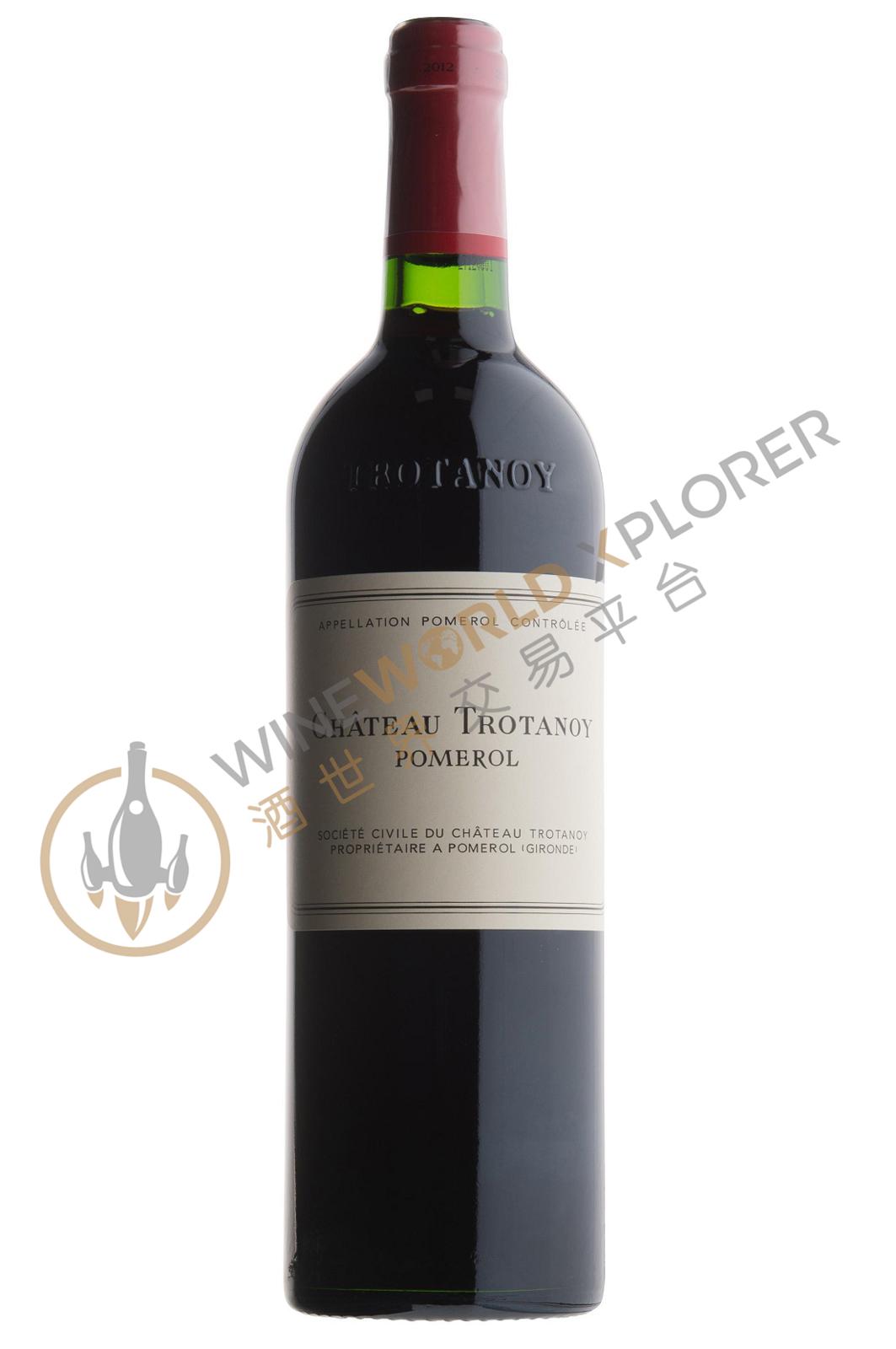
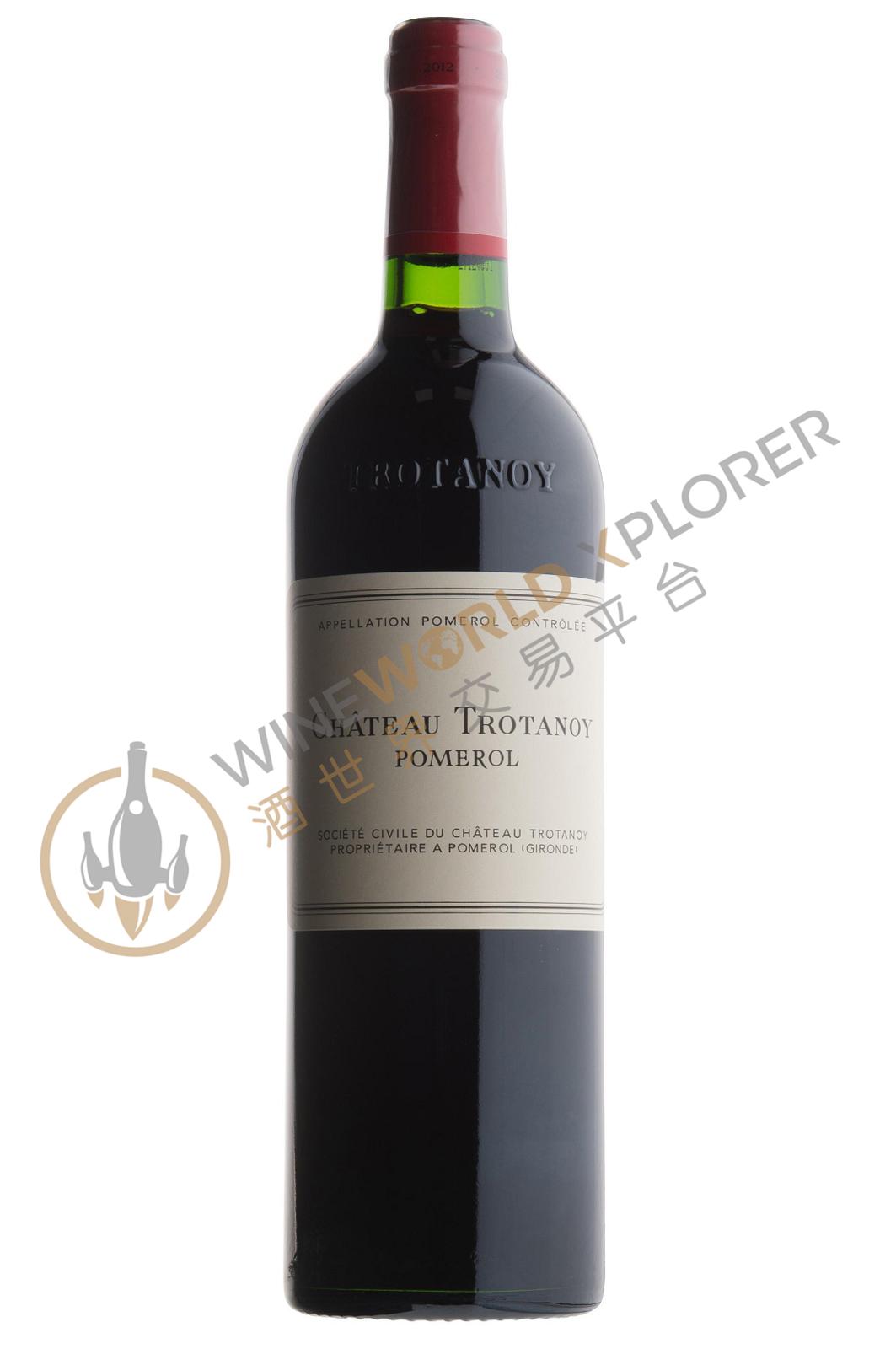
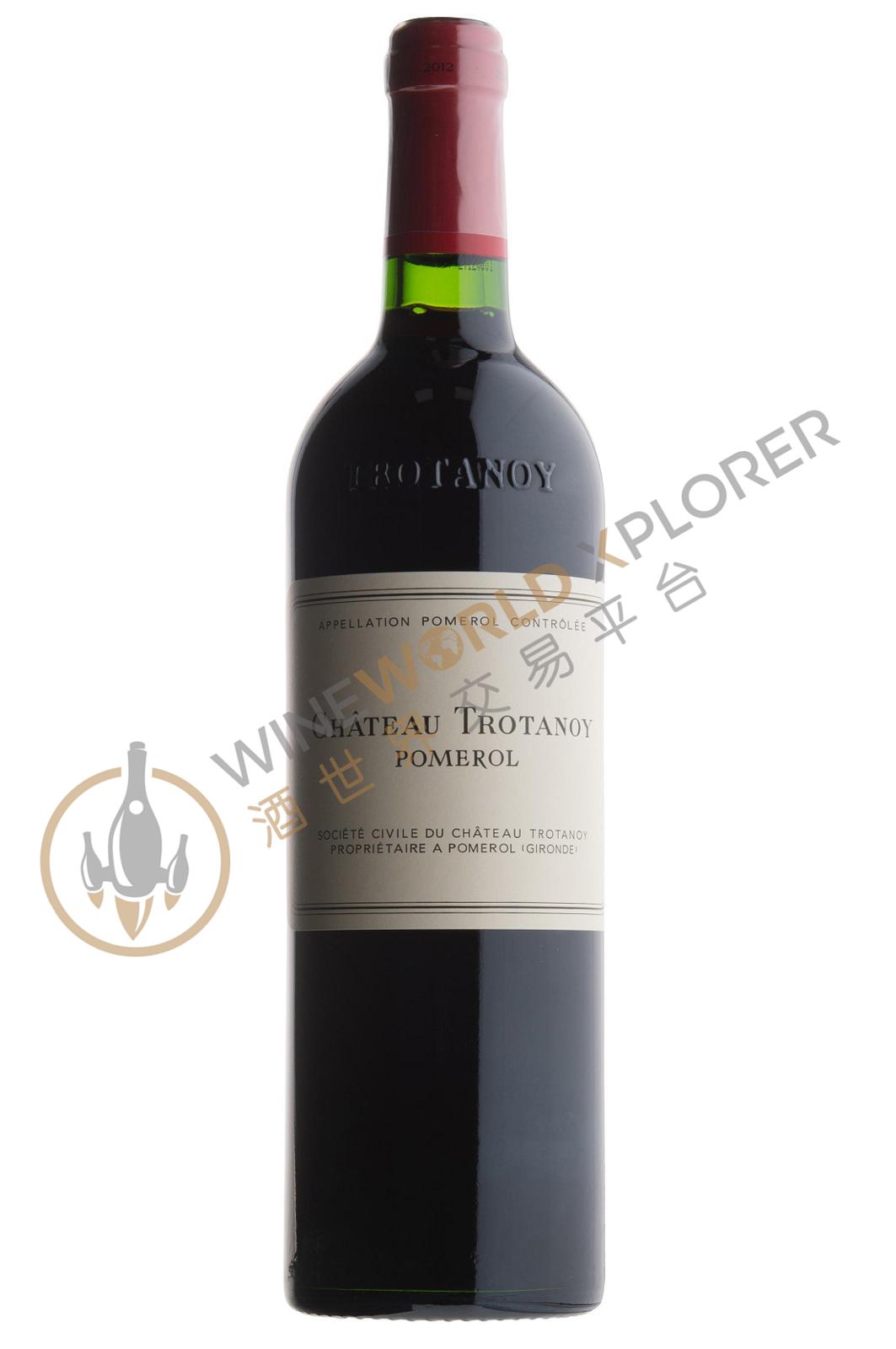
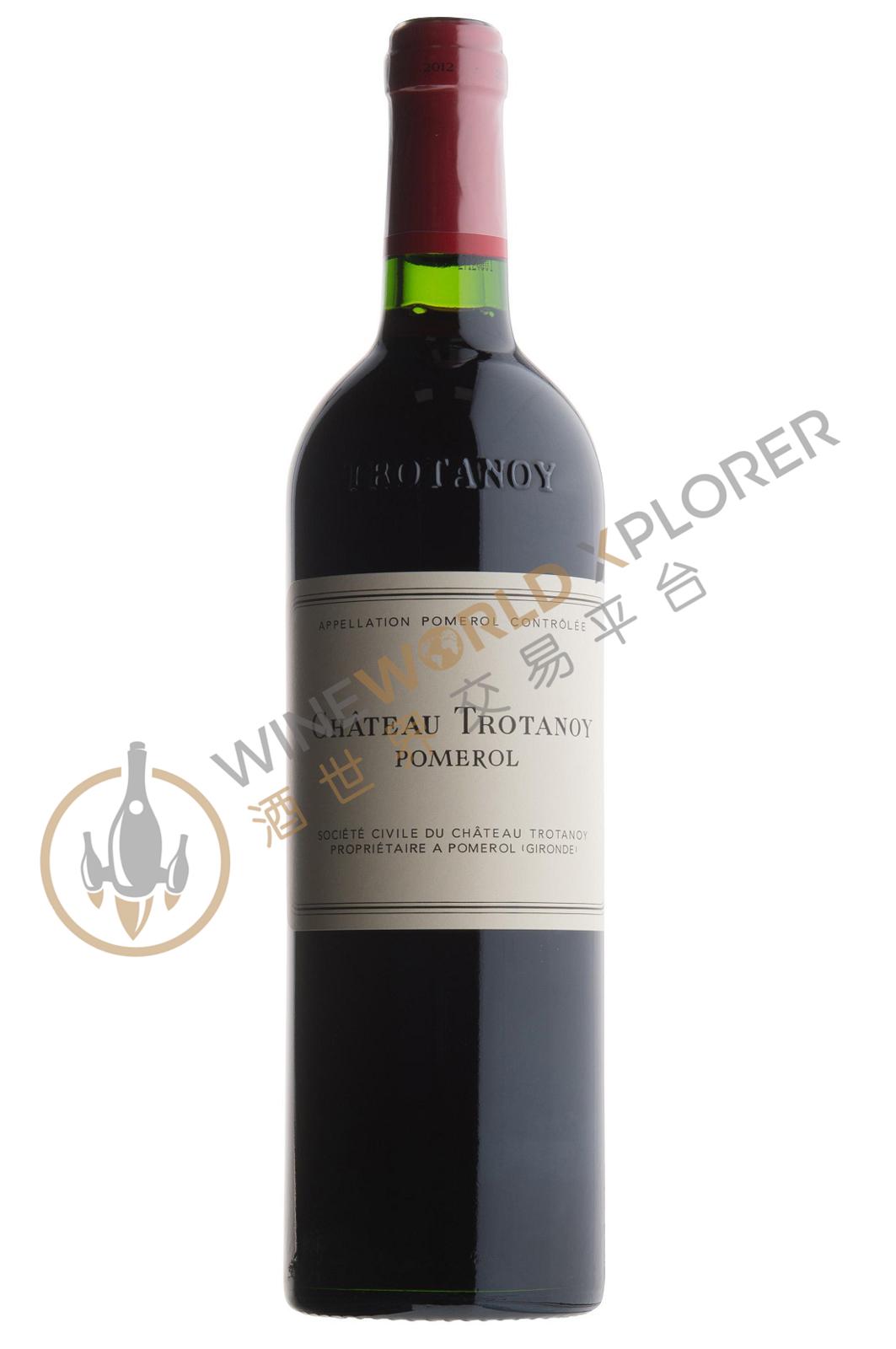
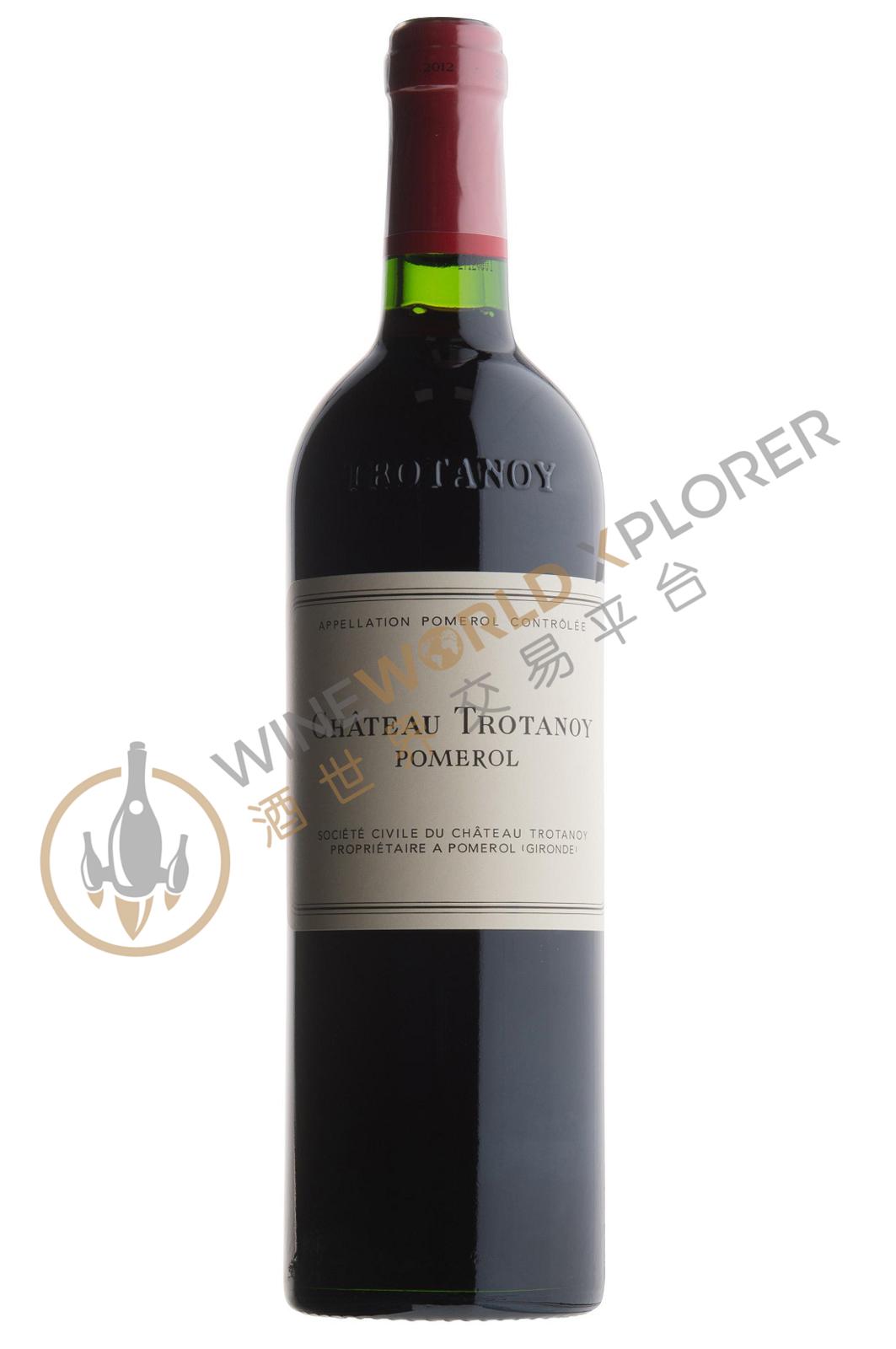
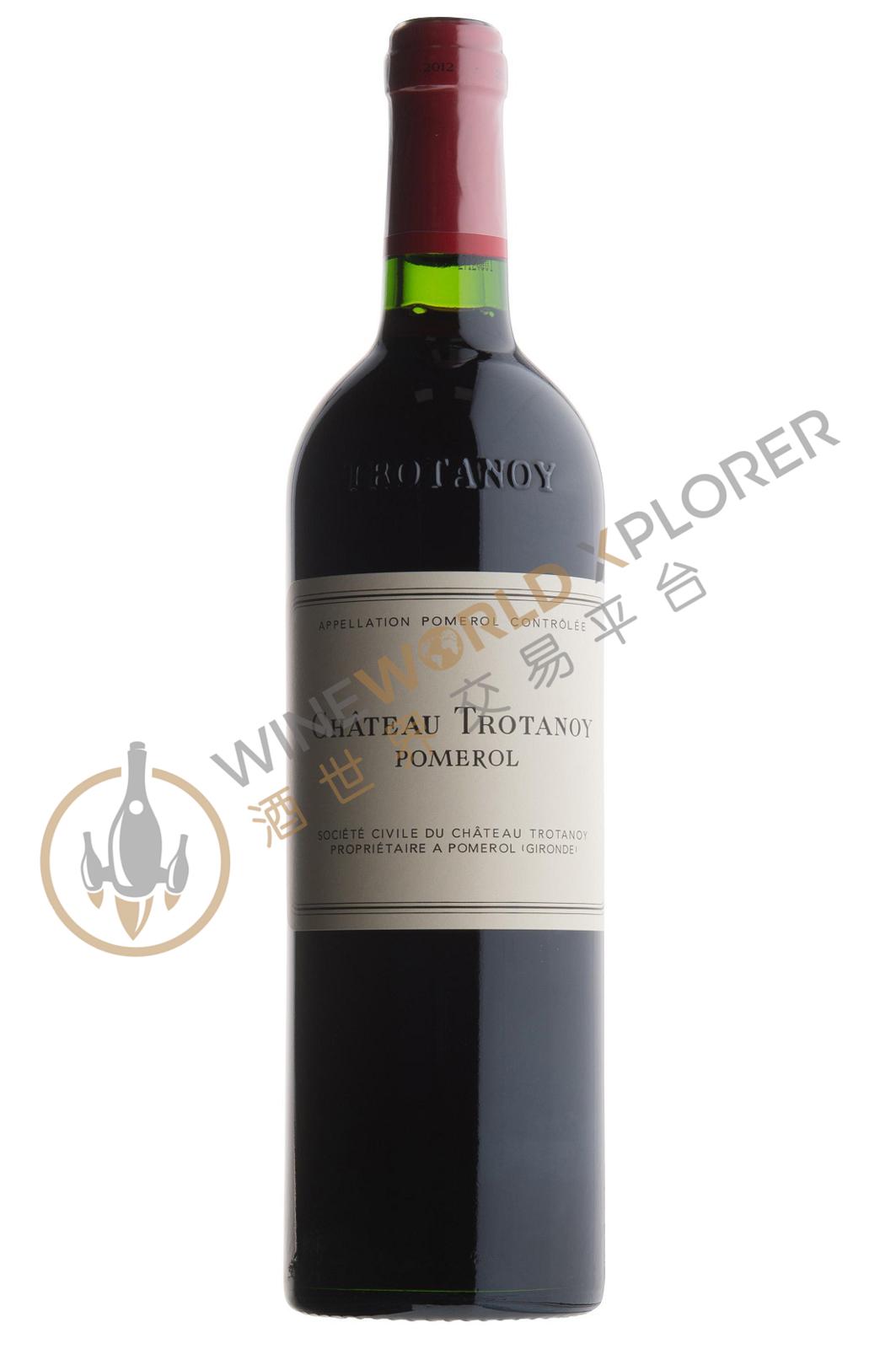
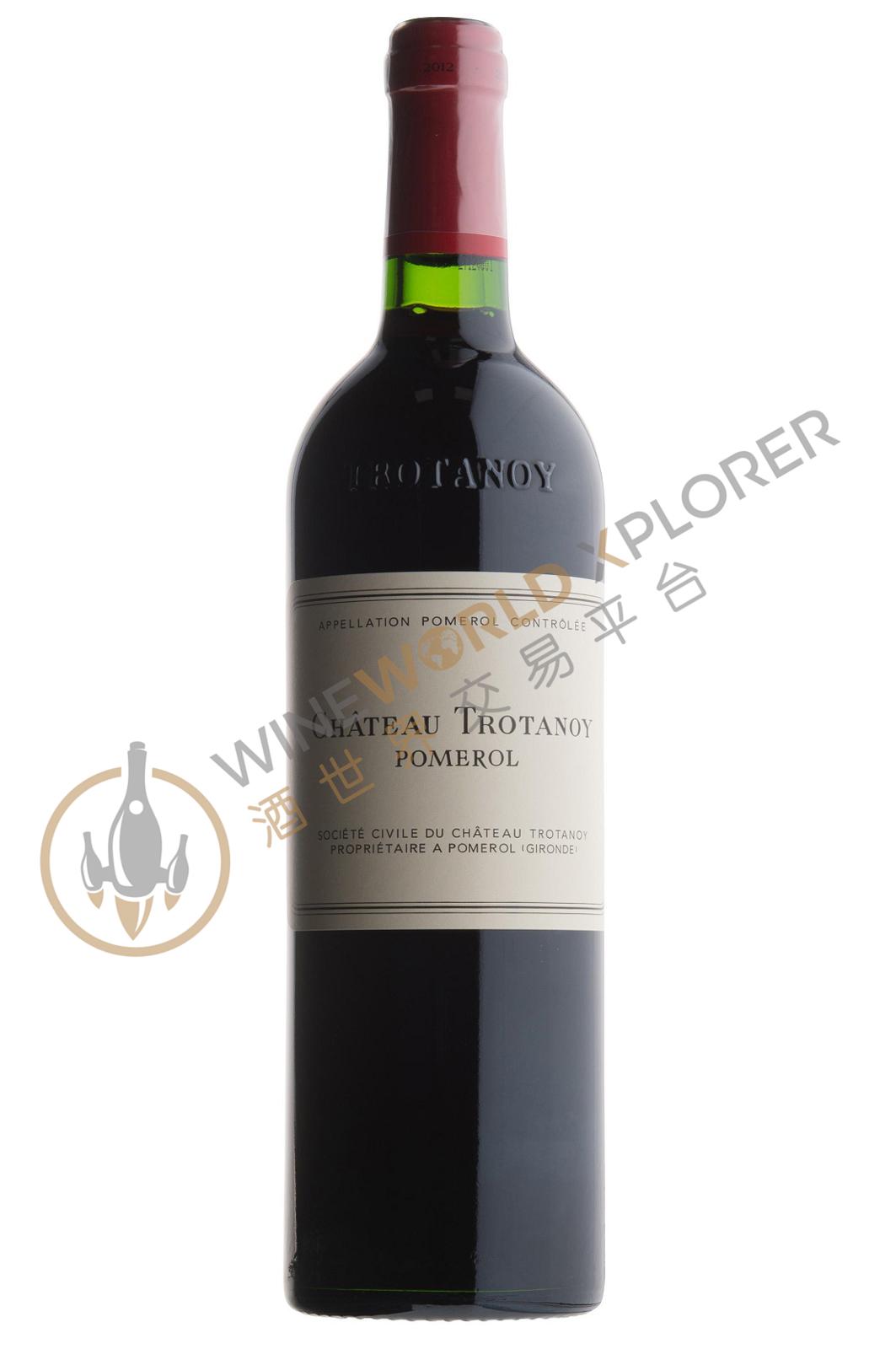
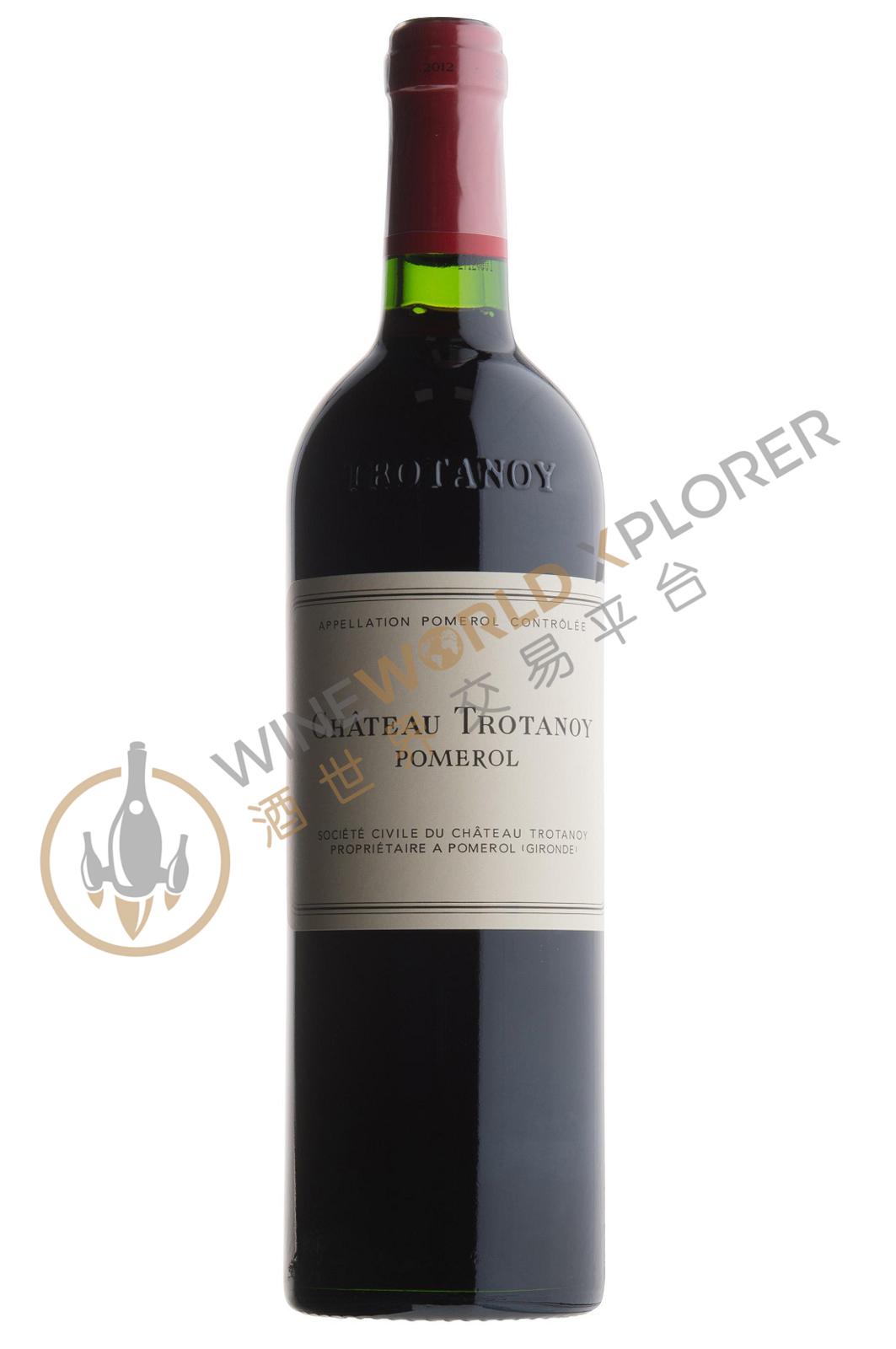
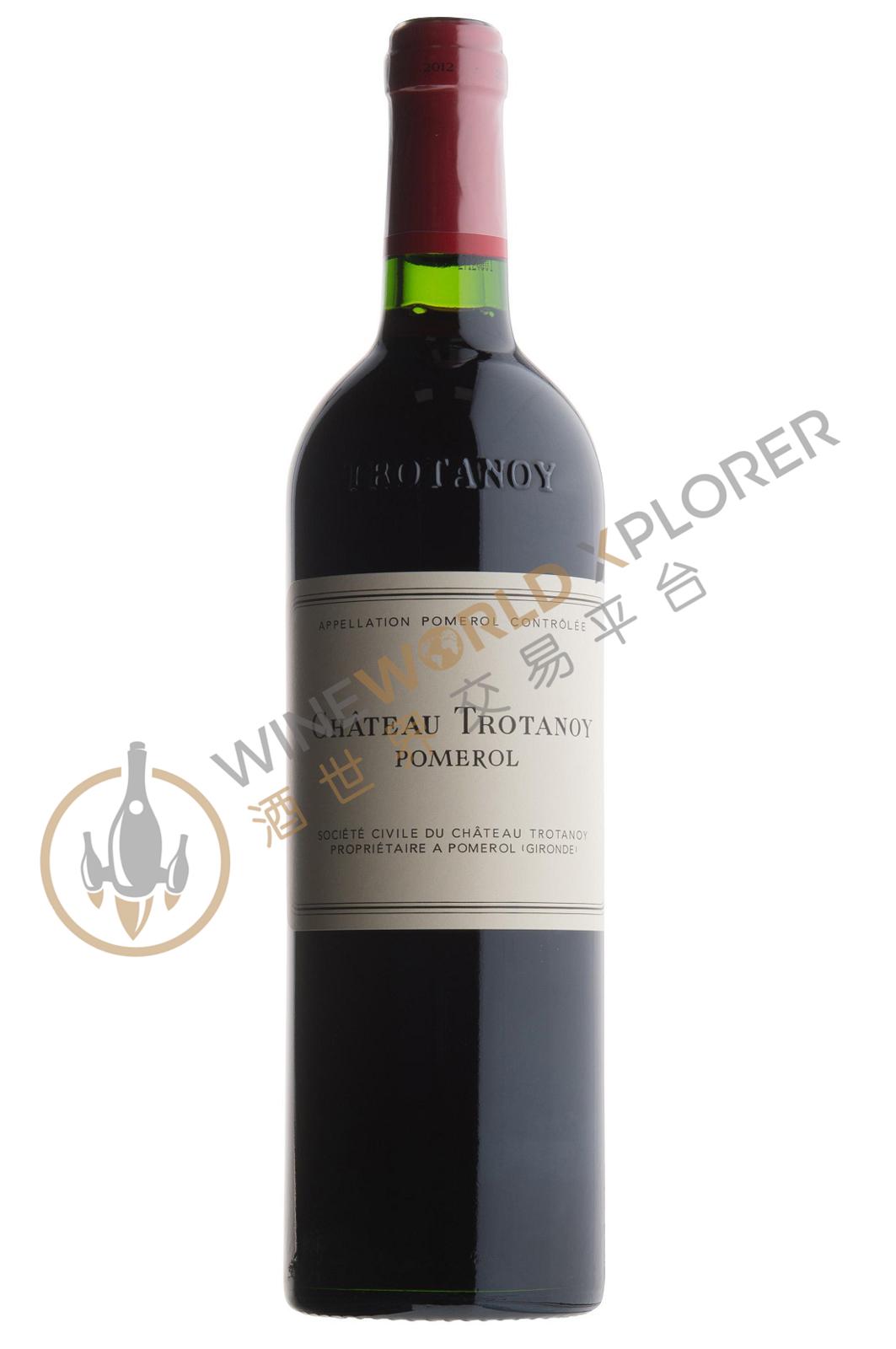
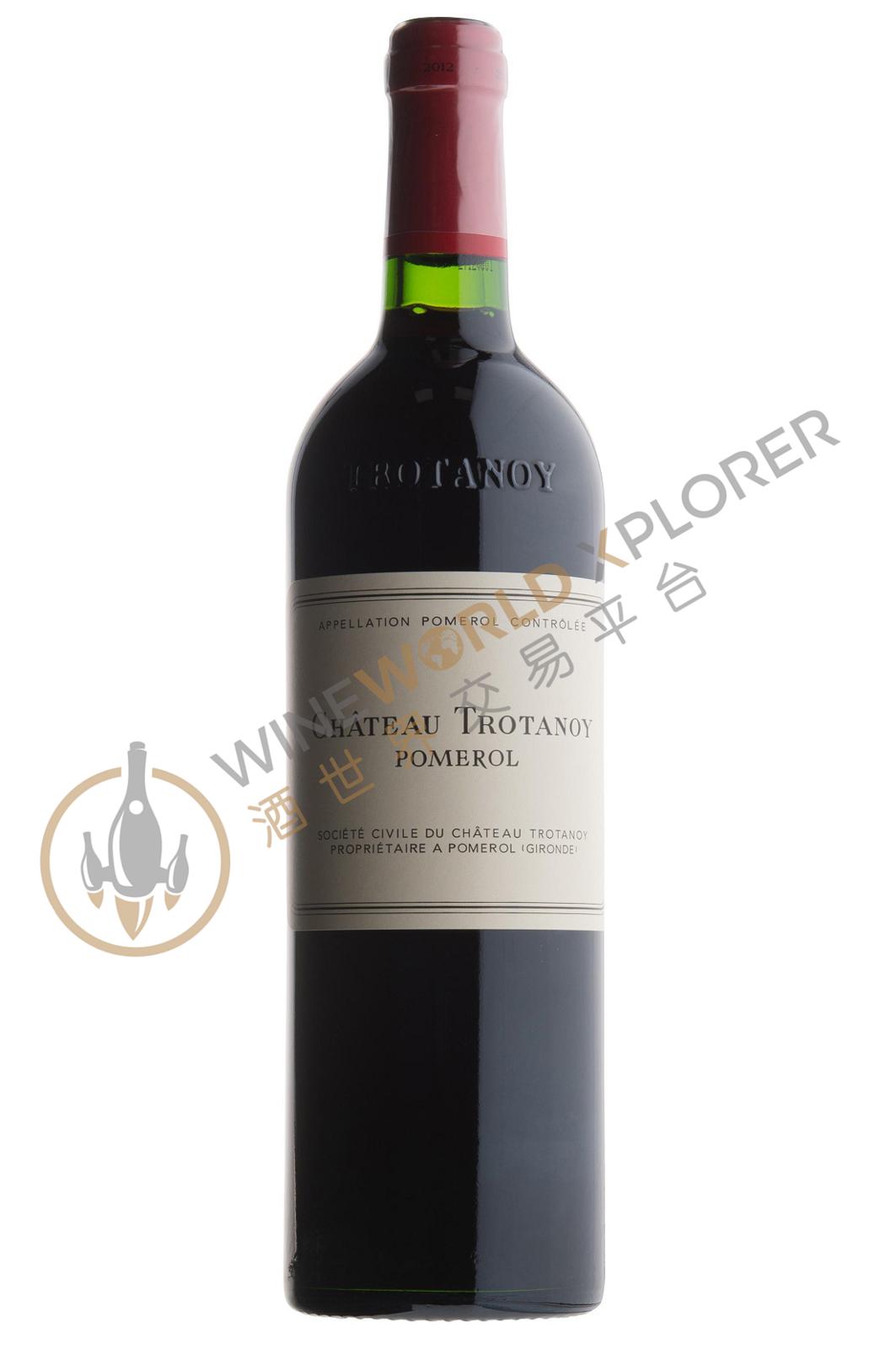
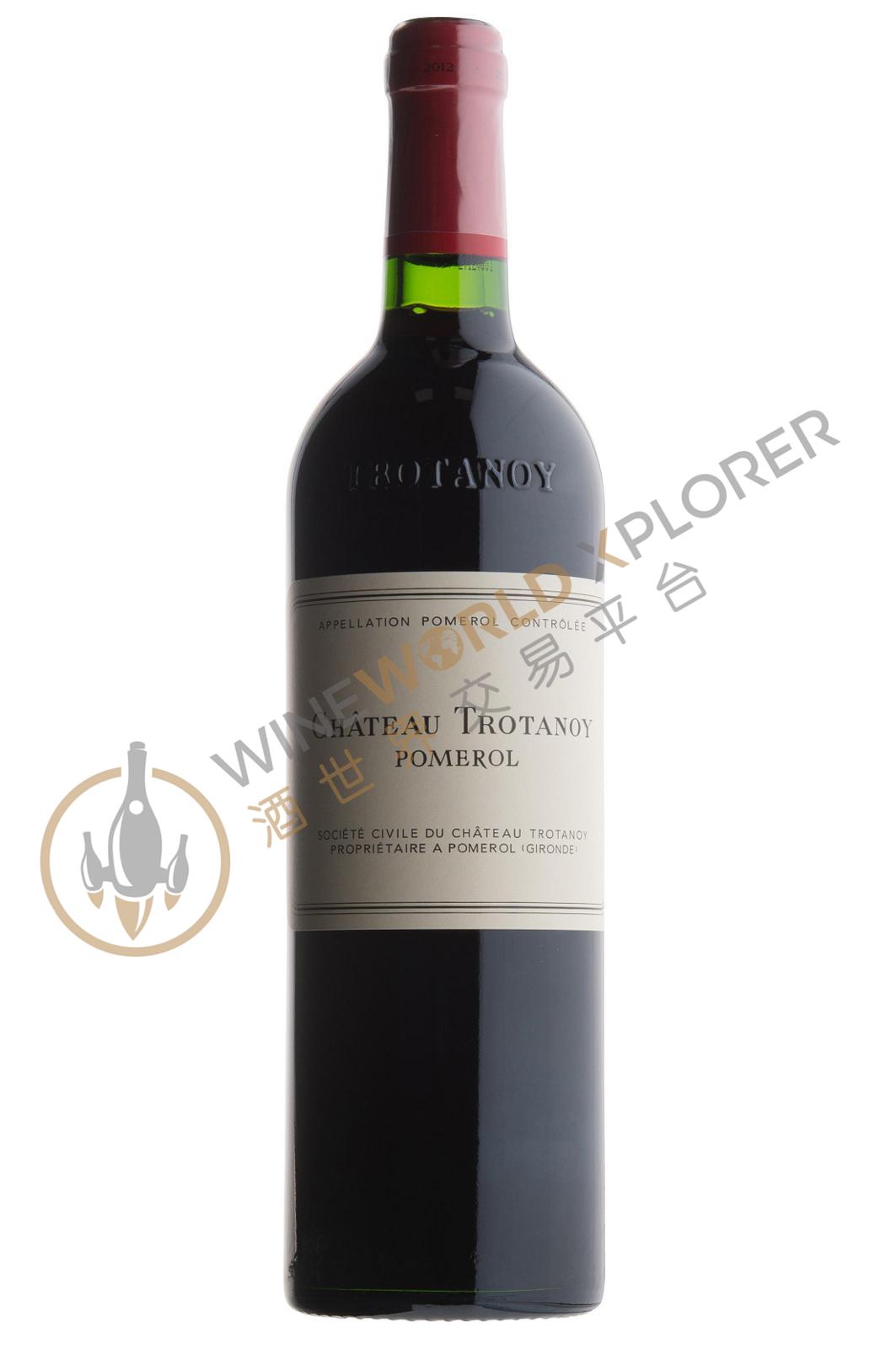
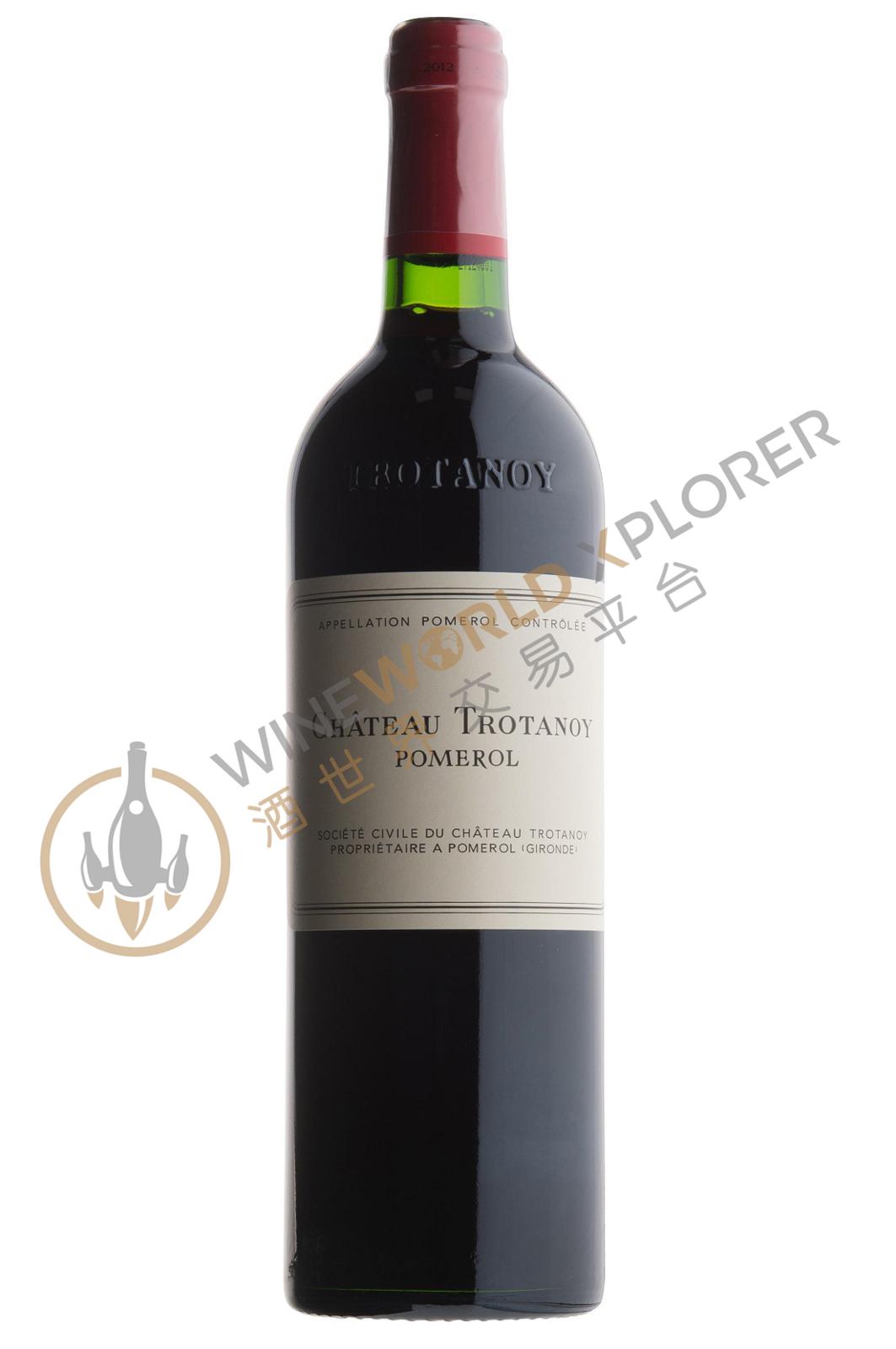
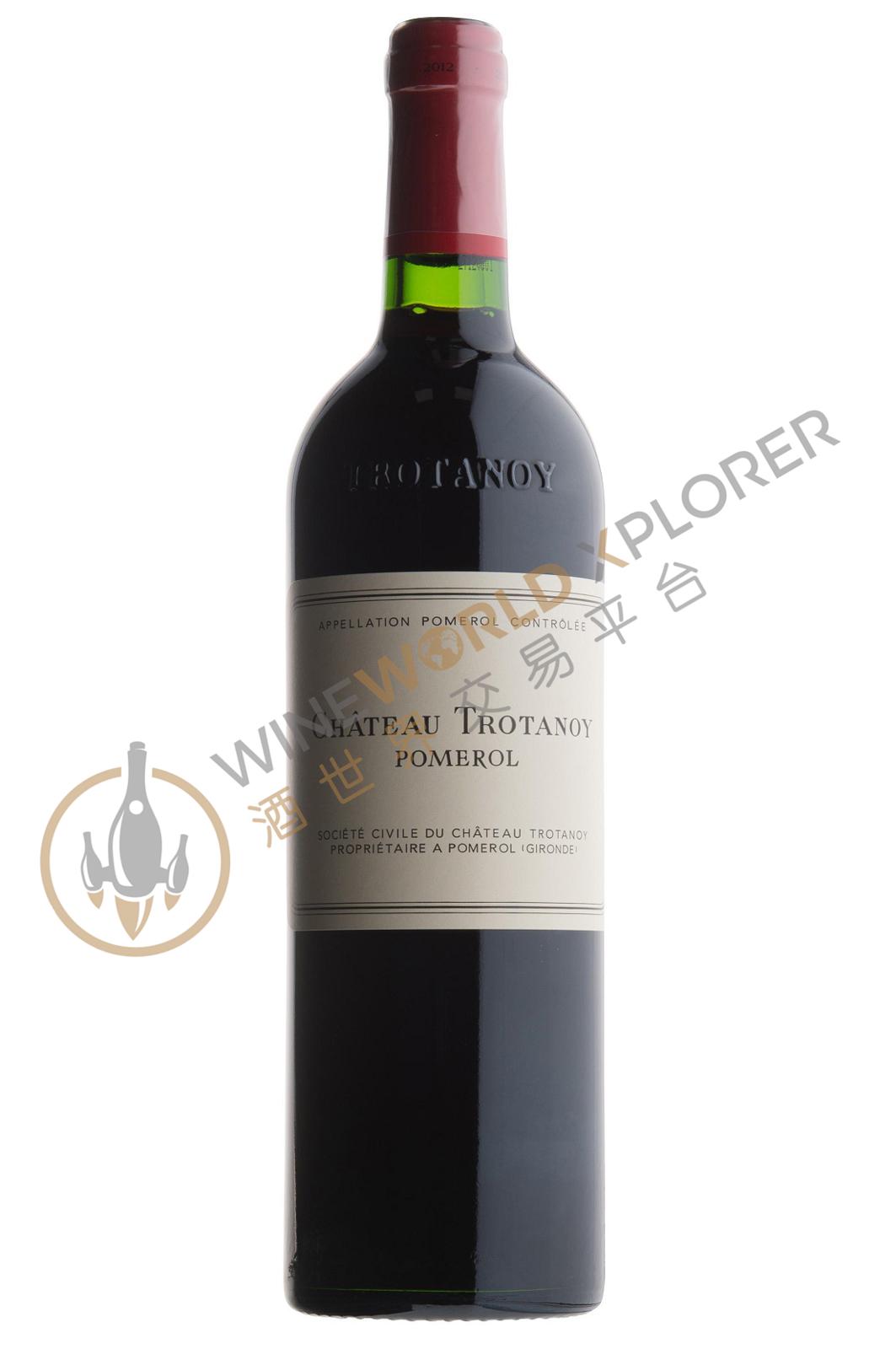
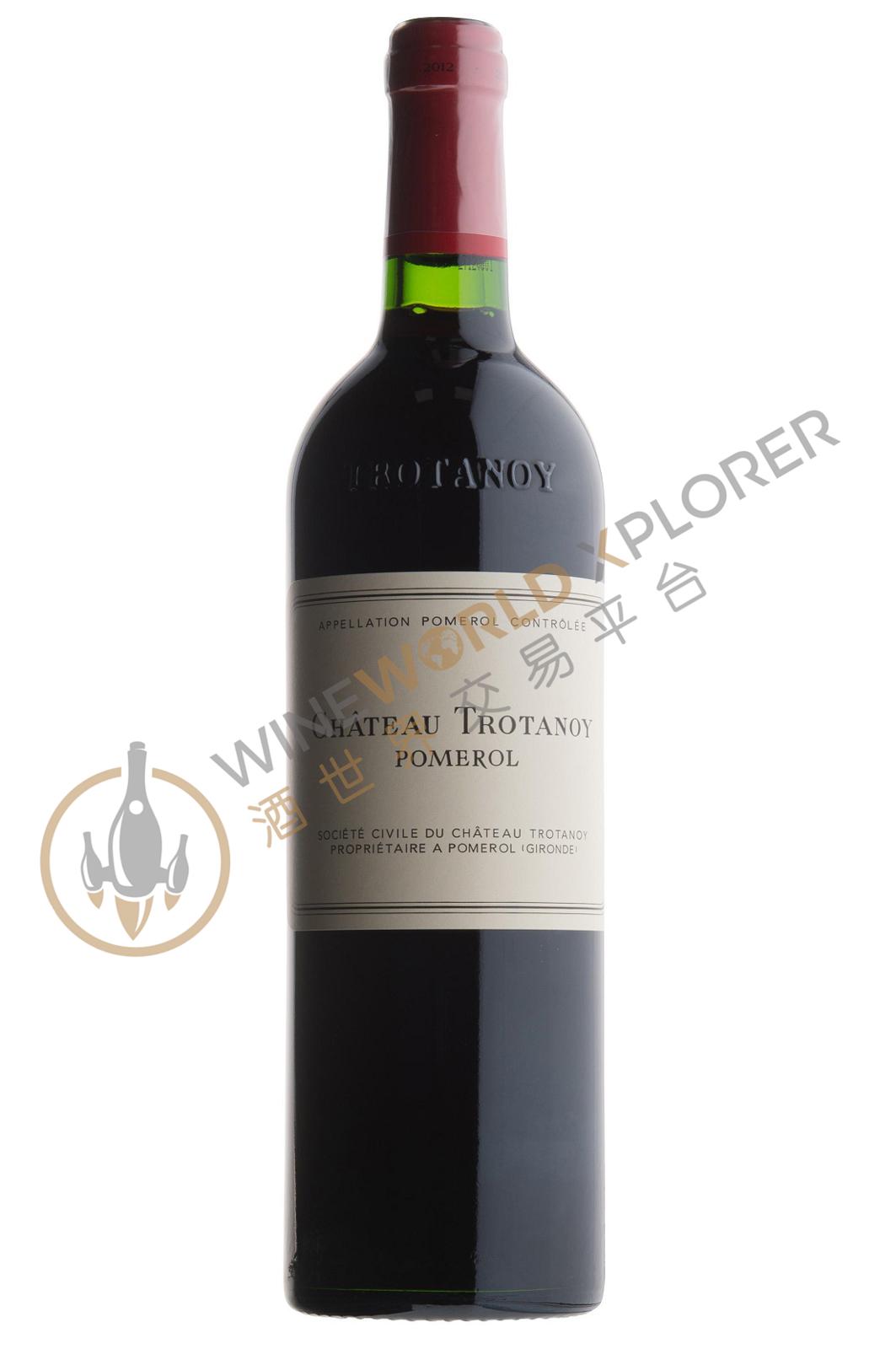
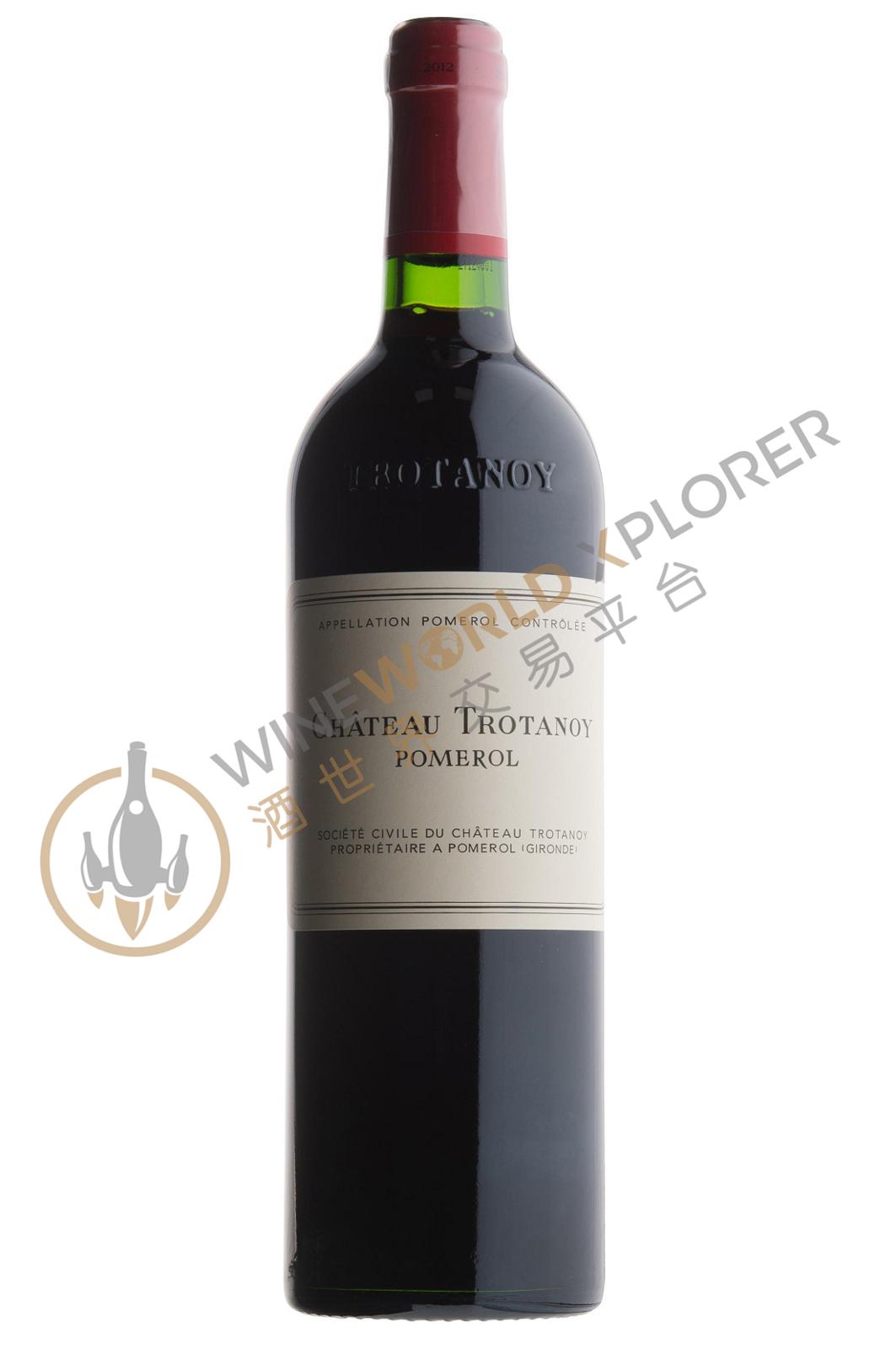
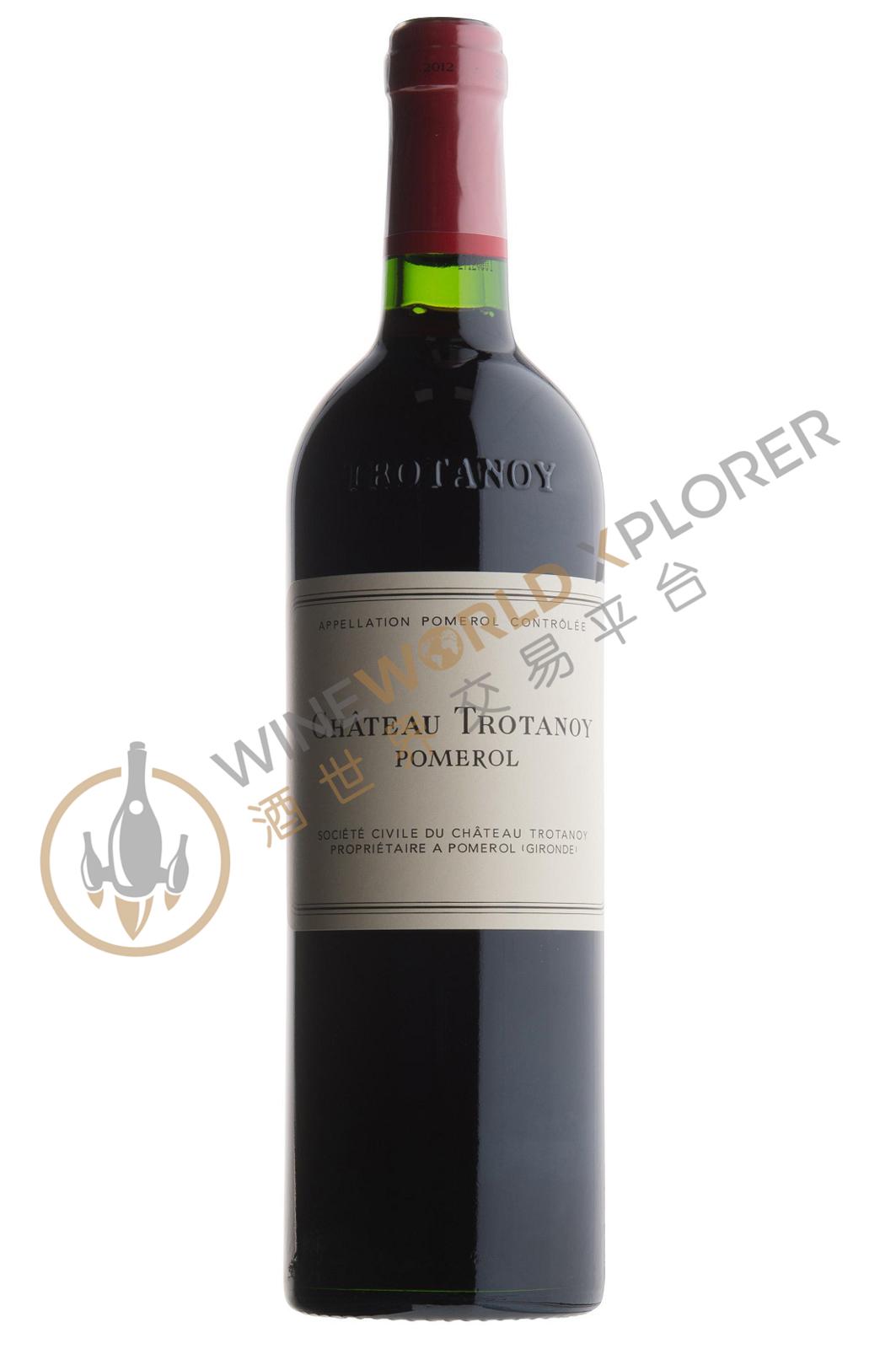
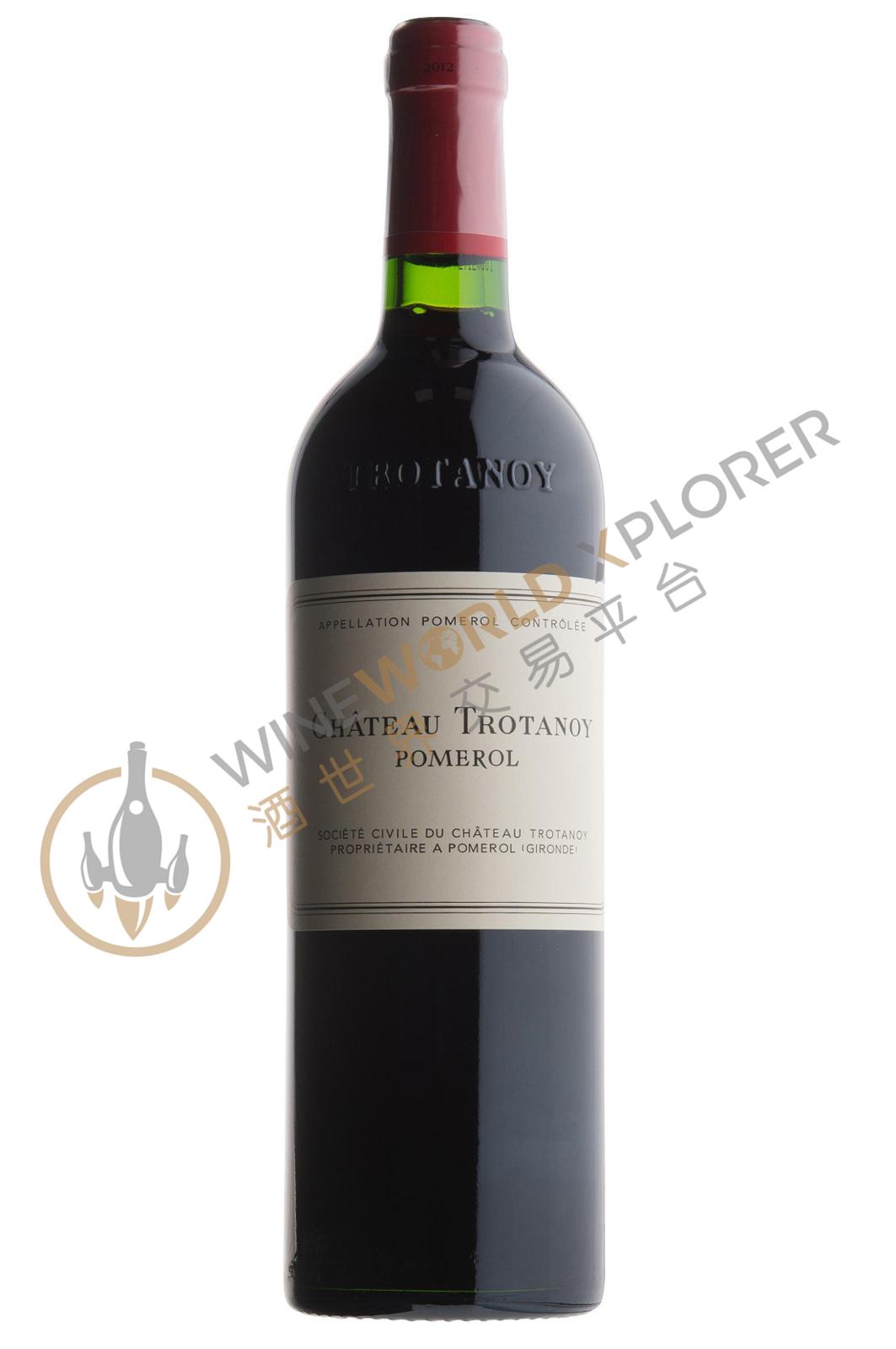
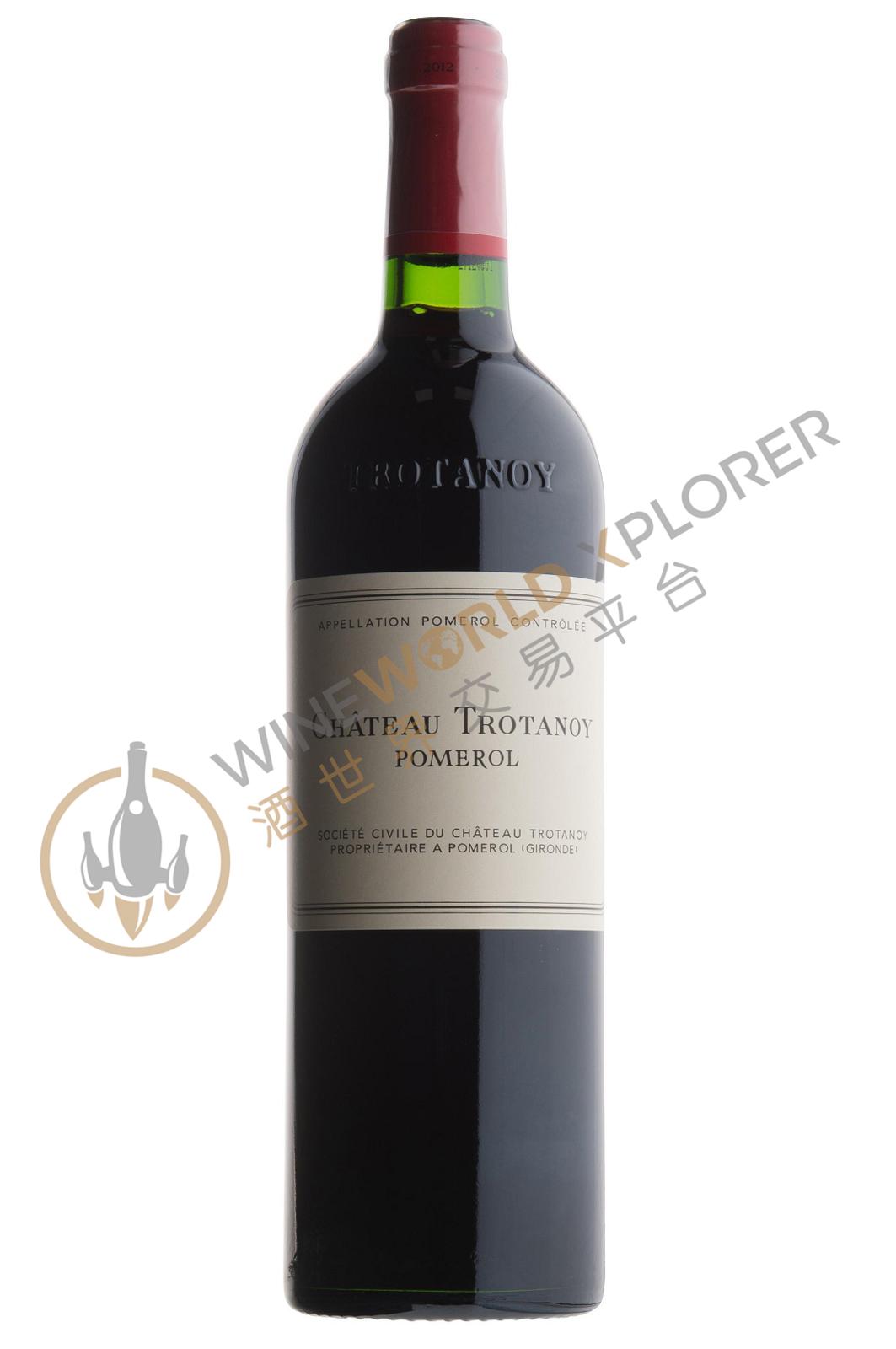
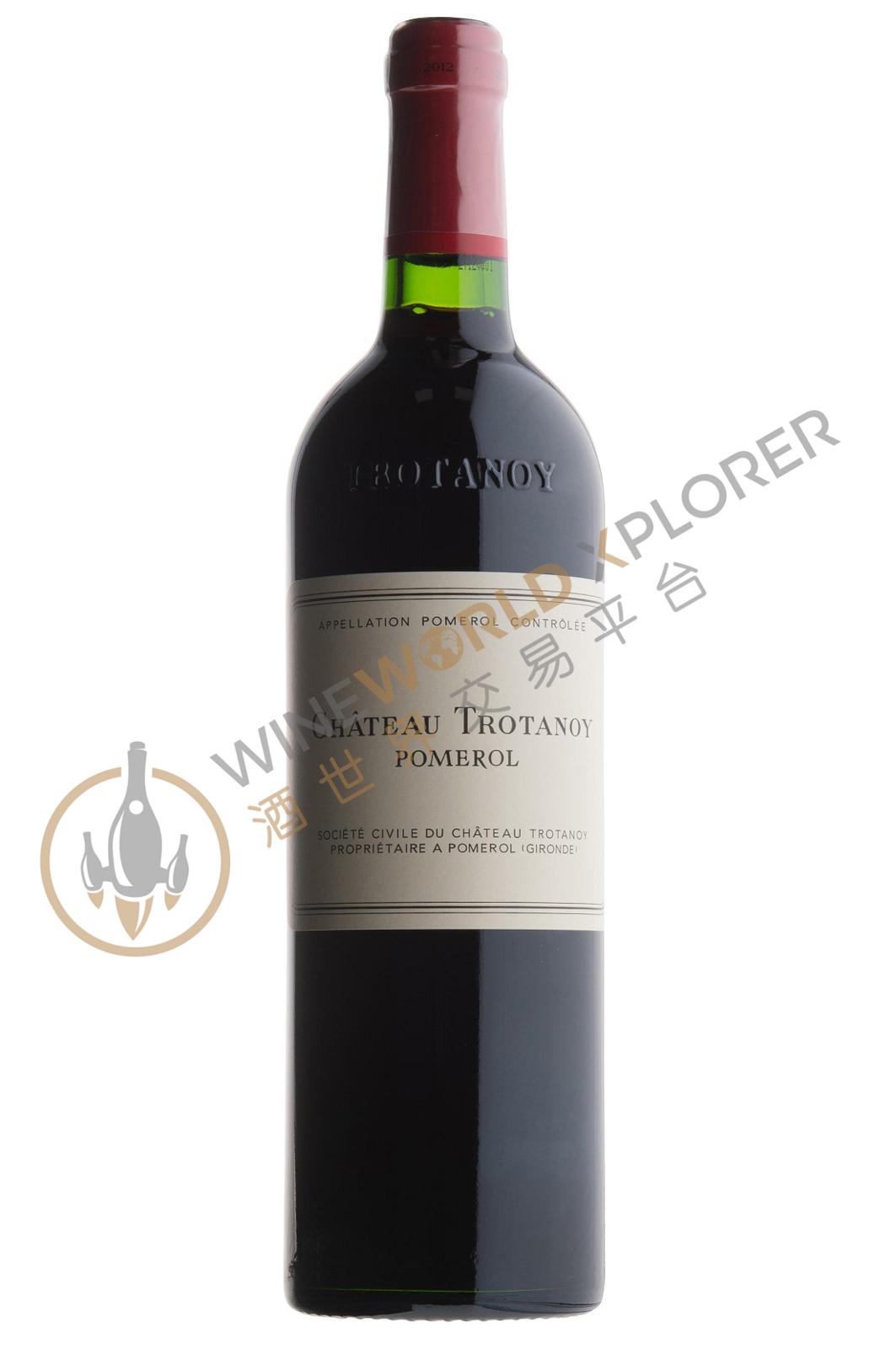
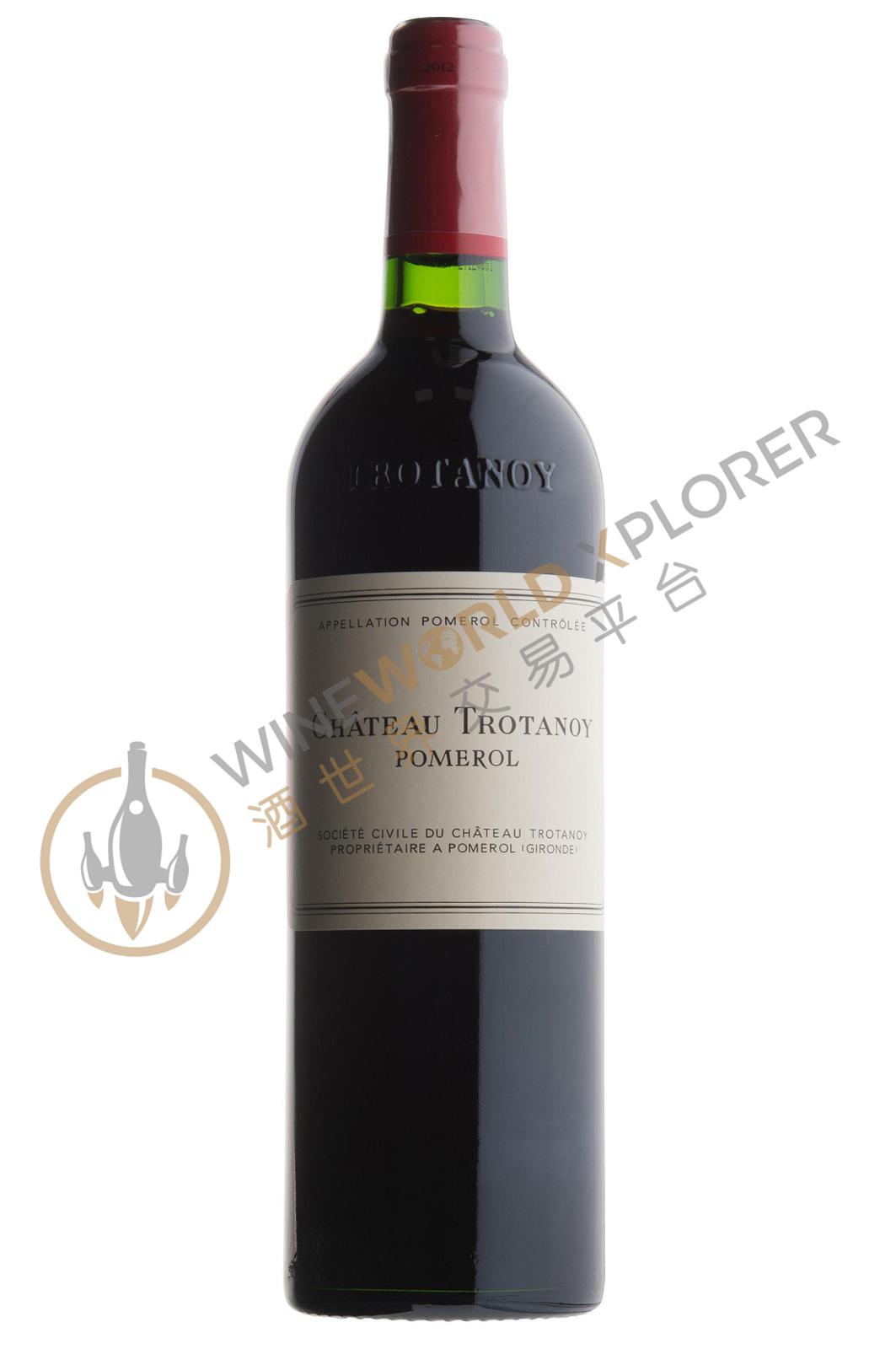
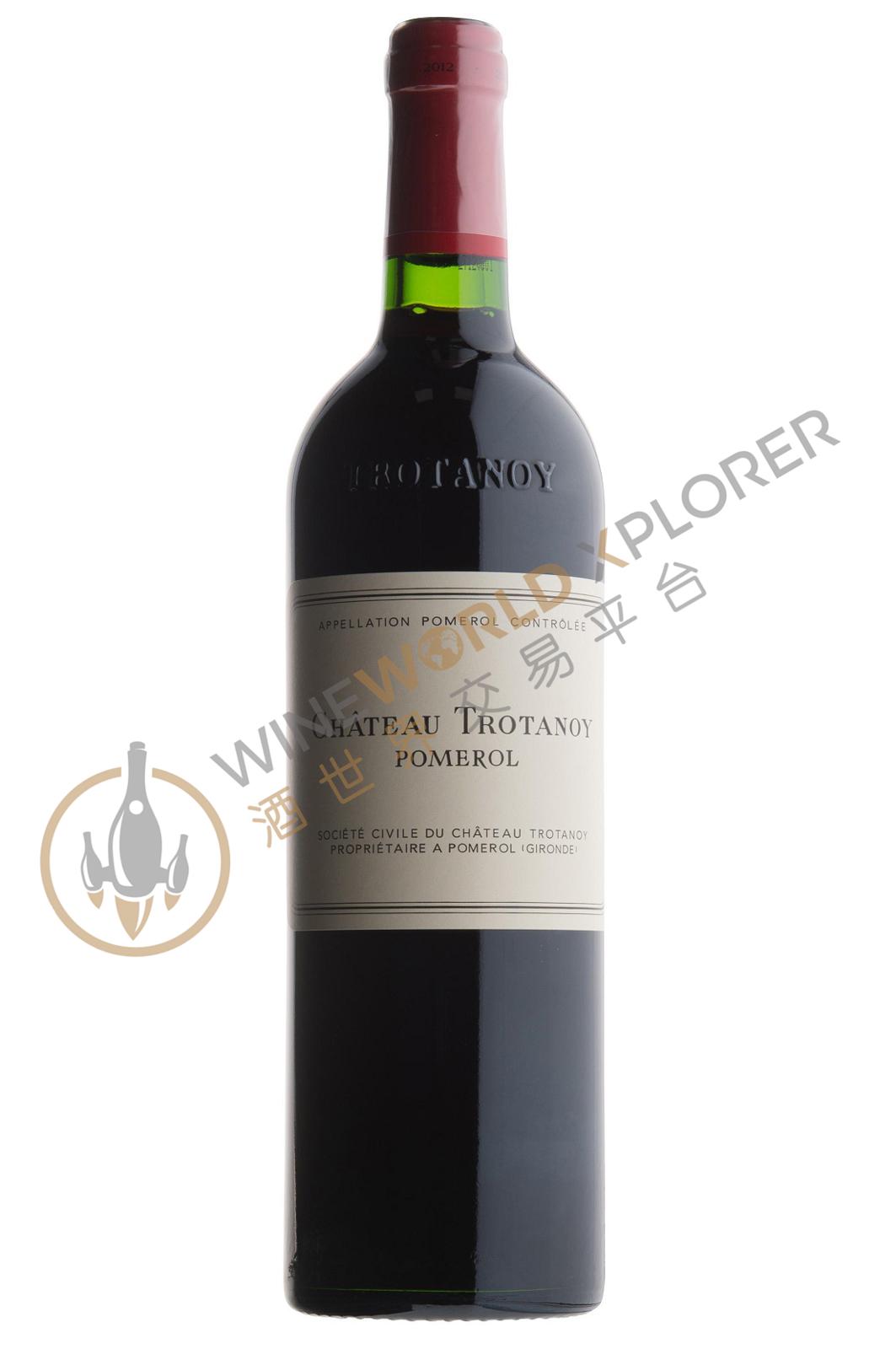
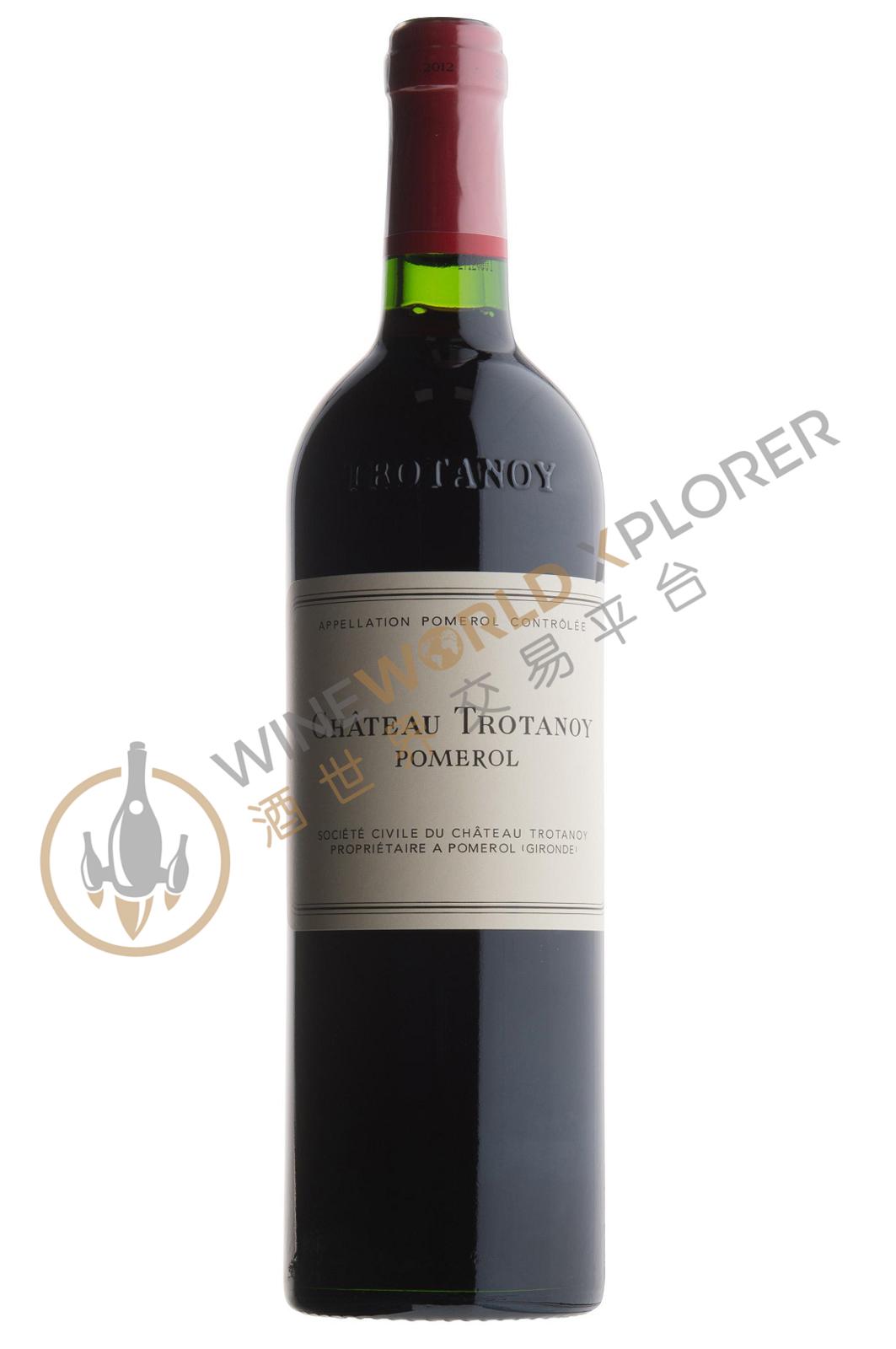
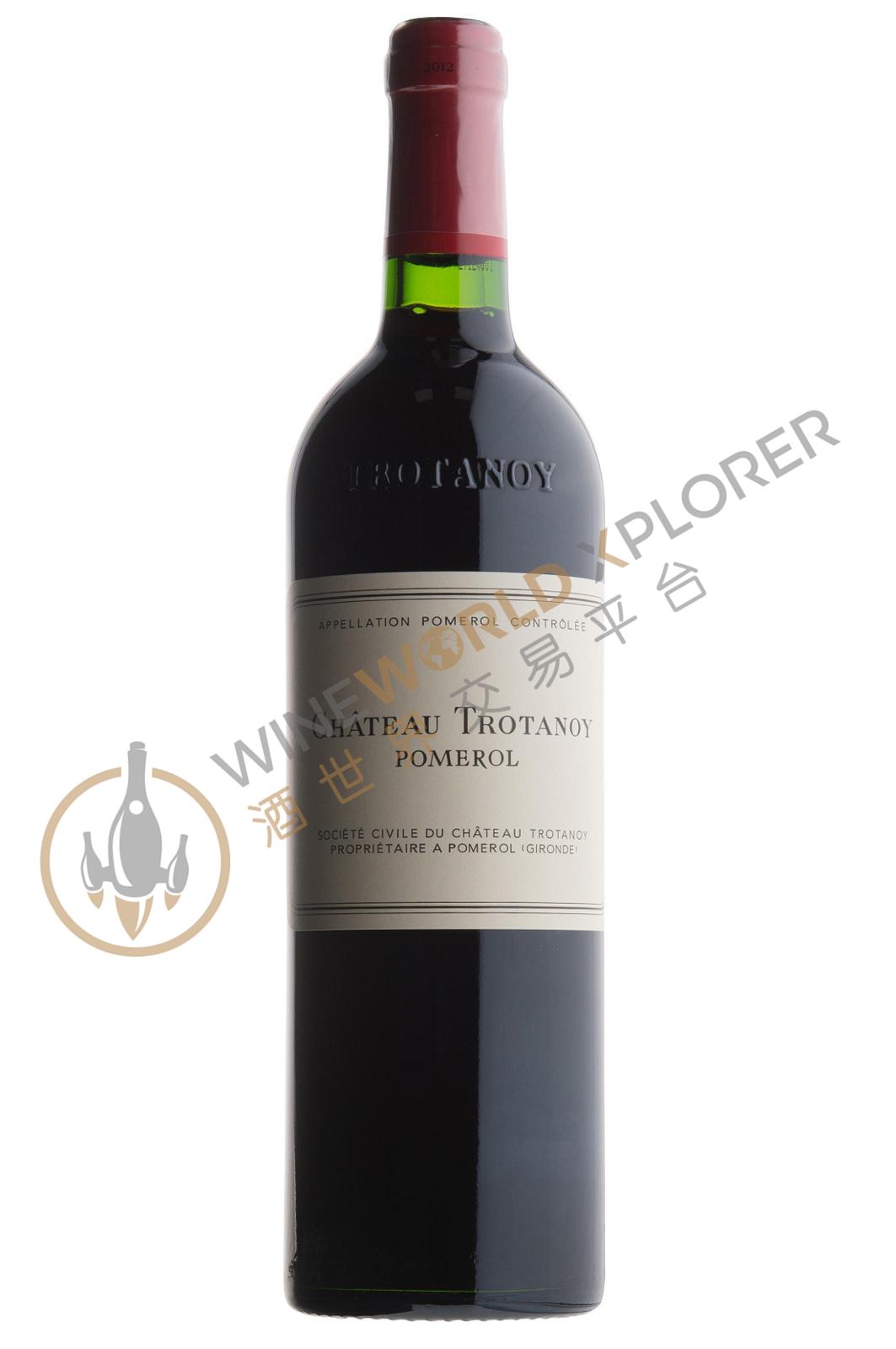
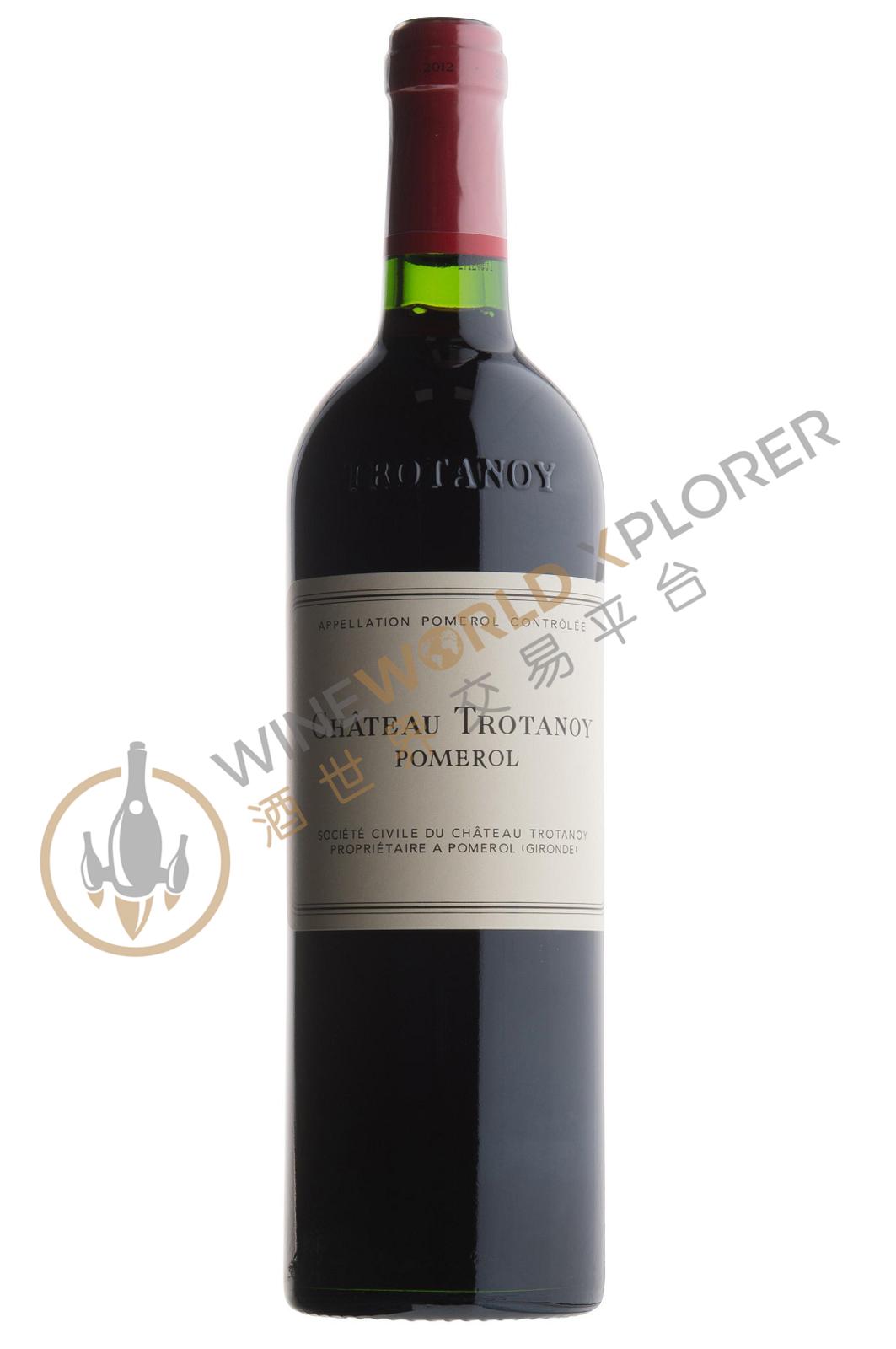
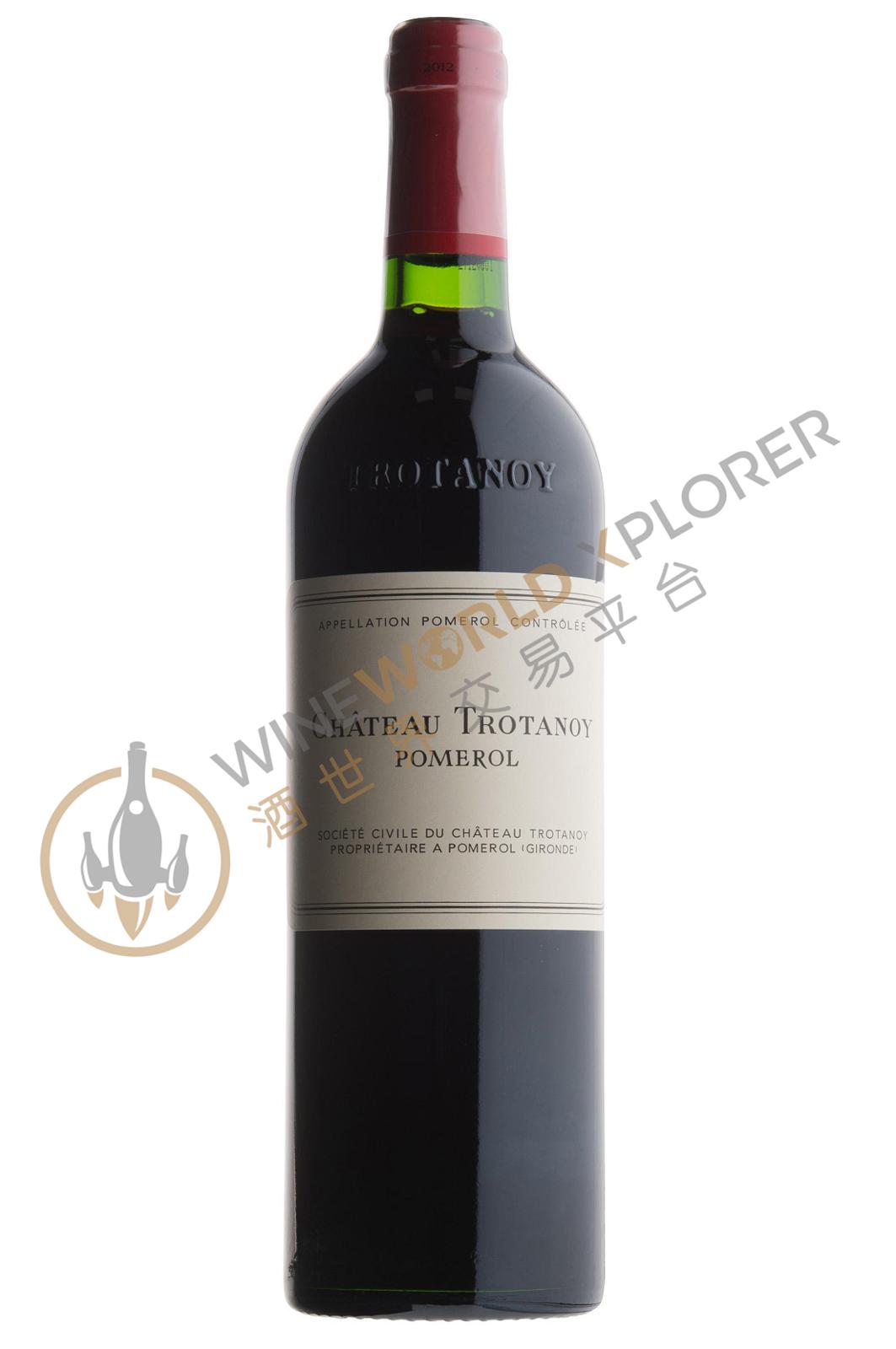
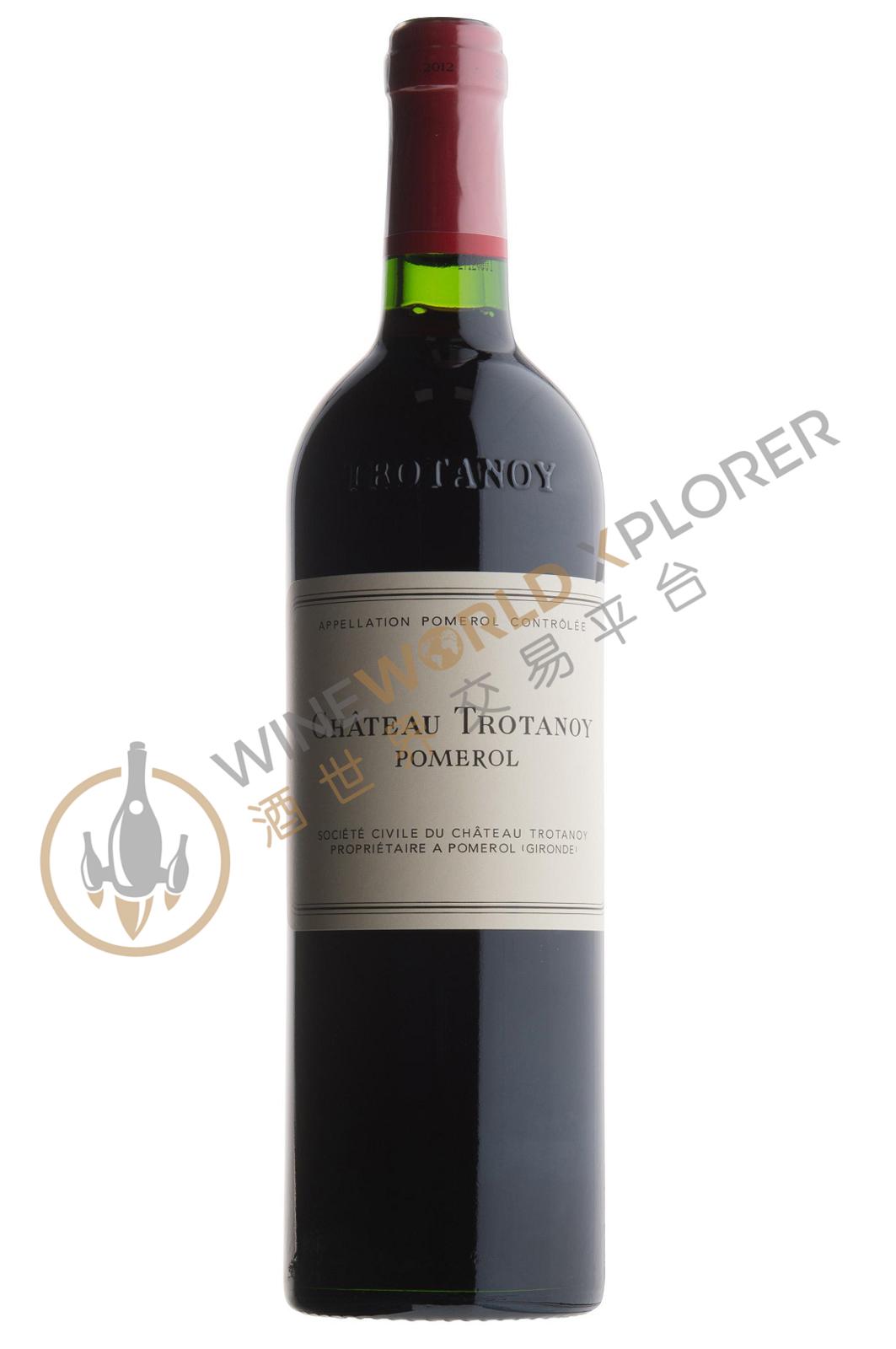
Trotanoy 1997
 View analysis


Description
Tasting notes

Reviewed by: Neal Martin
A deep garnet hue with youthful rim. The nose has moderate intensity: cedar, antique shop, dust black fruits with a touch of freshly tilled soil. This does gain some intensity in the glass though. The palate is medium-bodied with sharp acidity, but harmonious with some attractive tobacco and savoury fruits. Tight, a little dour perhaps, but it has an understated natural elegance that serves it well. Drink now. Tasted September 2006.
Reviewed by: Robert M. Parker, Jr.
This wine boasts a dense ruby/purple color, and outstanding aromatics of black raspberries, cherries, minerals, and toast. In the mouth, it exhibits a fat mid-palate, medium to full body, good power, sweet tannin, low acidity, and excellent to outstanding ripeness. The finish goes on for over 30 seconds. Anticipated maturity: 2003-2020.
Reviewed by: Robert M. Parker, Jr.
A strict selection by Christian Moueix resulted in only 2,500 cases of 1997 Trotanoy. An impressively built and concentrated effort, it will be one of the vintage's longest-lived wines. The color is dense ruby/purple, and the nose offers up scents of black truffles, plums, prunes, and ripe cherries. In the mouth, the wine reveals outstanding richness, a broad, expansive mouthfeel, moderate tannin, and excellent delineation (not a common characteristic of many 1997s). This is a true vin de garde in a year that produced a plethora of soft wines requiring early consumption. Anticipated maturity: 2004-2015.
Reviewed by: Neal Martin
Already some signs of maturation on the rim. A dense, plummy nose with a touch of farmyard that suggests a little brett. But nothing special, lacking some complexity. Palate is powerful but quite dry and more sophisticated than the nose suggested with fine peppery, dusty black fruits on the finish. Good for a 1997 and certainly better than the 1986. Tasted October 2002.
Reviewed by: Robert M. Parker, Jr.
This wine is an atypically structured, rich, powerful wine for the vintage, with hard tannin in the finish. Ripe and medium-bodied, with surprising depth as well as copious quantities of plum, cherry, currant, truffle, herb, and earth aromas and flavors, this effort requires 2-3 years of cellaring, but it should age for 12-15+ years.
About the Producer
Purchased by Jean-Pierre Moueix in 1953, Château Trotanoy has been considered one of the premier crus of Pomerol since the end of the eighteenth century. The soil of Château Trotanoy is a very dense mixture of clay and gravel which tends to solidify as it dries out after rain to an almost concrete-like hardness, hence the name “Trotanoy,” or, in other words, “too wearisome” to cultivate. The Trotanoy vineyard slopes gently to the west. The soil at the highest point of exposure contains a good proportion of gravel, becoming progressively more dominated by clay as the elevation declines. Under this clay is a subsoil of red gravel and an impermeable layer of hard, iron-rich soil known as “crasse de fer.” This fascinating soil diversity brings power, depth and complexity to the wine. Trotanoy is vinified in small concrete vats, while aging takes place in oak barrels. Trotanoy is a naturally profound, complex, richly-concentrated wine with outstanding aging potential. The wine possesses a deep color and a dense, powerful nose, repeated on the palate with the addition of creamy, dark chocolate notes, and a singular concentration of flavor owed to its very old vines.
1966(1)1976(1)1979(1)1981(1)1983(1)1989(2)1990(2)1993(1)1995(1)1996(5)
Package Size