Wine Advisor



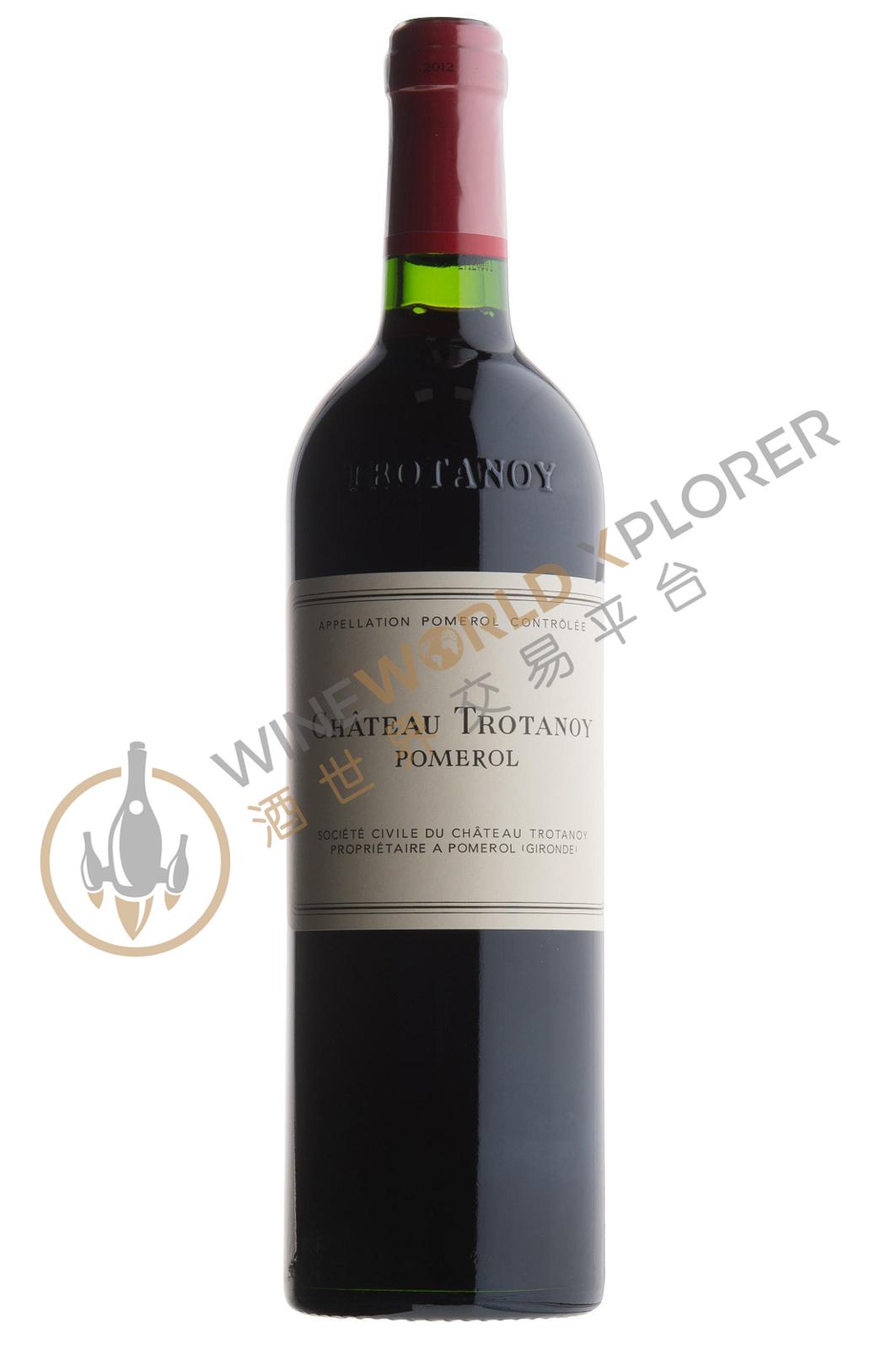
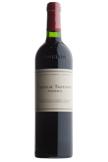
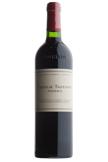
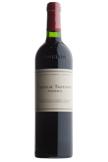
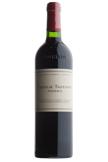
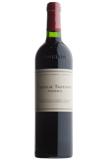
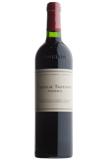
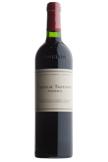
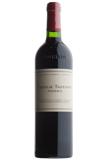
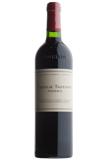
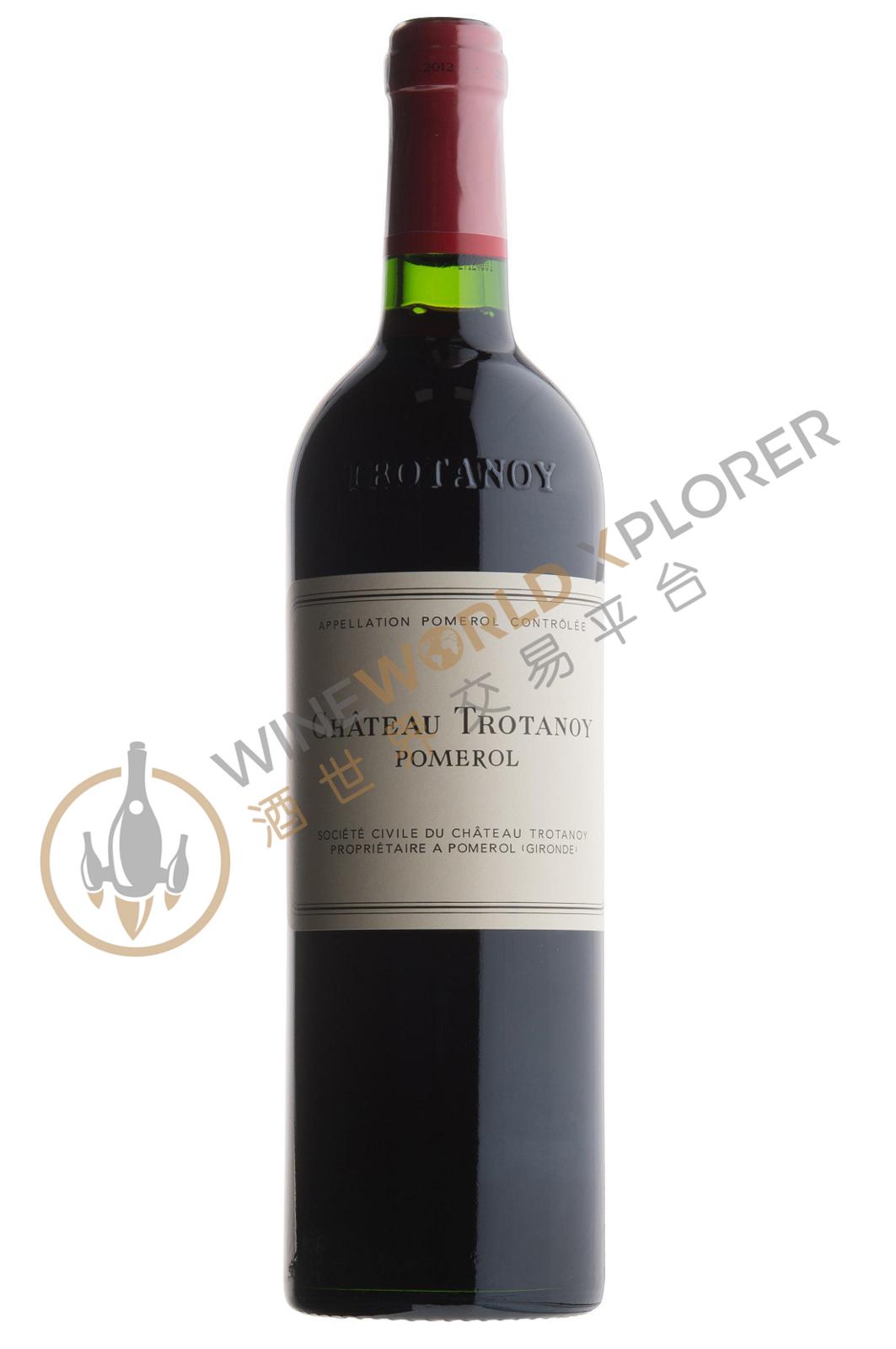
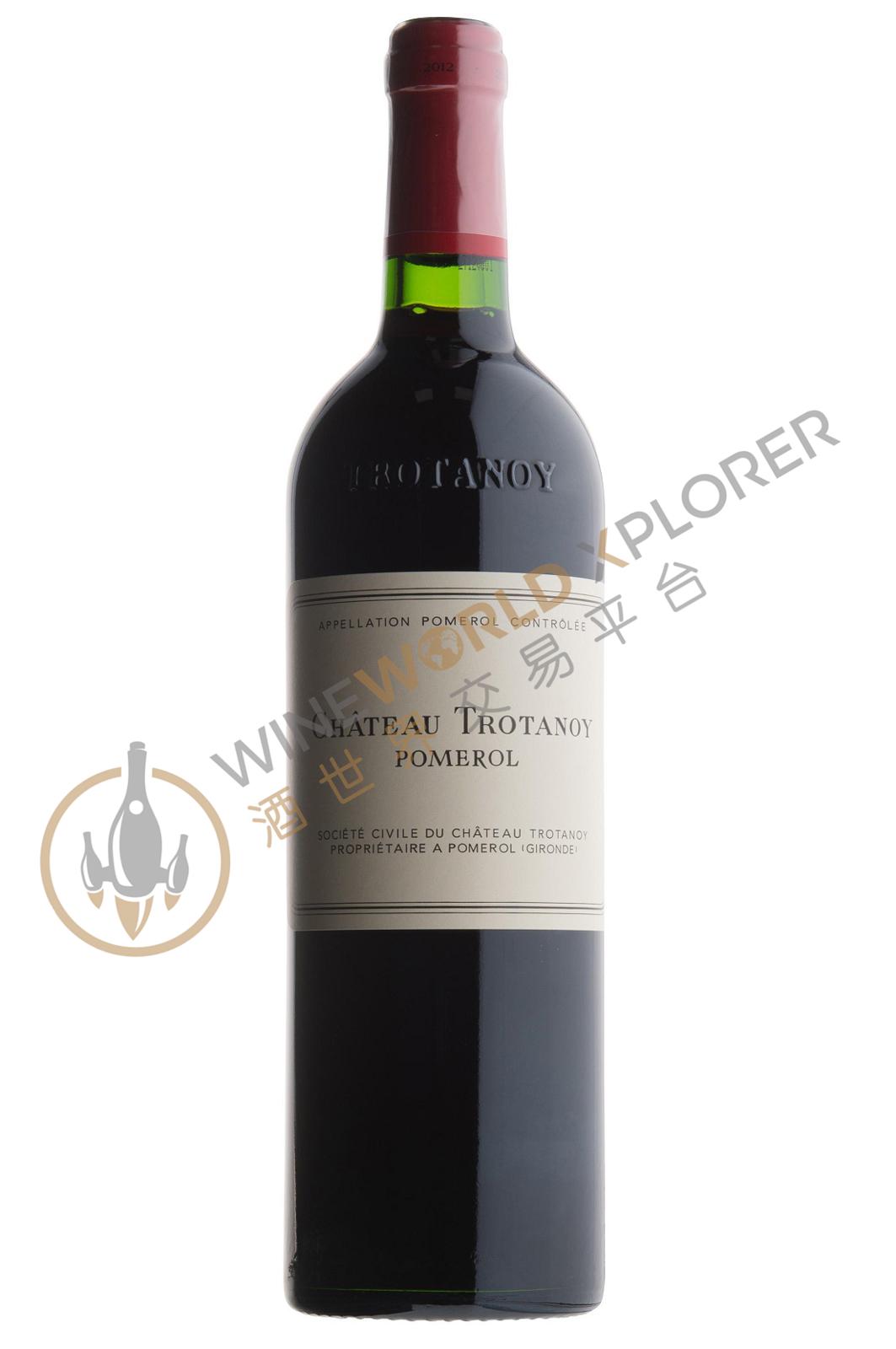
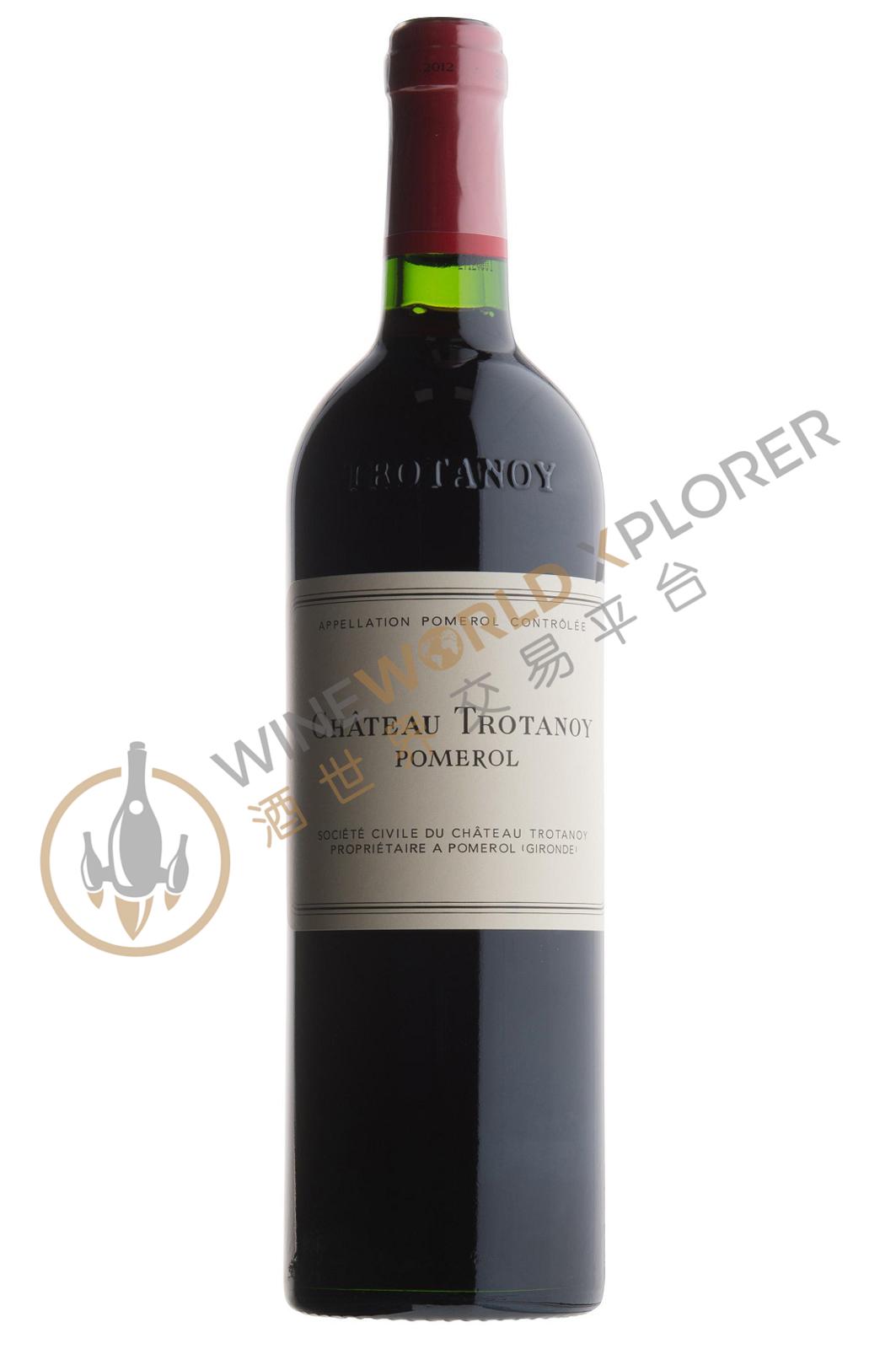
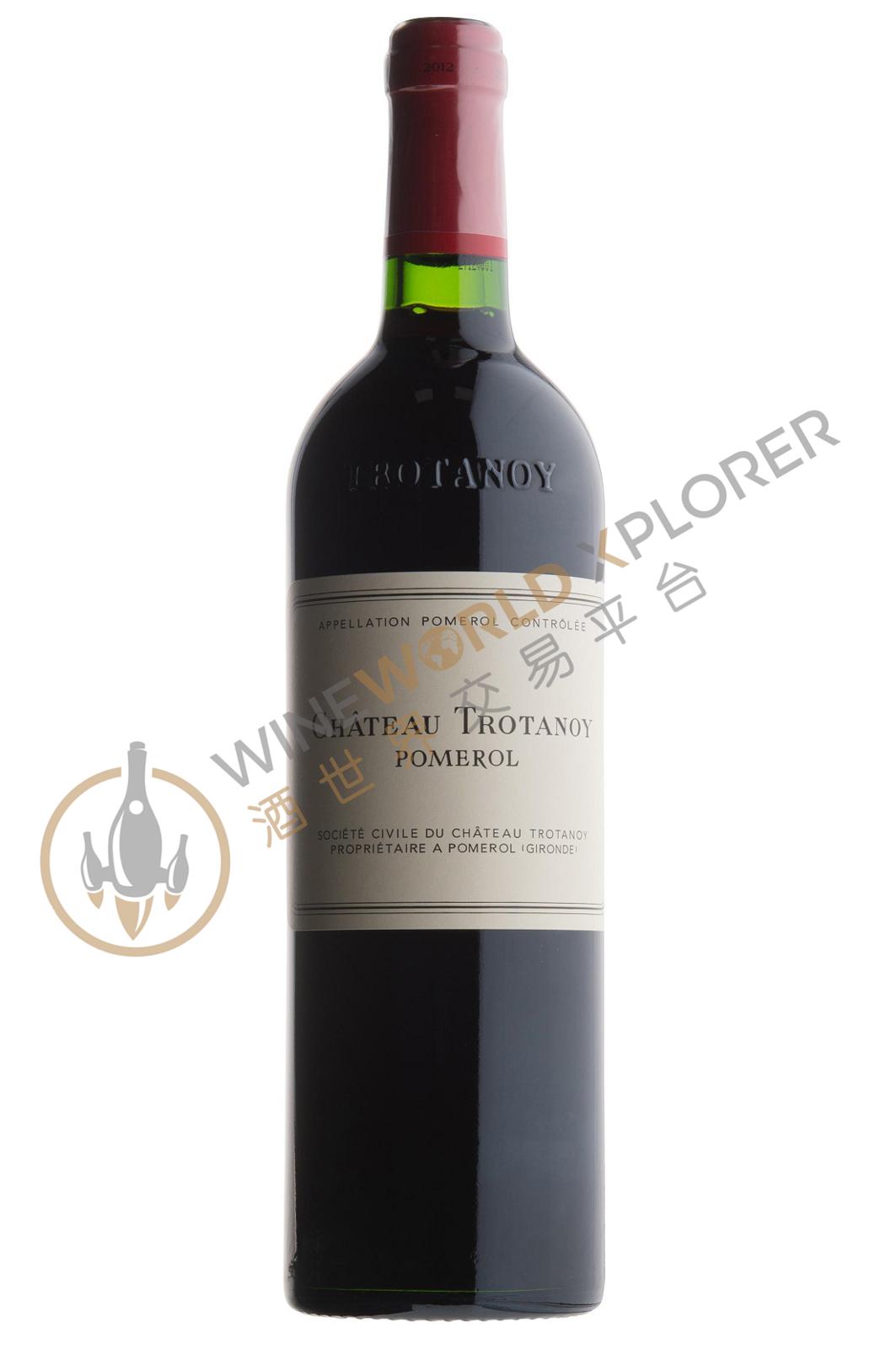
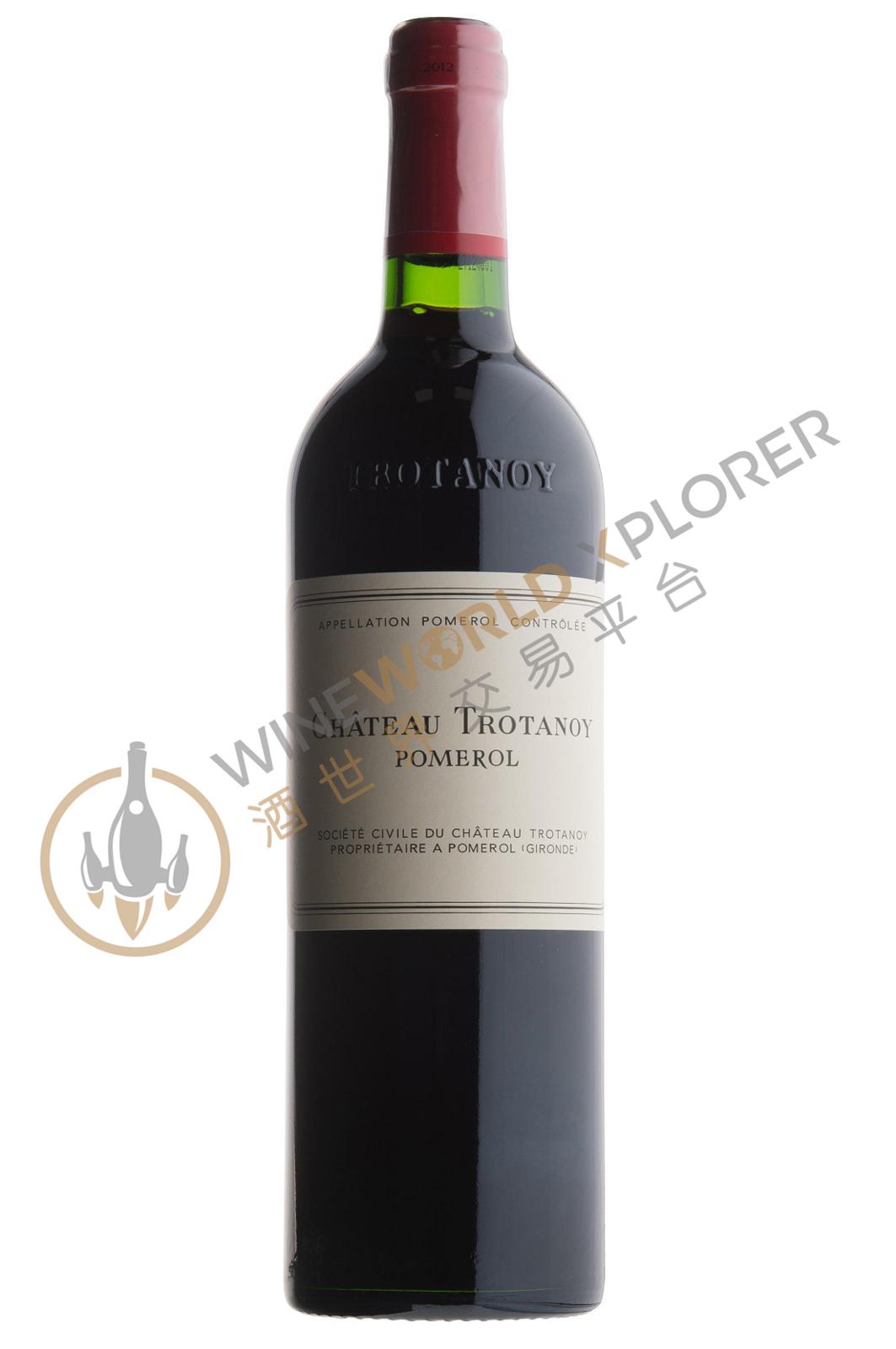
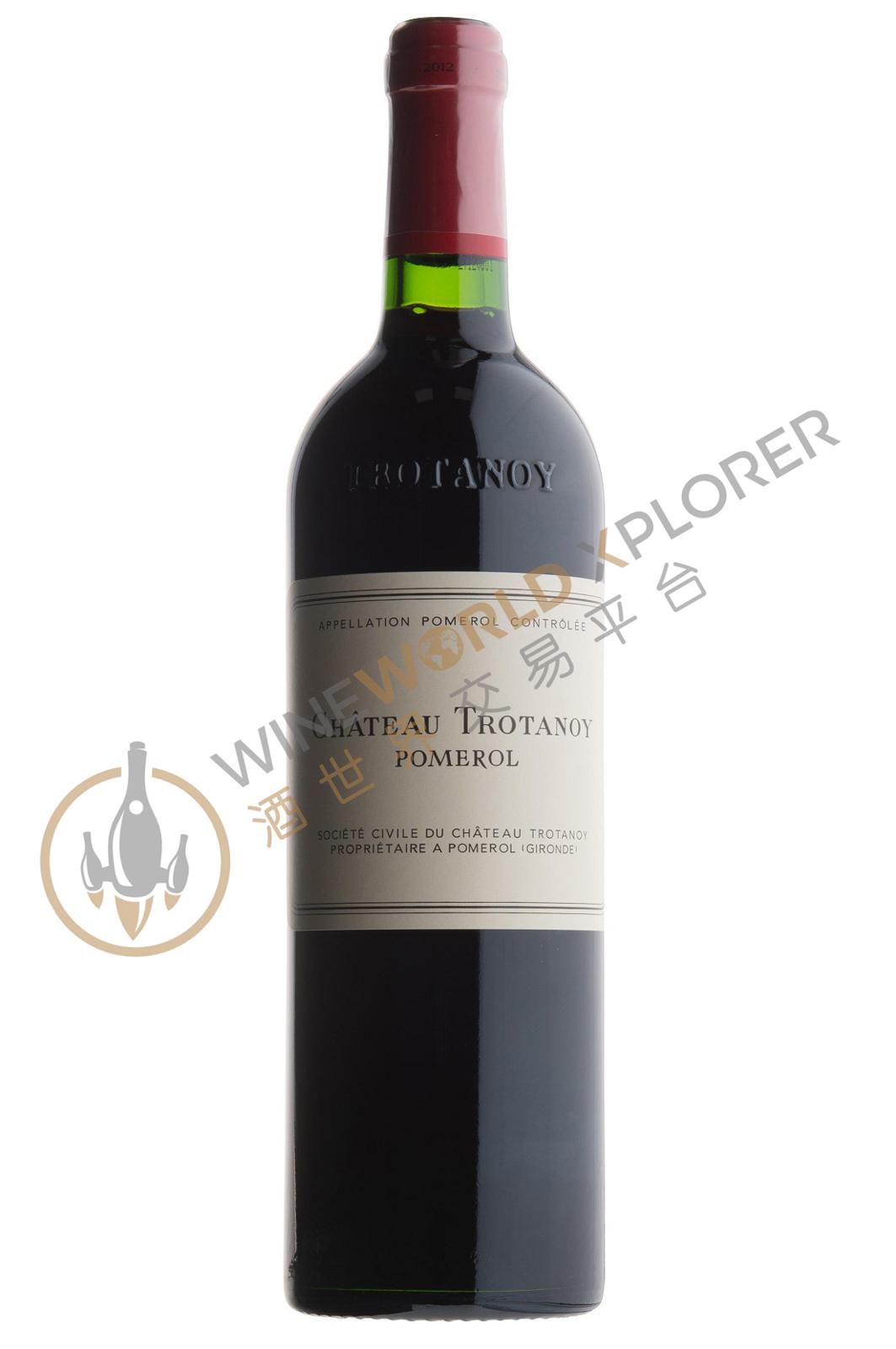
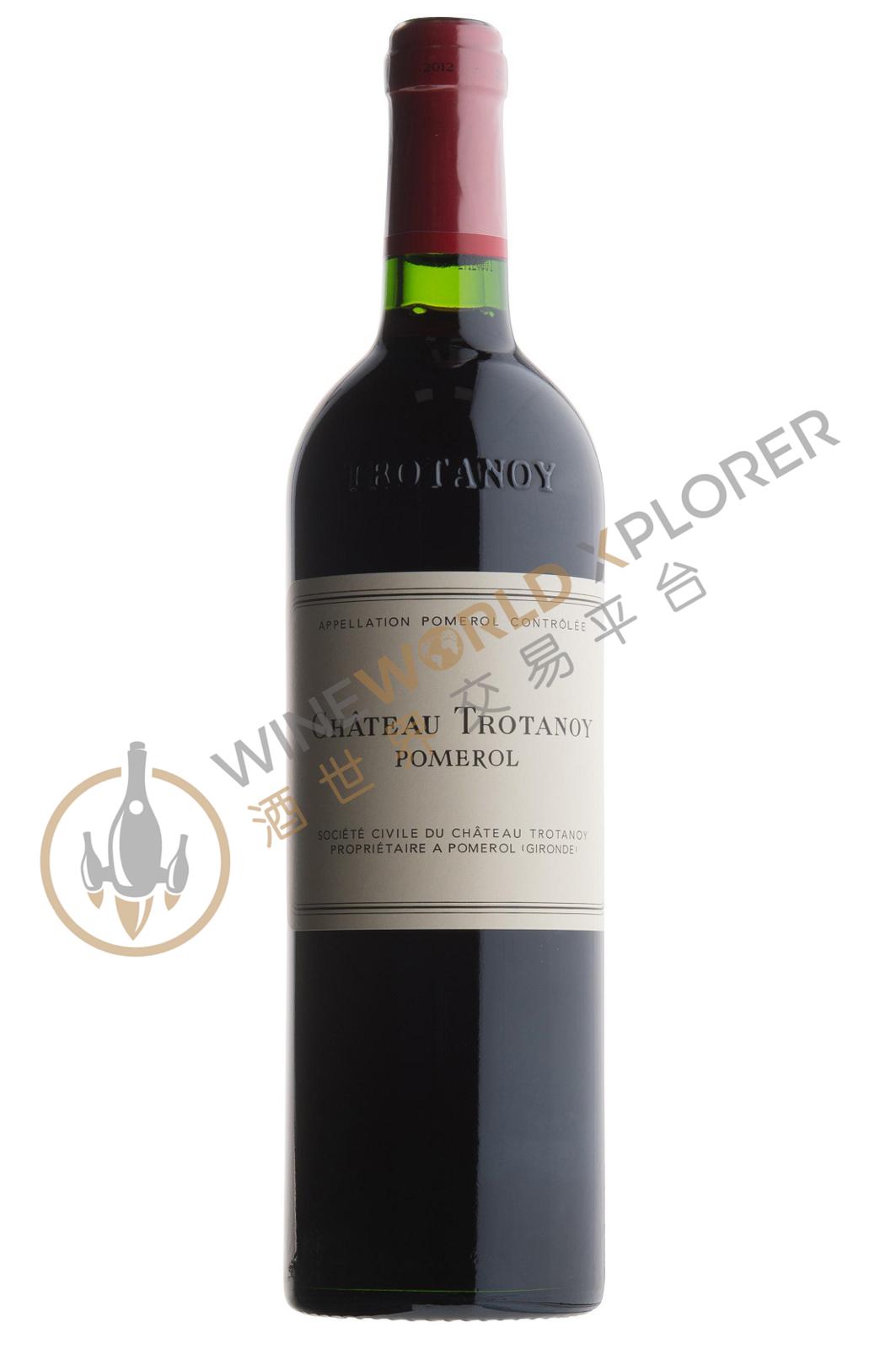
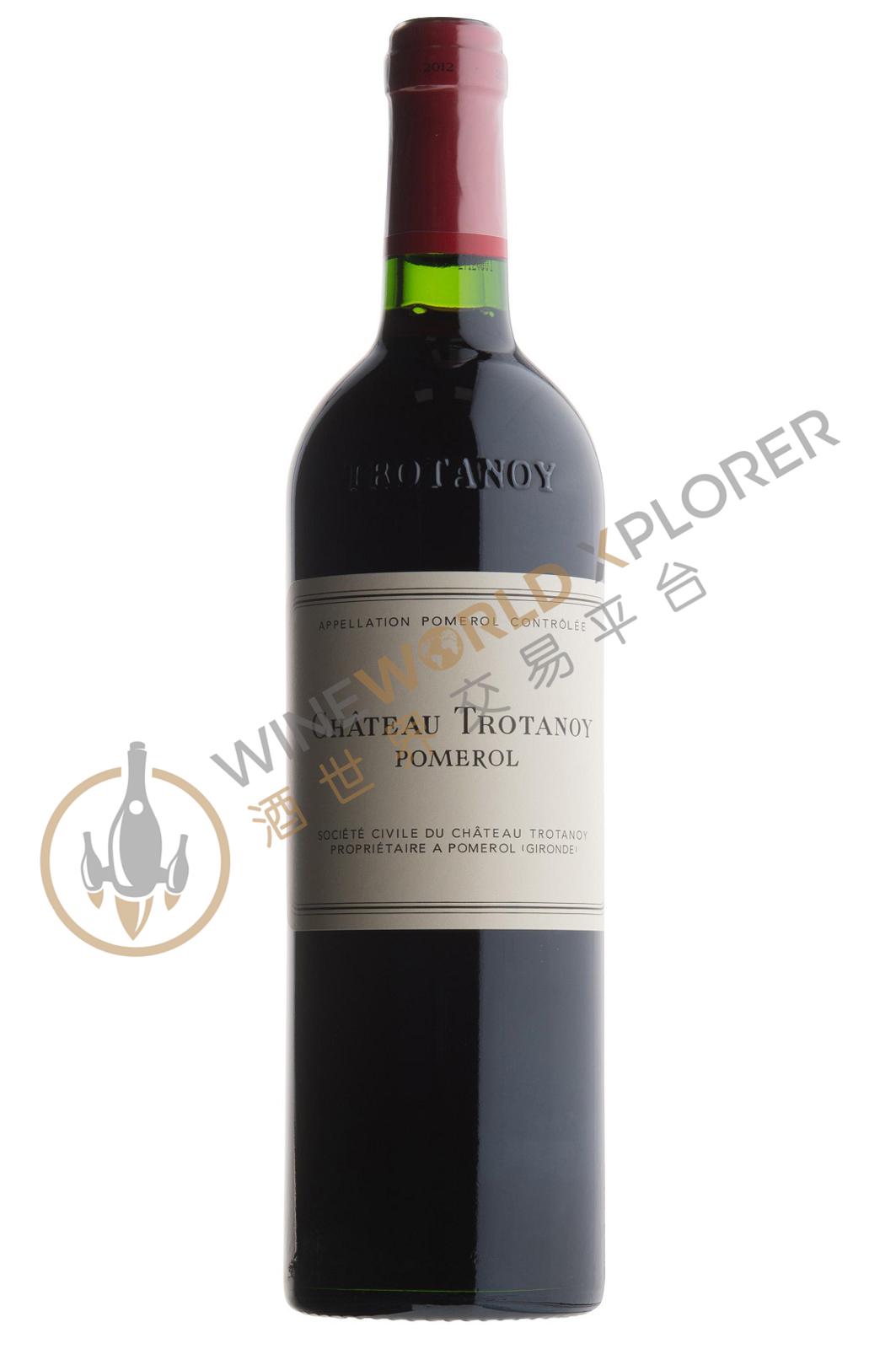
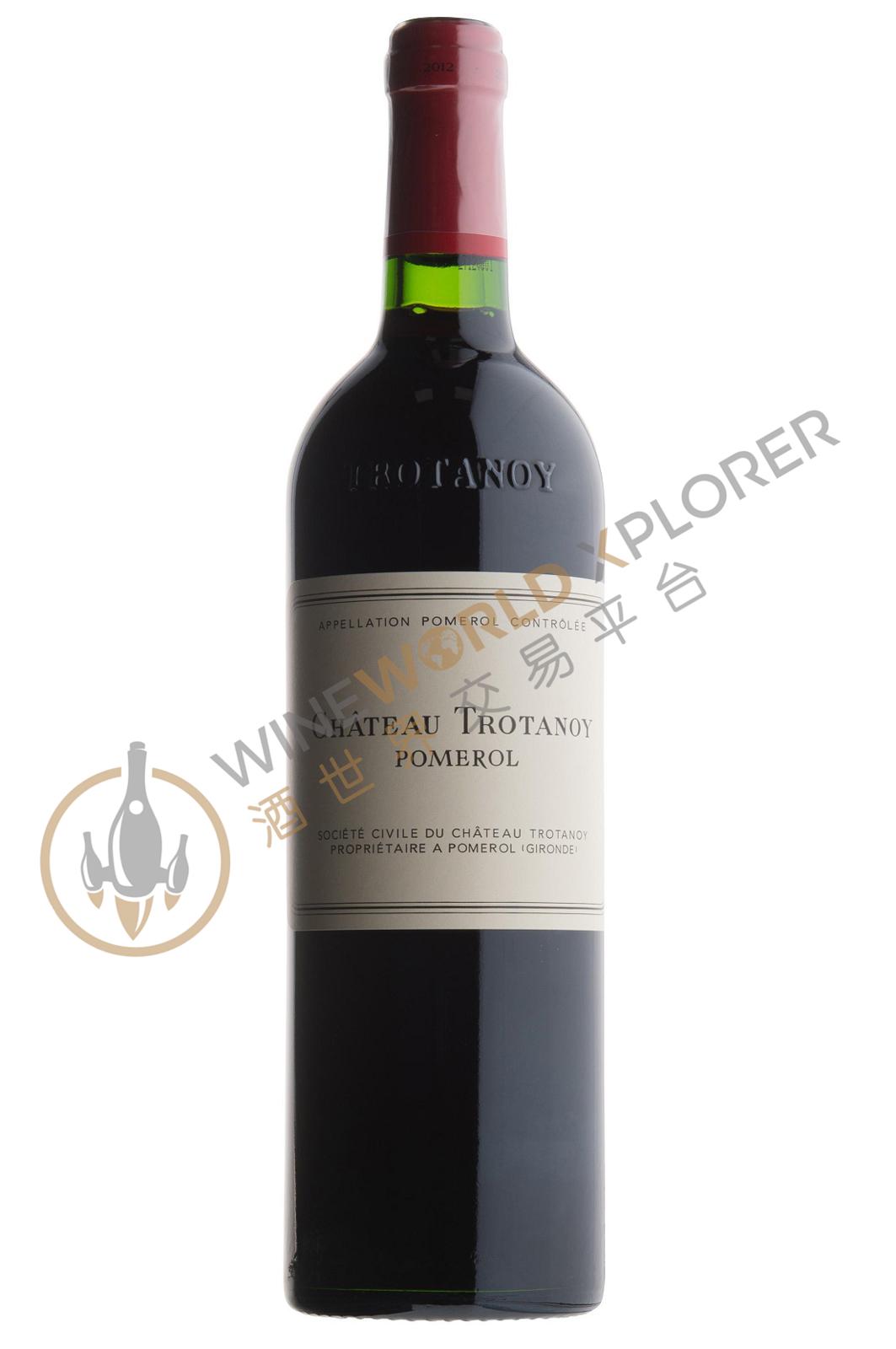
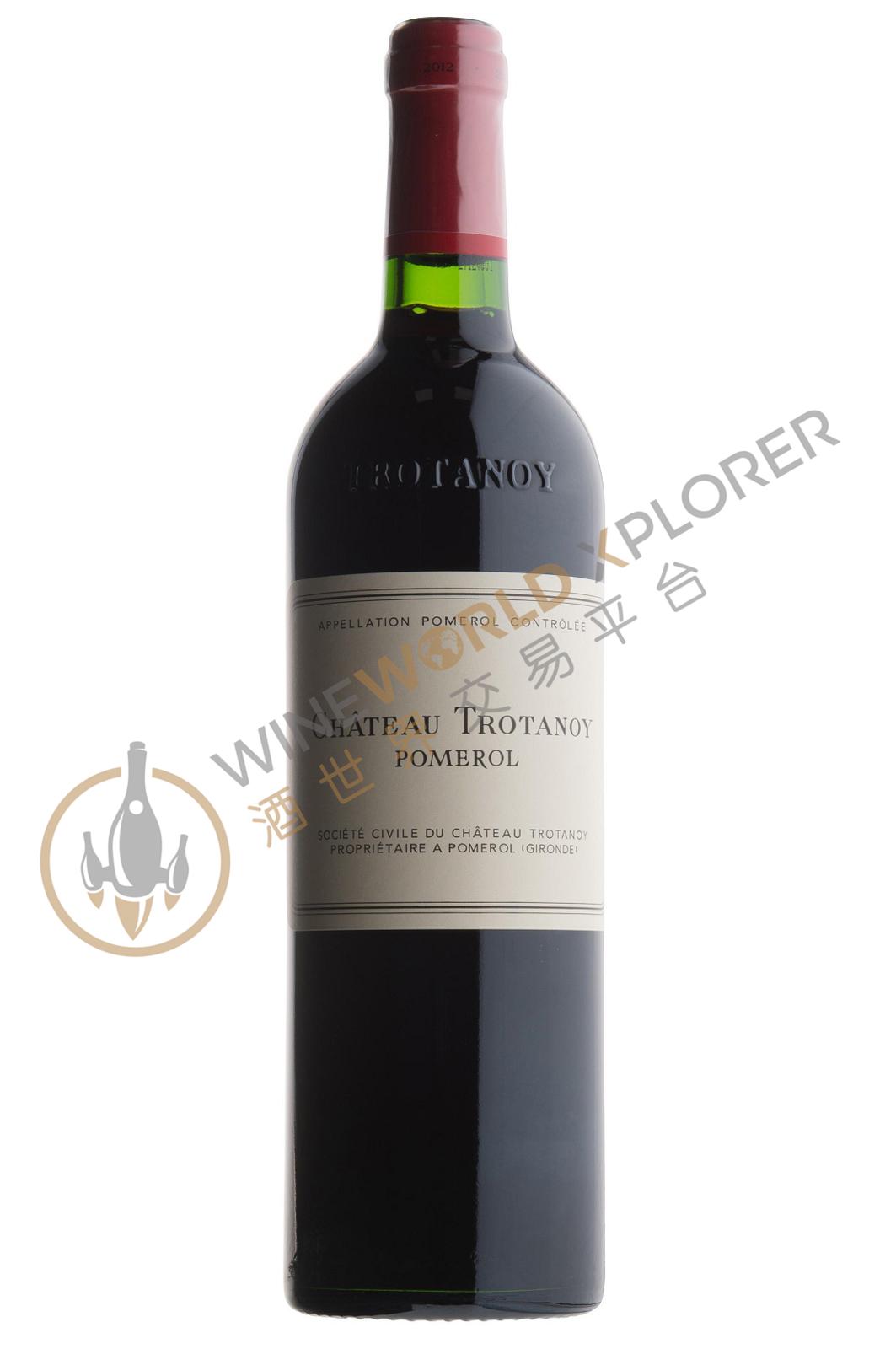
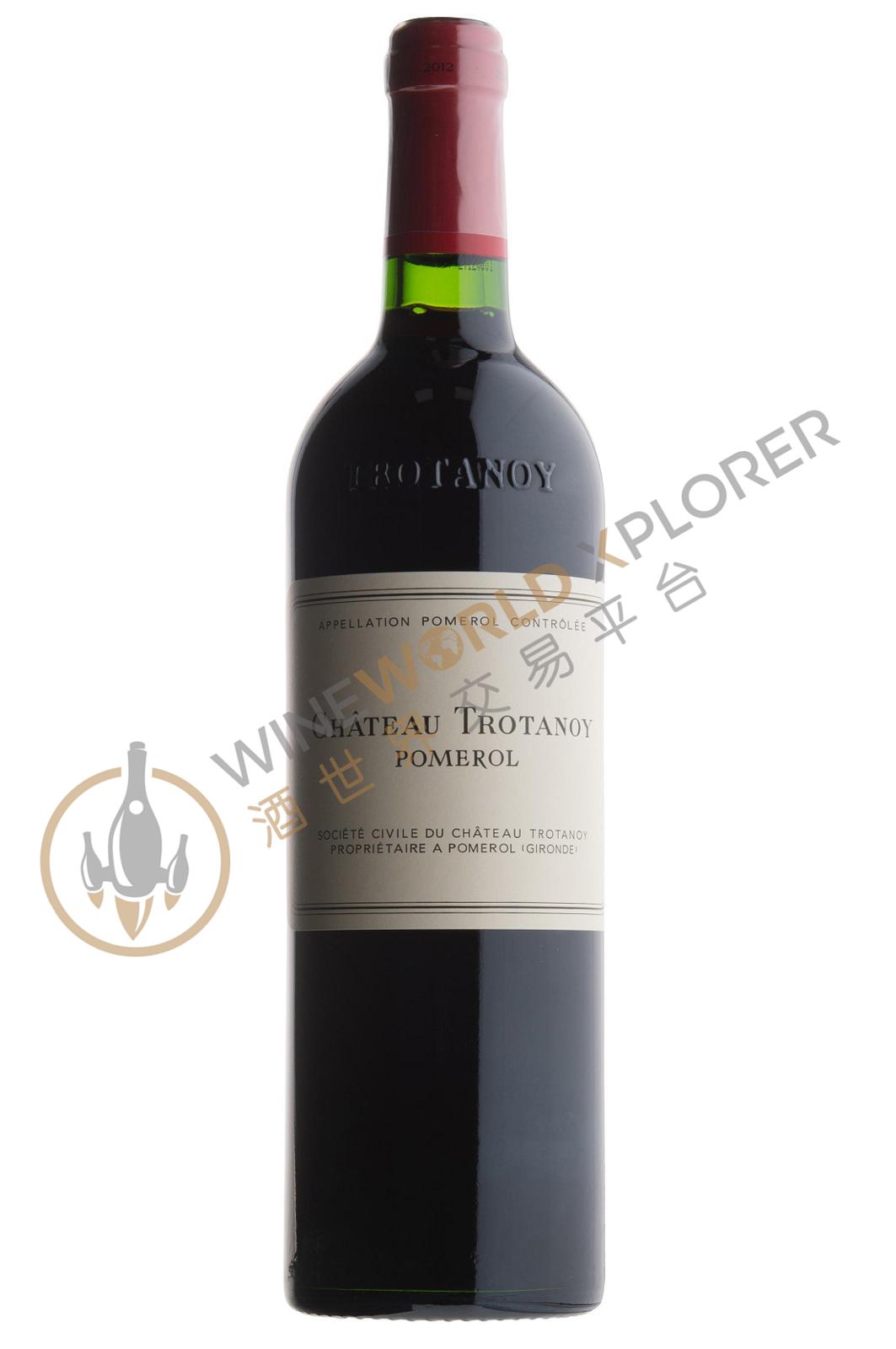
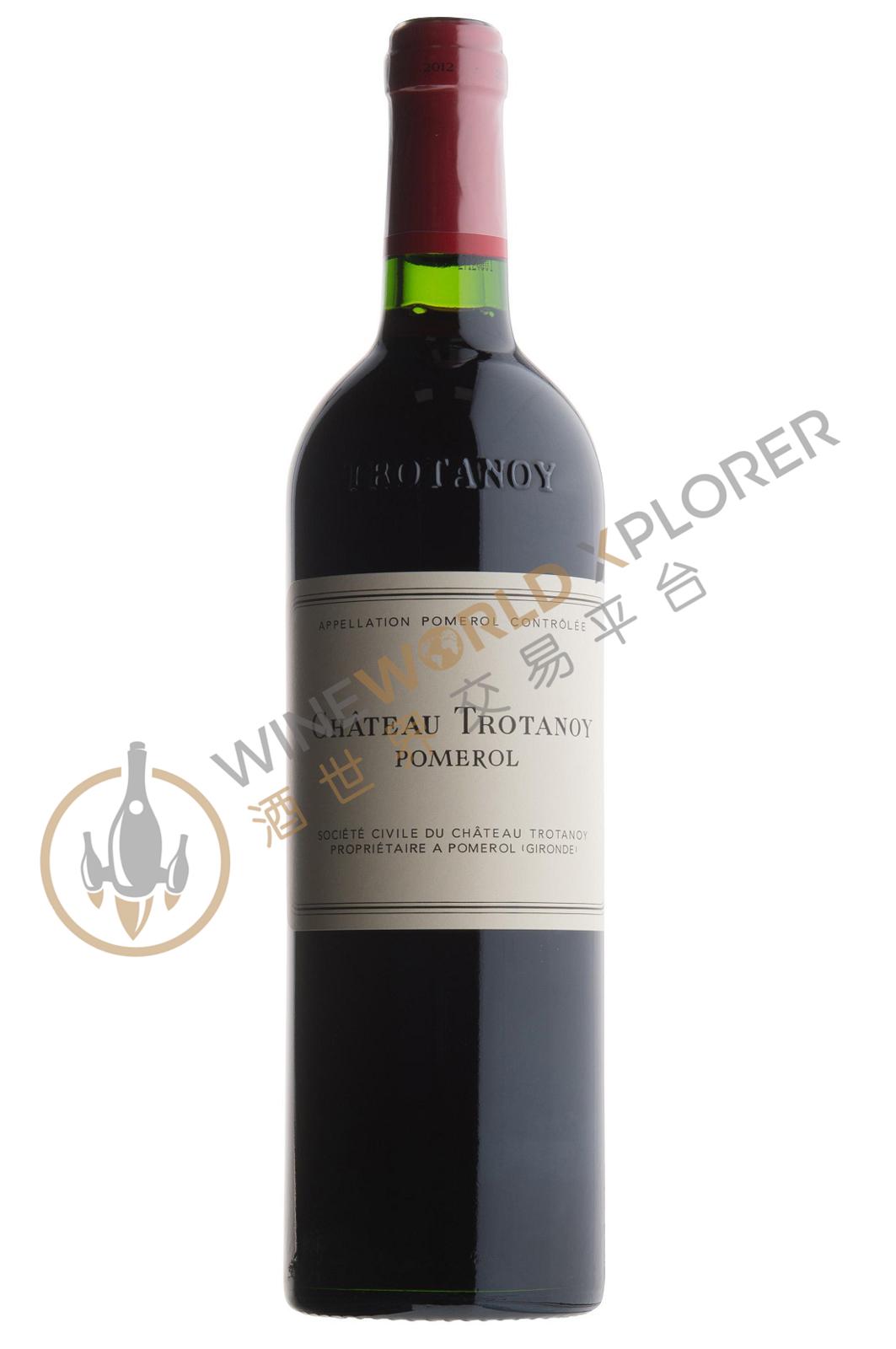
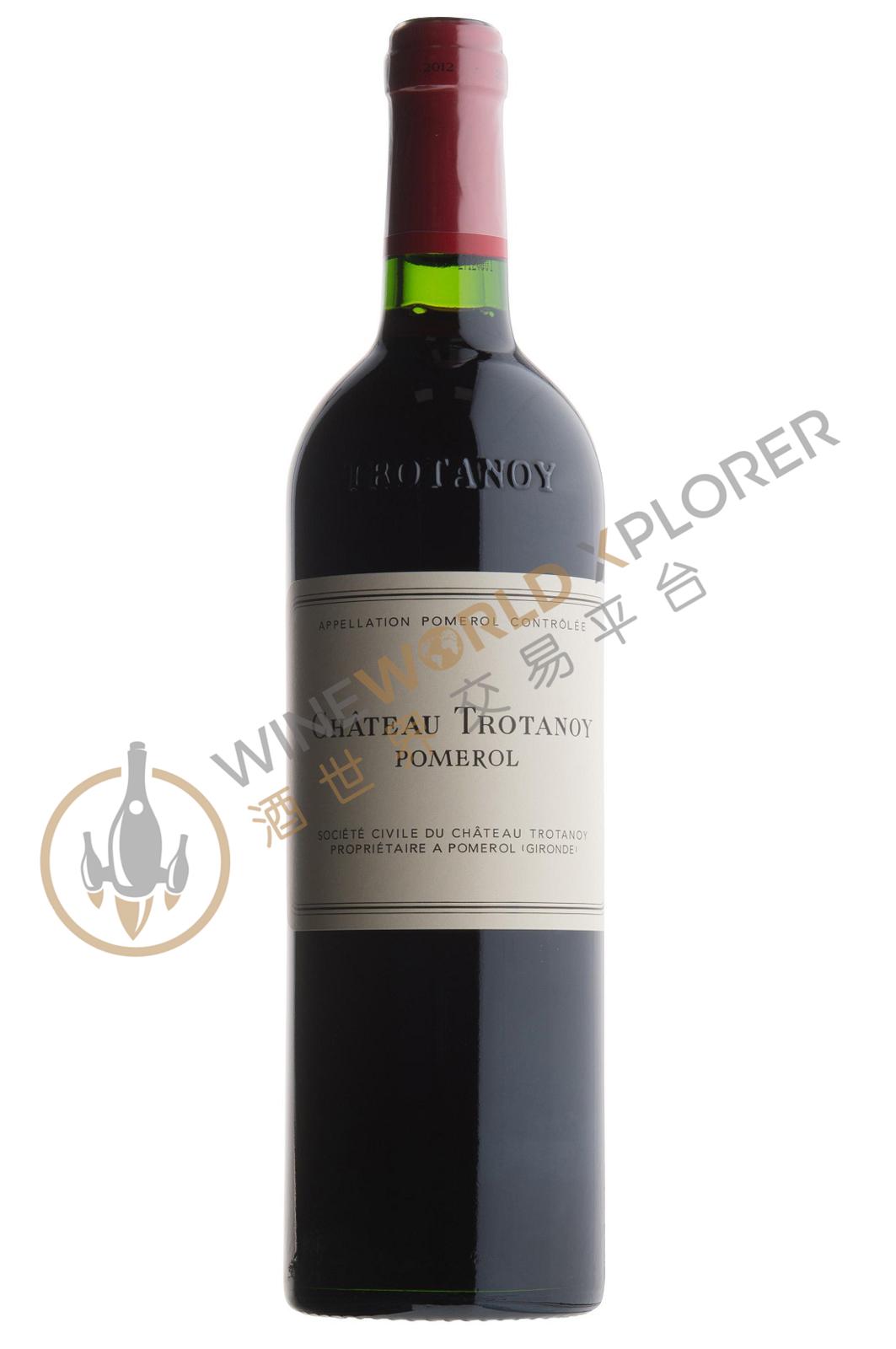
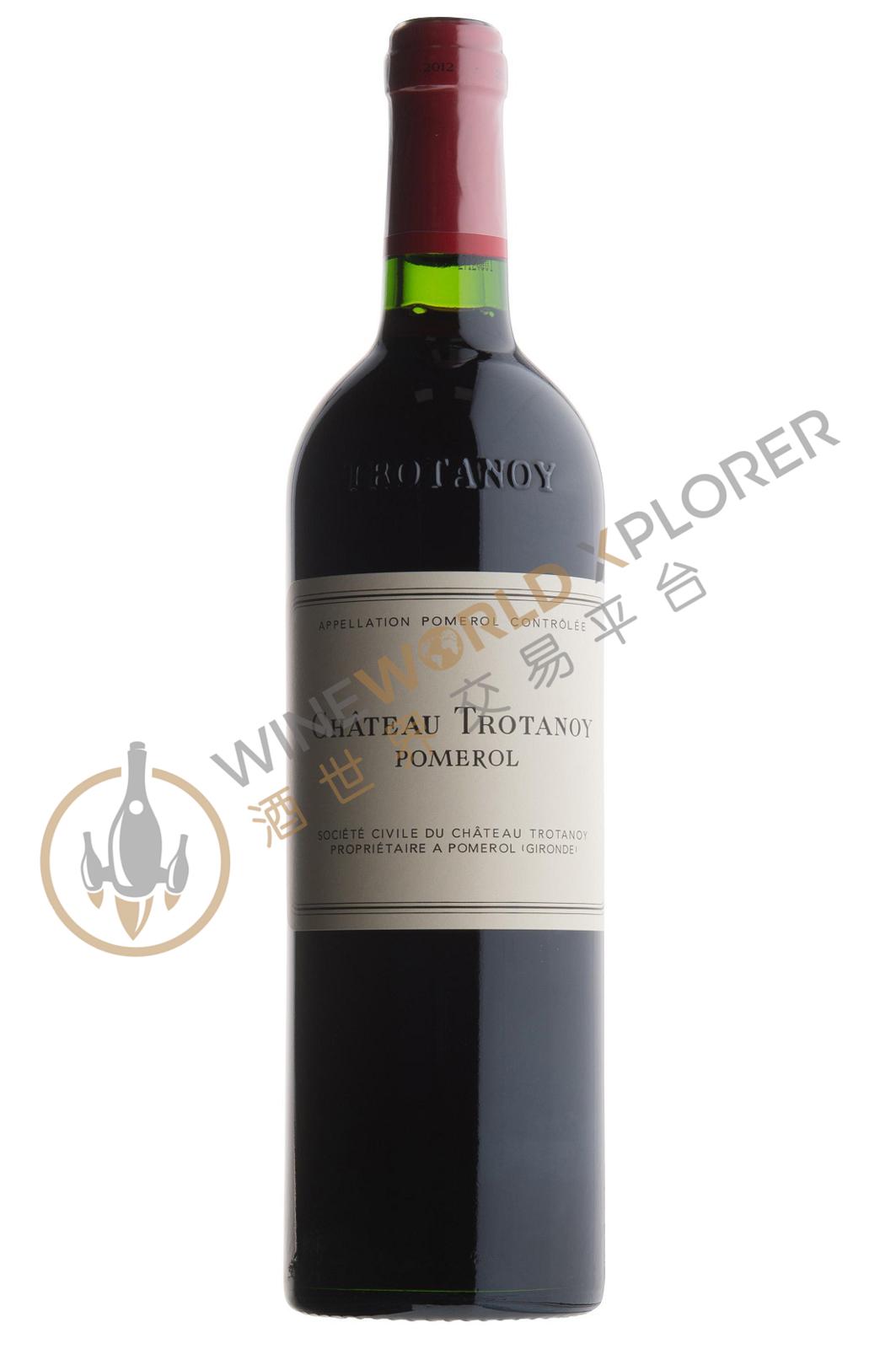
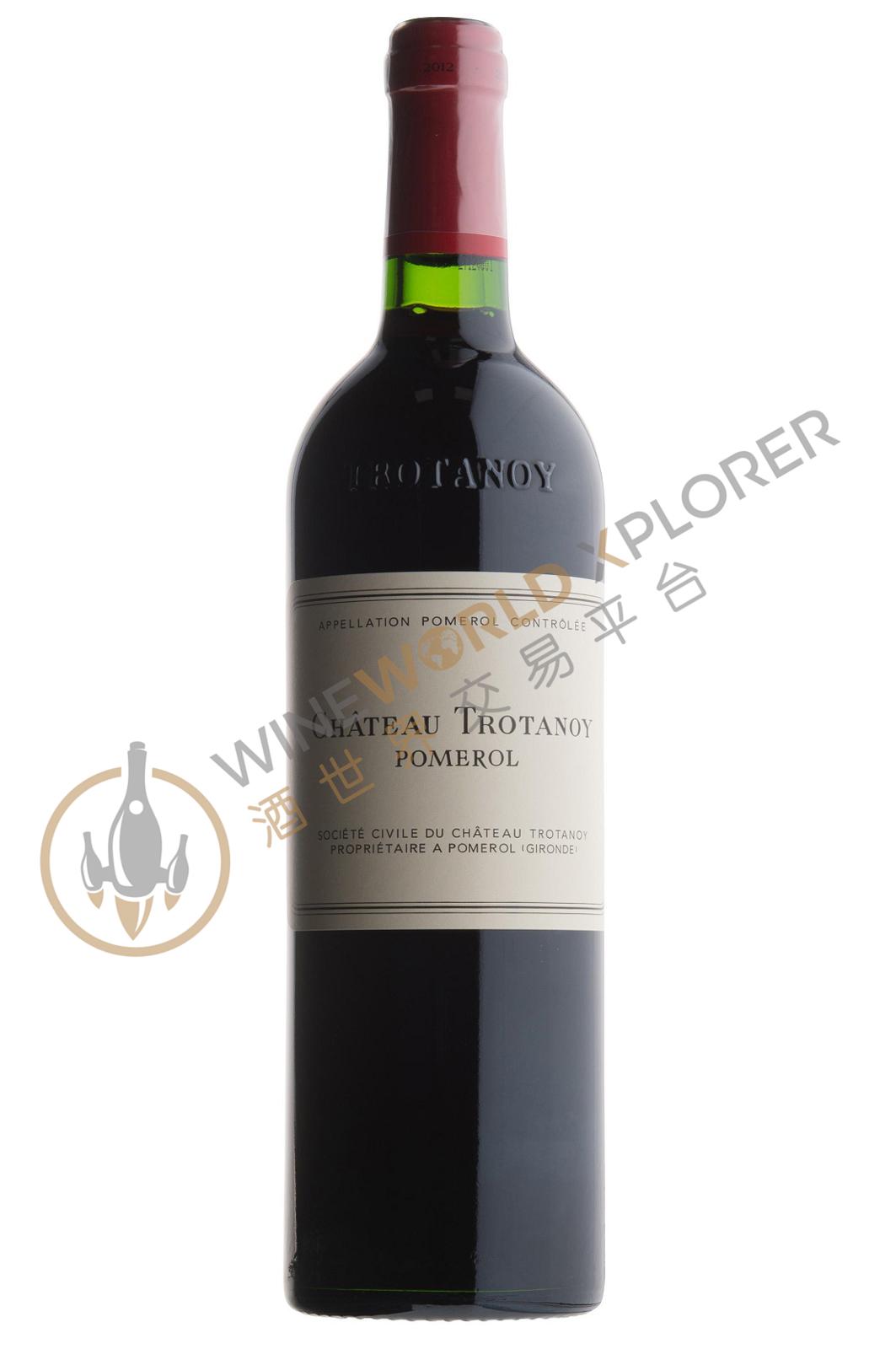
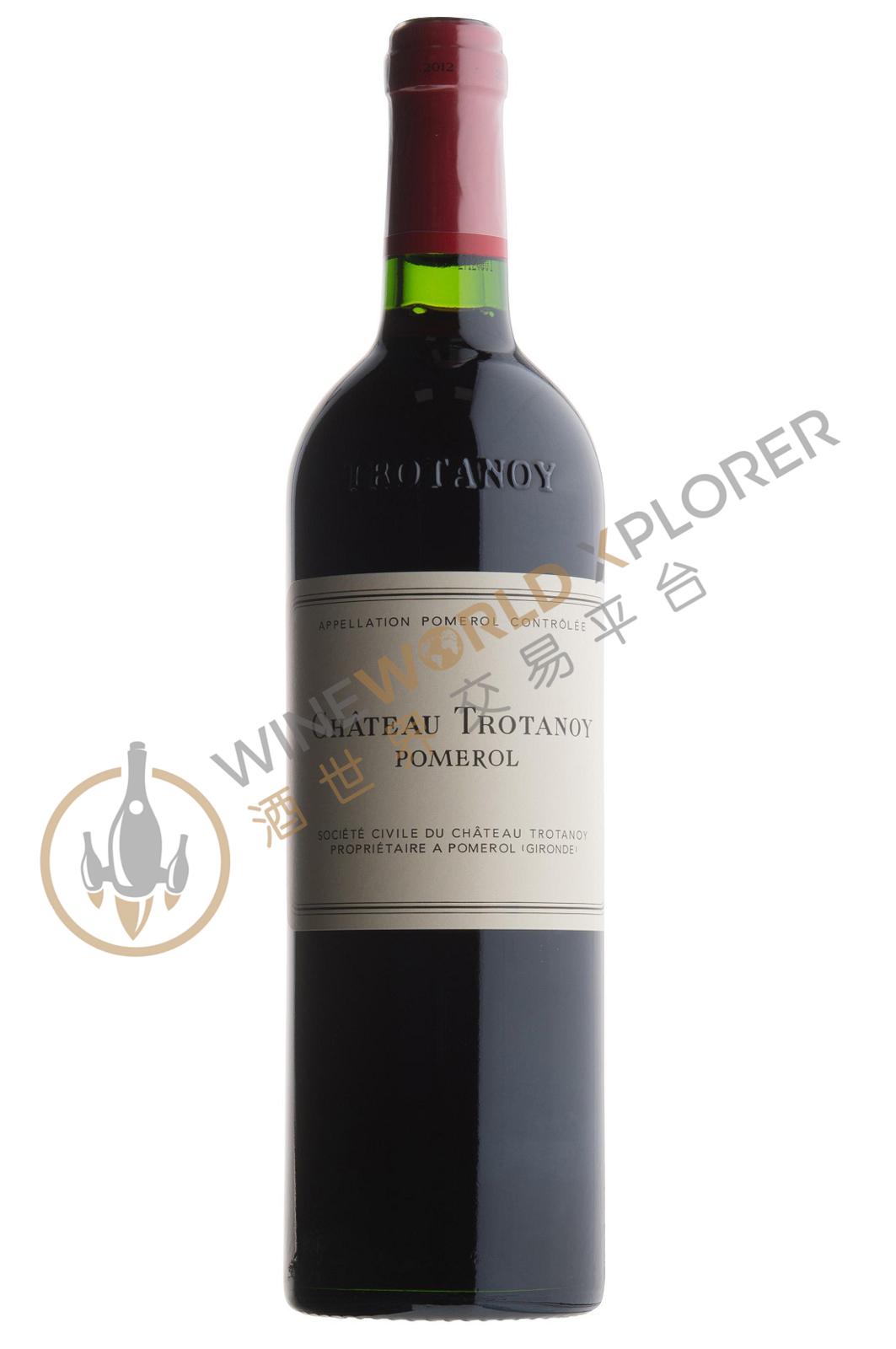
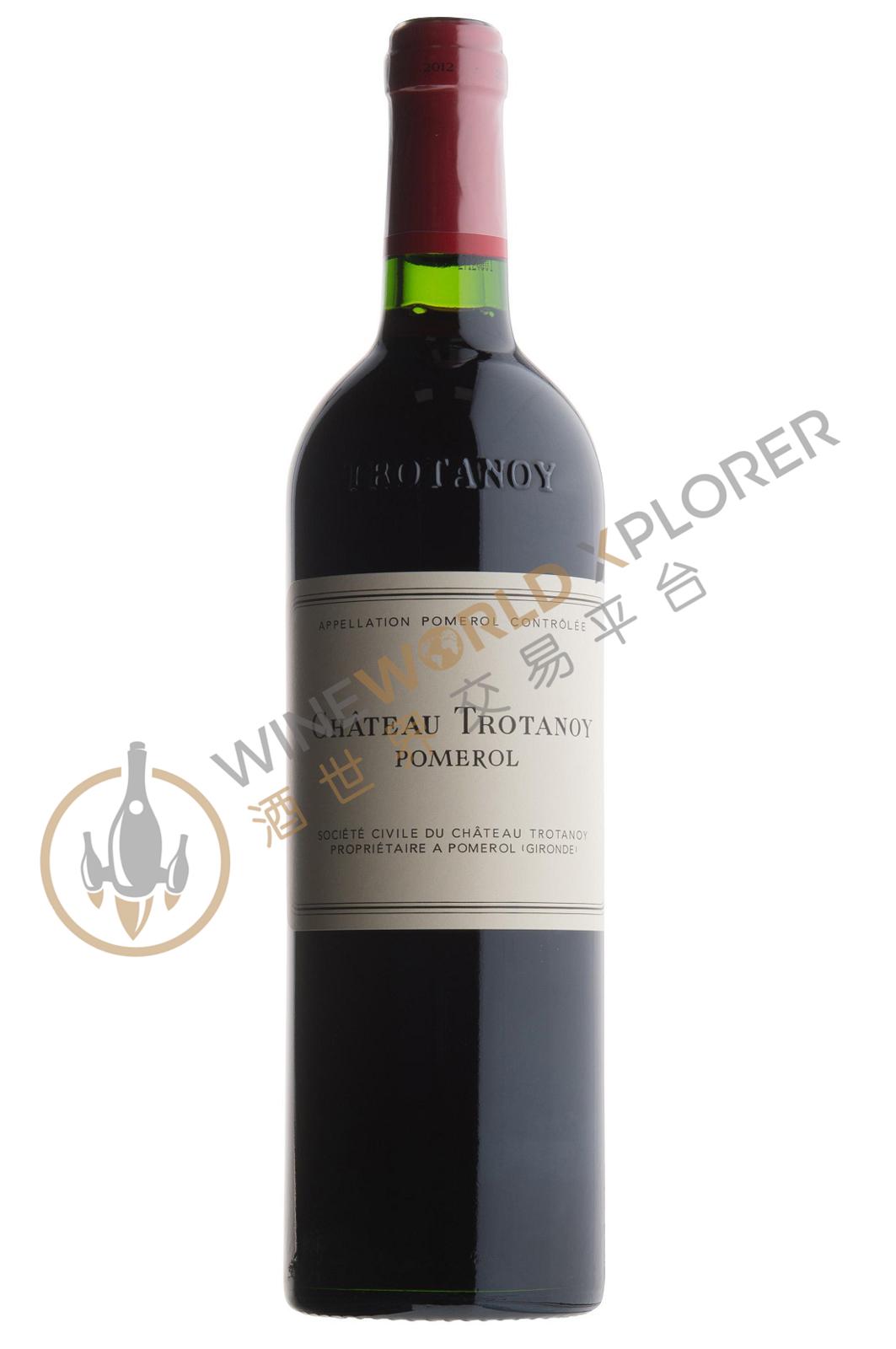
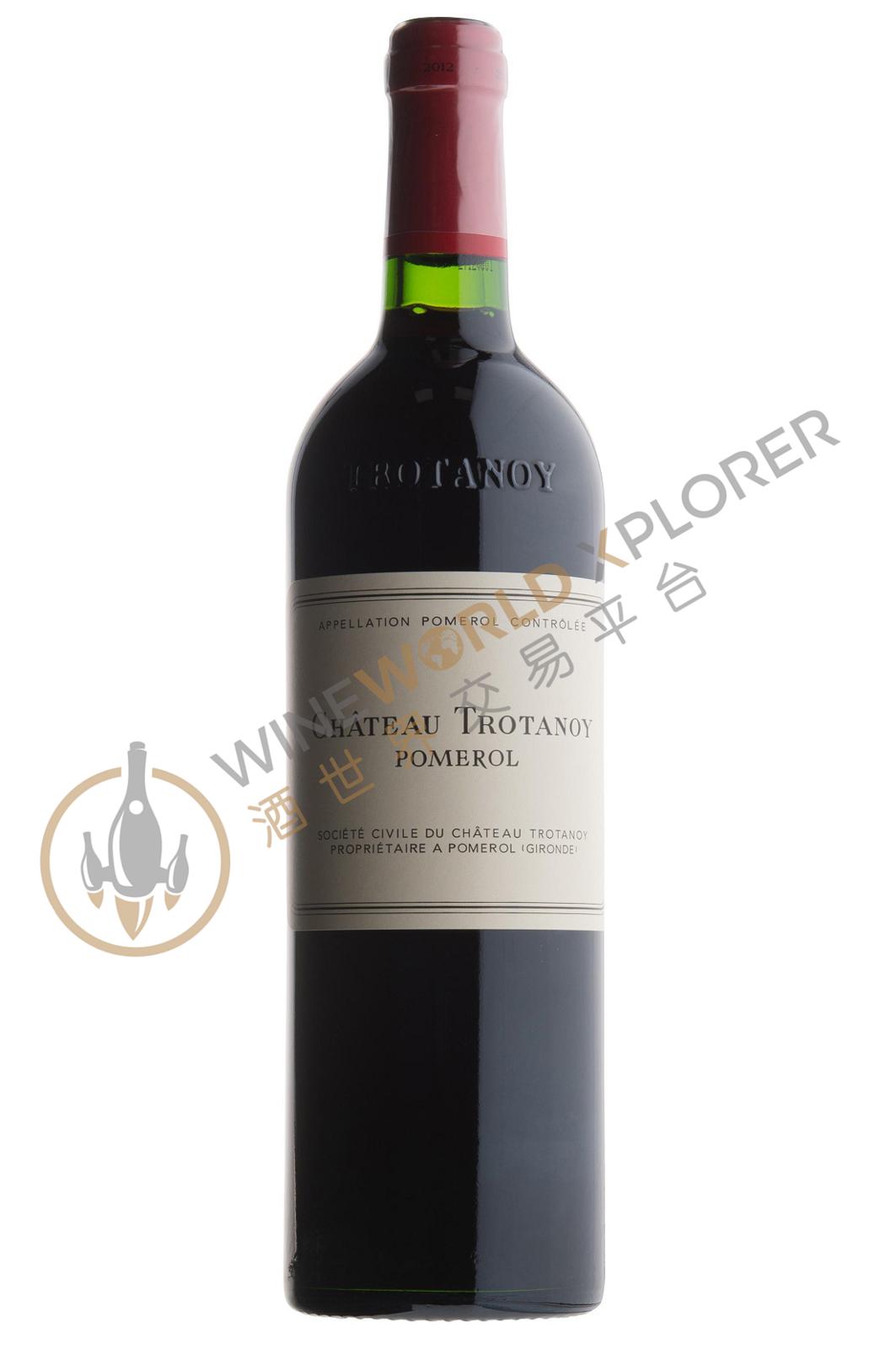
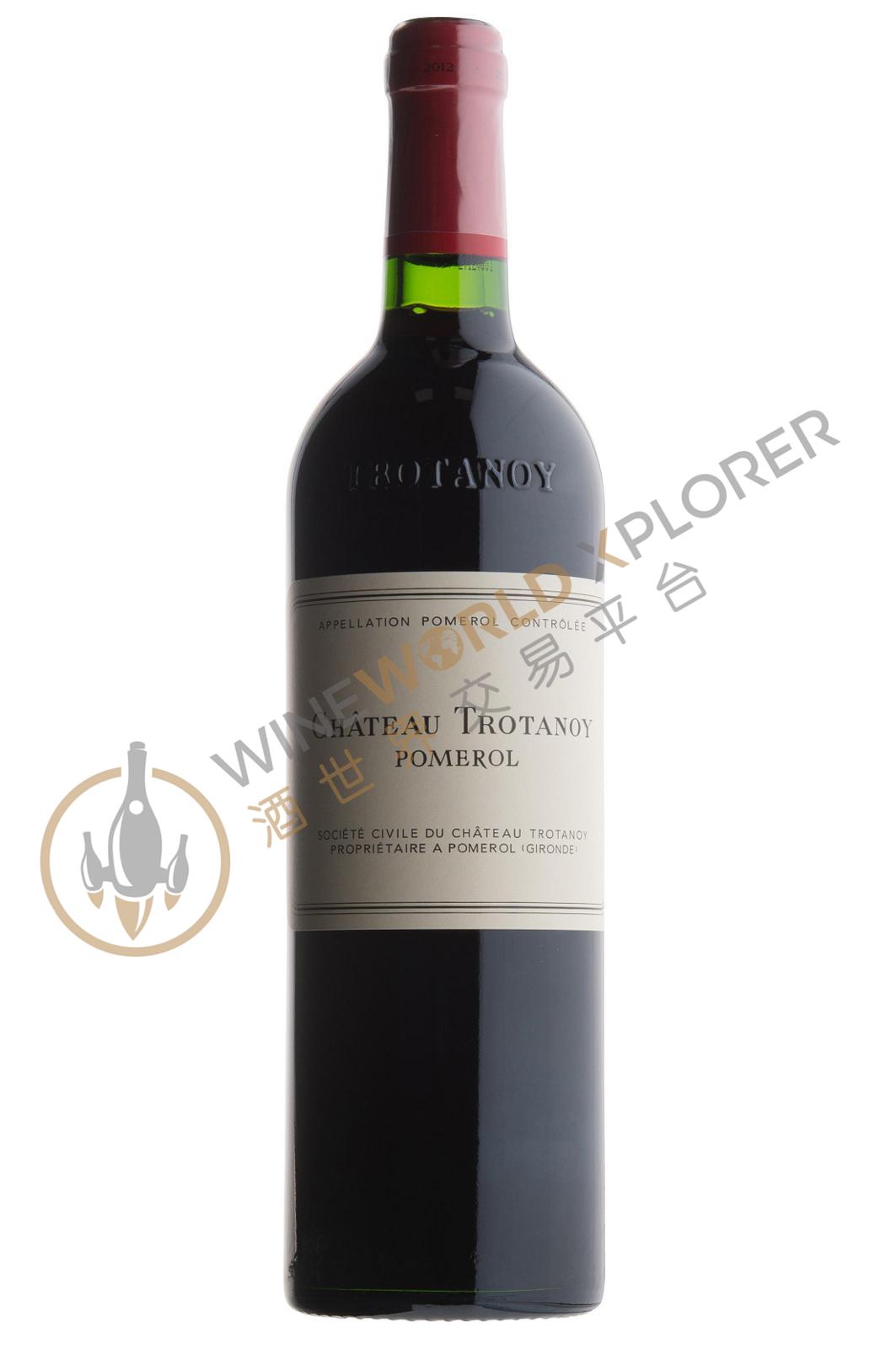
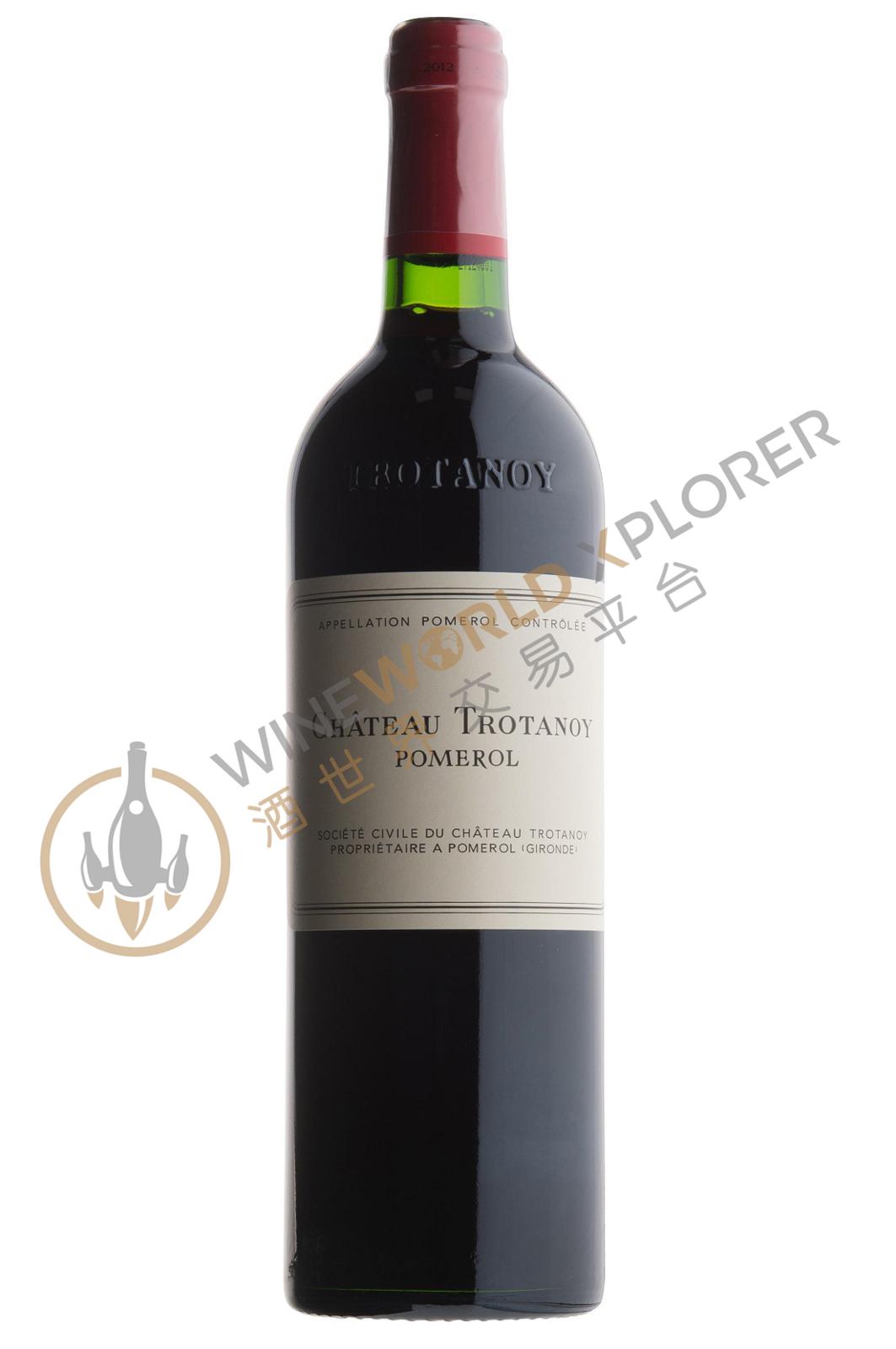
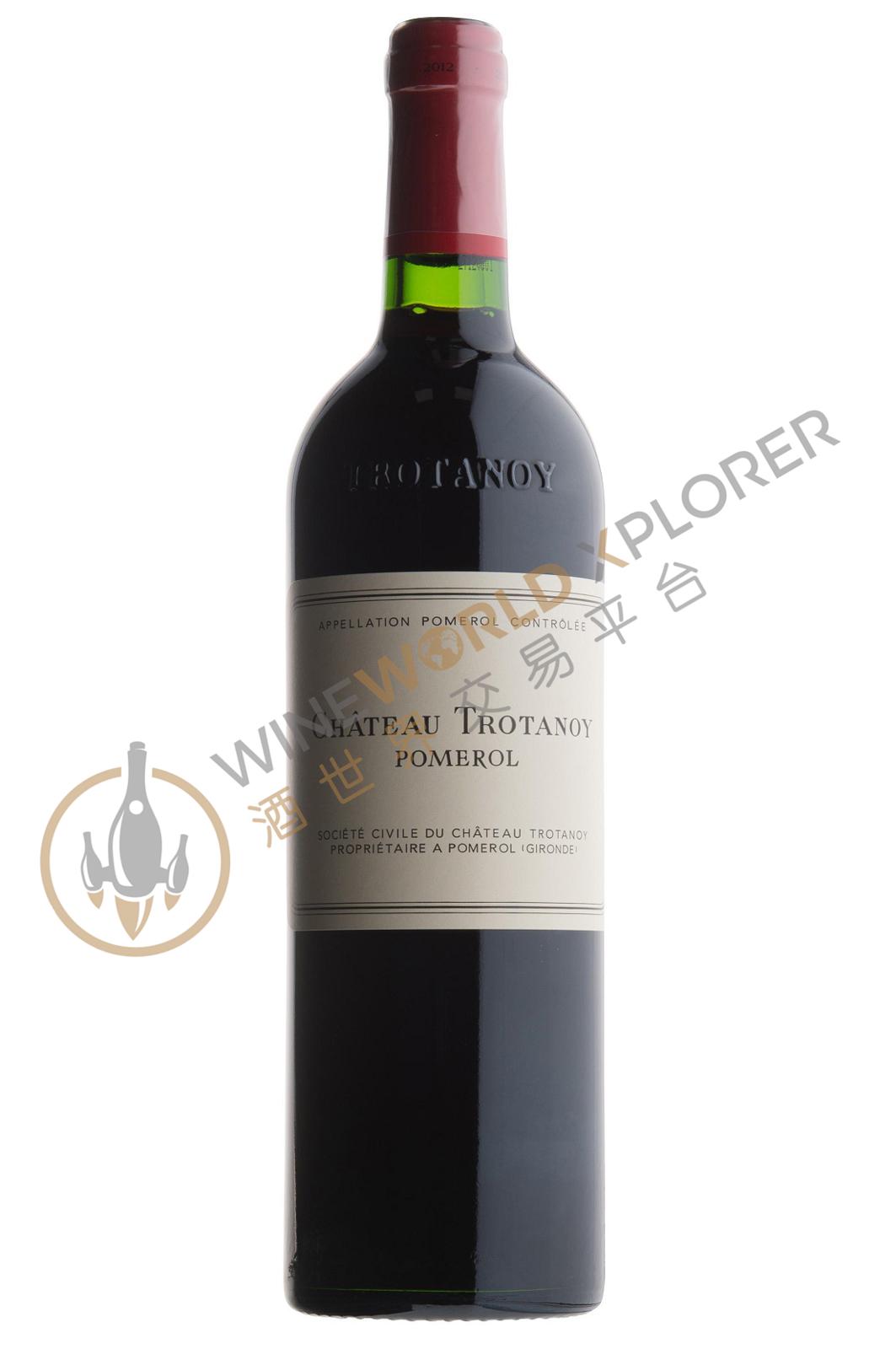
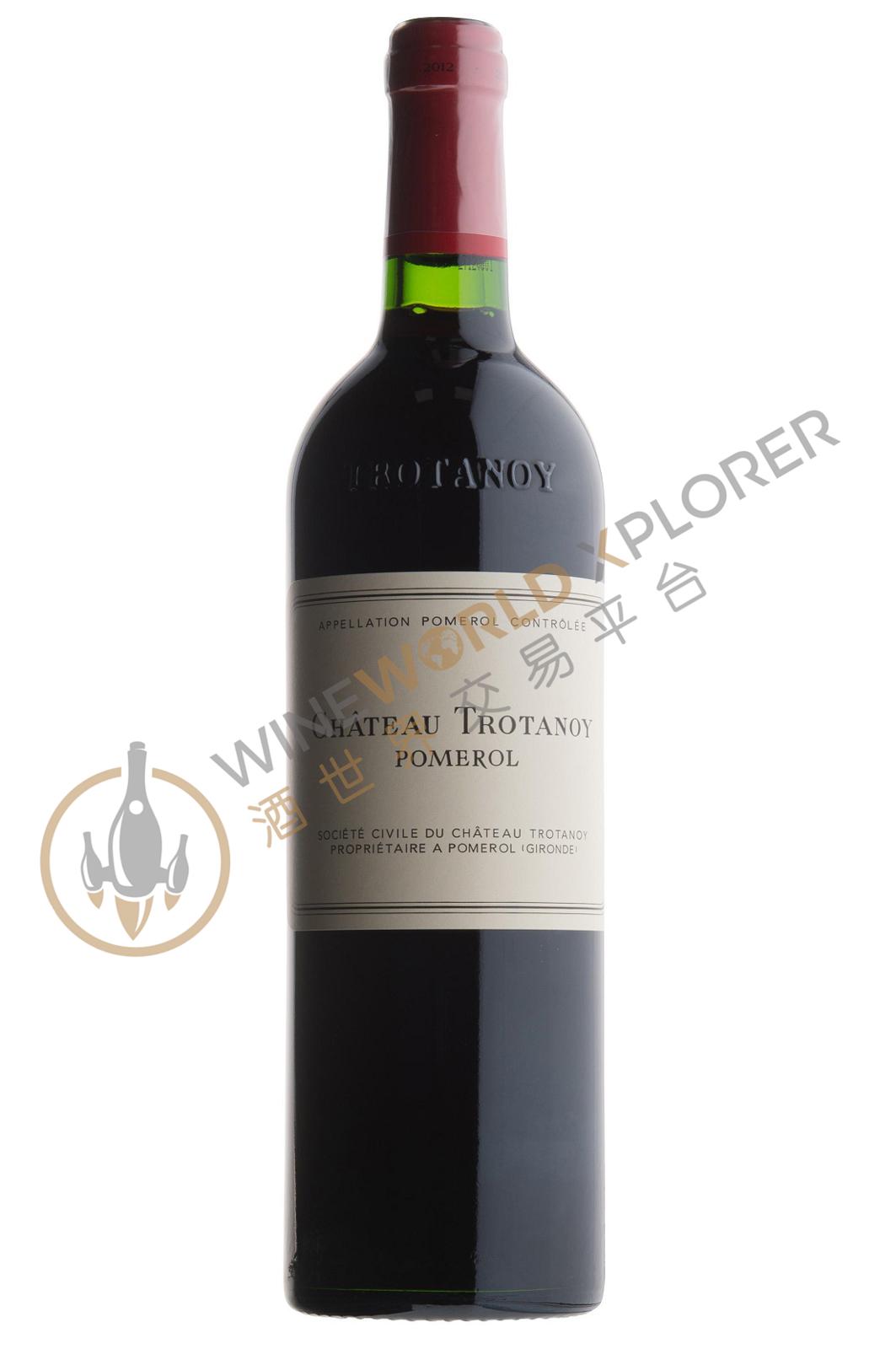
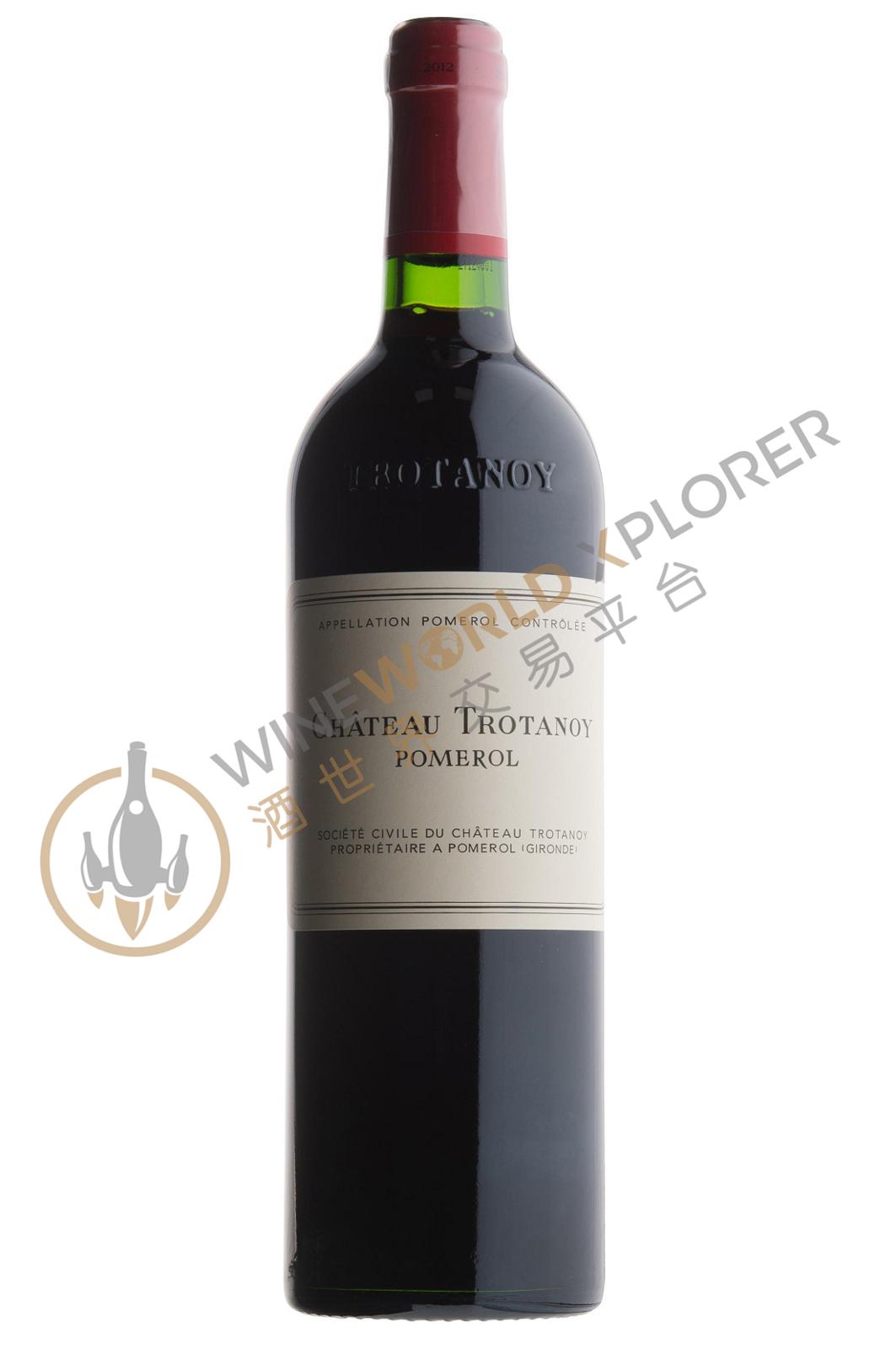
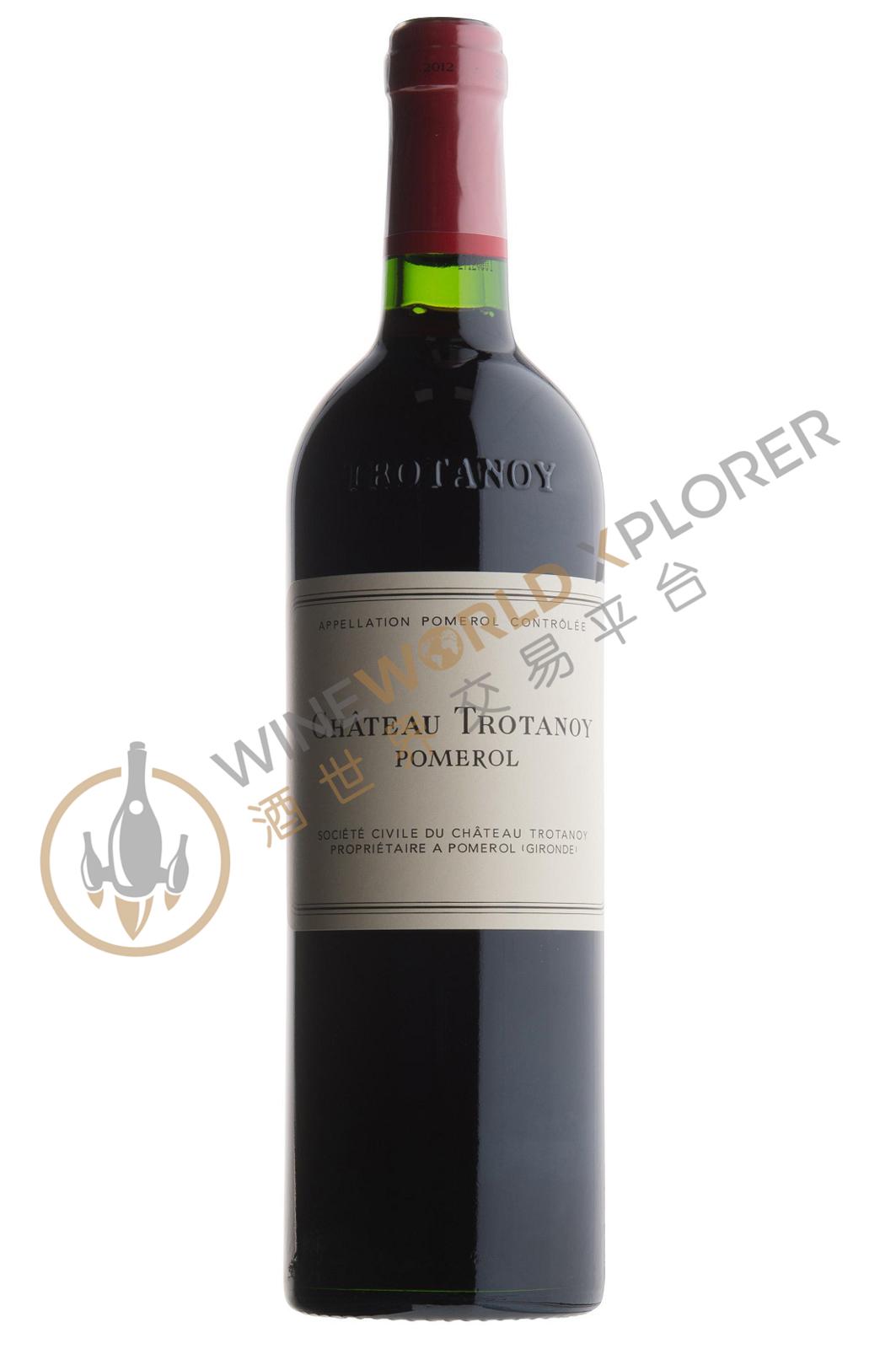
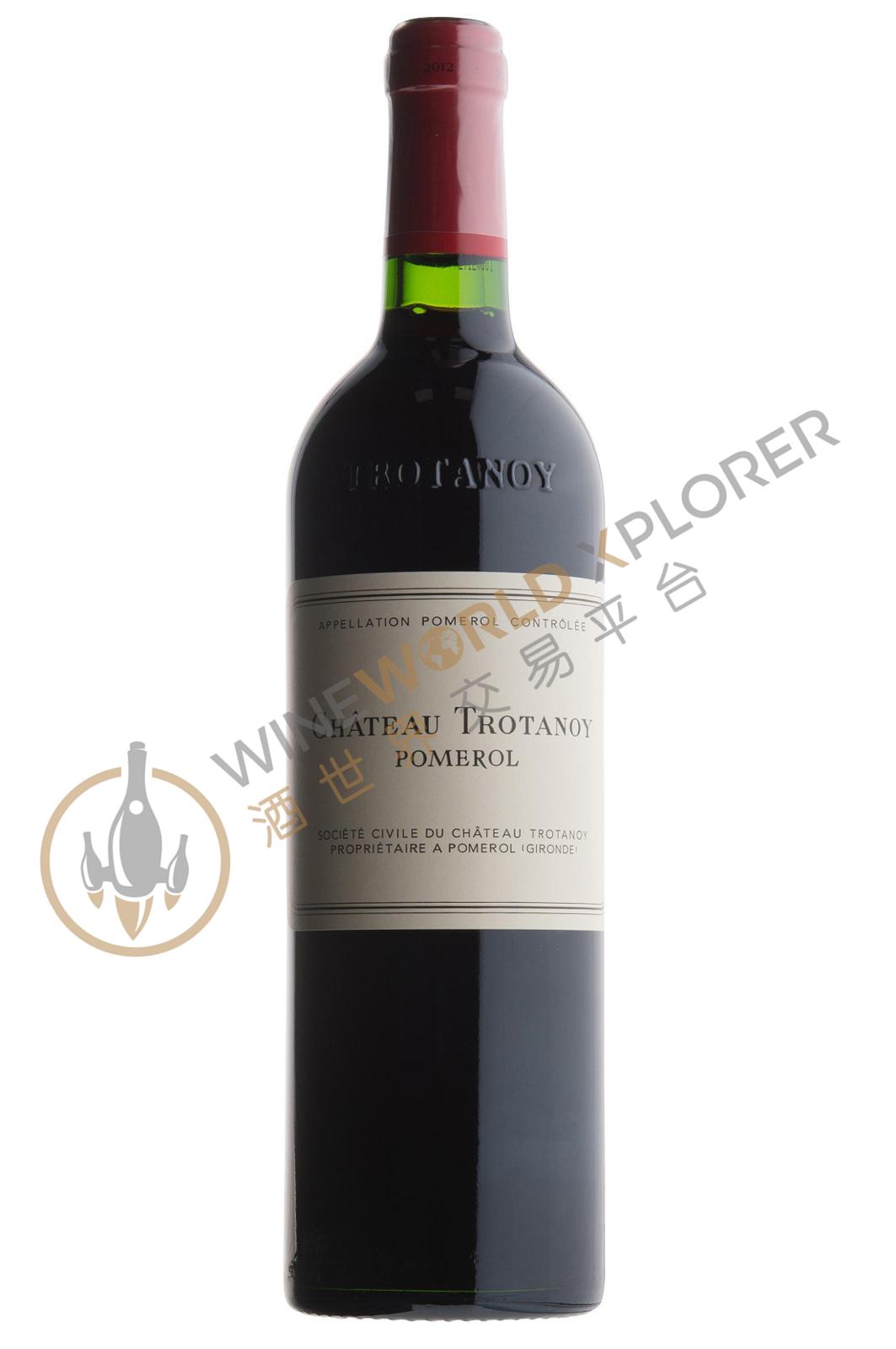
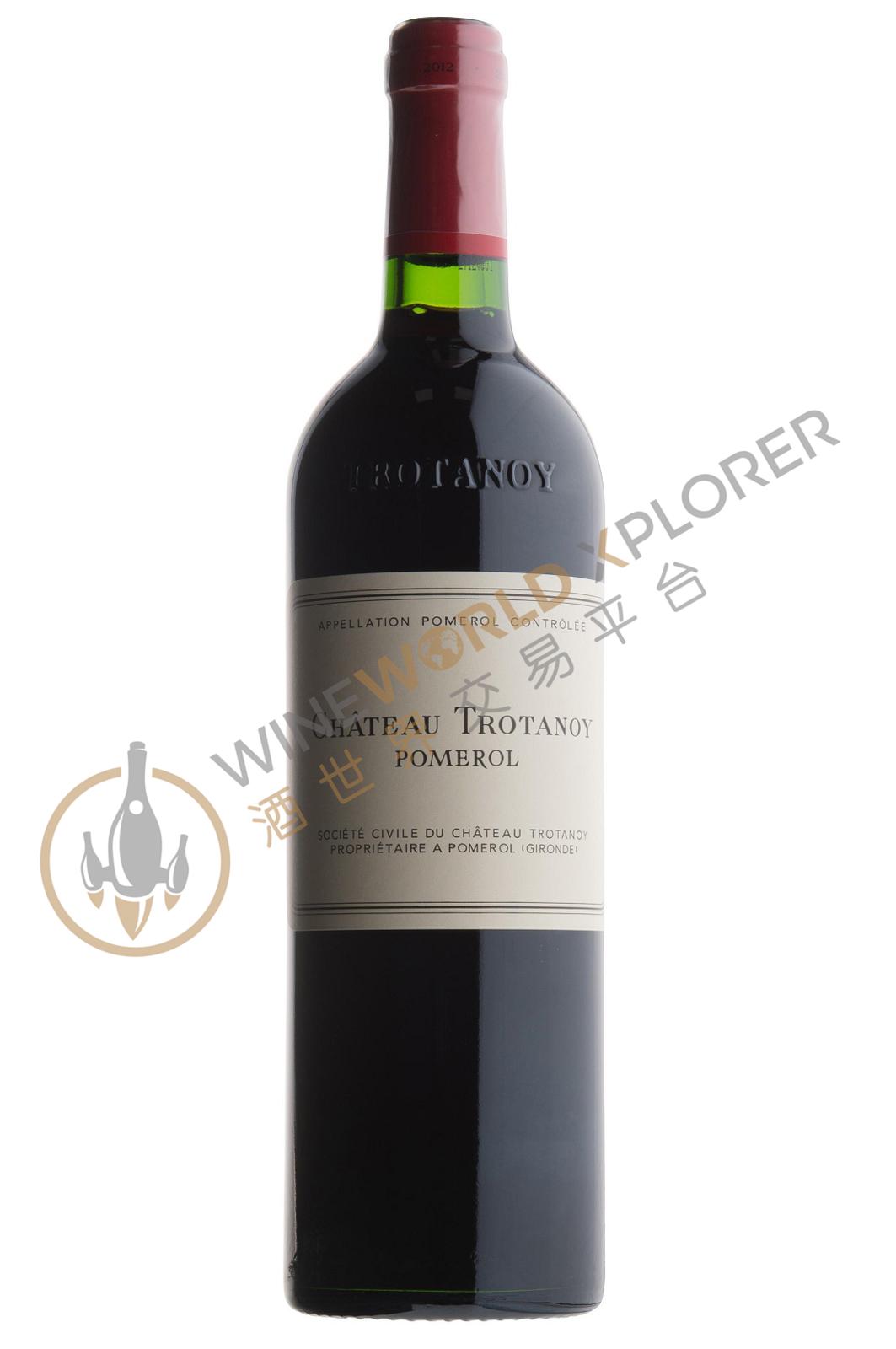
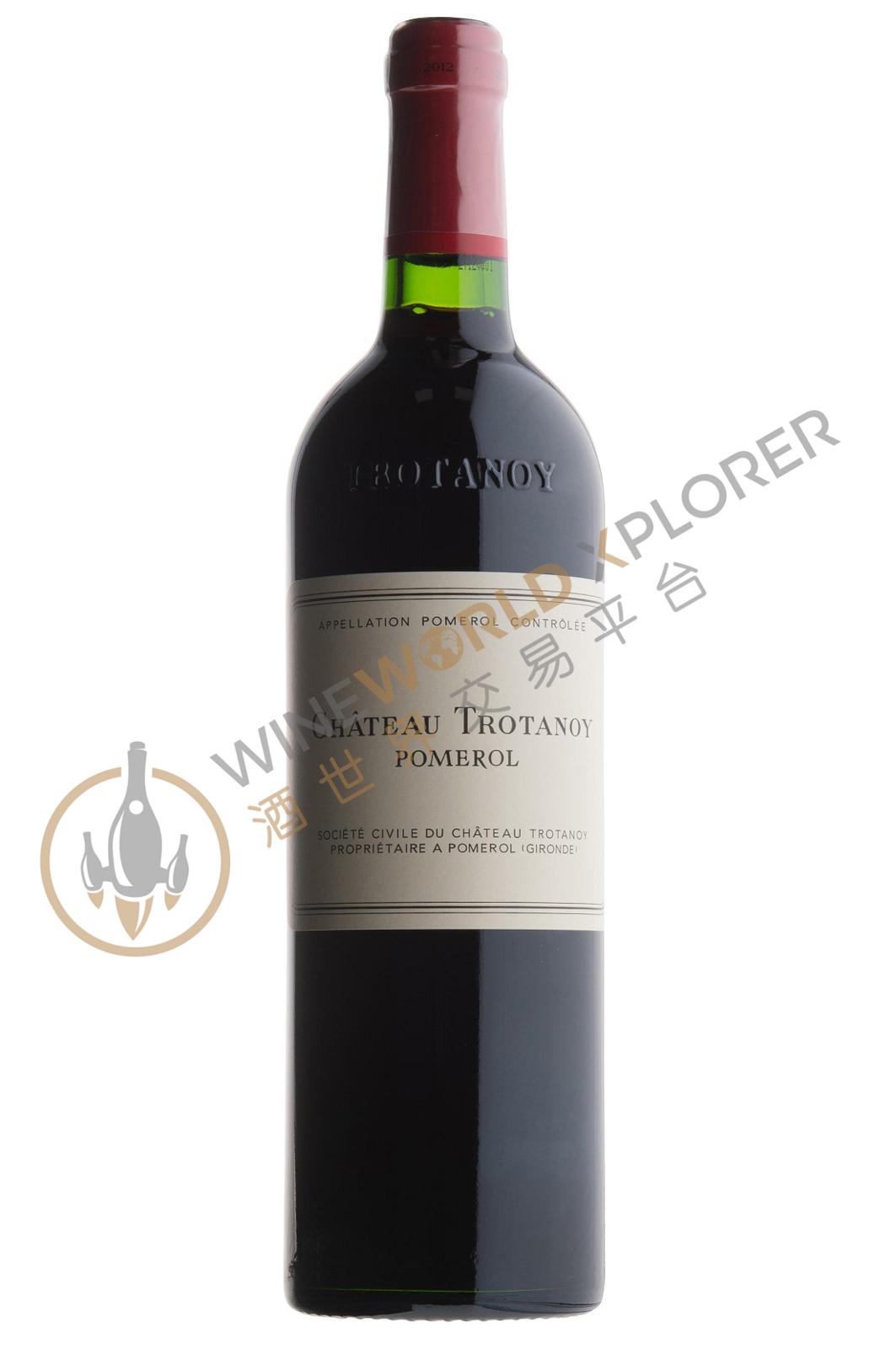
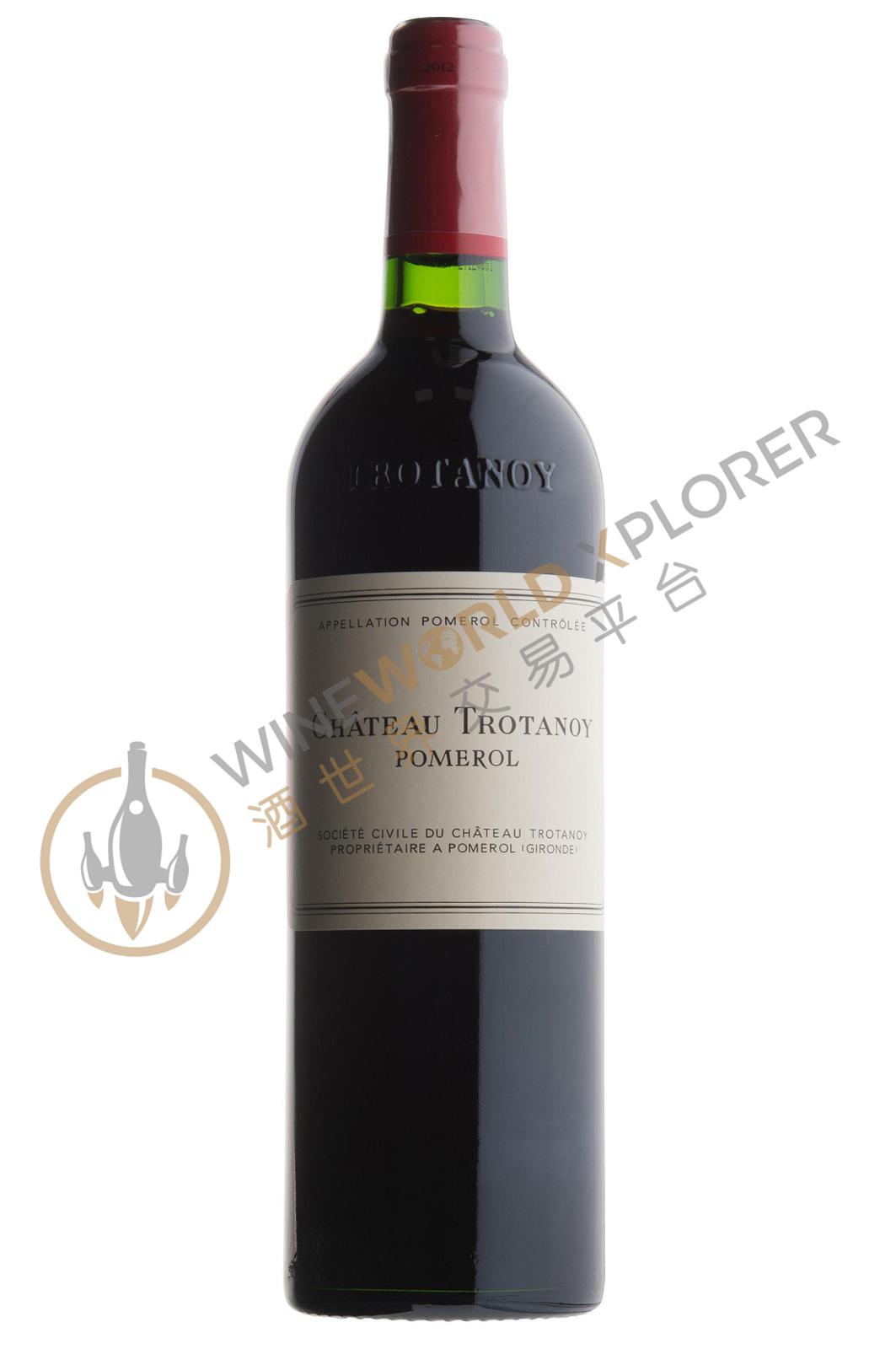
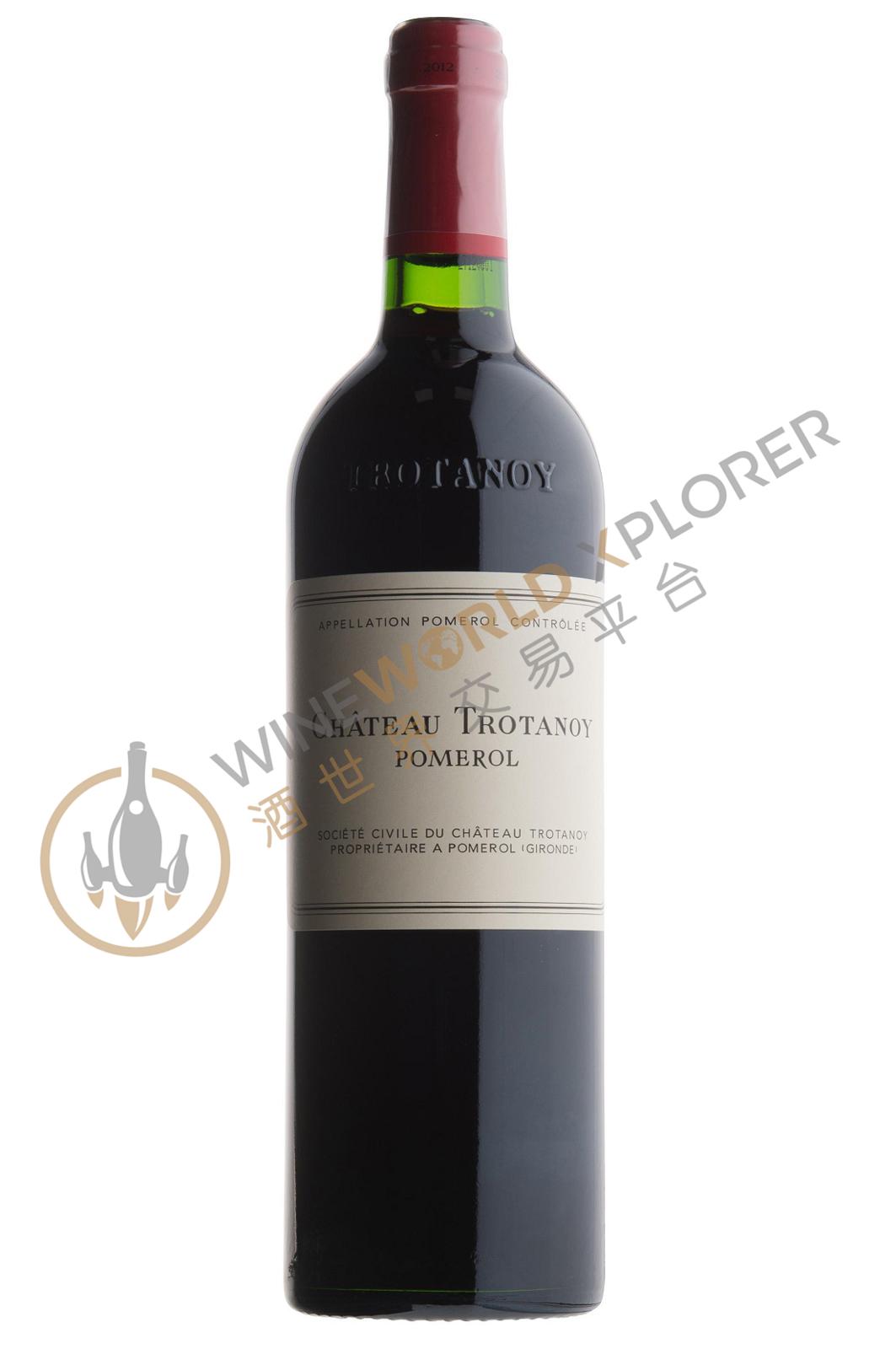
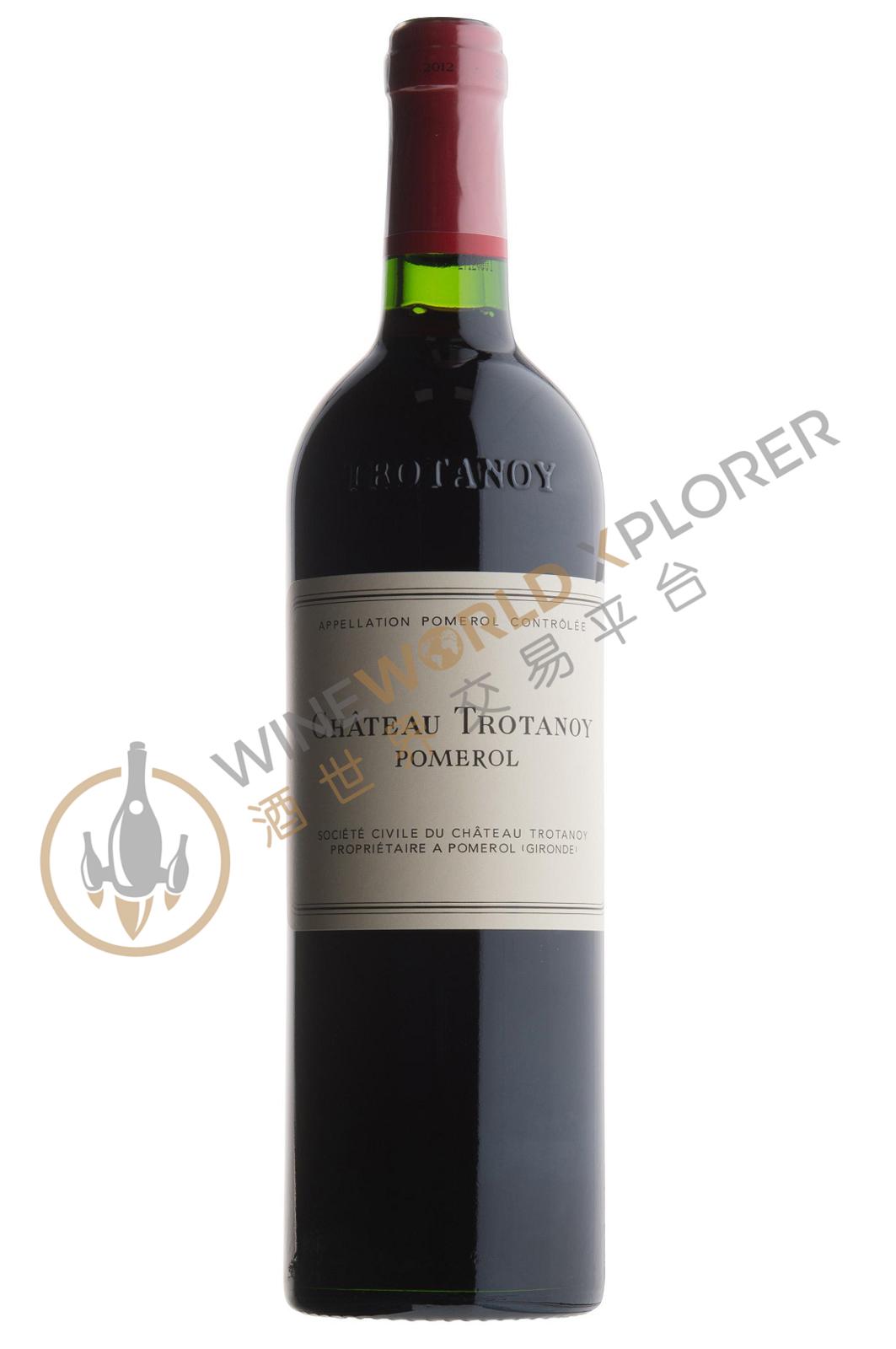
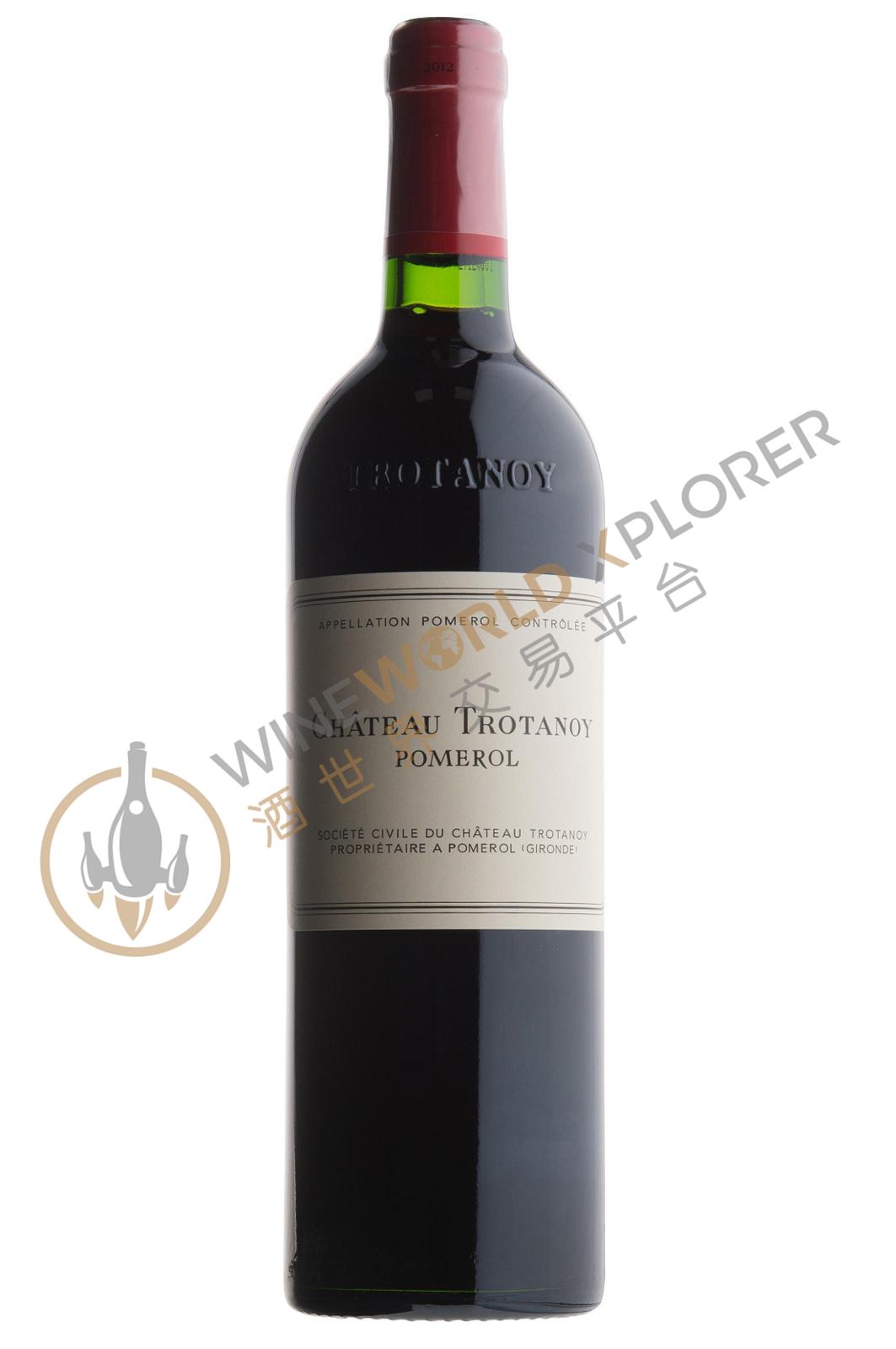
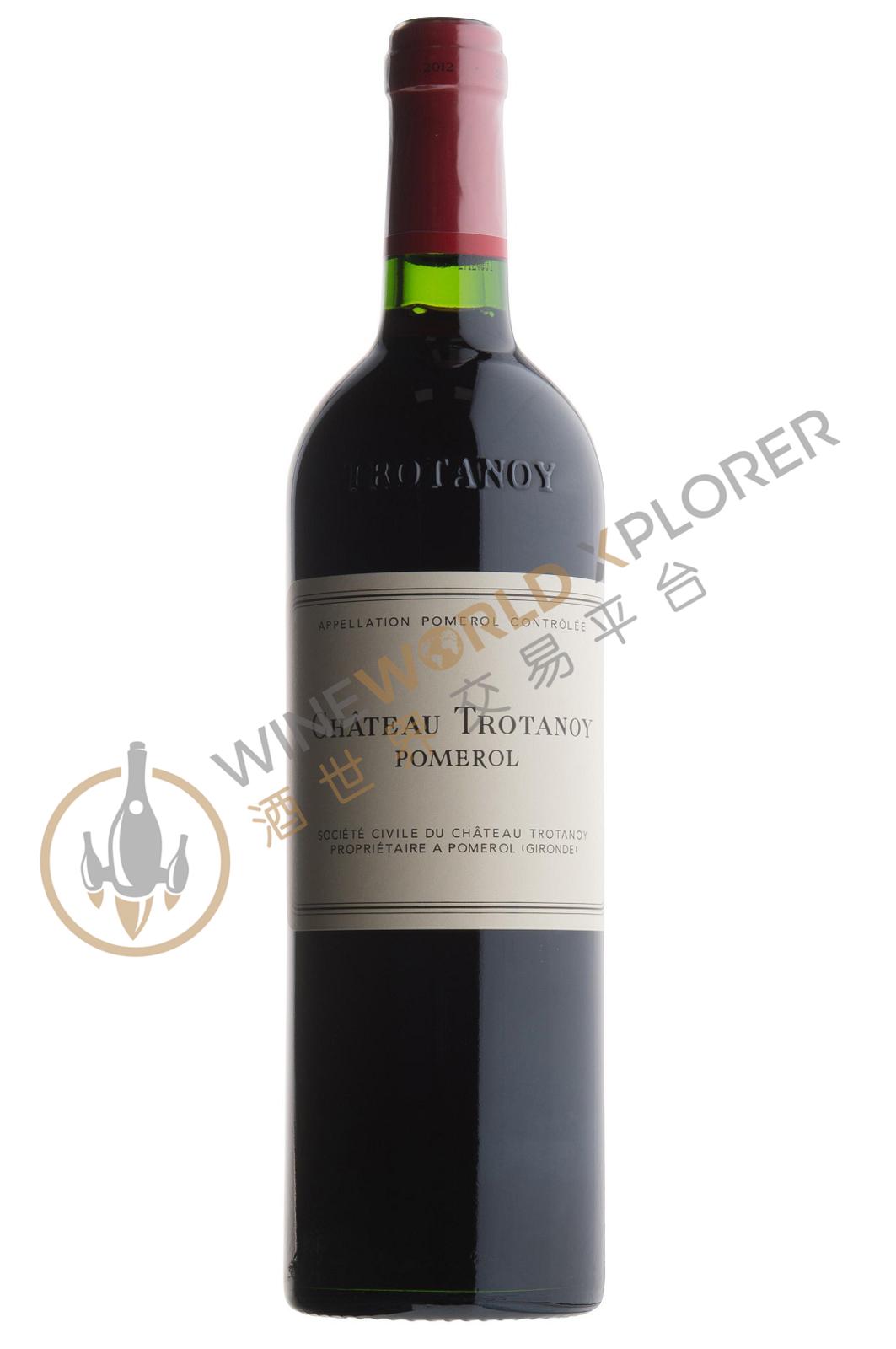
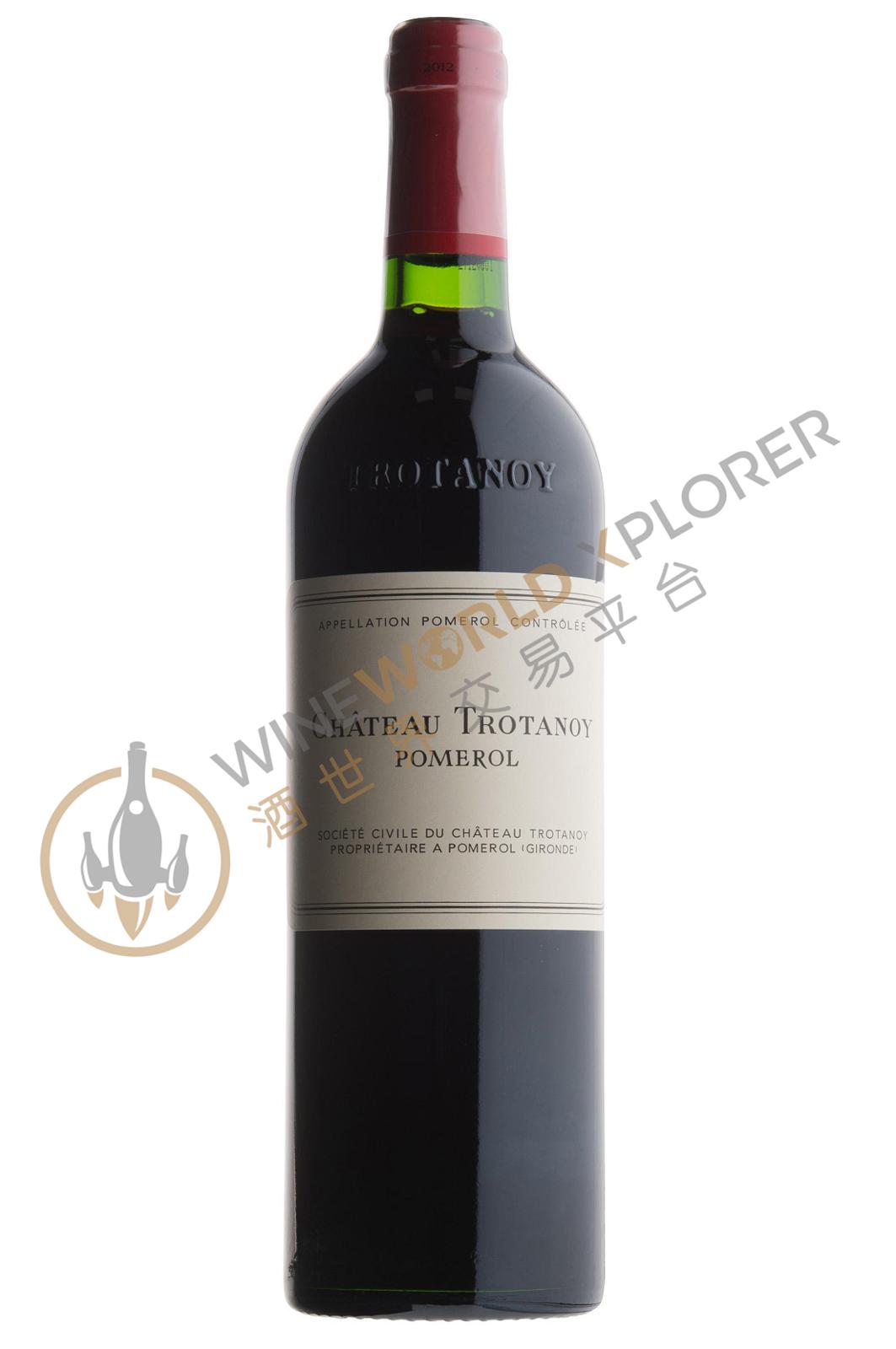
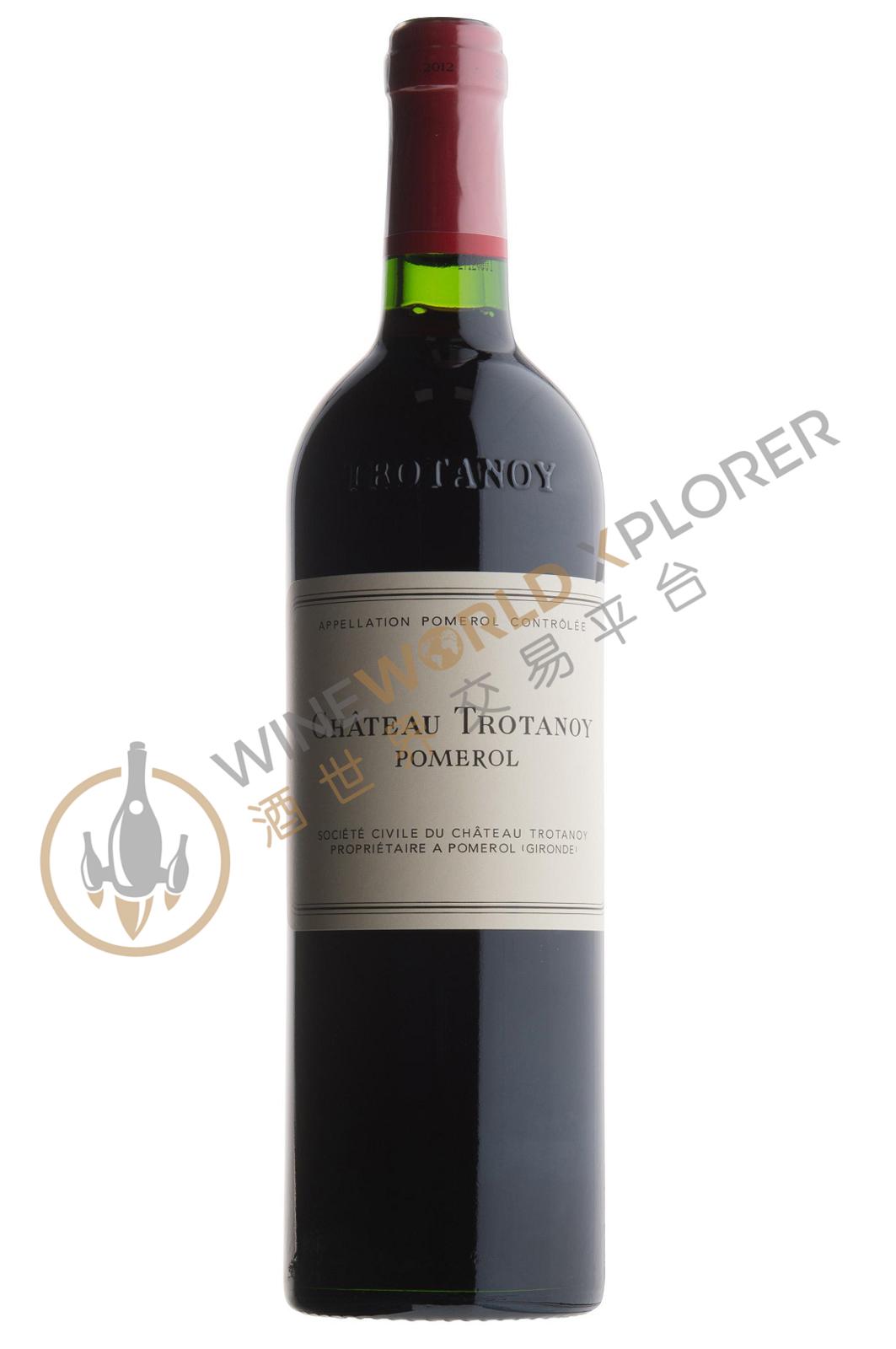
Trotanoy 1966
 View analysis


Description
Tasting notes

Reviewed by: Neal Martin
A moderate garnet hue with tawny rim. I just love this nose: reserved, harmonious, a touch of brown sugar, dates, capsicum. Divine. The medium-bodied palate is surprisingly sweet, almost honeyed with soft tannins and low acidity. Much more fleshy than the L’Evangile ’66 tasted a month ago. Very approachable with a beautifully balanced finish. Not a complex wine, but it is all in the balance. Graceful and statesman-like. Drink now. Tasted May 2007.
Reviewed by: Neal Martin
Tasted at Benoit restaurant in New York. It is several years since I last tasted this vintage of Chateau Trotanoy. Here it has a really beautiful bouquet that is reminiscent of Lafleur: quite upstanding and aloof at first and yet delineated and supremely well focused. It melts with aeration, evolving seductive black truffle scents and a faint stem aroma. The palate is very well balanced: foursquare, conservative and aristocratic. It is predictably quite Left Bank in style but it has freshness and vitality to spare. What a sublime Trotanoy this has become and after 47 years it seems undiminished by age. Tasted April 2013.
Reviewed by: Robert M. Parker, Jr.
I am beginning to wonder when this still-tannic, tough, and closed-in wine, which remains impressively colored and concentrated, will open up. It is a big, brawny Trotanoy that may very well lose its fruit before its tannin. Anticipated maturity: Now. Last tasted, 1/87.
Reviewed by: Neal Martin
The 1966 Trotanoy has always been an impressive wine on the three or four occasions that I have tasted it. This bottle was special because it was brought to a private dinner in Bordeaux with a mutual friend, by the man who made it, Jean-Claude Berrouet. It still has semblances to Lafleur on the nose: a bit serious and aloof, reflecting both terroir and vintage, stern perhaps, yet very well defined with brine-tinged black fruit. The palate is structured and unapologetically masculine, possessing gritty tannin but with the fruit to back it up. Afforded an hour to notice development, I did find that it lost its composure a little and became slightly volatile, yet it remains a swarthy, uncompromising Pomerol. The best bottles will still have another ten years on the clock. Tasted April 2016.
Reviewed by: Neal Martin
The 1966 Trotanoy is a vintage that I have tasted on three occasions. The best was proffered by the gentleman who made it—Jean-Claude Berrouet. On all three occasions it has expressed a sense of reserve, discrete austerity on the nose and echoes of Château Lafleur. This feels a little aloof as if it is engrossed in a page-turner novel and wishes not to be disturbed. Yet it is beautifully defined and offers a lovely touch of brine and marshland amongst the black fruit. The palate is structured with grippy tannins, though there is more than enough fruit to support it. On every occasion, the 1996 has lost some of its vigor with aeration and it does not possess the depth of the 1955. Yet there is a compelling swarthiness to this Trotanoy and it should age well over the next decade. Taken from the Pomerol book authored by Neal Martin.
About the Producer
Purchased by Jean-Pierre Moueix in 1953, Château Trotanoy has been considered one of the premier crus of Pomerol since the end of the eighteenth century. The soil of Château Trotanoy is a very dense mixture of clay and gravel which tends to solidify as it dries out after rain to an almost concrete-like hardness, hence the name “Trotanoy,” or, in other words, “too wearisome” to cultivate. The Trotanoy vineyard slopes gently to the west. The soil at the highest point of exposure contains a good proportion of gravel, becoming progressively more dominated by clay as the elevation declines. Under this clay is a subsoil of red gravel and an impermeable layer of hard, iron-rich soil known as “crasse de fer.” This fascinating soil diversity brings power, depth and complexity to the wine. Trotanoy is vinified in small concrete vats, while aging takes place in oak barrels. Trotanoy is a naturally profound, complex, richly-concentrated wine with outstanding aging potential. The wine possesses a deep color and a dense, powerful nose, repeated on the palate with the addition of creamy, dark chocolate notes, and a singular concentration of flavor owed to its very old vines.
Package Size