Wine Advisor



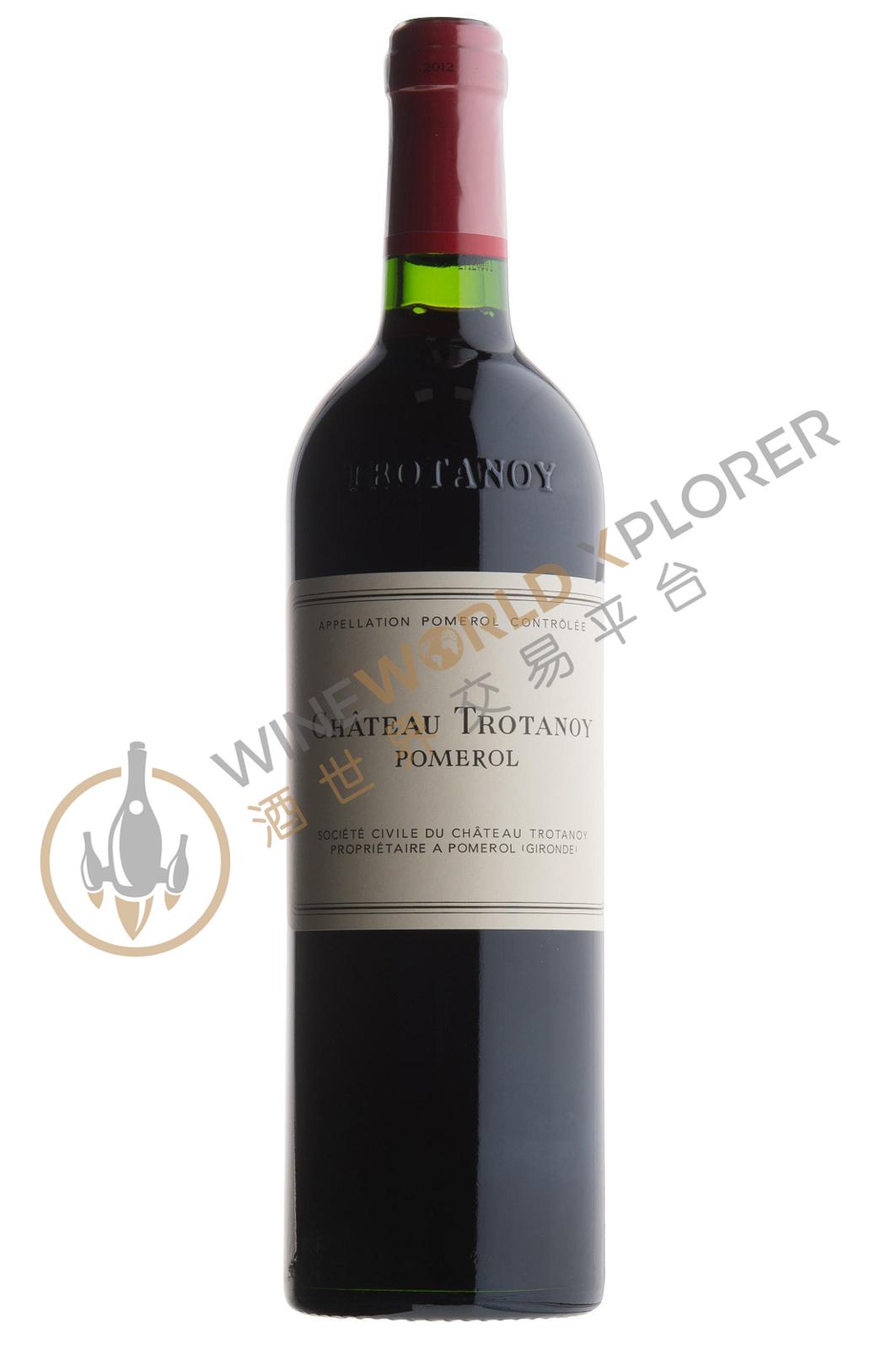
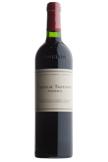
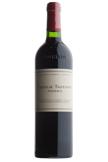
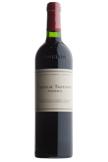
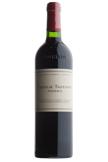
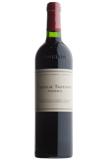
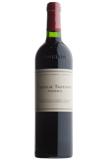
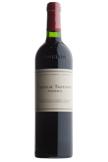
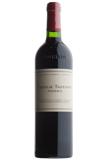
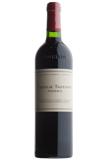
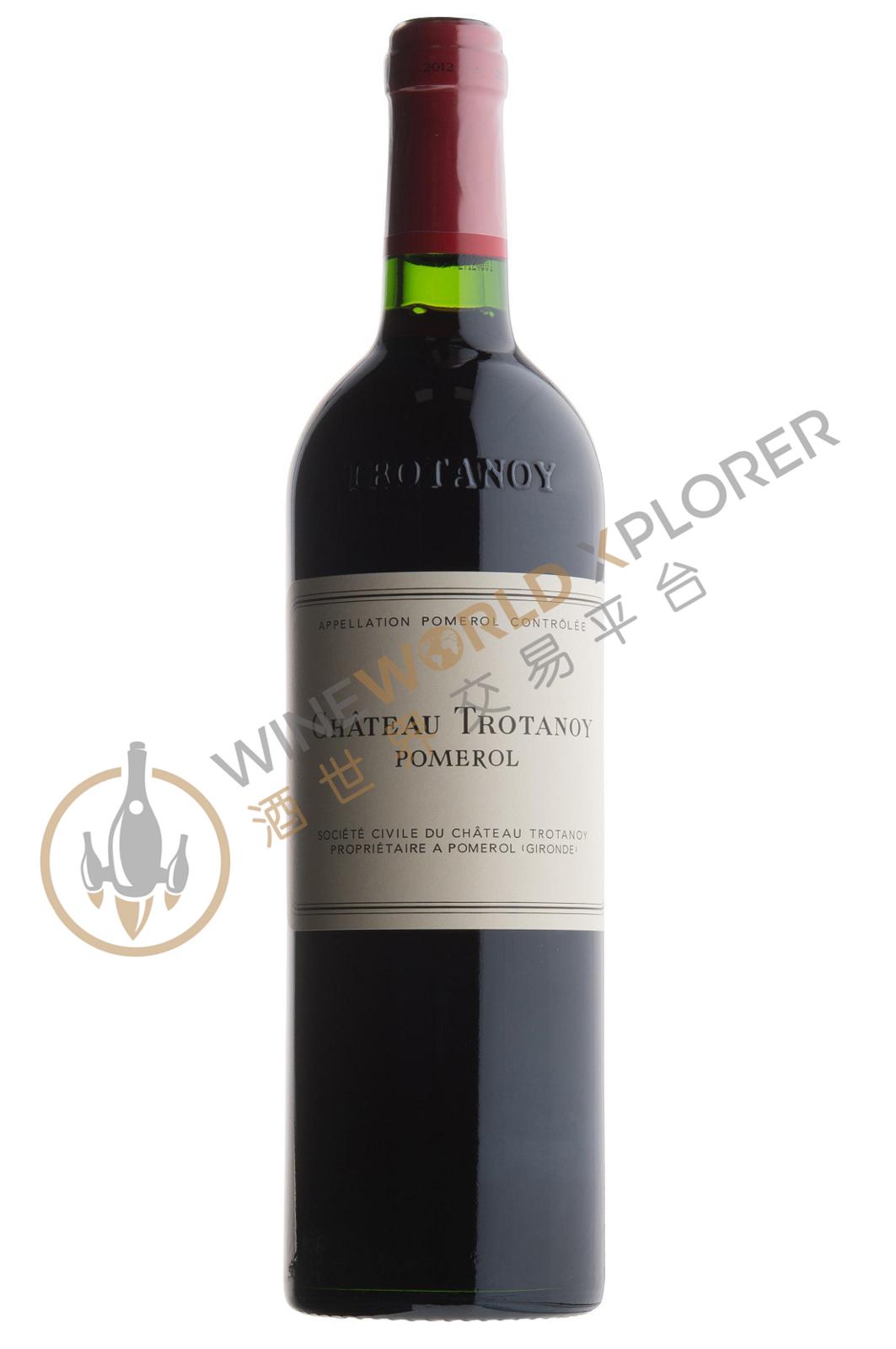
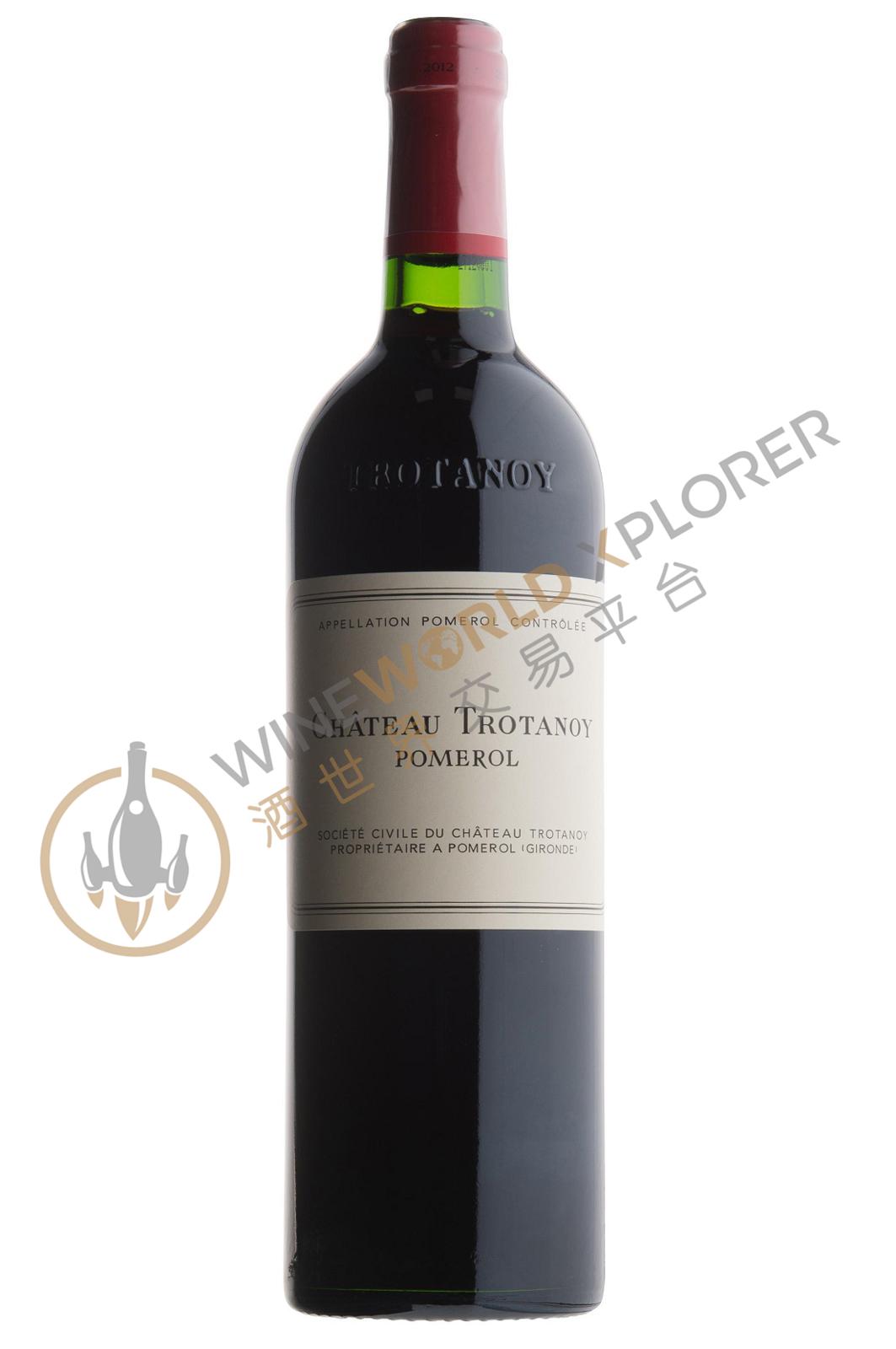
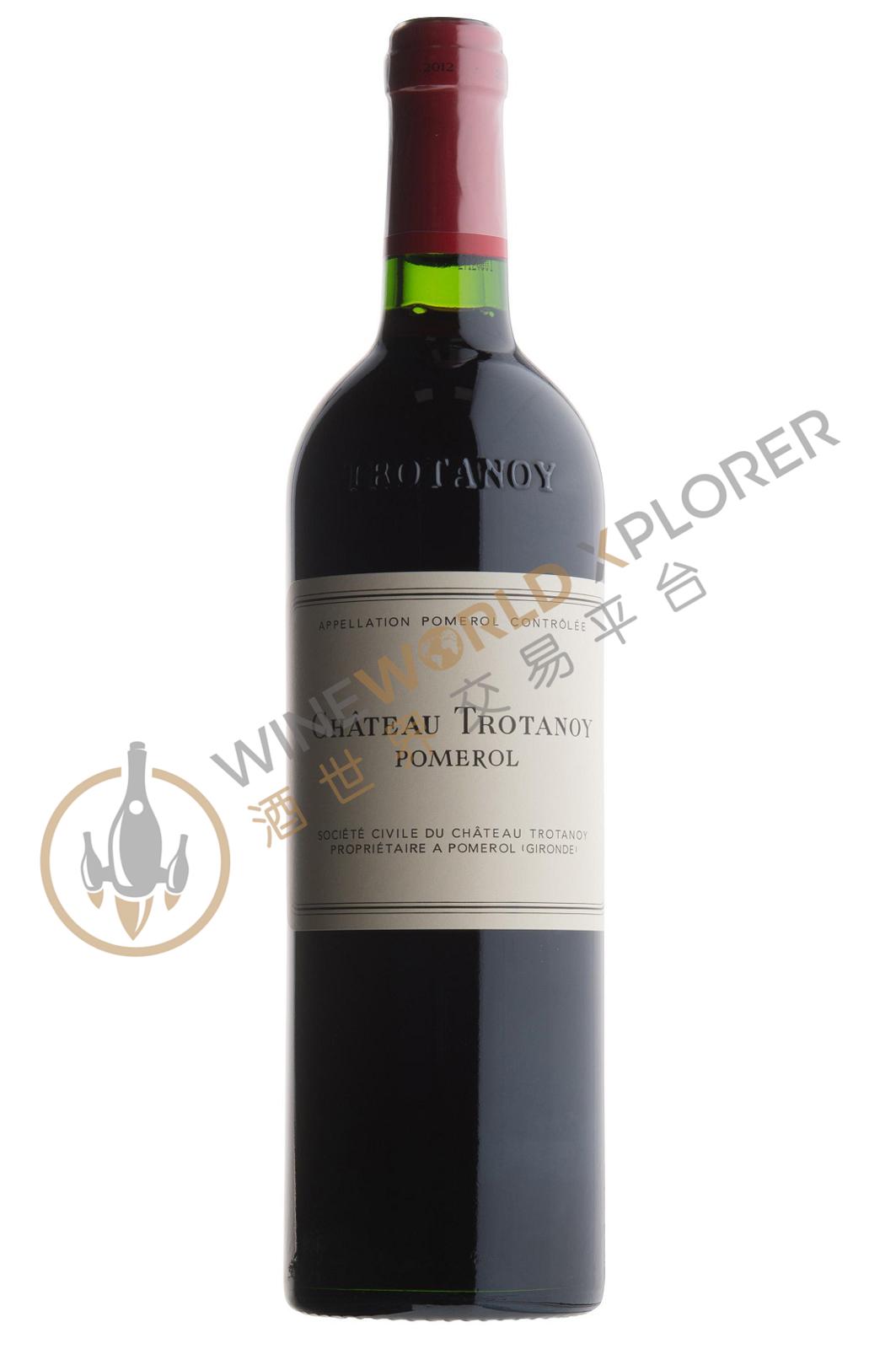
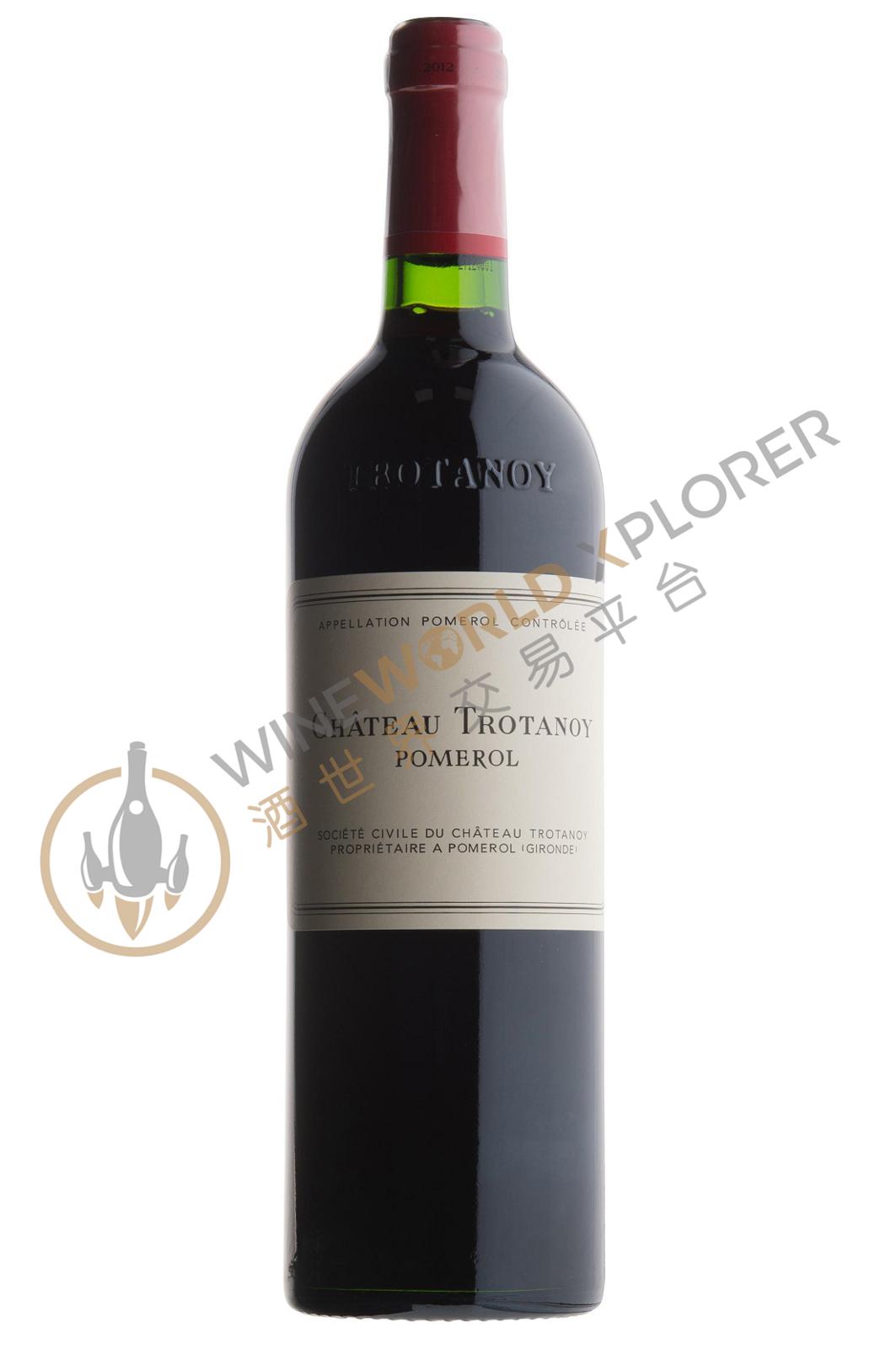
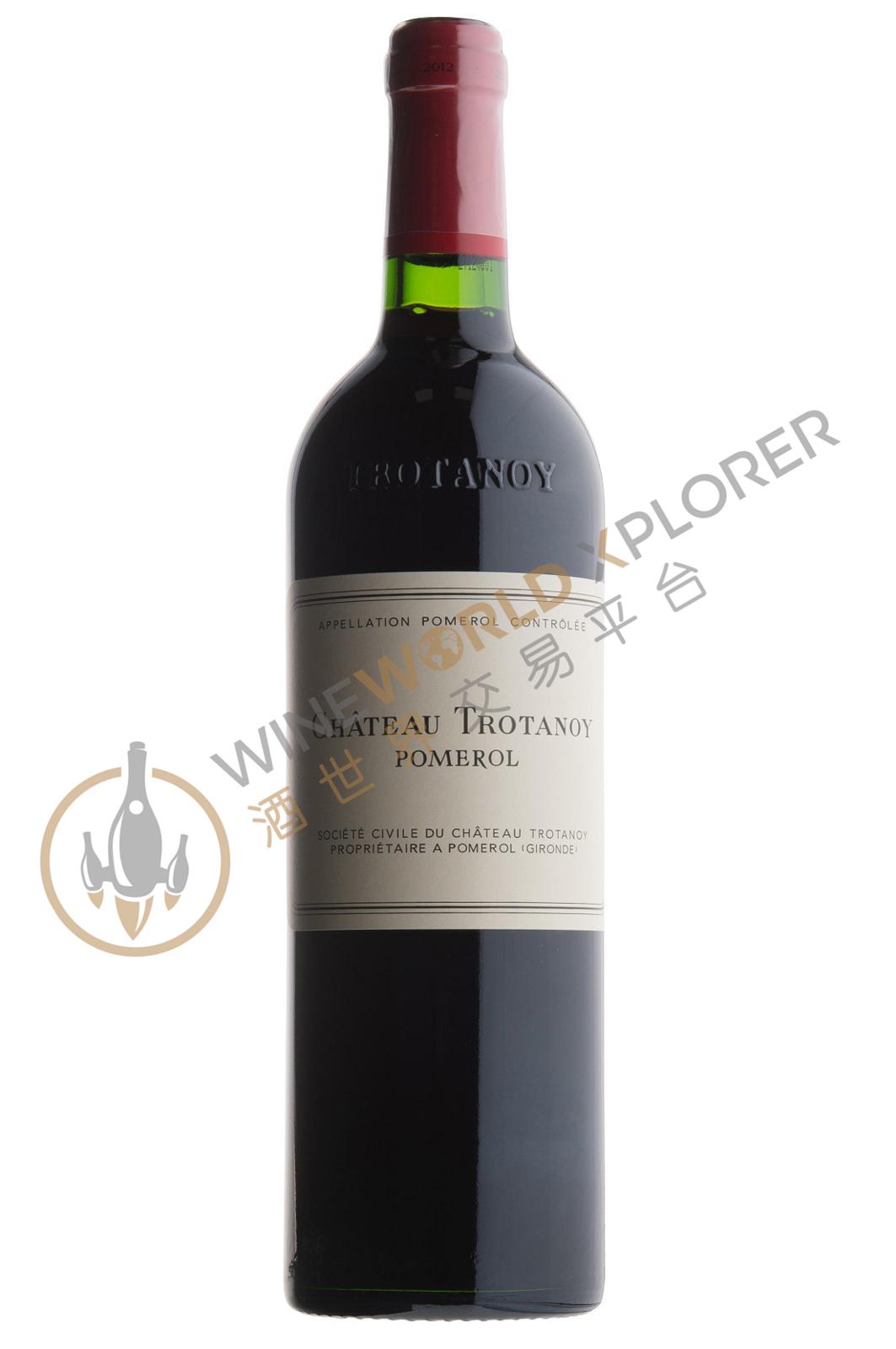
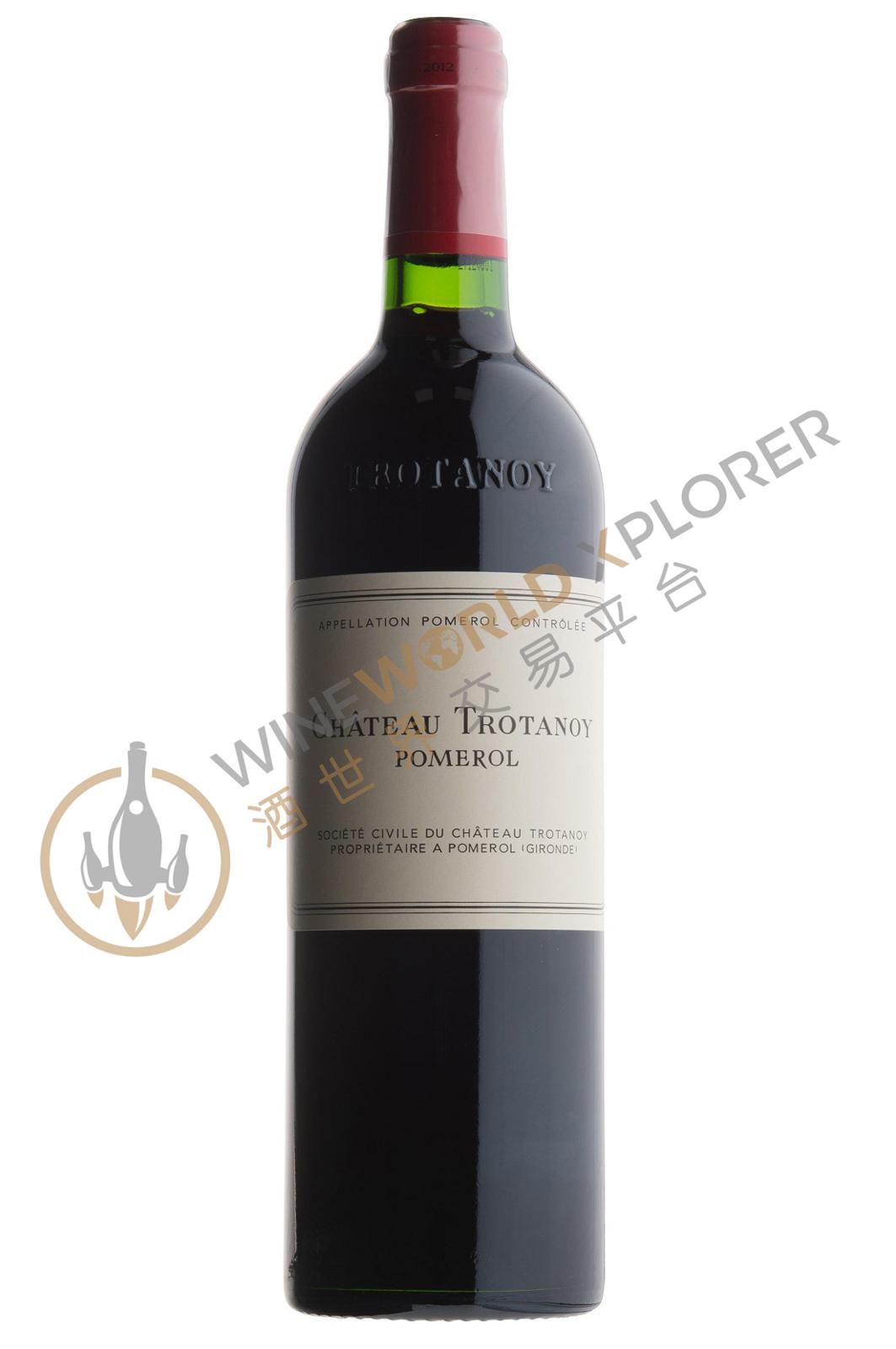
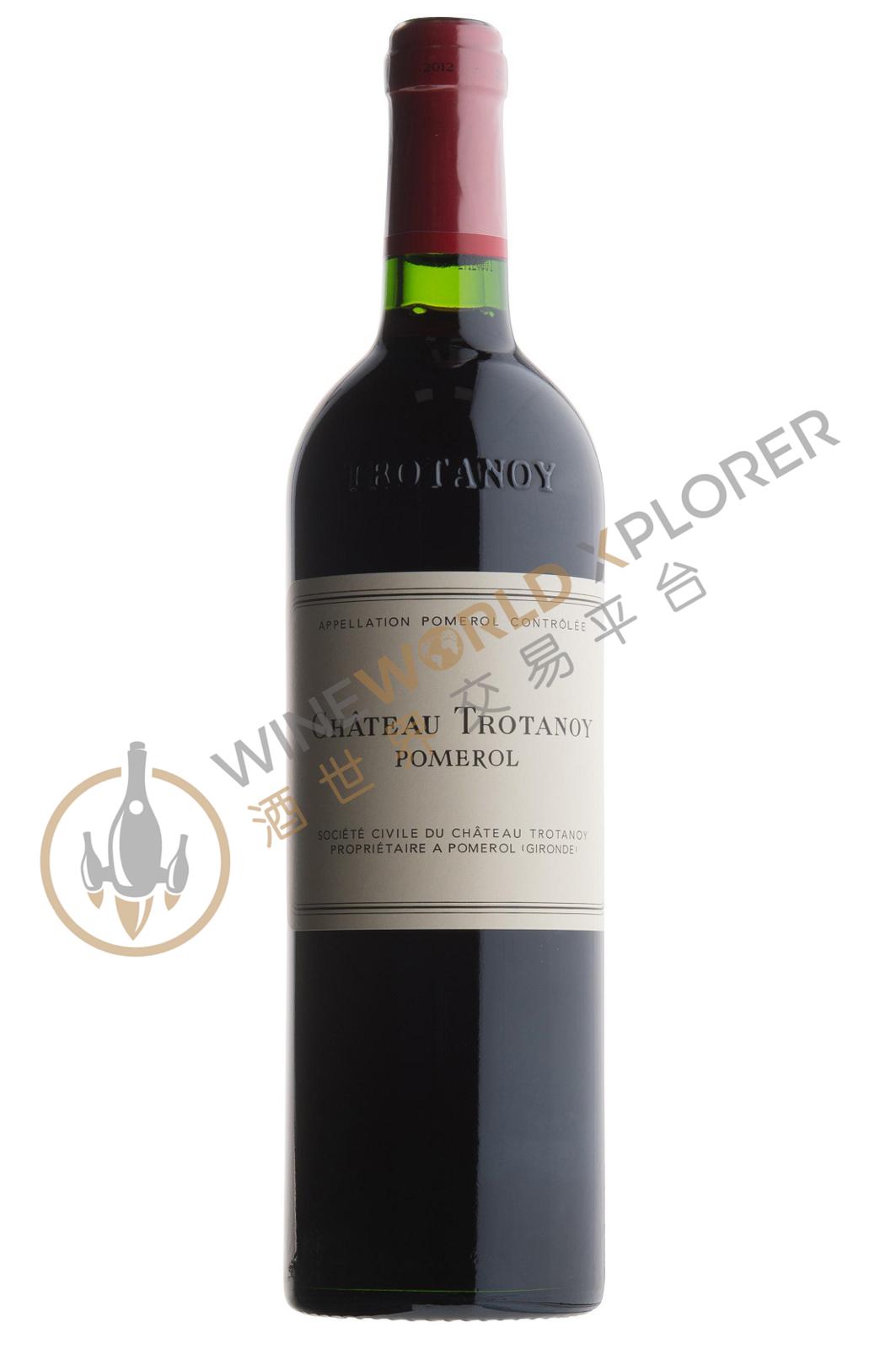
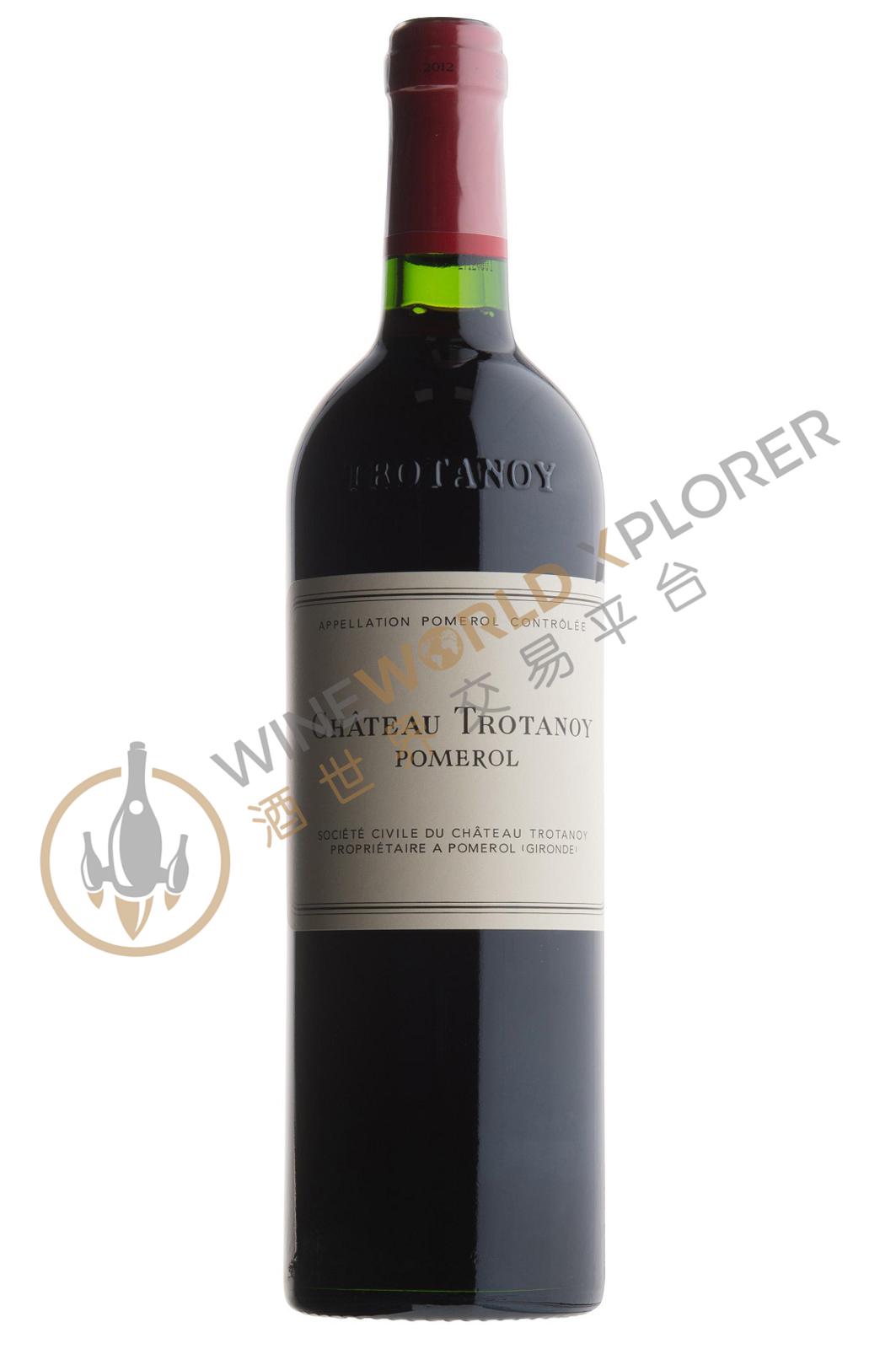
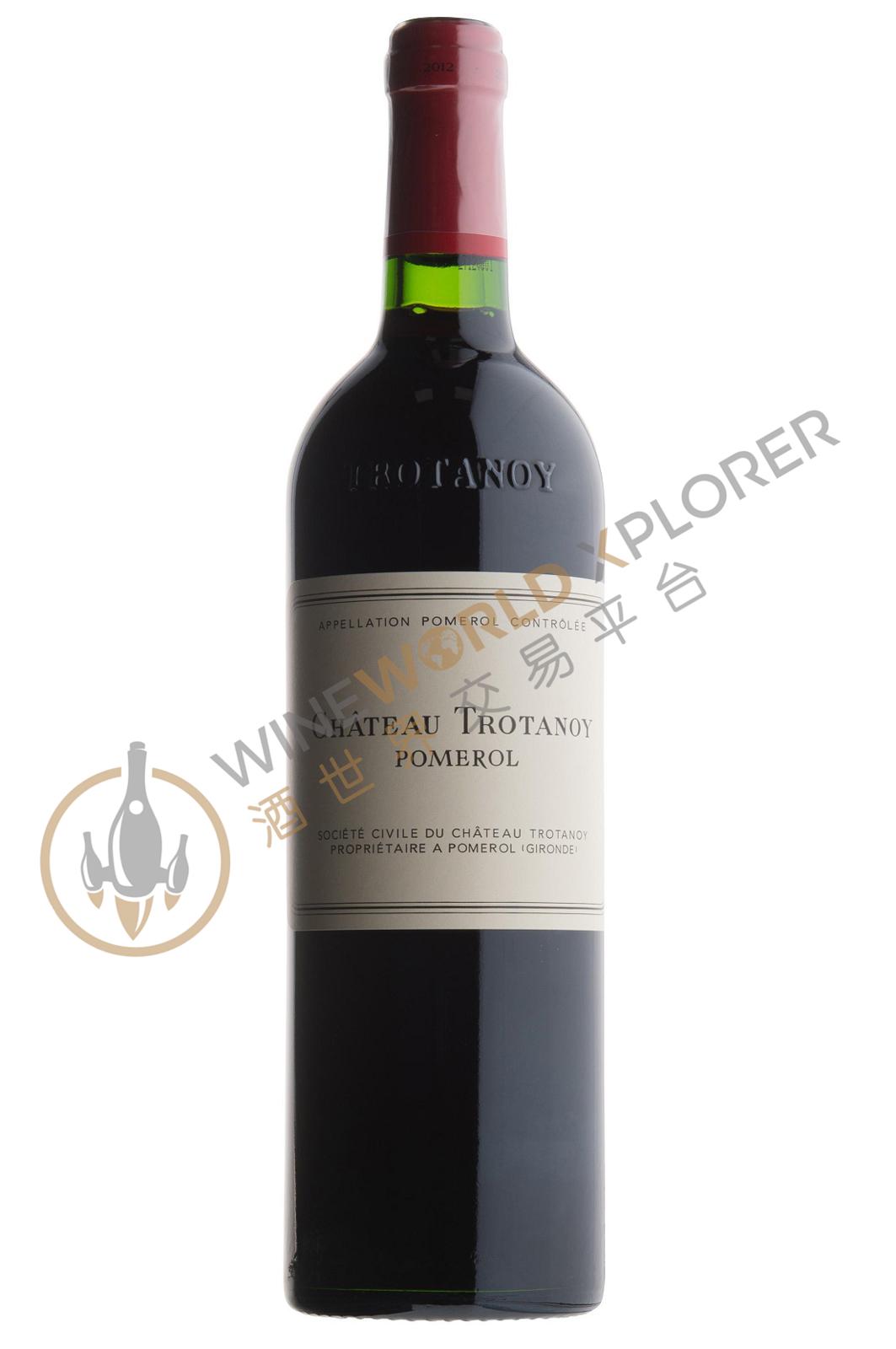
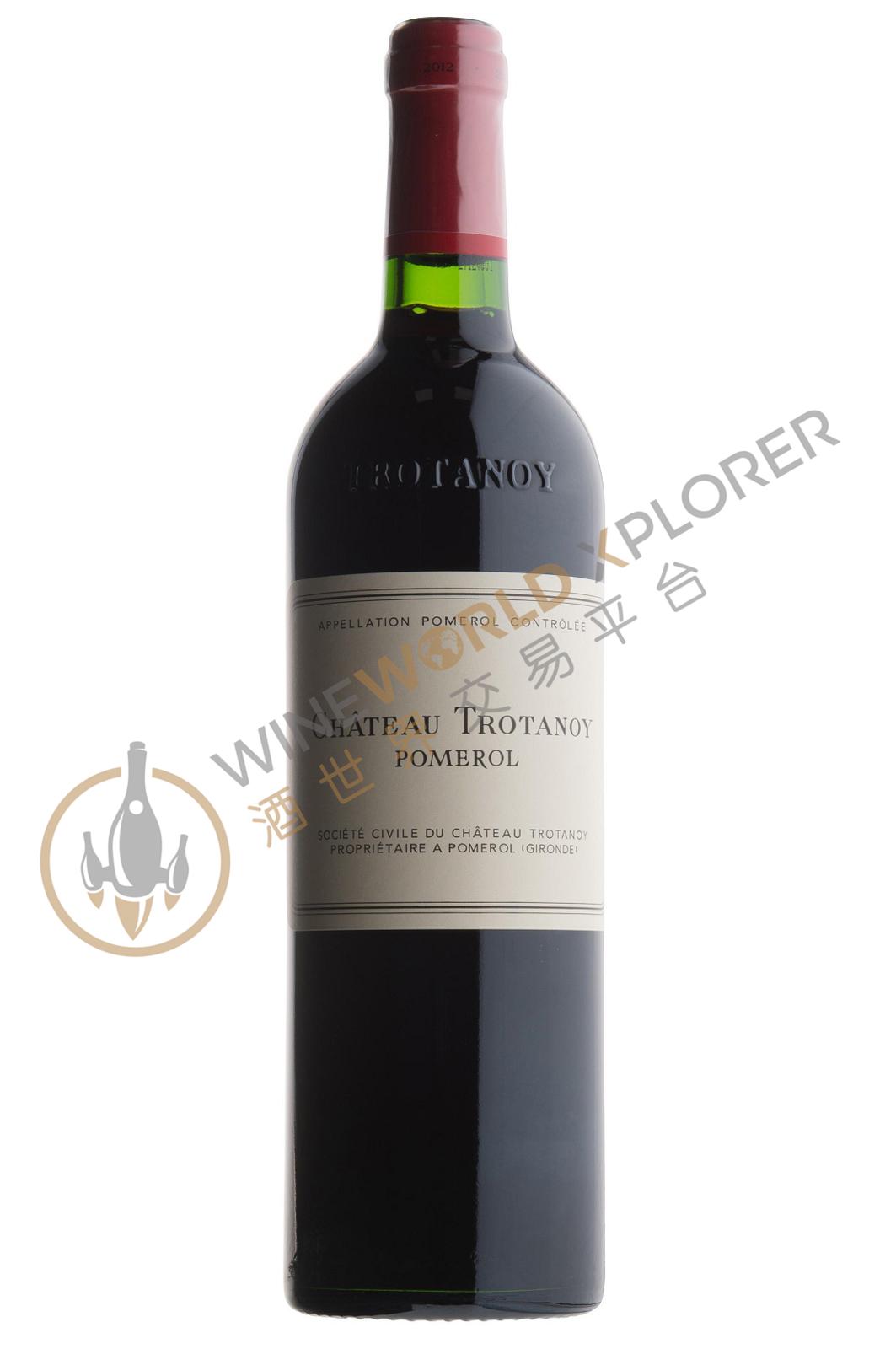
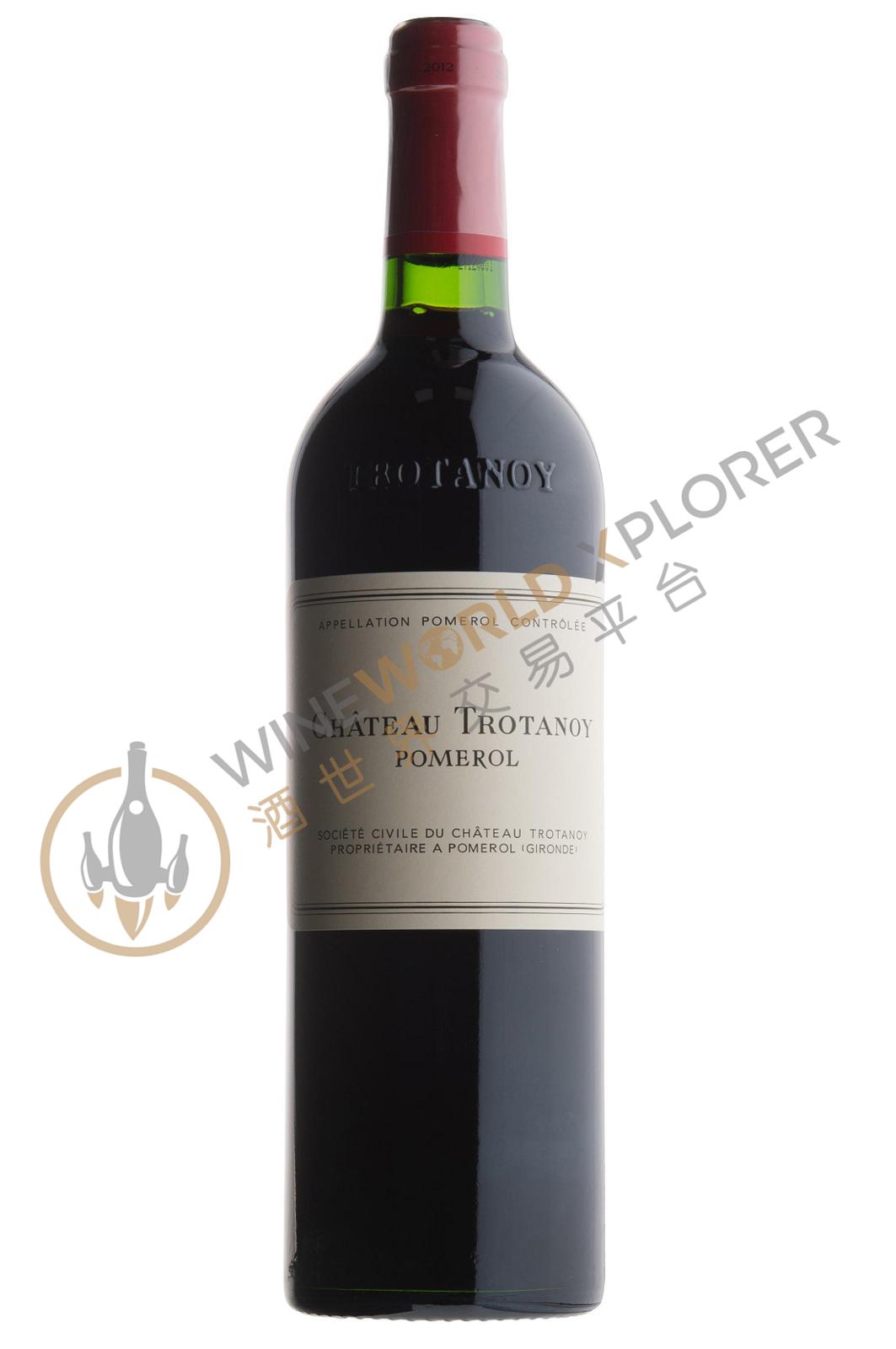
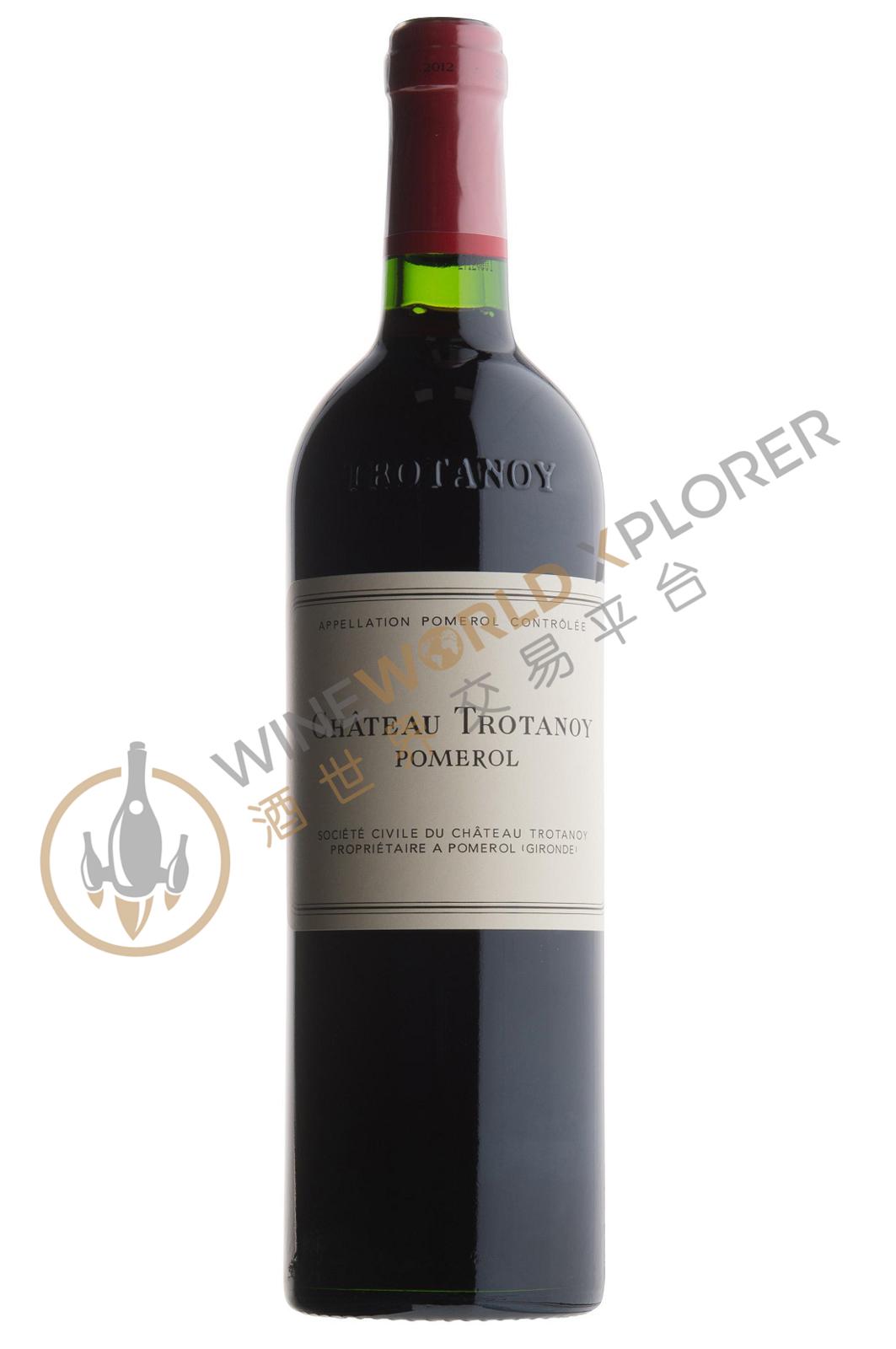
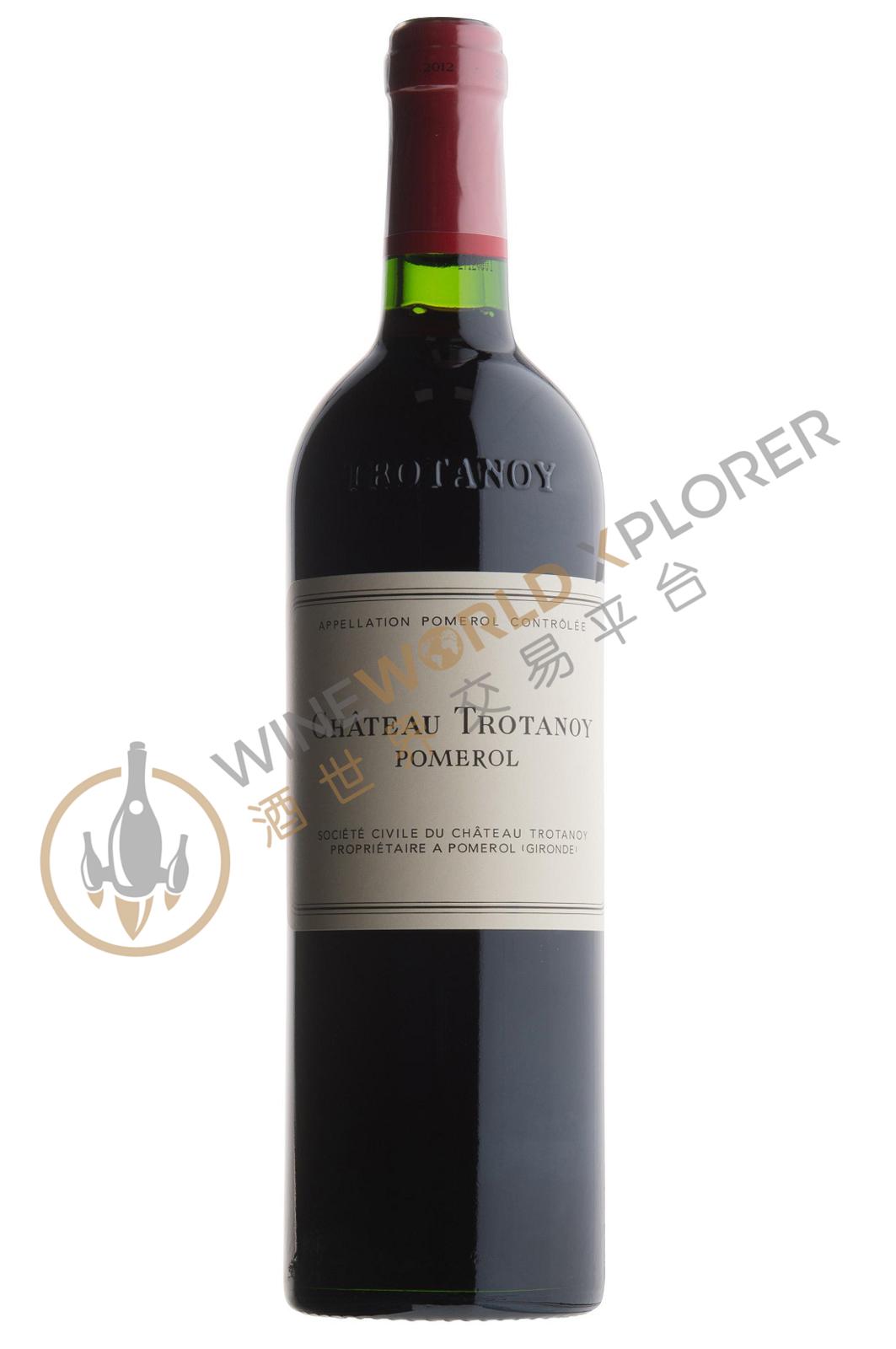
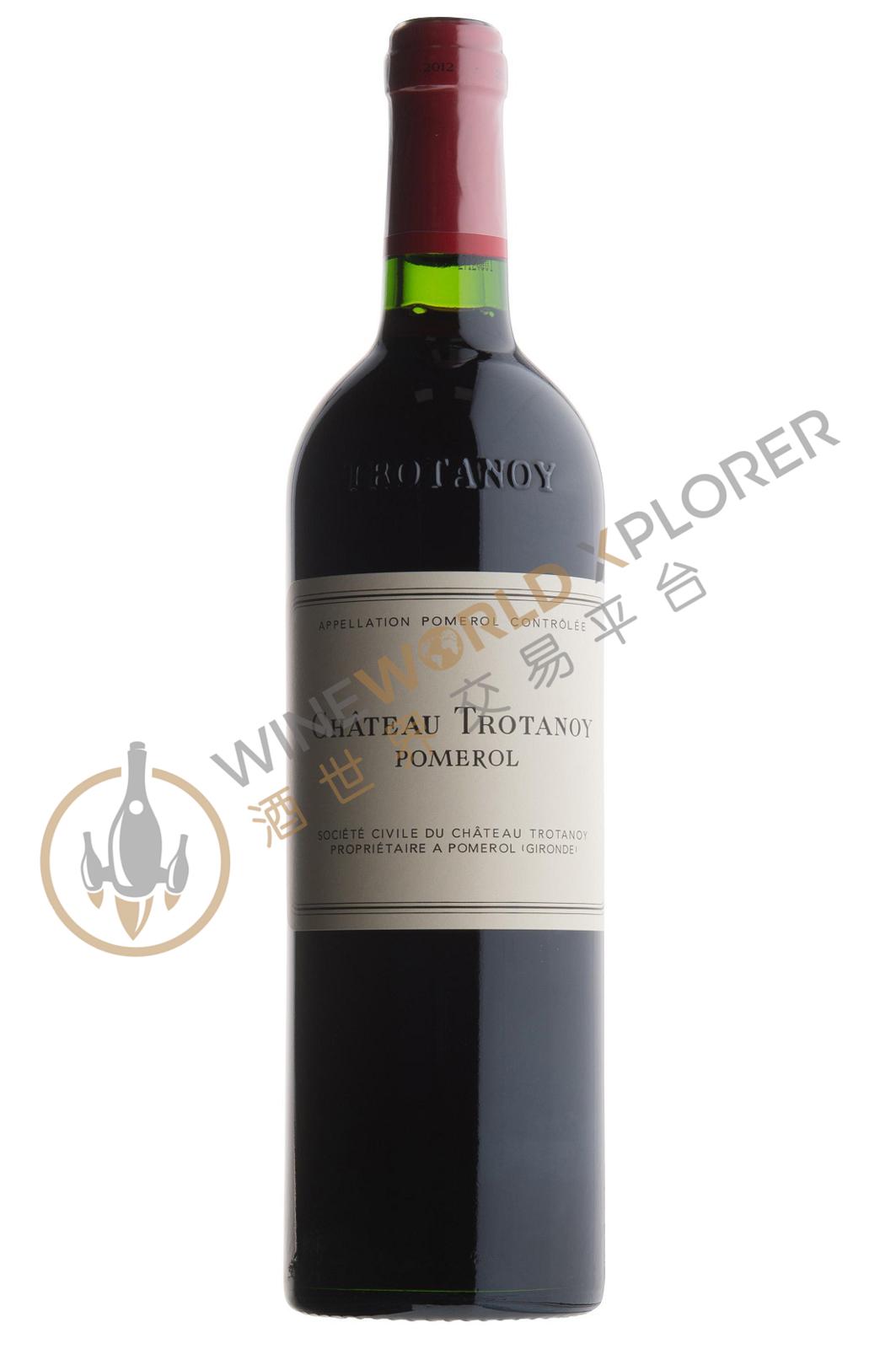
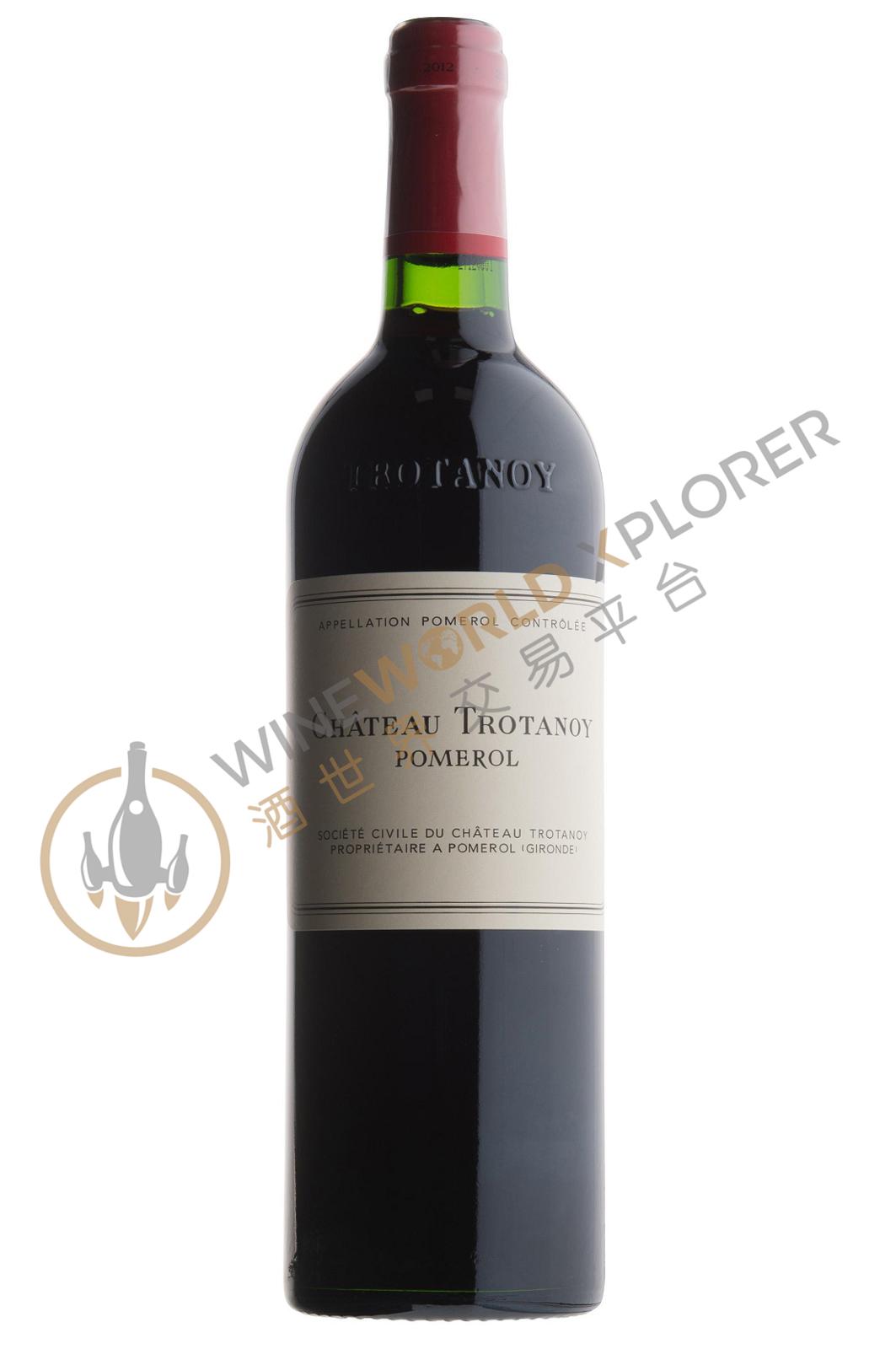
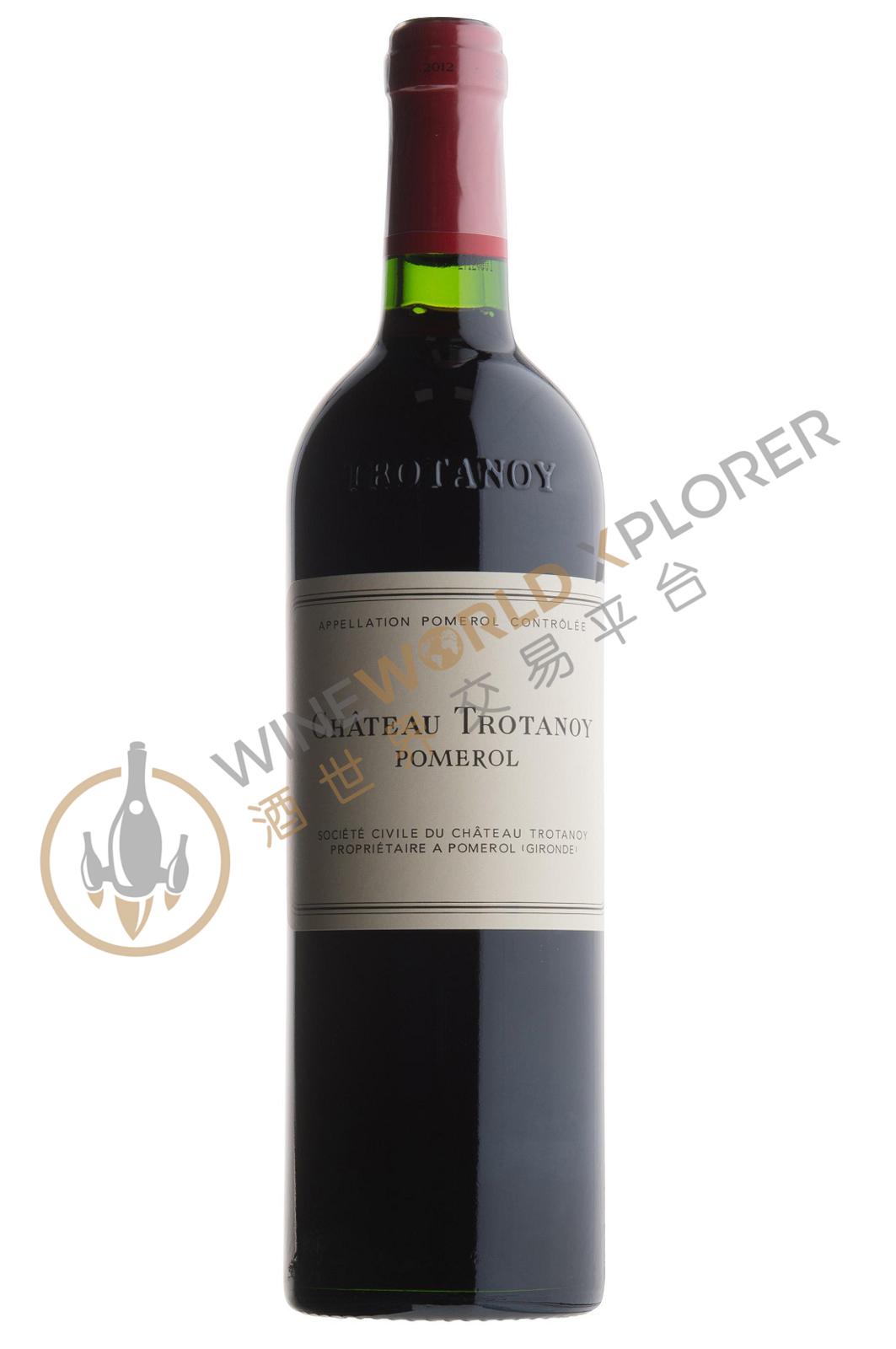
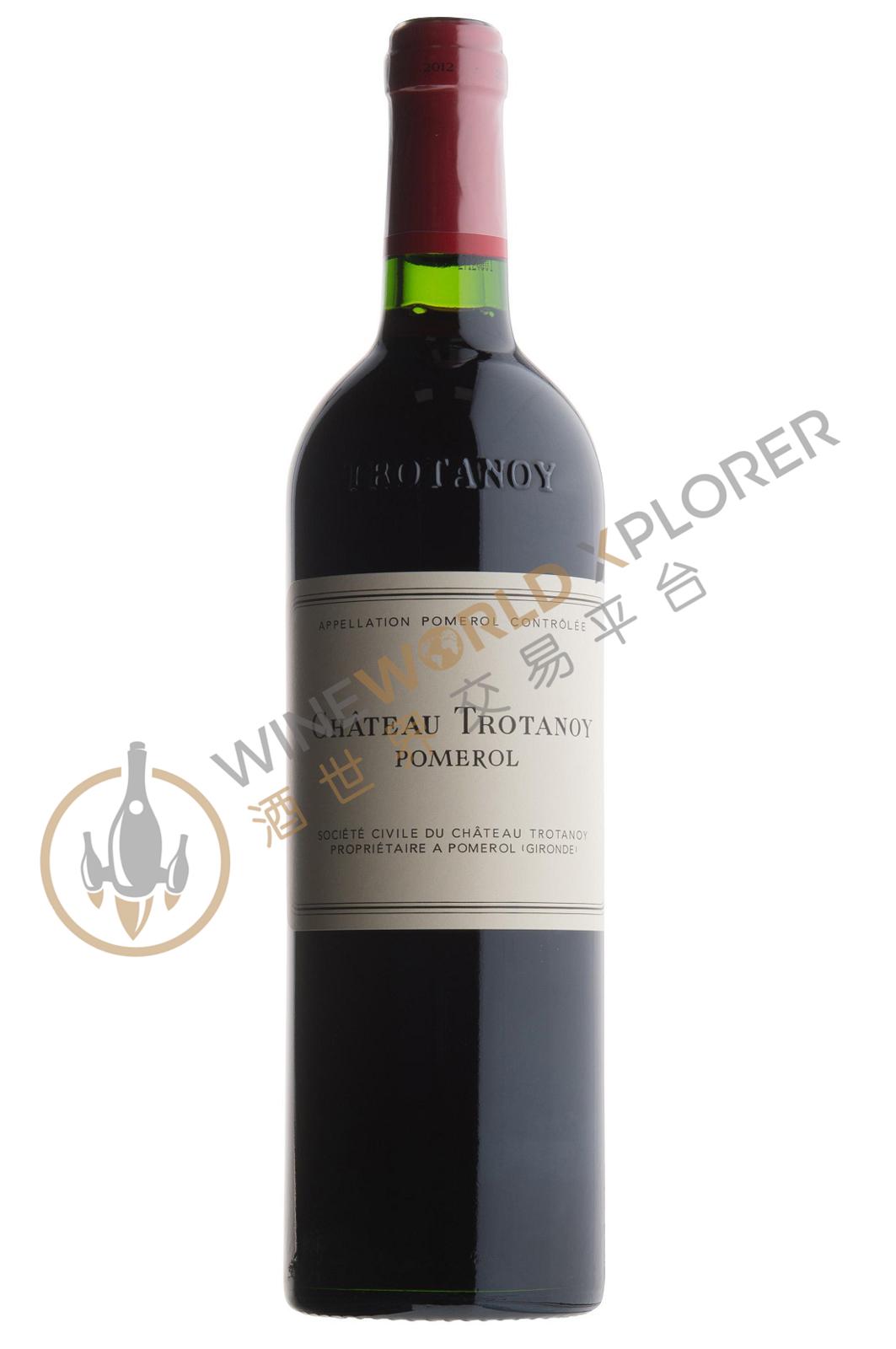
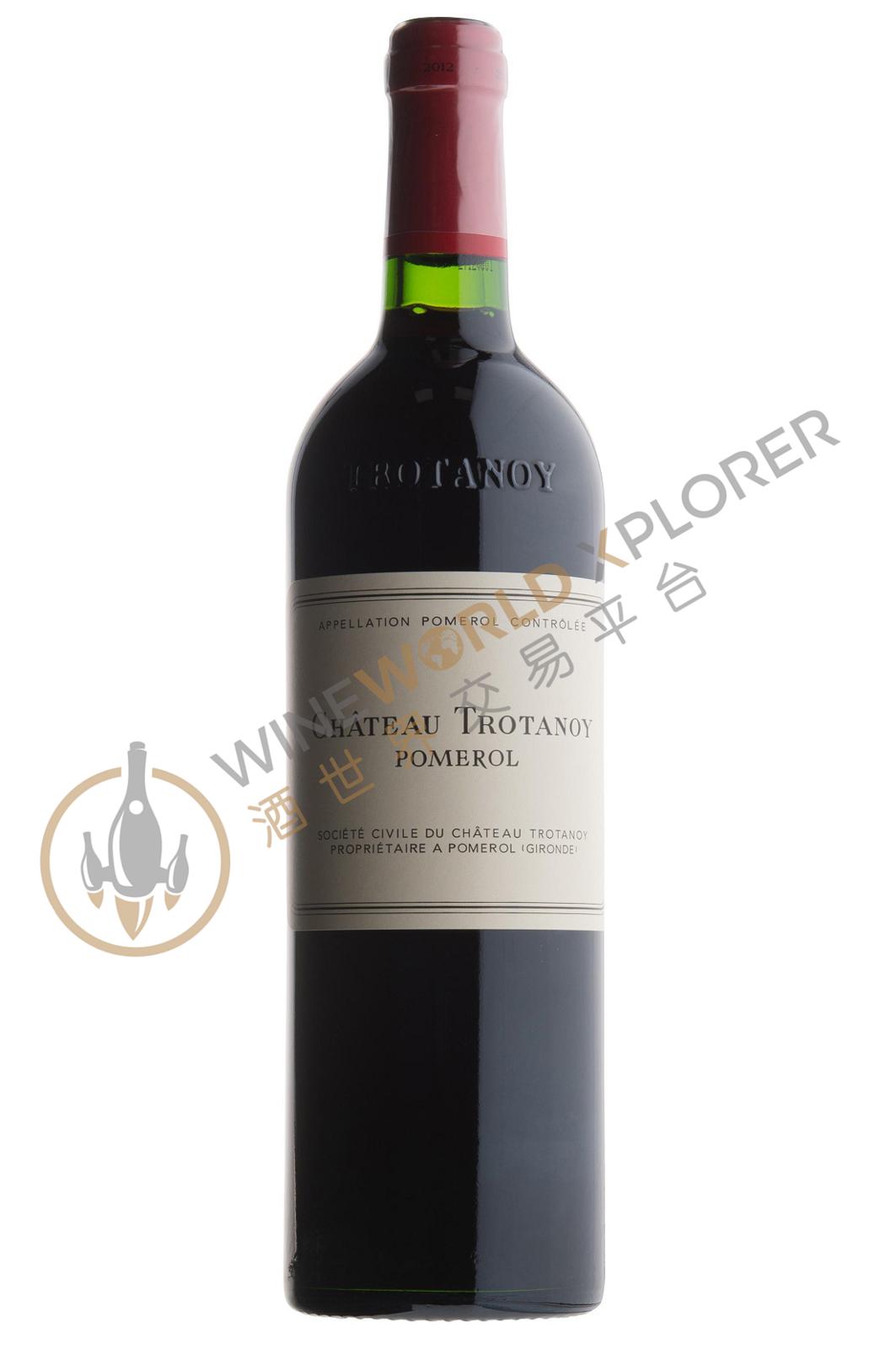
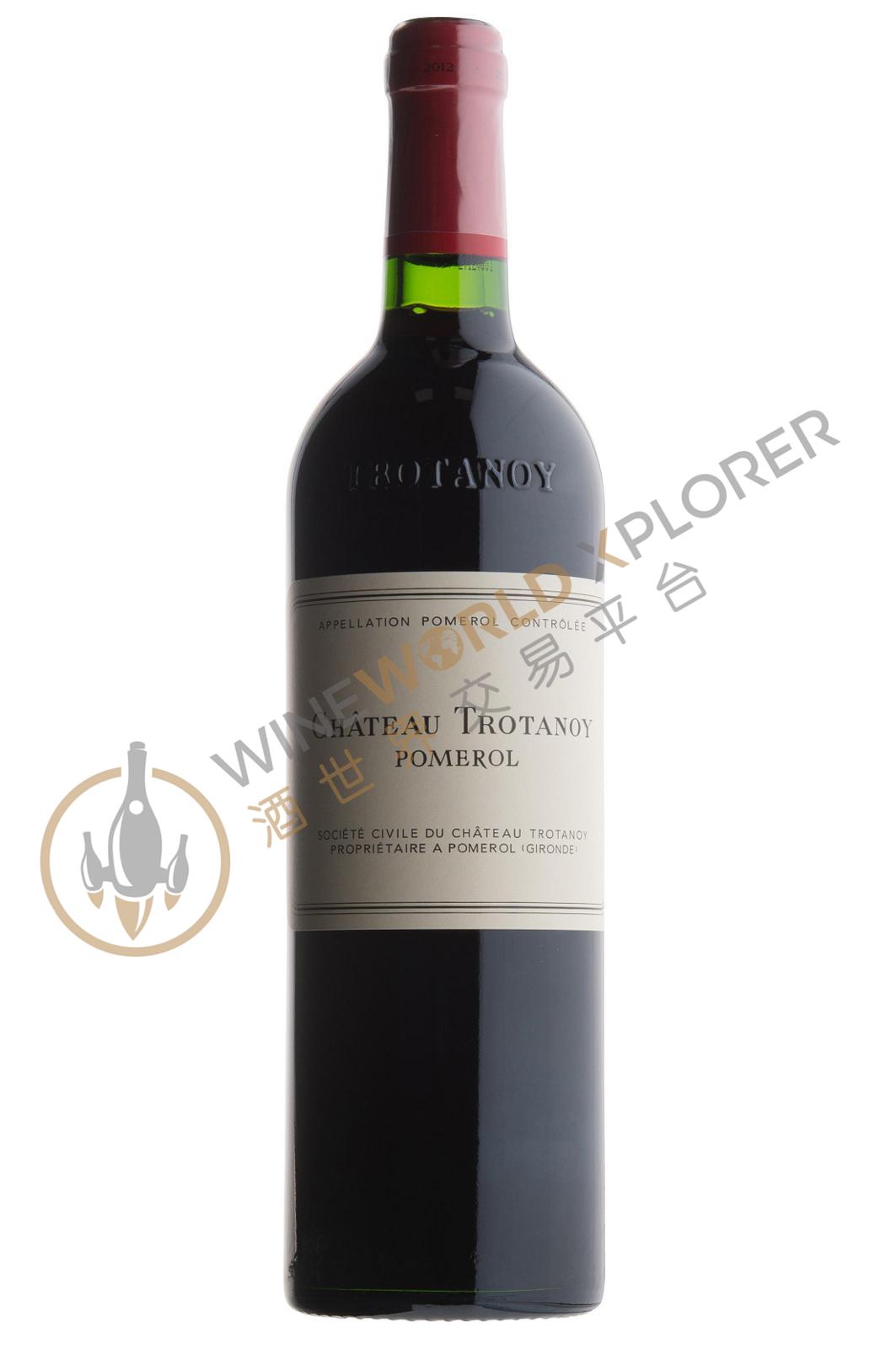
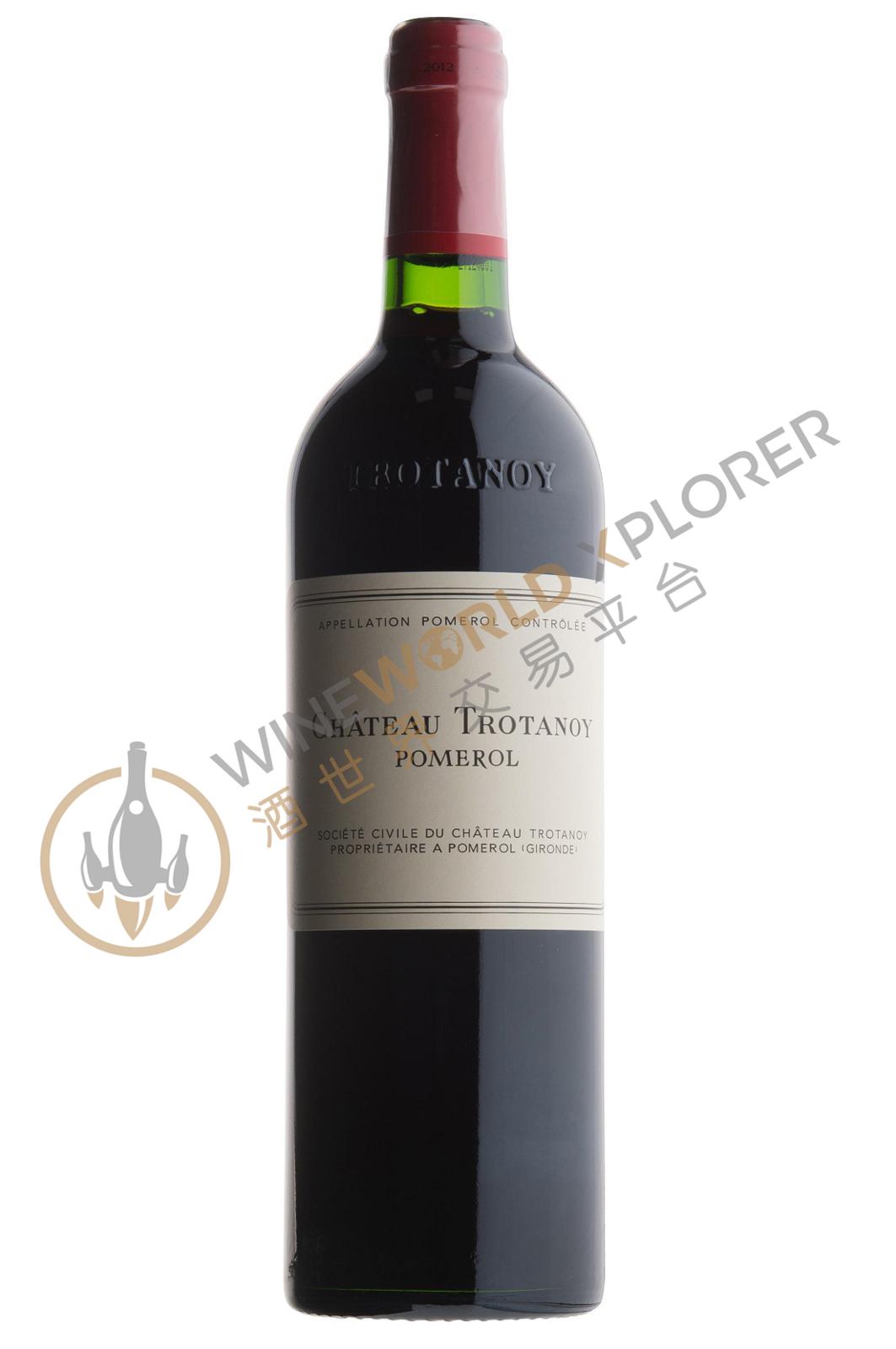
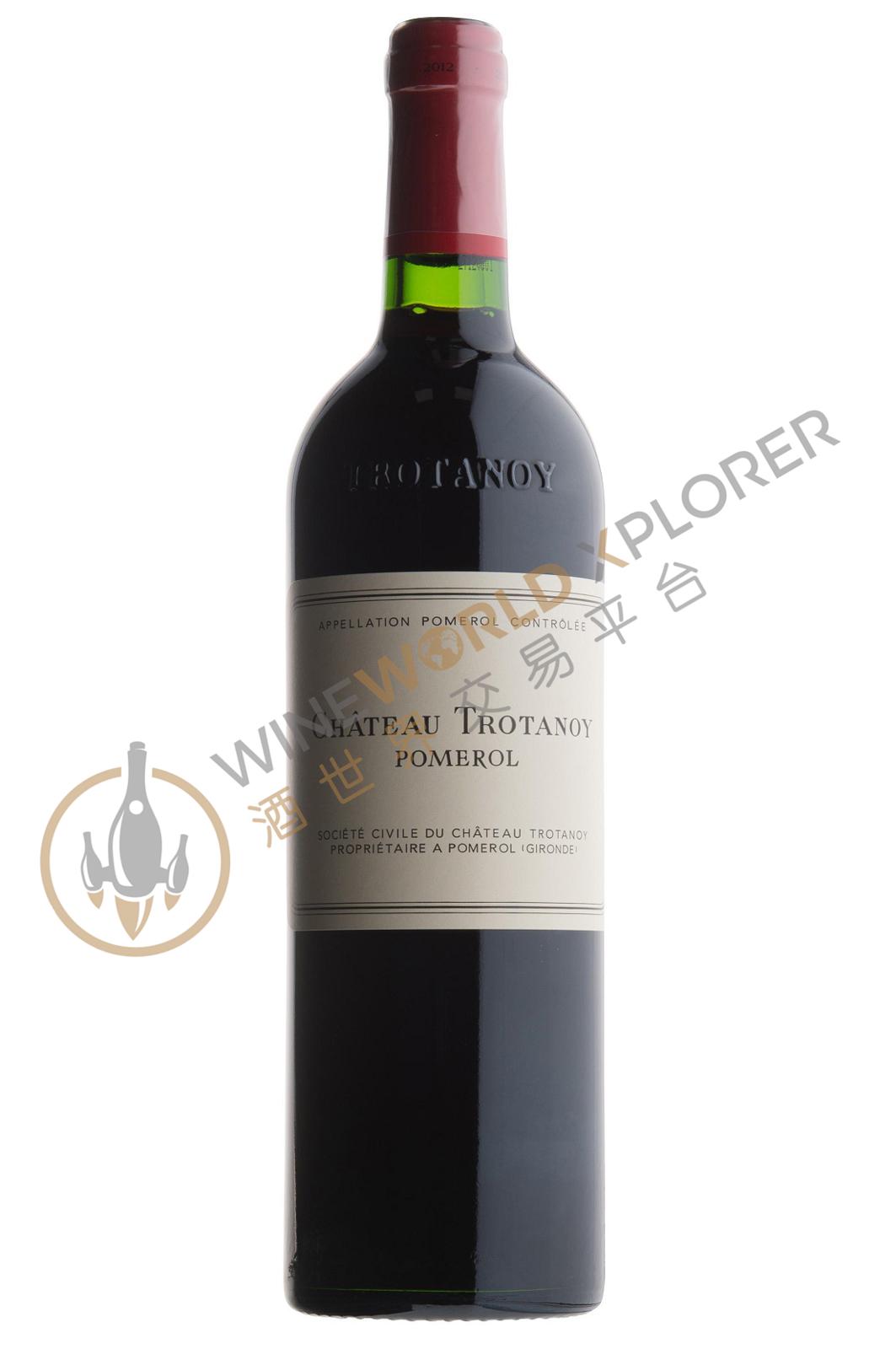
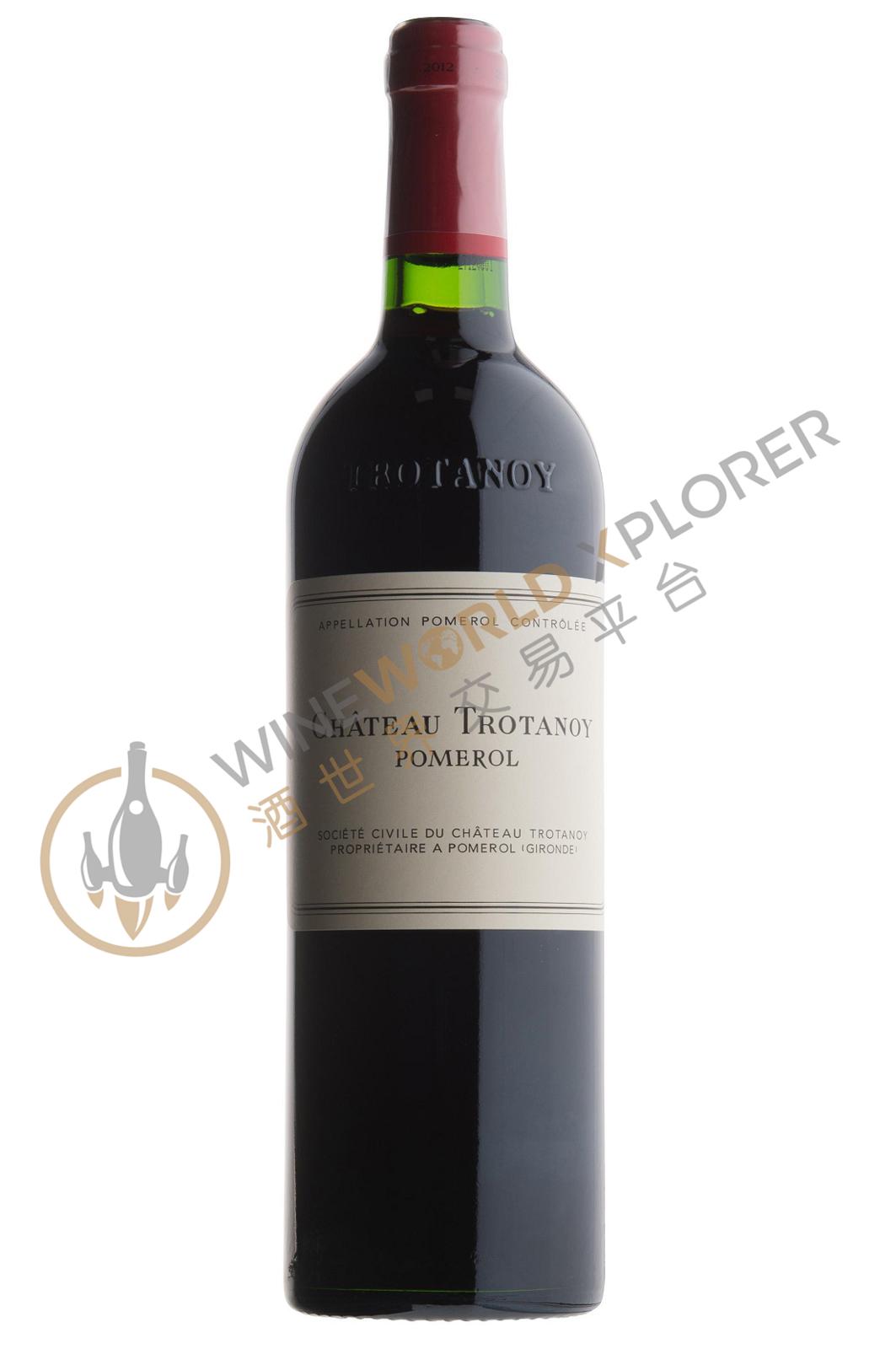
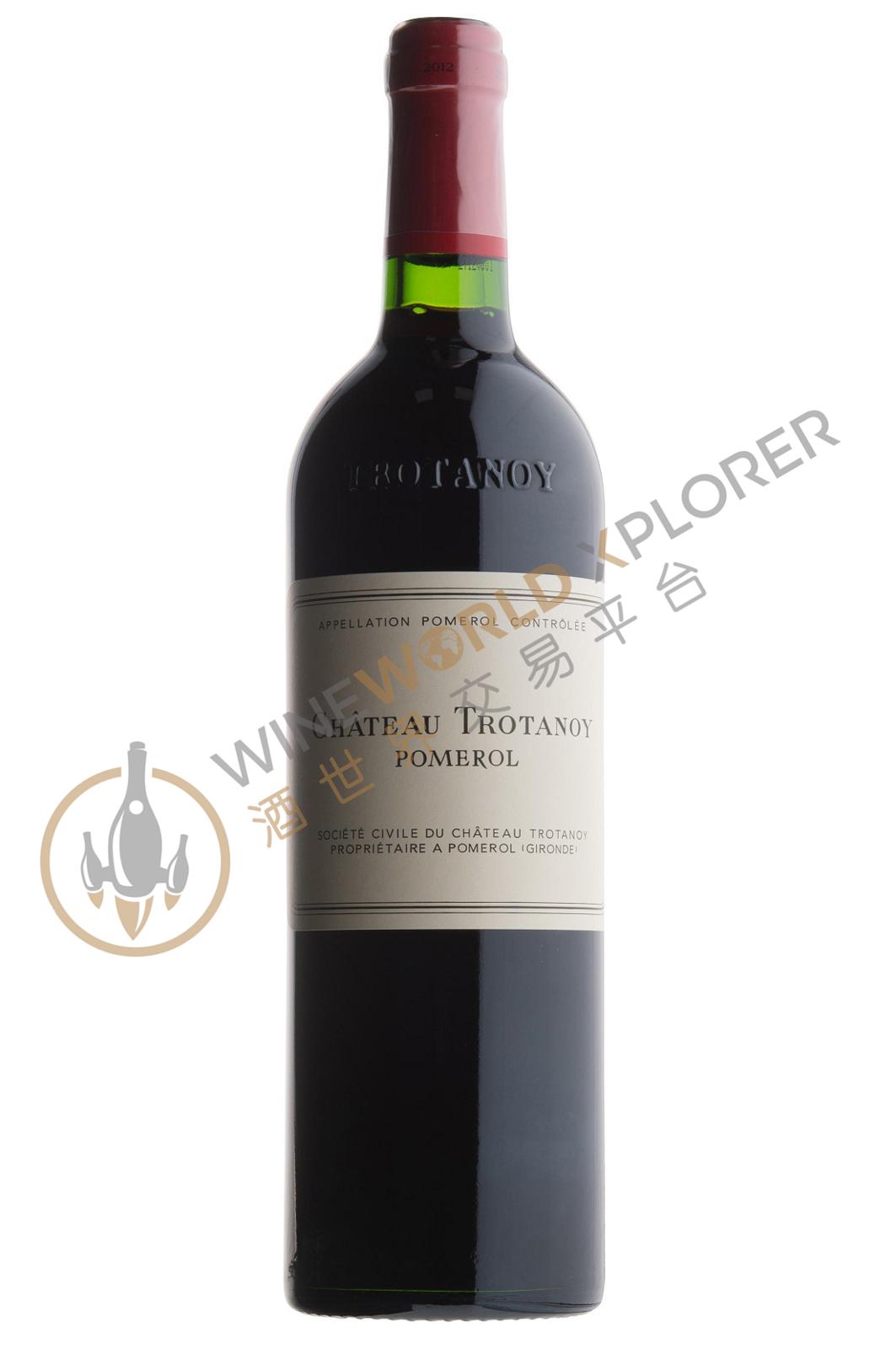
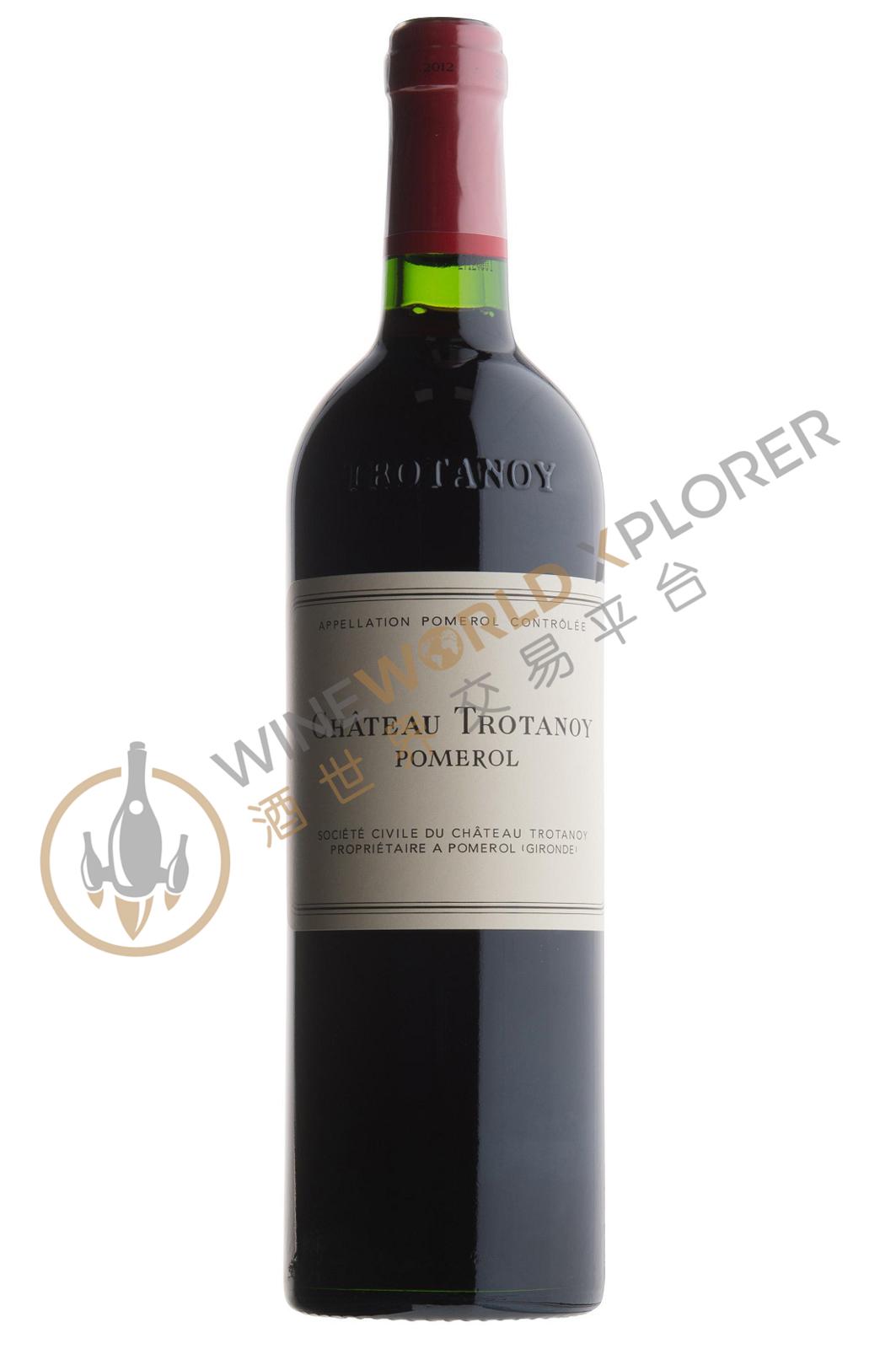
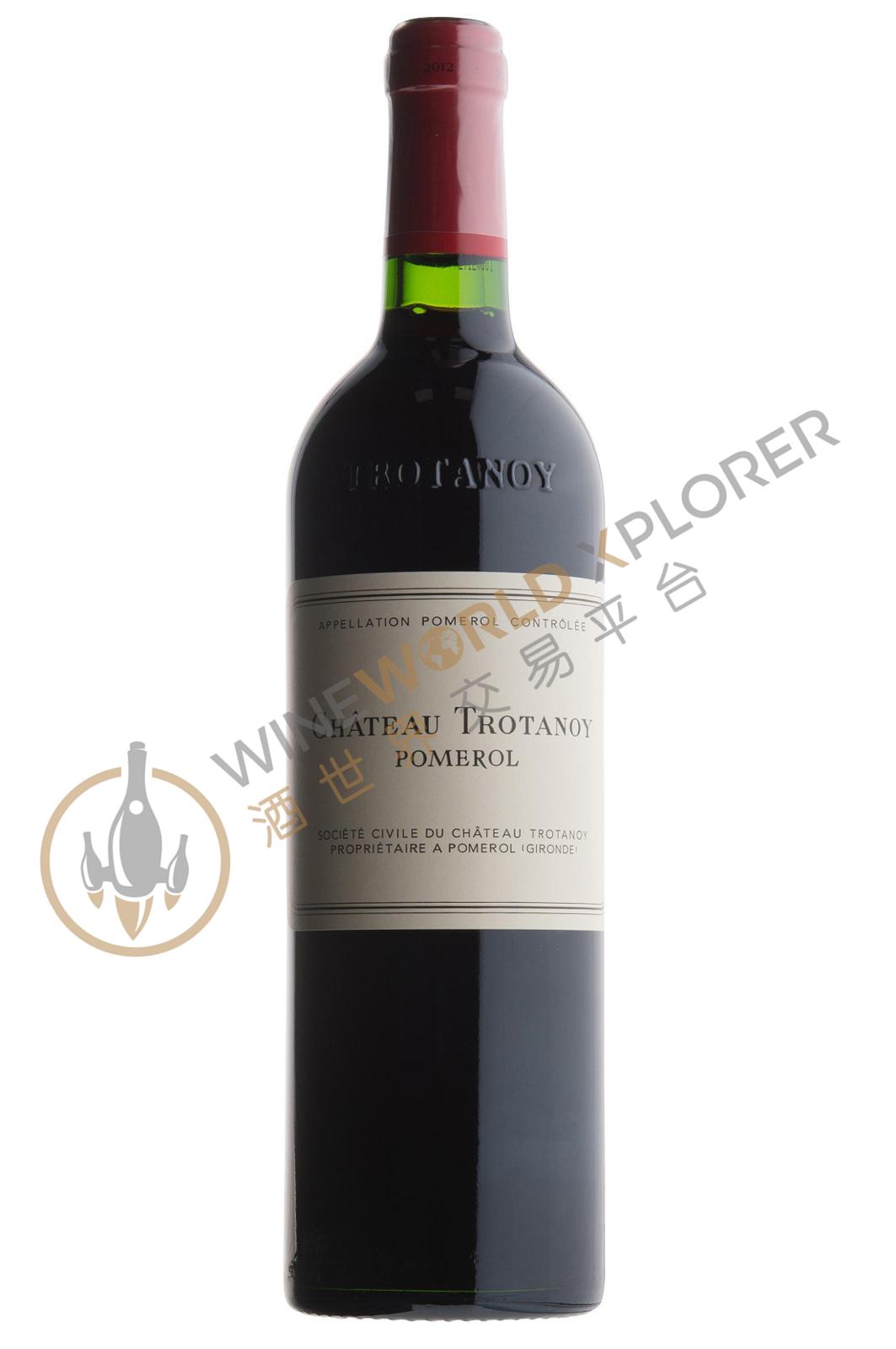
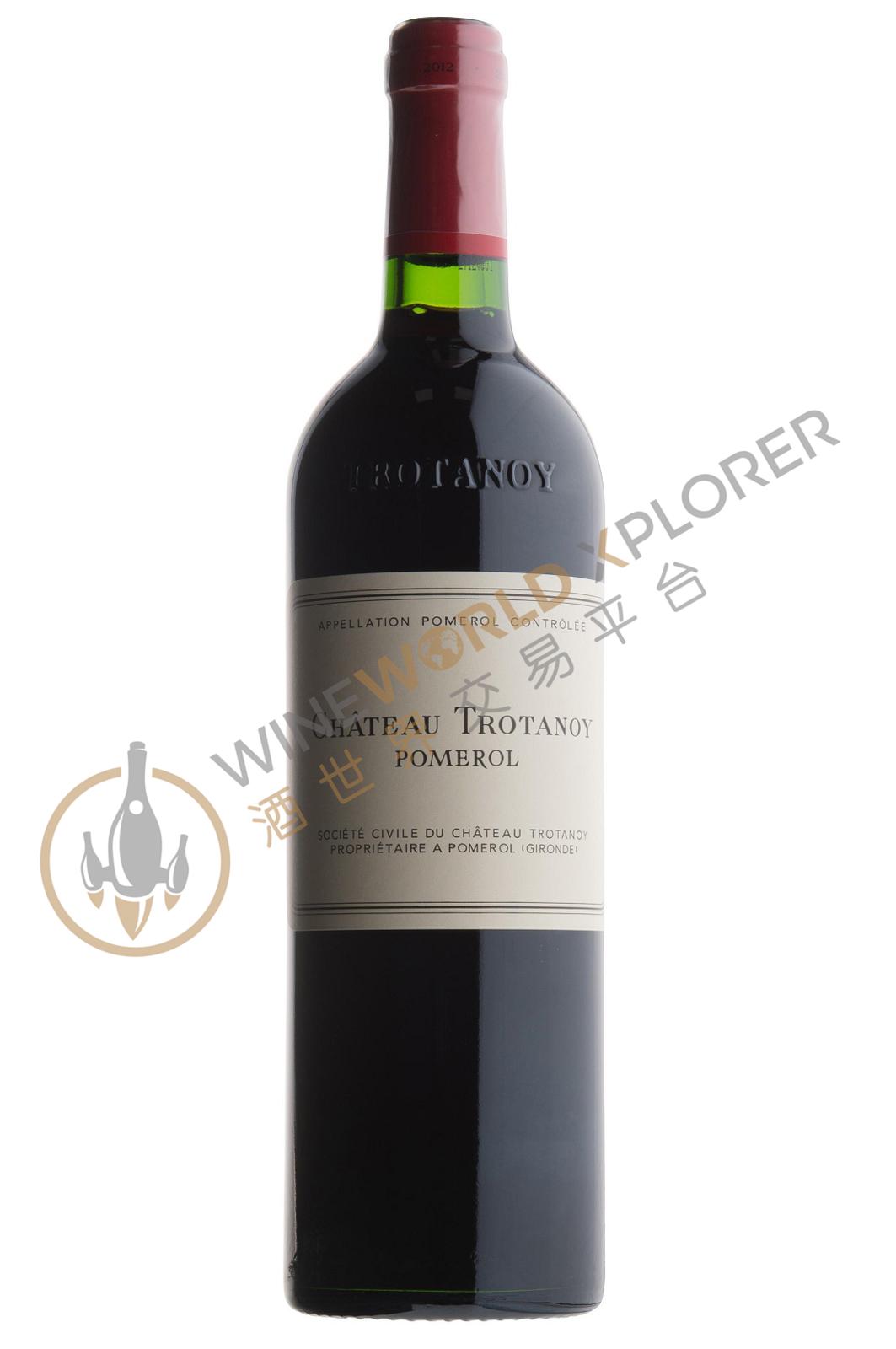
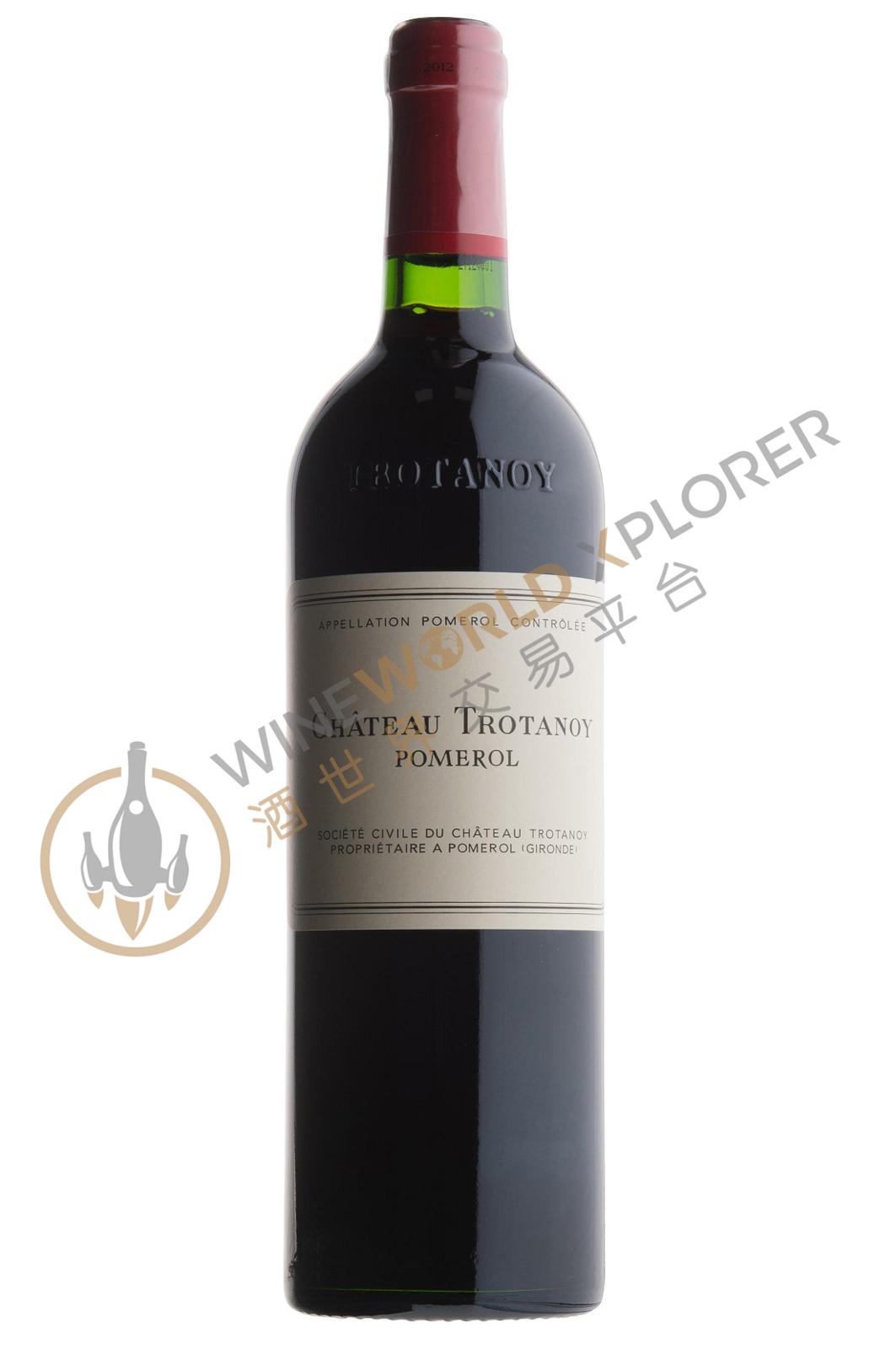
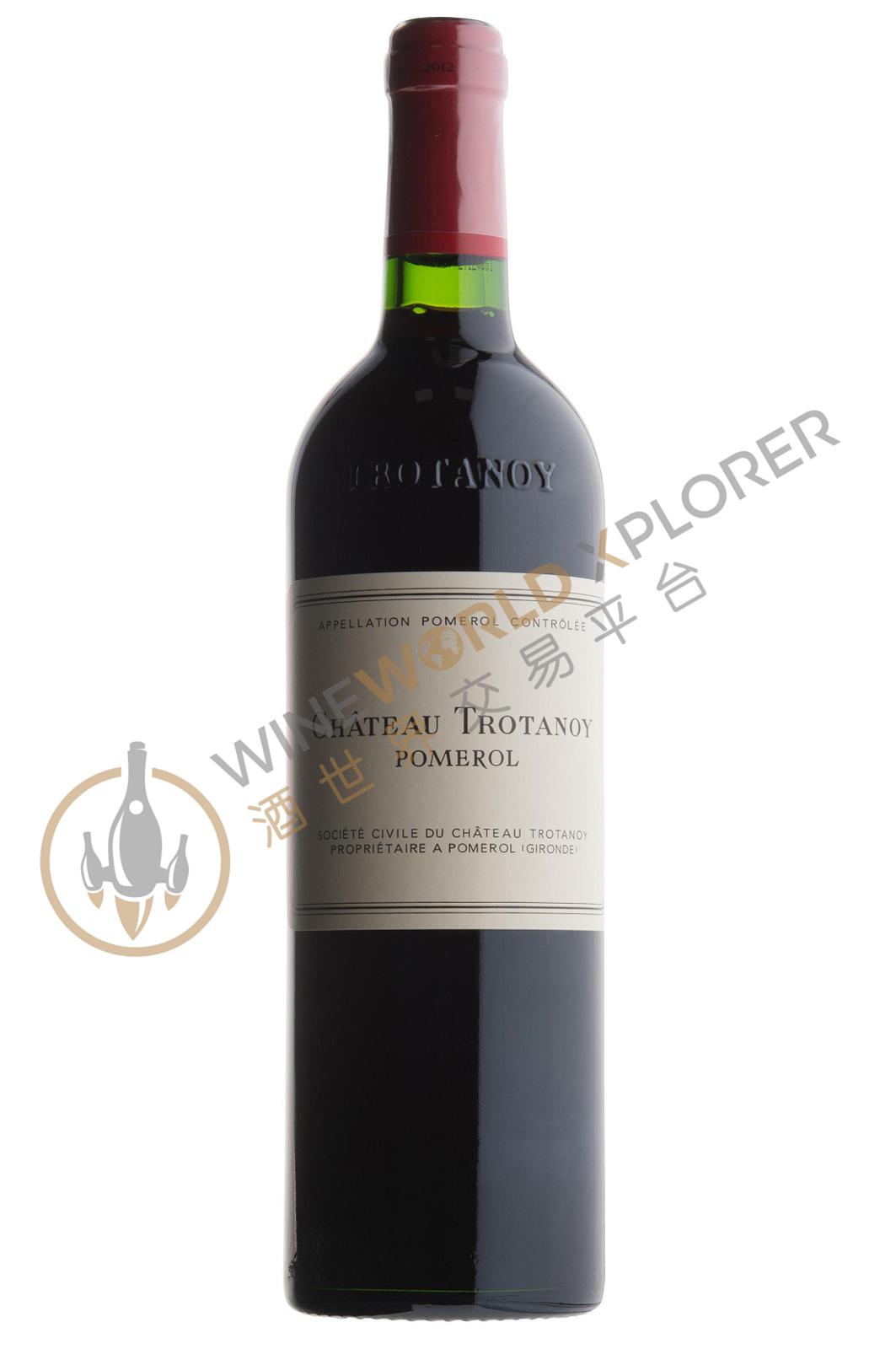
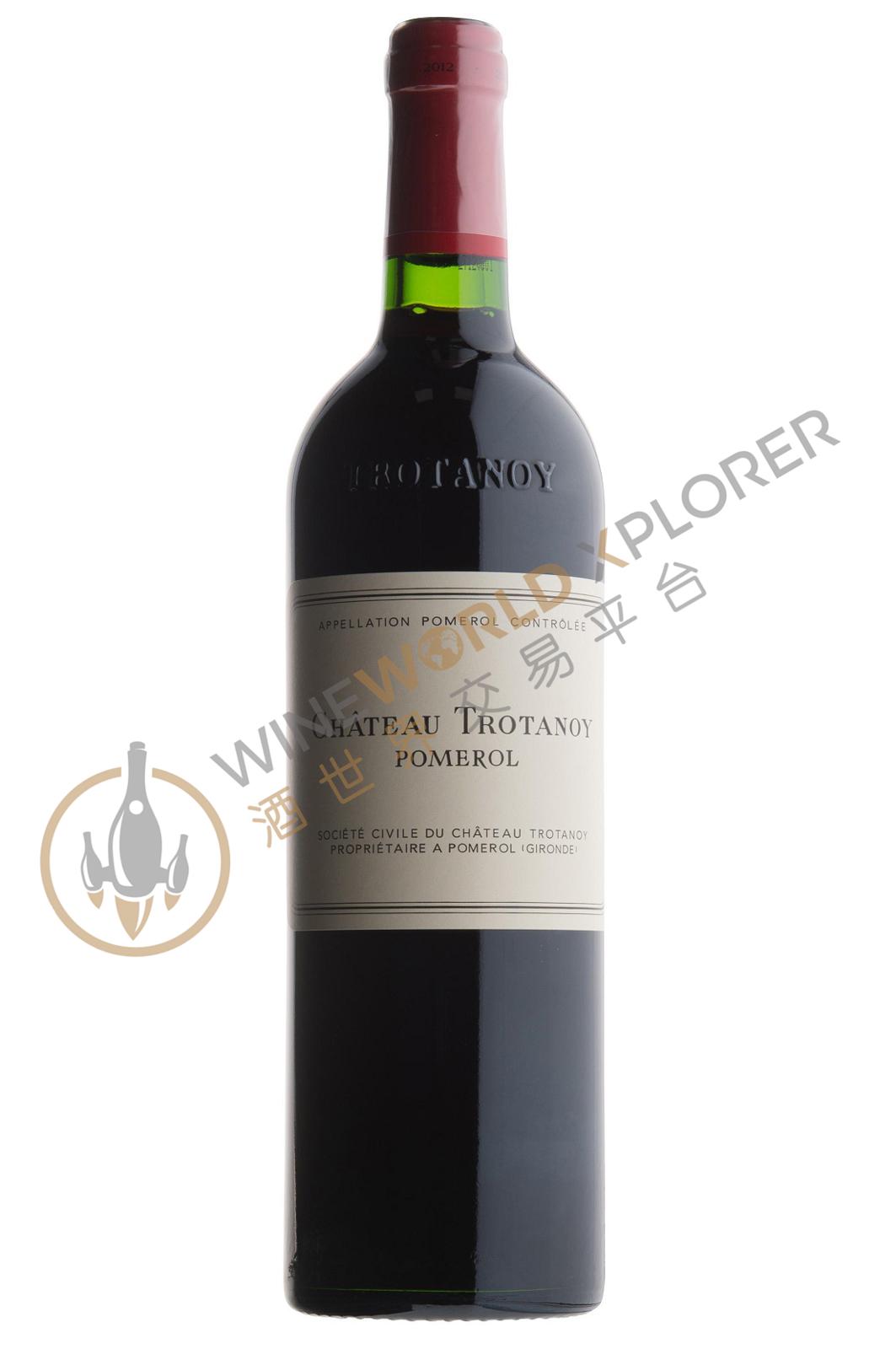
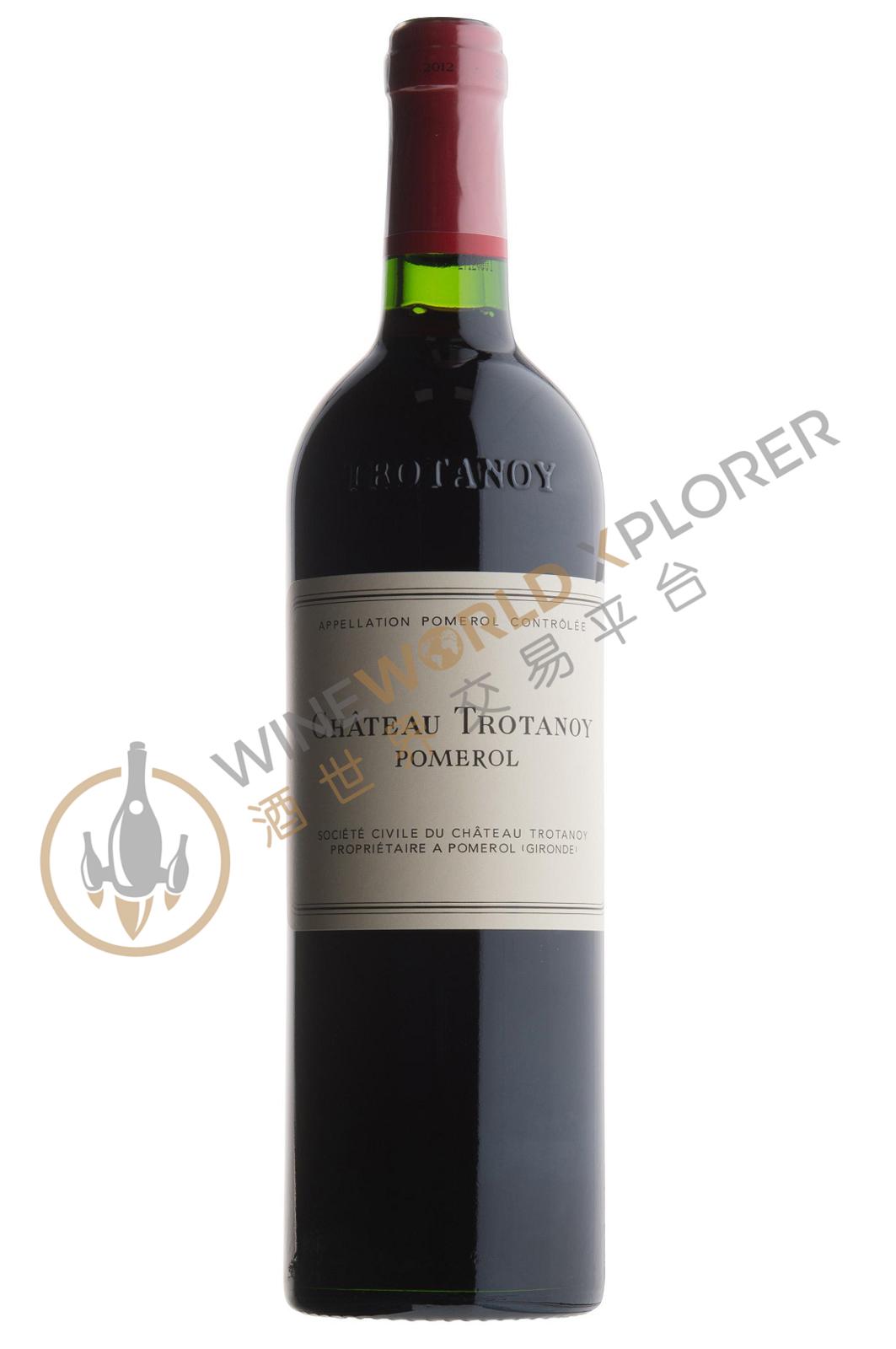
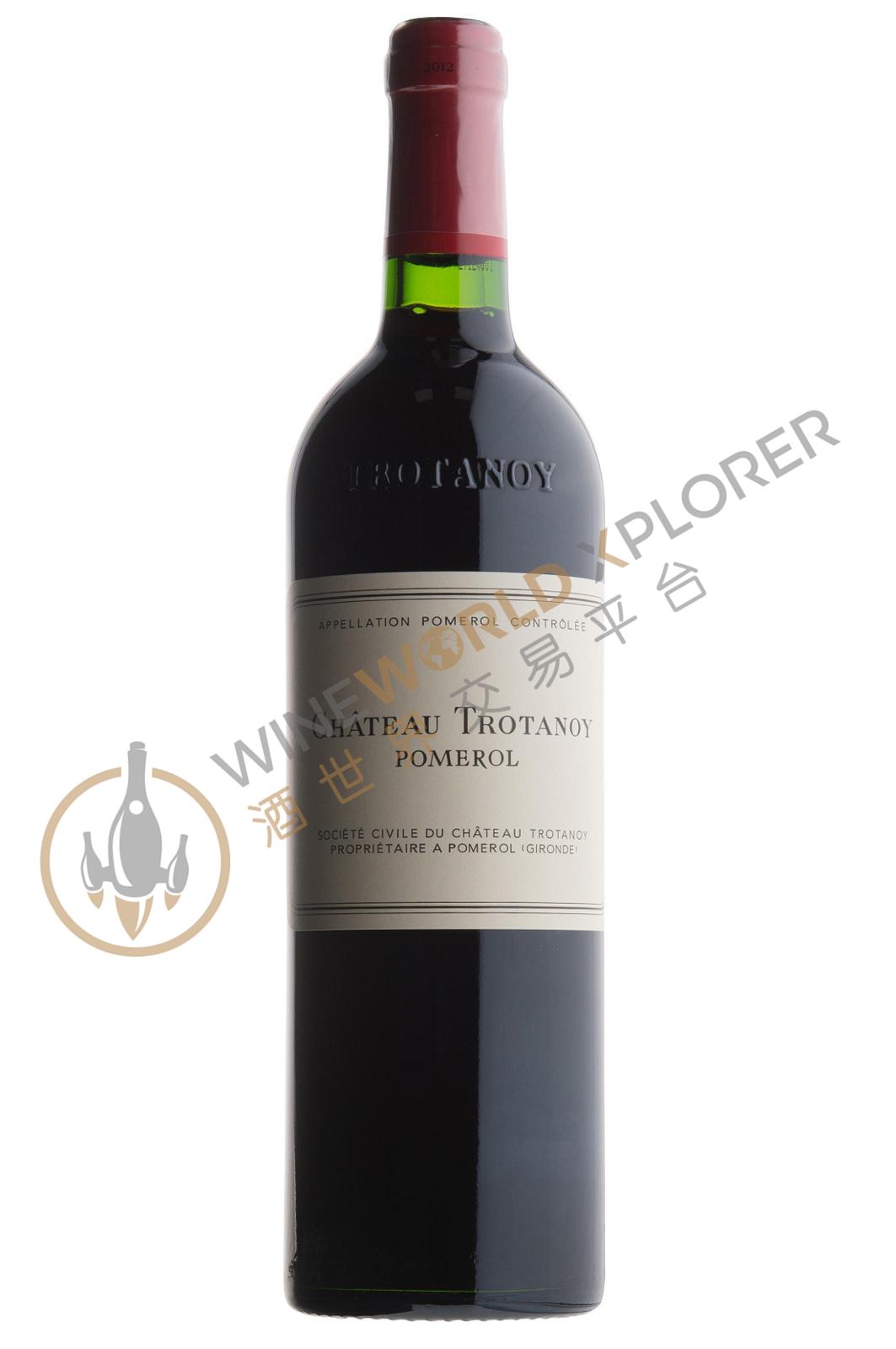
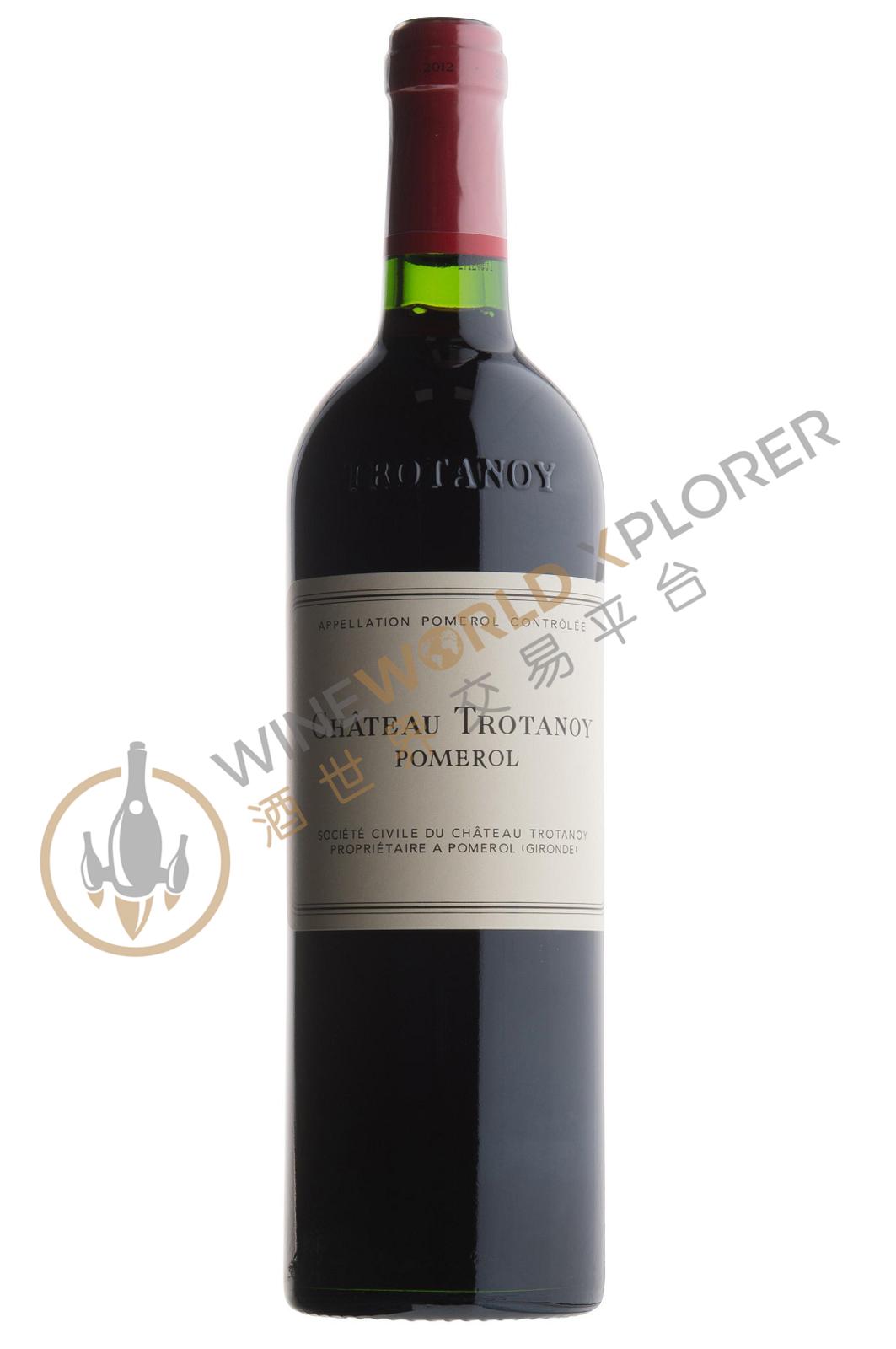
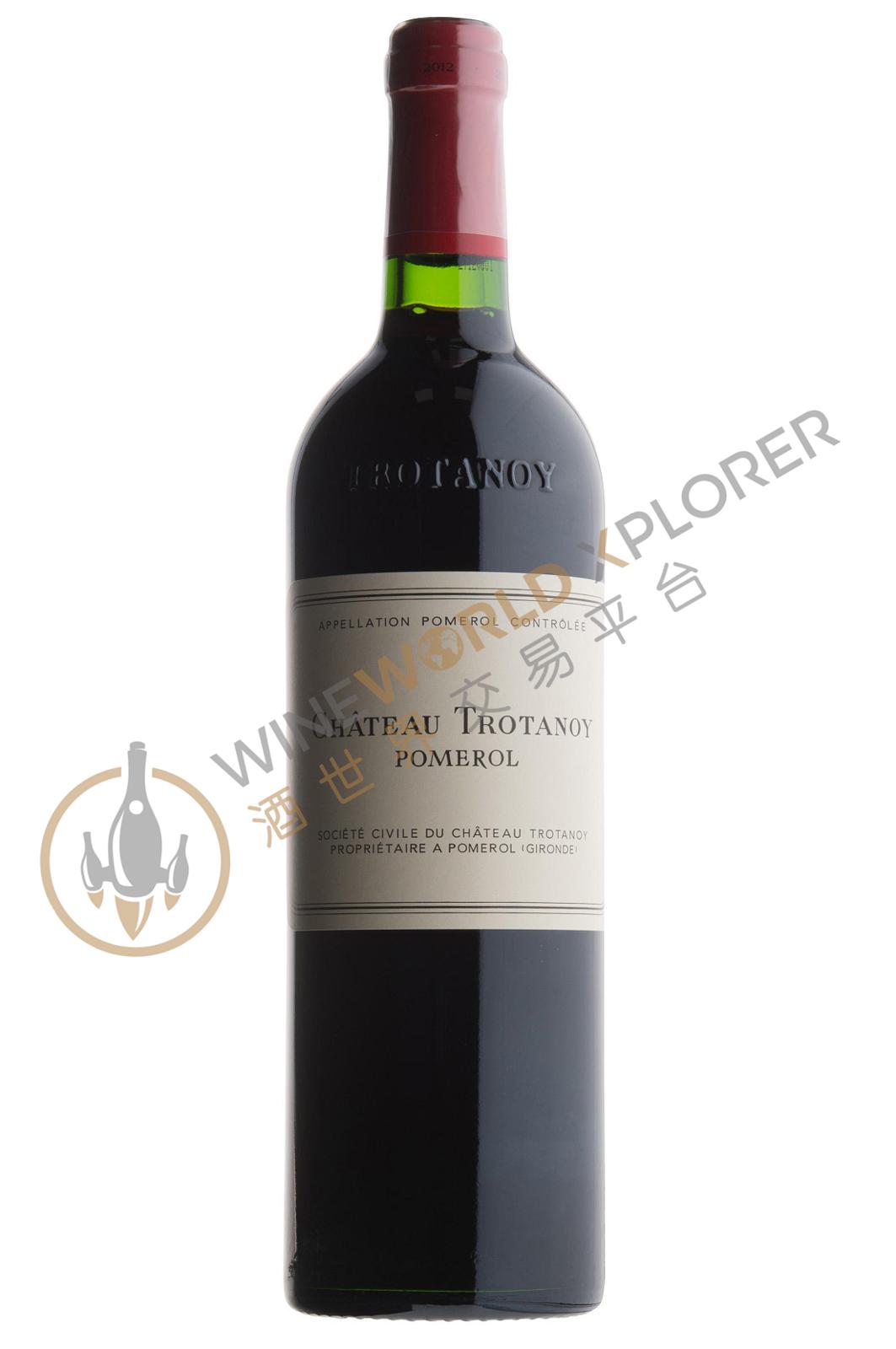
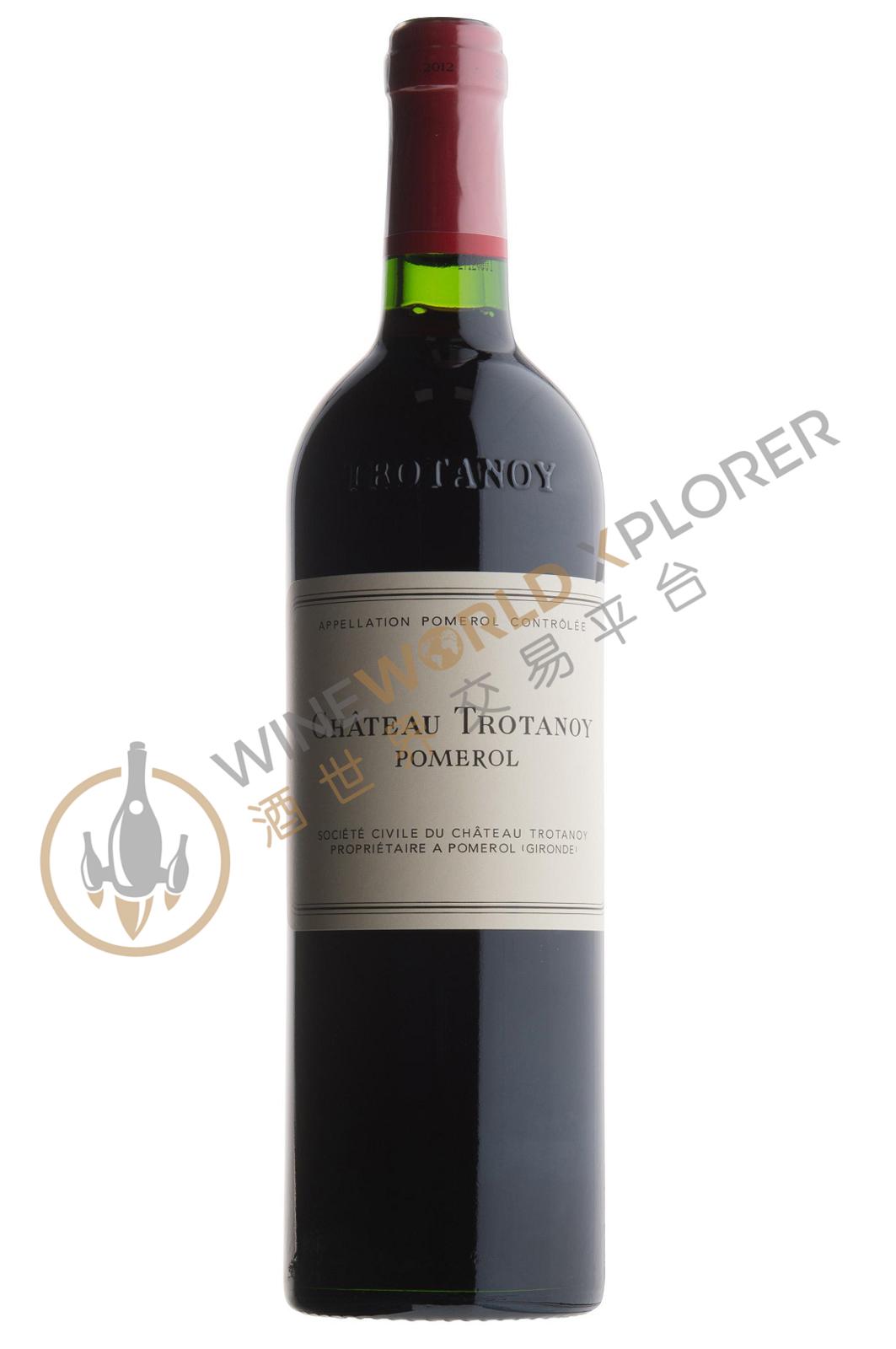
Trotanoy 1995
 View analysis


Description
Tasting notes

Reviewed by: Neal Martin
A deep garnet core with deep brick rim though it is not quite as clear as I was expecting. A fine multi-faceted nose of dates, sous-bois, graphite and tar, then a touch of liquorice developing. A soft entry, the first where the tannins have matured enough to be pleasurable. Raspberry, tar, a touch of savoury fruits on the mid-palate. Harmonious but there is a touch of rusticity here which I find endearing. Clams up on the finish indicating that it could do with another five or six years cellaring. Very impressive. Drink 2012-2035. Tasted May 2007.
Reviewed by: Robert M. Parker, Jr.
A fabulous success for Trotanoy, this wine has considerable potential, and may ultimately merit a higher score than I have bestowed upon it. The 1995 boasts a saturated deep purple color, followed by a knock-out nose of black truffles, cherries, raspberries, and kirsch fruit intermixed with spicy oak and beef blood-like scents. Full-bodied, dense, and as powerful and backward as its rival, Lafleur, this broad-shouldered, super-extracted Trotanoy is superb, but don't make the mistake of thinking it will provide easy-going drinking over the near-term. While splendid, this wine possesses extremely high tannin, and needs at least 7-8 years of cellaring. Anticipated maturity: 2005-2025. Bravo! After continuously expressing my disappointment with the wines produced at Trotanoy between 1983 and 1989, I am thrilled with what has been taking place since the 1990 vintage. The 1995 and 1996 vintages are both impressive, with the 1995 unquestionably the finest Trotanoy since the extraordinary 1982.
Reviewed by: Robert M. Parker, Jr.
As a longtime fan of this property, I have been candid about my disappointment with most vintages of Trotanoy between 1983 and 1989. Certainly the 1990 appeared to be a return to the big, burly, concentrated style of Trotanoy produced in the forties, fifties, sixties, and early seventies. I am now convinced this property is on the rebound, as a result of sensational efforts in 1993, 1994, and the 1995, the latter wine the greatest Trotanoy since the 1970 and 1982. Wow! Last spring I wrote about how impressive this wine appeared to be. Several months prior to bottling, it is indeed the old style, blockbuster Trotanoy that is fabulously concentrated, opulently textured, and bursting with fruit, glycerin, extract, and tannin. At Trotanoy, the oldest vines (60 years) are blended with 20-year and 40-year old parcels, which gives this wine an old vine intensity. The production from the youngest vines is now declassified and not used in the blend. The 1995 exhibits a saturated purple color, in addition to a fabulous sweet nose of black fruits (kirsch, cherries, and currants), dense, powerful, glycerin-imbued, full-bodied flavors, high tannin, and fabulous depth and purity. This is a superb example of Trotanoy, the likes of which have not existed since the 1982, 1975, 1971, and 1970. Anticipated maturity: 2004-2025.
Reviewed by: Robert M. Parker, Jr.
Wow! Last spring I wrote about how impressive this wine appeared to be. Several months prior to bottling, it is indeed the old style, blockbuster Trotanoy that is fabulously concentrated, opulently textured, and bursting with fruit, glycerin, extract, and tannin. At Trotanoy, the oldest vines (60 years) are blended with 20-year and 40-year old parcels, which gives this wine an old vine intensity. The production from the youngest vines is now declassified and not used in the blend. The 1995 exhibits a saturated purple color, in addition to a fabulous sweet nose of black fruits (kirsch, cherries, and currants), dense, powerful, glycerin-imbued, full-bodied flavors, high tannin, and fabulous depth and purity. This is a superb example of Trotanoy, the likes of which have not existed since the 1982, 1975, 1971, and 1970. Anticipated maturity: 2004-2025. Last tasted 11/97
Reviewed by: Robert M. Parker, Jr.
The 1995 Trotanoy is cut from the blockbuster mold of such vintages as 1982 and 1975. It appears to be a synthesis in style between those two years. The wine offers an enormously extracted, dark plum/purple color, and a sweet, fruity, rich, earthy, powerful bouquet. It is a huge wine of considerable richness, muscle, density, and extract. This is unquestionably the most large-scaled and massive Trotanoy made in many years. Longtime fanciers of this great estate (including yours truly) should jump with glee over what the 1995 promises to become. Patience, however, will be a prerequisite as this wine will need a good 7-8 years of cellaring. It is a sure-fire candidate to last 20-30 years. How reassuring it is to see this style of Trotanoy emerge. All of the wines in this segment were tasted between March 19 and March 28 in Bordeaux. Most of the important wines from both the 1994 and 1995 vintages were tasted three separate times during my ten-day stay in Bordeaux.
Reviewed by: Robert M. Parker, Jr.
Certainly the best Trotanoy between 1998 and 1982, the 1995 has a deep saturated ruby color that is dark to the rim. Relatively shut down when tasted in 2002 on several occasions, the wine, with coaxing, does offer some notes of earth, raspberry, black cherries, and a hint of licorice. Medium to full-bodied, powerful, and backward, it is an impressively constituted Trotanoy that is relatively large-scaled but the huge level of tannin also means it might be a modern-day version of the 1970. Time will tell. Anticipated maturity: 2010-2025. Last tasted, 2/02.
About the Producer
Purchased by Jean-Pierre Moueix in 1953, Château Trotanoy has been considered one of the premier crus of Pomerol since the end of the eighteenth century. The soil of Château Trotanoy is a very dense mixture of clay and gravel which tends to solidify as it dries out after rain to an almost concrete-like hardness, hence the name “Trotanoy,” or, in other words, “too wearisome” to cultivate. The Trotanoy vineyard slopes gently to the west. The soil at the highest point of exposure contains a good proportion of gravel, becoming progressively more dominated by clay as the elevation declines. Under this clay is a subsoil of red gravel and an impermeable layer of hard, iron-rich soil known as “crasse de fer.” This fascinating soil diversity brings power, depth and complexity to the wine. Trotanoy is vinified in small concrete vats, while aging takes place in oak barrels. Trotanoy is a naturally profound, complex, richly-concentrated wine with outstanding aging potential. The wine possesses a deep color and a dense, powerful nose, repeated on the palate with the addition of creamy, dark chocolate notes, and a singular concentration of flavor owed to its very old vines.
1966(1)1976(1)1979(1)1981(1)1983(1)1989(2)1990(2)1993(1)
Package Size