Wine Advisor



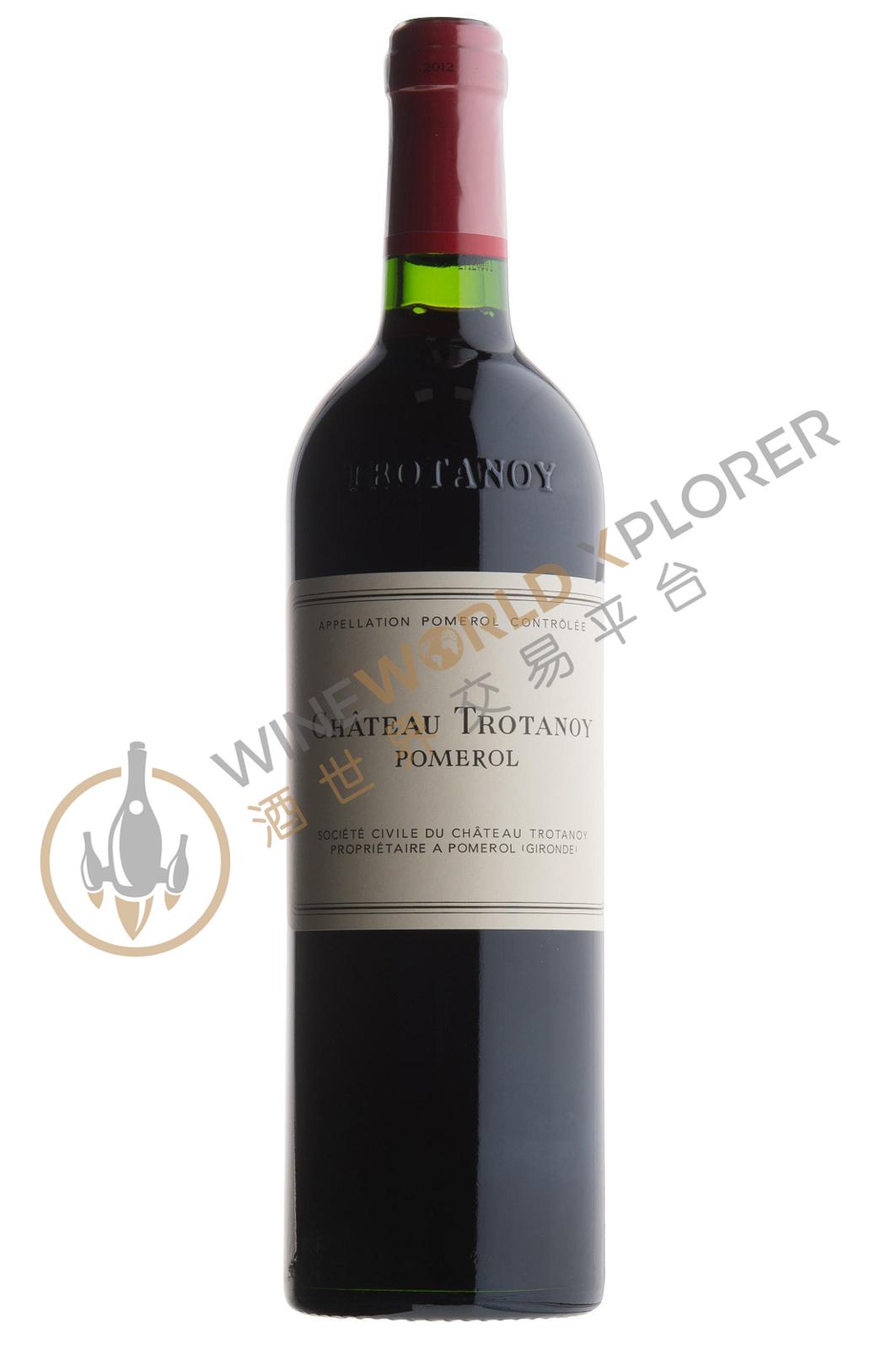
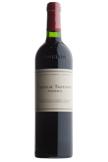
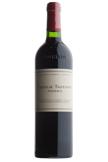
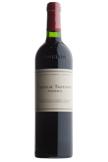
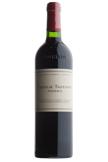
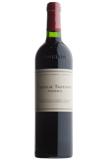
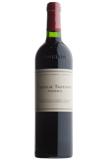
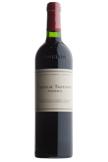
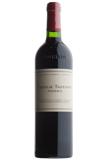
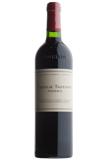
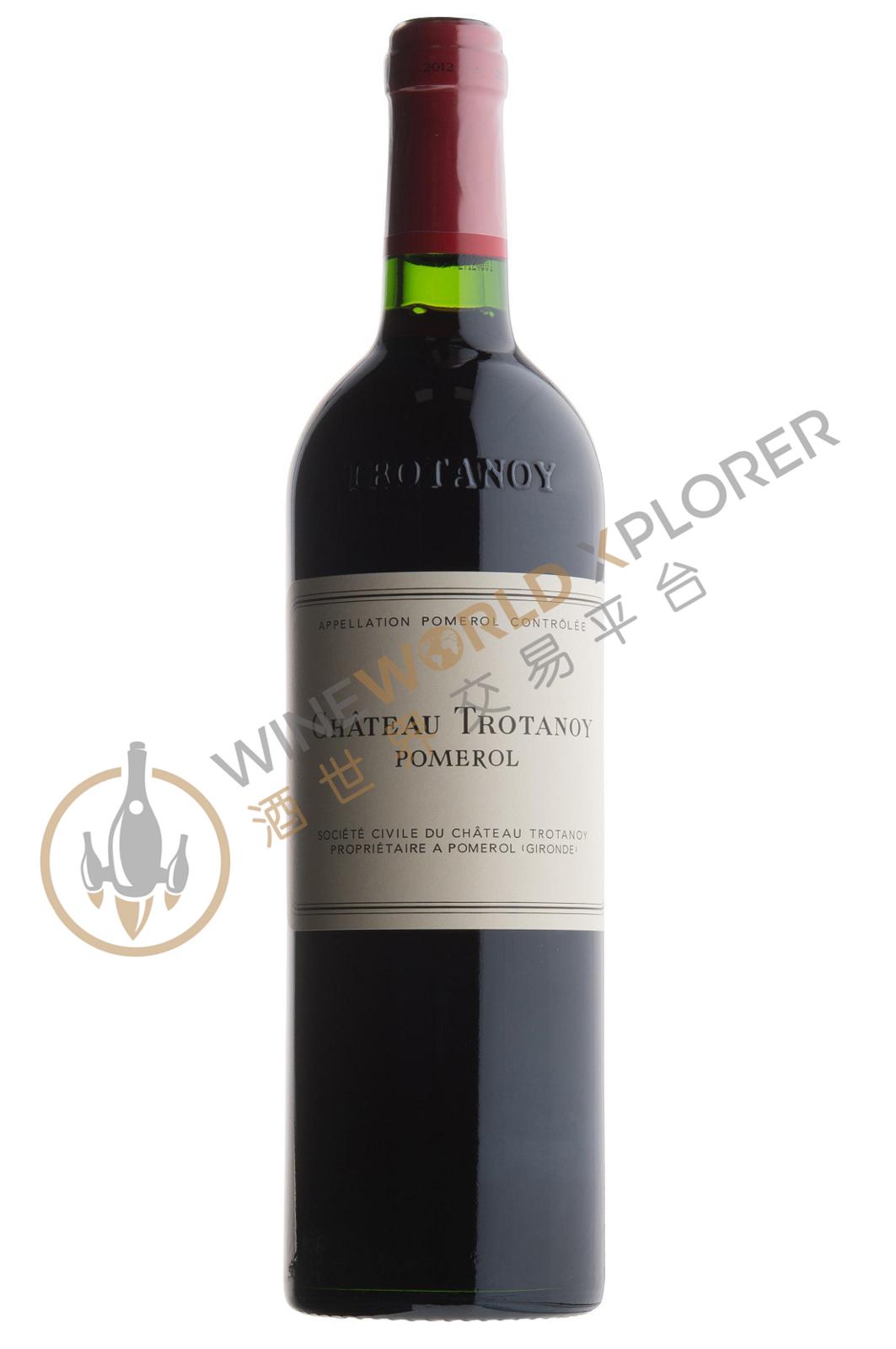
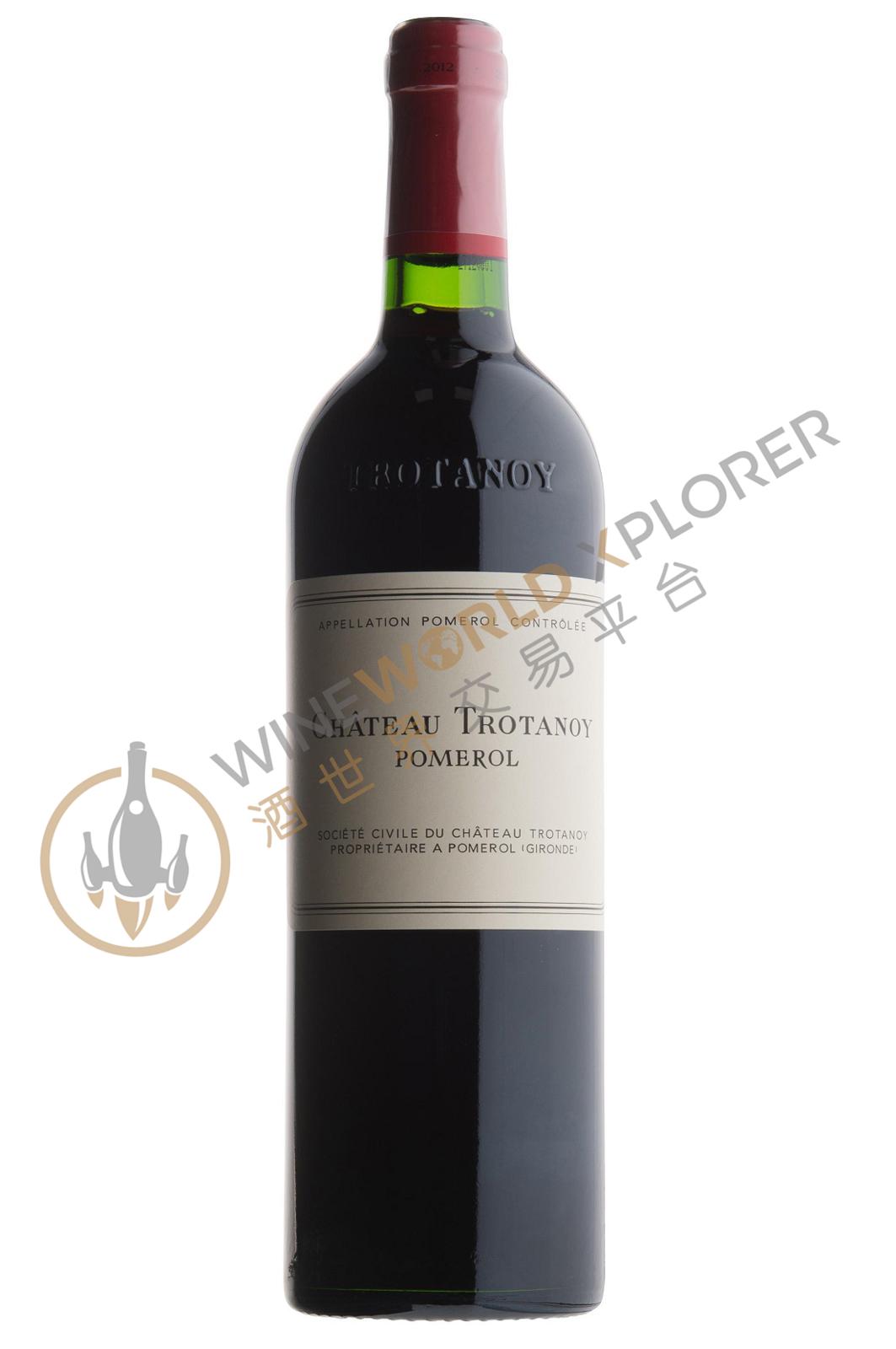
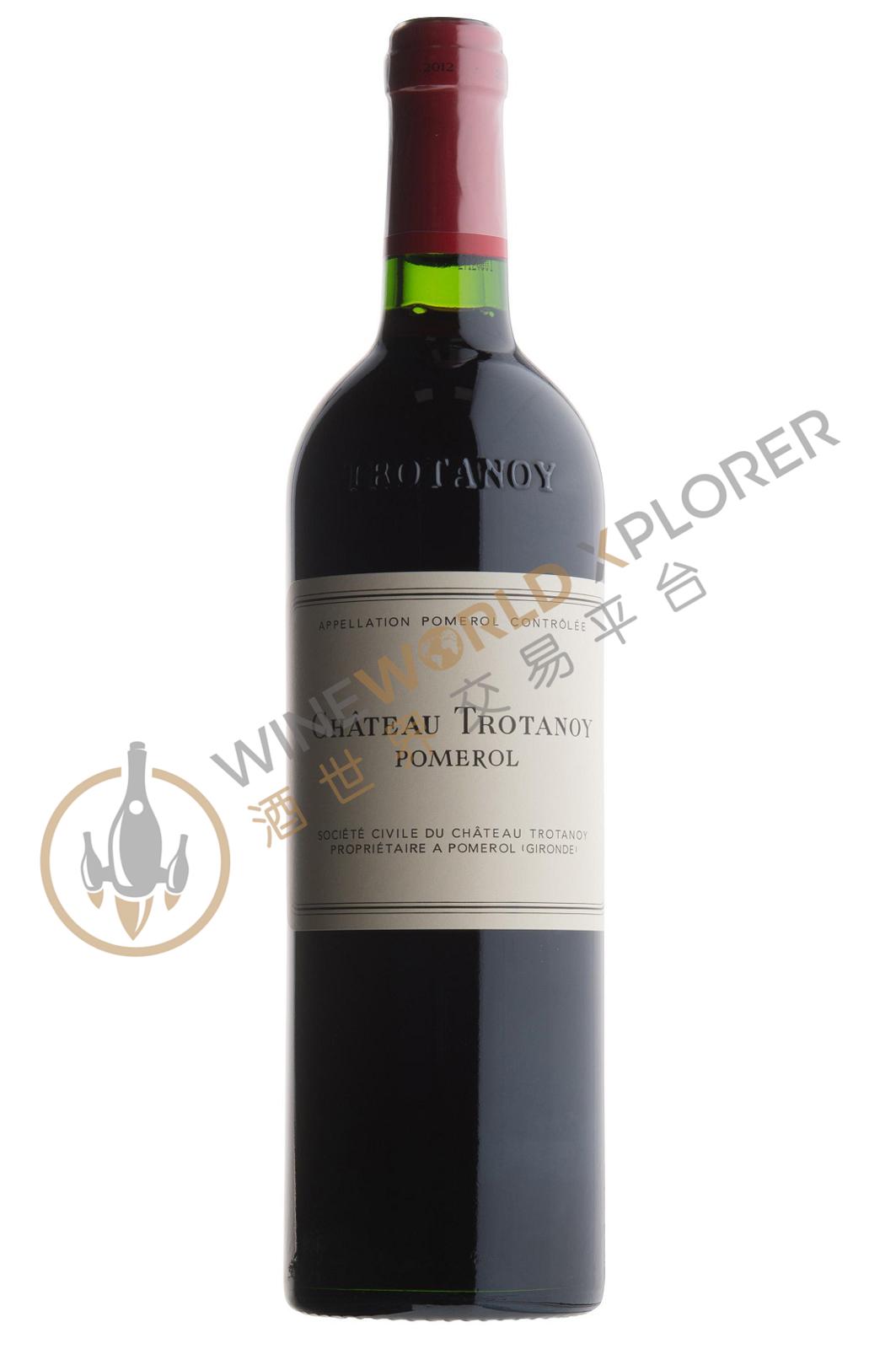
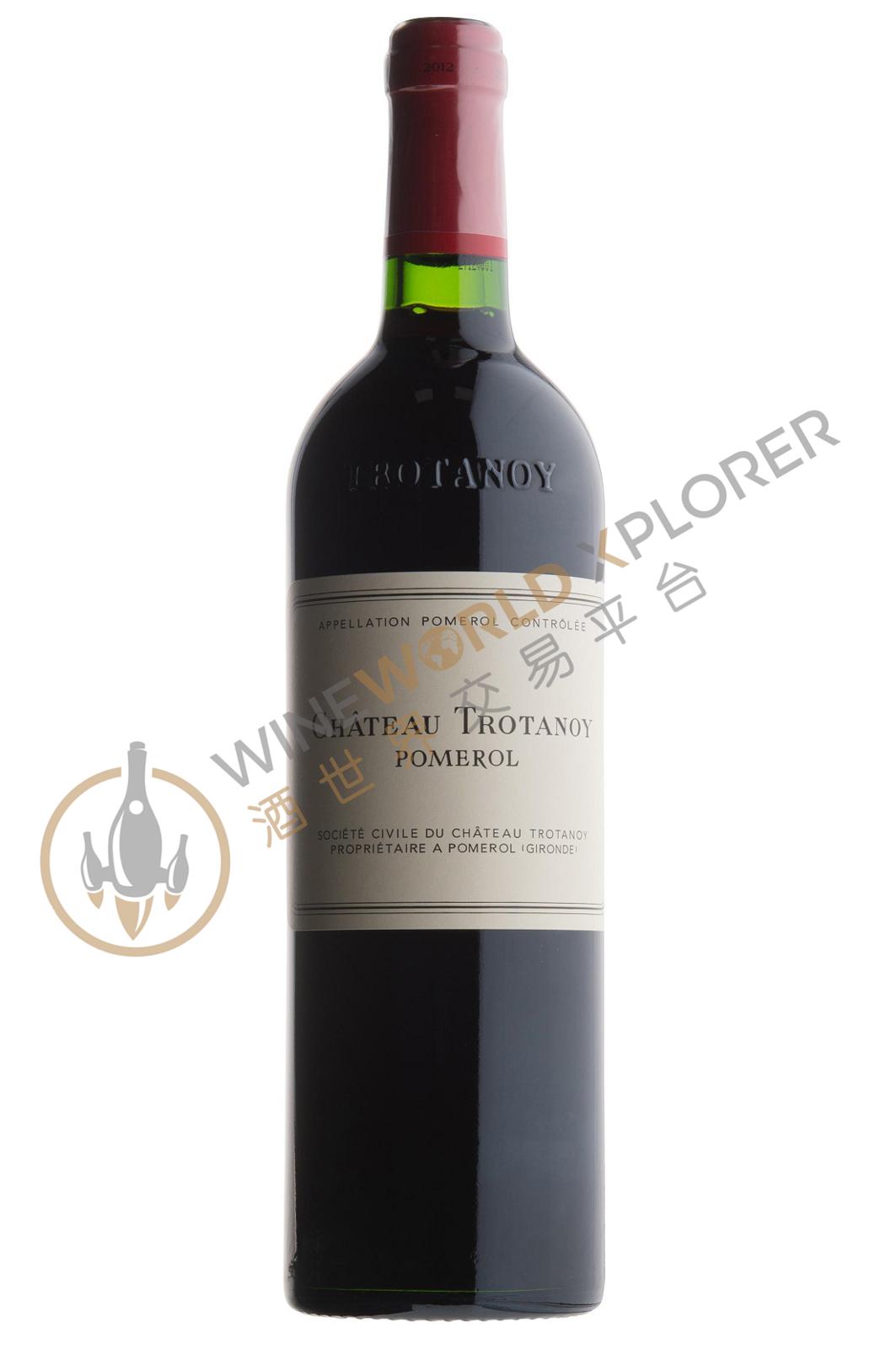
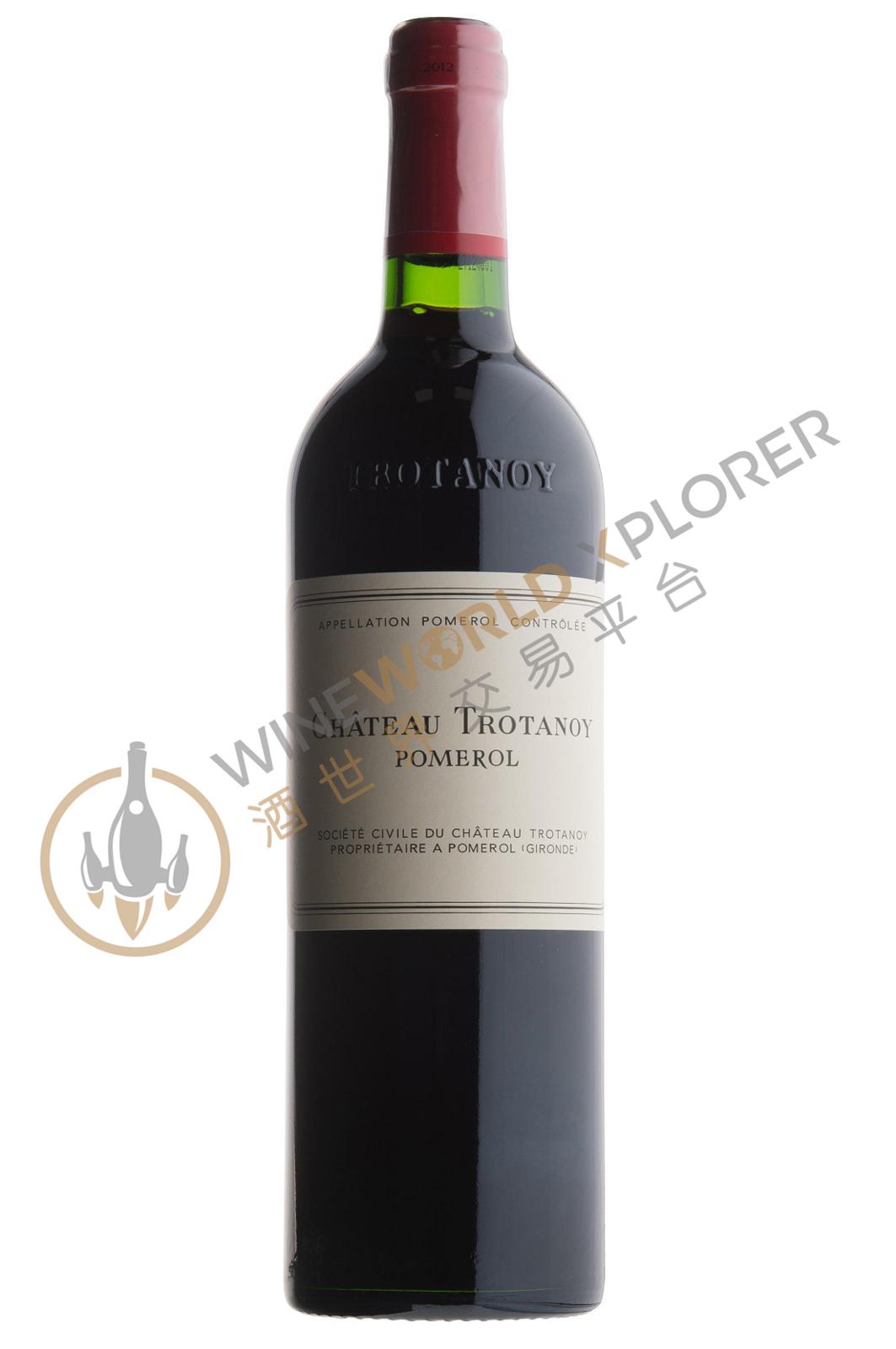
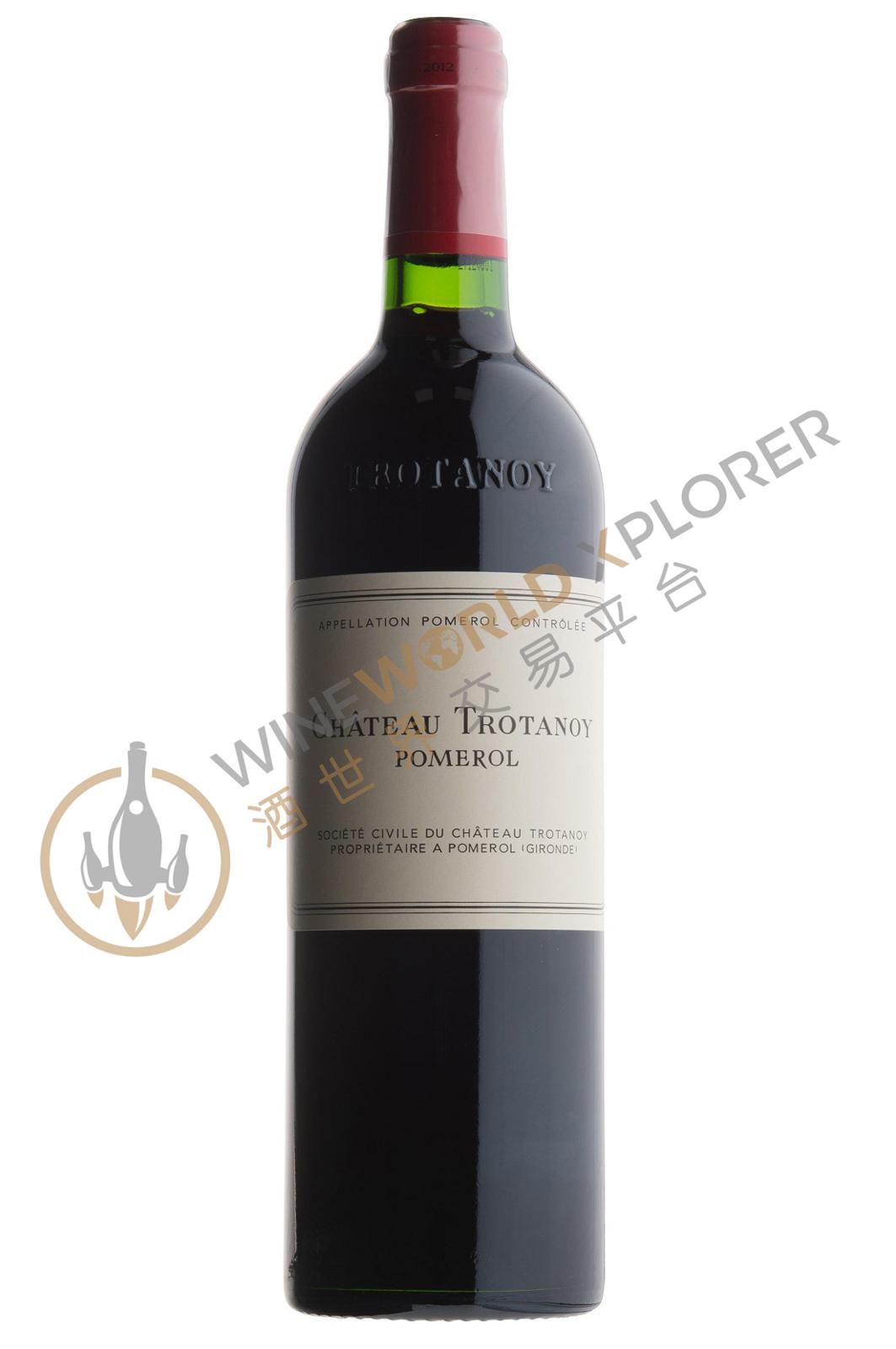
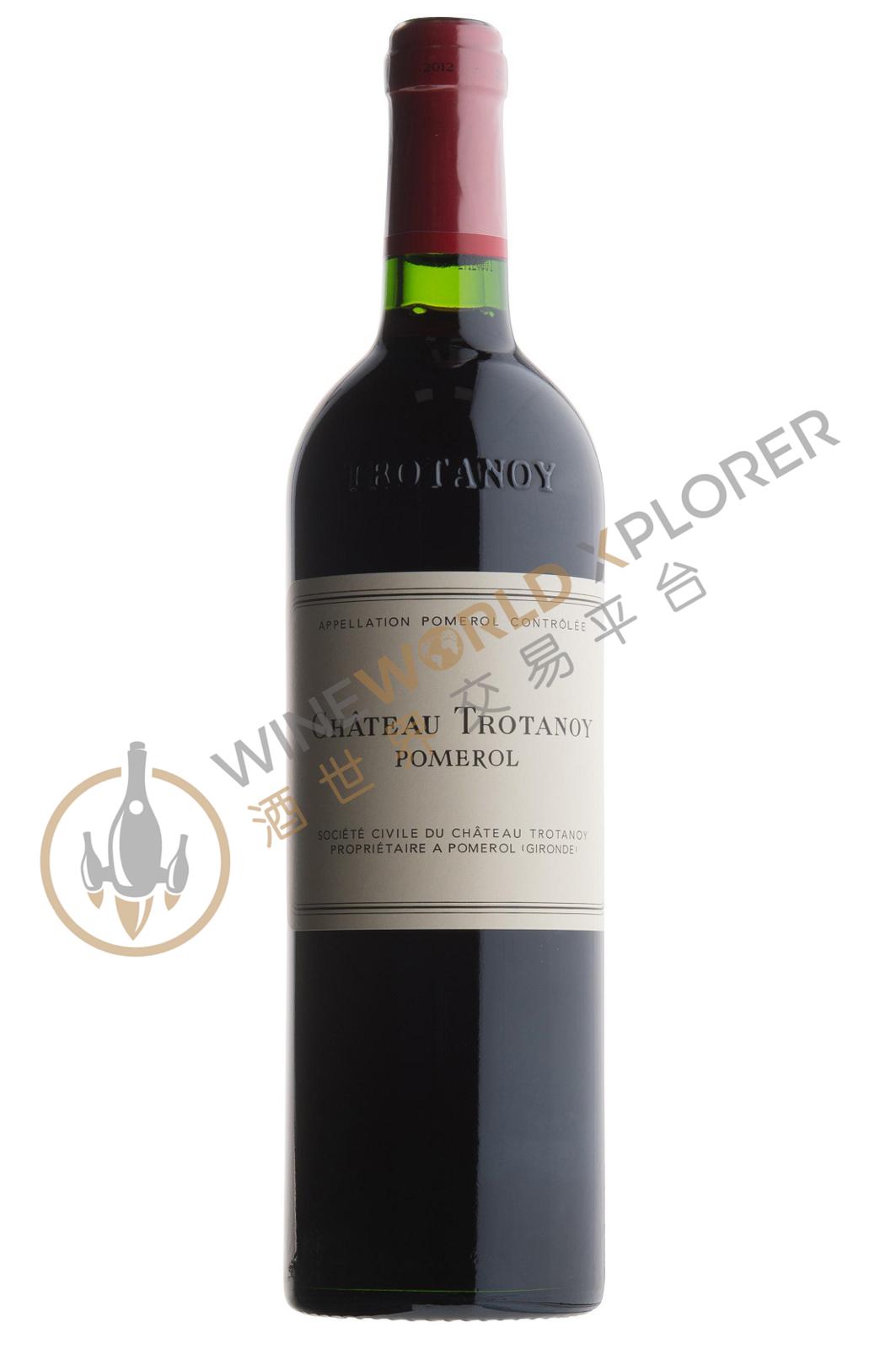
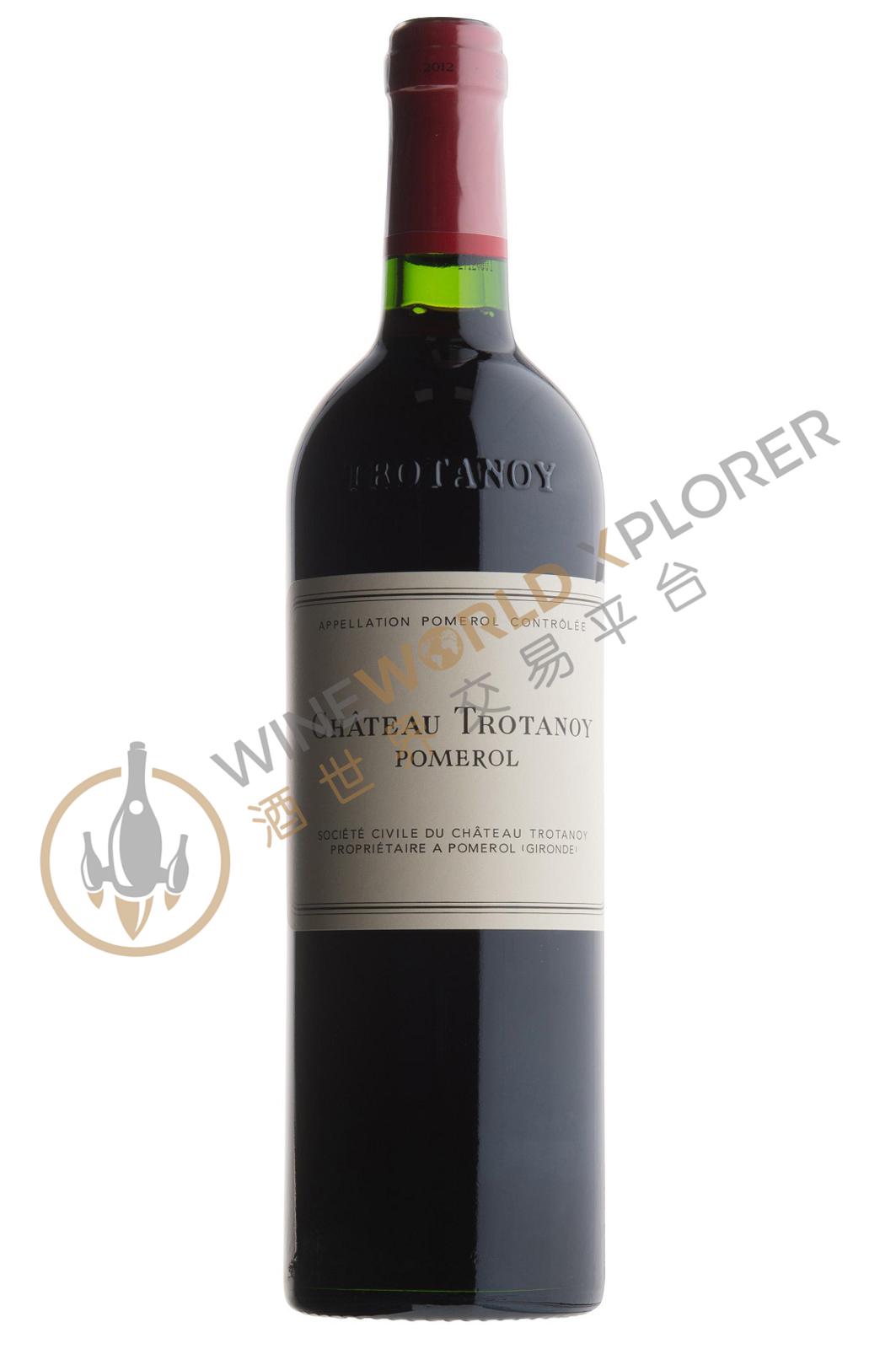
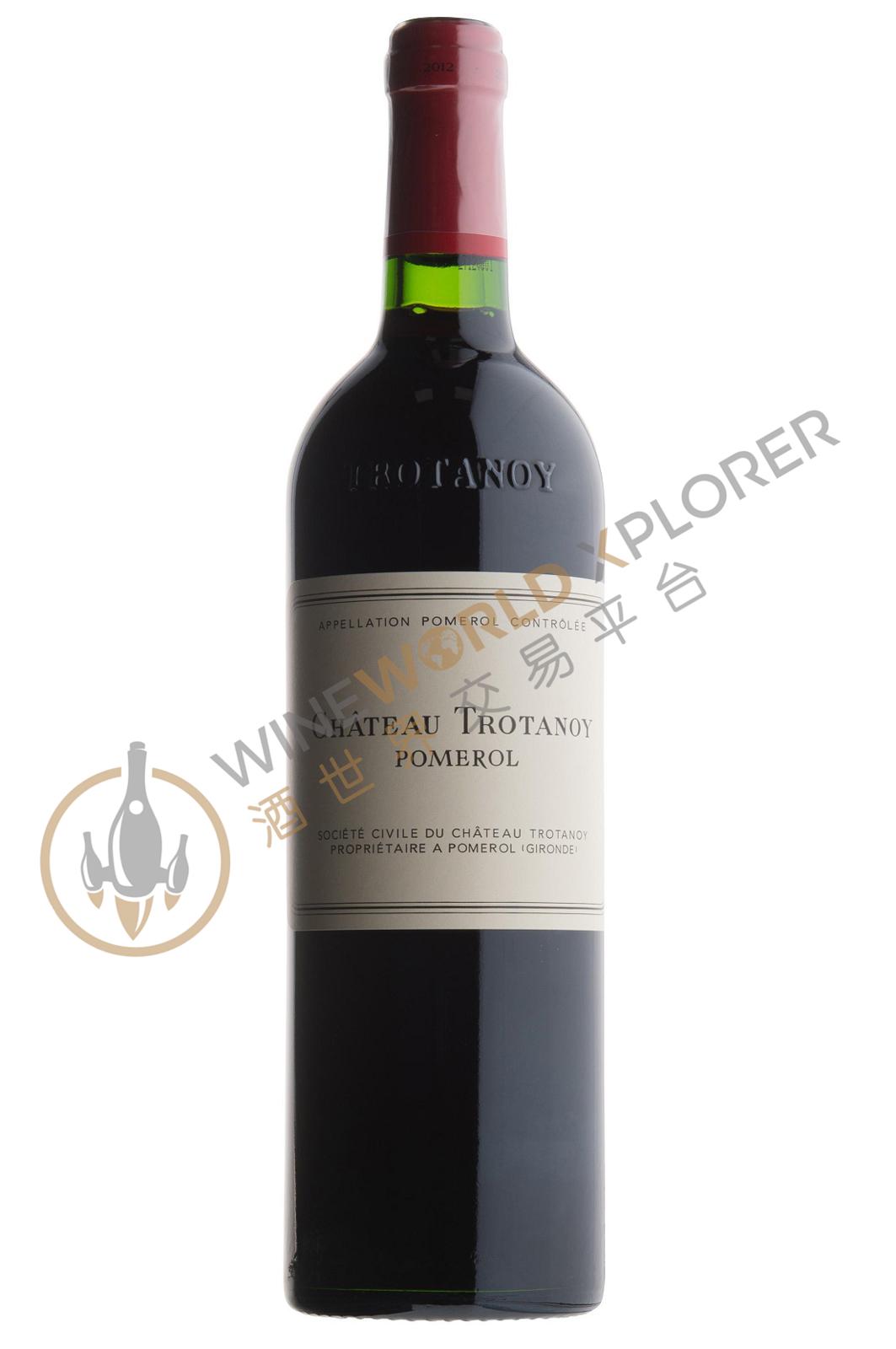
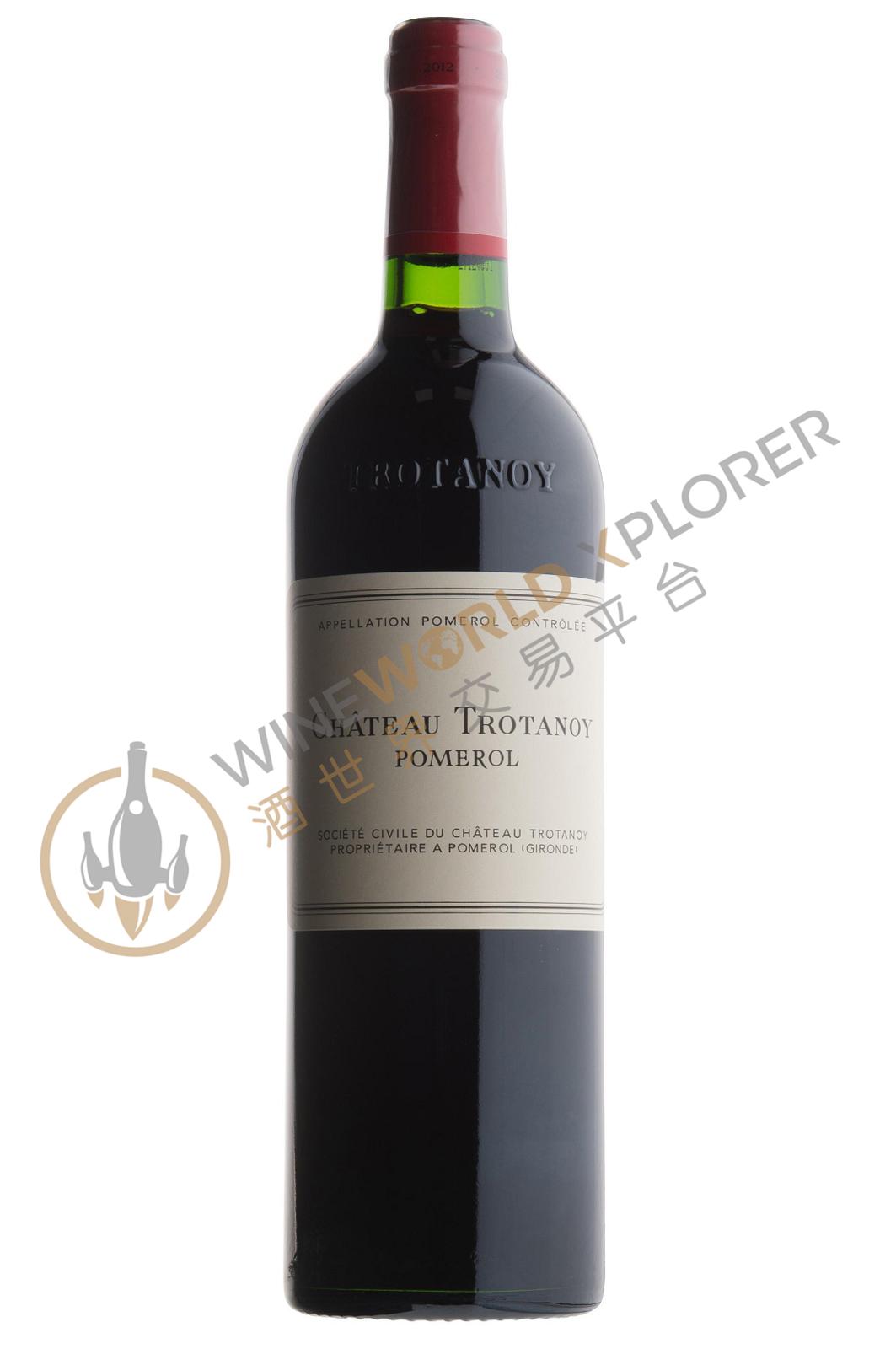
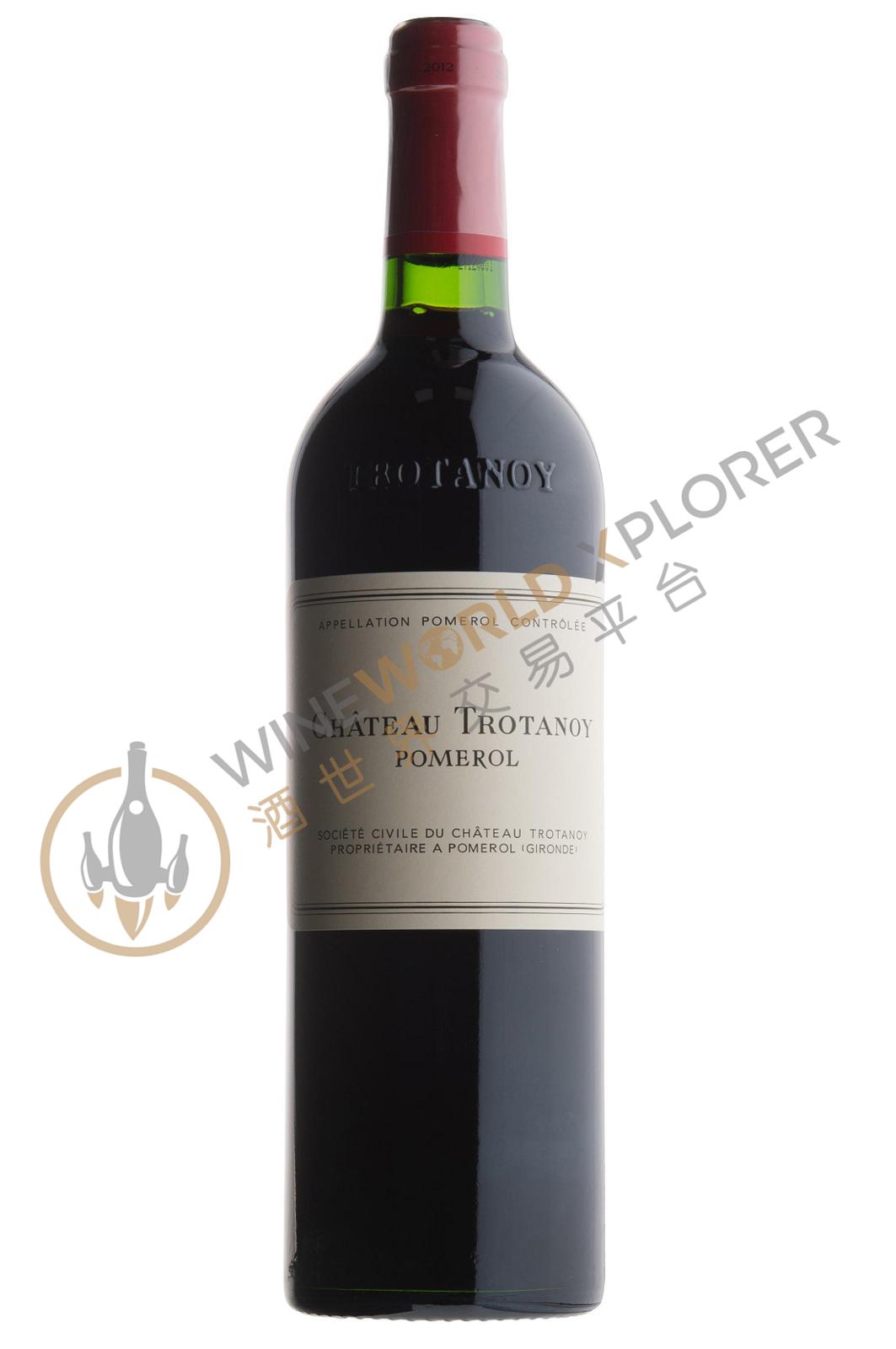
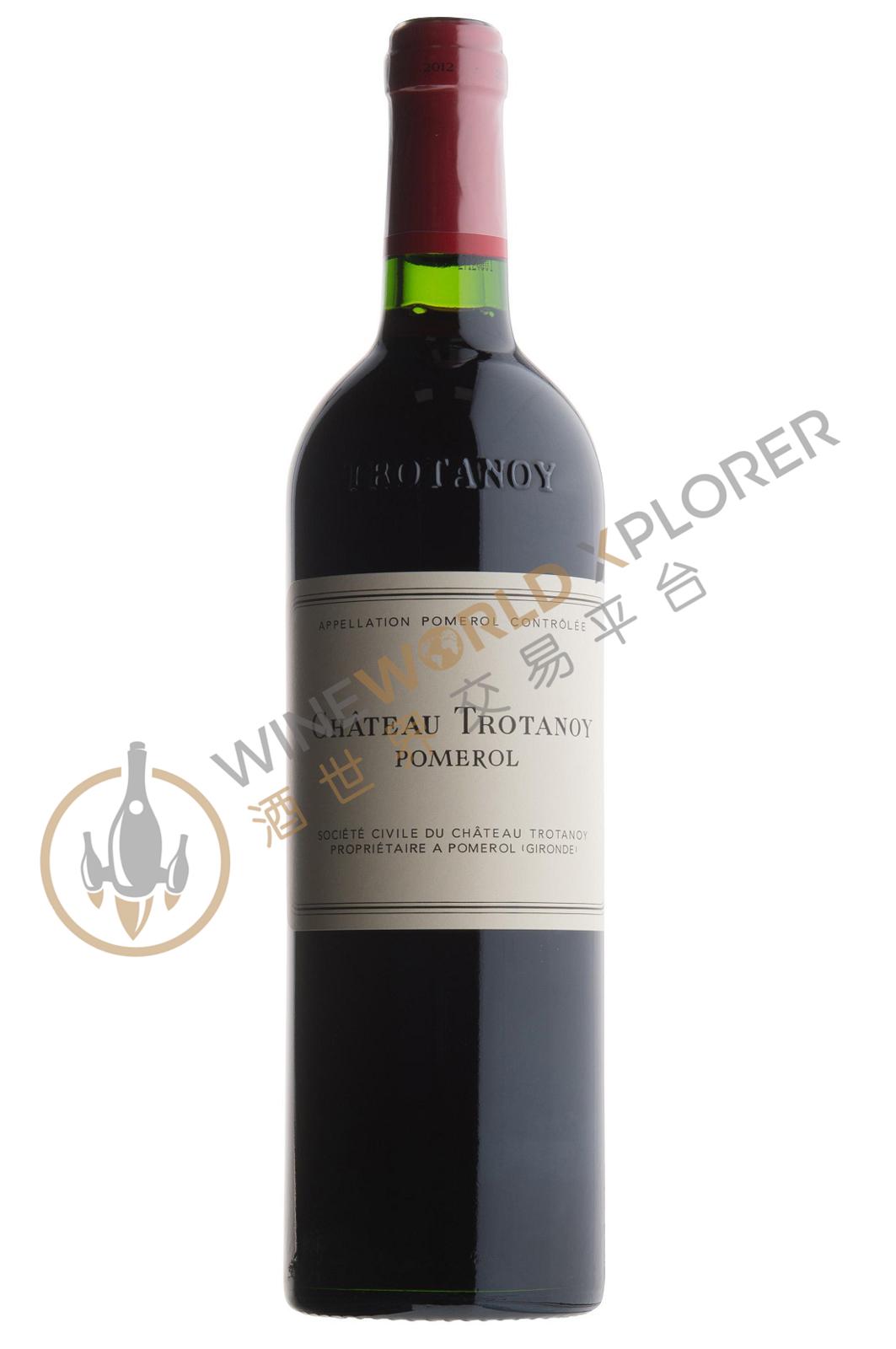
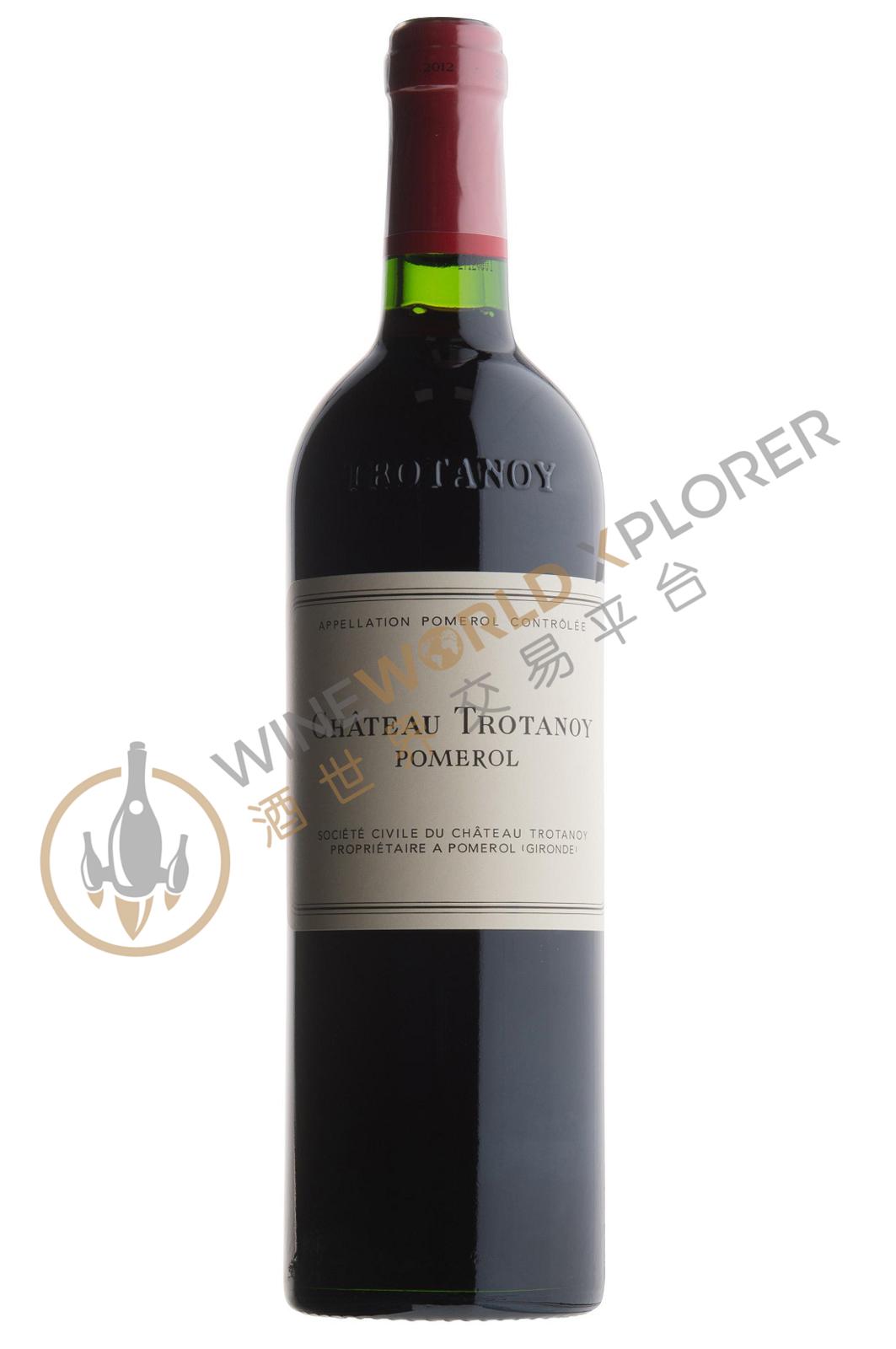
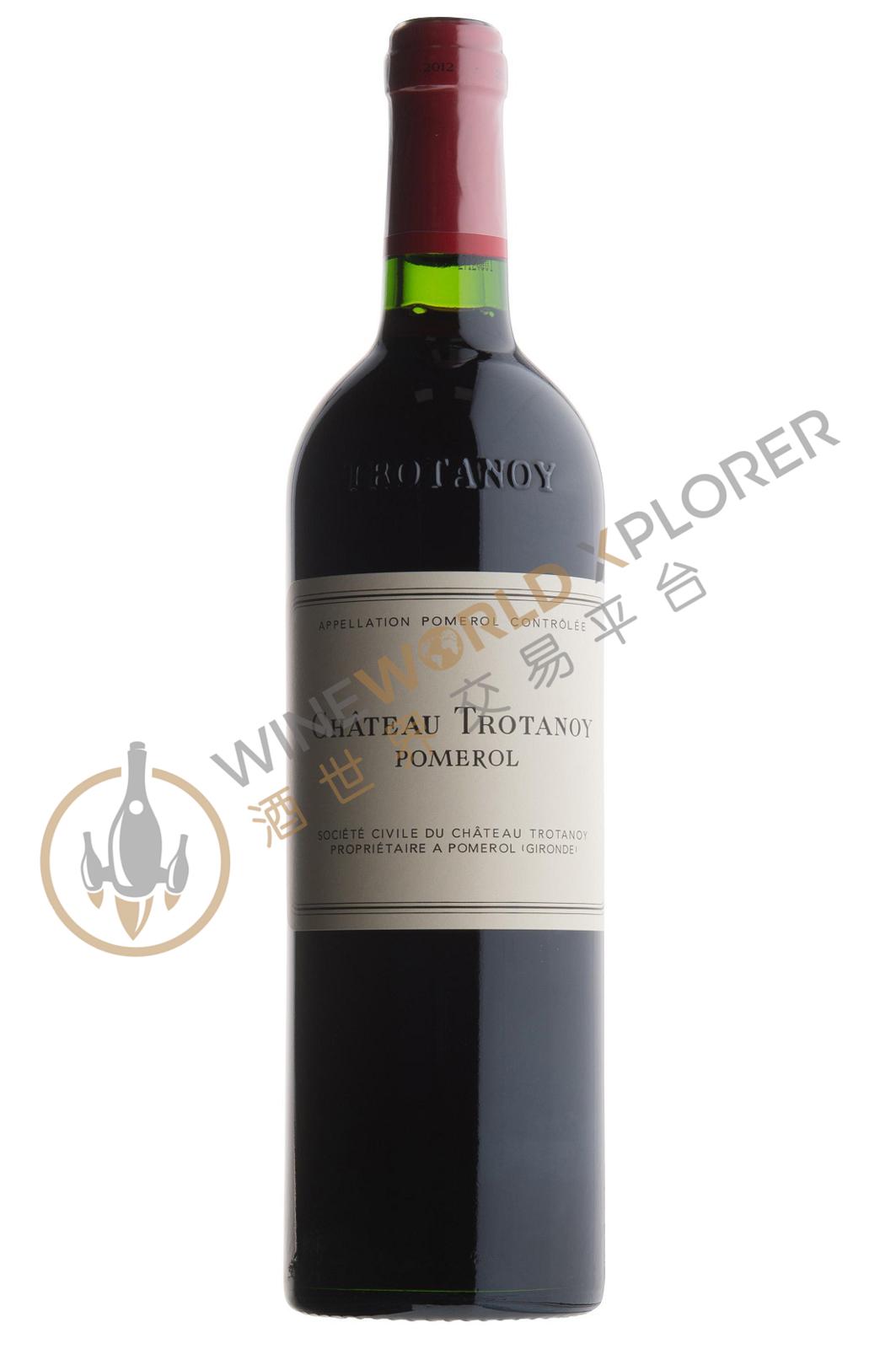
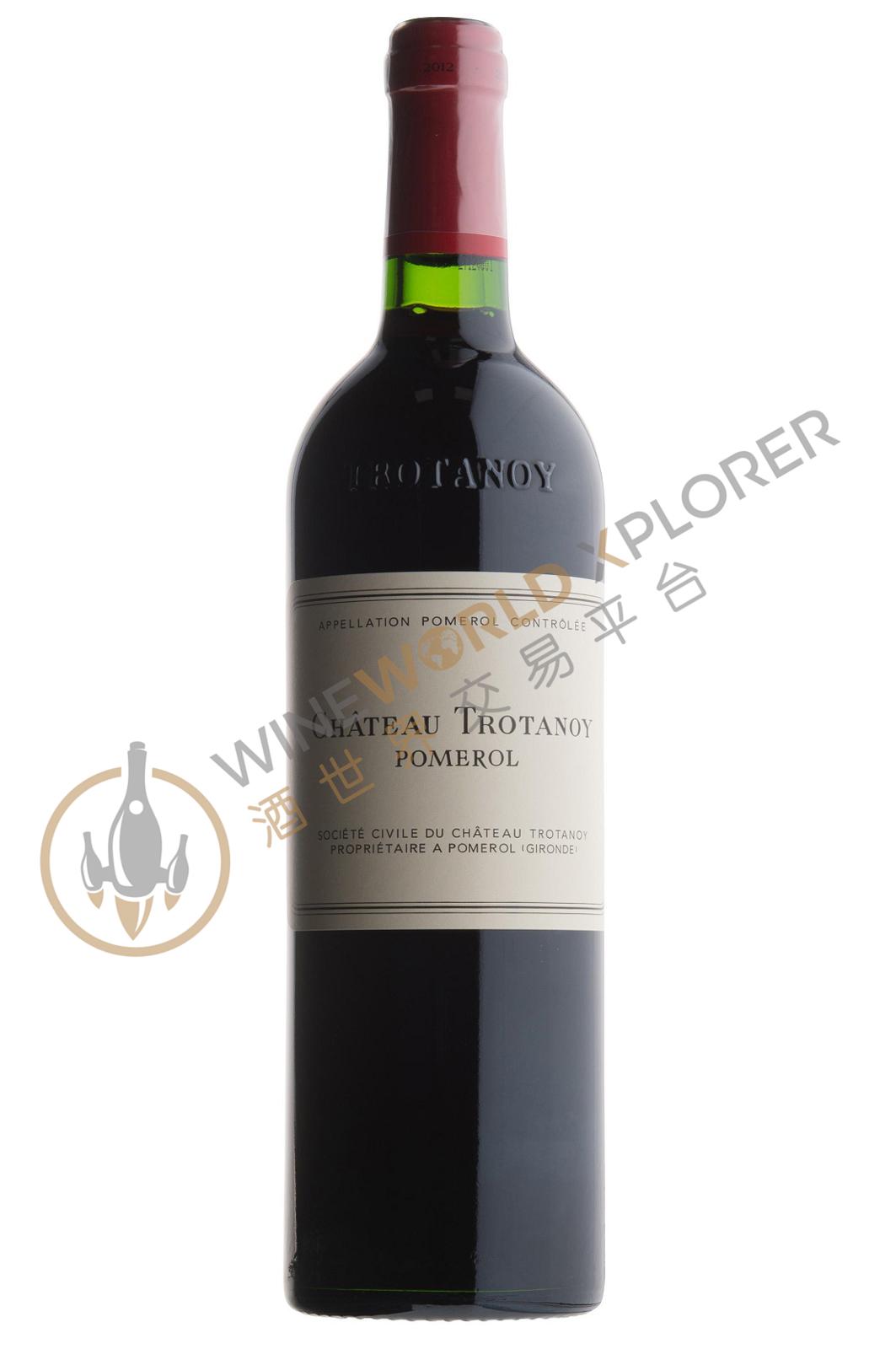
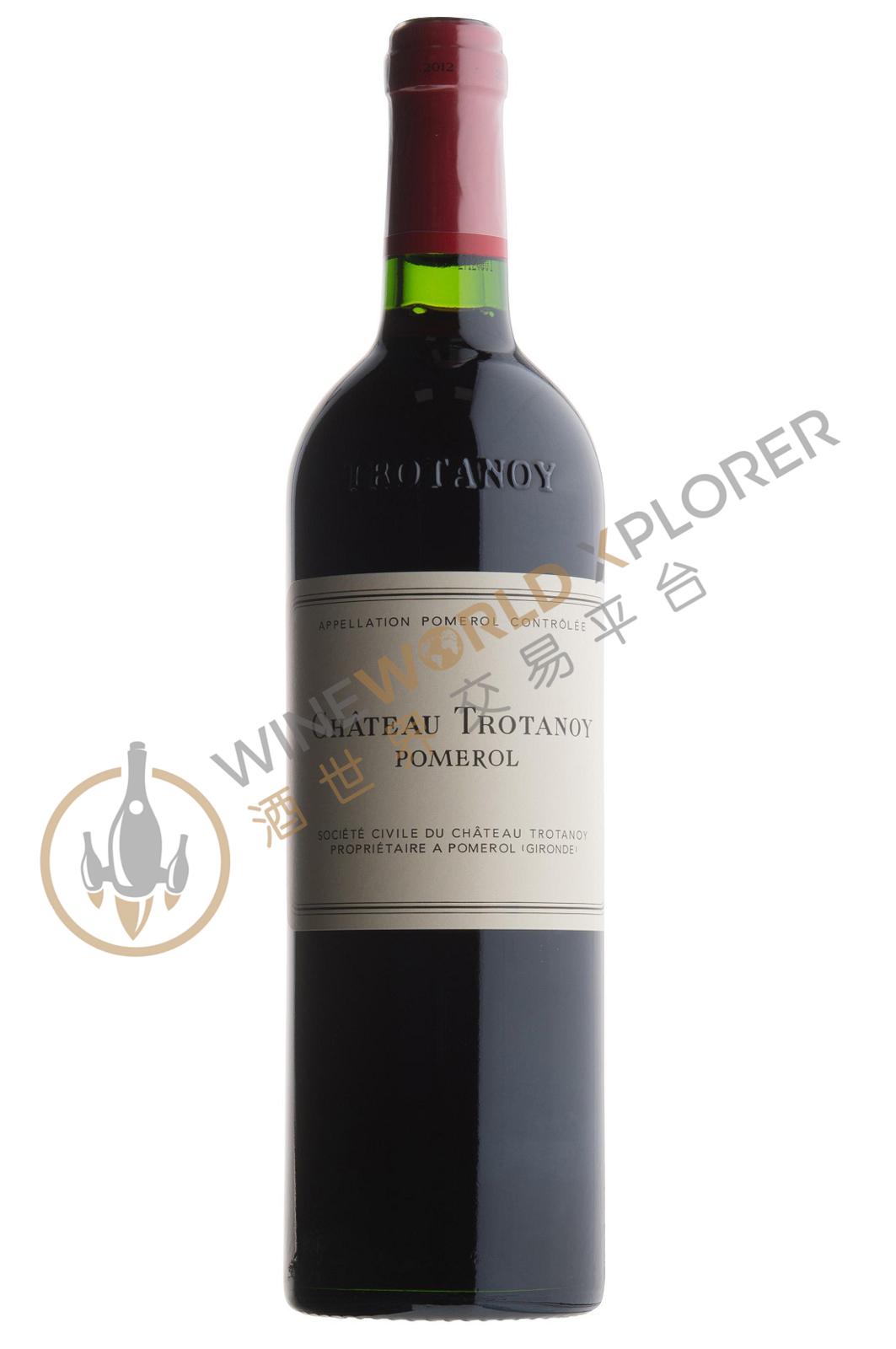
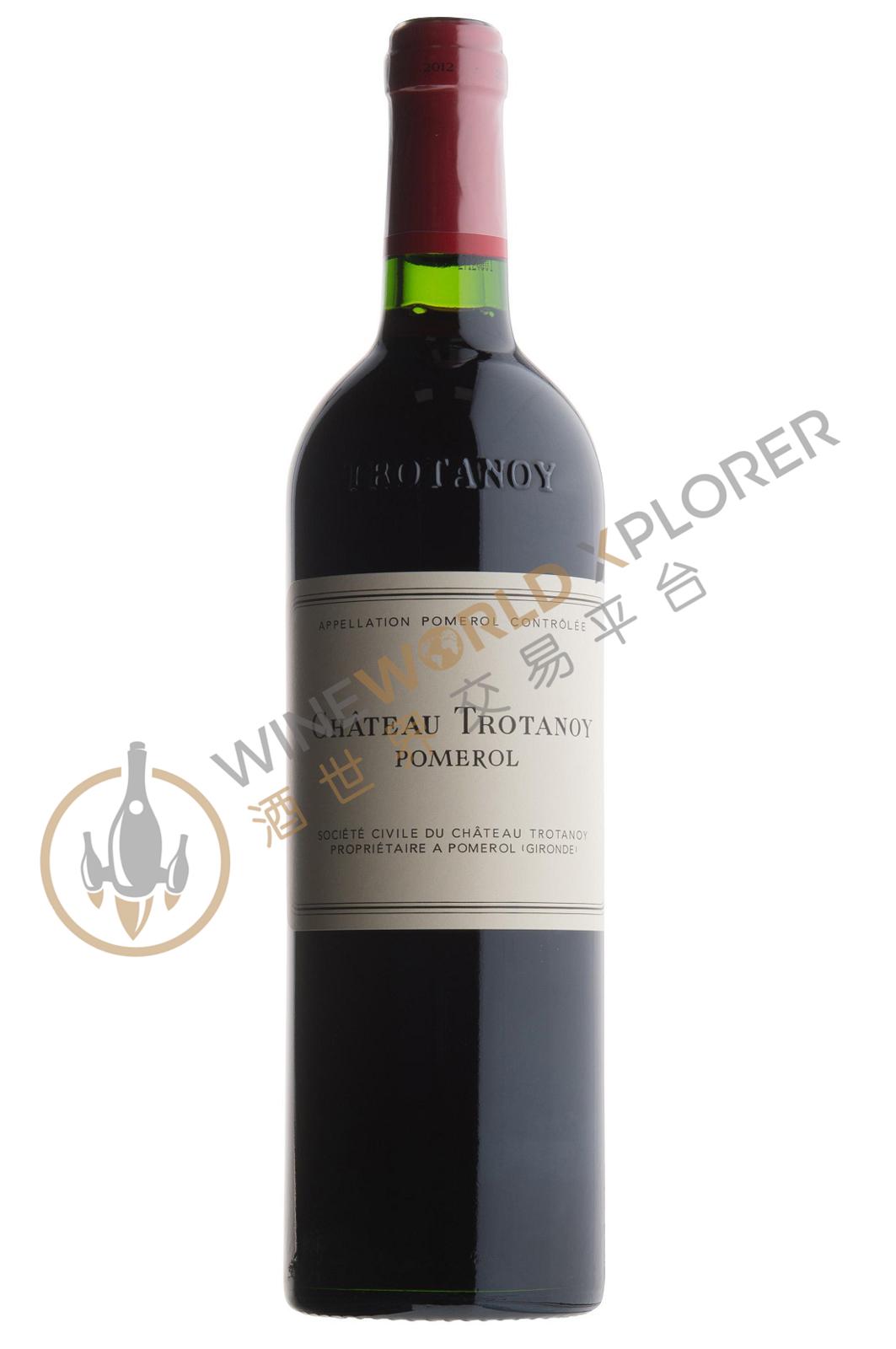
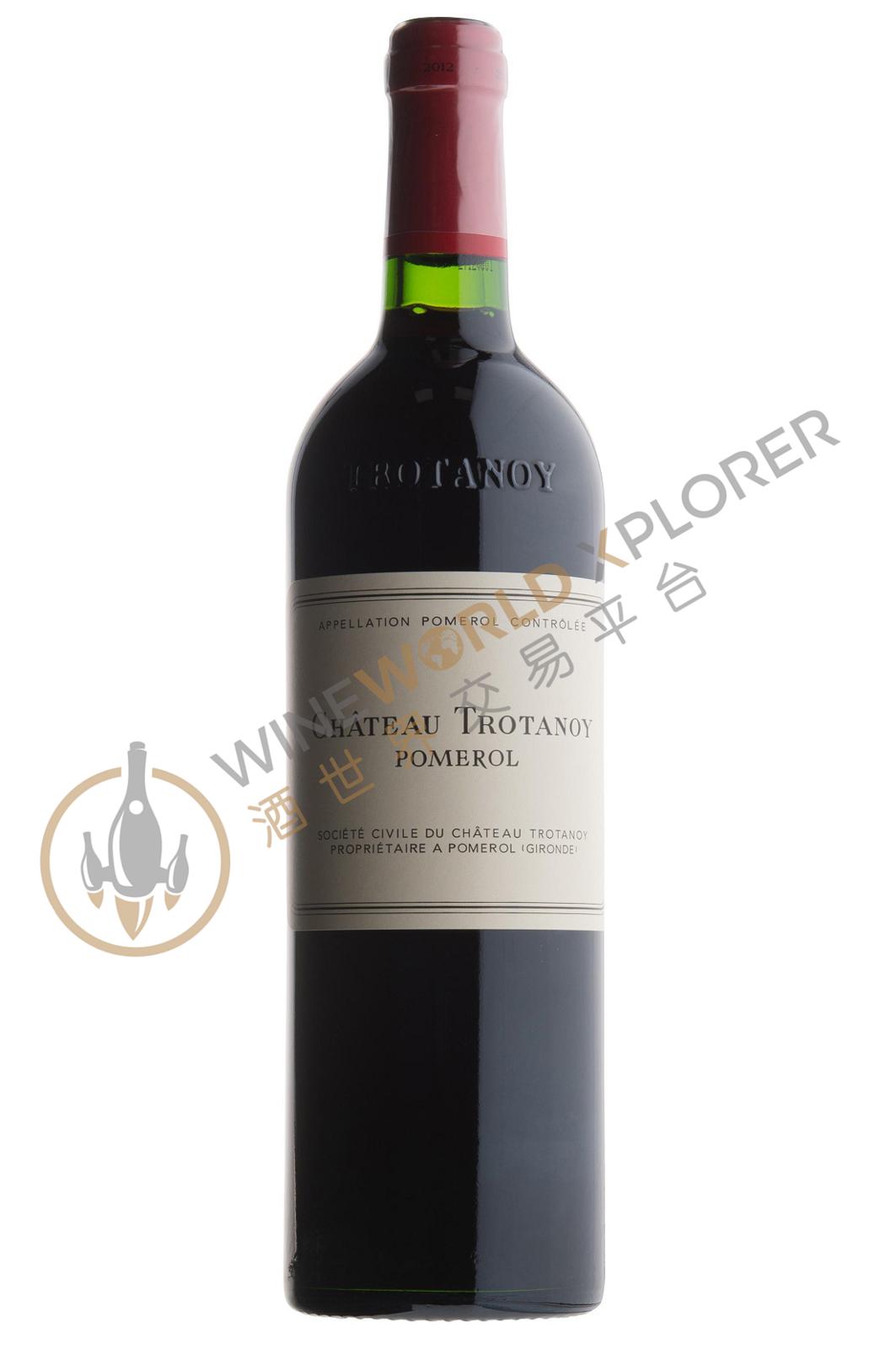
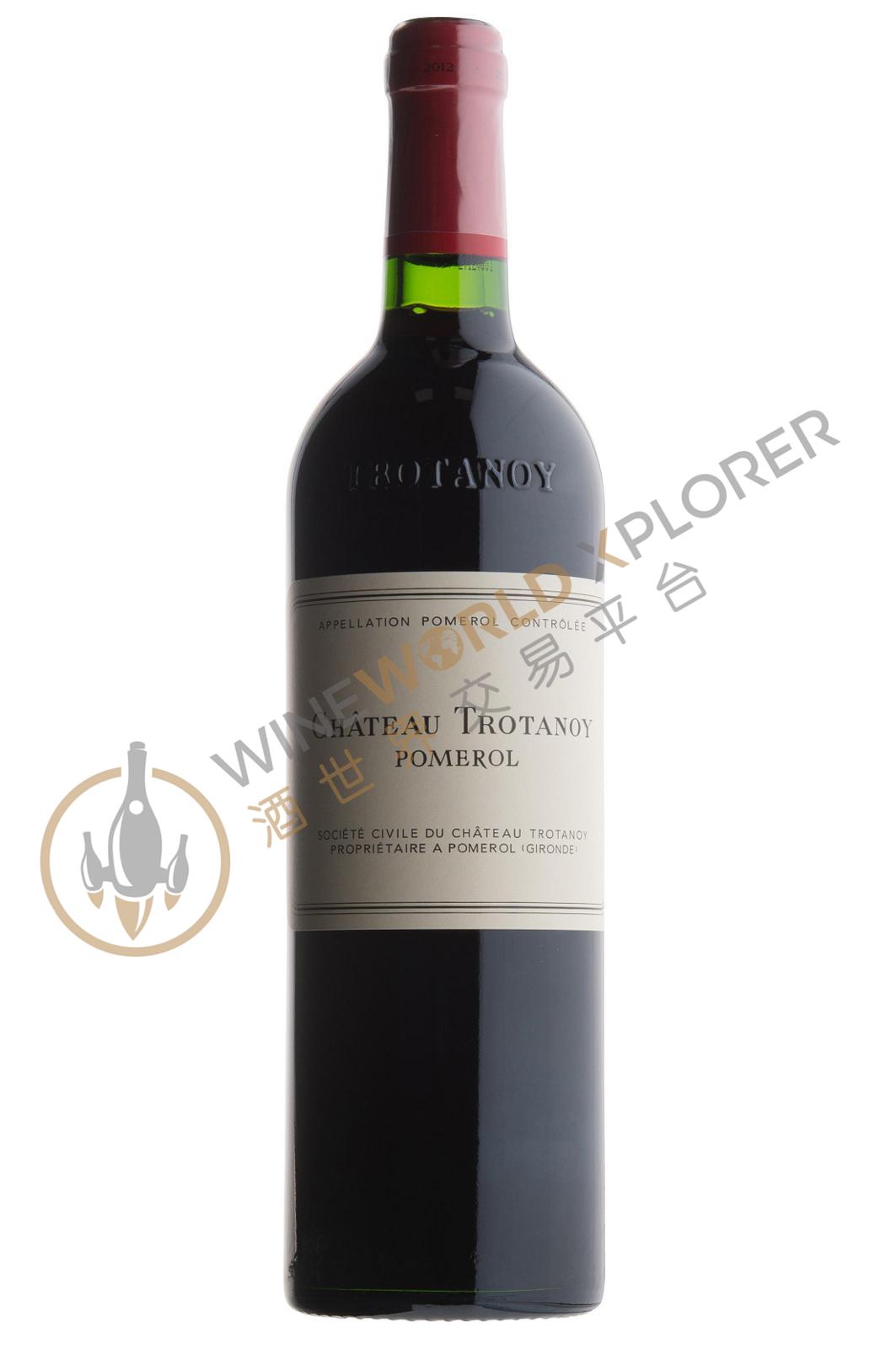
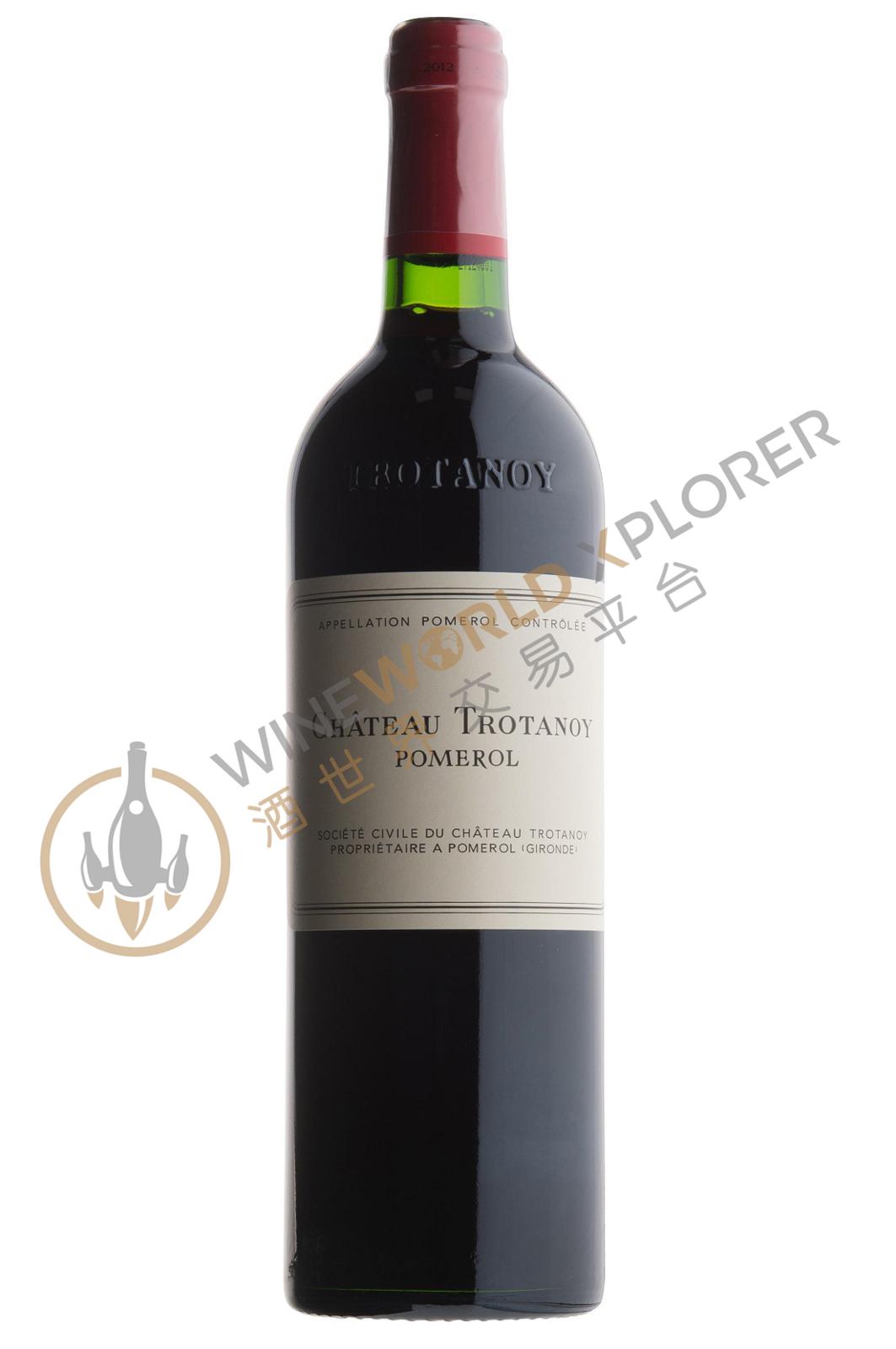
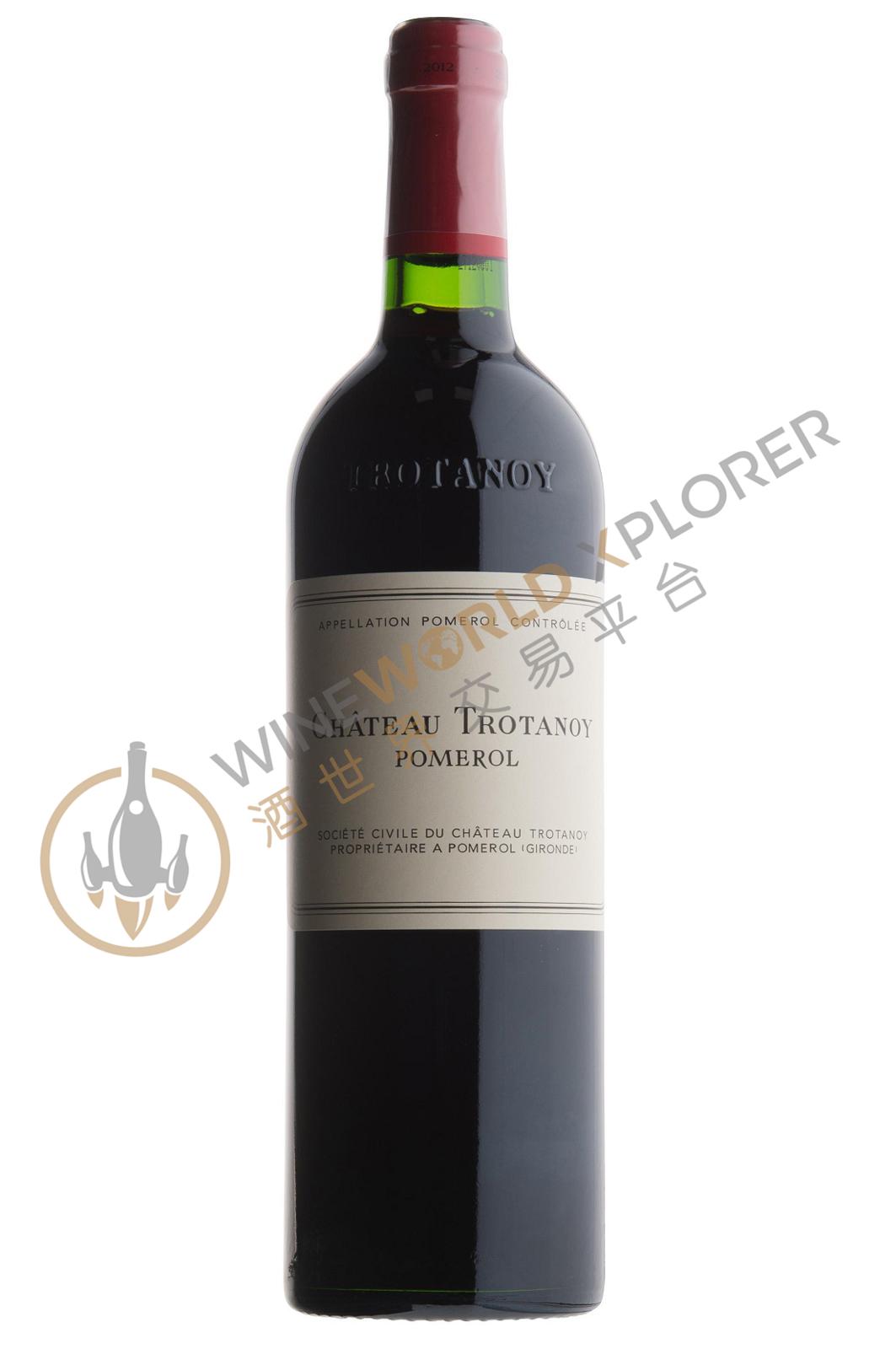
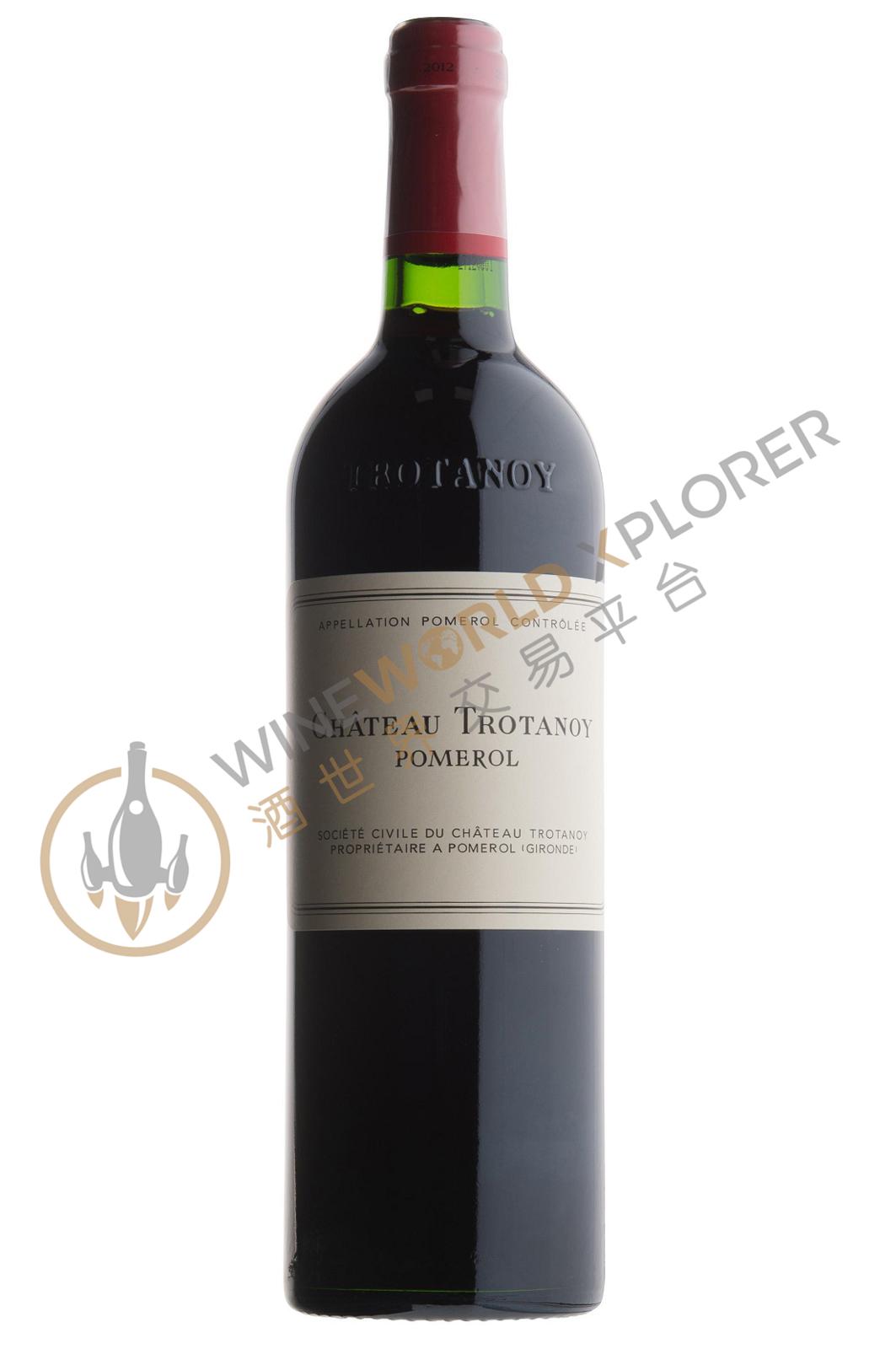
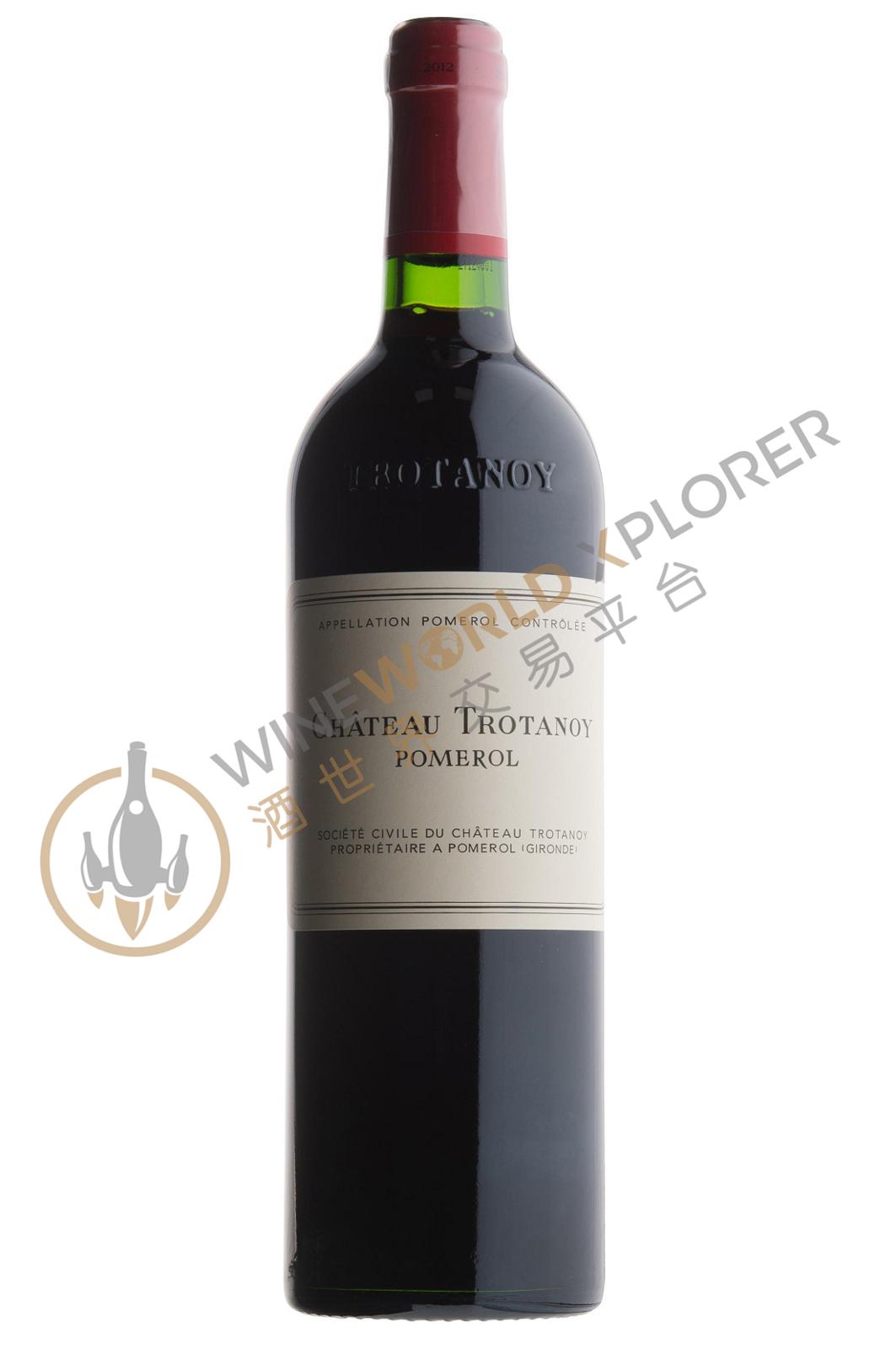
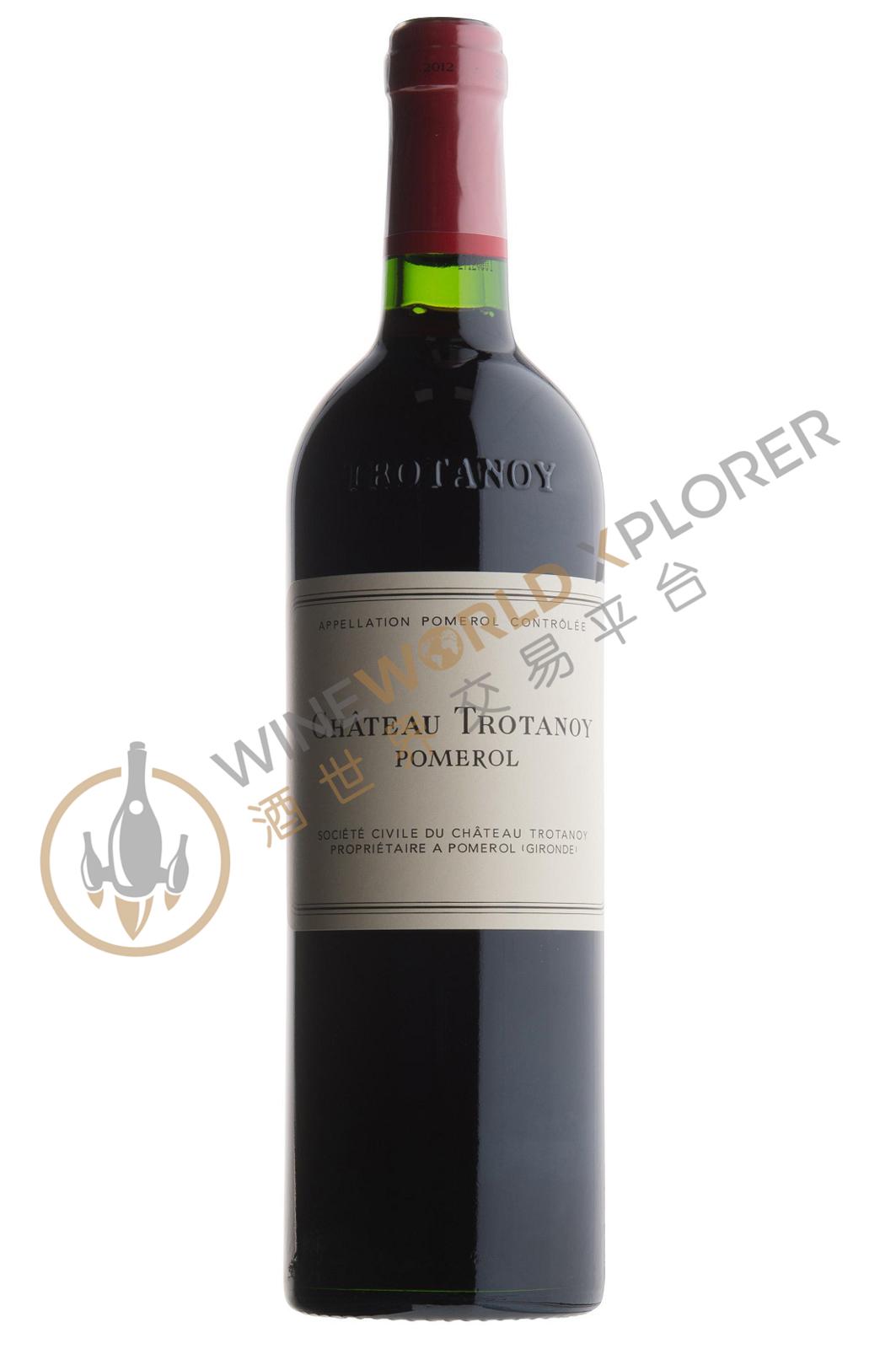
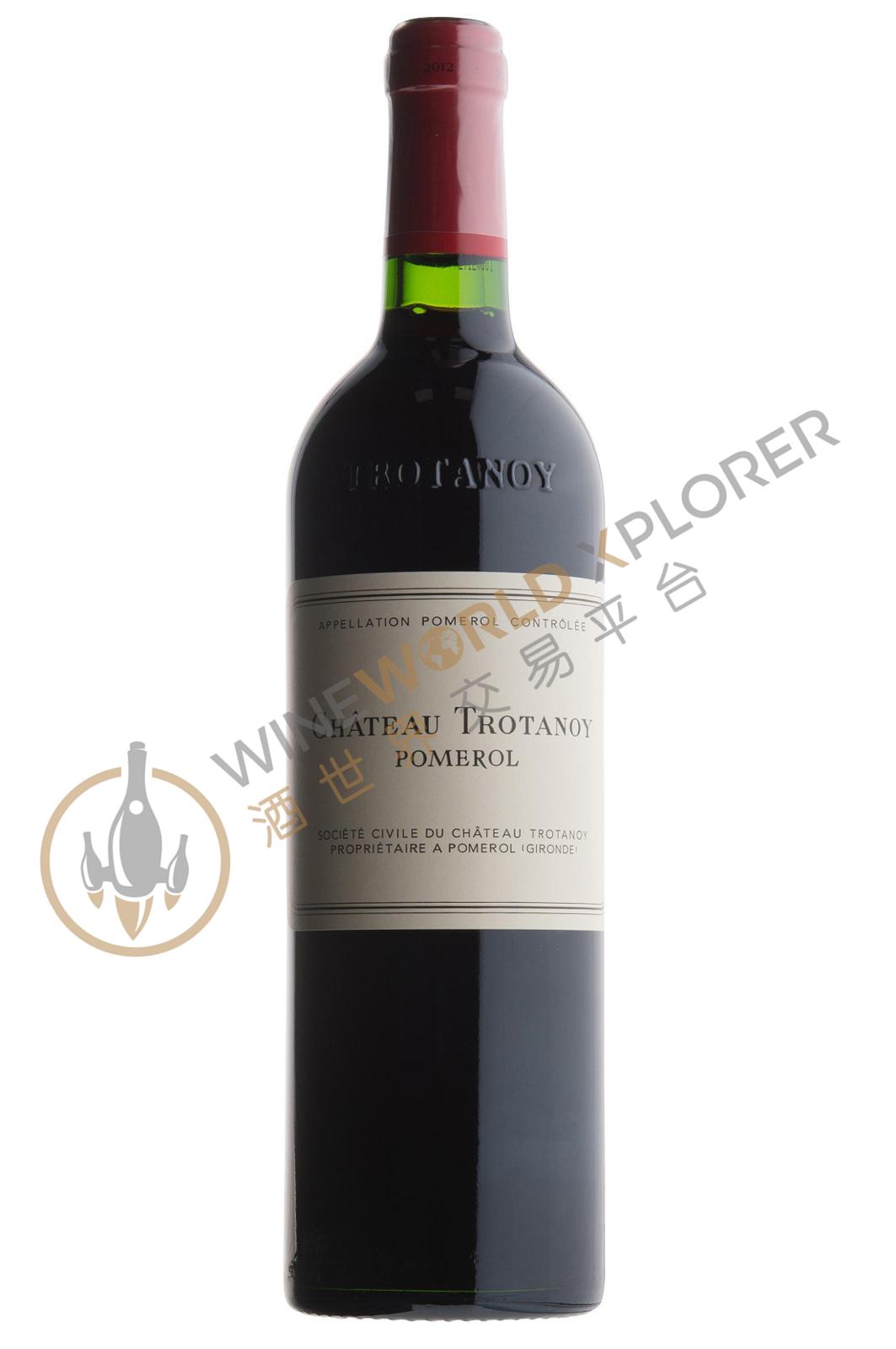
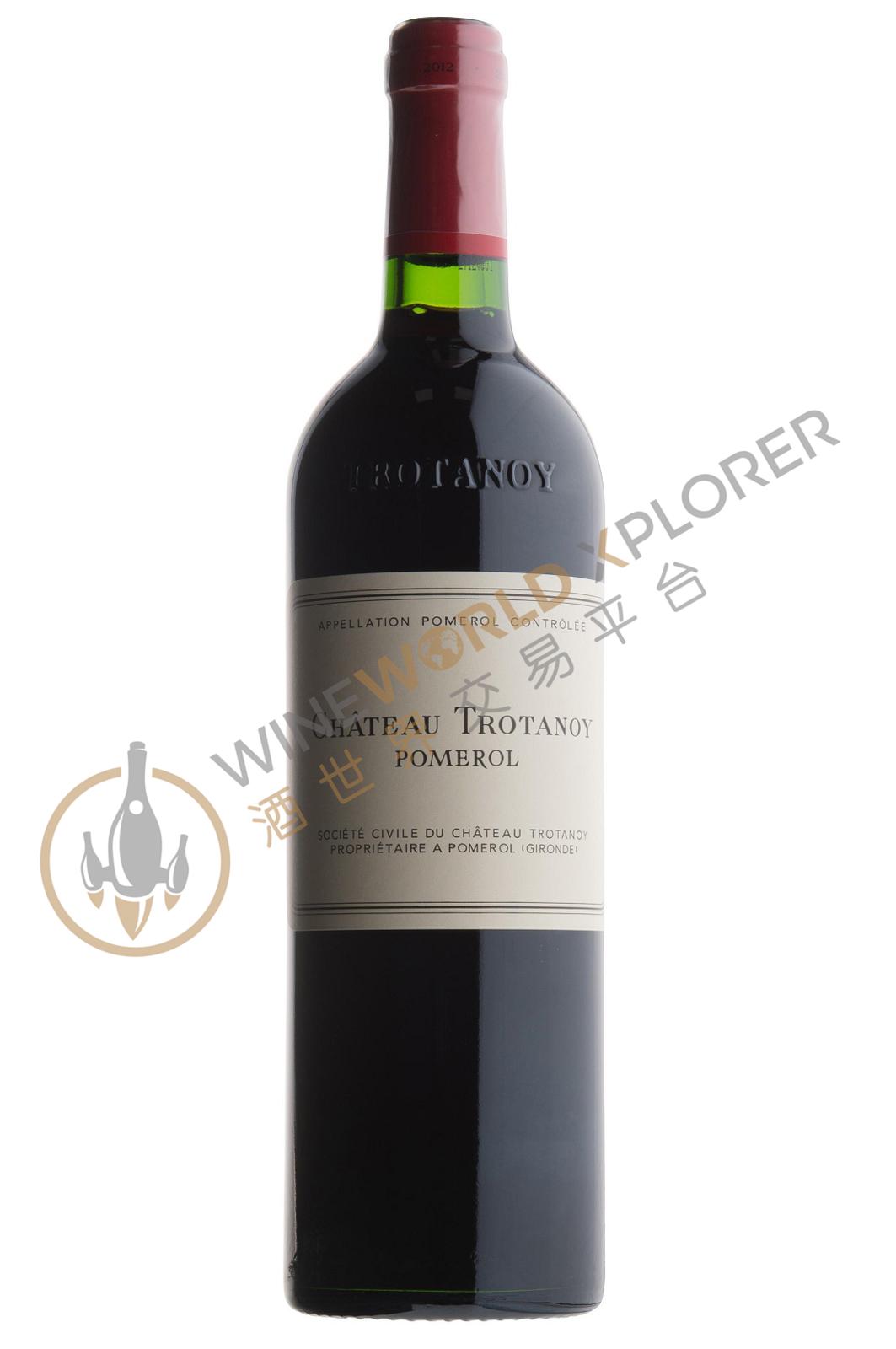
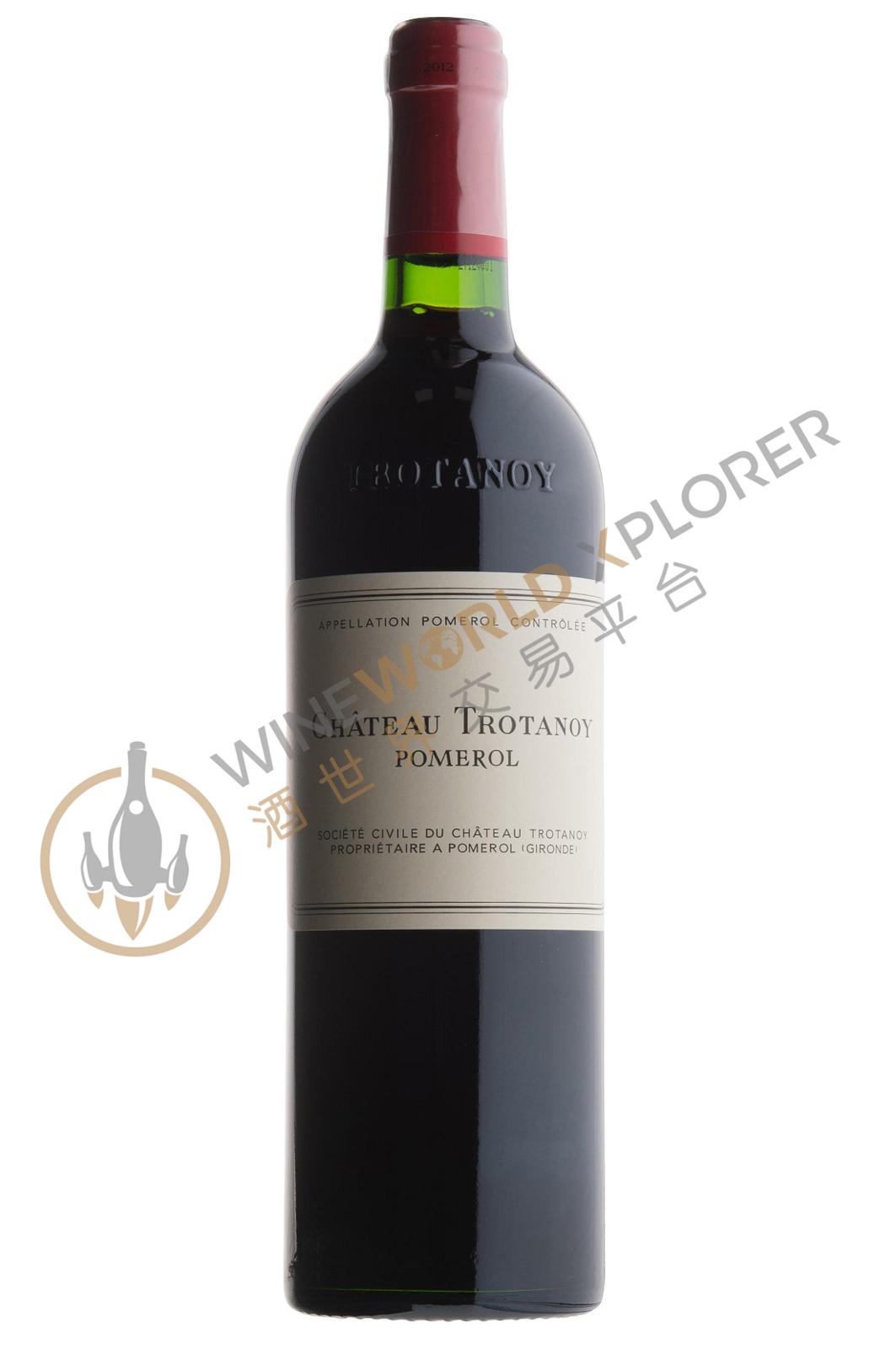
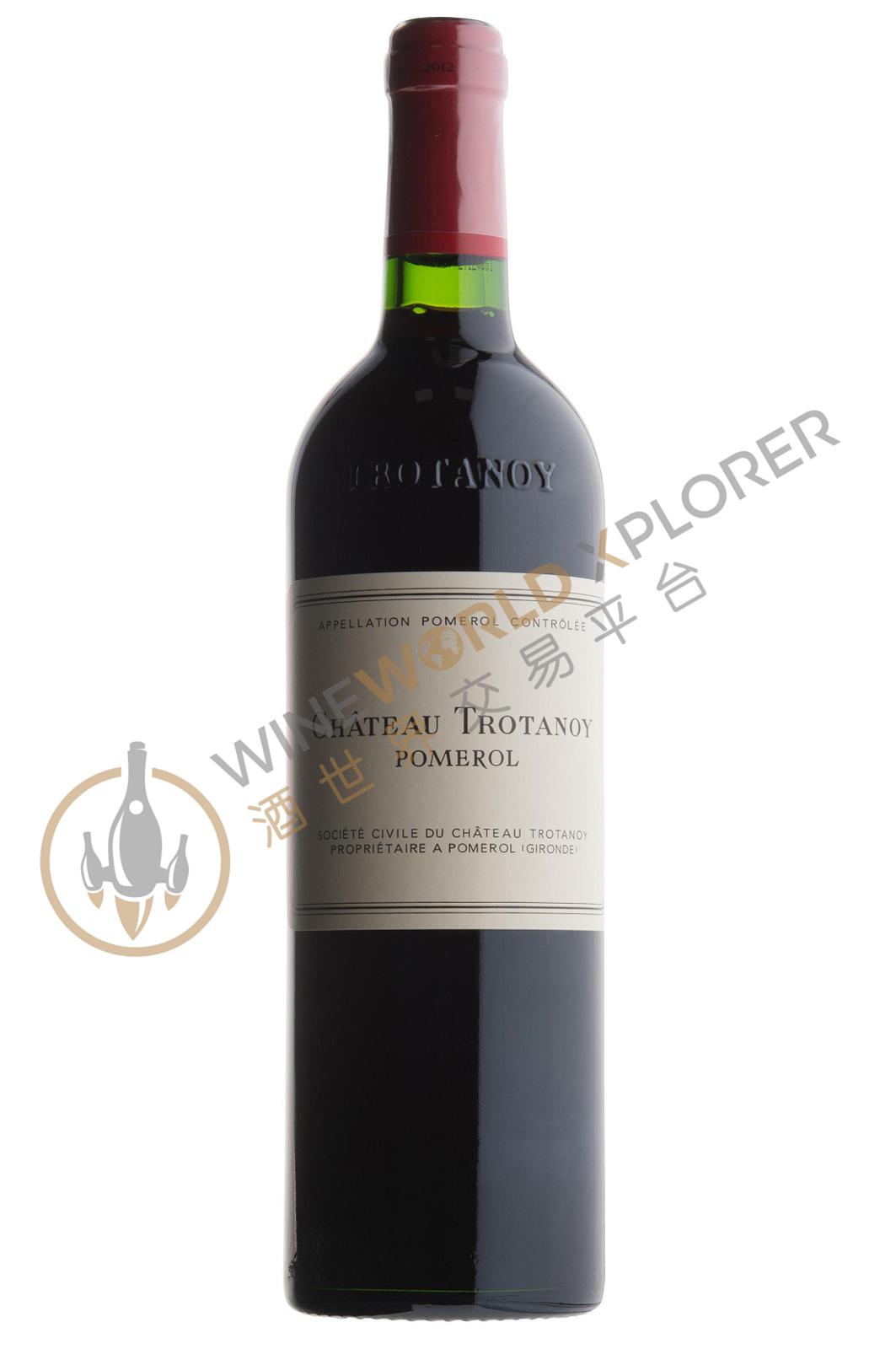
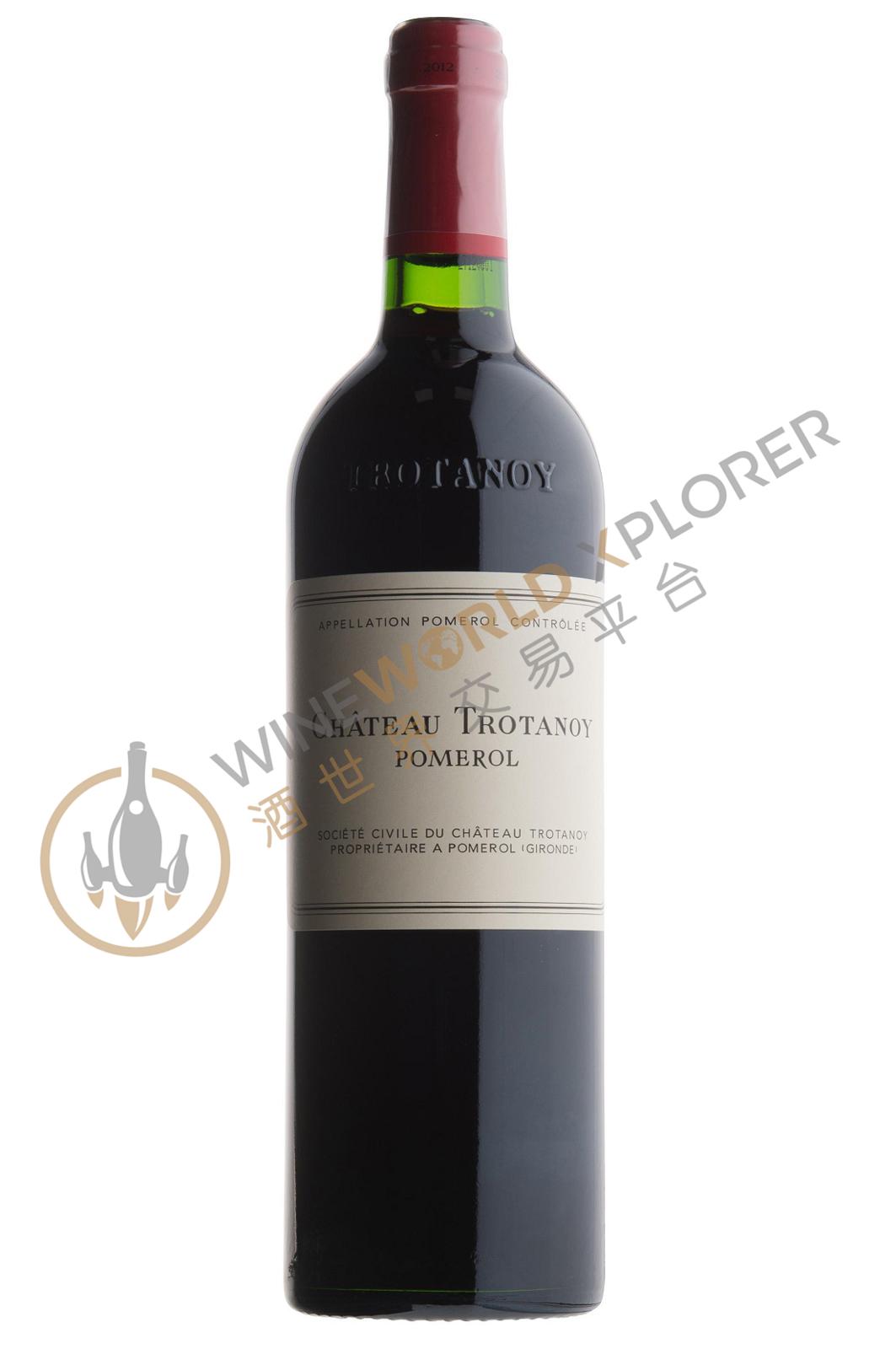
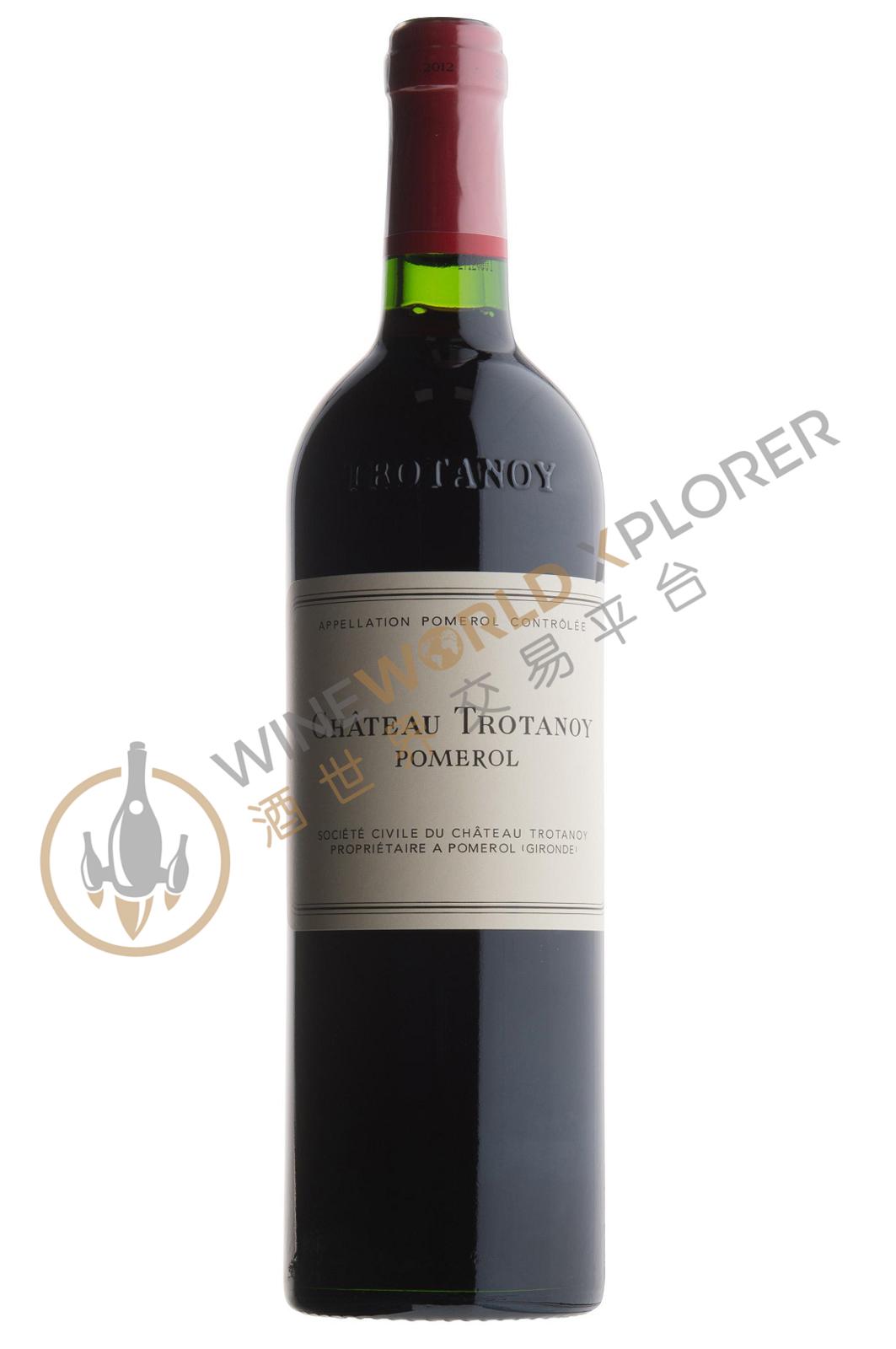
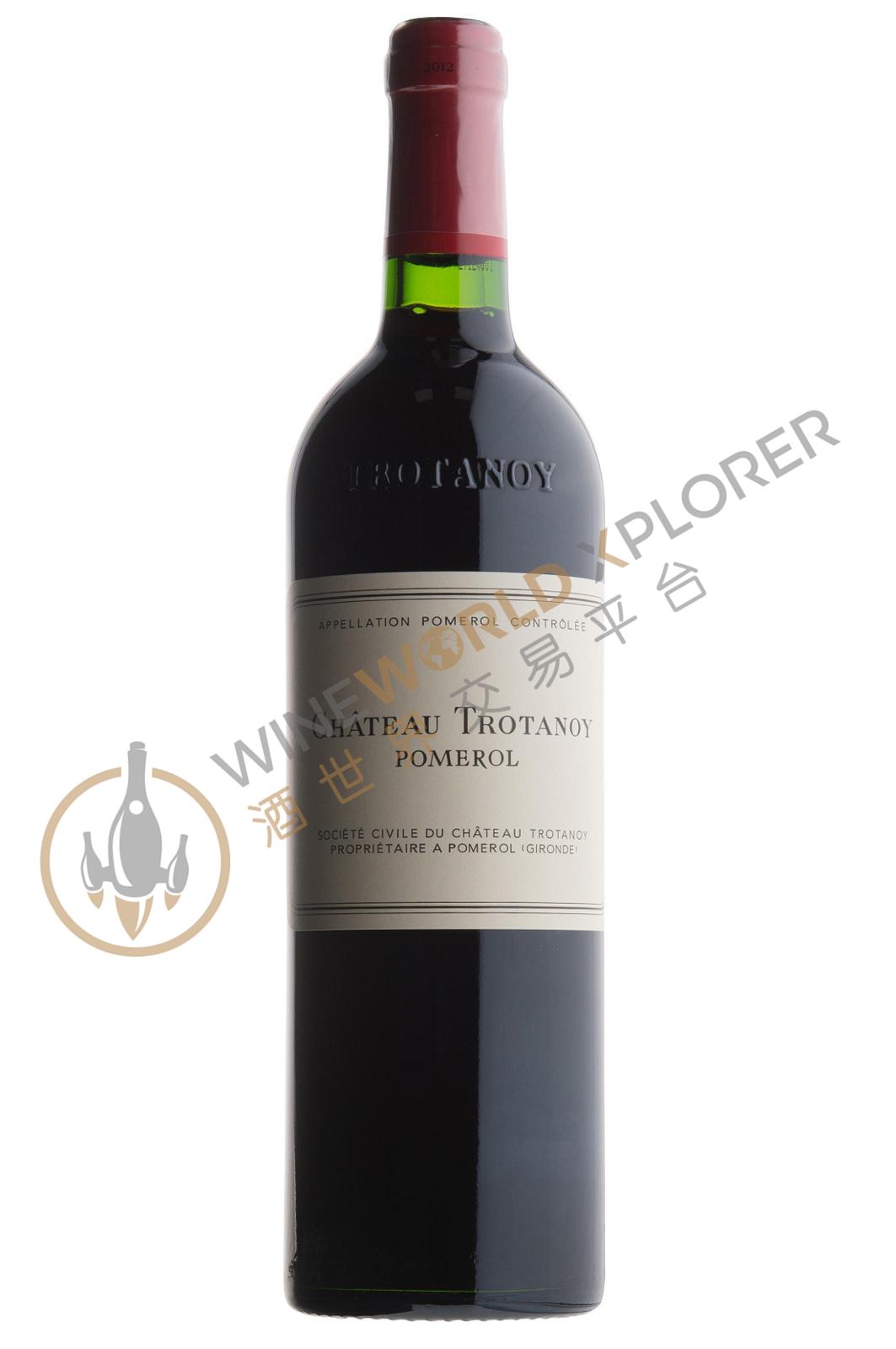
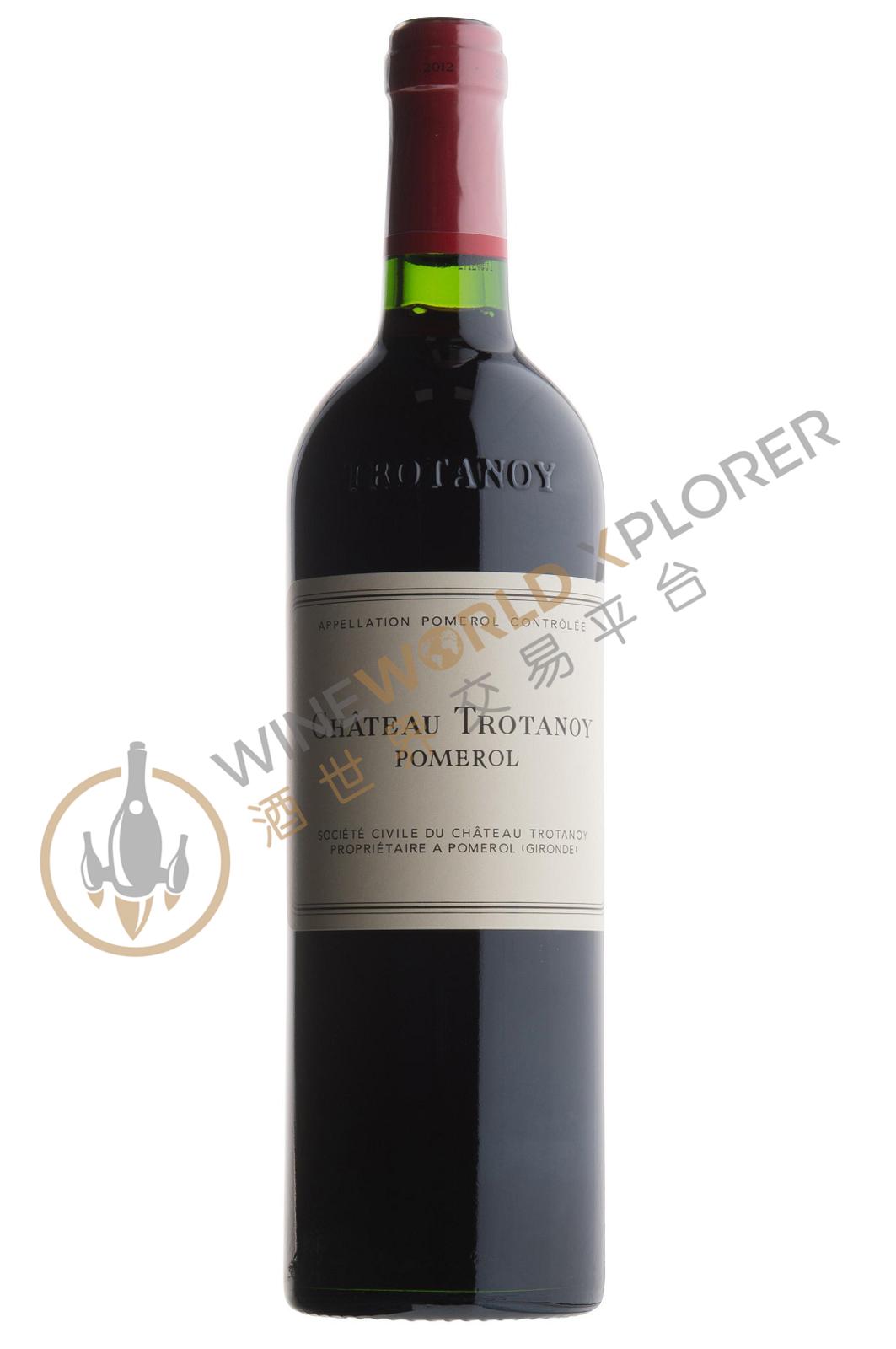
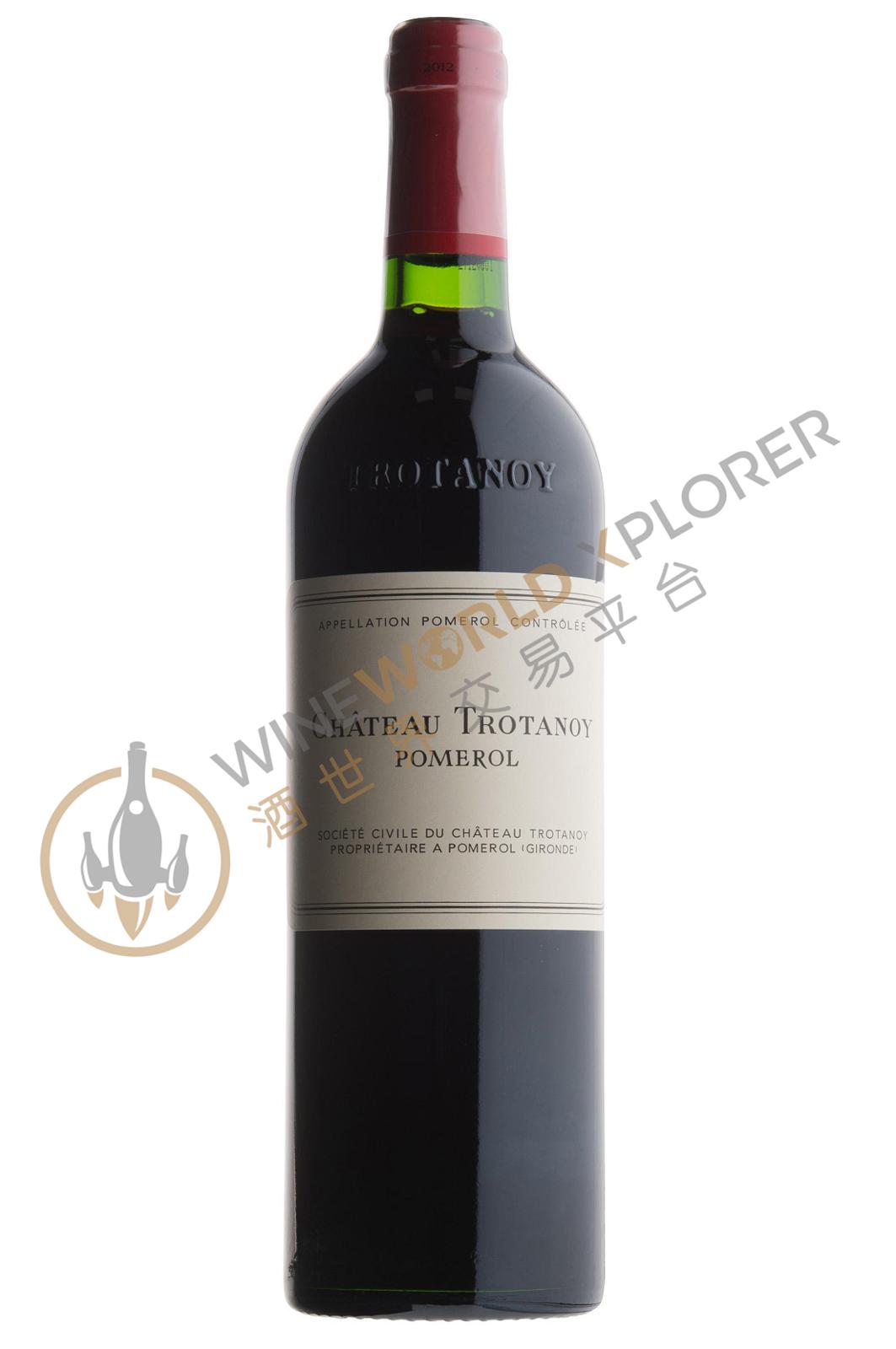
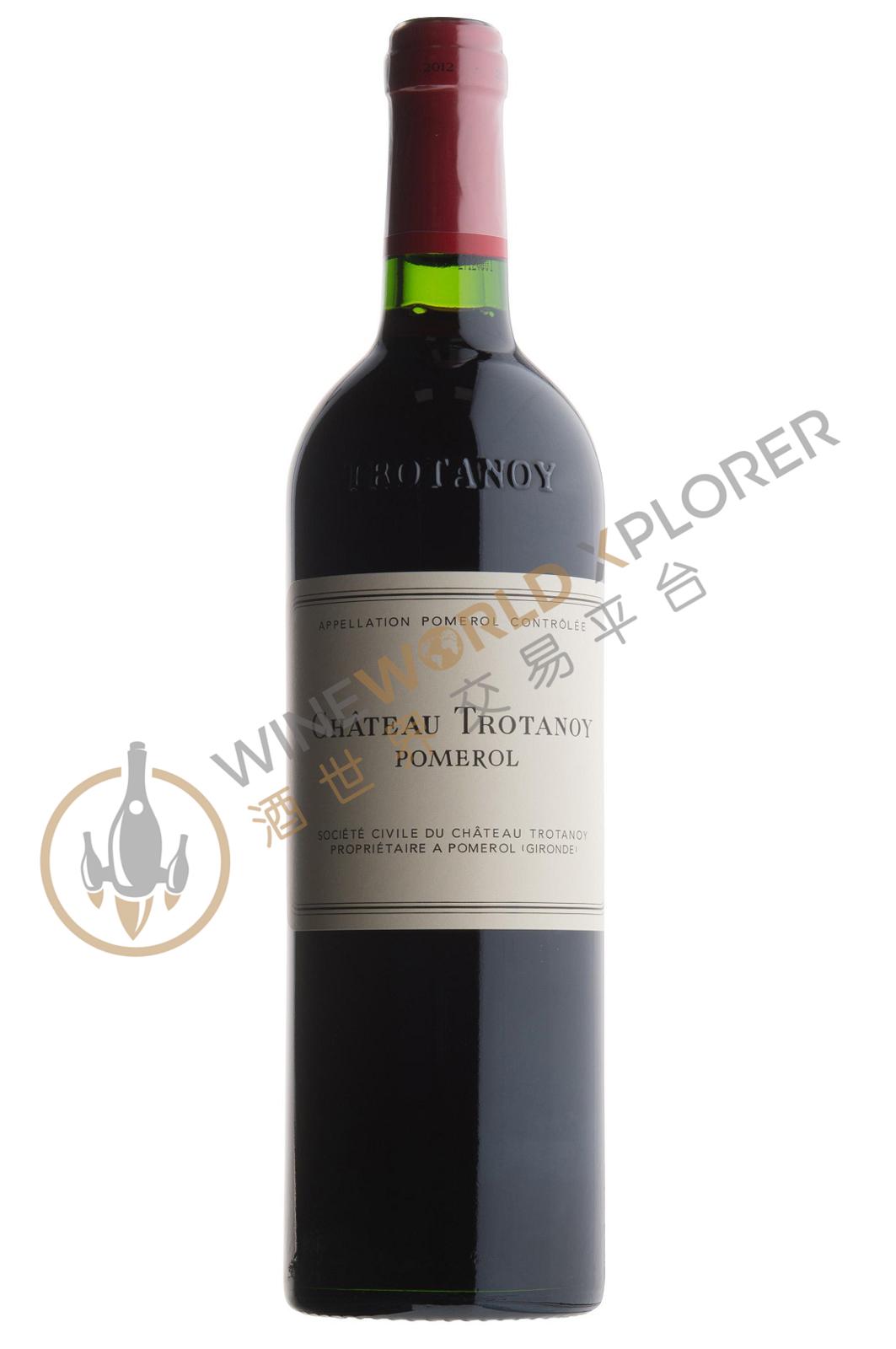
Trotanoy 1990
 View analysis


Description
Tasting notes

Reviewed by: Neal Martin
Tasted at Corney & Barrow’s Pomerol dinner. Served from magnum, the 1990 has a glorious Pomerol nose that just soars from the glass: dried herbs, leather, a touch of dried blood and warm summer fruits from that warm vintage. Superb definition and such charm. The palate is medium-bodied, soft and caressing on the entry, this is much more welcoming that it was a few years ago. Well balanced with firm tannins, a touch of dried herbs, thyme, white pepper, fanning out towards a sensual, well defined finish that suggests this Trotanoy is at its peak. I cannot see this improving, especially given that this is from magnum. If you do not like this wine, you do not like Pomerol. Tasted April 2011.
Reviewed by: Robert M. Parker, Jr.
Revealing considerable amber at the edge followed by dusty, loamy soil-infused, sweet plum, cherry, currant, and fig aromas, this is an elegant, smaller-scaled, medium-bodied, evolved wine with a herbaceous note that adds complexity. It only lacks vigor, power, and intensity, unexpected in a vintage that produced a lot of monumental Pomerols. Release price: ($1500.00/case)
Reviewed by: Robert M. Parker, Jr.
The 1990 confirms the recent trend of this property to produce lighter, finesse-filled wines that are designed for early drinking, rather than the massive, blockbuster style of Trotanoy that was previously in fashion. The Moueixs disagree, feeling the 1990 is a return to a bigger style. Certainly it is the richest Trotanoy since the 1982. The 1990 exhibits a deep color, a spicy, sweet, curranty nose, moderate tannins, medium body, and excellent concentration. Anticipated maturity: 1995-2003.
Reviewed by: Neal Martin
A deep garnet core with tawny/brick rim. Quite an exotic nose with dates, a touch of eucalyptus, molasses and honey. Very “1990”. Quite a hypnotic nose, drawing you back again and again for another sniff. A full-bodied palate, a little fleshy and Pomerol through and through. Lower in acidity, meaty and savoury with a lovely decadent finish. Reminds me of Lafleur in some ways, with the Cabernet Franc coming through. I cannot see this getting better, but neither is it in decline. Drink now-2025. Tasted May 2007.
Reviewed by: Neal Martin
A lovely eucalyptus tinged nose, like the Trotanoy 1970. Strong cedar, forest floor scents: all very pure and well defined. Great definition with bullish robust tannins that suggest this needs to "mellow" out over the next few years. Not as decadent and rich as I anticipated, indeed this seems to be going through tardy sulky stage. Attractive savoury, slightly herbaceous finish. I would wait another ten years. Tasted July 2001.
Reviewed by: Robert M. Parker, Jr.
The 1990 Trotanoy is better than I had first reported. The wine possesses more power, extract, alcohol, and glycerin, as well as higher tannin levels than the 1989. The deep ruby color reveals no signs of amber. Aggressive tannin in the finish suggests the wine should last another 10-15 years. Forward, with low acidity, and sweet fruit, the 1990 is the richest Trotanoy made between 1982 and 1995. It is a reassuringly top wine from this great terroir. Drink it over the next 15 years.
Reviewed by: Neal Martin
Tasted at the Trotanoy vertical in Hong Kong, the 1990 Trotanoy has long been a superior wine to the 1989. Here it has a gorgeous bouquet with blackberries, mulberry truffle and clove, demonstrating commendable vigor given its age. The palate is medium-bodied with a fine line of acidity, but quite firm in structure, robed in velvety tannins that gently grip the mouth. There is very fine density here, building towards a muscular finish that displays the style of Trotanoy with much more confidence than the 1989, which seems almost meek by comparison. It is now beginning to reach its peak so there is no need to cellar for longer, yet I can see this drinking well for another 15-20 years. Tasted November 2016.
Reviewed by: Robert M. Parker, Jr.
Very evolved and far more mature than its bigger sibling, the 1990 Petrus, this dark plum-colored wine is already showing some amber at the edge. It is forward, sweet, with sweet and sour cherry fruit intermixed with a hint of herbs, licorice, fig, and earth. The wine is medium-bodied with sweet fruit, low acidity, and a very nicely layered finish. All things considered, it is a very elegant, understated Trotanoy that is outstanding but well behind the best Pomerols of the vintage. Anticipated maturity: Now-2012. Last tasted, 2/02.
Reviewed by: Robert M. Parker, Jr.
How nice it would be to see this property make super-concentrated, highly extracted, massive wines such as they did in the forties, fifties, sixties, and early seventies. Since 1975, only the 1982 has been dazzling. The 1990 confirms the recent trend of this property to produce lighter, finesse-filled wines that are designed for early drinking, rather than the massive, blockbuster style of Trotanoy that was previously produced. The latter style was, of course, the reason for this property's fame. Why fiddle with a successful formula? There are moderate tannins, medium body, and good concentration, but the wine is restrained and polite. Anticipated maturity: 1995-2003.
Reviewed by: Neal Martin
Tasted at the Trotanoy dinner at Sketch in London. Tasting them side-by-side, it is clear that the 1990 Trotanoy is far superior to the 1989. It has a vibrant, ebullient, vivacious bouquet with blackcurrant pastilles, mulberry and crushed violets that blossom in the glass. The palate is tight at first but it opens up to reveal irresistible, velvety textured dark berry fruit tinged with thyme, mint and a touch of fennel. There is great density to the Trotanoy and certainly it remains youthful after 22 years, reluctantly evolving secondary aromas. This is a might Trotanoy that requires another ten years in the cellar. Tasted September 2012.
About the Producer
Purchased by Jean-Pierre Moueix in 1953, Château Trotanoy has been considered one of the premier crus of Pomerol since the end of the eighteenth century. The soil of Château Trotanoy is a very dense mixture of clay and gravel which tends to solidify as it dries out after rain to an almost concrete-like hardness, hence the name “Trotanoy,” or, in other words, “too wearisome” to cultivate. The Trotanoy vineyard slopes gently to the west. The soil at the highest point of exposure contains a good proportion of gravel, becoming progressively more dominated by clay as the elevation declines. Under this clay is a subsoil of red gravel and an impermeable layer of hard, iron-rich soil known as “crasse de fer.” This fascinating soil diversity brings power, depth and complexity to the wine. Trotanoy is vinified in small concrete vats, while aging takes place in oak barrels. Trotanoy is a naturally profound, complex, richly-concentrated wine with outstanding aging potential. The wine possesses a deep color and a dense, powerful nose, repeated on the palate with the addition of creamy, dark chocolate notes, and a singular concentration of flavor owed to its very old vines.
1966(1)1976(1)1979(1)1981(1)1983(1)1989(2)
Package Size