Wine Advisor



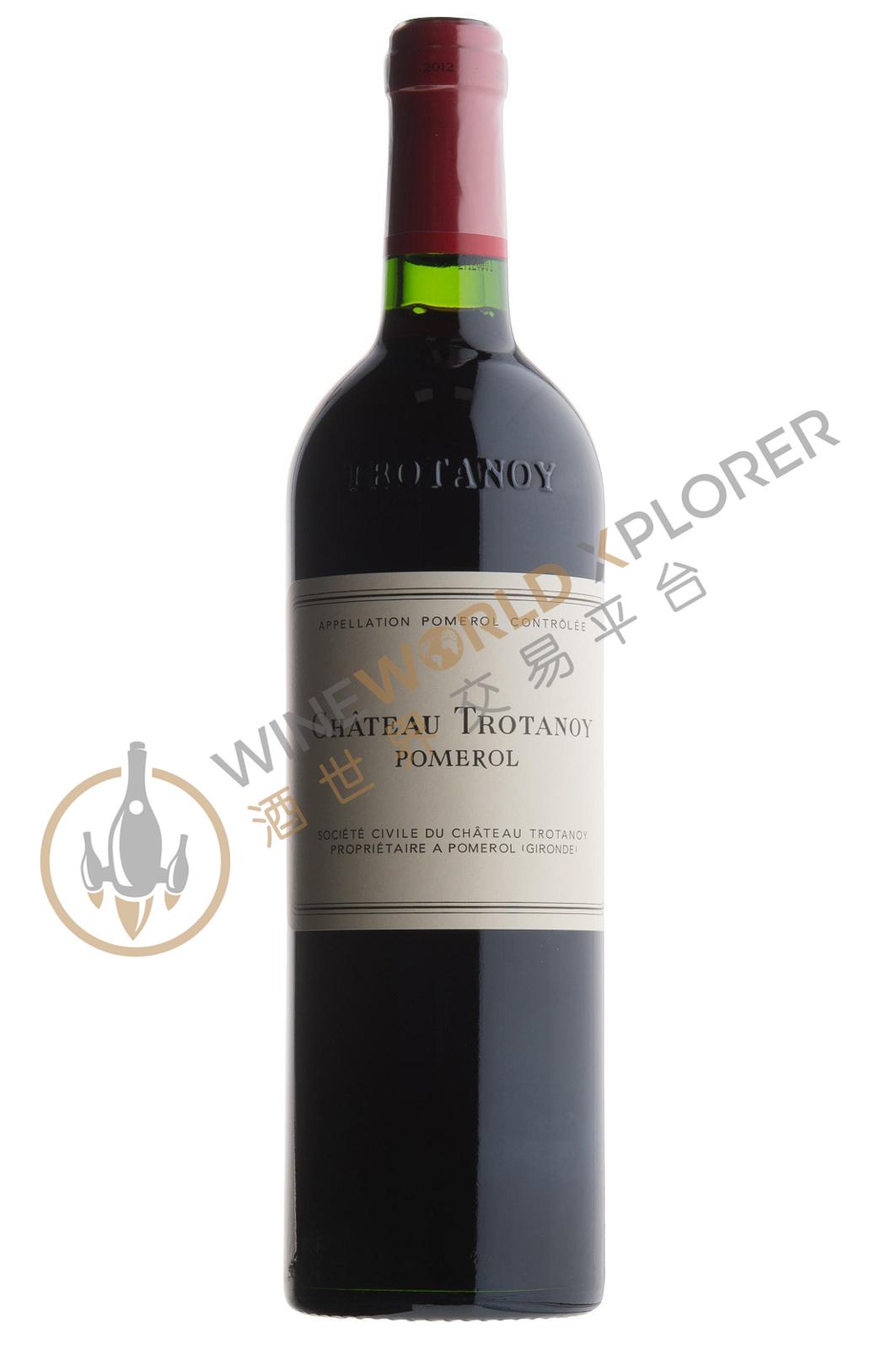
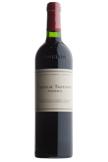
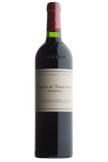
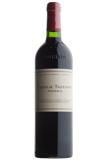
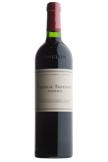
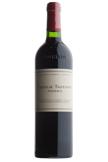
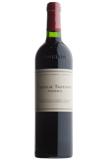
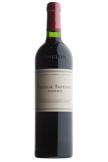
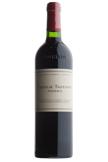
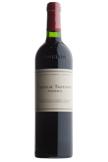
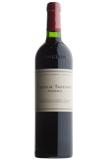
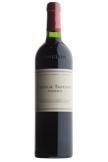
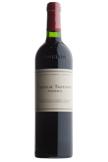
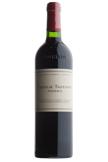
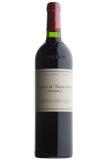
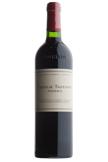
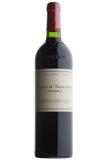
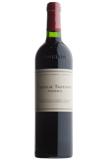
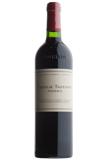
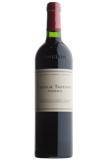
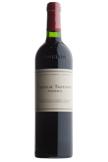
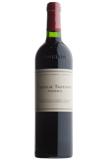
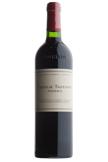
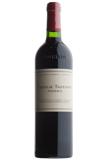
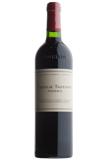
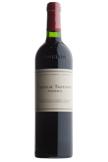
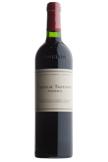
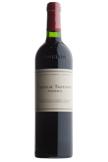
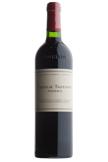
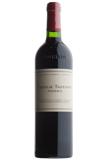
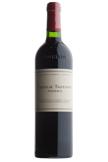
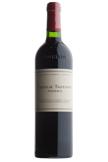
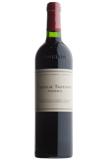
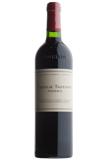
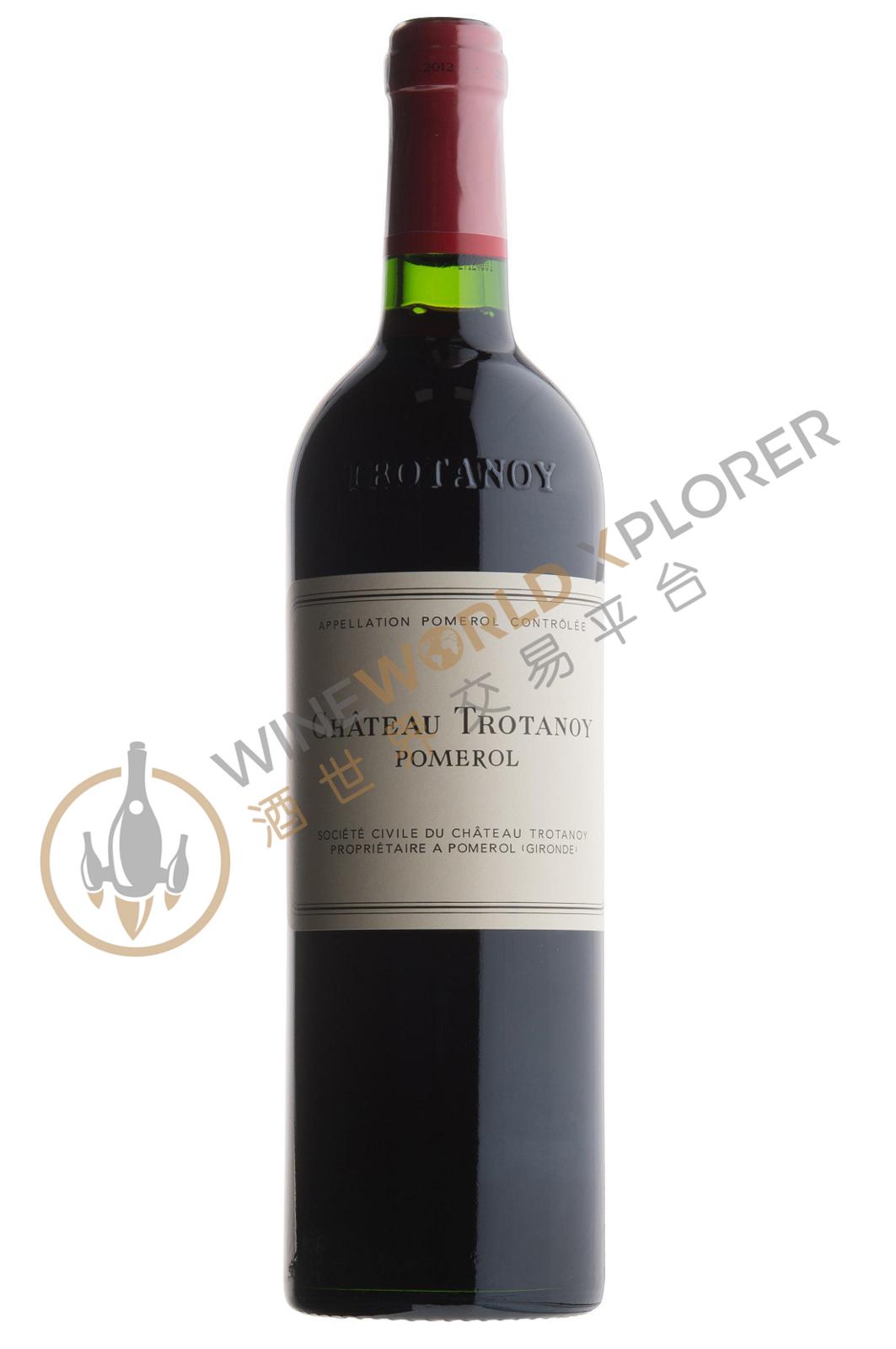
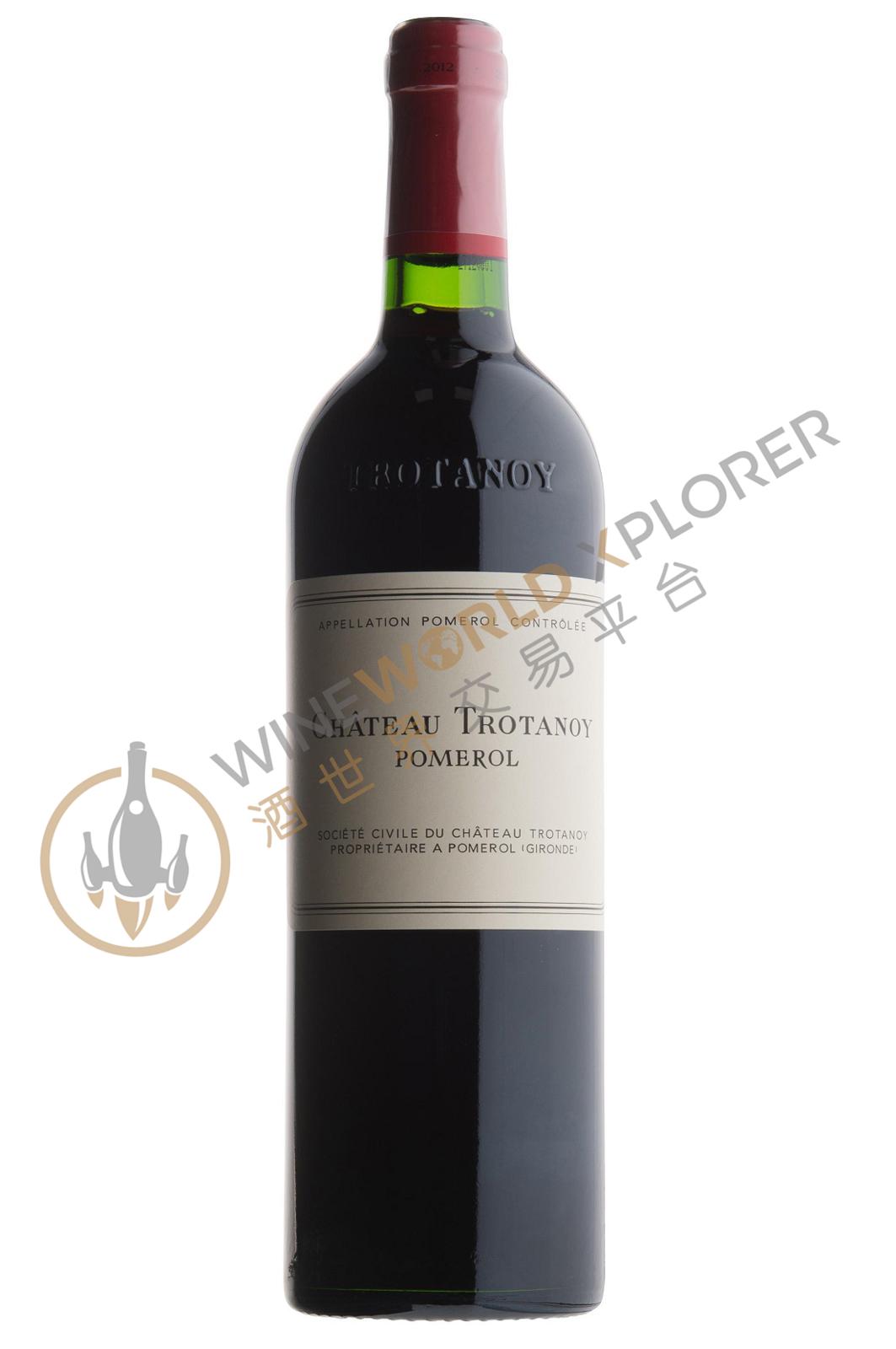
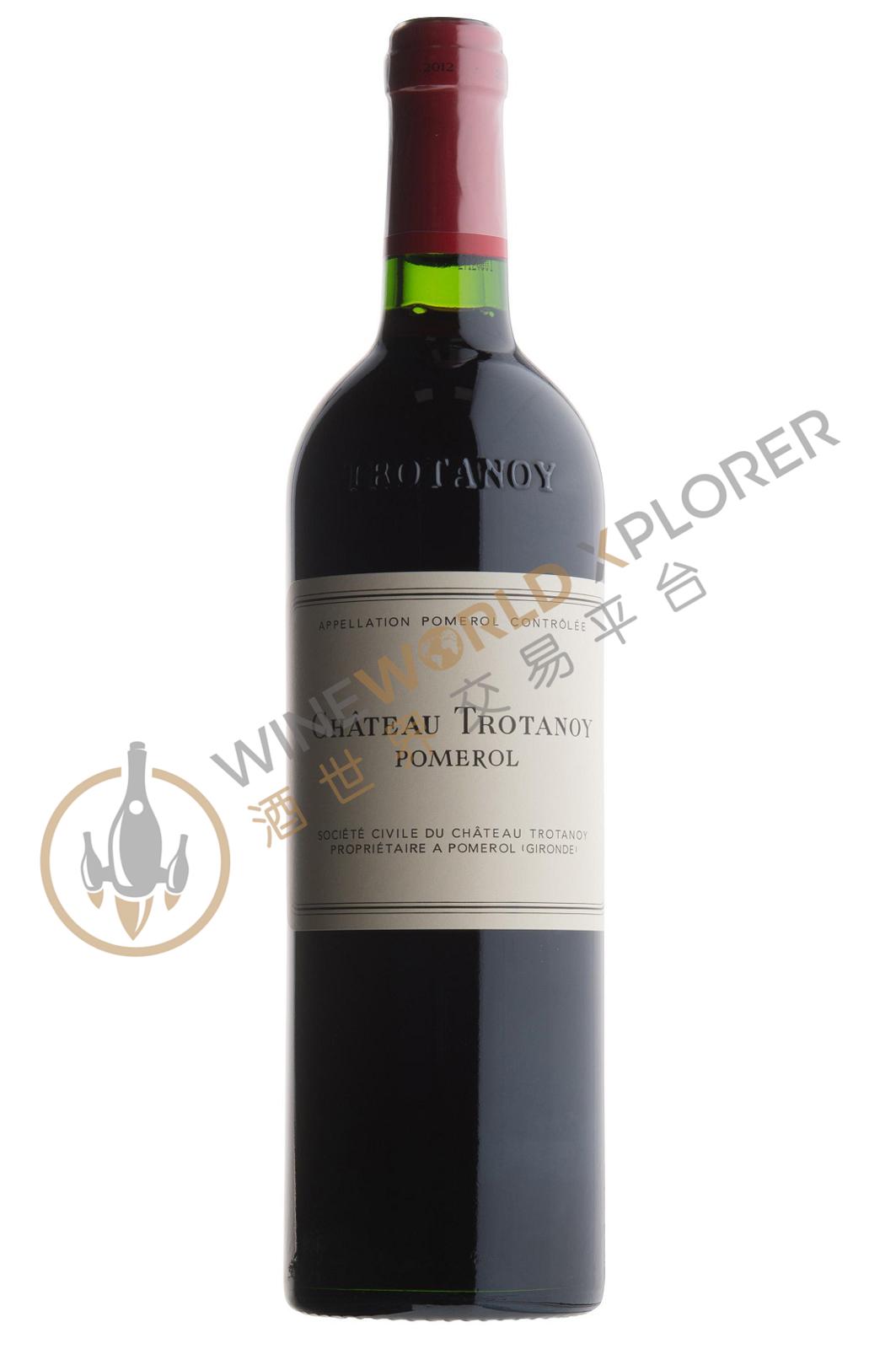
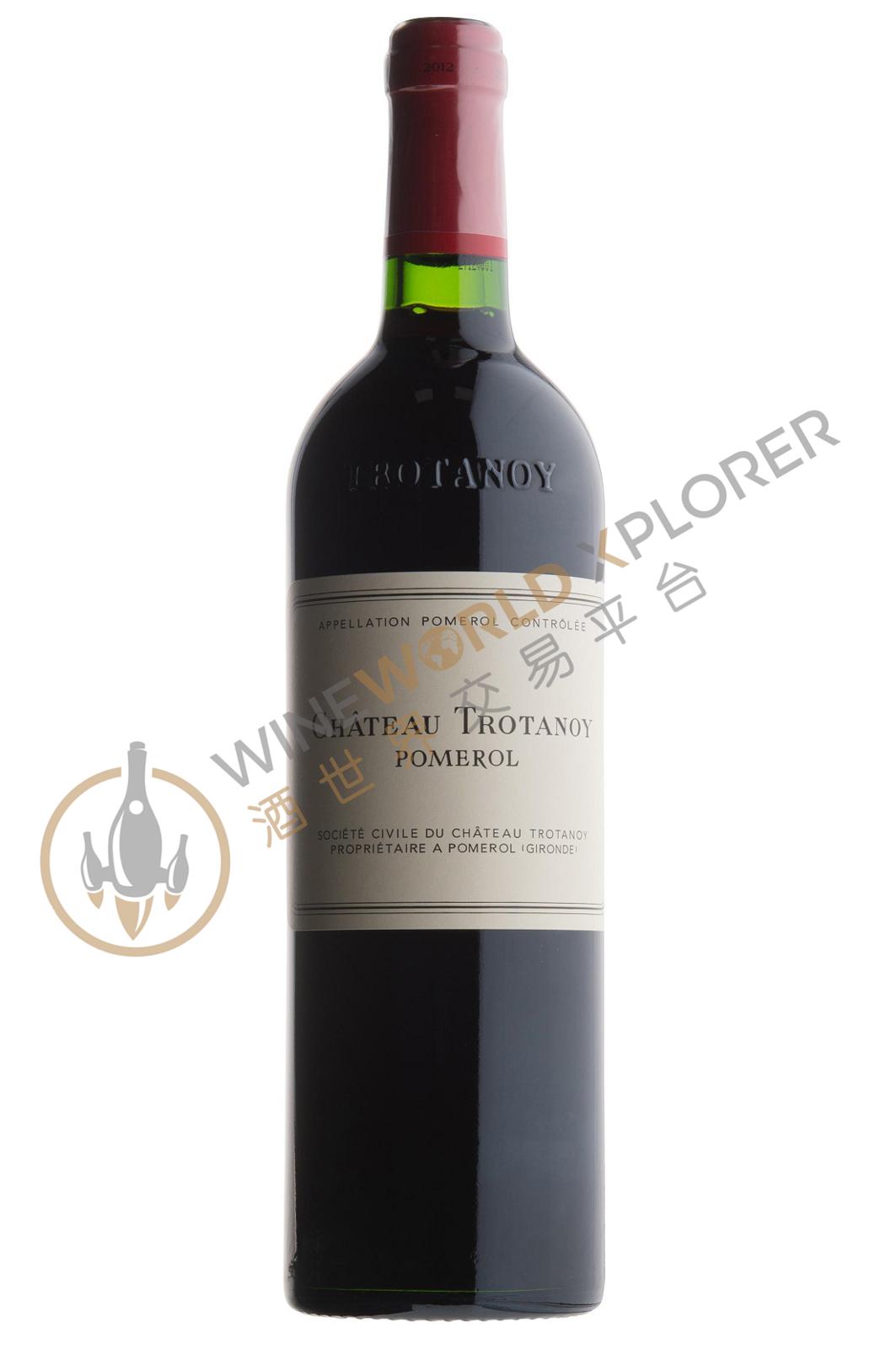
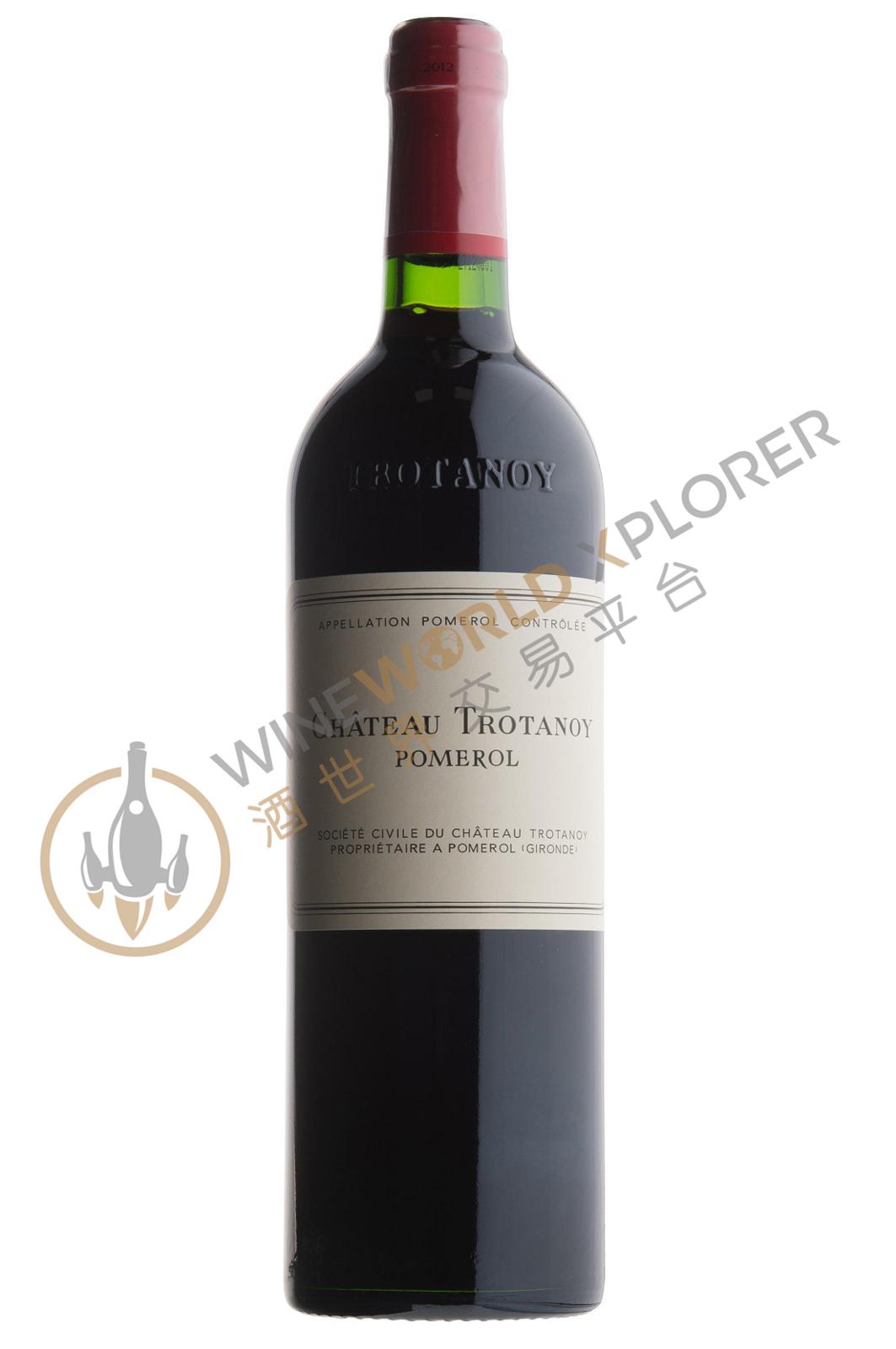
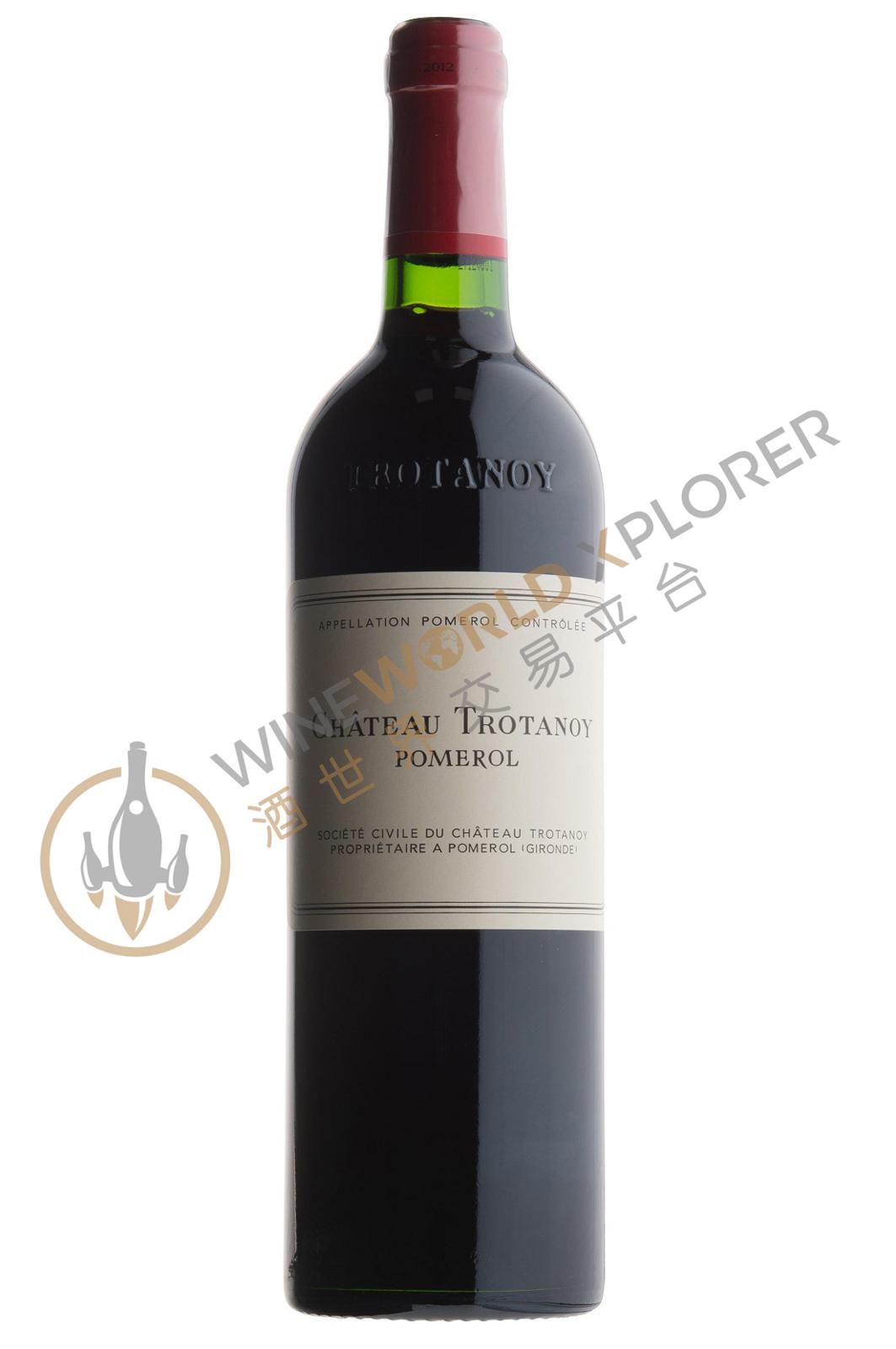
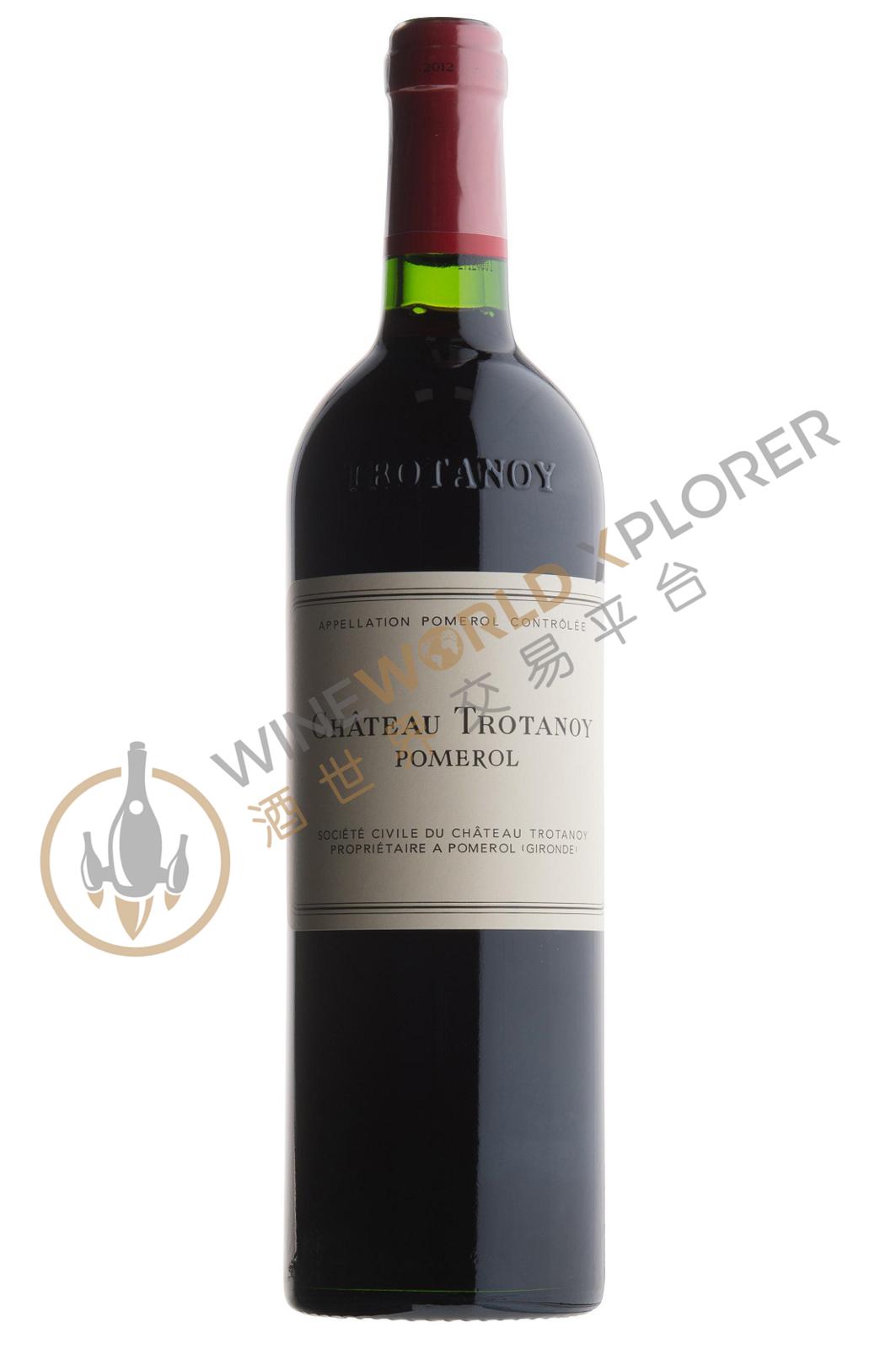
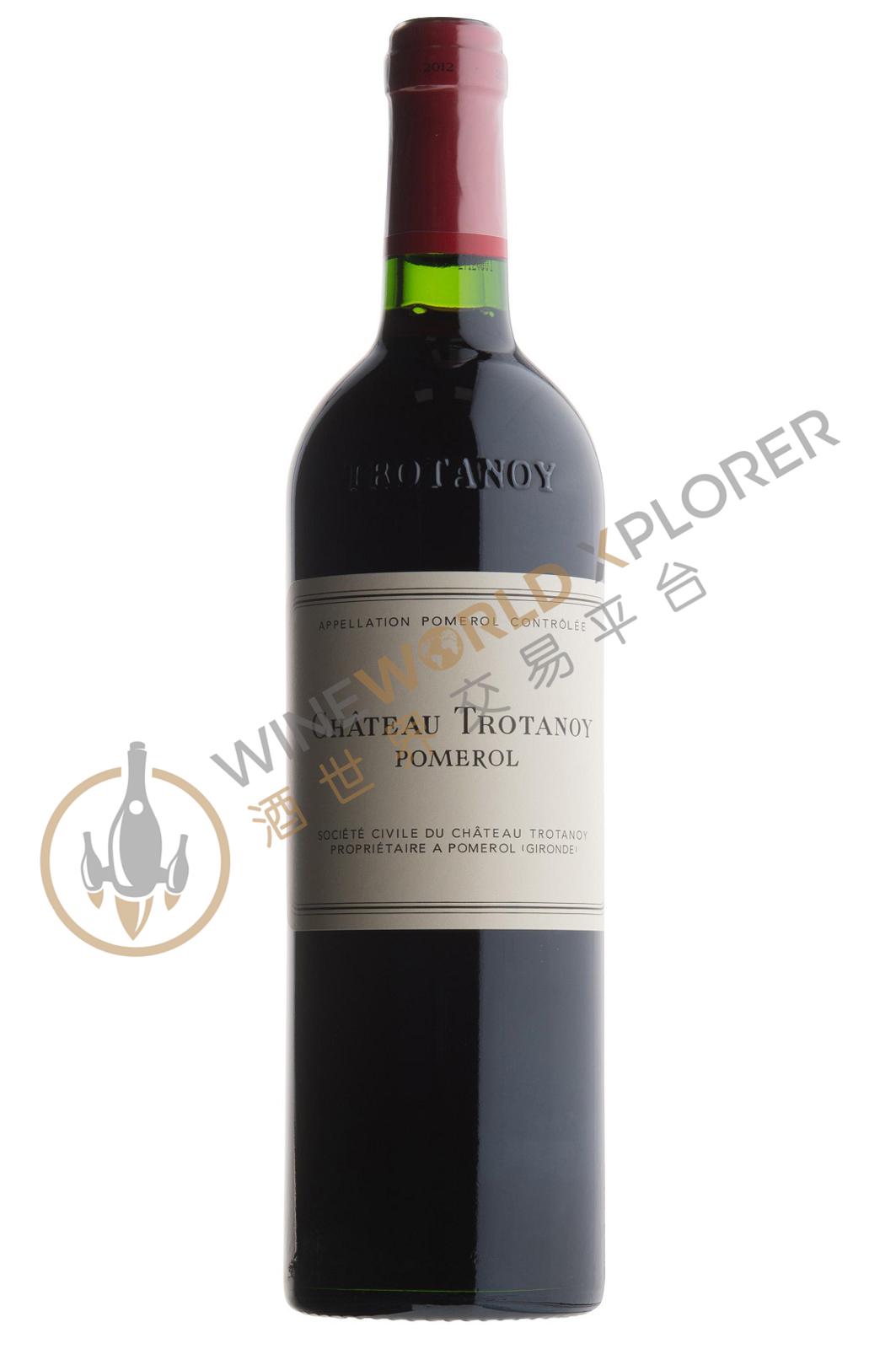
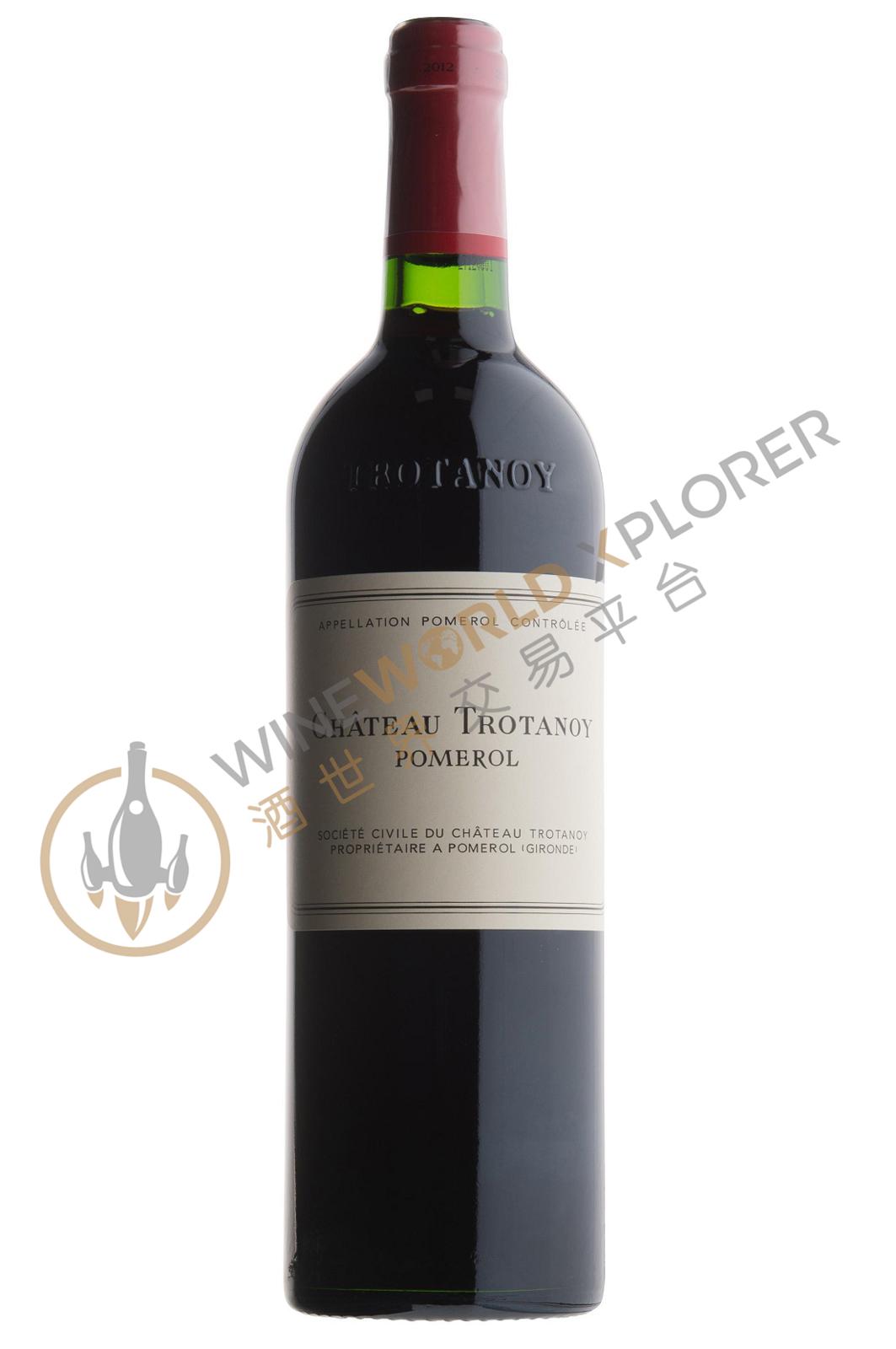
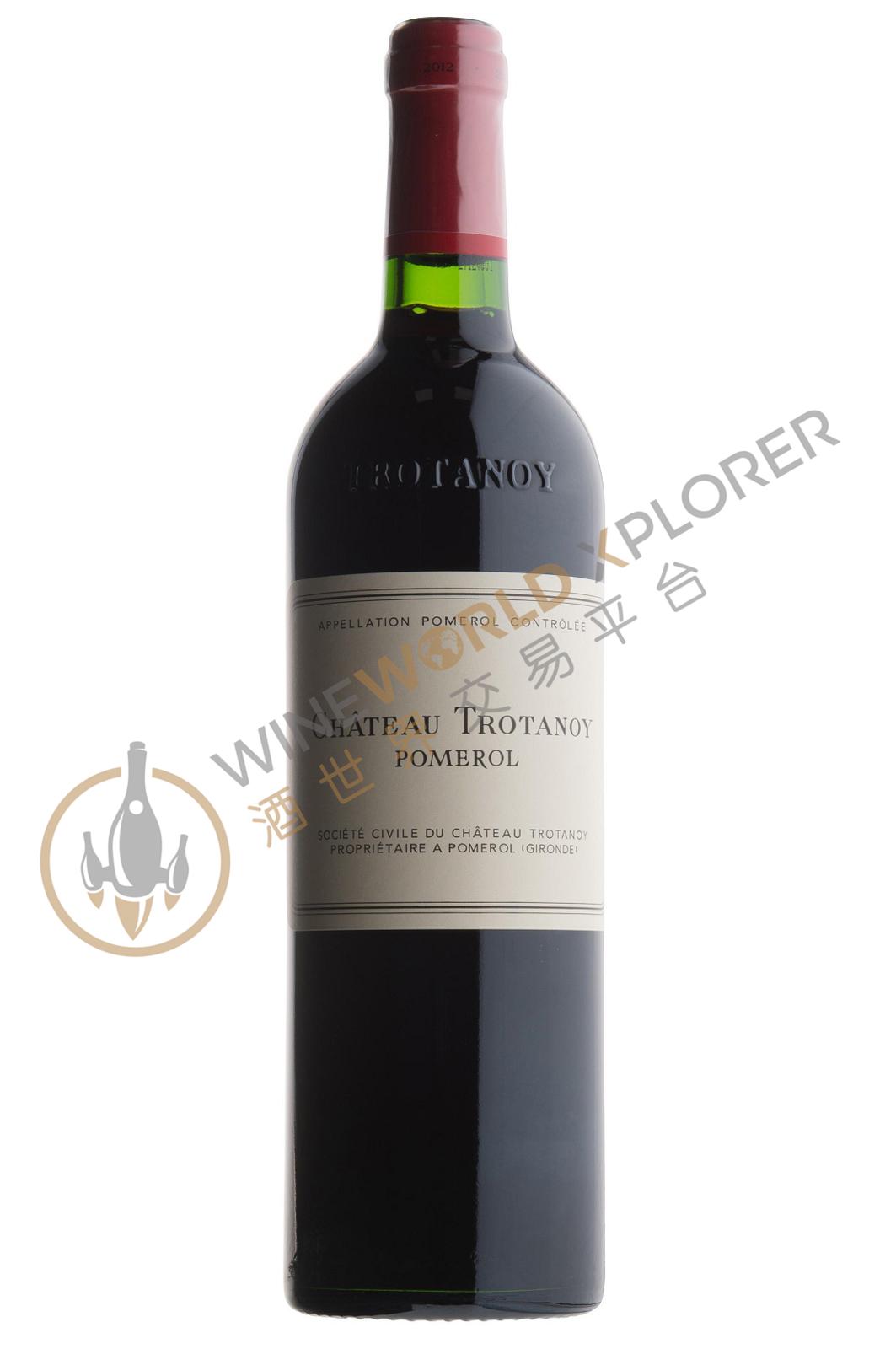
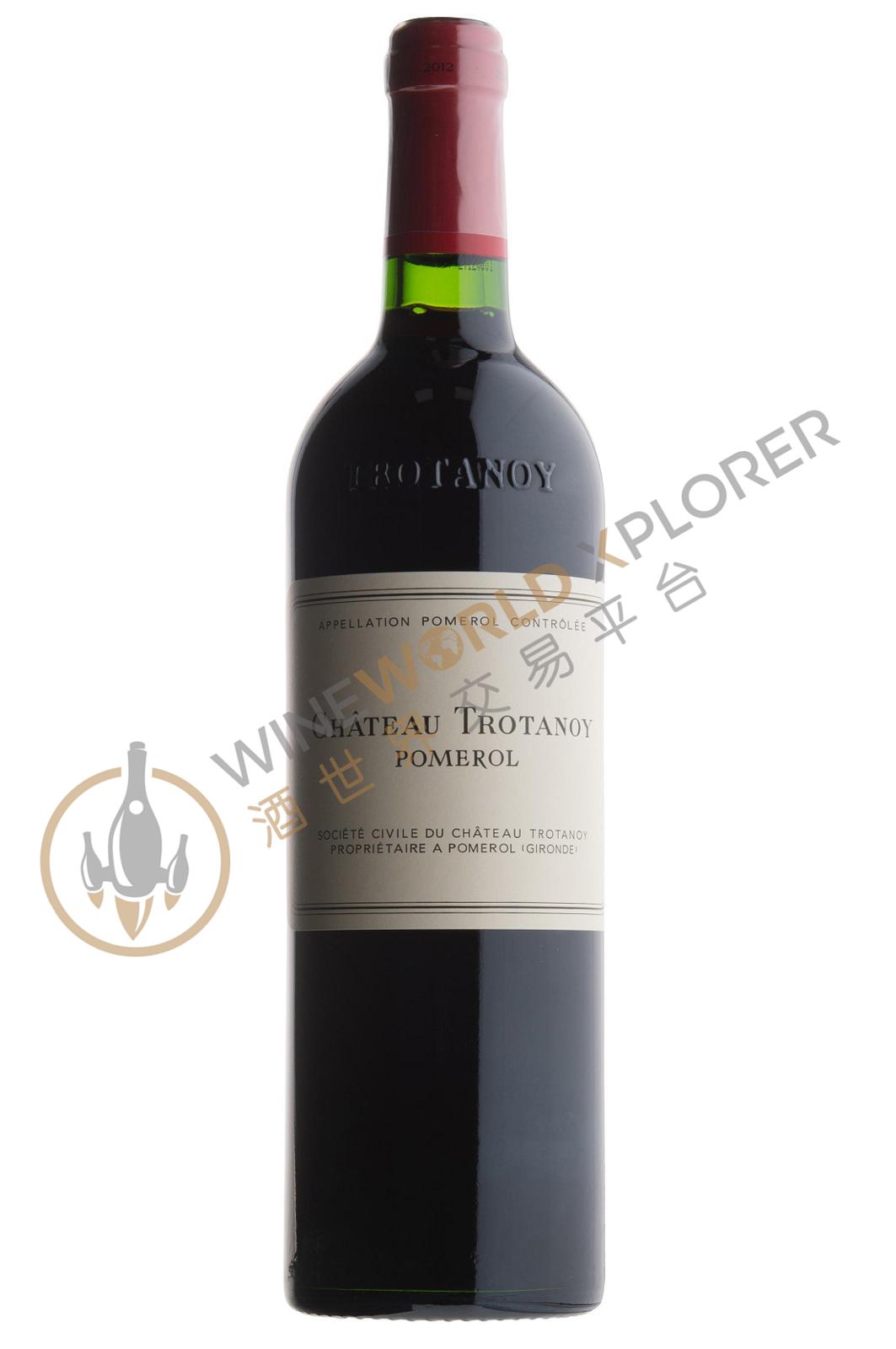
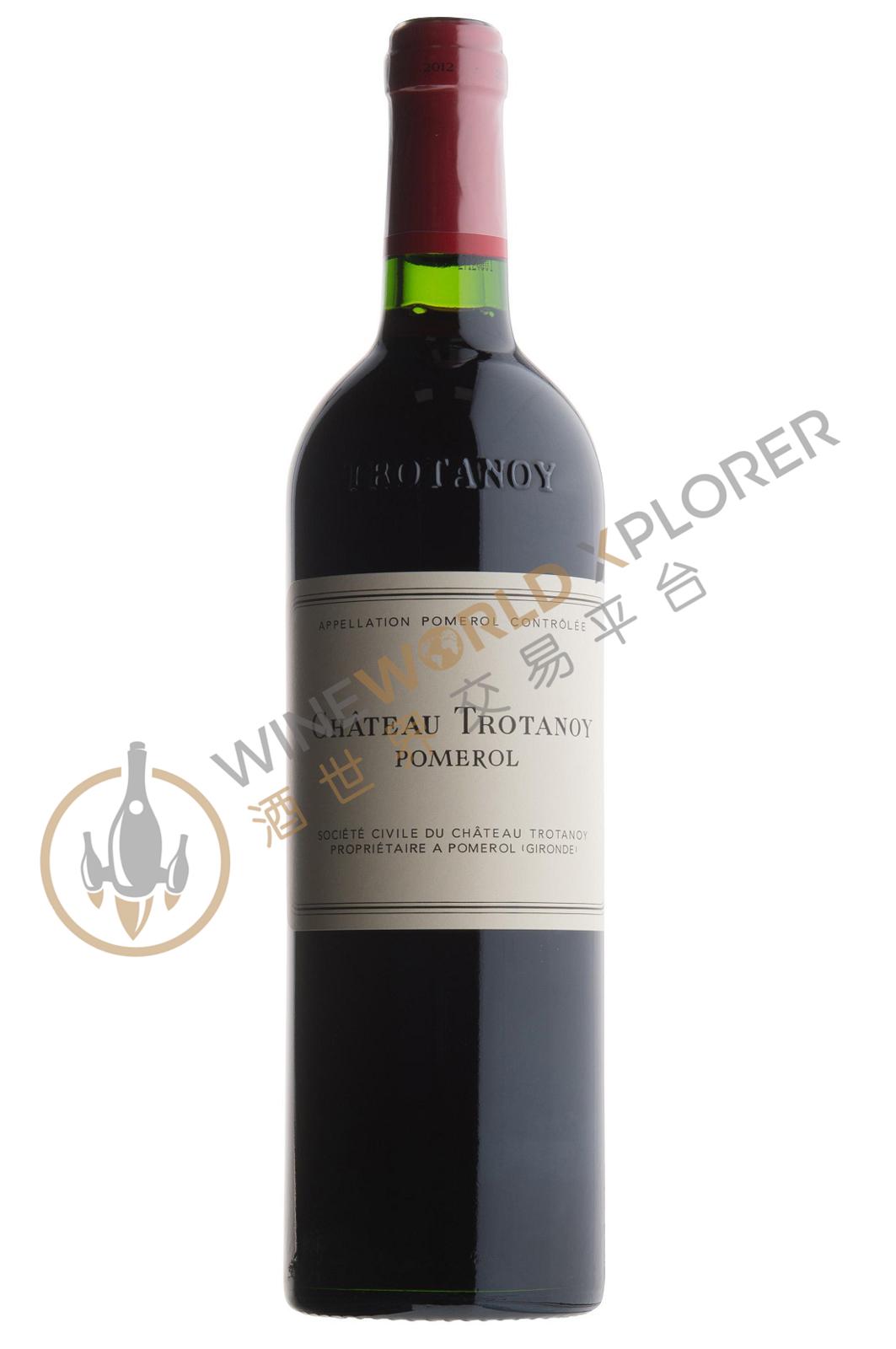
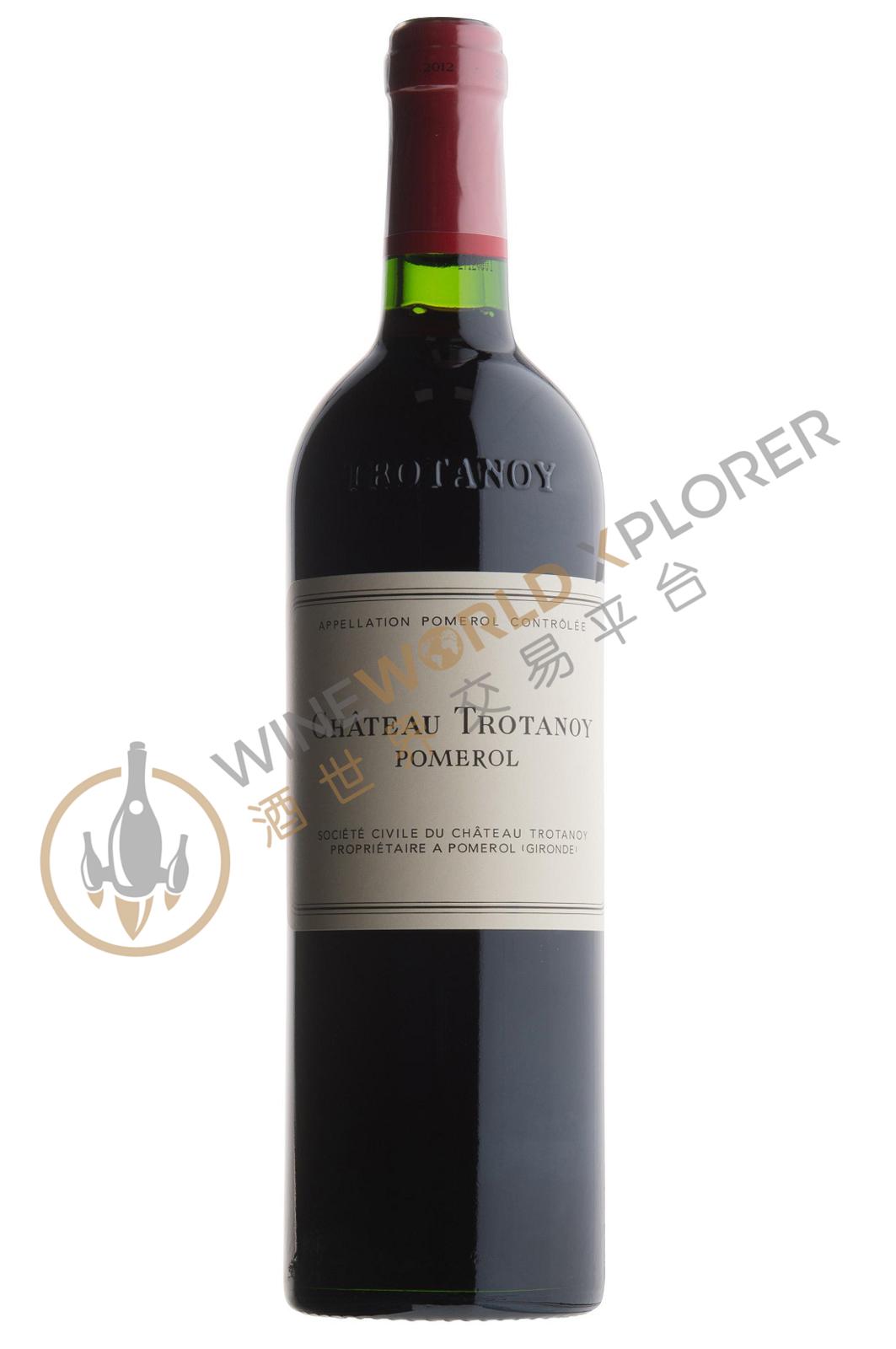
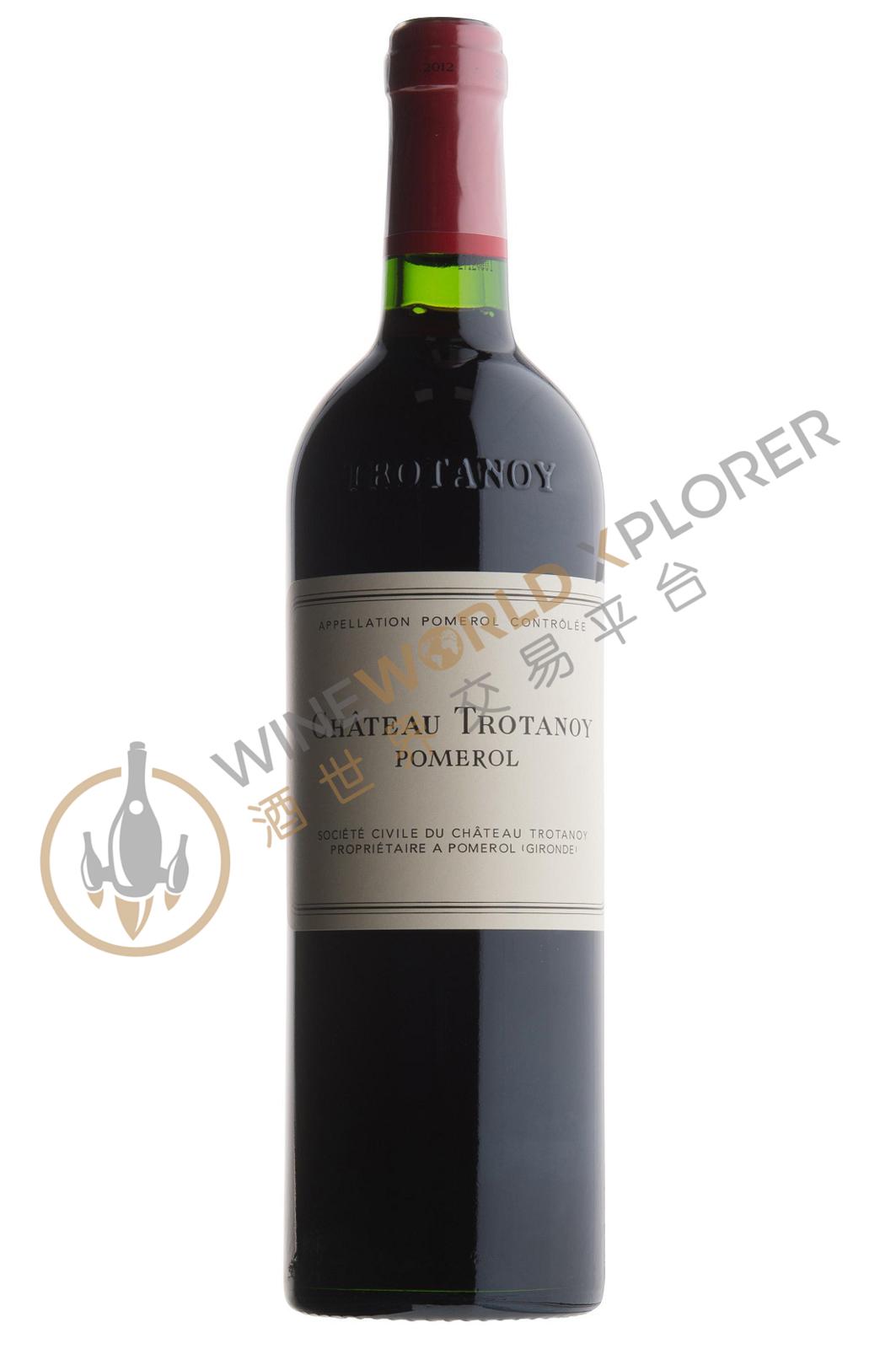
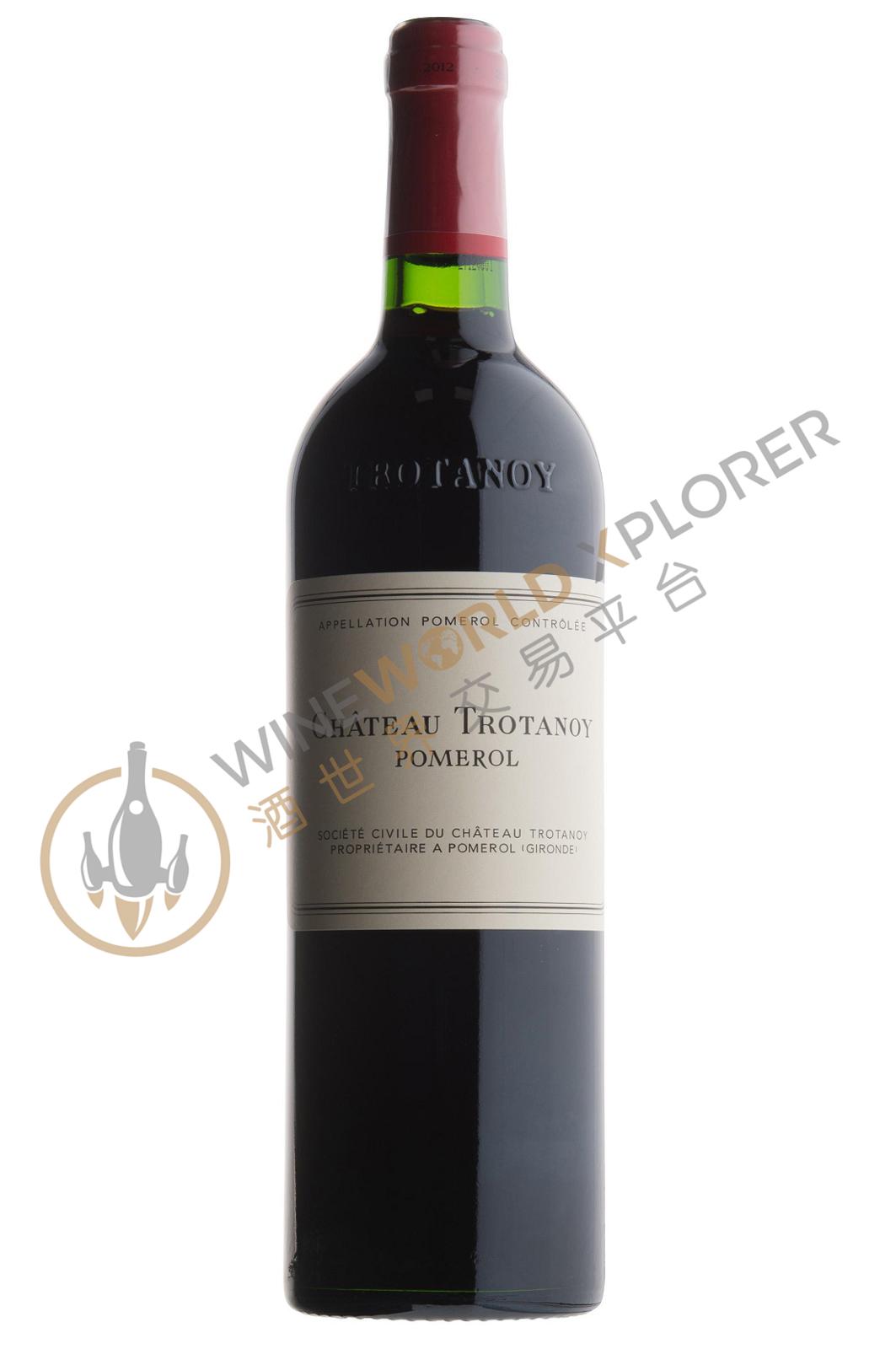
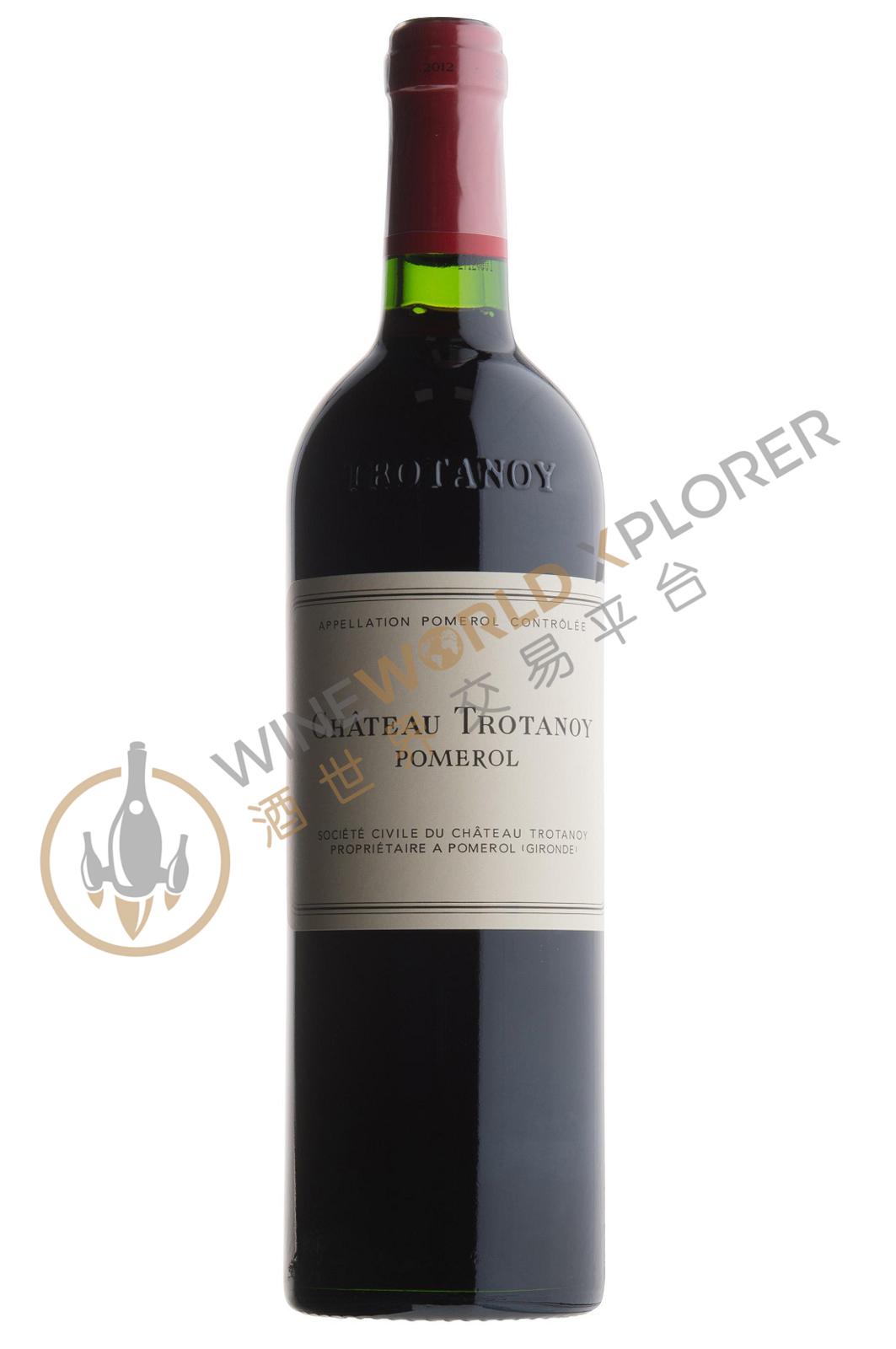
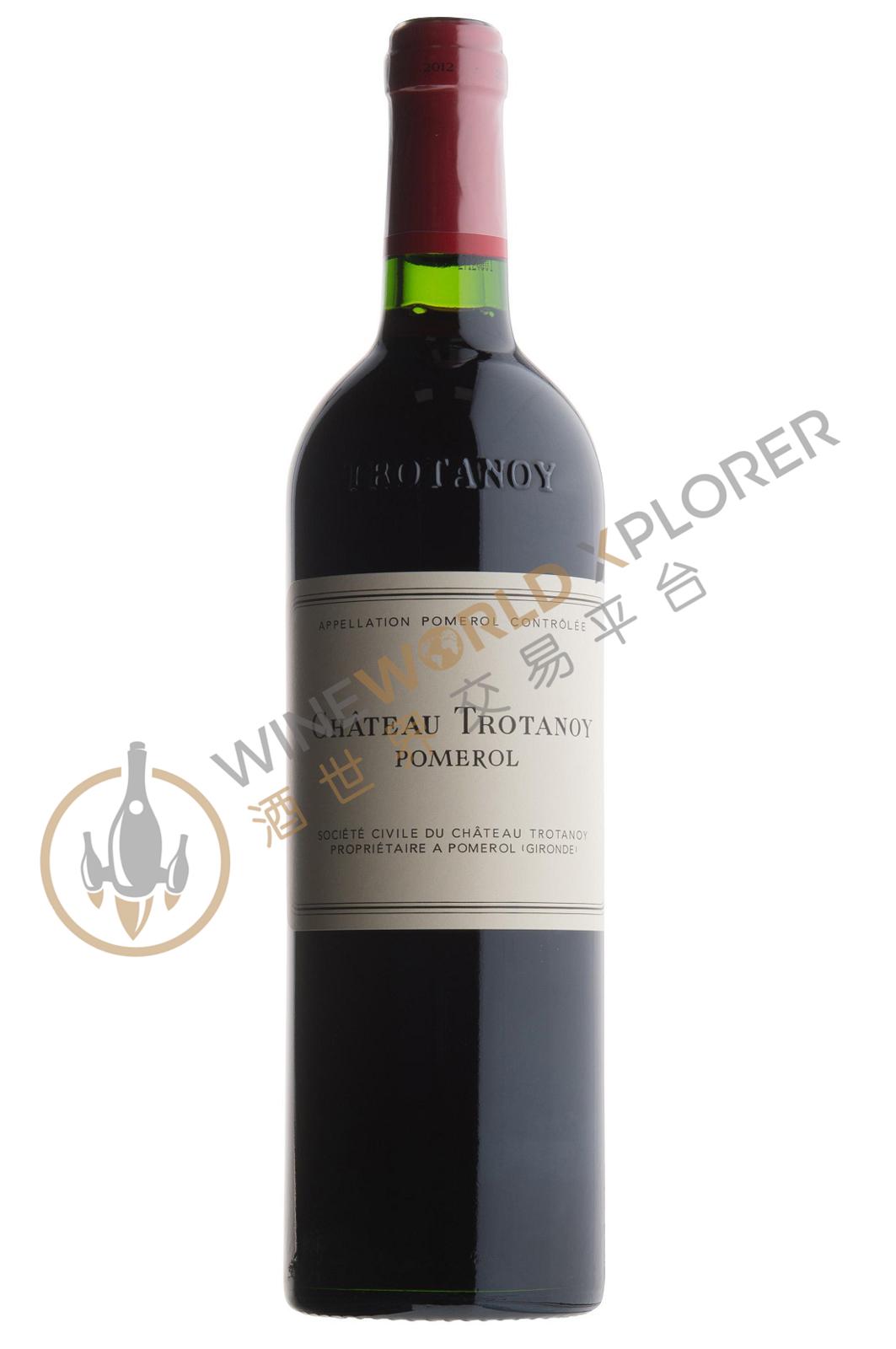
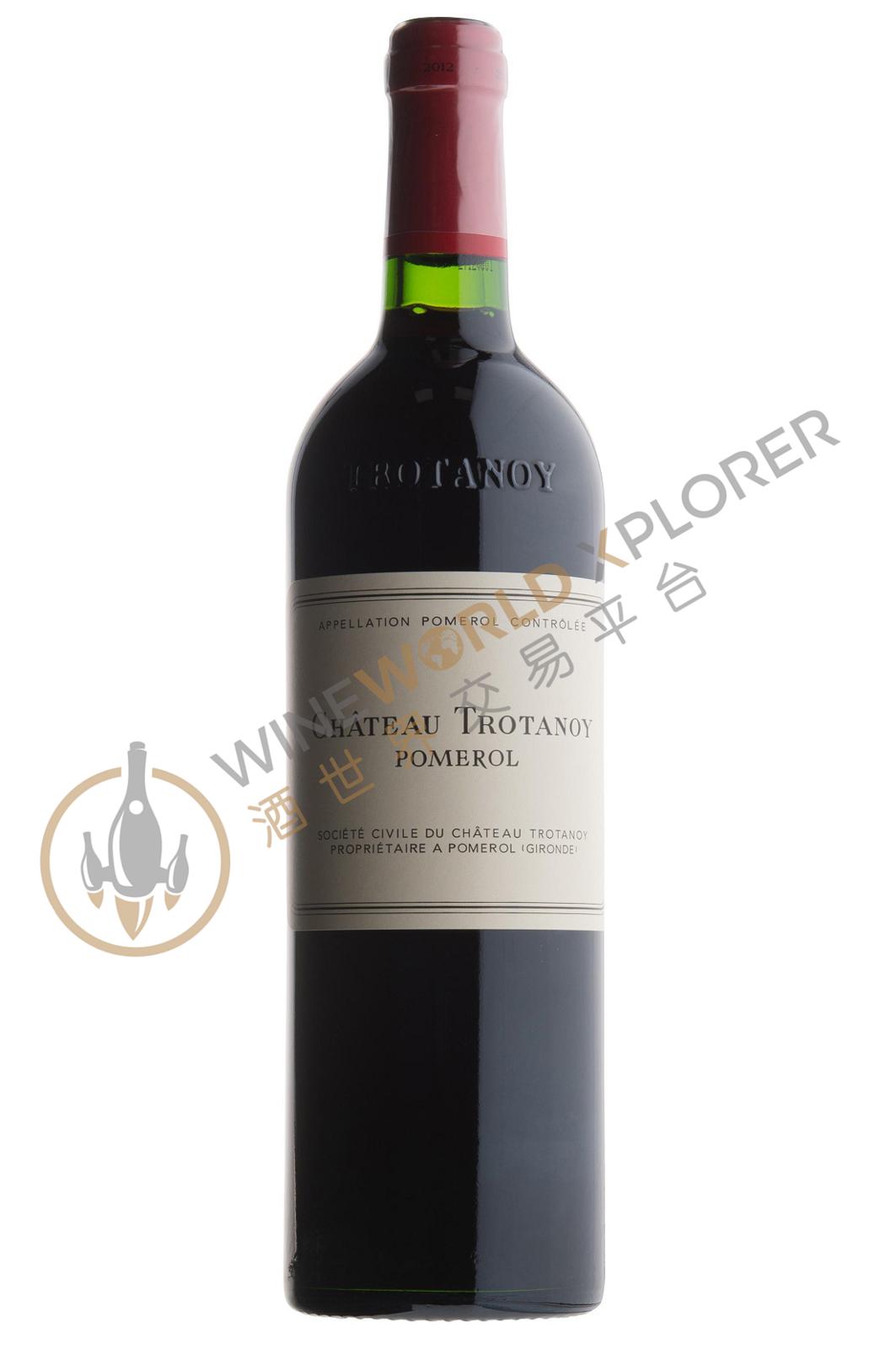
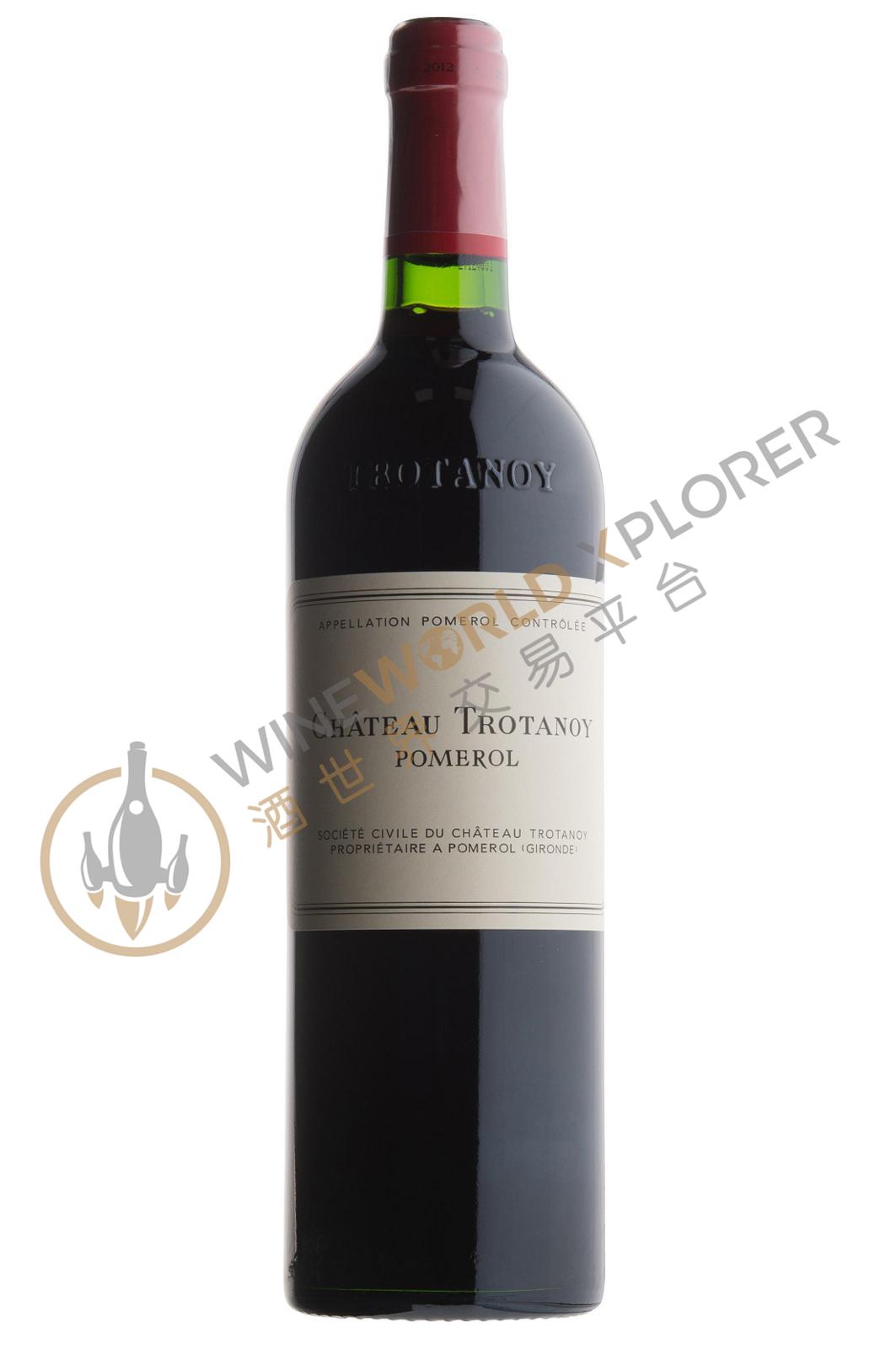
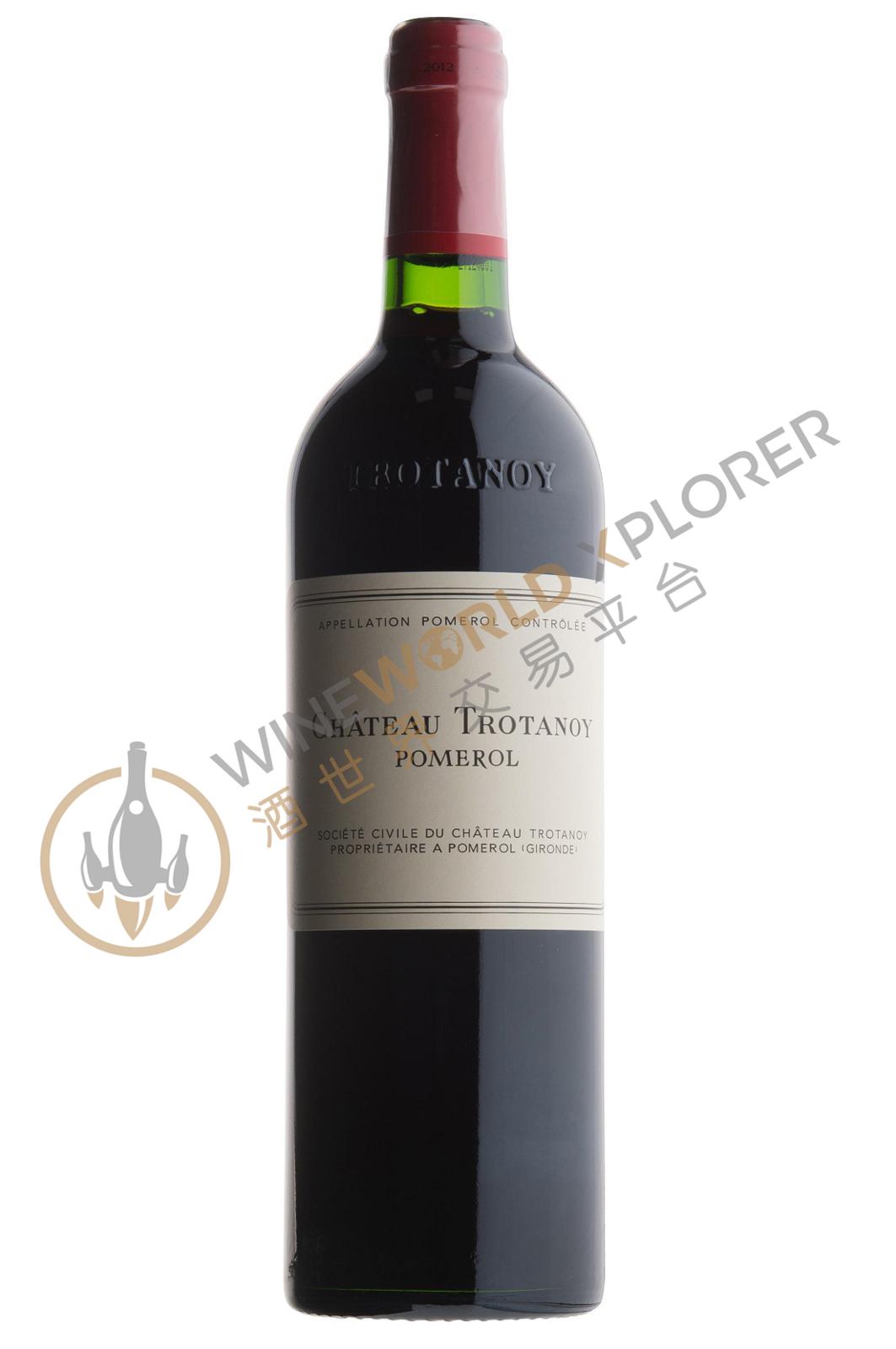
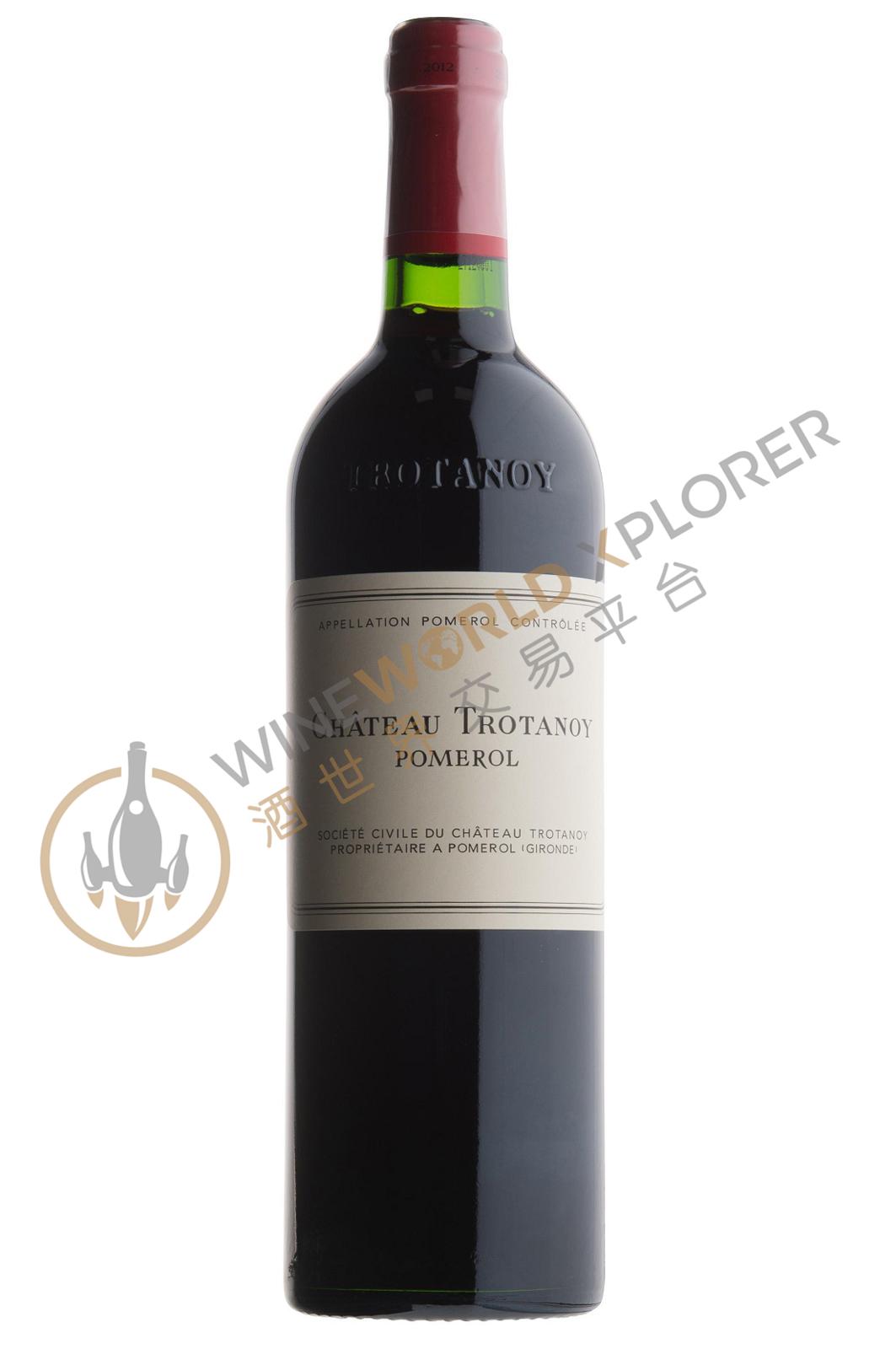
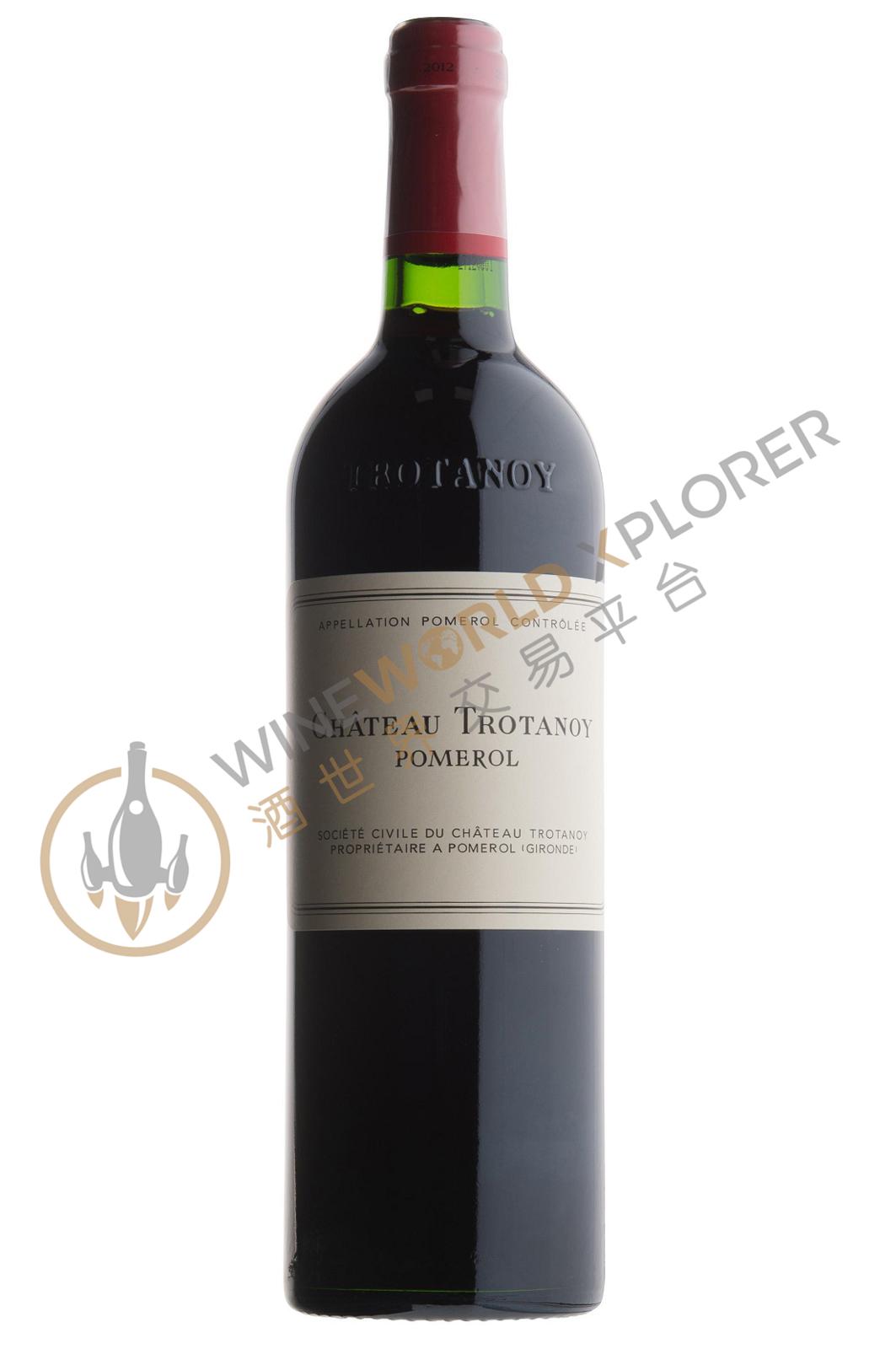
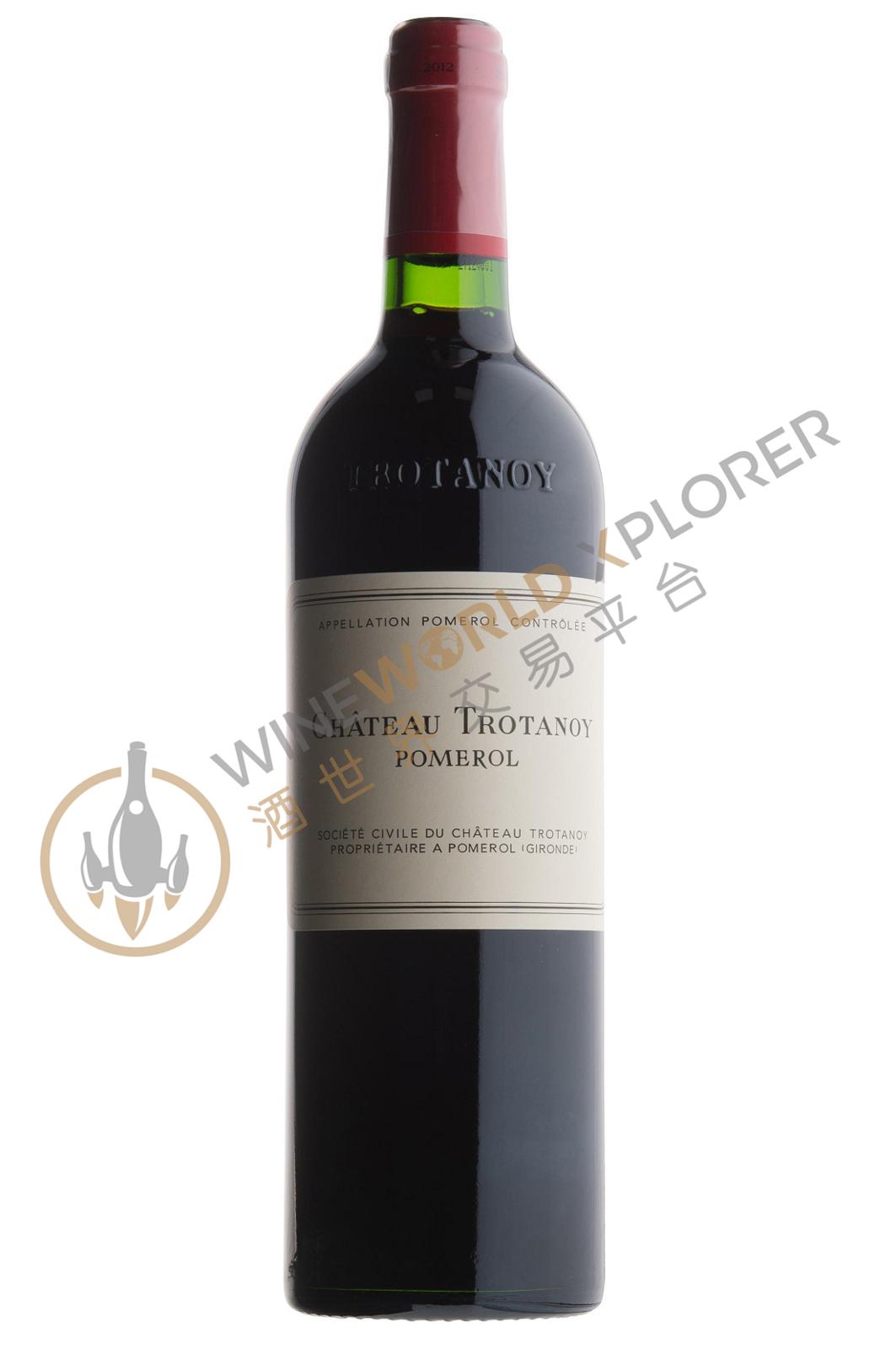
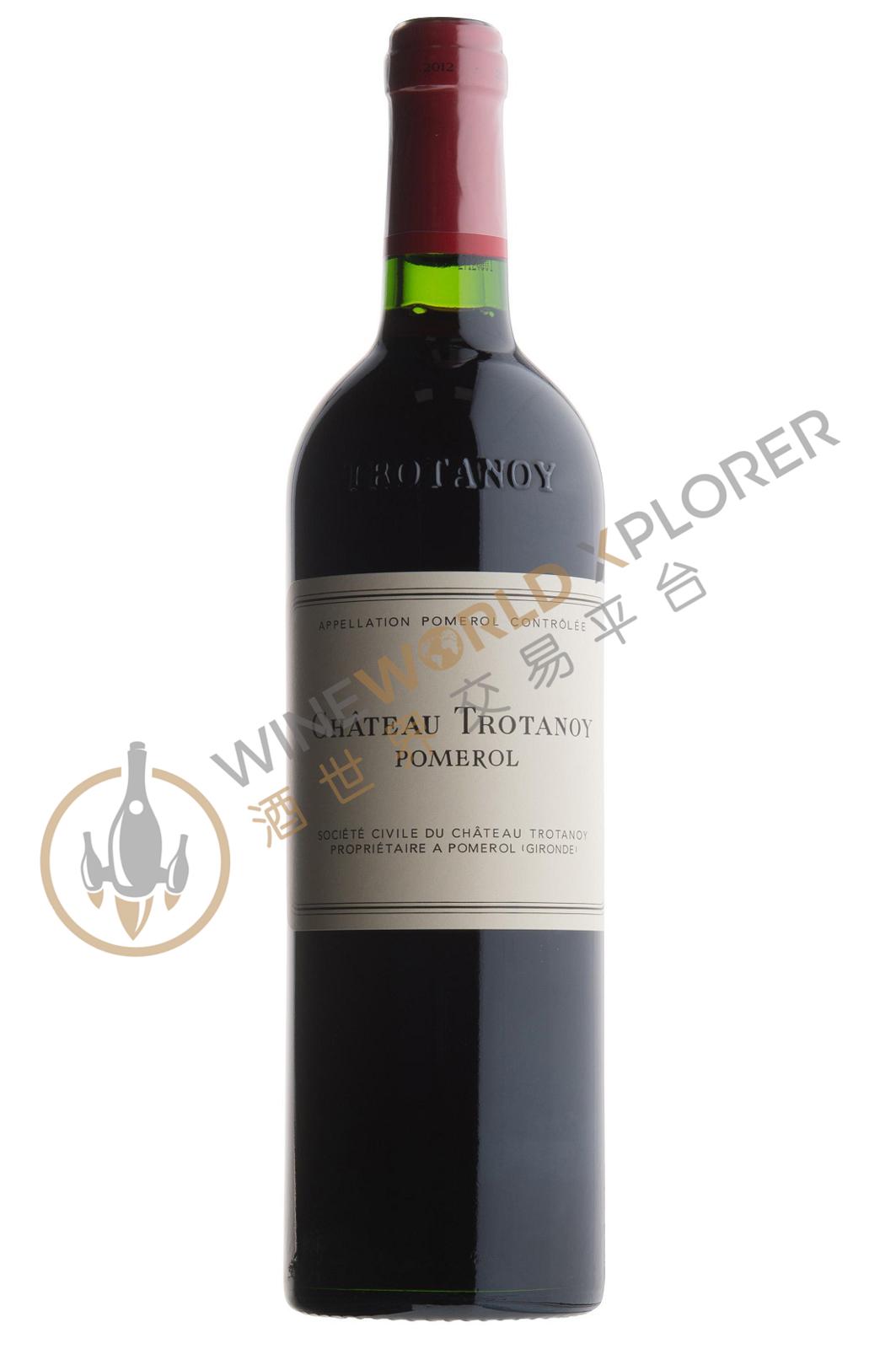
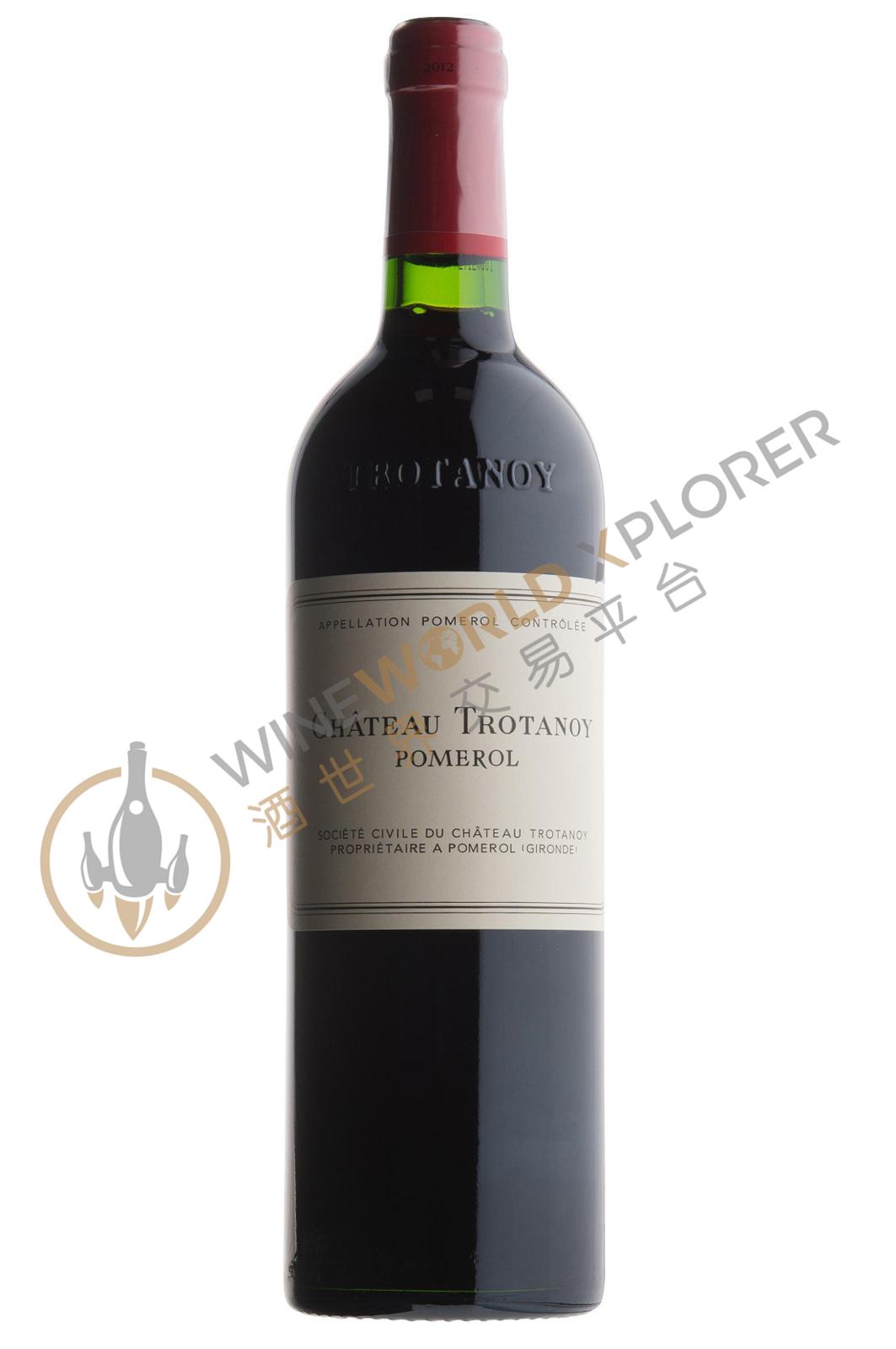
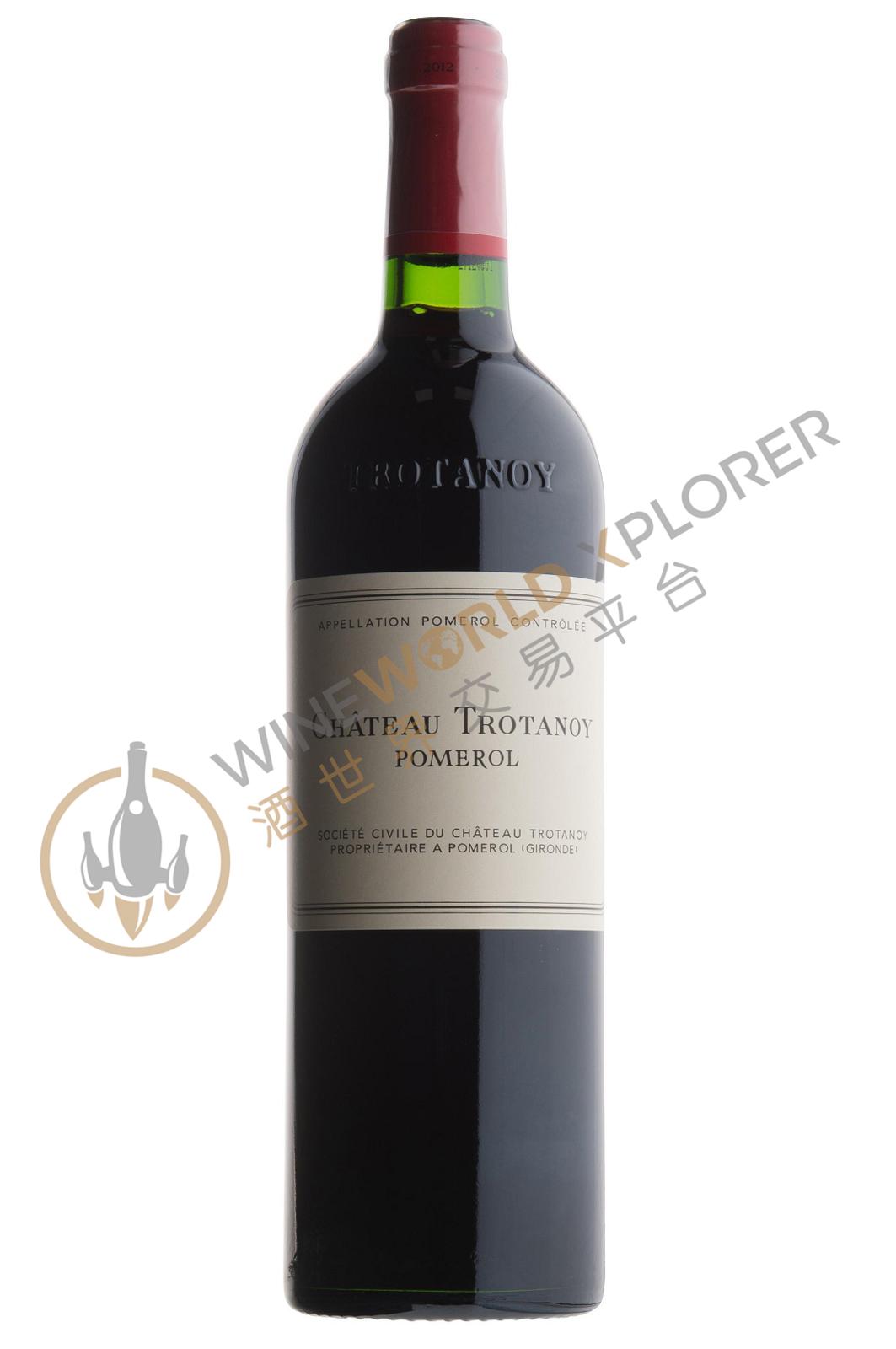
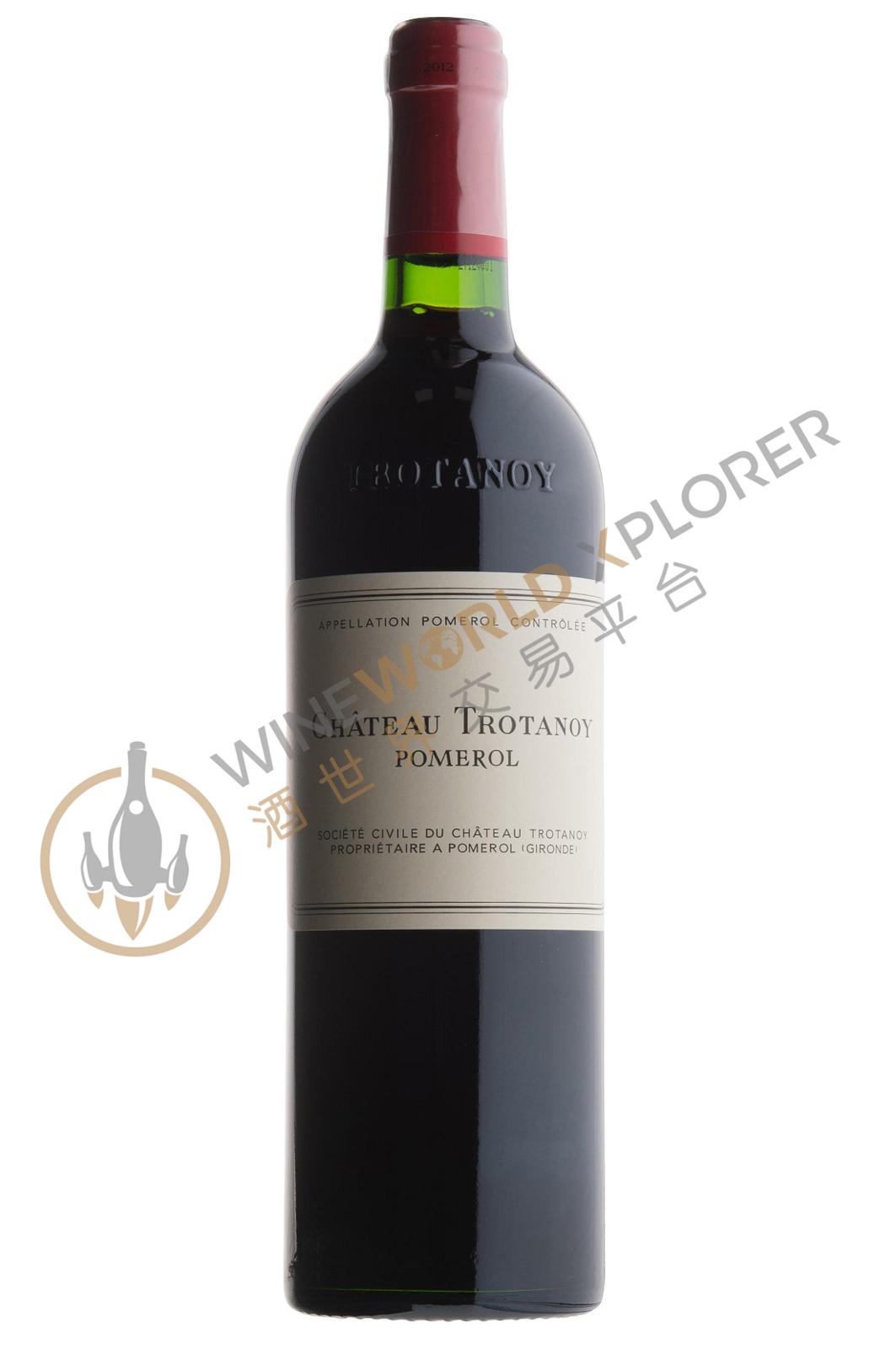
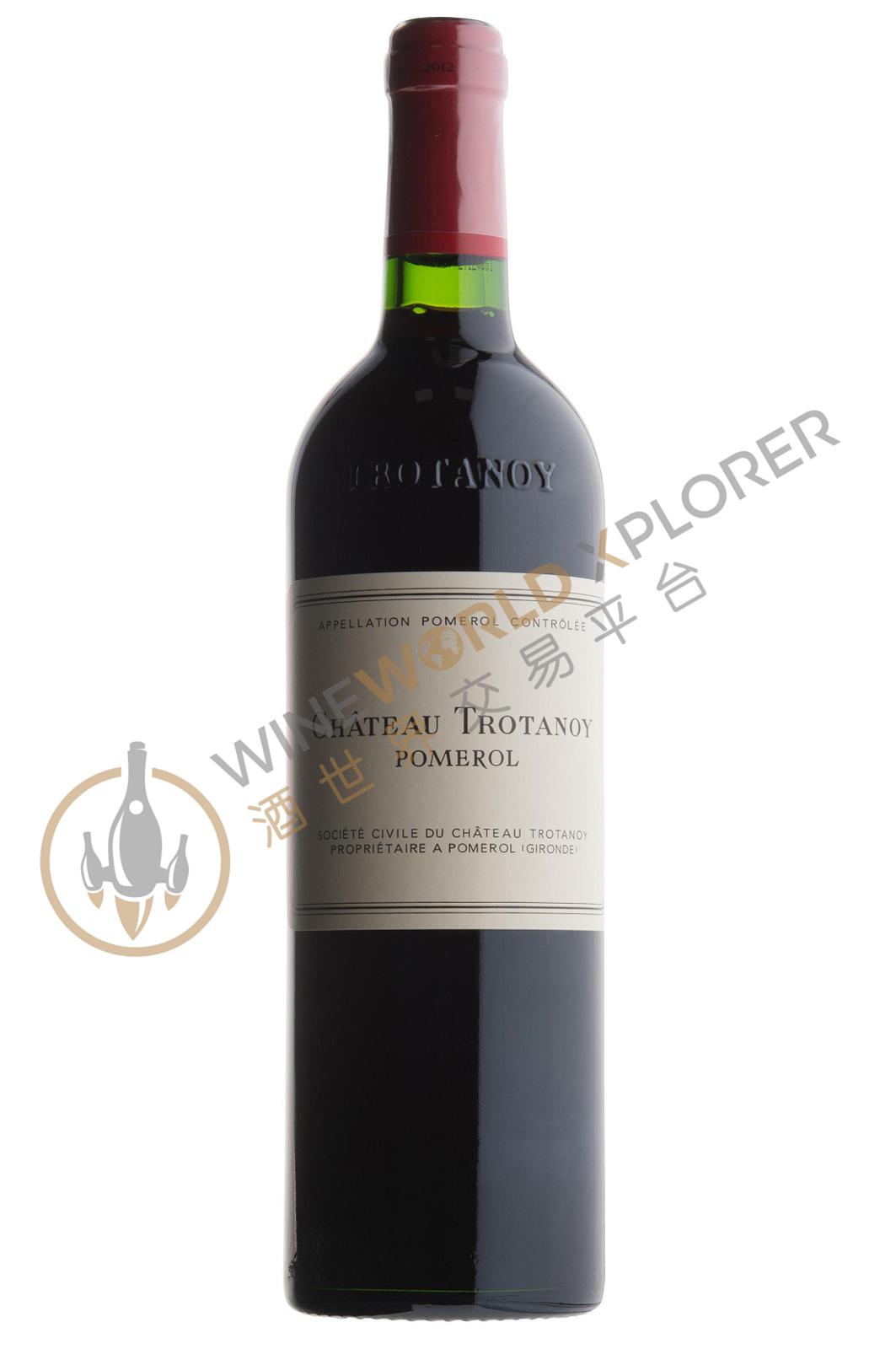
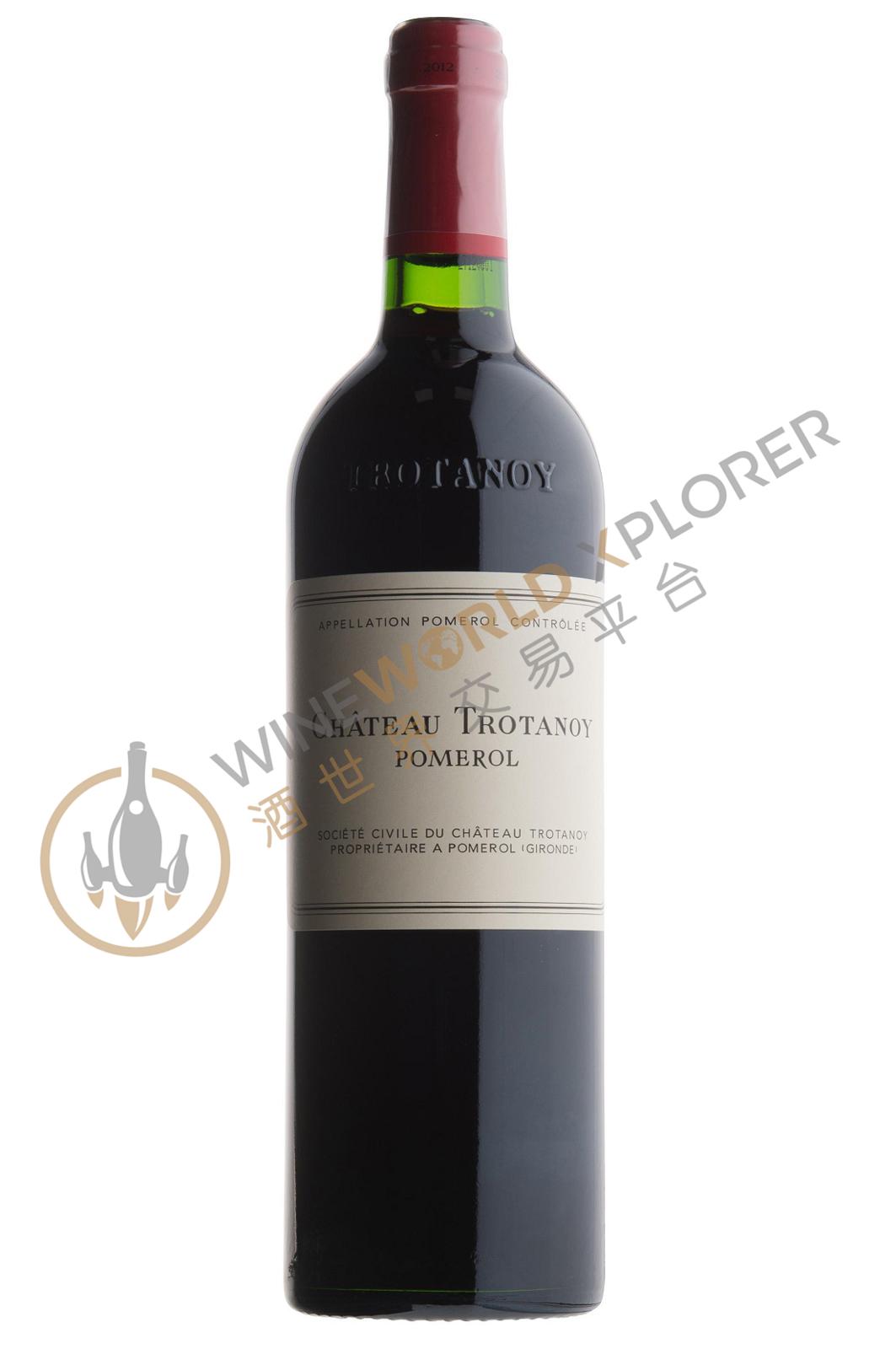
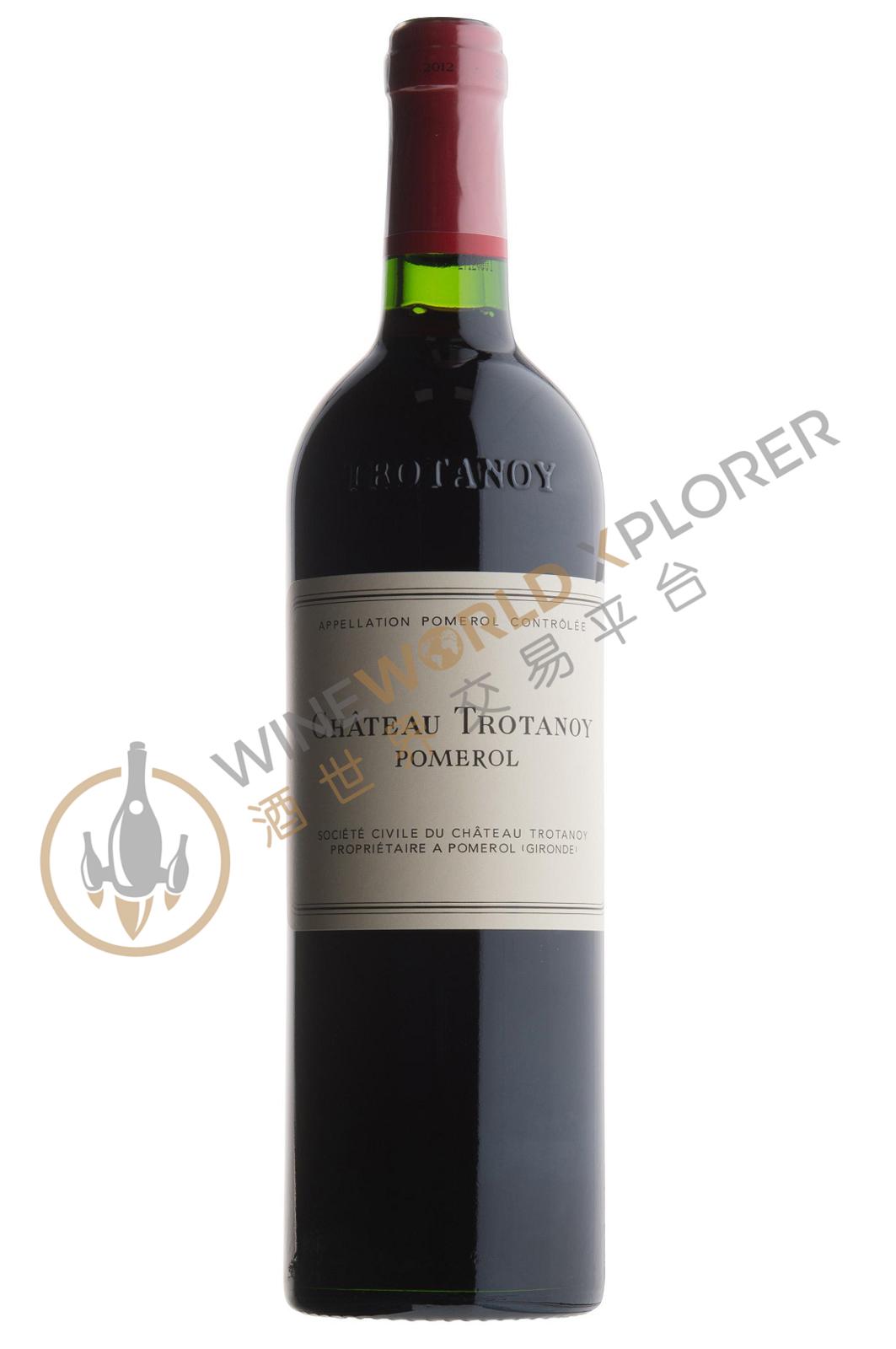
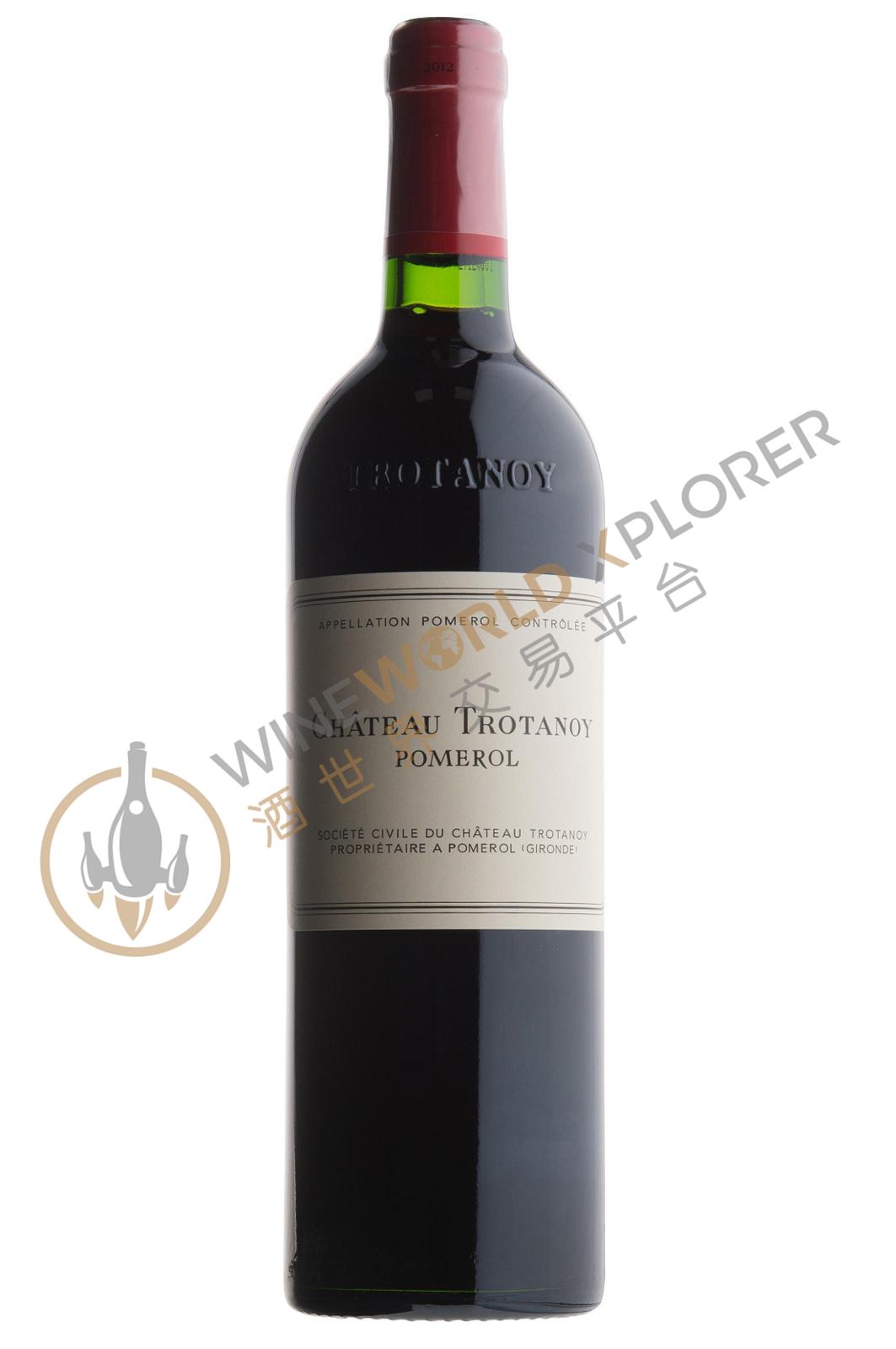
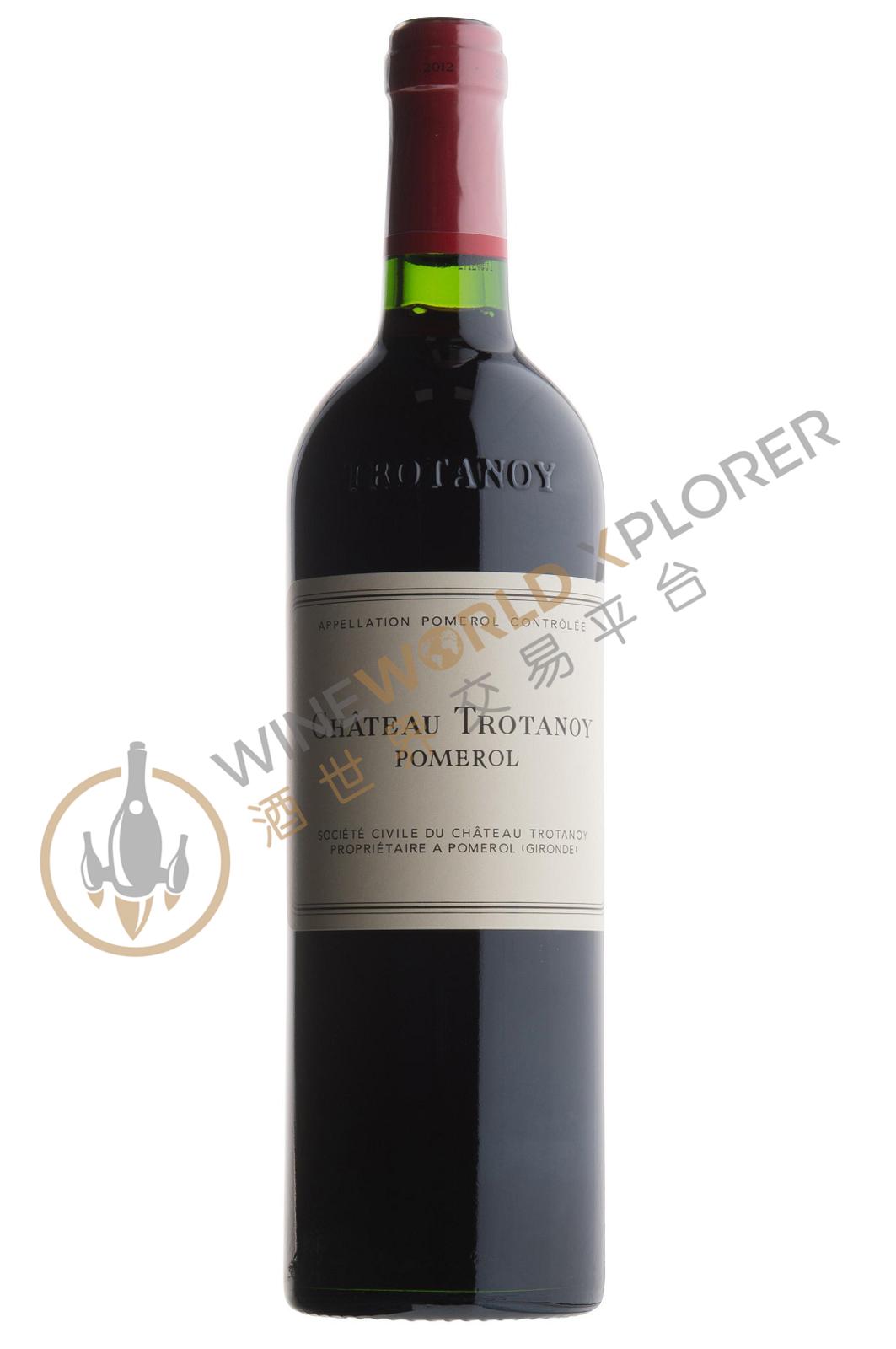
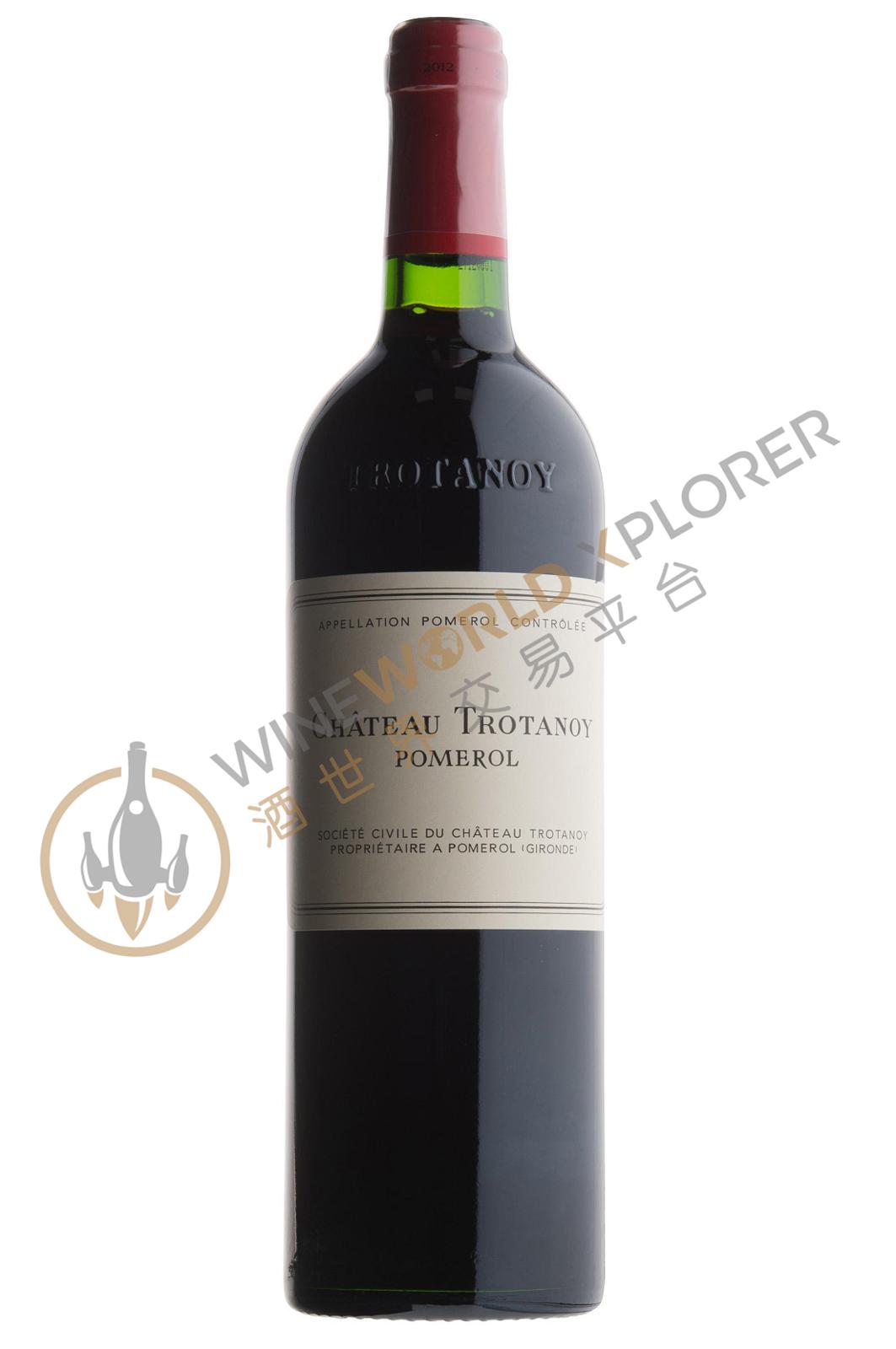
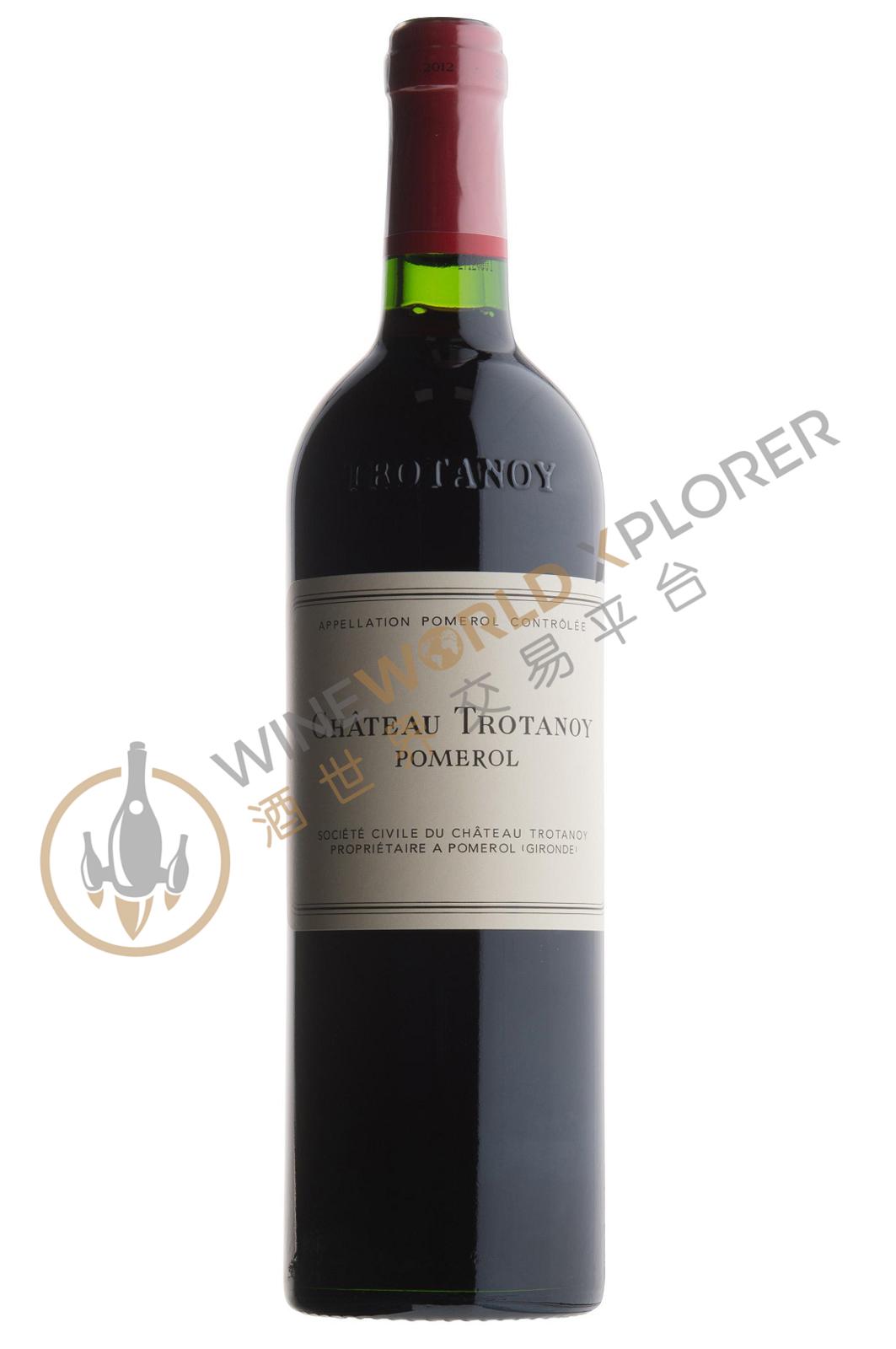
Trotanoy 2003
 View analysis


Description
Tasting notes

Reviewed by: Ian d'Agata
(95% merlot and 5% cabernet franc; 3.67 pH; IPT 63;13.3% alcohol): Full medium ruby with a hint of garnet at the rim. Sexy aromas of superripe red cherry and blackberry, white pepper and mint. Then rich, creamy and fruit cocktail-like, with compelling sweetness to the red berry and marzipan flavors. This lush, seamless, impressively broad wine retains good verve in spite of its full ripeness and the extremely hot year. Finishes with slightly gritty tannins (an effect of the excessive heat that made full physiological ripeness of the polyphenols tough to achieve) and earth and leather notes. This is one of the few 2003 Bordeaux I truly like and recommend. In 2003, the harvest at Trotanoy began very early: the merlot was picked between September 2 and 4, and the cabernet franc on September 9. In a year of furnace-like heat, we were able to preserve some freshness, which was our real merit, said Jean-Claude Berrouet.
Reviewed by: Stephen Tanzer
Good healthy, deep red. Aromatic nose offers black cherry, plum, caramel and toasty, nutty oak. Fat, chewy, dense and sweet; offers very good flavor definition yet comes across as considerably less primary than Petrus. A ripe, chewy wine with rather full tannins.
Reviewed by: Stephen Tanzer
Deep red. Highly aromatic, enticing nose offers black cherry, blueberry, violet and mint. Intensely flavored, concentrated and primary, with solid underlying structure and impressive mid-palate energy. Very classy young Pomerol, finishing with firm but fine tannins and lovely violety persistence. This has rare definition and nobility for a 2003 Pomerol.
Reviewed by: Robert M. Parker, Jr.
As always, the 2003 Trotanoy is a meaty, burly style of wine, but the tannins have all been resolved. A dark plum/ruby color is accompanied by sweet black currant and mulberry notes intertwined with hints of truffles and earth. This medium- to full-bodied, delicious Pomerol is clearly one of the finest 2003s made in this appellation, whose lighter soils did not fare well in this vintage. Trotanoy’s clay and deep minerality have saved it. Drink it over the next 4-5 years.
Reviewed by: Neal Martin
A deep garnet core with deep brick rim. A fine nose, sedate, harmonious with boysenberry, graphite and a touch of raisin. Very good definition with no heat from the intense summer heat but a toffee scent soon develops. A medium-bodied palate with impressive acidity for the vintage. A slight metallic note at the front of the palate, a touch of liquorice, briary and a tang of sea salt. The oak is not quite as well integrated as I expected and there is certainly some warm alcohol on the finish. Overwhelmed by the torrid summer heat? Drink 2010-2015. Tasted May 2007.
Reviewed by: Robert M. Parker, Jr.
One of the most virile, muscular, formidably tannic offerings of Pomerol (somewhat atypical for the vintage), the heady, full-bodied, powerful Trotanoy will need 4-6 years of cellaring. The tannin borders on being rustic, but there is a lot going on in this deep ruby/purple-colored 2003. Hints of scorched earth, multi-vitamins, black cherries, new saddle leather, and earth emerge from this impressive claret. The harvest was freakishly early, with the Merlot picked on September 2-4, and the Cabernet Franc on September 9. Anticipated maturity: 2008-2017.
Reviewed by: Robert M. Parker, Jr.
While rich and dense, the medium to full-bodied 2003 Trotanoy is also hard, tannic, and in need of 3-5 years of bottle age. Its deep ruby/purple color is accompanied by sweet scents of licorice, road tar, earth, and black cherries. Rich and concentrated with moderately high tannin, it should be at its finest between 2009-2020.
Reviewed by: Robert M. Parker, Jr.
The 2003 Trotanoy has put on weight since last year and seems a somewhat safer bet than it did when I tasted it nine months ago. Still muscular, chewy, potent, and structured, and somewhat atypically tannic and dense for a 2003 Pomerol, it boasts a deep ruby/plum color in addition to a big sweet nose of black fruits, road tar, saddle leather, and hot rocks. Some black cherries and meaty notes also emerge as the wine sits in the glass. Medium to full-bodied, powerful, and chewy, it needs 2-5 years of cellaring, and should last for two decades.
Reviewed by: Neal Martin
Tasted at Bordeaux Index’s “10-Year On” tasting in London. I must confess that I was expecting more from the Trotanoy 2003 on the nose with overripe raising and dried prune scents that cannot be avoided. The palate is sweet and chewy in the mouth – low acidity, good grip but it is very monotonous and there is almost a total absence of tension and freshness on the finish. This is a Trotanoy that seems to be in decline and to repeat my conclusion from my previous note, it appears to have suffered more than many due to the summer heatwave. Tasted March 2013.
Reviewed by: James Suckling
Beautifully intense fruit here, with a raspberry jam and floral character on the nose. Full and round, soft and silky. A very long finish with amazing fruit, almost like a new world wine with it’s juiciness. Drinking this is pure excitement.
About the Producer
Purchased by Jean-Pierre Moueix in 1953, Château Trotanoy has been considered one of the premier crus of Pomerol since the end of the eighteenth century. The soil of Château Trotanoy is a very dense mixture of clay and gravel which tends to solidify as it dries out after rain to an almost concrete-like hardness, hence the name “Trotanoy,” or, in other words, “too wearisome” to cultivate. The Trotanoy vineyard slopes gently to the west. The soil at the highest point of exposure contains a good proportion of gravel, becoming progressively more dominated by clay as the elevation declines. Under this clay is a subsoil of red gravel and an impermeable layer of hard, iron-rich soil known as “crasse de fer.” This fascinating soil diversity brings power, depth and complexity to the wine. Trotanoy is vinified in small concrete vats, while aging takes place in oak barrels. Trotanoy is a naturally profound, complex, richly-concentrated wine with outstanding aging potential. The wine possesses a deep color and a dense, powerful nose, repeated on the palate with the addition of creamy, dark chocolate notes, and a singular concentration of flavor owed to its very old vines.
1966(1)1976(1)1979(1)1981(1)1983(1)1989(2)1990(2)1993(1)1995(1)1996(5)1997(1)1998(1)1999(1)2000(13)2001(3)2002(2)
Package Size