Wine Advisor



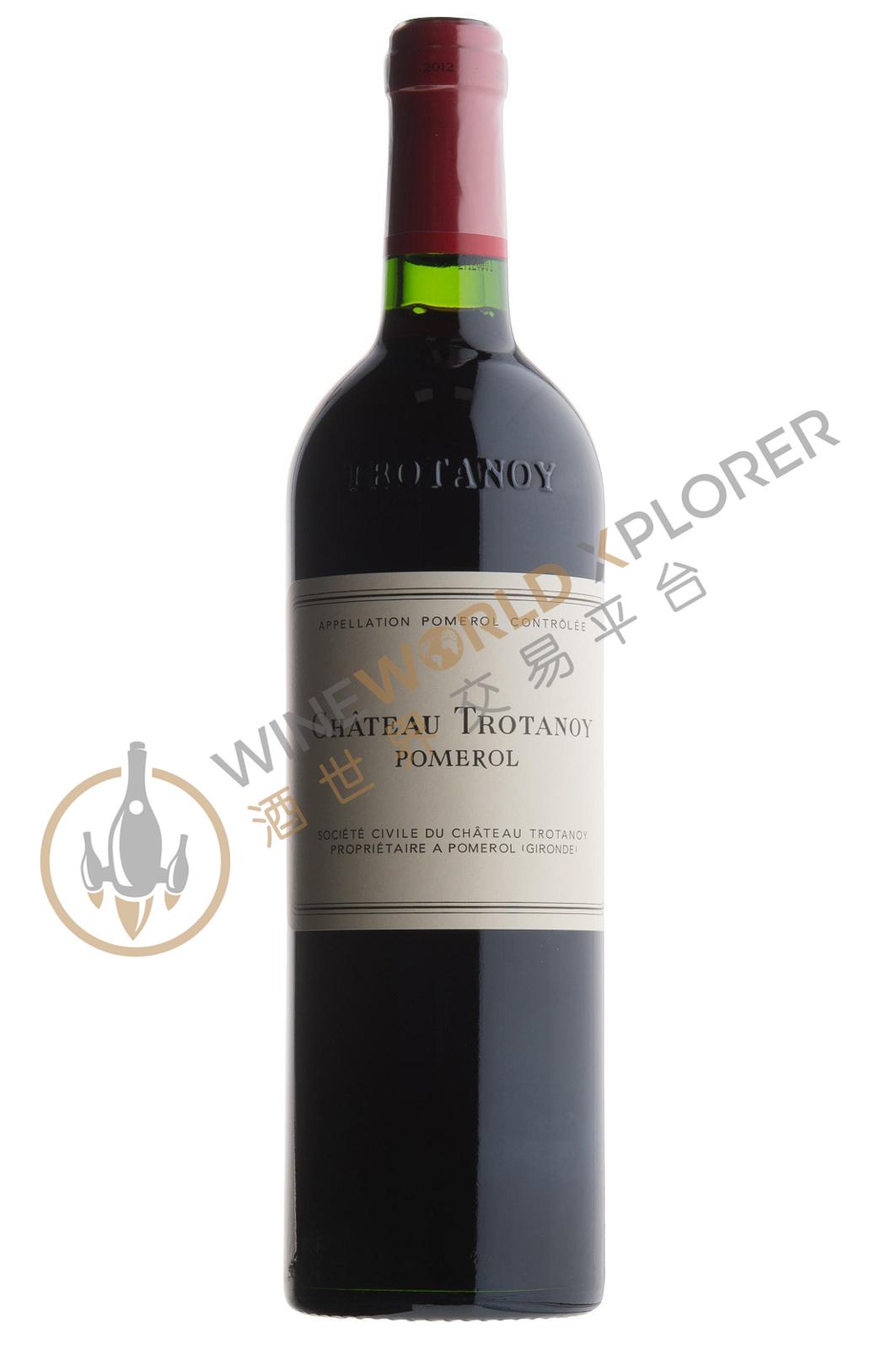
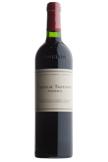
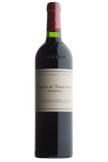
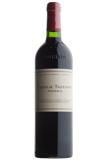
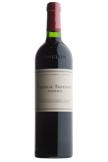
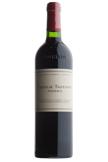
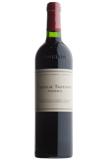
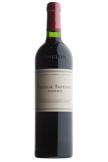
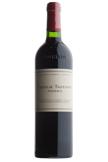
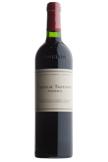
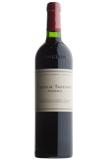
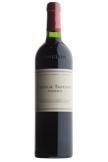
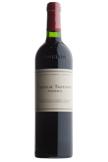
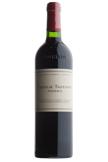
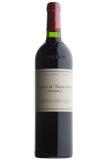
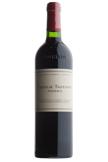
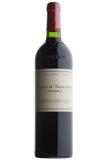
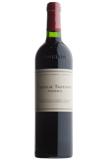
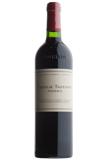
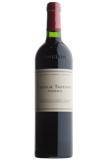
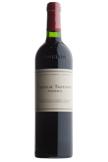
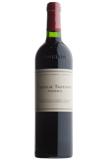
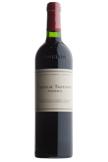
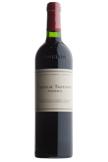
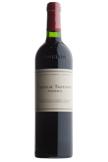
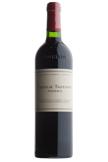
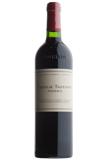
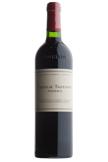
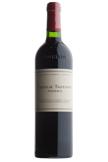
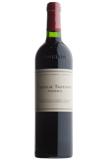
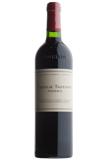
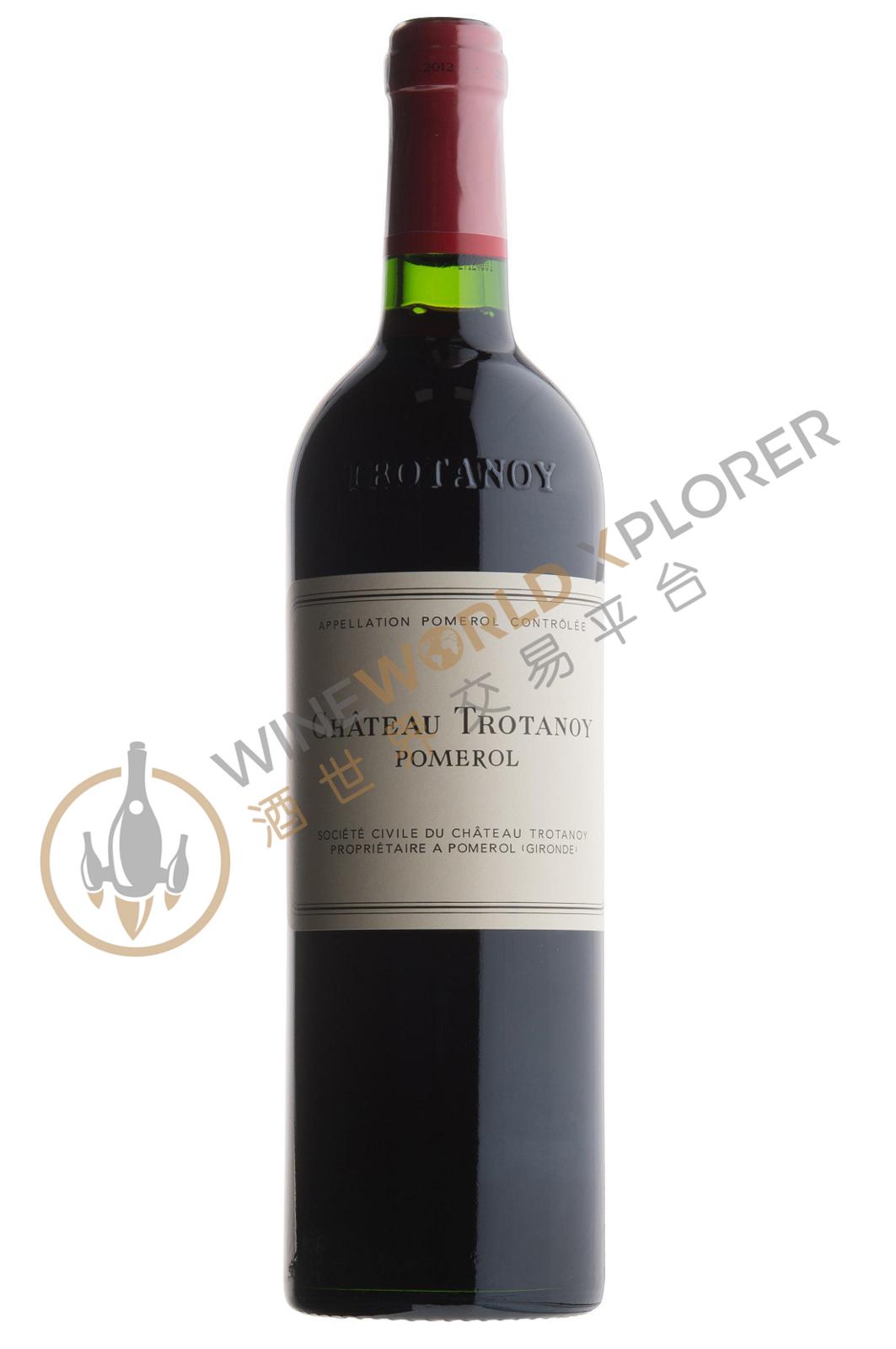
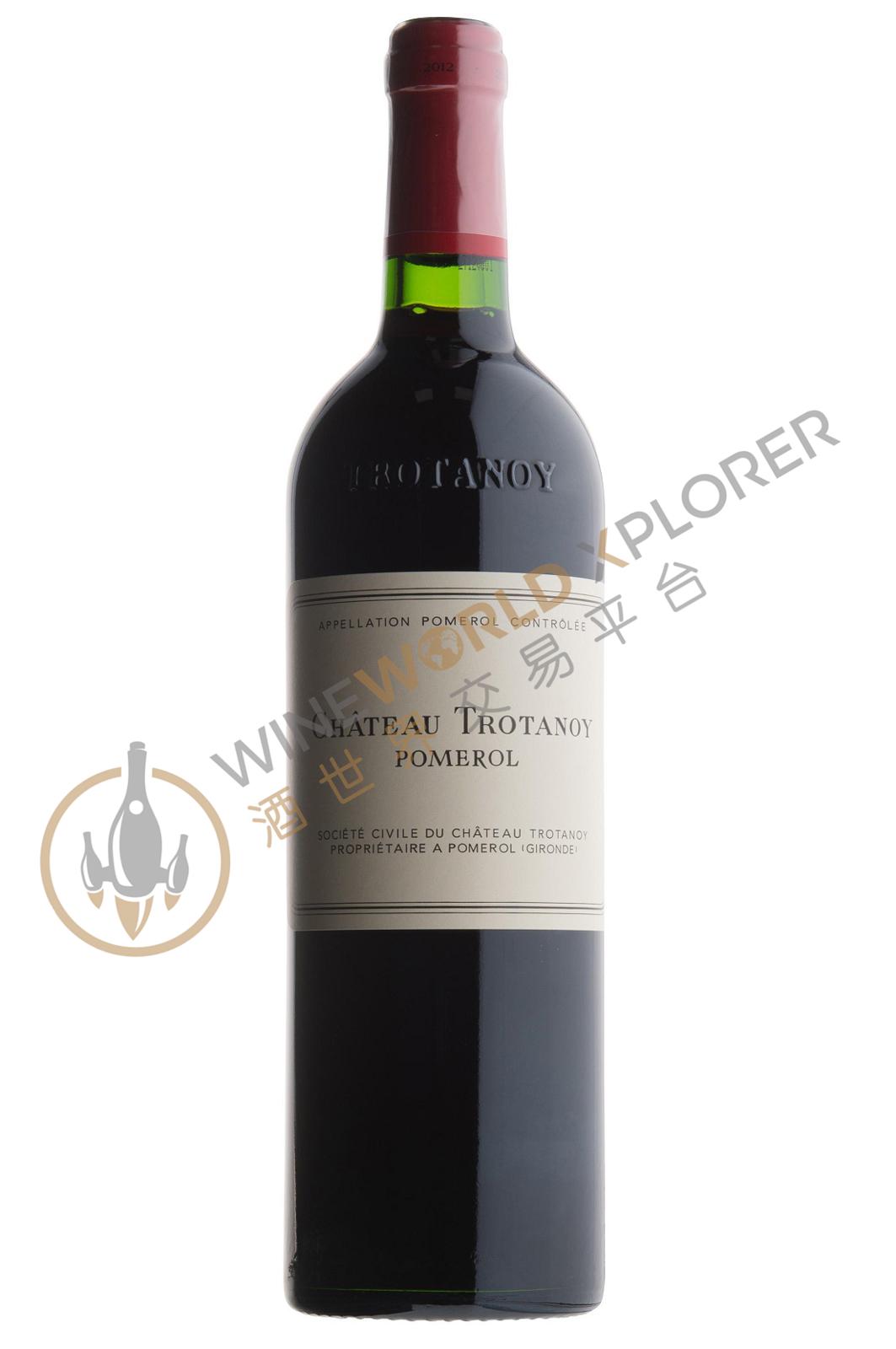
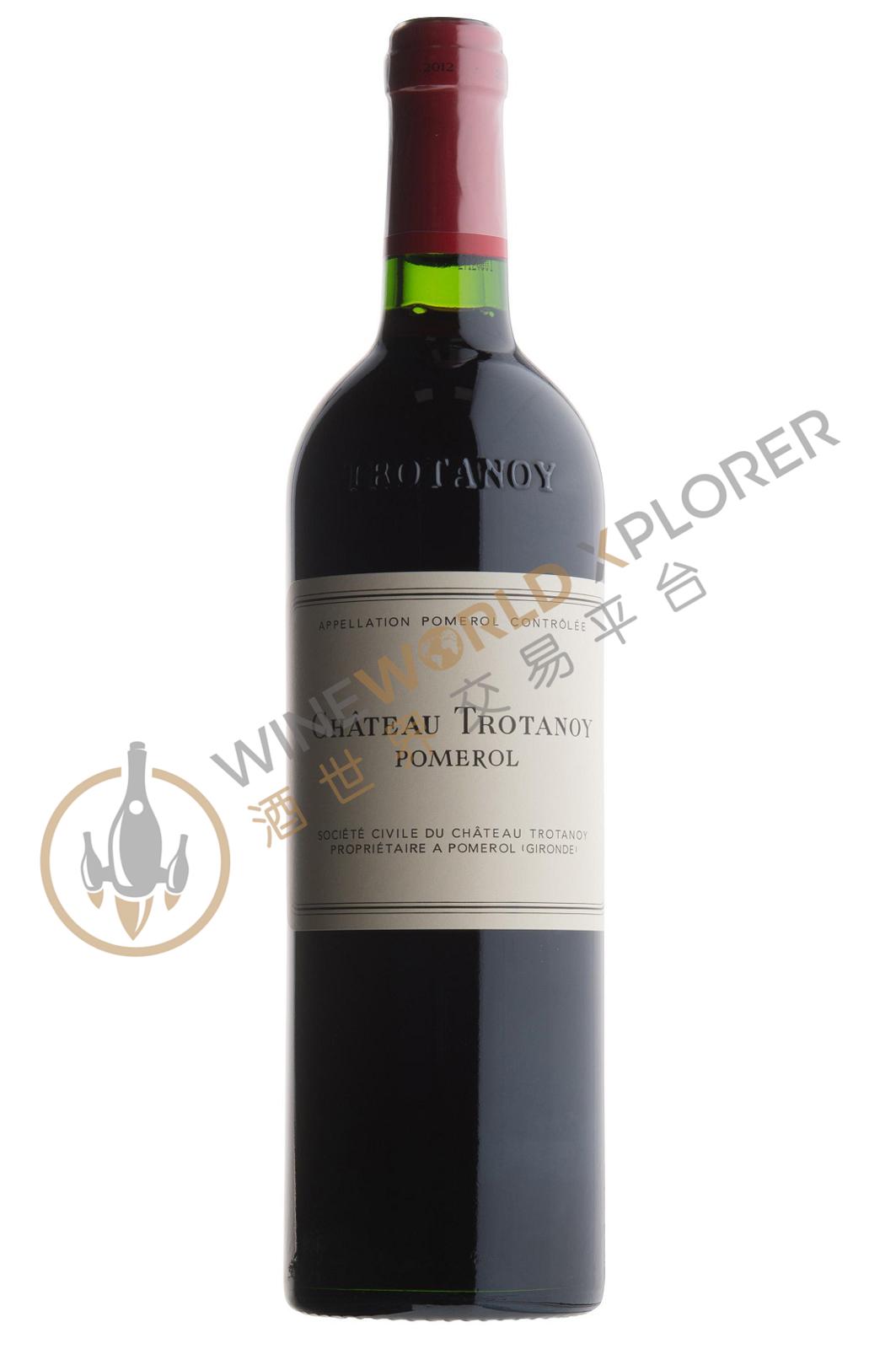
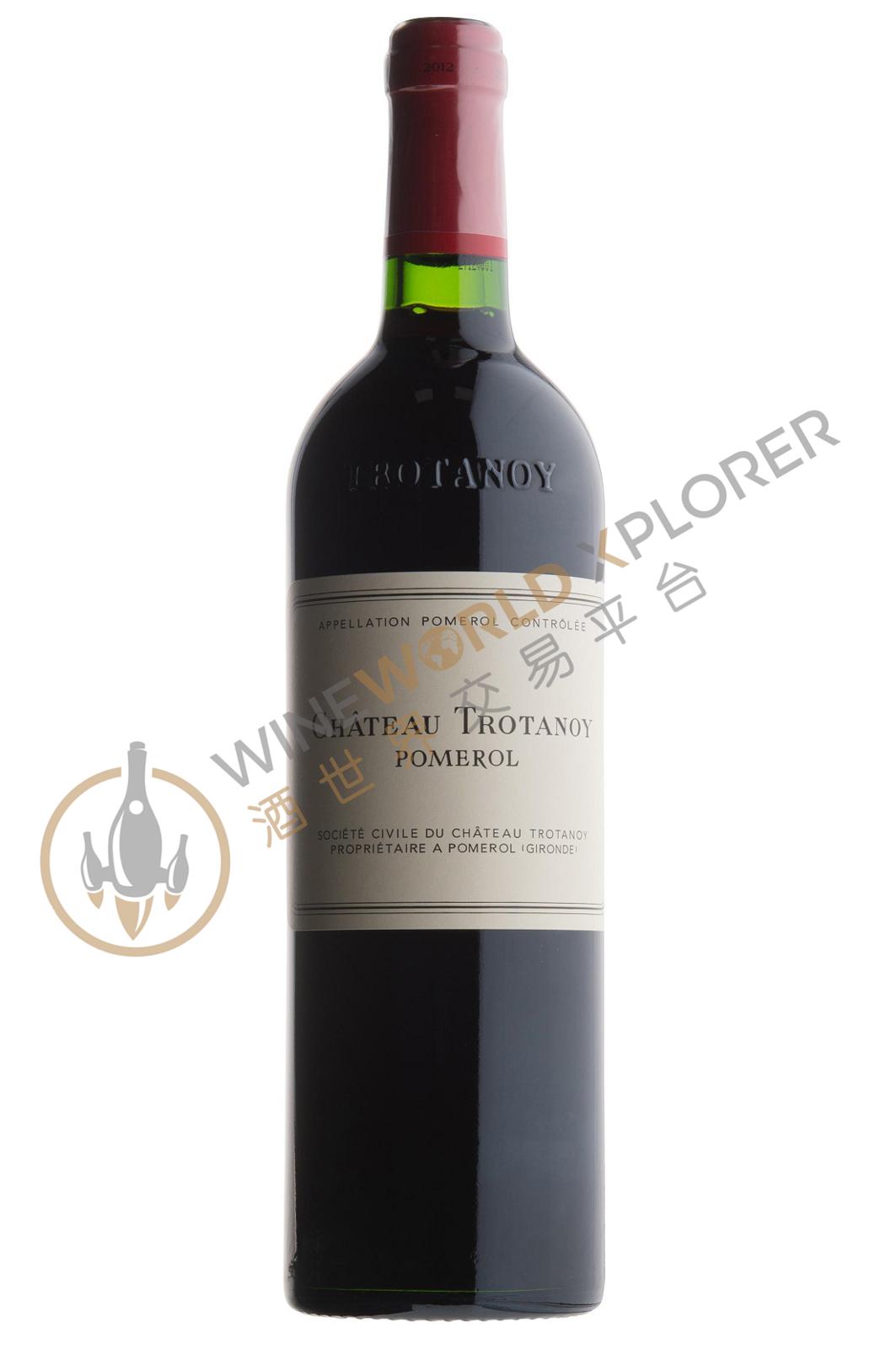
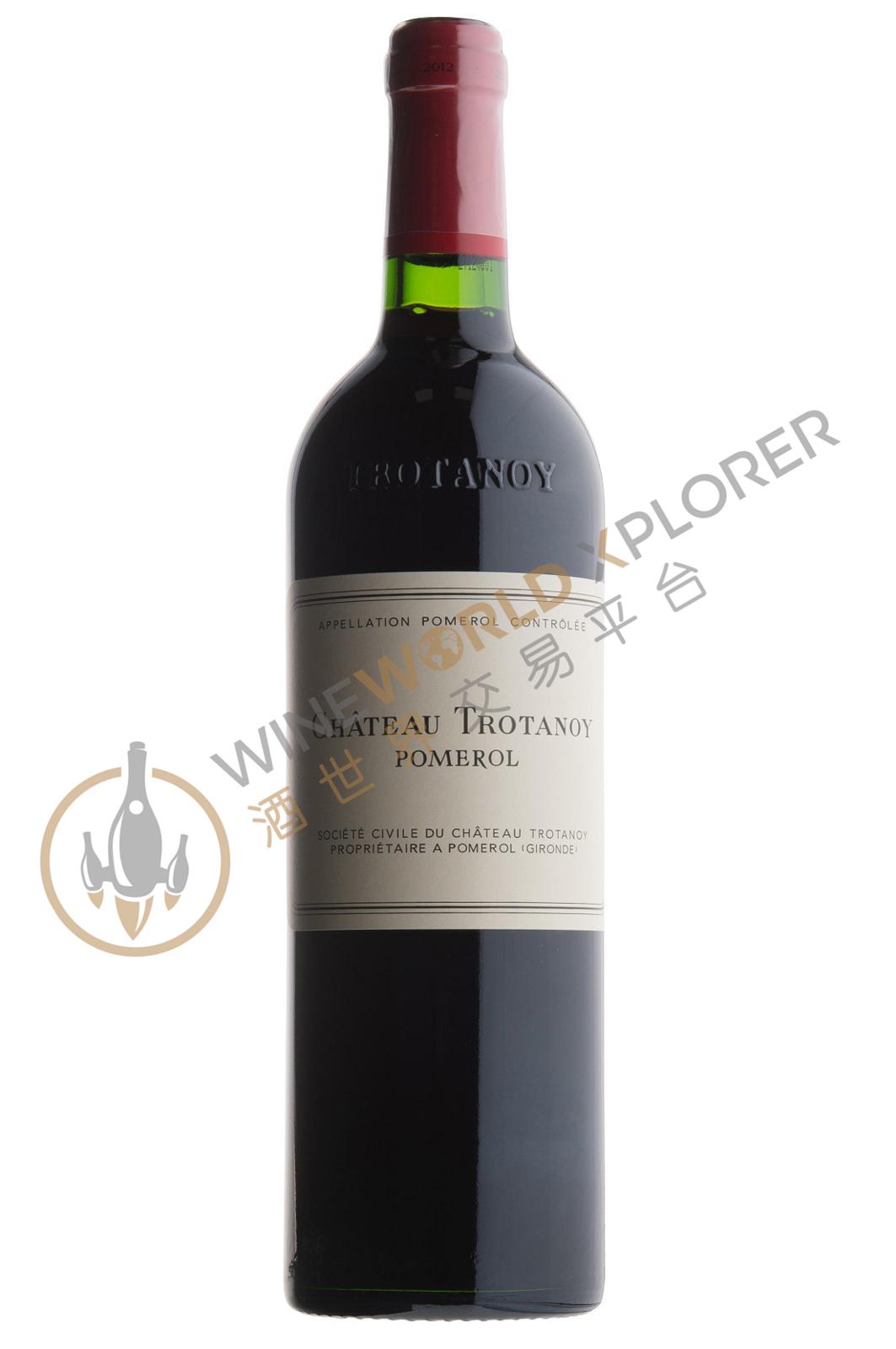
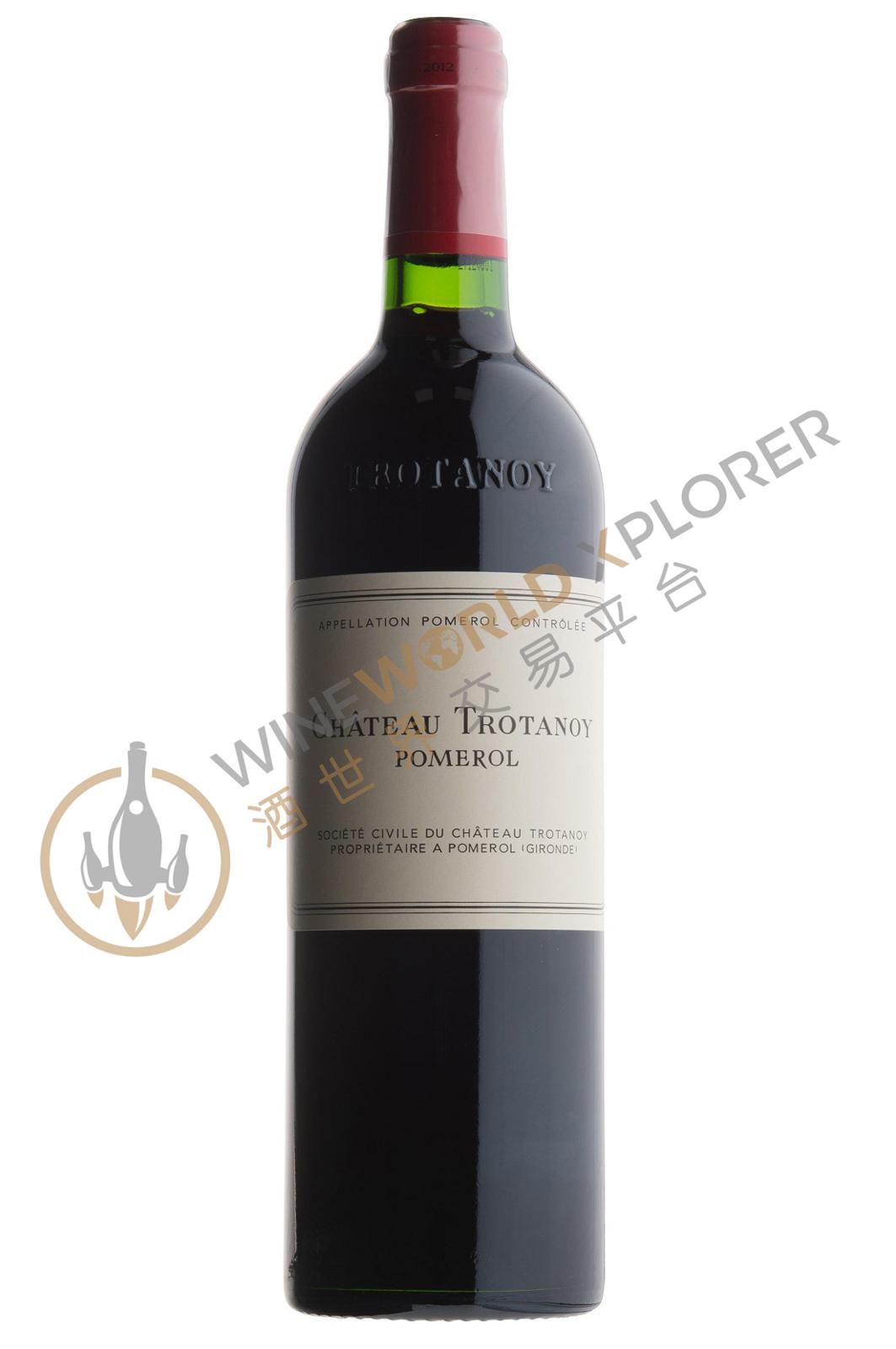
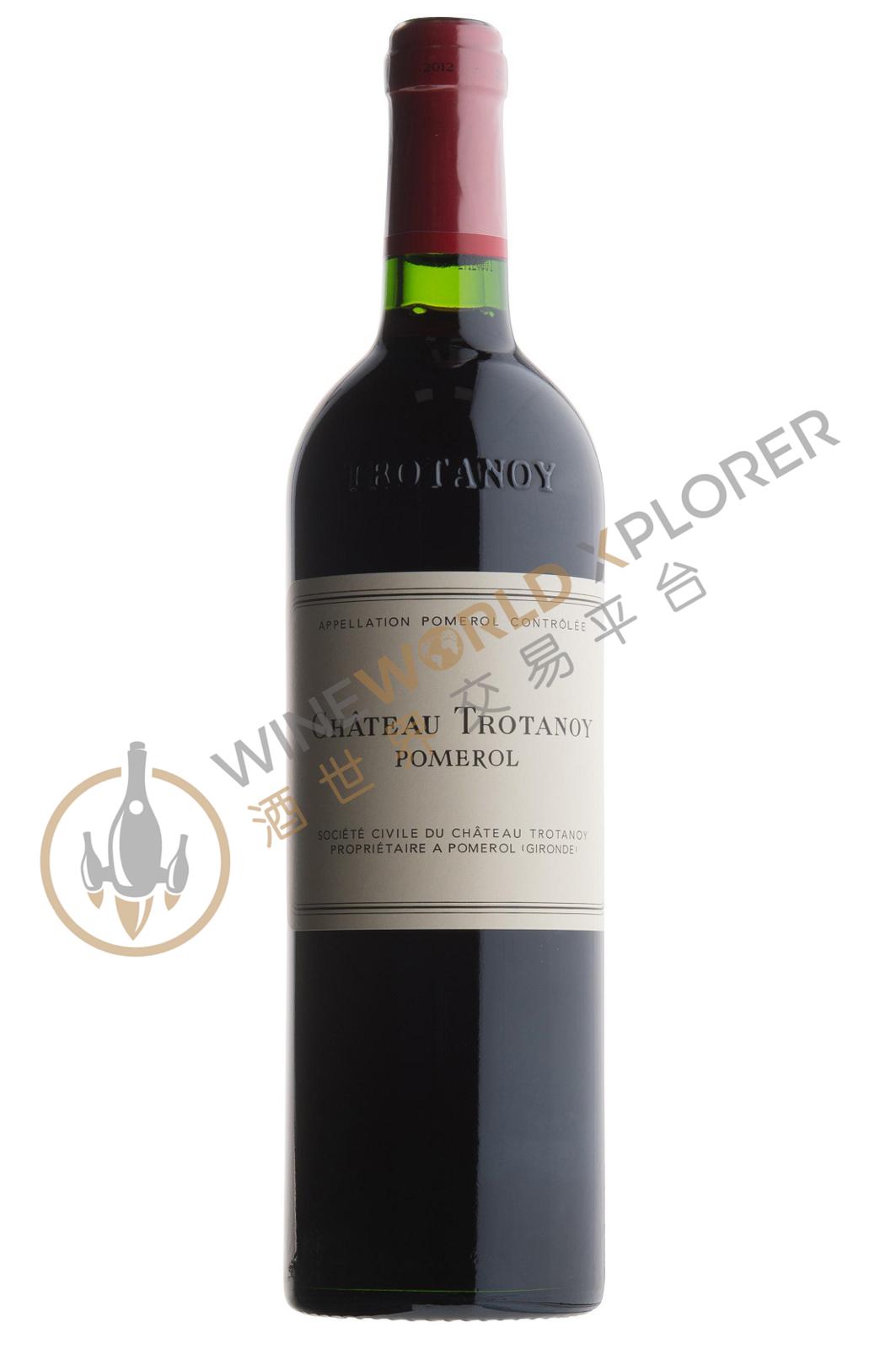
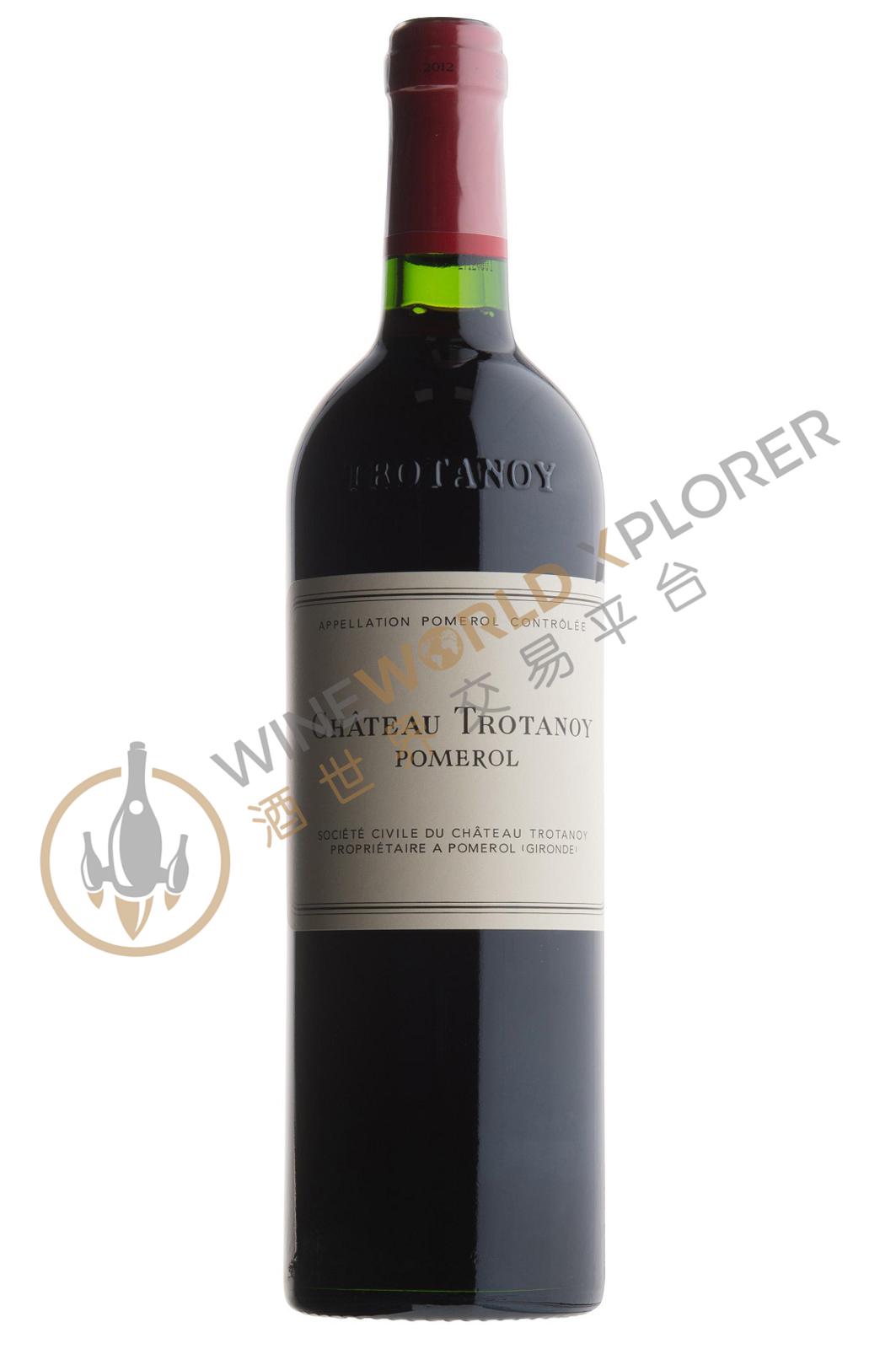
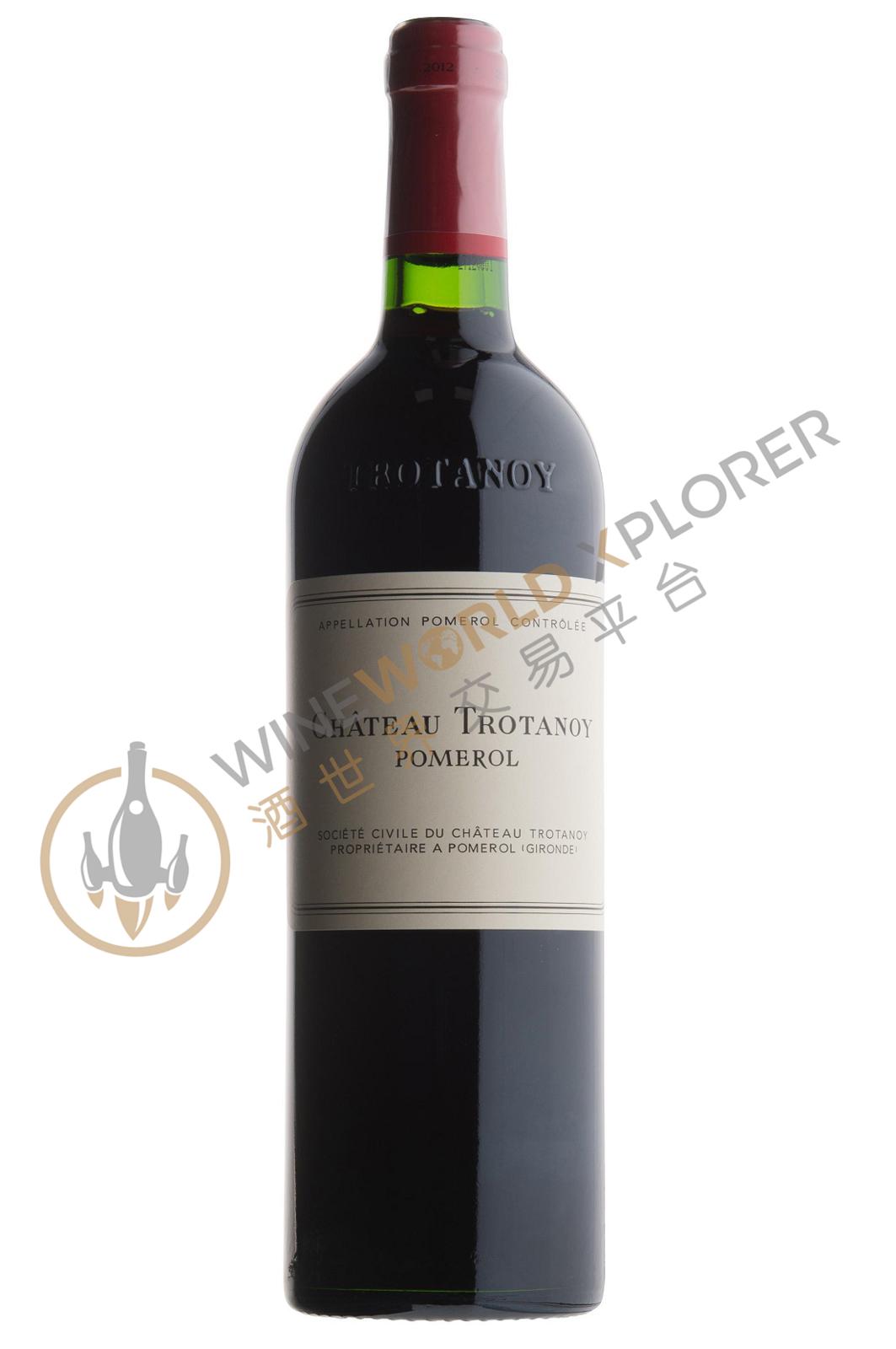
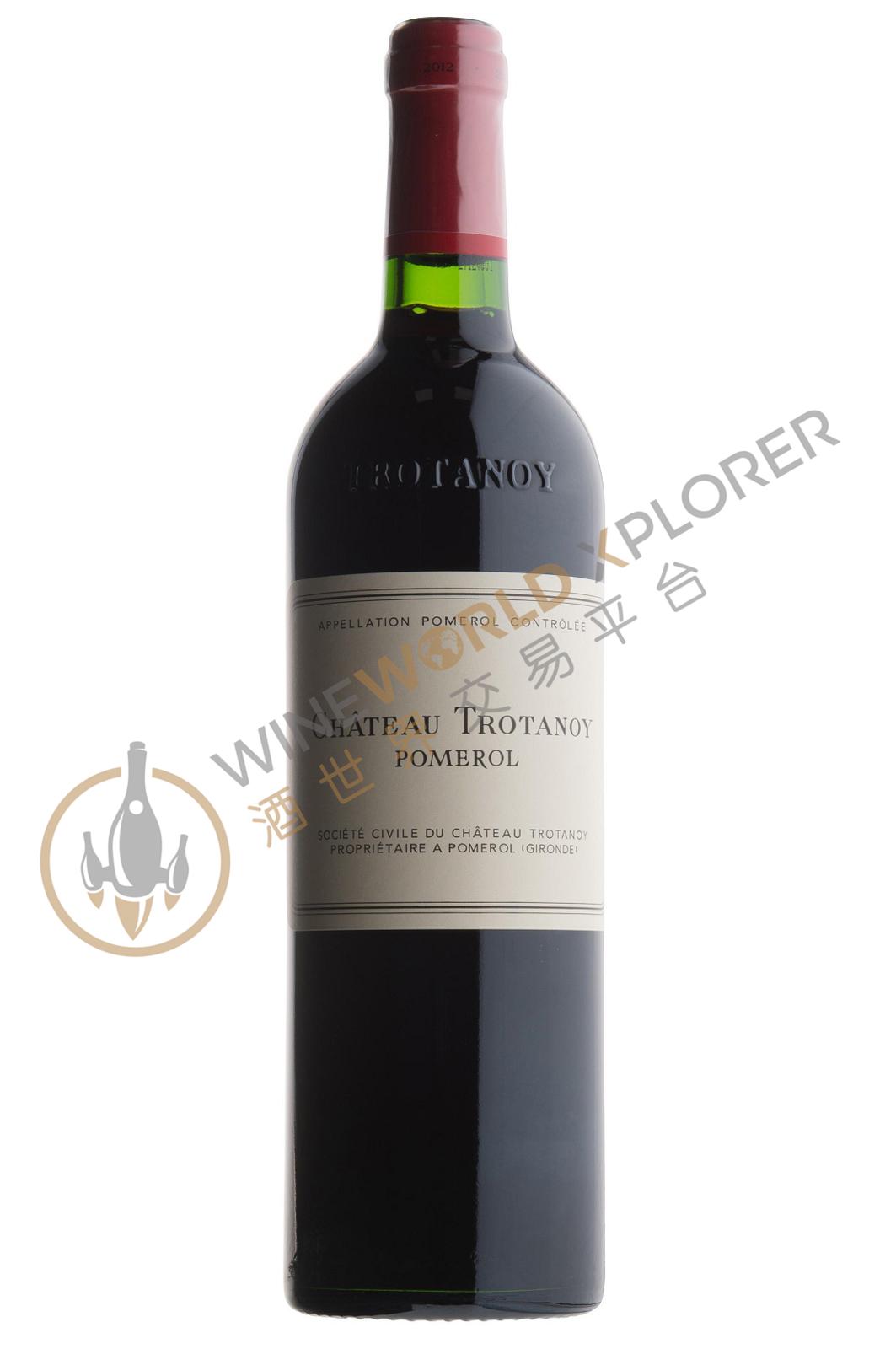
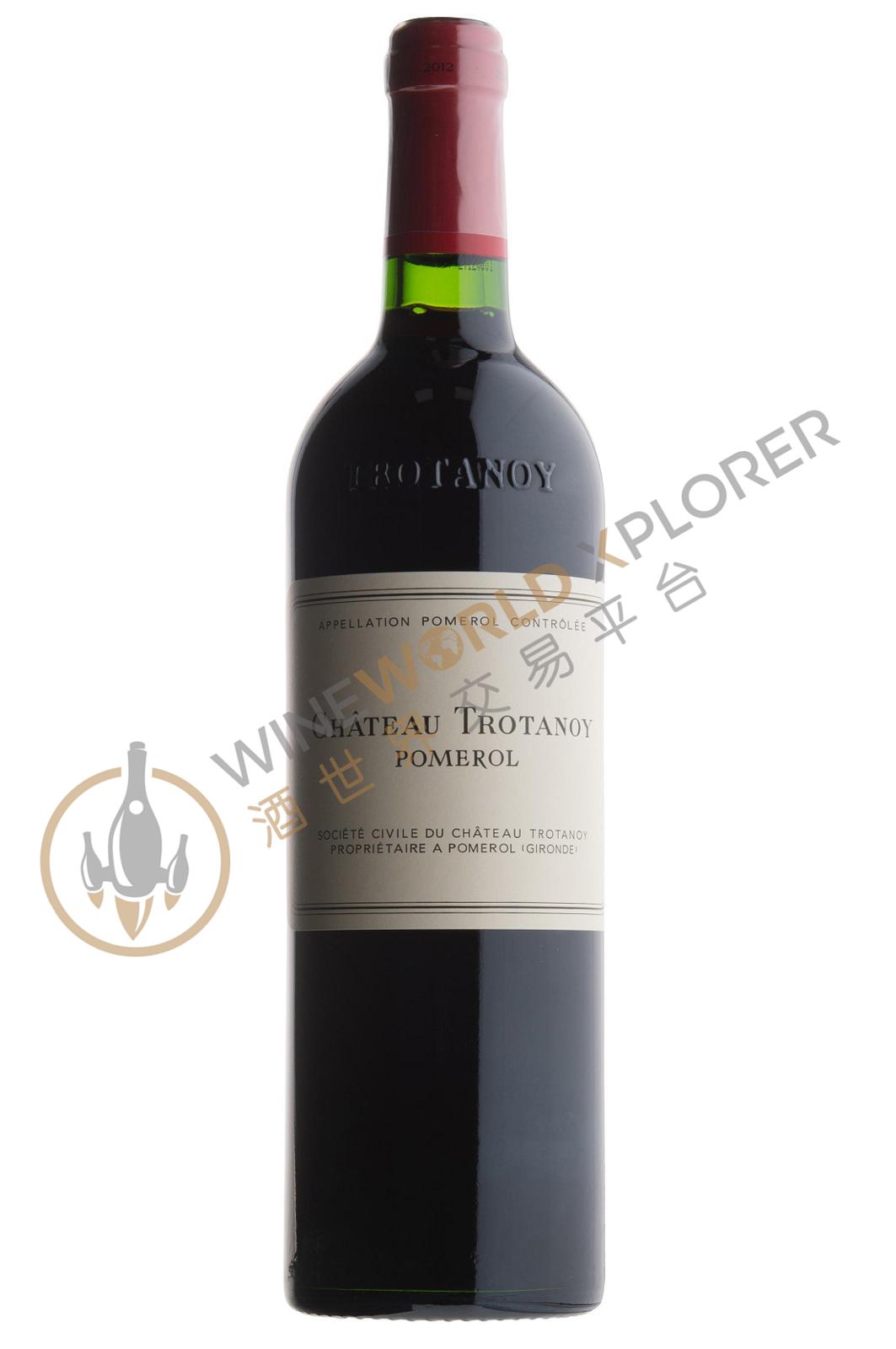
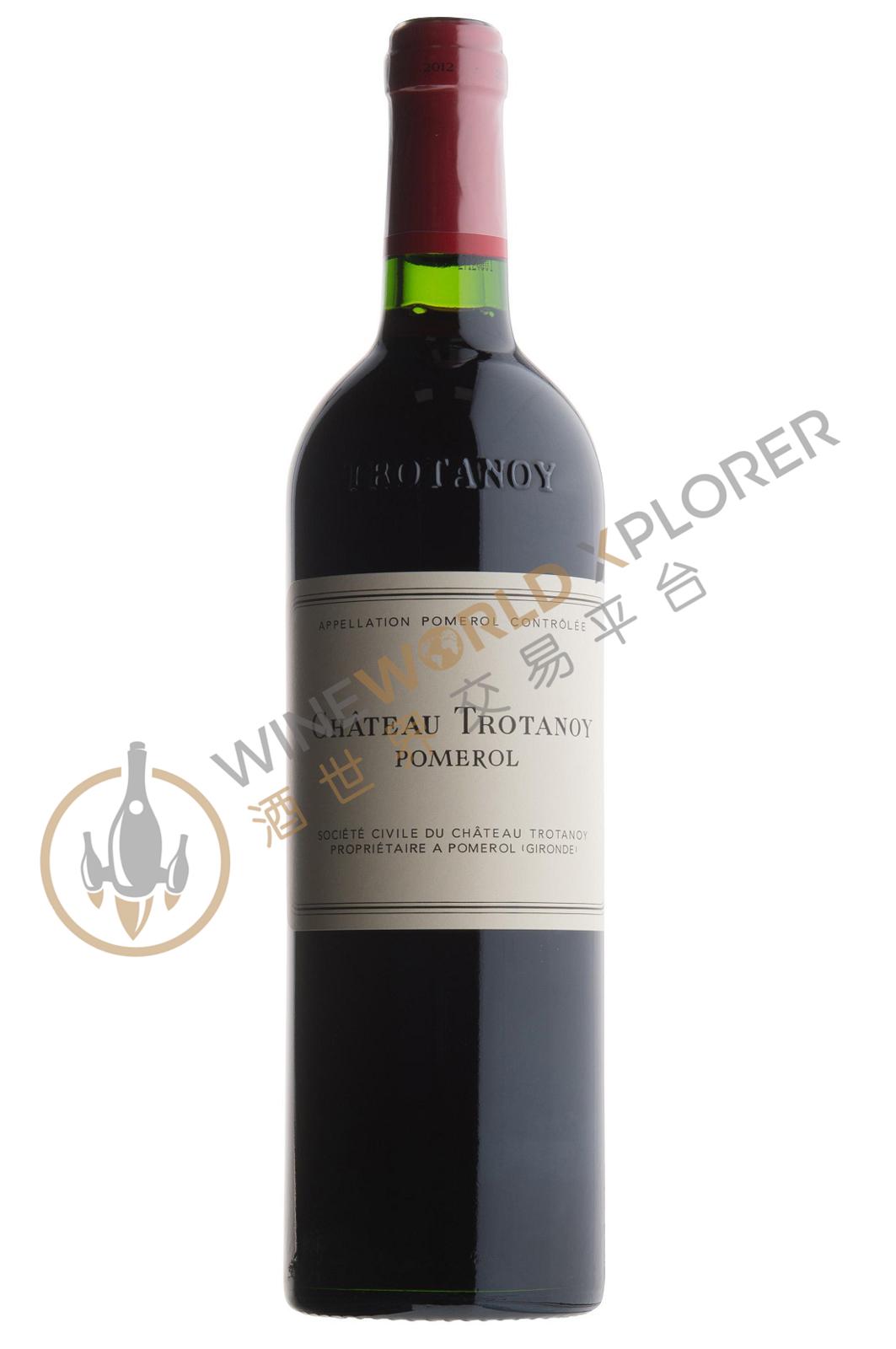
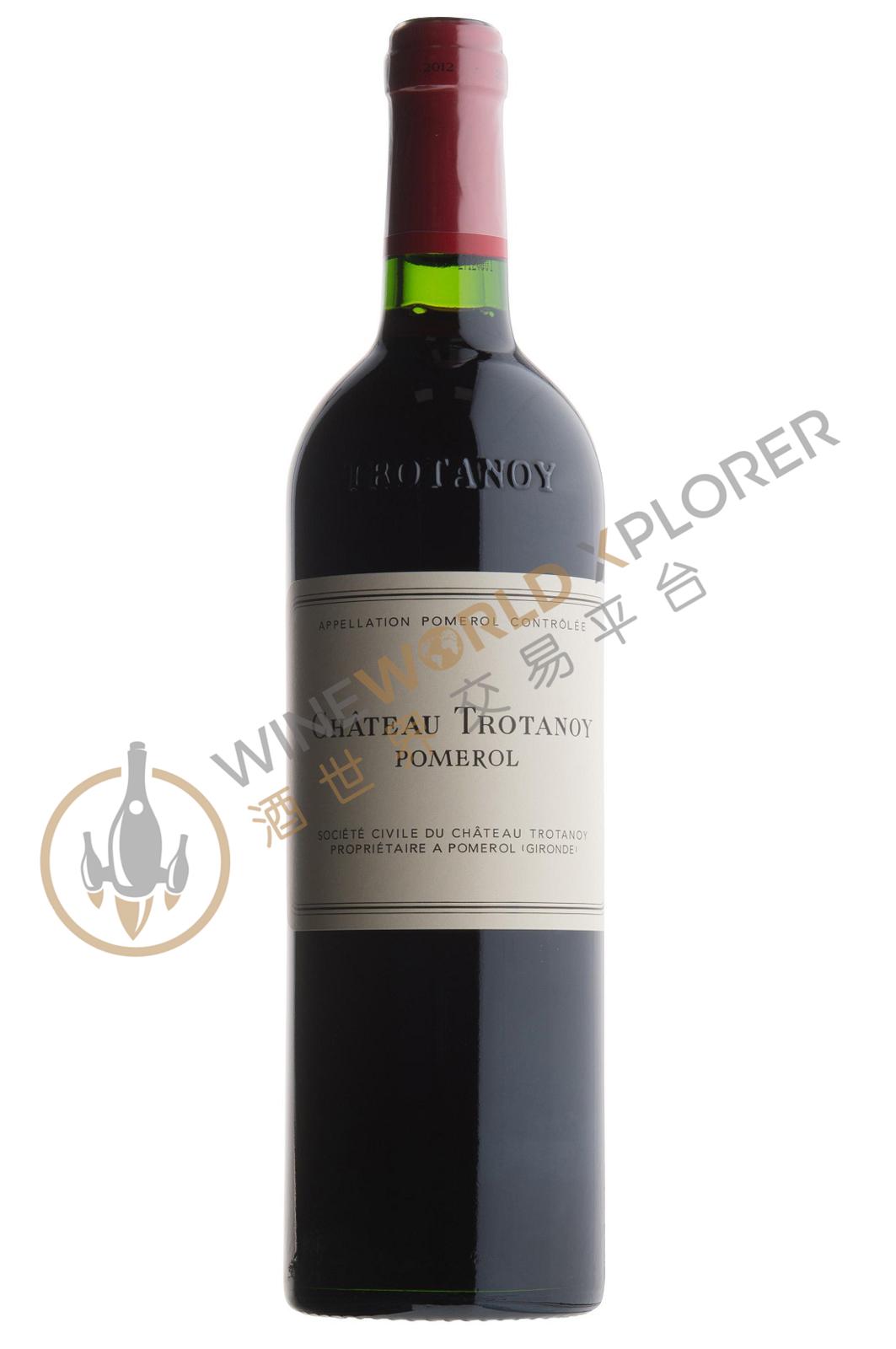
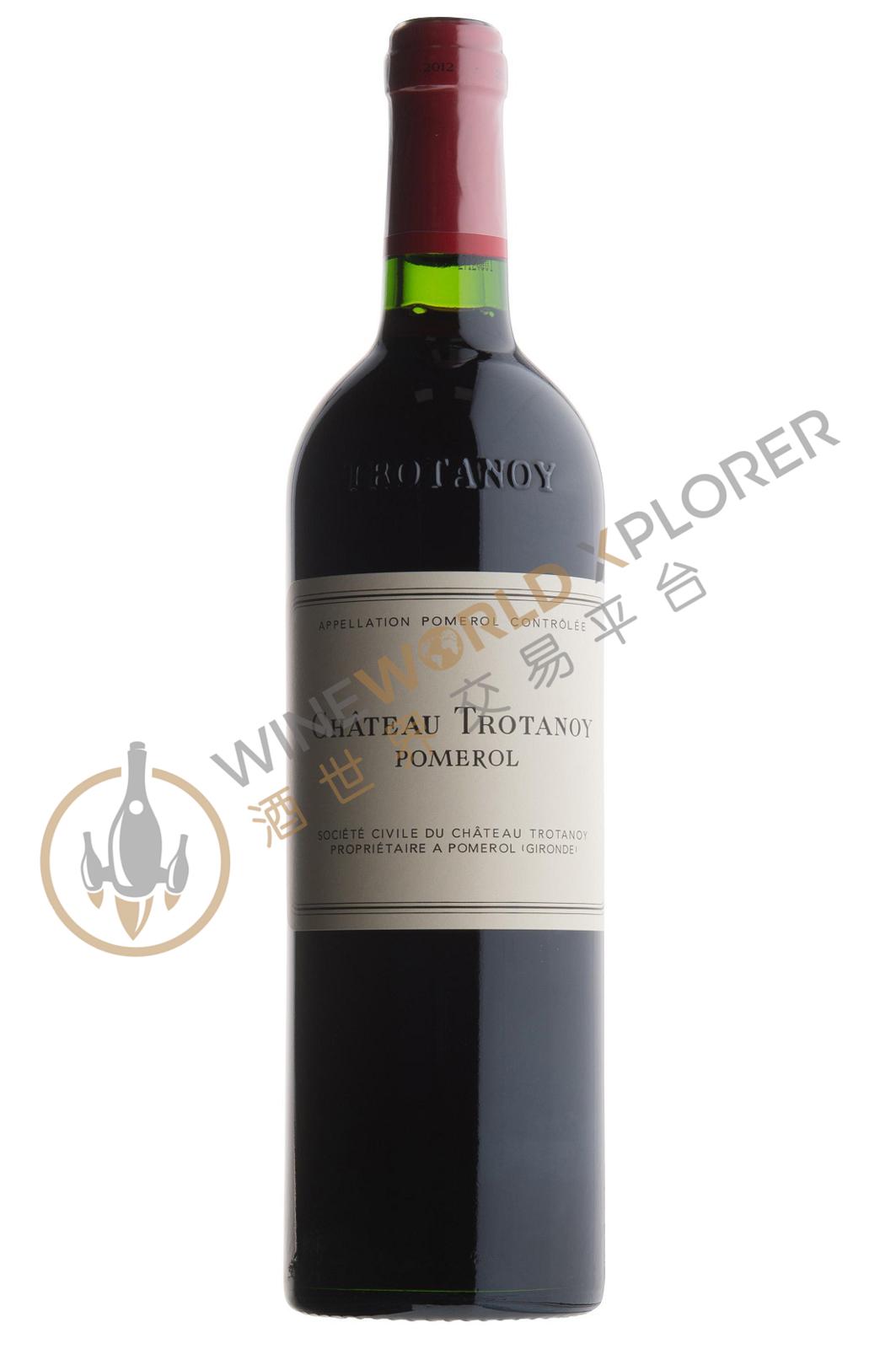
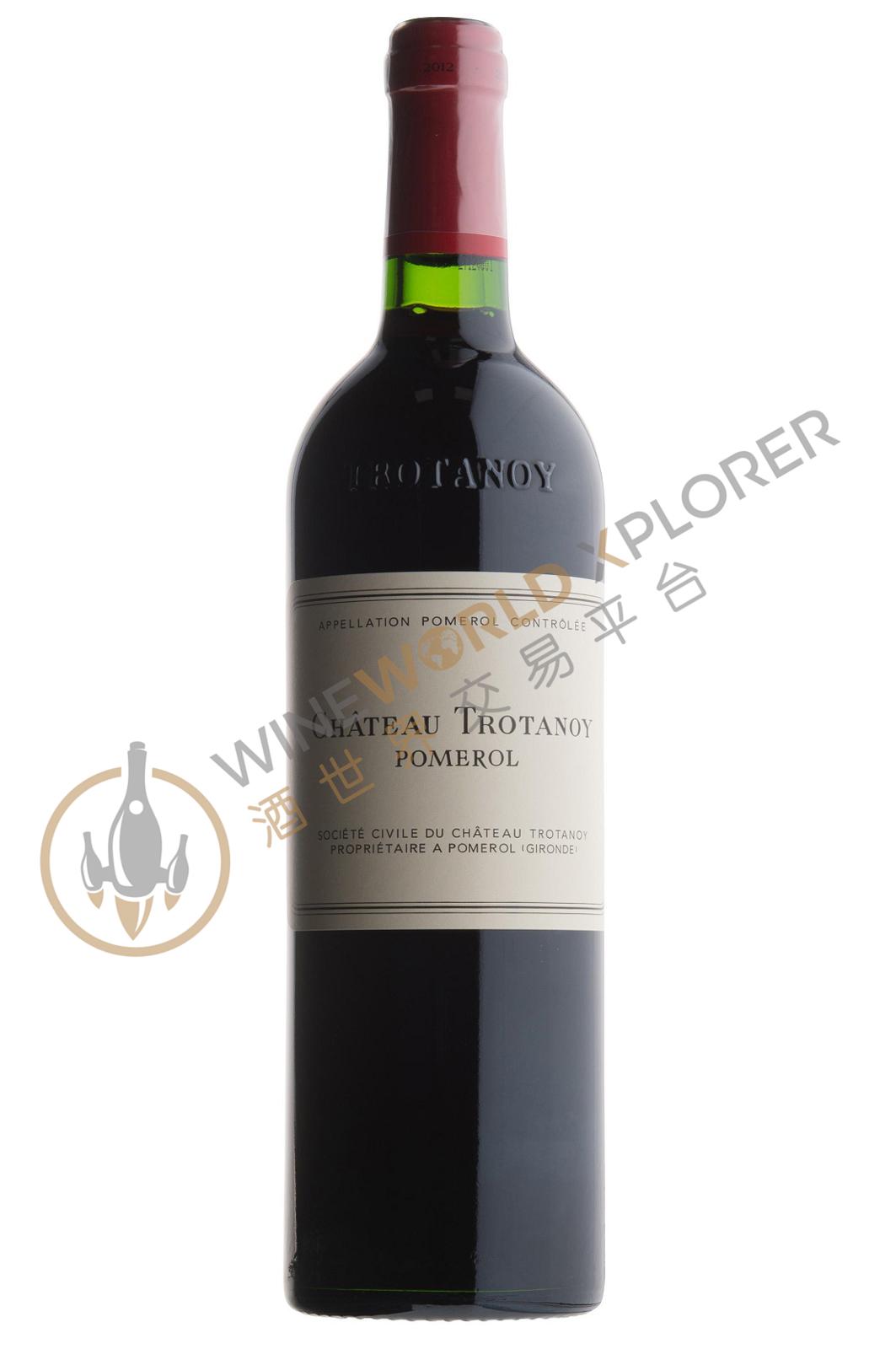
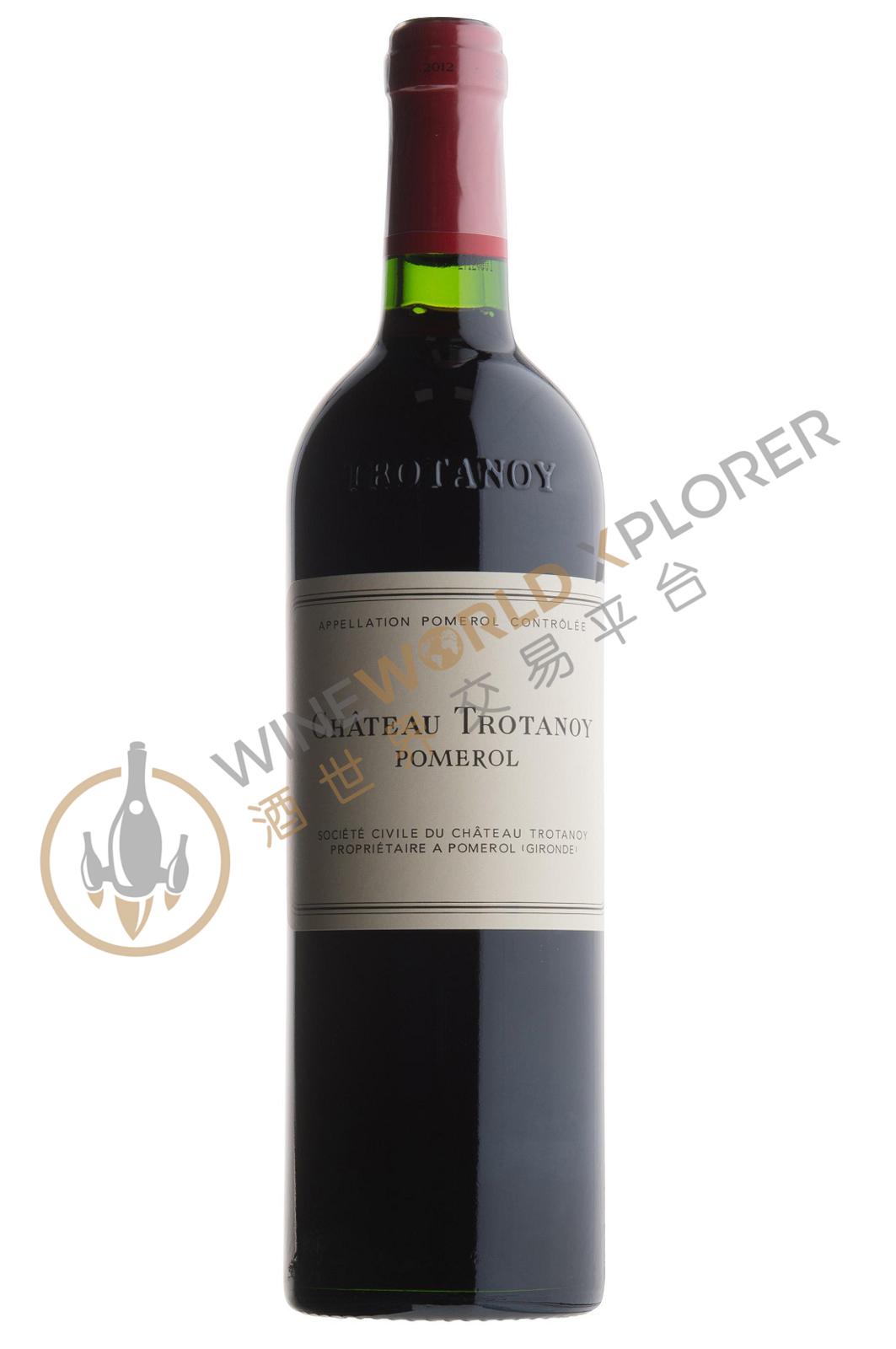
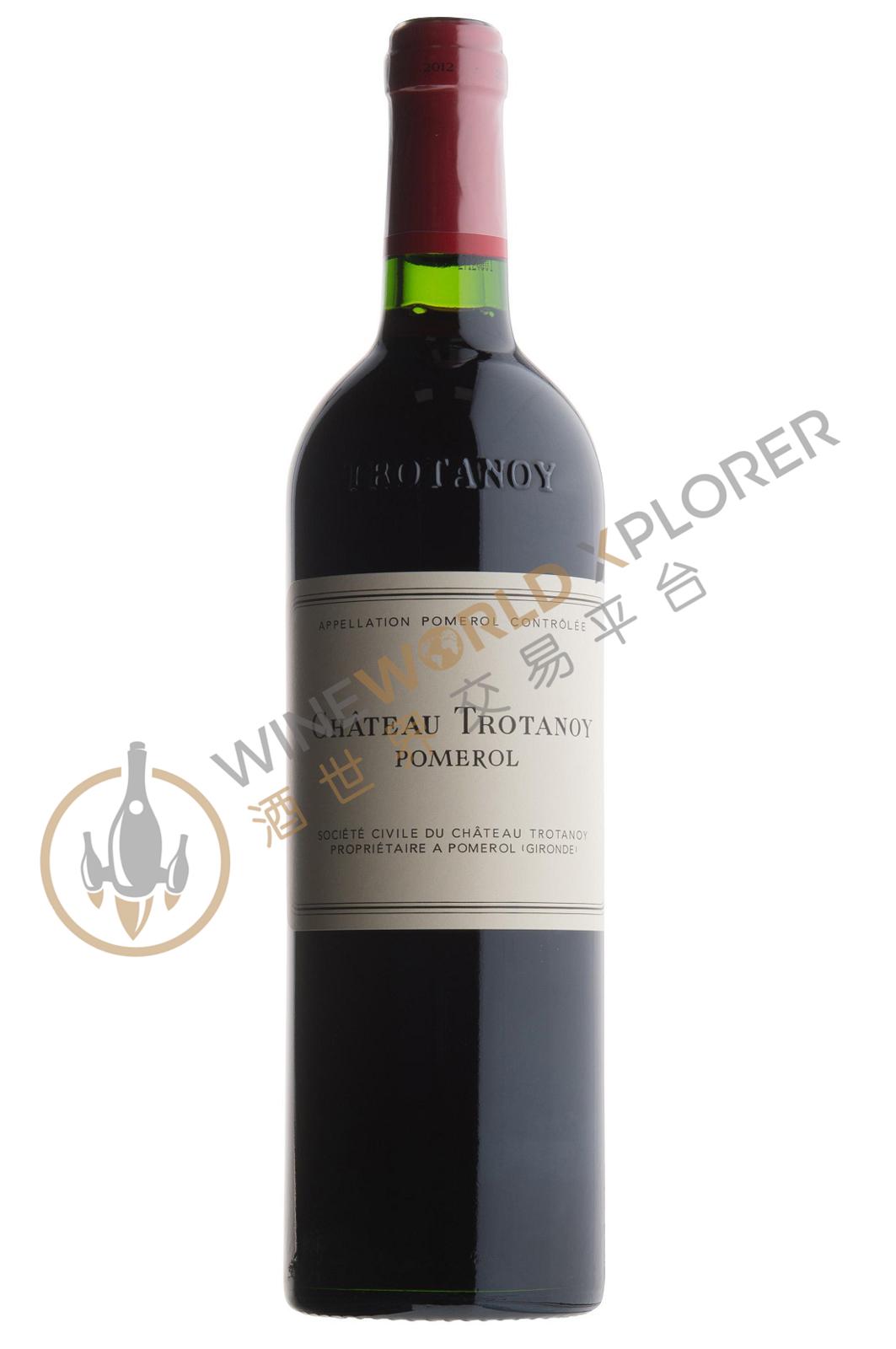
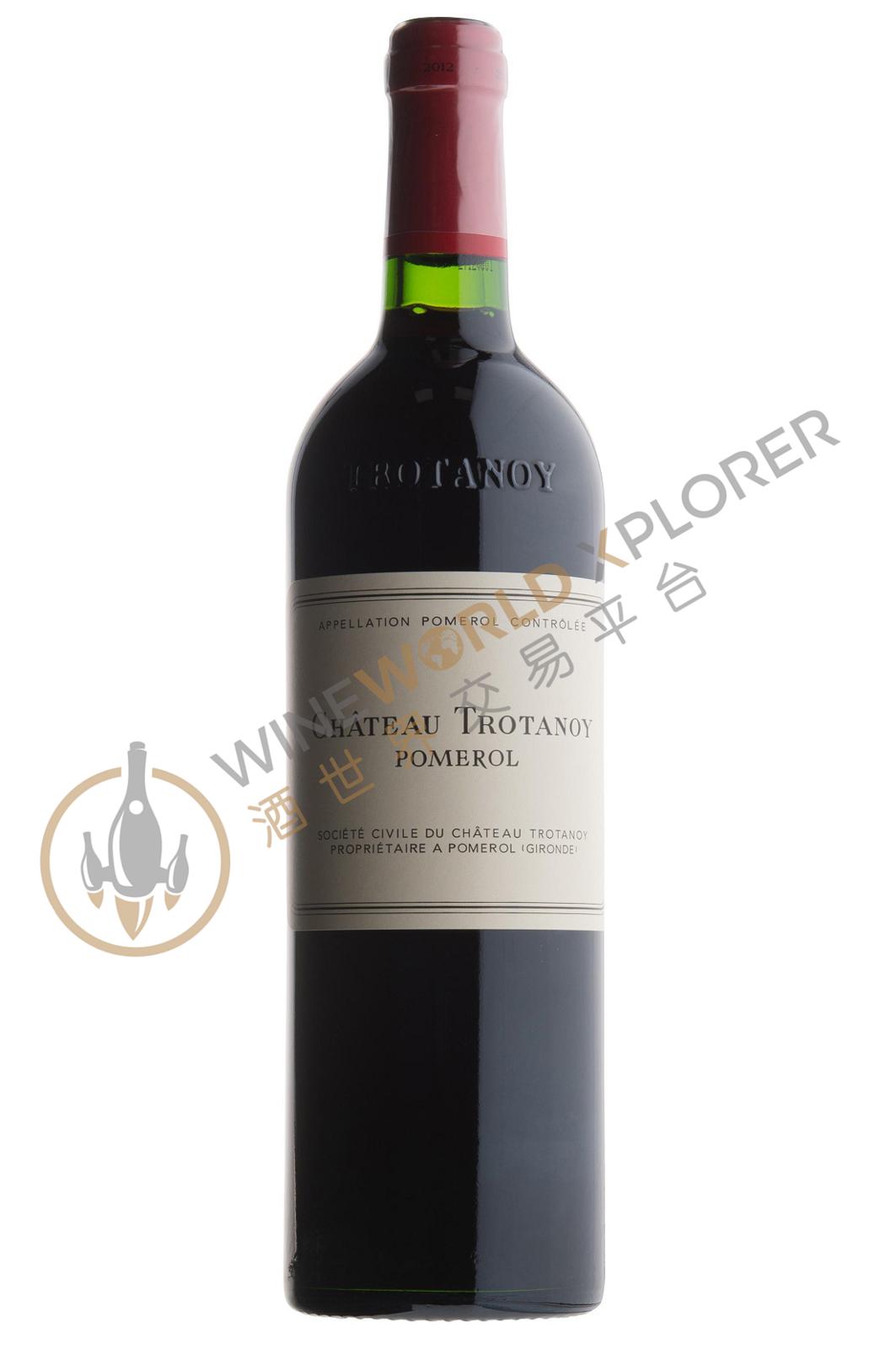
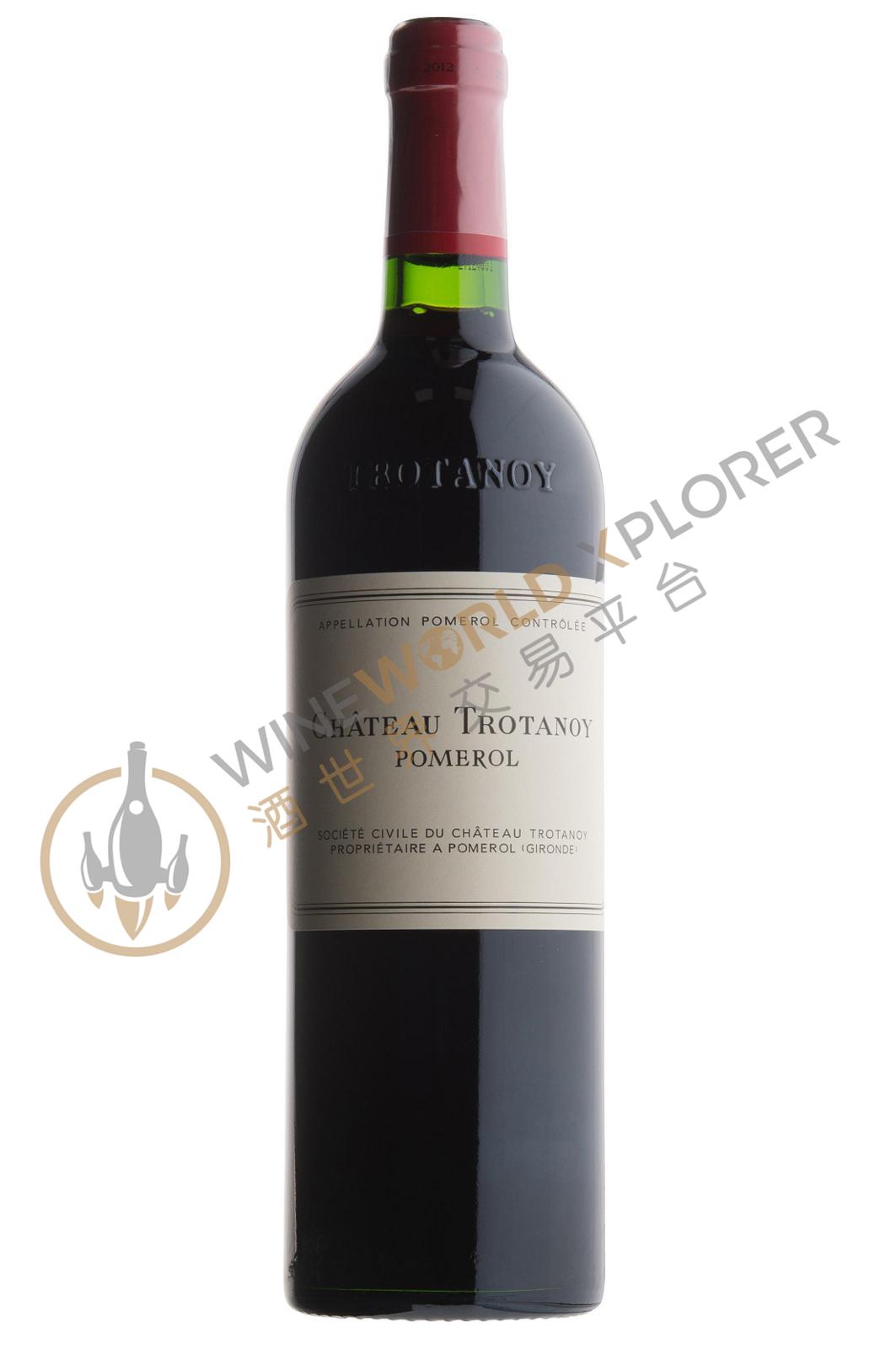
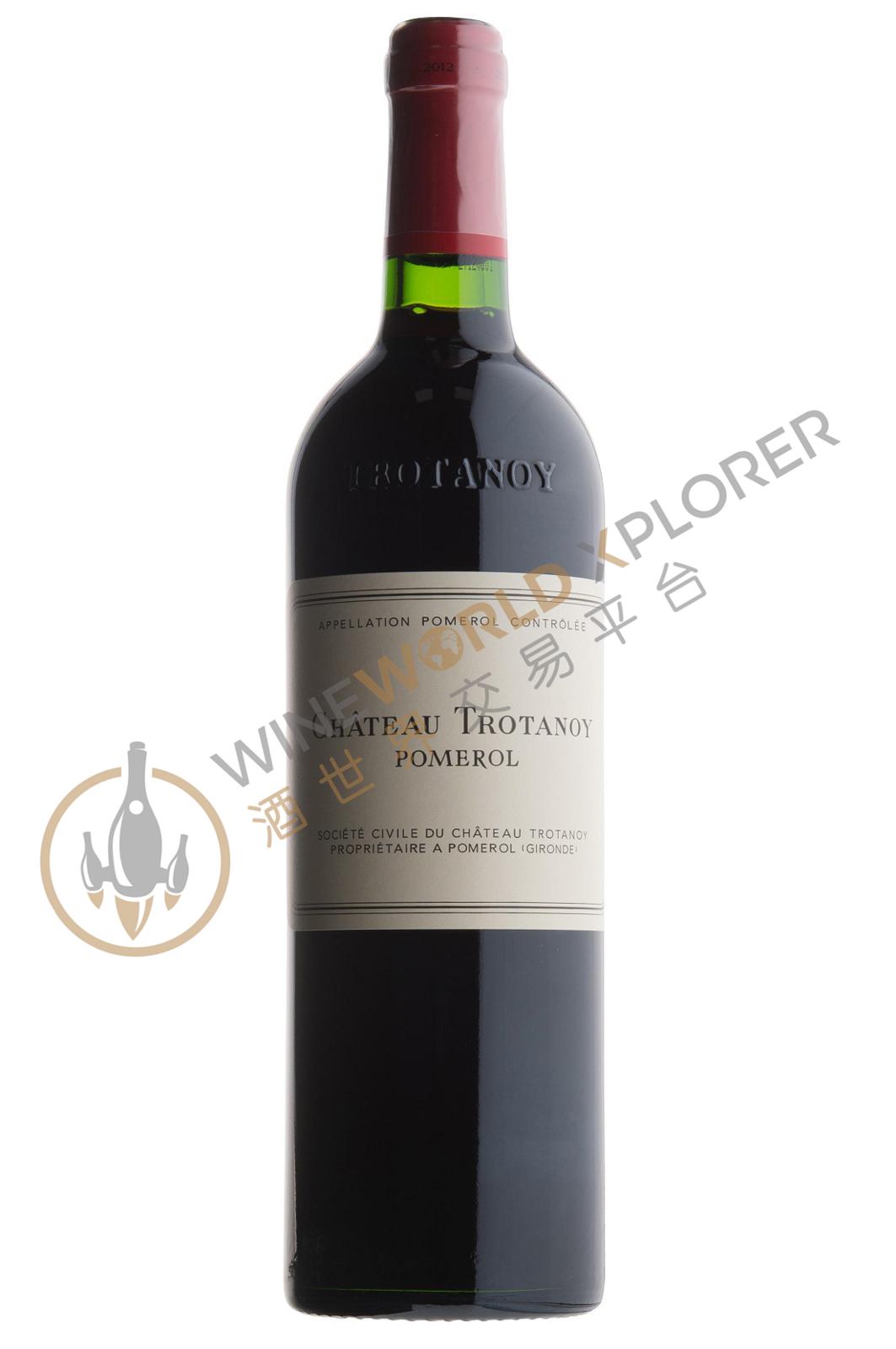
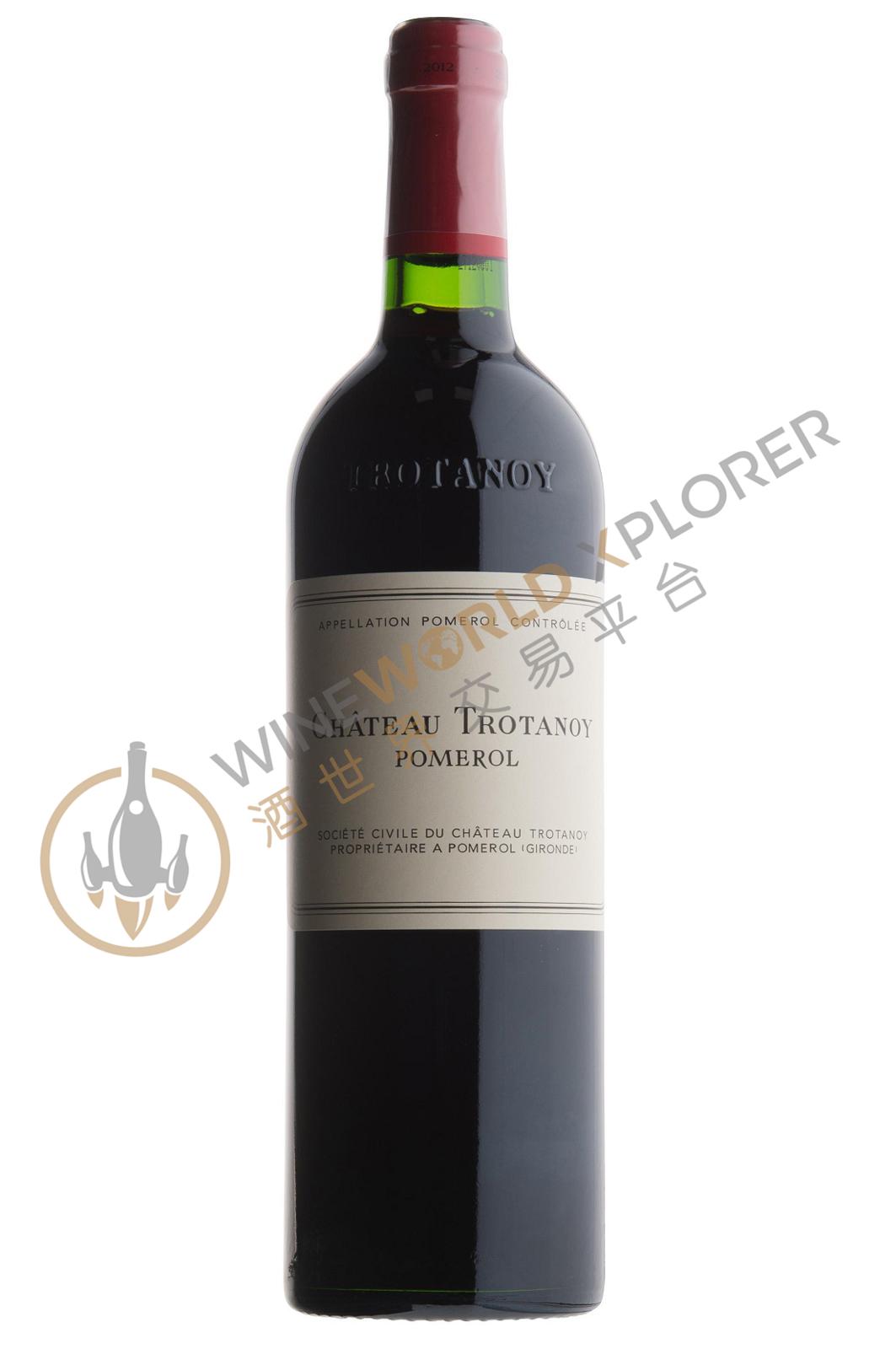
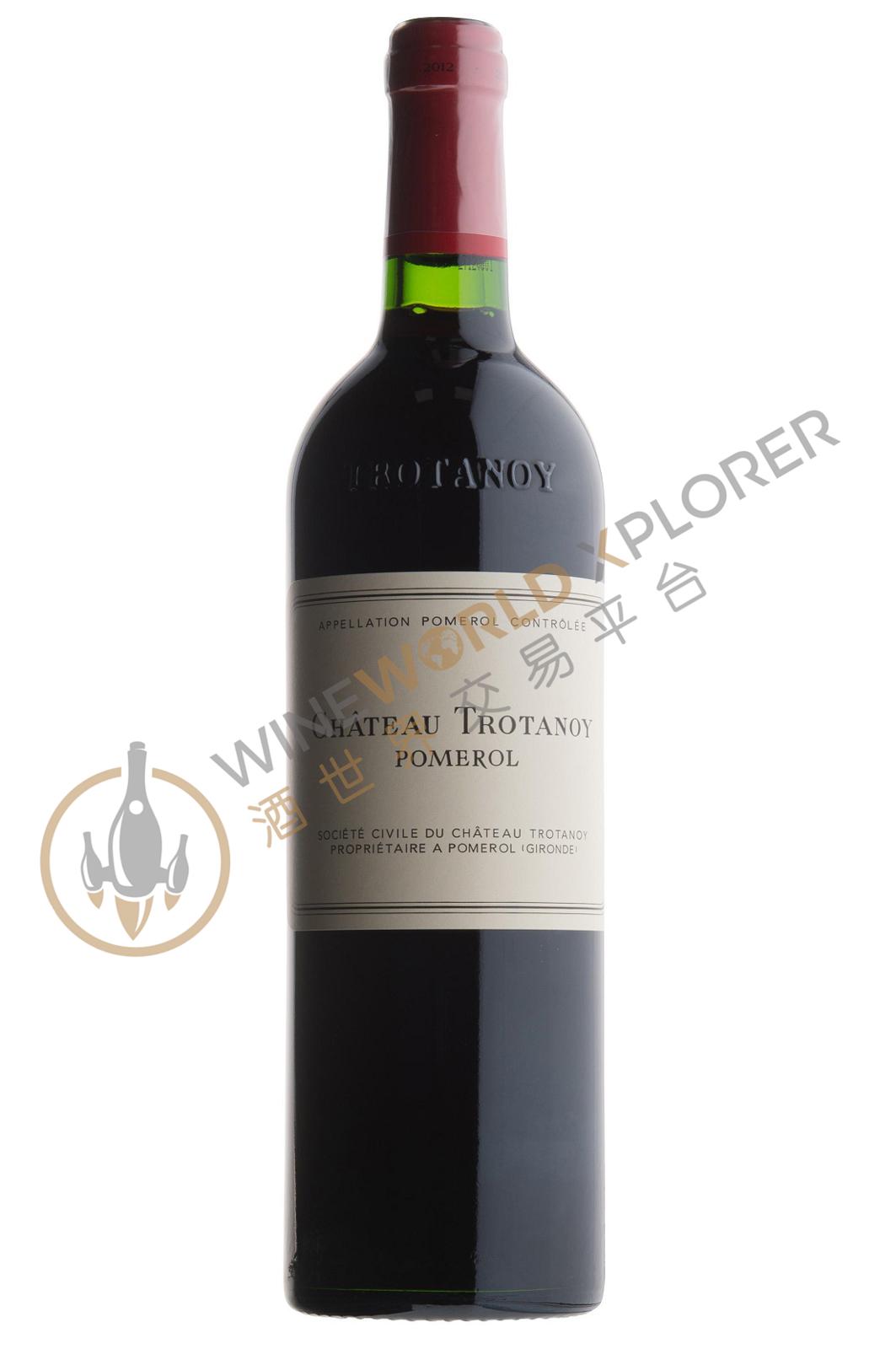
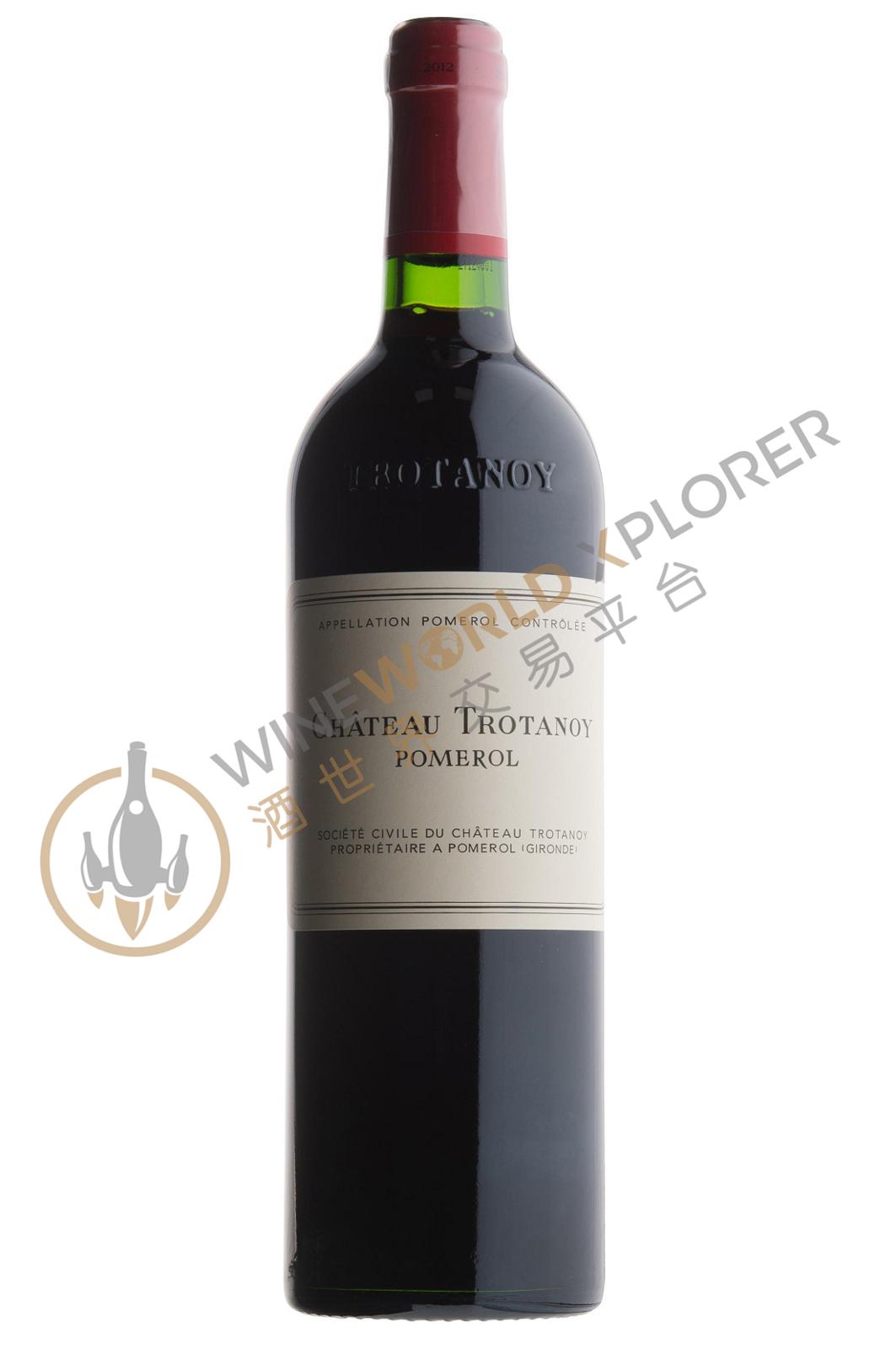
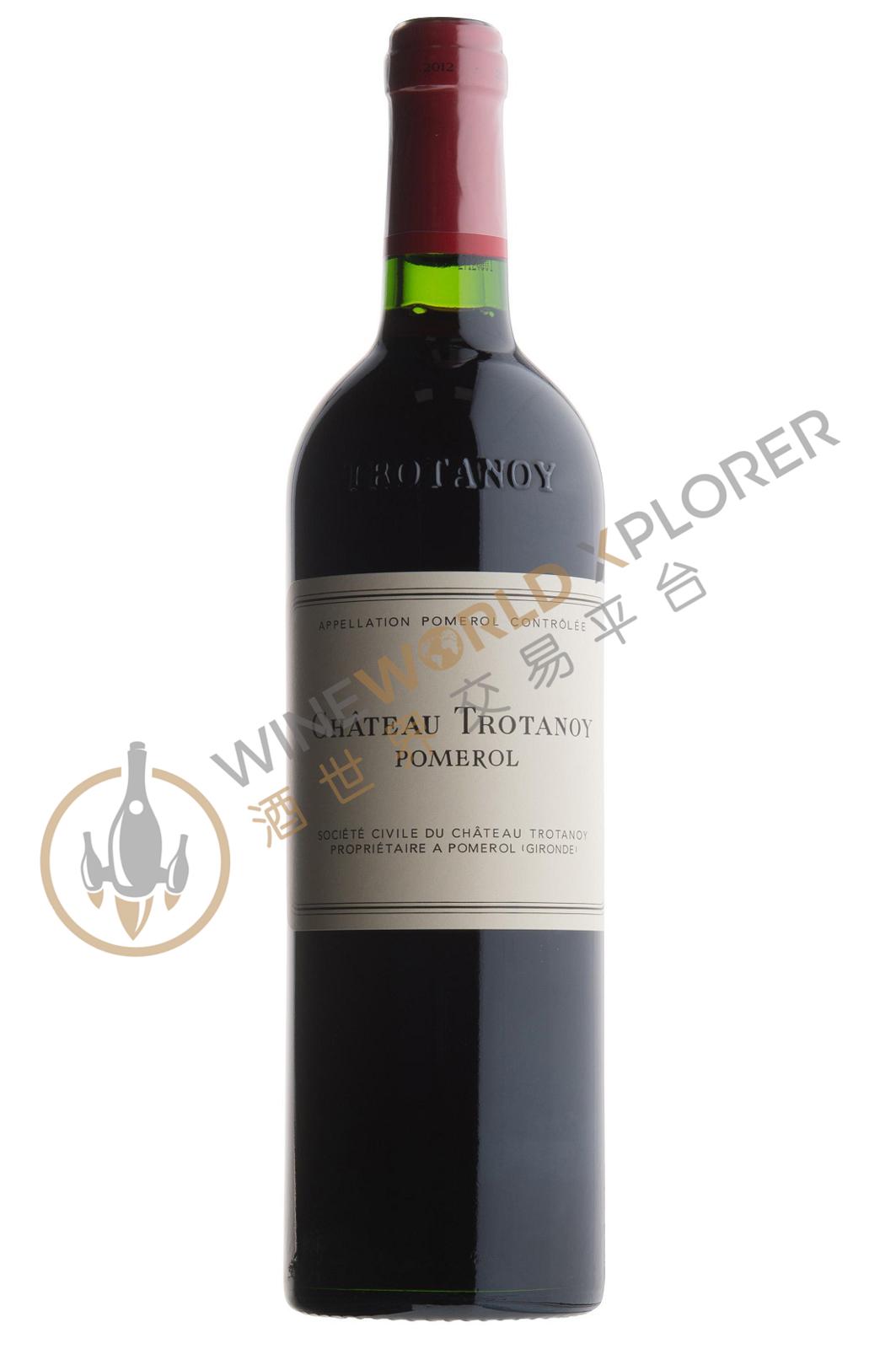
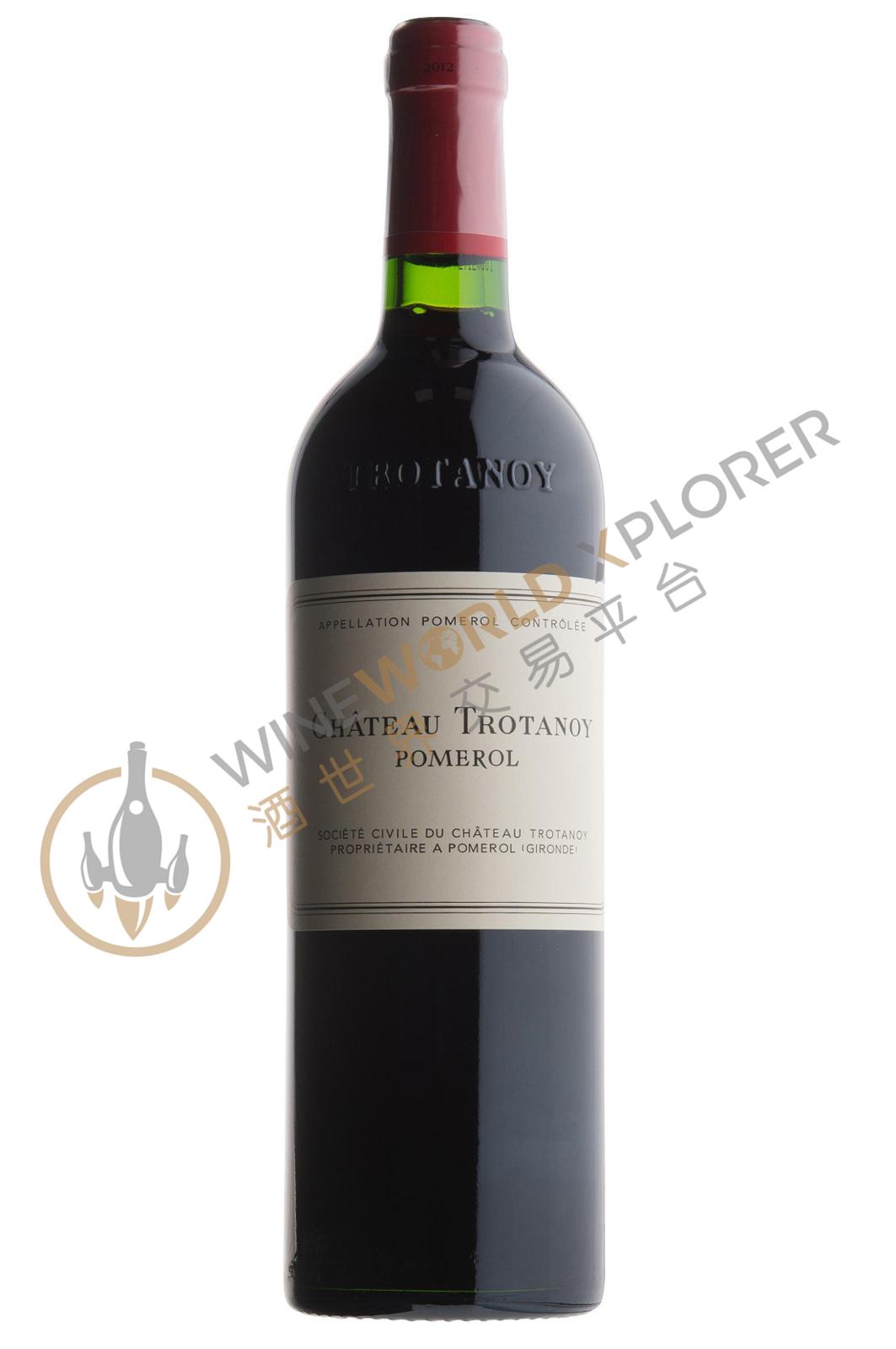
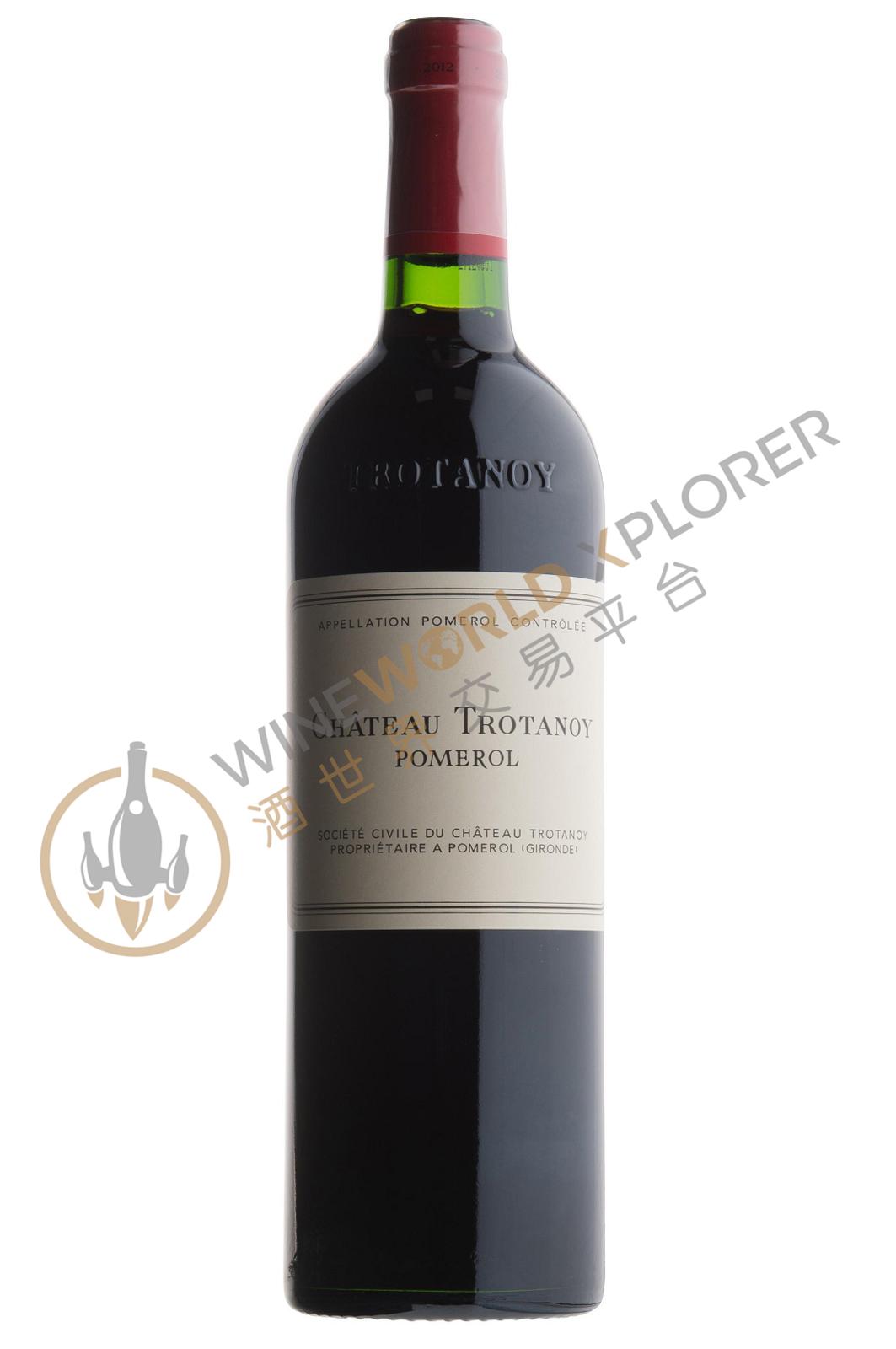
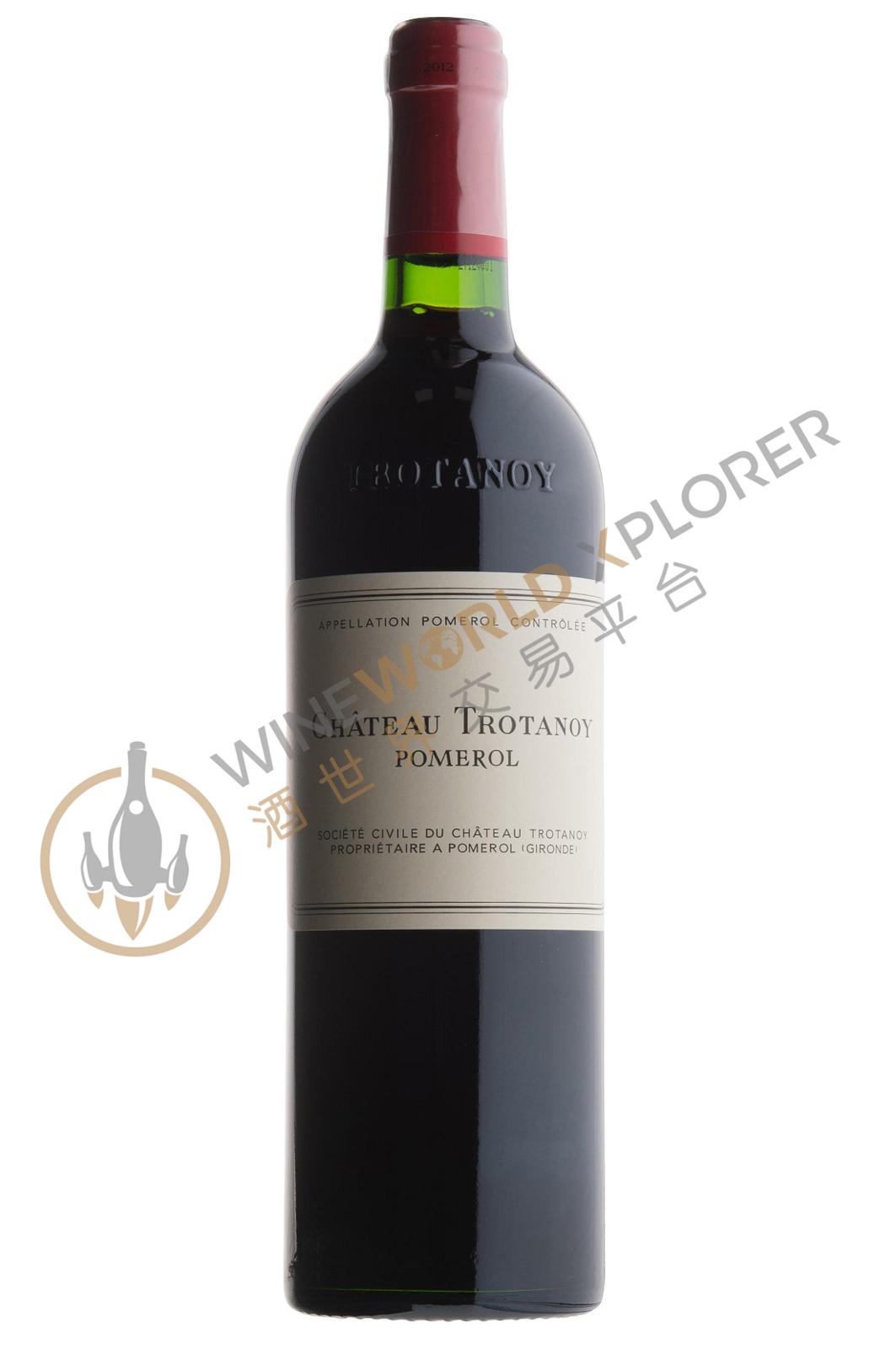
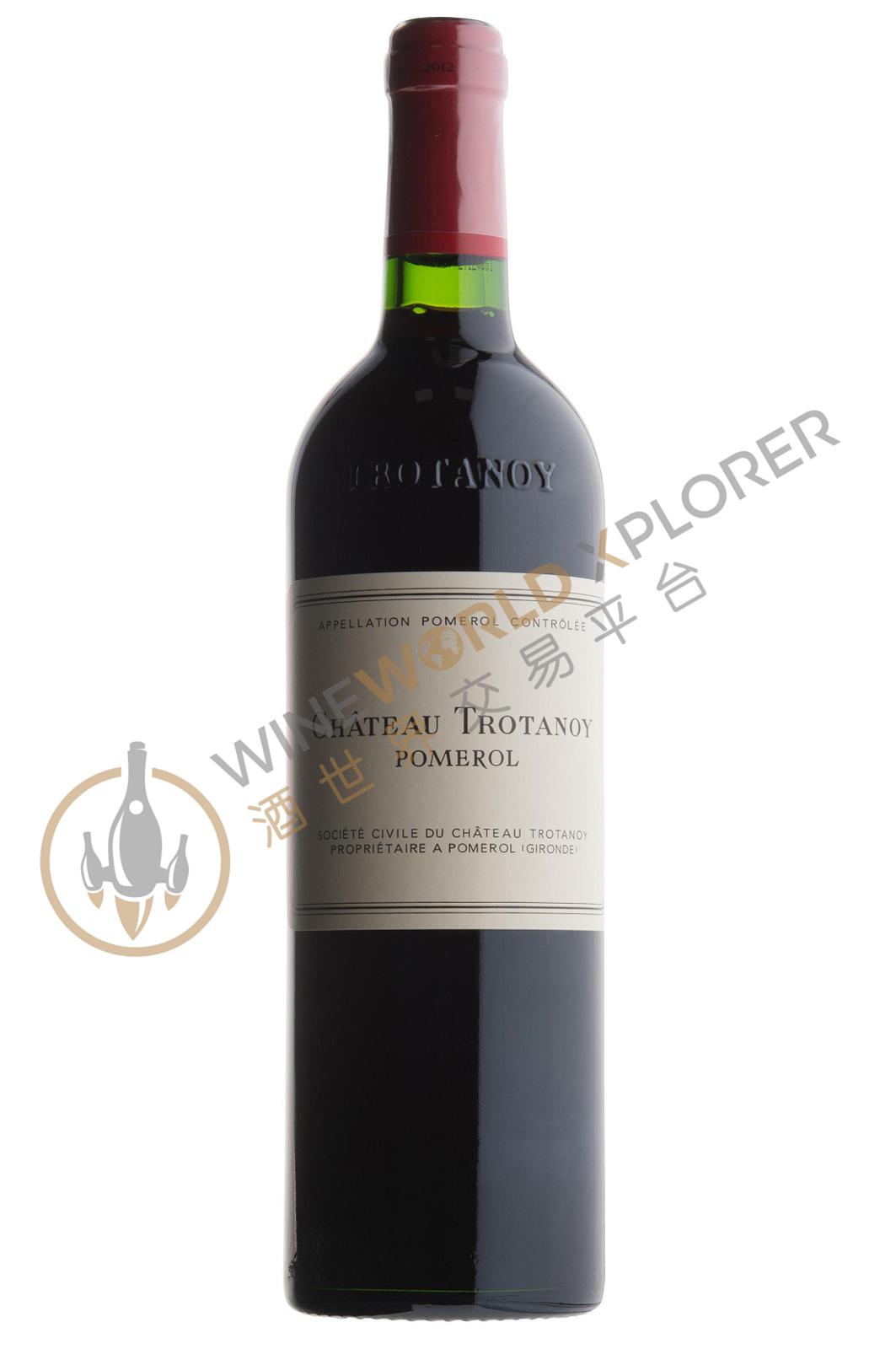
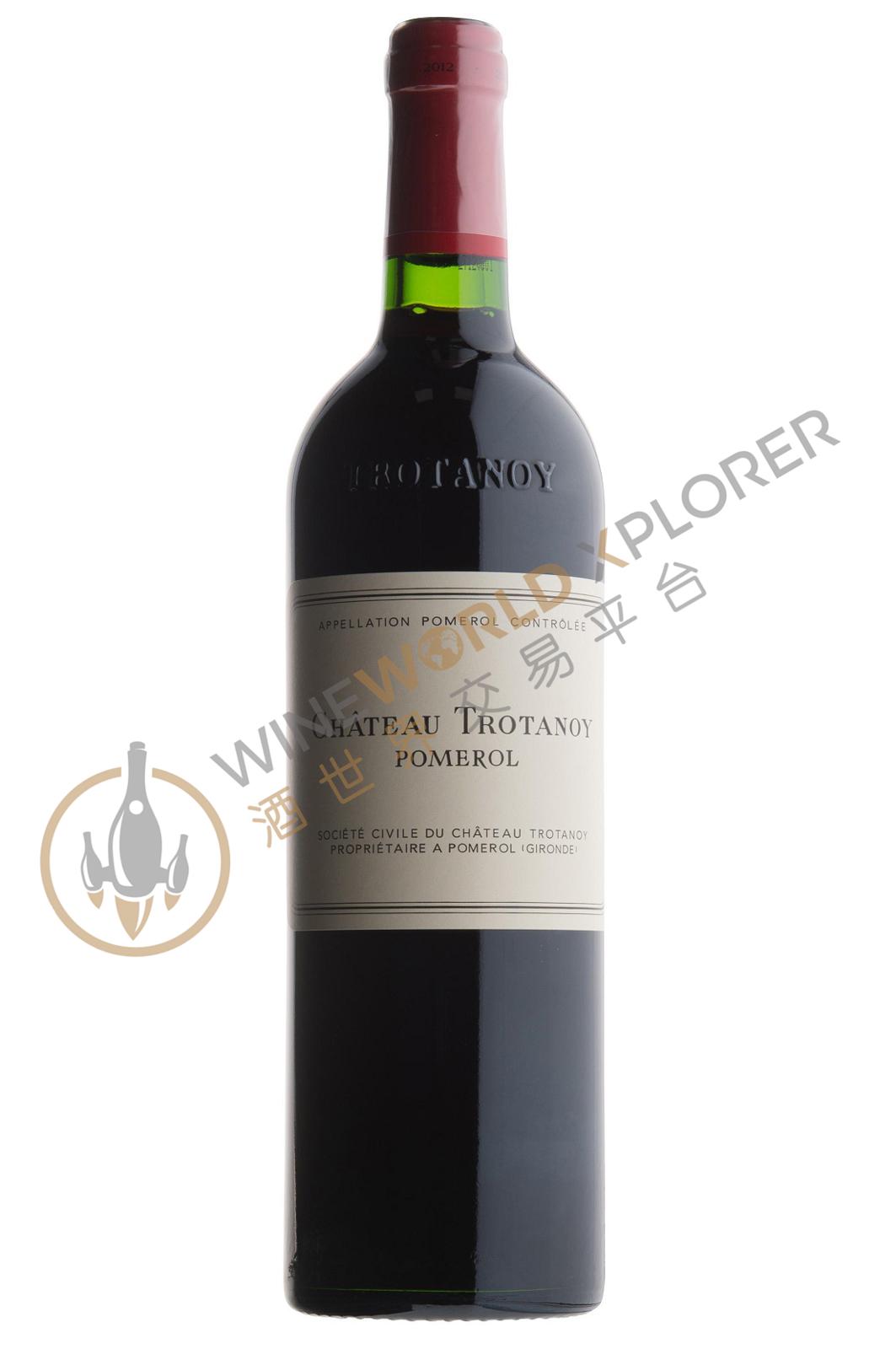
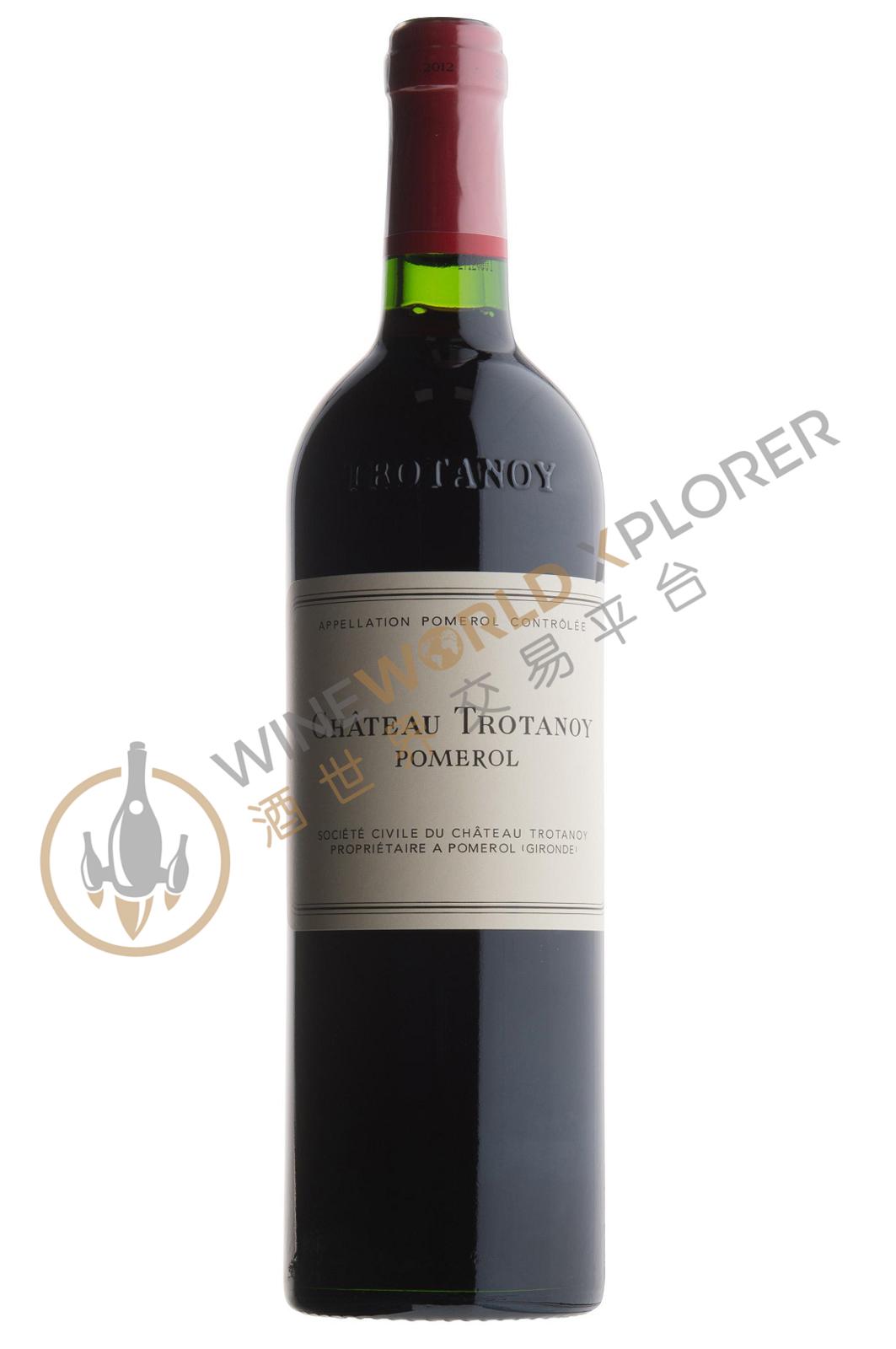
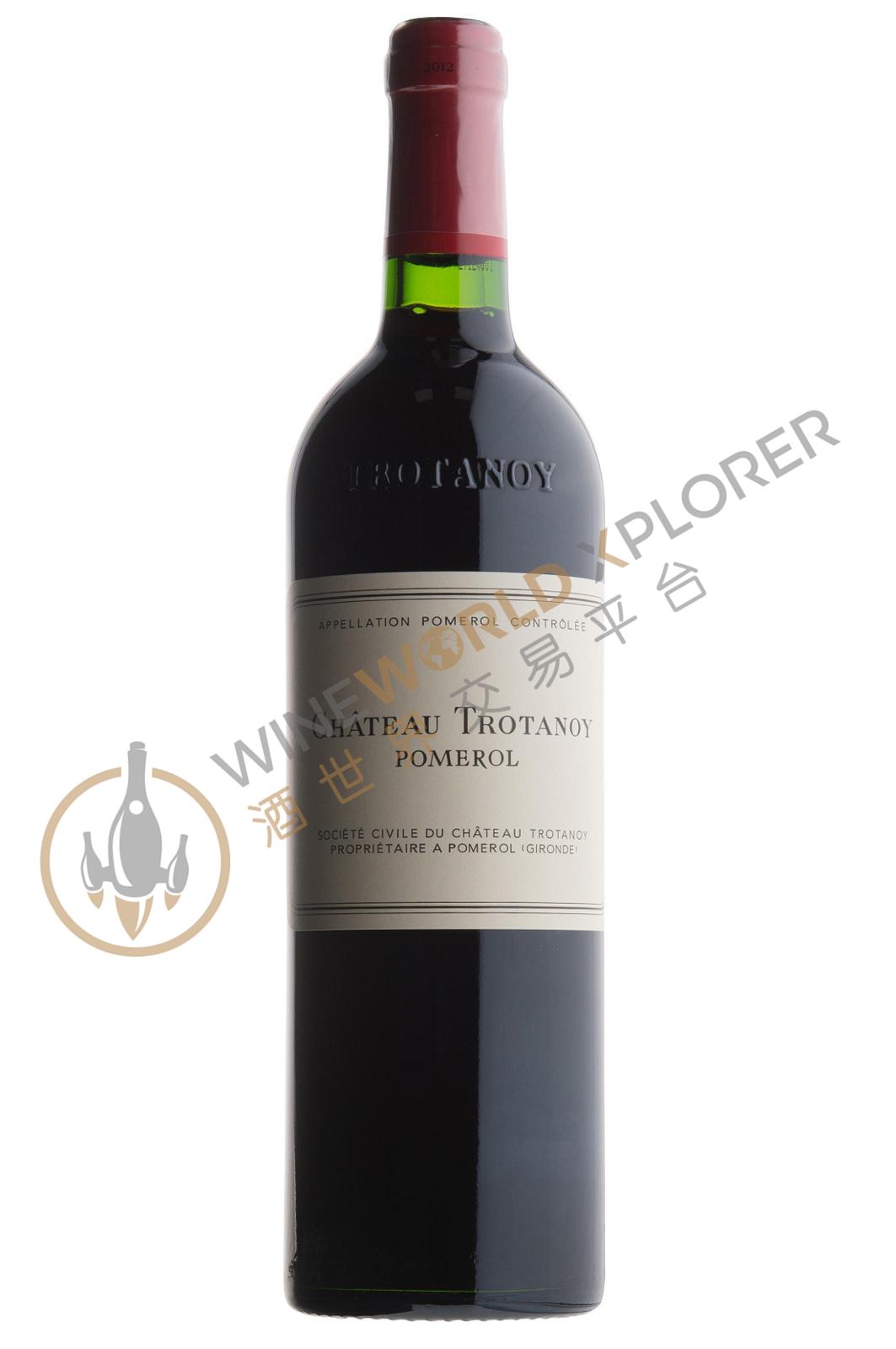
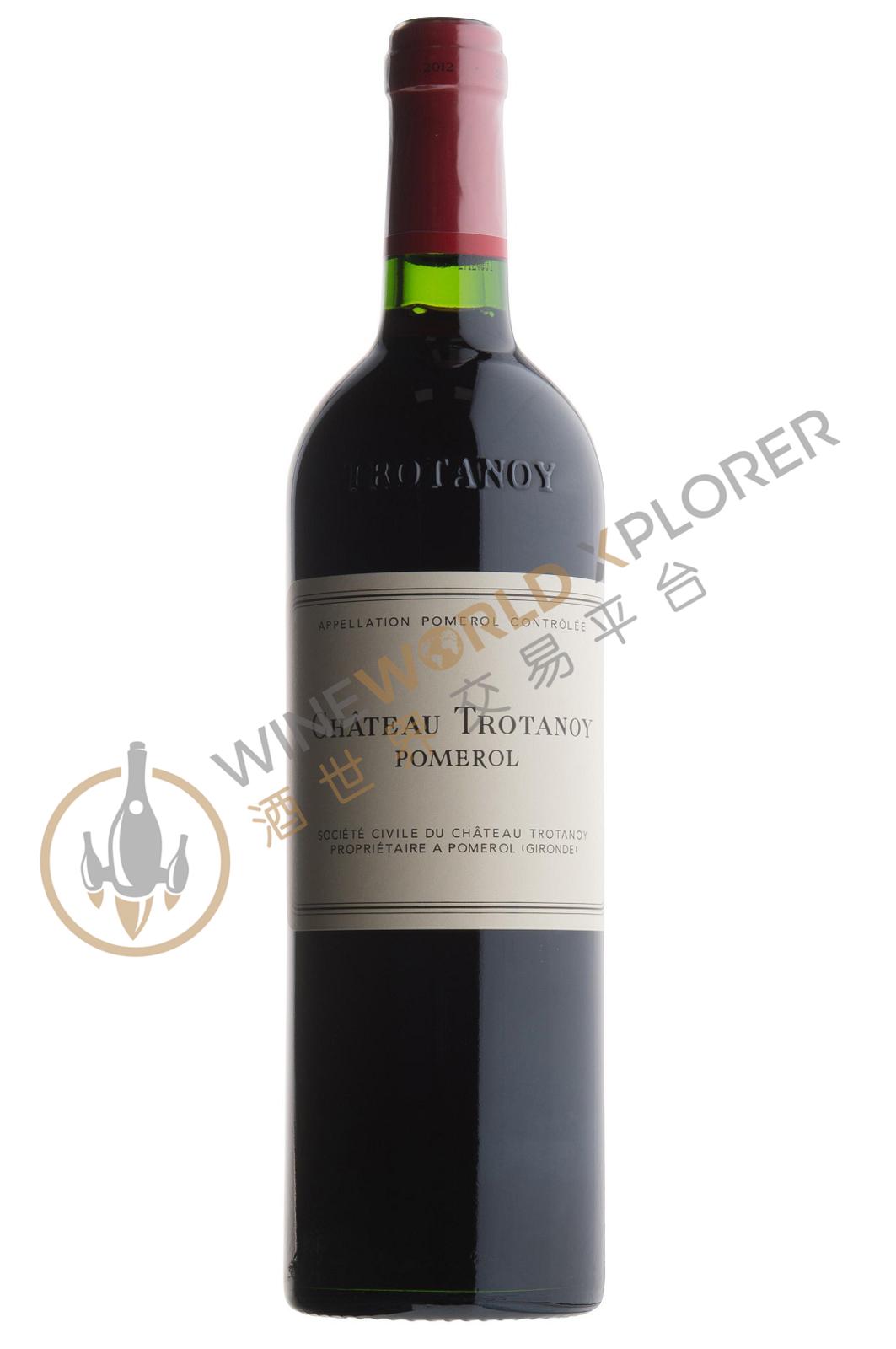
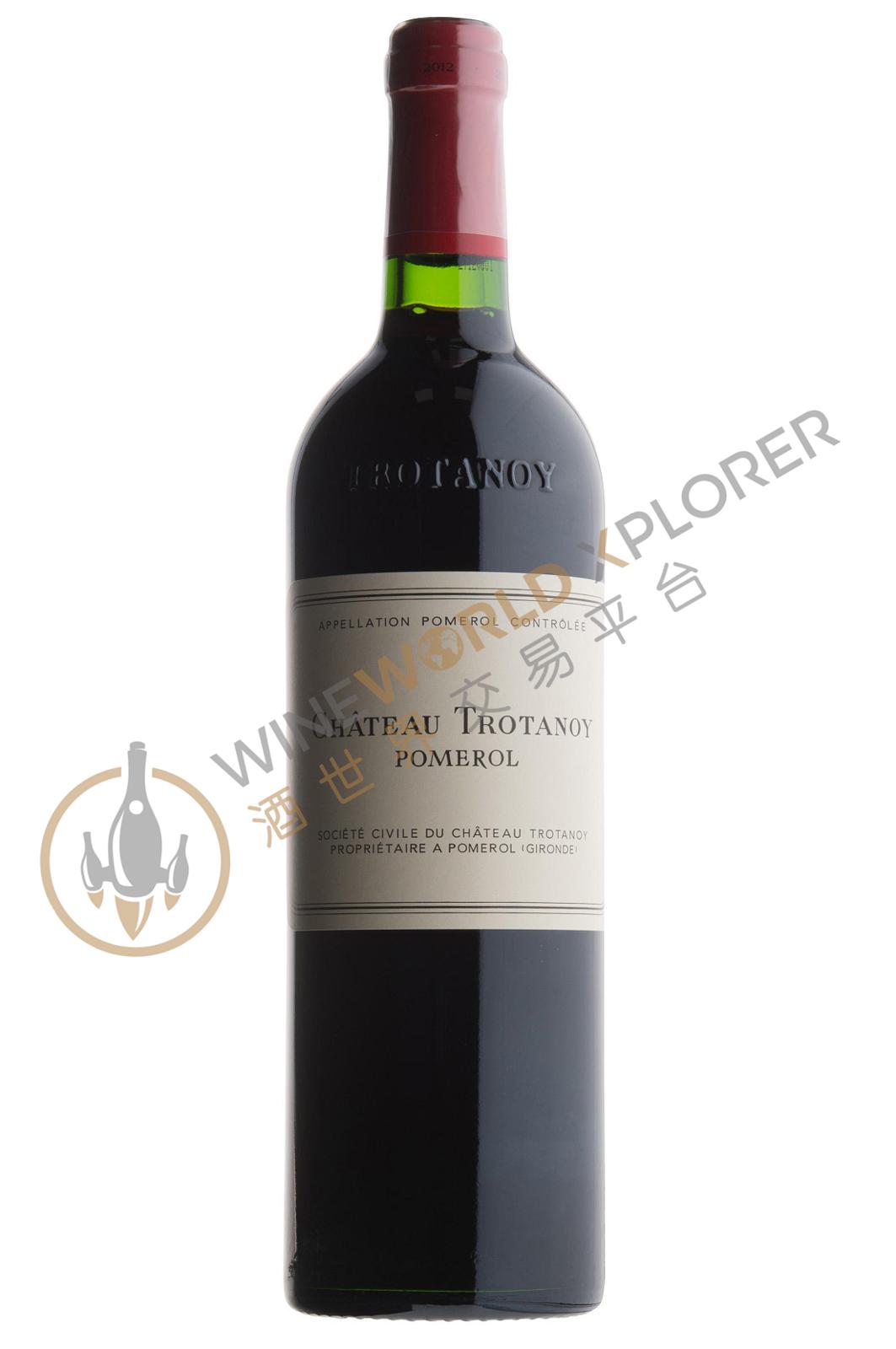
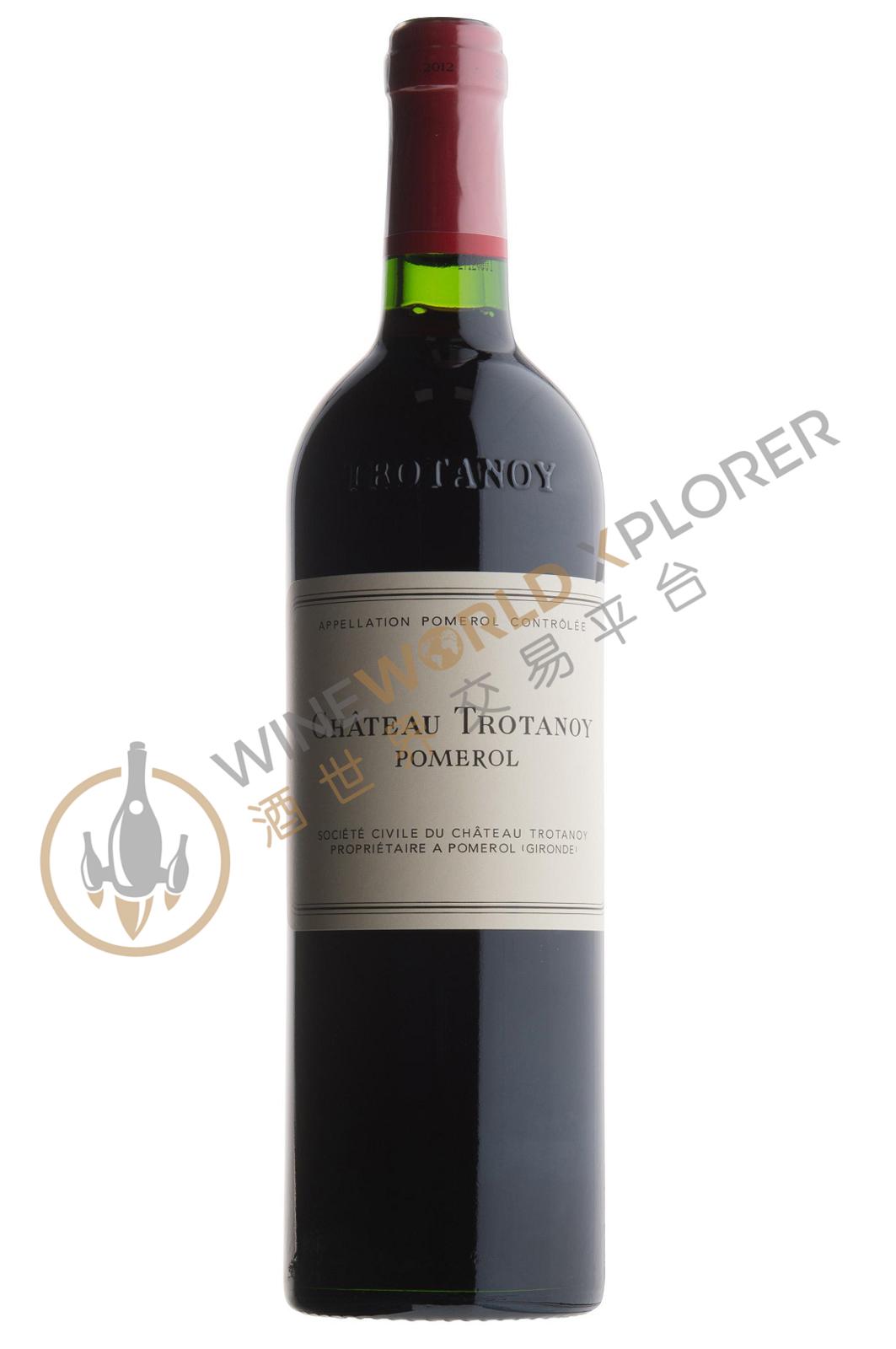
Trotanoy 1999
 View analysis


Description
Tasting notes

Reviewed by: Stephen Tanzer
Good ruby-red. Very sweet aromas of maraschino cherry, tar, tobacco and coffee. Rather full on the palate, with a silky texture and lovely sweetness. Persistent finish features chewy tannins and a note of cured tobacco.
Reviewed by: Stephen Tanzer
Good bright red-ruby. Perfumed aromas of raspberry, cherry, iron, roast coffee and minerals. Concentrated and deep, with bright red fruit flavors given definition by harmonious acidity. This is silky and sophisticated. Finishes long and smooth, with a burst of cherry flavor. I liked this a year ago, but today I find even more verve and depth.
Reviewed by: Stephen Tanzer
Bright medium red-ruby. Perfumed, precise aromas of spiced cherry, cassis and red licorice. Sweet entry, then subtly vinous and sweet, with lovely shape and firm structure. A bit slow to show its flesh as the ripe acidity currently dominates. Slow-mounting, persistent fruit flavor outlasts the firm tannins.
Reviewed by: Robert M. Parker, Jr.
Harvested early (September 14), Trotanoy's vineyard has produced a muscular, dark ruby/purple-colored 1999 displaying saddle leather, mineral, black fruit, and licorice aromas and flavors. There is good depth in this muted effort, as well as size, muscle, concentration, and a persistent finish. Neither diluted nor herbaceous, it will require 2-4 years of cellaring, and should drink well for 12-15.
Reviewed by: Robert M. Parker, Jr.
This medium to full-bodied Trotanoy has turned out reasonably well. It reveals some of this estate's masculine/muscular stature. It will be ready to drink at an early age given its low acidity and ripe, open-knit, expansive personality. Anticipated maturity: 2003-2016.
Reviewed by: Neal Martin
Tasted at the 1999 horizontal at Bordeaux Index. This is showing some maturity on the rim, but the nose is very fresh and lively, lifted red-berried fruit, bergamot, wild hedgerow, hints of Morello – certainly at this stage the Merlot is at the fore. The palate is medium-bodied, very harmonious, a little animally on the entry but lovely sense of harmony. Not a complex Trotanoy, partly because it is missing the dimension that the Cabernet Franc would bring, but it is certainly feminine, lithe and generous. Very fine indeed. Drink now-2020+ Tasted June 2009.
Reviewed by: Neal Martin
Tasted at Roberson’s Pomerol tasting. A deep, clear ruby/garnet colour. It has a lovely dark cherry, wild strawberry, vanilla tinged, a touch of patisserie. Good delineation, quite feminine with the Merlot quite dominant. The palate is medium-bodied with crisp acidity on the entry, youthful, vibrant, quite supple for Trotanoy, lithe and focused with bright cherry fruit on the finish. Not a complex wine, but very well crafted and brimming with joie-de-vivre. Drink now-2020+ Tasted November 2010.
Reviewed by: Robert M. Parker, Jr.
Delicious, elegant aromas and flavors of earth, mocha, cherries, and tobacco characterize this middle weight, dark ruby-colored 1999. It offers low acidity, sweet fruit, and an appealing combination of accessibility and balanced elegance. Drink it over the next 10-12 years.
Reviewed by: Neal Martin
The 1999 Trotanoy is clearly fresher and better defined than either the La Fleur-Pétrus or the Hosanna. It comes replete with blackberry, crushed stone and a touch of brine and seaweed in the mix. Not the most intense bouquet I have encountered on a Trotanoy, but pleasurable. The palate is medium-bodied with cola and brown spices on the entry mixed with white pepper and soy. Moderate in depth and quite masculine as usual, this is a Trotanoy that at 20 years has reached its peak. Feel free to open bottles now. Tasted at the offices of JP Moueix in Libourne.
About the Producer
Purchased by Jean-Pierre Moueix in 1953, Château Trotanoy has been considered one of the premier crus of Pomerol since the end of the eighteenth century. The soil of Château Trotanoy is a very dense mixture of clay and gravel which tends to solidify as it dries out after rain to an almost concrete-like hardness, hence the name “Trotanoy,” or, in other words, “too wearisome” to cultivate. The Trotanoy vineyard slopes gently to the west. The soil at the highest point of exposure contains a good proportion of gravel, becoming progressively more dominated by clay as the elevation declines. Under this clay is a subsoil of red gravel and an impermeable layer of hard, iron-rich soil known as “crasse de fer.” This fascinating soil diversity brings power, depth and complexity to the wine. Trotanoy is vinified in small concrete vats, while aging takes place in oak barrels. Trotanoy is a naturally profound, complex, richly-concentrated wine with outstanding aging potential. The wine possesses a deep color and a dense, powerful nose, repeated on the palate with the addition of creamy, dark chocolate notes, and a singular concentration of flavor owed to its very old vines.
1966(1)1976(1)1979(1)1981(1)1983(1)1989(2)1990(2)1993(1)1995(1)1996(5)1997(1)1998(1)
Package Size