Wine Advisor



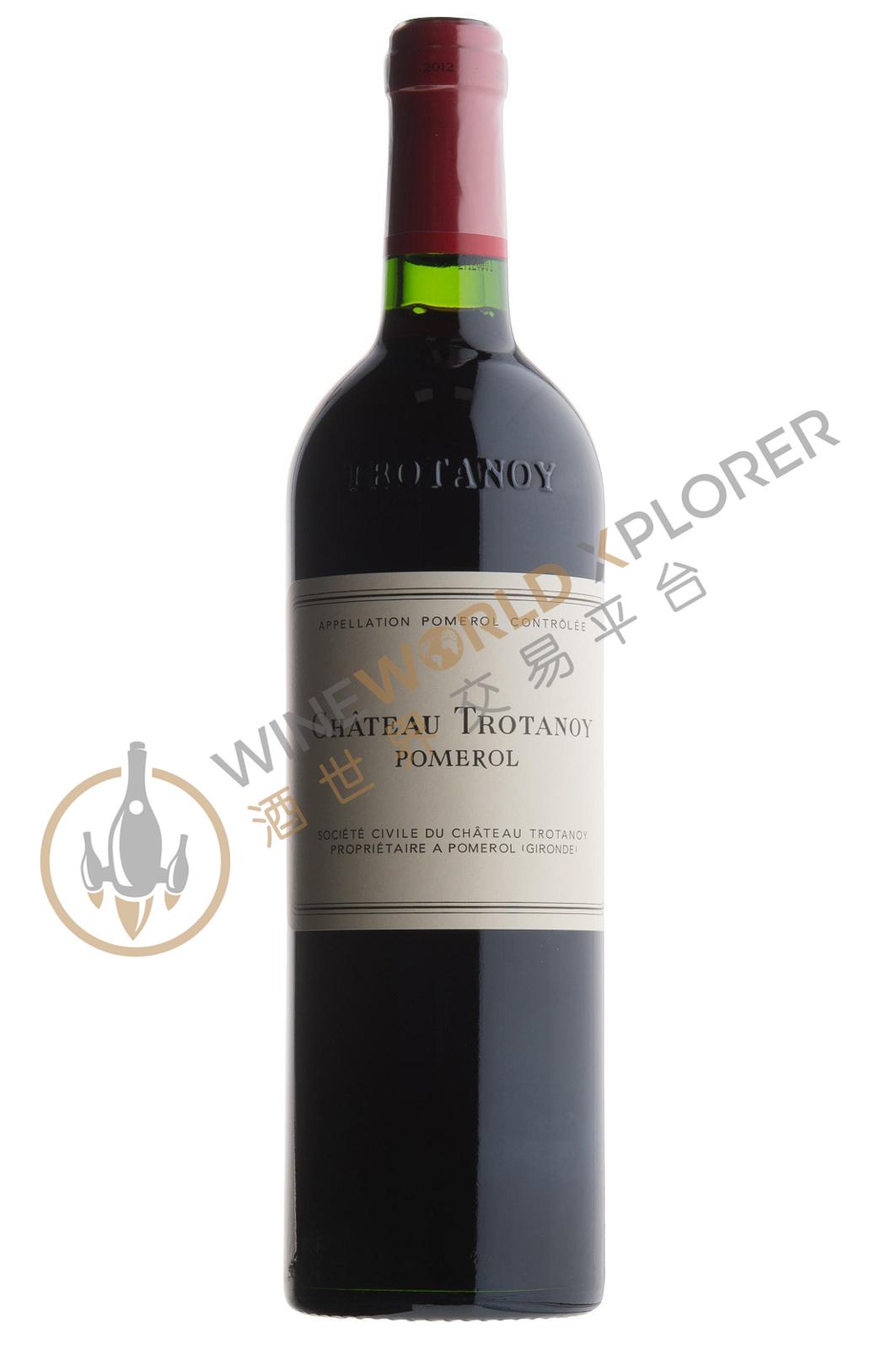
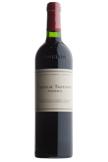
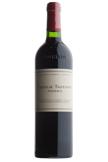
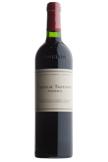
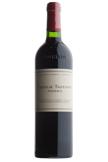
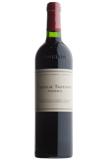
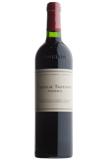
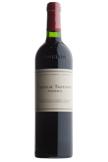
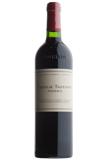
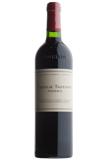
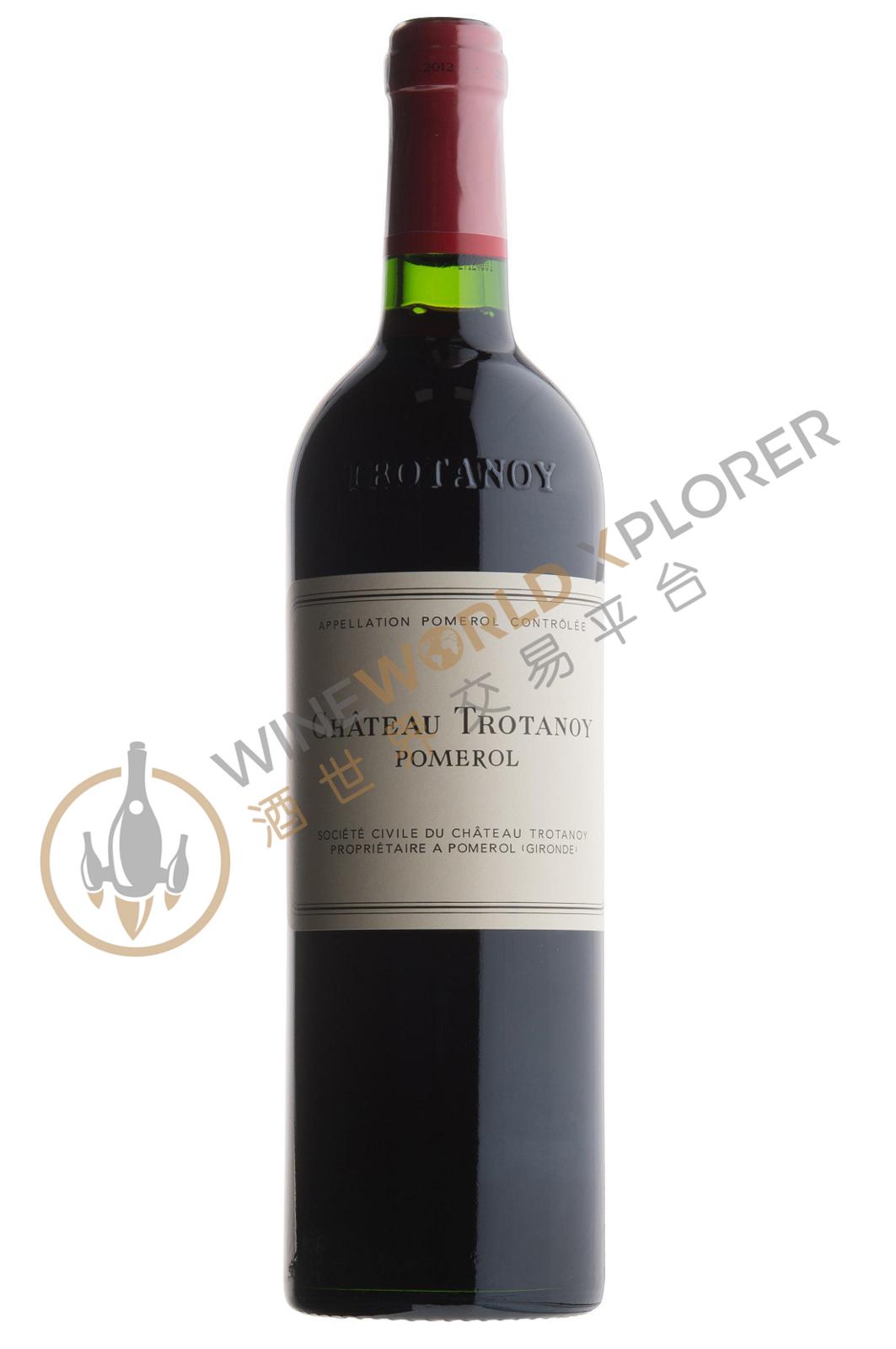
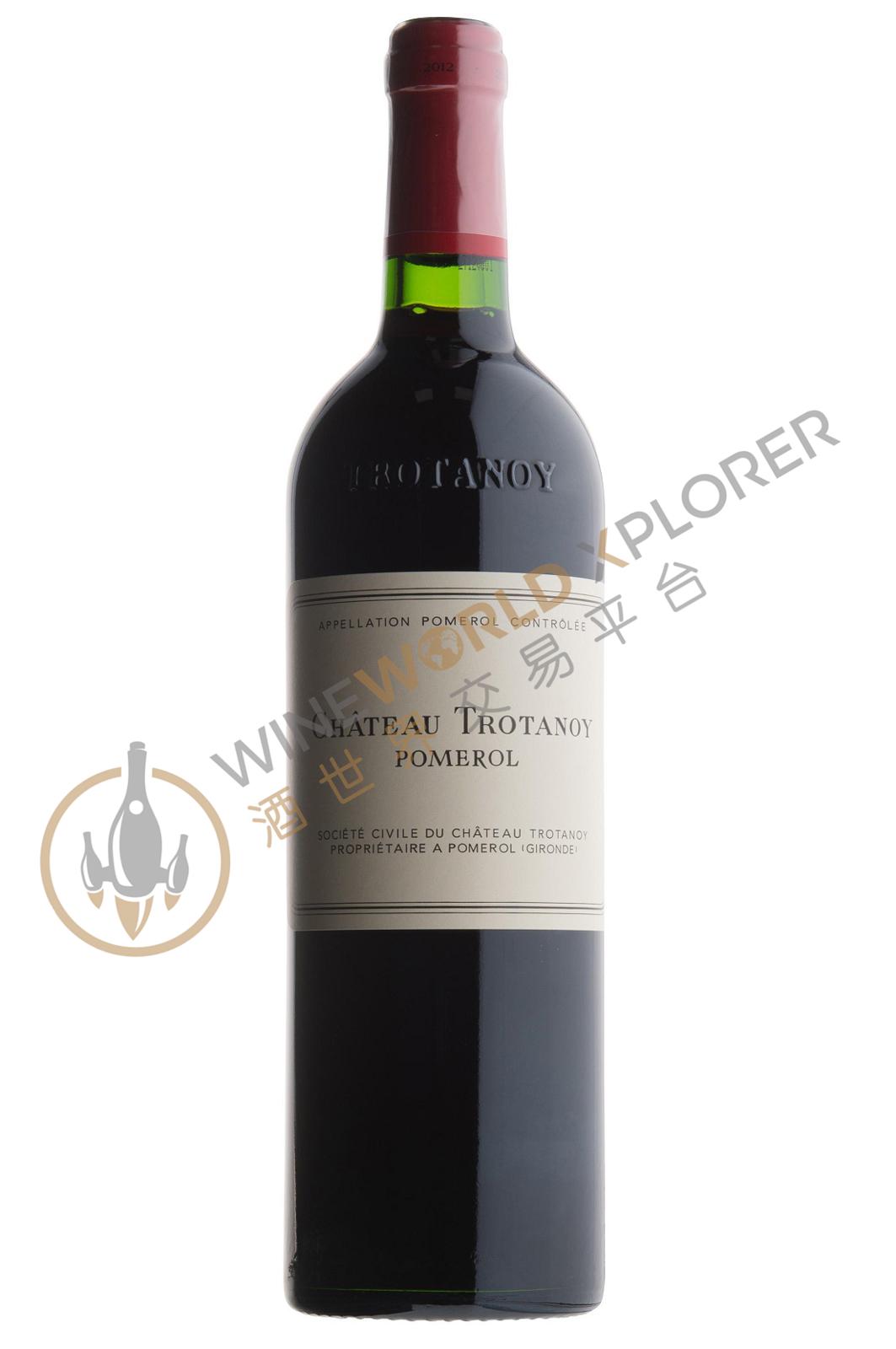
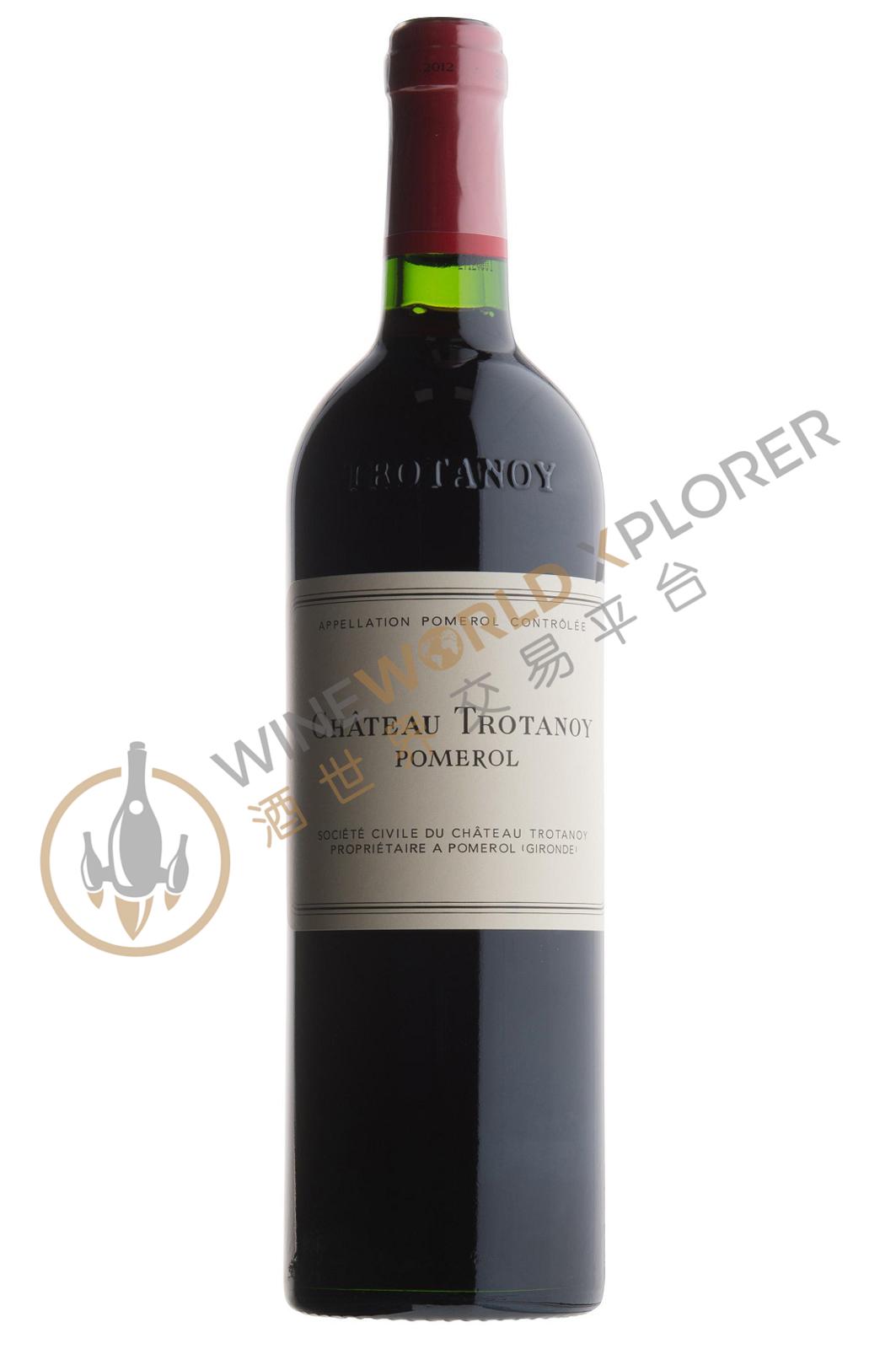
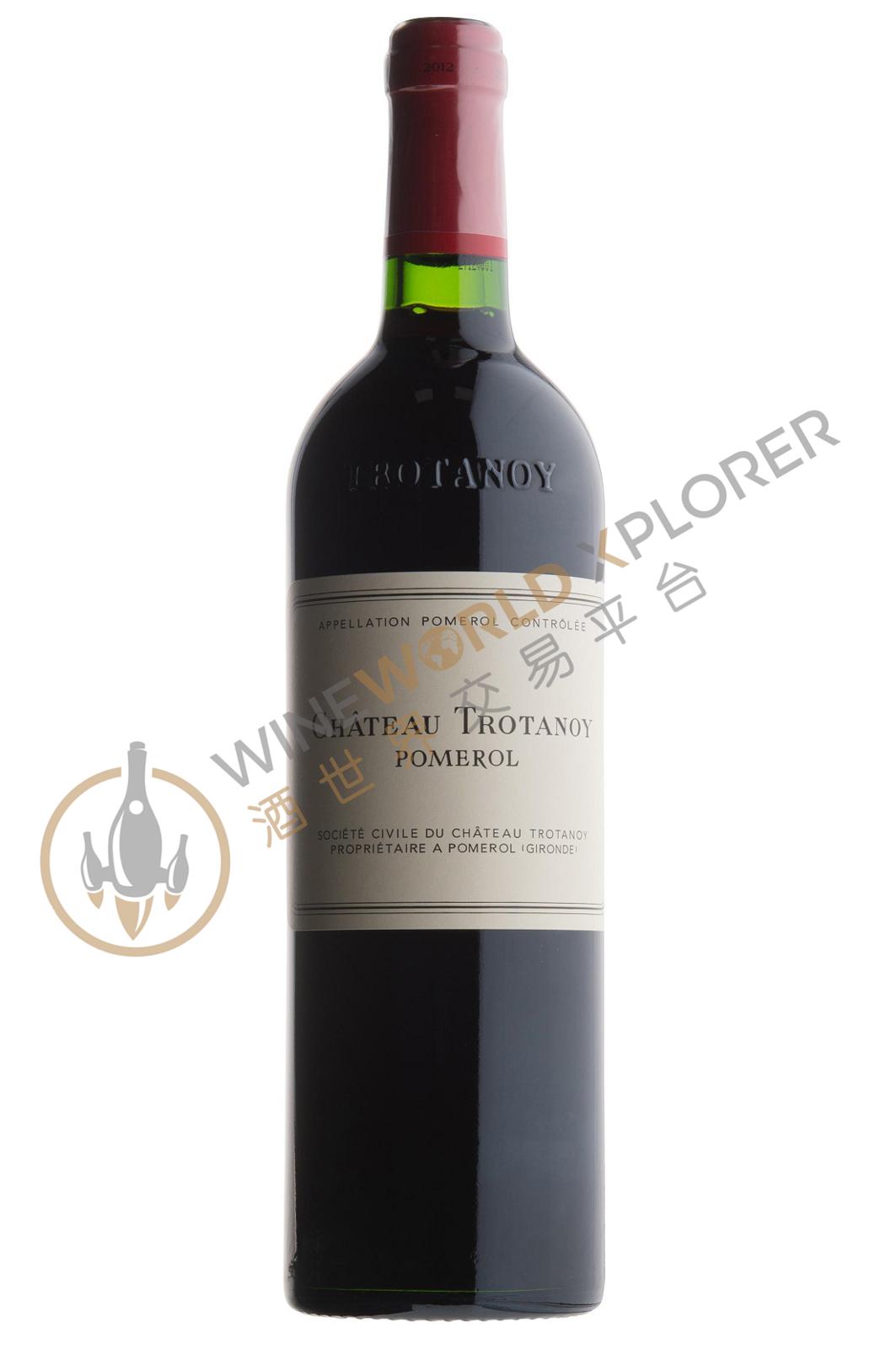
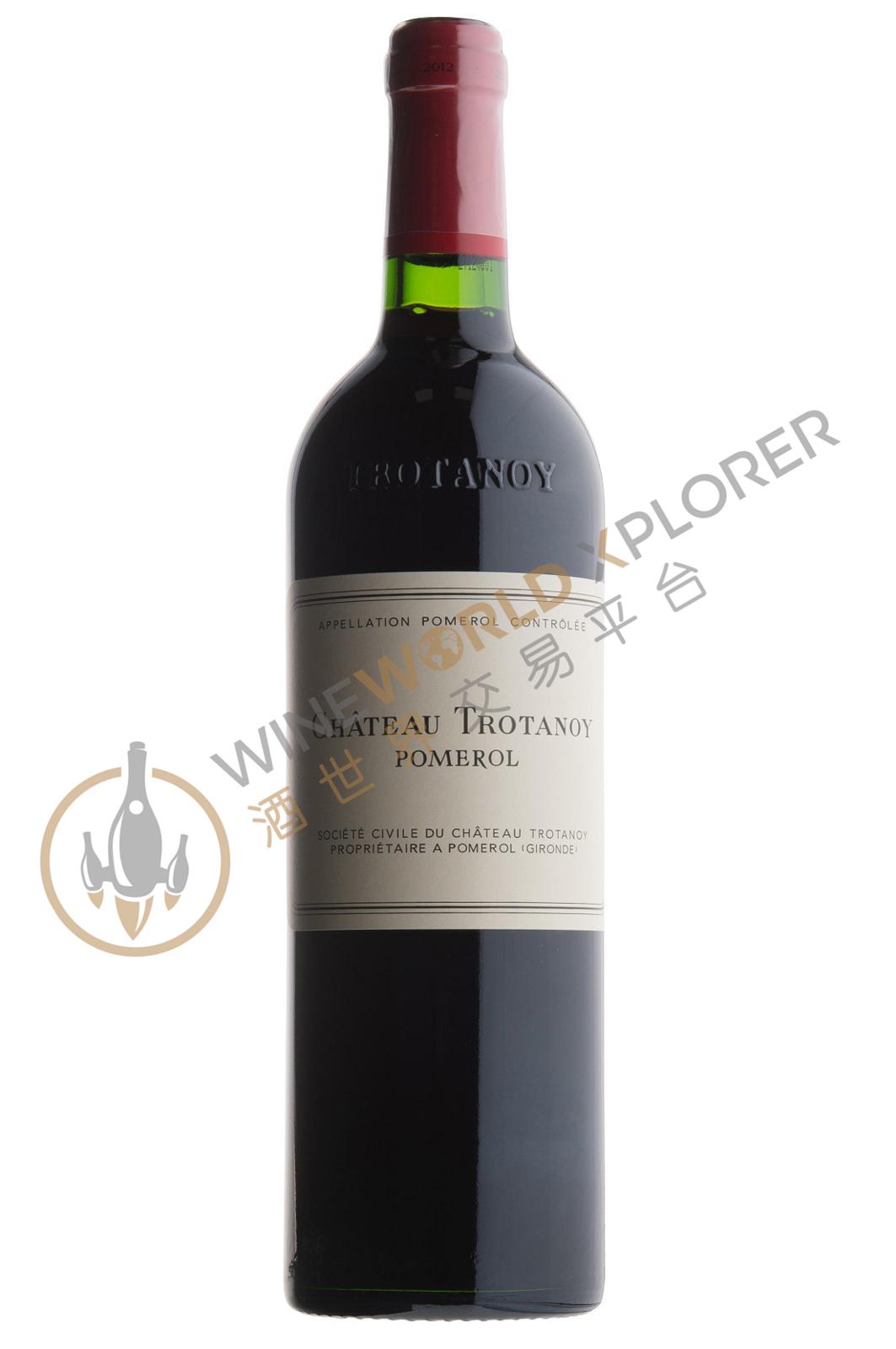
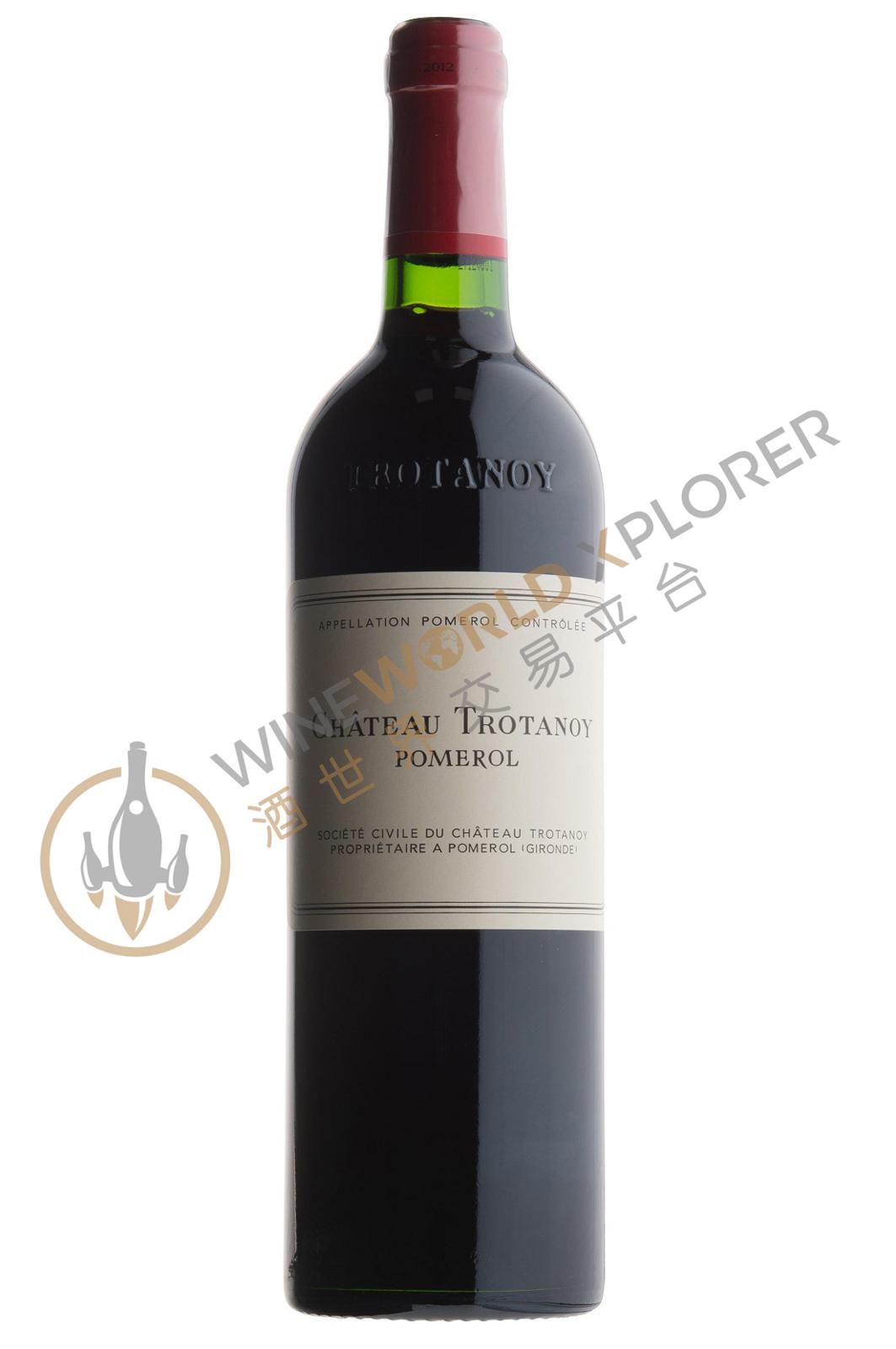
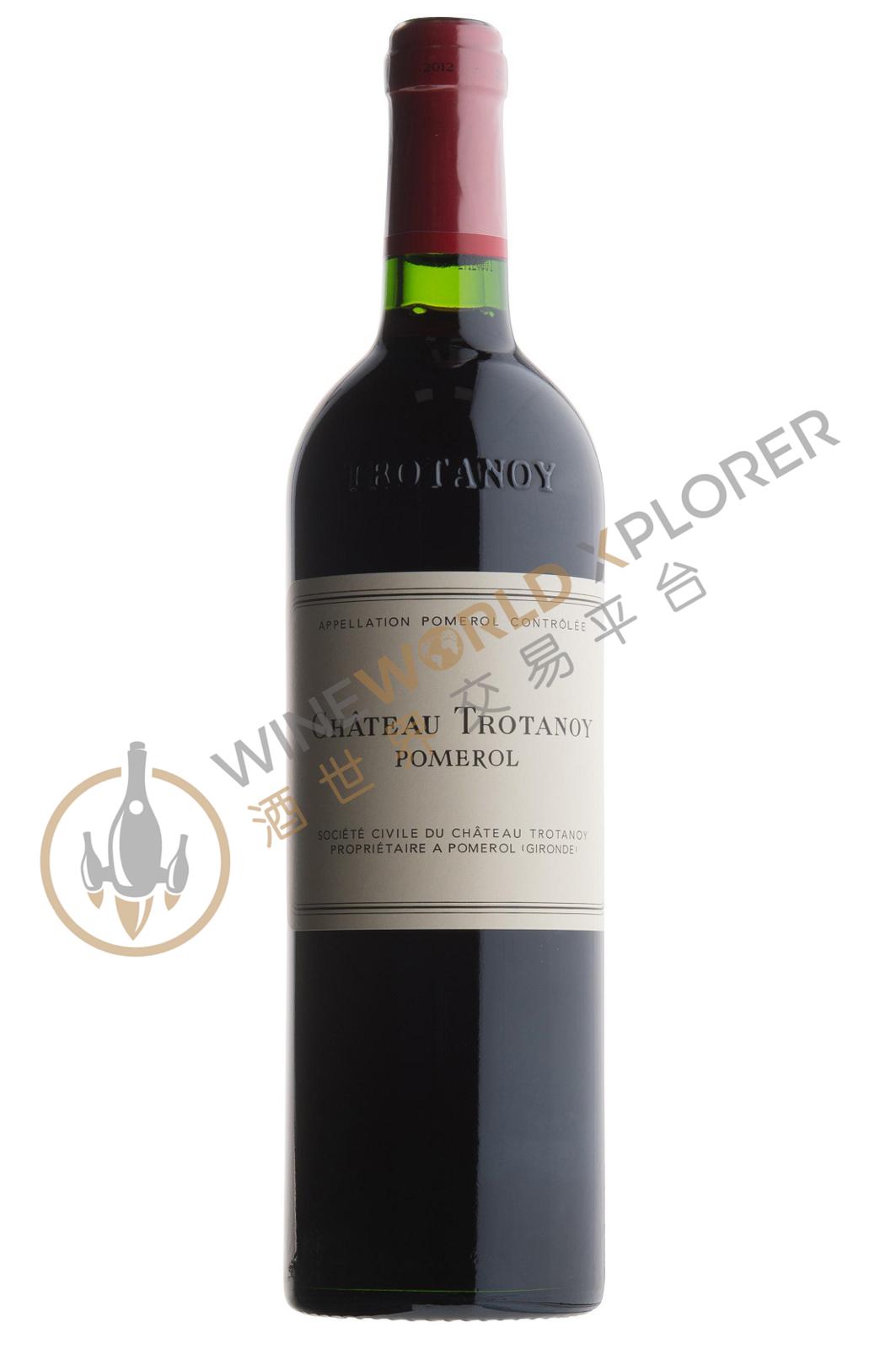
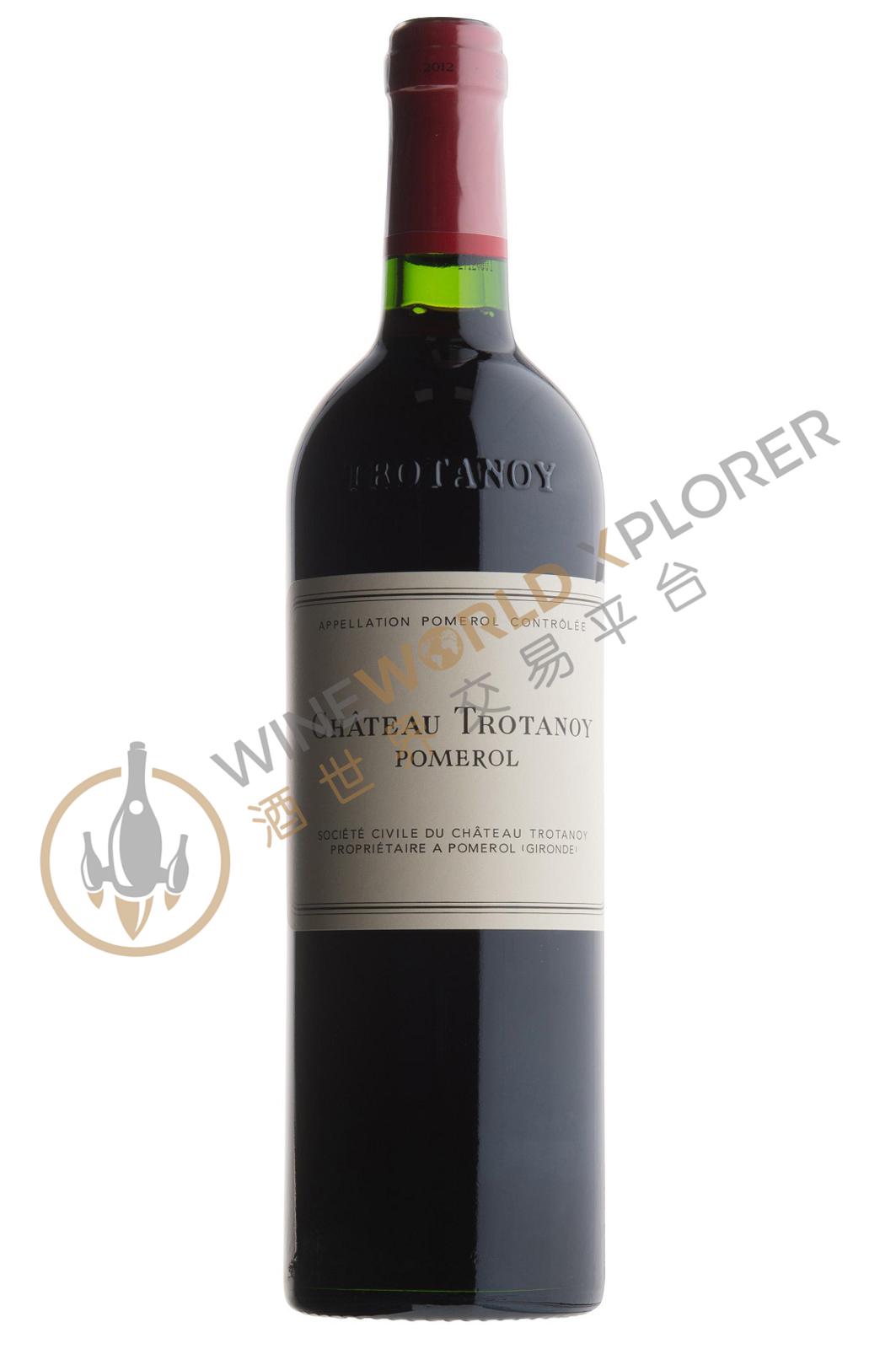
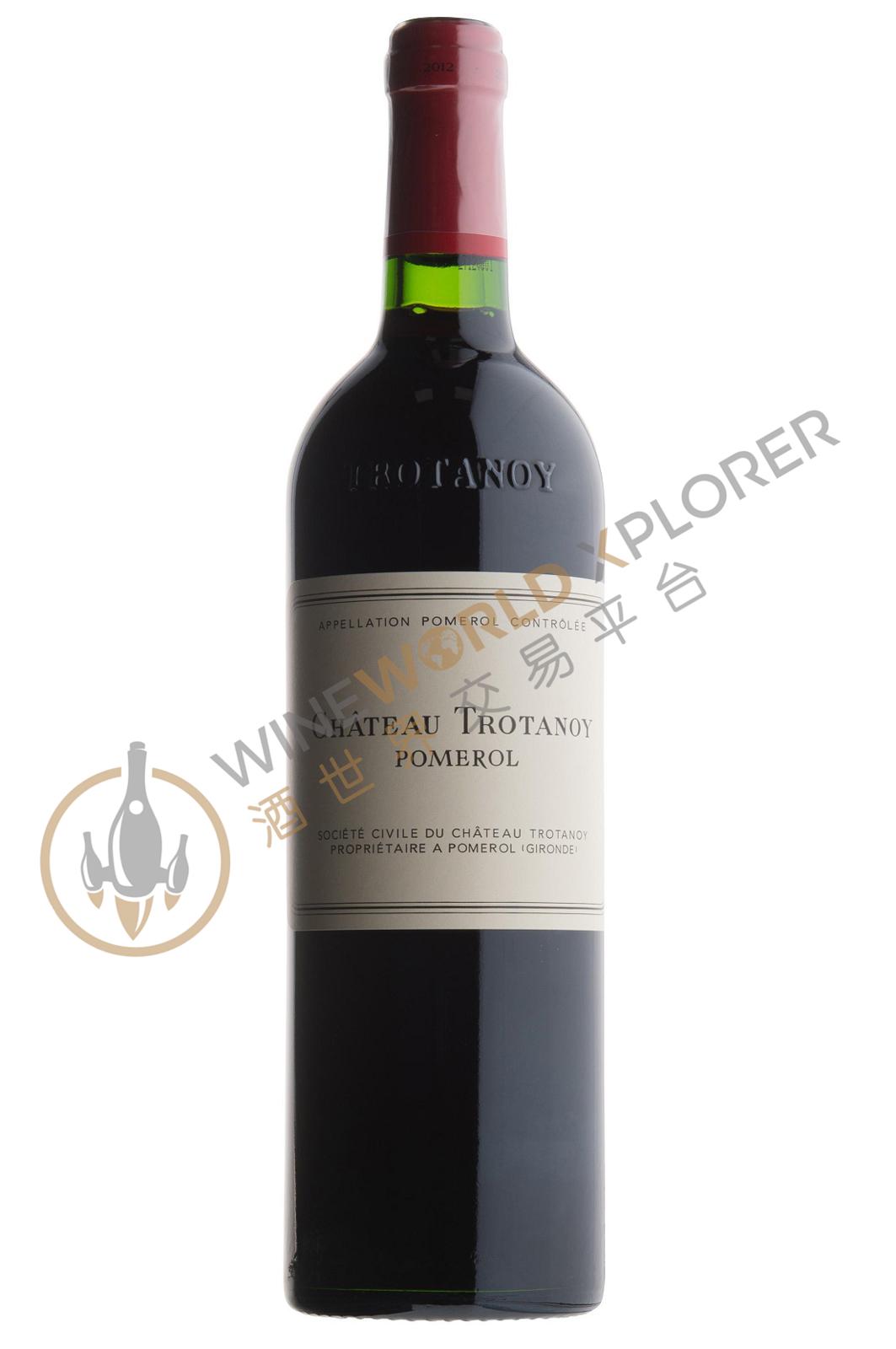
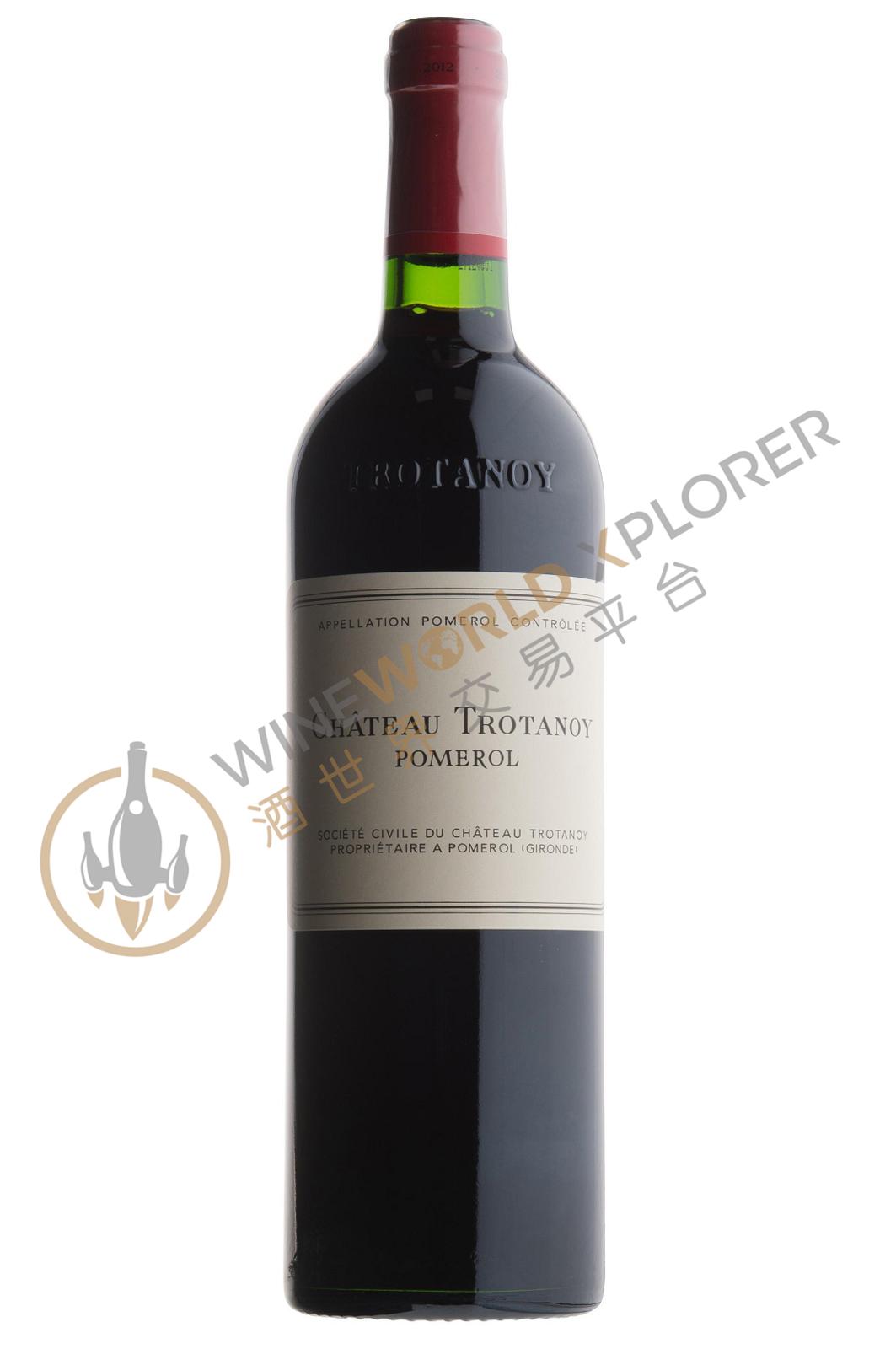
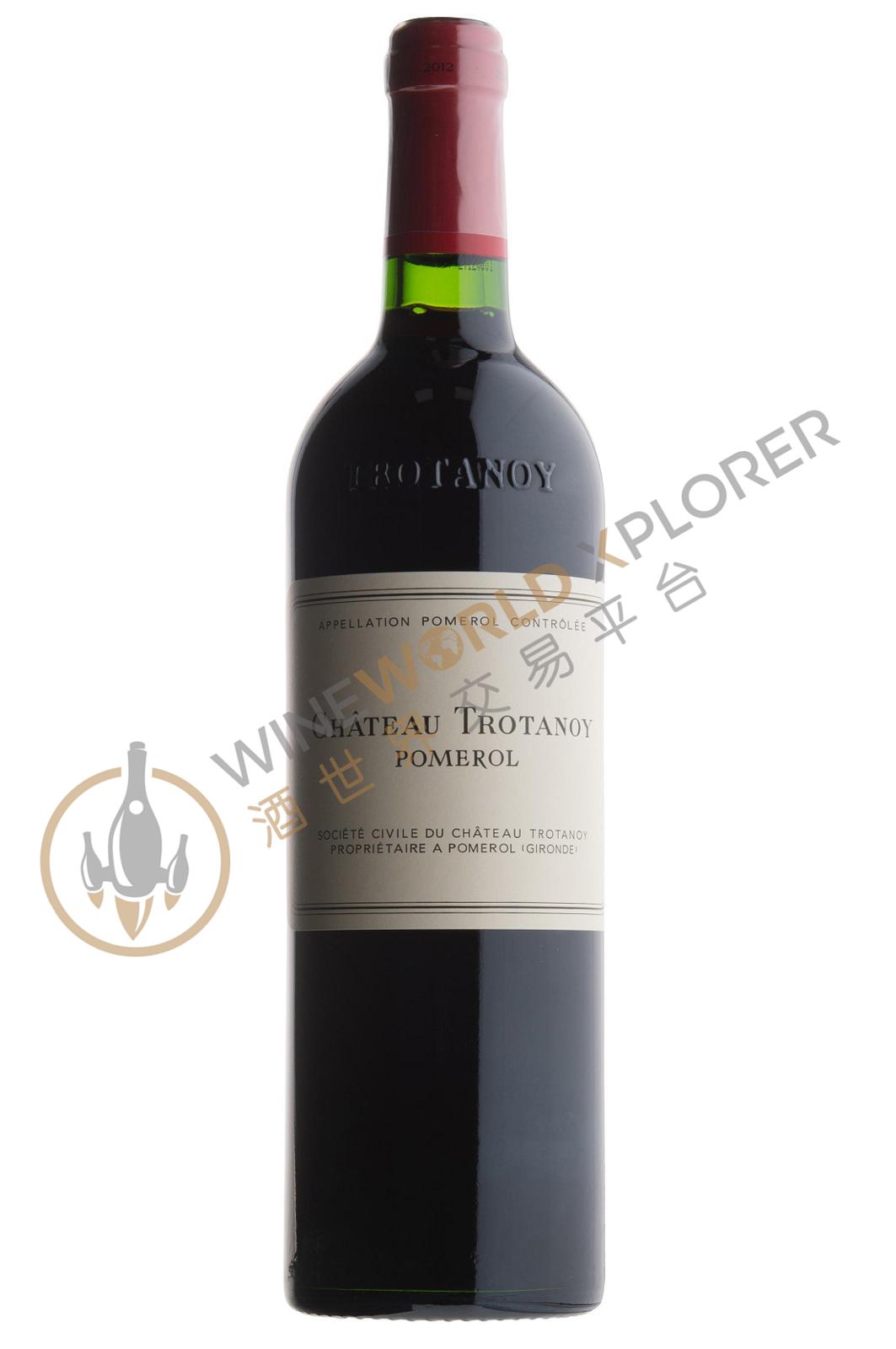
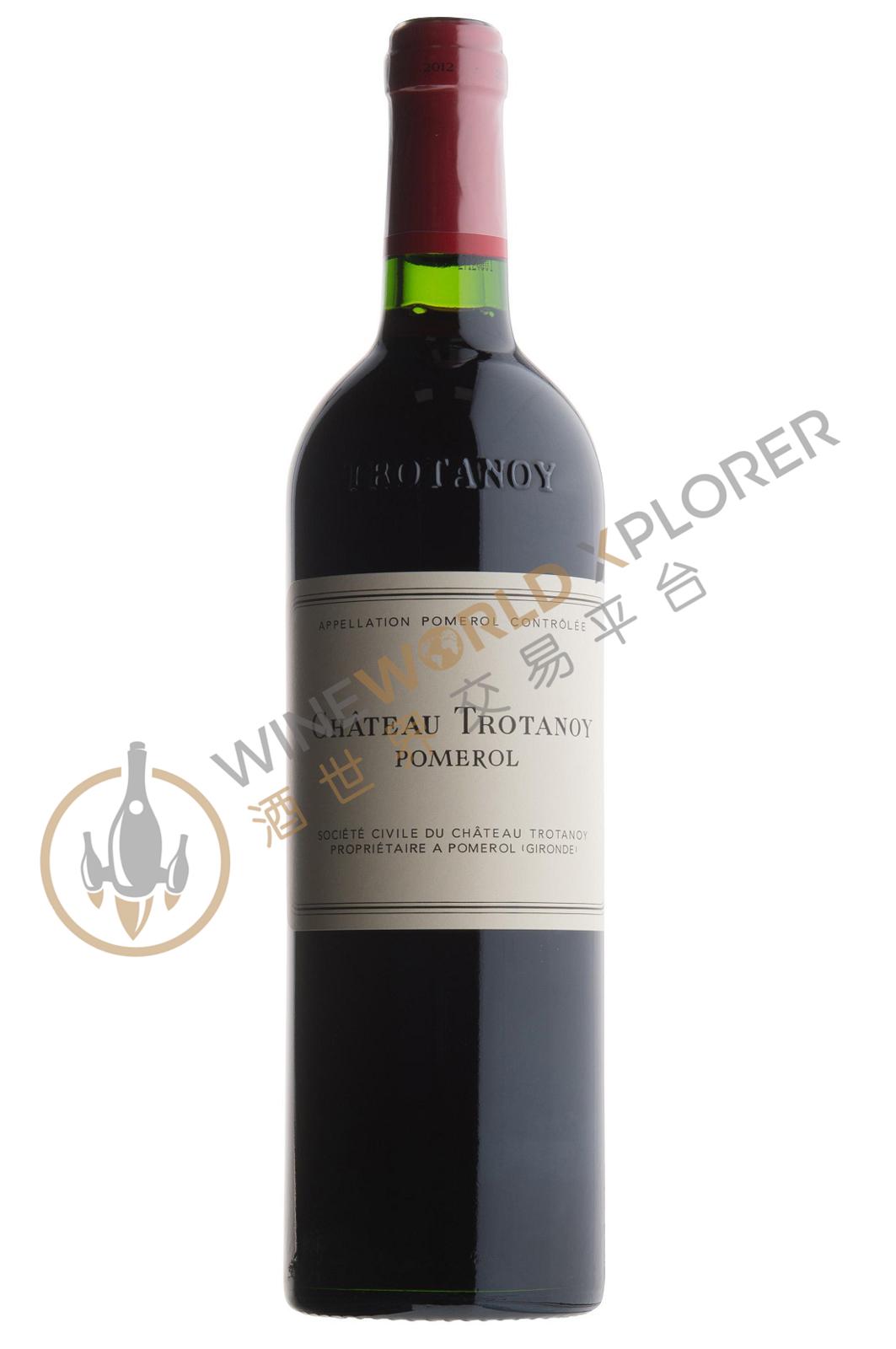
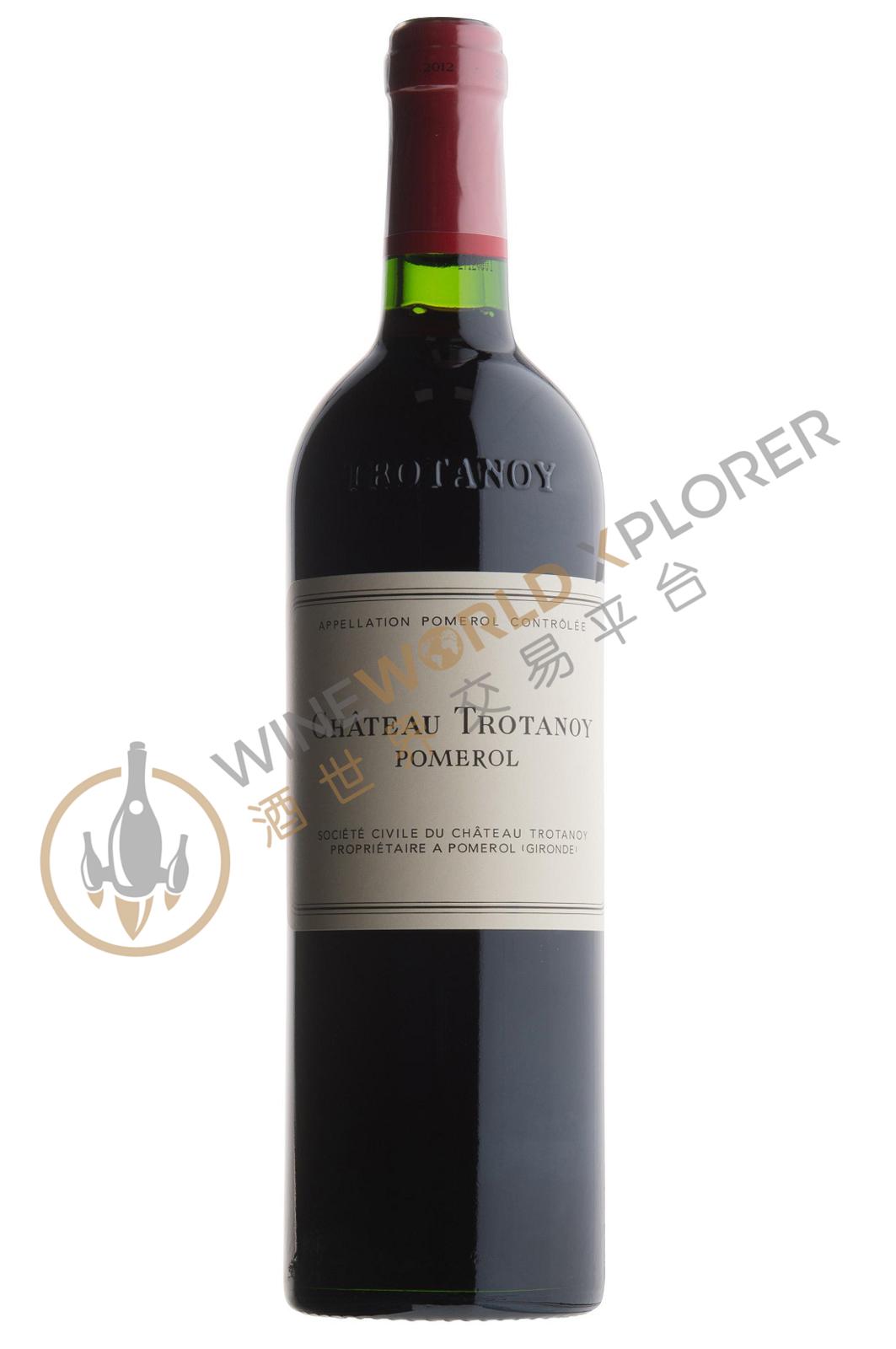
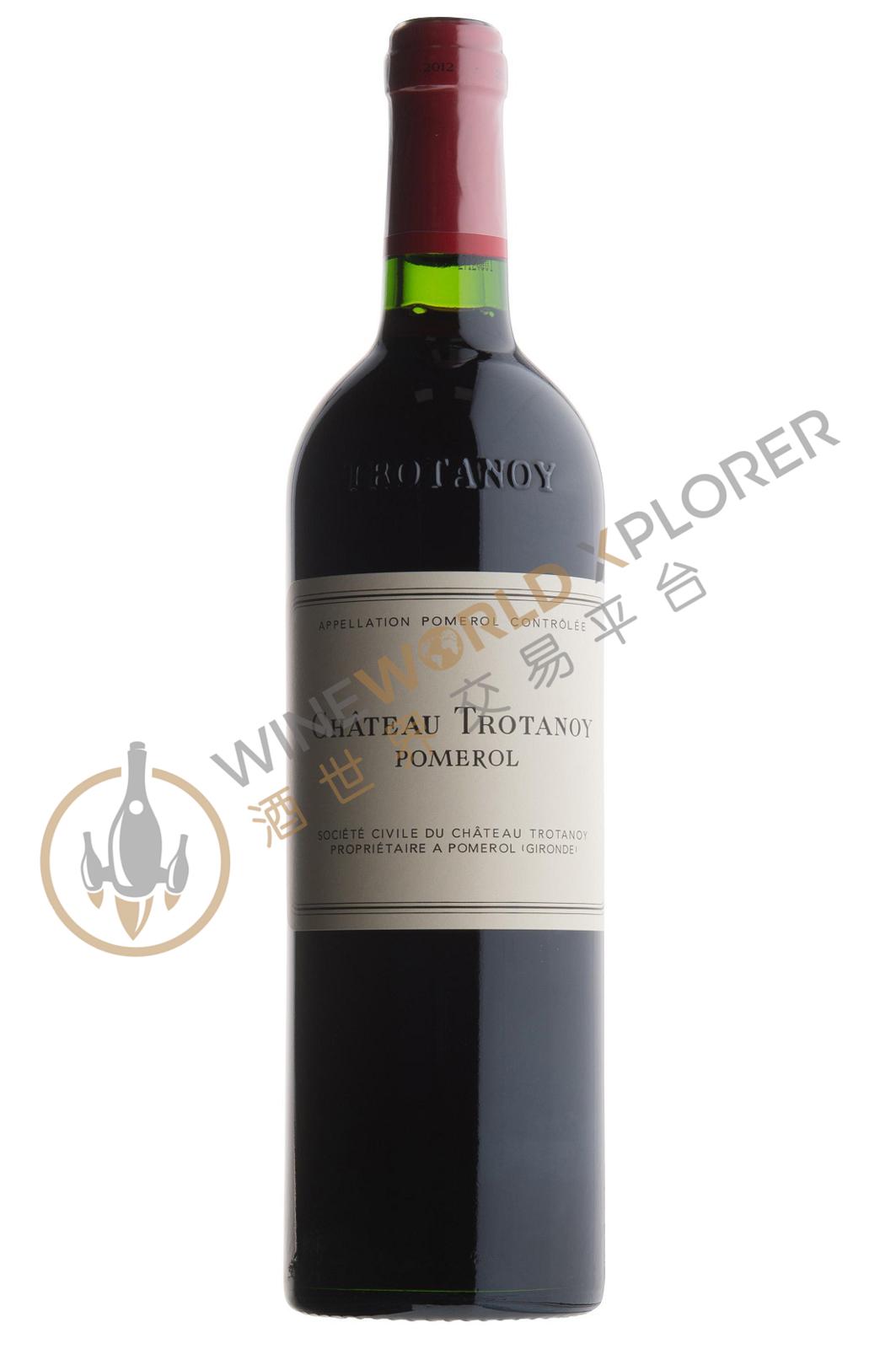
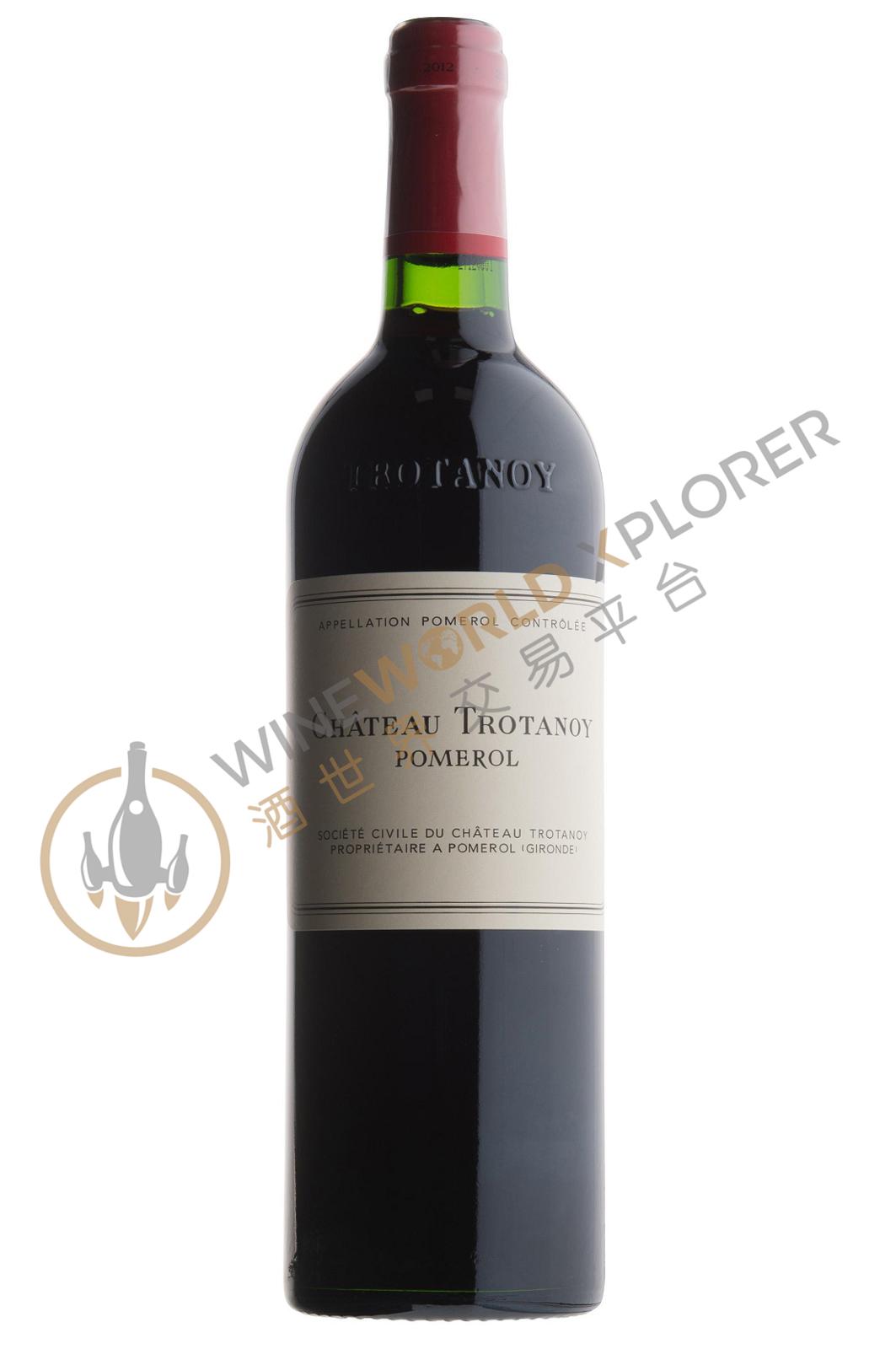
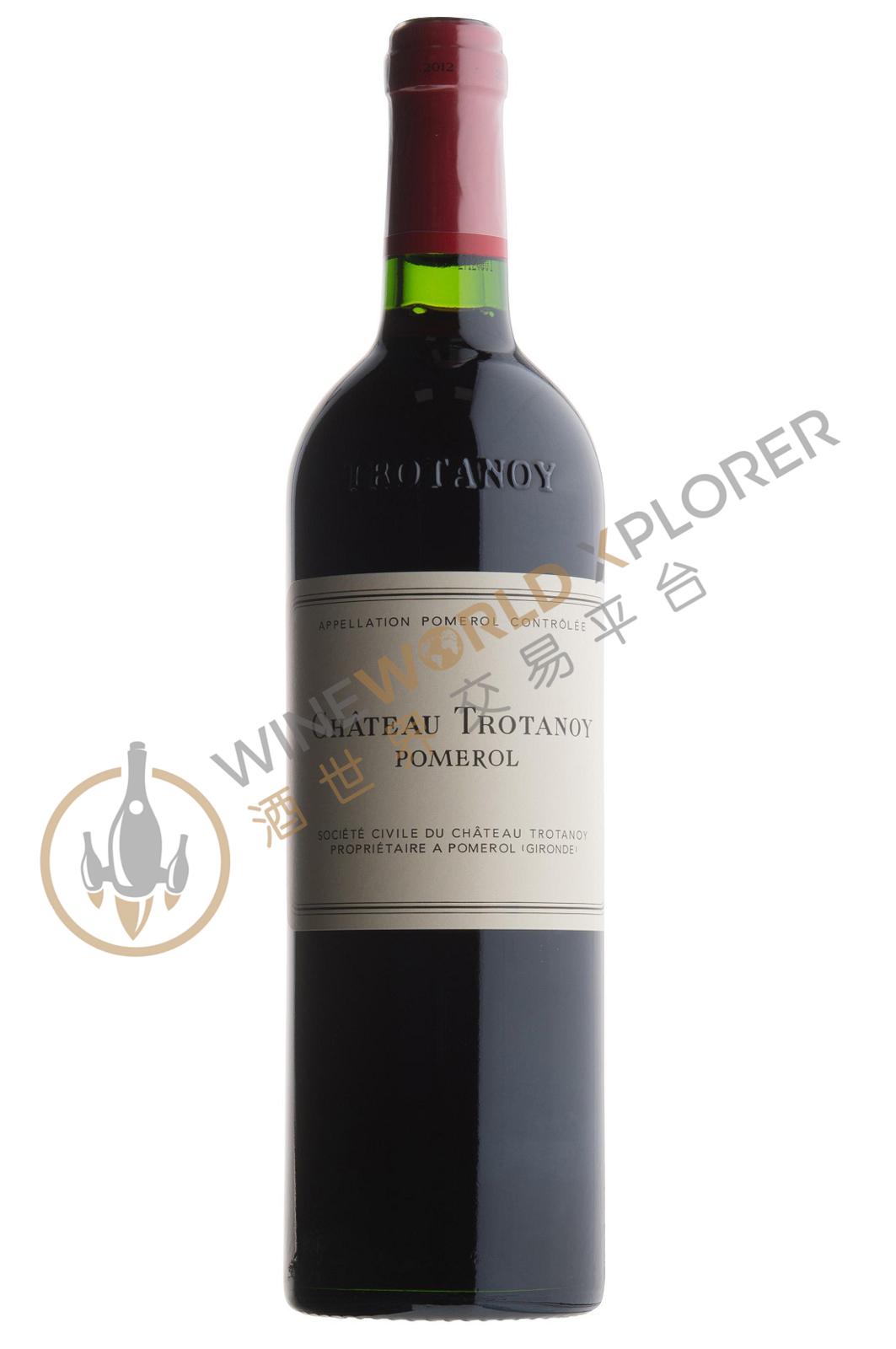
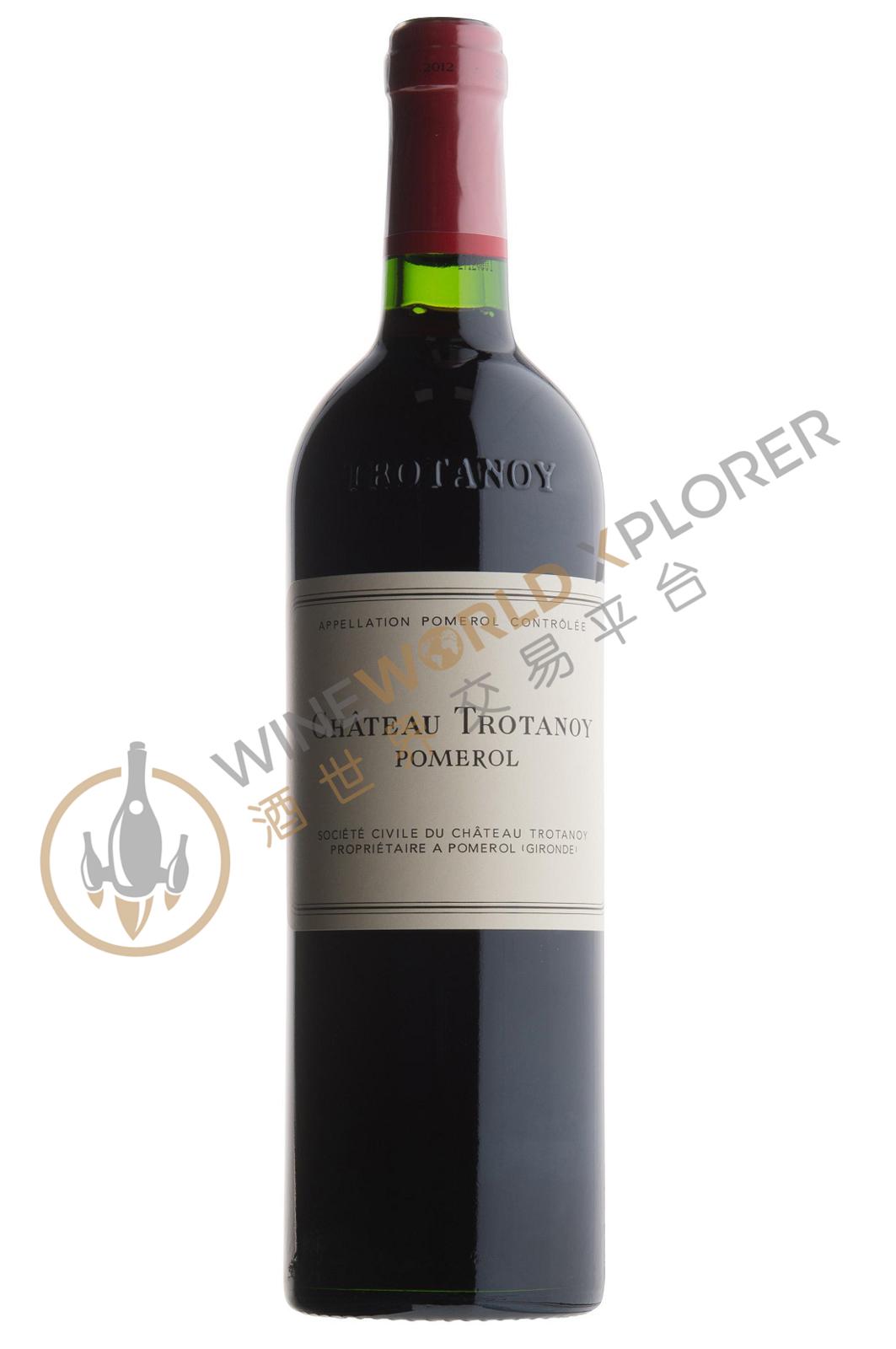
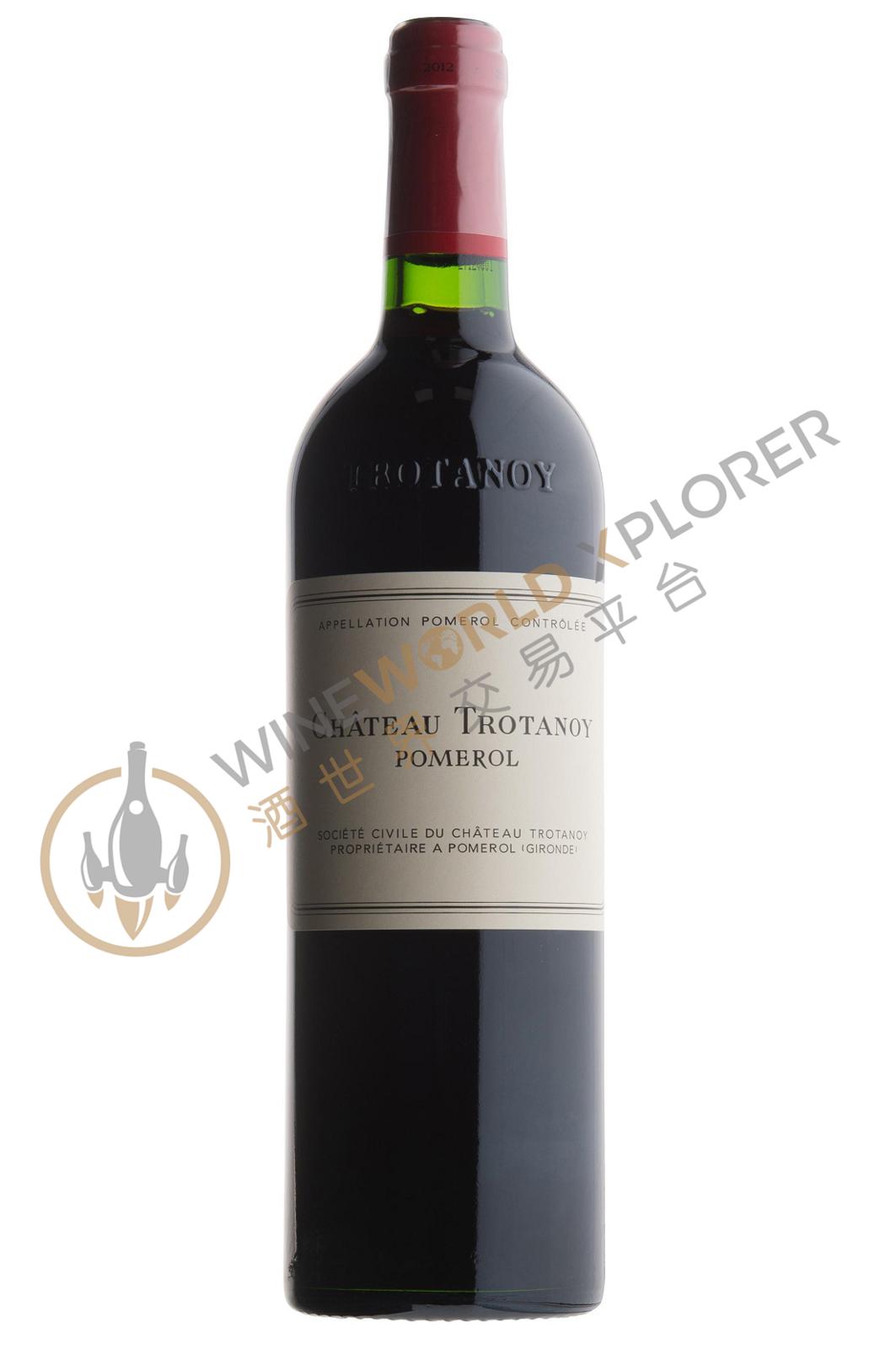
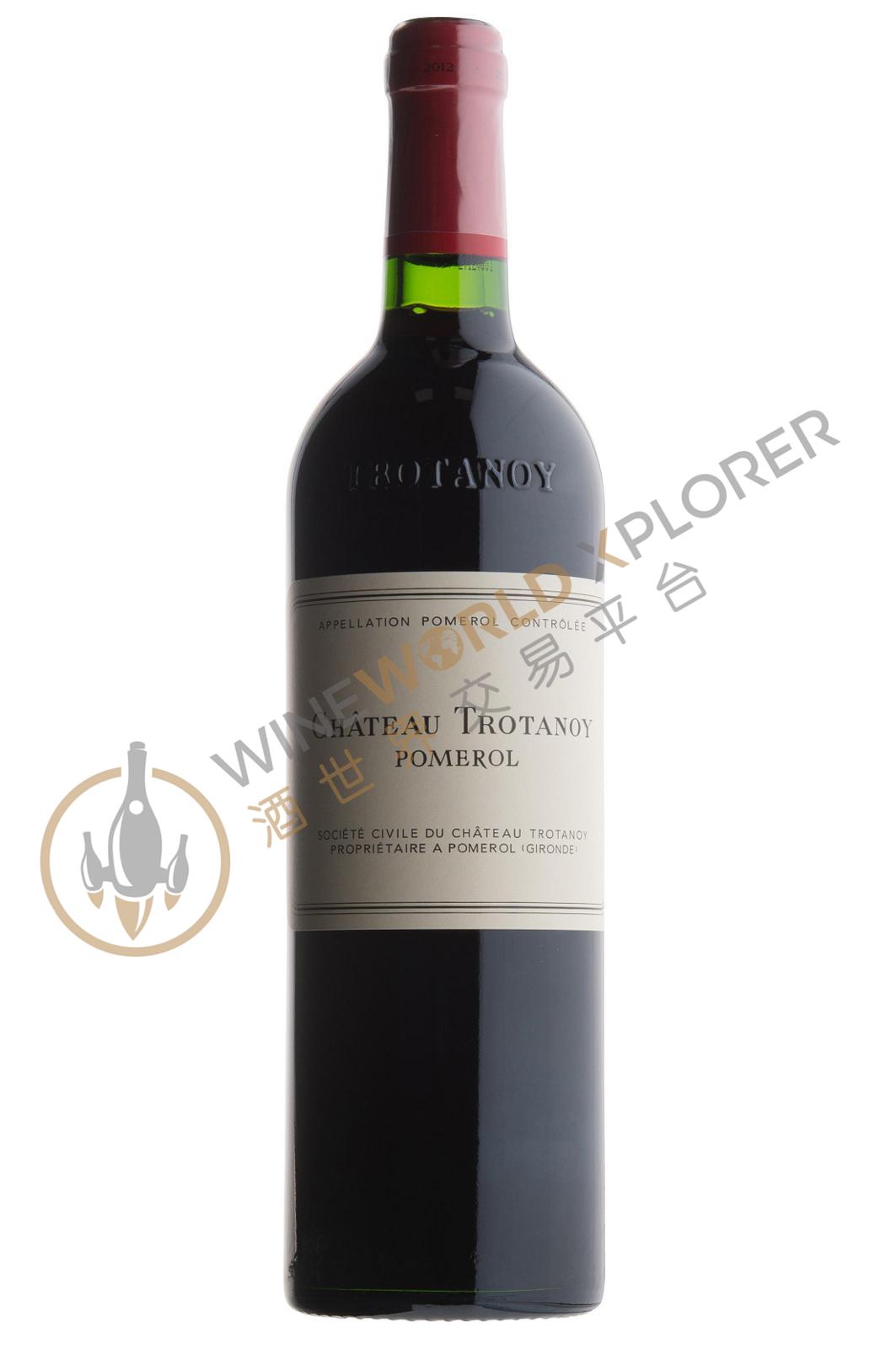
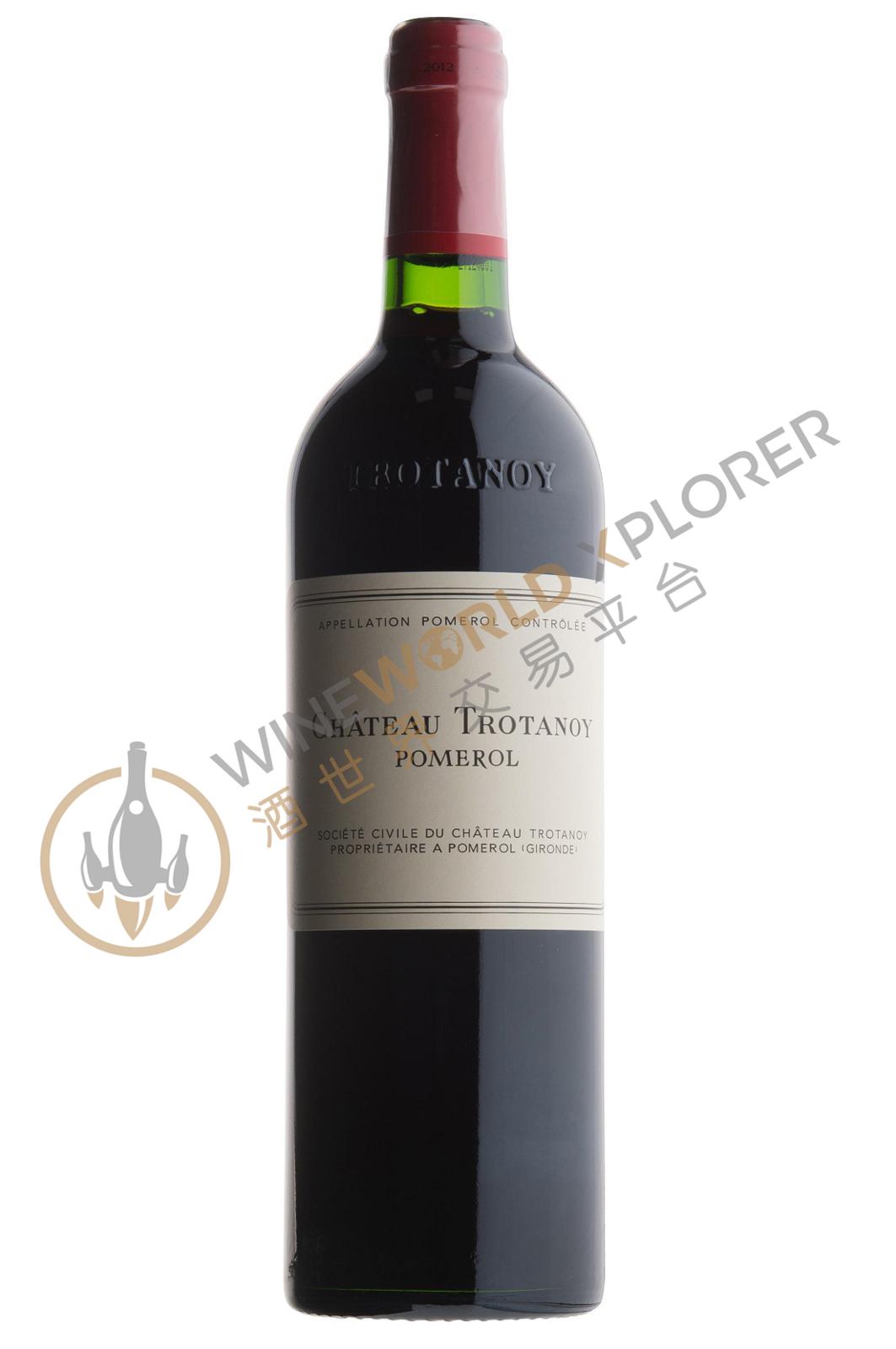
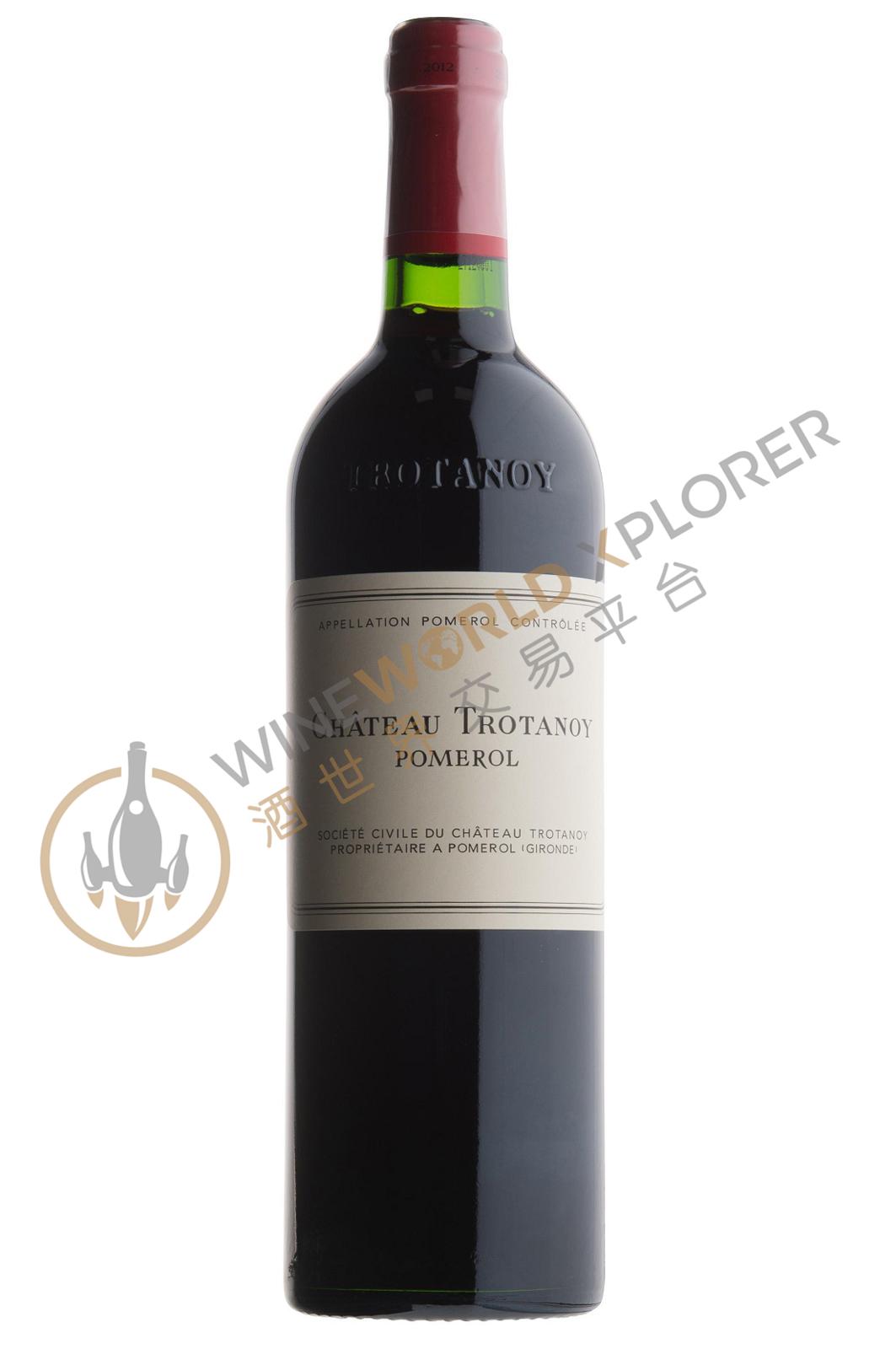
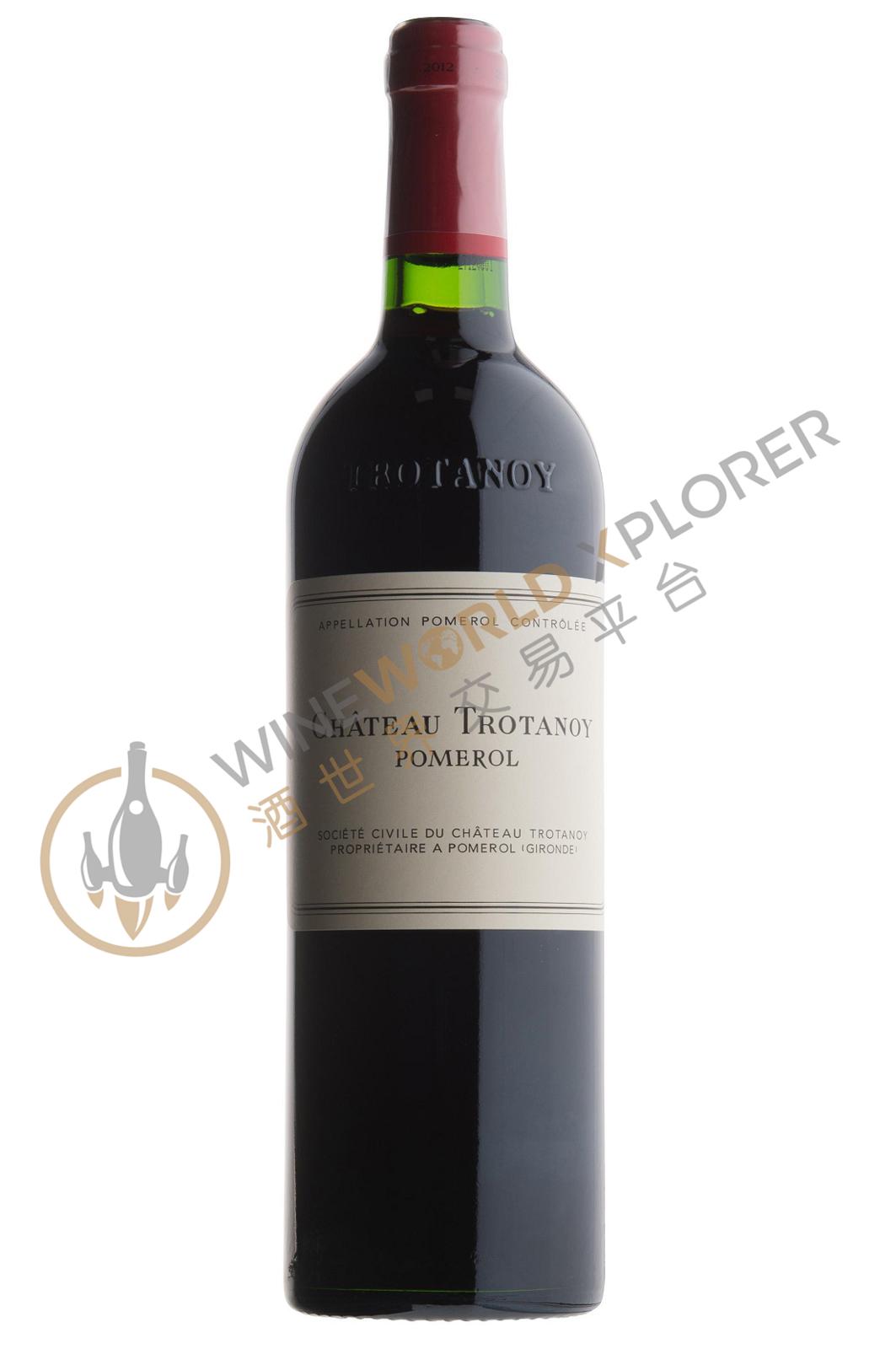
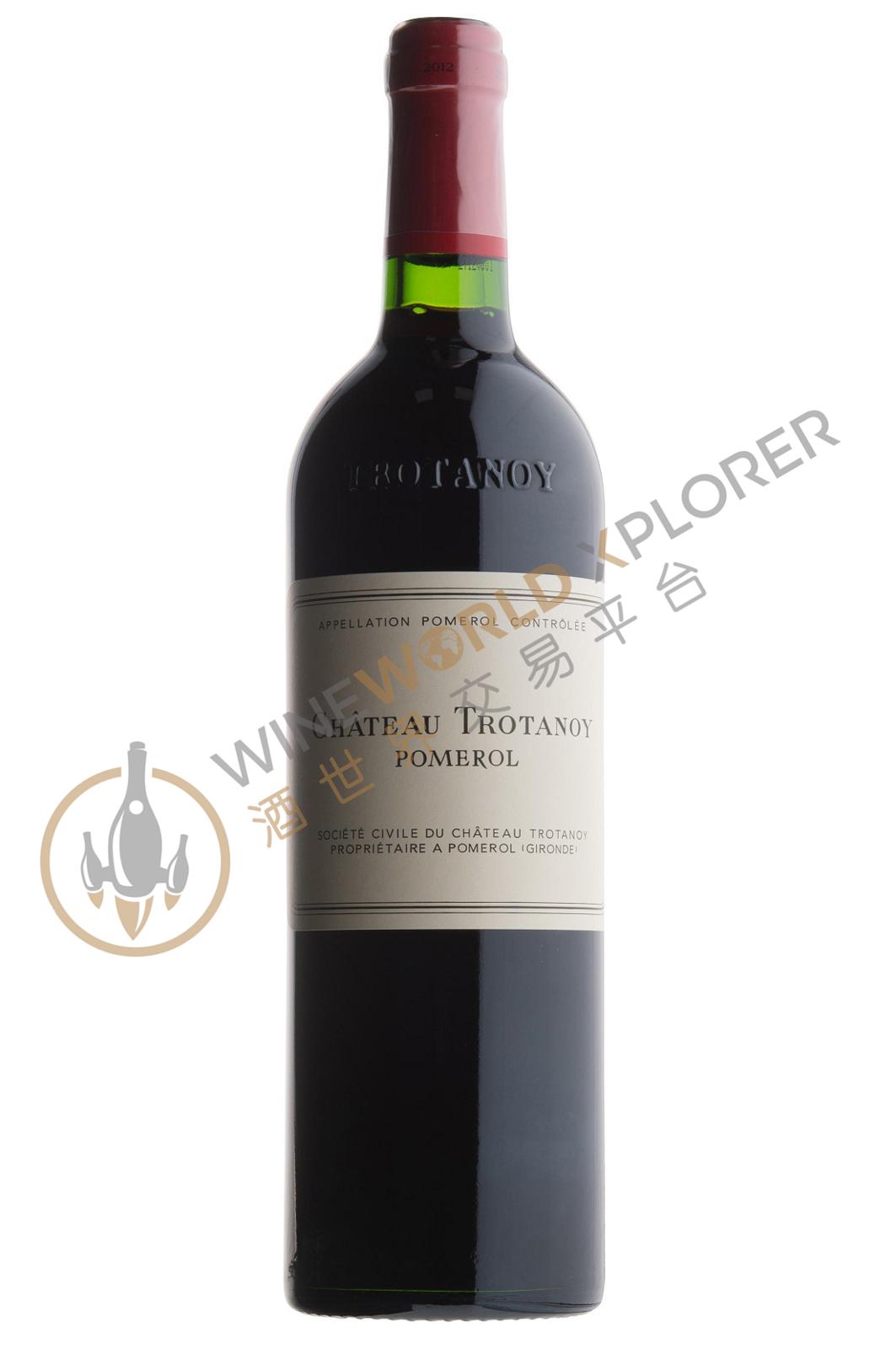
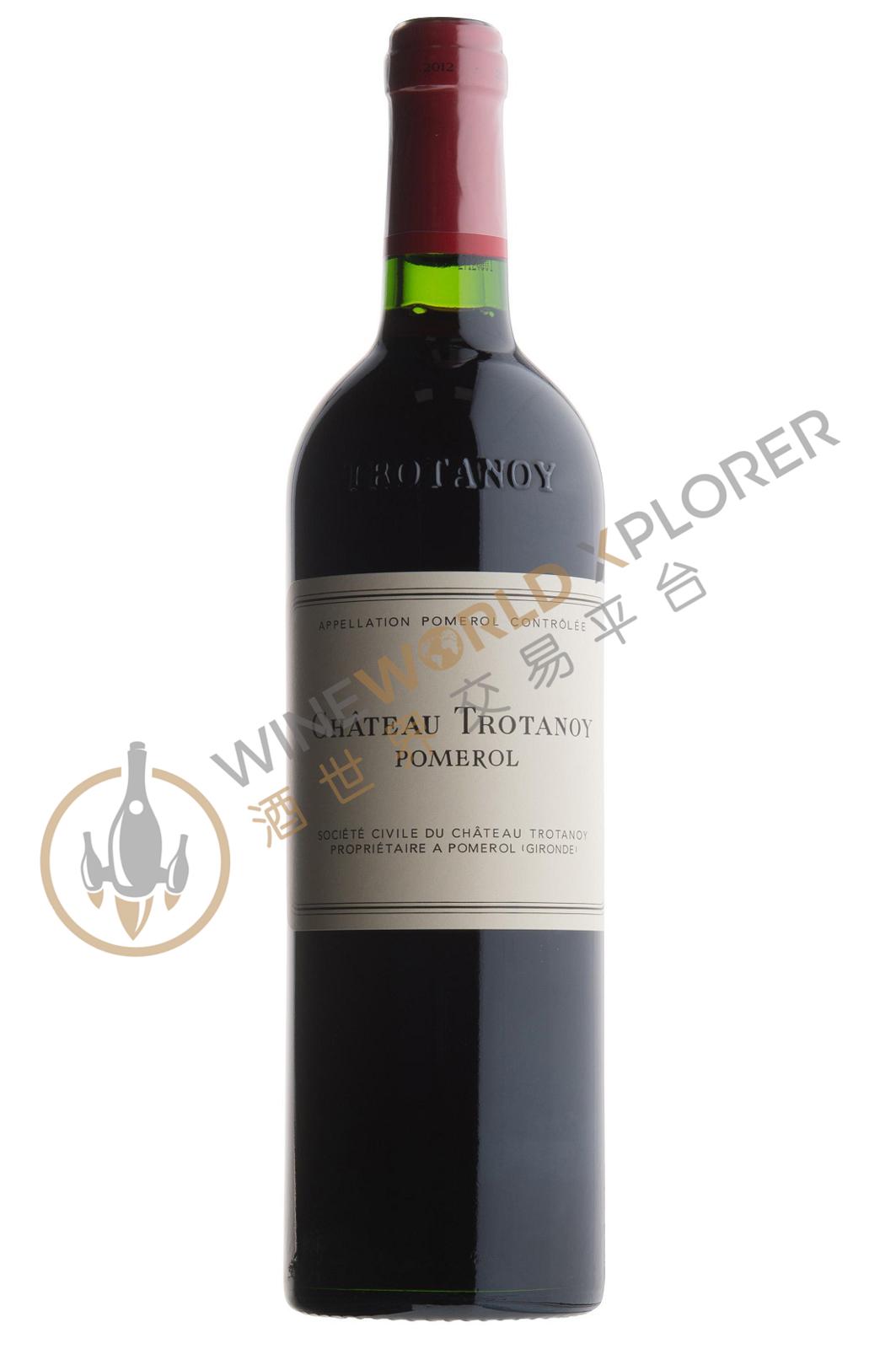
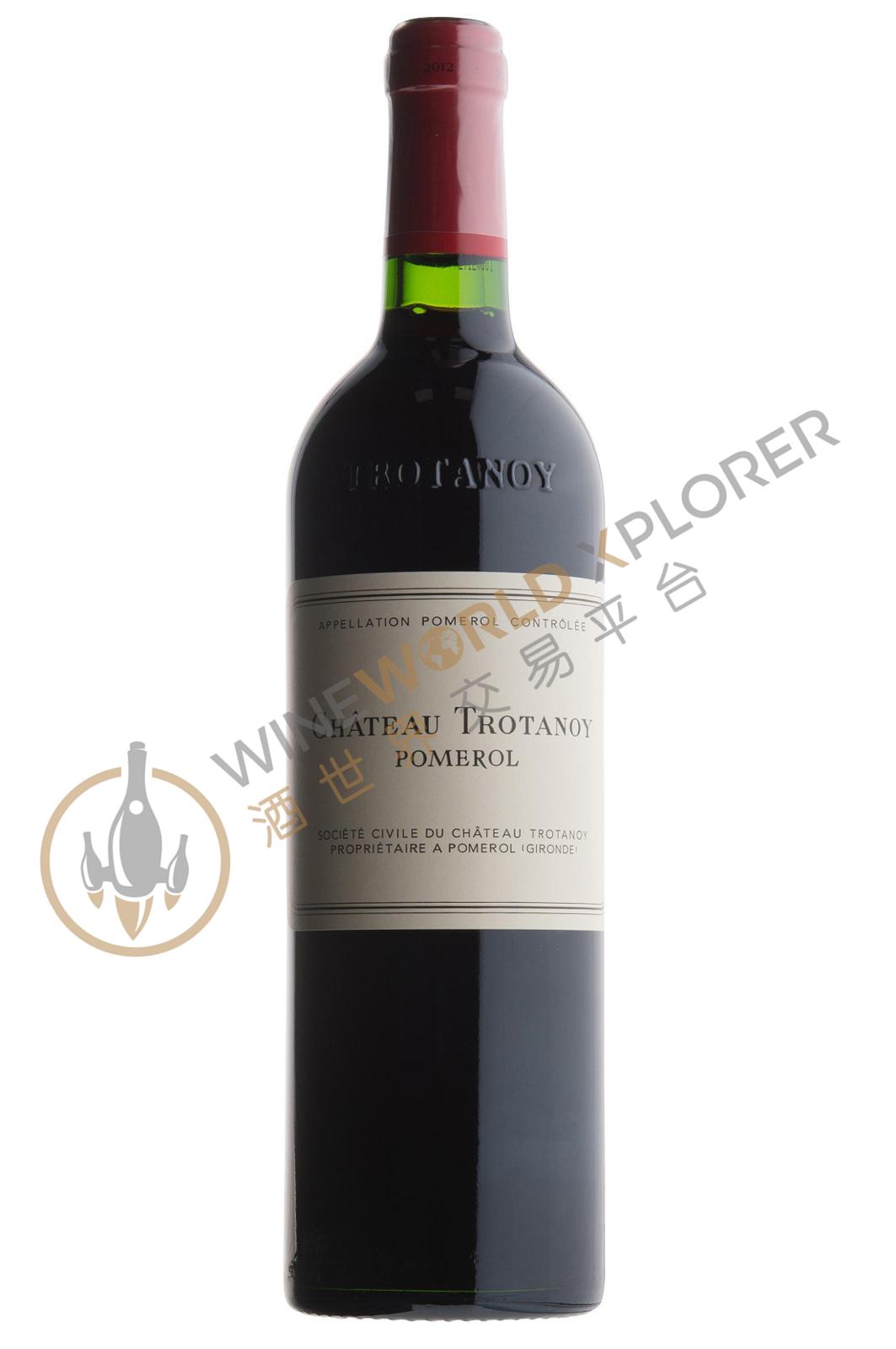
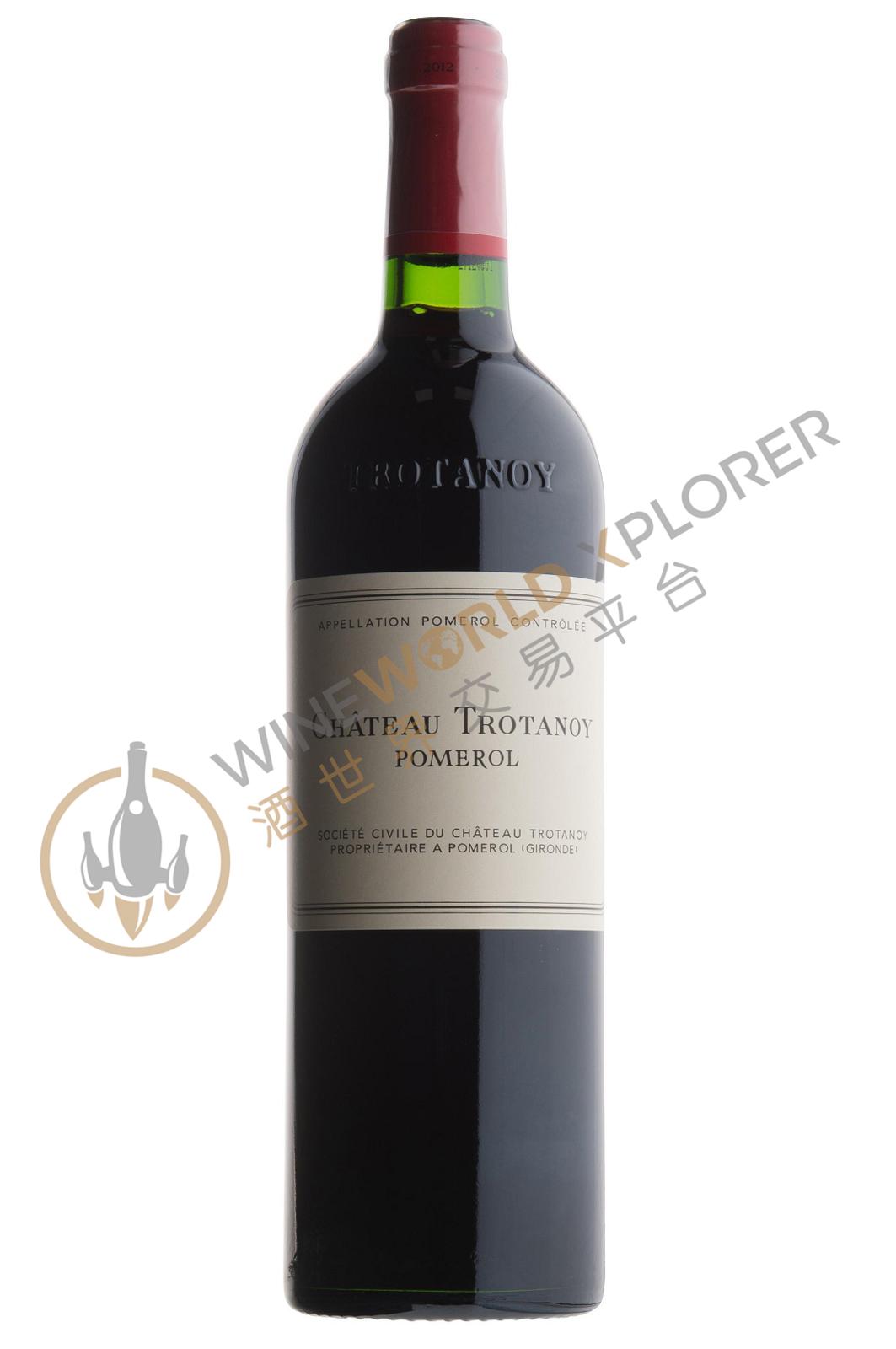
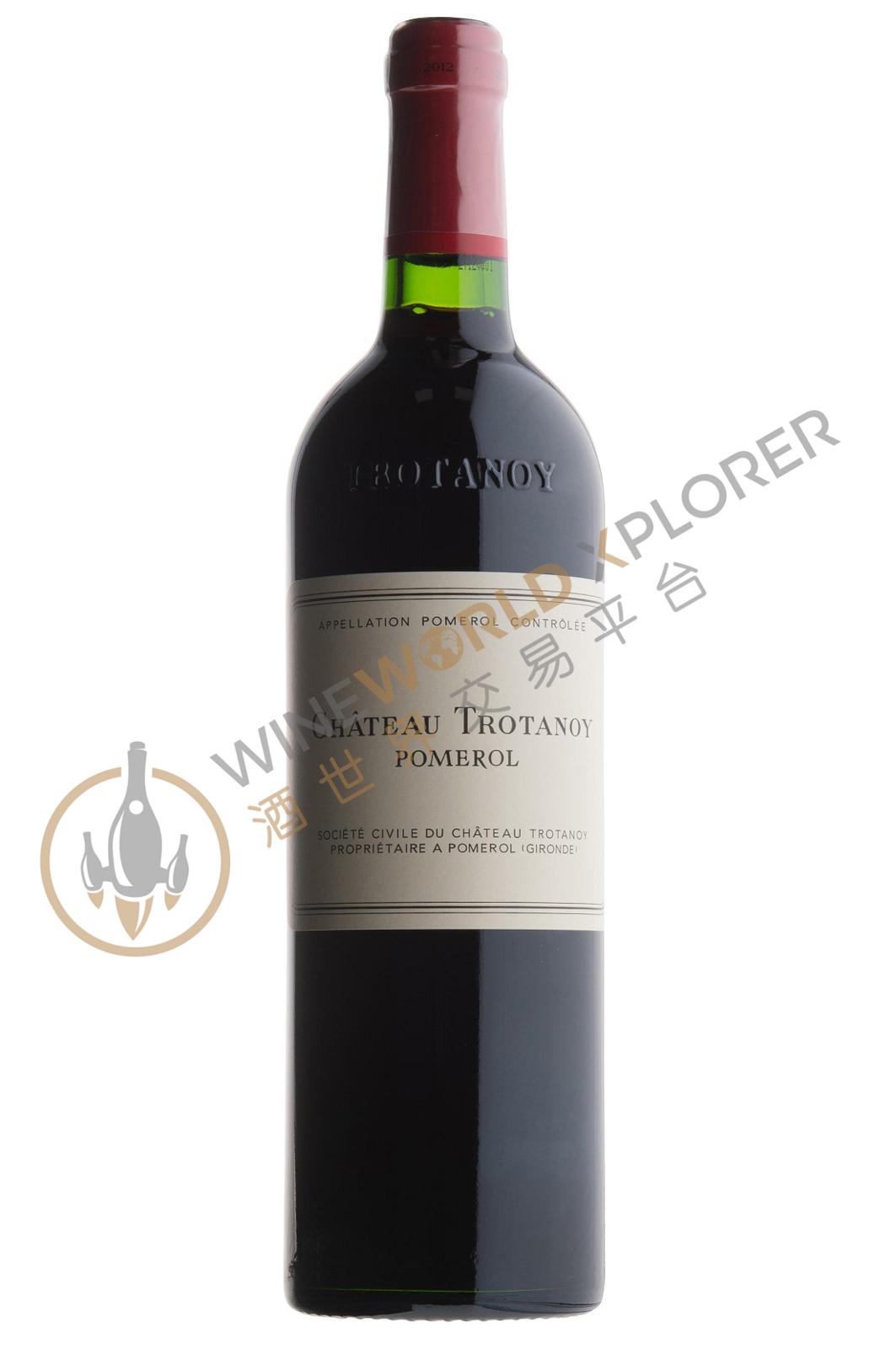
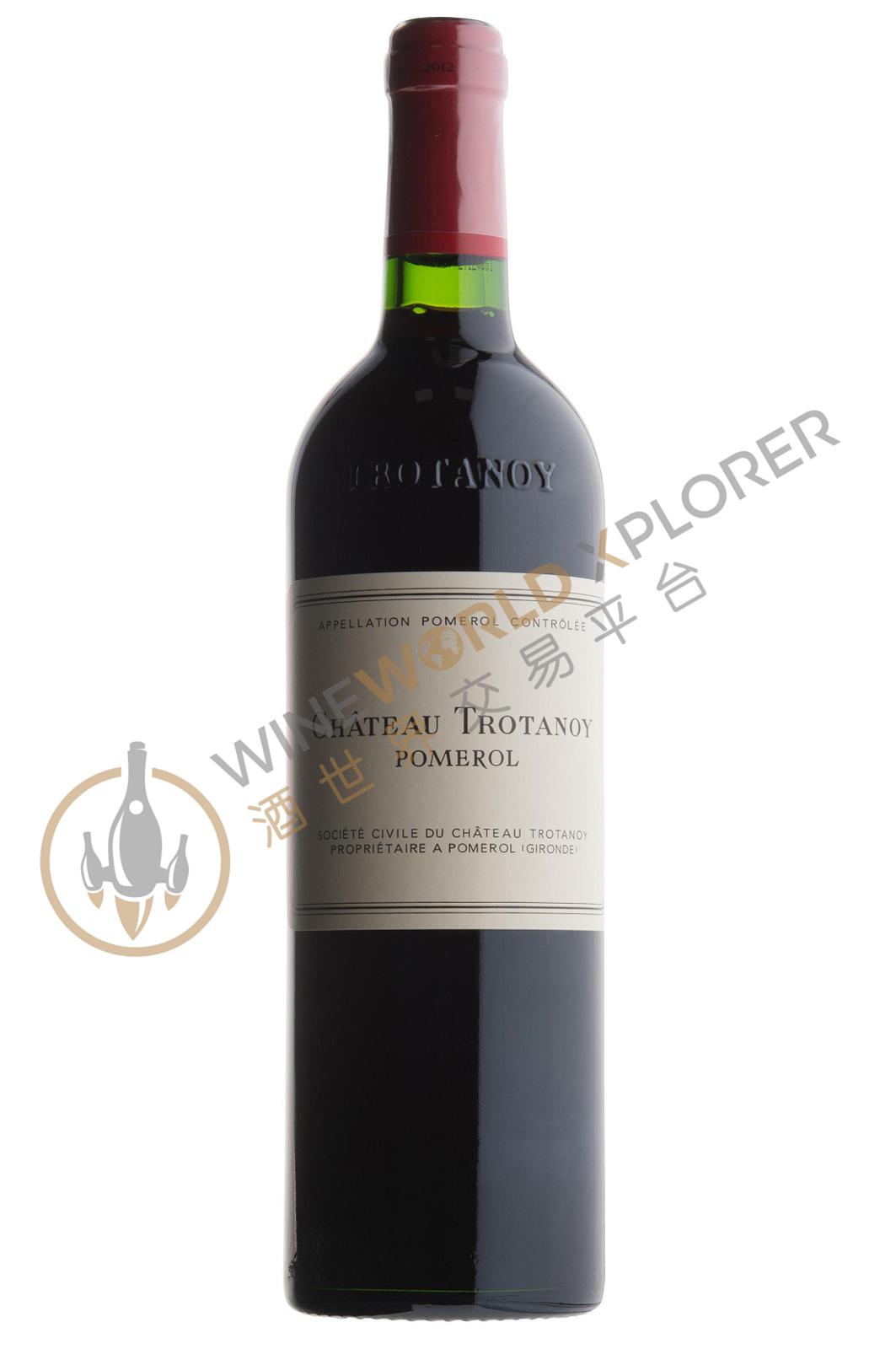
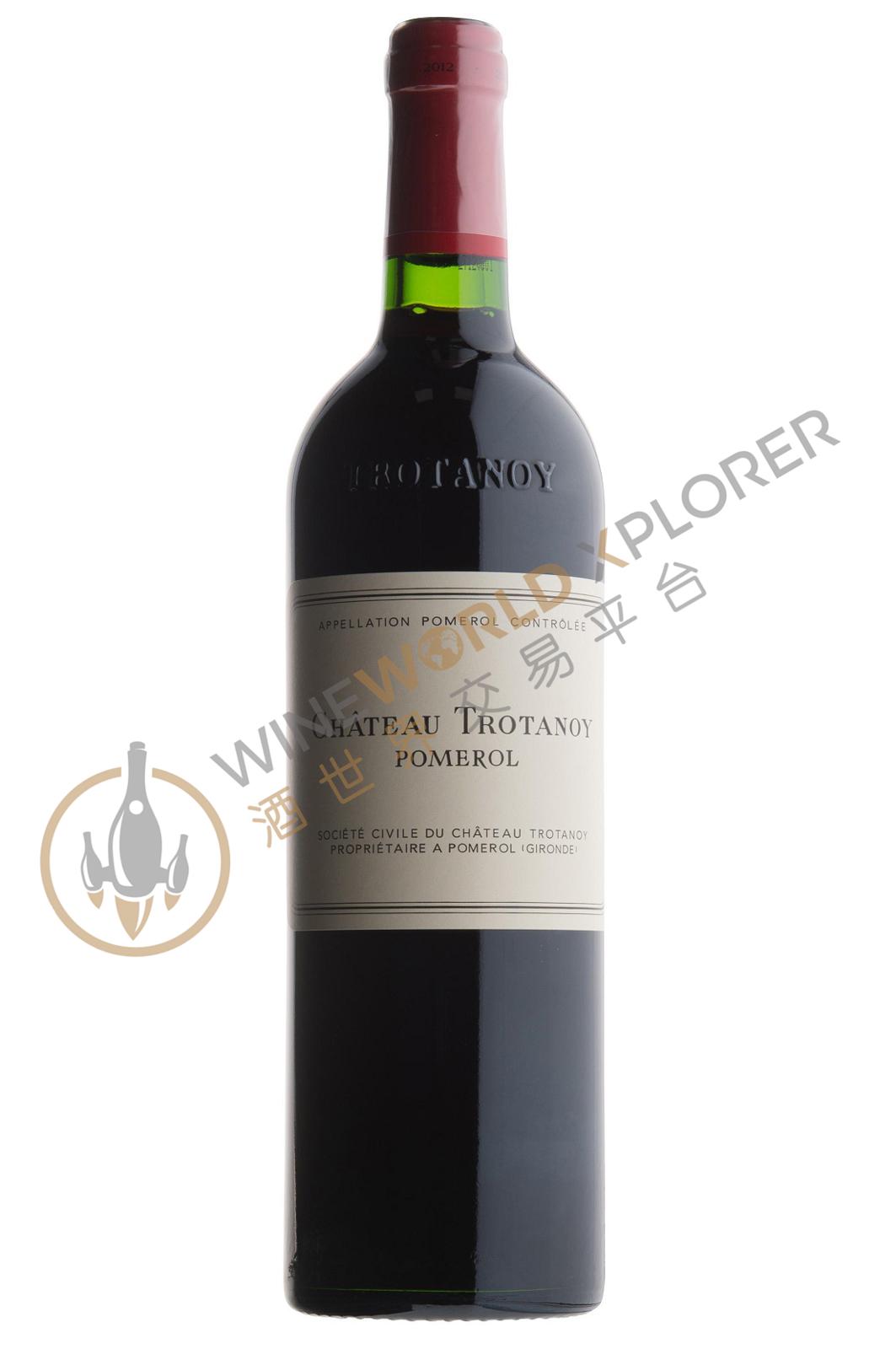
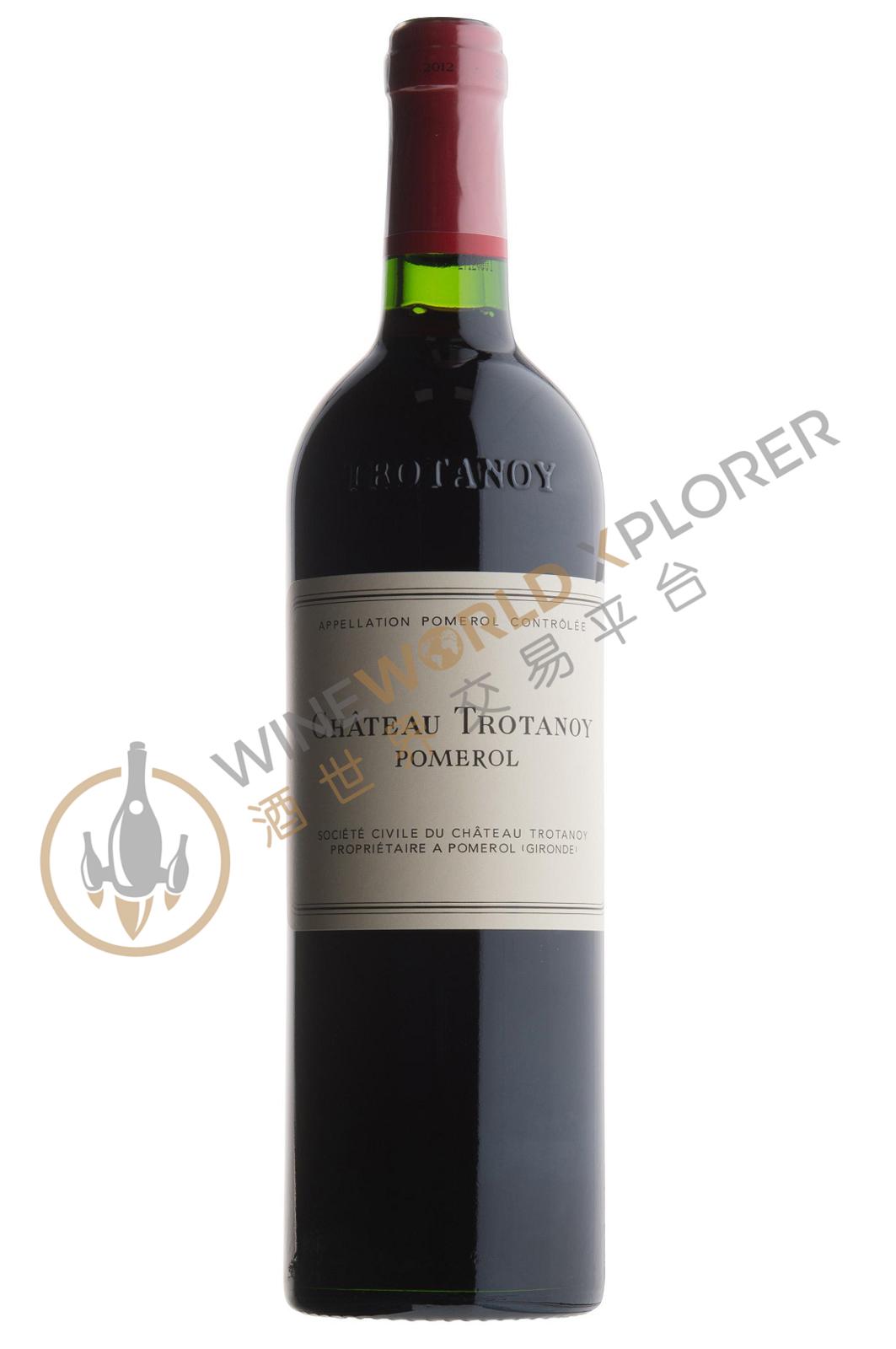
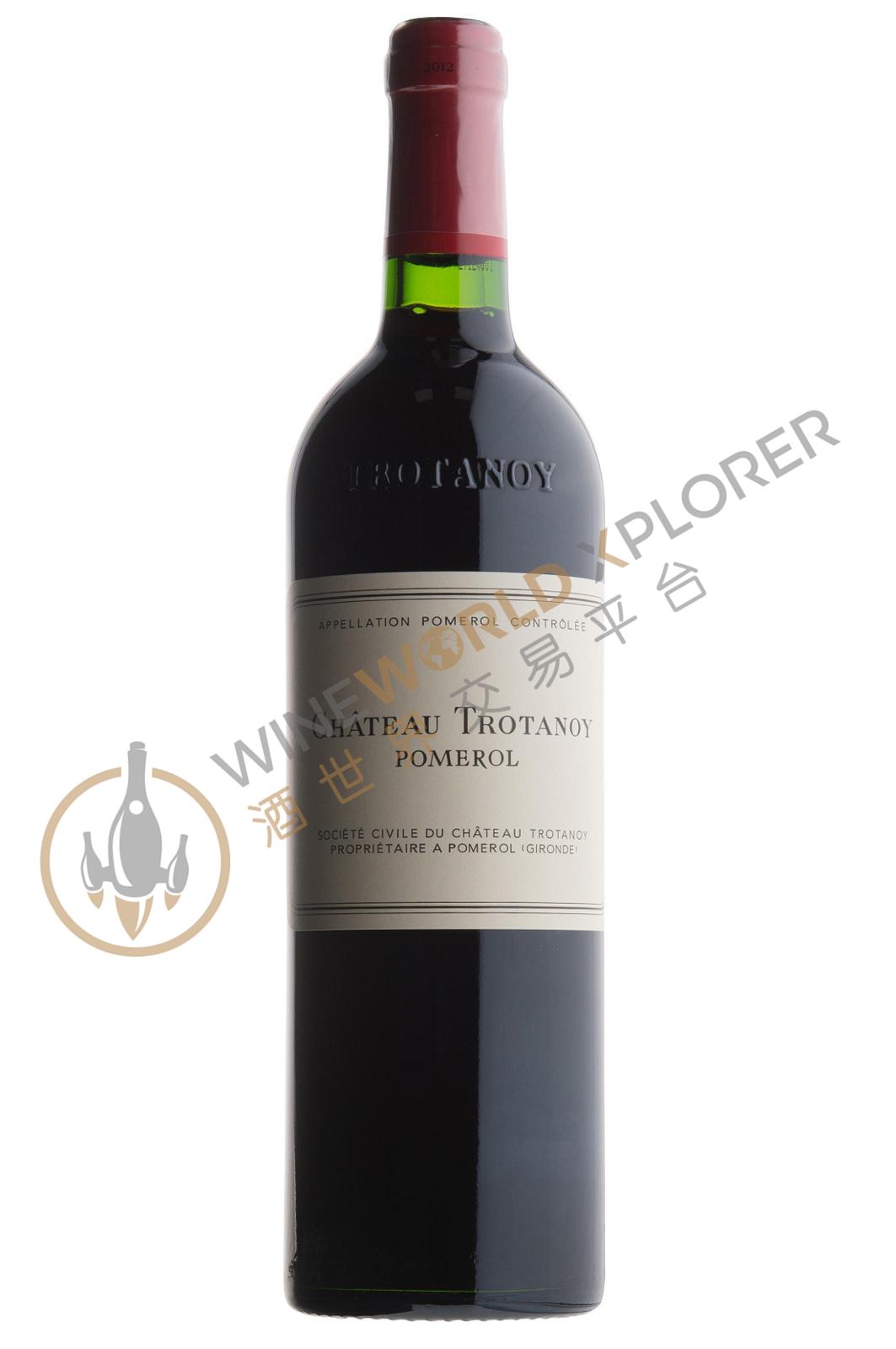
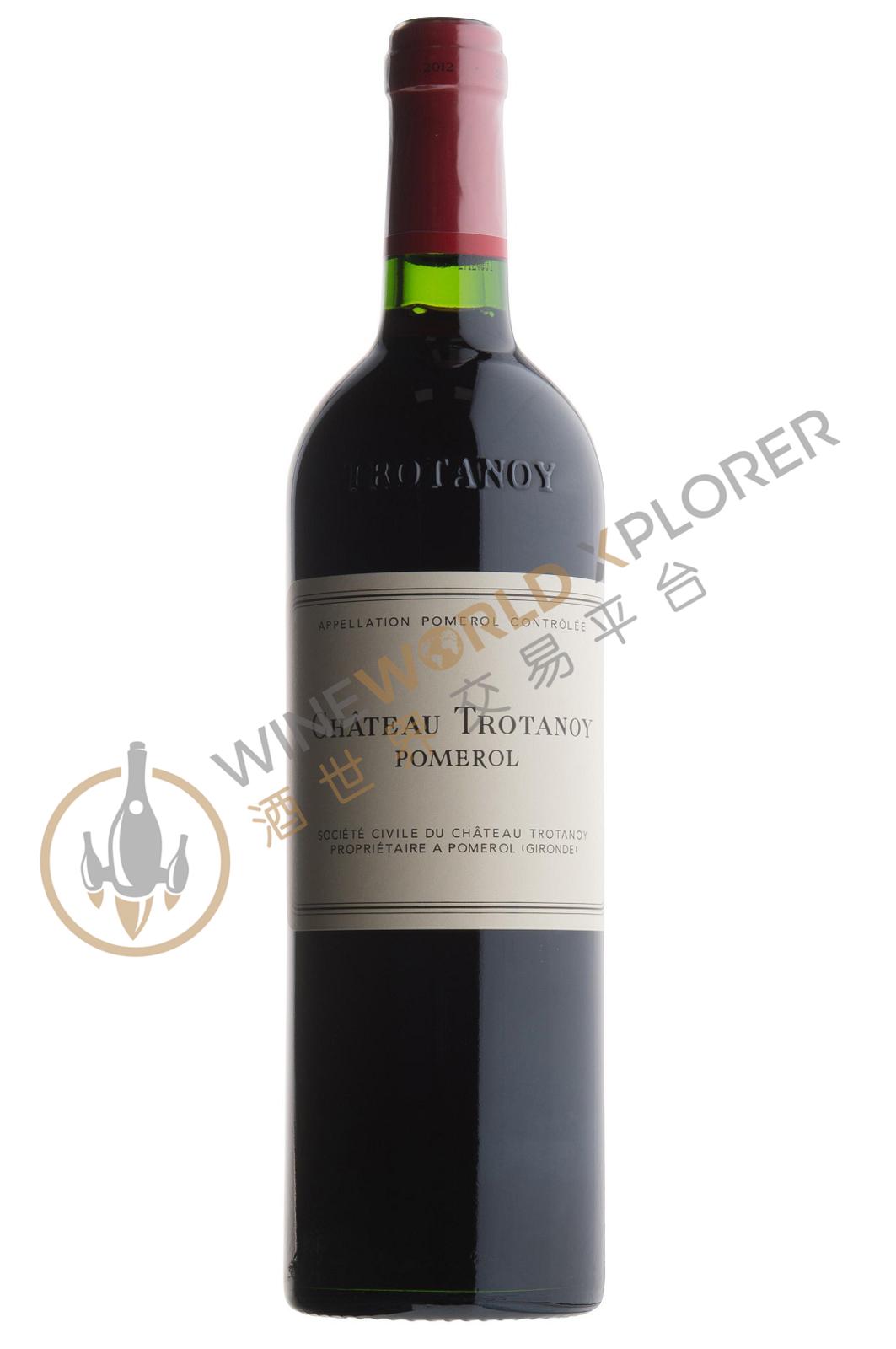
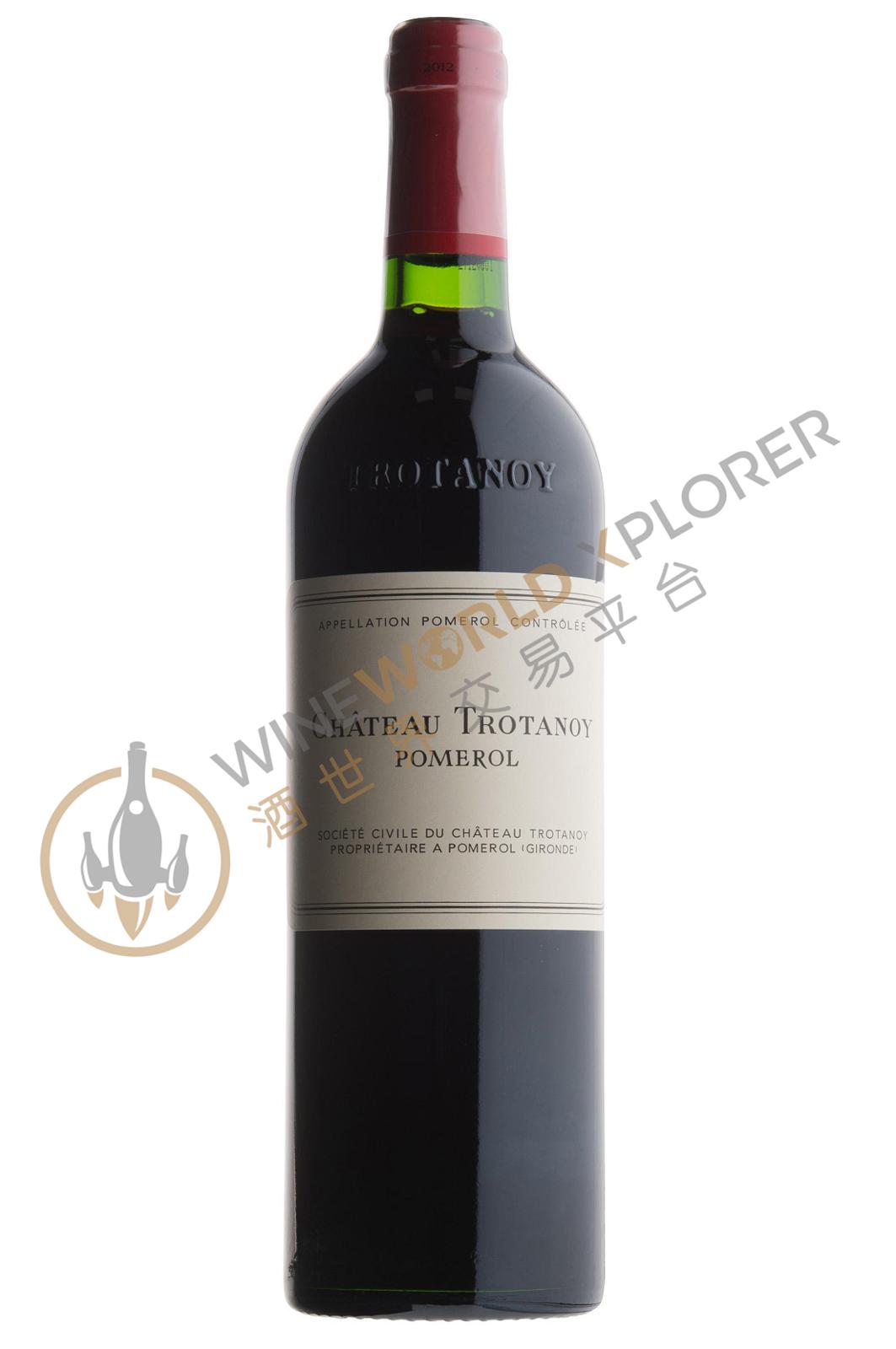
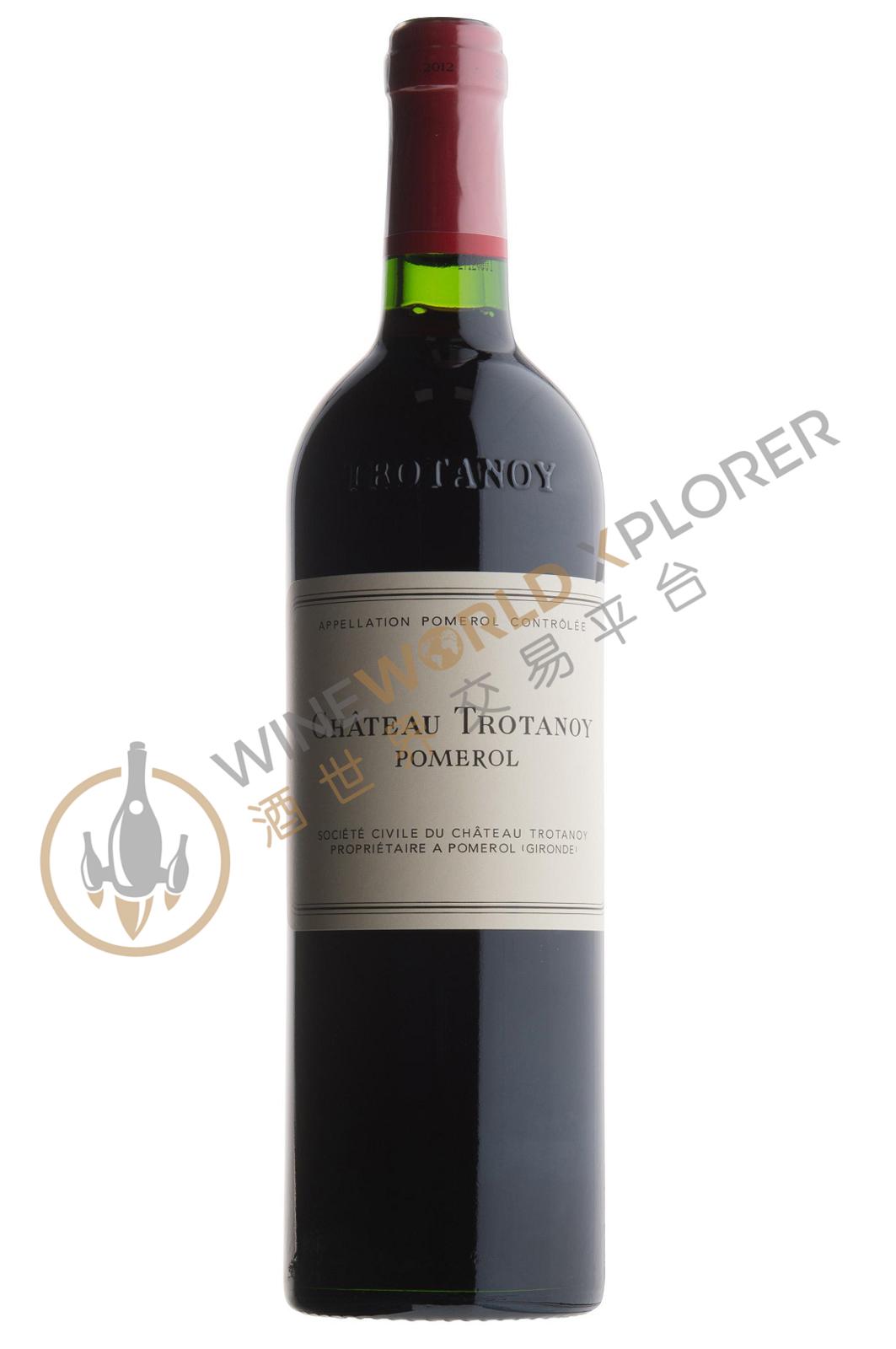
Trotanoy 2013
 View analysis


Description
Tasting notes

Reviewed by: Ian d'Agata
Bright dark red. Very perfumed nose of black cherry, minty blackcurrant, violet, sage and sandalwood; one of the most aromatic young Trotanoys I recall tasting in the last 20 years. Sweet and luscious on entry, but then turns slightly austere with peppery blackcurrant and dark cherry elements. The finish is long and clean but features rising, tough tannins that are especially noticeable since the fruit is less concentrated and dense than usual. Usually one of Bordeaux's biggest, brooding wines, this is the most politely-styled, easier to drink young Trotanoys of the last decade.
Reviewed by: Neal Martin
The Trotanoy is slightly deeper in colour than the other Pomerol crus from JP Moueix. The nose is nicely focused with ample red berry fruit interlaced with scents of tobacco and a hint of orange rind. It is not an oppressive nose like Trotanoy can occasionally be at this stage (and that is not implied pejoratively.) The palate is medium-bodied with fine tannins that express Trotanoy's masculine DNA. This is a serious Trotanoy, a little introverted towards the finish, but with very good persistency. Whilst I had to banish memories of the startling 2009 tasted just 4 weeks earlier, this should still turn out to be a fine Trotanoy. Tasted April 2014.
Reviewed by: Robert M. Parker, Jr.
Only 1,000 cases of the 2013 Trotanoy were produced (about half of the usual production). One of the stars as well as a major sleeper of the vintage, it is an atypically big, rich, full-boned effort with enough tannin and depth to require 2-3 years of cellaring. There is lots of purity as well as a strong, underlying, earthy, iron-like component intermixed with plenty of black cherry and black currant fruit, and hints of licorice and truffles. This impressive medium to full-bodied wine is atypically concentrated and rich for the vintage. Drink it over the next 12-15 years.
Reviewed by: Neal Martin
The 2013 Trotanoy appears to be maturing nicely in bottle. What I appreciate is the precision on the nose. No, it is not as complex or as intense as other vintages, yet there is admirable detail here, crushed stone mixed with redcurrant and blackberry. The palate is medium-bodied and clearly has commendable depth as it gently grips the mouth. There is substance here, more body if less roundness vis-a-vis the 2013 La Fleur Petrus with a slight edginess towards the finish and a hint of black truffle and smoke on the aftertaste. This should be considered as a success for the vintage and I can see it giving a couple of decades of drinking pleasure.
Reviewed by: Antonio Galloni
The 2013 Trotanoy is quite compact today, with only modest depth emerging from behind a wall of tannin. It will be interesting to see how the 2013 behaves over the coming year. Today, it is very hard to taste and to read. Rose petals, graphite, smoke and raspberry jam notes emerge over time, but only with great reluctance. The 2013 finishes with notable length and persistence, but is likely to require quite a bit of time to fully come together.
Reviewed by: James Suckling
This is a wine that shows solid structure of firm tannins, fresh fruit and bright acidity. Layered, with a lovely texture for the vintage.
Reviewed by: James Suckling
A pretty wine with firm and silky tannins, fresh fruit that has a citrus undertone. Hints of chocolate and walnut. Drink now or hold.
About the Producer
Purchased by Jean-Pierre Moueix in 1953, Château Trotanoy has been considered one of the premier crus of Pomerol since the end of the eighteenth century. The soil of Château Trotanoy is a very dense mixture of clay and gravel which tends to solidify as it dries out after rain to an almost concrete-like hardness, hence the name “Trotanoy,” or, in other words, “too wearisome” to cultivate. The Trotanoy vineyard slopes gently to the west. The soil at the highest point of exposure contains a good proportion of gravel, becoming progressively more dominated by clay as the elevation declines. Under this clay is a subsoil of red gravel and an impermeable layer of hard, iron-rich soil known as “crasse de fer.” This fascinating soil diversity brings power, depth and complexity to the wine. Trotanoy is vinified in small concrete vats, while aging takes place in oak barrels. Trotanoy is a naturally profound, complex, richly-concentrated wine with outstanding aging potential. The wine possesses a deep color and a dense, powerful nose, repeated on the palate with the addition of creamy, dark chocolate notes, and a singular concentration of flavor owed to its very old vines.
1966(1)1976(1)1979(1)1981(1)1983(1)1989(2)1990(2)1993(1)1995(1)1996(5)1997(1)1998(1)1999(1)2000(13)2001(3)2002(2)2003(4)2004(5)2005(4)2006(6)2007(9)2008(7)2009(9)2010(14)2011(17)2012(10)
Package Size