Wine Advisor



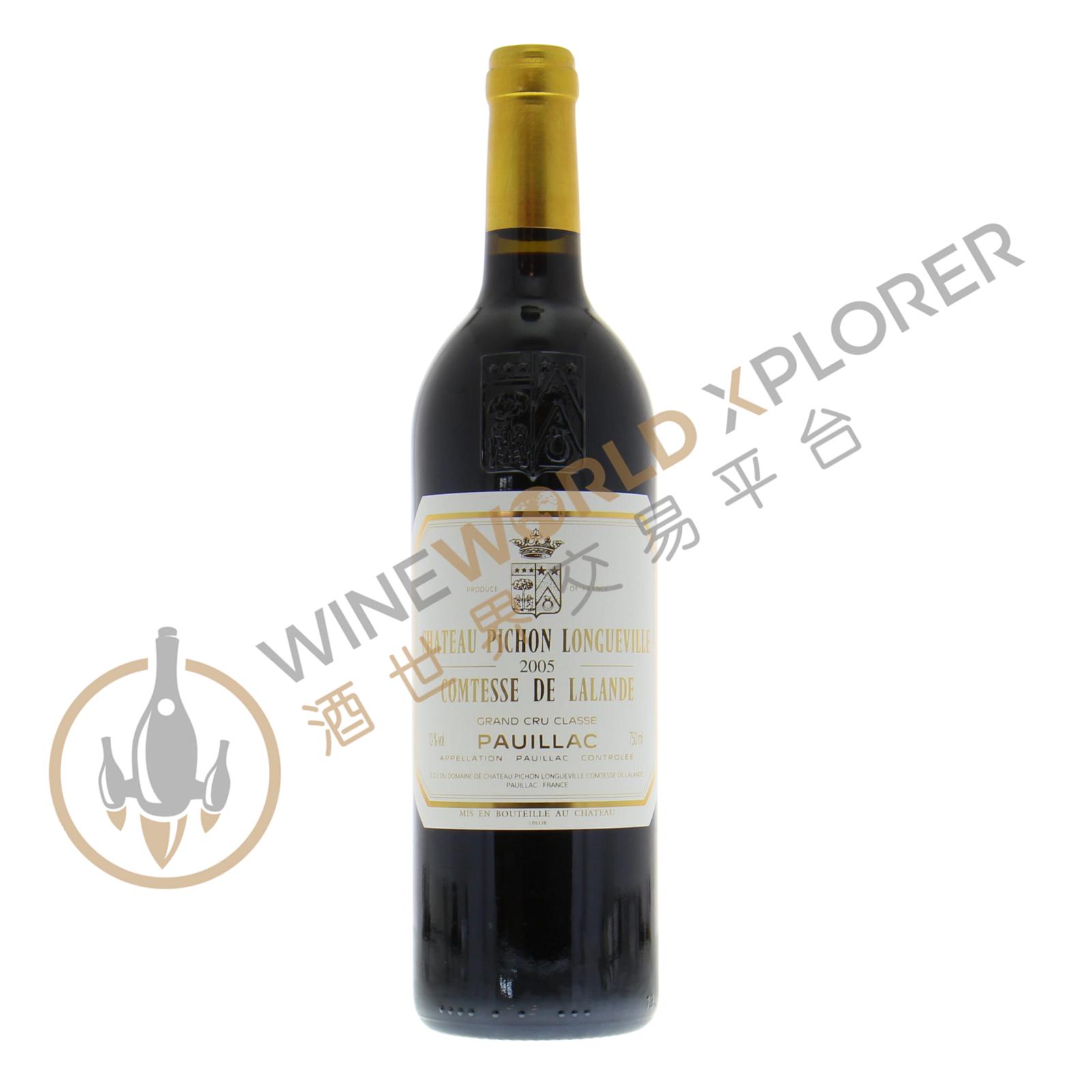
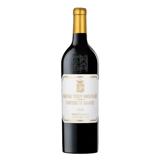
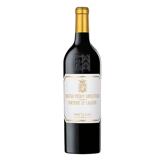
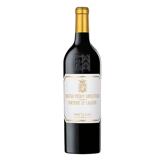
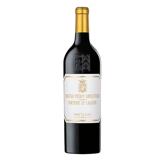
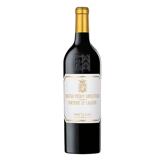
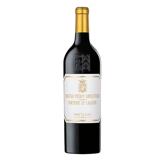
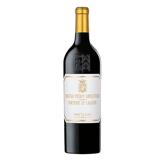
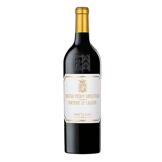
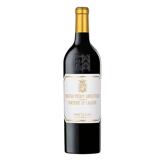
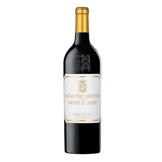
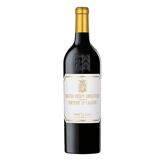
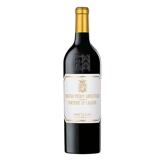
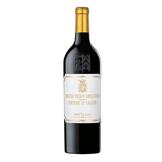
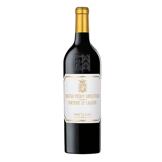
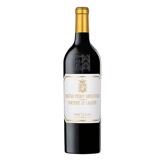
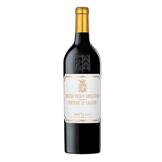
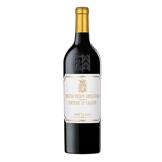
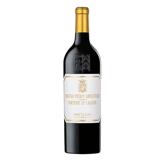
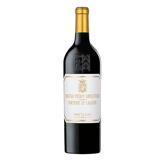
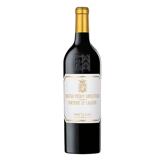
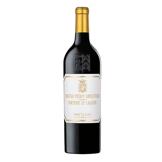
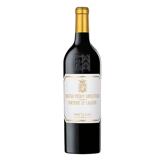
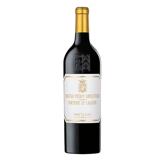
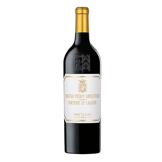
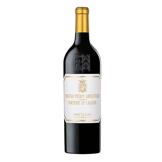
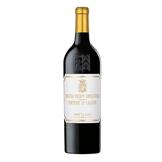
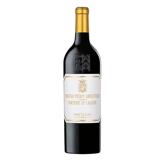
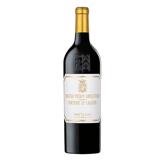
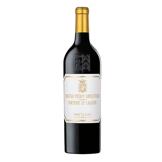
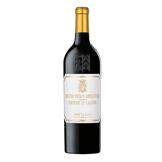
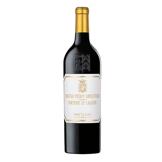
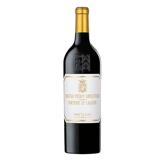
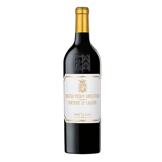
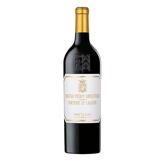
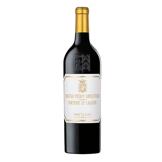
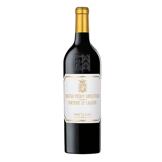
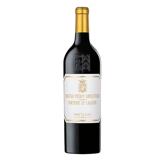
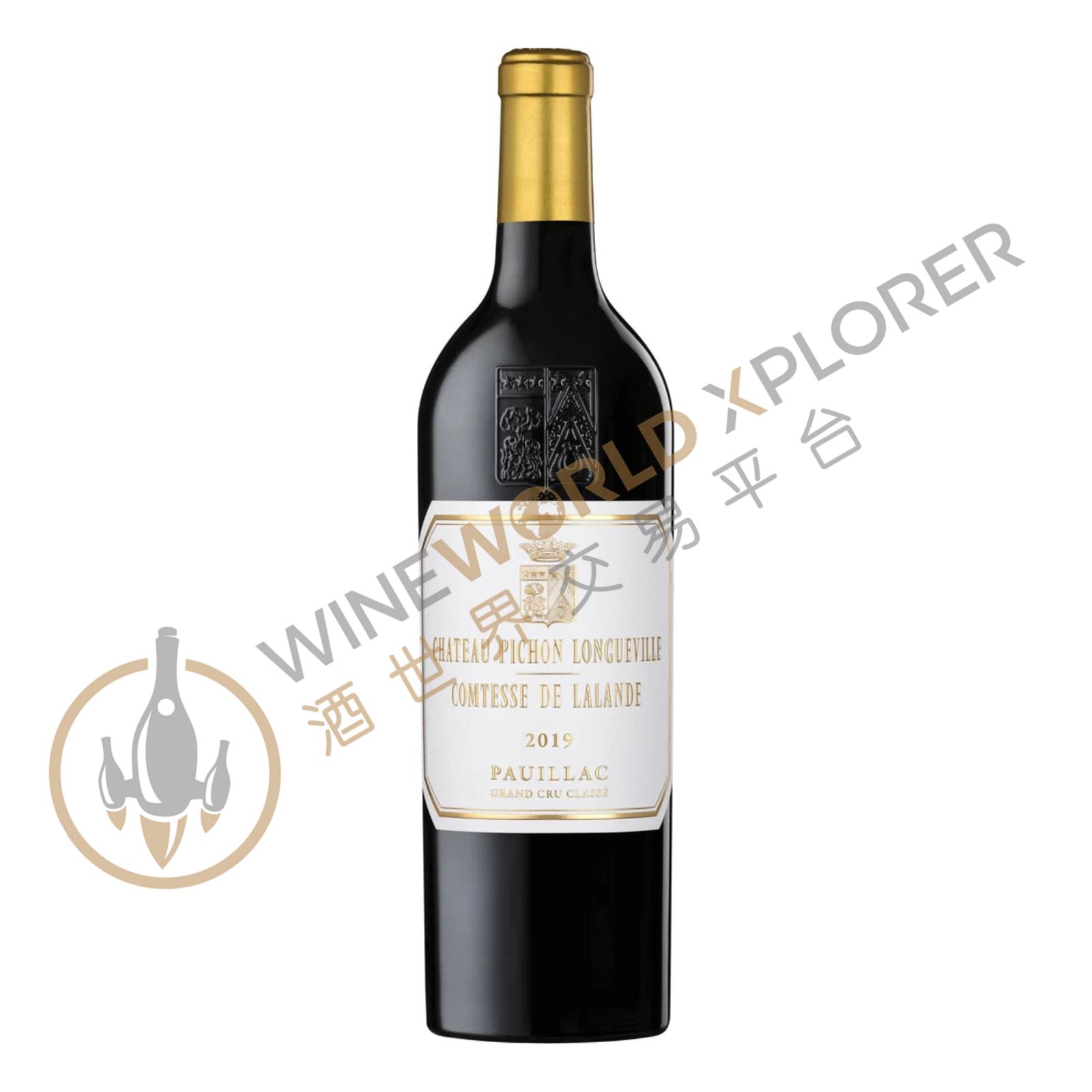
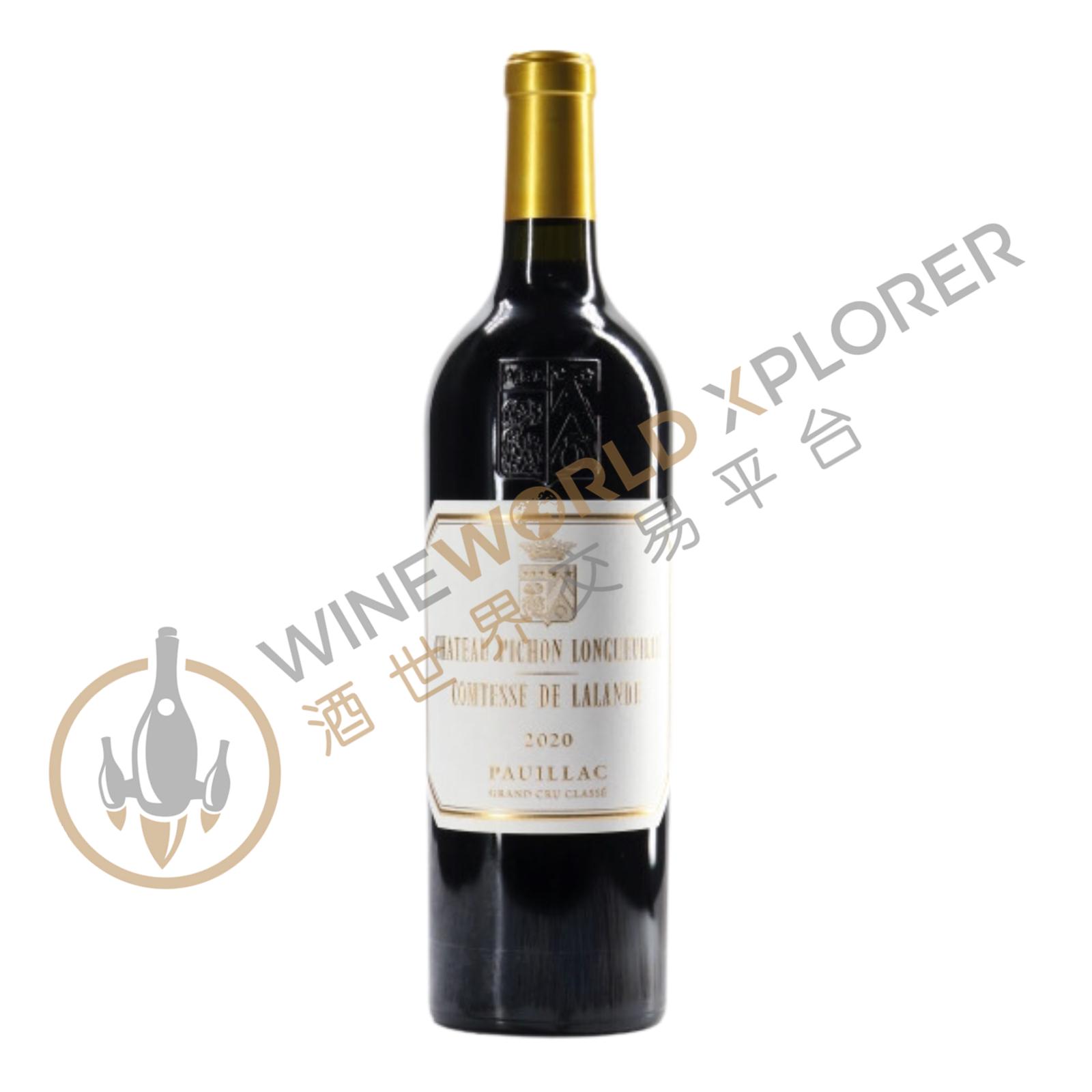
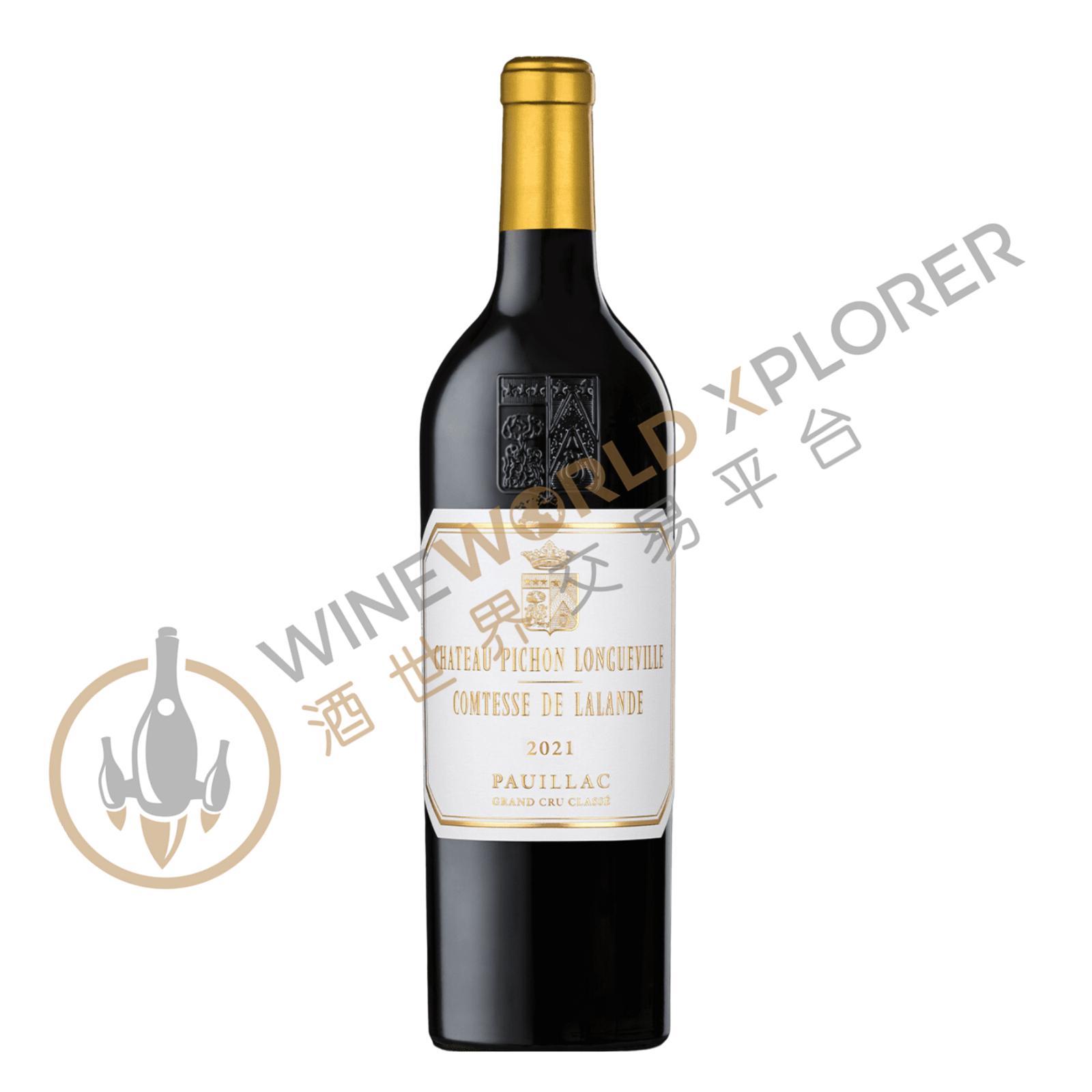
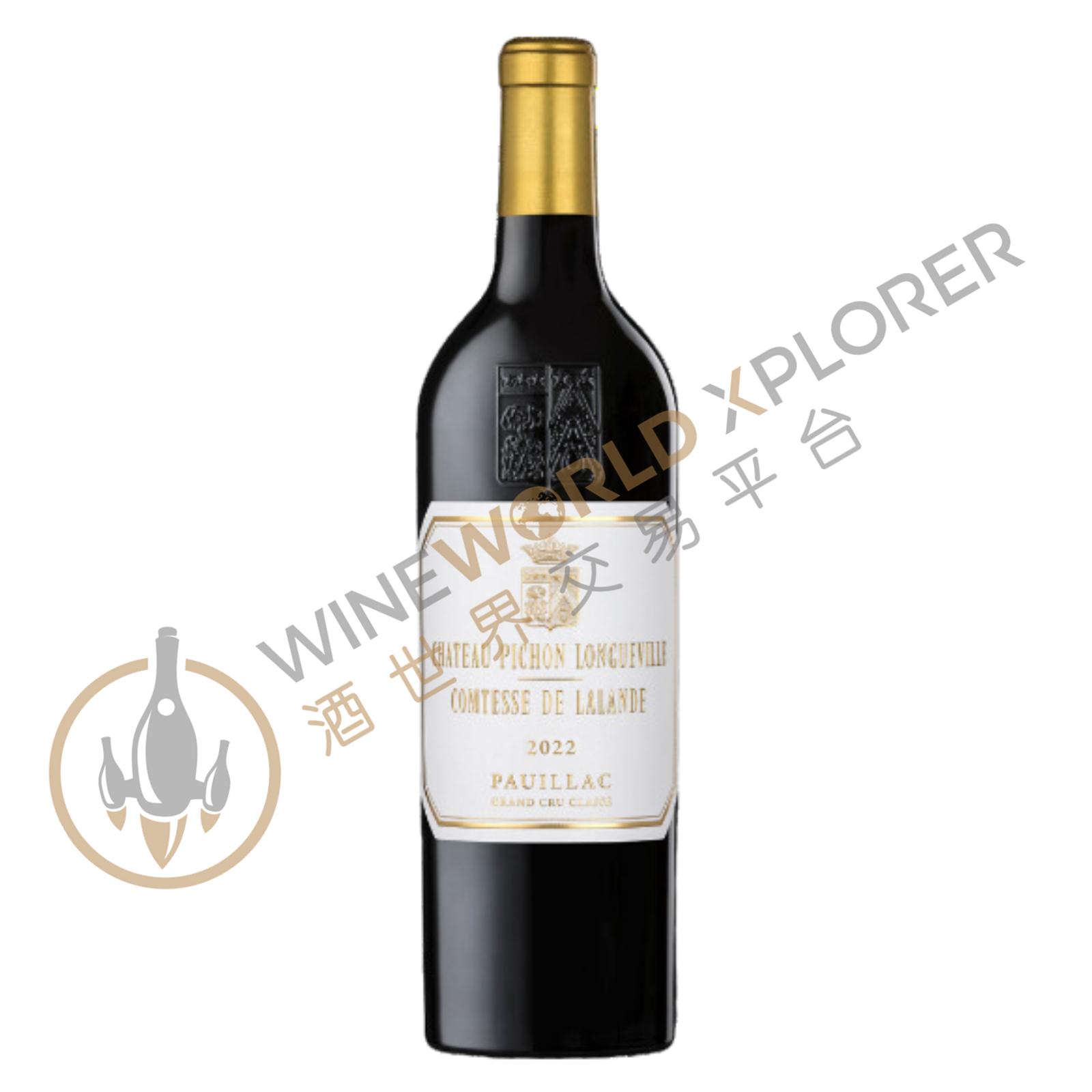
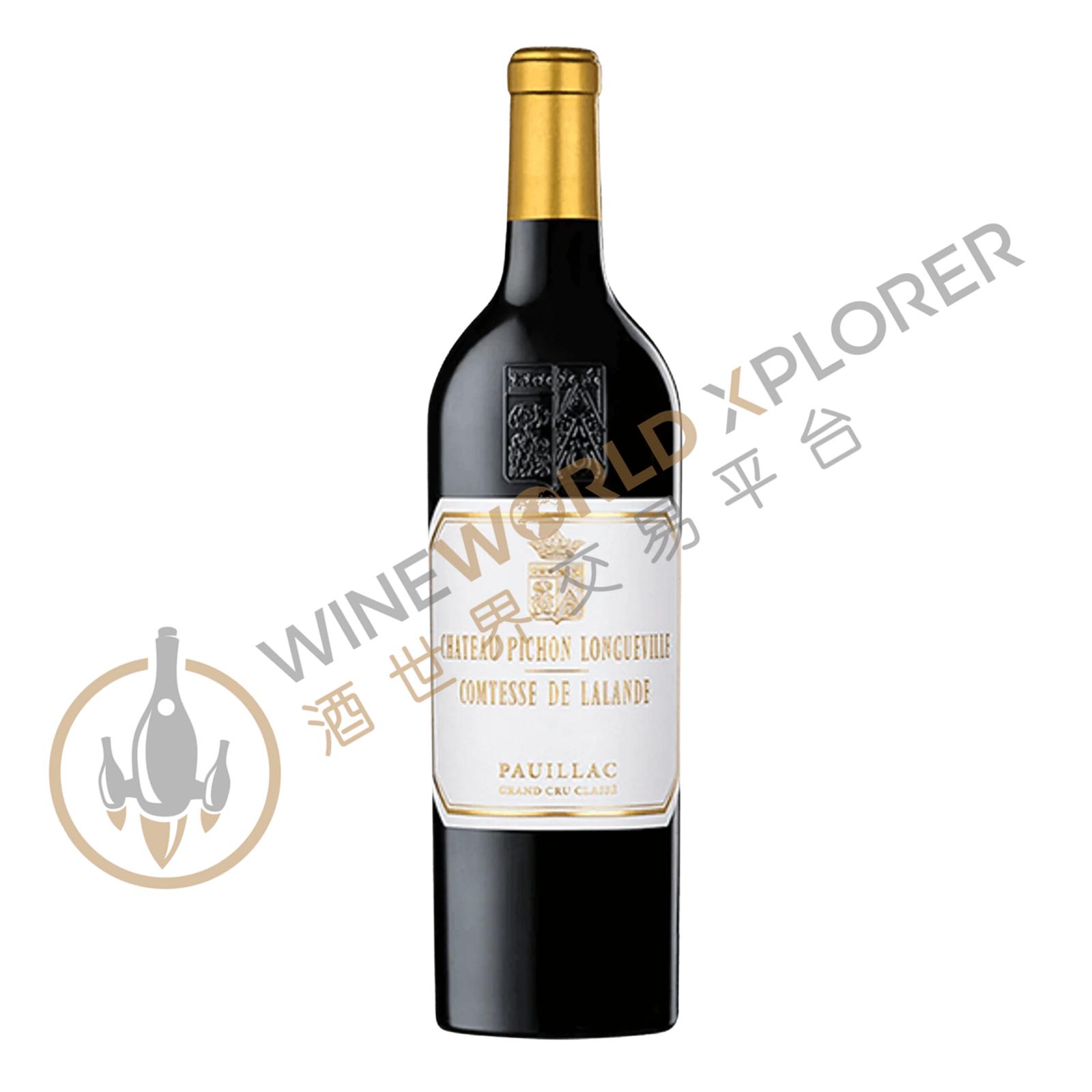
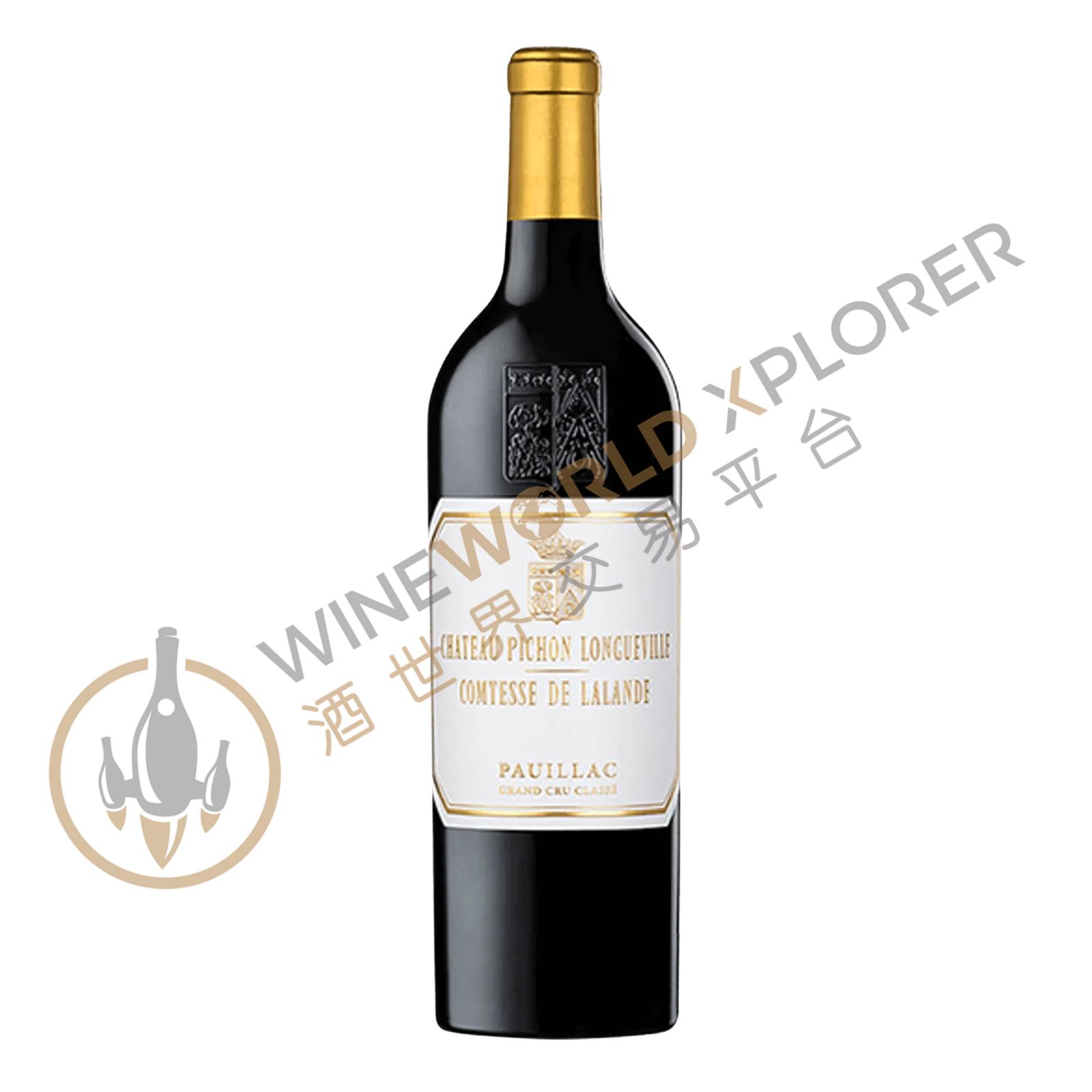
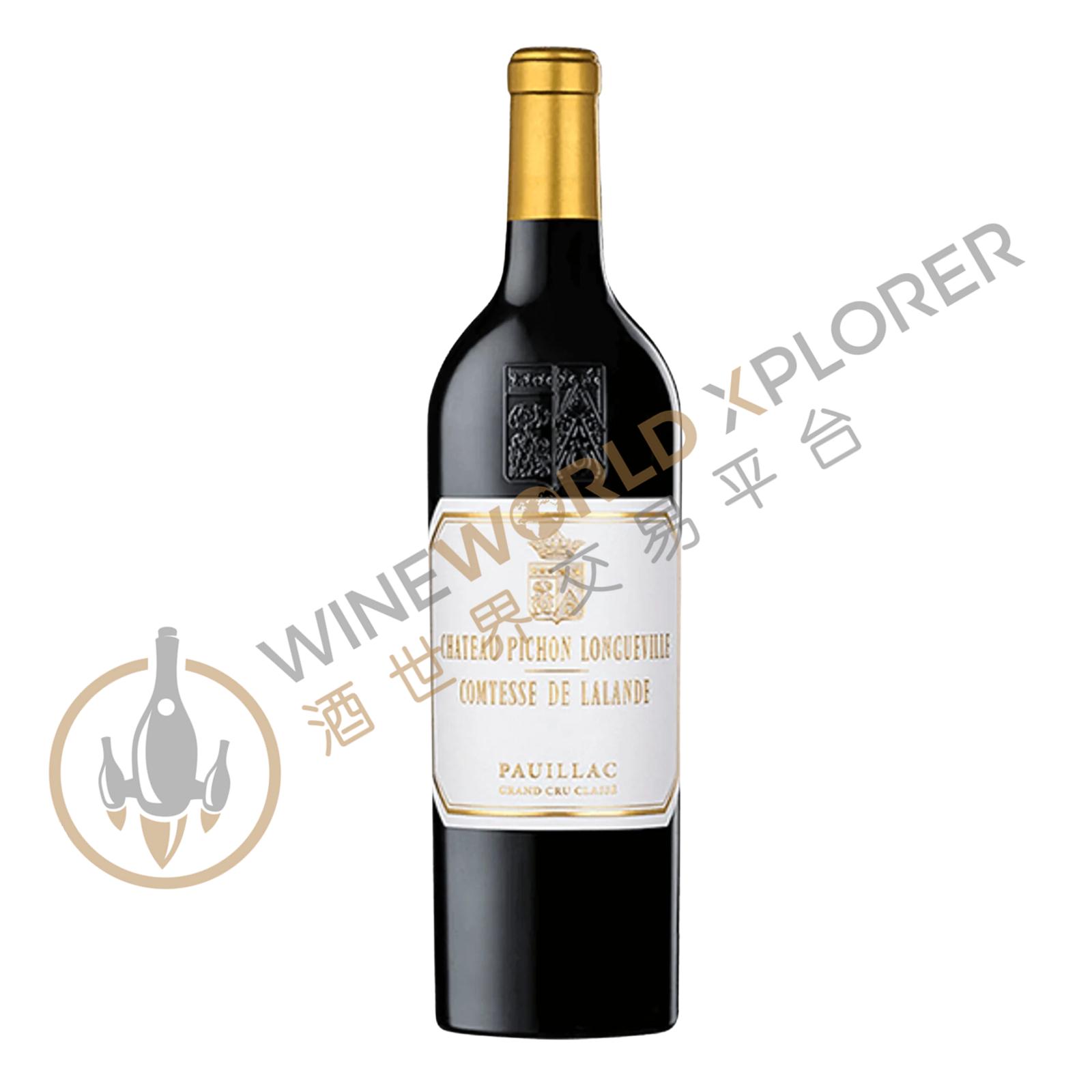
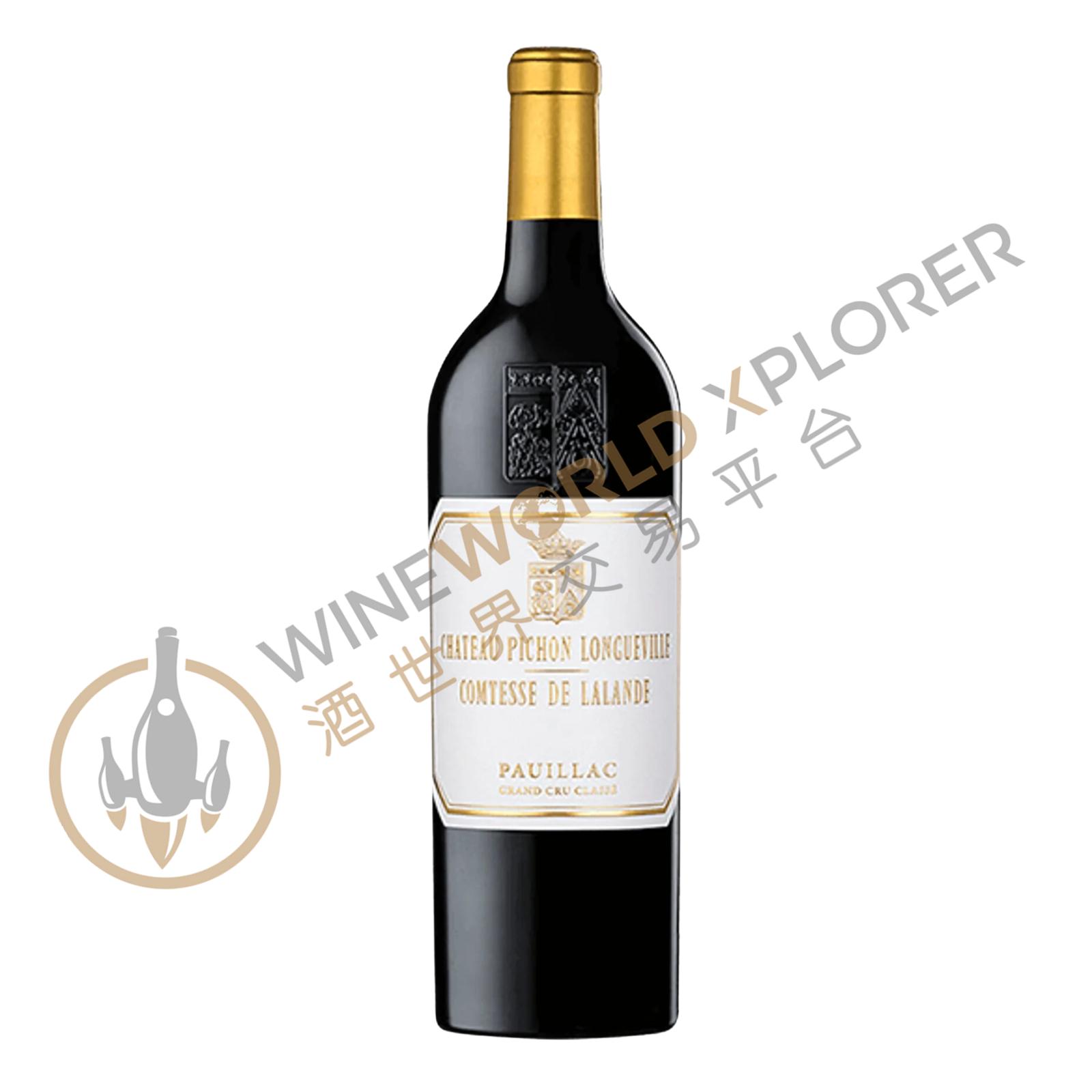
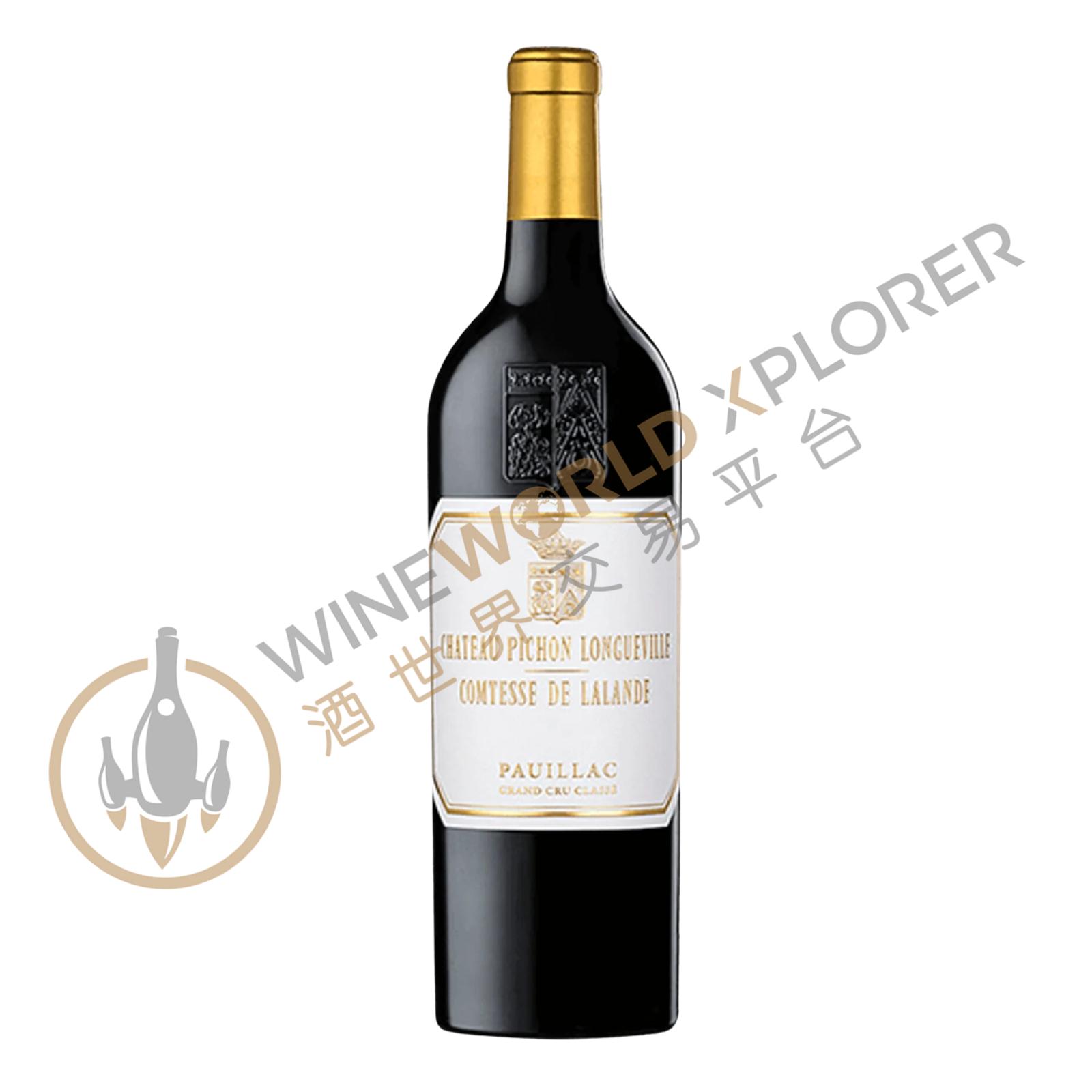
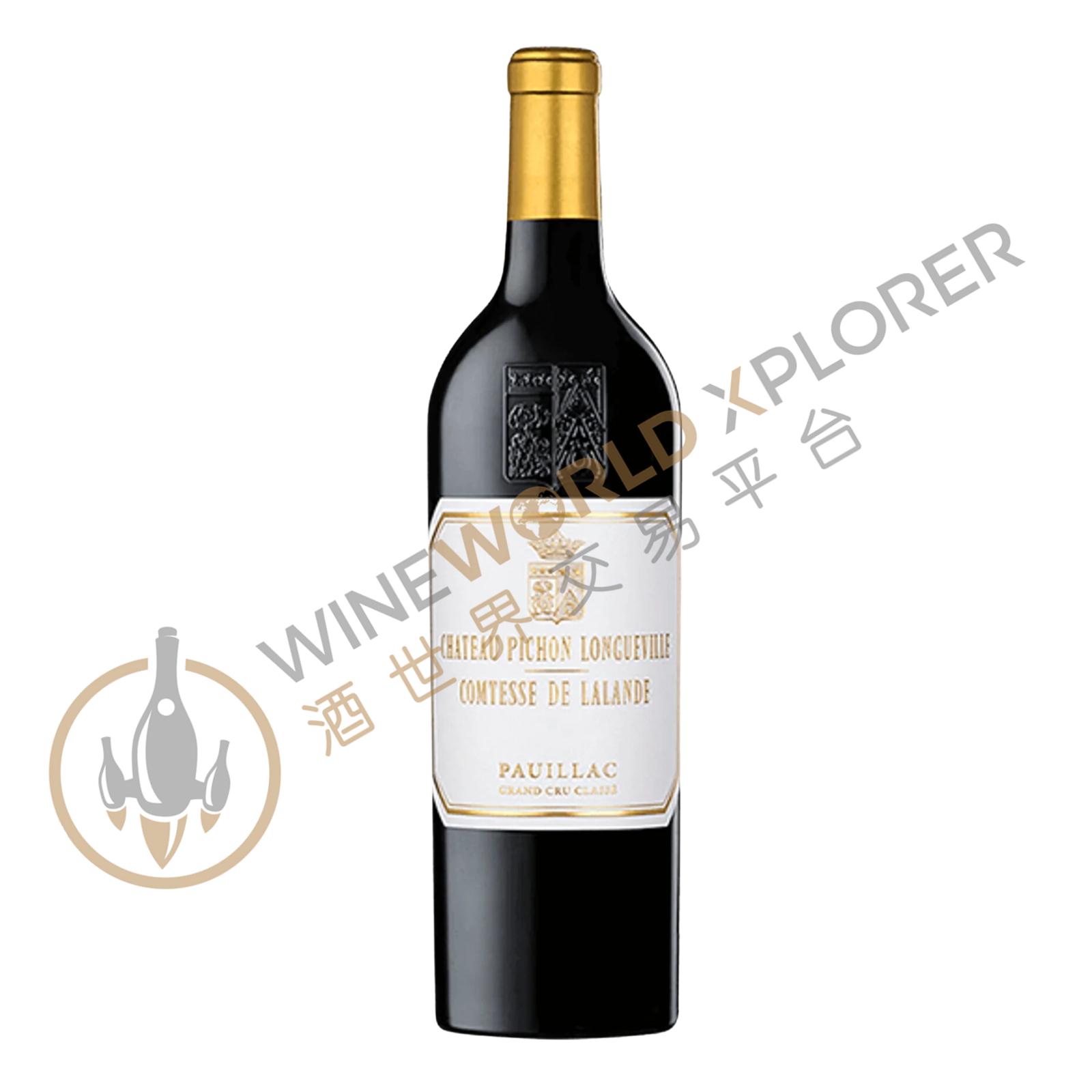
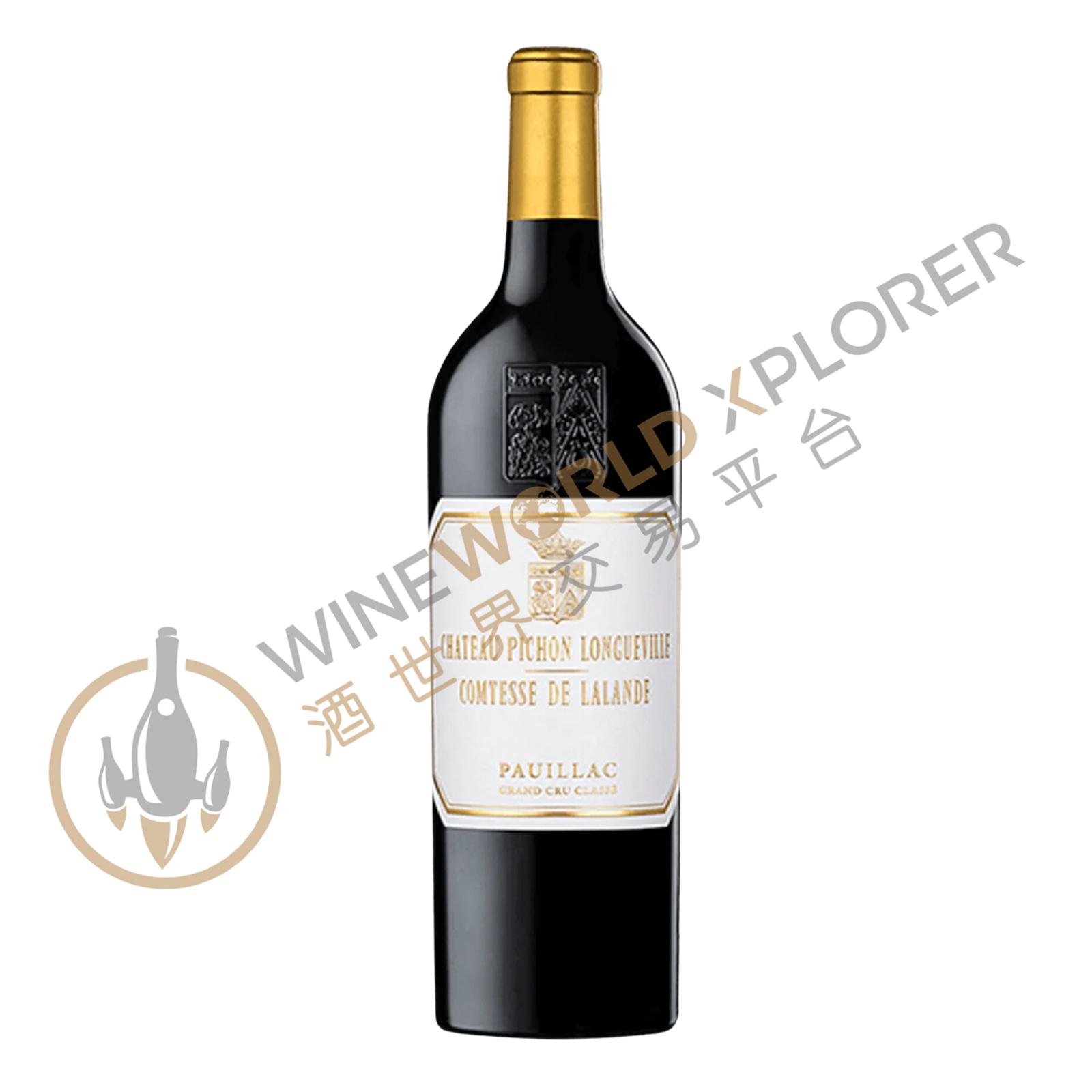
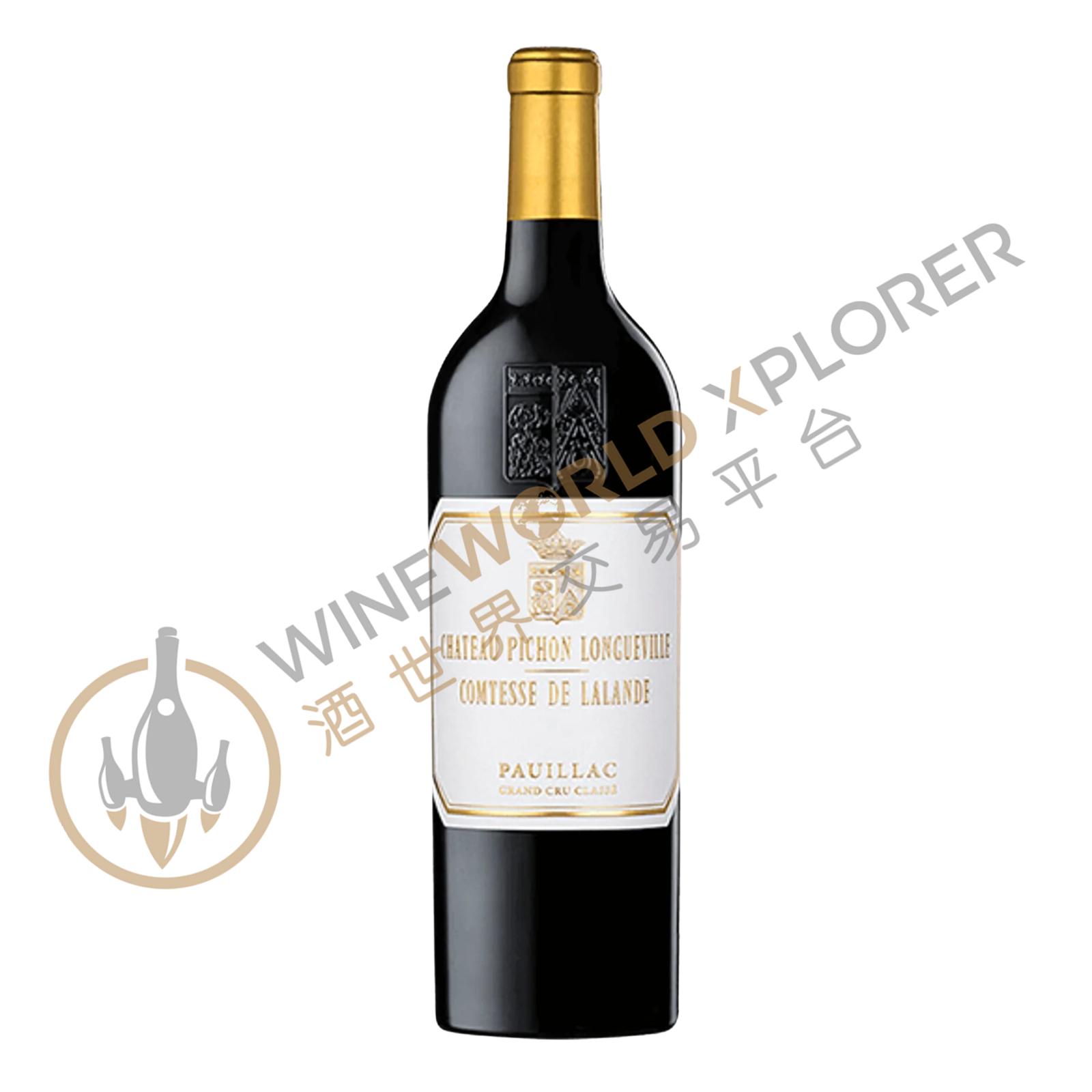
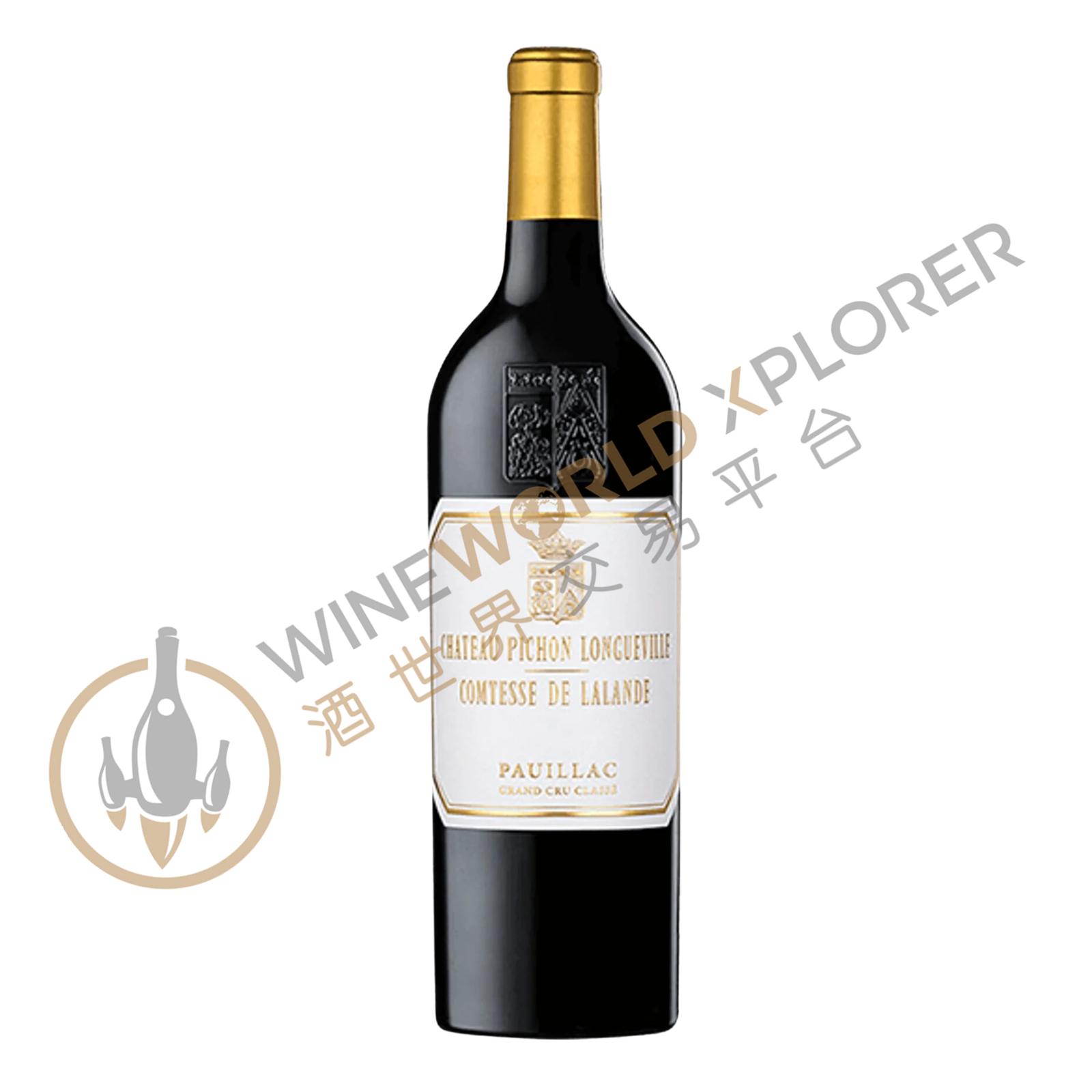
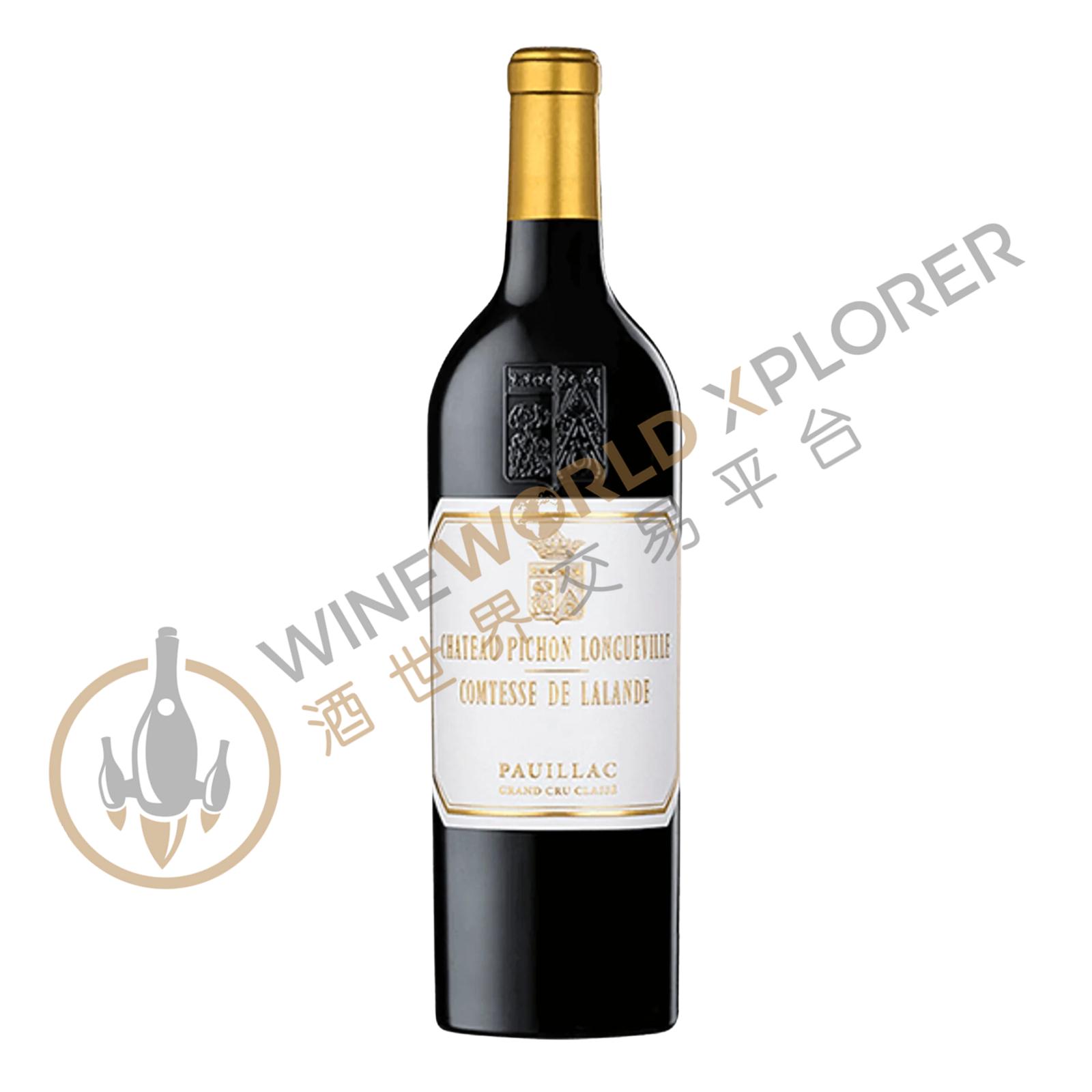
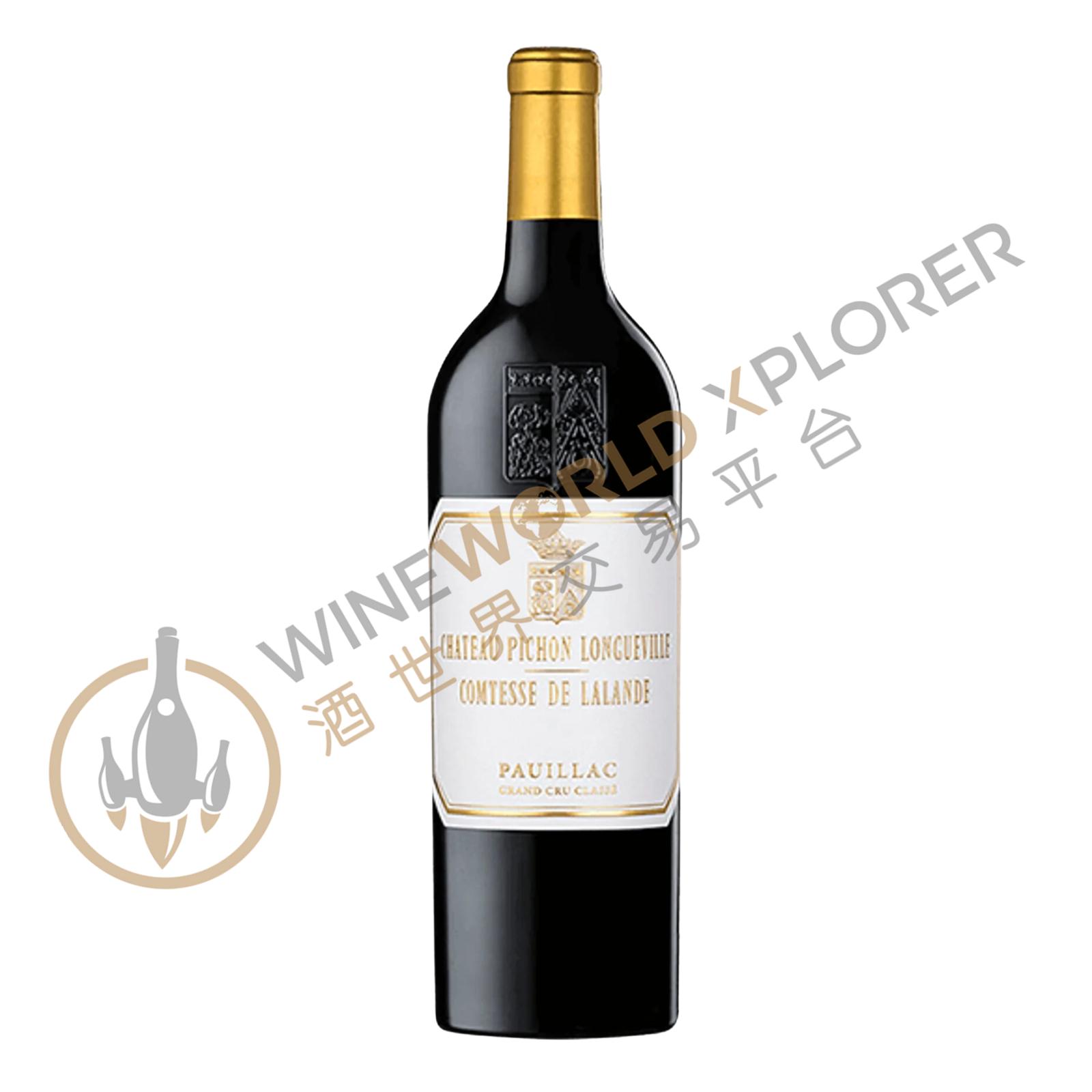
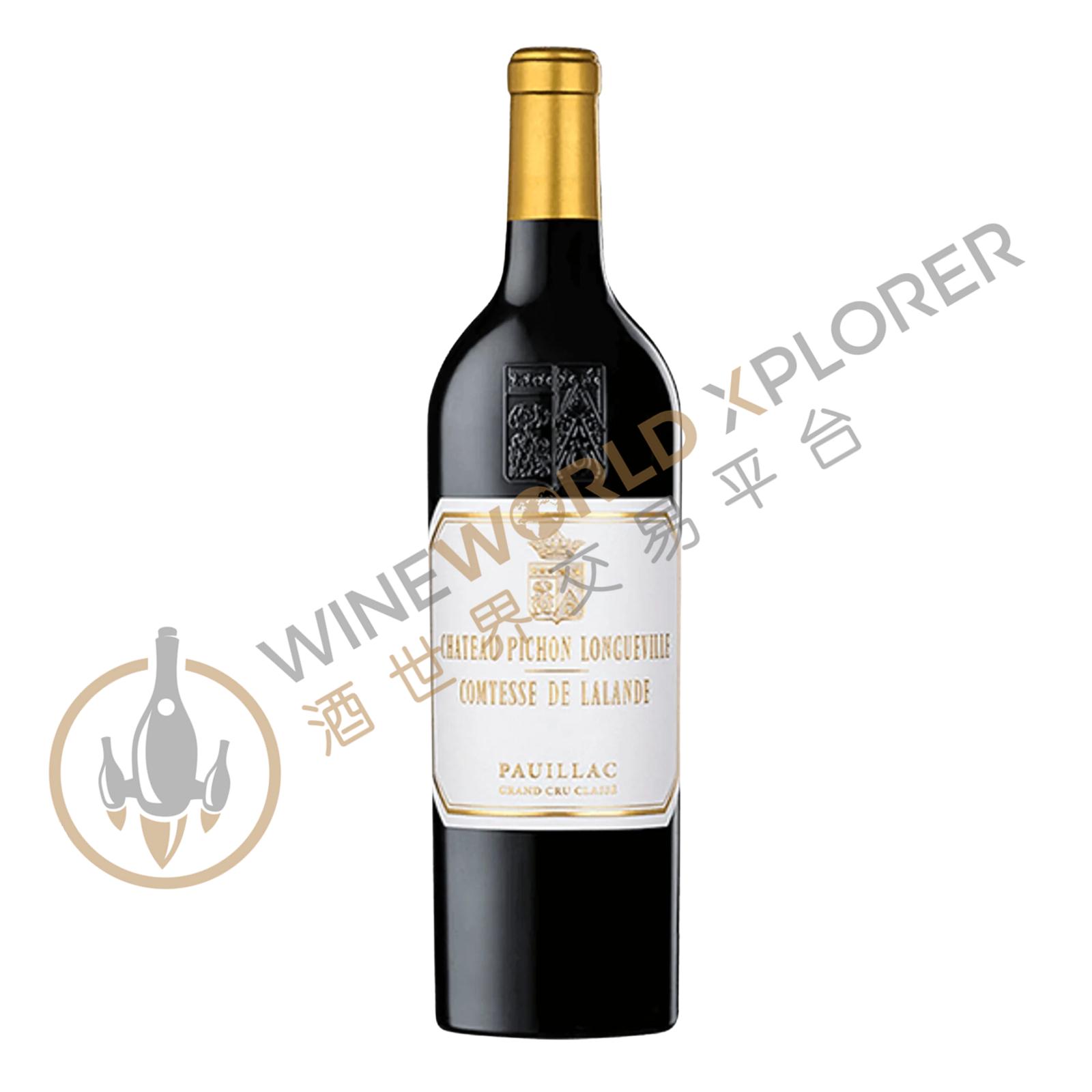
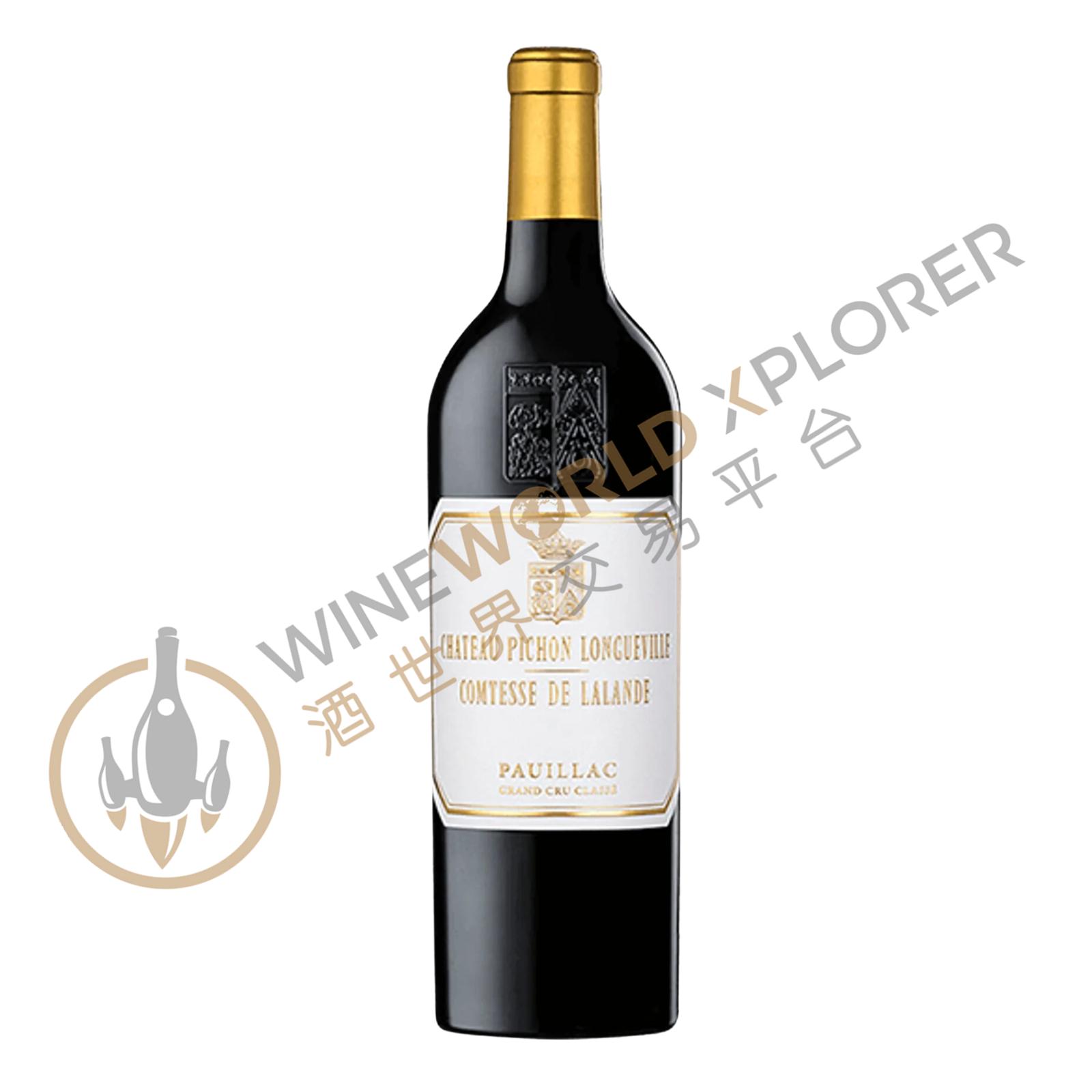
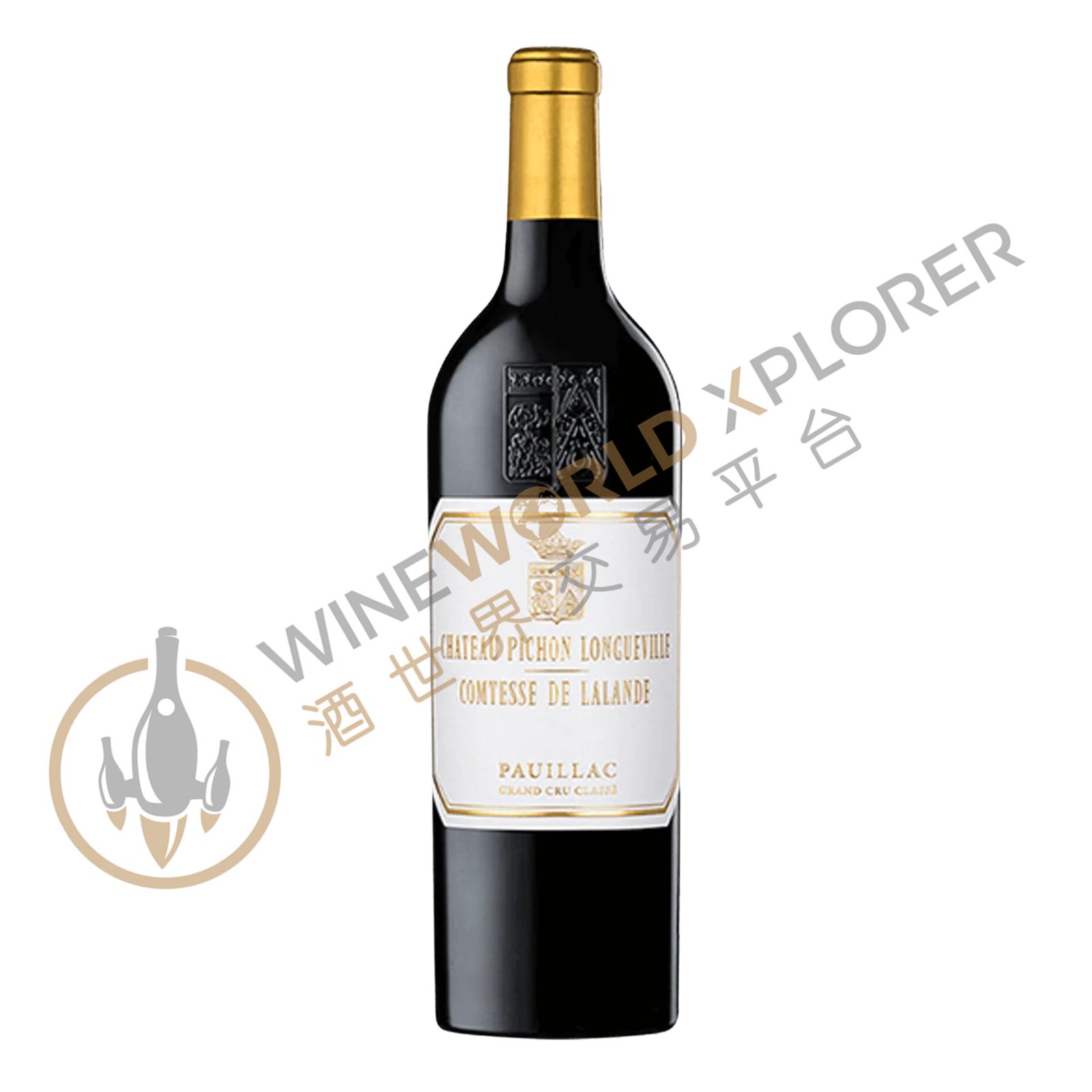
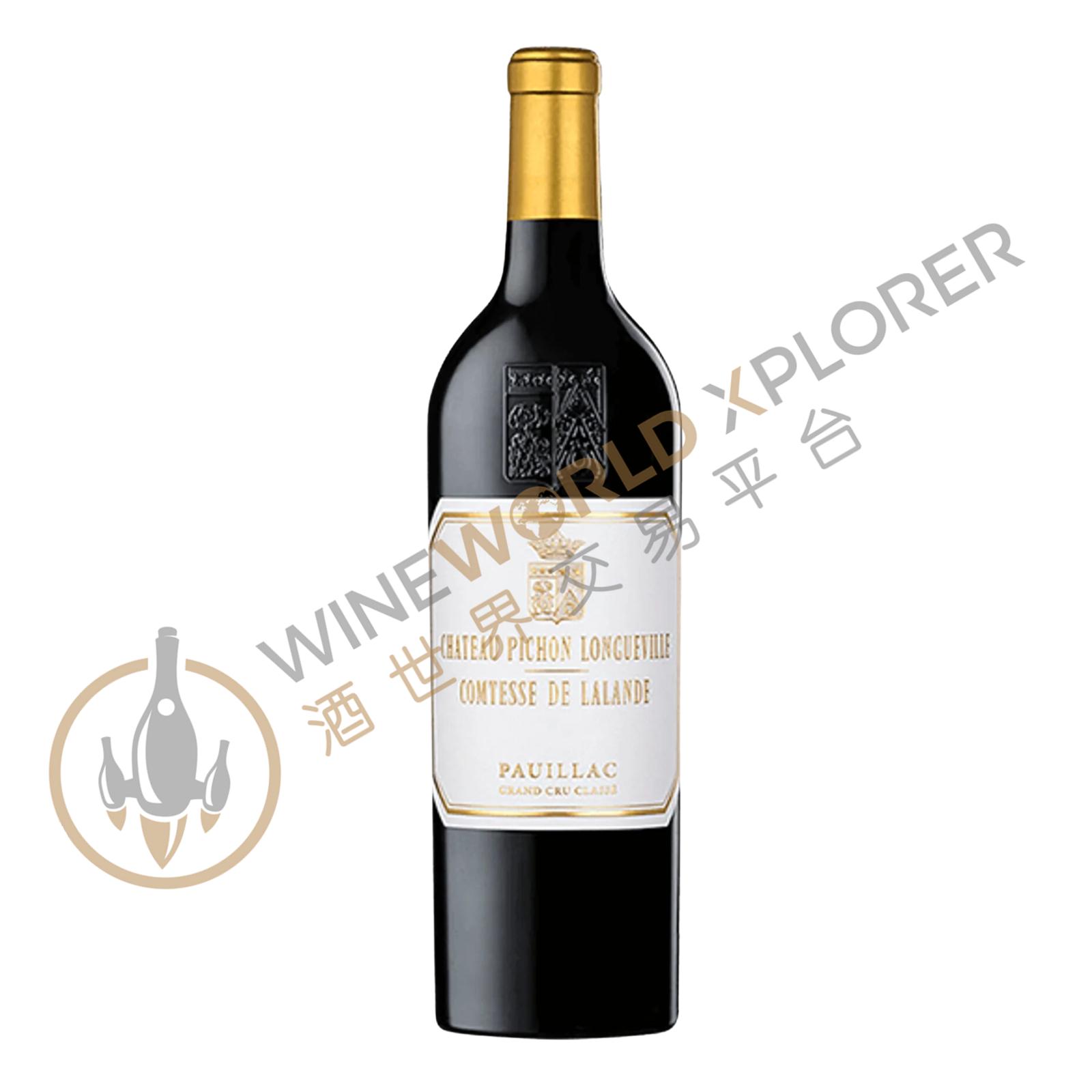
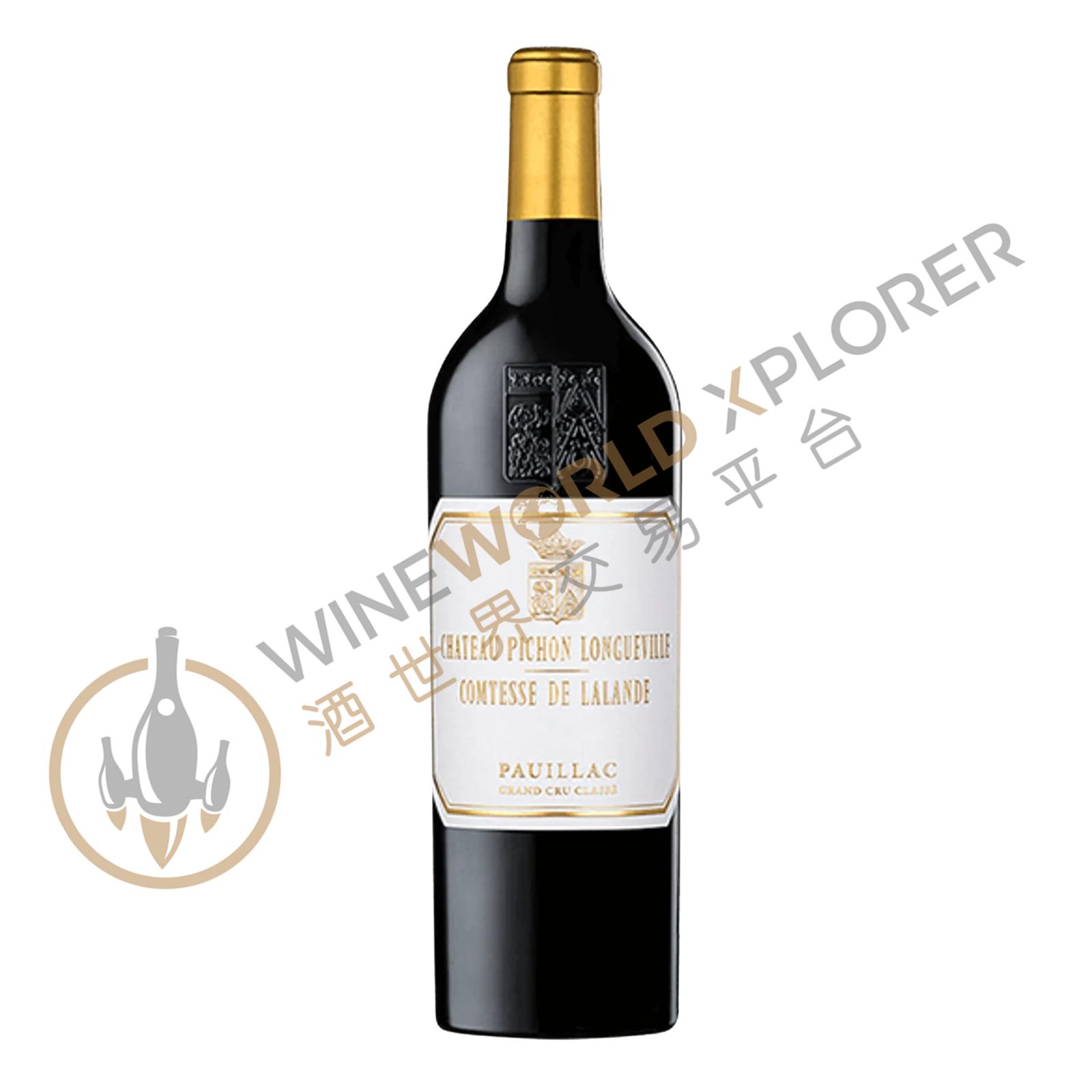
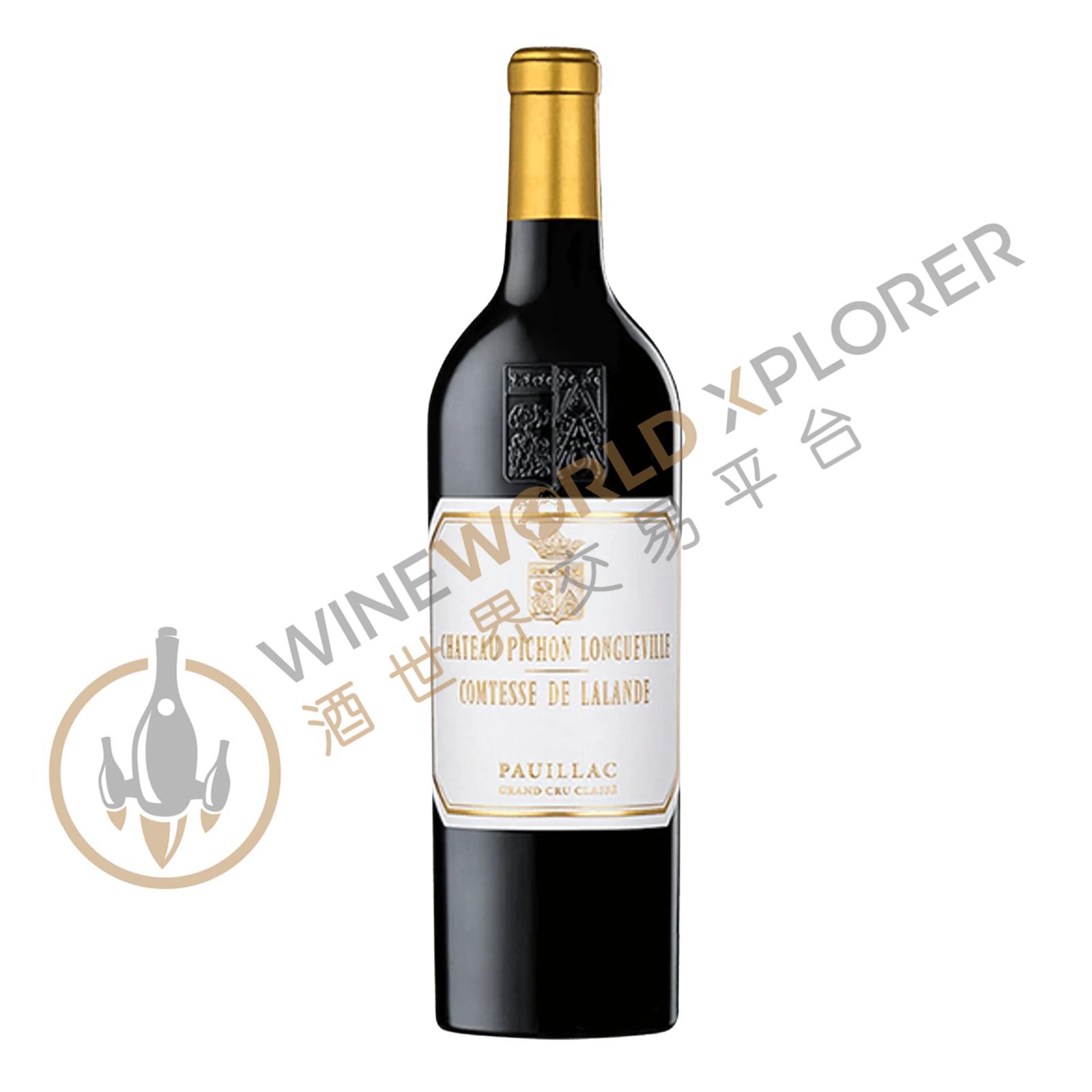
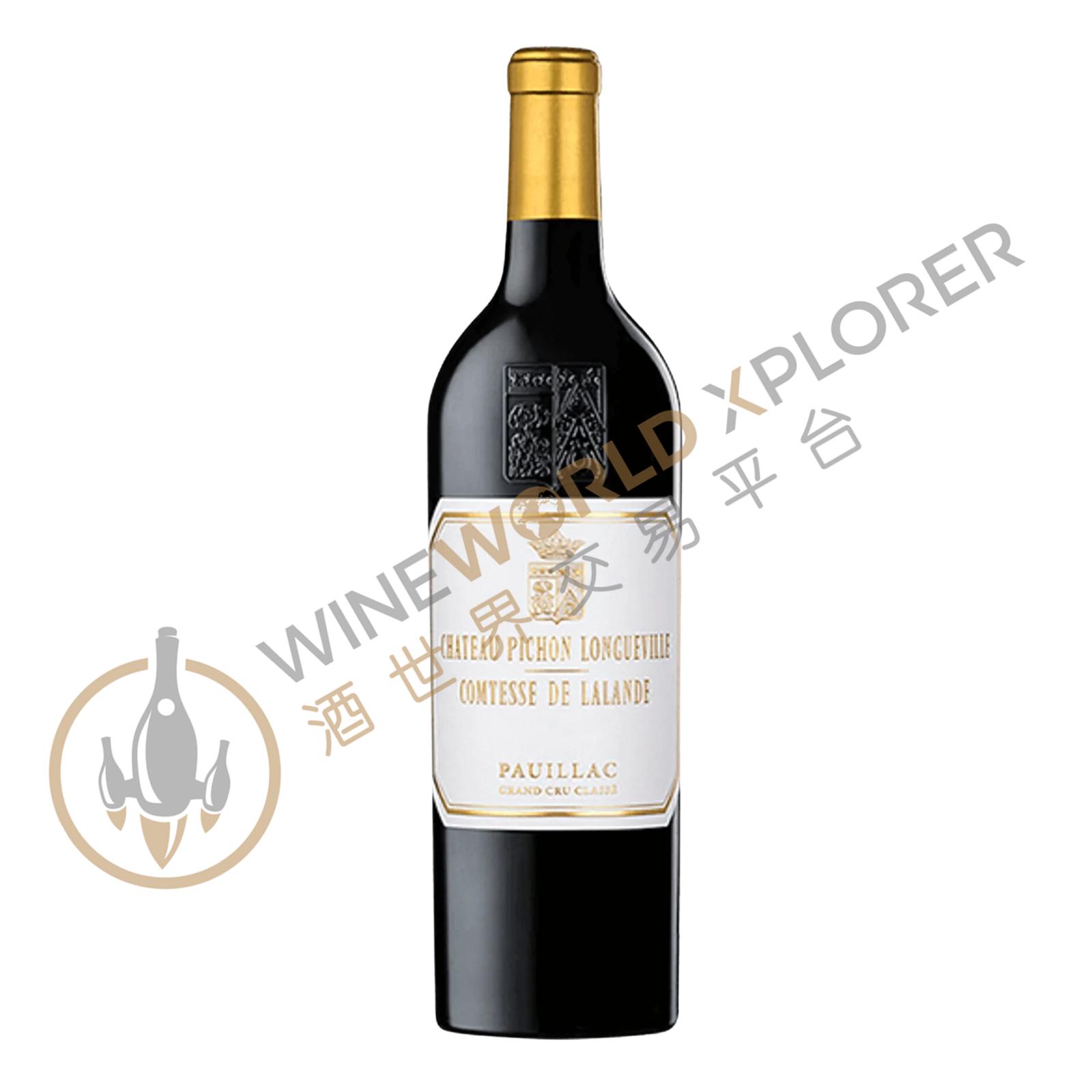
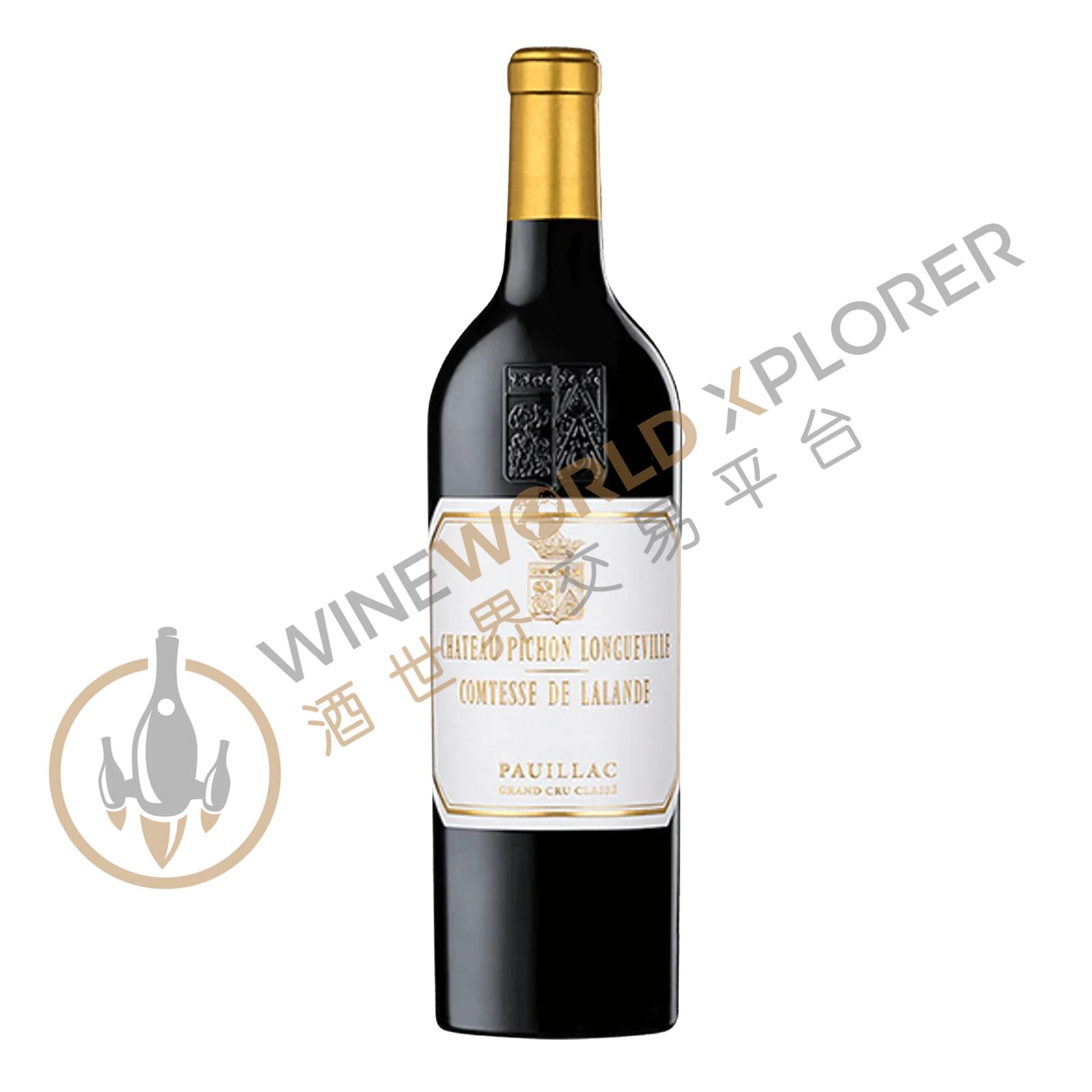
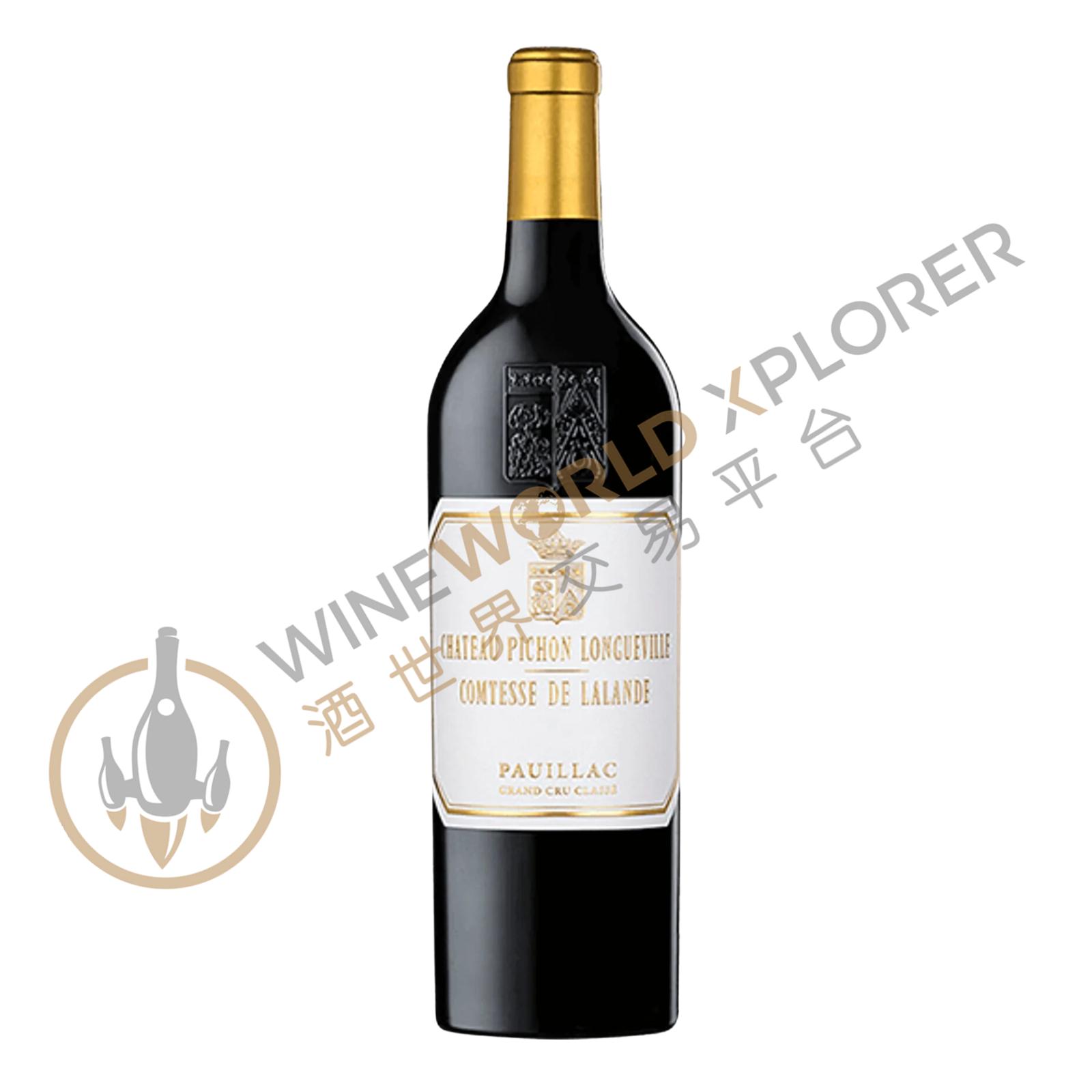
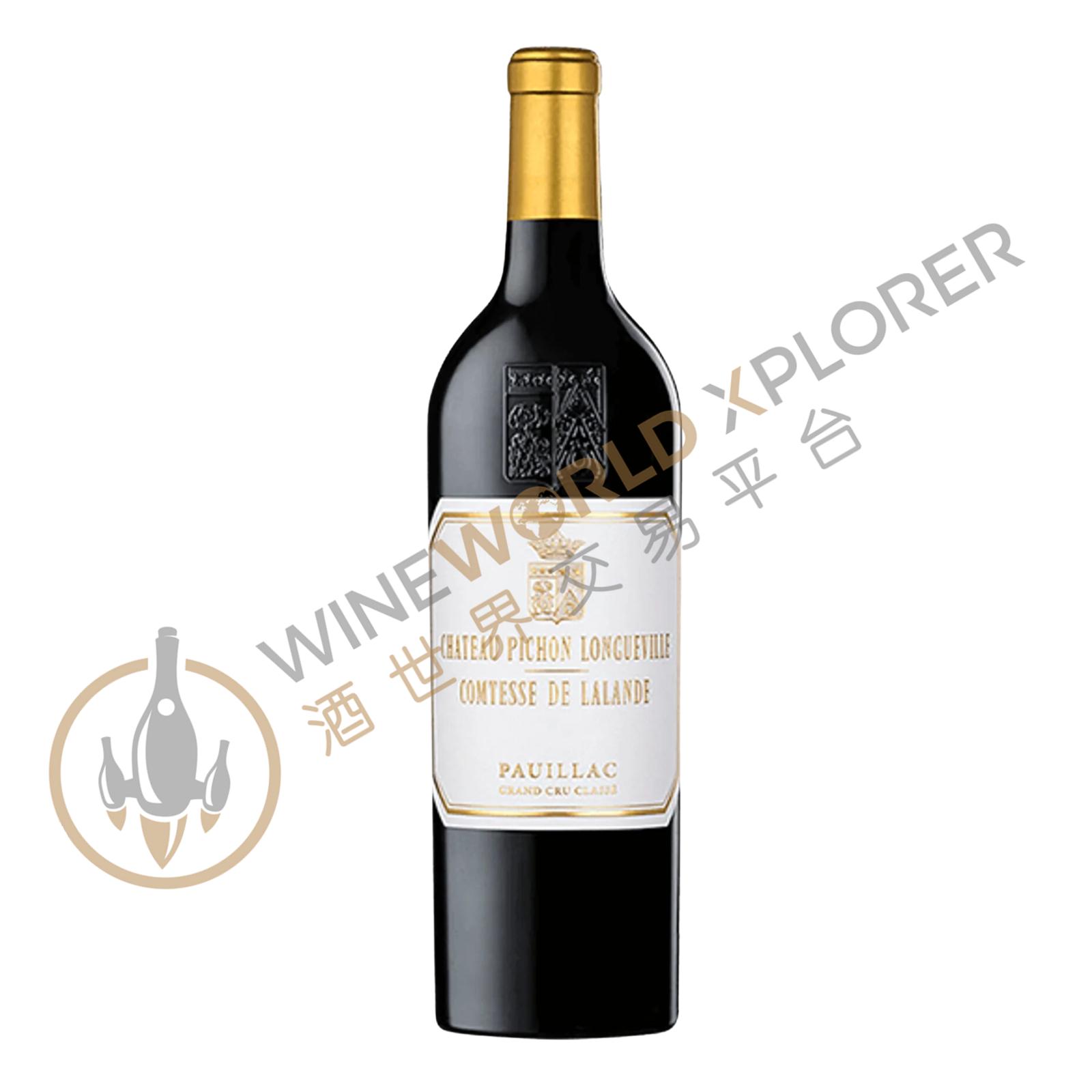
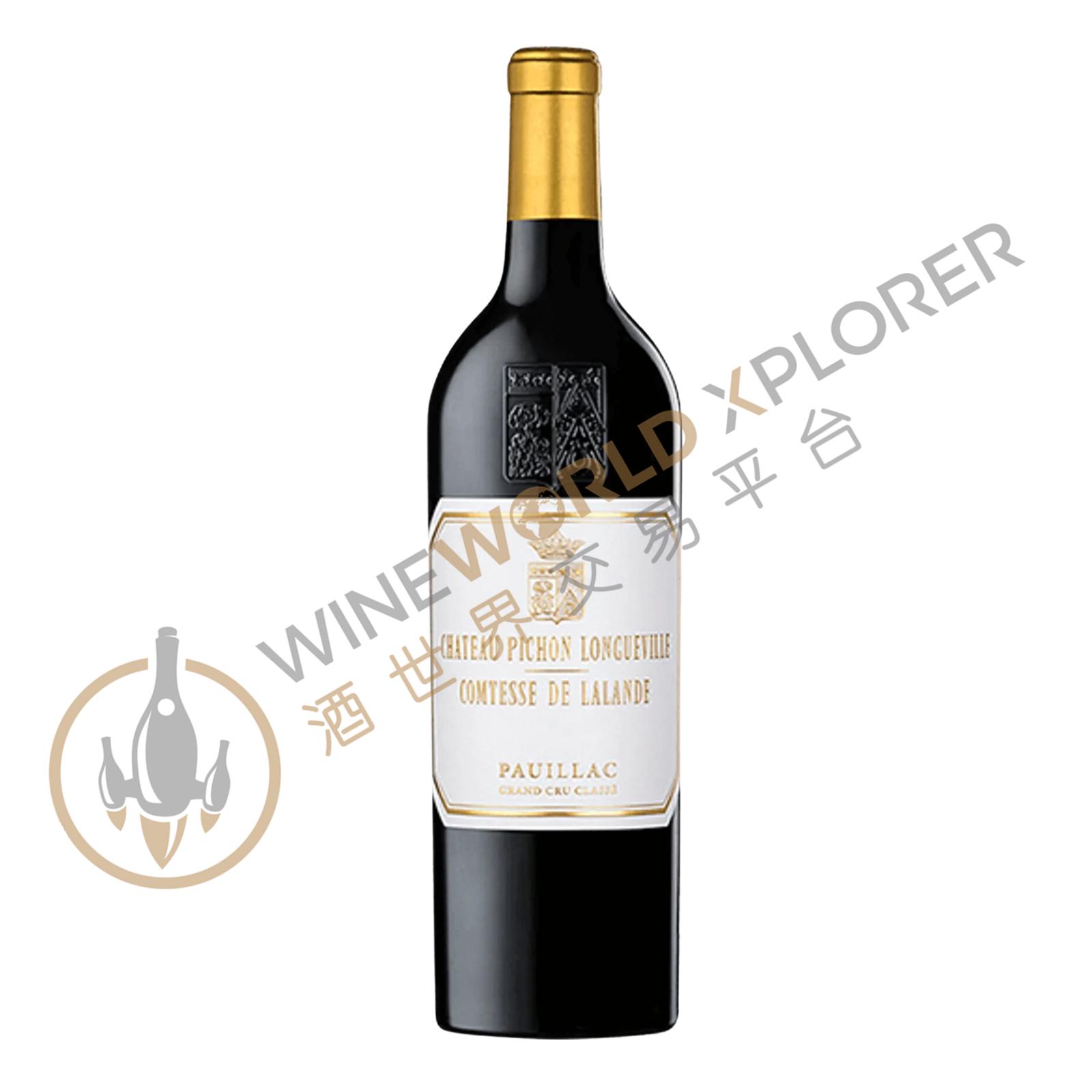
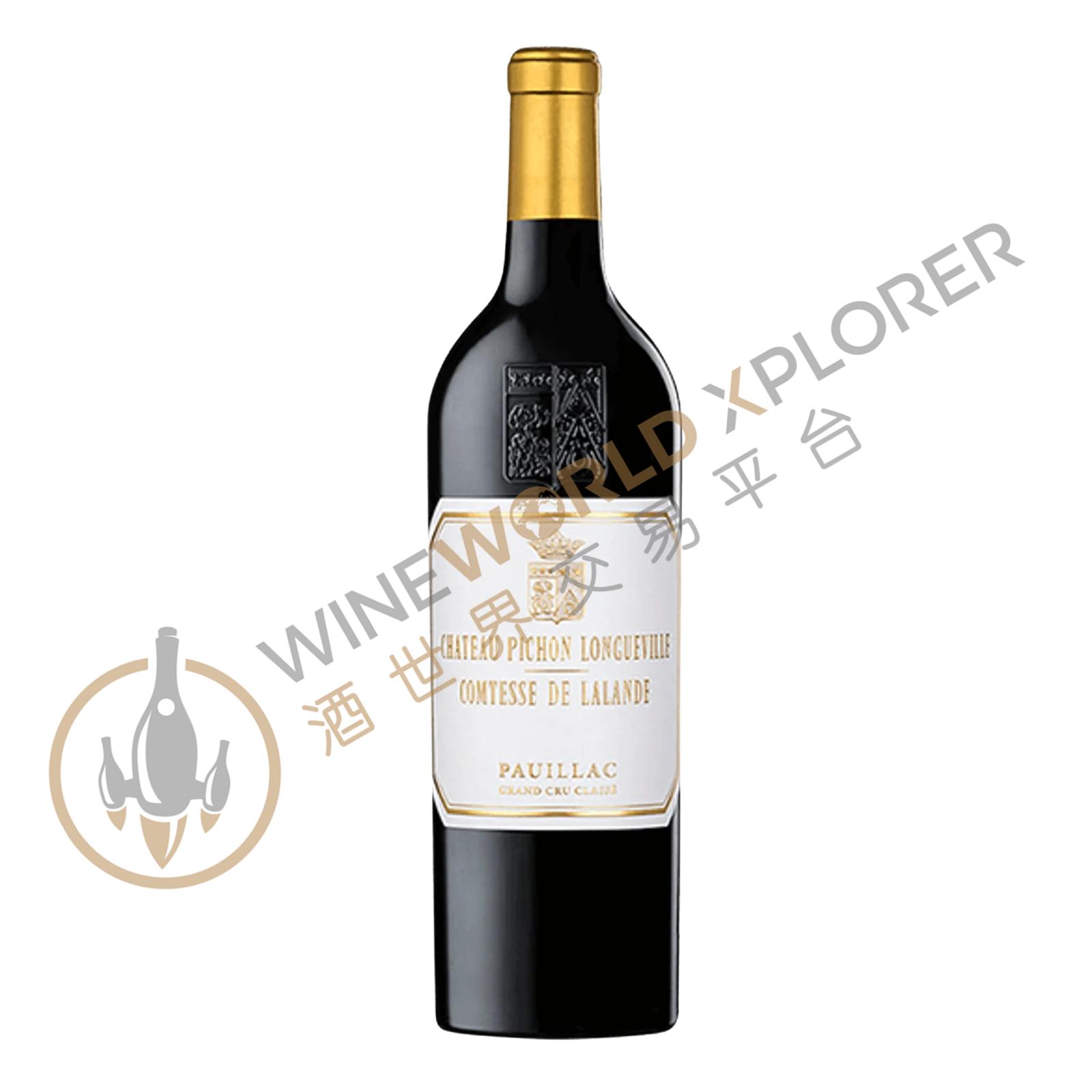
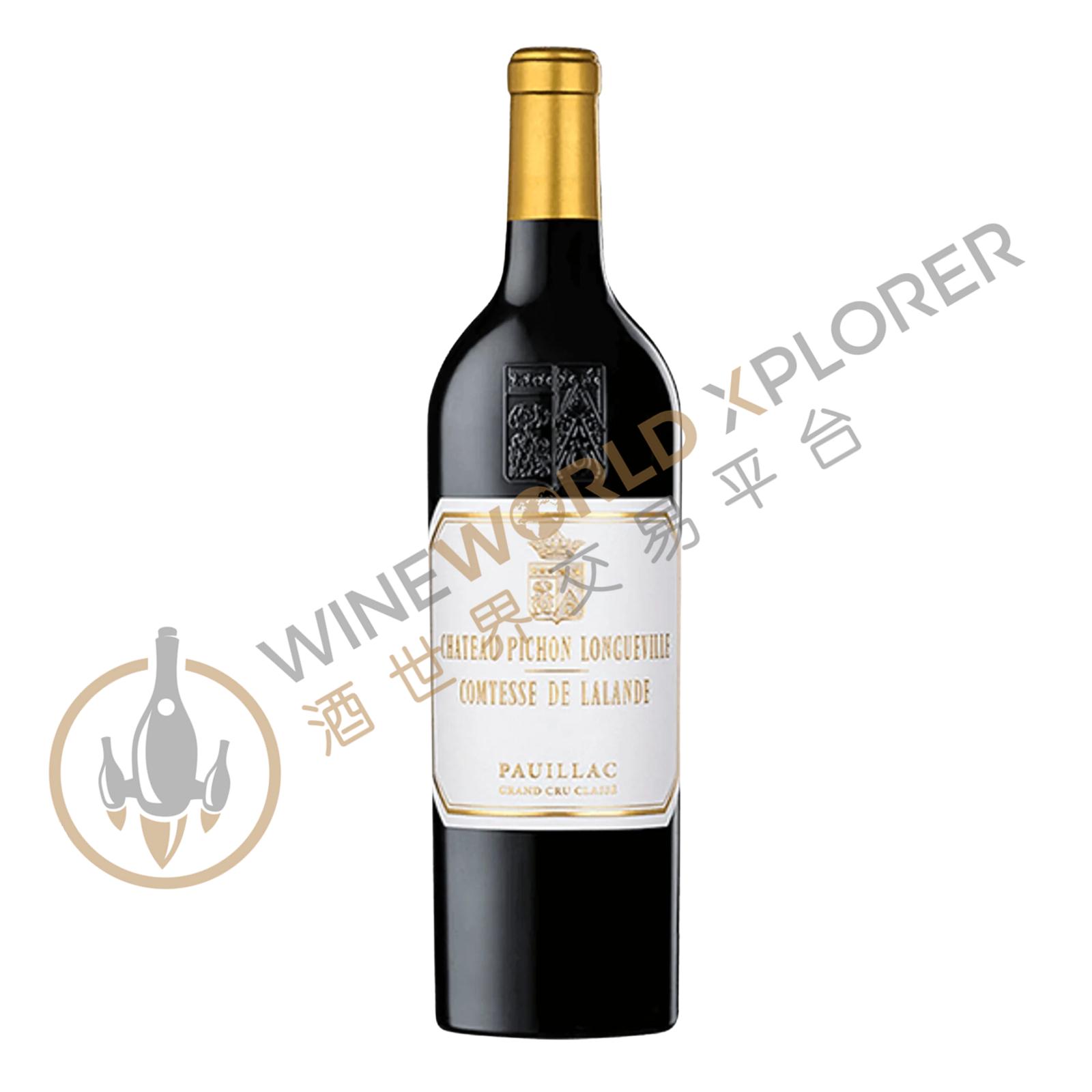
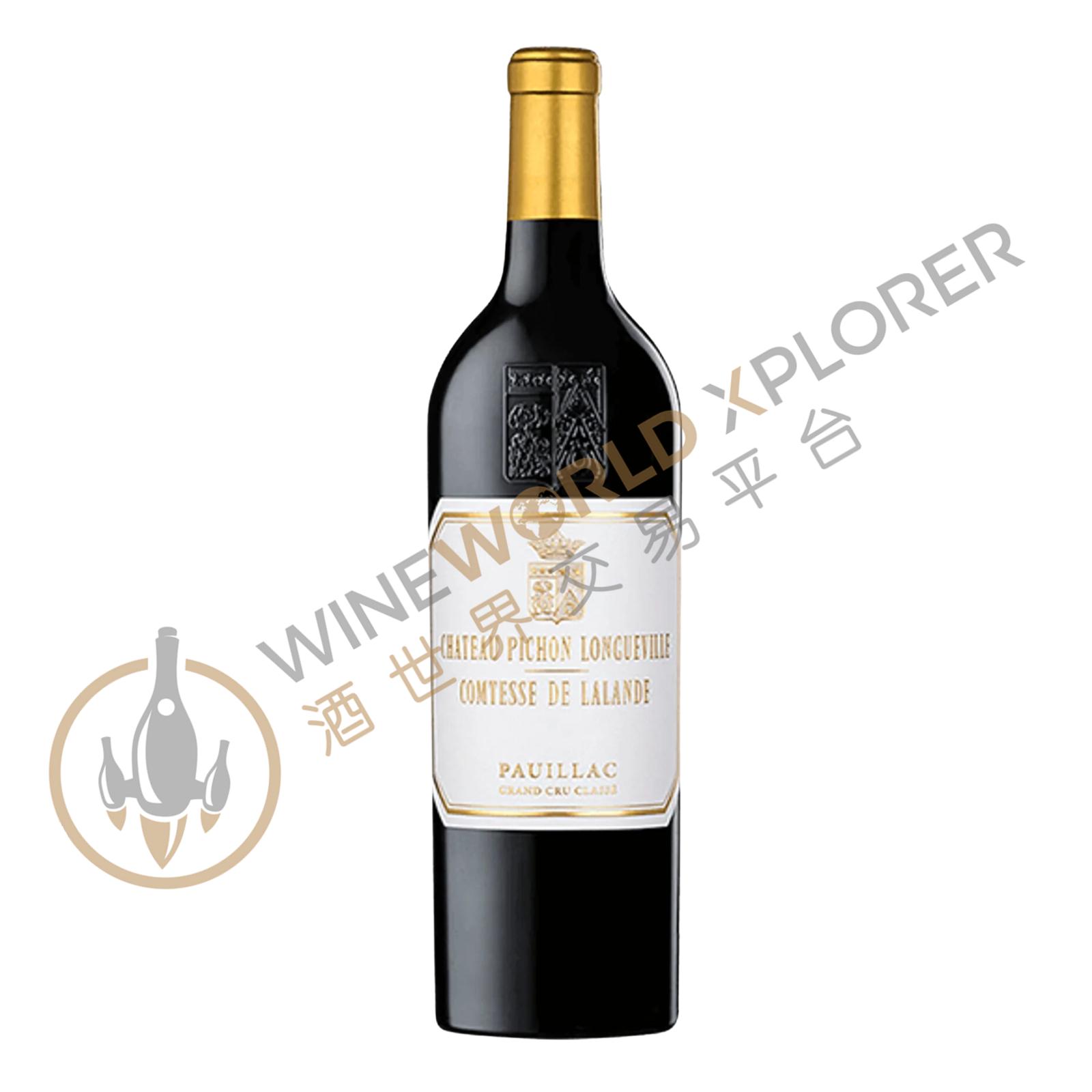
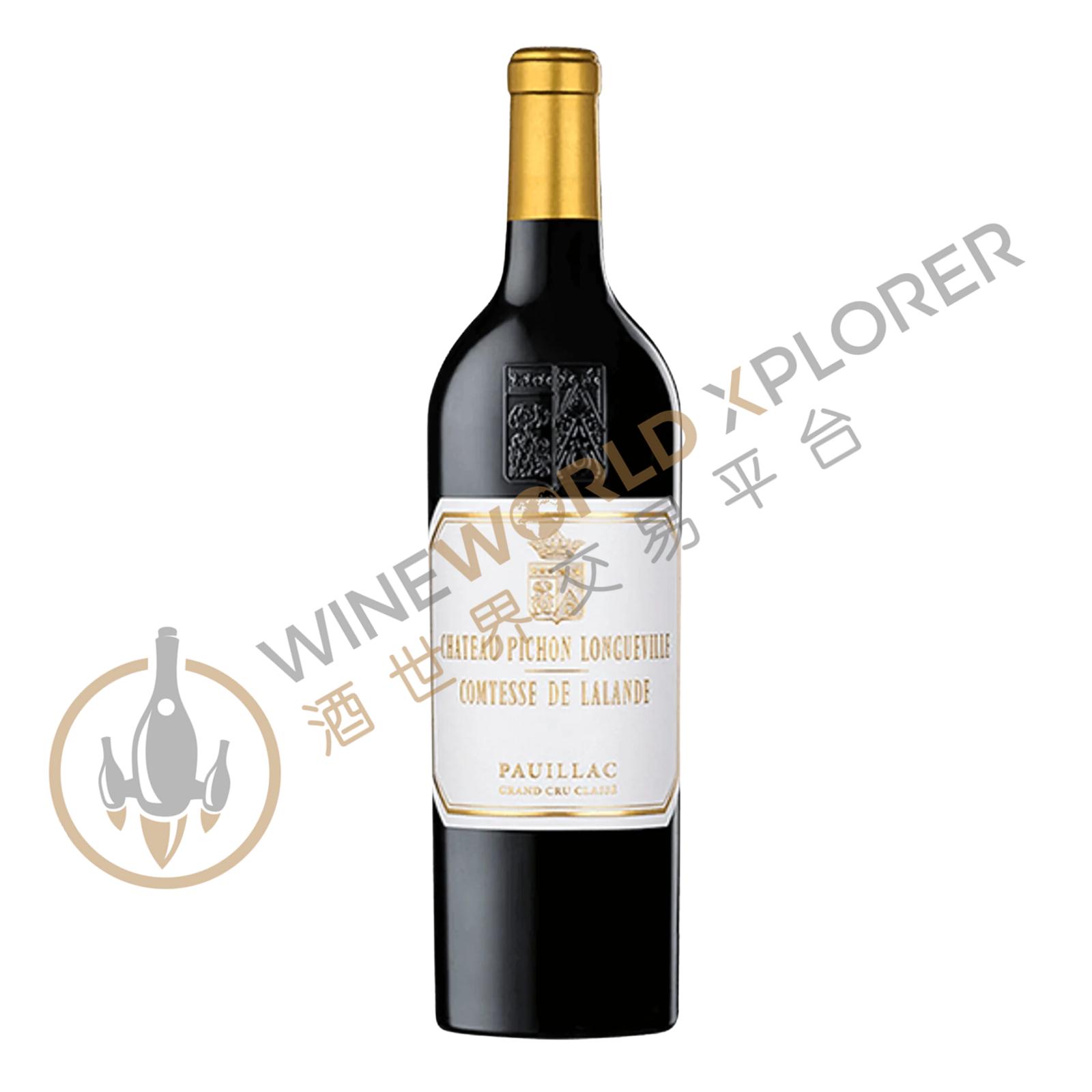
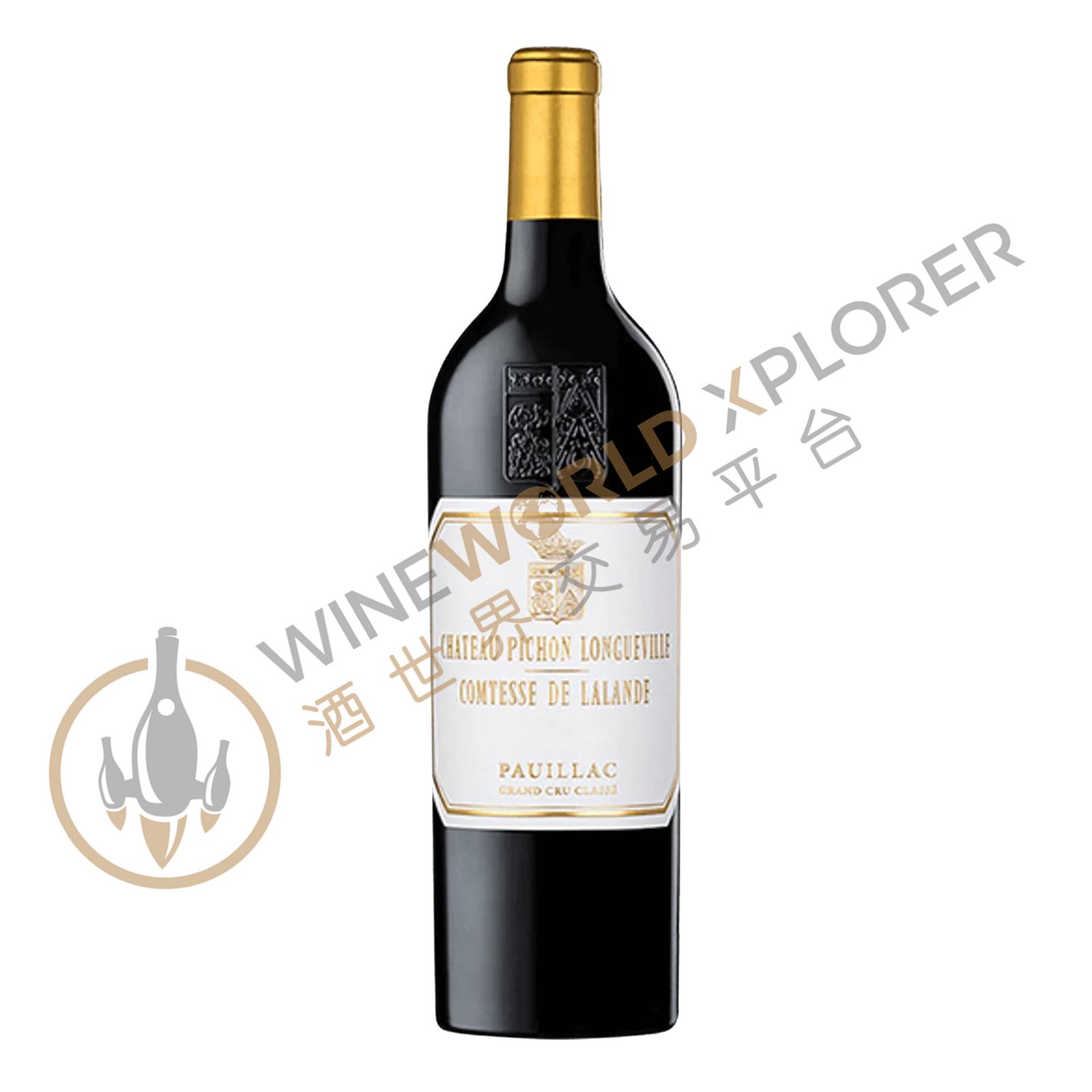
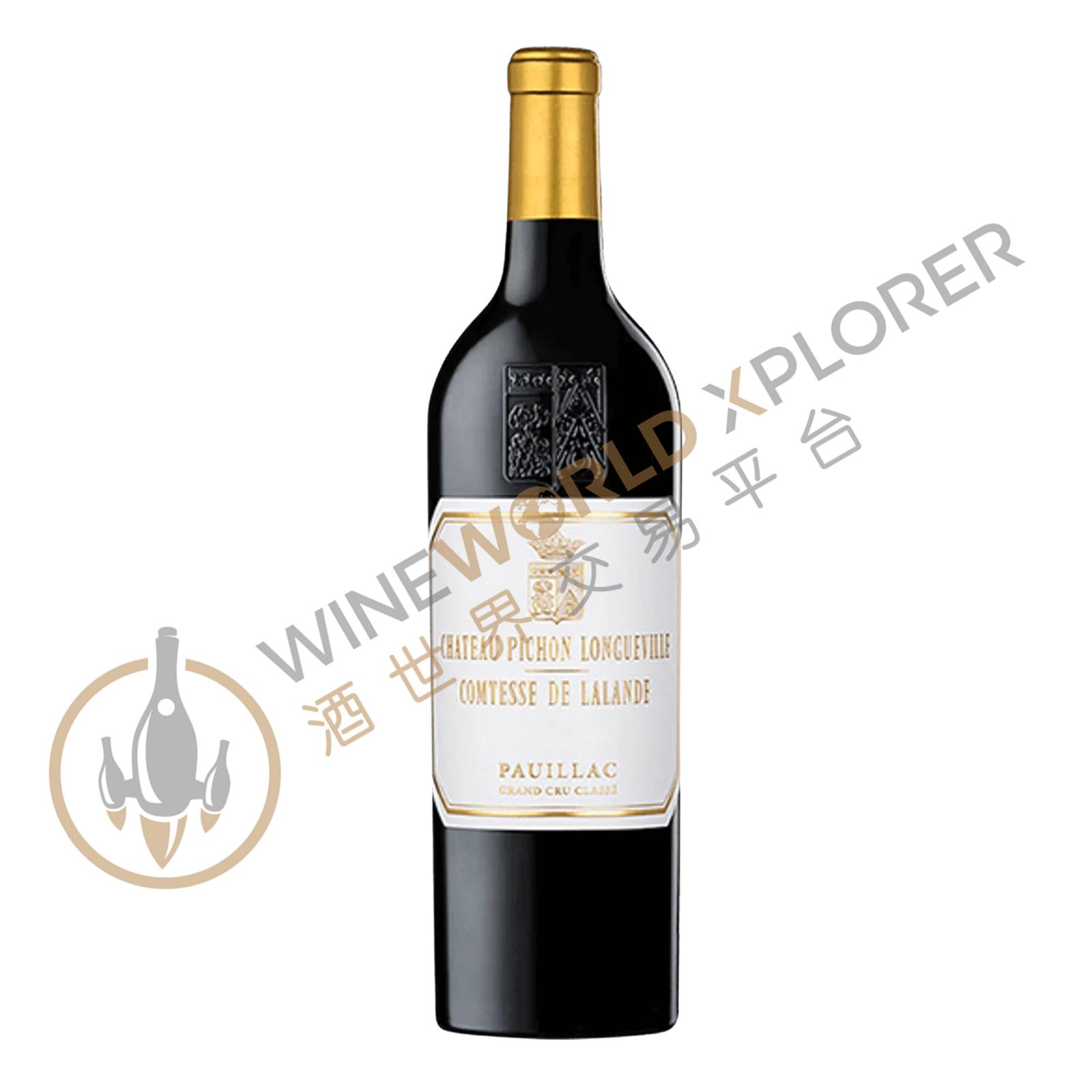
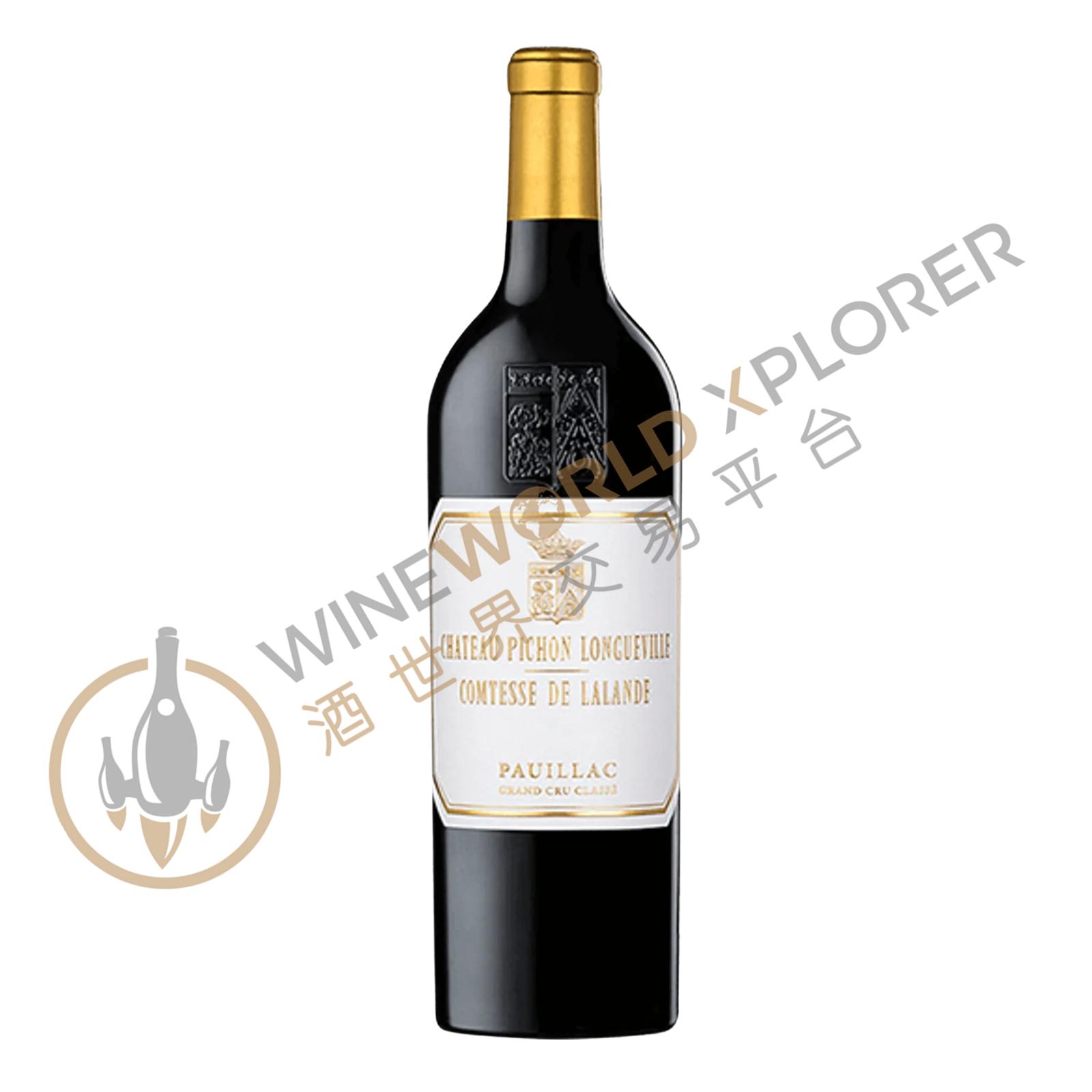
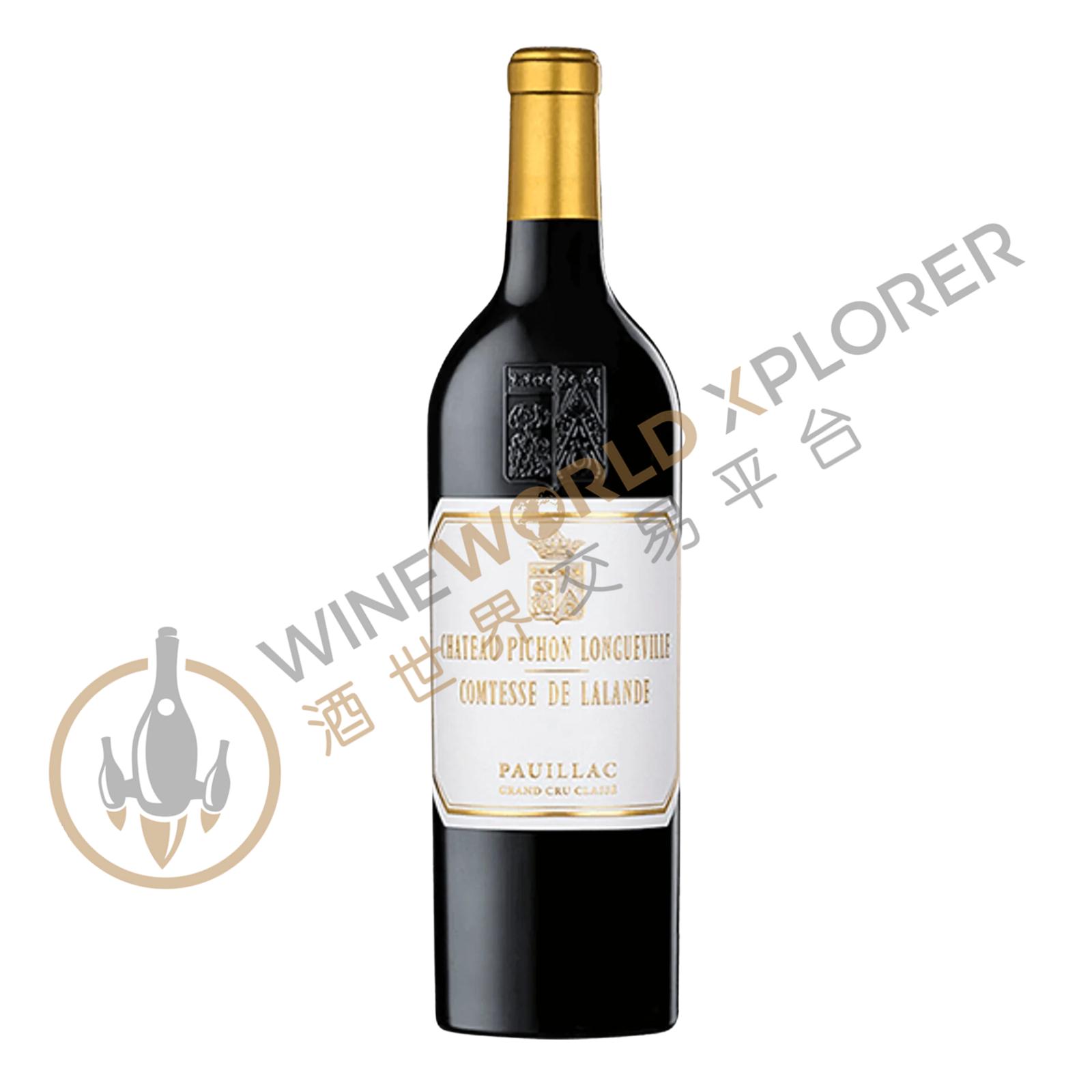
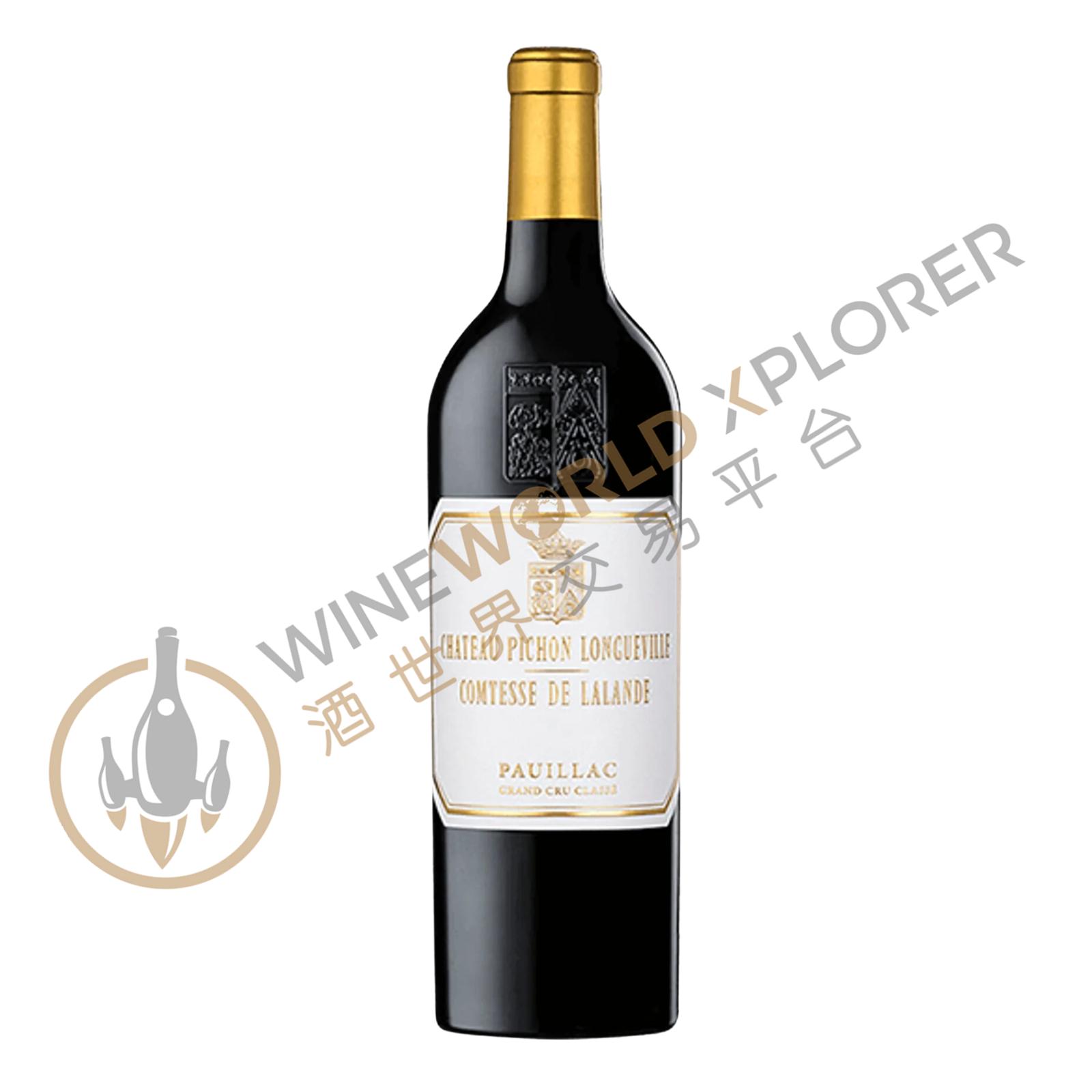
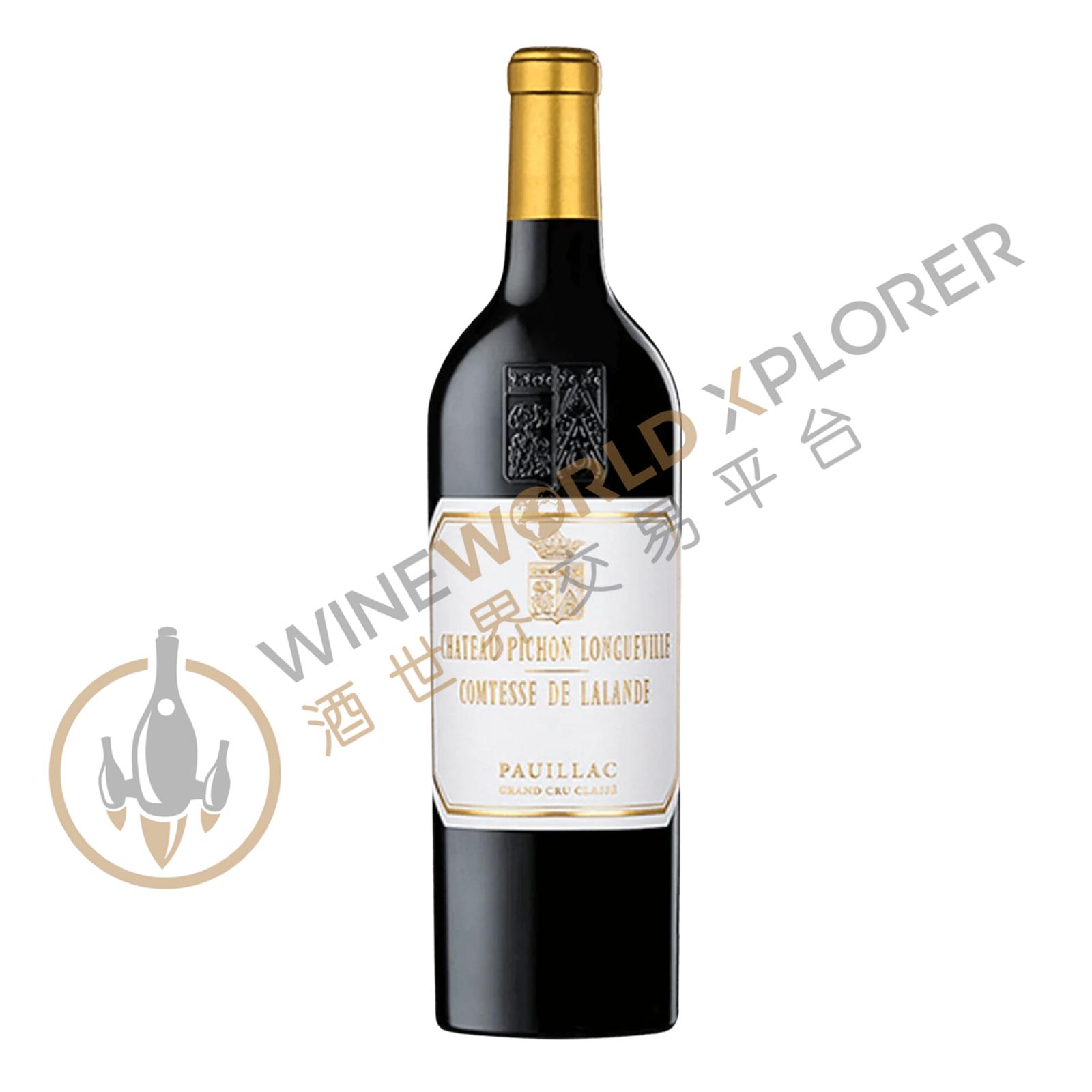
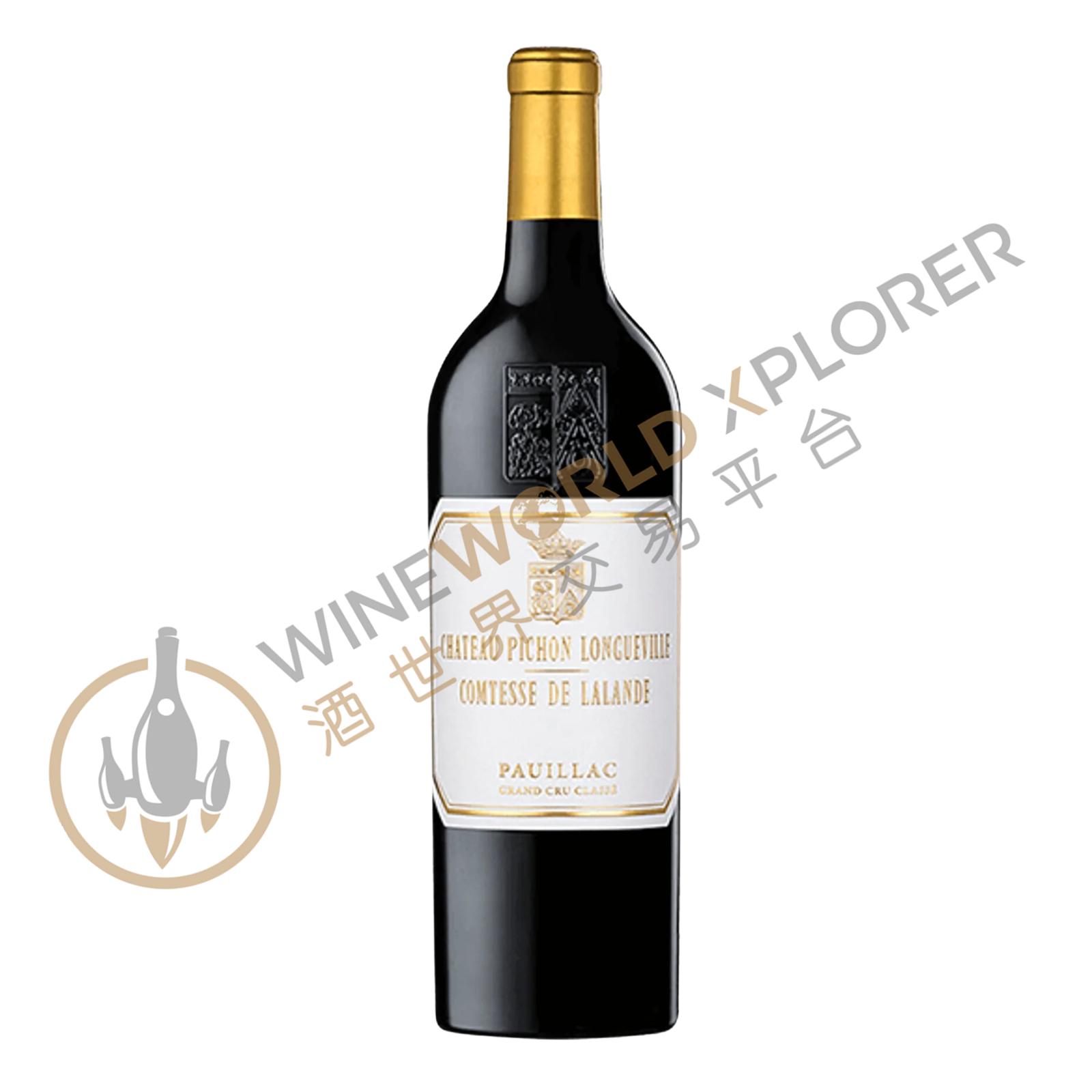
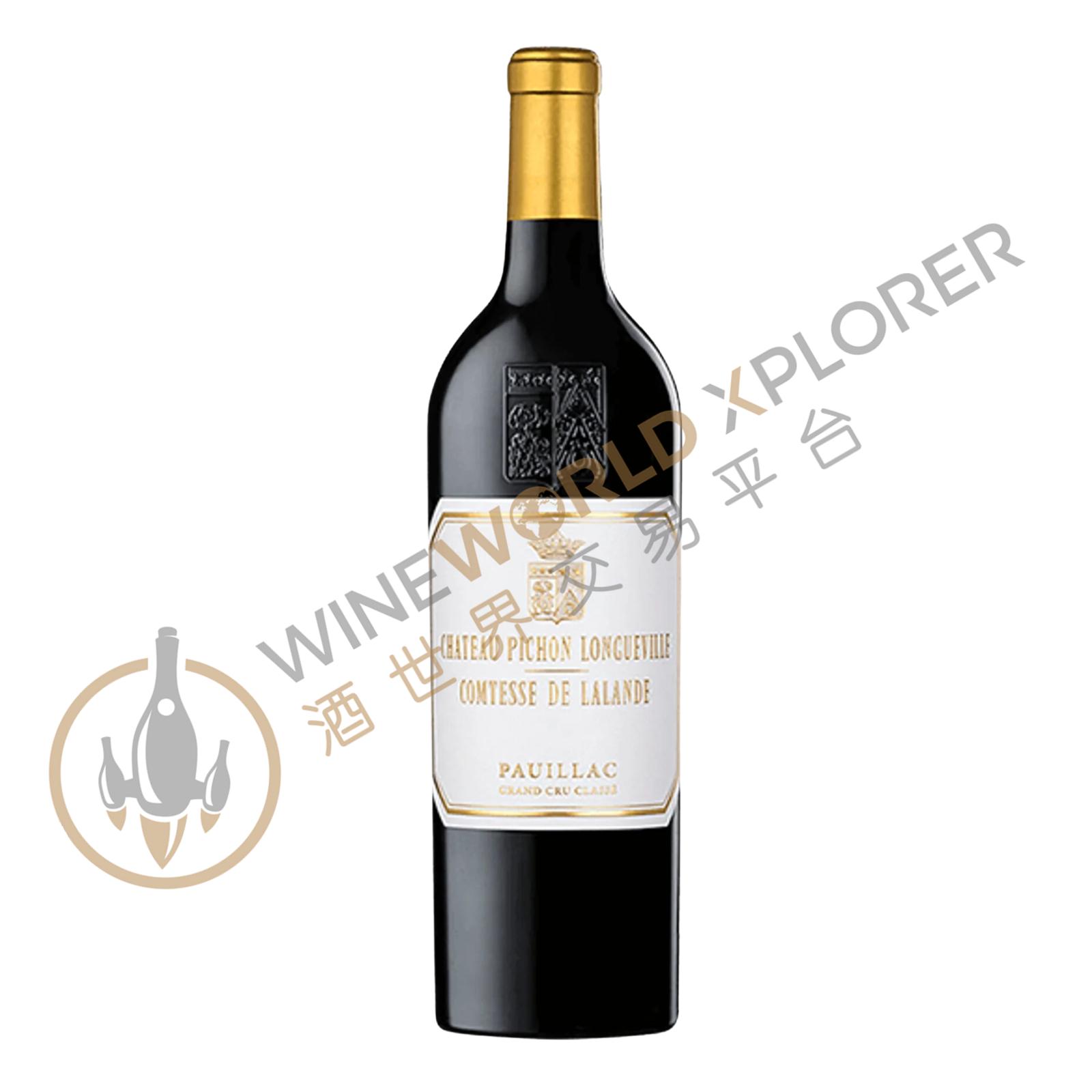
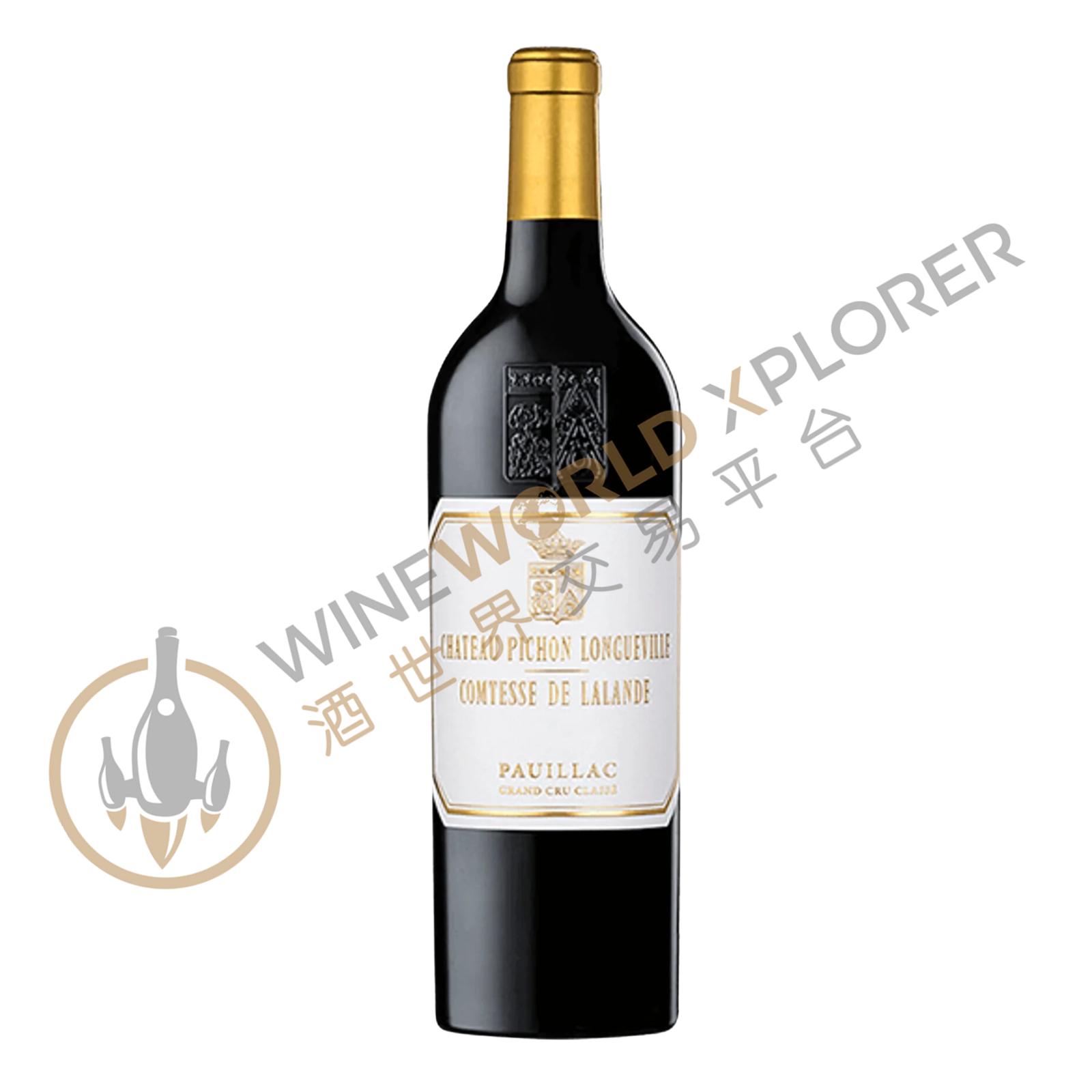
Pichon Lalande 2017
 View analysis


Description
Tasting notes

Reviewed by: Lisa Perrotti-Brown
Composed of 70% Cabernet Sauvignon, 23% Merlot, 6% Cabernet Franc and 1% Petit Verdot, the 2017 Pichon Longueville Comtesse de Lalande has a medium to deep garnet-purple color and is a little closed to begin, soon revealing floral notes of lilacs and lavender over a core of black raspberries, warm blackberries and forest floor plus touches of star anise and stewed black tea. Medium-bodied, the palate is a bundle of energy and tension with softly played tannins and beautiful floral and black fruit layers, finishing with a long-lingering whisper.
Reviewed by: Lisa Perrotti-Brown
This barrel sample is 100% new oak, whereas the final blend will be only 60% new oak. A blend of 70% Cabernet Sauvignon, 23% Merlot, 6% Cabernet Franc and 1% Petit Verdot, the 2017 Pichon Longueville Comtesse de Lalande is very deep garnet-purple in color with an incredibly fragrant nose of roses, lavender and baking spices over a core of crushed blackcurrants, wild blueberries and fresh plums plus touches of iron ore and underbrush. Medium-bodied and elegant with firm, grainy tannins, it's quite taut and muscular, with lots of perfumed and mineral layers and a long finish with lingering cinnamon and anise notes.
Reviewed by: Antonio Galloni
The 2017 Pichon-Longueville Comtesse de Lalande is a dark, powerful, somber Pauillac. Dark fruit, grilled herbs, smoke and licorice add to its distinctly brooding personality. In multiple tastings the 2017 has been incredibly tight and shut down. Readers will have to be especially patient. Estate Director Nicolas Glumineau has overseen a number of showy, majestic wines since he arrived at Pichon Comtesse in 2013. The 2017 appears to be cut from a different cloth, as it is incredibly reticent in the early going.
Reviewed by: Antonio Galloni
The 2017 Pichon-Longueville Comtesse de Lalande is gorgeous, but it is also going to need time to come together. The sensuality and allure typical of so many Pauillacs is not at all evident here. A rush of dark cherry, plum, smoke, charcoal and exotic spice make a strong opening statement in a powerful Pichon Comtesse that is not ready to show all of its cards. The 2017 was incredibly reticent in several tastings, which is probably a very good thing for its long-term potential. Today, though, the 2017 is dense, powerful and closed in on itself, without the layers that define the 2014, 2015 and 2016.
Reviewed by: Neal Martin
The 2017 Pichon-Lalande has closed down a little on the nose since it was bottled late June. But it is still very well defined, quite Cabernet-influenced with cedar and graphite aromas emerging with time. The palate is medium-bodied with supple tannins. It is a very lithe Pichon-Lalande that in some ways harks back to the fleshier vintages of the past. There is something "sedate" and self-effacing about this 2017, and that is meant in a good way. Harmonious, refined, almost effortless and probably medium rather than long-term drinking.
Reviewed by: Neal Martin
The 2017 Pichon-Lalande was picked from 7 September to 2 October and underwent a 23 day cuvaison period. It is intense on the nose, the new oak coming through a little strongly since the sample came from a new barrel, the final blend consisting of 60% new wood. The palate is medium-bodied with firm tannin, the Cabernet Sauvignon driving this alone with layers of black fruit laced with cedar and graphite. It is a very “Pauillac” Pichon Lalande, less opulent and giving than recent vintages and more in the style of say, the 1996 or 2010. There is very good persistence on the saline finish but it is clearly a wine that is going to require more cellaring than its peers. Tasted four times in total, each time this gained more substance and density.
About the Producer
Pichon Lalande is arguably the best known Super Second Pauillac for its quality consistency and quintessential Bordeaux claret expression. Neighbouring Chateau Latour and lying just right opposite Chateau Pichon Baron, Pichon Lalande, as its name suggests, has long seen extended female owner influence since the 1850s. Back in the 1850s, the original Pichon Lalande got broken down into two-fifth being renamed as Pichon Baron and three-fifth remaining as Pichon Lalande upon the passing of Baron Joseph de Pichon Longueville. The three-fifth was run by the three daughters of the Baron himself and over the course of a few years, Pichon Baron and Pichon Lalande took on distinctive styles - with the former being more a masculine expression and the latter, feminine. Female ownership and influence continued, with little interruption, till the modern days. Pichon Lalande's string of female leaders have contributed to the continuous modernization of Pichon Lalande's vineyards and cellars; as well as the doubling of vineyard area during the 1970s - 90s. Today, Pichon Lalande's feminine expression continues to prevail - whilst the team is placed under the leadership of a former opera singer turned winemaker gentleman named Nicolas Glumineau. Conversion to biodynamic viticulture (fully by year 2021), continuous investments in precision winemaking facilities see Pichon Lalande continue to be revered among leading critics. Pichon Lalande is planted to 65% Cabernet Sauvignon, 25% Merlot, 7% Cabernet Franc and 3% Petit Verdot. It is the predominant Cabernet Sauvignon presence in Pichon Lalande's wines that make this wine such a capable representation of Pauillac's deep gravelly terroir.
1928(1)1969(1)1970(1)1977(1)1979(1)1981(1)1982(3)1983(1)1984(1)1985(4)1986(9)1988(4)1989(4)1990(4)1992(1)1993(1)1994(6)1995(4)1996(8)1997(2)1998(6)1999(4)2000(14)2001(6)2002(13)2003(18)2004(16)2005(14)2006(19)2007(7)2008(20)2009(13)2010(18)2011(17)2012(13)2013(7)2014(24)2015(22)2016(18)
Package Size
1 x 6L12 x 75cl3 x 1.5L