Wine Advisor



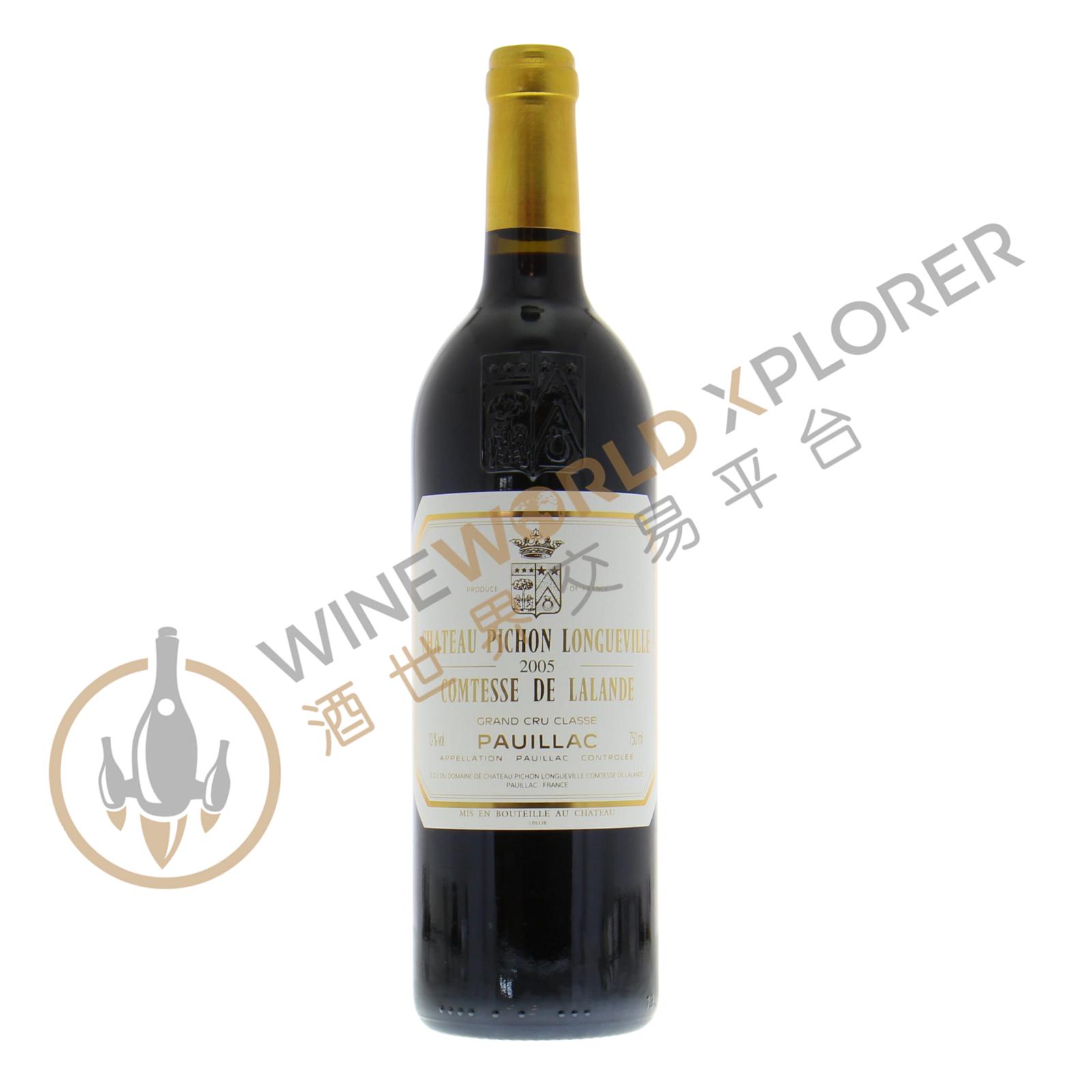
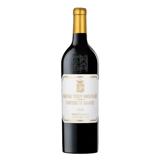
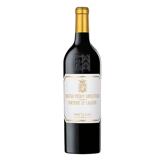
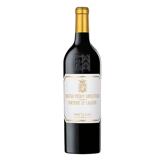
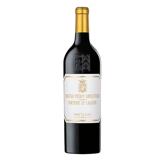
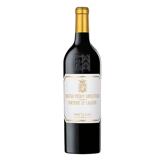
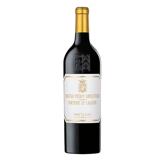
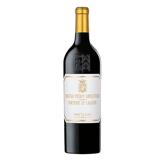
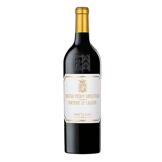
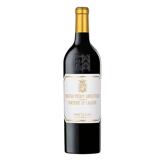
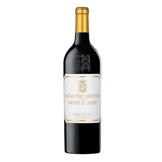
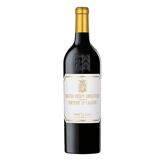
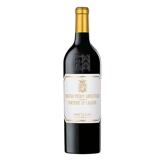
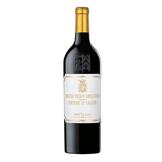
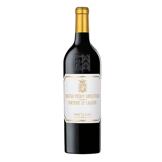
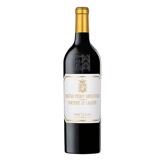
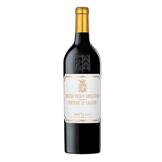
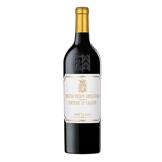
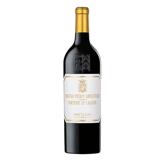
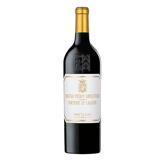
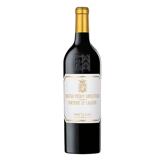
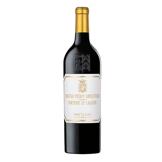
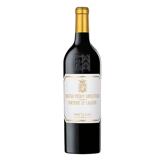
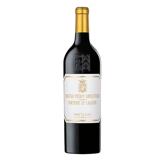
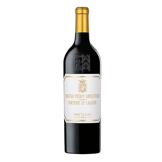
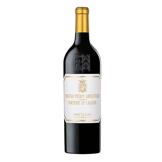
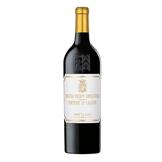
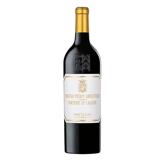
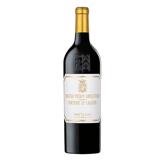
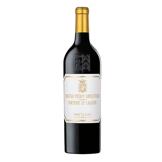
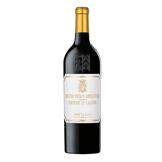
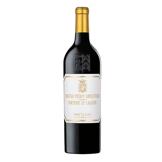
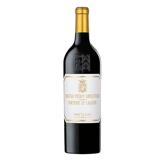
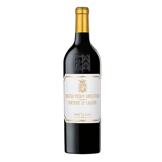
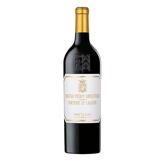
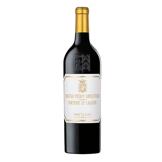
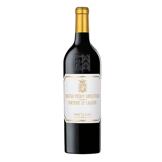
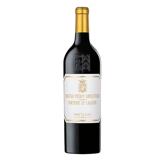
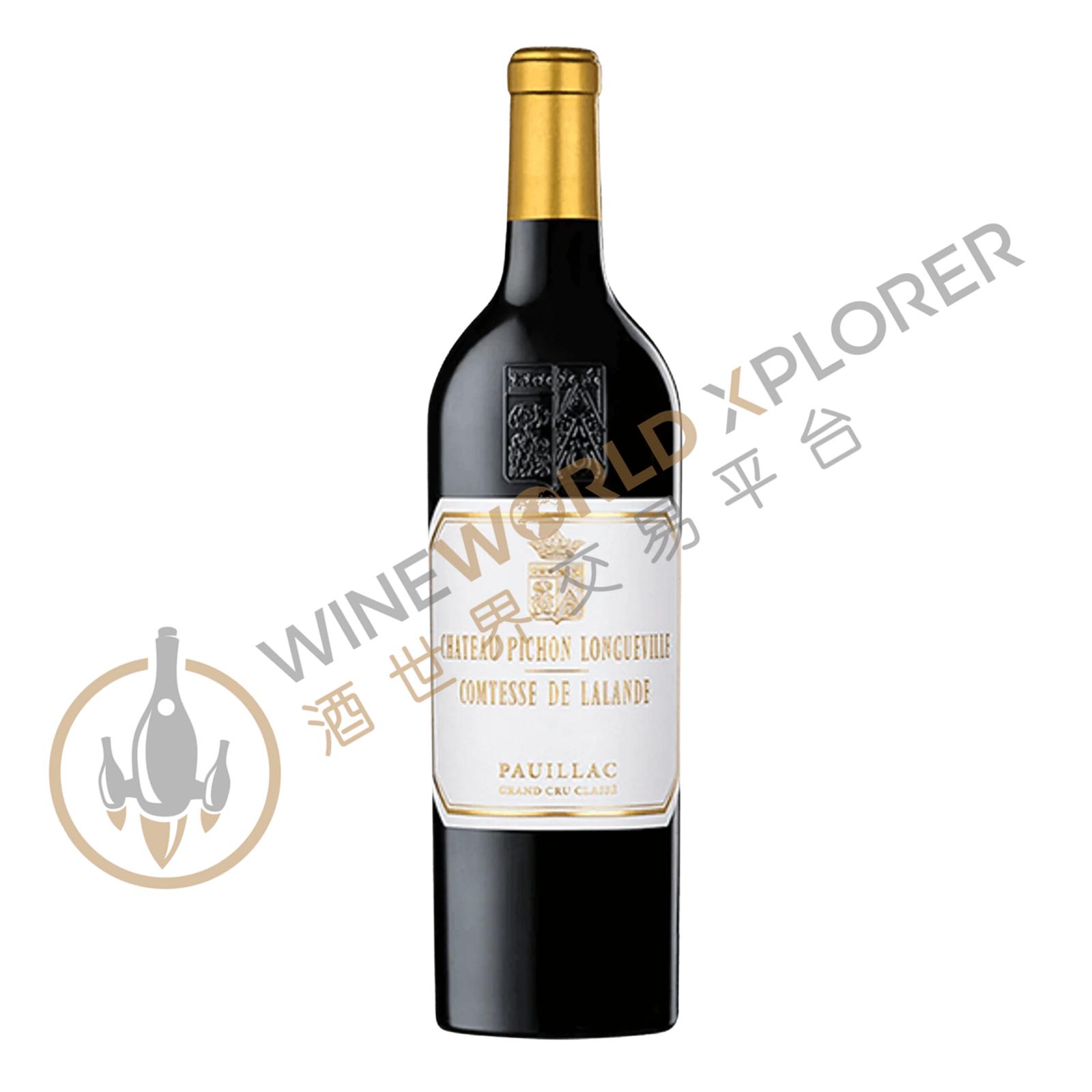
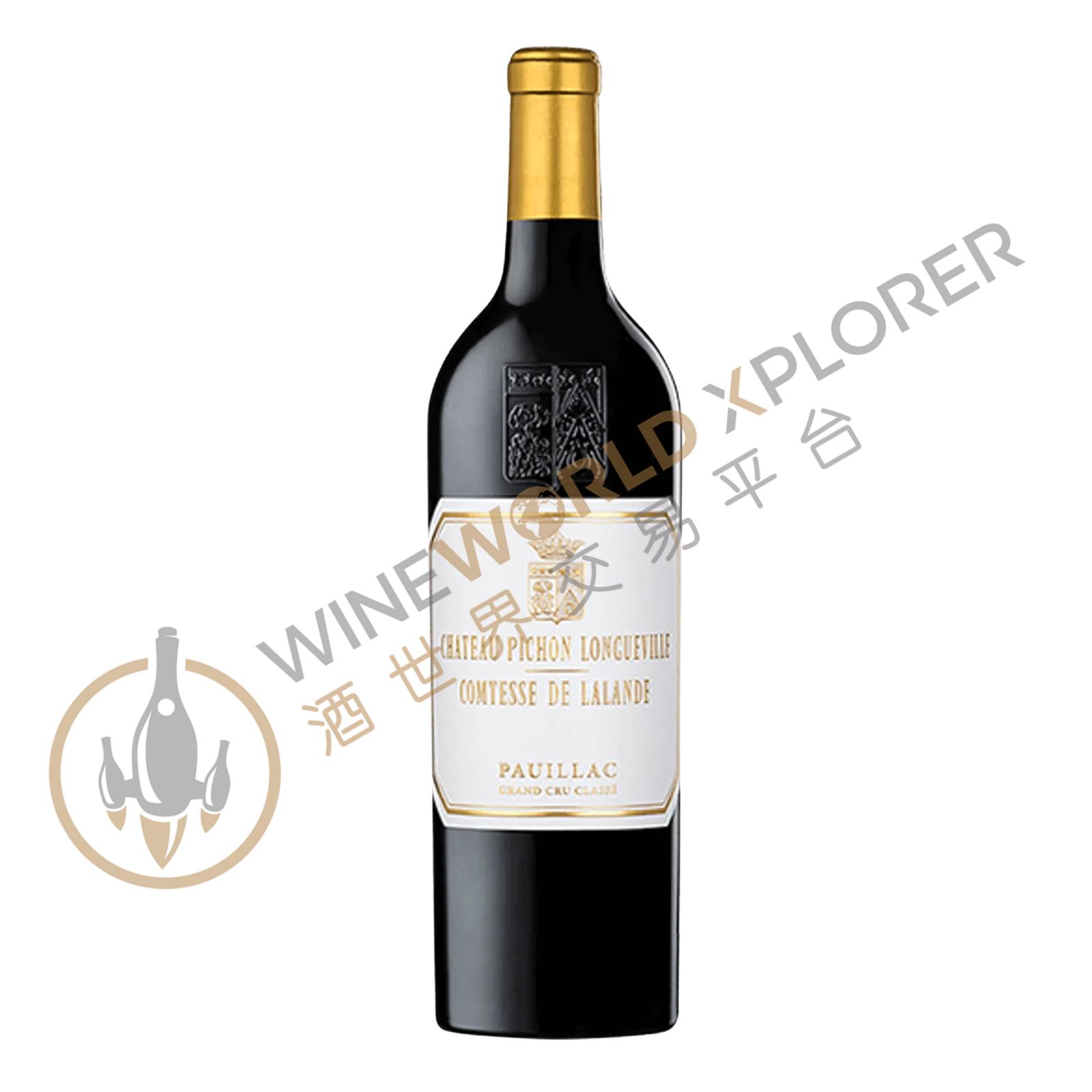
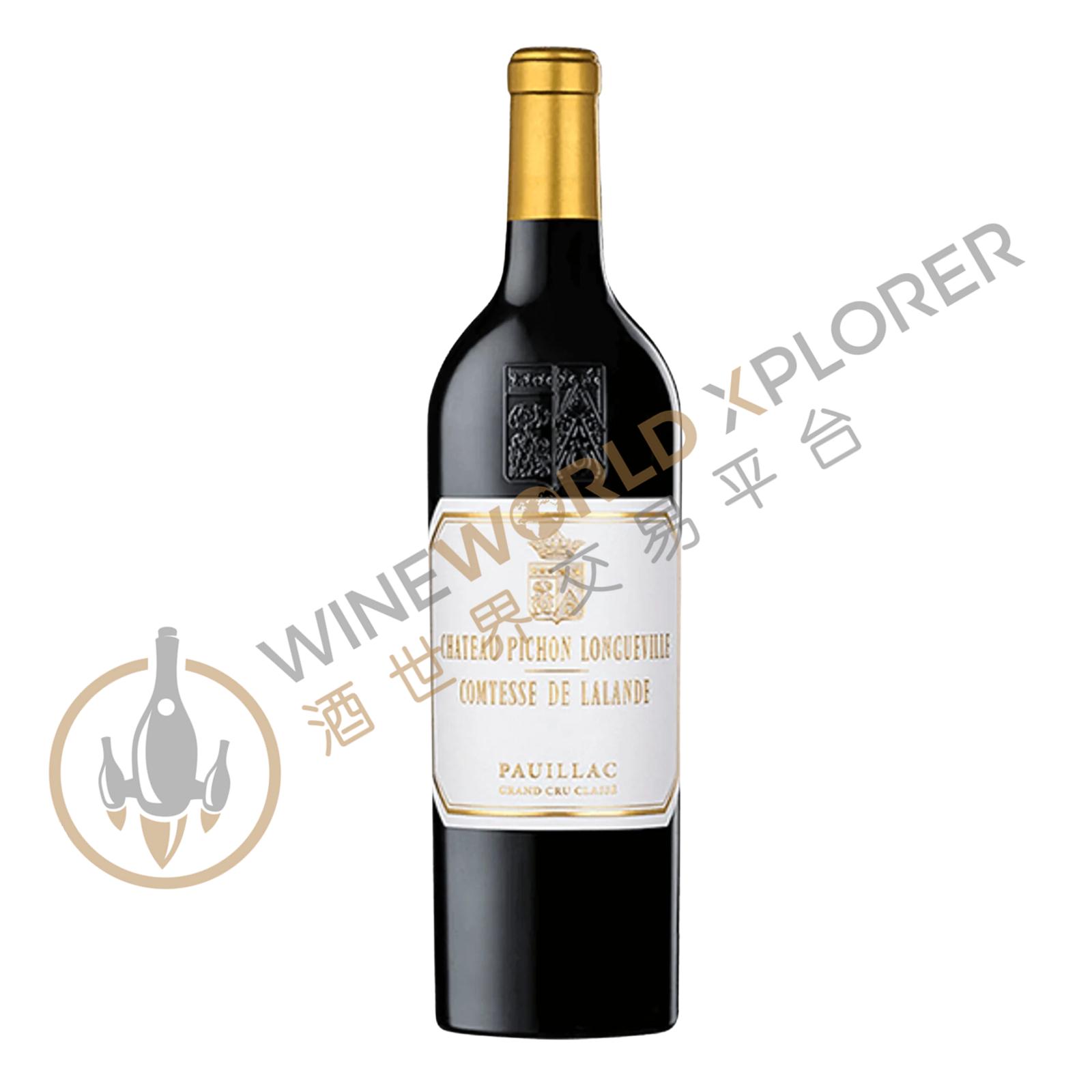
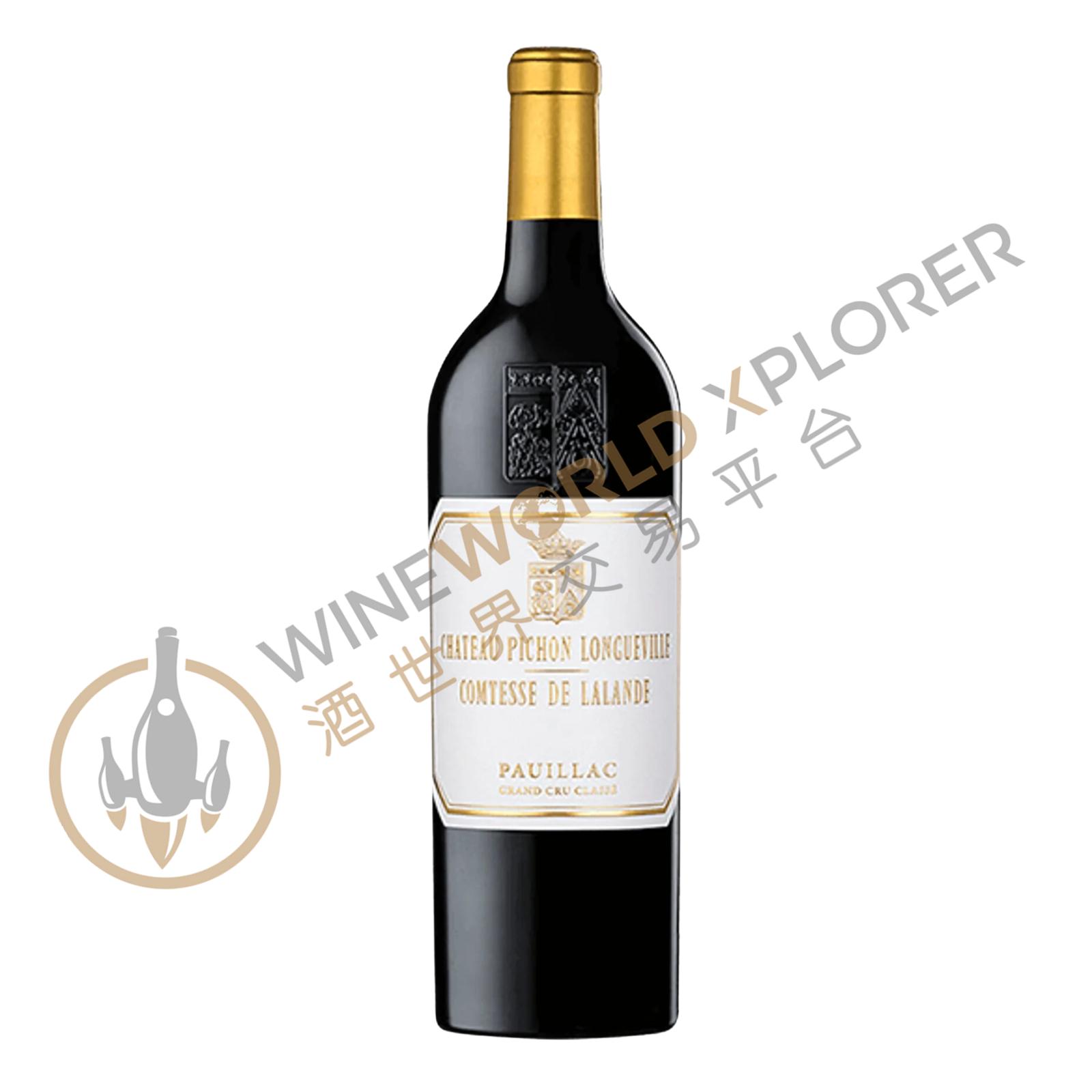
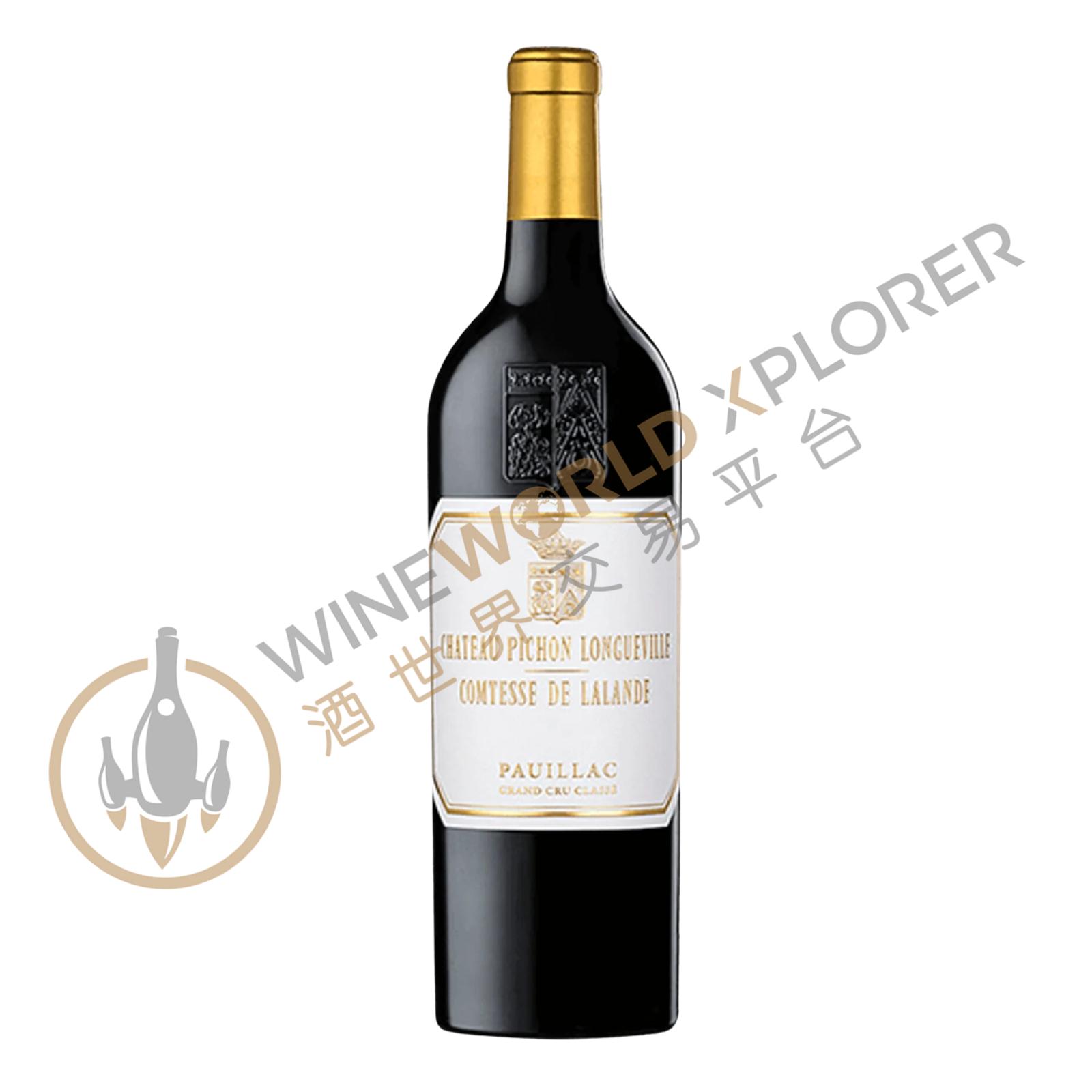
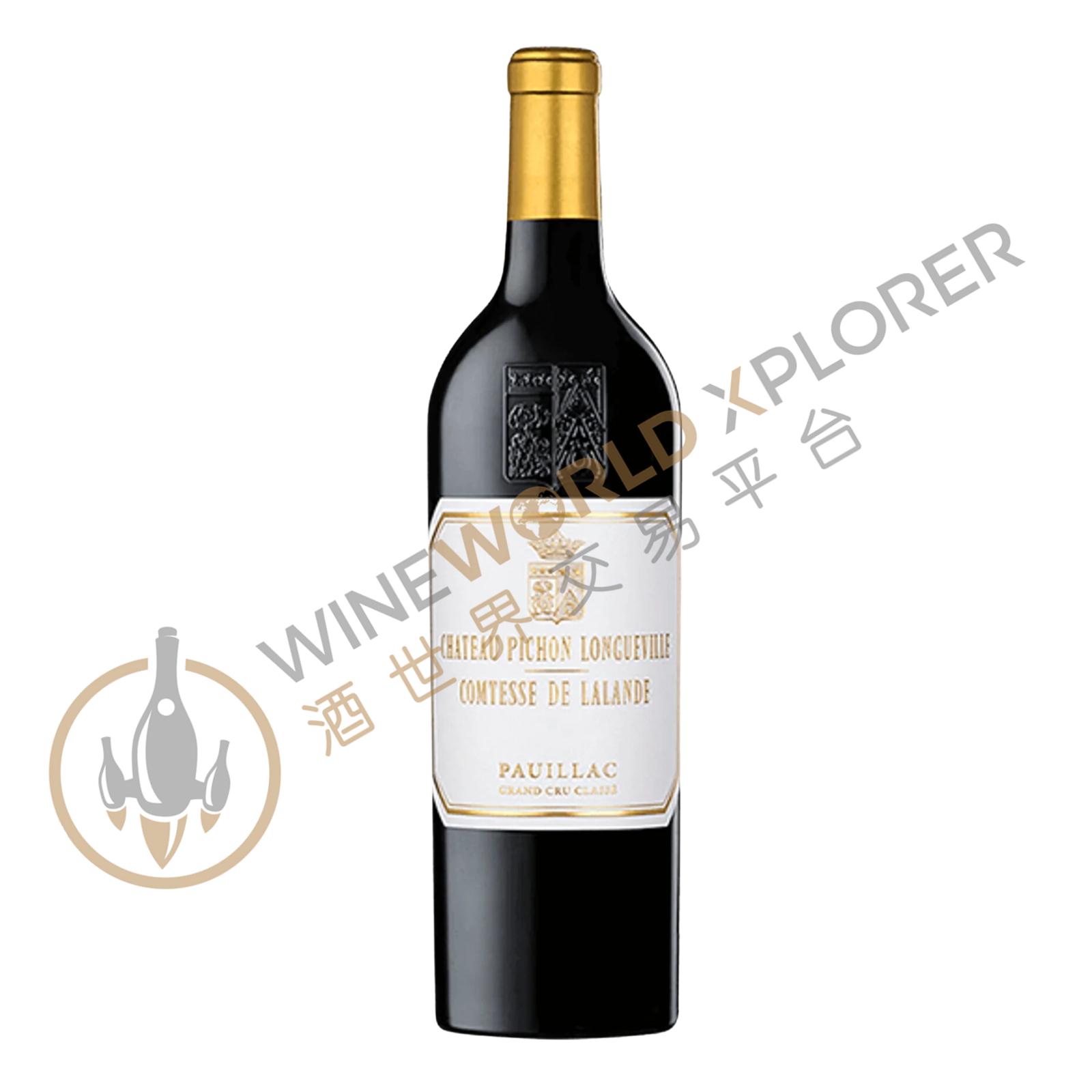
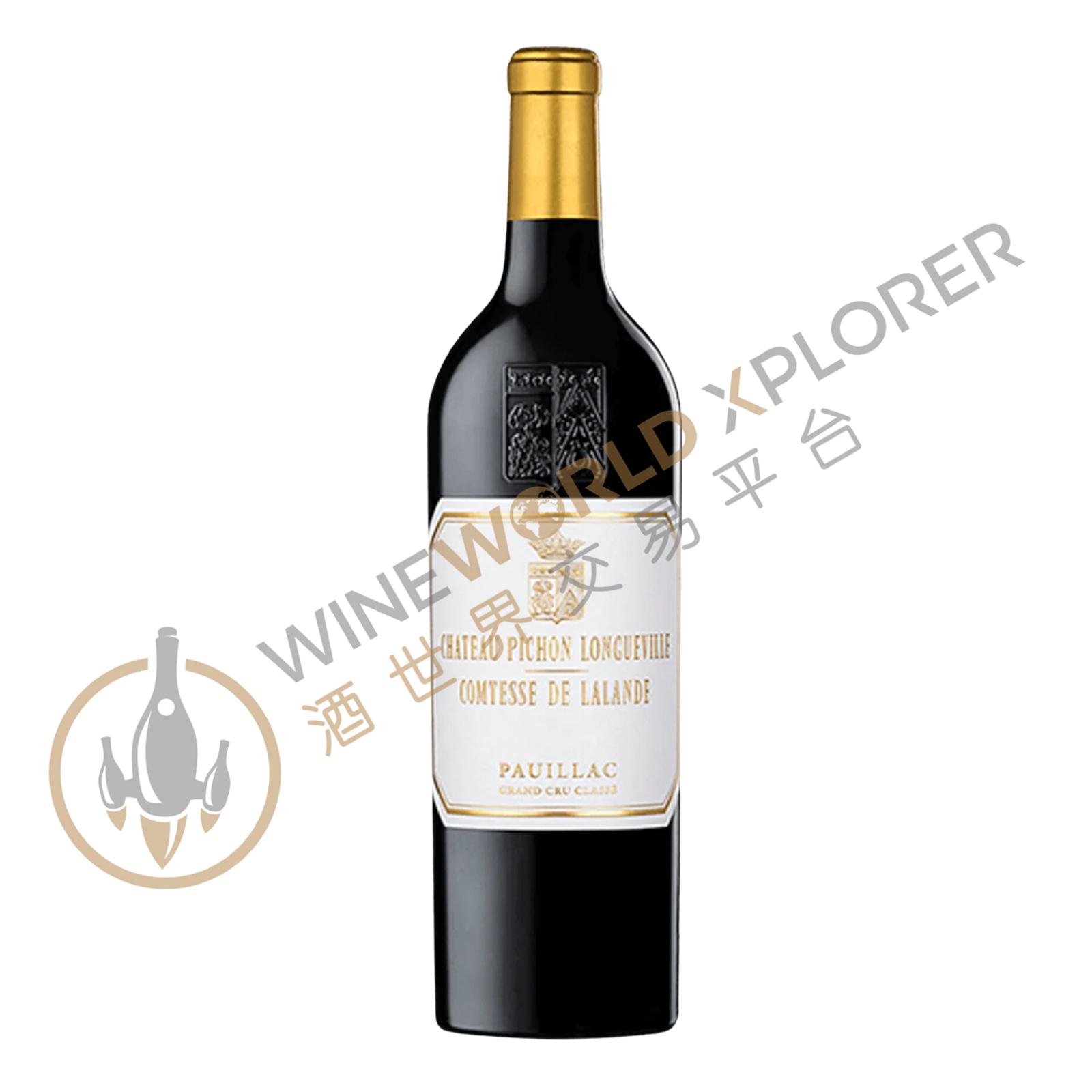
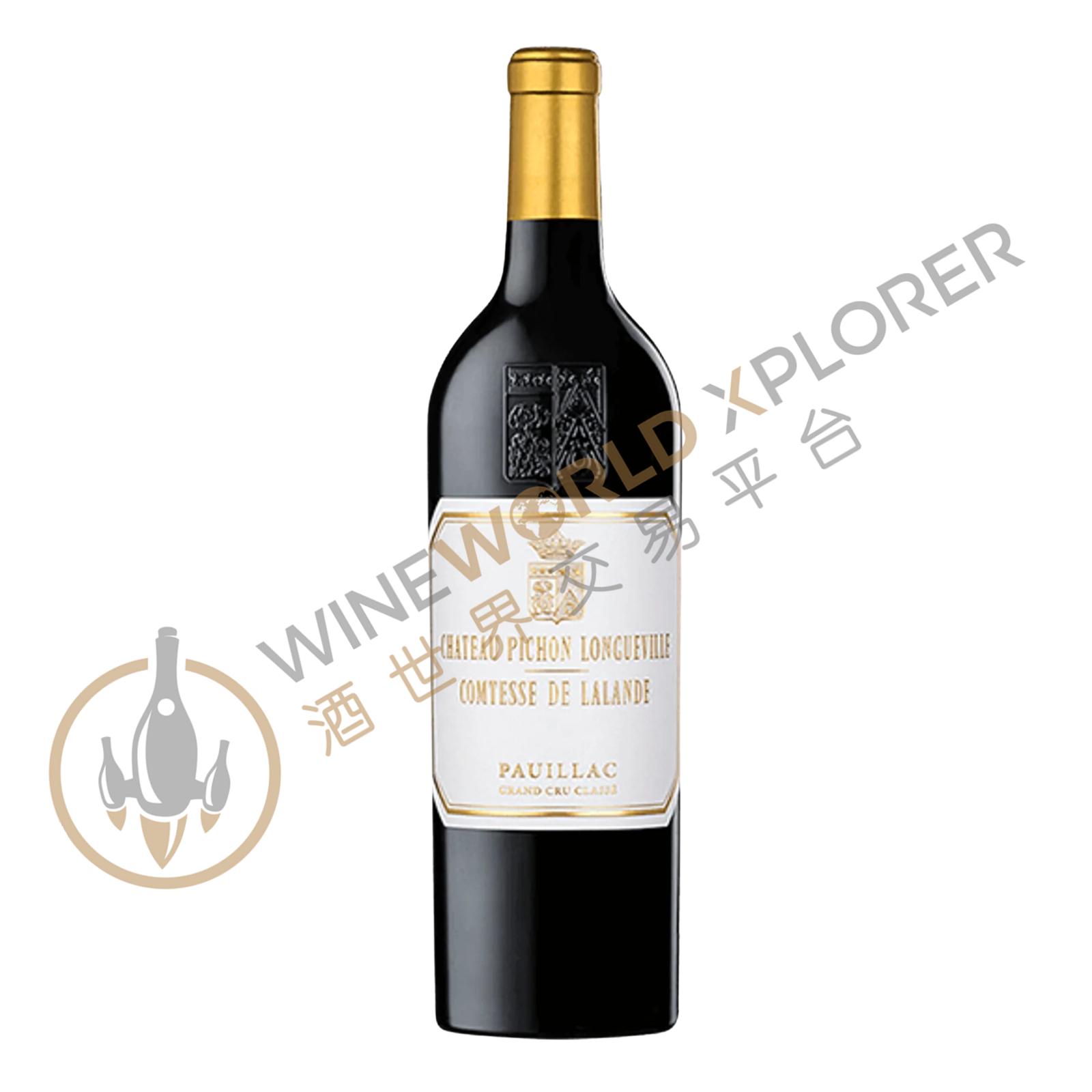
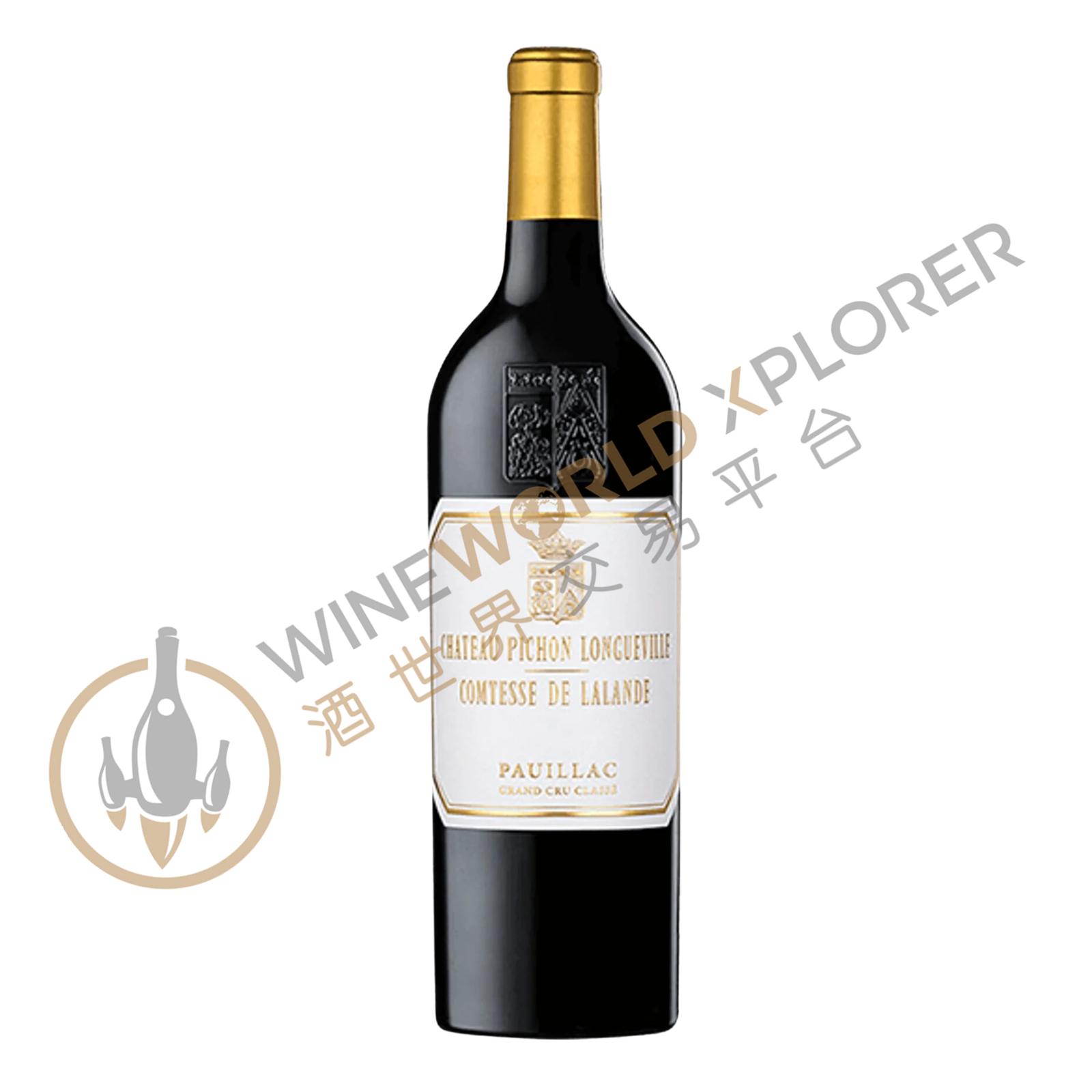
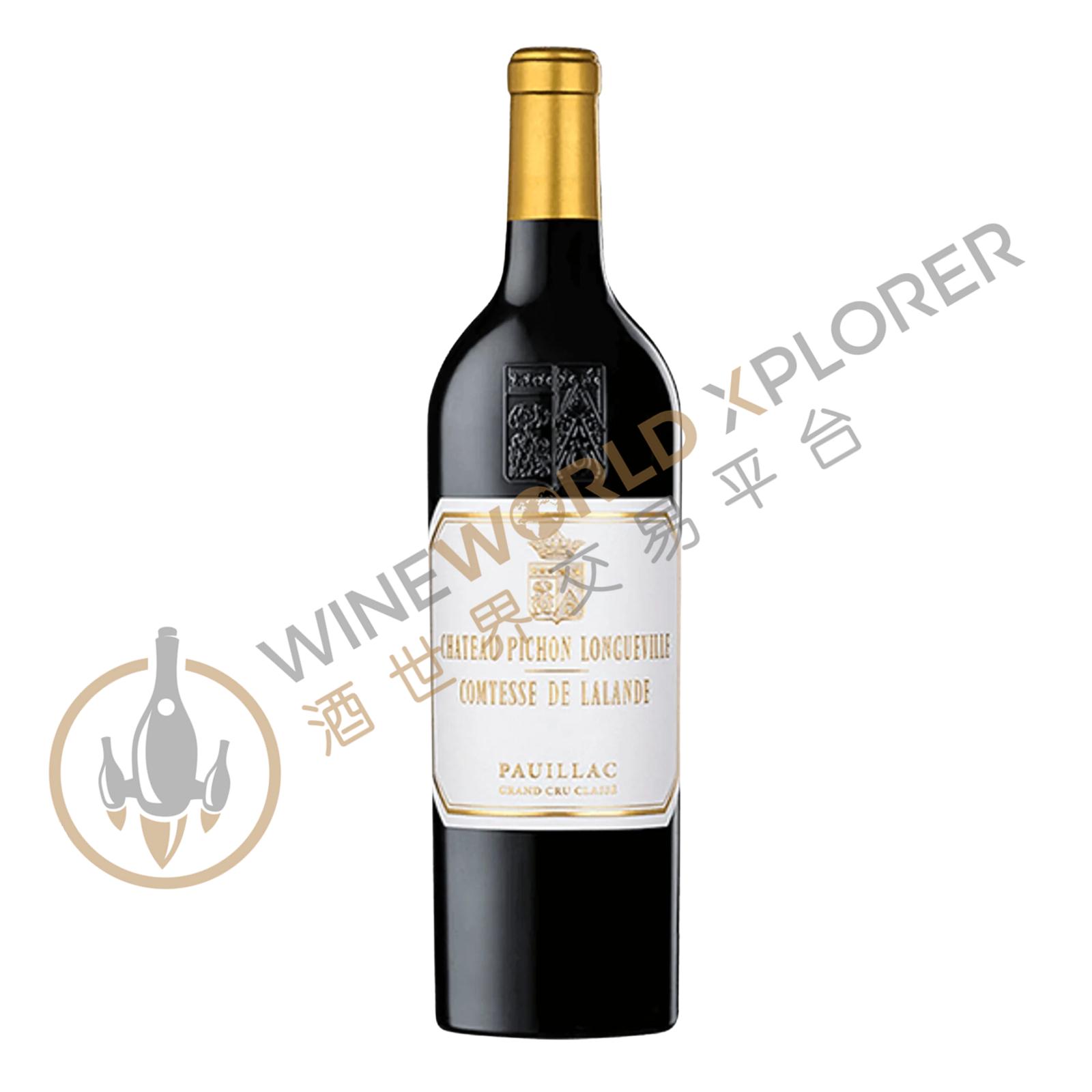
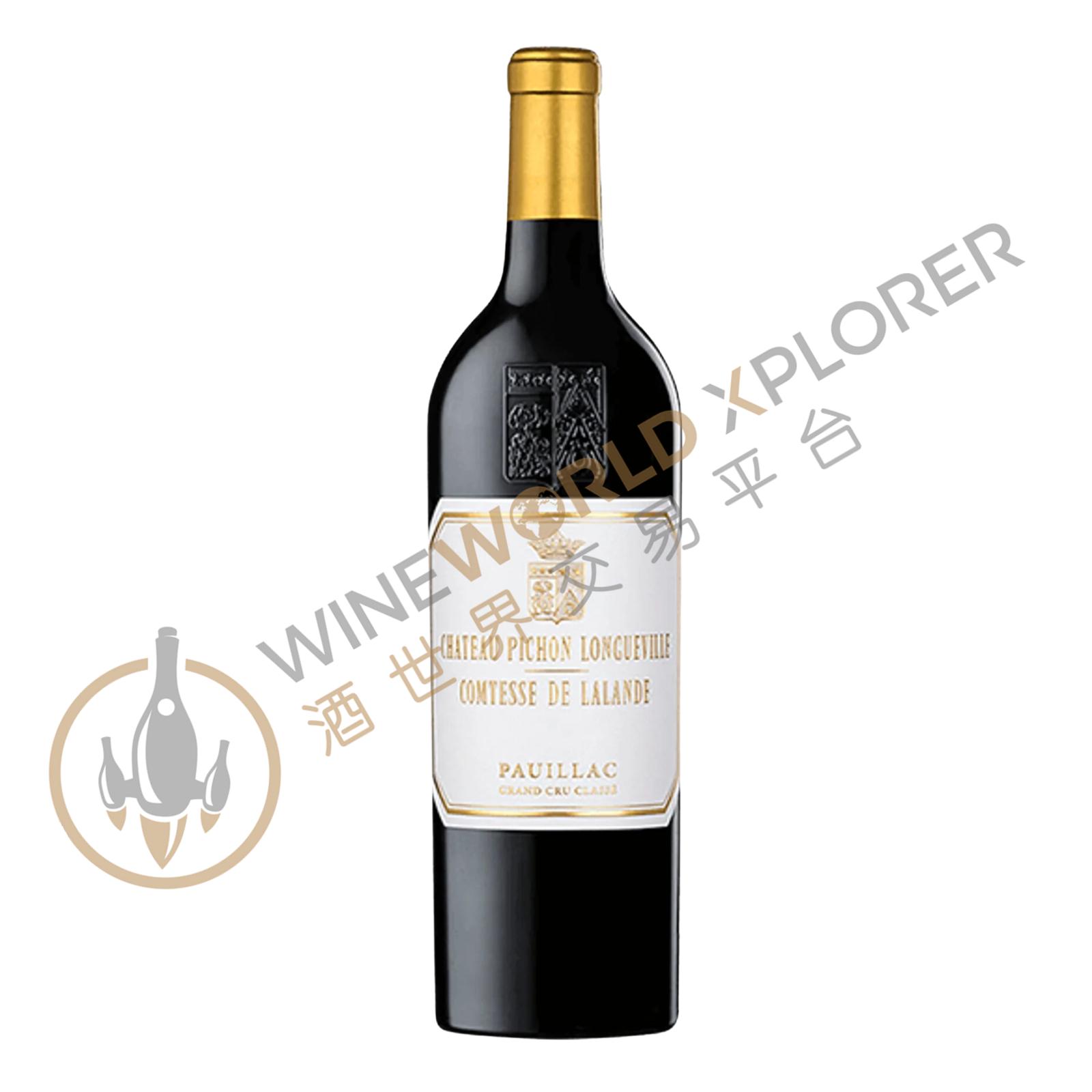
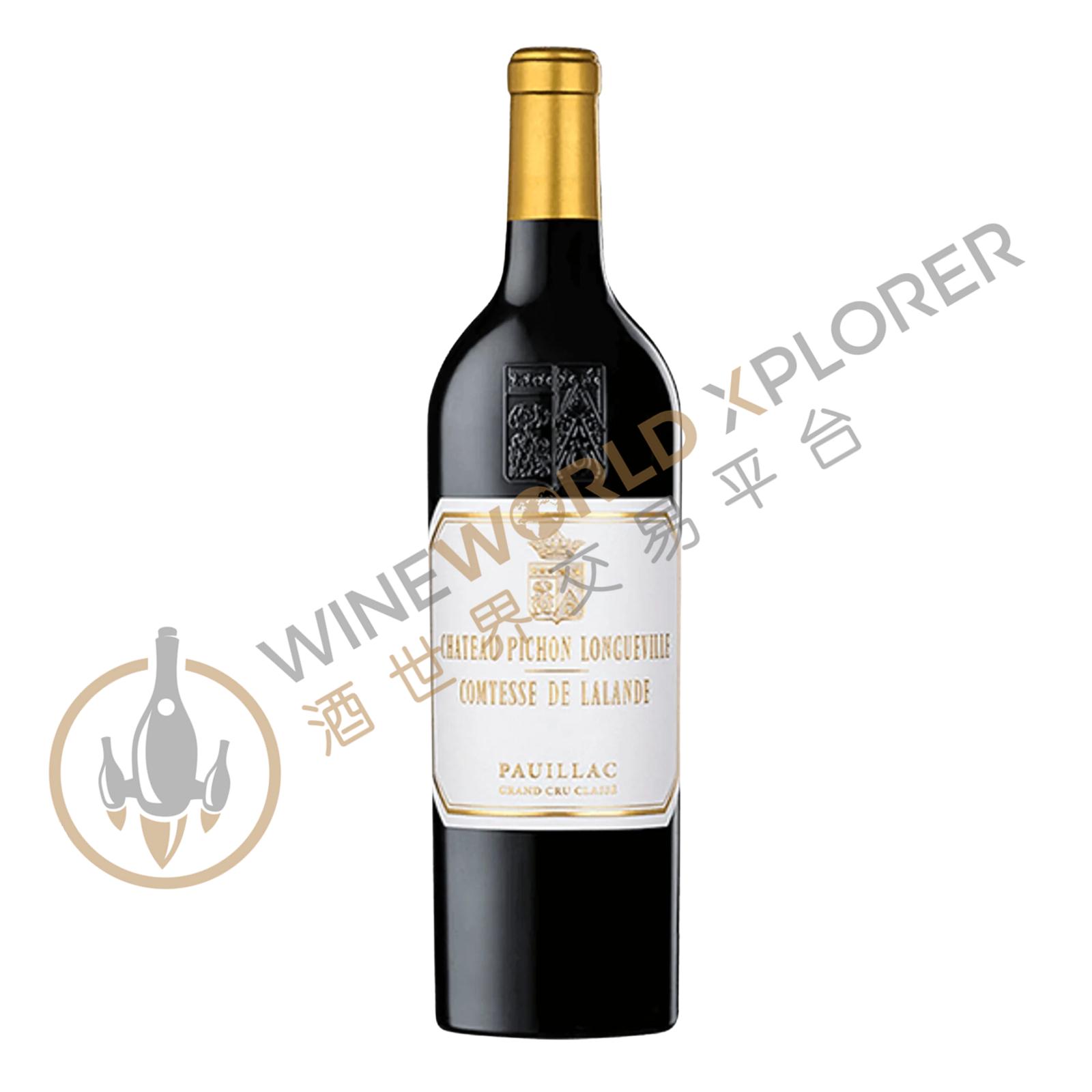
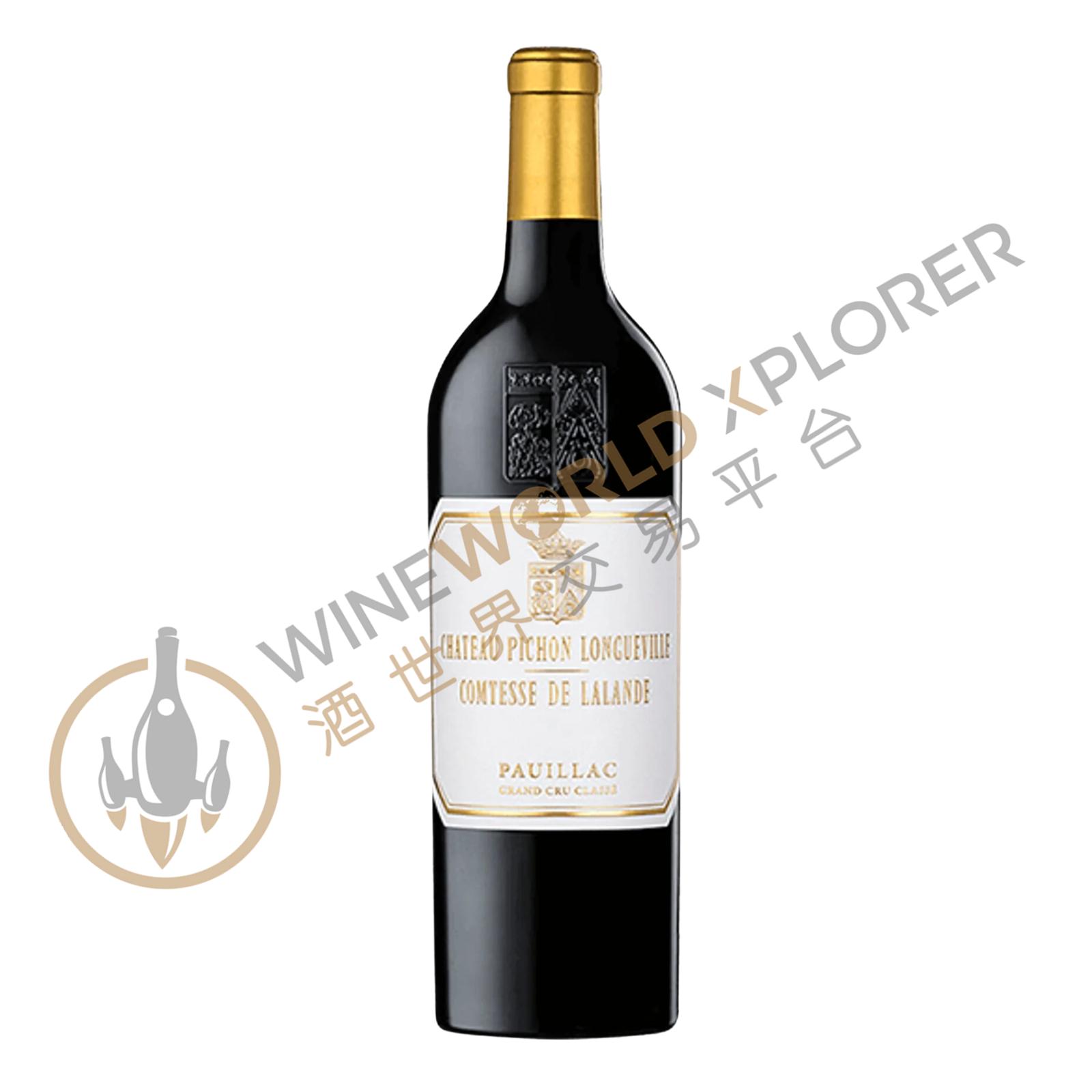
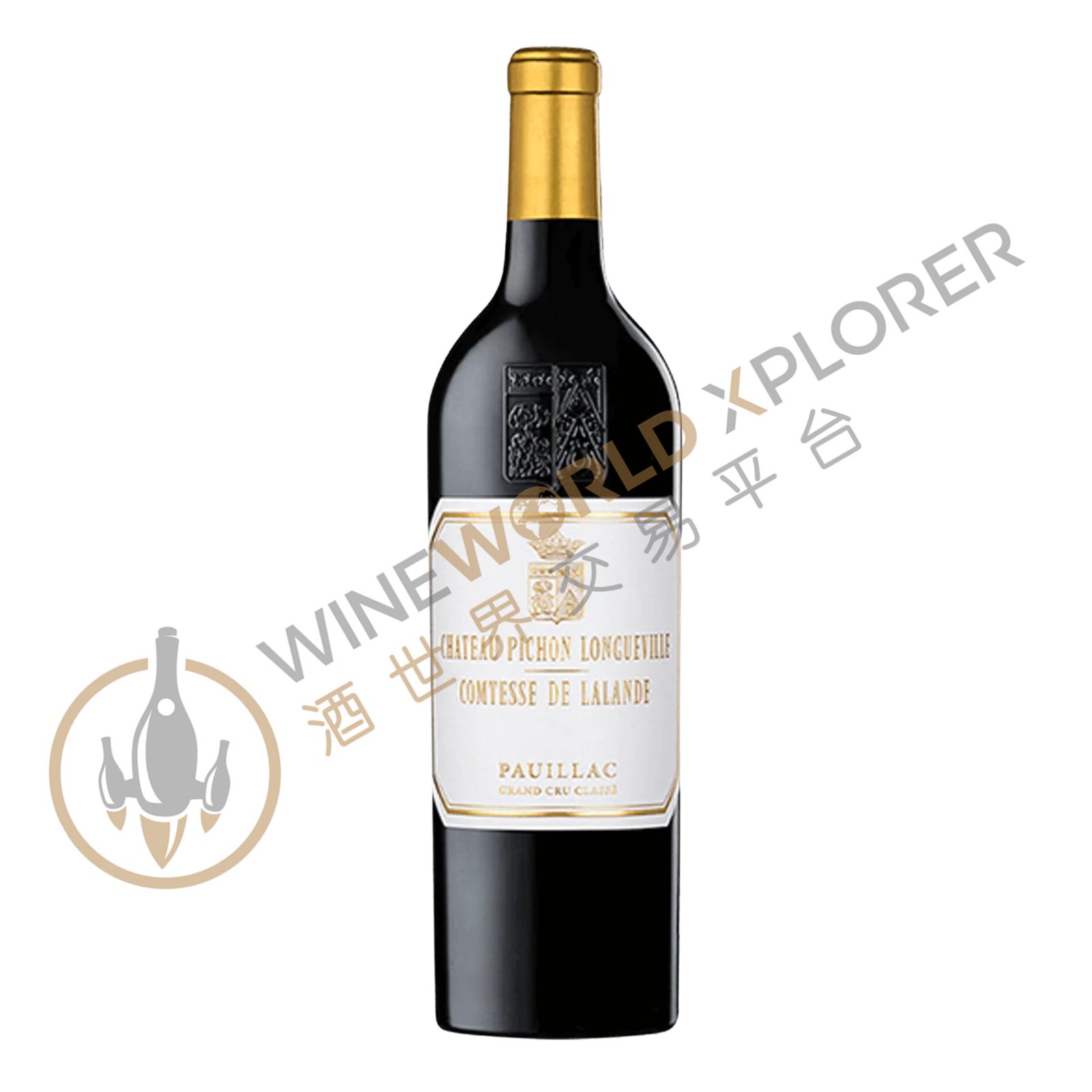
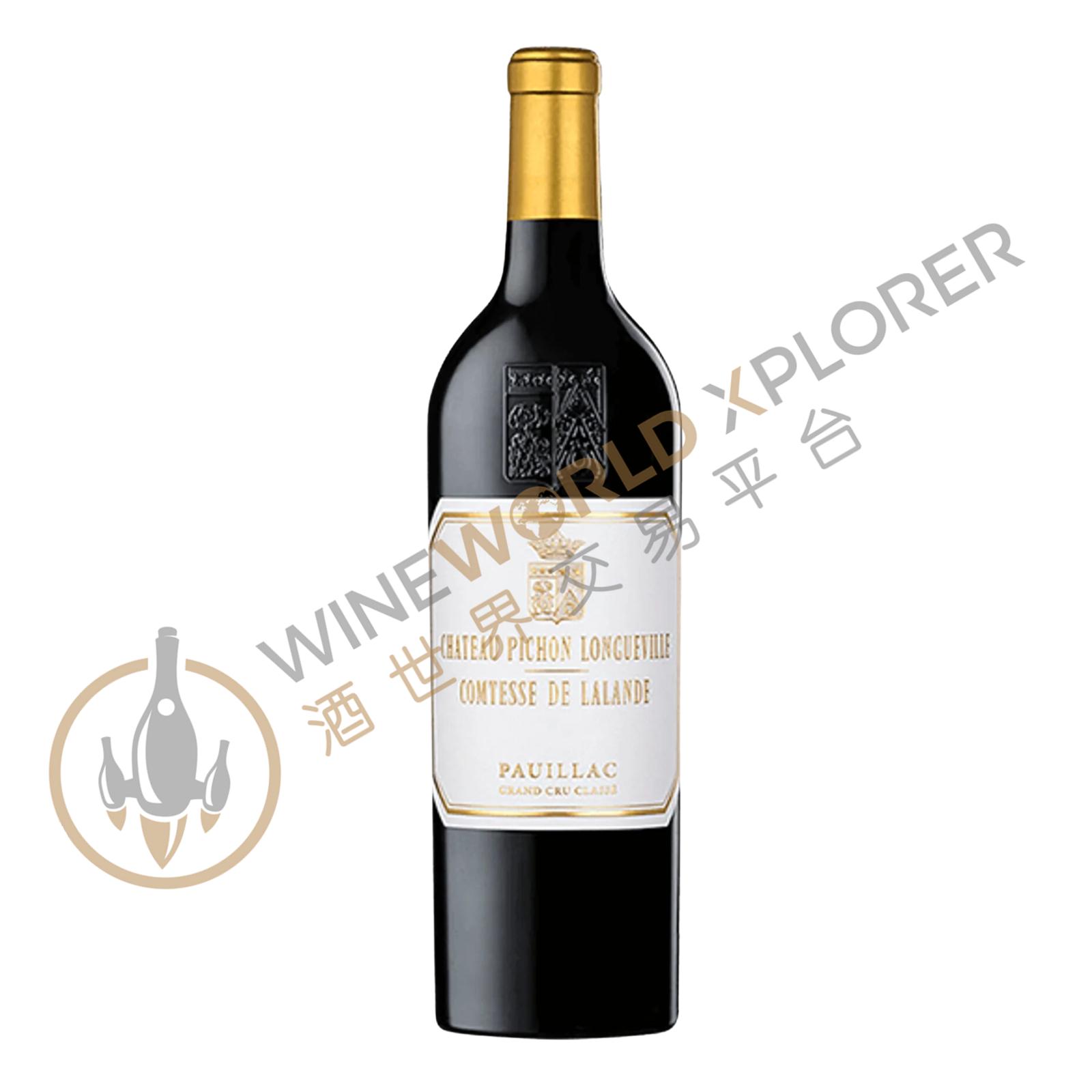
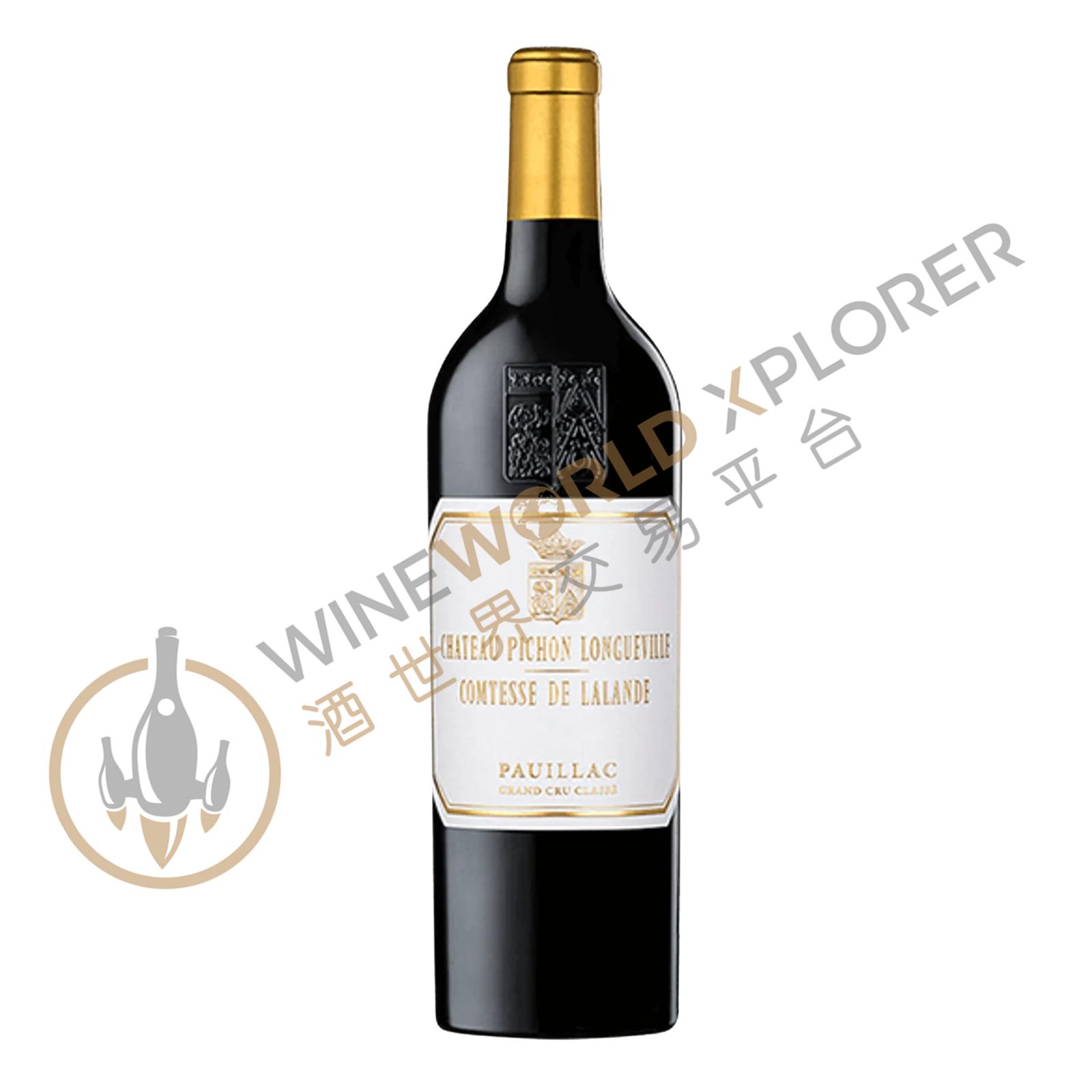
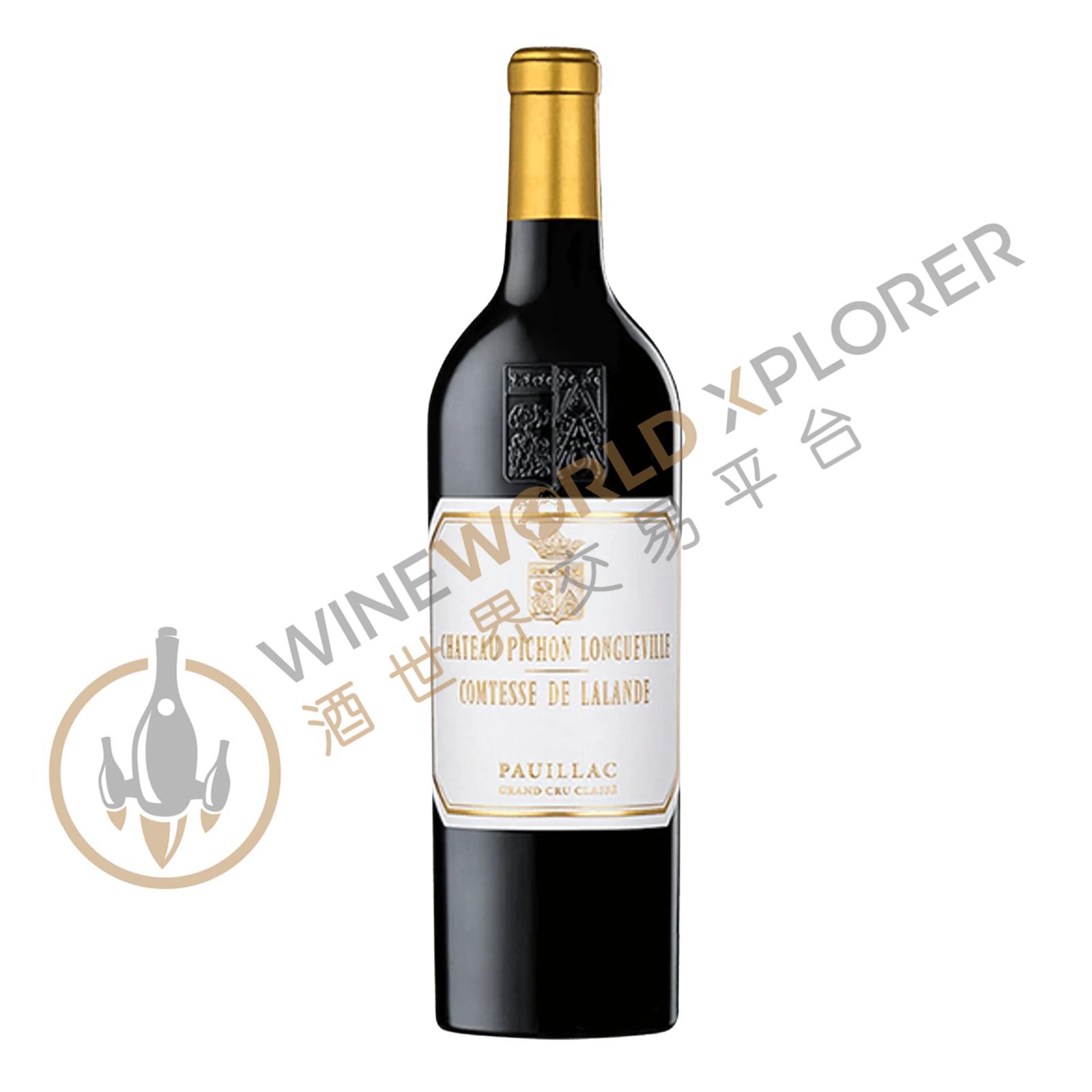
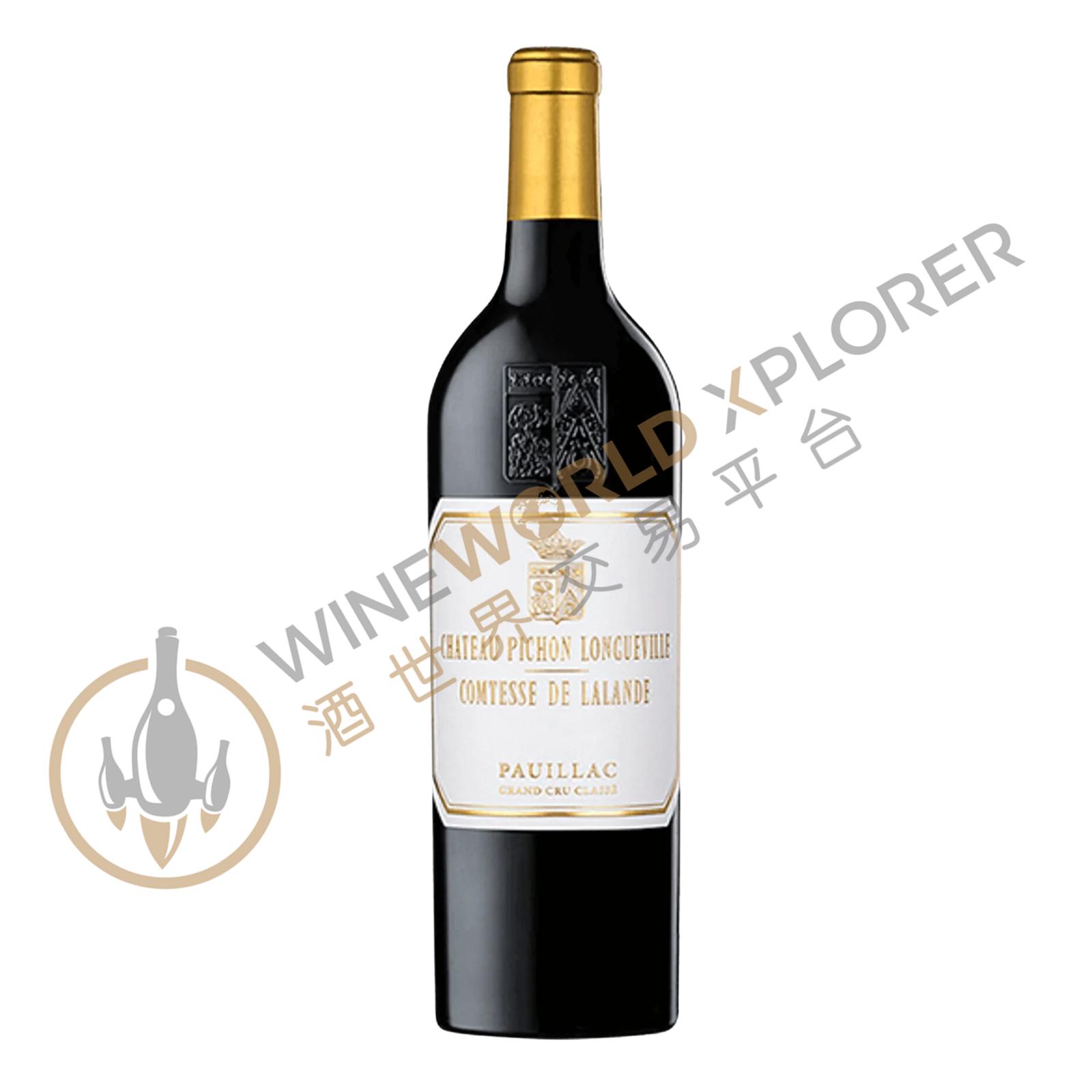
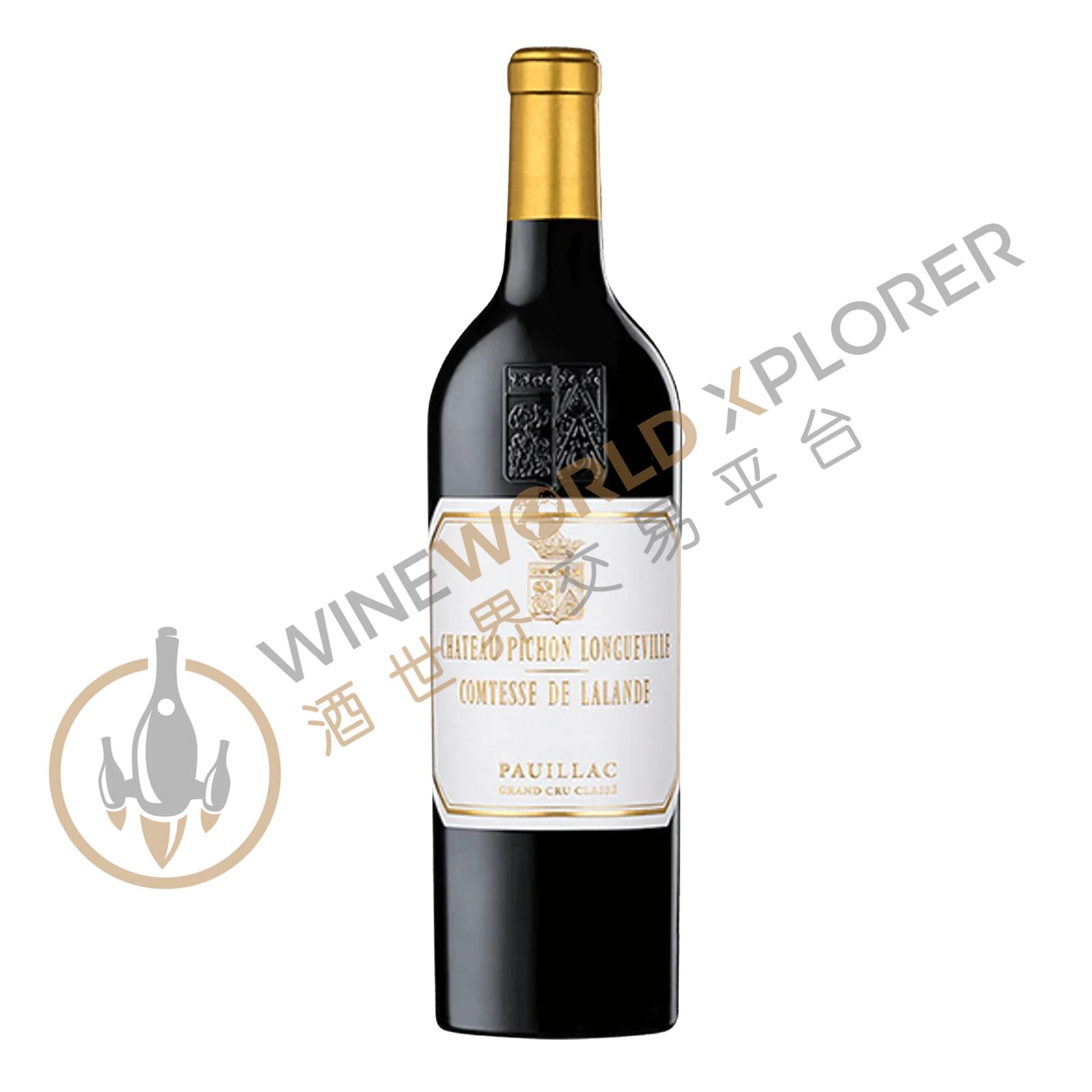
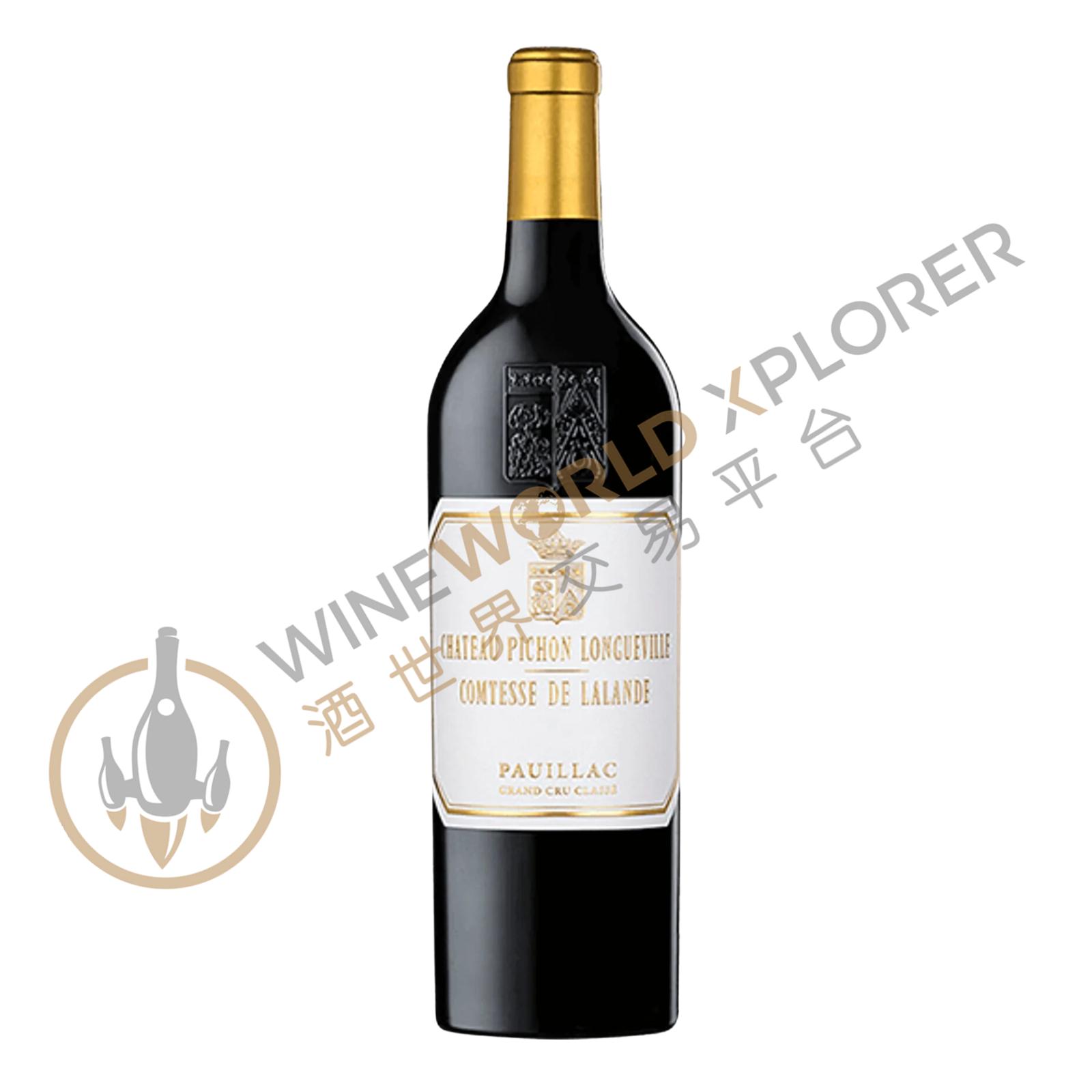
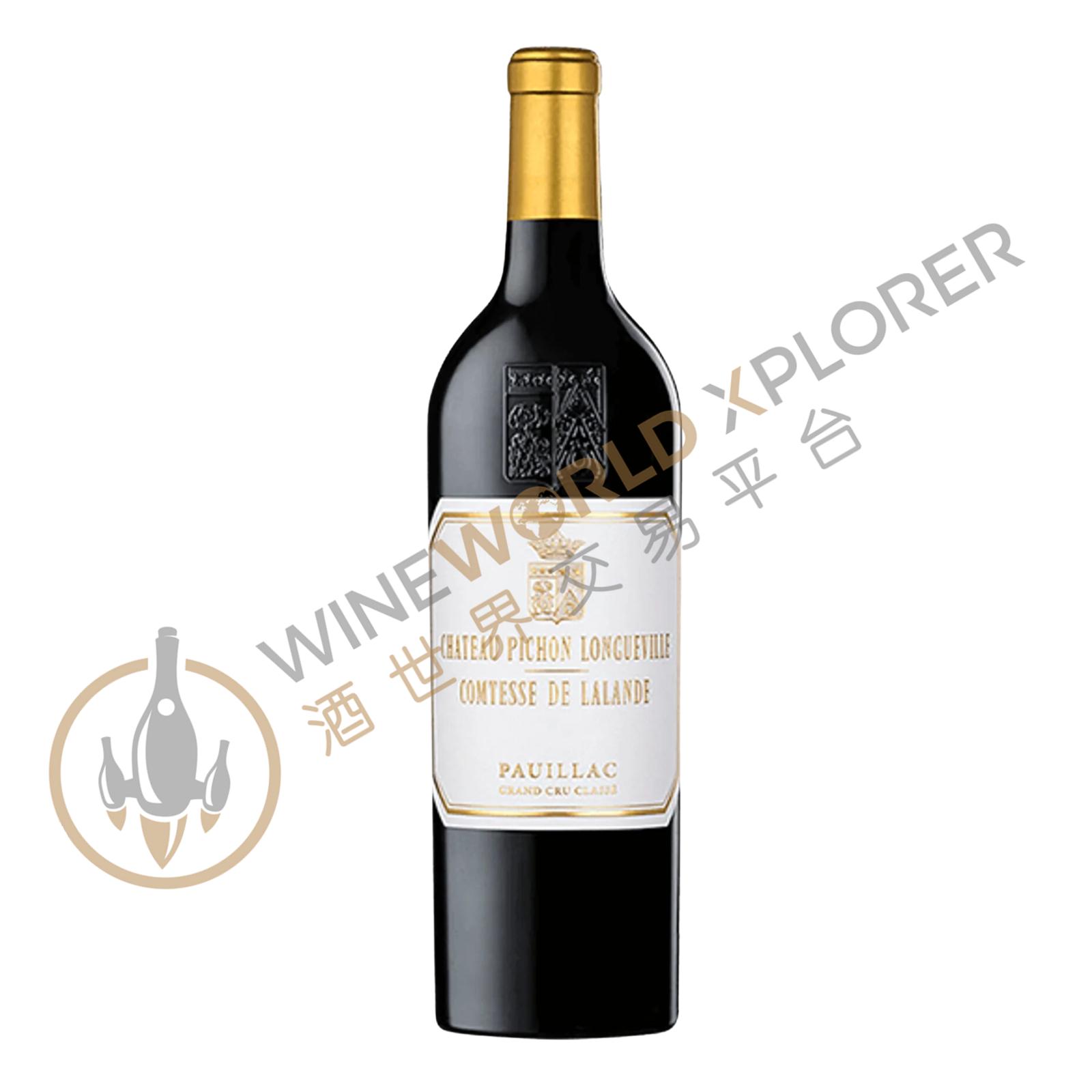
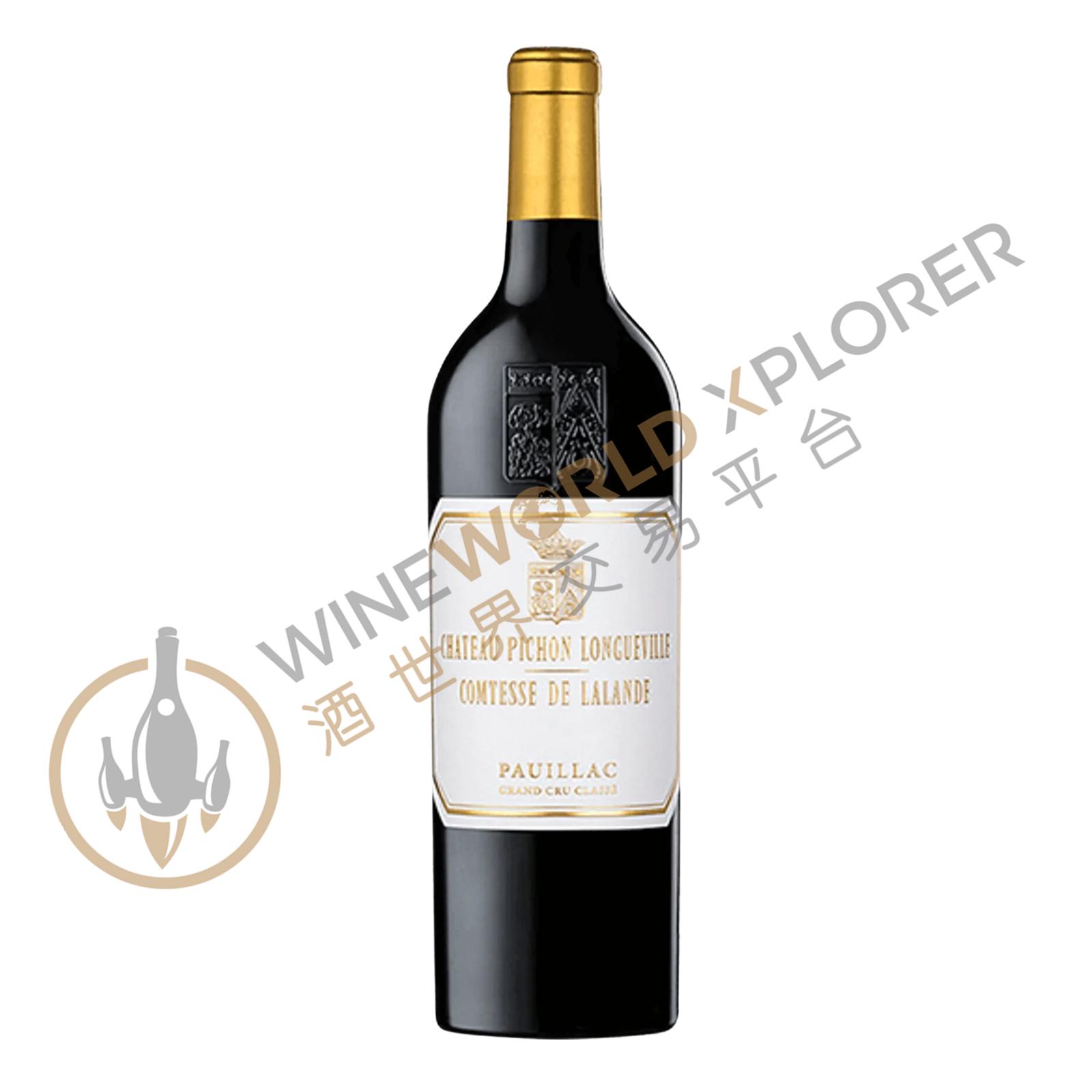
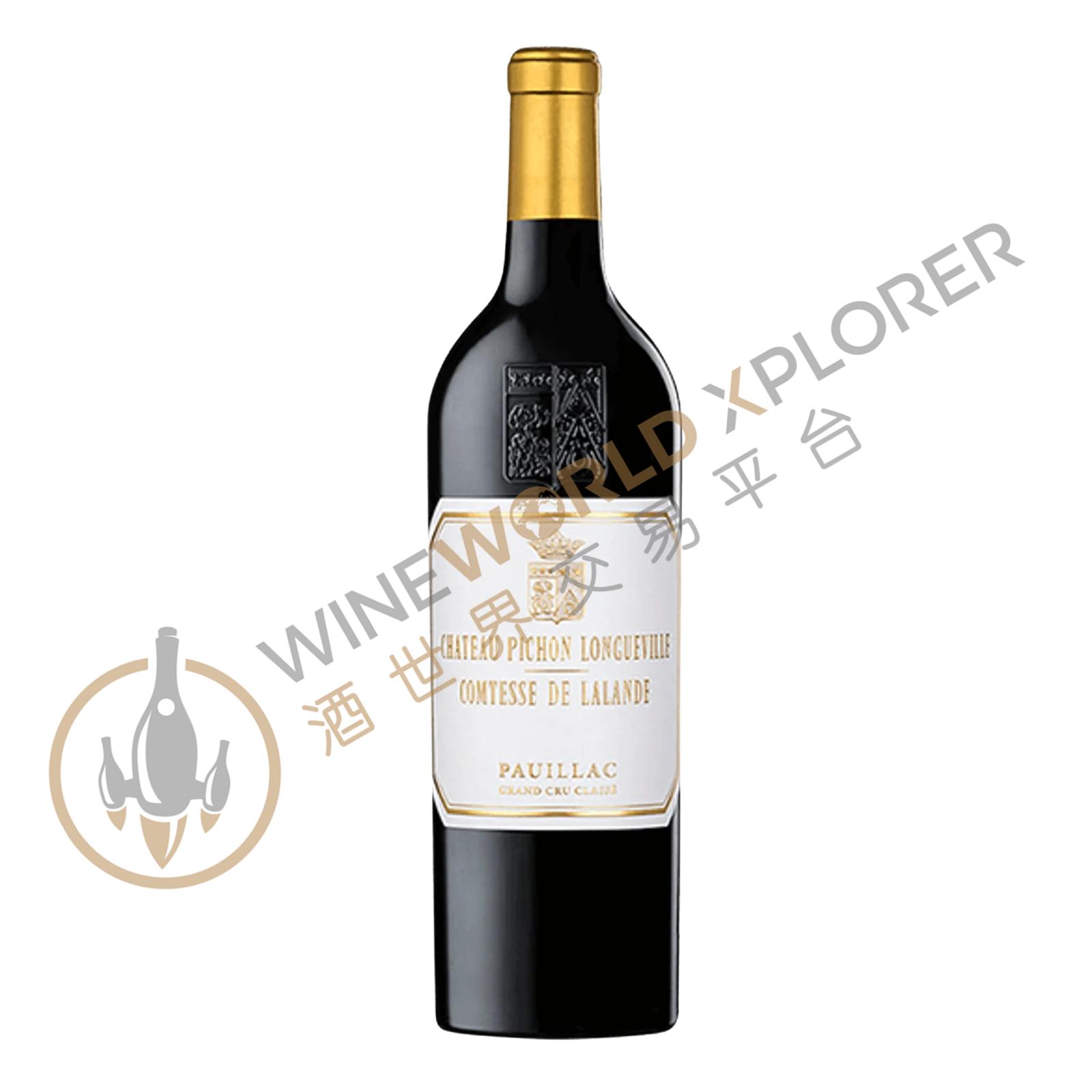
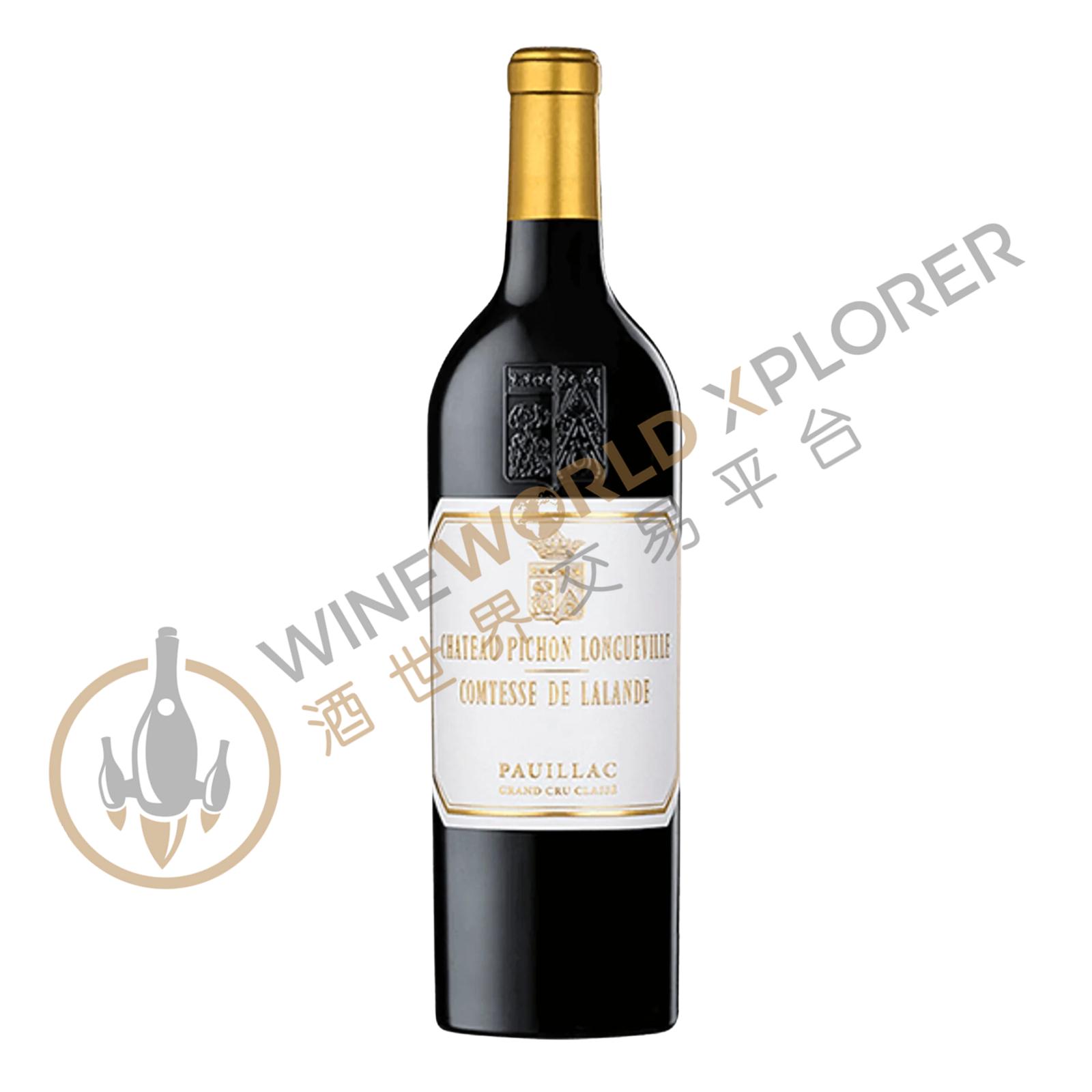
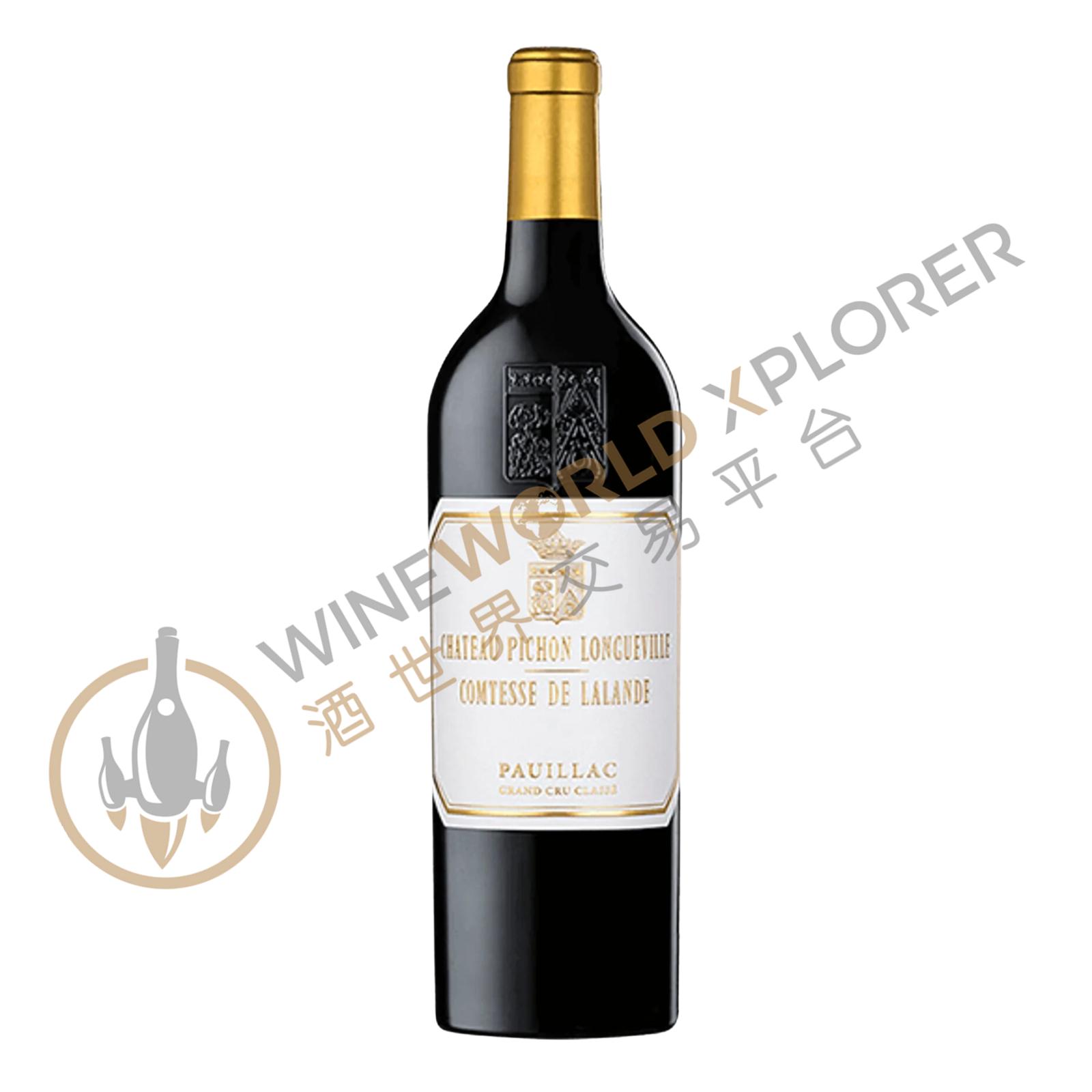
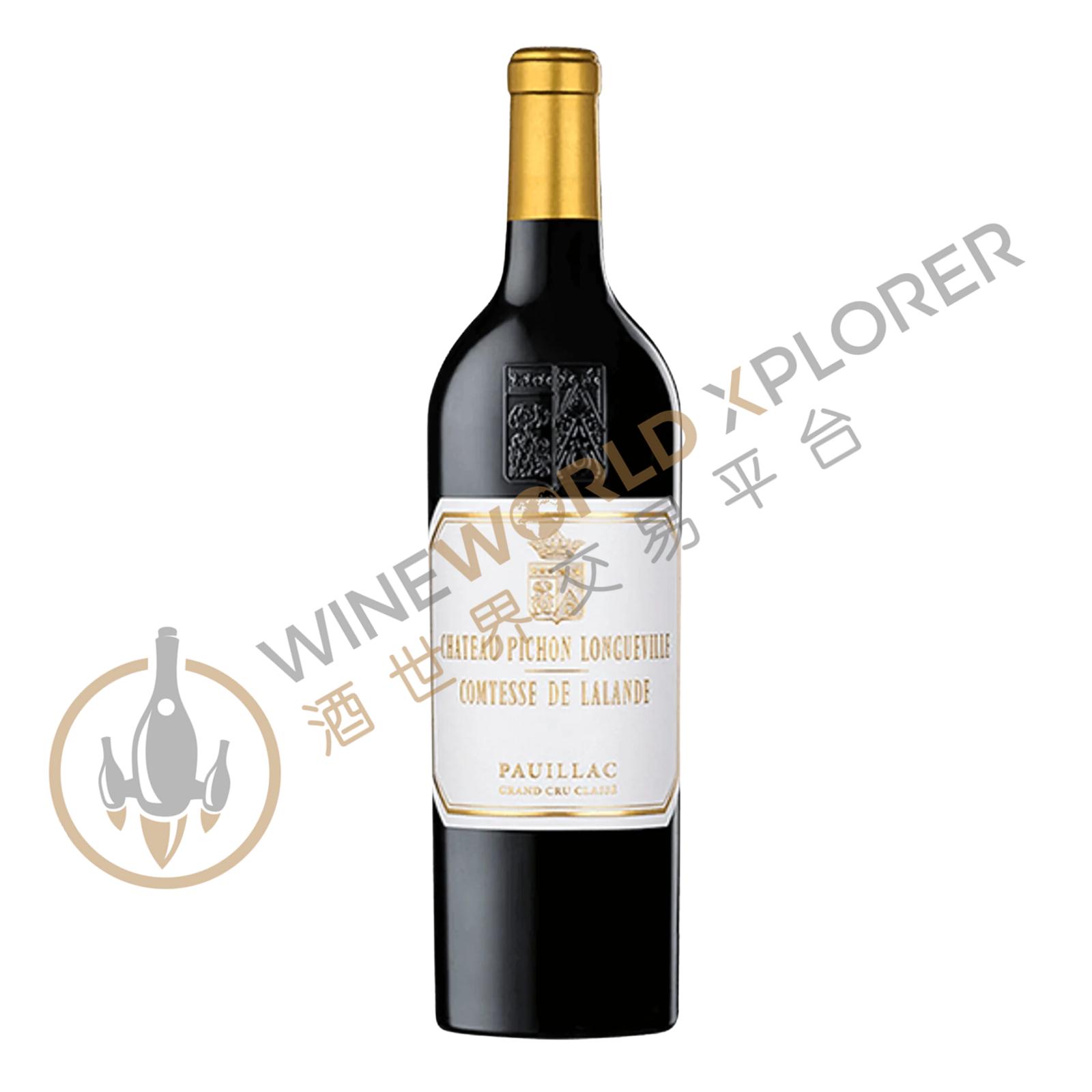
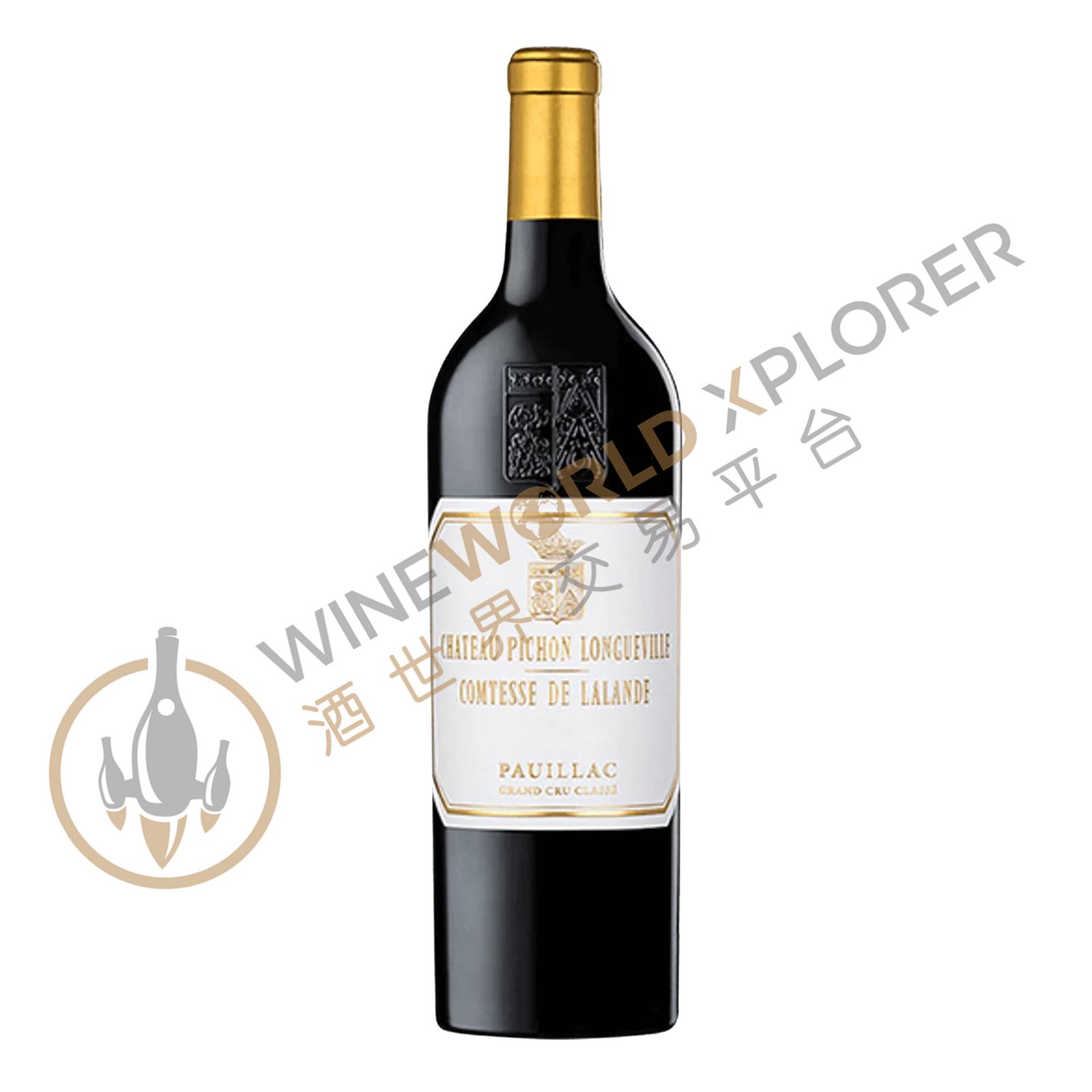
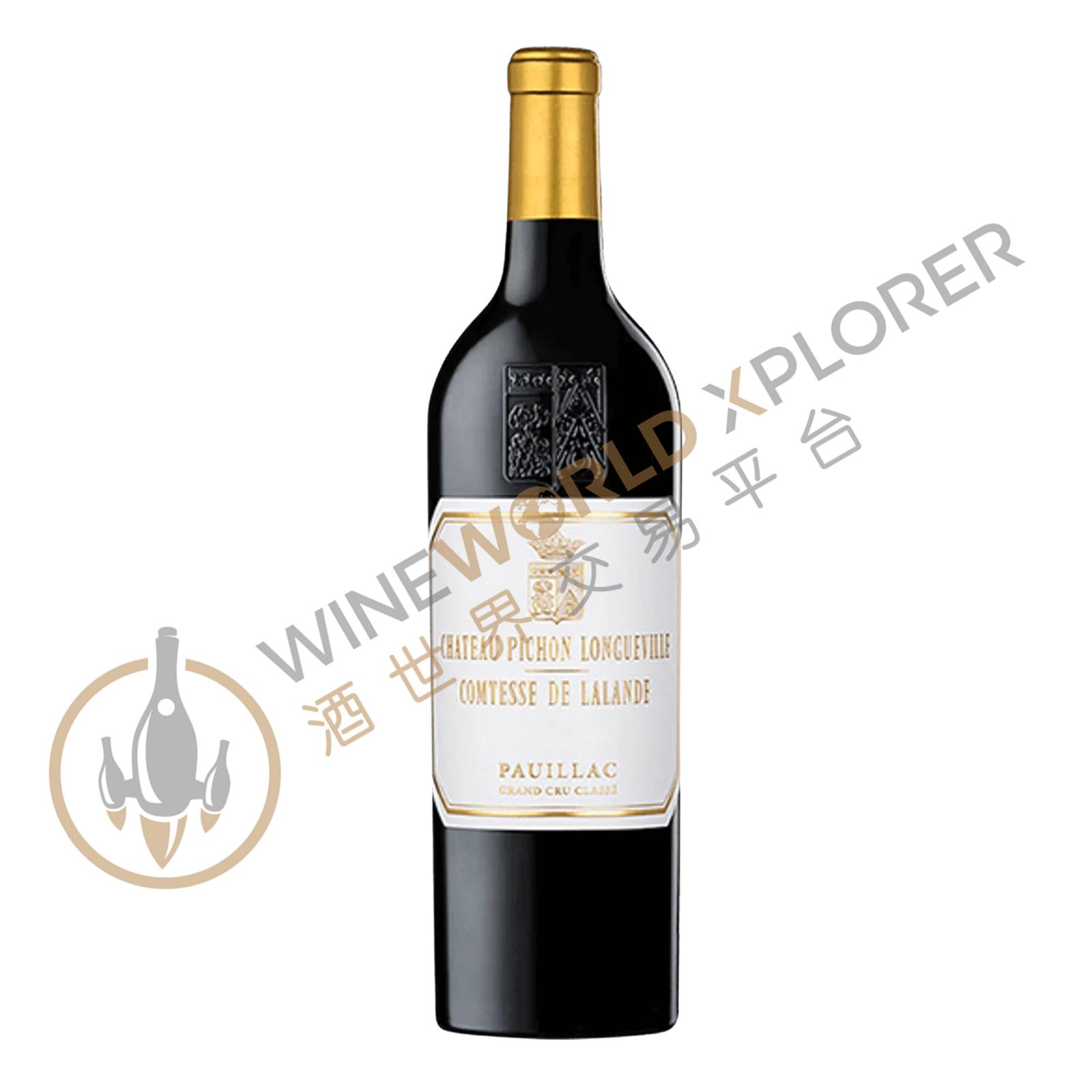
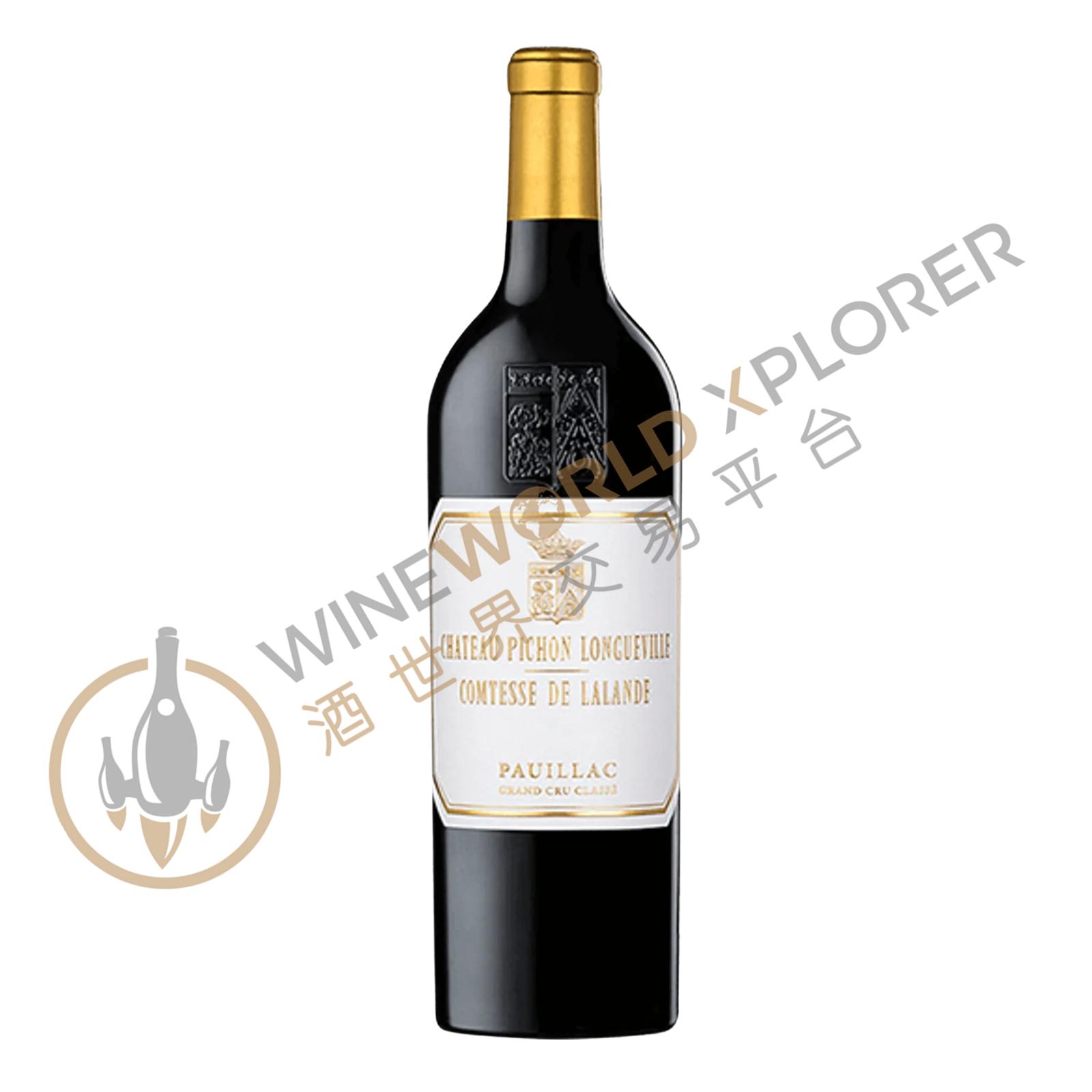
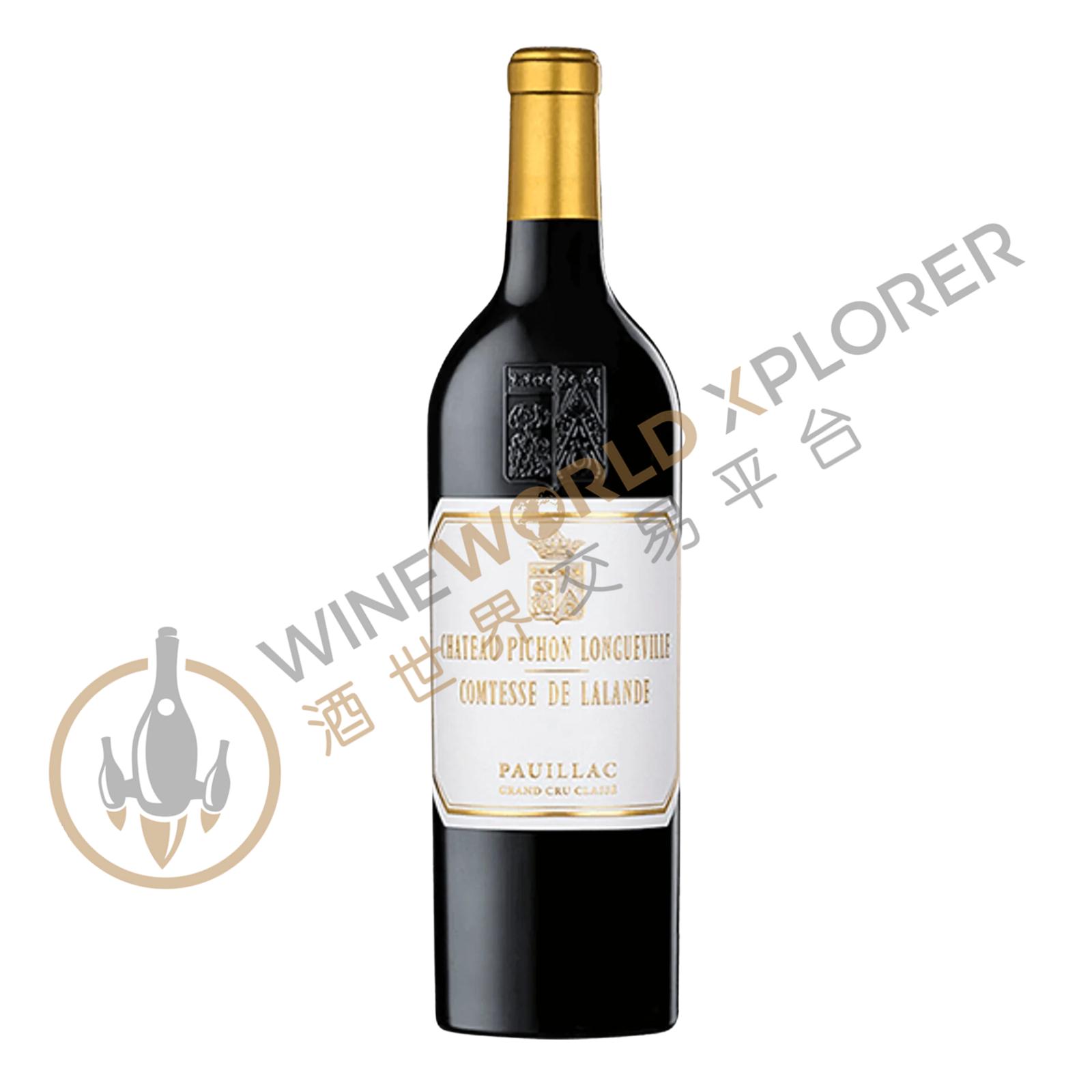
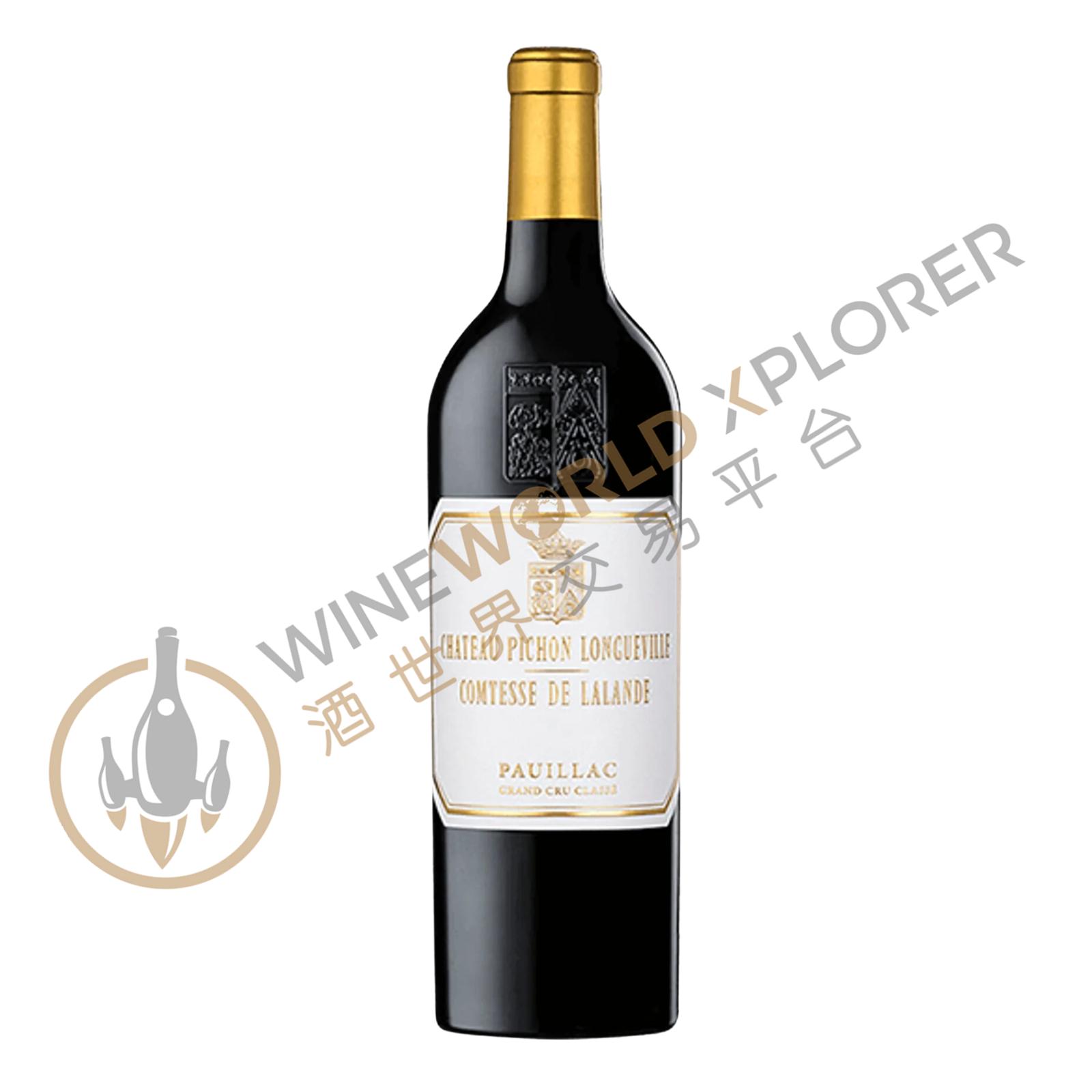
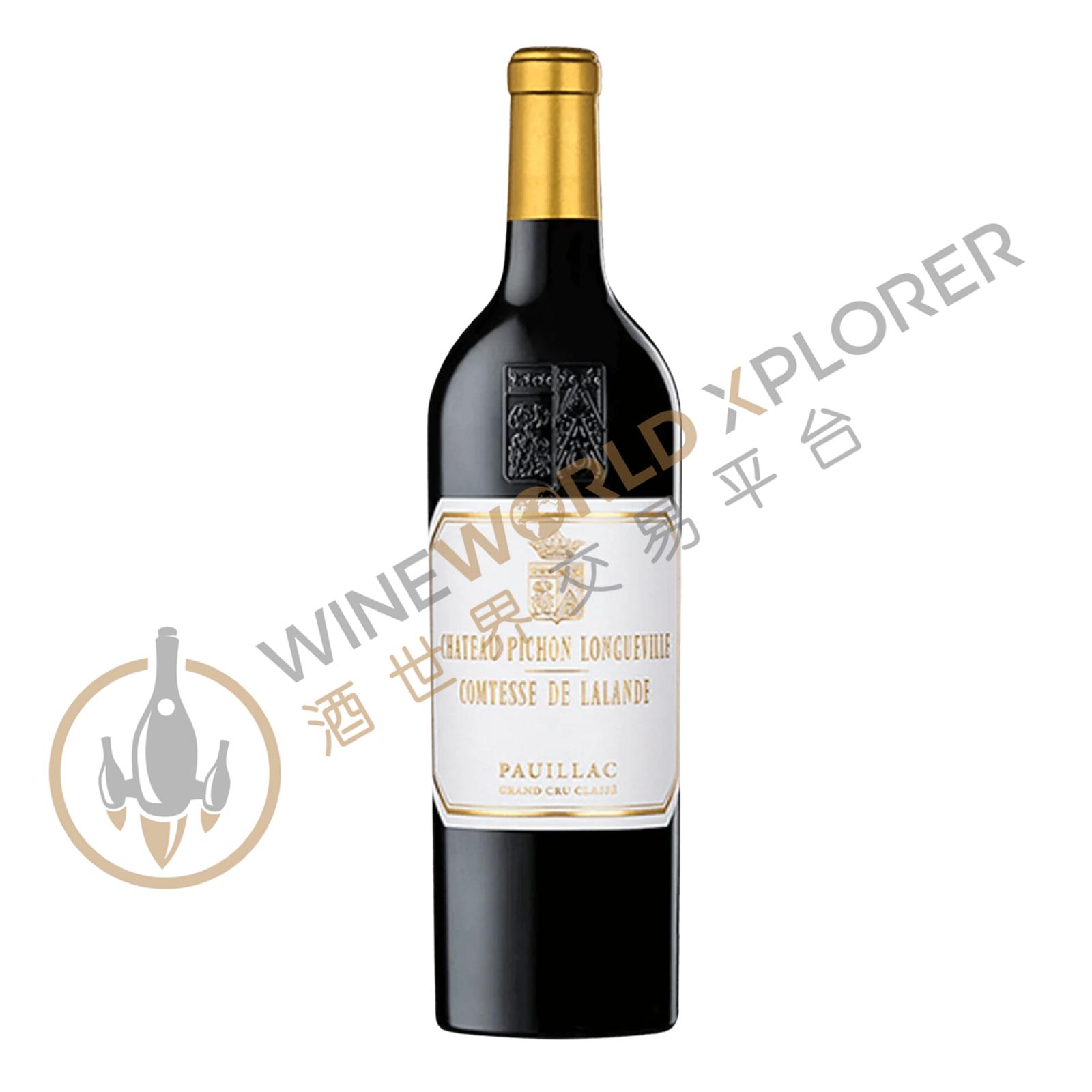
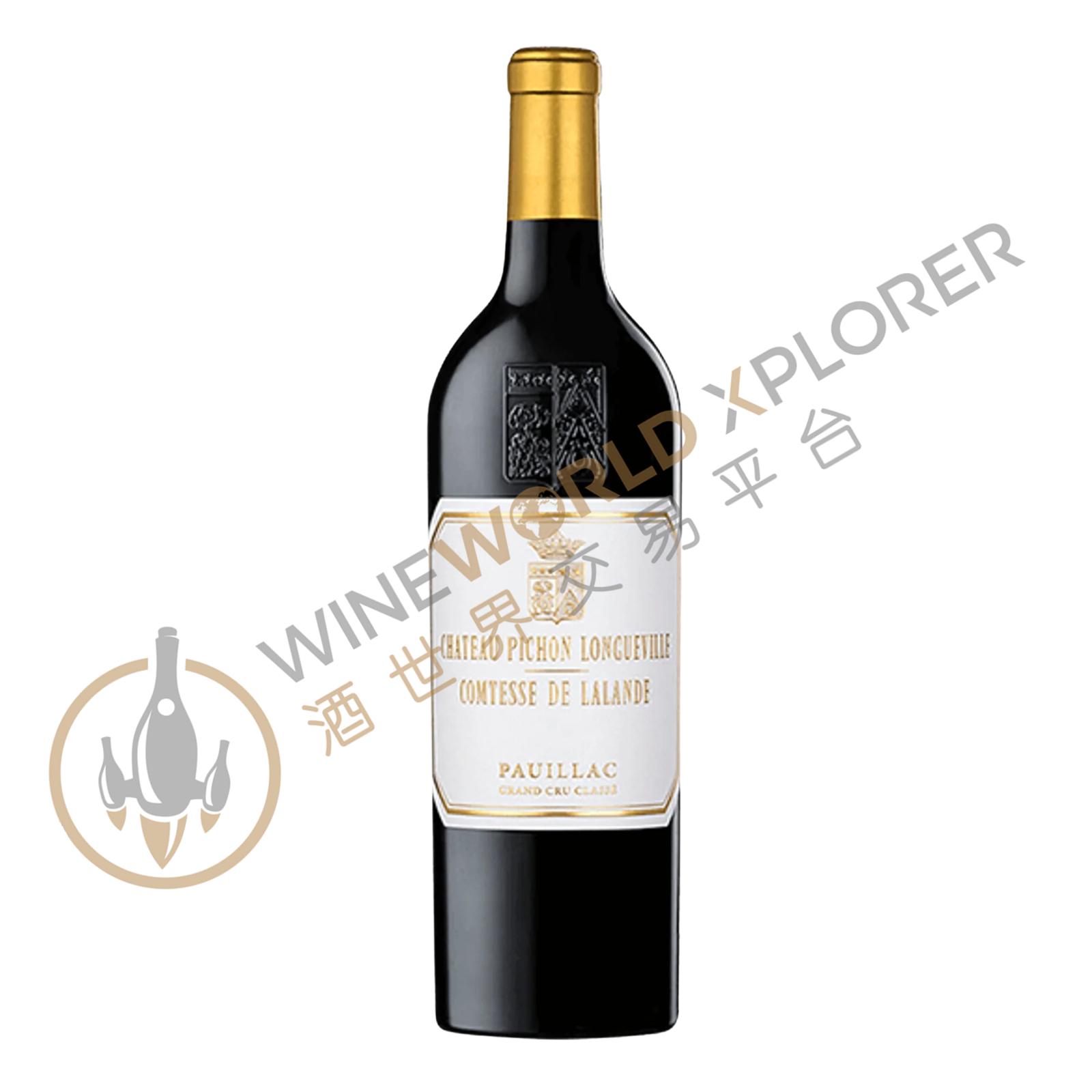
Pichon Lalande 1993
 View analysis


Description
Tasting notes

Reviewed by: Neal Martin
The 1993 Pichon-Lalande is a vintage that I have not tasted for a long time, and this bottle suggests that I haven’t been missing much. It has a raw, rather lean bouquet that feels green, the Cabernet Sauvignon probably not having reached full ripeness. The palate is typical of many Left Bank 1993s, dominated by hard tannin and a hole in the middle where the fruit should be. It is not a terrible wine by a long shot, but it contracts severely toward the finish and leaves a bitter aftertaste. Not this Pauillac Second Growth’s finest hour. Tasted at Noble Rot restaurant in London.
Reviewed by: William Kelley
Drunk from magnum, the 1993 Pichon Longueville Comtesse de Lalande is in its prime today, wafting from the glass with notes of sweet red berry fruit, cigar box, loamy soil and orange rind. Medium-bodied, supple and satiny, with melted tannins, lively acids and fine mid-palate amplitude, it's an immensely charming, judiciously chaptalized middleweight that has aged with grace—and better than anyone could have anticipated. In the sense that this wine was austere when young but also won't be immensely long lived, timing when to open bottles is unusually critical, and readers with the 1993 Pichon Lalande in their cellars should make hay while the sun shines.
Reviewed by: Neal Martin
Dark garnet core with deep brick rim. It has a very earthy, leathery nose with touches of damp moss, wild mushroom and smoke. It certainly lacks fruit intensity but it certainly has a precision to it. The palate is medium-bodied, sharp entry, disjointed with the oak separated from the fabric of the wine. Rather sour on the finish but not as dry as other ’93 clarets have become. It would complement a dinner no doubt, but it is likely to decay over the next 4-5 years. Drink now-2011 Tasted July 2008.
Reviewed by: Robert M. Parker, Jr.
Pichon-Lalande's 1993 is not as fruity and soft as I expected. The wine exhibits light to medium body, an herbal, sweet, curranty nose, disjointed, awkward flavors, and an evolved personality with a pervasive greenness to its aromas and flavors. The wine is soft, and thus best consumed over the next 5-6 years.
Reviewed by: Robert M. Parker, Jr.
How good it is to see significant improvement in Pichon-Lalande's 1993 over the unusual, disjointed 1992. Atypically for Pichon, the 1993 does not exhibit any of the fat, fleshy, succulent Merlot character normally found in this wine's personality. The wine appears to be dominated more by Cabernet Sauvignon than Merlot. Have the vintage's characteristics made the Merlot component less noticeable? Pichon-Lalande, traditionally among the softest, most seductive, and hedonistic wines from St.-Julien, St.-Estephe, and Pauillac, has taken on more structure, as well as a more classic Pauillac aromatic and flavor profile. I hope it is not trying to emulate the style of its across-the-street neighbor and rival, Pichon-Longueville-Baron. The 1993 Pichon-Lalande is a high class, rich, medium to full-bodied Pauillac with firm structure and a well-delineated personality. It should age well for 12-15+ years.
About the Producer
Pichon Lalande is arguably the best known Super Second Pauillac for its quality consistency and quintessential Bordeaux claret expression. Neighbouring Chateau Latour and lying just right opposite Chateau Pichon Baron, Pichon Lalande, as its name suggests, has long seen extended female owner influence since the 1850s. Back in the 1850s, the original Pichon Lalande got broken down into two-fifth being renamed as Pichon Baron and three-fifth remaining as Pichon Lalande upon the passing of Baron Joseph de Pichon Longueville. The three-fifth was run by the three daughters of the Baron himself and over the course of a few years, Pichon Baron and Pichon Lalande took on distinctive styles - with the former being more a masculine expression and the latter, feminine. Female ownership and influence continued, with little interruption, till the modern days. Pichon Lalande's string of female leaders have contributed to the continuous modernization of Pichon Lalande's vineyards and cellars; as well as the doubling of vineyard area during the 1970s - 90s. Today, Pichon Lalande's feminine expression continues to prevail - whilst the team is placed under the leadership of a former opera singer turned winemaker gentleman named Nicolas Glumineau. Conversion to biodynamic viticulture (fully by year 2021), continuous investments in precision winemaking facilities see Pichon Lalande continue to be revered among leading critics. Pichon Lalande is planted to 65% Cabernet Sauvignon, 25% Merlot, 7% Cabernet Franc and 3% Petit Verdot. It is the predominant Cabernet Sauvignon presence in Pichon Lalande's wines that make this wine such a capable representation of Pauillac's deep gravelly terroir.
1928(1)1969(1)1970(1)1977(1)1979(1)1981(1)1982(3)1983(1)1984(1)1985(4)1986(9)1988(4)1989(4)1990(4)1992(1)
Package Size