Wine Advisor



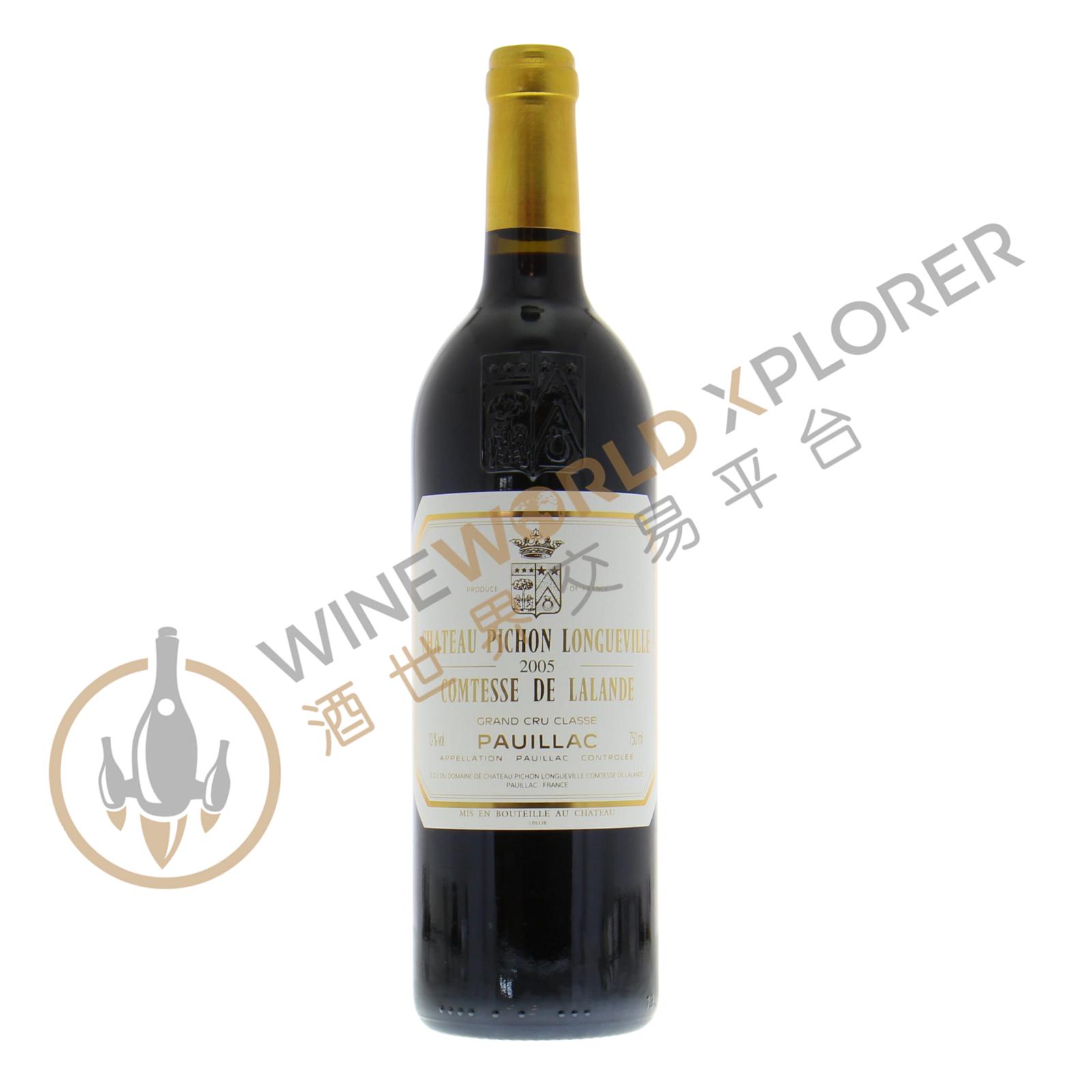
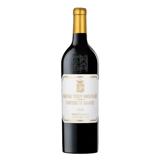
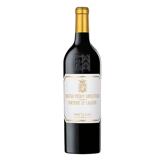
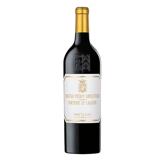
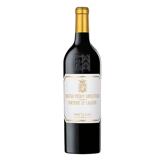
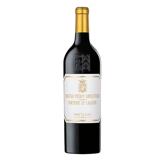
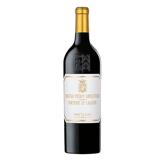
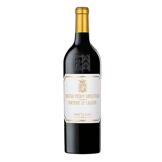
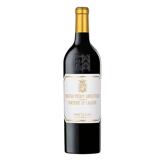
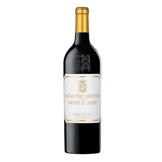
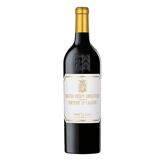
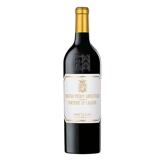
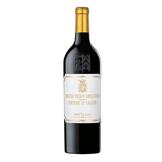
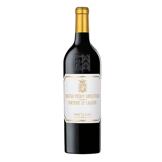
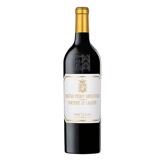
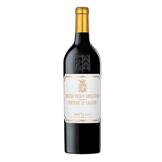
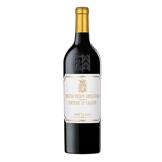
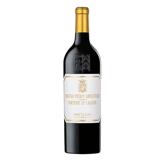
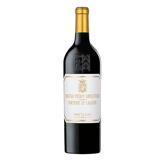
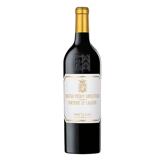
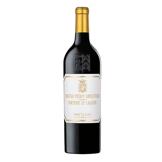
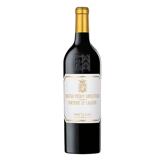
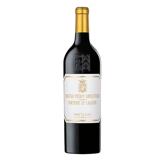
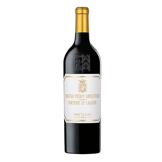
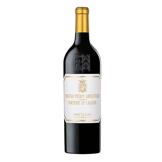
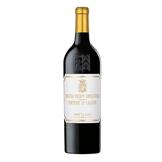
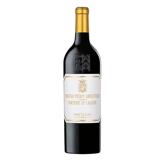
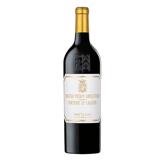
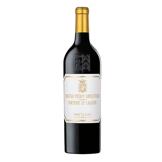
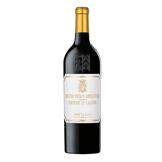
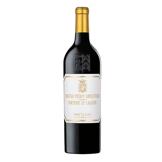
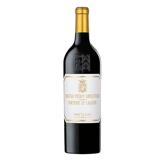
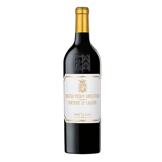
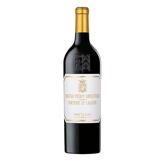
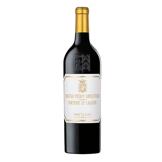
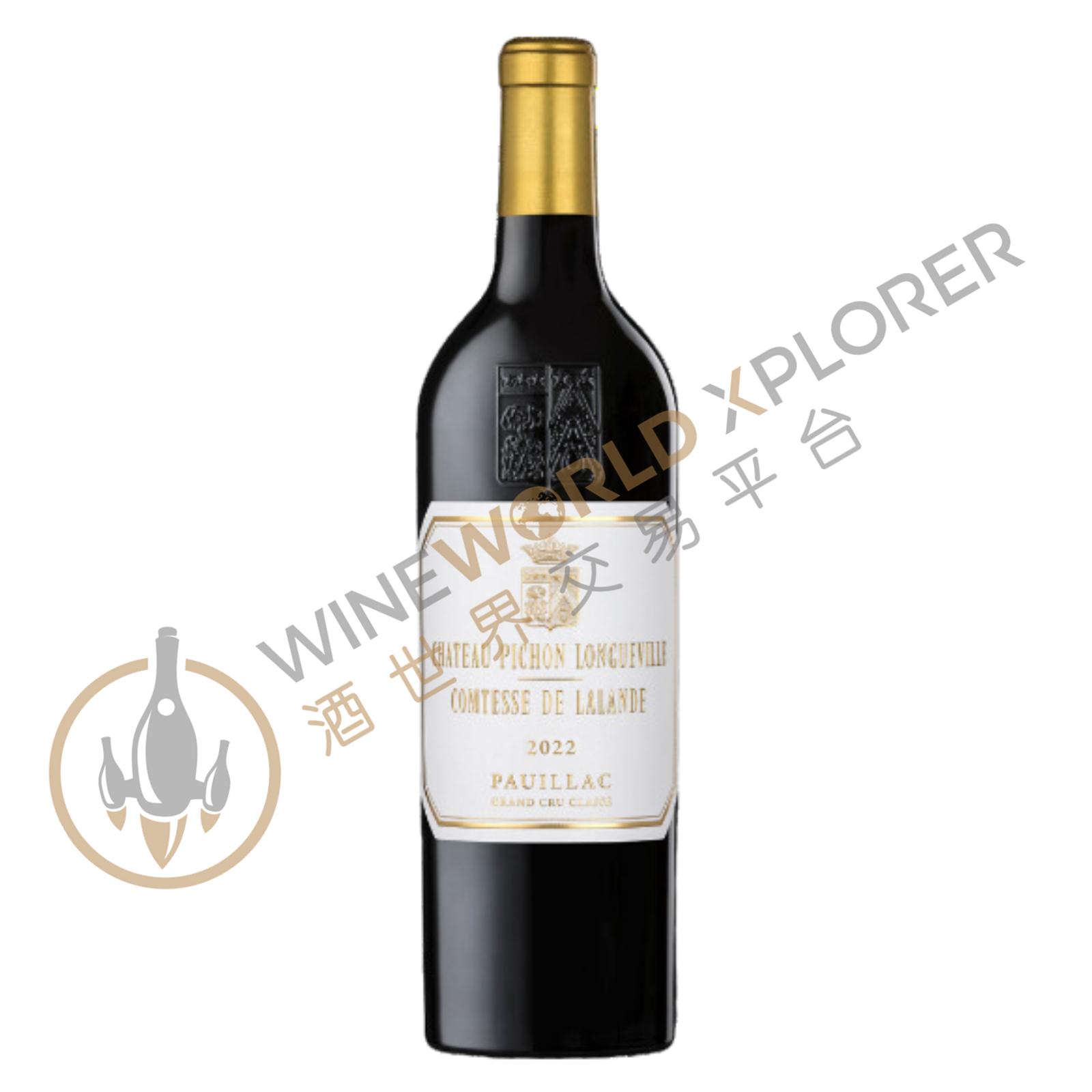
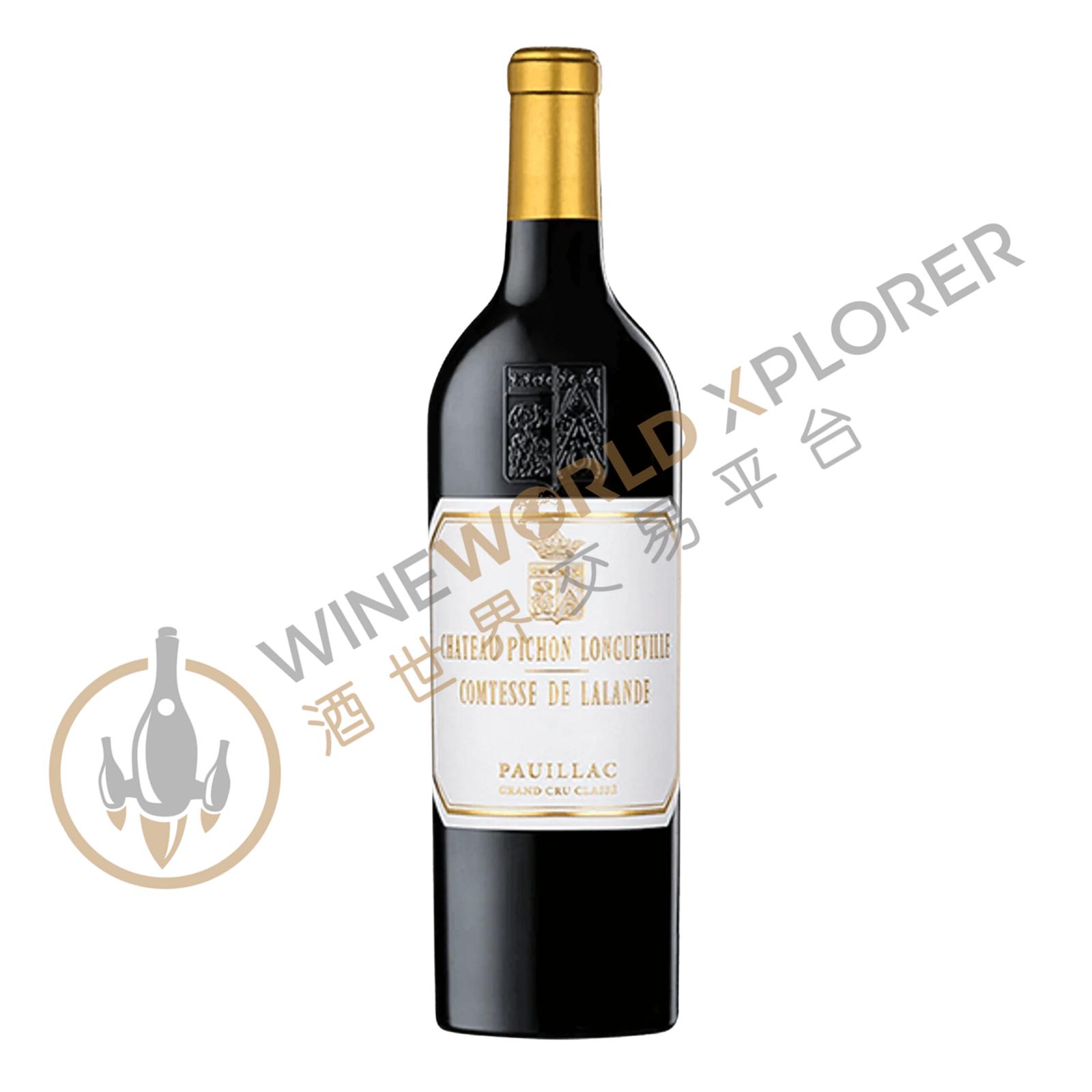
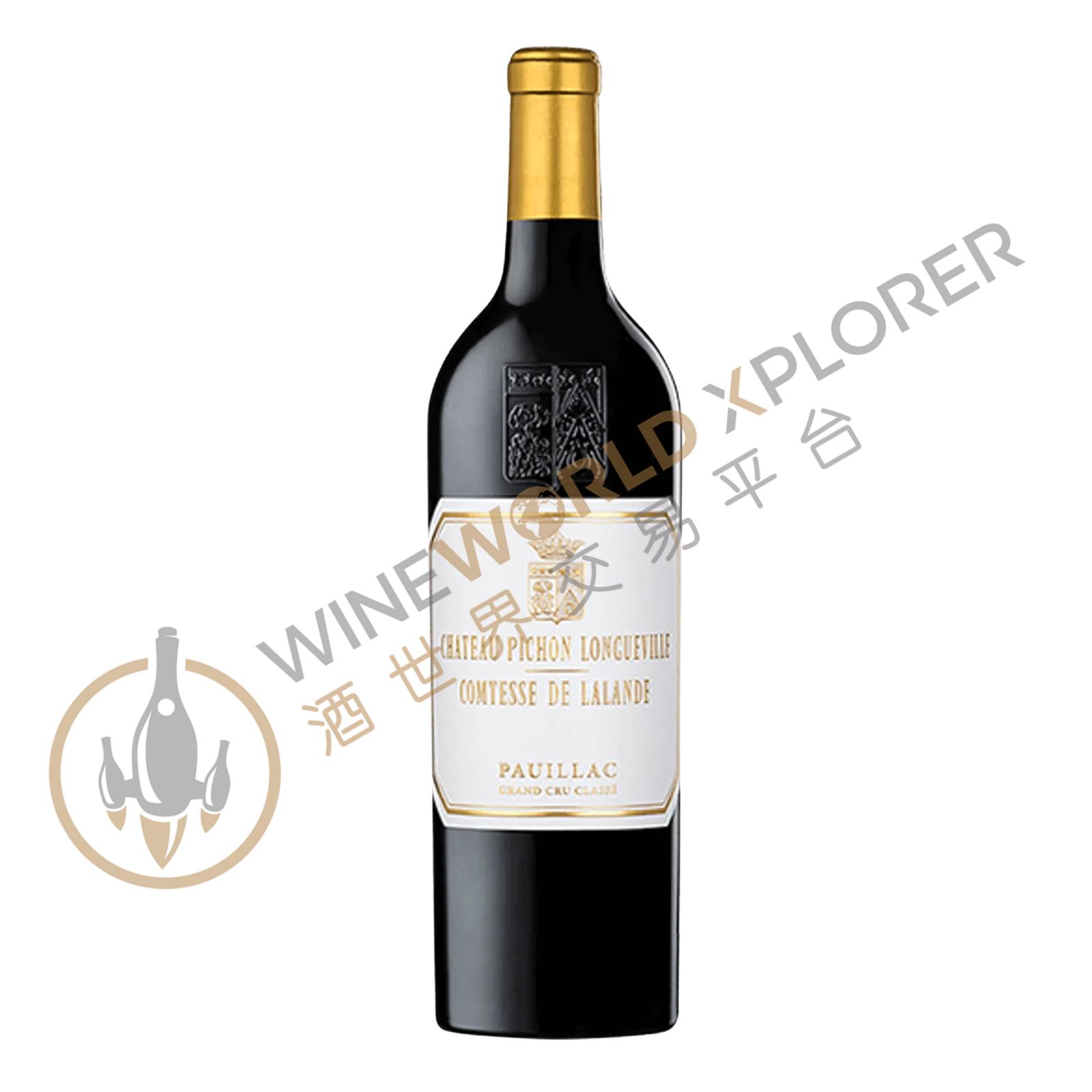
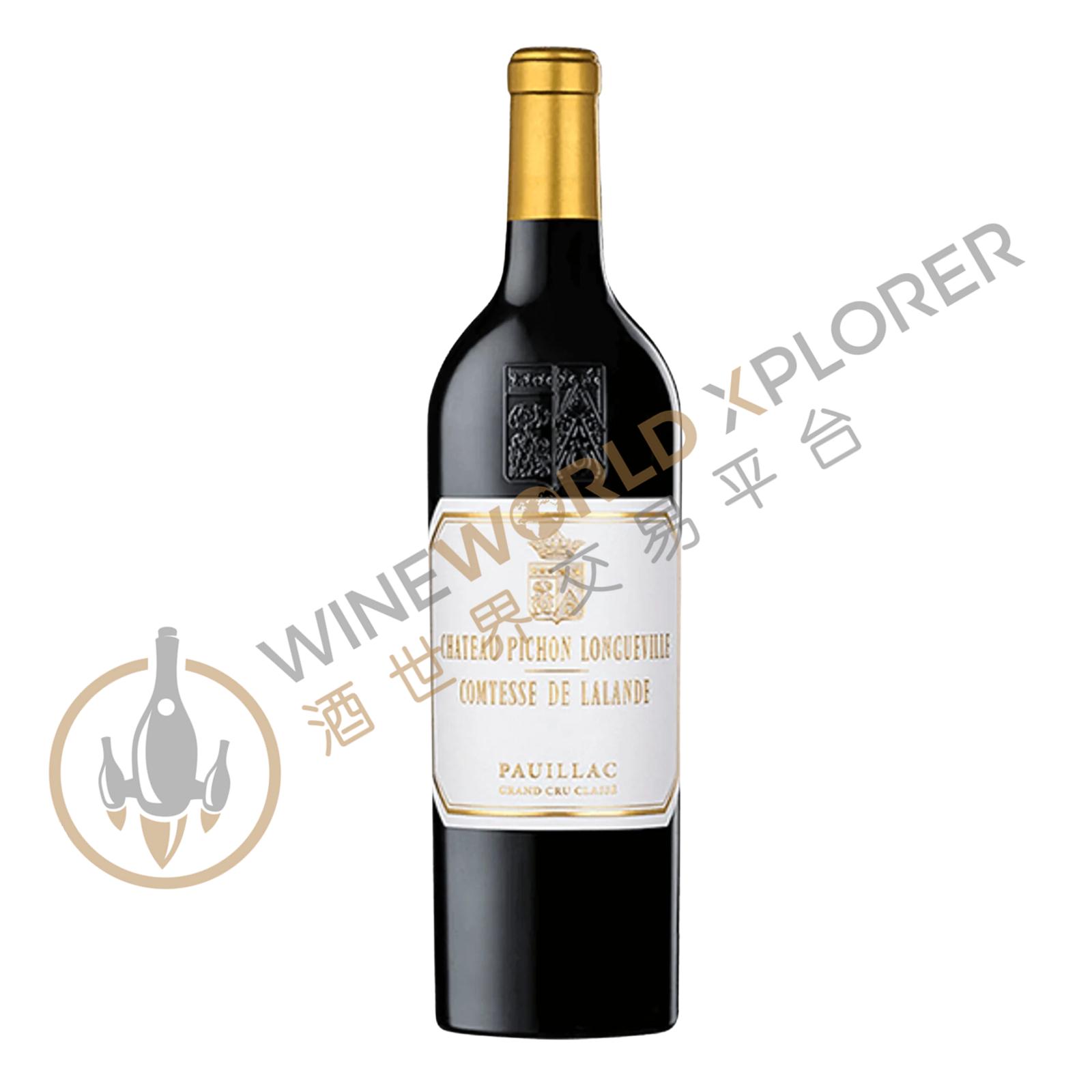
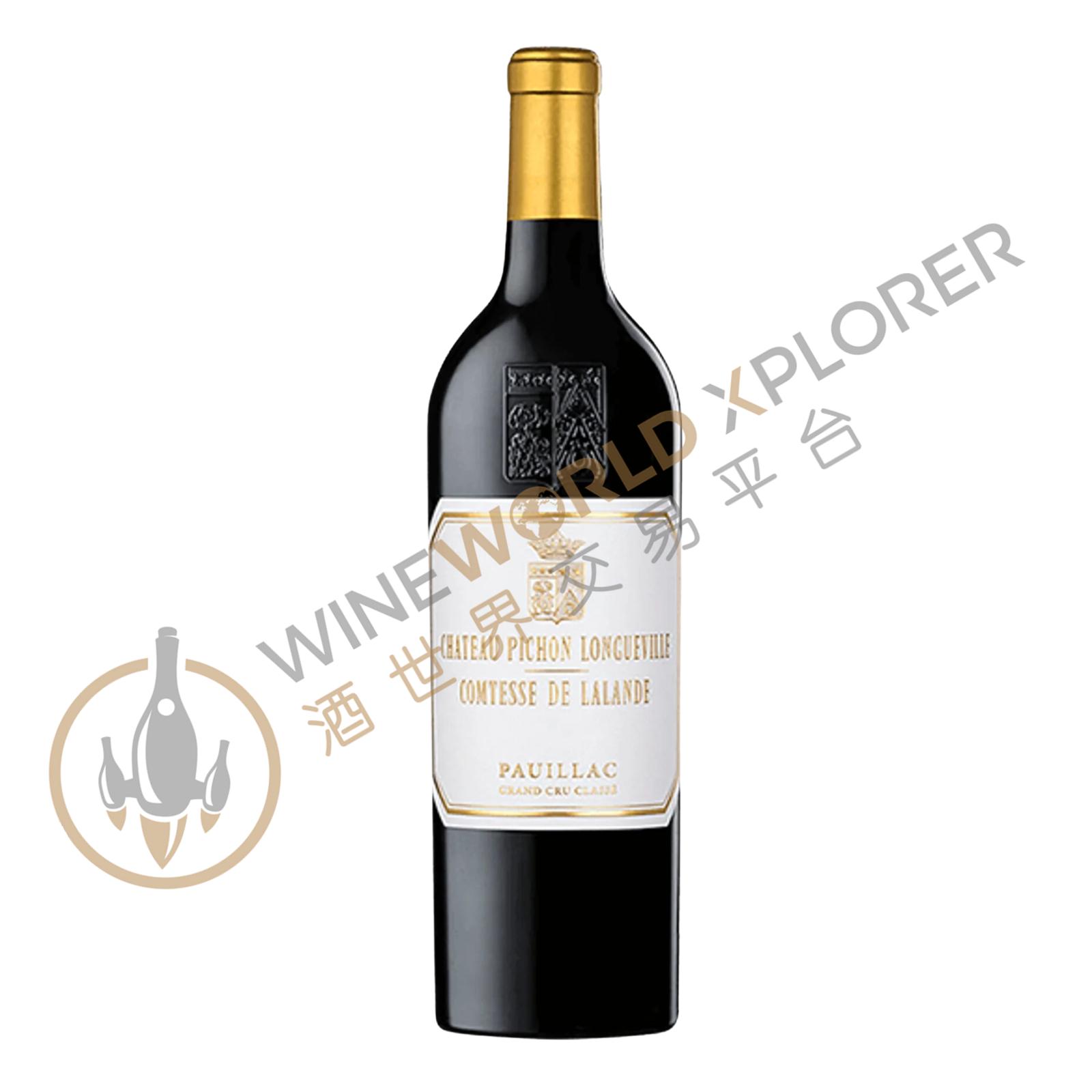
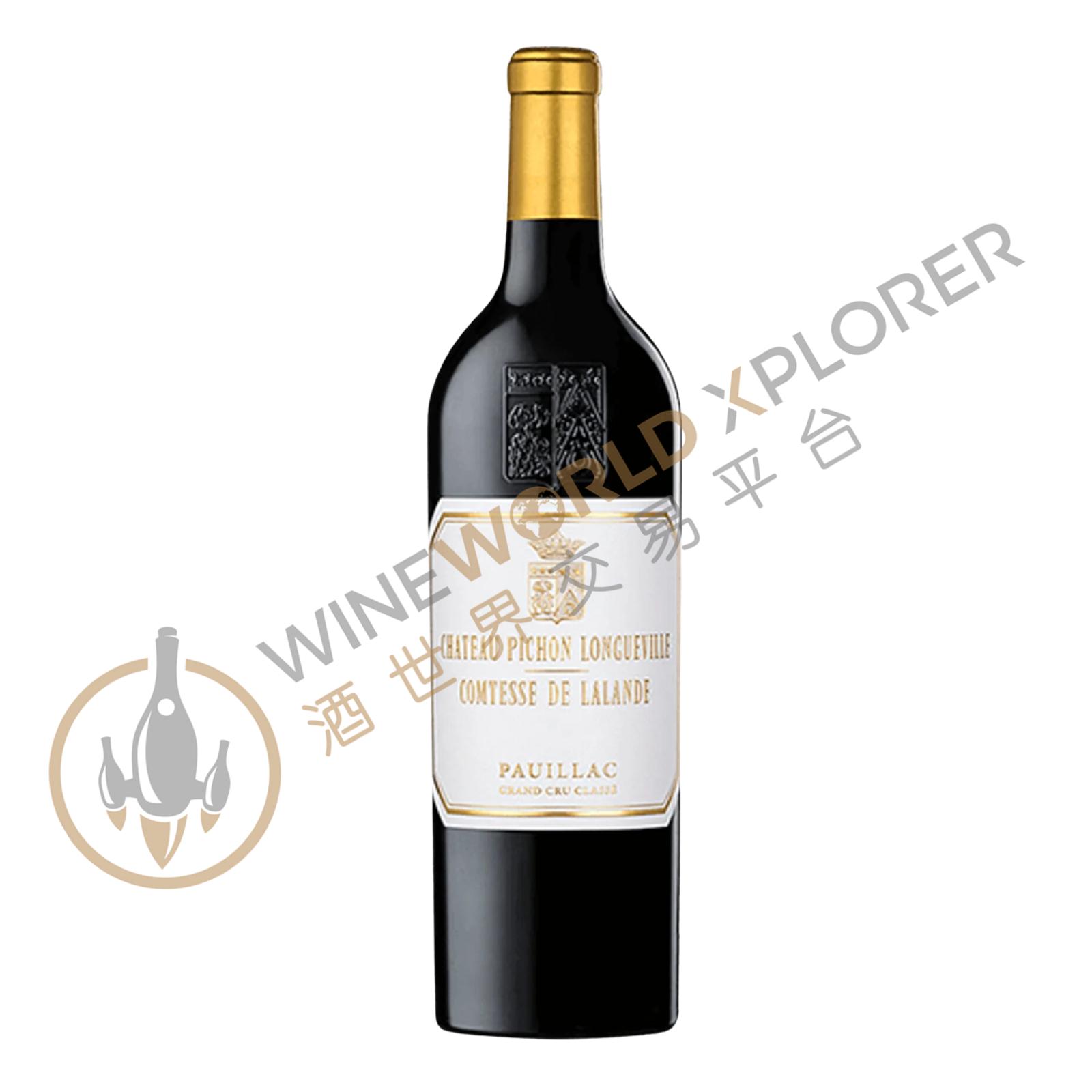
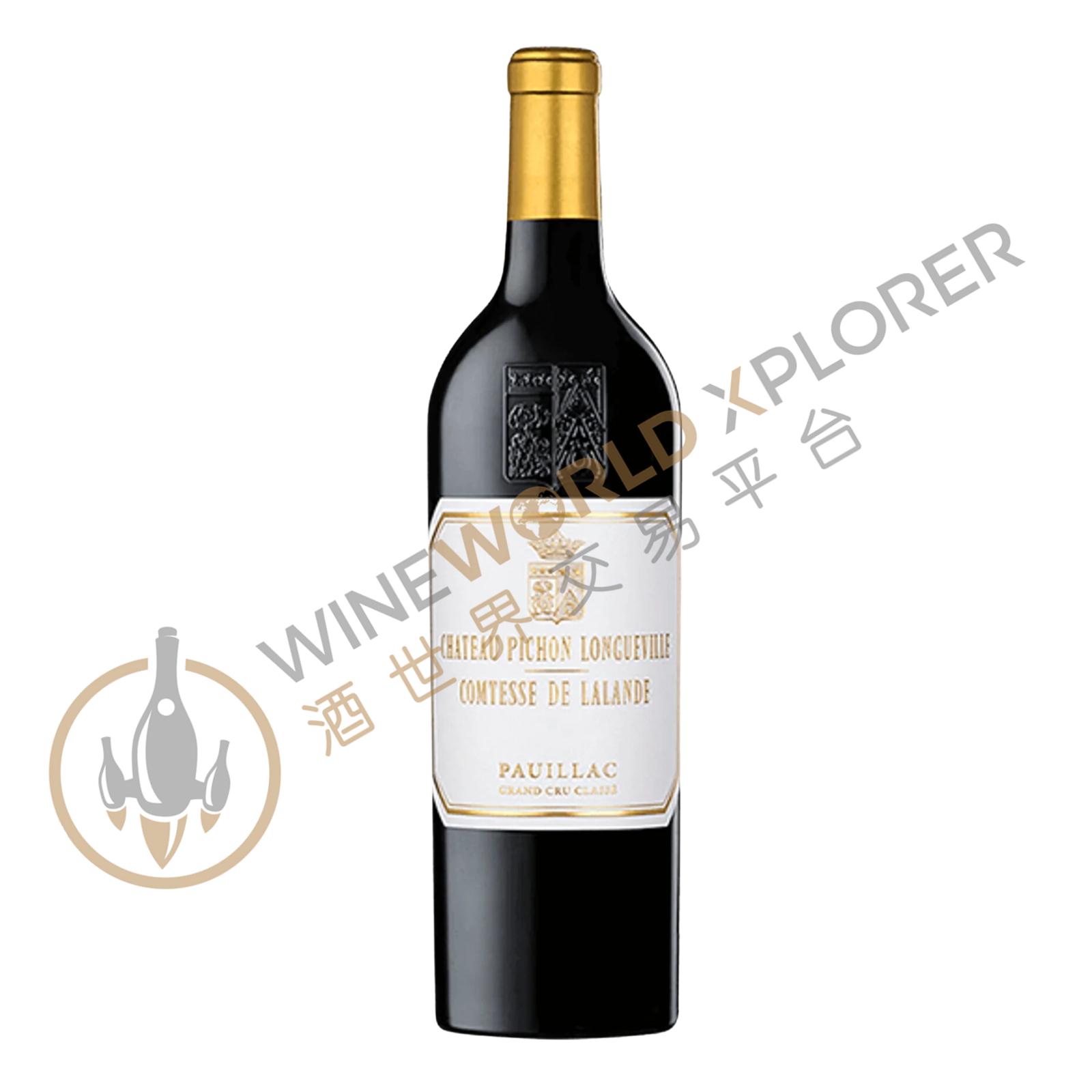
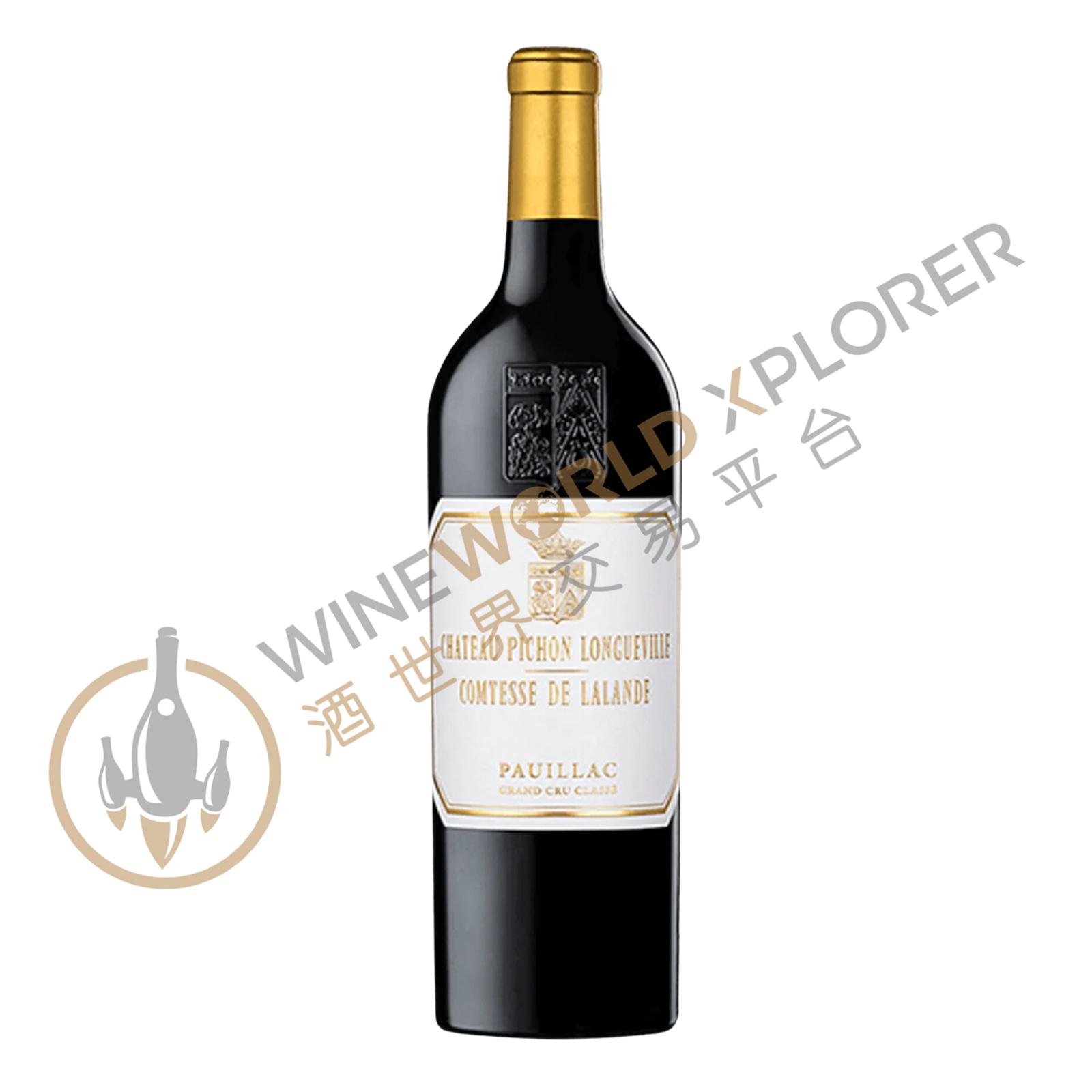
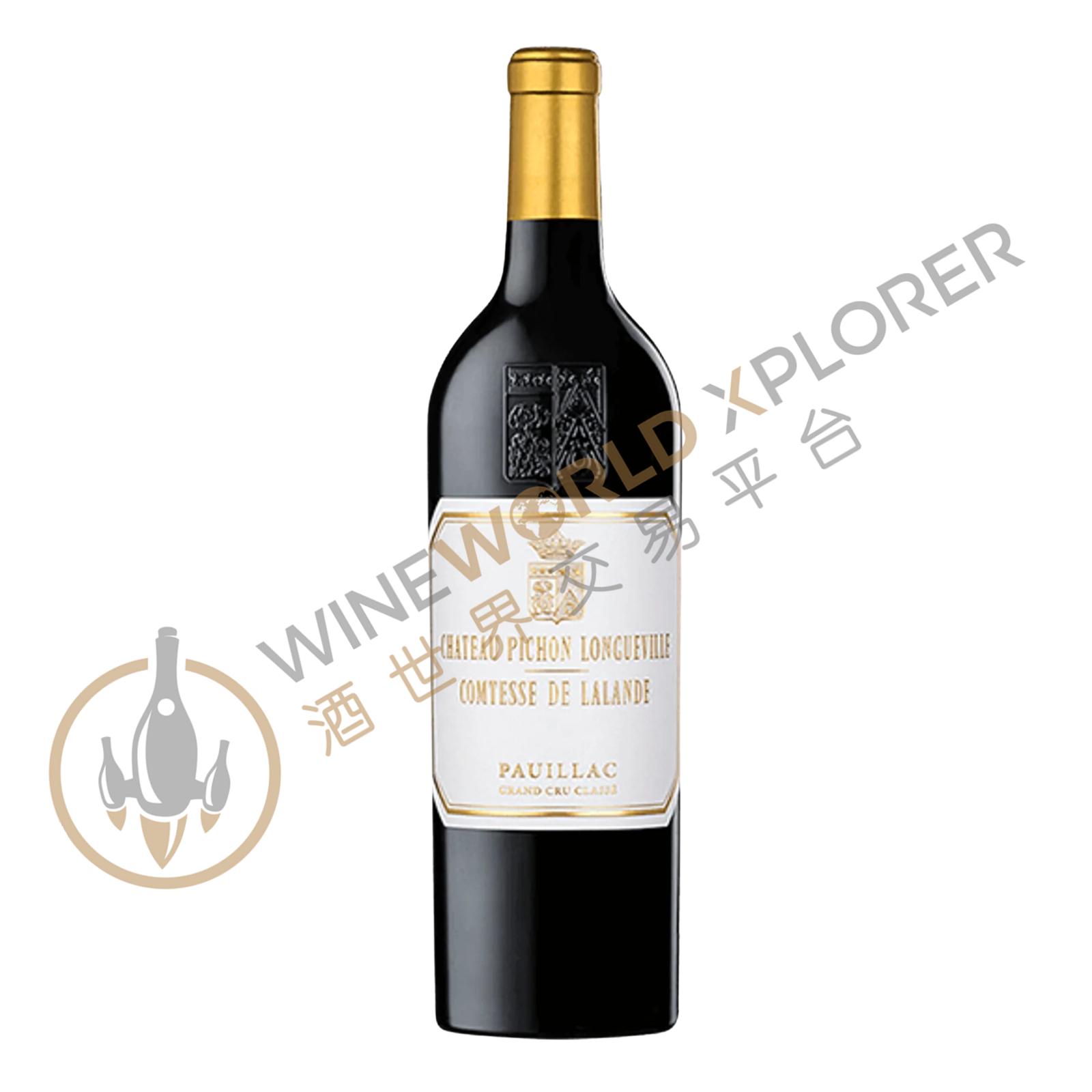
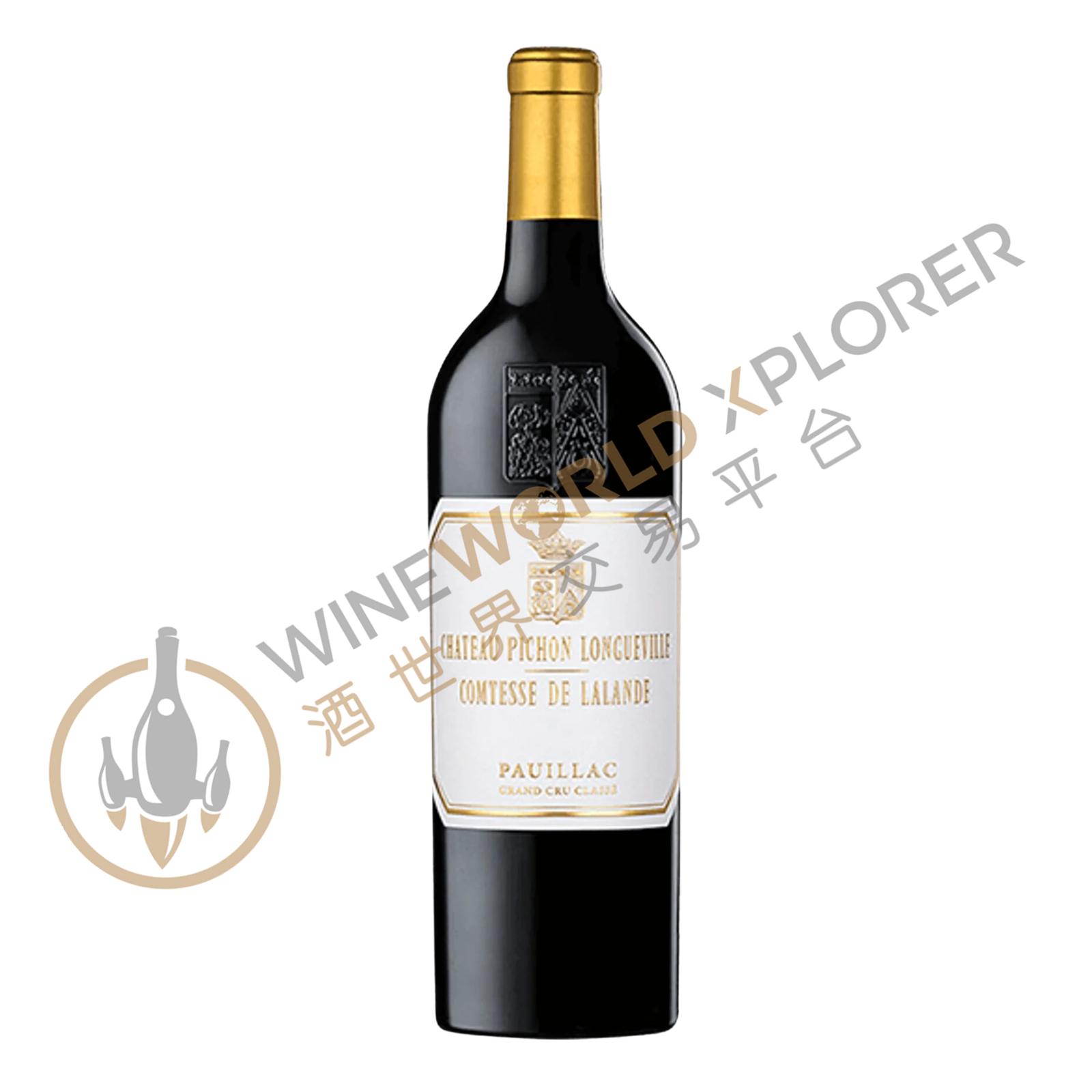
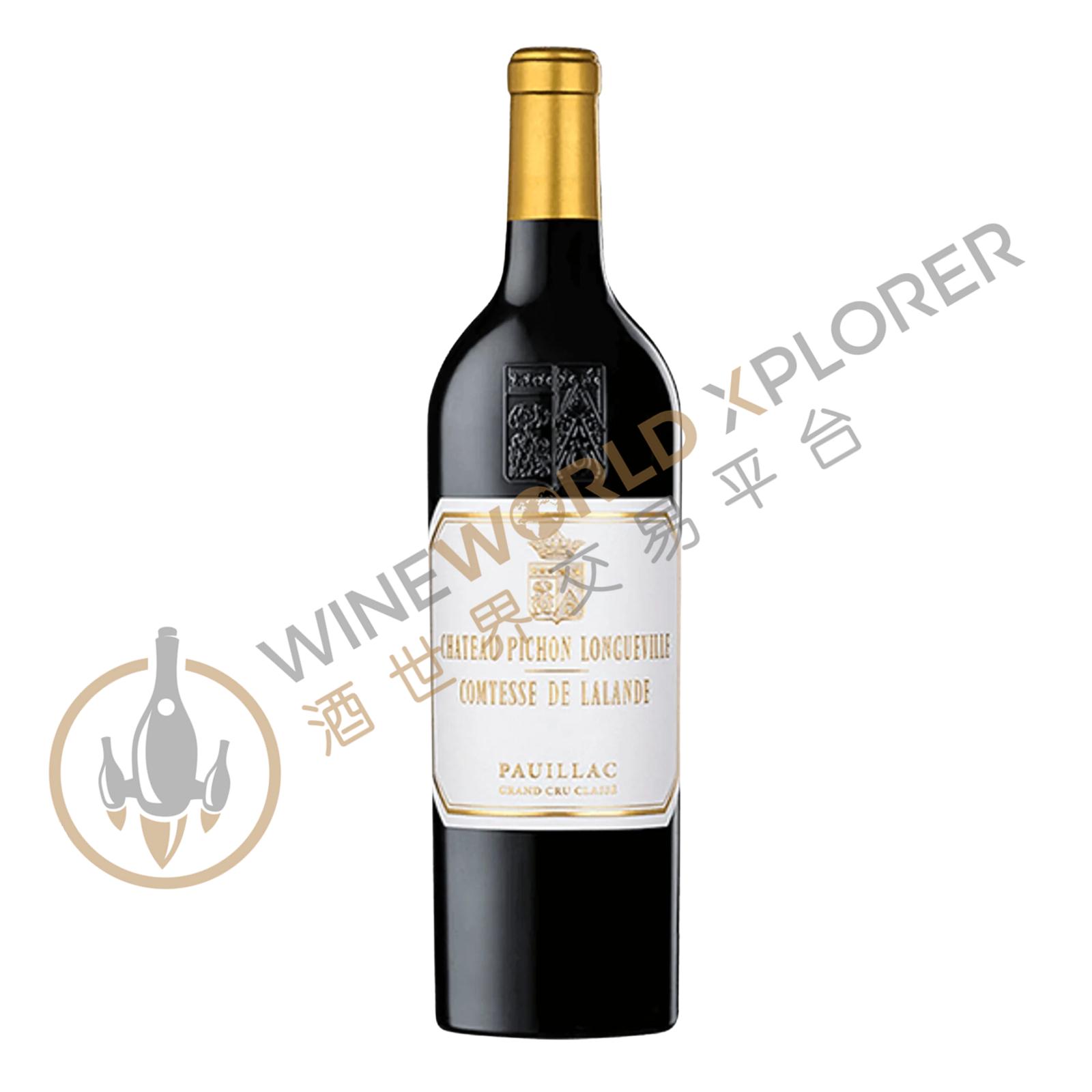
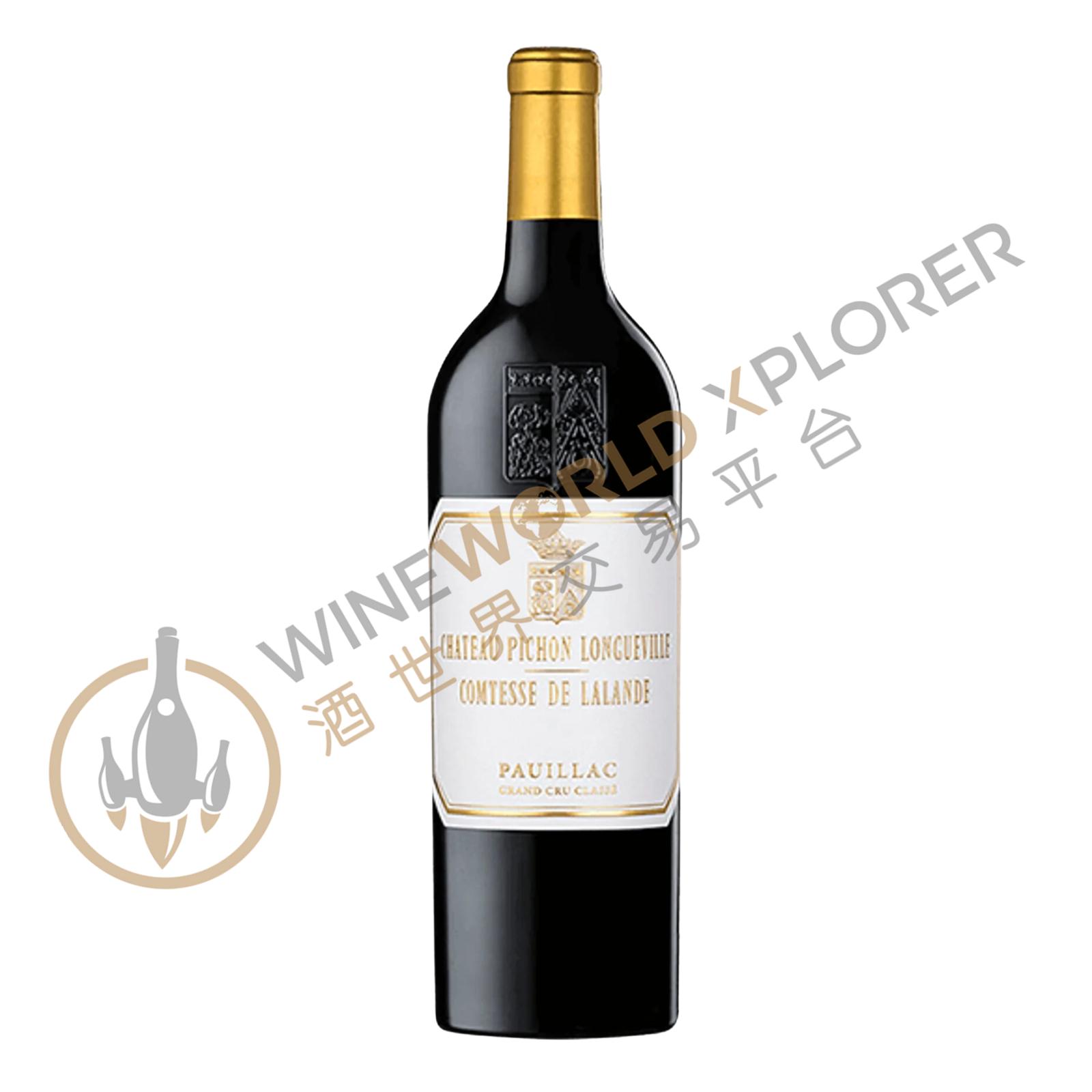
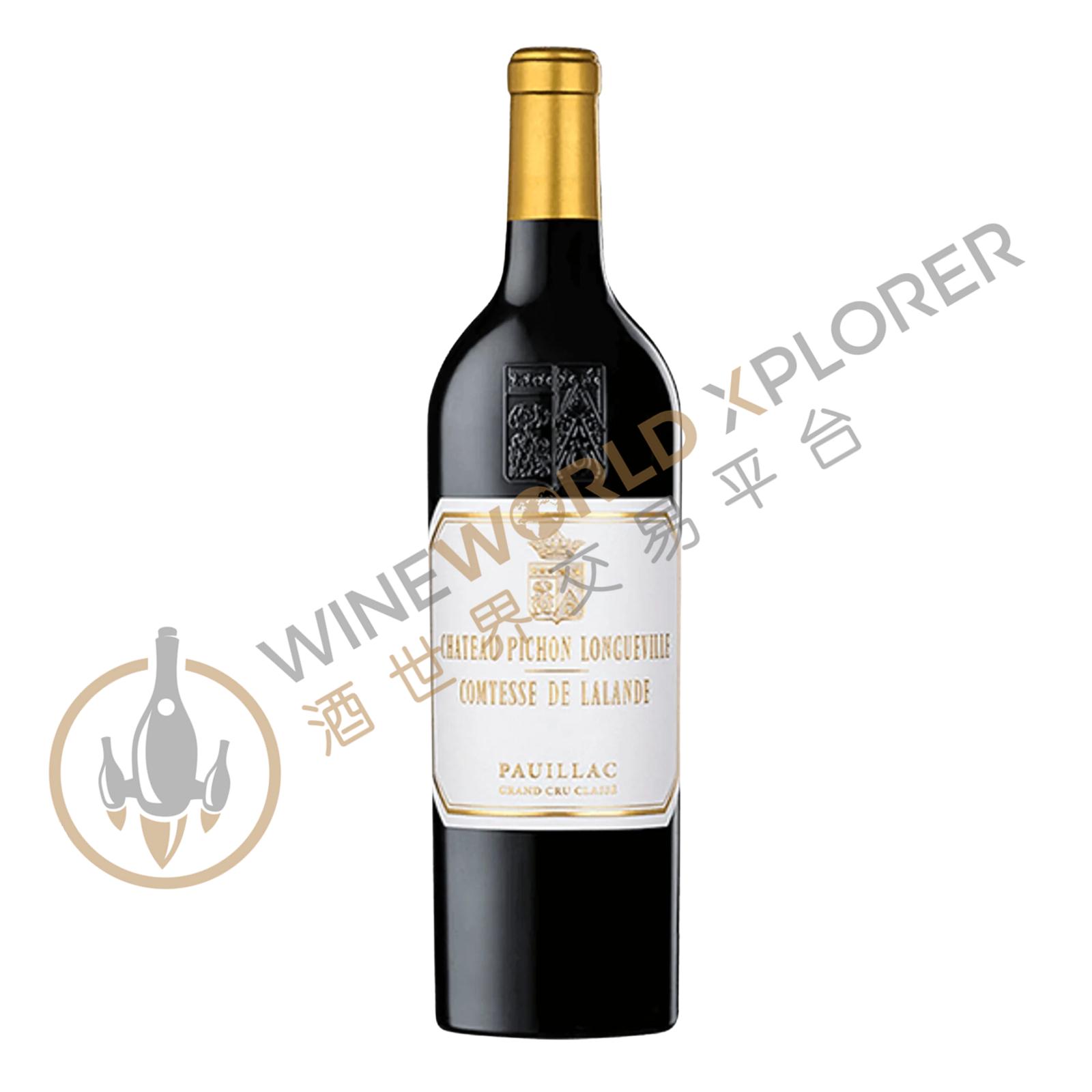
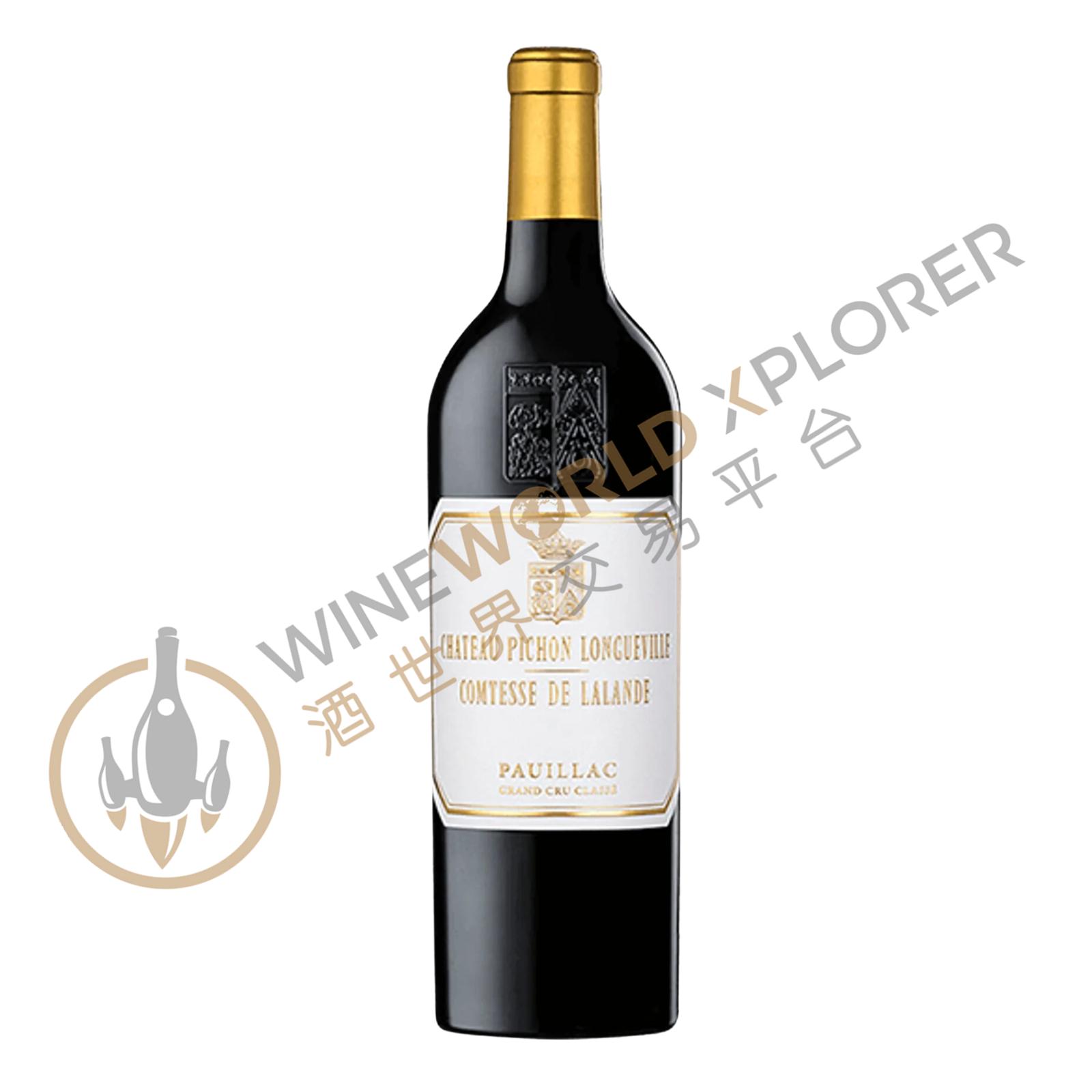
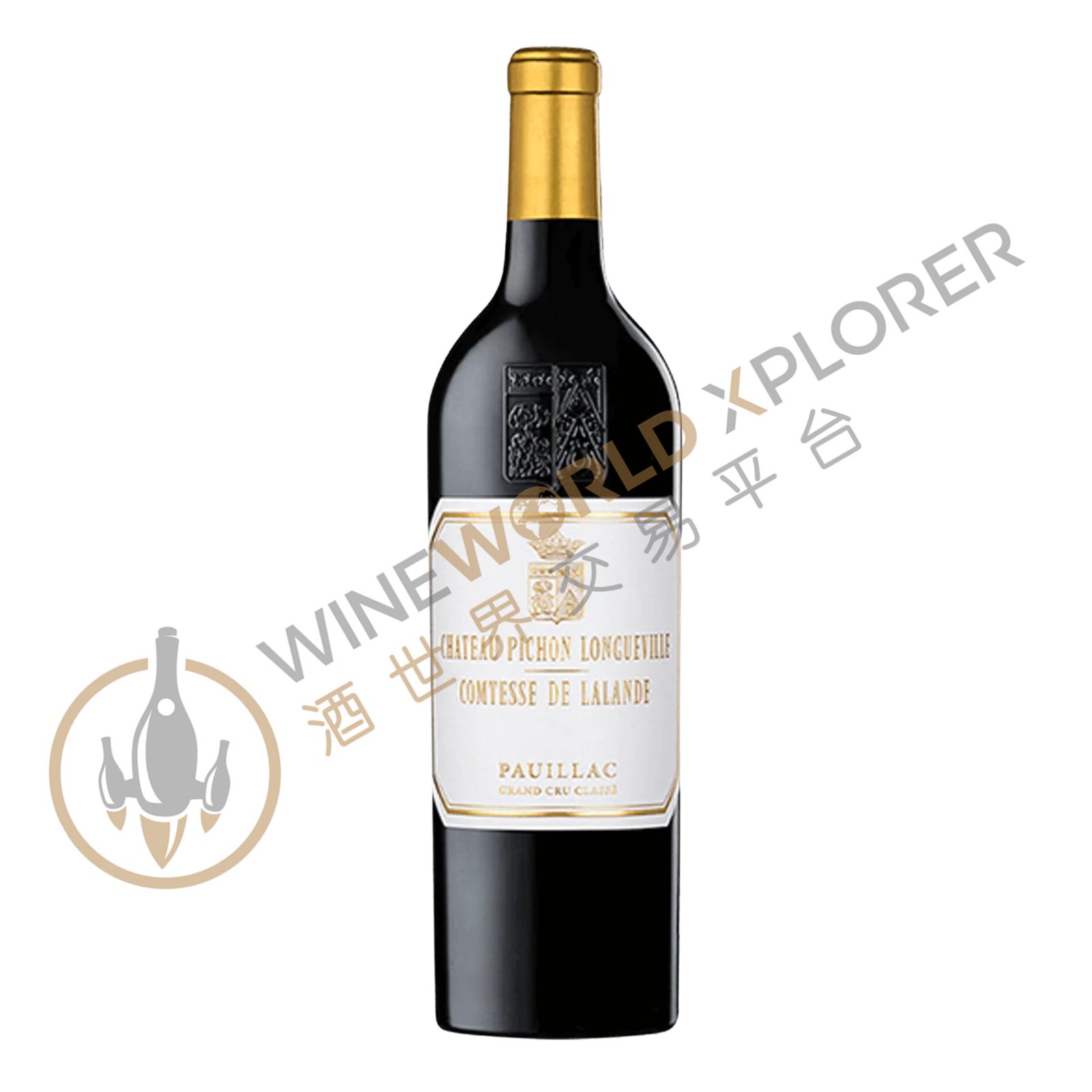
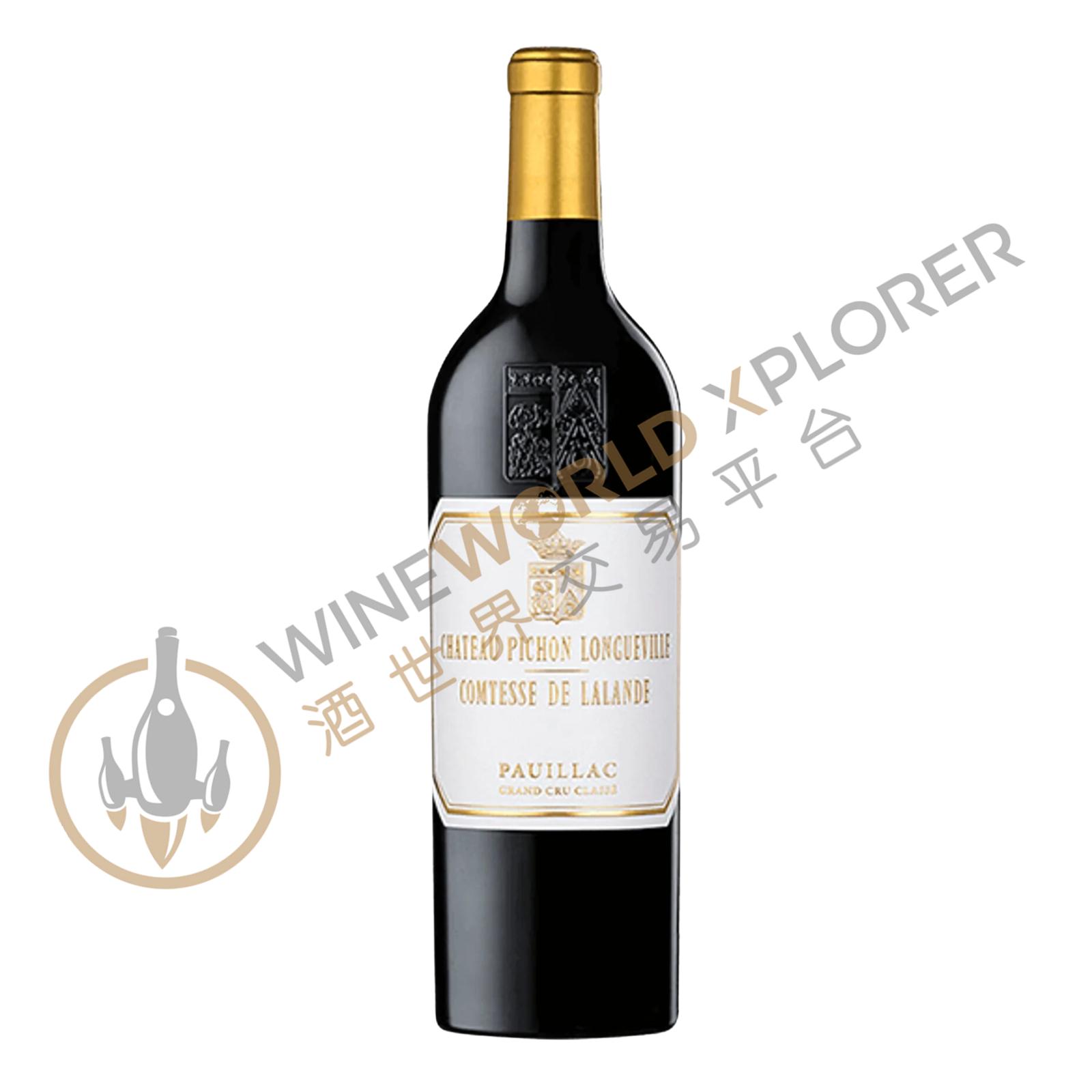
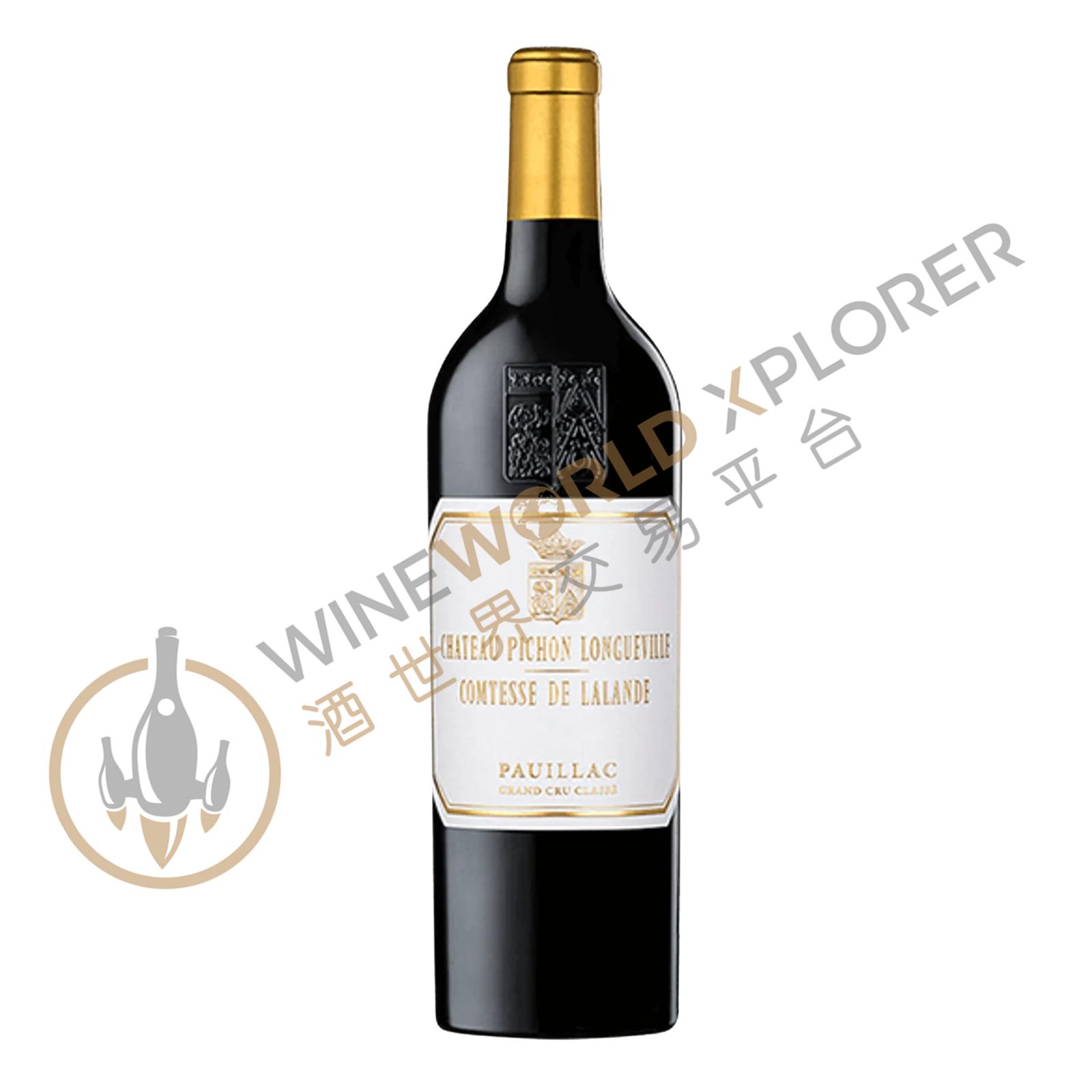
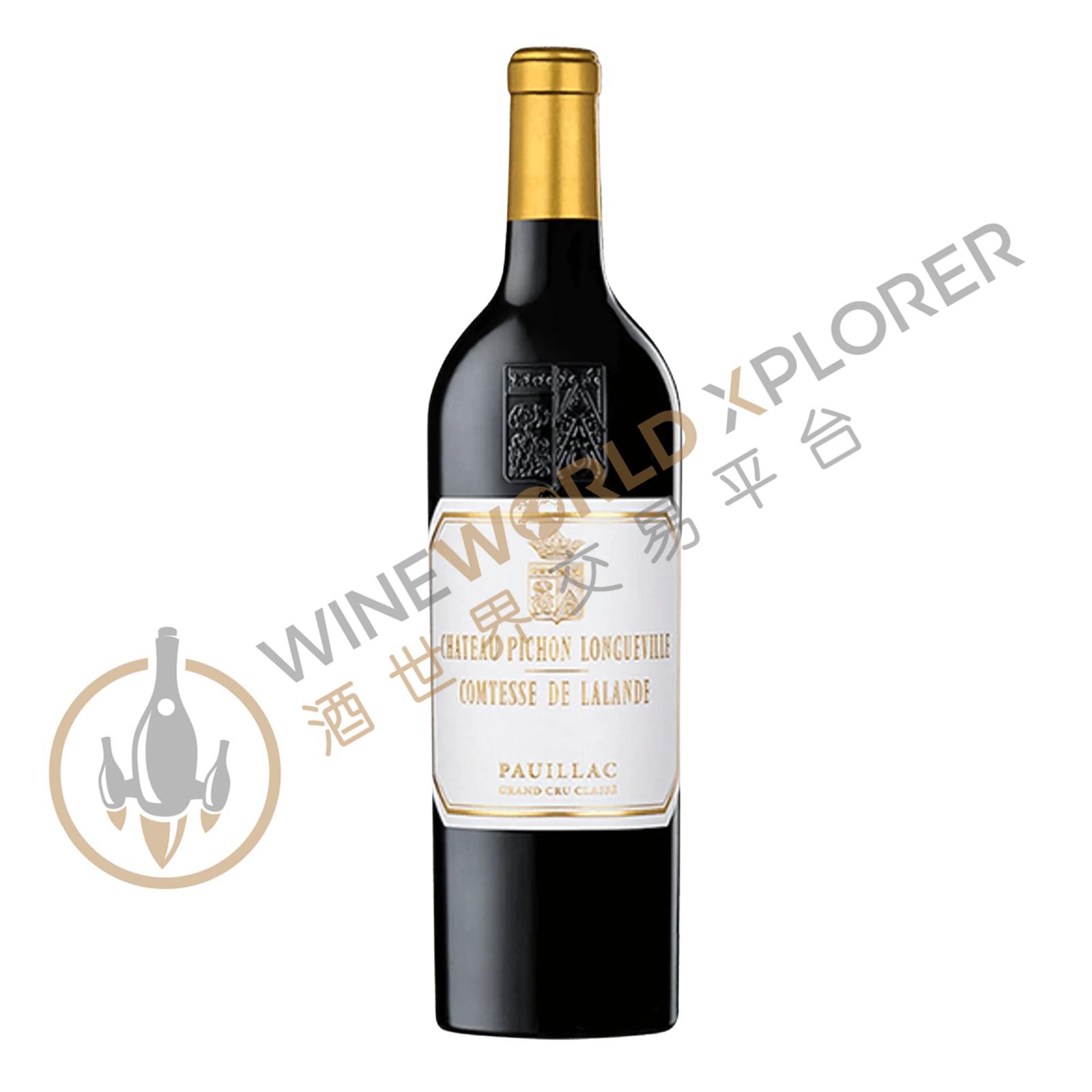
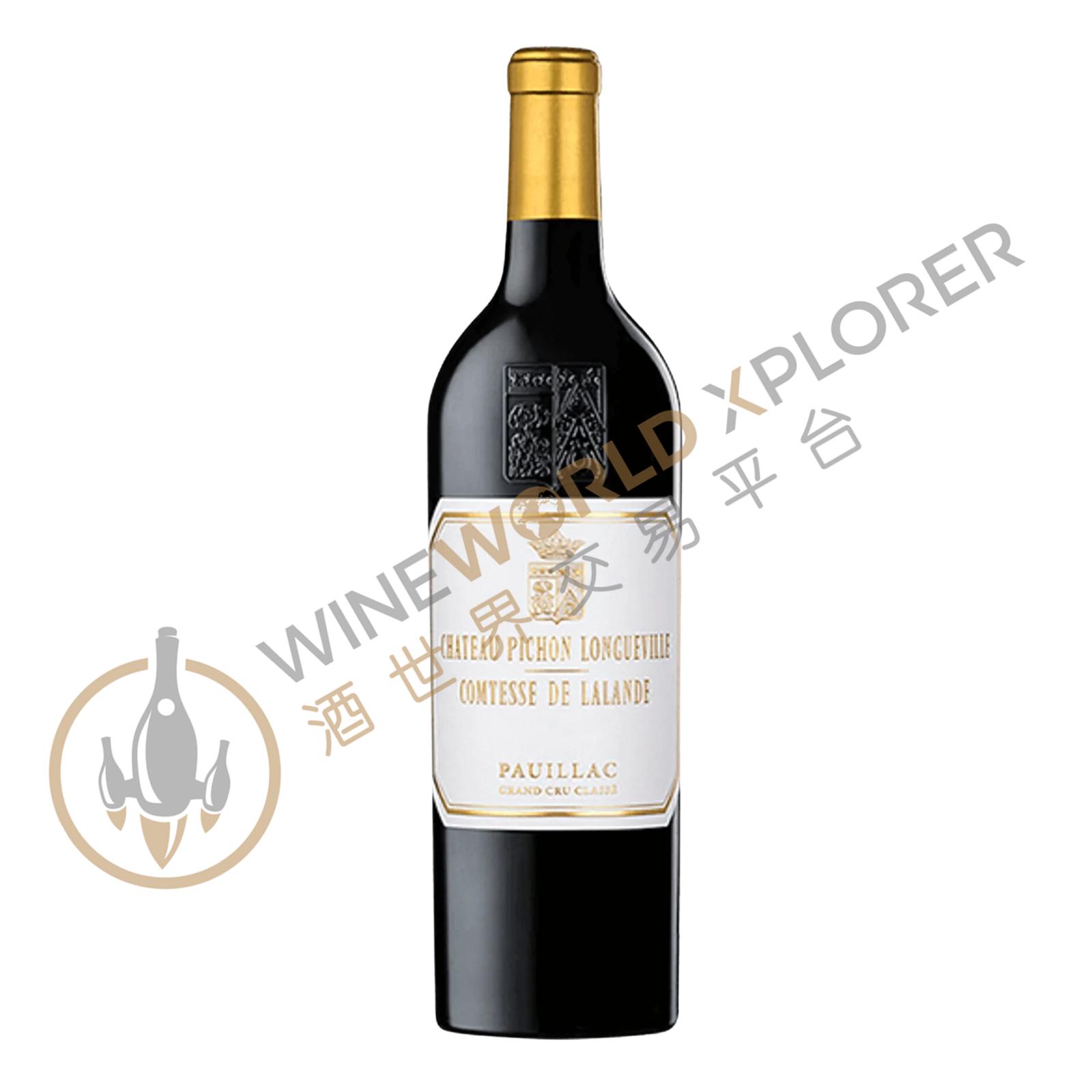
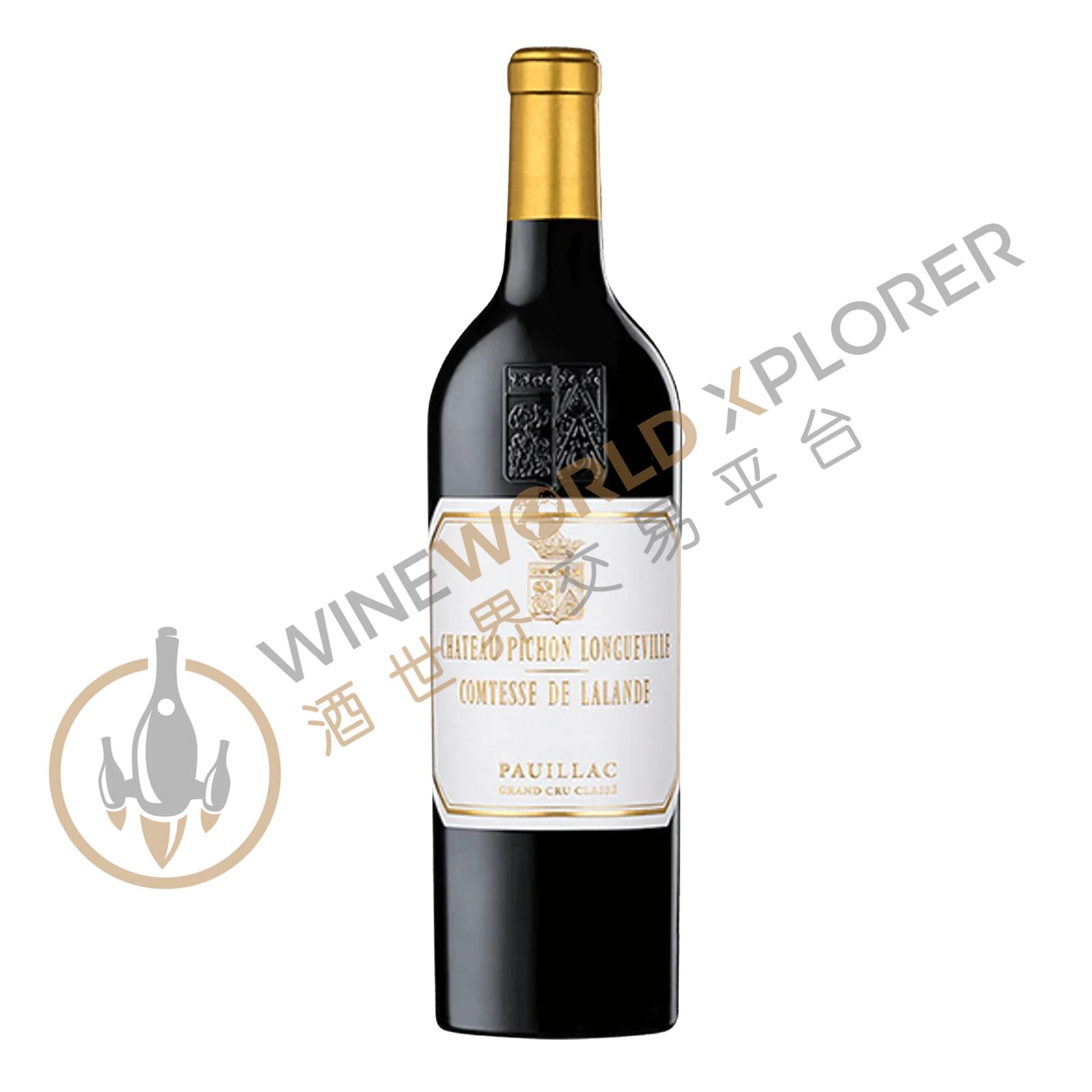
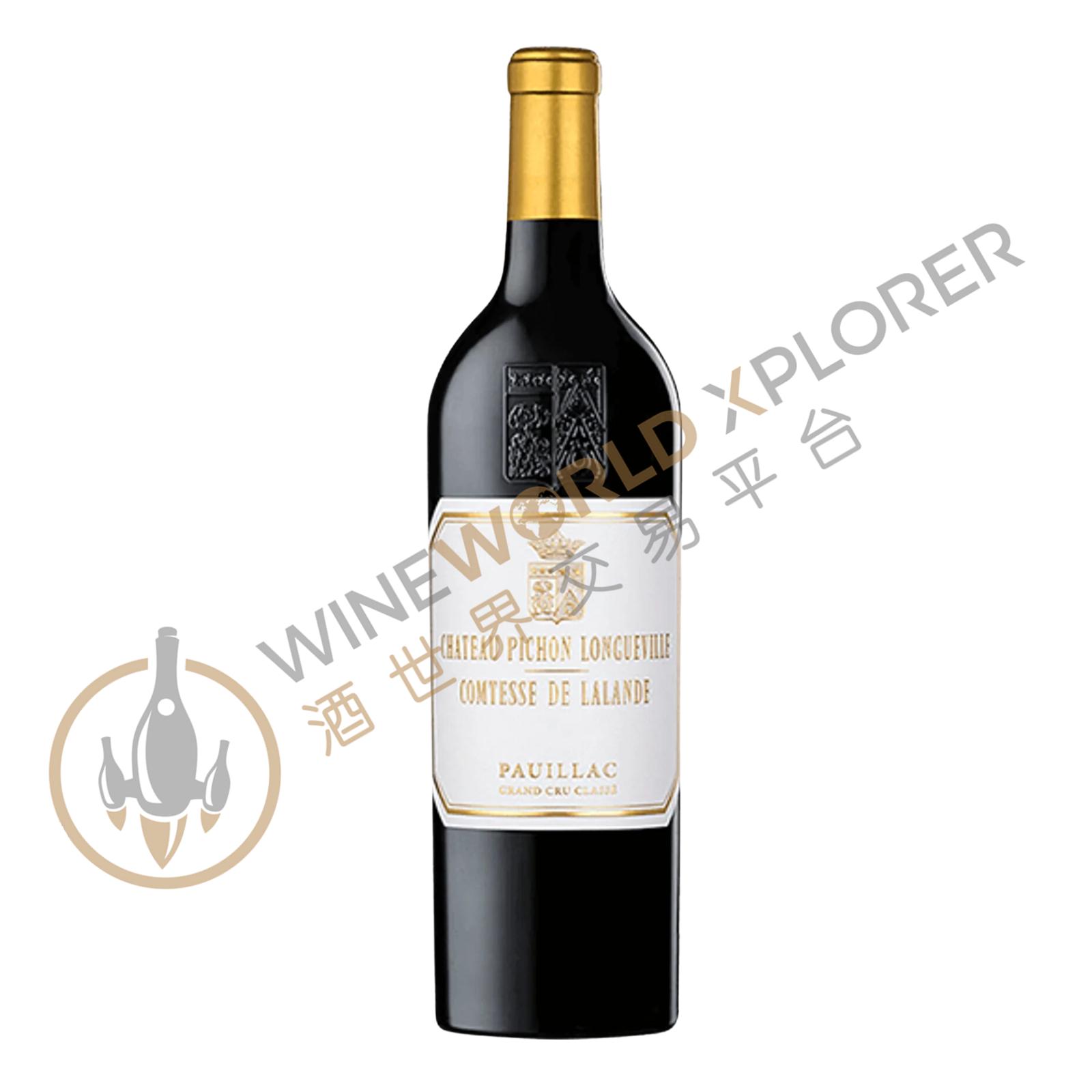
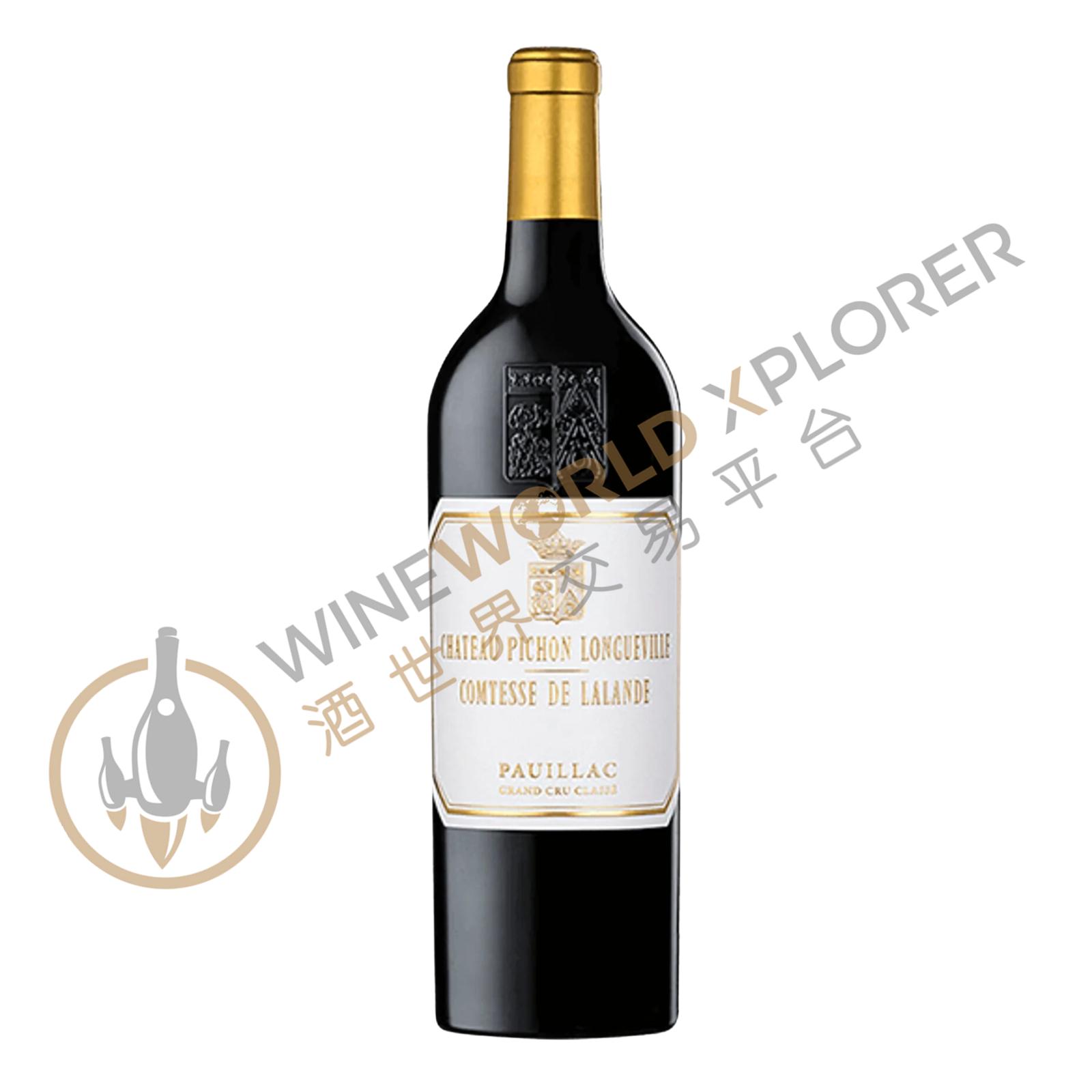
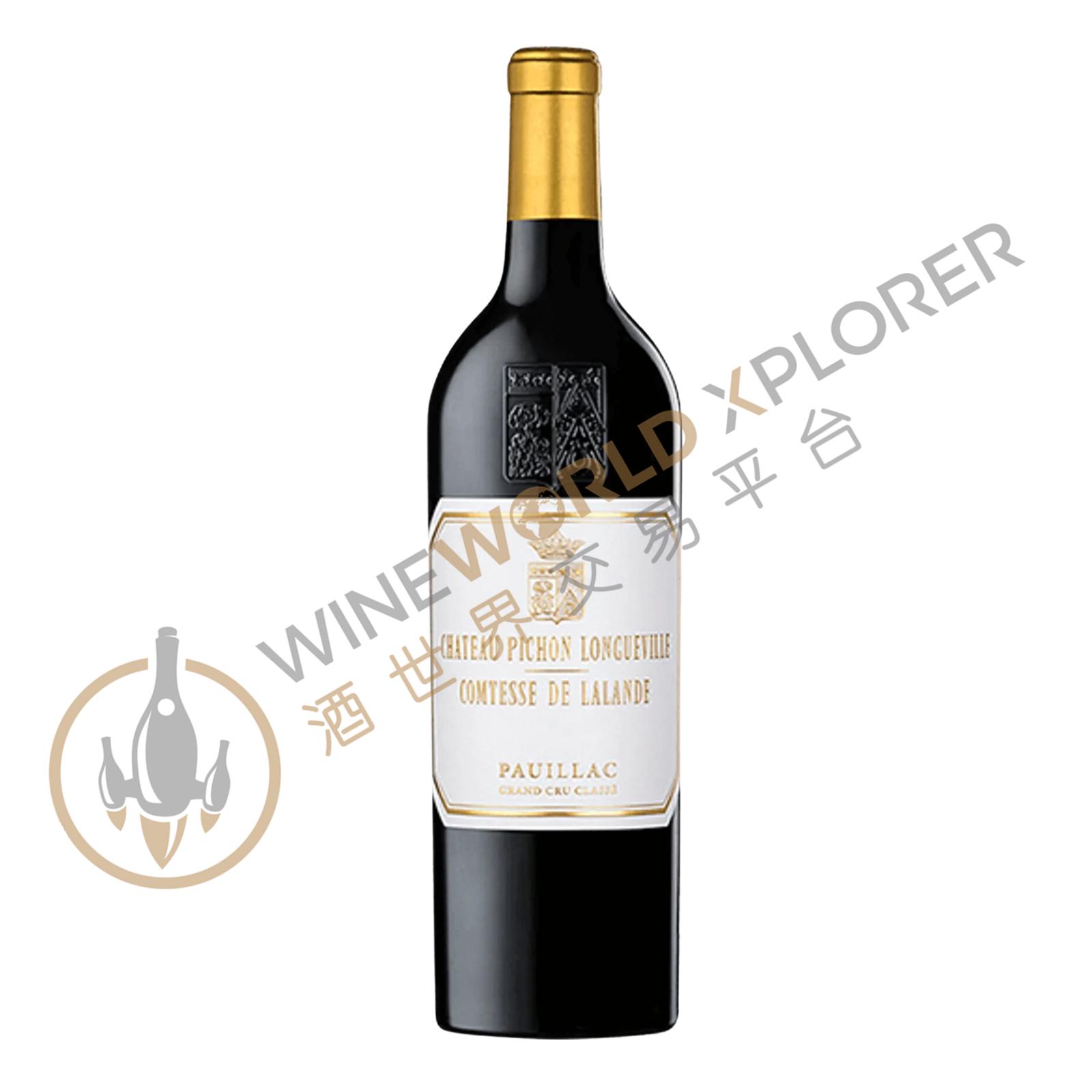
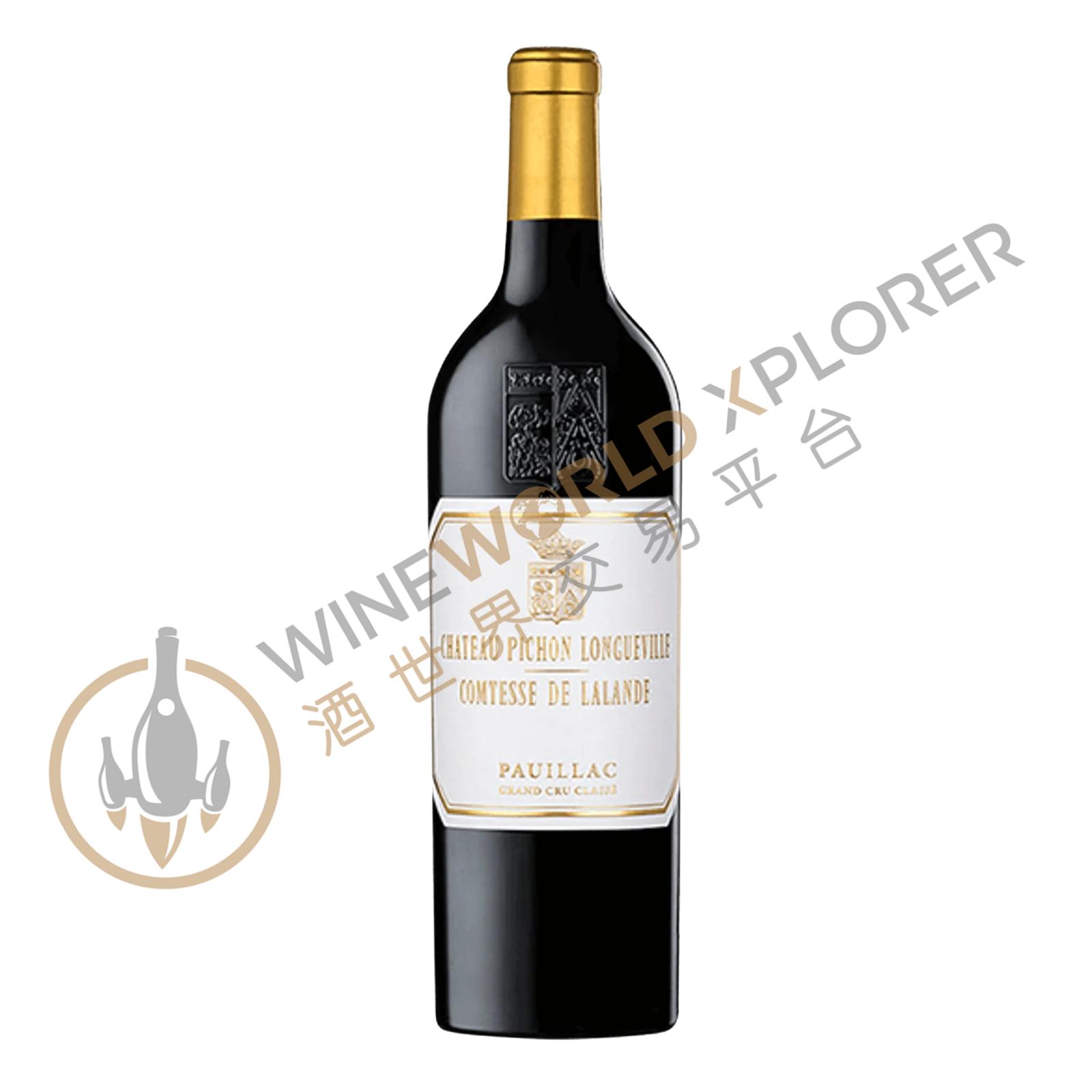
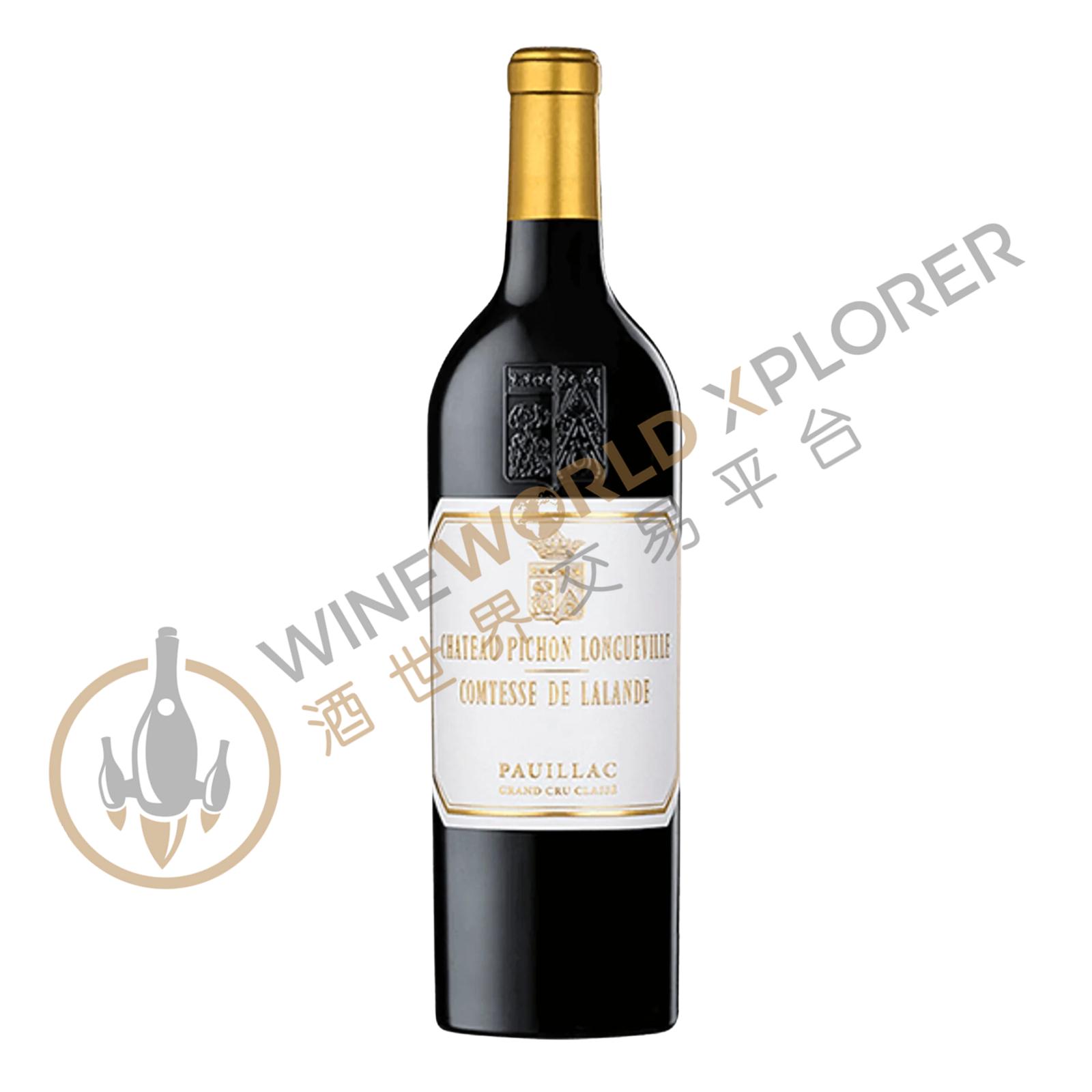
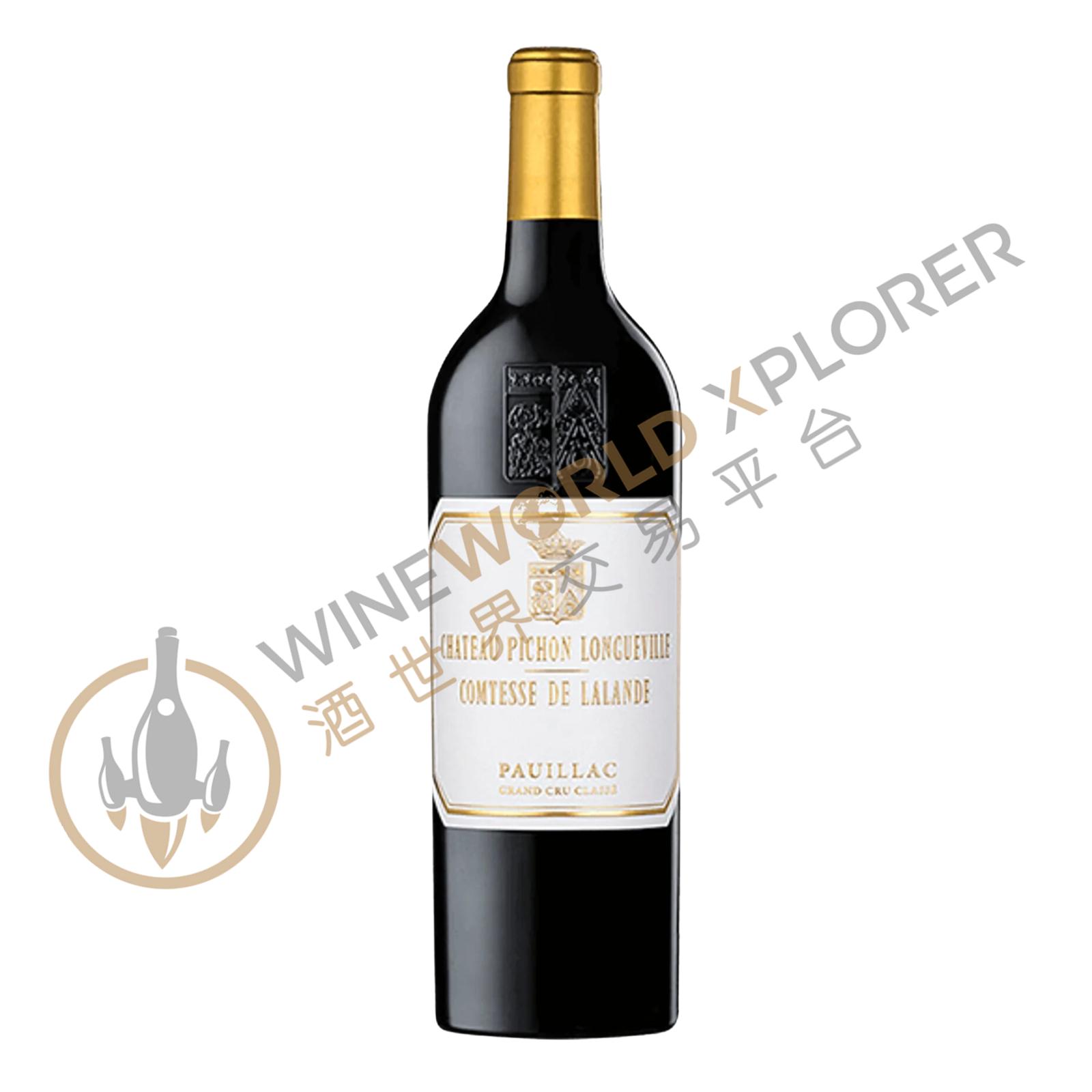
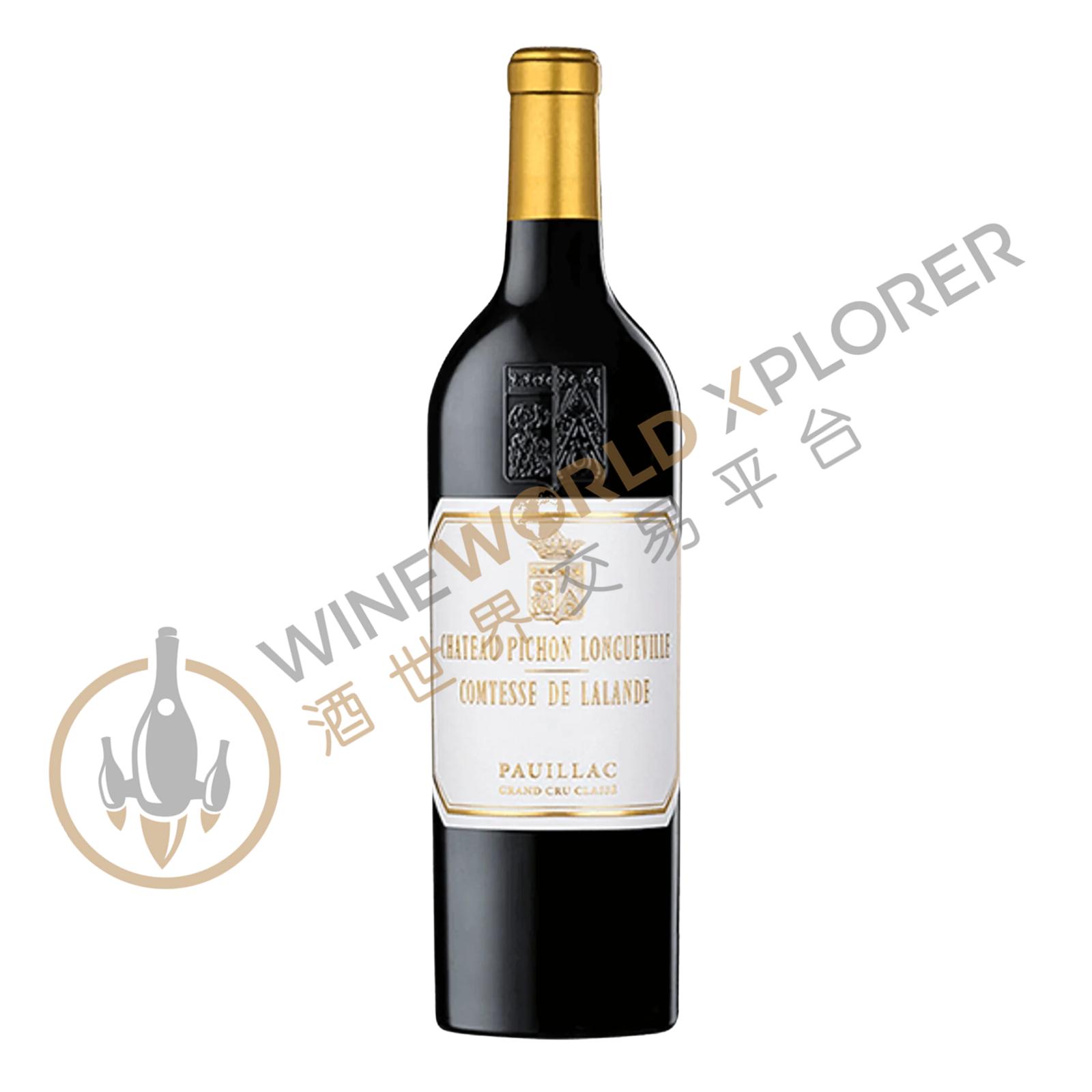
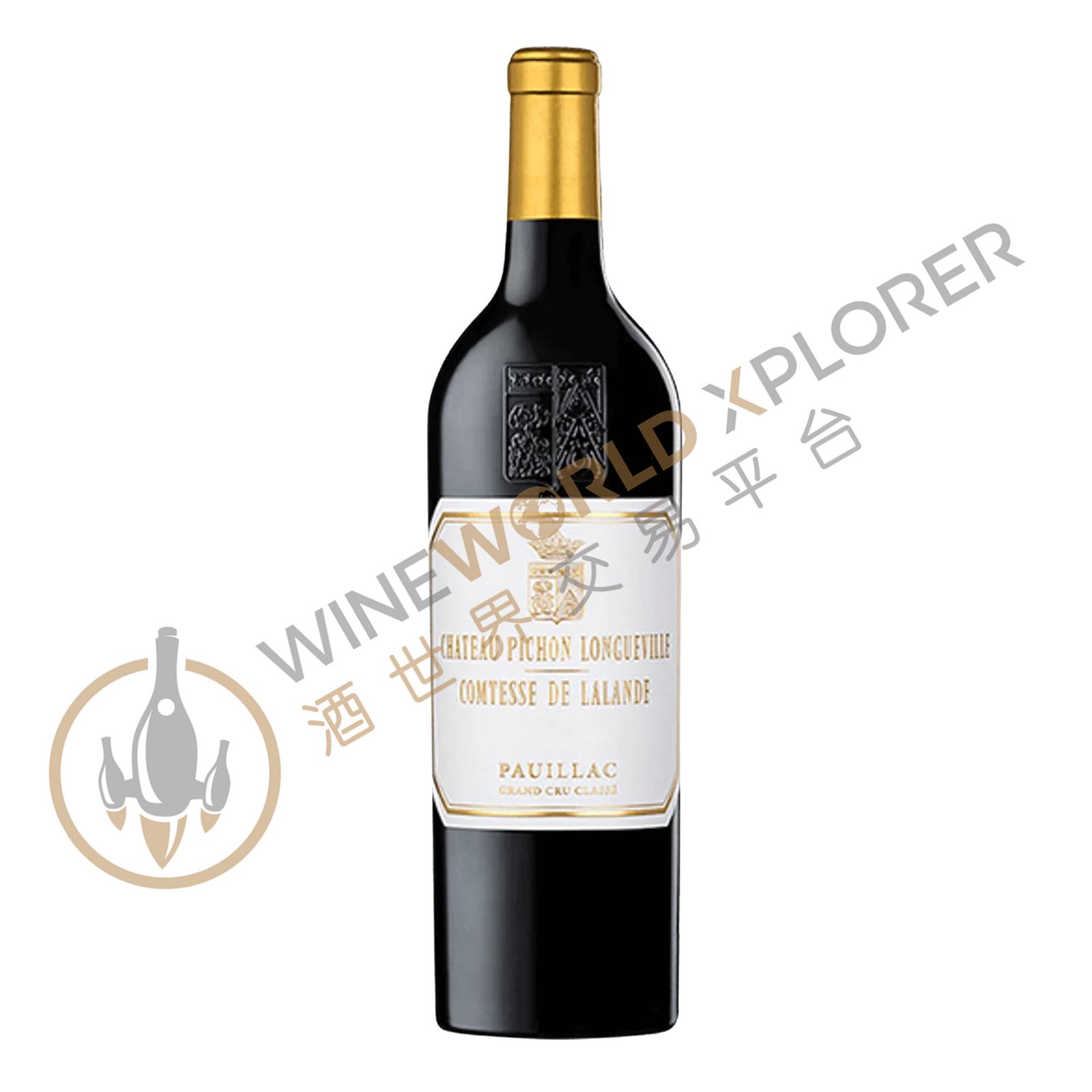
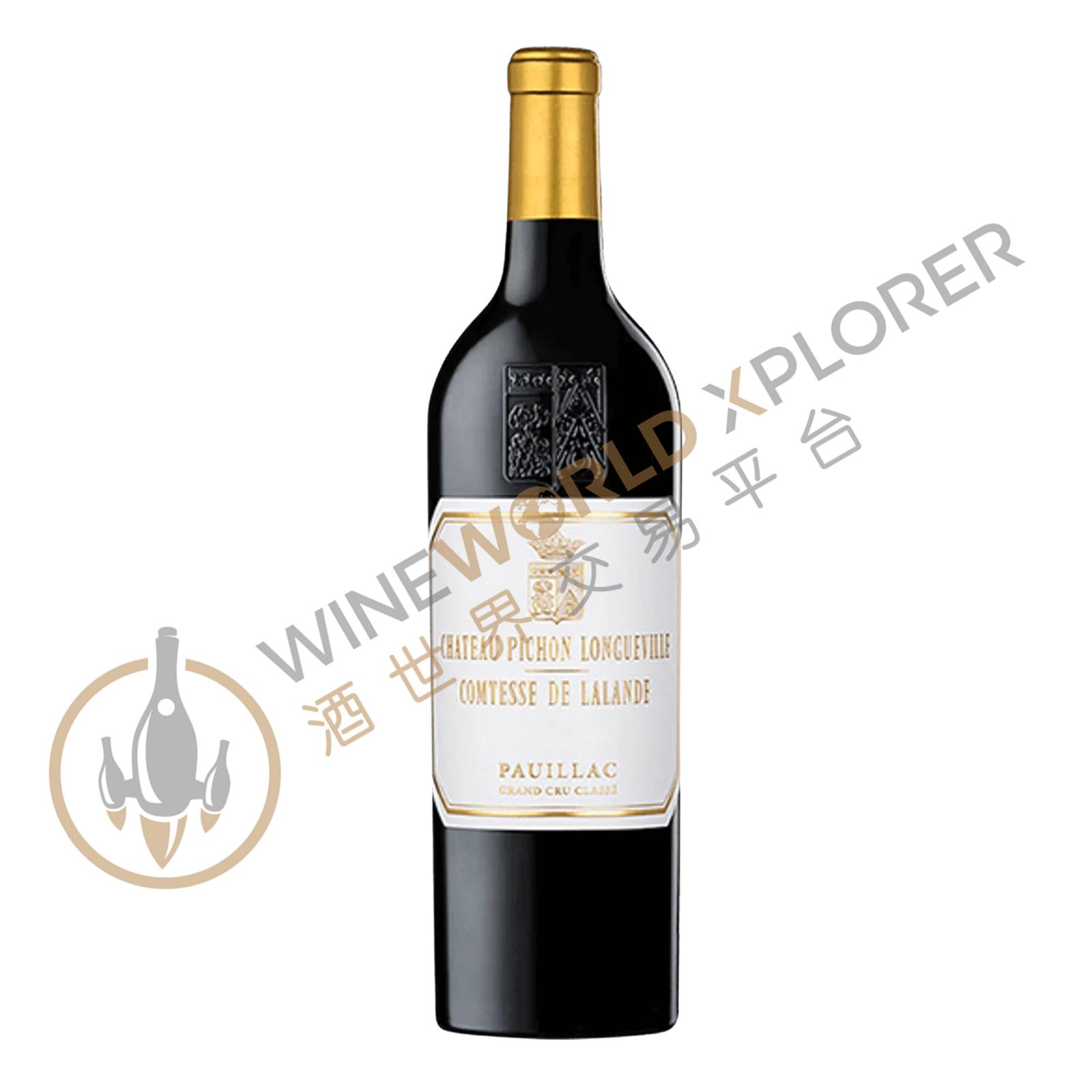
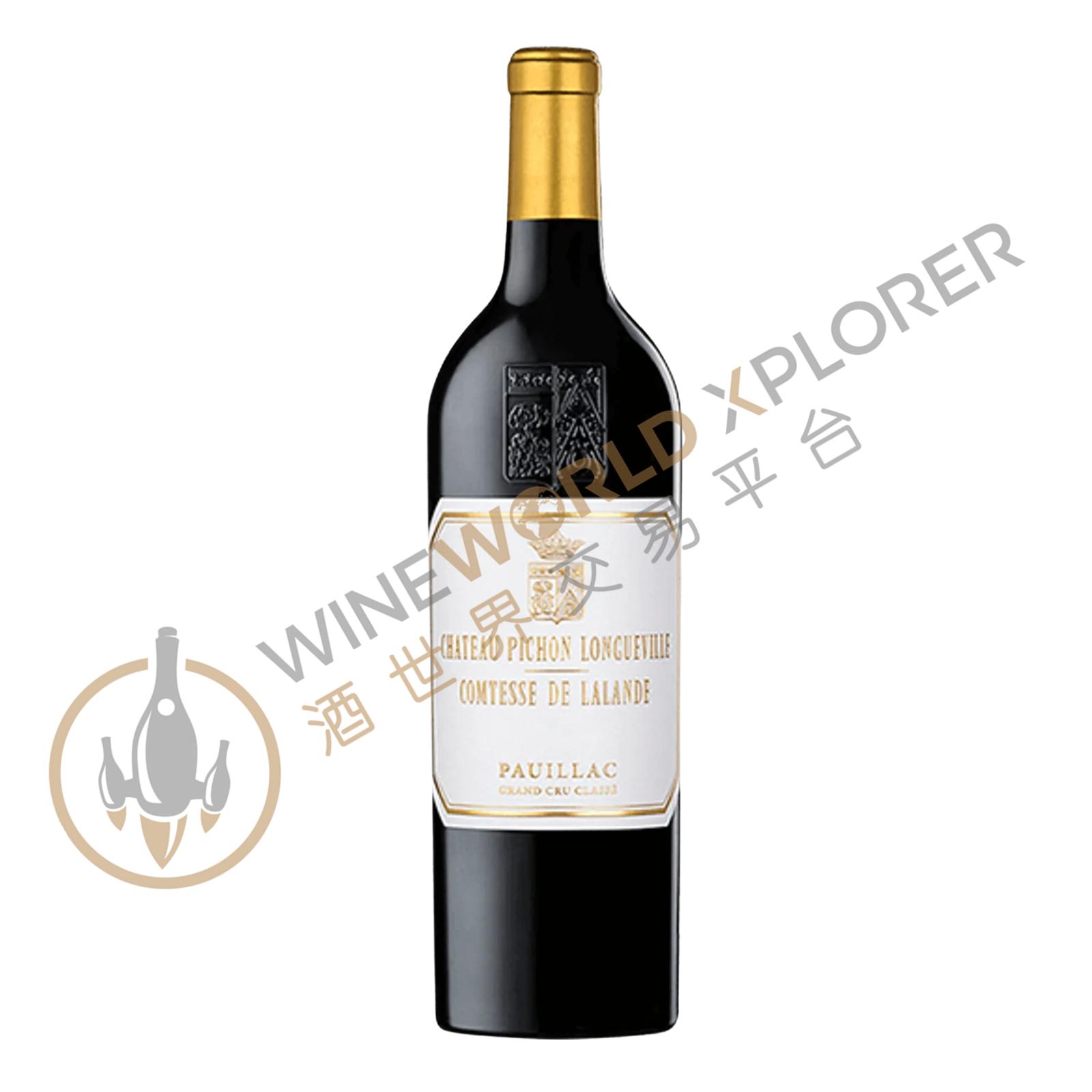
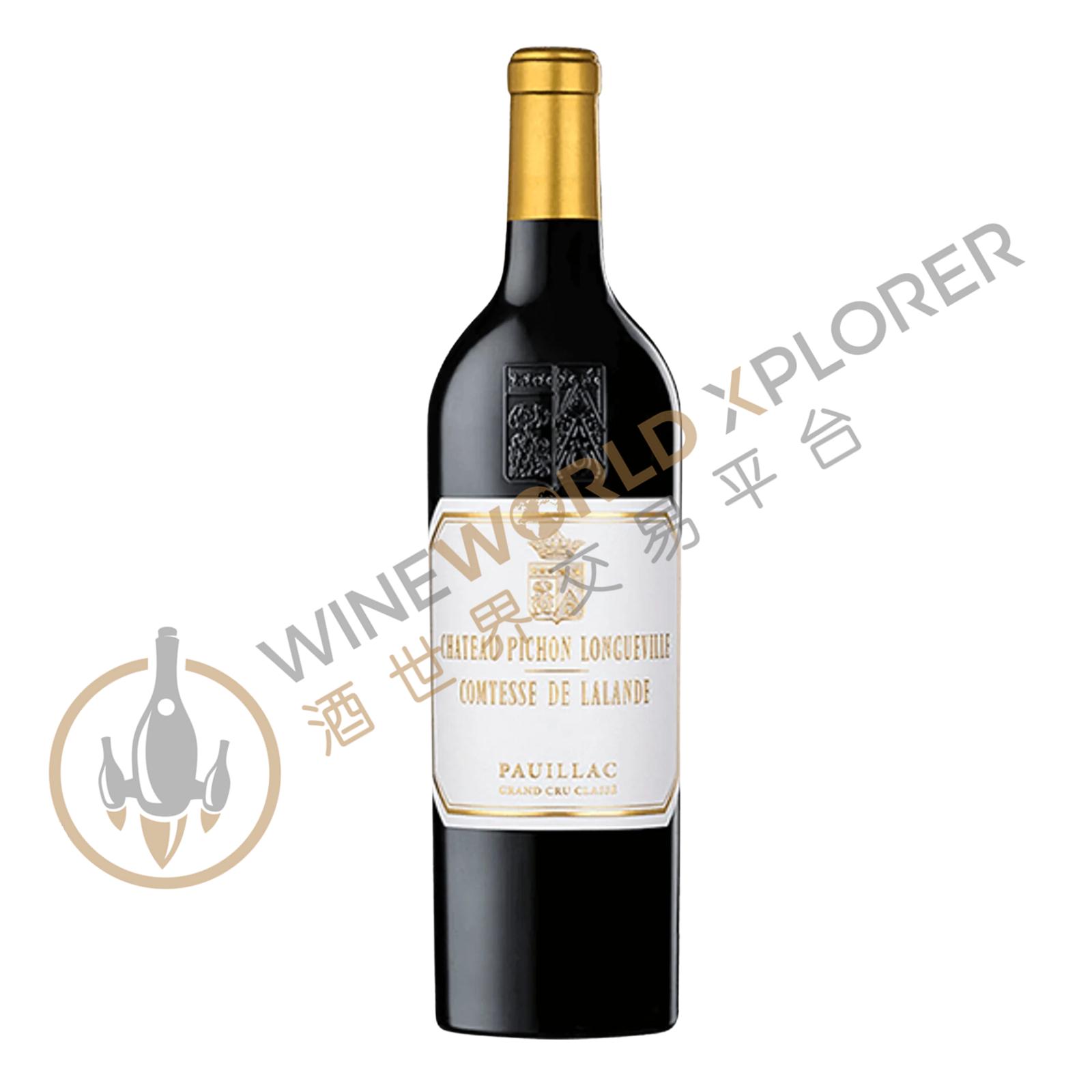
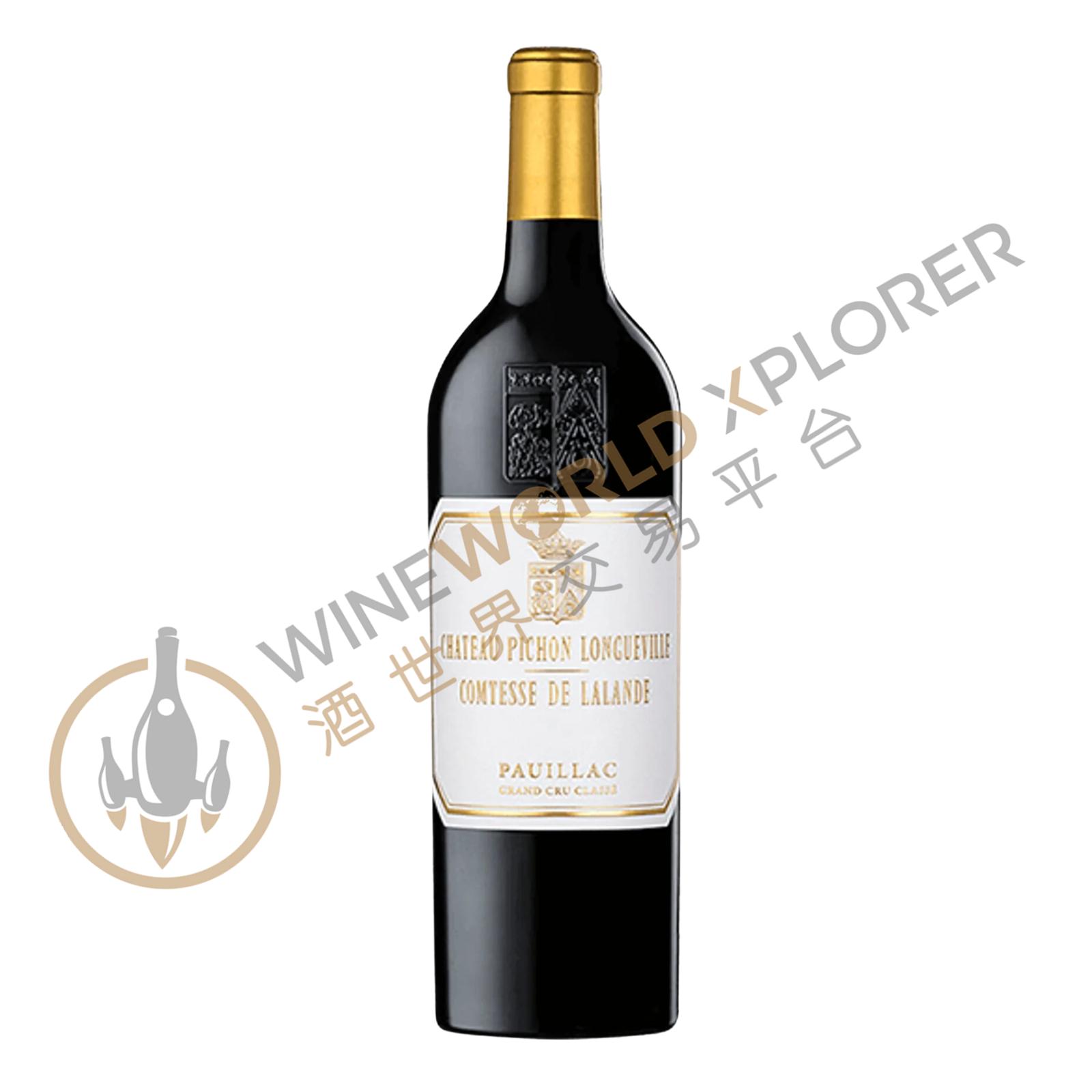
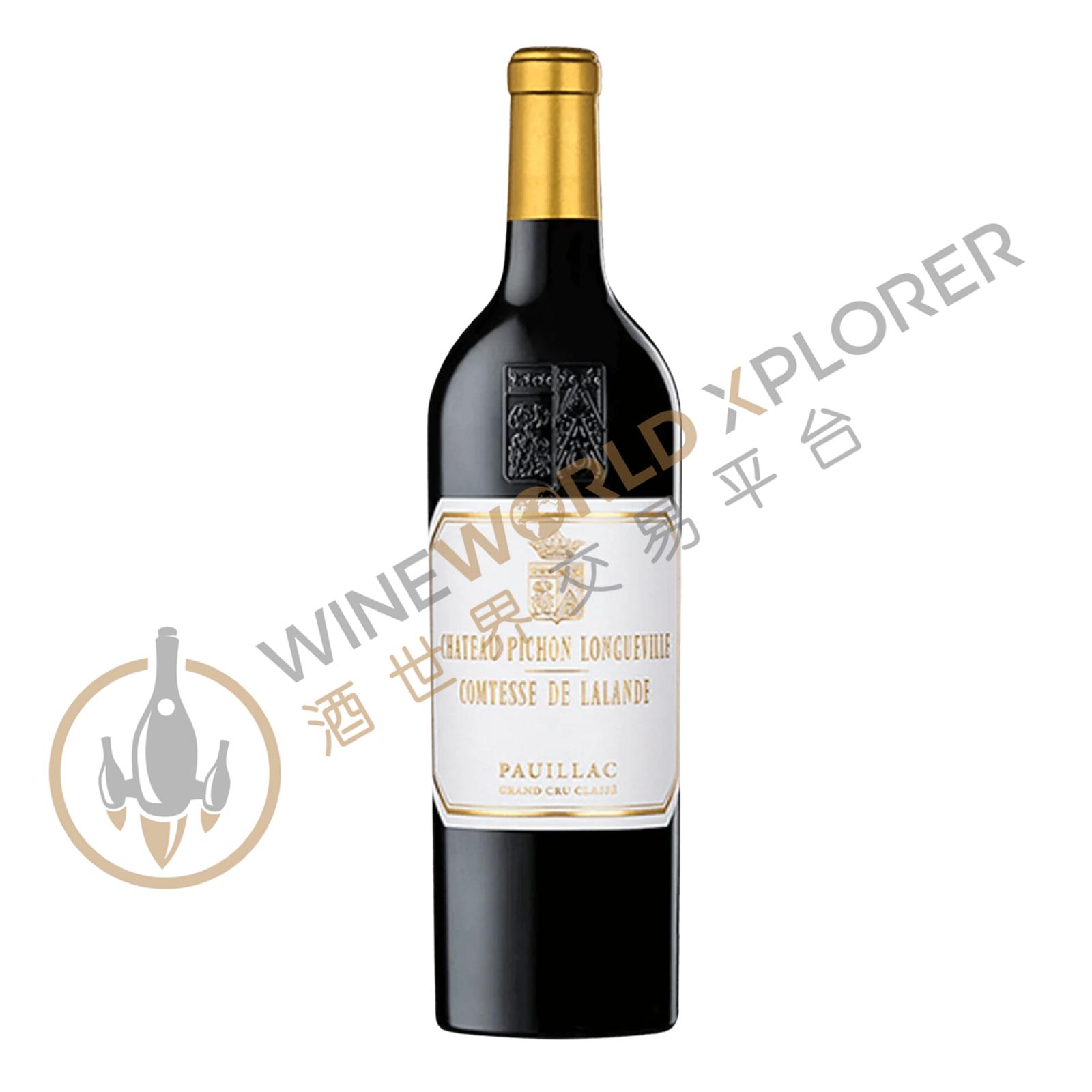
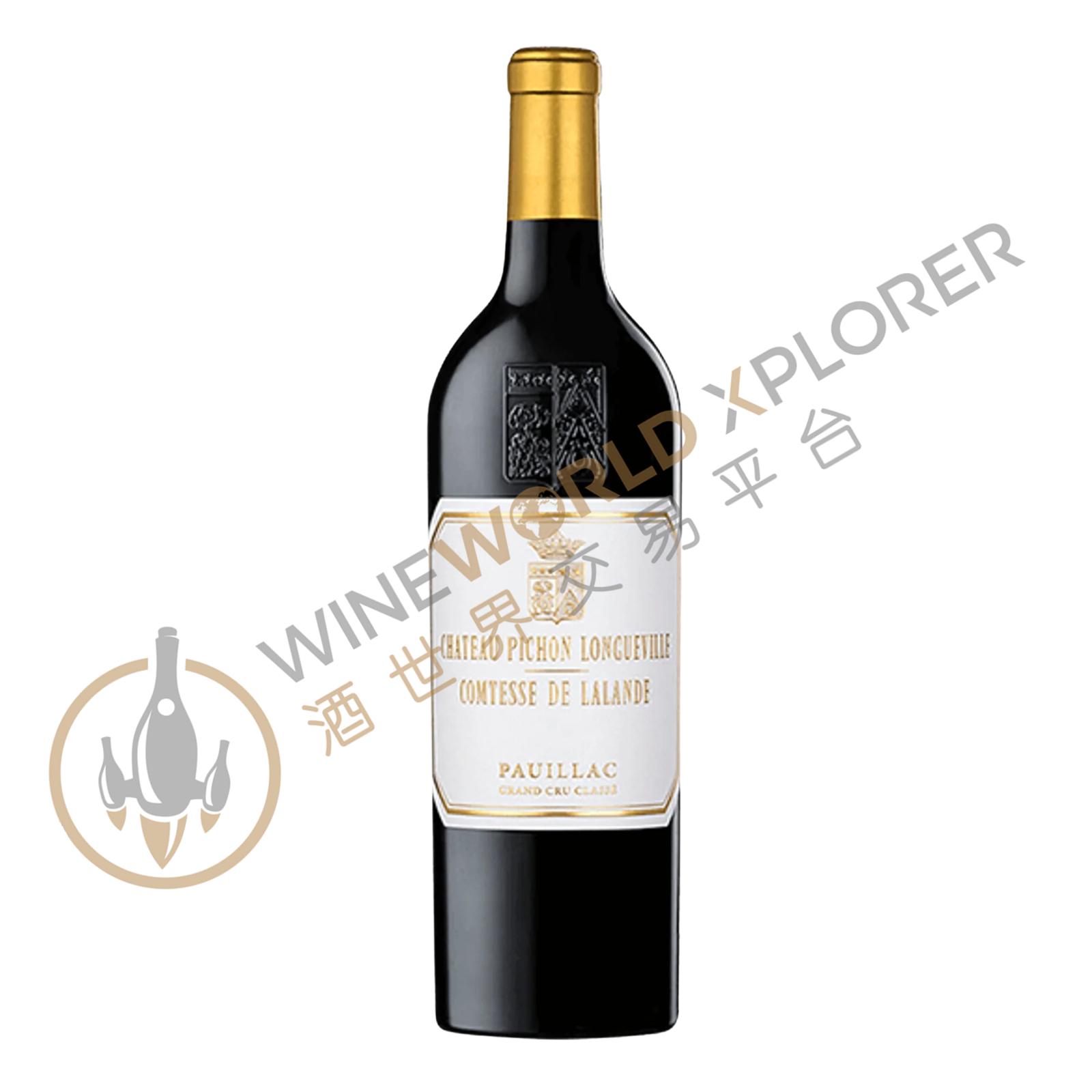
Pichon Lalande 2022
 View analysis


Description
Tasting notes

Reviewed by: William Kelley
The 2022 Pichon Longueville Comtesse de Lalande is one wine where a comparison with this estate's magical 1982 doesn't appear to be far-fetched. Wafting from the glass with deep aromas of cassis, plums, violets, rose petals, tobacco leaf and pencil shavings, it's full-bodied, supple and fleshy, with a layered, seamless core of fruit that largely conceals its chassis of powdery structuring tannin. Concluding with a long, expansive and beautifully perfumed finish, it's a blend of 78% Cabernet Sauvignon, 17% Merlot and 5% Cabernet Franc that has the potential to equal or even surpass the 2019 and 2016 vintages at this address. It checks in at a very classical 13.6% alcohol and a rather high pH of 3.80.
Reviewed by: William Kelley
The 2022 Pichon Longueville Comtesse de Lalande has turned out even better in bottle than I anticipated, bursting from the glass with aromas of cassis and blackberries mingled with scents of licorice, violets and pencil shavings. Full-bodied, layered and enveloping, it's suave, seamless and complete, with faultless precision, pristine integration of tannin, controlled sweetness and a long, expansive finish. The 2022 manages to unite the sensuality that's the estate's calling card and the ripeness of the vintage on the one hand, with a sense of Pauillac classicism on the other, threading the needle to deliver one of the finest wines of the vintage and a benchmark Pichon Comtesse. It's a blend of 78% Cabernet Sauvignon, 17% Merlot and 5% Cabernet Franc that spent 18 months in barriques (three months more than was formerly the case), two-thirds of which were new. As I wrote en primeur, there's more than a hint of the 1982 about this wine, and like the 1982, the 2022 will offer an exceptionally wide drinking window.
About the Producer
Pichon Lalande is arguably the best known Super Second Pauillac for its quality consistency and quintessential Bordeaux claret expression. Neighbouring Chateau Latour and lying just right opposite Chateau Pichon Baron, Pichon Lalande, as its name suggests, has long seen extended female owner influence since the 1850s. Back in the 1850s, the original Pichon Lalande got broken down into two-fifth being renamed as Pichon Baron and three-fifth remaining as Pichon Lalande upon the passing of Baron Joseph de Pichon Longueville. The three-fifth was run by the three daughters of the Baron himself and over the course of a few years, Pichon Baron and Pichon Lalande took on distinctive styles - with the former being more a masculine expression and the latter, feminine. Female ownership and influence continued, with little interruption, till the modern days. Pichon Lalande's string of female leaders have contributed to the continuous modernization of Pichon Lalande's vineyards and cellars; as well as the doubling of vineyard area during the 1970s - 90s. Today, Pichon Lalande's feminine expression continues to prevail - whilst the team is placed under the leadership of a former opera singer turned winemaker gentleman named Nicolas Glumineau. Conversion to biodynamic viticulture (fully by year 2021), continuous investments in precision winemaking facilities see Pichon Lalande continue to be revered among leading critics. Pichon Lalande is planted to 65% Cabernet Sauvignon, 25% Merlot, 7% Cabernet Franc and 3% Petit Verdot. It is the predominant Cabernet Sauvignon presence in Pichon Lalande's wines that make this wine such a capable representation of Pauillac's deep gravelly terroir.
1928(1)1969(1)1970(1)1977(1)1979(1)1981(1)1982(3)1983(1)1984(1)1985(4)1986(9)1988(4)1989(4)1990(4)1992(1)1993(1)1994(6)1995(4)1996(8)1997(2)1998(6)1999(4)2000(14)2001(6)2002(13)2003(18)2004(16)2005(14)2006(19)2007(7)2008(20)2009(13)2010(18)2011(17)2012(13)2013(7)2014(24)2015(22)2016(18)2017(32)2018(38)2019(27)2020(35)2021(31)
Package Size