Wine Advisor



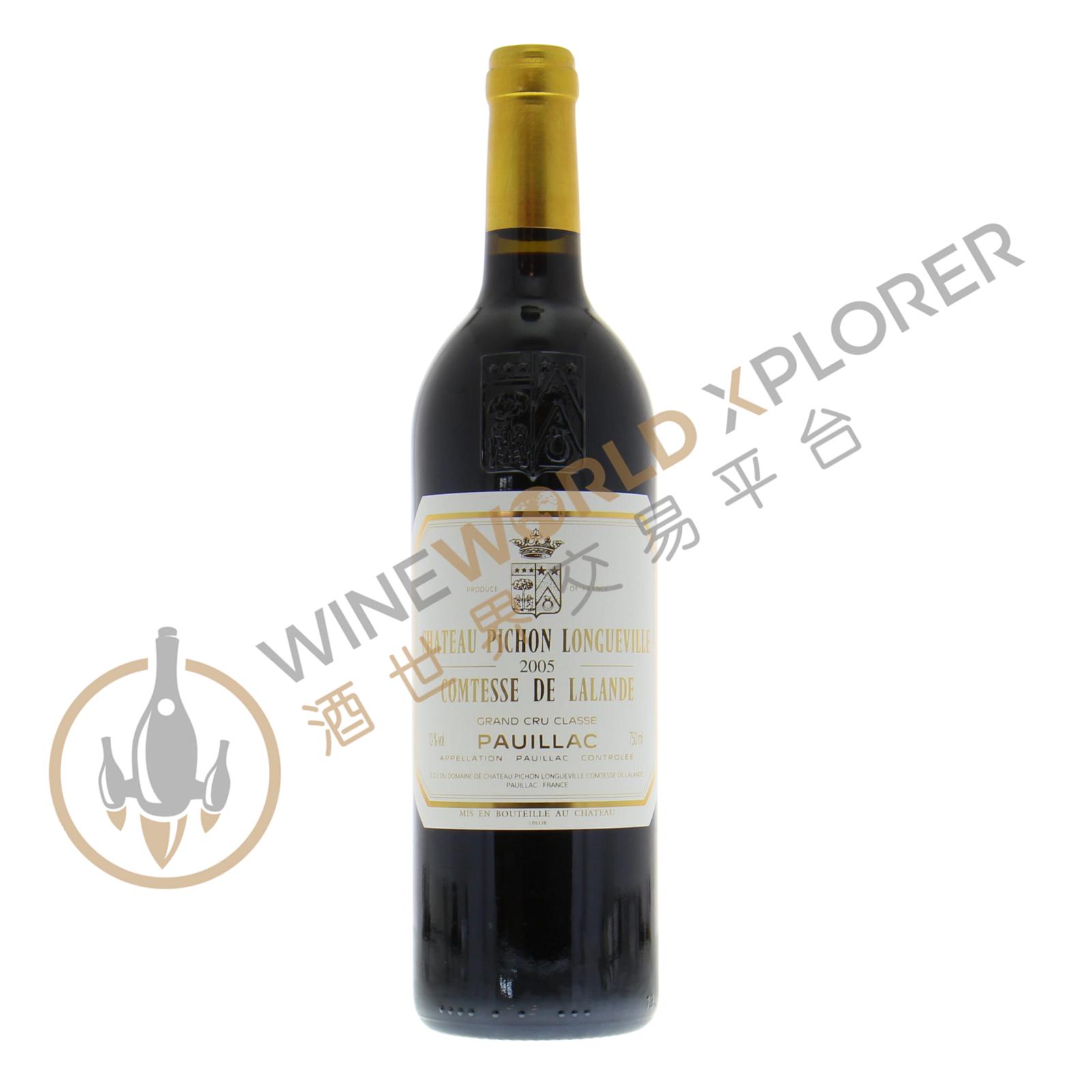
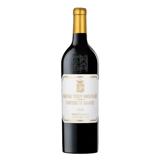
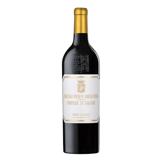
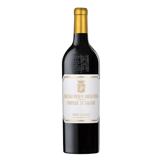
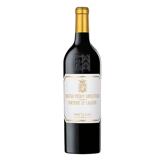
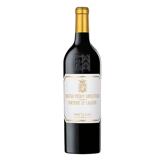
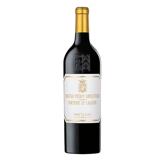
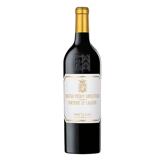
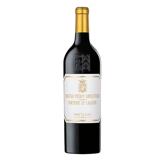
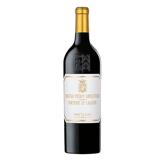
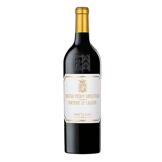
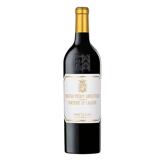
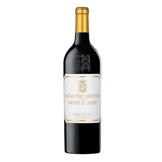
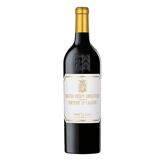
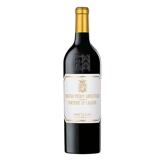
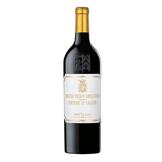
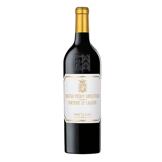
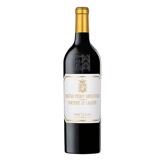
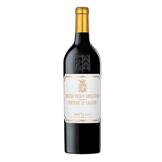
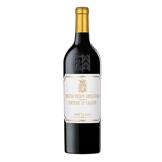
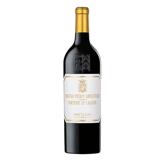
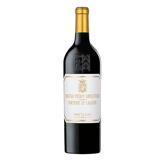
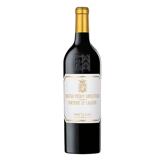
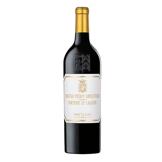
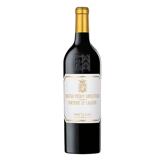
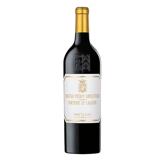
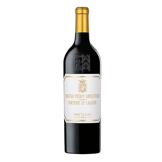
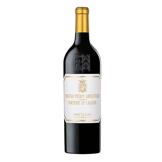
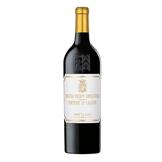
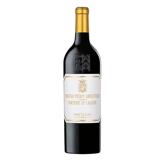
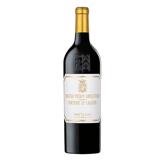
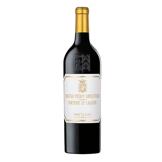
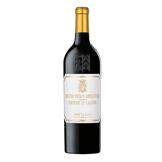
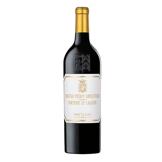
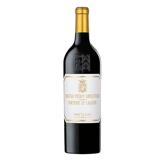
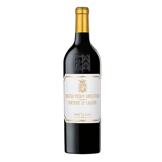
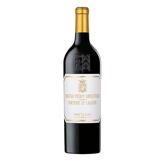
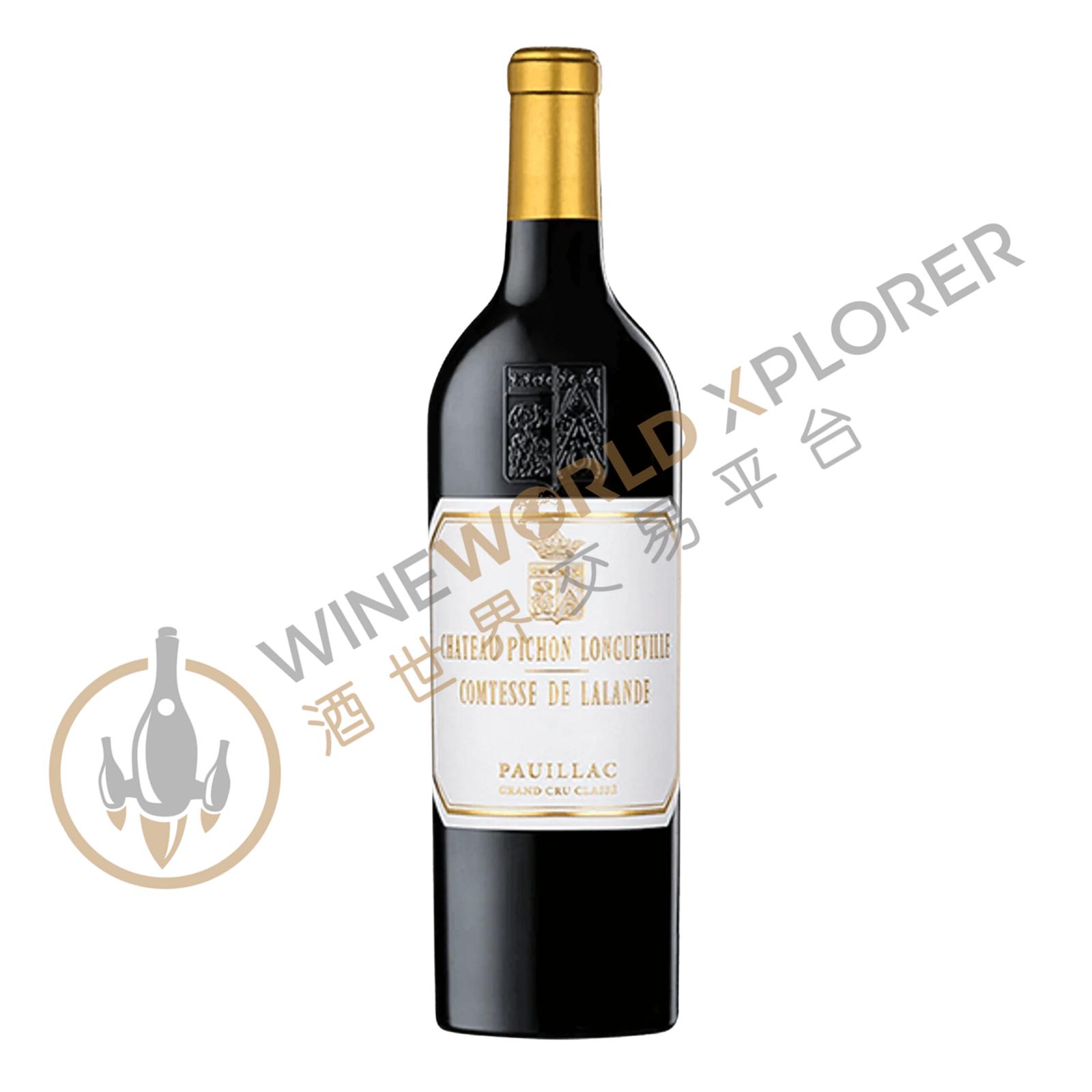
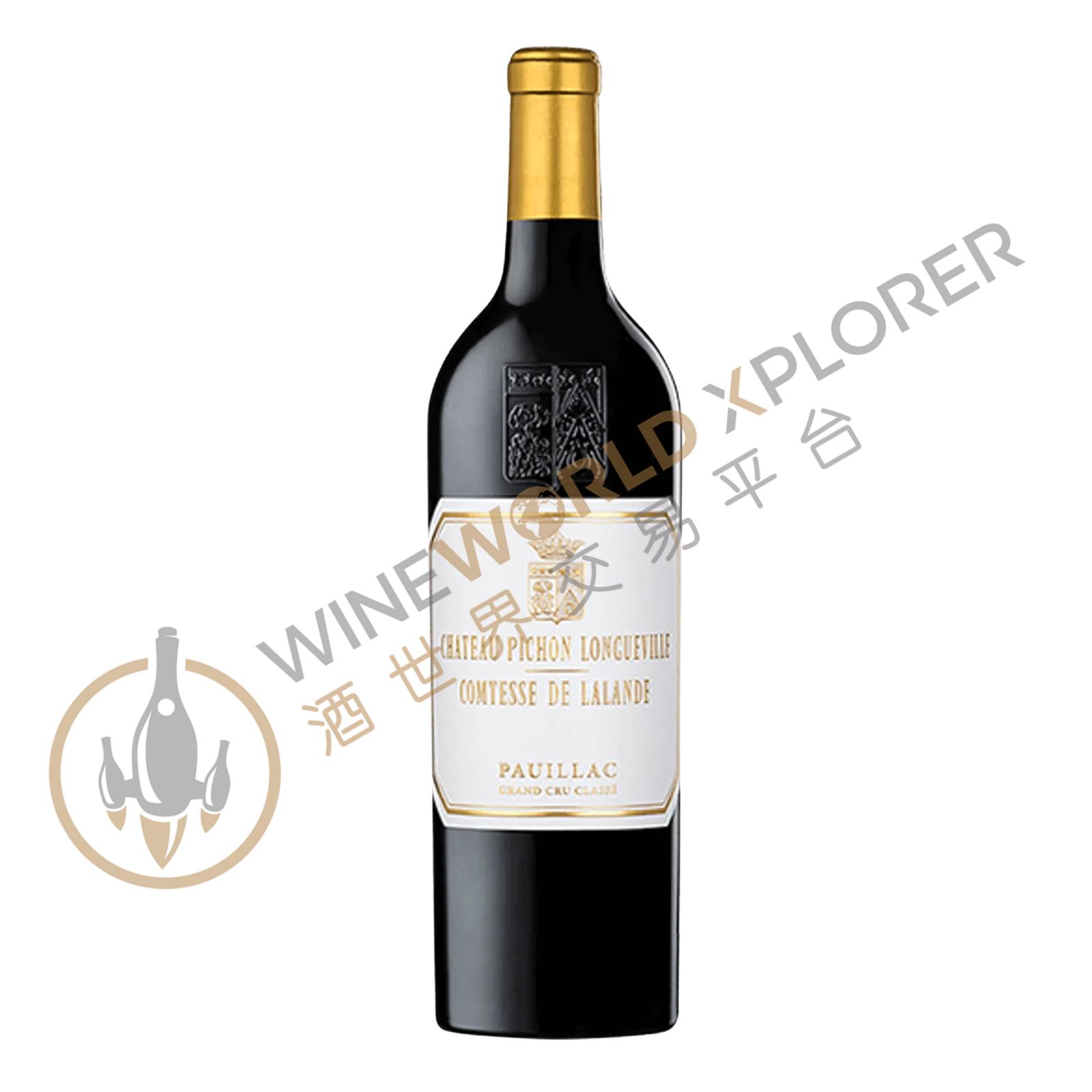
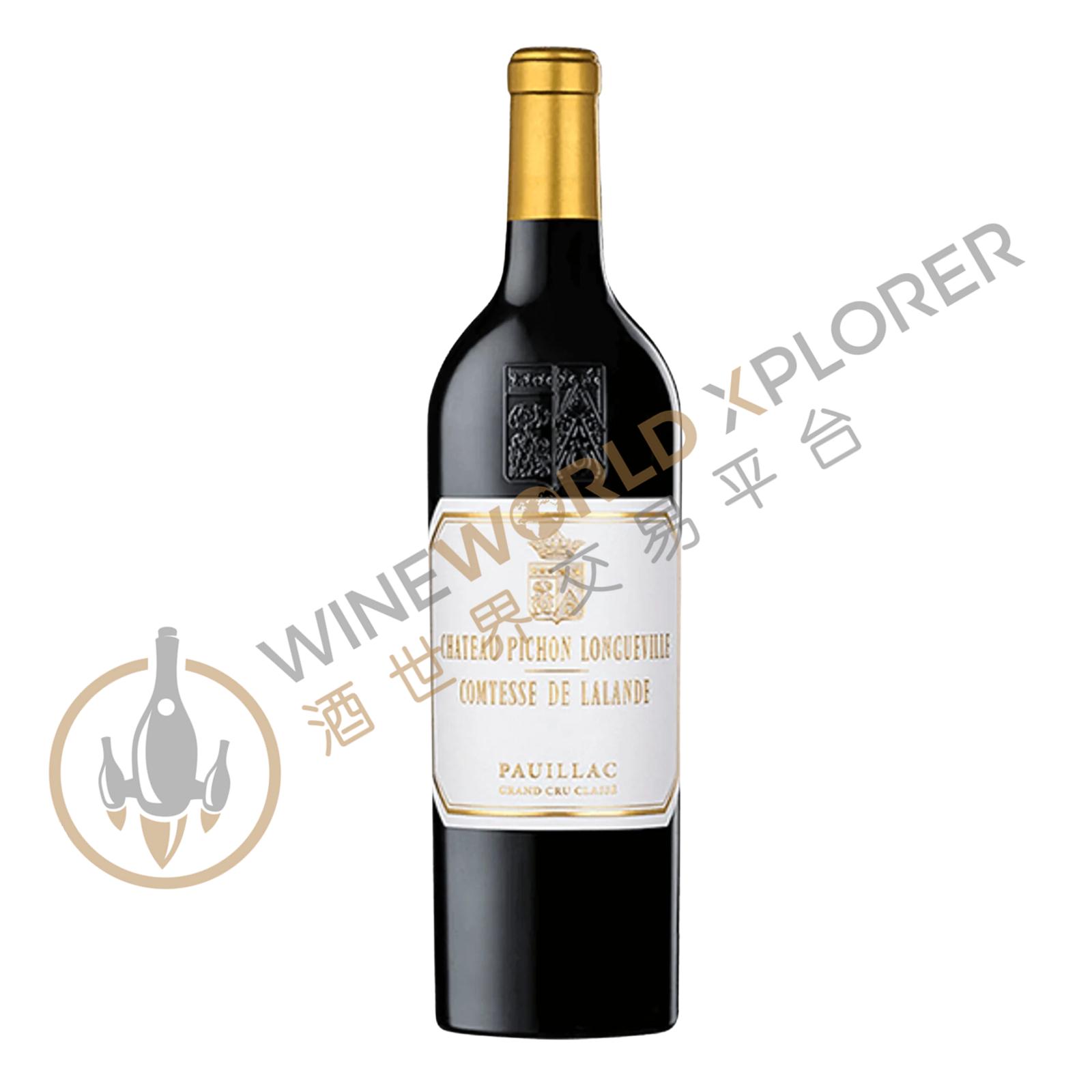
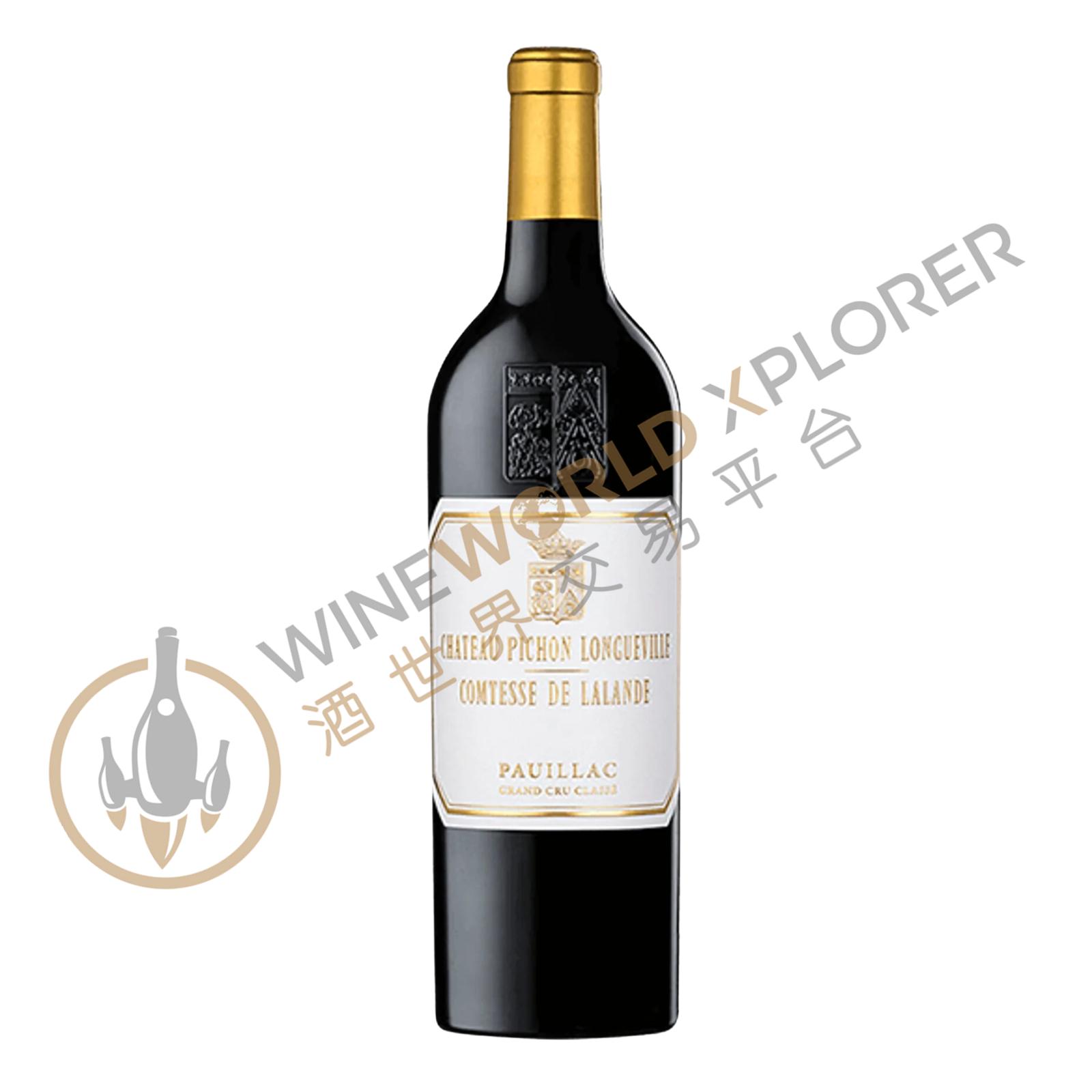
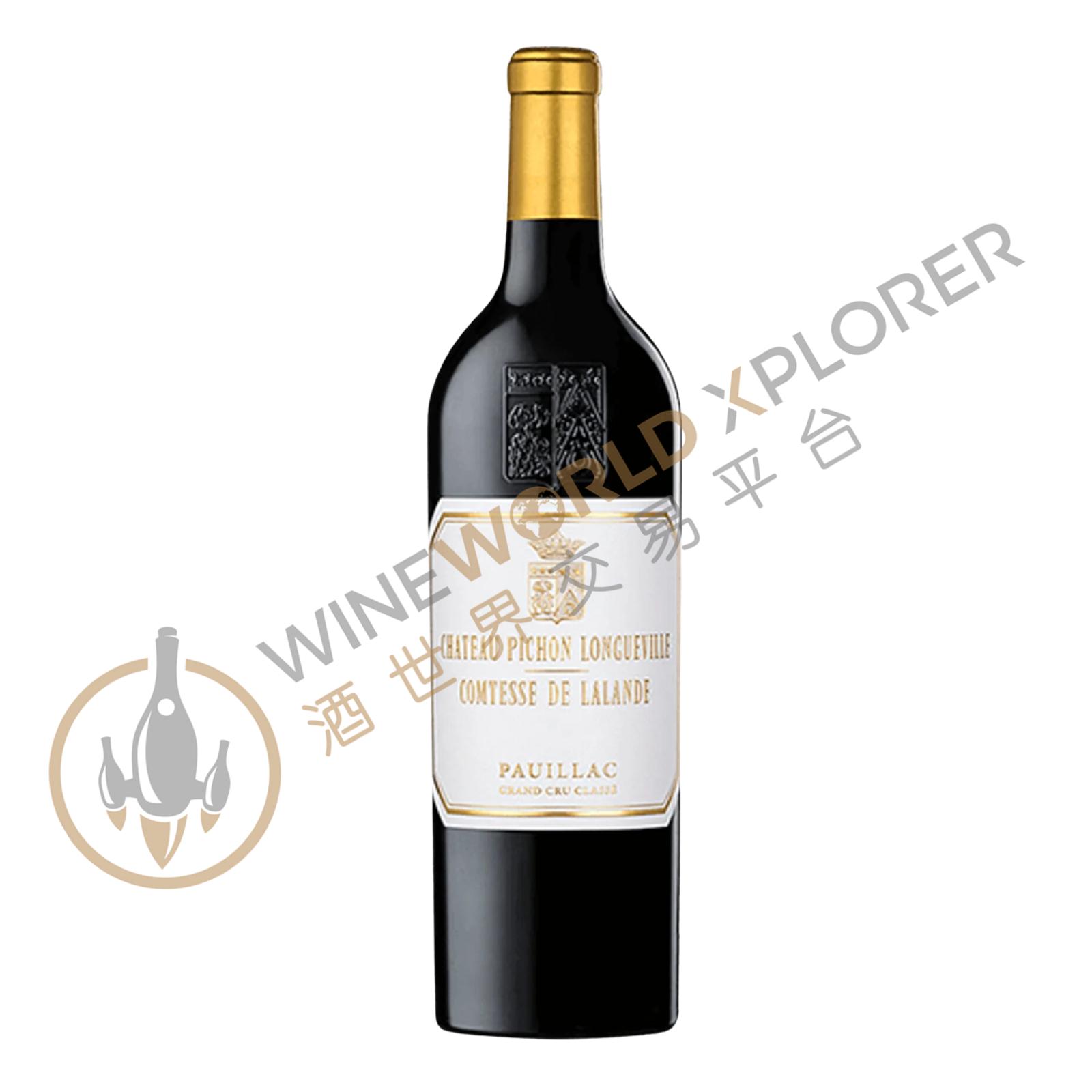
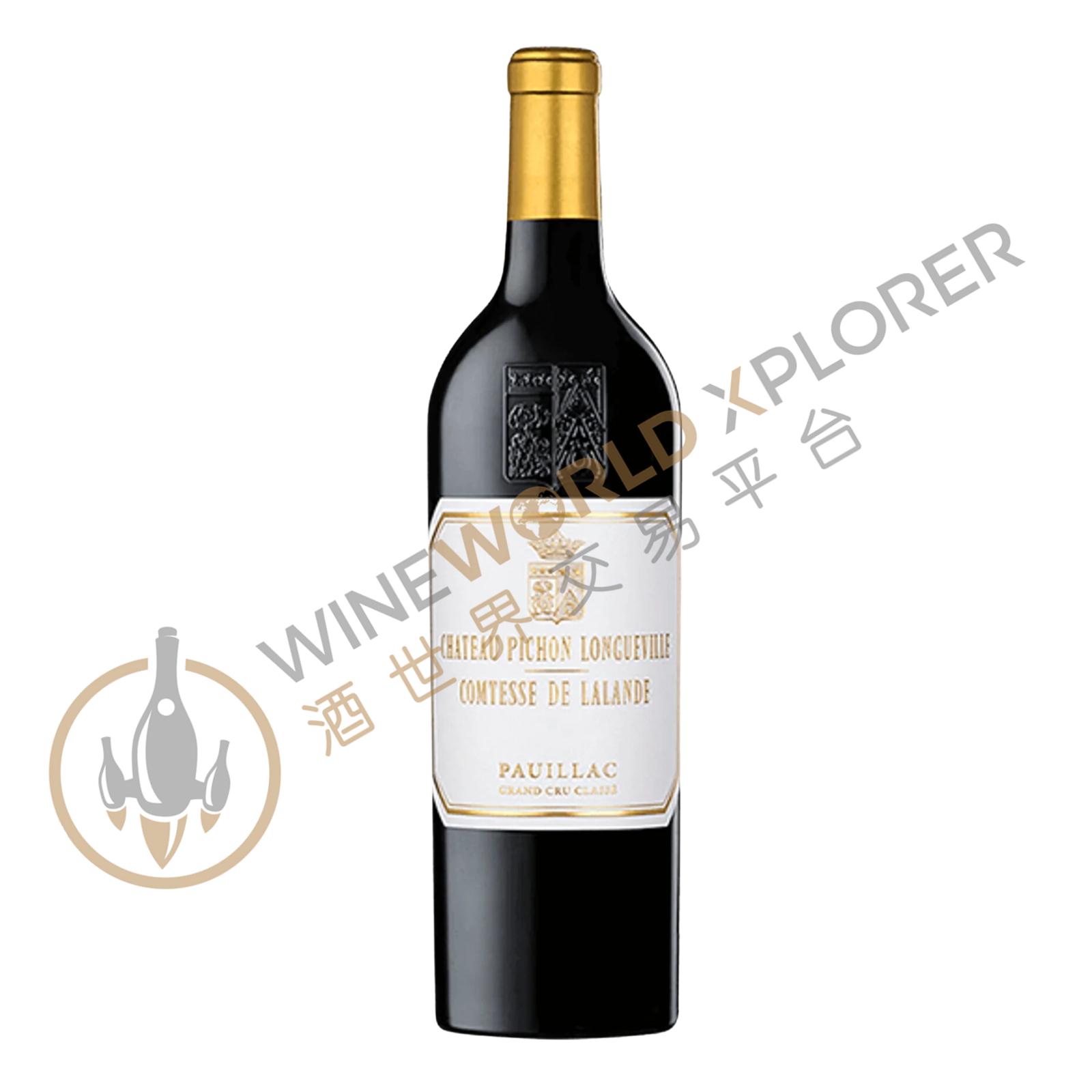
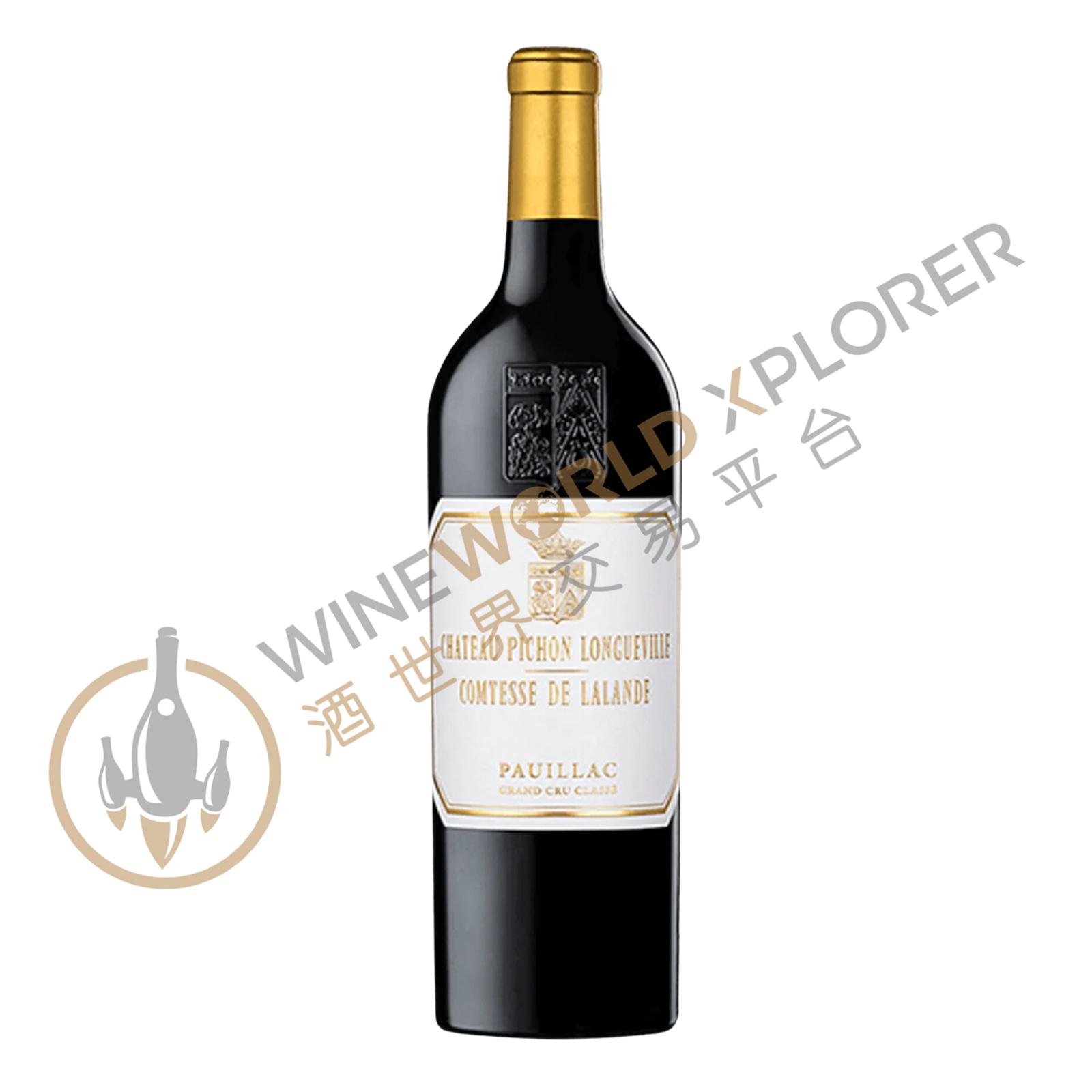
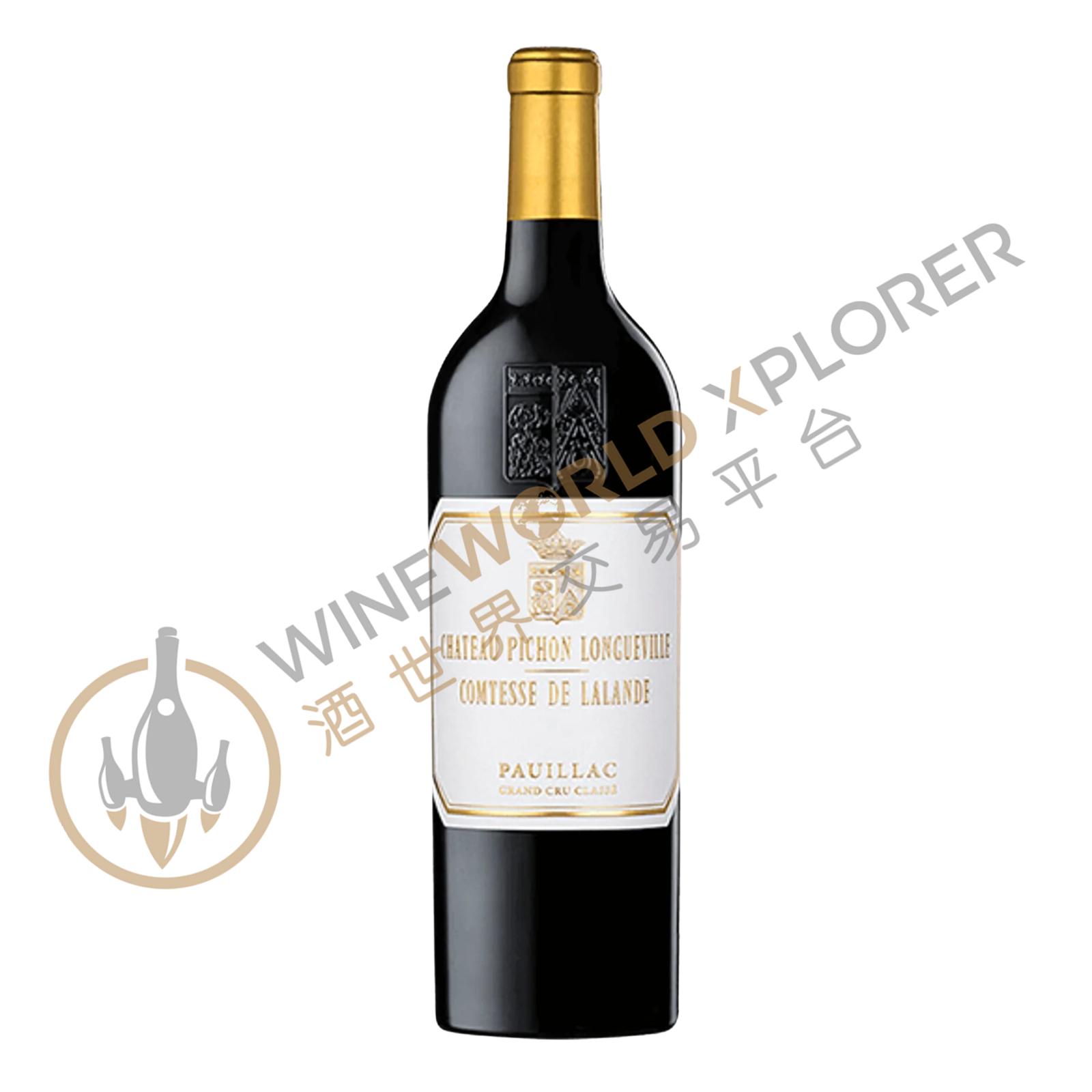
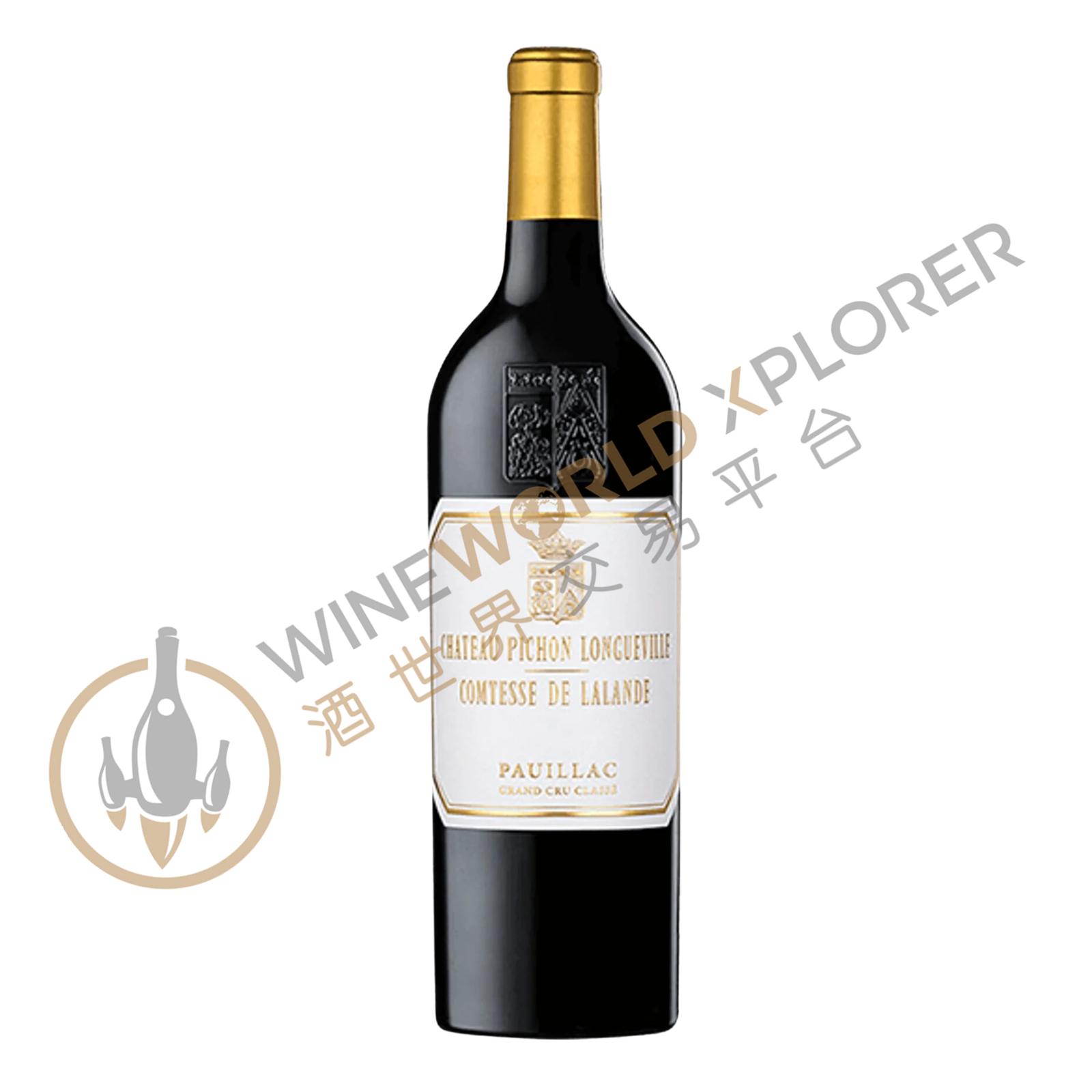
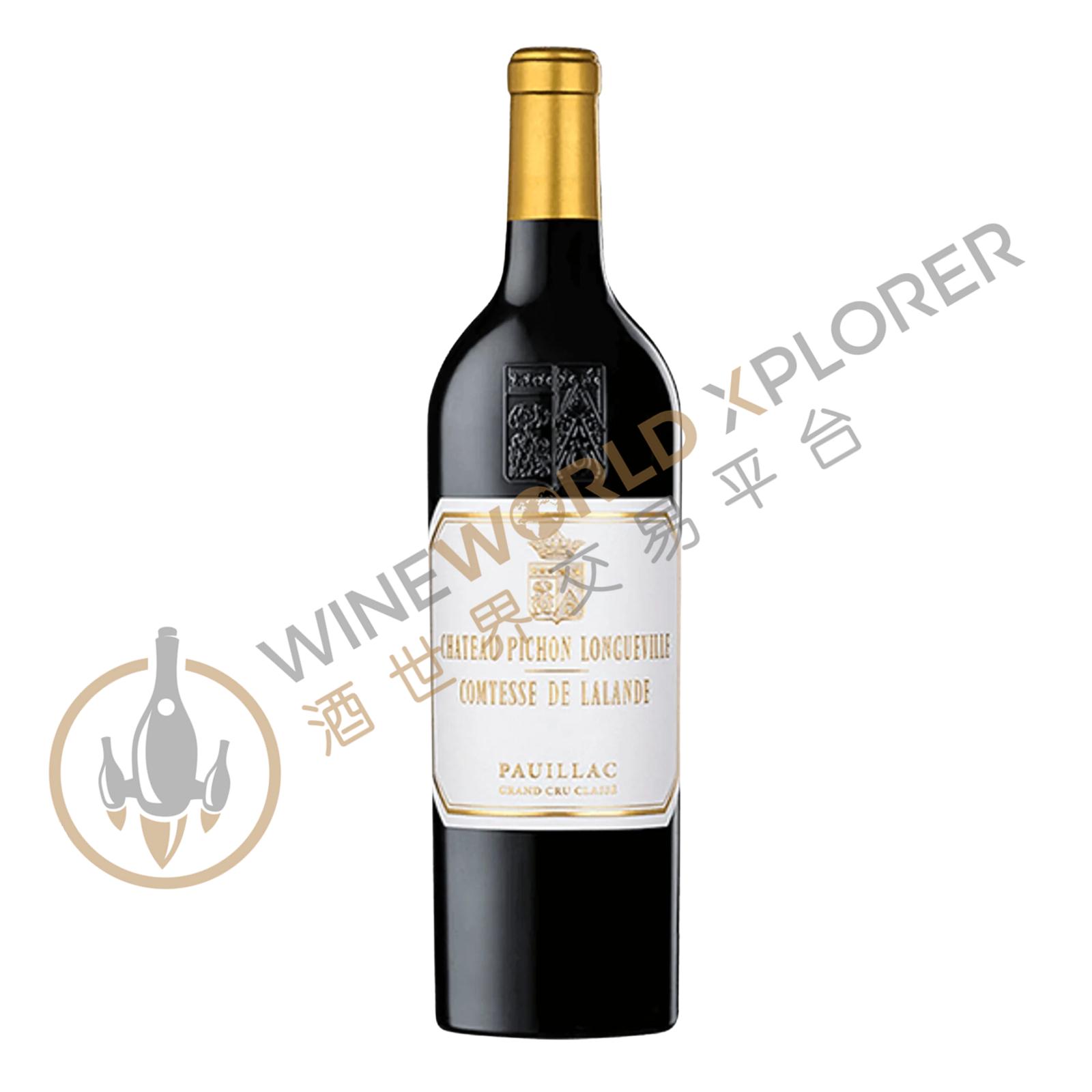
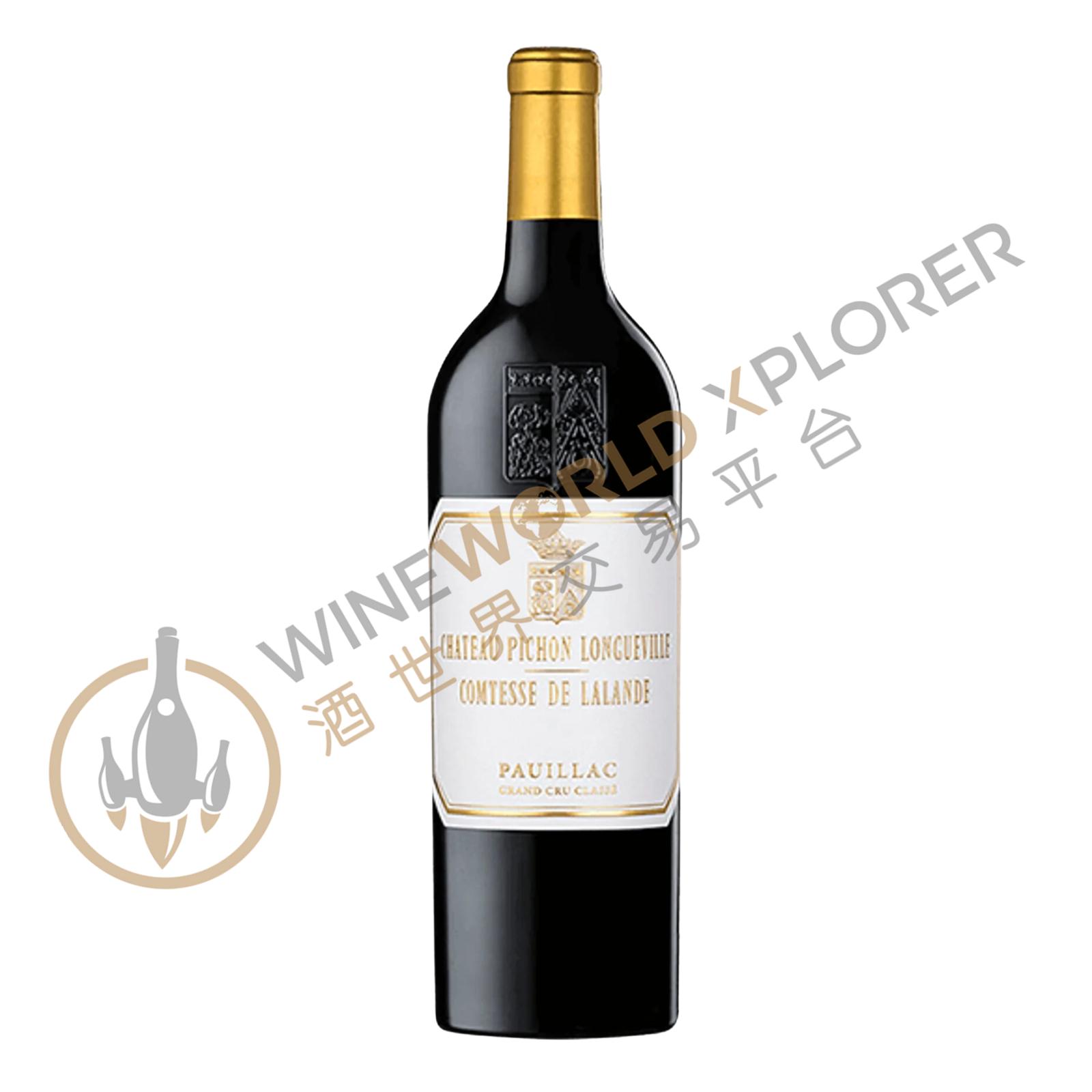
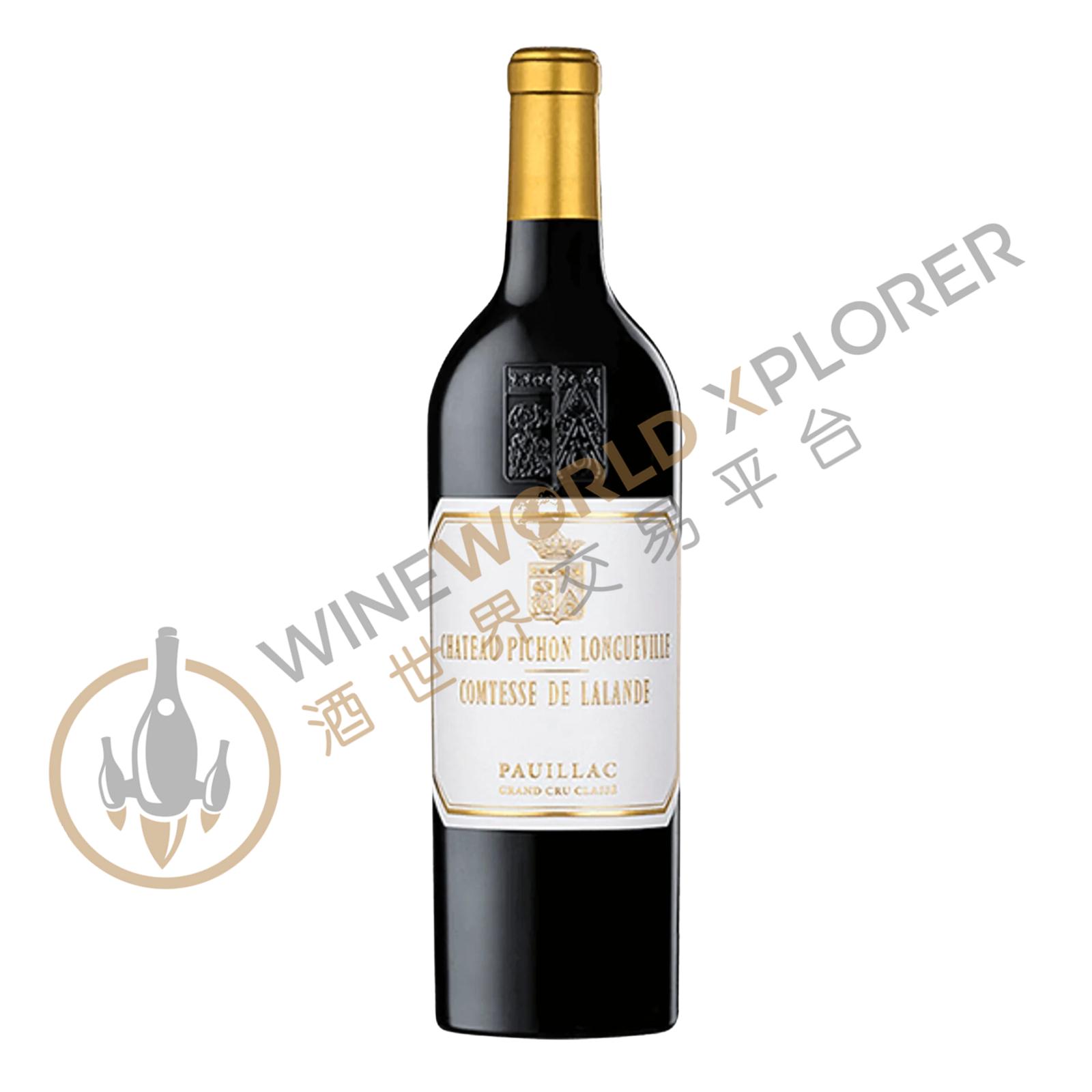
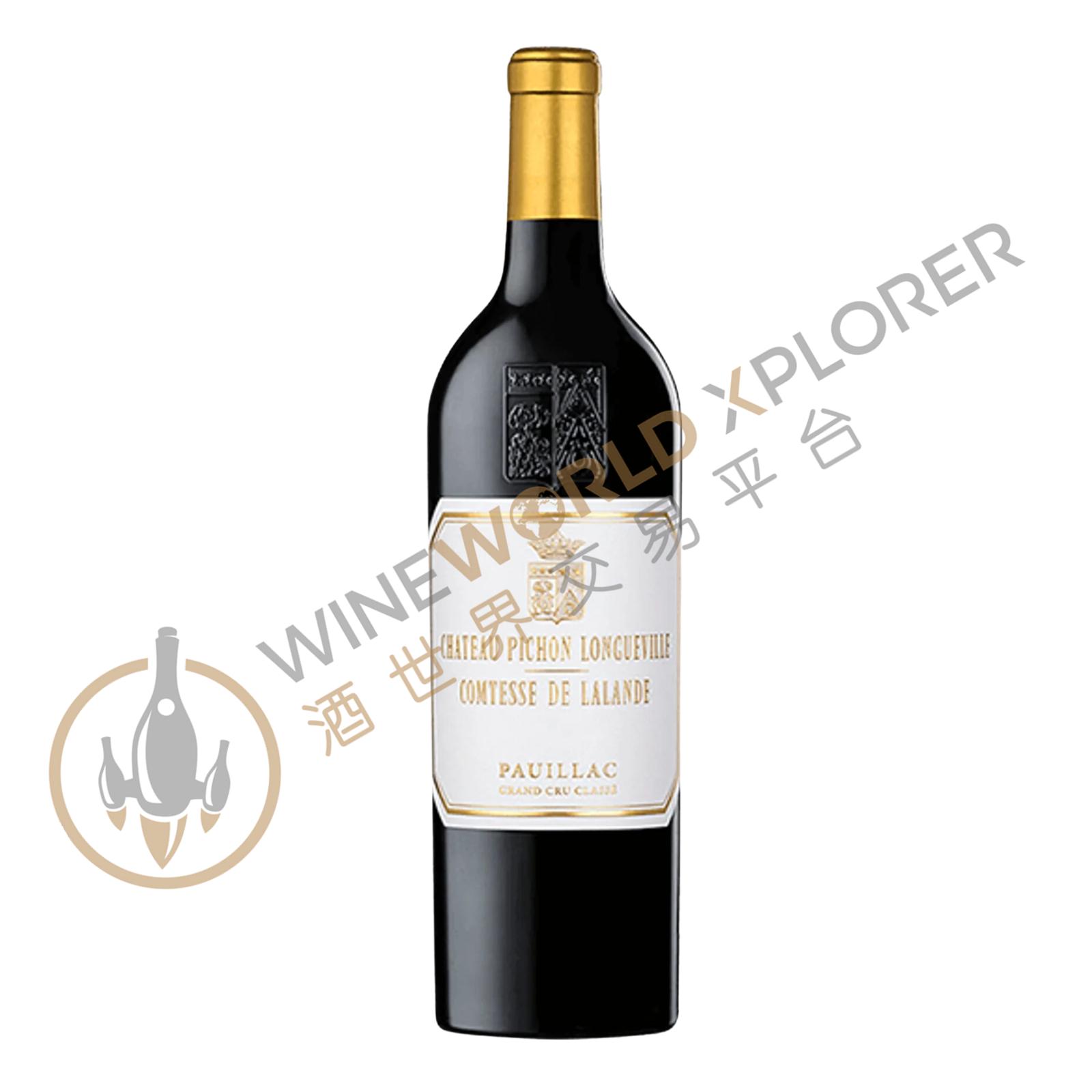
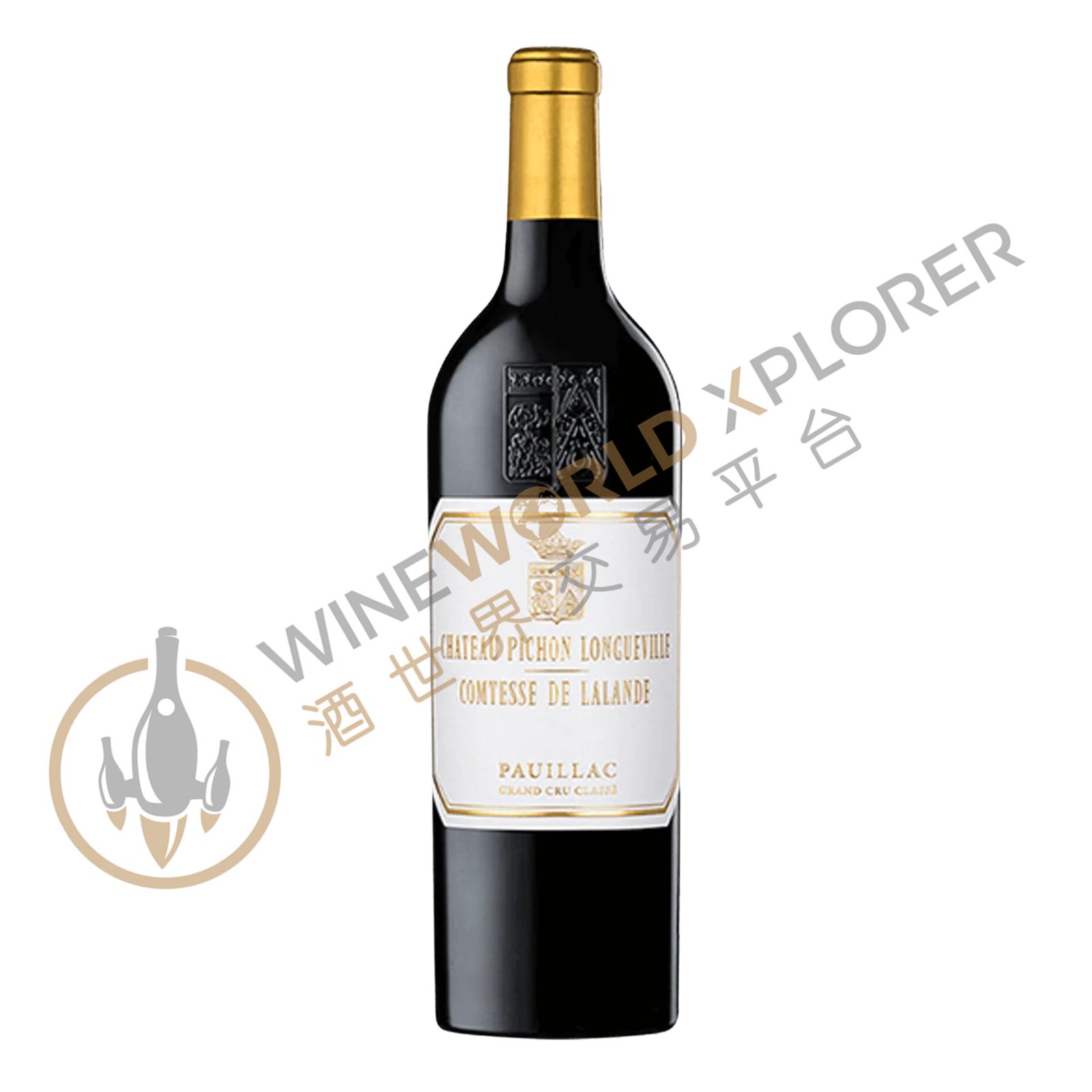
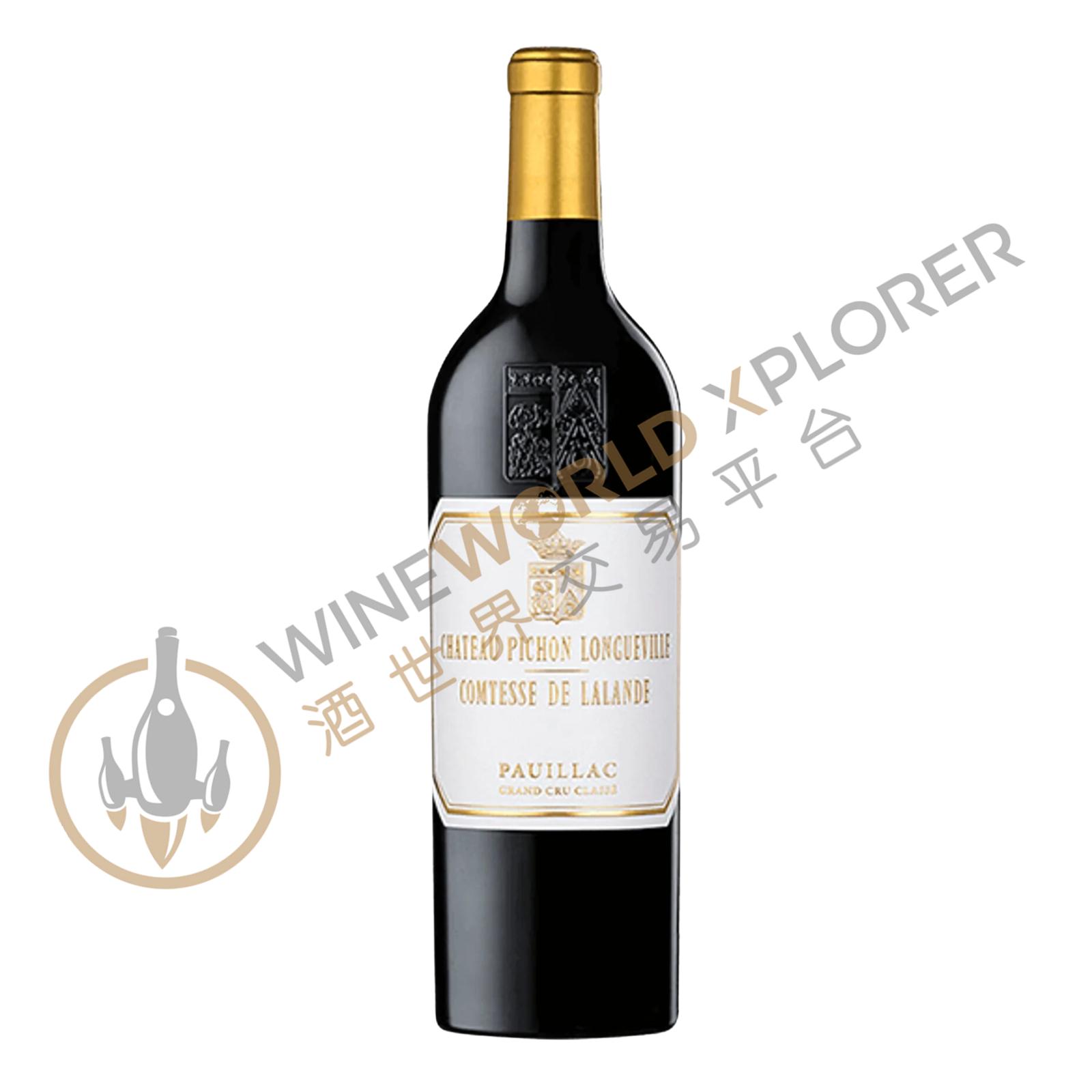
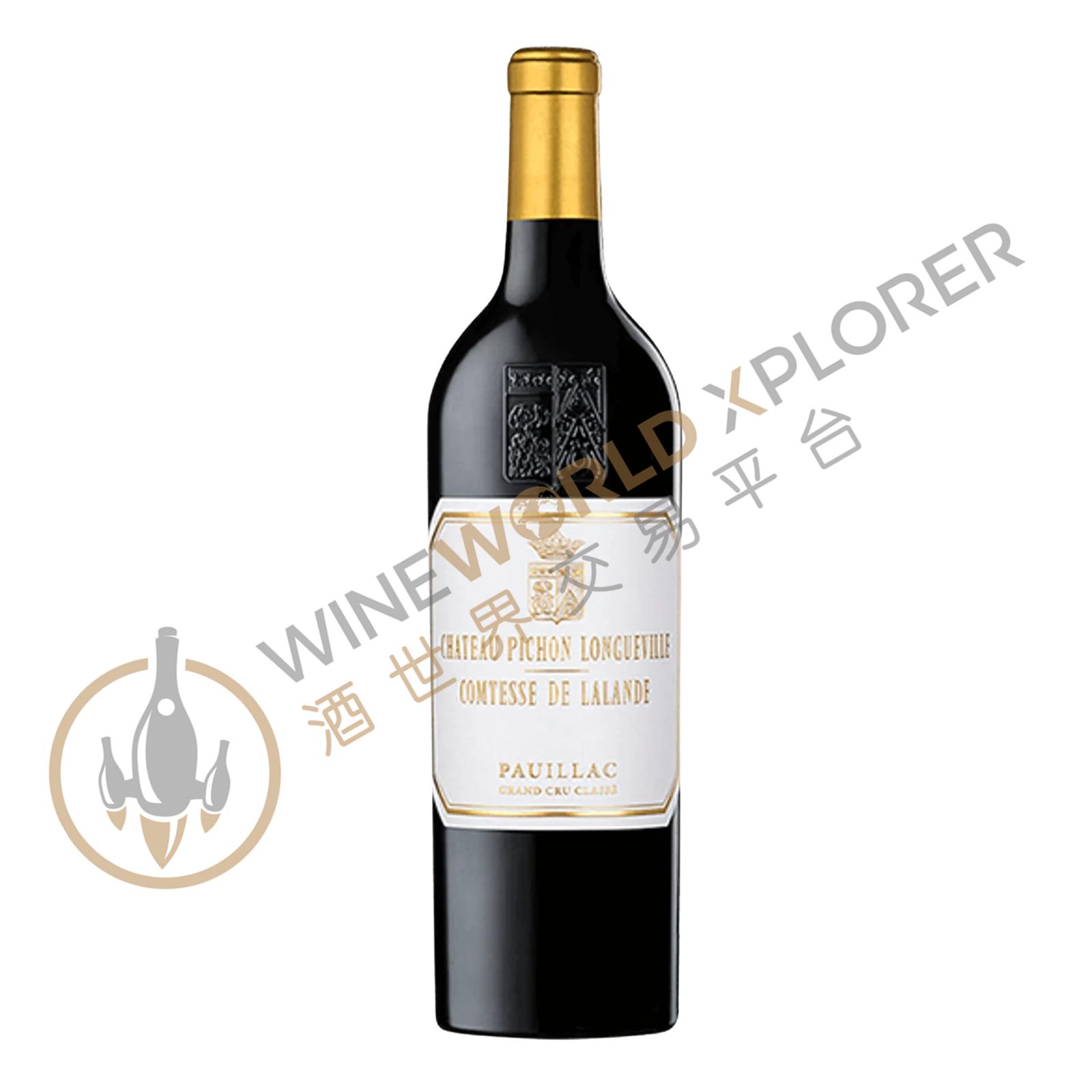
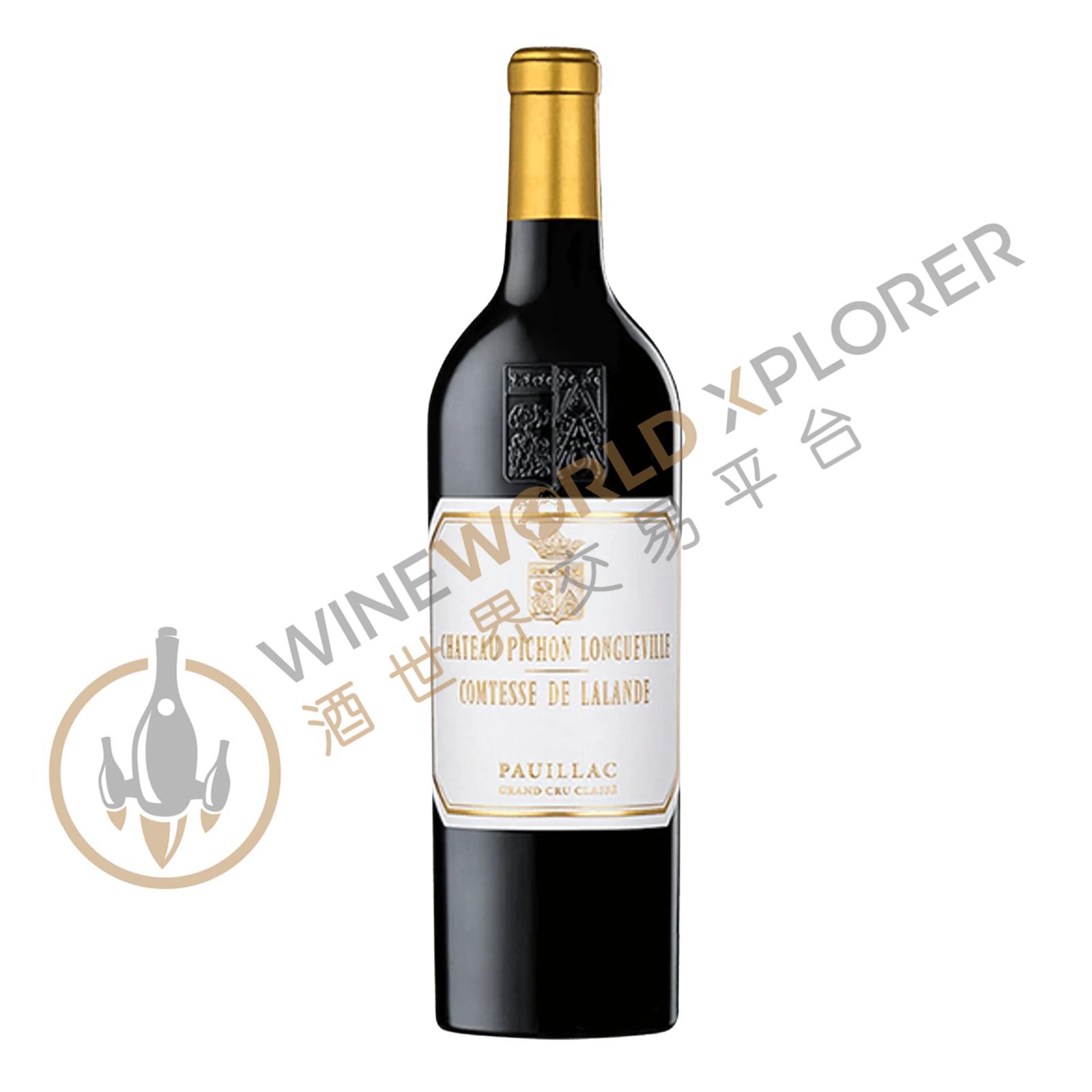
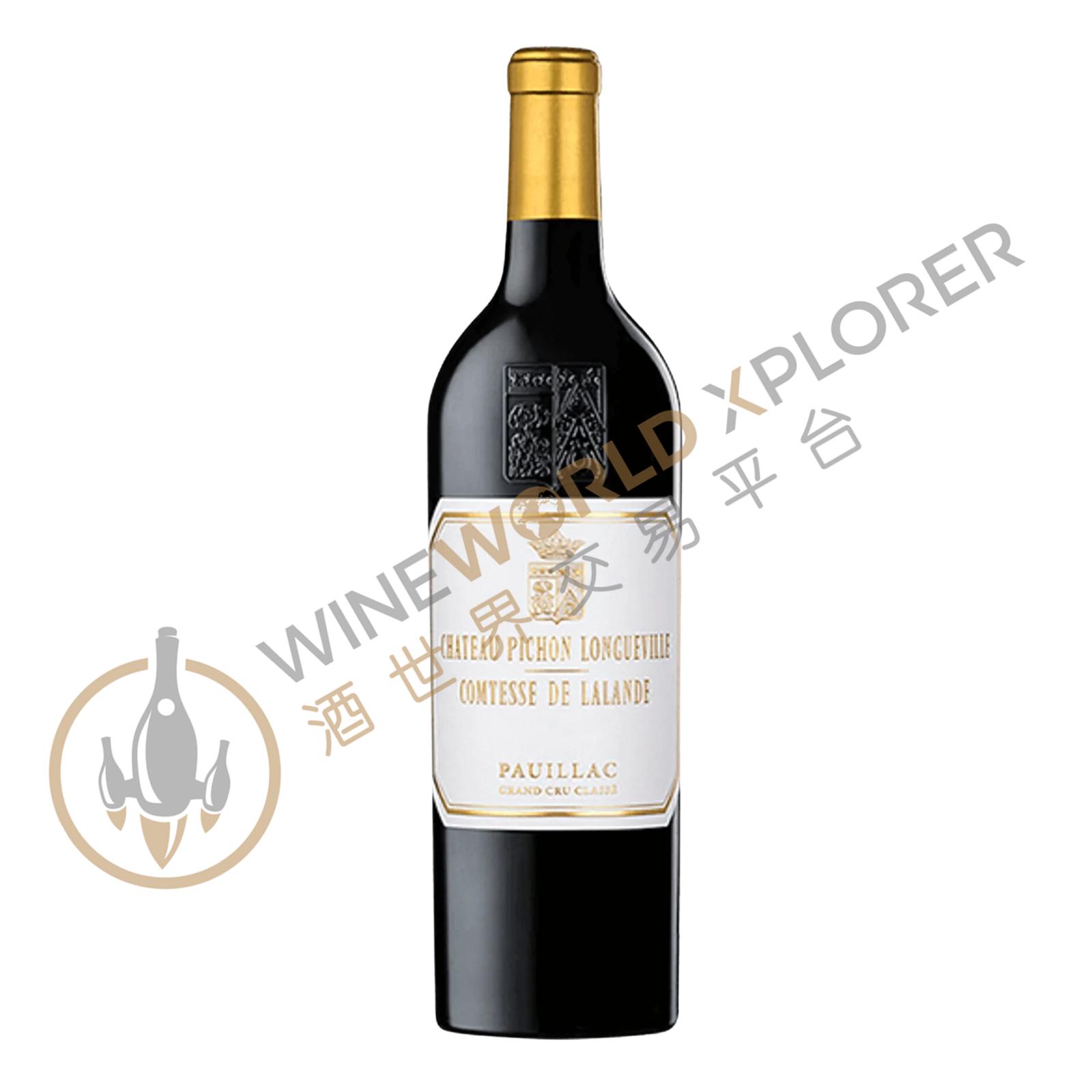
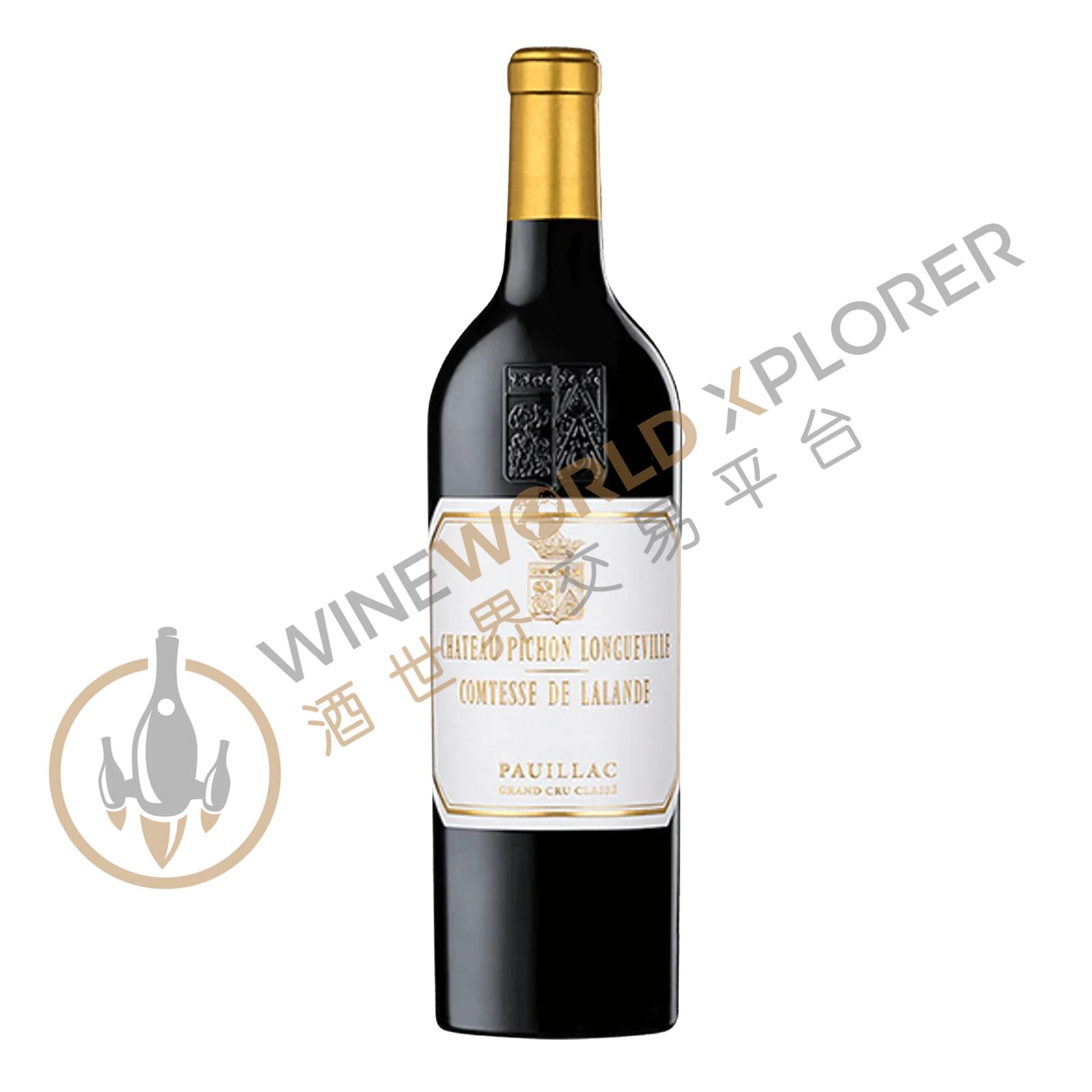
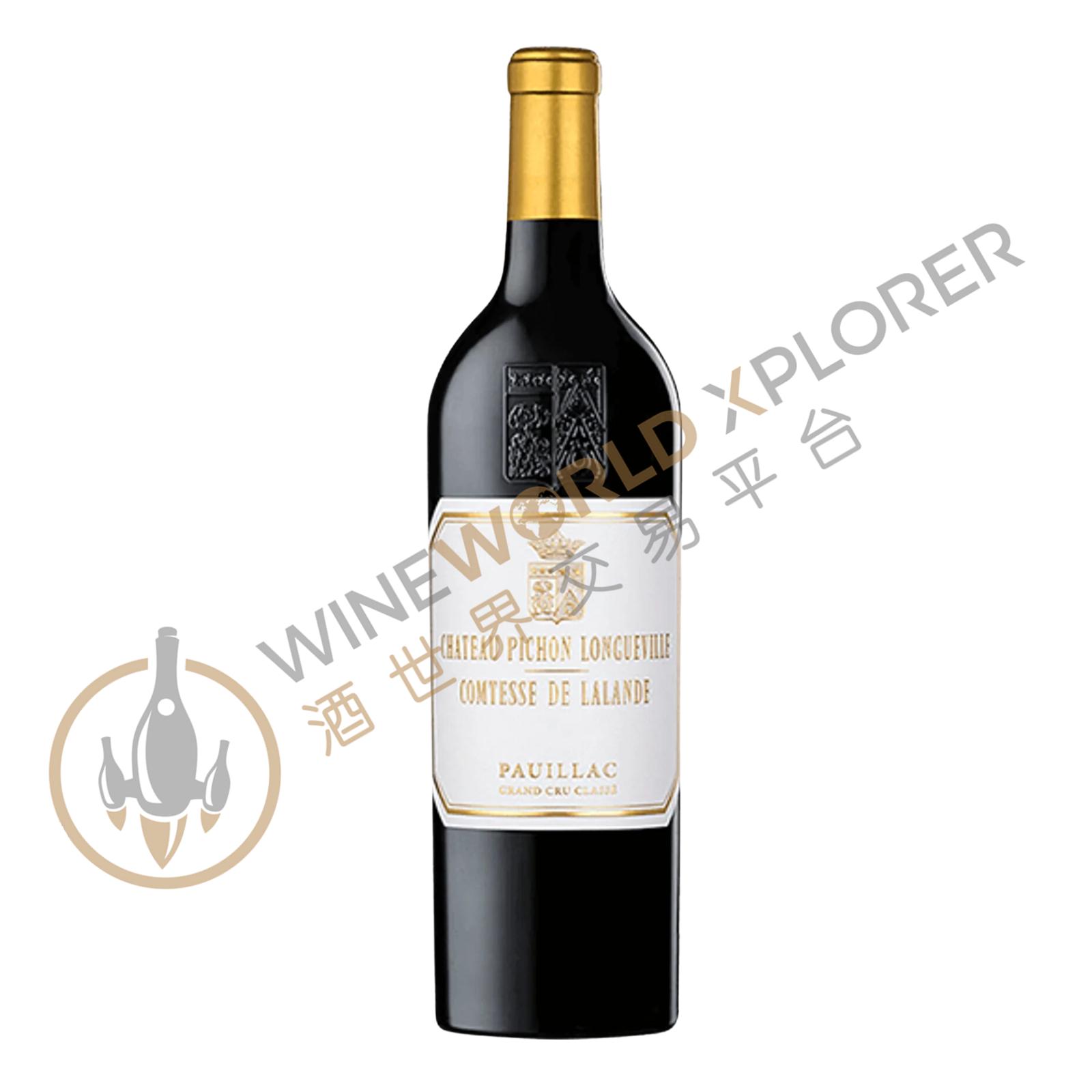
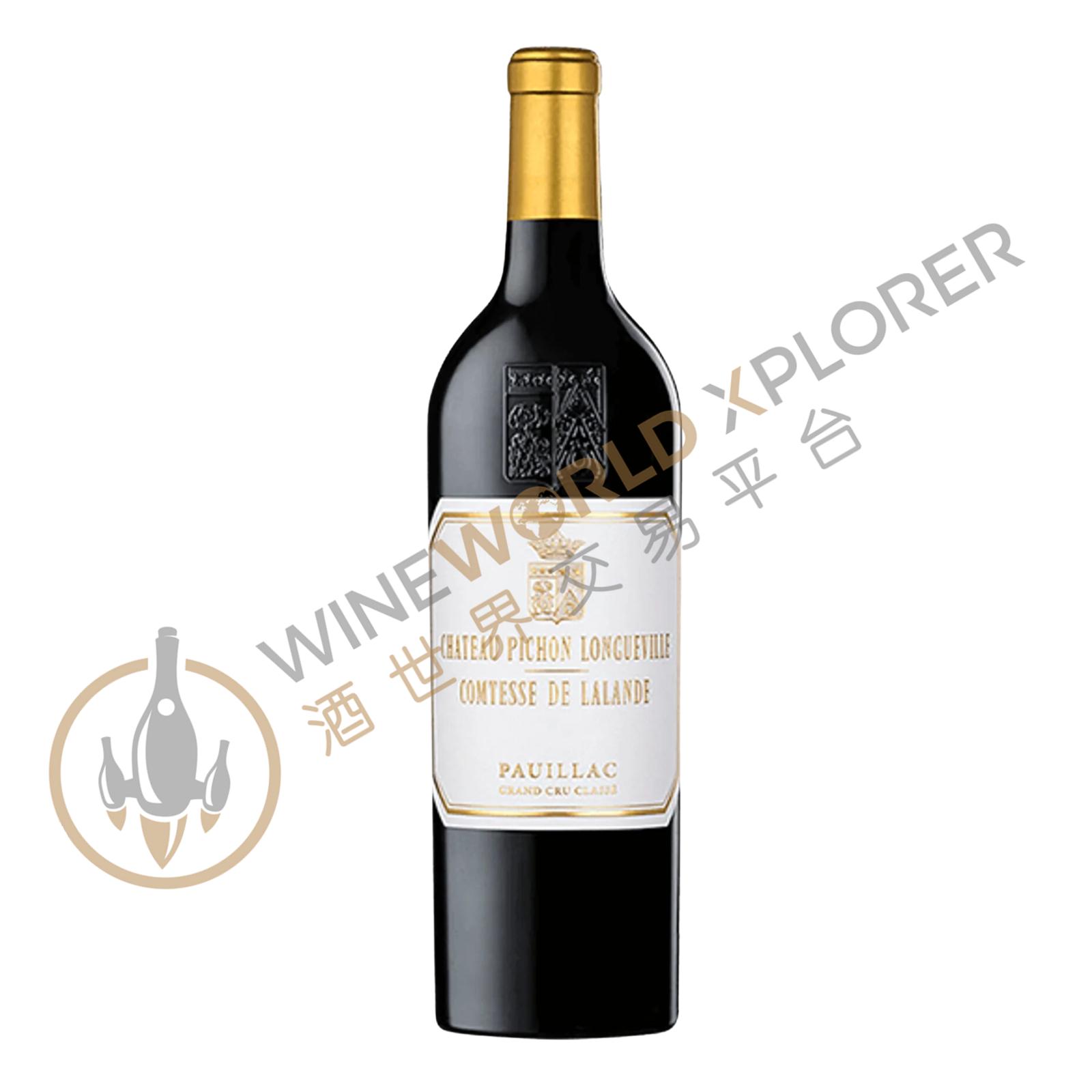
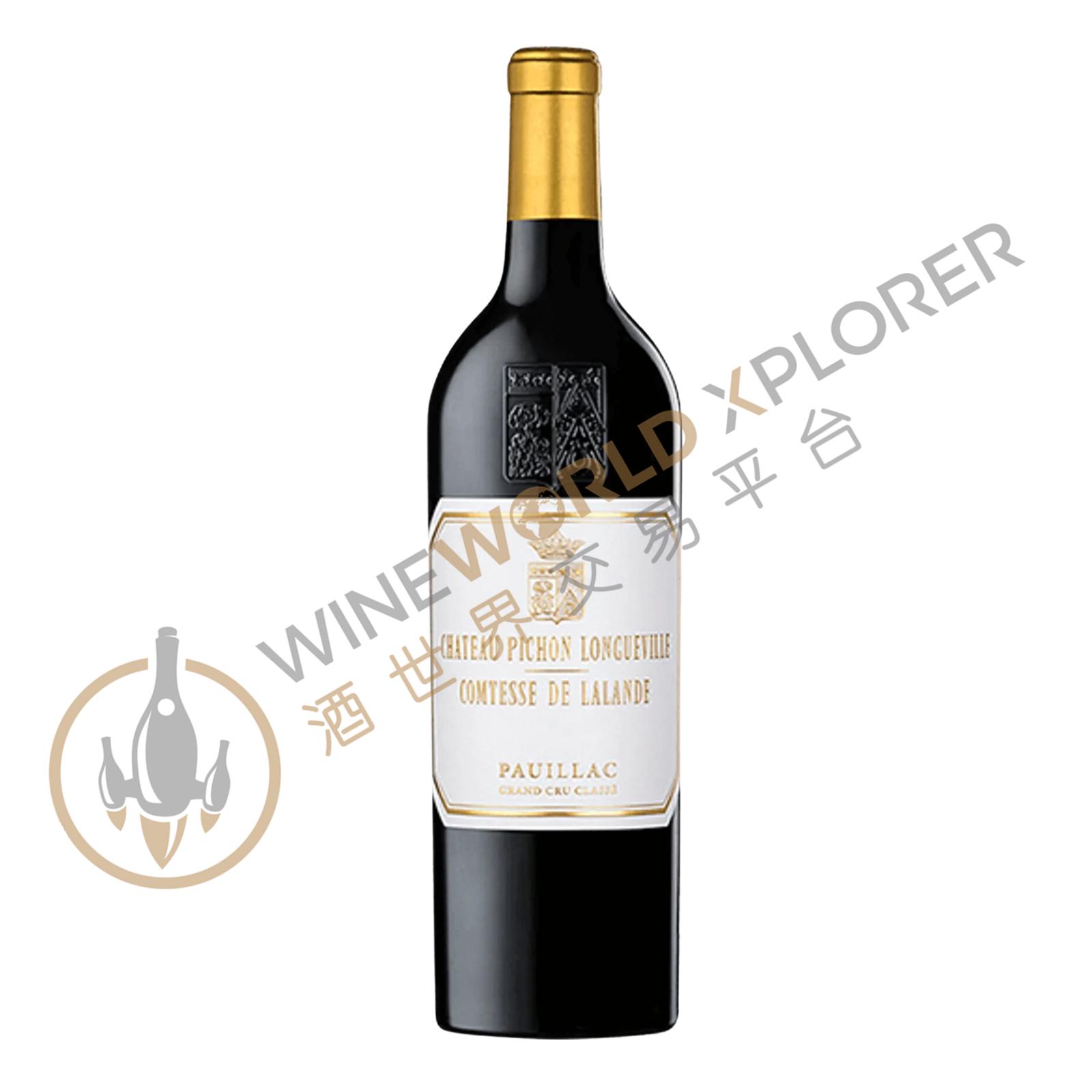
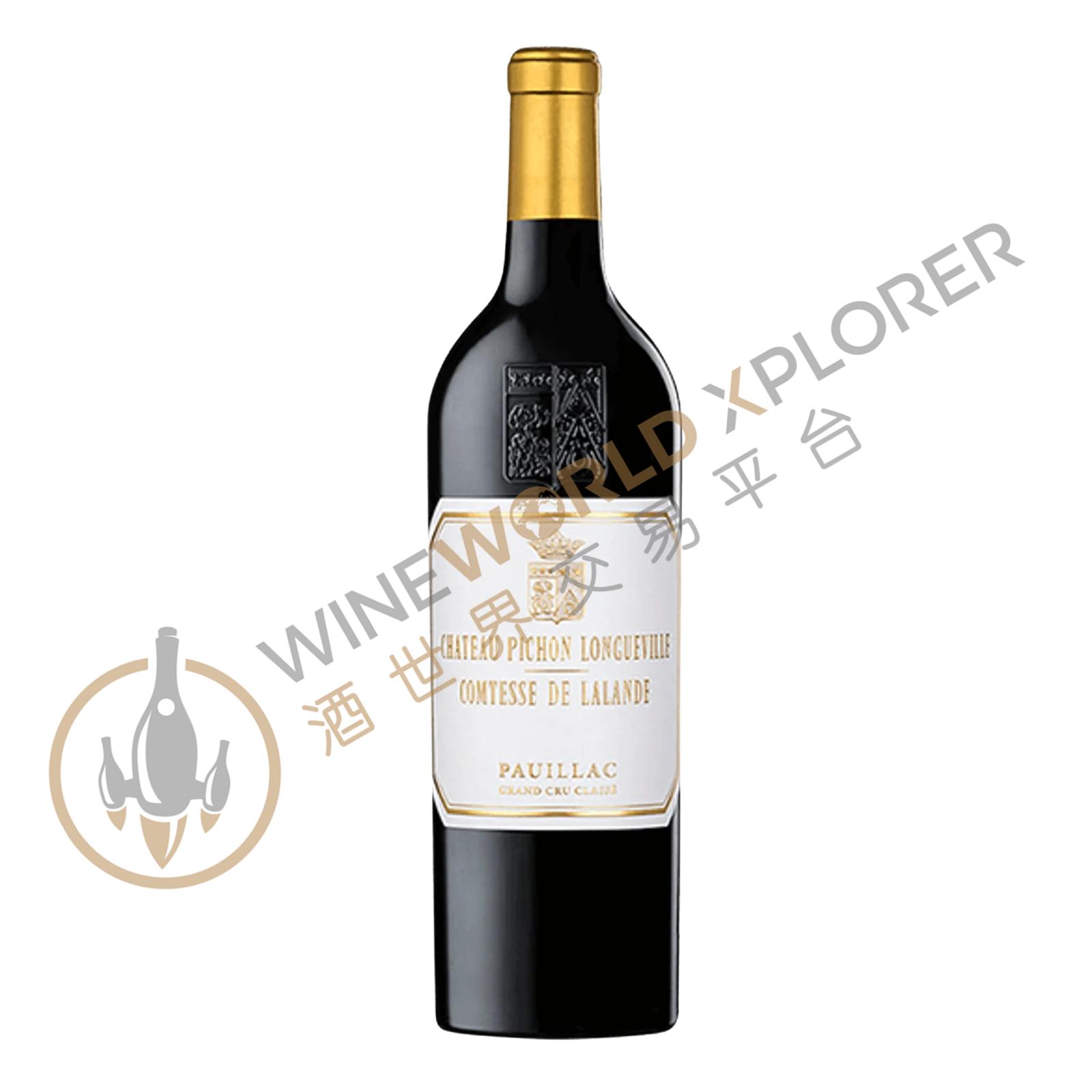
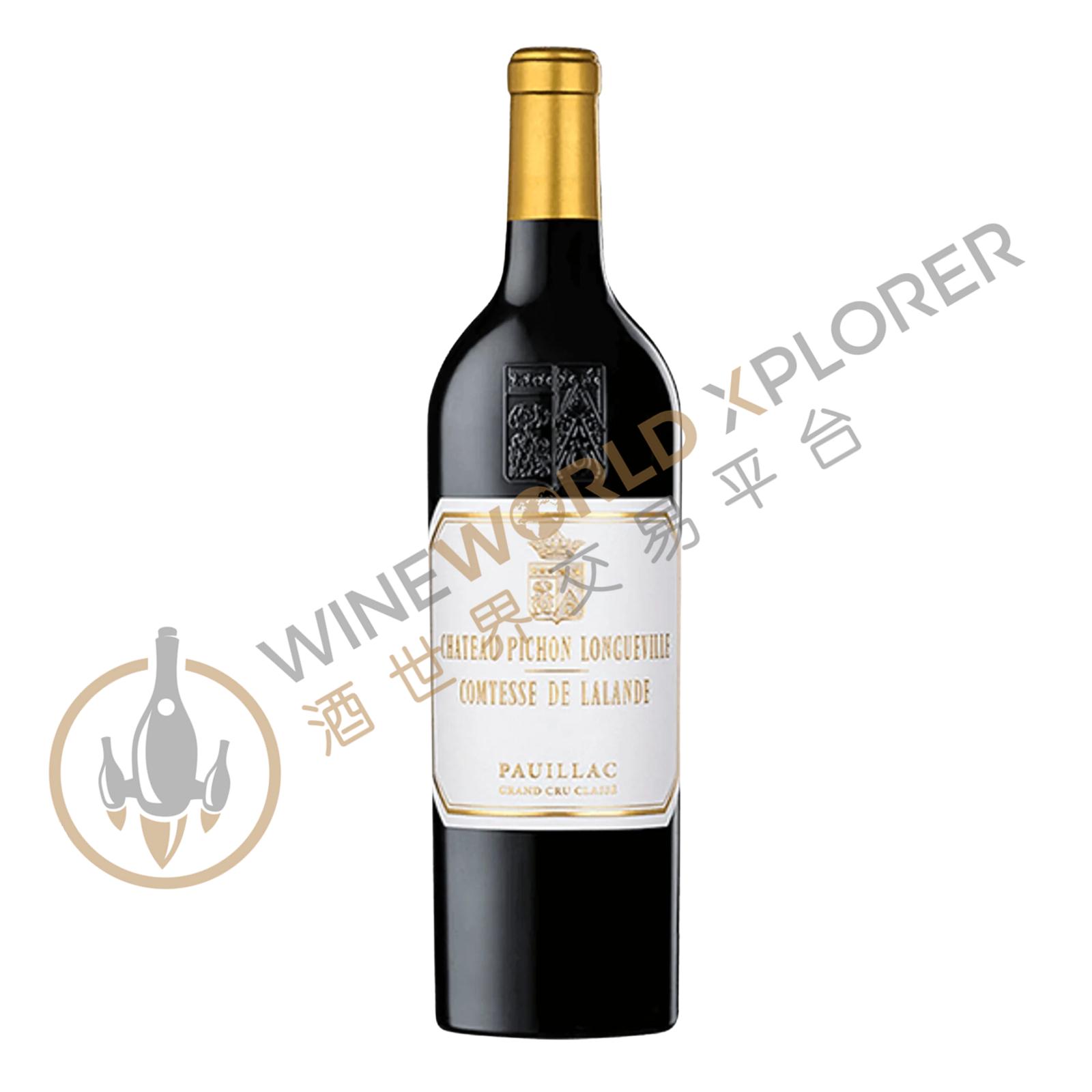
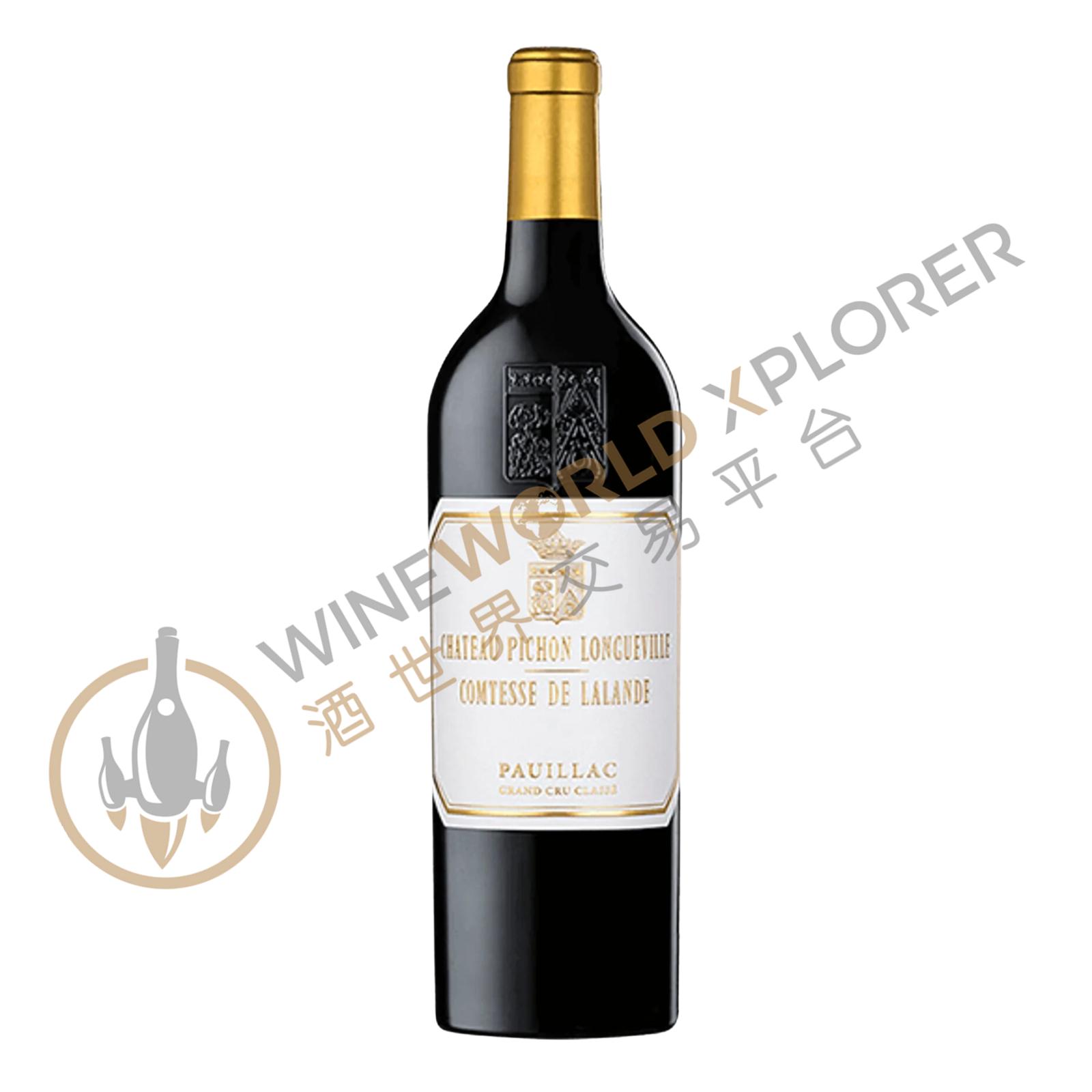
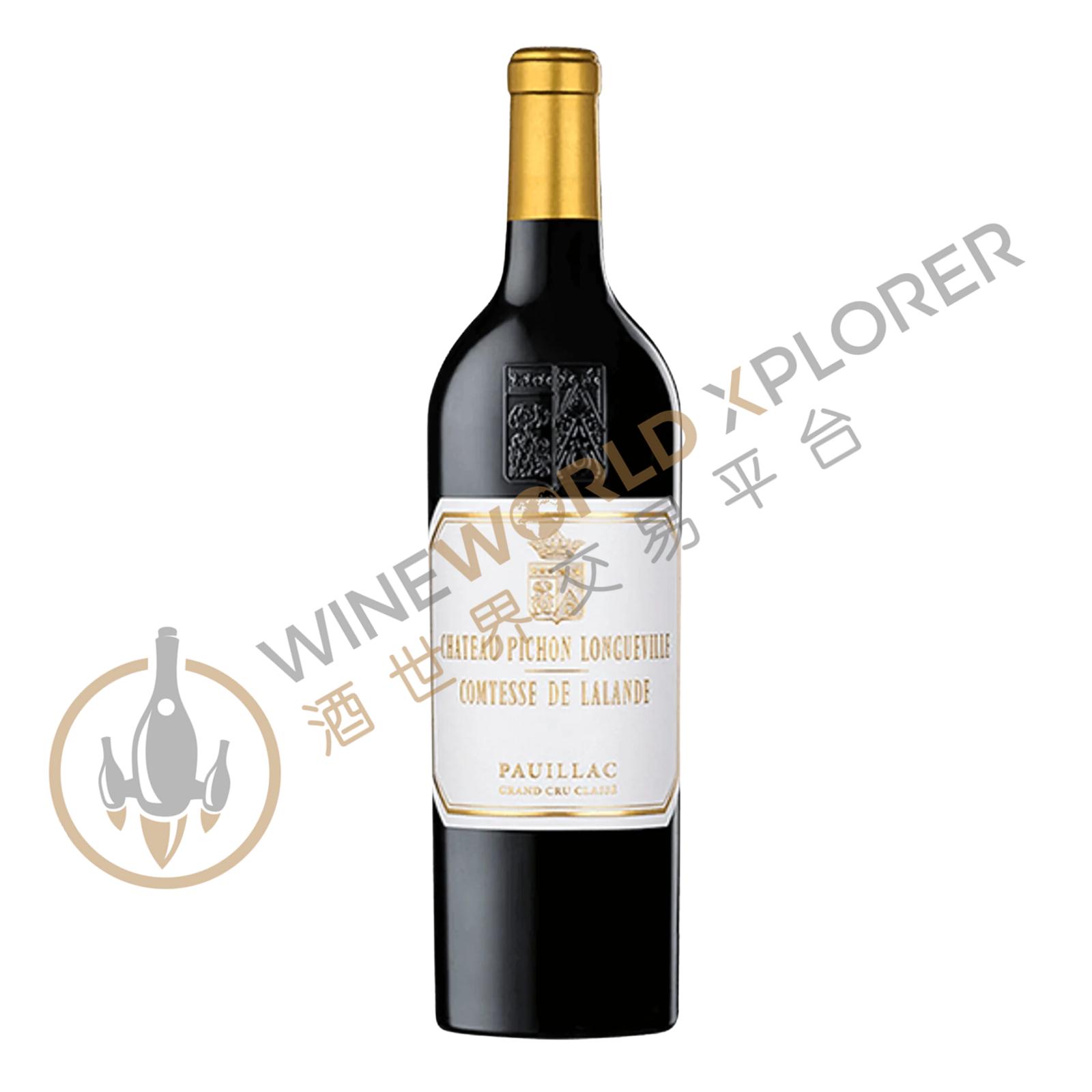
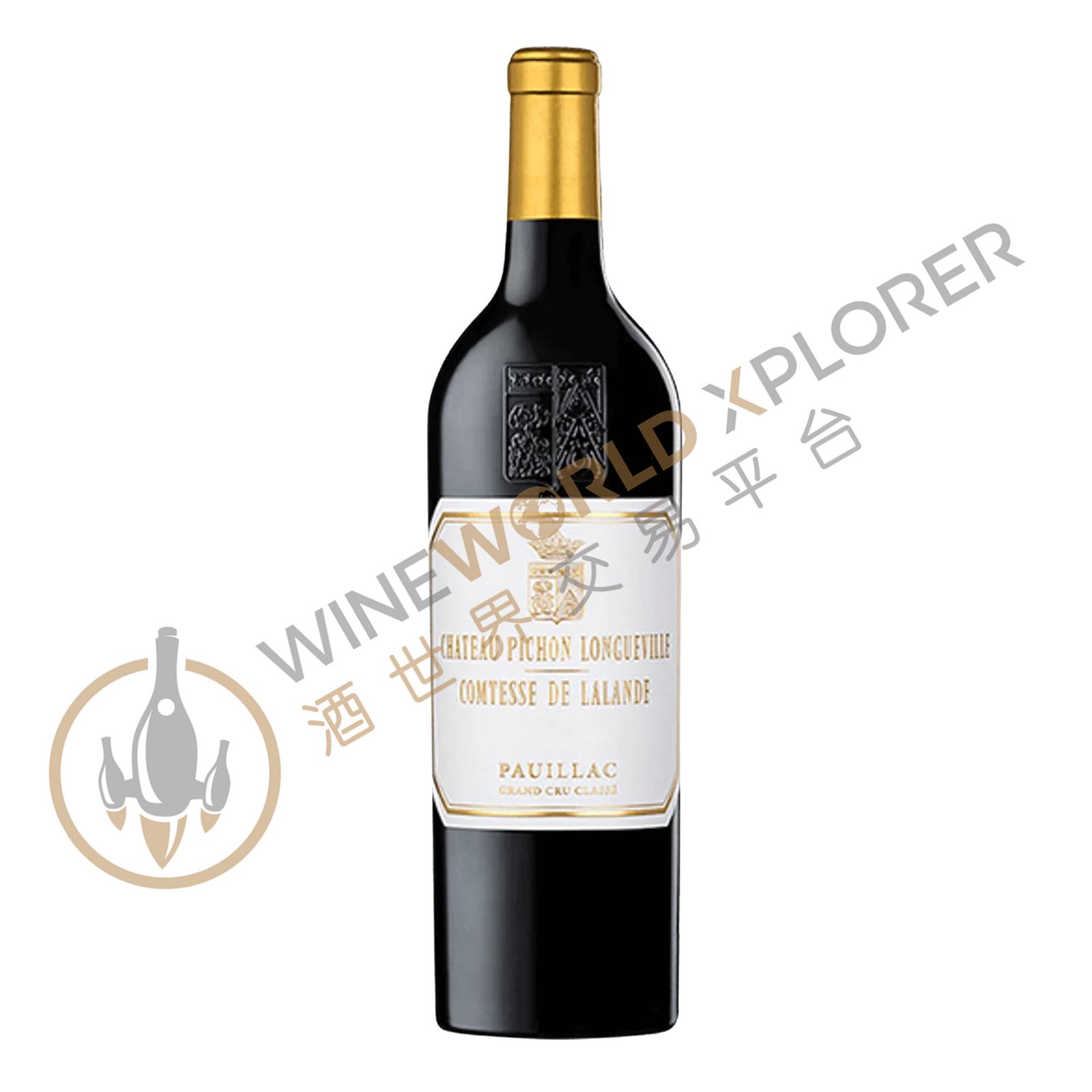
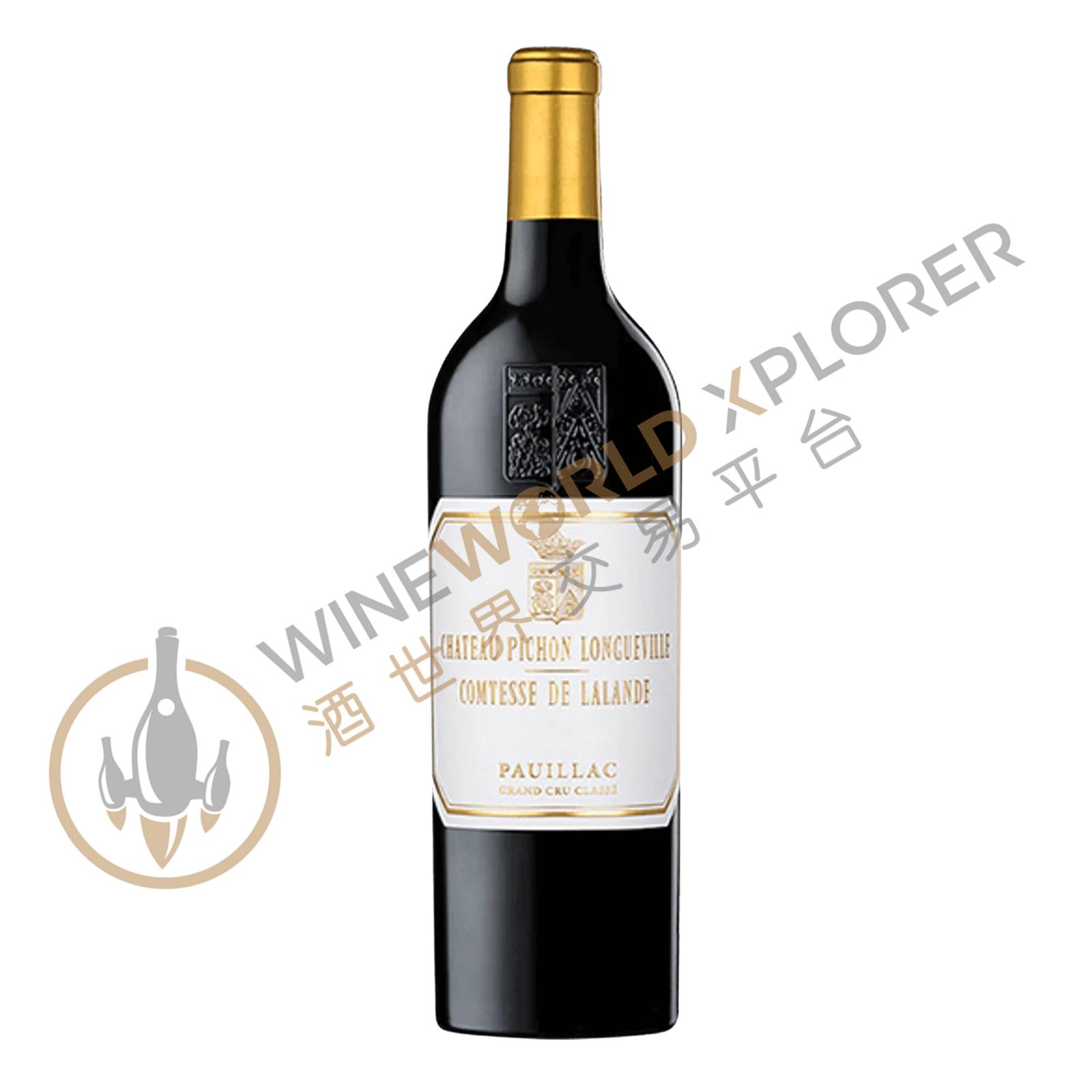
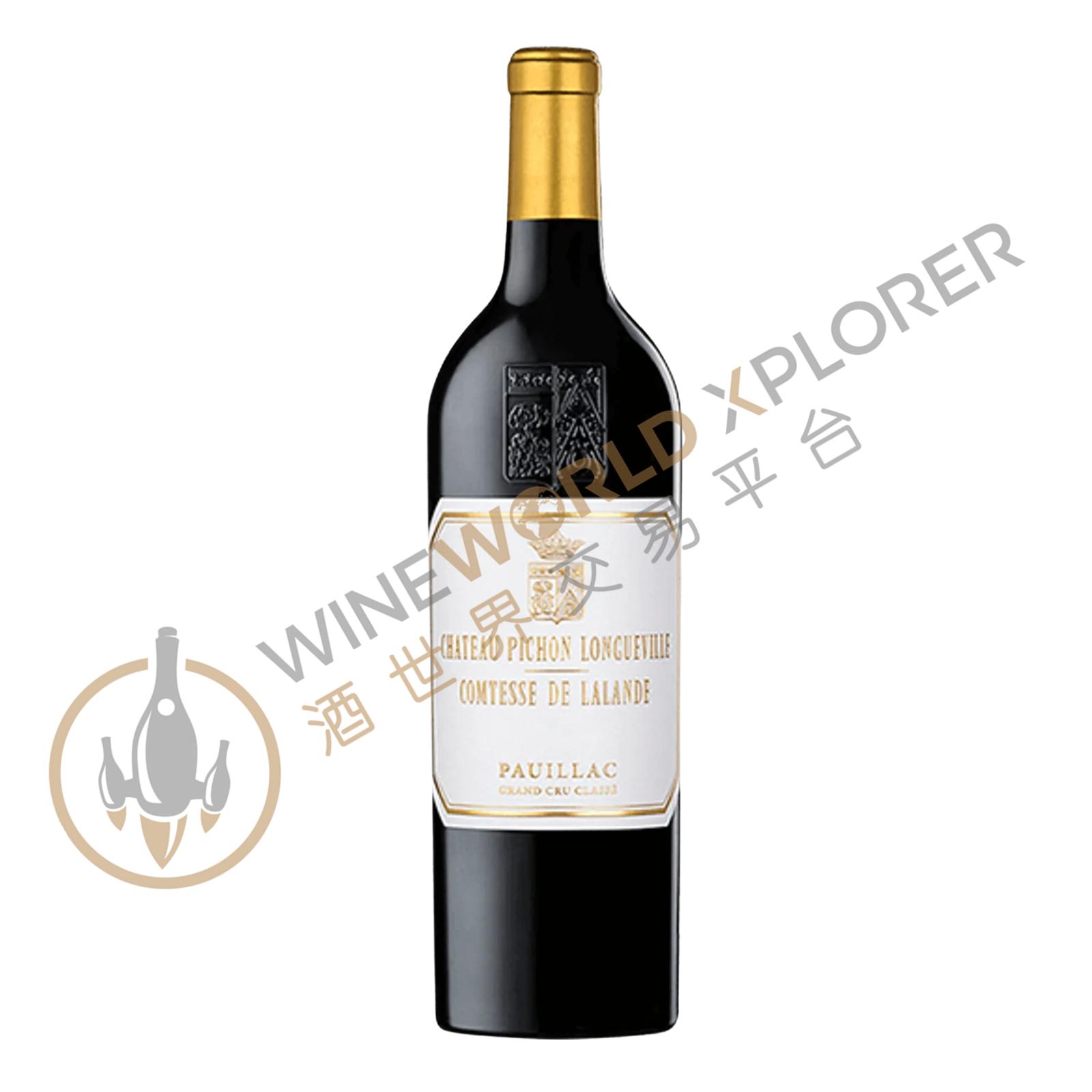
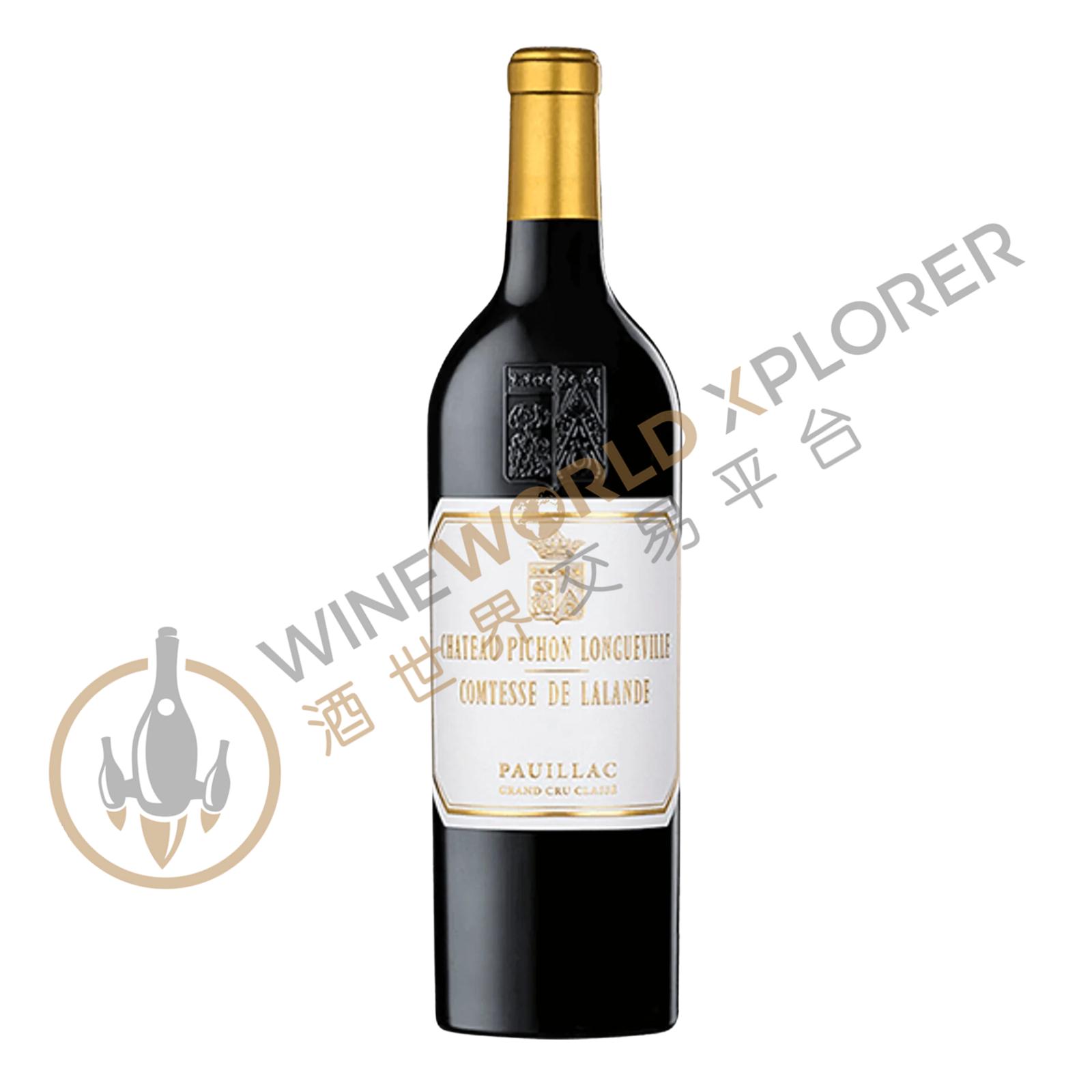
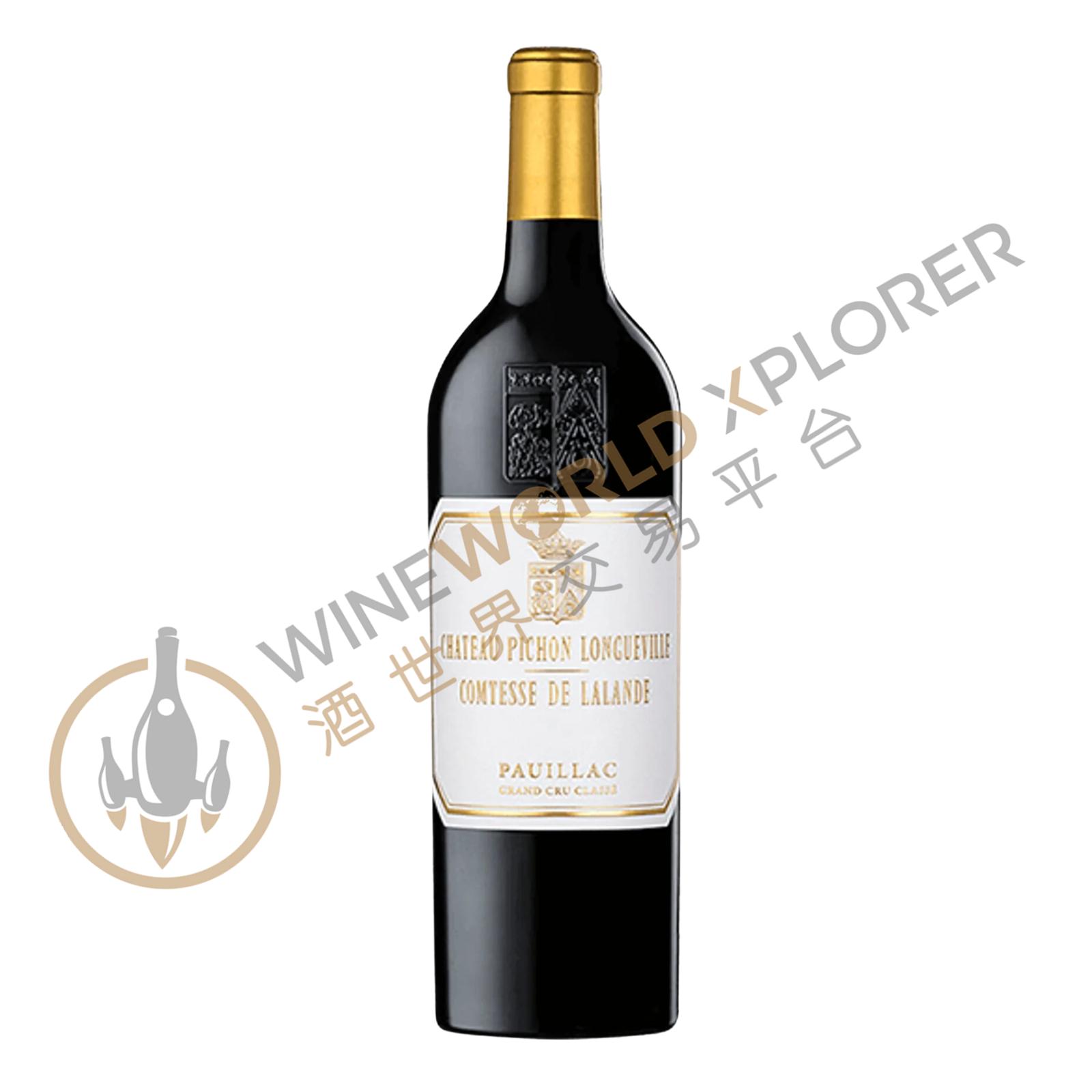
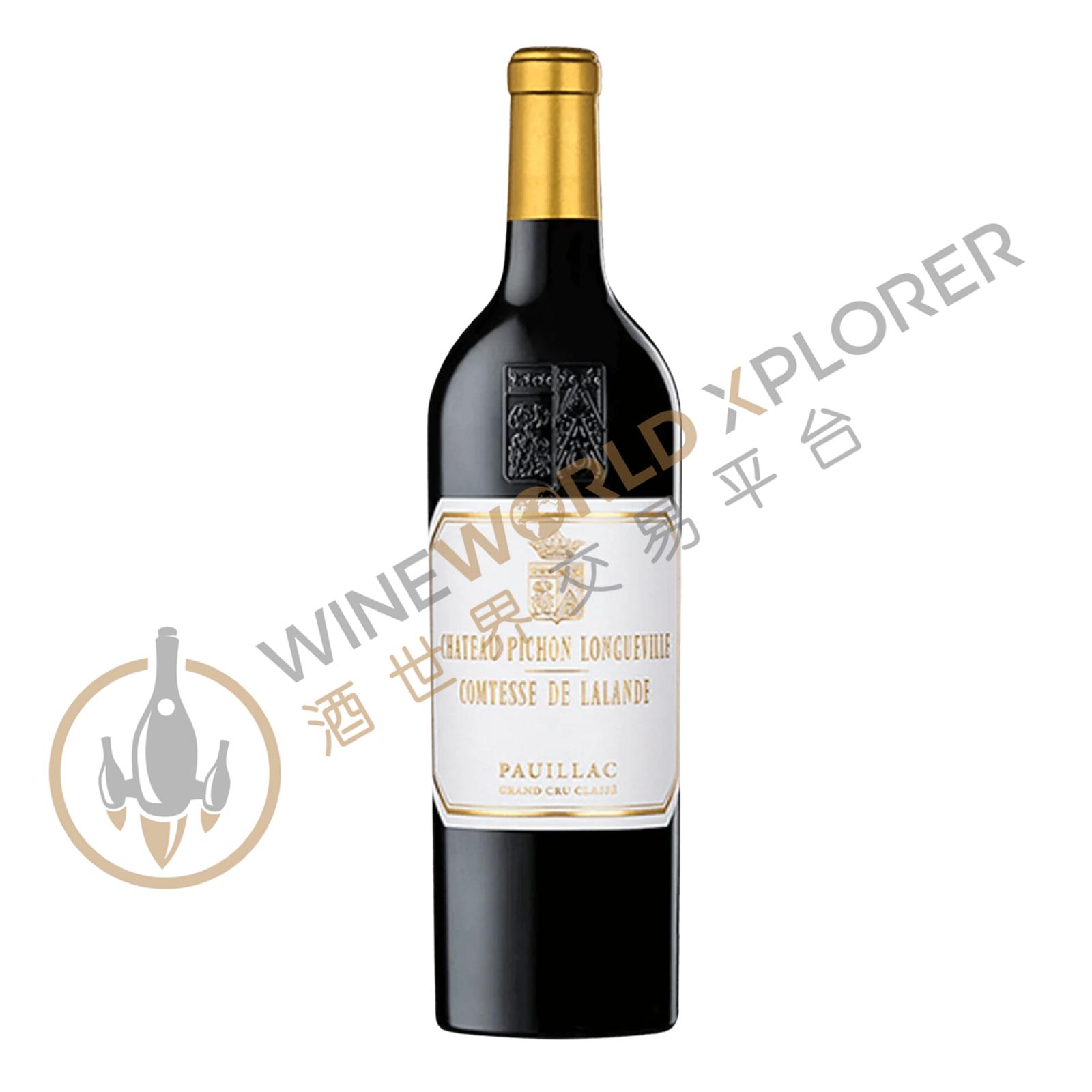
Pichon Lalande 1970
 View analysis


Description
Tasting notes

Reviewed by: Robert M. Parker, Jr.
Last Tasted 8/92 Some surprising amber at the edge of the glass suggests a fully mature wine. The nose possesses a cedary, rusty smell of gamey, leathery fruit. In the mouth, the wine is medium to full-bodied, with coarse tannins in the finish. I have had better bottles, but owners of this wine would be well-advised to consume it.
Reviewed by: Robert M. Parker, Jr.
Based on this tasting, the 1970 Pichon-Lalande appears to be losing its fruit and is in decline. The color revealed considerable rust and amber. The wine exhibited some vegetal, tobacco, cedary, blackcurrant scents, but on the palate the sweet fruit in the attack quickly dissipated to reveal acidity, tannin, and alcohol, as well as a tough finish. I have had better examples, but this wine has been fully mature for many years. It may be fading more quickly than I would have thought.
Reviewed by: Neal Martin
Tasted at the Fine Wine Experience’s Pichon-Lalande vertical in London. This has a dark mahogany core with a tawny rim. The nose is masculine, delineated and meaty, with scents of hot bricks, gravel, tar and earth. Very good vigour and lift with just the right amount of leafiness. The palate is medium-bodied, very well balanced and one of the few 1970 Left Banks to have a degree of elegance and refinement (though not femininity.) It falls apart a little on the disjointed, mushroomy and slightly volatile, brown sugar-tinged finish and given previous bottles, perhaps a wine that has passed its peak but I suspect there are better bottles out there. Tasted December 2008.
Reviewed by: Neal Martin
Faint tawny rim. An open, light-weight nose of cedar and red berries. The fruit is fading on palate that has less depth than Lynch Bages 1970. A fully mature wine, medium-bodied with notes of sandalwood and cedar. Moderate length. Good but not great. Drink up. Tasted again in April 2003, this bottle coming direct from the chateau with a little more structure and vitality.
Reviewed by: Robert M. Parker, Jr.
The 1970 Pichon-Lalande appears to be losing its fruit and is in decline. The color revealed considerable rust and amber. The wine exhibited some vegetal, tobacco, cedary, black currant scents, but on the palate the sweet fruit in the attack quickly dissipated to reveal acidity, tannin, and alcohol, as well as a tough finish. I have had better examples, but this wine has been fully mature for many years. It may be fading more quickly than I would have thought. Last tasted 6/96
About the Producer
Pichon Lalande is arguably the best known Super Second Pauillac for its quality consistency and quintessential Bordeaux claret expression. Neighbouring Chateau Latour and lying just right opposite Chateau Pichon Baron, Pichon Lalande, as its name suggests, has long seen extended female owner influence since the 1850s. Back in the 1850s, the original Pichon Lalande got broken down into two-fifth being renamed as Pichon Baron and three-fifth remaining as Pichon Lalande upon the passing of Baron Joseph de Pichon Longueville. The three-fifth was run by the three daughters of the Baron himself and over the course of a few years, Pichon Baron and Pichon Lalande took on distinctive styles - with the former being more a masculine expression and the latter, feminine. Female ownership and influence continued, with little interruption, till the modern days. Pichon Lalande's string of female leaders have contributed to the continuous modernization of Pichon Lalande's vineyards and cellars; as well as the doubling of vineyard area during the 1970s - 90s. Today, Pichon Lalande's feminine expression continues to prevail - whilst the team is placed under the leadership of a former opera singer turned winemaker gentleman named Nicolas Glumineau. Conversion to biodynamic viticulture (fully by year 2021), continuous investments in precision winemaking facilities see Pichon Lalande continue to be revered among leading critics. Pichon Lalande is planted to 65% Cabernet Sauvignon, 25% Merlot, 7% Cabernet Franc and 3% Petit Verdot. It is the predominant Cabernet Sauvignon presence in Pichon Lalande's wines that make this wine such a capable representation of Pauillac's deep gravelly terroir.
1928(1)1969(1)
Package Size