Wine Advisor



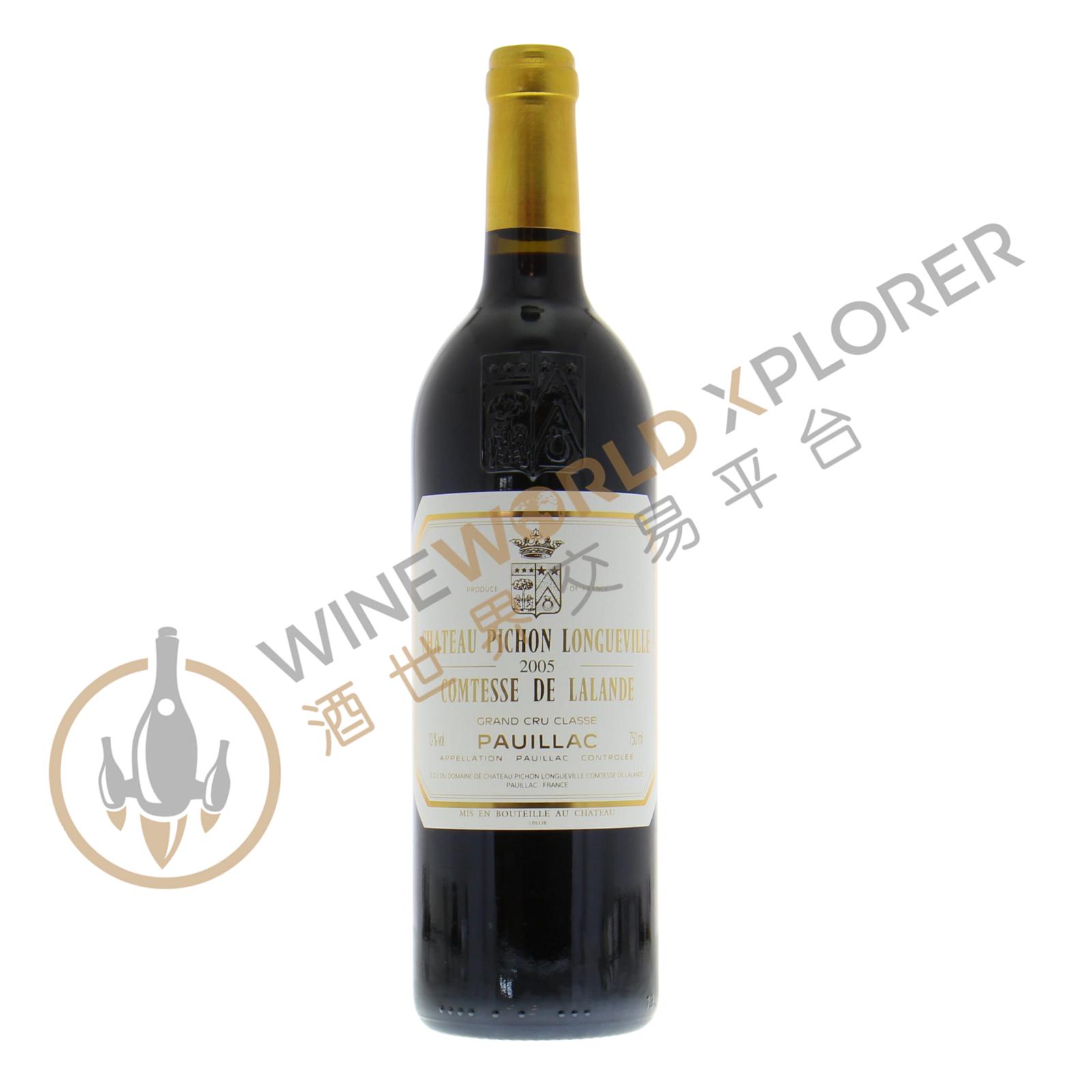
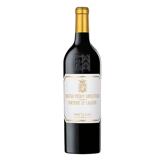
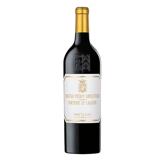
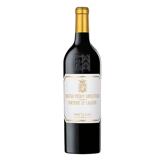
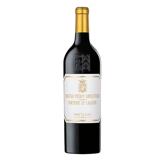
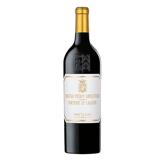
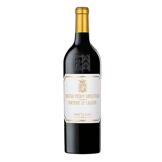
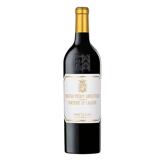
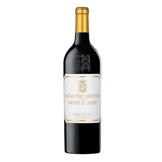
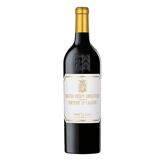
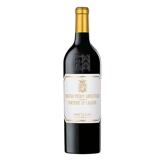
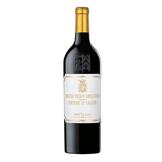
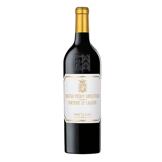
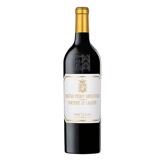
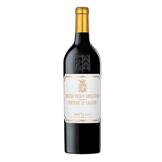
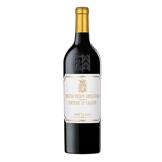
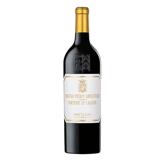
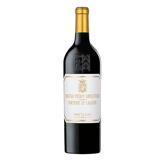
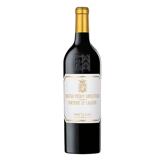
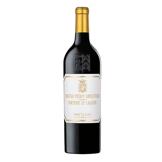
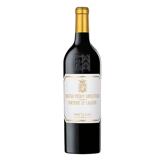
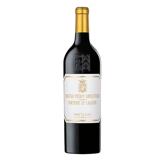
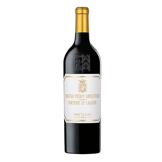
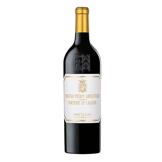
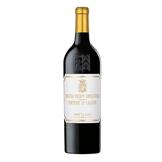
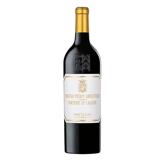
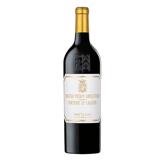
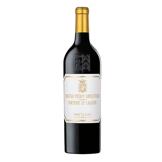
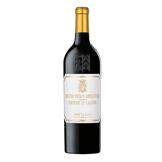
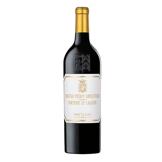
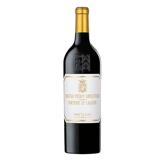
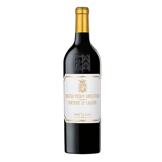
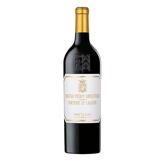
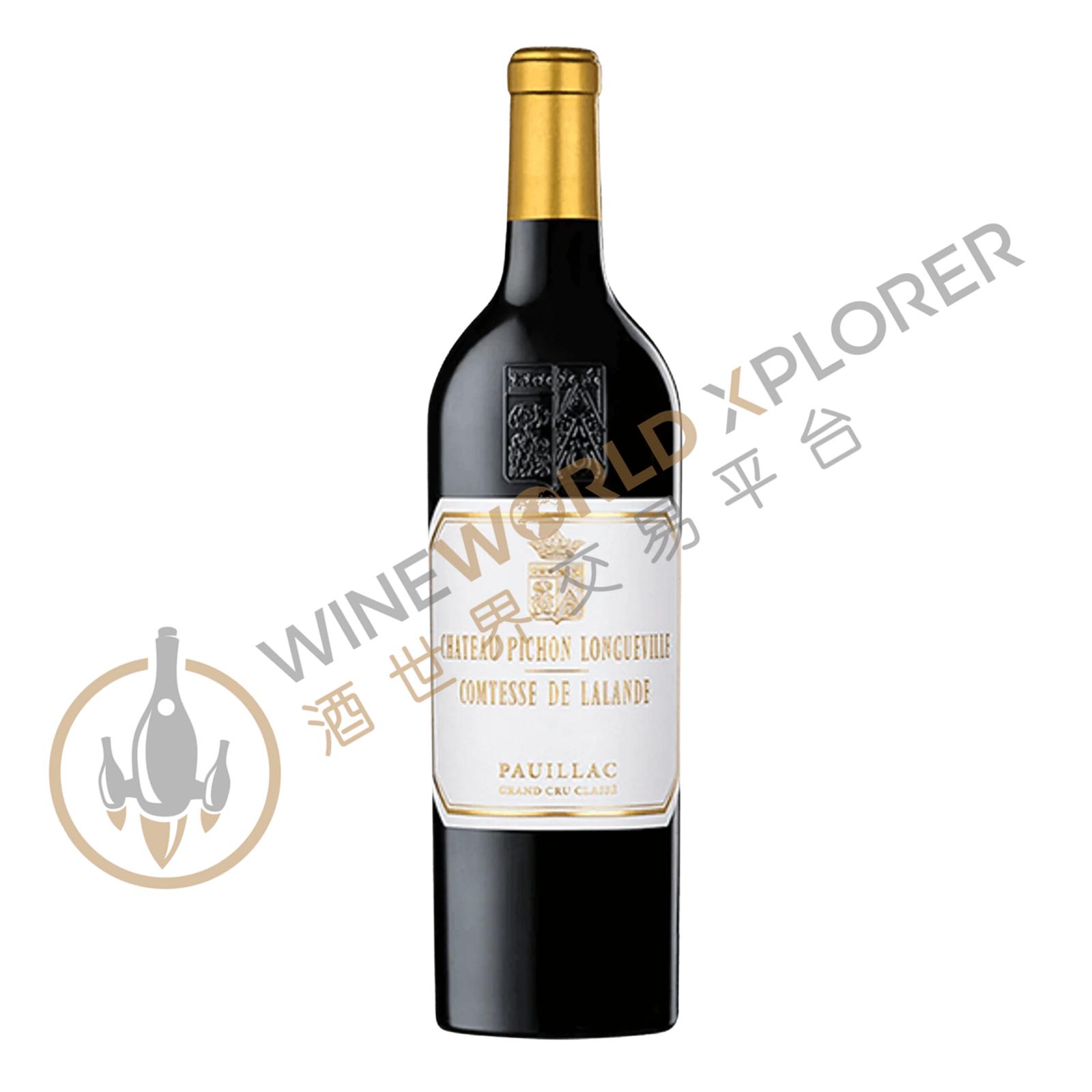
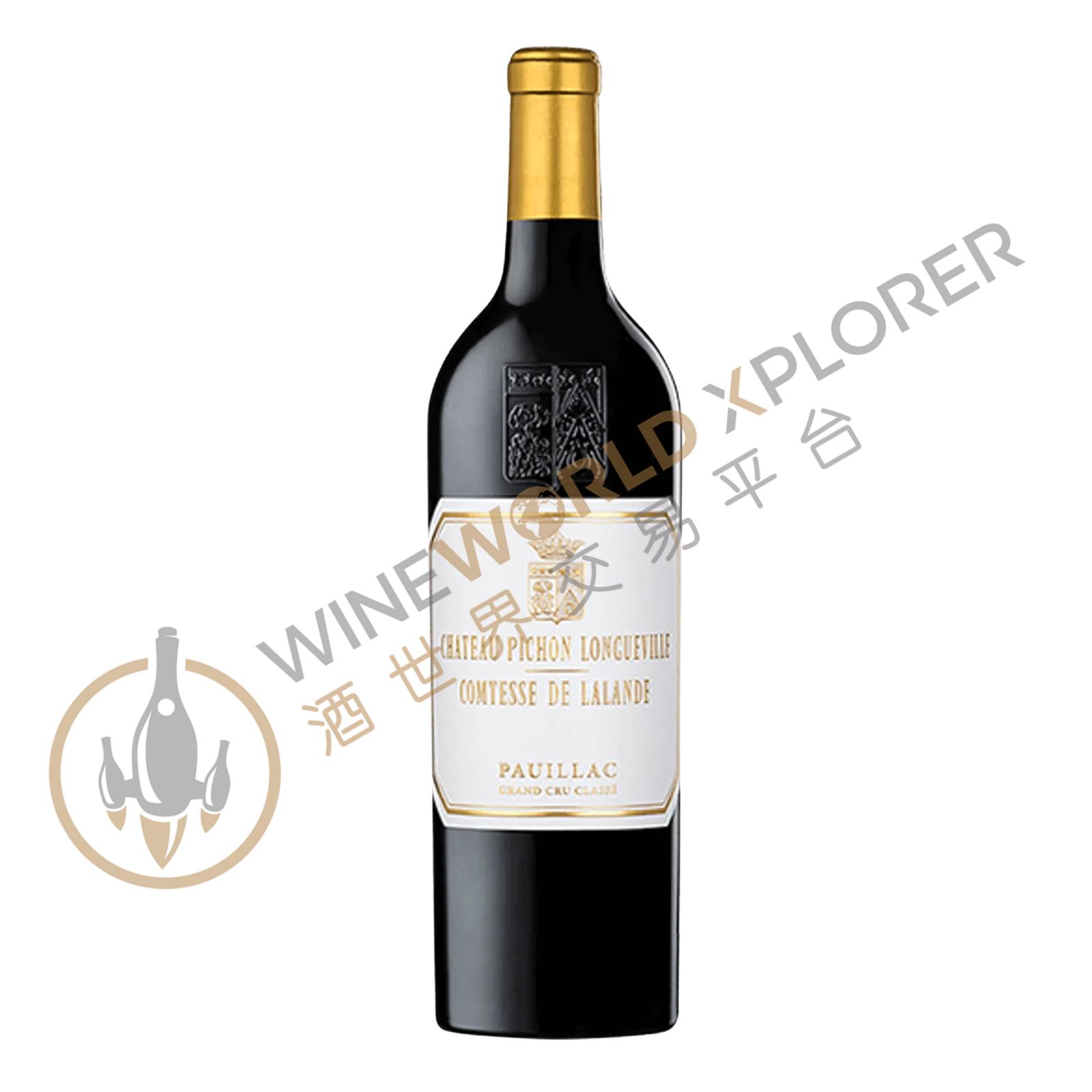
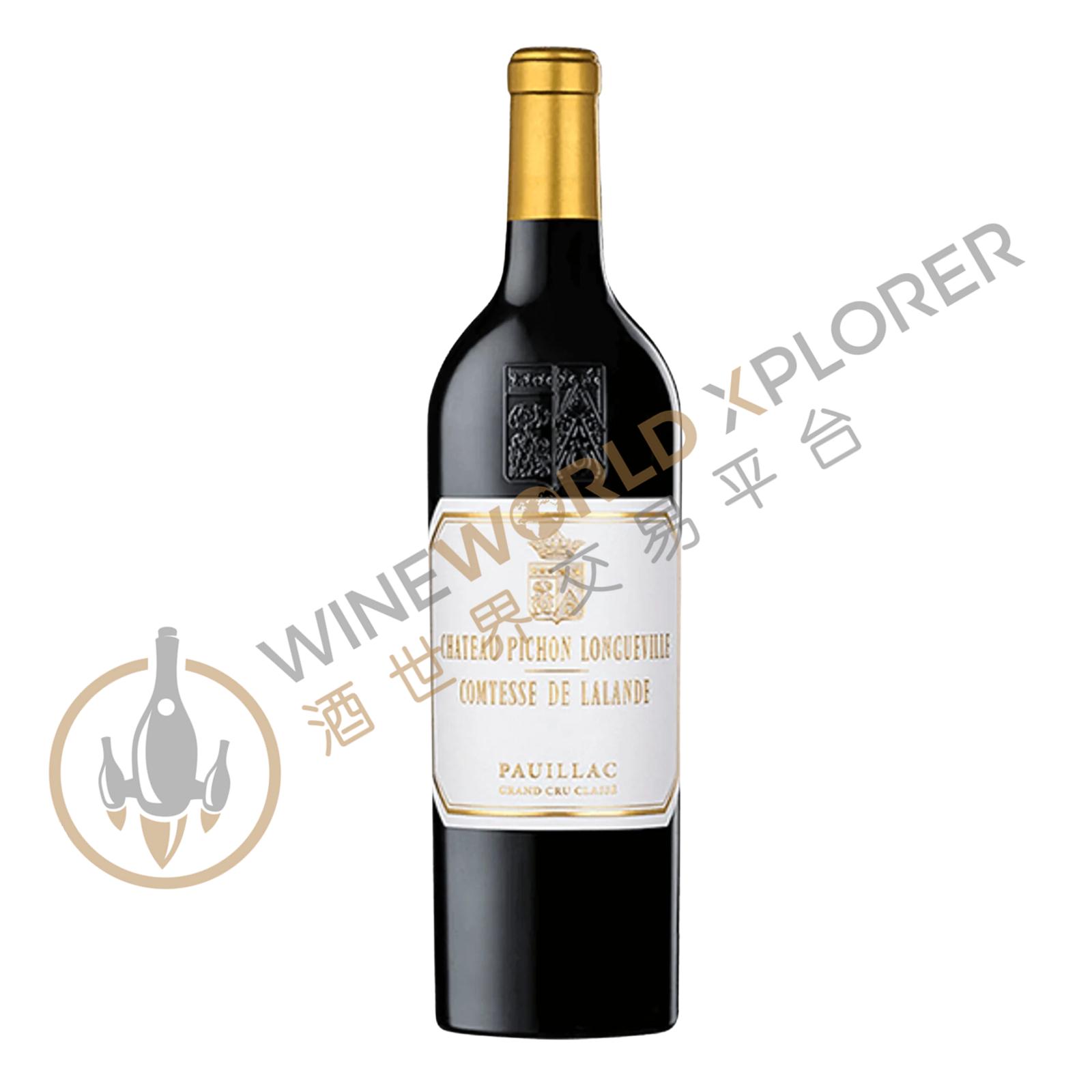
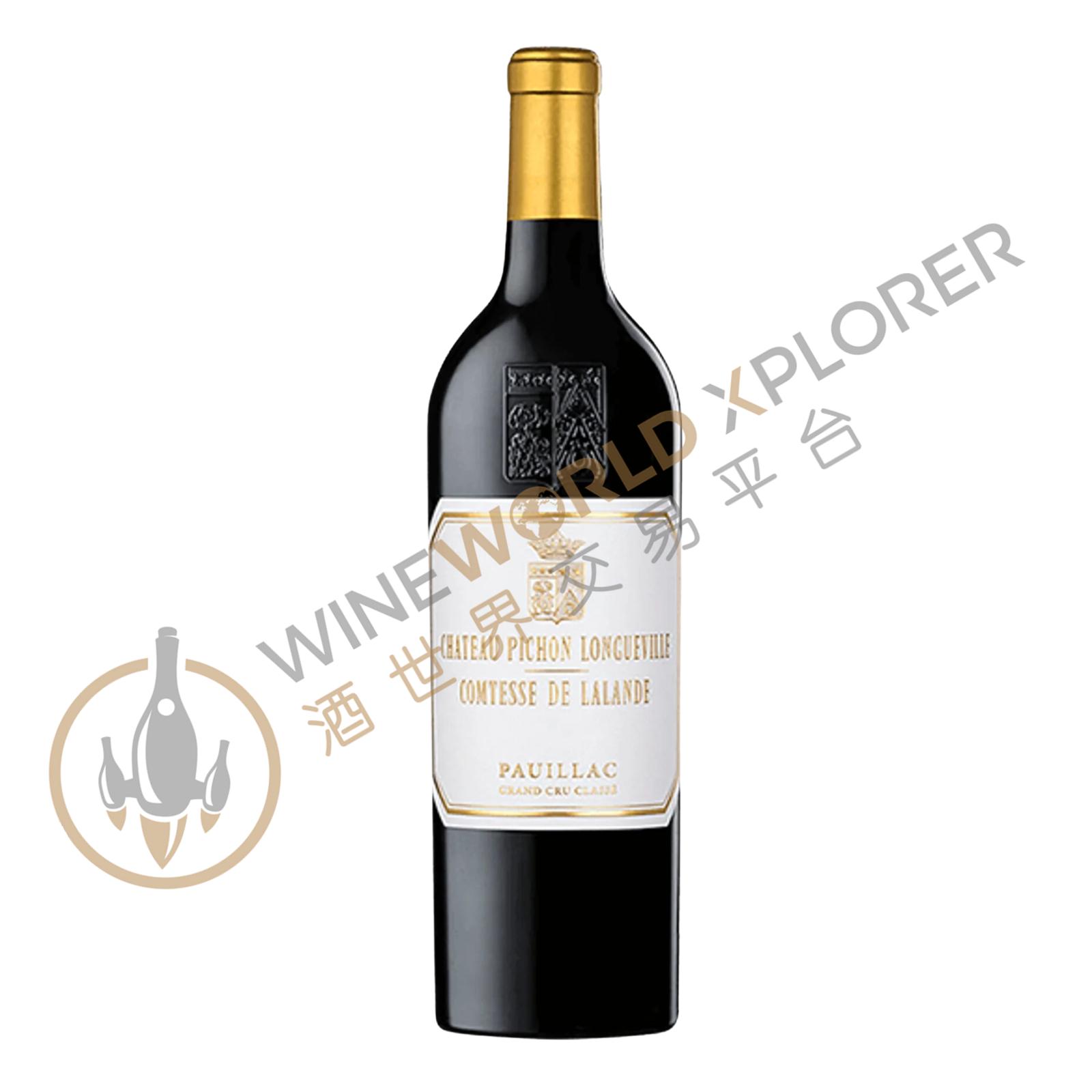
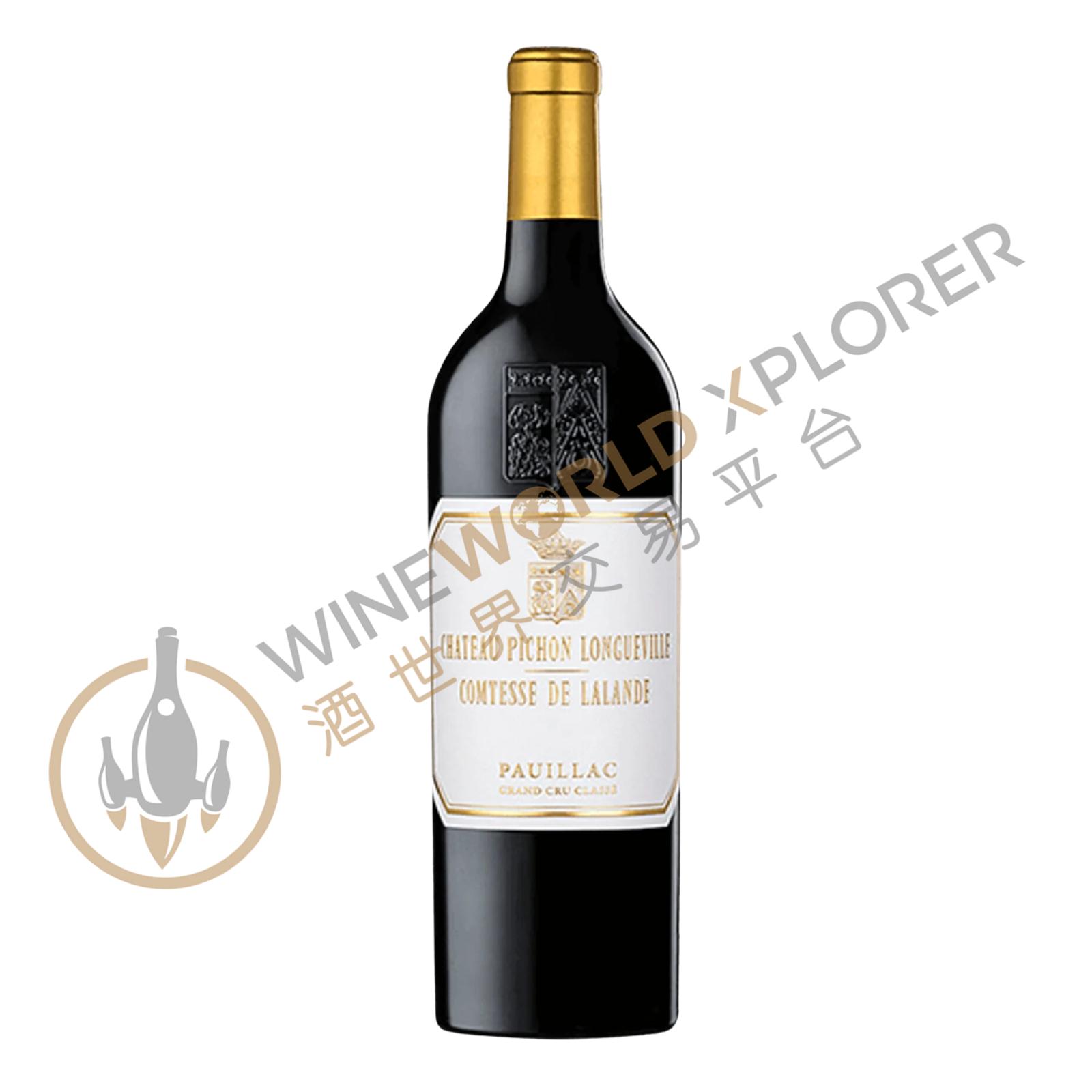
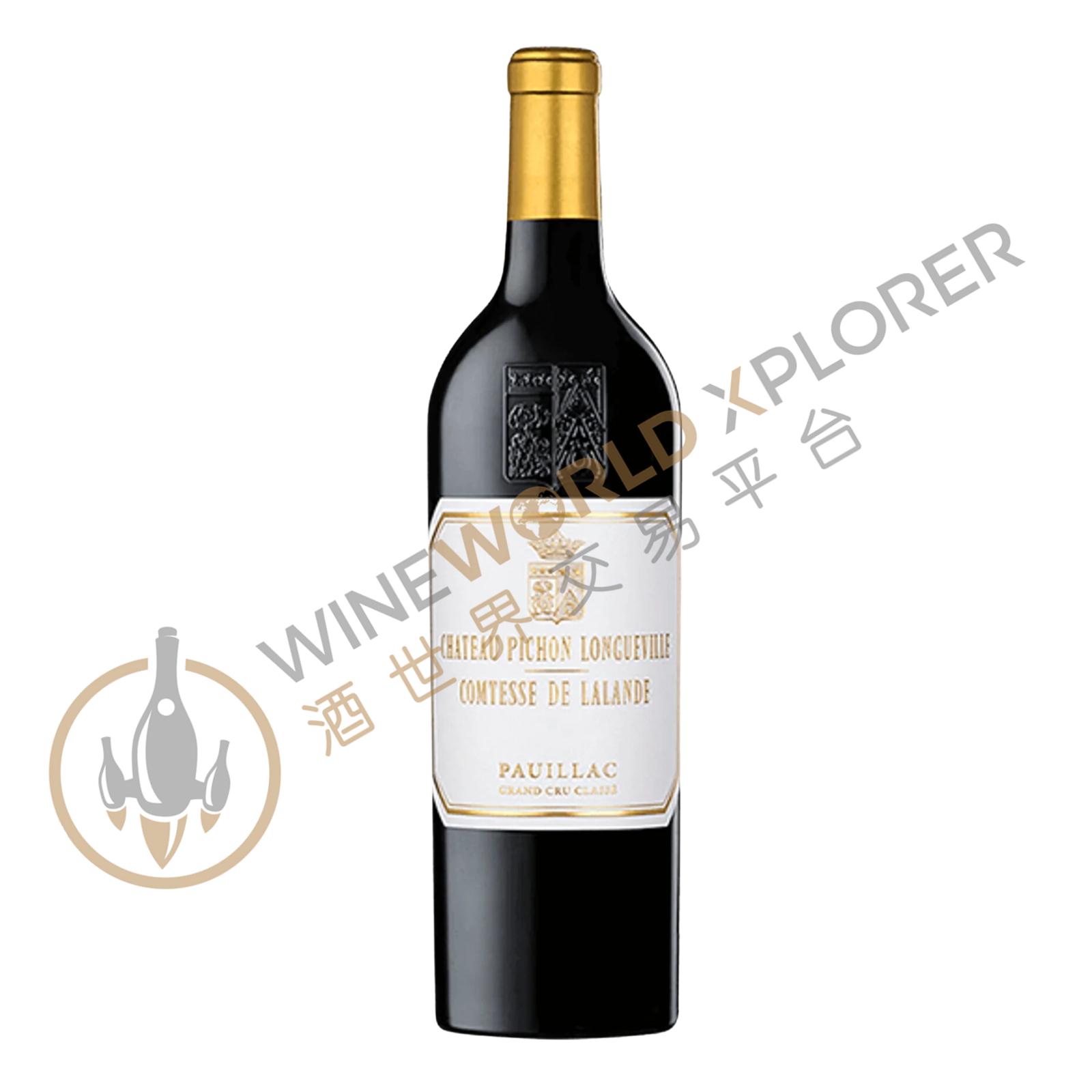
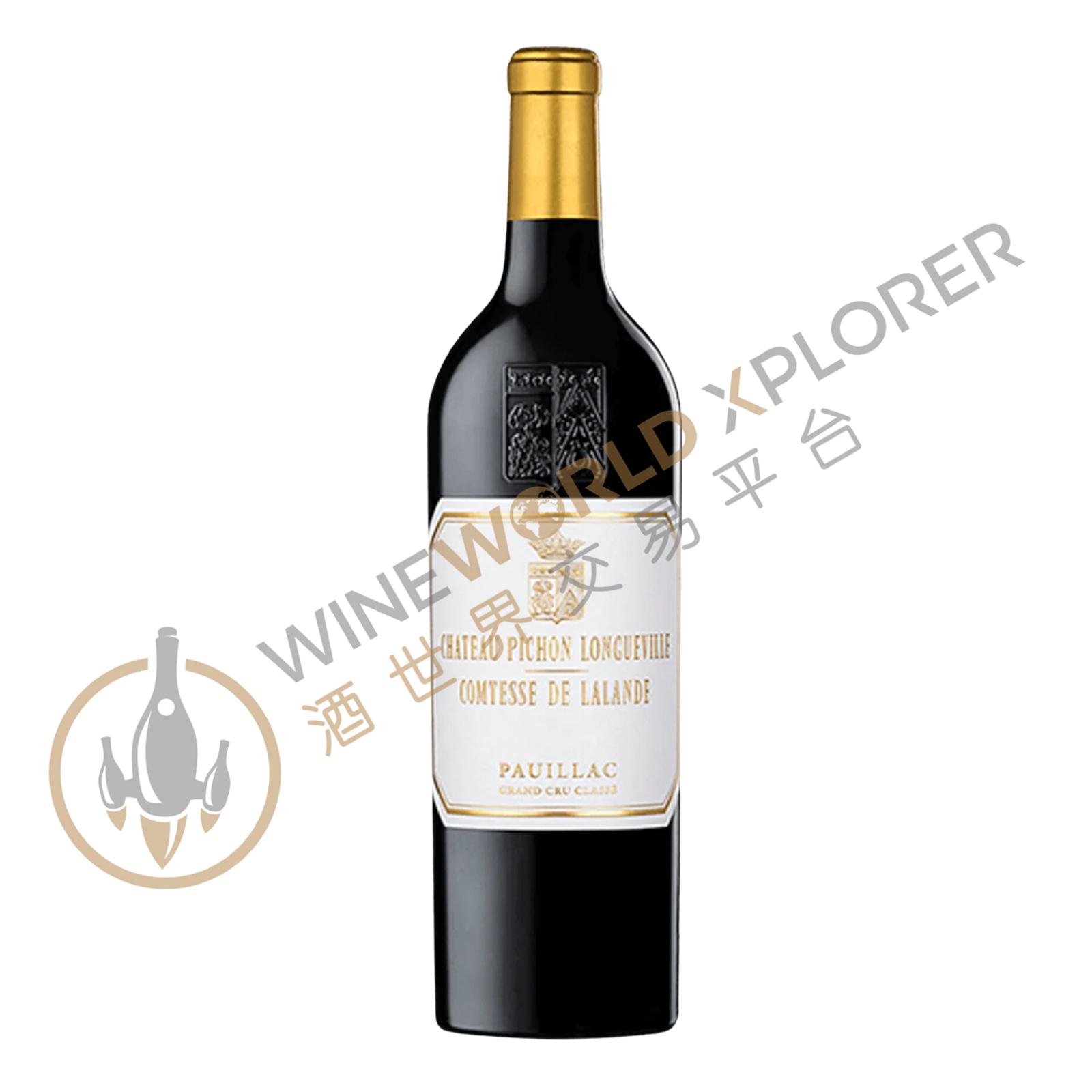
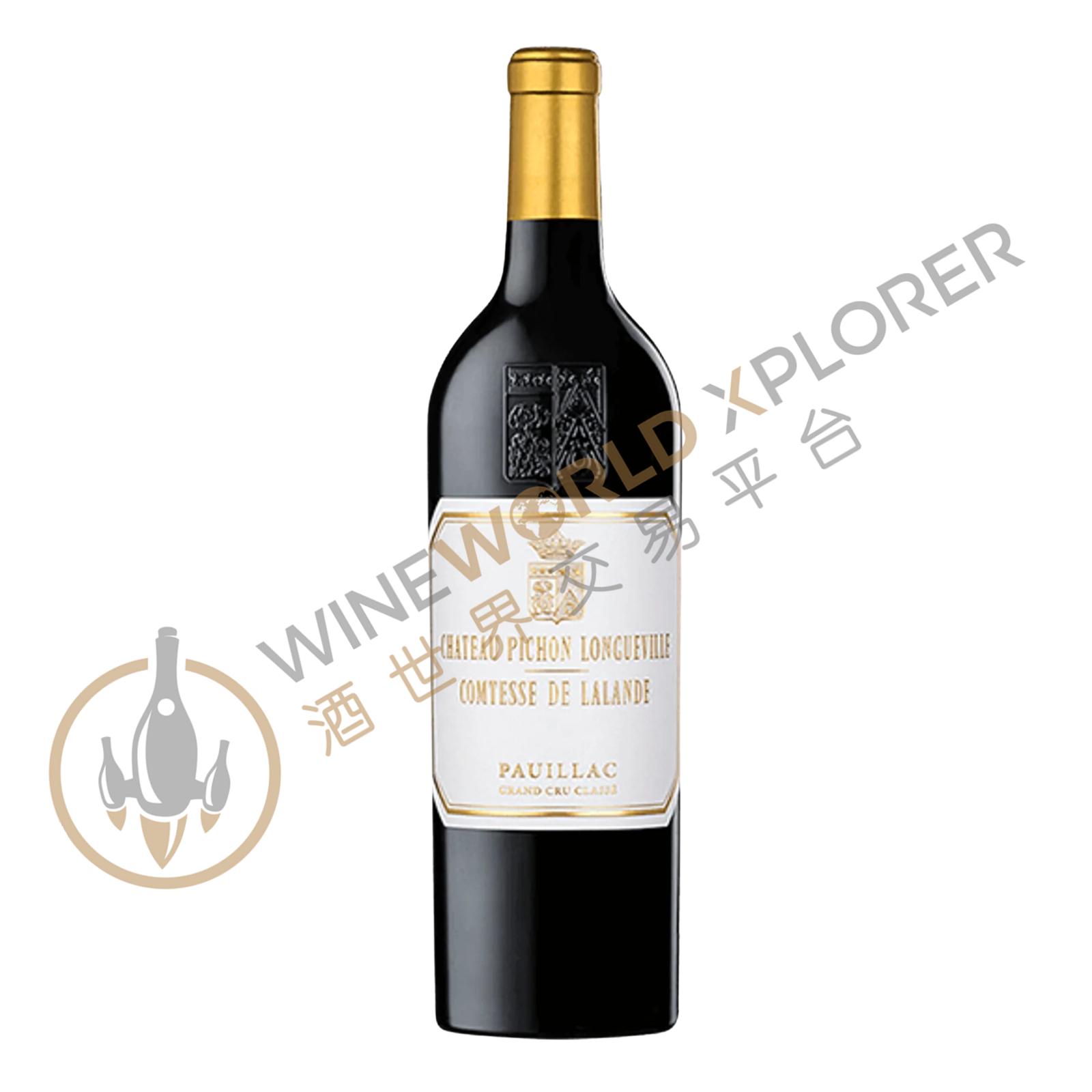
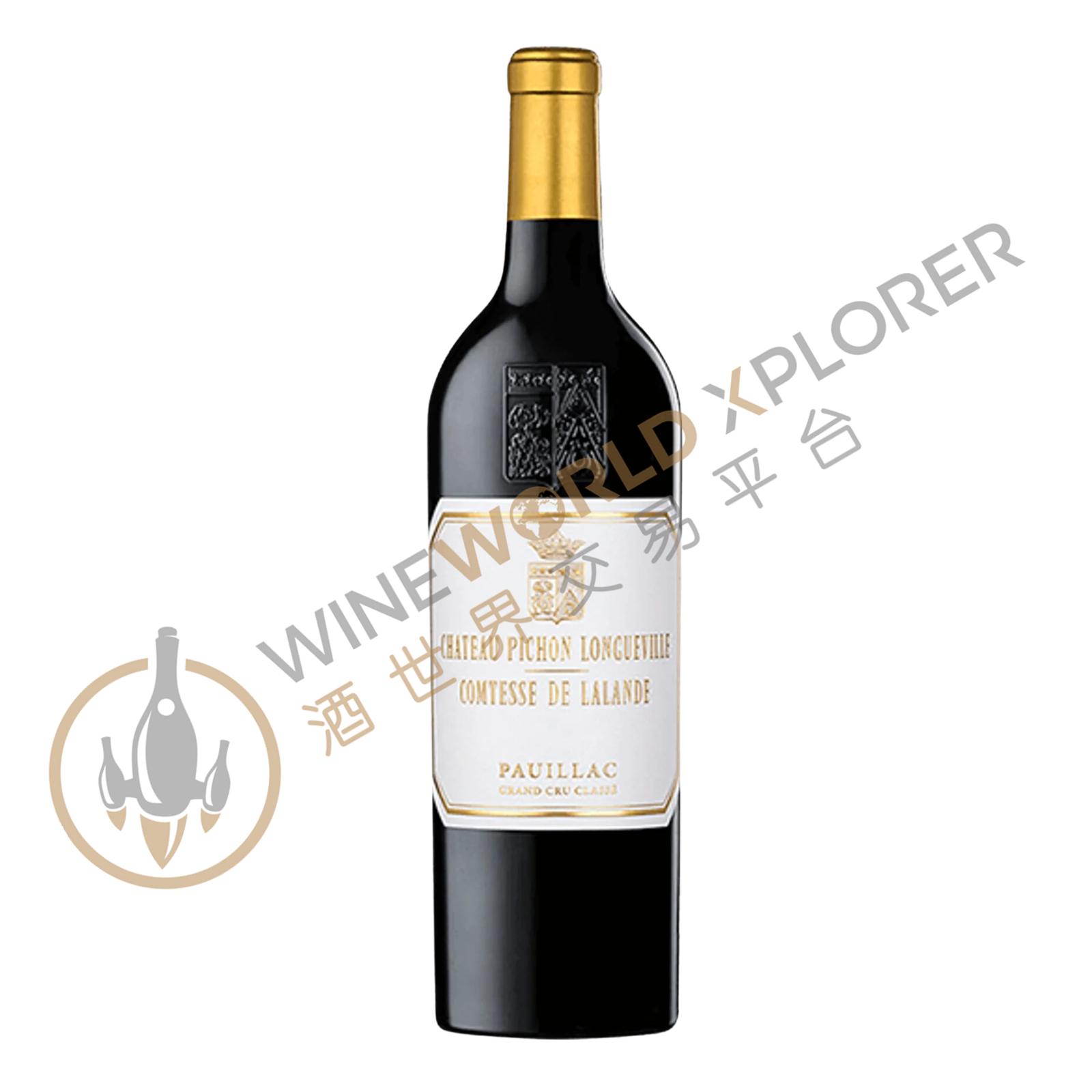
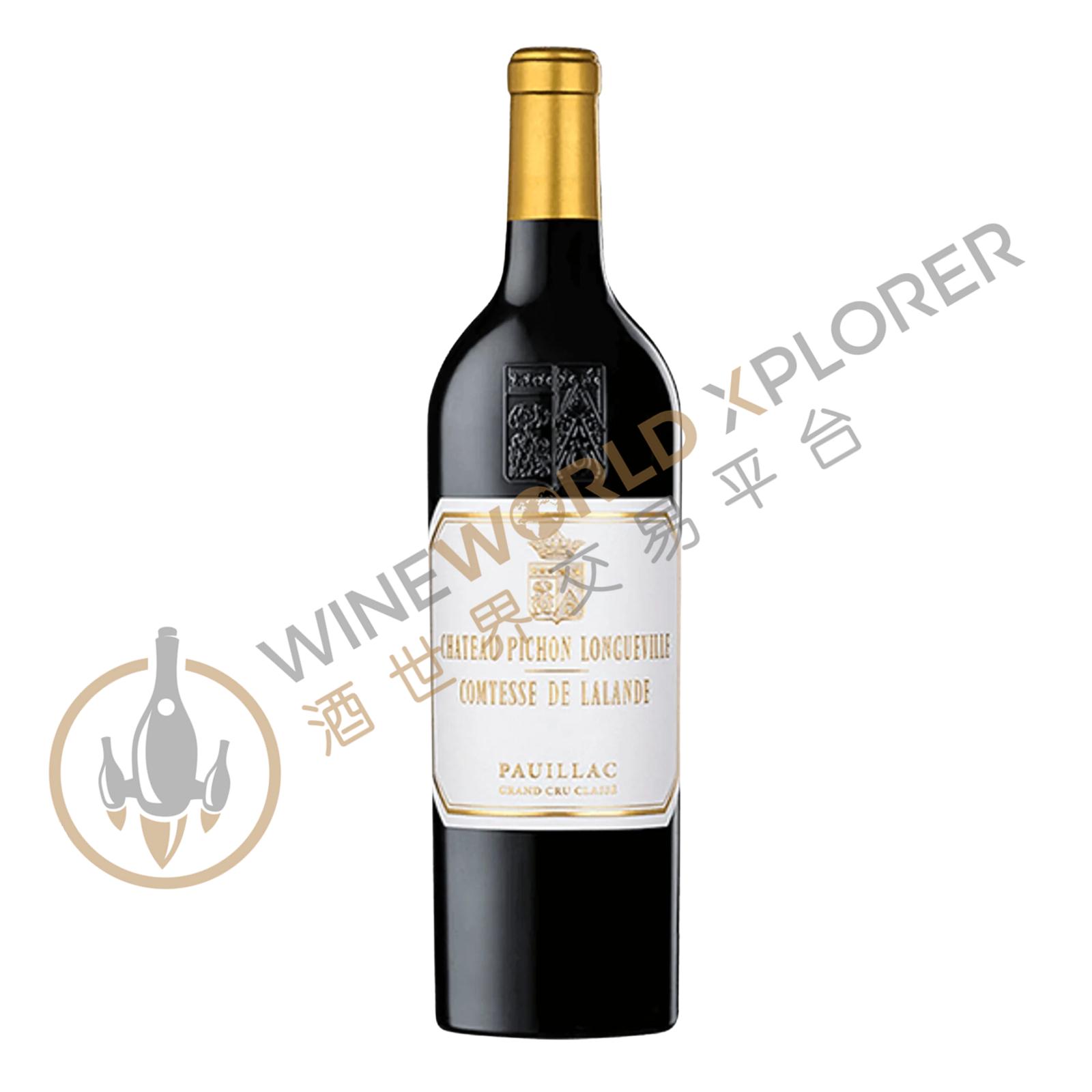
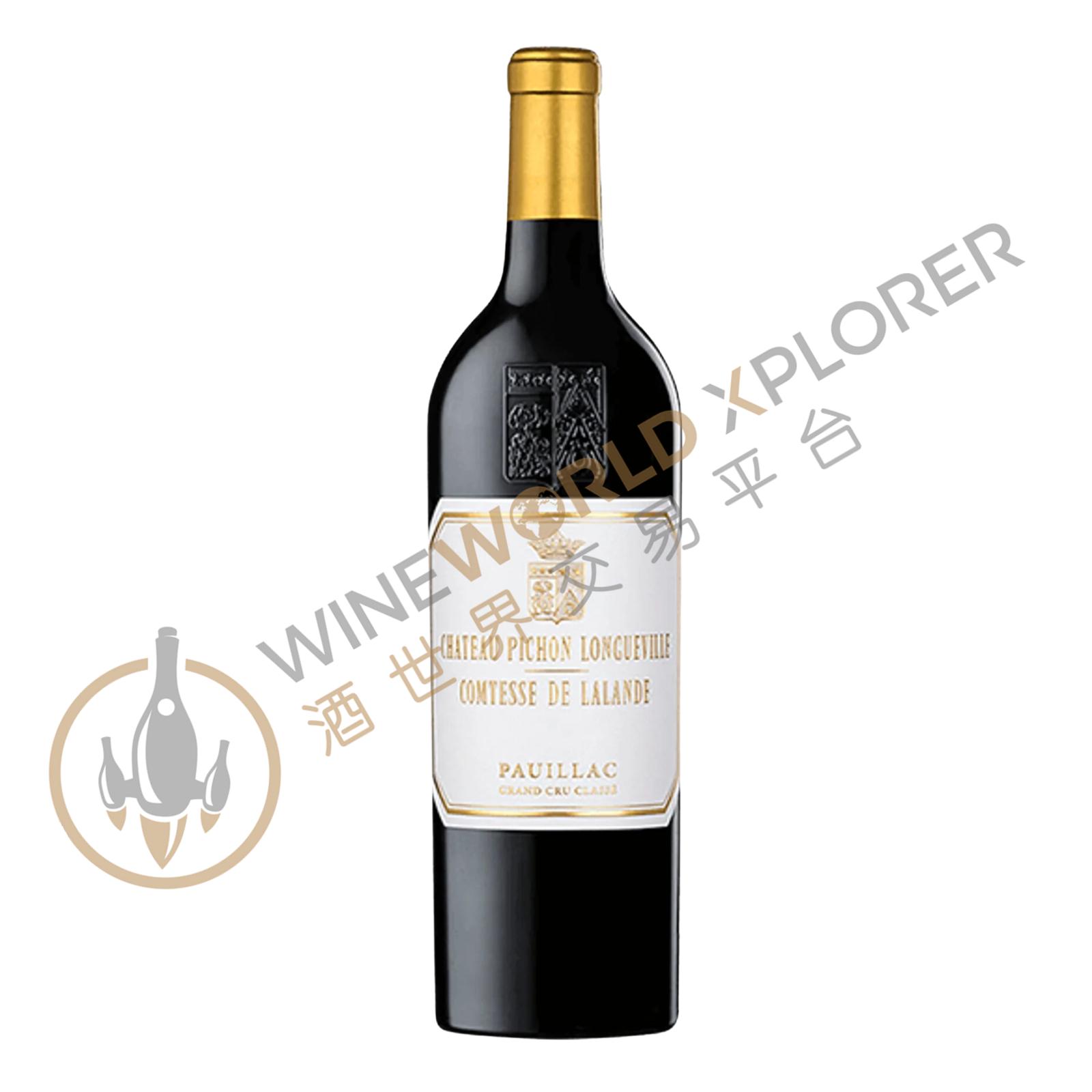
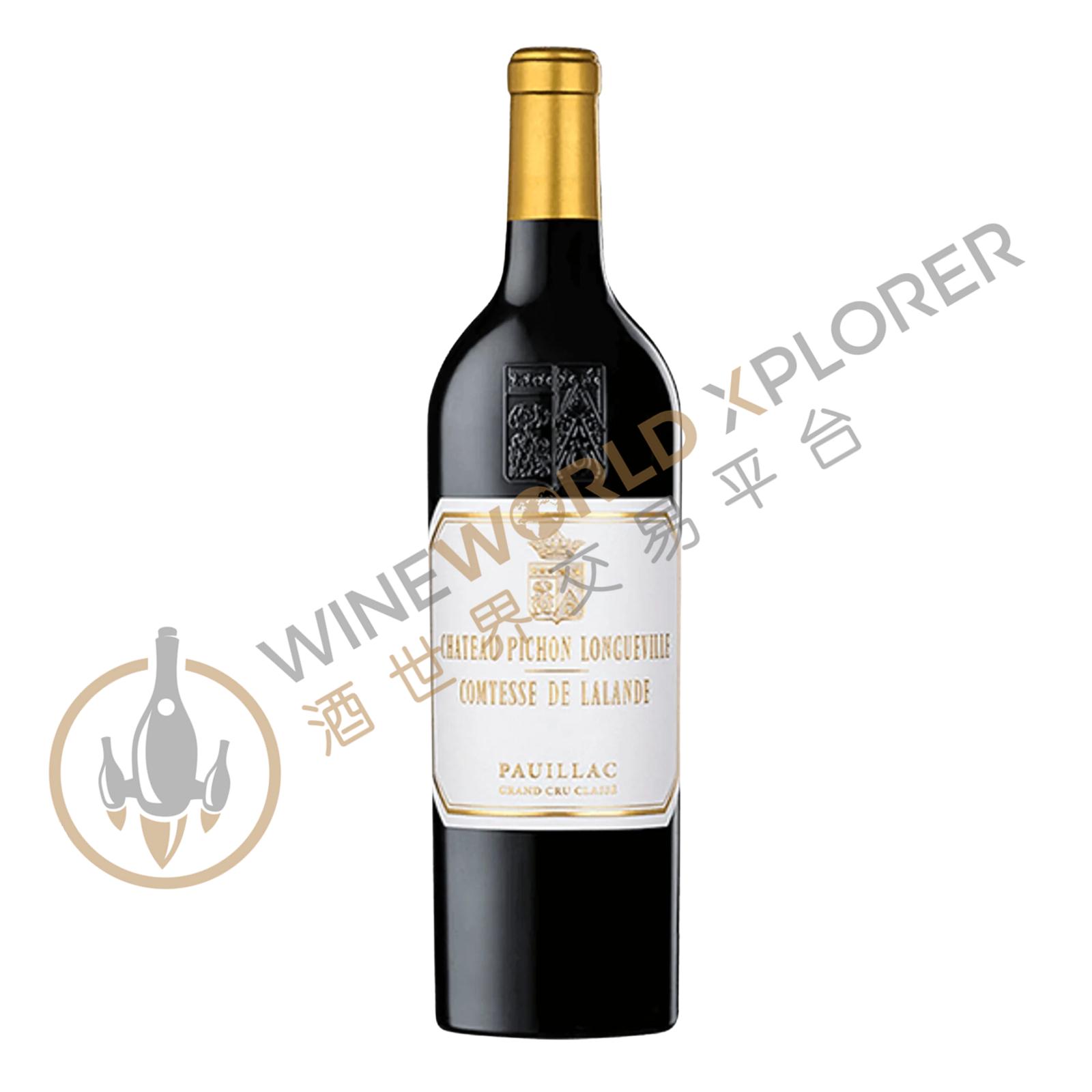
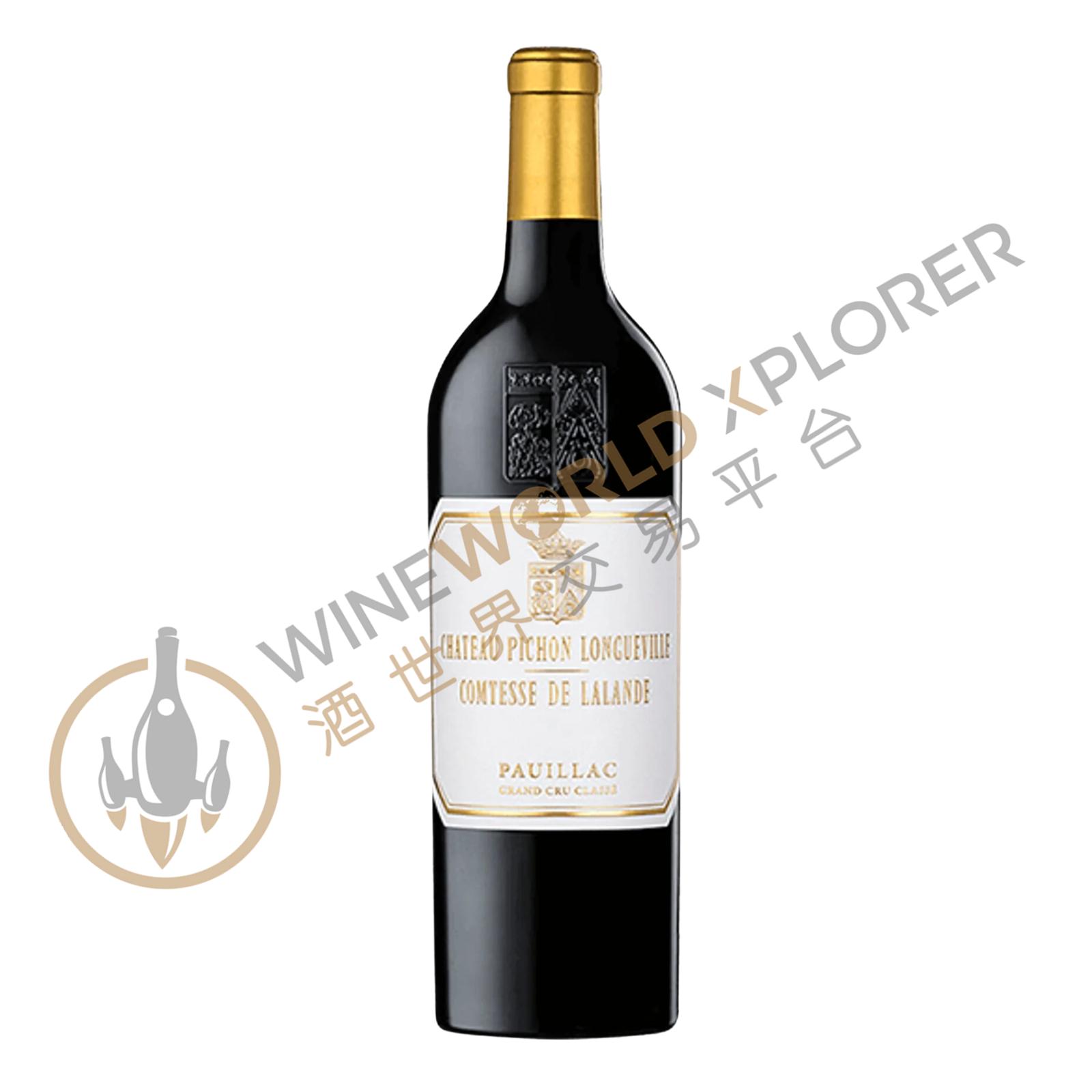
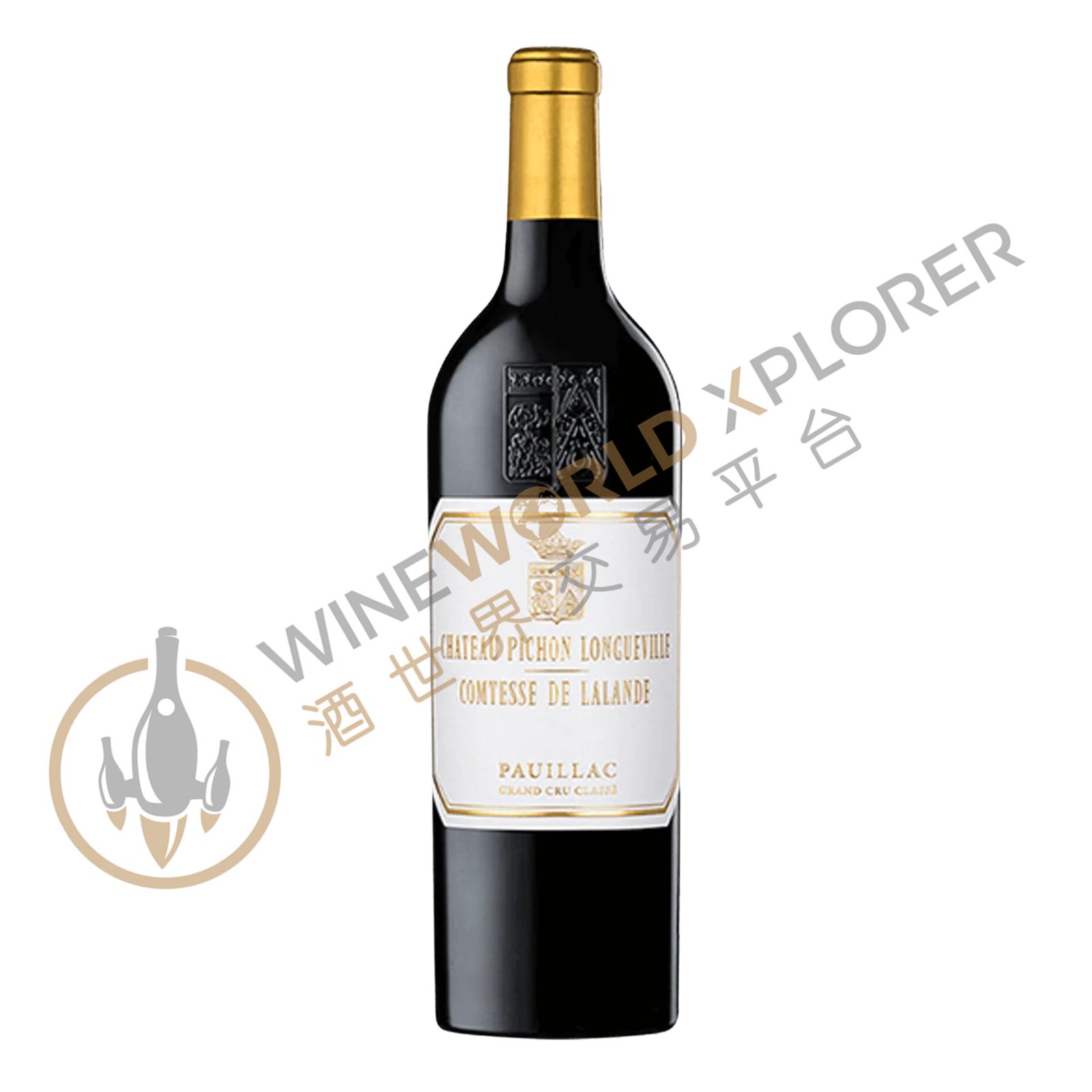
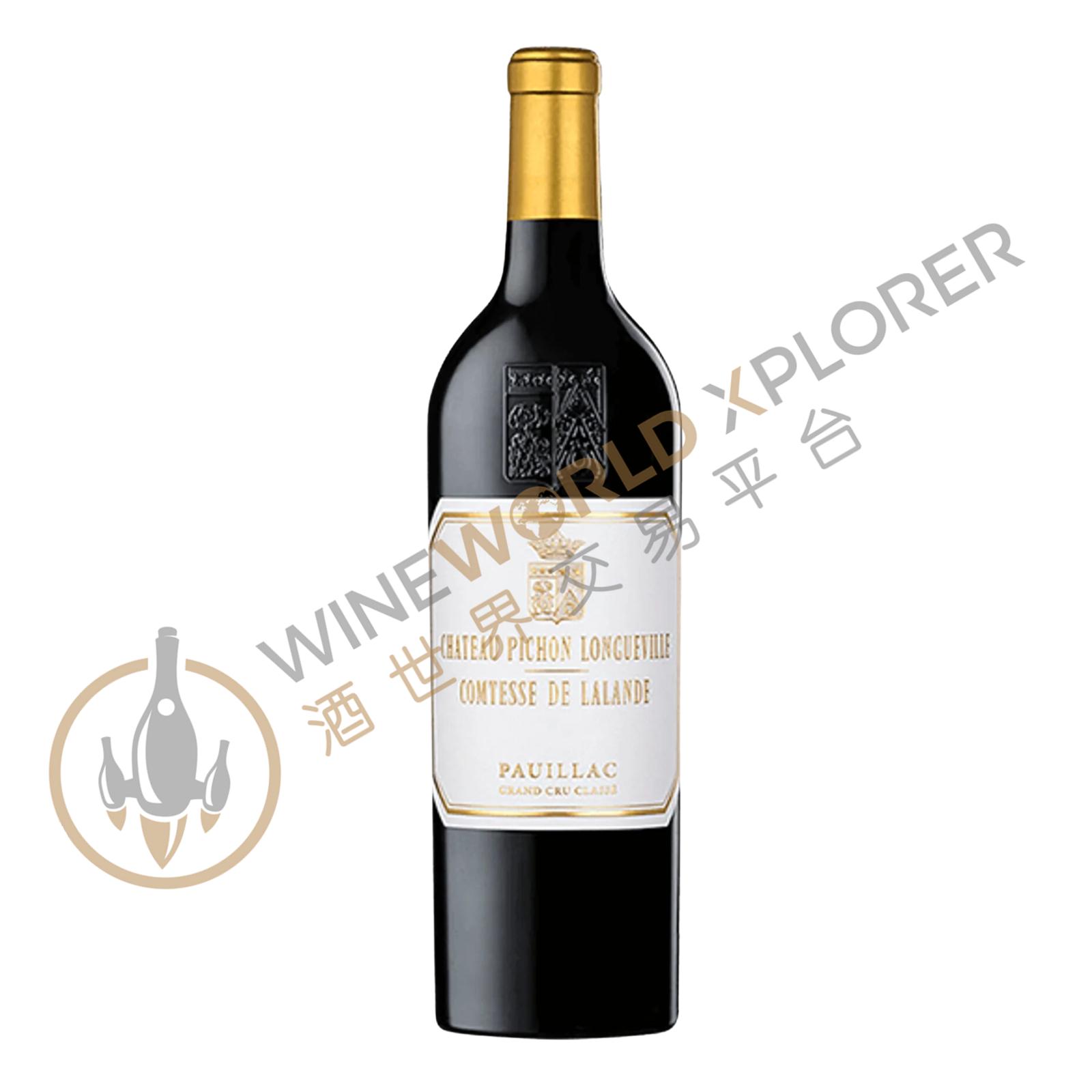
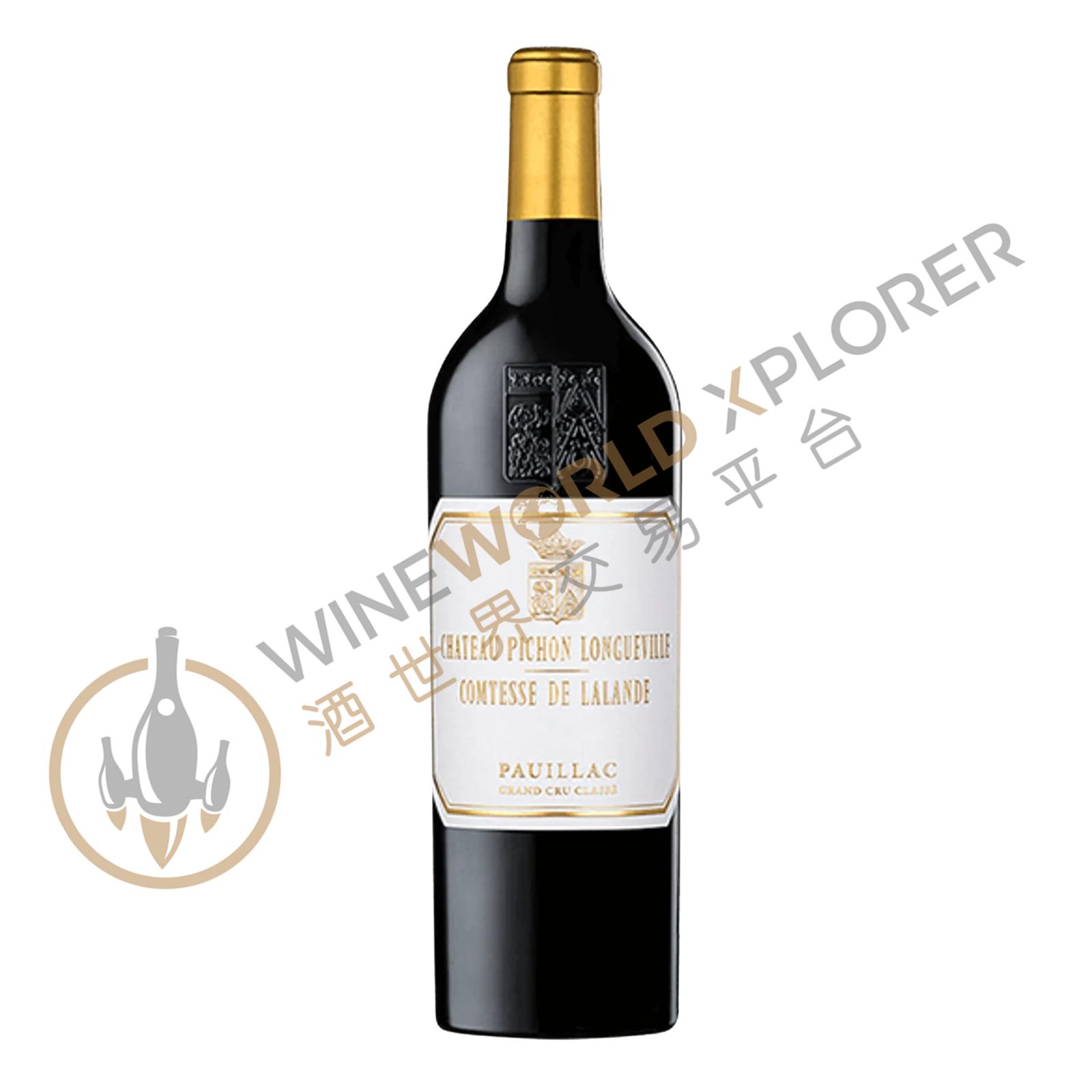
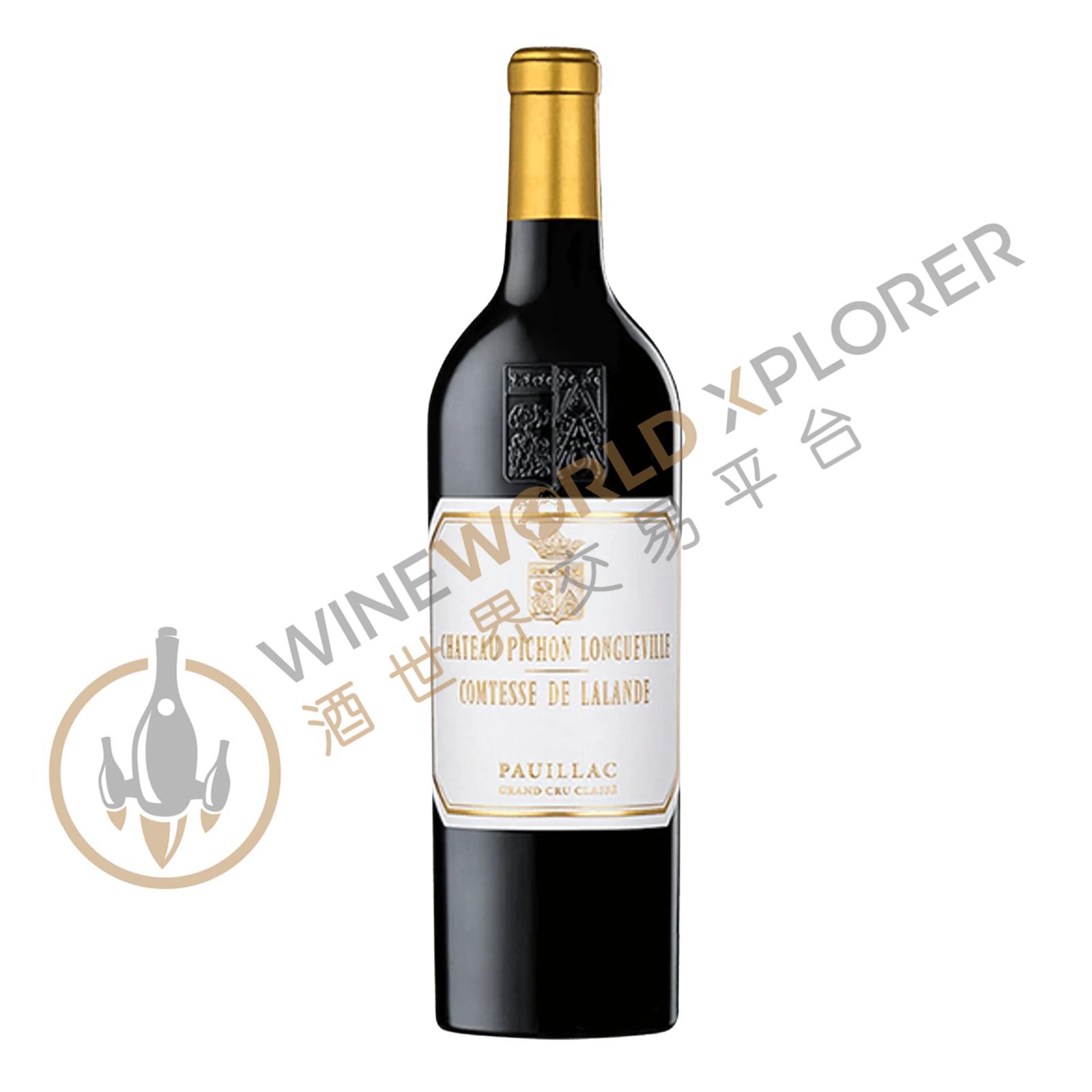
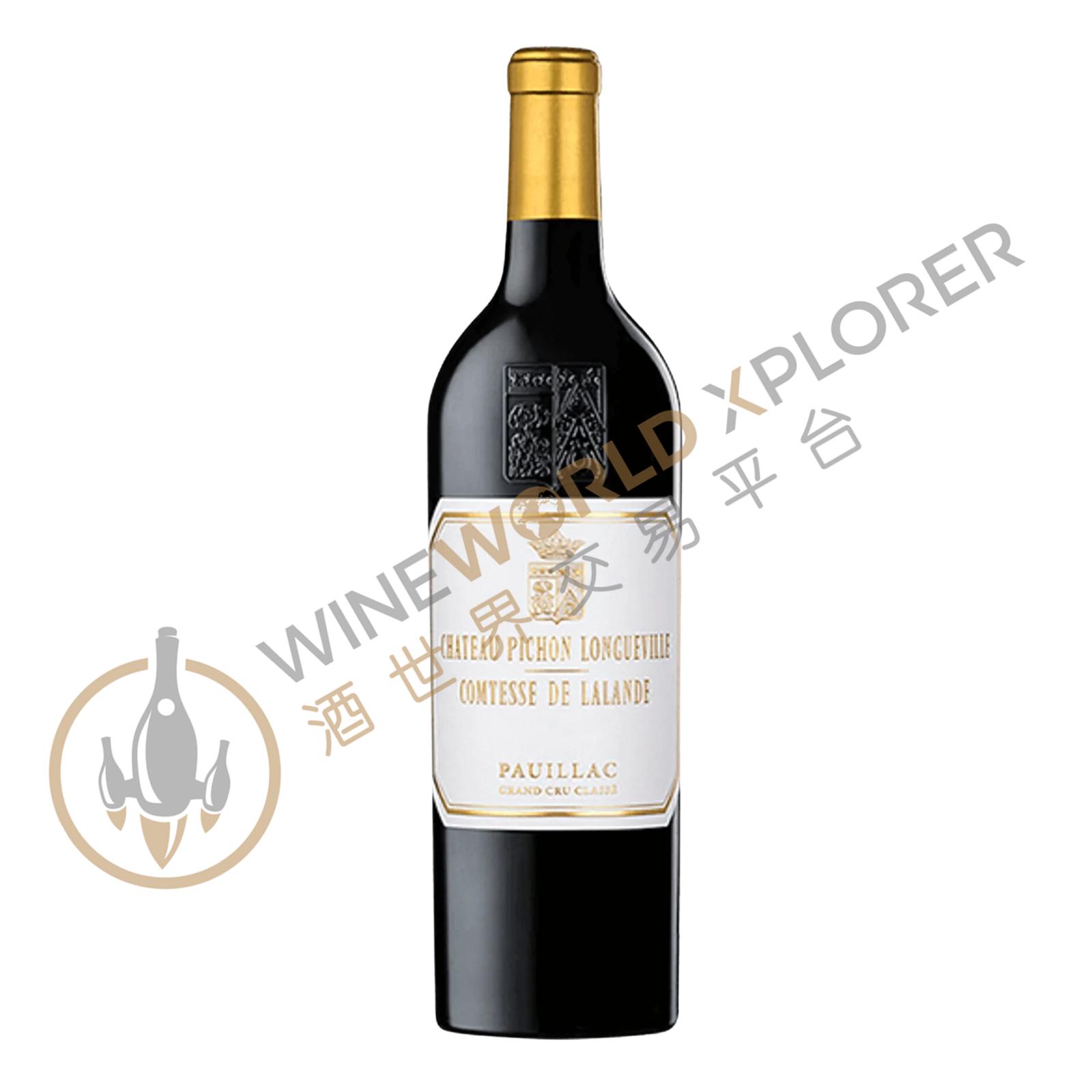
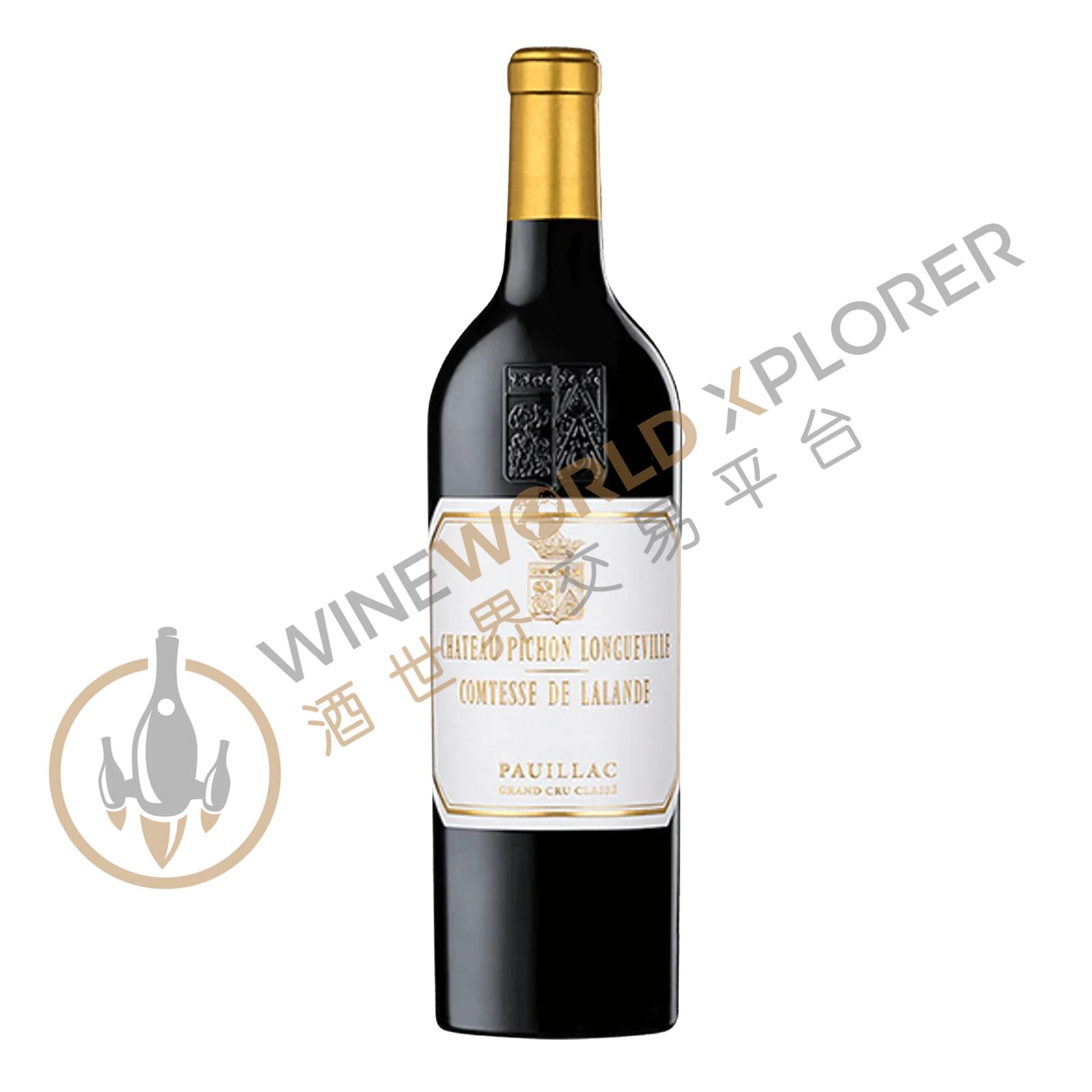
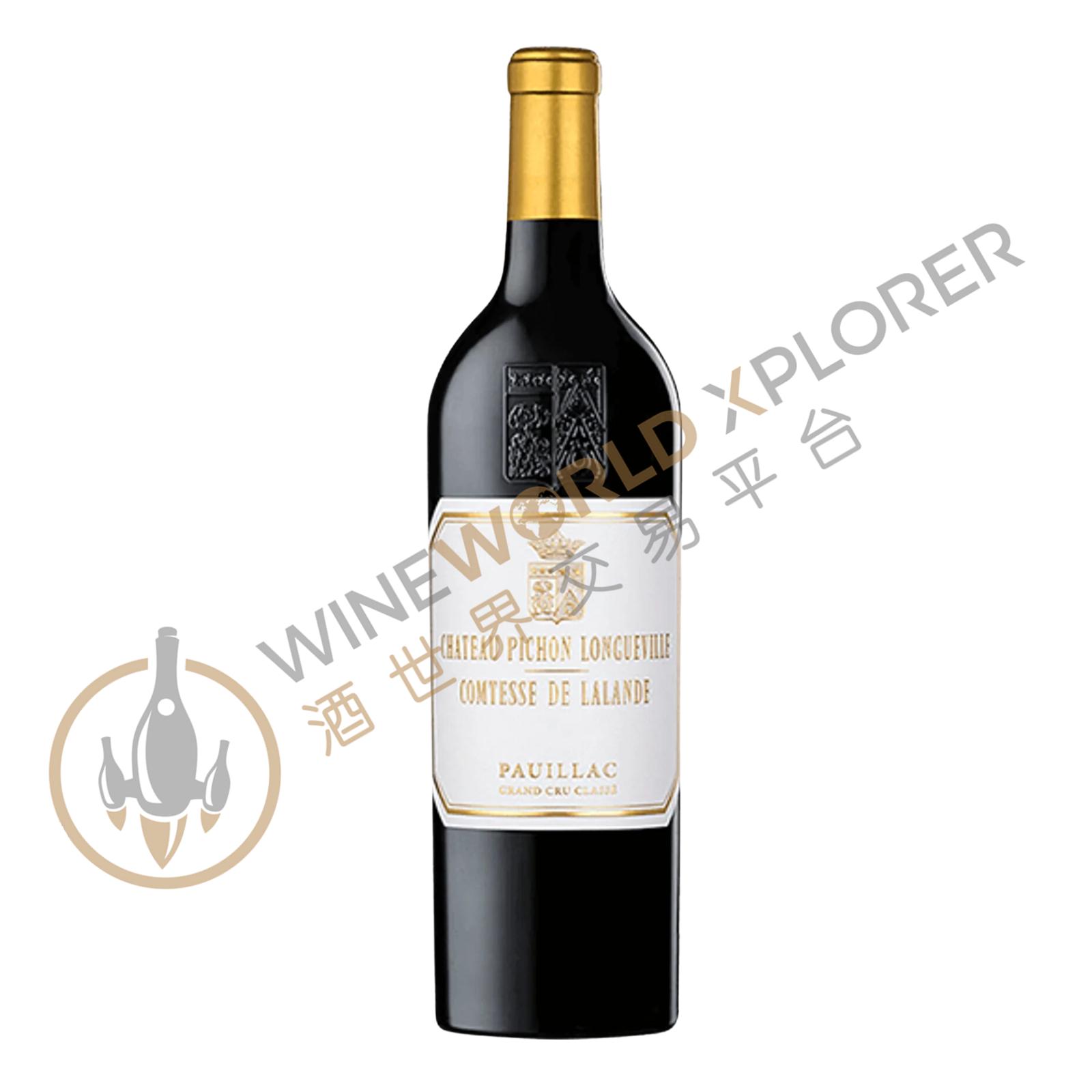
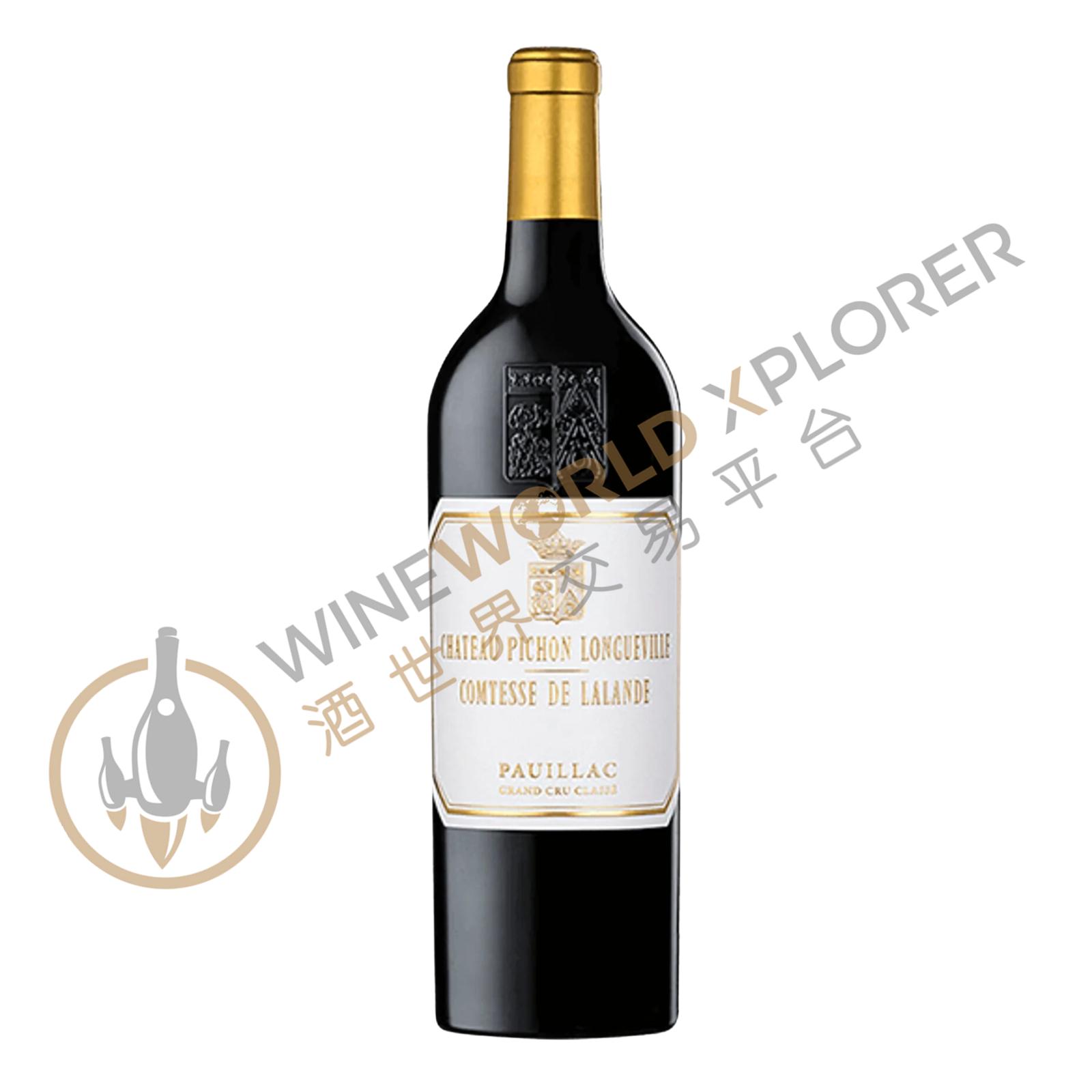
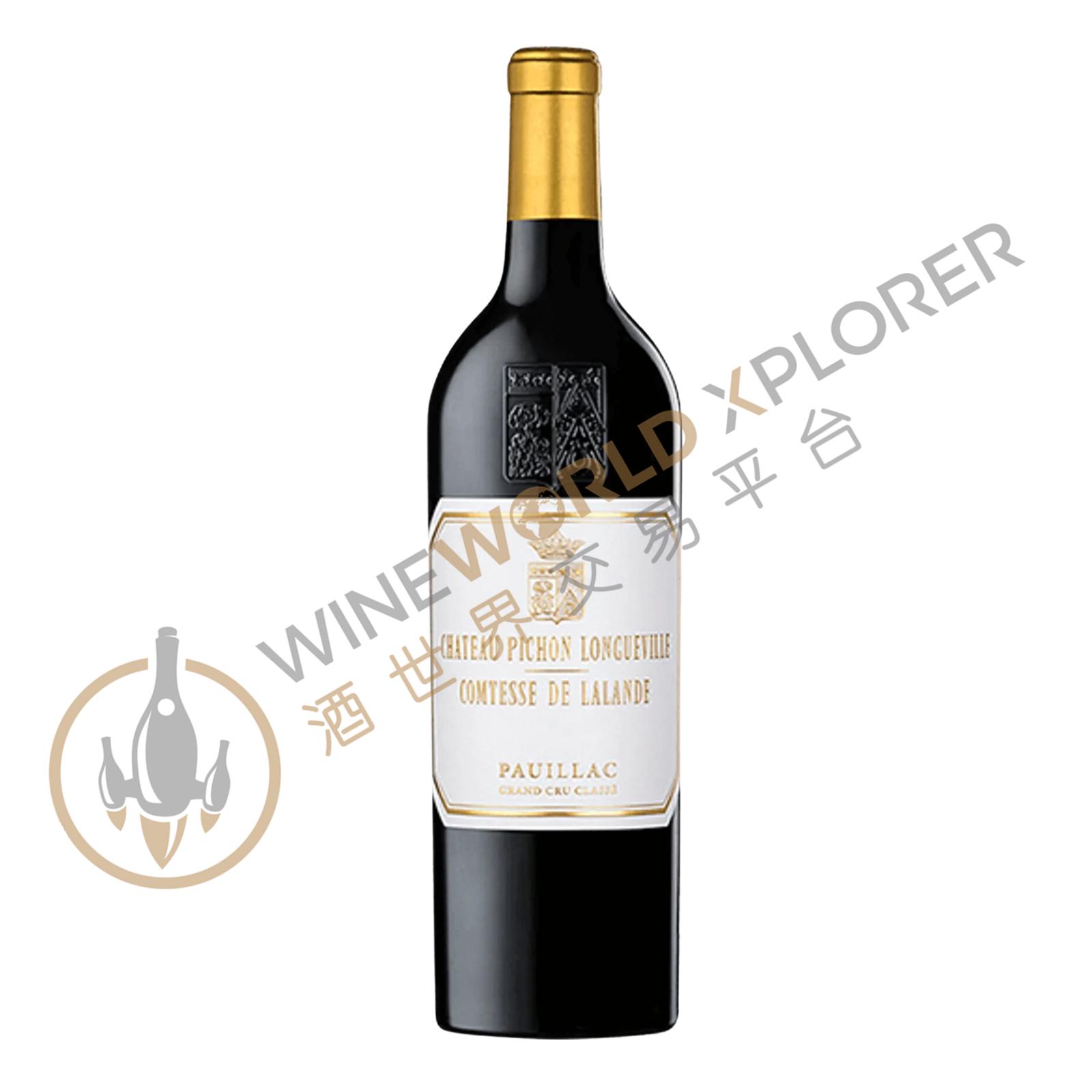
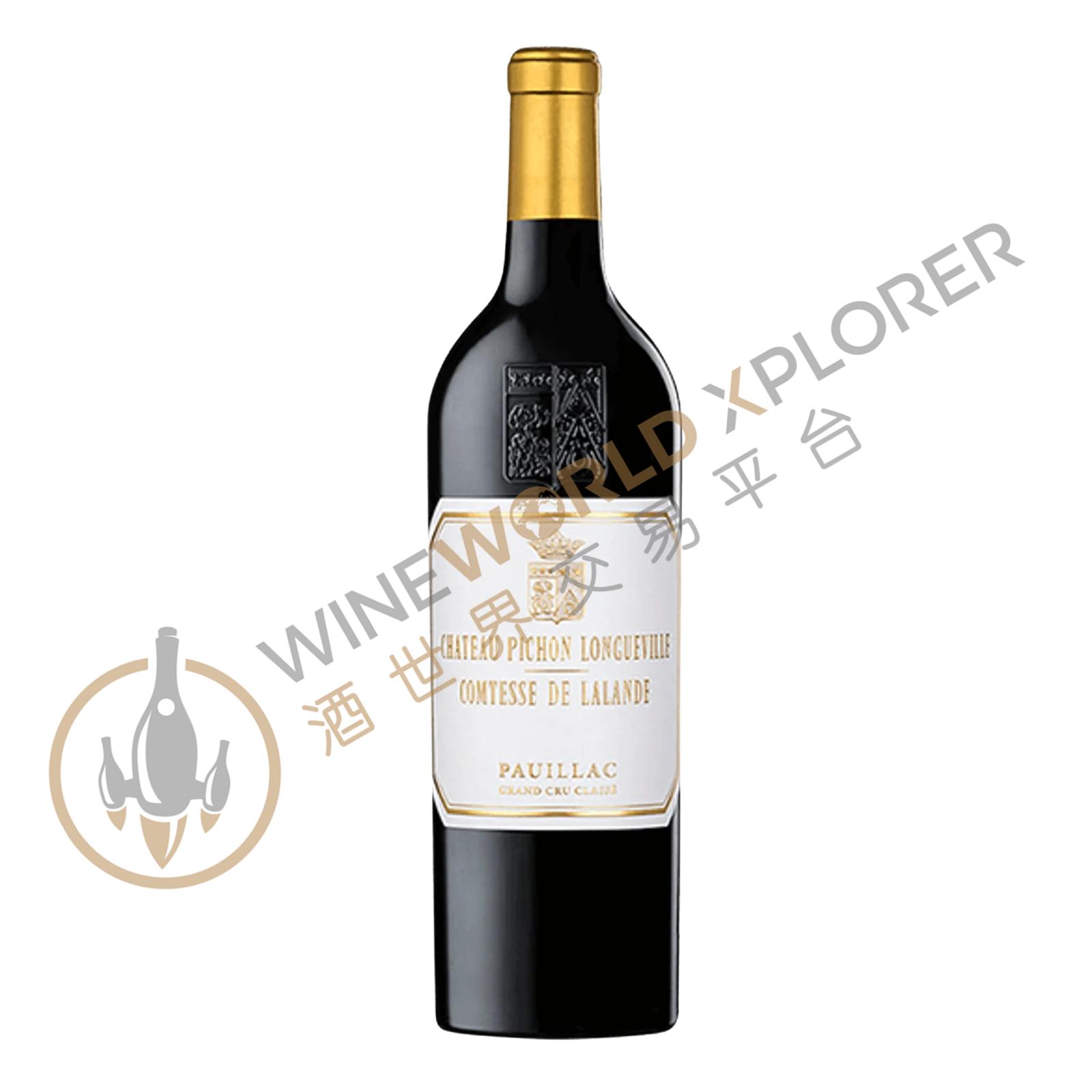
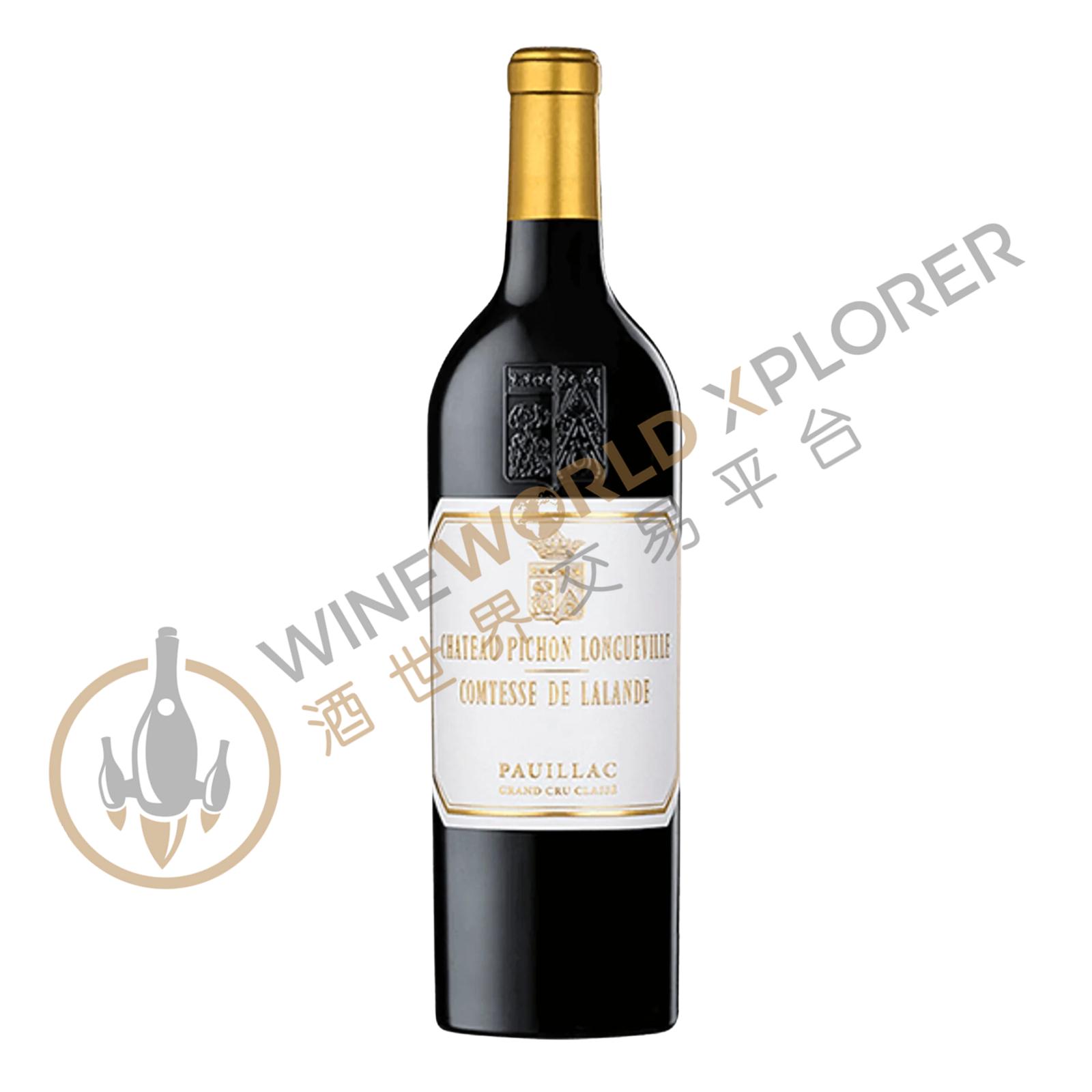
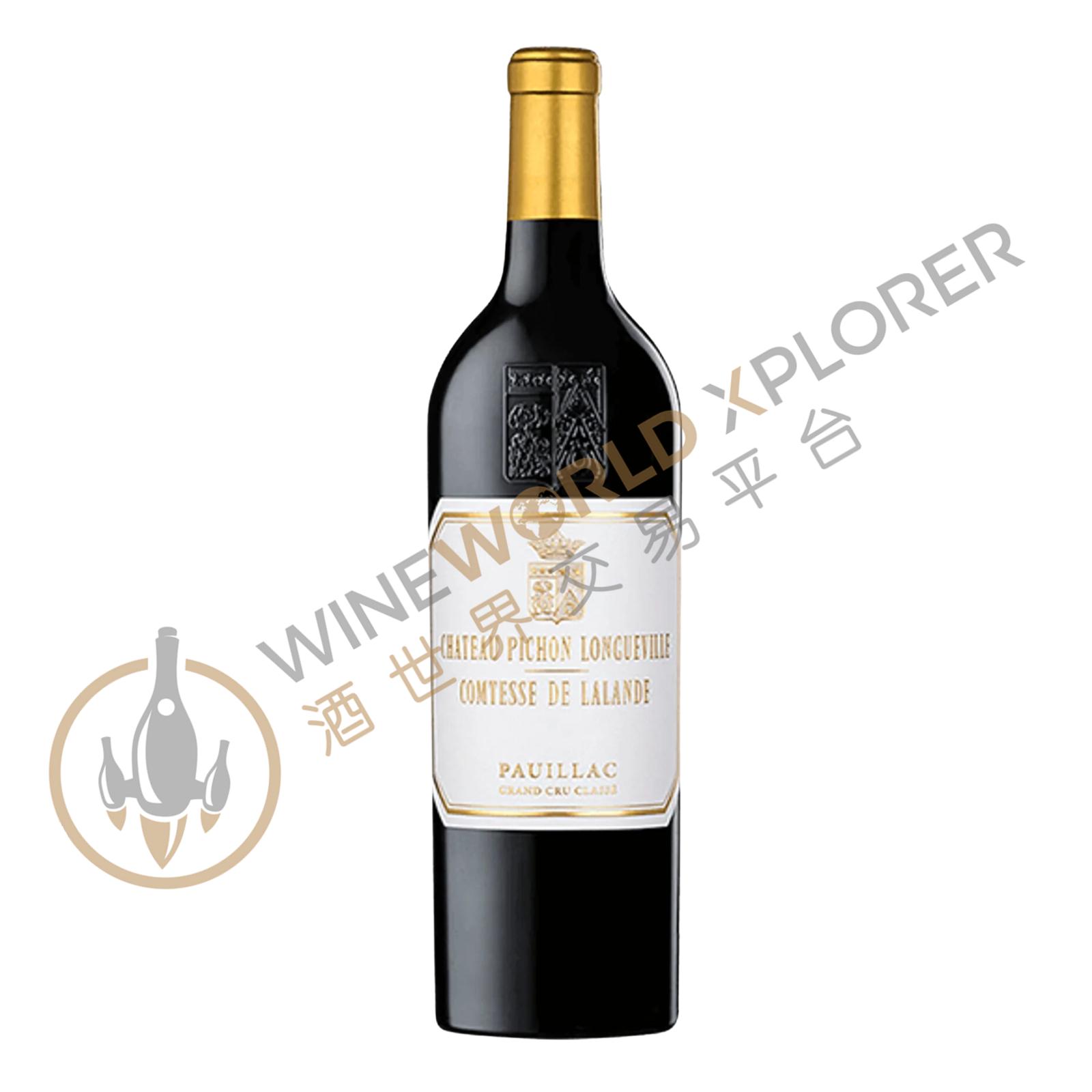
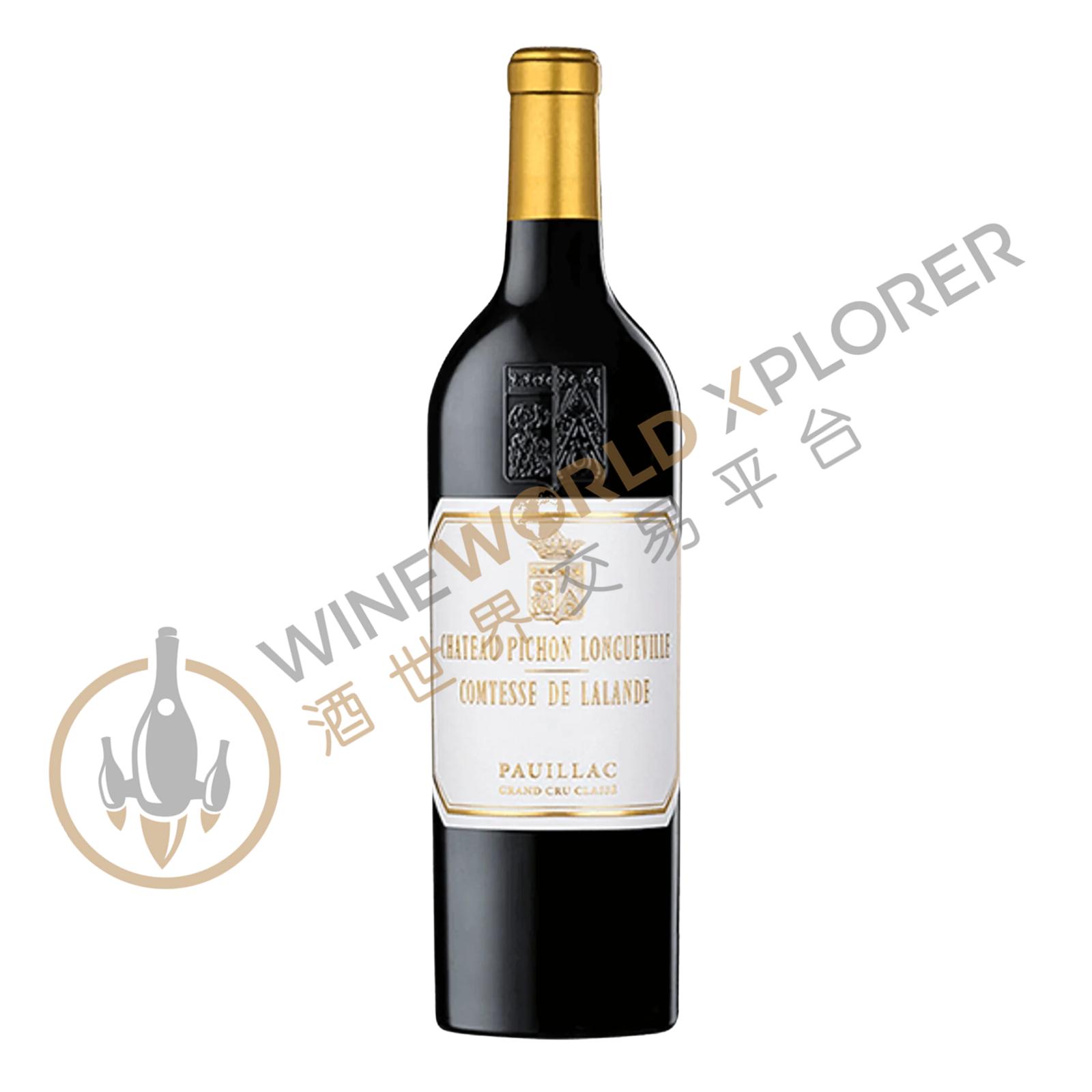
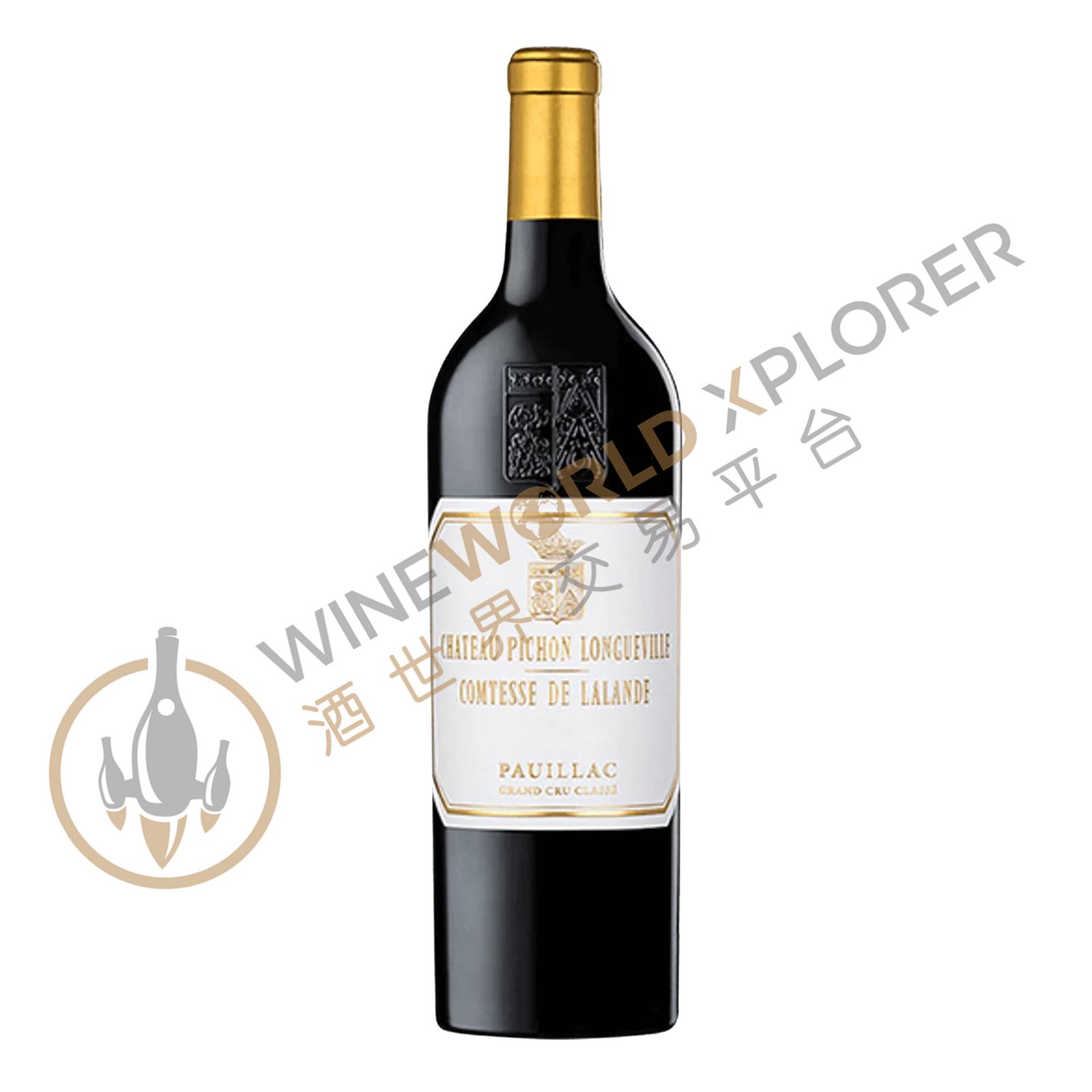
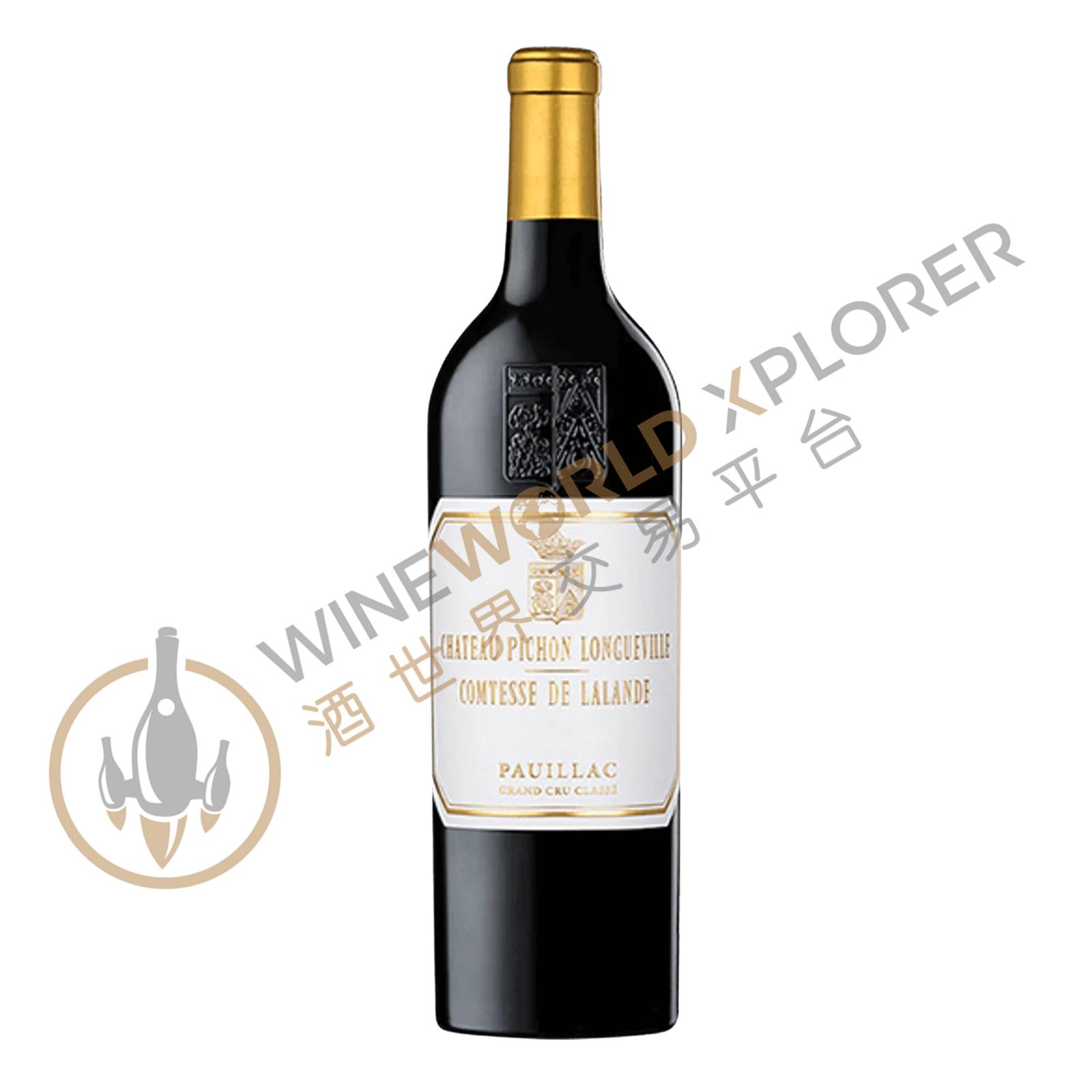
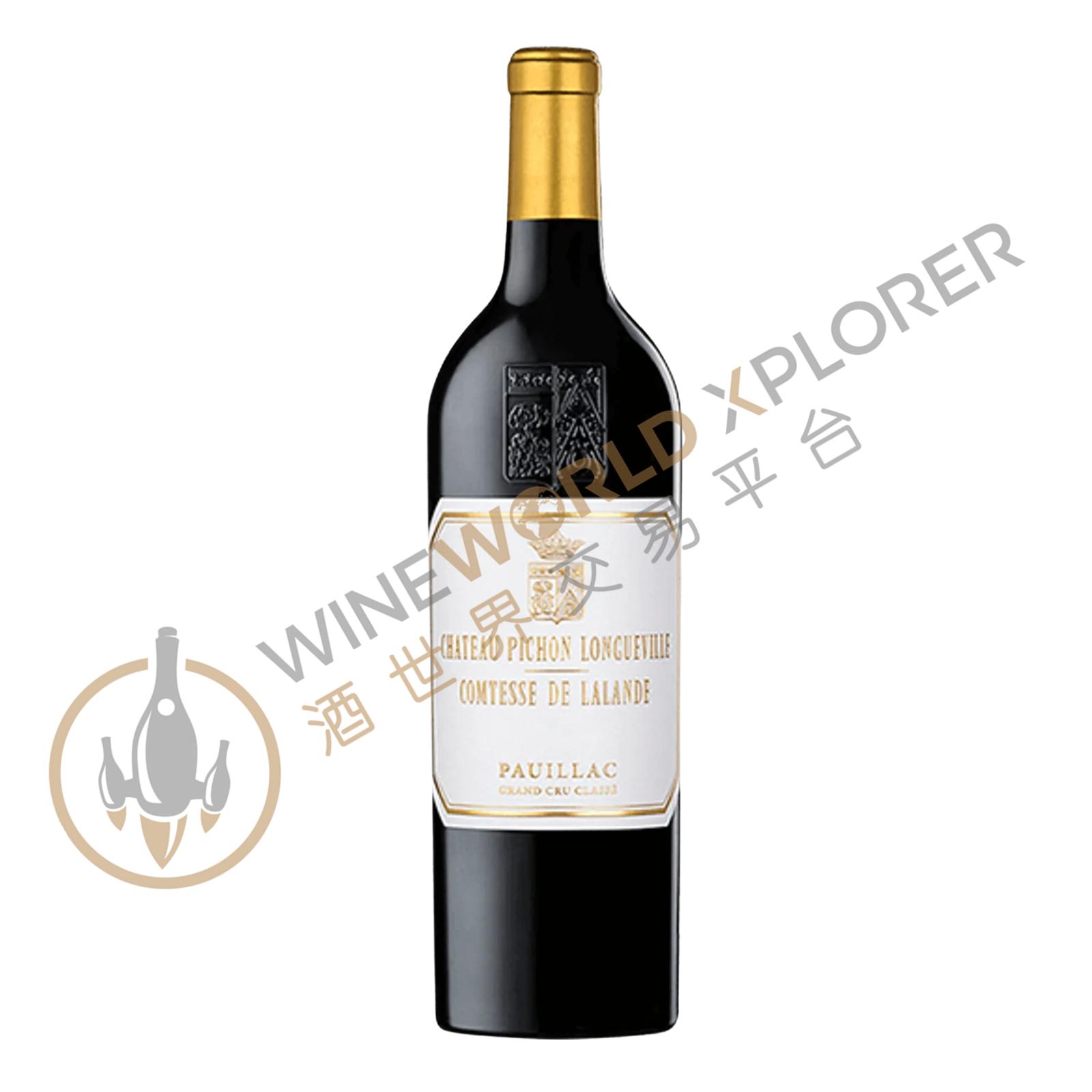
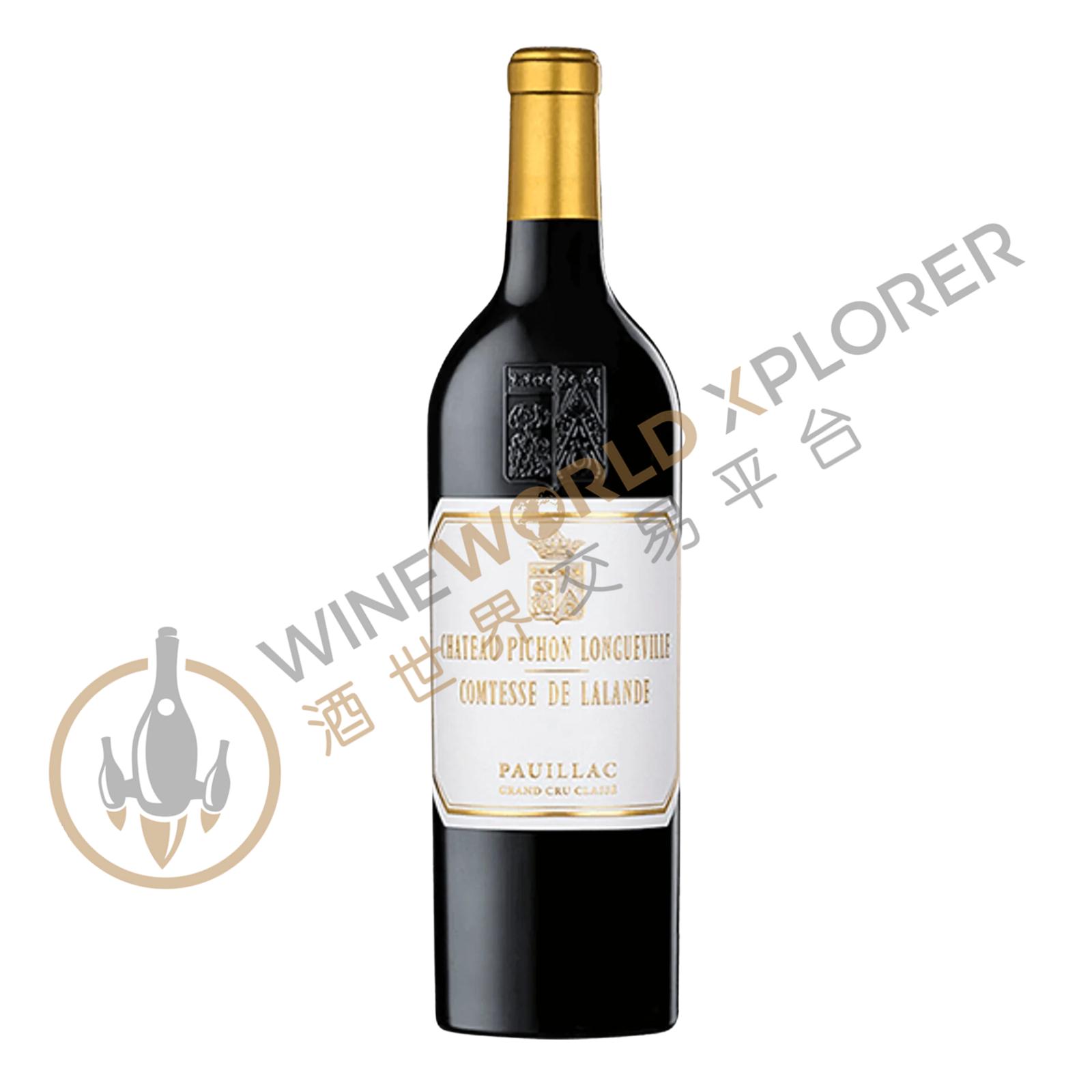
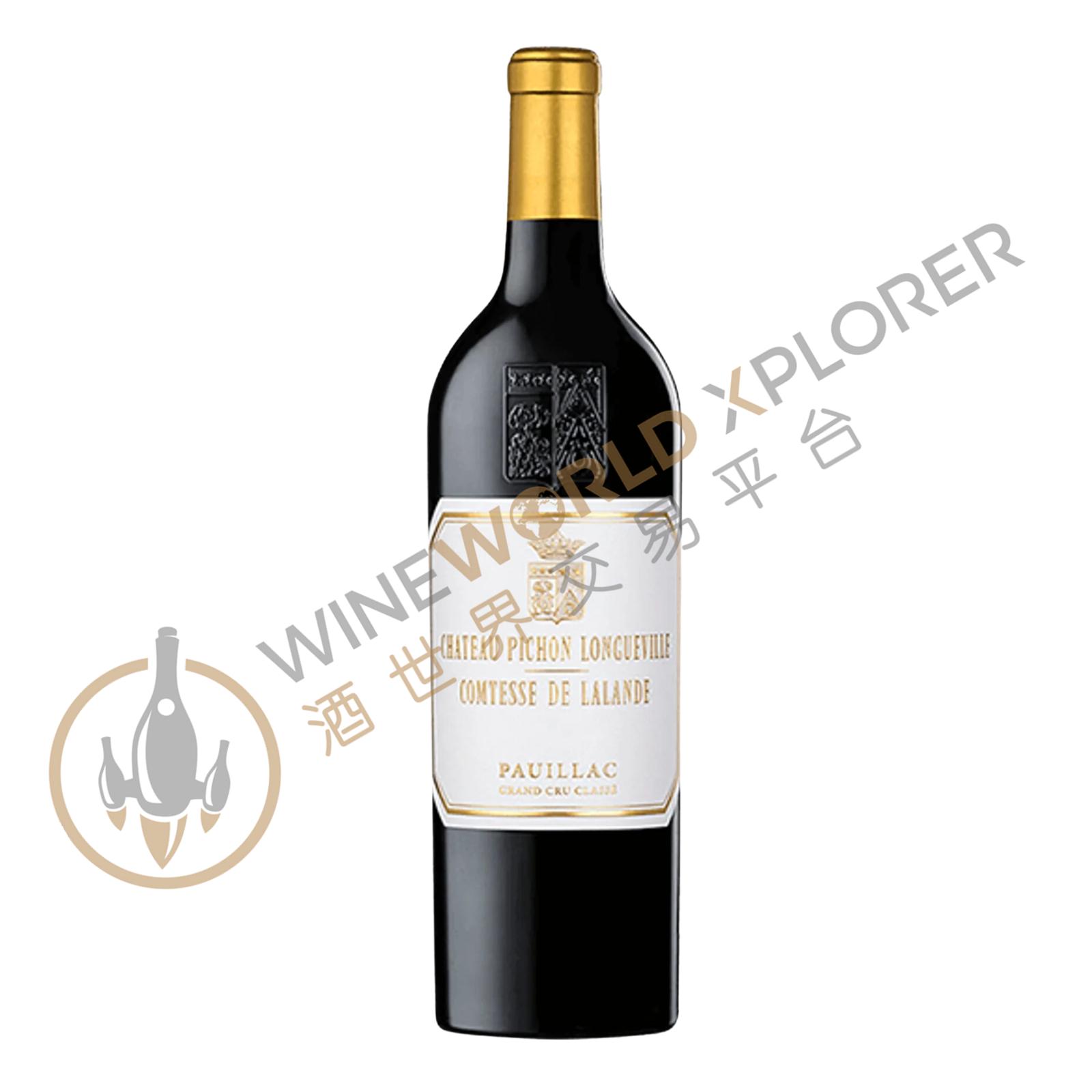
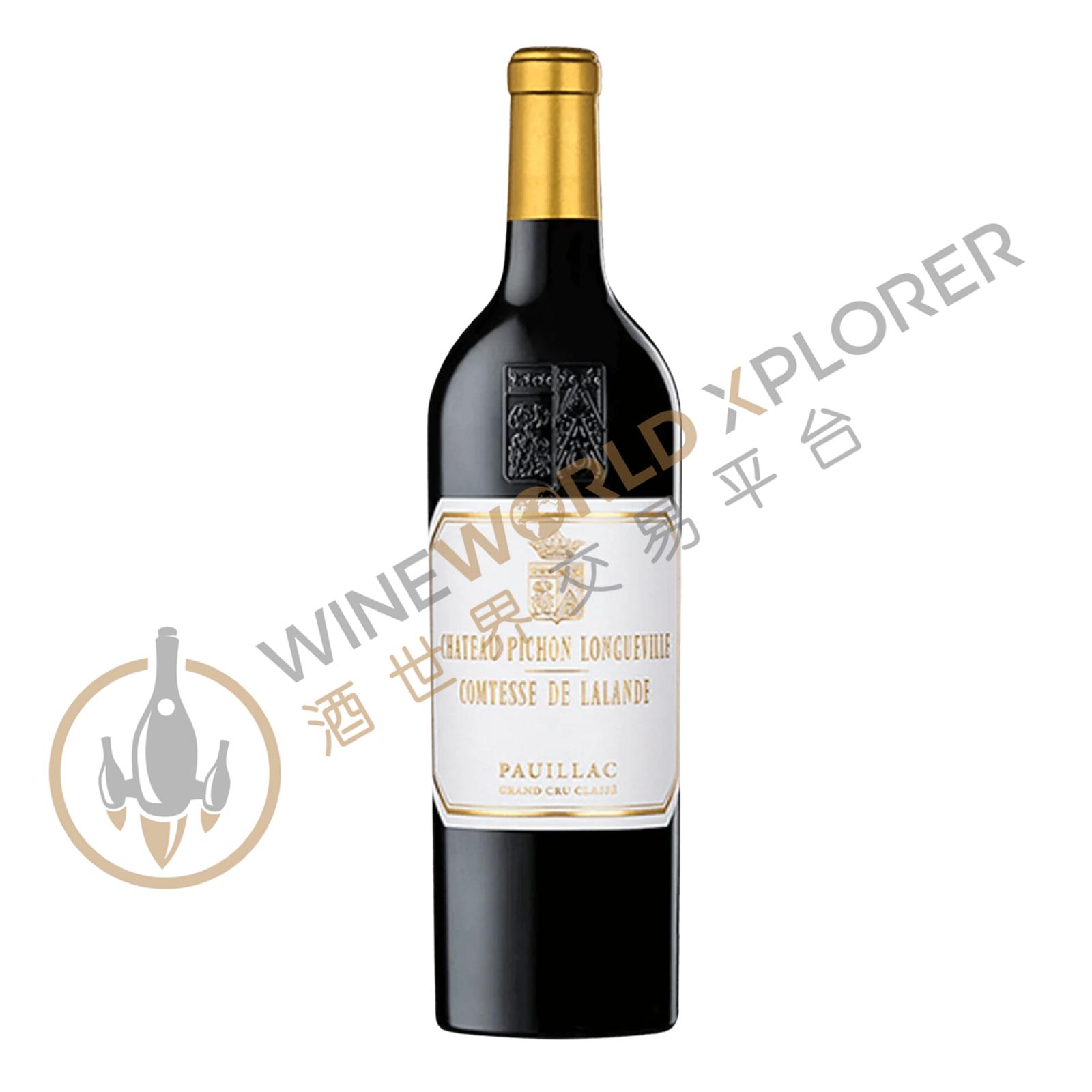
Pichon Lalande 1999
 View analysis


Description
Tasting notes

Reviewed by: Robert M. Parker, Jr.
Pichon Lalande appears to have taken a bumpy road. The 1999 tastes very good, but not up to the impeccably high standards this property has maintained for nearly two decades. The dark ruby-colored 1999 possesses an herbaceous, smoky, licorice, and black fruit-scented nose. Made in an elegant, medium-bodied style, it lacks depth, dimension, and persistence. This estate was obviously not able to fully overcome the heavy rain (six inches) that fell during the last two weeks of September. The 1999 is an easy to understand, charming, lighter-weight Pichon Lalande to drink during its first 10-12 years of life.
Reviewed by: Neal Martin
Tasted at the Fine Wine Experience’s Pichon-Lalande vertical in London. A deep garnet core with moderate brick rim. It has a quintessential Pauillac nose, the Cabernet Sauvignon driving it along with lots of cedar and tobacco. It lacks a little lift and personality perhaps. The palate is medium-bodied, quite tarry and smoky on the entry, good acidity, crisp and a little surly perhaps, not as fleshy as Pichon Lalande can be. Focused, quite linear, again with that tobacco leaf coming back on the finish. Rather austere and conservative although it would complement food with aplomb. Drink now-2016. Tasted December 2008.
Reviewed by: Neal Martin
First tasted May 2001 where it lacked some depth but had lovely velvet smooth tannins. Charming Pichon Lalande but earlier drinking in style. Another bottle in November 2003: much more vigour on the nose than Pichon Baron 1999. Notes of leather, morello cherry and kirsch. The palate has moderate tannins, good grip with cigar box notes. Quite stern and masculine for Pichon Lalande, the Cabernet more prominent than the Merlot. A little dry on the finish. Still this will be more of an early drinking wine from 2005.
Reviewed by: Robert M. Parker, Jr.
A blend of 47% Merlot, 37% Cabernet Sauvignon, 9% Cabernet Franc, and 7% Petit Verdot, the 1999 Pichon-Lalande is putting on weight as it evolves in cask. The color is a deep ruby with purple nuances. Medium to full-bodied, with a sexy nose of caramel, tobacco, sweet black currants, and spice, it is a silky-textured, seductive effort that may merit an outstanding rating, if it develops more length and mid-palate. It has evolved well over the last year, and is now displaying more of Pichon-Lalande's class and nobility. Anticipated maturity: 2002-2018.
Reviewed by: Neal Martin
Tasted at the 1999 horizontal at Bordeaux Index. The ’99 Pichon Lalande has another very straight-laced nose that opens up nicely in the glass with scents of blackberry, cedar, wild hedgerow, a touch of sea salt. Very good definition. The palate is medium-bodied, moderate acidity and weight, introverted or perhaps more accurately, understated with a grainy, slightly savoury/tobacco finish. Salty tang on the aftertaste. Just about ticks all the boxes but no fireworks. Drink now-2018. Tasted June 2009.
Reviewed by: Robert M. Parker, Jr.
The 1999 Pichon Lalande performed inconsistently. This wine is a blend of 47% Merlot, 37% Cabernet Sauvignon, 9% Cabernet Franc, and 7% Petit Verdot. It offers a complex, evolved bouquet of cedar, underbrush, red currants, and spice box. The dark ruby color is not as saturated as many 1999s, and the wine possesses the weight and style of the 1979 and 1981 (both of which are superior to 1999). There is medium body, excellent ripeness, and an angular finish, without the persistence typically found at this chateau. Anticipated maturity: now-2012.
About the Producer
Pichon Lalande is arguably the best known Super Second Pauillac for its quality consistency and quintessential Bordeaux claret expression. Neighbouring Chateau Latour and lying just right opposite Chateau Pichon Baron, Pichon Lalande, as its name suggests, has long seen extended female owner influence since the 1850s. Back in the 1850s, the original Pichon Lalande got broken down into two-fifth being renamed as Pichon Baron and three-fifth remaining as Pichon Lalande upon the passing of Baron Joseph de Pichon Longueville. The three-fifth was run by the three daughters of the Baron himself and over the course of a few years, Pichon Baron and Pichon Lalande took on distinctive styles - with the former being more a masculine expression and the latter, feminine. Female ownership and influence continued, with little interruption, till the modern days. Pichon Lalande's string of female leaders have contributed to the continuous modernization of Pichon Lalande's vineyards and cellars; as well as the doubling of vineyard area during the 1970s - 90s. Today, Pichon Lalande's feminine expression continues to prevail - whilst the team is placed under the leadership of a former opera singer turned winemaker gentleman named Nicolas Glumineau. Conversion to biodynamic viticulture (fully by year 2021), continuous investments in precision winemaking facilities see Pichon Lalande continue to be revered among leading critics. Pichon Lalande is planted to 65% Cabernet Sauvignon, 25% Merlot, 7% Cabernet Franc and 3% Petit Verdot. It is the predominant Cabernet Sauvignon presence in Pichon Lalande's wines that make this wine such a capable representation of Pauillac's deep gravelly terroir.
1928(1)1969(1)1970(1)1977(1)1979(1)1981(1)1982(3)1983(1)1984(1)1985(4)1986(9)1988(4)1989(4)1990(4)1992(1)1993(1)1994(6)1995(4)1996(8)1997(2)1998(6)
Package Size