Wine Advisor



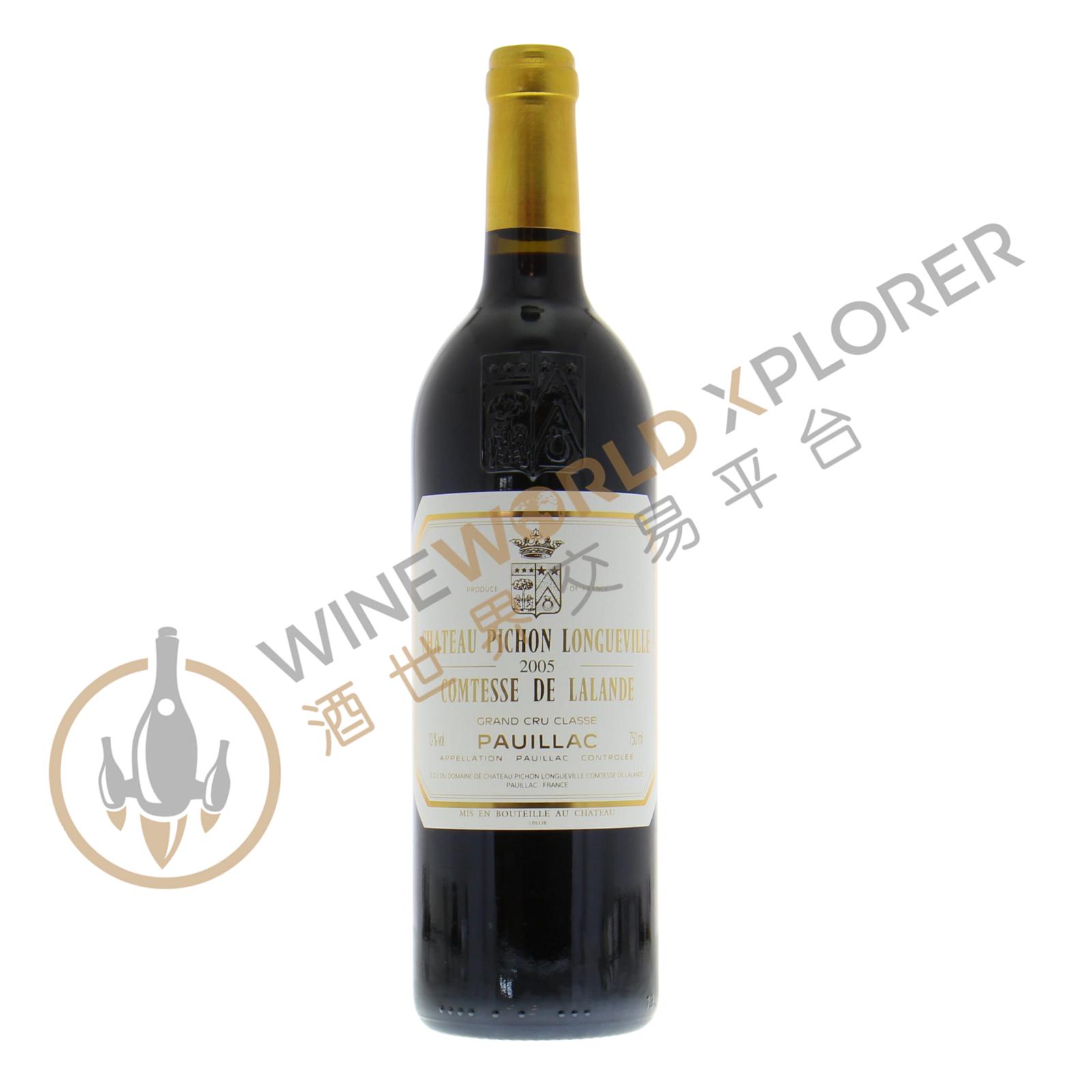
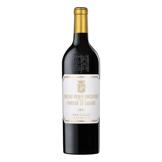
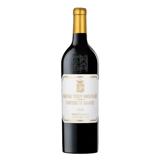
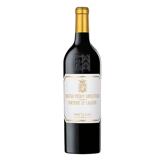
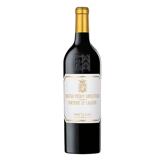
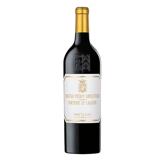
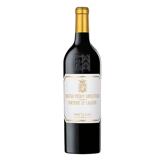
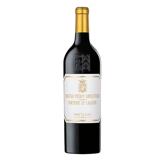
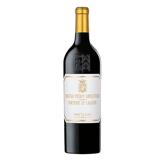
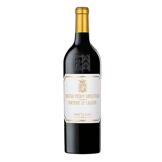
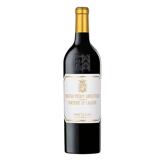
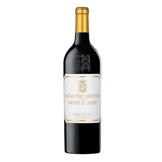
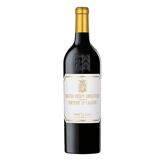
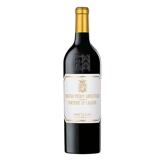
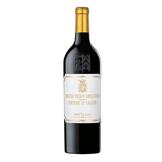
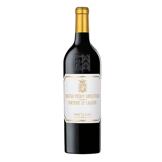
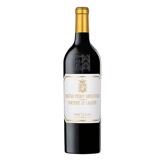
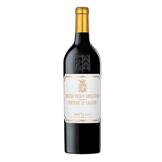
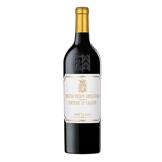
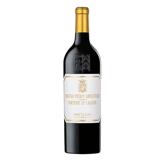
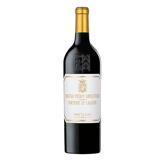
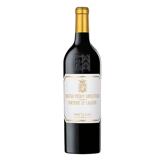
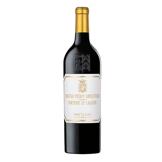
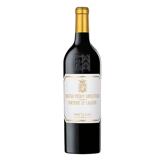
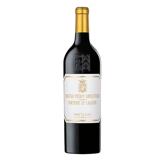
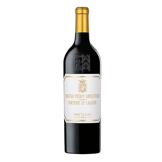
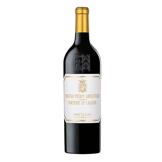
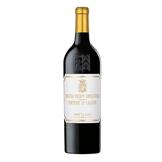
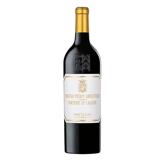
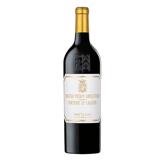
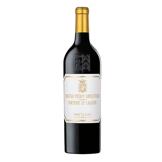
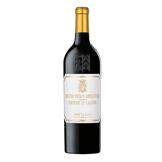
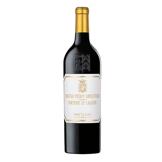
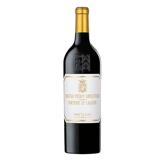
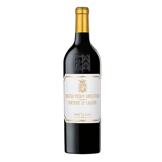
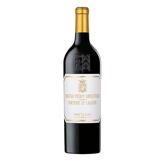
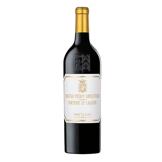
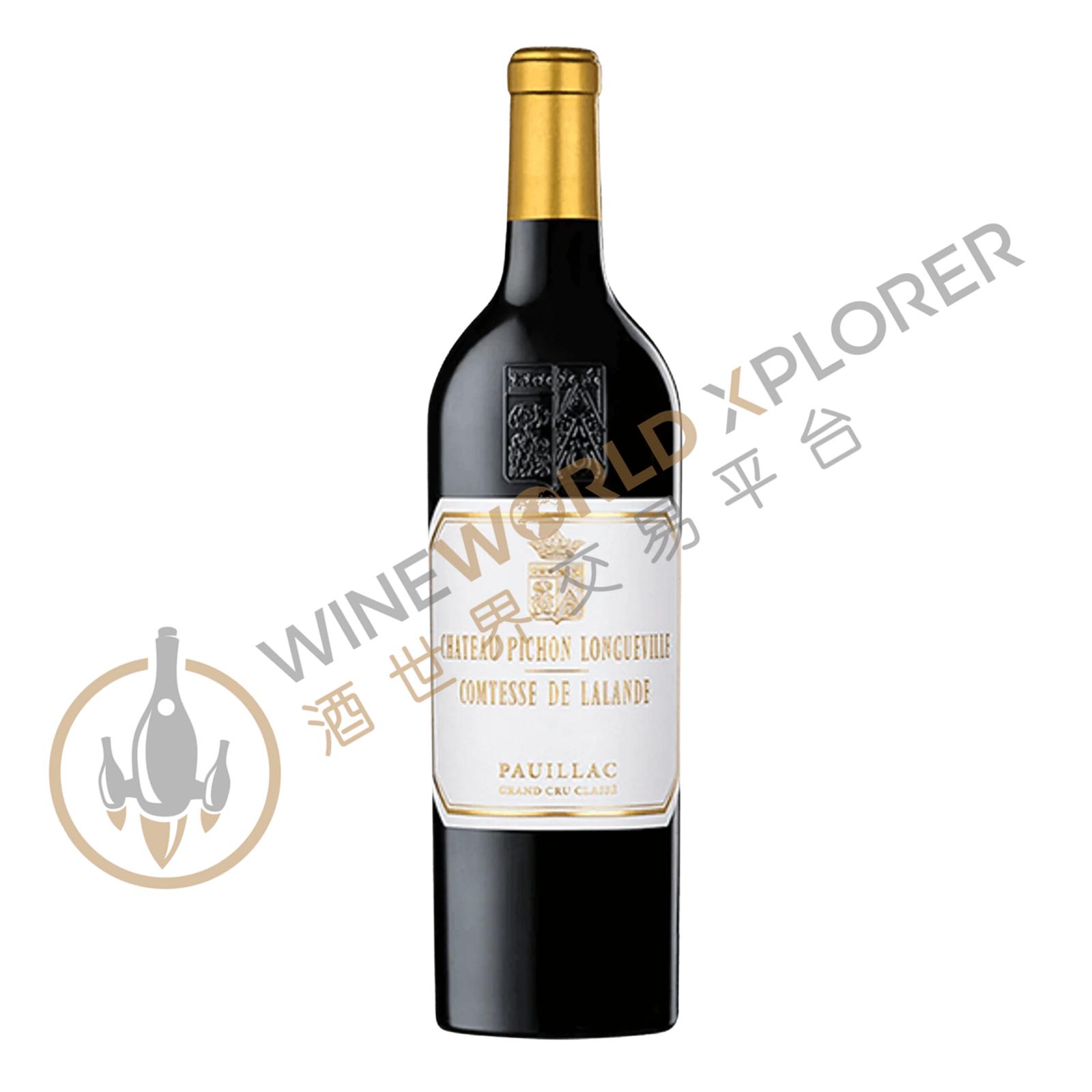
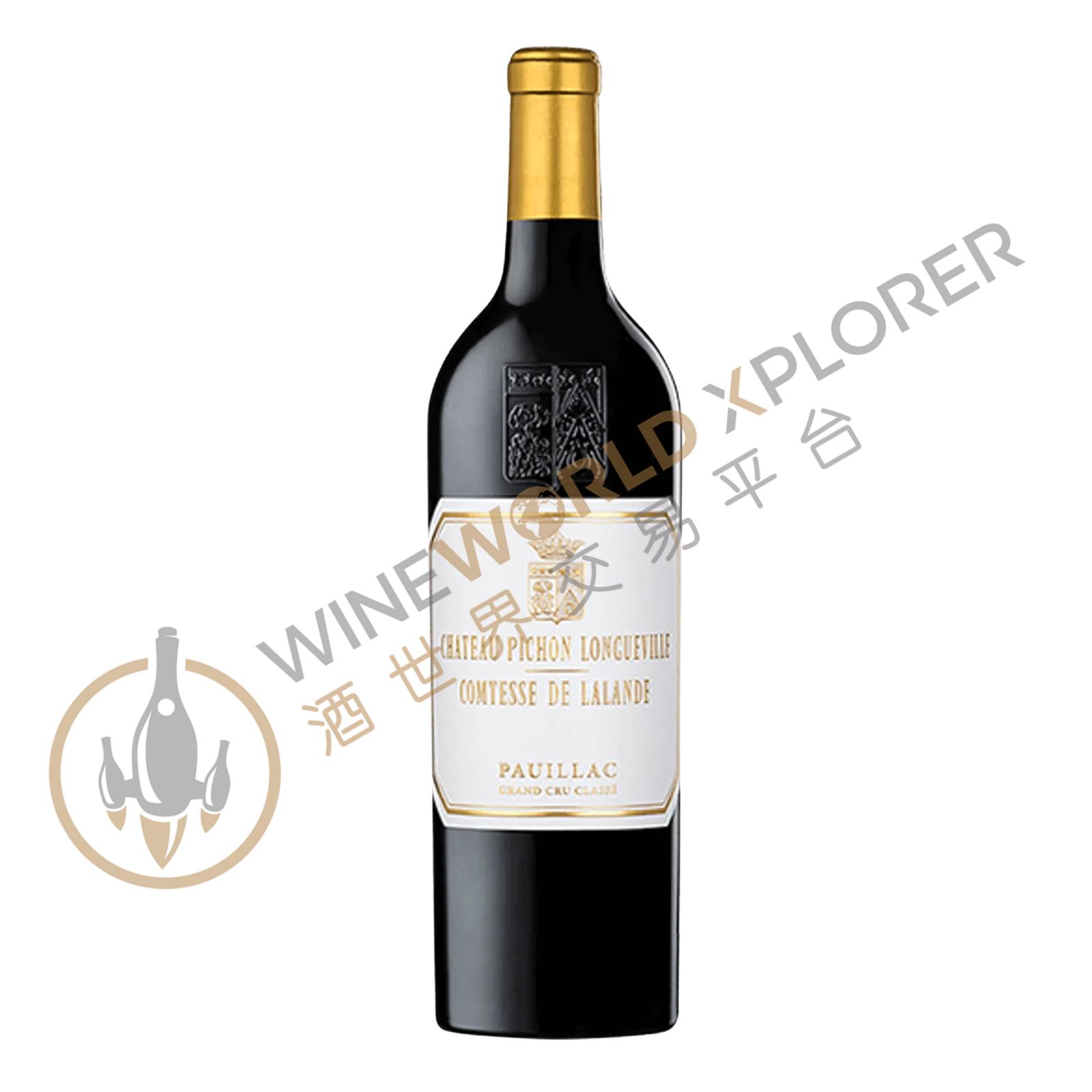
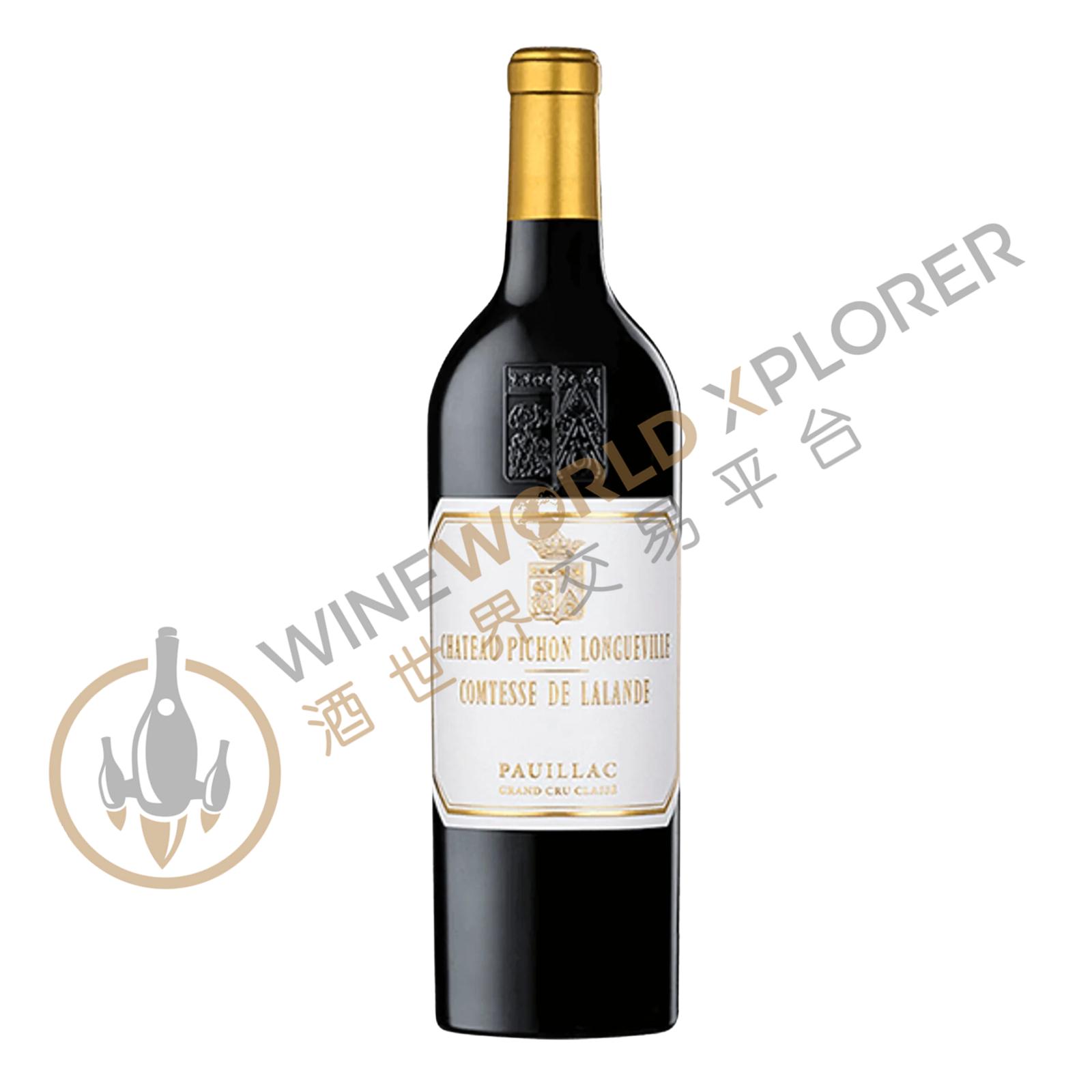
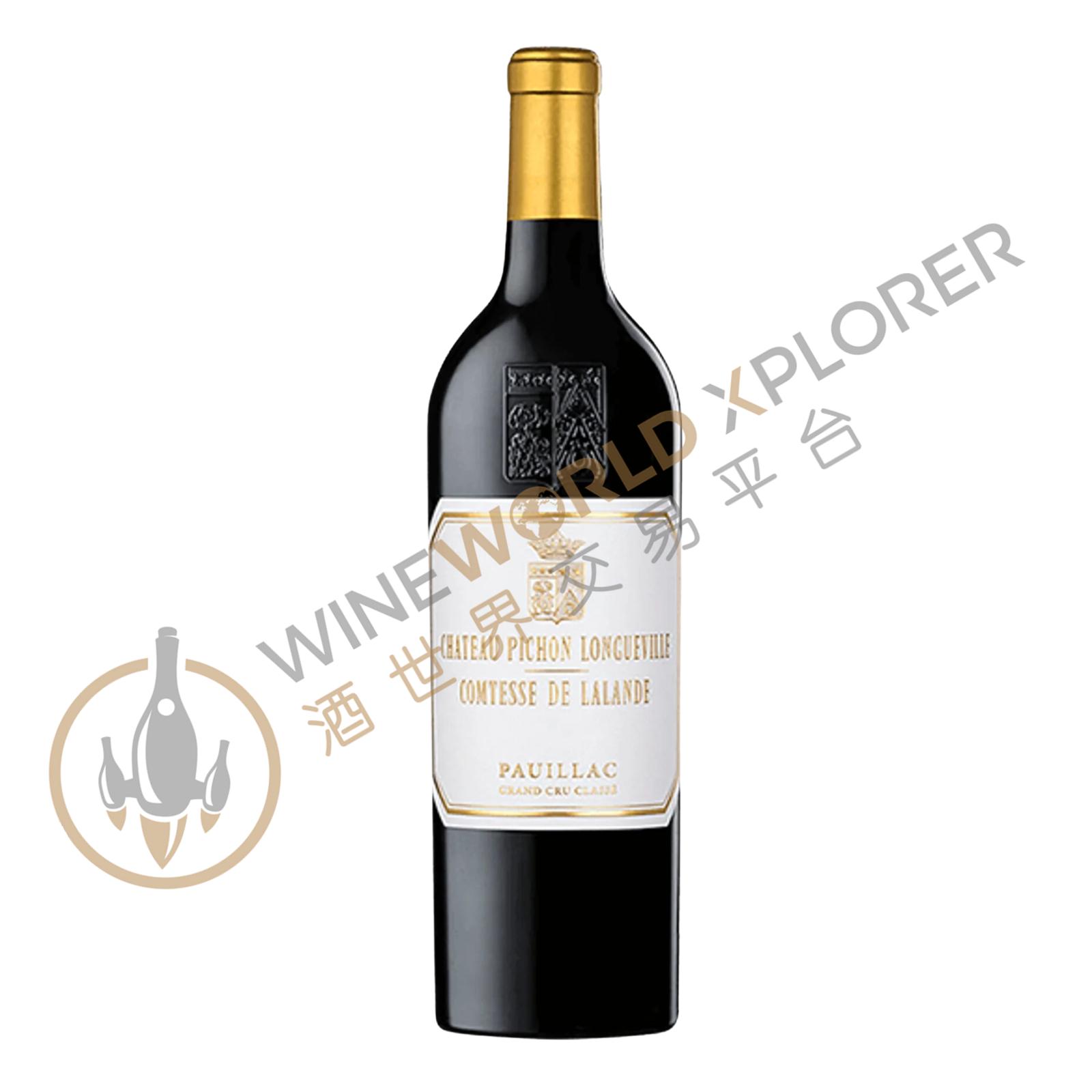
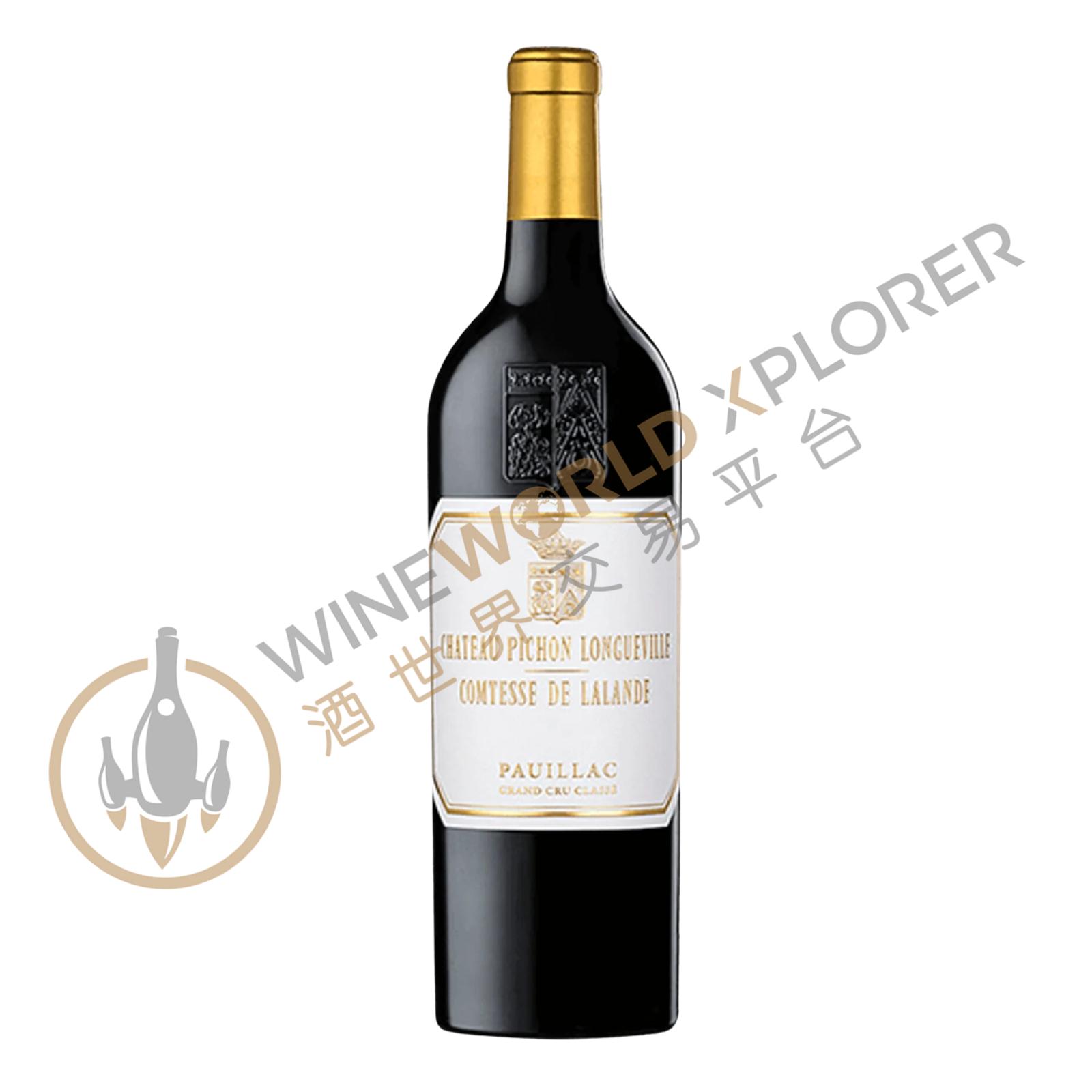
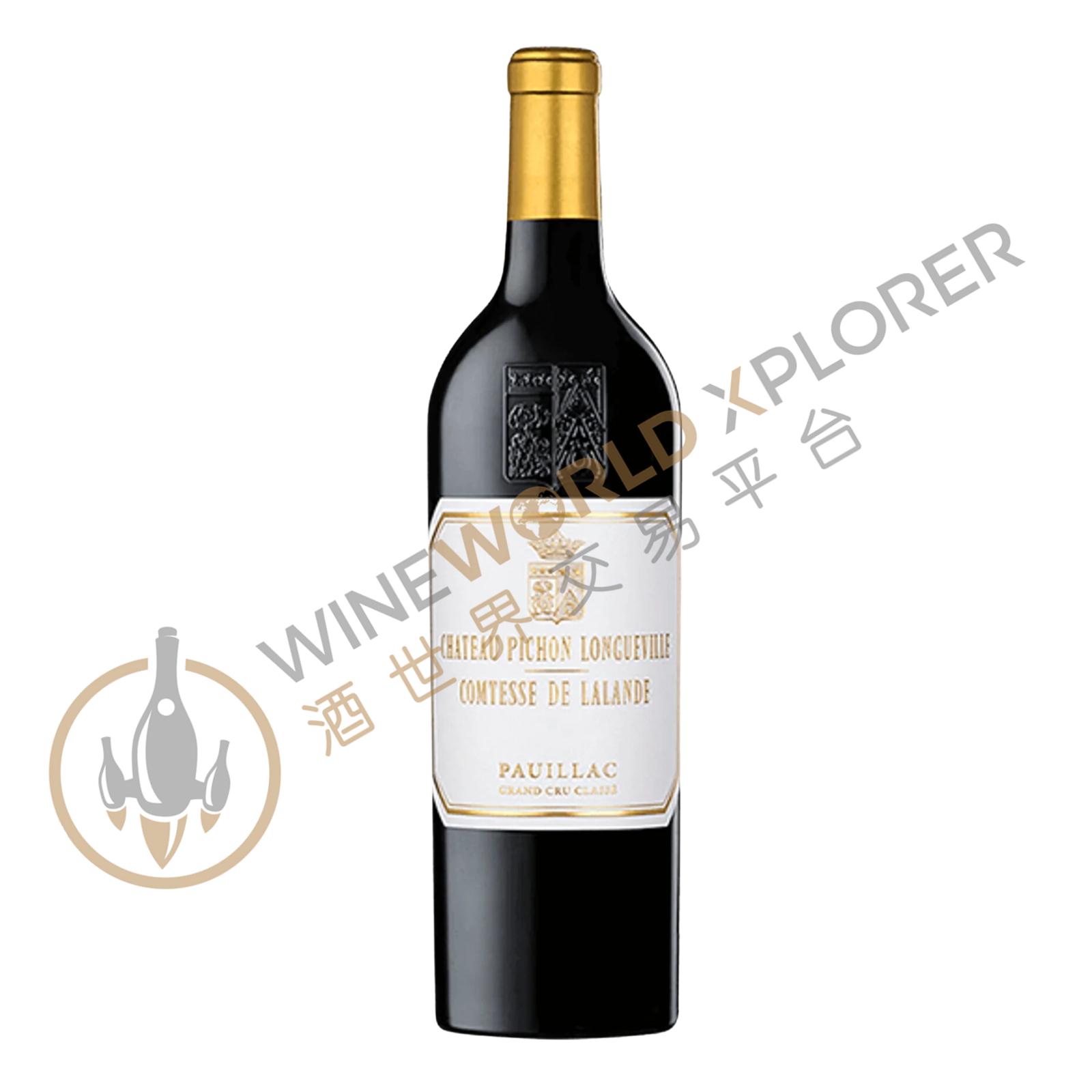
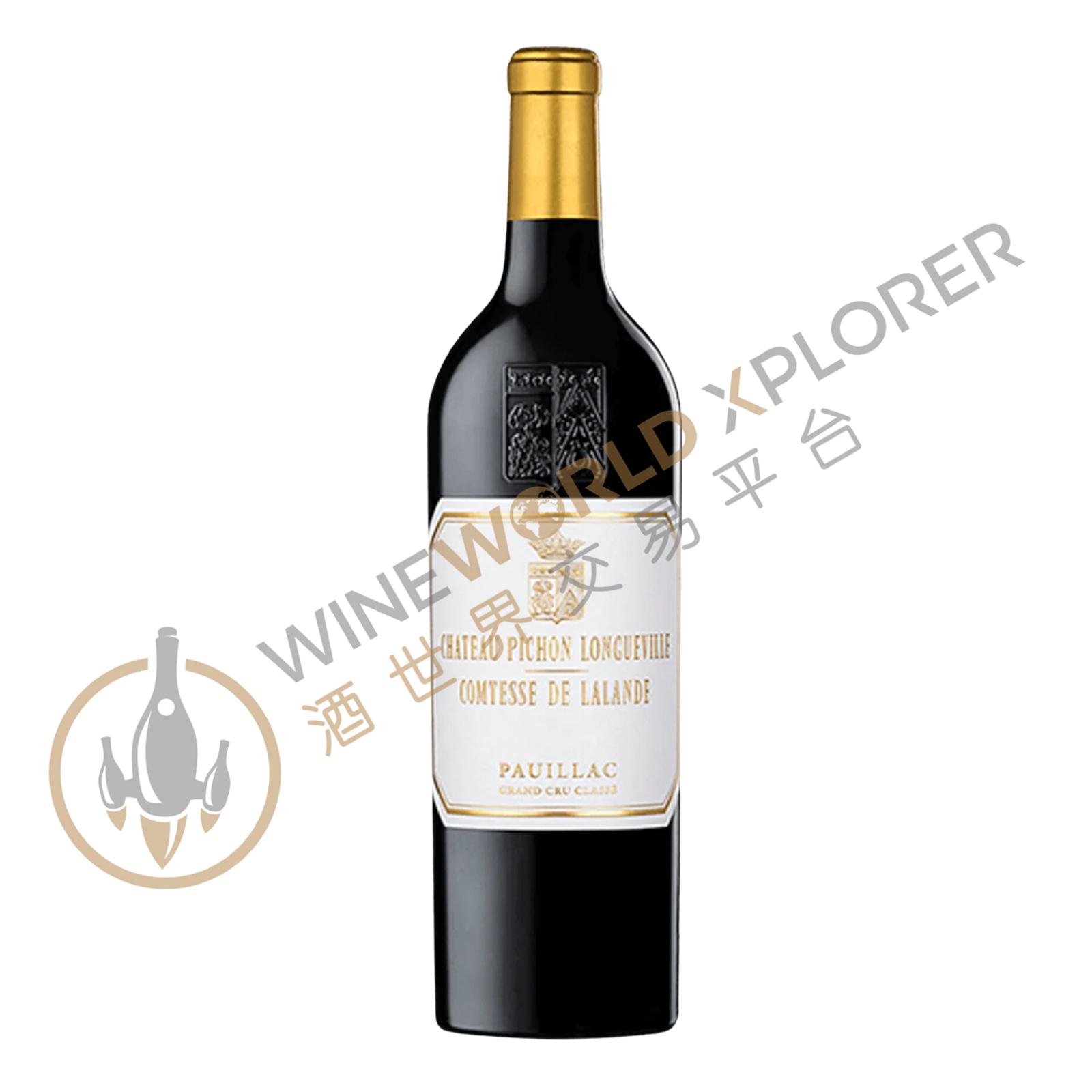
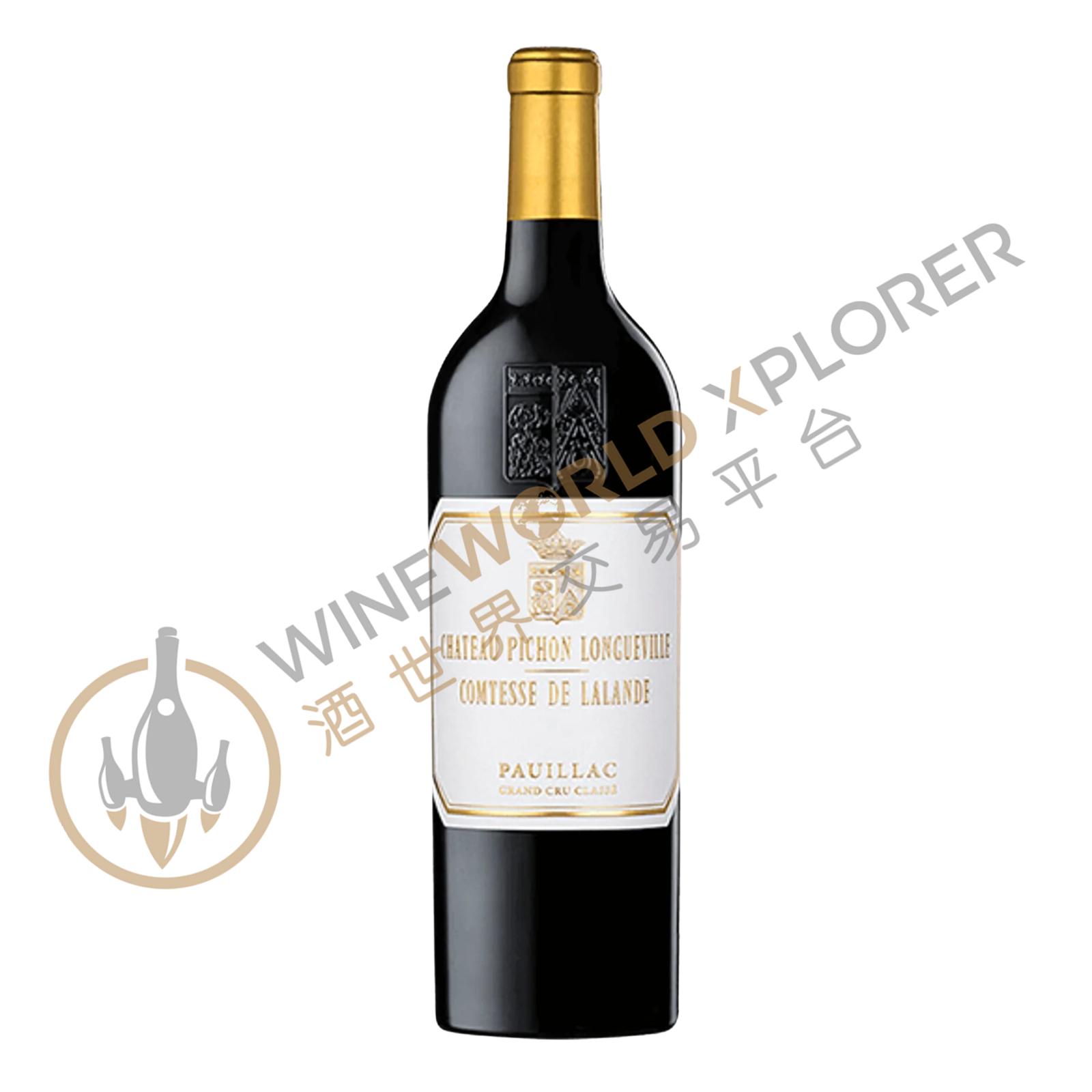
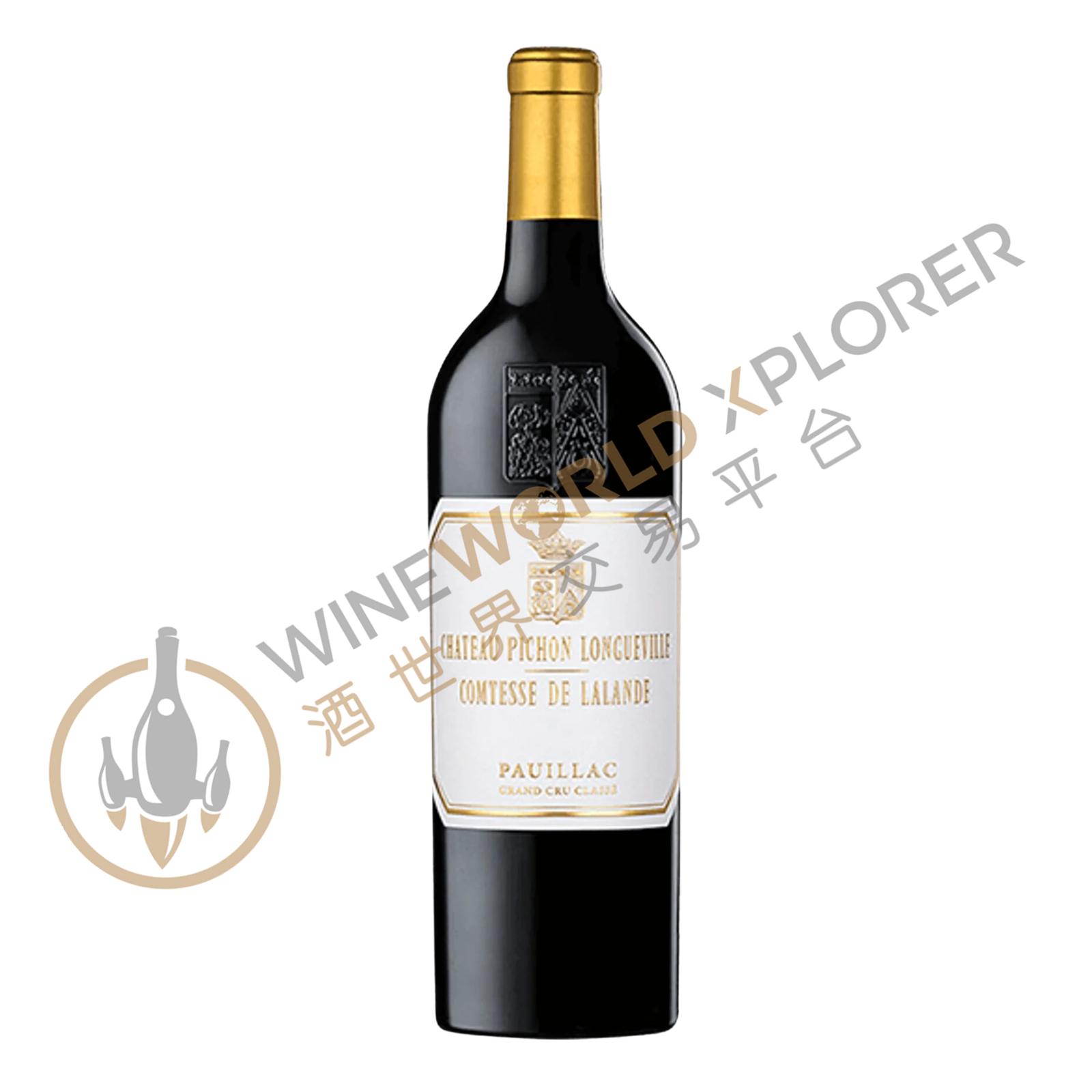
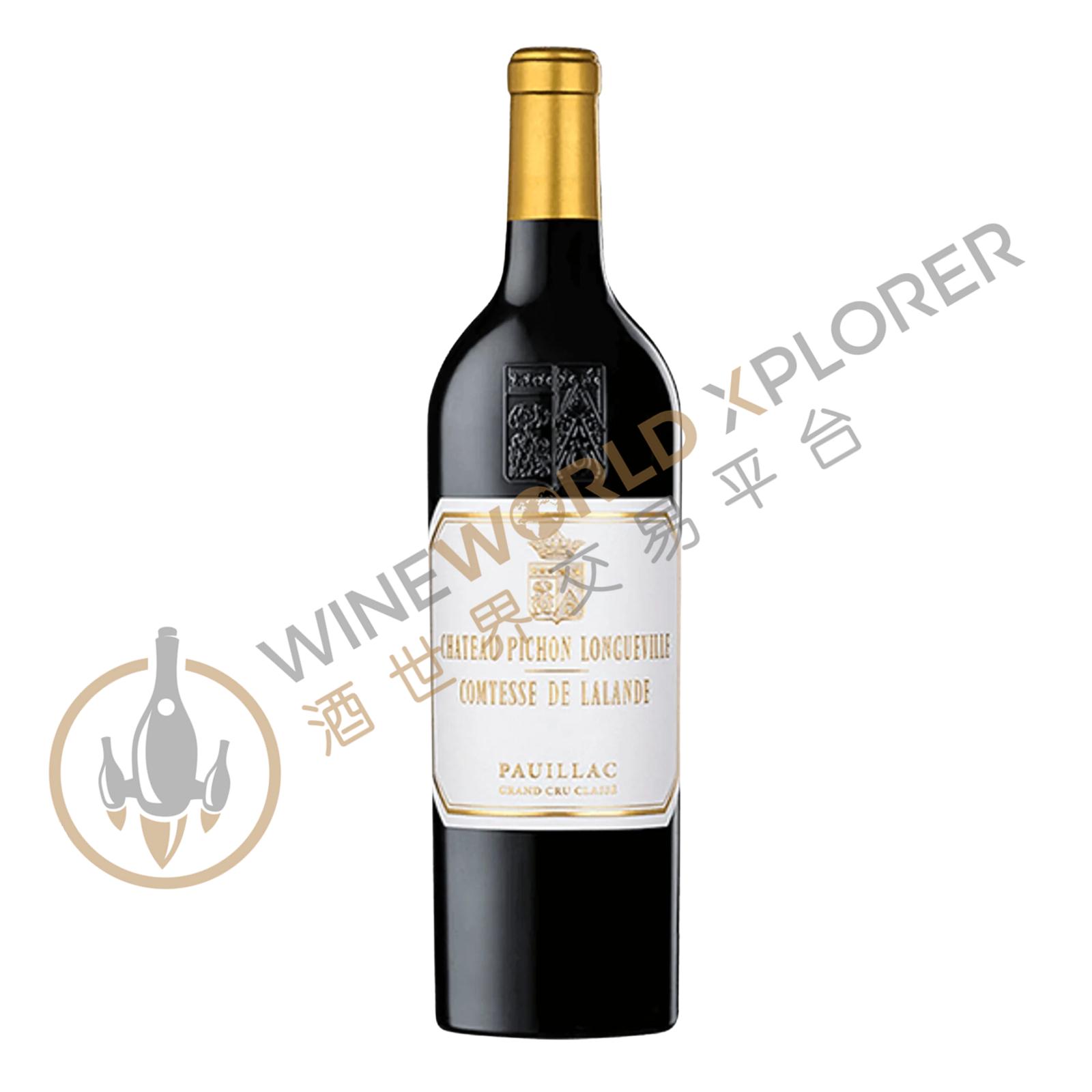
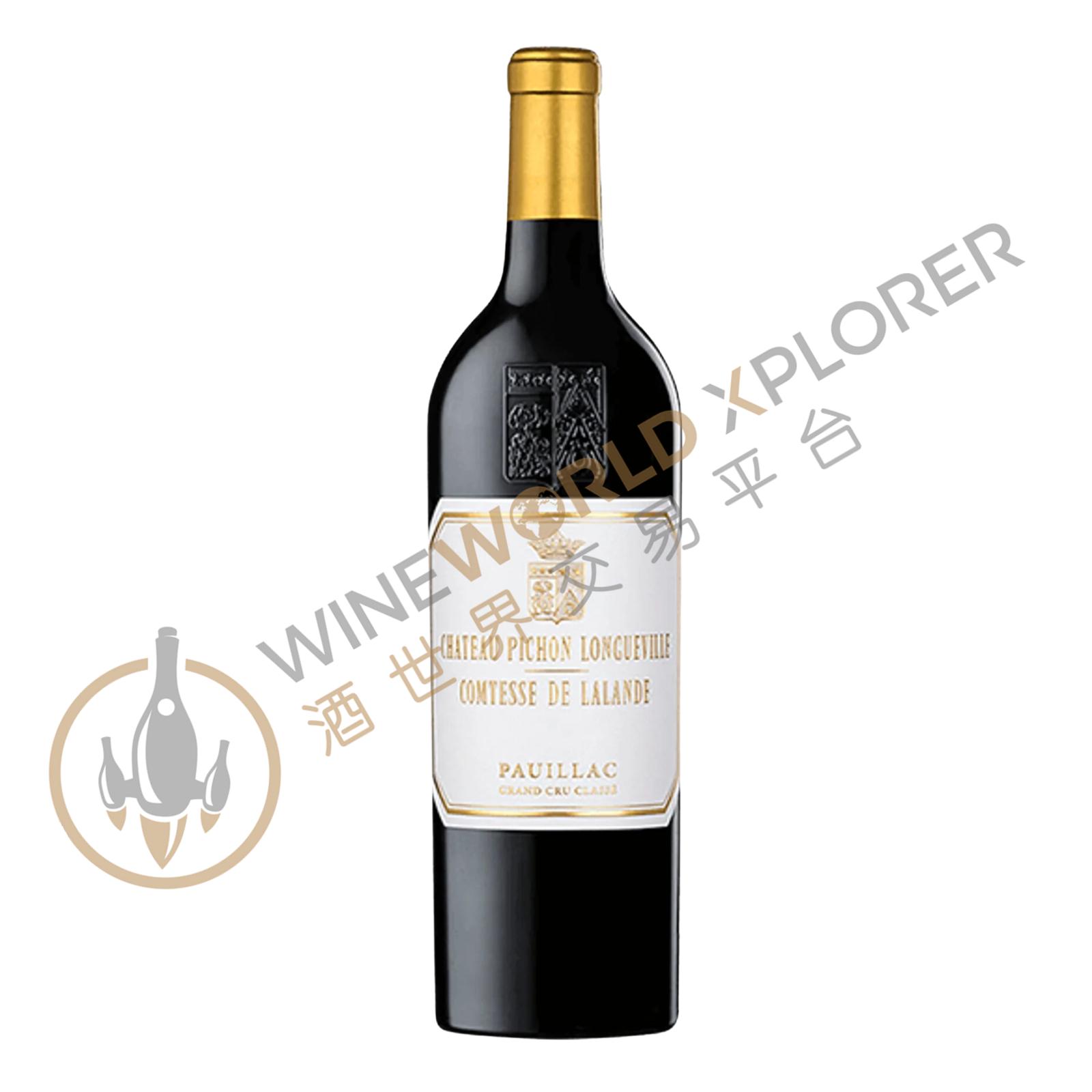
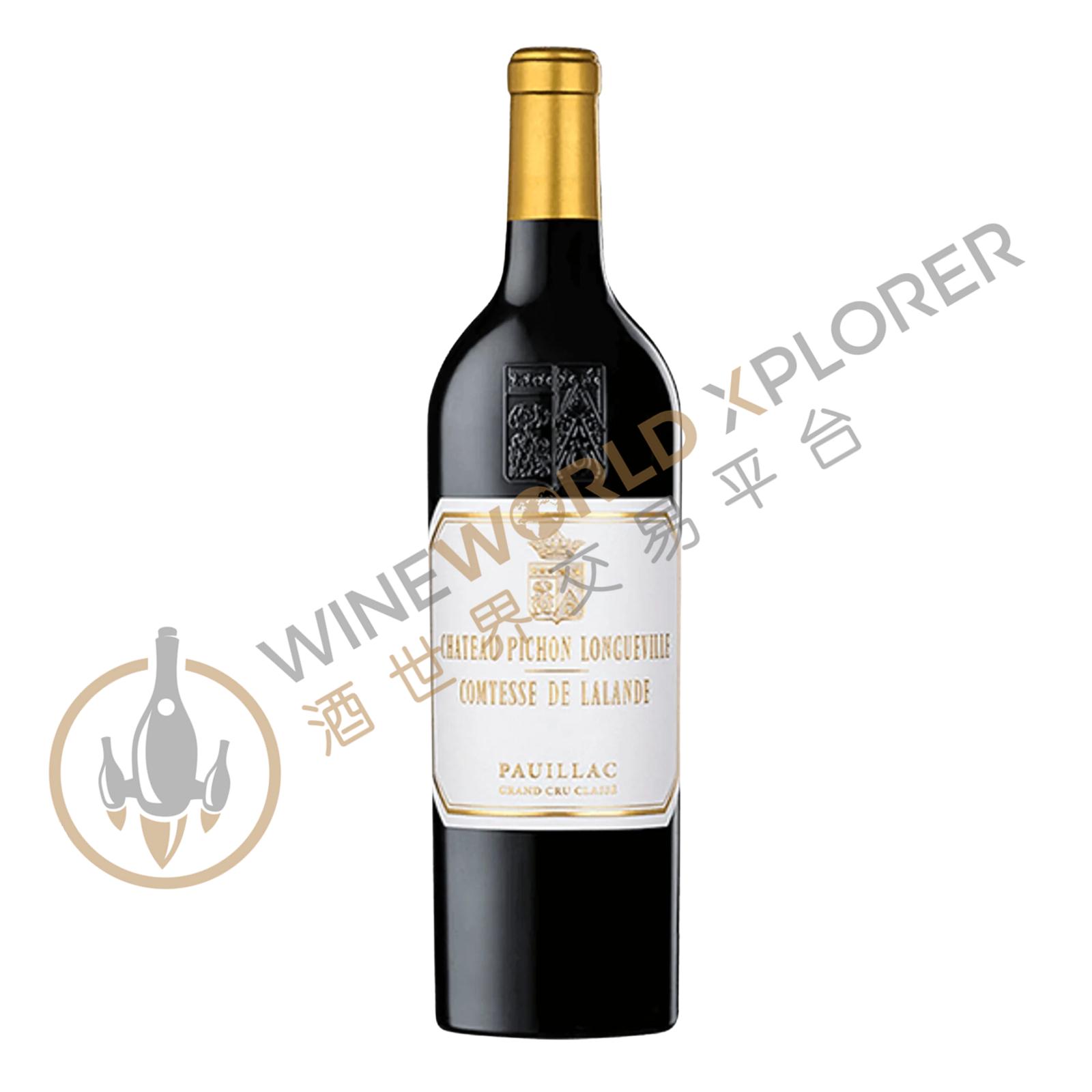
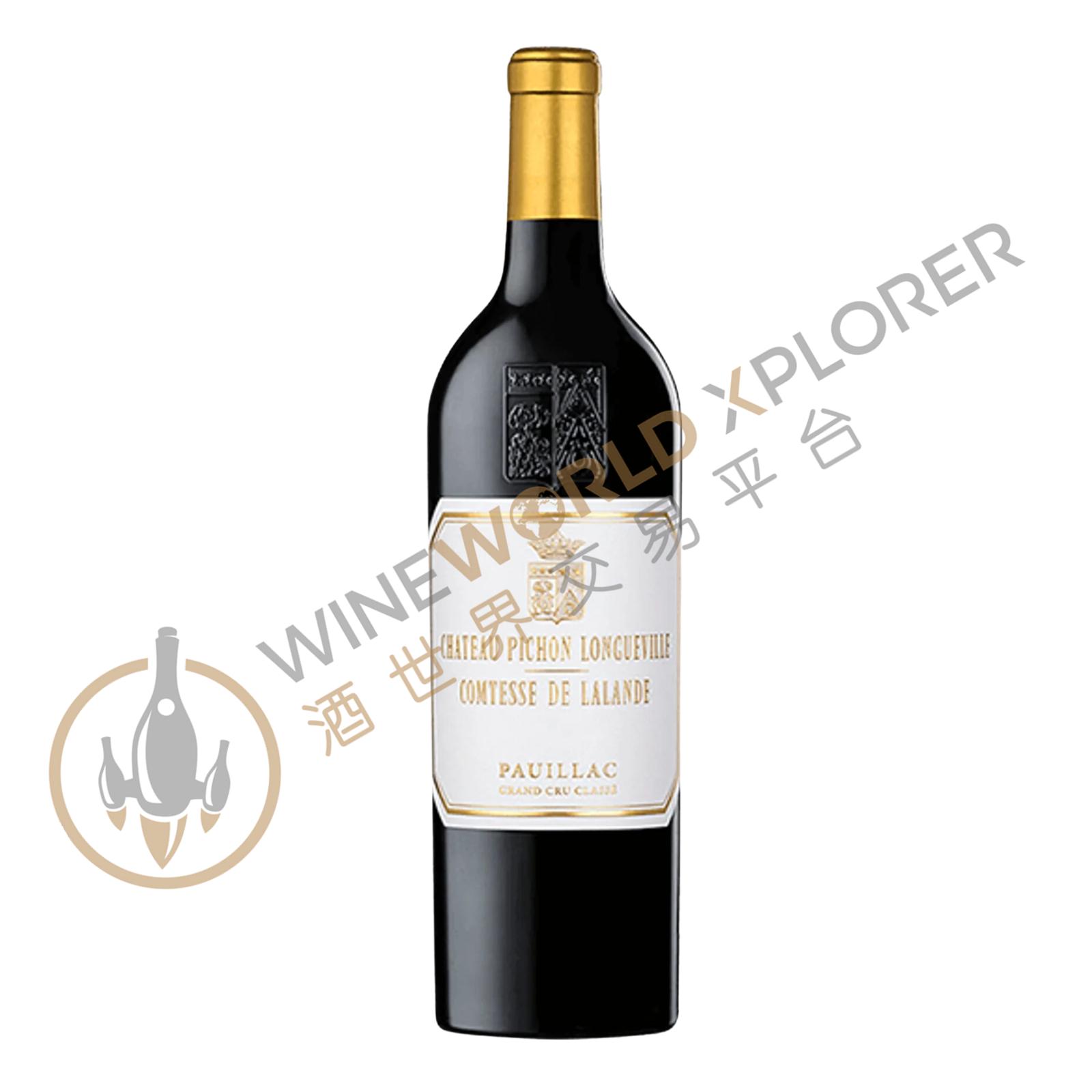
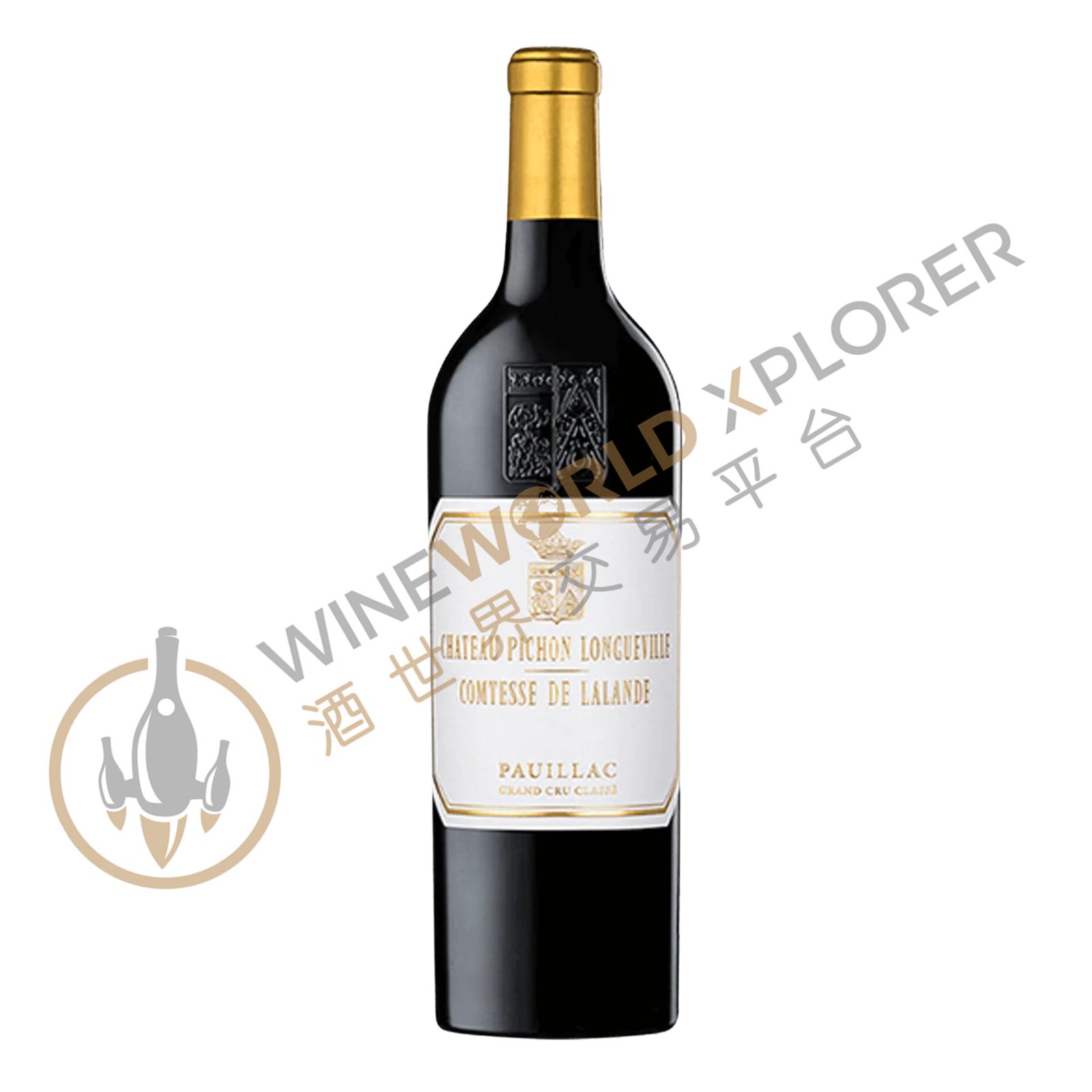
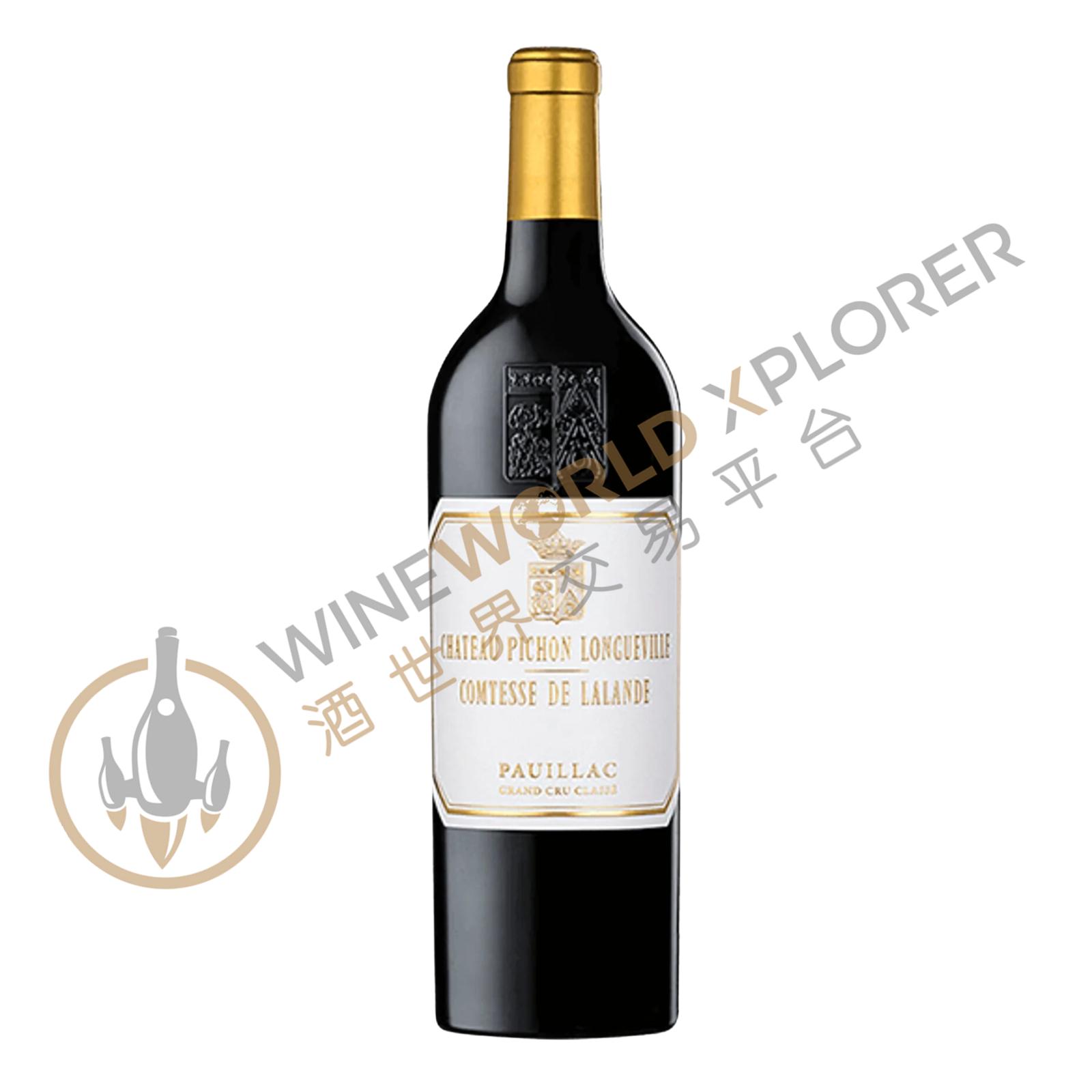
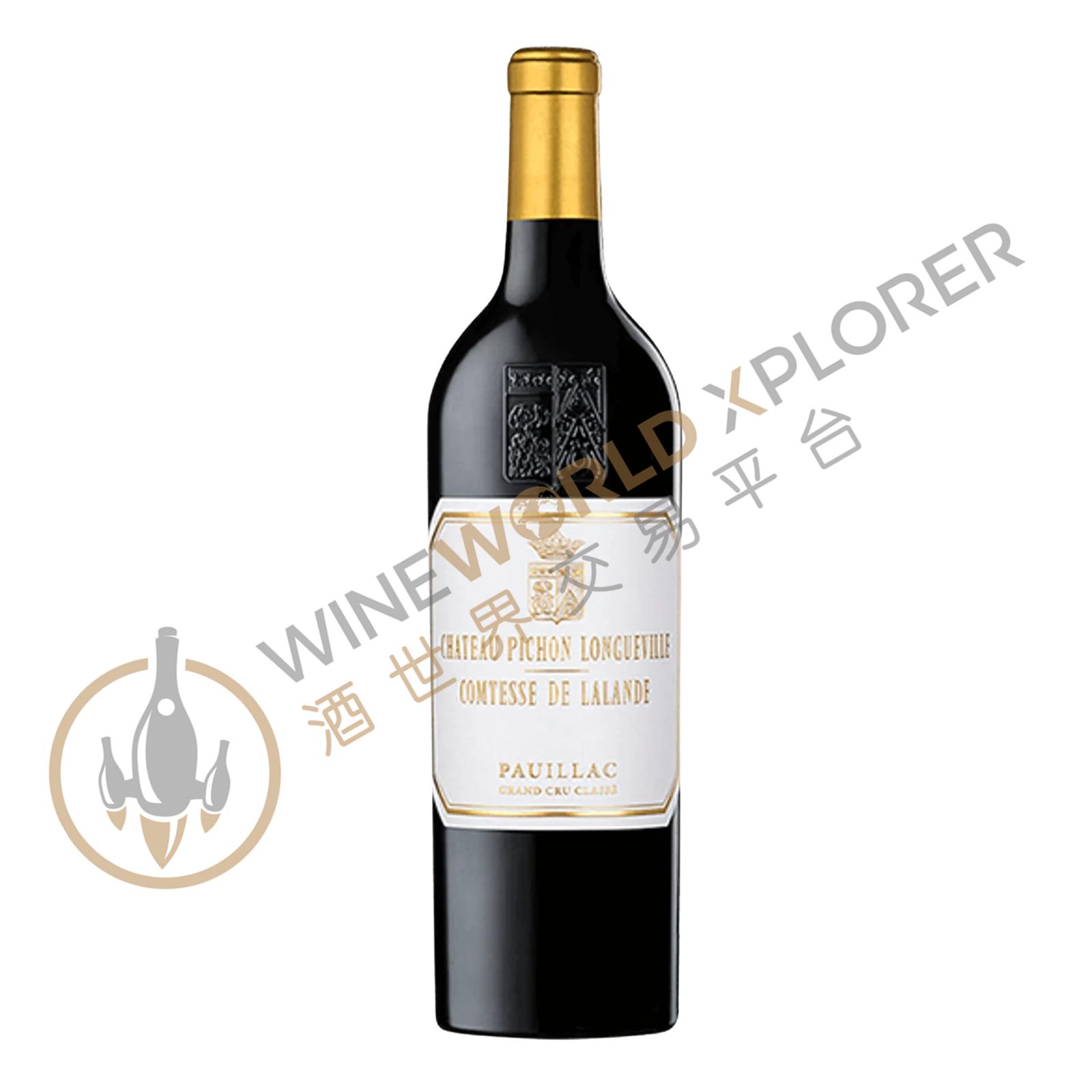
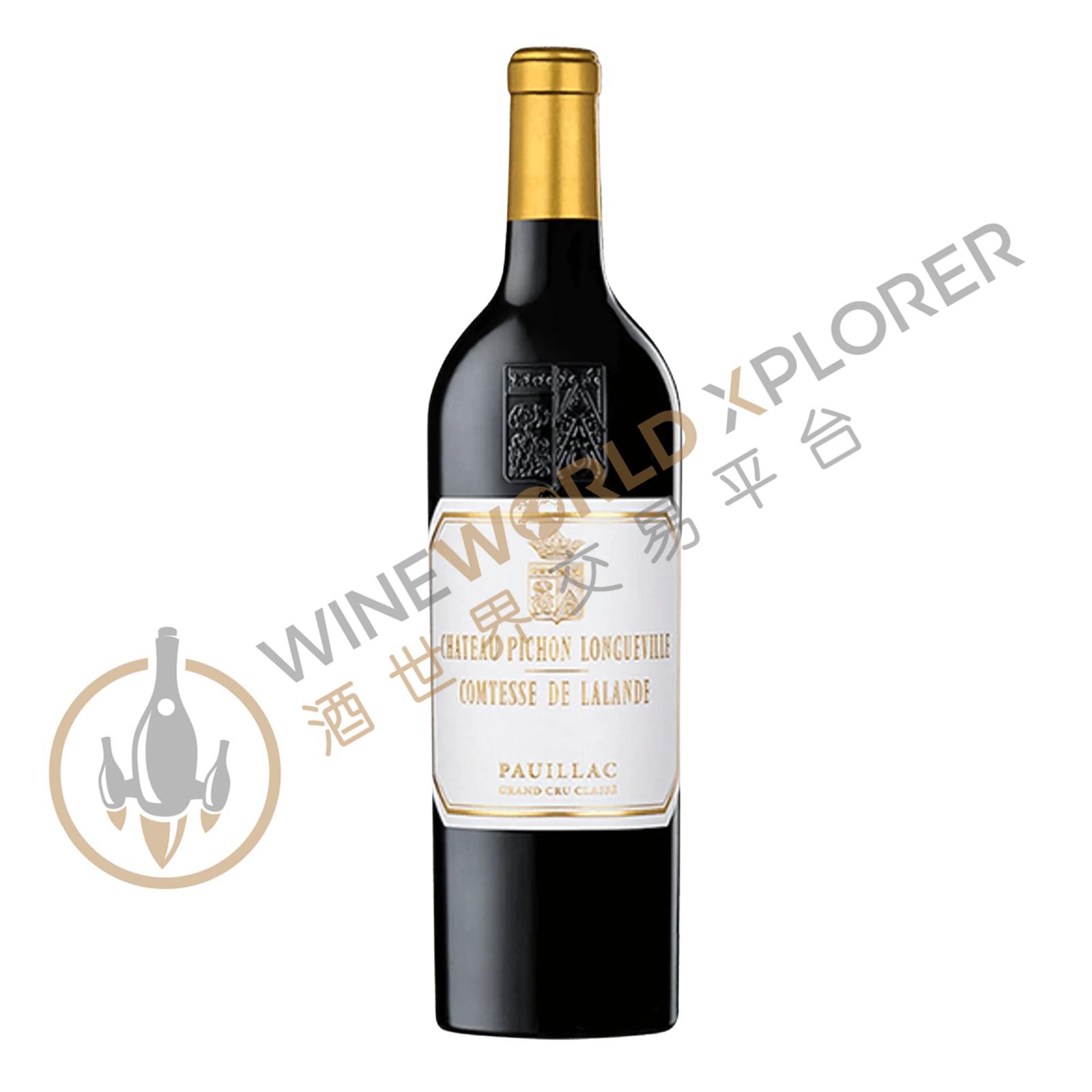
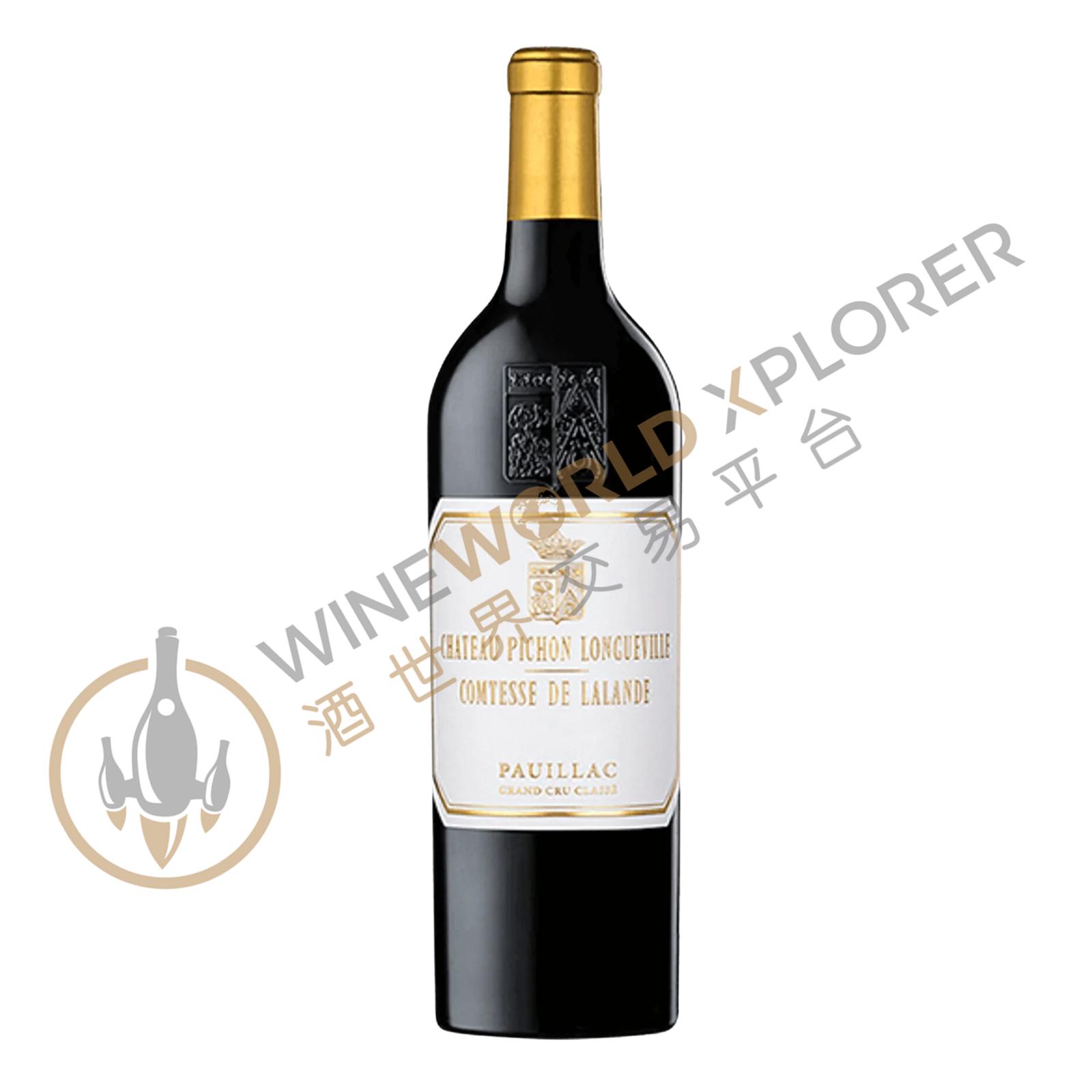
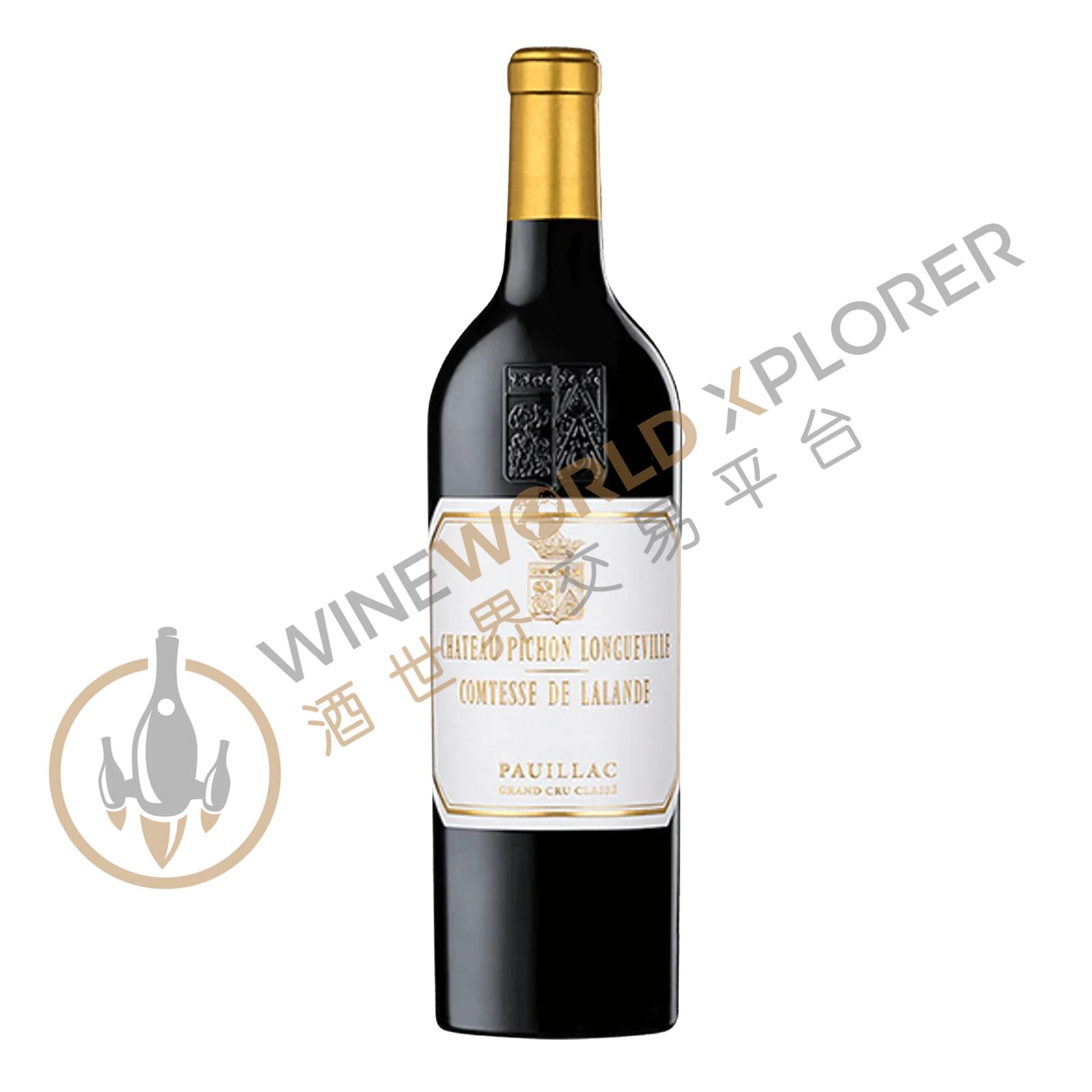
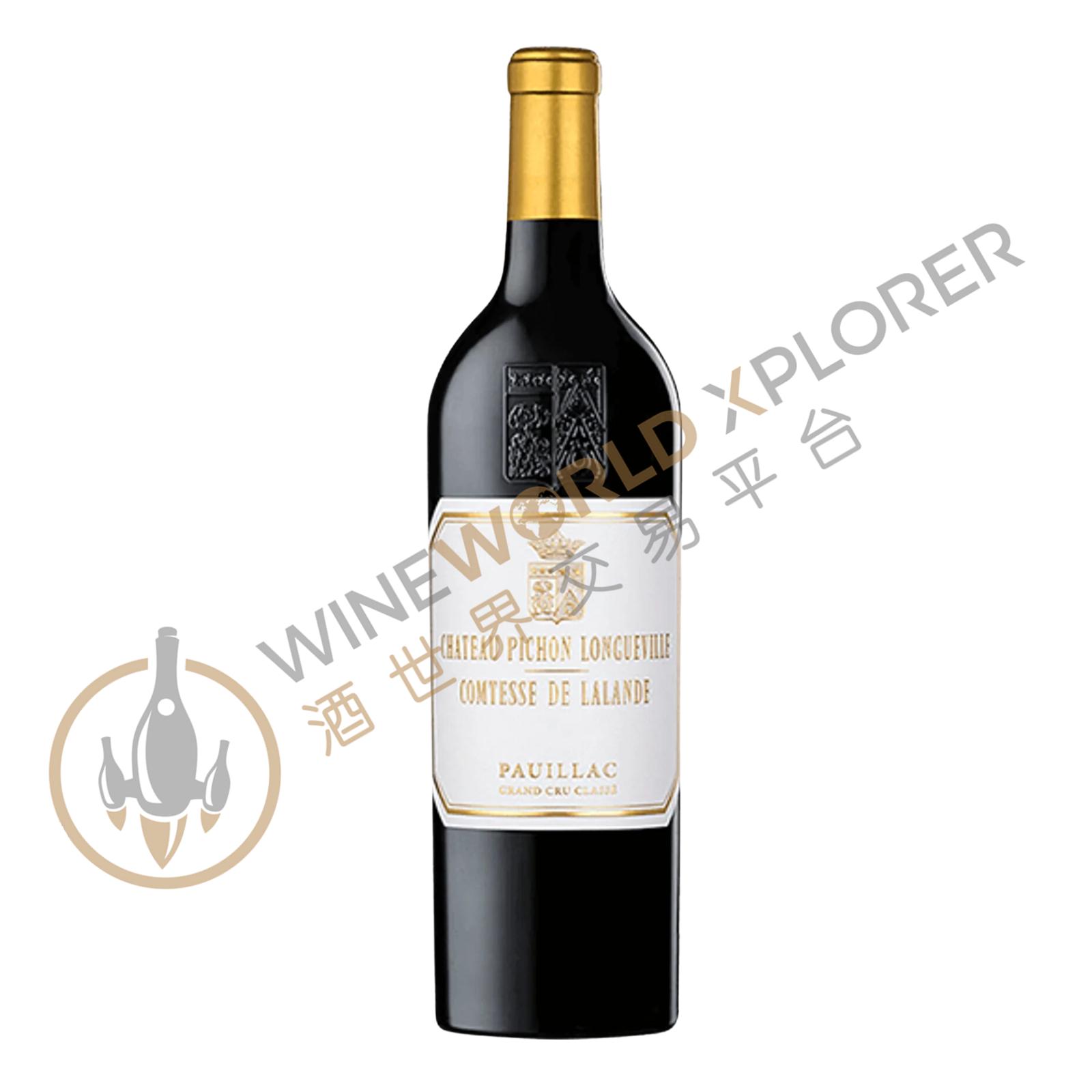
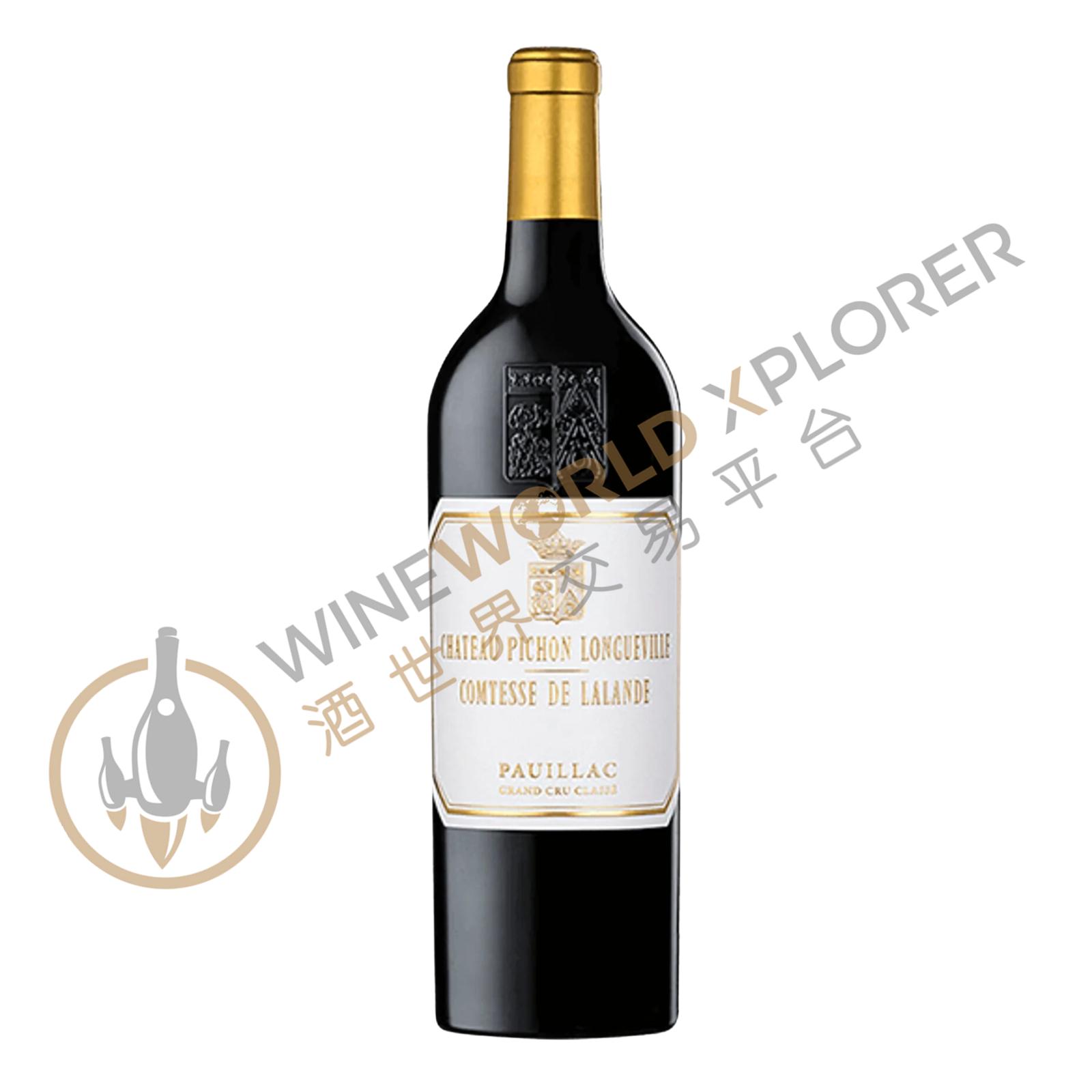
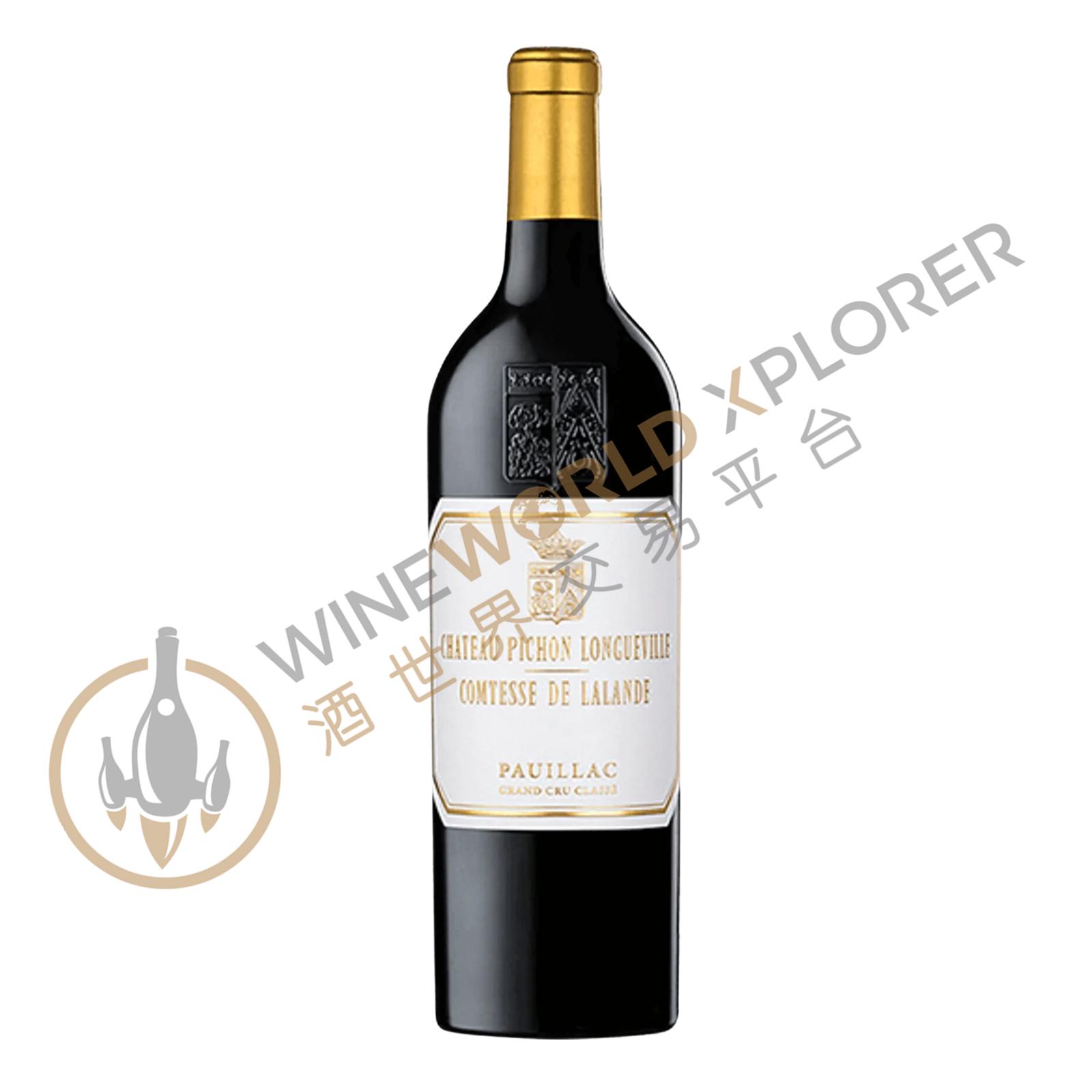
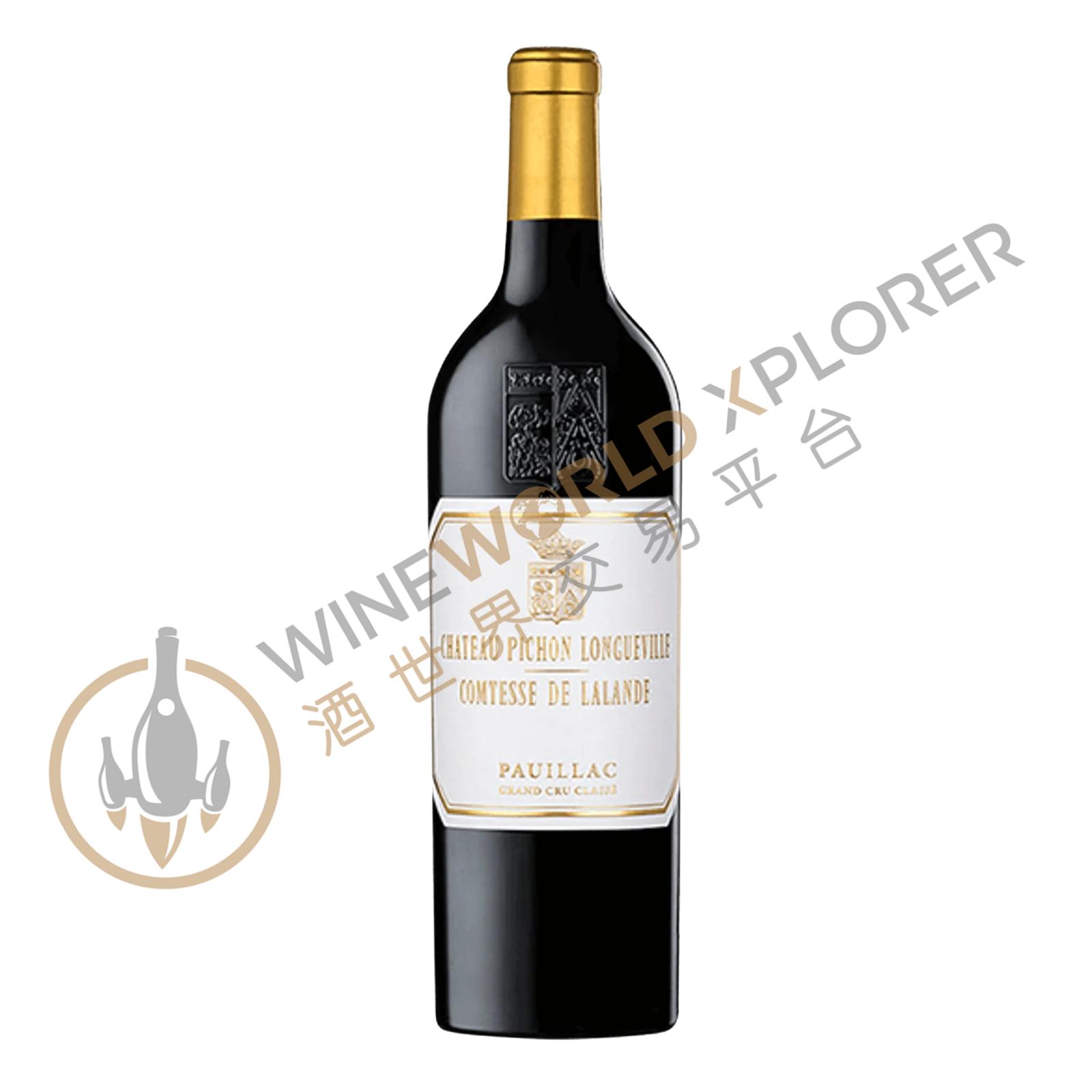
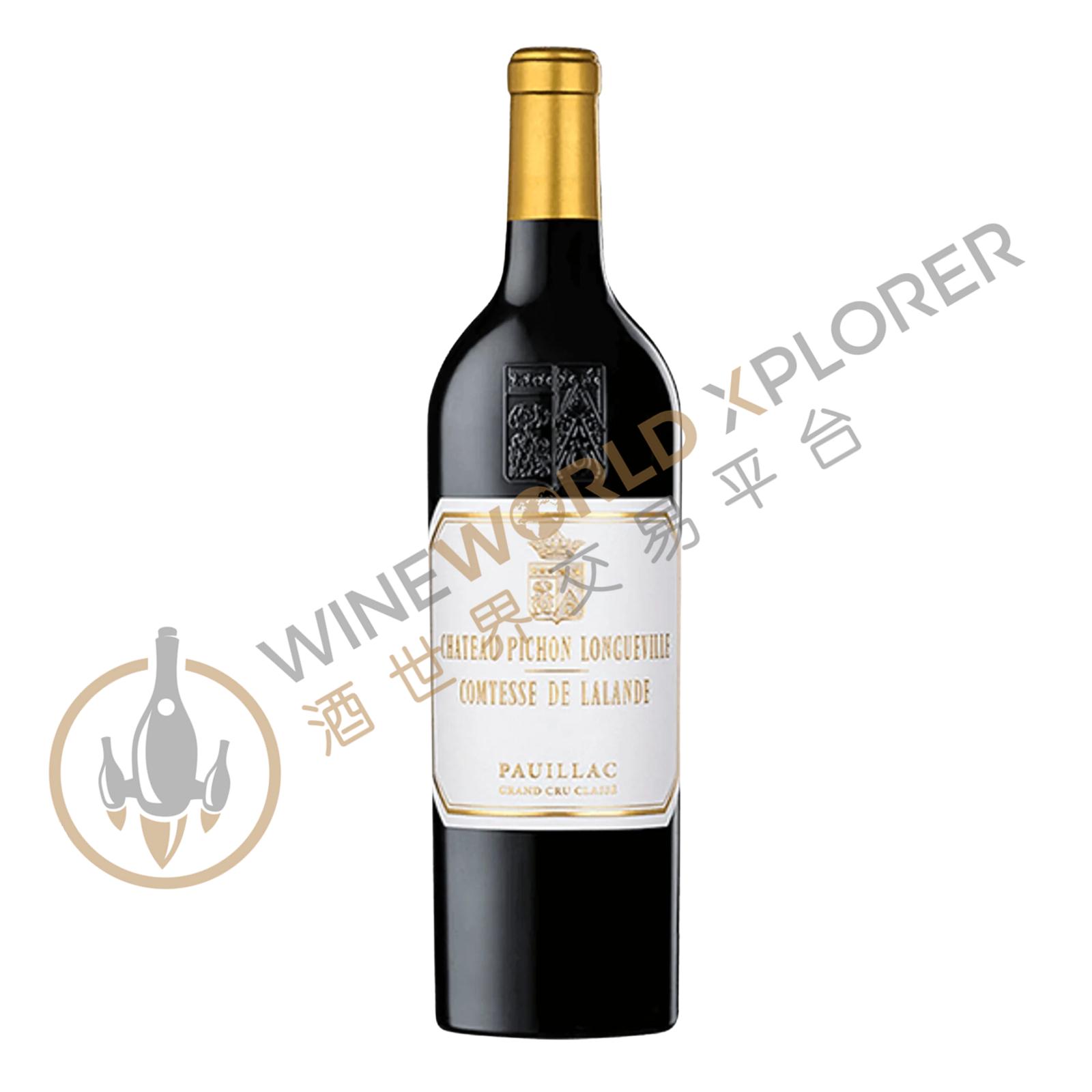
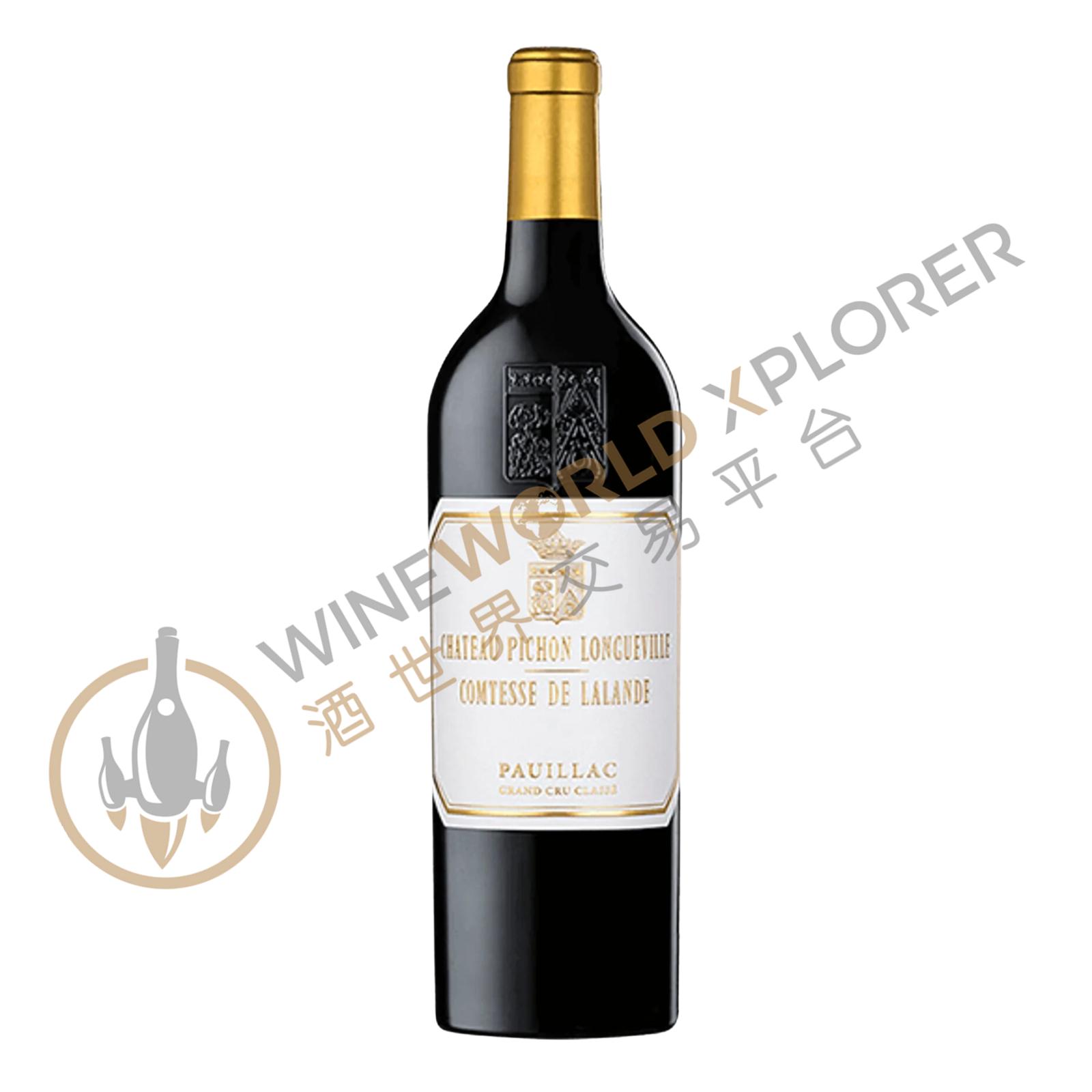
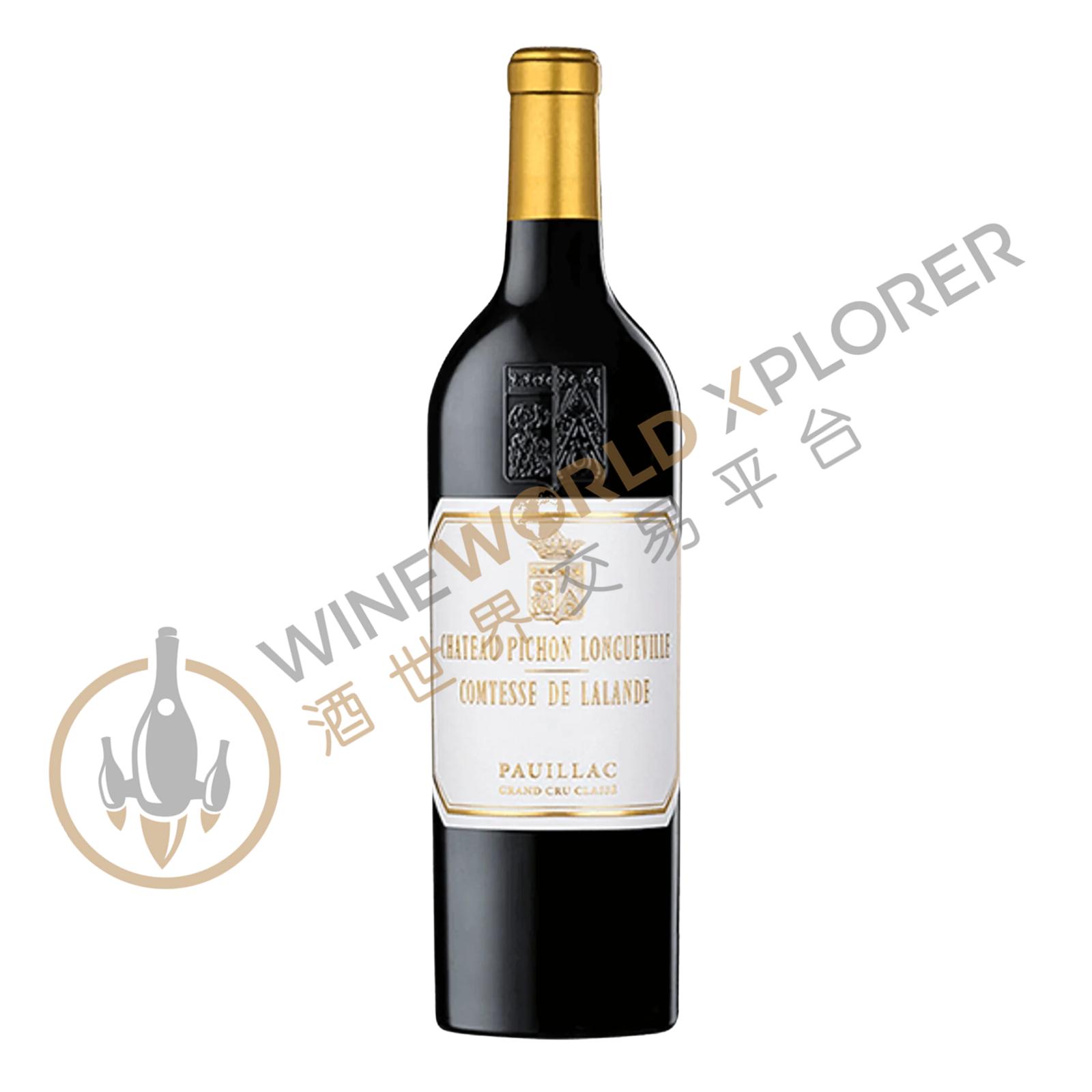
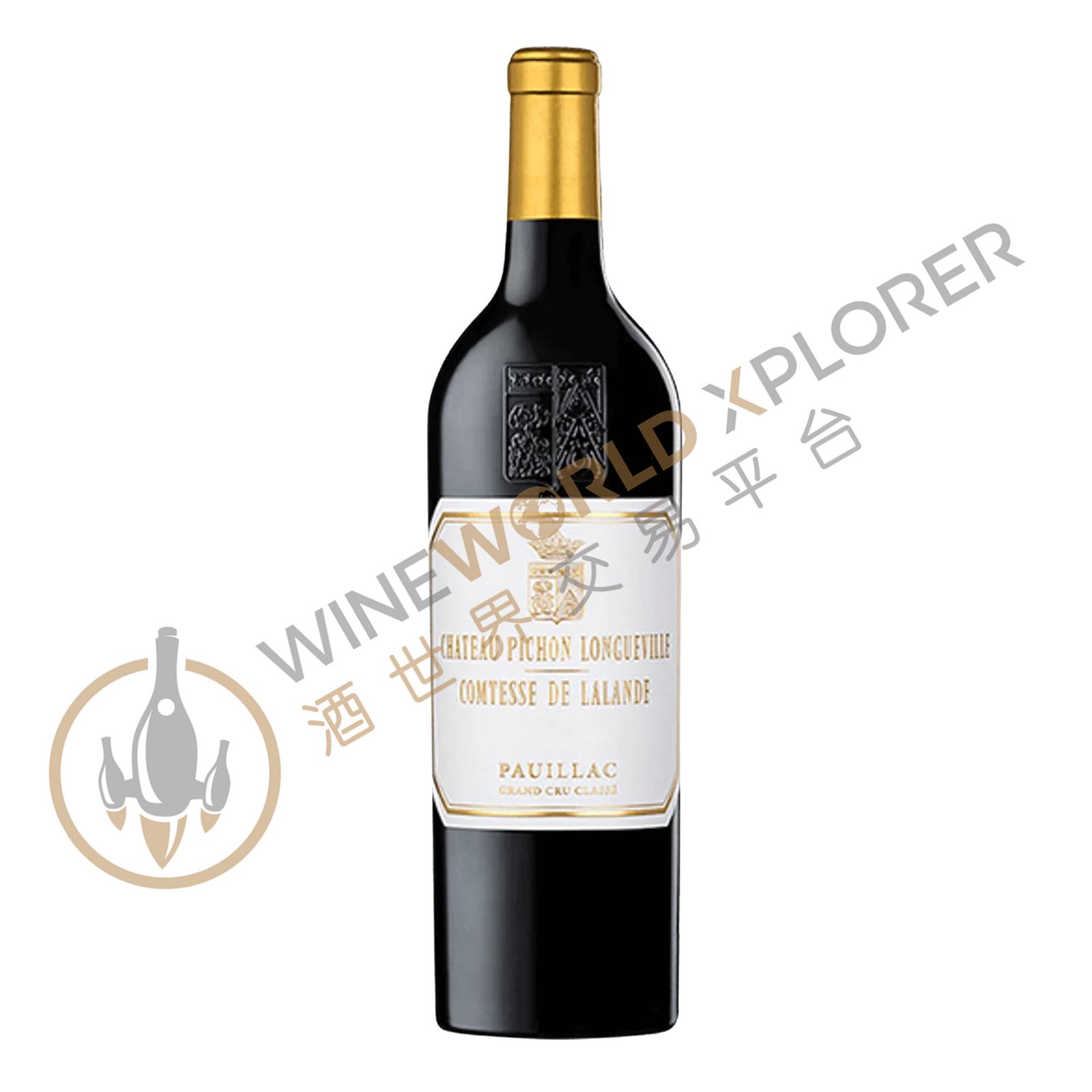
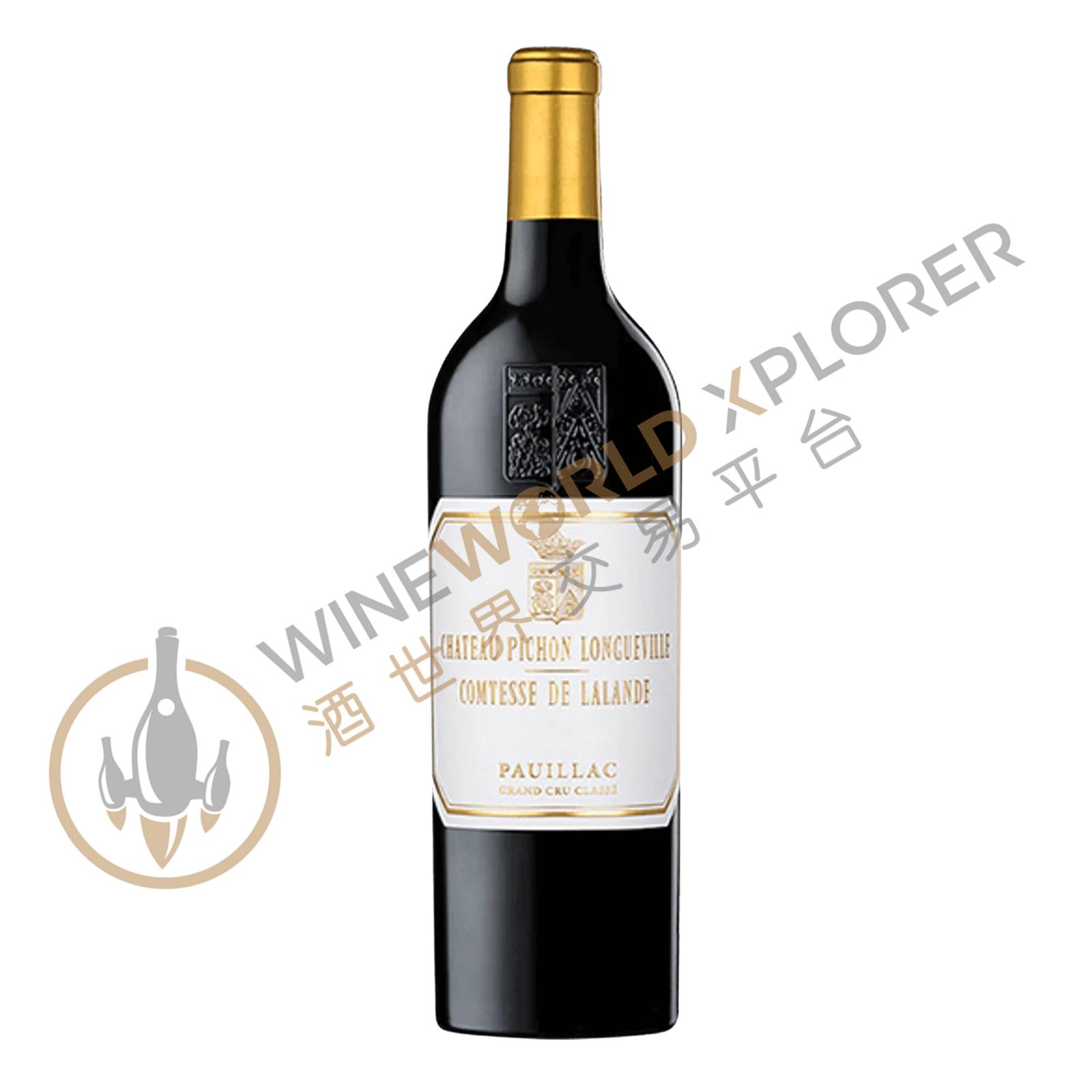
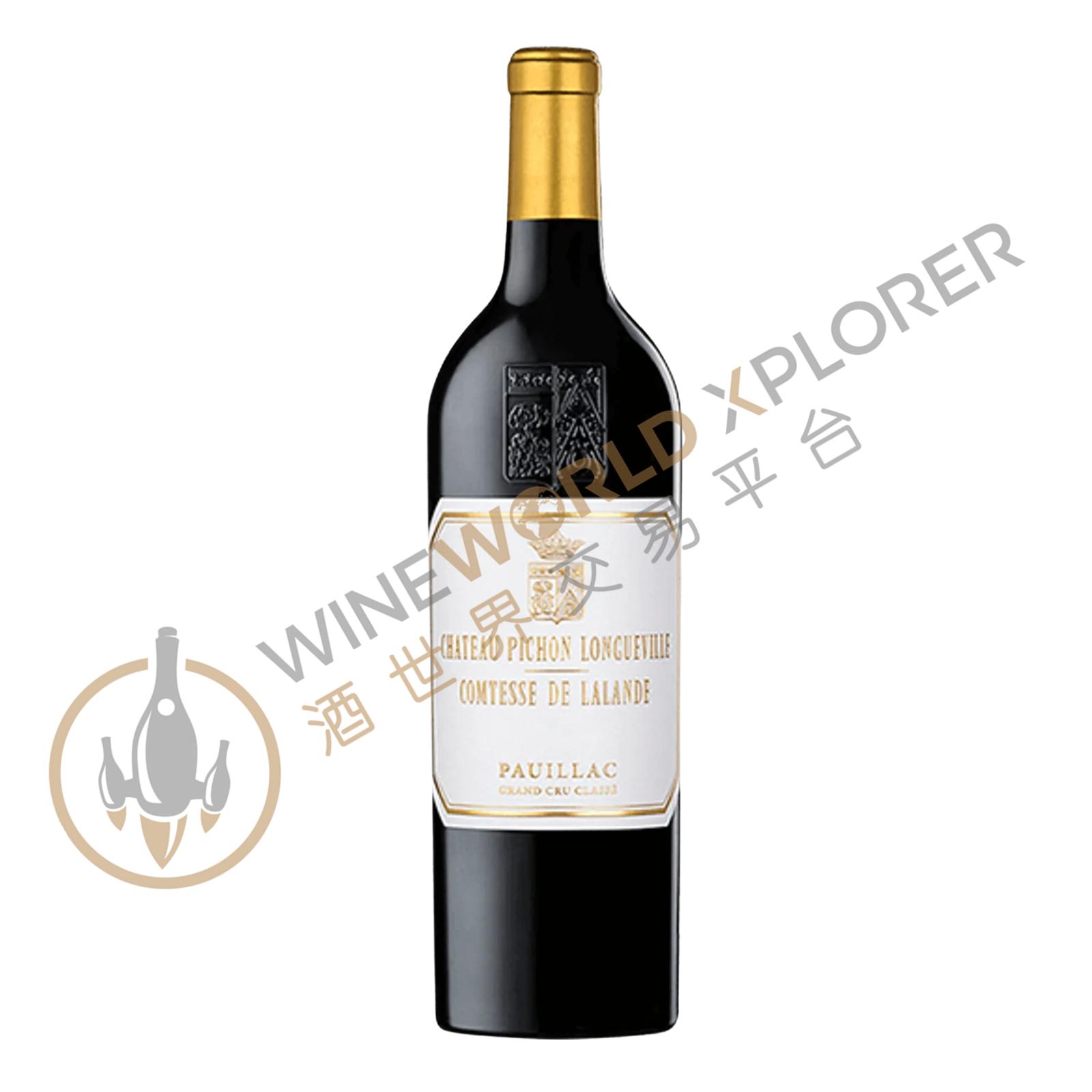
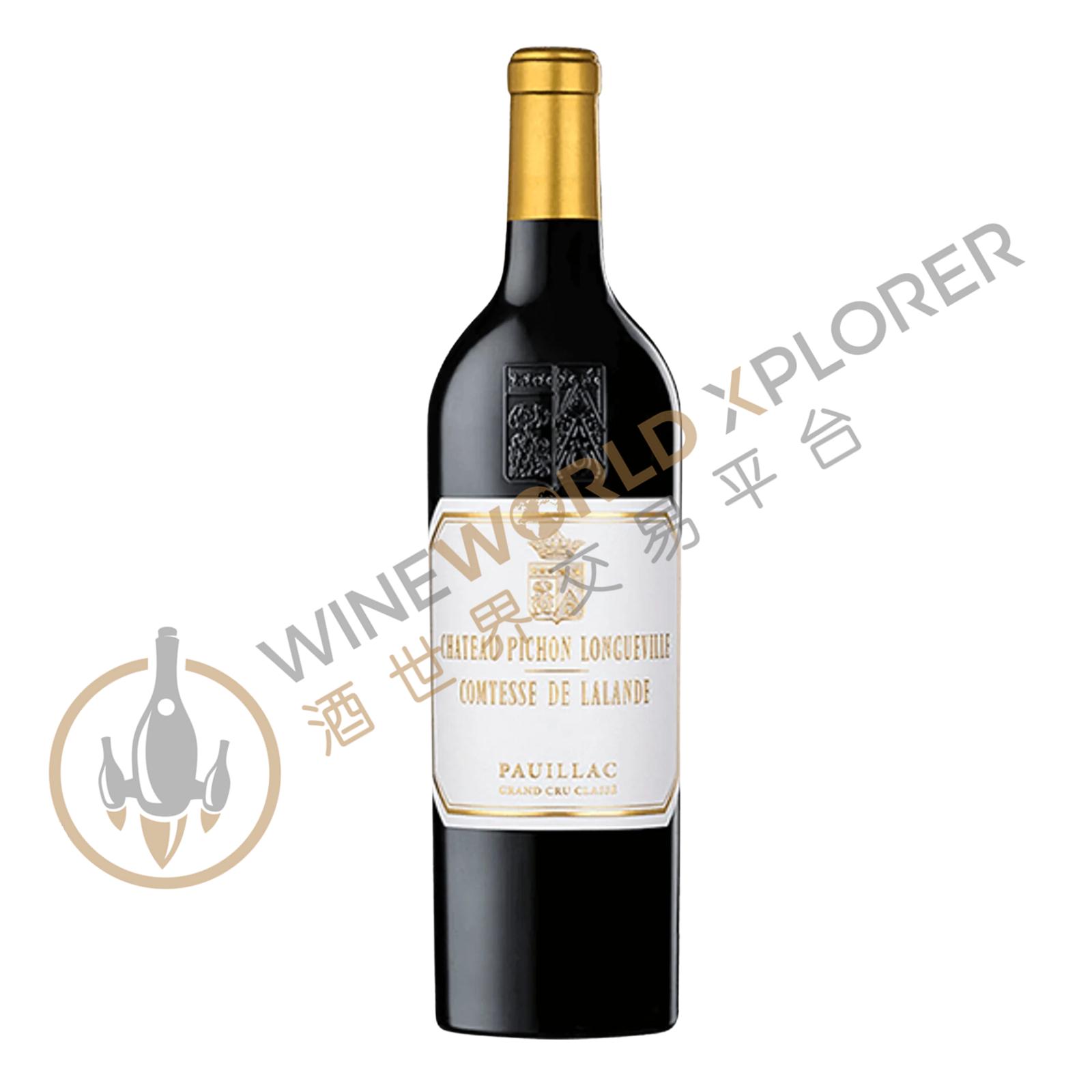
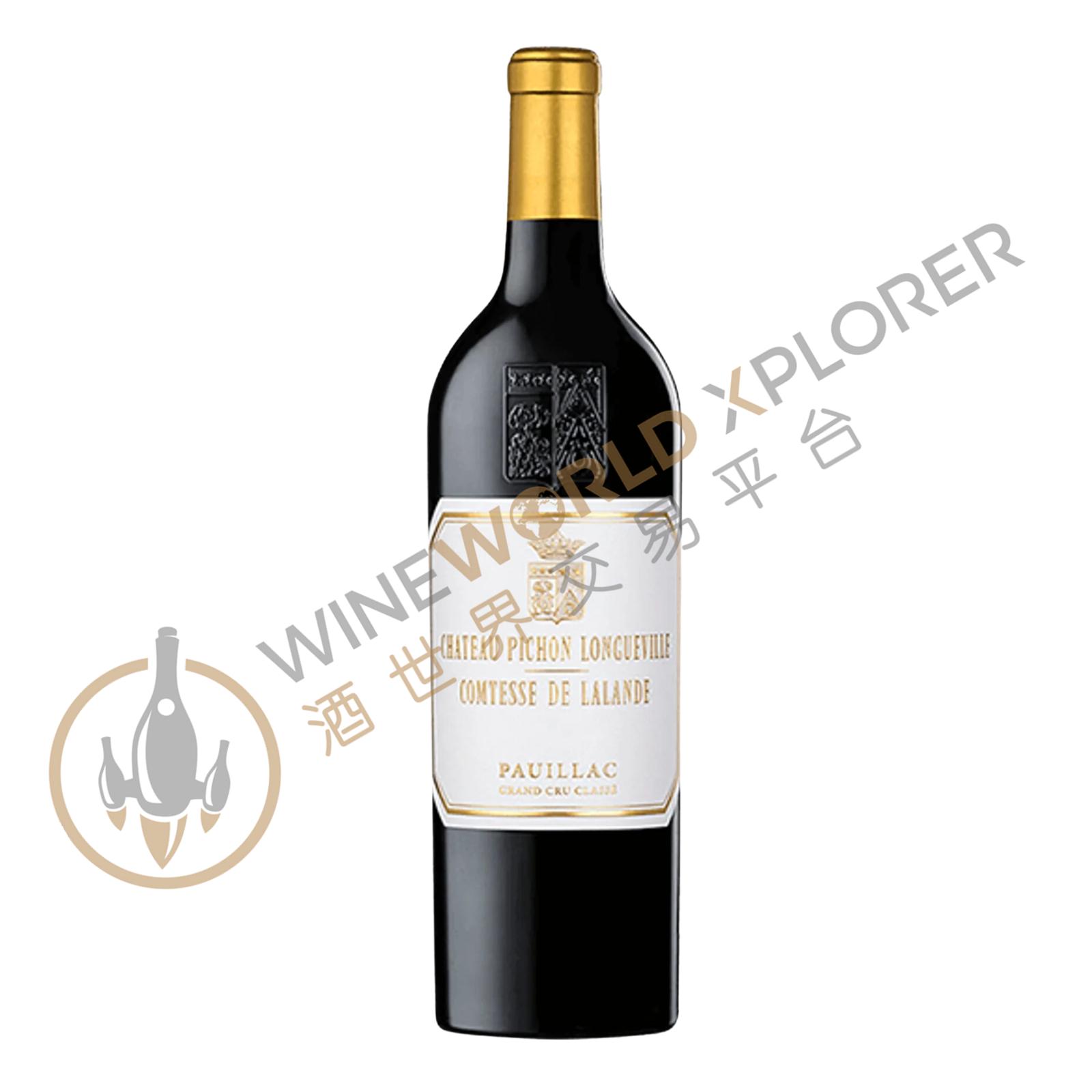
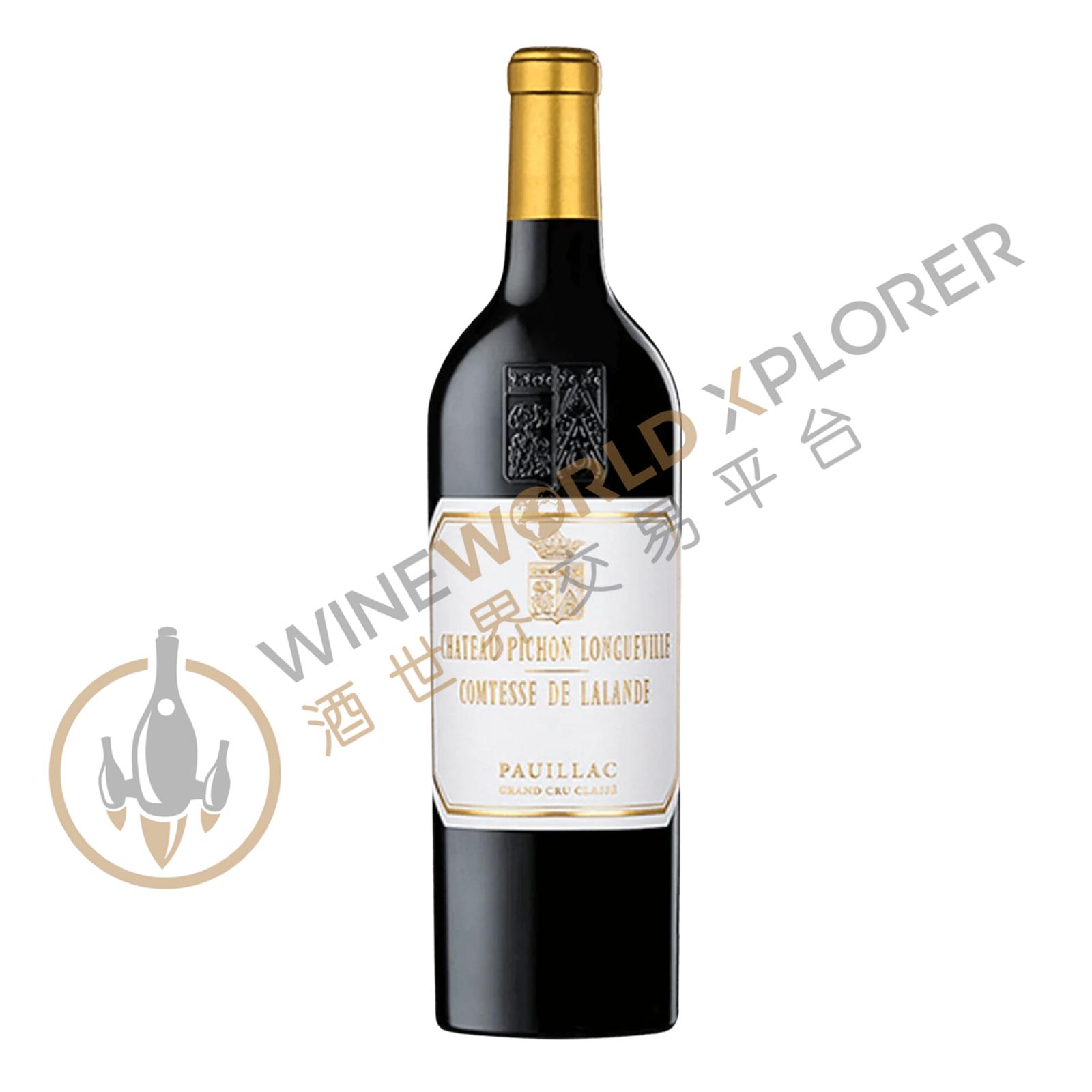
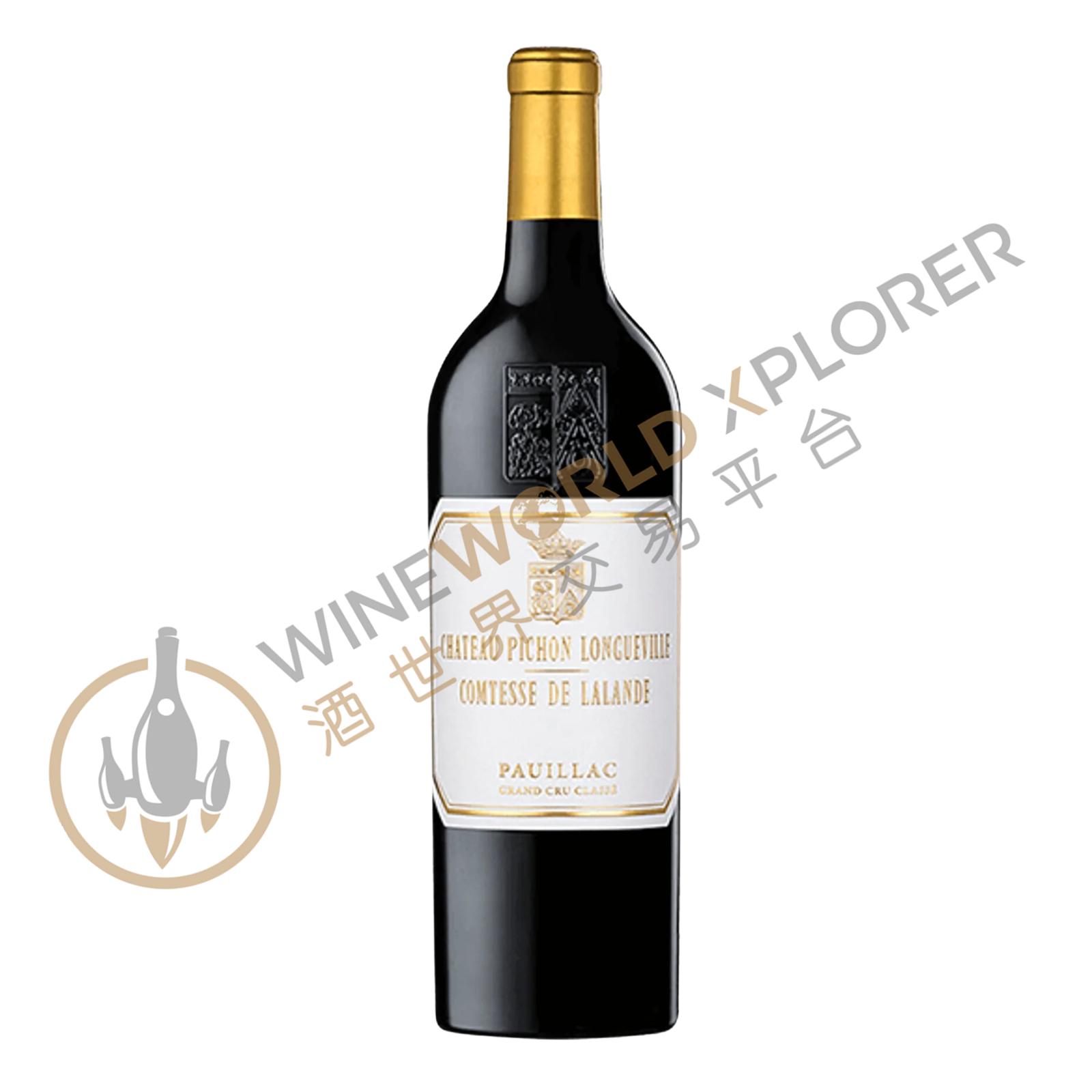
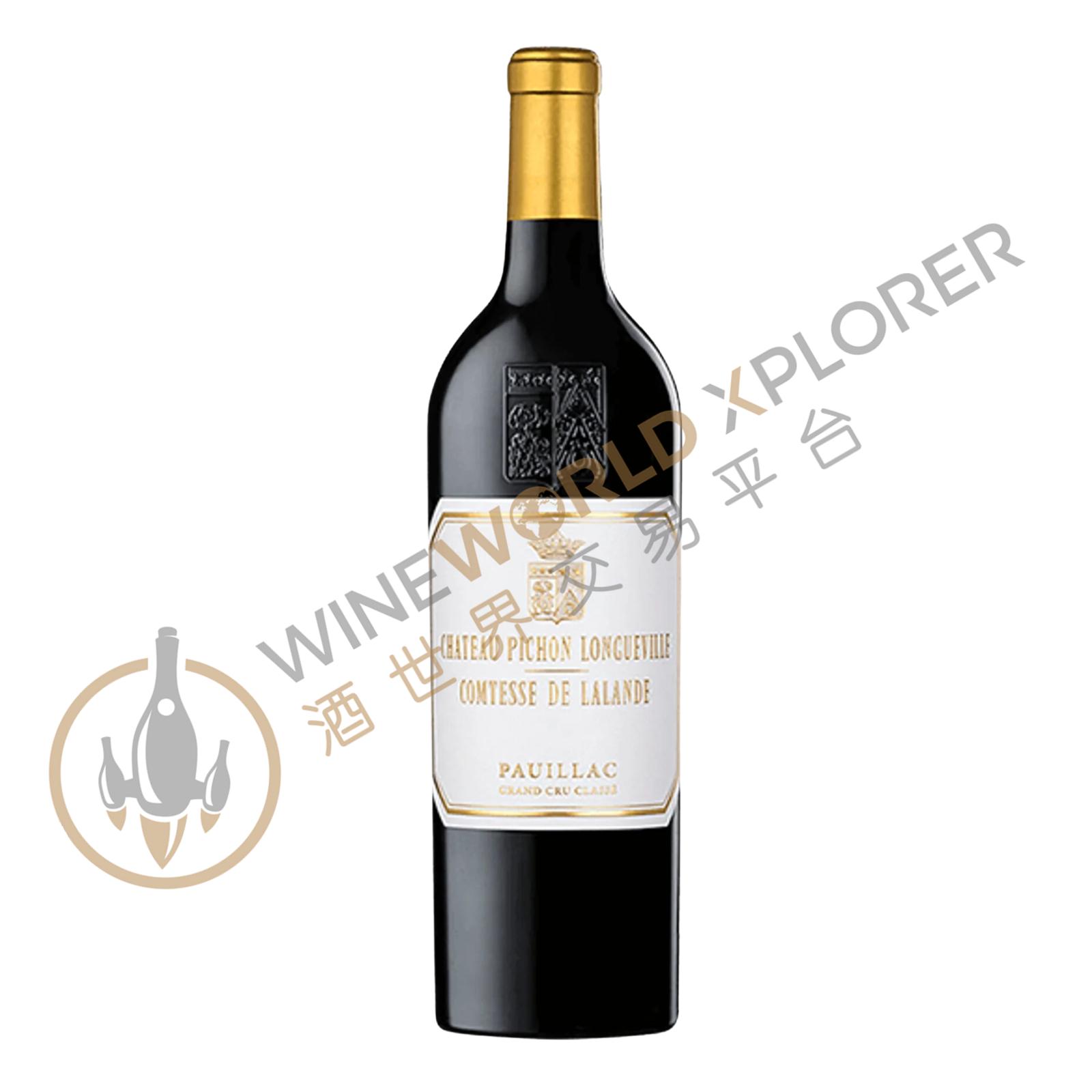
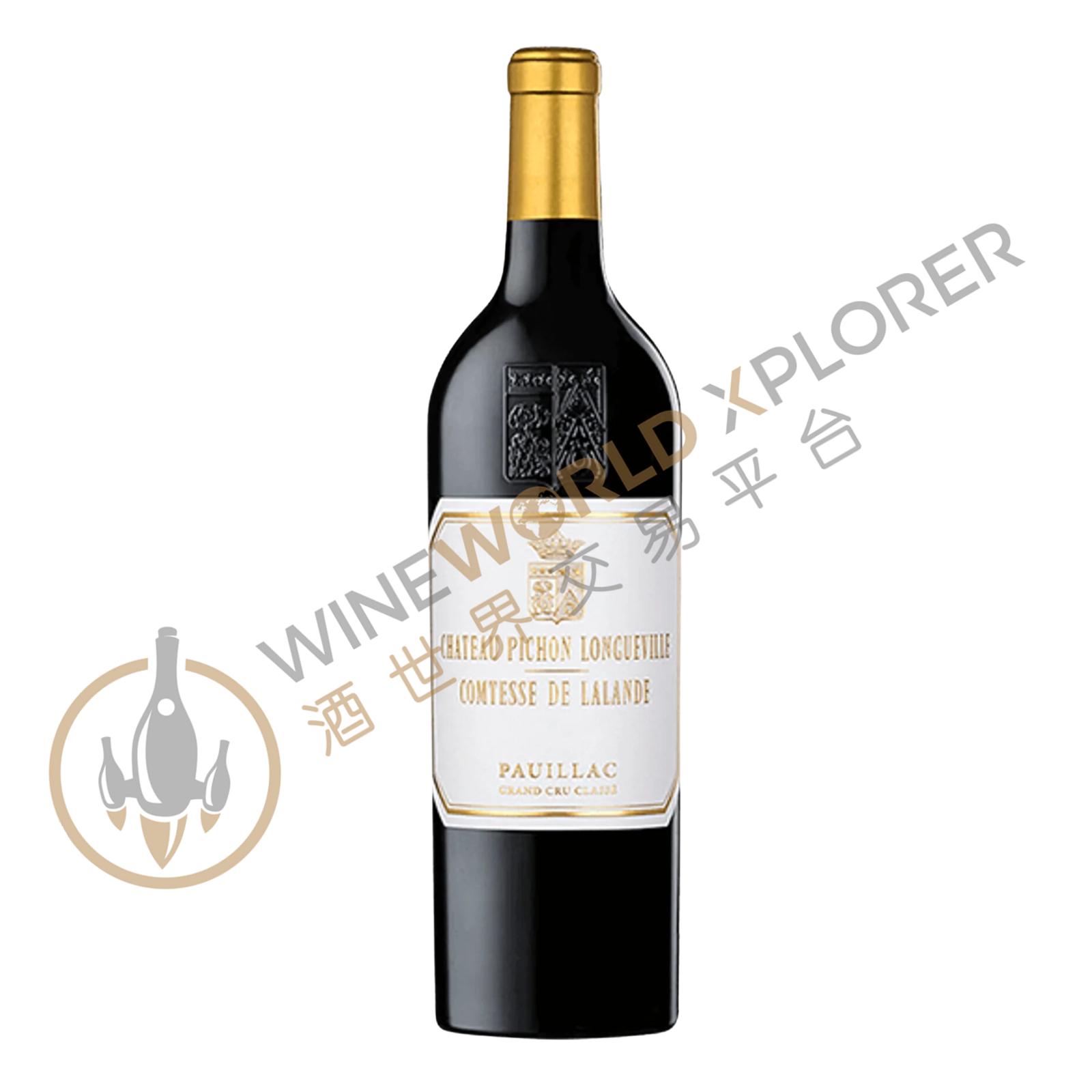
Pichon Lalande 1981
 View analysis


Description
Tasting notes

Reviewed by: Robert M. Parker, Jr.
Last Tasted 8/92 The 1981 is a very successful wine, with a more compact aromatic and flavor profile than the 1982. In that sense it is more classic than the flamboyant 1982. Unlike many 1981s, Pichon Lalande achieved wonderful ripeness, and the result is a medium-bodied, richly fruity, fragrant wine without the greenness and astringent tannins that so many 1981s possess. The finish is long and supple. Drink it over the next decade.
Reviewed by: Neal Martin
Tasted at the Fine Wine Experience’s Pichon-Lalande vertical in London. Showing a lot of maturity with its wide tawny rim, the nose is fully mature with singed leather, wild mushroom, green leaves, perhaps a little lean BUT give it 30 minutes in the glass and wow, what a wonderful espresso-scented nose! The palate is medium-bodied with good acidity, perhaps a little pinched and lean and if I recall showing better 3-4 years ago. Hints of blackberry, leather and a little thyme. But there is elegance and a sense of harmony towards the finish. This is still a decent Pauillac for the 1981 vintage and no doubt given it value, worth every penny. But drink soon. Tasted December 2008.
Reviewed by: Neal Martin
Tasted twice - both impressive for a 1981. Long sweet damson flavoured fruit on the nose. Spicy and supple on the palate that has mature tannins. Cigar box. Open-knit and expressive with admirable richness on the caramel-tinged finish. Lovely wine to drink now. Tasted January 1999.
Reviewed by: Robert M. Parker, Jr.
This has always been one of the sexiest, most delicious wines from the 1981 vintage. It still possesses a dark ruby/purple color. While the 1981 is less powerful than the 1982 and 1983, it reveals copious quantities of sweet black currant fruit, good flesh for the vintage, and a pure, nicely-textured and balanced style. This wine remains vibrant and youthful. Anticipated maturity: Now-2002. Last tasted 6/97
About the Producer
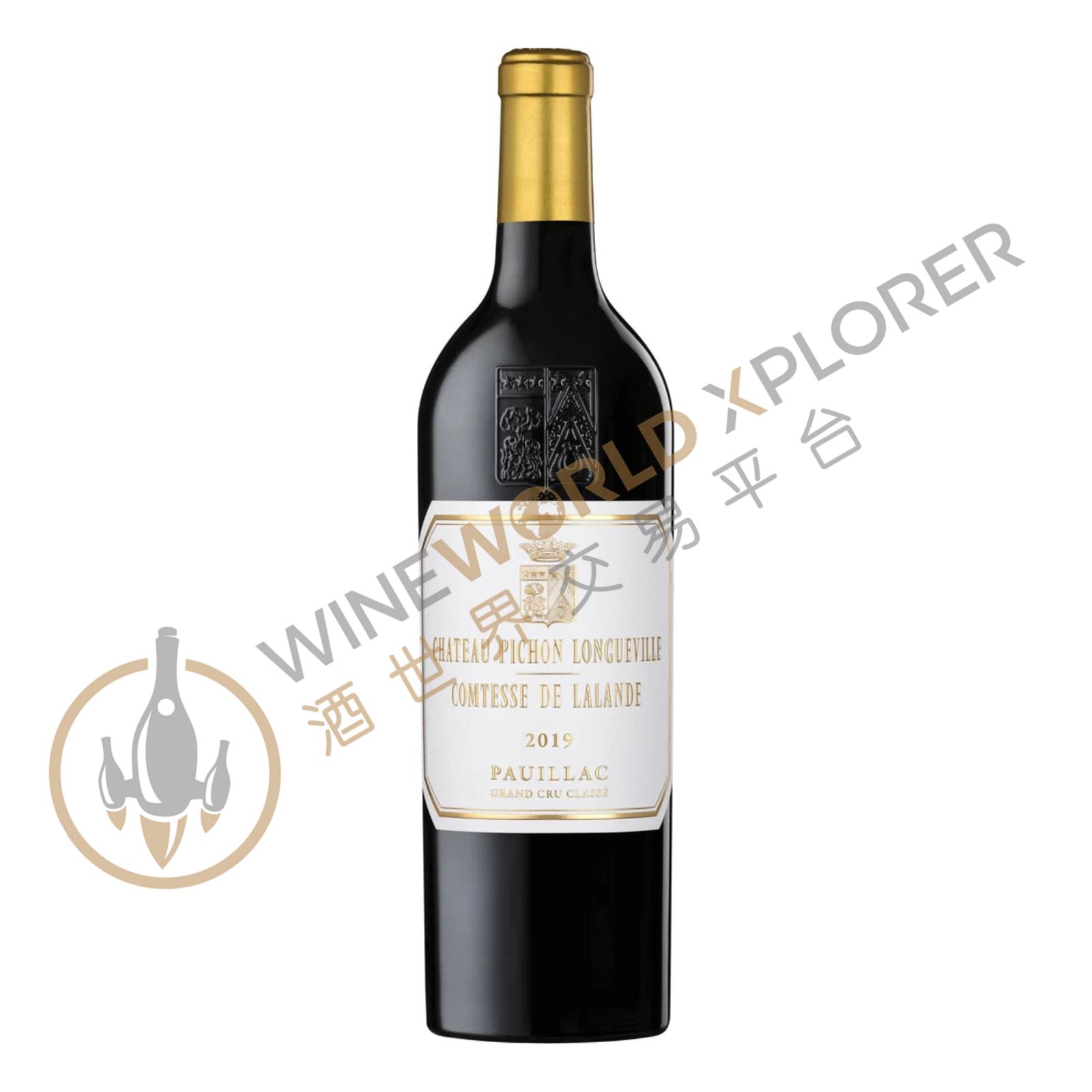
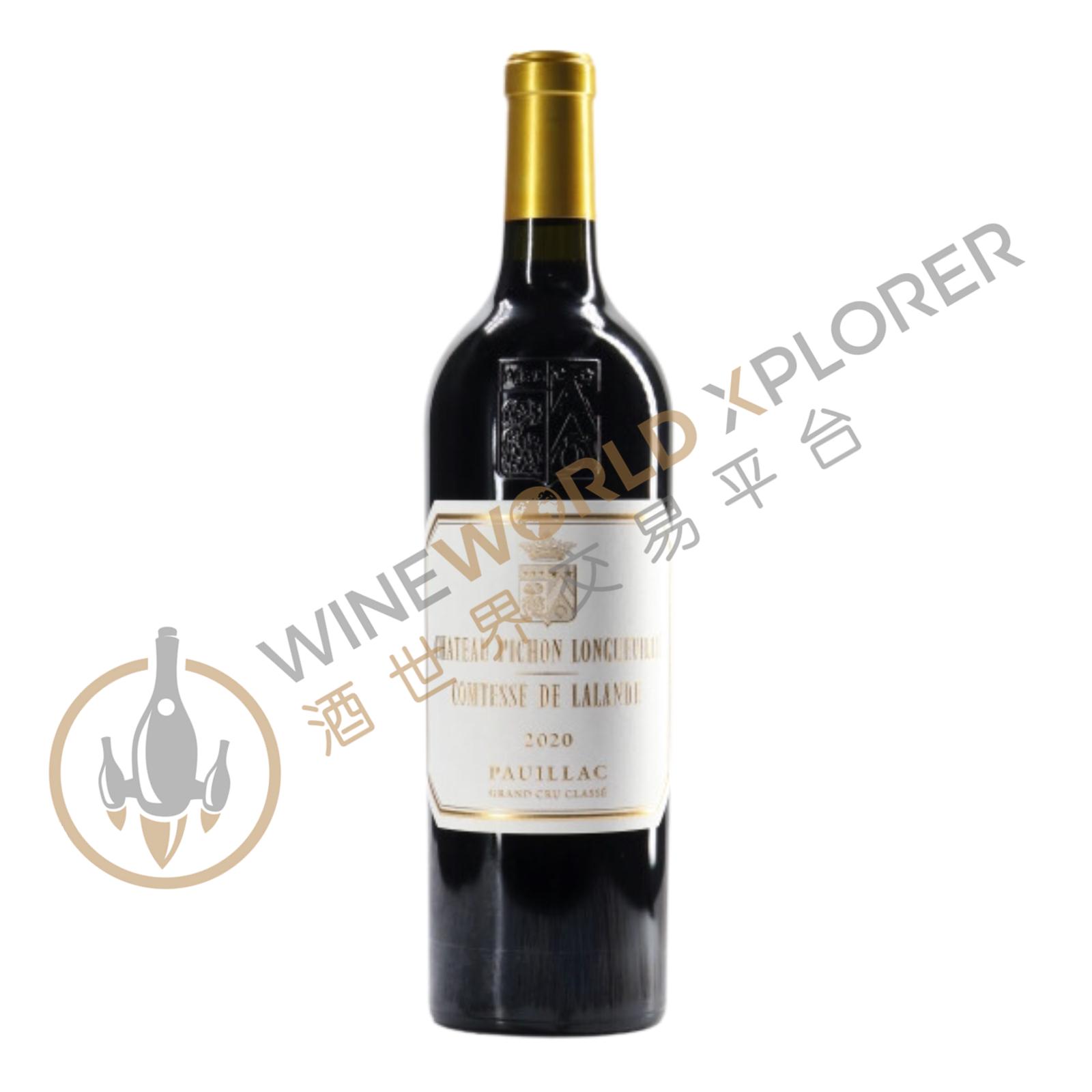
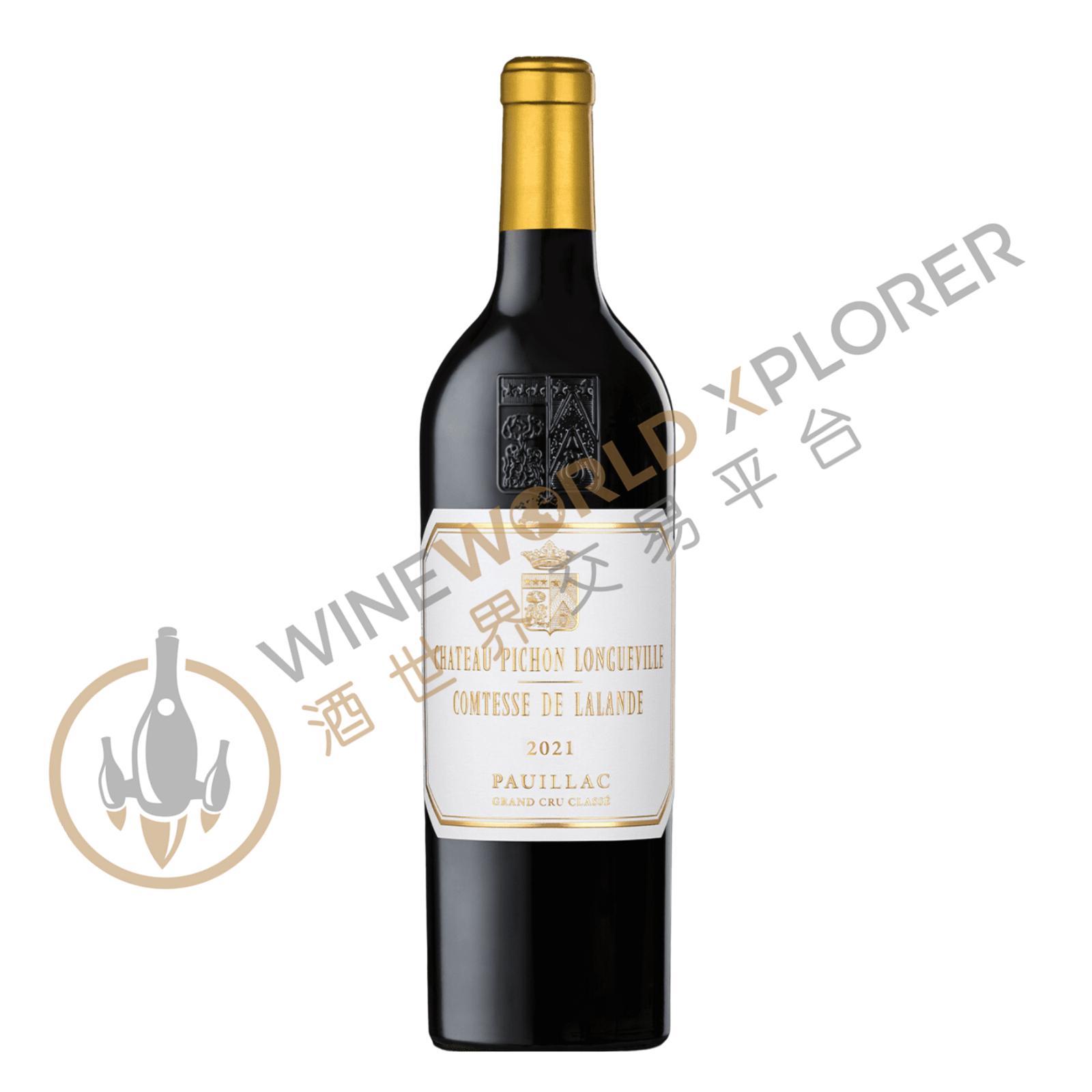
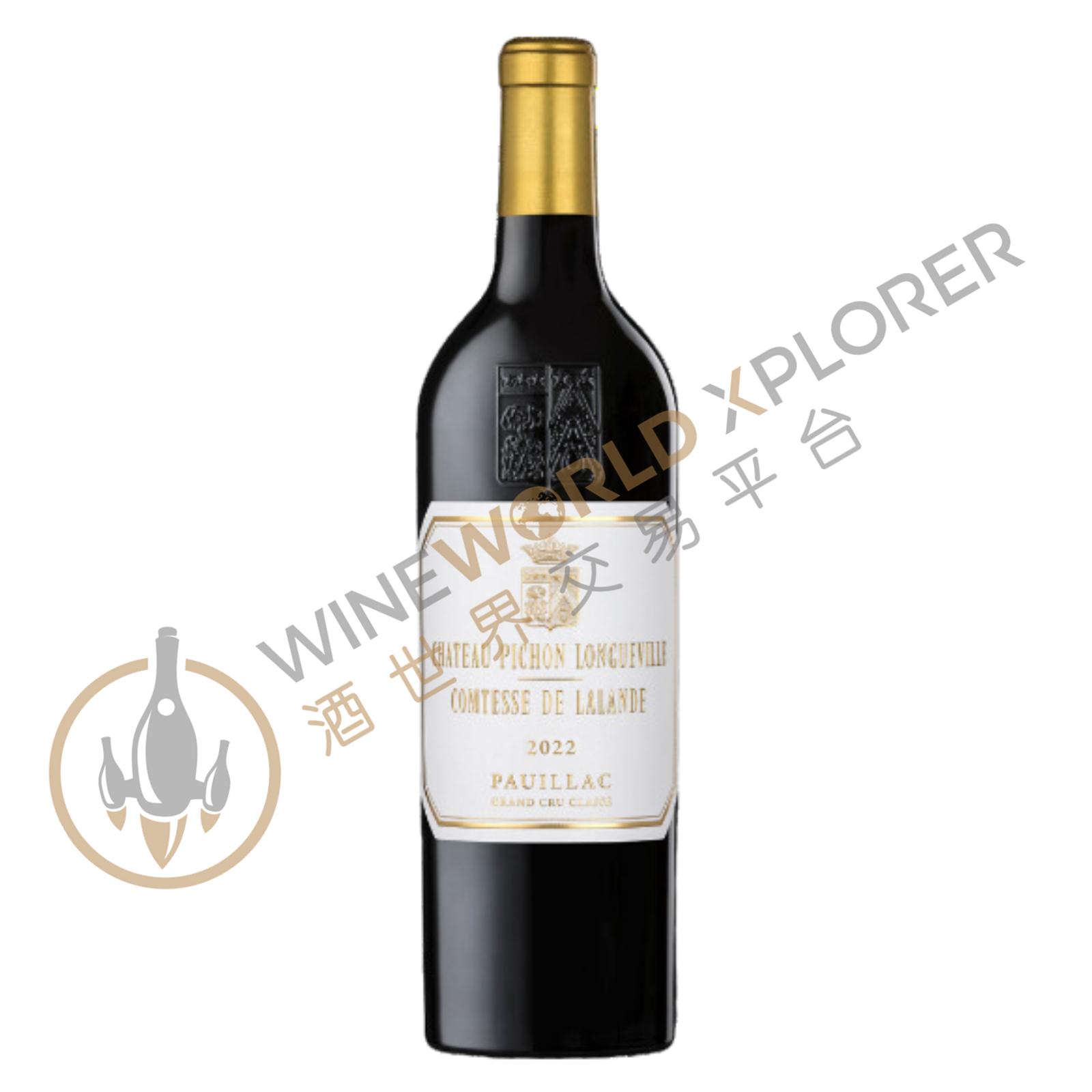
Pichon Lalande is arguably the best known Super Second Pauillac for its quality consistency and quintessential Bordeaux claret expression. Neighbouring Chateau Latour and lying just right opposite Chateau Pichon Baron, Pichon Lalande, as its name suggests, has long seen extended female owner influence since the 1850s. Back in the 1850s, the original Pichon Lalande got broken down into two-fifth being renamed as Pichon Baron and three-fifth remaining as Pichon Lalande upon the passing of Baron Joseph de Pichon Longueville. The three-fifth was run by the three daughters of the Baron himself and over the course of a few years, Pichon Baron and Pichon Lalande took on distinctive styles - with the former being more a masculine expression and the latter, feminine. Female ownership and influence continued, with little interruption, till the modern days. Pichon Lalande's string of female leaders have contributed to the continuous modernization of Pichon Lalande's vineyards and cellars; as well as the doubling of vineyard area during the 1970s - 90s. Today, Pichon Lalande's feminine expression continues to prevail - whilst the team is placed under the leadership of a former opera singer turned winemaker gentleman named Nicolas Glumineau. Conversion to biodynamic viticulture (fully by year 2021), continuous investments in precision winemaking facilities see Pichon Lalande continue to be revered among leading critics. Pichon Lalande is planted to 65% Cabernet Sauvignon, 25% Merlot, 7% Cabernet Franc and 3% Petit Verdot. It is the predominant Cabernet Sauvignon presence in Pichon Lalande's wines that make this wine such a capable representation of Pauillac's deep gravelly terroir.
1928(1)1969(1)1970(1)1977(1)1979(1)
Package Size