Wine Advisor



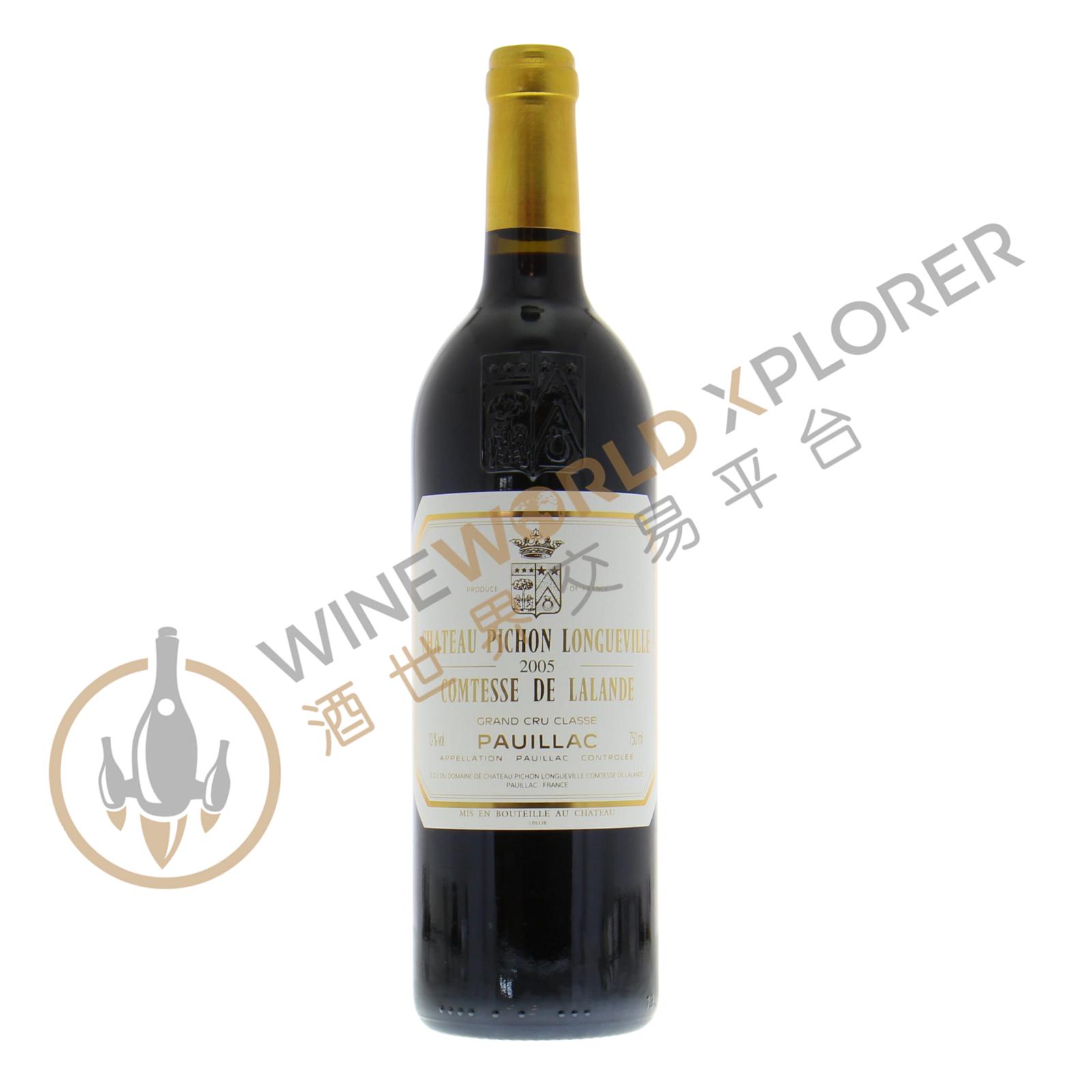
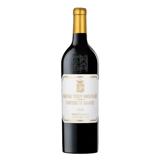
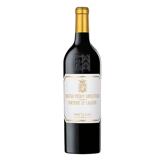
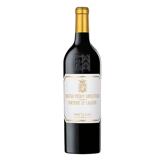
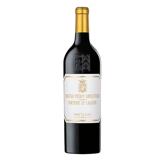
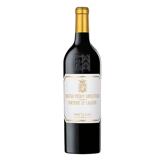
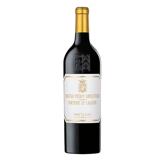
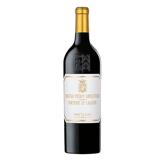
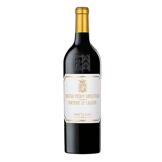
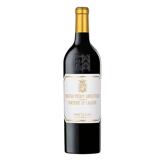
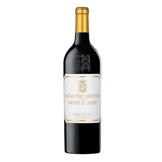
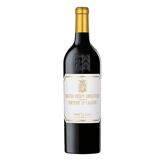
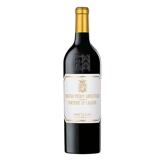
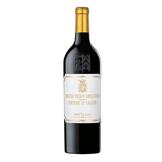
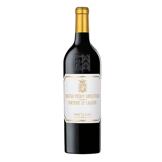
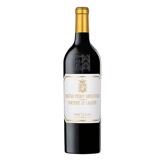
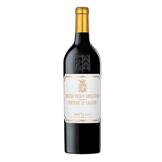
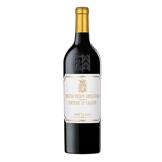
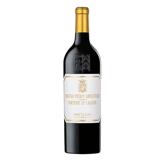
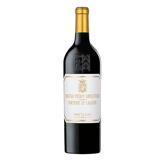
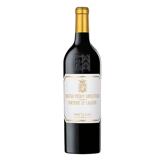
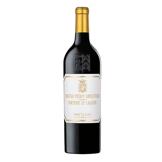
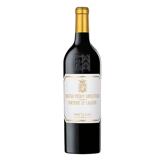
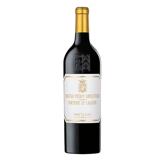
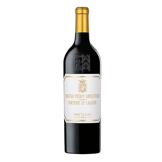
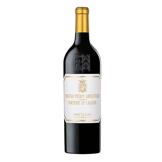
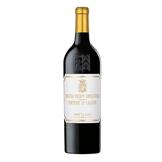
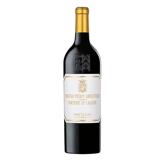
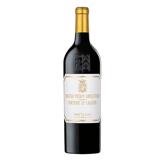
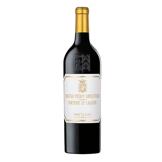
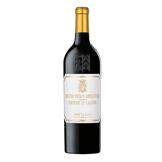
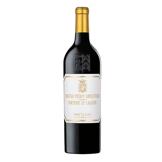
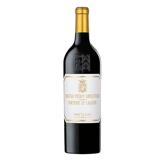
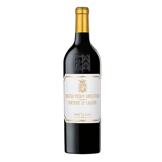
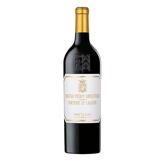
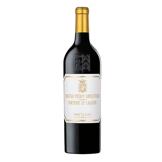
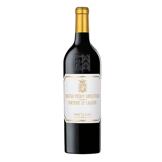
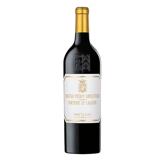
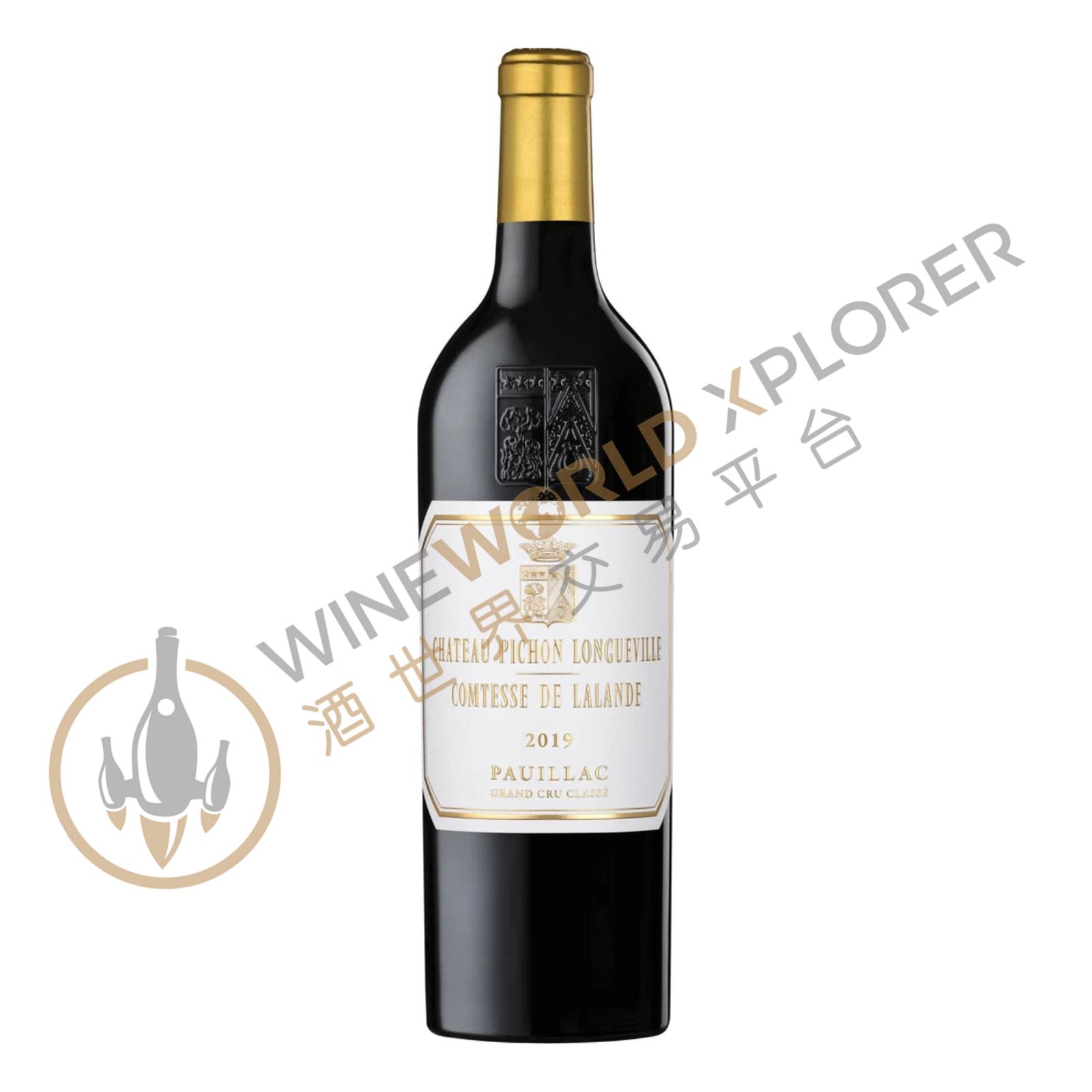
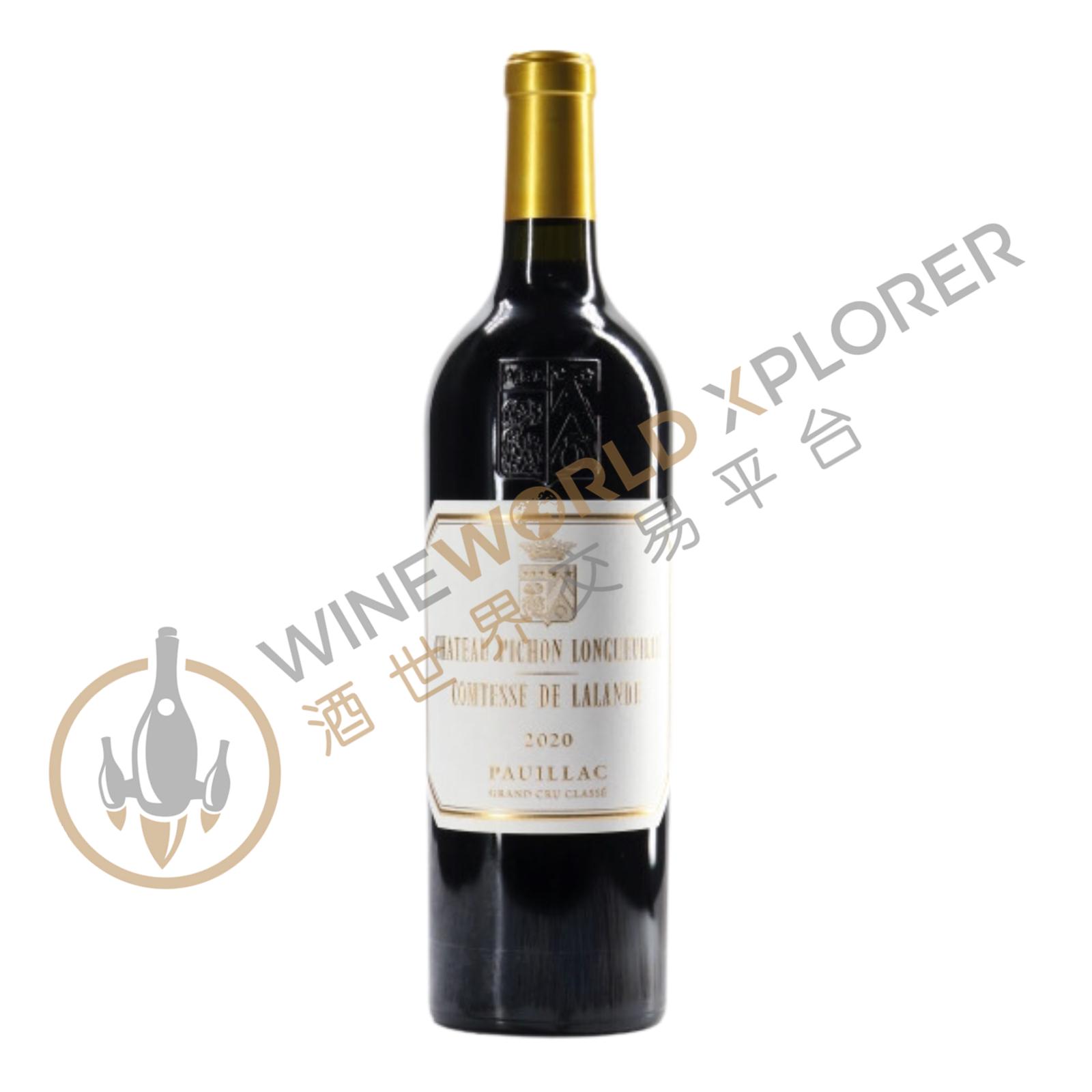
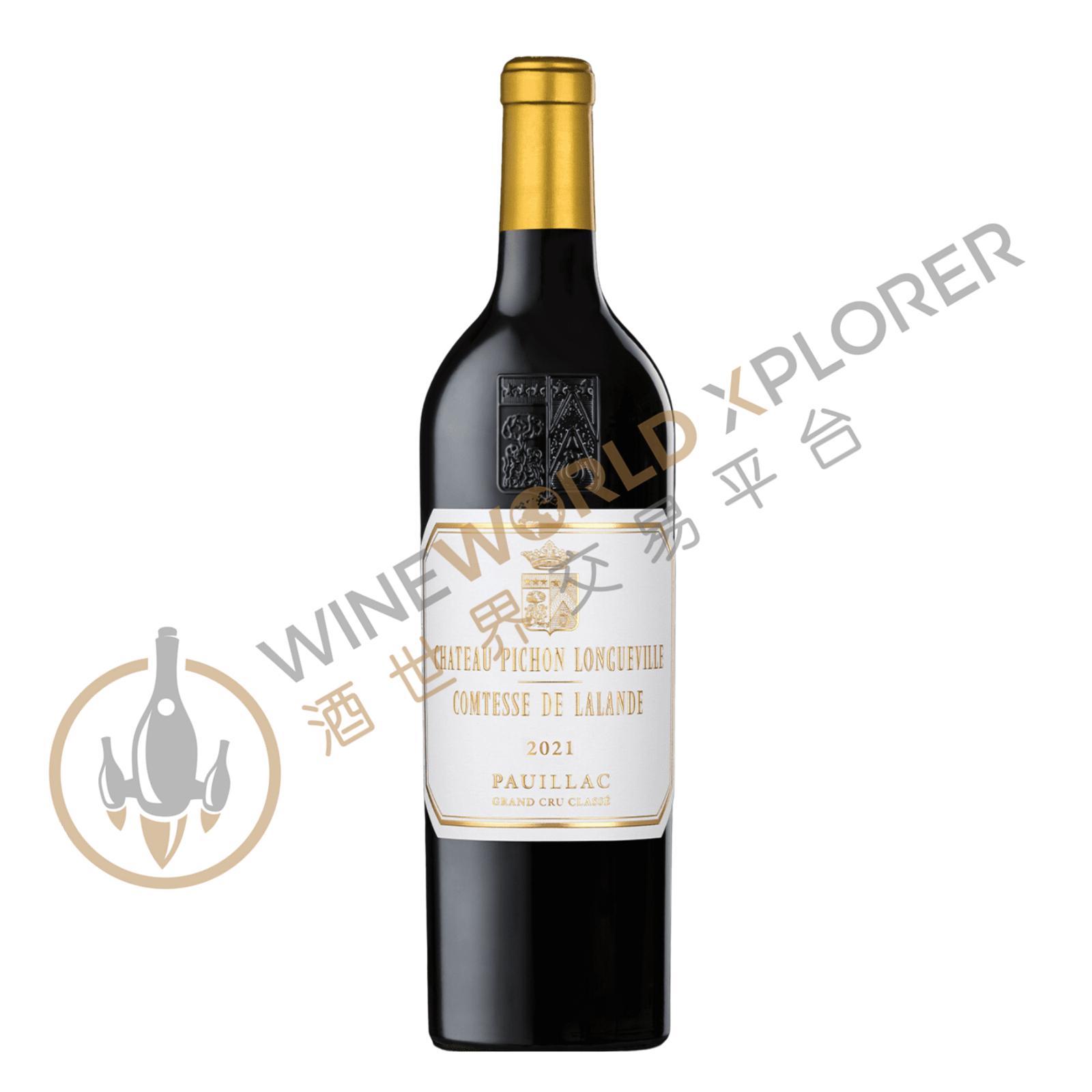
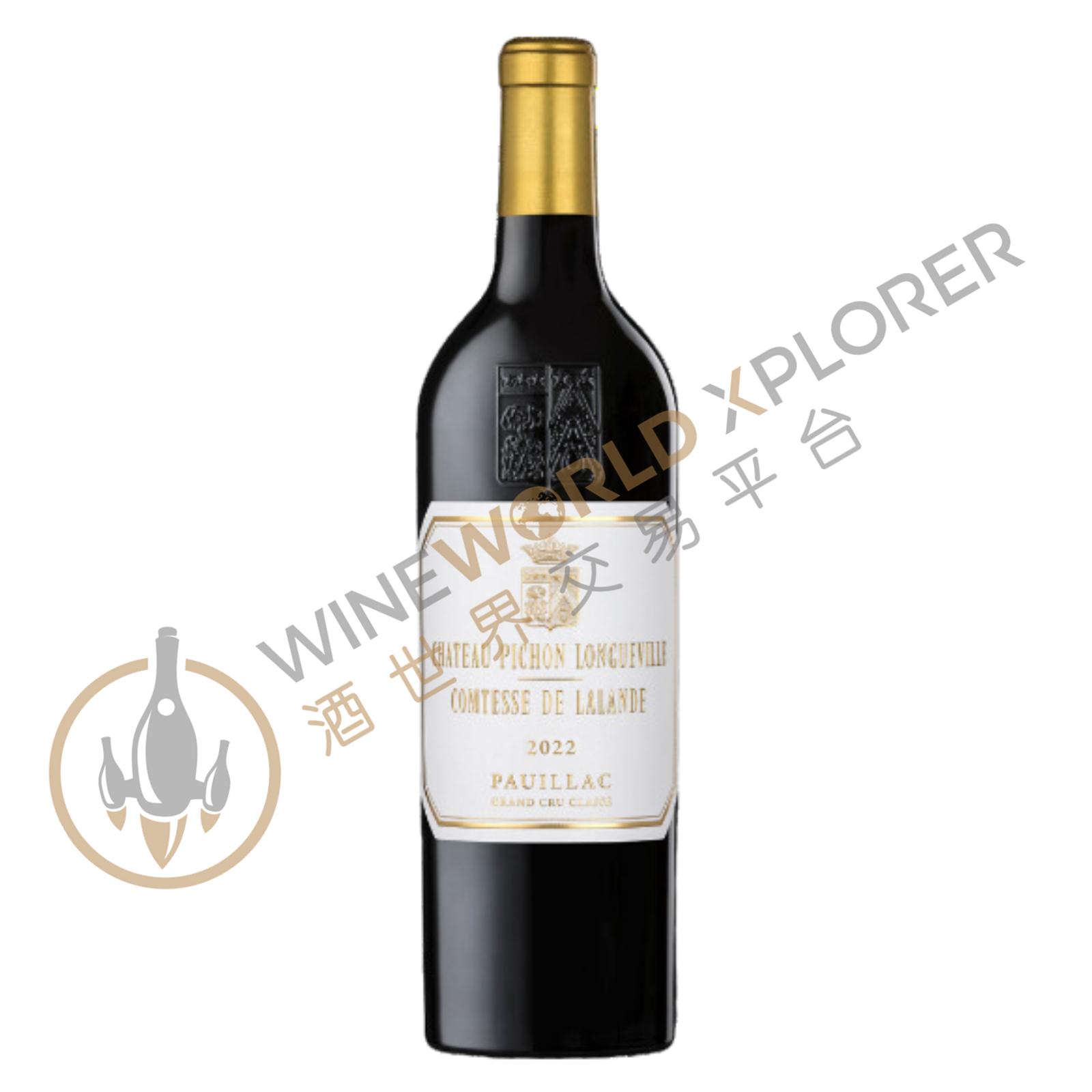
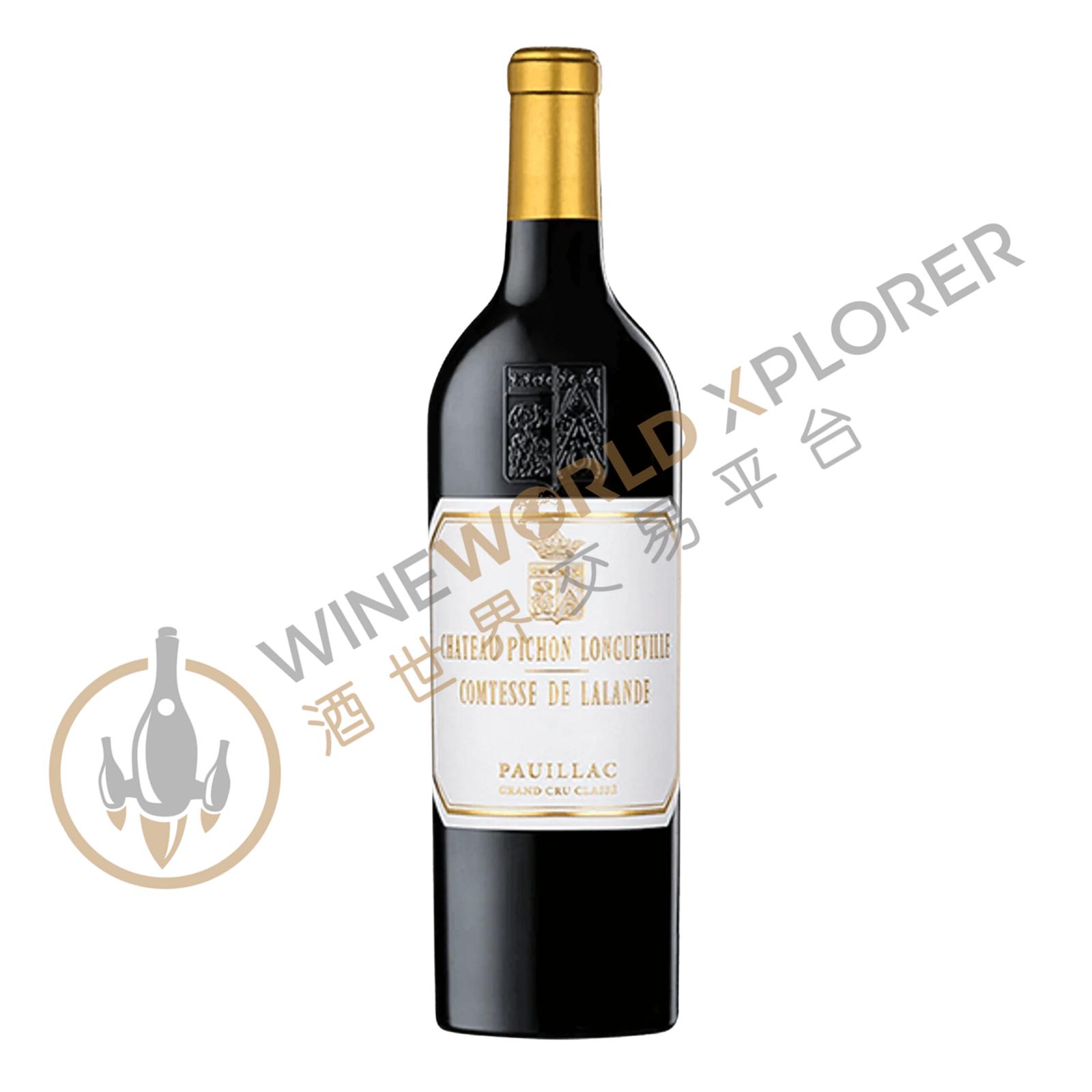
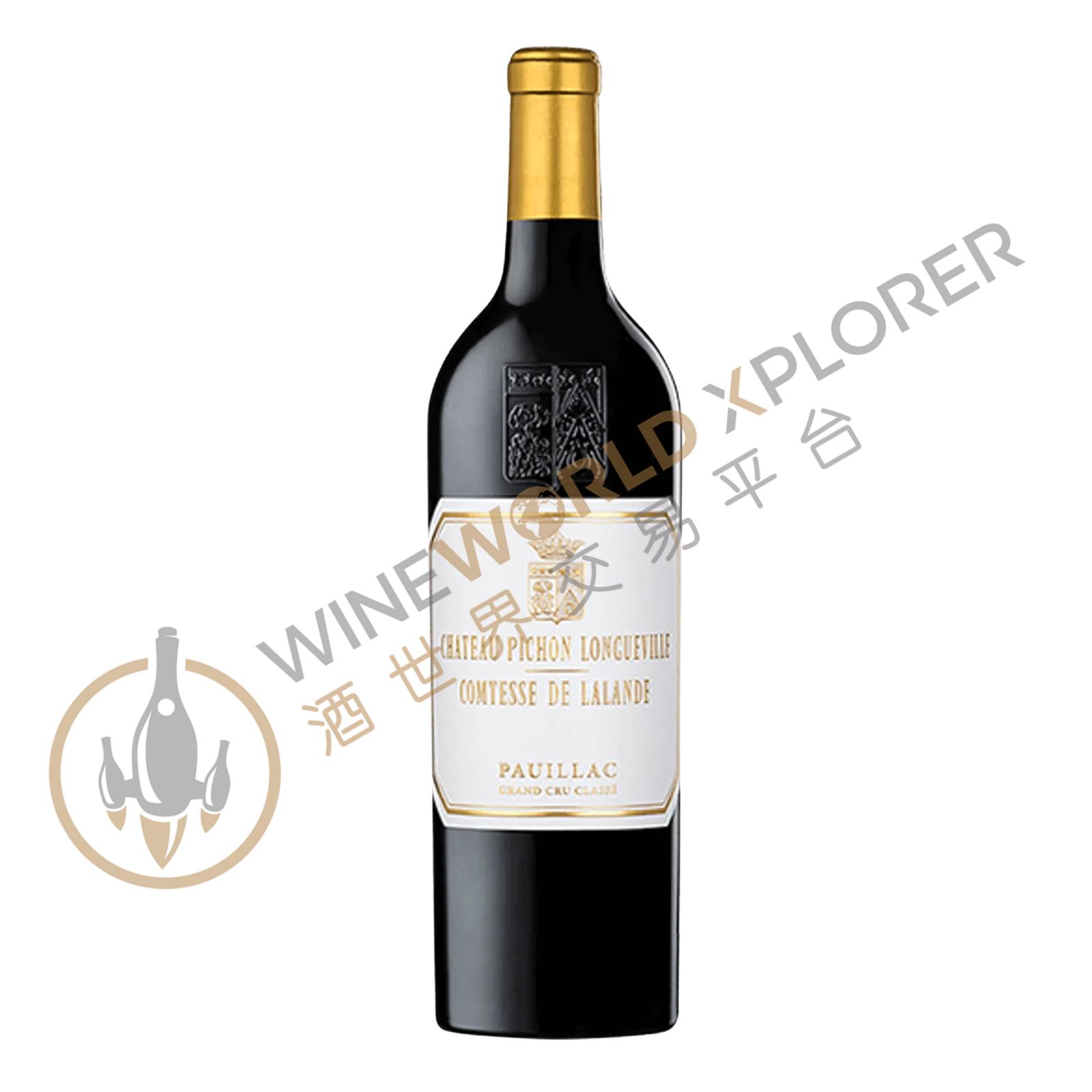
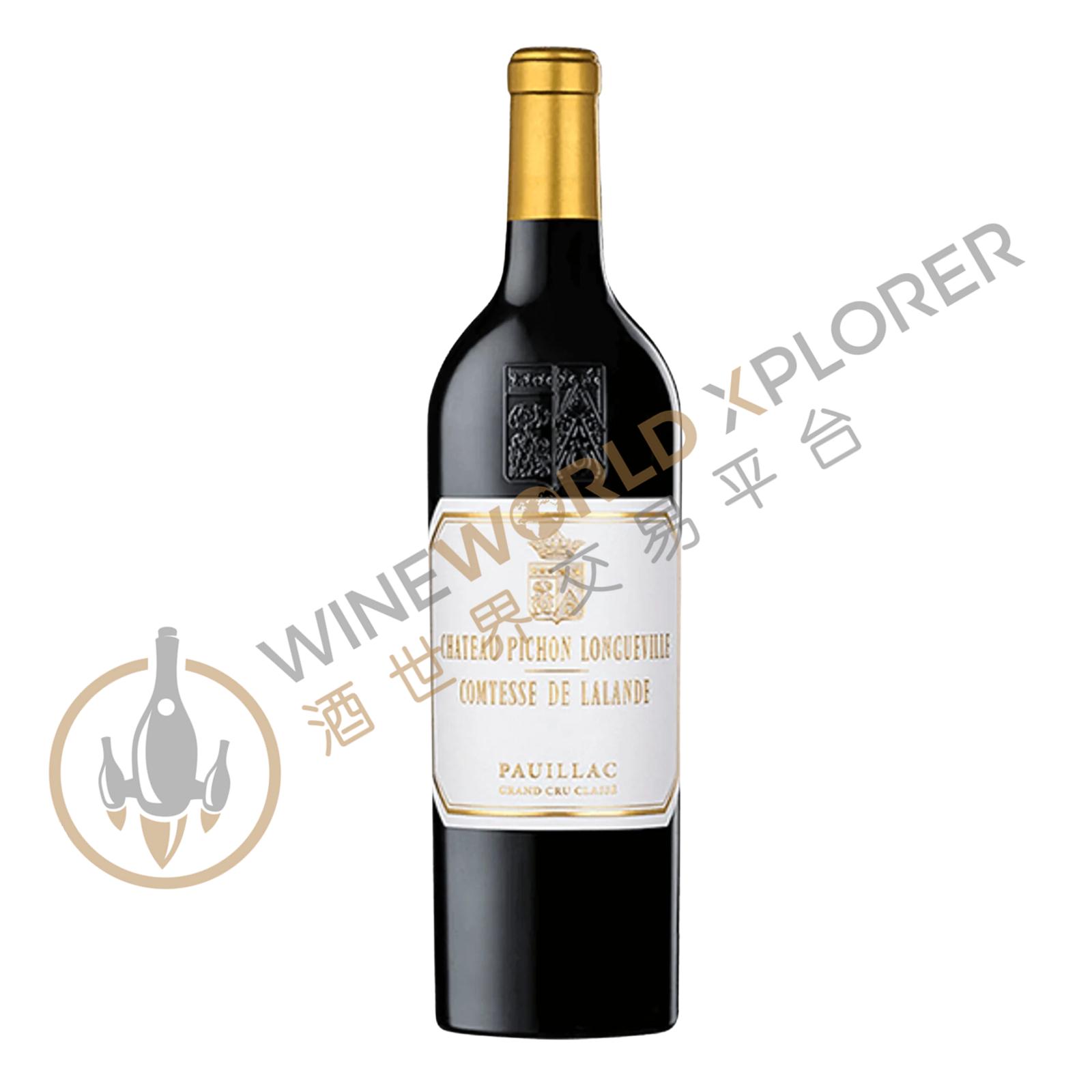
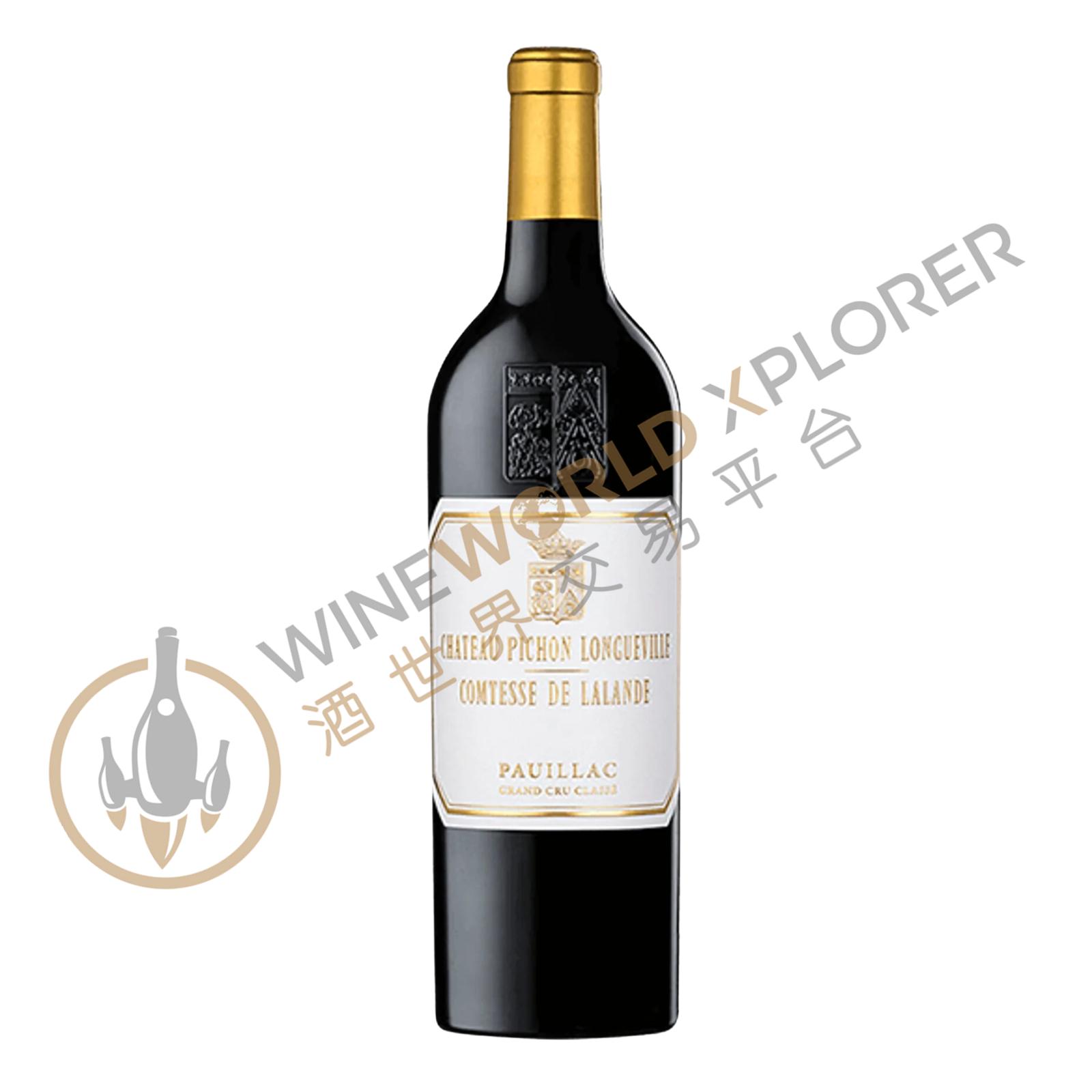
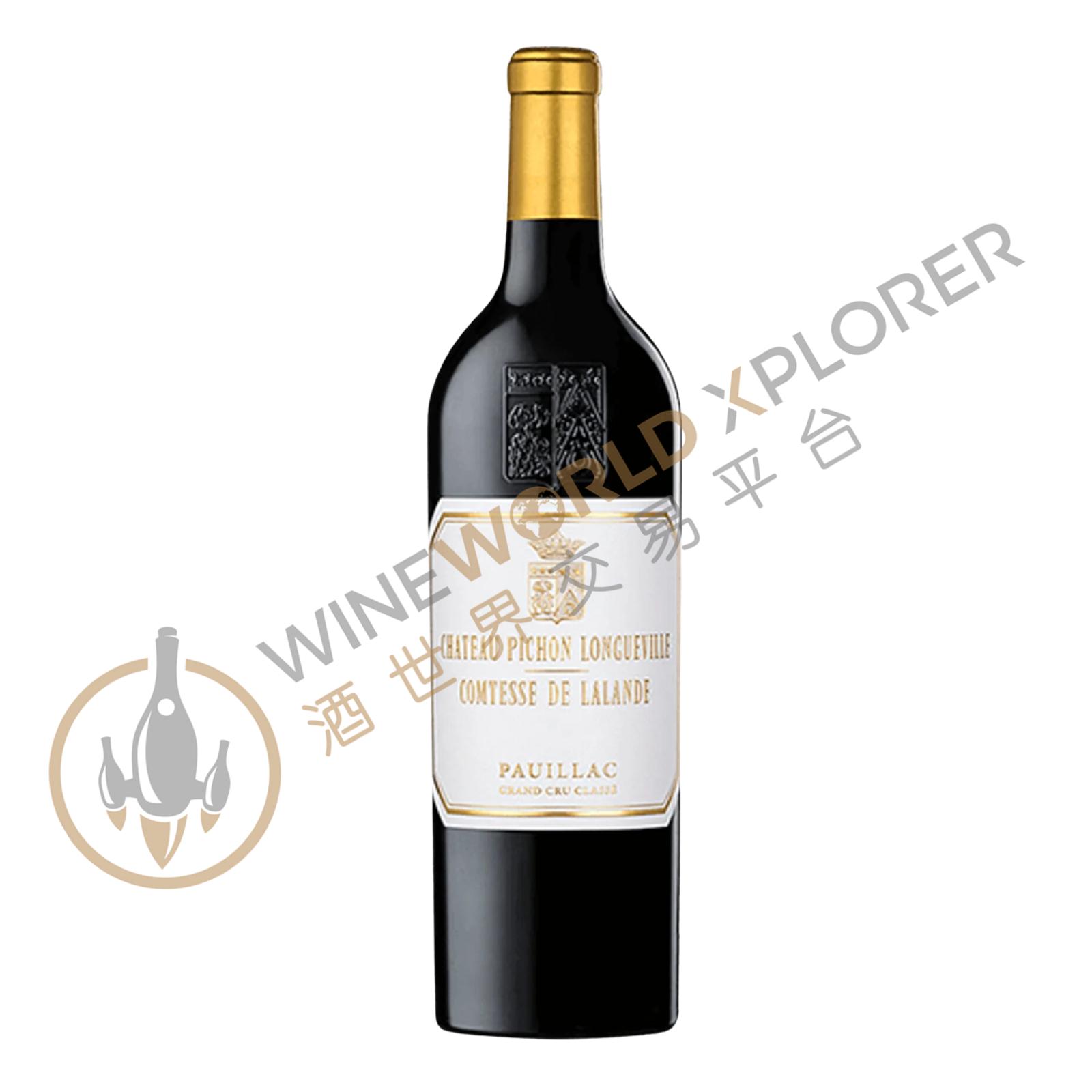
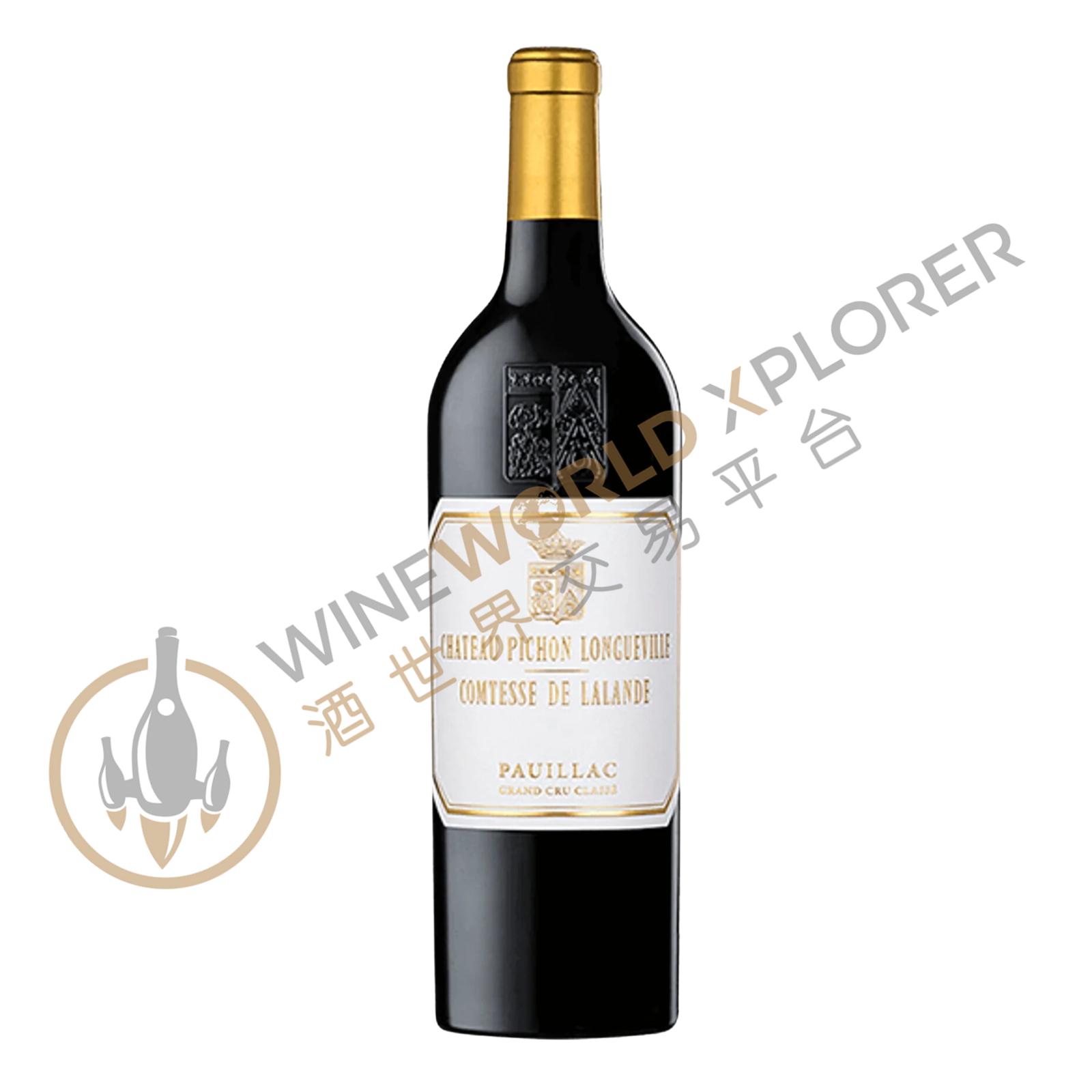
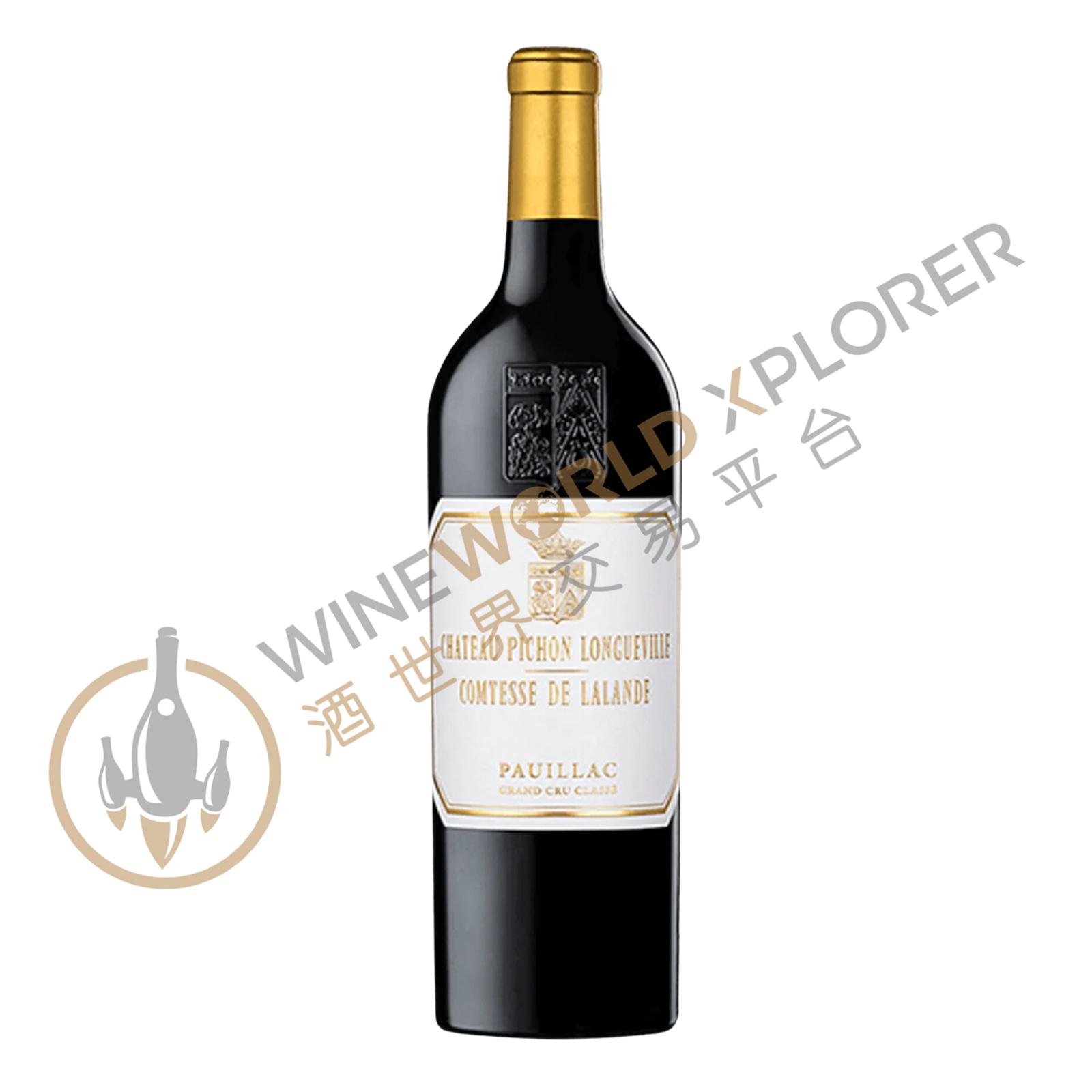
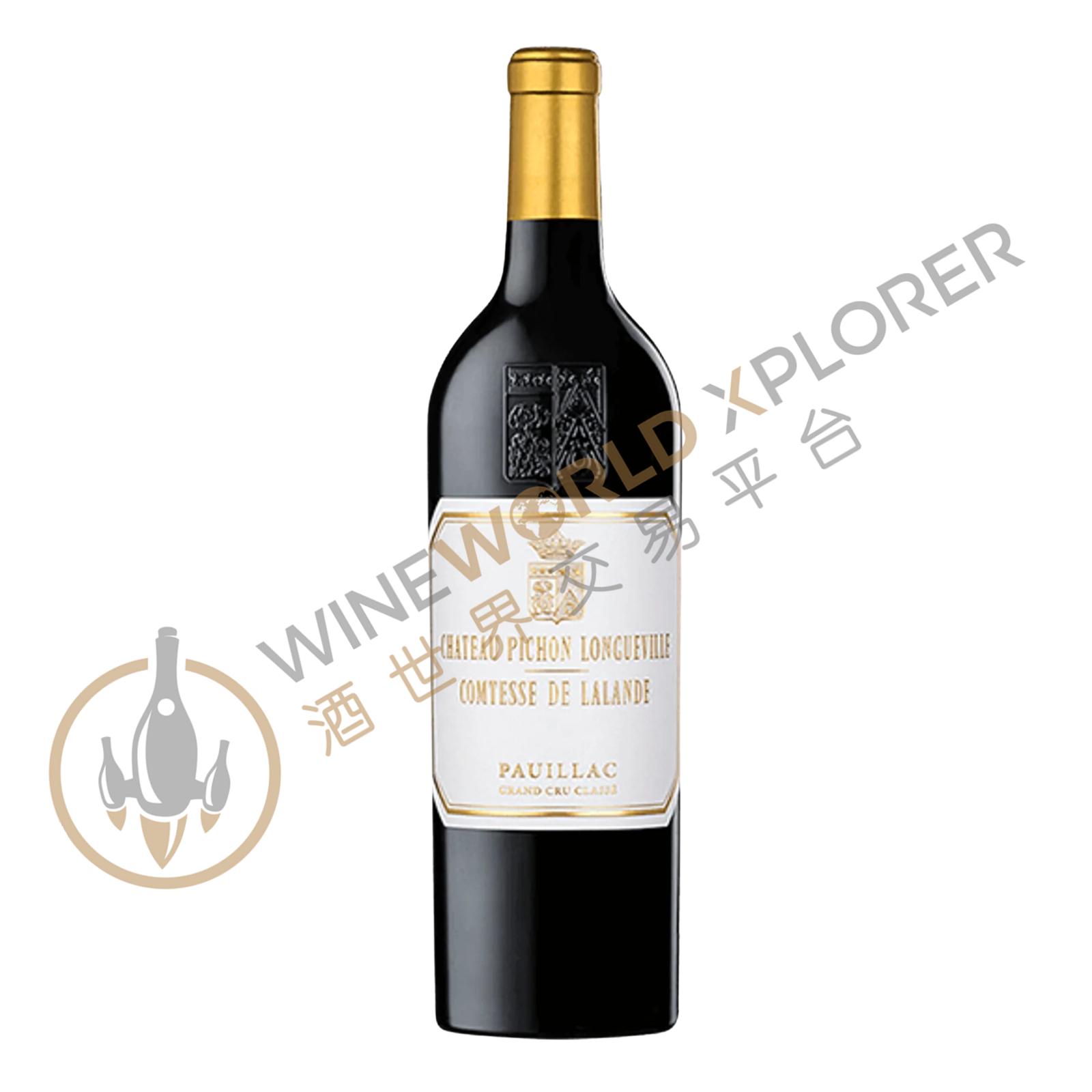
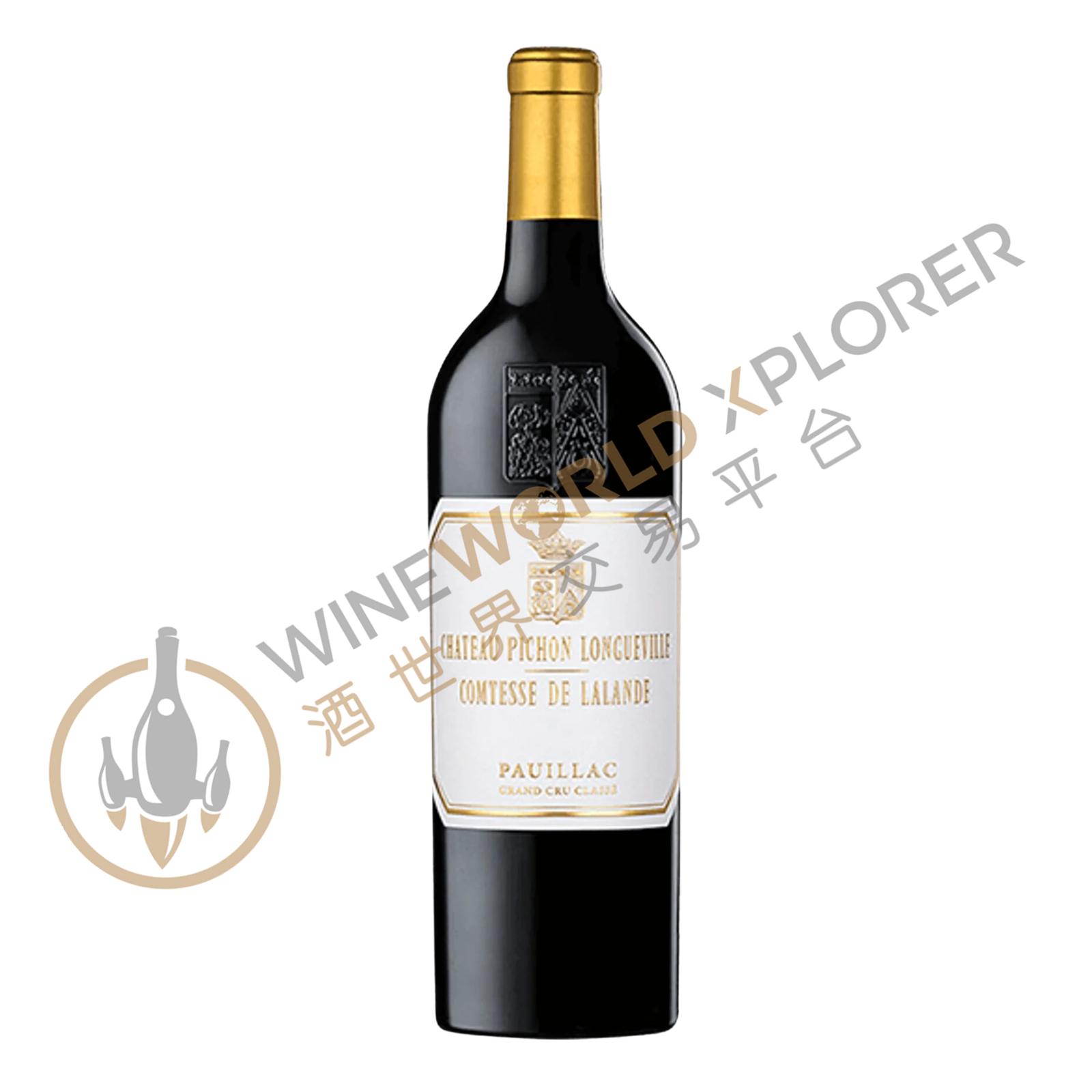
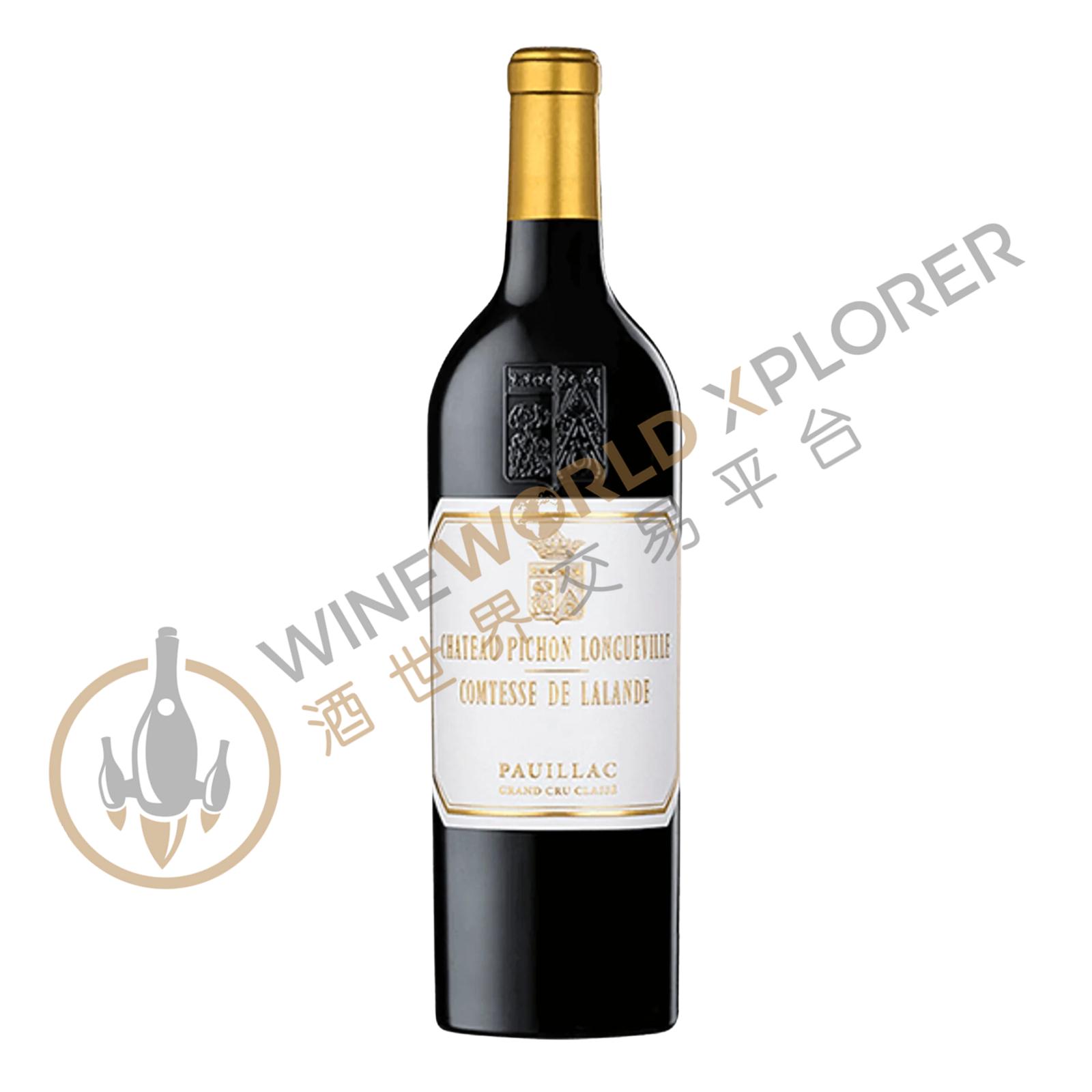
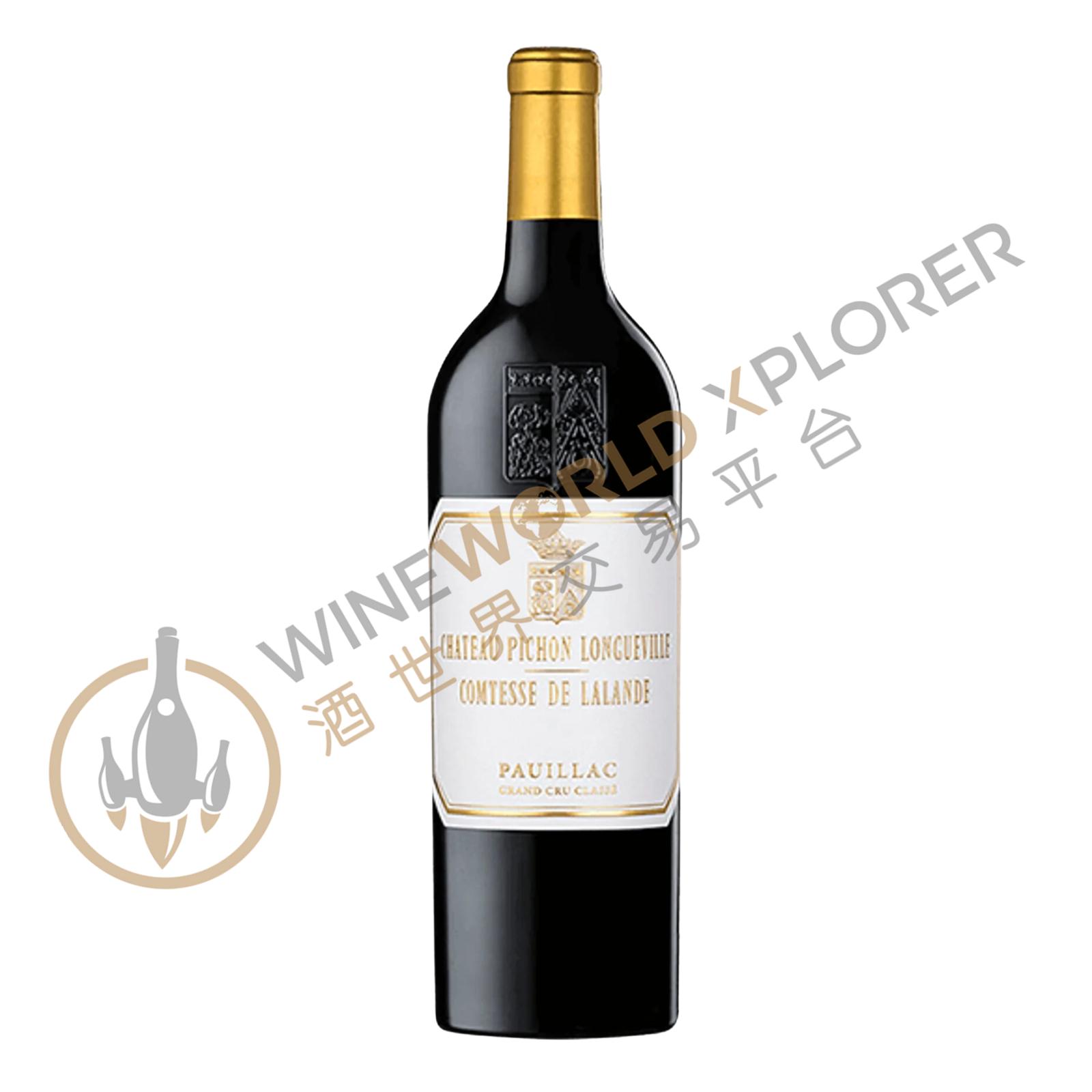
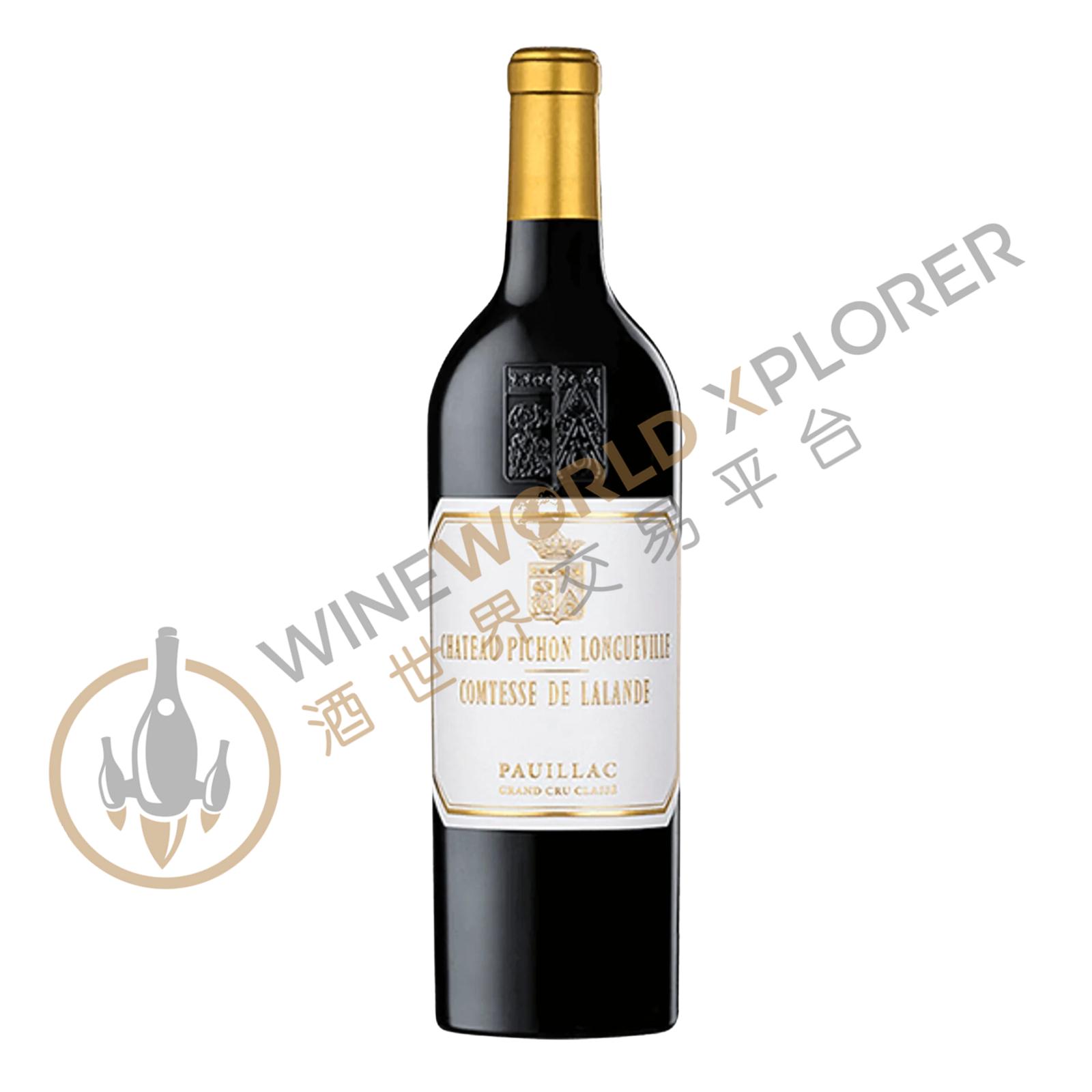
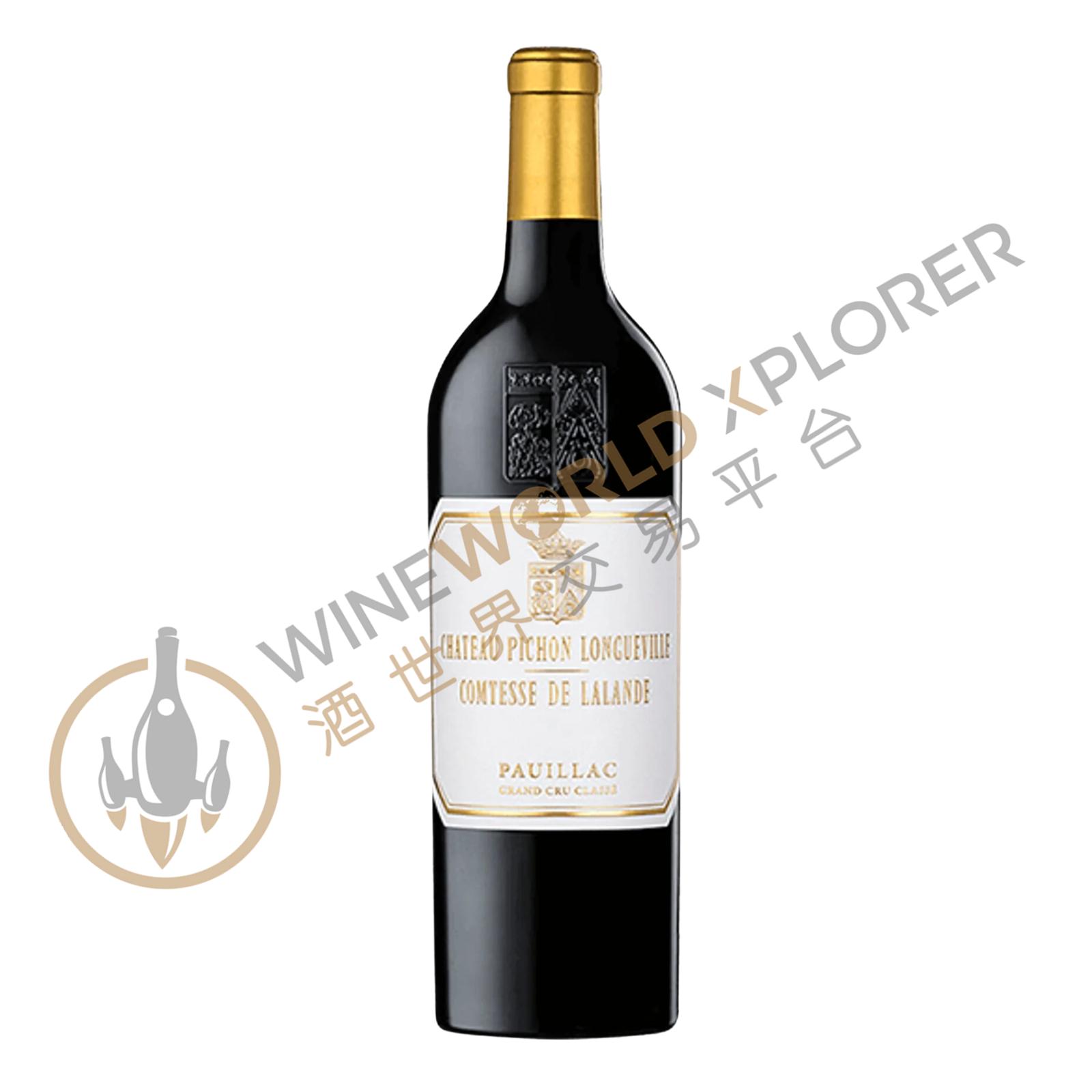
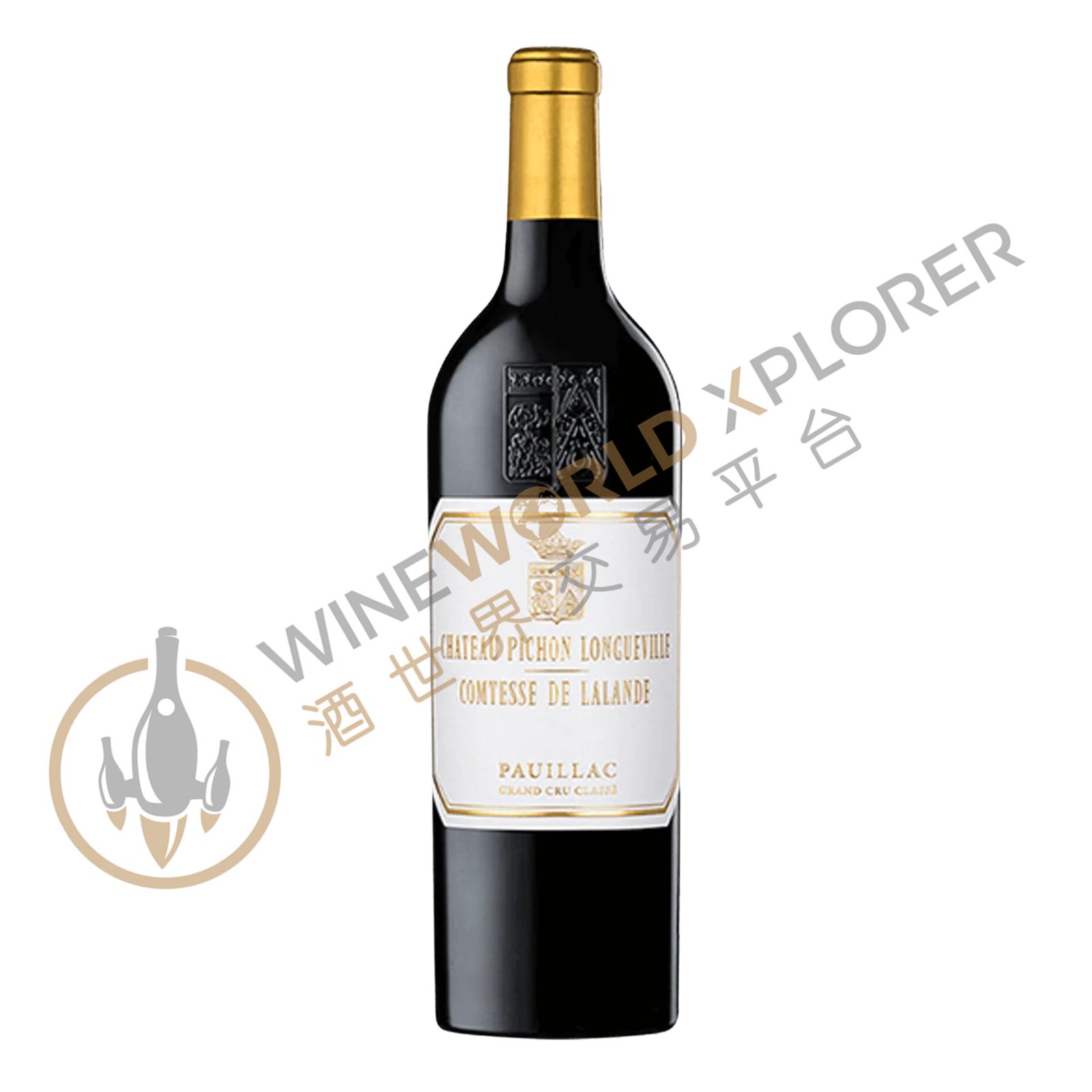
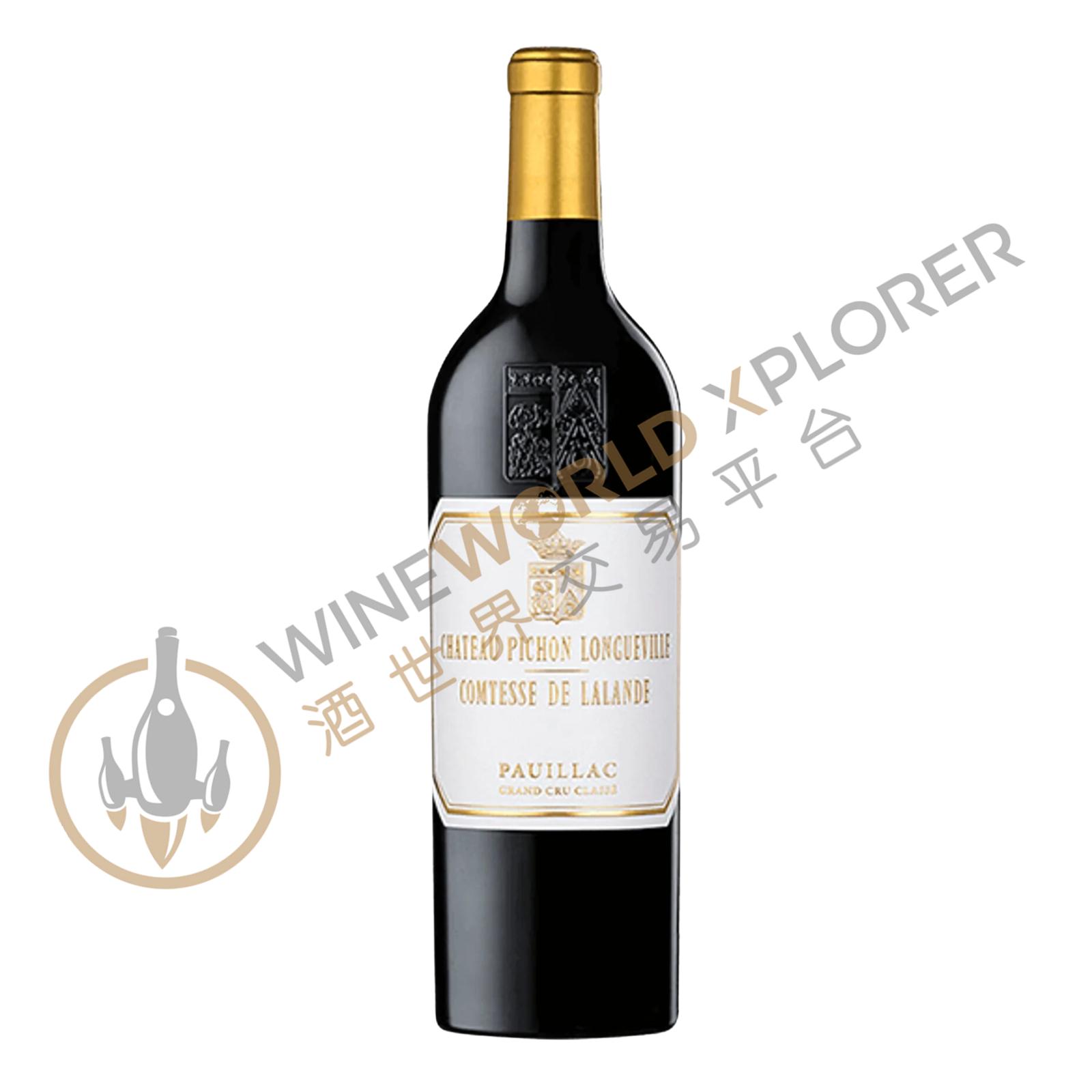
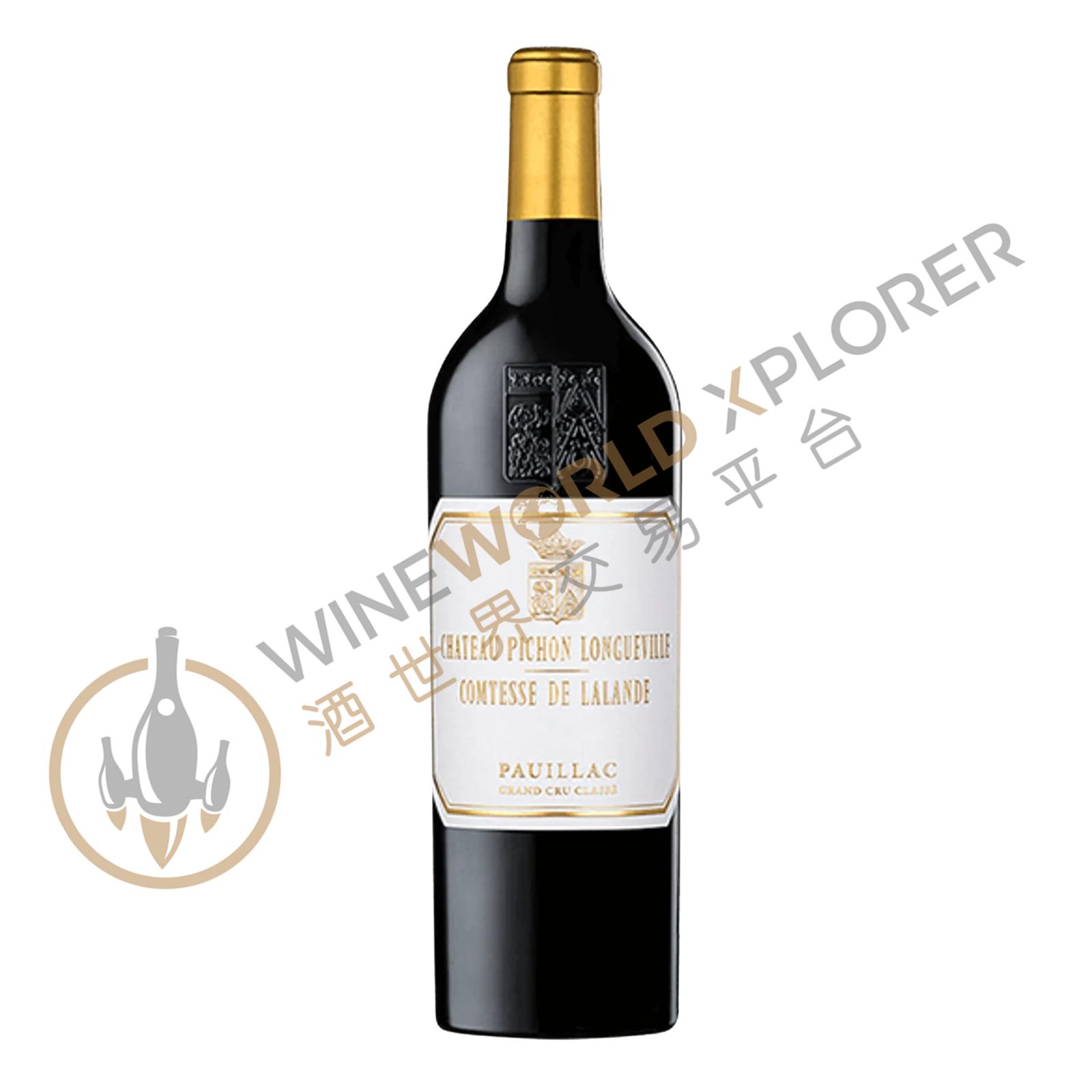
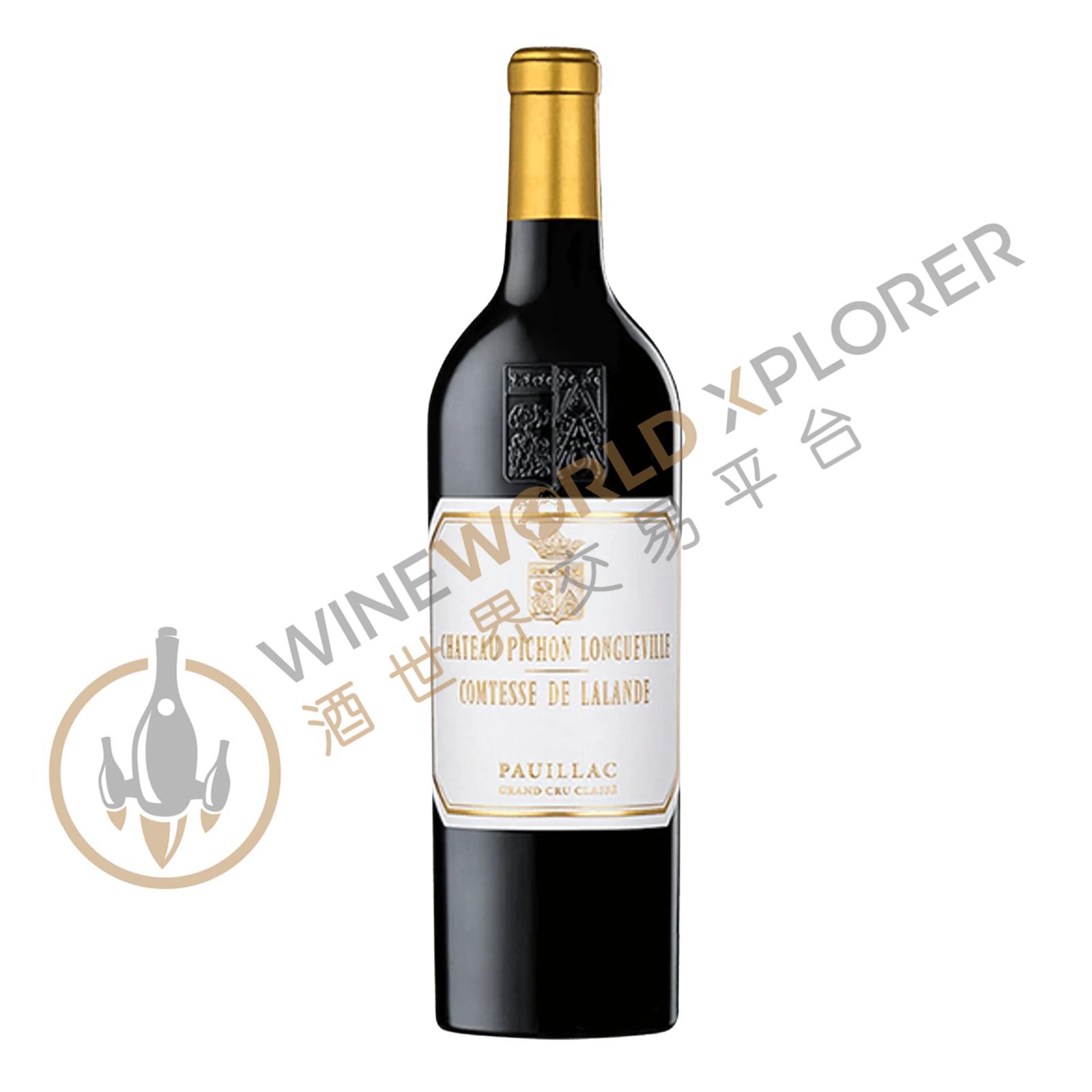
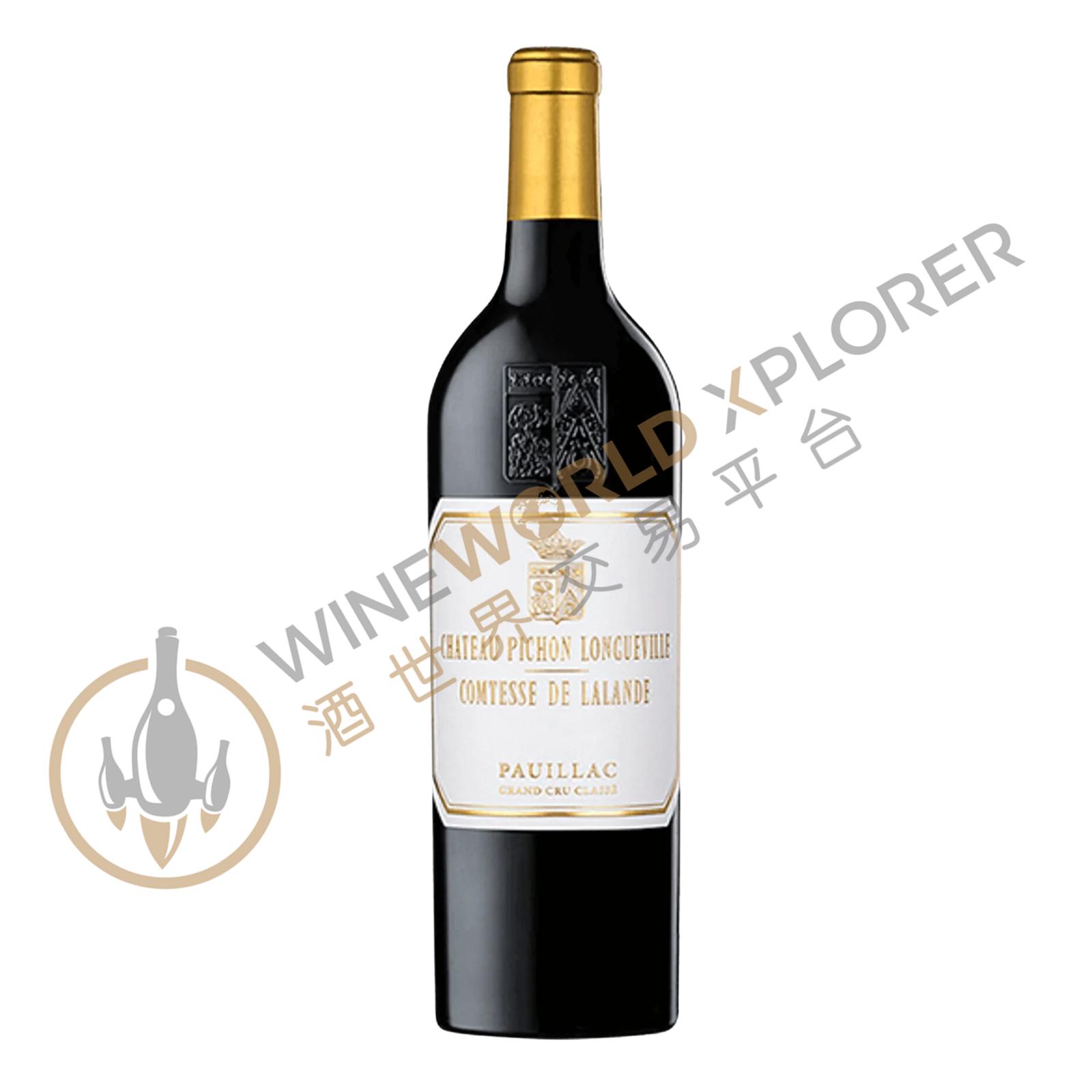
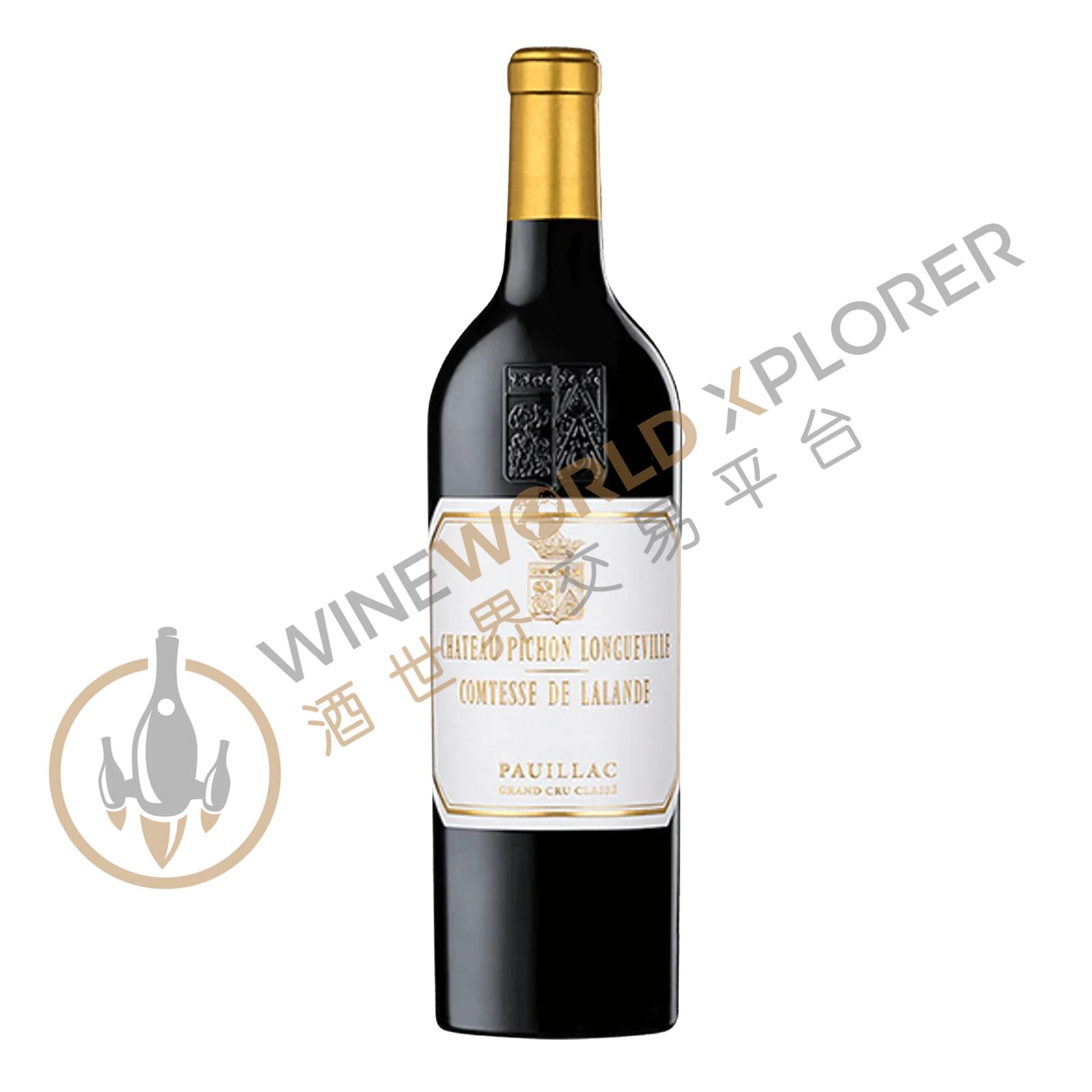
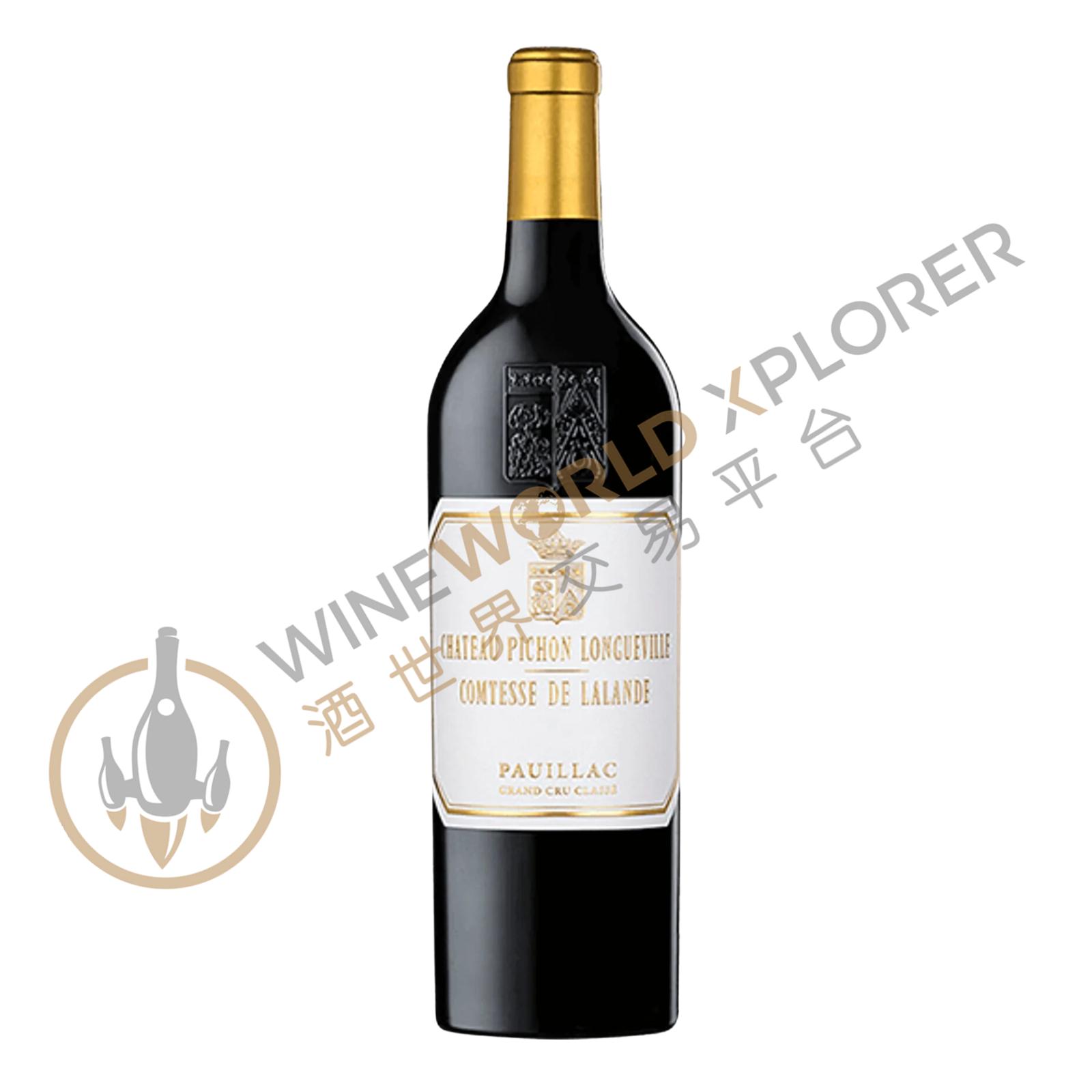
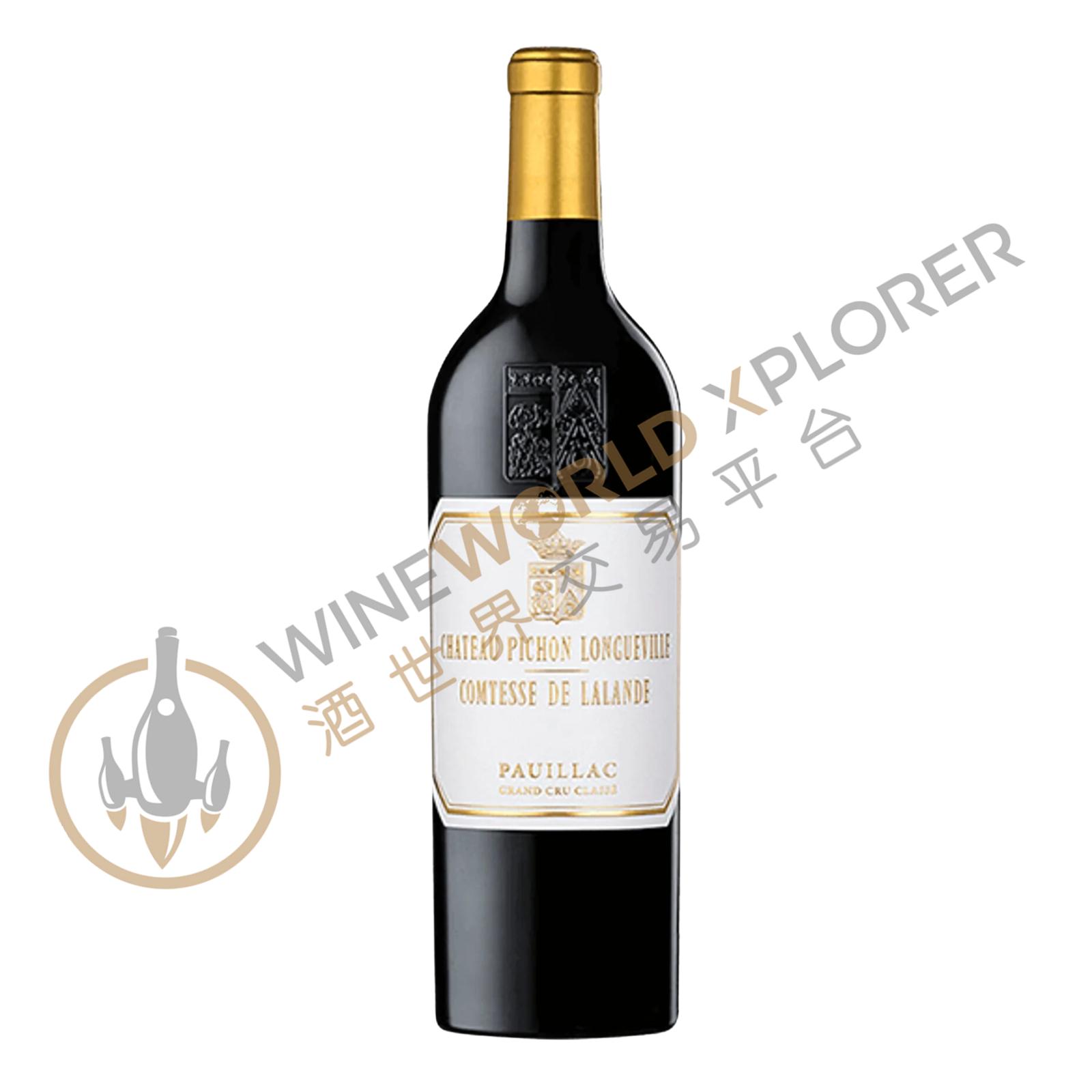
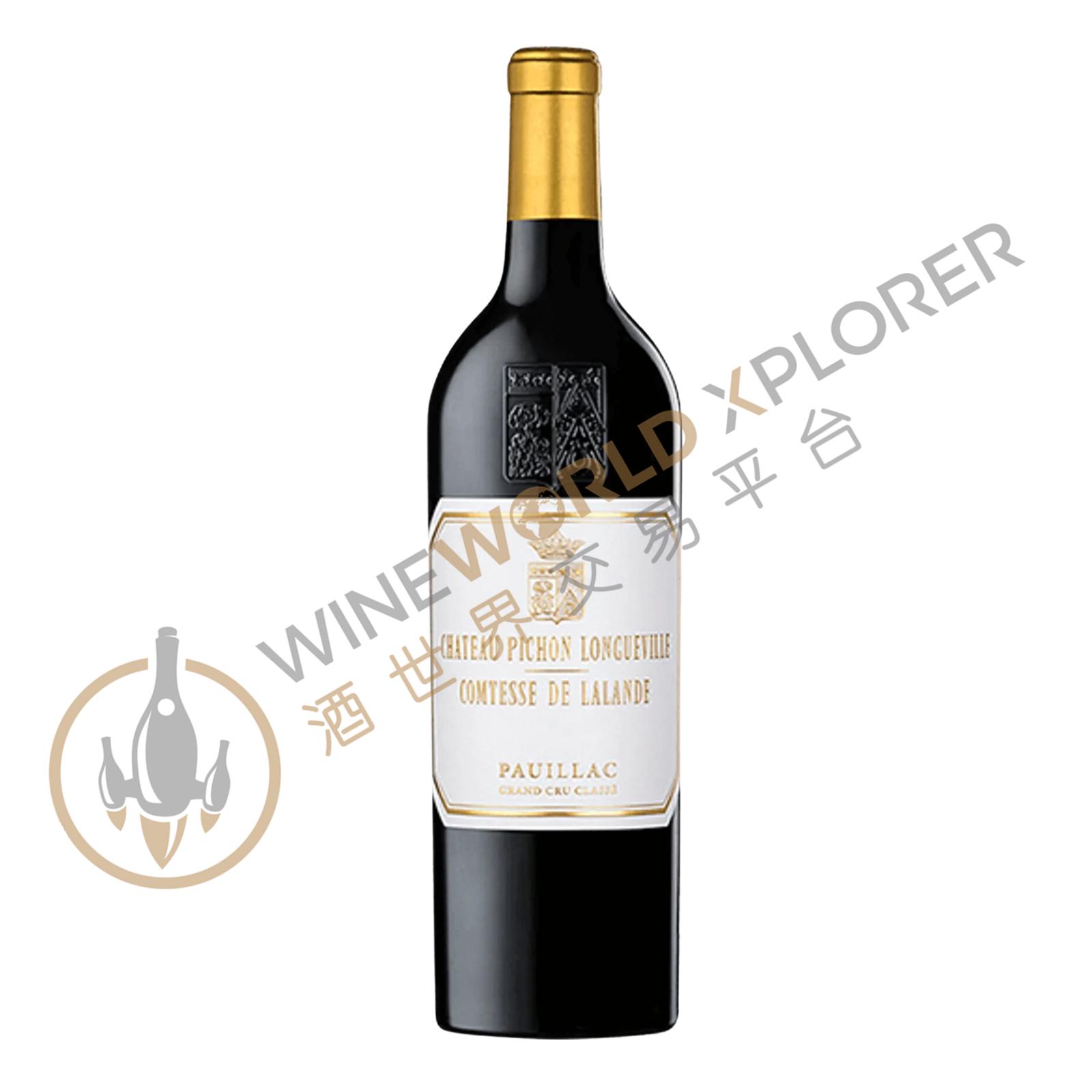
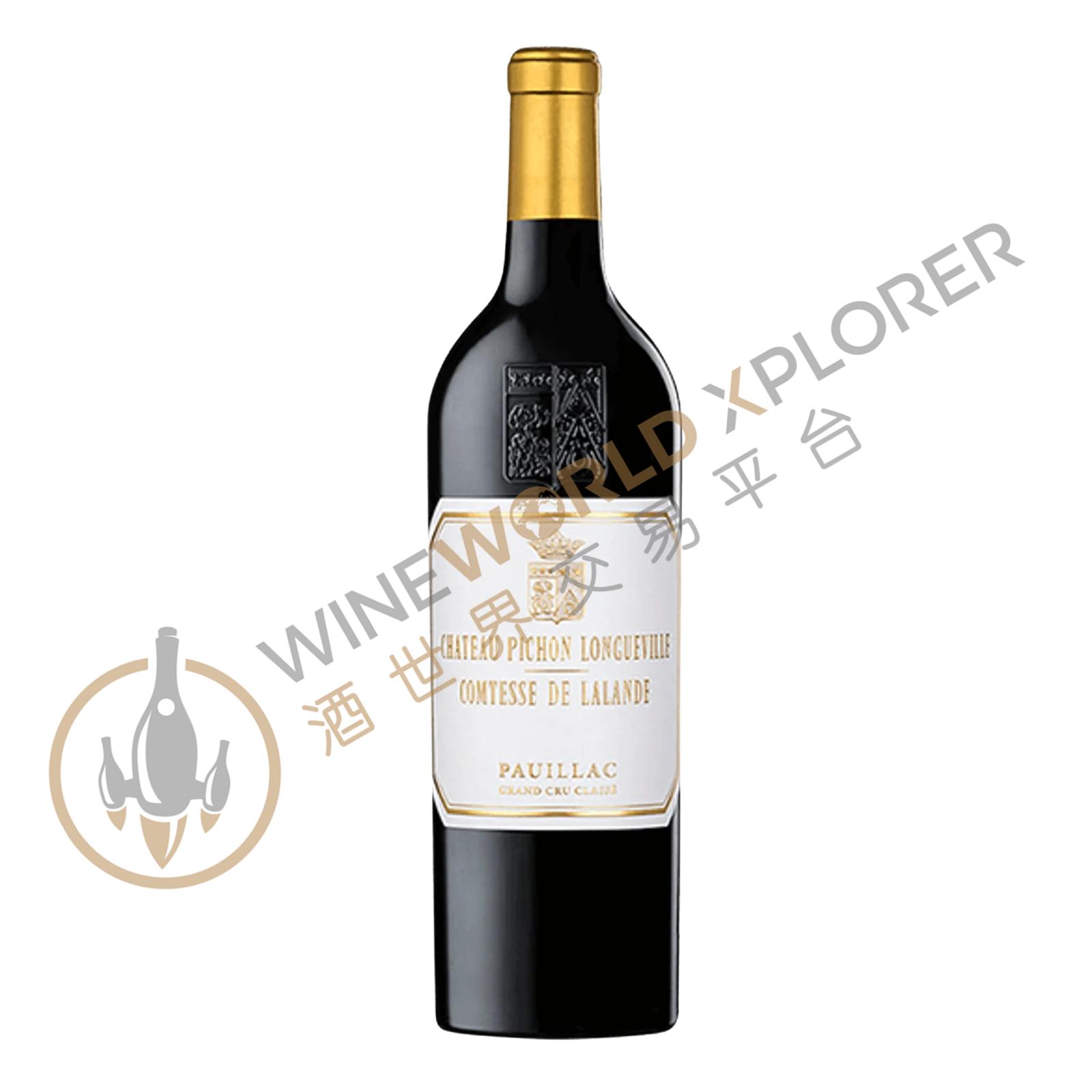
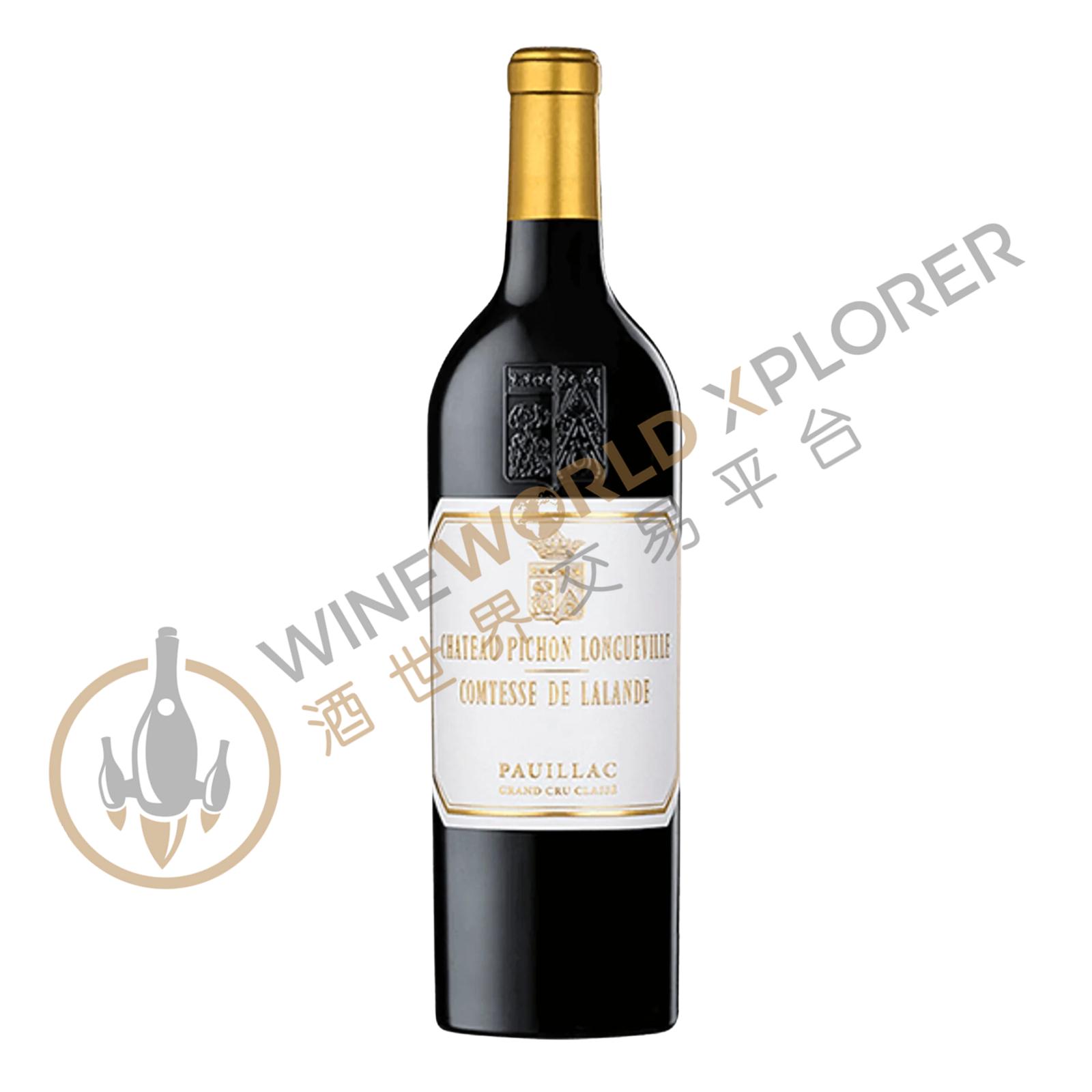
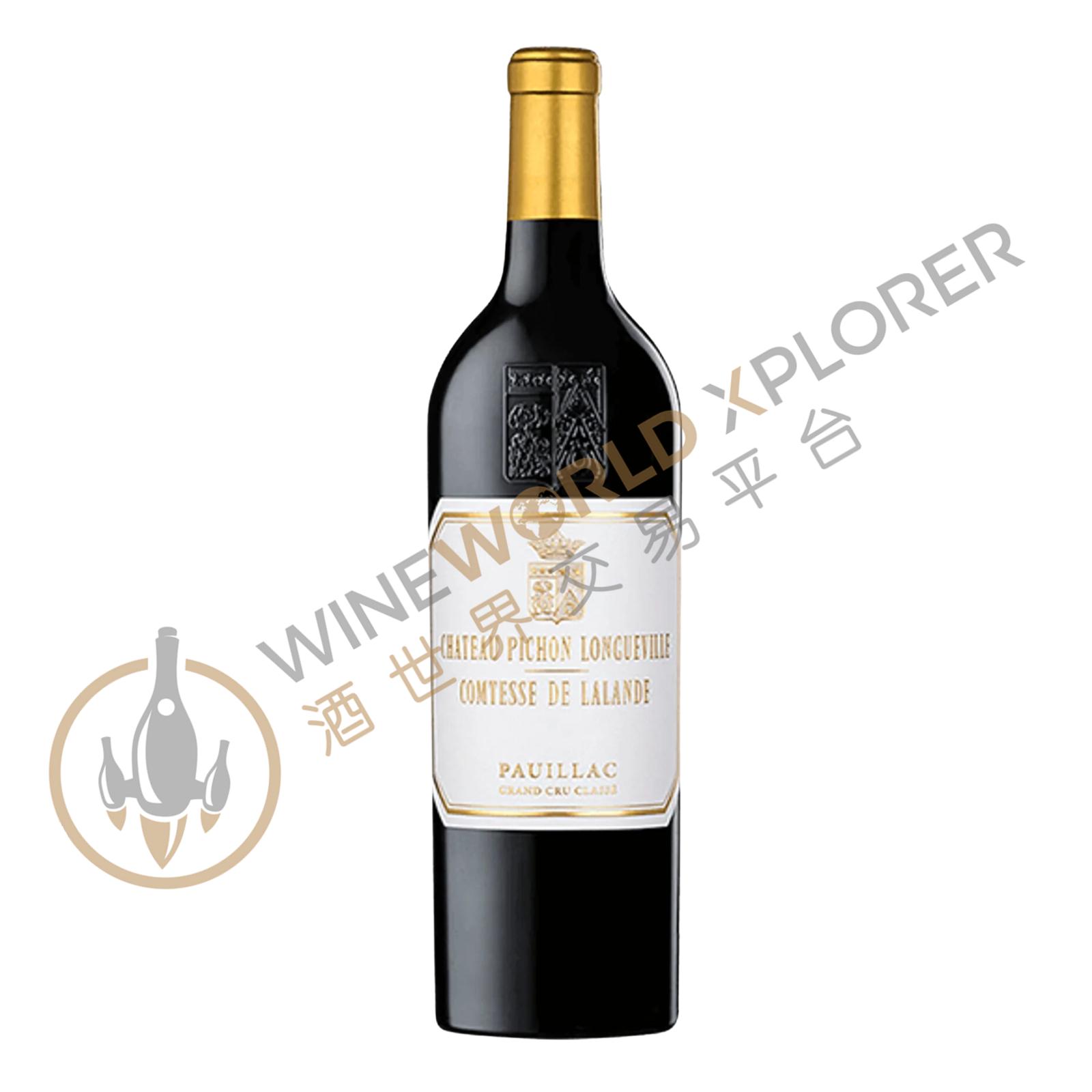
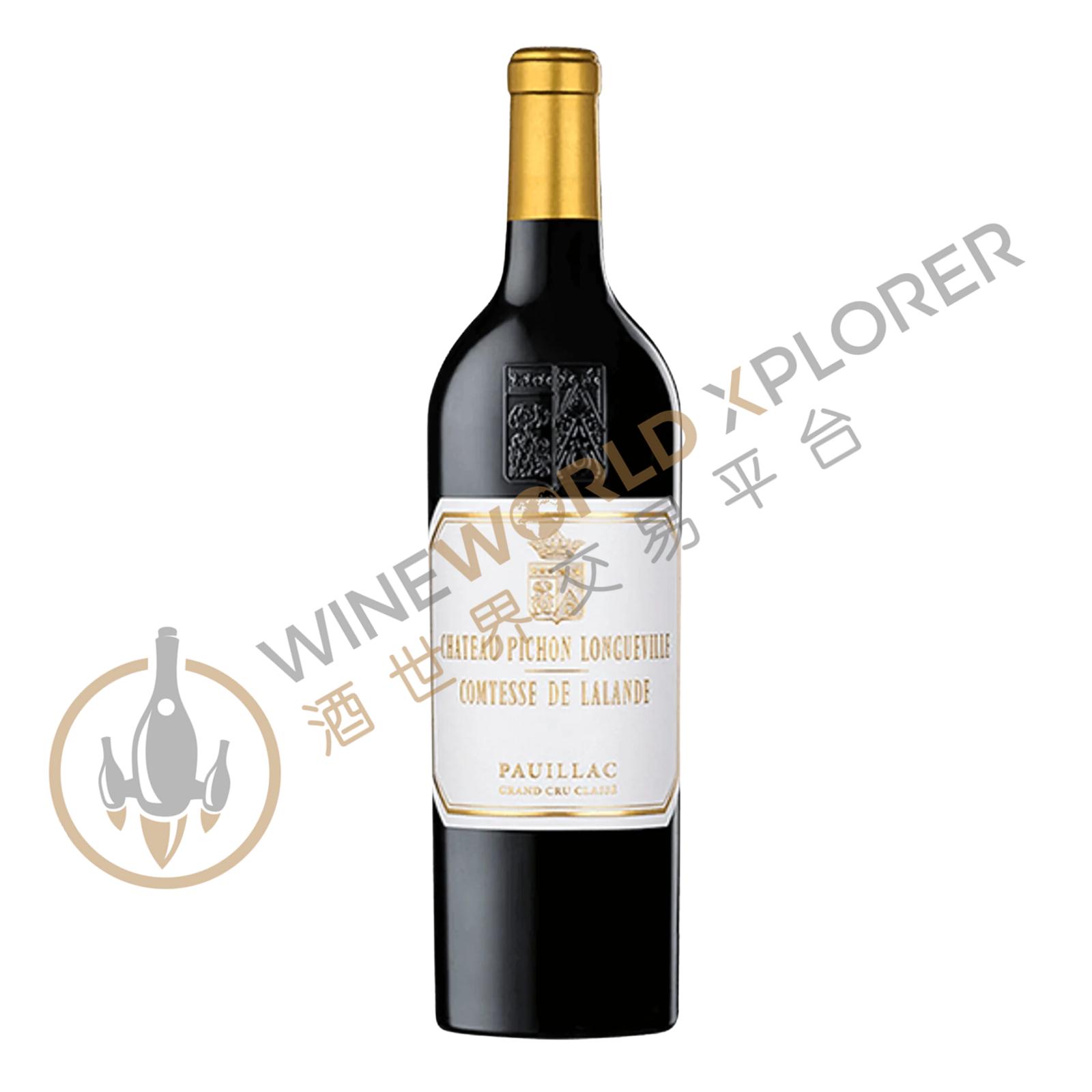
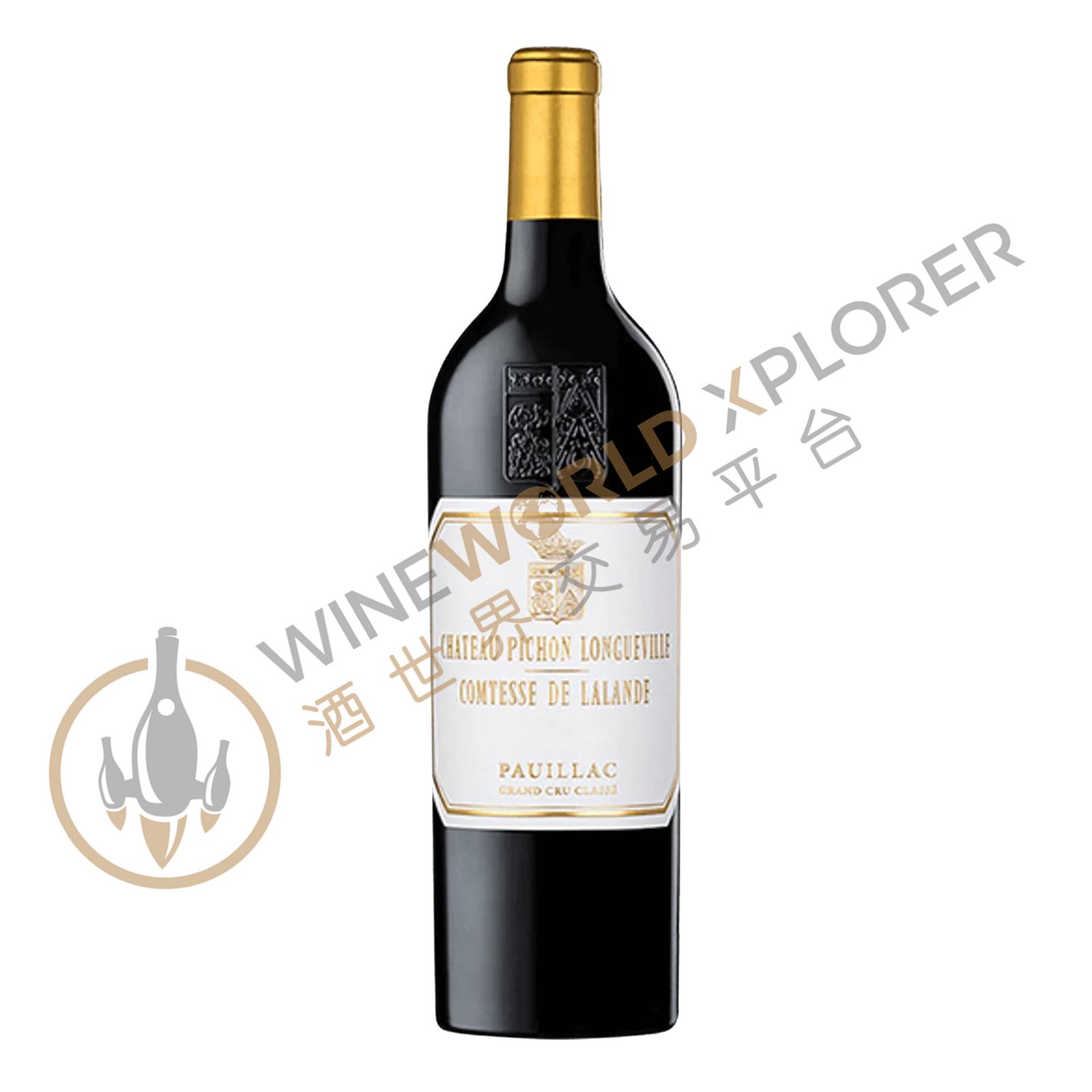
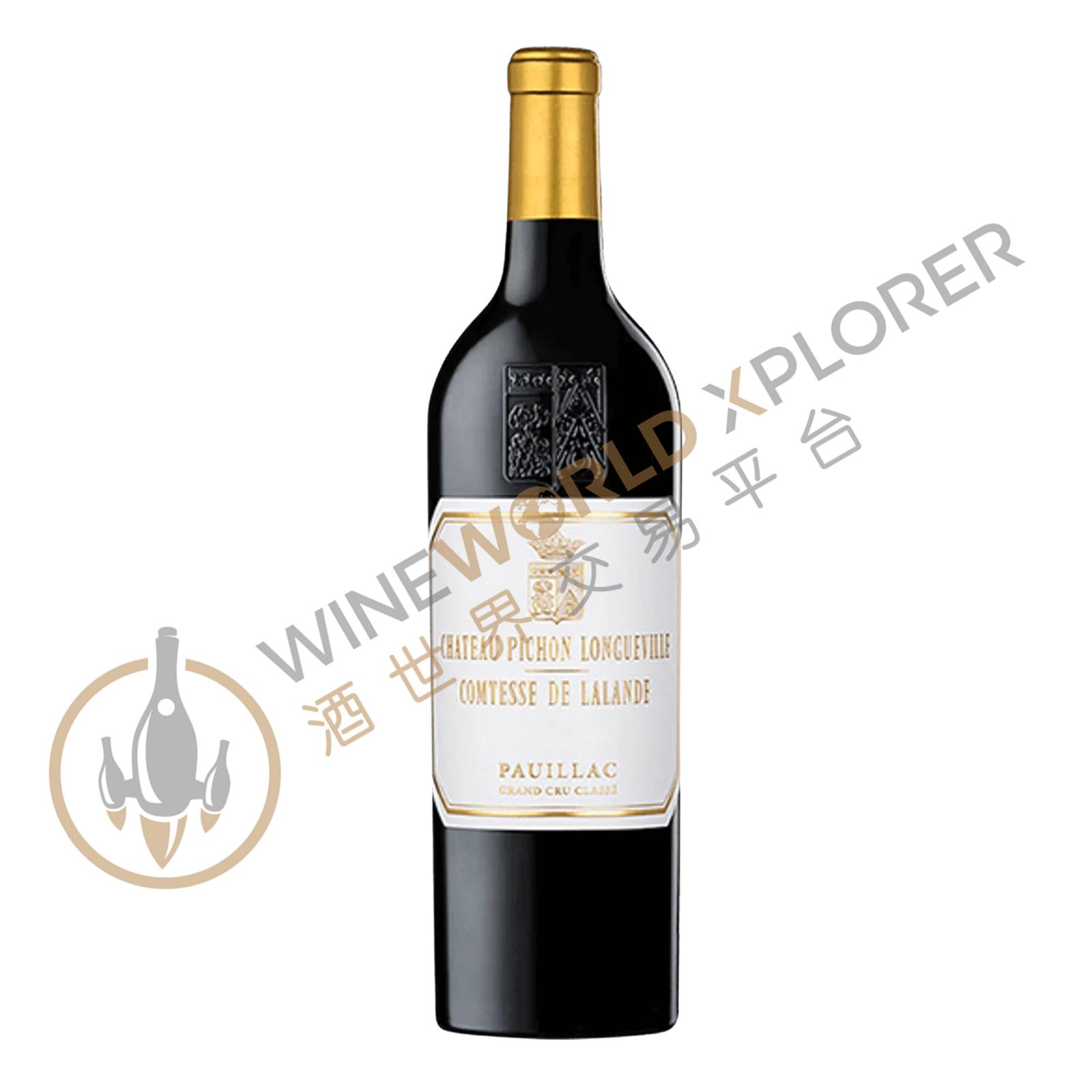
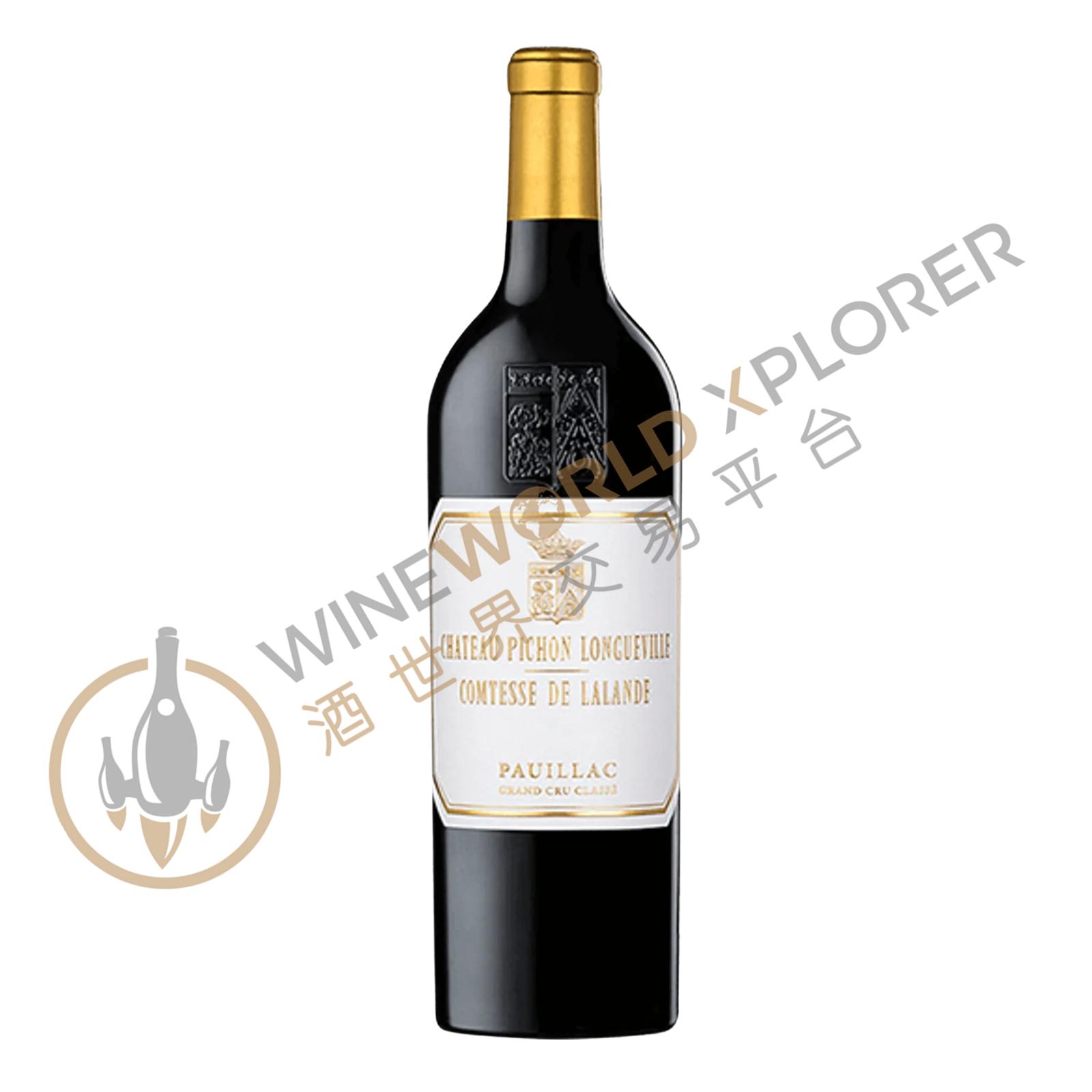
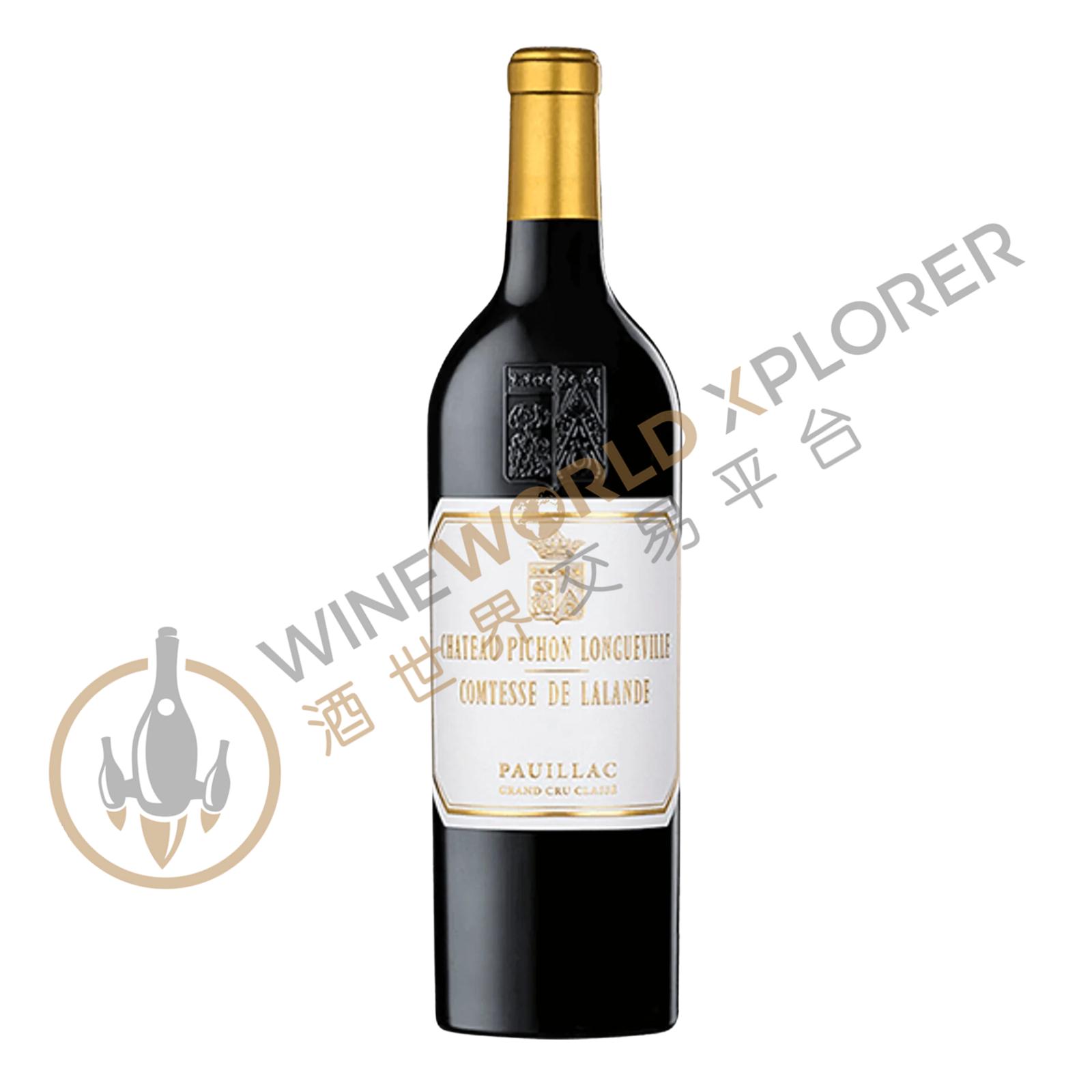
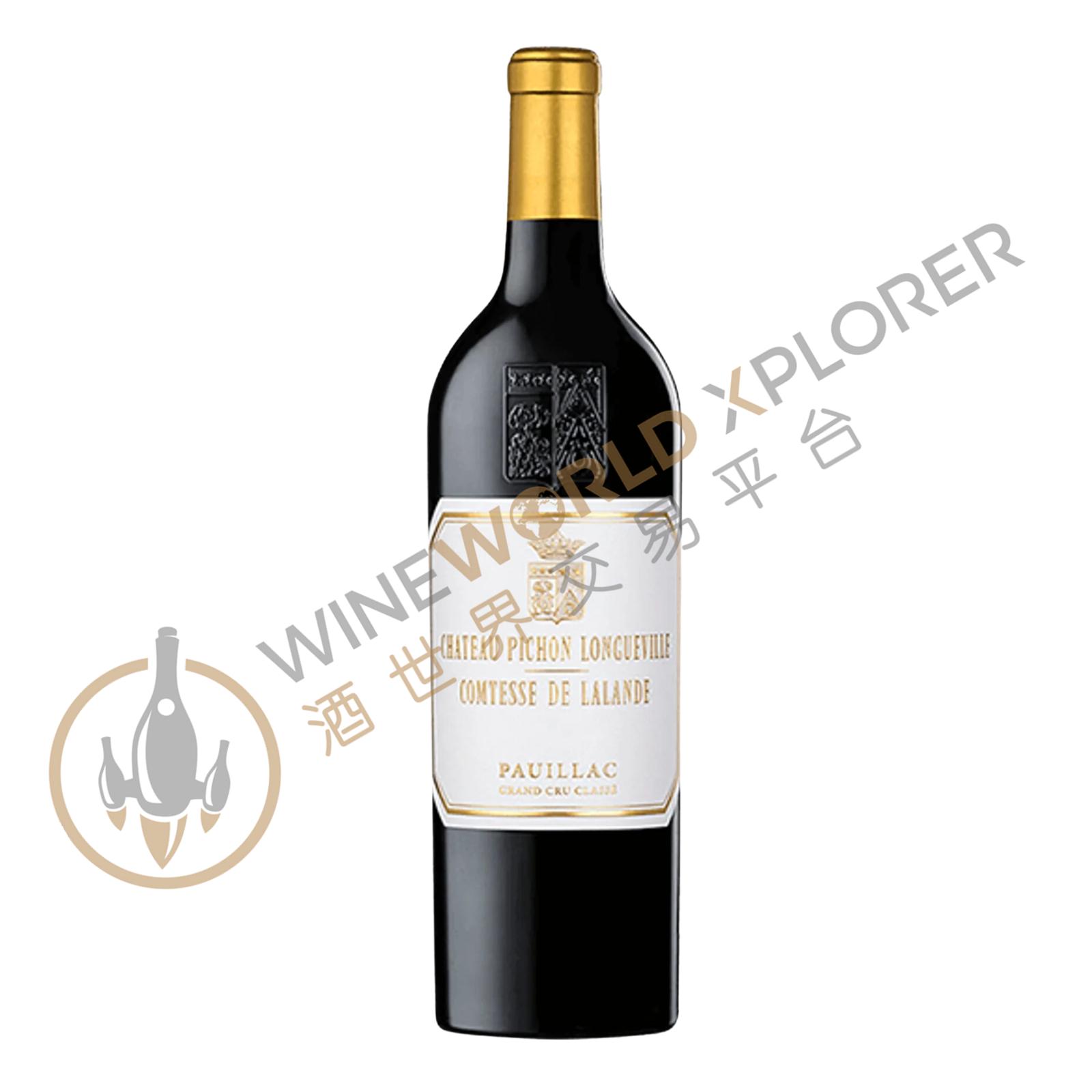
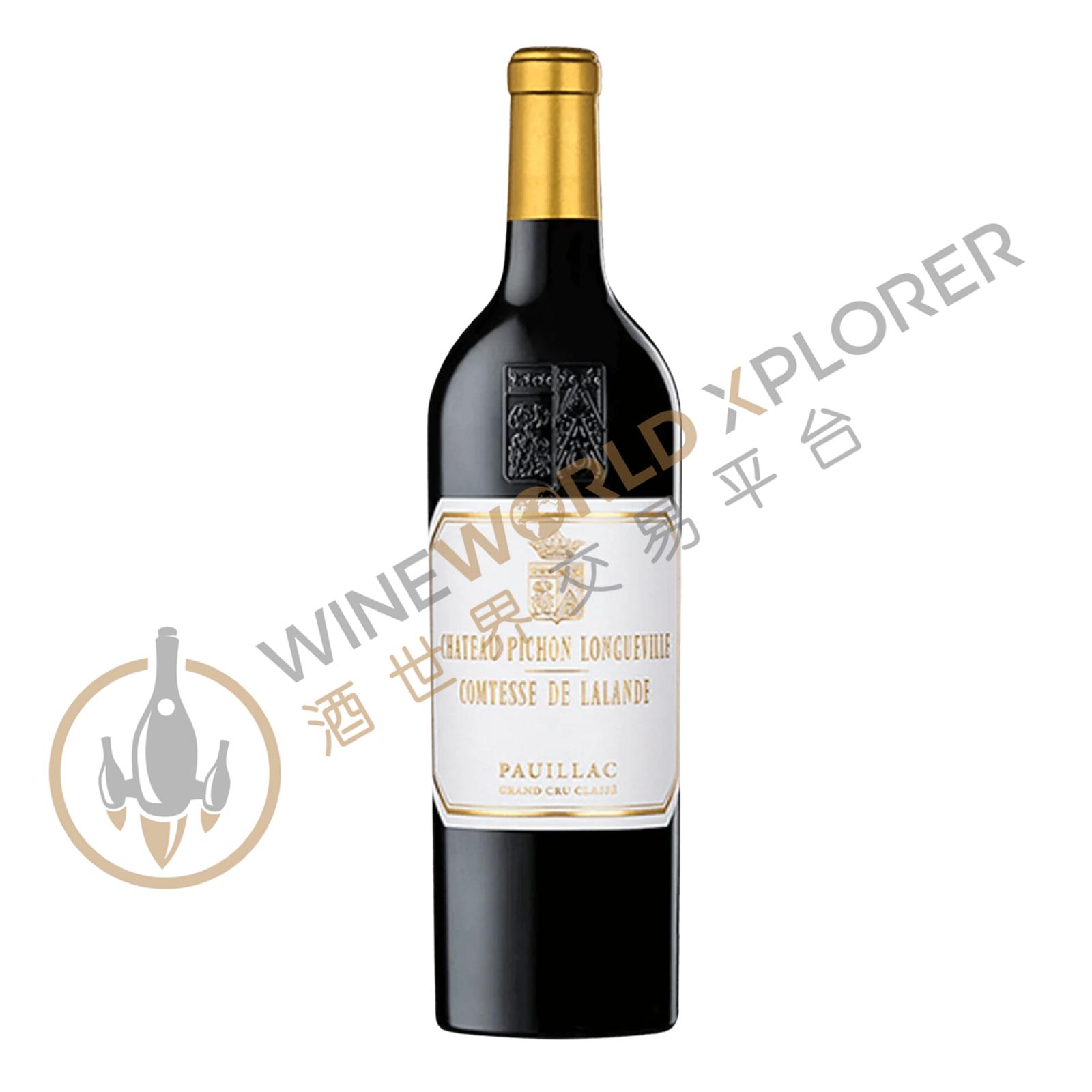
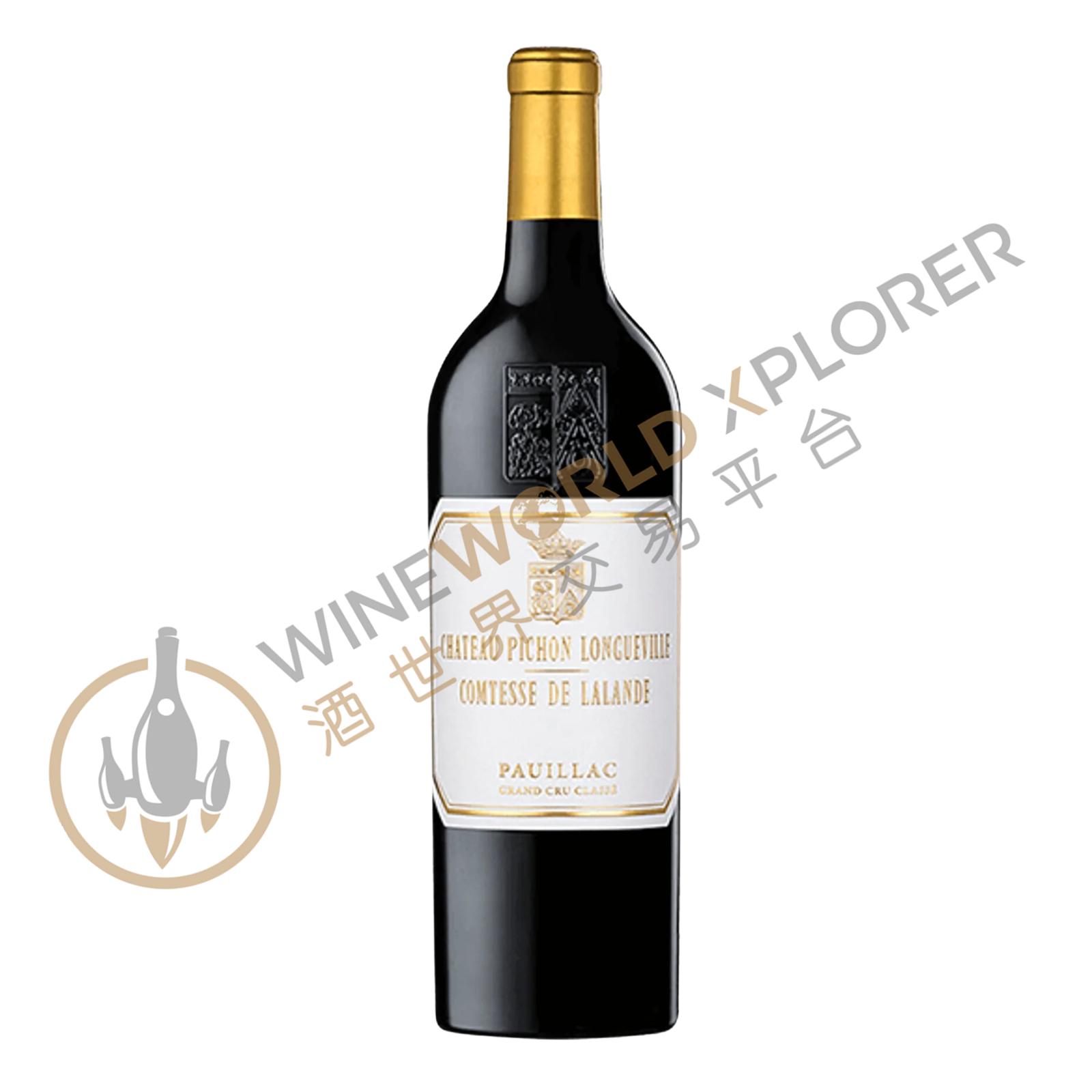
Pichon Lalande 1986
 View analysis


Description
Tasting notes

Reviewed by: Neal Martin
Now at 30 years of age, there is a gulf between the two Pichons in this vintage that no longer exists. The 1986 Pichon-Longueville Comtesse de Lalande has long been one of the best wines from the estate alongside the 1982 (even if the first bottle was a little oxidized). The second bottle was representative. It has a classic pencil-lead, cedar-infused nose that rockets from the glass, a subtle floral note developing with time. The palate is medium-bodied with supple red berry fruit, a pinch of white pepper and cedar, structured compared to coeval vintages and perhaps further along its drinking plateau than previous examples. Certainly à point, I would be reaching for bottles of this now if you cannot locate those 1982s, or alternatively seek out the superlative 1996. This still remains a fine, rather regal Pichon-Lalande. Tasted July 2016.
Reviewed by: Robert M. Parker, Jr.
The 1986 is the most tannic, as well as the largest-framed Pichon-Lalande in over three decades. Whether it will ultimately eclipse the 1982 is doubtful, but it will be longer-lived. Dark ruby/purple, with a tight yet profound bouquet of cedar, blackcurrants, spicy oak, and minerals, this full-bodied, deeply concentrated, exceptionally well-balanced wine is, atypically, too brawny and big to drink young. Anticipated maturity: 1994-2015 Last tasted, 6/93.
Reviewed by: Robert M. Parker, Jr.
Last Tasted 8/92 Even more closed than when I last tasted it, the 1986's color is an impressive dark ruby/purple. Only with coaxing does the nose offer hints of ripe cassis fruit, as well as aromas of minerals and toasty new oak. In the mouth, the wine is medium-bodied and tannic, yet impeccably well-balanced, with considerable richness and depth. It was more flattering to drink several years ago. I would not touch the 1986 vintage for at least 4-6 years. It should keep through the second decade of the next century.
Reviewed by: Neal Martin
Tasted at the Fine Wine Experience’s Pichon-Lalande vertical in London. The 1986 Pichon Lalande is still looking very youthful. The nose is incredibly backward and surly with smoke, cedar, cigar box, cooked meats with good definition. You could describe it as being rather joyless but it will surely mellow out with further bottling ageing. A touch of liquorice develops with time. The palate is full-bodied, firm tannins, backward, broody, good acidity, crisp black fruits, iodine, and a touch of liquorices, taut with good length. After 22-years this has not entertained the notion of entering it drinking plateau. Hopefully it will mellow out soon – a broad-shouldered, burly Pichon Lalande. Drink 2012-2030. Tasted December 2008.
Reviewed by: Neal Martin
A wonderful Pichon Lalande in a similar style to the Pichon-Lalande 1982. A cedar and pencil-lead nose with very expressive Cabernet Sauvignon. The palate has superb definition, very complex and tannic with dense, ripe black fruits. Supreme balance. Less opulent than the ‘82 but the essence of poise, class and character. Very long-term wine. Brilliant. Perhaps an overlooked Pichon Lalande? Leave for another decade. Tasted July 2001.
Reviewed by: Robert M. Parker, Jr.
Tasted 7 Times Since Bottling With Consistent Notes The 1986 is the most tannic, as well as the largest-framed Pichon-Lalande in over three decades. Whether it will ultimately eclipse the 1982 is doubtful, but it will be longer-lived. Dark ruby/purple, with a tight yet profound bouquet of cedar, blackcurrants, spicy oak, and minerals, this full-bodied, deeply concentrated, exceptionally well-balanced wine is, atypically, too brawny and big to drink young. Anticipated maturity: 1994-2015.
Reviewed by: Robert M. Parker, Jr.
Just now emerging from a very clumsy dormant period, Pichon-Lalande’s dense ruby/purple-colored 1986 still has the color of a 4 or 5 year old wine. This is the most tannic and backward Pichon-Lalande after 1975 and before 1996. The wine was completely closed down until just recently. The wine shows notes of cedar, black currants, earth, spice box, and licorice, followed by a medium to full-bodied, very concentrated, intense palate with a still noticeable tannic structure, a relatively big, muscular style for Pichon-Lalande. Anticipated maturity: Now-2015. Last tasted, 5/02.
About the Producer
Pichon Lalande is arguably the best known Super Second Pauillac for its quality consistency and quintessential Bordeaux claret expression. Neighbouring Chateau Latour and lying just right opposite Chateau Pichon Baron, Pichon Lalande, as its name suggests, has long seen extended female owner influence since the 1850s. Back in the 1850s, the original Pichon Lalande got broken down into two-fifth being renamed as Pichon Baron and three-fifth remaining as Pichon Lalande upon the passing of Baron Joseph de Pichon Longueville. The three-fifth was run by the three daughters of the Baron himself and over the course of a few years, Pichon Baron and Pichon Lalande took on distinctive styles - with the former being more a masculine expression and the latter, feminine. Female ownership and influence continued, with little interruption, till the modern days. Pichon Lalande's string of female leaders have contributed to the continuous modernization of Pichon Lalande's vineyards and cellars; as well as the doubling of vineyard area during the 1970s - 90s. Today, Pichon Lalande's feminine expression continues to prevail - whilst the team is placed under the leadership of a former opera singer turned winemaker gentleman named Nicolas Glumineau. Conversion to biodynamic viticulture (fully by year 2021), continuous investments in precision winemaking facilities see Pichon Lalande continue to be revered among leading critics. Pichon Lalande is planted to 65% Cabernet Sauvignon, 25% Merlot, 7% Cabernet Franc and 3% Petit Verdot. It is the predominant Cabernet Sauvignon presence in Pichon Lalande's wines that make this wine such a capable representation of Pauillac's deep gravelly terroir.
1928(1)1969(1)1970(1)1977(1)1979(1)1981(1)1982(3)1983(1)1984(1)1985(4)
Package Size