Wine Advisor



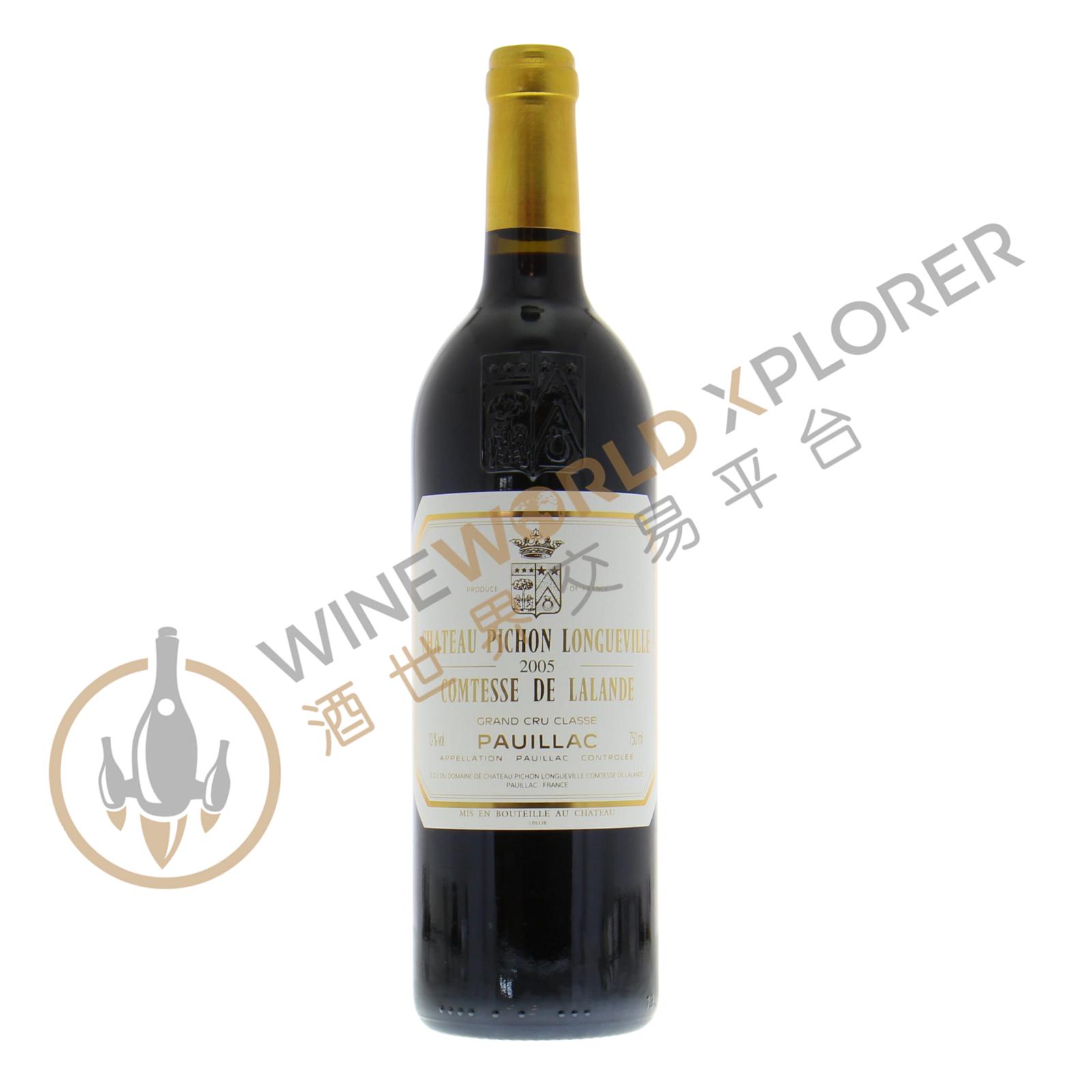
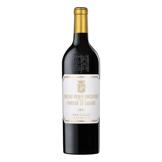
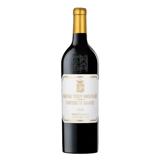
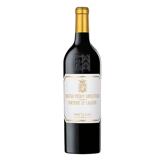
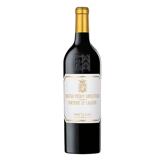
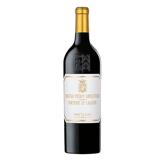
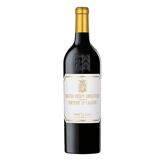
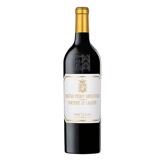
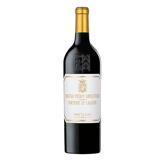
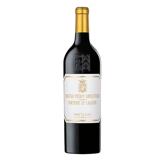
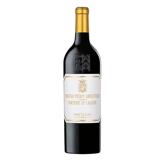
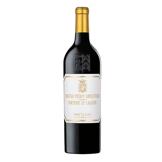
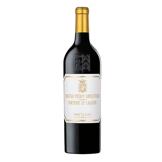
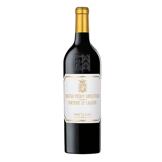
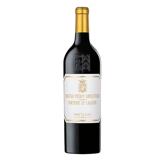
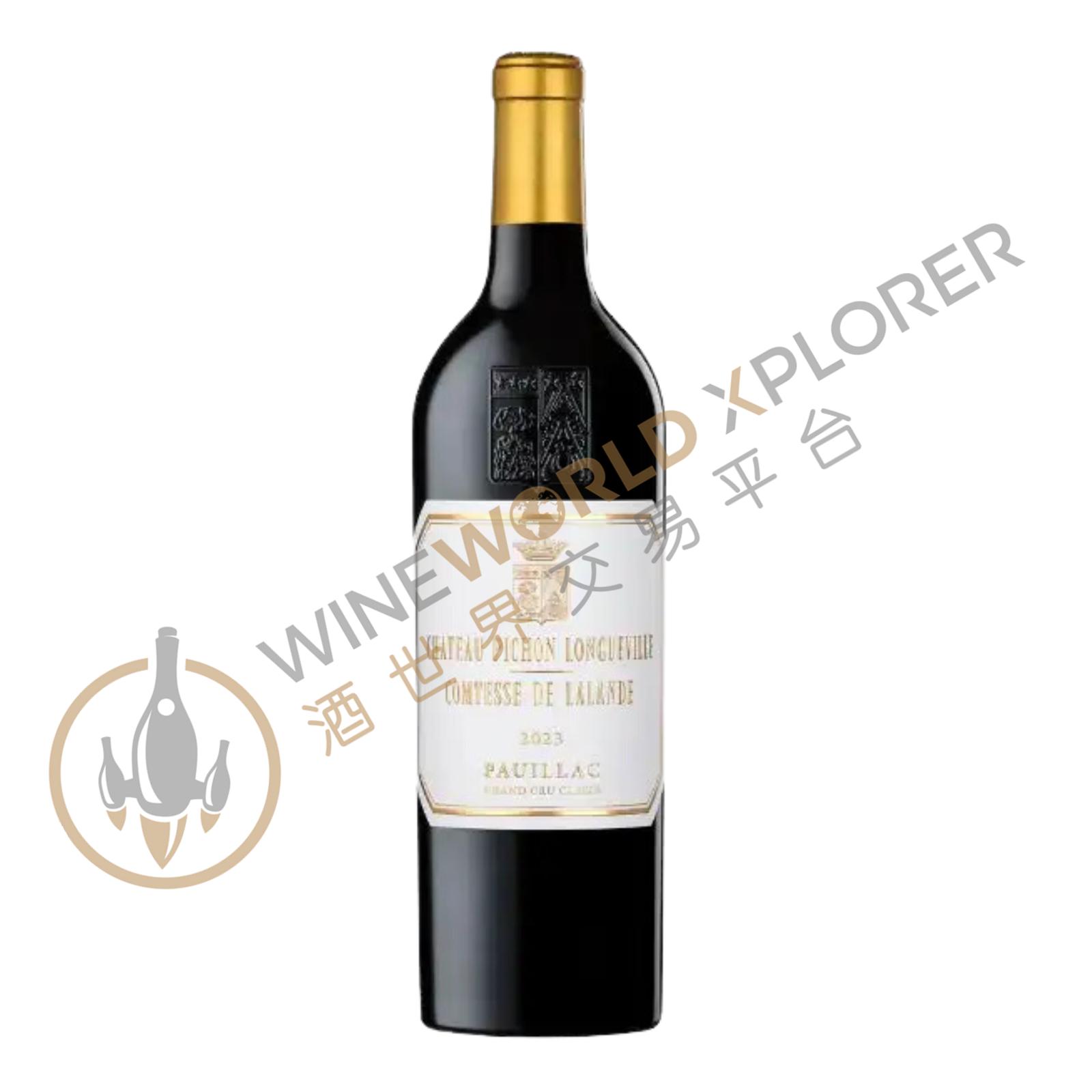
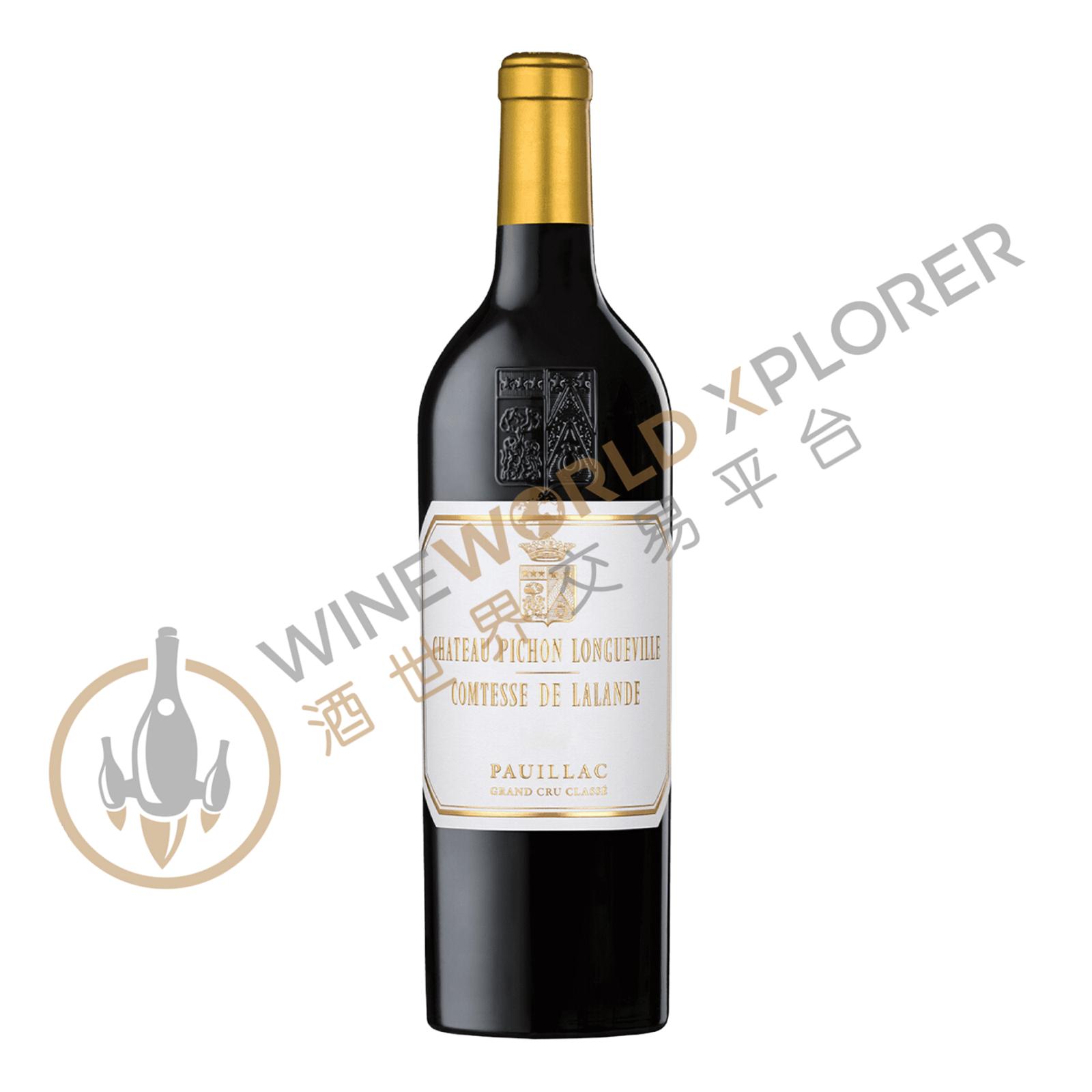
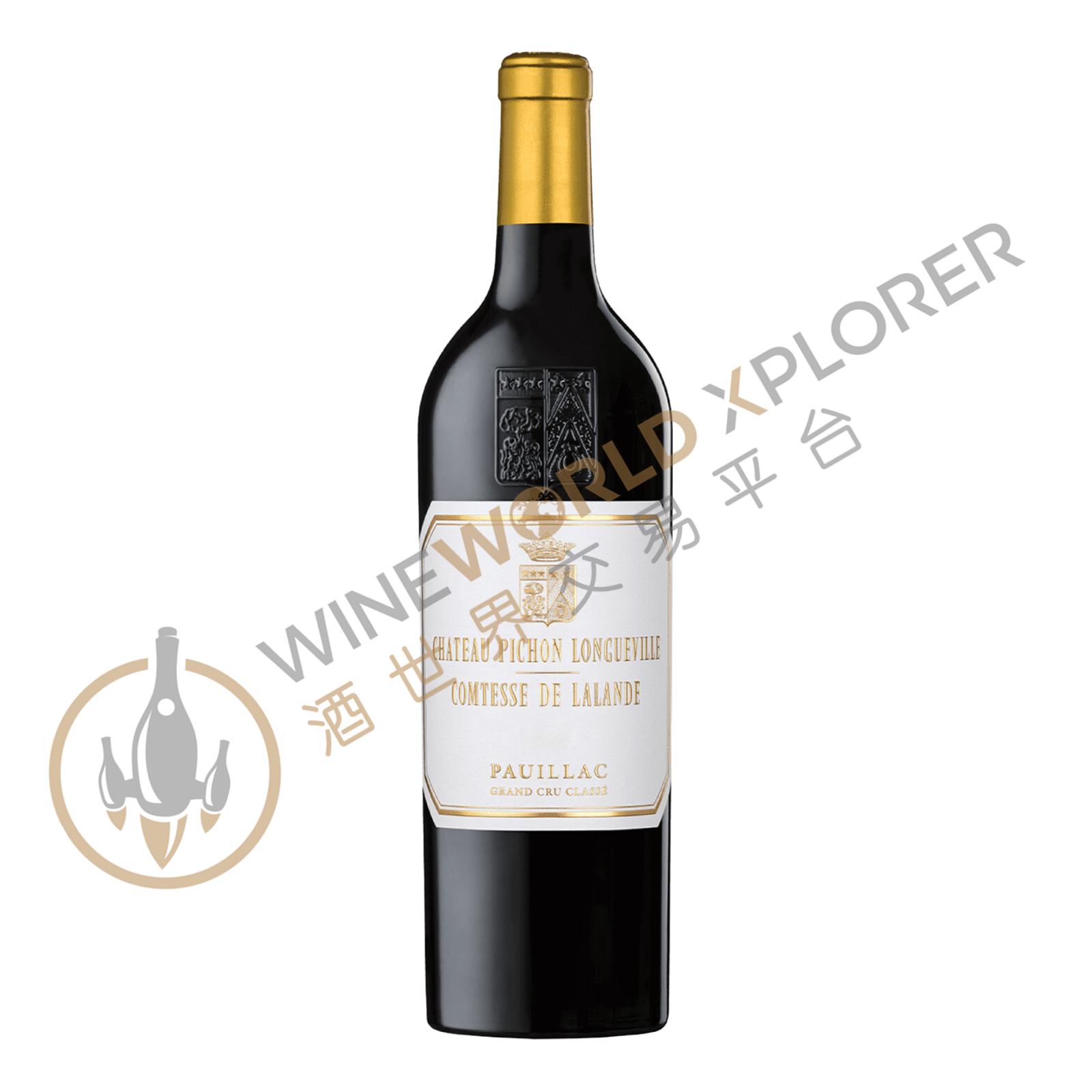
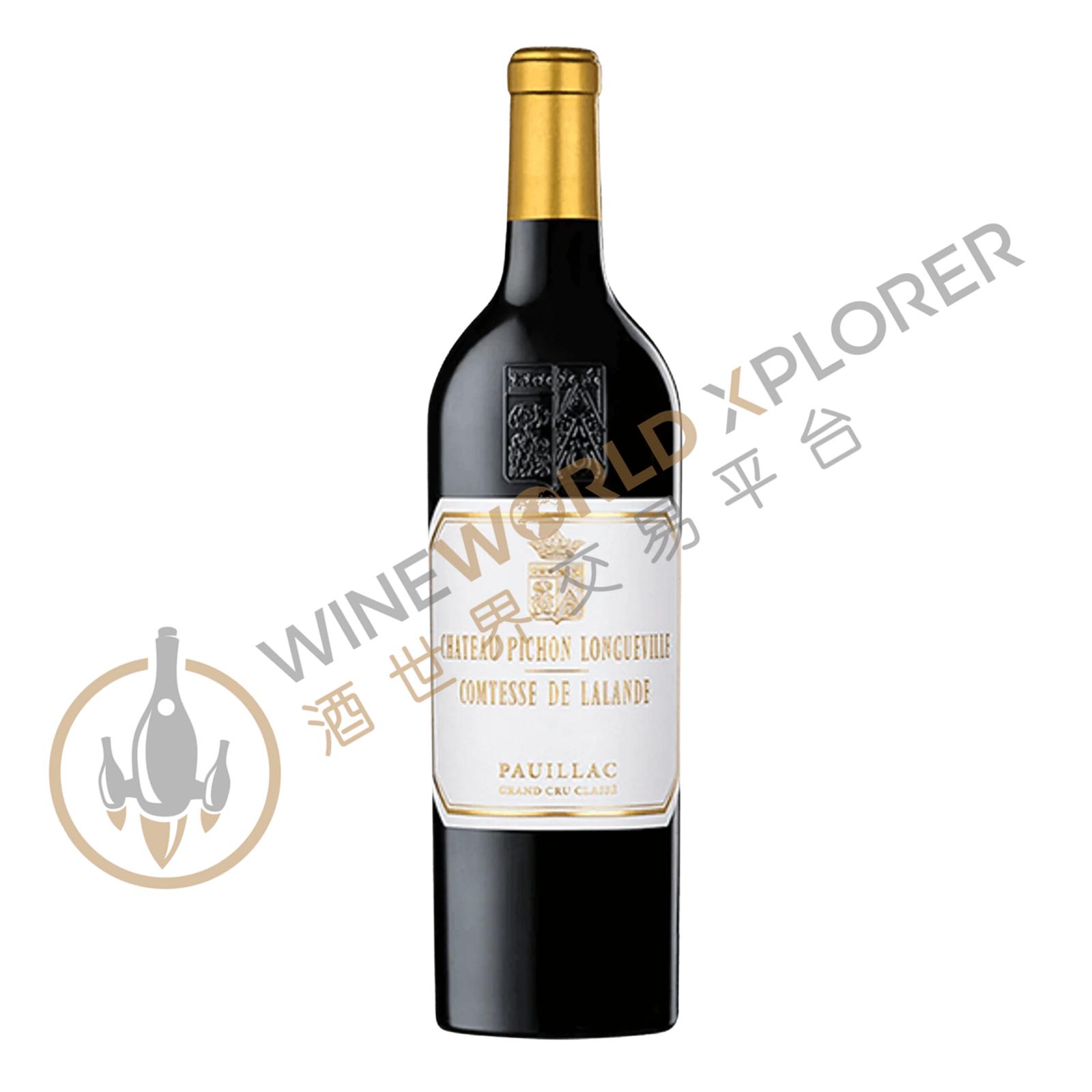
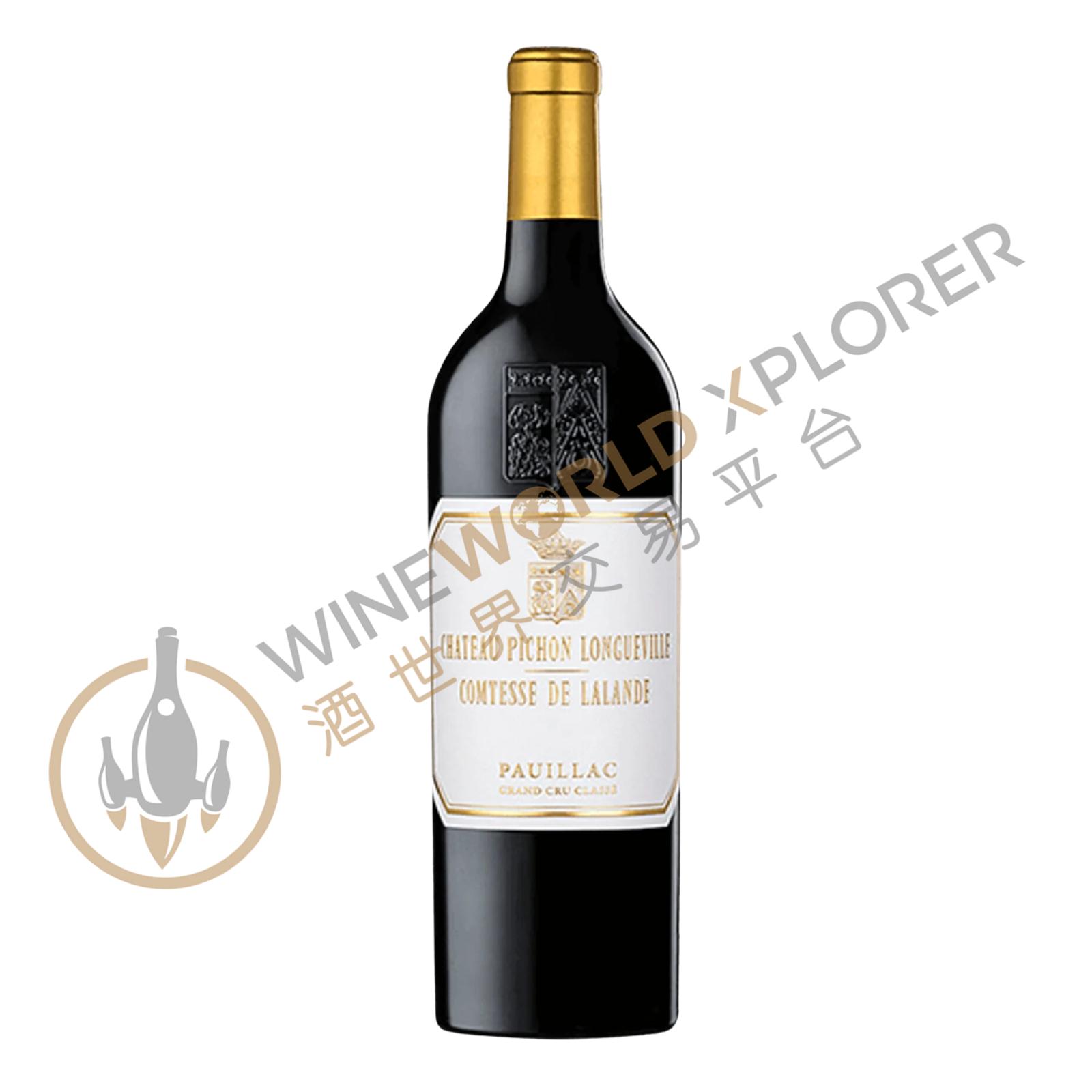
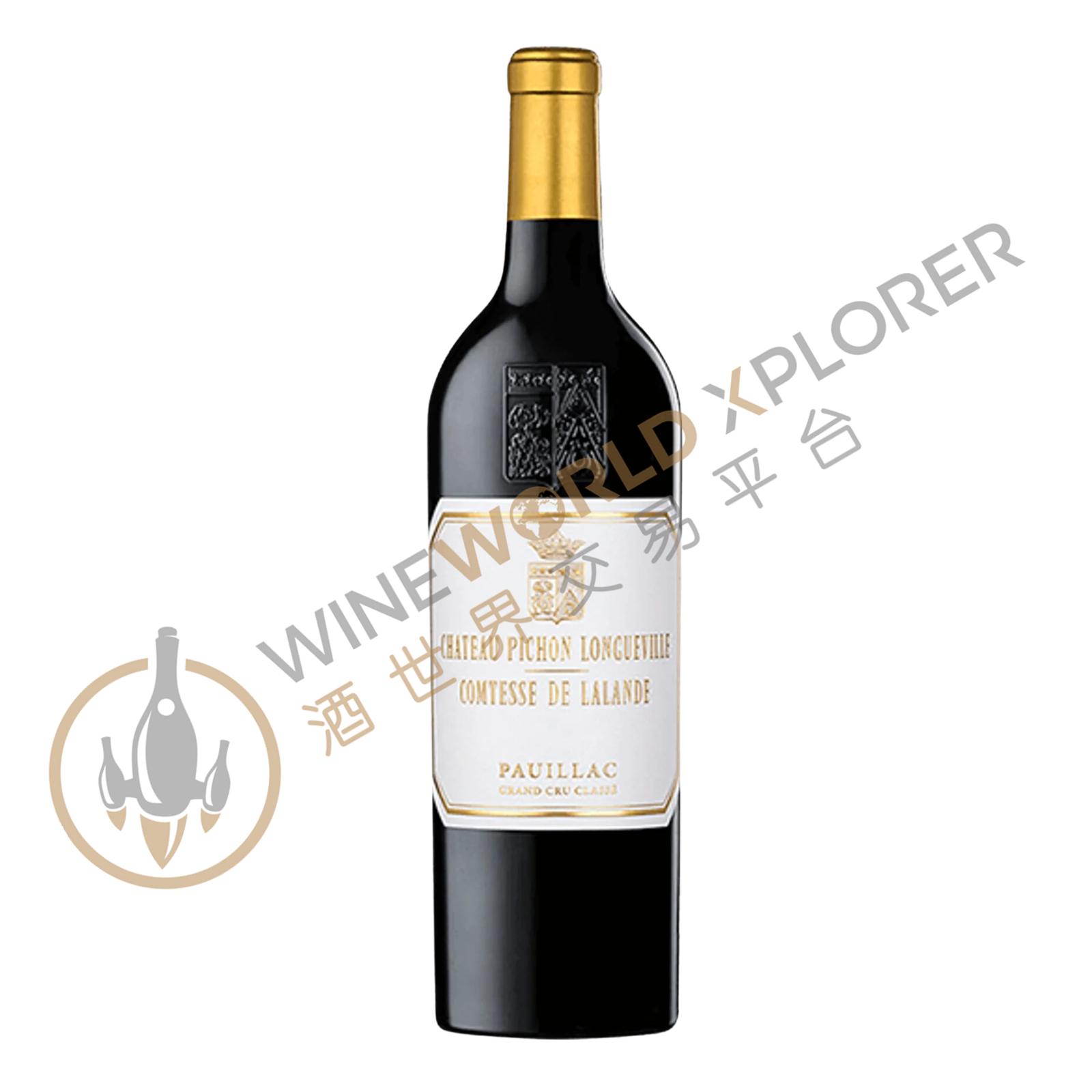
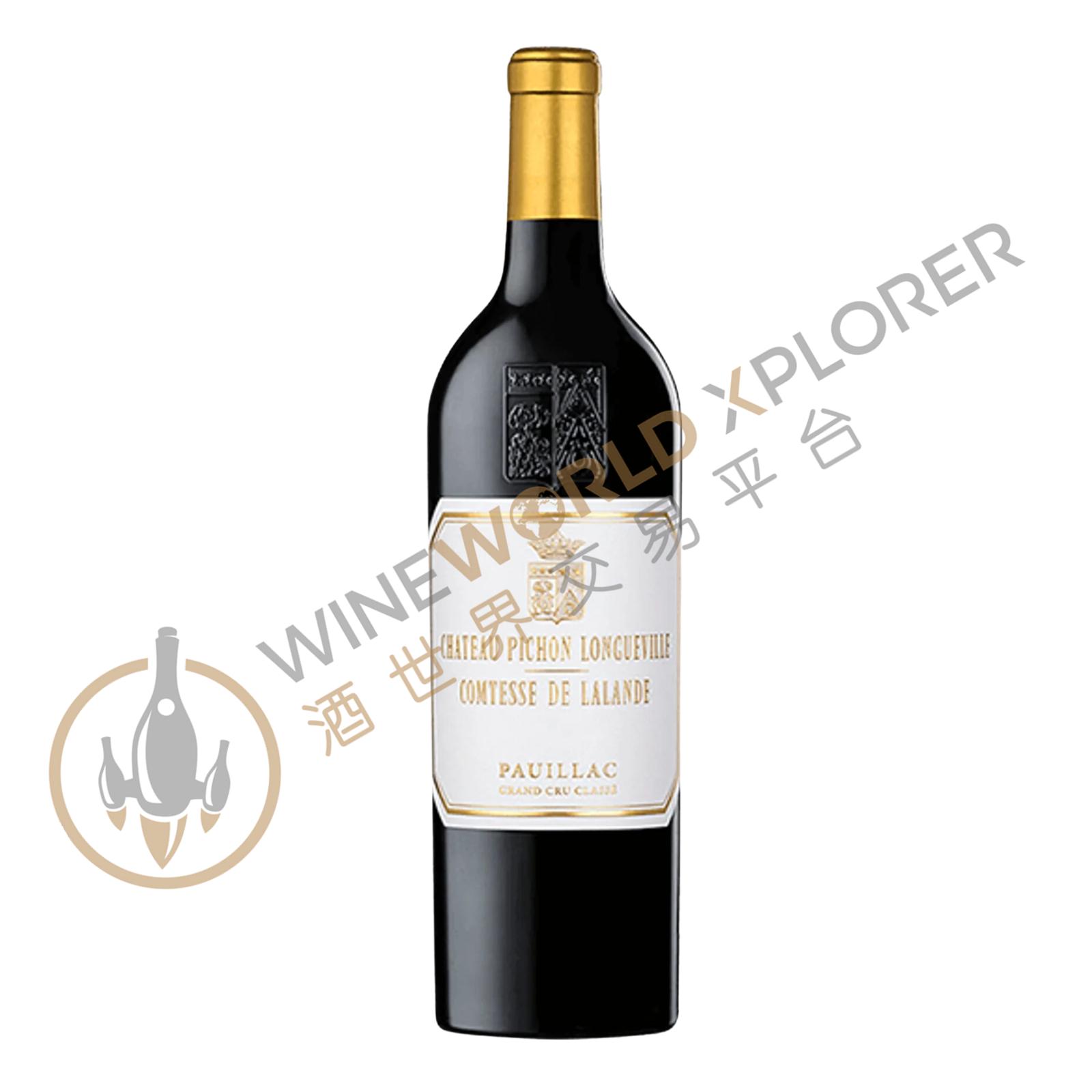
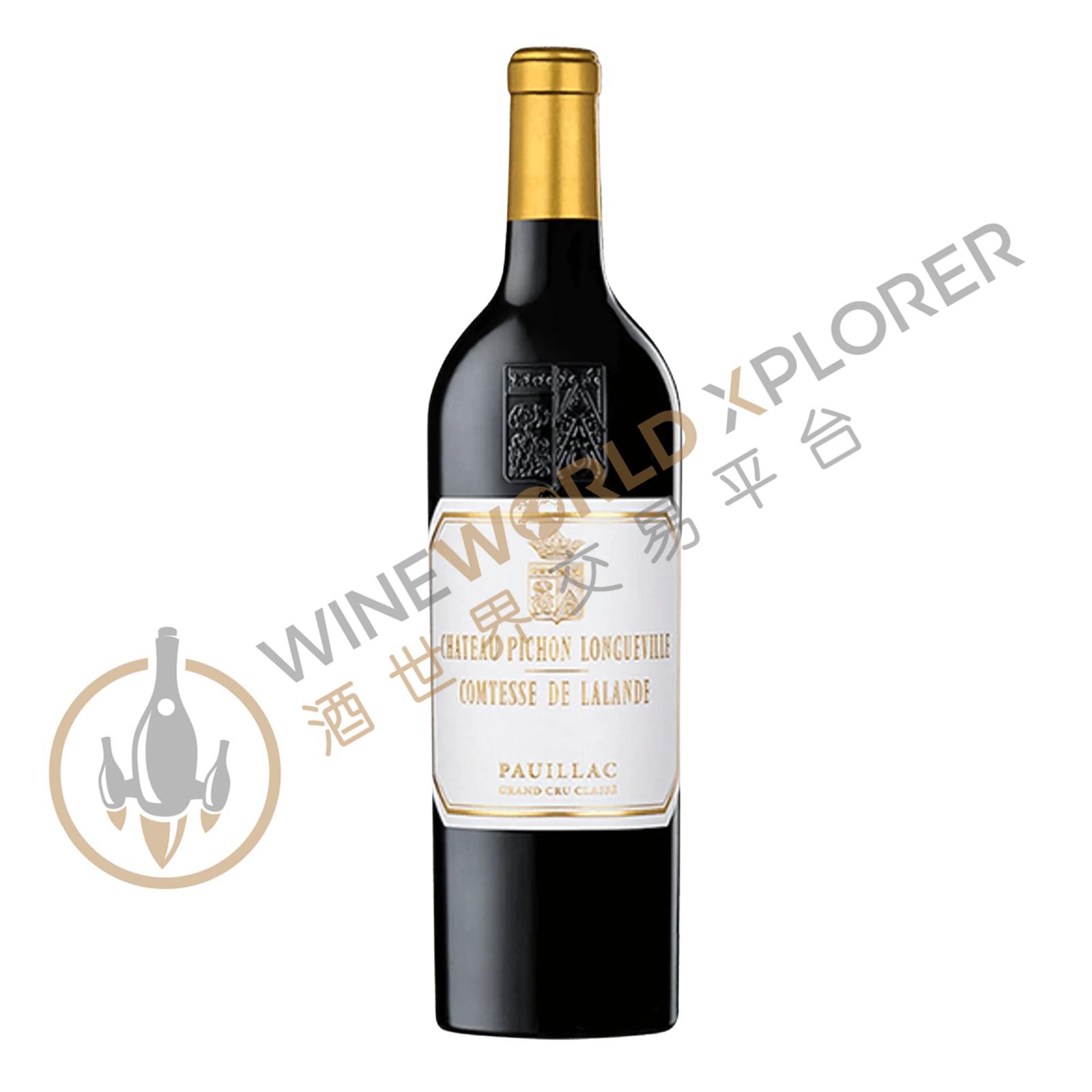
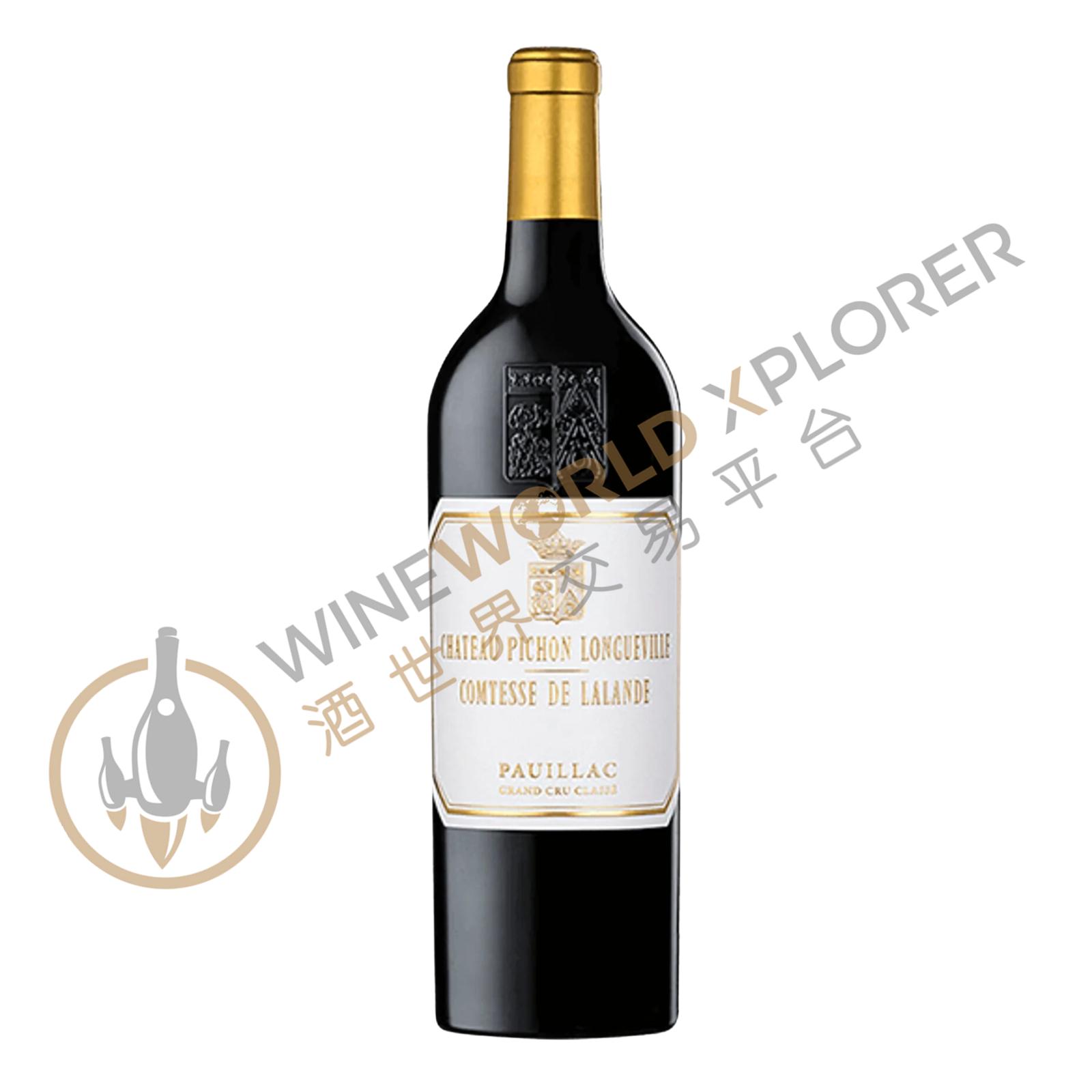
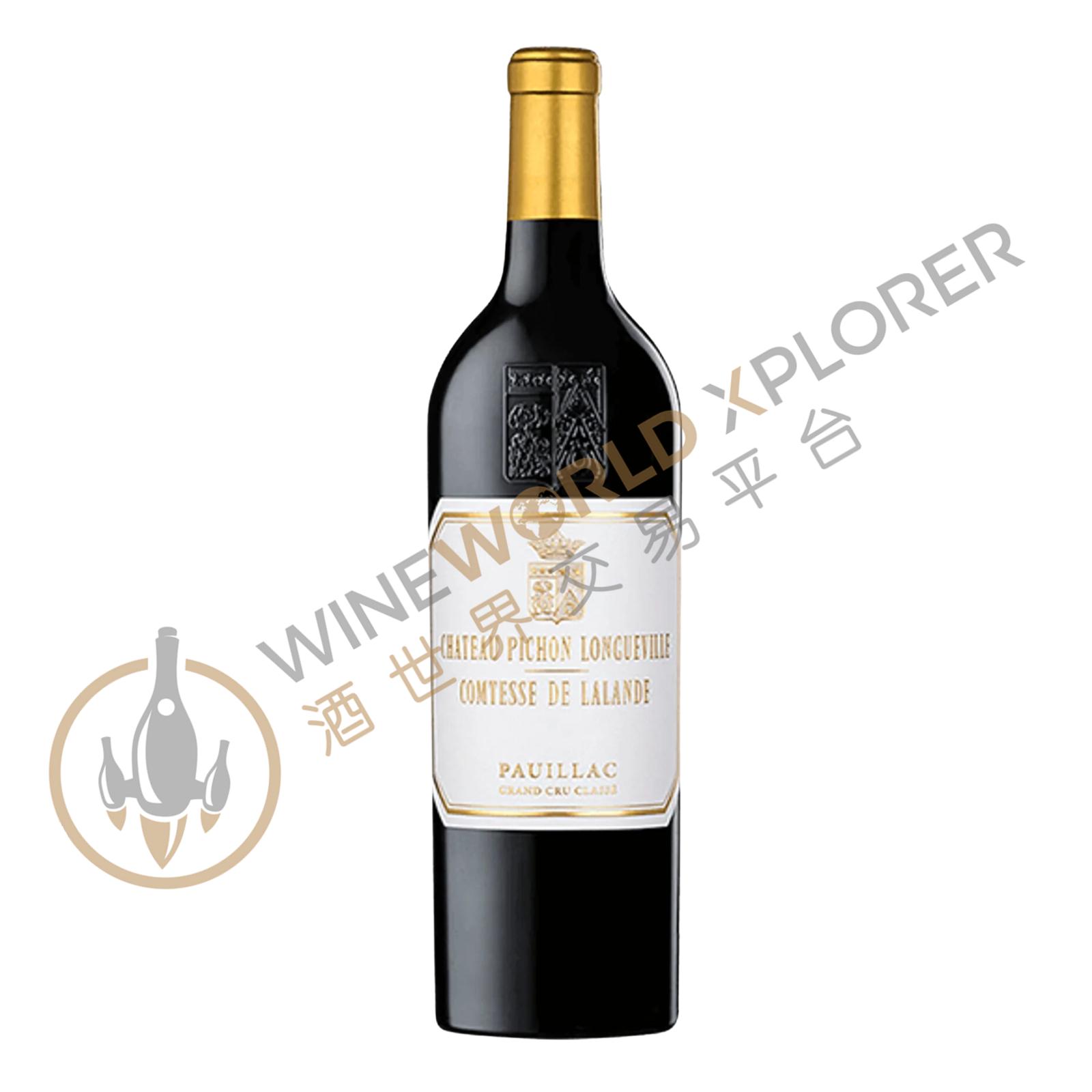
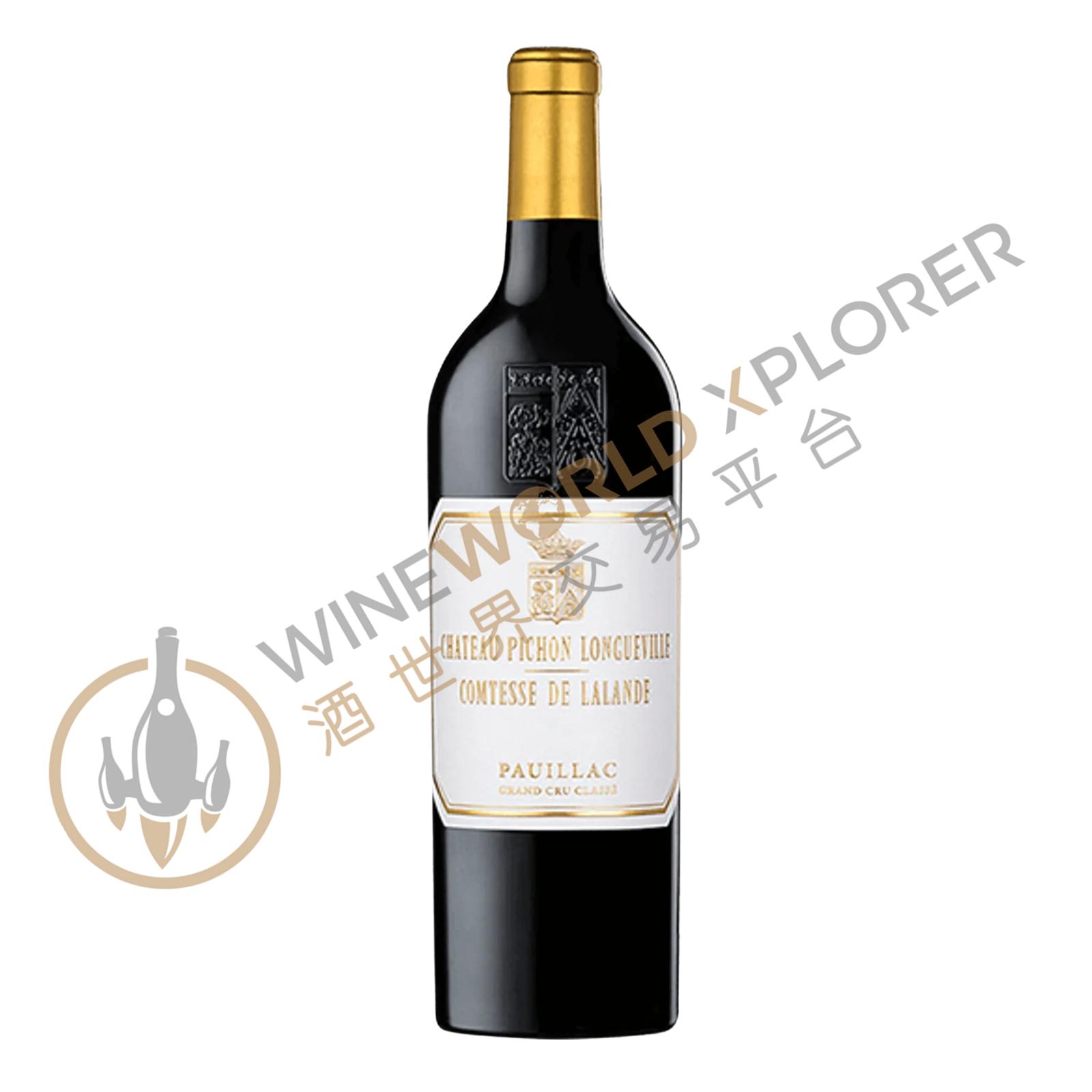
Pichon Lalande 1990
 View analysis


Description
Tasting notes

Reviewed by: Robert M. Parker, Jr.
The 1990 is not as well-endowed as the 1989. It displays medium dark ruby color and an attractive bouquet of vanillin from new oak, ripe blackcurrants, and spices. Although not as concentrated as usual, the wine does exhibit medium body, some glycerin, and fine ripeness, as well as an overall sense of grace. This stylish wine would have benefitted from more length and intensity. In the context of the vintage, it could have been better. Anticipated maturity: Now-2000. Last tasted, 6/93.
Reviewed by: Neal Martin
Tasted at Roberson’s Pichon Lalande/Pichon Baron vertical. The 1990 cannot disguise its herbaceous aromas and lack of fruit intensity on the nose, especially juxtaposed against the magnificent Pichon Baron. There are some musty scents developing, quite fungal (mothballs). The palate is rather lily-livered, somehow rather faint and ephemeral although it must be said, not completely unenjoyable. However, given its address and year of birth, it falls way below expectations. Tasted September 2010.
Reviewed by: Robert M. Parker, Jr.
A noteworthy failure in this vintage, the 1990 Pichon Lalande is slightly green, but that’s not its biggest defect. An absence of concentration, a hollow mid-palate, and shallow currant and plum-like fruit go nowhere on the palate. As I indicated from the very beginning - caveat emptor! Release price: ($450.00/case)
Reviewed by: Robert M. Parker, Jr.
The 1990 is less well-endowed than the 1989. It displays medium dark ruby color and an attractive bouquet of vanillin from new oak, ripe blackcurrants, and spices. The wine is not as concentrated as usual, but it does exhibit medium body, some glycerin, and fine ripeness, as well as an overall sense of grace. A stylish wine, it could have benefitted from more length and intensity. In the context of the vintage, it is marginally disappointing. Anticipated maturity: 1995-2008.
Reviewed by: Neal Martin
Tasted at the Fine Wine Experience’s Pichon-Lalande vertical in London. Ho-hum. Following on from the infinitely superior 1996, the nose evidently shows less vigour, a two-star nose that is little green, for want of a better word “wimpy” (“enervated” if you are literate.) Goes nowhere. The palate is perhaps slightly better than I recall, quite savoury on the entry, good acidity, touches of cooked meats, sous-bois, slightly coarse tannins with an attenuated finish. Not as bad as I remember it, but still no great shakes. Drink now. Tasted December 2008.
Reviewed by: Neal Martin
A lean, tobacco-infused palate with strong, green pepper notes. Again the palate is quite green and stalky though not unpalatable. Medium-bodied with high acidity and a dry finish. Yet still there is a certain grace to this "failure" of a wine. Tasted April 2003.
Reviewed by: Robert M. Parker, Jr.
I have been consistently disappointed by my tastings of the 1990 Pichon-Lalande. Yet never have I rated it as low as I did in this blind tasting. The wine is unmistakably vegetal, austere, and lacking the seductive, sweet, ripe fruit this estate produces in top years. Something clearly went awry for Pichon-Lalande to miss so badly in an exceptional vintage. In this tasting, the wine tasted lean, diluted, intensely herbaceous, and lacking sweetness, depth, ripeness, and charm. Apologists who have badly overrated this wine will no doubt insist that its owners give it additional cellaring, but aging will only exaggerate this wine's lack of balance. Like its northern neighbor in Pauillac, Mouton-Rothschild, this wine is a major disappointment. As I have said before, the 1991 Pichon-Lalande, from a decidedly weak vintage, is a superior wine!
Reviewed by: Robert M. Parker, Jr.
Even though this is usually a delicately-styled Pauillac, the 1990 appears to be less well-endowed than some of the other recent top vintages of Pichon-Lalande, such as 1982, 1983, 1985, 1986, and 1989. It displays medium dark ruby color, an attractive bouquet of vanillin from new oak, ripe blackcurrants, and spices. It is not as concentrated as I would have hoped, but it does exhibit good body, glycerin, and ripeness, as well as an overall sense of beauty and grace. While stylish, it could have benefitted from more length and intensity. Anticipated maturity: 1995-2008.
About the Producer
Pichon Lalande is arguably the best known Super Second Pauillac for its quality consistency and quintessential Bordeaux claret expression. Neighbouring Chateau Latour and lying just right opposite Chateau Pichon Baron, Pichon Lalande, as its name suggests, has long seen extended female owner influence since the 1850s. Back in the 1850s, the original Pichon Lalande got broken down into two-fifth being renamed as Pichon Baron and three-fifth remaining as Pichon Lalande upon the passing of Baron Joseph de Pichon Longueville. The three-fifth was run by the three daughters of the Baron himself and over the course of a few years, Pichon Baron and Pichon Lalande took on distinctive styles - with the former being more a masculine expression and the latter, feminine. Female ownership and influence continued, with little interruption, till the modern days. Pichon Lalande's string of female leaders have contributed to the continuous modernization of Pichon Lalande's vineyards and cellars; as well as the doubling of vineyard area during the 1970s - 90s. Today, Pichon Lalande's feminine expression continues to prevail - whilst the team is placed under the leadership of a former opera singer turned winemaker gentleman named Nicolas Glumineau. Conversion to biodynamic viticulture (fully by year 2021), continuous investments in precision winemaking facilities see Pichon Lalande continue to be revered among leading critics. Pichon Lalande is planted to 65% Cabernet Sauvignon, 25% Merlot, 7% Cabernet Franc and 3% Petit Verdot. It is the predominant Cabernet Sauvignon presence in Pichon Lalande's wines that make this wine such a capable representation of Pauillac's deep gravelly terroir.
1928(1)1969(1)1970(1)1977(1)1979(1)1981(1)1982(3)1983(1)1984(1)1985(4)1986(9)1988(4)1989(4)
Package Size