Wine Advisor



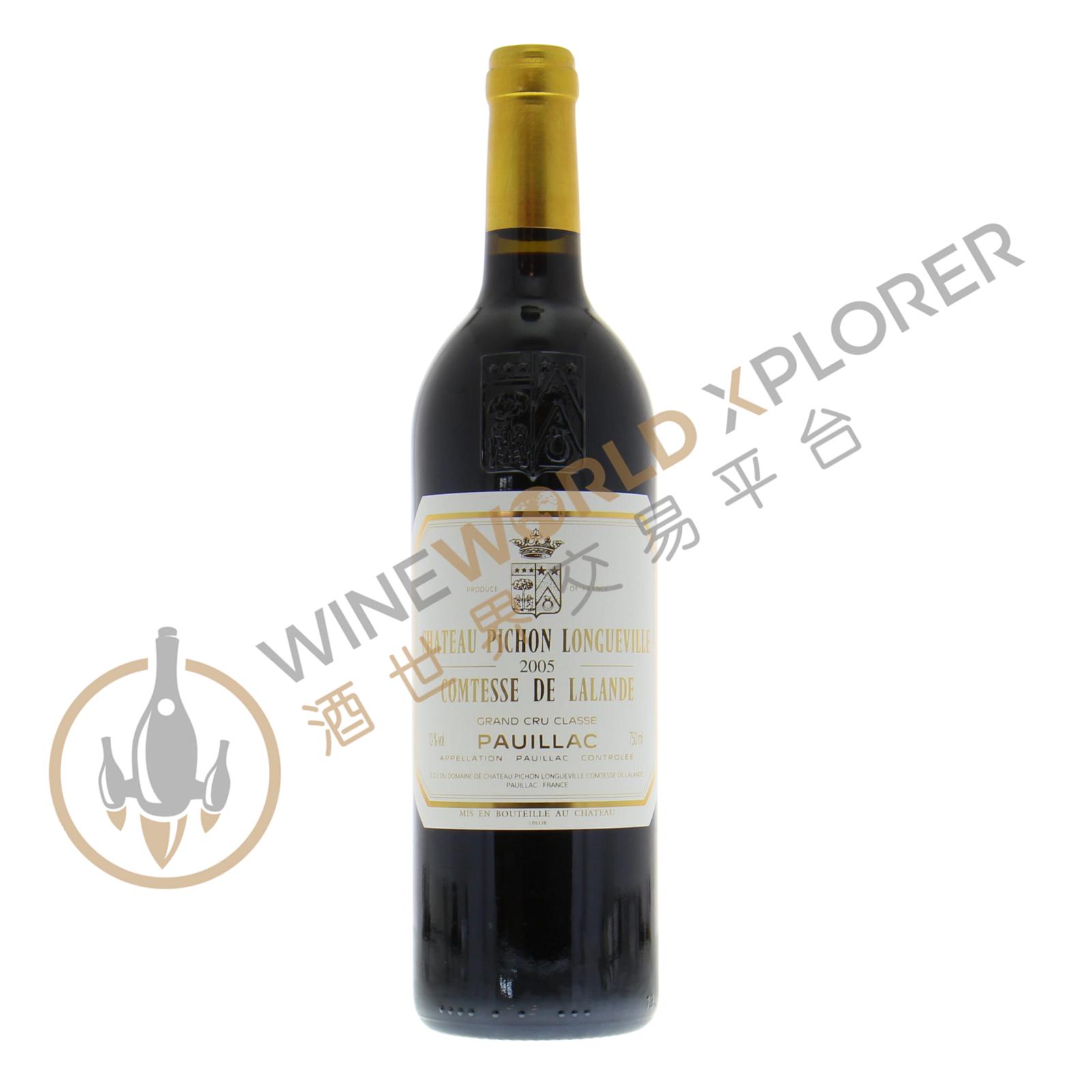
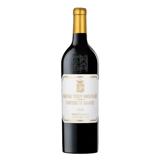
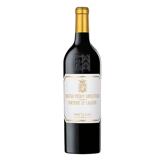
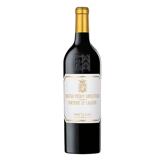
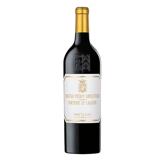
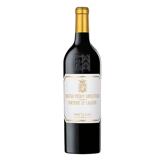
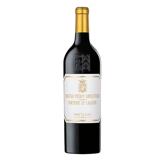
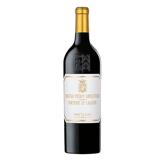
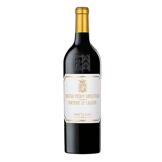
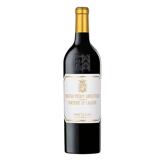
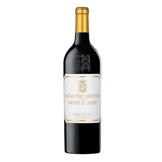
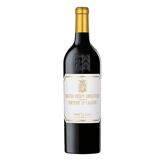
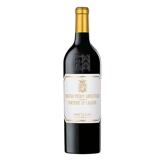
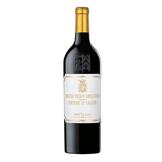
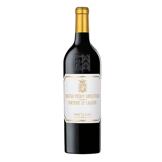
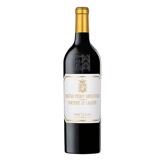
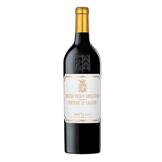
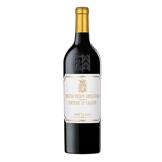
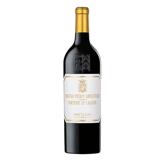
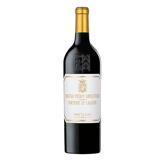
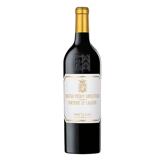
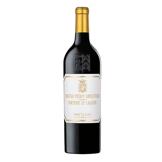
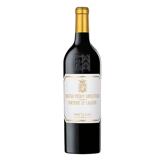
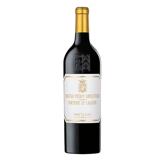
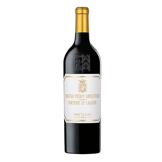
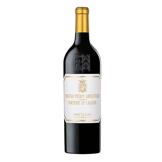
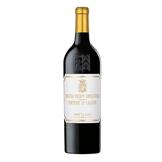
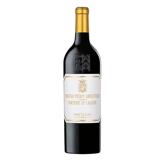
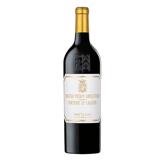
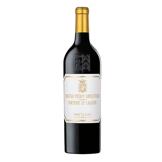
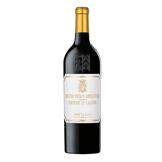
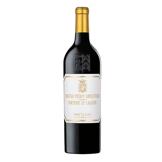
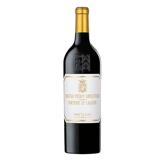
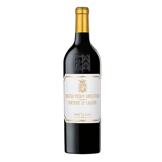
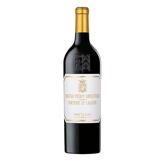
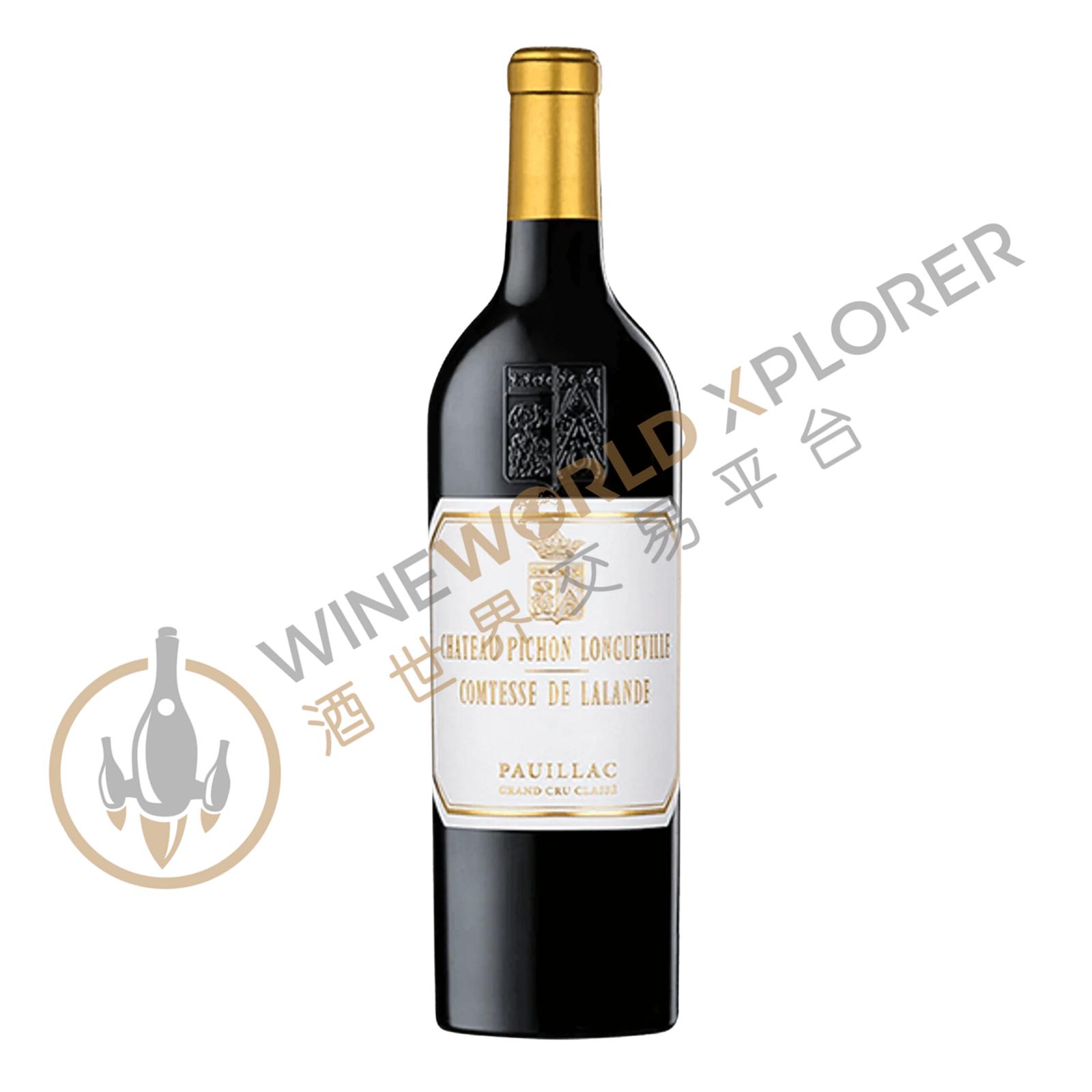
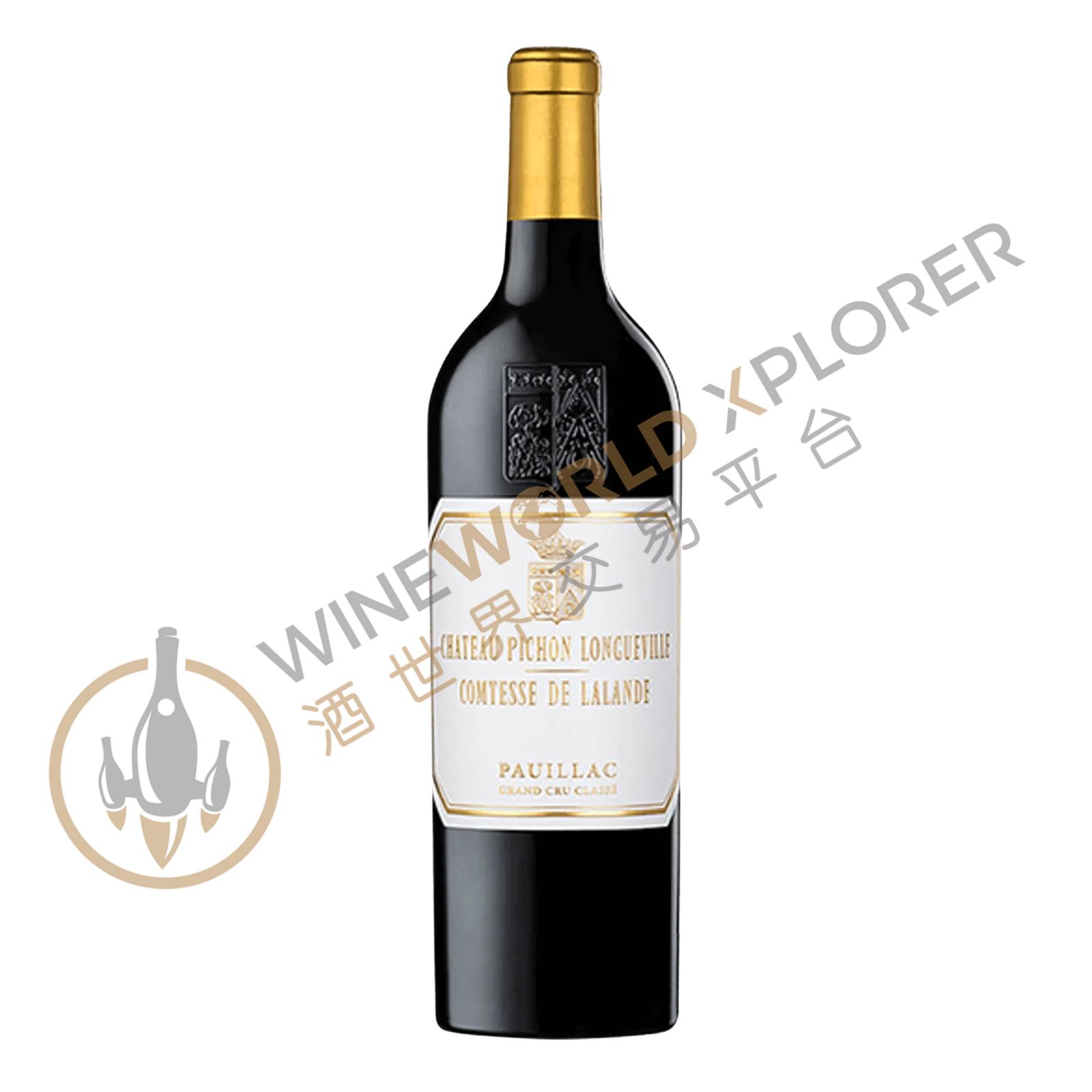
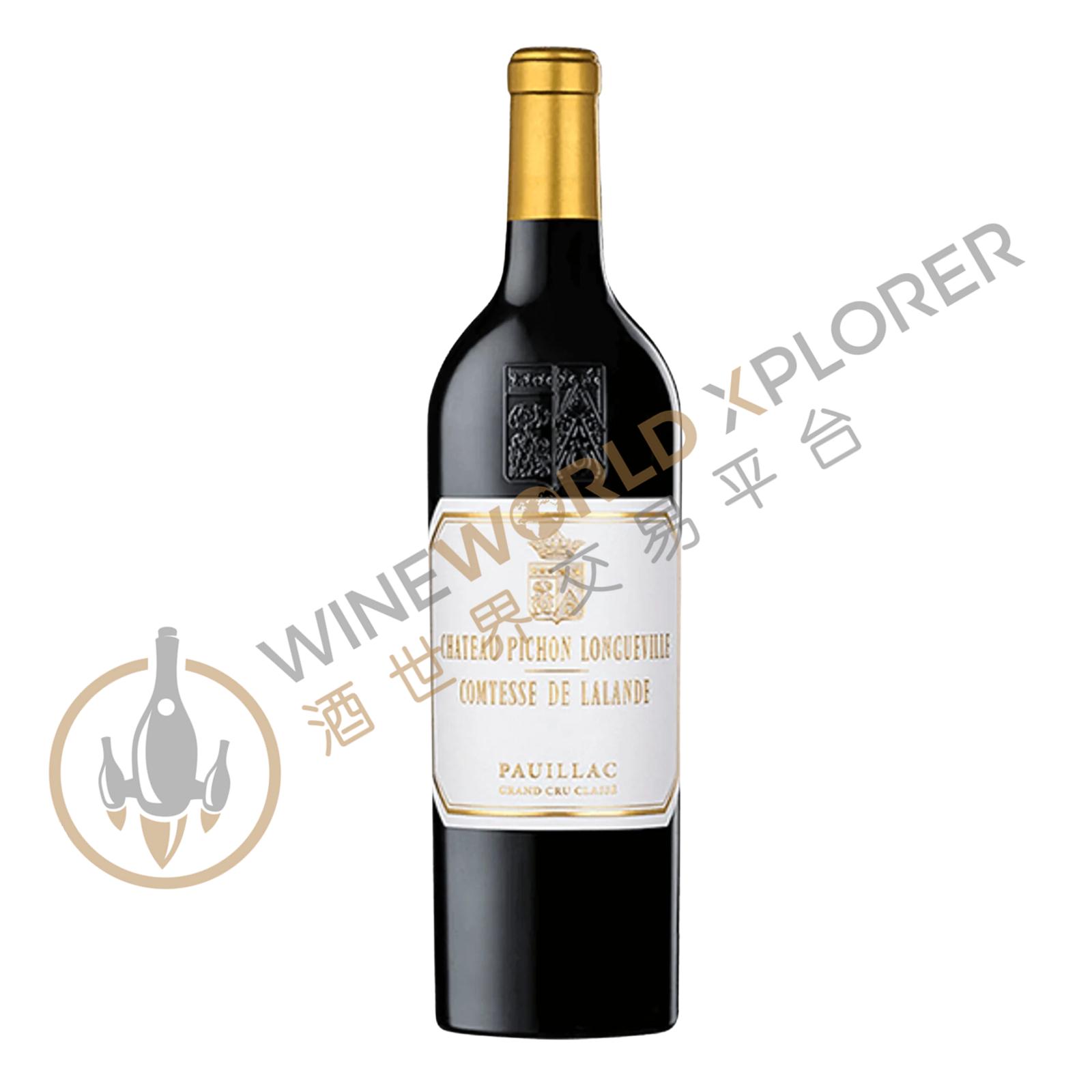
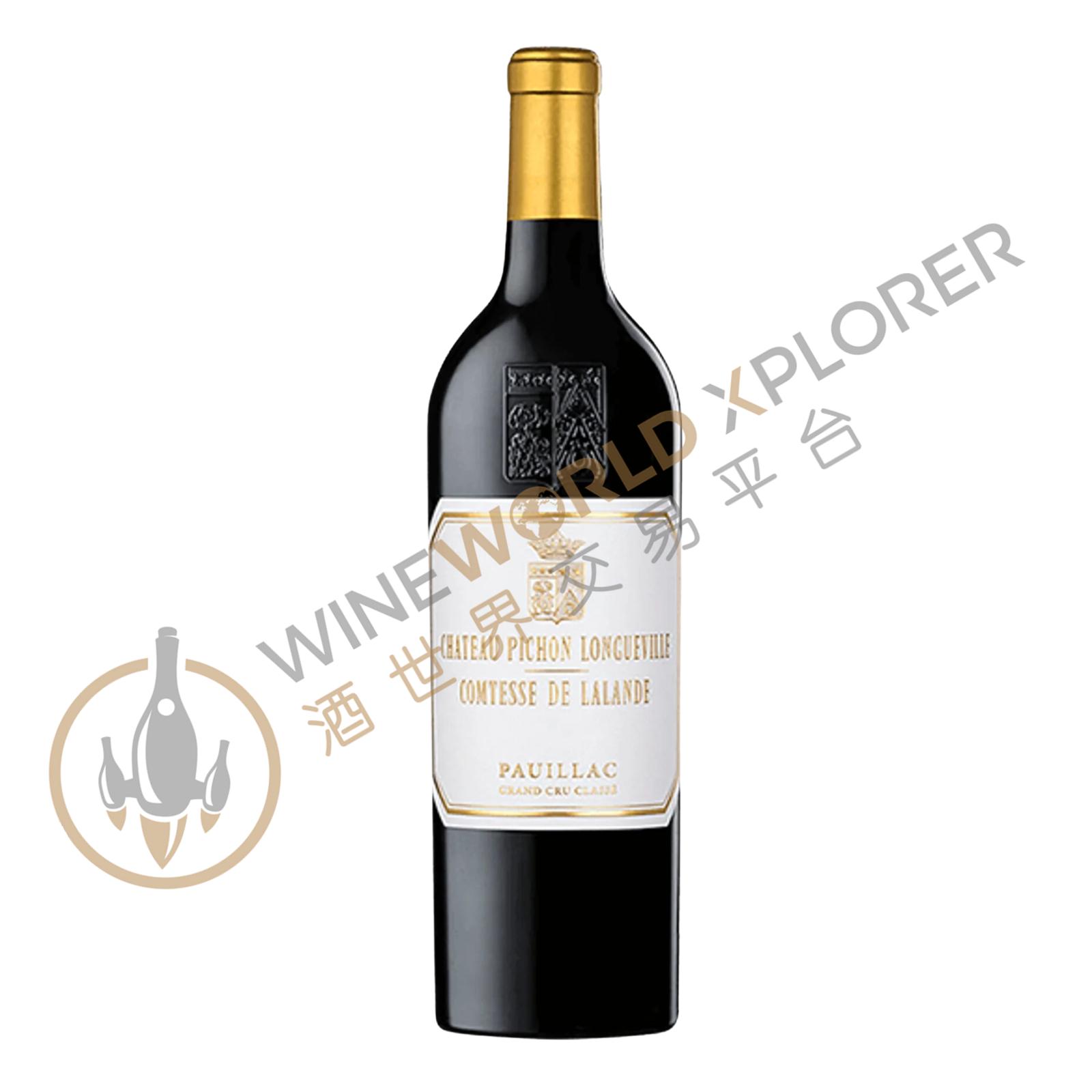
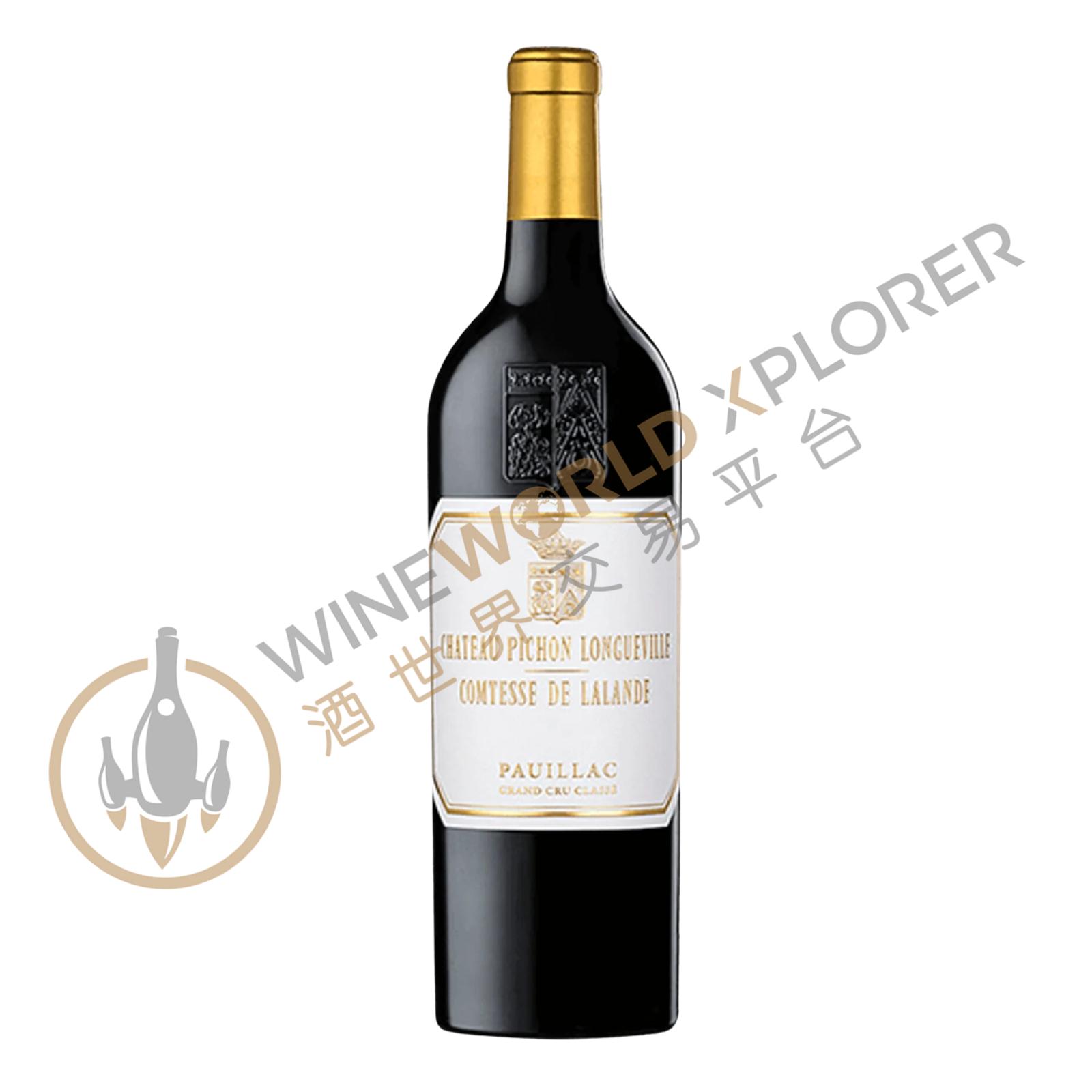
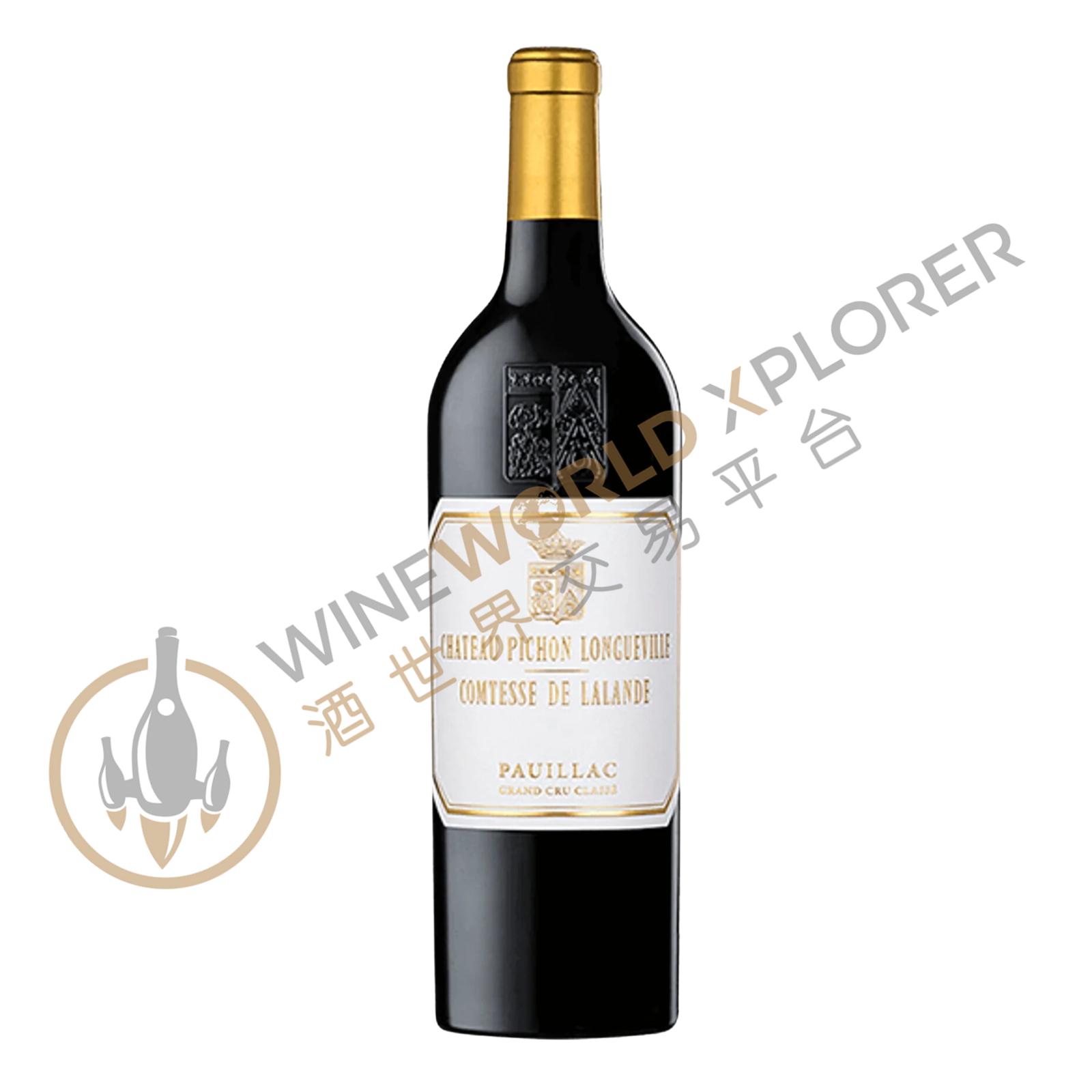
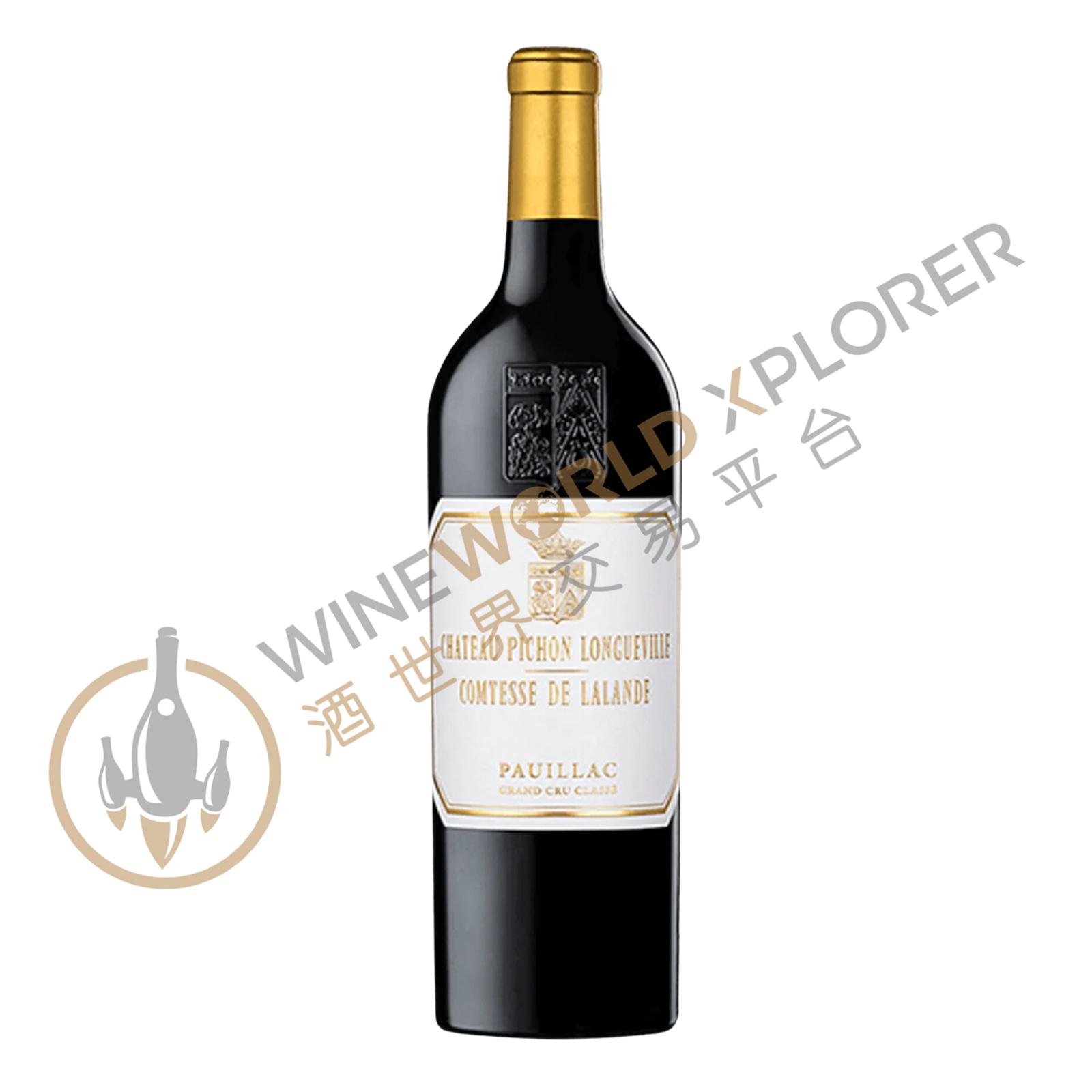
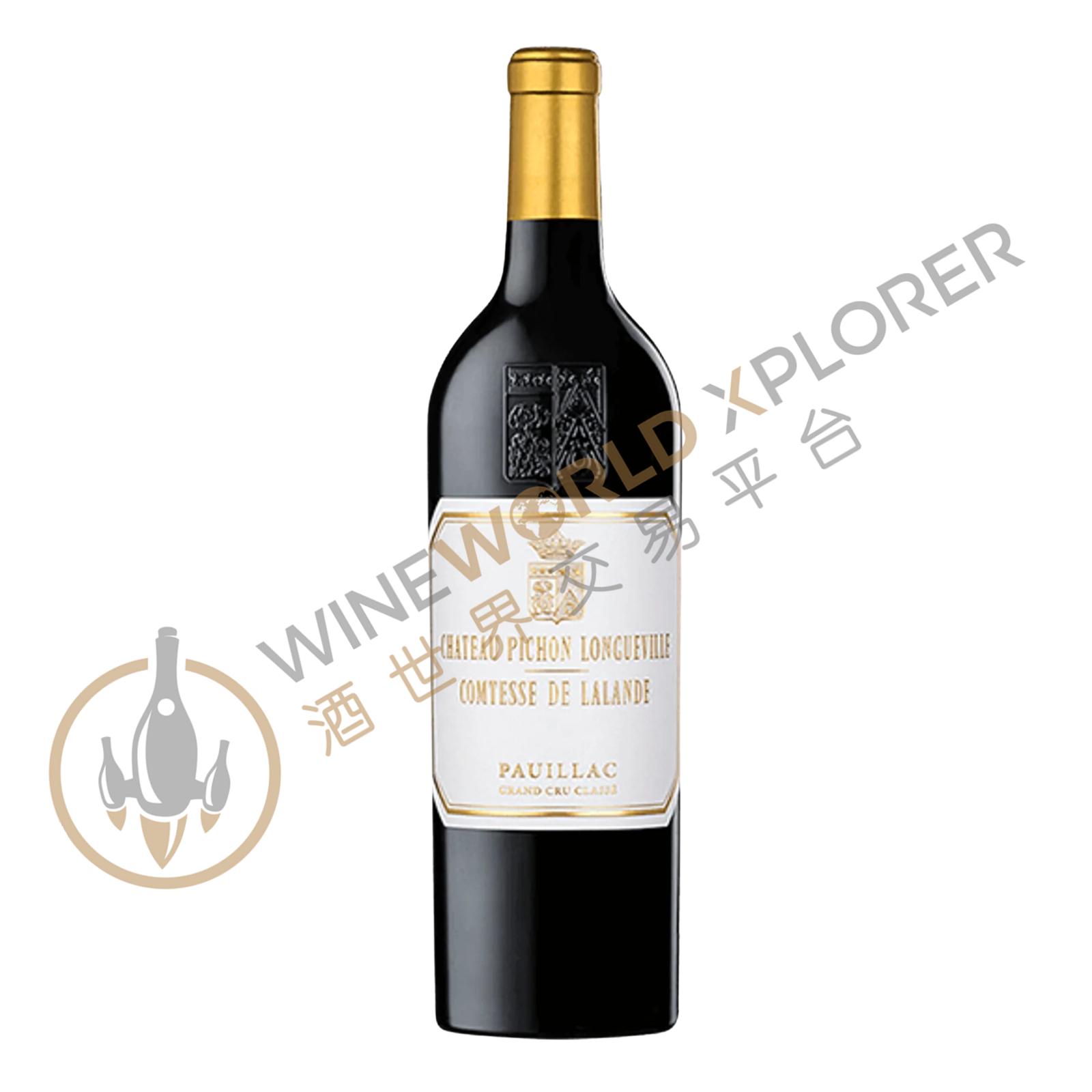
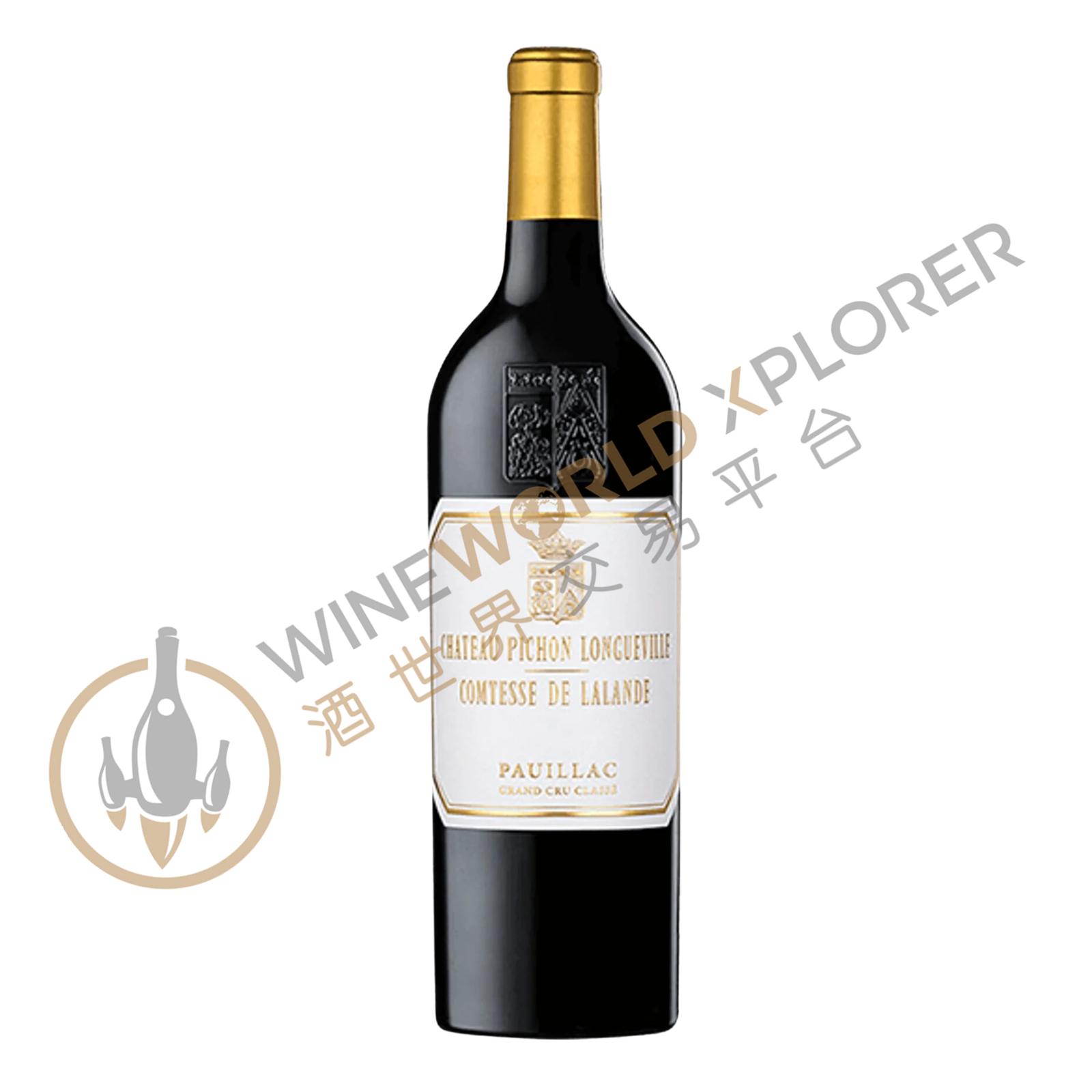
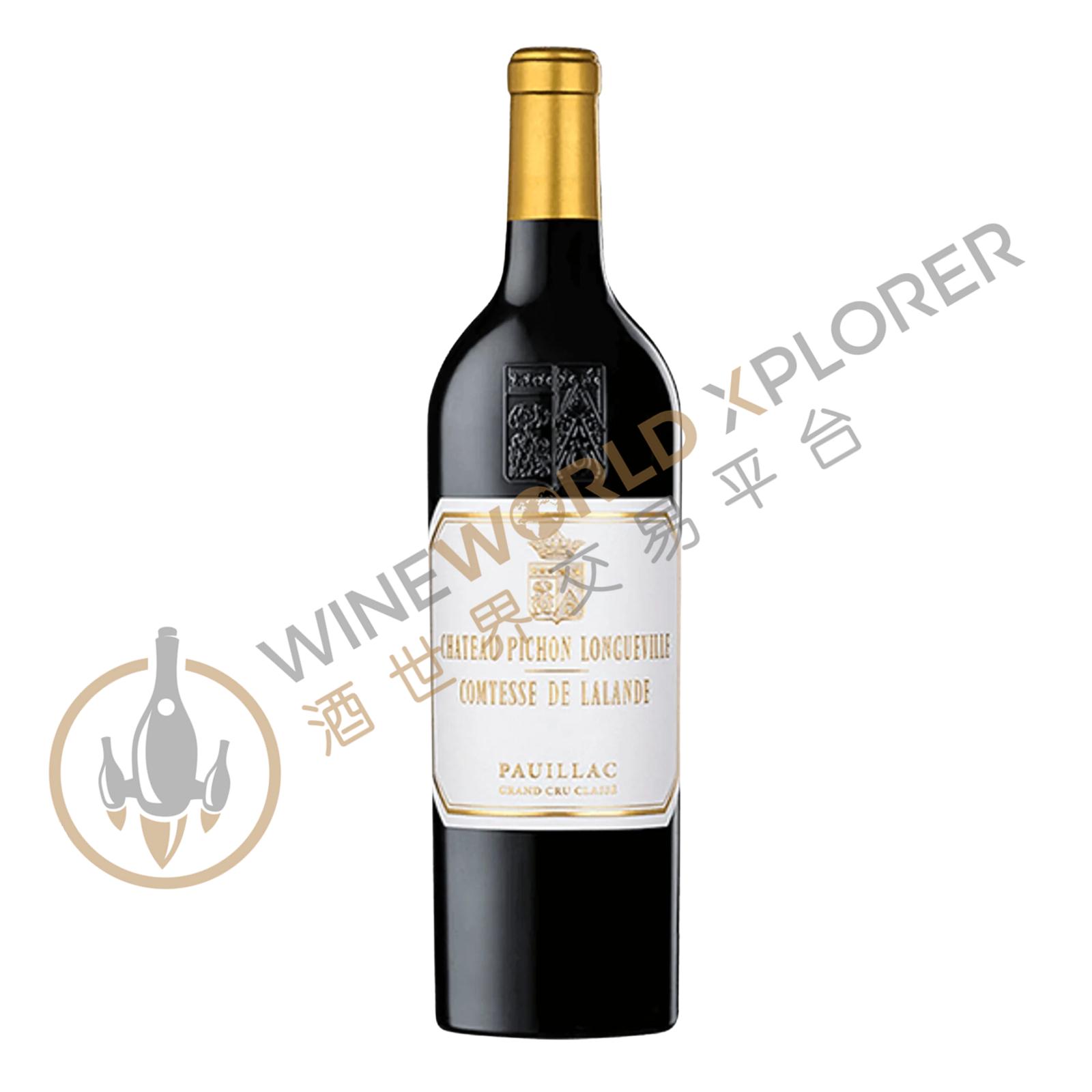
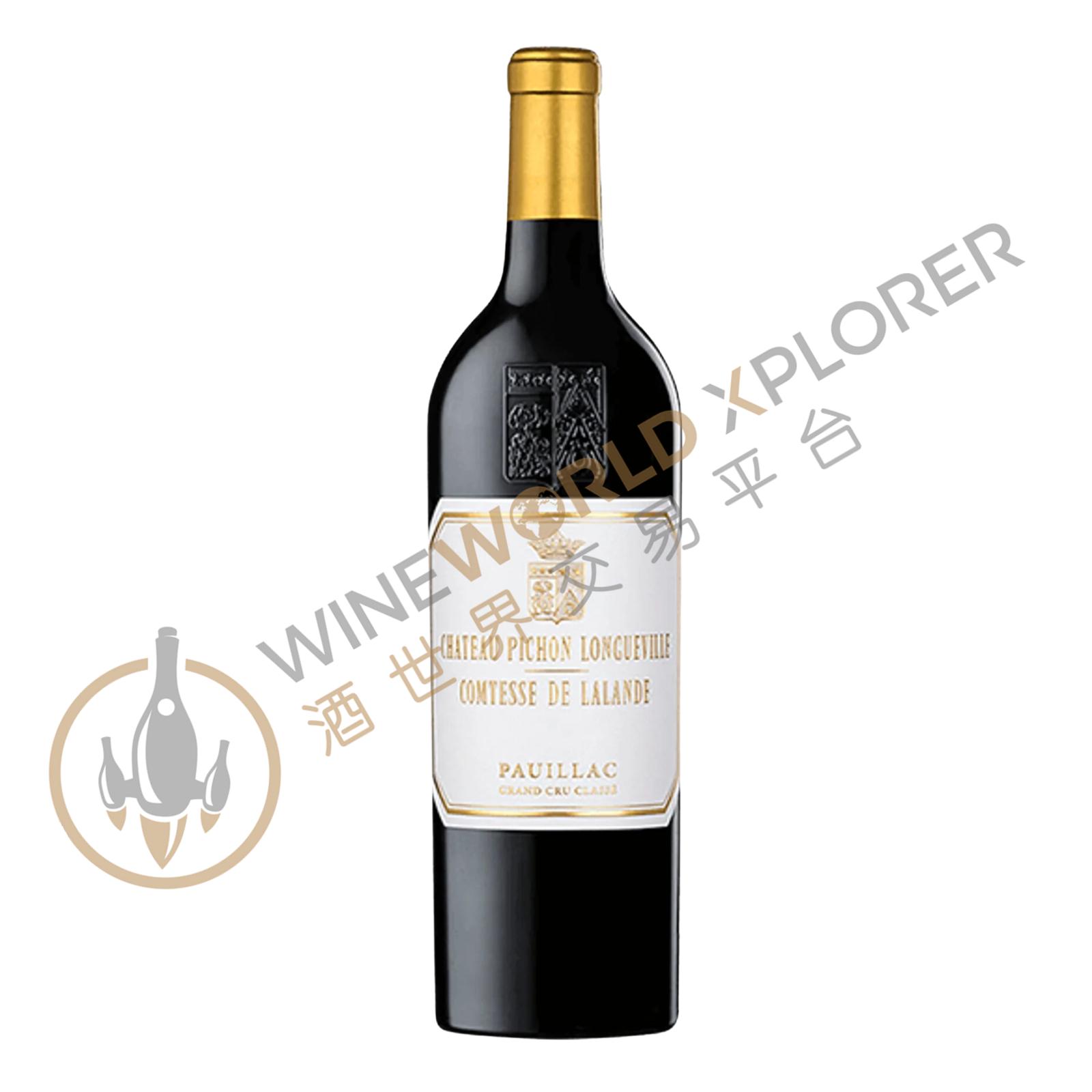
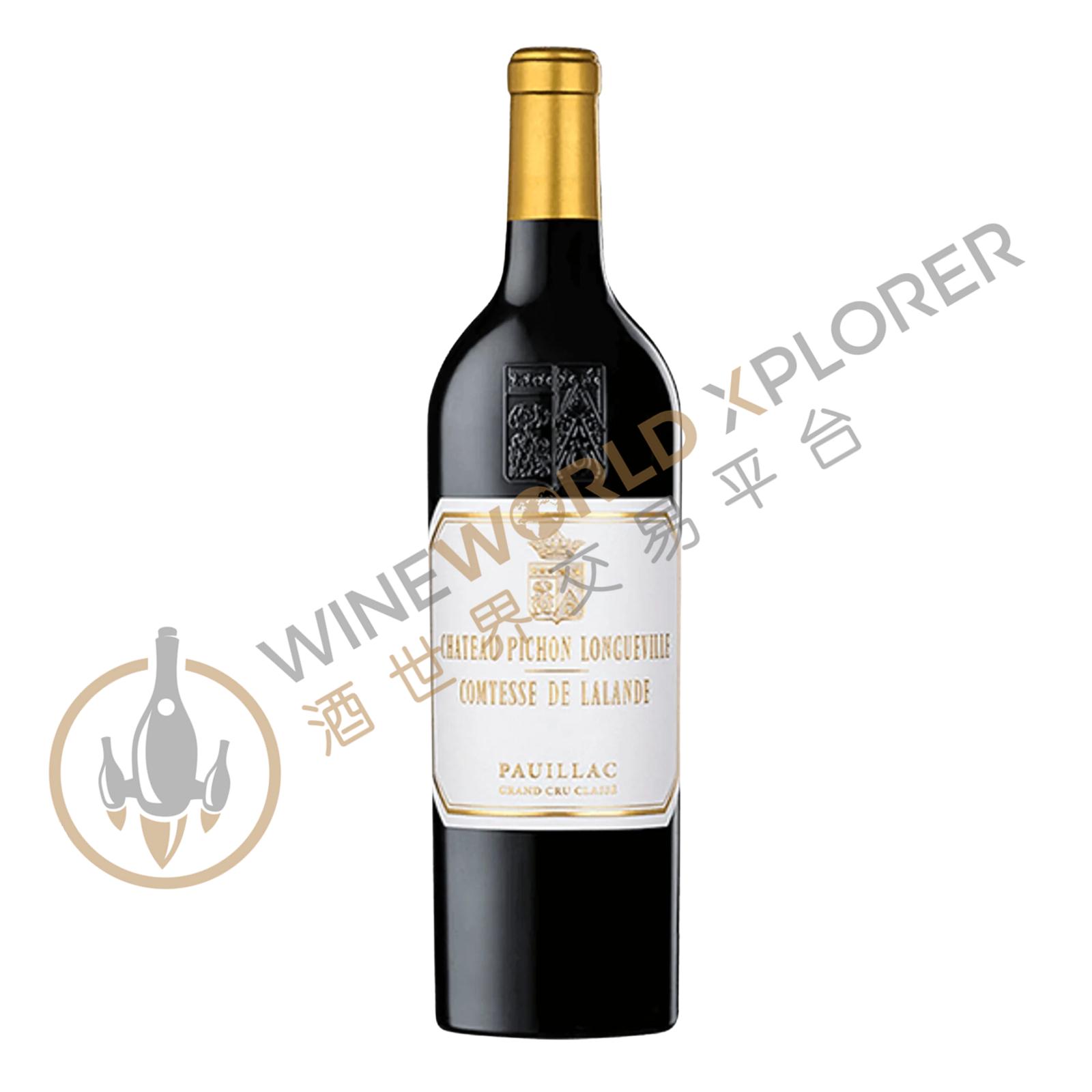
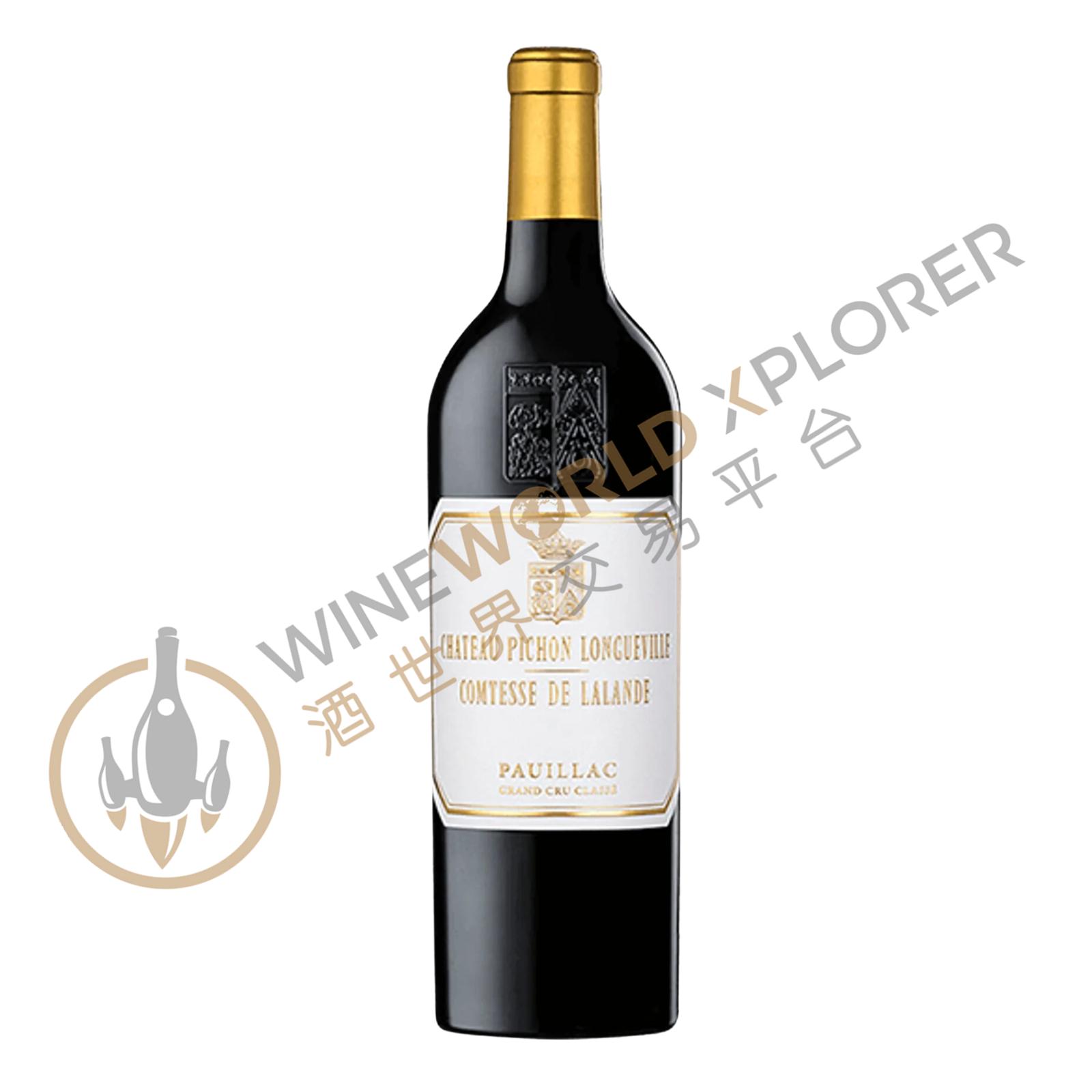
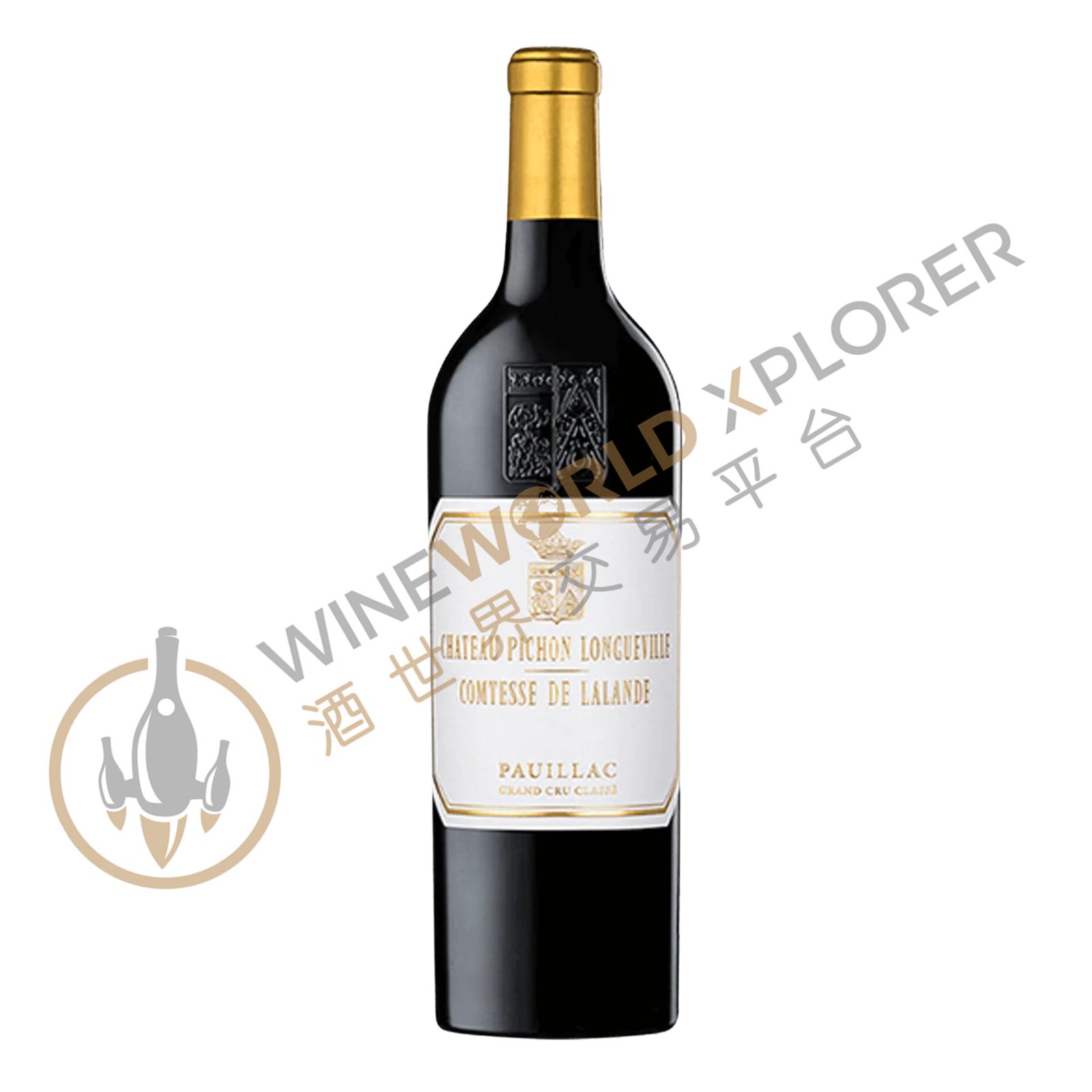
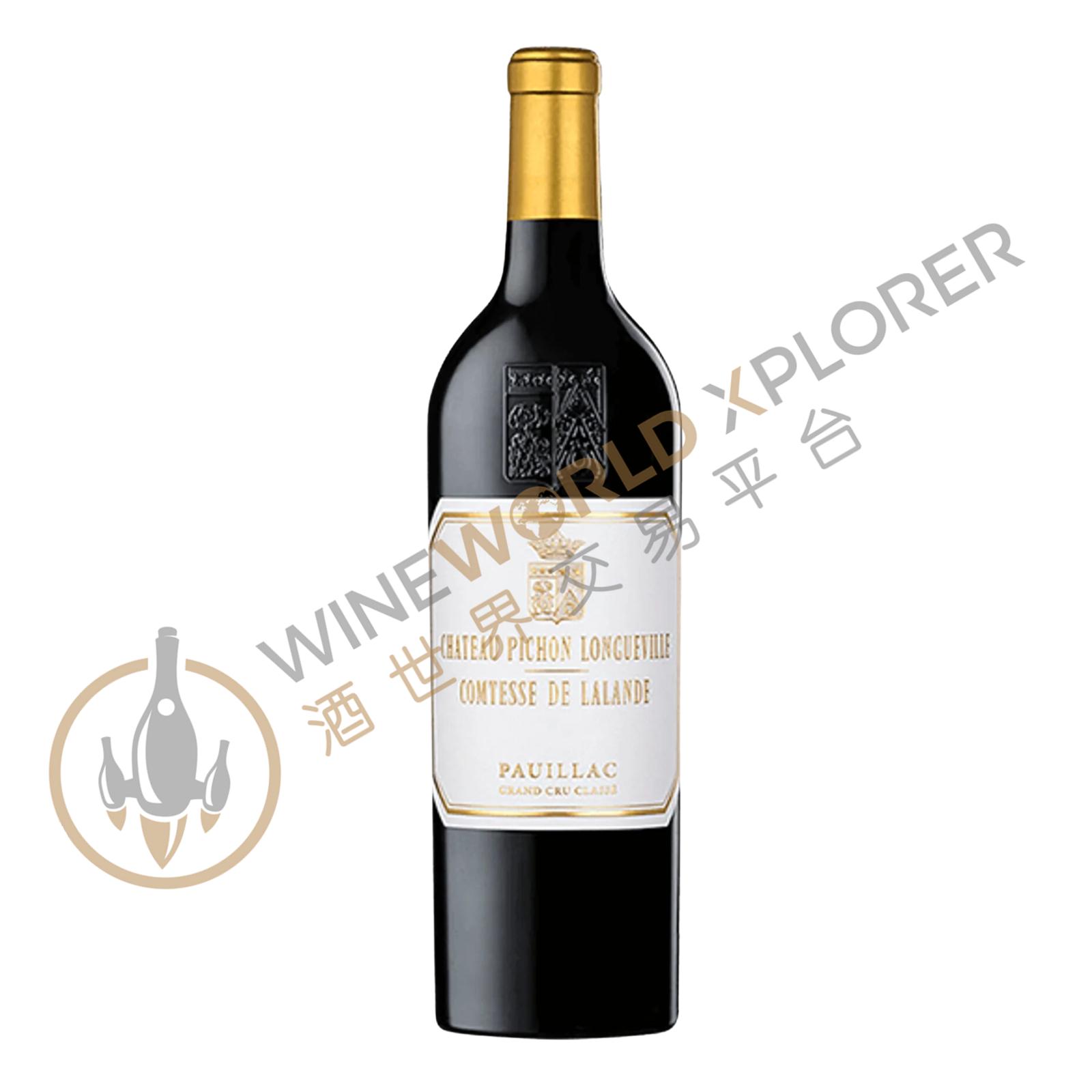
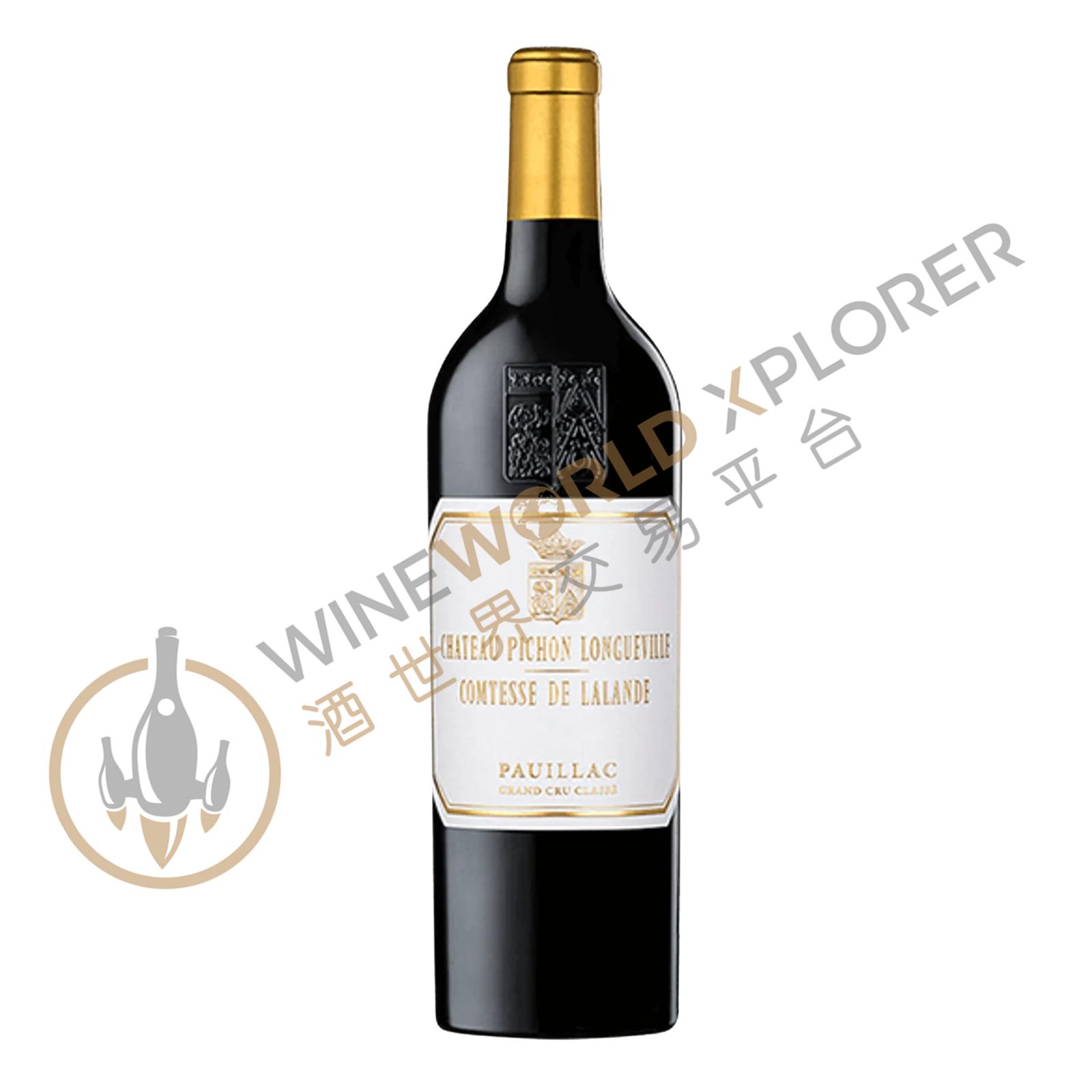
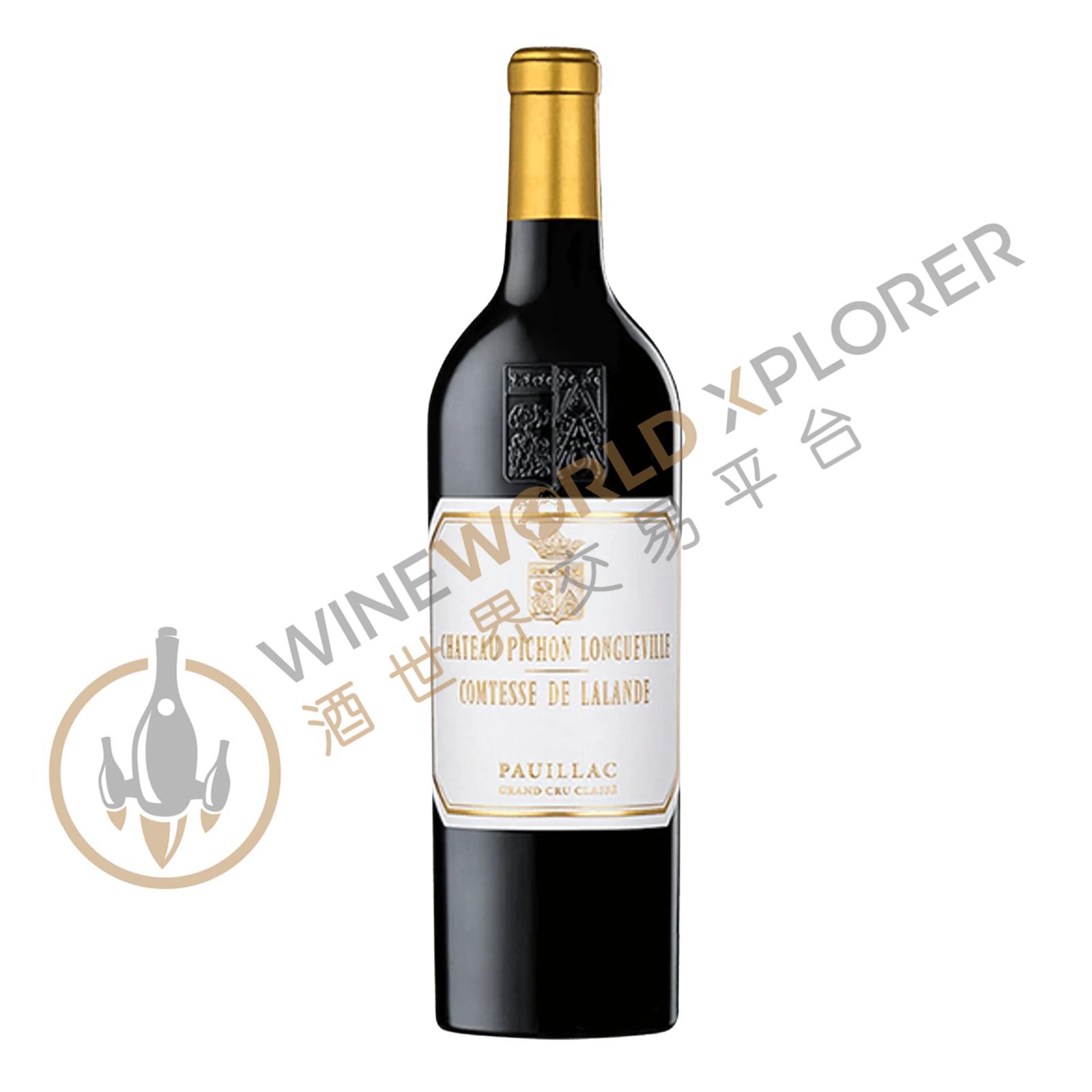
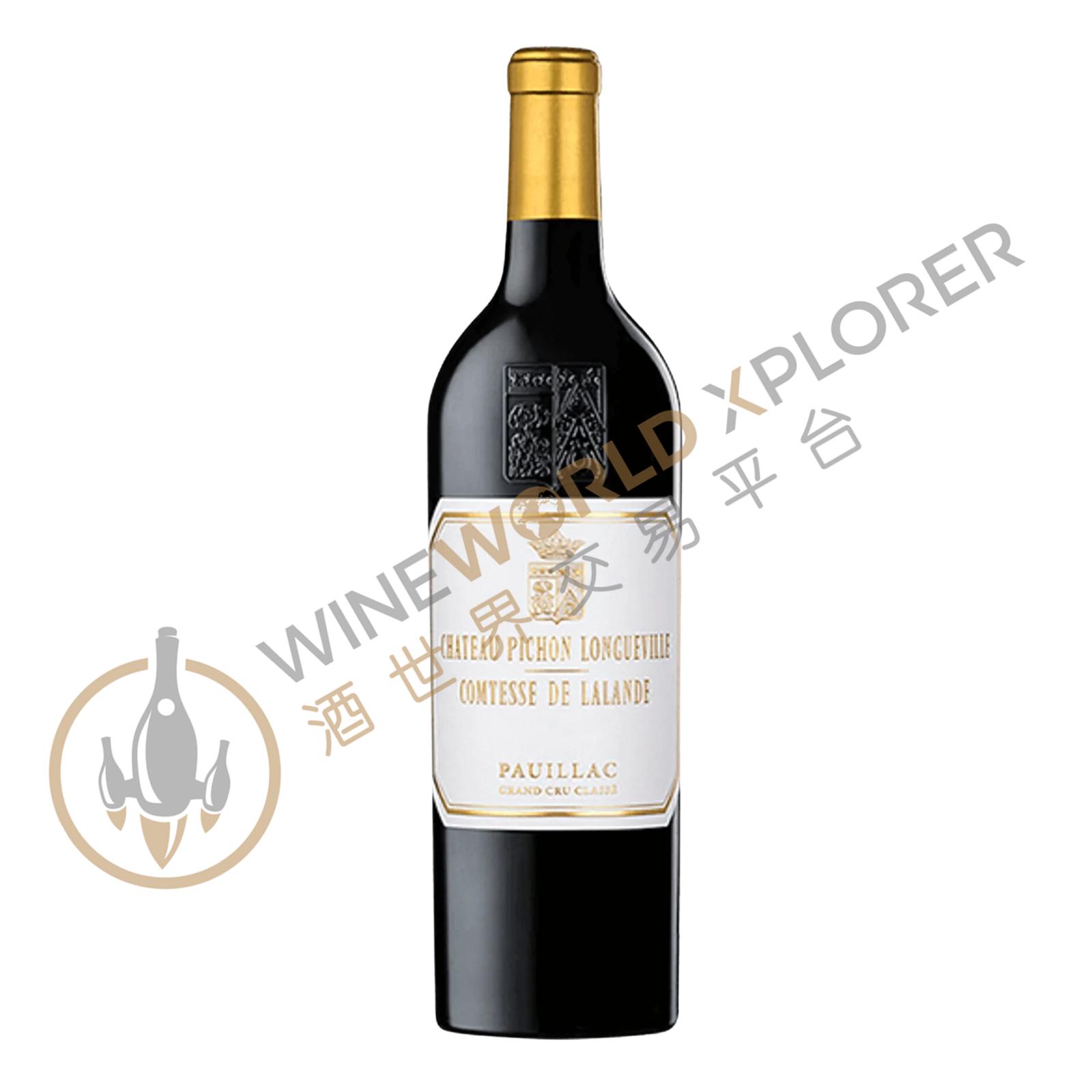
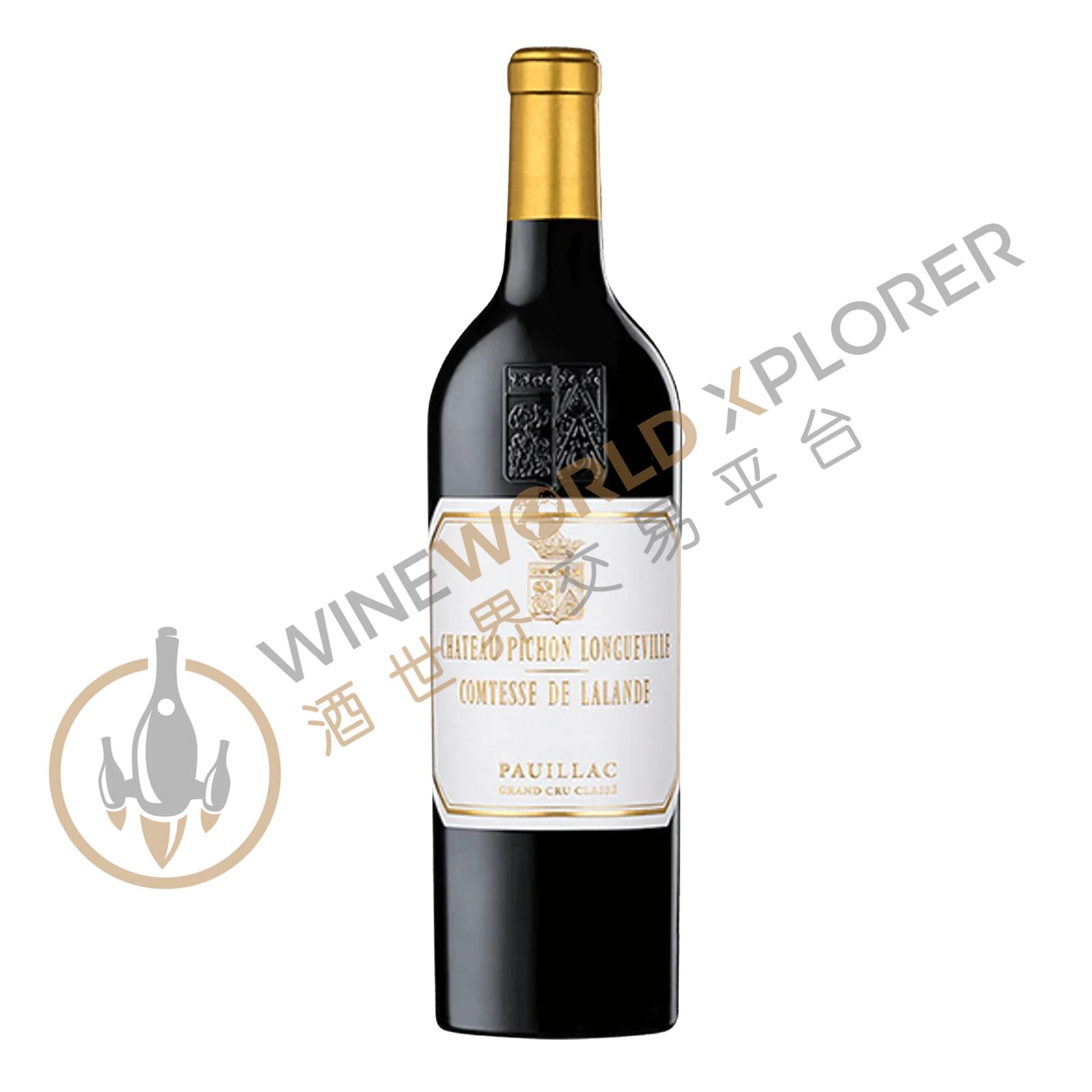
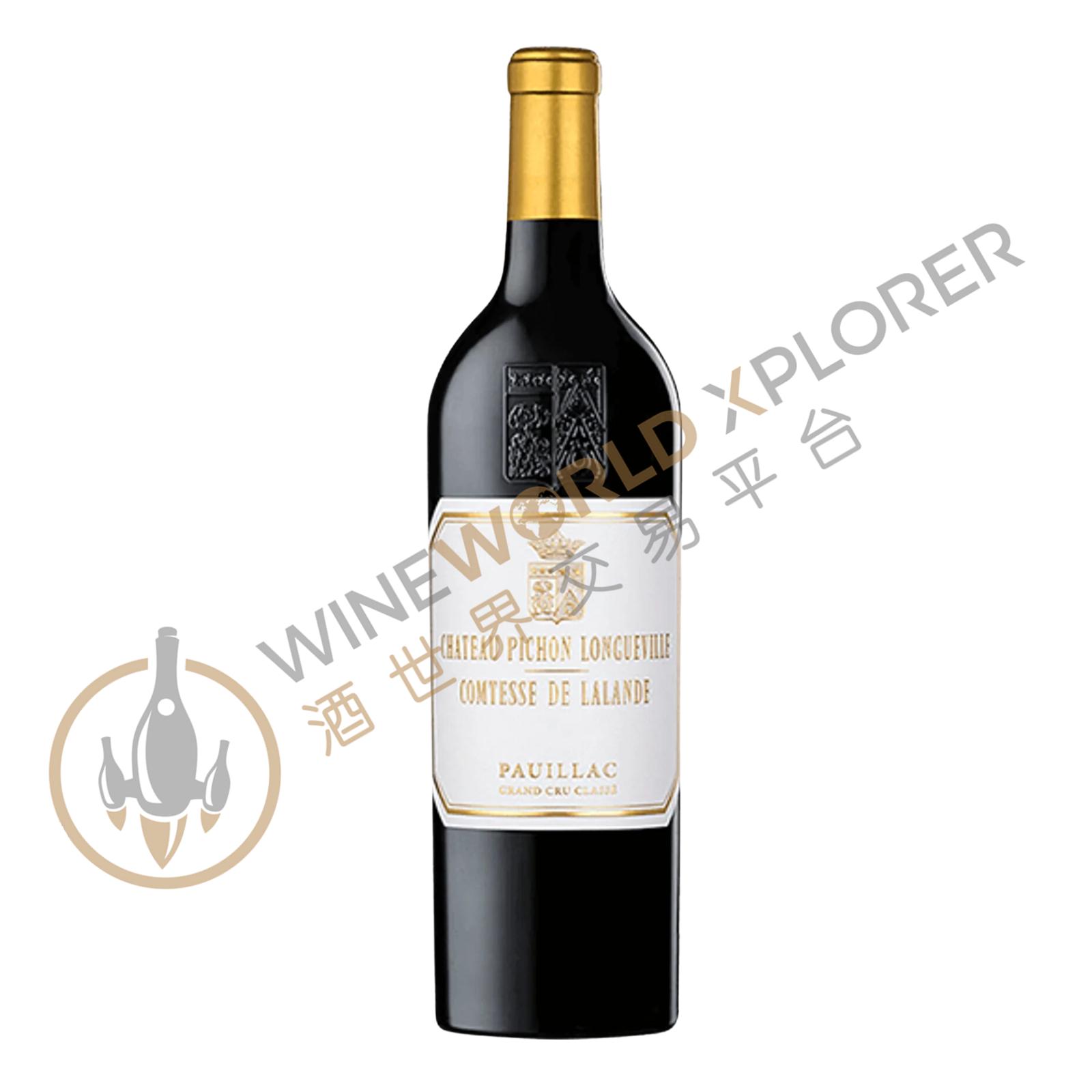
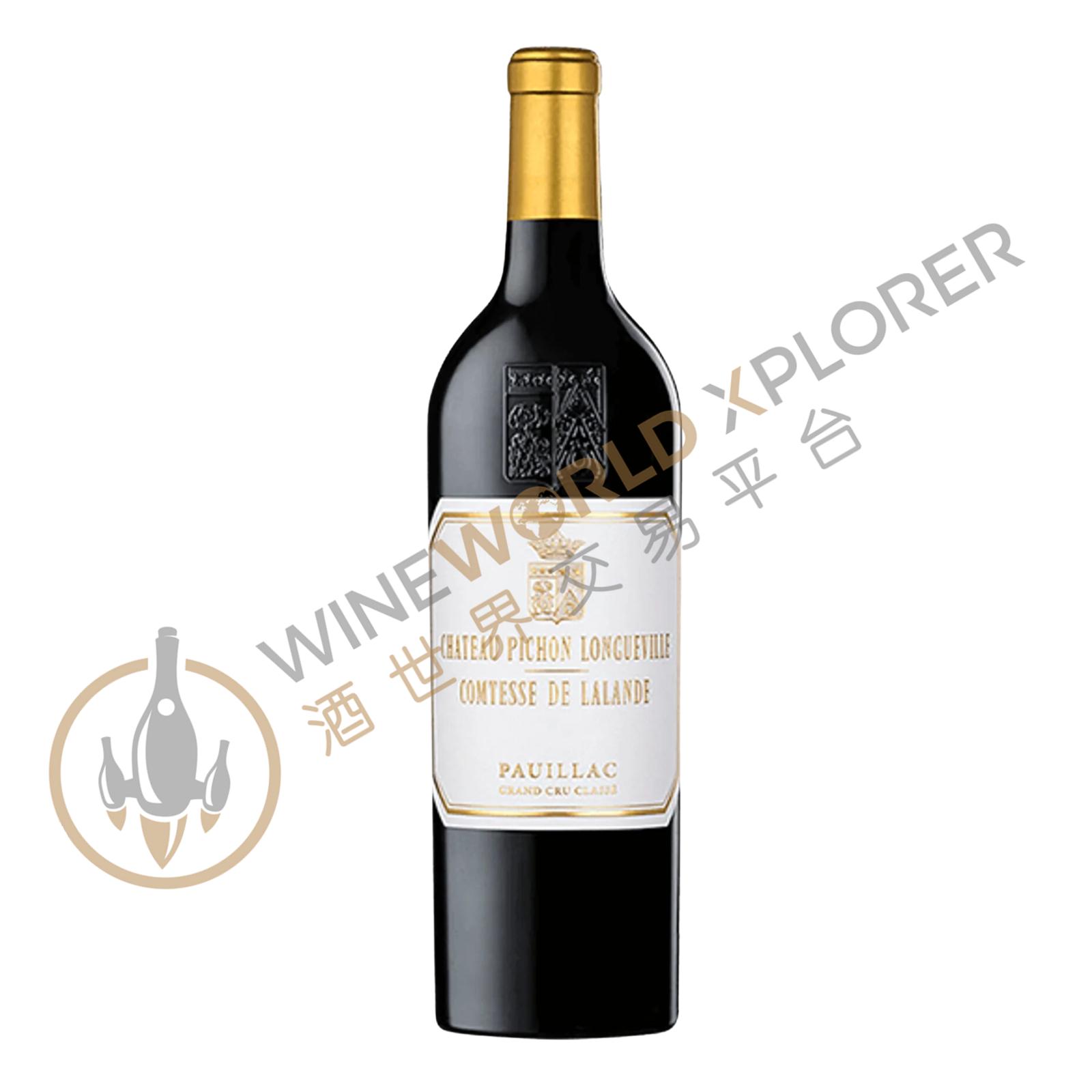
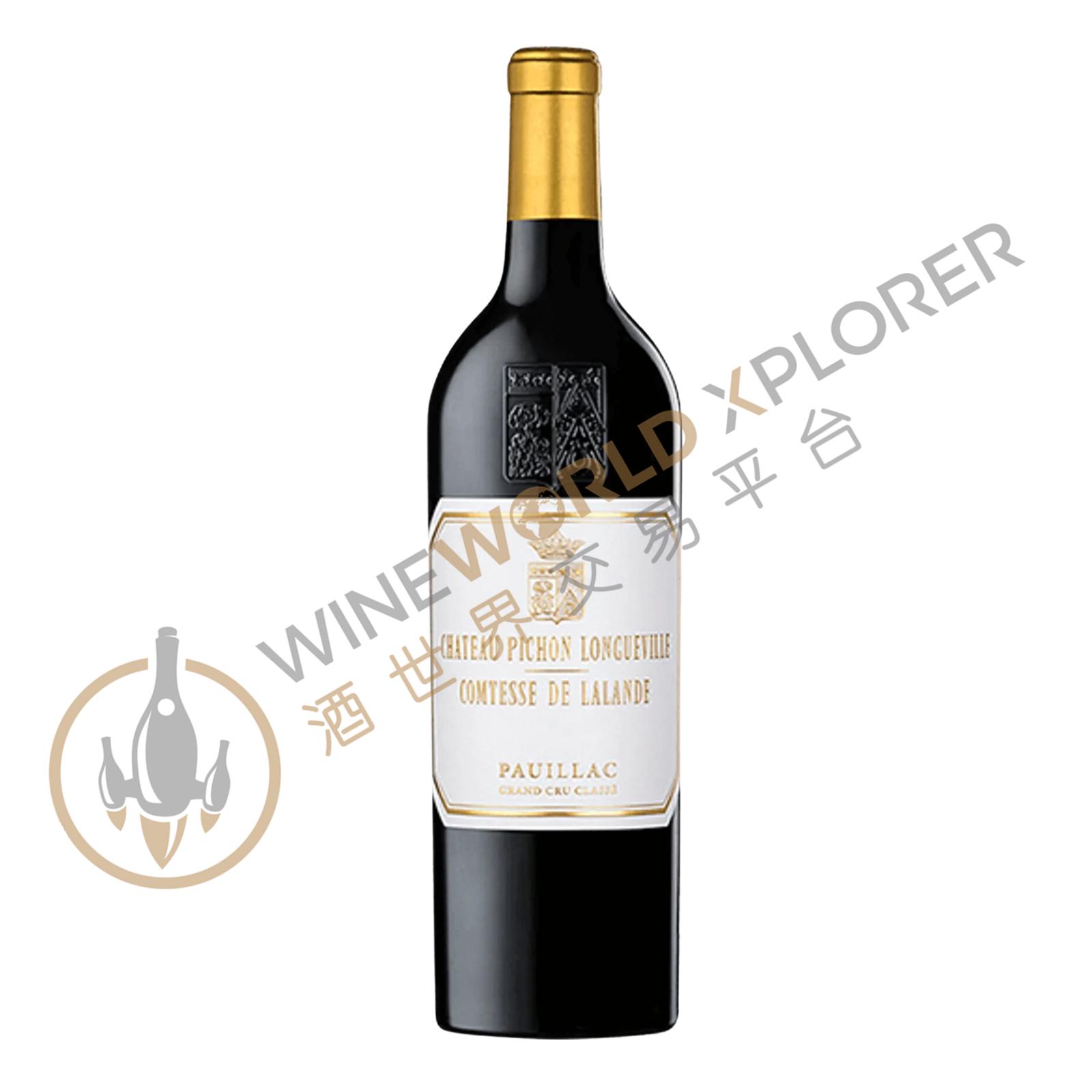
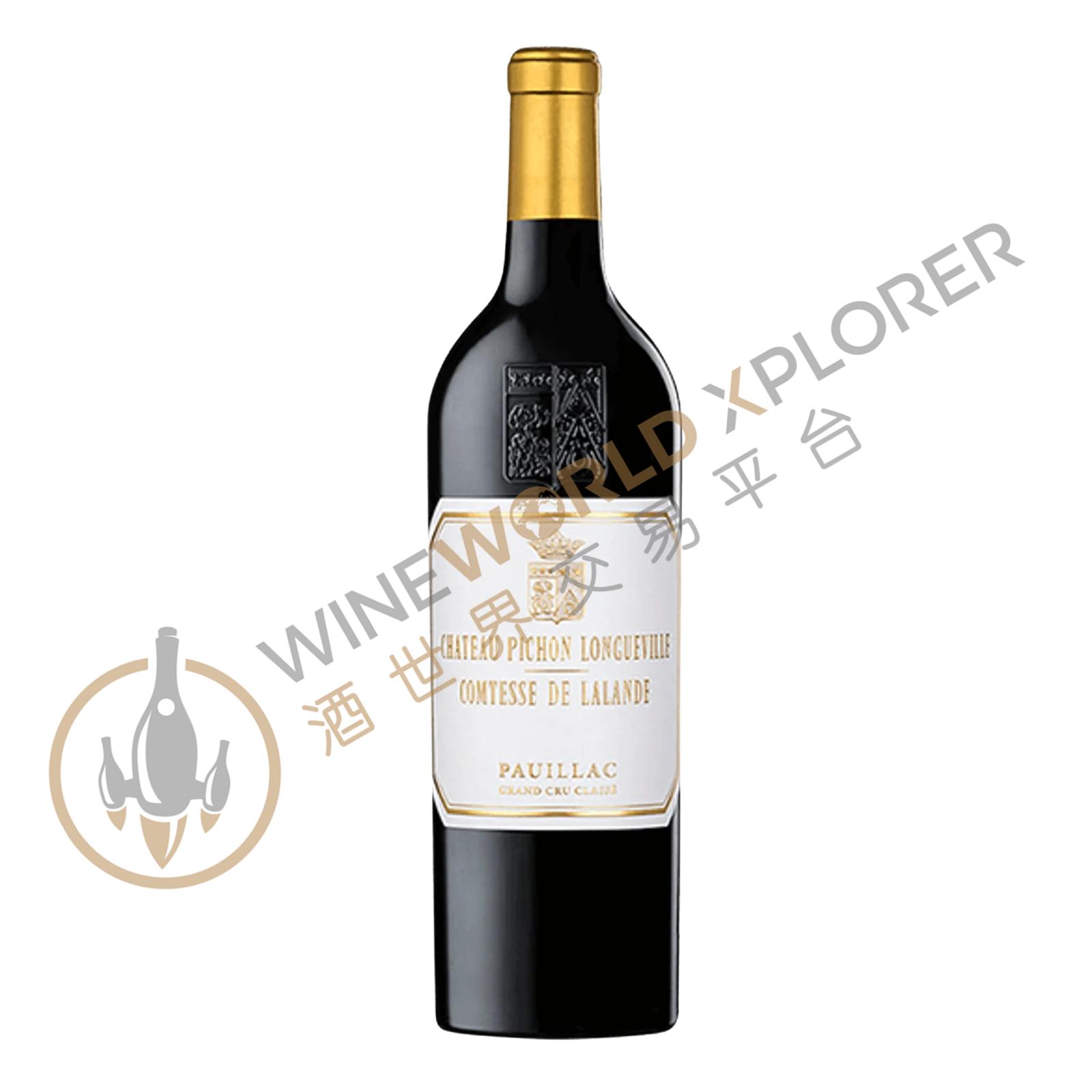
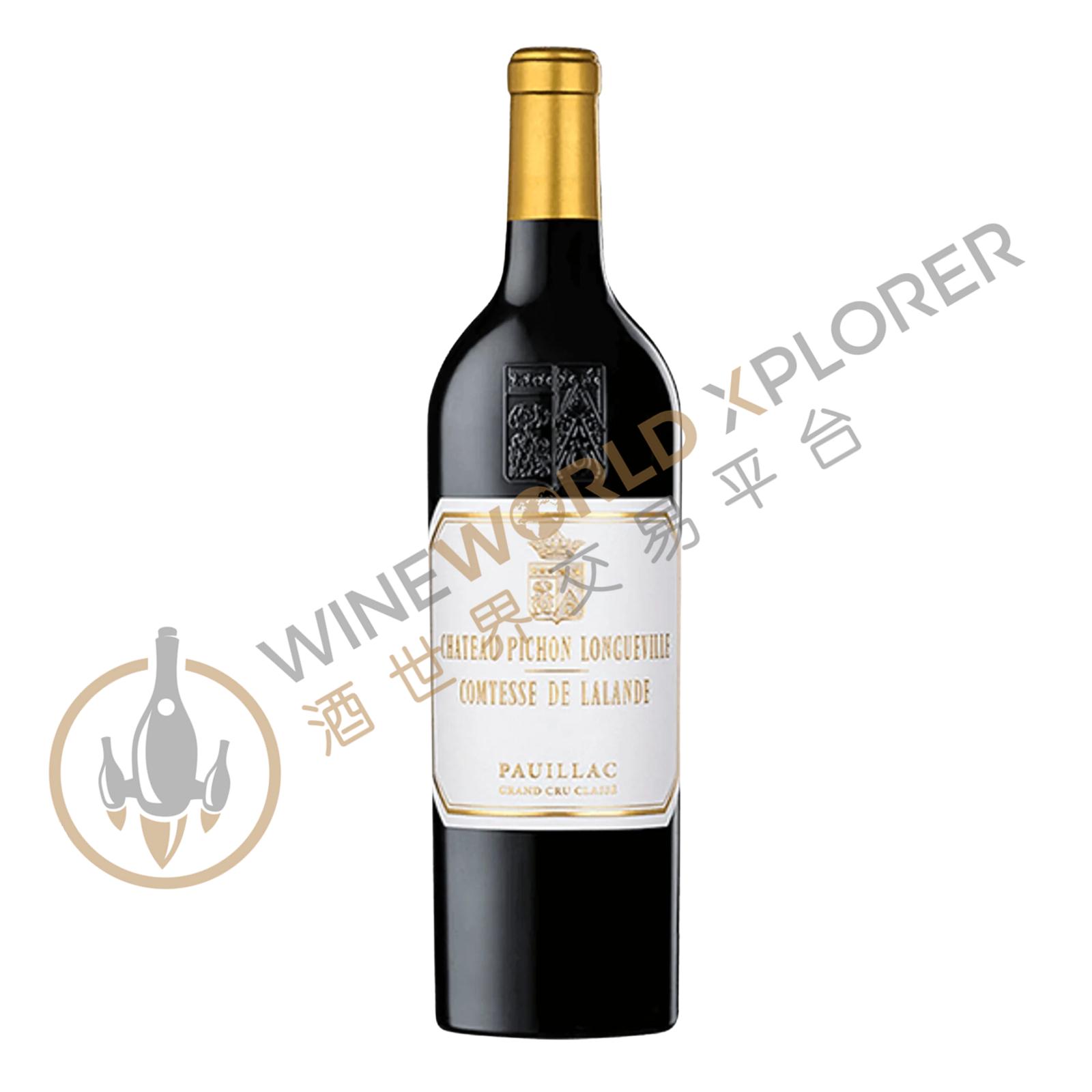
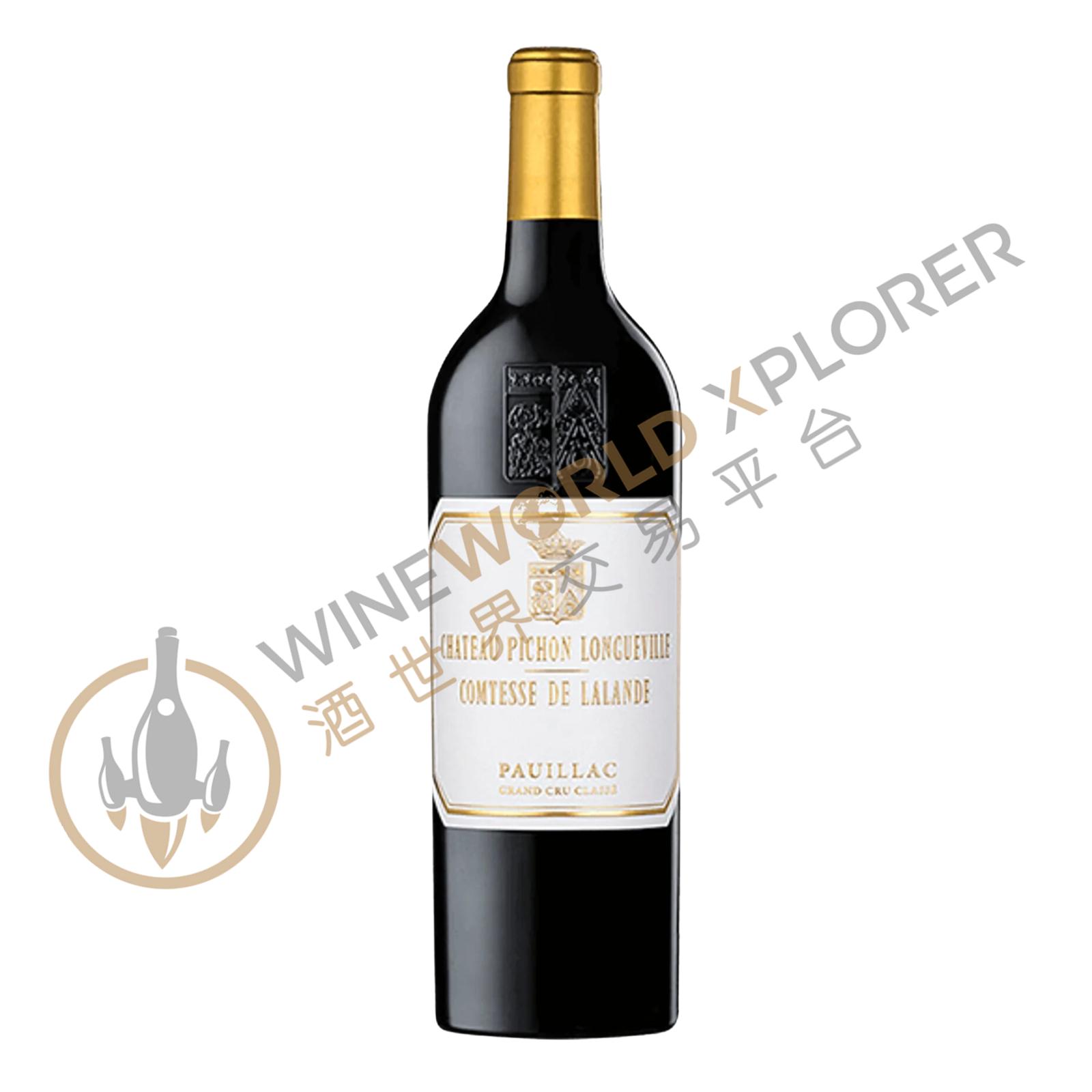
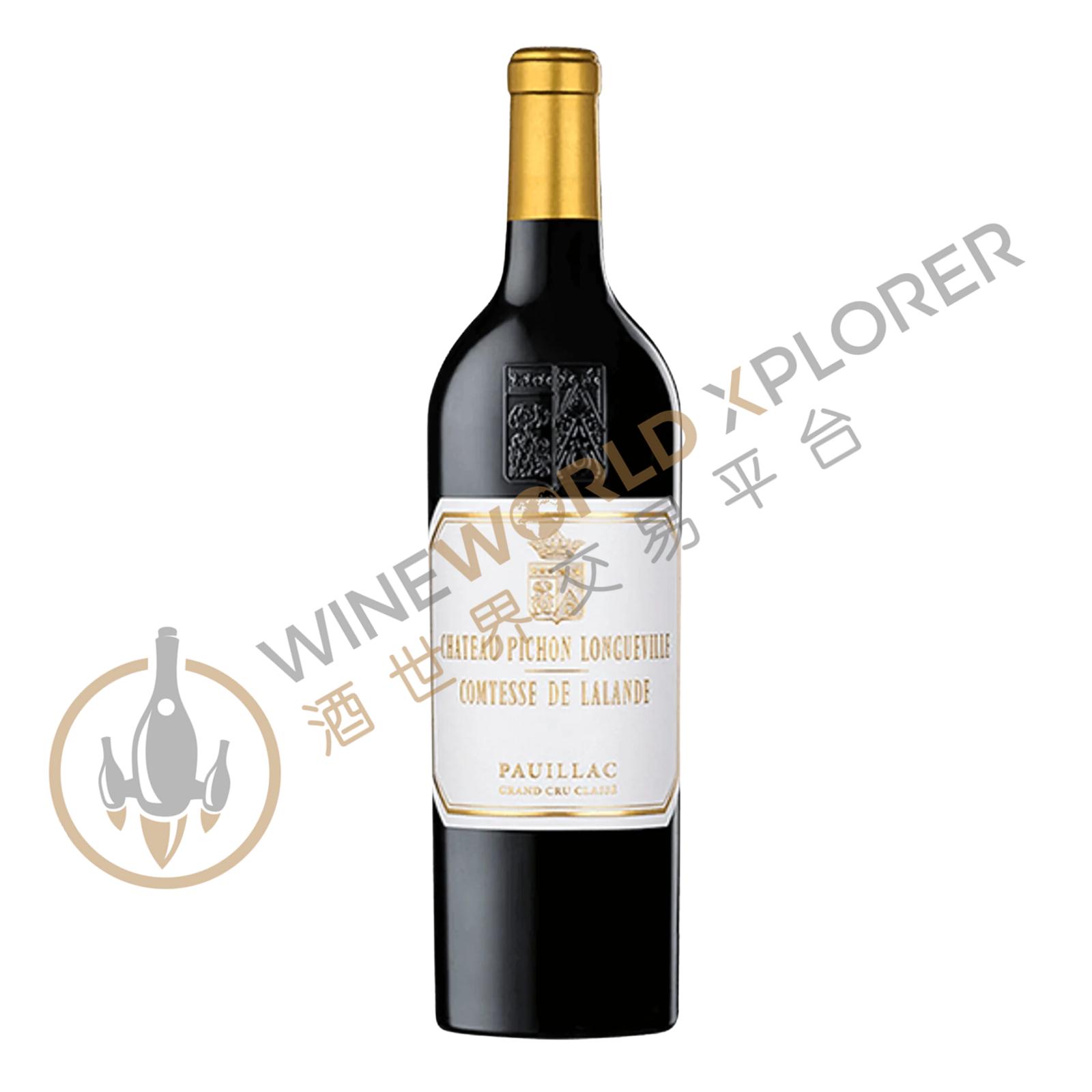
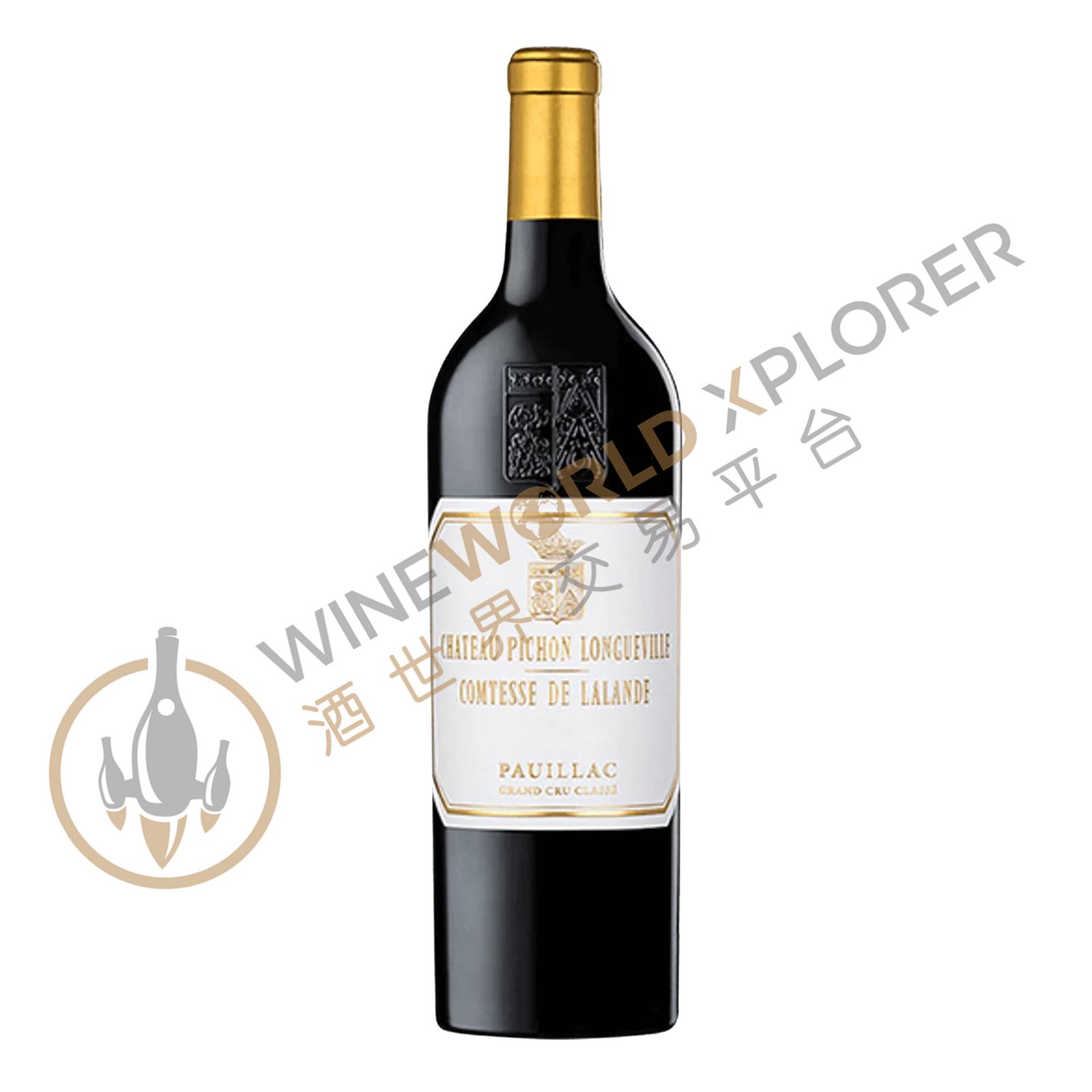
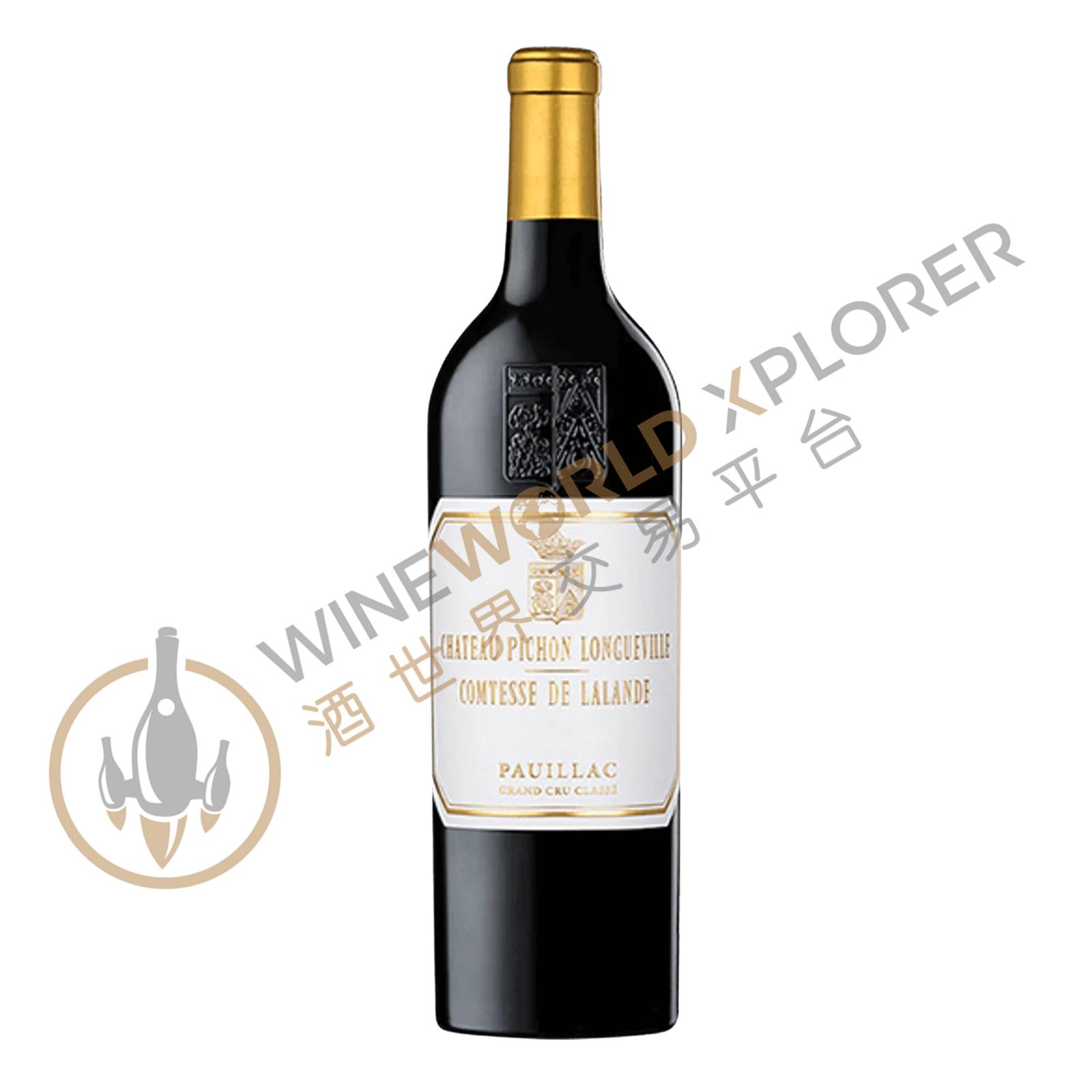
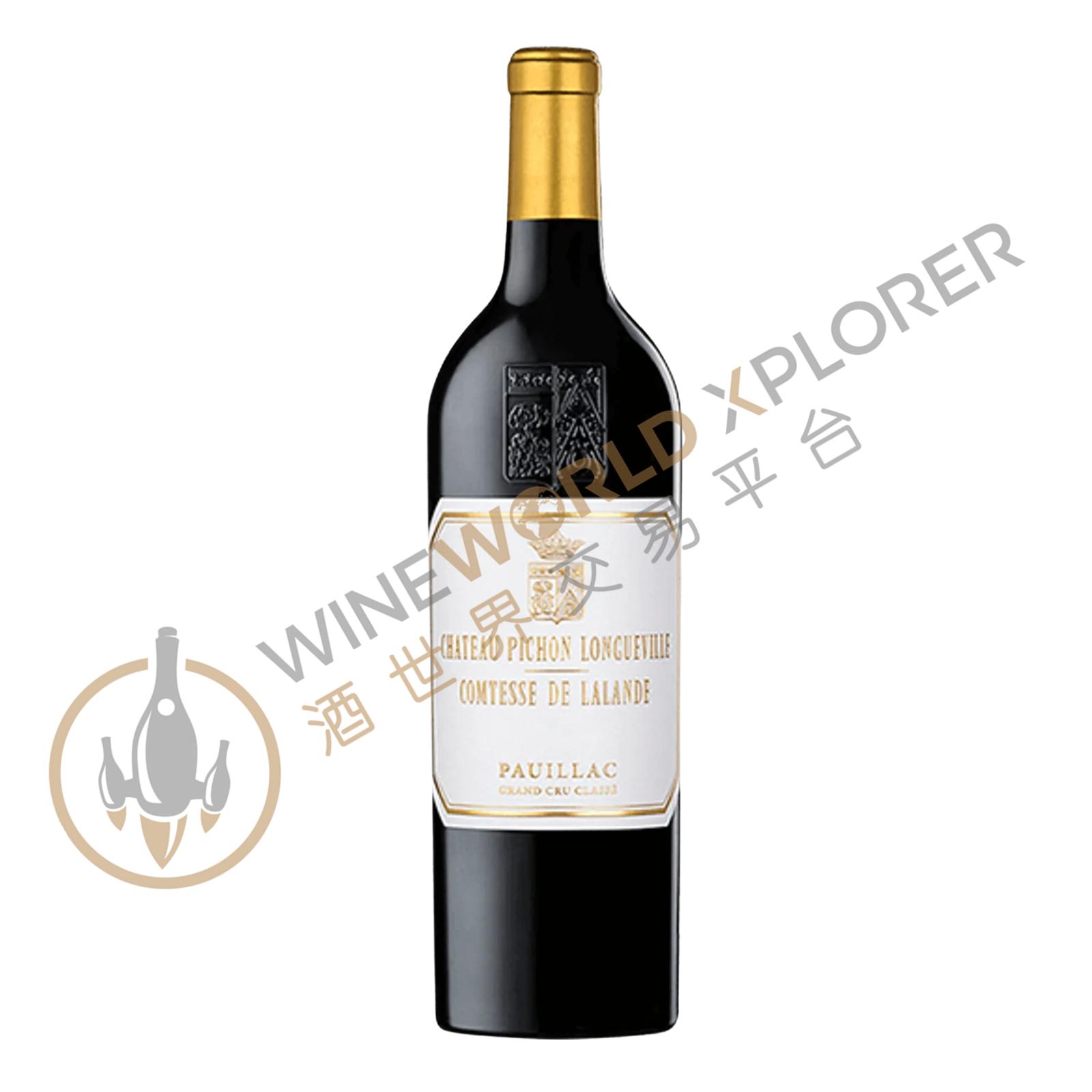
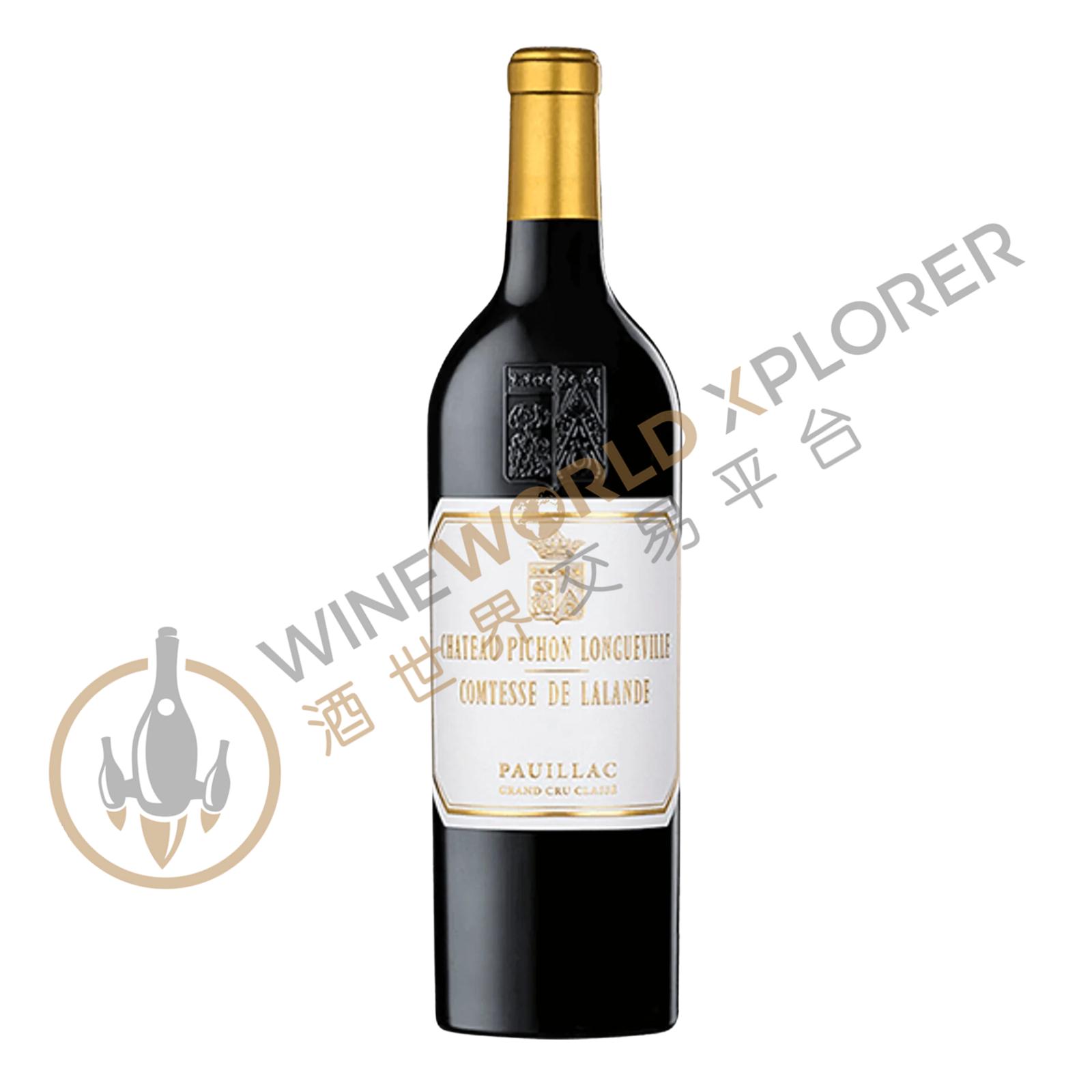
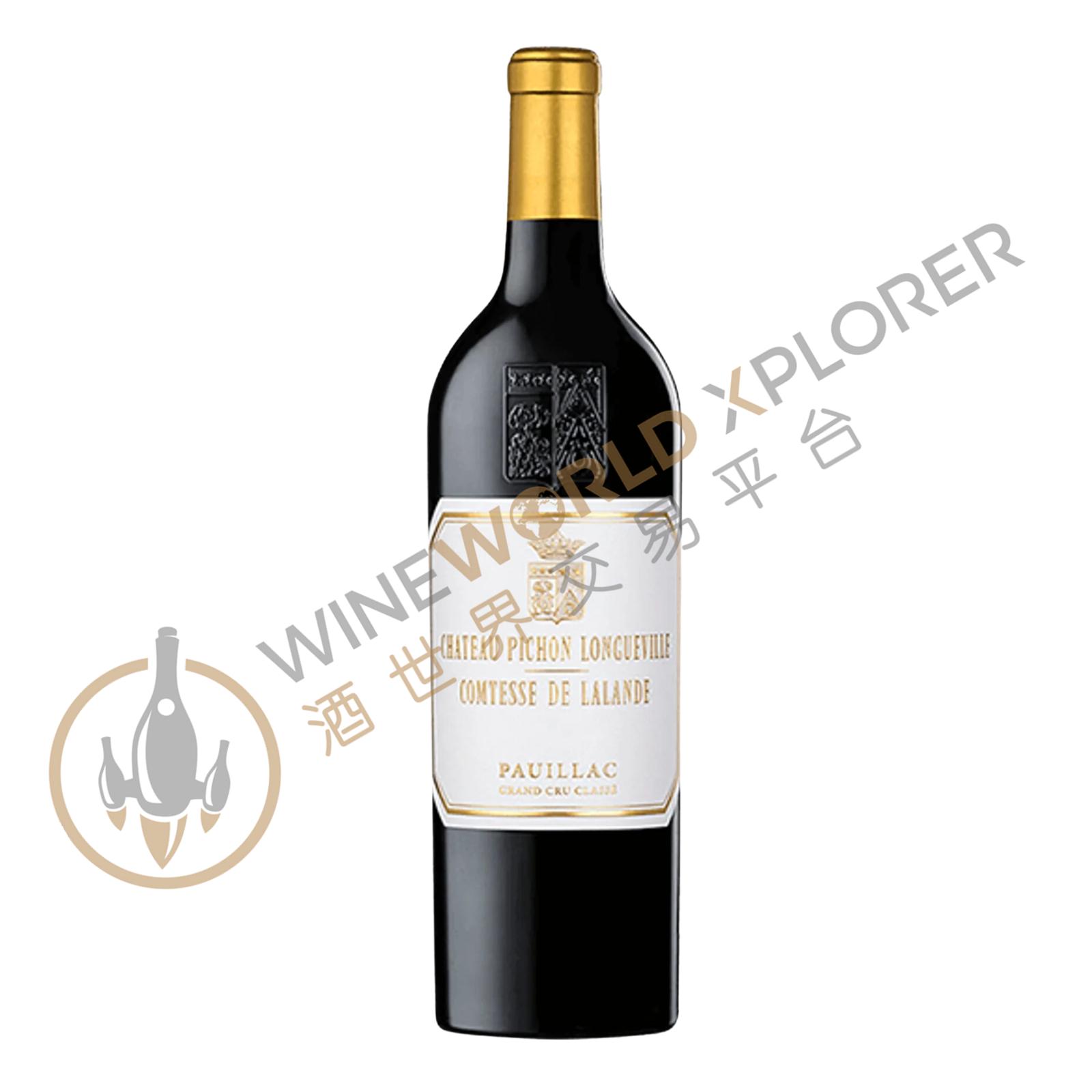
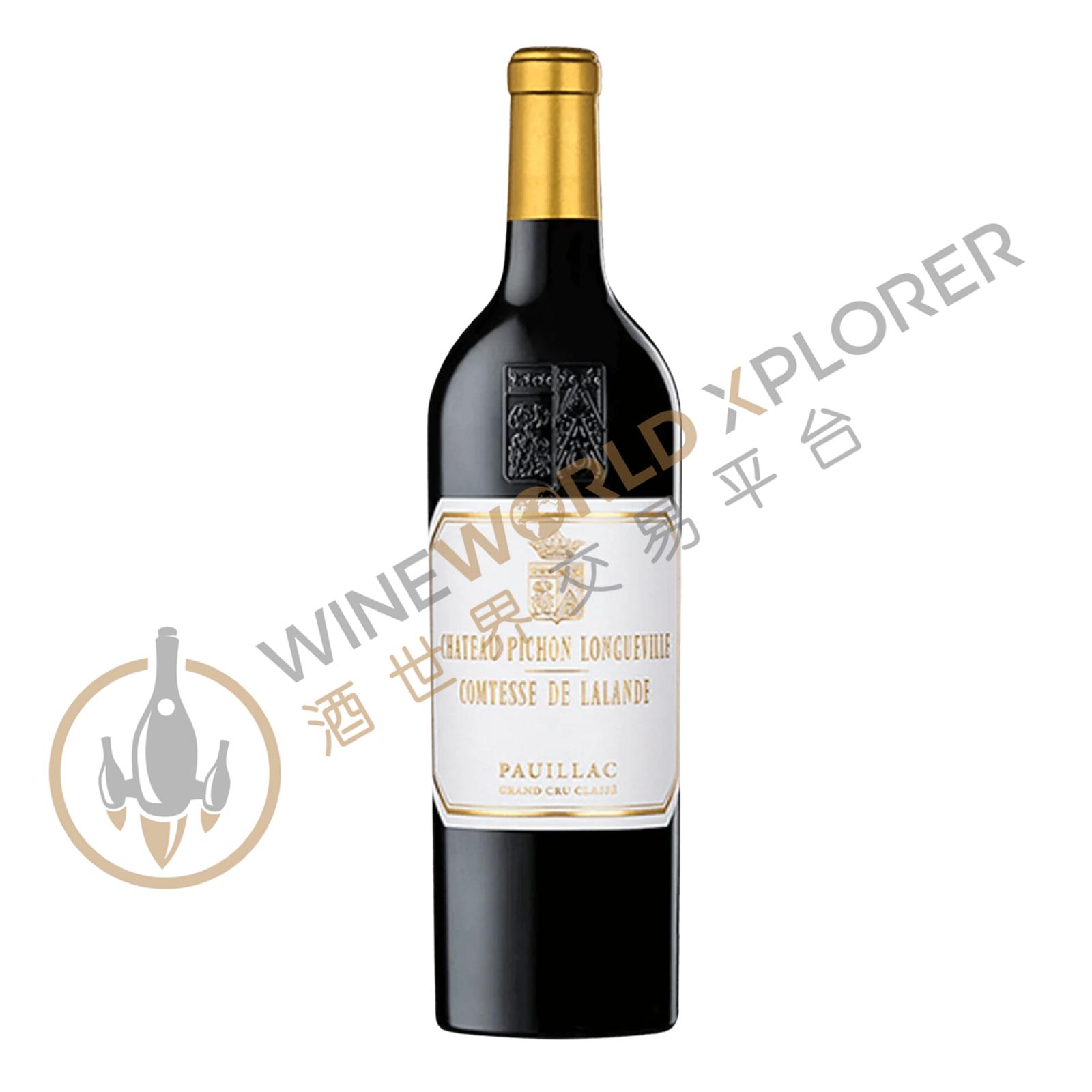
Pichon Lalande 1989
 View analysis


Description
Tasting notes

Reviewed by: Robert M. Parker, Jr.
The 1989 Pichon-Lalande looks to be a less-concentrated clone of the phenomenal 1982. The dark ruby/purple color is followed by a bouquet of sweet cassis, coffee, herbs, and plum-like fruit. Rich and concentrated, as well as expansive, seductive, and generous, this wine's finish is velvety and long. There is tannin present, but most of it is submerged beneath the lavish fruit. Anticipated maturity: Now-2012. Last tasted, 6/93.
Reviewed by: Neal Martin
Tasted at Robersons’ 1989 Bordeaux horizontal. It takes a couple of bottles to find an untainted one. The bouquet is very introverted, leafy, green, tea leaves, sawdust and damp earth. The palate is lively and tart on the entry, good acidity, firm tannin, with red-berried fruit, cigar box, allspice, mushroom and leather on the finish. Untamed and feral. Drink now. Tasted June 2010.
Reviewed by: Neal Martin
Tasted at the Chapon Fin restaurant in Bordeaux. This is a far better bottle than the one encountered last year and bore semblances to my more positive encounters several years ago. Here, the 1989 has that lovely bouquet of black fruits, black tea and loam, that blossoms from the glass with continued aeration. The palate has very well balanced, the tannins having mellowed in recent years with tobacco and mushroom towards the finish. This just has much more vigour than I anticipated, much more cohesion. Very fine indeed. A point. Tasted September 2011.
Reviewed by: Robert M. Parker, Jr.
Last Tasted 8/92 Immensely seductive at the moment, the 1989 Pichon Lalande offers up a fragrant bouquet of new oak, flowers, and cassis. Medium-bodied and, as always, the quintessential expression of Pauillac's elegant and graceful style, this concentrated, beautifully balanced wine reveals no hard edges. It should continue to drink well for at least 15 more years. I am sure it will close up in 2-3 years.
Reviewed by: Robert M. Parker, Jr.
The 1989 has a dark purple color, with a bouquet of sweet cassis, plum-like fruit, and roasted nuts. The wine is formidably concentrated, expansive, seductive, and generous. The finish must last for up to a minute. The tannin level is high, but the tannins are soft. Anticipated maturity: Now-2012.
Reviewed by: Neal Martin
Little aging in the glass. Expressive, almost Graves-like nose with notes of gravel and herbs. The palate is dominated by Merlot: very fleshy and ripe, fine integration of new oak and open-knit unlike the 1986. Very pretty unlike the more structured, masculine Lynch Bages 1989. A little dryness on the finish but very fine. Drink now and over 10-12 years. Tasted February 2002.
Reviewed by: Robert M. Parker, Jr.
Speaking of superior vintages, Pichon-Lalande's 1989, although not as profound as the 1995, 1994, 1986, 1983, or 1982, is a beautifully made wine. It exhibits a deep ruby/purple color, and a sweet, roasted nose of rich cassis fruit, herbs, and vanilla. Lush and round, this medium to full-bodied, nicely-textured, layered Pichon-Lalande possesses low acidity, outstanding ripeness, and beautiful purity and balance. It is already drinking surprisingly well, so owners should not hesitate to pull a cork. It should continue to offer rich, seductive drinking for another 15+ years.
Reviewed by: Robert M. Parker, Jr.
The 1989 Pichon-Lalande looks to be a lighter, less concentrated clone of the phenomenal 1982. While the alcohol content is higher in the 1989, the wine has a dark purple color, with a bouquet of sweet cassis, plum-like fruit, and roasted nuts that roars from the glass. In the mouth, the wine is formidably concentrated, expansive, seductive, and generous. The finish must last for up to a minute. The tannin levels are high, but less than in 1986, 1988, or 1990. It is one of the best three or four Pichons of the decade. Look for this celestial wine to be at its best between 1993 and 2015. Tasted eight times. Consistent notes.
Reviewed by: Robert M. Parker, Jr.
Approaching full maturity, Pichon-Lalande’s1989 has a deep ruby/plum color with some lightening at the edge. The nose offers sweet plums and creme de cassis intermixed with vanilla and graphite. The wine is lush, medium to full-bodied, and layered with texture, low acidity, sweet tannin, and the hallmark purity and elegance this estate routinely produces. Some tannins remain, but this wine has reached its plateau of maturity, where it should remain for another 10-15 years. Anticipated maturity: Now-2017. Last tasted, 5/02.
About the Producer
Pichon Lalande is arguably the best known Super Second Pauillac for its quality consistency and quintessential Bordeaux claret expression. Neighbouring Chateau Latour and lying just right opposite Chateau Pichon Baron, Pichon Lalande, as its name suggests, has long seen extended female owner influence since the 1850s. Back in the 1850s, the original Pichon Lalande got broken down into two-fifth being renamed as Pichon Baron and three-fifth remaining as Pichon Lalande upon the passing of Baron Joseph de Pichon Longueville. The three-fifth was run by the three daughters of the Baron himself and over the course of a few years, Pichon Baron and Pichon Lalande took on distinctive styles - with the former being more a masculine expression and the latter, feminine. Female ownership and influence continued, with little interruption, till the modern days. Pichon Lalande's string of female leaders have contributed to the continuous modernization of Pichon Lalande's vineyards and cellars; as well as the doubling of vineyard area during the 1970s - 90s. Today, Pichon Lalande's feminine expression continues to prevail - whilst the team is placed under the leadership of a former opera singer turned winemaker gentleman named Nicolas Glumineau. Conversion to biodynamic viticulture (fully by year 2021), continuous investments in precision winemaking facilities see Pichon Lalande continue to be revered among leading critics. Pichon Lalande is planted to 65% Cabernet Sauvignon, 25% Merlot, 7% Cabernet Franc and 3% Petit Verdot. It is the predominant Cabernet Sauvignon presence in Pichon Lalande's wines that make this wine such a capable representation of Pauillac's deep gravelly terroir.
1928(1)1969(1)1970(1)1977(1)1979(1)1981(1)1982(3)1983(1)1984(1)1985(4)1986(9)1988(4)
Package Size