Wine Advisor



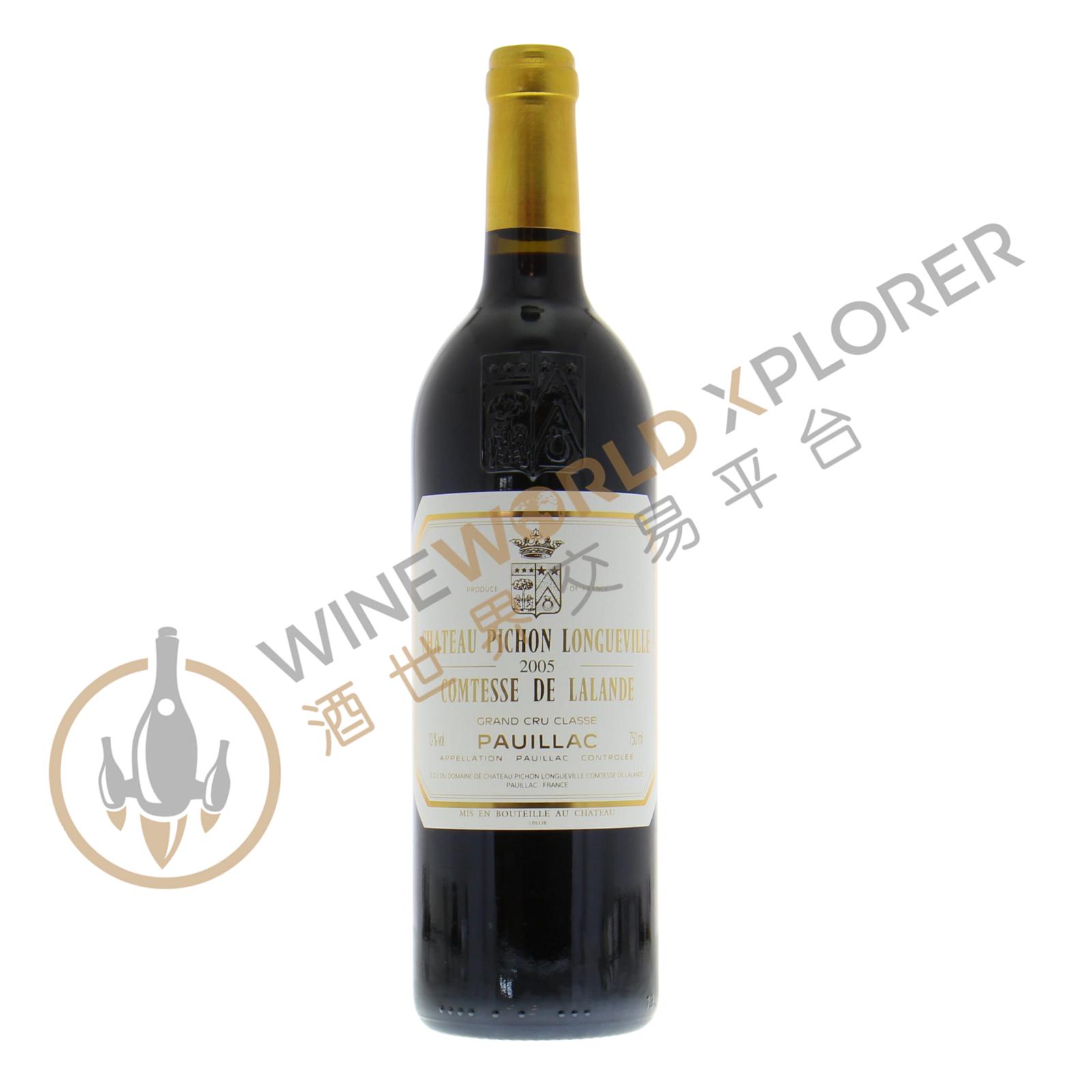
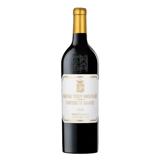
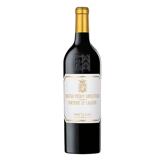
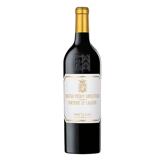
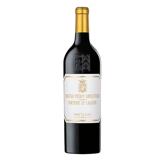
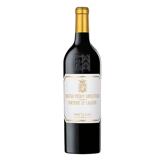
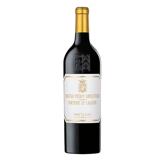
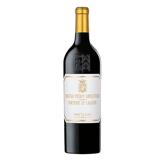
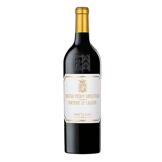
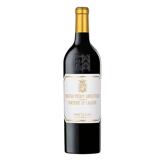
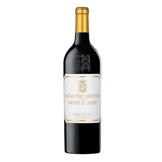
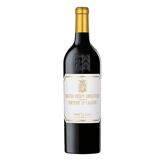
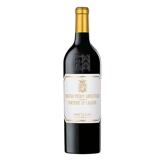
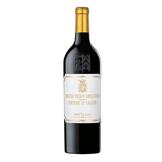
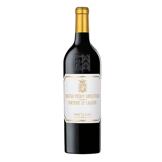
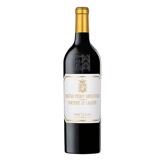
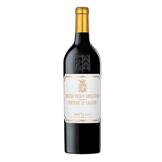
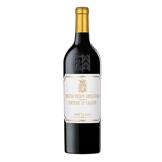
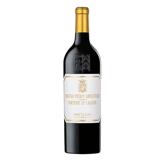
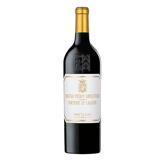
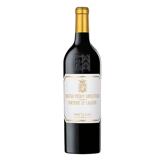
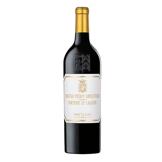
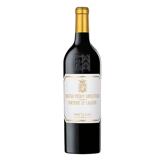
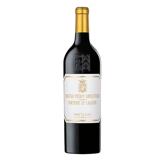
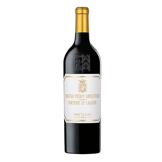
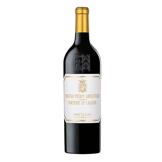
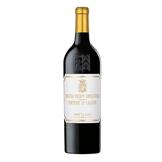
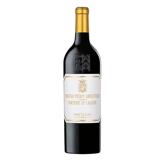
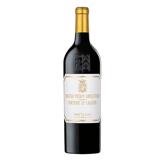
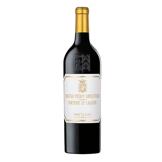
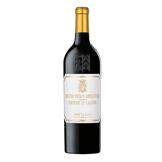
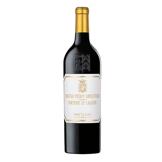
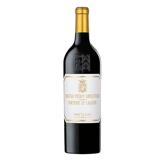
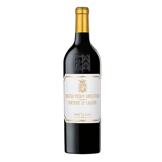
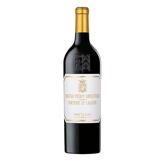
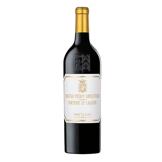
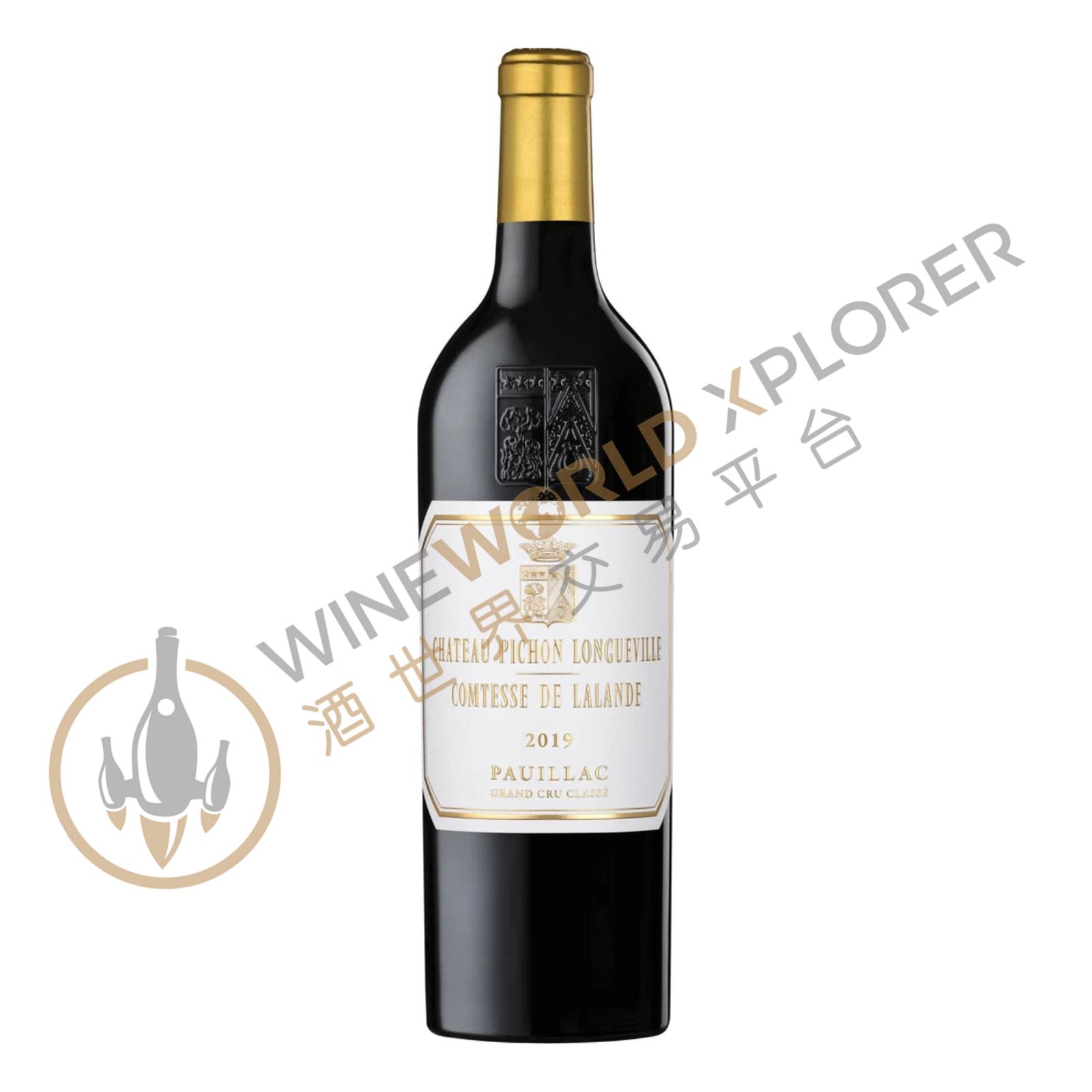
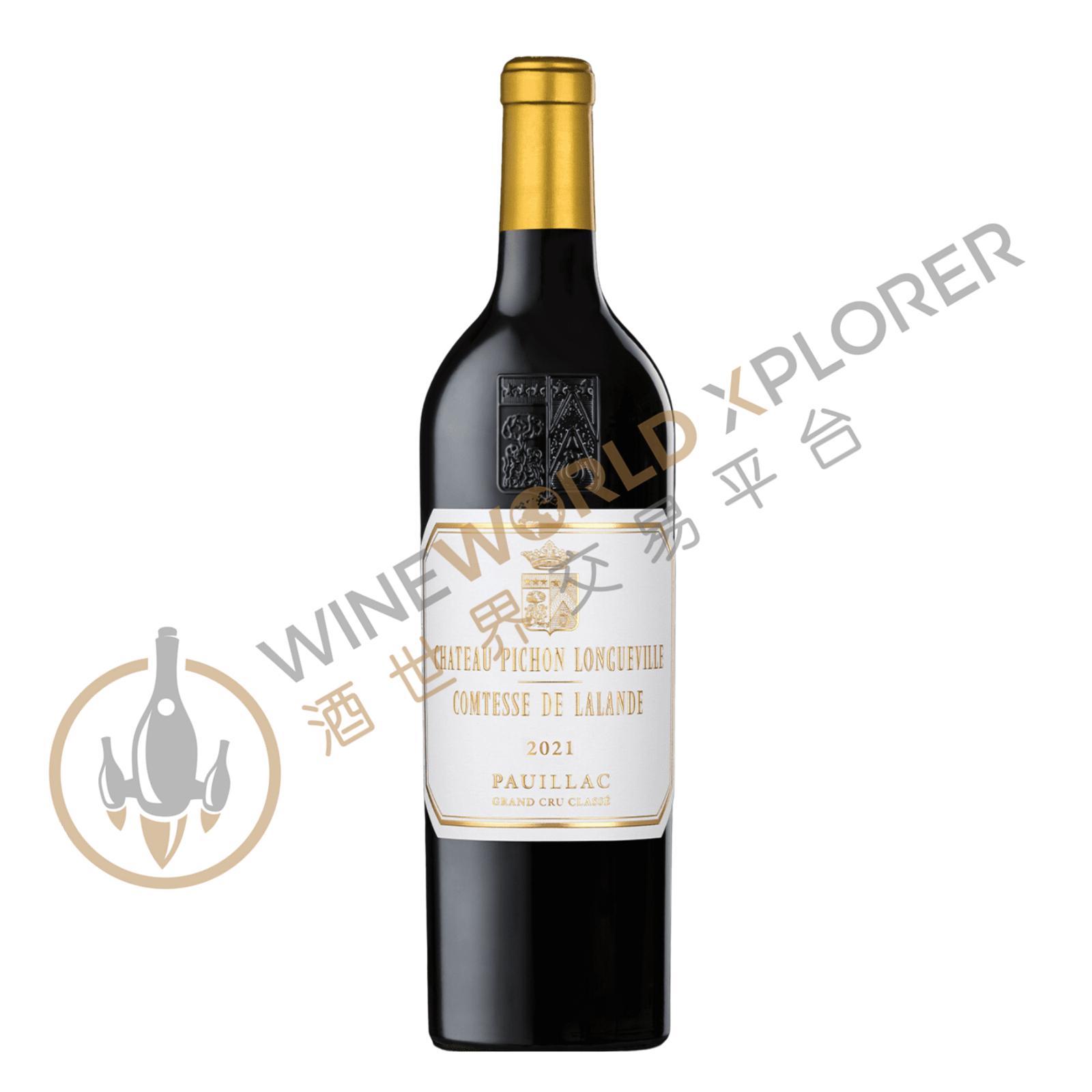
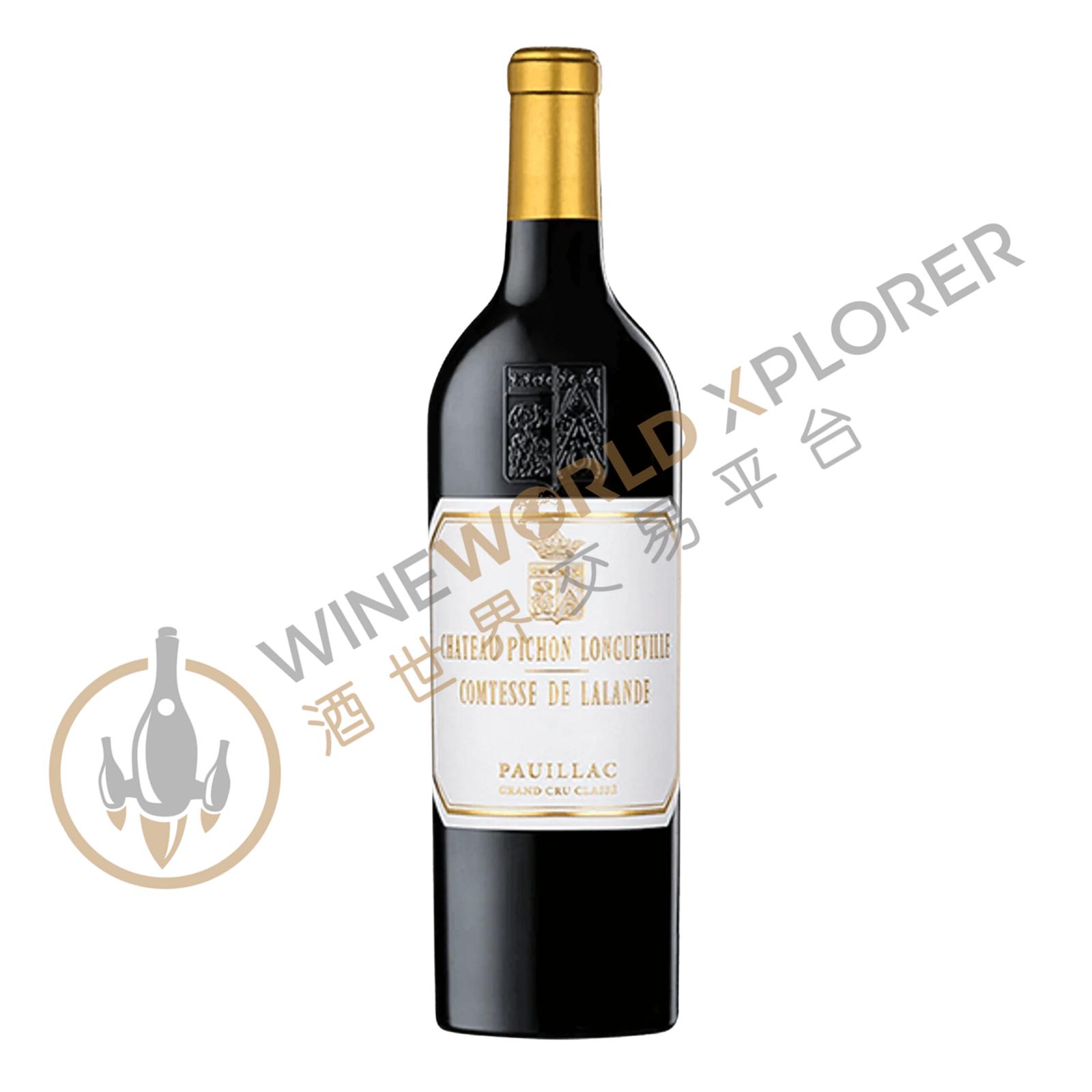
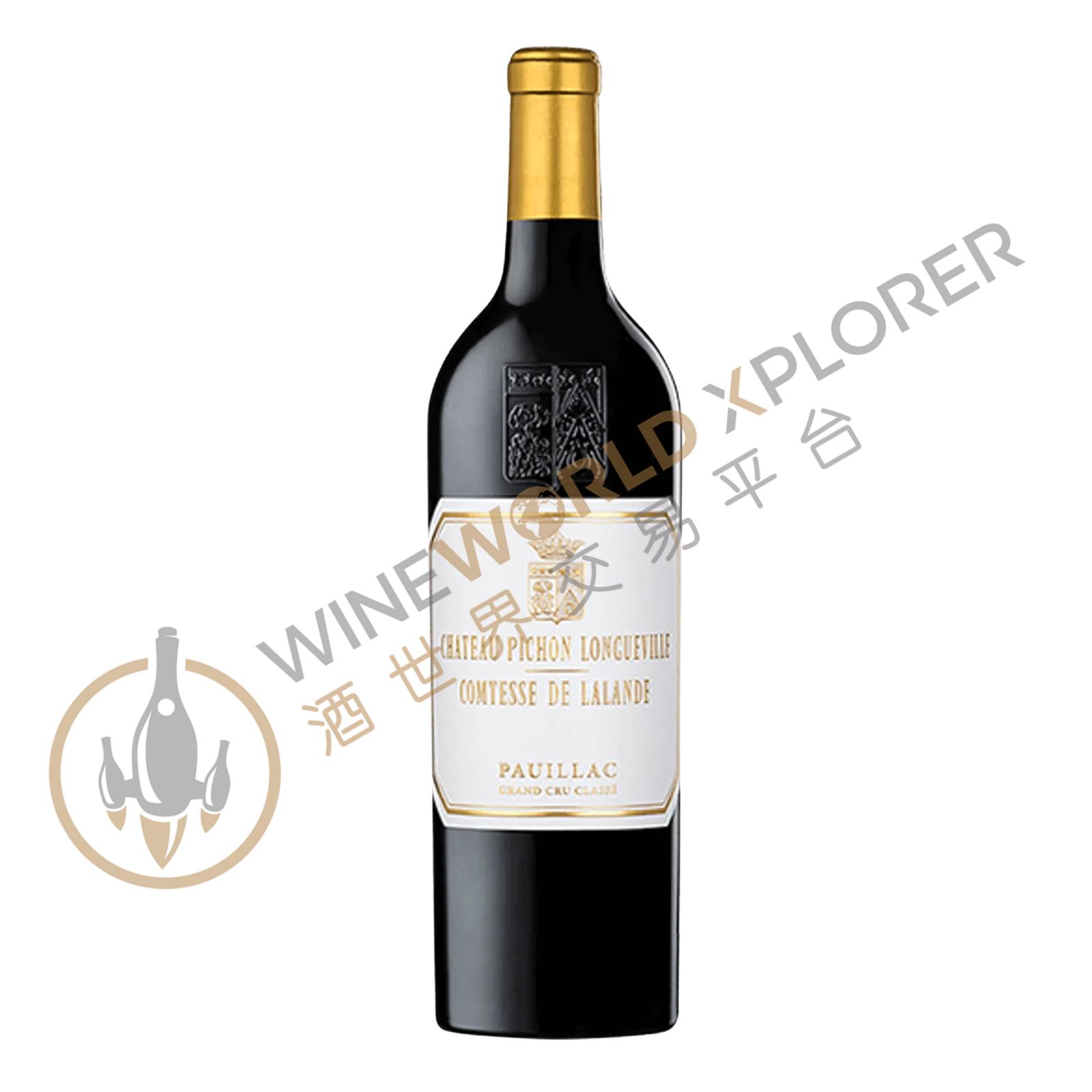
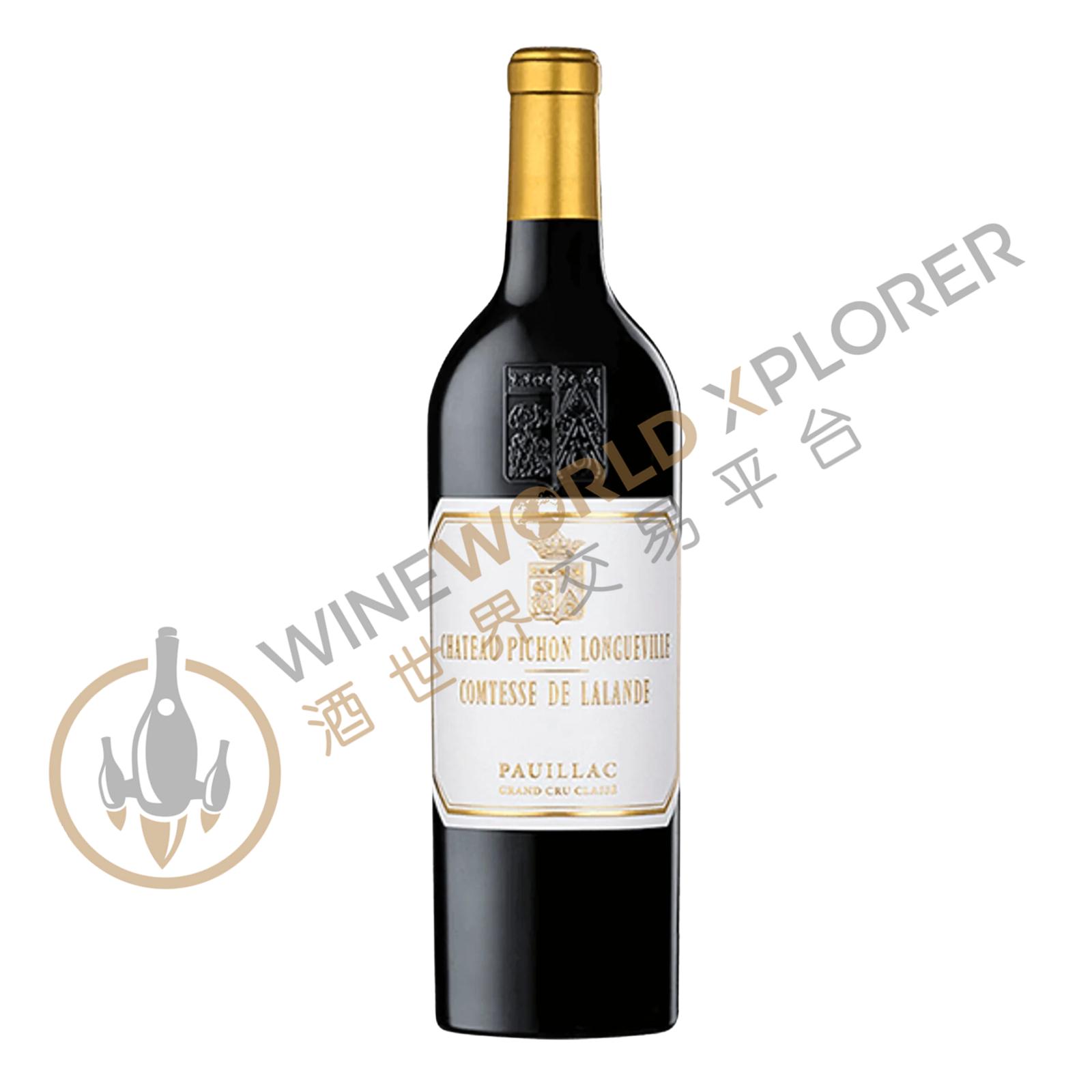
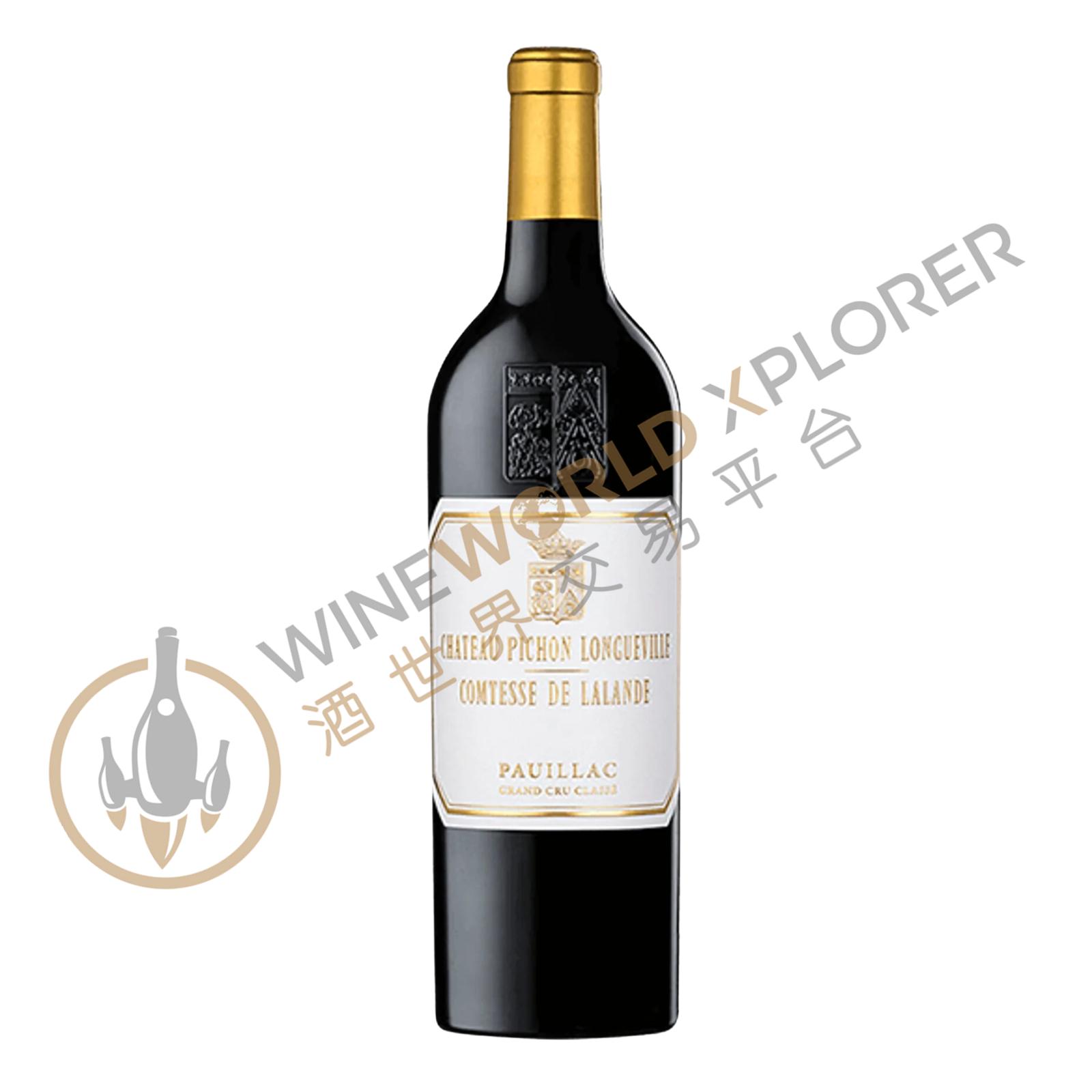
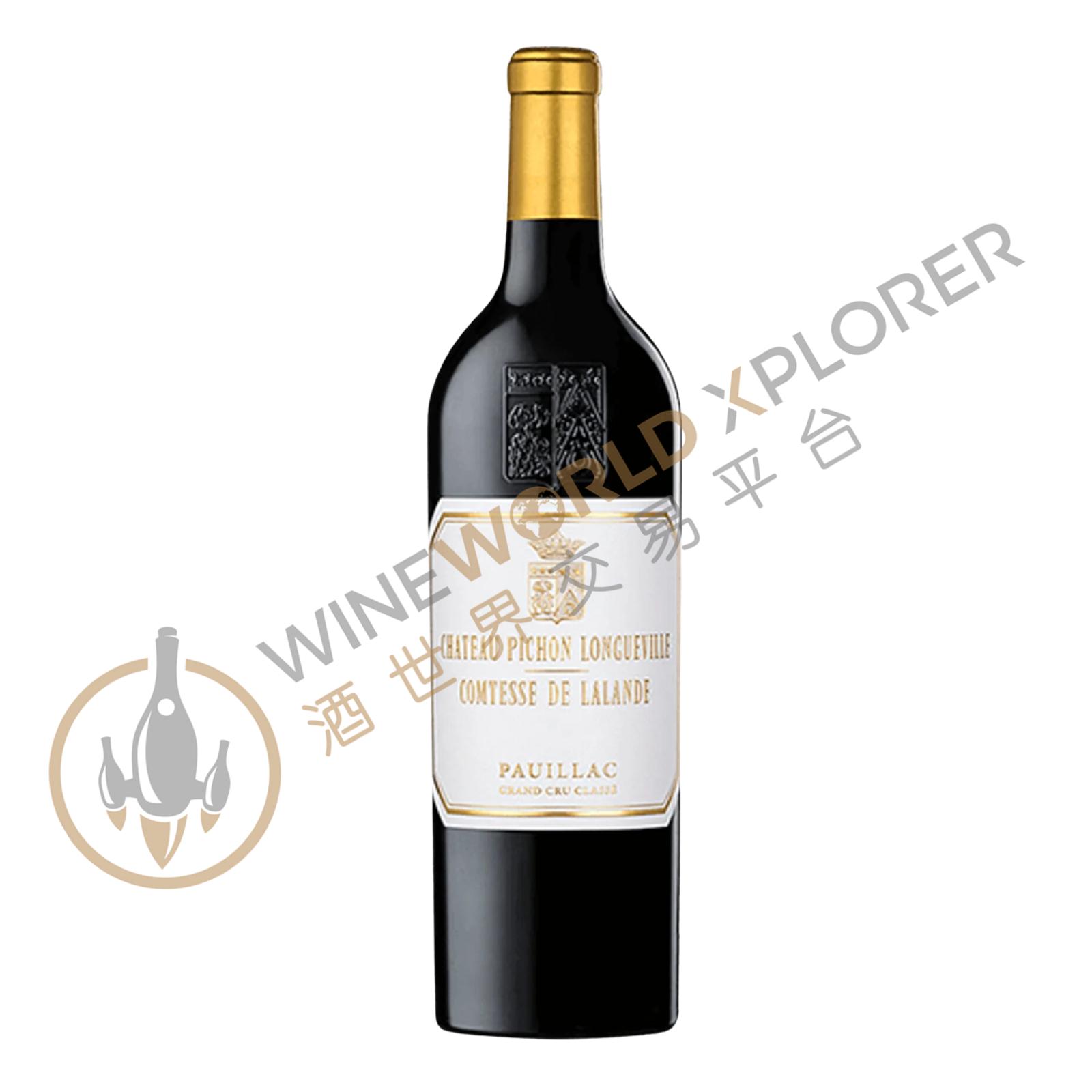
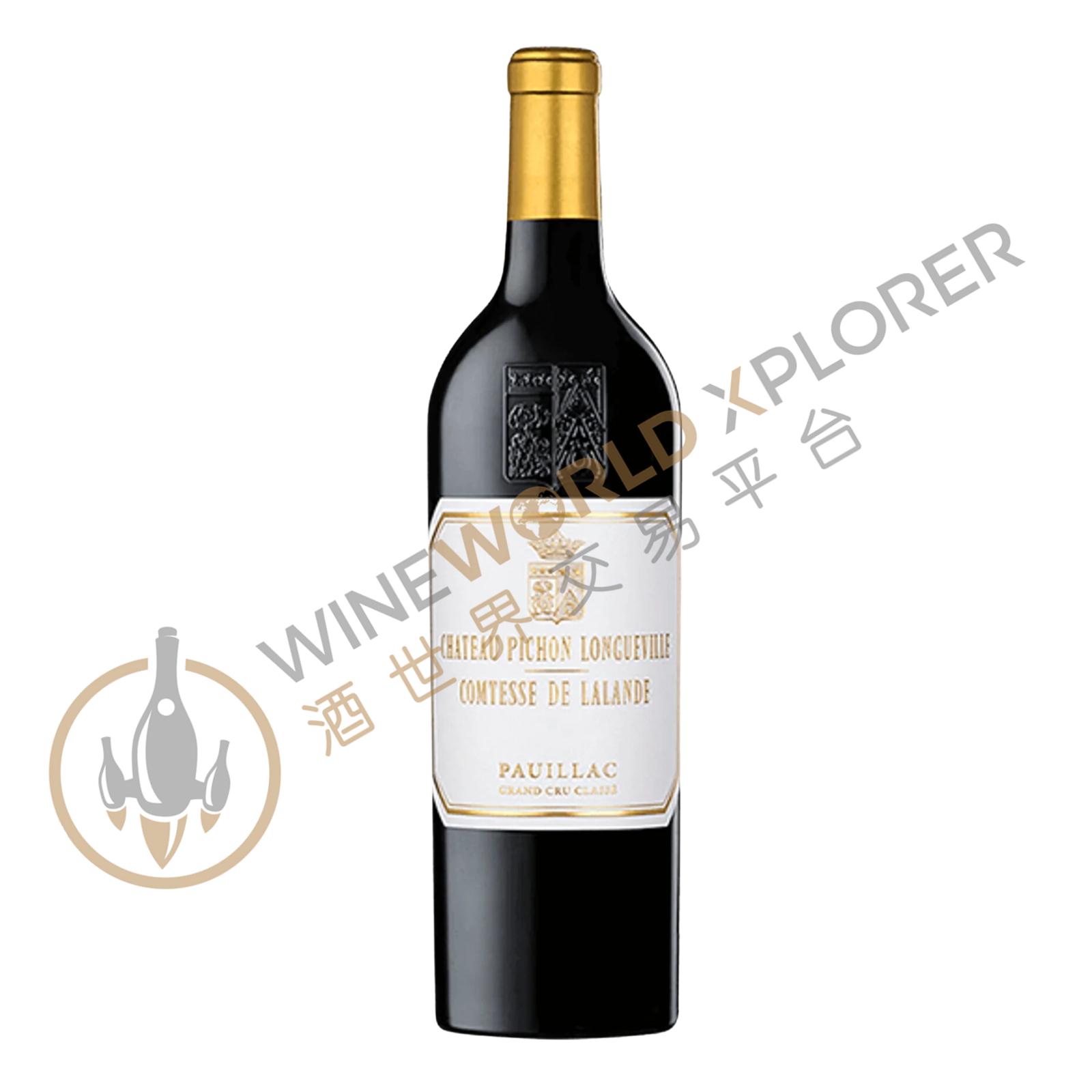
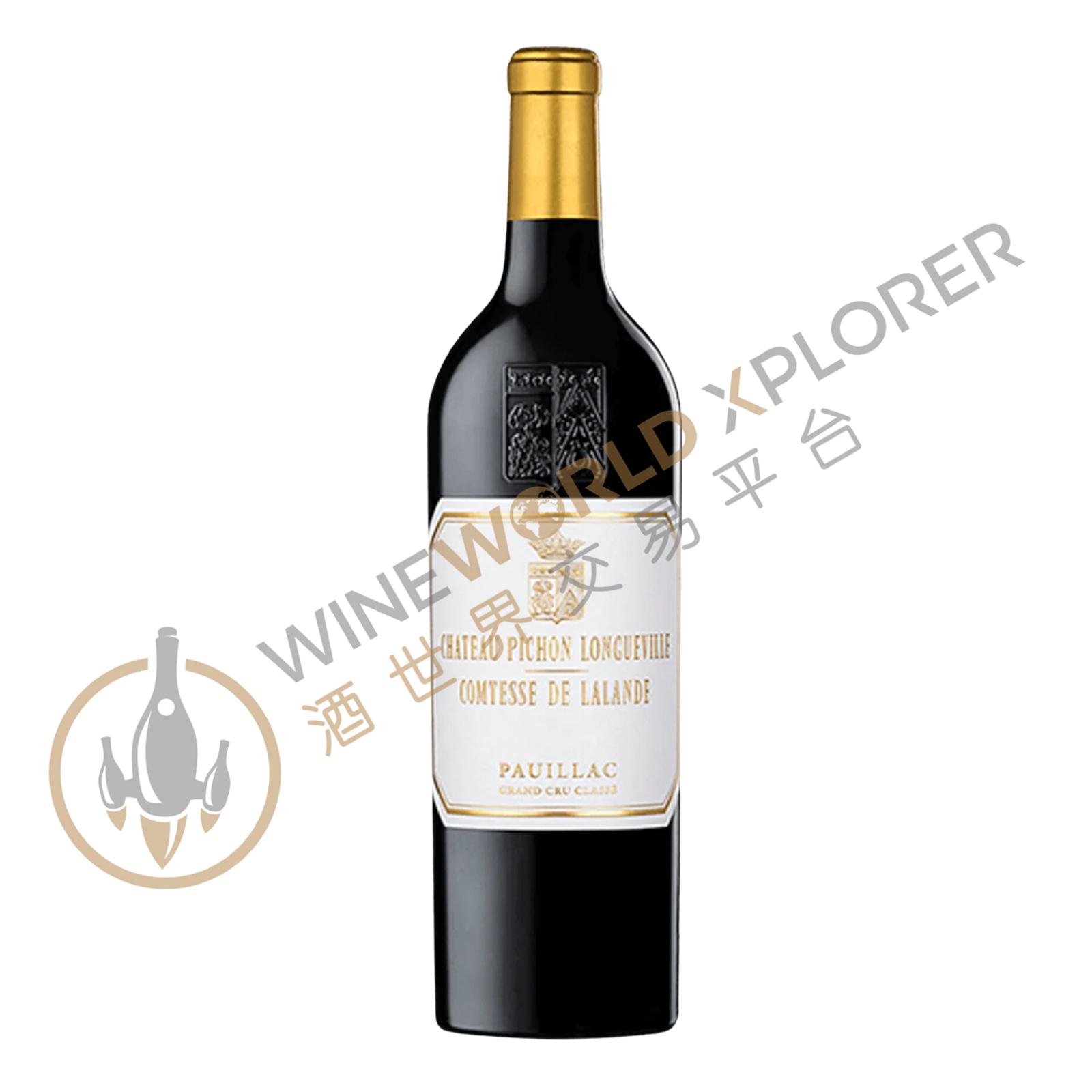
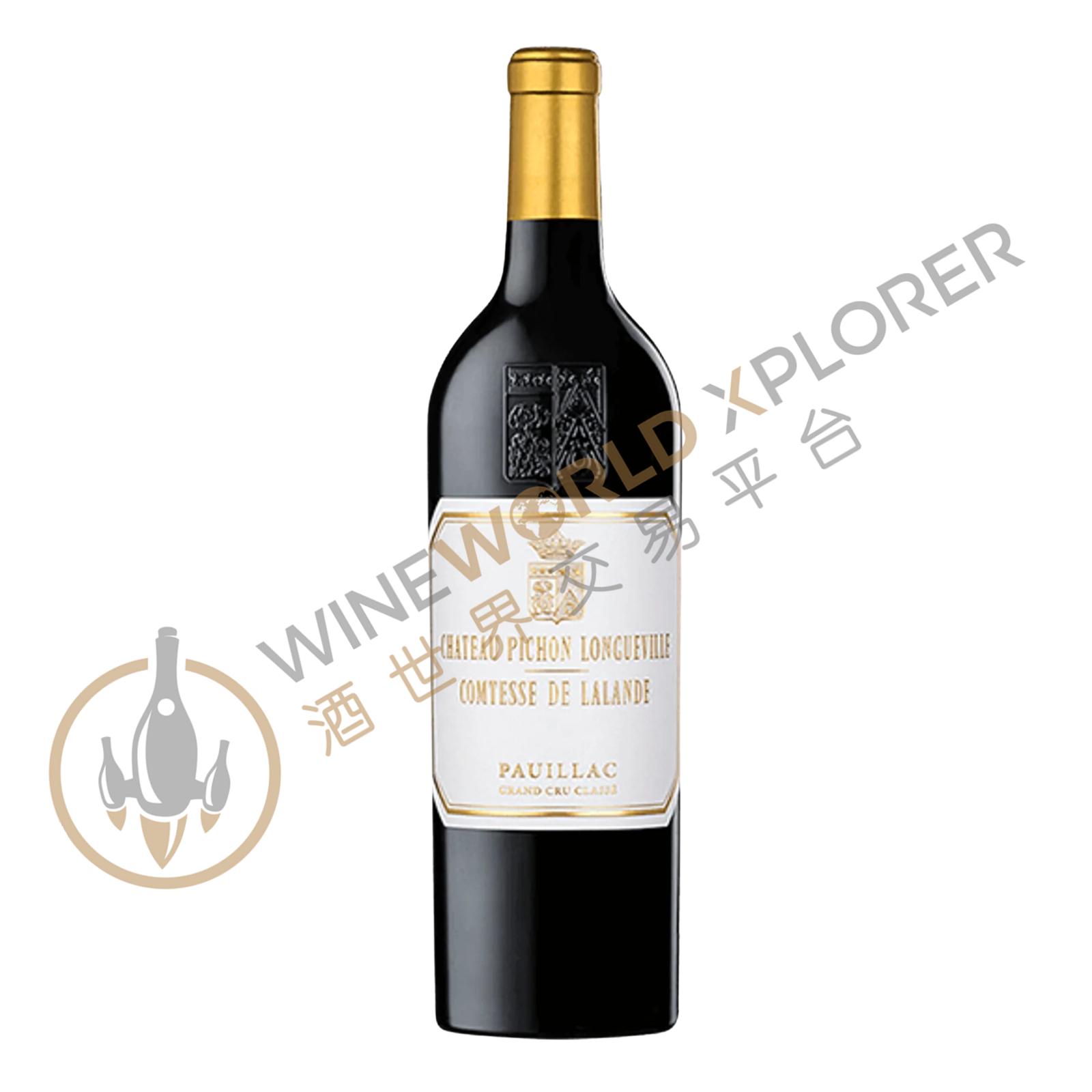
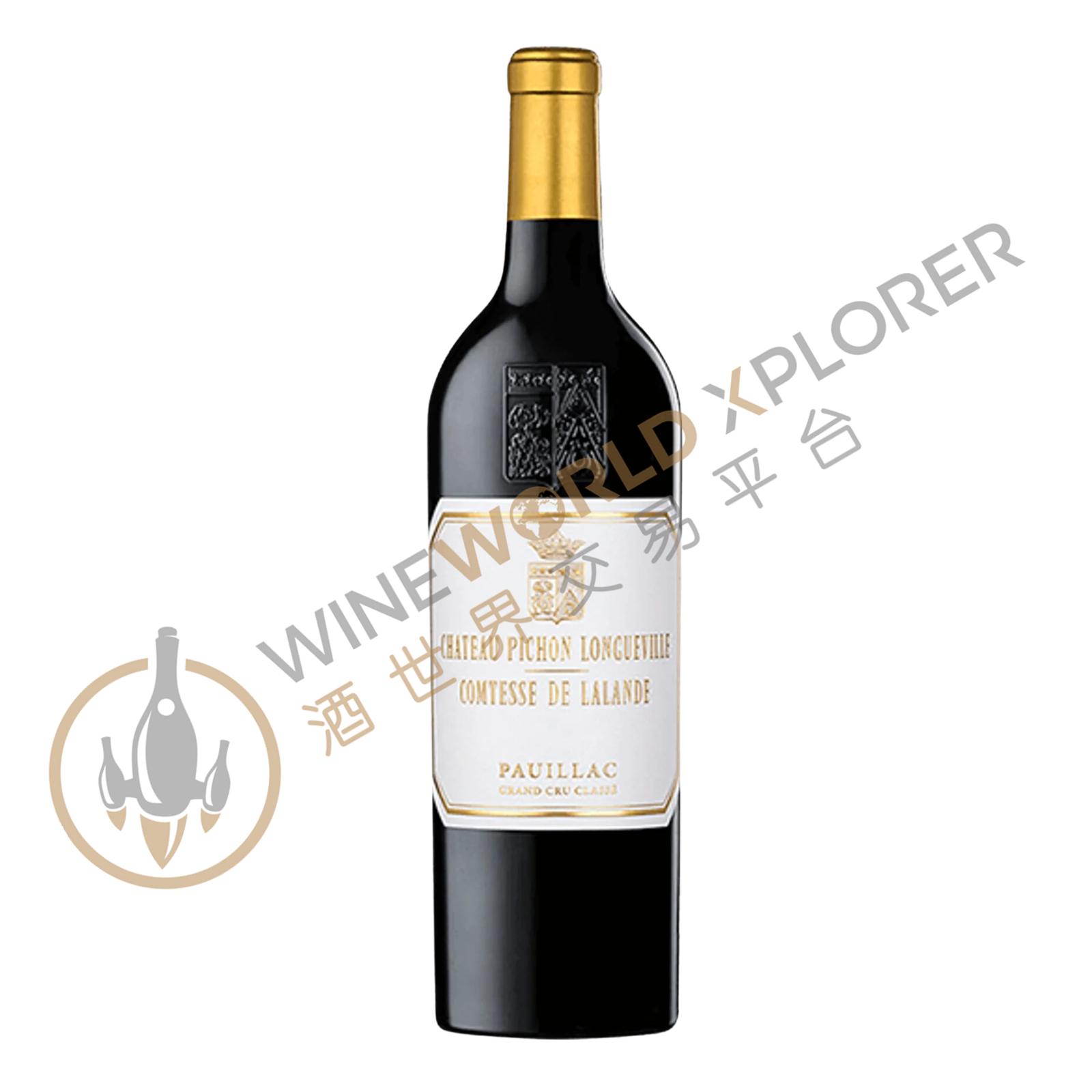
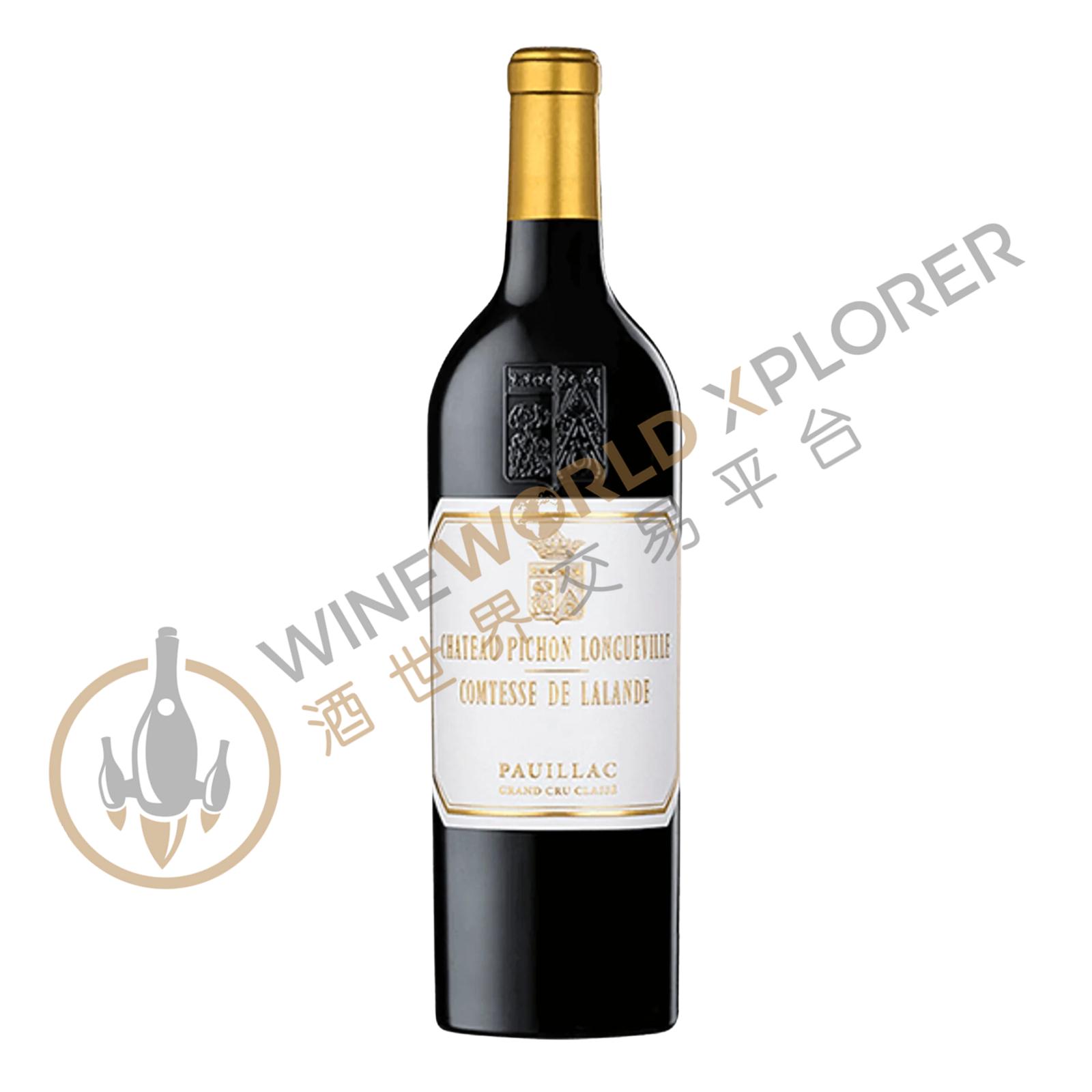
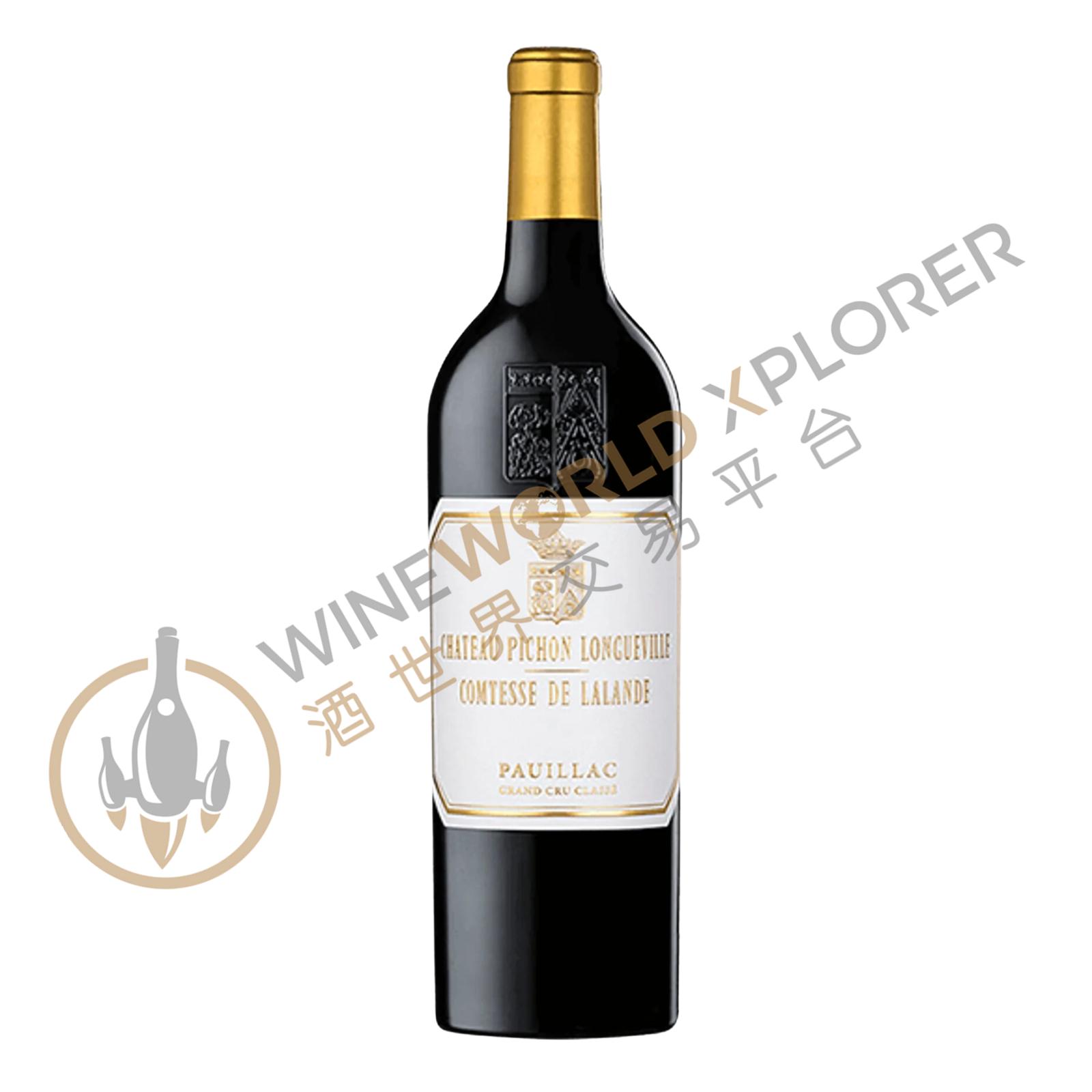
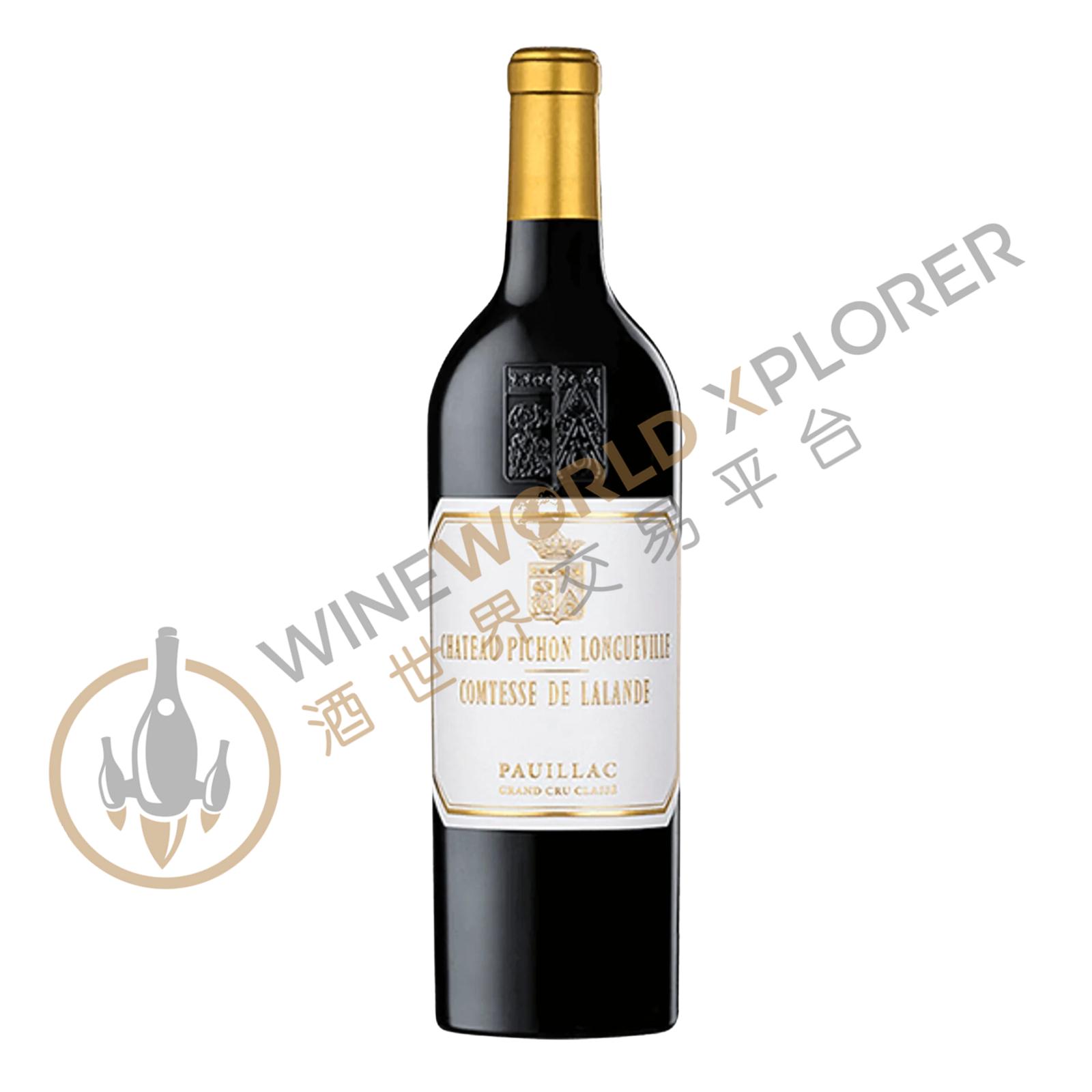
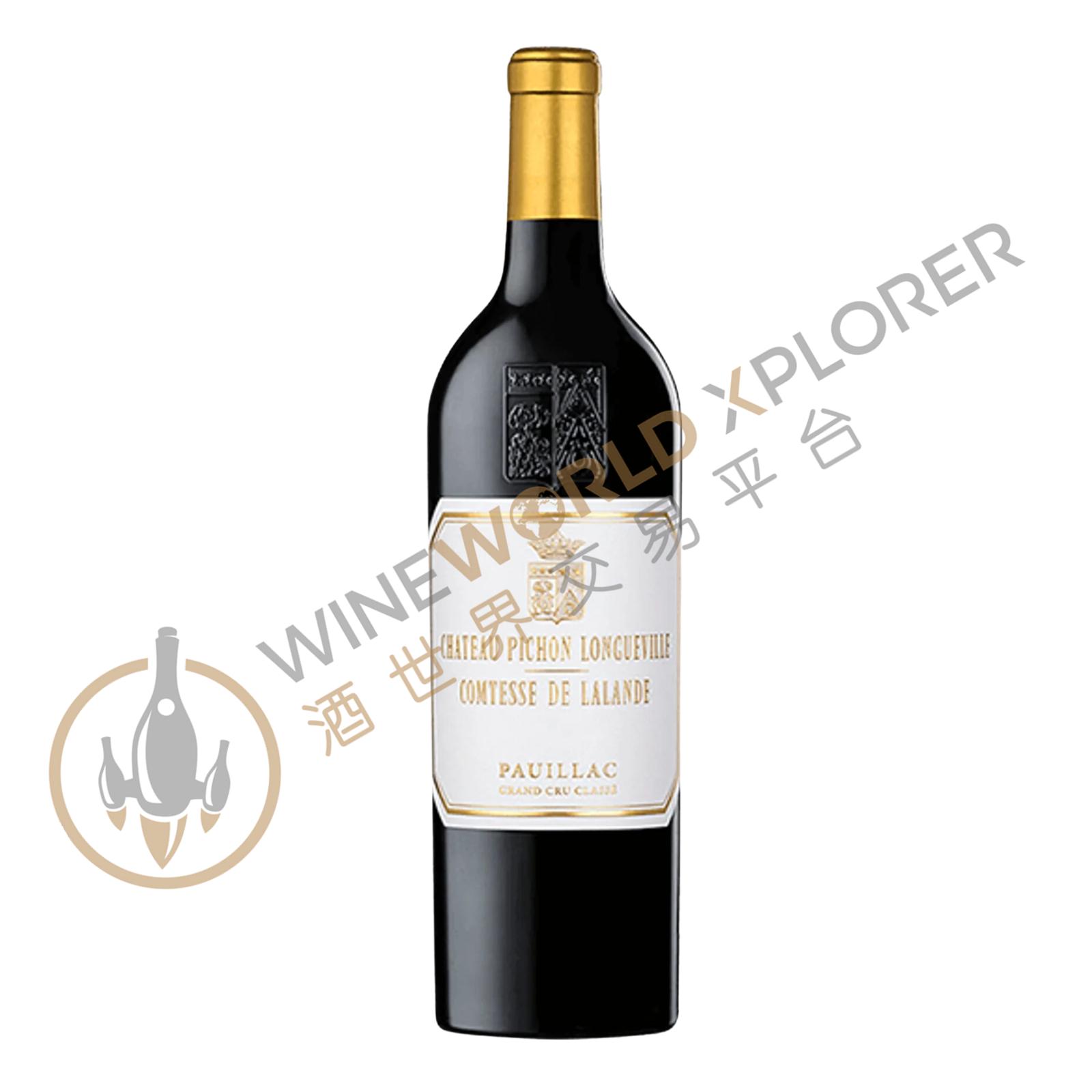
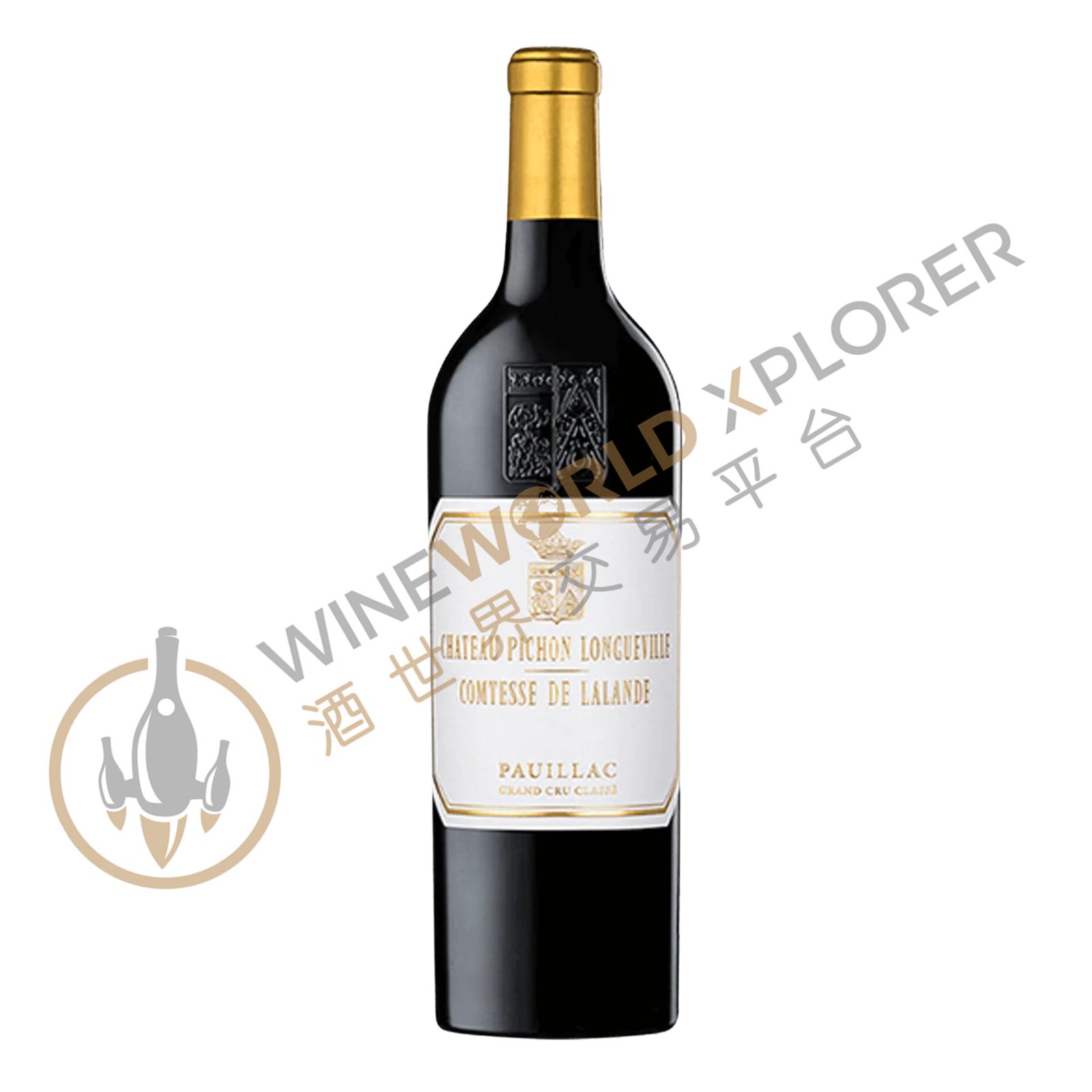
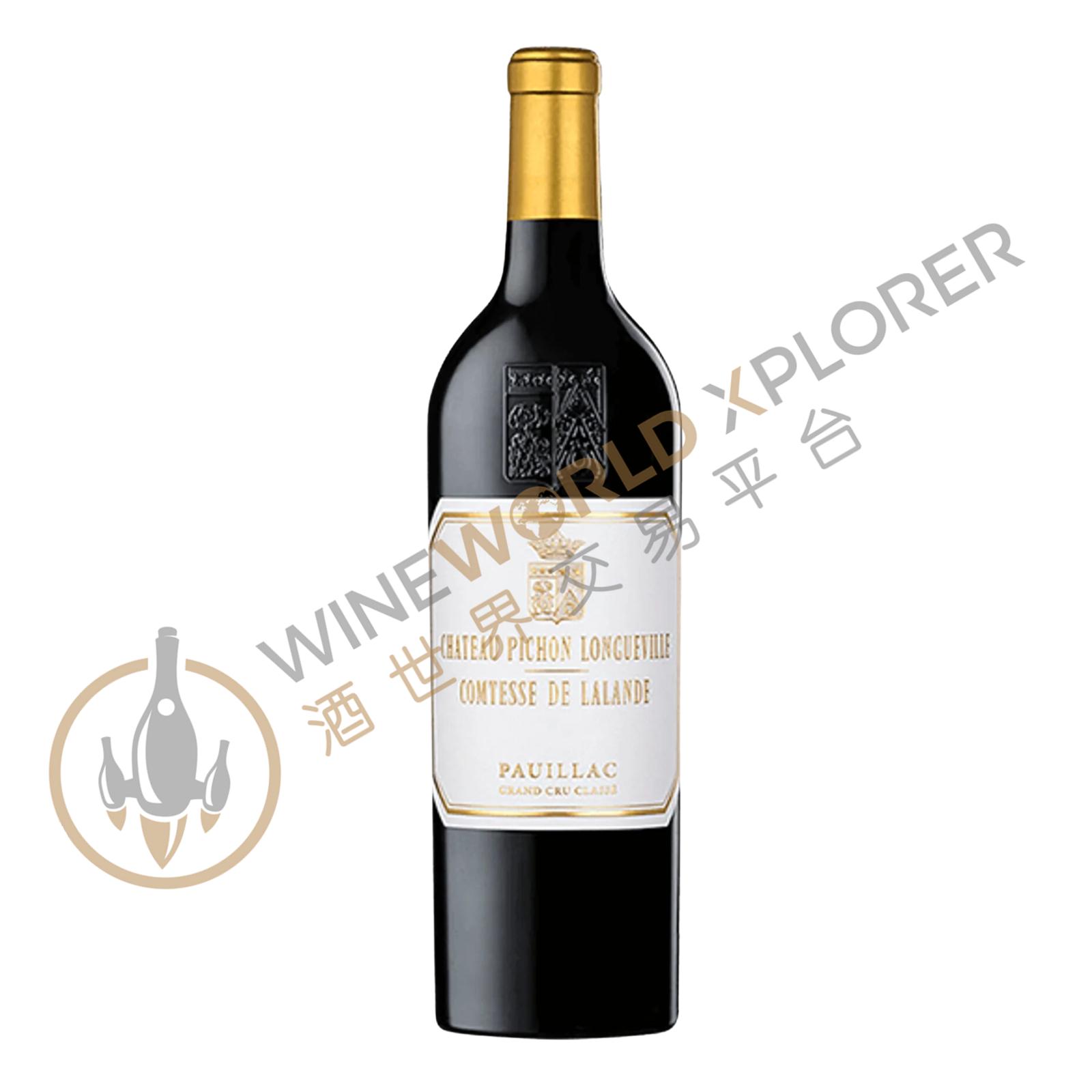
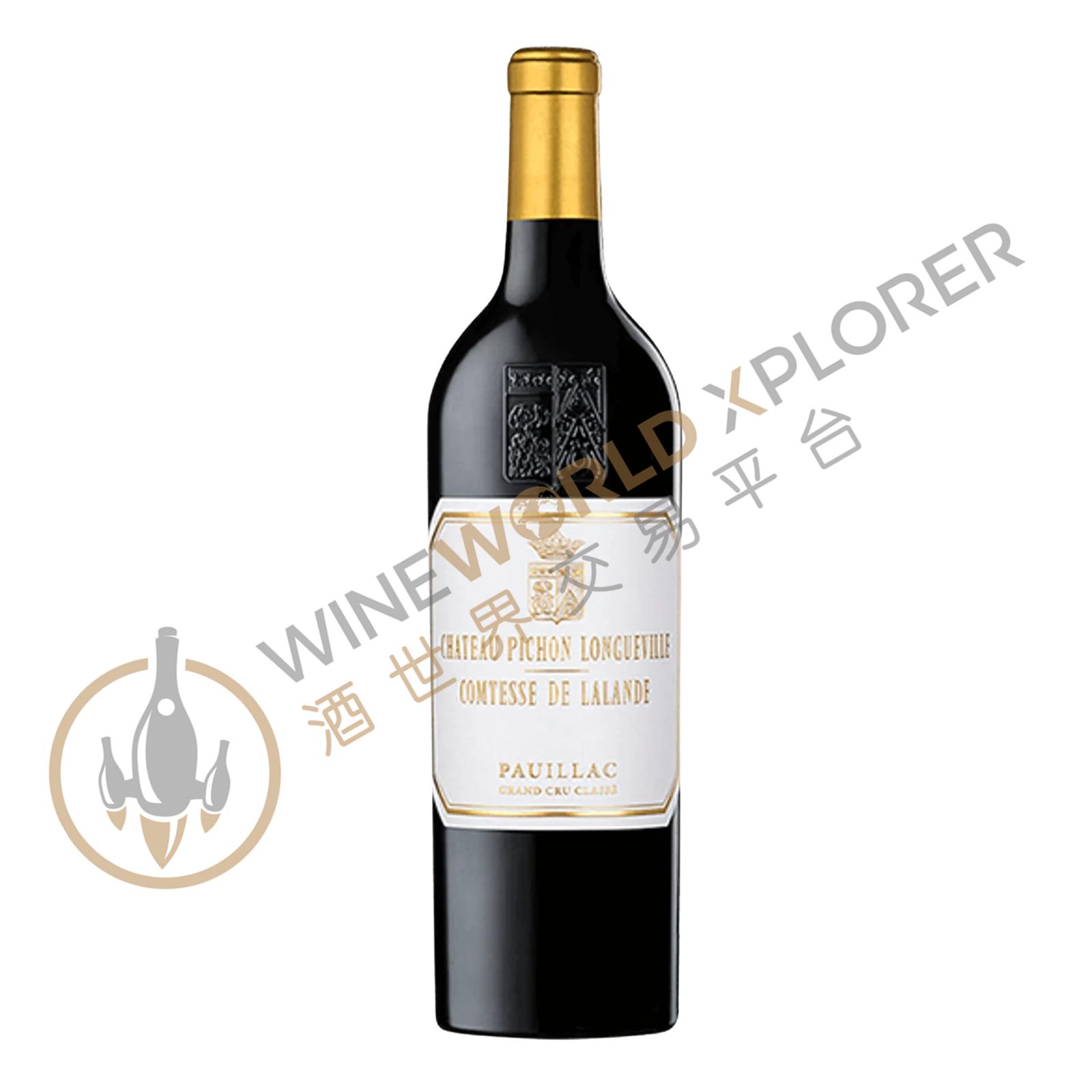
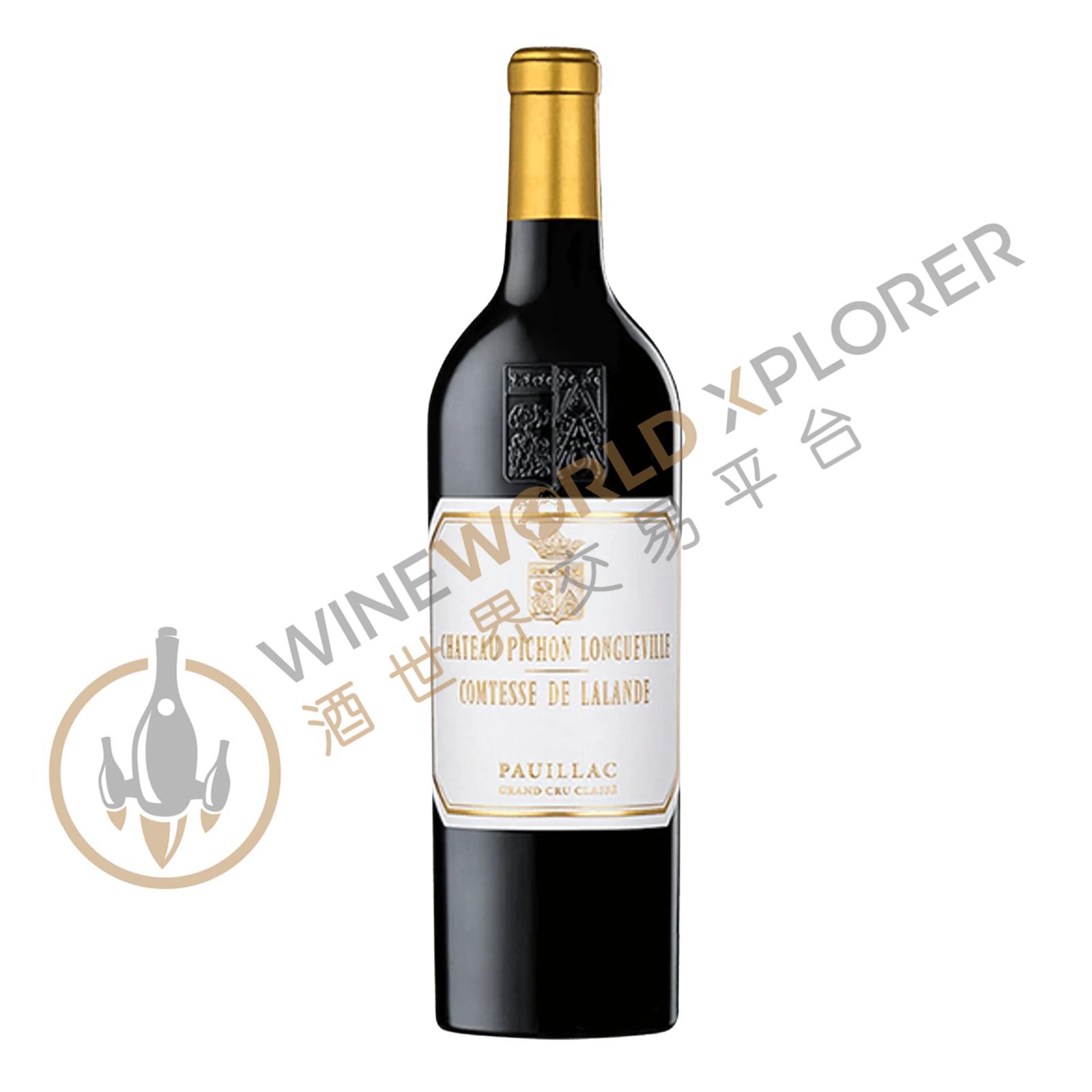
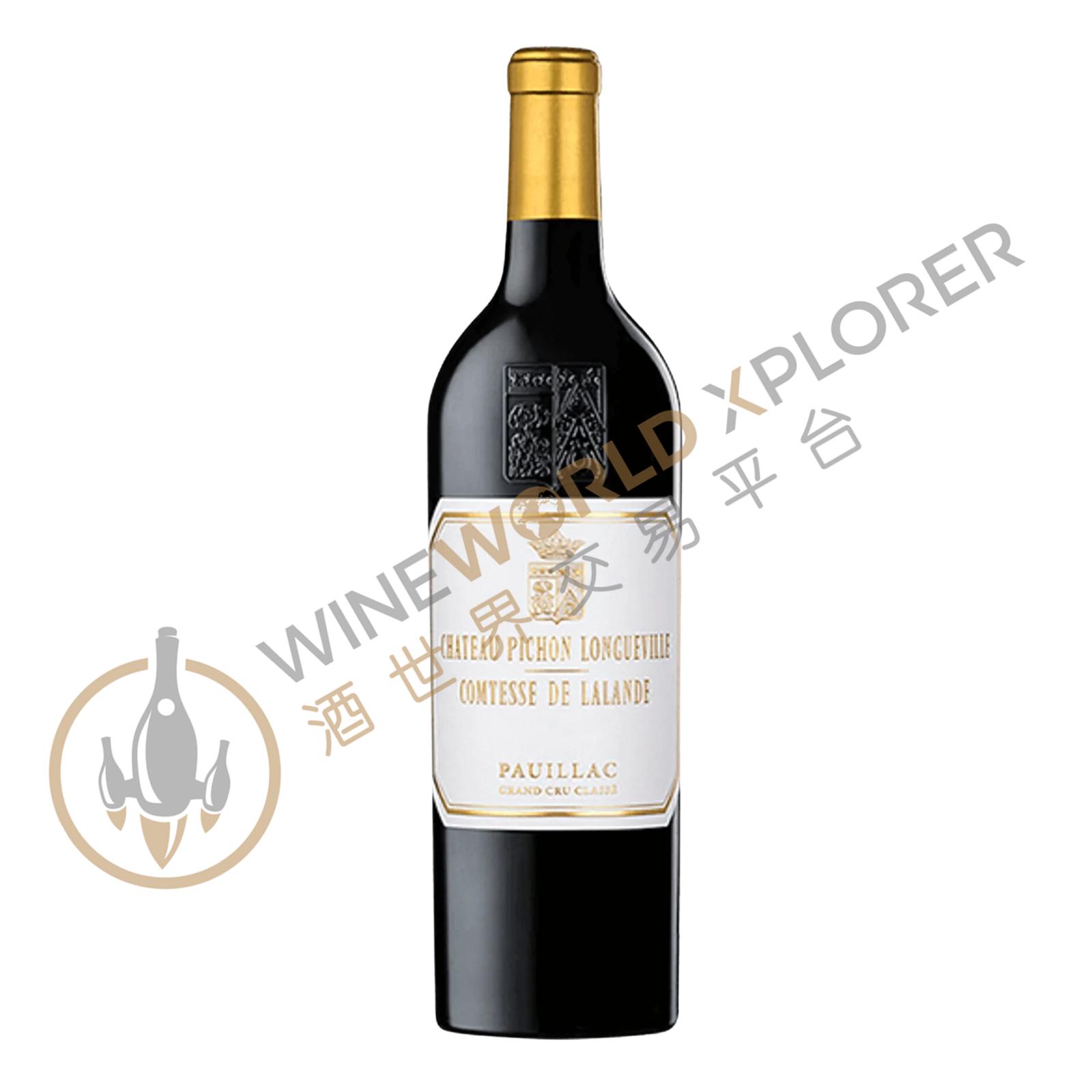
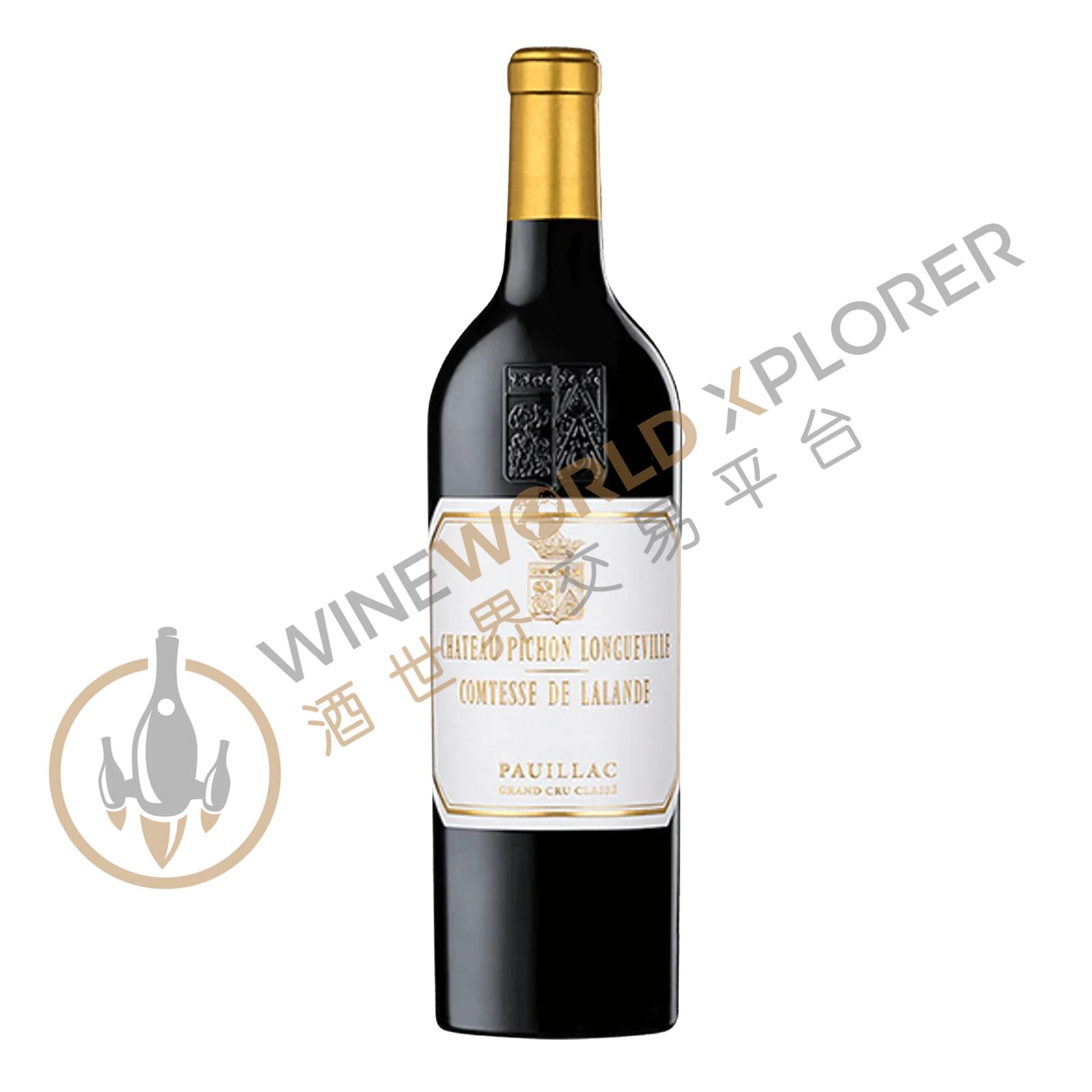
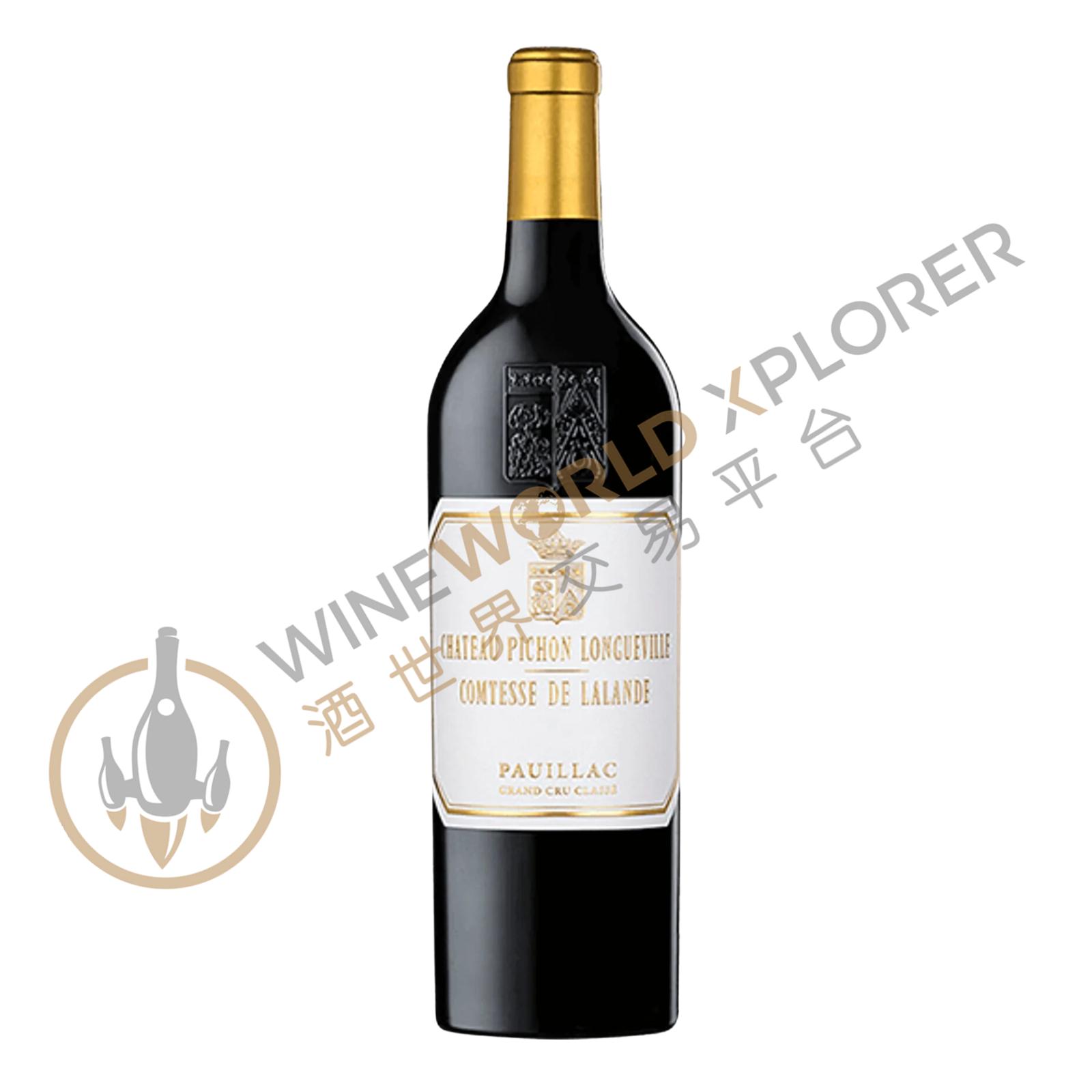
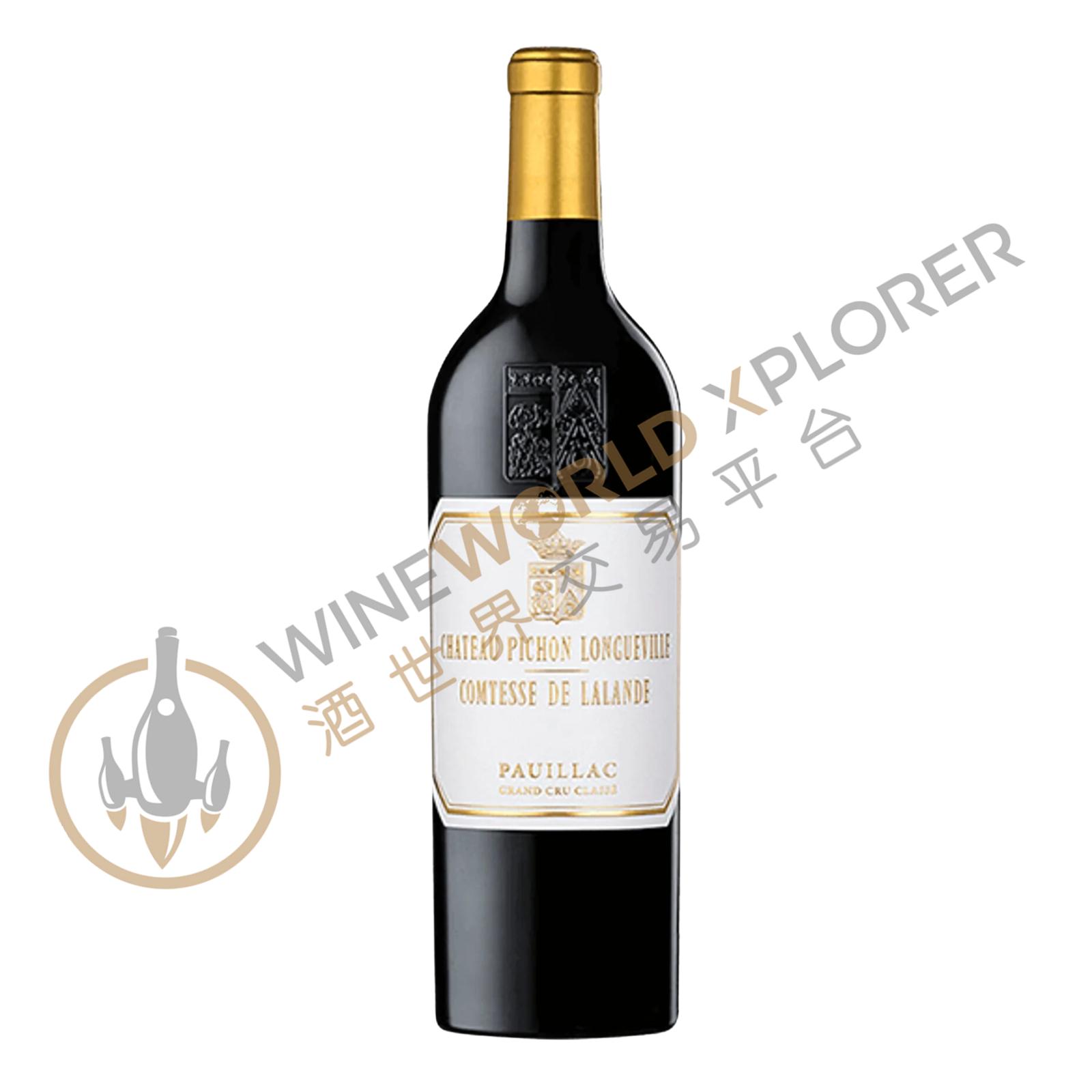
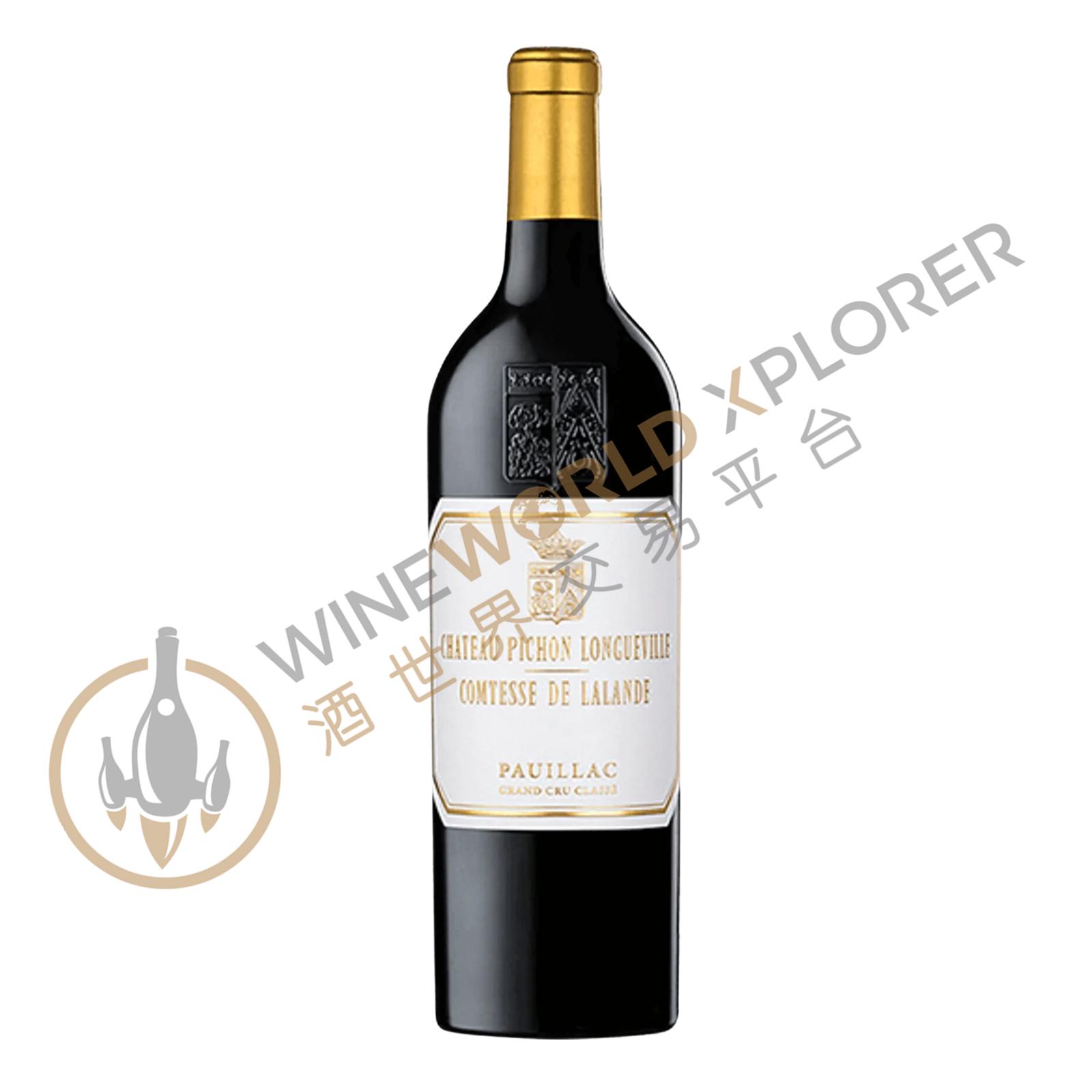
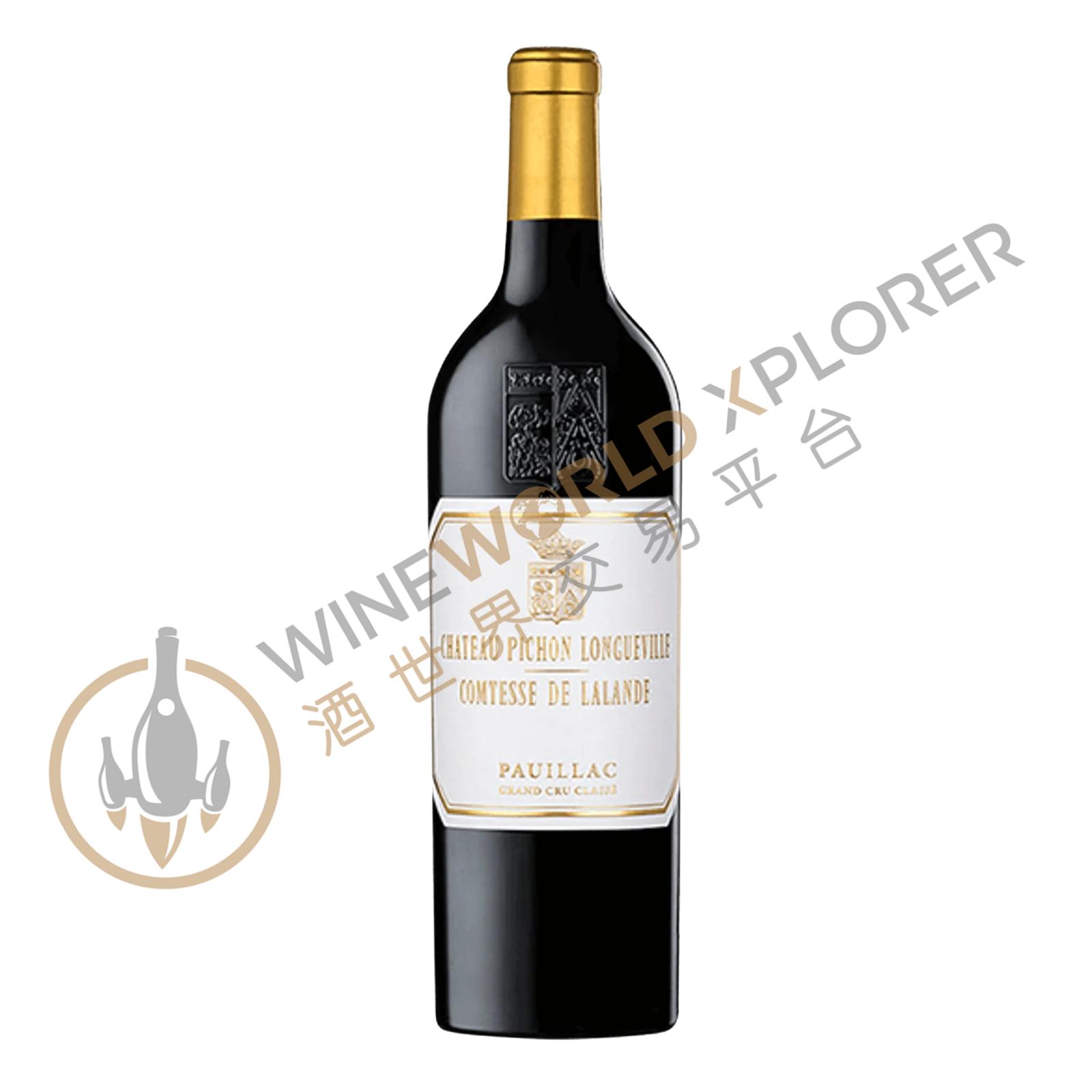
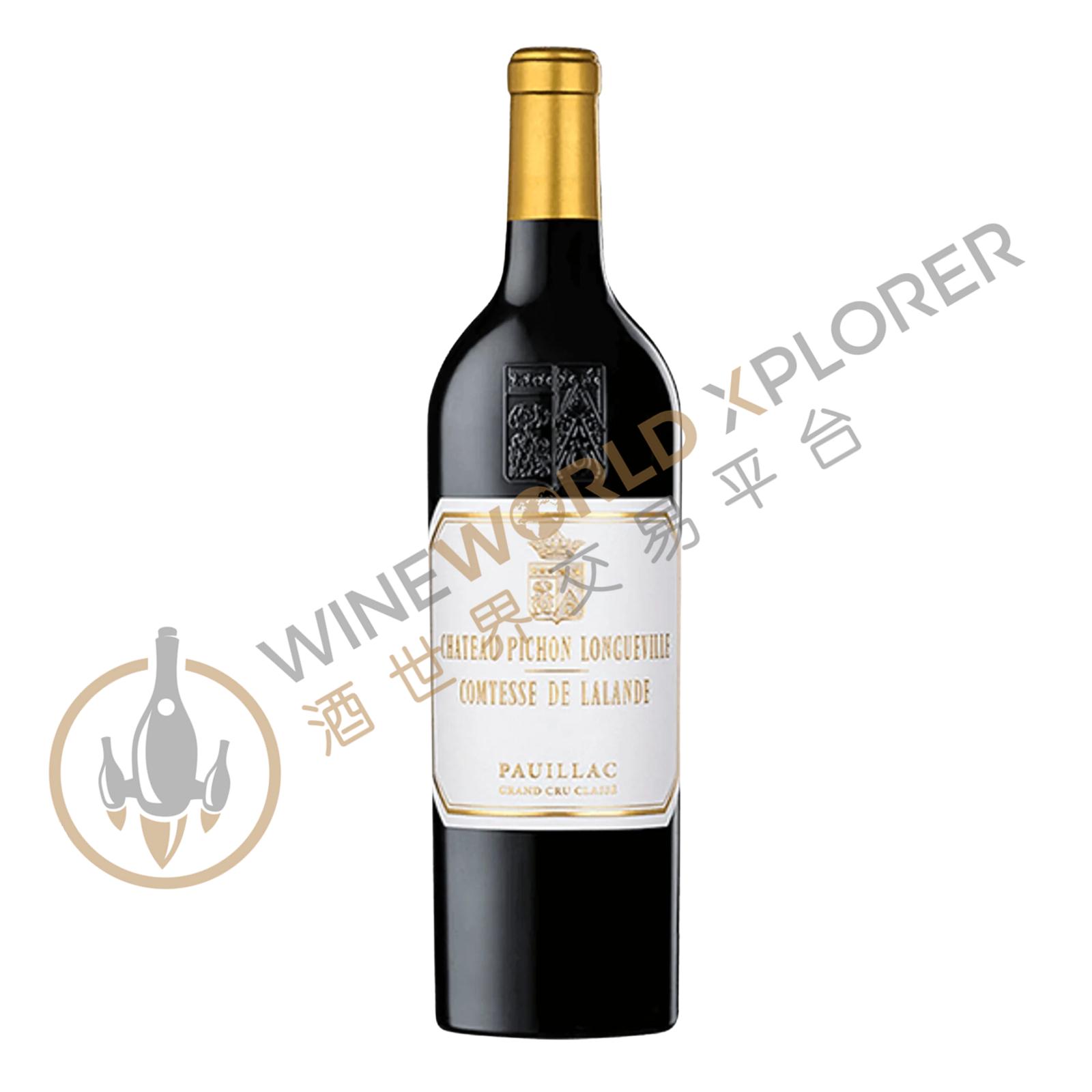
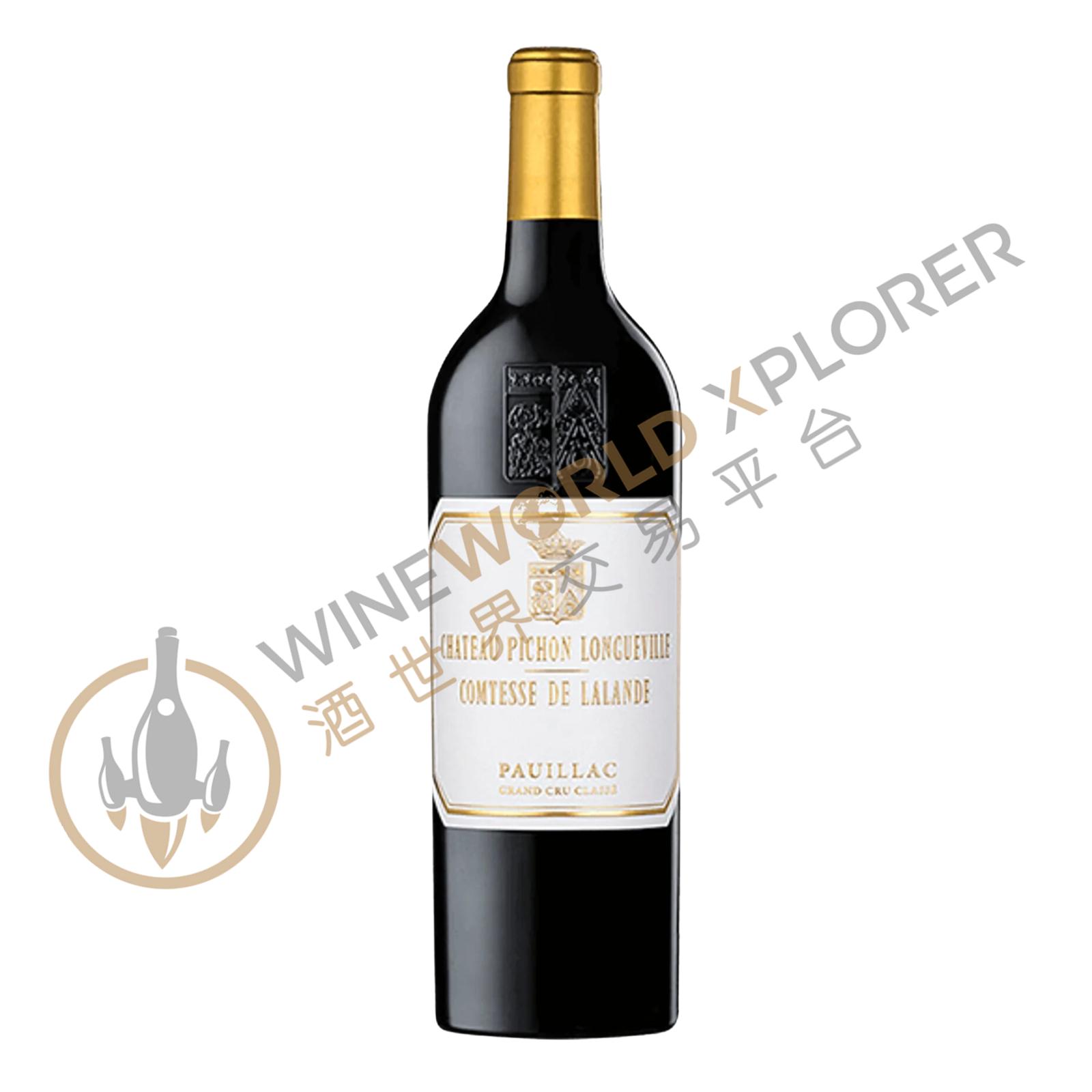
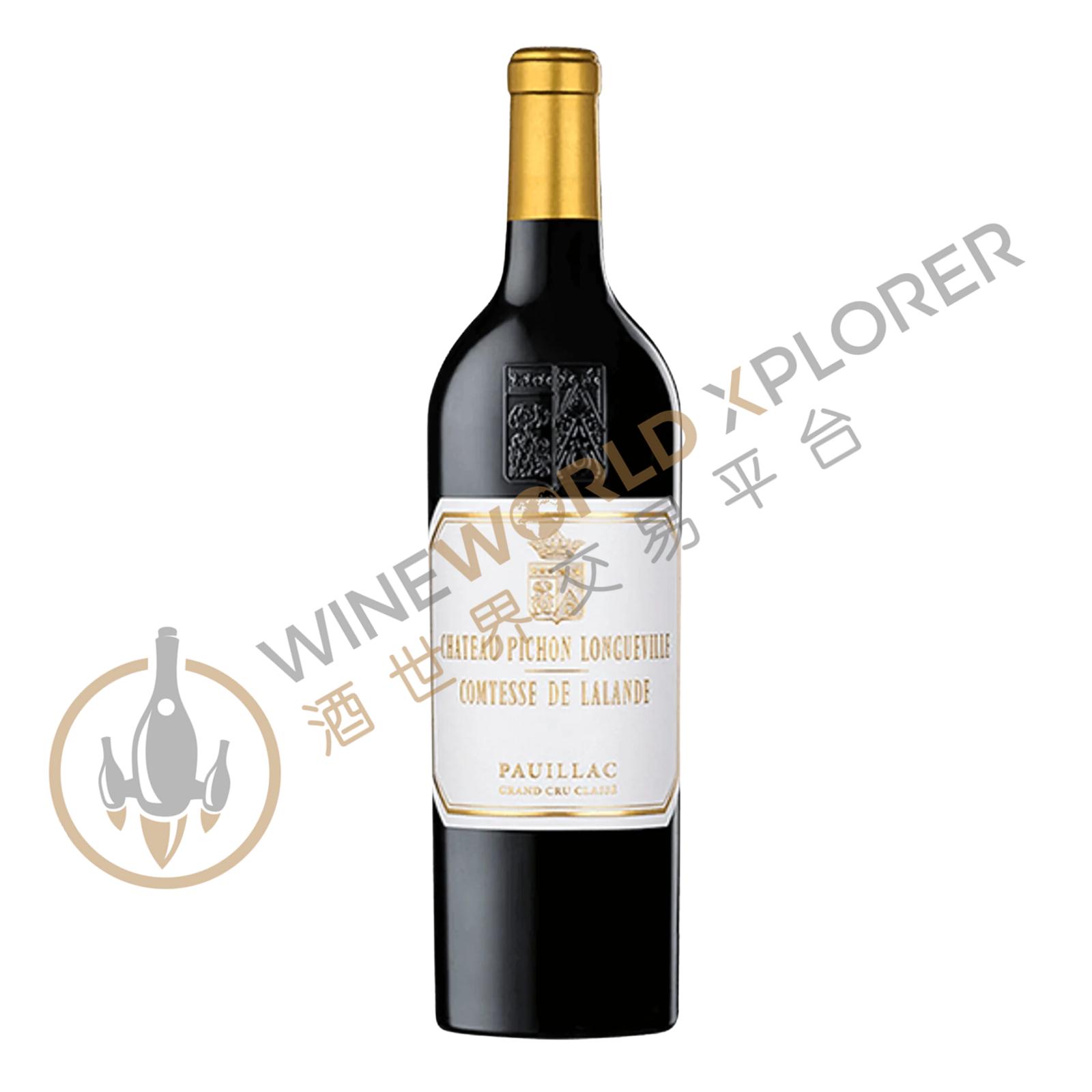
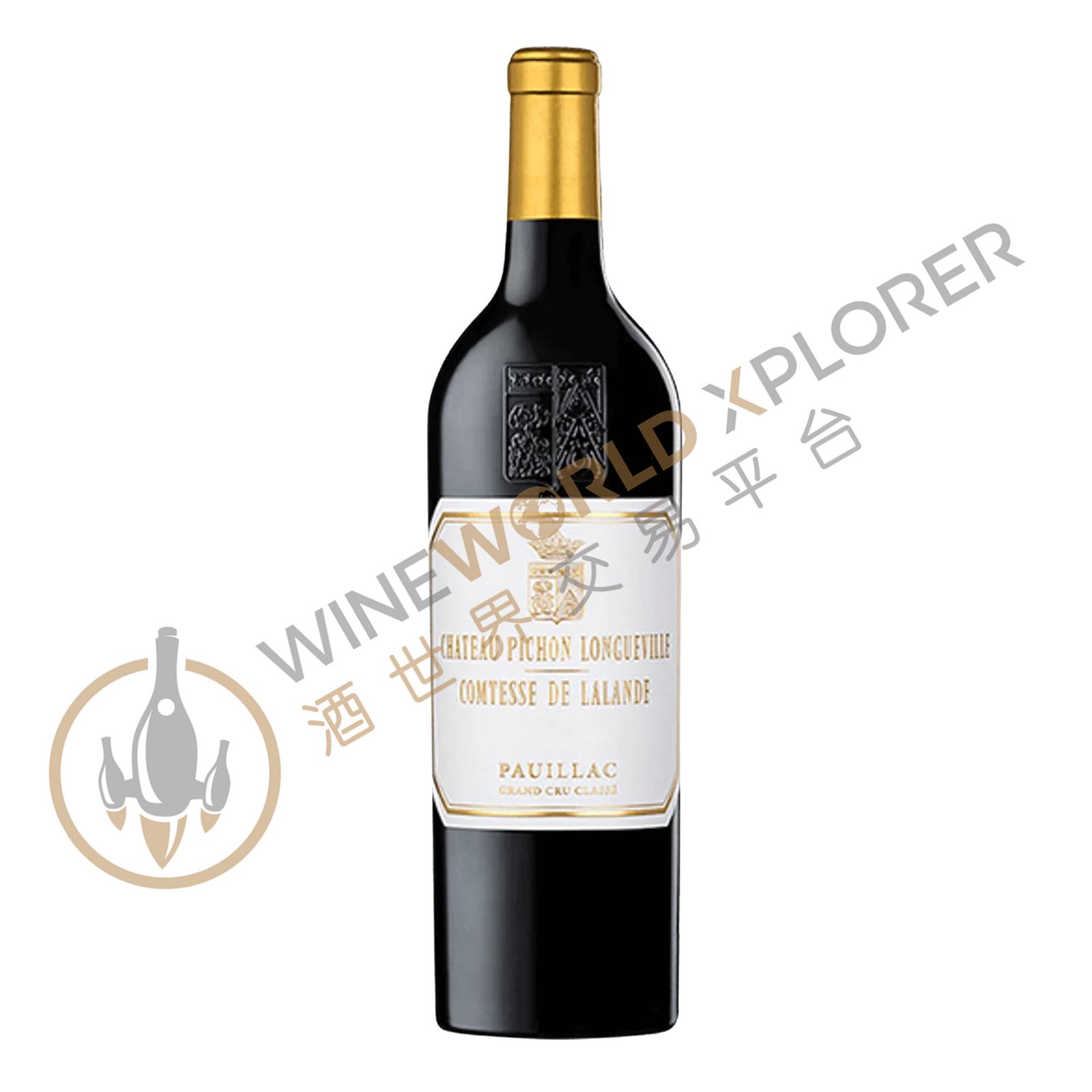
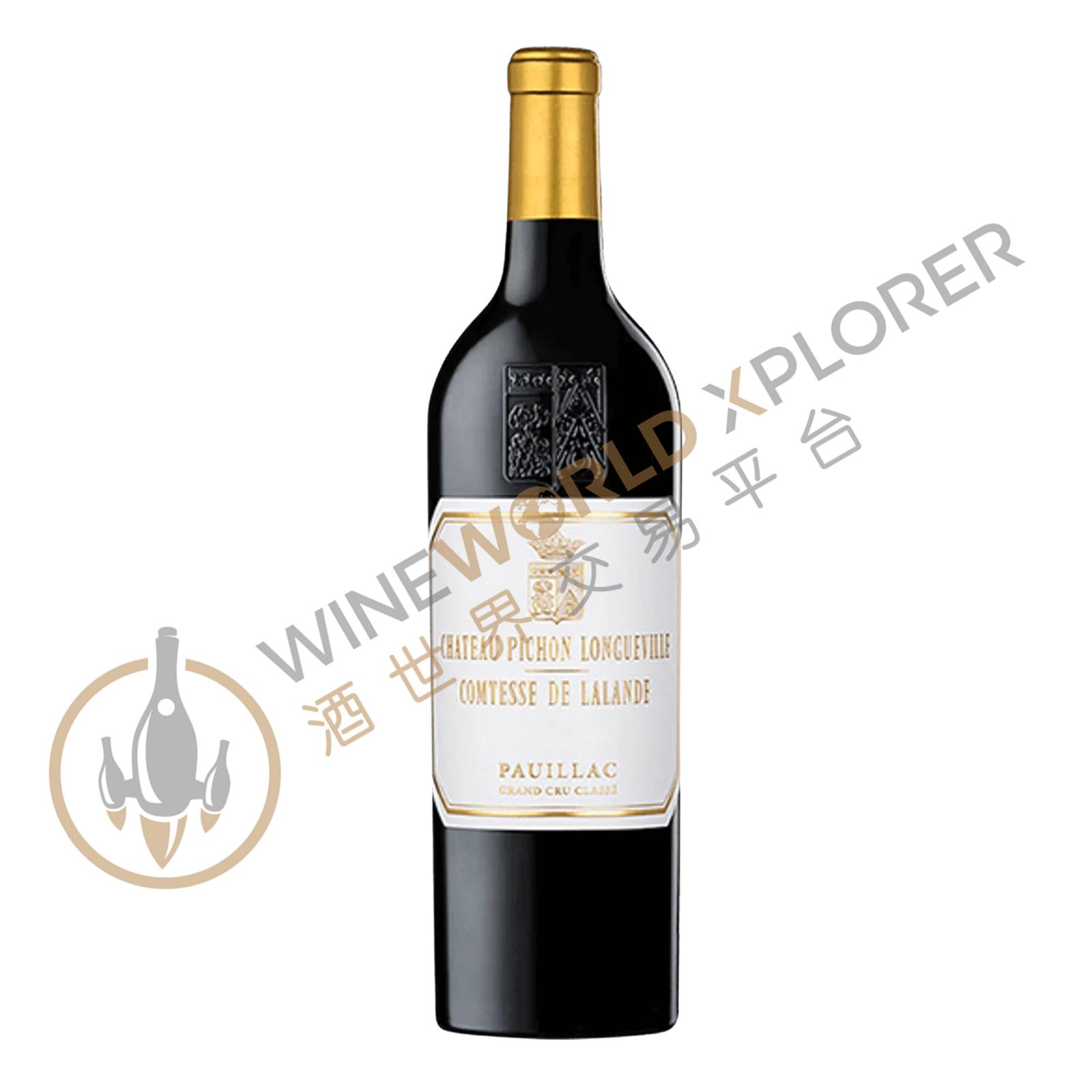
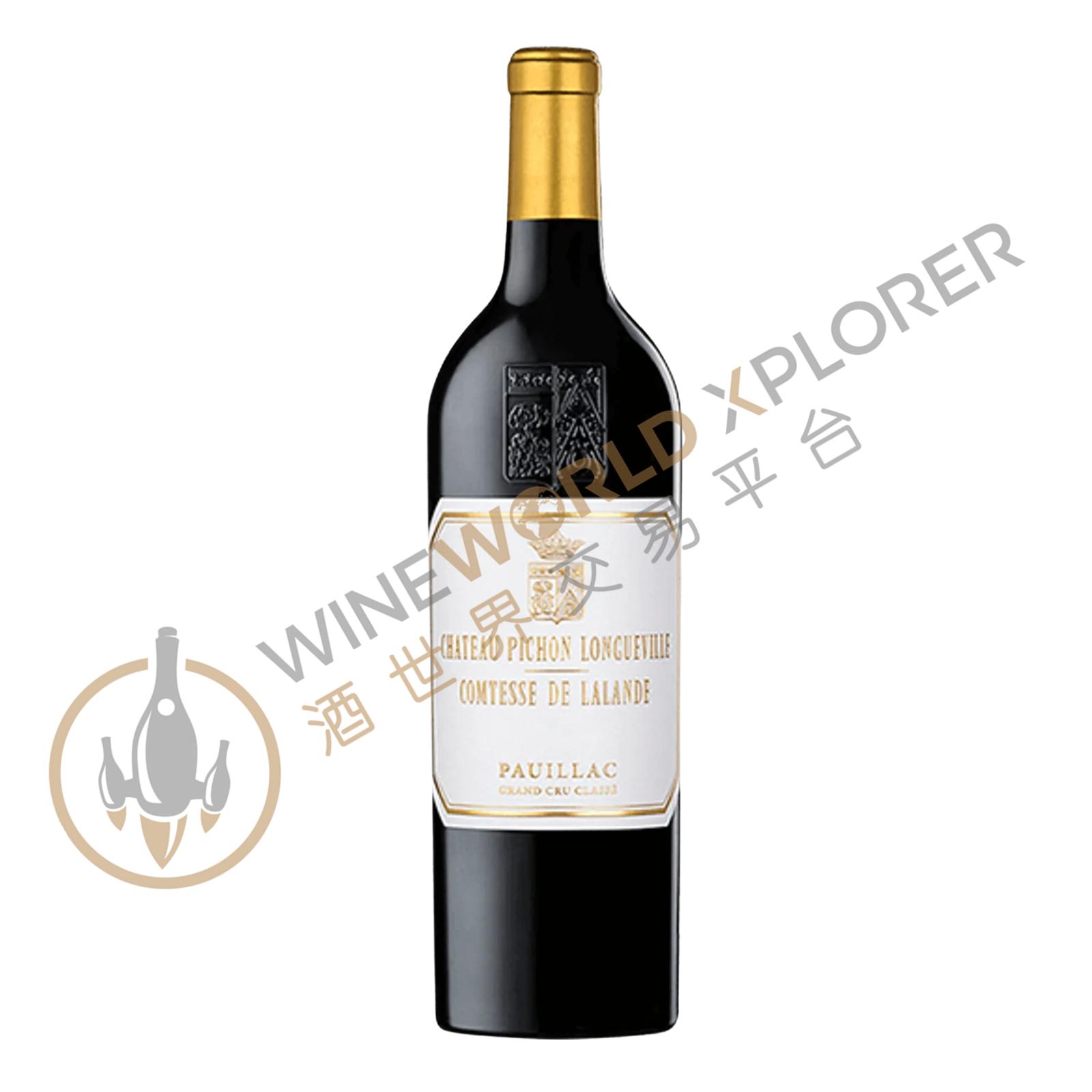
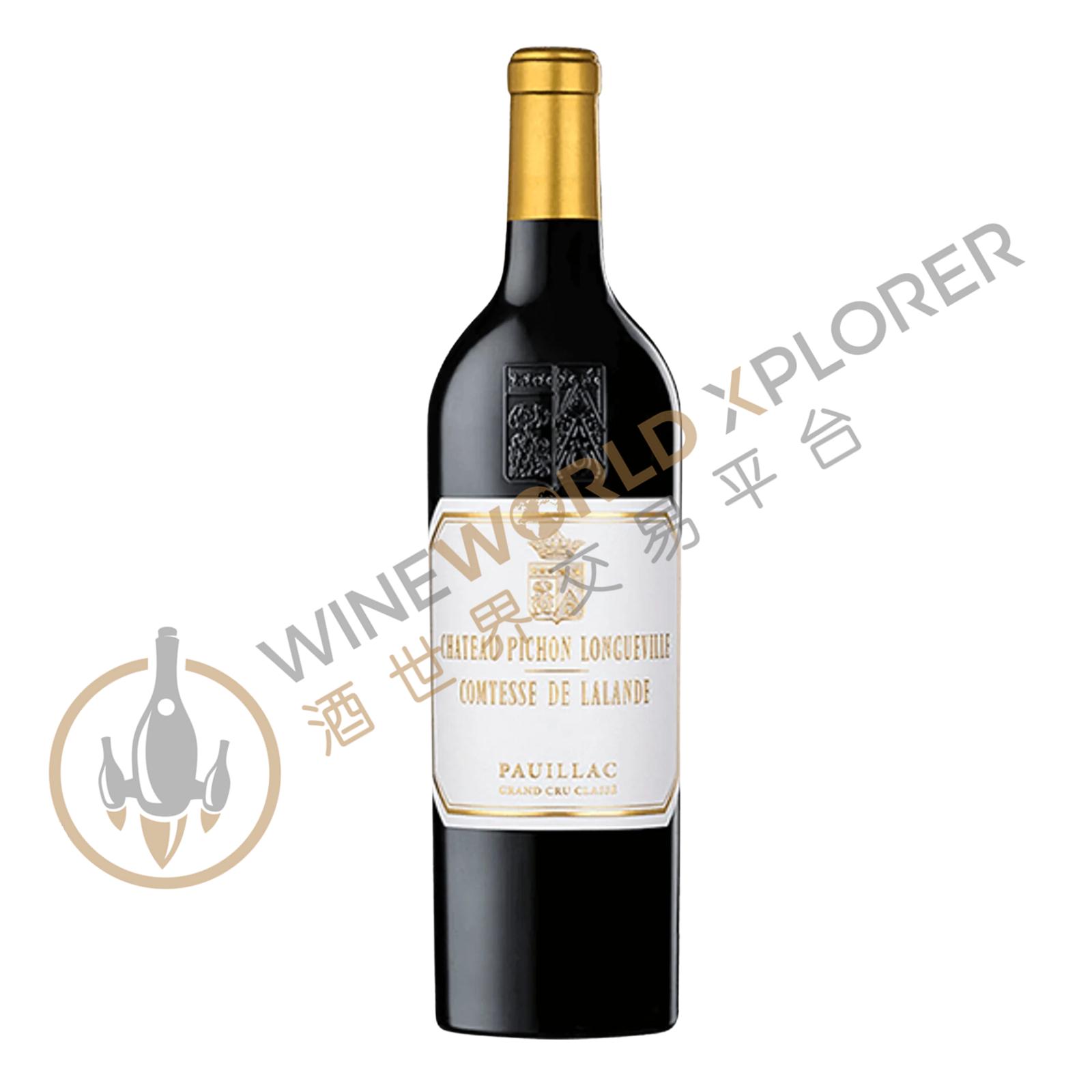
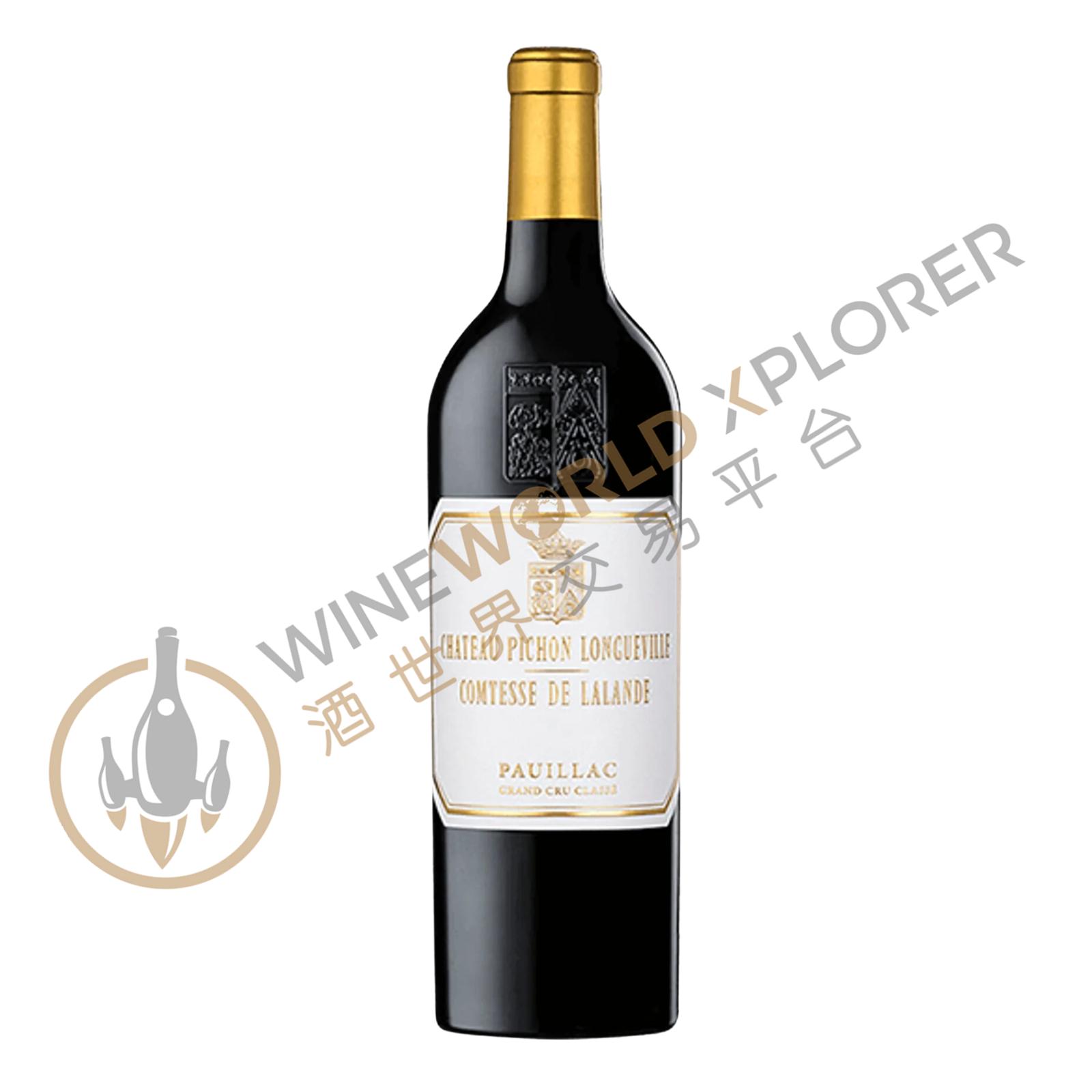
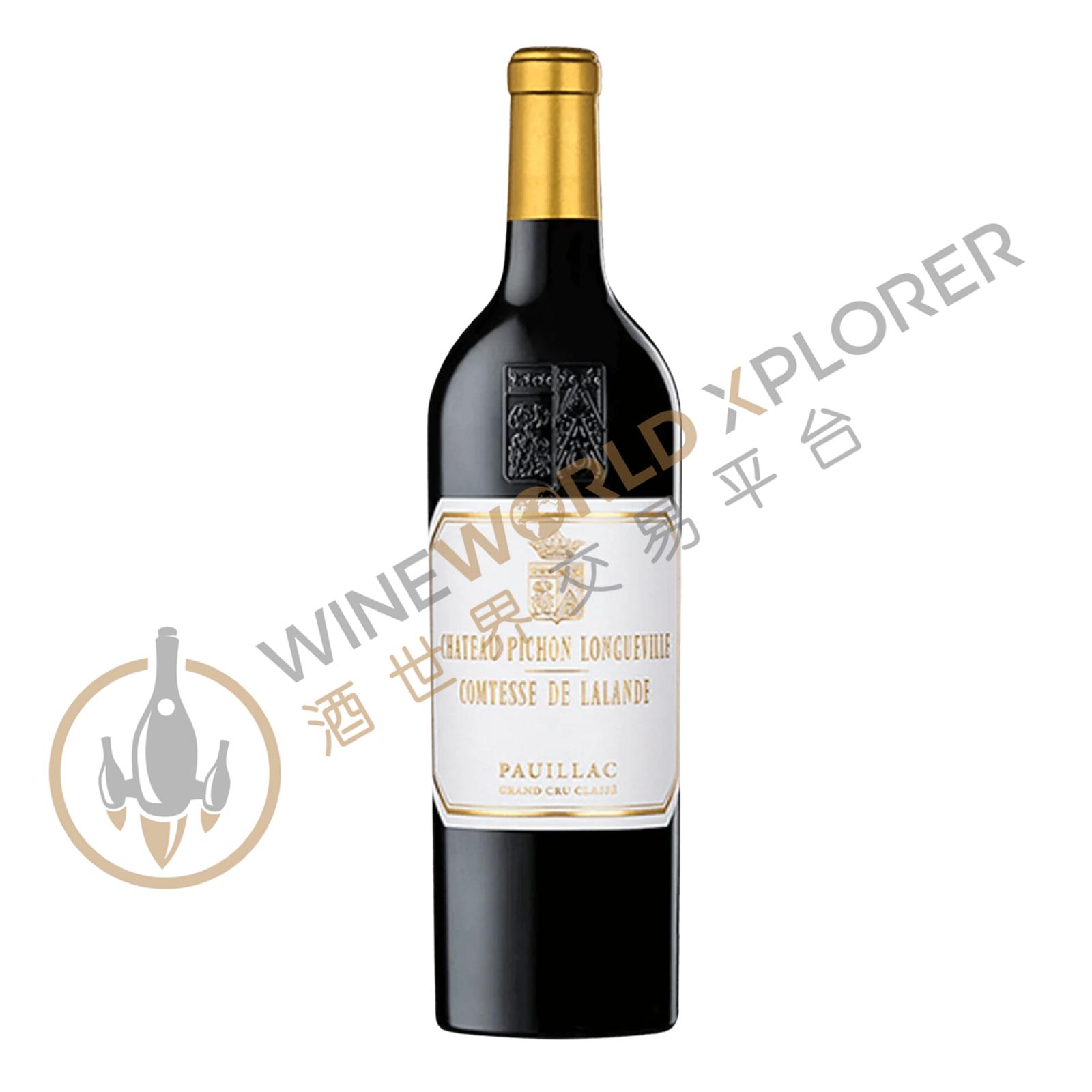
Pichon Lalande 2011
 View analysis


Description
Tasting notes

Reviewed by: Robert M. Parker, Jr.
The dark ruby/plum-colored 2011 Pichon Longueville, Comtesse de Lalande is an elegant, suave, medium-bodied effort with abundant black cherry and red and black currant fruit. Nearly St.-Julien-like in its texture and personality, this is a well-made, finesse-styled Pauillac to drink over the next 10-15 years.
Reviewed by: Neal Martin
The headline is that this vintage of Pichon Lalande has the highest percentage of Cabernet Sauvignon ever: 78% accompanied by 8% Merlot, 12% Cabernet Franc and 2% Petit Verdot. It is aged in 60% new oak and has an IPT of 75. It has a very strict bouquet, obviously dominated by the Cabernet with notes of blackcurrant, tobacco, graphite, a hint of Christmas cake and that tincture of blood orange evident in the second wine. The palate is medium-bodied with a linear, conservative entry that expands nicely in the mouth. It has fine acidity, good tension, fine weight but it is very tightly wound, more so than usual at this nascent stage. Leaving it aside, there is a hint of Lapsong Souchang and graphite towards the finish that shows a little hardness, but that should soften by the time of bottling. A very Pauillac-like Pichon, perhaps the little brother of the 1996? Tasted twice with consistent notes. Tasted April 2012.
Reviewed by: Robert M. Parker, Jr.
Only 40% of the crop made it into the grand vin, which achieved 12.95% natural alcohol. The final blend for the 2011 Pichon Lalande was 78% Cabernet Sauvignon, 12% Cabernet Franc, 8% Merlot and 2% Petit Verdot. Under the administration of the new owners, the Merlot component has been dramatically reduced in favor of more Cabernet Sauvignon in the final blend. A strong effort, the 2011 boasts a dense ruby/purple color and abundant aromas of black currants intermixed with unsmoked cigar tobacco, serious body, more concentration than most of the classified growths, and a bigger, more structured style that may suggest a subtle change in the winemaking philosophy at this estate. This impressive wine is one of the vintage’s most interesting efforts. It should drink well for 15-20 years.
Reviewed by: Antonio Galloni
My impression is that the 2011 Pichon Lalande will have its day, one day. For now, big, burly tannins give the 2011 a decidedly monolithic feel. To be sure, there is plenty of fruit density and power lurking in the glass, but the 2011 needs more time in bottle before it starts showing at its best. Two thousand-eleven was marked by an unusual weather pattern in which spring was quite warm and dry, but then summer was cool.
Reviewed by: Ian d'Agata
Deep ruby. Musky, smoke-accented aromas and flavors of dark cherry, blackberry, violet and underbrush. Plush and full-bodied, with suave flavors of dark berries, bitter chocolate, herbs and scorched earth. Shows good depth and density but doesn't have quite the length for outstanding.
Reviewed by: Ian d'Agata
Purple ruby. Perfumed aromas of spicecake, flowers and coffee. Chewy in texture and a bit peppery, with bright flavors of redcurrant, Christmas spices and oak. Finishes bright and long, with a repeating floral quality. This could use a little more flesh but offers lovely balance and is a very successful wine in the context of the vintage.
Reviewed by: Neal Martin
The 2011 Pichon-Longueville Comtesse de Lalande has an intriguing bouquet with blackberry, briary, mint, juniper and a touch of cassis that lends it a Margaux-like allure. The palate is medium-bodied with a very tobacco-driven entry. Impressive depth, fleshier than expected, probably a Pauillac that will drink sooner than others. The shortcoming is just a slight lack of precision and persistency on the finish. Tasted blind at the annual 10-Year-On tasting.
Reviewed by: Neal Martin
The 2011 Pichon-Lalande has a very strict, graphite-scented bouquet, poised and defined and gaining intensity all the time in the glass. You want it to give you more, though that would spoil the effect. The graphite tincture continues on the medium-bodied palate, and fine tannins lend a sense of airiness. This fans out nicely toward the finish to complete a finely made if rather conservative Pauillac. Tasted blind at the Southwold tasting.
About the Producer
Pichon Lalande is arguably the best known Super Second Pauillac for its quality consistency and quintessential Bordeaux claret expression. Neighbouring Chateau Latour and lying just right opposite Chateau Pichon Baron, Pichon Lalande, as its name suggests, has long seen extended female owner influence since the 1850s. Back in the 1850s, the original Pichon Lalande got broken down into two-fifth being renamed as Pichon Baron and three-fifth remaining as Pichon Lalande upon the passing of Baron Joseph de Pichon Longueville. The three-fifth was run by the three daughters of the Baron himself and over the course of a few years, Pichon Baron and Pichon Lalande took on distinctive styles - with the former being more a masculine expression and the latter, feminine. Female ownership and influence continued, with little interruption, till the modern days. Pichon Lalande's string of female leaders have contributed to the continuous modernization of Pichon Lalande's vineyards and cellars; as well as the doubling of vineyard area during the 1970s - 90s. Today, Pichon Lalande's feminine expression continues to prevail - whilst the team is placed under the leadership of a former opera singer turned winemaker gentleman named Nicolas Glumineau. Conversion to biodynamic viticulture (fully by year 2021), continuous investments in precision winemaking facilities see Pichon Lalande continue to be revered among leading critics. Pichon Lalande is planted to 65% Cabernet Sauvignon, 25% Merlot, 7% Cabernet Franc and 3% Petit Verdot. It is the predominant Cabernet Sauvignon presence in Pichon Lalande's wines that make this wine such a capable representation of Pauillac's deep gravelly terroir.
1928(1)1970(1)1979(1)1981(1)1982(4)1983(2)1985(3)1986(5)1988(5)1989(5)1990(3)1993(1)1994(3)1995(2)1996(6)1997(3)1998(7)1999(2)2000(10)2001(7)2002(13)2003(17)2004(13)2005(11)2006(12)2007(8)2008(18)2009(11)2010(21)
Package Size