Wine Advisor



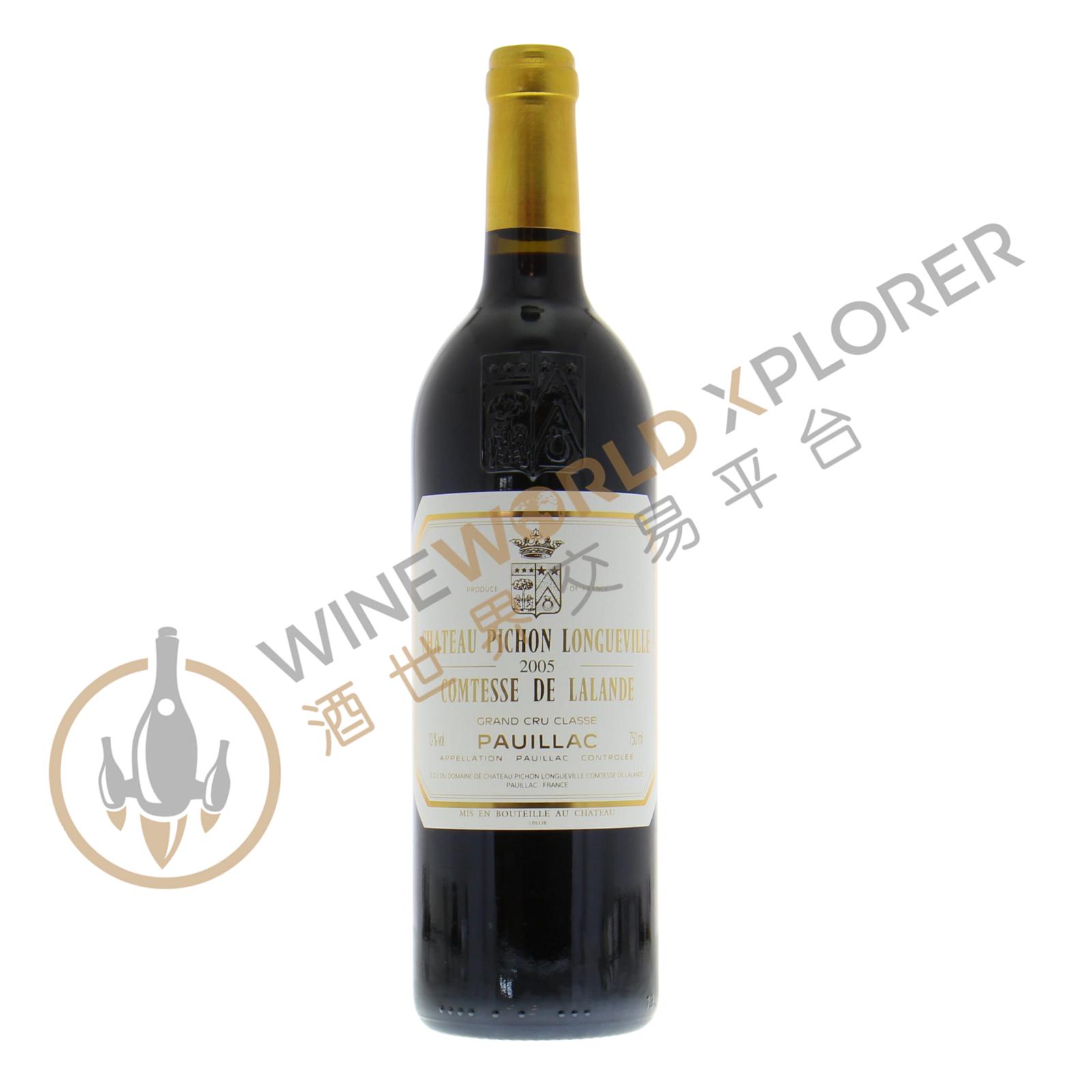
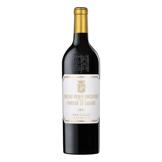
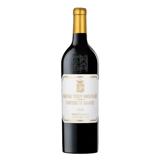
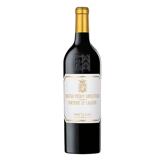
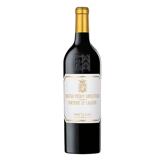
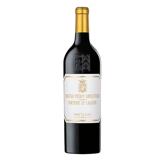
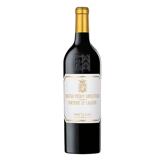
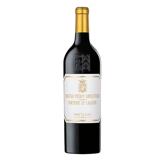
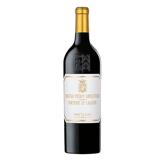
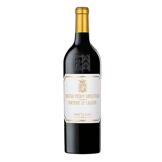
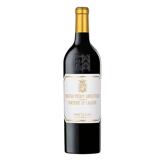
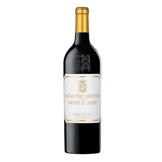
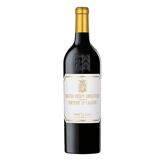
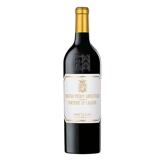
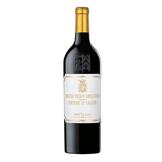
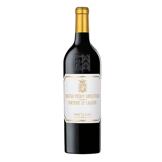
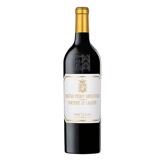
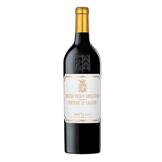
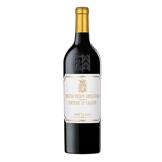
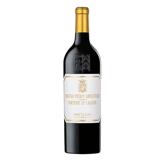
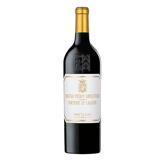
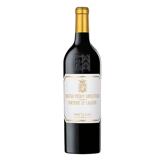
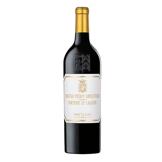
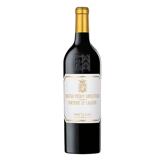
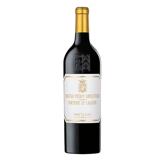
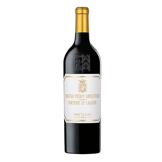
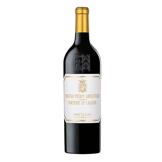
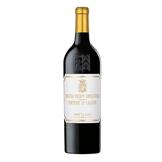
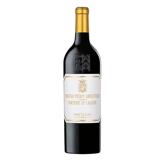
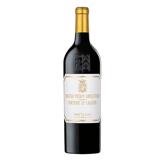
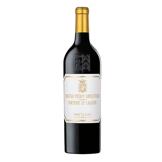
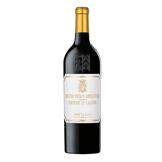
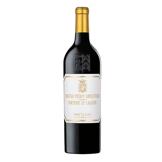
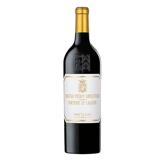
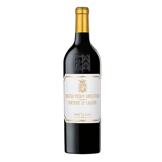
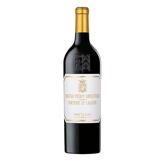
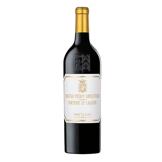
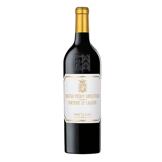
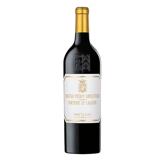
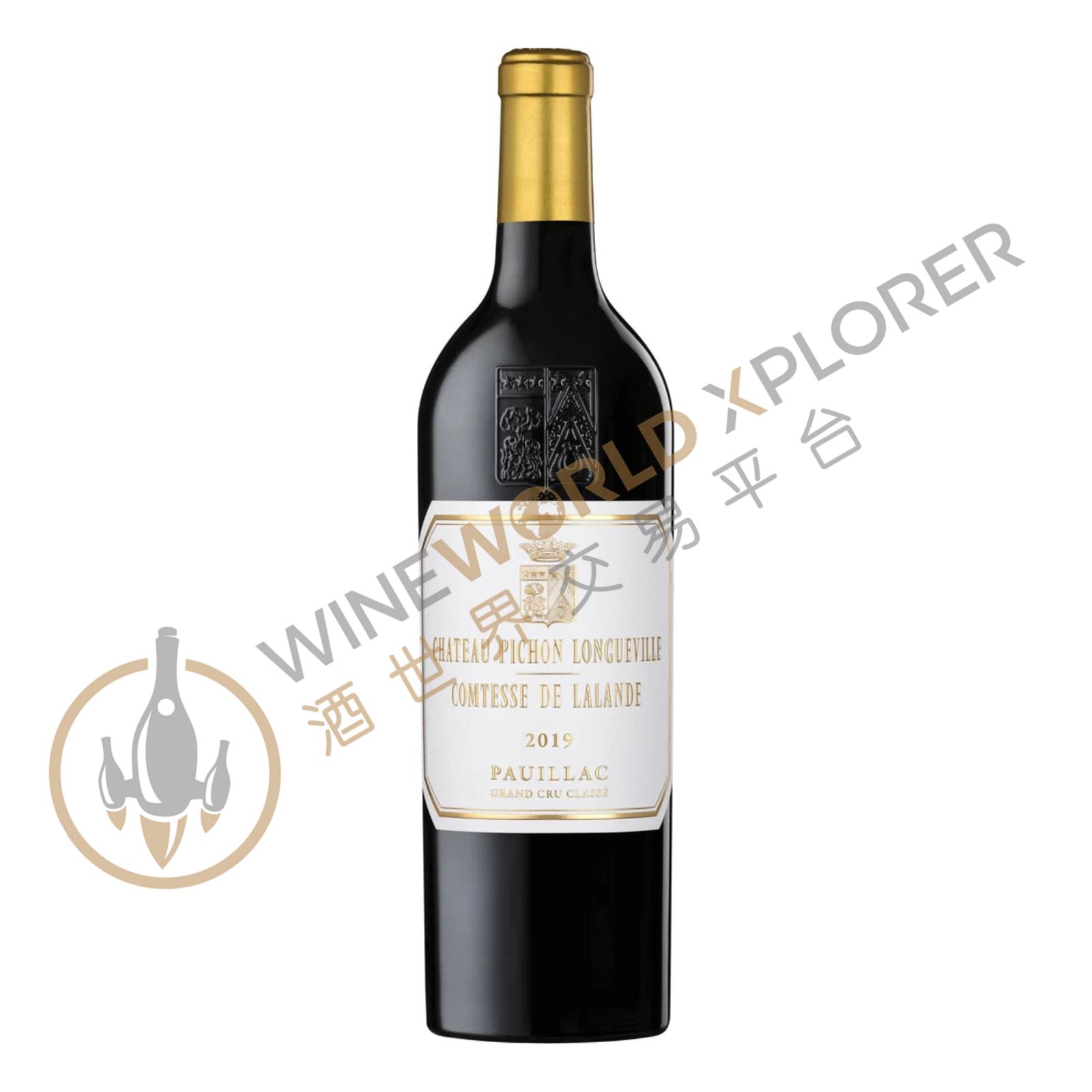
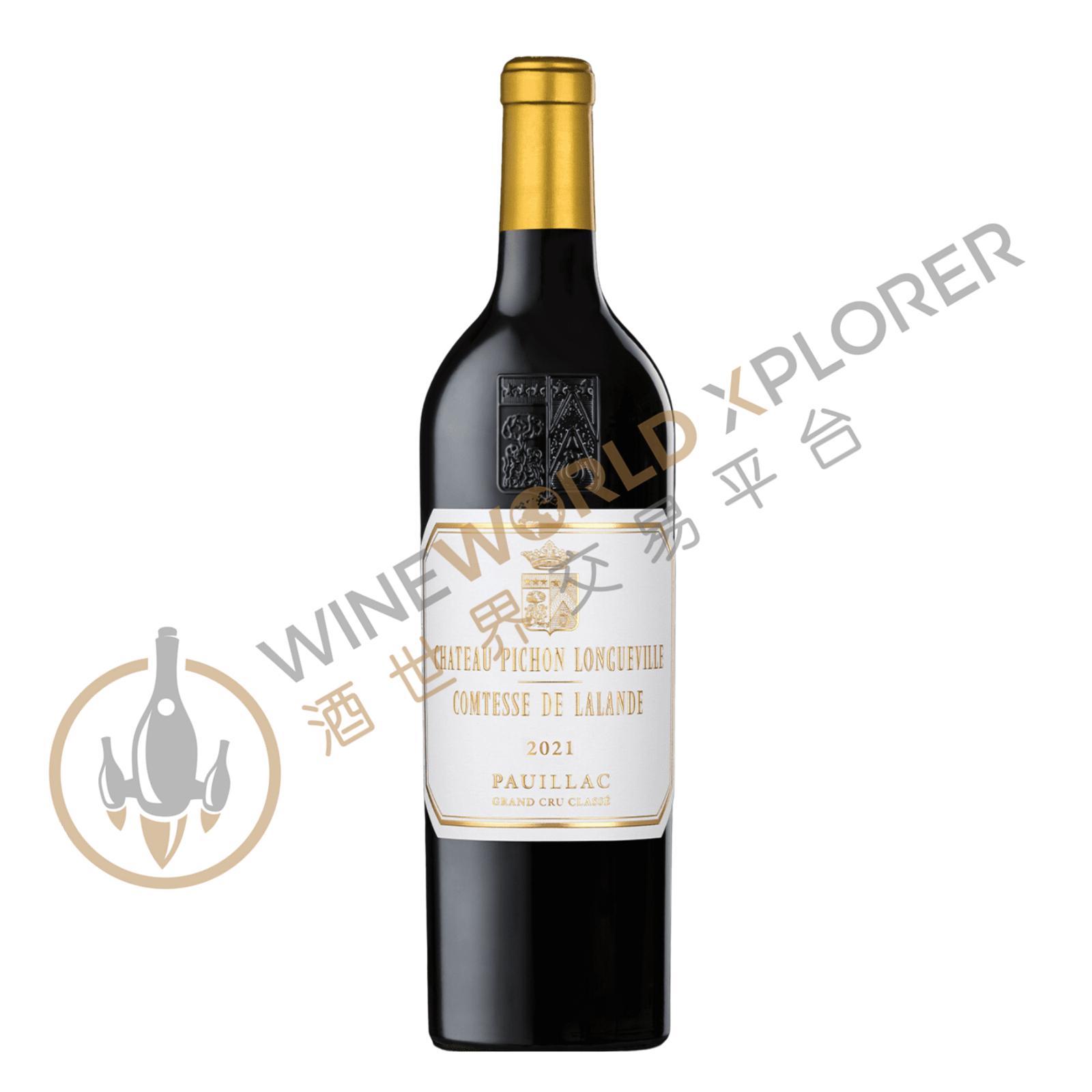
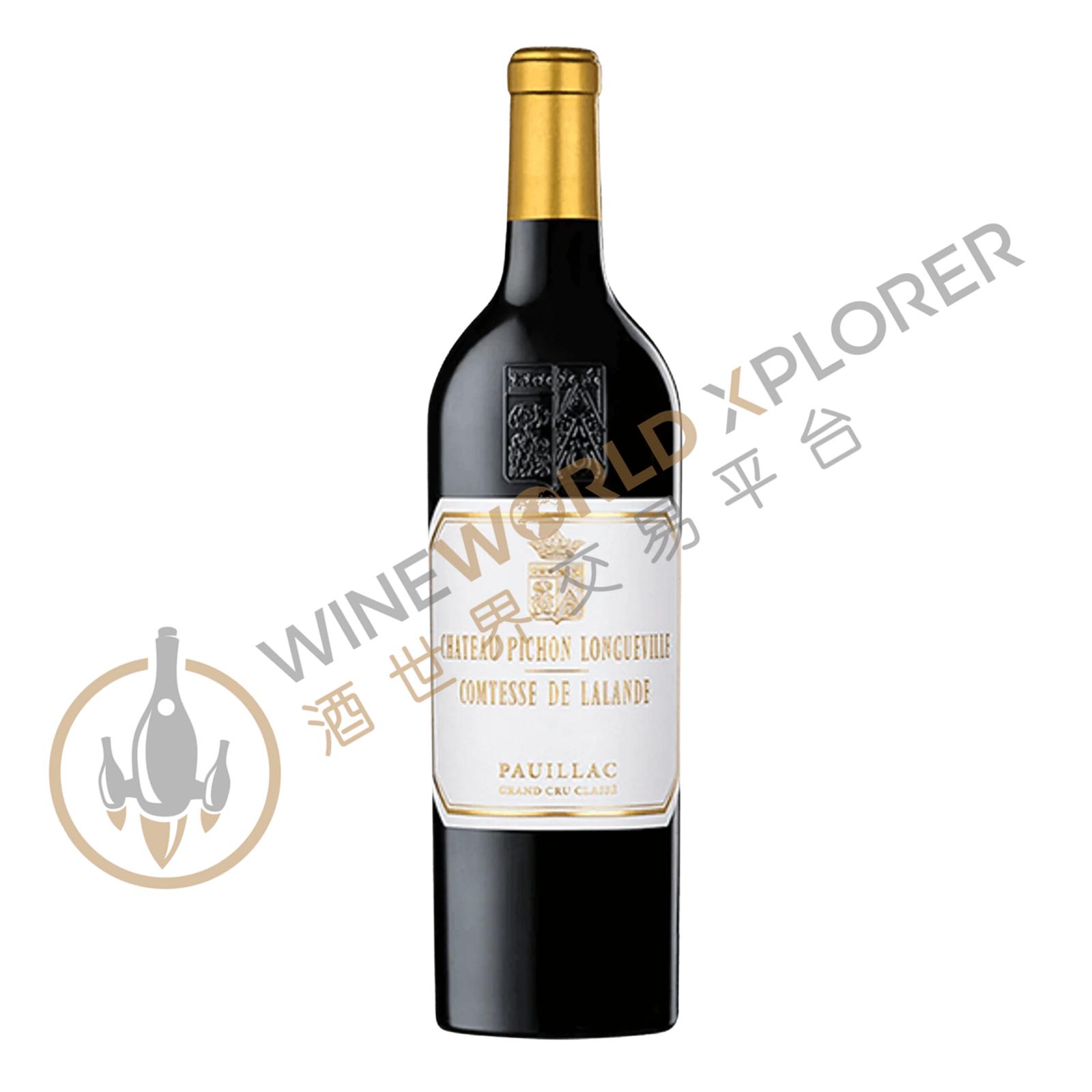
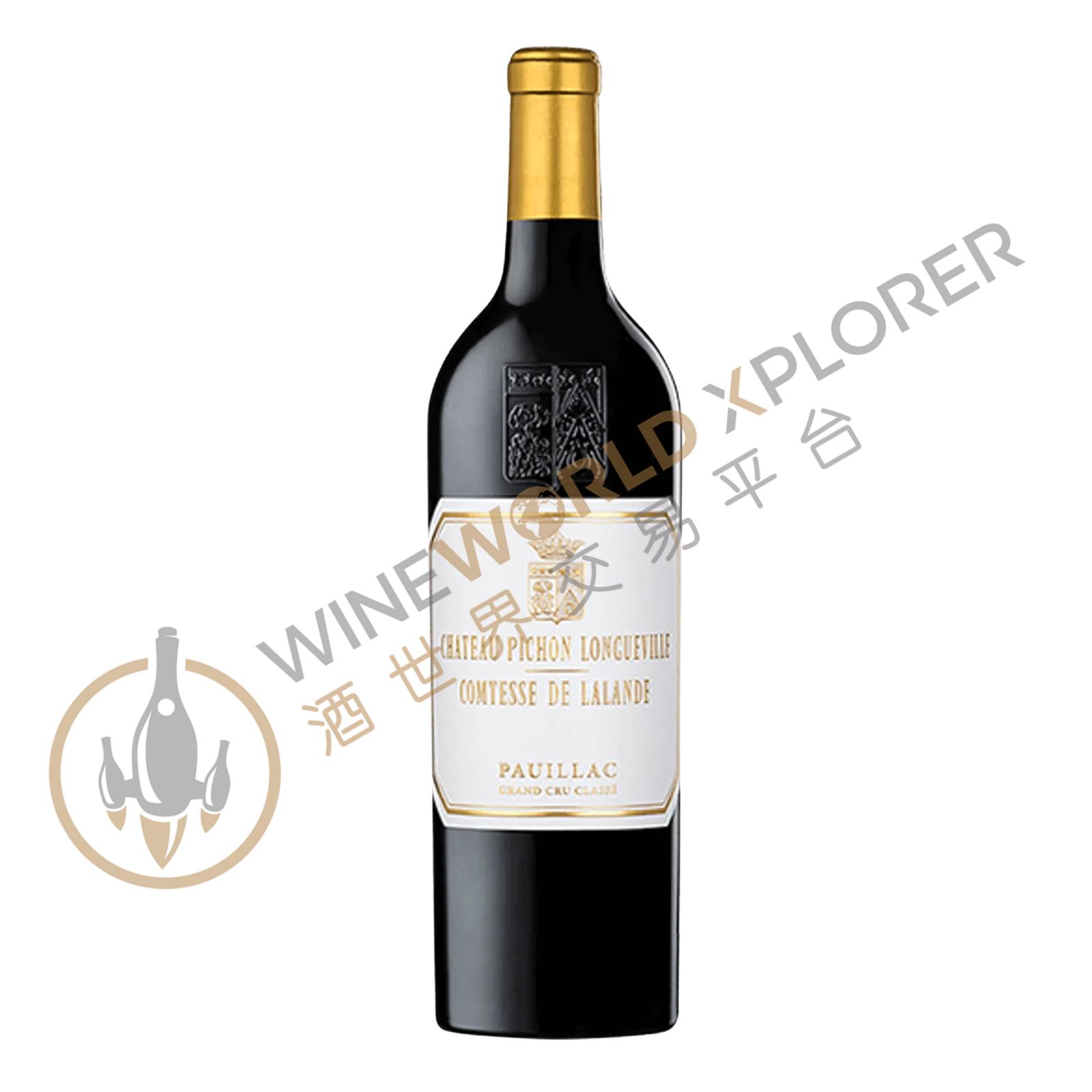
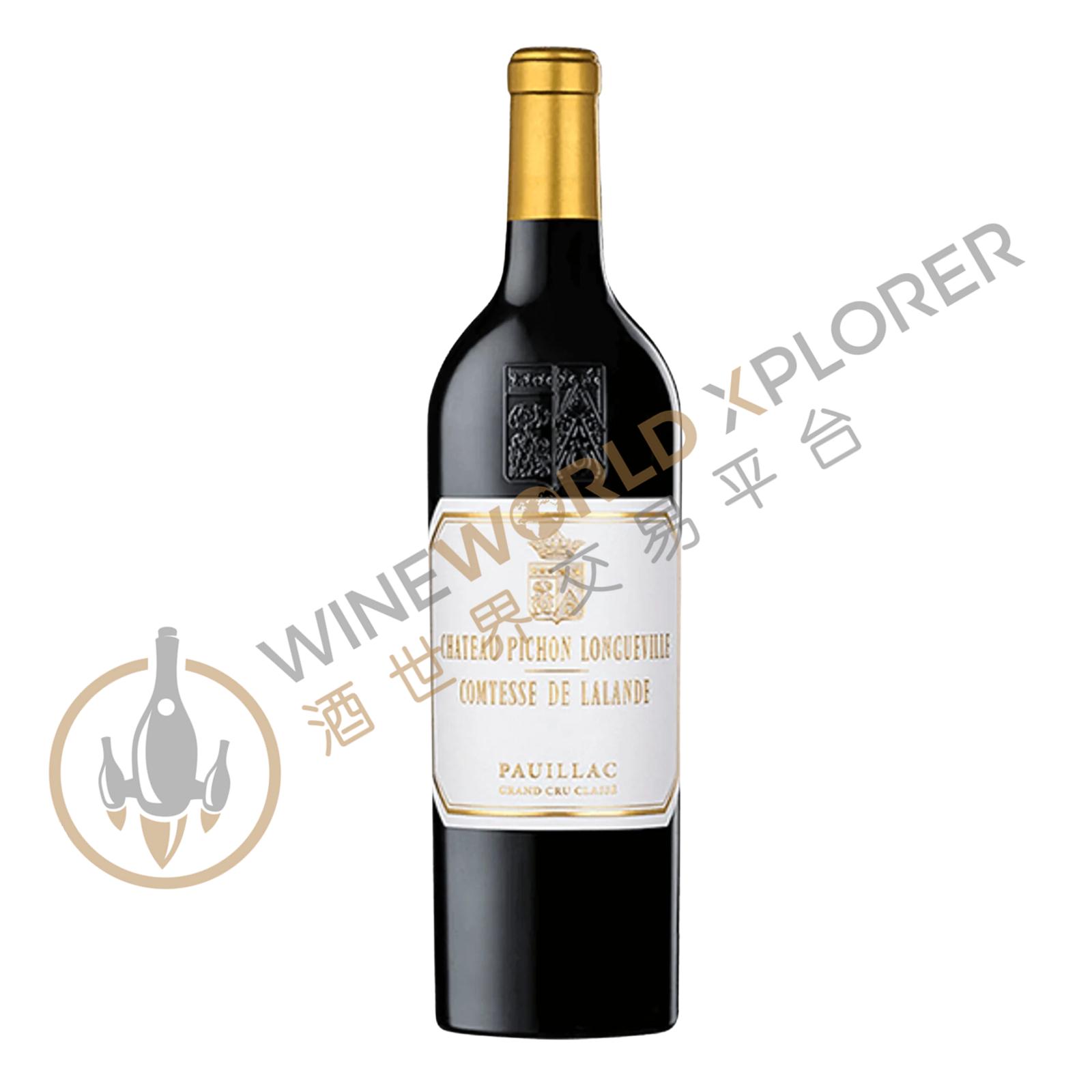
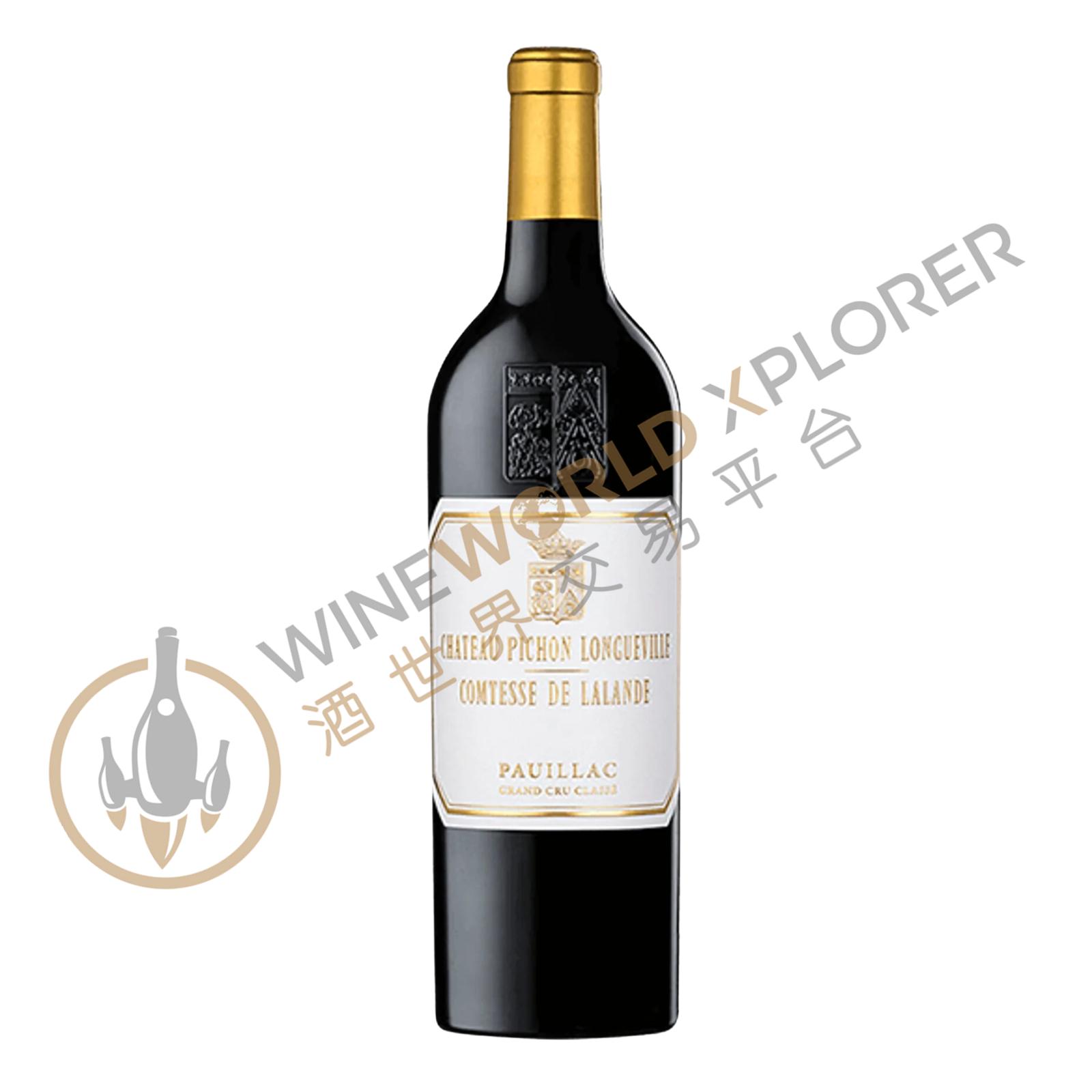
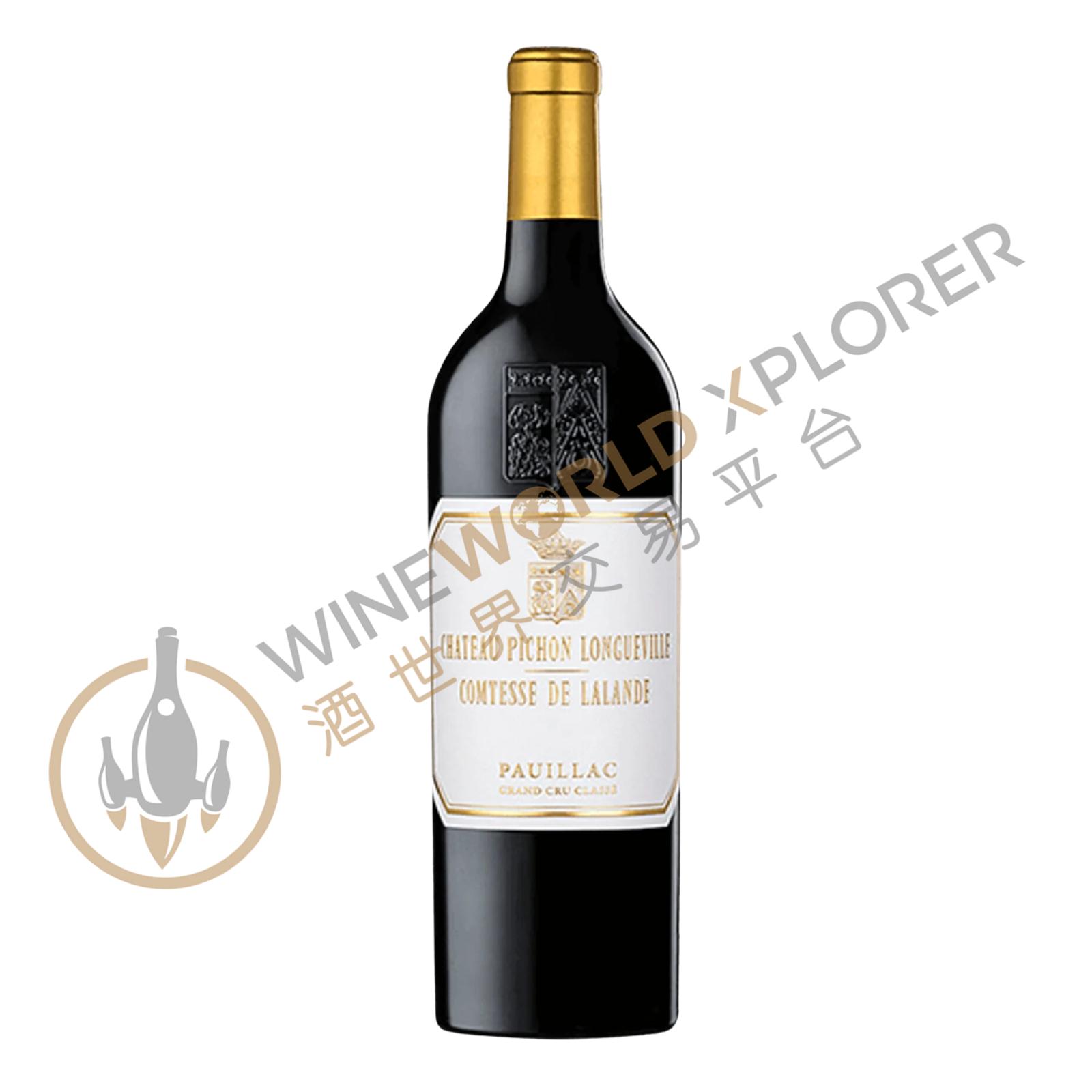
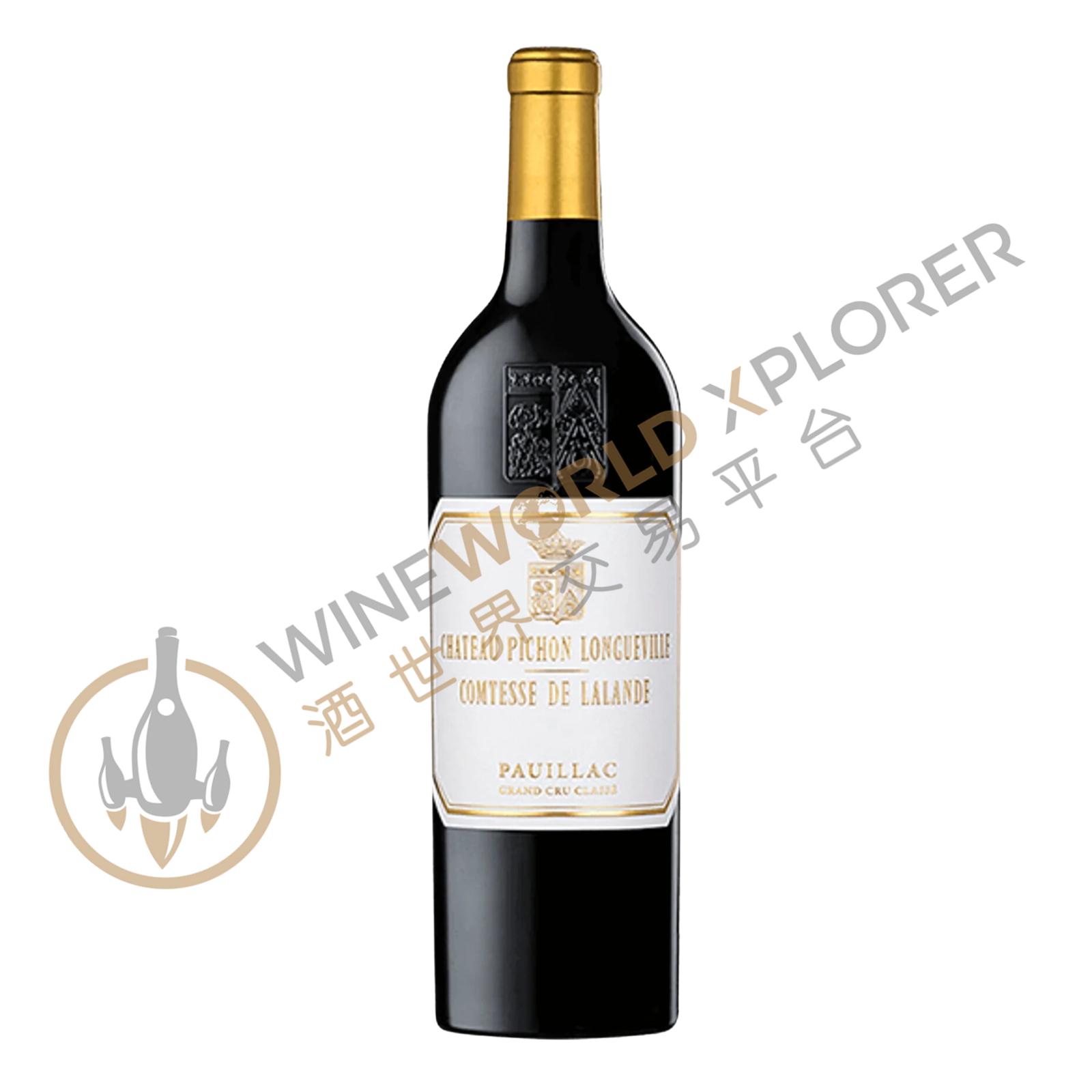
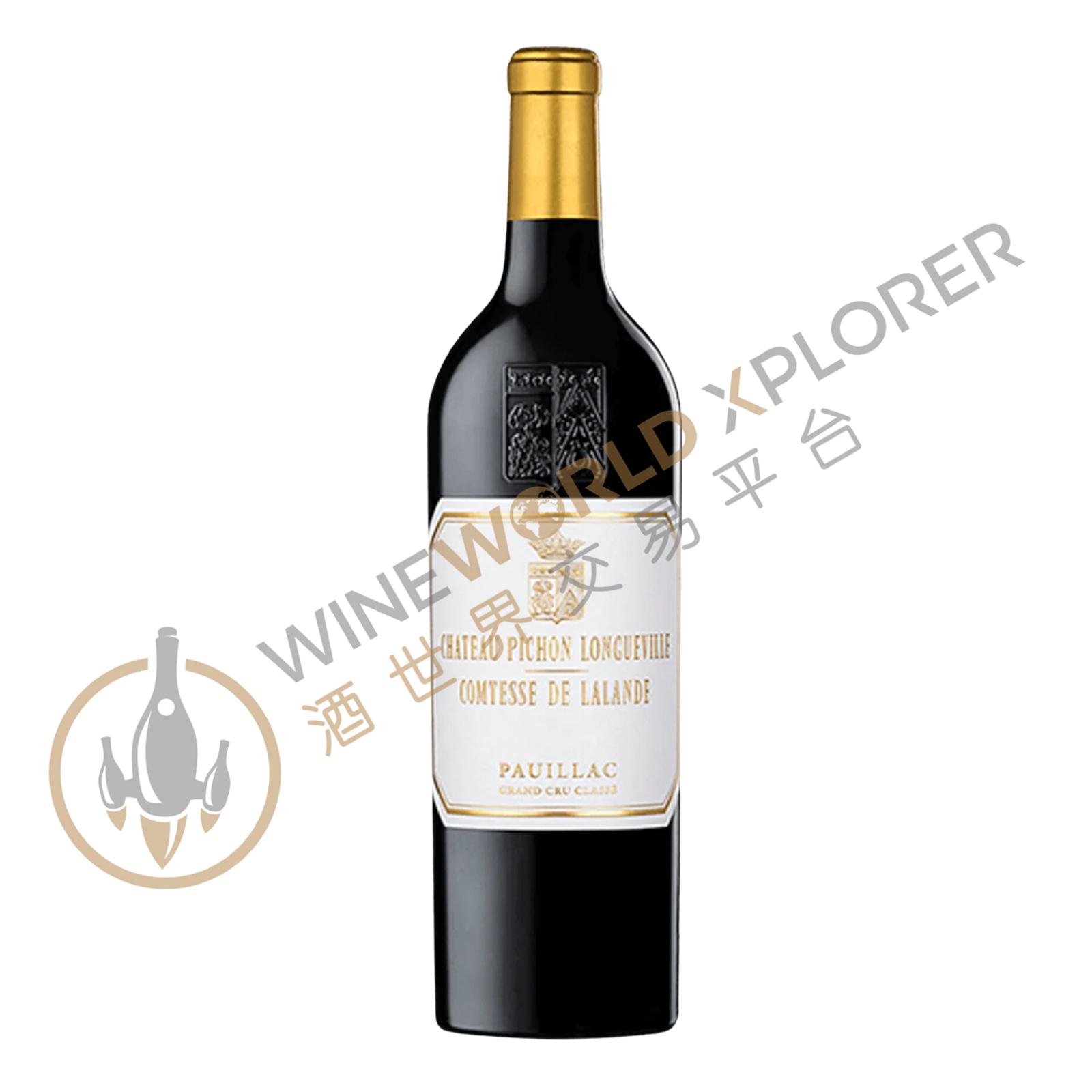
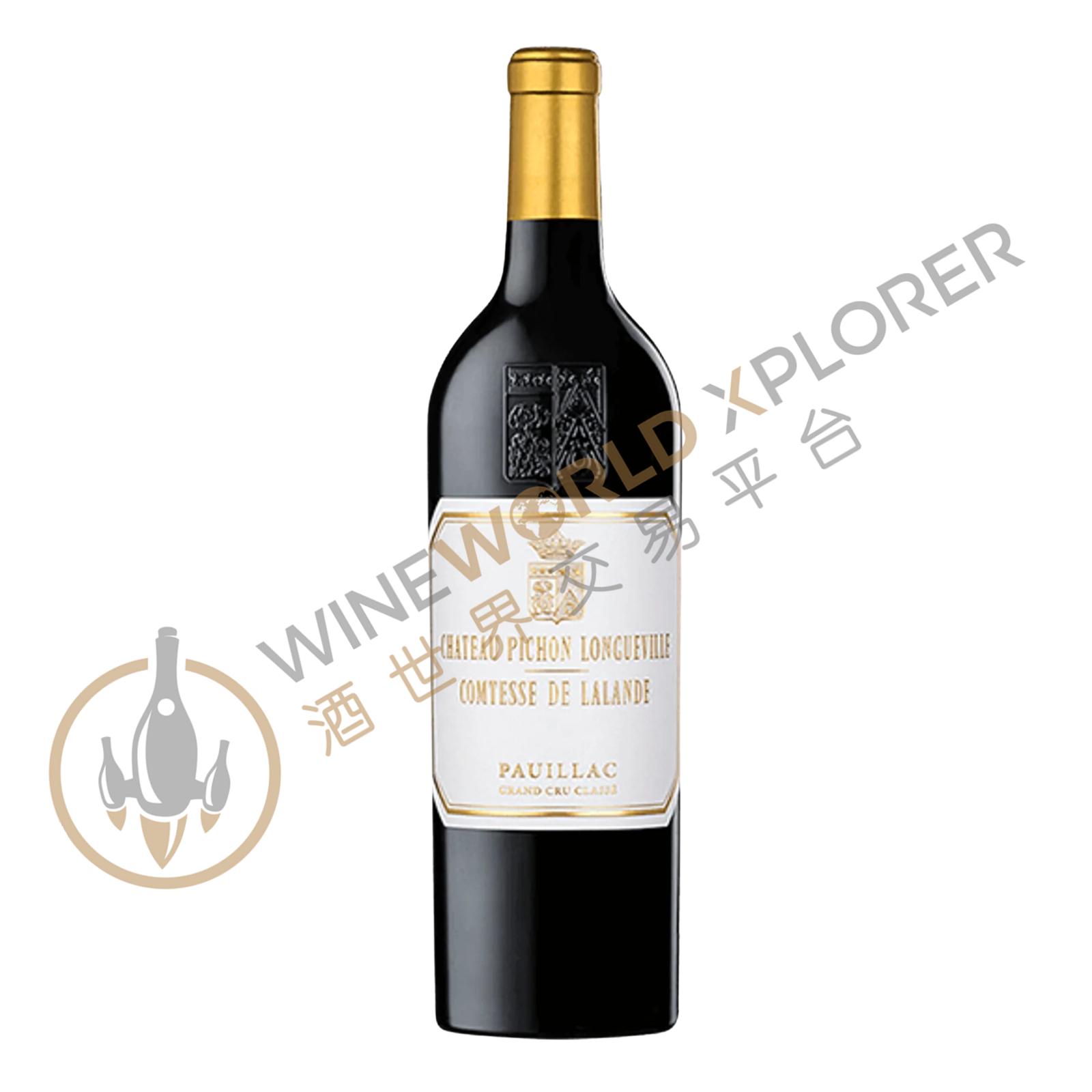
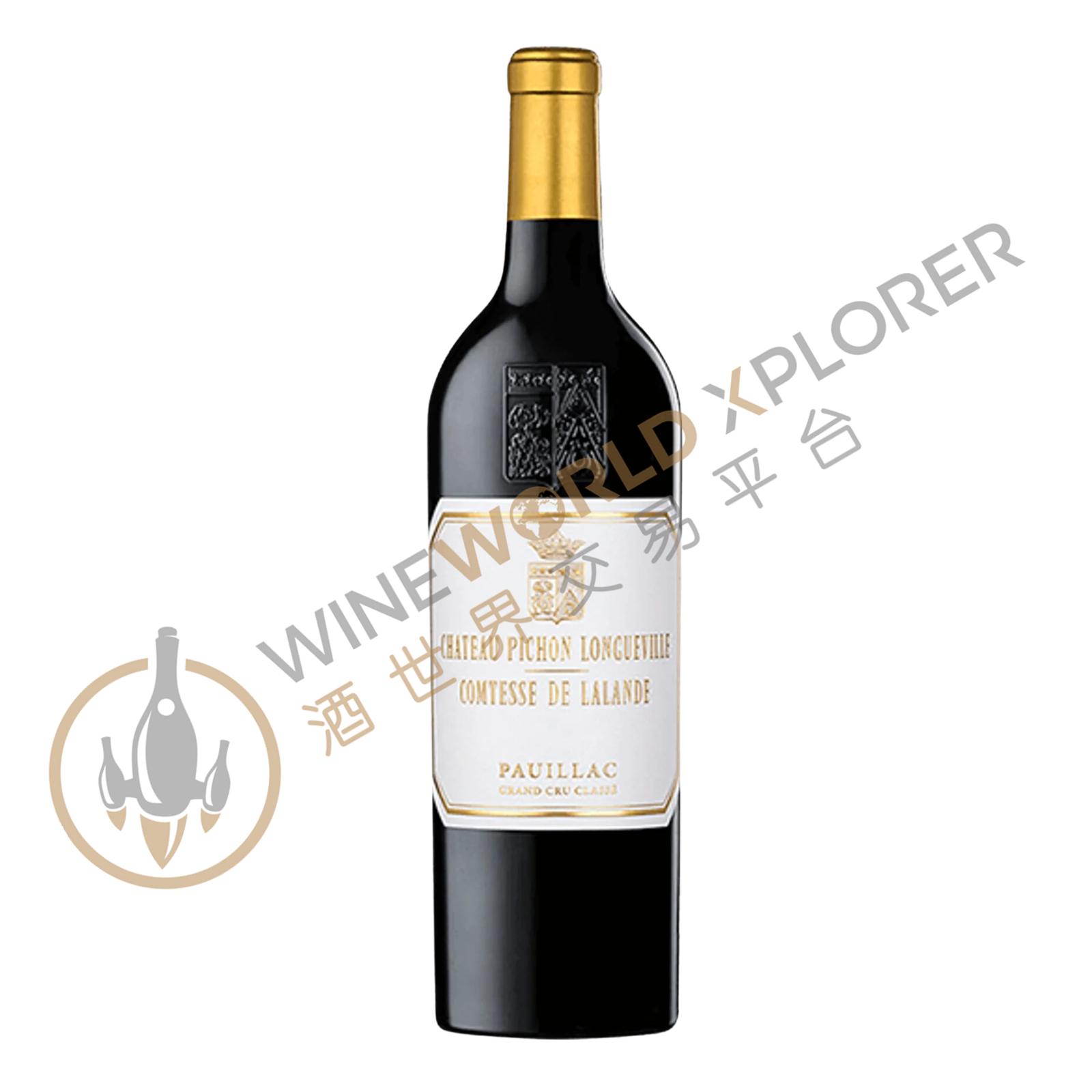
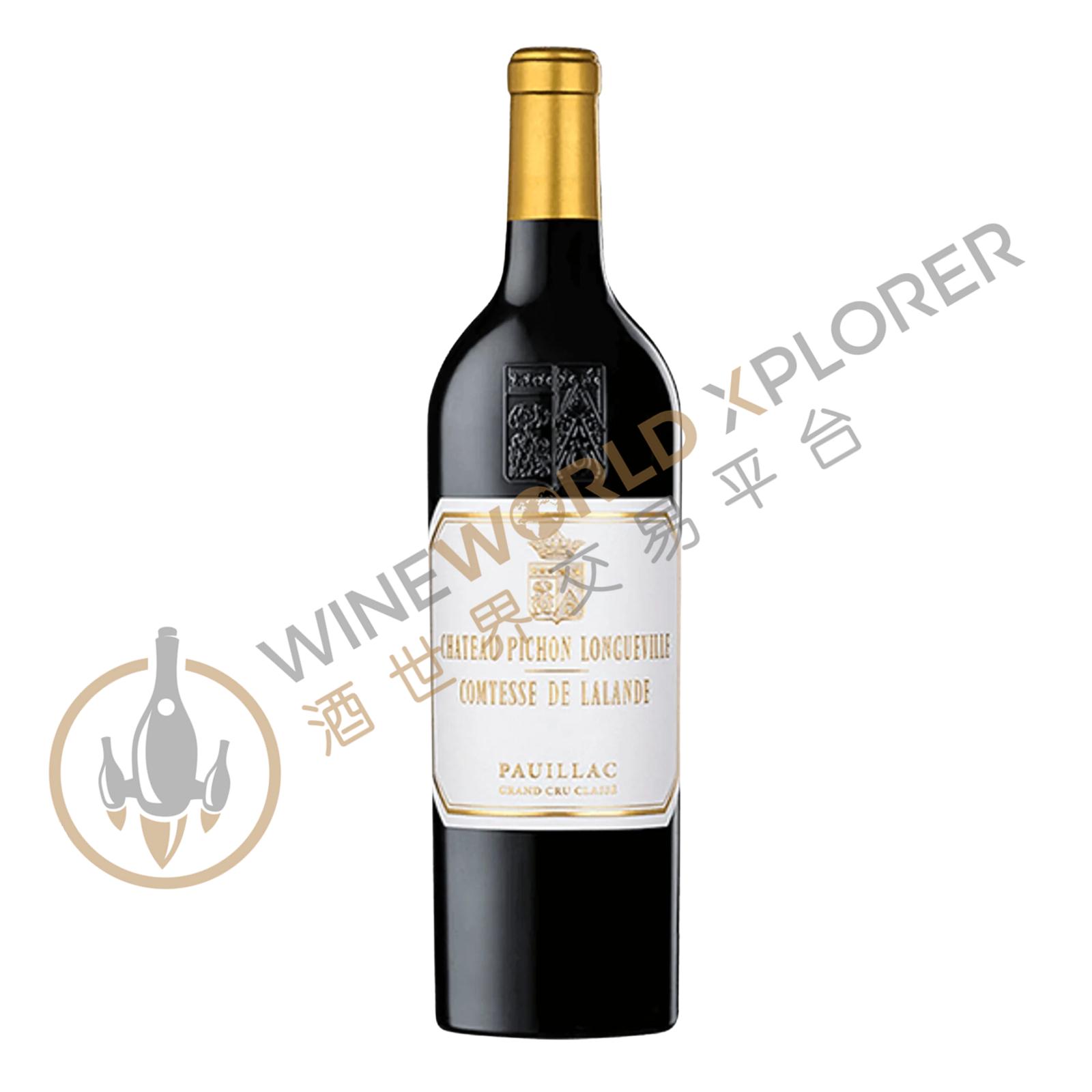
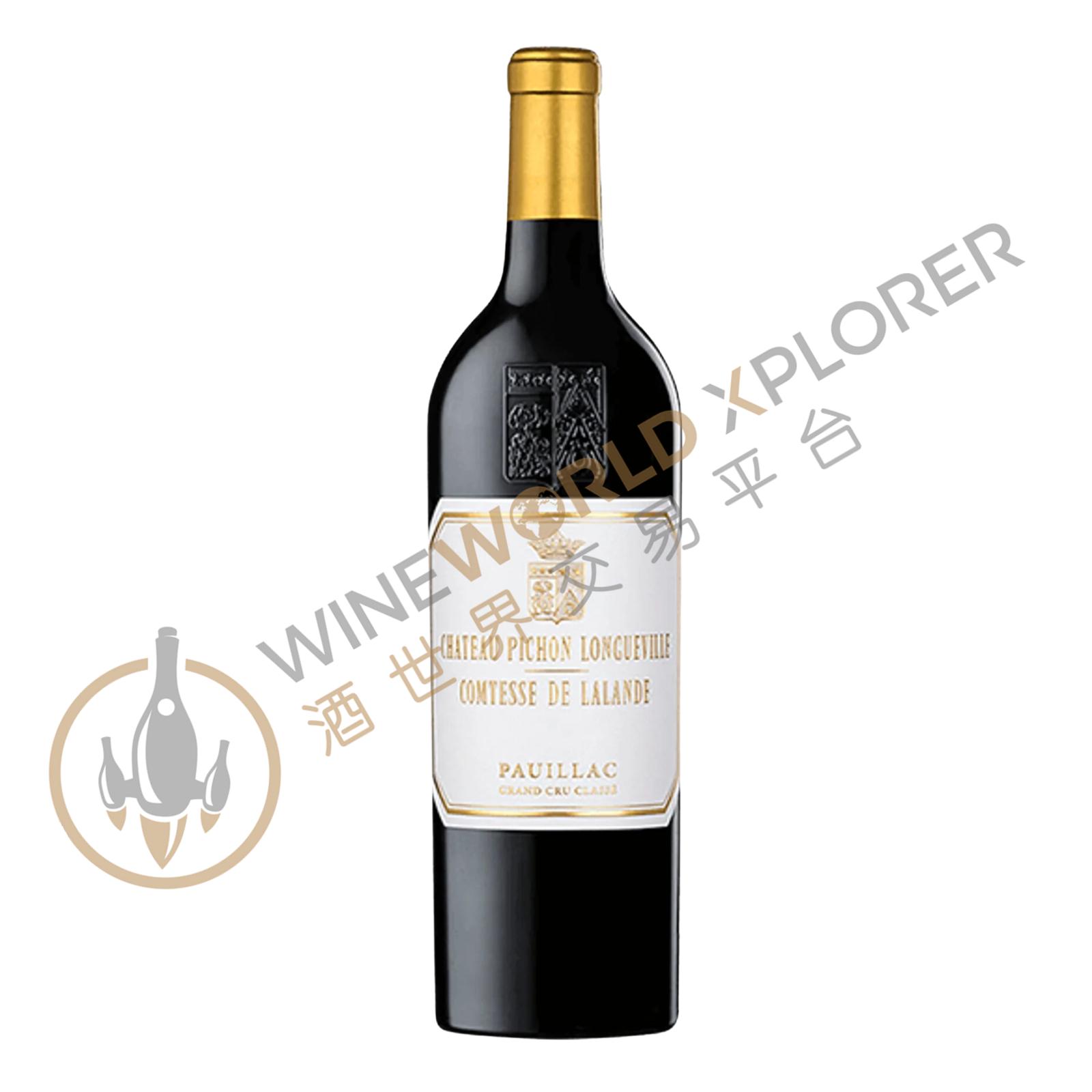
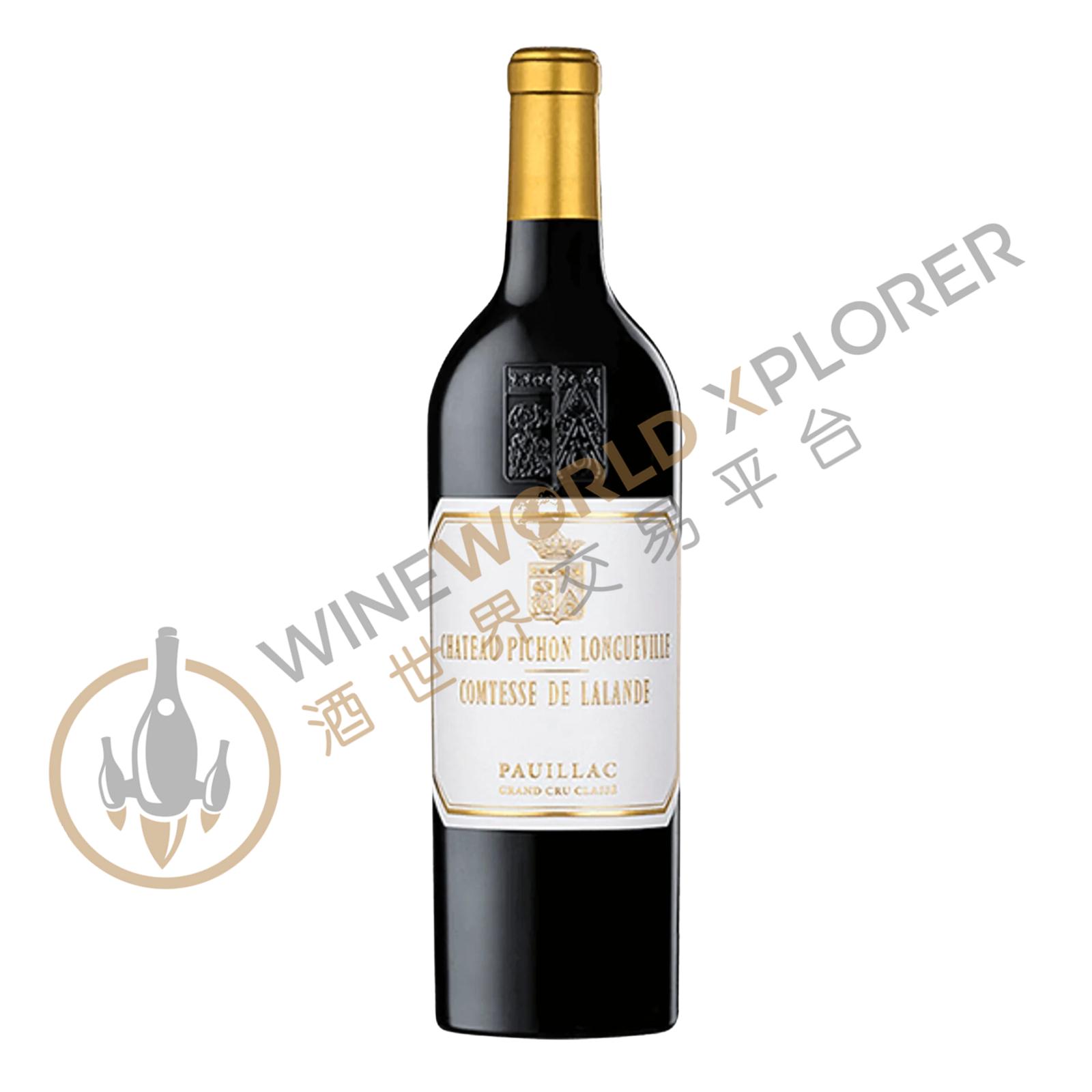
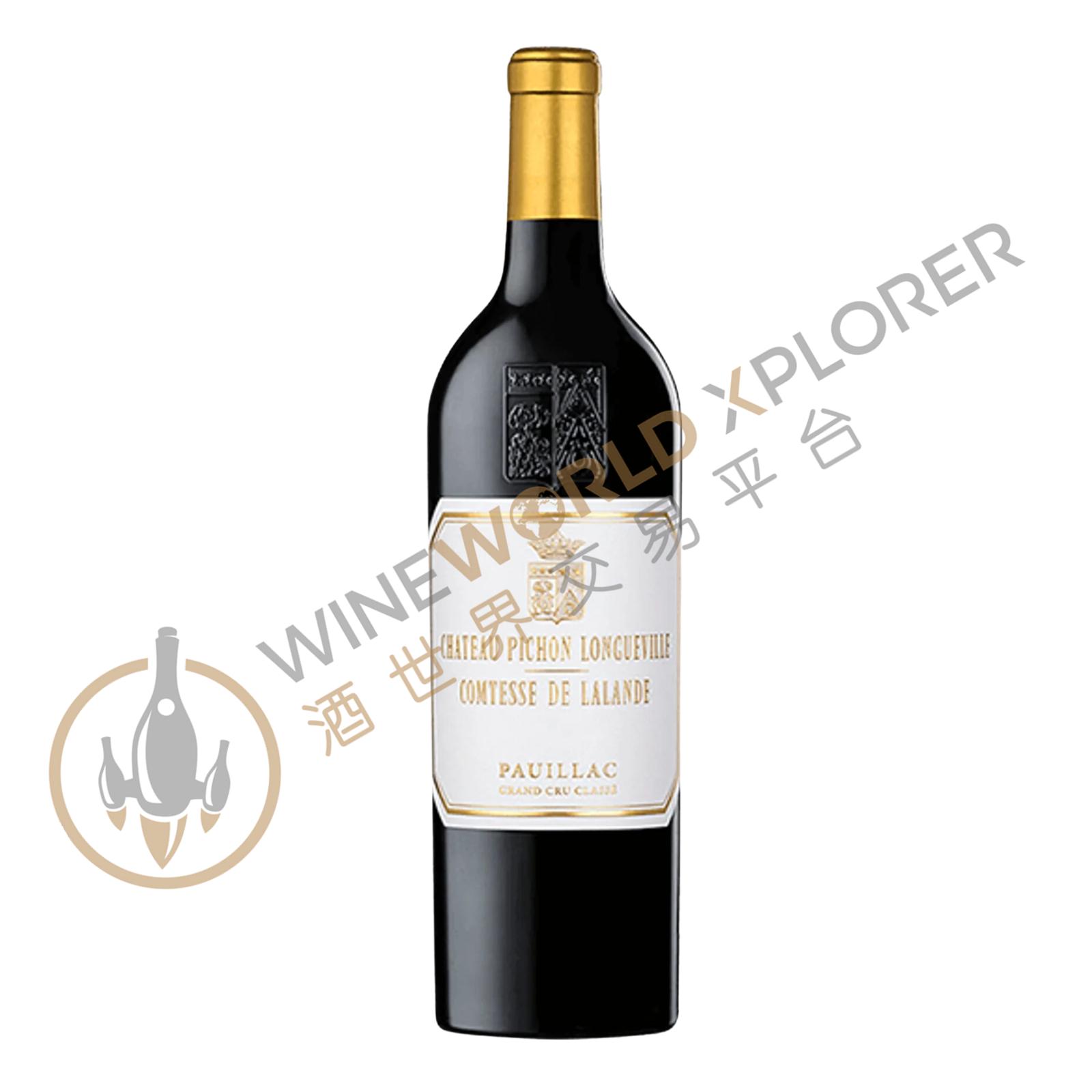
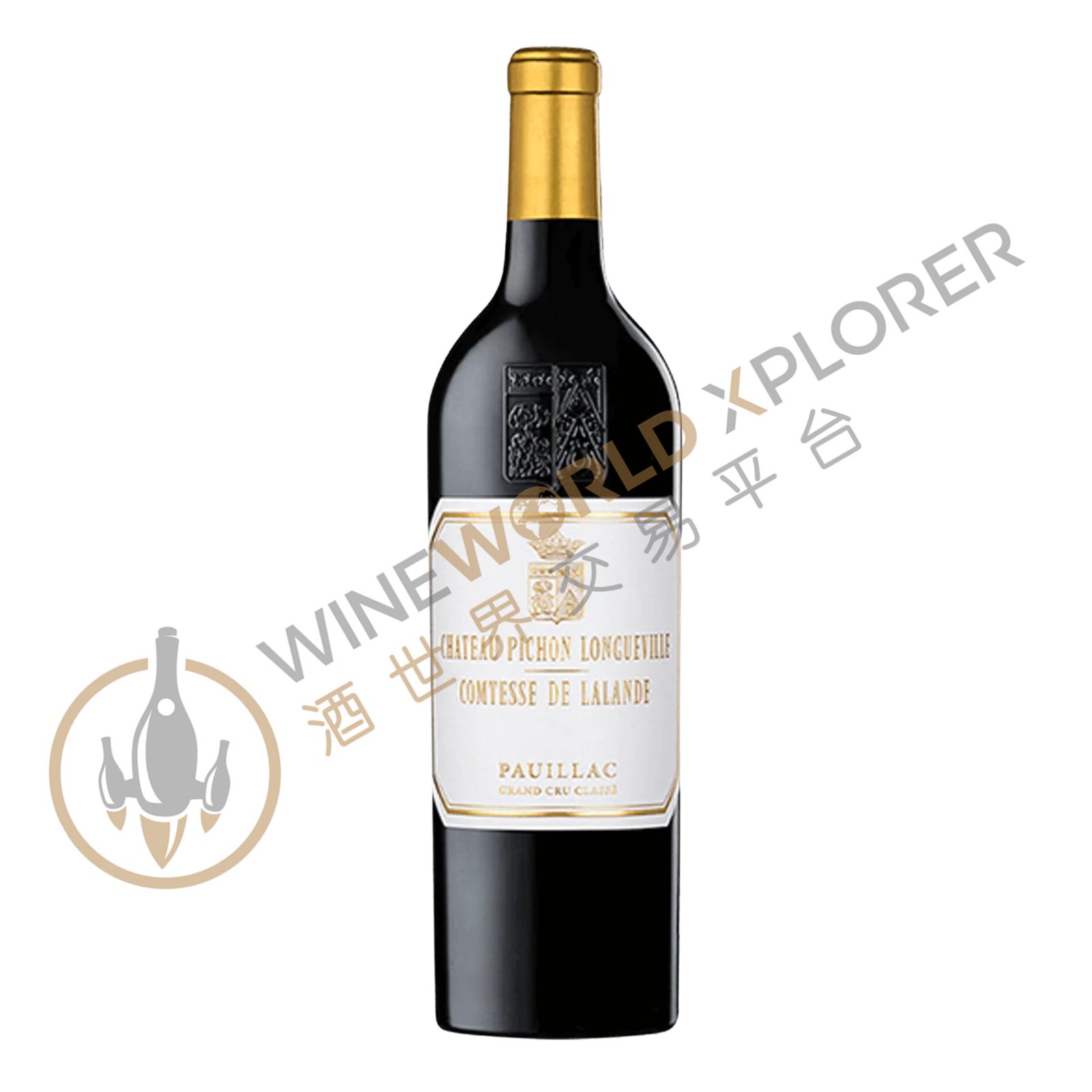
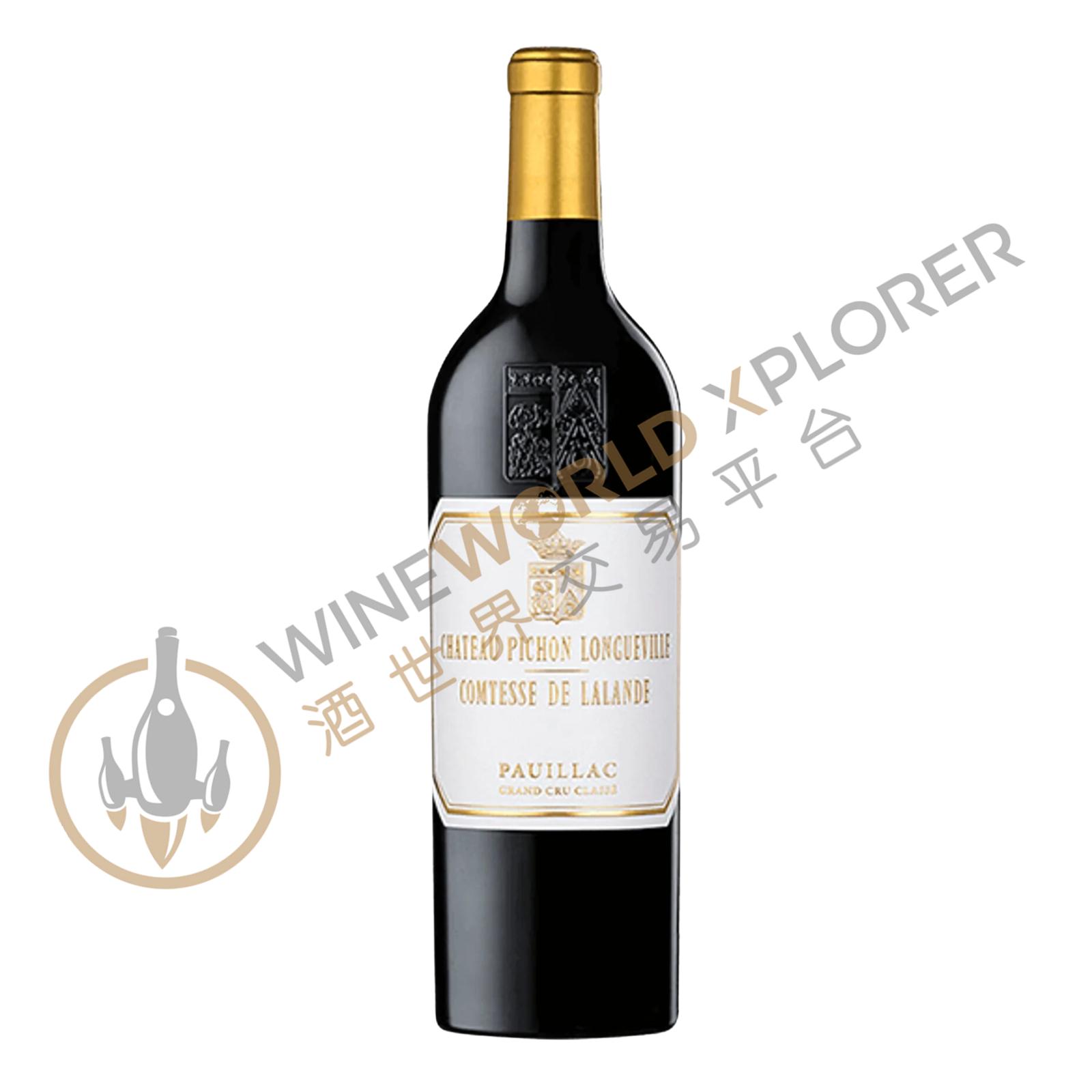
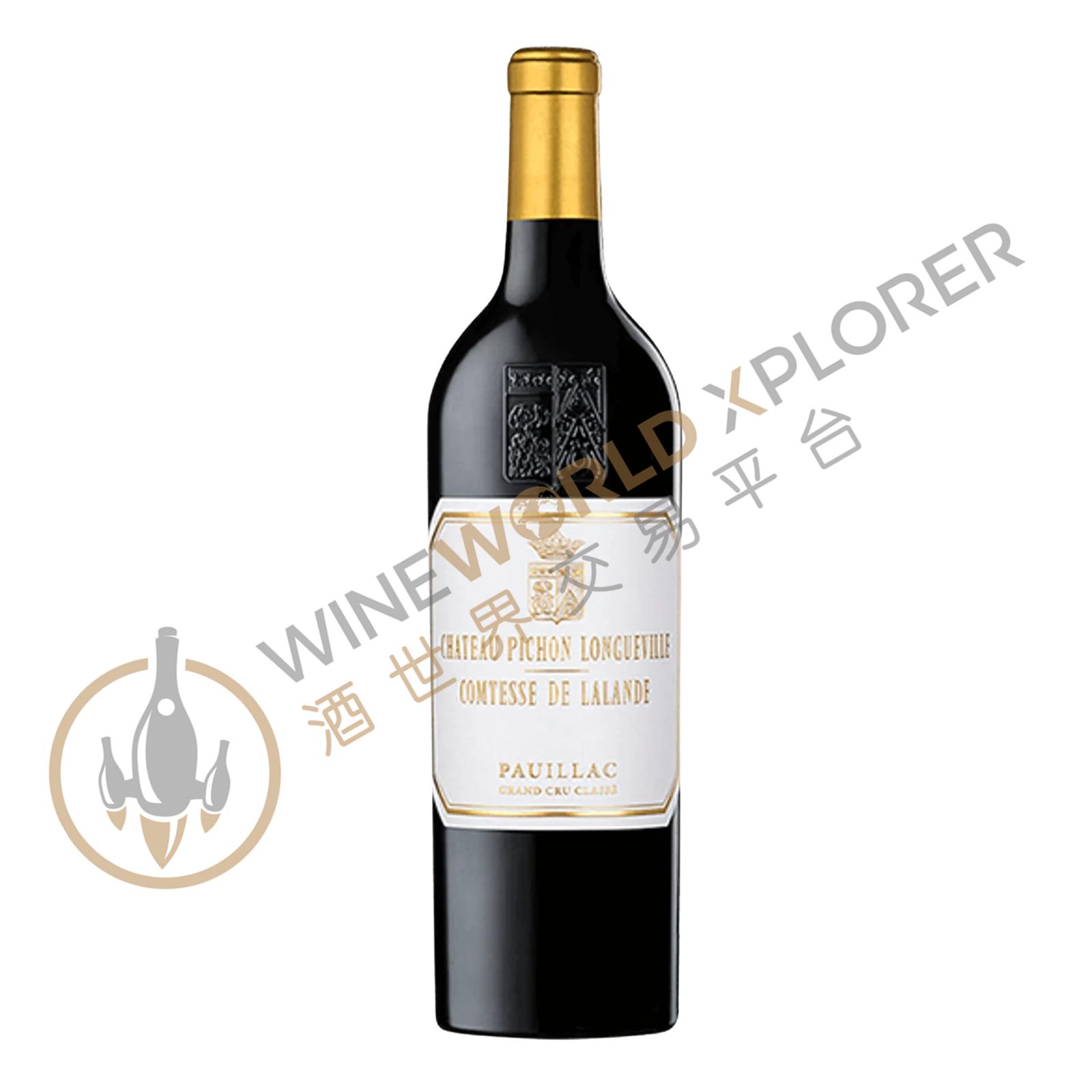
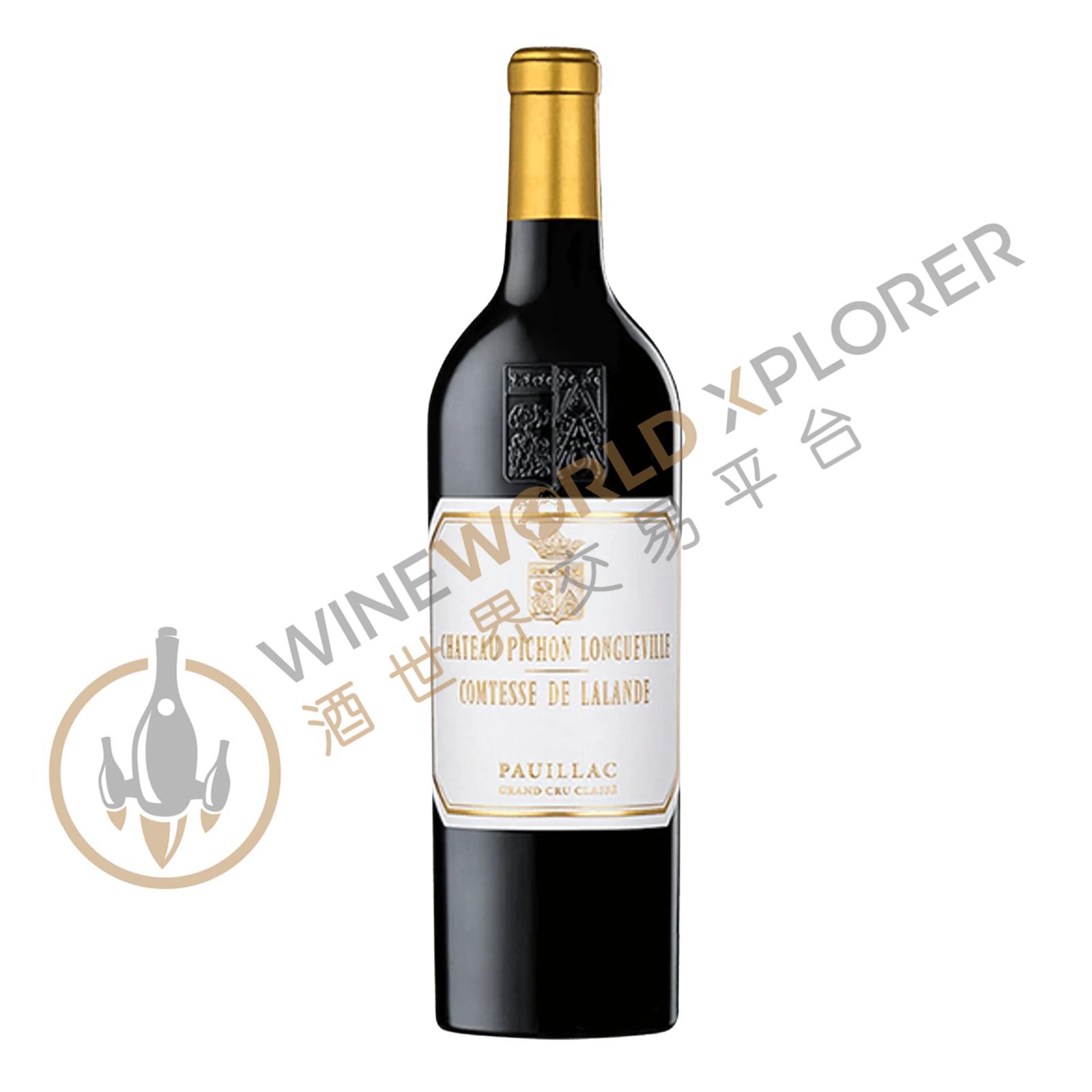
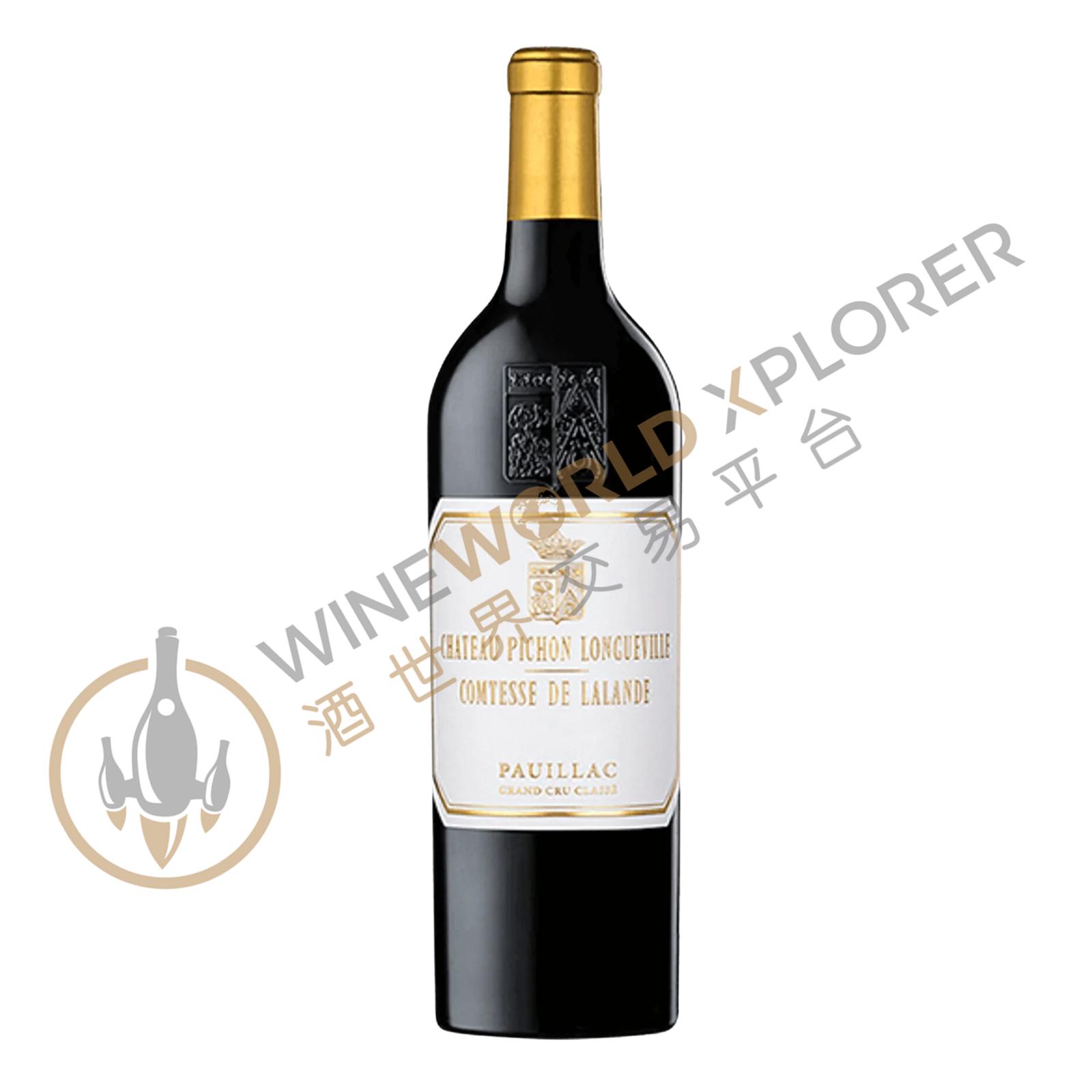
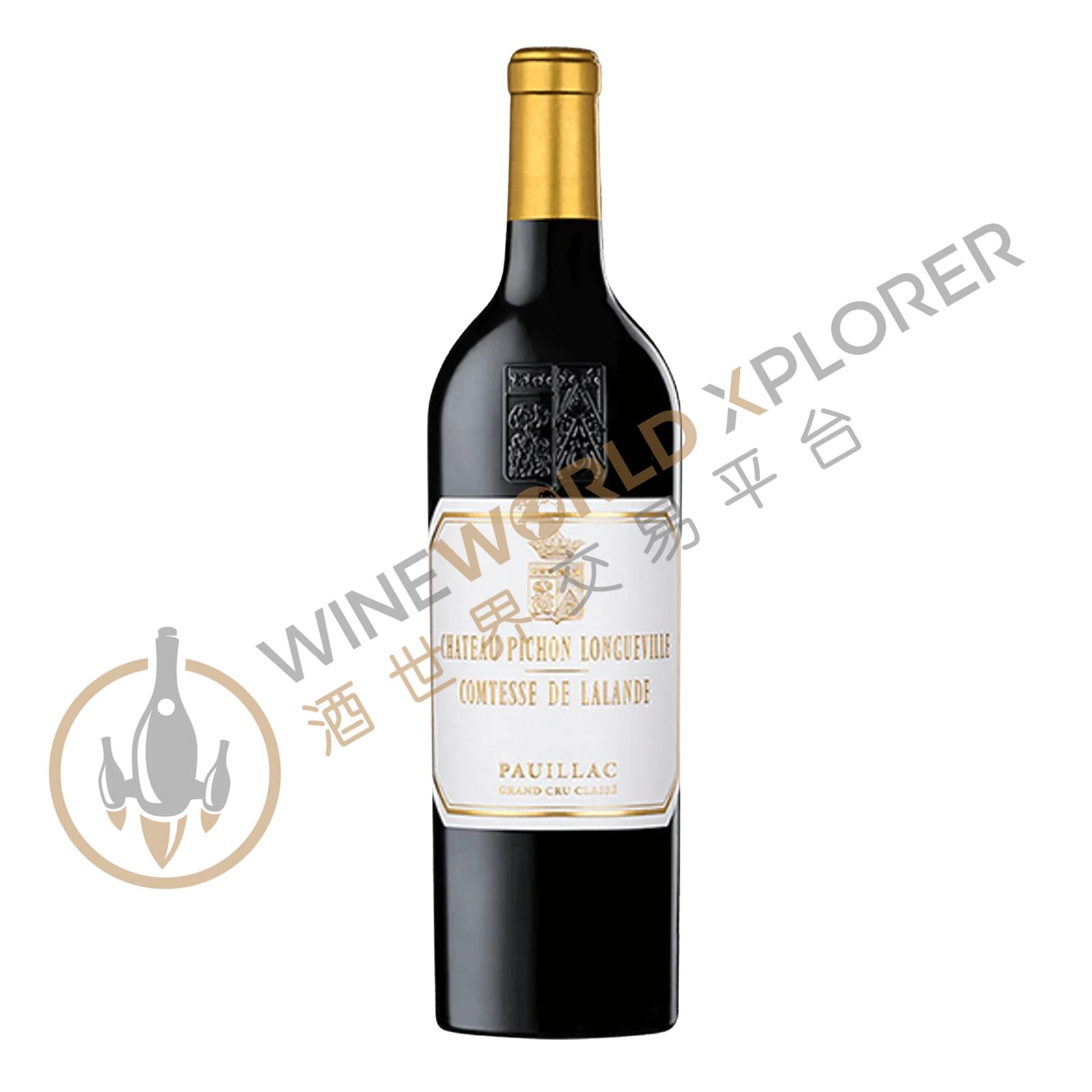
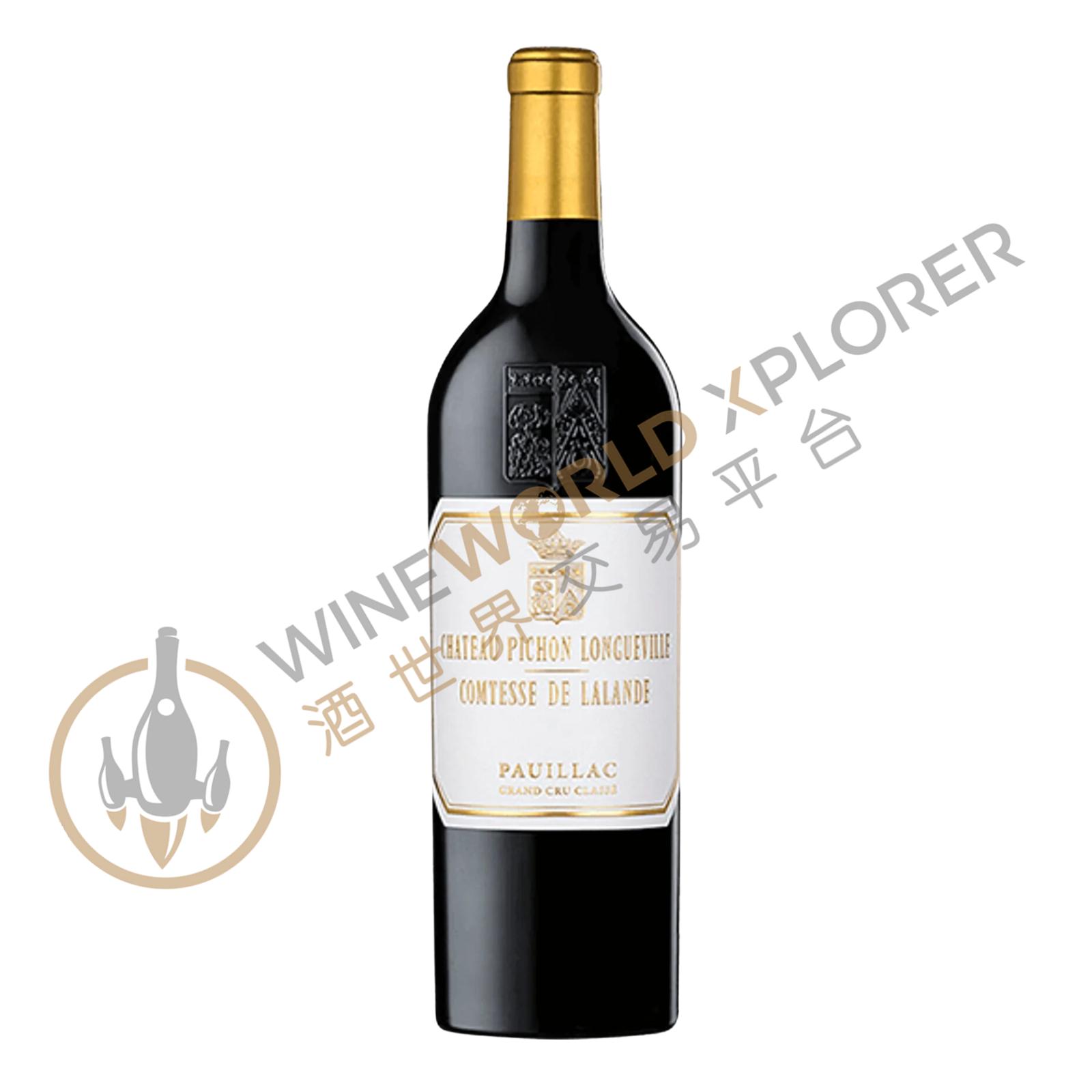
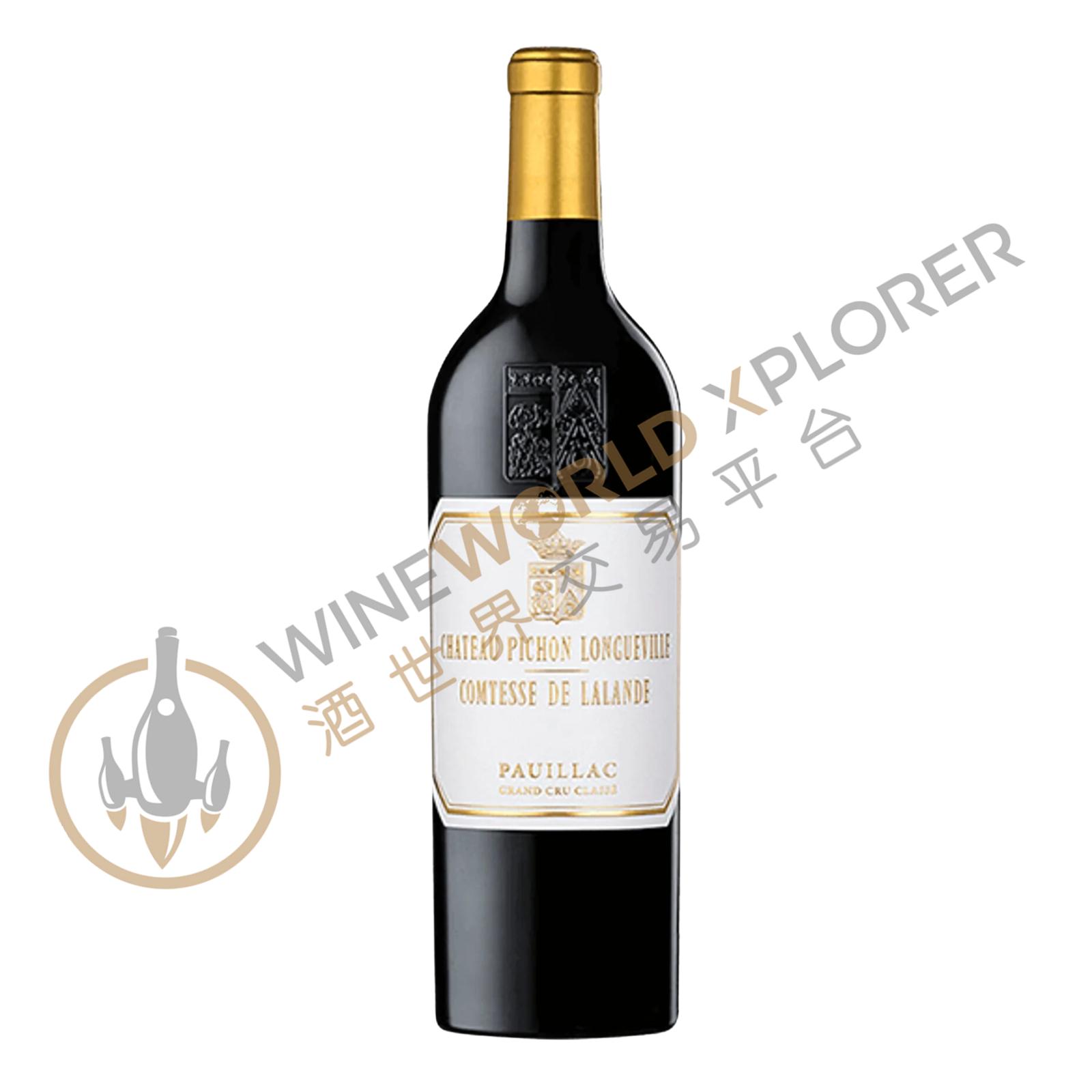
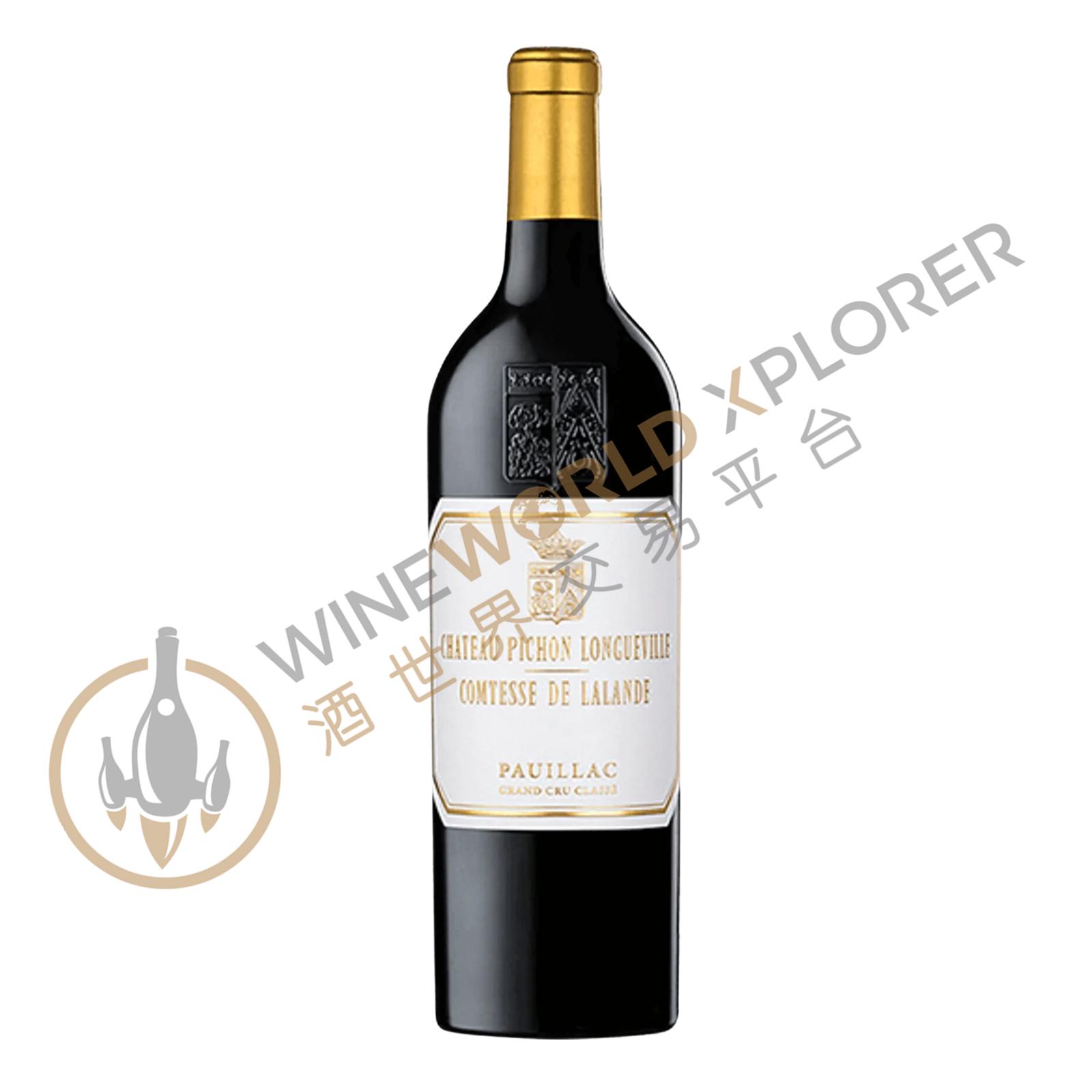
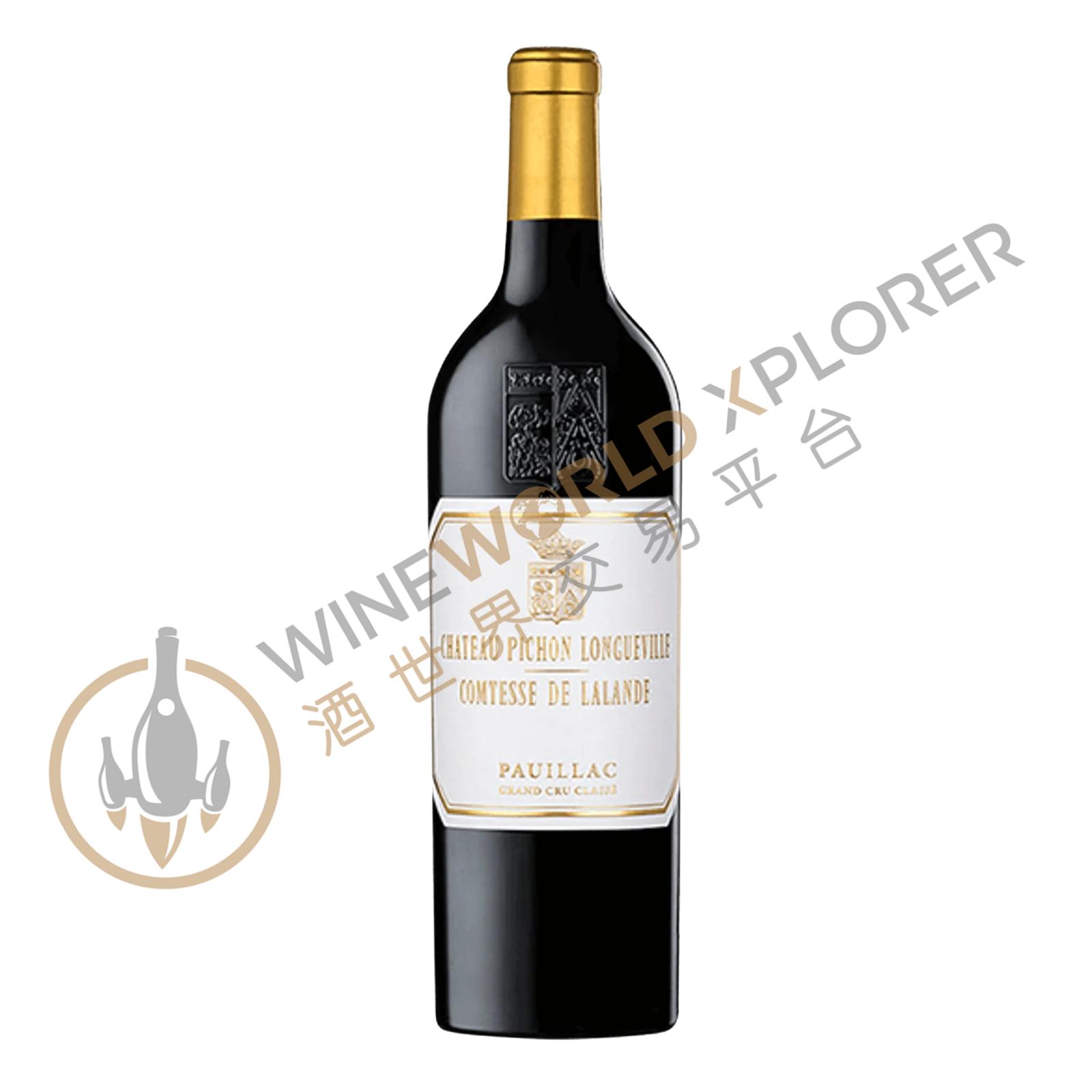
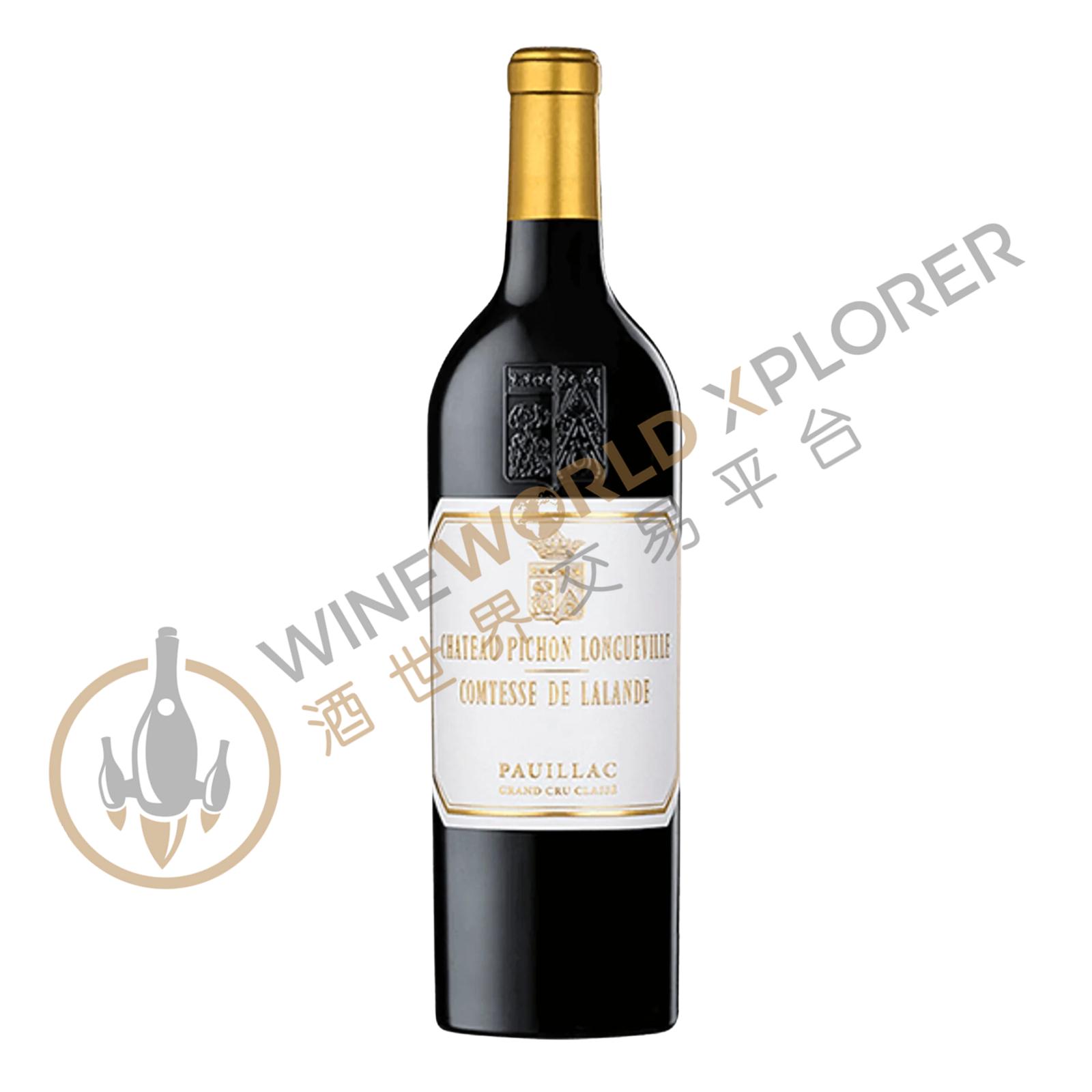
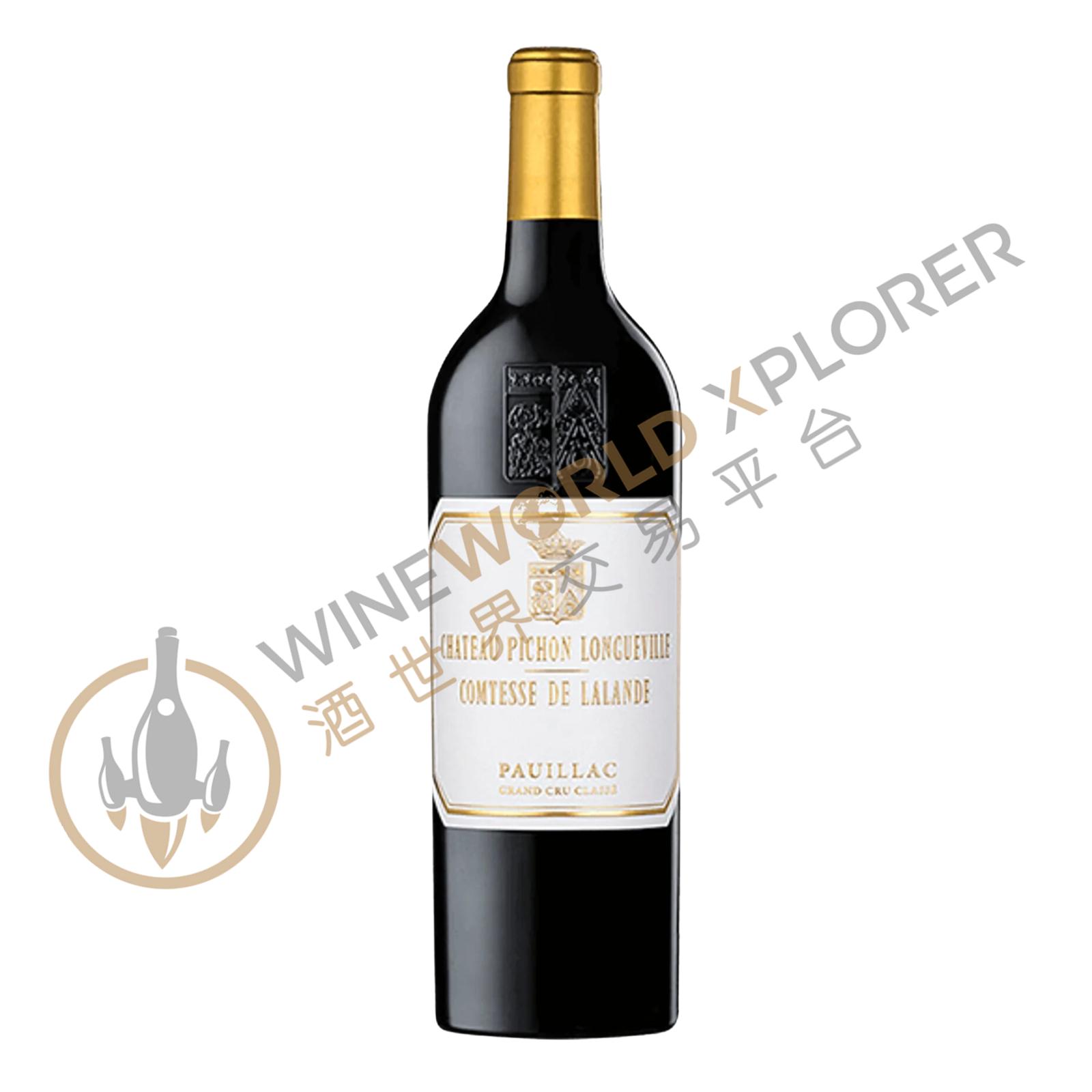
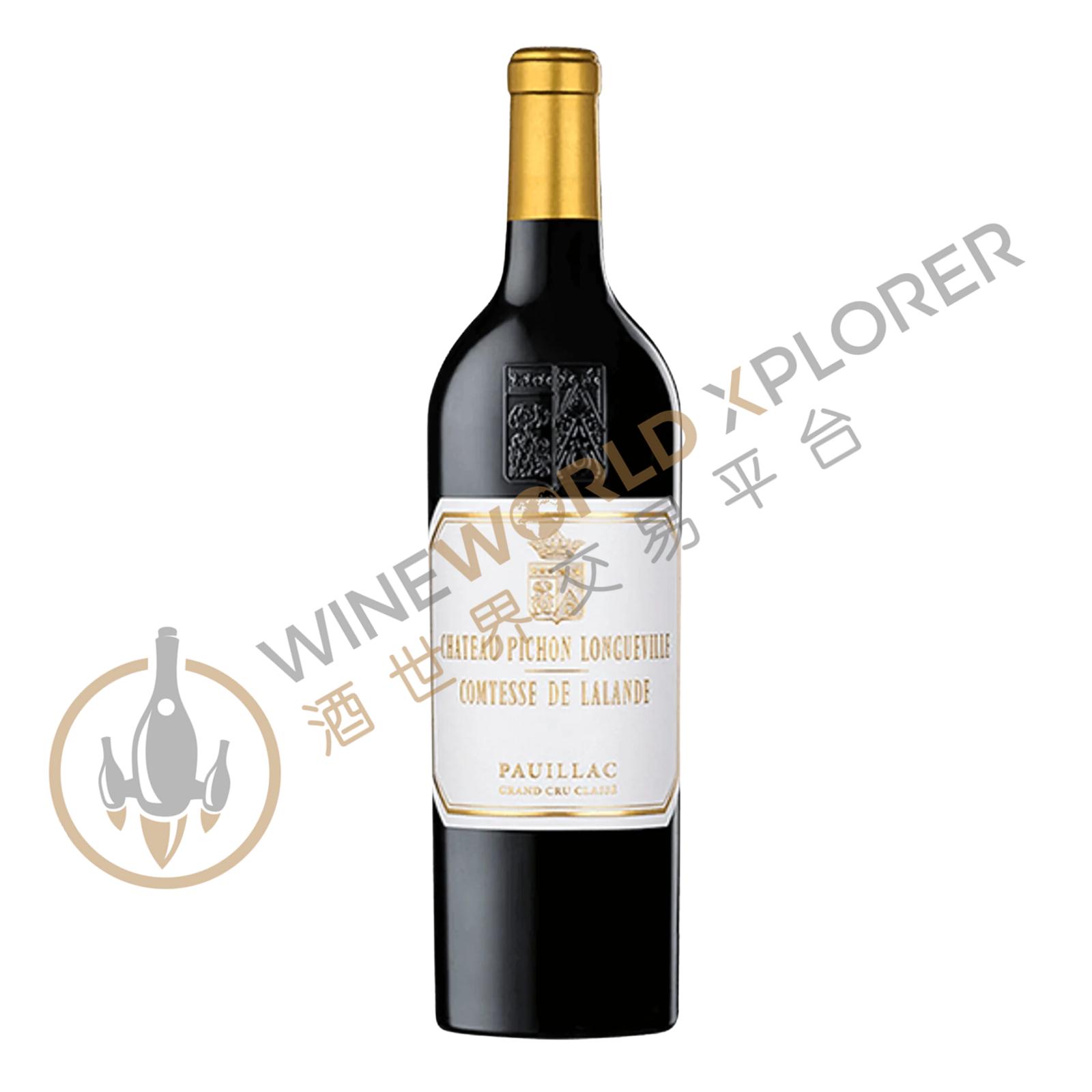
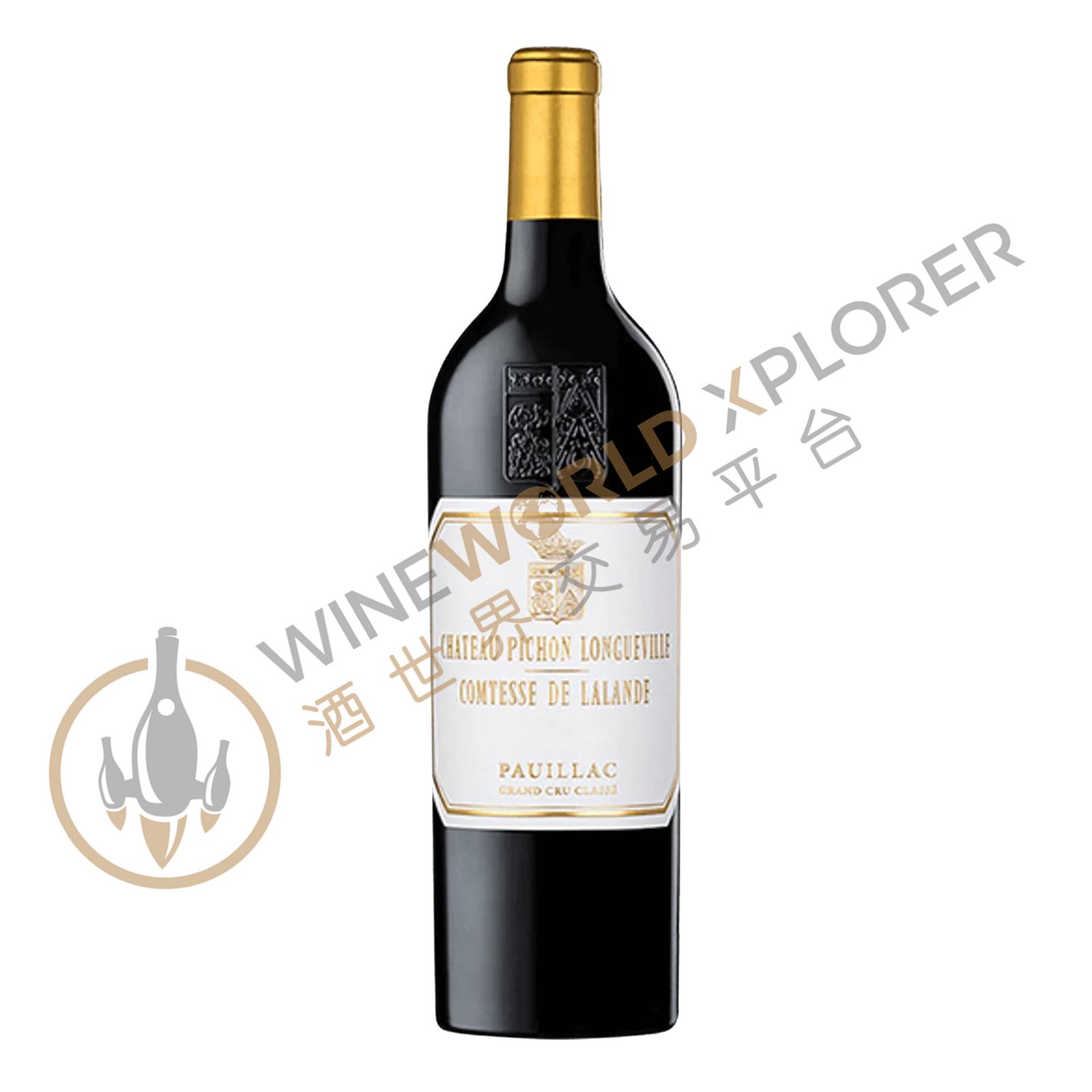
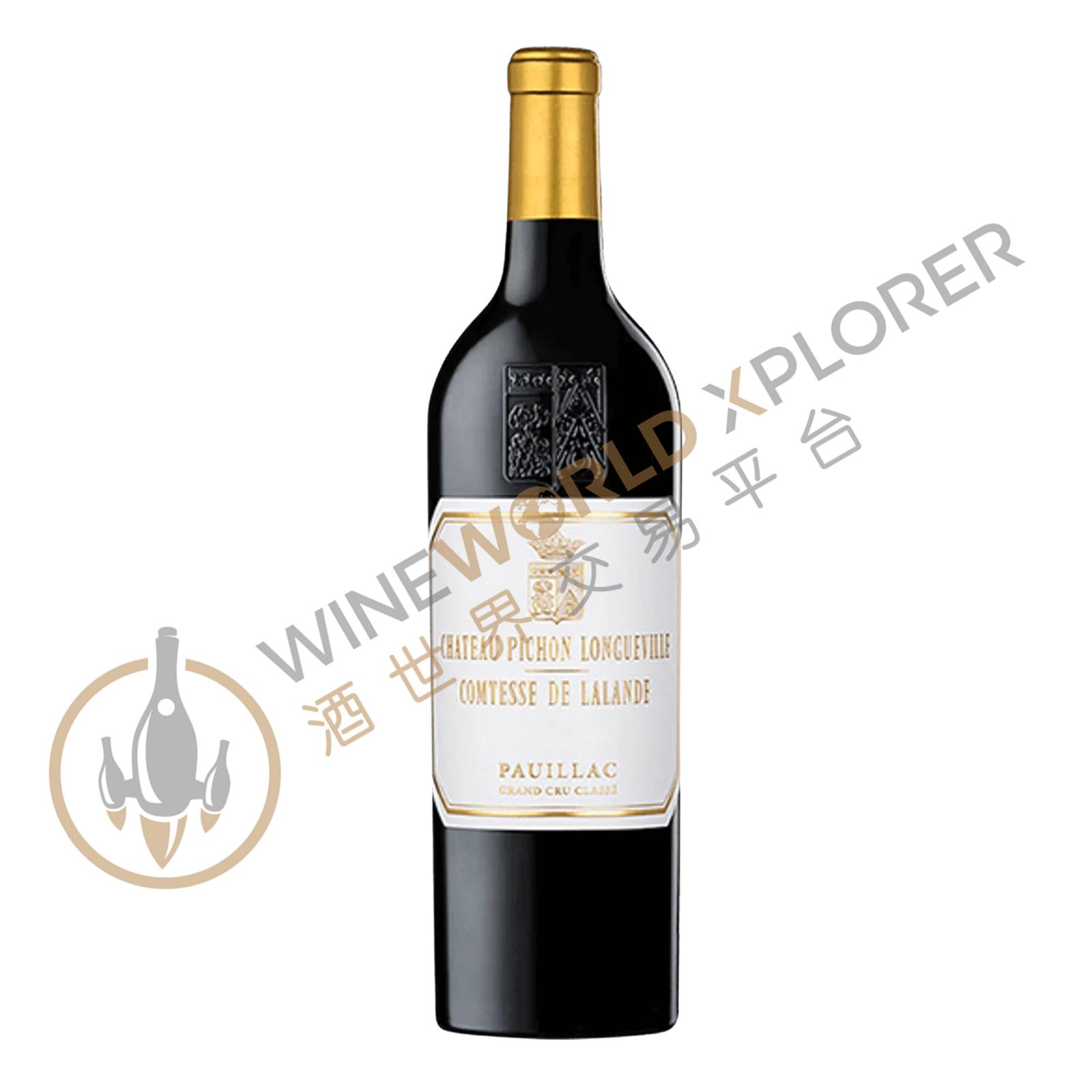
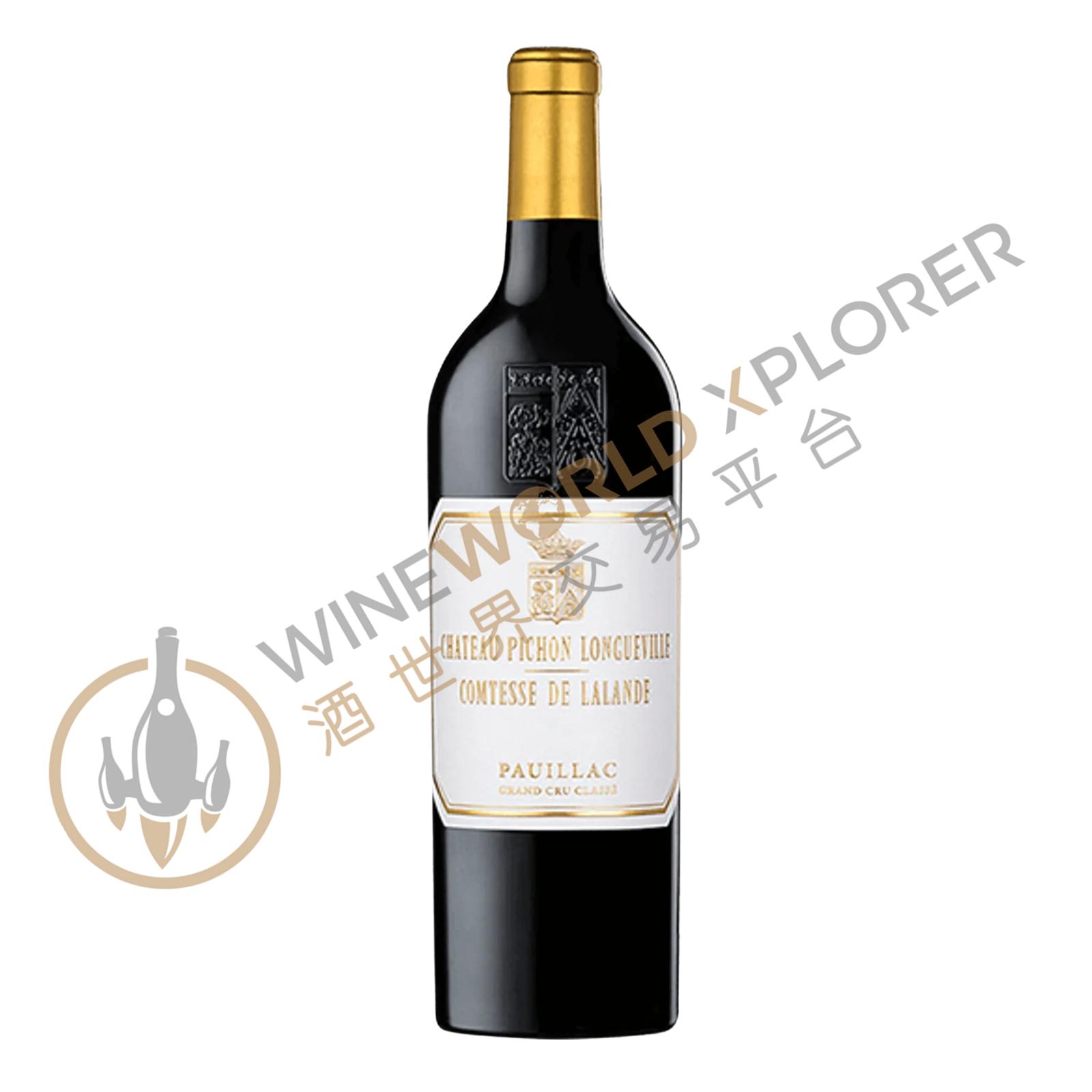
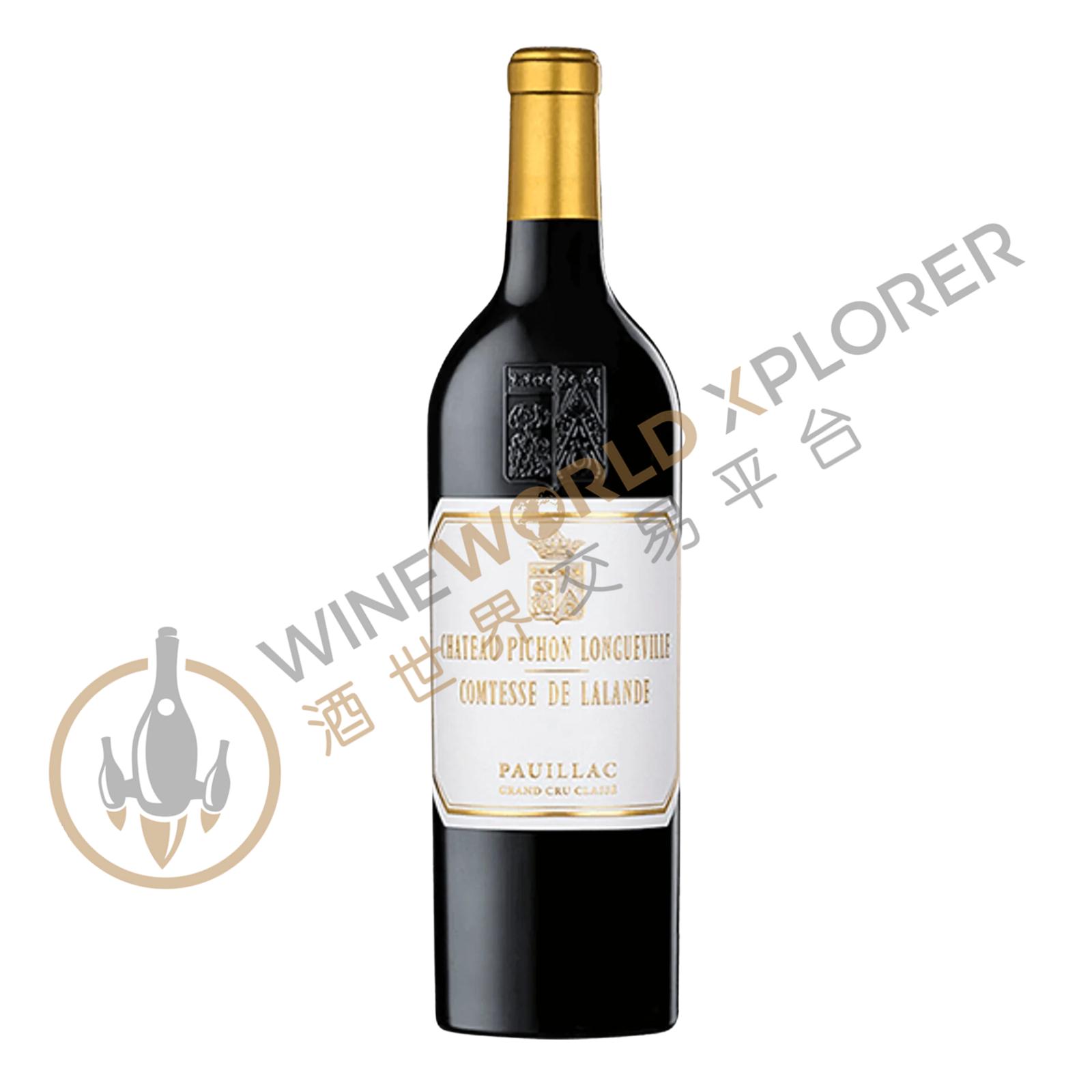
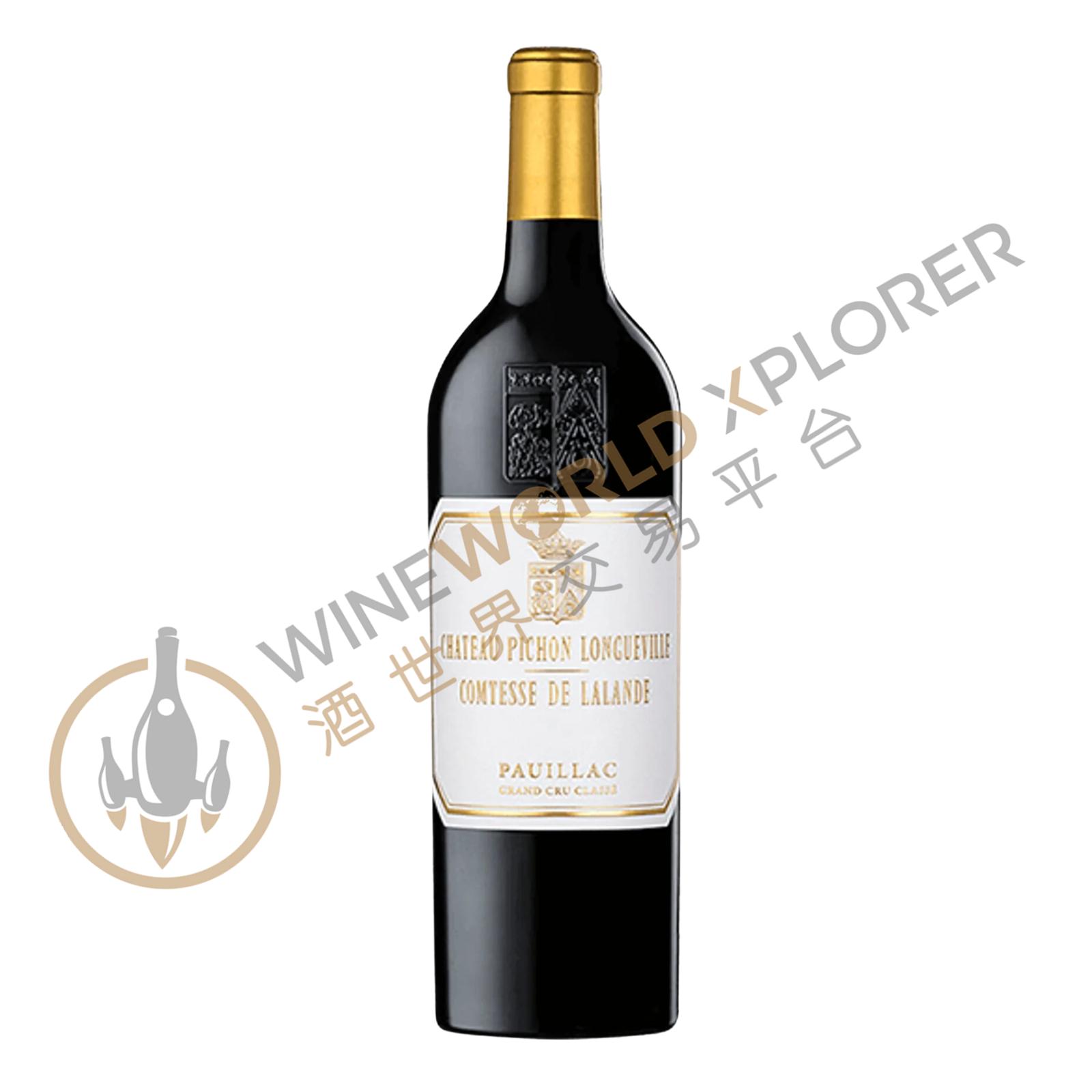
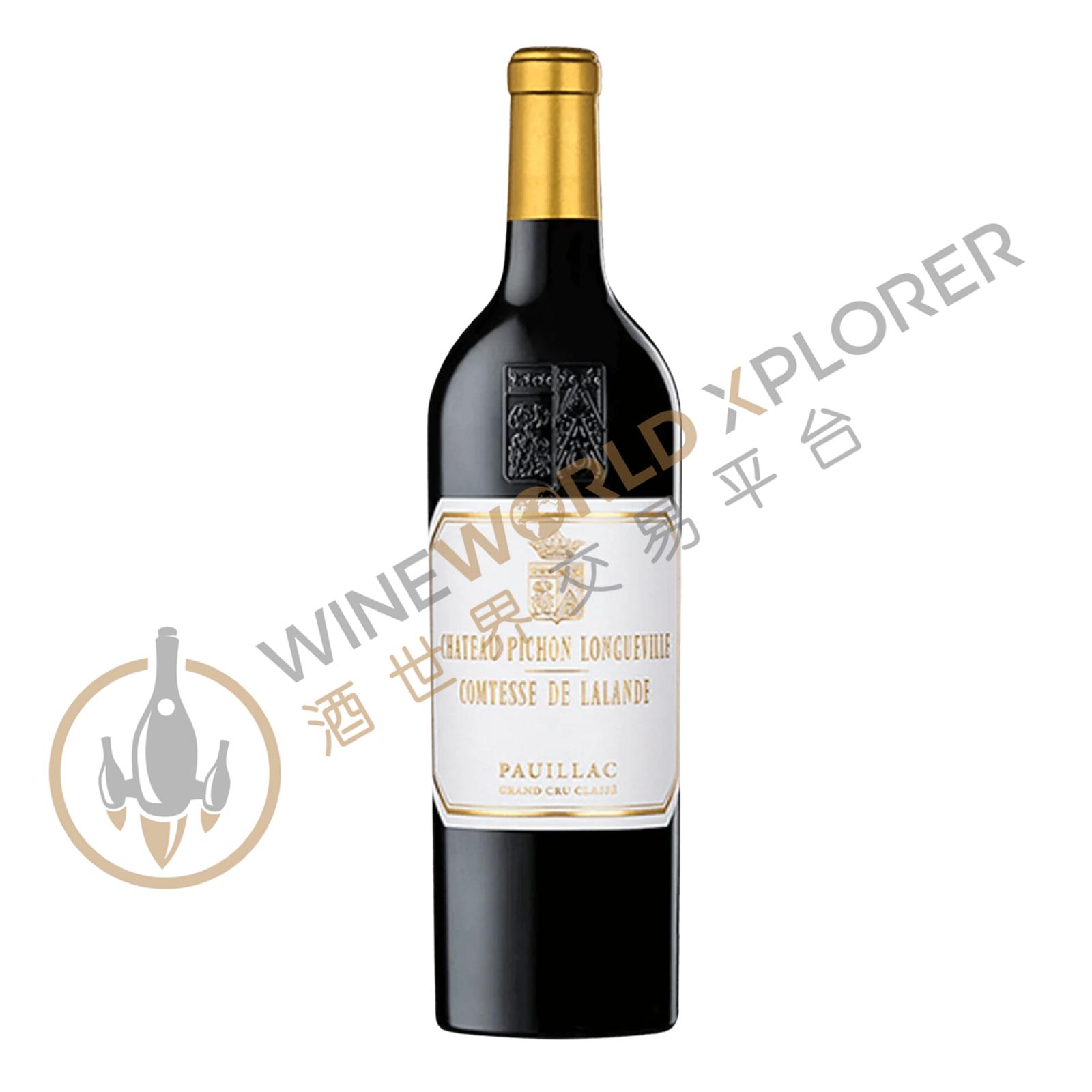
Pichon Lalande 2010
 View analysis


Description
Tasting notes

Reviewed by: Neal Martin
Tasted blind at the Southwold Bordeaux 2010 tasting. Like the Grand Puy Lacoste 2010, the Pichon Lalande has a very attractive sea-influenced bouquet with brine and estuary scents infusing the crisp black fruit that gain intensity in the glass, yet remain very focused. The palate is medium-bodied with fine tannins, perfectly judged acidity, silky smooth texture and a complete, harmonious finish that is very seductive. Beautiful. Tasted January 2014.
Reviewed by: Robert M. Parker, Jr.
I tasted the 2010 Pichon Lalande on three separate occasions, two consistent and one that underperformed, hence the question mark. A blend of 66% Cabernet Sauvignon, 24% Merlot, 7% Cabernet Franc and 3% Petit Verdot, it reveals an opaque purple color as well as a thick, unctuous style with fresh blackberry and cassis fruit intermixed with hints of graphite, herbs and coffee. The vintage’s tell-tale minerality is present in this structured, tannic, backward effort. It will require 5-6 years of cellaring and should age for 25-30 years.
Reviewed by: Neal Martin
A blend of 66% Cabernet Sauvignon, 24% Merlot, 7% Cabernet Franc and 3% Petit Verdot. The Cabernet Sauvignon dominates the nose with blackberry, rose petal, pencil box and a touch of cedar all with very fine definition. The palate is silky smooth on the entry, very harmonious and focused, fine mineralite coming through, sensual and velvety towards the ripe finish. Extremely pure but powerful, this is a precise, brilliantly executed Pichon-Lalande. I bet Sylvie Cazes is hoping that all vintages will be like this. Drink 2016-2040. Tasted March 2011.
Reviewed by: Neal Martin
A blend of 66% Cabernet Sauvignon, 24% Merlot, 7% Cabernet Sauvignon and 3% Petit Verdot, the Pichon Lalande has a generous blackberry and cassis-driven bouquet that is pure and harmonious. It is floral compared to its peers. The palate is medium-bodied with a caressing, creamy textured opening that is very seductive. The oak is nicely integrated here – a flattering 2010 in the context of the vintage with a sensual, silky smooth finish. It is a little more open than I was expecting, but it will still benefit from three to five years cellaring. Perhaps this is one of the few Pauillacs where I err towards the 2009, yet this still represents a superb wine from the estate. Tasted November 2012.
Reviewed by: Robert M. Parker, Jr.
The 2010 Pichon Lalande is performing extremely well and at the top of the range I predicted several years ago. A final blend dominated much more by Cabernet Sauvignon than usual (66% Cabernet Sauvignon, 24% Merlot, 7% Cabernet Franc and the rest Petit Verdot), the wine is a tighter, more tannic and structured version of this famed Pauillac, which often tends to have more of a St-Julien-like personality than most Pauillacs. Structured, backward and tannic, yet showing a fat mid-palate that is more savory, broader and more expansive than I remember from barrel, this wine is somewhat reminiscent of the 1986, given the Cabernet Sauvignon domination of the blend. Full-bodied, impressively endowed, and less sexy and velvety than normal, this is a somewhat different style of Pichon Lalande than most readers have been used to. Whether you like it more or less will depend on your point of view, but this wine, unlike most Pichon Lalandes, needs a good 5-7 years of cellaring and should keep for 30+ years.
Reviewed by: Lisa Perrotti-Brown
Deep garnet colored, the 2010 Pichon Longueville Comtesse de Lalande gives up notes of warm cassis, blueberry pie and kirsch with wafts of cedar chest, pencil lead, charcoal and charcuterie plus a hint of wild thyme. Medium to full-bodied, the savory-inspired palate possesses a fair bit of chew with a lively backbone and firm finish.
Reviewed by: Antonio Galloni
An eternal wine, the 2010 Pichon Lalande is a total showstopper. The first impression is one of explosive power, but time in the glass brings out the wine’s more delicate, floral side. Violet, graphite, crème de cassis, licorice and menthol overtones recall the 1996, but the tannins here are much softer, sweeter and more polished. In two recent tastings, the 2010 has been positively stellar. The alternation of hot days and cool nights led to a late harvest. The Cabernet Sauvignon harvest did not start until October 7; by that date in 2009 all the fruit was in. Readers who can still find the 2010 should not hesitate, as it is a modern-day classic. That’s all there is to it.
Reviewed by: Ian d'Agata
(a blend of 66% cabernet sauvignon, 24% merlot, 7% cabernet franc and 3% petit verdot; 73 IPT; 3.73 pH; 13.6% alcohol) Dark red. Flowers, sour red fruits, menthol and a hint of gunflint on the nose and palate. Offers modest nuance and lift, but seems a bit hollow in the mid-palate, showing only moderate concentration and definition. Finishes with substantial tongue-dusting, slightly harsh tannins. Really quite disappointing after last year's great wine. (I tasted a total of three samples on two different occasions, with fairly consistent results—only one sample merited close to 90 points.) Interestingly, other wine writers, but not all, also had problems with the samples of this wine. Those who had better luck generally rated this wine as potentially outstanding.
Reviewed by: Neal Martin
The 2010 Pichon-Lalande has a very beguiling bouquet with a very expressive Merlot at the moment. There is a sense of warmth coming through, touches of liquorice and allspice, although it remains delineated and intense. The palate is medium-bodied with those subtle marine influences that I have observed in previous bottles. I was maybe expecting a little more precision and grip on the finish, but it remains a gorgeous Pichon-Lalande, even if it has been surpassed by subsequent vintages like the 2015 and 2016. Tasted from an ex-château bottle at the BI Wines & Spirits 10-Year On tasting.
Reviewed by: Stephen Tanzer
Good ruby-red. Sexy but youthfully restrained aromas of dark berries, black cherry, violet, licorice, graphite, herbs, bitter chocolate and menthol. Densely packed but quite firm, even a bit pinched, with a slight tart edge to its fine-grained flavors of black raspberry, licorice and fresh herbs. Juicy, nicely balanced, elegant wine with silky tannins and excellent length. But comes across as almost too polished, and a bit herbal today. This needs time in bottle to unwind.
About the Producer
Pichon Lalande is arguably the best known Super Second Pauillac for its quality consistency and quintessential Bordeaux claret expression. Neighbouring Chateau Latour and lying just right opposite Chateau Pichon Baron, Pichon Lalande, as its name suggests, has long seen extended female owner influence since the 1850s. Back in the 1850s, the original Pichon Lalande got broken down into two-fifth being renamed as Pichon Baron and three-fifth remaining as Pichon Lalande upon the passing of Baron Joseph de Pichon Longueville. The three-fifth was run by the three daughters of the Baron himself and over the course of a few years, Pichon Baron and Pichon Lalande took on distinctive styles - with the former being more a masculine expression and the latter, feminine. Female ownership and influence continued, with little interruption, till the modern days. Pichon Lalande's string of female leaders have contributed to the continuous modernization of Pichon Lalande's vineyards and cellars; as well as the doubling of vineyard area during the 1970s - 90s. Today, Pichon Lalande's feminine expression continues to prevail - whilst the team is placed under the leadership of a former opera singer turned winemaker gentleman named Nicolas Glumineau. Conversion to biodynamic viticulture (fully by year 2021), continuous investments in precision winemaking facilities see Pichon Lalande continue to be revered among leading critics. Pichon Lalande is planted to 65% Cabernet Sauvignon, 25% Merlot, 7% Cabernet Franc and 3% Petit Verdot. It is the predominant Cabernet Sauvignon presence in Pichon Lalande's wines that make this wine such a capable representation of Pauillac's deep gravelly terroir.
1928(1)1969(1)1970(1)1977(1)1979(1)1981(1)1982(3)1983(1)1984(1)1985(4)1986(9)1988(4)1989(4)1990(4)1992(1)1993(1)1994(6)1995(4)1996(8)1997(2)1998(6)1999(4)2000(14)2001(6)2002(13)2003(18)2004(16)2005(14)2006(19)2007(7)2008(20)2009(13)
Package Size
1 x 75cl12 x 75cl3 x 1.5L