Wine Advisor



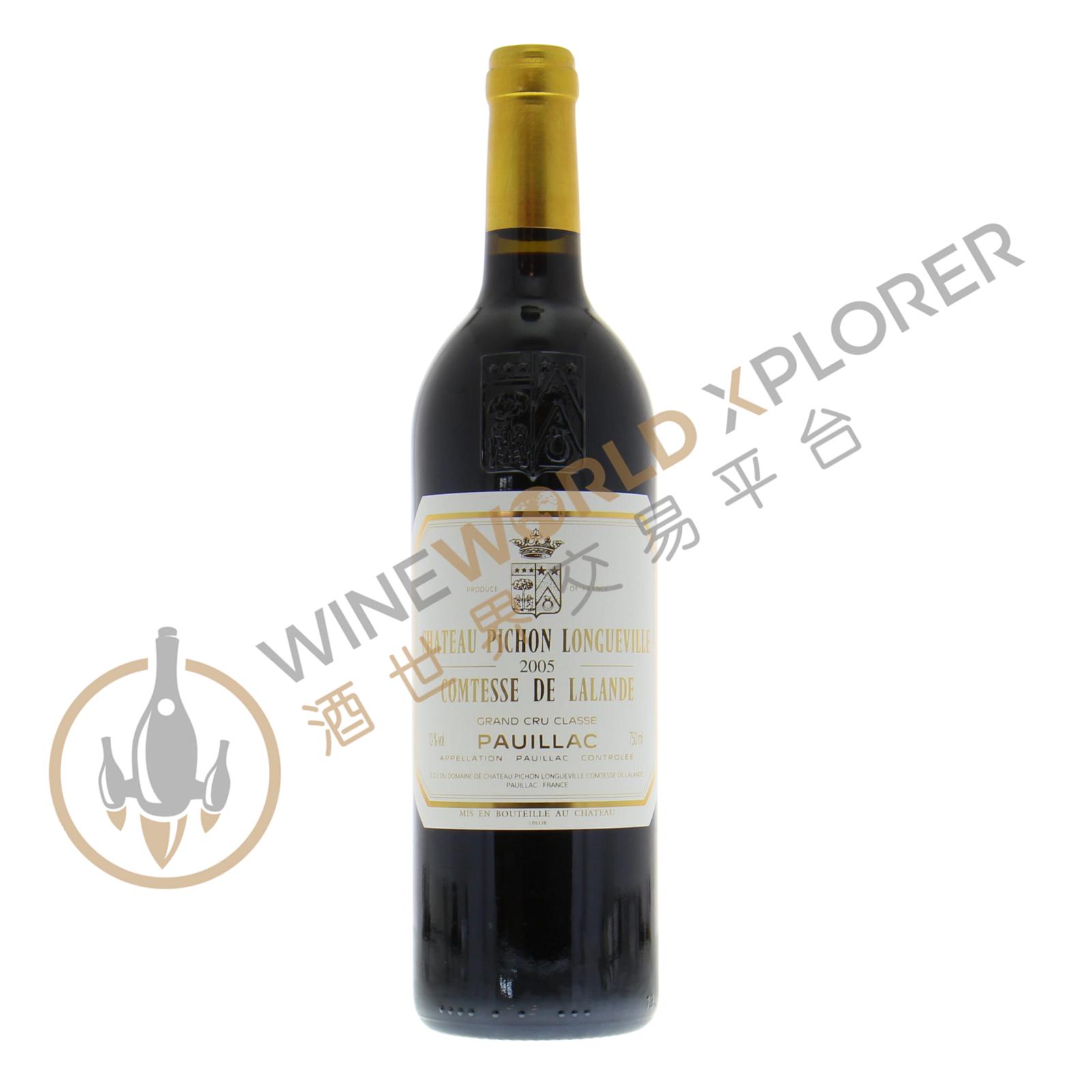
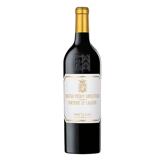
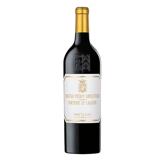
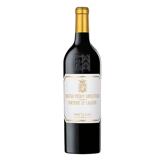
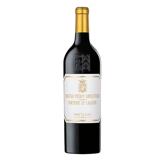
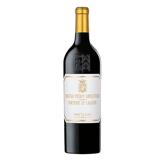
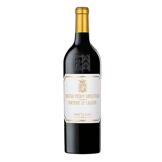
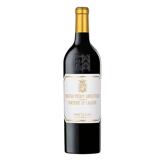
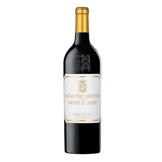
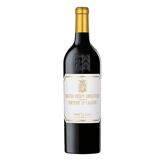
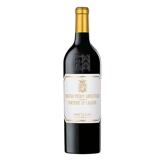
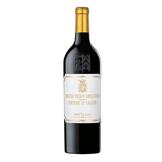
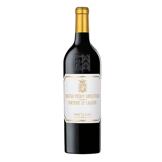
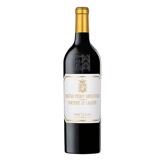
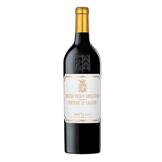
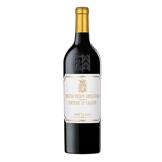
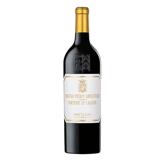
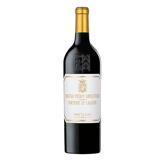
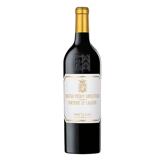
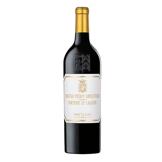
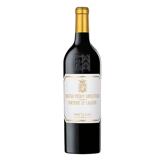
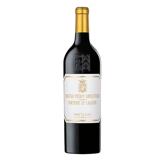
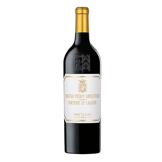
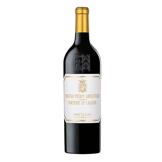
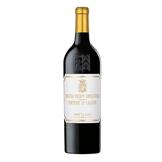
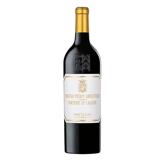
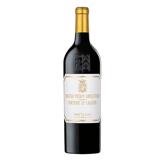
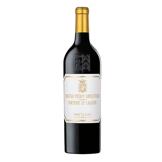
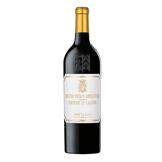
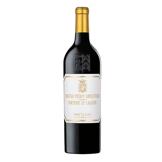
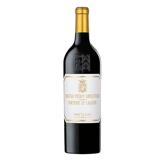
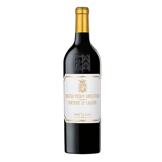
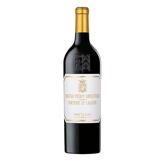
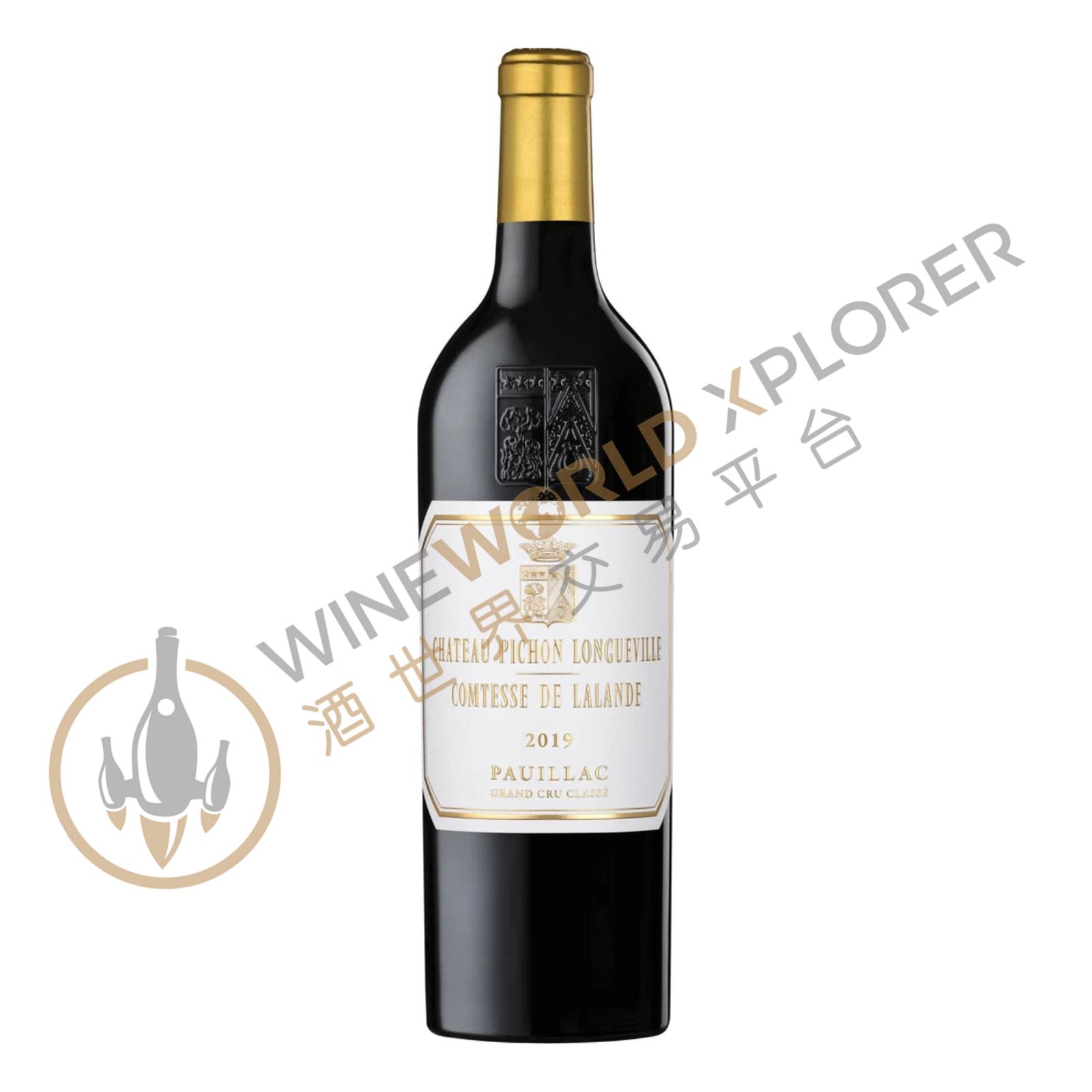
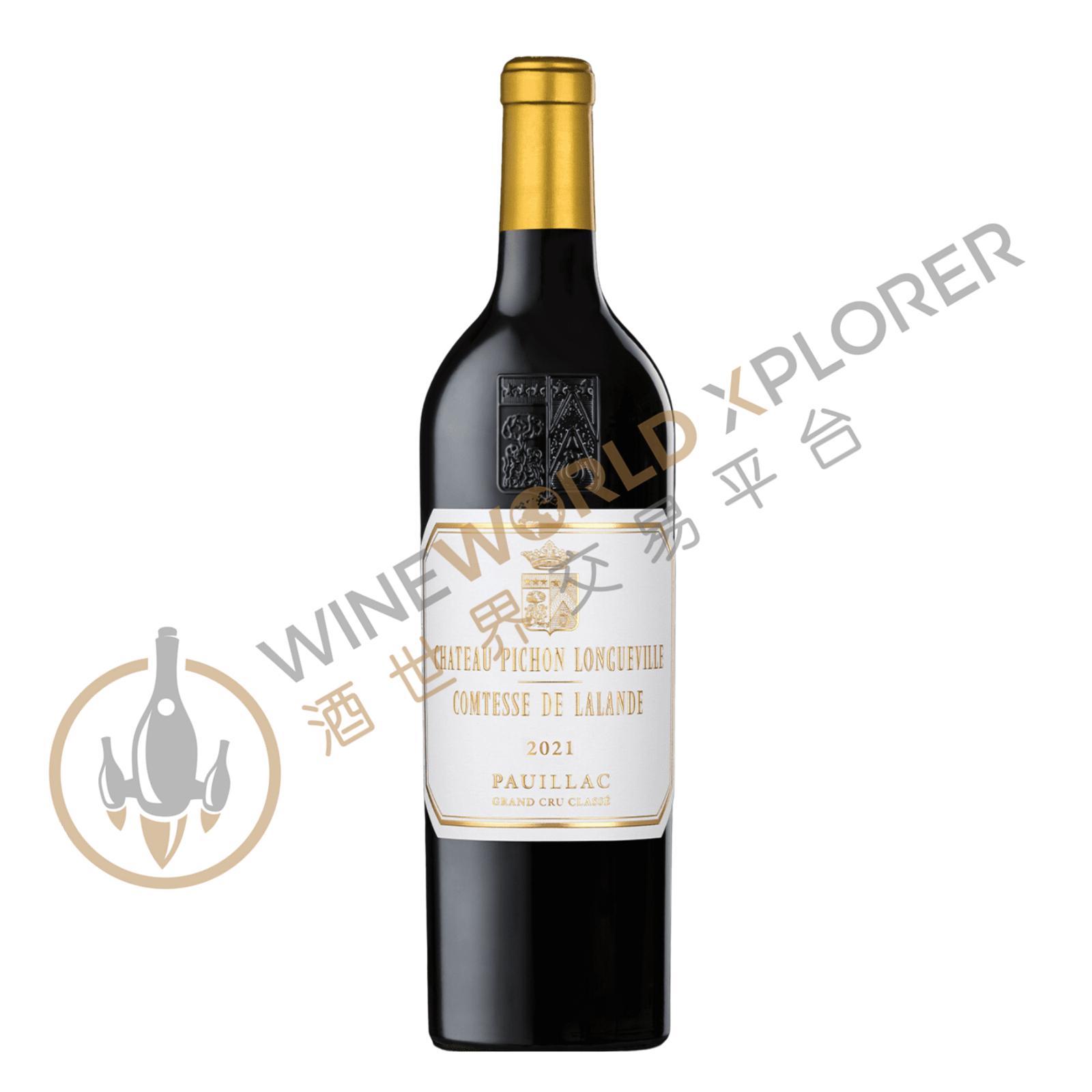
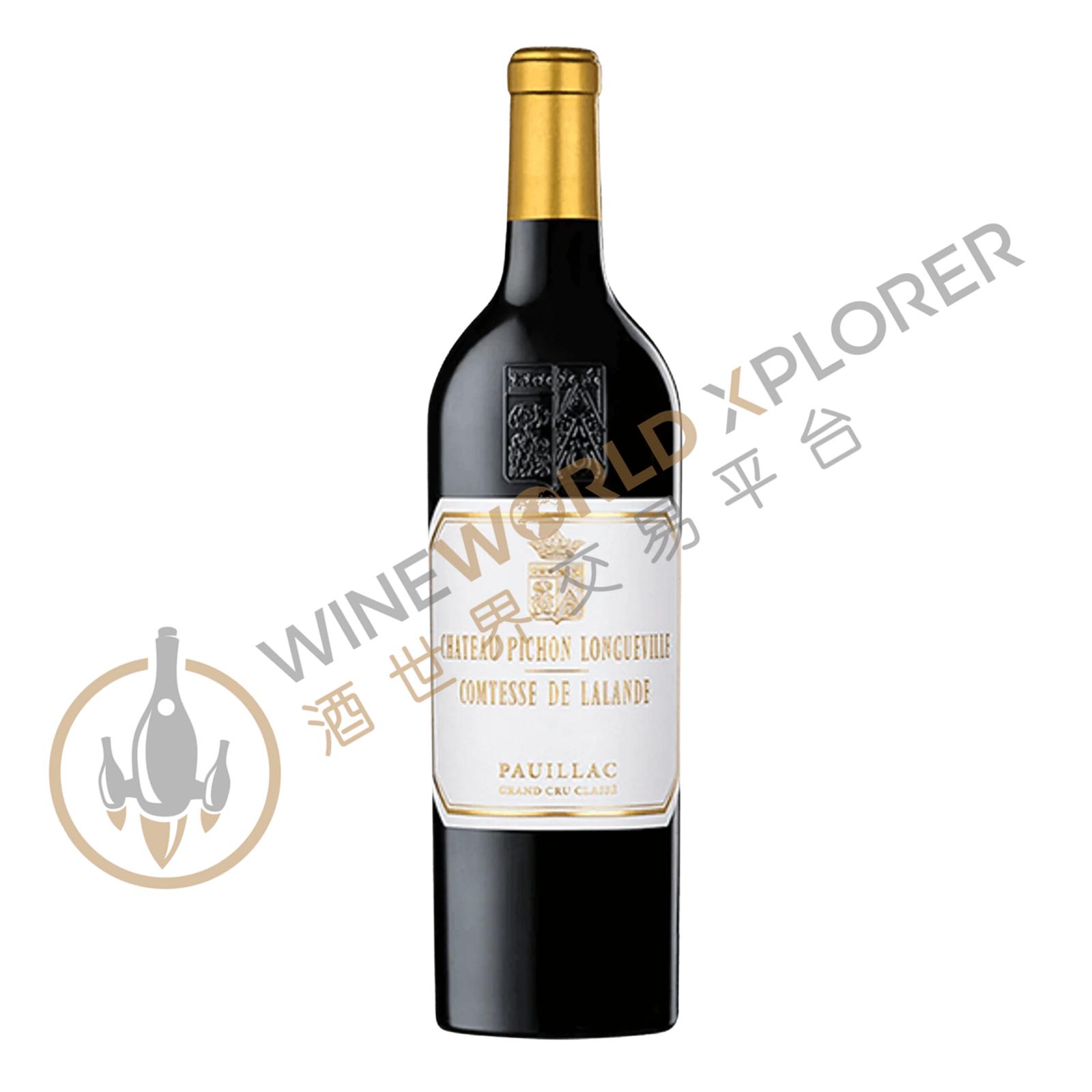
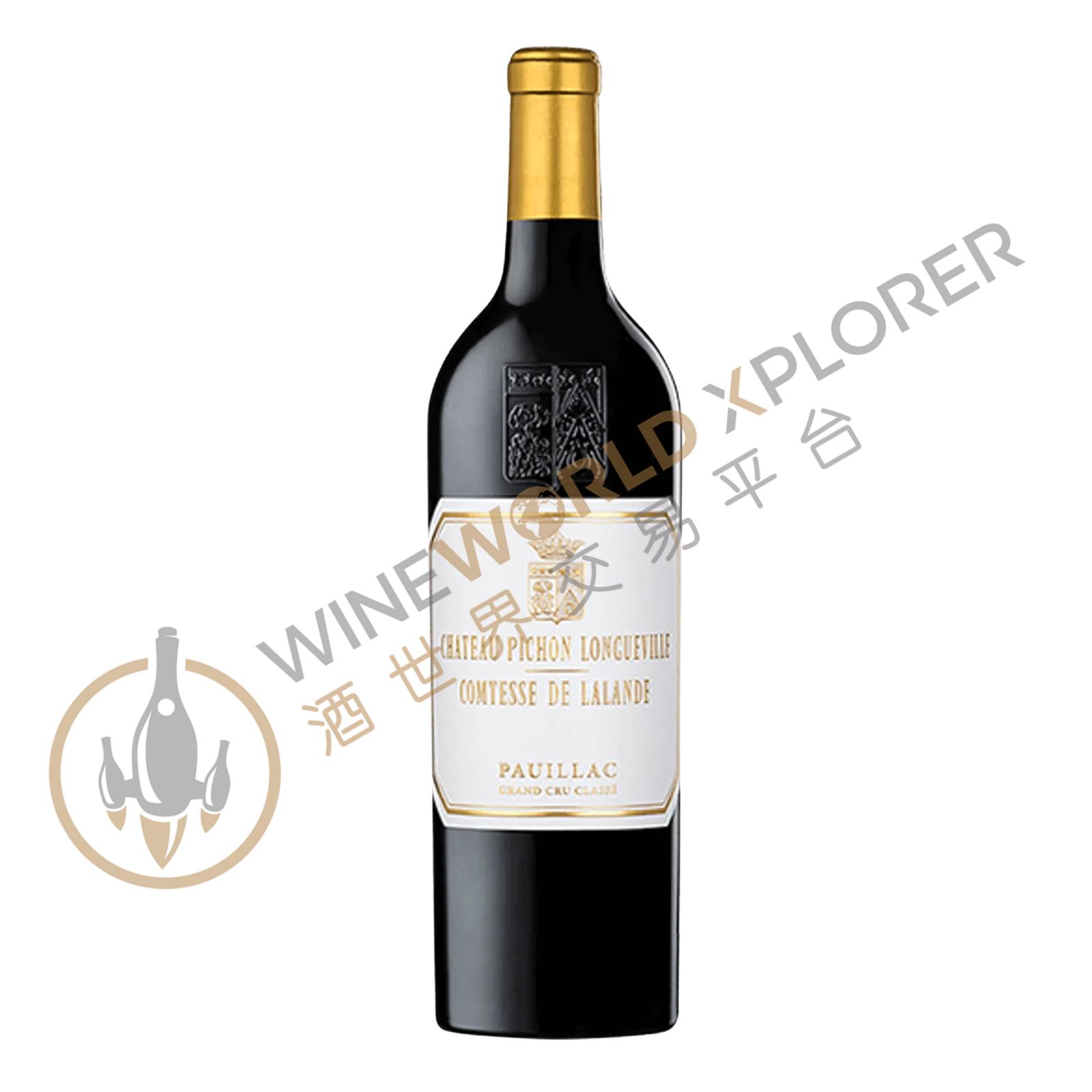
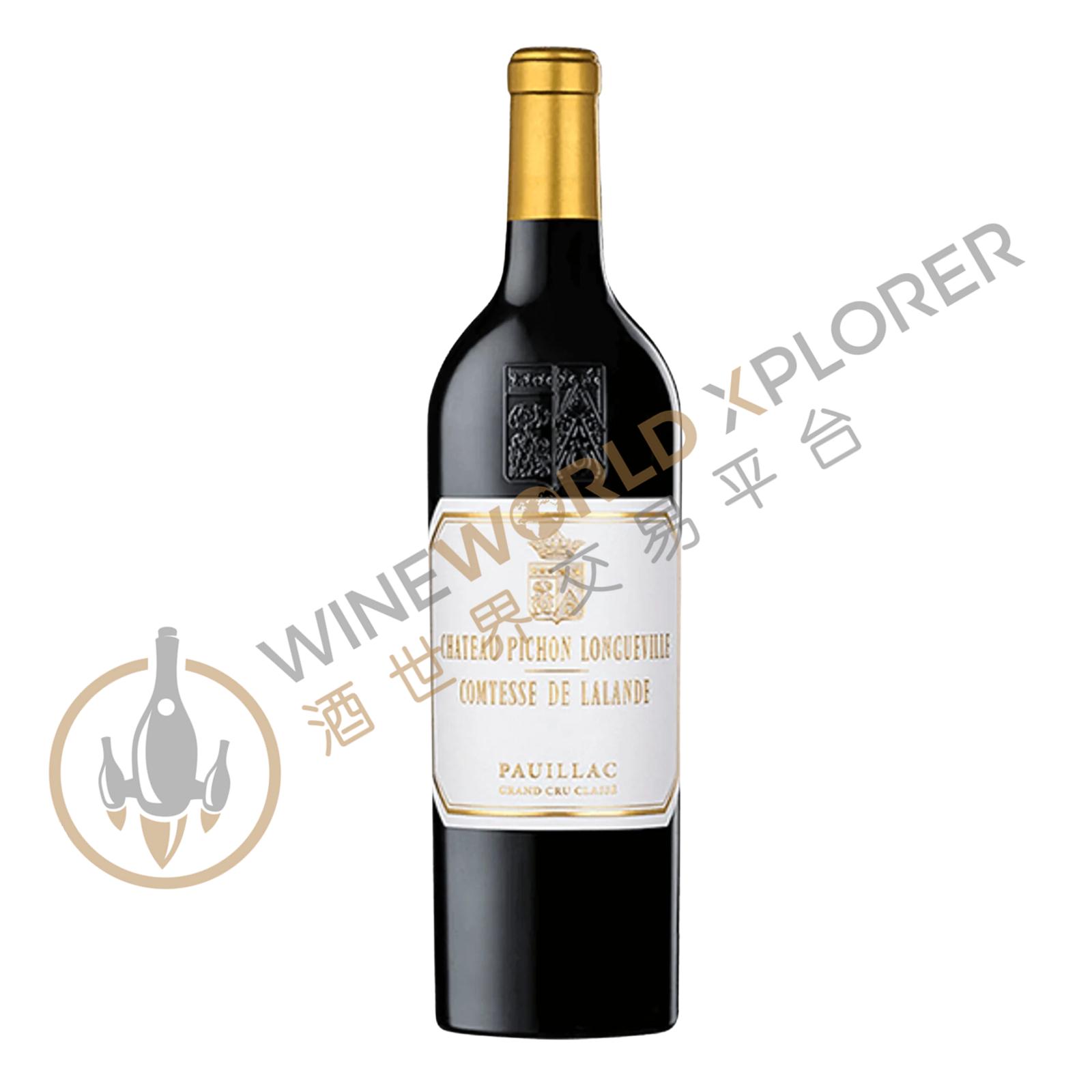
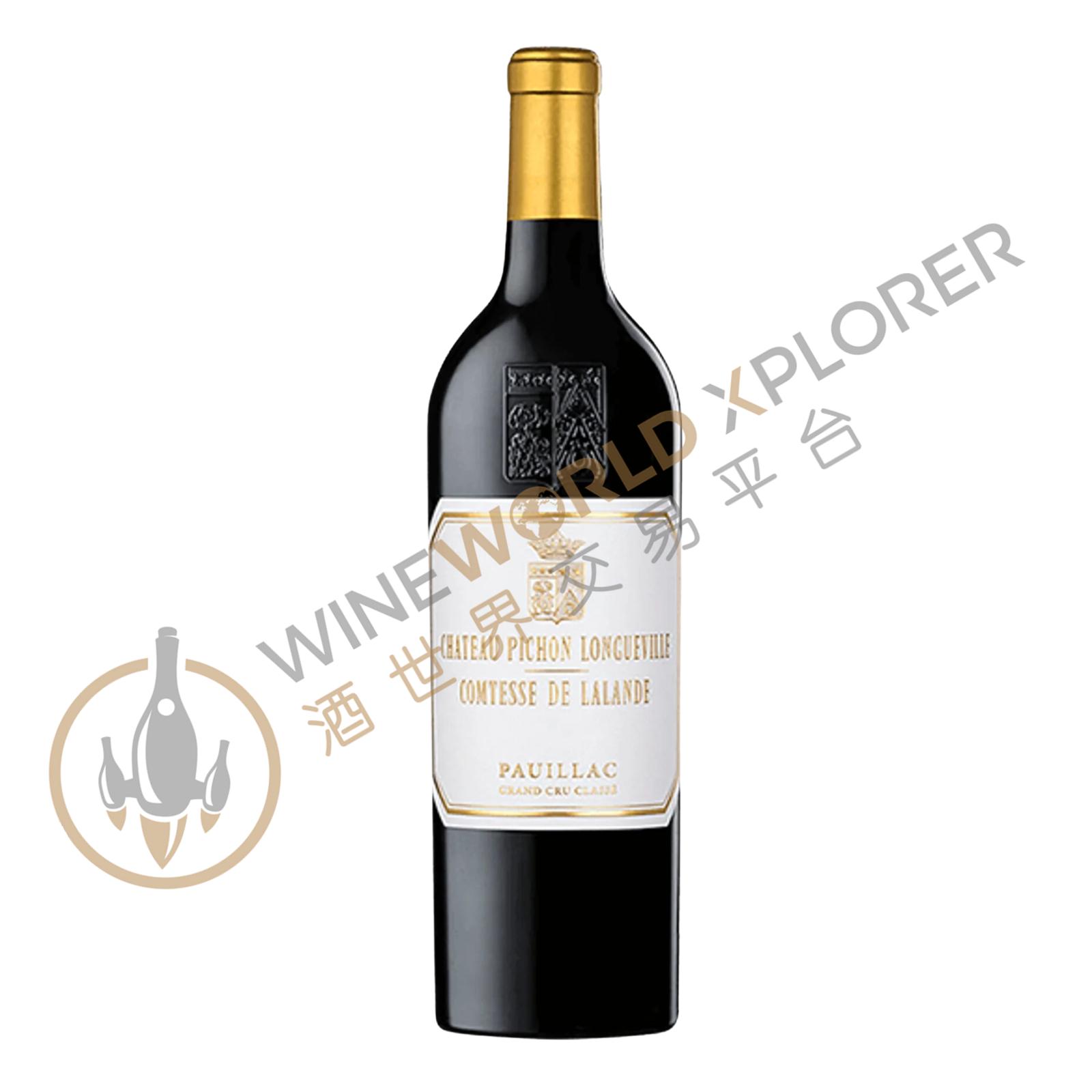
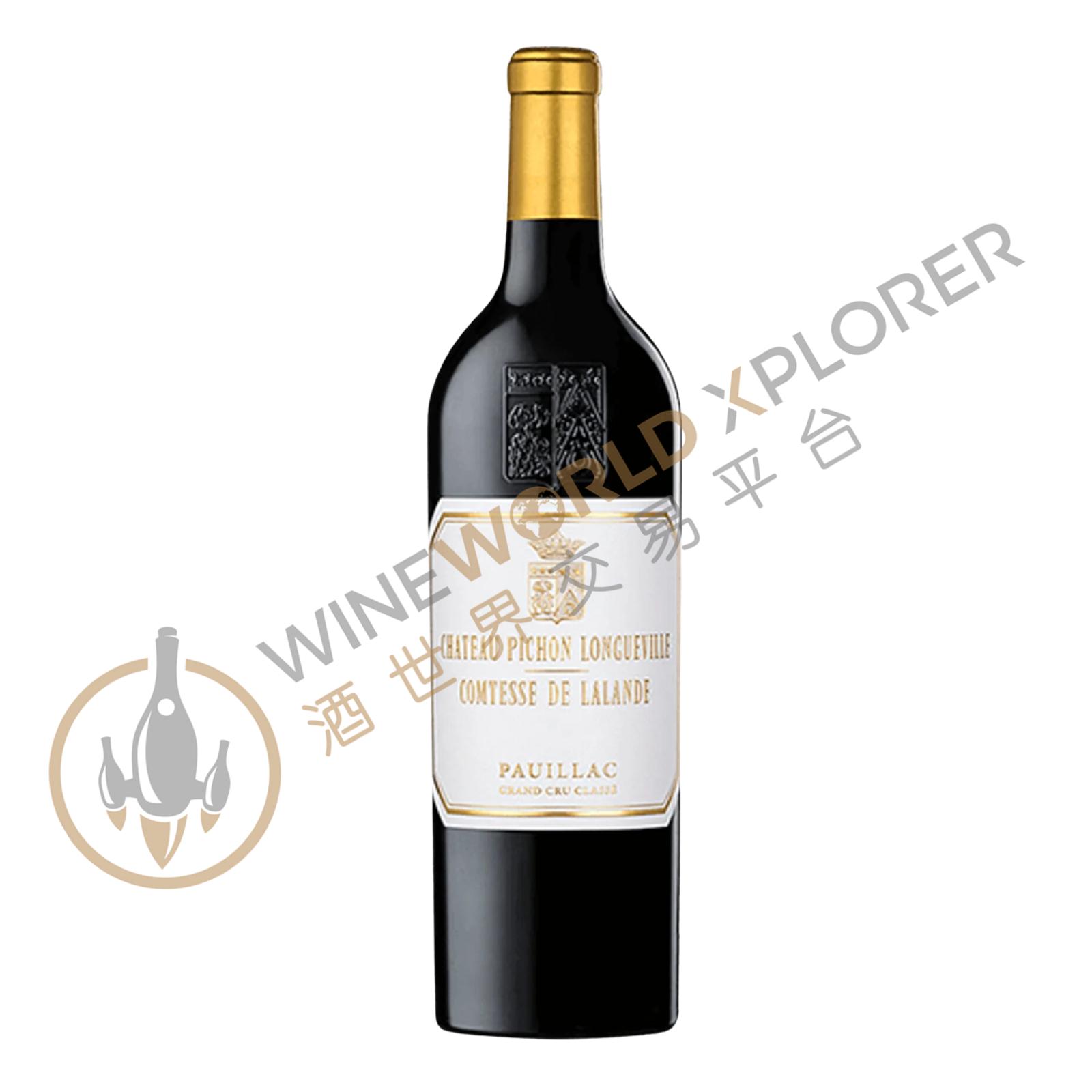
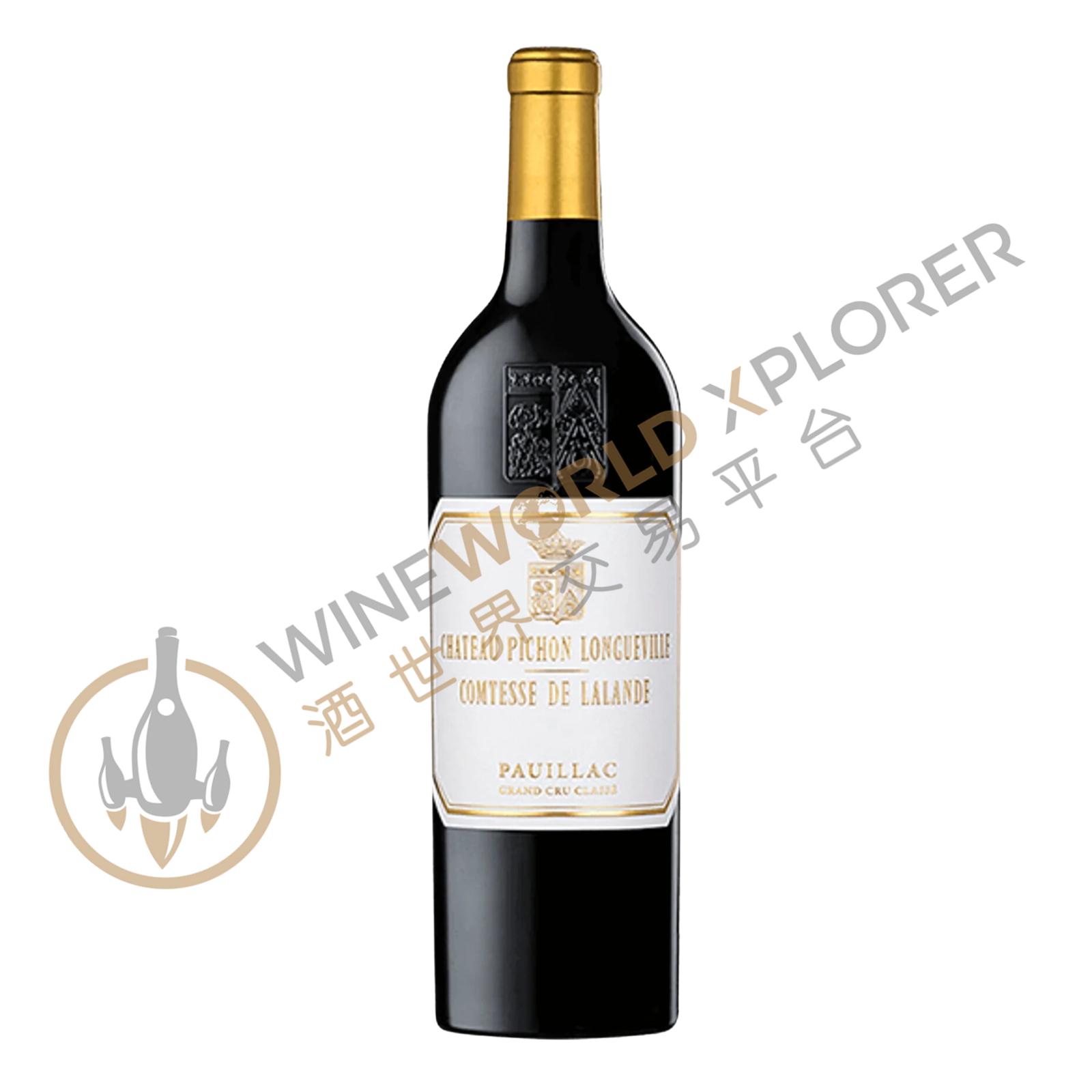
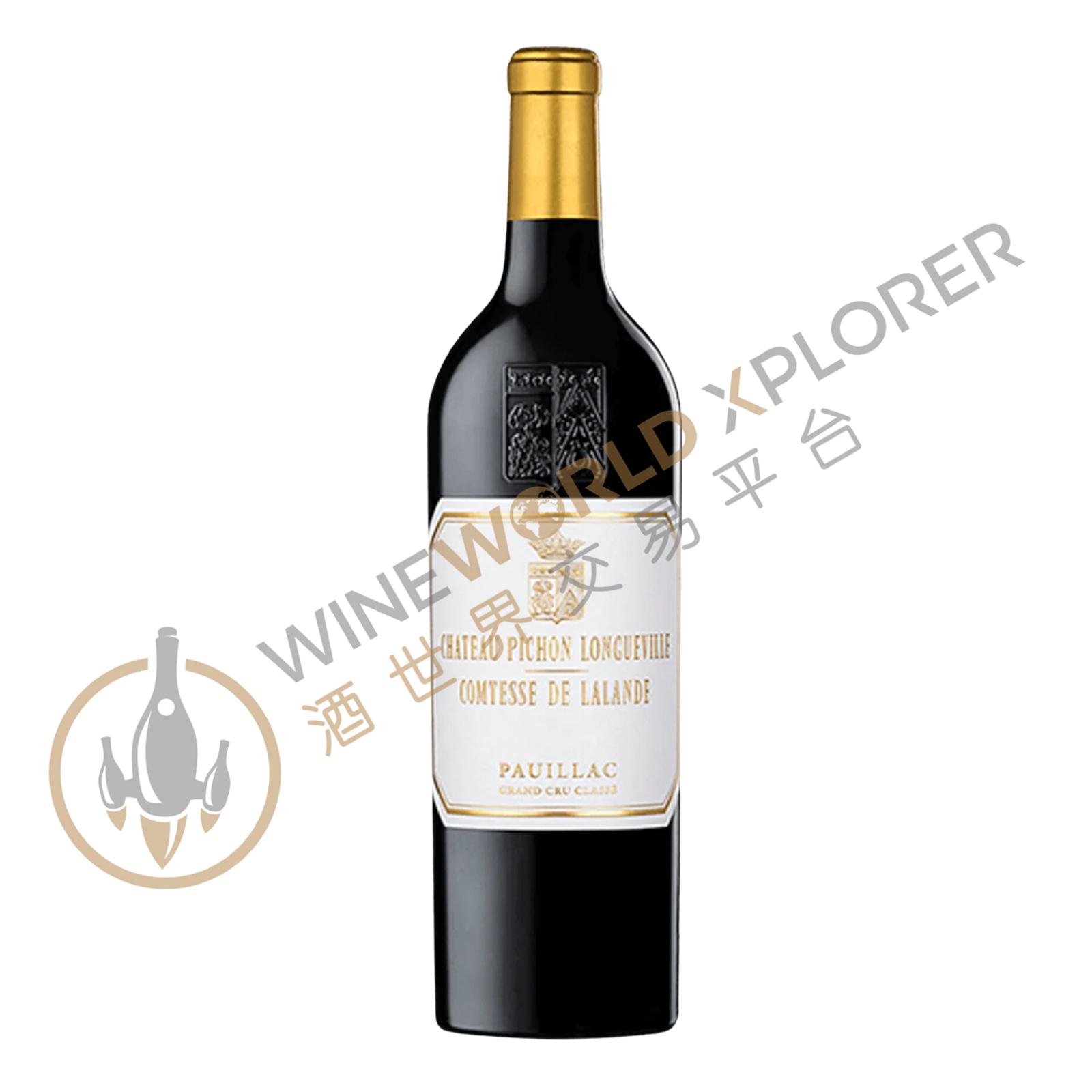
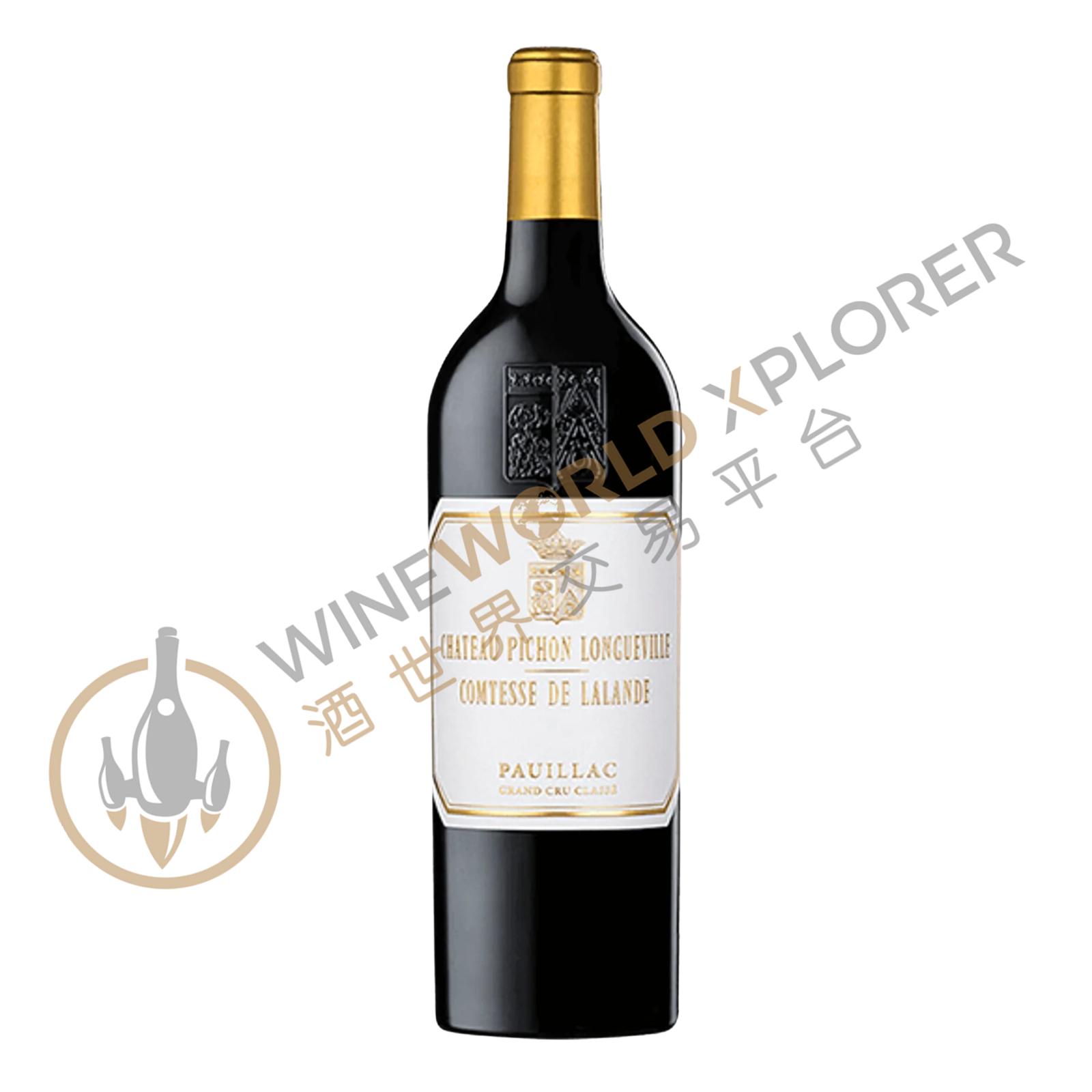
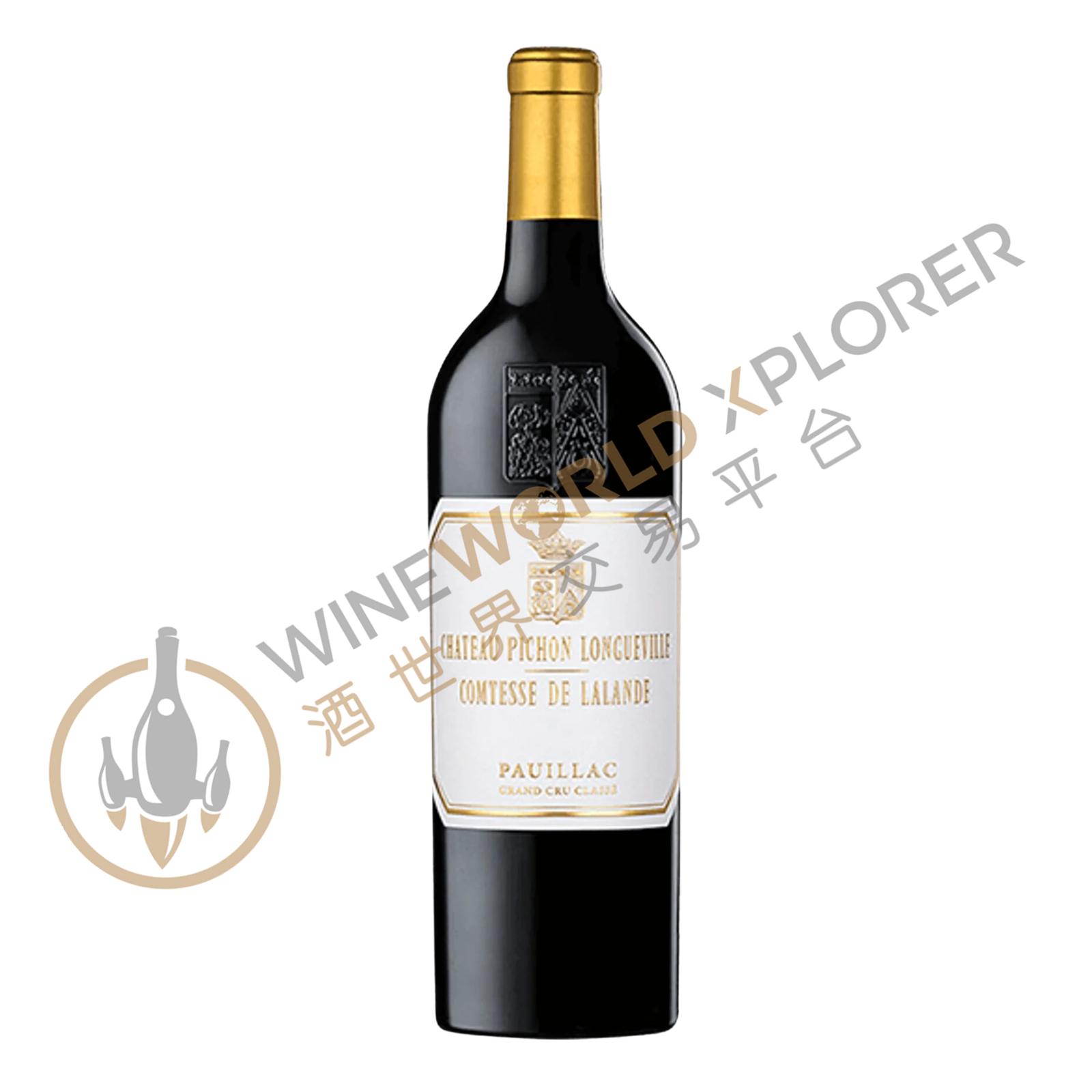
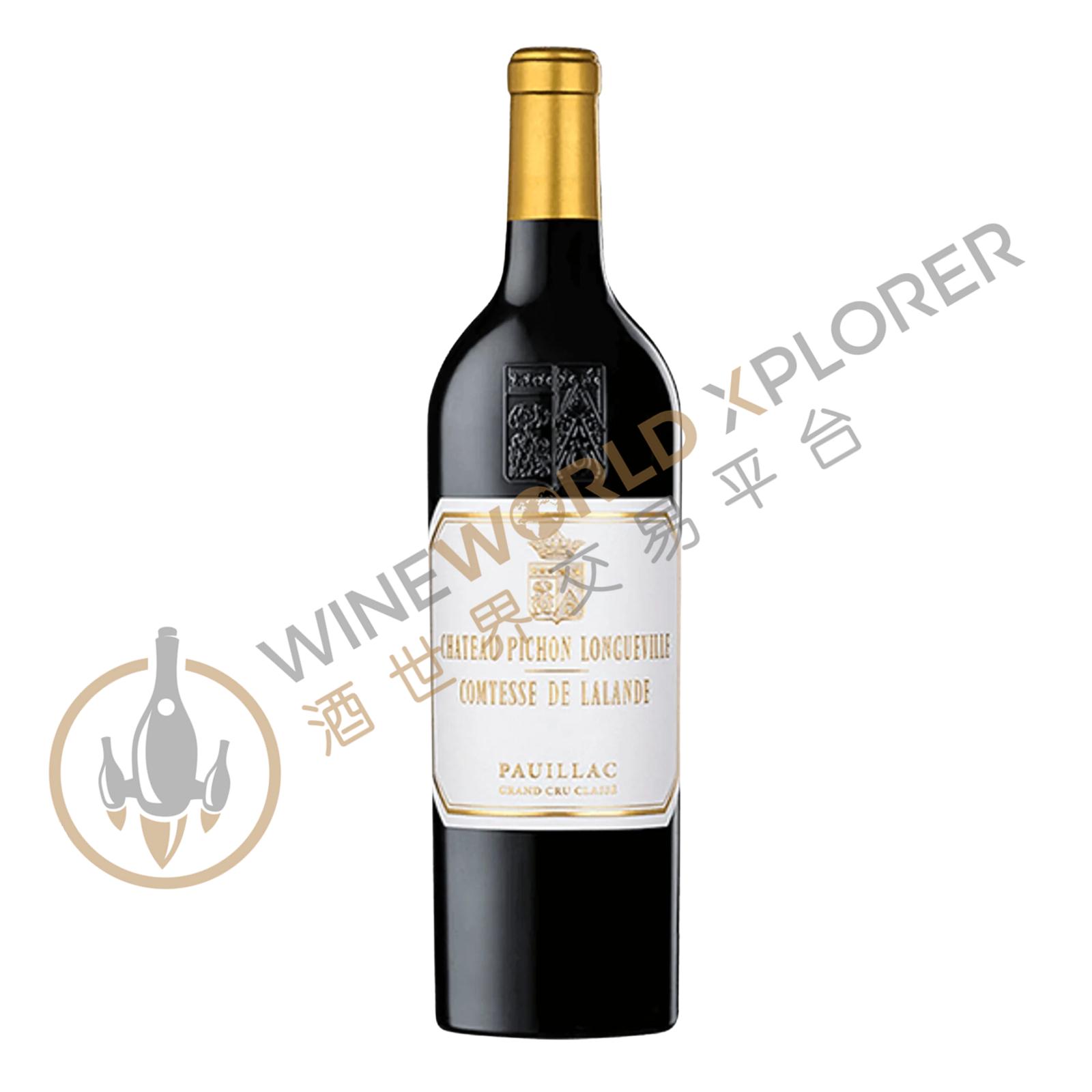
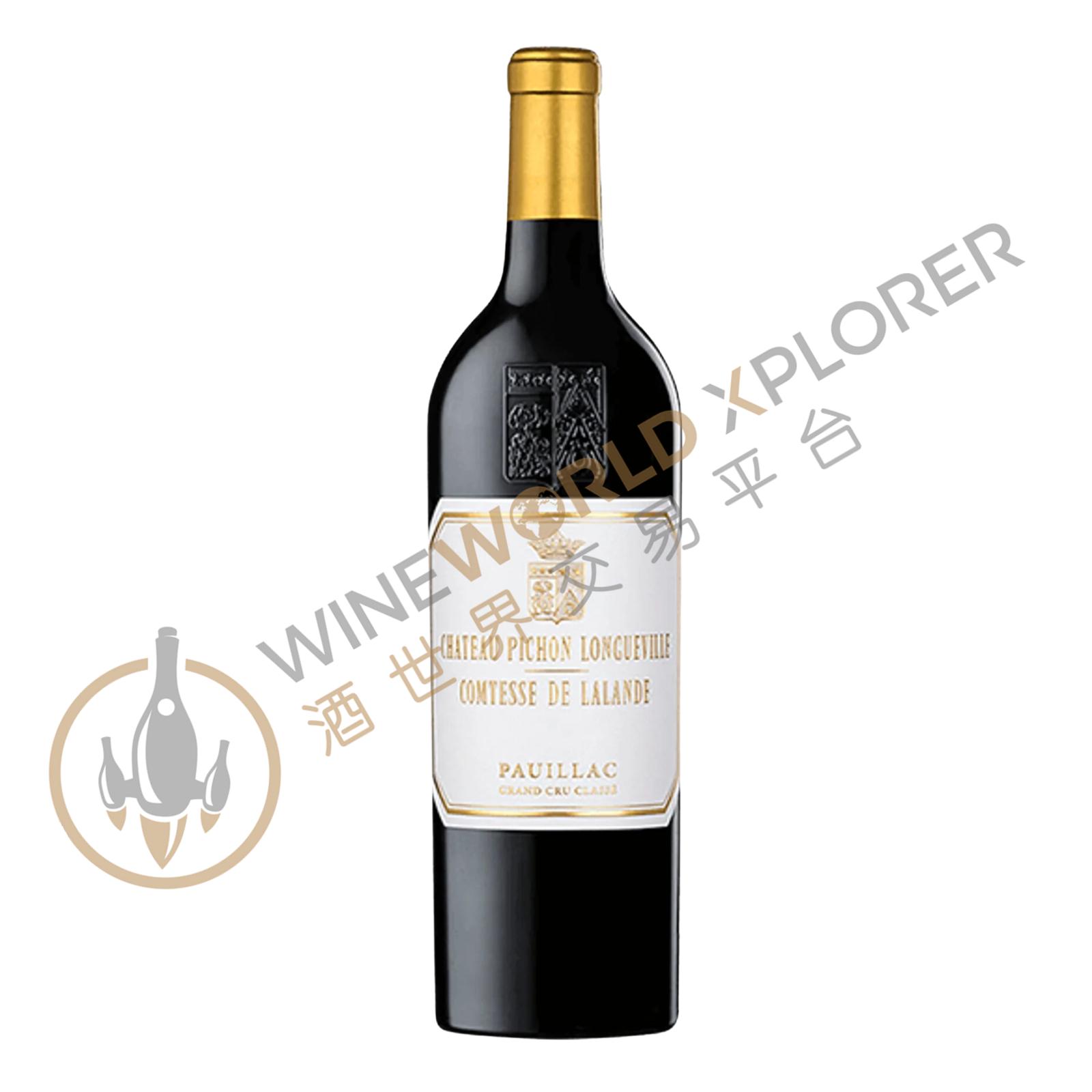
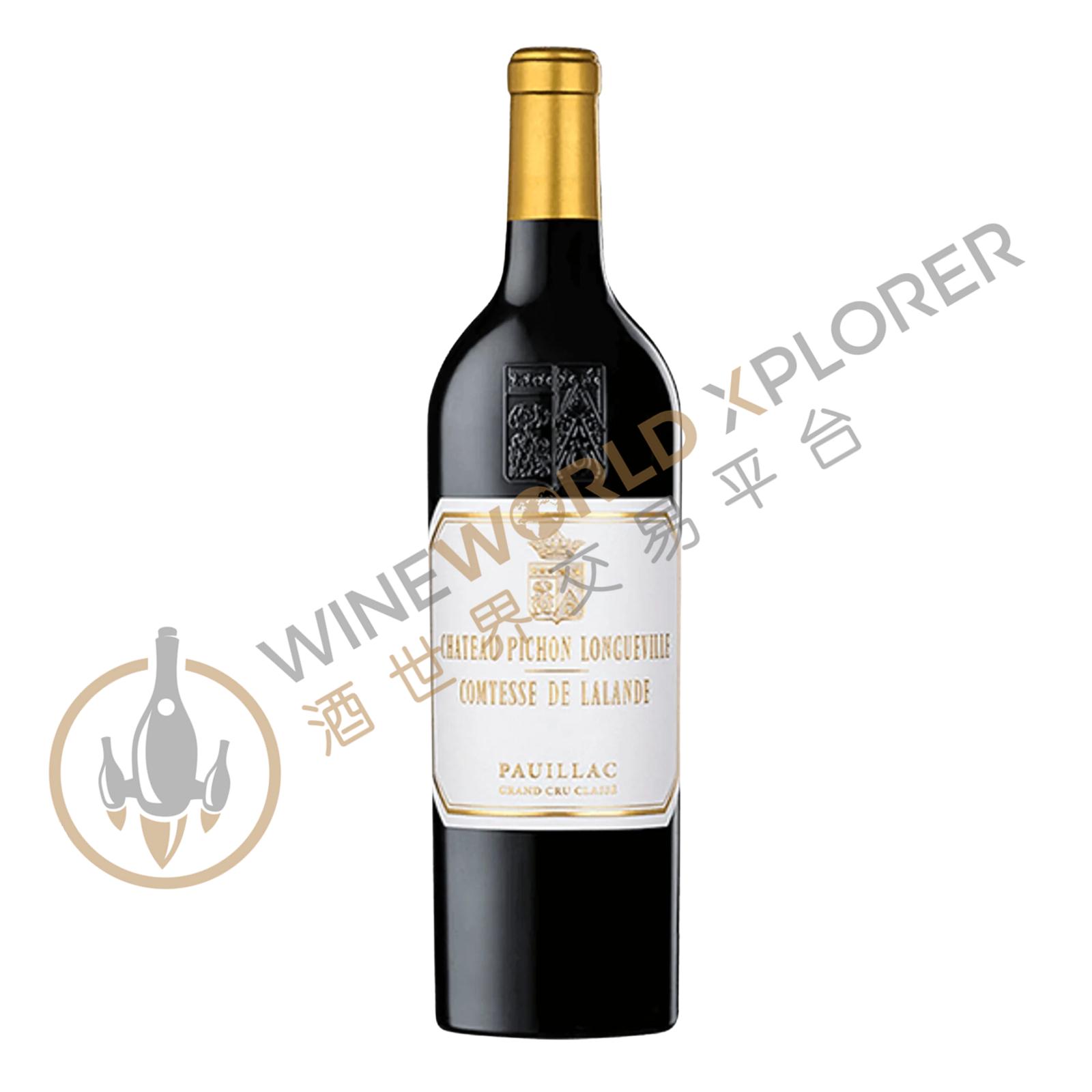
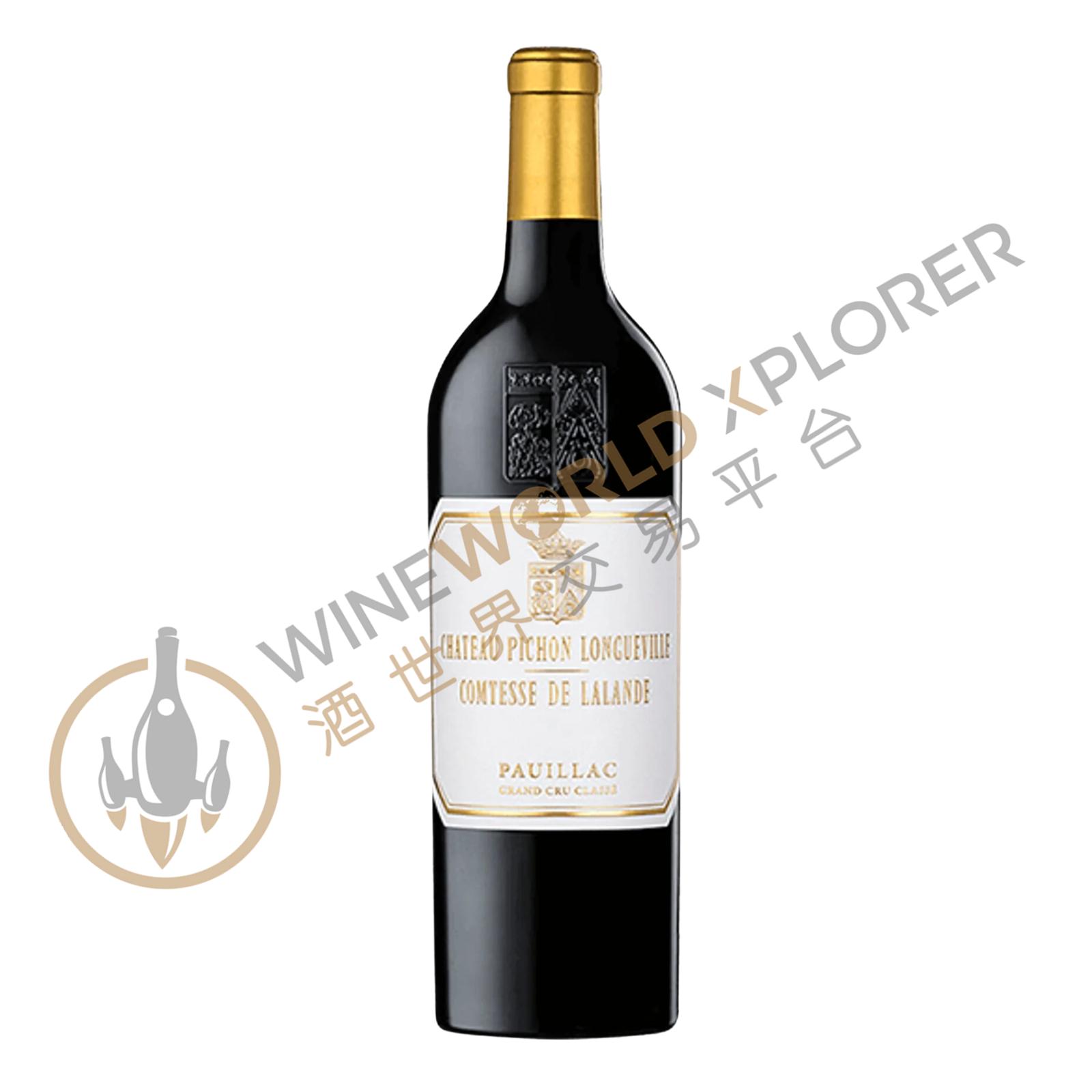
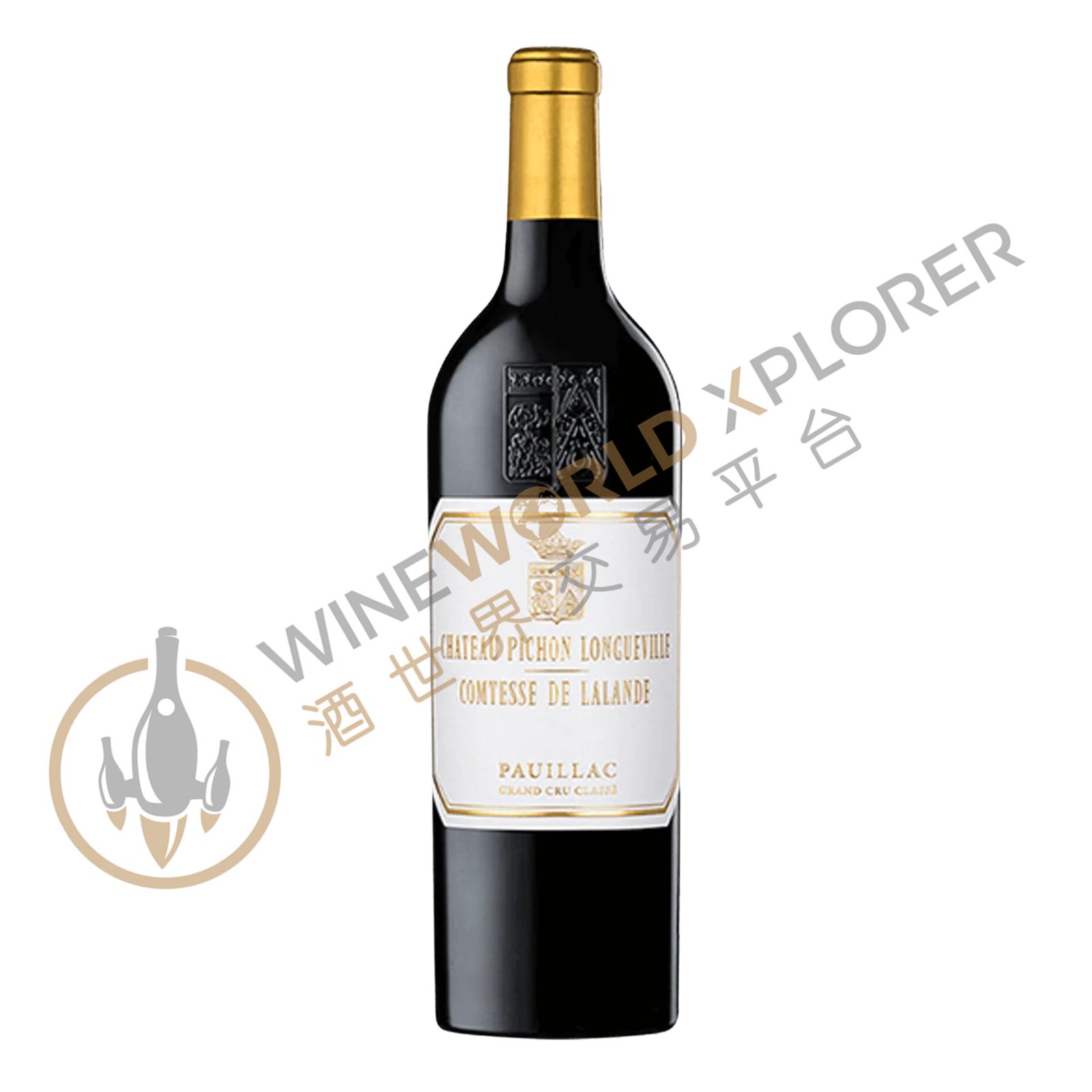
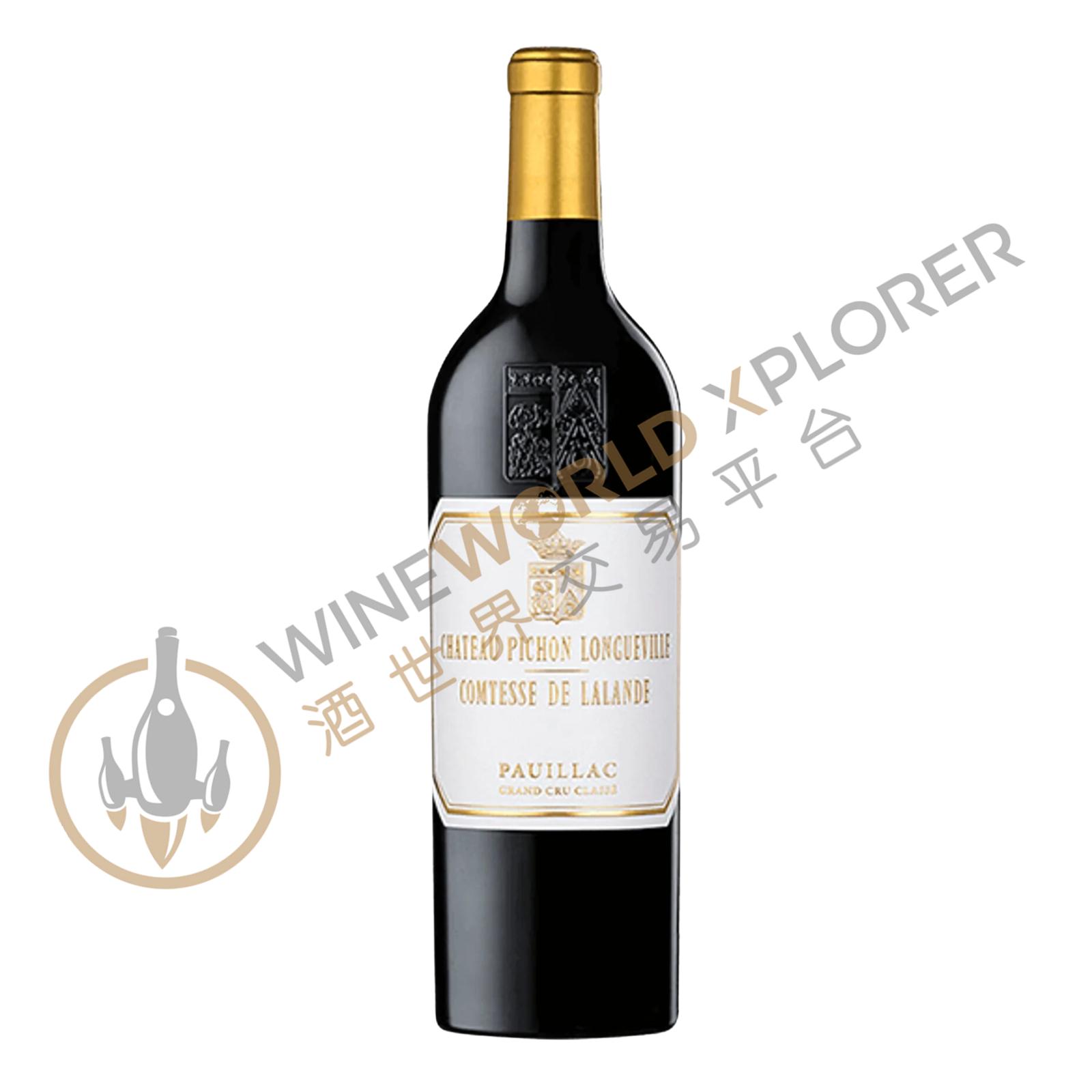
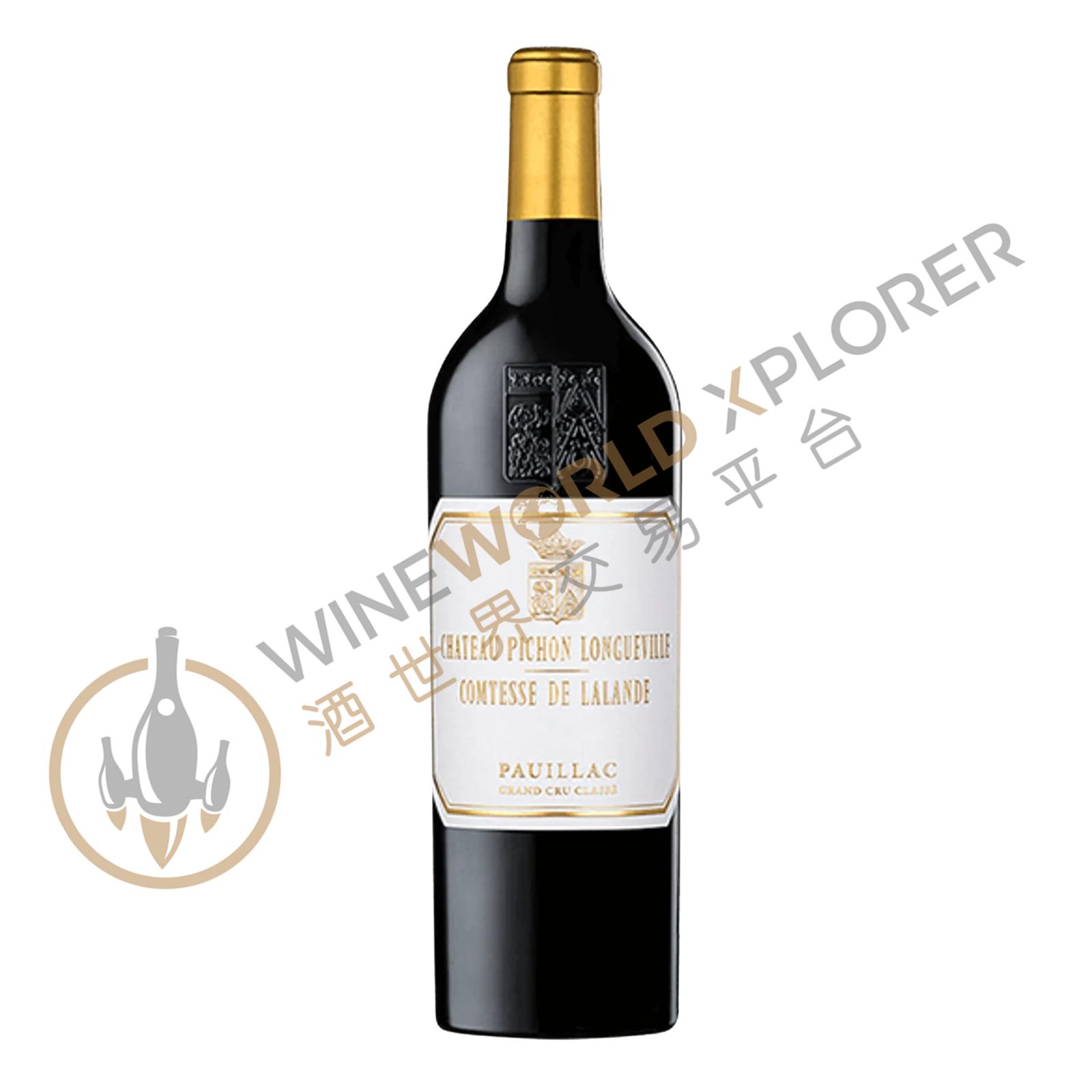
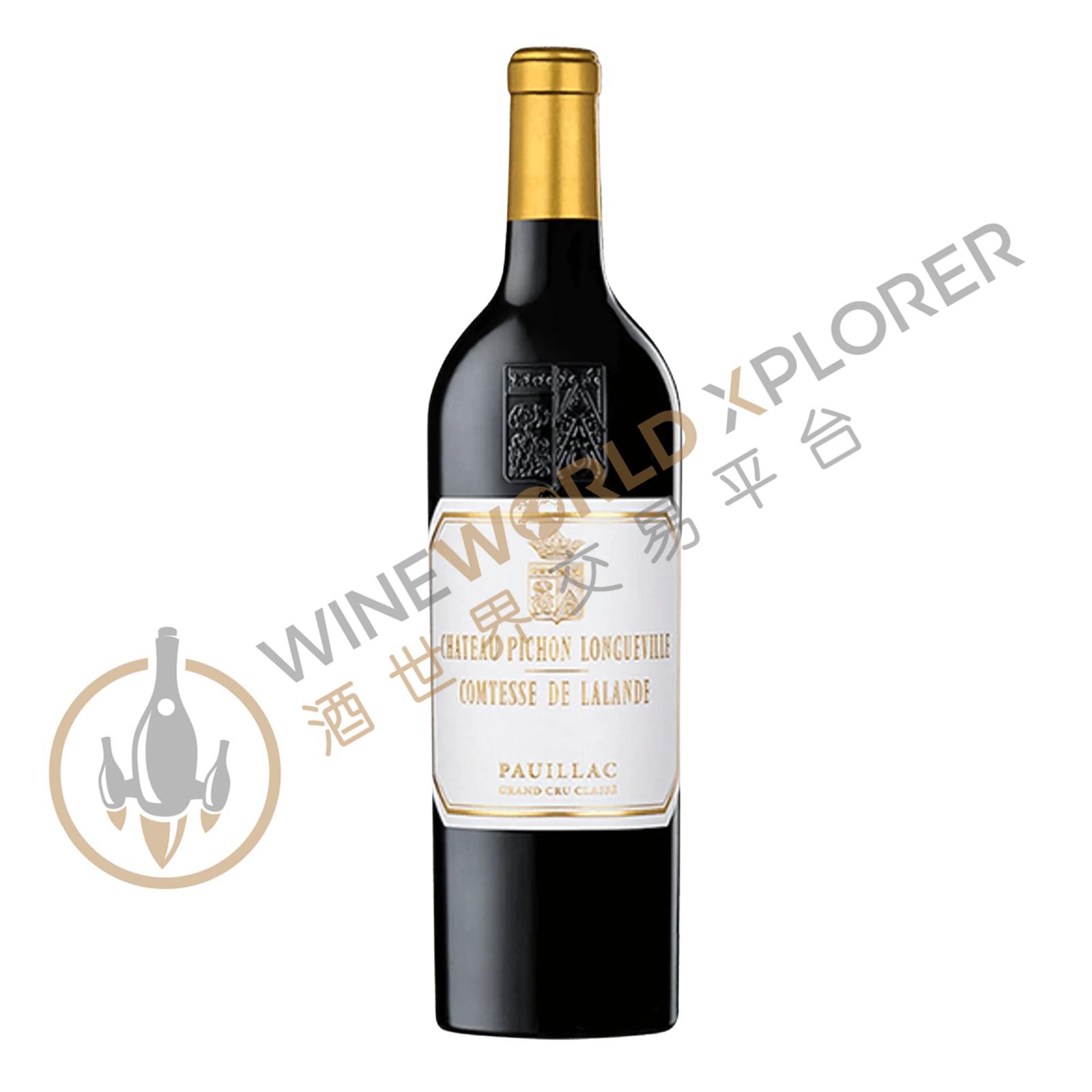
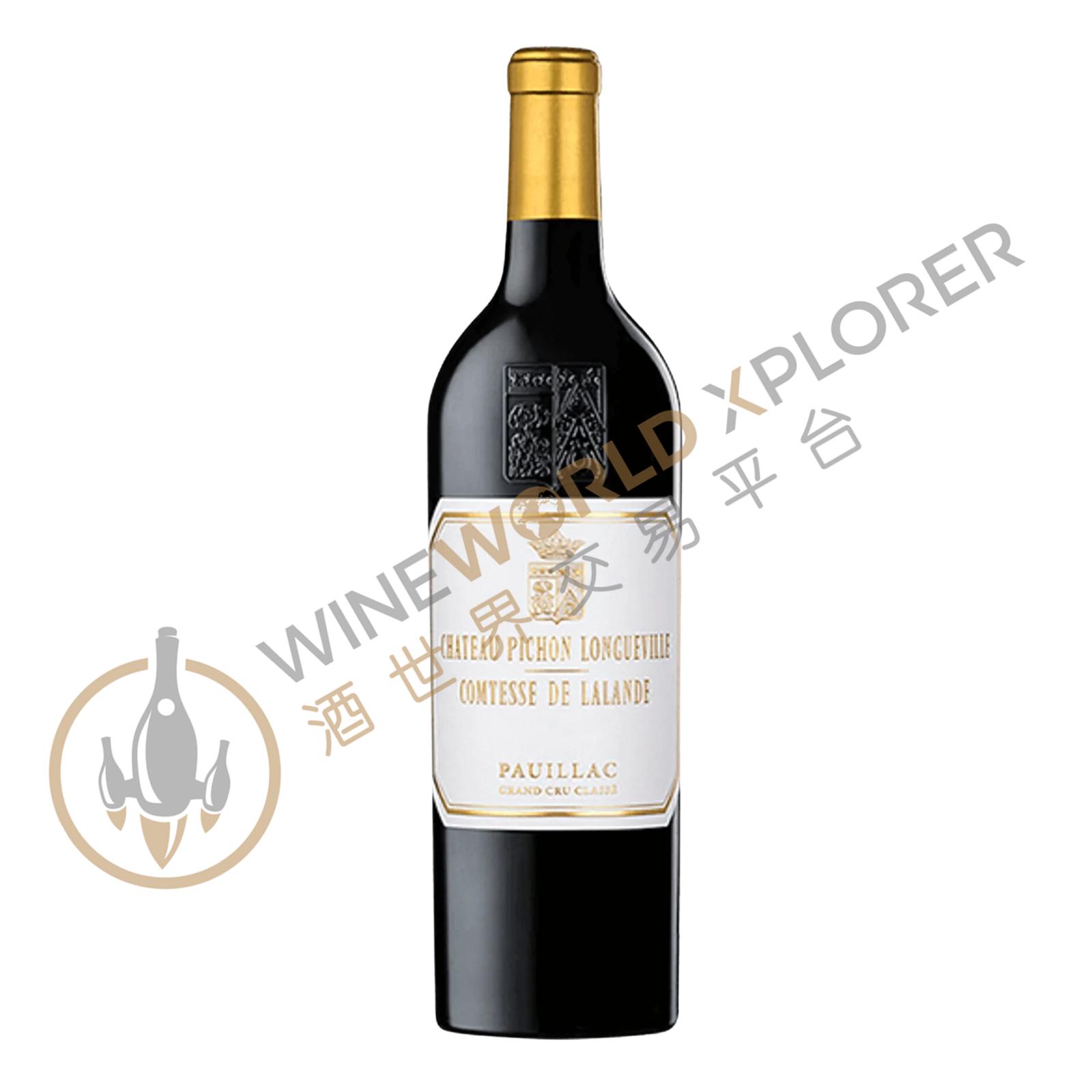
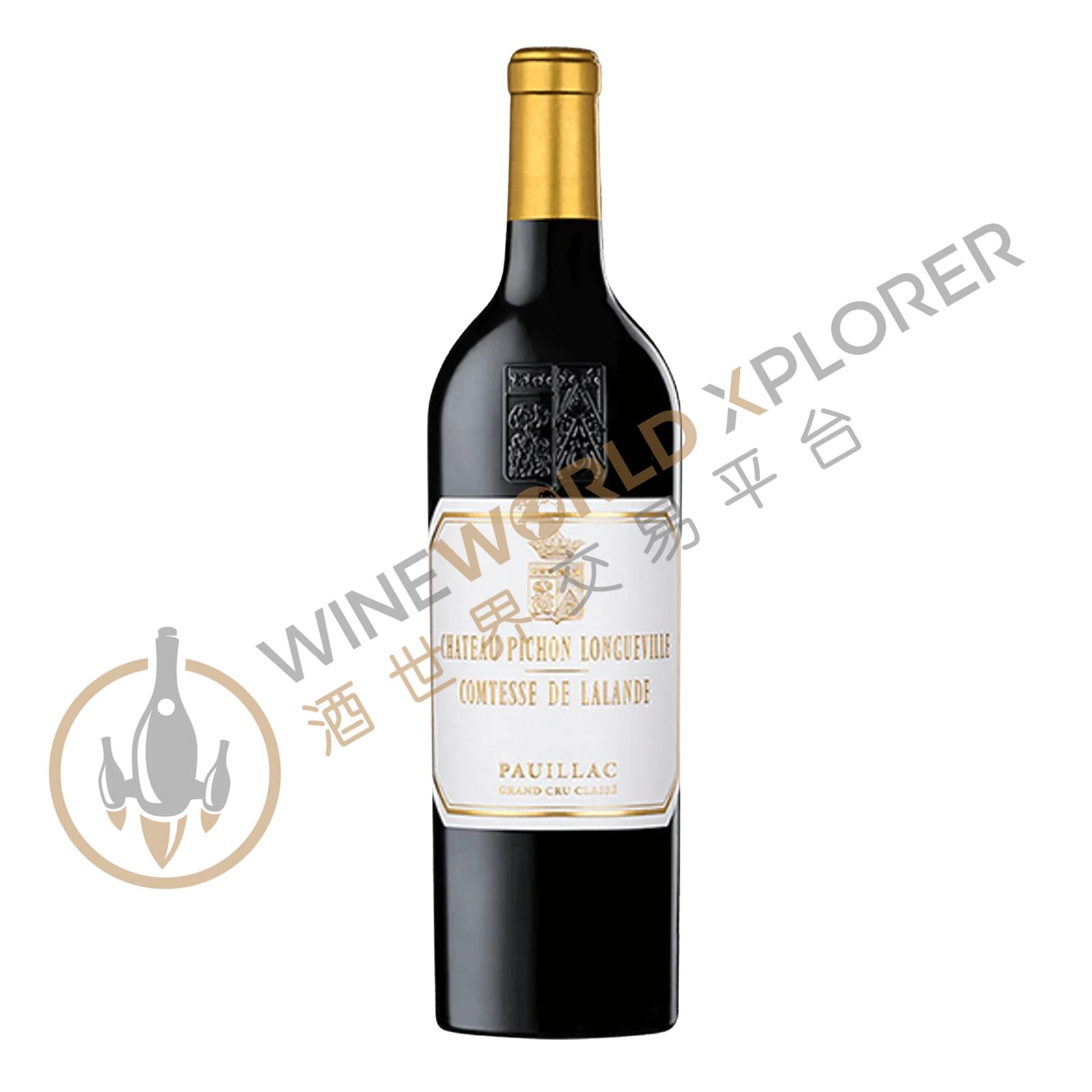
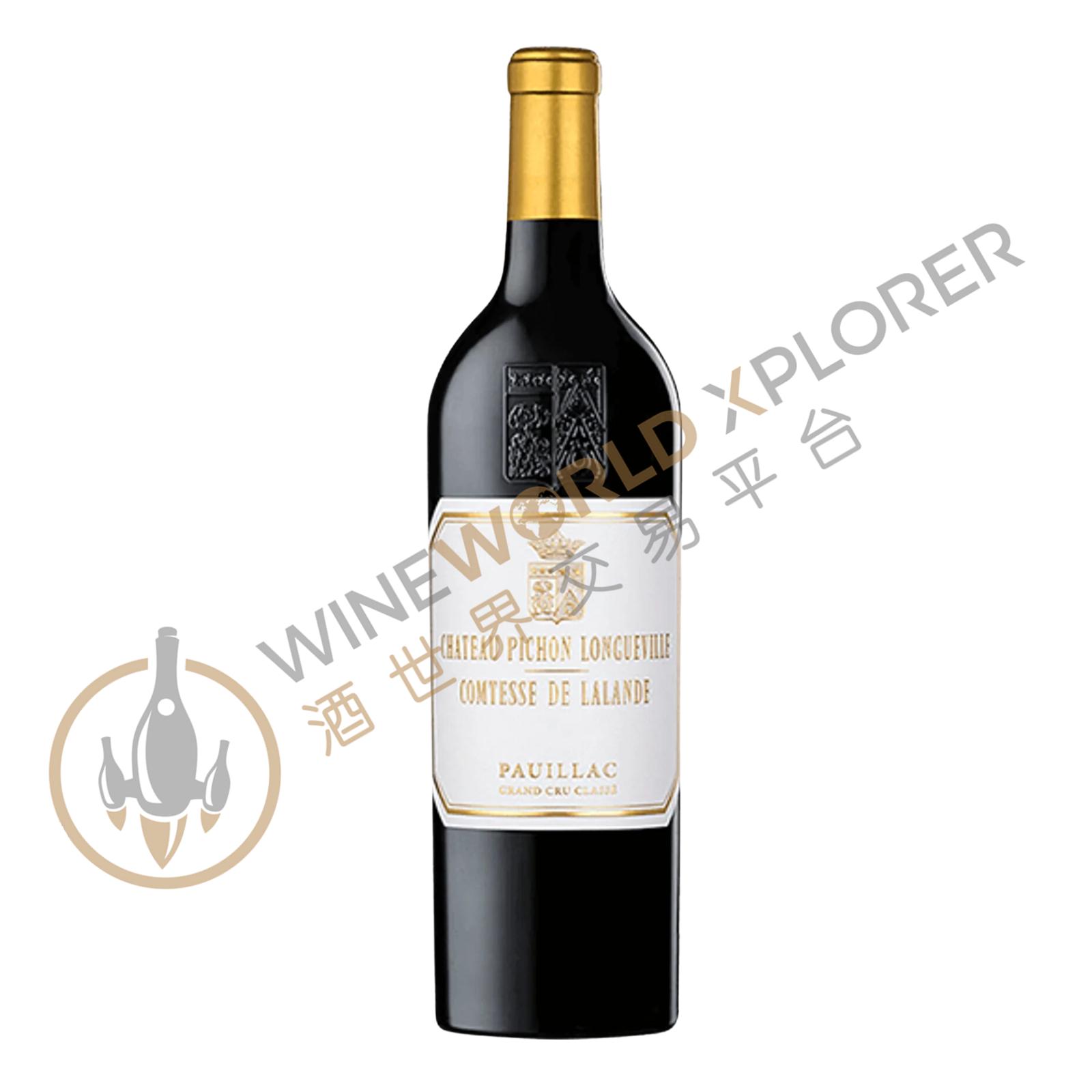
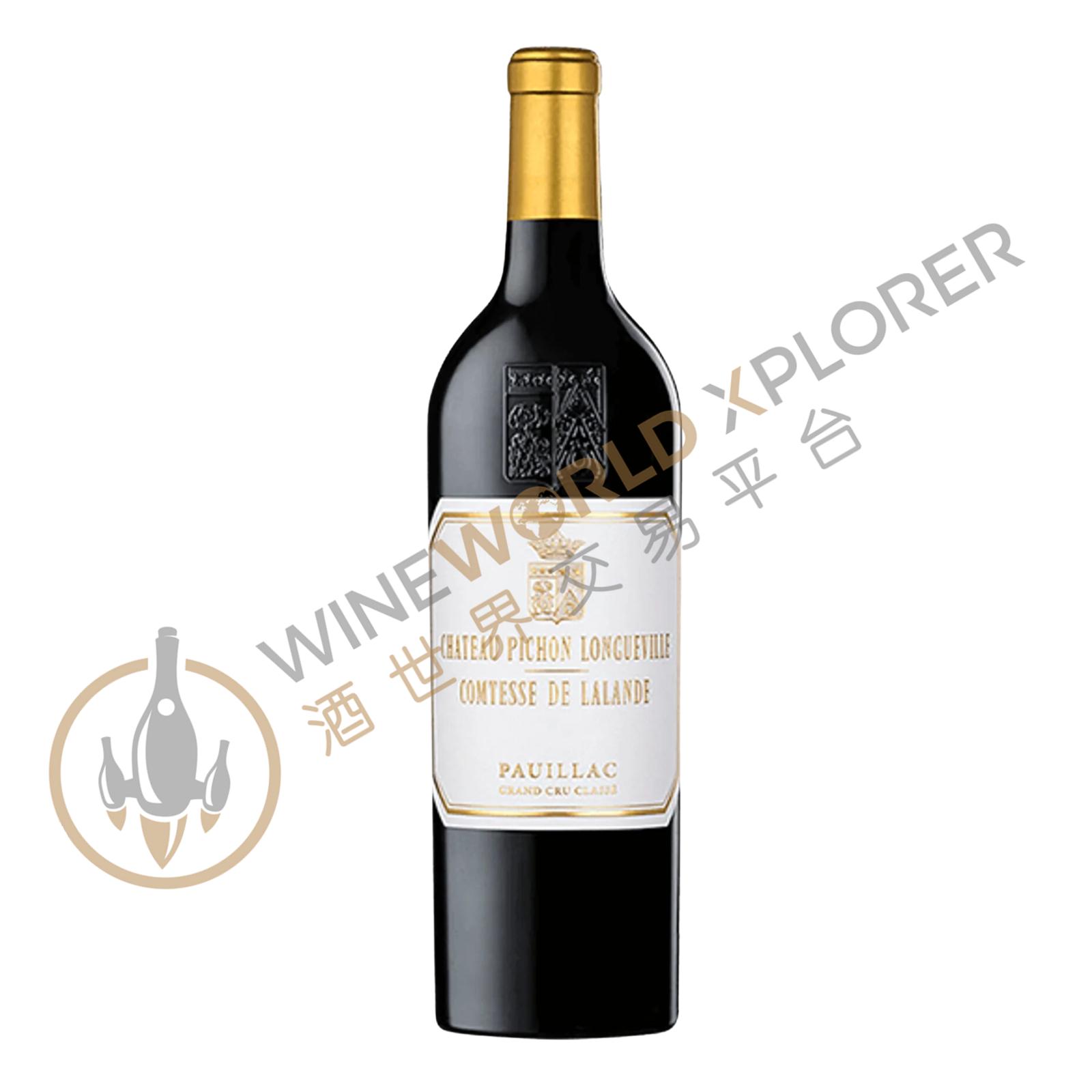
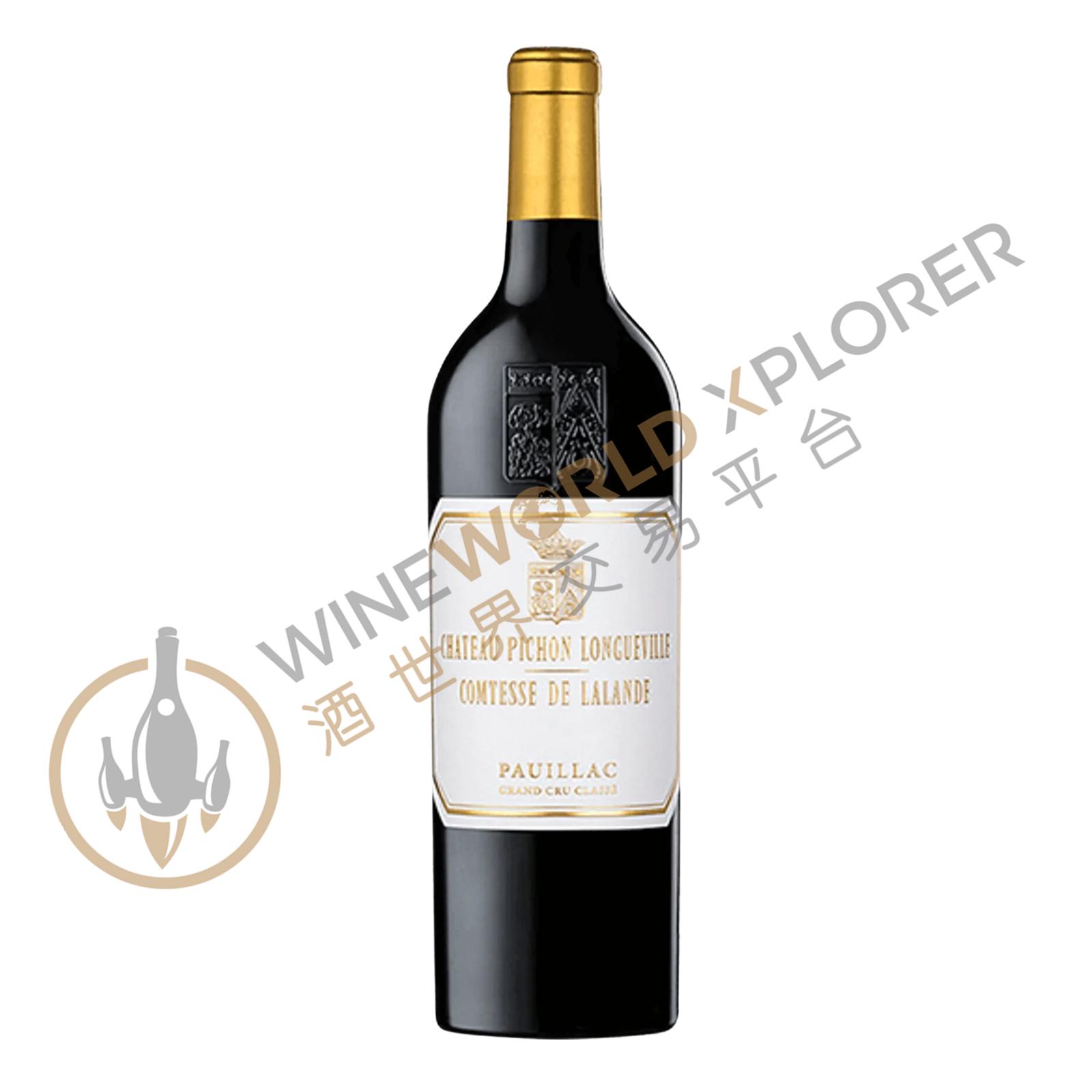
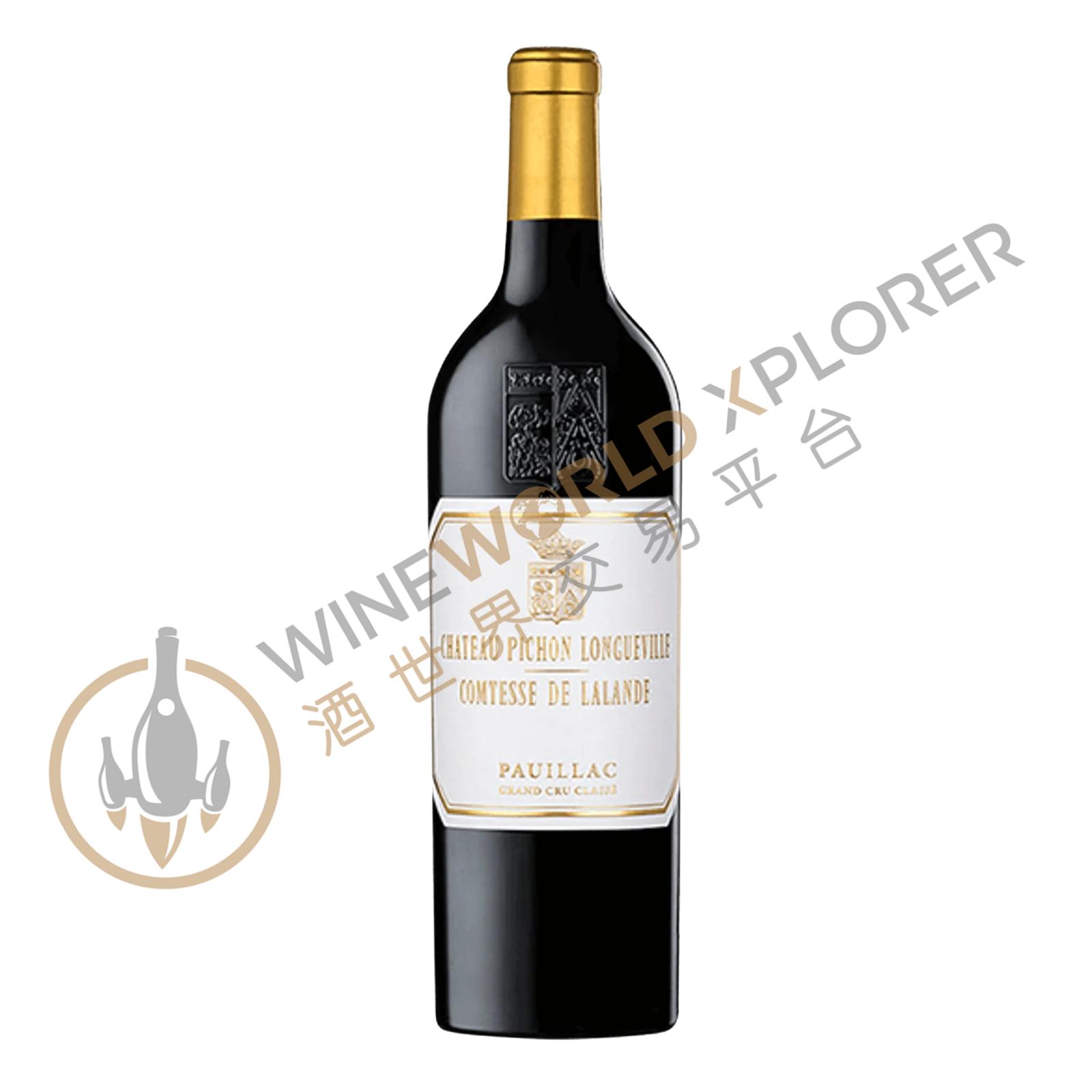
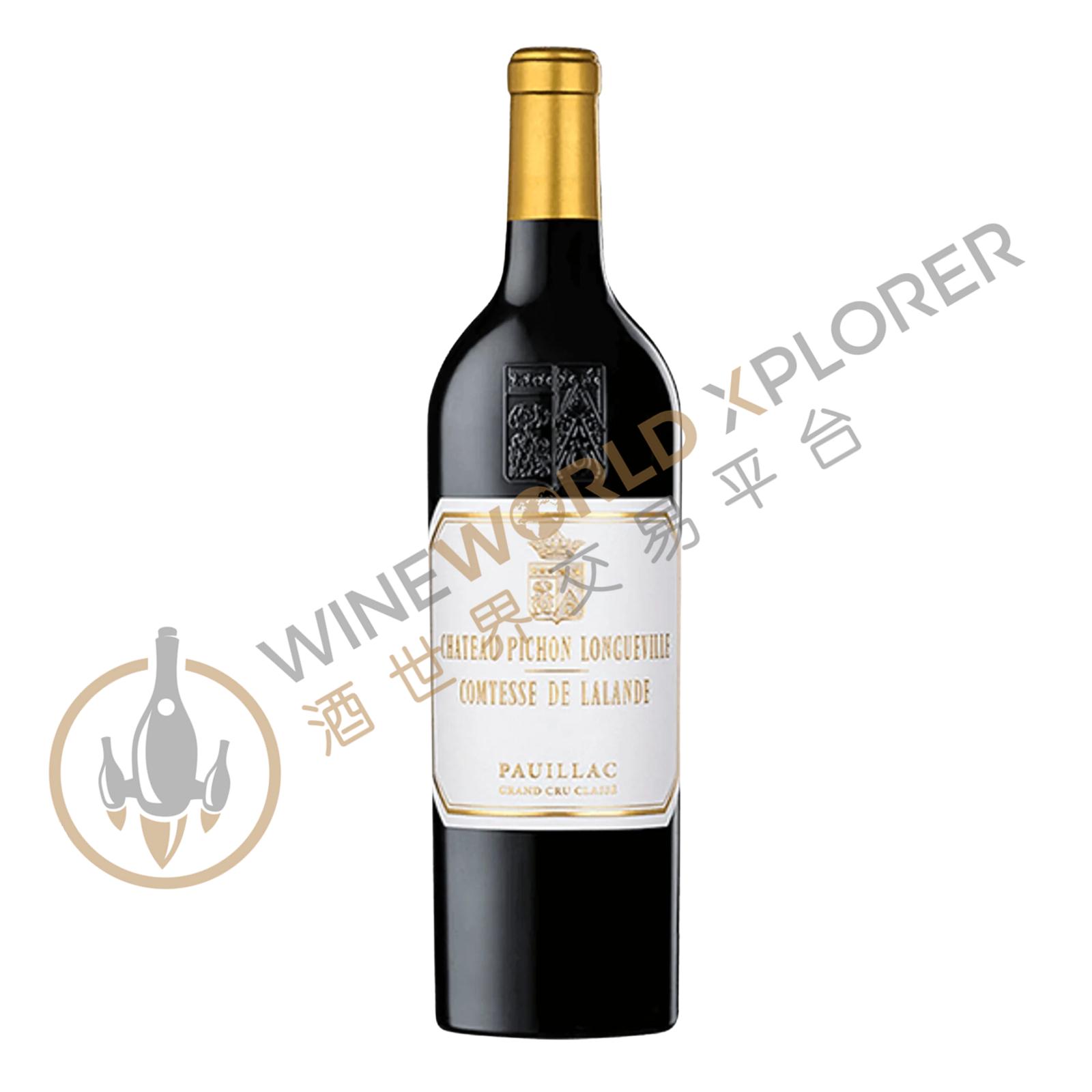
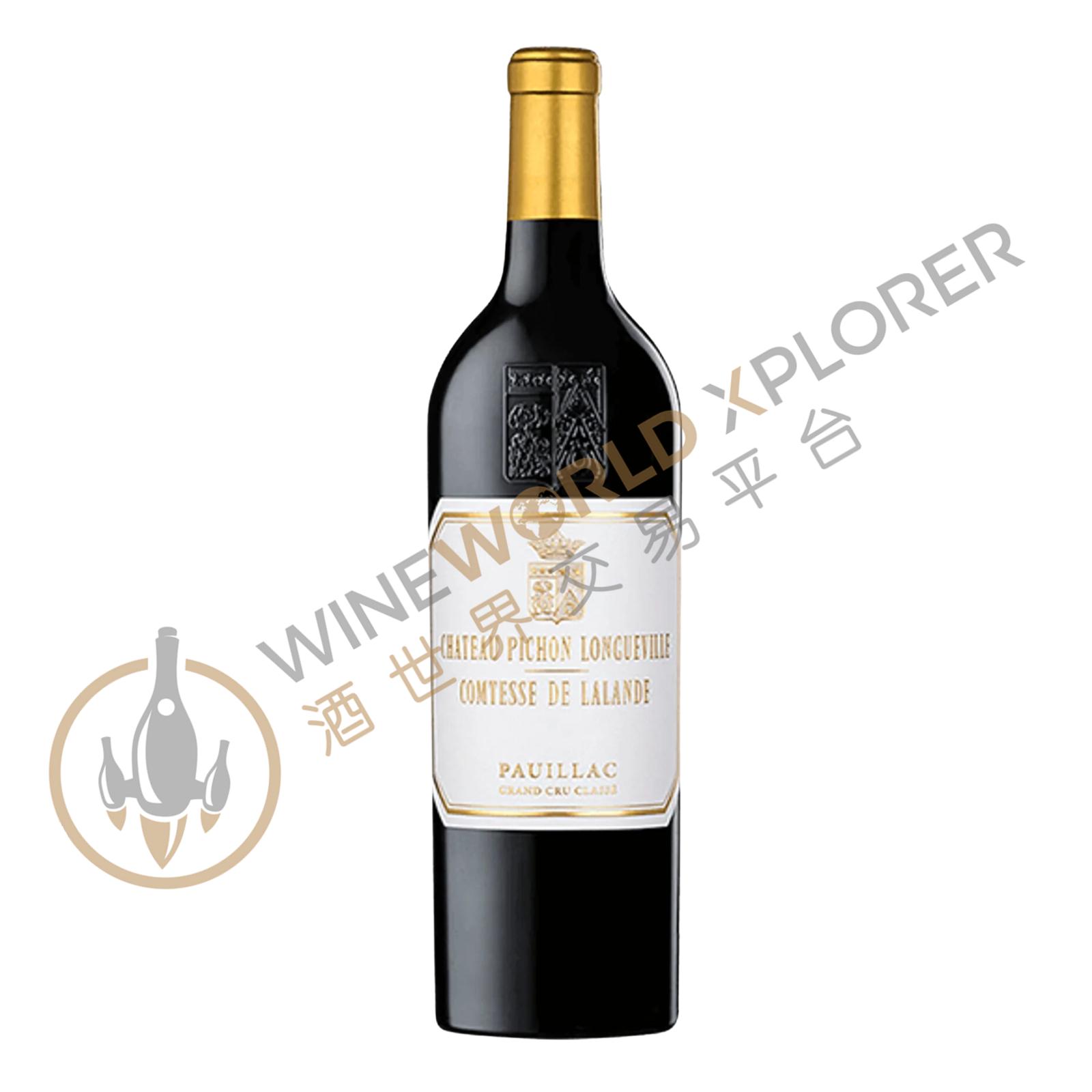
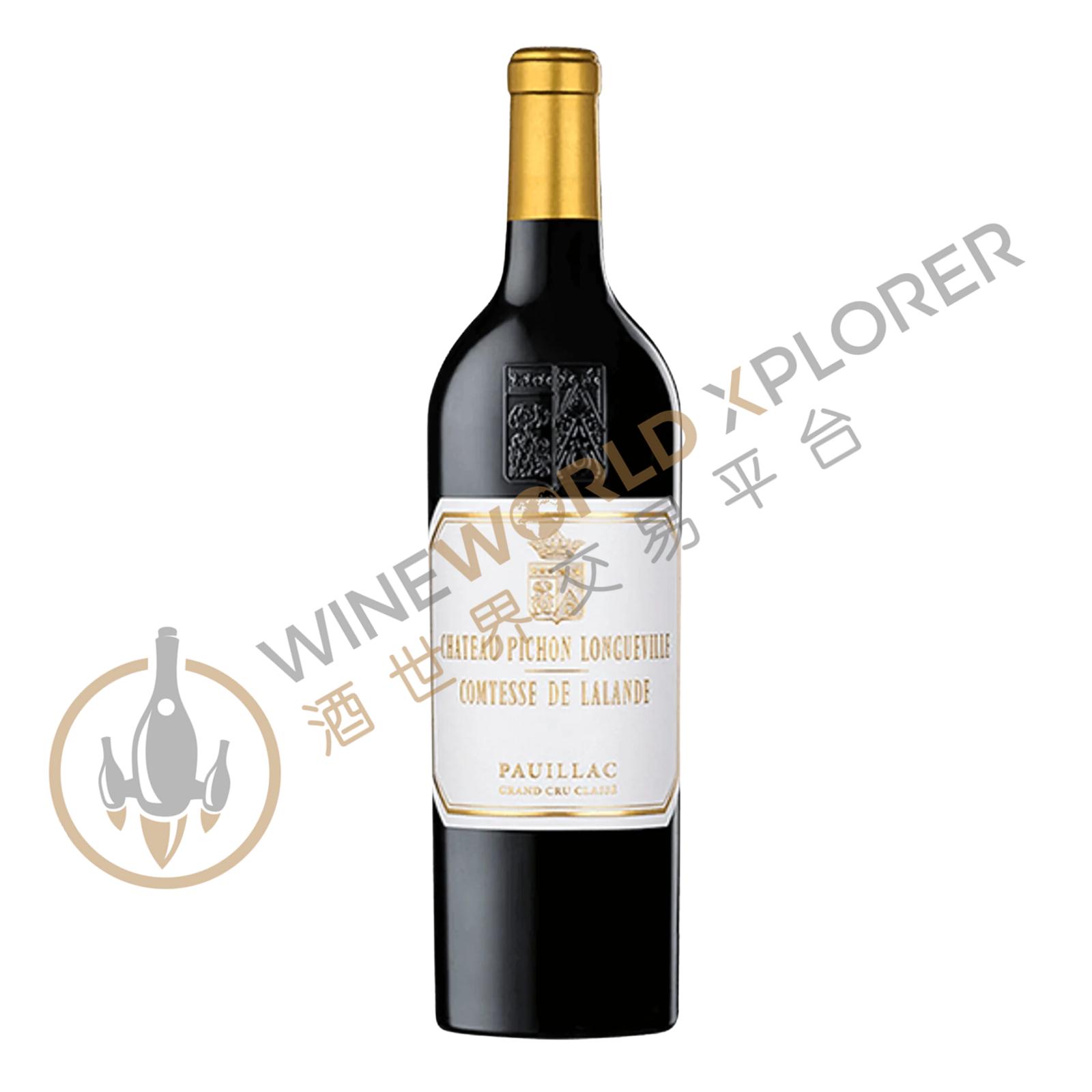
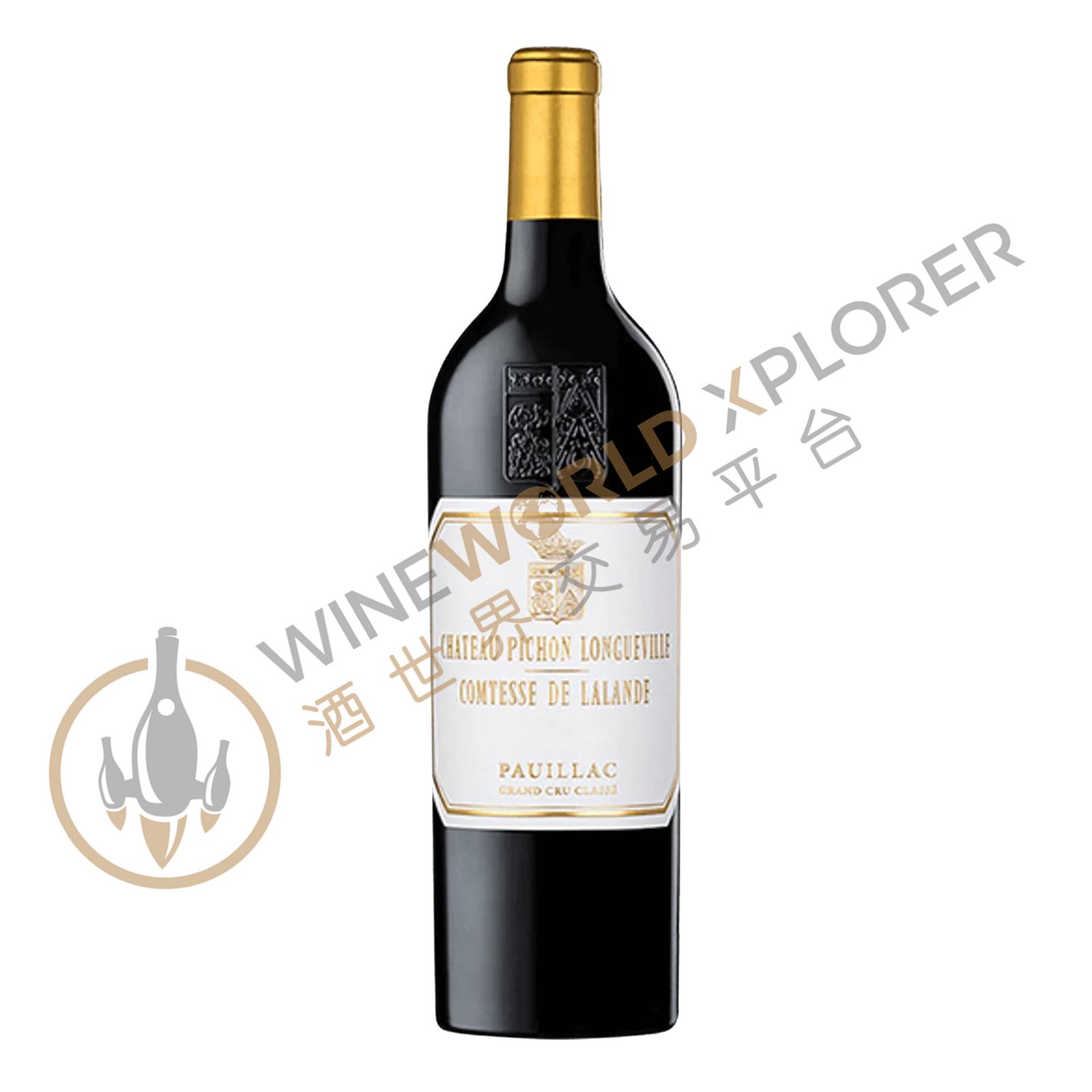
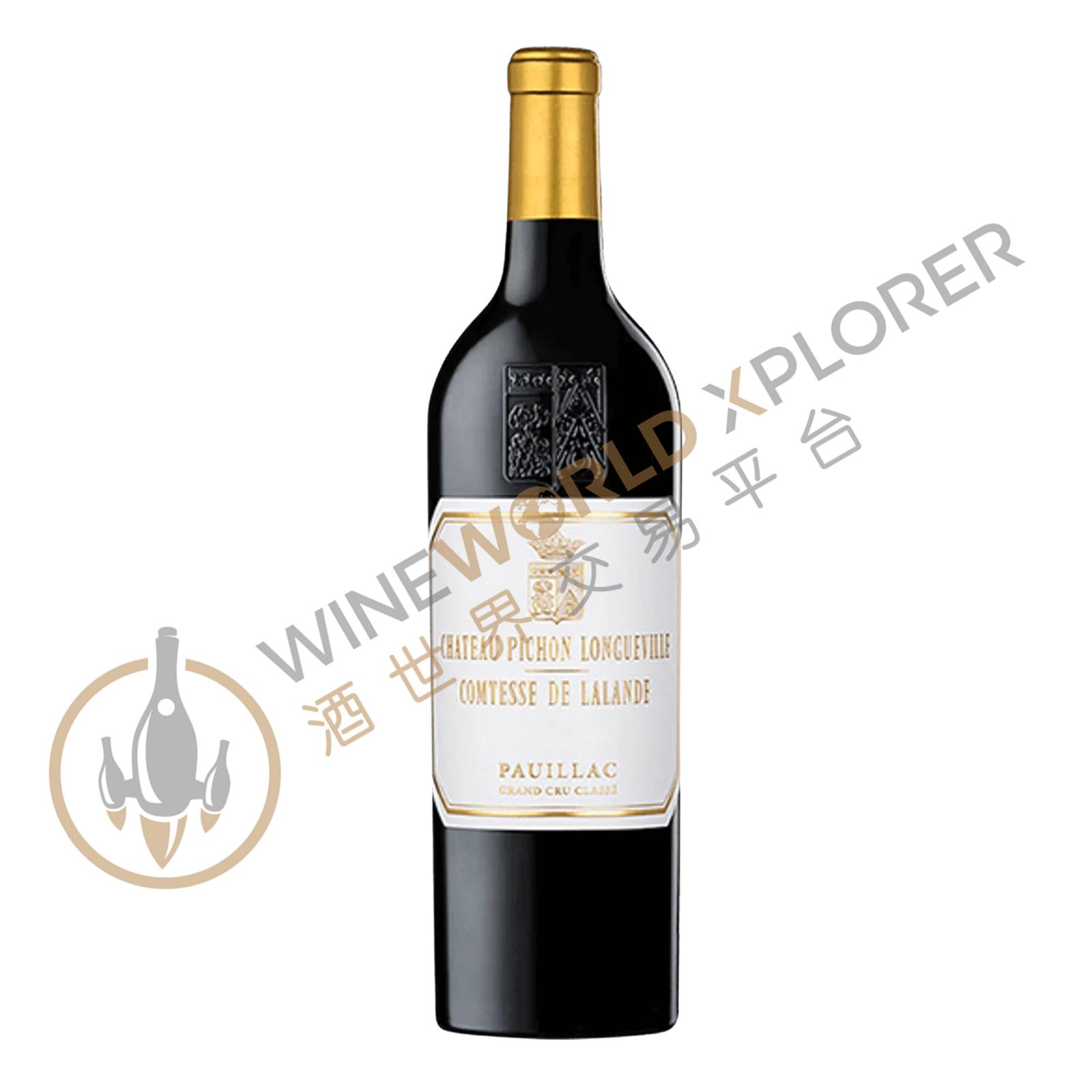
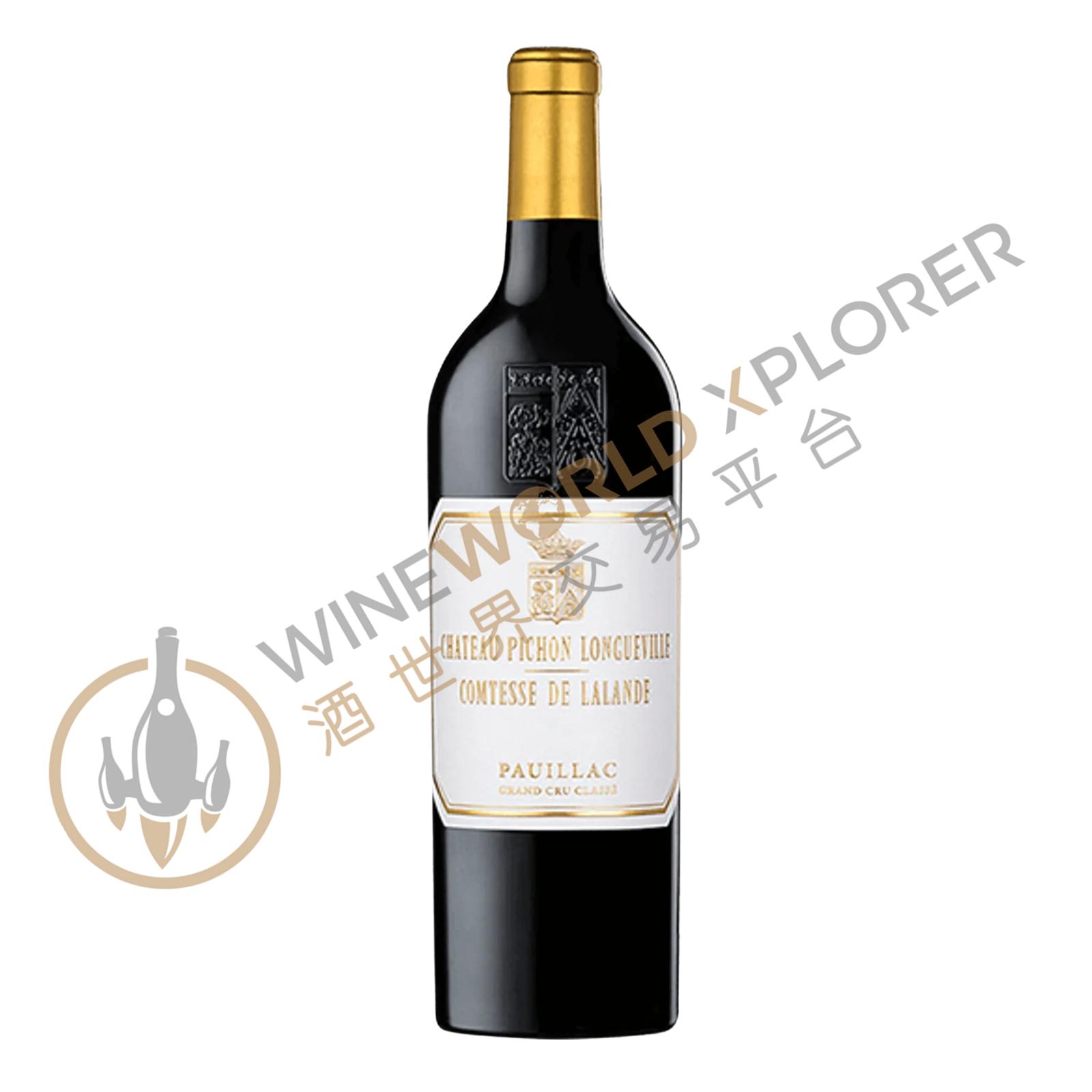
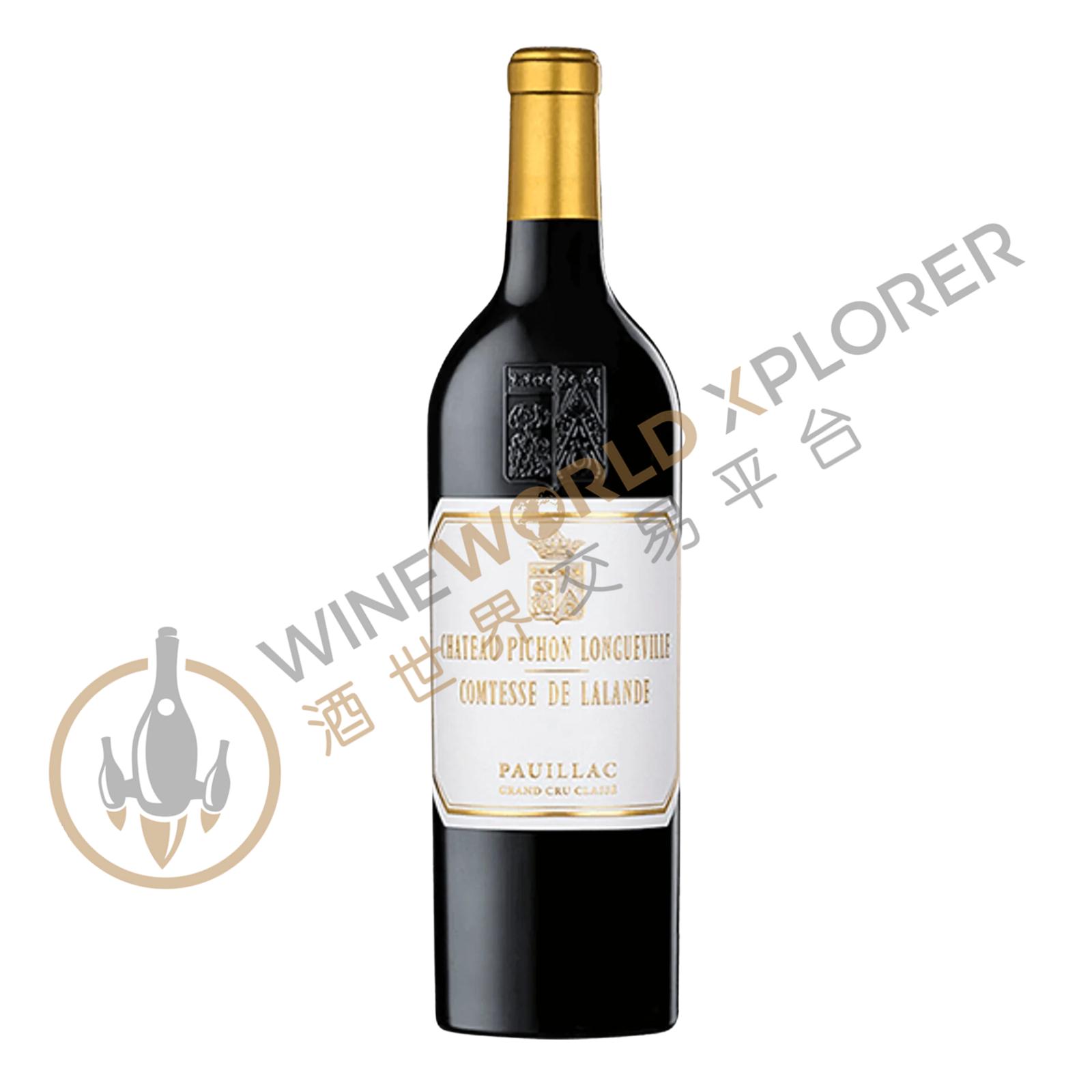
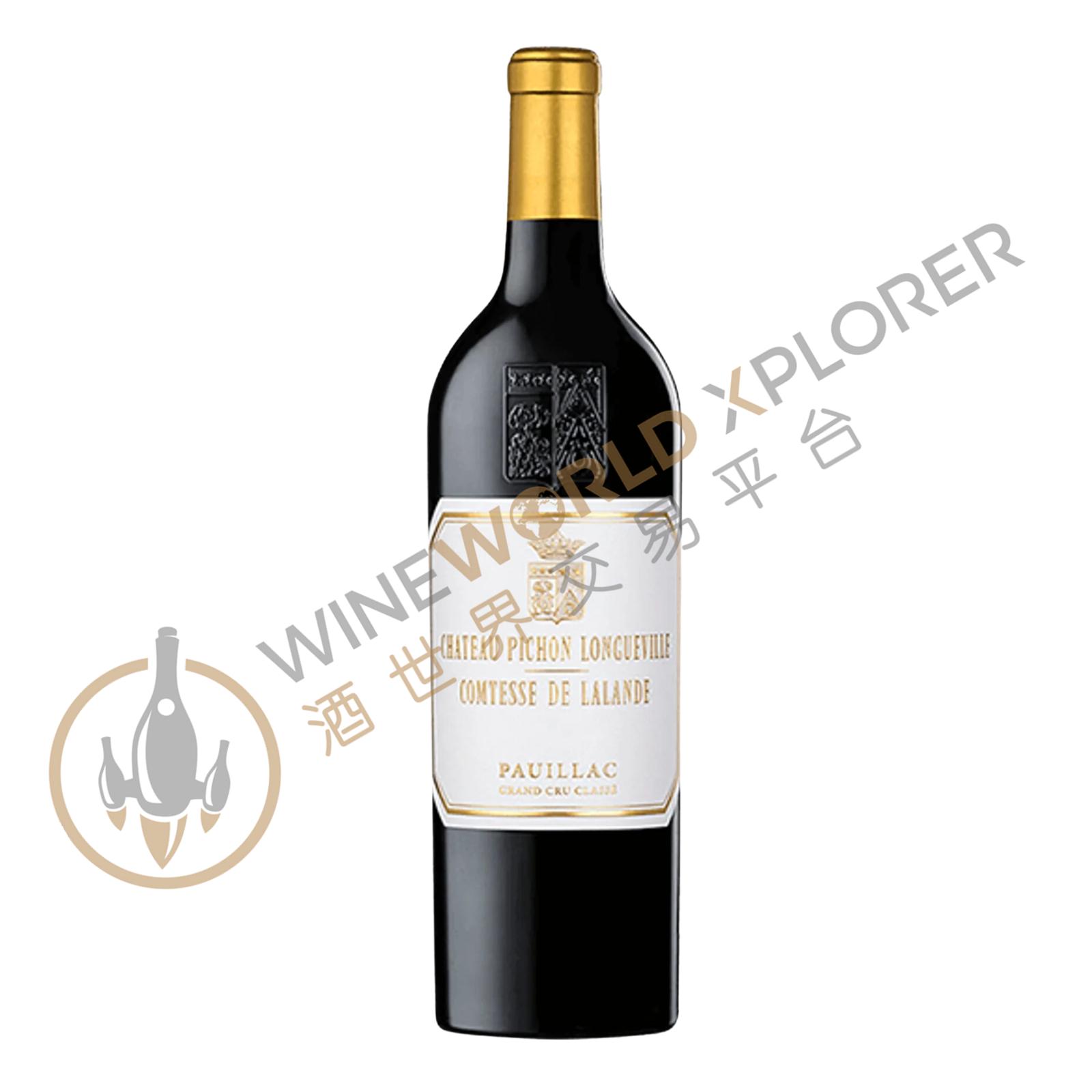
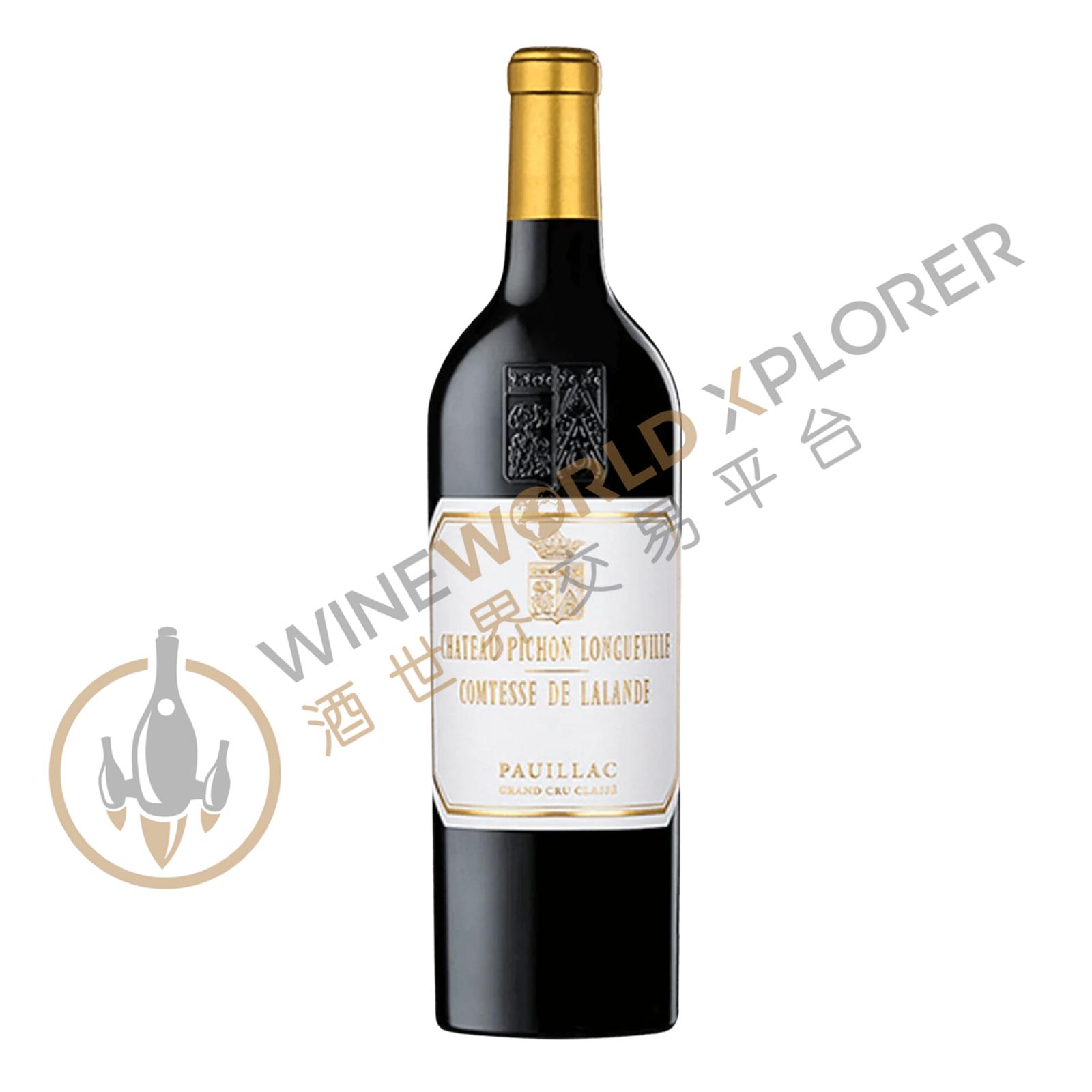
Pichon Lalande 2004
 View analysis


Description
Tasting notes

Reviewed by: Neal Martin
This is a great Pichon-Lalande, showing better here than at the Chateau two months earlier! It has a delectable nose of blackberry, cranberry, cedar and a touch of wild mint – less herbaceous than before but then evolving that violet scent after a couple of minutes in the glass. The palate is sweet, ripe and extremely pure, very harmonious with really fine tannins. Supple, sensuous finish. Outstanding success given the vintage and it just seems to get better and better in the glass. Drink 2012-2030. Tasted November 2008.
Reviewed by: William Kelley
The 2004 Pichon Longueville Comtesse de Lalande is showing beautifully, wafting from the glass with aromas of rich dark berry fruit, cigar wrapper and loamy soil. Medium to full-bodied, fleshy and enveloping, with velvety tannins and a seamless, charming profile, it is really beginning to drink with some style. It's one of the wines of the vintage and continues to represent terrific value.
Reviewed by: Neal Martin
This is certainly very different from the 2005, leafier and more herbaceous on the nose, with cedar, wild blackberries and wild hedgerow and then with time a touch of violets. The palate is actually better than the nose suggests with harmonious structure, fine tannins, a little earthy, quite masculine and coming together nicely on the insistent, tobacco-tinged, off-dry finish. This is an impressive showing, particularly given the context of the vintage. Drink 2010-2030. Tasted September 2008.
Reviewed by: Neal Martin
Tasted at the Fine Wine Experience’s Pichon-Lalande vertical in London. A very deep garnet/purple hue. It has a glorious, almost opulent nose with black cherries, blueberries, a hint of sous-bois, pine and freshly rolled tobacco, a touch of tar coming through all with wonderful definition although there is still a little unresolved new oak. The palate is medium-bodied with good weight, very well balanced, a sense of controlled opulence here. Lots of glycerine, this is almost as good as the 2005. Silky smooth, almost Burgundian on the finish. A supreme success for the vintage and a must-buy. Outstanding. Drink 2012-2030. Tasted December 2008.
Reviewed by: Neal Martin
What a great Pauillac wine this is. Comparing it directly with the 2003, this is much more conservative, less ostentatious wine. A very pure elegant nose of blackberry and oyster shells. Firm tannins with good fruit concentration. Well-balanced and cohesive. An elegant, refined wine. Perhaps not a long-term Pichon, but graceful with great poise. Superb. Retasted at the chateau in Apr-06. What a stunning nose: fantastic delineation and lift, bright ripe black cherries, cedar and violets. Lovely balance on the palate, quite restrained and more feminine than the 2005. Fresh, pretty with a long cedary finish. Another great Pichon. Tasted May 2006.
Reviewed by: Robert M. Parker, Jr.
A blend of 53% Cabernet Sauvignon, 36% Merlot, 7% Petit Verdot, and 4% Cabernet Franc, the 2004 Pichon Lalande is vaguely reminiscent of the 1986 and 1988. Deep ruby/purple-tinged, with moderately high, firm tannin, a degree of austerity, plummy black currant fruit intermixed with licorice, smoke, and dried herbs, good freshness, and medium body, give it 2-3 years of cellaring, and drink it over the following 15+ years.
Reviewed by: Robert M. Parker, Jr.
One can’t say enough about the brilliant work being done by manager Thomas Do-Chi-Nam, who started at Pichon-Lalande in 1992. The estate feels the 2004 has much in common with the 1996, but I’m not as convinced. Produced from yields of 50 hectoliters per hectare, with only 55% of the crop making it into the final blend, and a harvest that took place between September 27 and October 14, the final blend was 53% Cabernet Sauvignon, 36% Merlot, 4% Cabernet Franc, and 7% Petit Verdot. A complex, fragrant bouquet of fennel, black currants, sweet cherries, licorice, and sweet oak (about 50% new oak is utilized) is followed by a medium-bodied Pauillac exhibiting excellent concentration, elegance, and acidity as well as a nicely textured mouthfeel without being anywhere near the size or opulence of the 2003. It appears to be a modern day version of the 1986, with sweeter, riper fruit. Anticipated maturity: 2008-2020.
Reviewed by: Robert M. Parker, Jr.
The 2004 Pichon Lalande is a strong effort for the vintage (much better than their underwhelming and much more expensive 2005). A blend of 53% Cabernet Sauvignon, 36% Merlot, and the rest Cabernet Franc and Petit Verdot, it exhibits a deep ruby/purple color as well as scents of cocoa, espresso roast, black cherries, and cassis. Medium to full-bodied, opulent, and fleshy, this classic wine cuts a stylistic persona somewhere between the 1995 and 1996. It can be drunk now or cellared for two decades. Also tasted: 2004 Reserve de la Comtesse (88; $35.00)
Reviewed by: Stephen Tanzer
Ruby-red color. Dark plum, graphite, minerals and mint on the nose. Offers a subtle sweetness leavened by lively acidity and nicely framed by a firm tannic spine. A wine of modest flesh but considerable suavity. Very well balanced and persistent, with the mineral notes repeating on the back. Very Pauillac.
Reviewed by: Stephen Tanzer
Good red-ruby color. Raspberry, cherry, smoke, earth and pepper on the expressive nose. Supple and voluptuous but firm, with captivating Pauillac soil tones. Not especially sweet but fat and smooth, with a much deeper pitch than the 2005. Finishes with ripe tannins and excellent breadth and length. This is developing very nicely and today seems as strong as the young '05.
Reviewed by: Stephen Tanzer
(53% cabernet sauvignon, 36% merlot, 7% petit verdot and 4% cabernet franc) Good bright medium ruby. Highly aromatic nose of blackberry, licorice and bitter chocolate. Densely packed and highly concentrated, with dark berry, licorice and graphite flavors firmed and lifted by sound acidity. A very impressive if rather austere young Pichon-Lalande; masculine, brooding and built to age. The very firm but fine tannins coat the sides of the mouth. The merlot here was very ripe but not overripe, noted Ollone, who pointed out that the estate's finest merlot is grown in cabernet soil on the plateau next to Latour; it's the same thing at Chateau Palmer. The same family owned Pichon-Lalande and Palmer in the 1920s and they loved merlot.
About the Producer
Pichon Lalande is arguably the best known Super Second Pauillac for its quality consistency and quintessential Bordeaux claret expression. Neighbouring Chateau Latour and lying just right opposite Chateau Pichon Baron, Pichon Lalande, as its name suggests, has long seen extended female owner influence since the 1850s. Back in the 1850s, the original Pichon Lalande got broken down into two-fifth being renamed as Pichon Baron and three-fifth remaining as Pichon Lalande upon the passing of Baron Joseph de Pichon Longueville. The three-fifth was run by the three daughters of the Baron himself and over the course of a few years, Pichon Baron and Pichon Lalande took on distinctive styles - with the former being more a masculine expression and the latter, feminine. Female ownership and influence continued, with little interruption, till the modern days. Pichon Lalande's string of female leaders have contributed to the continuous modernization of Pichon Lalande's vineyards and cellars; as well as the doubling of vineyard area during the 1970s - 90s. Today, Pichon Lalande's feminine expression continues to prevail - whilst the team is placed under the leadership of a former opera singer turned winemaker gentleman named Nicolas Glumineau. Conversion to biodynamic viticulture (fully by year 2021), continuous investments in precision winemaking facilities see Pichon Lalande continue to be revered among leading critics. Pichon Lalande is planted to 65% Cabernet Sauvignon, 25% Merlot, 7% Cabernet Franc and 3% Petit Verdot. It is the predominant Cabernet Sauvignon presence in Pichon Lalande's wines that make this wine such a capable representation of Pauillac's deep gravelly terroir.
1928(1)1969(1)1970(1)1977(1)1979(1)1981(1)1982(3)1983(1)1984(1)1985(4)1986(9)1988(4)1989(4)1990(4)1992(1)1993(1)1994(6)1995(4)1996(8)1997(2)1998(6)1999(4)2000(14)2001(6)2002(13)2003(18)
Package Size
1 x 3L