Wine Advisor



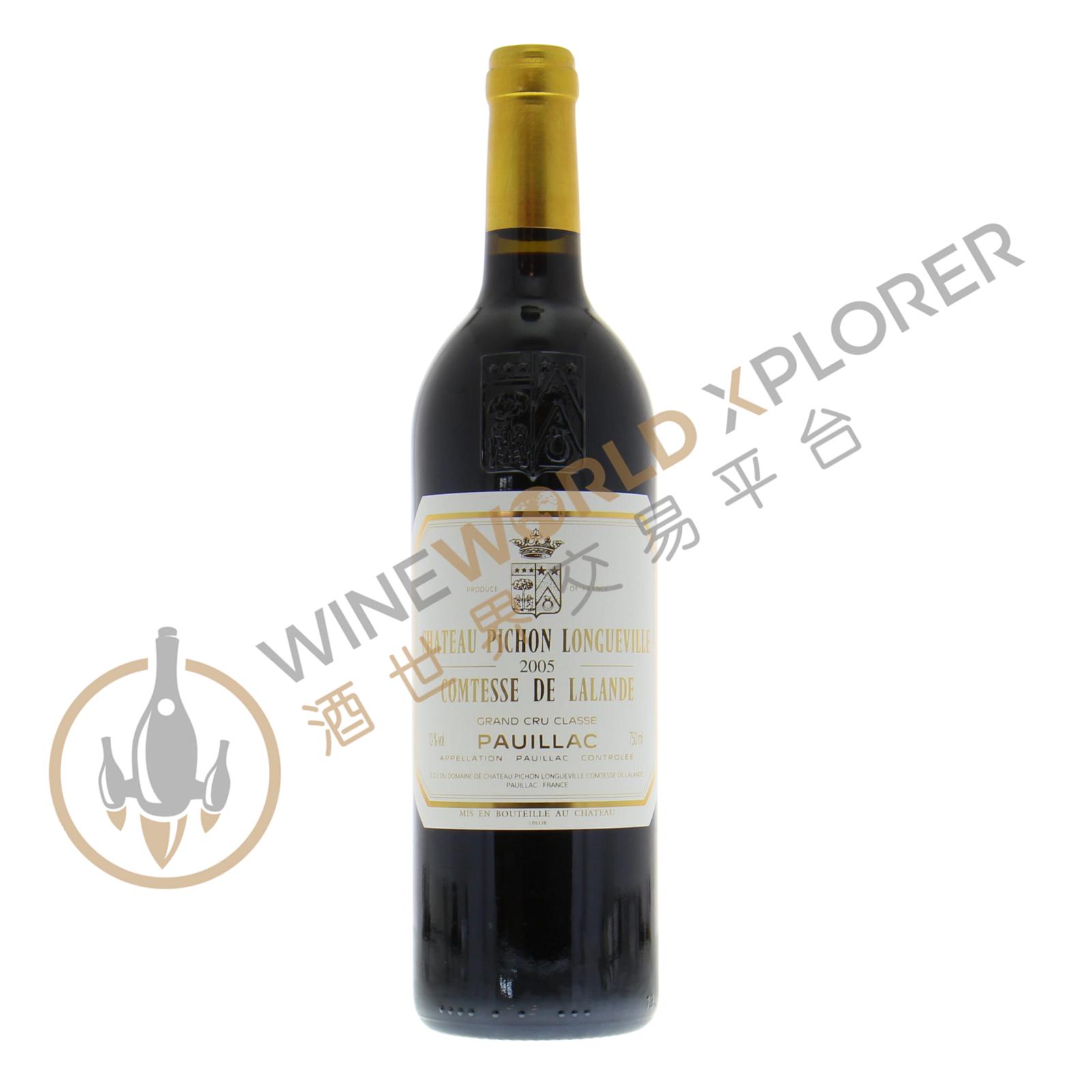
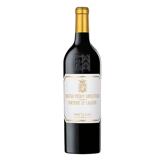
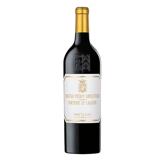
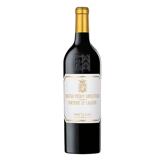
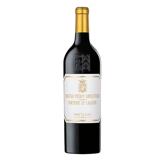
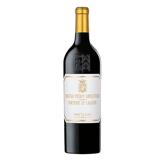
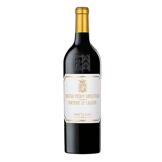
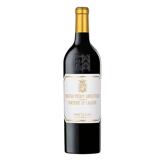
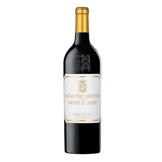
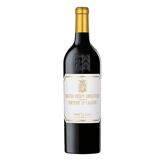
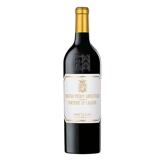
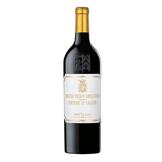
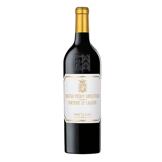
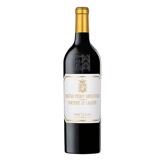
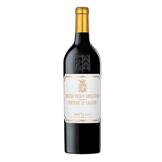
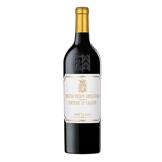
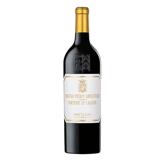
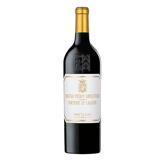
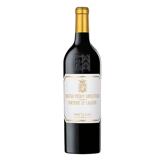
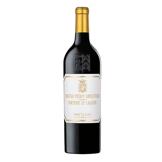
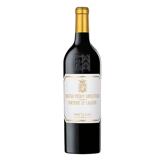
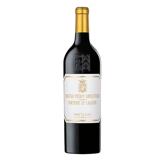
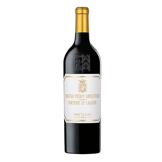
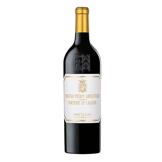
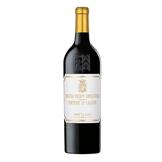
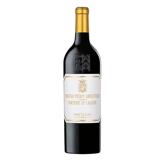
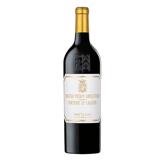
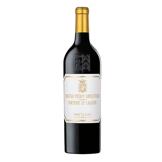
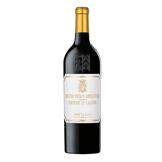
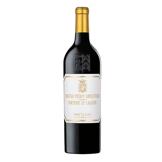
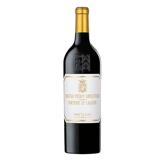
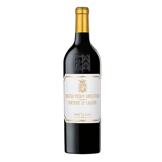
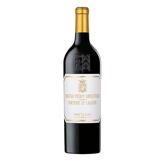
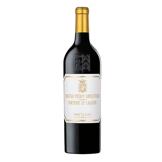
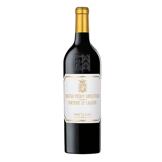
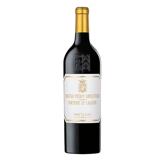
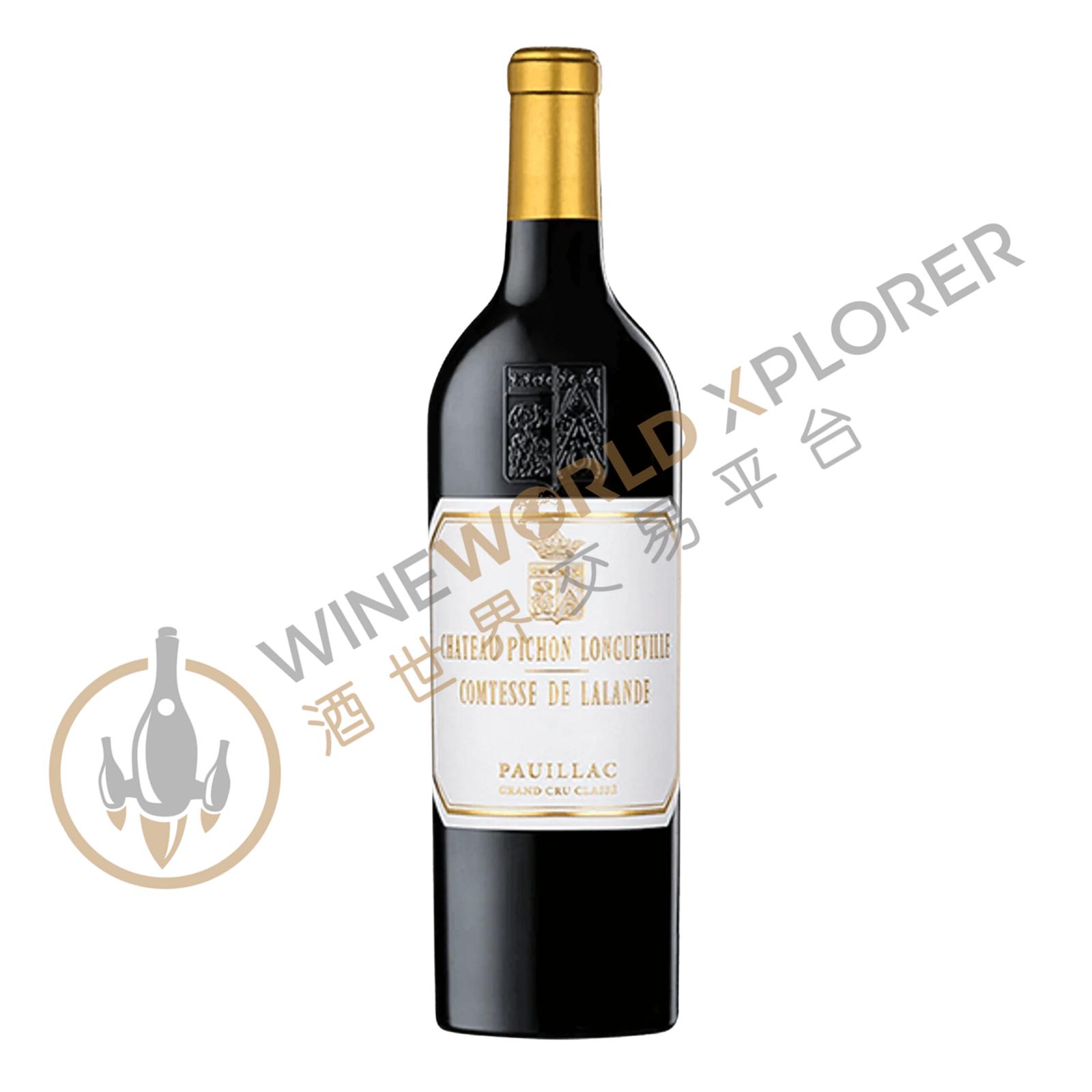
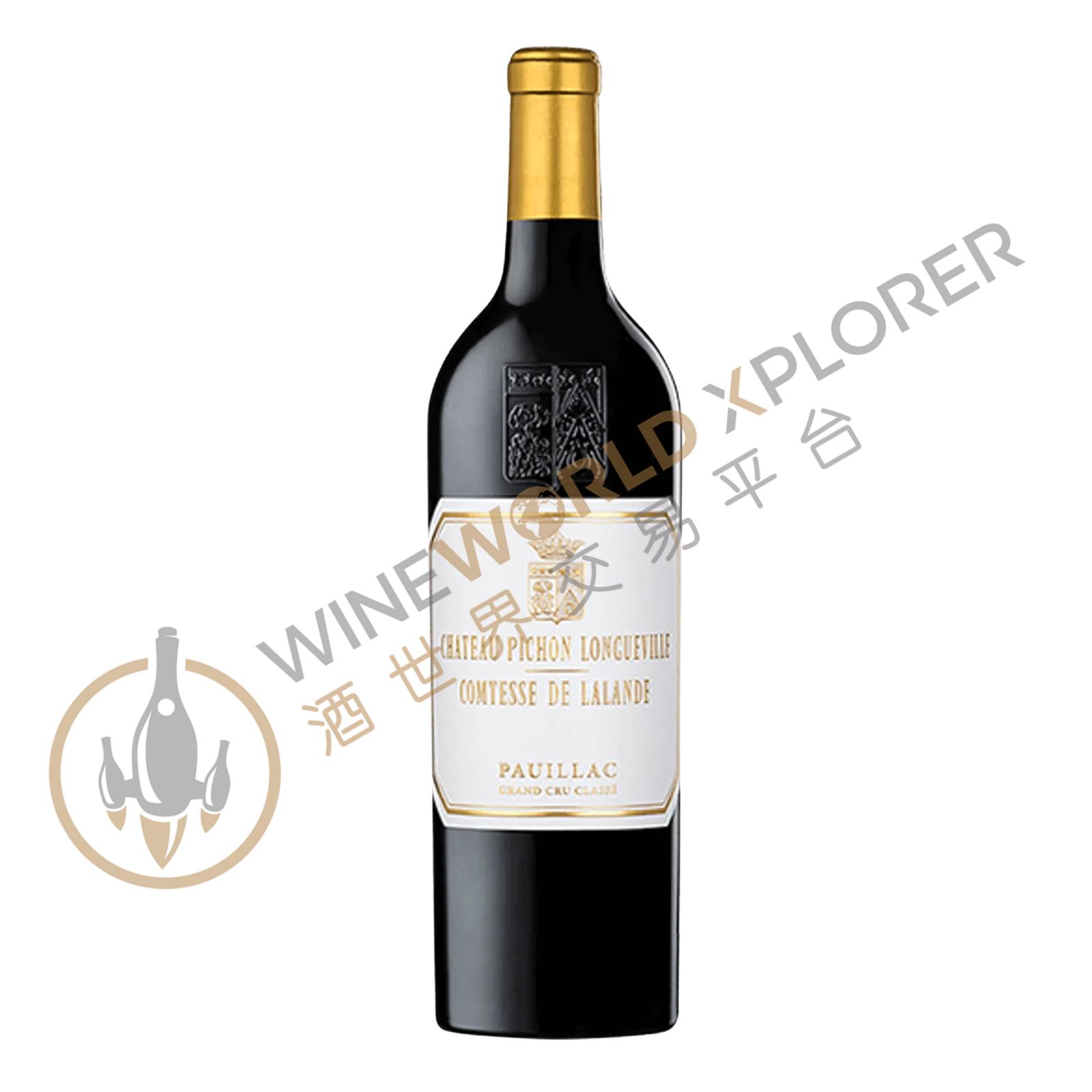
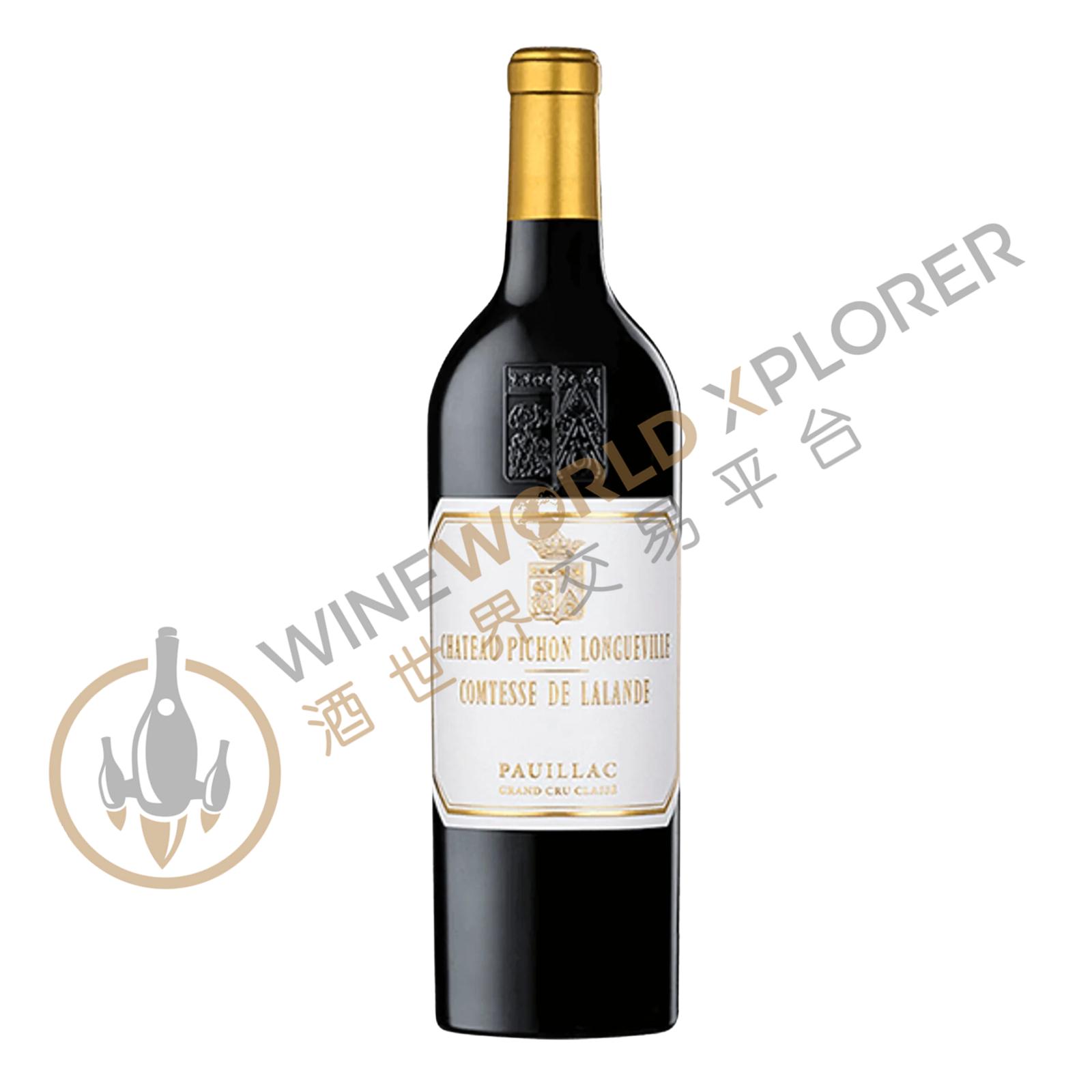
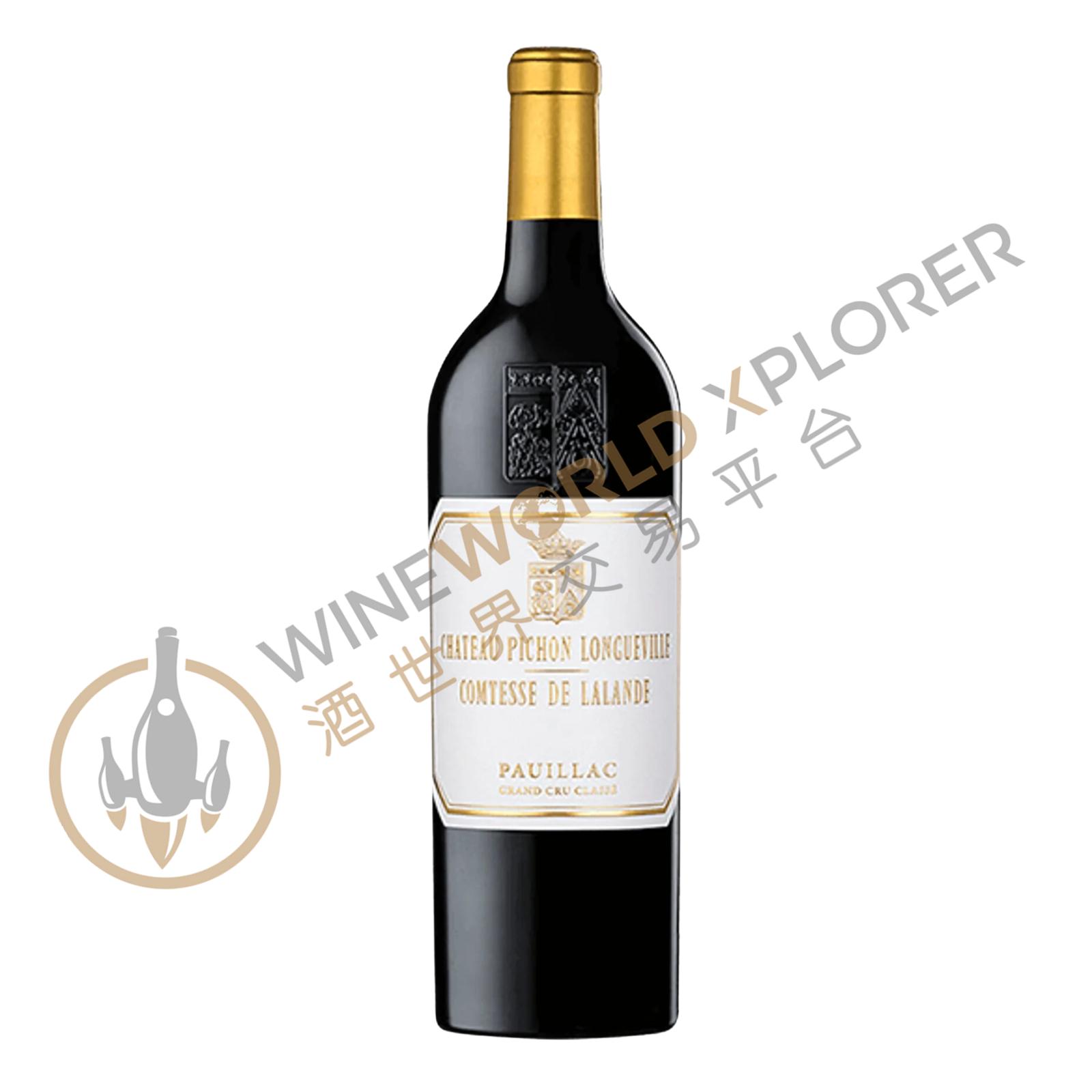
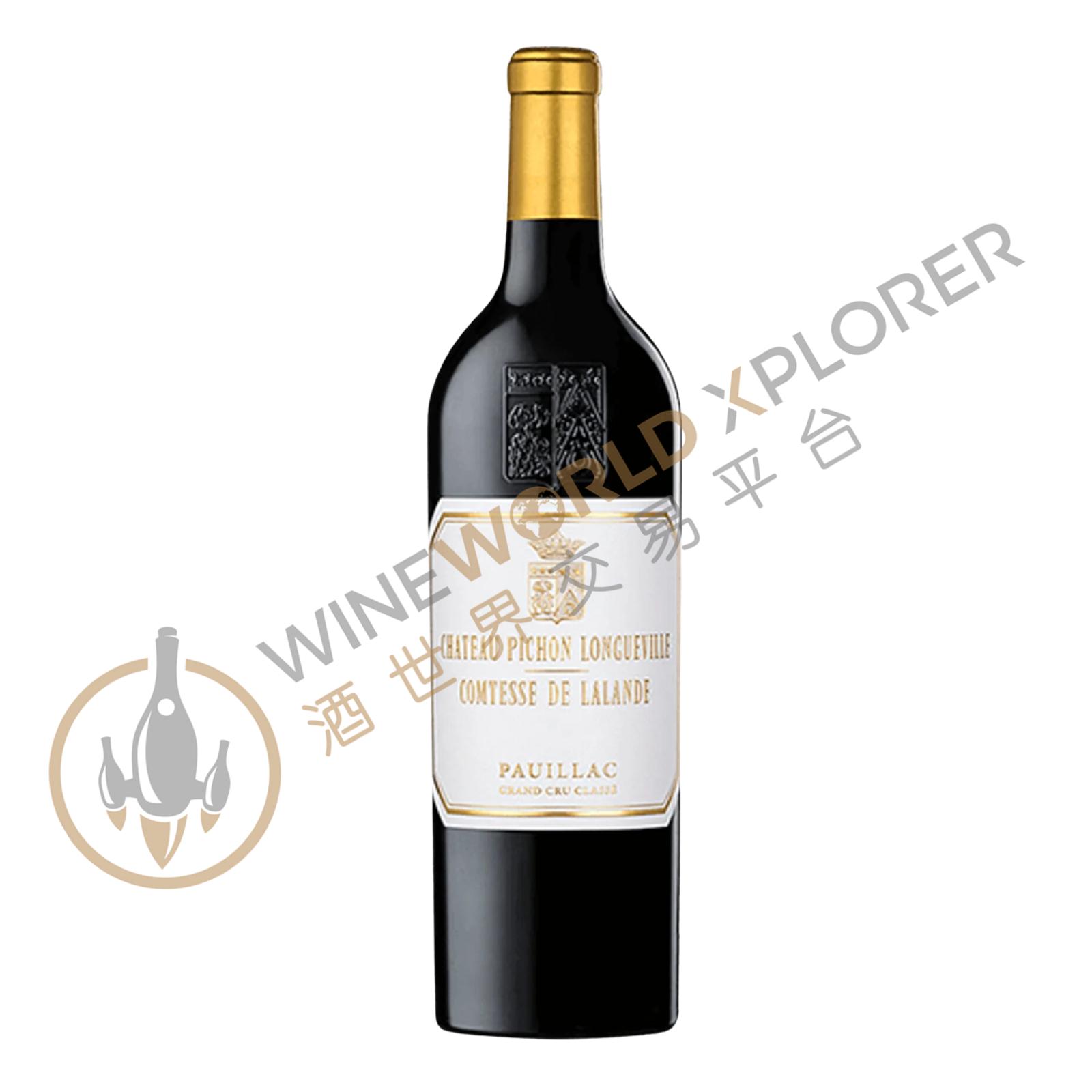
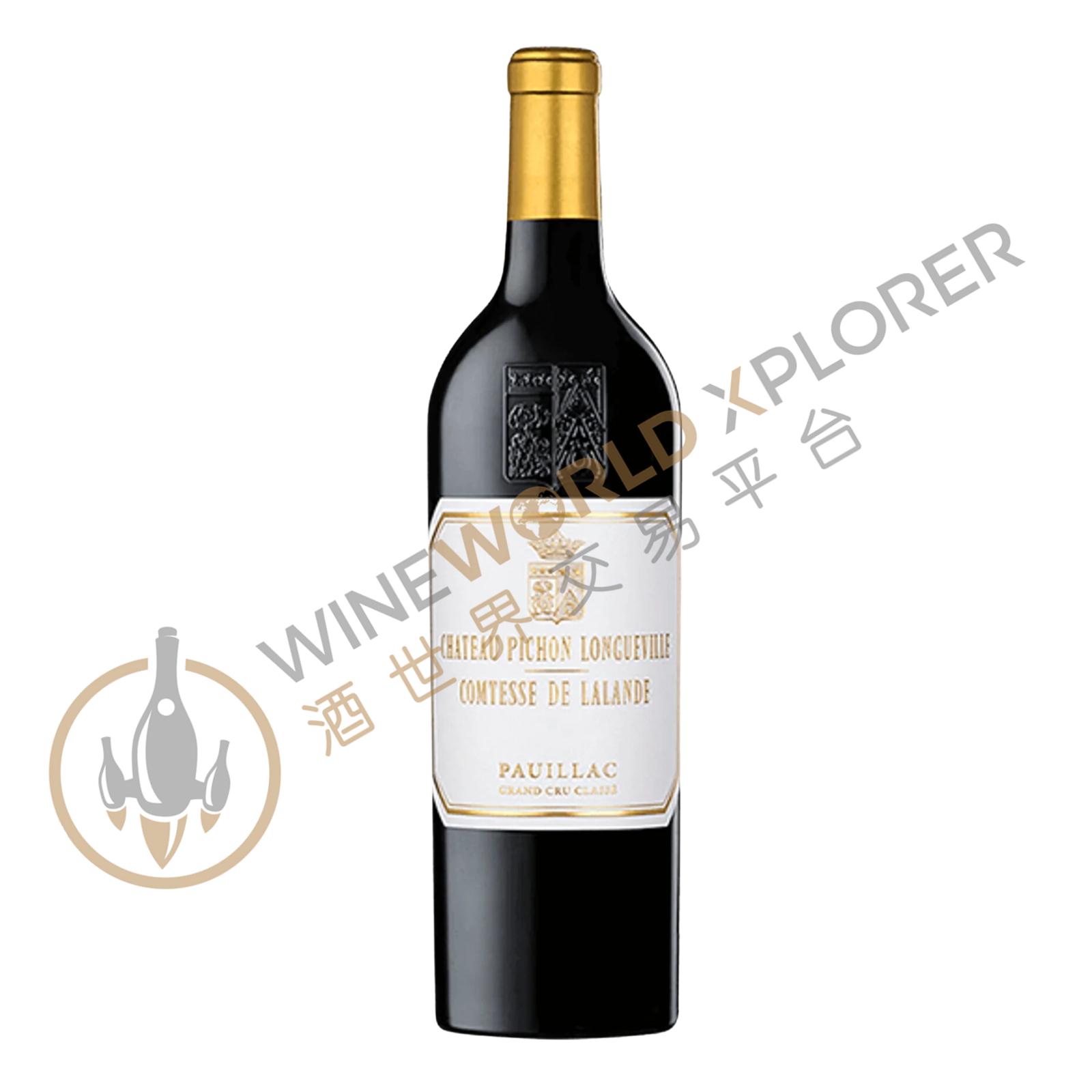
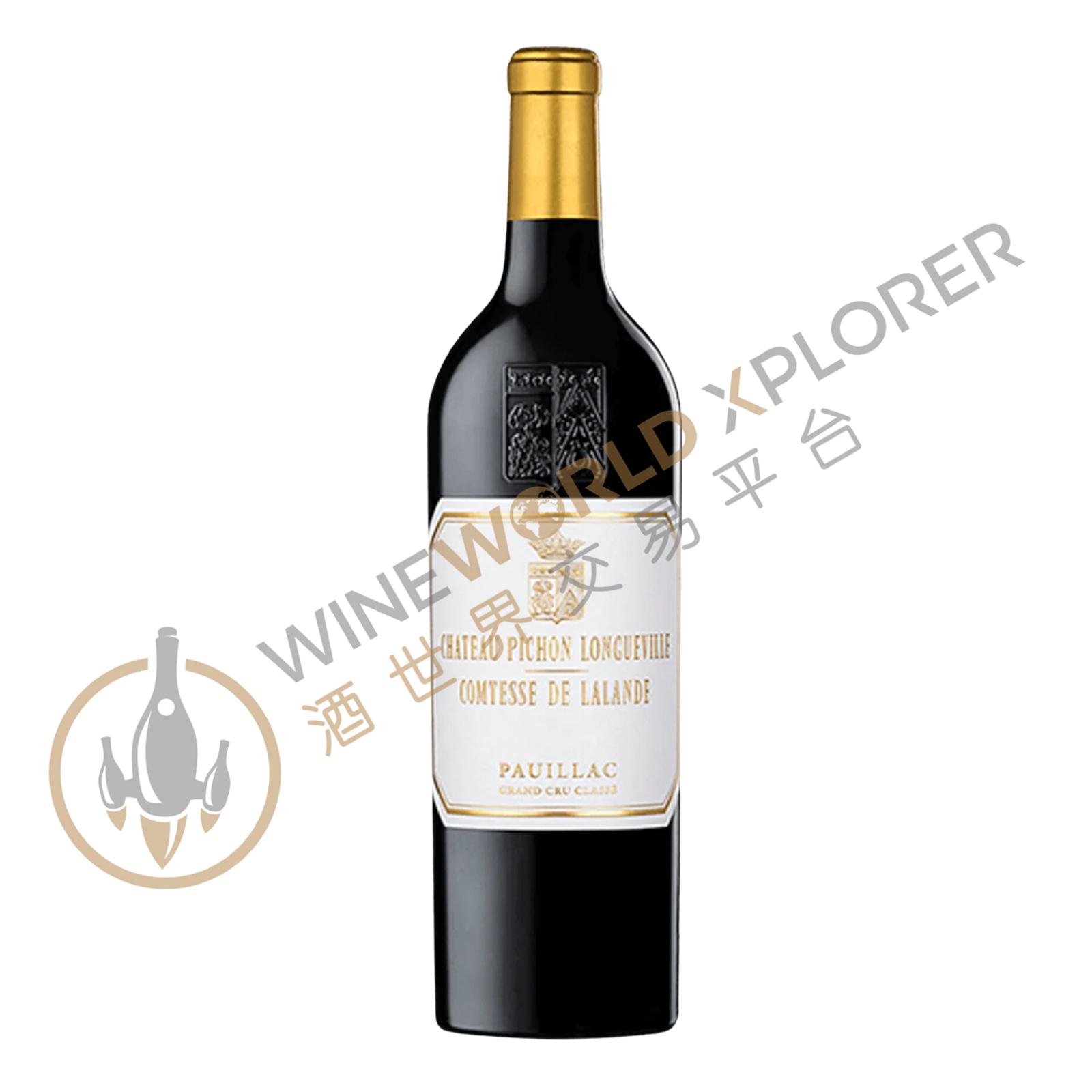
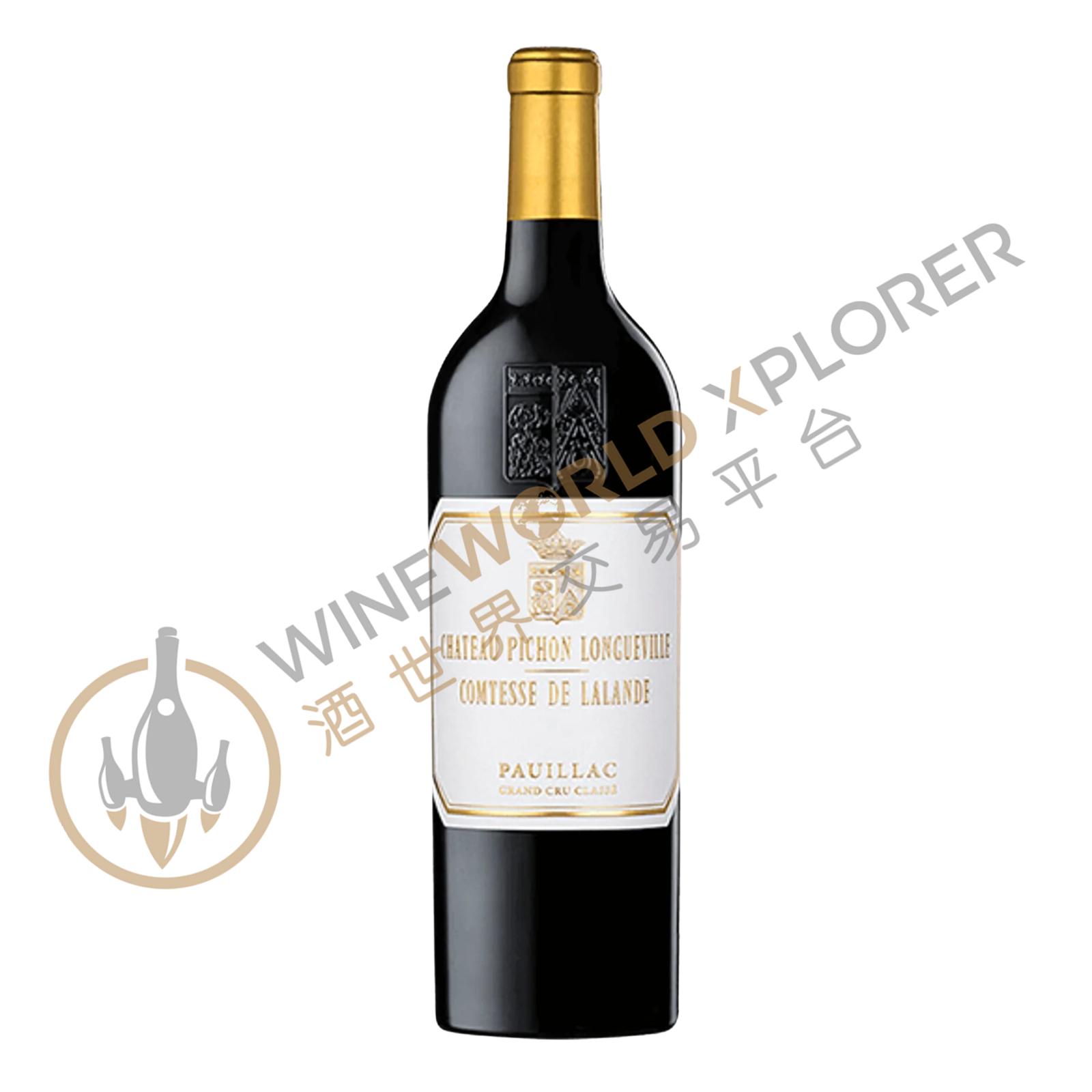
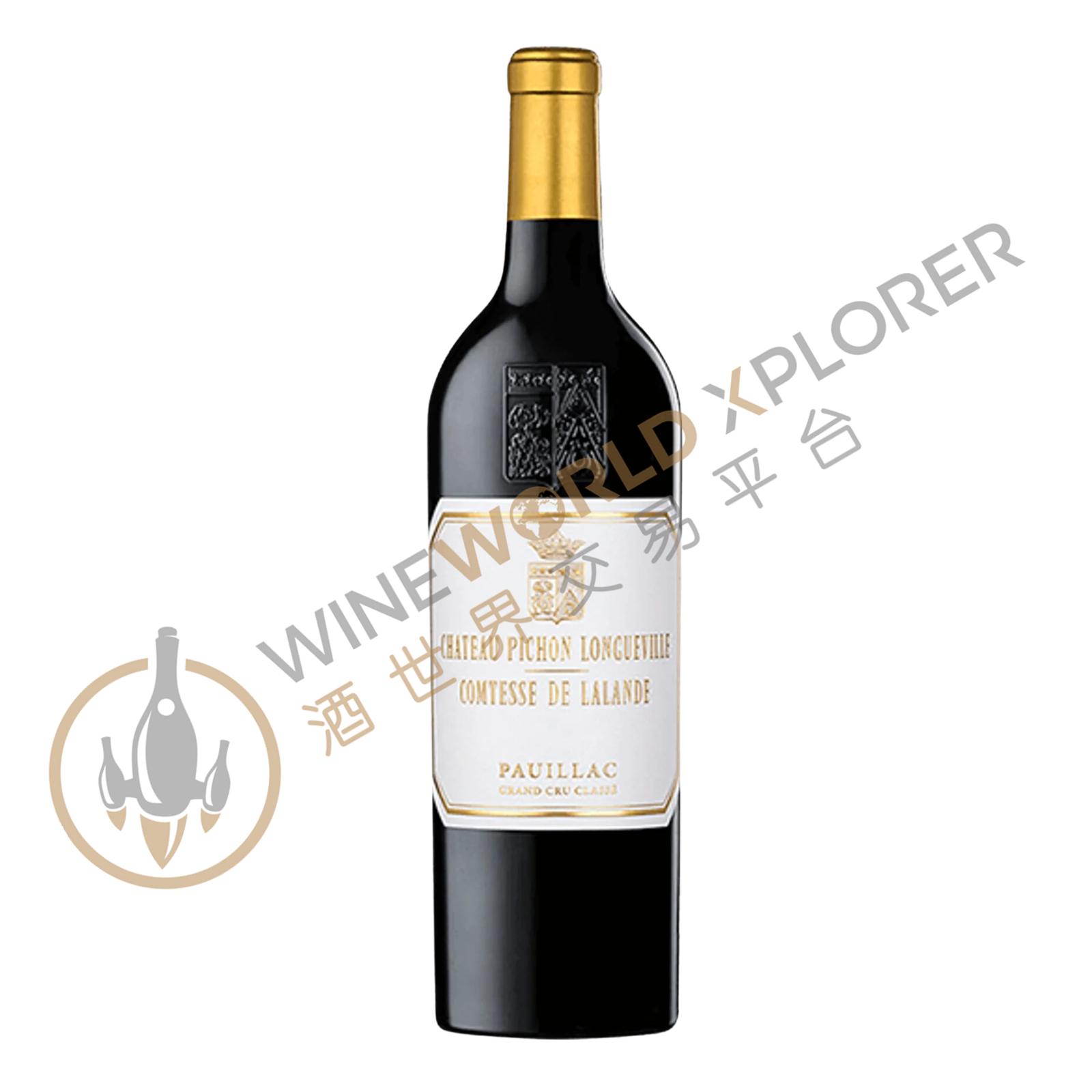
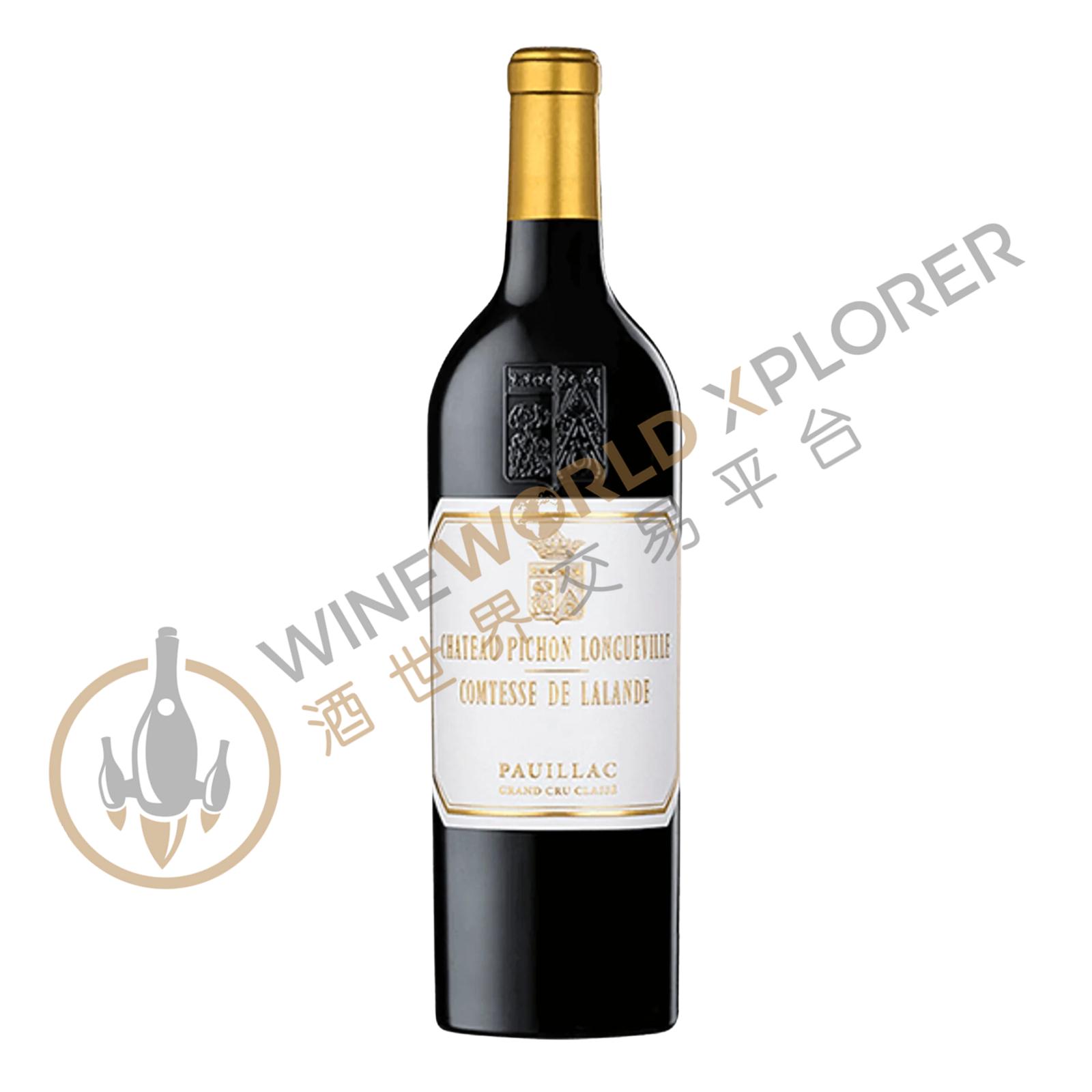
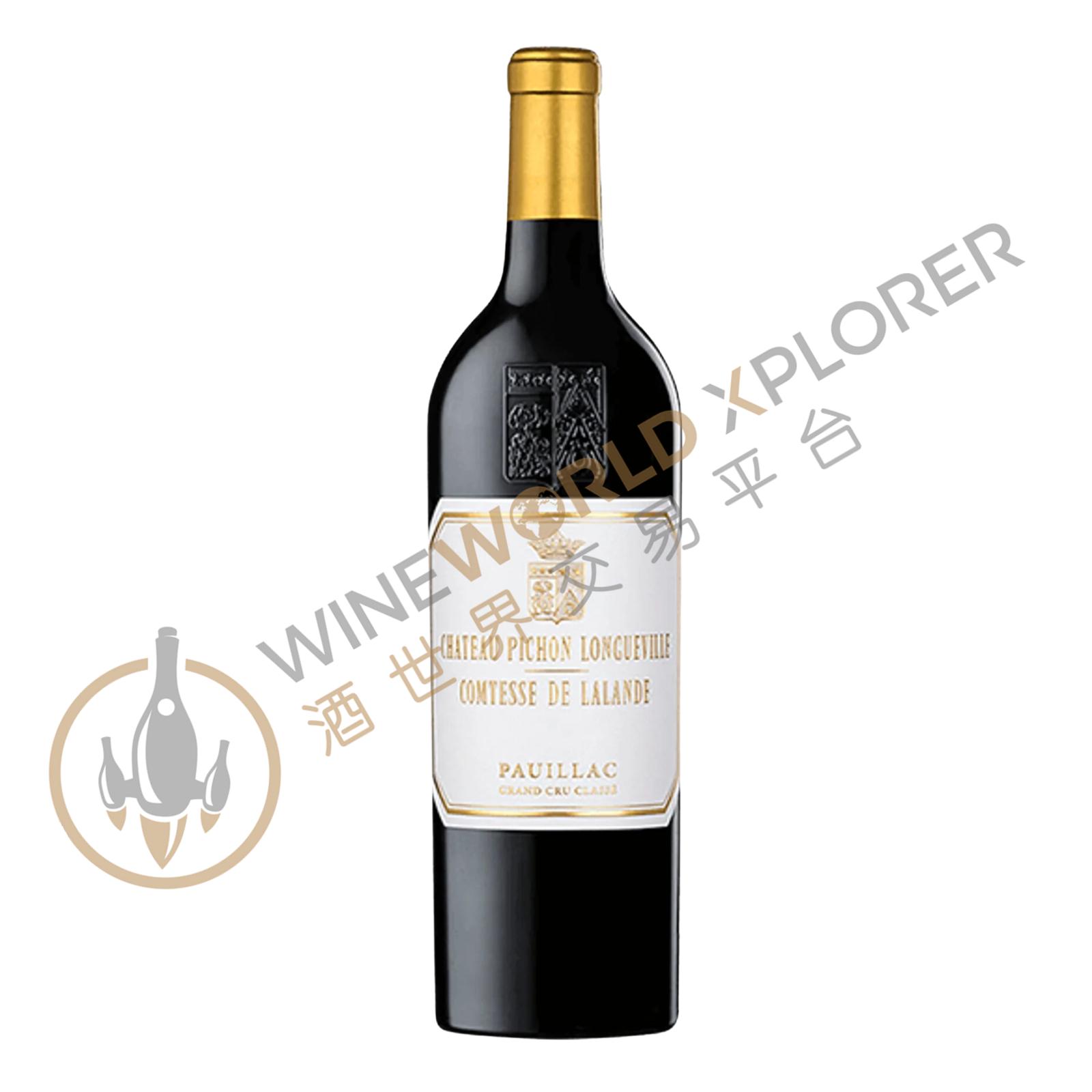
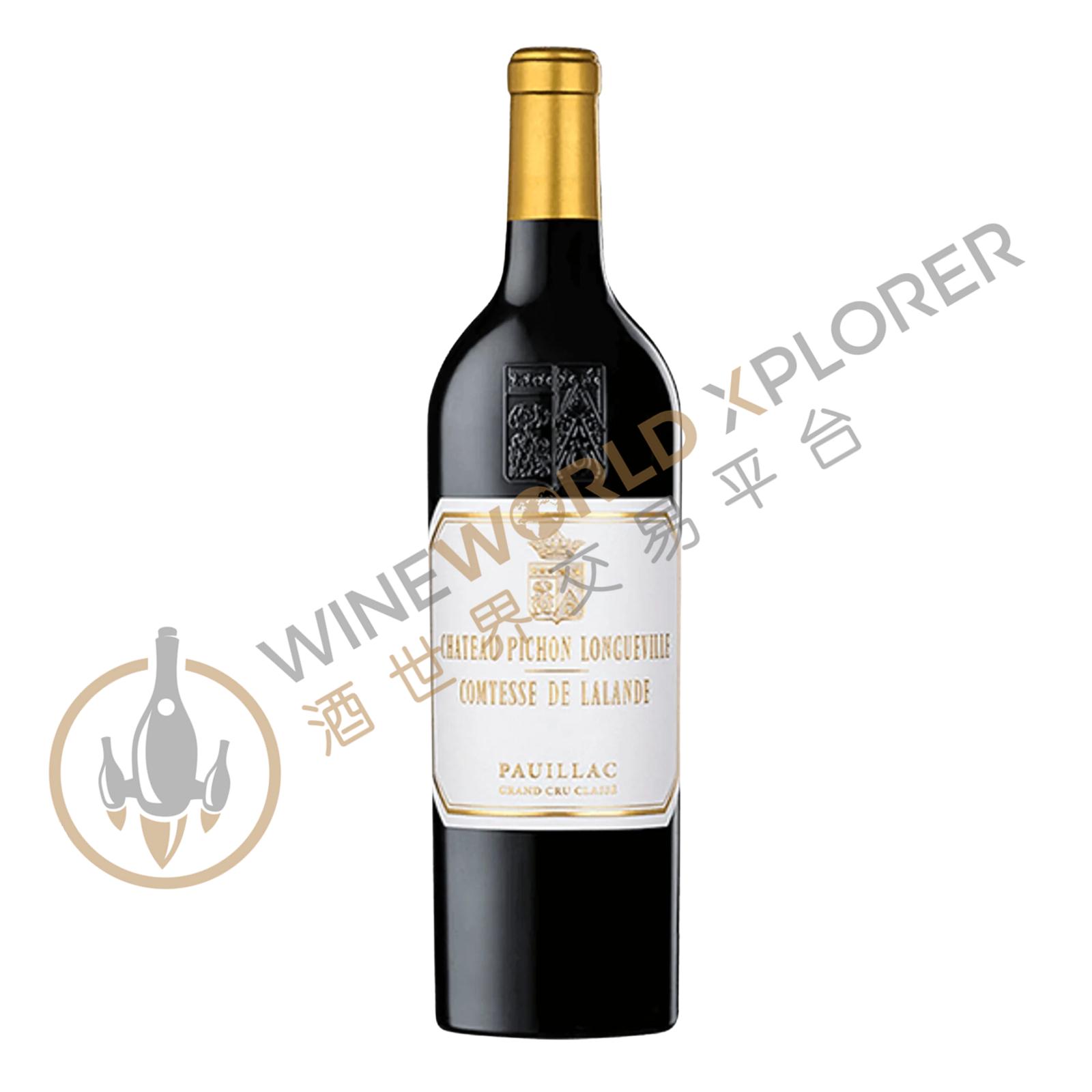
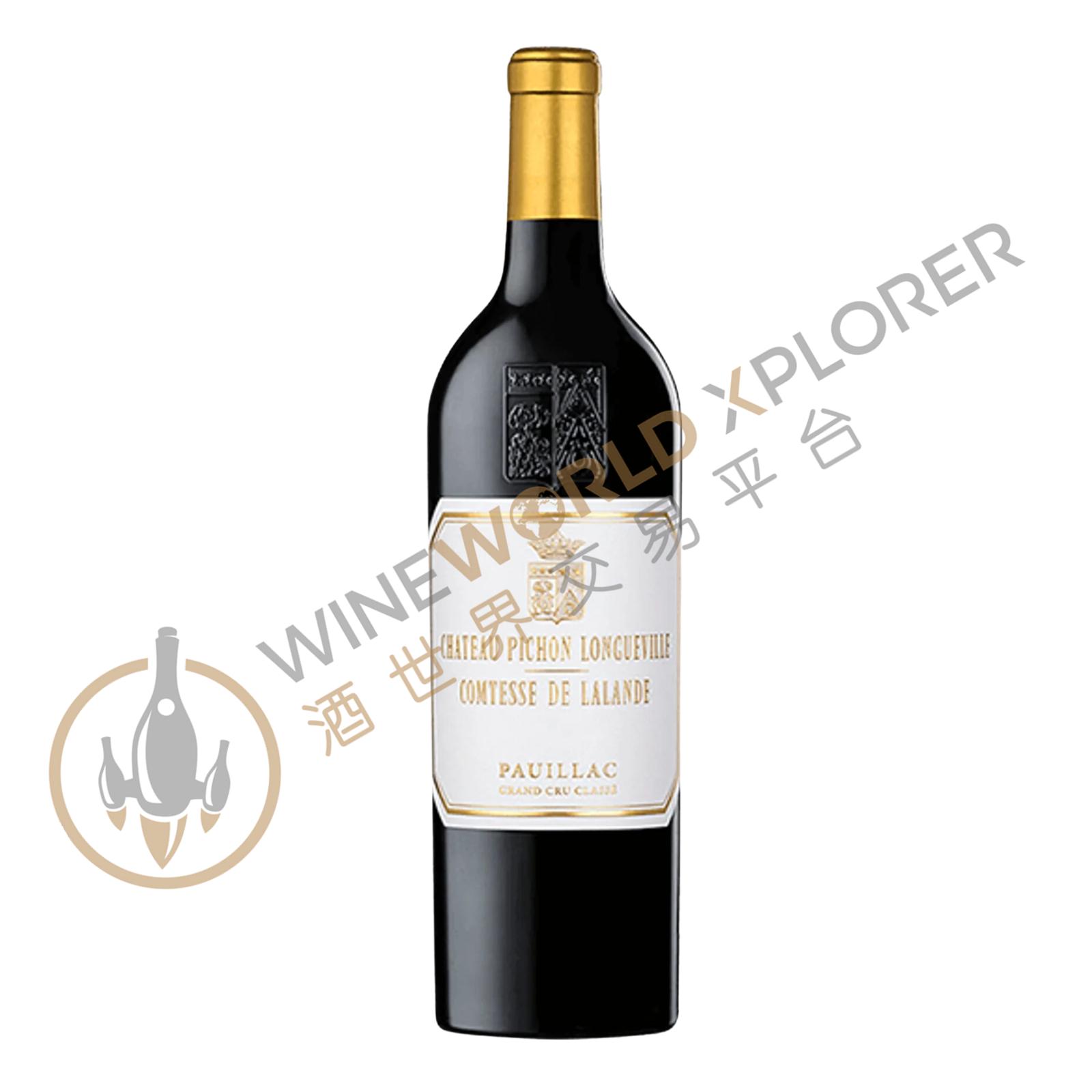
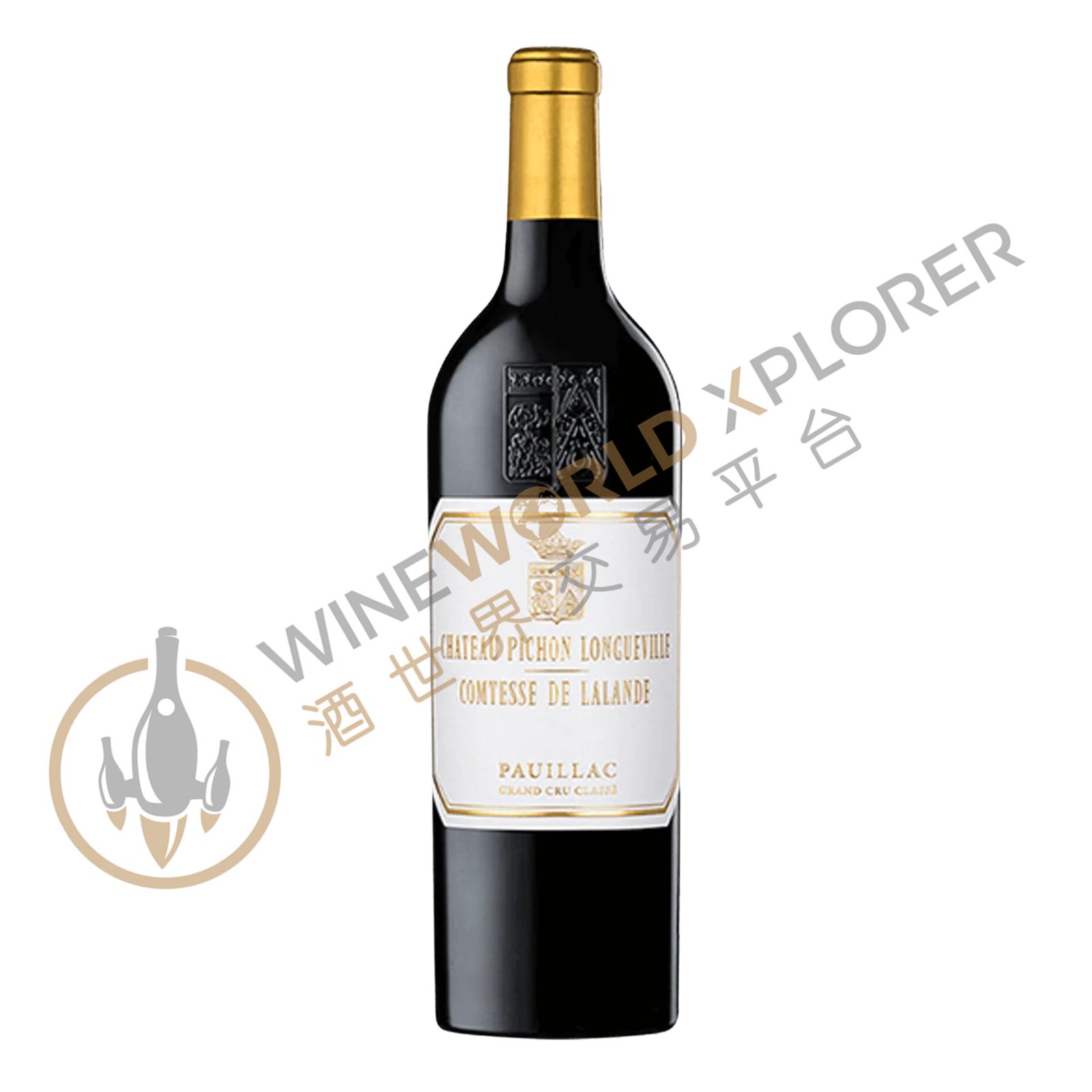
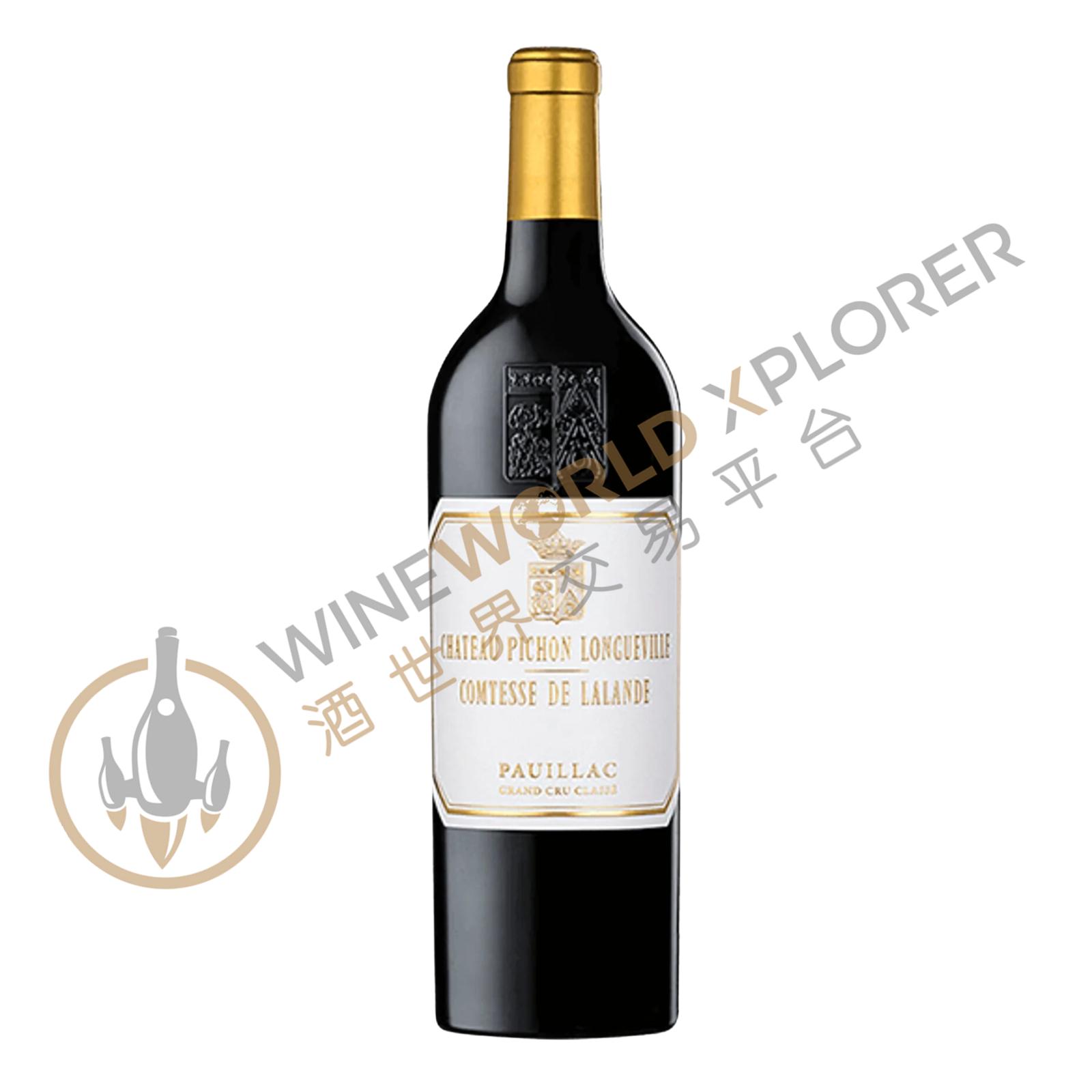
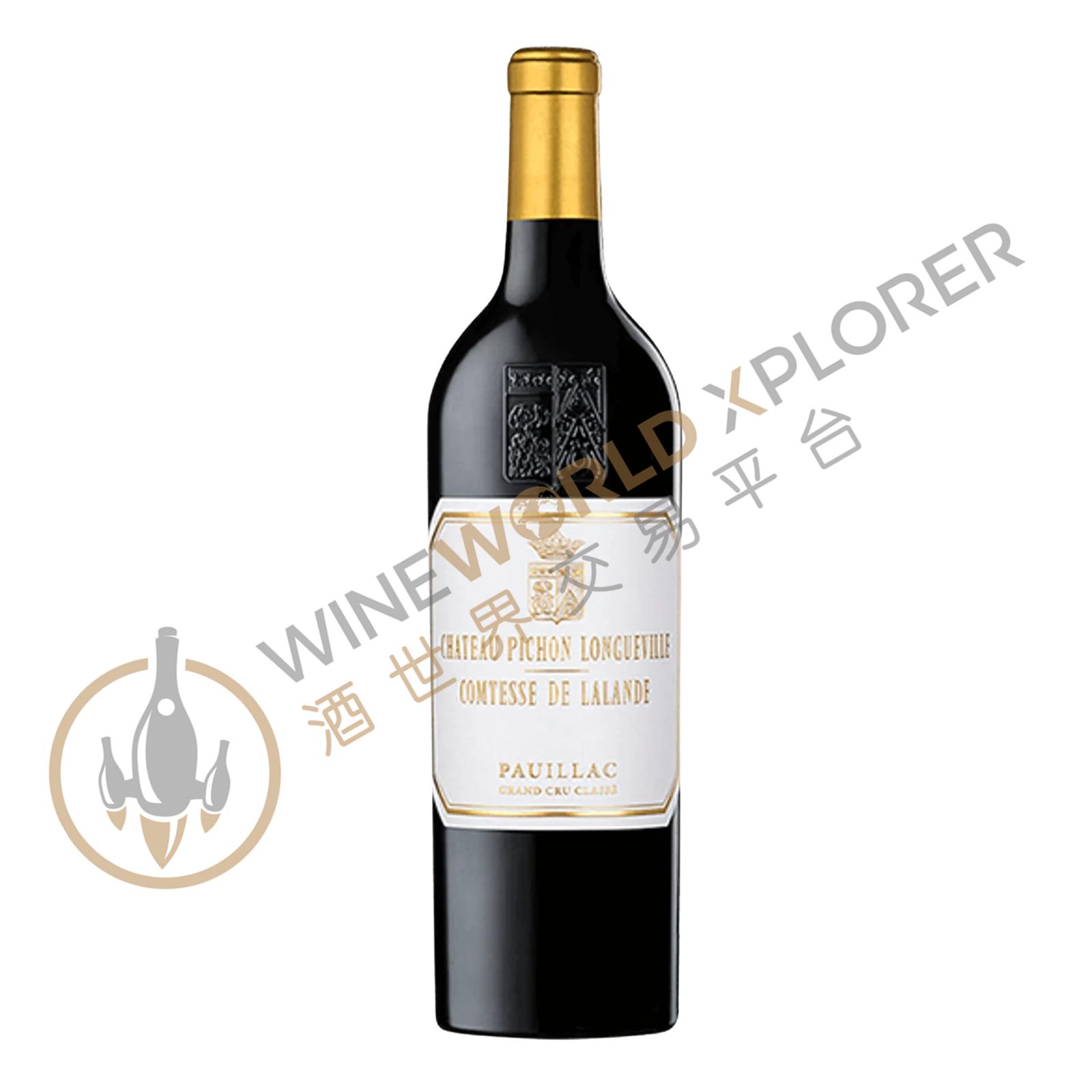
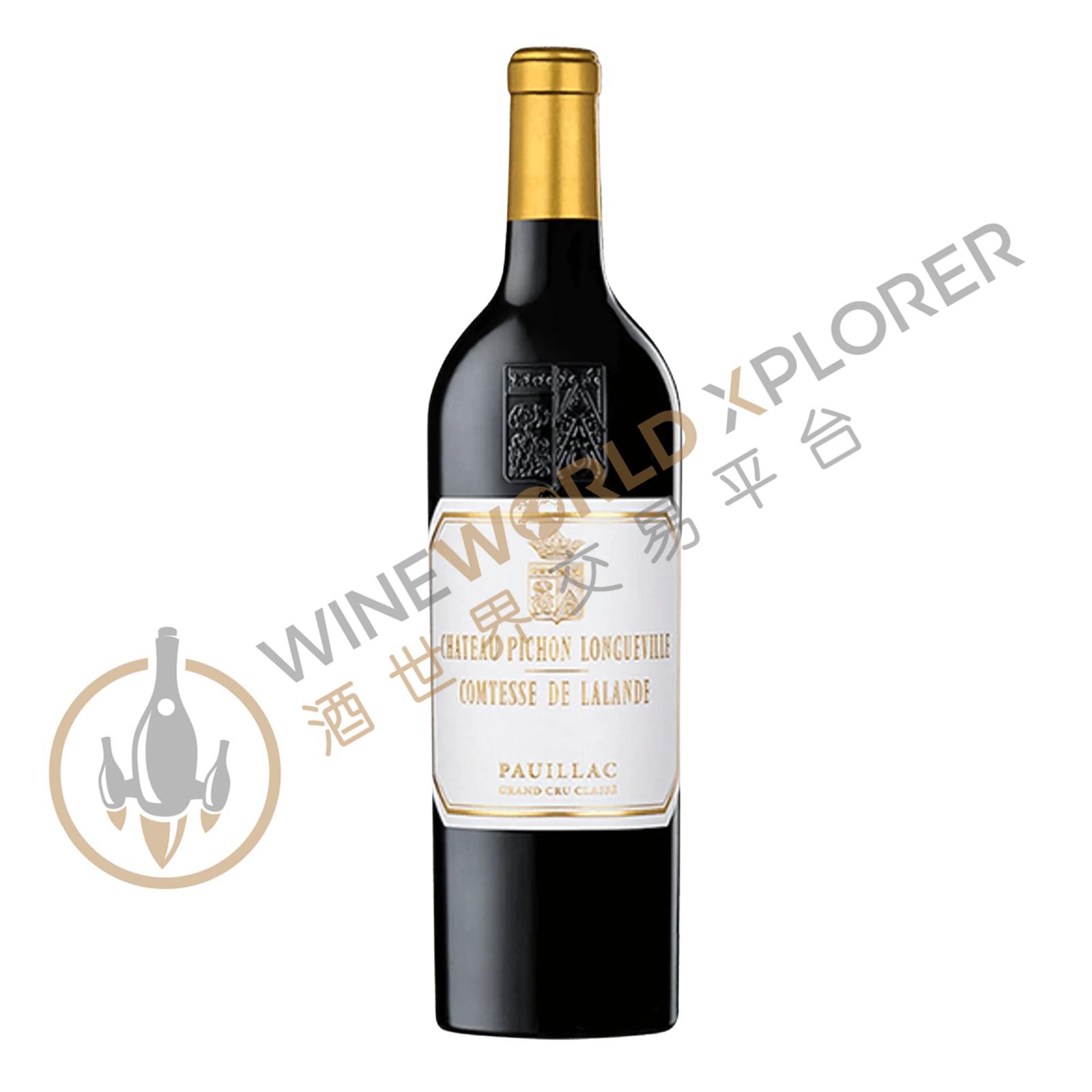
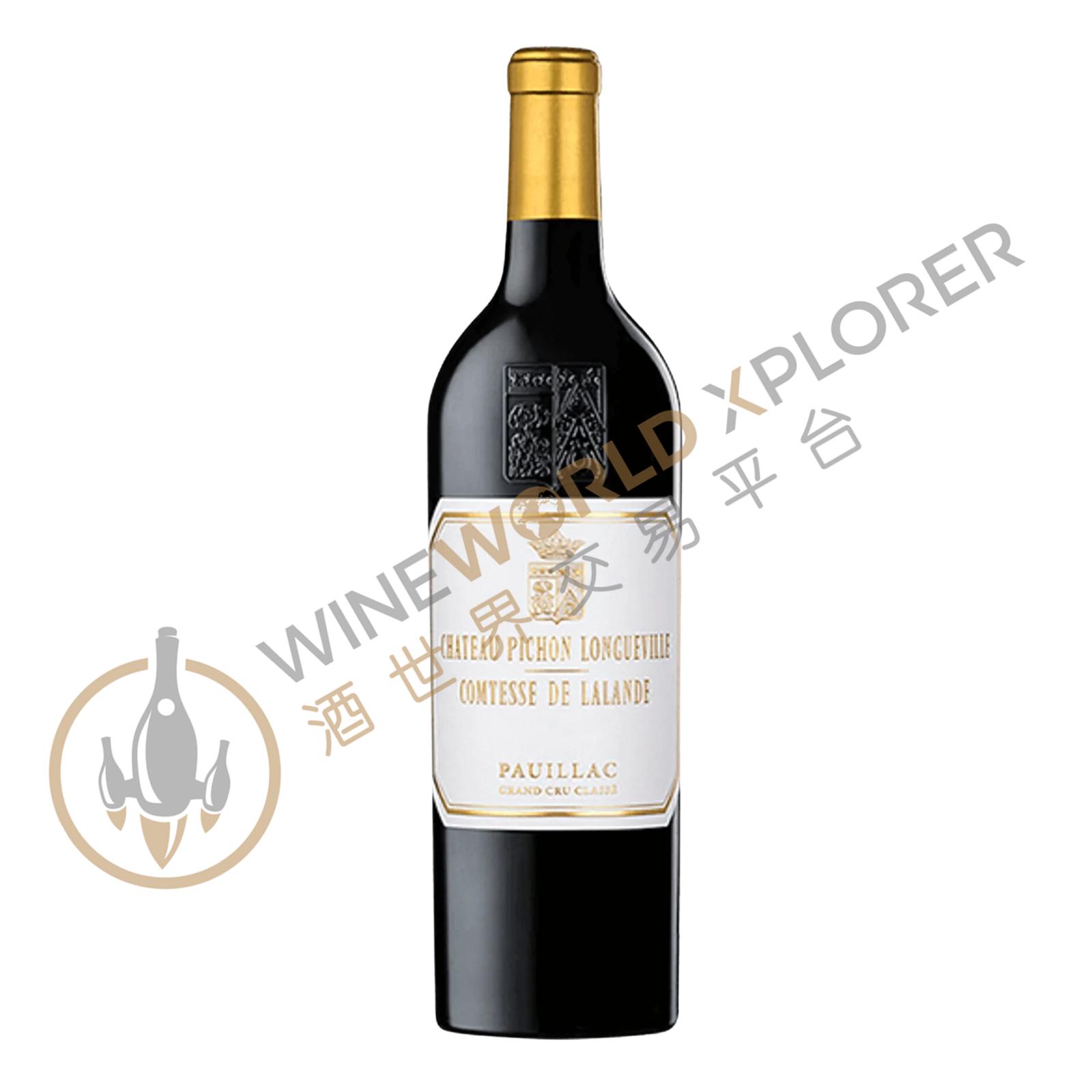
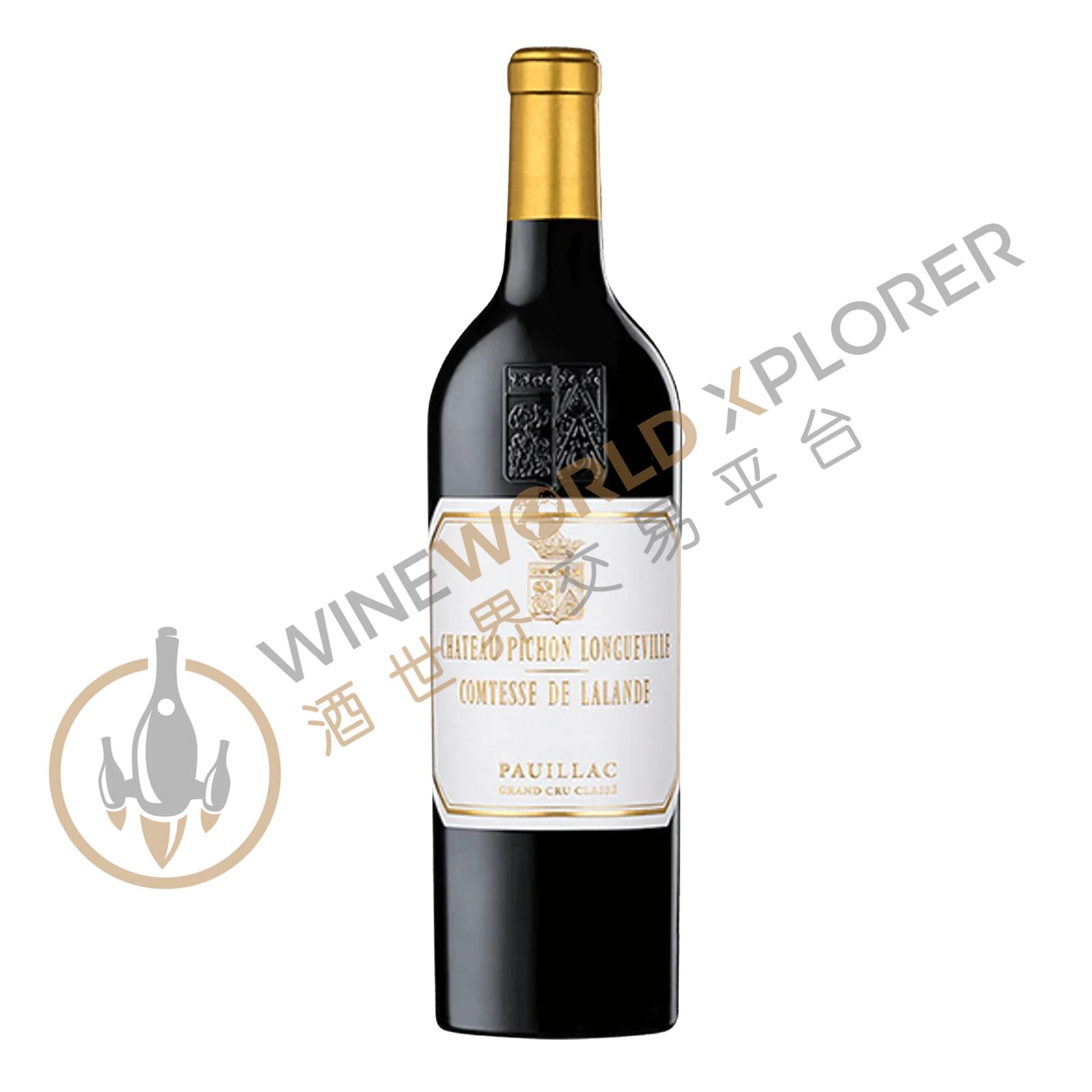
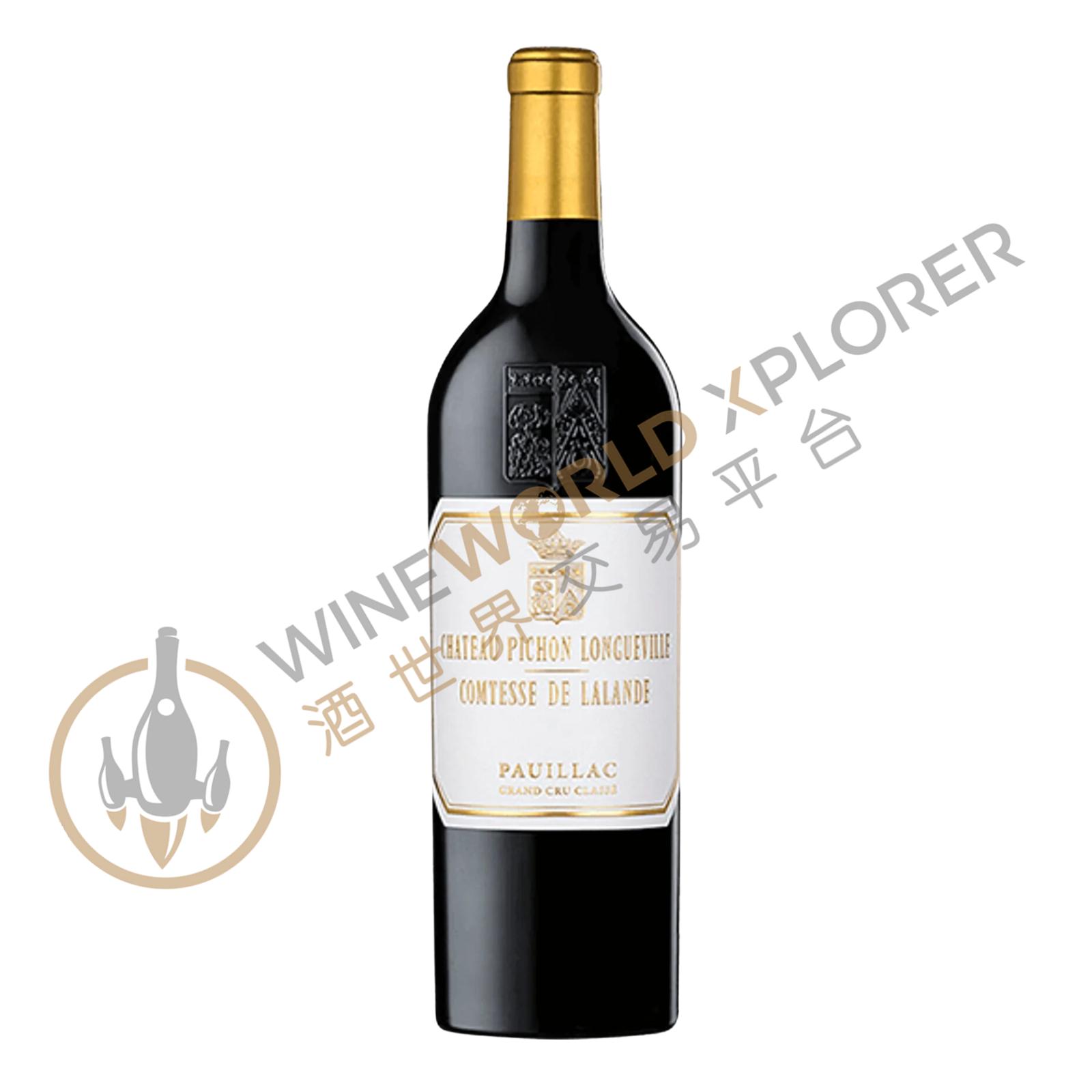
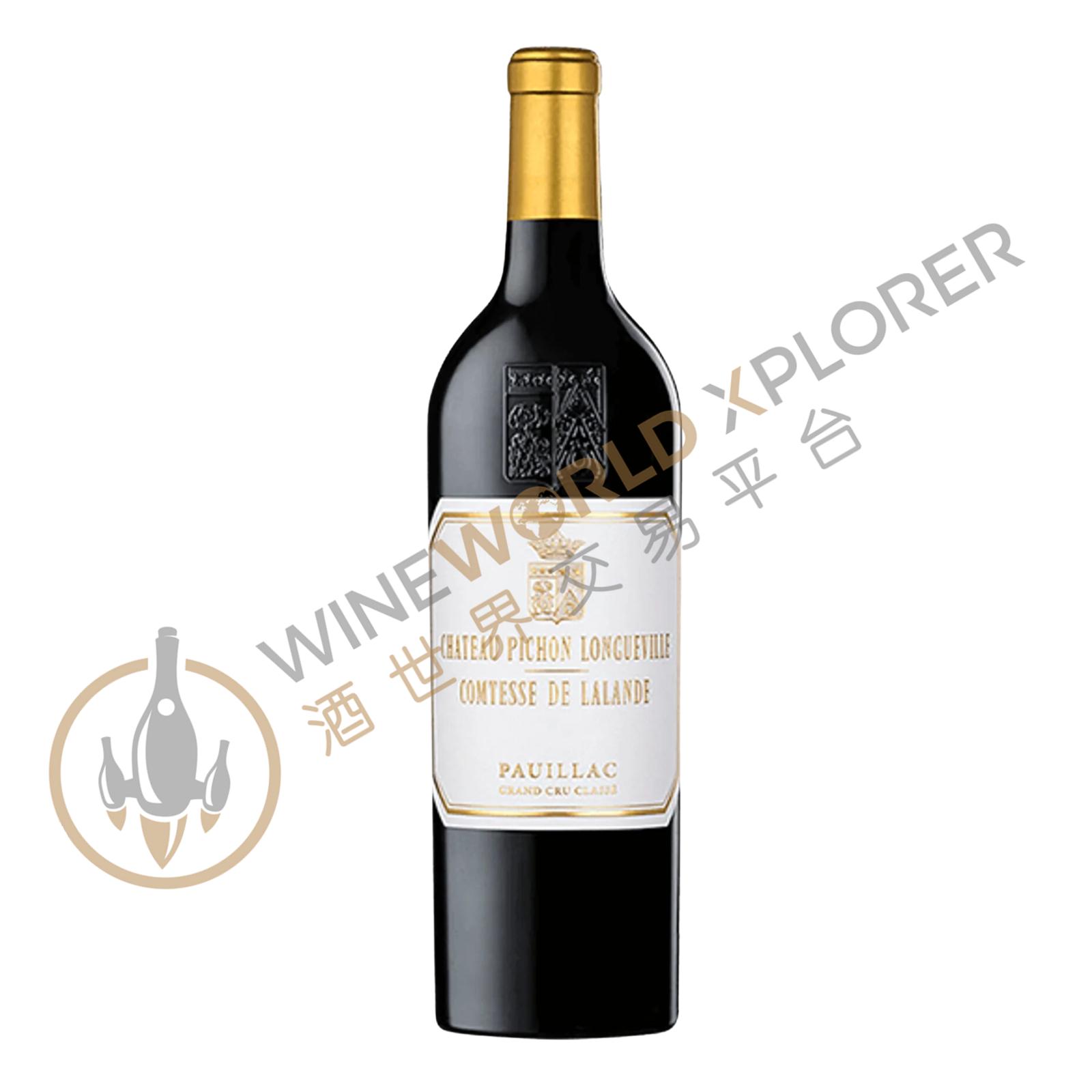
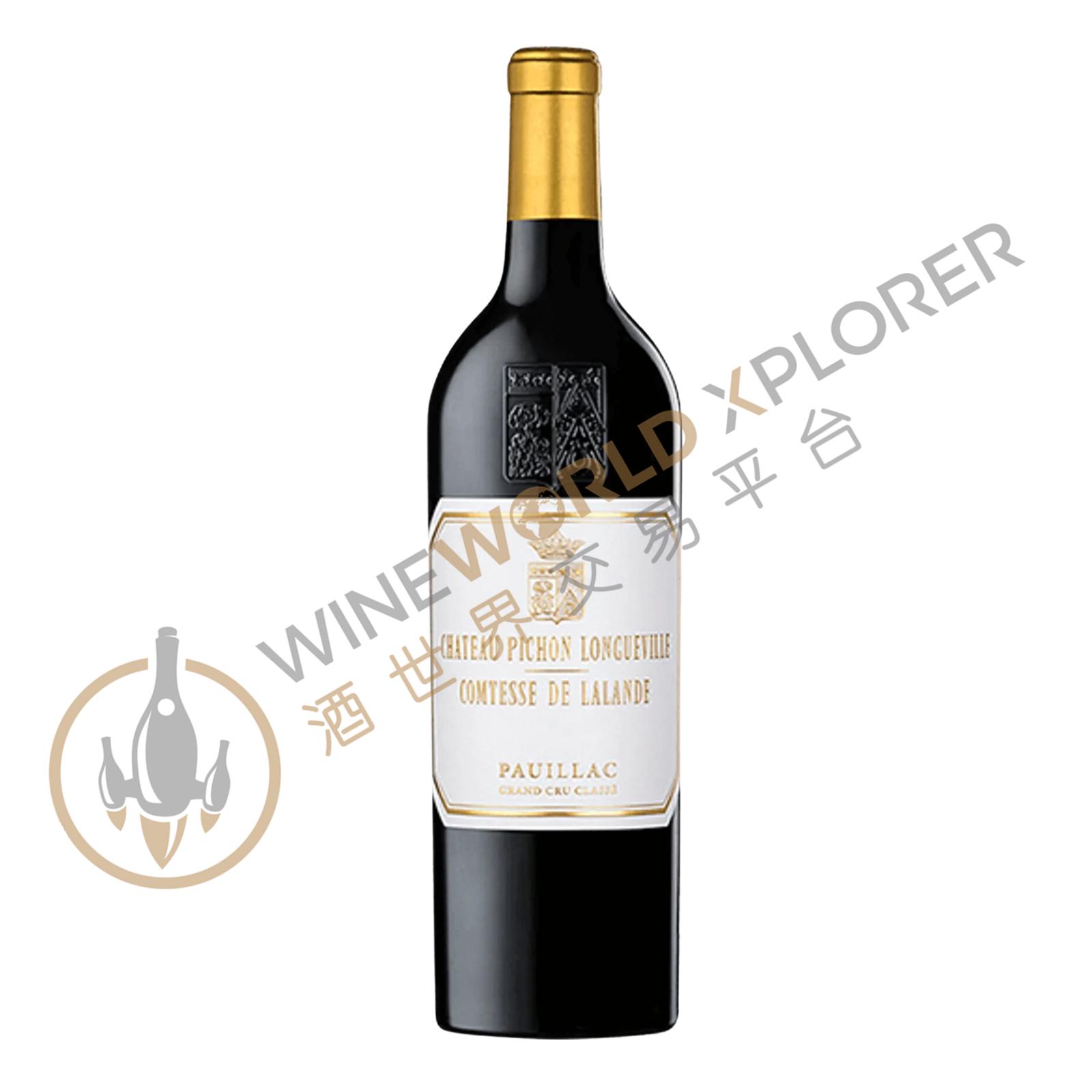
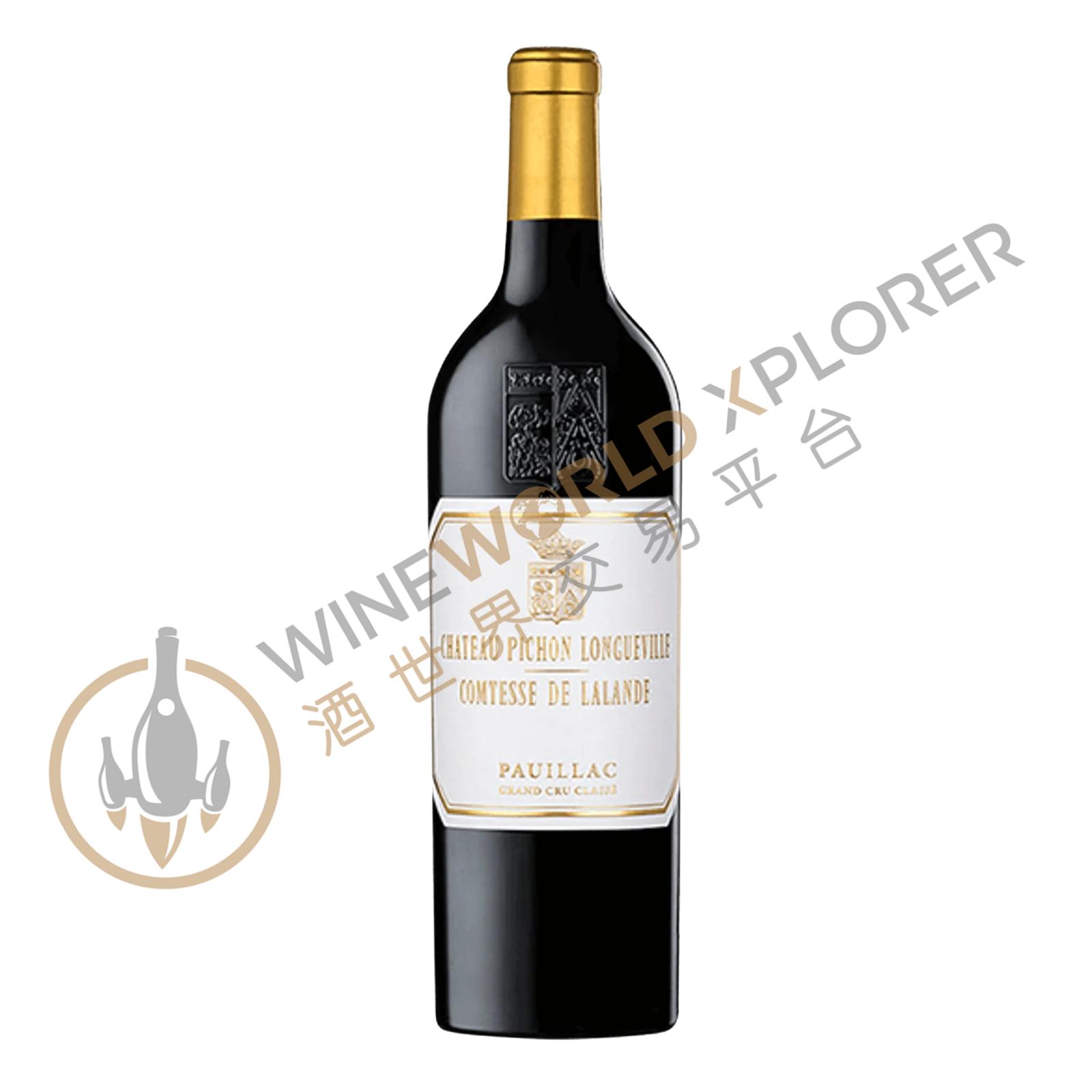
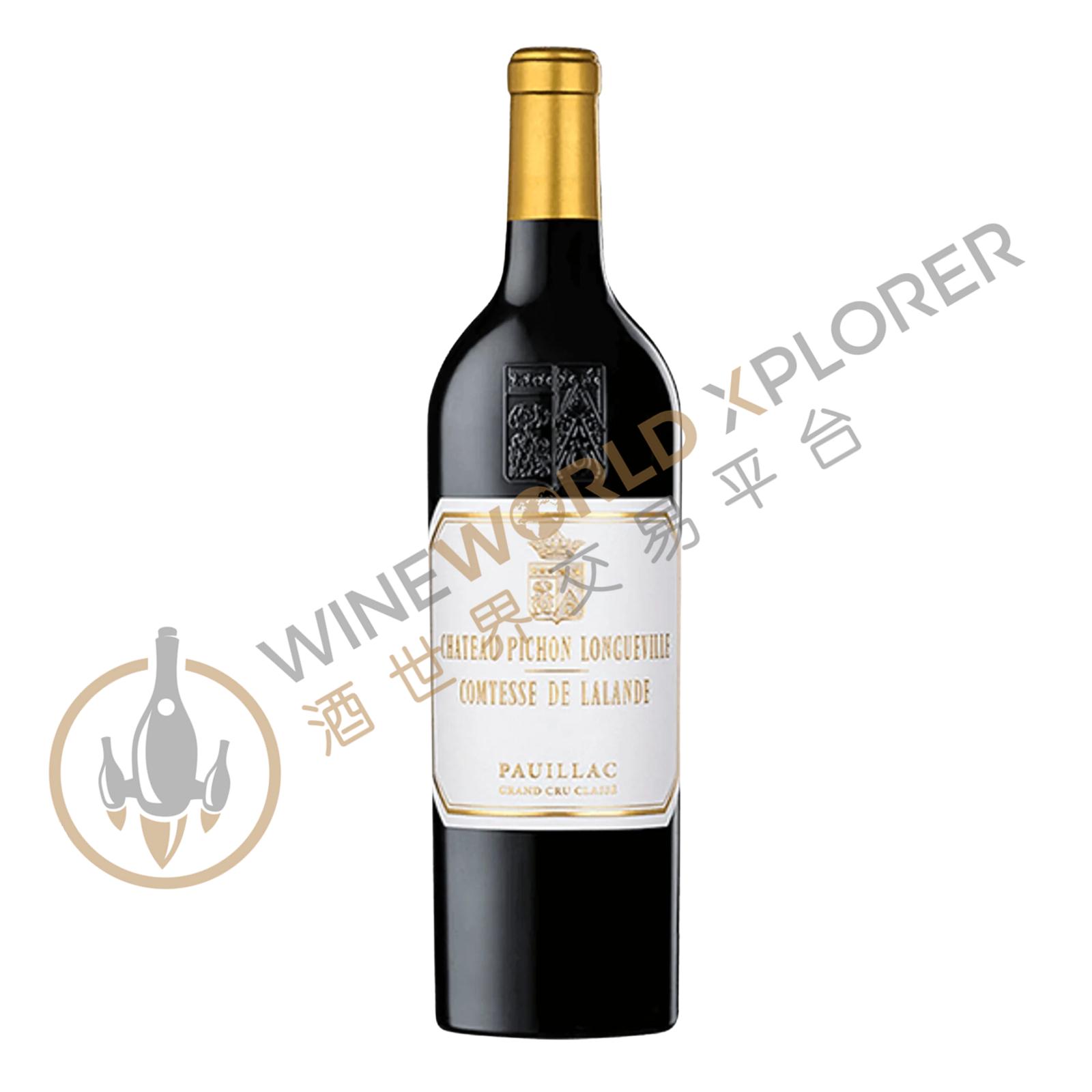
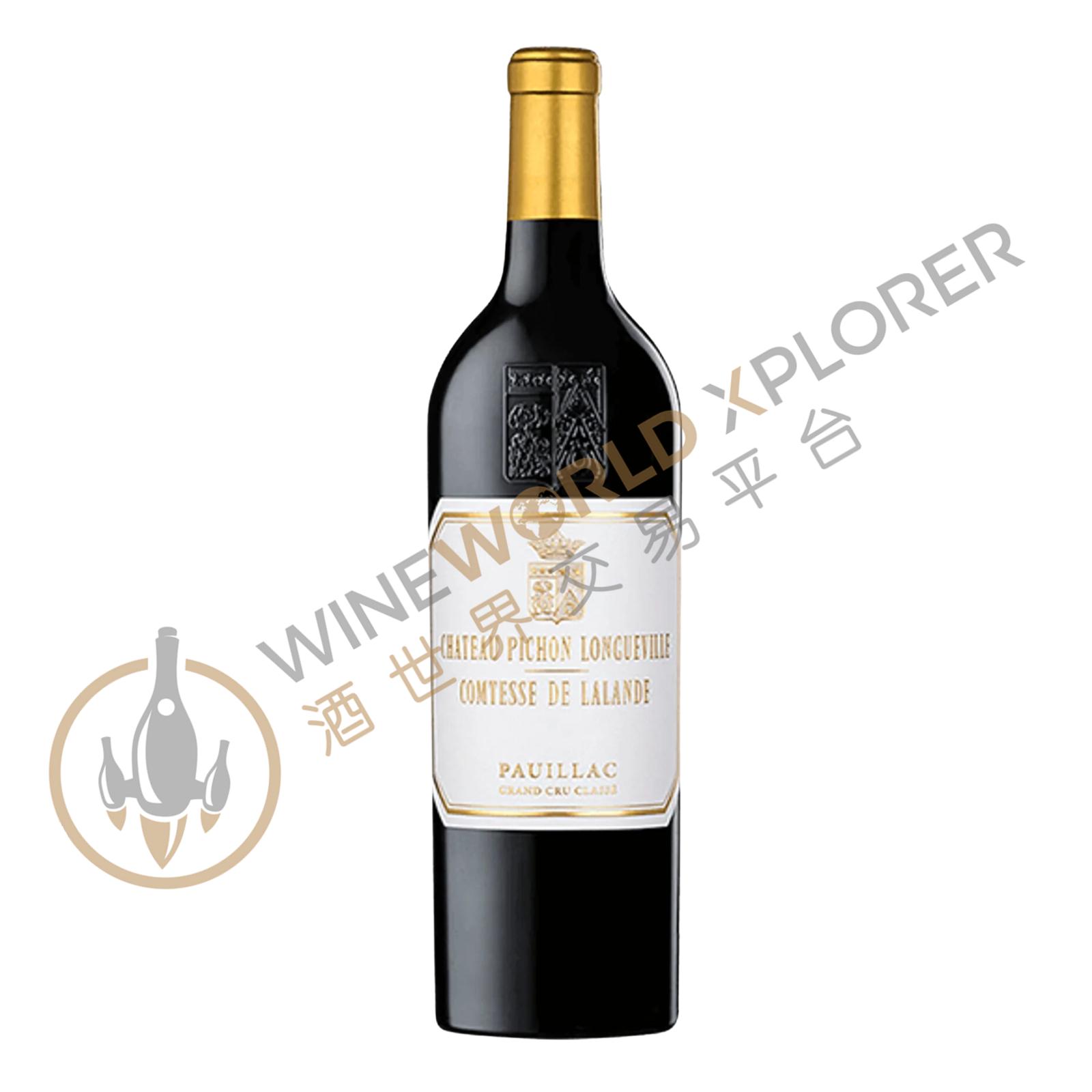
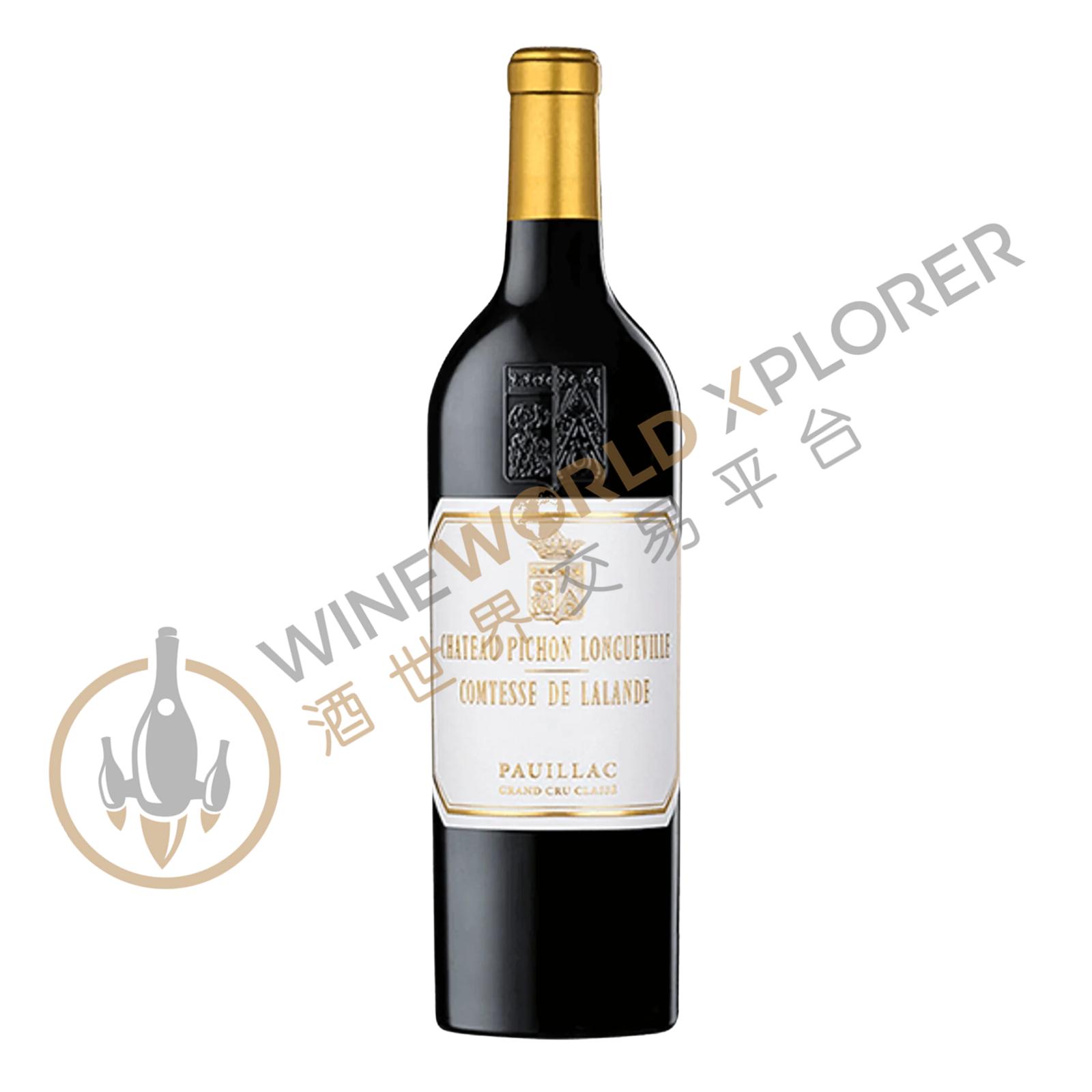
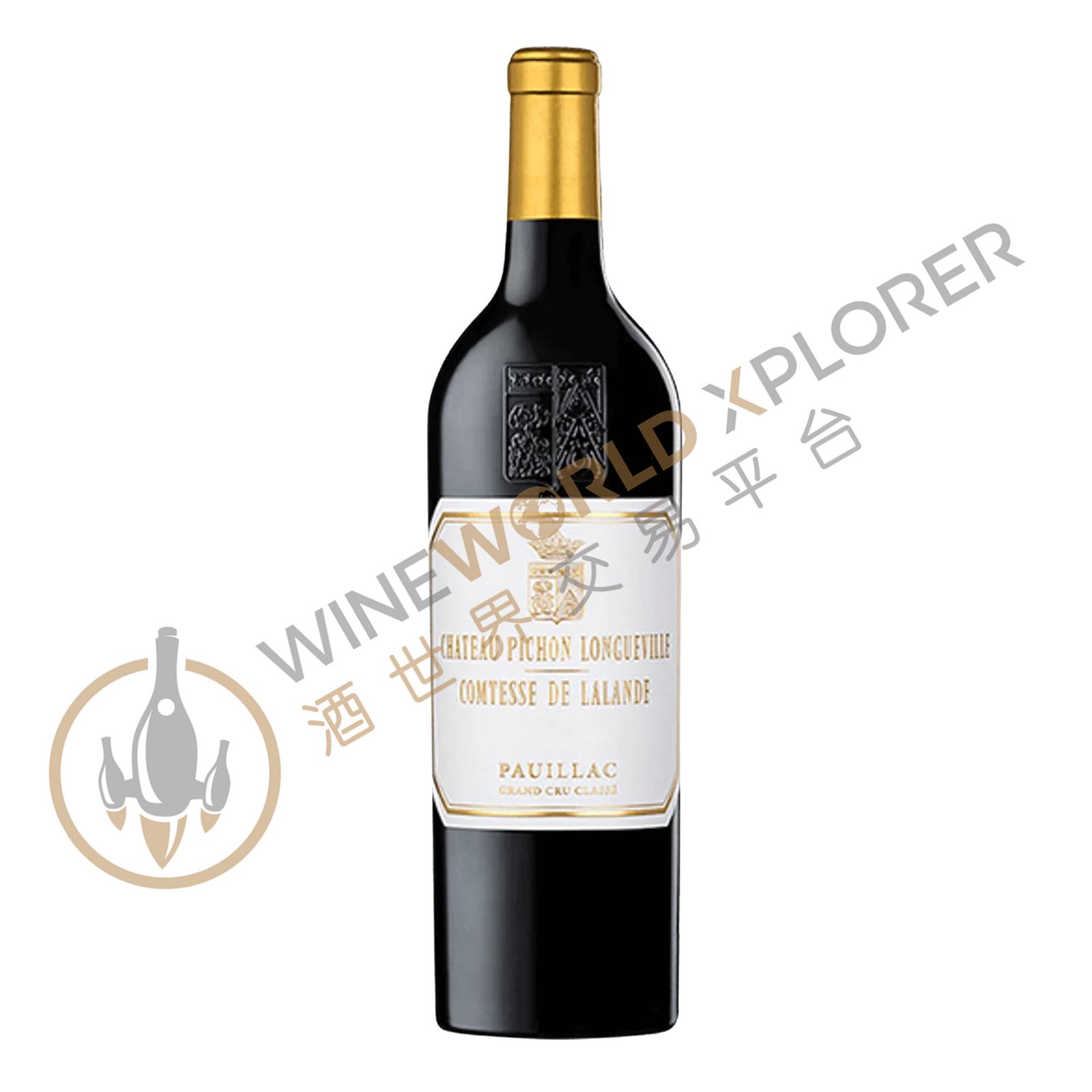
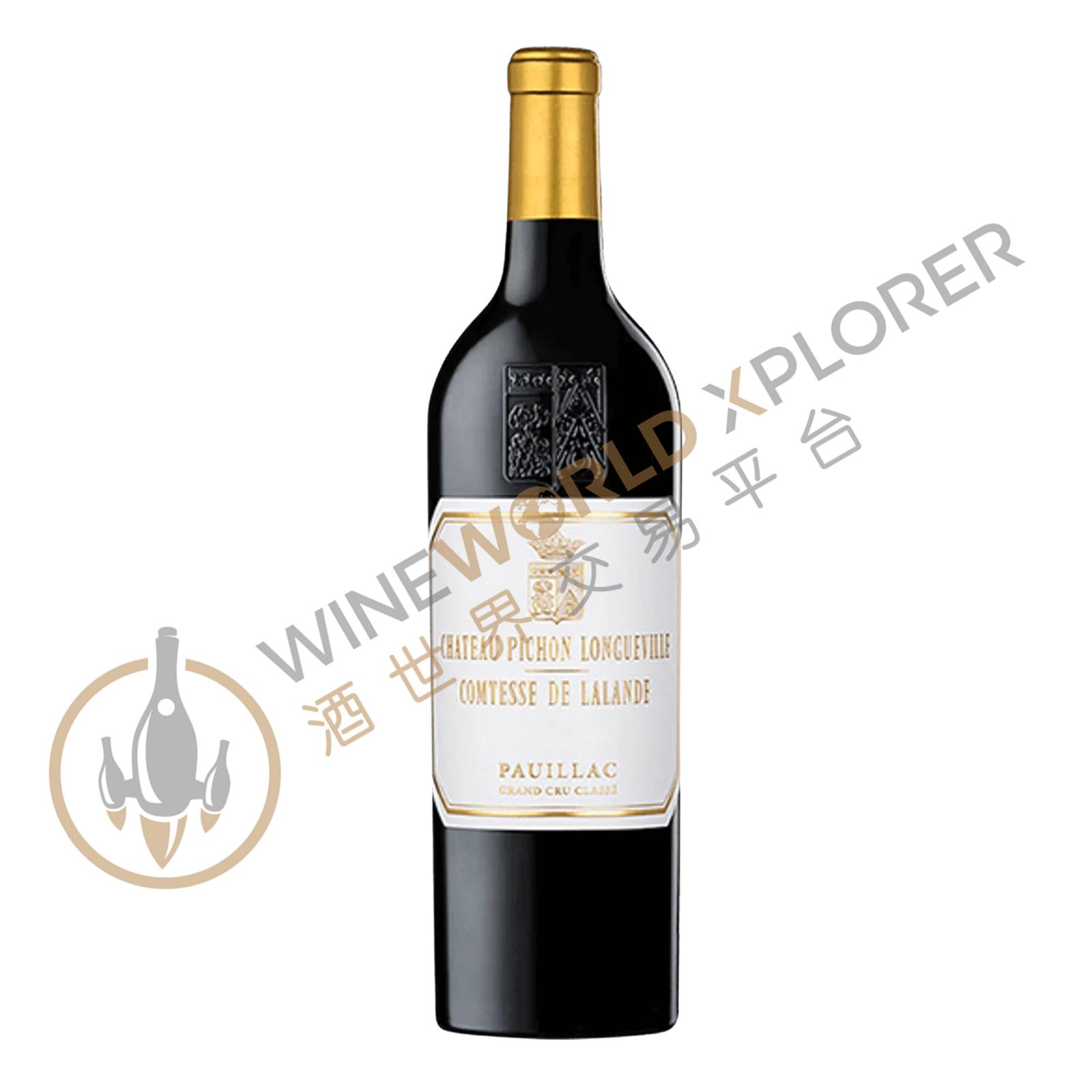
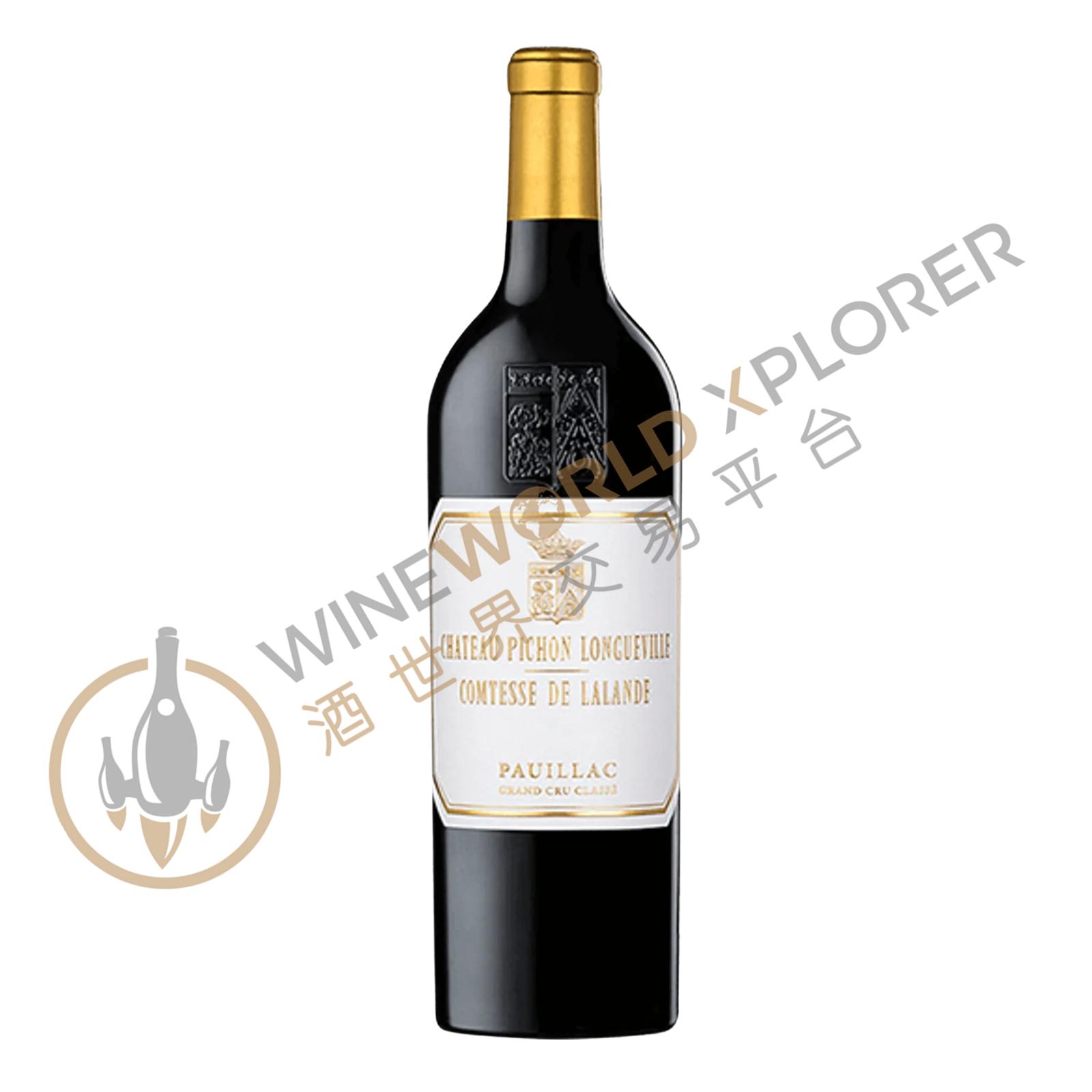
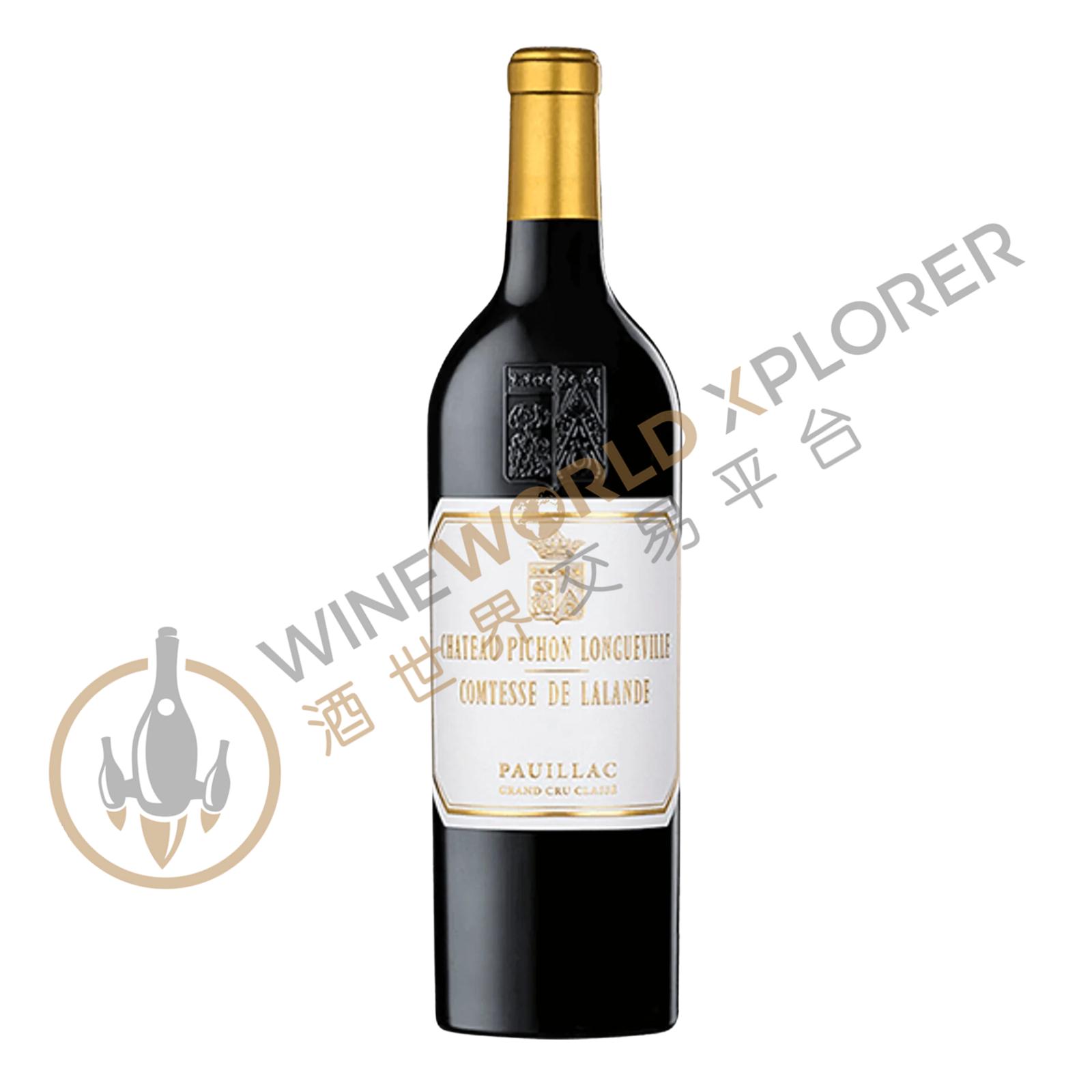
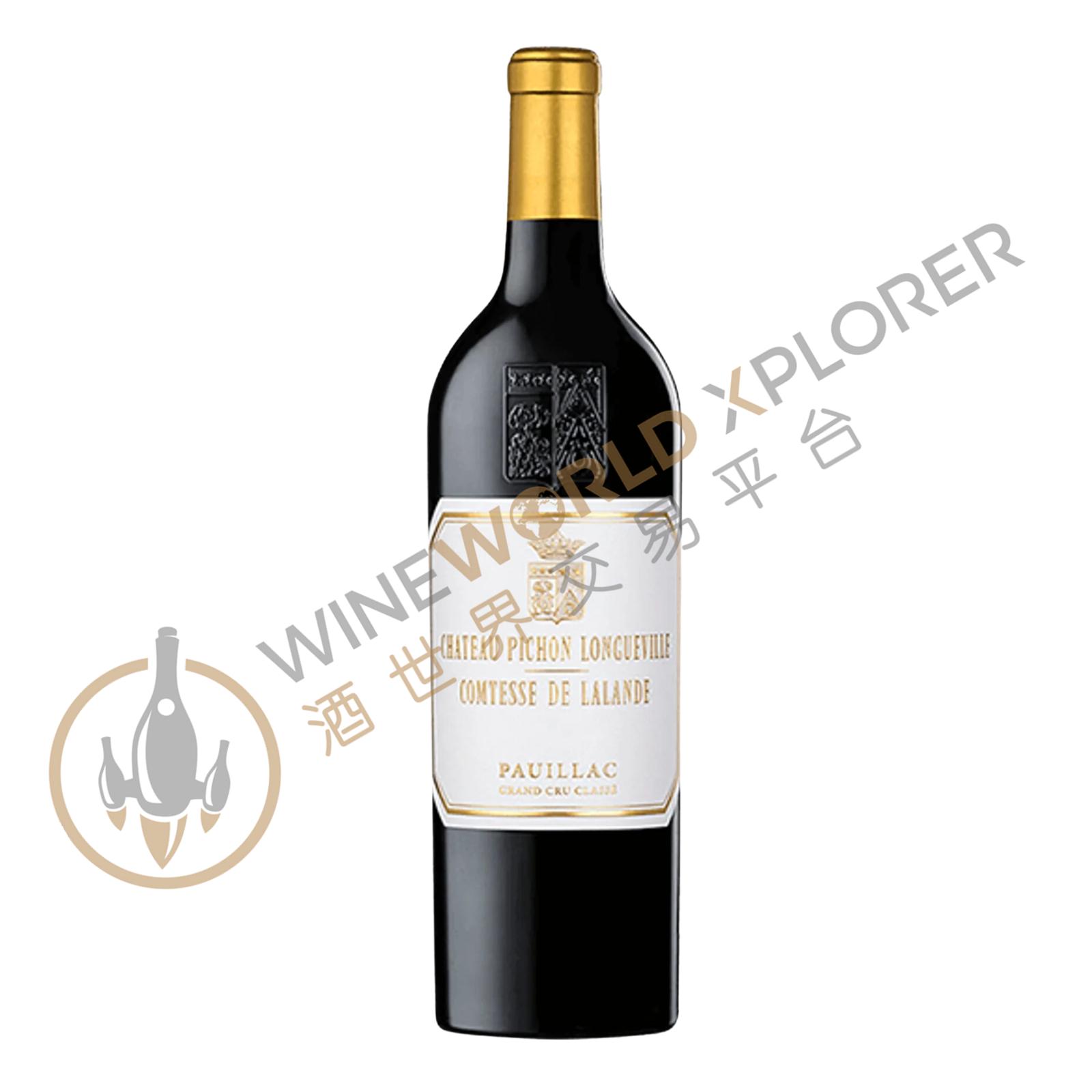
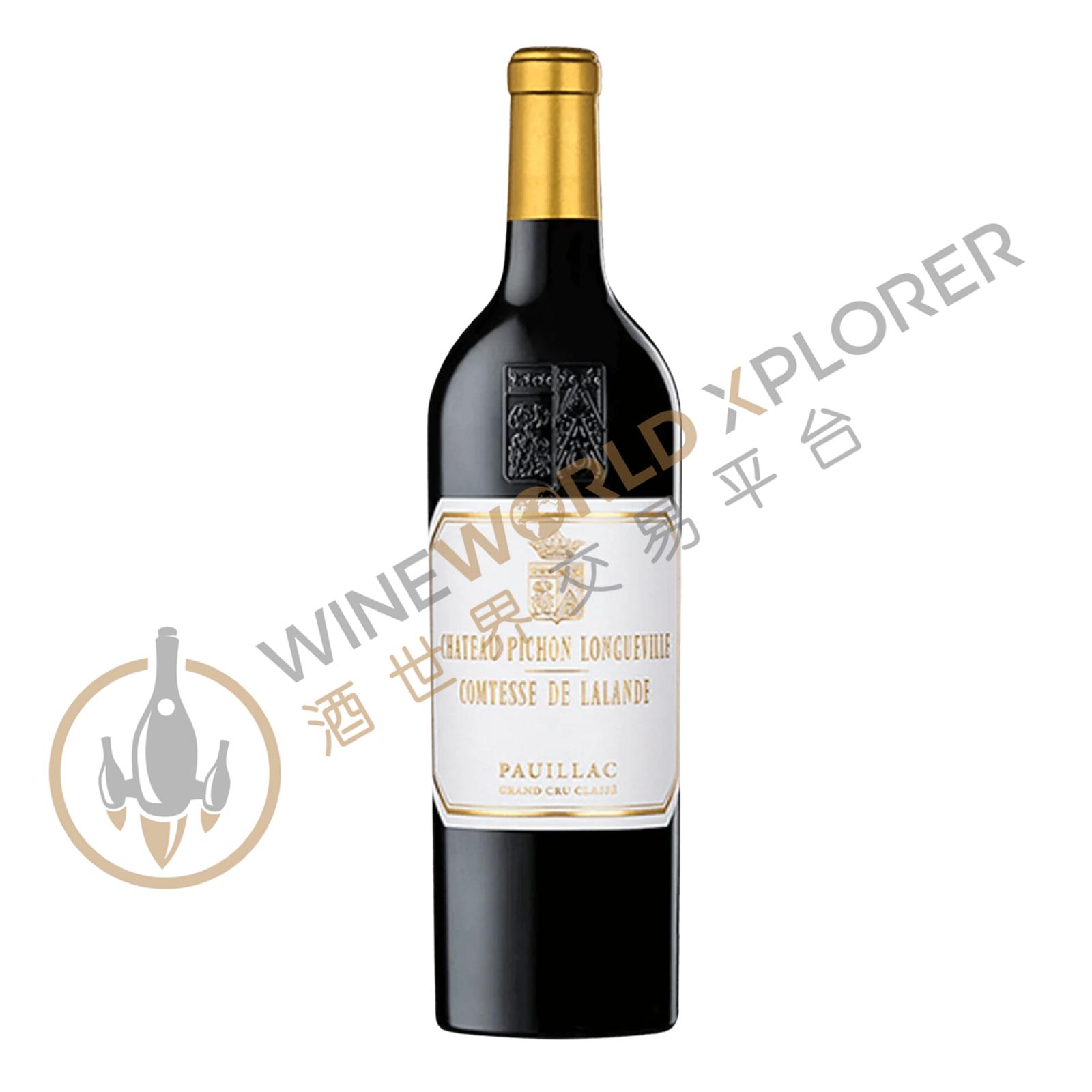
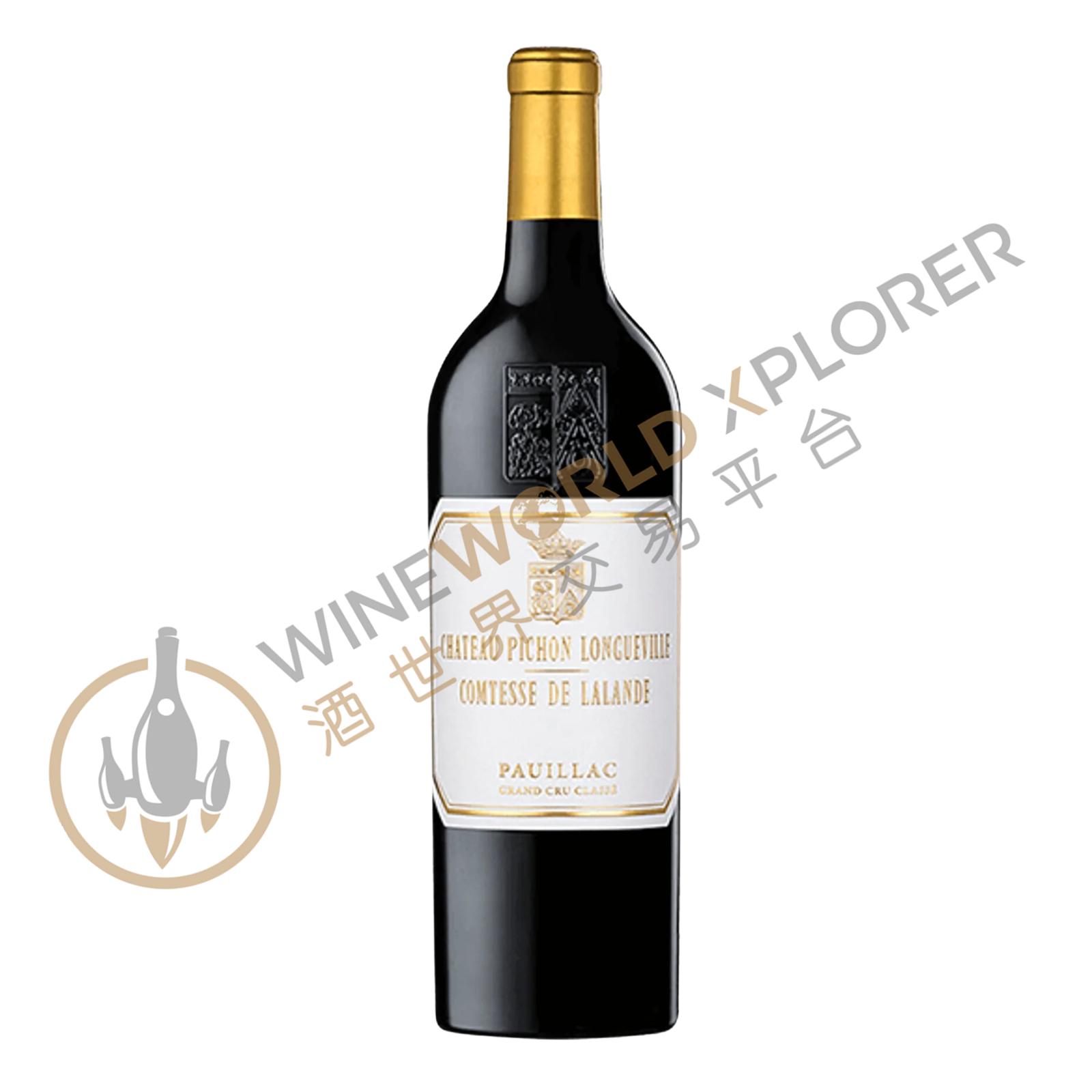
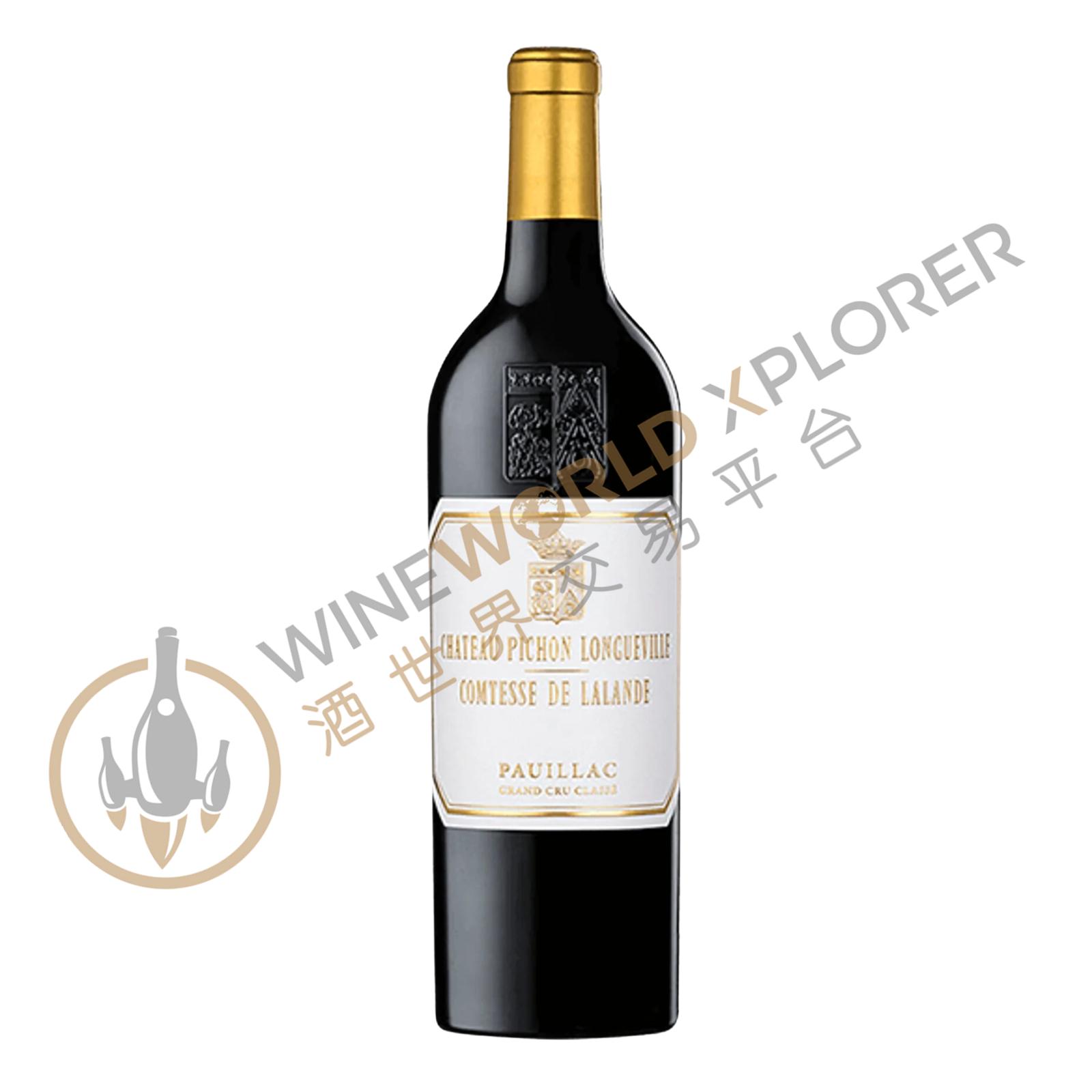
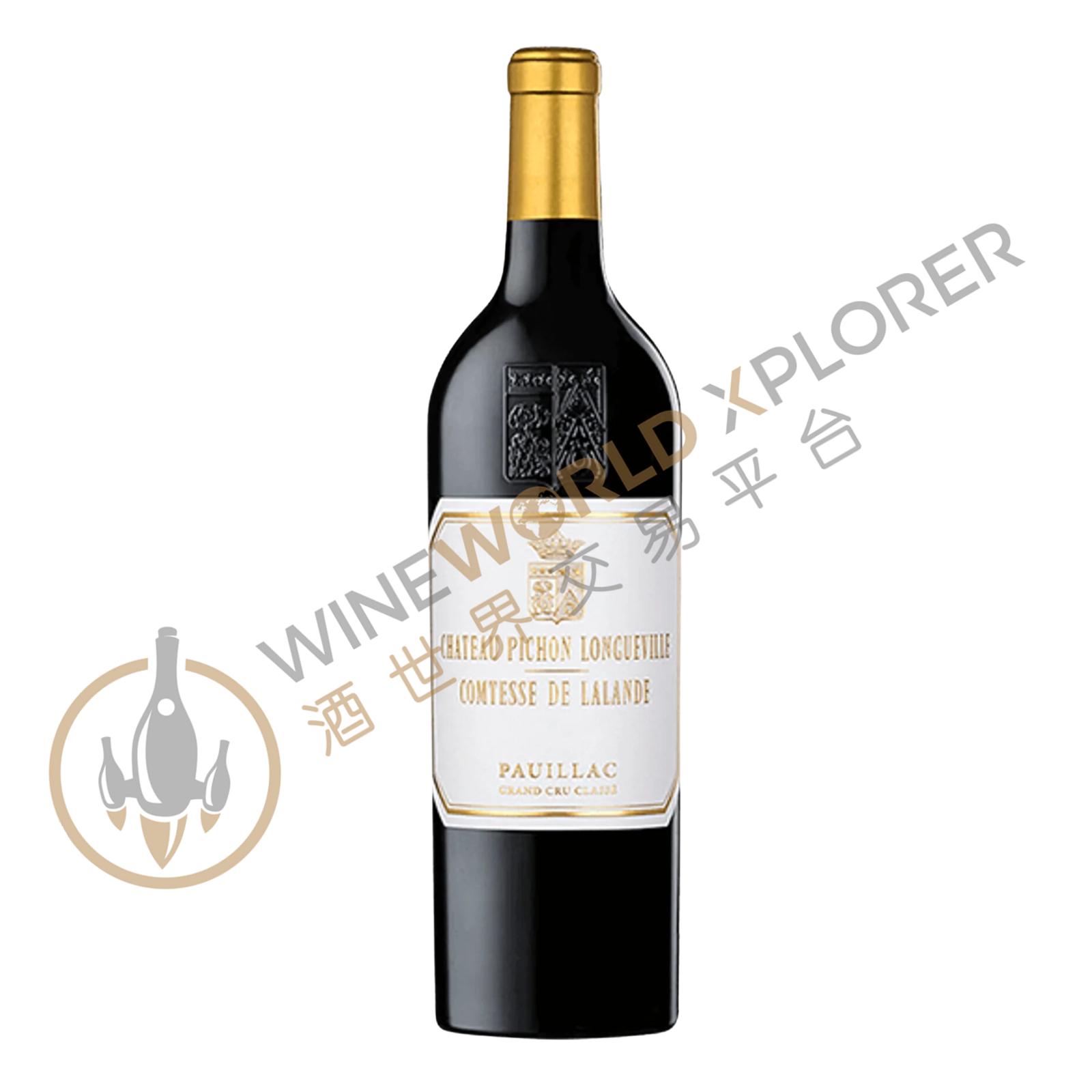
Pichon Lalande 2002
 View analysis


Description
Tasting notes

Reviewed by: Neal Martin
This was marvellous out of barrel, but now it seems to have slipped rather. Similar to Grand-Puy-Lacoste there is a certain savoury quality on the nose, with touches of blackberry and liquorices. The palate is tannic on the entry, relatively austere for Pichon-Lalande with spicy black fruits, pain grille and graphite. However it is lacking fruit concentration on the finish, which is a little clipped. It may improve with further bottle age? Drink 2010-2020. Tasted November 2006.
Reviewed by: Robert M. Parker, Jr.
A tannic, super-concentrated effort from Pichon-Lalande, this is a blend of 51% Cabernet Sauvignon, 34% Merlot, 9% Cabernet Franc, and 6% Petit Verdot, from yields of only 33 hectoliters per hectare (45 hectoliters in 2000). It possesses a saturated purple color in addition to a firm but promising bouquet of figs, black currant liqueur, licorice, lavender, and background smoky oak. Tannic, classically structured, exceptionally pure and layered as well as tremendously persistent and long in the mouth, this will not be a wine to drink in its youth. Medium-bodied, it will require 7-8 years of cellaring, and should last for 20-25. It is a very impressive, but structured effort from this famous estate.
Reviewed by: Neal Martin
Coming after the 2004 and the 2005, this is showing less vigour and lift on the nose, a muffled, slightly green aroma underneath, with scents of blackberry wine gums, a touch of blueberry and chalk dust. Lacks a little clarity. The palate is a little coarse in texture, firm tannins, cedar and cigar box dominating the mid-palate with a rather harsh, slightly astringent finish. Moderate length. Drink now-2016. Tasted September 2008.
Reviewed by: Neal Martin
Tasted at the Fine Wine Experience’s Pichon-Lalande vertical in London. A deep garnet hue with crimson rim. The nose leaves something to be desired, lacking a little vigour, touches of sous bois and cigar box, green leaves, a touch of earth. But it never really gets motoring, especially compared to the 2004. The palate is medium-bodied, rather facile compared to others, sharp acidity, a little angular in fact with light black cherry, citrus fruits and graphite. The finish is a little attenuated with a green streak on the finish. This will be an early-drinking Pichon-Lalande. Drink now-2016. Tasted December 2008.
Reviewed by: Neal Martin
“Second only to Mouton-Rothschild” I mused at en primeur when I held it in great regard. After bottling, a less impressive performace. The nose was rich, almost volatile with blackberry, liquorices and espresso. The palate seems to lack depth. The merlot is very pronounced and dominating the Cabernet. Based on my previous notes, I think this was suffering after bottling and the wrong time to assess this wine. Tasted October 2004.
Reviewed by: Neal Martin
Tasted blind at Farr’s 2002 Bordeaux tasting. The nose is rather subdued here, leafy with sous-bois character, tobacco and scorched earth. It does lack some vigour and there is a musty quality that I cannot put my finger on. The palate has rounded tannins, quite Burgundian in texture with black cherries and raspberry, harmonious but slightly under-ripe towards the finish. Tasted October 2009.
Reviewed by: Neal Martin
The 2002 Pichon-Longueville Comtesse de Lalande has a relatively simple nose compared to recent vintages with scents of blackberry, raspberry coulis, soy and leather. Still quite youthful. The palate is medium-bodied, a bit dry and austere with grainy tannins, leather and tobacco mixed with white pepper, though it lacks a bit of freshness on the slightly bitter finish. Tasted at the château.
Reviewed by: Stephen Tanzer
Good deep ruby-red. Inky aromas of currant, black cherry, minerals and smoky oak. Tightly wound but not at all hard. The flavors of black fruits, minerals and graphite are enlivened by bright acidity (3.56 grams). A very classy wine with sneaky depth of flavor, in a distinctly cooler style than the 2003 but built to age.
Reviewed by: Stephen Tanzer
Medium ruby-red. Powerful, slightly medicinal aromas of black raspberry and Cuban tobacco. Dense and lush on entry, then very firm and sharply delineated in the mid-palate, with a strongly medicinal, minty character. A powerful, structured wine that's all spine today. Likely to be long-lived. (I continue to like the aromatic, vibrant and atypically powerful Reserve de la Comtesse 2002; as with the grand vin, this vintage may well surpass the 2003.)
Reviewed by: Stephen Tanzer
(a blend of 51% cabernet sauvignon, 34% merlot, 9% cabernet franc and 6% petit verdot) Saturated bright ruby. Very pretty, floral aromas of blackcurrant, blackberry, spices and mint. Juicy, floral and precise but also densely packed, with very firm acidity (3.56 grams per liter) giving the flavors excellent clarity and cut. A very suave, primary wine with impressive inner-mouth energy and excellent palate coverage. (My sample of this chateau's second wine, Reserve de la Comtesse, was impressively deep in color and lush in texture, with ripe chocolatey flavor and lovely breadth of tannins; I rated it 87-90.)
Reviewed by: Robert M. Parker, Jr.
One of the best wines of the vintage, this is a classic Pauillac that is a blend of 51% Cabernet Sauvignon, 34% Merlot, 9% Cabernet Franc, and 6% Petit Verdot. Dense ruby/purple in color with a glorious nose of melted licorice, lavender, barbecue smoke, black currants, and graphite, the wine is tannic, classically structured with an opaque ruby/purple color, beautiful definition, and a 1996-ish personality. This deep, full-bodied, elegant yet powerful 2002 should age handsomely for over two decades. Some patience will be required since this vintage exhibits more muscle and virility than normal. Anticipated maturity: 2010-2025.
About the Producer
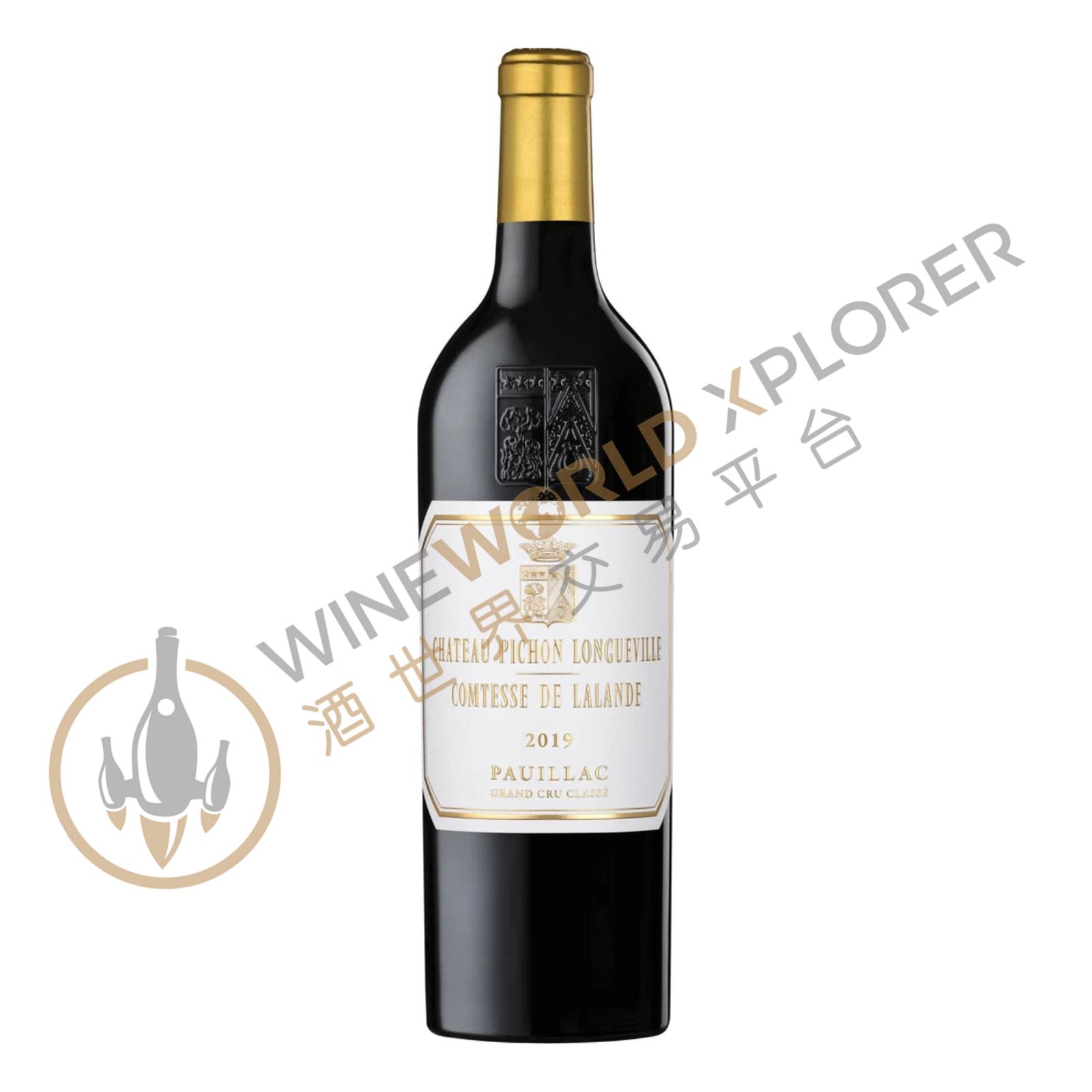
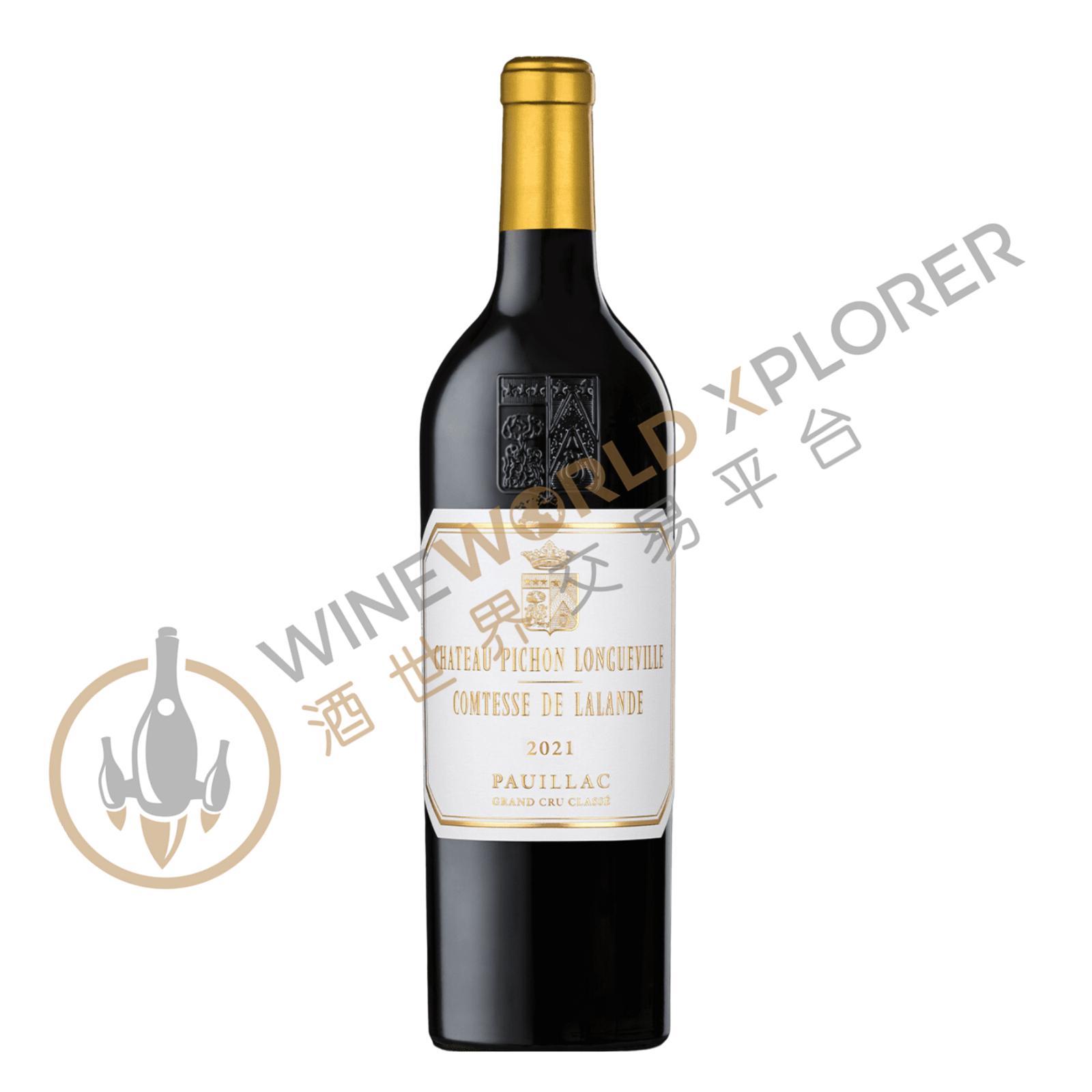
Pichon Lalande is arguably the best known Super Second Pauillac for its quality consistency and quintessential Bordeaux claret expression. Neighbouring Chateau Latour and lying just right opposite Chateau Pichon Baron, Pichon Lalande, as its name suggests, has long seen extended female owner influence since the 1850s. Back in the 1850s, the original Pichon Lalande got broken down into two-fifth being renamed as Pichon Baron and three-fifth remaining as Pichon Lalande upon the passing of Baron Joseph de Pichon Longueville. The three-fifth was run by the three daughters of the Baron himself and over the course of a few years, Pichon Baron and Pichon Lalande took on distinctive styles - with the former being more a masculine expression and the latter, feminine. Female ownership and influence continued, with little interruption, till the modern days. Pichon Lalande's string of female leaders have contributed to the continuous modernization of Pichon Lalande's vineyards and cellars; as well as the doubling of vineyard area during the 1970s - 90s. Today, Pichon Lalande's feminine expression continues to prevail - whilst the team is placed under the leadership of a former opera singer turned winemaker gentleman named Nicolas Glumineau. Conversion to biodynamic viticulture (fully by year 2021), continuous investments in precision winemaking facilities see Pichon Lalande continue to be revered among leading critics. Pichon Lalande is planted to 65% Cabernet Sauvignon, 25% Merlot, 7% Cabernet Franc and 3% Petit Verdot. It is the predominant Cabernet Sauvignon presence in Pichon Lalande's wines that make this wine such a capable representation of Pauillac's deep gravelly terroir.
1928(1)1969(1)1970(1)1977(1)1979(1)1981(1)1982(3)1983(1)1984(1)1985(4)1986(9)1988(4)1989(4)1990(4)1992(1)1993(1)1994(6)1995(4)1996(8)1997(2)1998(6)1999(4)2000(14)2001(6)
Package Size