Wine Advisor



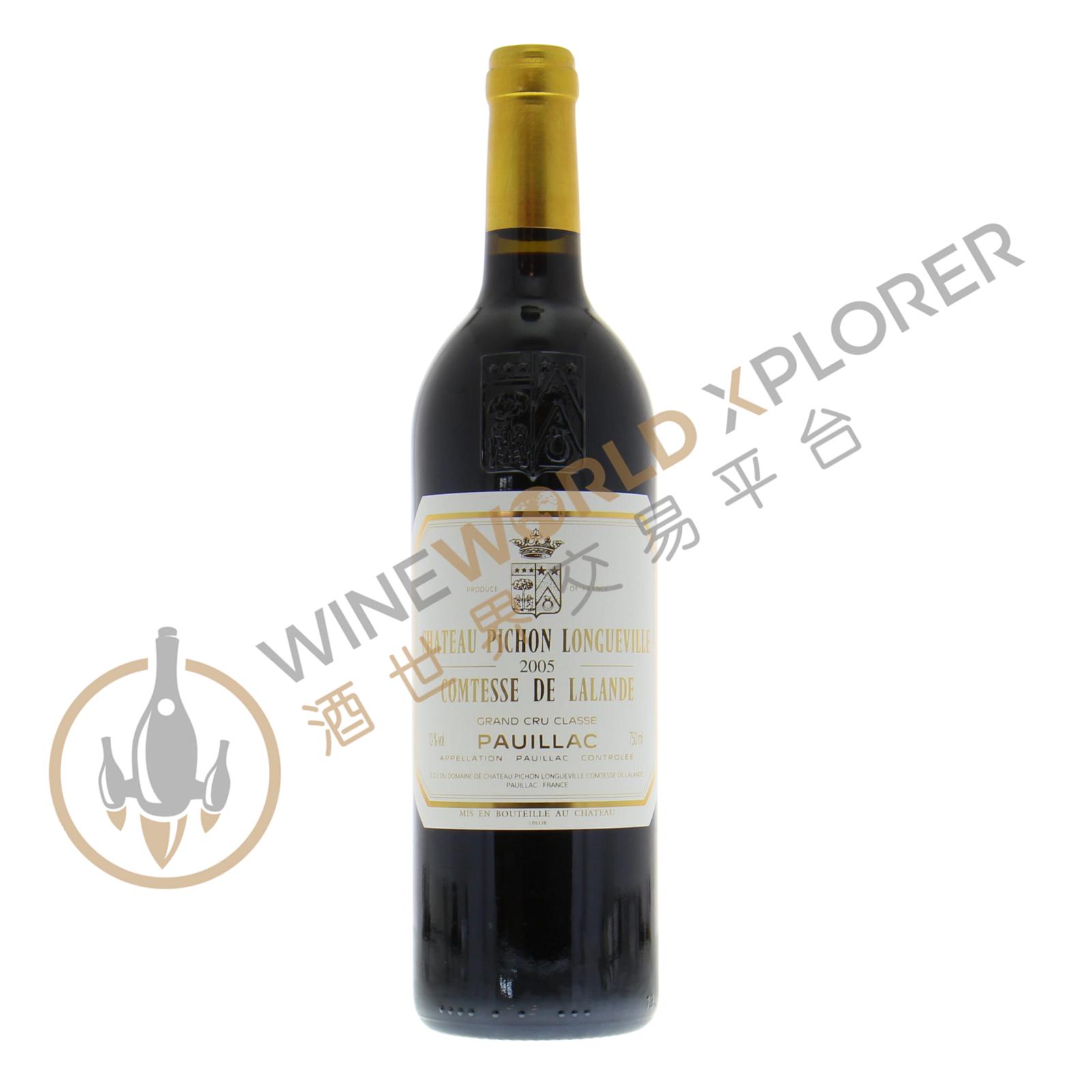
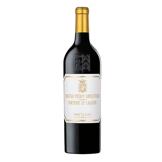
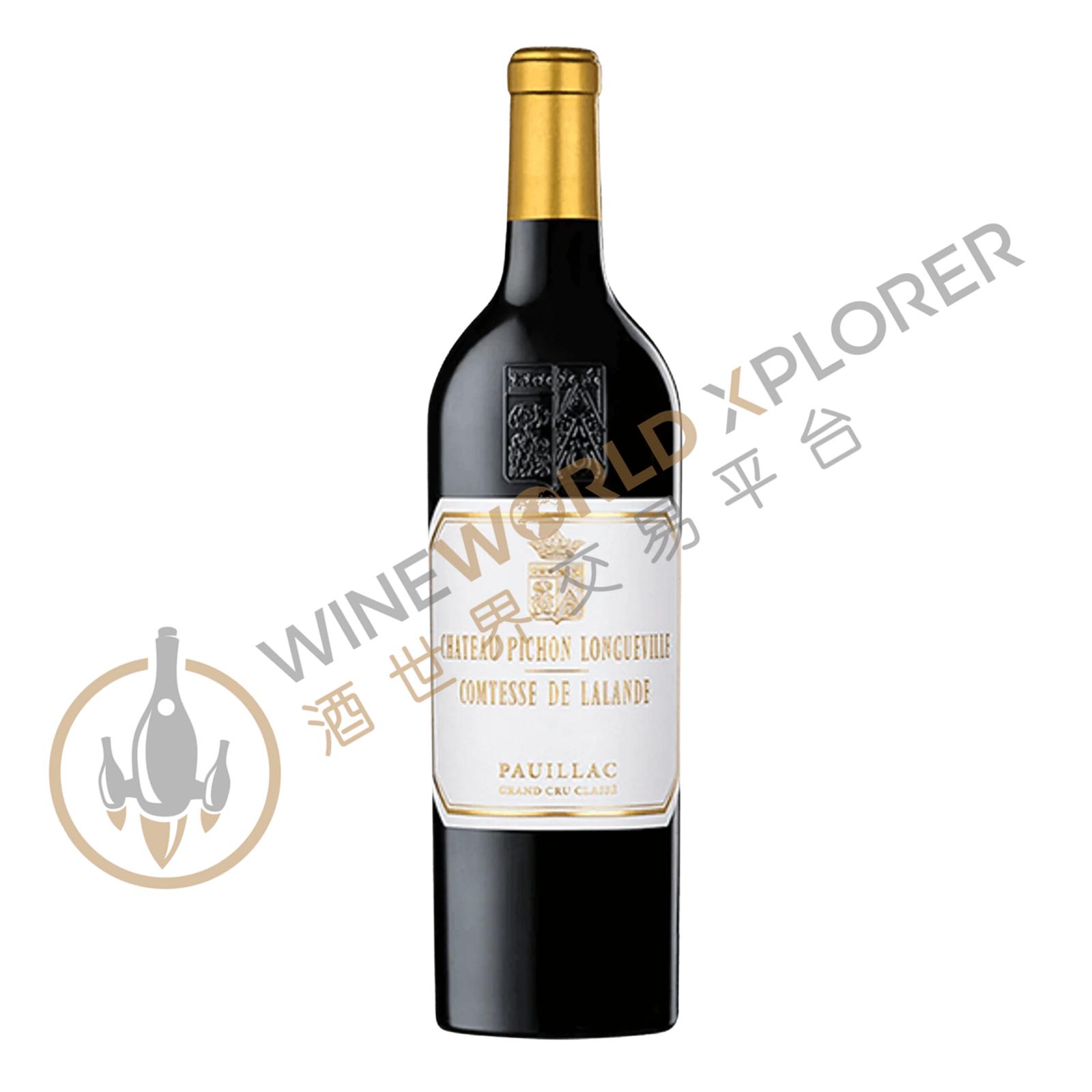
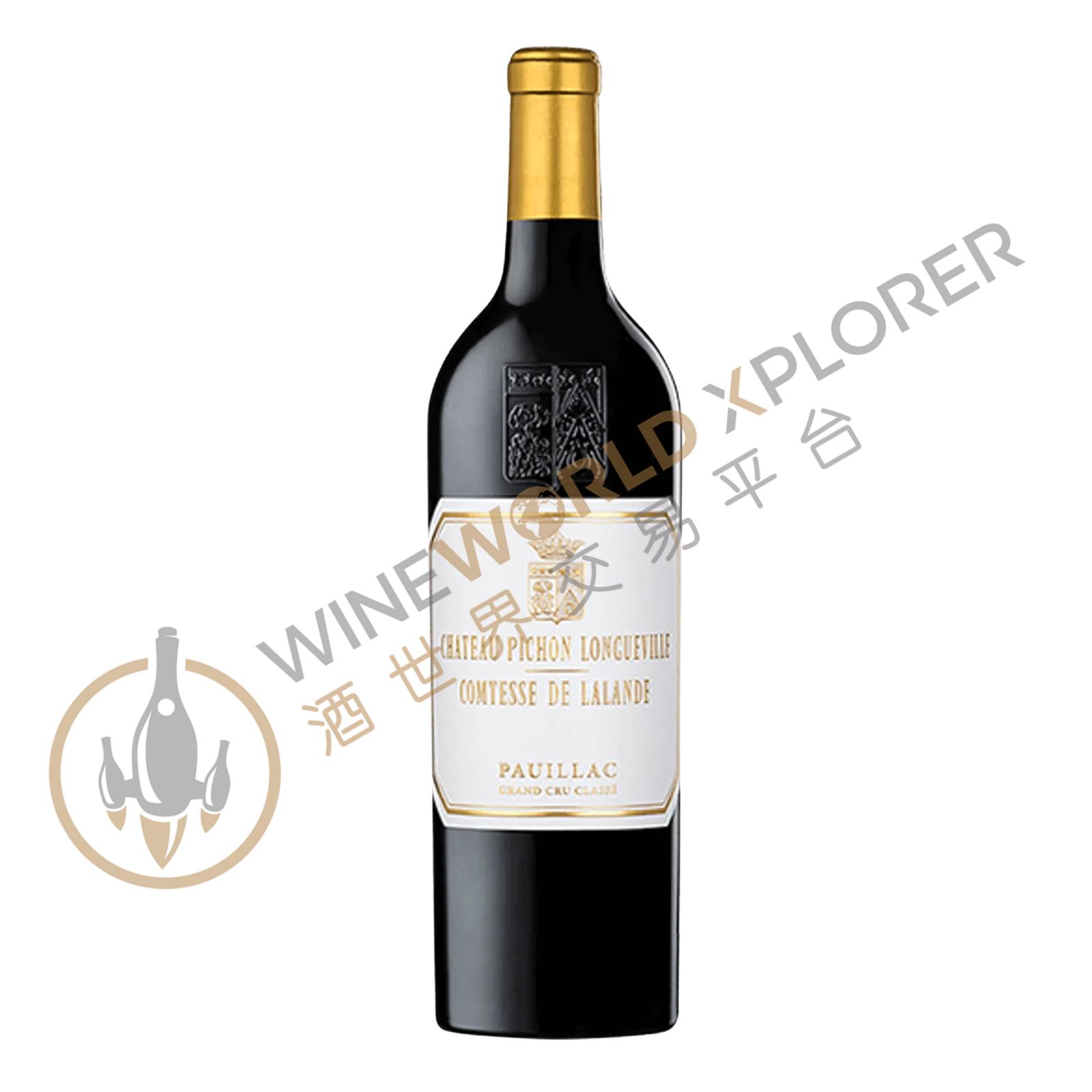
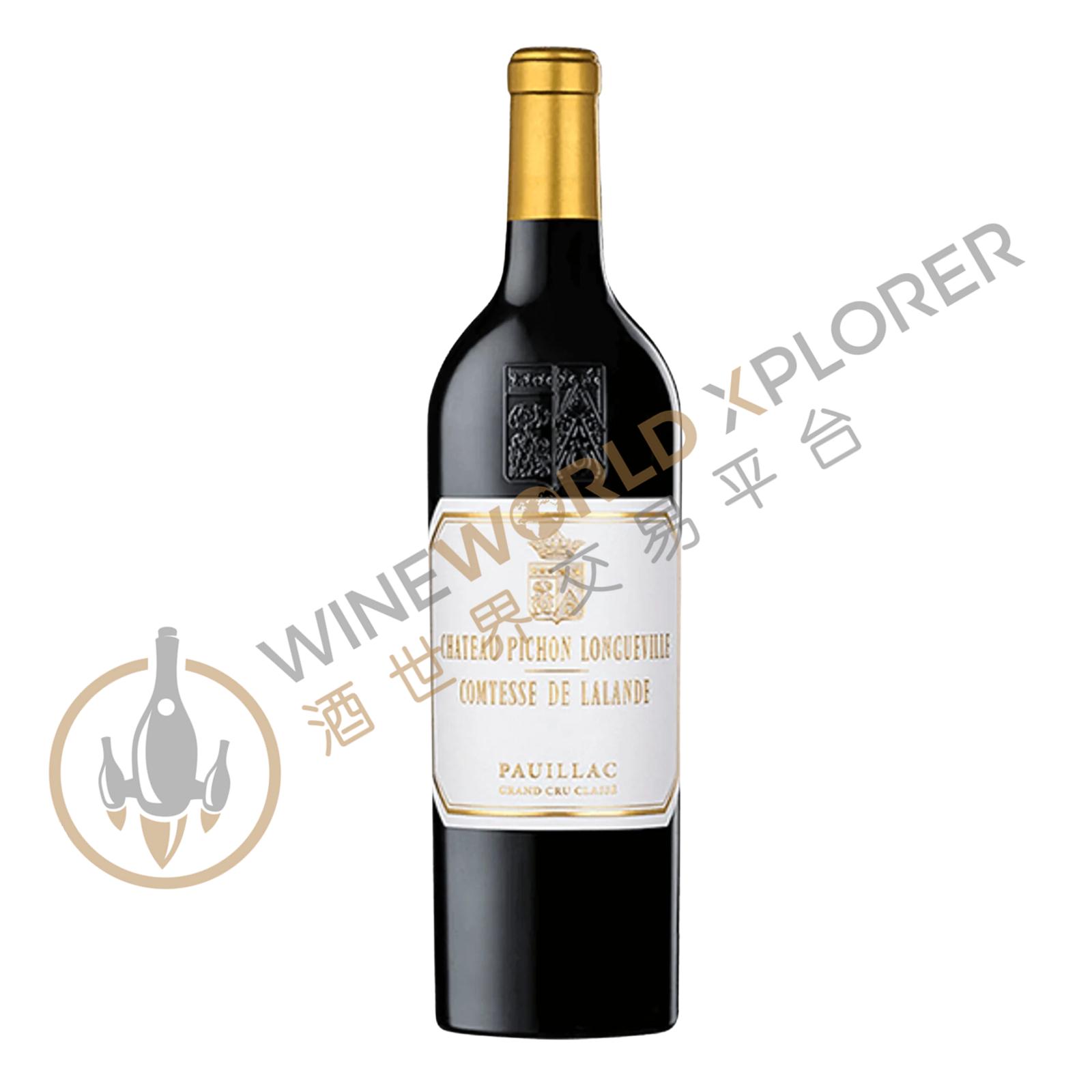
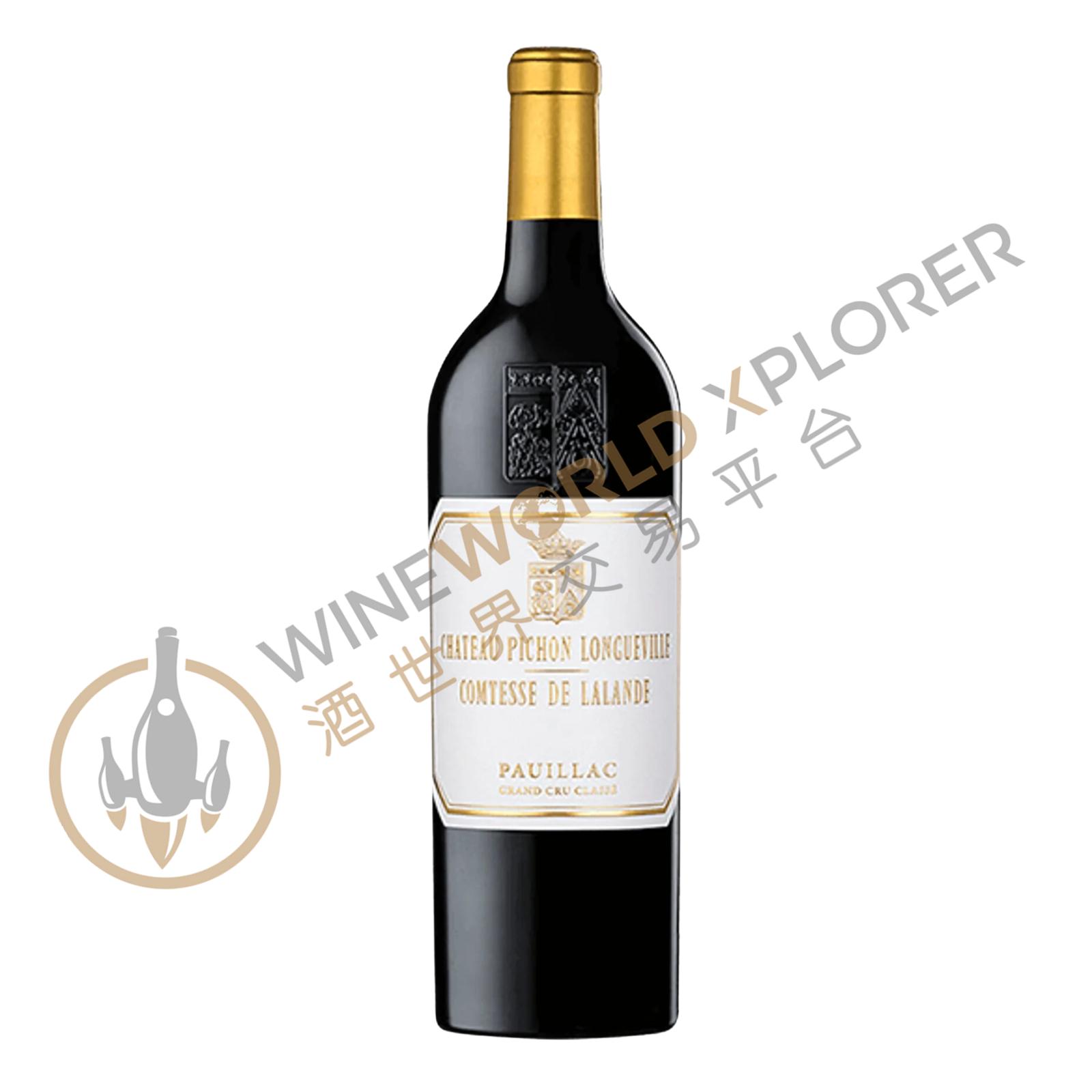
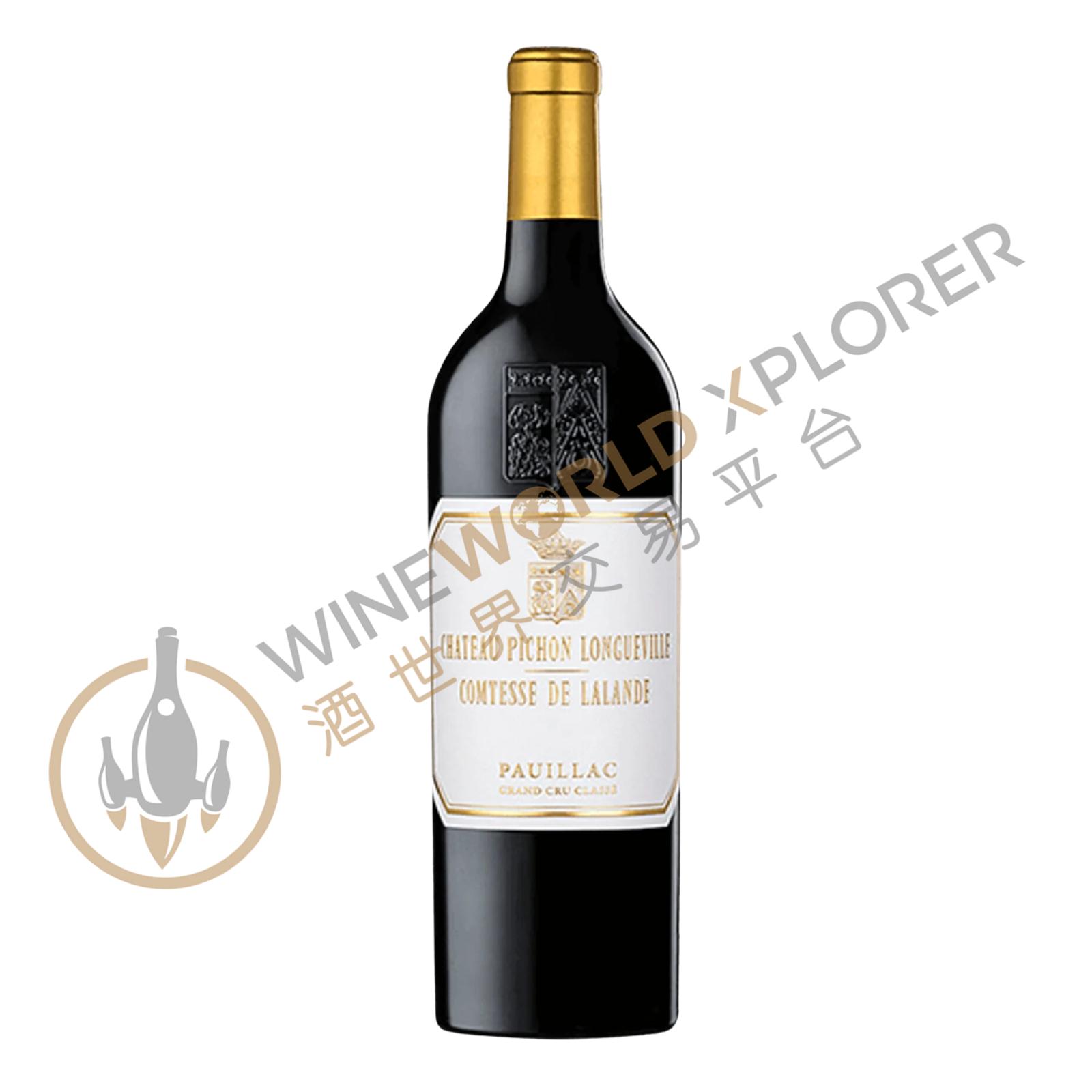
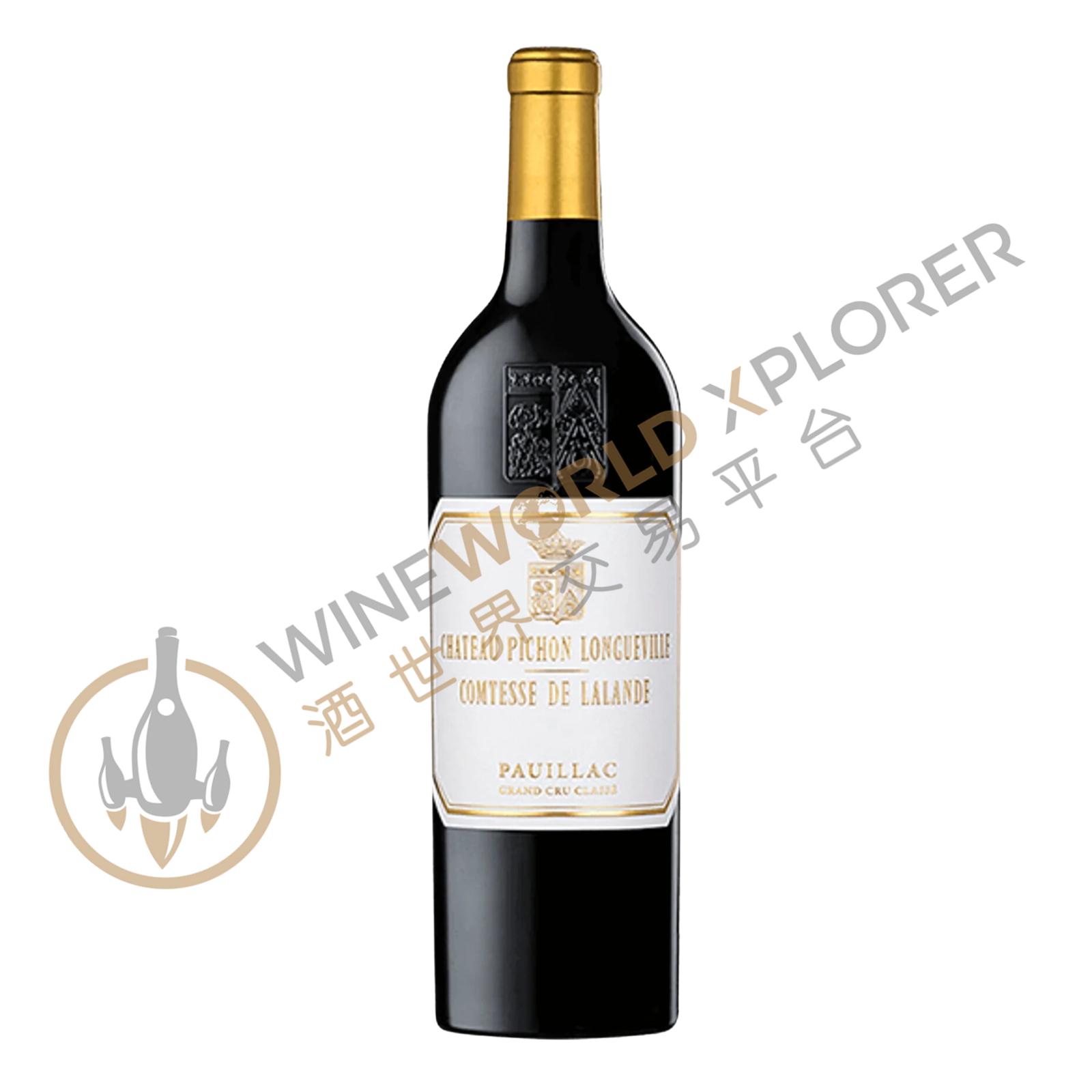
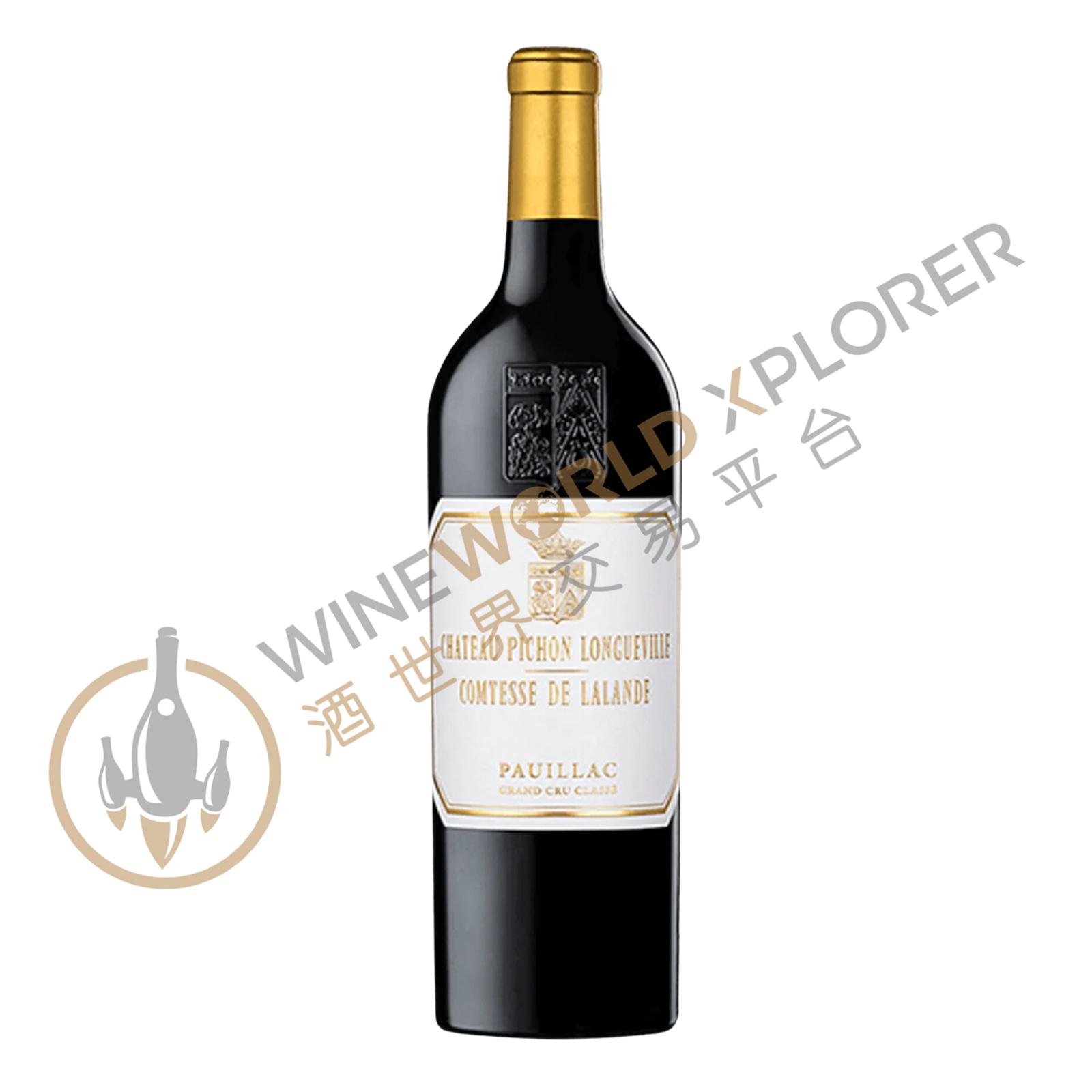
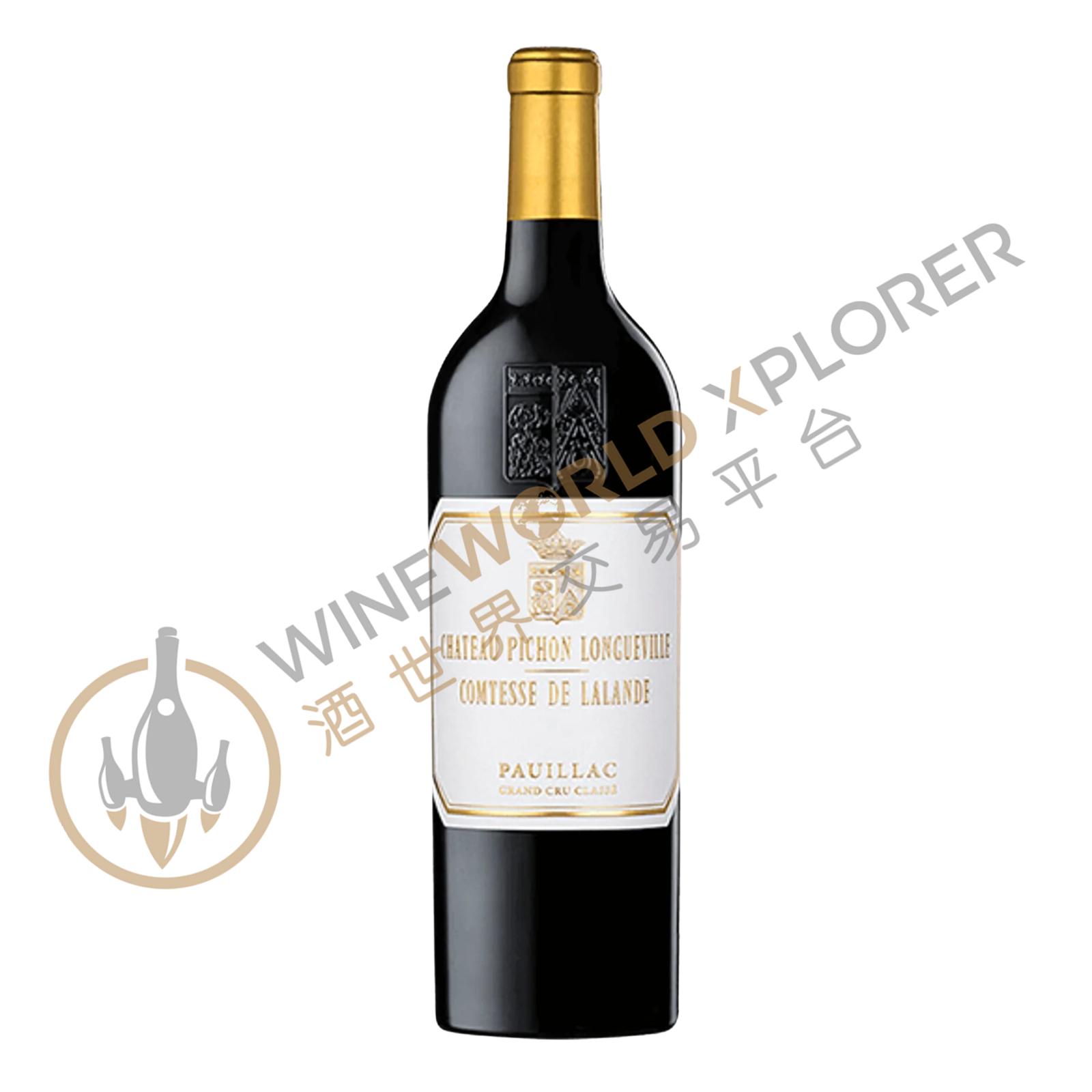
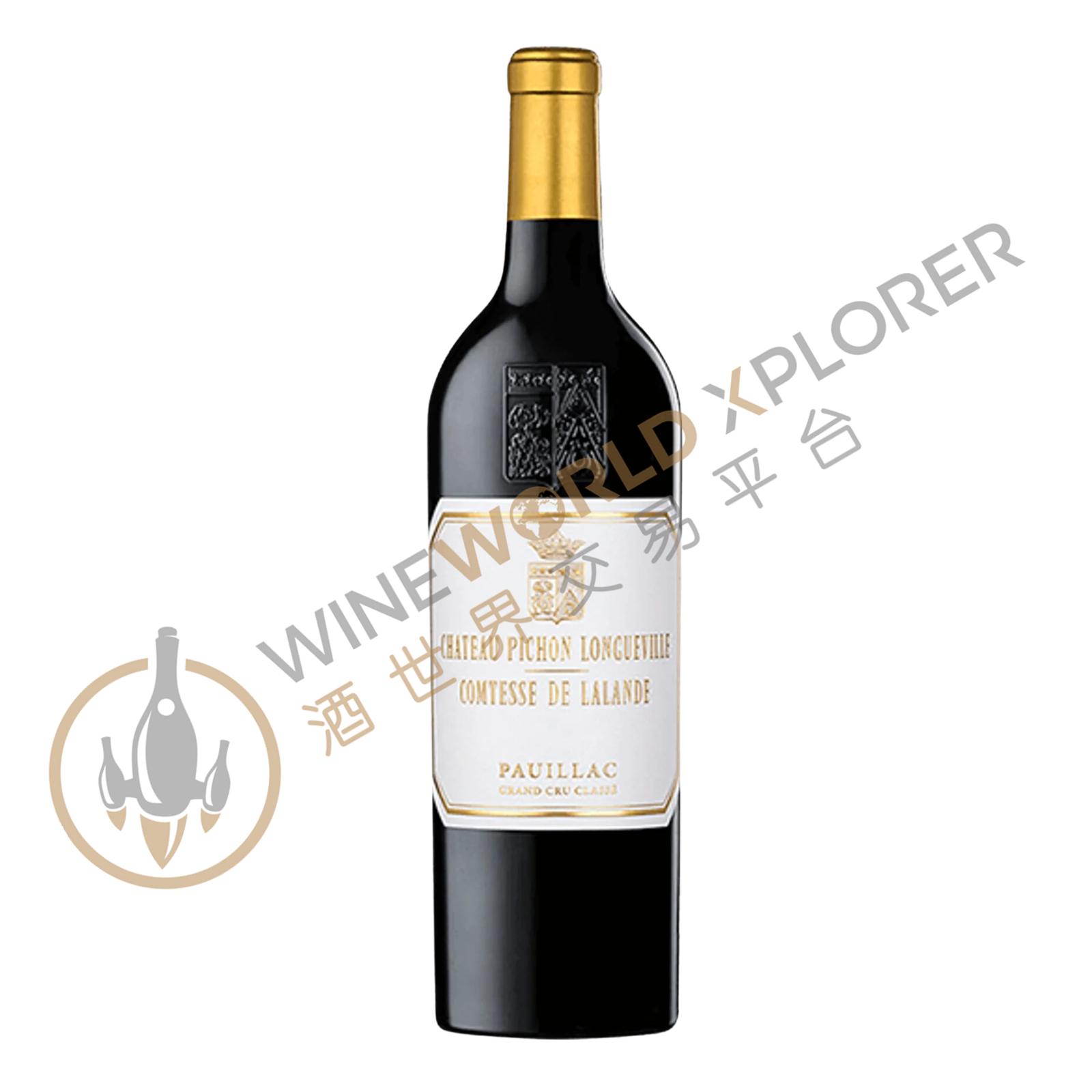
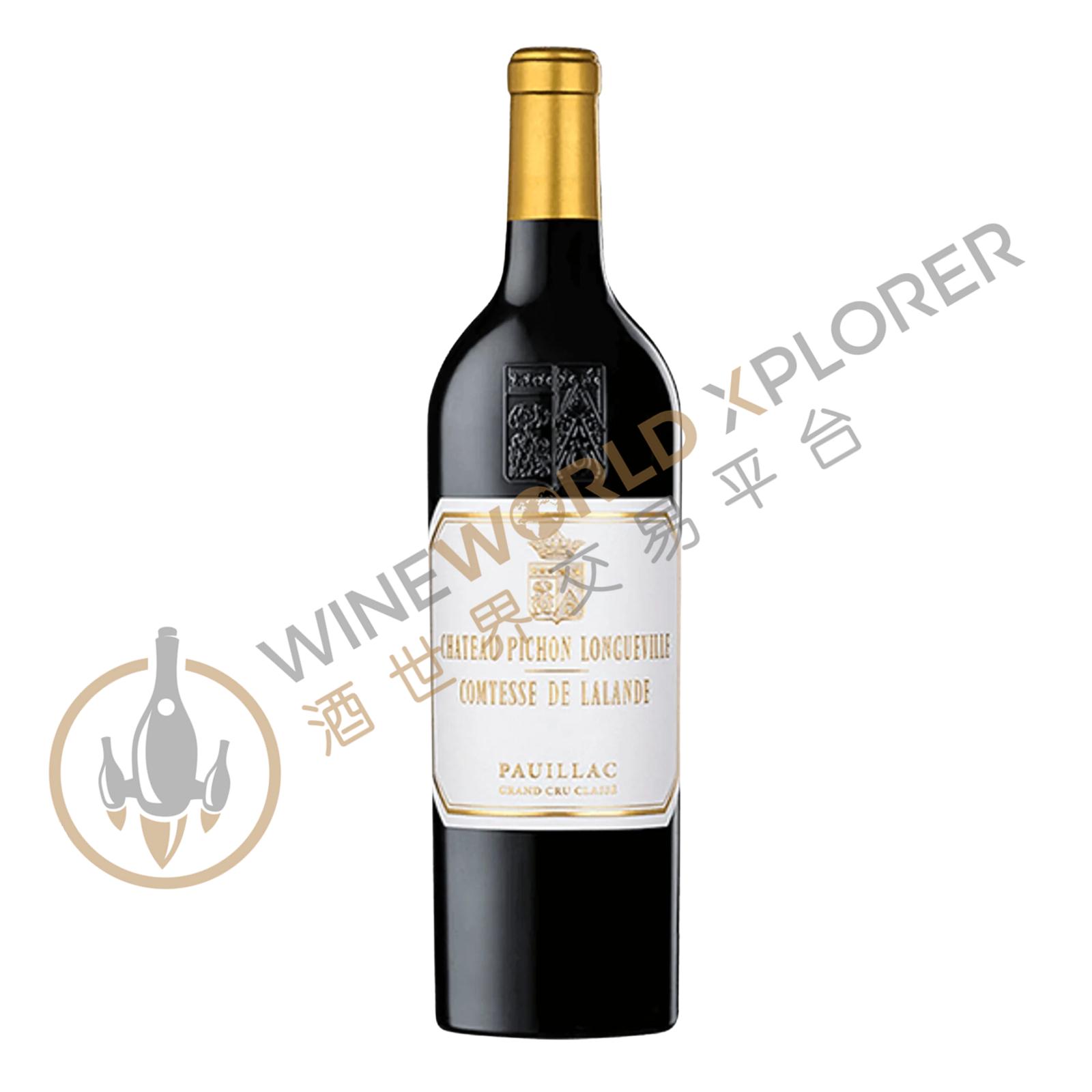
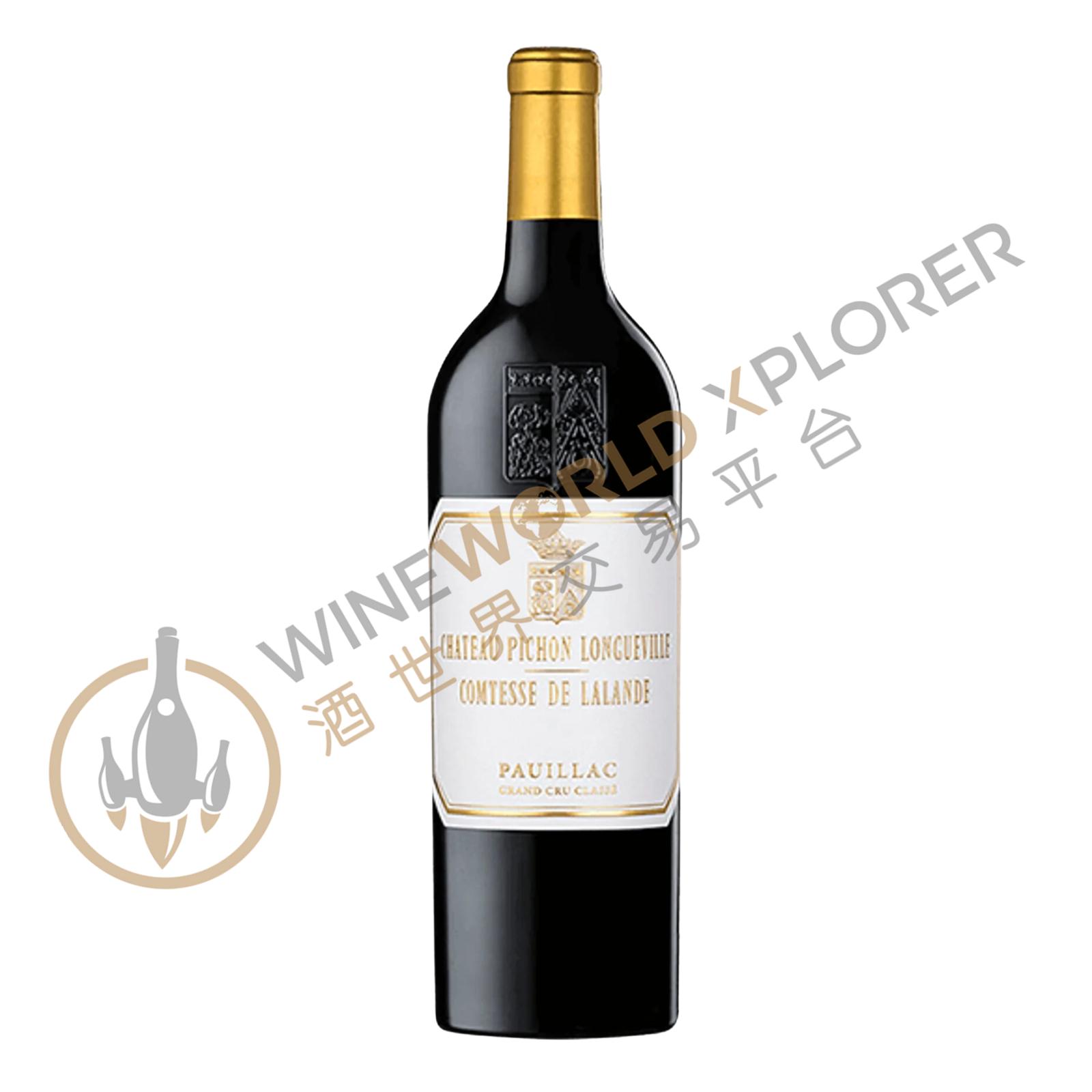
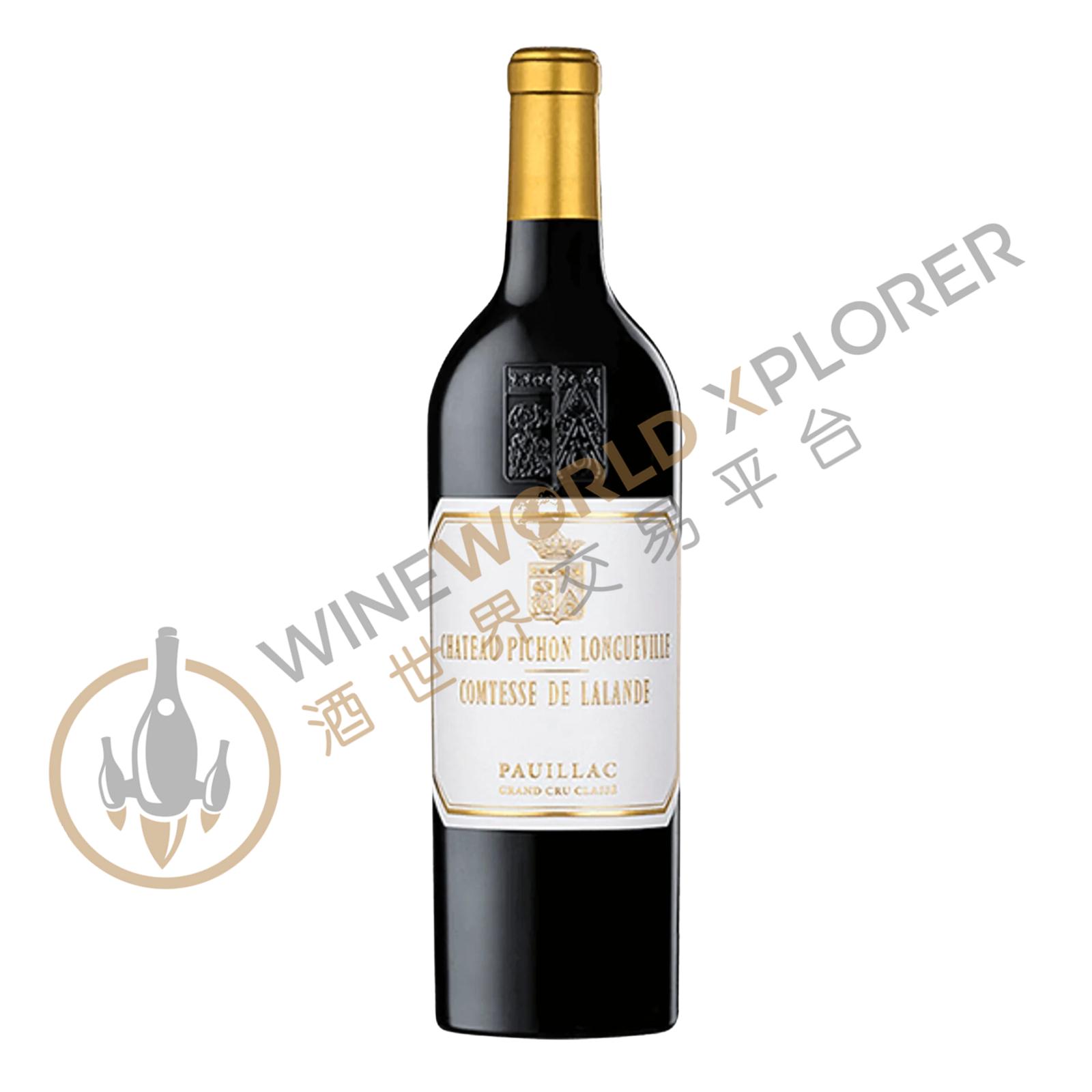
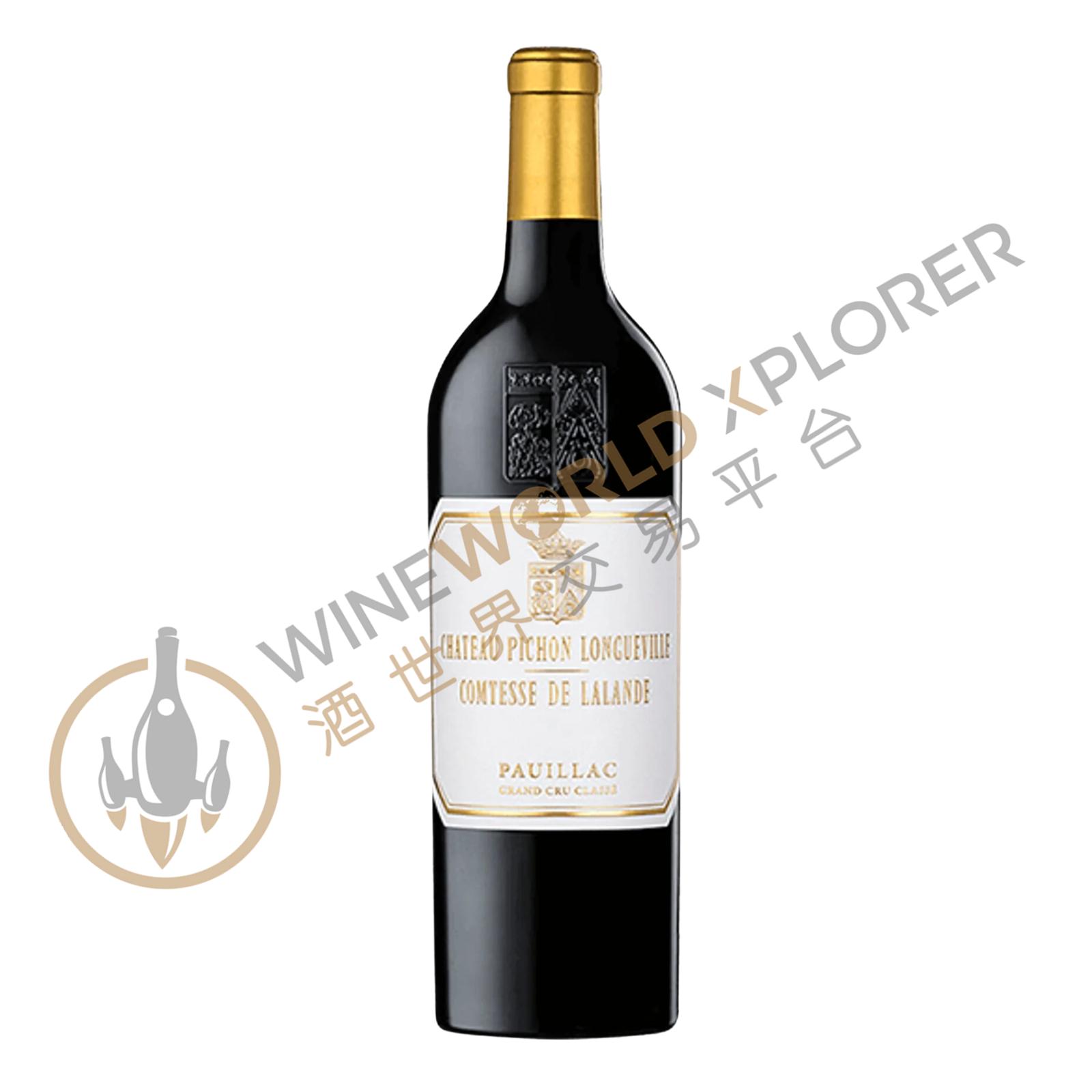
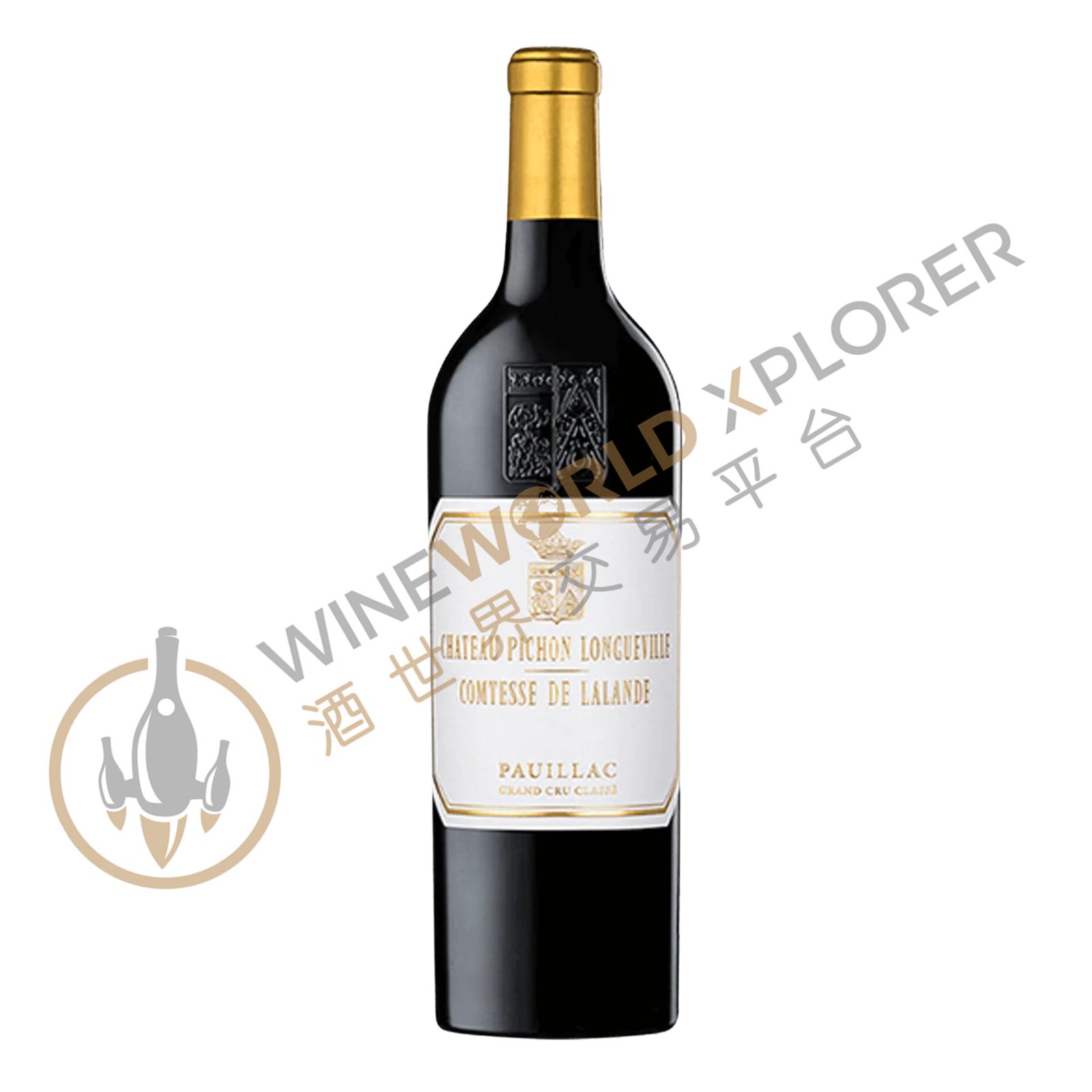
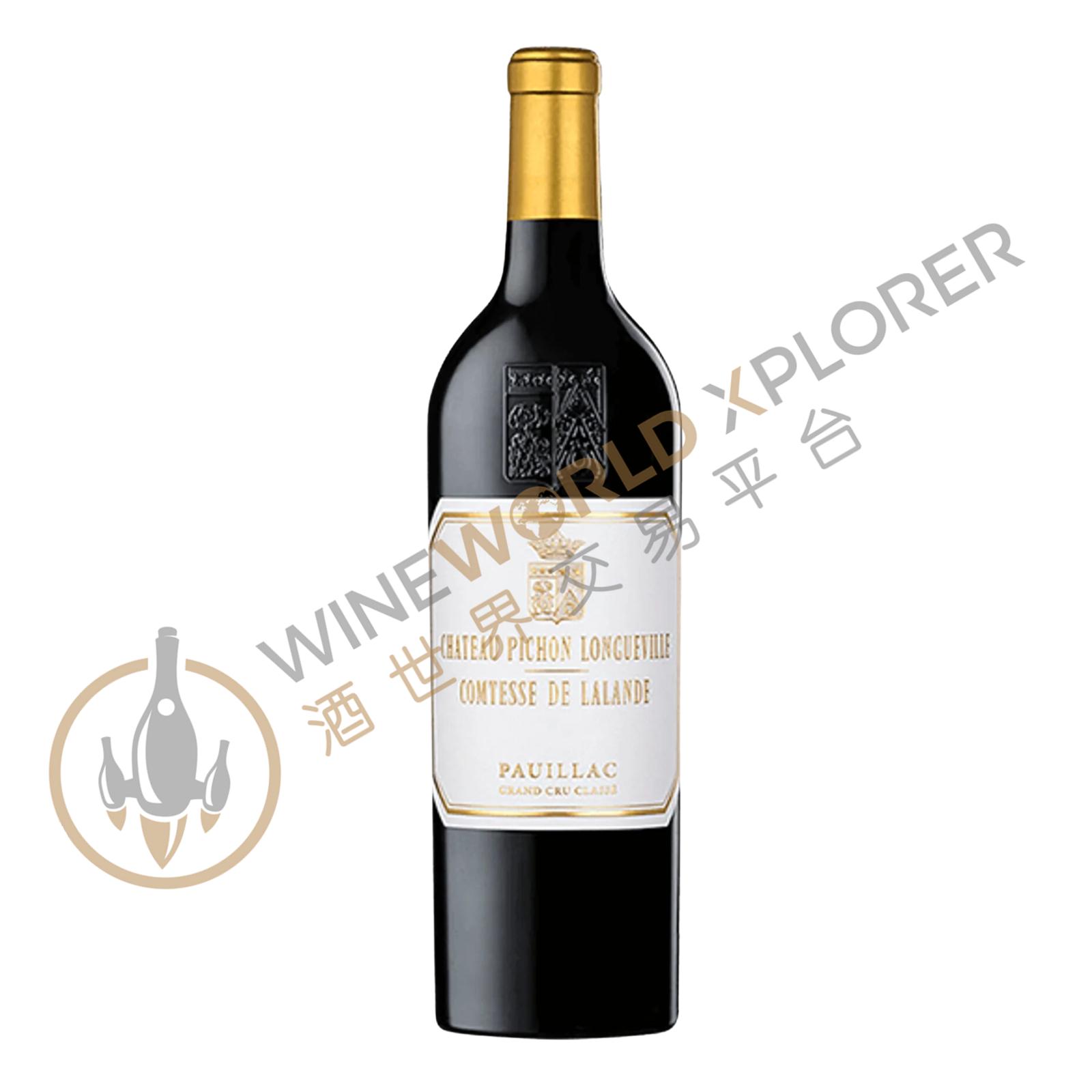
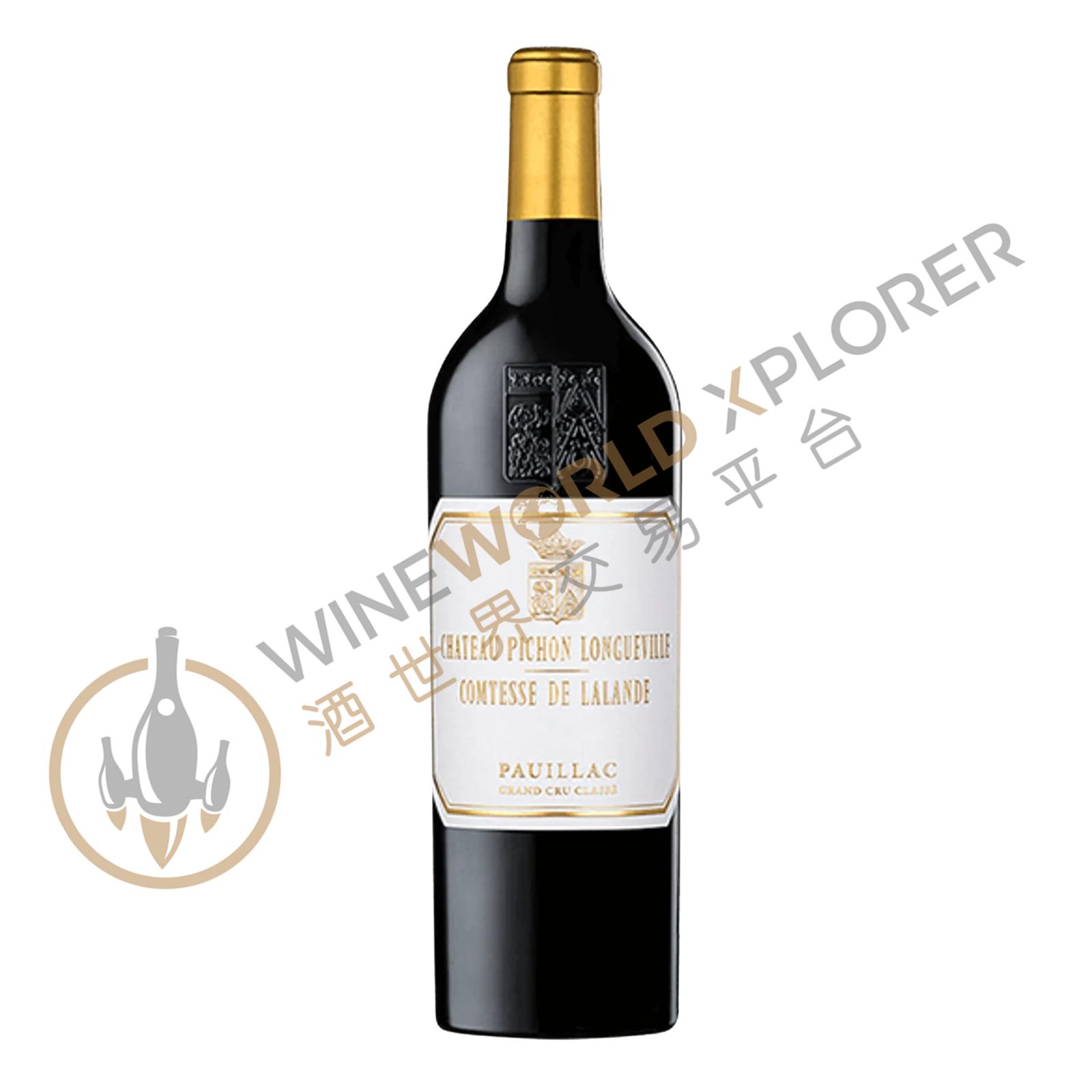
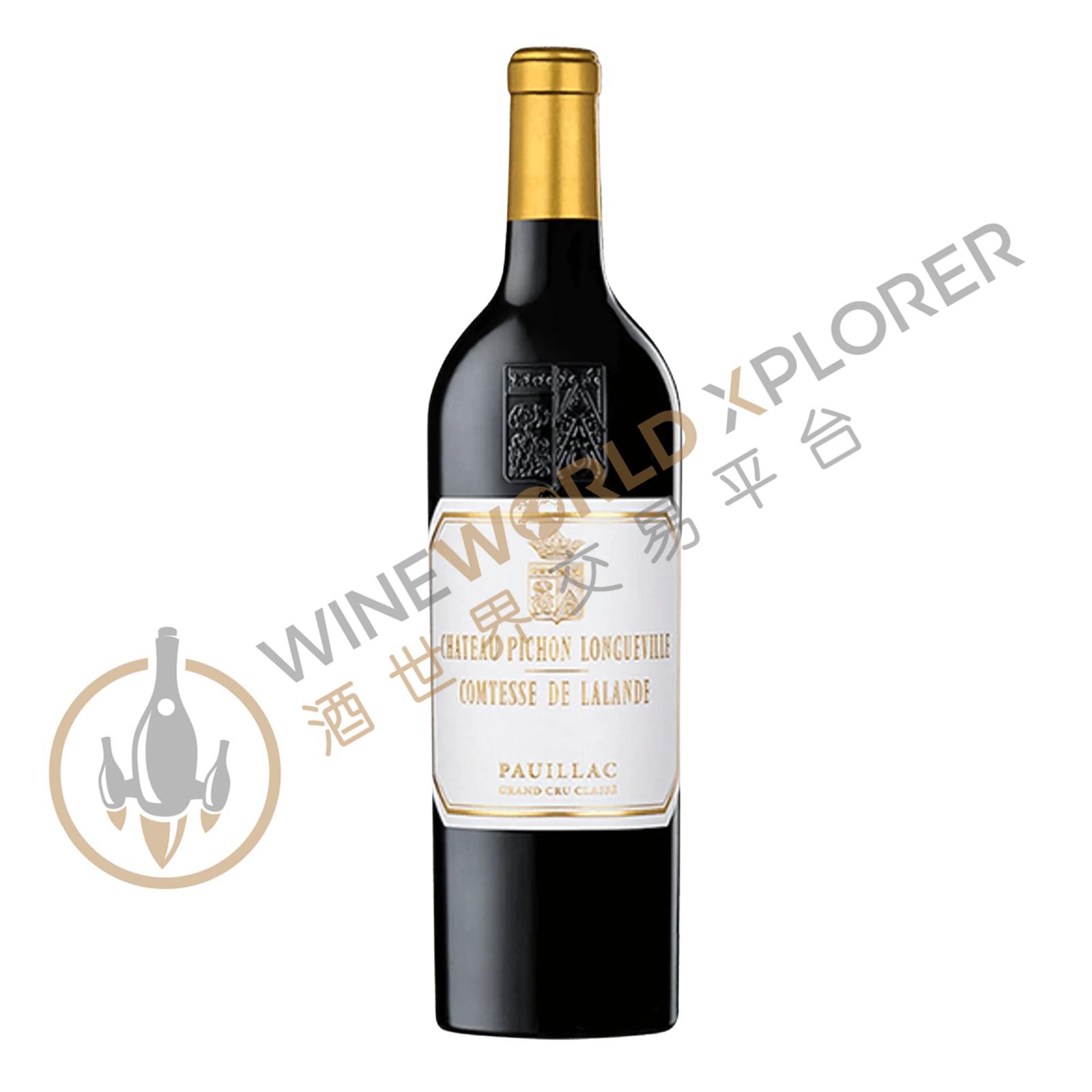
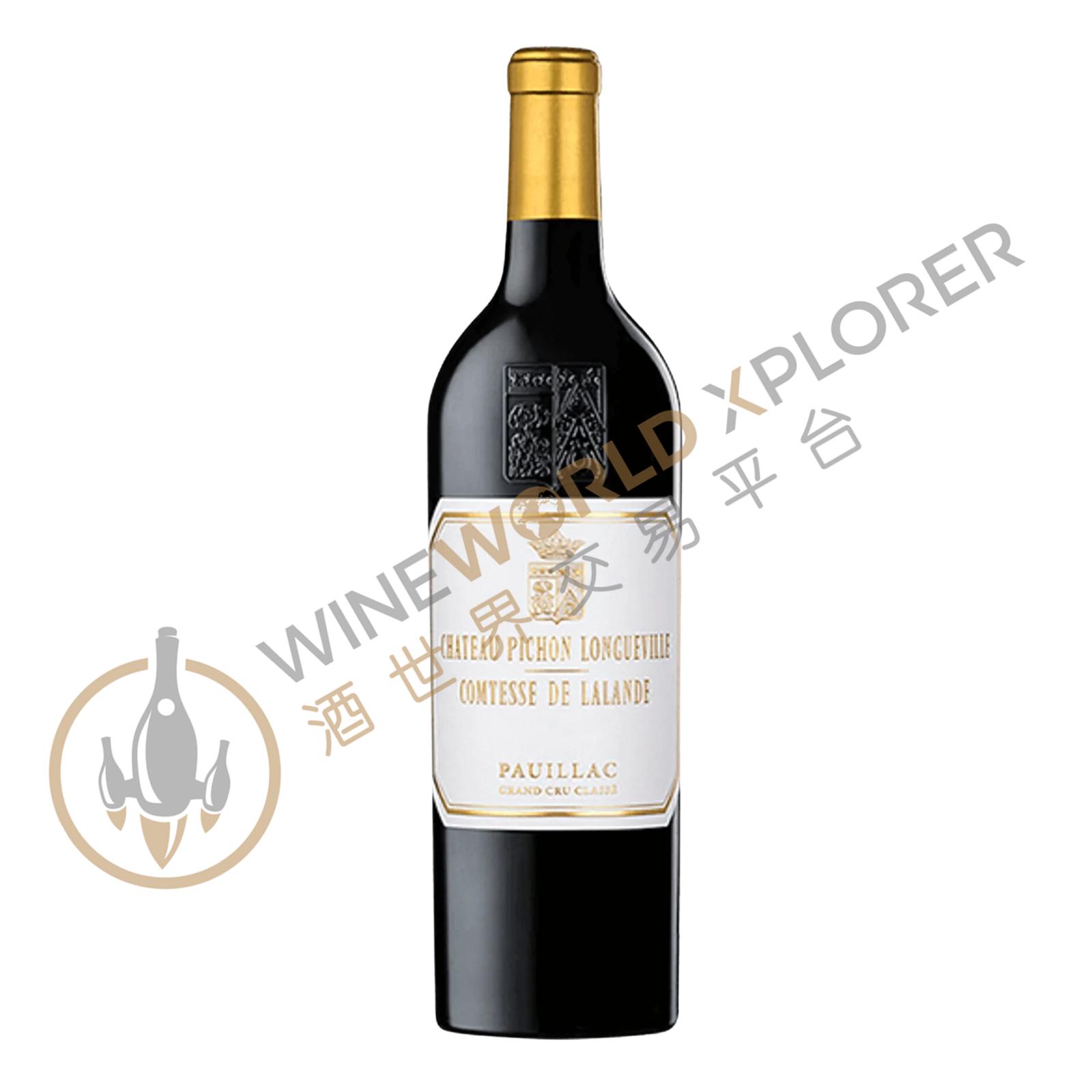
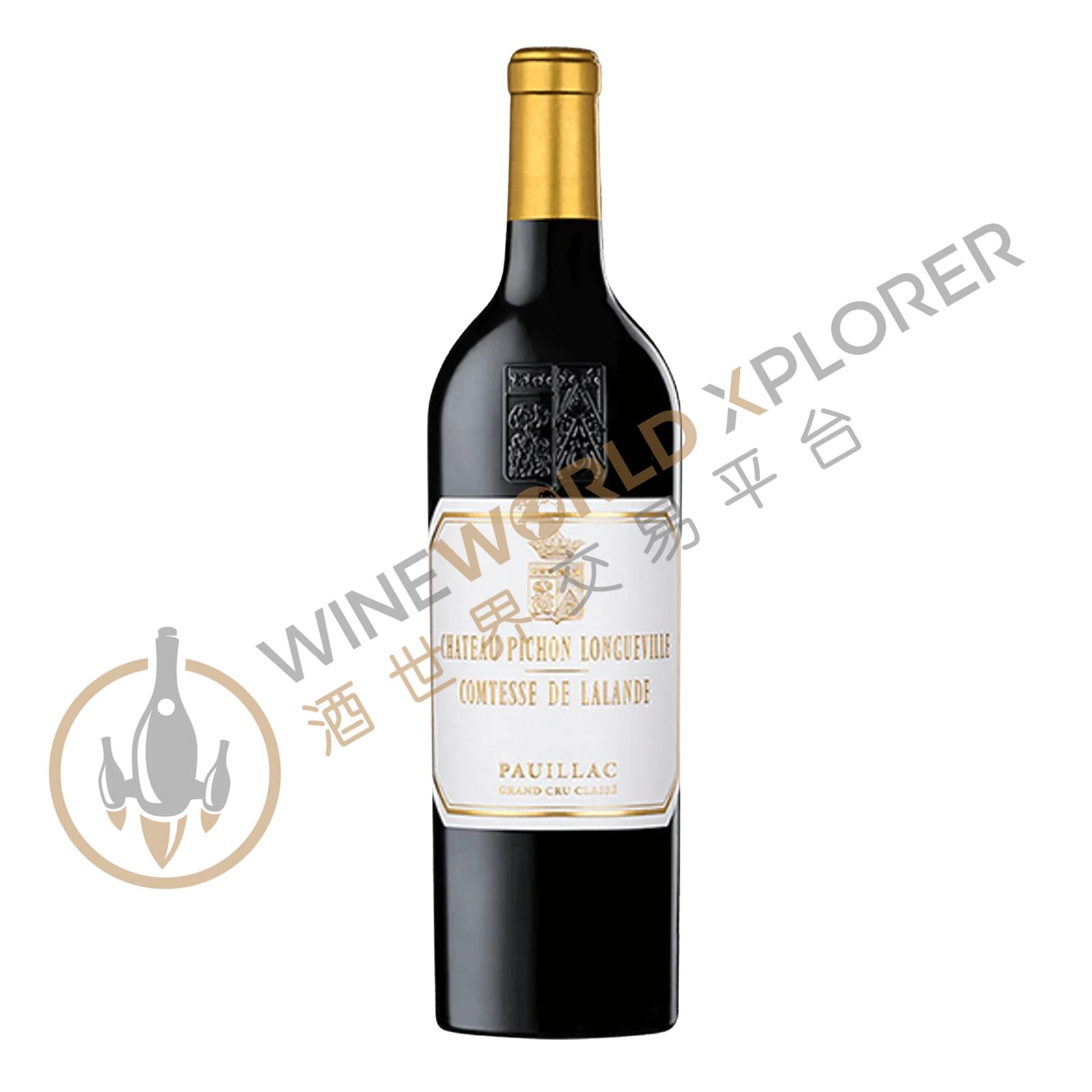
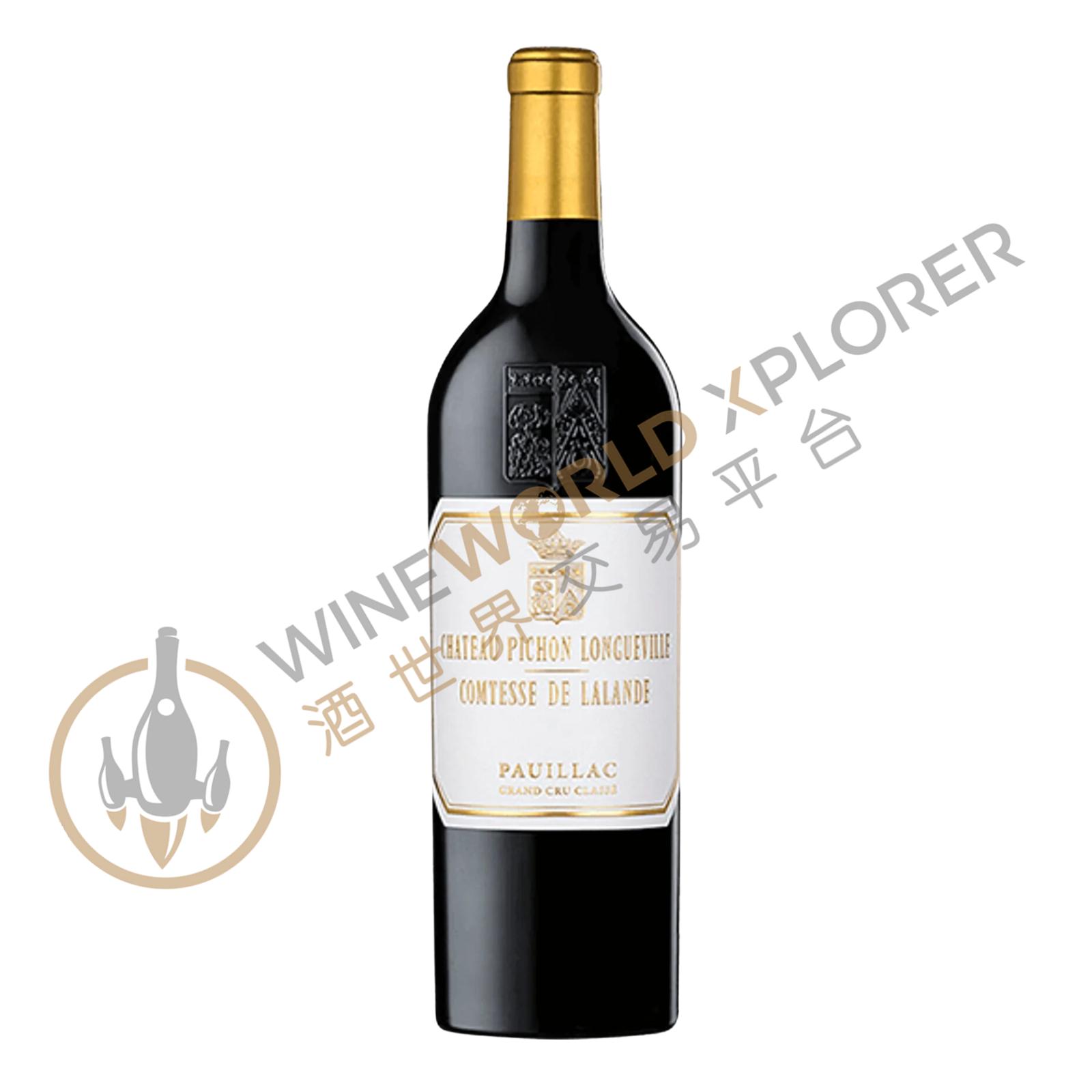
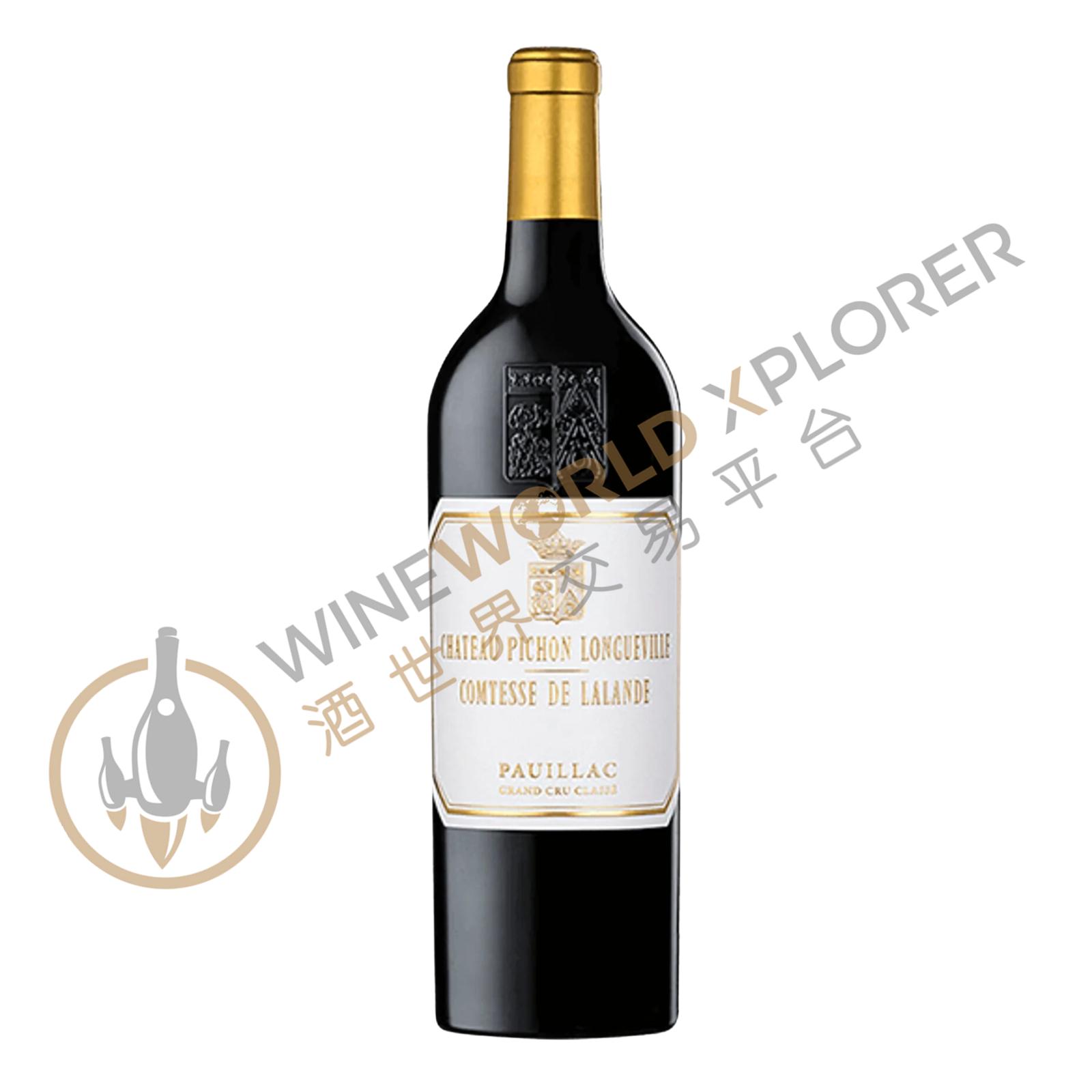
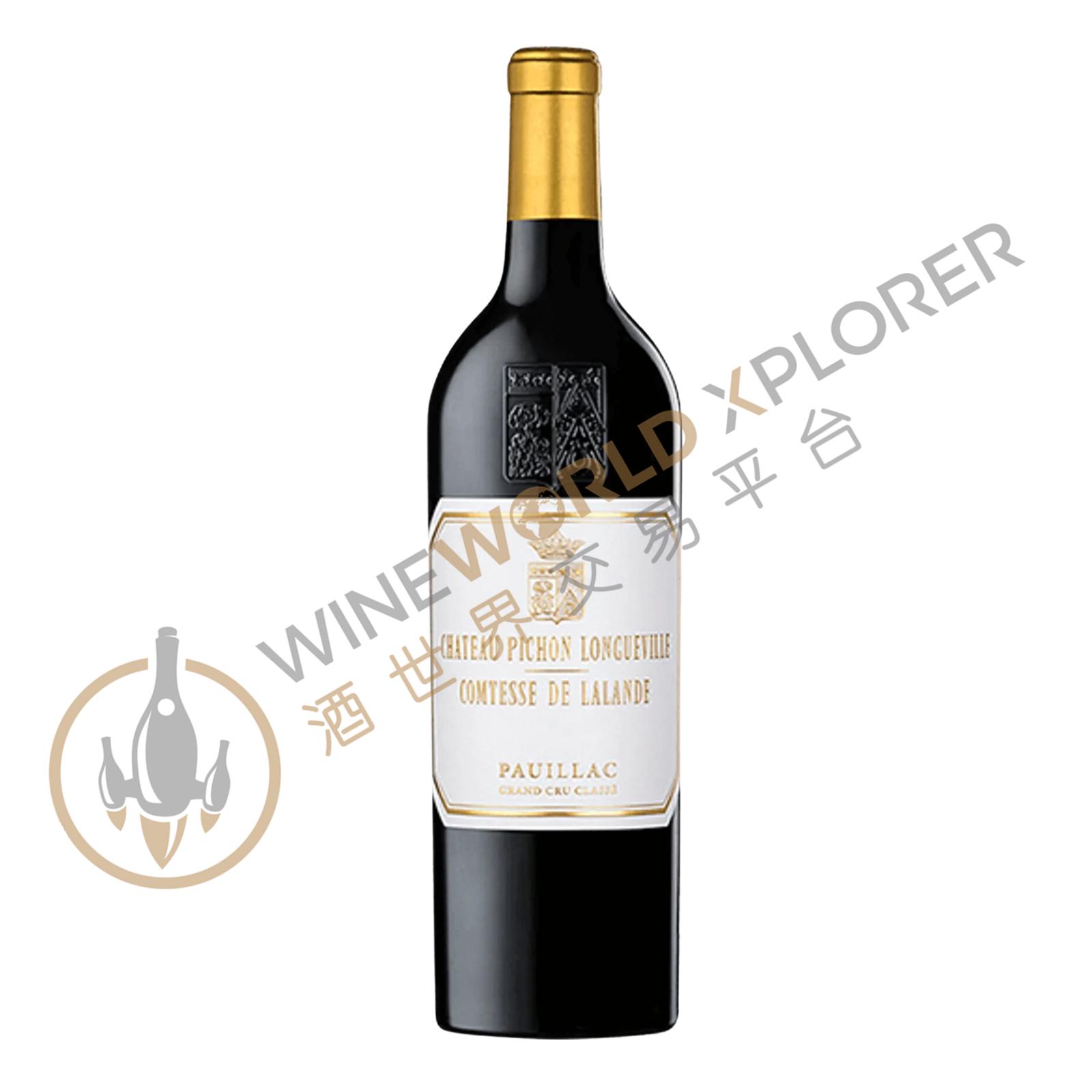
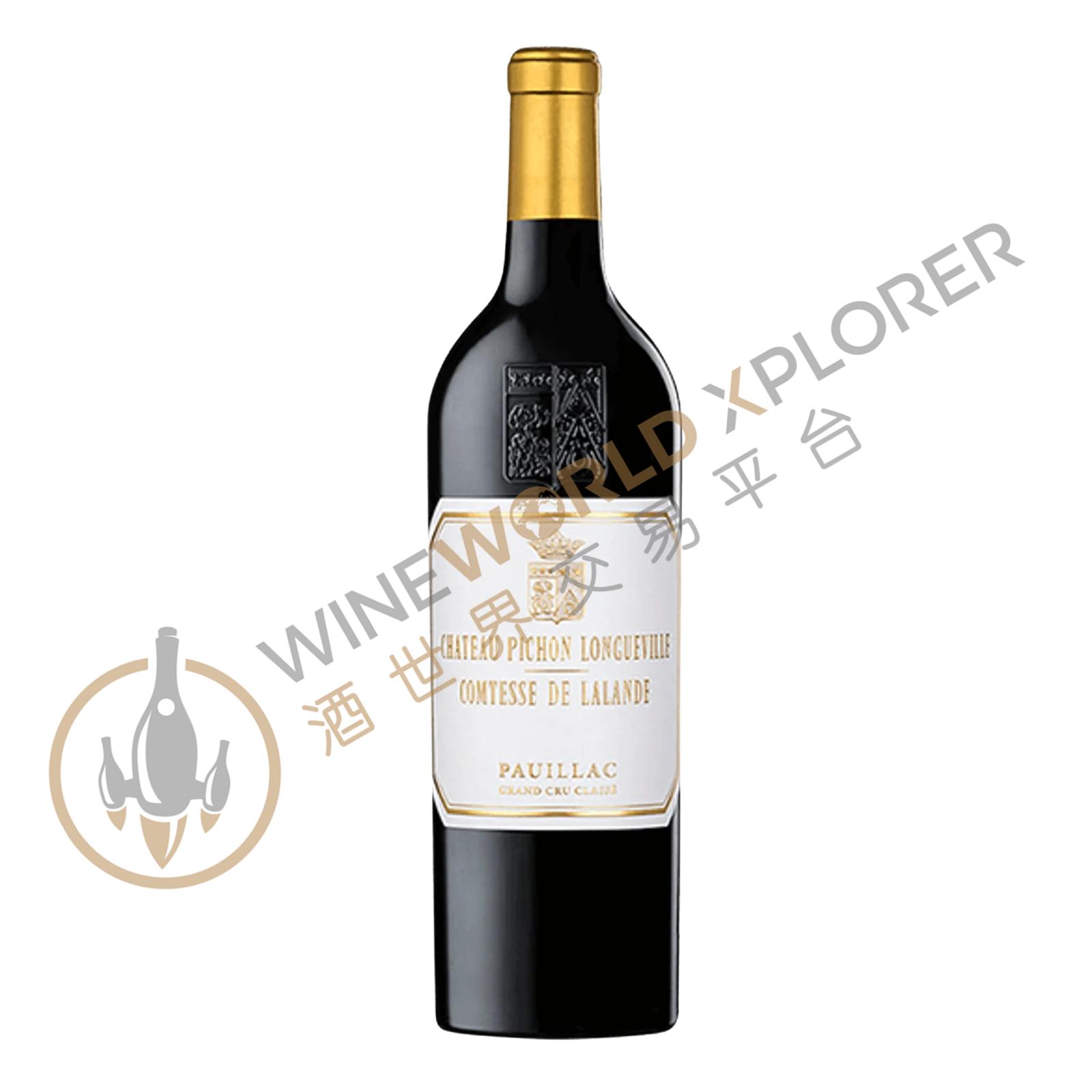
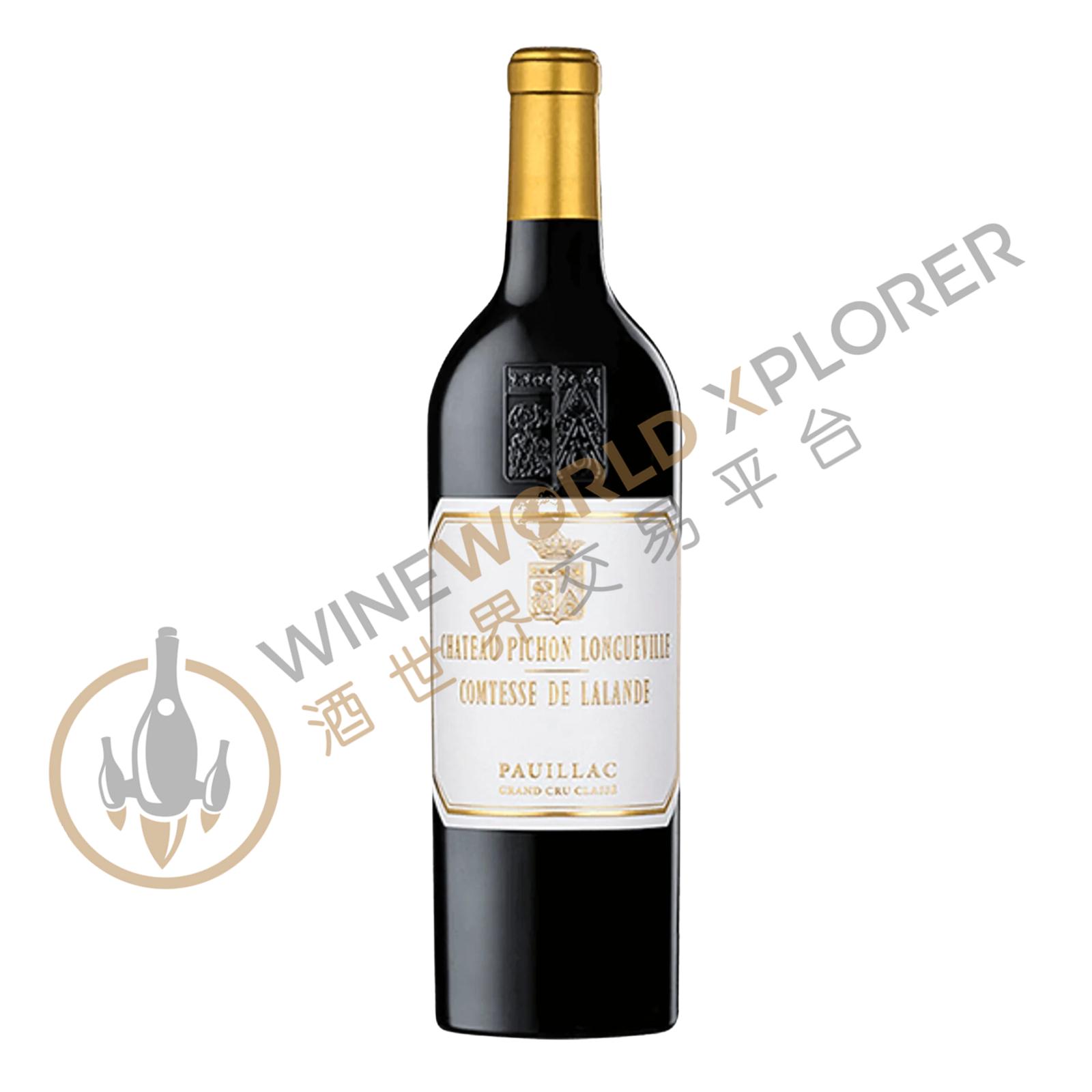
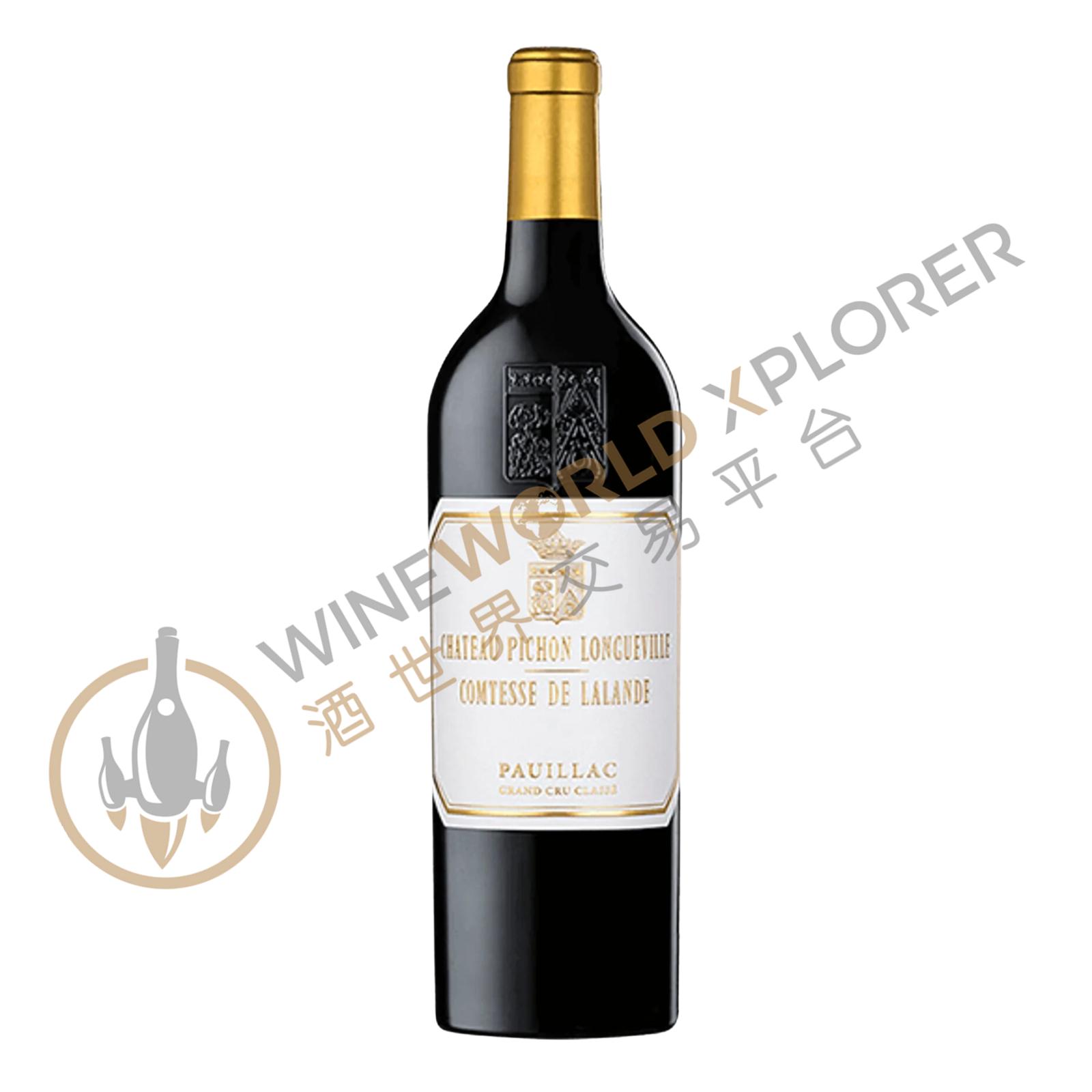
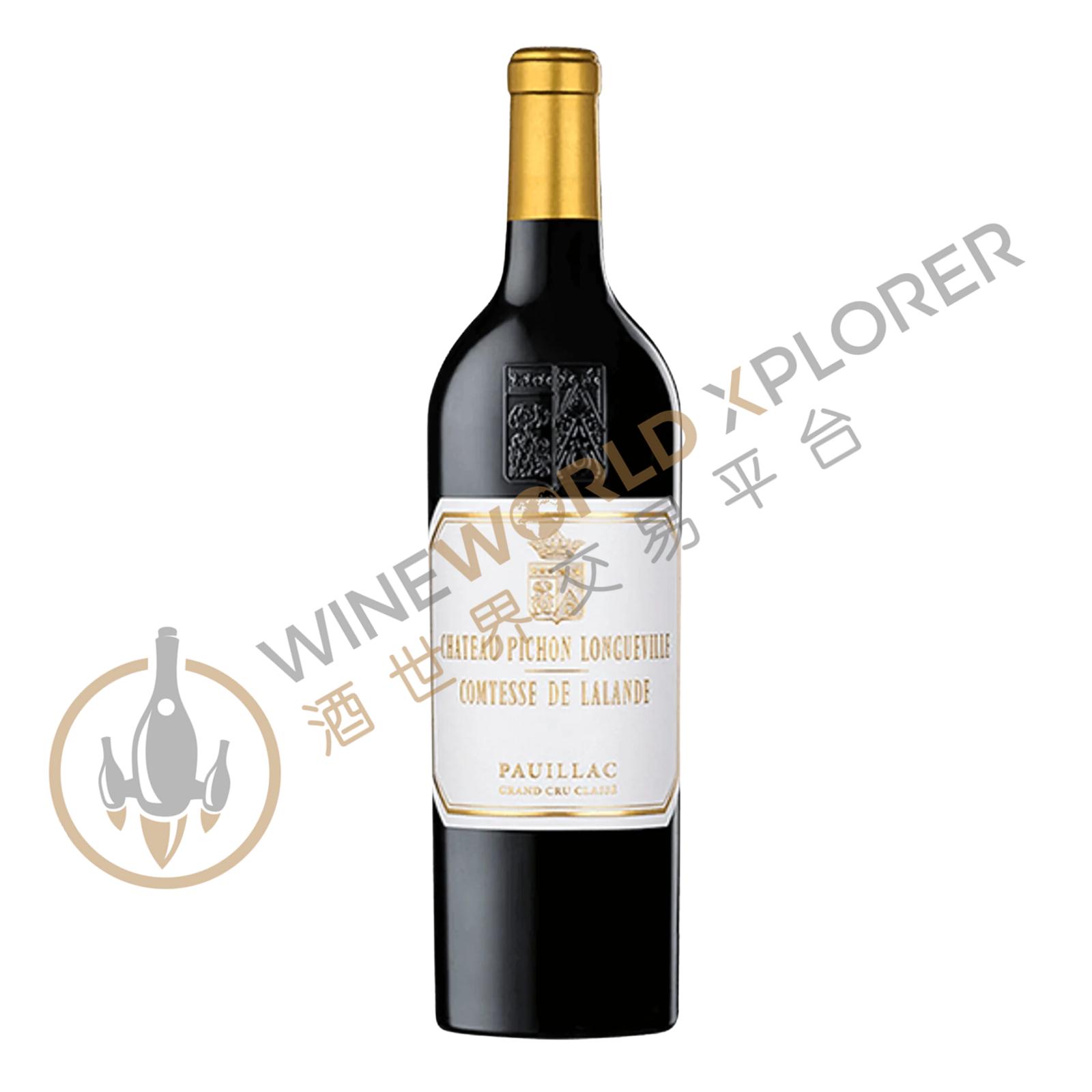
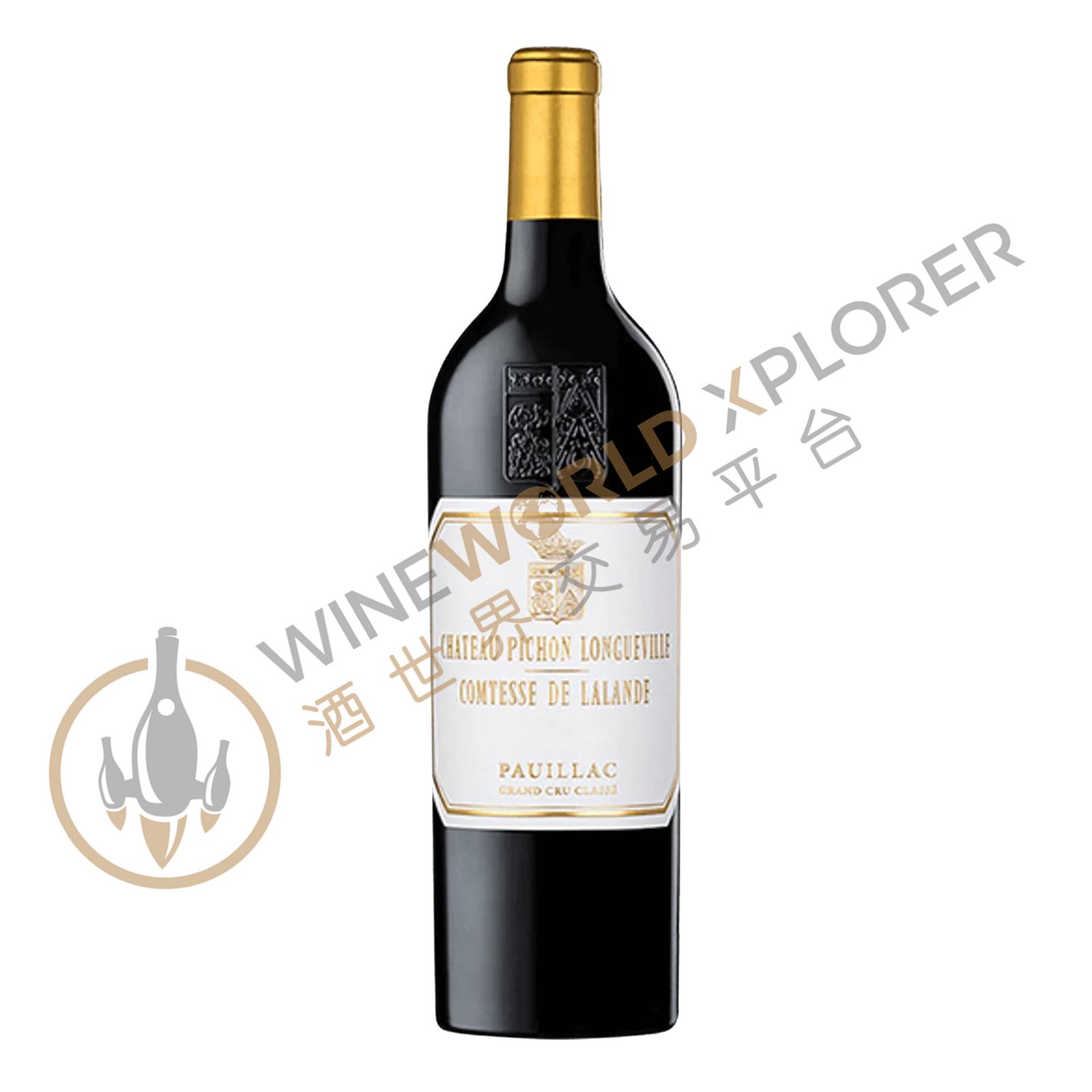
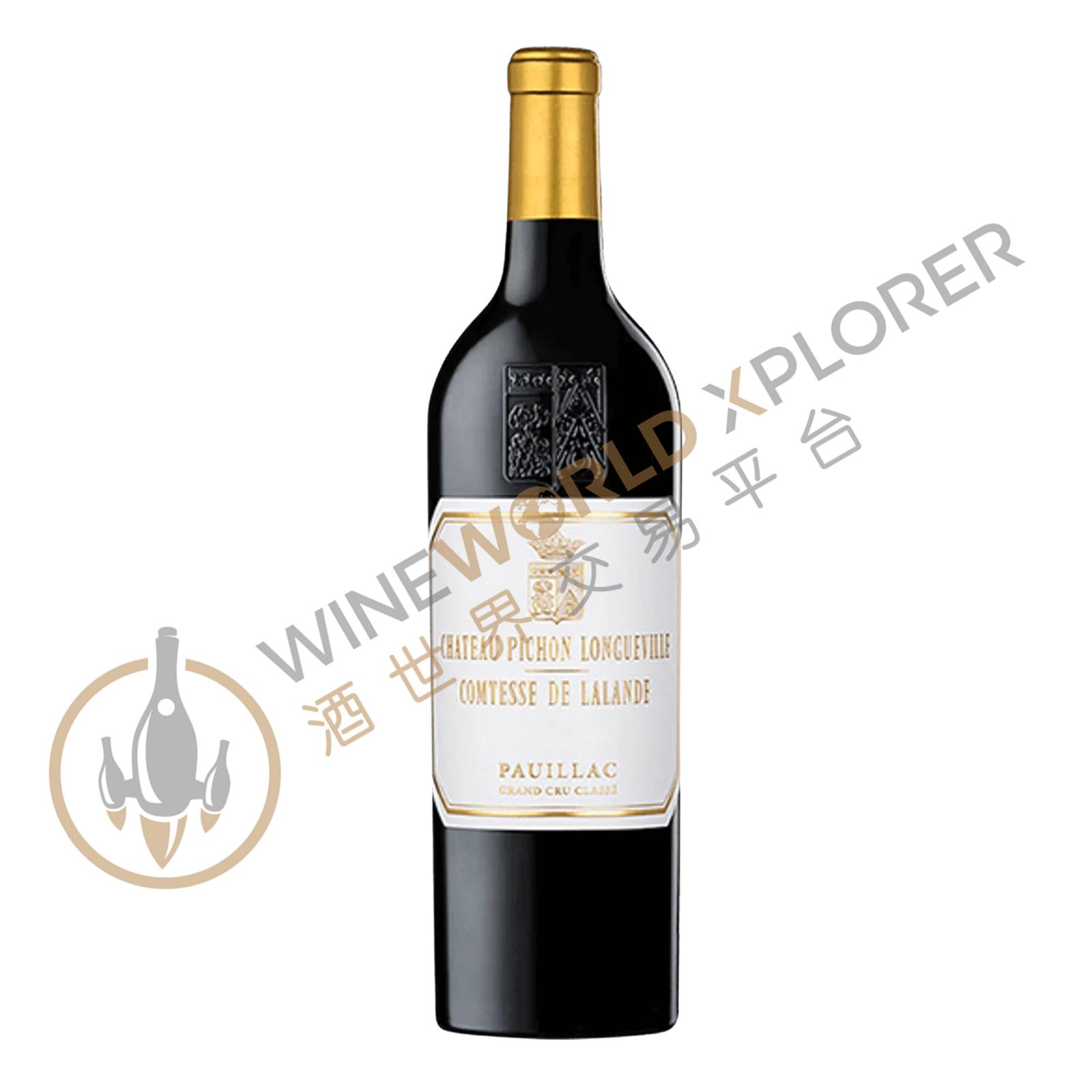
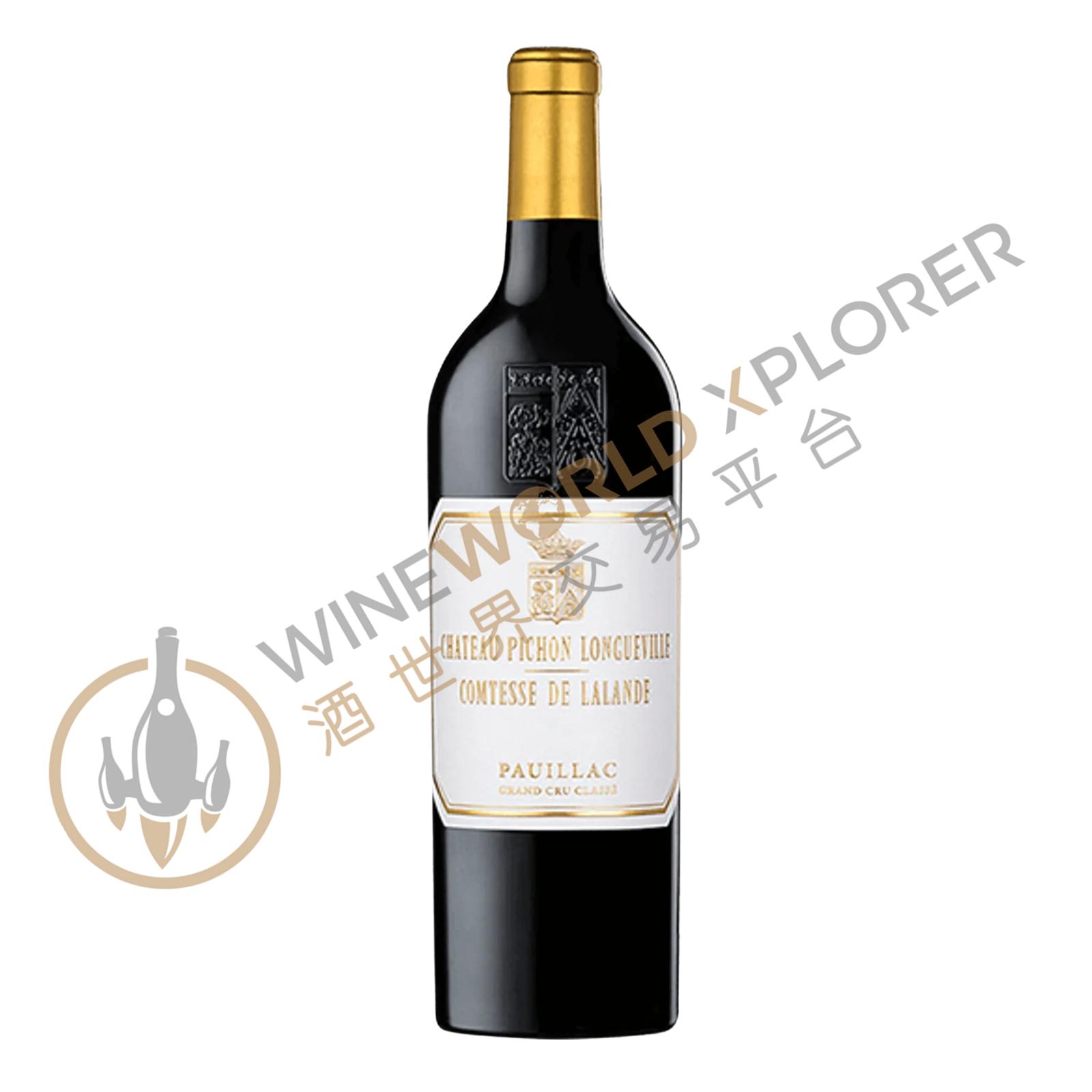
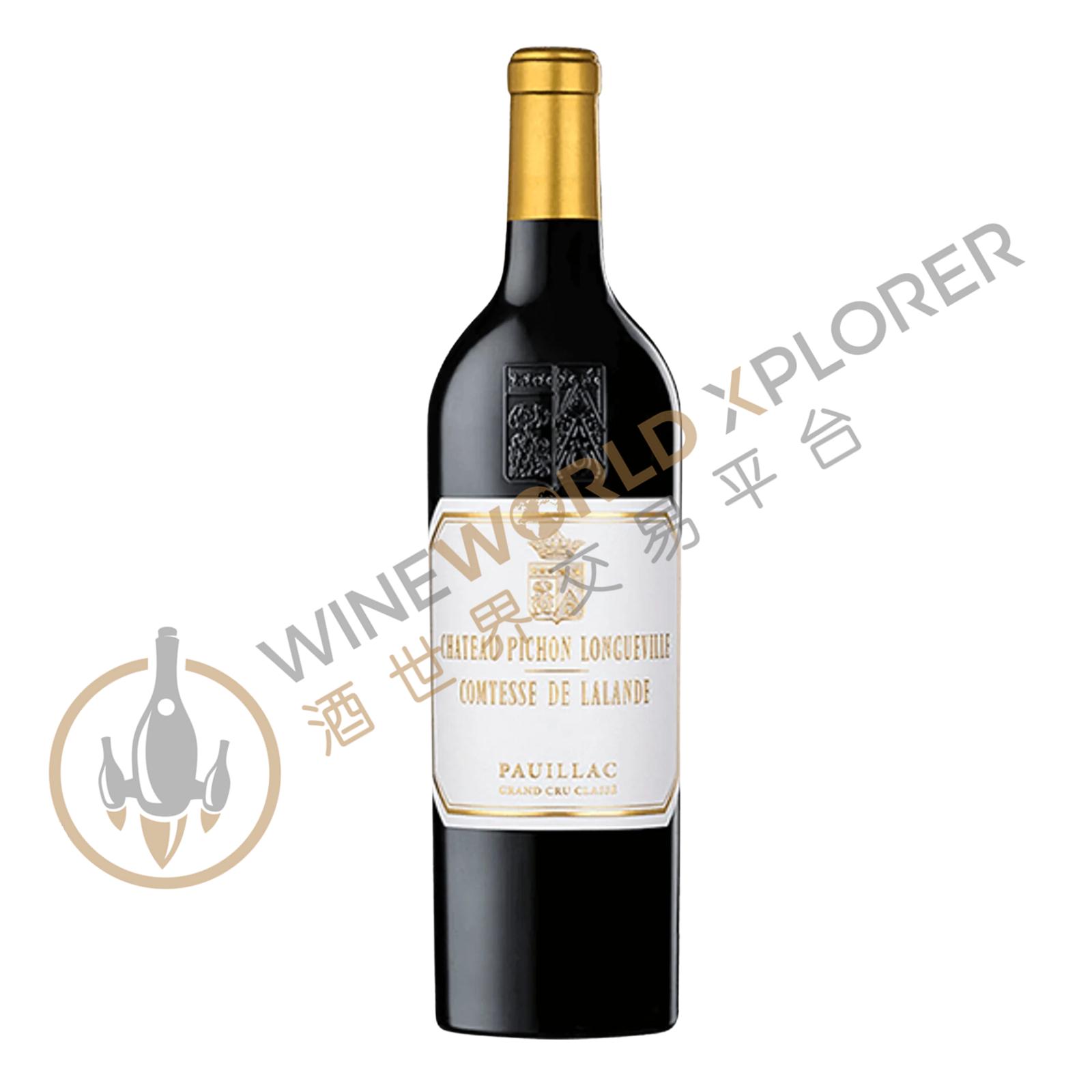
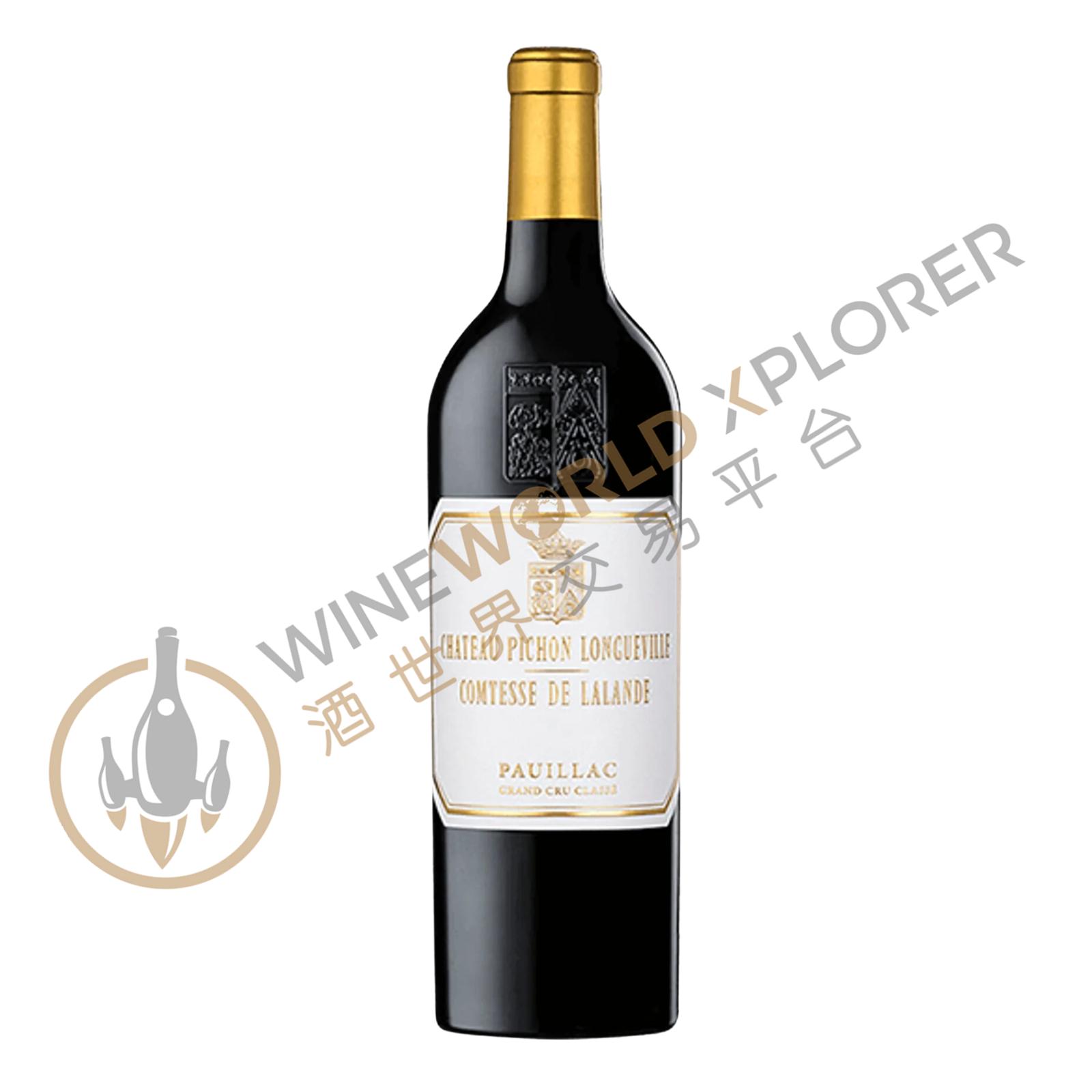
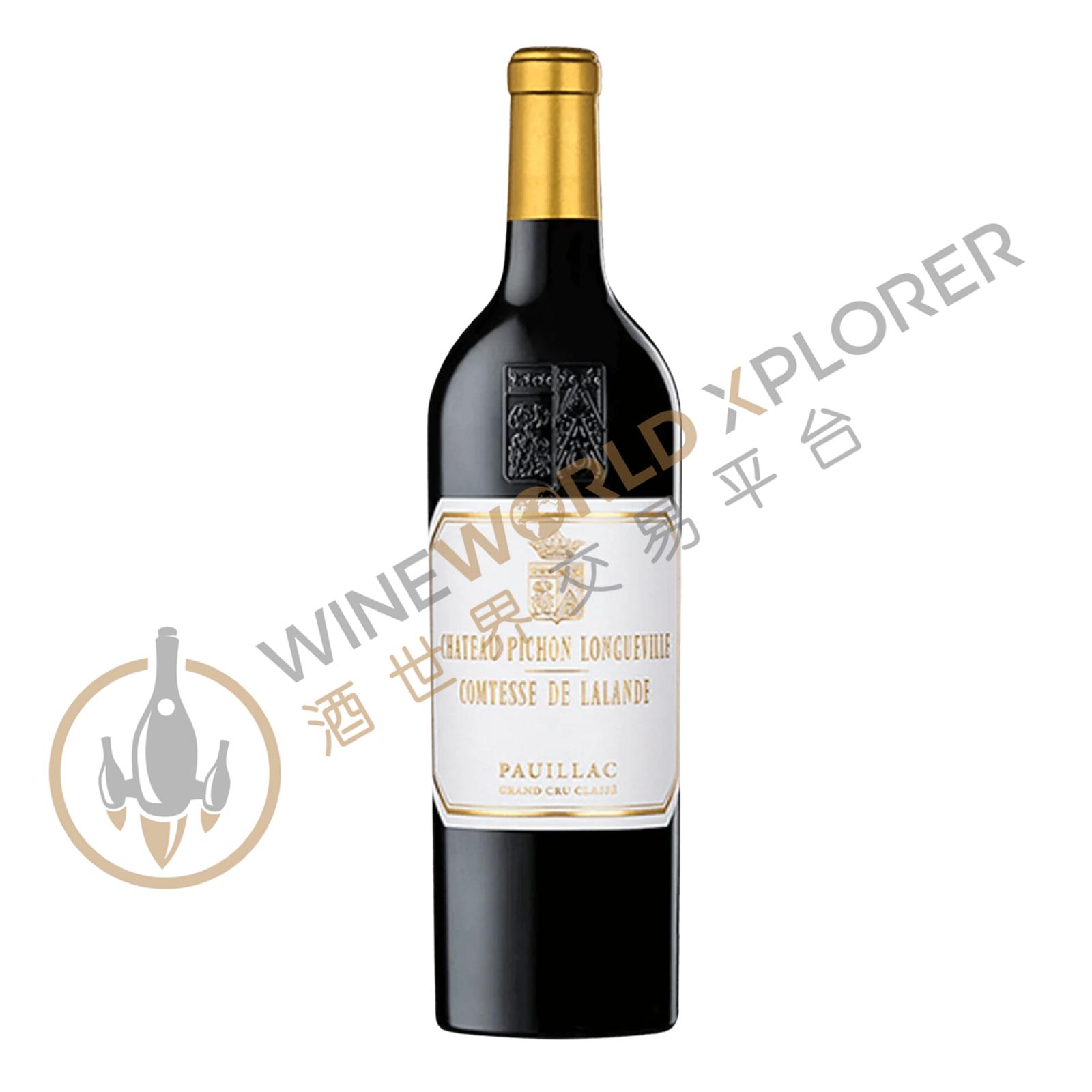
Pichon Lalande 2001
 View analysis


Description
Tasting notes

Reviewed by: Neal Martin
A broody, slightly animally nose with kirsch, leather and damson fruit. Lacks a little definition. A full-bodied, spicy slightly over-extracted, tarry palate but with a firm tannic finish. Tasted October 2007.
Reviewed by: Robert M. Parker, Jr.
This wine has put on weight and expanded handsomely during its upbringing in barrel. Only 30% of the production made it into this blend of 50% Cabernet Sauvignon, 36% Merlot, and 14% Petit Verdot. The 2001 has a dense, saturated purple color and an enticing perfume of melted chocolate intermixed with coffee beans, black currant, truffle, and damp earth. The wine is impressively rich, deep, medium to full-bodied, with some noticeable tannin and cedar notes in the finish. In need of 3-4 years of cellaring, it should keep for at least two decades. Anticipated maturity: 2007-2022.
Reviewed by: Neal Martin
Tasted blind at Bordeaux Index’s 10-Year On horizontal. This has quite a precocious bouquet with raspberry jam, boysenberry, marmalade and pencil shavings. Very fine delineation and lift, certainly more backward than its peers. The palate is medium-bodied with structure tannins, just a hint of brine on the entry, good depth of black fruit with a sinewy, grippy blackberry and cedar-infused finish. One has the feeling that this has more to offer over the next decade. Tasted March 2011.
Reviewed by: Neal Martin
Tasted at the Fine Wine Experience’s Pichon-Lalande vertical in London. This is slightly deeper in colour than the ’99 Pichon Lalande. The nose has very good lift with notes of blackberry, pomegranate, touches of liquorices and a drop of hoi sin. Good definition but very backward. The palate is medium-bodied, very well balanced with good vibrancy and acidity. Lively and vivacious with cedar-tinged black fruits, more floral and feminine towards the finish. It is amazing how well the Petit Verdot has integrated into the fabric of the wine, certainly less green than it showed in its youth, the vestiges of which simply lend it freshness and vigour. Drink 2011-2025. Tasted December 2008.
Reviewed by: Neal Martin
A whopping 14% Petit Verdot in the 2001 which was very tough in its youth, but like the 2000 begins to blossom after 4-5 years. At the IMW vertical. This is still an admirable Pichon Lalande, one that is decidedly superior in bottle than in barrel. A delectable smoky nose with blackberry, cedar and pencil lead. Quite feminine and more restrained than Baron. The palate is superbly balanced, very supple with blackberry, cassis and blueberry. Still very primal and yet to unfurl its flavours. Certainly a wine that could merit a higher score in 4-5 years, but it requires patience. Tasted November 2005.
Reviewed by: Robert M. Parker, Jr.
The dense purple/blue/black-colored Pichon Lalande exhibits a spicy perfume offering scents of cedar, incense, earth, black currant and berry fruit. Firm, pure, and surprisingly more Pauillac in style than usual (many Pichon Lanandes reveal a silky, St.-Julien-like character), the 2001 does not have the power, volume, or size of the 2000. A strong effort for the vintage, it possesses high acidity as well as more noticeable tannin. Proprietor Madame de Lencquesaing is proud of her 2001 Pichon Lalande. Only 37% of the production made it into the grand vin (a blend of 50% Cabernet Sauvignon, 36% Merlot, and a whopping 14% Petit Verdot - an historic high for this varietal). Yields were 45 hectoliters per hectare. The normally late to mature Petit Verdot was actually harvested before the Cabernet Sauvignon, which was picked between October 3-14. Anticipated maturity: 2007-2018.
Reviewed by: Robert M. Parker, Jr.
A distinctive bouquet of violets, soy, pepper, blackberries, cassis, and tree bark gives this 2001 a singular style. This dense ruby/purple-colored blend of 50% Cabernet Sauvignon, 36% Merlot, and a whopping 14% Petit Verdot exhibits plenty of structure, wonderful sweetness, a closed style, but a rich, textured, persistent character. The unusually large percentage of Petit Verdot gives the wine more structure and less initial charm. This beauty needs some time in the cellar. Anticipated maturity: 2007-2018.
About the Producer
Pichon Lalande is arguably the best known Super Second Pauillac for its quality consistency and quintessential Bordeaux claret expression. Neighbouring Chateau Latour and lying just right opposite Chateau Pichon Baron, Pichon Lalande, as its name suggests, has long seen extended female owner influence since the 1850s. Back in the 1850s, the original Pichon Lalande got broken down into two-fifth being renamed as Pichon Baron and three-fifth remaining as Pichon Lalande upon the passing of Baron Joseph de Pichon Longueville. The three-fifth was run by the three daughters of the Baron himself and over the course of a few years, Pichon Baron and Pichon Lalande took on distinctive styles - with the former being more a masculine expression and the latter, feminine. Female ownership and influence continued, with little interruption, till the modern days. Pichon Lalande's string of female leaders have contributed to the continuous modernization of Pichon Lalande's vineyards and cellars; as well as the doubling of vineyard area during the 1970s - 90s. Today, Pichon Lalande's feminine expression continues to prevail - whilst the team is placed under the leadership of a former opera singer turned winemaker gentleman named Nicolas Glumineau. Conversion to biodynamic viticulture (fully by year 2021), continuous investments in precision winemaking facilities see Pichon Lalande continue to be revered among leading critics. Pichon Lalande is planted to 65% Cabernet Sauvignon, 25% Merlot, 7% Cabernet Franc and 3% Petit Verdot. It is the predominant Cabernet Sauvignon presence in Pichon Lalande's wines that make this wine such a capable representation of Pauillac's deep gravelly terroir.
1928(1)1969(1)1970(1)1977(1)1979(1)1981(1)1982(3)1983(1)1984(1)1985(4)1986(9)1988(4)1989(4)1990(4)1992(1)1993(1)1994(6)1995(4)1996(8)1997(2)1998(6)1999(4)2000(14)
Package Size