Wine Advisor



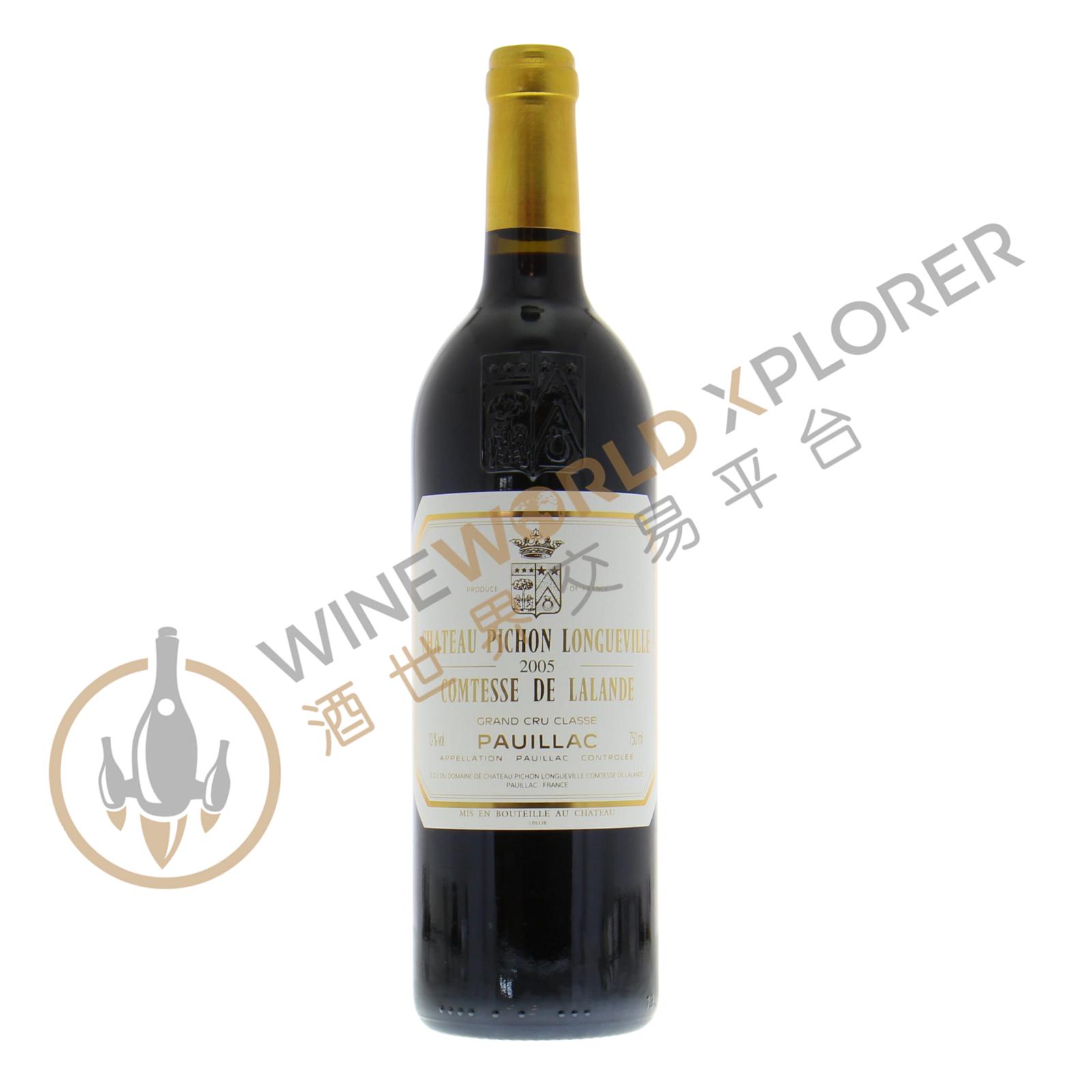
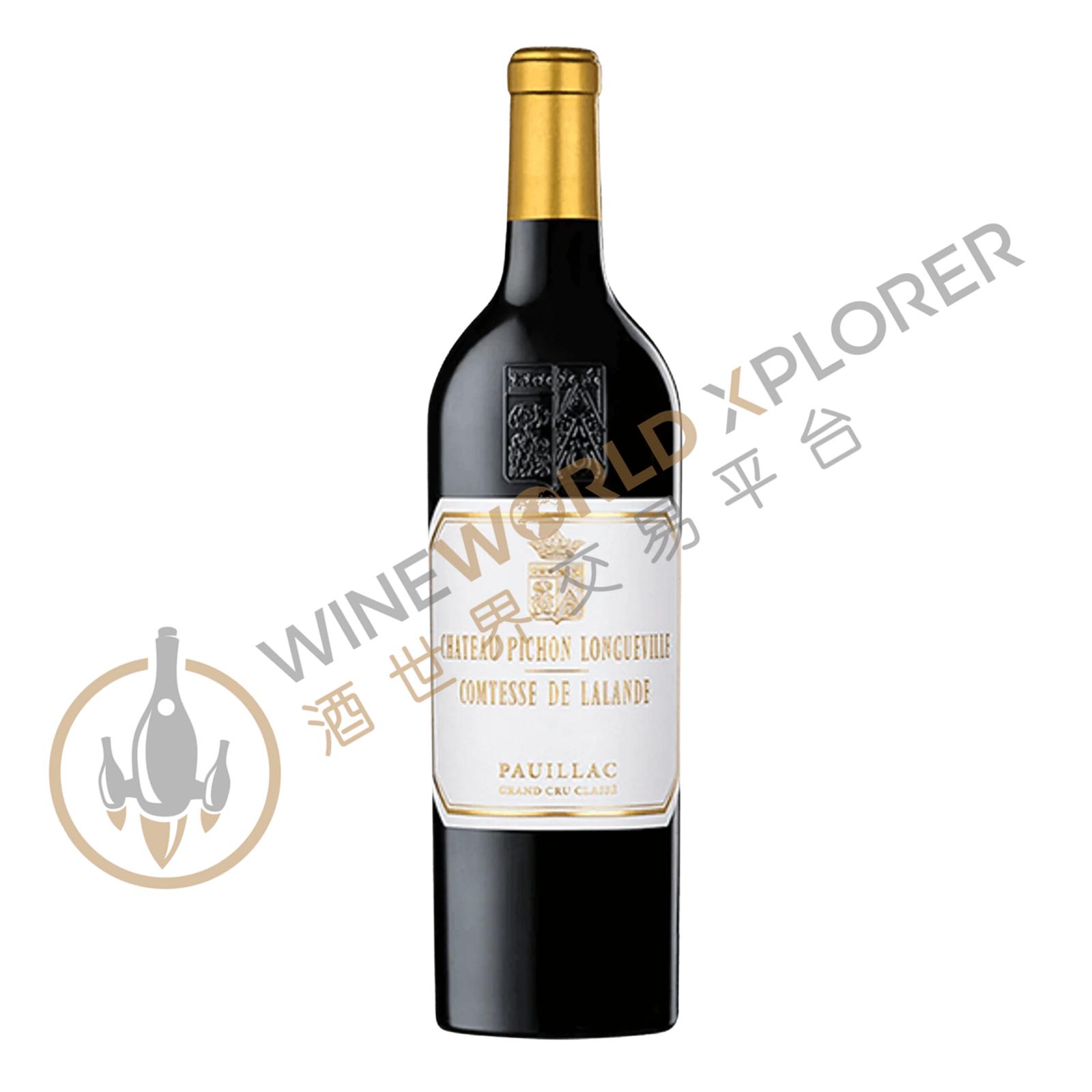
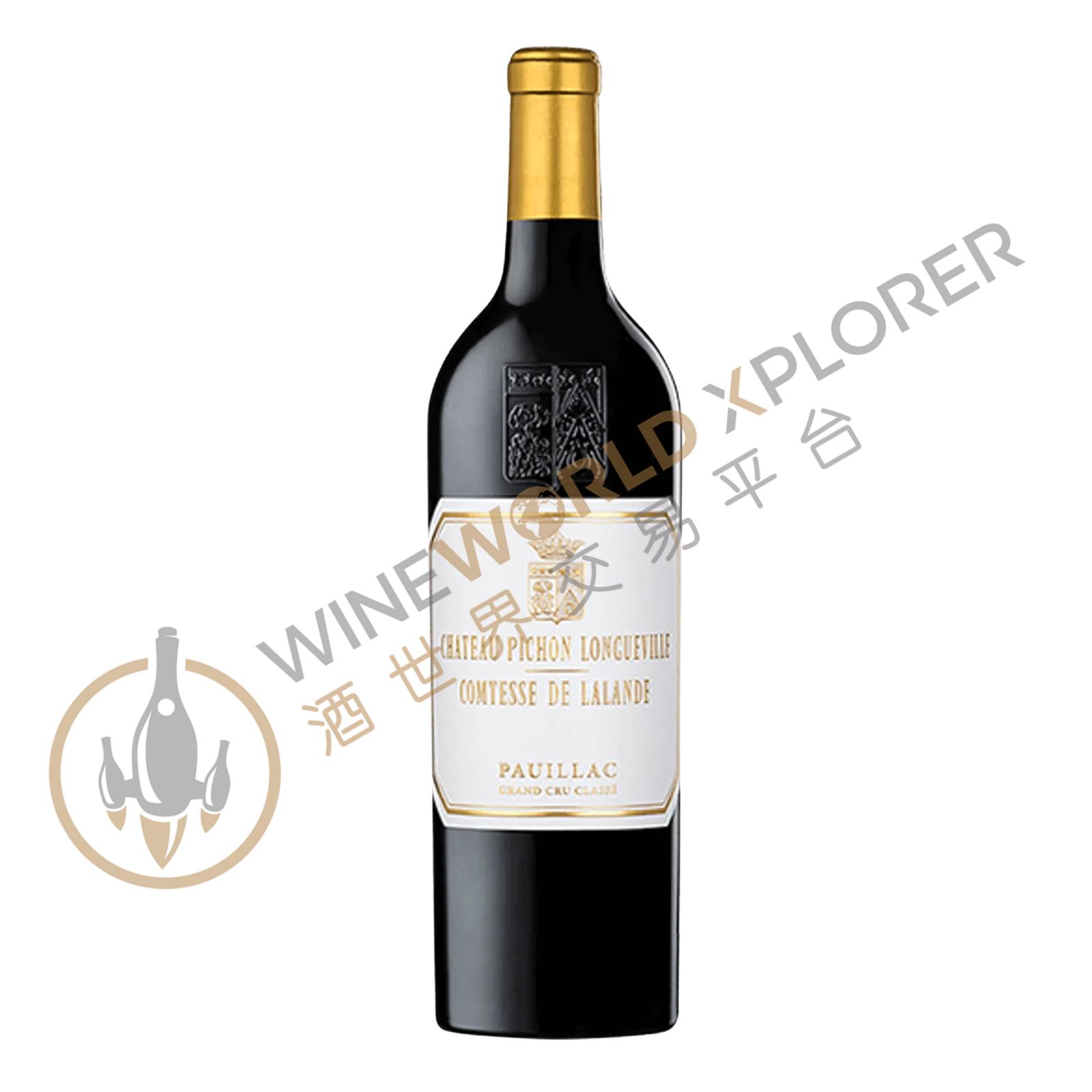
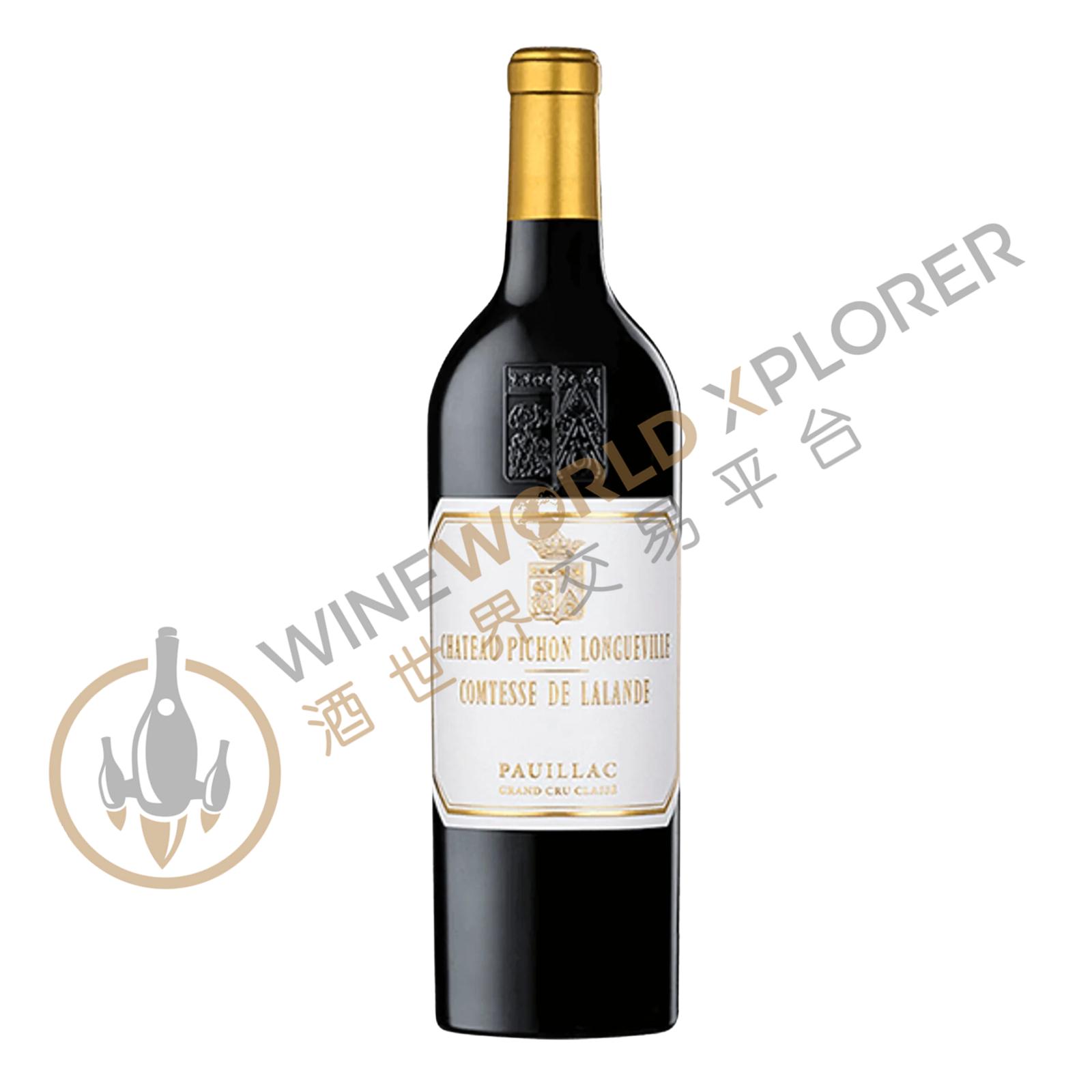
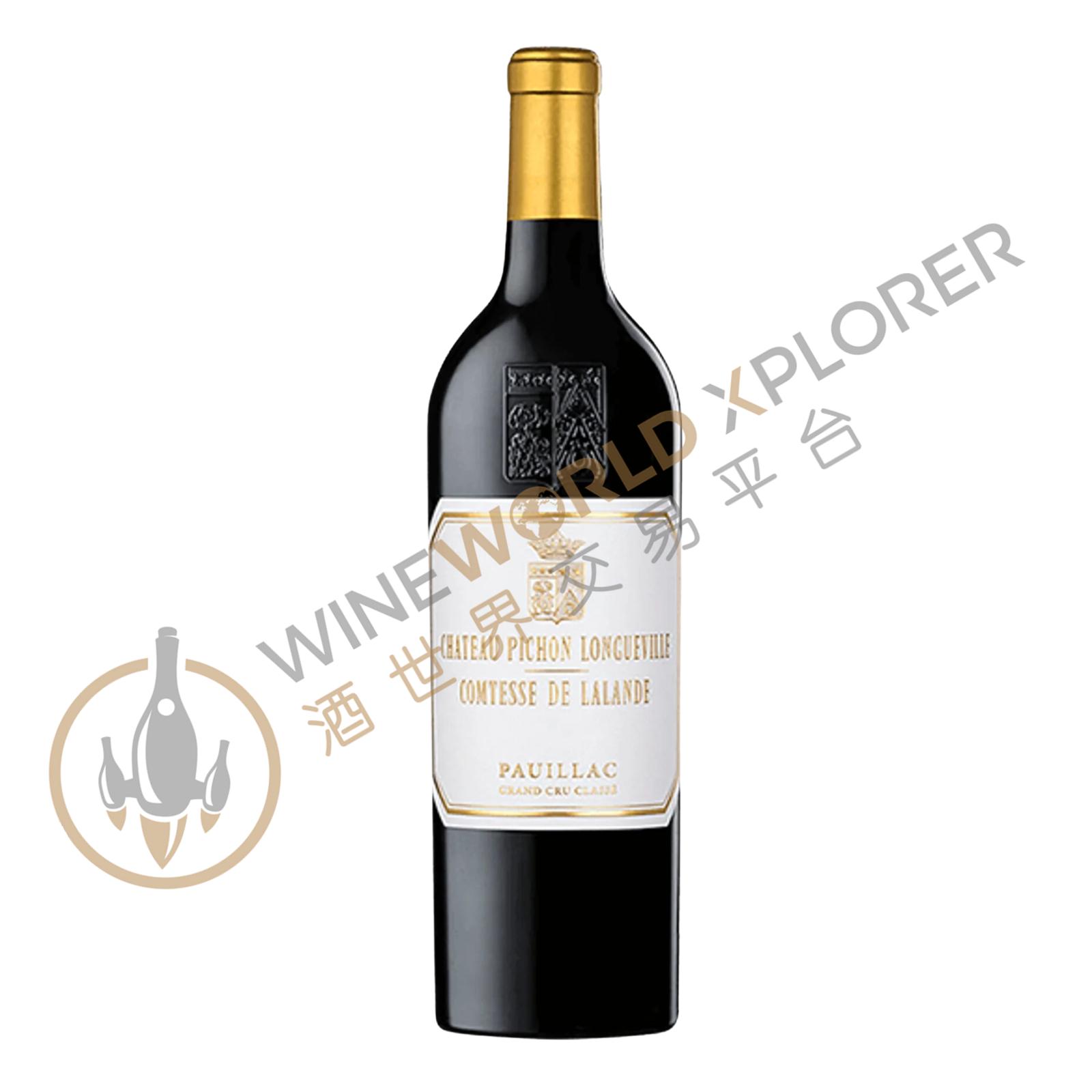
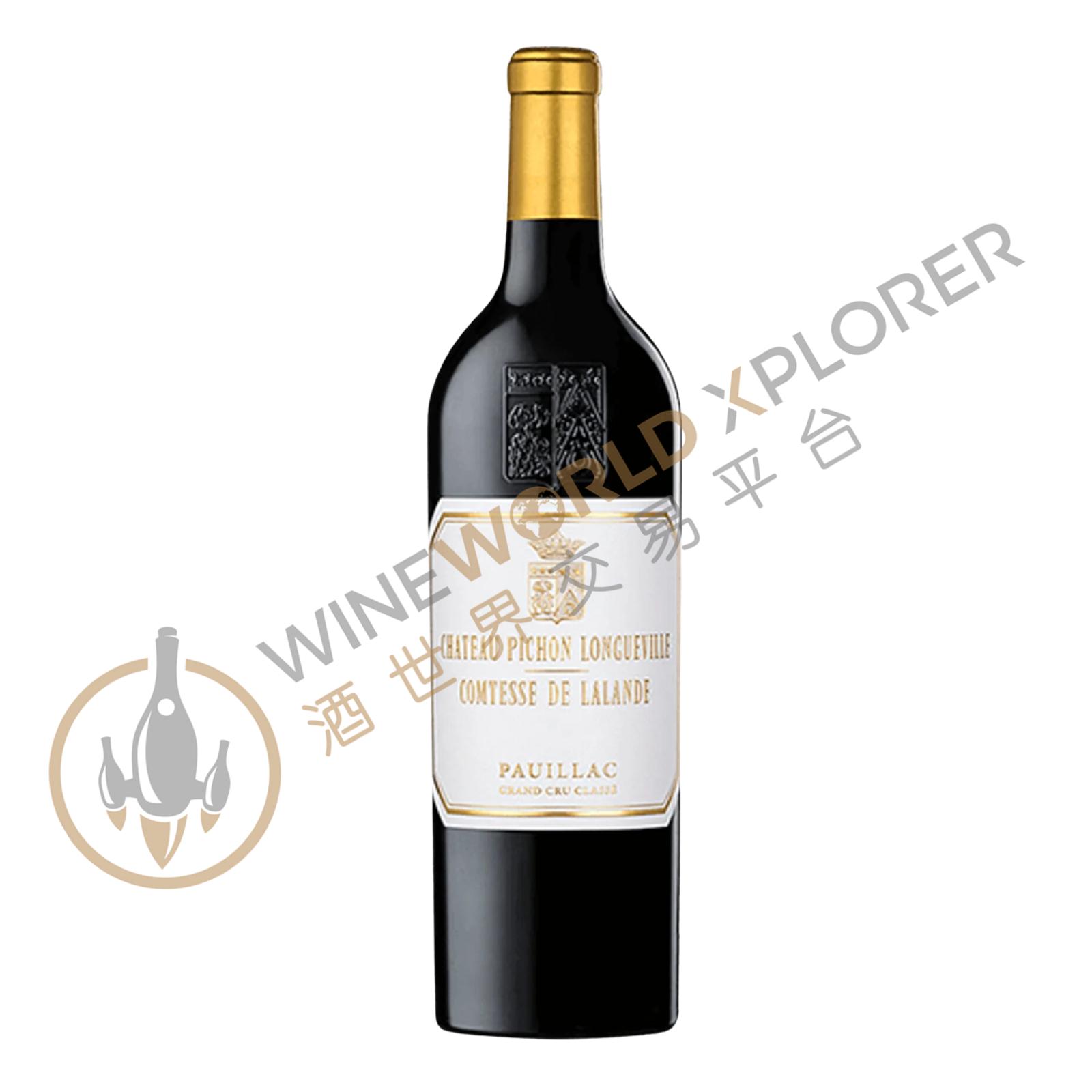
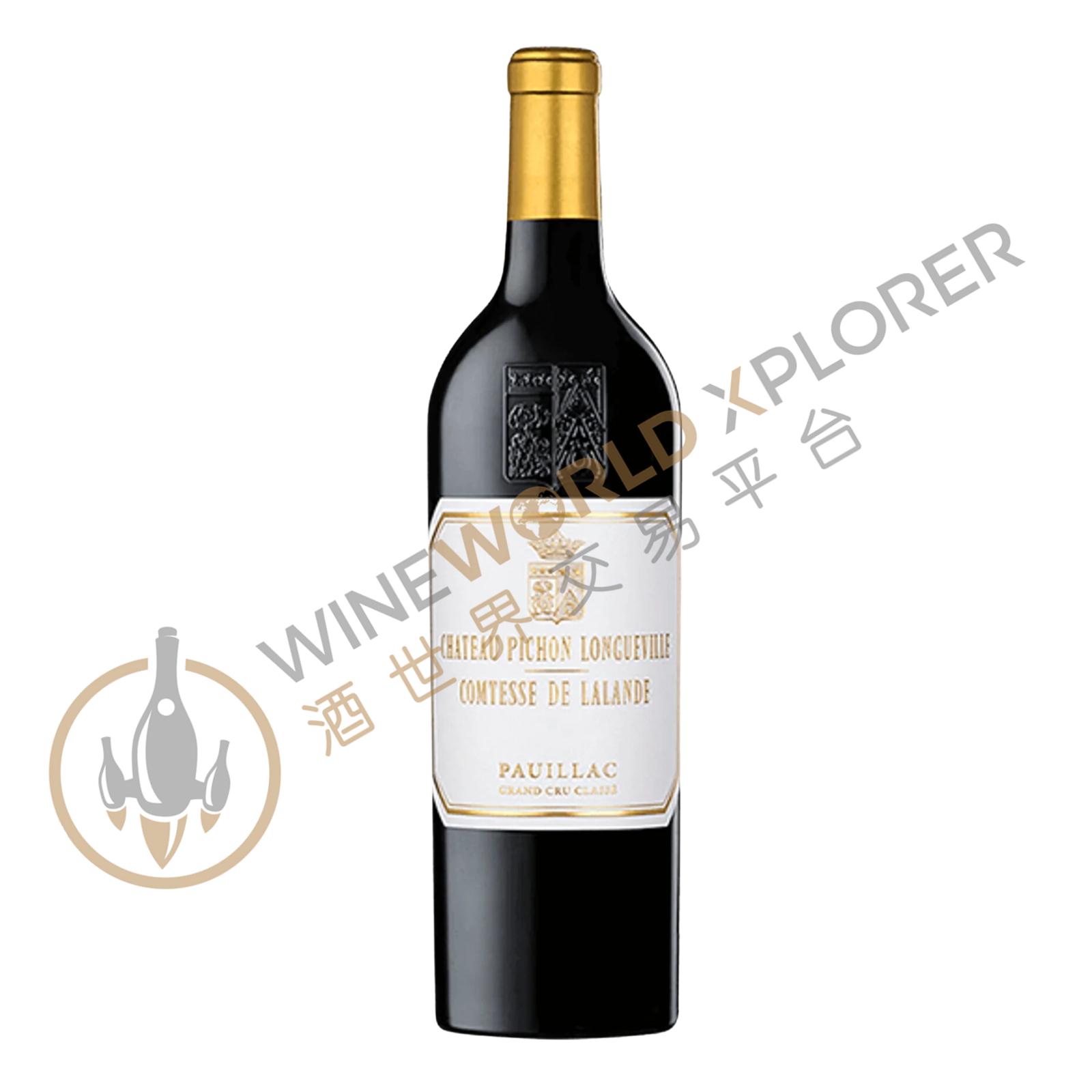
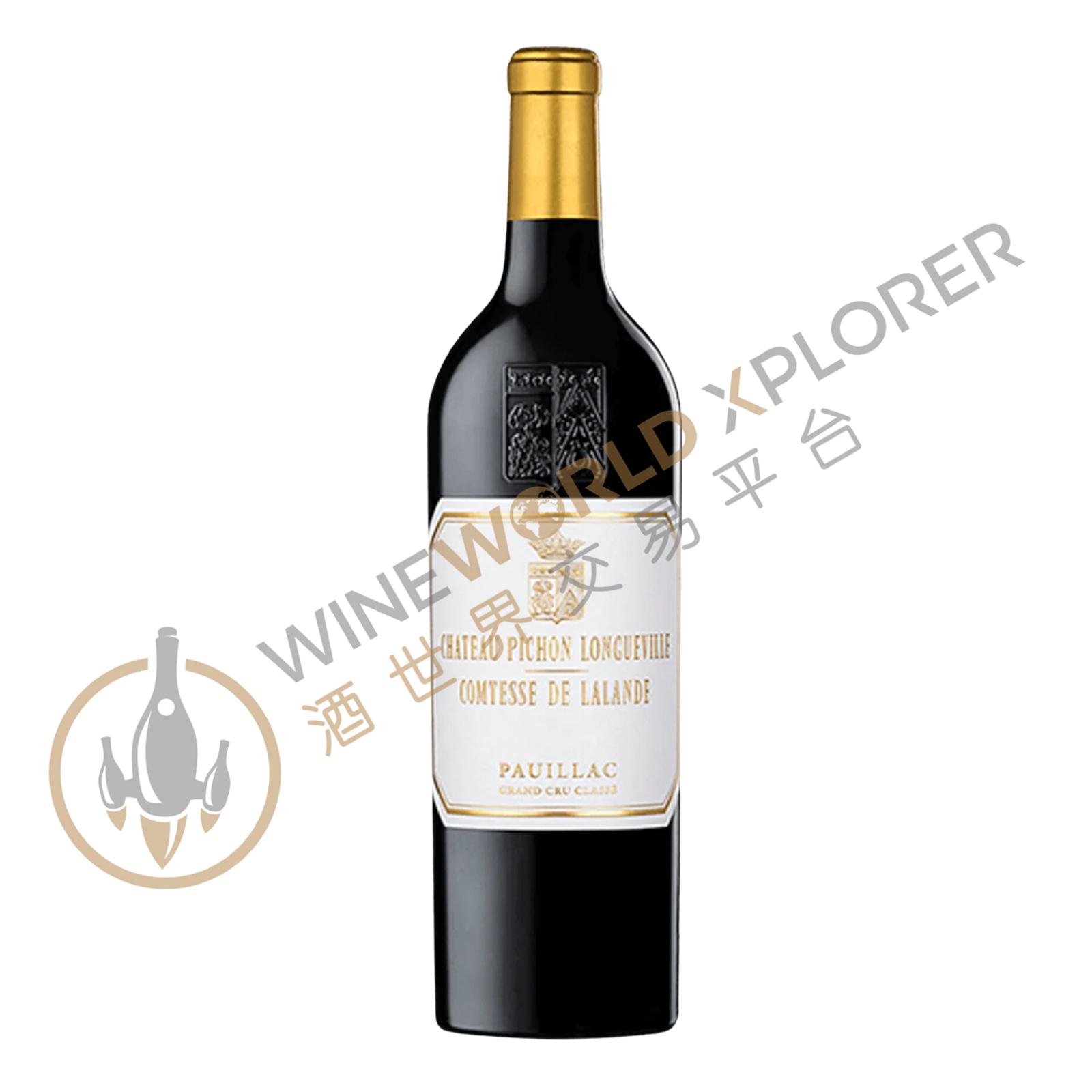
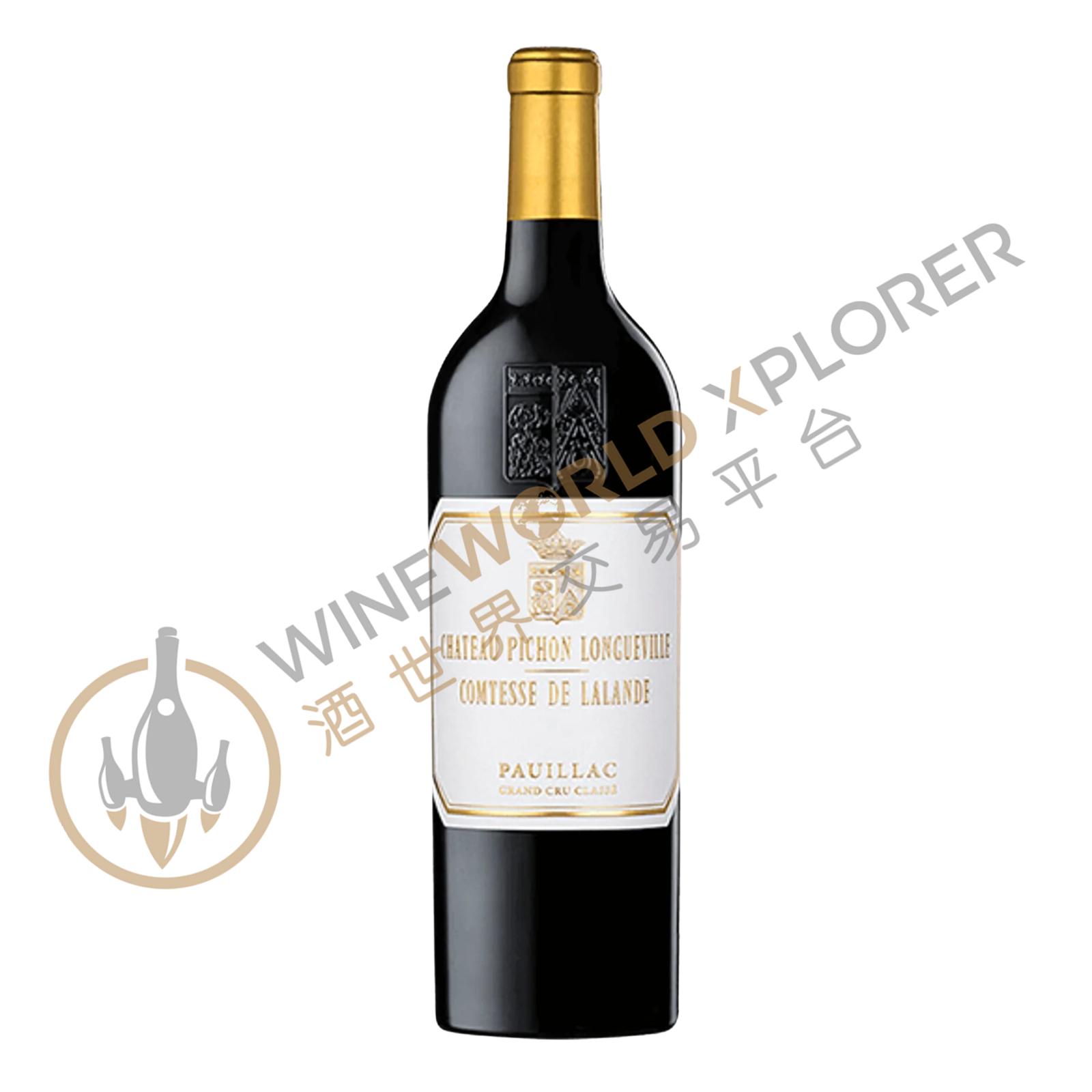
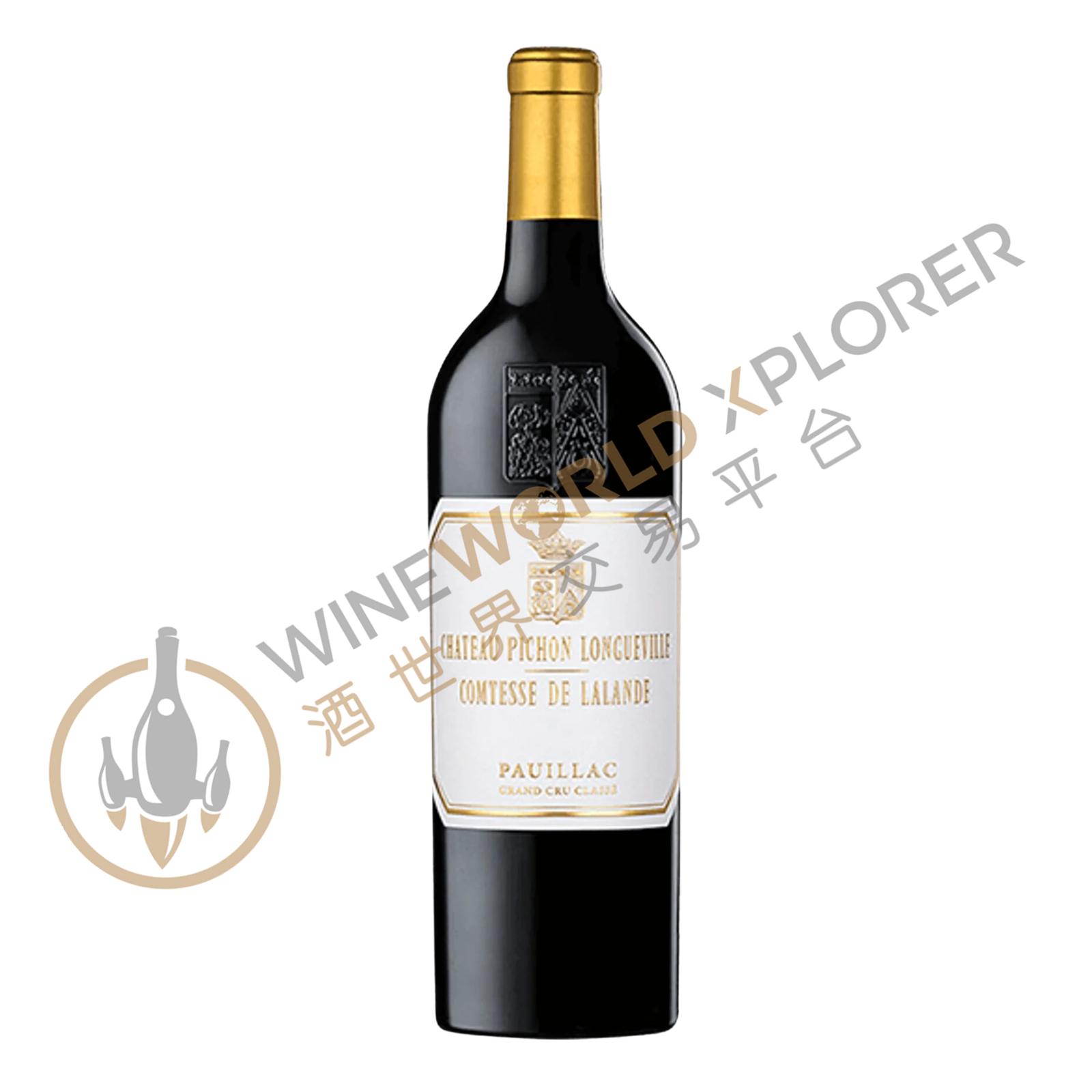
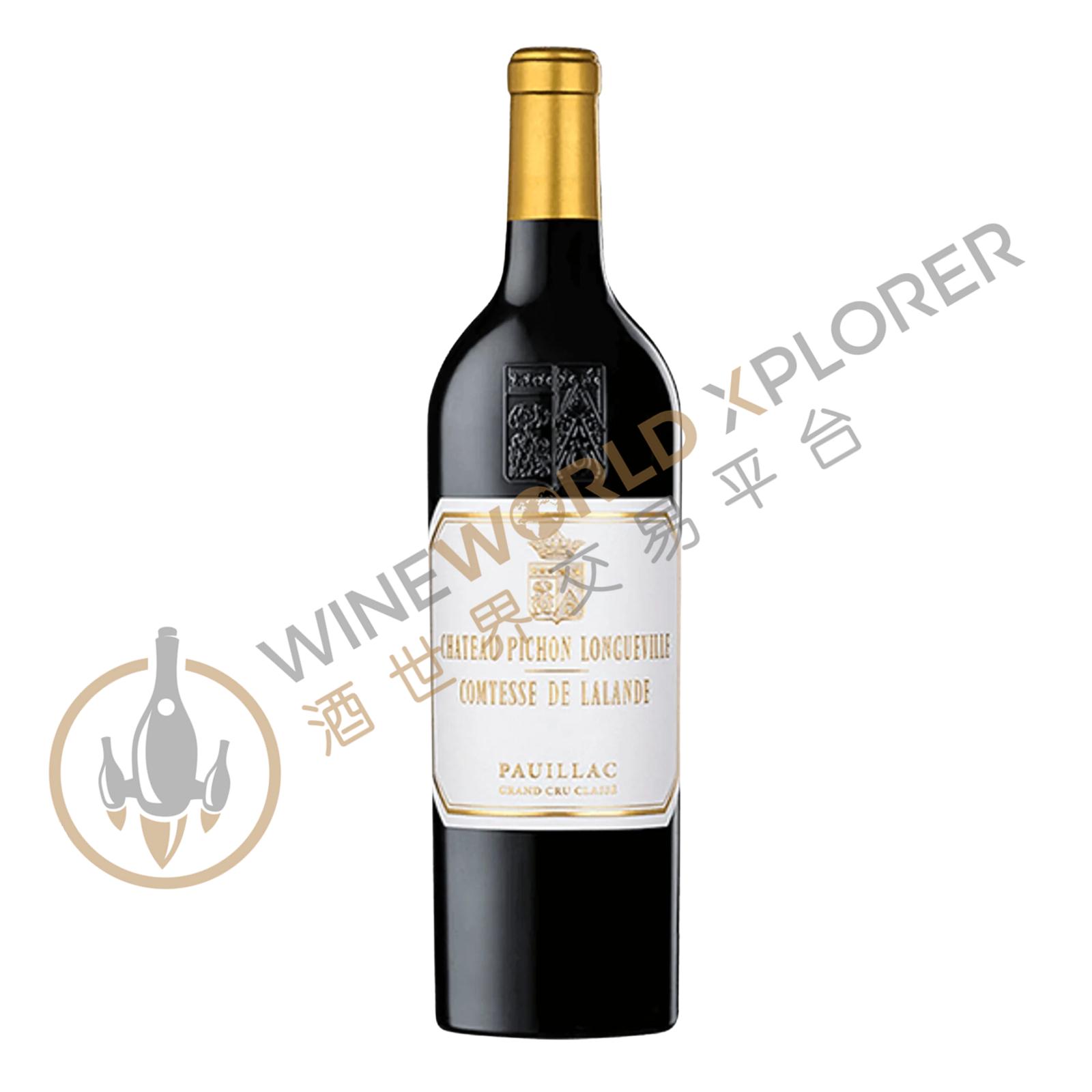
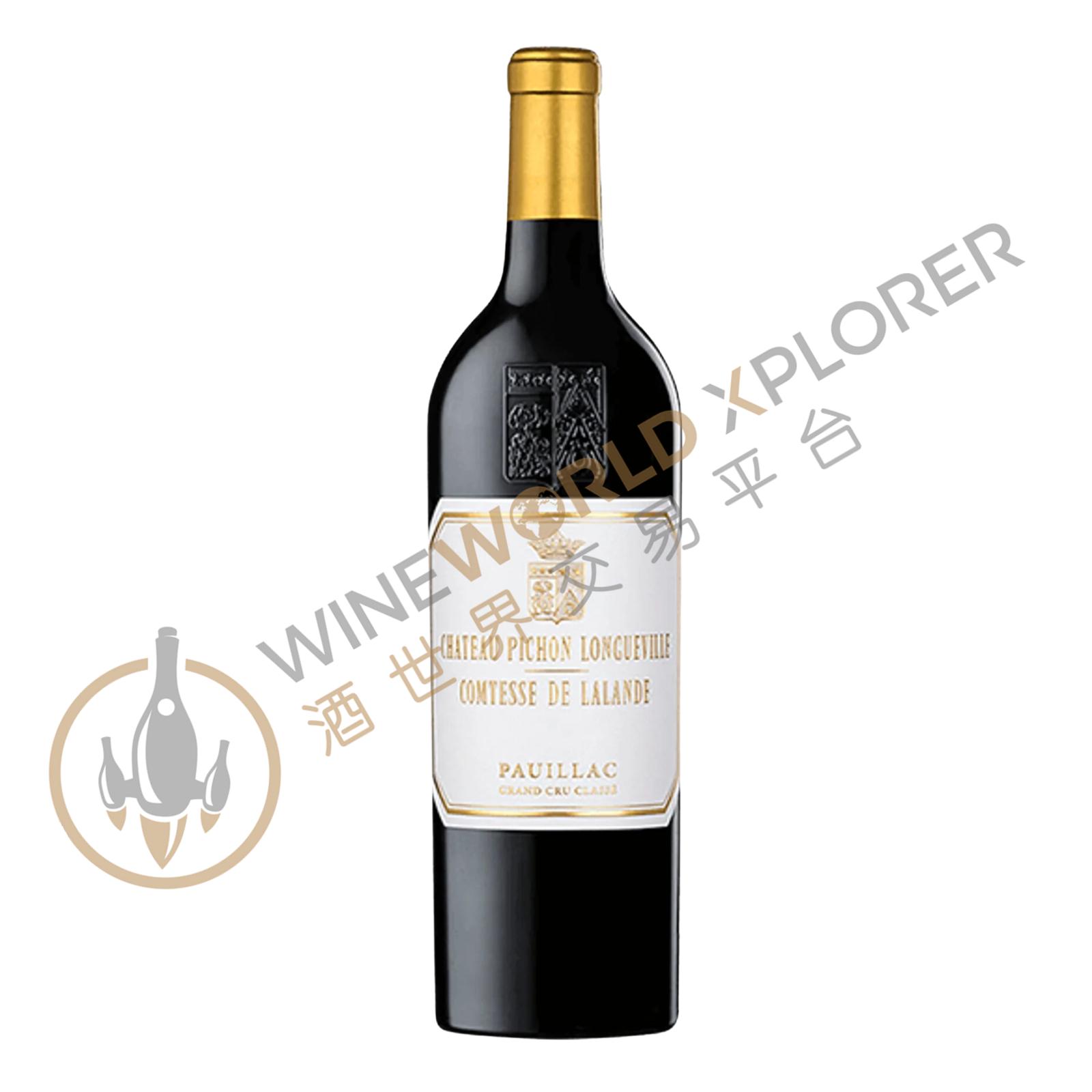
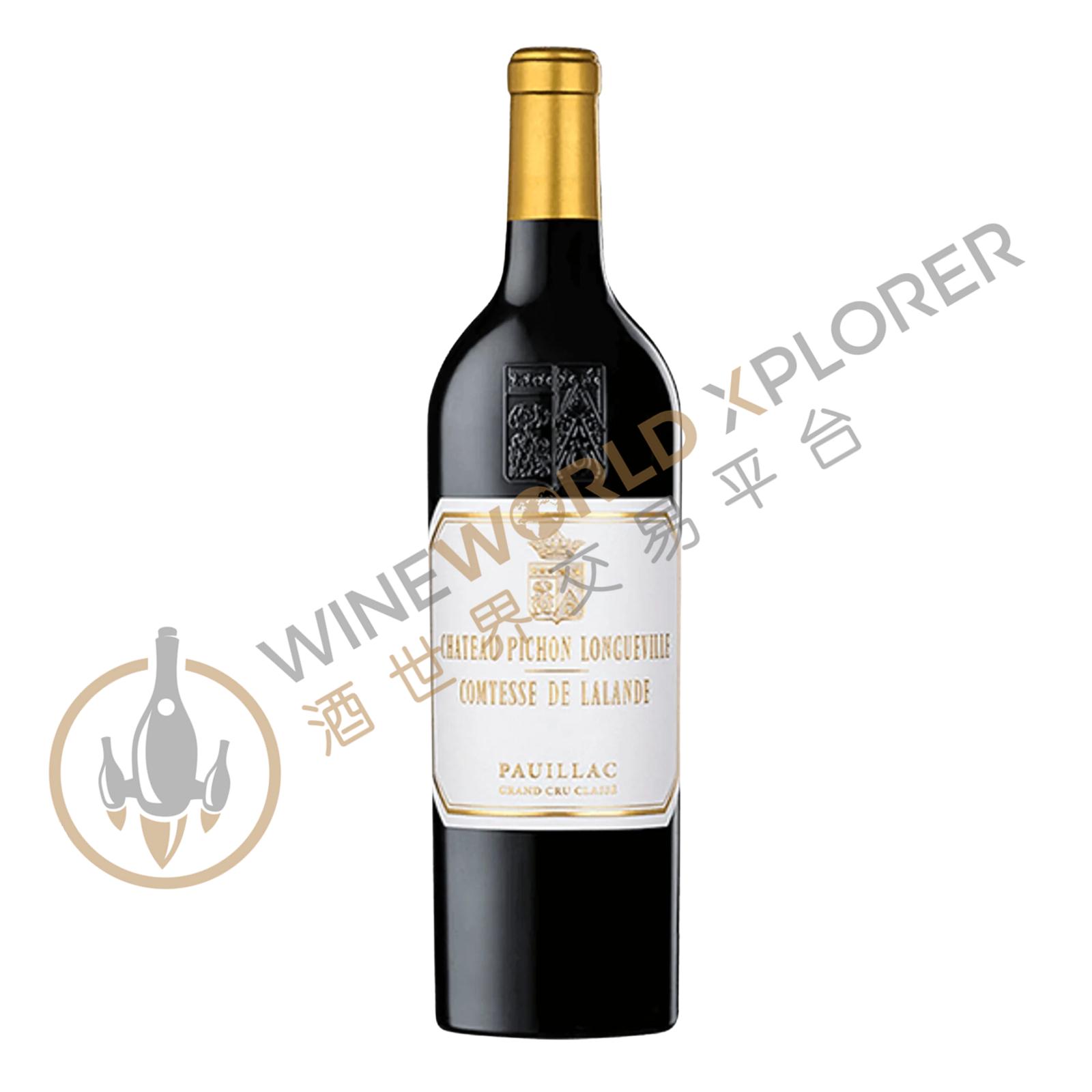
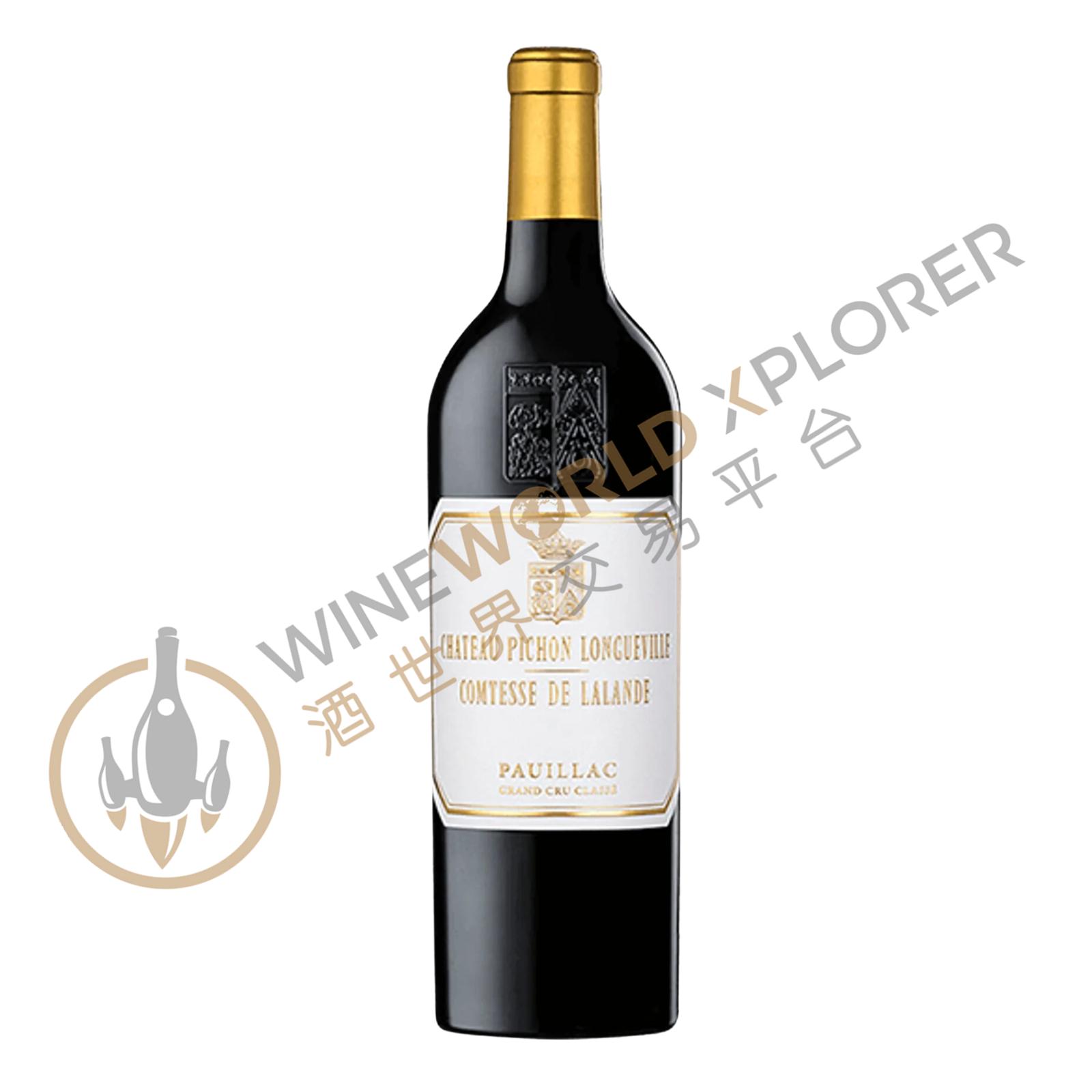
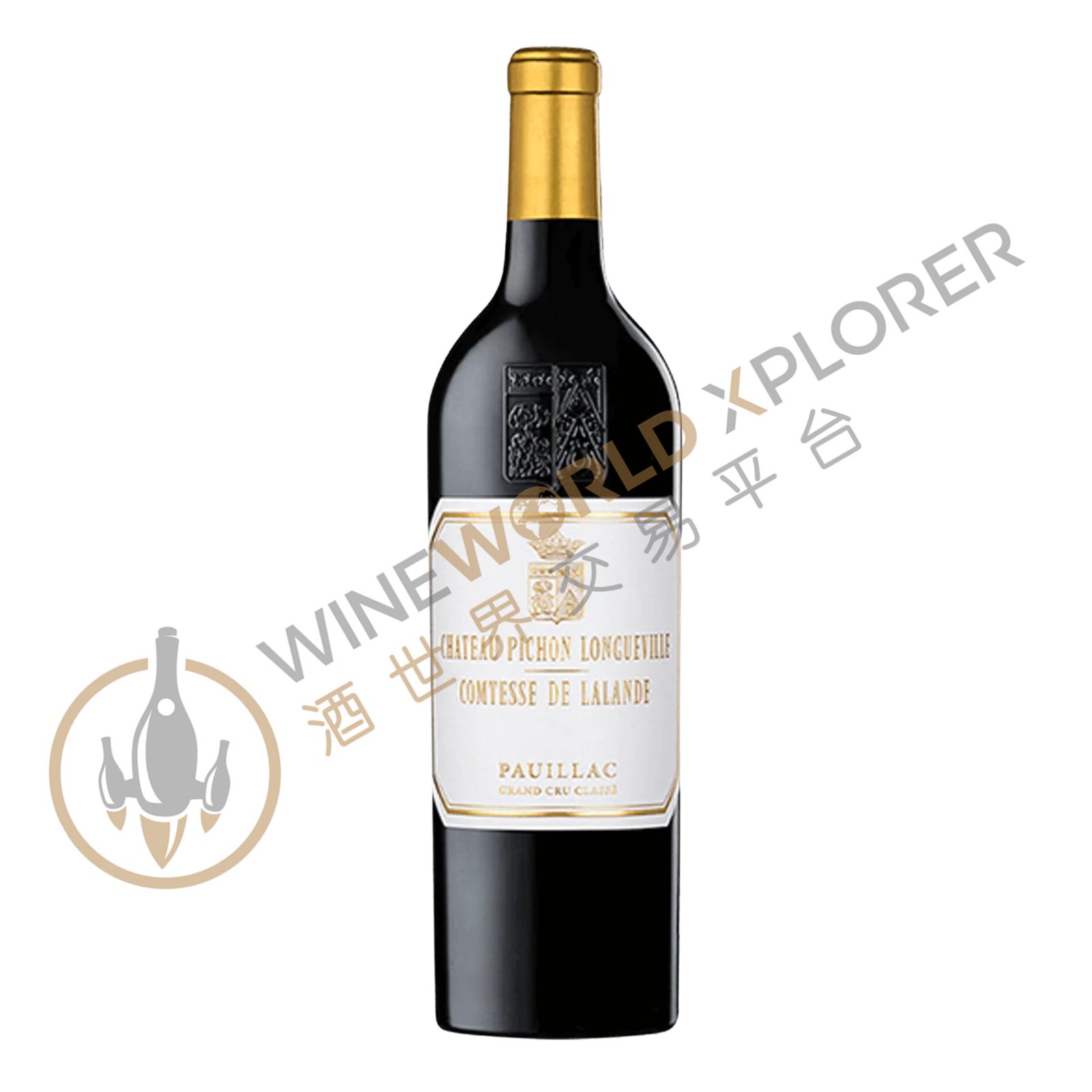
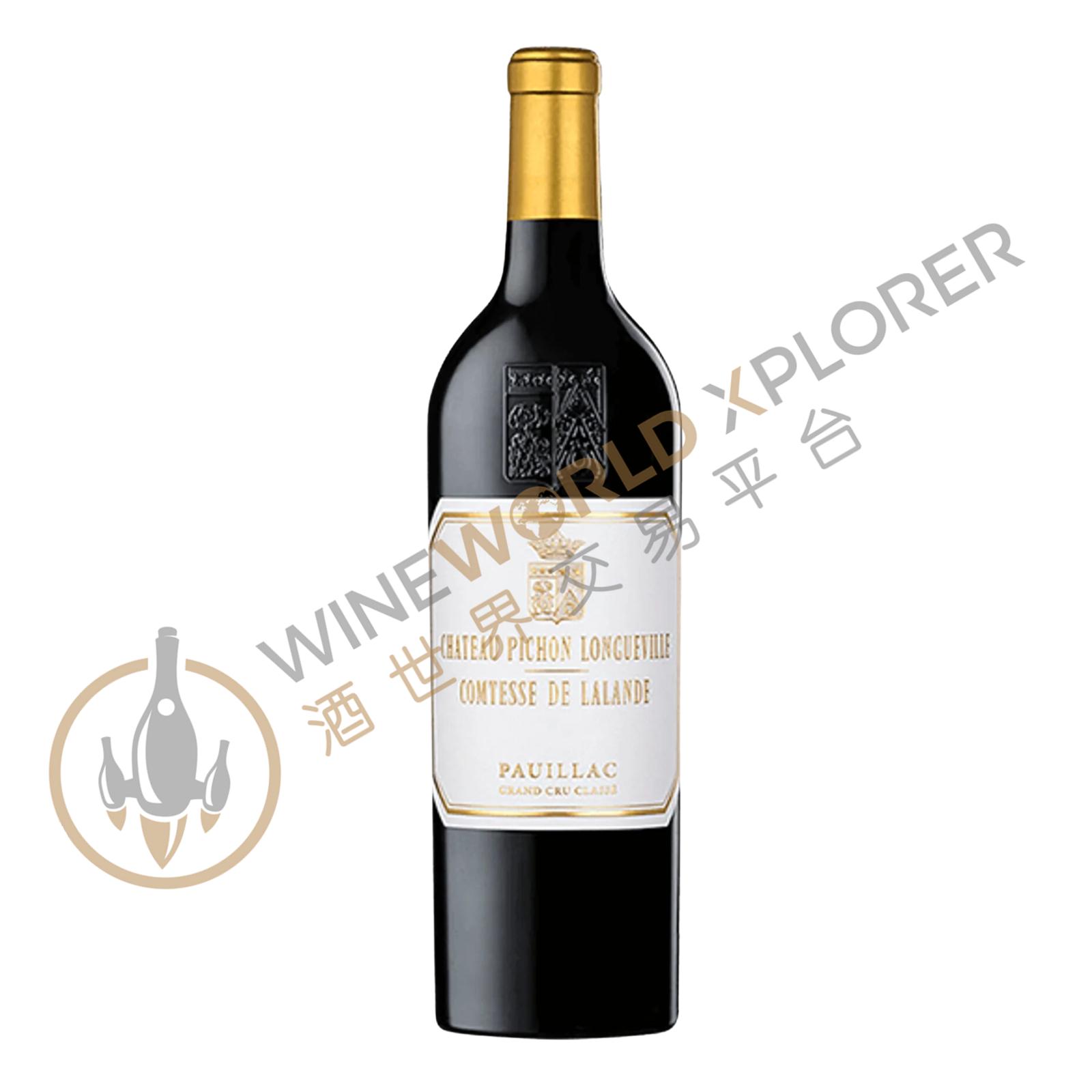
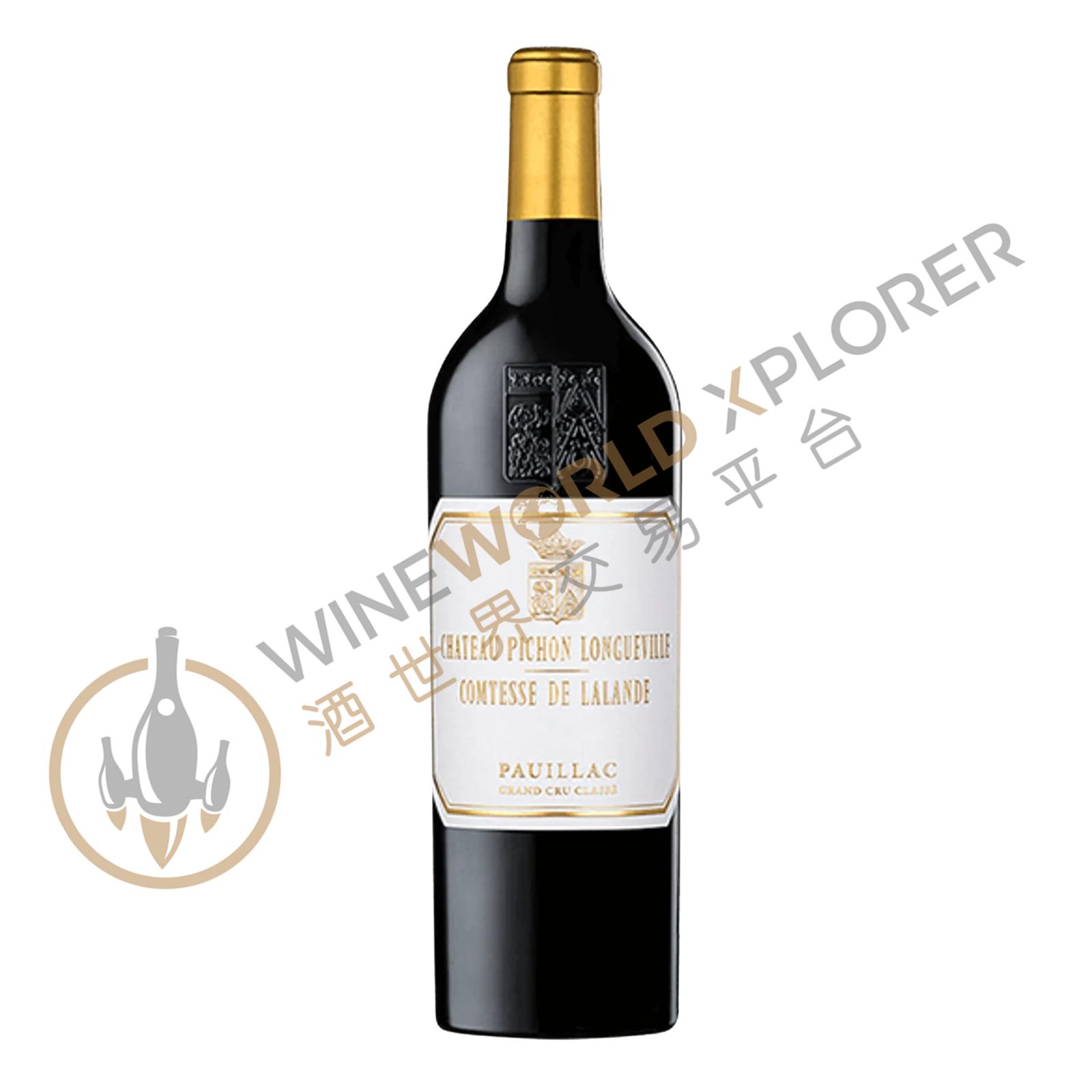
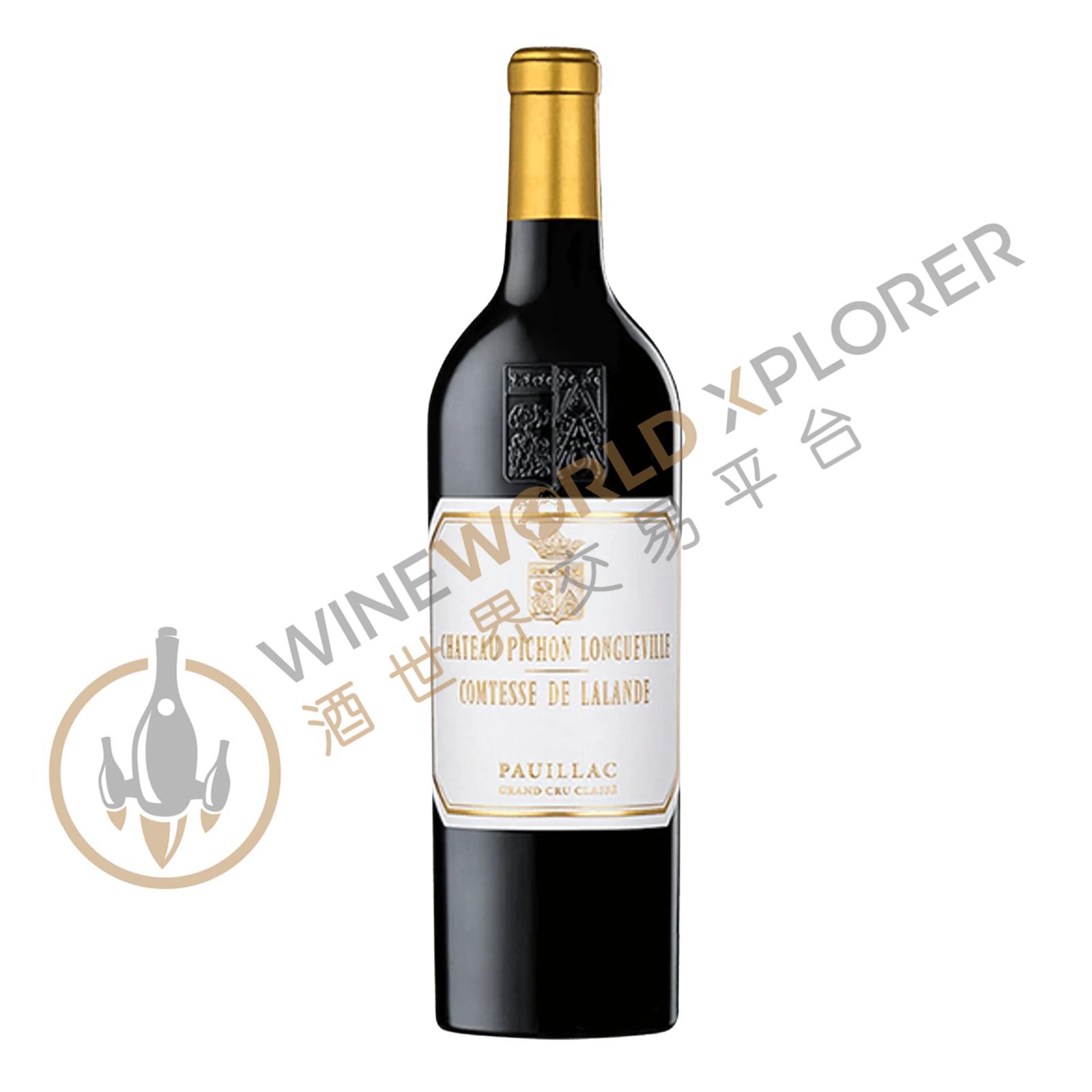
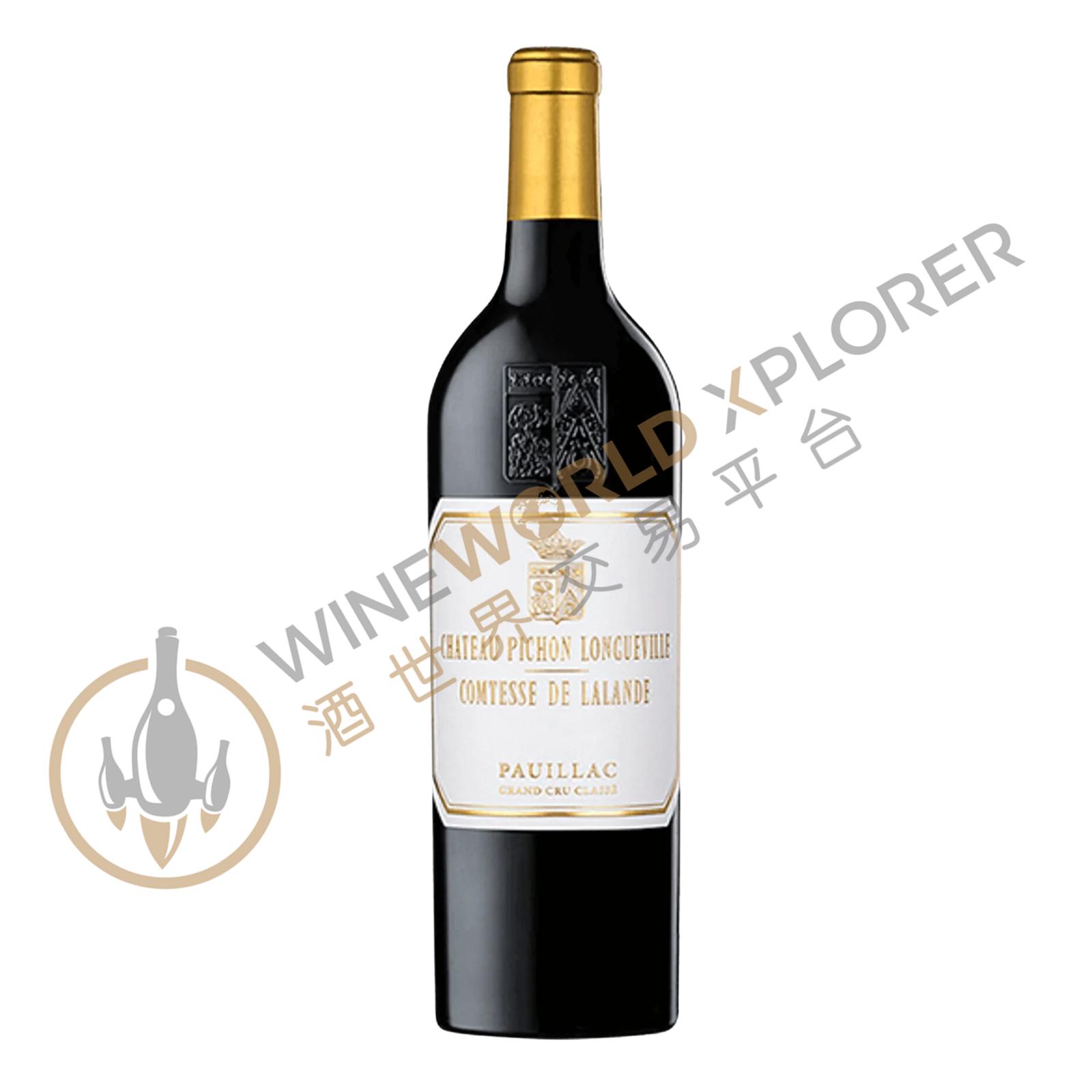
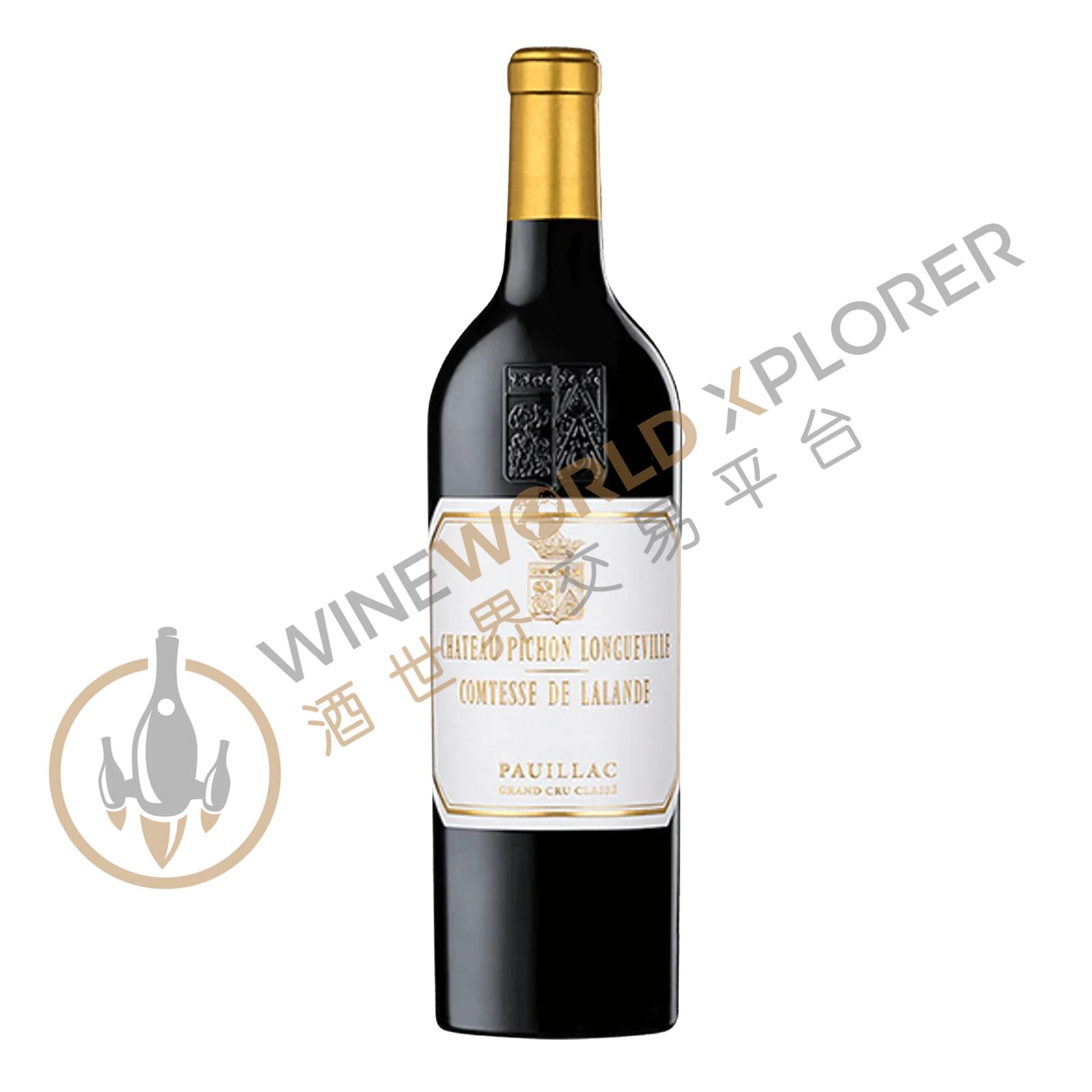
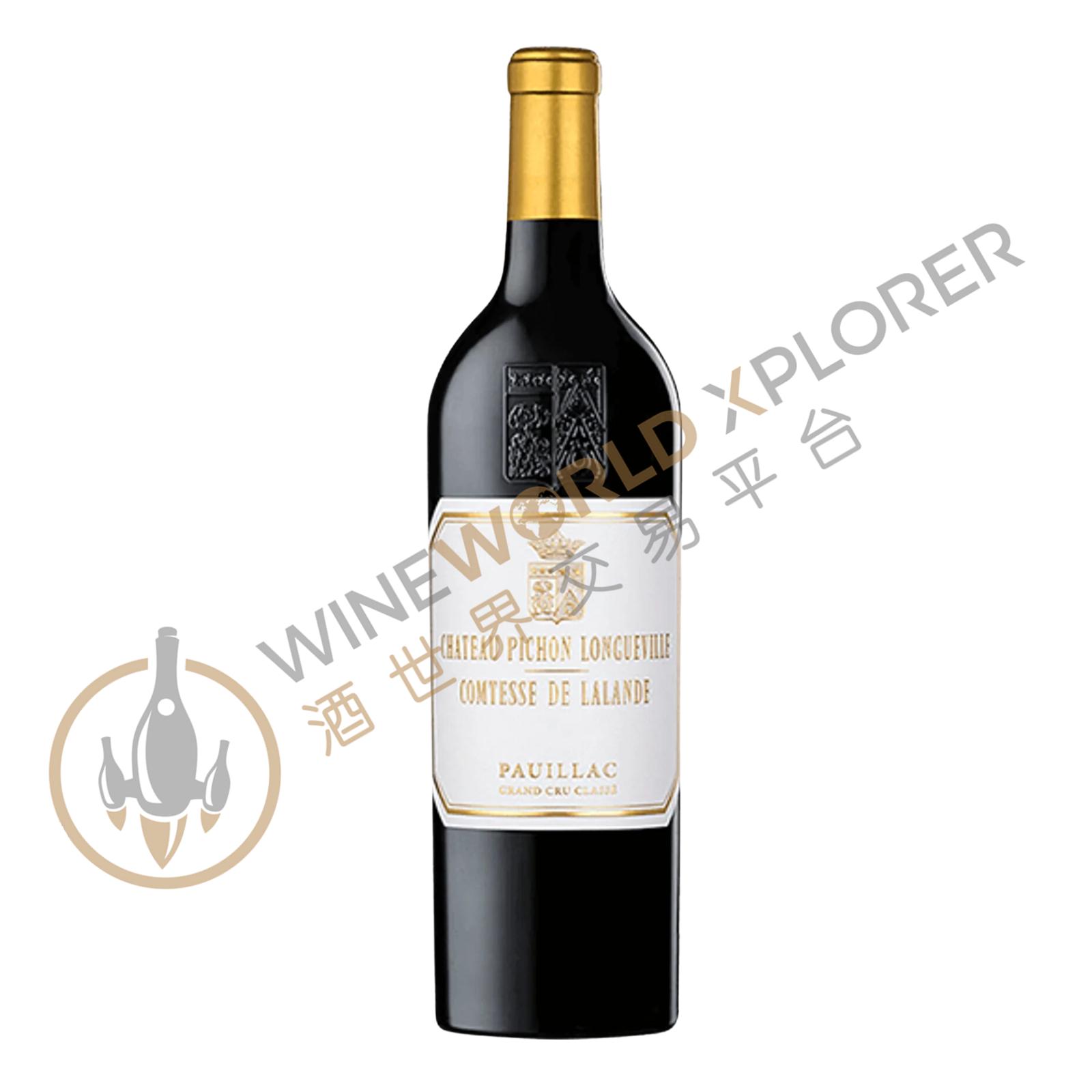
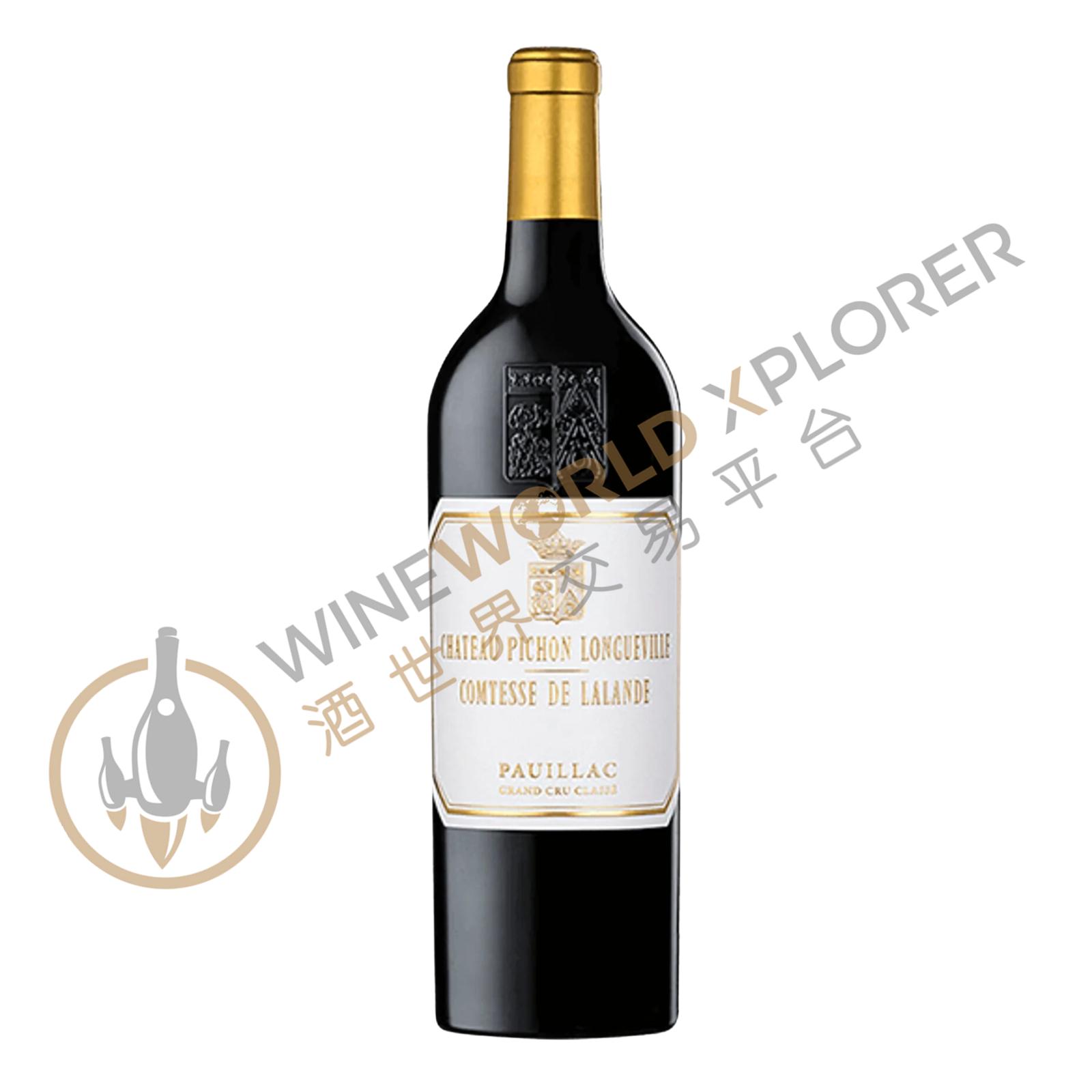
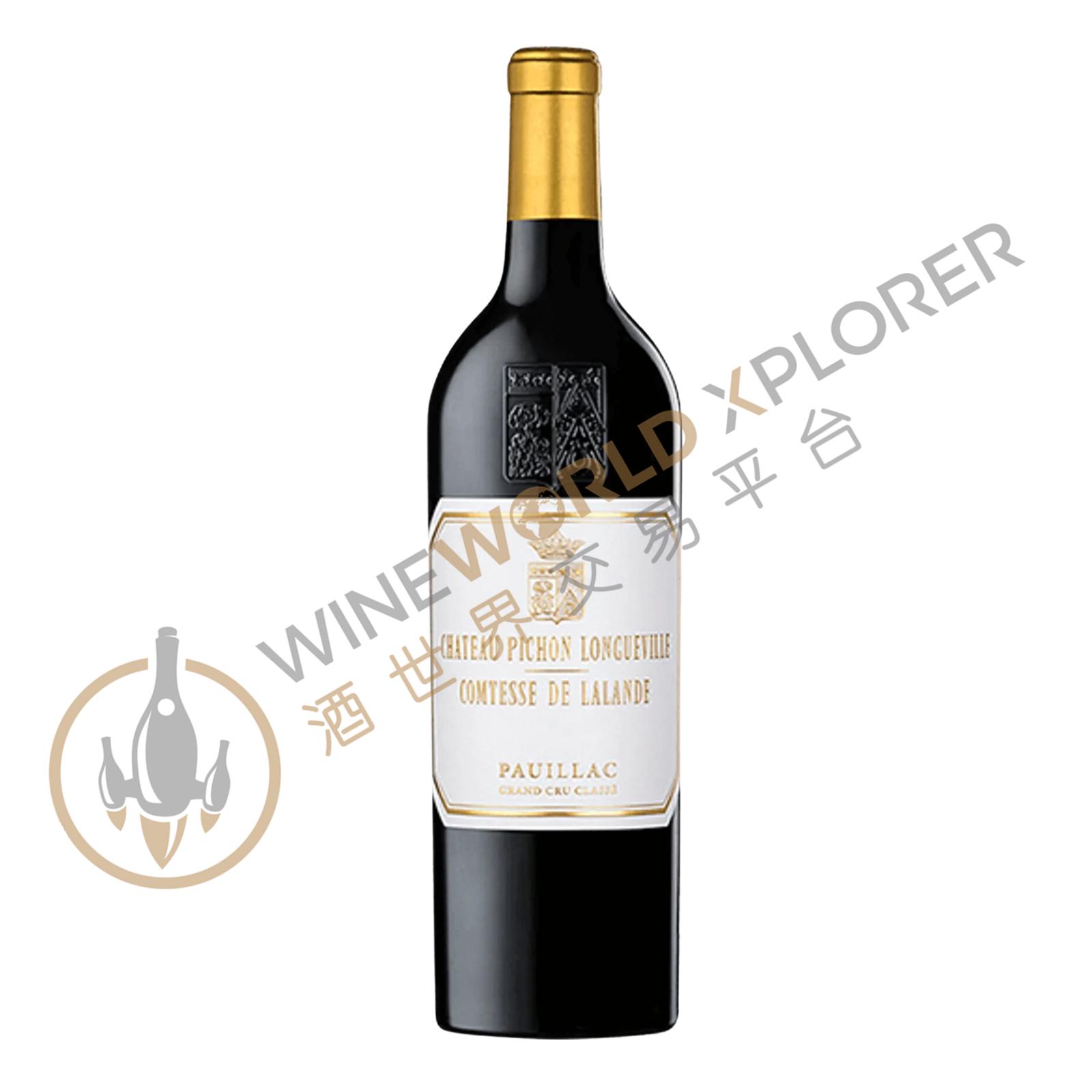
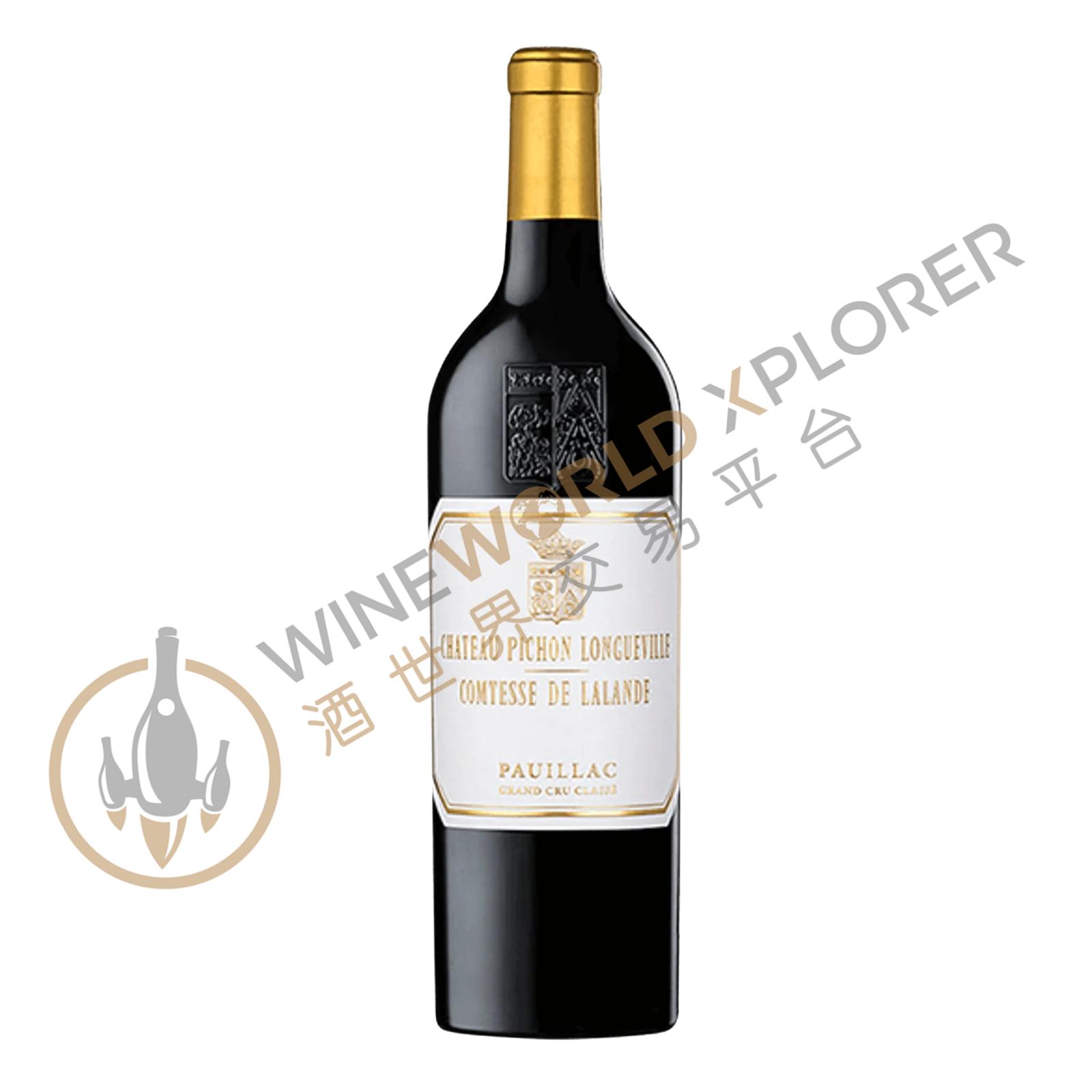
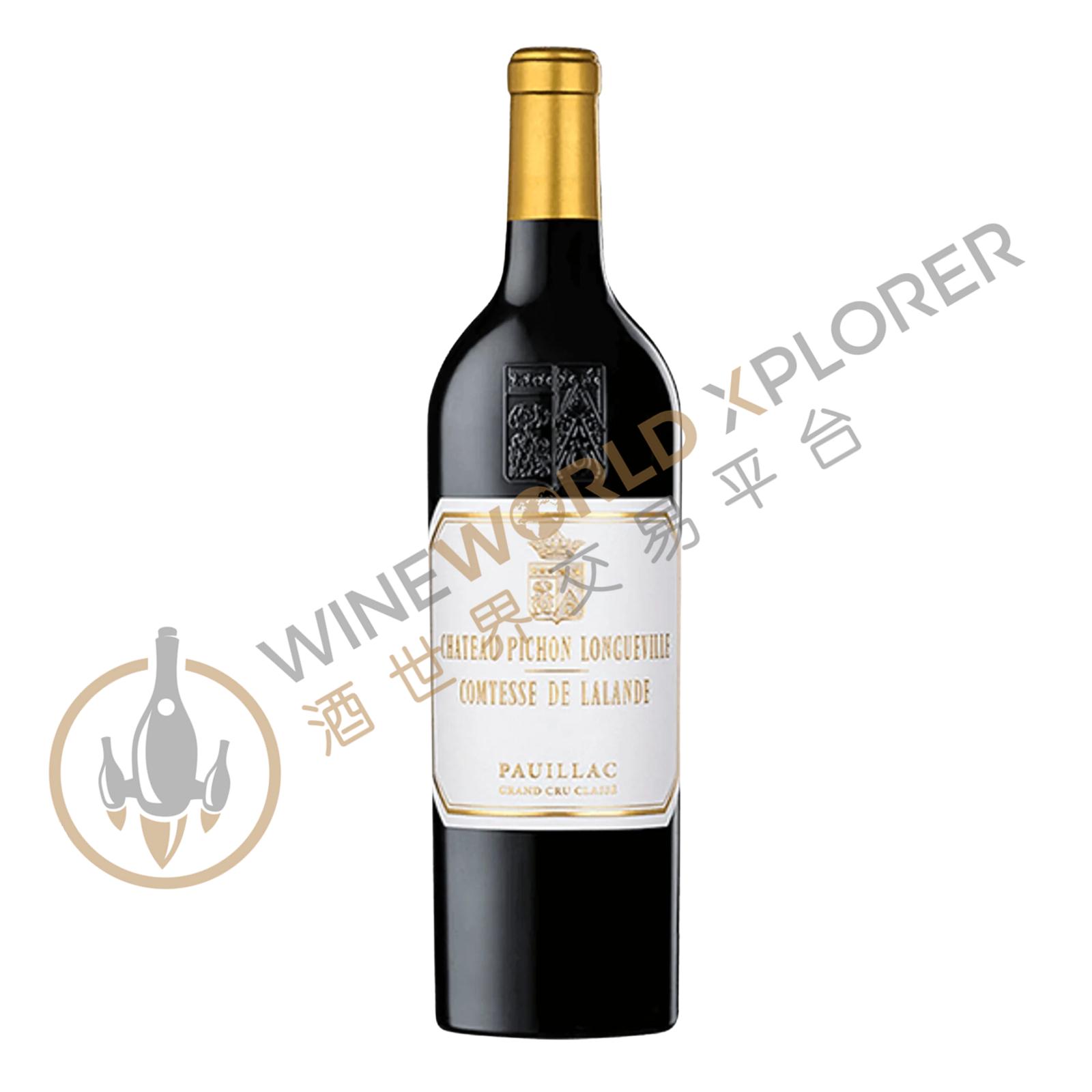
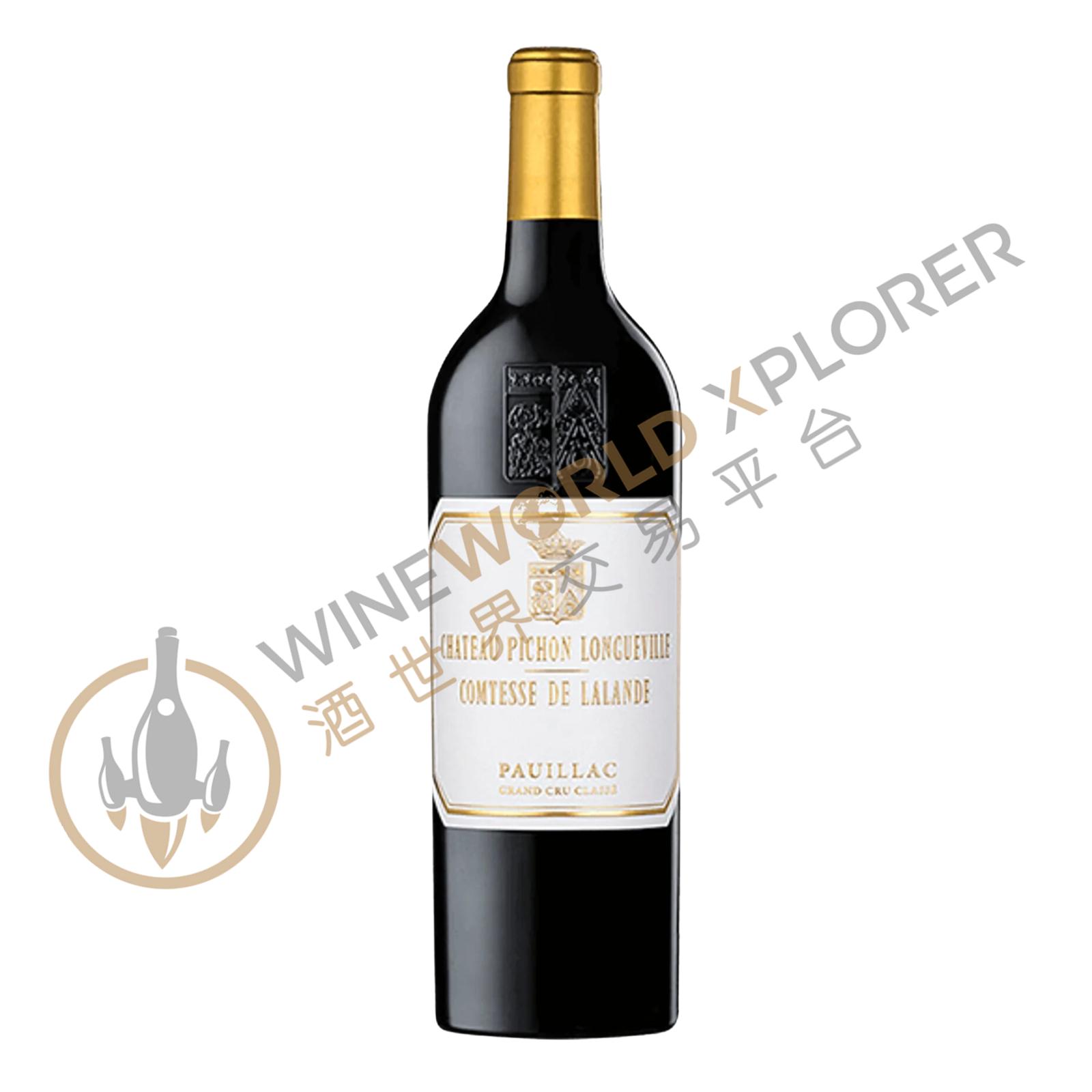
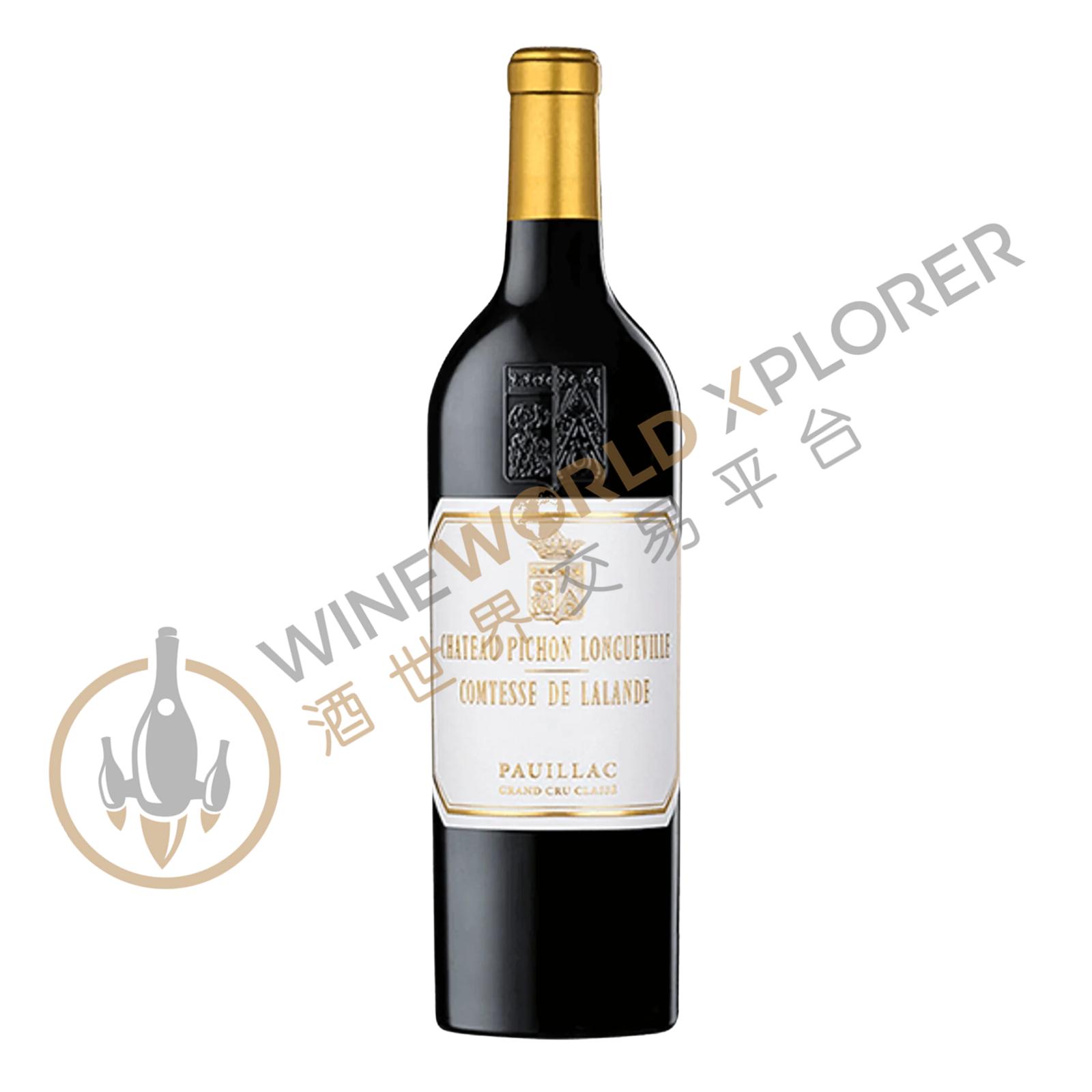
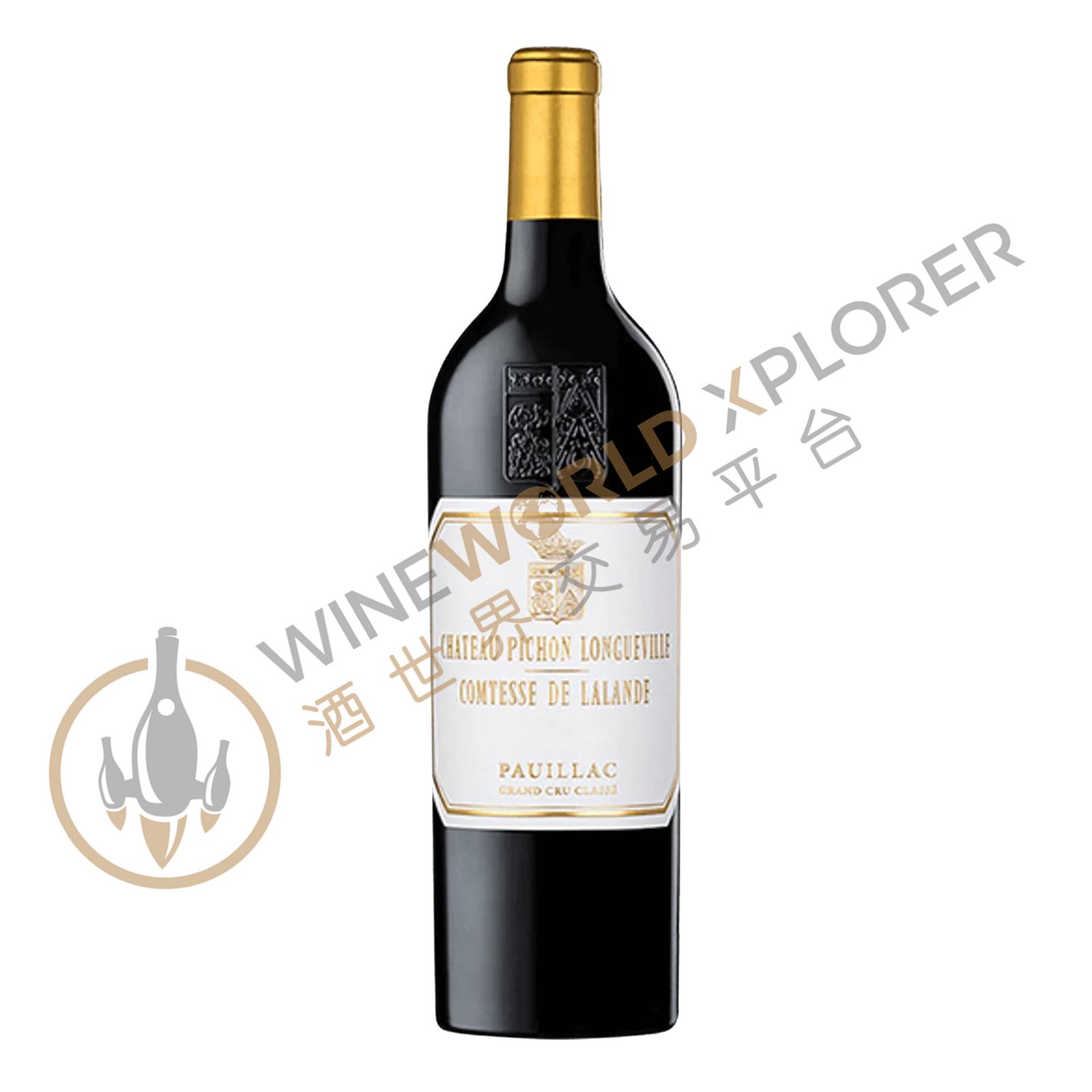
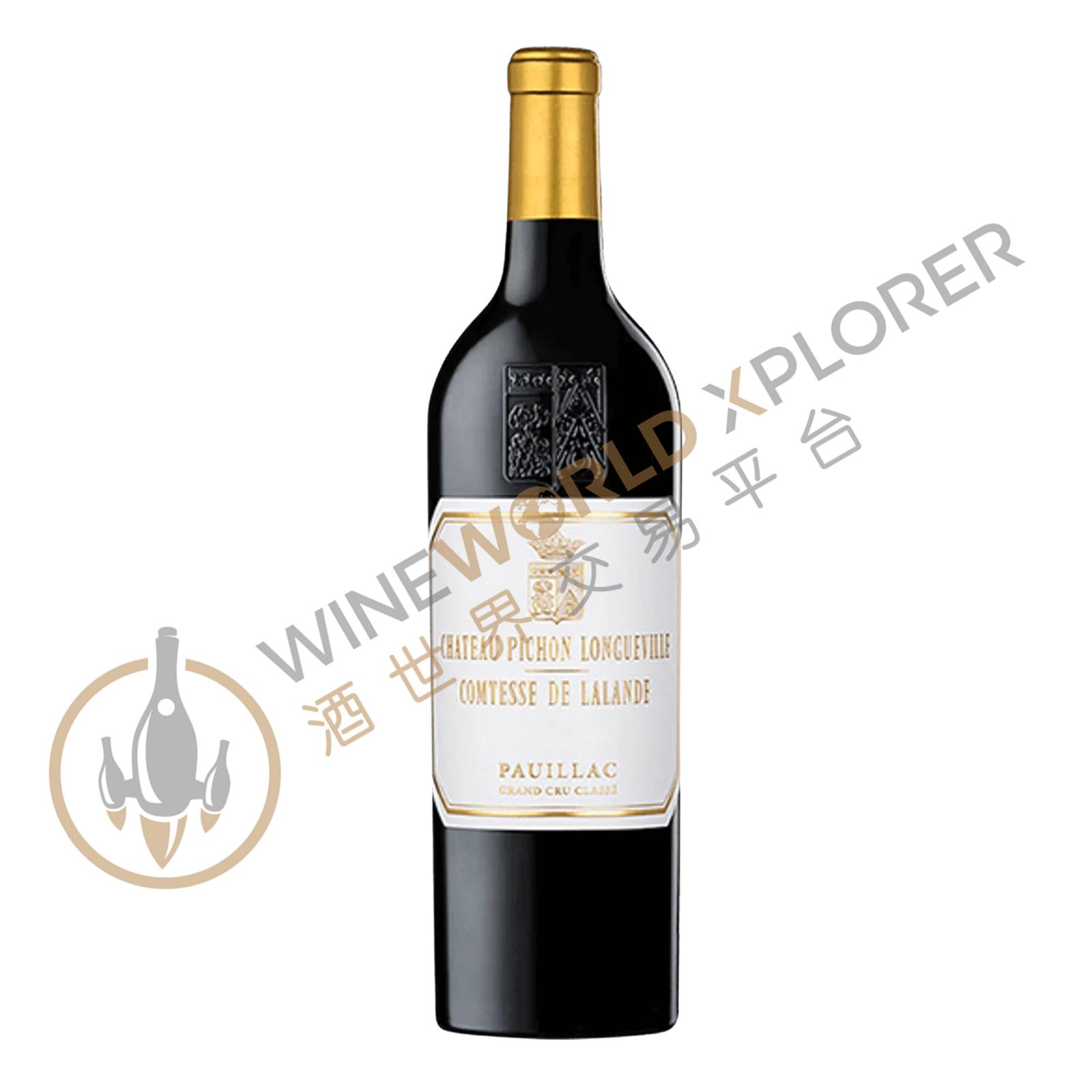
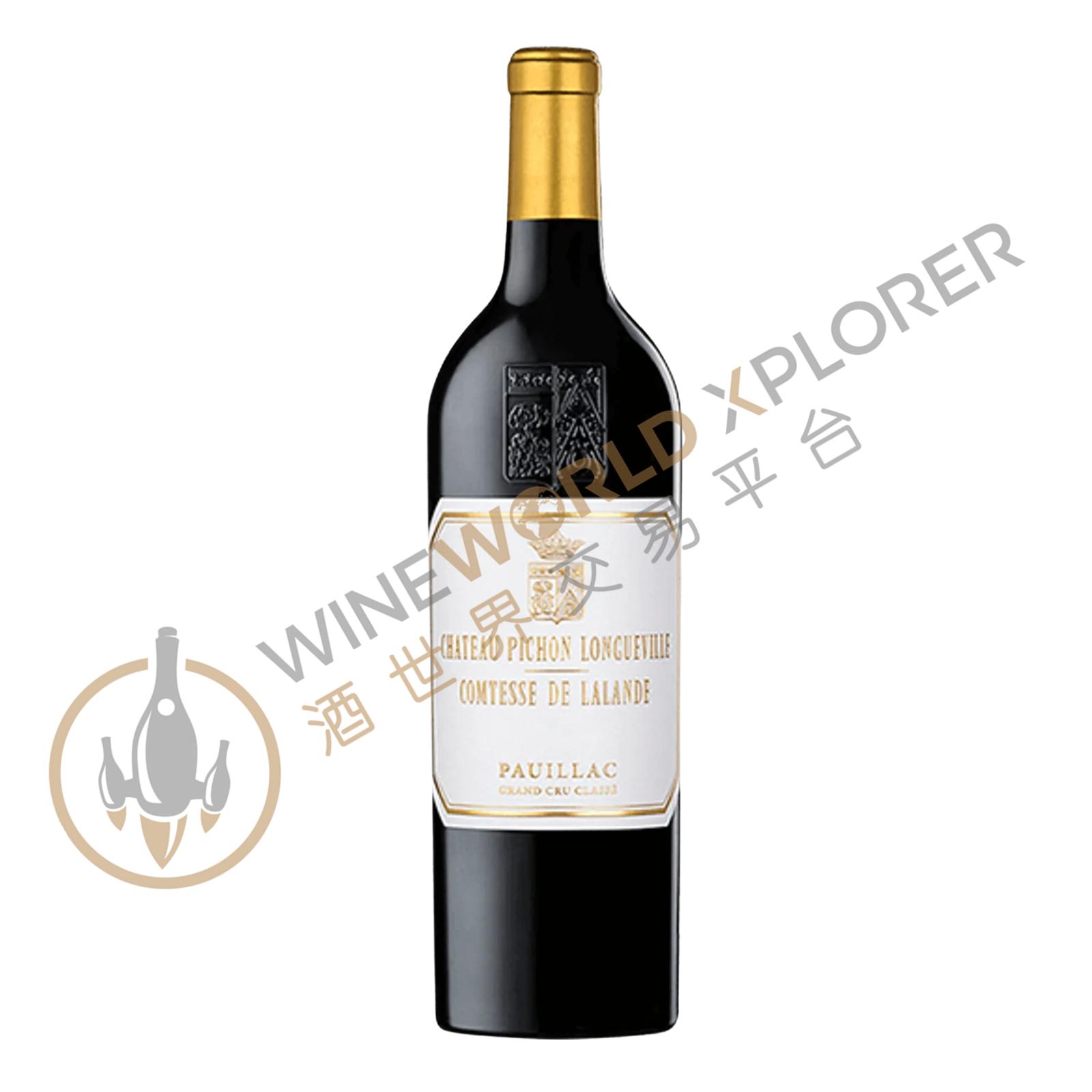
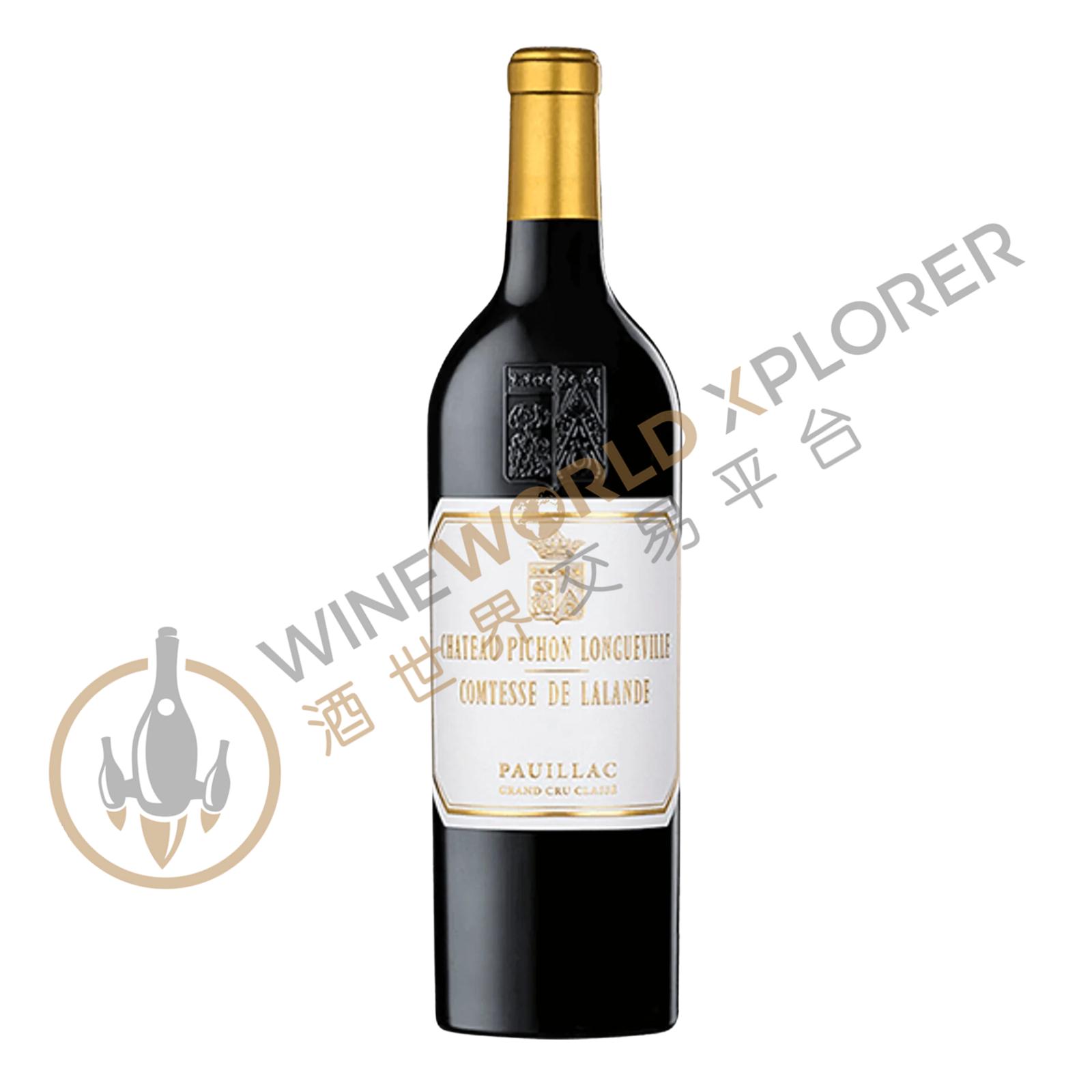
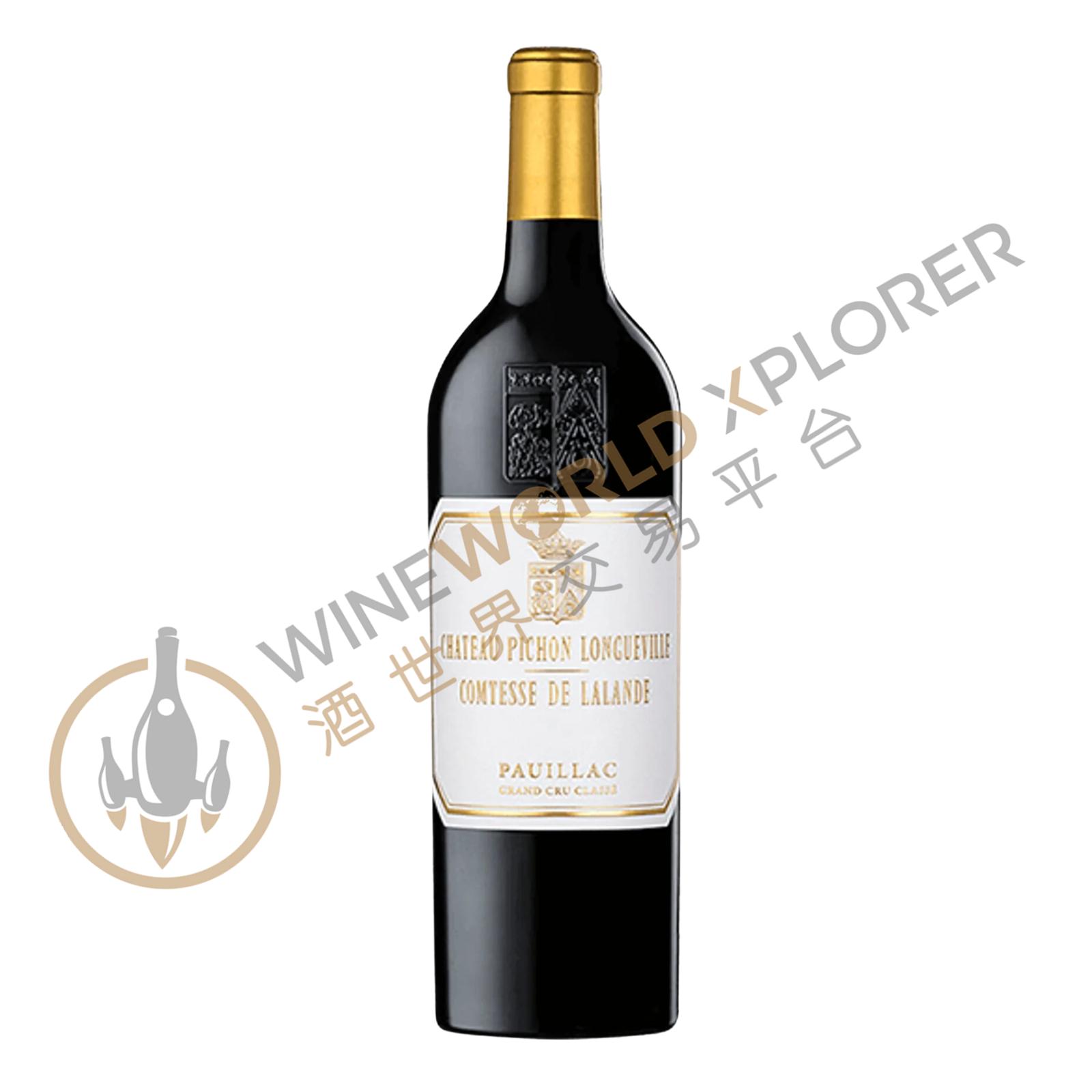
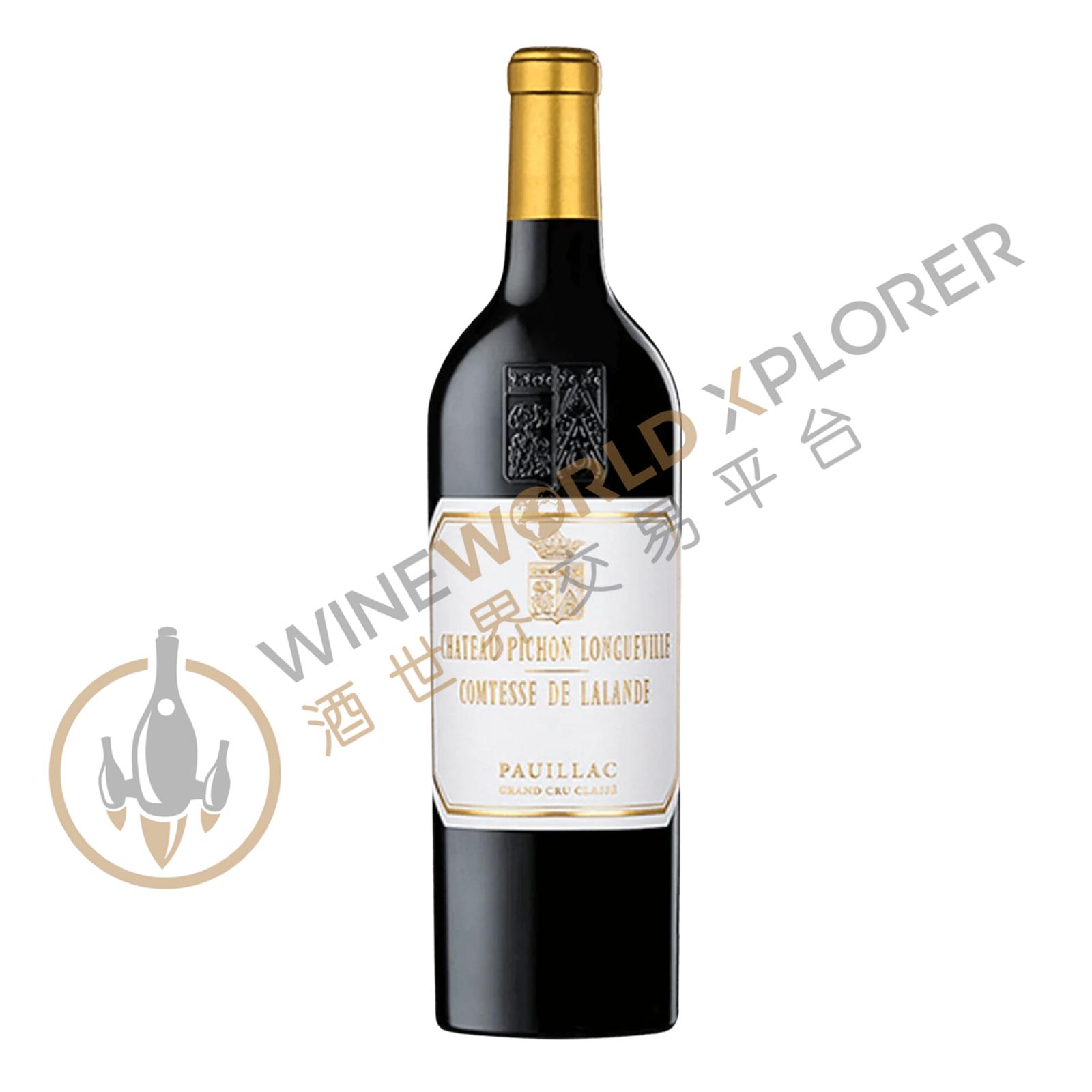
Pichon Lalande 2000
 View analysis


Description
Tasting notes

Reviewed by: Neal Martin
Tasted blind at Bordeaux Index’s 2000 tasting in London. As usual, this Pichon-Lalande is a capricious, vexing Pauillac. Initially I gave it the benefit of doubt, finding that obvious herbaceous quality a quirk that lent it character. However, the longer I leave this and returning to taste it 2-3 times over the course of two hours, that quirk becomes more and more like a weakness, vegetal rather than leafy, a sore that refuses to heal and festers with time. The palate is similarly not easy to pin down. It is attractive in that leafy, autumnal way, but again the longer I leave it in the glass, the more that under-ripeness begins to dominate the entire wine. This is a troublesome Pichon-Lalande. Tasted March 2010.
Reviewed by: Neal Martin
Tasted at Roberson’s Pichon Lalande/Pichon Baron vertical. The millennial Pichon Lalande remains a perplexing Pauillac. The nose is very pinched with a slightly metallic element that seems to subdue the fruit. The palate is medium-bodied with light, slightly piquant red-berried fruit with tart cherries to the fore, but where is the weight on the finish? Perplexing. Tasted September 2010.
Reviewed by: Robert M. Parker, Jr.
The 2000 Pichon-Longueville Comtesse de Lalande is spectacular, and certainly a noteworthy rival to the 1996, 1995, and even the extraordinary 1982. A blend of 50% Cabernet Sauvignon, 34% Merlot, 10% Petit Verdot, and the rest Cabernet Franc, this effort has a dense saturated purple color, a singular/distinctive yet possibly controversial aromatic smorgasbord existing of creme de cassis, vanilla, and violets, but also tapenade and tree bark. No doubt the Petit Verdot has imparted a certain almost olive-like component to the wine's aromatic profile. In the mouth, it is a wine of extraordinary density, opulence, great presence, and richness. As the 2000 sits in the glass, notes of lavender and melted licorice emerge along with the distinctive tapenade aromas interwoven with creme de cassis, espresso roast, and cedar. The wine is full-bodied, with extraordinary purity and a tremendous texture. I suspect this wine will be relatively approachable young but evolve effortlessly. This is a dramatic, almost flamboyant style that is not classic Pauillac in one sense, but a classic wine. Anticipated maturity: 2007-2025.
Reviewed by: Robert M. Parker, Jr.
A dramatic effort, the 2000 is a blend of 50% Cabernet Sauvignon, 34% Merlot, 6% Cabernet Franc, and a whopping 10% Petit Verdot. Only 40% of the harvest made it into the grand vin. Its dense purple color is followed by fabulous aromas of creme de cassis intermixed with roasted espresso, violets, and toast. It has a superb entry on the palate, full body, an opulent texture, silky tannin, and a finish that lasts for nearly a minute. This stunning wine will provide unreal drinking early on, but age for three decades. Bravo! Anticipated maturity: 2005-2025.
Reviewed by: Neal Martin
Tasted at the Fine Wine Experience’s Pichon-Lalande vertical in London. The millennial Pichon Lalande has a very deep garnet core with thin crimson rim. As always, I just cannot get away from that greenness on the nose, which I think comes for some under-ripe Petit Verdot (10% of the blend.) The palate is medium-bodied, quite tight and youthful, less generous than I expected and again, that greenness marring the overall effect. There is a sour cherry note developing towards the finish that turns abrasive with time. Moderate length. Perhaps like the 1990, this is a vintage where they dropped a safe catch. Tasted December 2008.
Reviewed by: Neal Martin
This is a really difficult one. Tasted four times where the Petit Verdot invariably lent it a tangible stalky quality that is so incongruous with the style of the wine. Only bottles at the chateau seemed fresh and vigorous. At Farr's 2000 in September 2003 it retained that vegetal aroma but had a fine core of pure black Cabernet Sauvignon. Well-defined, good acidity though a bit stalky on the finish. The jury is still out. Last tasted in London in April 2006. A deep garnet core. A decadent nose of scorched earth, tobacco and blackberry, with sloes developing in the glass. The vegetal note receding at last. Very dense and peppery on the extremely backward palate. This seems to be closing up with a very tannic finish. Needs patience.
Reviewed by: Robert M. Parker, Jr.
Sitting next to my former colleague, Pierre Antoine Rovani, at one of the tastings, he commented that he didn’t like the striking green note in the aromatics of this wine, which I didn’t detect at all, and a subsequent bottle at another tasting did not reveal it either. I do think there is a hint of bay leaf and a meatiness to it. In short, I find this to be a spectacular Pichon Lalande. Dense purple in color, with loads of coffee, mocha, creme de cassis, and chocolate notes, this is a somewhat unusual blend of 50% Cabernet Sauvignon, 34% Merlot, and a whooping 10% Petit Verdot, with a little bit of Cabernet Franc. The Petit Verdot certainly gives the wine more of a tapenade, floral note, which I think can be interpreted by some as herbal. This is a rich, opulent, stunning Pichon Lalande that is beginning to drink beautifully, yet should continue to improve for at least another 10-15 years and last 30 or more years.
Reviewed by: Robert M. Parker, Jr.
A formidable effort, Pichon Lalande is one of the superstars of the vintage. The blend of 50% Cabernet Sauvignon, 34% Merlot, 10% Petit Verdot (from vines planted in 1932), and 6% Cabernet Franc has resulted in a spectacularly complex, rich wine. The 2000 offers an intensely spicy, blackberry, cassis, and smoky-scented perfume with hints of espresso, barbecue spice, and cedar. Enormously rich on the attack, with some smokiness, superb purity, high but sweet, ripe tannin. Powerful for this estate, yet with perfect harmony and purity, it will be drinkable between 2004-2030. Bravo!
Reviewed by: Neal Martin
The 2000 Pichon Longueville Comtesse de Lalande has a strong minty bouquet that perhaps slightly overwhelms the terroir expression. I believe this comes from a high proportion of Petit Verdot (14%) that would have probably been eschewed nowadays. The palate is medium-bodied with intense black plummy fruit mixed with graphite and sage. This is a muscular though enjoyable Pichon, dense and almost brawny toward the finish, but what is missing is a sense of elegance and precision. Just a touch of greenness shows on the finish (in a positive way). A forceful Pauillac that will benefit from decanting.
Reviewed by: Stephen Tanzer
Good full medium ruby. Rather wild aromas of plum, black raspberry, lead pencil, tobacco, minerals and roasted game. Sweet, thick and complex, with very ripe, mellow flavors of black raspberry, truffle, roasted herbs, espresso and tobacco. Will rely more on its firm tannins than its rather soft, harmonious acids for longevity. This very persistent wine may be starting to shut down in the bottle, but it displays the lovely penetrating sweetness of the year.
Reviewed by: Stephen Tanzer
Full medium ruby. More exotic aromas of red fruit coulis, blackberry, roasted cherry, game, leather, chocolate, tobacco and camphor. Opulent, layered and deep, with an almost roasted ripeness and burnished notes of mocha, chocolate and earth. Has plenty of stuffing to support the ripe, building tannins. Very long on the aftertaste. Yields in both 2000 and 2001 were around 45 hectoliters per hectare, according to Do-Chi-Nam.
Reviewed by: Stephen Tanzer
Excellent saturated ruby. Perfumed, complex aromas of blackberry, violet, mint, licorice, cedar, lead pencil and smoky oak. Highly nuanced flavors of black fruits, herbs, flowers and black olive; bright acids give the wine excellent balance. Showing little sign of the new oak today. Finishes firm but suave, with very good grip.
About the Producer
Pichon Lalande is arguably the best known Super Second Pauillac for its quality consistency and quintessential Bordeaux claret expression. Neighbouring Chateau Latour and lying just right opposite Chateau Pichon Baron, Pichon Lalande, as its name suggests, has long seen extended female owner influence since the 1850s. Back in the 1850s, the original Pichon Lalande got broken down into two-fifth being renamed as Pichon Baron and three-fifth remaining as Pichon Lalande upon the passing of Baron Joseph de Pichon Longueville. The three-fifth was run by the three daughters of the Baron himself and over the course of a few years, Pichon Baron and Pichon Lalande took on distinctive styles - with the former being more a masculine expression and the latter, feminine. Female ownership and influence continued, with little interruption, till the modern days. Pichon Lalande's string of female leaders have contributed to the continuous modernization of Pichon Lalande's vineyards and cellars; as well as the doubling of vineyard area during the 1970s - 90s. Today, Pichon Lalande's feminine expression continues to prevail - whilst the team is placed under the leadership of a former opera singer turned winemaker gentleman named Nicolas Glumineau. Conversion to biodynamic viticulture (fully by year 2021), continuous investments in precision winemaking facilities see Pichon Lalande continue to be revered among leading critics. Pichon Lalande is planted to 65% Cabernet Sauvignon, 25% Merlot, 7% Cabernet Franc and 3% Petit Verdot. It is the predominant Cabernet Sauvignon presence in Pichon Lalande's wines that make this wine such a capable representation of Pauillac's deep gravelly terroir.
1928(1)1969(1)1970(1)1977(1)1979(1)1981(1)1982(3)1983(1)1984(1)1985(4)1986(9)1988(4)1989(4)1990(4)1992(1)1993(1)1994(6)1995(4)1996(8)1997(2)1998(6)1999(4)
Package Size
12 x 75cl