Wine Advisor



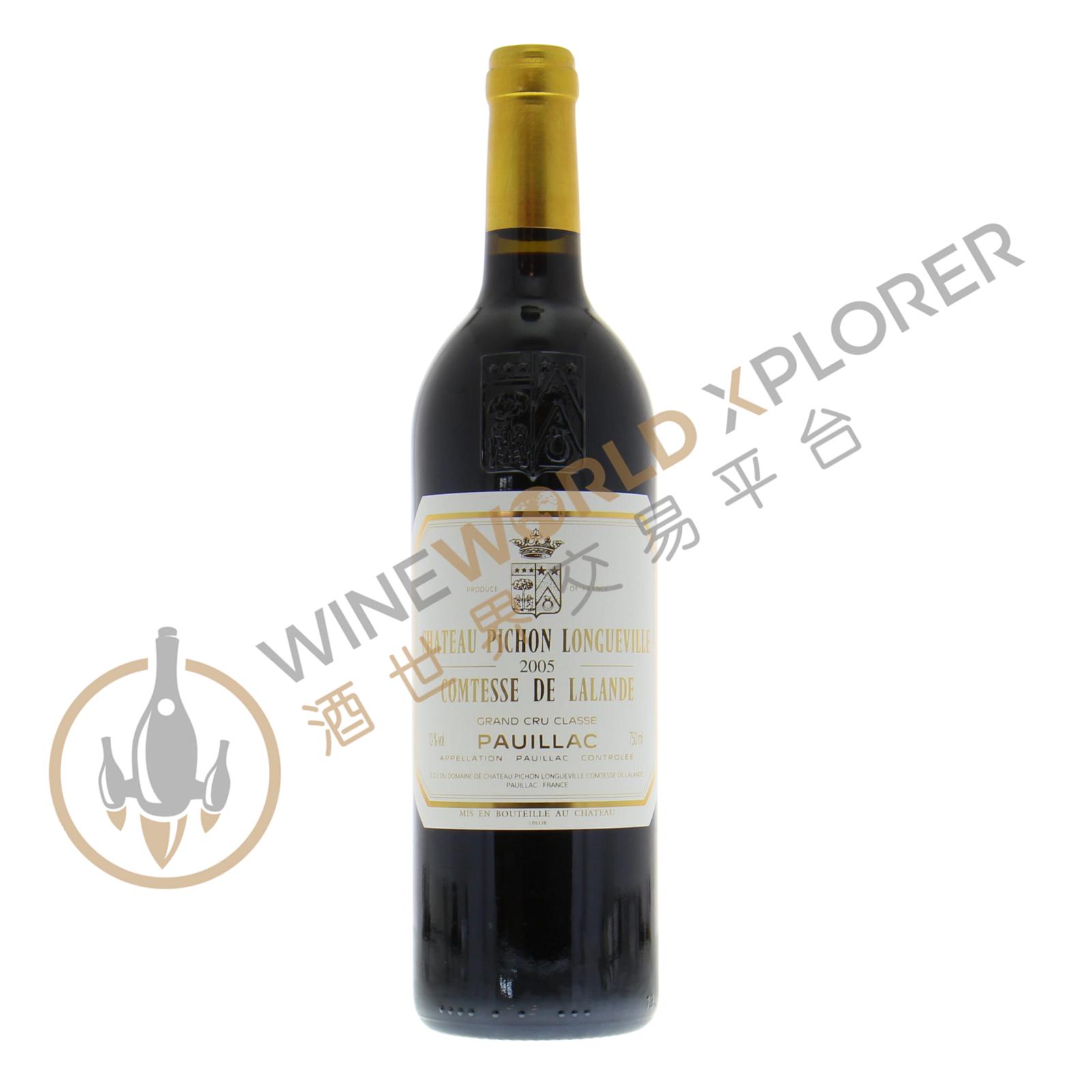
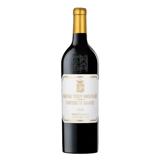
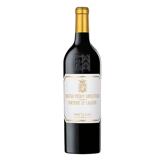
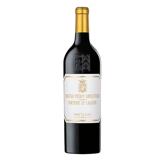
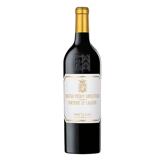
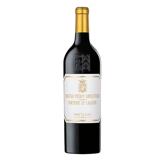
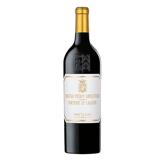
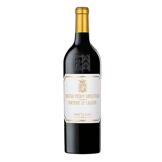
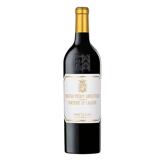
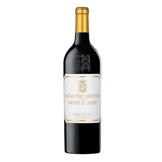
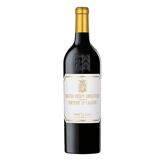
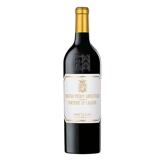
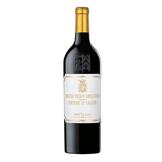
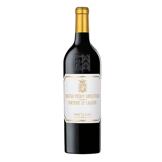
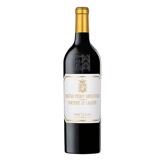
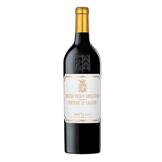
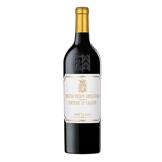
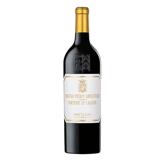
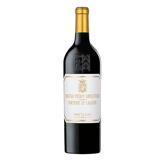
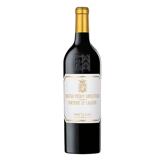
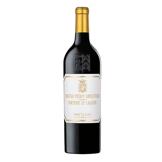
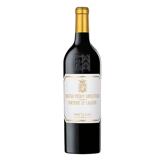
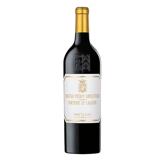
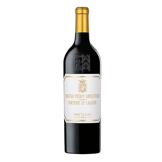
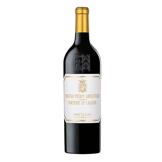
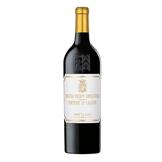
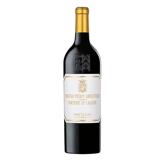
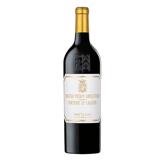
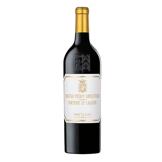
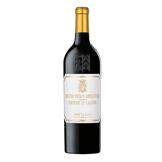
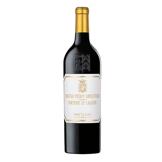
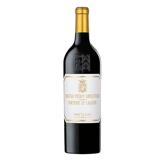
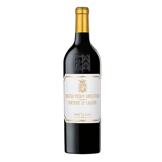
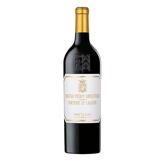
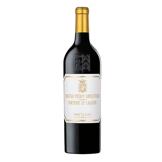
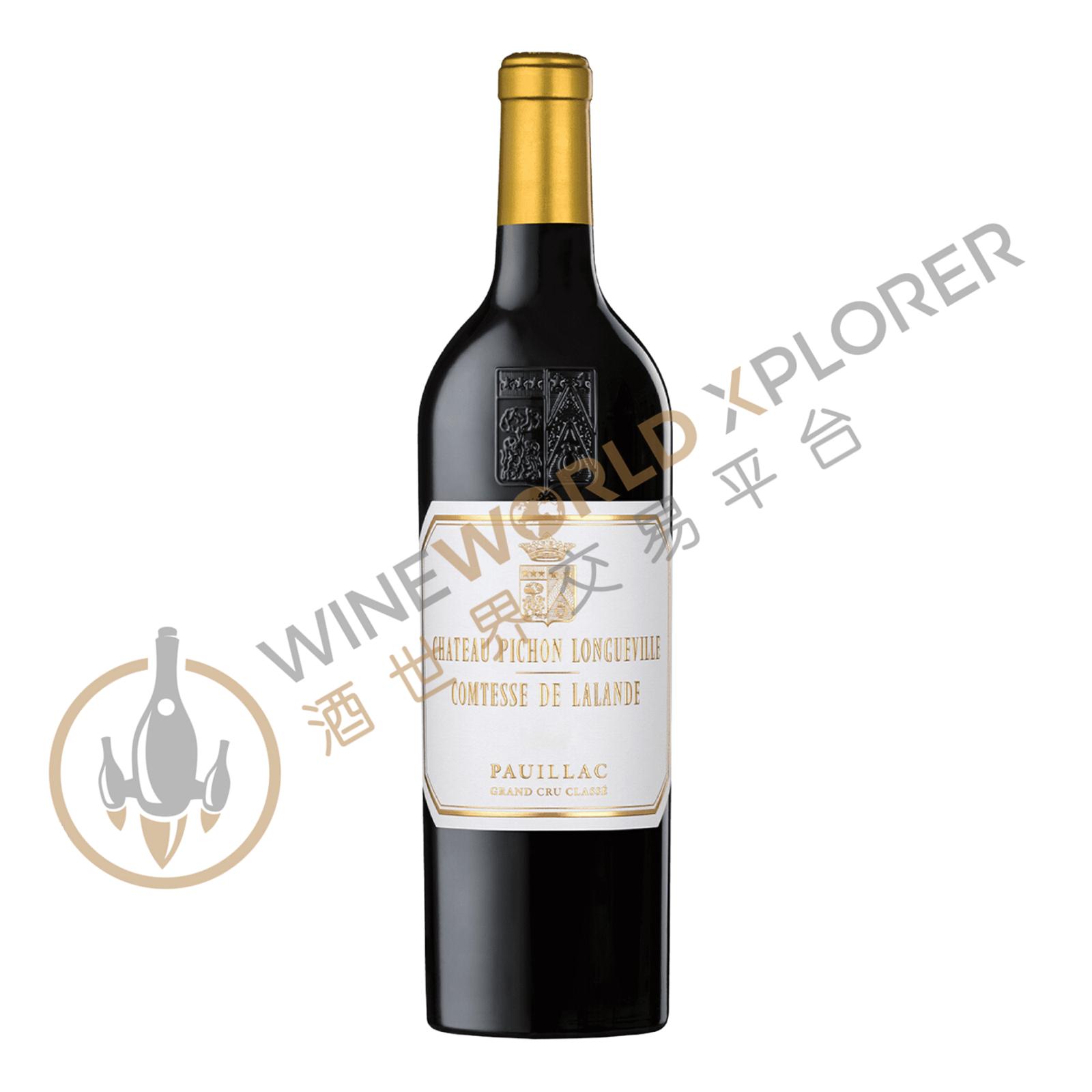
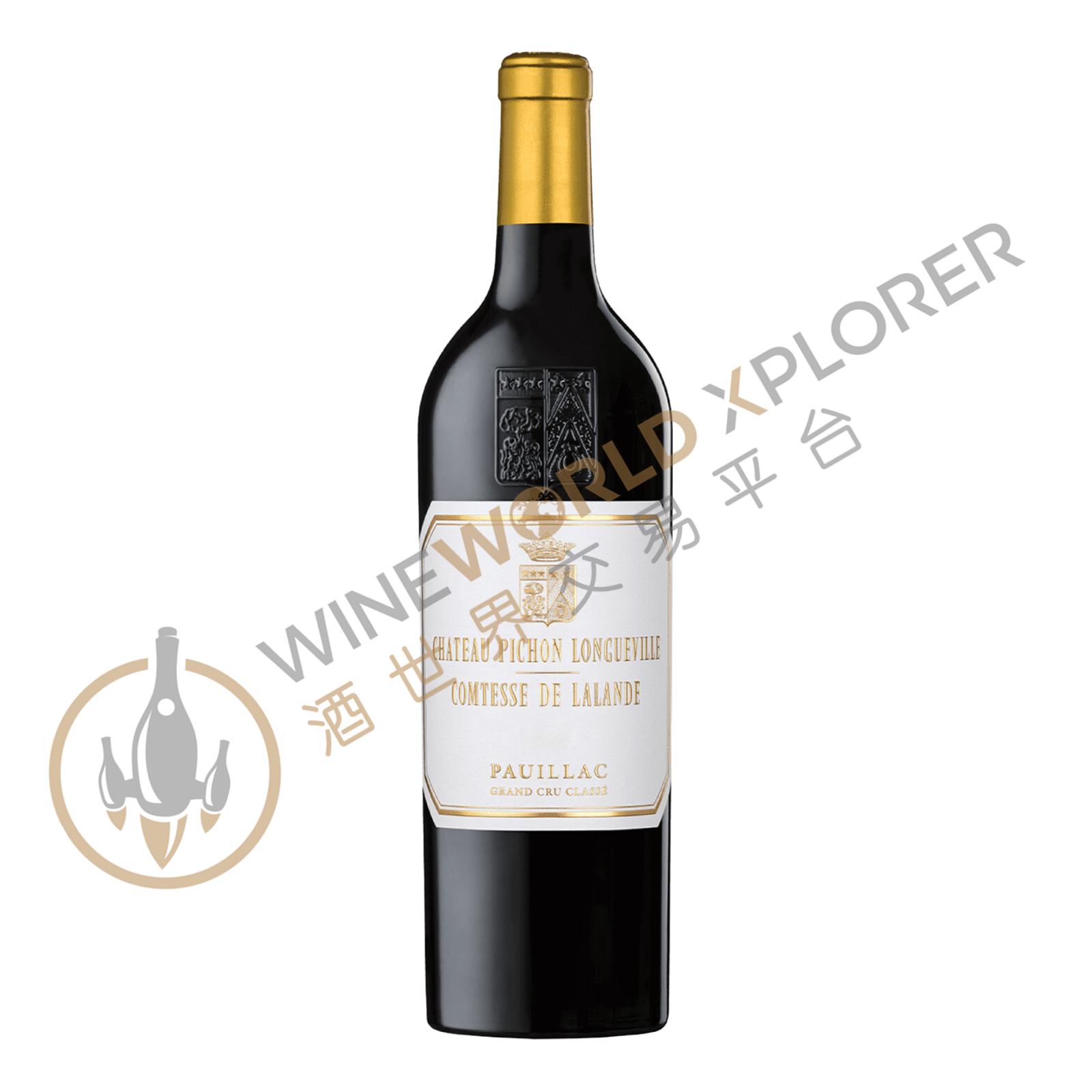
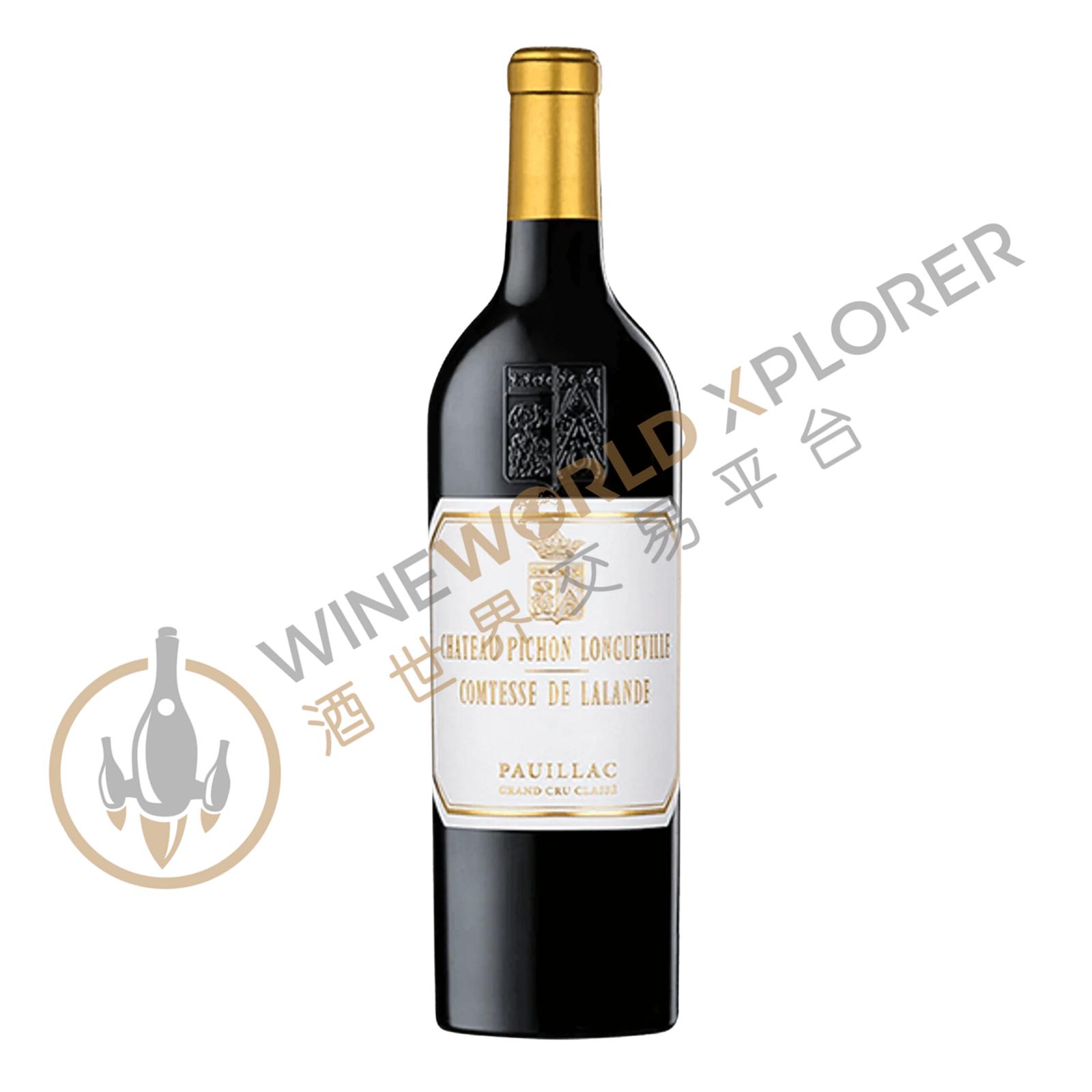
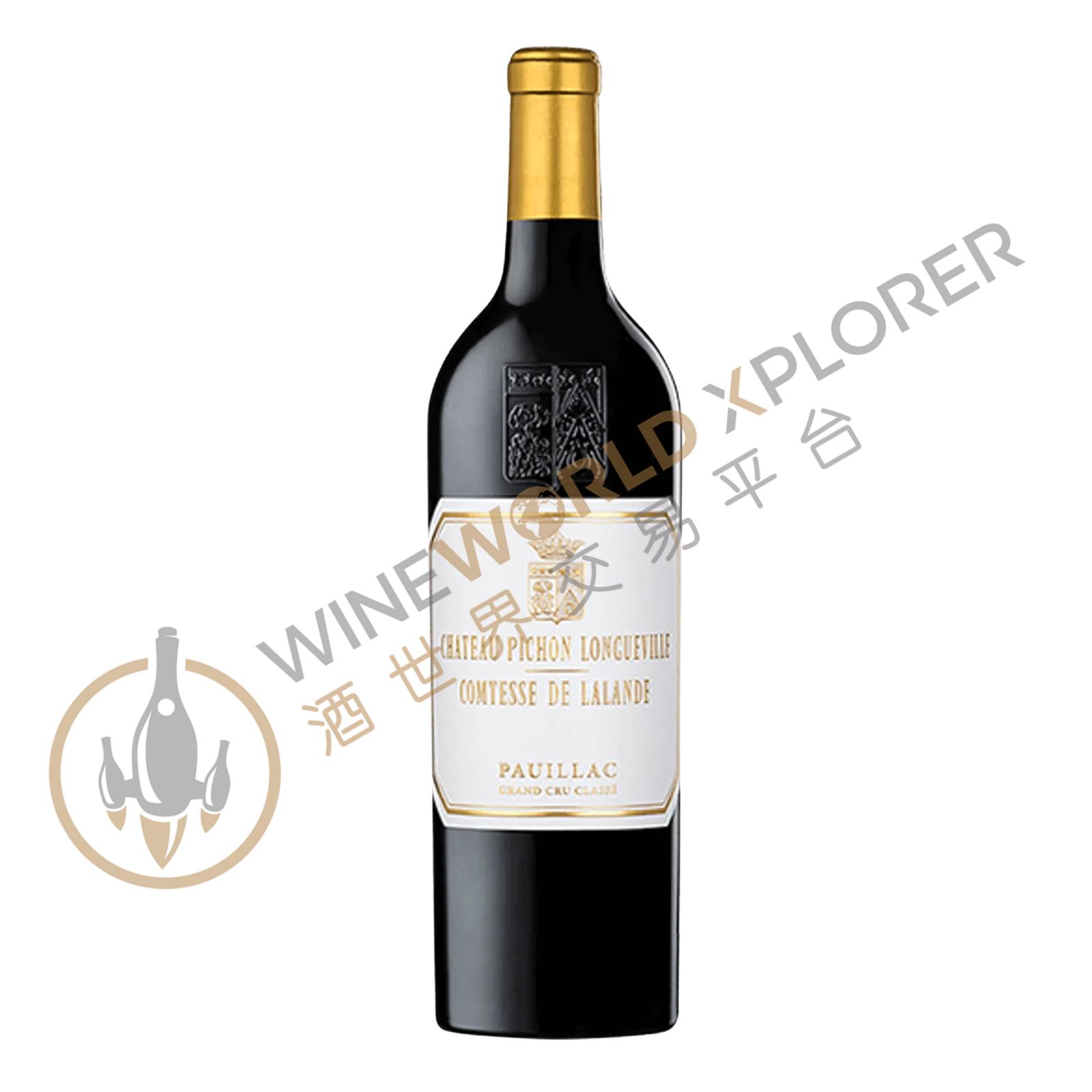
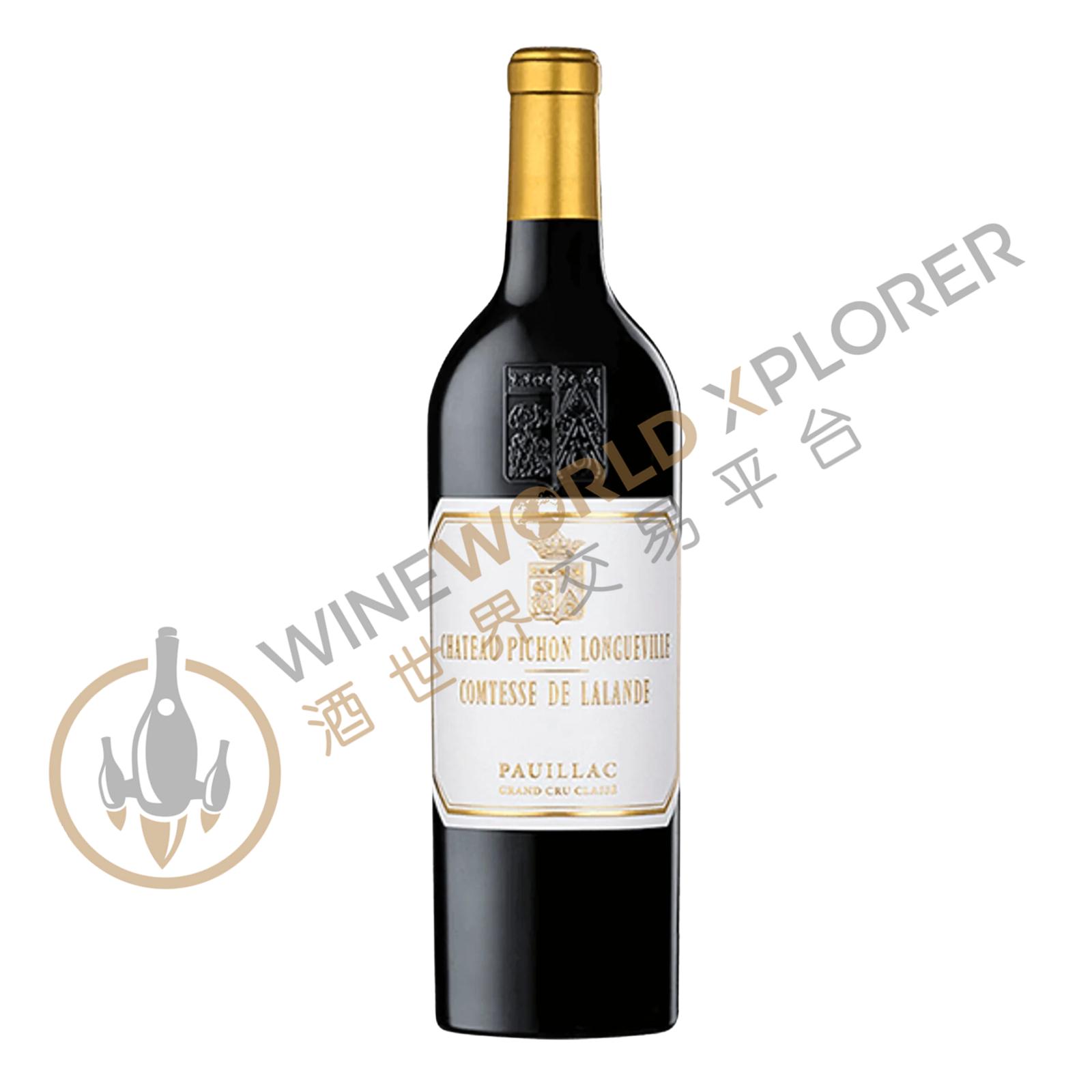
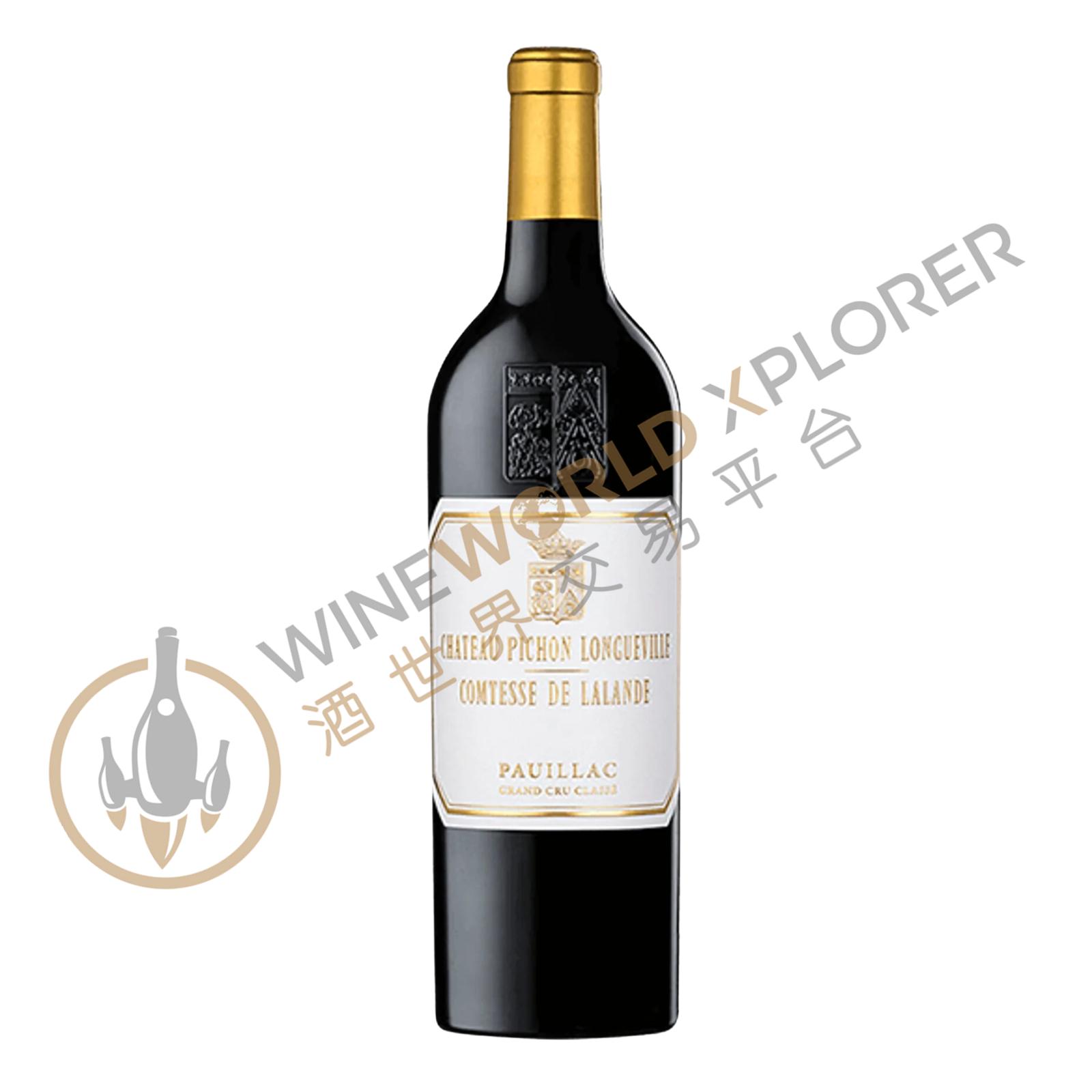
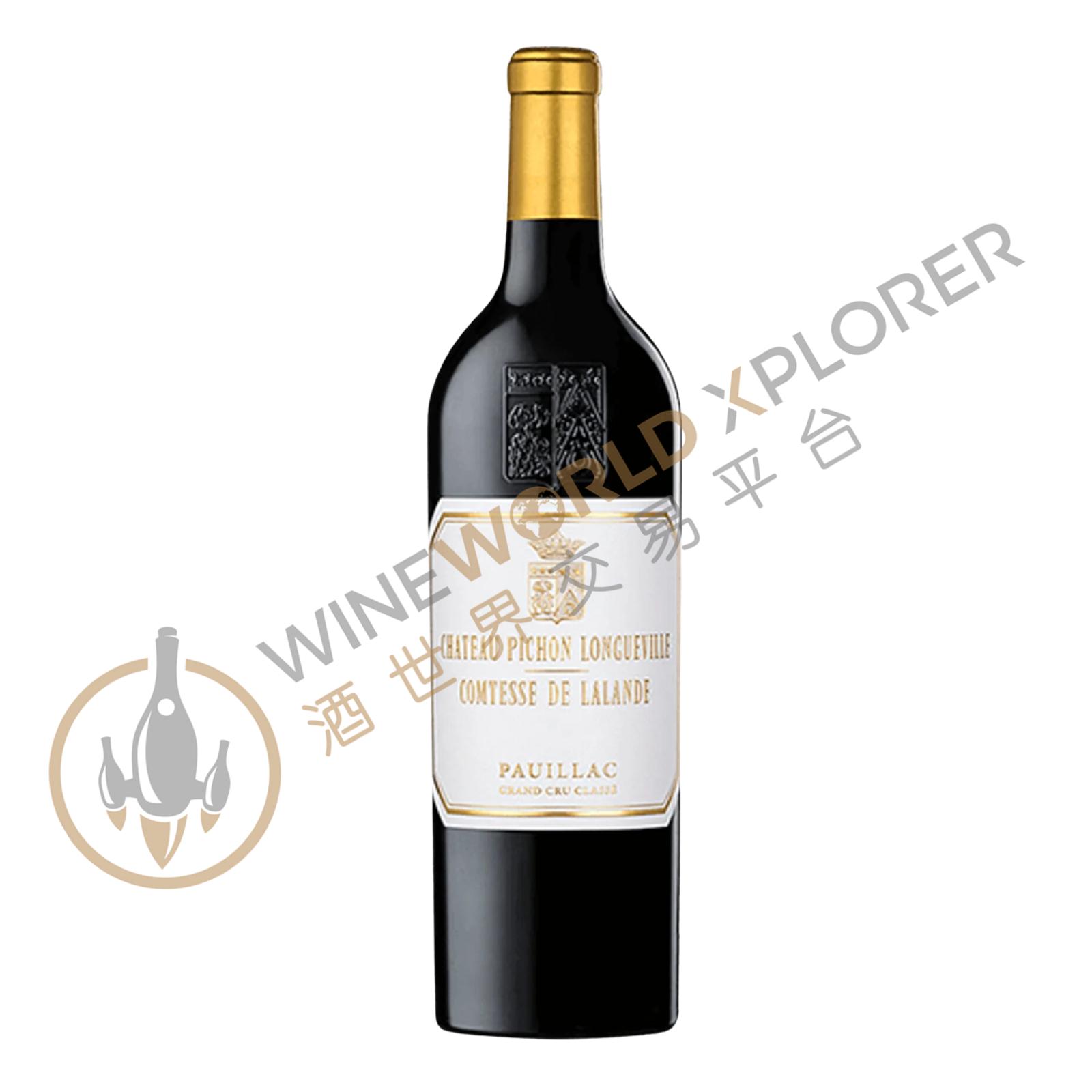
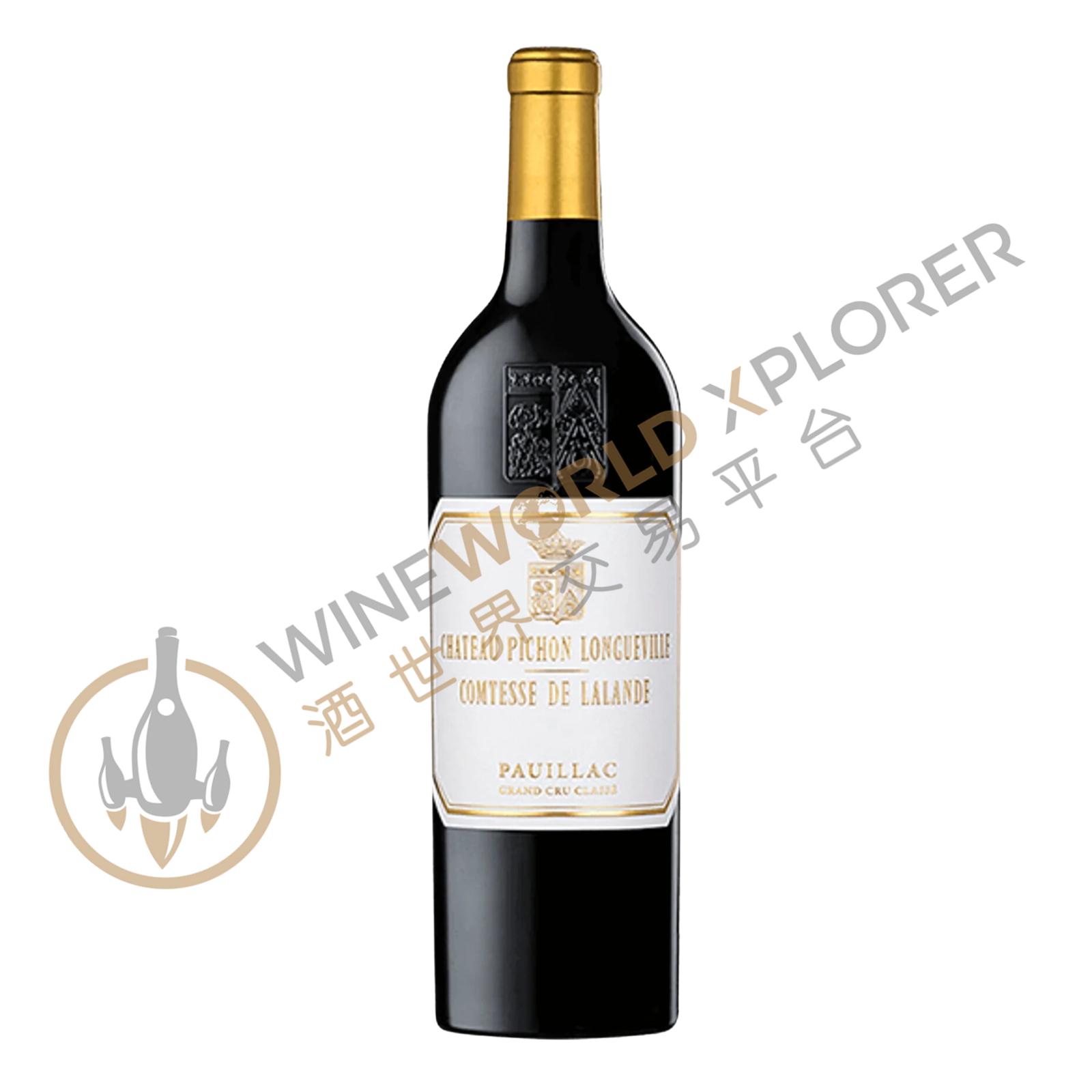
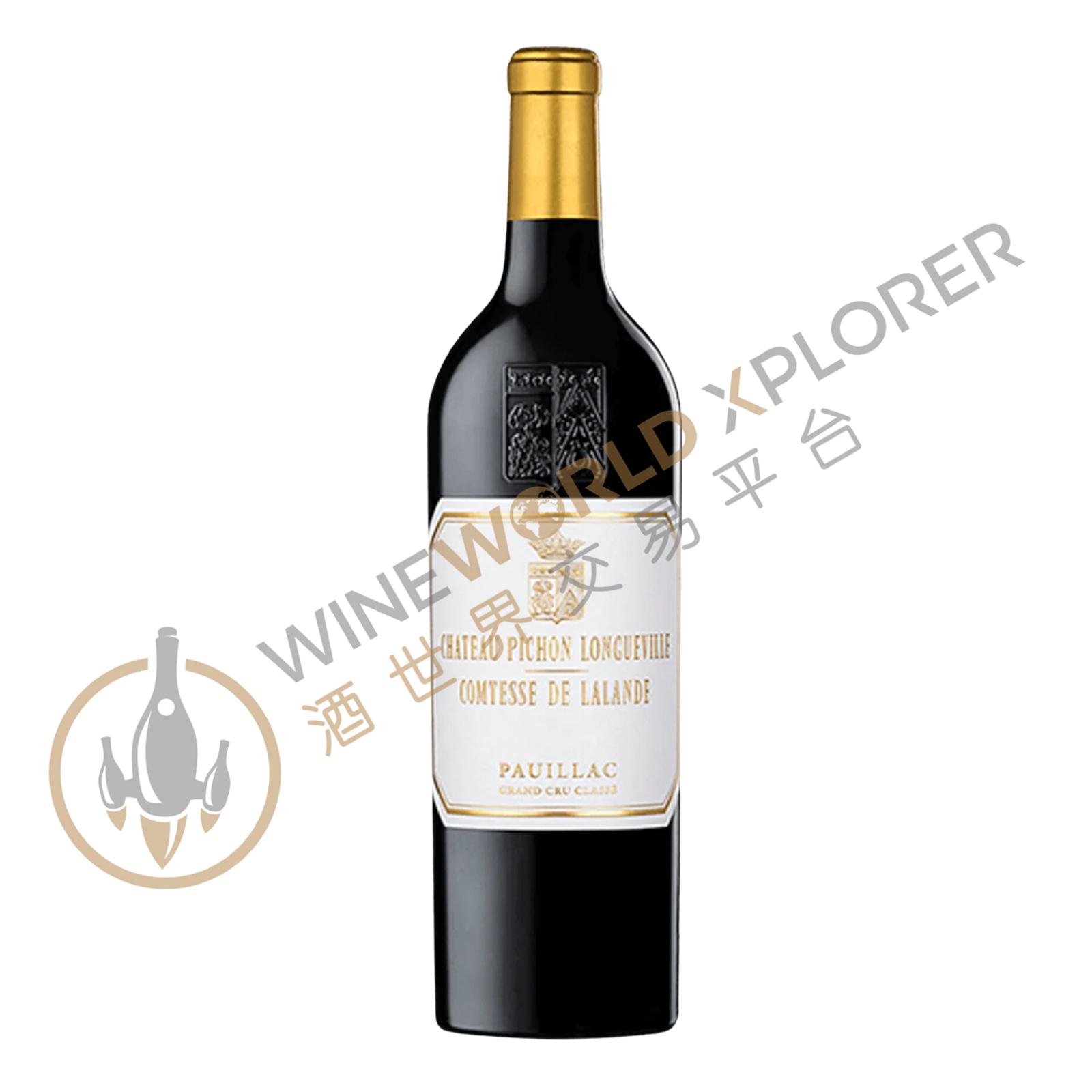
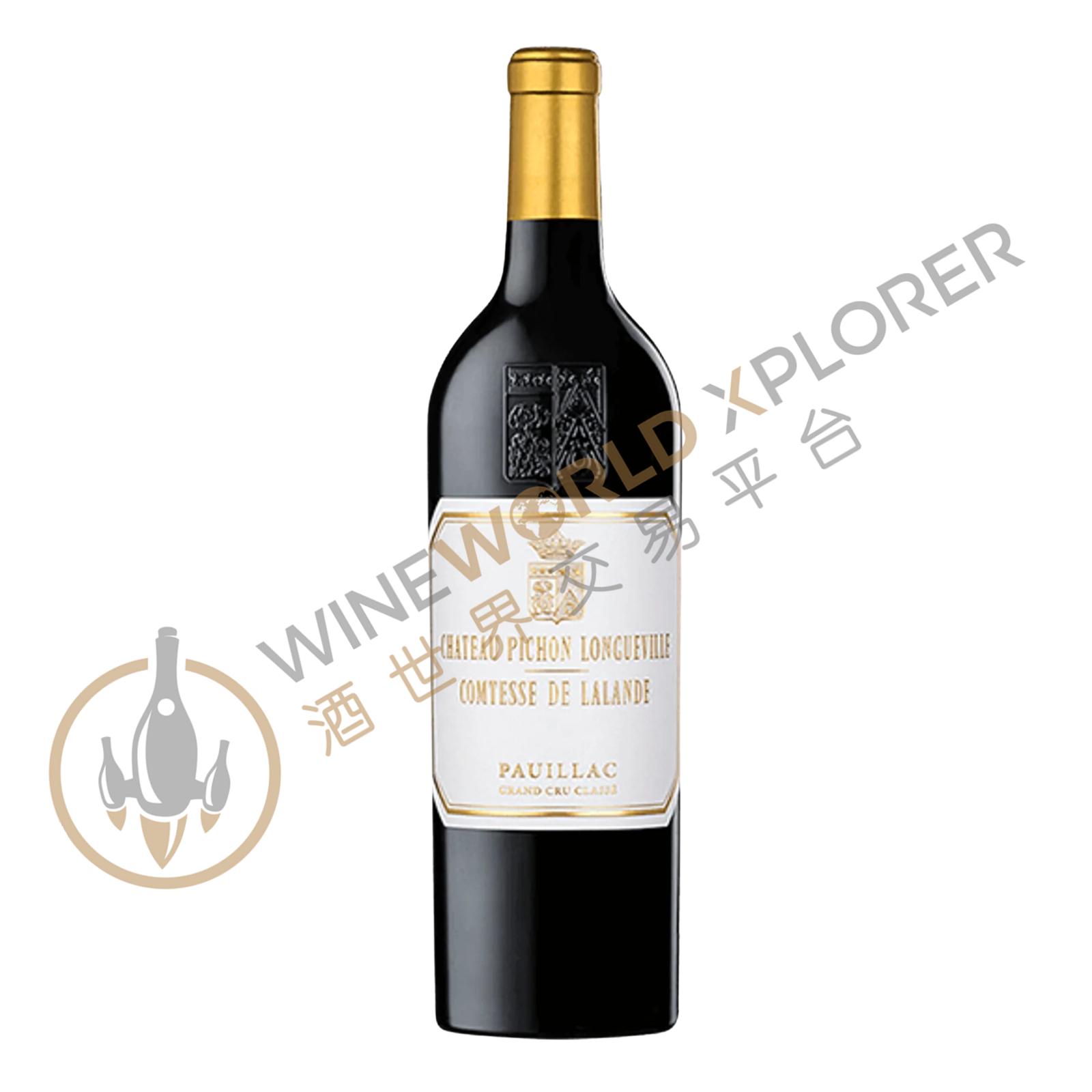
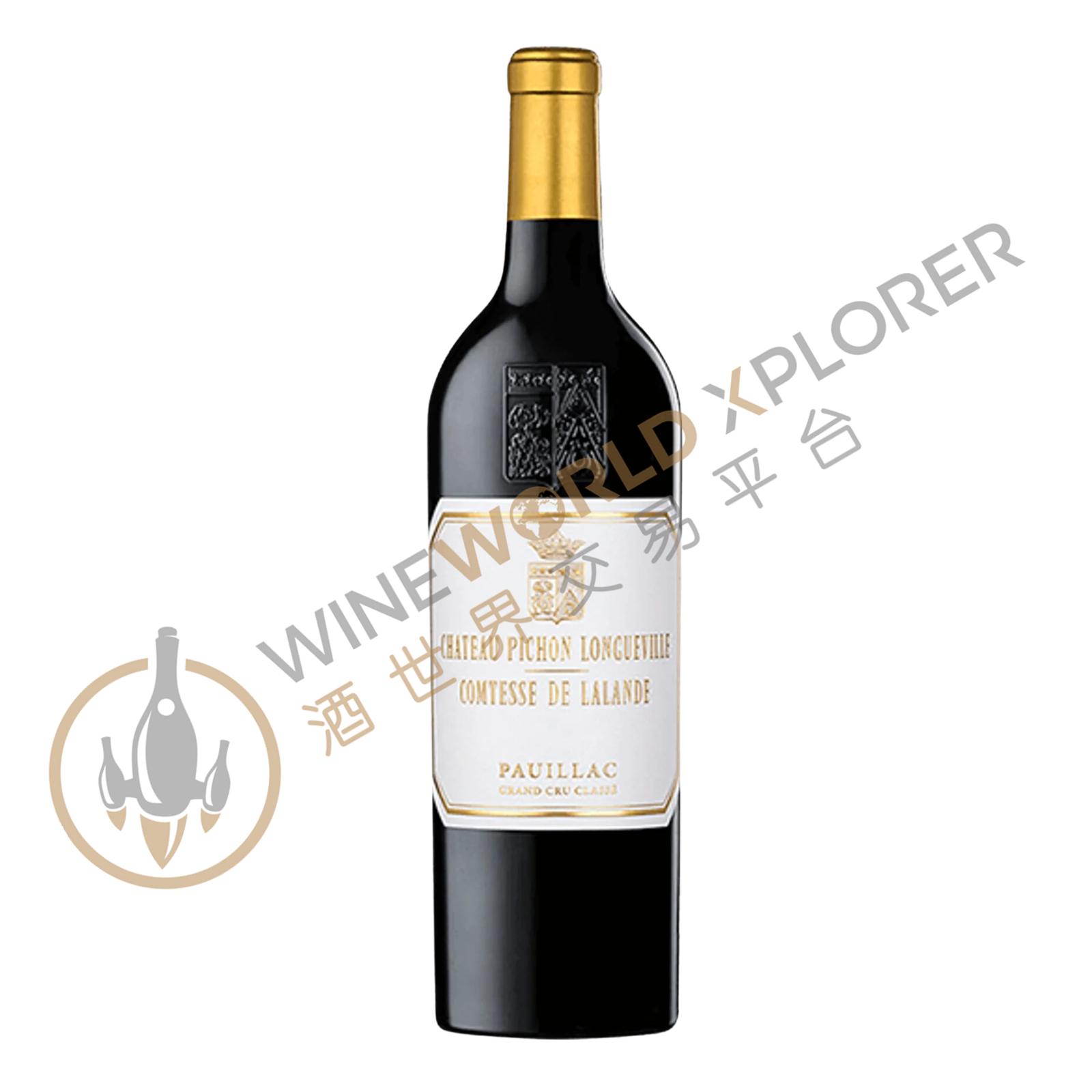
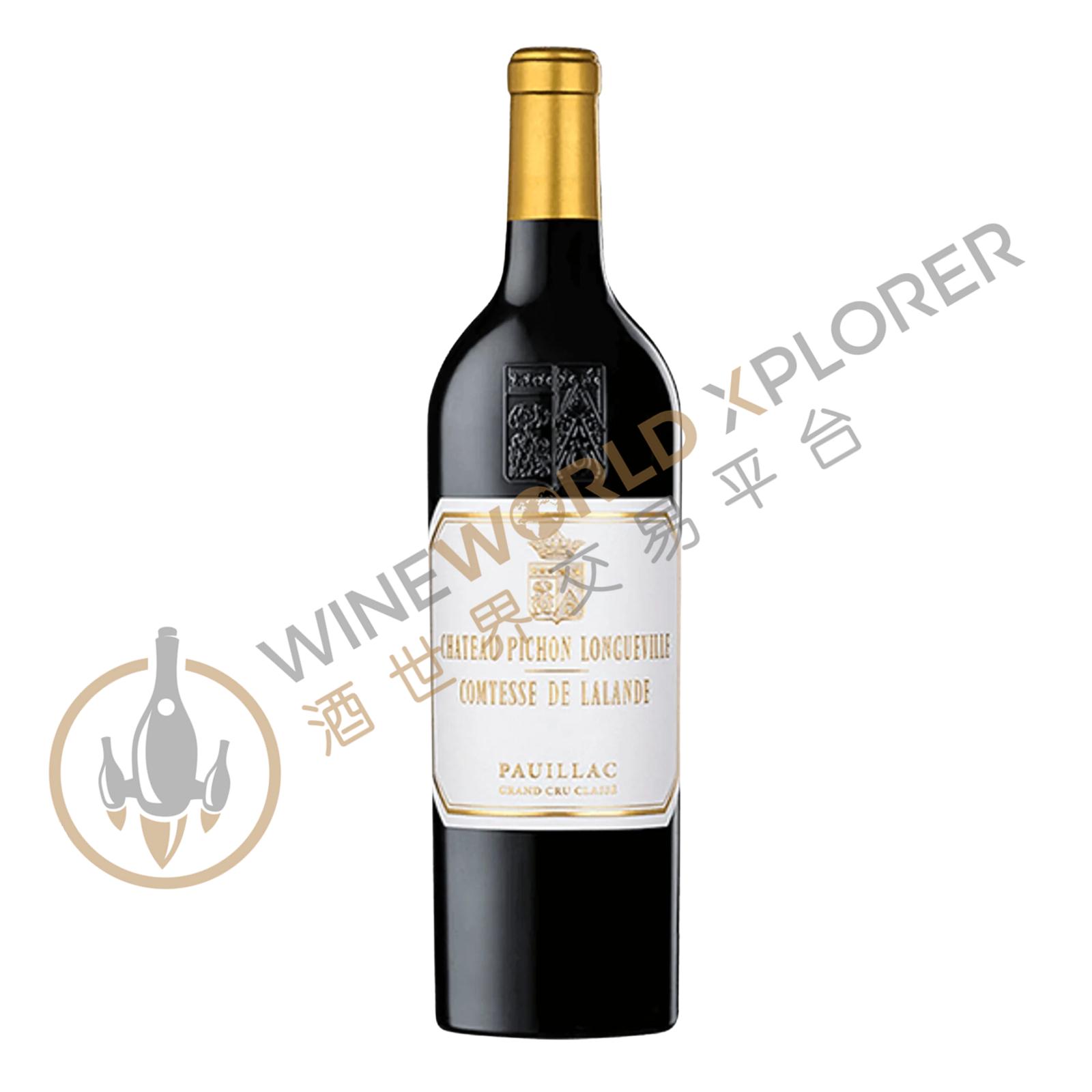
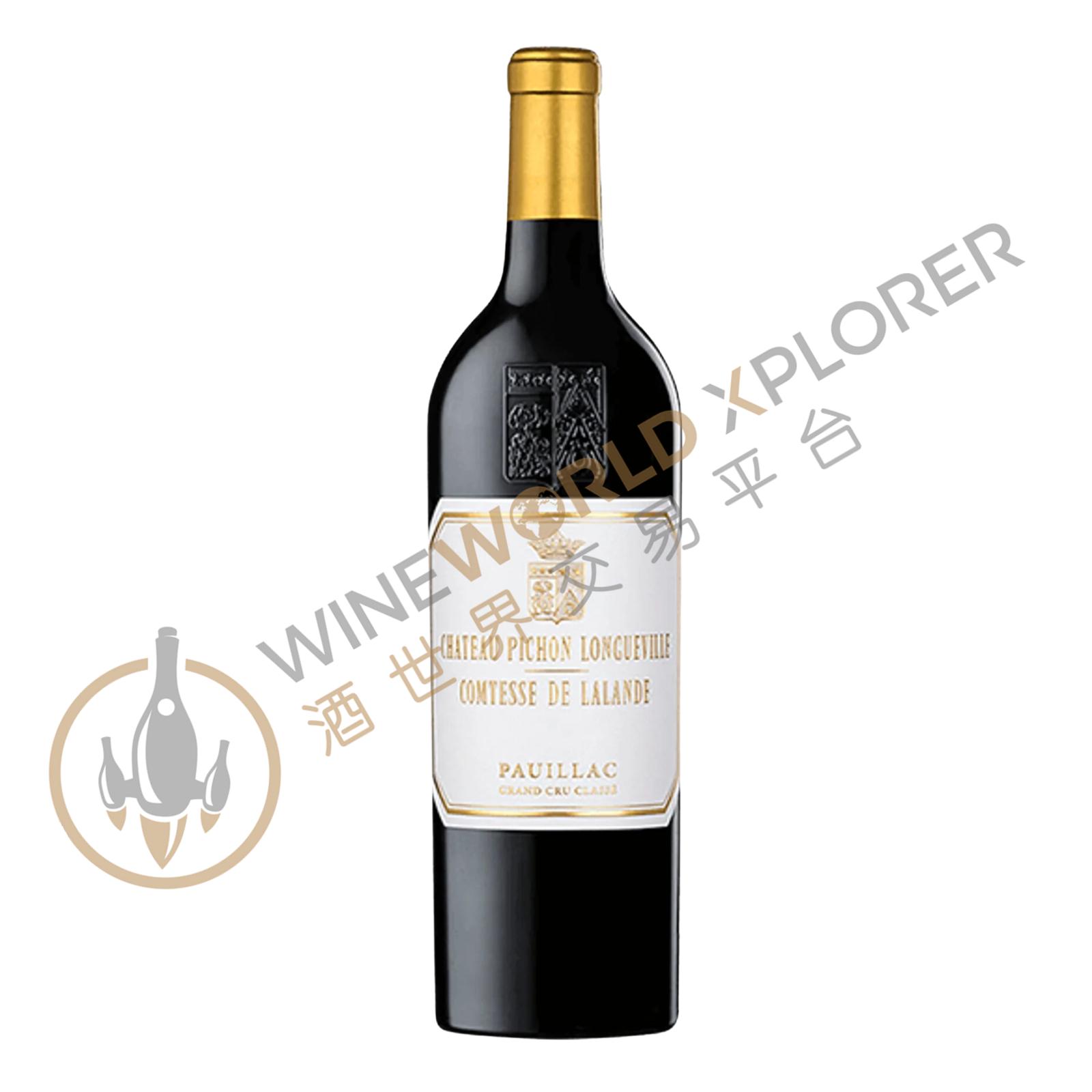
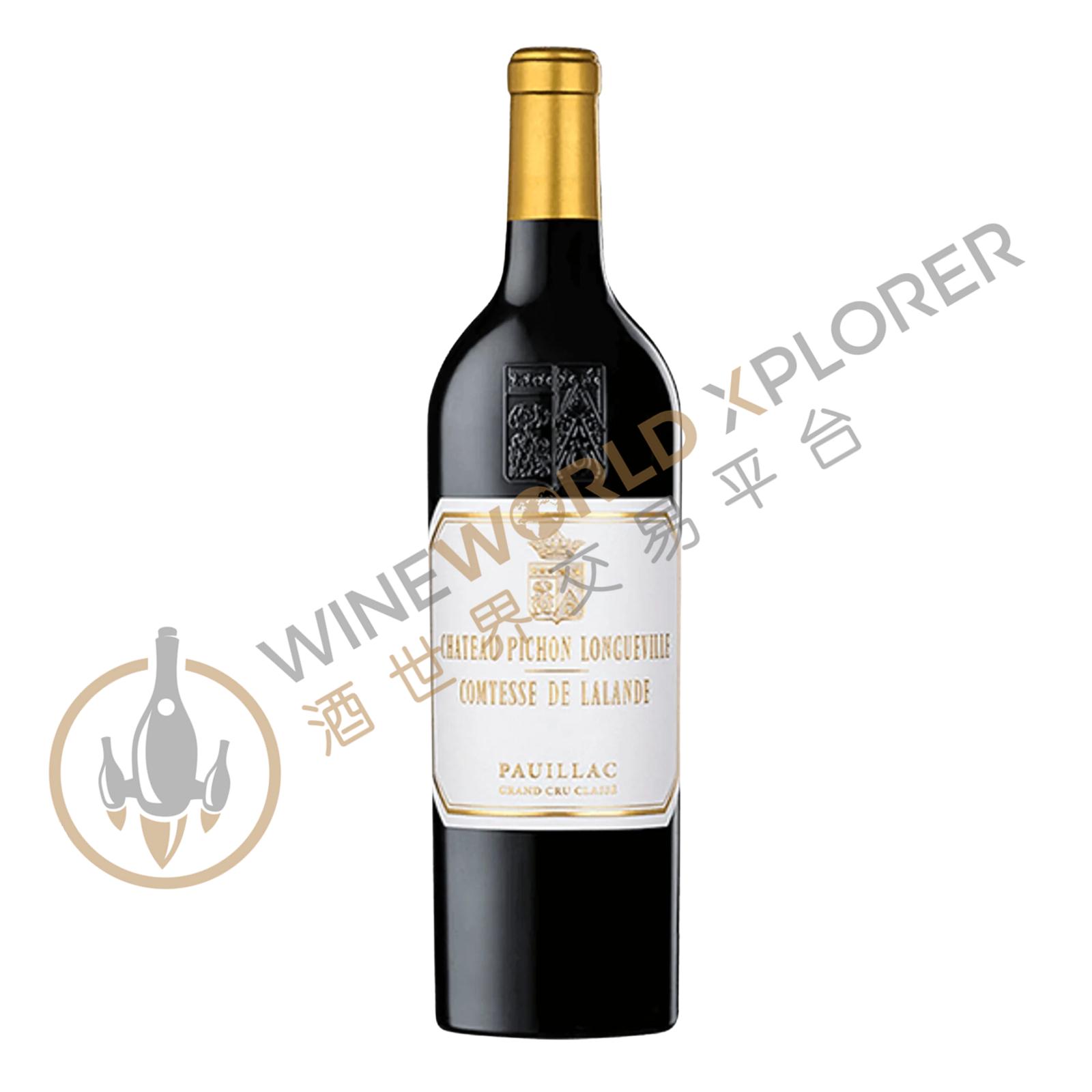
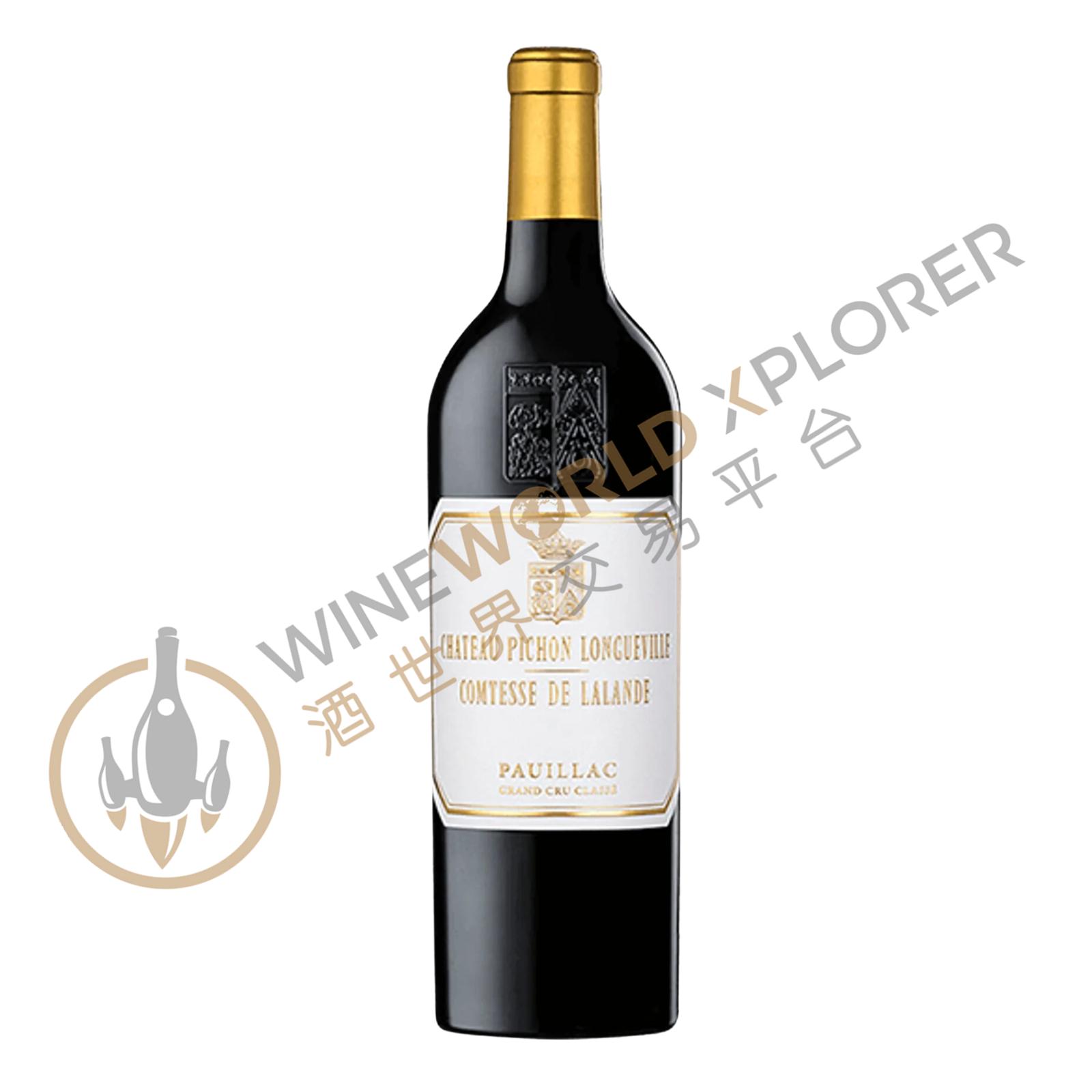
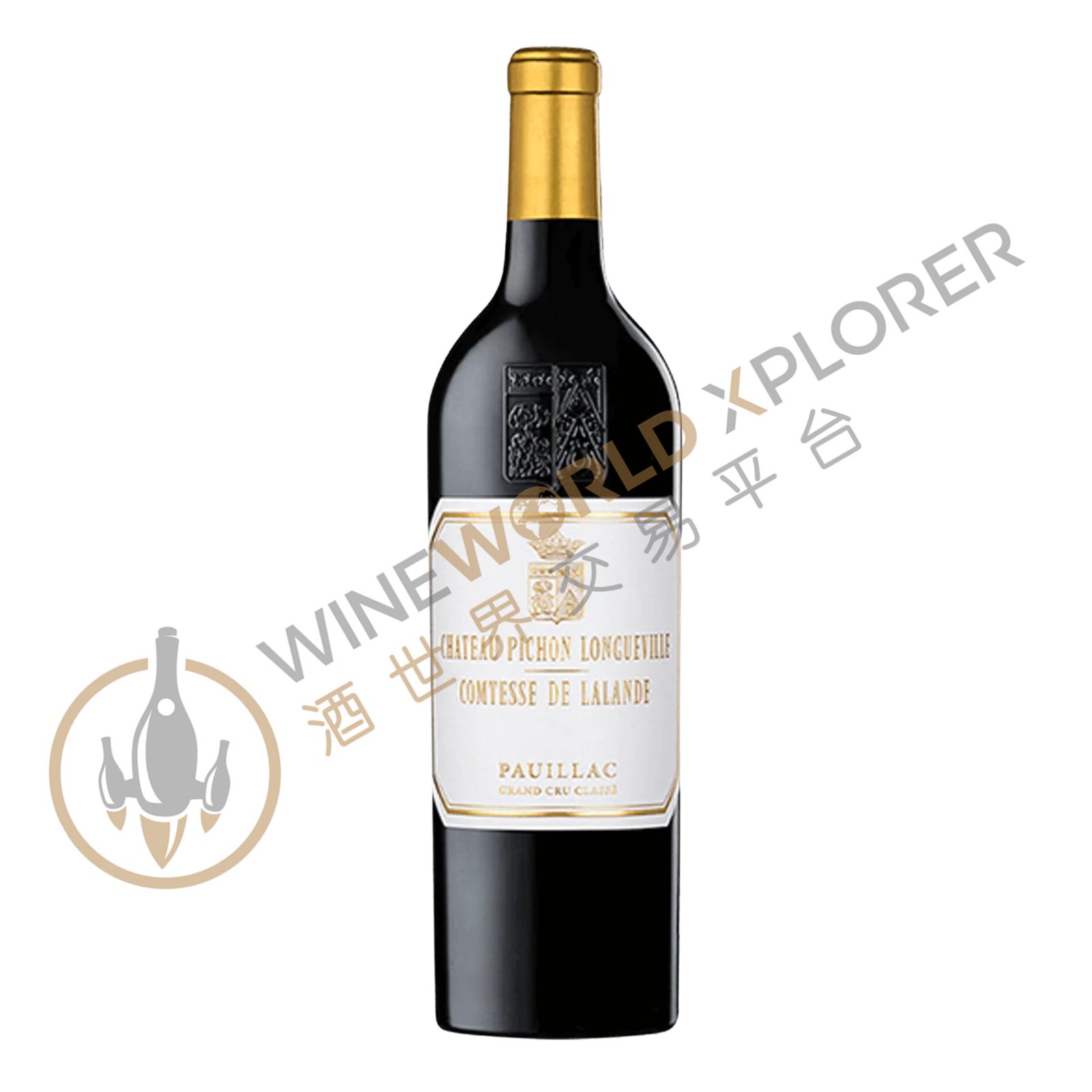
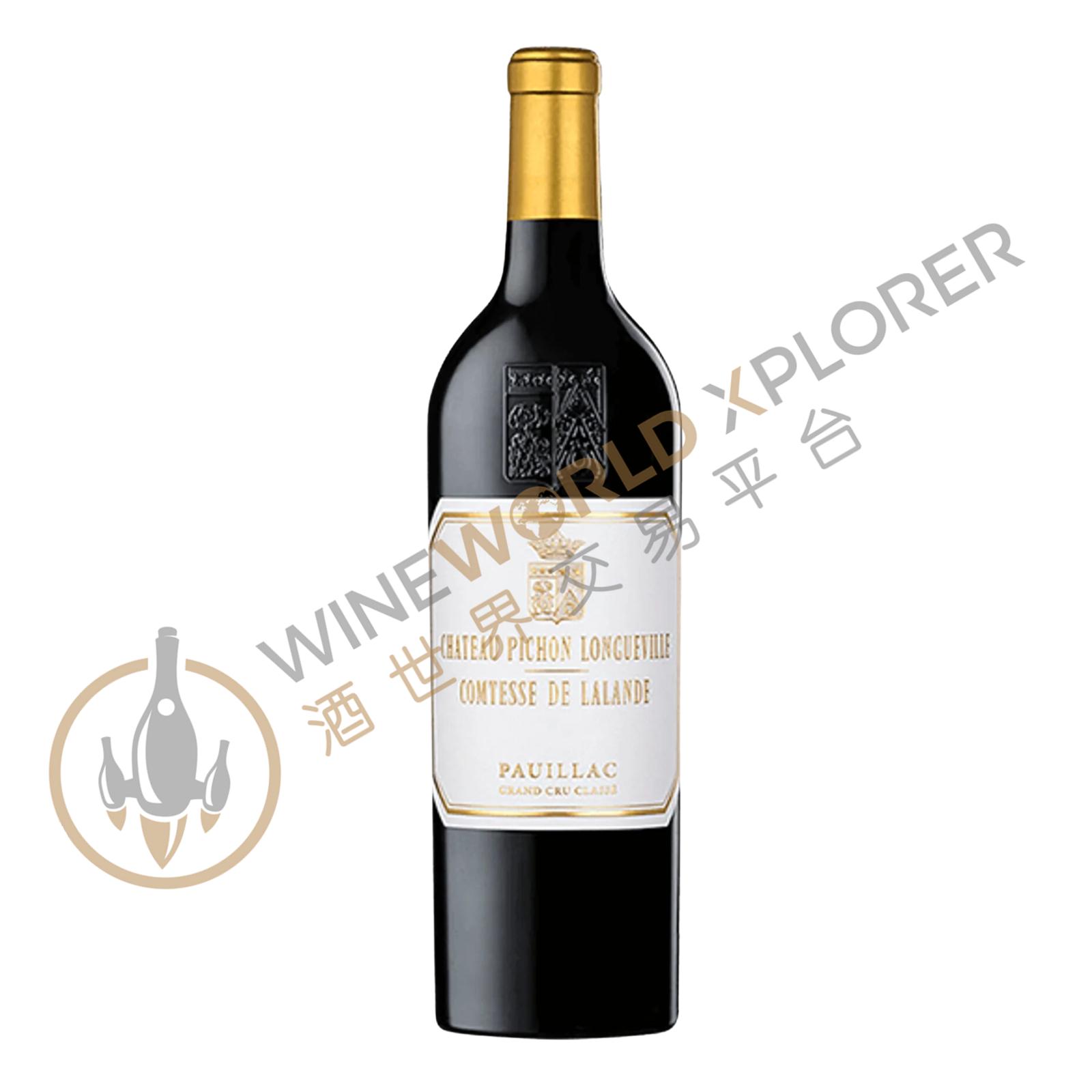
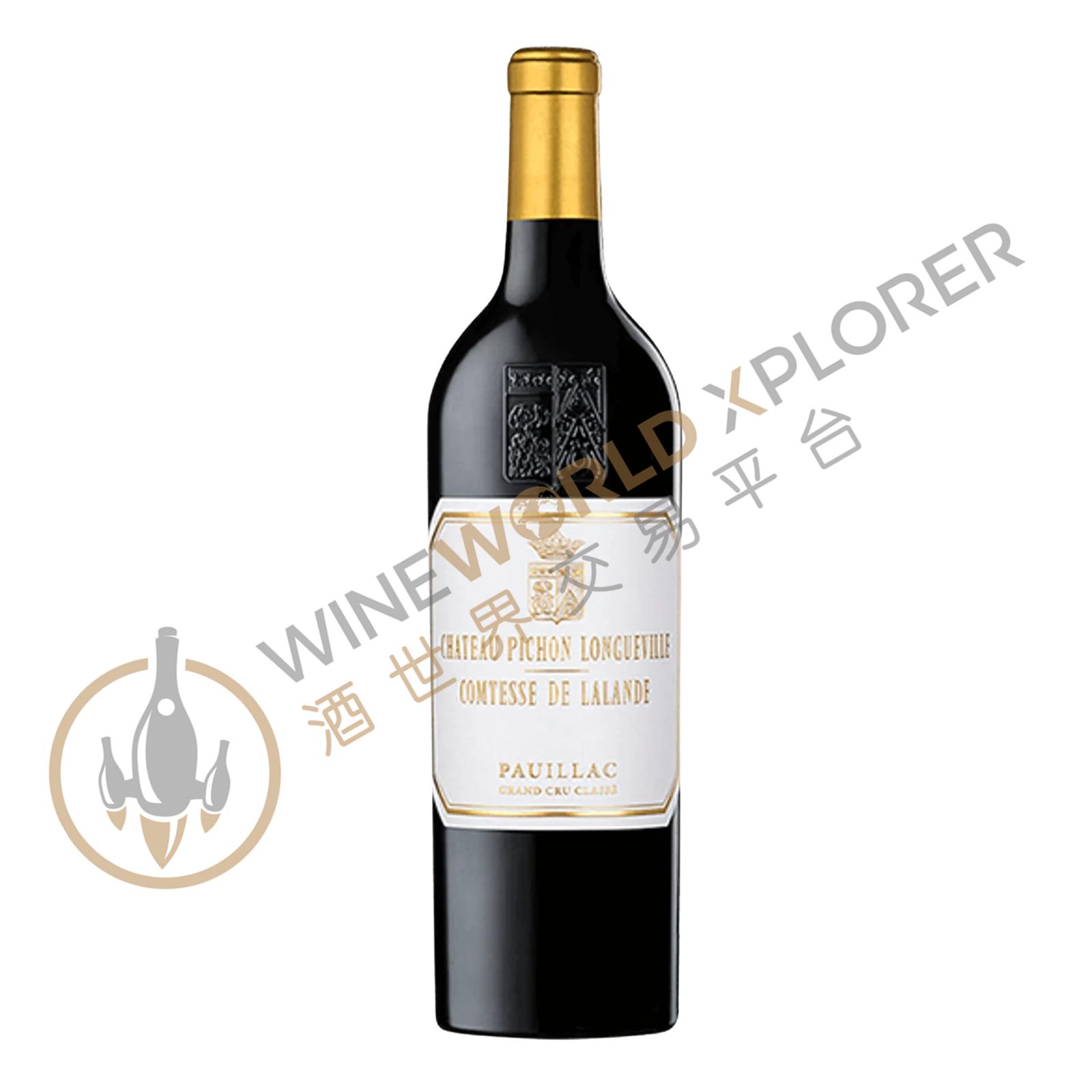
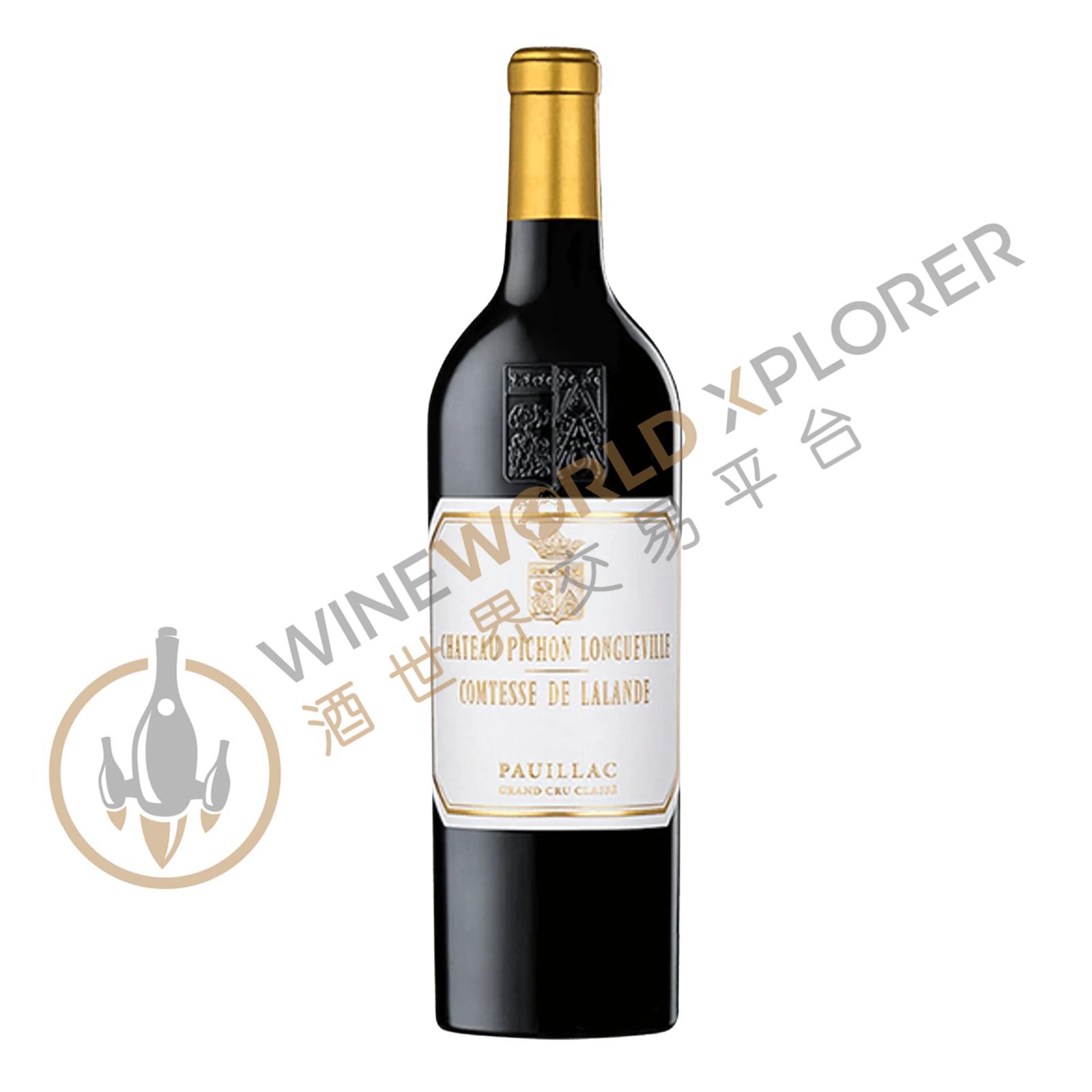
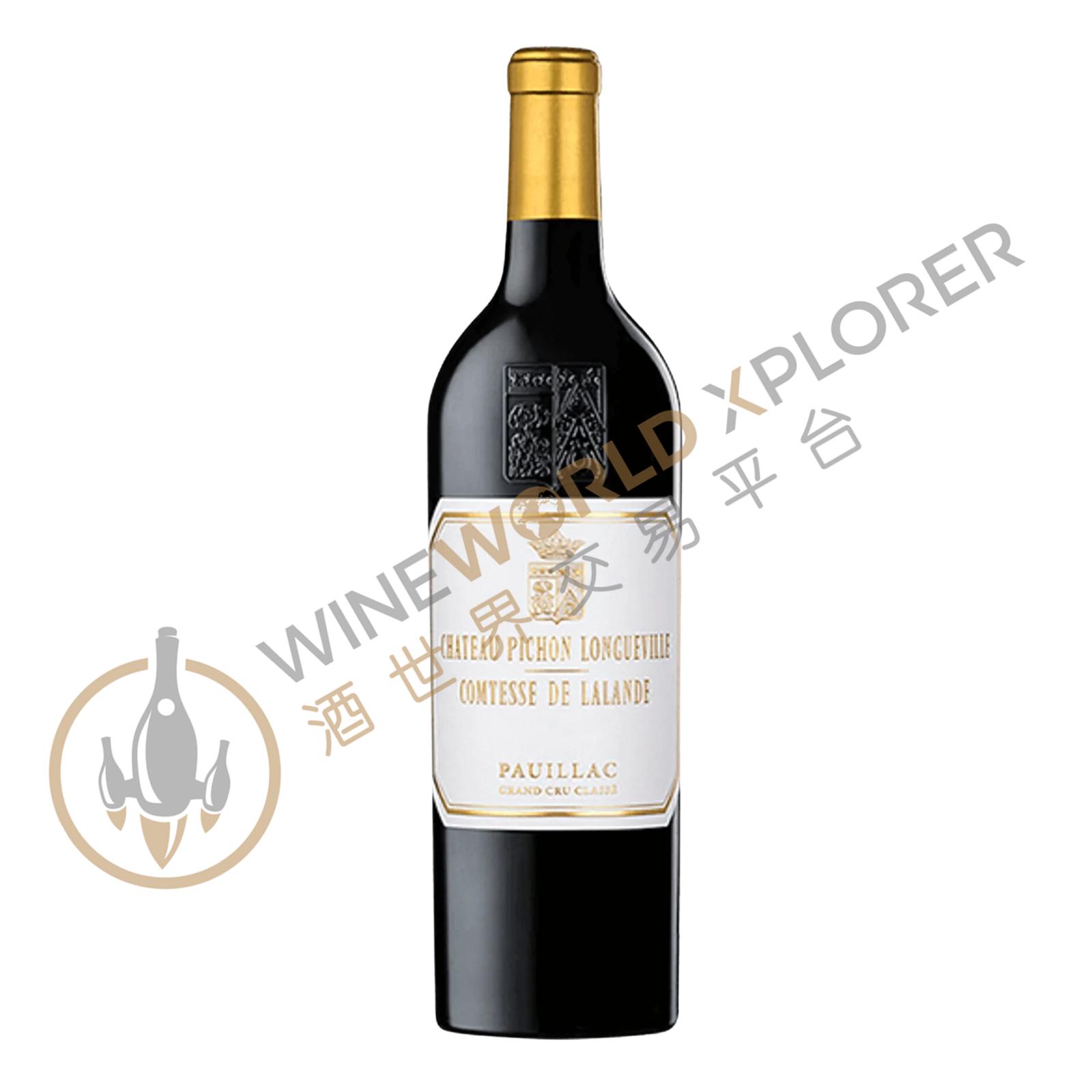
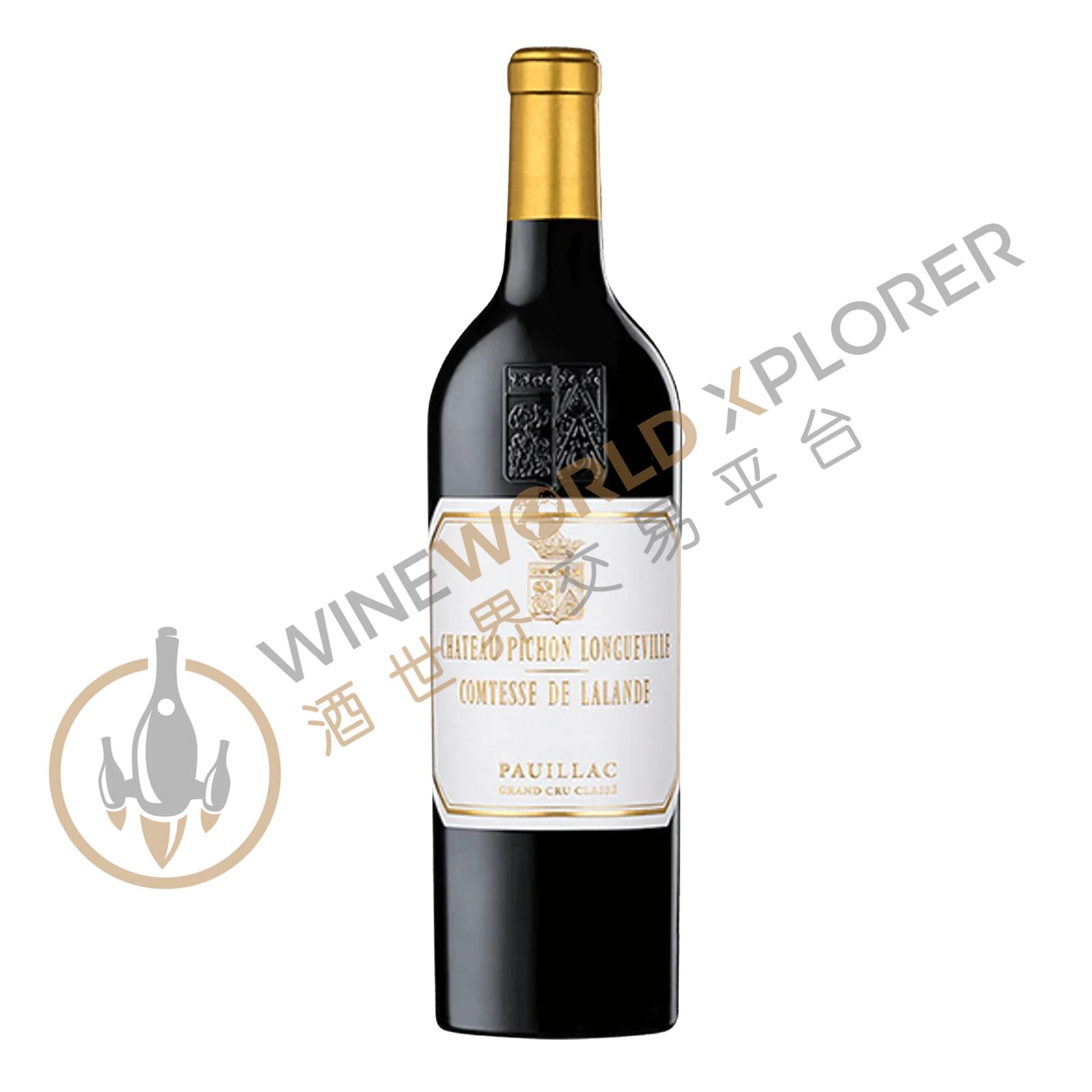
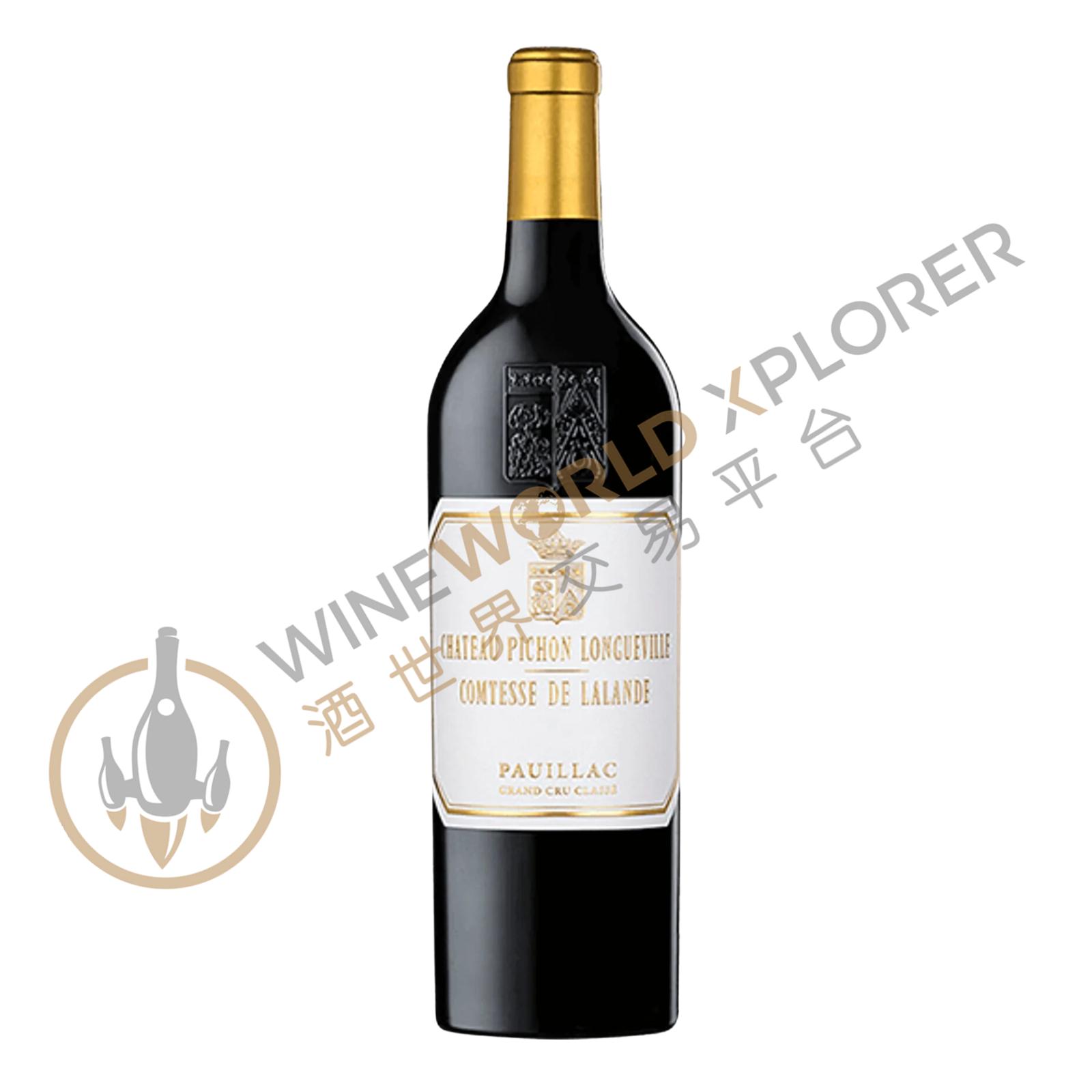
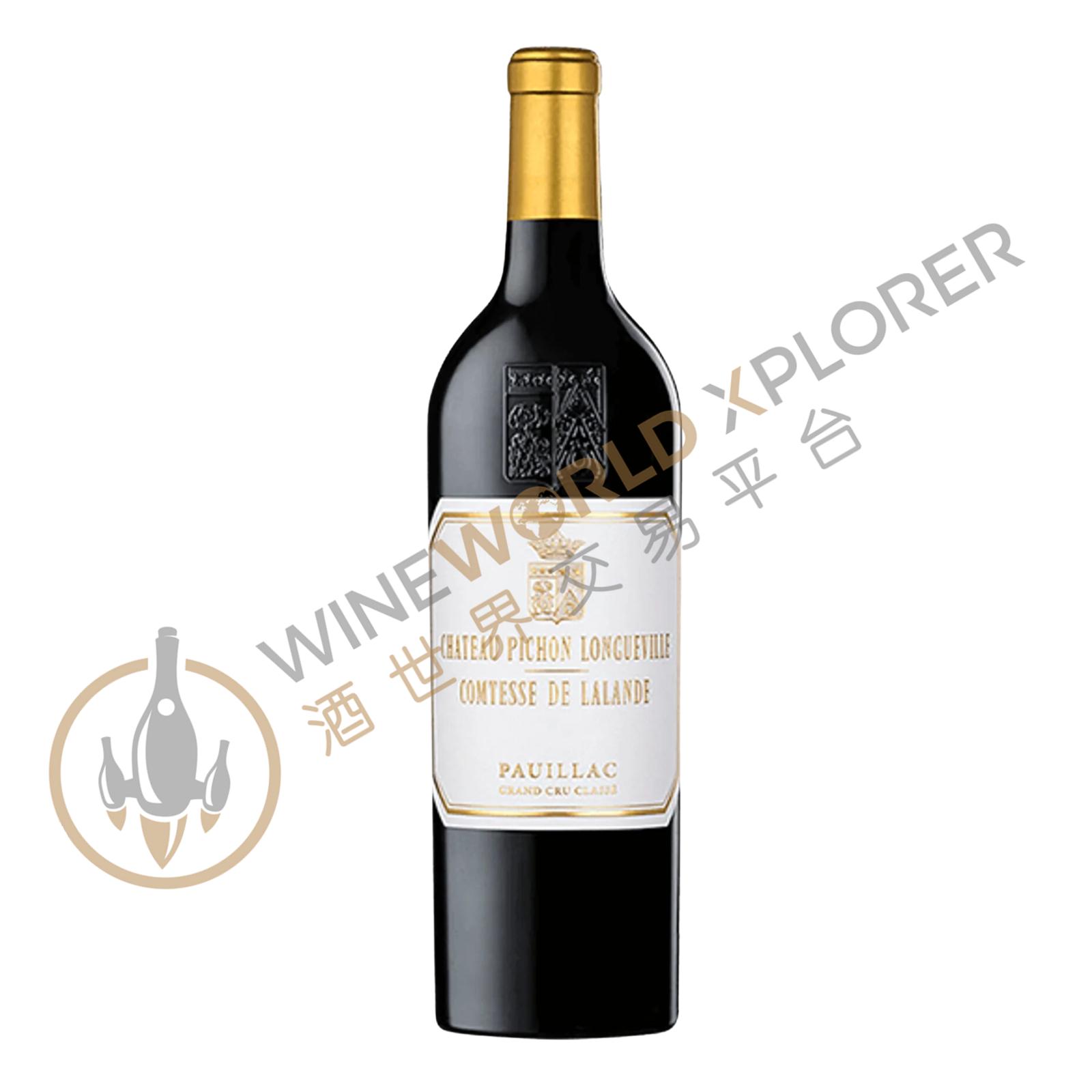
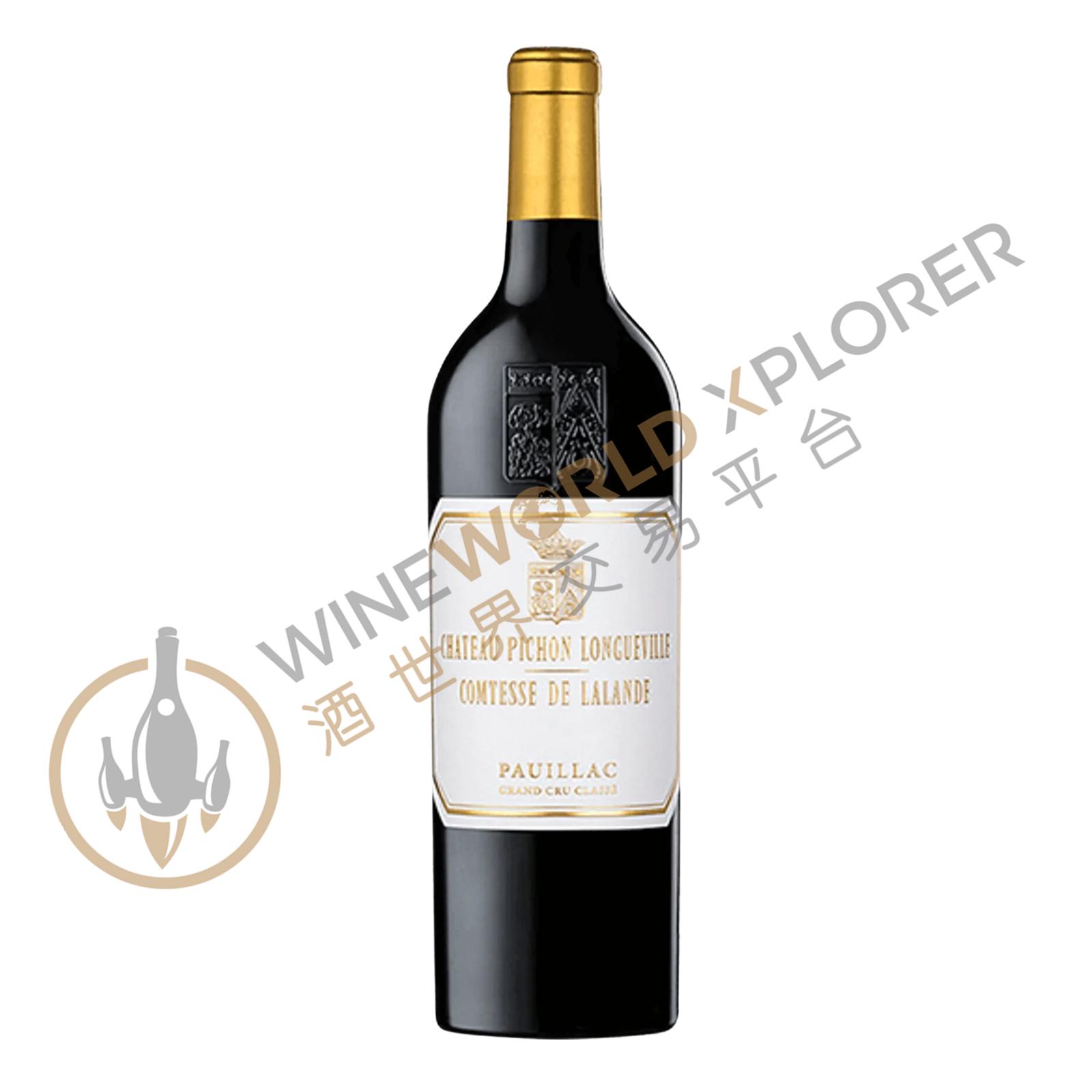
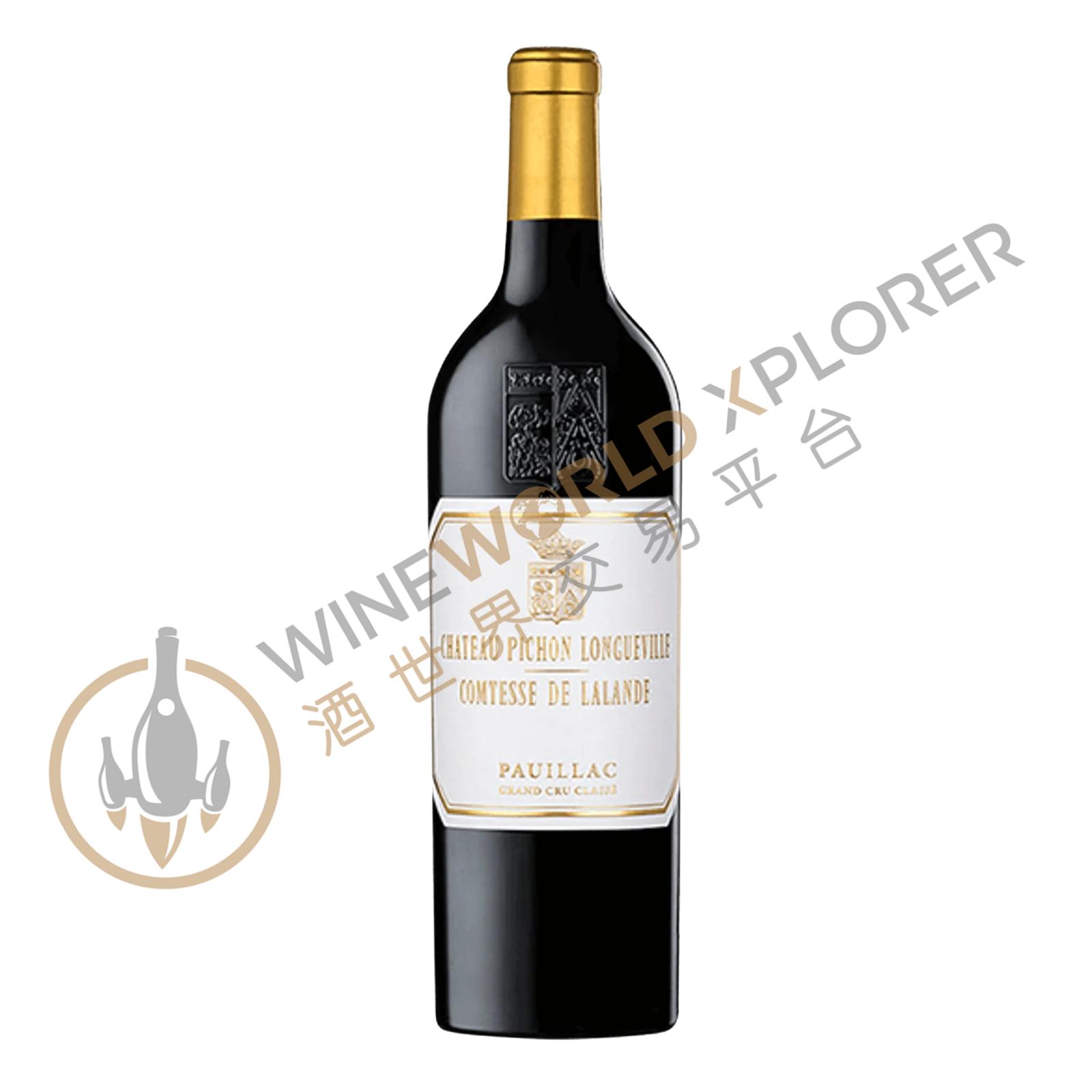
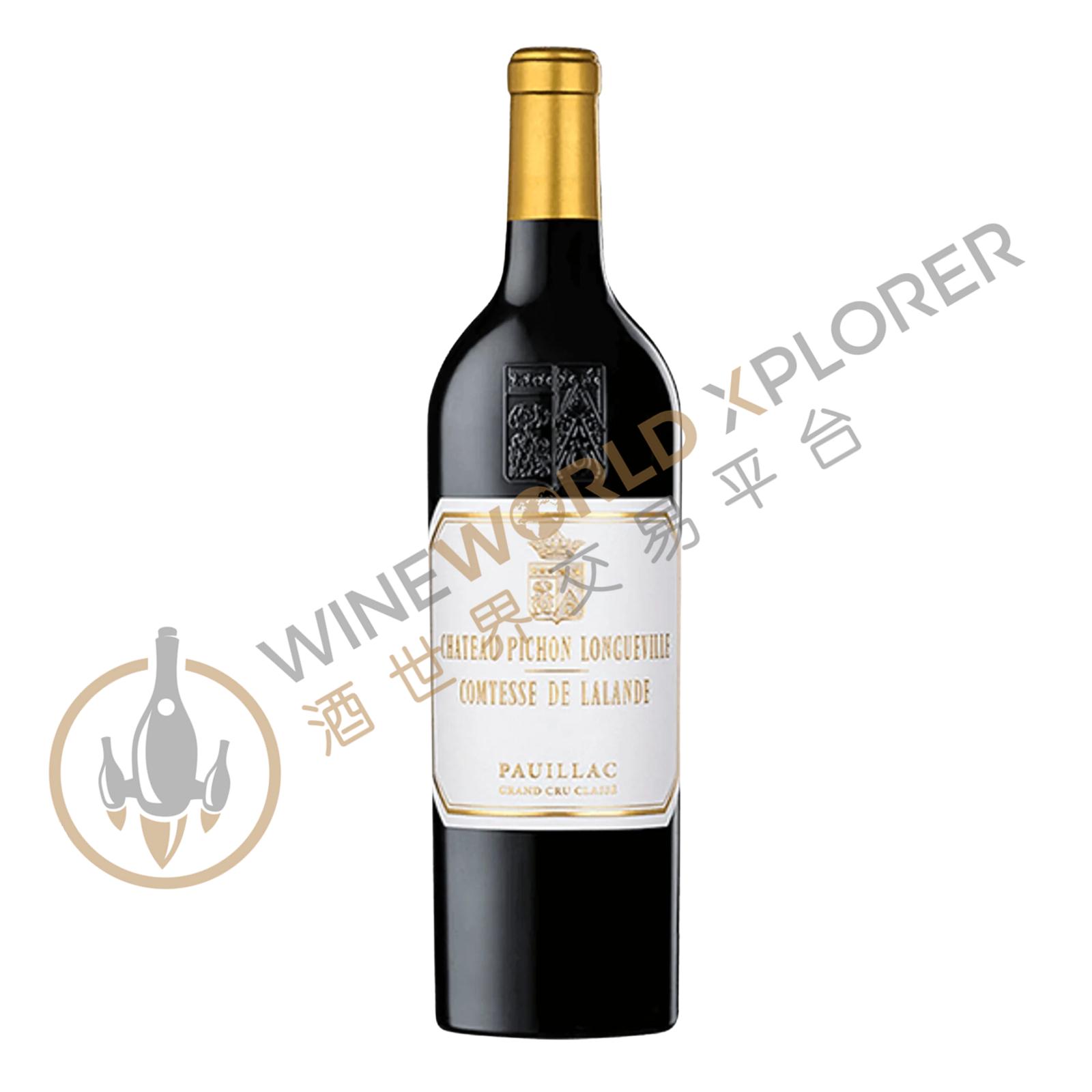
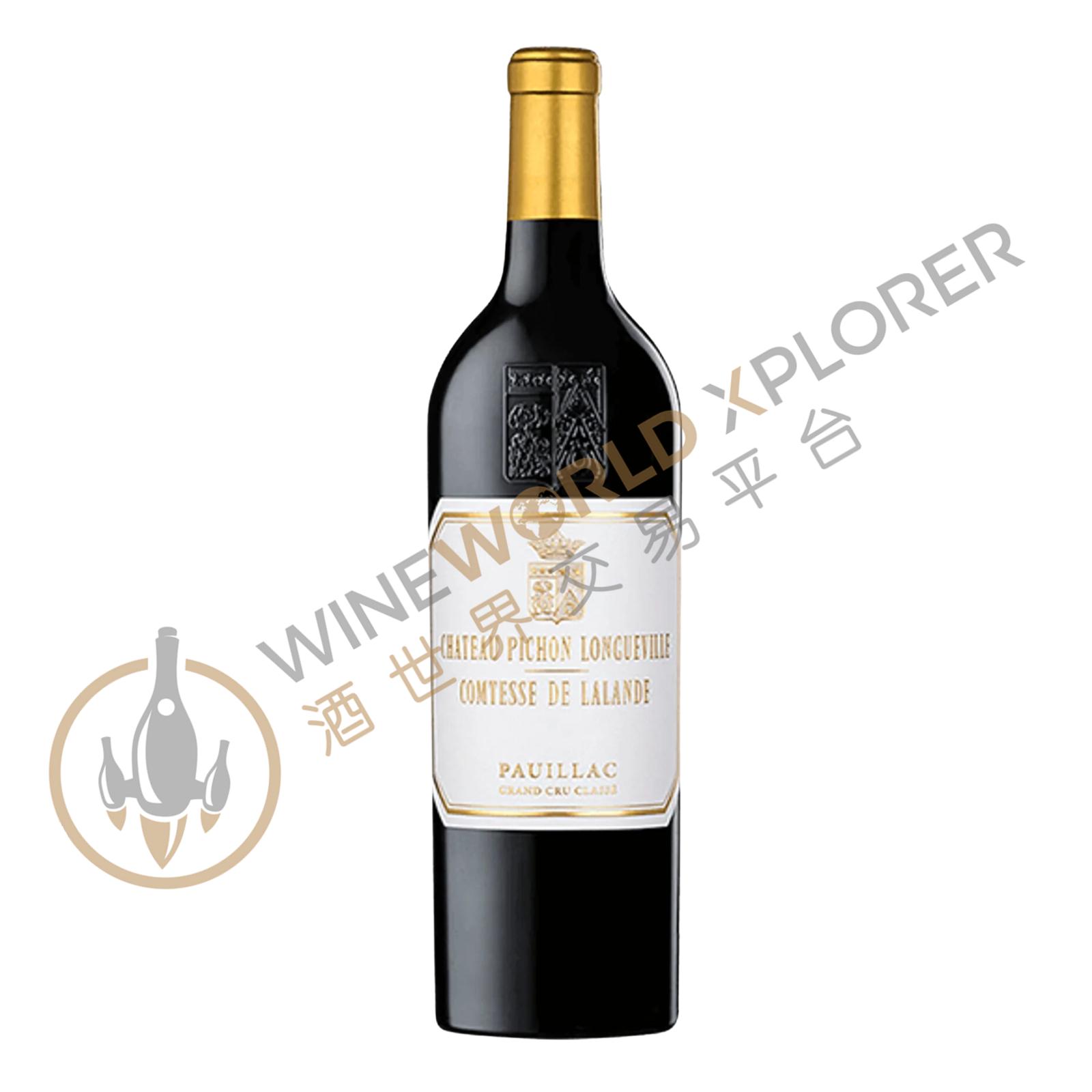
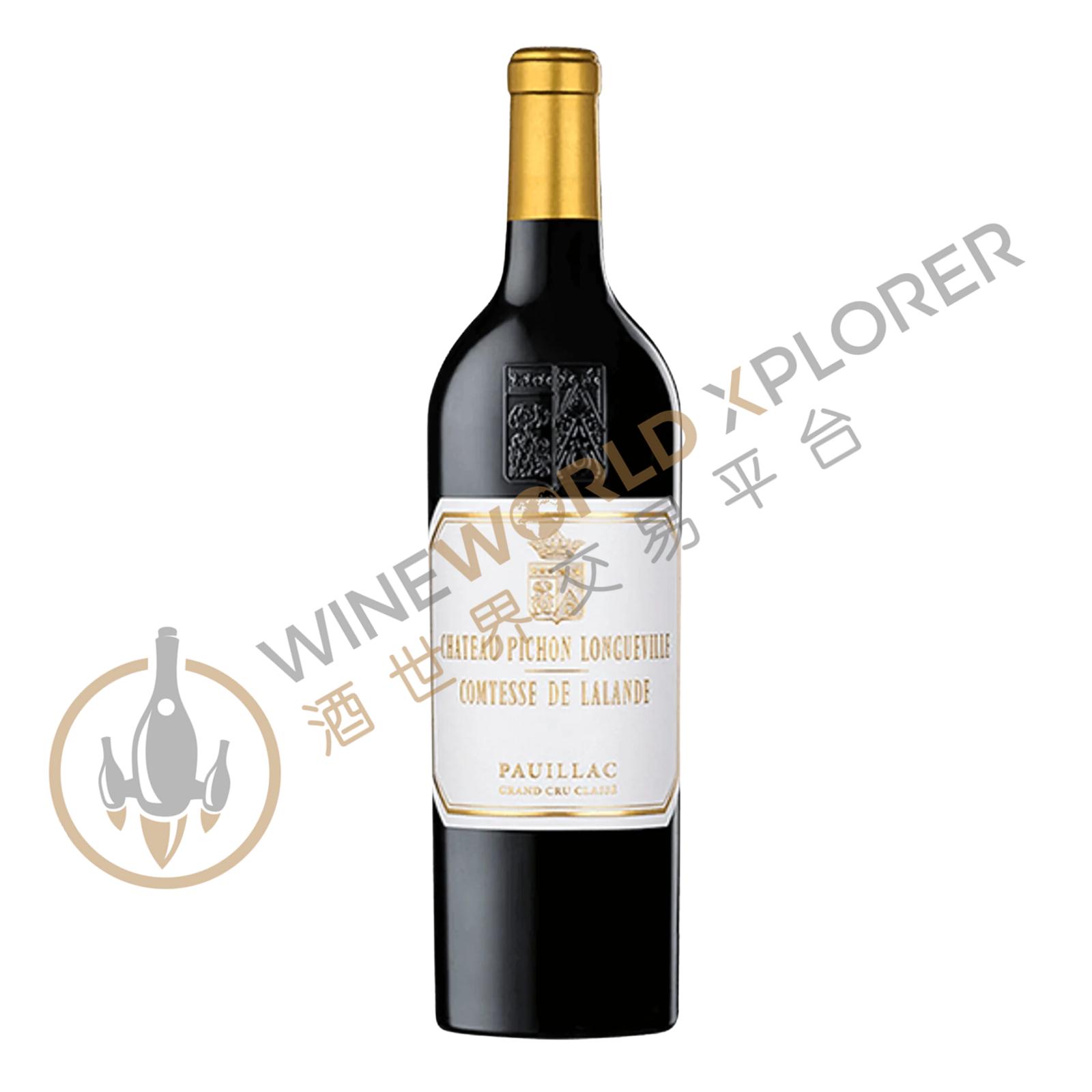
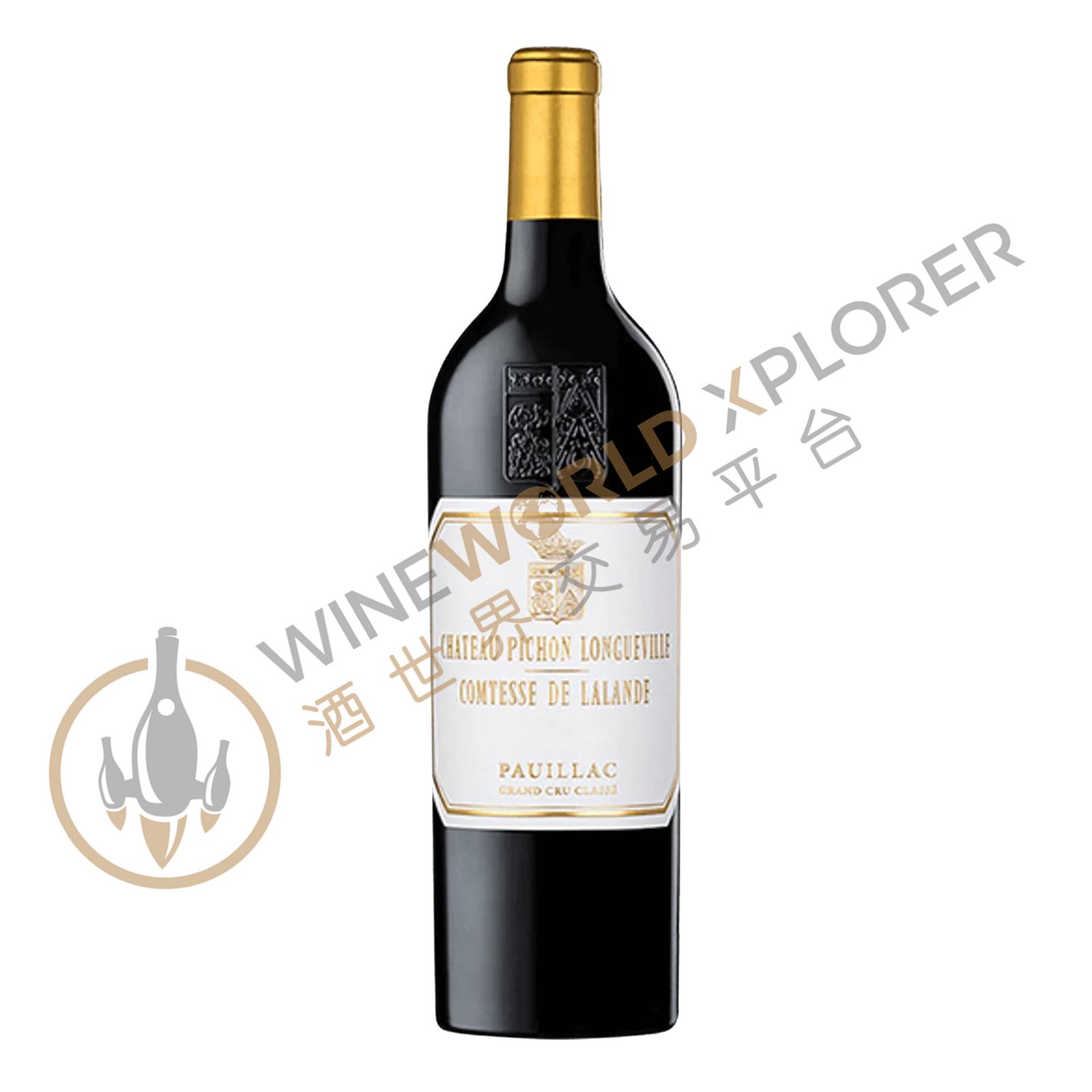
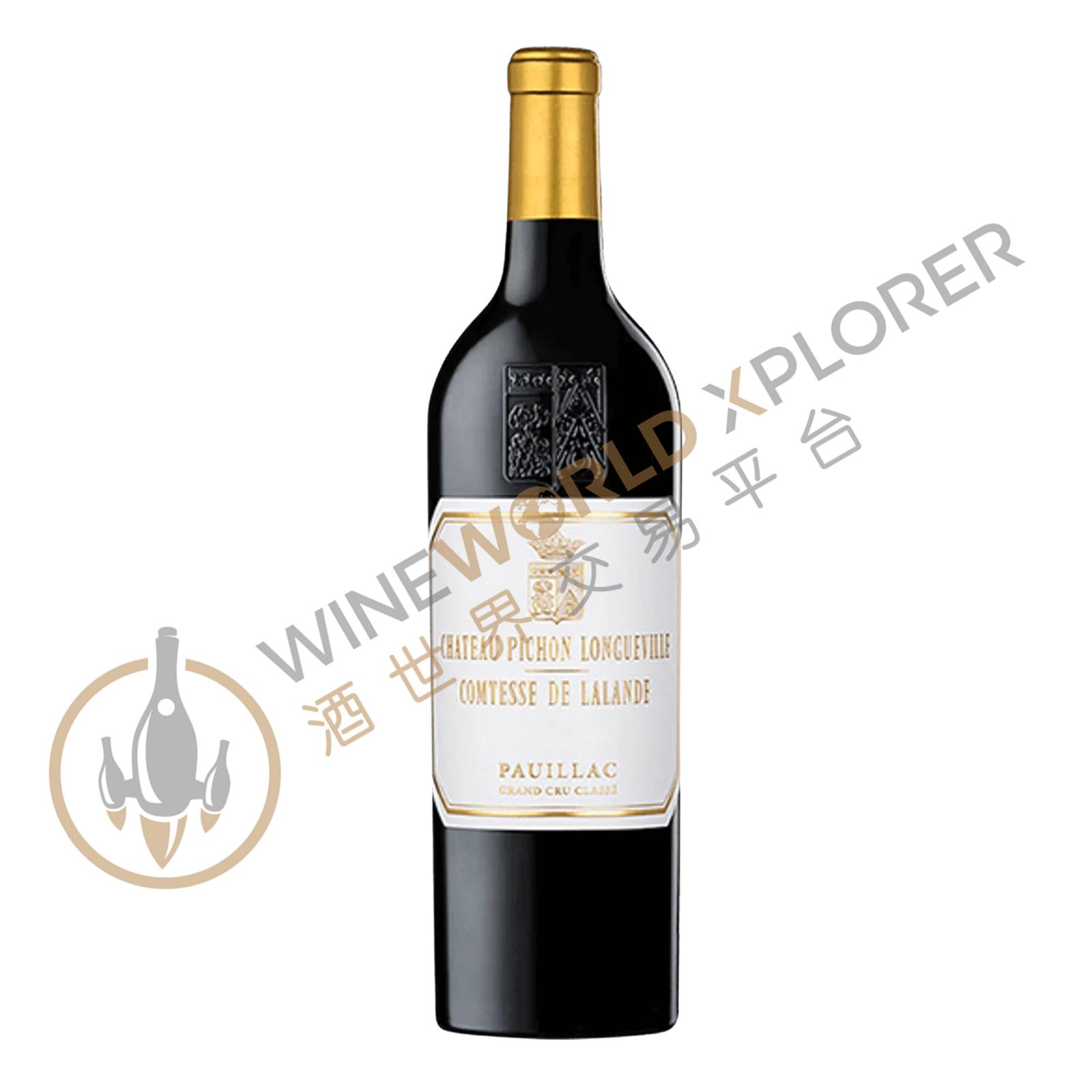
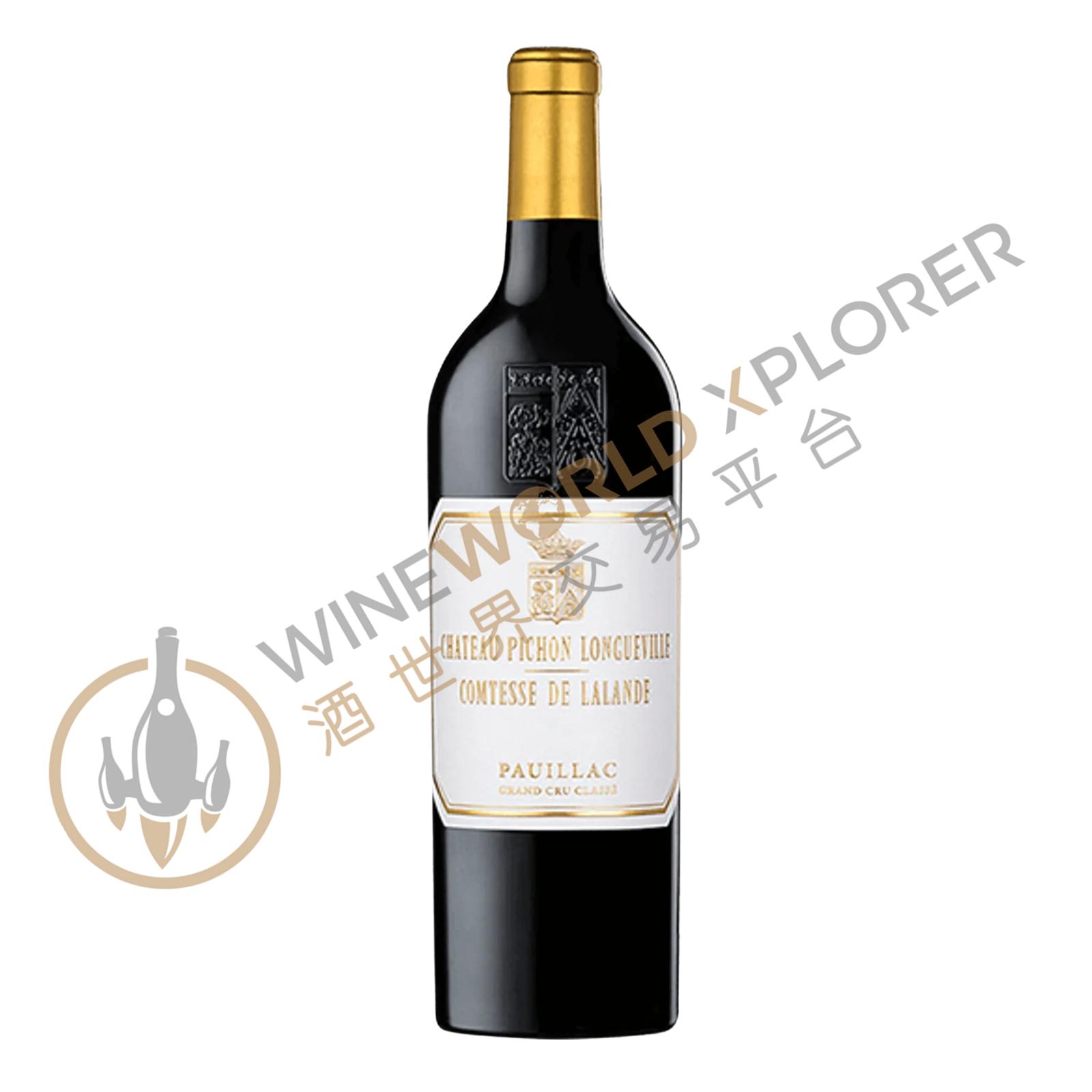
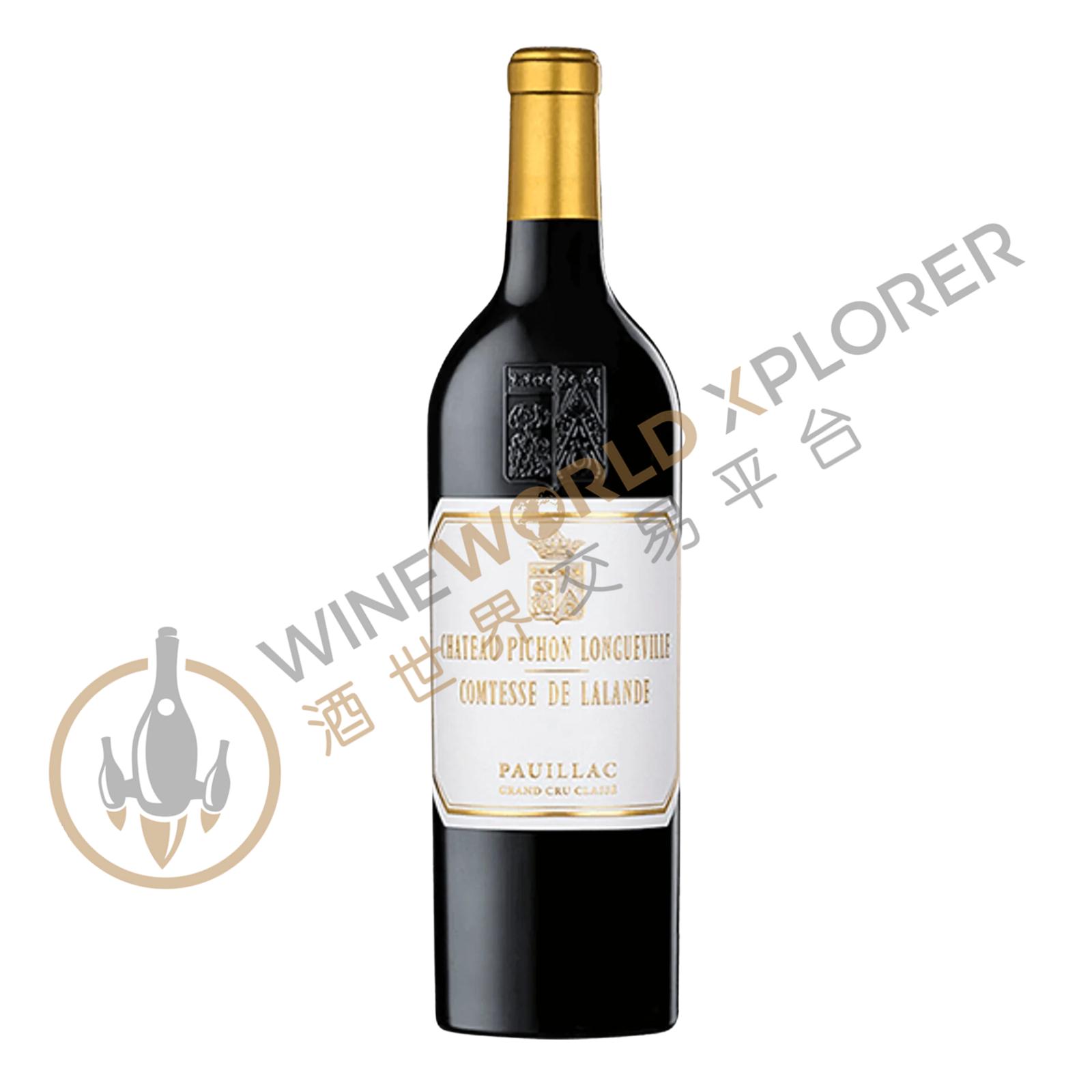
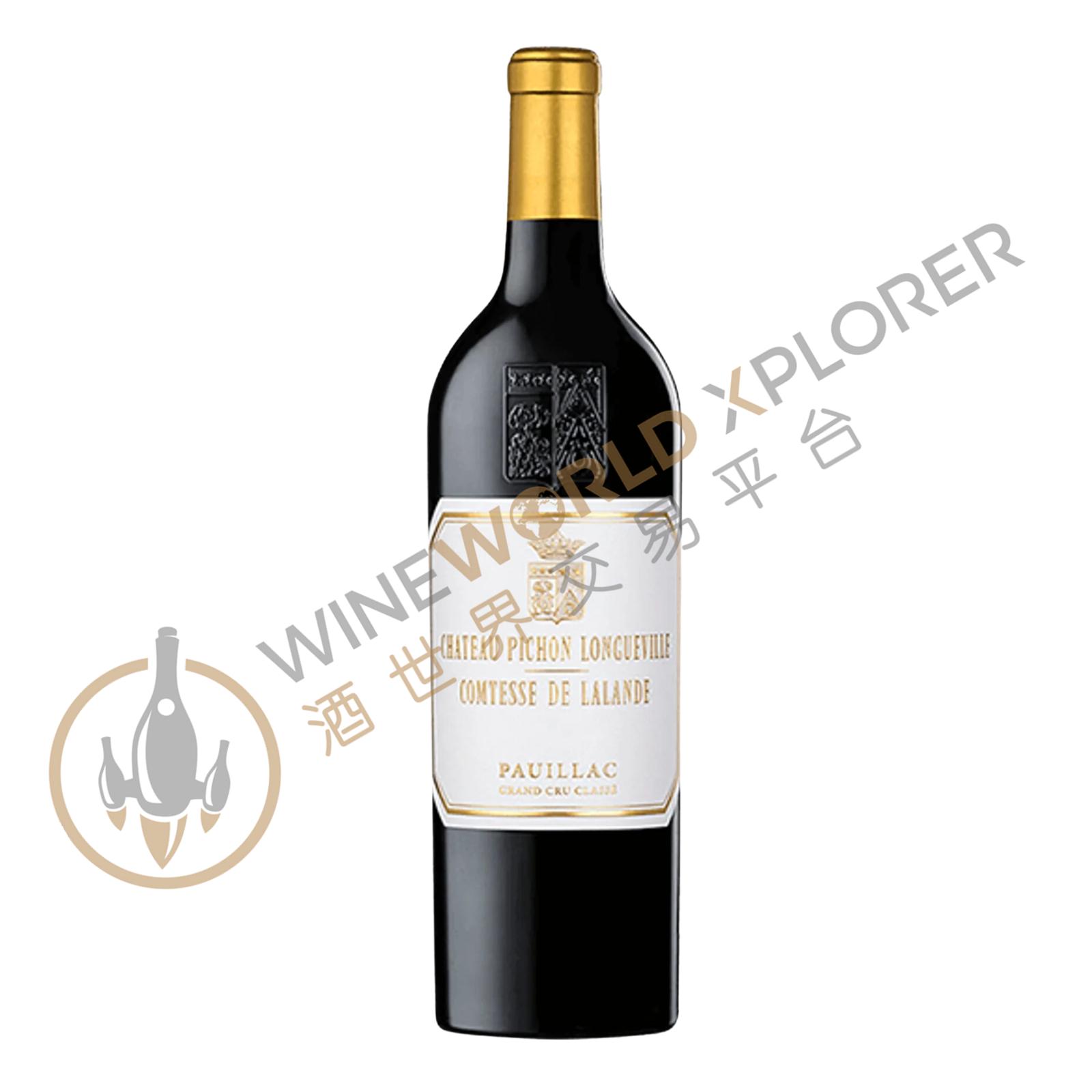
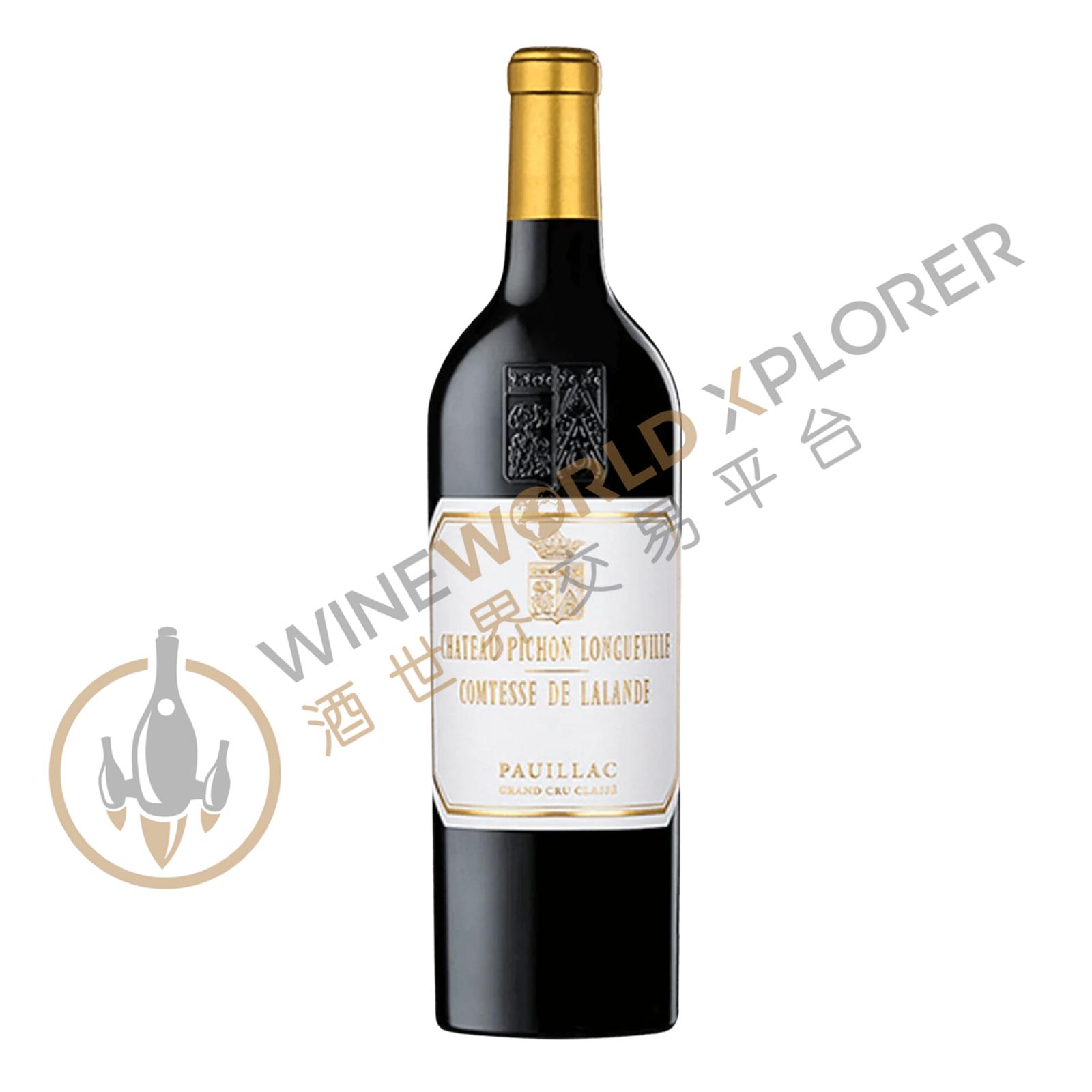
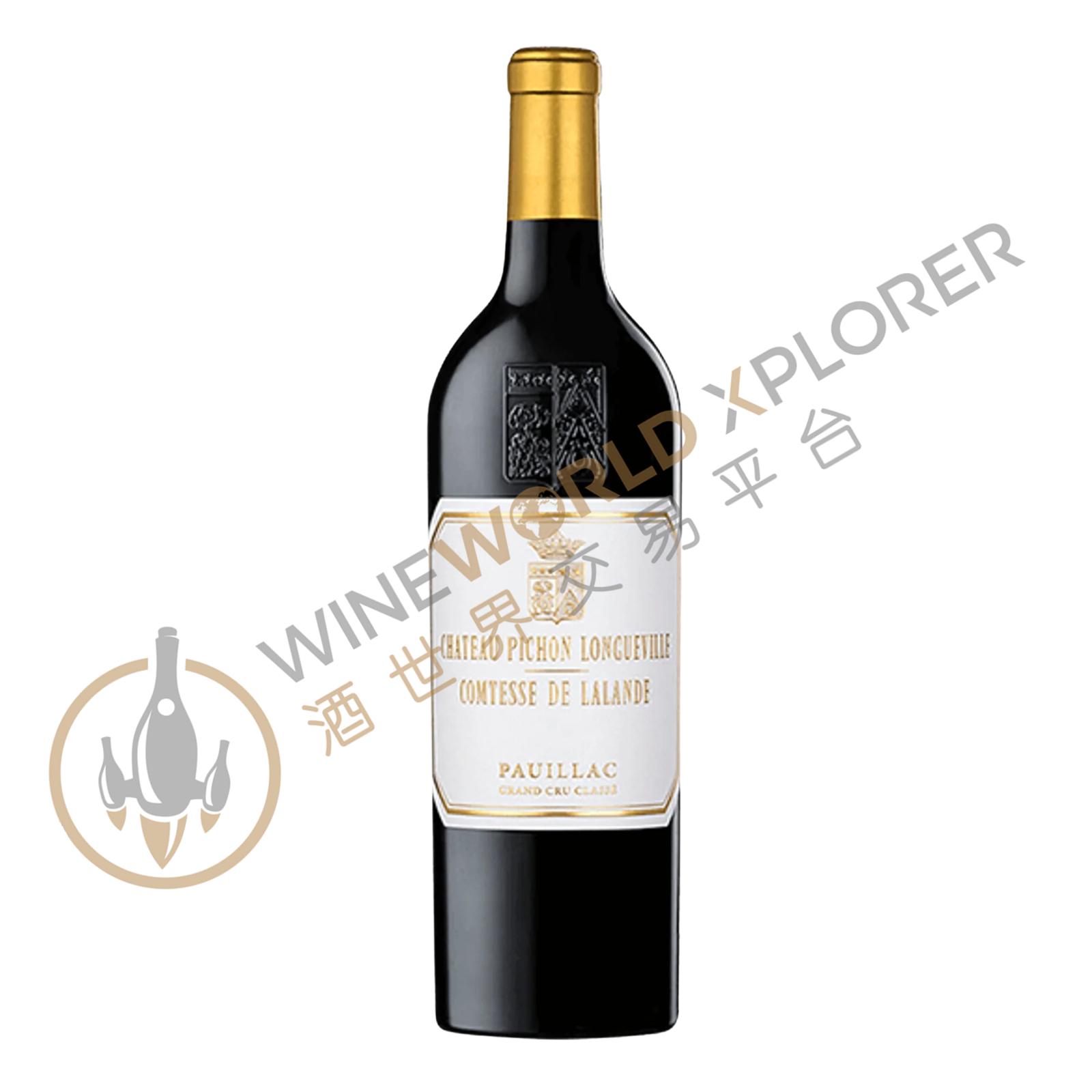
Pichon Lalande 1998
 View analysis


Description
Tasting notes

Reviewed by: Robert M. Parker, Jr.
Fifty percent of Pichon-Lalande's production went into the grand vin, which includes 55% Cabernet Sauvignon, 30% Merlot, and 15% Cabernet Franc. This is hardly an inspirational Pichon-Lalande. The color is a medium deep ruby. The nose offers up notes of herbs, black currants, and toast. On a positive note, it is elegant and soft, but not particularly concentrated, with medium body, and an abrupt finish. It will be good, possibly very good, but it is not an exciting effort. Anticipated maturity: 2001-2010.
Reviewed by: Robert M. Parker, Jr.
The 1998 Pichon-Lalande was revealing more depth and sweeter tannin than it did last year. A blend of 55% Cabernet Sauvignon, 30% Merlot, and 15% Cabernet Franc, it reveals herbaceous cedary notes, along with red and black currants. Black fruits are attractive on the attack, but the wine narrows in the mouth, exhibiting a monolithic style and dry, hard tannin in the finish. It is a Pichon-Lalande with grip, structure, and obvious aging potential, but will it ever reveal the charm and succulence this classified growth generally achieves? Anticipated maturity: 2005-2018.
Reviewed by: Neal Martin
The 1998 Pichon Lalande has moderate intensity on the nose, just missing a little precision, with a dusty quality that I cannot get past, then becoming more tobacco scent but not married with the muted fruit. The palate is medium-bodied, lacking a little harmony like the 2002, the tannins slightly coarse with a spicy, peppery finish. Quite masculine, assertive but perhaps too foursquare at the moment. Drink 2010-2020. Tasted September 2008.
Reviewed by: Neal Martin
Tasted at the Fine Wine Experience’s Pichon-Lalande vertical in London. Quite a deep garnet core with crimson rim (wider than the 2000.) The nose is pleasant if lacking a little vigour: blackberry, sous-bois, a touch of cigar box and cedar, although it seems a little hollow in the middle, as if a major aroma has gone missing. The palate is medium-bodied, nicely balanced, quite elegant although lacking real fruit concentration and depth. Quite sharp, almost citrus acidity with strong tobacco flavours coming through on the mid-palate, leading to a slightly austere finish. It has a classic, traditional charm, although it is a medium-term Pichon rather than long, plus it lacks a little chutzpah. Drink now-2018. Tasted December 2008.
Reviewed by: Neal Martin
This was showing terribly. A dry unappealing nose. Lacks depth and class. Very classic pencil-lead note on the palate but lean and lacking ripeness. Lacks fruit concentration and any style and harmony. I should retaste as this should be much better. Tasted May 2000.
Reviewed by: Robert M. Parker, Jr.
Aromas of tobacco smoke, cedar, cherries, and black currants emerge from the moderately intense, complex bouquet. This wine has evolved nicely, revealing less austerity than it did last year in its medium-weight, delicate personality. Drink it over the next 15-16 years.
About the Producer
Pichon Lalande is arguably the best known Super Second Pauillac for its quality consistency and quintessential Bordeaux claret expression. Neighbouring Chateau Latour and lying just right opposite Chateau Pichon Baron, Pichon Lalande, as its name suggests, has long seen extended female owner influence since the 1850s. Back in the 1850s, the original Pichon Lalande got broken down into two-fifth being renamed as Pichon Baron and three-fifth remaining as Pichon Lalande upon the passing of Baron Joseph de Pichon Longueville. The three-fifth was run by the three daughters of the Baron himself and over the course of a few years, Pichon Baron and Pichon Lalande took on distinctive styles - with the former being more a masculine expression and the latter, feminine. Female ownership and influence continued, with little interruption, till the modern days. Pichon Lalande's string of female leaders have contributed to the continuous modernization of Pichon Lalande's vineyards and cellars; as well as the doubling of vineyard area during the 1970s - 90s. Today, Pichon Lalande's feminine expression continues to prevail - whilst the team is placed under the leadership of a former opera singer turned winemaker gentleman named Nicolas Glumineau. Conversion to biodynamic viticulture (fully by year 2021), continuous investments in precision winemaking facilities see Pichon Lalande continue to be revered among leading critics. Pichon Lalande is planted to 65% Cabernet Sauvignon, 25% Merlot, 7% Cabernet Franc and 3% Petit Verdot. It is the predominant Cabernet Sauvignon presence in Pichon Lalande's wines that make this wine such a capable representation of Pauillac's deep gravelly terroir.
1928(1)1969(1)1970(1)1977(1)1979(1)1981(1)1982(3)1983(1)1984(1)1985(4)1986(9)1988(4)1989(4)1990(4)1992(1)1993(1)1994(6)1995(4)1996(8)1997(2)
Package Size
12 x 75cl