Wine Advisor



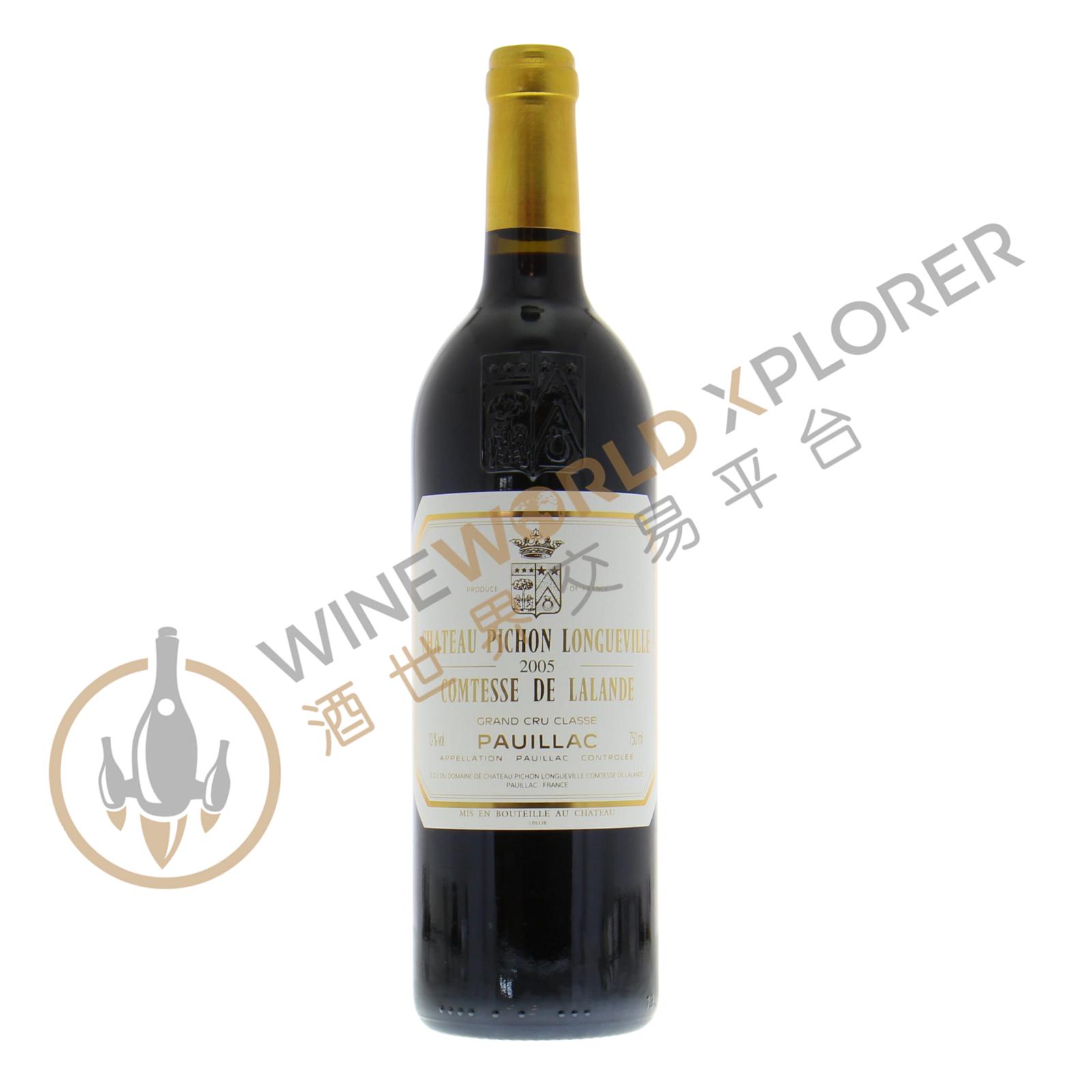
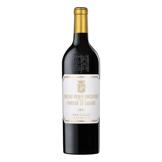
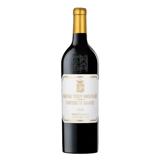
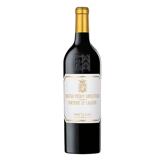
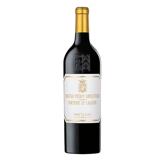
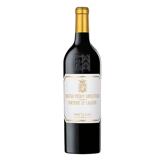
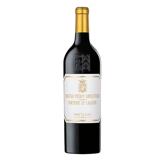
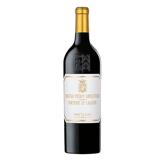
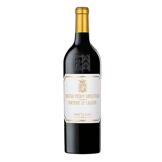
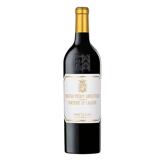
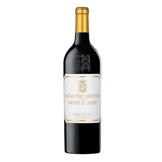
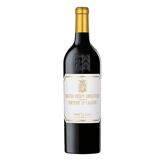
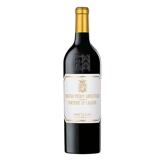
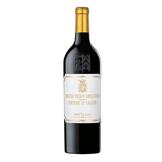
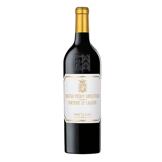
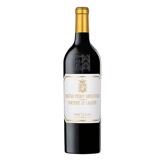
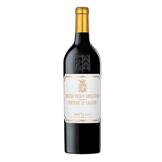
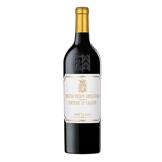
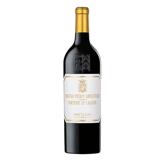
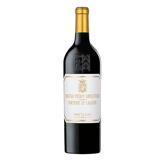
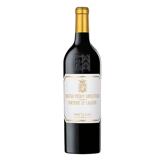
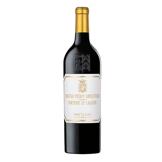
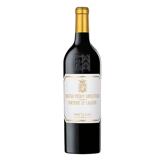
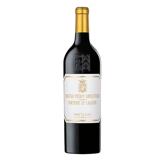
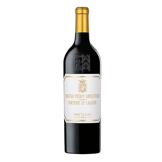
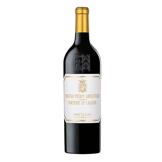
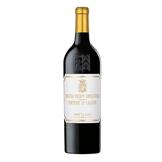
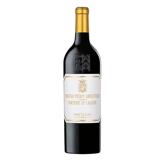
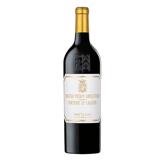
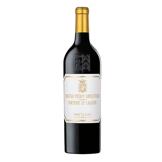
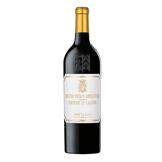
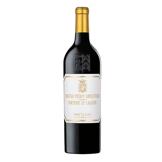
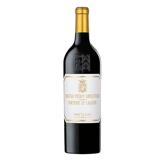
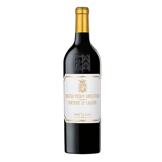
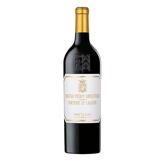
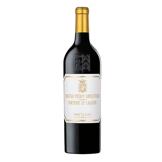
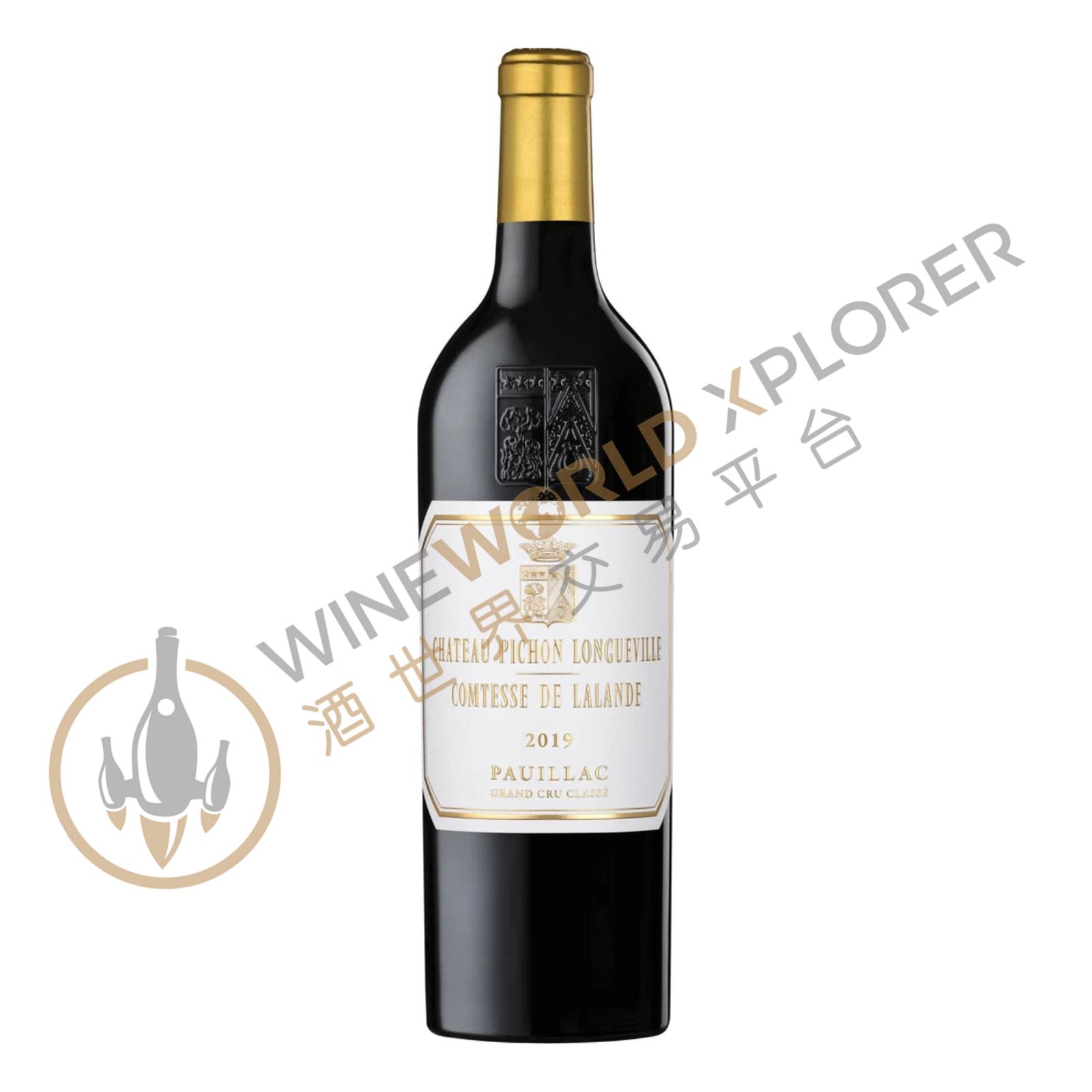
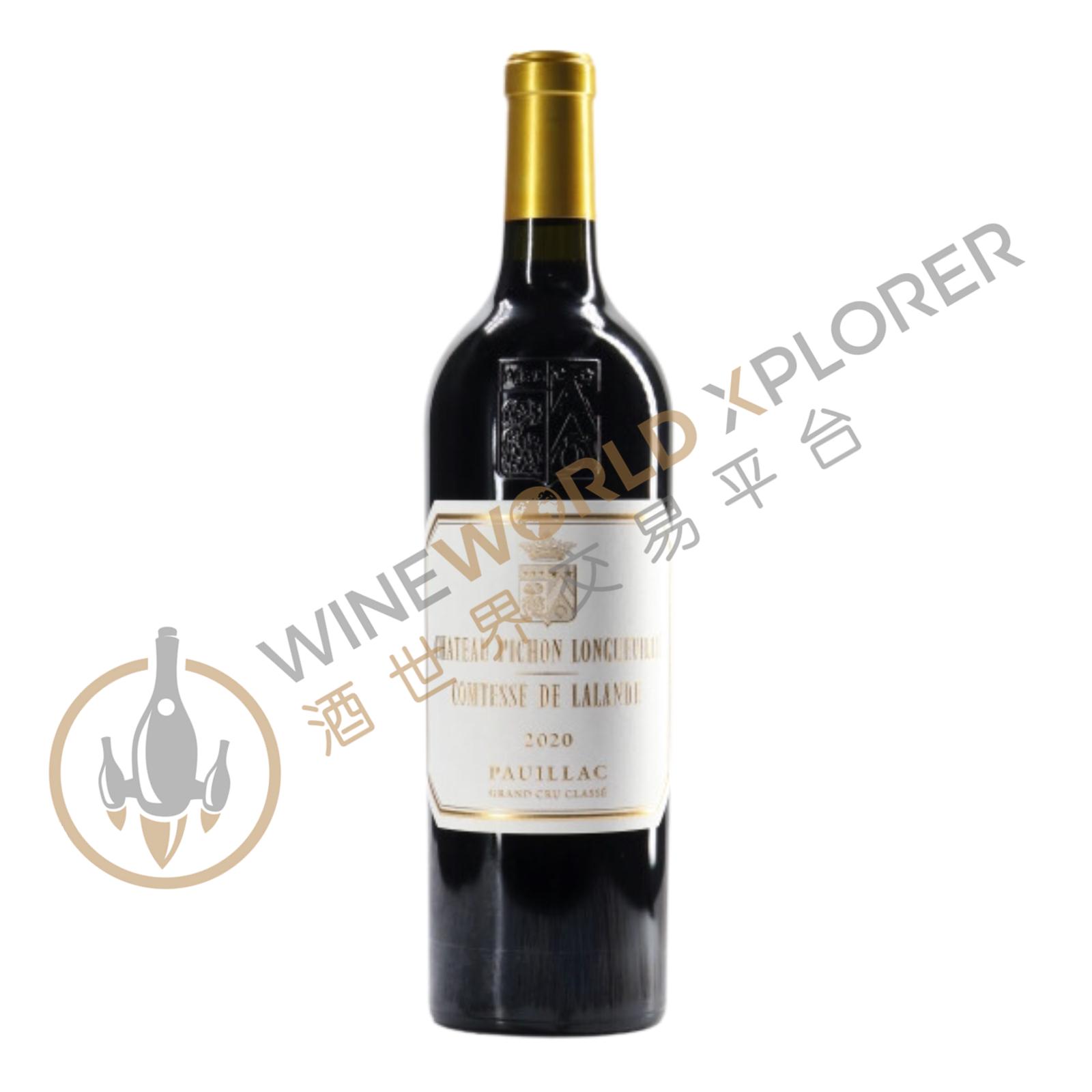
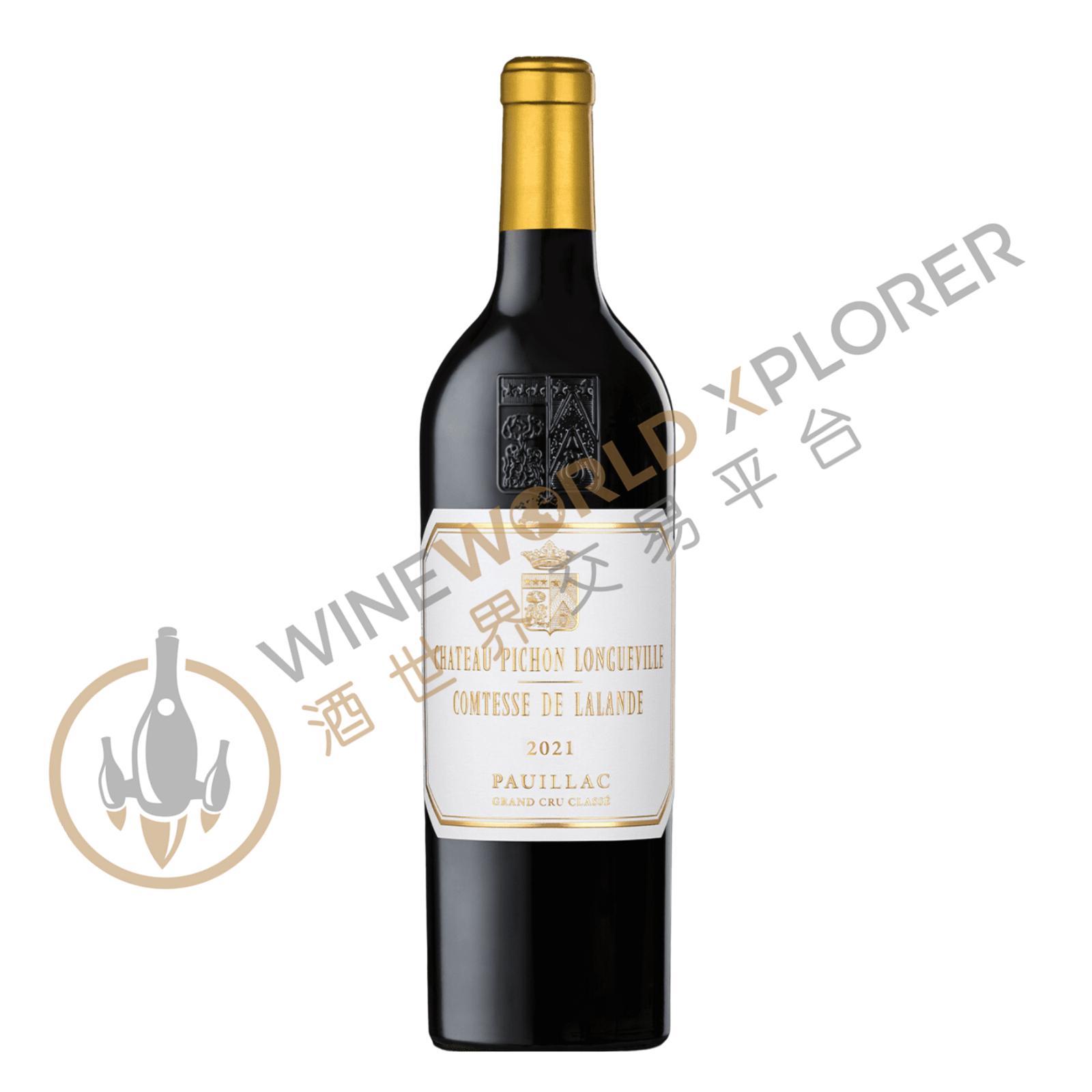
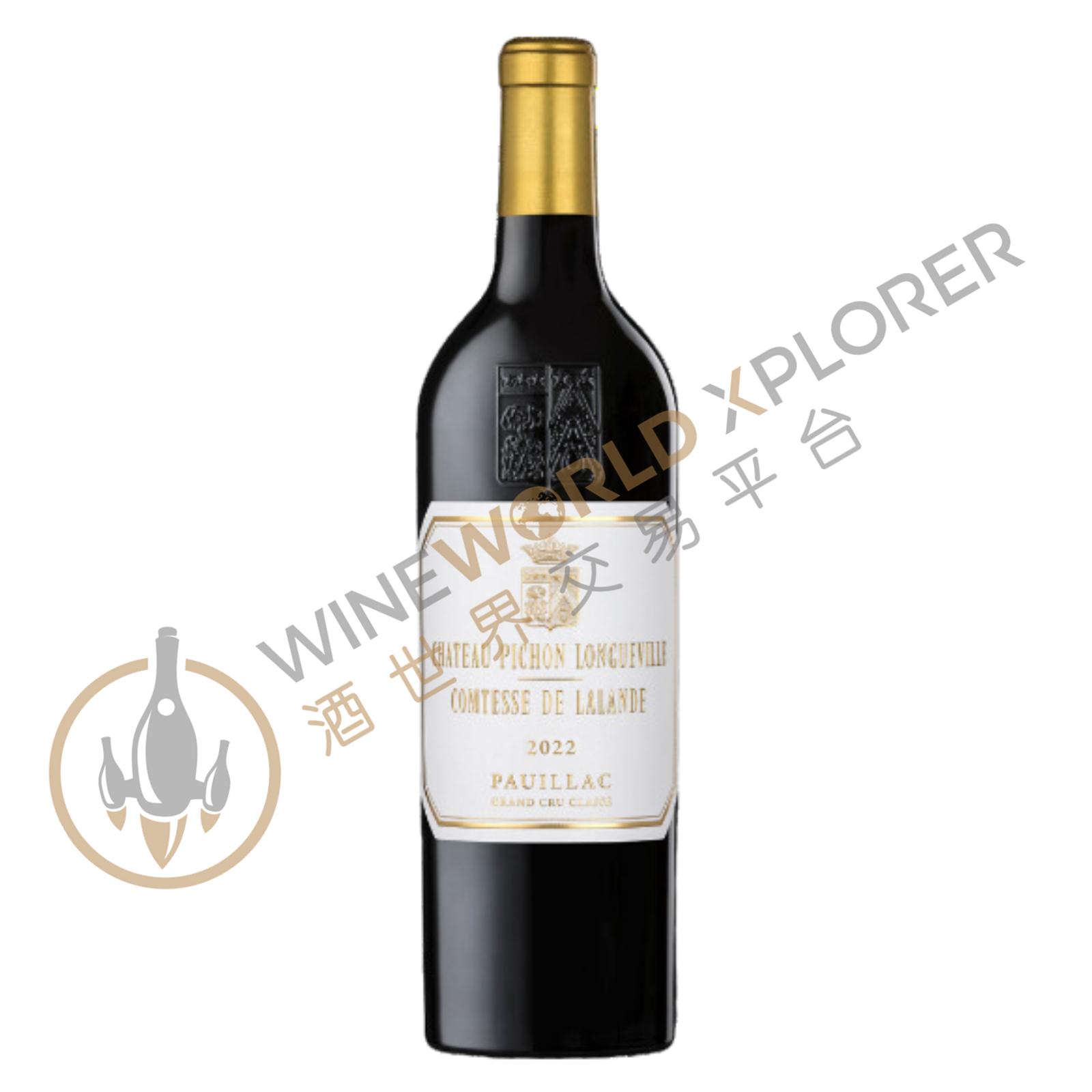
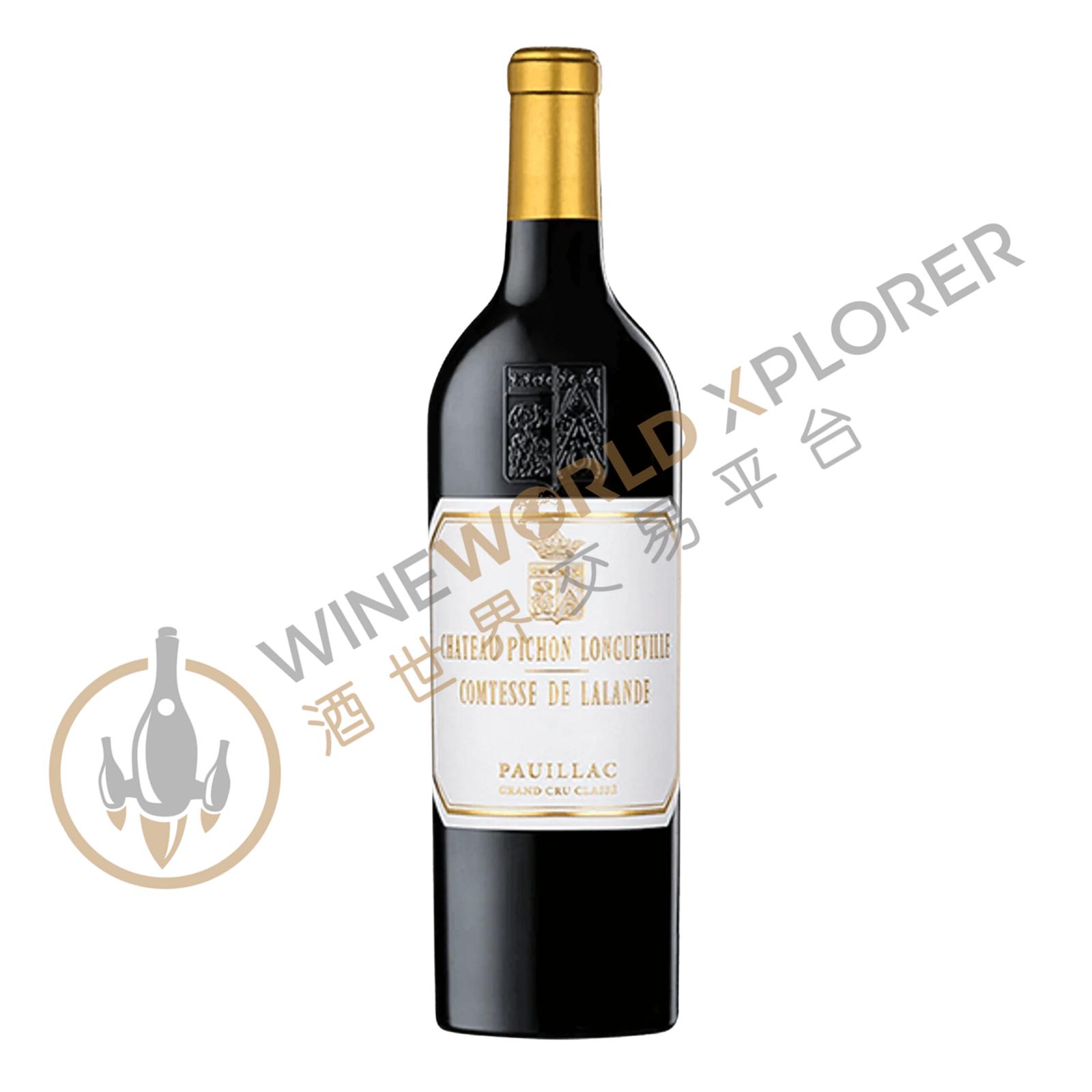
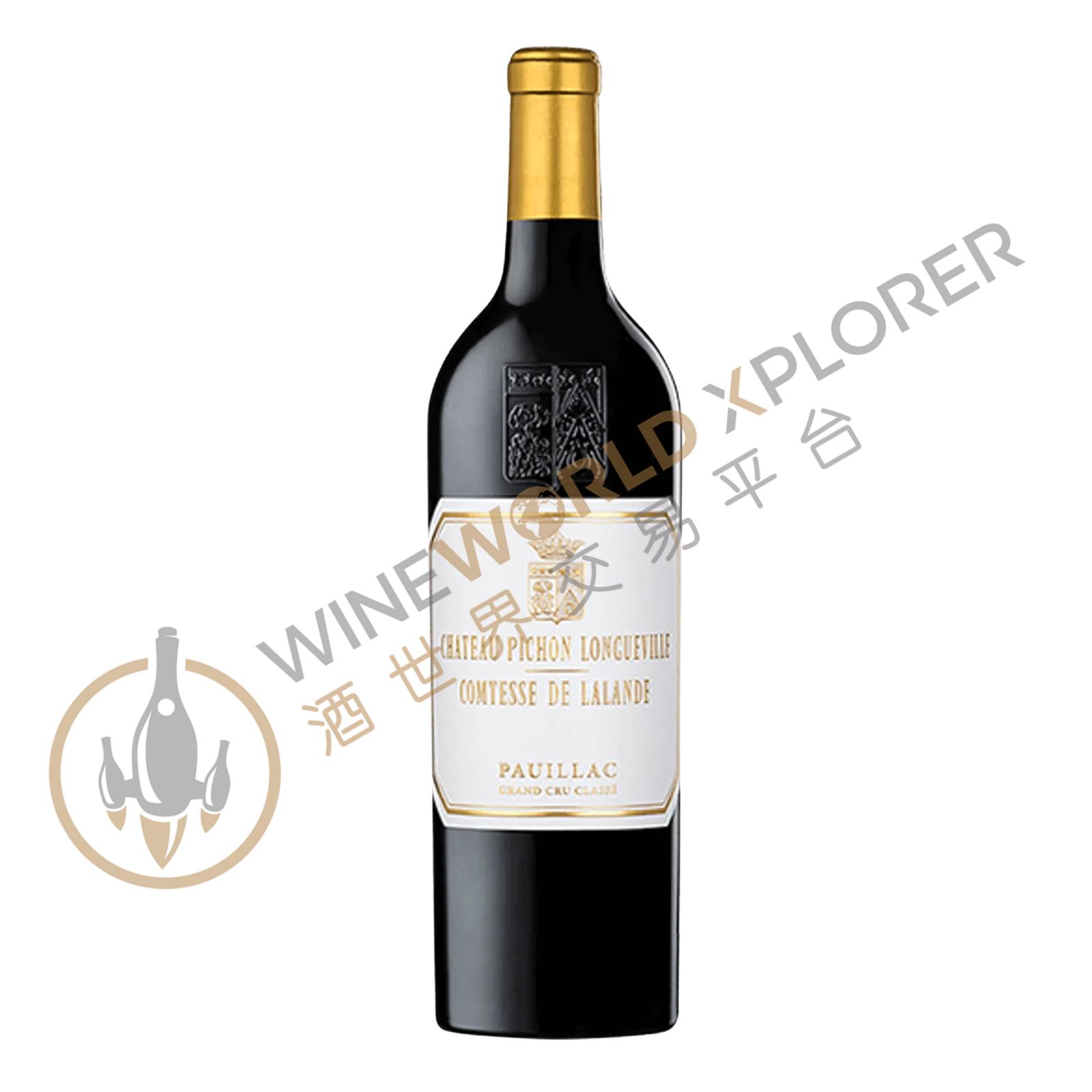
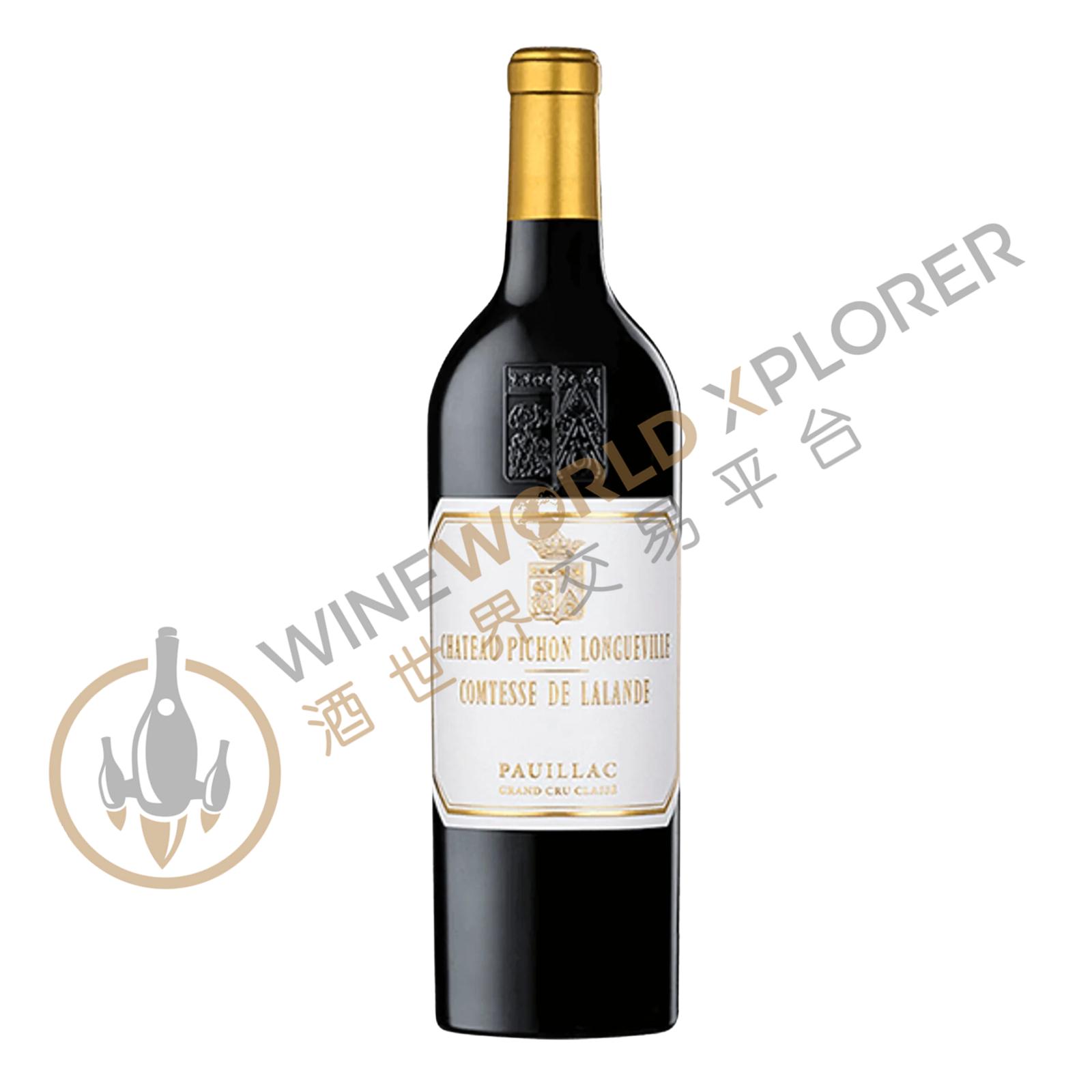
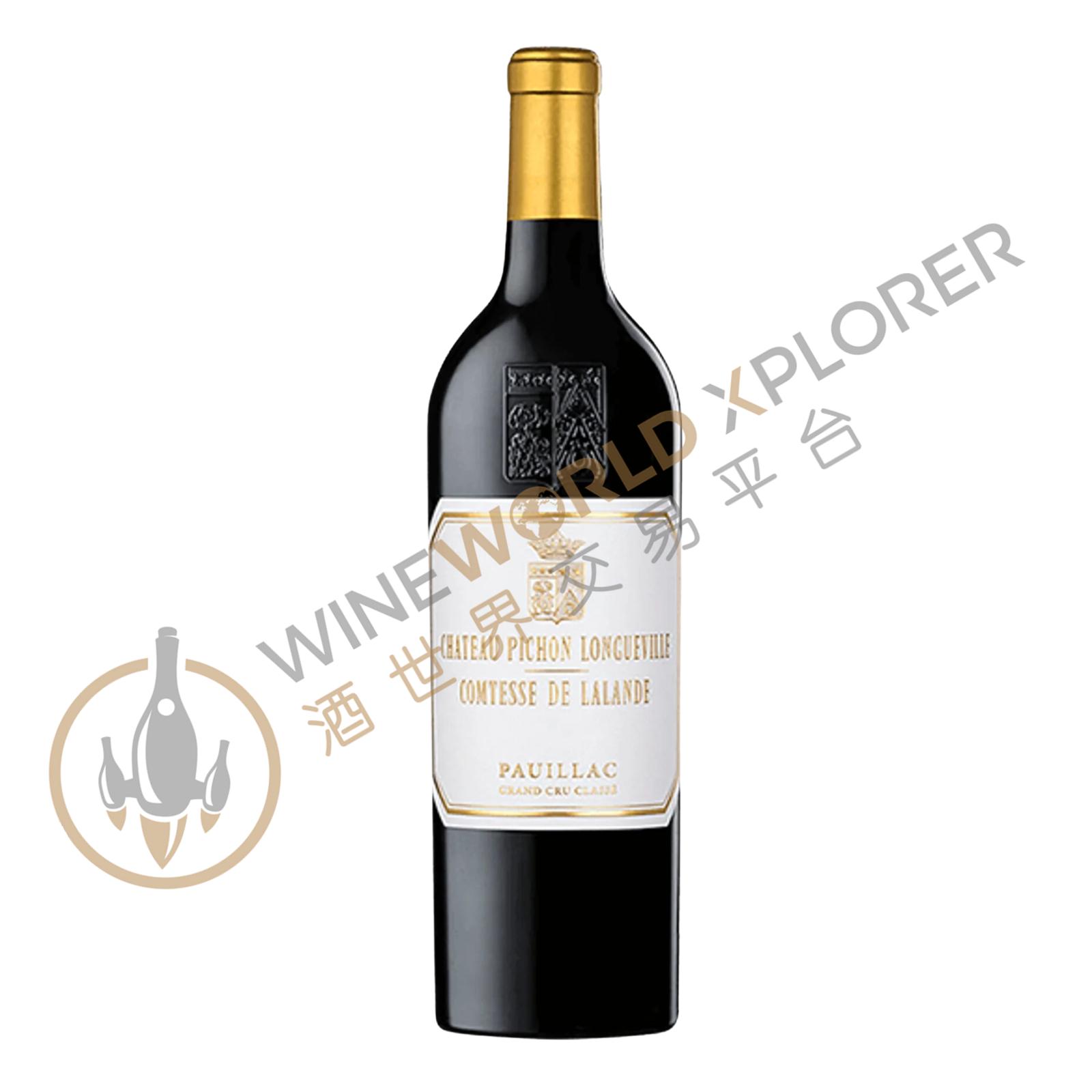
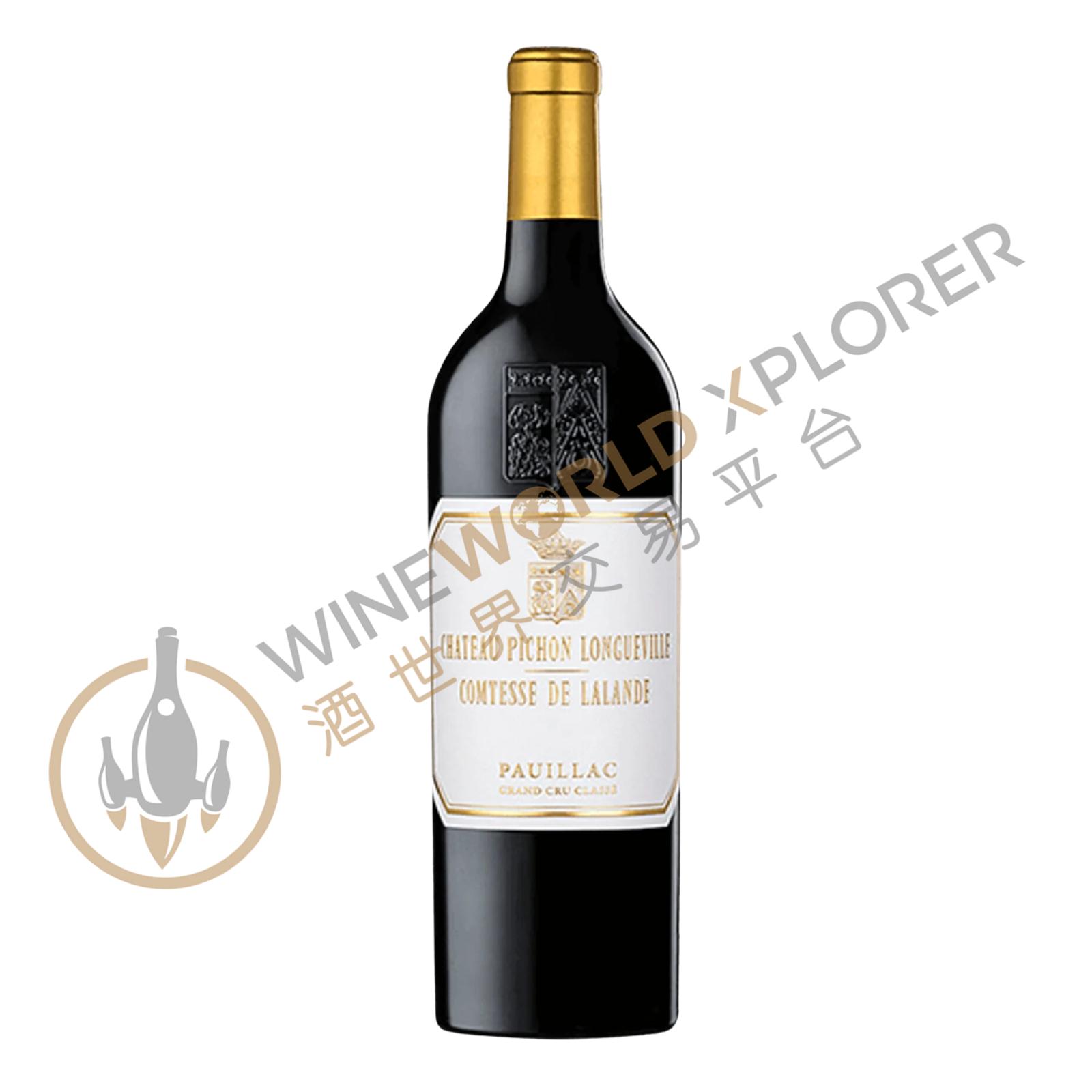
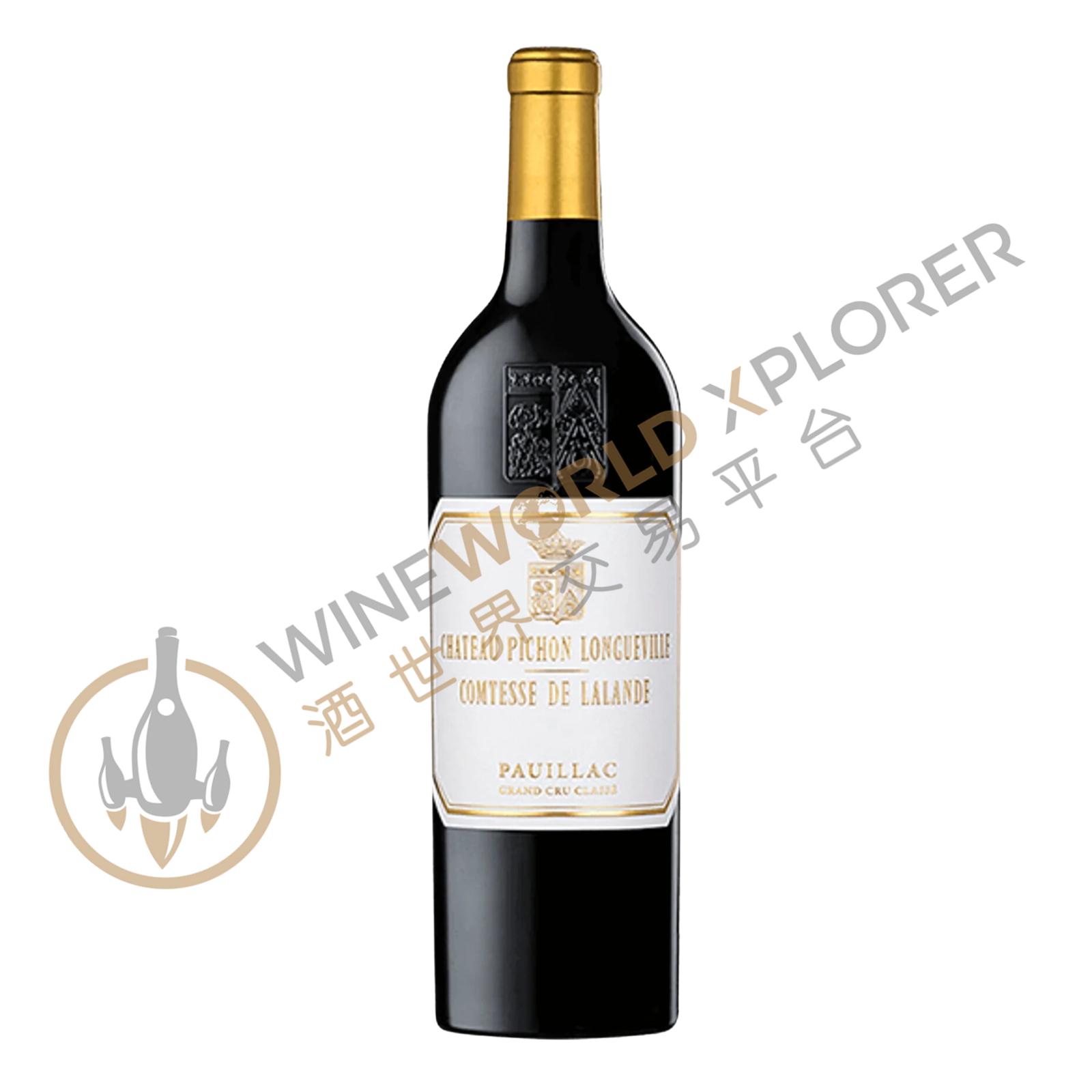
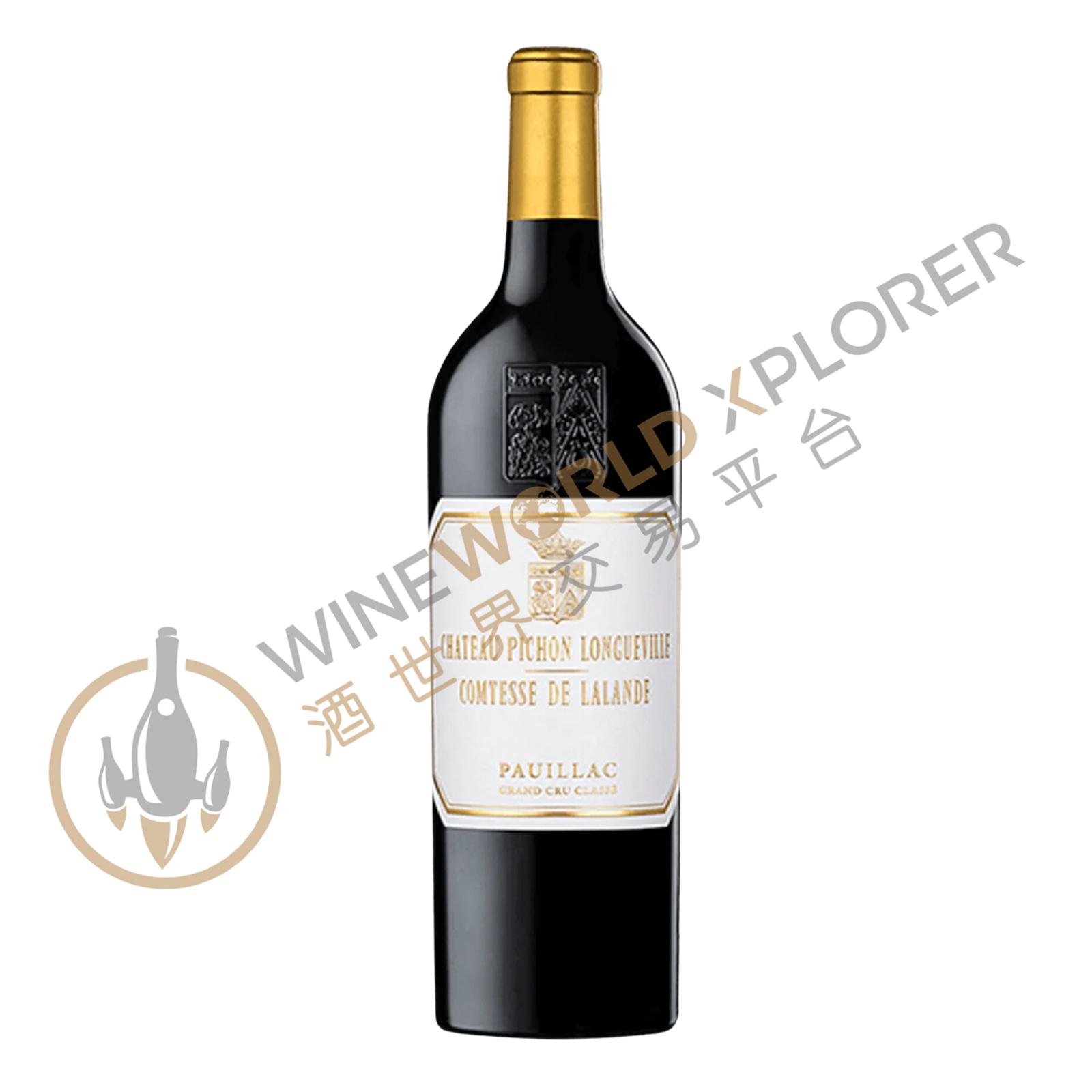
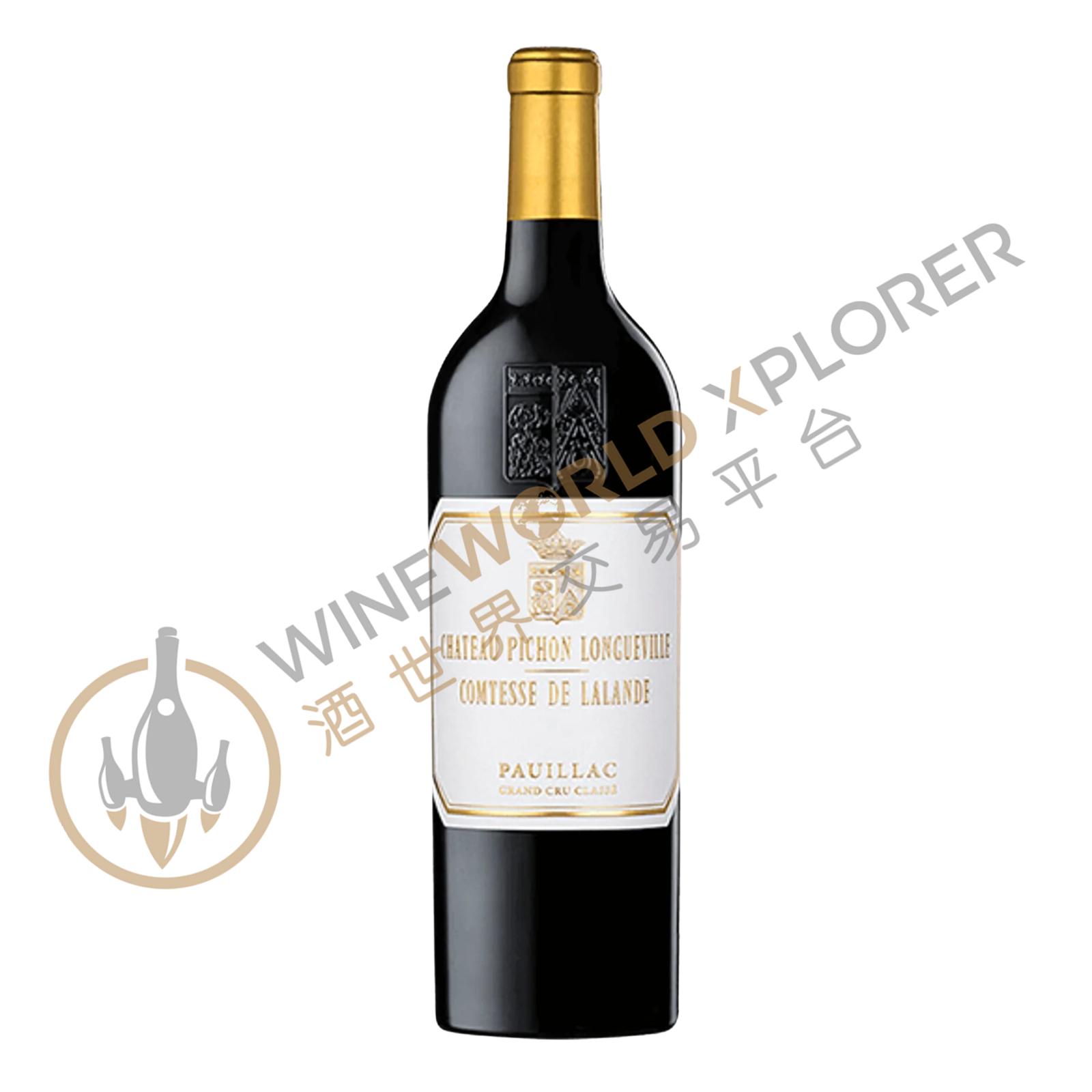
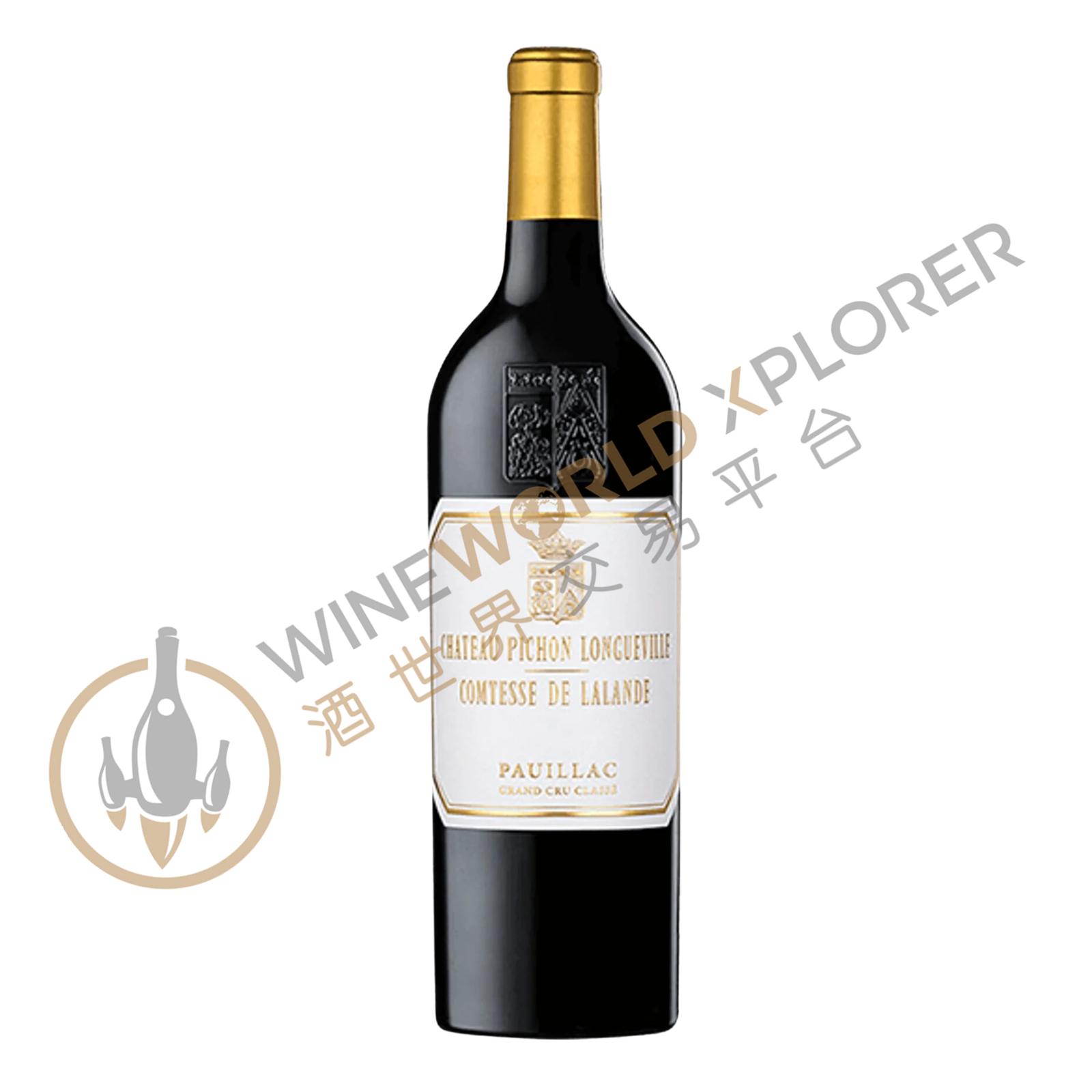
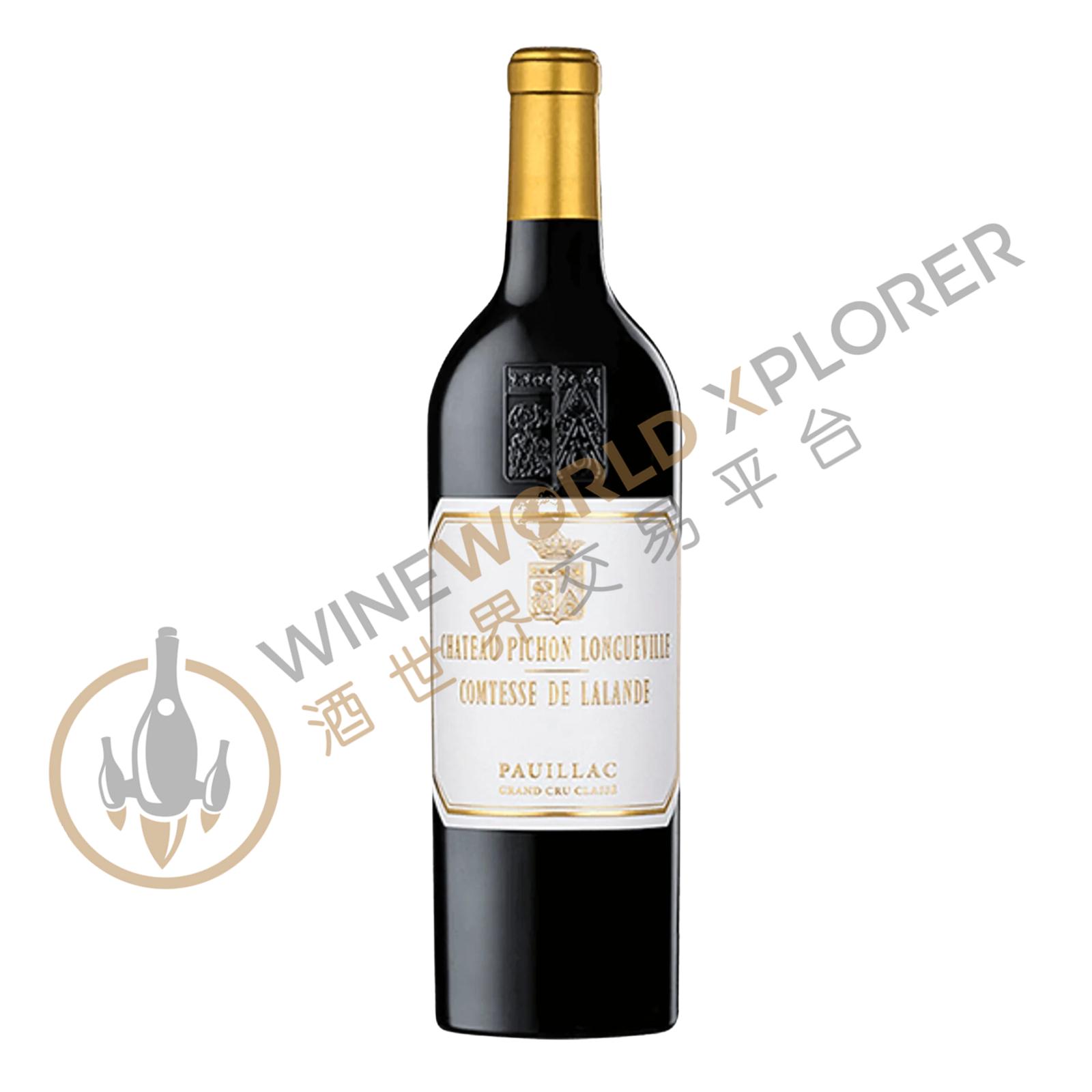
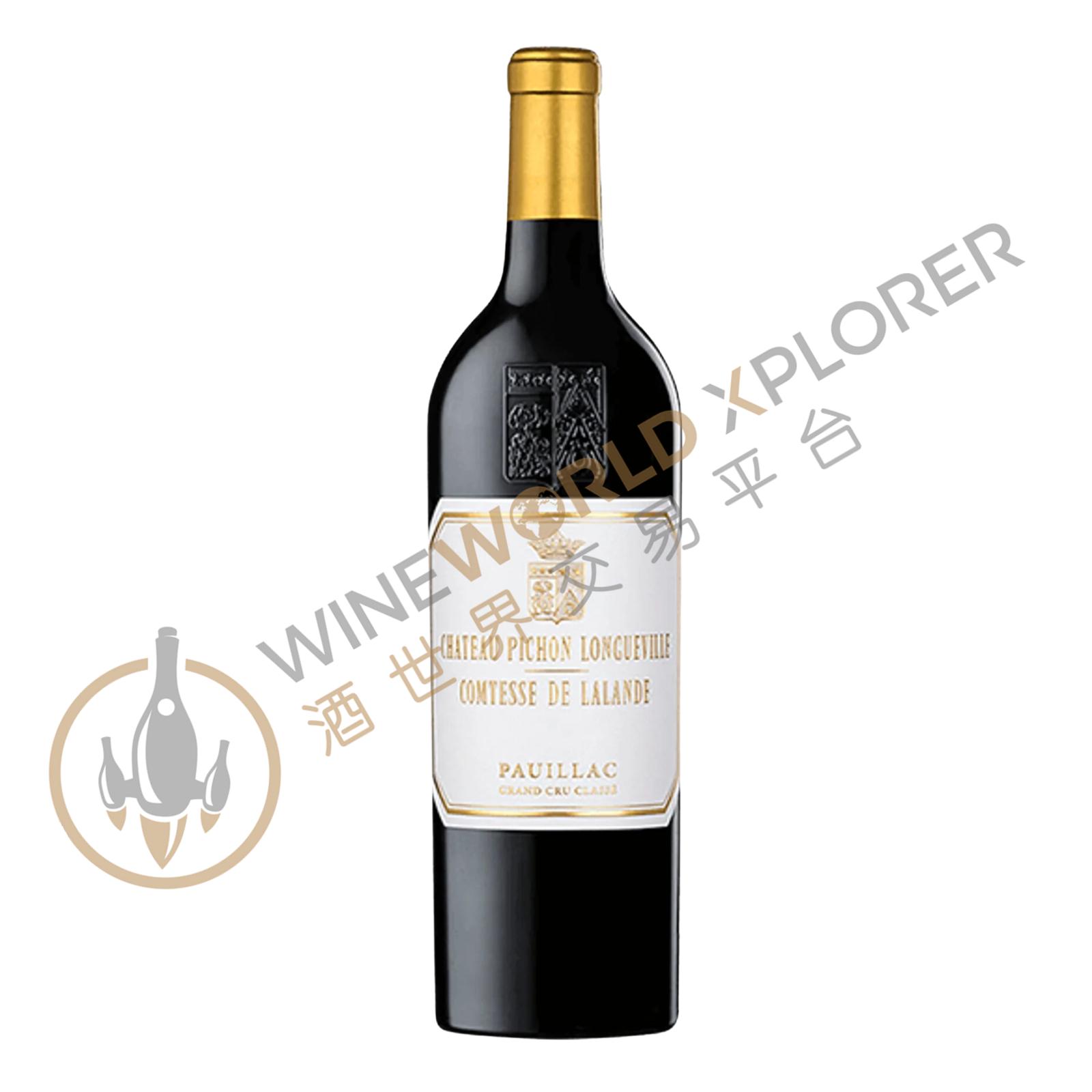
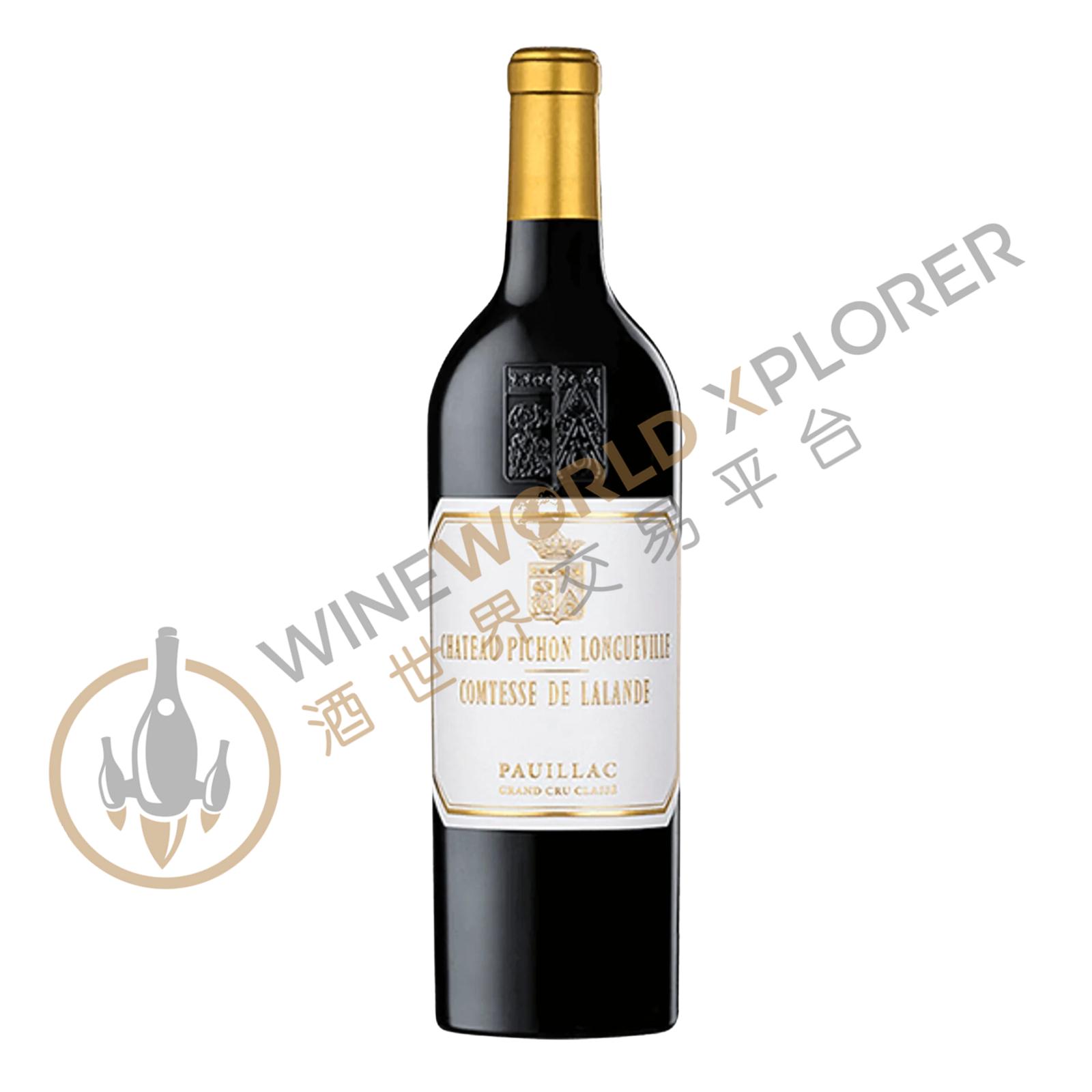
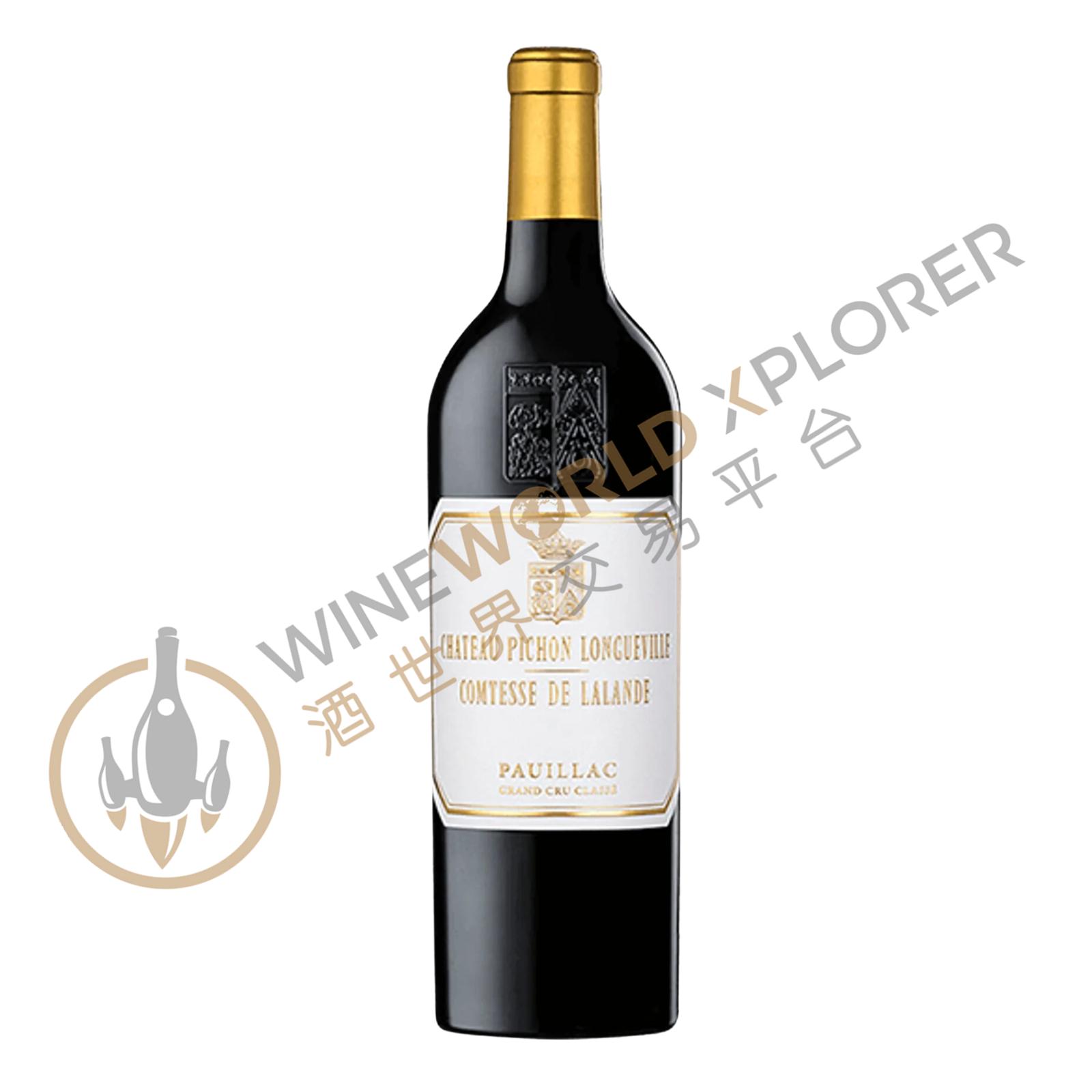
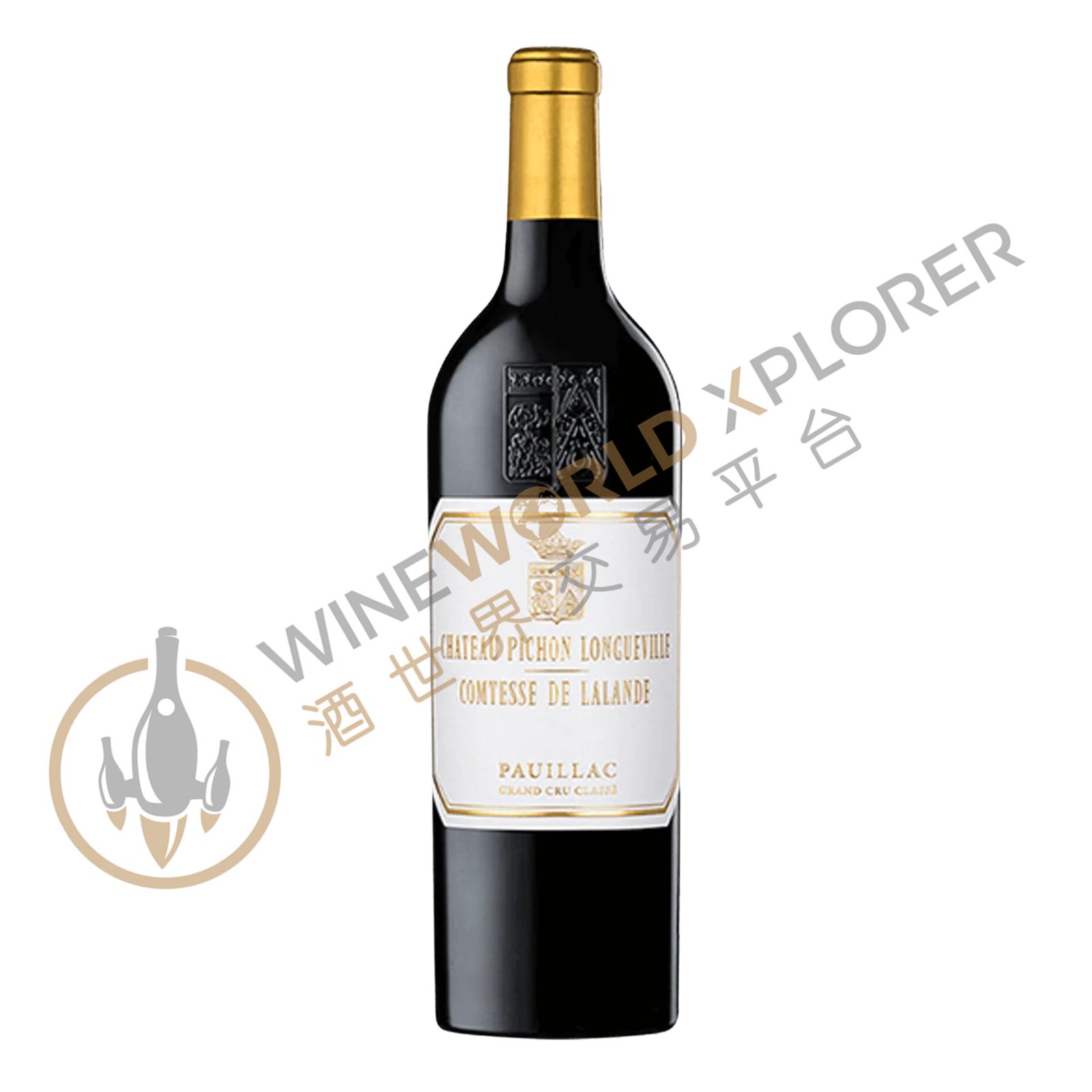
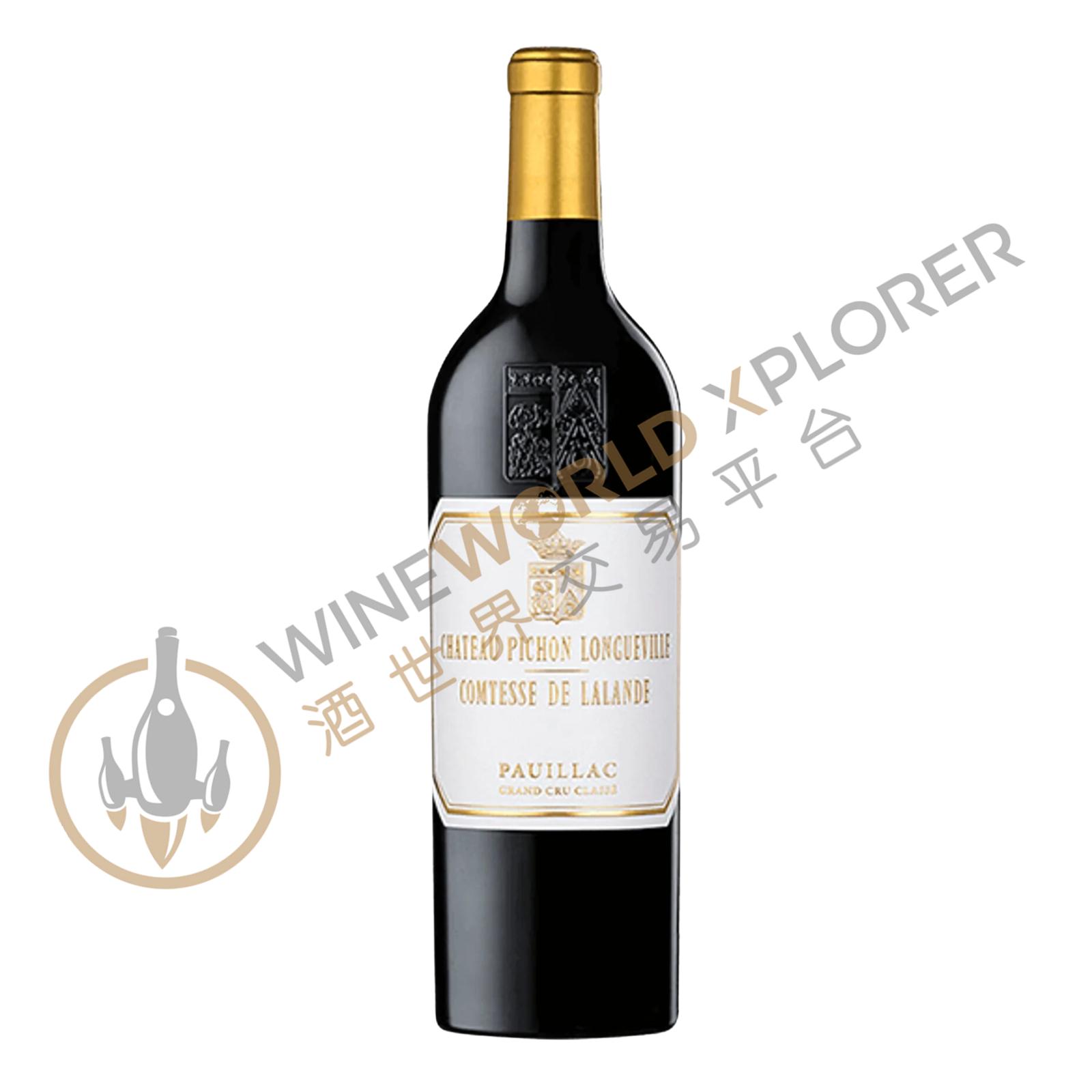
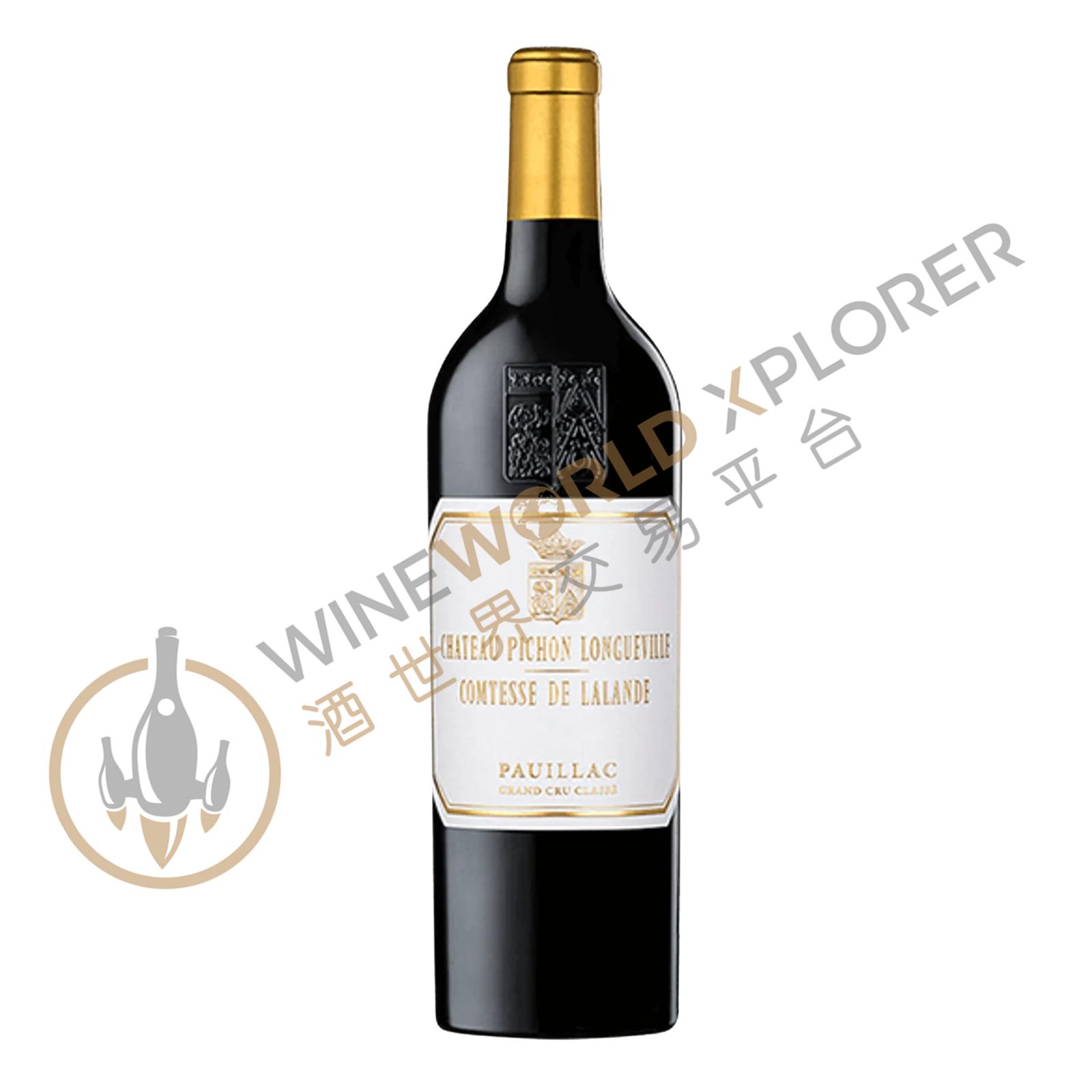
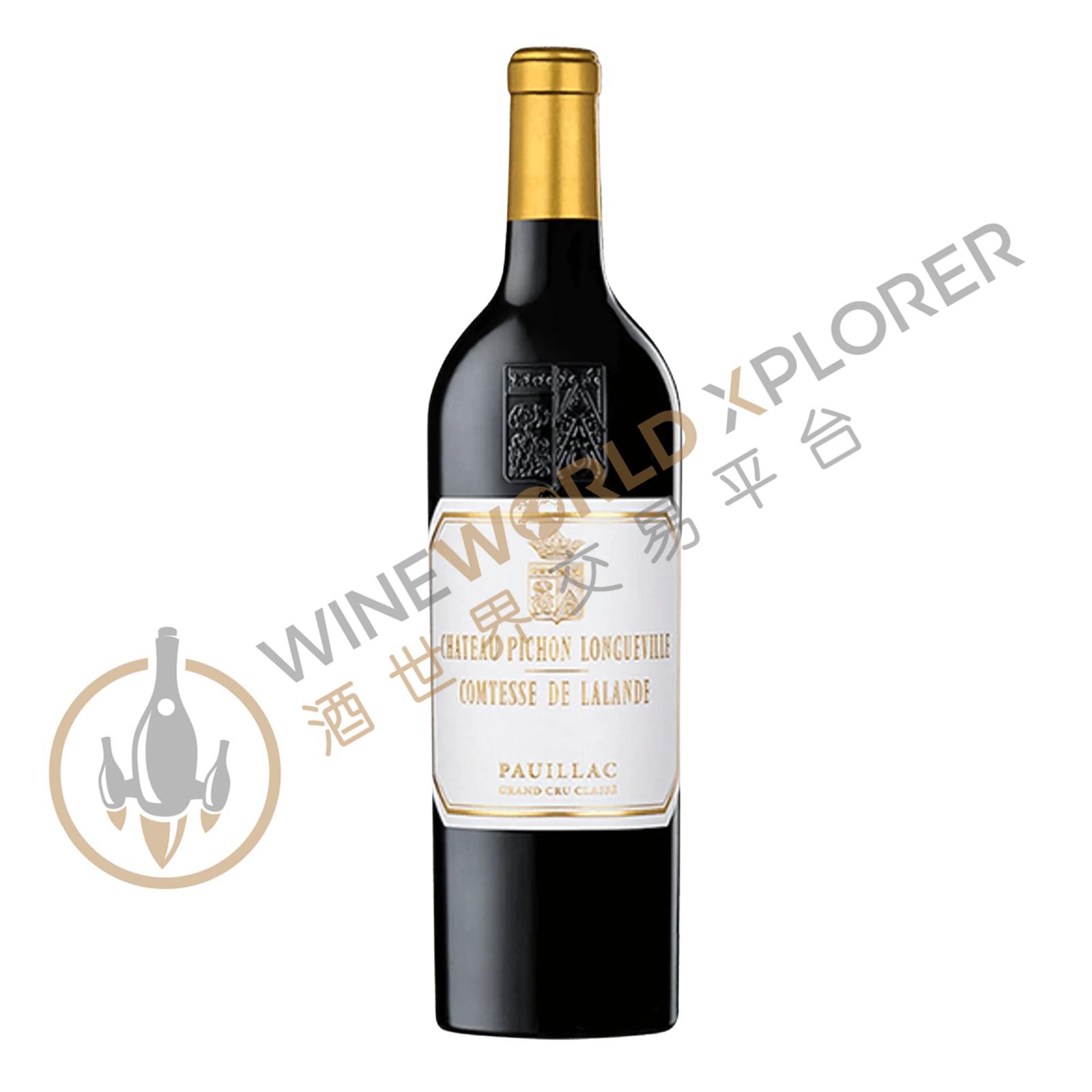
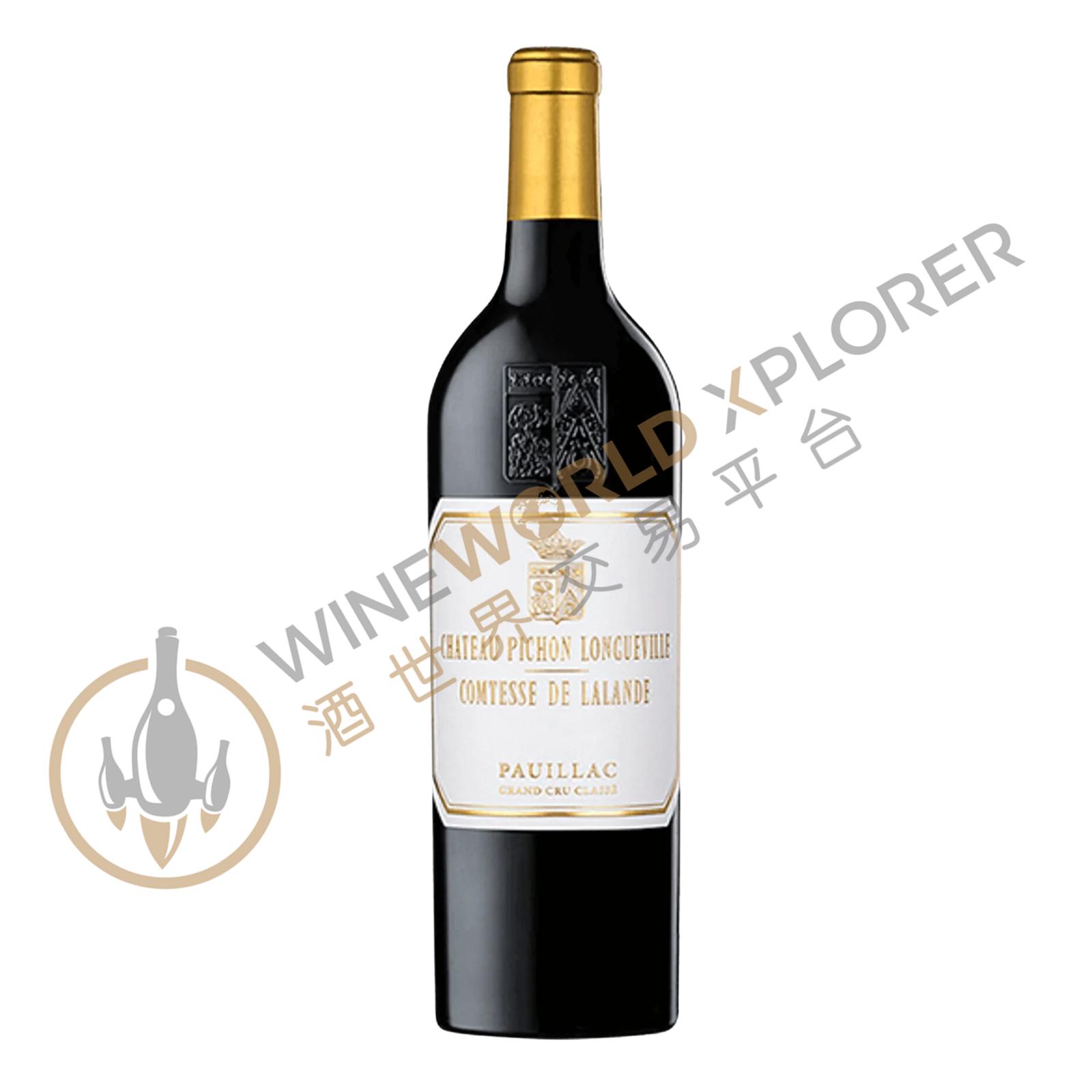
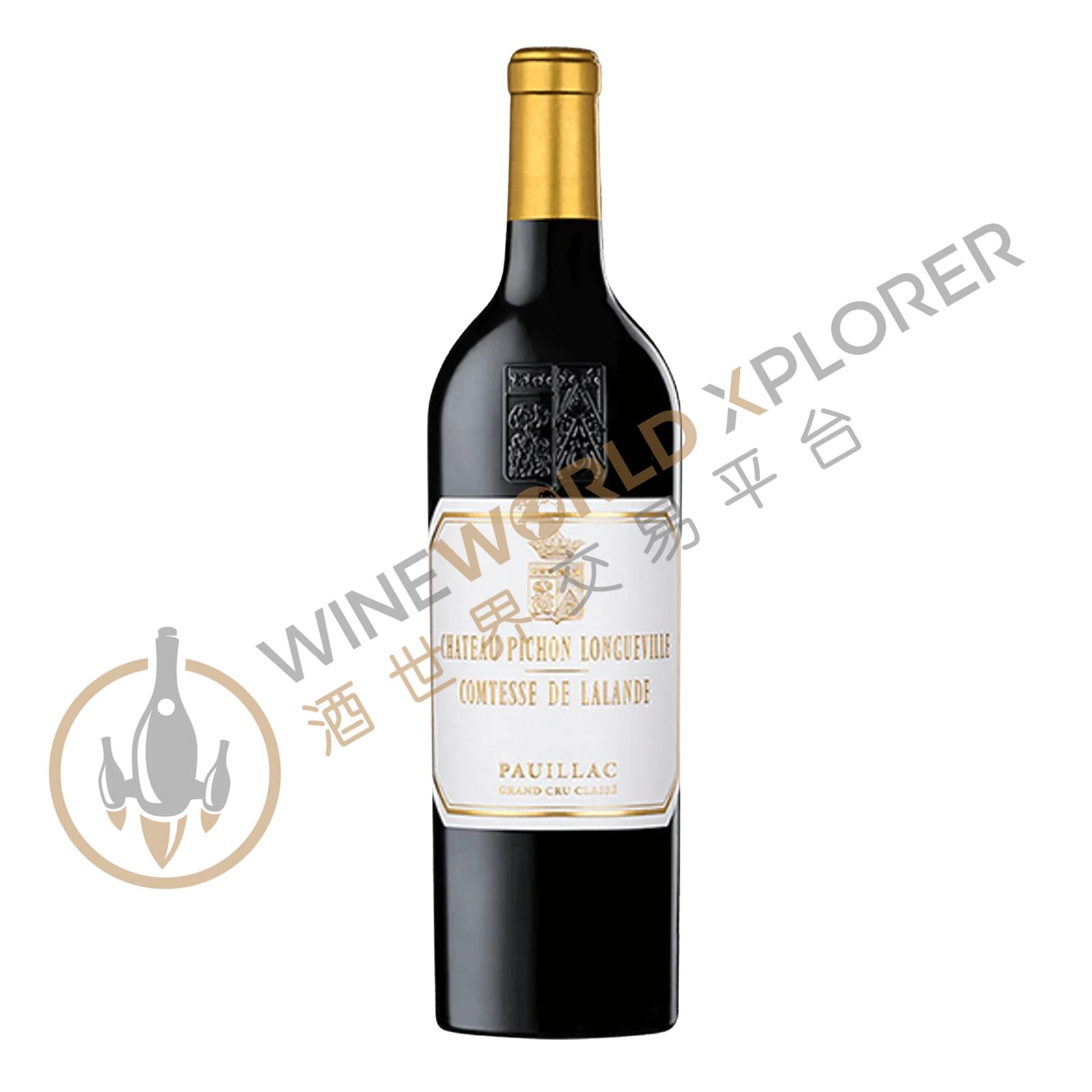
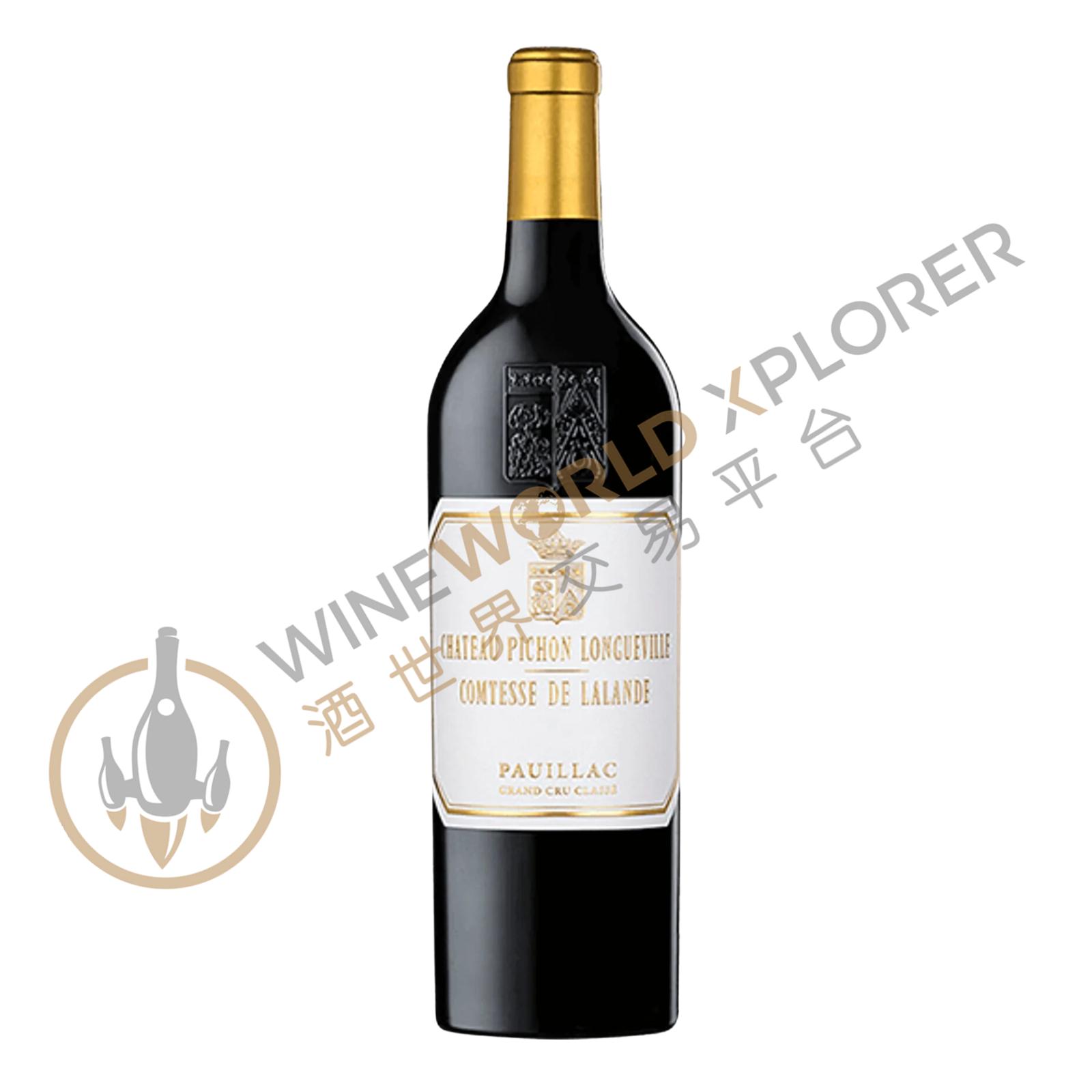
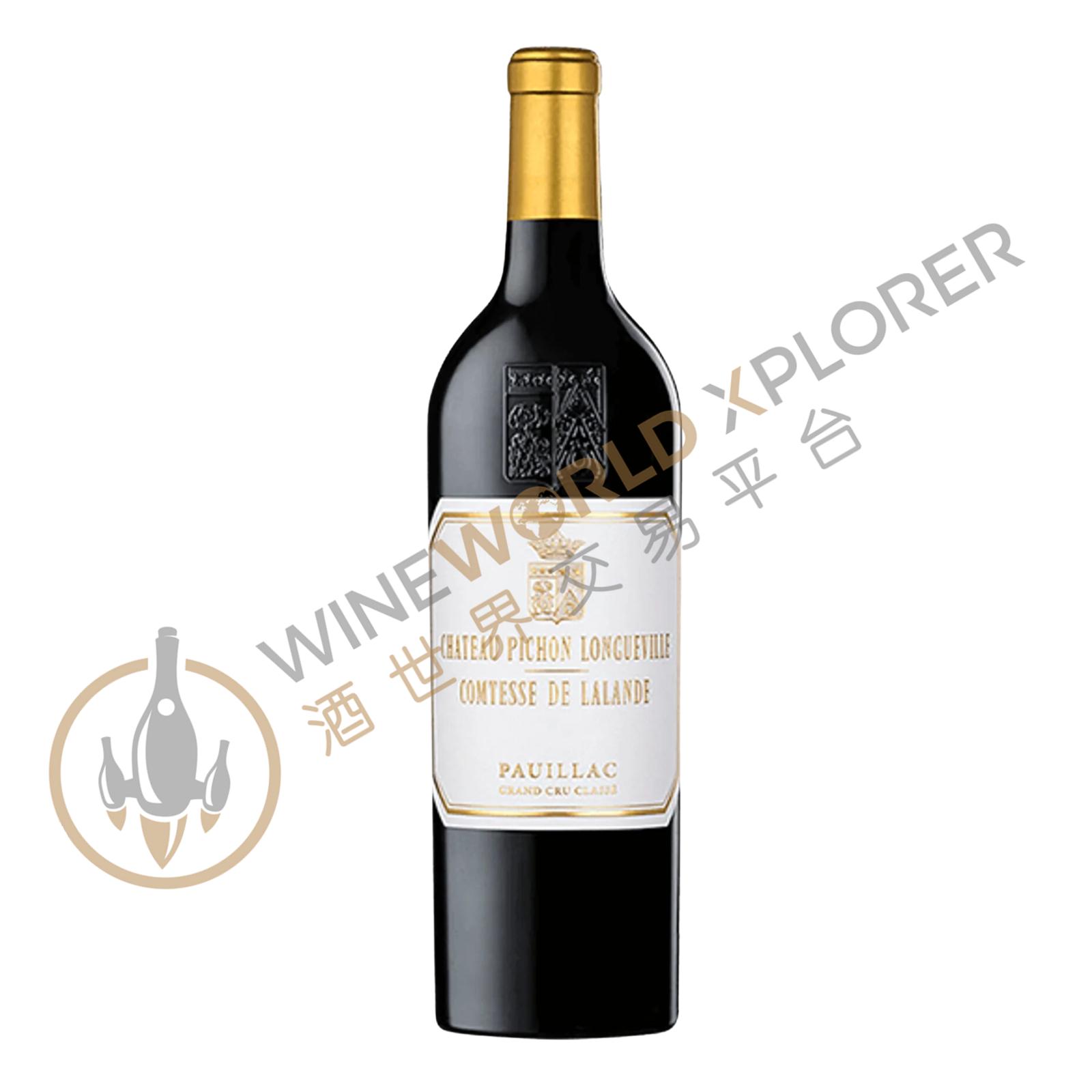
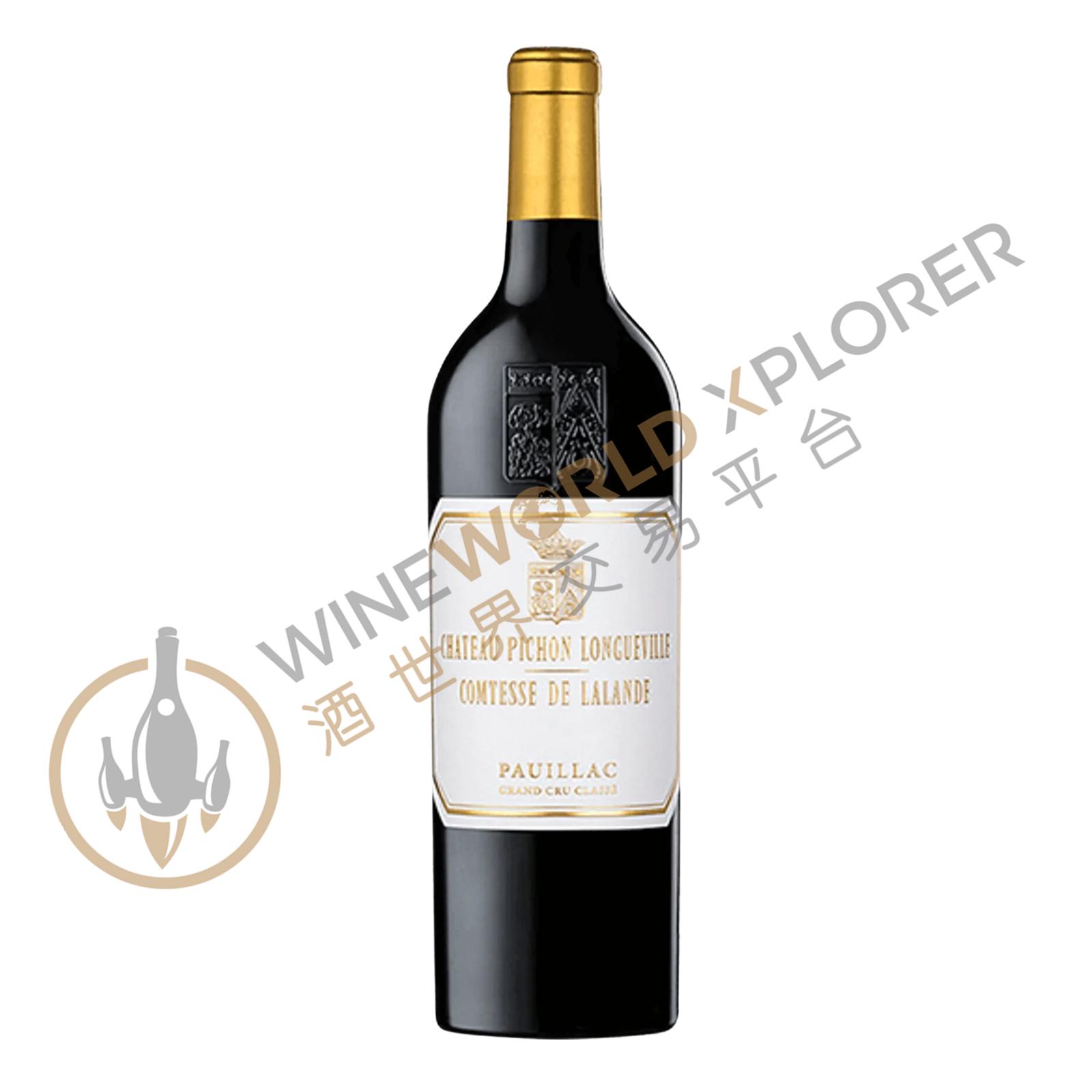
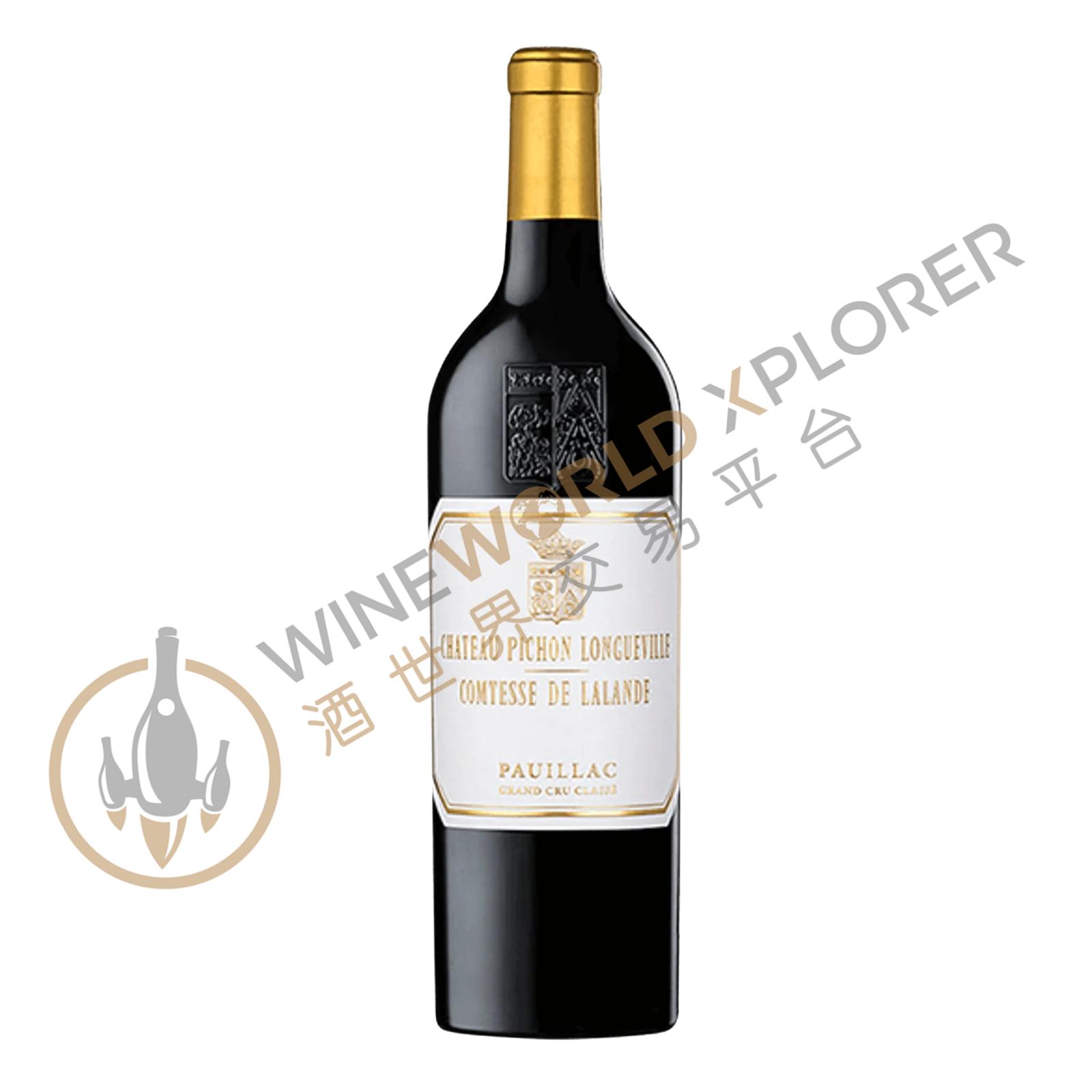
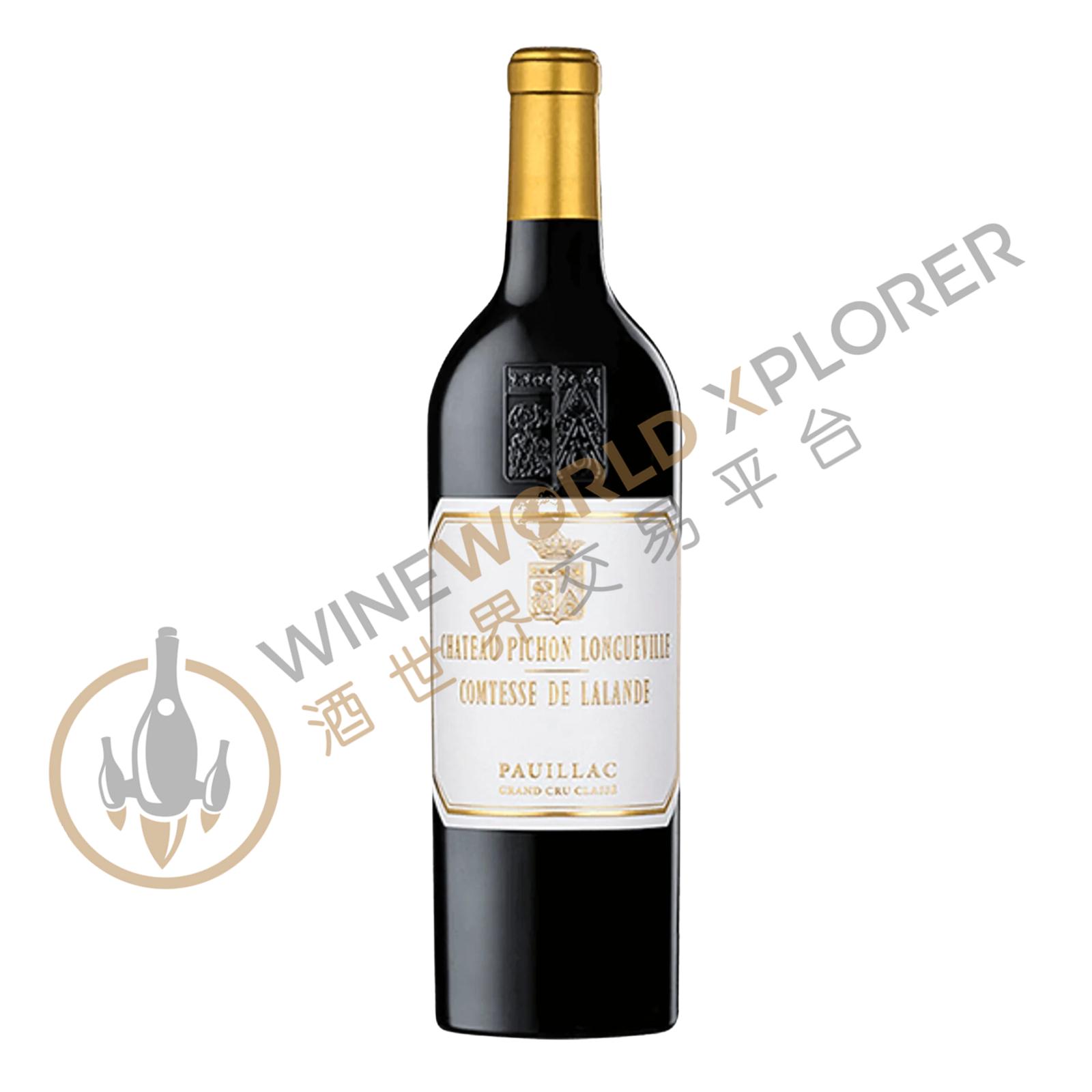
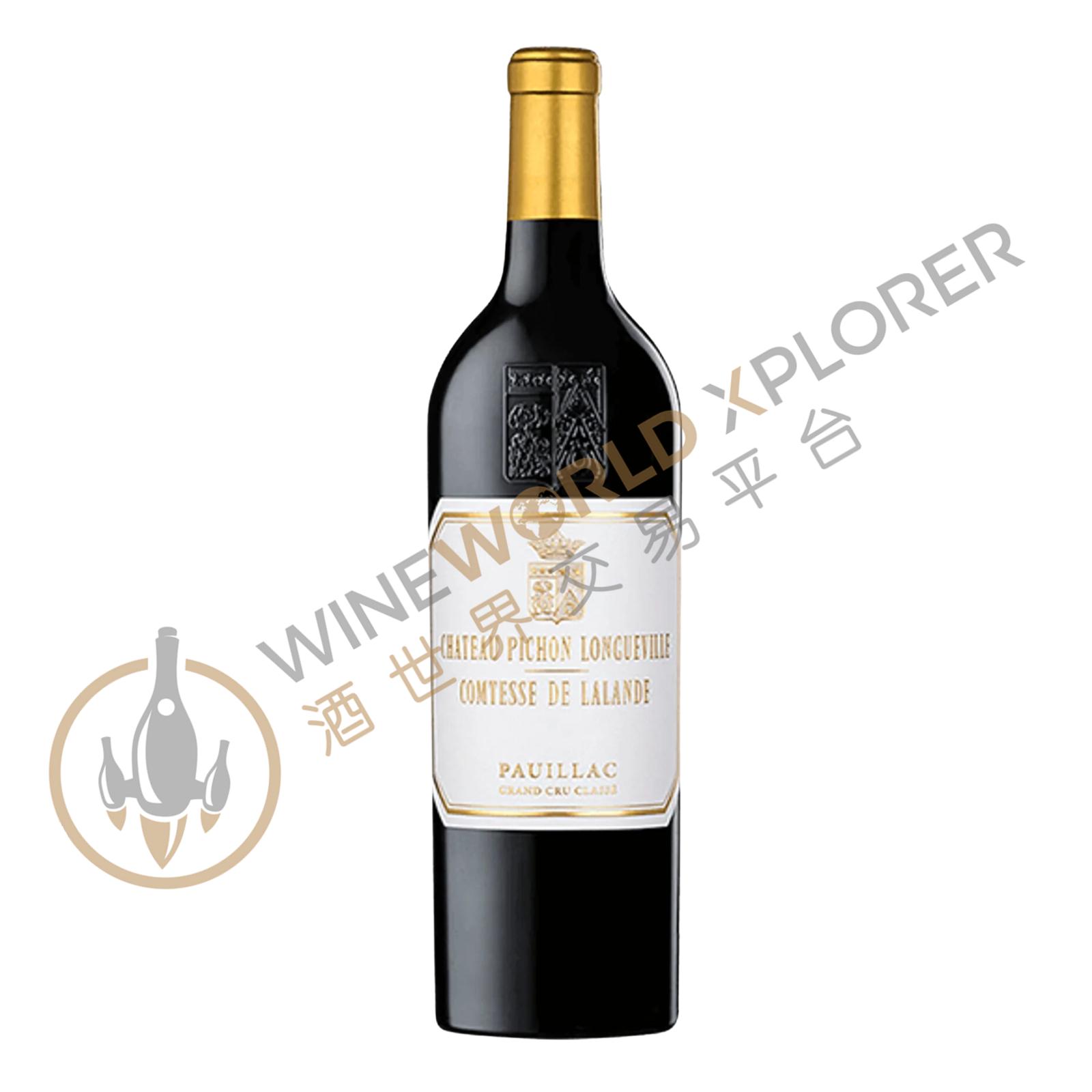
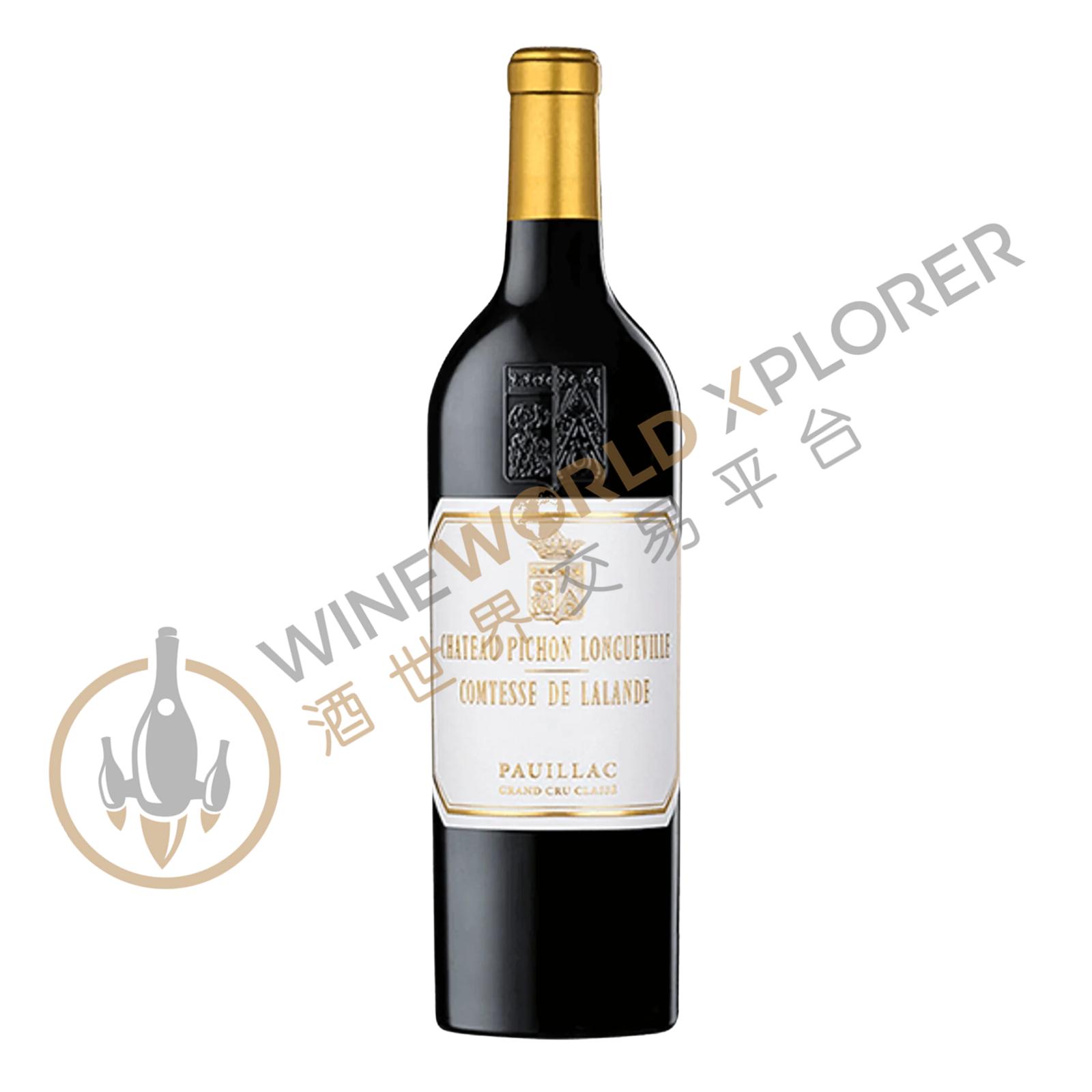
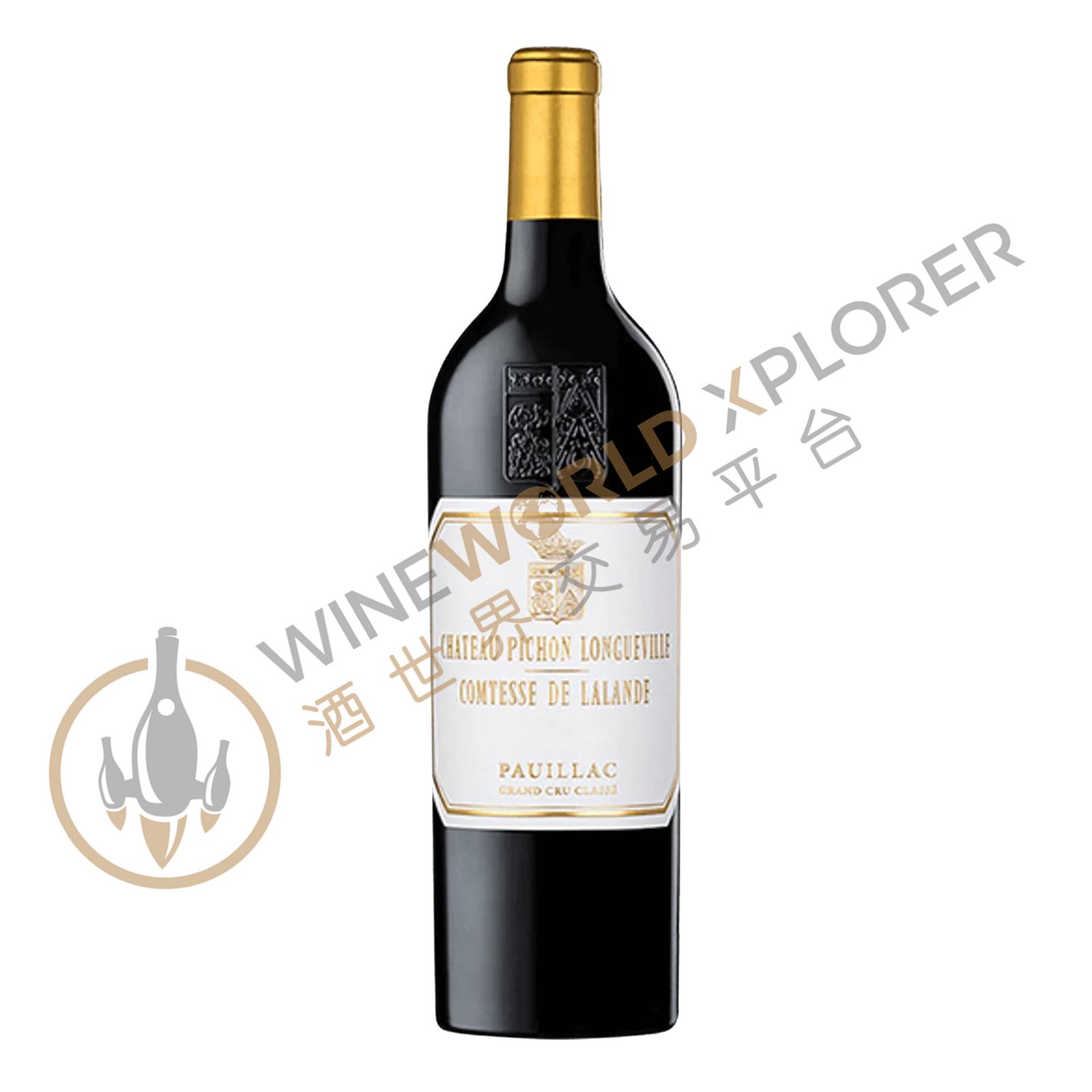
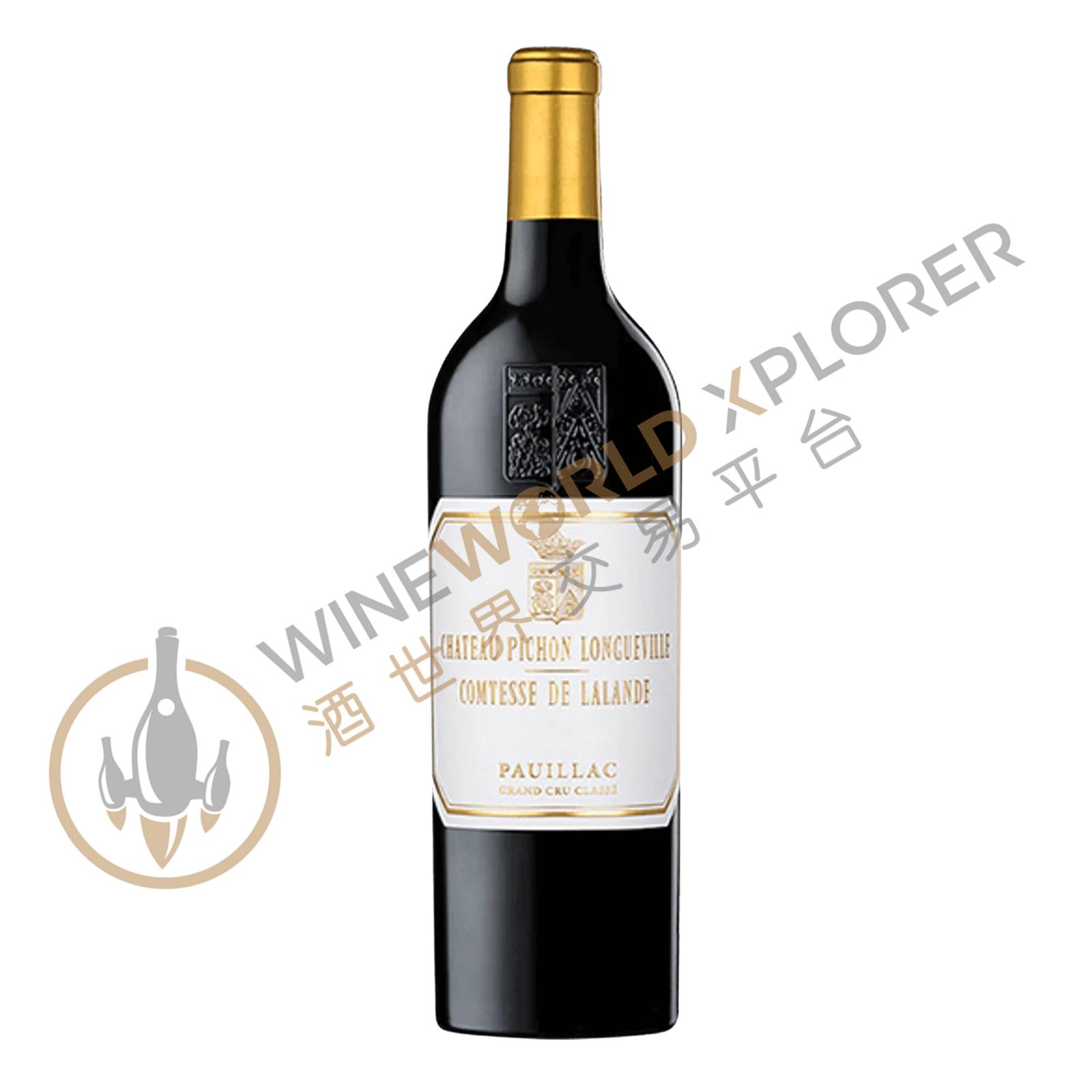
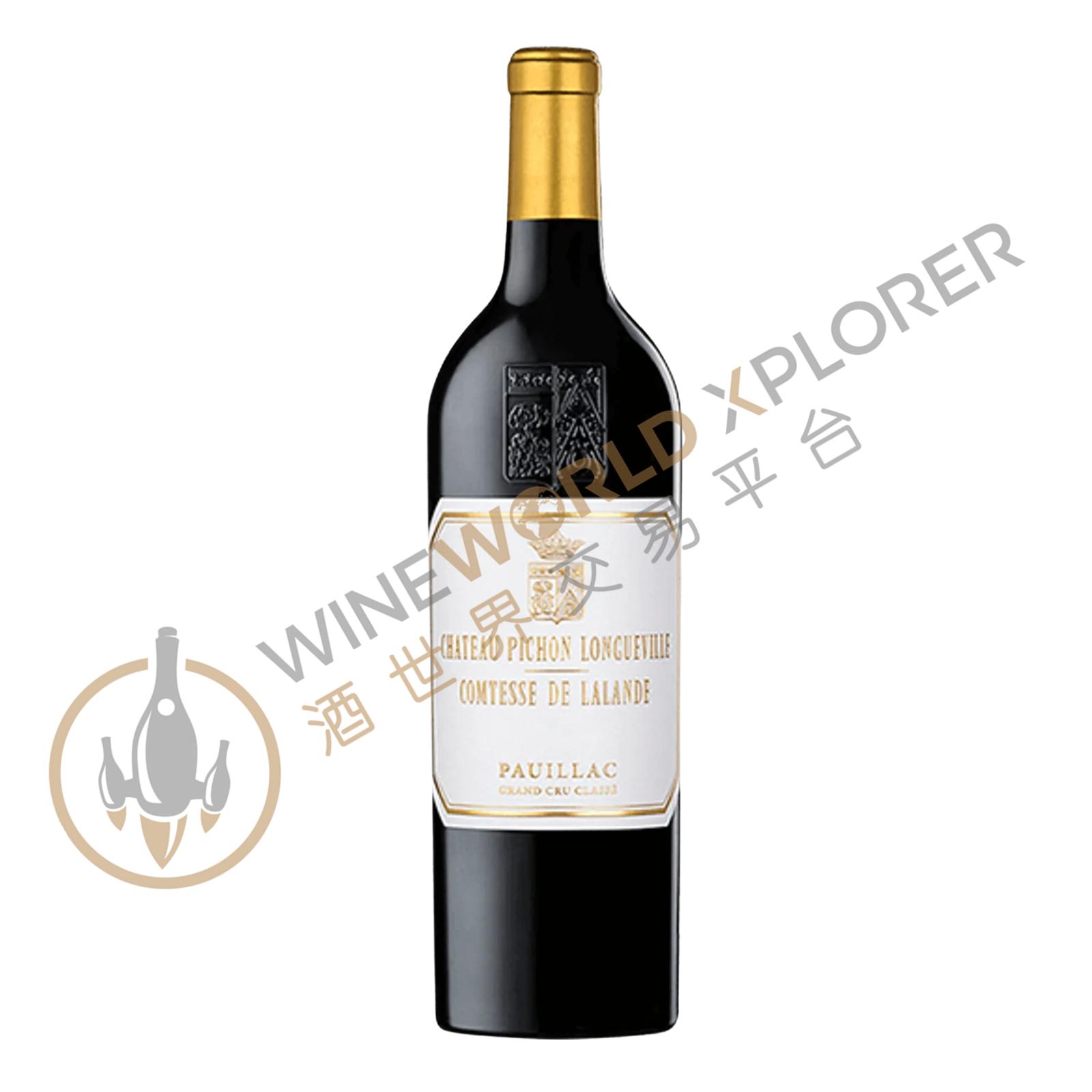
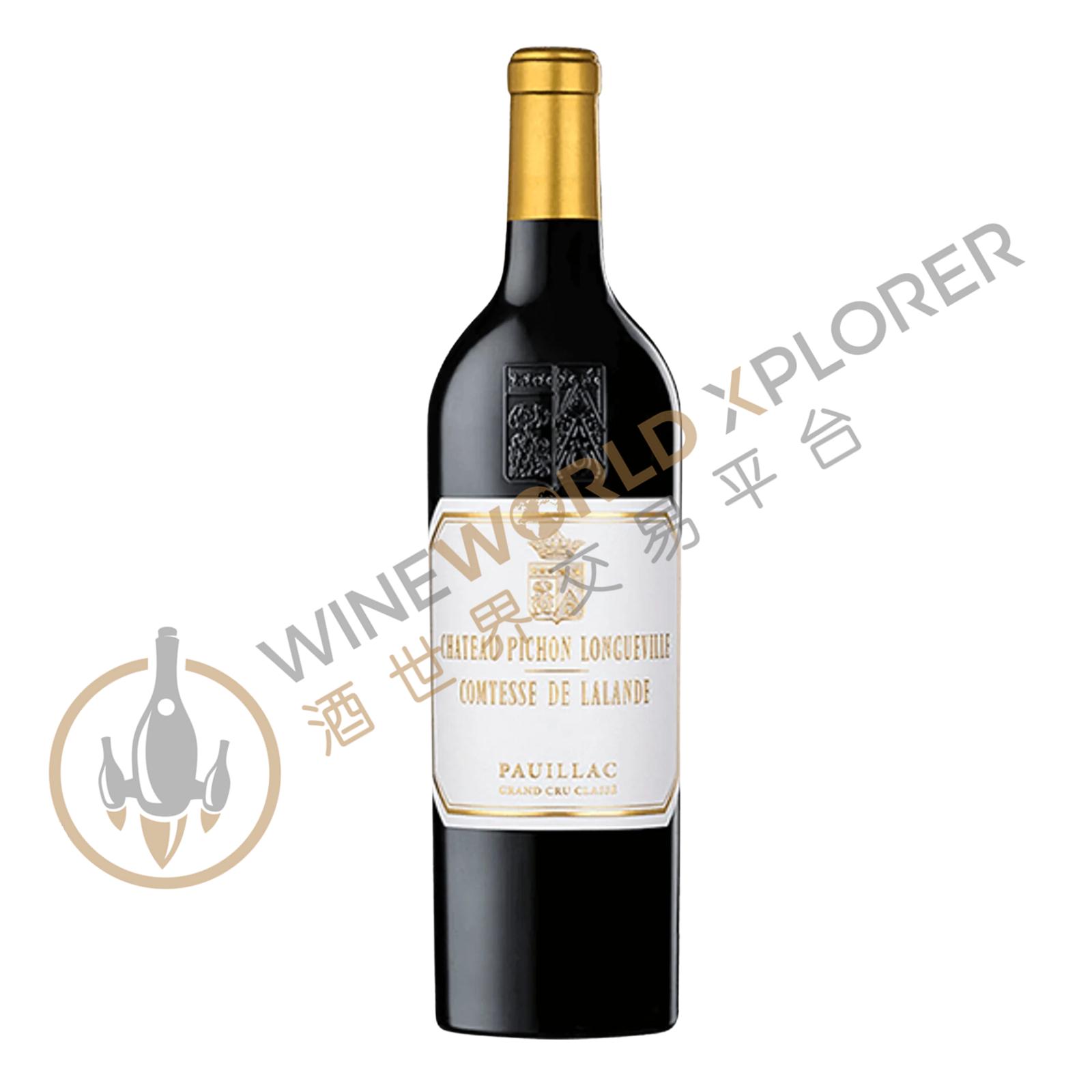
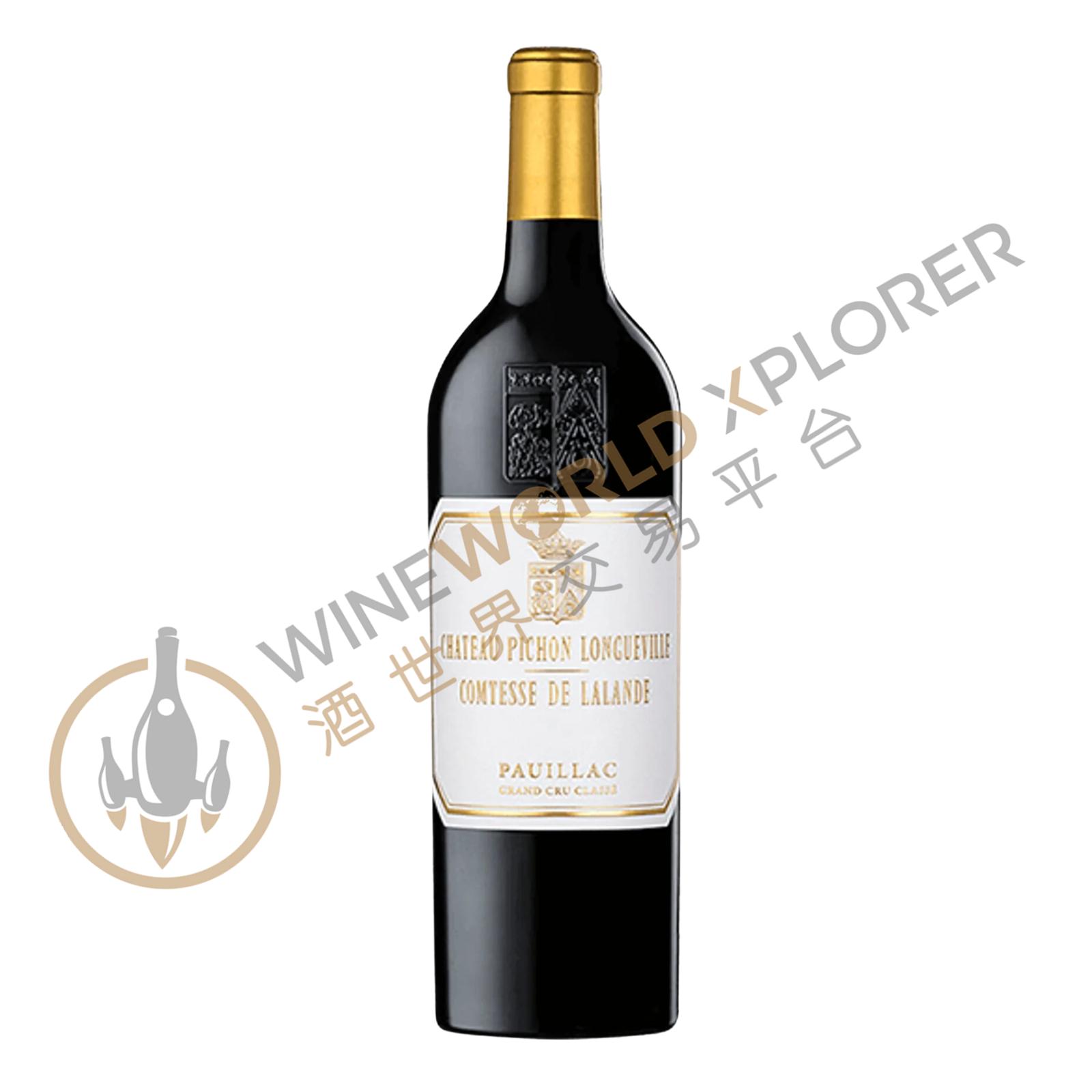
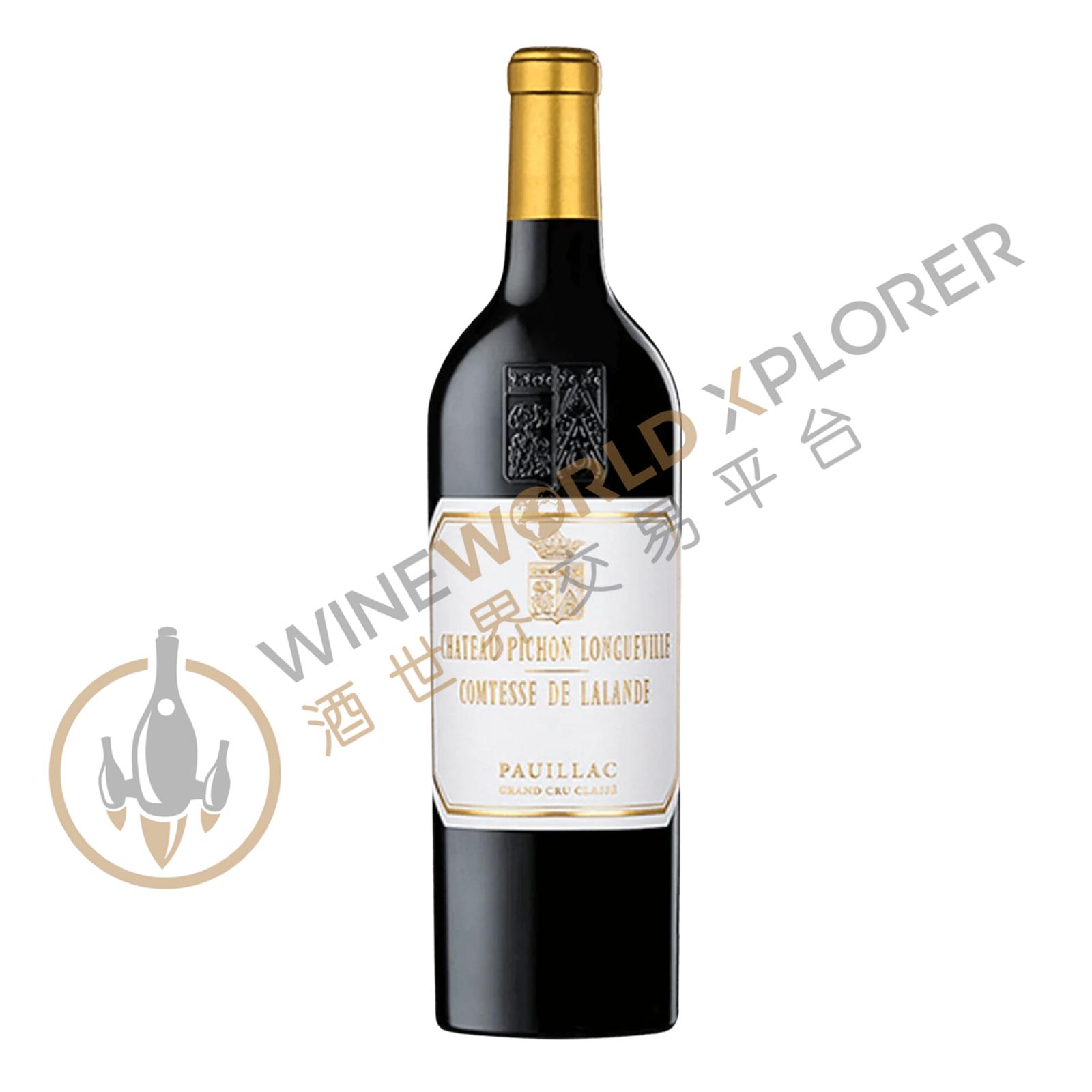
Pichon Lalande 1988
 View analysis


Description
Tasting notes

Reviewed by: Robert M. Parker, Jr.
One of the stars of the vintage, the 1988 has evolved beautifully. Dark ruby, with a full-intensity bouquet of black plums, herbs, and currants, a silky smooth texture, and full body, it is one of the most highly extracted wines of the vintage. Seductively precocious, it should drink superbly over the next 10-15 years. Anticipated maturity: Now-2008. Last tasted, 5/93.
Reviewed by: Robert M. Parker, Jr.
Last Tasted 8/92 One of the stars of the vintage, this deeply colored wine (the same color saturation as the 1989) displays a ripe, jammy, curranty nose intertwined with scents of herbs, new oak, and minerals. While it nearly possesses the concentration of the 1989, the tannins are firmer and harder, and the finish is less opulent. The result is a more structured, yet immensely enjoyable Pichon Lalande that should drink well for another 10-15 years.
Reviewed by: Robert M. Parker, Jr.
Dark ruby, with a full-intensity bouquet of new oak, black fruits, vanillin, and spring flowers, this silky smooth, full-bodied 1988 has excellent extraction of fruit, plenty of glycerine, and a sense of elegance. Seductively precocious, it should drink superbly over the next 10-15 years. Anticipated maturity: Now-2008.
Reviewed by: Neal Martin
Tasted at the Fine Wine Experience’s Pichon-Lalande vertical in London. This has an attractive, slightly austere, leafy nose with tobacco, graphite, cedar and a touch of earthiness coming through. That graphite scent becomes more intense with time. The palate is medium-bodied, very well balanced, masculine but a nice sense of tension. Touches of burnt toast, savoury fruits and sour cherry towards the finish. A sense of elegance here, paradigmatic of a great austere 1988. Bon vin! Drink now-2022. Tasted December 2008.
Reviewed by: Neal Martin
Lacks some definition and depth on the nose. A good Pichon Lalande but not great: it lacks some richness and complexity on the palate that has blackberry and cassis with a touch of peppermint. Firm tannins. Needs another 2-3 years. May improve but it's in a sulk at the moment. Tasted October 2001.
Reviewed by: Robert M. Parker, Jr.
Somewhat austere but very successful for the vintage, Pichon-Lalande’s 1988 has a dark garnet color and an intriguing nose of compost, earth, black currants, licorice, and weedy tobacco. The wine is medium-bodied with a sweet, relatively expansive mid-palate and slightly rugged tannins in the increasingly attenuated finish. This wine has reached full maturity and should be drunk over the next 5-10 years. Anticipated maturity: Now-2008. Last tasted, 5/02.
Reviewed by: Neal Martin
The 1988 Pichon Lalande has a fragrant, woodland, earthy, pinecone-tinged bouquet, a little rustic in style but charming, maybe a little ephemeral compared to other vintages. The palate is well balanced with fine boned tannin, crisp acidity but the fruit seems to have ebbed away in recent years. This just seems to have faded in recent years and I would be tempted to consume this in the near future. Tasted at the château.
About the Producer
Pichon Lalande is arguably the best known Super Second Pauillac for its quality consistency and quintessential Bordeaux claret expression. Neighbouring Chateau Latour and lying just right opposite Chateau Pichon Baron, Pichon Lalande, as its name suggests, has long seen extended female owner influence since the 1850s. Back in the 1850s, the original Pichon Lalande got broken down into two-fifth being renamed as Pichon Baron and three-fifth remaining as Pichon Lalande upon the passing of Baron Joseph de Pichon Longueville. The three-fifth was run by the three daughters of the Baron himself and over the course of a few years, Pichon Baron and Pichon Lalande took on distinctive styles - with the former being more a masculine expression and the latter, feminine. Female ownership and influence continued, with little interruption, till the modern days. Pichon Lalande's string of female leaders have contributed to the continuous modernization of Pichon Lalande's vineyards and cellars; as well as the doubling of vineyard area during the 1970s - 90s. Today, Pichon Lalande's feminine expression continues to prevail - whilst the team is placed under the leadership of a former opera singer turned winemaker gentleman named Nicolas Glumineau. Conversion to biodynamic viticulture (fully by year 2021), continuous investments in precision winemaking facilities see Pichon Lalande continue to be revered among leading critics. Pichon Lalande is planted to 65% Cabernet Sauvignon, 25% Merlot, 7% Cabernet Franc and 3% Petit Verdot. It is the predominant Cabernet Sauvignon presence in Pichon Lalande's wines that make this wine such a capable representation of Pauillac's deep gravelly terroir.
1928(1)1970(1)1979(1)1981(1)1982(4)1983(2)1985(3)1986(5)
Package Size