Wine Advisor



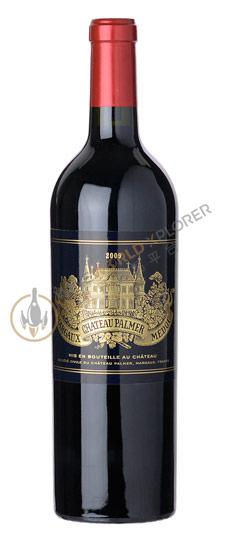
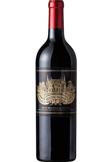
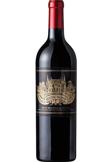
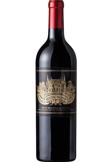
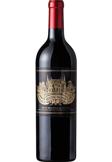
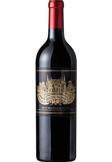
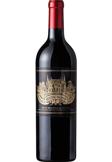
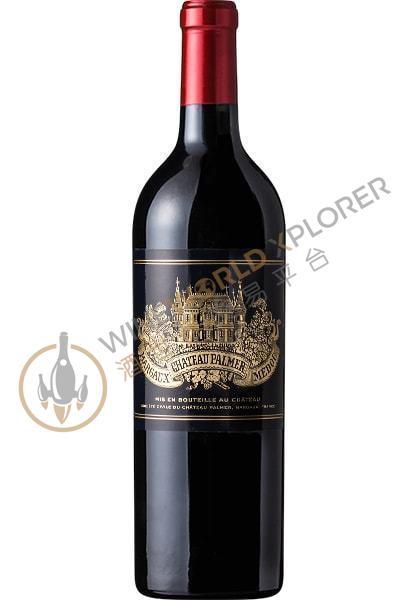
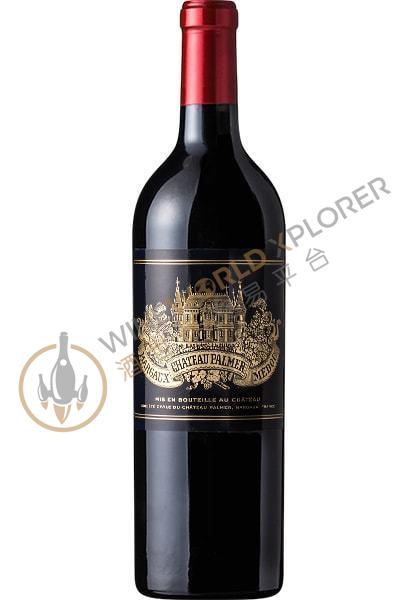
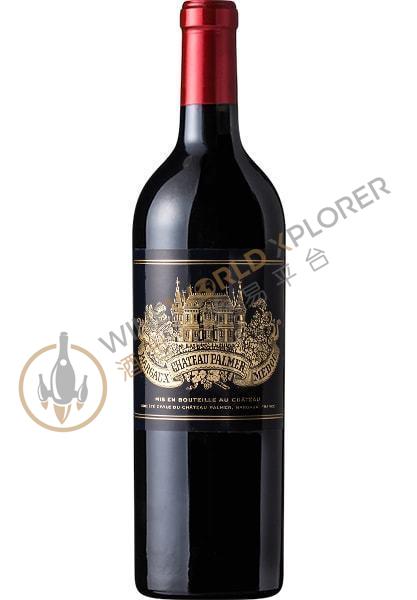
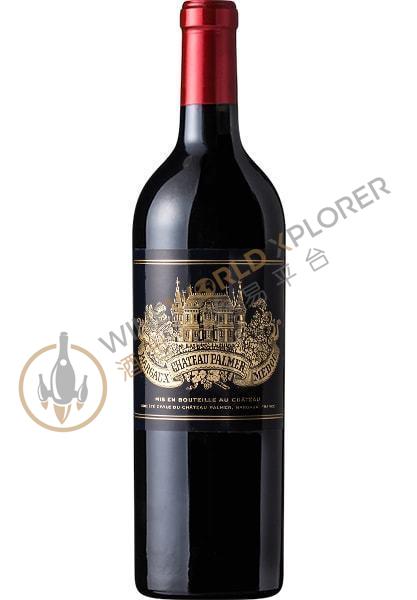
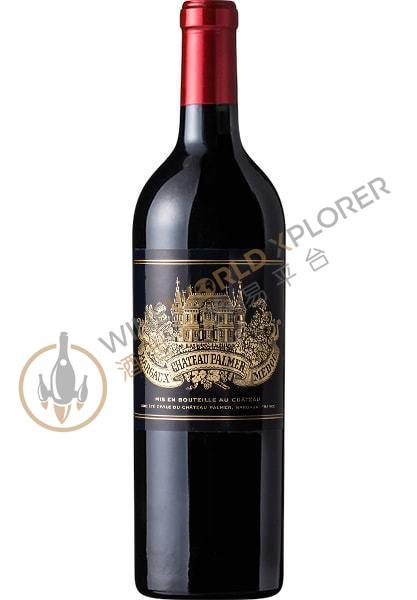
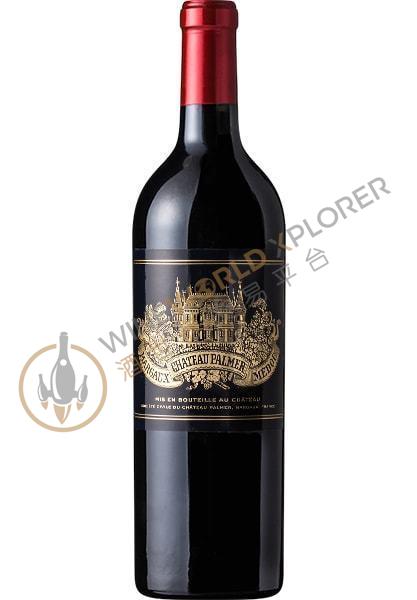
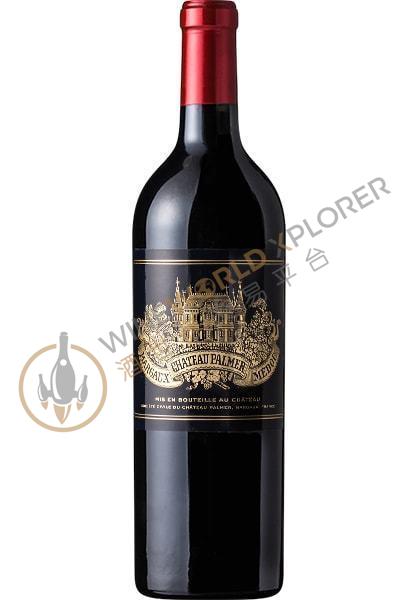
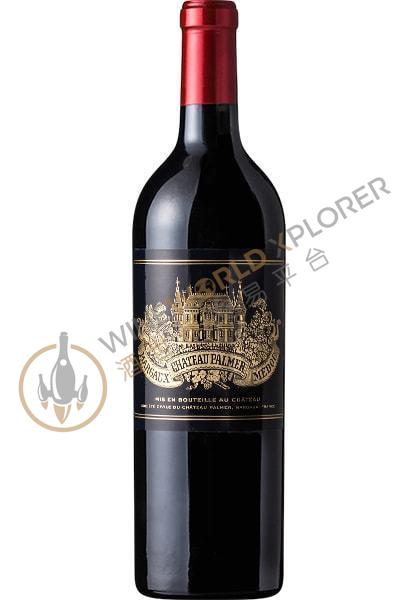
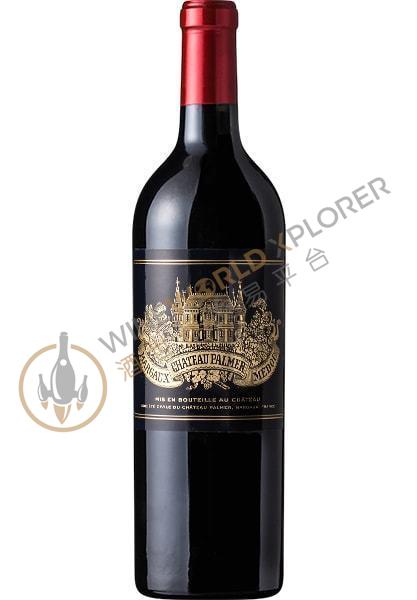
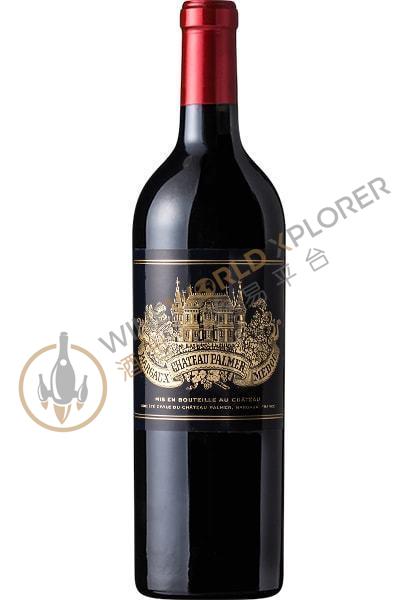
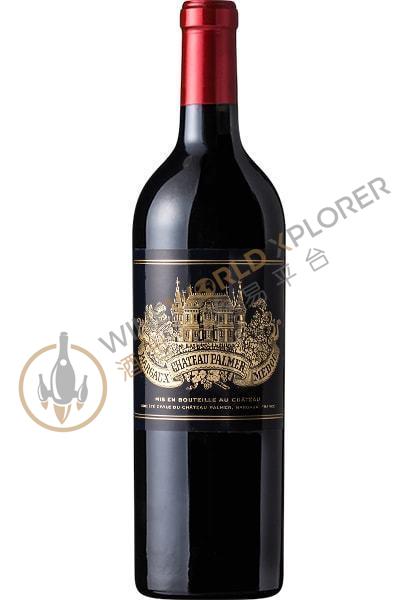
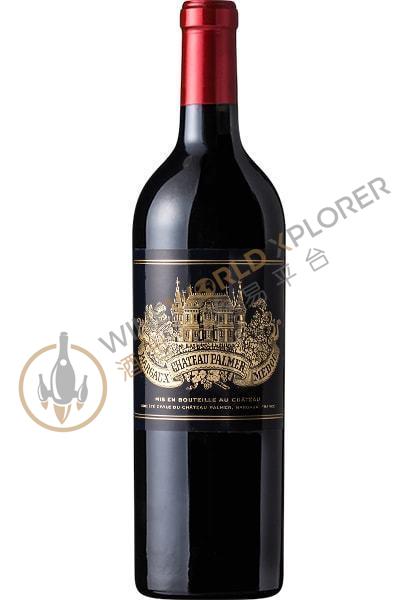
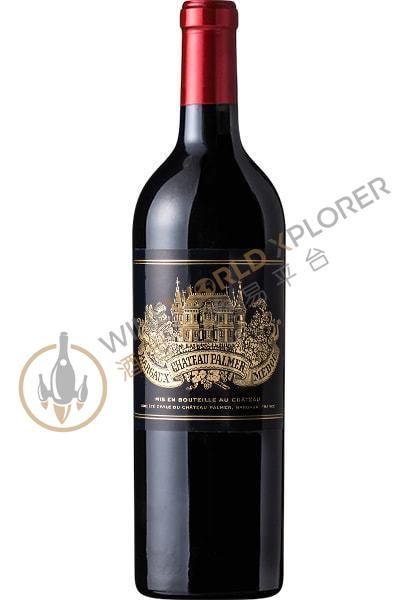
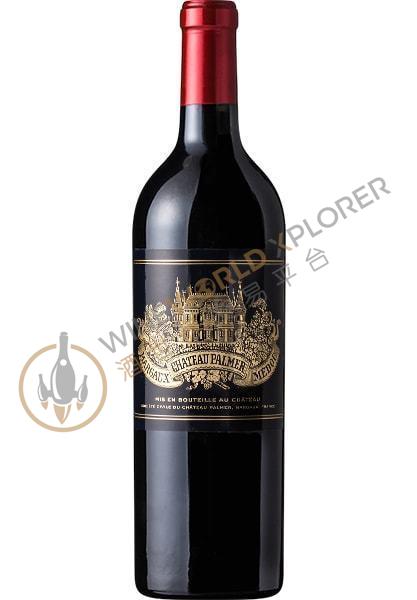
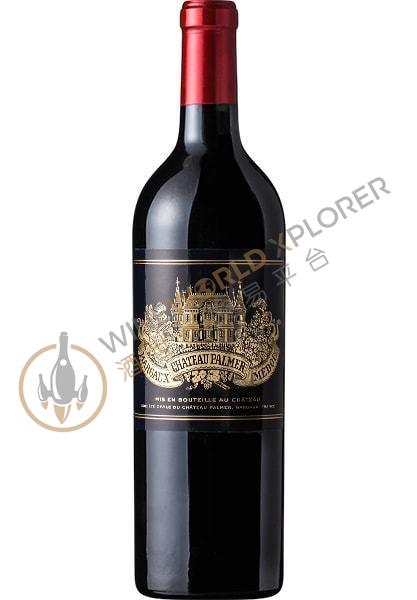
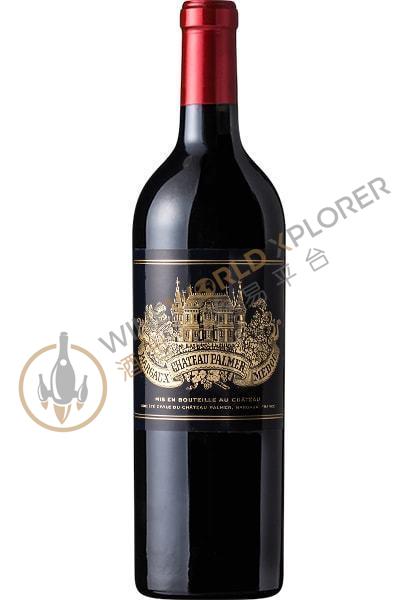
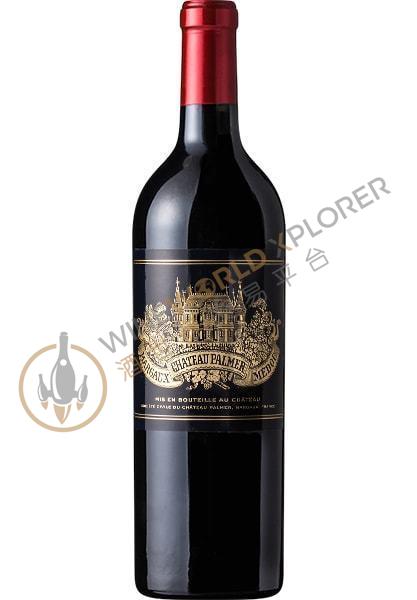
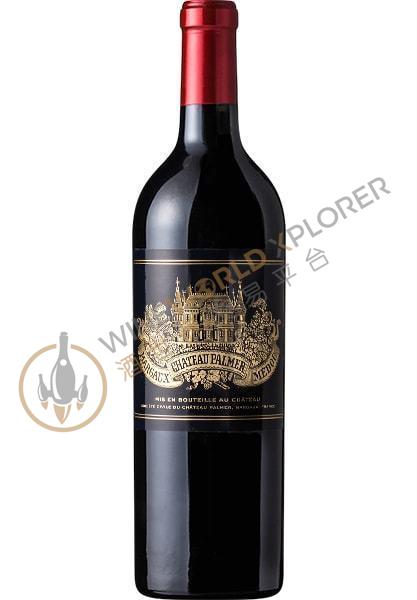
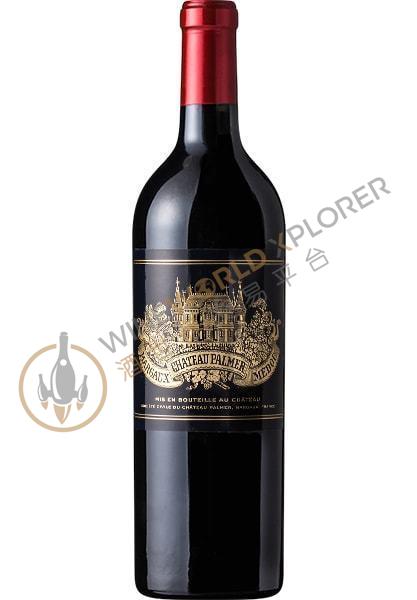
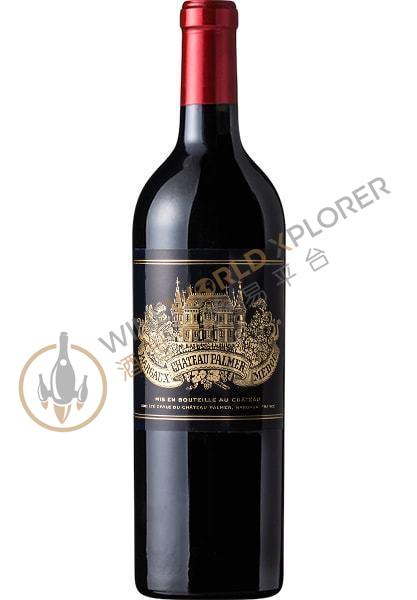
Palmer 2003
 View analysis


Description
Tasting notes

Reviewed by: Robert M. Parker, Jr.
In the southern Medoc, 2003 was more of a hit-or-miss vintage than in St.-Julien, Pauillac or St.-Estephe. Palmer’s 2003 exhibits sweet licorice, mulberry and black cherry notes along with notions of roasted herbs and rustic tannins. It does not possess the velvety, refined tannins of great vintages of Palmer over the last ten or so years. Nevertheless, it is still alive and is capable of lasting another 5-7 years.
Reviewed by: Lisa Perrotti-Brown
Very deep purple colour. Warm cassis, mocha, vanillin and cinnamon aromas predominate with a pinch of anise and some dried plum. The palate reveals this as a very big, dense, weighty Palmer, with less elegance / femininity and more fruit and alcohol punch. Medium to firm, fine tannins and medium+ acidity. Long finish.
Reviewed by: Neal Martin
A deep ruby/garnet colour with unctuous tears on the rim. The nose is rich and opulent with black cherry, cassis and violets, though perhaps beginning to close down. The palate is full-bodied with slightly aggressive tannins. Very sinewy, plush and decadent but somehow remaining well-balanced. Less corpulent than on previous occasions but with great grip and persistency on the finish. Its virtue is its poise and nervosity that is lacking in so many other 2003’s. Tasted October 2006. Drinking 2015-2040
Reviewed by: Neal Martin
Bright garnet/purple colour. Ebullient fruits on the nose: violets, cassis and blueberry. Superb definition and very pretty. The palate is refined, balanced with sweet black cherry and cassis again. A lovely freshness and poise, I could drink this now! Slight prickle on the mid-palate really lifts the wine. Touch of cigar box on the finish. Great potential. Tasted October 2004.
Reviewed by: Neal Martin
This is rather flat on the nose with notes of gravel, blackberry and blueberry. Quite decadent but there is certainly some minerality underneath. The palate is full-bodied with good acidity and harmony; sweet but not overblown or cloying. Very focused on the finish: I think this wine would improve with decanting. Drink 2009-2018. Tasted January 2007.
Reviewed by: Robert M. Parker, Jr.
The 2003 Palmer exhibits an evolved style along with a deep ruby/purple-tinged color, sexy, complex aromatics, and medium body. While it lacks the great depth this estate achieved in the last three vintages, it should be delicious upon release, and age for 15+ years. A blend of 68% Cabernet Sauvignon, 20% Merlot, and 12% Petit Verdot and made from extremely low yields of 25 hectoliters per hectare, it is a wine of undeniable finesse, fruit, and elegance. Although it does not possess the weight and power of Palmer’s finest vintages, if its mid-palate fills out a bit, it will be an outstanding effort. Anticipated maturity: 2006-2018.
Reviewed by: Robert M. Parker, Jr.
This estate’s grand vin and second wine have both benefited immensely from stricter selections. The 2003 vintage’s heat and drought stressed this vineyard’s light soils, resulting in an atypical Palmer. The 2003 Palmer possesses a dark ruby/purple color, high, austere tannins, less flesh and mid-palate than usual, medium body, and a flowery black currant-scented bouquet. It lacks the extra dimension required aromatically, texturally, and flavor-wise to achieve their normal quality level. Anticipated maturity: 2010-2020.
Reviewed by: Neal Martin
Tasted blind at Farr Vintner’s Left Bank tasting. Another refined nose: violet, blueberry, cassis and blackberry though with still a little new oak to be subsumed. The palate is a little simple compared to others, perhaps entering a dumb phase. Firm tannins, very minty and oaky on the finish that is not particularly appealing. Tasted October 2010.
Reviewed by: Robert M. Parker, Jr.
Chateau Palmer suffered in the heat and drought of 2003. The 2003 Palmer seems to be becoming more awkward as opposed to more seamless in its evolution in barrel. High, austere tannins, a chalky, shrill edge, and an atypical rusticity are cause for concern. This offering possesses a roasted character, a deep ruby/purple color, some sweet fruit on the attack, but then the abundant as well as astringent tannins take over. It is not up to the quality level of the brilliant 2002, 2001, 2000, or 1999.
Reviewed by: Neal Martin
Tasted at Bordeaux Index’s “10-Year On” tasting in London. I have never been a fan of this vintage for one of the appellations greatest estates and time is not benefitting it at all. The Palmer ‘03 is showing a slight over-ripeness on the nose: mulberry, prune, raisin and earthy aromas. It just feels a little flat. The palate is medium-bodied with very ripe, grainy fruit. The acidity is low and the wine is missing tension and structure towards the finish. It just seems a little simplistic. This seems to be fading. Tasted March 2013.
Reviewed by: Neal Martin
Tasted at the Château Palmer vertical in London, the magnum of 2003 Château Palmer is clearly more advanced in colour than the 2000. It is missing a little fruit intensity on the nose: warm gravel and dried flowers make the first impression, a touch of truffle with time. The palate is medium-bodied with cassis and liquorice on the entry, plenty of glycerine, but nowhere near the tension or complexity of 2000, 2005 or 2010. Viscous and generous on the finish, this is a serviceable Palmer, but one that was clearly compromised by that infamous summer that favored the more clayey soils further north in the Médoc. Tasted May 2015.
Reviewed by: James Suckling
Juicy and yummy, with lots of ripe fruit and spices on the nose that follow through to a full body with round tannins and a fruity finish. Pull the cork after 2012. Find the wine
Reviewed by: James Suckling
So much milk chocolate and dark fruits on the nose. Full-bodied, with chewy, almost dusty tannins. Some might call it a little coarse on the palate. It needs some more time, but turns to loads of milk chocolate on the finish. Pull the cork in 2013.
About the Producer
The fine seaside climate and soils of Long Island’s North Fork provide exceptional conditions for the making of world-class varietal wines. With 110 acres planted with Merlot, Chardonnay, Pinot Blanc, Sauvignon Blanc, Gewurztraminer, Cabernet Sauvignon, and Cabernet Franc to supply the winery’s 20,000 annual case production, Palmer strives to preserve and enhance the purity of flavor and distinctive, fresh character which makes this region’s wines so unique. The state- of-the art winery contains the most modern winemaking equipment available today, and also includes substantial new French oak cooperage, purchased each year, for both barrel fermentation of our Chardonnay and the aging of our premium red varietals.
1955(1)1960(1)1970(1)1976(1)1977(1)1979(1)1981(3)1982(1)1983(1)1985(1)1987(1)1988(1)1989(2)1990(6)1992(1)1993(1)1994(4)1995(2)1996(8)1998(6)1999(5)2000(6)2001(3)2002(7)
Package Size