Wine Advisor



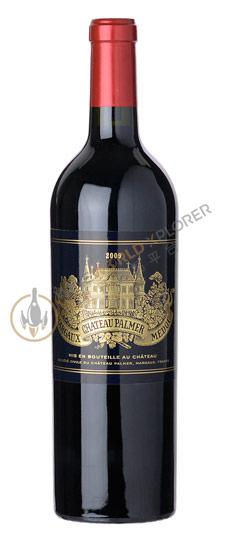
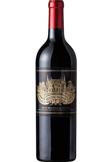
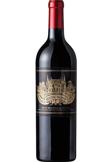
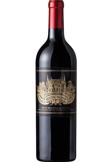
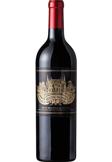
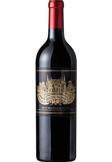
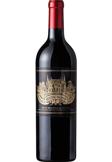
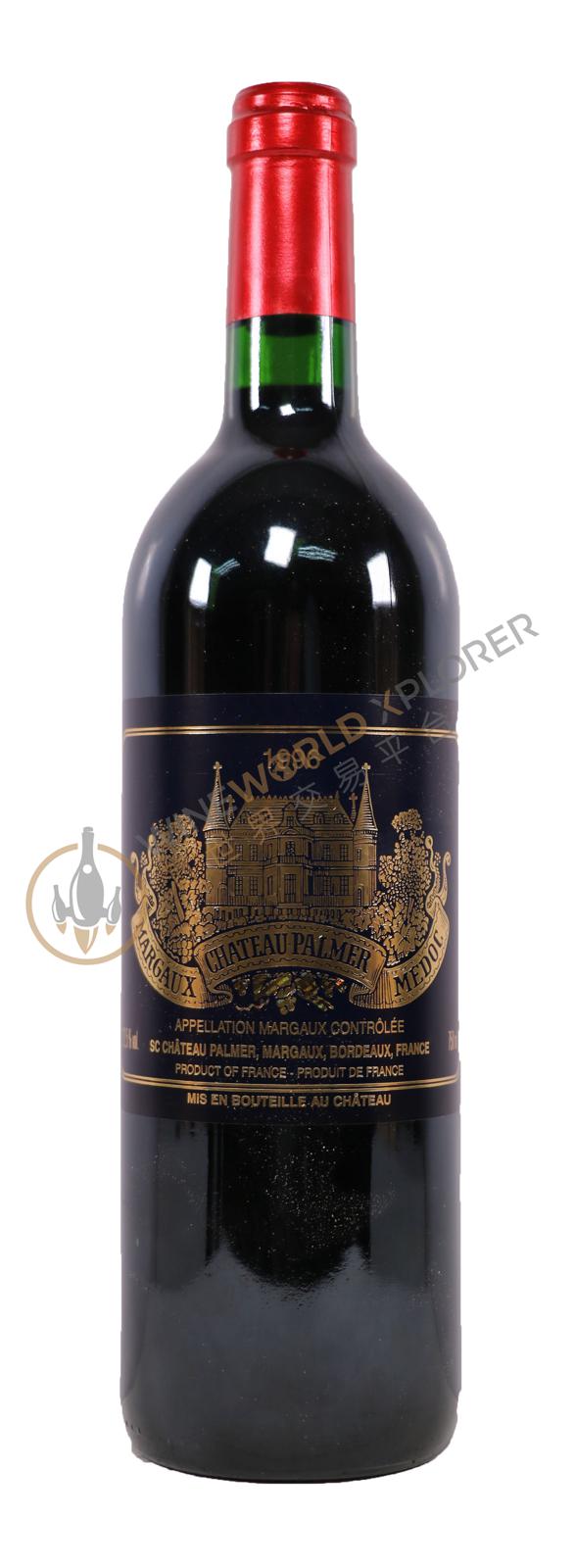
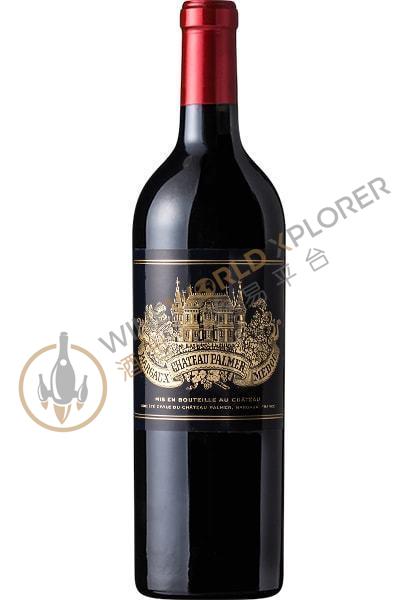
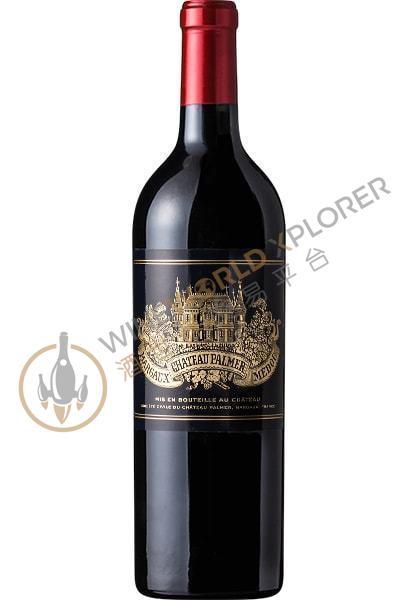
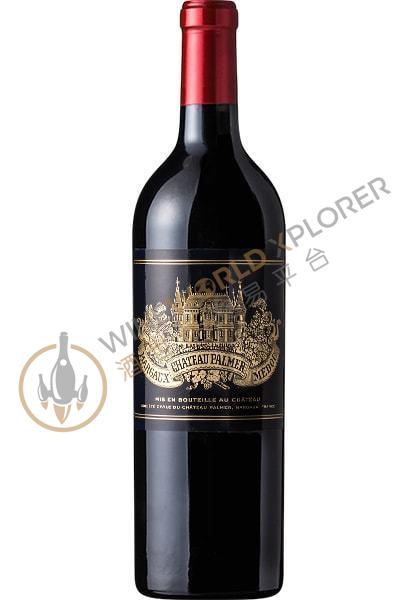
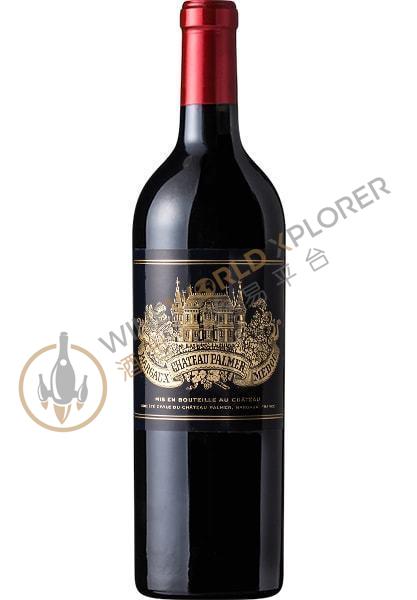
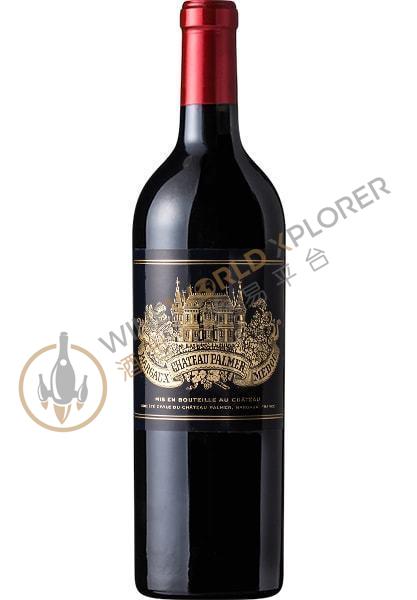
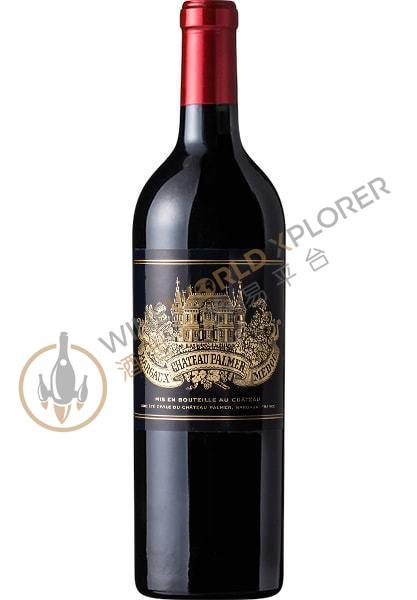
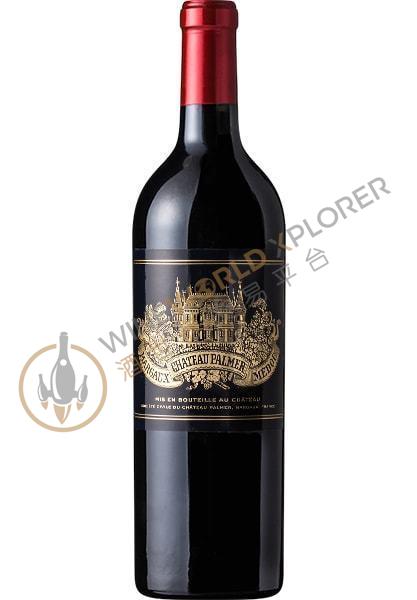
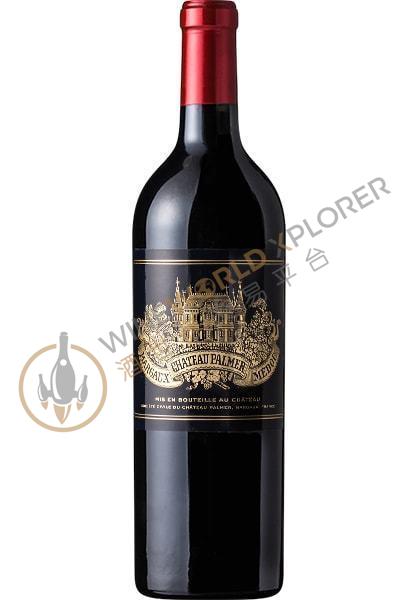
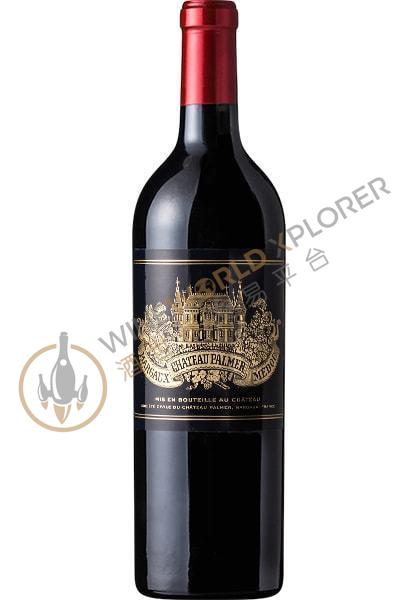
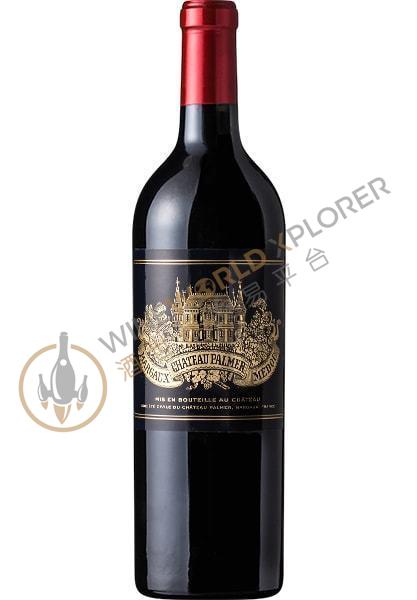
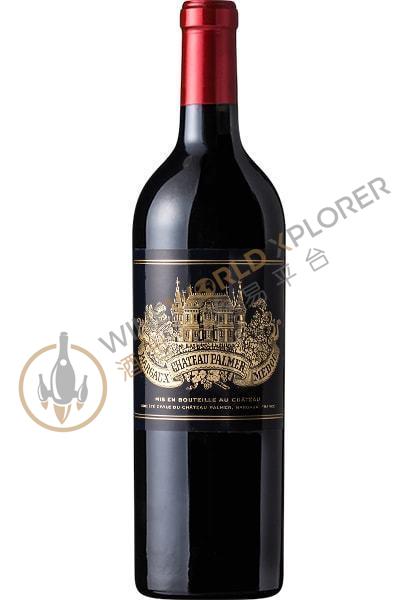
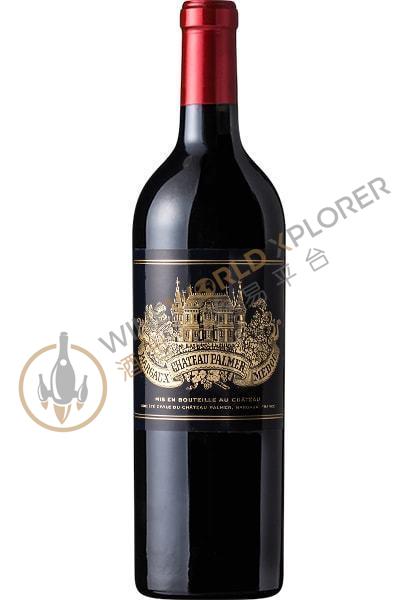
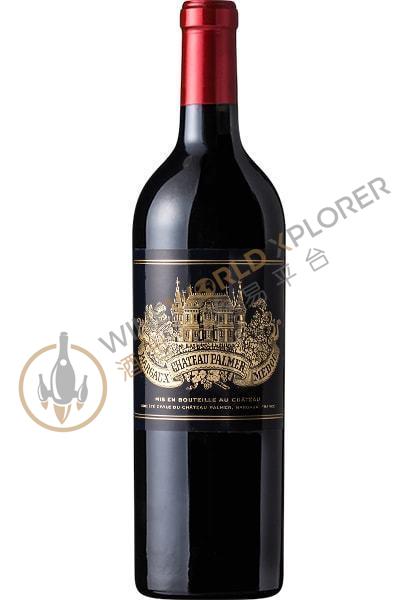
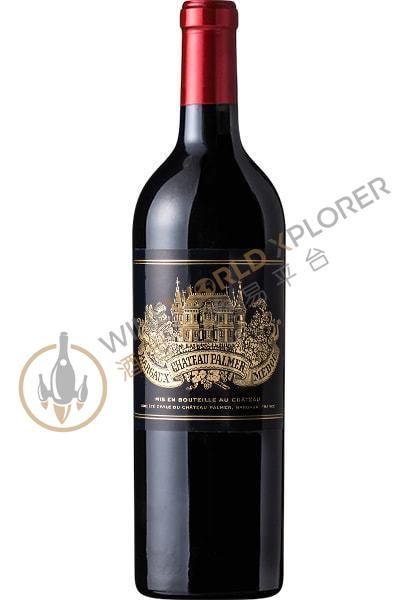
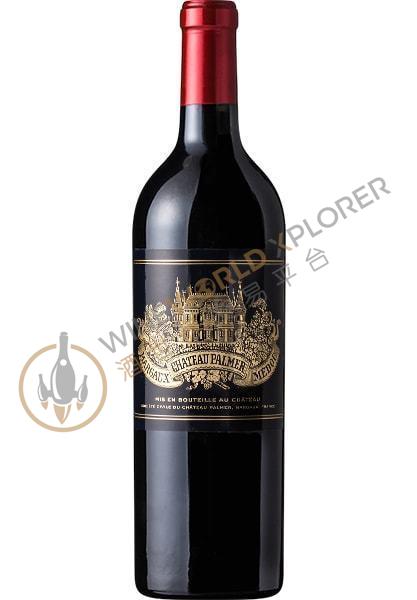
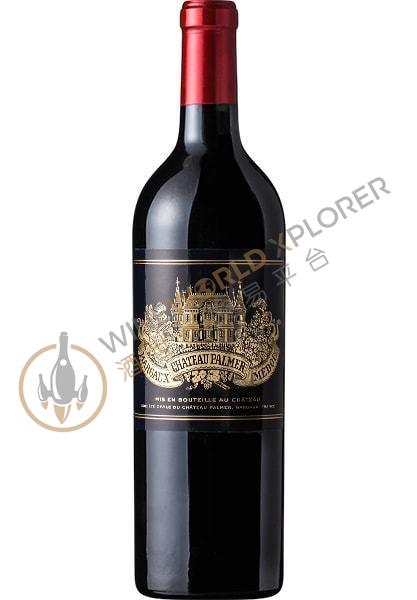
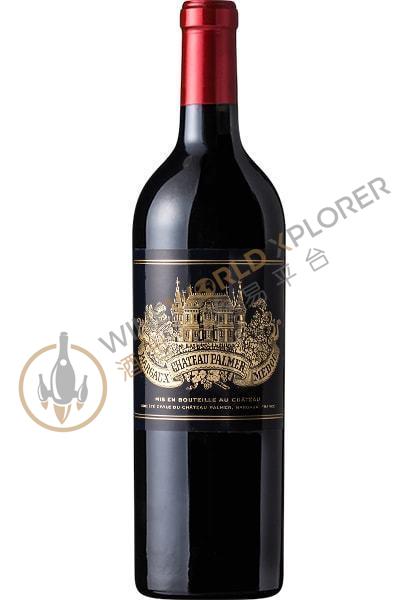
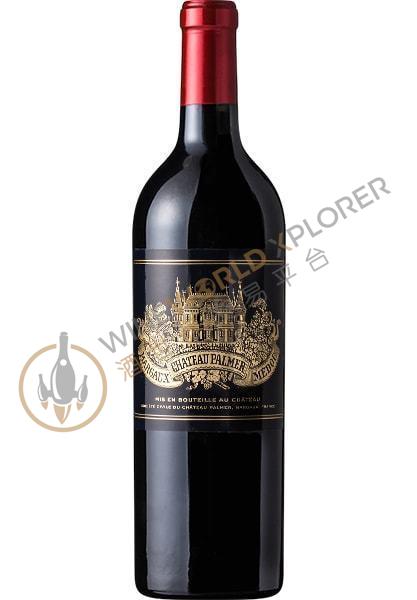
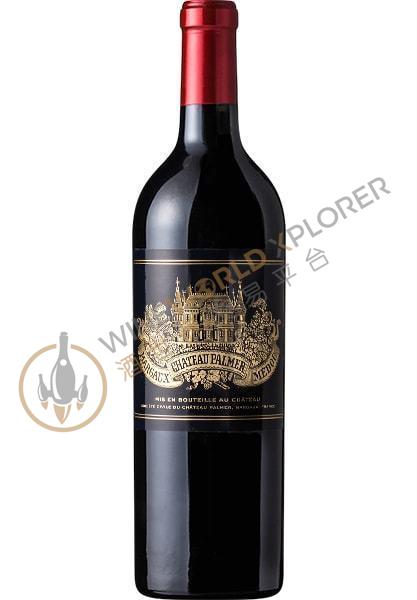
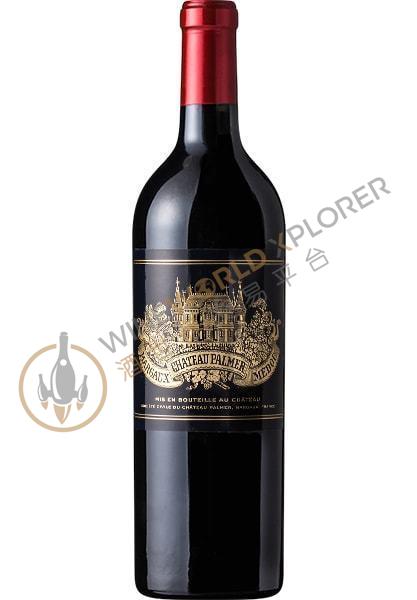
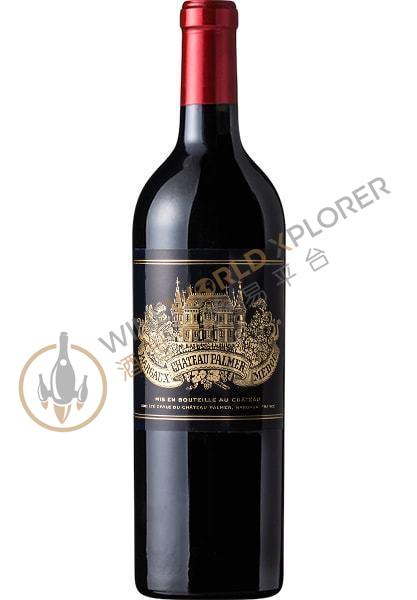
Palmer 1960
 View analysis


Description
Tasting notes

Reviewed by: Neal Martin
Tasted at Robersons “Old Bottle” tasting. The Palmer 1960 is surprisingly good. It has a foursquare, cedar-infused bouquet with touches of hot brick, undergrowth and cedar. The palate has a clean, sweet entry with good acidity. It is light and supple in the mouth, smooth and still cohesive after half a century with what feels like a Merlot-driven finish. Simple, but against expectations drinkable, though given the choice of this or the following vintage? Tasted October 2011.
Reviewed by: Neal Martin
Tasted at the Château Palmer vertical in London, this is my second bottle of 1960 Château Palmer and it confirms my first observation that this is one of the best examples from a forgotten and derided vintage. Fully mature with a light brick hue, it has an almost mature Pommard-like bouquet, faded and elegiac, yet not unattractive. The same goes for the palate that is clean and balanced, light and harmonious, showing no signs of oxidation. It's not going to win "Wine of the Yea," but it might just be the best Claret you will drink from 1960. Tasted May 2015.
Reviewed by: Neal Martin
The 1960 Palmer is one of those off-vintage veterans that is better than you might presuppose. With two or three bottles tasted over the years, the nose is fully-mature with scents that can err towards Pommard in character, like a faded movie siren. The palate is light but coherent, with a tapered finish and enough life to keep you happy. Tasted at the Palmer vertical in London in May 2015.
About the Producer
The fine seaside climate and soils of Long Island’s North Fork provide exceptional conditions for the making of world-class varietal wines. With 110 acres planted with Merlot, Chardonnay, Pinot Blanc, Sauvignon Blanc, Gewurztraminer, Cabernet Sauvignon, and Cabernet Franc to supply the winery’s 20,000 annual case production, Palmer strives to preserve and enhance the purity of flavor and distinctive, fresh character which makes this region’s wines so unique. The state- of-the art winery contains the most modern winemaking equipment available today, and also includes substantial new French oak cooperage, purchased each year, for both barrel fermentation of our Chardonnay and the aging of our premium red varietals.
1955(1)
Package Size