Wine Advisor



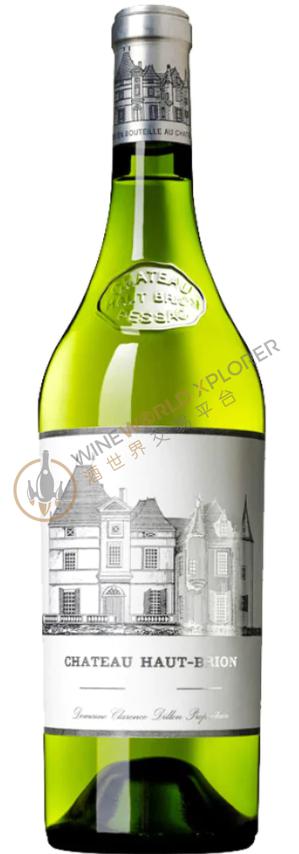
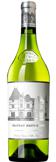
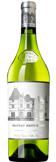
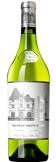
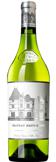
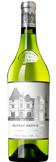
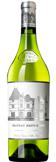
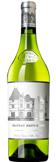
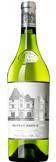
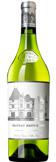
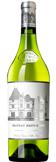
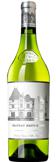
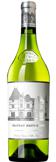
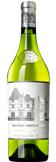
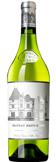
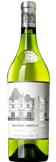
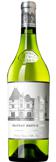
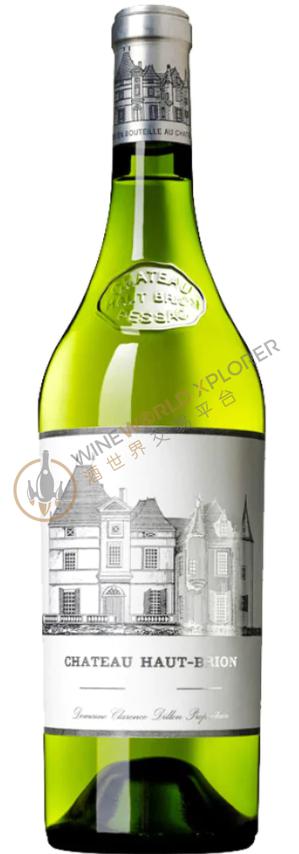
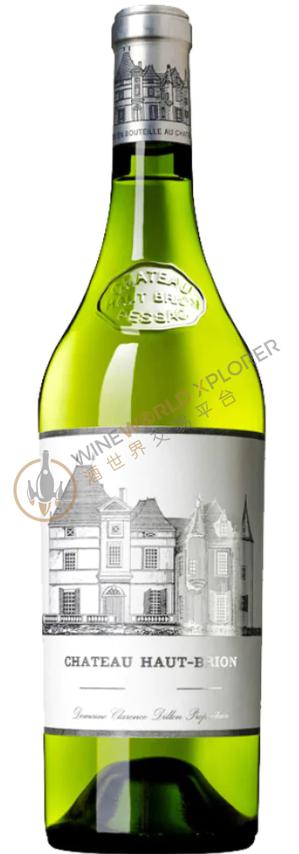
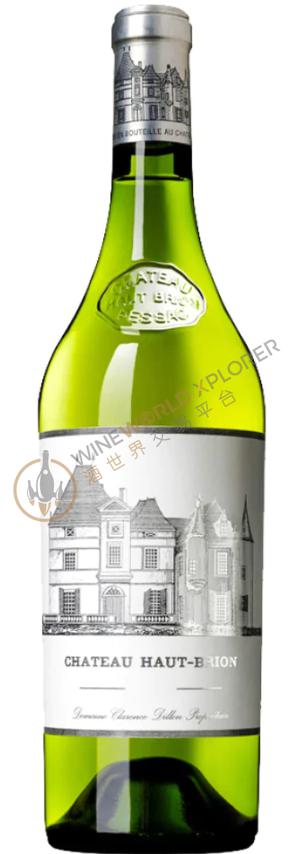
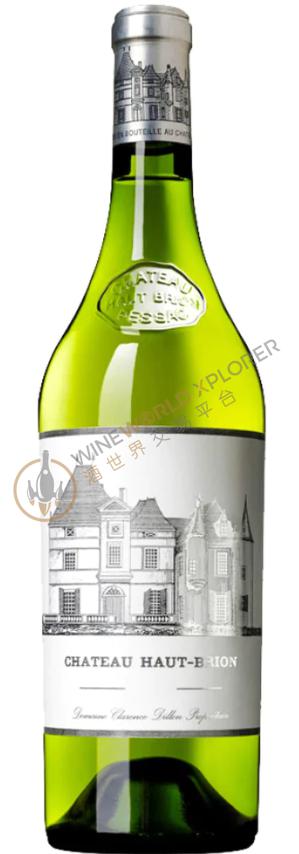
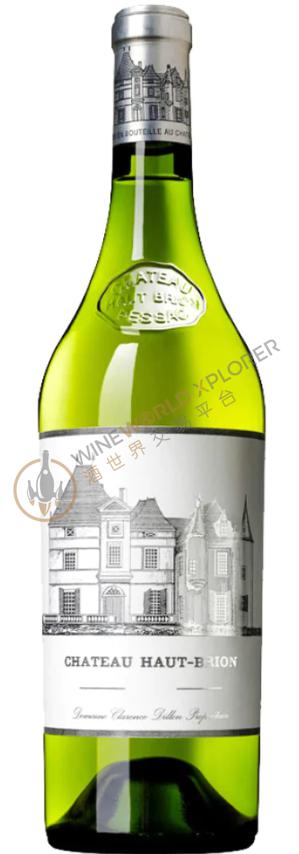
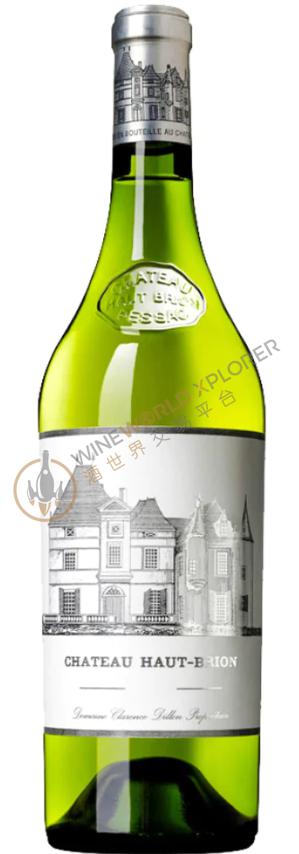
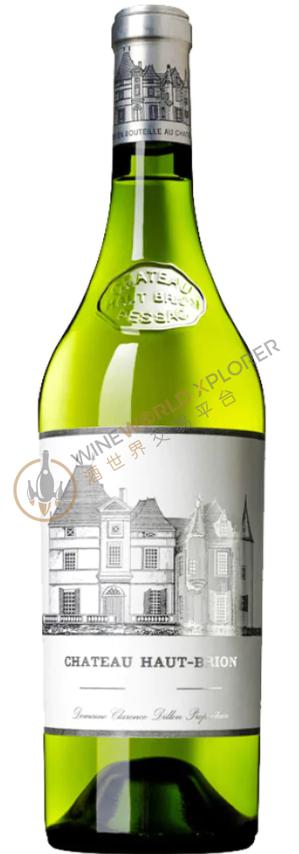
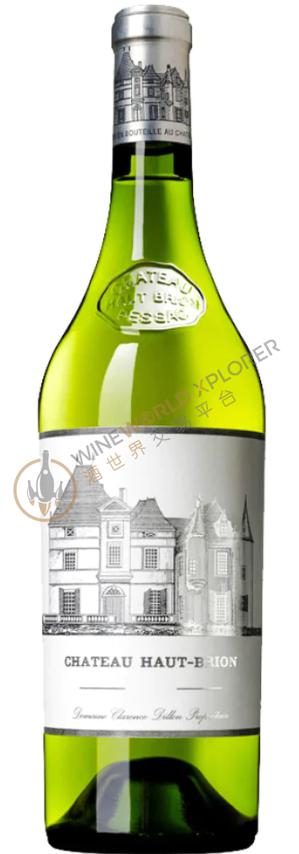
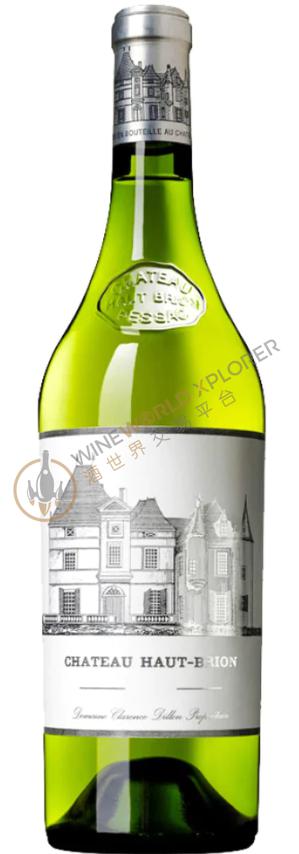
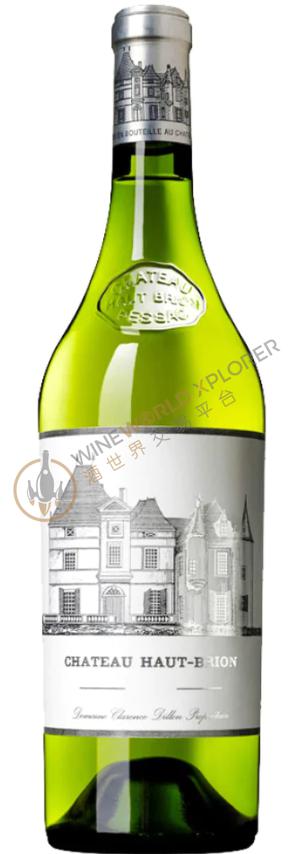
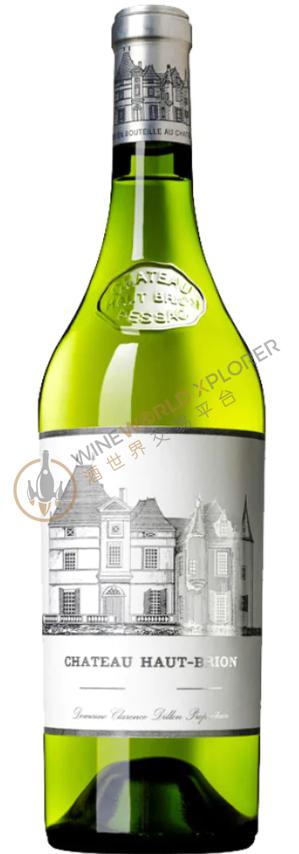
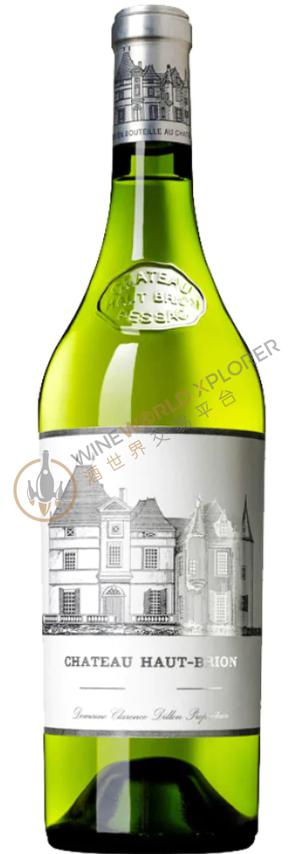
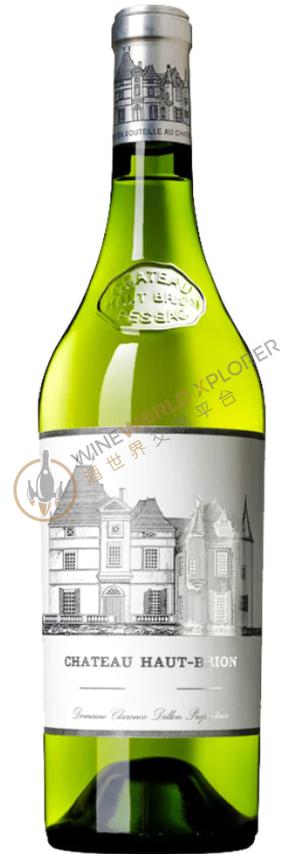
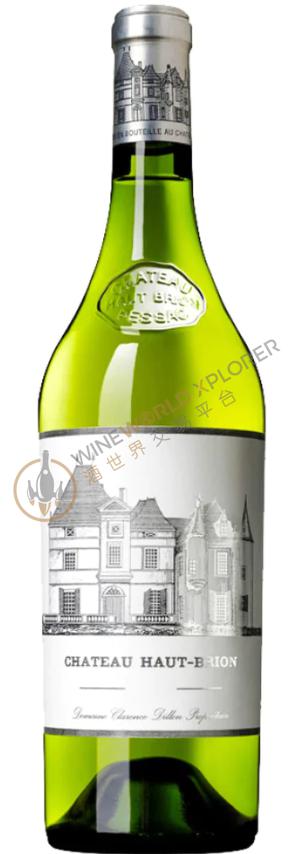
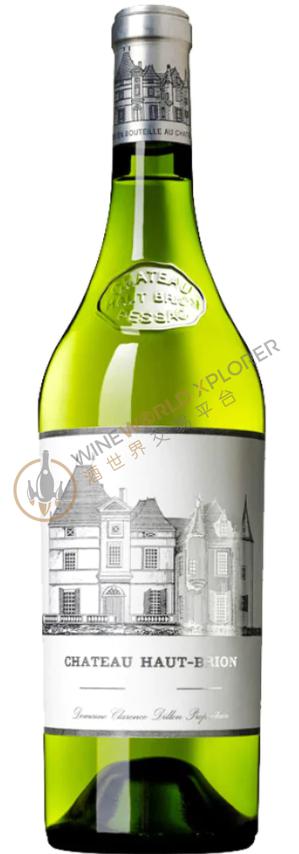
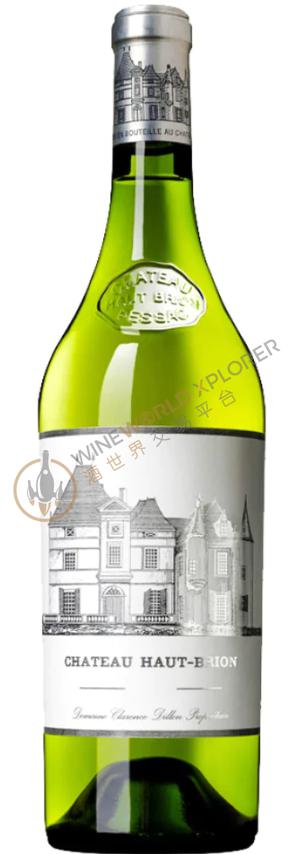
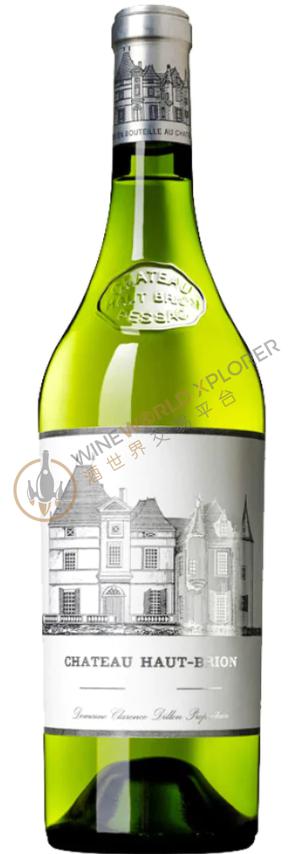
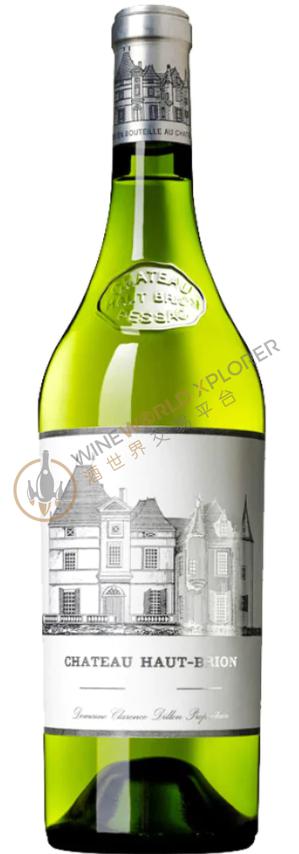
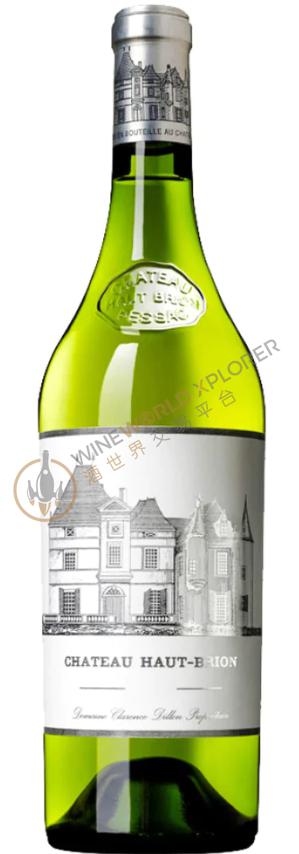
Haut Brion Blanc 2021
 View analysis


Description
Tasting notes

Reviewed by: William Kelley
The 2021 Haut-Brion Blanc also shows considerable promise, offering up aromas of pink grapefruit, nectarine and crisp orchard fruits mingled with notions of freshly baked bread, pastry cream and beeswax. Full-bodied, fleshy and enveloping, it's satiny and seamless, with a broader-shoulders, more muscular profile than La Mission's white but similarly vibrant acids. At this early stage, this would appear to be one of the two or three finest Haut-Brion whites of the last 20 years.
Reviewed by: William Kelley
A candidate for the title of wine of the vintage, the 2021 Haut-Brion unwinds in the glass with aromas of rich red and black fruit mingled with notions of cigar wrapper, licorice, black truffles, loamy soil and burning embers. Full-bodied, deep and concentrated, it's elegant and multidimensional, with superb depth at the core, lively acids and ultra-refined tannins. Combining the classical proportions of the vintages of two decades ago with the viticultural and winemaking of today, it's a timeless classic in the making, but it's difficult to find an obvious analogy with an older vintage. When pressed, Jean-Philippe Delmas suggests a superior version of the 2014 vintage, and to me, a more concentrated, serious version of the 2012 vintage also comes to mind. What is clear, however, is that this is one of the real high points of 2021. The blend is 50% Merlot, 38% Cabernet Sauvignon and 12% Cabernet Franc, and it attained 13.8% alcohol—a percentage point or so lower than in 2020 or 2019.
Reviewed by: Antonio Galloni
The 2021 Haut-Brion Blanc is dense, powerful and explosive. Even so, I suspect it, like the other 2021 whites in the Clarence Dillon stable, is going through a closed phase. The textural richness and volume are evident, though. Slate, crushed rocks, citrus peel, white pepper and mint all come alive in the glass. Sauvignon Blanc energy drives the aromatics and an overall feel of tension, while the mid-palate richness of the 55% Sémillon is felt in the resonating breadth of the finish.
Reviewed by: Yohan Castaing
The 2021 Blanc is a standout example of what this iconic estate is capable of producing, revealing a complex bouquet of pear, white peach, nectarine and spices. Full-bodied, round and fleshy with an enveloping core of fruit, it’s seamless and satiny, girdled by bright acids and framed by chalky, structuring dry extract.
Reviewed by: James Suckling
A complex, thought-provoking white. Vibrant and exciting with green herbs, stones and hints of aniseed and wet sea weed. Sea salt, too. It’s full-bodied and tight on the palate and rather shy. But then it takes off at the end and accelerates. Phenolic, with fine tannins. Iron. Oyster shell. 57% semillon and 43% sauvignon.
Reviewed by: James Suckling
This is racy and aromatic, with blossom honey, lemons, limes and crushed stone. Some Thai basil, too. It’s medium- to full-bodied with fresh acidity and plenty of energy. Solid and polished in the Haut-Brion way. Better to leave this for three or four years.
About the Producer
Haut-Brion has long produced the most prestigious Graves Blanc, although it faced strong competition from its neighbour La Mission Haut-Brion, which had been producing its own white wines under the Laville Haut-Brion label until 2009, when it was rebranded as La Mission Haut-Brion Blanc (both estates are under the same ownership). With very small production since the first vintage in 1916, La Mission Haut-Brion Blanc has always been a wine of considerable strength and longevity; its rarity, and the fact that it is the only white wine produced by a first growth in the Graves, makes it highly sought after by collectors. The estate's first growth status does not include white wines and it remains unclassified. Of the 52 hectares planted on the estate, only 2.9 are white: 53% Sémillon and 47% Sauvignon Blanc. (There are also a few rows of Sauvignon Blanc today, but they were not planted in 1989). They are planted on a 27m high hillock opposite the château. The soil is very deep gravel, on a clay subsoil. There is less clay than in Lamena and a different mix of varieties, with much more Sauvignon Blanc in Haut-Brion. The whole estate is located within the city limits of Bordeaux and therefore benefits from a warmer microclimate. Yields range from 25-40 litres/ha. Harvesting is carried out by hand, at maximum ripeness, so that the wines vary from 13% to 14% alcohol. Sorting takes place in the vineyard and the grapes are pneumatically pressed in whole bunches with no skin contact. Fermentation was carried out in oak barrels with native yeasts, but malolactic fermentation was prevented. The wines were decanted every three or four months and aged for 10 to 12 months, with very little stirring of the lees. In the 1980s it was common for wines to be aged entirely in new oak barrels, but today this percentage is around 50%. Production varies from 5,500 to 8,500 bottles. In 2000, the British critic Tom Cannavan enthused: "The nose has a wax and wet wool character, very buttery, with a gorgeous weight of fruit and little floral notes in the peaches, vanilla and nuts. Wonderful fruit ripeness gives a sweet impression, lots of oranges and lush apricots ...... A long, very concentrated and pure finish. Recently, American critic Jeff Leve reported on the 2010 vertical tasting, noting that the 1989 "opens with freshly picked flowers, honey, caramel, grass, lemon and lime aromas. Accompanied by a rich, polished fruit texture, the wine finishes with a blend of citrus flavours".
1977(1)1978(1)1981(1)1984(1)1987(1)1988(2)1990(1)1992(1)1993(1)1995(1)1998(2)1999(1)2000(2)2003(1)2004(3)2005(1)2006(1)2007(1)2009(2)2011(1)2012(5)2013(3)2014(10)2015(3)2016(3)2017(2)2018(2)2019(2)2020(3)
Package Size
1 x 75cl12 x 75cl