Wine Advisor



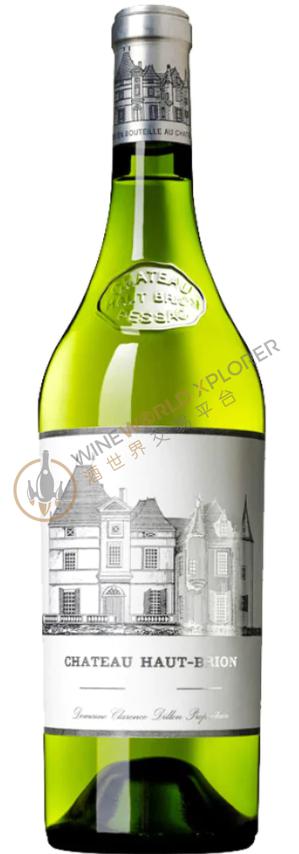
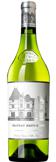
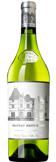
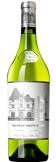
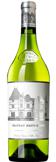
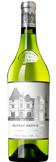
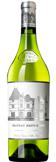
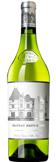
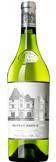
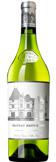
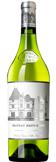
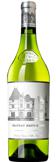
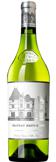
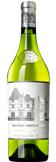
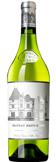
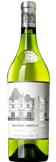
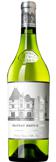
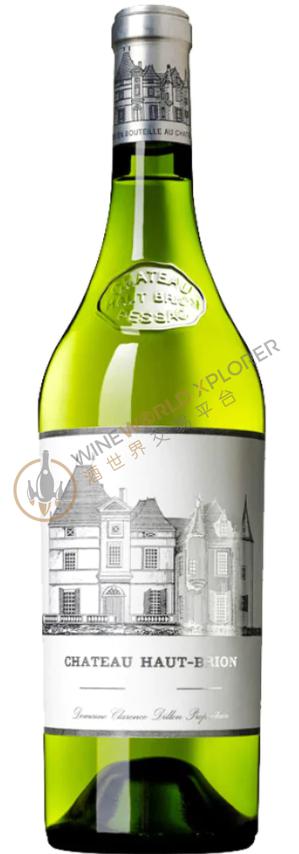
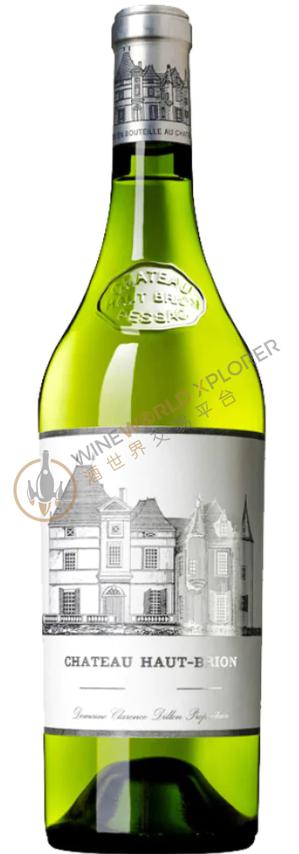
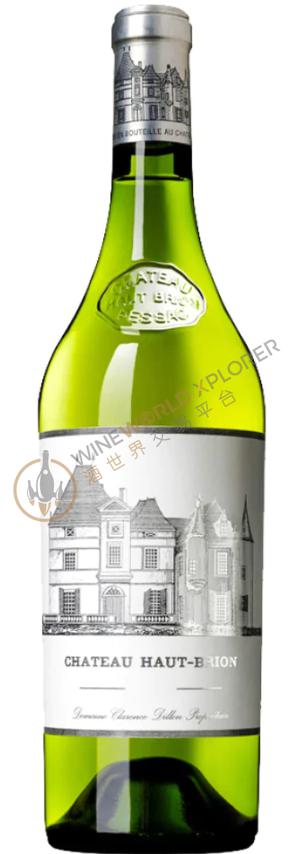
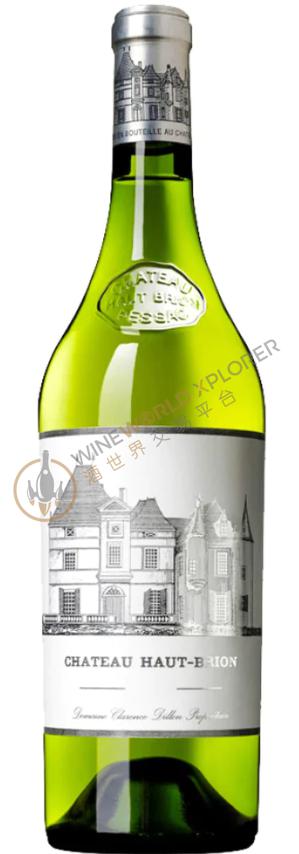
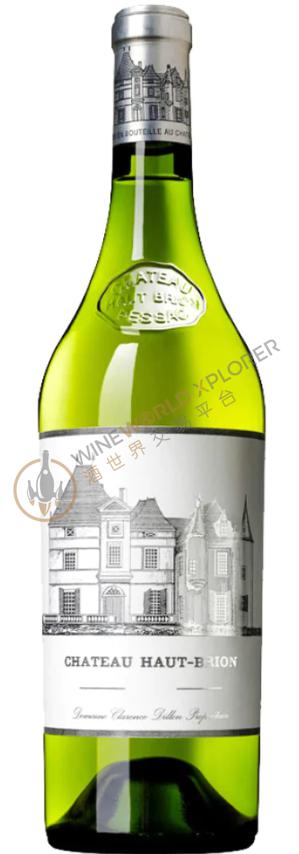
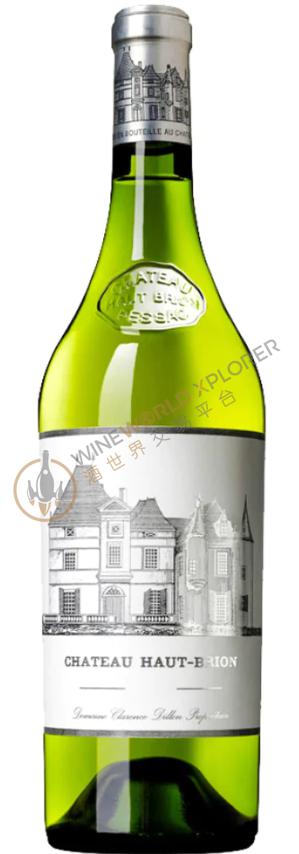
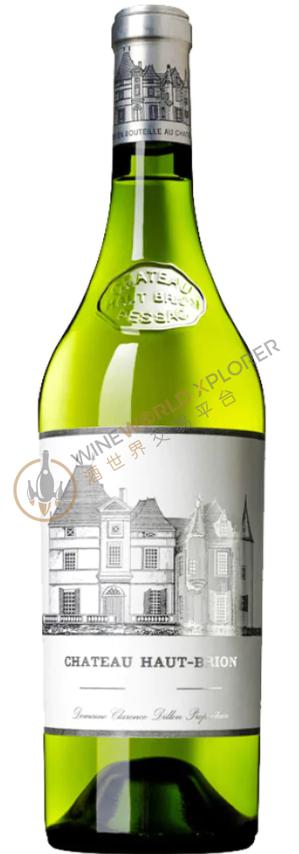
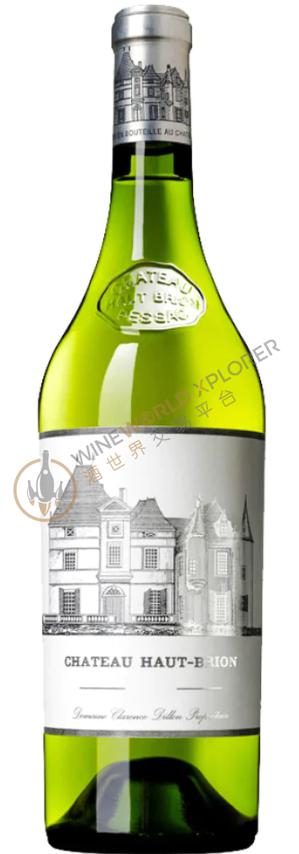
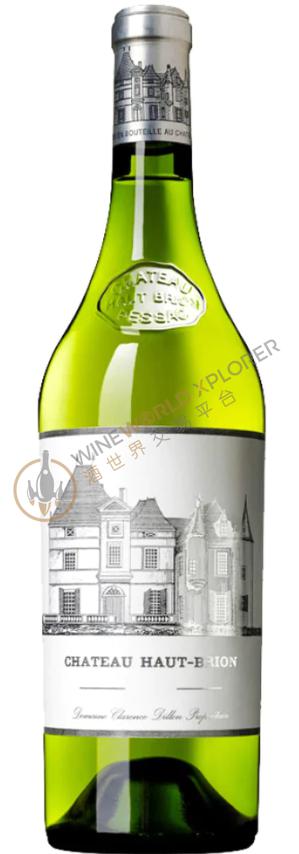
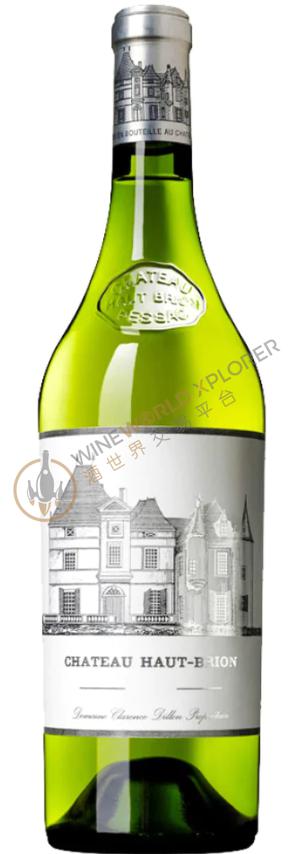
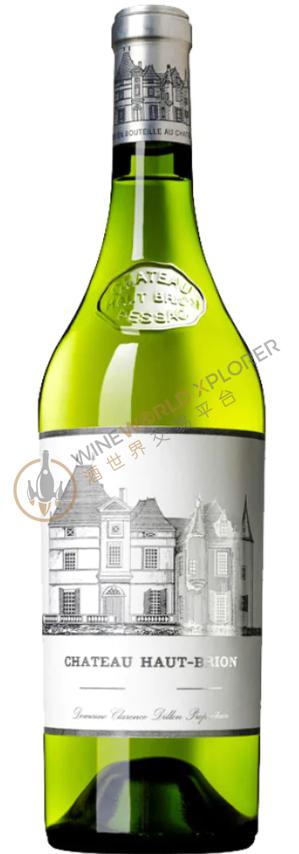
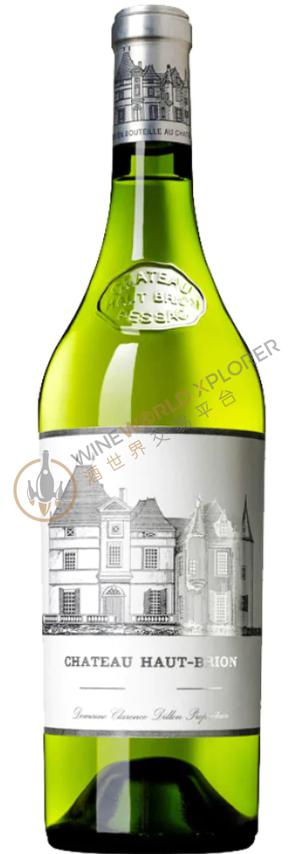
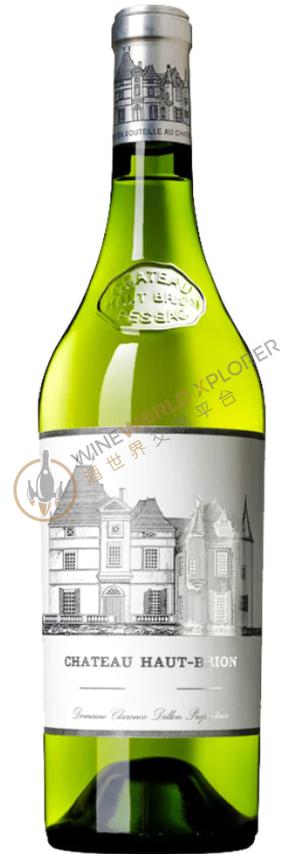
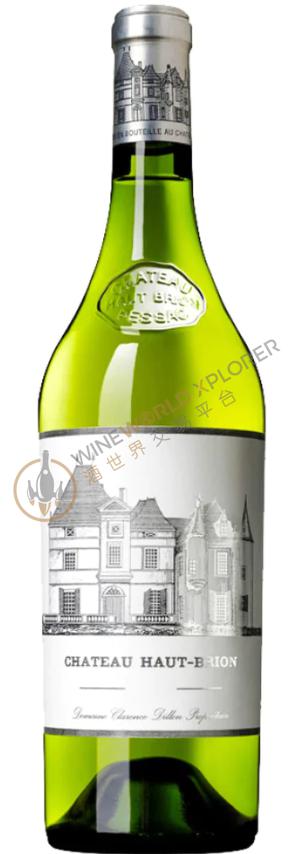
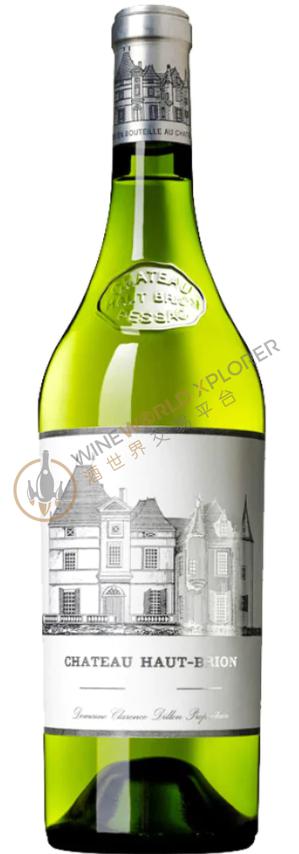
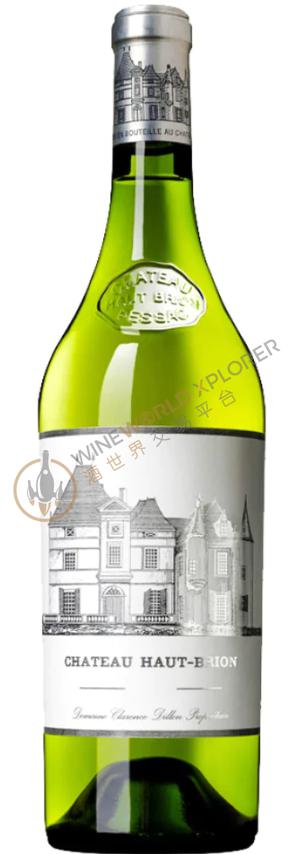
Haut Brion Blanc 2006
 View analysis


Description
Tasting notes

Reviewed by: Robert M. Parker, Jr.
This is a strong vintage for Bordeaux’s dry white wines, probably as good or better than 2005. Crisp acidity combined with outstanding concentration and the fact that most of the white grapes were harvested before the rains began in mid-September resulted in an impressive group of wines.
Reviewed by: Neal Martin
Tasted blind at Southwold ’06 Bordeaux tasting. There is just a little SO2 masking the nose – perhaps it will blow off with further aeration? Some honeyed aromas, a touch of white flowers. The palate is medium-bodied, waxy texture, touches of walnut, good length on the finish. The ’06 is a commendable Haut Brion Blanc, but not as outstanding as other recent vintages. Tasted January 2010.
Reviewed by: Neal Martin
Tasted at Haut Brion. Lucid greeny/gold tinge. An elegant nose of citrus fruits, acacia honey and pineapple. Good delineation. Very concentrated palate but much more elegant and refined than other vintages. Very good acidity, zesty, floral, white peach and a touch of coconut. Not an explosive Haut Brion Blanc. Good complexity and length. Superb. Tasted April 2007.
Reviewed by: Robert M. Parker, Jr.
It is always interesting to taste this wine next to its stablemate, Laville Haut-Brion. While Laville has 80% Semillon in it, giving it more fat and concentration, Haut-Brion is 55% Sauvignon Blanc and 45% Semillon. This is a crisp yet powerful wine, full-bodied, with great minerality and a subtle smokiness intermixed with hints of quince, white currant, orange skin, and lemon custard. Long, rich, and tightly knit, with good acidity and no evidence of any oak whatsoever despite the use of 100% new French oak, this wine is set for a long life as well. Anticipated maturity: 2014-2035.
Reviewed by: Robert M. Parker, Jr.
The 2006 Haut-Brion was somewhat closed when I tasted it, especially when compared to its blockbuster rival/sibling, La Mission Haut-Brion. The Haut-Brion (11,000 cases) is a tannic, backward wine at present revealing classic notes of smoke, scorched earth, liquid minerals, plums, currants, and cherries, medium body, and sensational purity as well as concentration. The high tannins will no doubt soften with aging in barrel, and, as Haut-Brion often does, the wine should expand and put on weight. While not as superb as the 2005 or 2000, the 2006 appears to be built along the lines of the 1996. Anticipated maturity: 2015-2030+.
Reviewed by: Neal Martin
Tasted blind at Southwold ’06 Bordeaux tasting. At this stage, the Haut Brion ’06 is a little disjointed on the nose: blackberry, cold black tea, autumn leaves in an October bonfire, a touch of damson and even a slither of marmalade. Good definition but needs time to meld. The palate is rounded and supple on the entry, saturated tannins, black cherries, damson, cassis, lower acidity, very caressing with a smooth cohesive, fleshy finish with beguiling weight and persistency. Tasted January 2010.
Reviewed by: Neal Martin
Tasted at Haut Brion. Limpid, purple and black hue. A very ripe nose, a little muted at present but with aeration reveals blackberry, hedgerow, a touch of vanilla and black tea, Very good definition. Nose explodes after 25 minutes in glass. Full-bodied with grippy, filigree tannins (like La Mission), fine acidity. The persistency is superb, lingering over a minute in the mouth. Touch of tobacco, blackberry – all that is lacking is a flourish and flesh on the finish – just a little linear at the moment, although that may change after barrel ageing. Great potential. Tasted April 2007.
Reviewed by: Neal Martin
Tasted at Bordeaux Index's annual 10-Year On tasting in London. The 2006 Château Haut-Brion has a more ostentatious bouquet than the comparatively reserved La Mission: quite feisty blackberry, briary, kirsch and red plum scents, hints of leather and sage tucked just underneath. This is a bouquet determined to make an impression! The palate is medium-bodied with supple tannin, well-judged acidity, a gentle build to a concentrated, earthy, truffle-tinged finish that lingers long in the mouth. This seems to have the upper-hand over the La Mission and probably has a longer future. A thoroughbred from Jean-Philippe Delmas and his team. Tasted January 2016.
Reviewed by: Robert M. Parker, Jr.
The 2006 Haut-Brion performed even better from bottle than it did from barrel. Sixty-four percent of the production went into this wine, and while it displays the vintage’s powerful tannins and structure, it possesses superb concentration, and the minerality/scorched earth notes of a great Haut-Brion. Medium to full-bodied, with perhaps not quite the fleshiness of the 2005 or 2000, it is built more along the lines of the 1998 and 1996. It is a brilliant effort displaying sensational purity, texture, and length that should be exceptionally long-lived. Anticipated maturity: 2017-2035 .
About the Producer
Haut-Brion has long produced the most prestigious Graves Blanc, although it faced strong competition from its neighbour La Mission Haut-Brion, which had been producing its own white wines under the Laville Haut-Brion label until 2009, when it was rebranded as La Mission Haut-Brion Blanc (both estates are under the same ownership). With very small production since the first vintage in 1916, La Mission Haut-Brion Blanc has always been a wine of considerable strength and longevity; its rarity, and the fact that it is the only white wine produced by a first growth in the Graves, makes it highly sought after by collectors. The estate's first growth status does not include white wines and it remains unclassified. Of the 52 hectares planted on the estate, only 2.9 are white: 53% Sémillon and 47% Sauvignon Blanc. (There are also a few rows of Sauvignon Blanc today, but they were not planted in 1989). They are planted on a 27m high hillock opposite the château. The soil is very deep gravel, on a clay subsoil. There is less clay than in Lamena and a different mix of varieties, with much more Sauvignon Blanc in Haut-Brion. The whole estate is located within the city limits of Bordeaux and therefore benefits from a warmer microclimate. Yields range from 25-40 litres/ha. Harvesting is carried out by hand, at maximum ripeness, so that the wines vary from 13% to 14% alcohol. Sorting takes place in the vineyard and the grapes are pneumatically pressed in whole bunches with no skin contact. Fermentation was carried out in oak barrels with native yeasts, but malolactic fermentation was prevented. The wines were decanted every three or four months and aged for 10 to 12 months, with very little stirring of the lees. In the 1980s it was common for wines to be aged entirely in new oak barrels, but today this percentage is around 50%. Production varies from 5,500 to 8,500 bottles. In 2000, the British critic Tom Cannavan enthused: "The nose has a wax and wet wool character, very buttery, with a gorgeous weight of fruit and little floral notes in the peaches, vanilla and nuts. Wonderful fruit ripeness gives a sweet impression, lots of oranges and lush apricots ...... A long, very concentrated and pure finish. Recently, American critic Jeff Leve reported on the 2010 vertical tasting, noting that the 1989 "opens with freshly picked flowers, honey, caramel, grass, lemon and lime aromas. Accompanied by a rich, polished fruit texture, the wine finishes with a blend of citrus flavours".
1977(1)1978(1)1981(1)1984(1)1987(1)1988(2)1990(1)1992(1)1993(1)1995(1)1998(2)1999(1)2000(2)2003(1)2004(3)2005(1)
Package Size