Wine Advisor



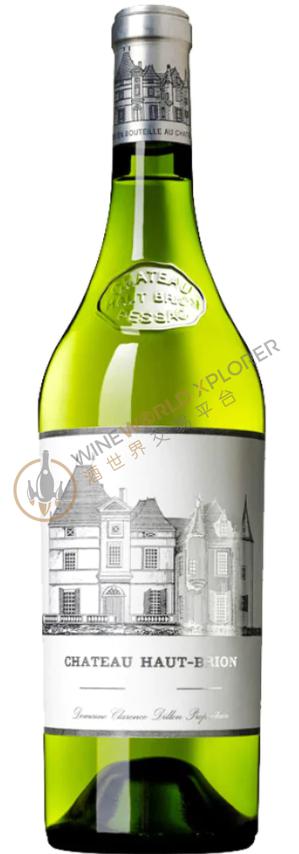
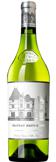
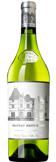
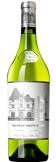
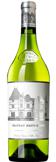
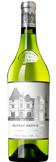
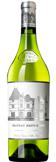
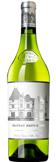
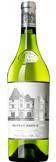
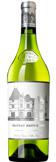
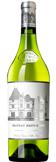
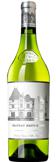
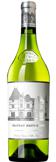
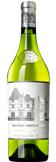
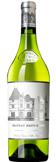
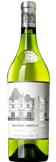
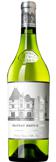
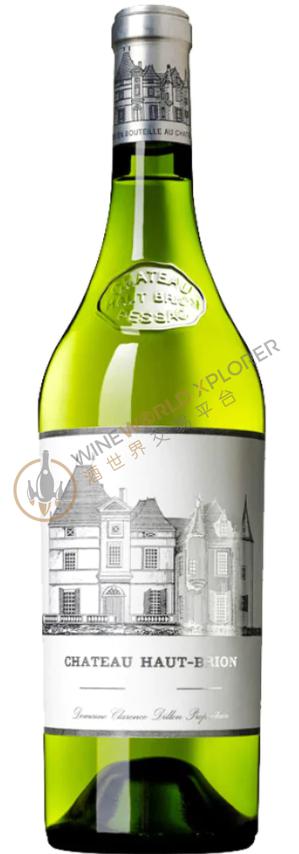
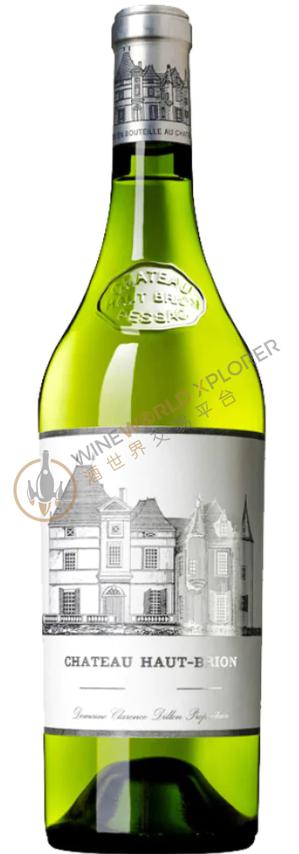
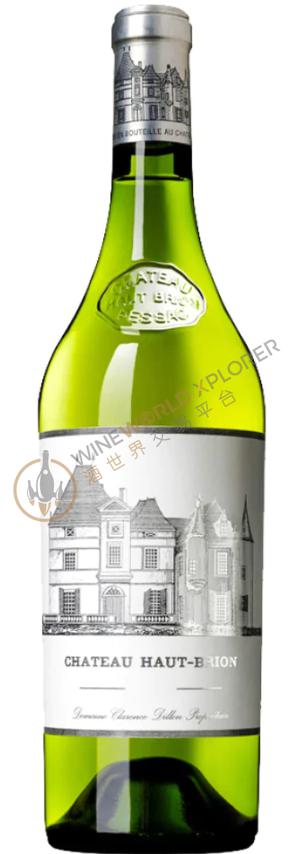
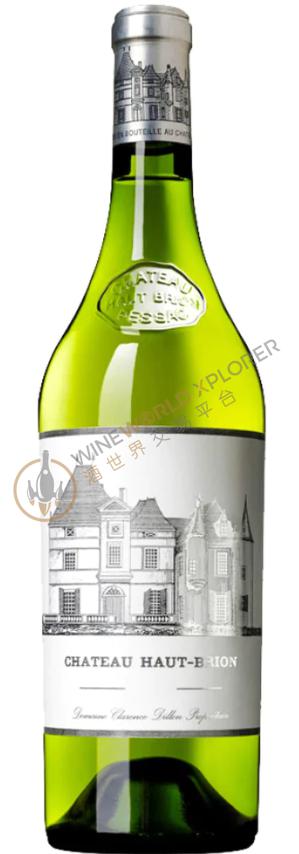
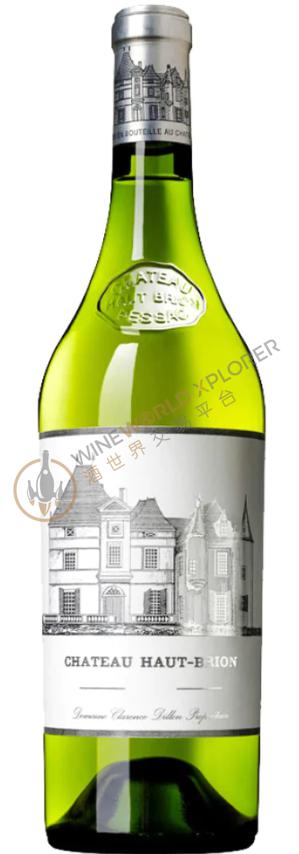
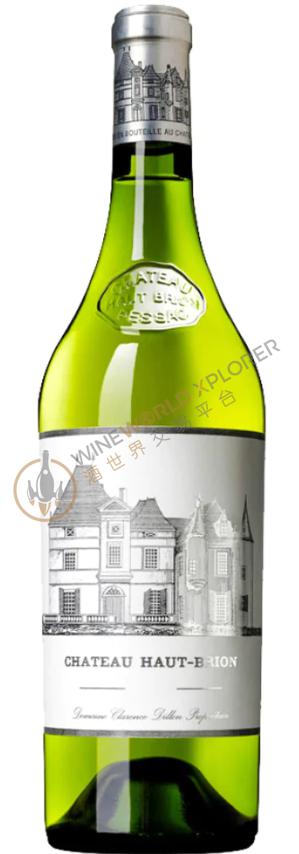
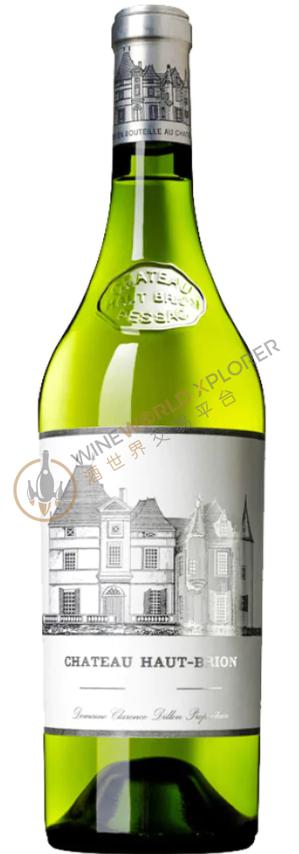
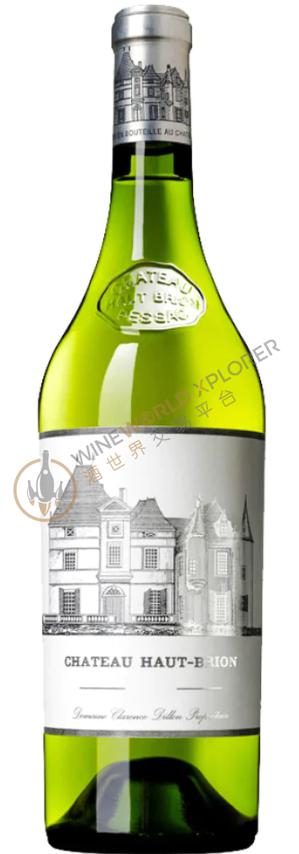
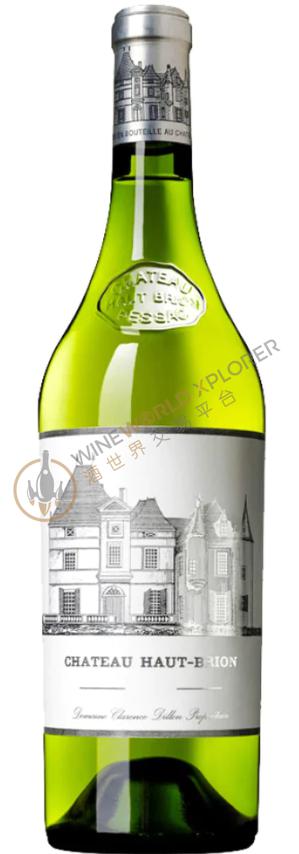
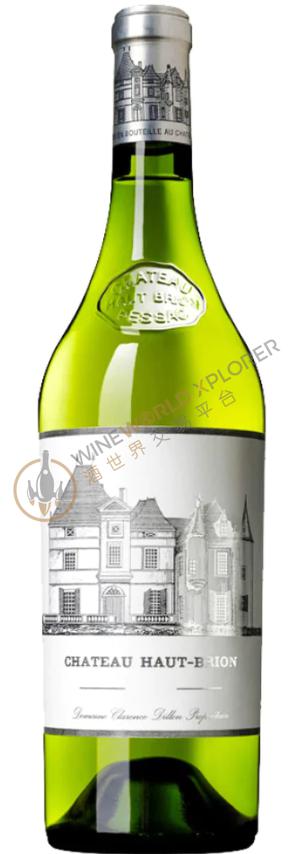
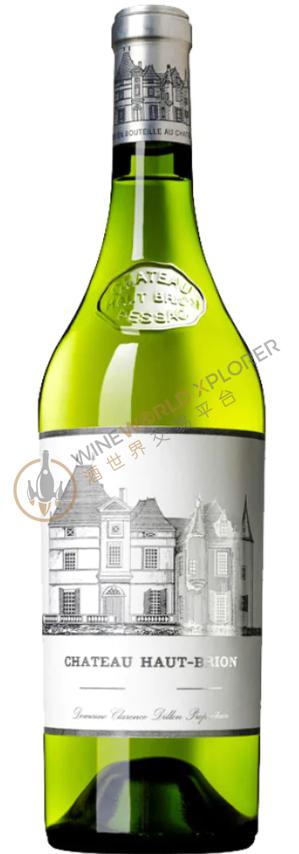
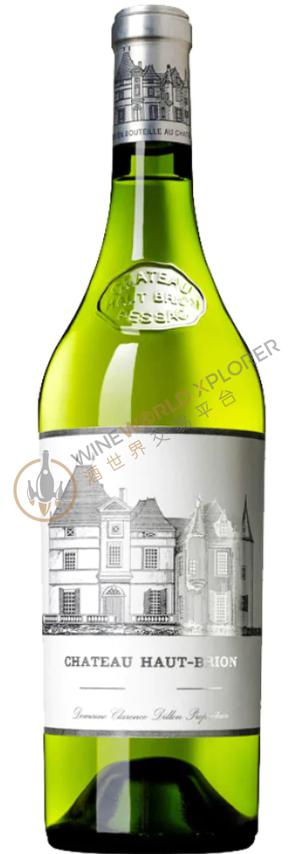
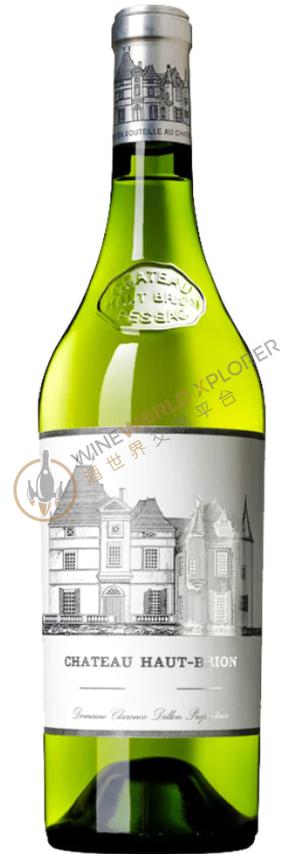
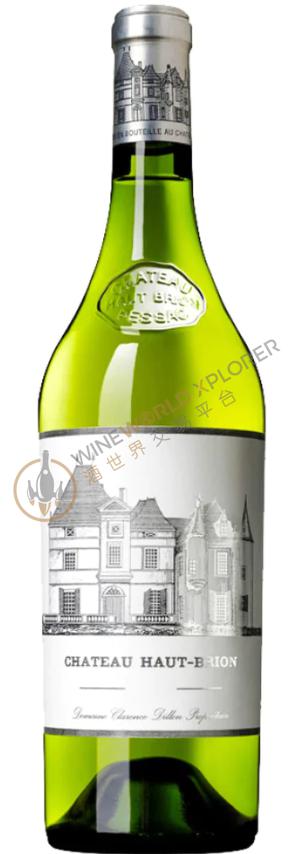
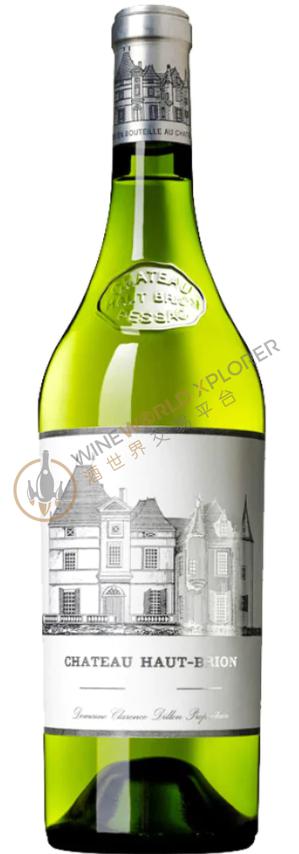
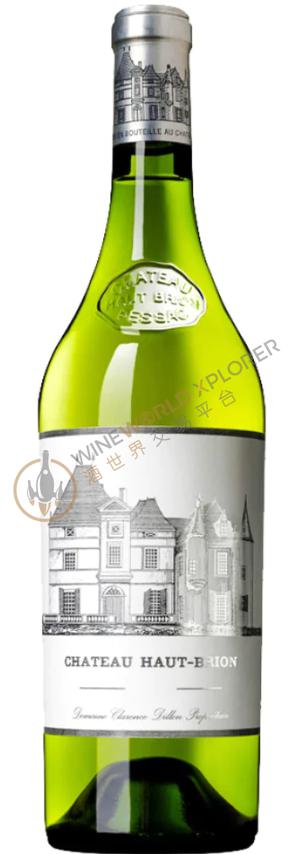
Haut Brion Blanc 2024
 View analysis


Description
Tasting notes

Reviewed by: Antonio Galloni
The 2024 Haut-Brion Blanc also has a reserved bouquet like the La Mission Blanc and demands more encouragement than usual. Eventually, there are lime, gooseberry, crushed stone and mirabelle scents that start to gain intensity after ten minutes. The palate is very well balanced with a slightly more pithy texture. It is quite peppery, with fine grip and hints of green olive toward the persistent finish. This is excellent.
Reviewed by: Zekun Shuai
Minerally and understated nose, but it’s so pure and bright, showing lots of purity and precision this year. Subtle aromas of seashells, green kiwis, wet stones and meringue follow through to a medium- to full-bodied palate. Lots of texture and energy, yet it remains dry and really long. 56.1% semillon and 43.9% sauvignon blanc.
About the Producer
Haut-Brion has long produced the most prestigious Graves Blanc, although it faced strong competition from its neighbour La Mission Haut-Brion, which had been producing its own white wines under the Laville Haut-Brion label until 2009, when it was rebranded as La Mission Haut-Brion Blanc (both estates are under the same ownership). With very small production since the first vintage in 1916, La Mission Haut-Brion Blanc has always been a wine of considerable strength and longevity; its rarity, and the fact that it is the only white wine produced by a first growth in the Graves, makes it highly sought after by collectors. The estate's first growth status does not include white wines and it remains unclassified. Of the 52 hectares planted on the estate, only 2.9 are white: 53% Sémillon and 47% Sauvignon Blanc. (There are also a few rows of Sauvignon Blanc today, but they were not planted in 1989). They are planted on a 27m high hillock opposite the château. The soil is very deep gravel, on a clay subsoil. There is less clay than in Lamena and a different mix of varieties, with much more Sauvignon Blanc in Haut-Brion. The whole estate is located within the city limits of Bordeaux and therefore benefits from a warmer microclimate. Yields range from 25-40 litres/ha. Harvesting is carried out by hand, at maximum ripeness, so that the wines vary from 13% to 14% alcohol. Sorting takes place in the vineyard and the grapes are pneumatically pressed in whole bunches with no skin contact. Fermentation was carried out in oak barrels with native yeasts, but malolactic fermentation was prevented. The wines were decanted every three or four months and aged for 10 to 12 months, with very little stirring of the lees. In the 1980s it was common for wines to be aged entirely in new oak barrels, but today this percentage is around 50%. Production varies from 5,500 to 8,500 bottles. In 2000, the British critic Tom Cannavan enthused: "The nose has a wax and wet wool character, very buttery, with a gorgeous weight of fruit and little floral notes in the peaches, vanilla and nuts. Wonderful fruit ripeness gives a sweet impression, lots of oranges and lush apricots ...... A long, very concentrated and pure finish. Recently, American critic Jeff Leve reported on the 2010 vertical tasting, noting that the 1989 "opens with freshly picked flowers, honey, caramel, grass, lemon and lime aromas. Accompanied by a rich, polished fruit texture, the wine finishes with a blend of citrus flavours".
1977(1)1978(1)1981(1)1984(1)1987(1)1988(2)1990(1)1992(1)1993(1)1995(1)1998(2)1999(1)2000(2)2003(1)2004(3)2005(1)2006(1)2007(1)2009(2)2011(1)2012(5)2013(3)2014(10)2015(3)2016(3)2017(2)2018(2)2019(2)2020(3)2021(4)2022(5)2023(3)
Package Size