Wine Advisor



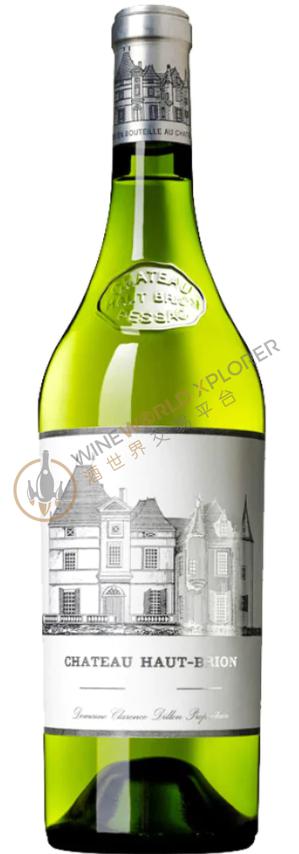
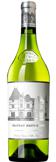
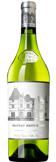
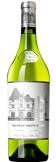
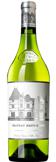
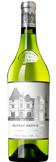
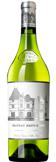
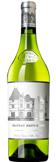
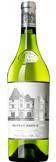
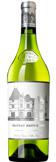
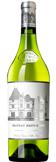
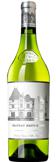
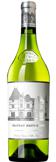
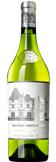
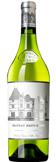
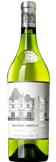
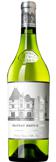
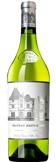
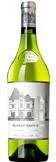
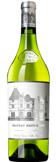
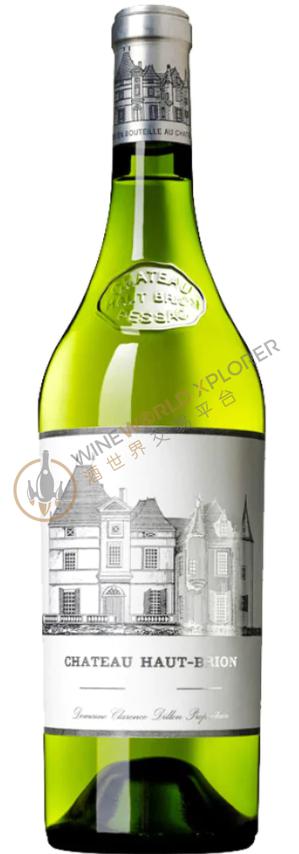
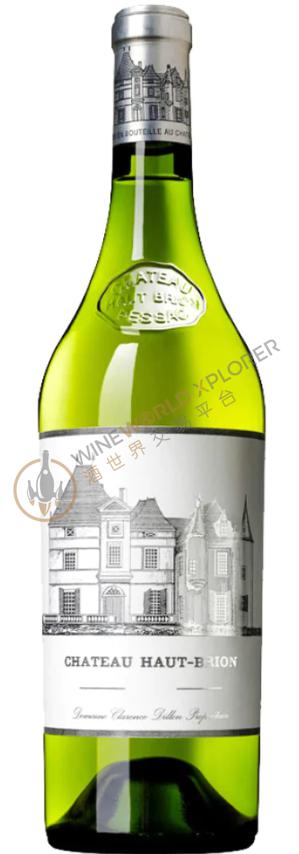
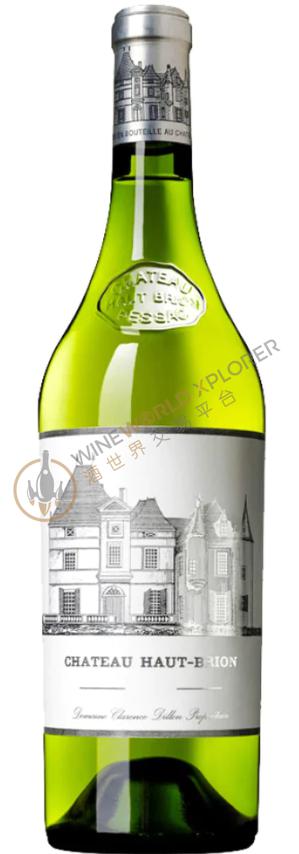
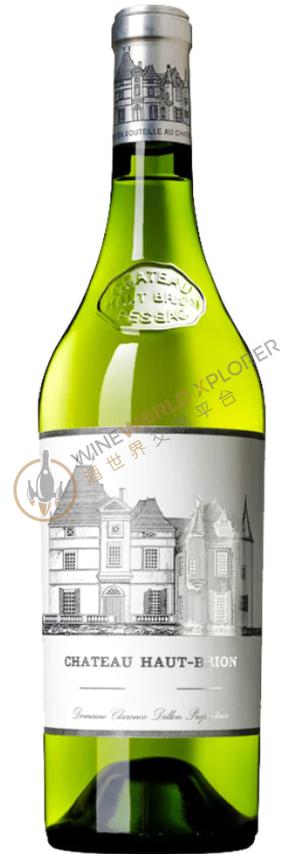
Haut Brion Blanc 1978
 View analysis


Description
Tasting notes

Reviewed by: Robert M. Parker, Jr.
A more difficult wine to handicap than some Haut-Brions, the 1978 has performed unevenly. Some bottles appear to be overripe, with a pronounced melted road tar character, while others are fresher with less of a roasted, baked character to the fruit. In this tasting, the wine revealed a melted, road tar, almost truffle-like component in its nose, but it was more dominated by sweet, weedy, curranty, tobacco-scented fruit aromas and flavors. Medium-bodied and expansive on the palate, with low acidity and a supple, lush finish, this wine is fully mature, yet capable of lasting another 7-8 years. Last tasted, 6/93.
Reviewed by: Robert M. Parker, Jr.
Last Tasted 7/92 The 1978 continues to behave in an inconsistent manner. Tasted twice during the past summer, the wine exhibits some brown at the edge, and a big nose of hot road tar, sweet oak, and herb-scented red and black fruits. Quite mature, with a rich, luscious texture, this medium-bodied, concentrated Haut-Brion appears to be ready for prime time drinking. However, I have noted that some bottles possess an exaggerated smell of hot road tar as opposed to that component just adding an element of complexity.
Reviewed by: Neal Martin
First tasted in June 2002. Few signs of aging. A delicate, ripe, figgy, tarry nose. Quite feminine for Haut-Brion. Palate is well balanced, drinking well now. Not as embellished as 1982 but not lean by any means. Good acidity. Notes of dates, tar and tobacco. Moderate length. Very fine. Tasted again from an imperial at the CEC tasting: quite closed on the nose. Lacks the vigor found a couple of year ago - quite herbal. The palate is fully mature, supple and soft - dates, mulberry and tobacco, especially on the finish. Touch of lemongrass. Very fine although I think a couple more this would have ameliorated the wine considerably. Tasted March 2004.
Reviewed by: Robert M. Parker, Jr.
In decline, this wine seems to have become kinkier and weirder as it has developed over the least 5-6 years. The color is a dark plum, and the nose offers up a very sweet nose of rotting vegetation, melted asphalt, and autumnal leaves. The wine shows plenty of amber at the edge, and the finish seems to be losing fruit and showing more tannin and acidity. This wine seems to be in major decline. Anticipated maturity: Drink up. Last tasted, 11/02.
Reviewed by: Robert M. Parker, Jr.
As this wine has developed, it has taken on a pronounced roasted, melted asphalt/tar-scented nose that in some ways is the essence of Graves, but it seems strikingly devoid of some of the other nuances so common in Haut-Brion. The wine is fully mature, with a deep garnet color, and a pronounced asphalt-scented nose. This impression is verified in the mouth, where the wine reveals a lot of smokiness, tar, and sweet black fruit flavors. This surprisingly evolved wine has been fully mature for a decade or more. I would not push my luck with this vintage of Haut-Brion, preferring to consume it over the next 5-6 years. Anticipated maturity: Now-2003. Last tasted 10/97
About the Producer
Haut-Brion has long produced the most prestigious Graves Blanc, although it faced strong competition from its neighbour La Mission Haut-Brion, which had been producing its own white wines under the Laville Haut-Brion label until 2009, when it was rebranded as La Mission Haut-Brion Blanc (both estates are under the same ownership). With very small production since the first vintage in 1916, La Mission Haut-Brion Blanc has always been a wine of considerable strength and longevity; its rarity, and the fact that it is the only white wine produced by a first growth in the Graves, makes it highly sought after by collectors. The estate's first growth status does not include white wines and it remains unclassified. Of the 52 hectares planted on the estate, only 2.9 are white: 53% Sémillon and 47% Sauvignon Blanc. (There are also a few rows of Sauvignon Blanc today, but they were not planted in 1989). They are planted on a 27m high hillock opposite the château. The soil is very deep gravel, on a clay subsoil. There is less clay than in Lamena and a different mix of varieties, with much more Sauvignon Blanc in Haut-Brion. The whole estate is located within the city limits of Bordeaux and therefore benefits from a warmer microclimate. Yields range from 25-40 litres/ha. Harvesting is carried out by hand, at maximum ripeness, so that the wines vary from 13% to 14% alcohol. Sorting takes place in the vineyard and the grapes are pneumatically pressed in whole bunches with no skin contact. Fermentation was carried out in oak barrels with native yeasts, but malolactic fermentation was prevented. The wines were decanted every three or four months and aged for 10 to 12 months, with very little stirring of the lees. In the 1980s it was common for wines to be aged entirely in new oak barrels, but today this percentage is around 50%. Production varies from 5,500 to 8,500 bottles. In 2000, the British critic Tom Cannavan enthused: "The nose has a wax and wet wool character, very buttery, with a gorgeous weight of fruit and little floral notes in the peaches, vanilla and nuts. Wonderful fruit ripeness gives a sweet impression, lots of oranges and lush apricots ...... A long, very concentrated and pure finish. Recently, American critic Jeff Leve reported on the 2010 vertical tasting, noting that the 1989 "opens with freshly picked flowers, honey, caramel, grass, lemon and lime aromas. Accompanied by a rich, polished fruit texture, the wine finishes with a blend of citrus flavours".
1977(1)
Package Size