Wine Advisor



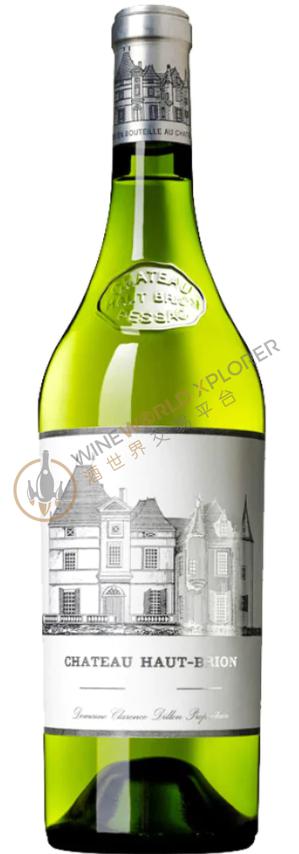
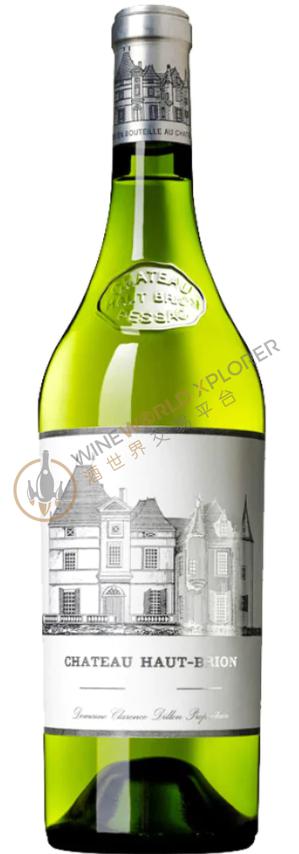
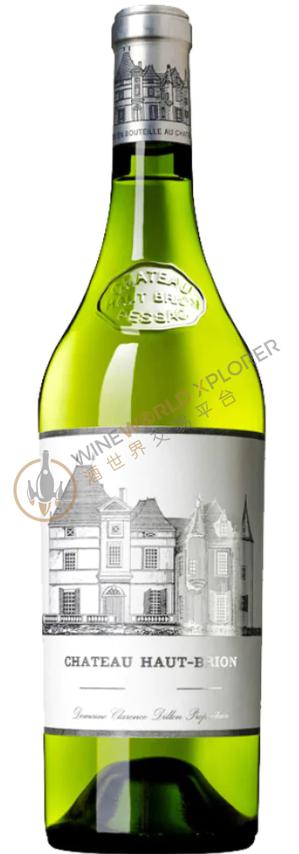
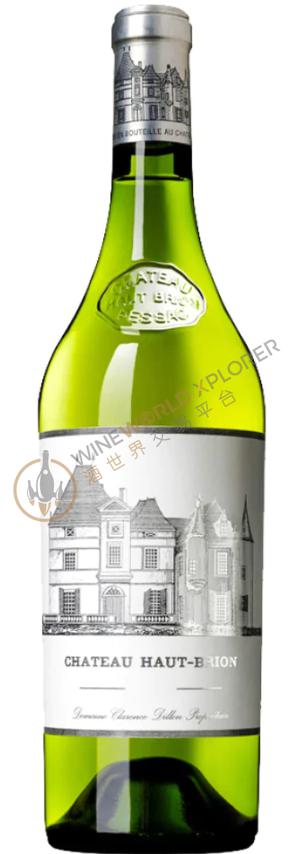
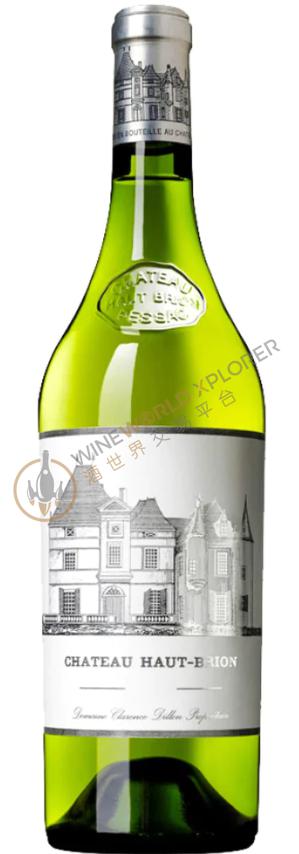
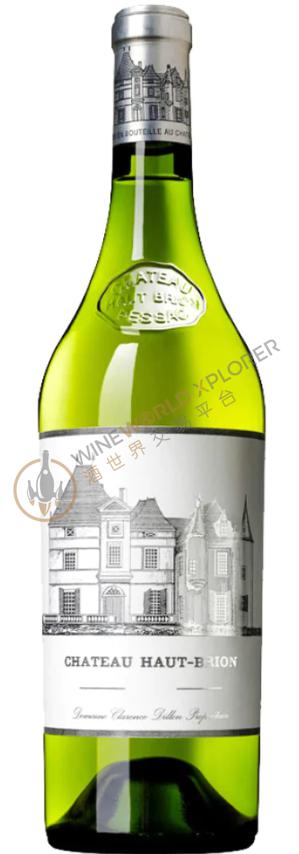
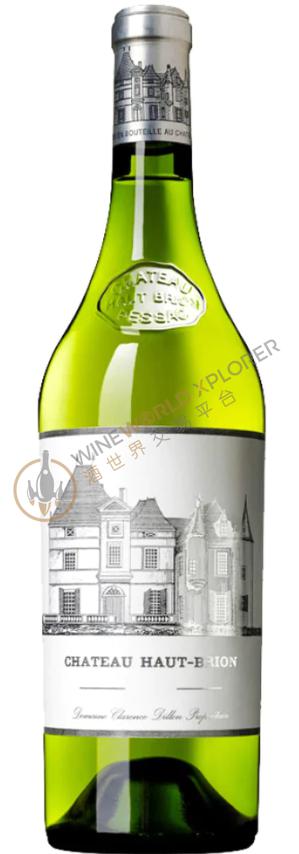
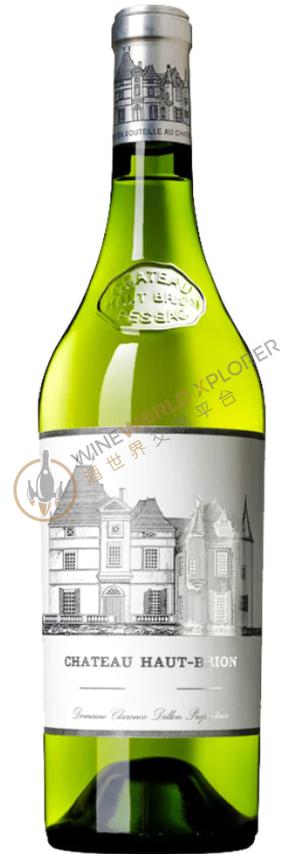
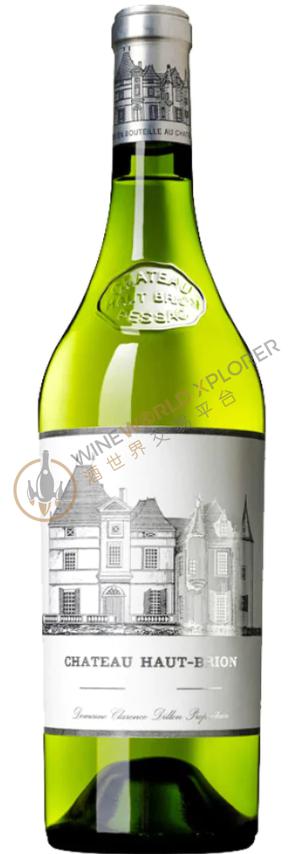
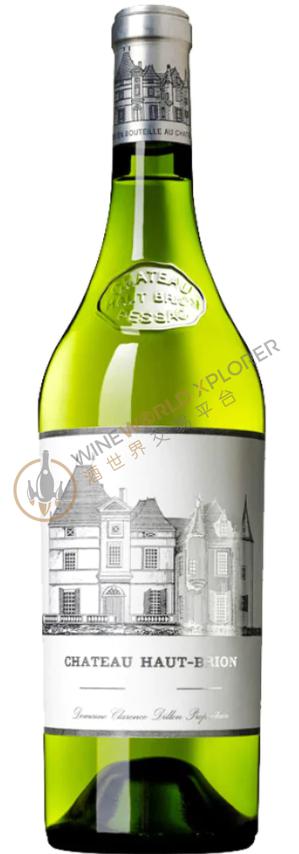
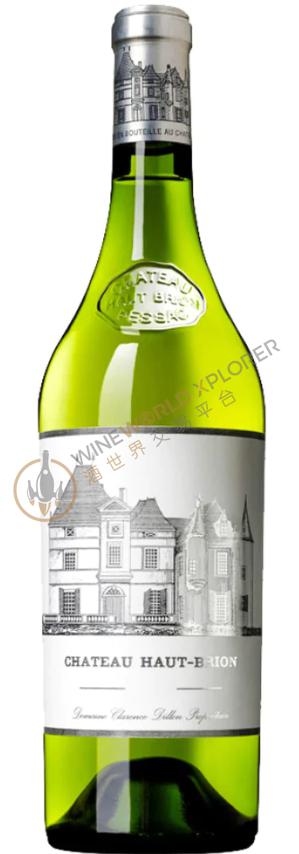
Haut Brion Blanc 2017
 View analysis


Description
Tasting notes

Reviewed by: Lisa Perrotti-Brown
Composed of 56.2% Sauvignon Blanc and 43.8% Sémillon, the 2017 Blanc sashays out of the glass with gregarious notions of peach preserves, pineapple tart and orange blossoms with touches of musk perfume, candied ginger and allspice. Medium-bodied, the palate reveals a gorgeous satiny texture with amazing citrus and tropical fruit intensity and a seriously racy backbone carrying the layers to a very long, impactful finish. Give this a few more years to really flaunt its stuff, and I wouldn’t be at all surprised if this warrants the full three-digits. Bravo!
Reviewed by: Lisa Perrotti-Brown
Composed of 56.2% Sauvignon Blanc and 43.8% Sémillon, the 2017 Blanc from Haut-Brion is a little more reticent on the nose than the La Mission Haut-Brion Blanc, offering up subtle pink grapefruit, green mango and ripe pears scents with an undercurrent of baking bread, ginger and allspice plus a waft of lemon peel. The palate is medium-bodied with wonderfully generous tropical and citrus flavors accented by loads of spices, finishing long and savory.
Reviewed by: Lisa Perrotti-Brown
A blend of 53% Merlot, 6.3% Cabernet Franc and 40.7% Cabernet Sauvignon, the deep garnet-purple colored 2017 Haut-Brion sashays gracefully out of the glass with fragrant notions of black raspberries, kirsch, dark chocolate, star anise and candied violets with a core of warm red and black currants and a touch of pencil lead. Medium to full-bodied, the palate bursts with red and black fruit layers, superbly supported by firm, ripe, finely grained tannins and fantastic freshness, finishing very long and mineral laced.
Reviewed by: Lisa Perrotti-Brown
Composed of 53% Merlot, 40.7% Cabernet Sauvignon and 6.3% Cabernet Franc, the very deep purple-black colored 2017 Haut-Brion is a little closed on the nose, revealing fresh blackberries, black currants and dark chocolate with suggestions of pencil shavings, beef drippings, tilled soil and cracked black pepper plus a waft of lavender. Medium to full-bodied, it has very firm, ripe, grainy tannins and a lively backbone structuring the tightly knit earth and black fruit layers, finishing with compelling mineral and perfumed layers.
Reviewed by: Neal Martin
The 2017 Haut-Brion Blanc was picked 22 to 30 August according to Jean-Philippe Delmas. I find this conveys more tension than the La Mission Haut-Brion Blanc at this early stage. There is better penetration with crushed stone/petrichor notes emerging with time. The palate is very well balanced with a fine bead of acidity, slightly honeyed in texture with hints of ginger and caramelised pear towards the persistent finish. This is an excellent Haut-Brion Blanc that will give many years of drinking pleasure.
About the Producer
Haut-Brion has long produced the most prestigious Graves Blanc, although it faced strong competition from its neighbour La Mission Haut-Brion, which had been producing its own white wines under the Laville Haut-Brion label until 2009, when it was rebranded as La Mission Haut-Brion Blanc (both estates are under the same ownership). With very small production since the first vintage in 1916, La Mission Haut-Brion Blanc has always been a wine of considerable strength and longevity; its rarity, and the fact that it is the only white wine produced by a first growth in the Graves, makes it highly sought after by collectors. The estate's first growth status does not include white wines and it remains unclassified. Of the 52 hectares planted on the estate, only 2.9 are white: 53% Sémillon and 47% Sauvignon Blanc. (There are also a few rows of Sauvignon Blanc today, but they were not planted in 1989). They are planted on a 27m high hillock opposite the château. The soil is very deep gravel, on a clay subsoil. There is less clay than in Lamena and a different mix of varieties, with much more Sauvignon Blanc in Haut-Brion. The whole estate is located within the city limits of Bordeaux and therefore benefits from a warmer microclimate. Yields range from 25-40 litres/ha. Harvesting is carried out by hand, at maximum ripeness, so that the wines vary from 13% to 14% alcohol. Sorting takes place in the vineyard and the grapes are pneumatically pressed in whole bunches with no skin contact. Fermentation was carried out in oak barrels with native yeasts, but malolactic fermentation was prevented. The wines were decanted every three or four months and aged for 10 to 12 months, with very little stirring of the lees. In the 1980s it was common for wines to be aged entirely in new oak barrels, but today this percentage is around 50%. Production varies from 5,500 to 8,500 bottles. In 2000, the British critic Tom Cannavan enthused: "The nose has a wax and wet wool character, very buttery, with a gorgeous weight of fruit and little floral notes in the peaches, vanilla and nuts. Wonderful fruit ripeness gives a sweet impression, lots of oranges and lush apricots ...... A long, very concentrated and pure finish. Recently, American critic Jeff Leve reported on the 2010 vertical tasting, noting that the 1989 "opens with freshly picked flowers, honey, caramel, grass, lemon and lime aromas. Accompanied by a rich, polished fruit texture, the wine finishes with a blend of citrus flavours".
1977(1)1978(1)1981(1)1984(1)1987(1)1988(2)1990(1)1992(1)1993(1)1995(1)1998(2)1999(1)2000(2)2003(1)2004(3)2005(1)2006(1)2007(1)2009(2)2011(1)2012(5)2013(3)2014(10)2015(3)2016(3)
Package Size