Wine Advisor



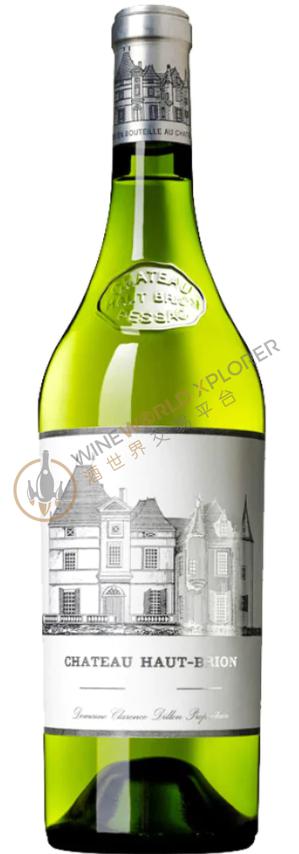
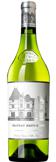
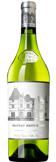
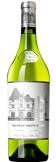
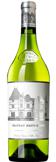
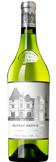
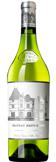
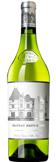
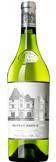
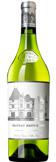
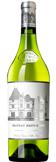
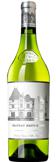
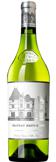
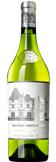
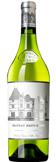
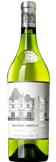
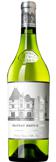
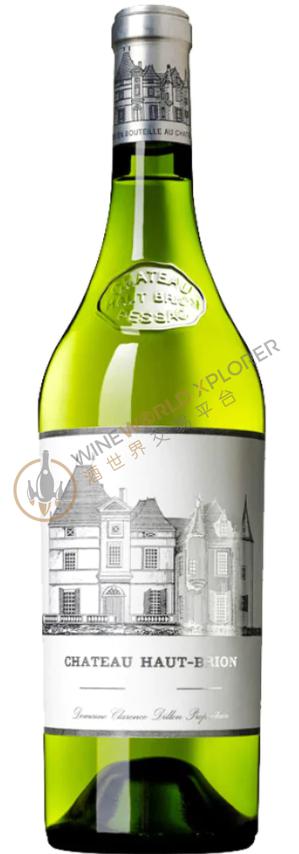
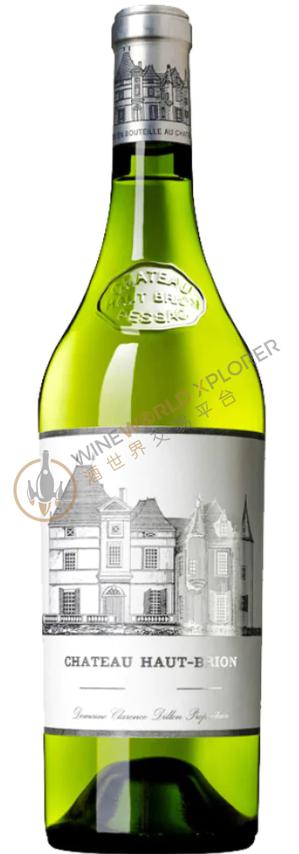
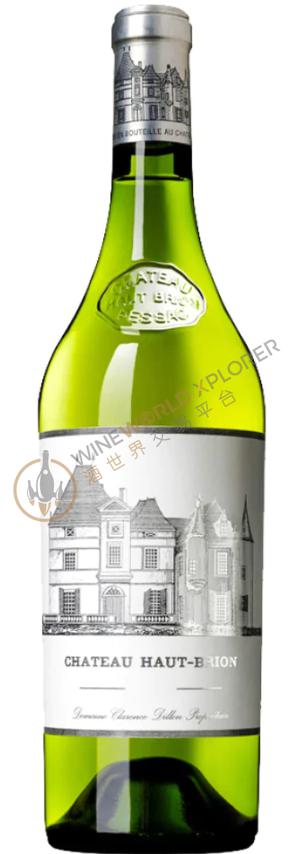
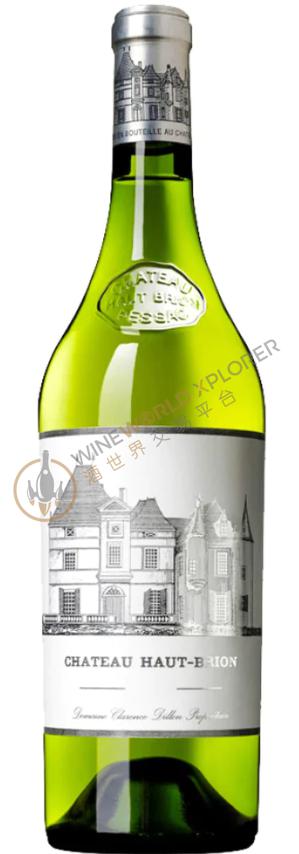
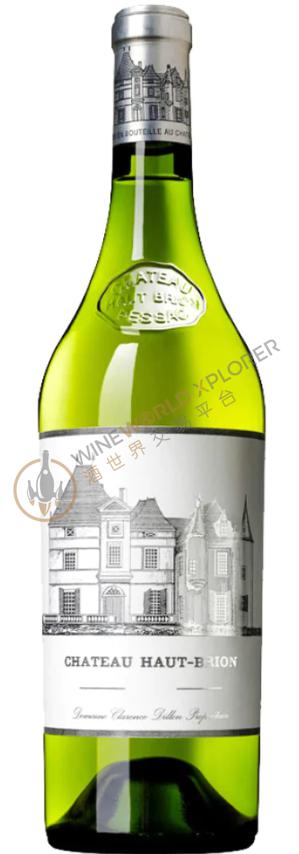
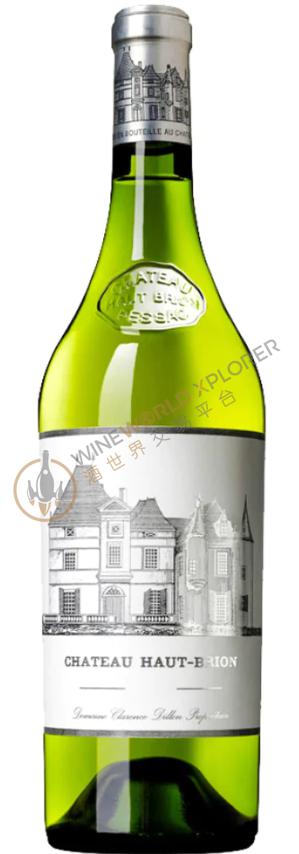
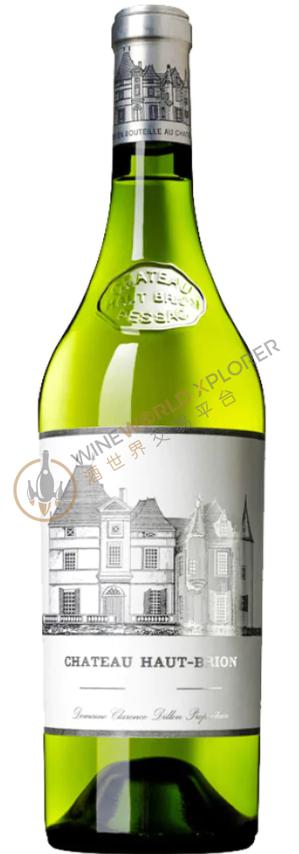
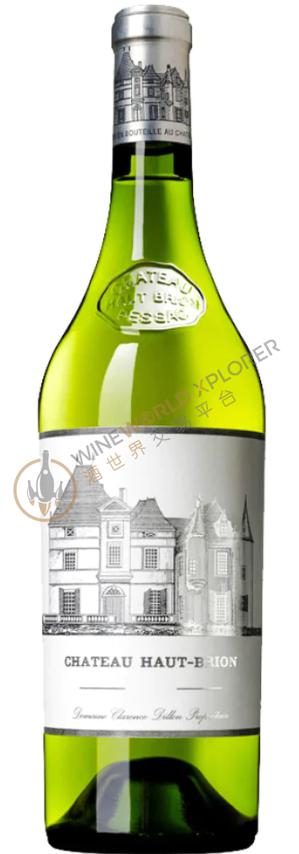
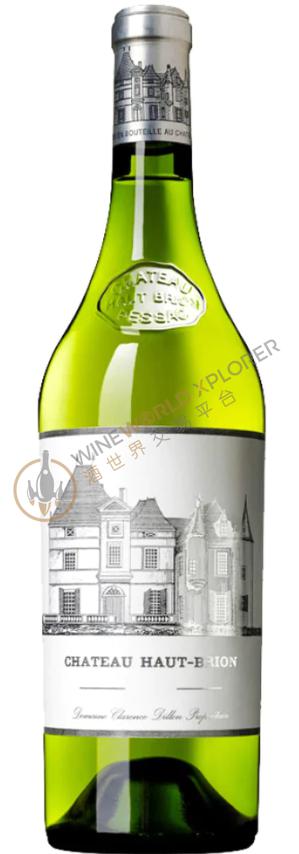
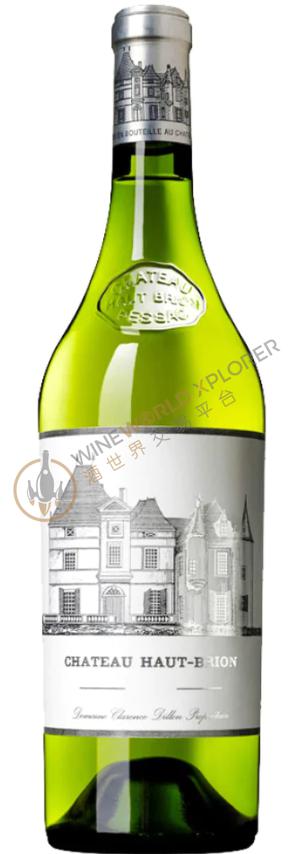
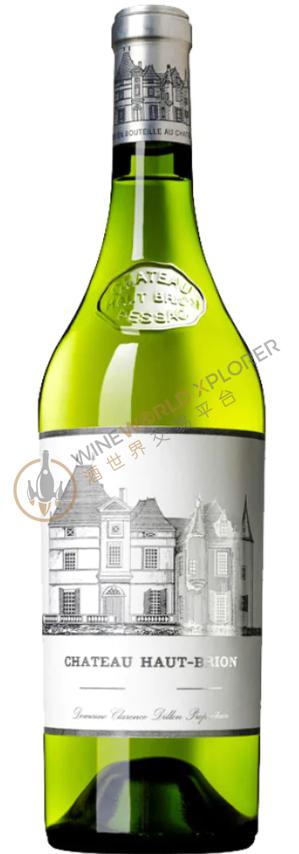
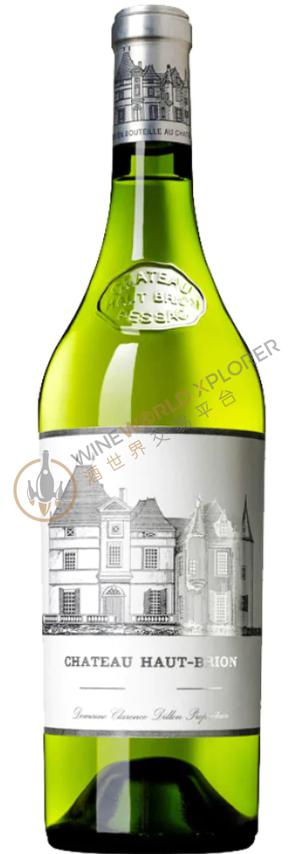
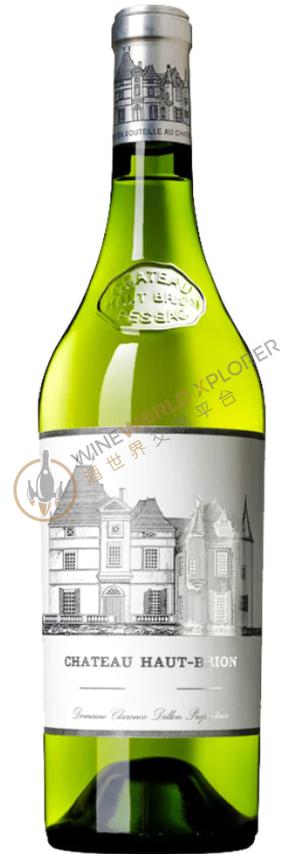
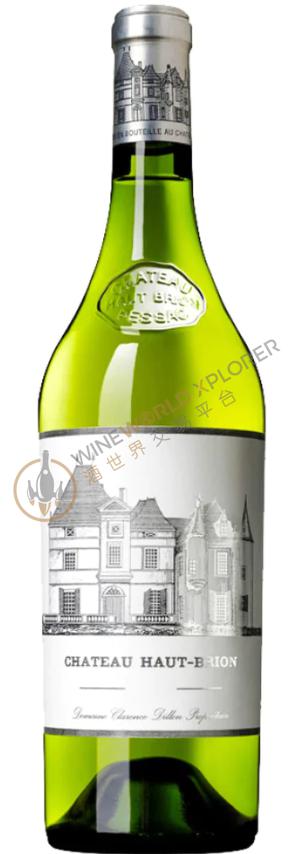
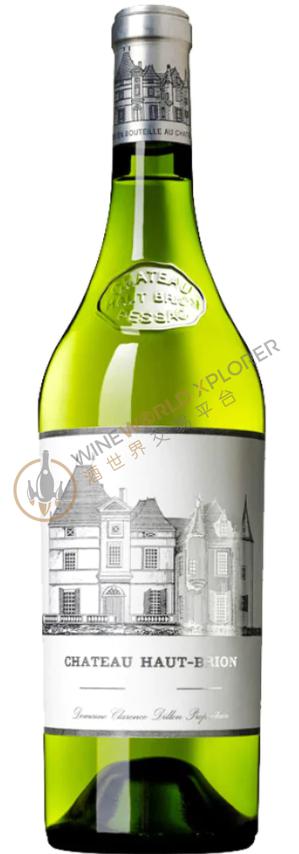
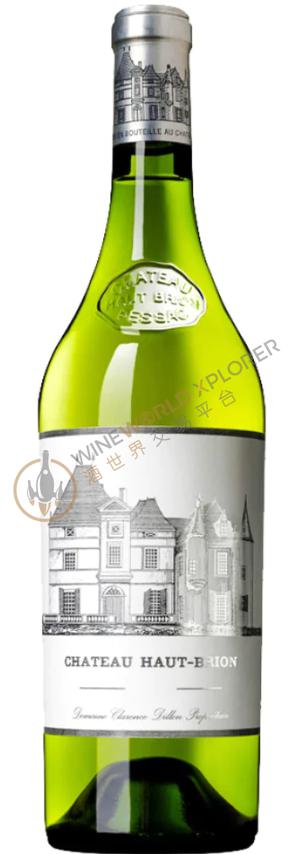
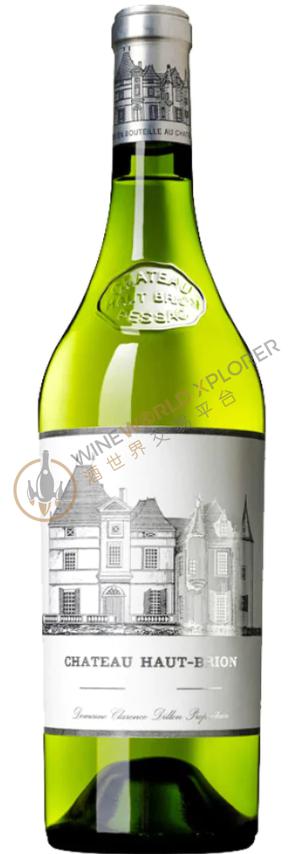
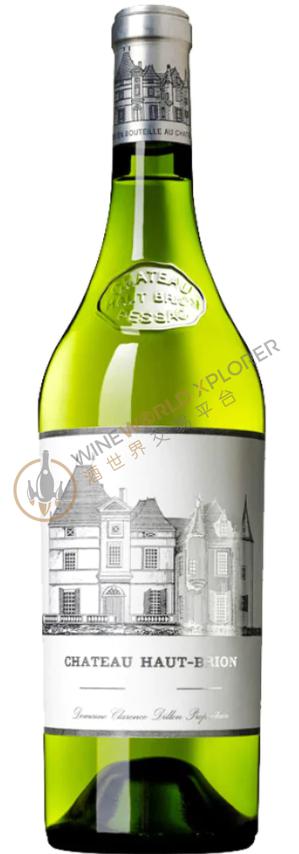
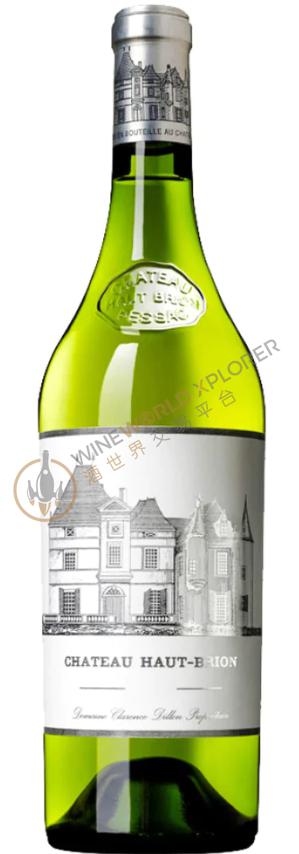
Haut Brion Blanc 1987
 View analysis


Description
Tasting notes

Reviewed by: Robert M. Parker, Jr.
This wine continues to evolve beautifully and offers up an elegant, moderately intense bouquet of herbs, creamy minerals, and fig-like fruit. The wine is medium bodied, wonderfully concentrated in a delicate, yet still-flavorful style. This impeccably balanced Haut-Brion Blanc should be drunk early on. Anticipated maturity: Now. Last tasted, 11/90.
Reviewed by: Robert M. Parker, Jr.
The bold and dramatic Haut-Brion bouquet is apparent in the 1987, which exhibits a strong smell of cigarette tobacco, minerals, and blackcurrants. Medium-bodied, round, and generous, with some weediness lurking under the surface, this intensely scented wine has a surprisingly long finish. Drink it over the next 3-5 years. Last tasted, 6/93.
Reviewed by: Robert M. Parker, Jr.
Last Tasted 8/92 Haut-Brion, along with its sister chateau, La Mission Haut Brion, made several of the finest 1987s. While I have a slight preference for La Mission-Haut-Brion in this vintage, Haut-Brion has clearly made a wine that typifies the character of the vineyard. The fragrant nose of leafy tobacco, black fruits, and spices is attractive. In the mouth, there is a soft texture, medium body, and a pleasant ripe fruit character. Fully mature, it should easily keep for another 7-10 years.
Reviewed by: Robert M. Parker, Jr.
This is an example of a light vintage that produced an immensely seductive, supple, delicious wine that seemed nearly fully mature when released in 1989 yet has continued to offer a fragrant, round, elegant, delicious style of wine that never hit the blockbuster high marks of the great vintages but is, oh, so satisfying and so typically Haut-Brion. Remarkably, the wine seems to defy aging, staying fragrant, sweet, round, relatively light, but delicious and so well balanced. I would have thought this wine would have long faded, but it continues to drink beautifully, with only some amber creeping in at the edge. Anticipated maturity: Now-2006. An example of how perfectly balanced even lighter-styled wines can last longer than anyone expects. Last tasted, 11/02.
Reviewed by: Robert M. Parker, Jr.
The 1987 has been delicious since bottling, exhibiting a dramatic, earthy, singed-leather, sweet tobacco, and ripe black currant-scented nose. Although not a blockbuster, it offers a medium-bodied, generous, sweet, rich fruitiness, as well as a seductive personality. This fragrant, round, elegant, and delicious Haut-Brion has been fully mature since the early nineties, but reveals no signs of fading. However, owners should not push their luck much further. Oh, how I wish I had purchased more of this wine, given the low price for which it once sold. Anticipated maturity: Now. Last tasted 1/97
Reviewed by: Neal Martin
The 1987 Haut-Brion Blanc has an entrancing marmalade, quince and orange blossom scented bouquet that feels fully mature at 30 years of age. The palate shows some signs of oxidation but there is a fine thread of acidity and a pleasing mandarin and orange peel finish. It is a capable Haut-Brion Blanc, though frankly it is nothing compared to the imperious 1985 or the feisty 1992. Drink soon if you own any bottles. Tasted at a white Bordeaux-themed private dinner in London.
About the Producer
Haut-Brion has long produced the most prestigious Graves Blanc, although it faced strong competition from its neighbour La Mission Haut-Brion, which had been producing its own white wines under the Laville Haut-Brion label until 2009, when it was rebranded as La Mission Haut-Brion Blanc (both estates are under the same ownership). With very small production since the first vintage in 1916, La Mission Haut-Brion Blanc has always been a wine of considerable strength and longevity; its rarity, and the fact that it is the only white wine produced by a first growth in the Graves, makes it highly sought after by collectors. The estate's first growth status does not include white wines and it remains unclassified. Of the 52 hectares planted on the estate, only 2.9 are white: 53% Sémillon and 47% Sauvignon Blanc. (There are also a few rows of Sauvignon Blanc today, but they were not planted in 1989). They are planted on a 27m high hillock opposite the château. The soil is very deep gravel, on a clay subsoil. There is less clay than in Lamena and a different mix of varieties, with much more Sauvignon Blanc in Haut-Brion. The whole estate is located within the city limits of Bordeaux and therefore benefits from a warmer microclimate. Yields range from 25-40 litres/ha. Harvesting is carried out by hand, at maximum ripeness, so that the wines vary from 13% to 14% alcohol. Sorting takes place in the vineyard and the grapes are pneumatically pressed in whole bunches with no skin contact. Fermentation was carried out in oak barrels with native yeasts, but malolactic fermentation was prevented. The wines were decanted every three or four months and aged for 10 to 12 months, with very little stirring of the lees. In the 1980s it was common for wines to be aged entirely in new oak barrels, but today this percentage is around 50%. Production varies from 5,500 to 8,500 bottles. In 2000, the British critic Tom Cannavan enthused: "The nose has a wax and wet wool character, very buttery, with a gorgeous weight of fruit and little floral notes in the peaches, vanilla and nuts. Wonderful fruit ripeness gives a sweet impression, lots of oranges and lush apricots ...... A long, very concentrated and pure finish. Recently, American critic Jeff Leve reported on the 2010 vertical tasting, noting that the 1989 "opens with freshly picked flowers, honey, caramel, grass, lemon and lime aromas. Accompanied by a rich, polished fruit texture, the wine finishes with a blend of citrus flavours".
1977(1)1978(1)1981(1)1984(1)
Package Size